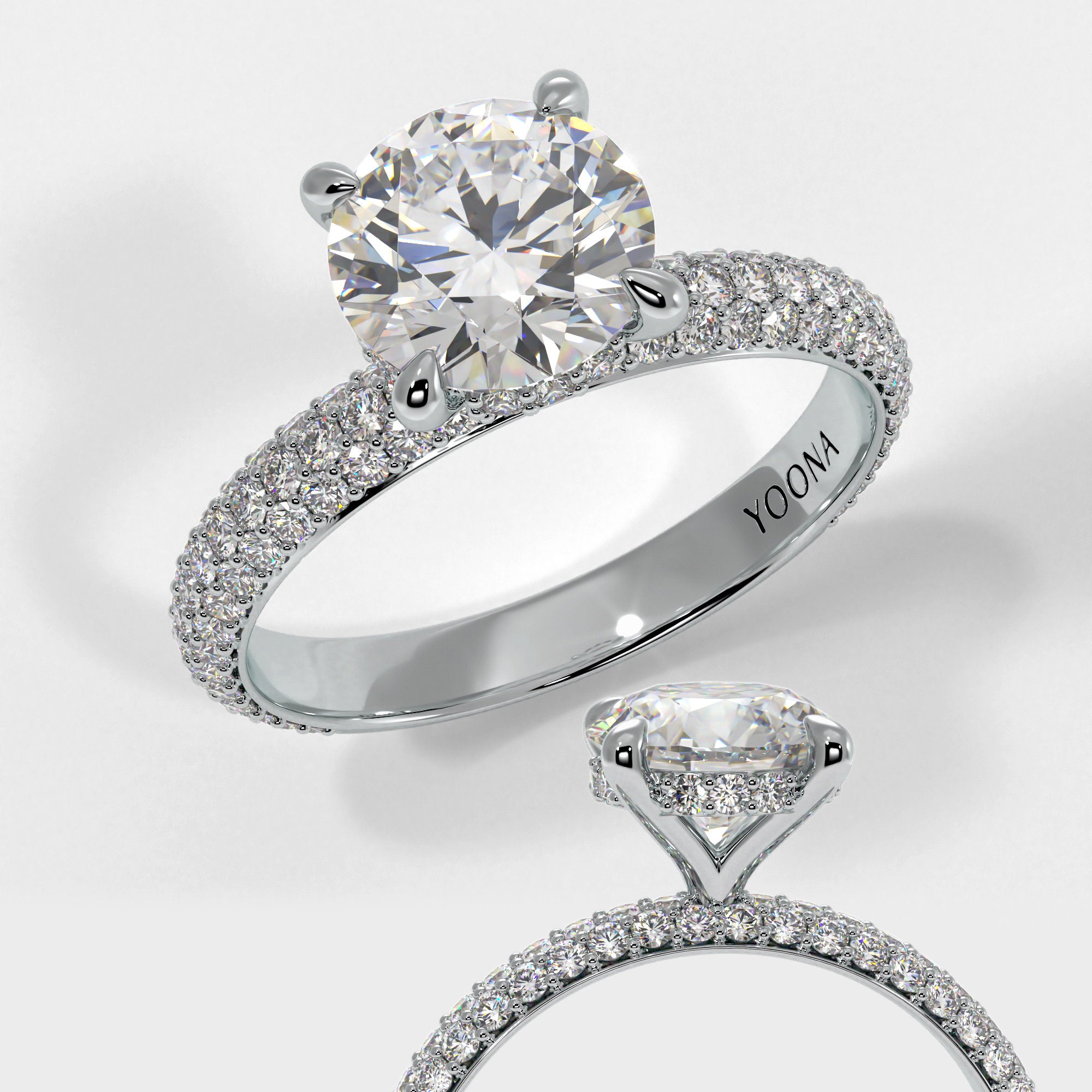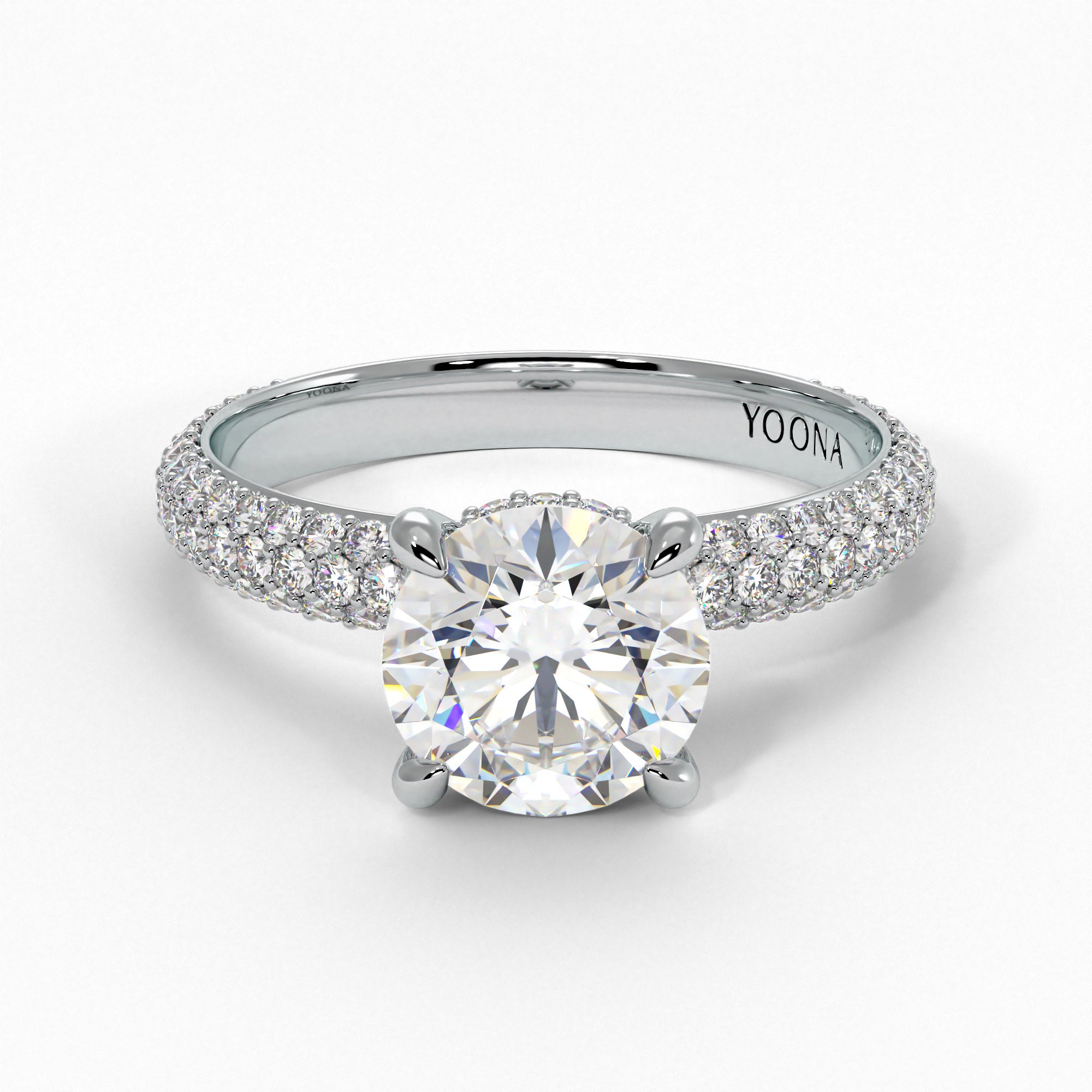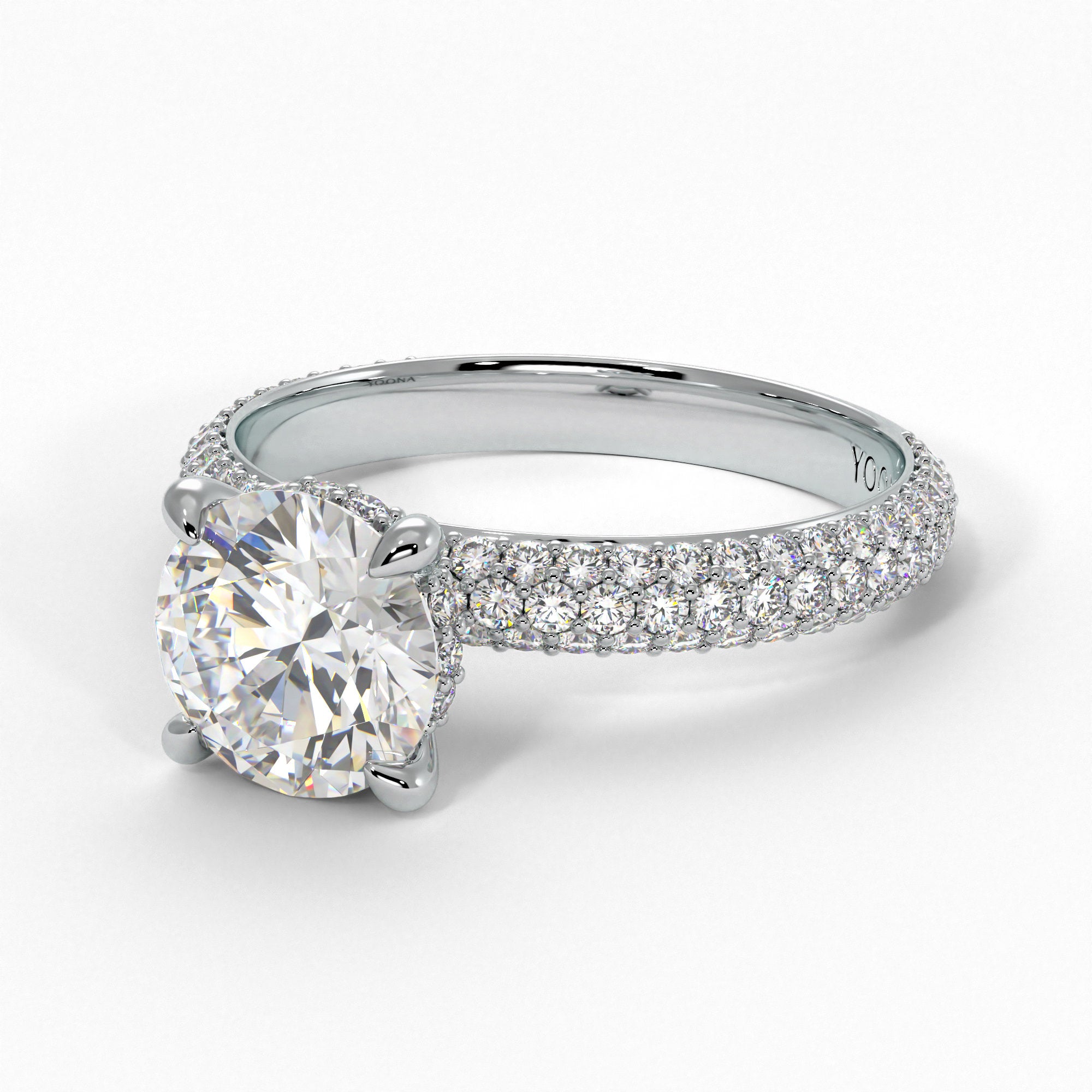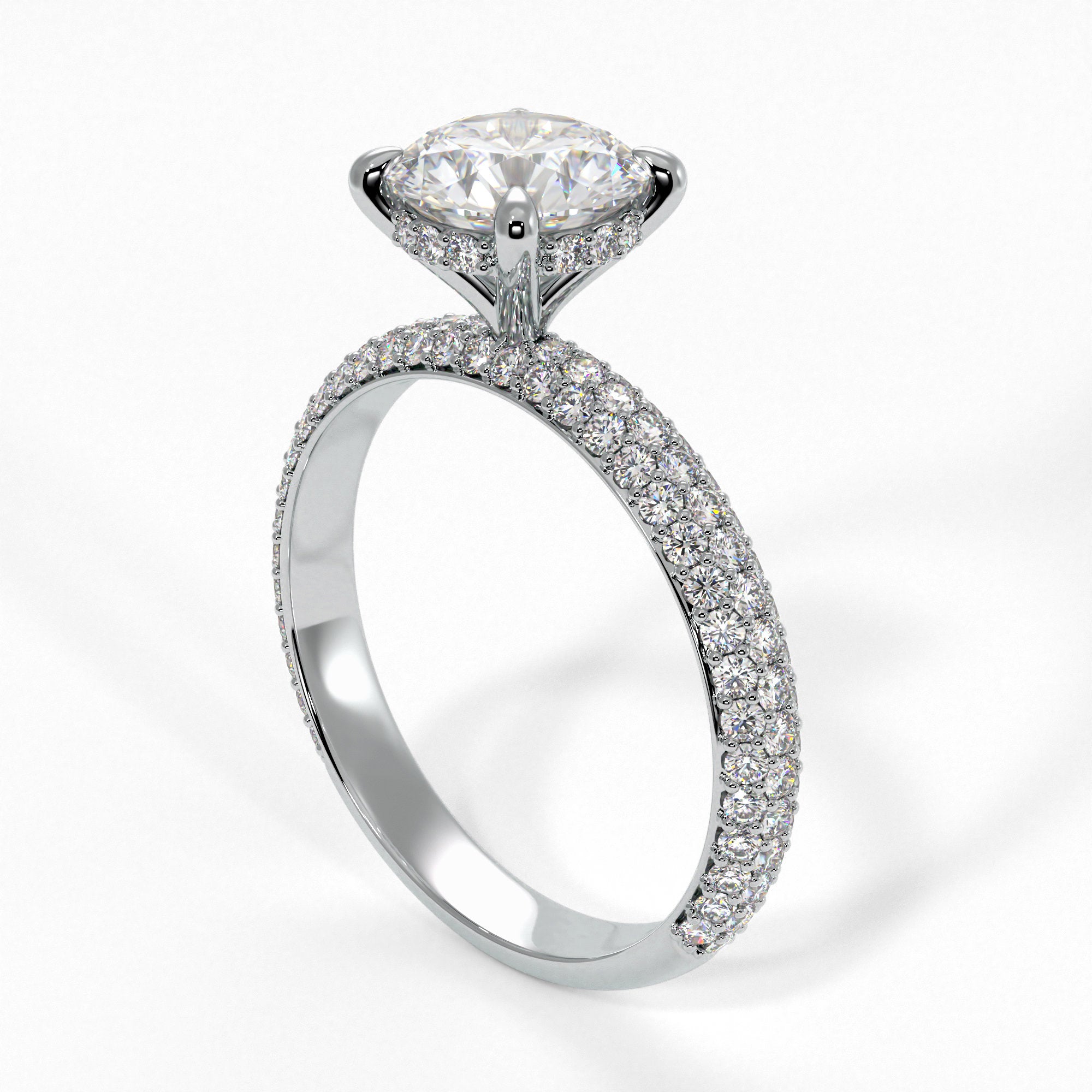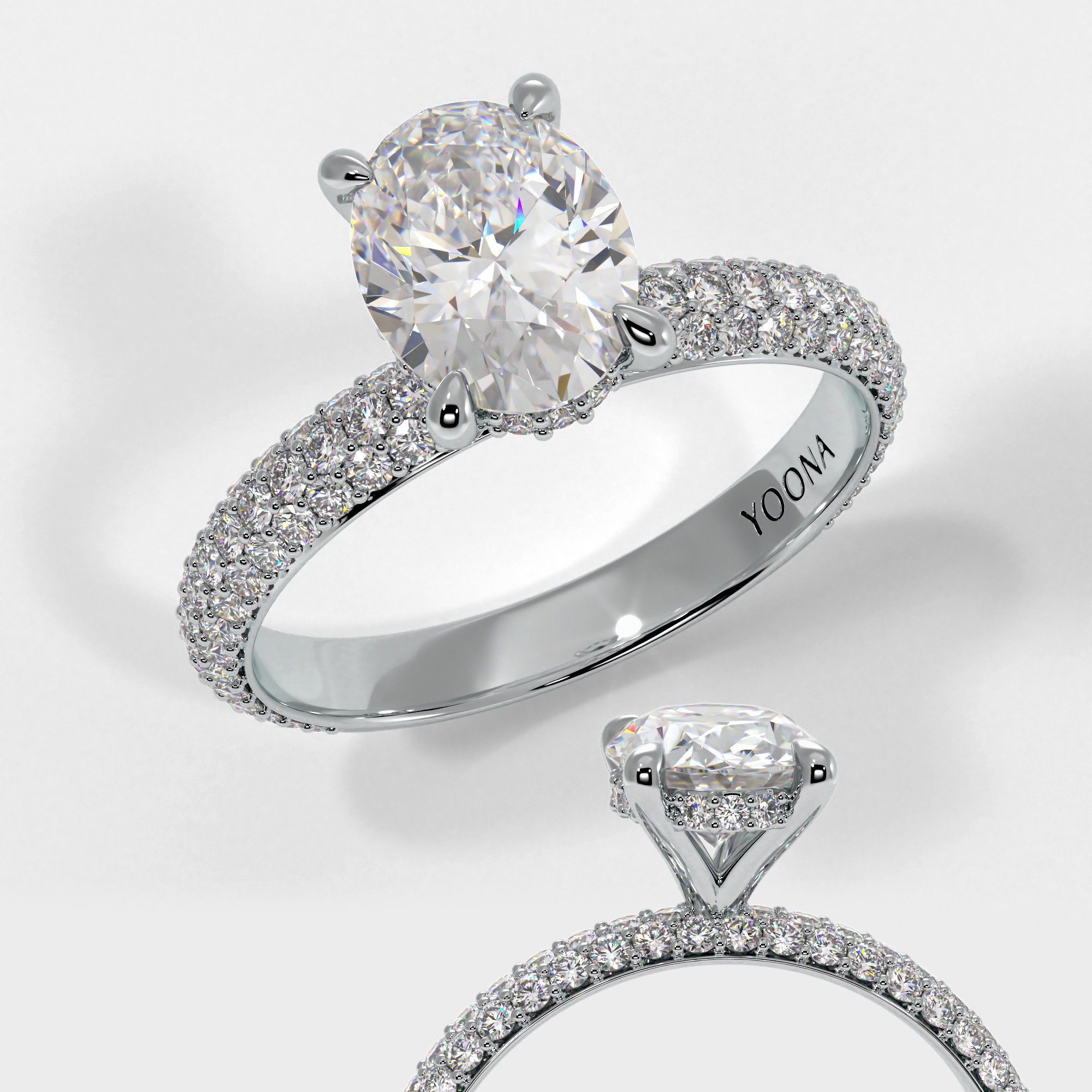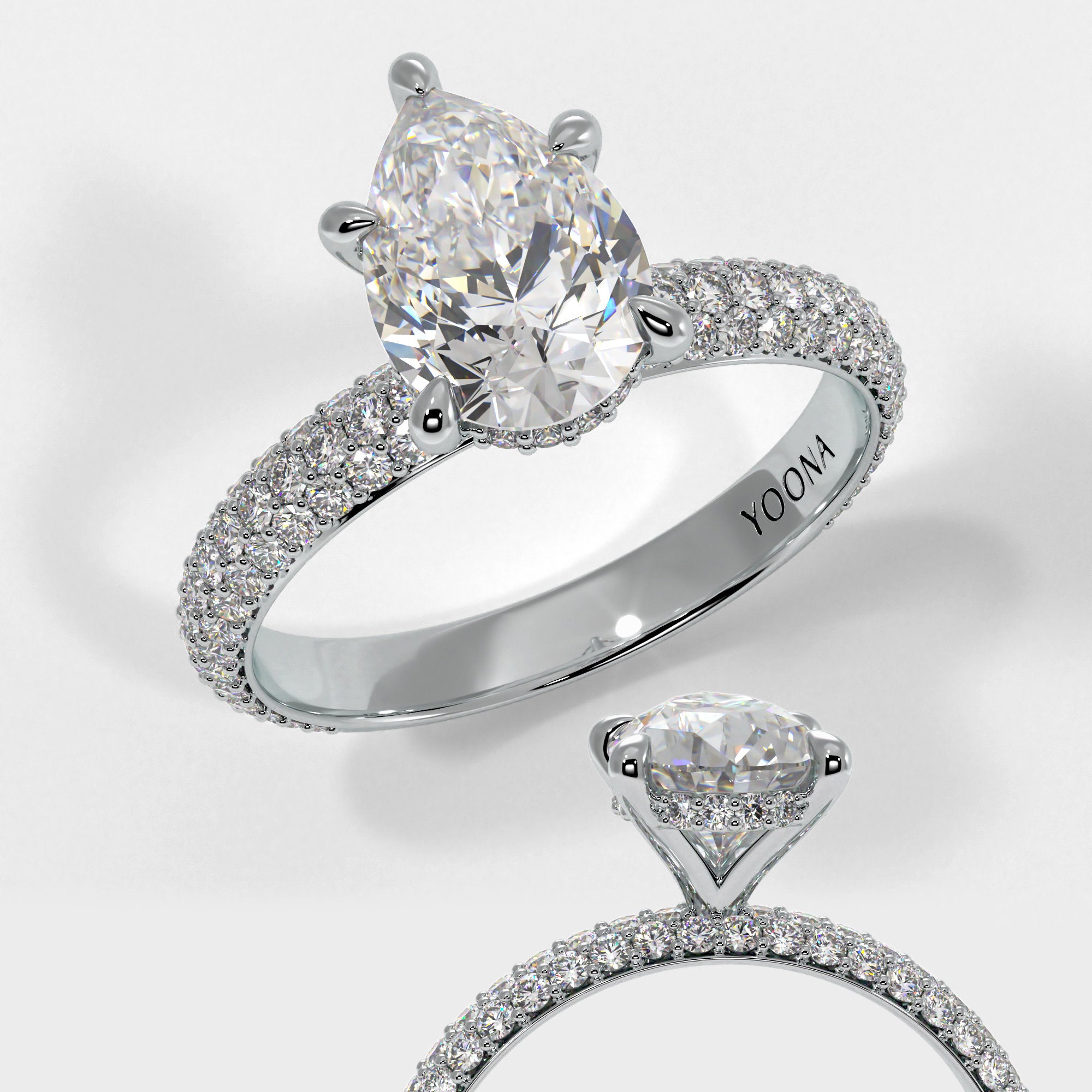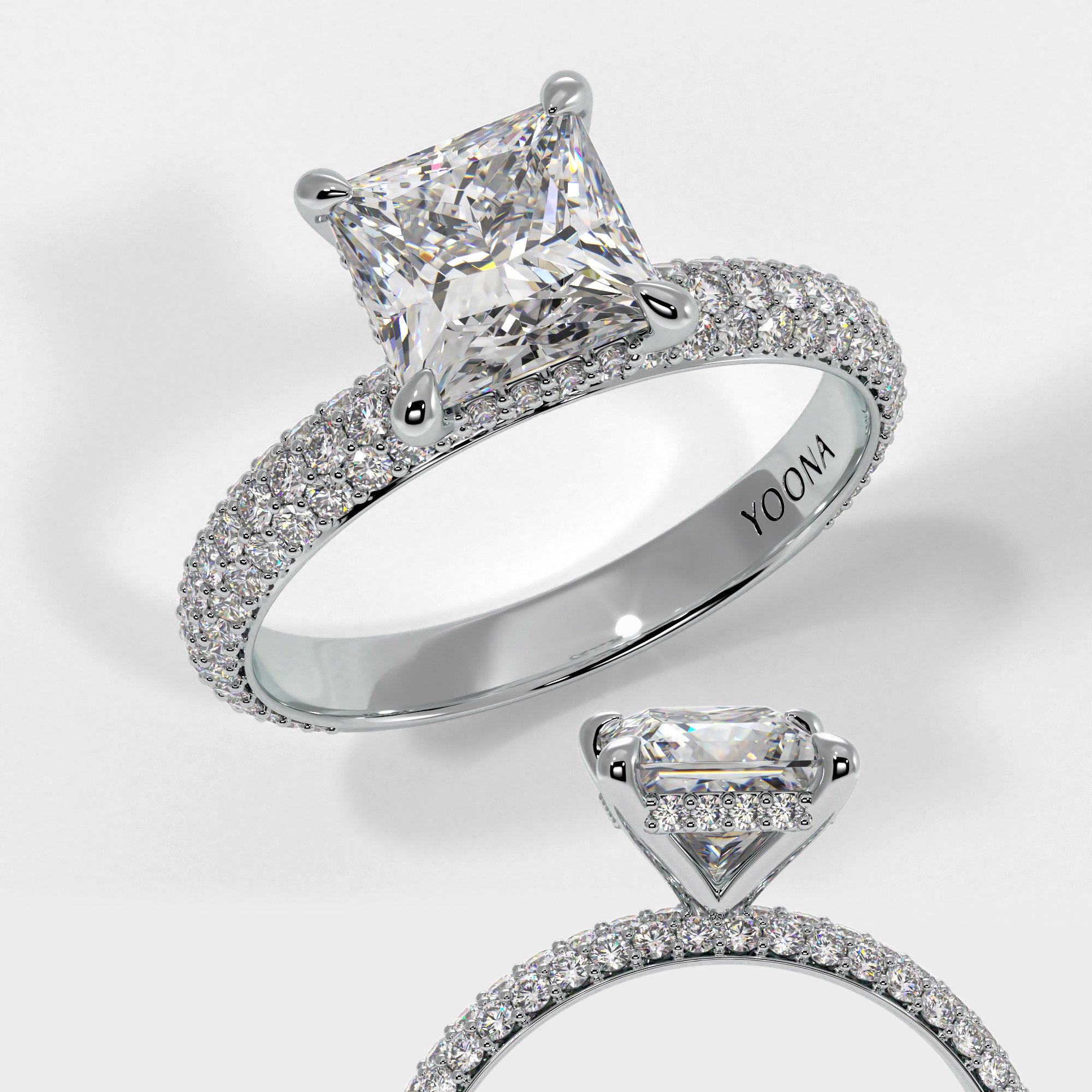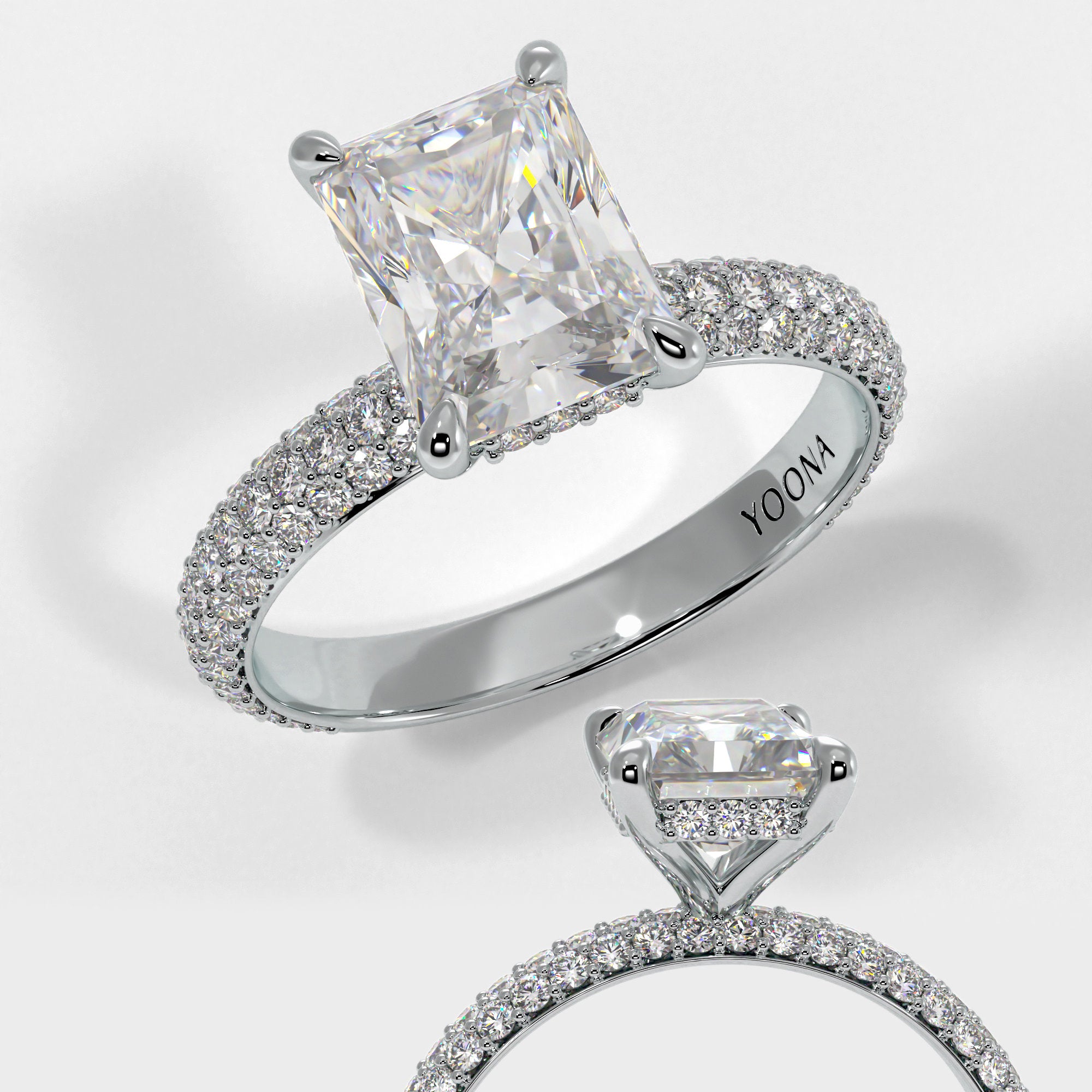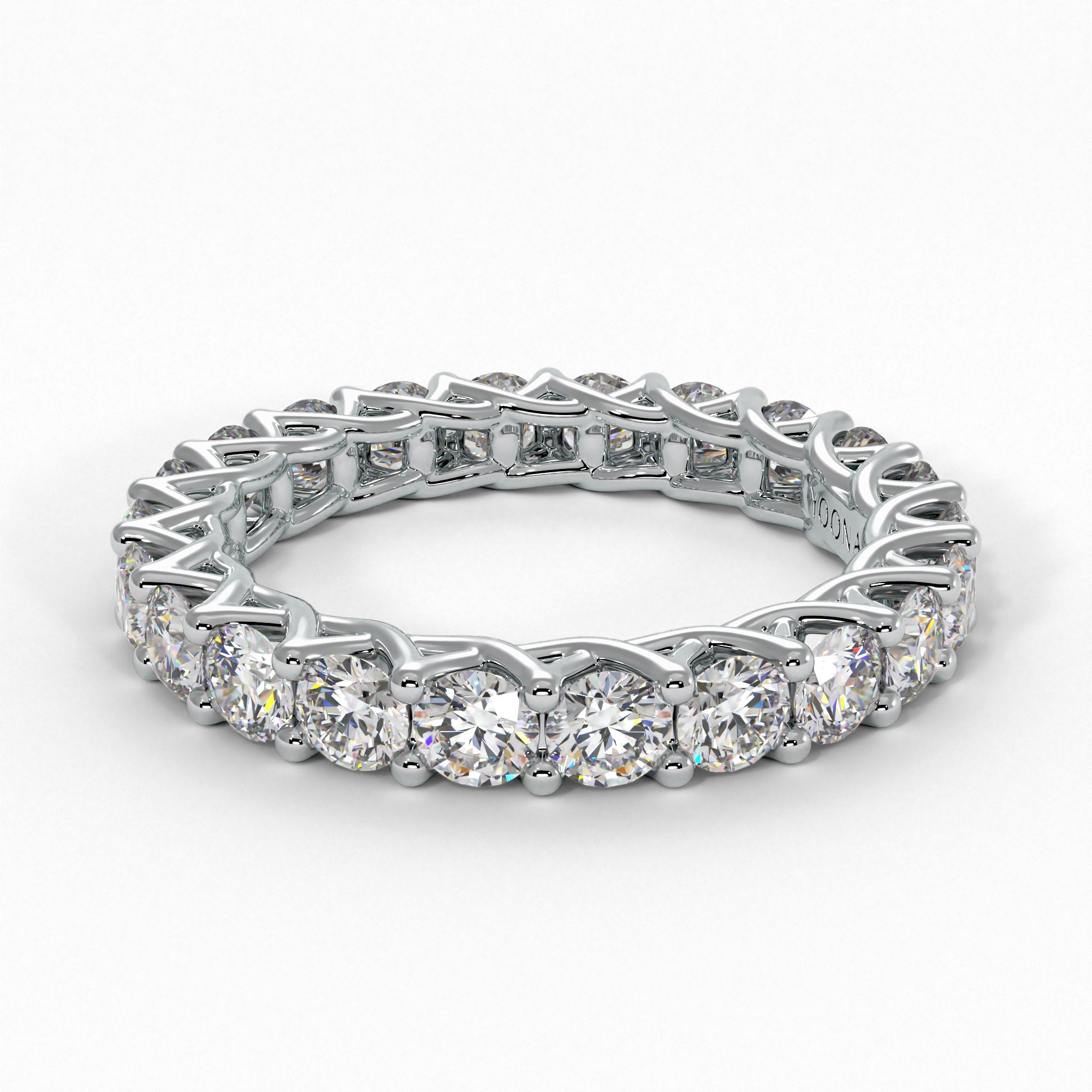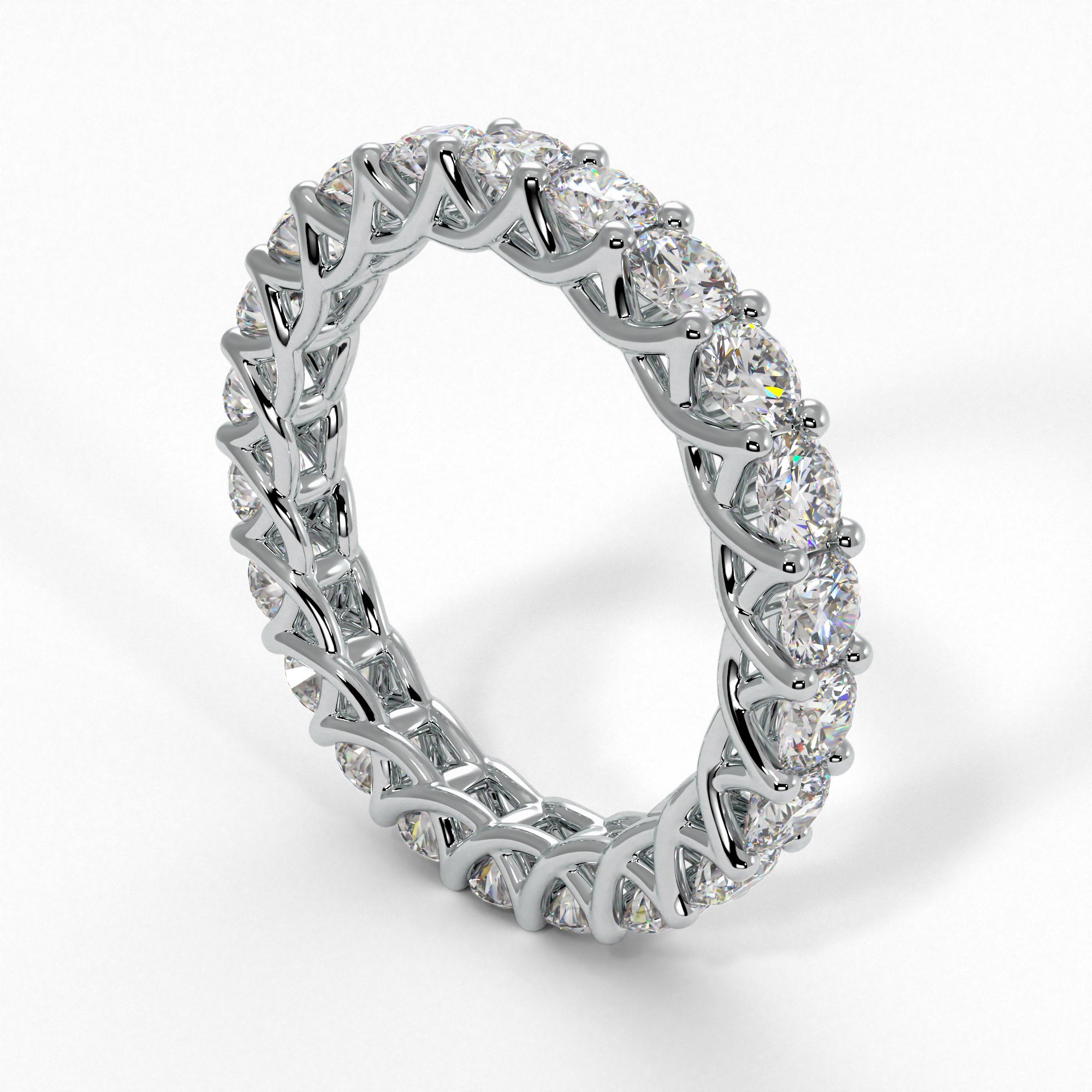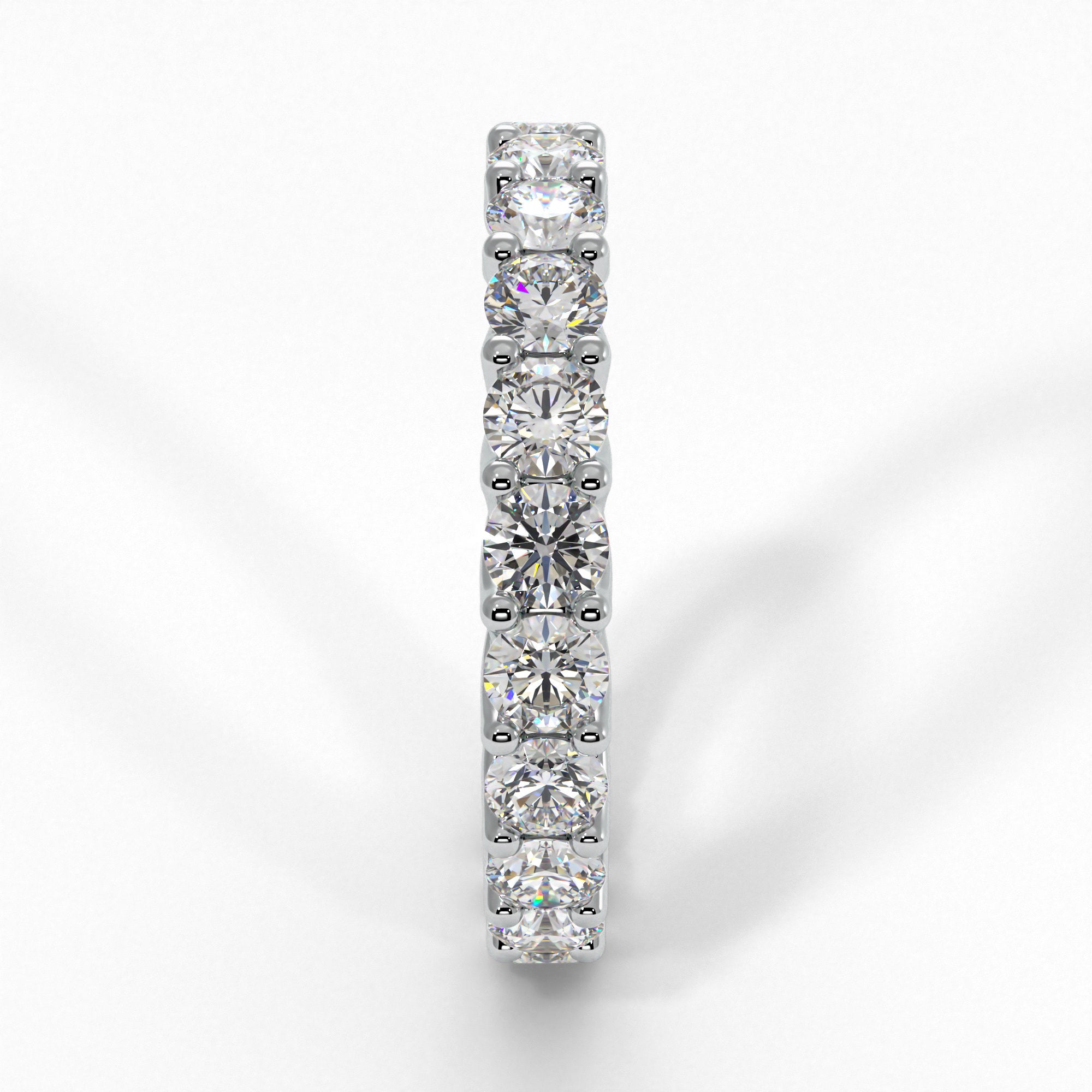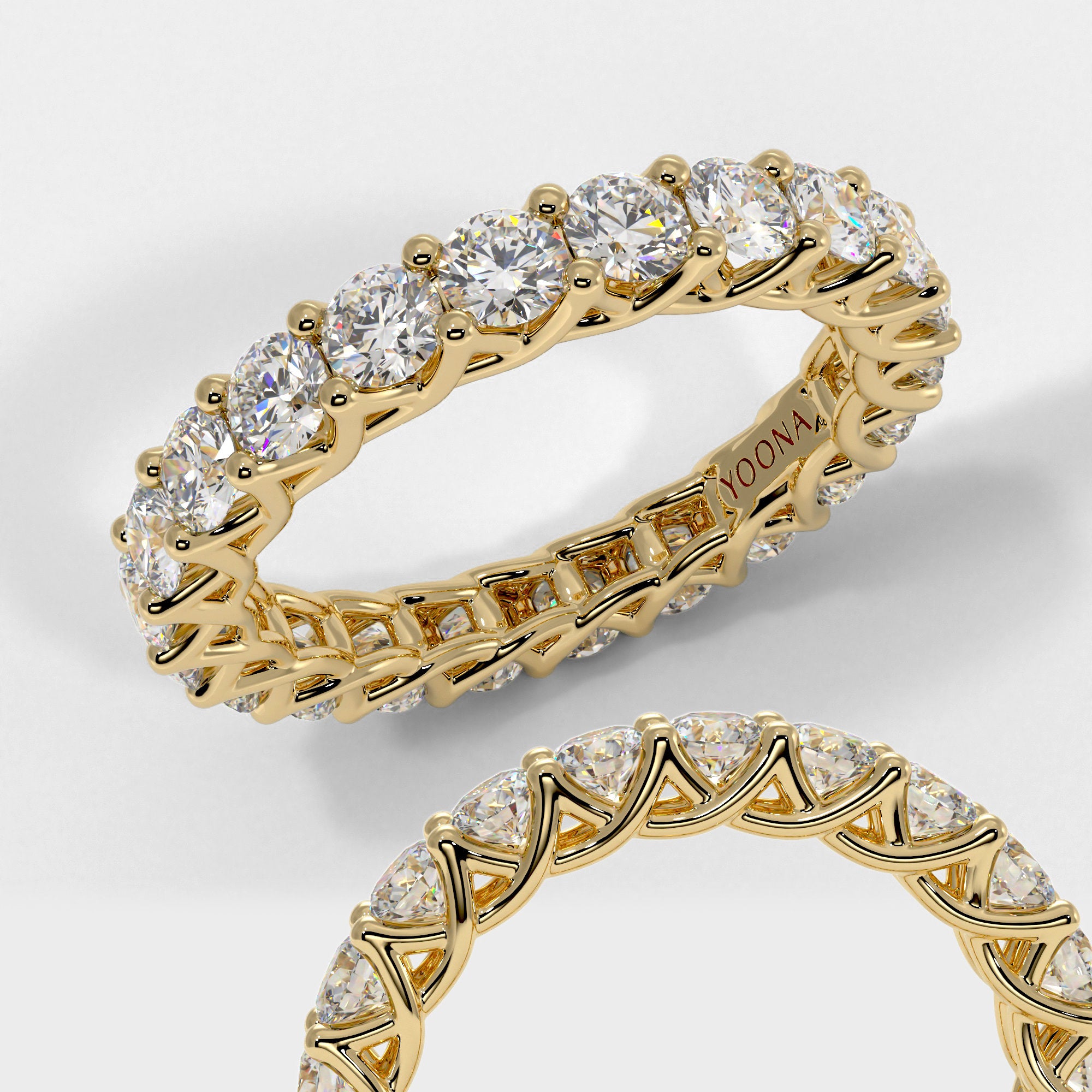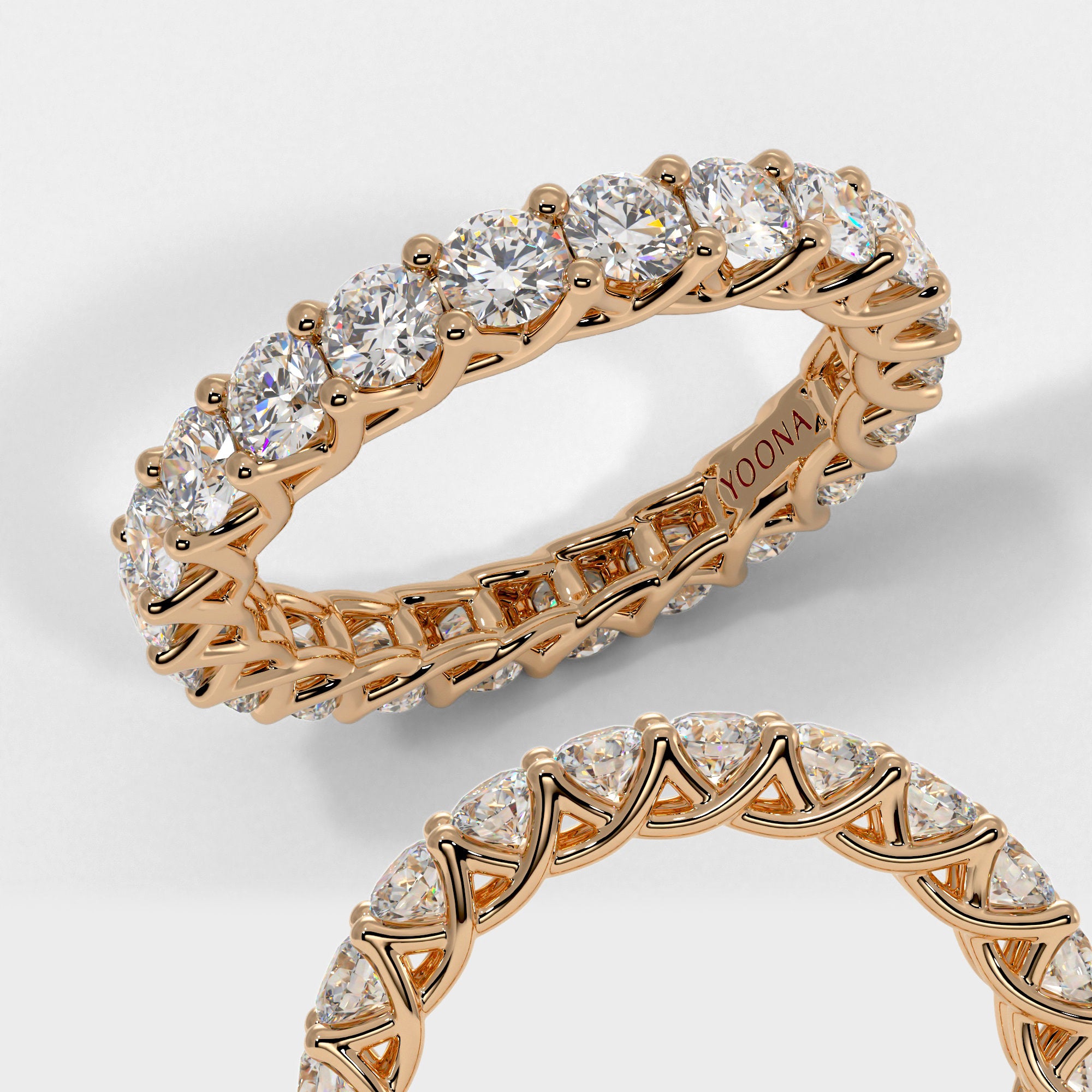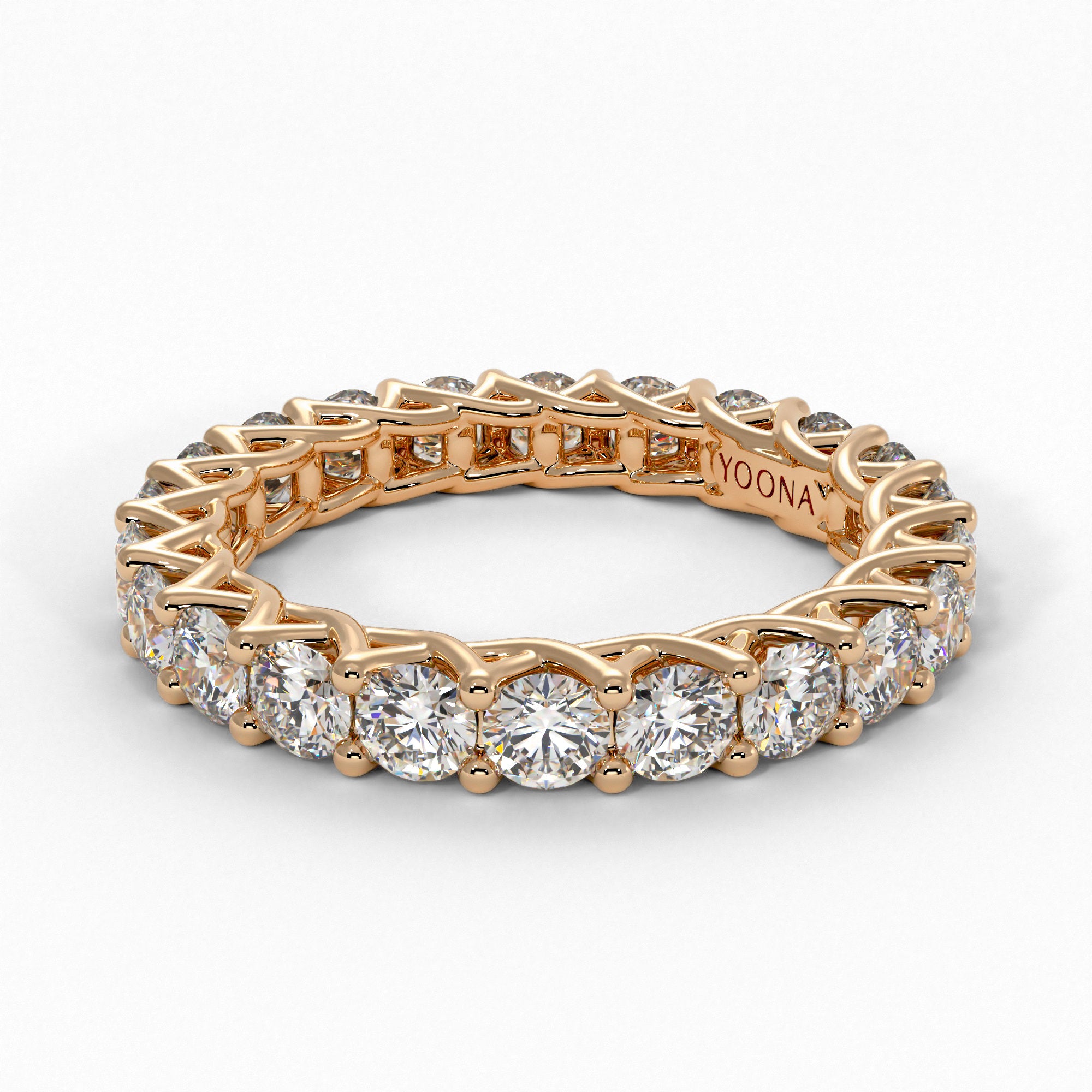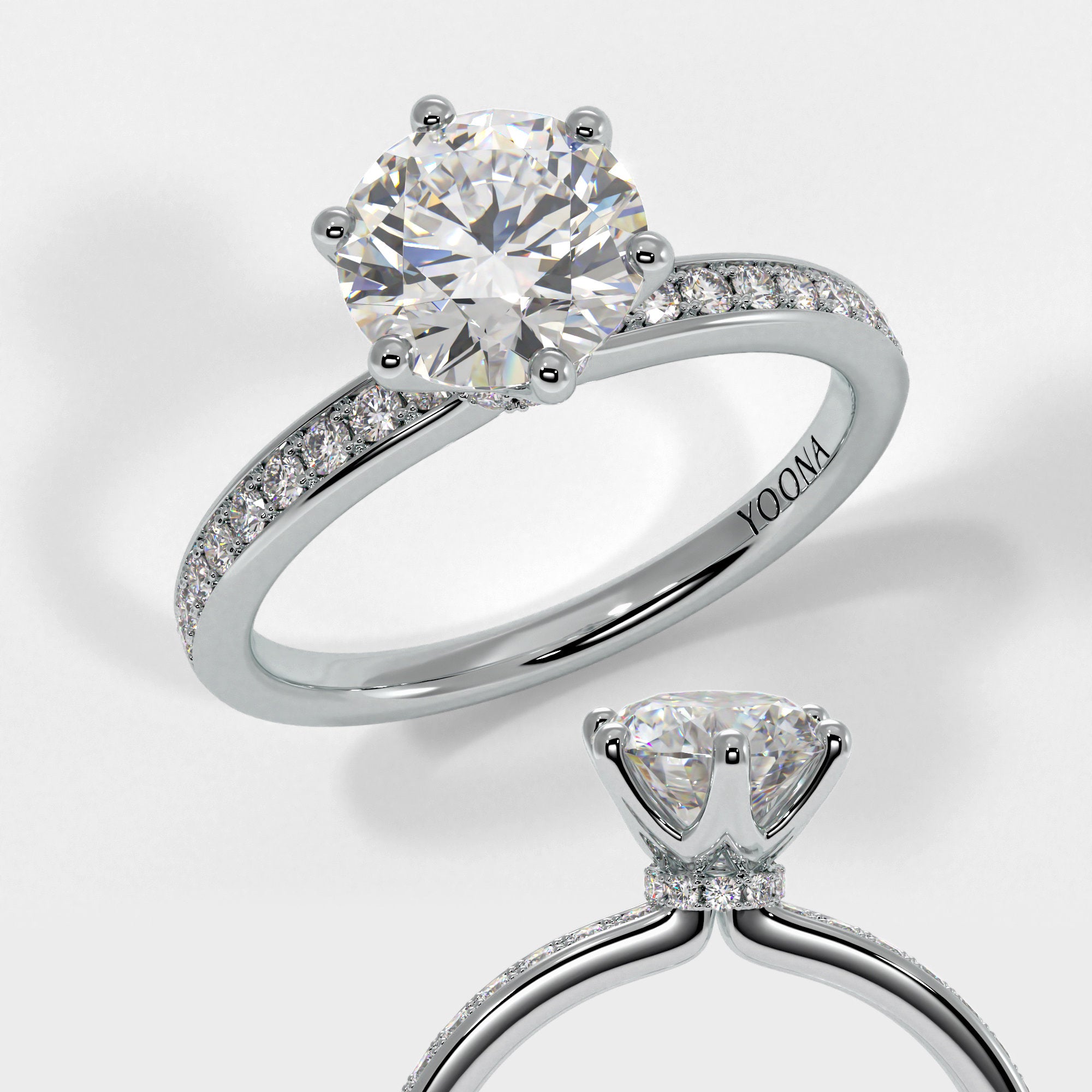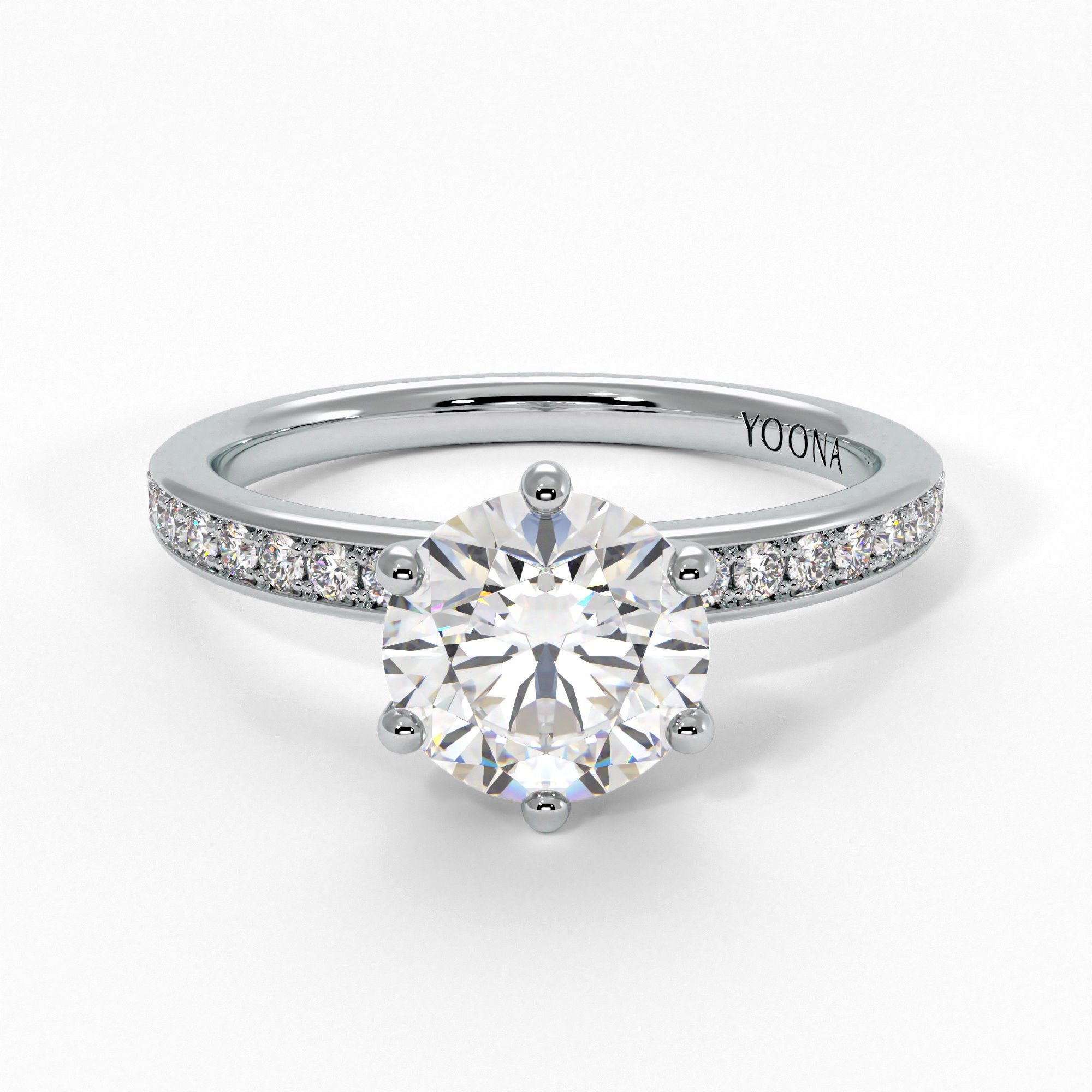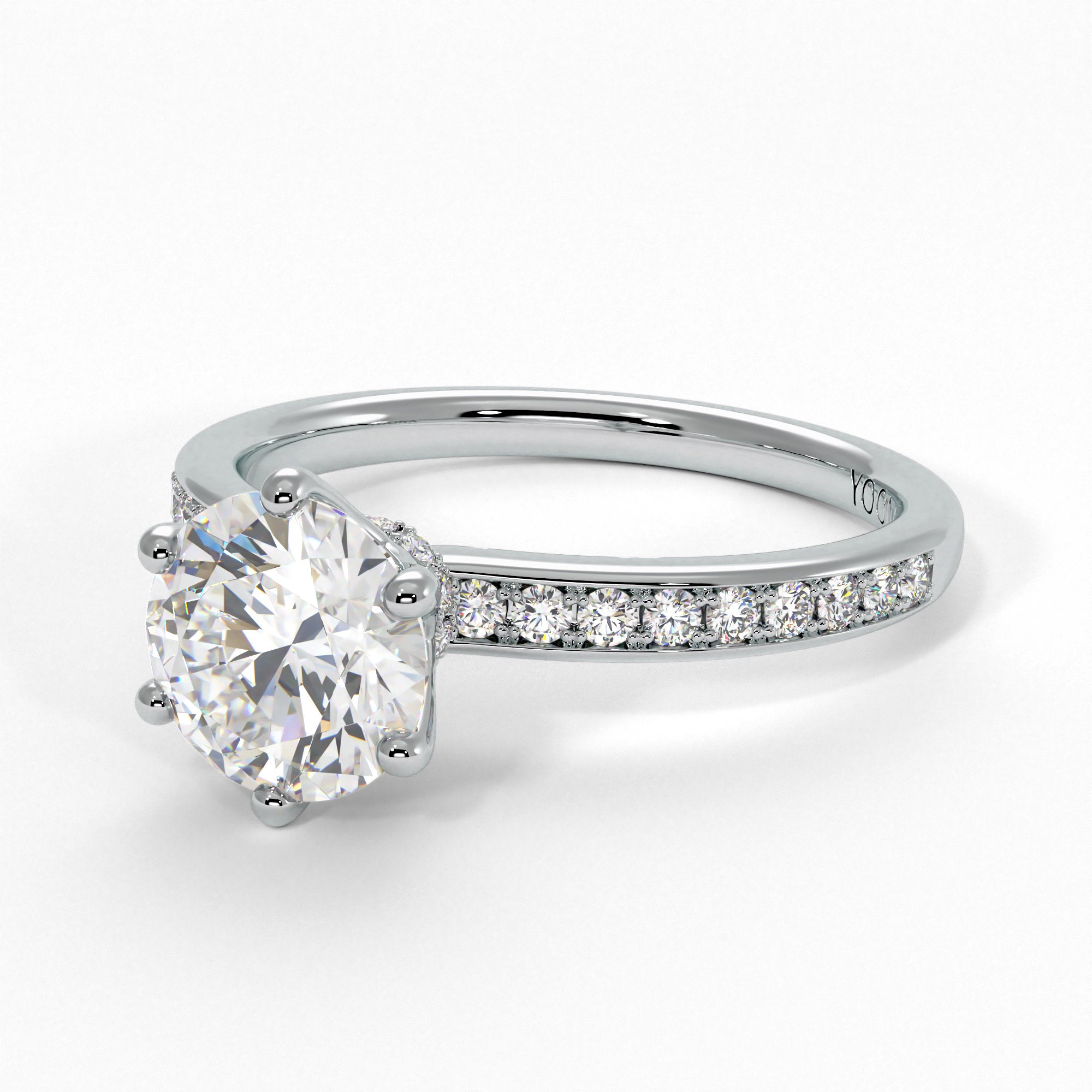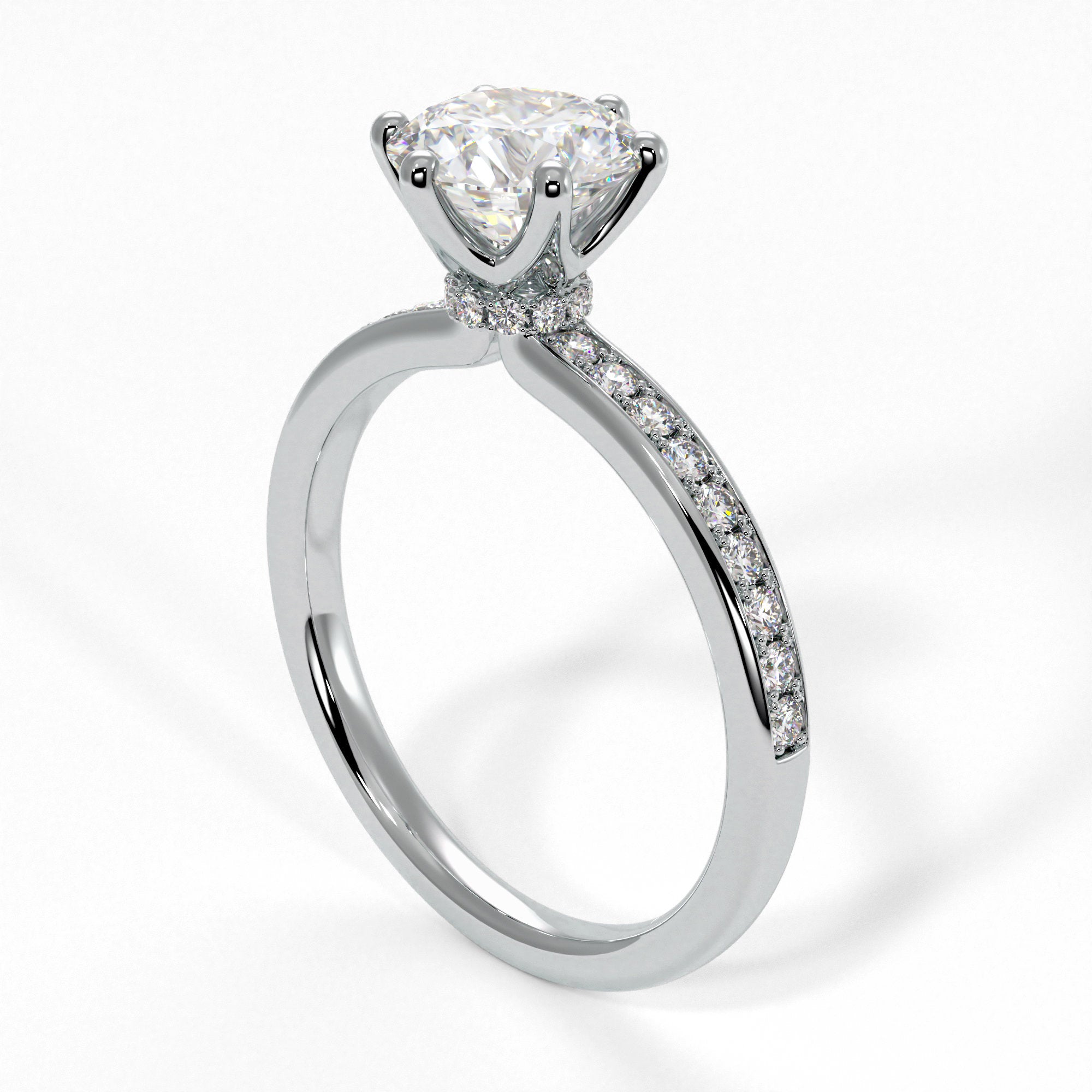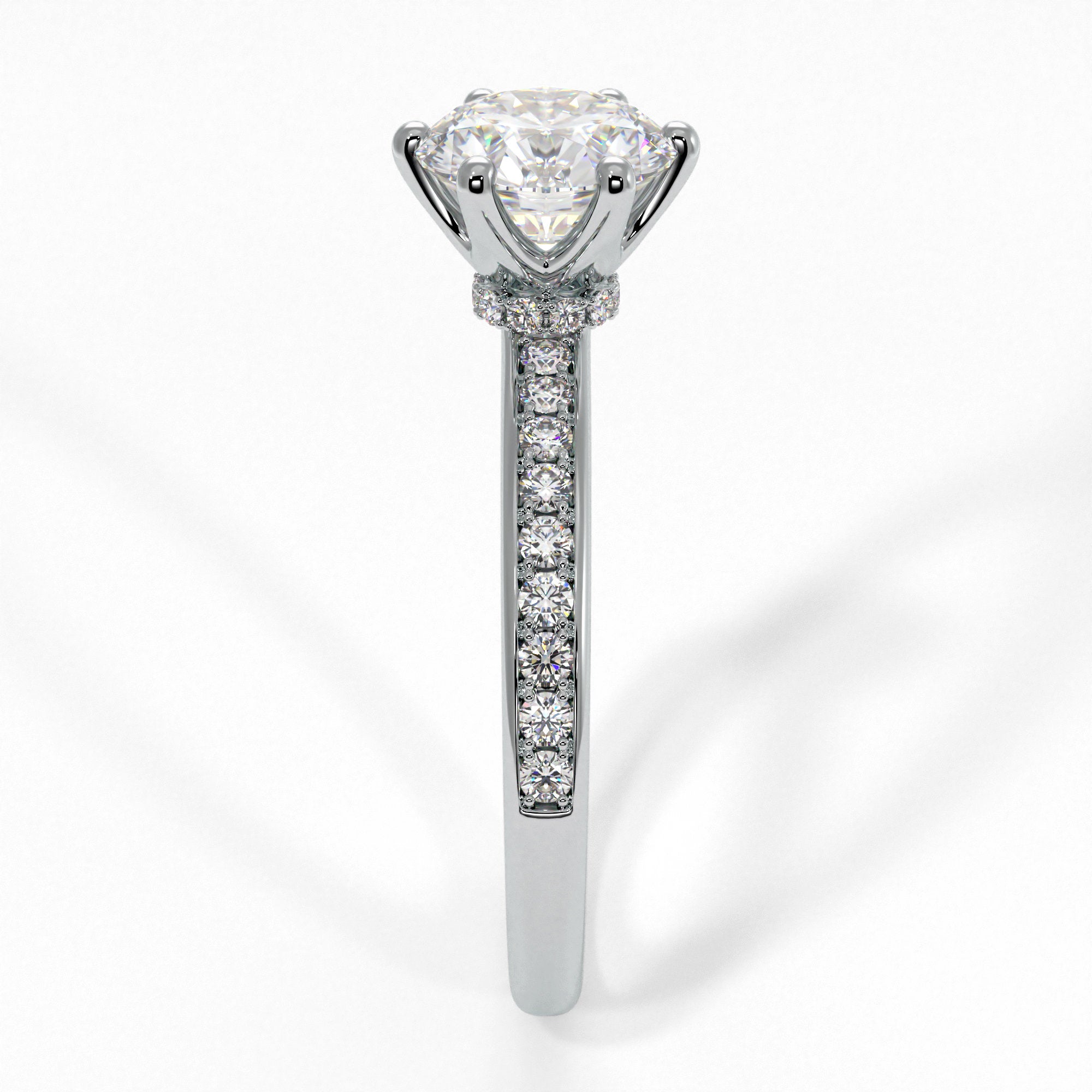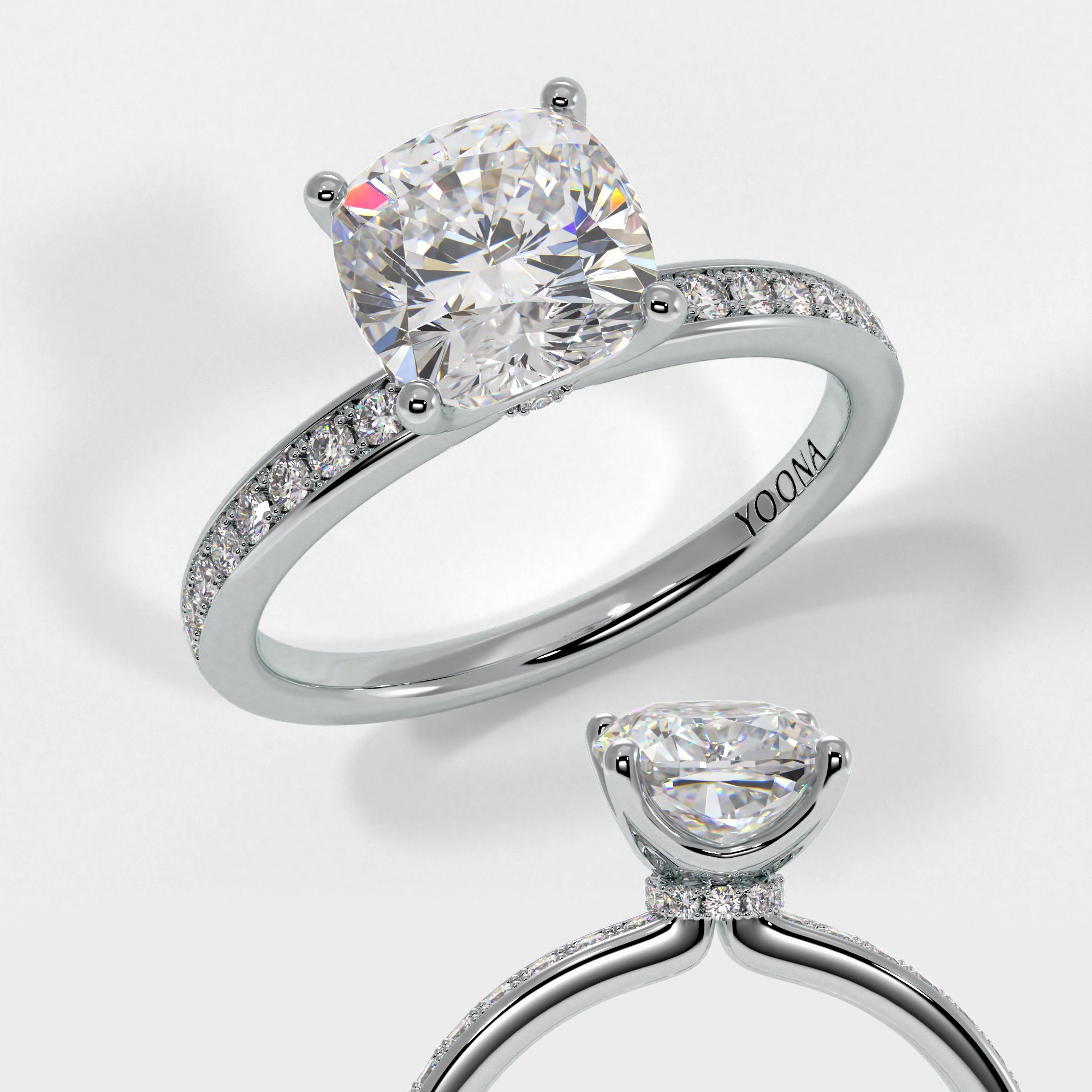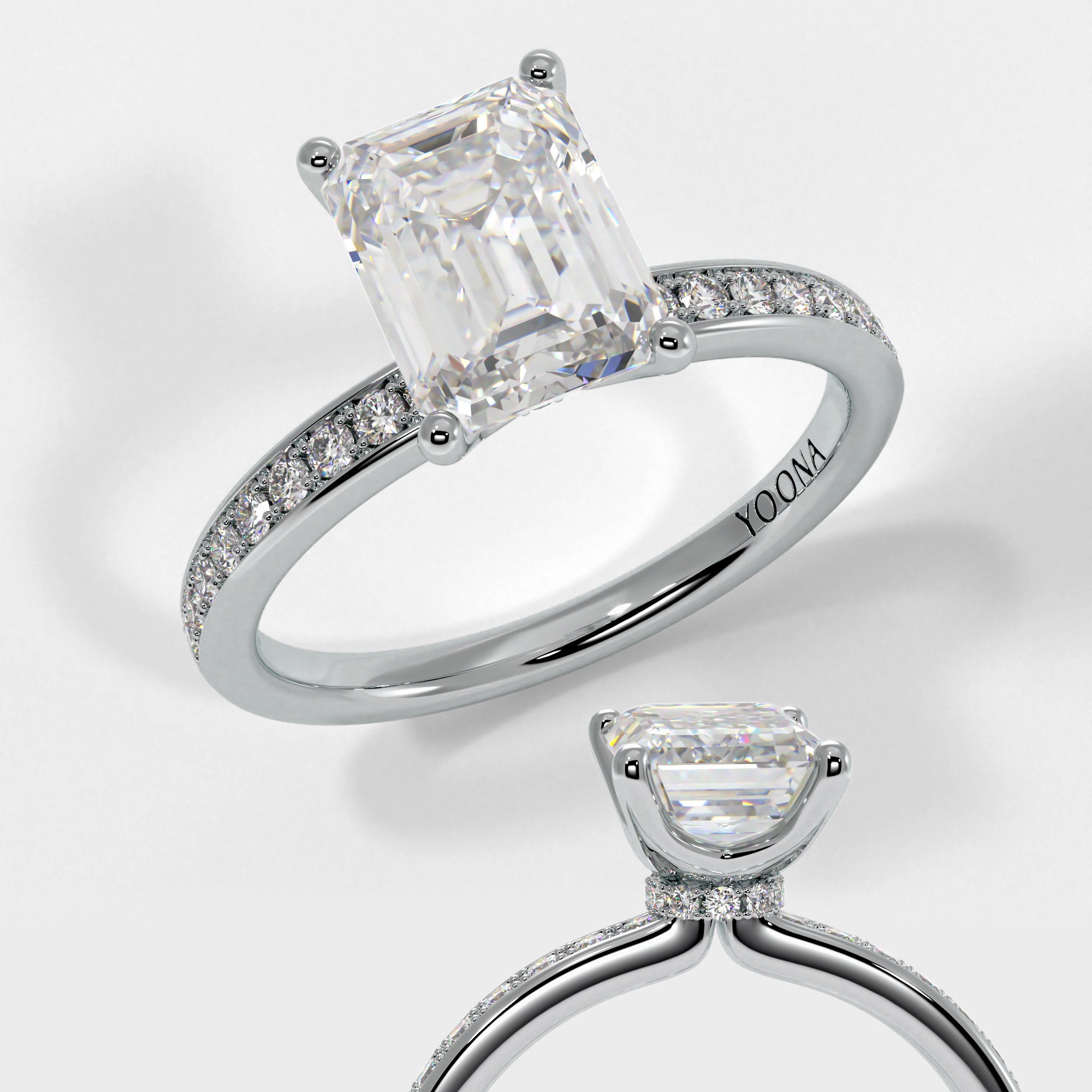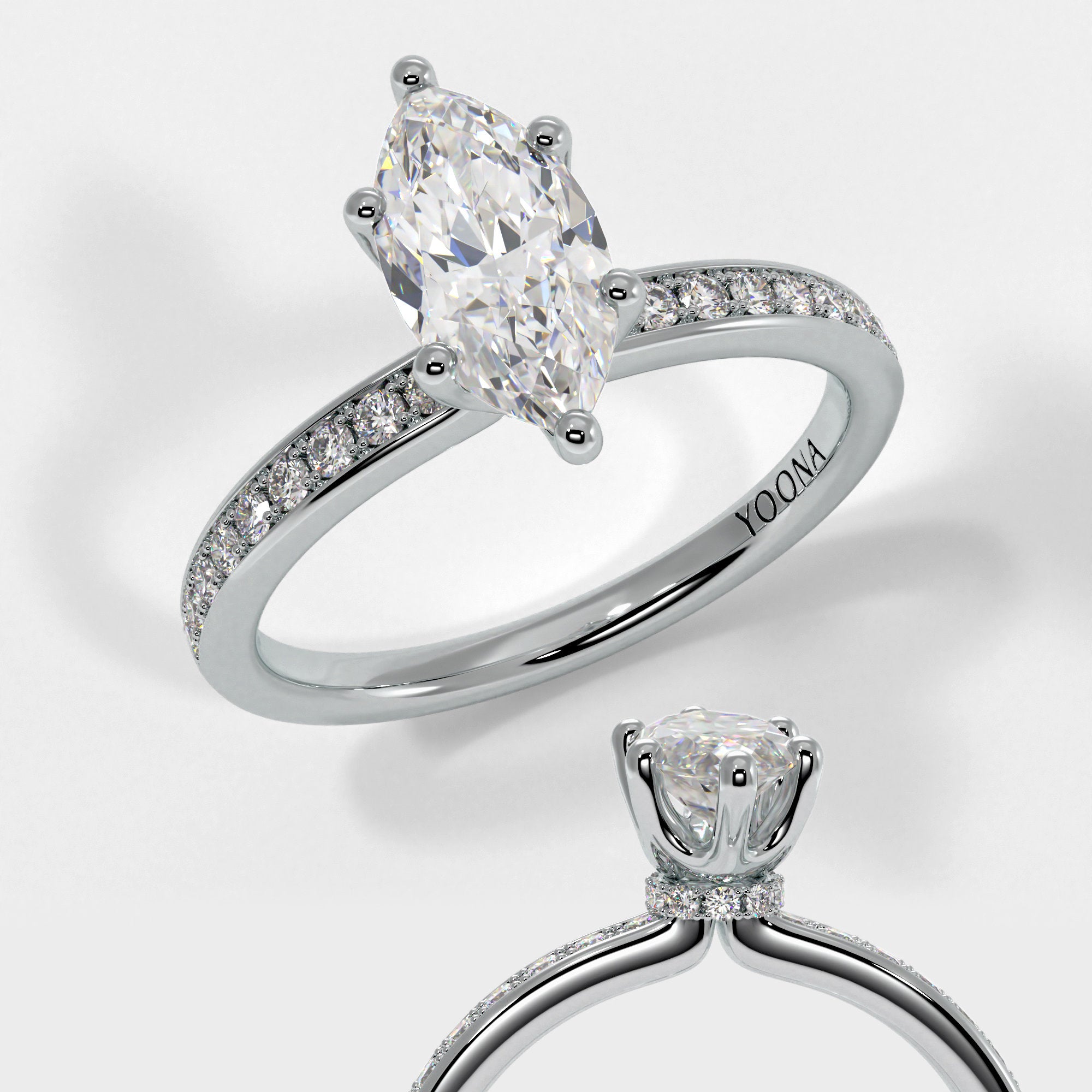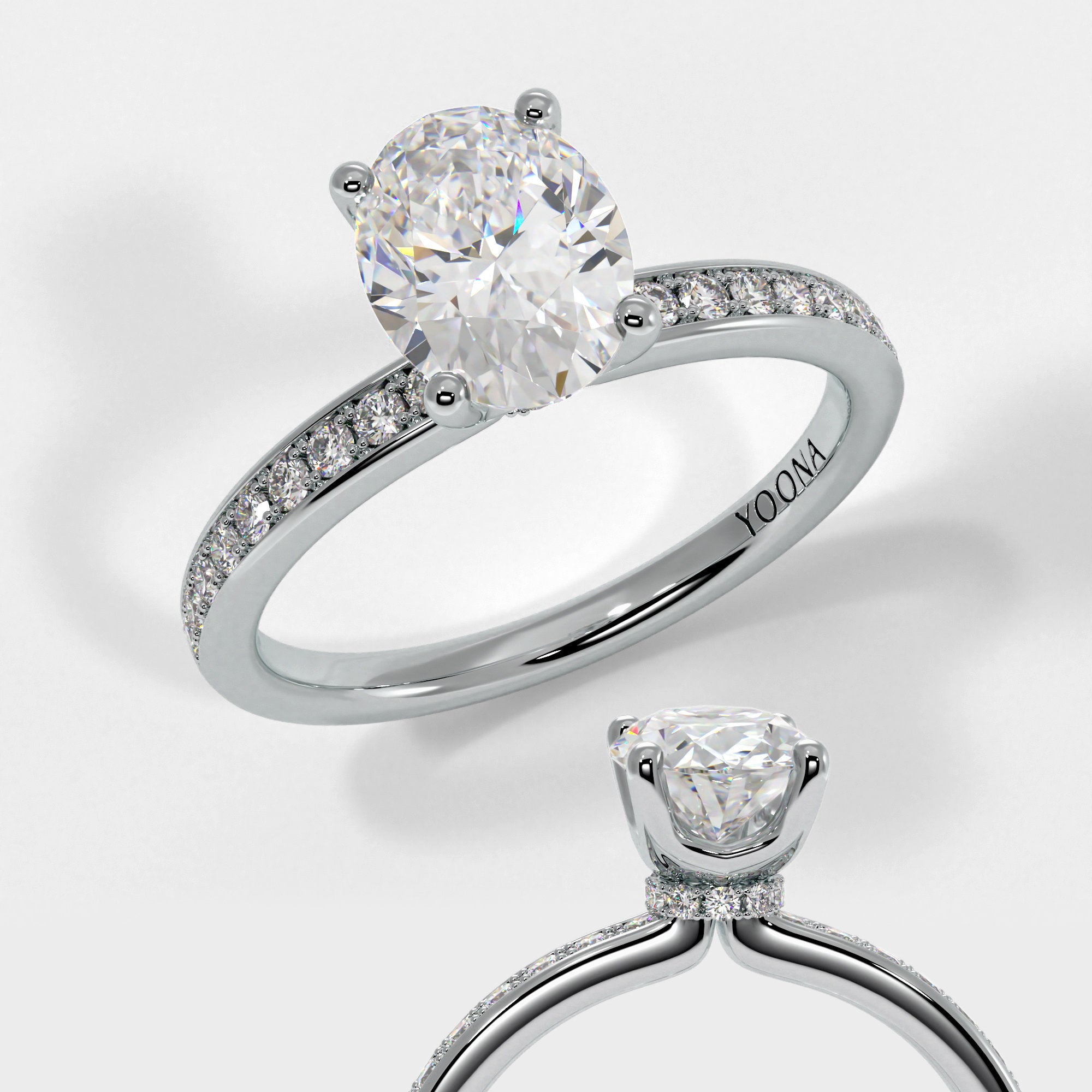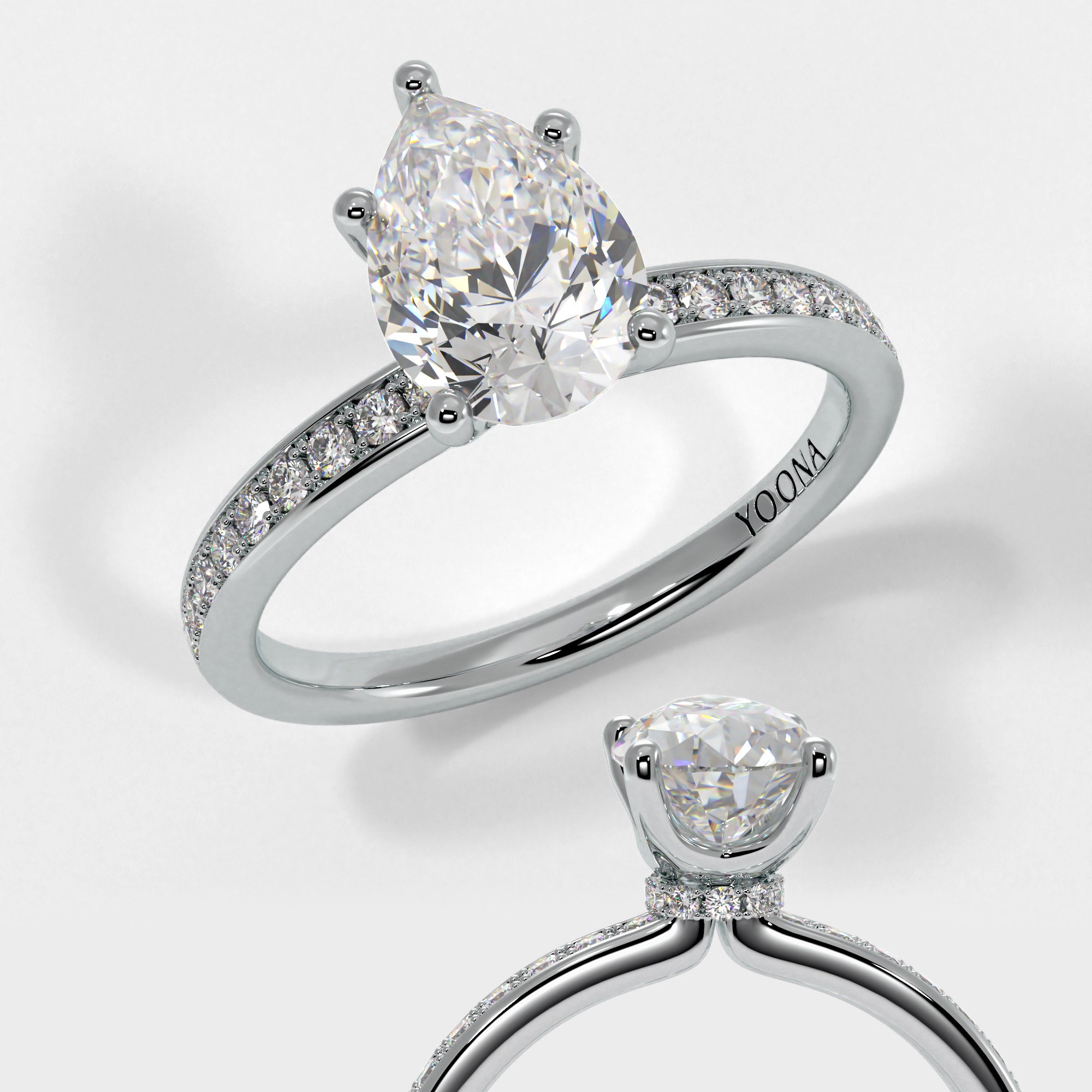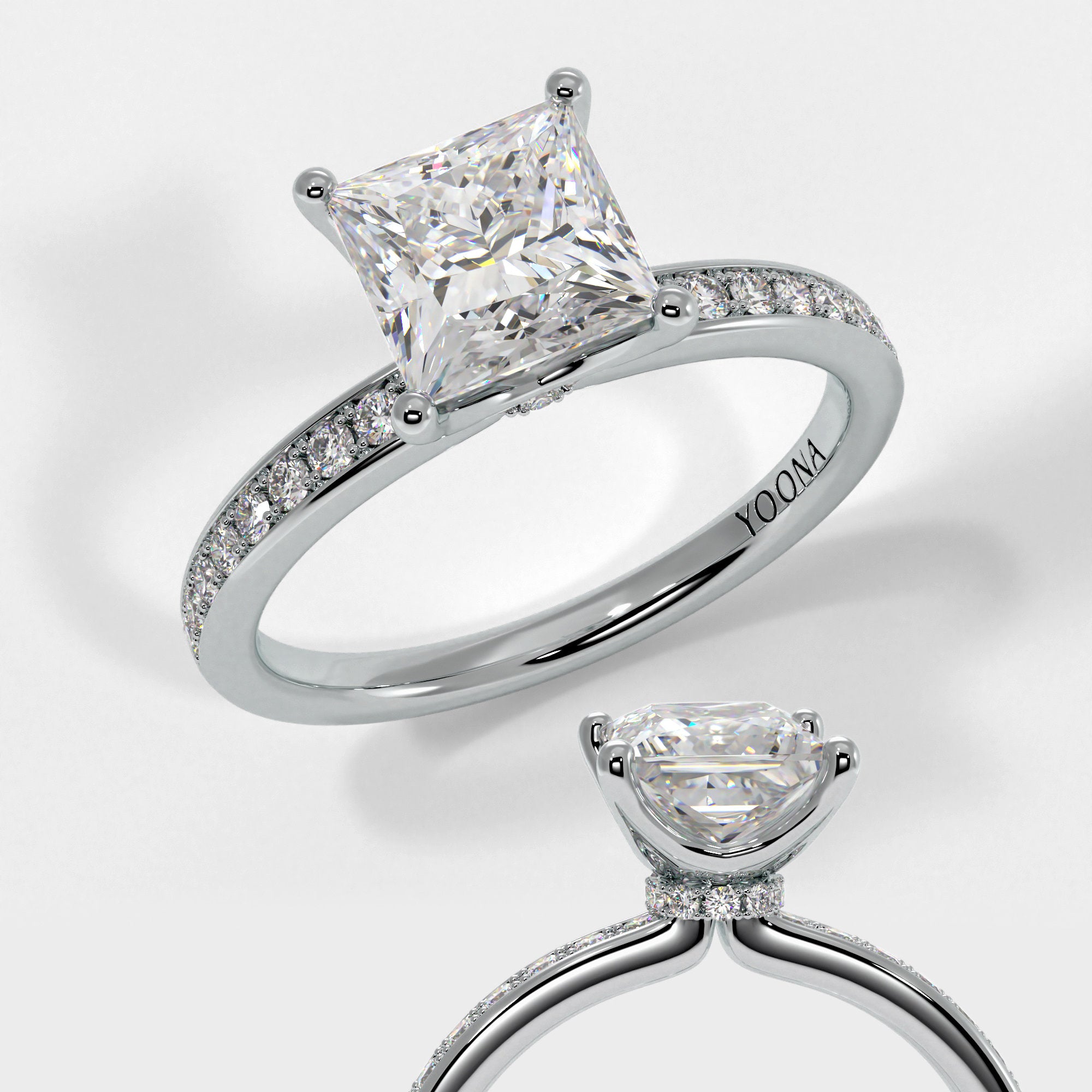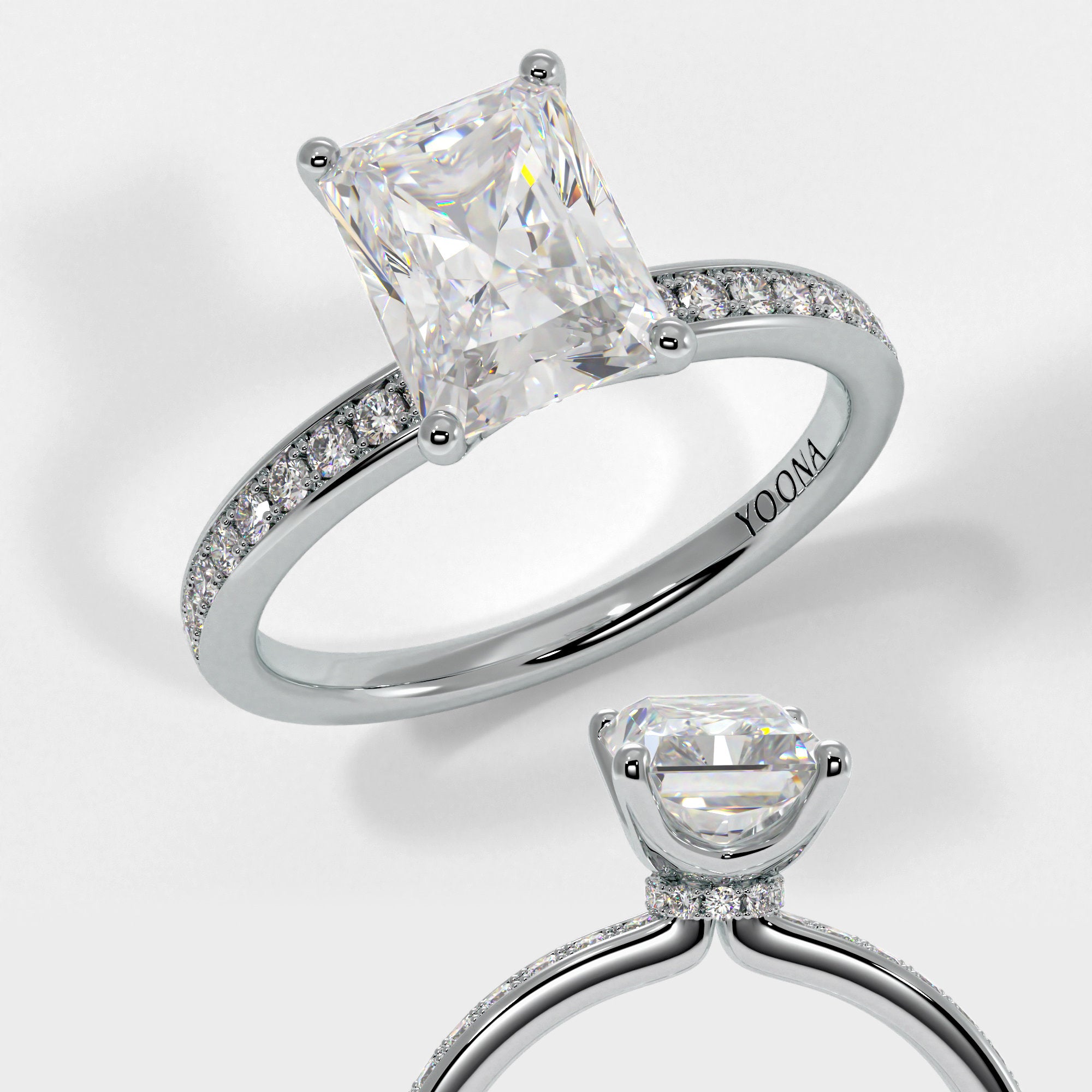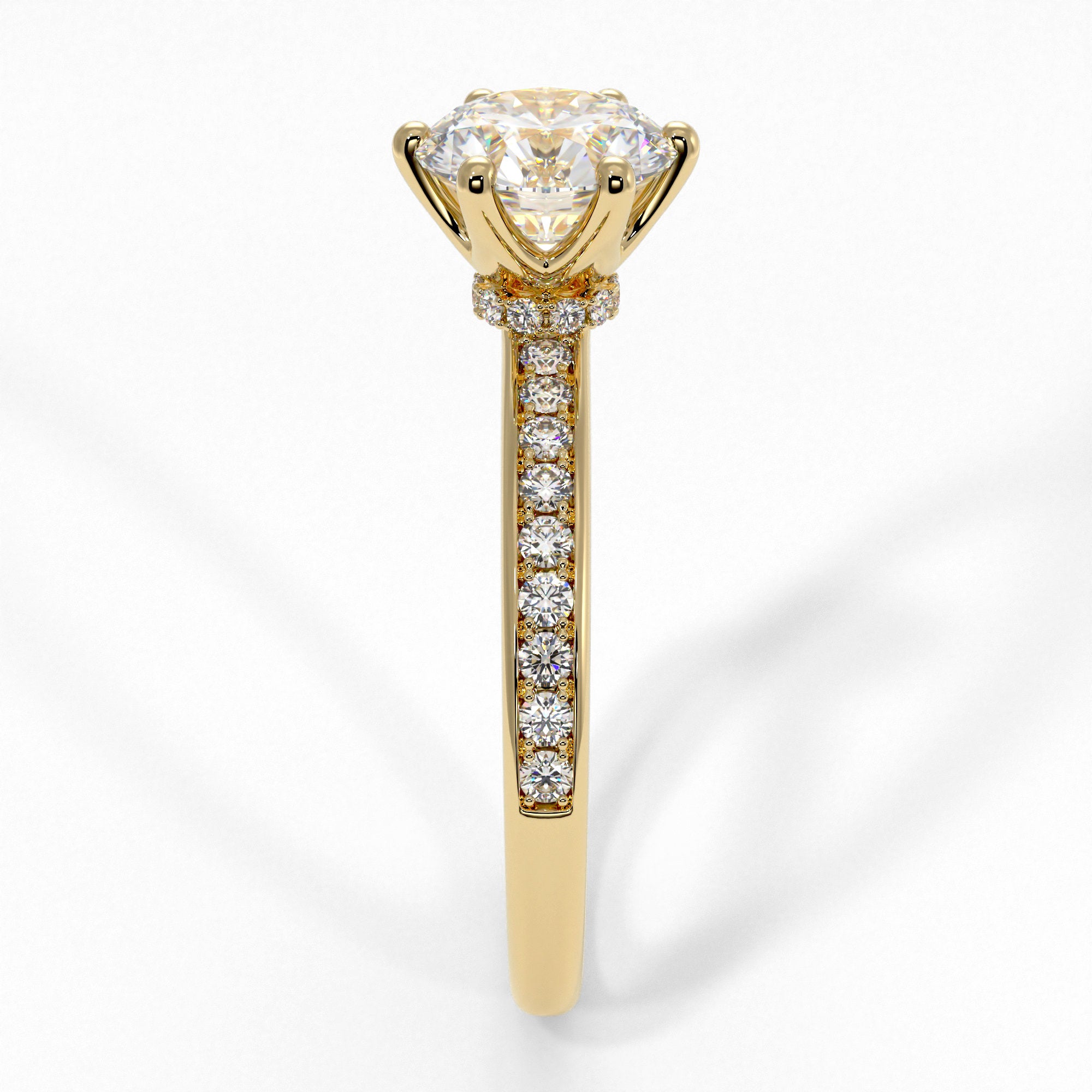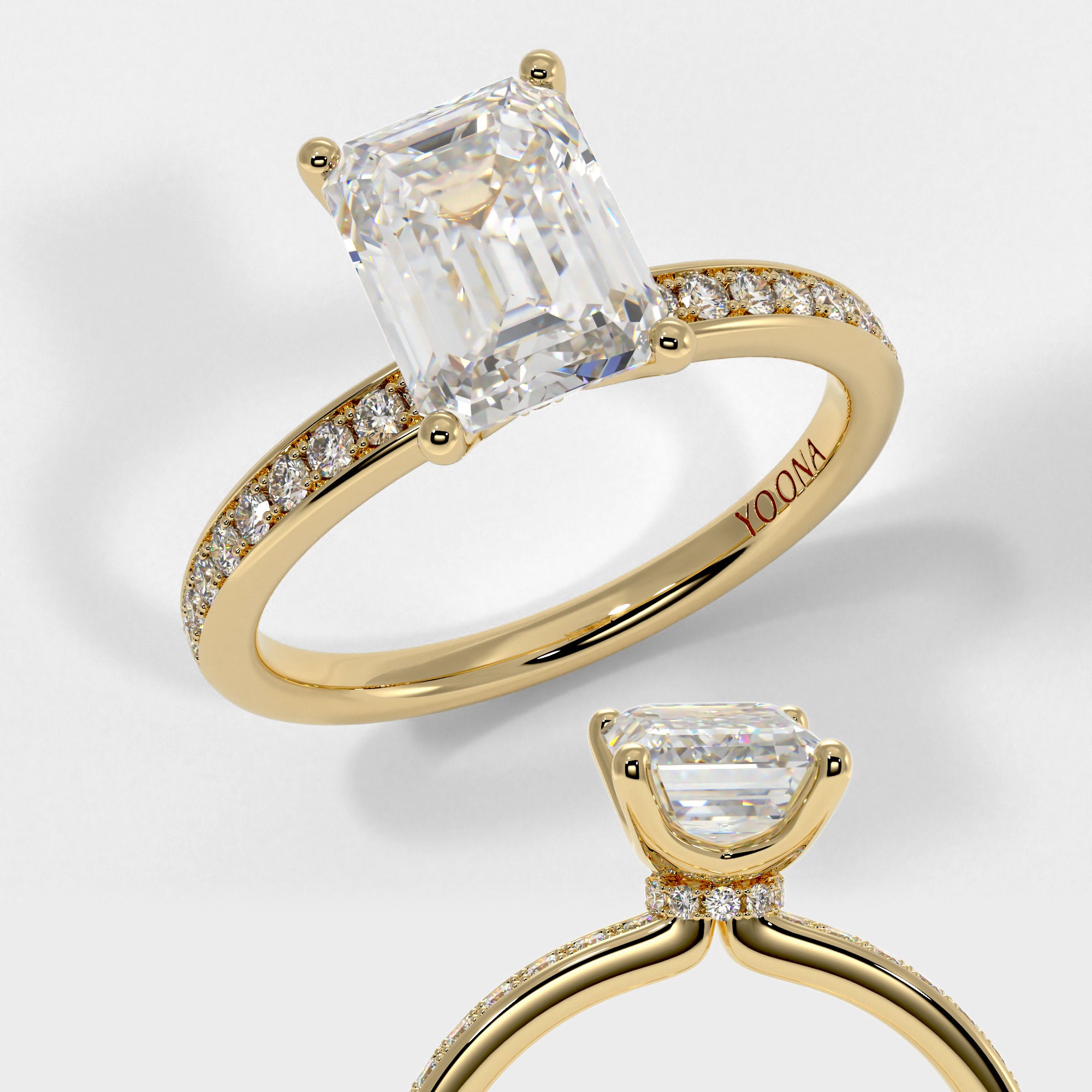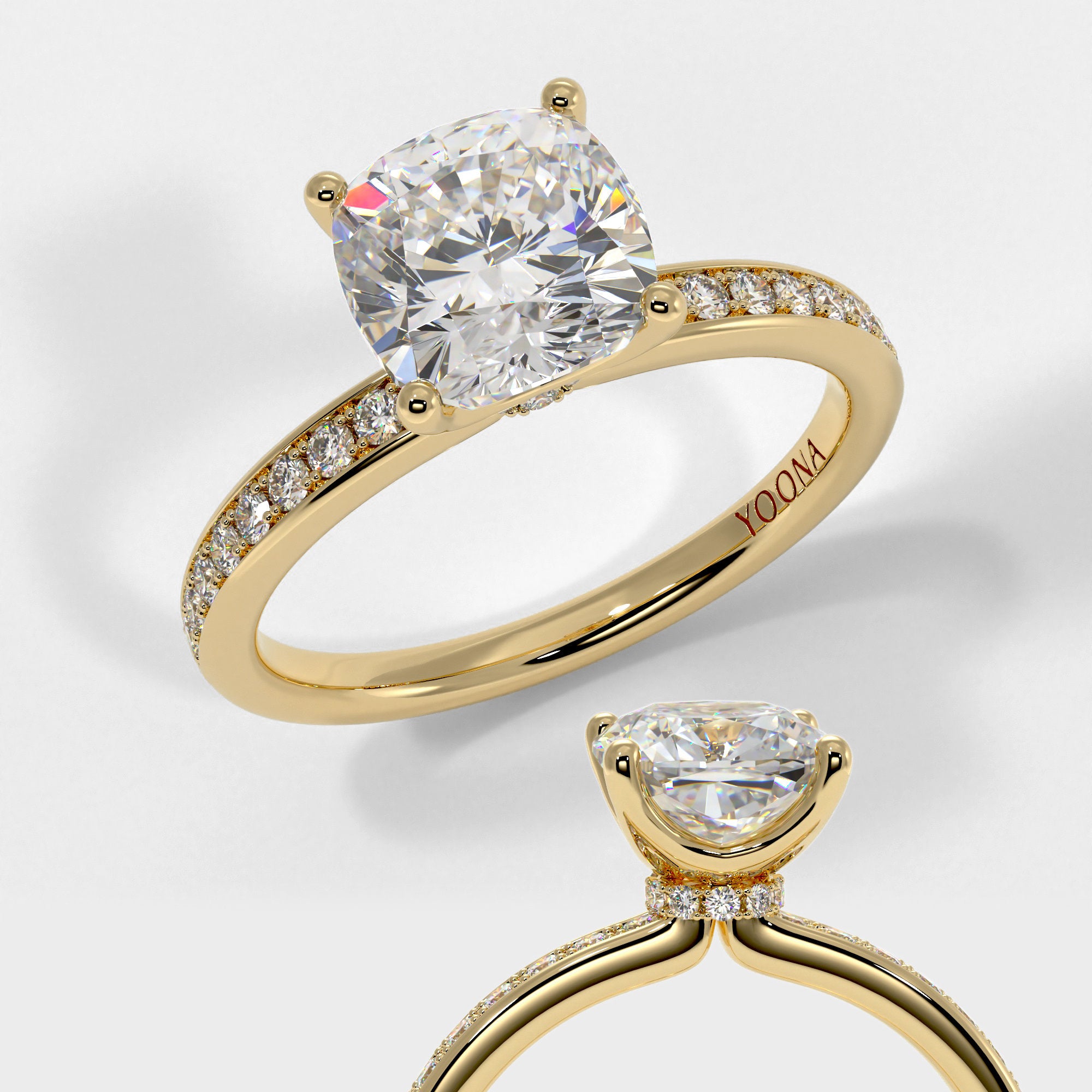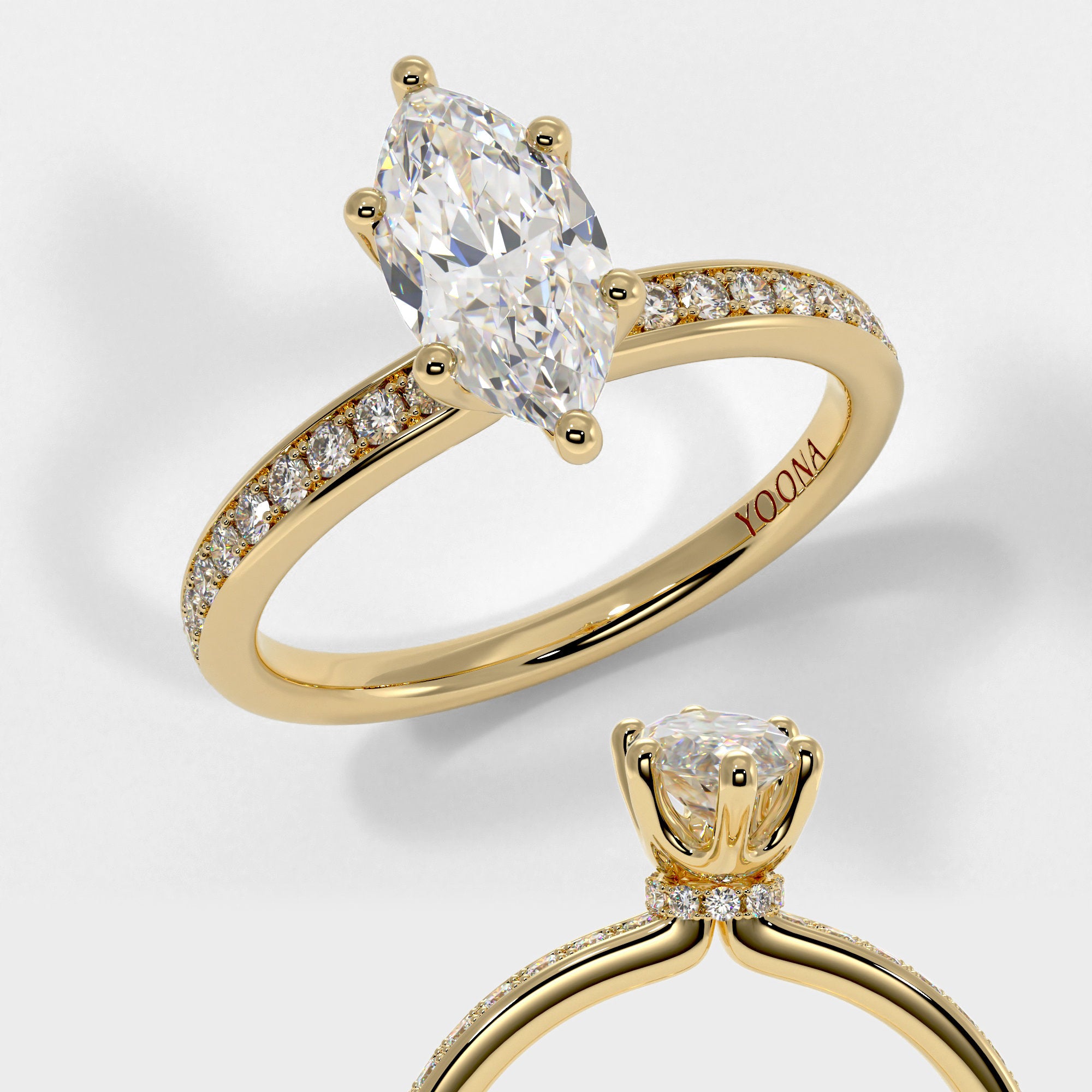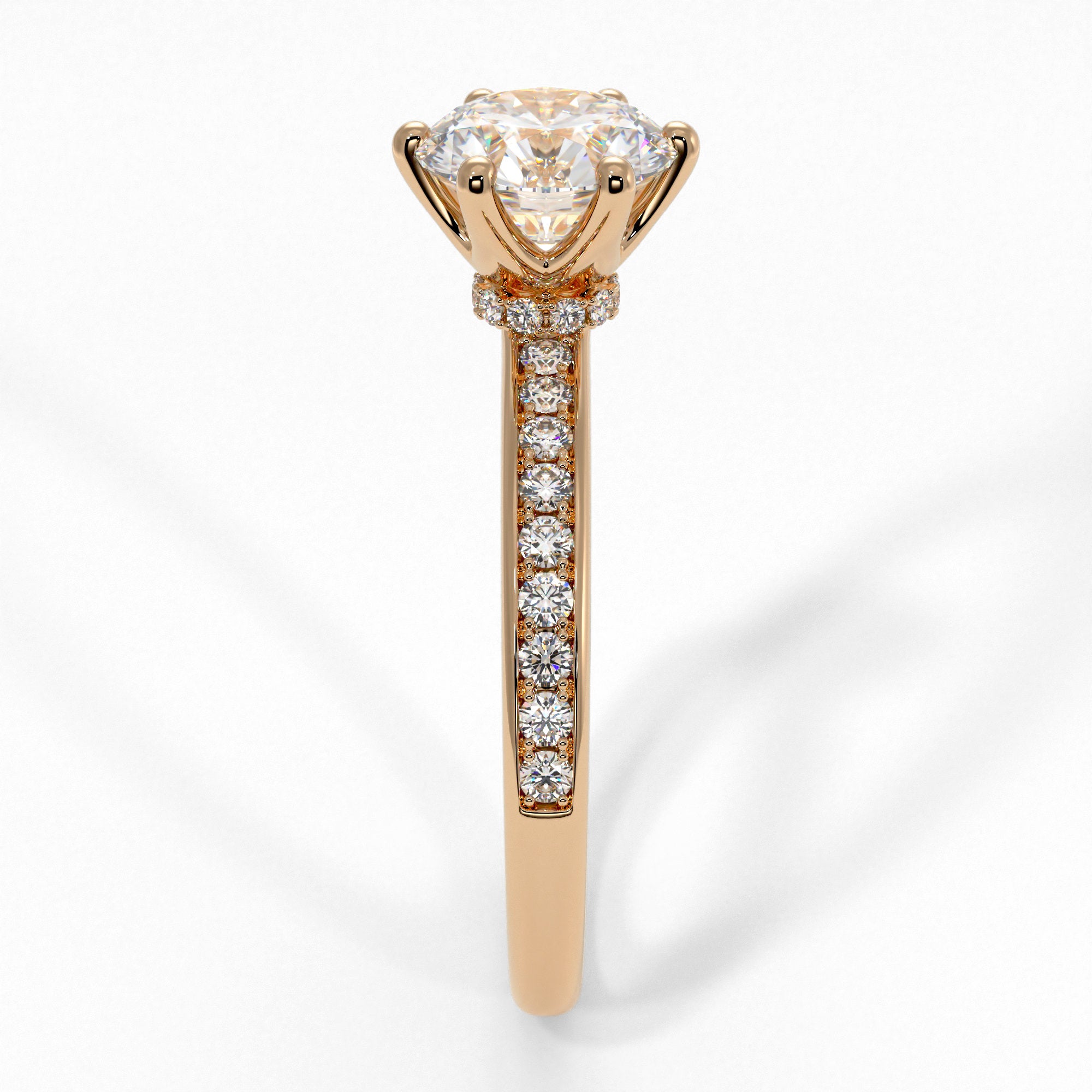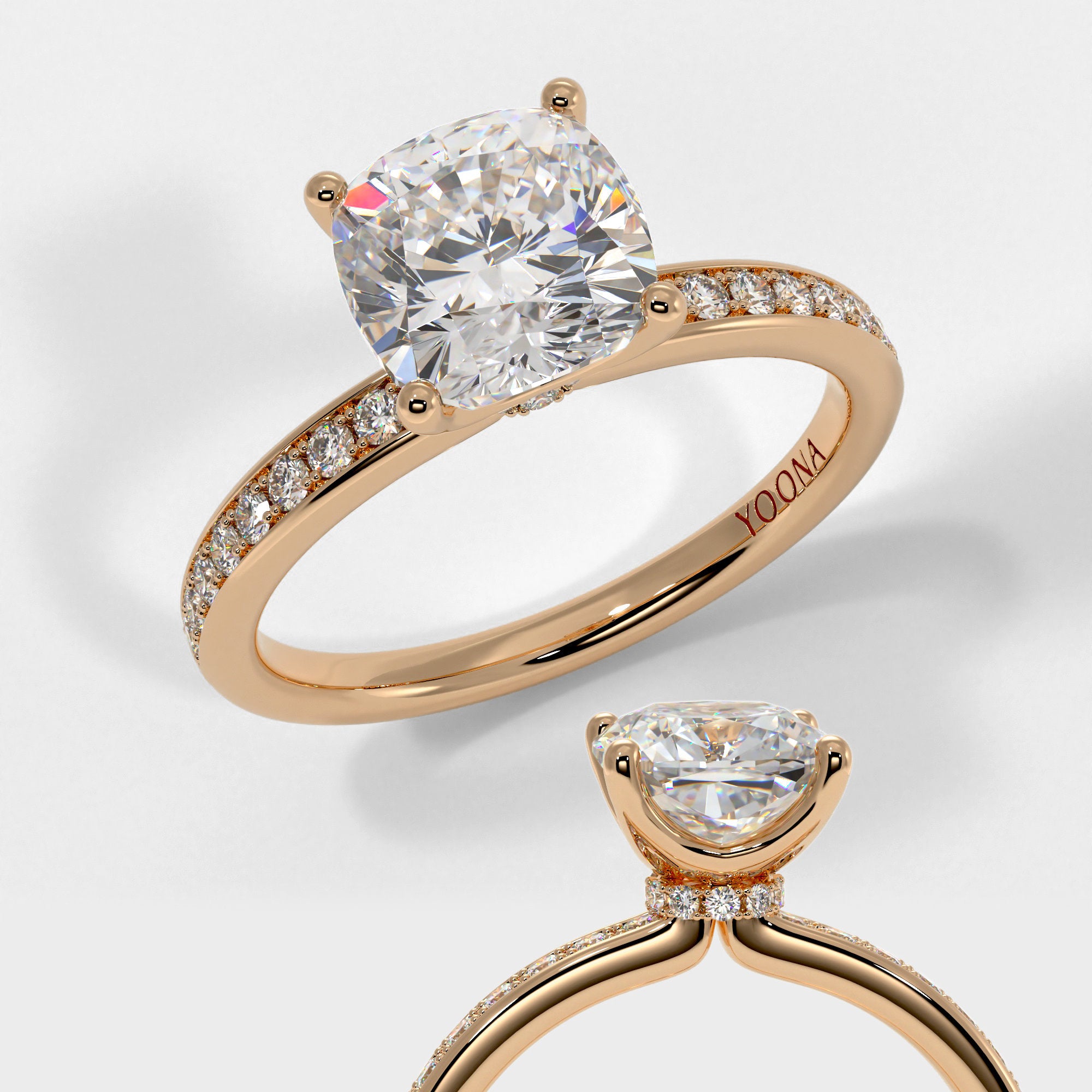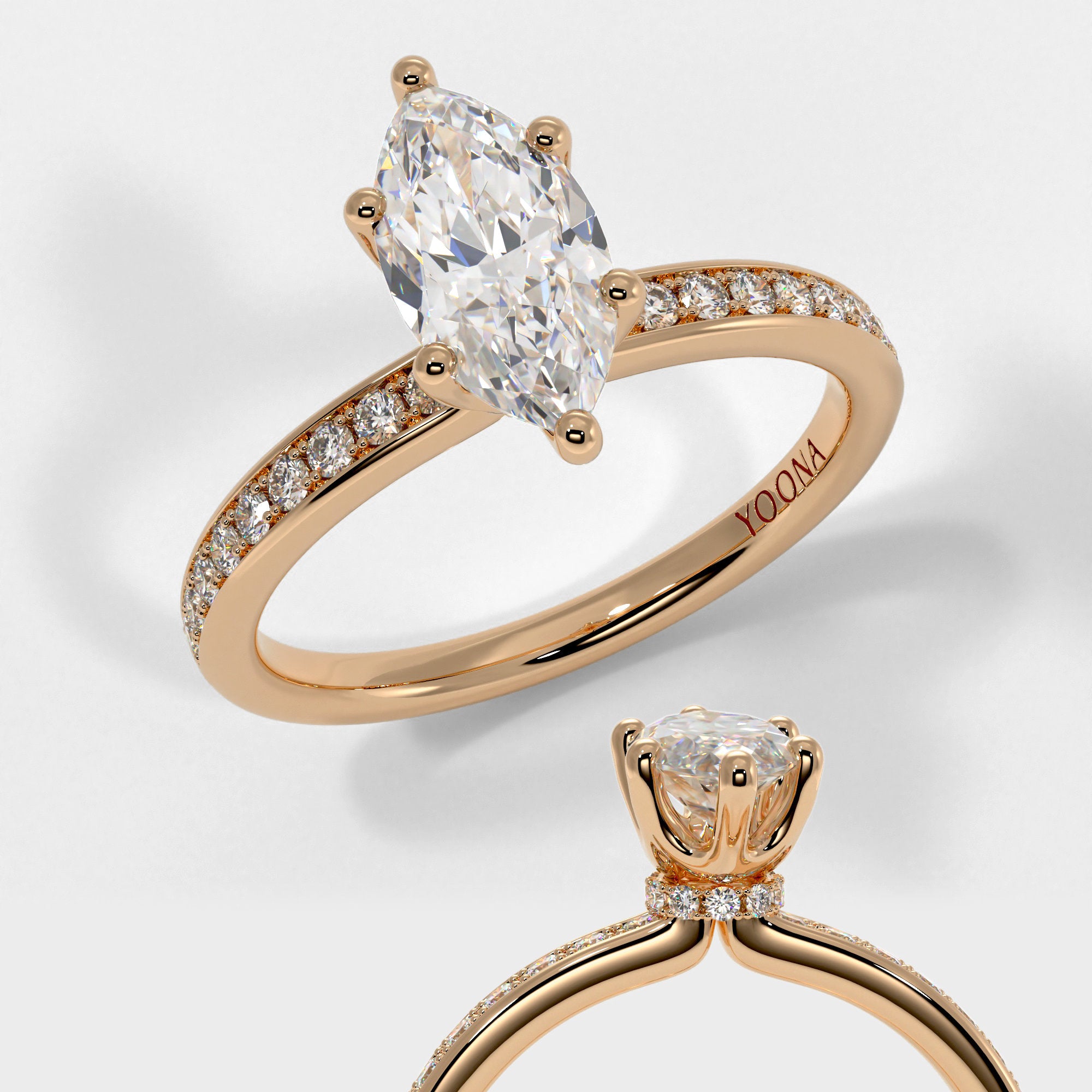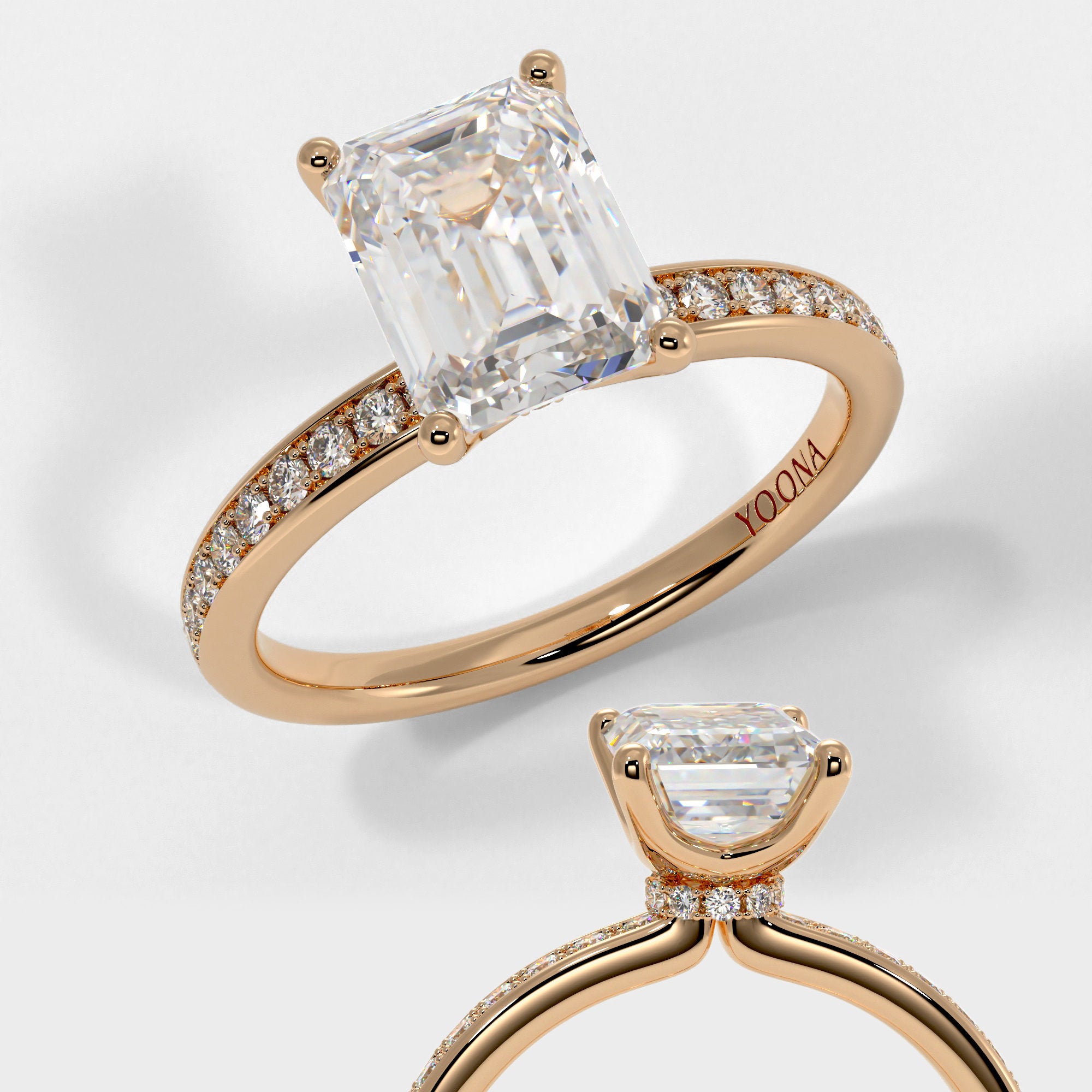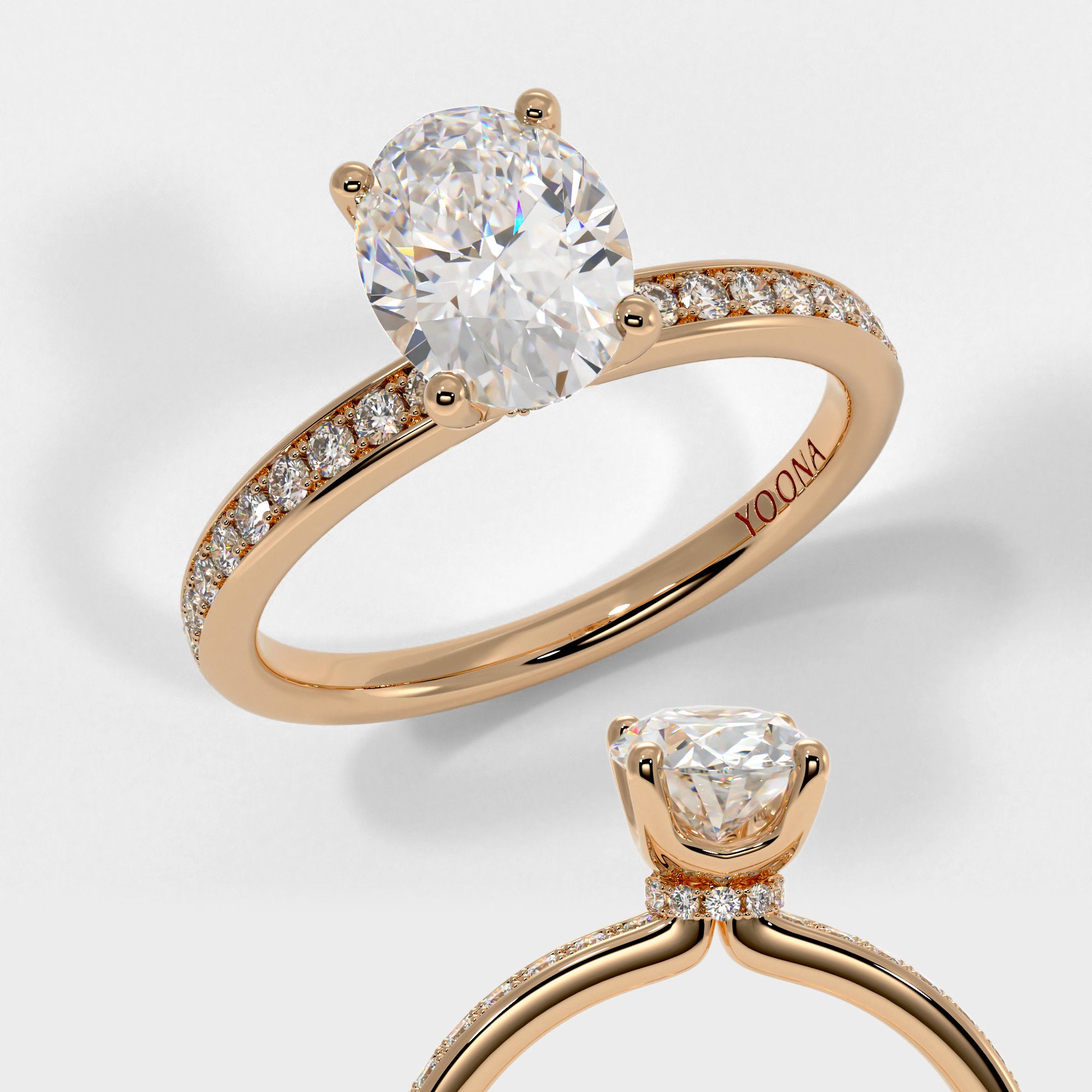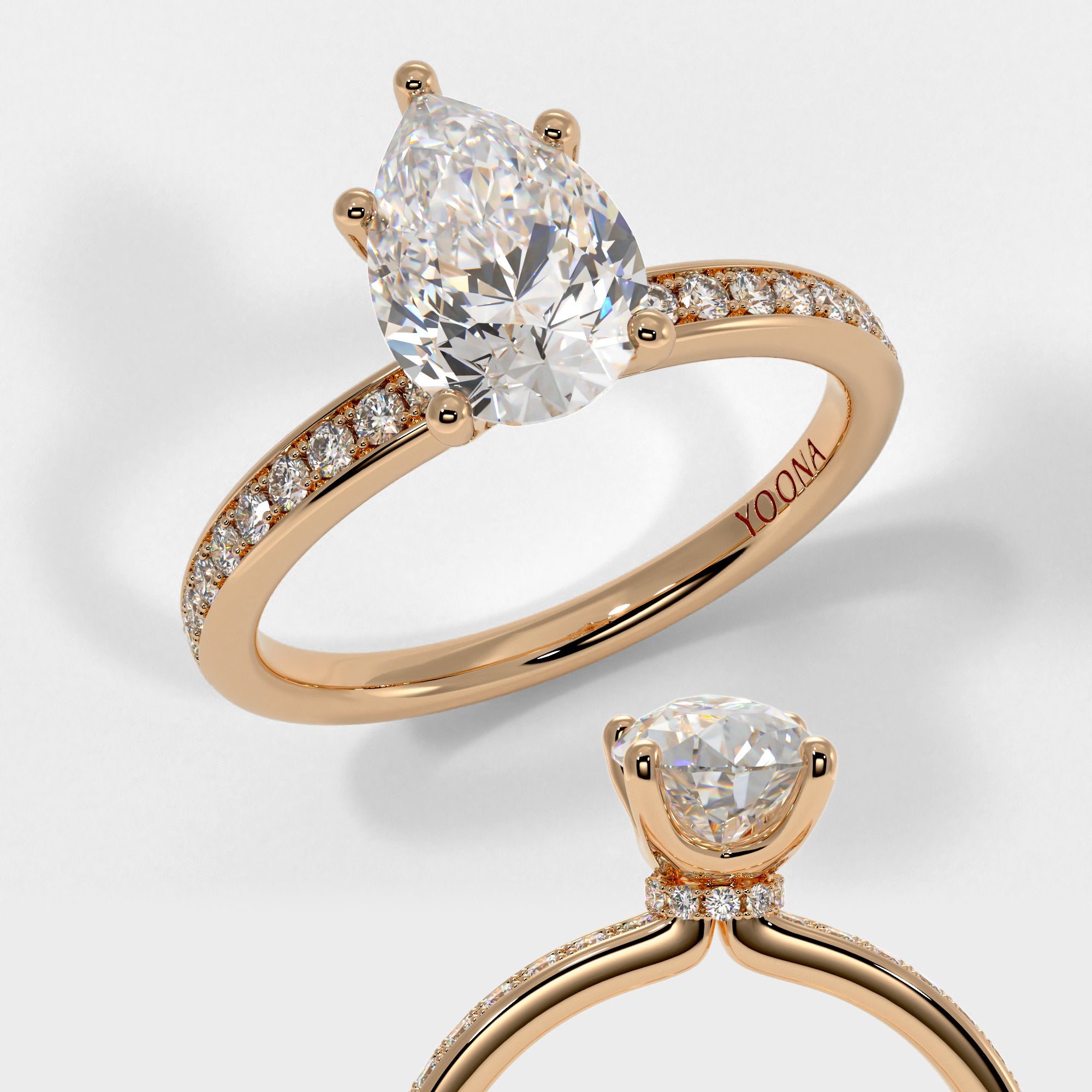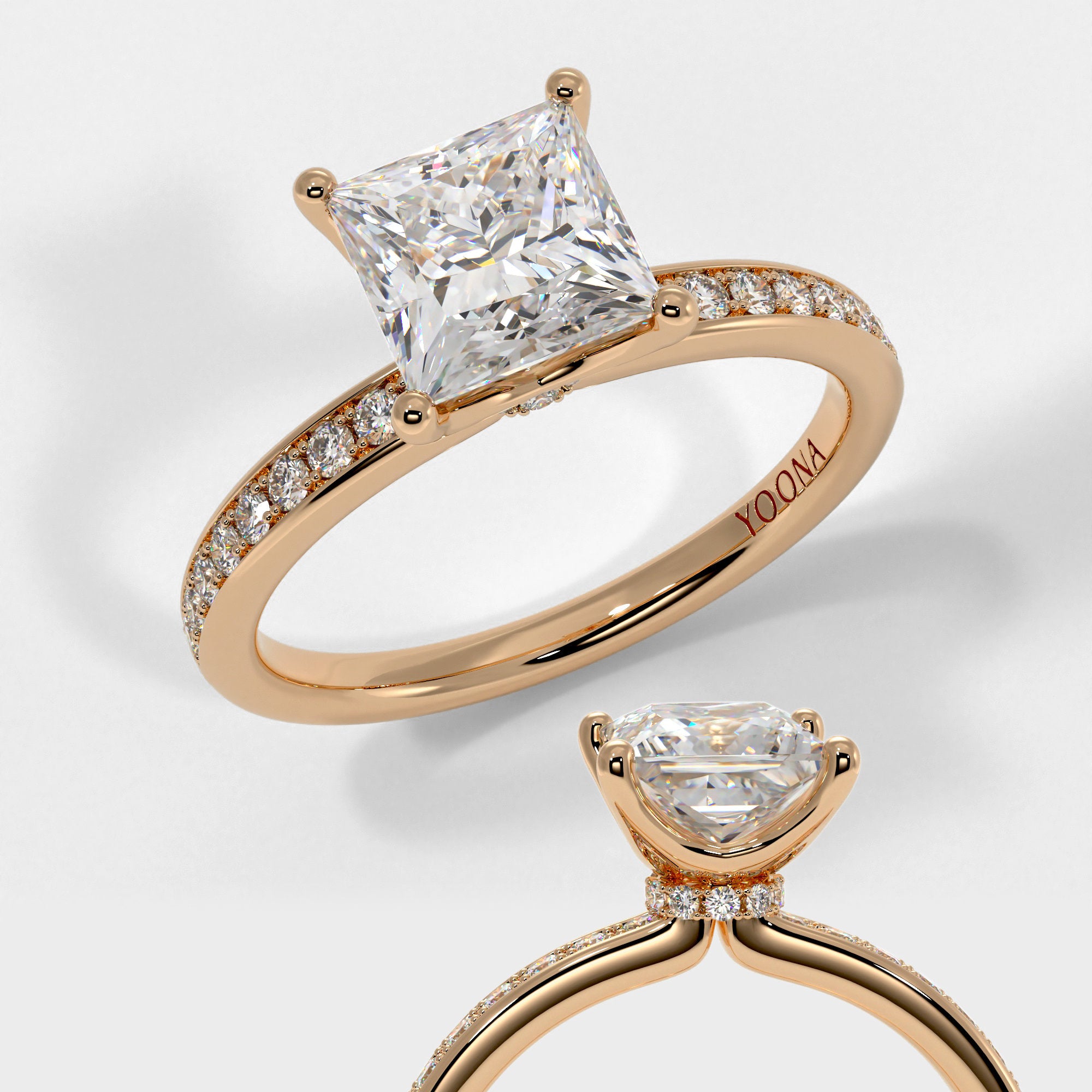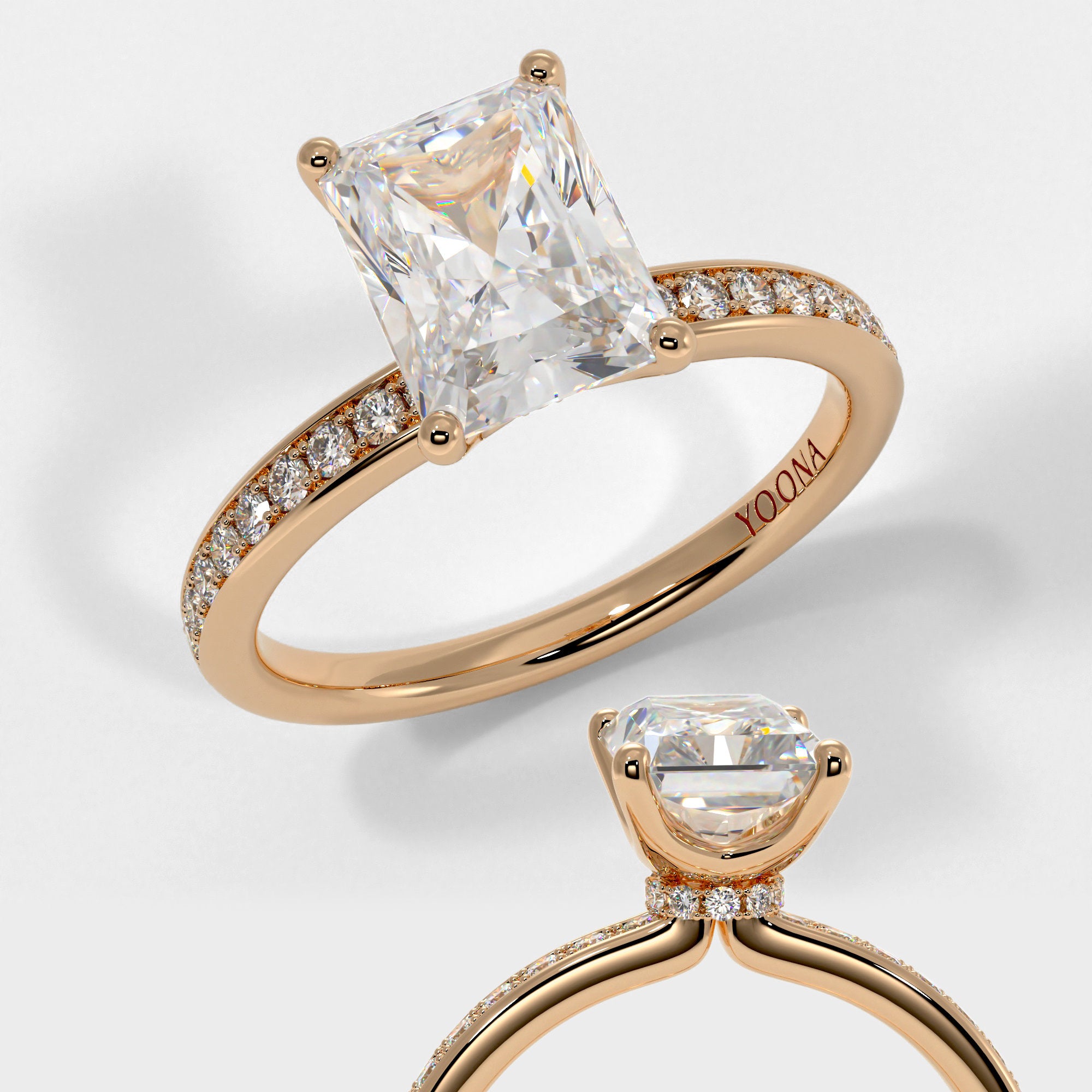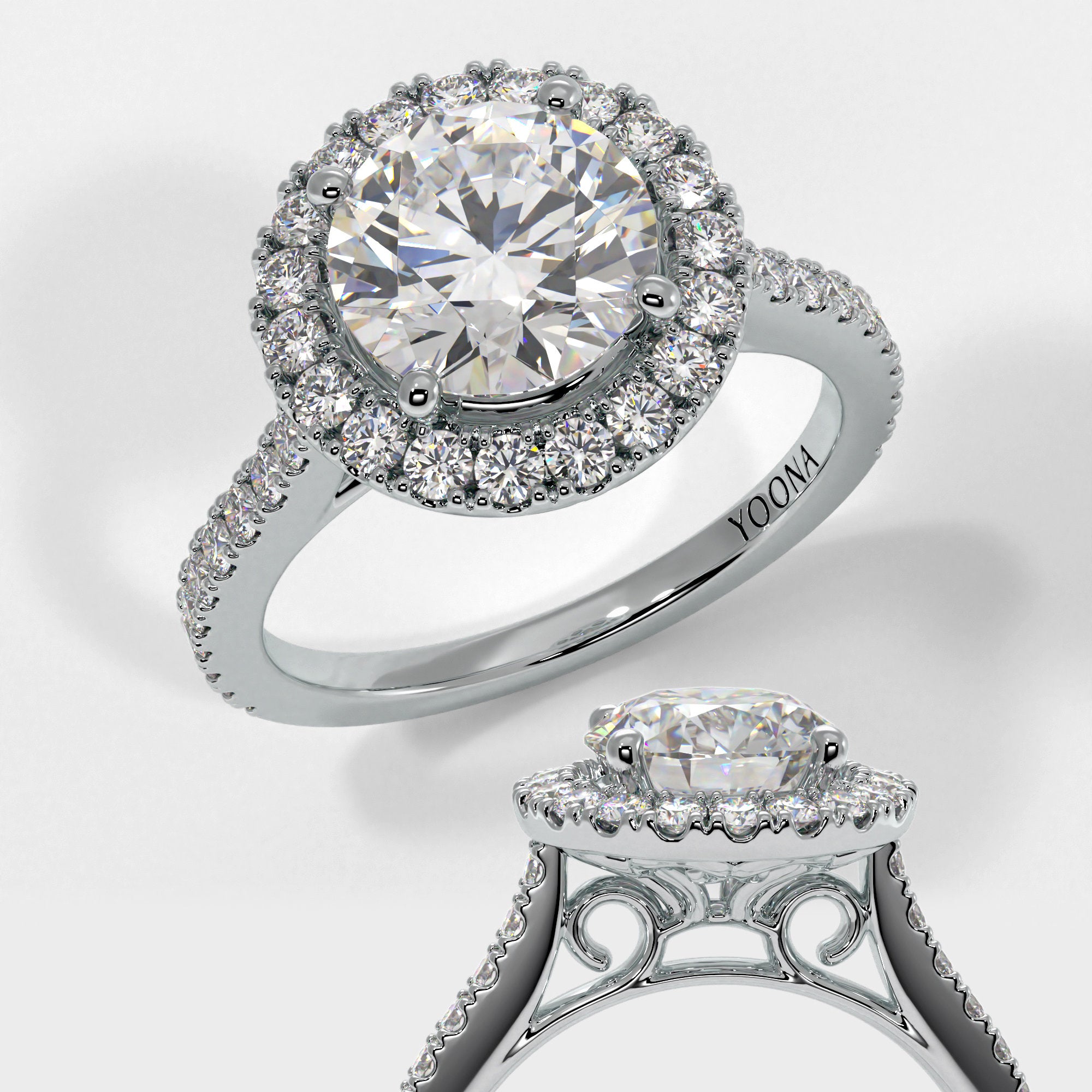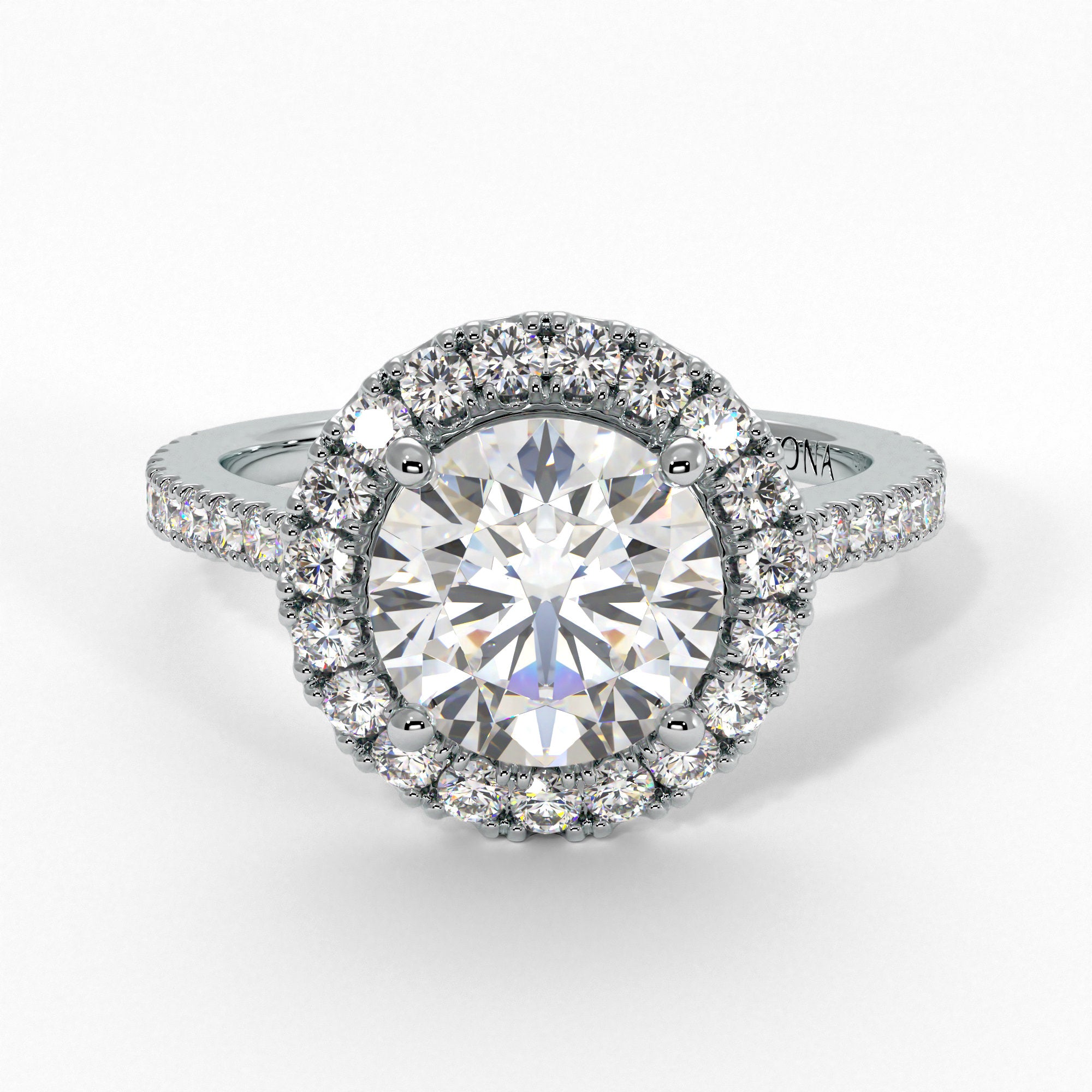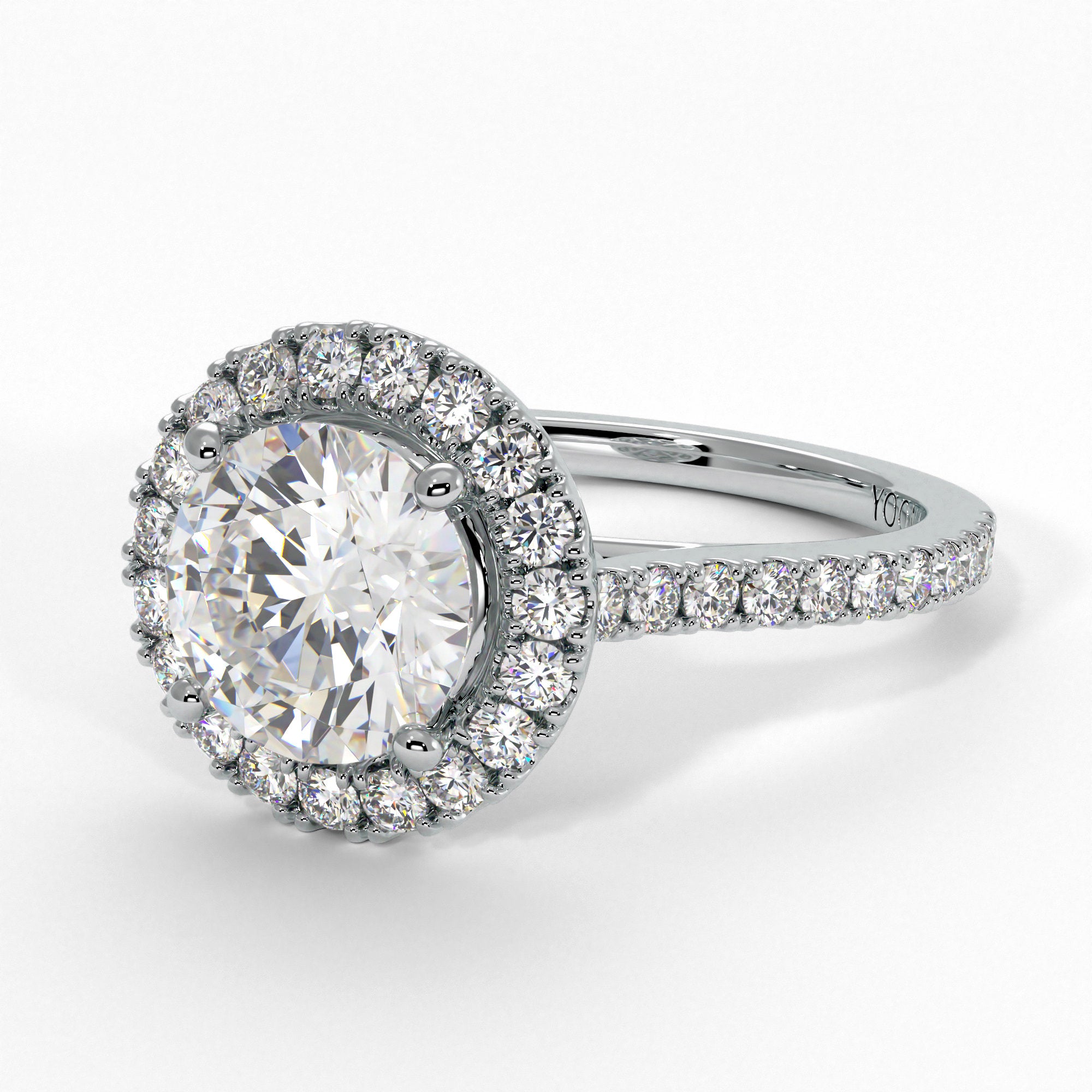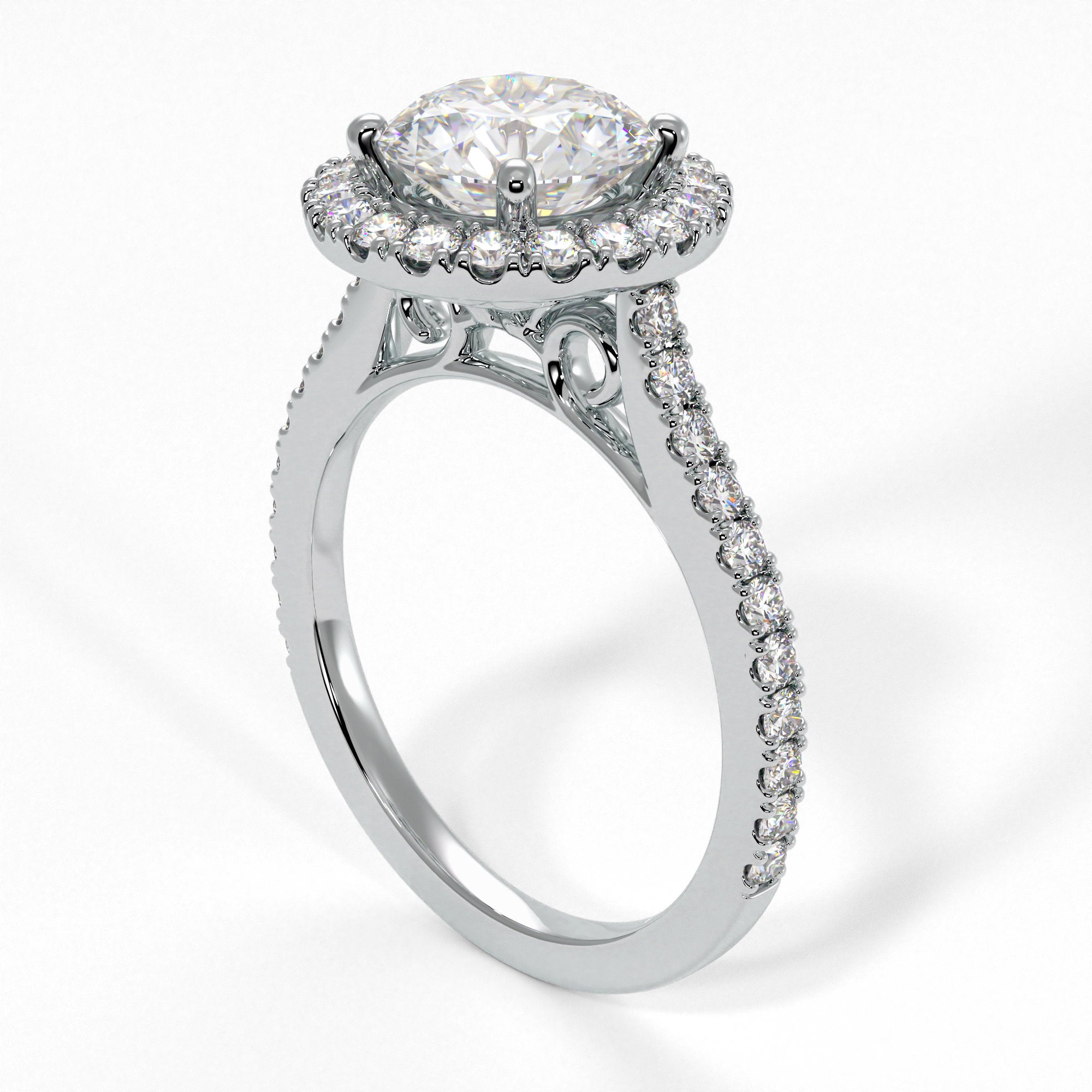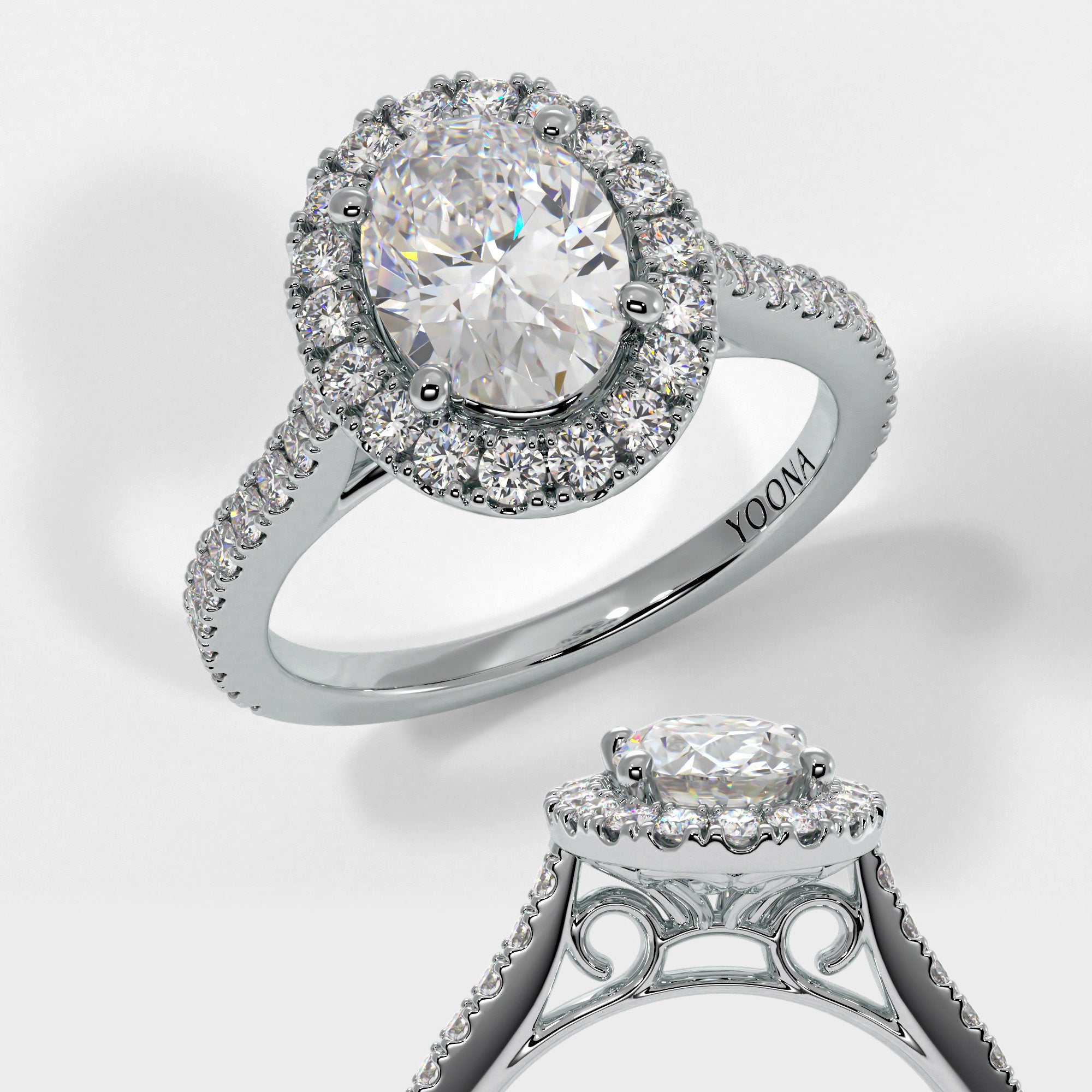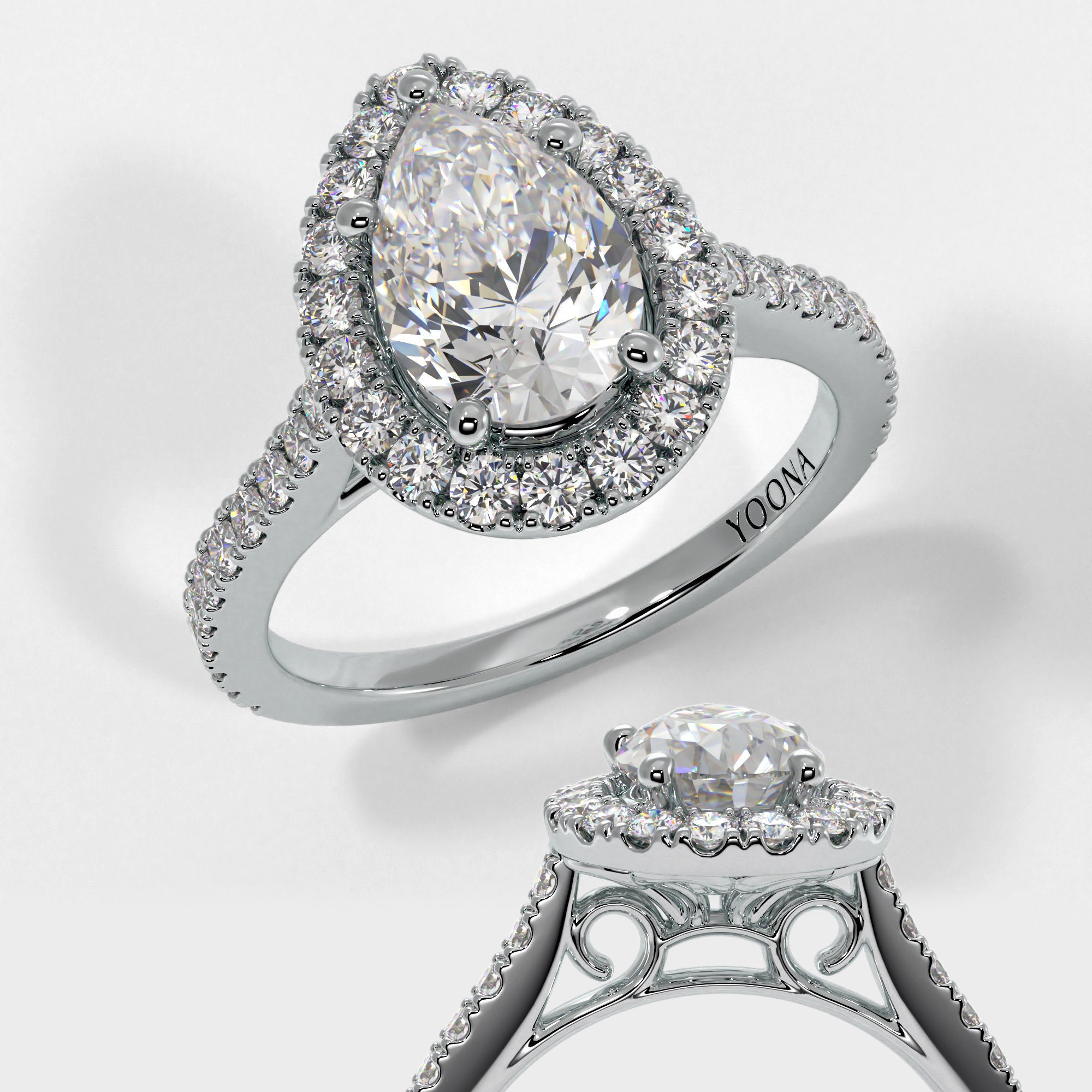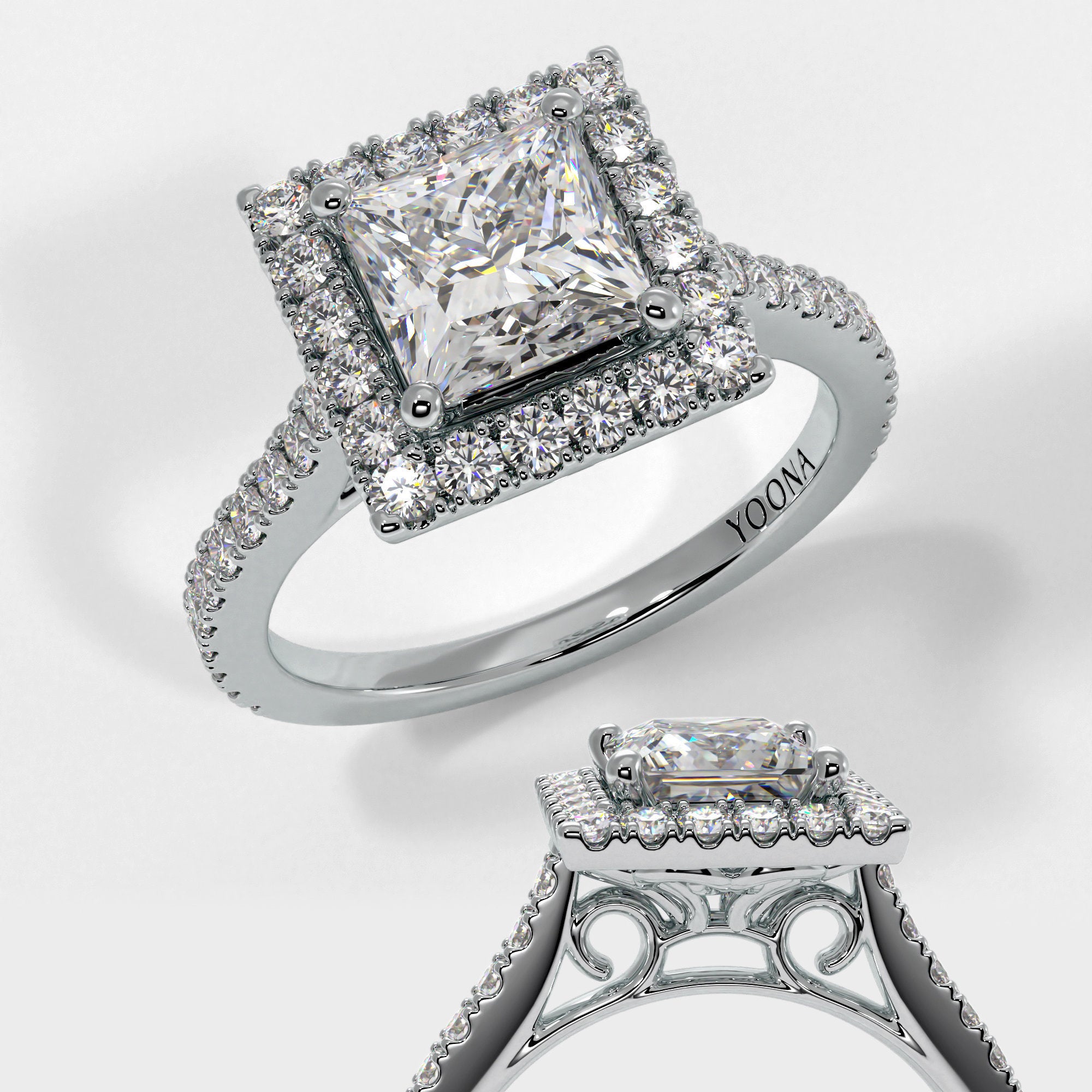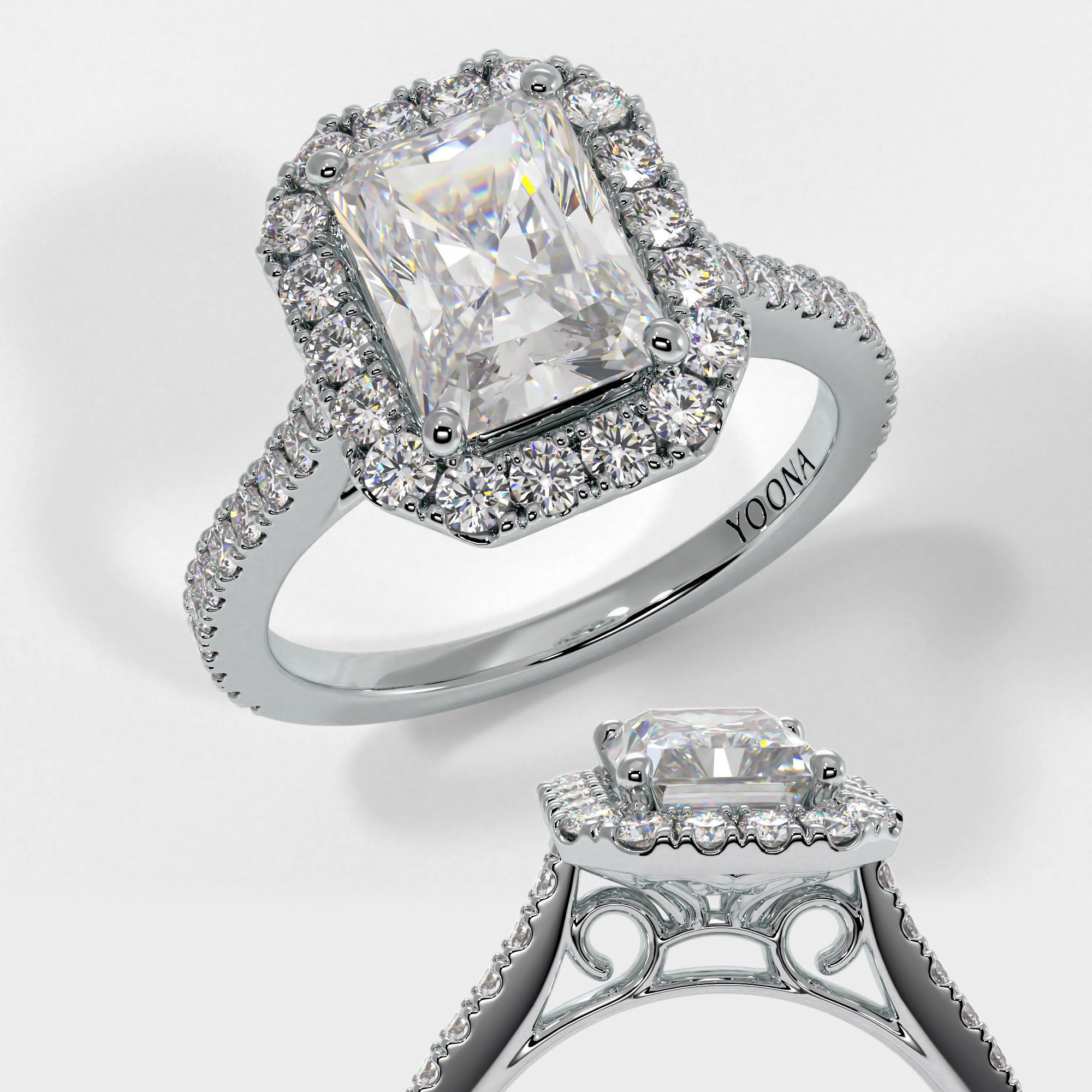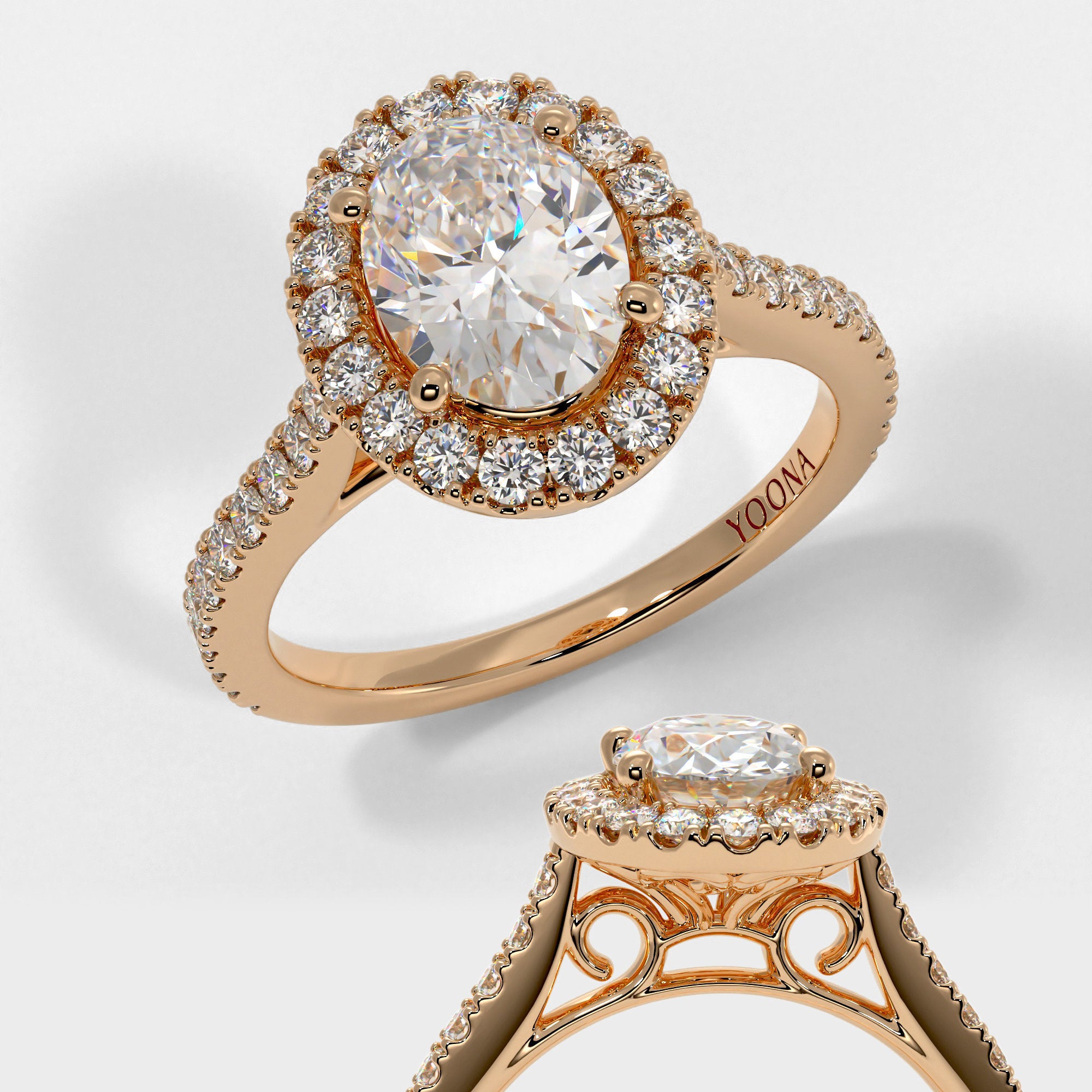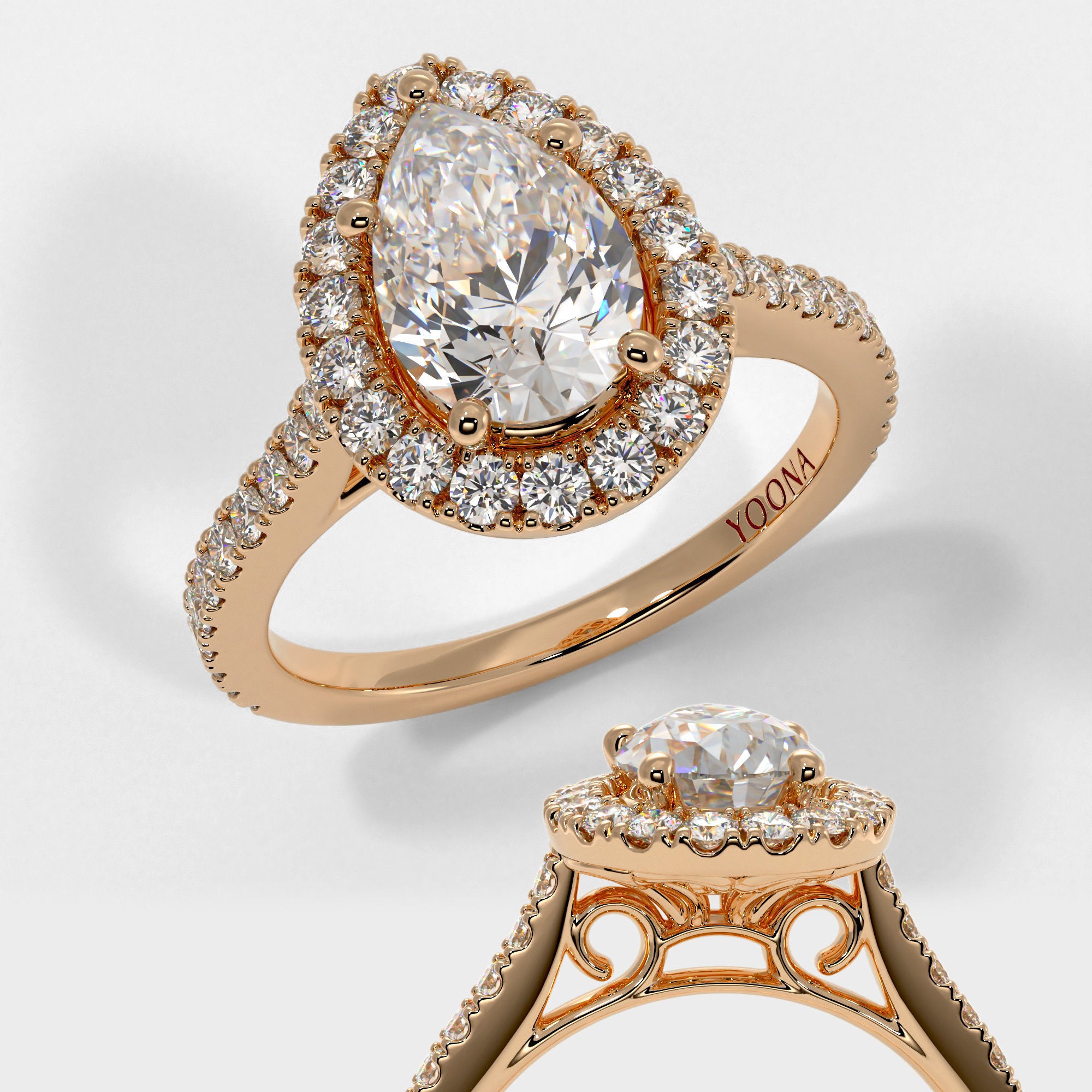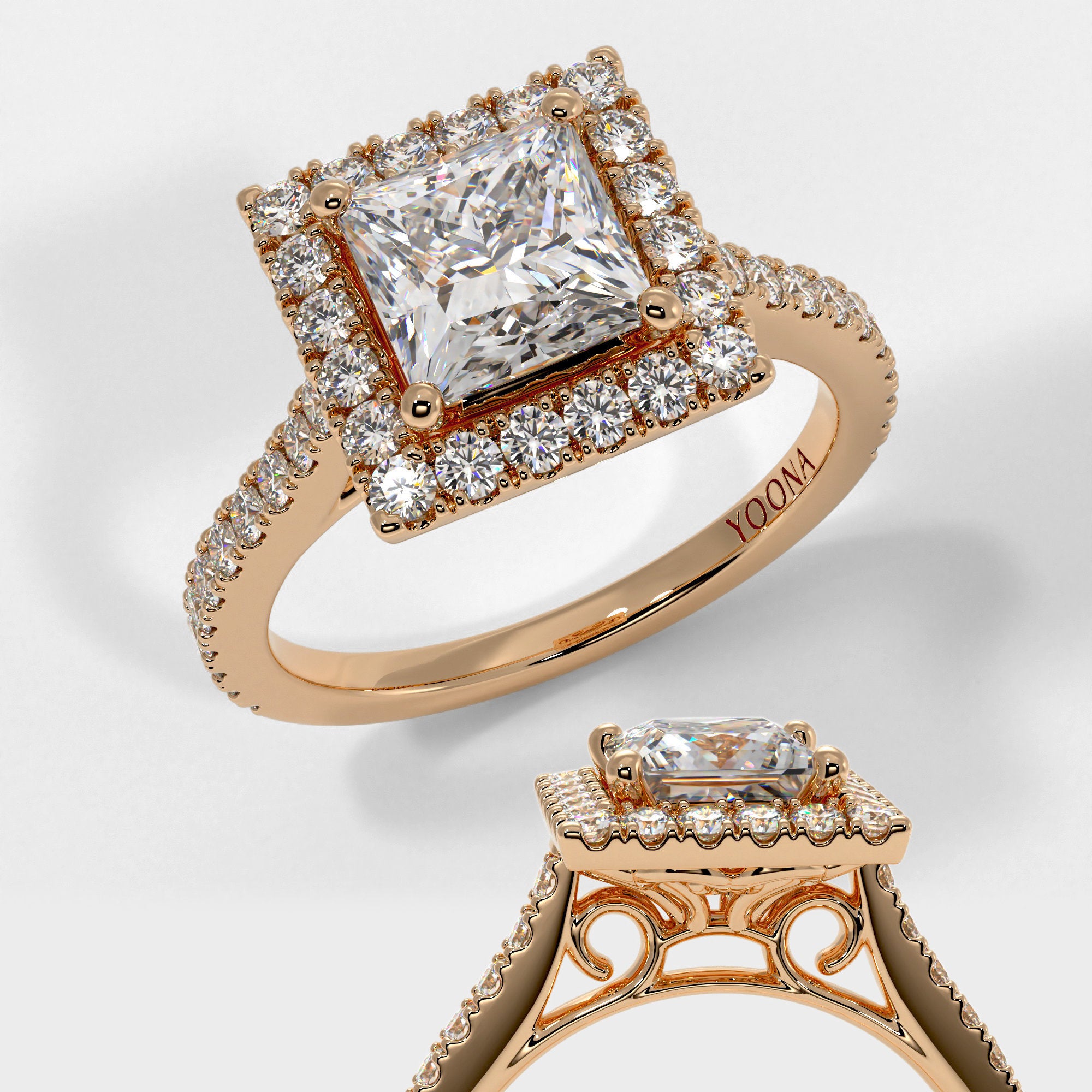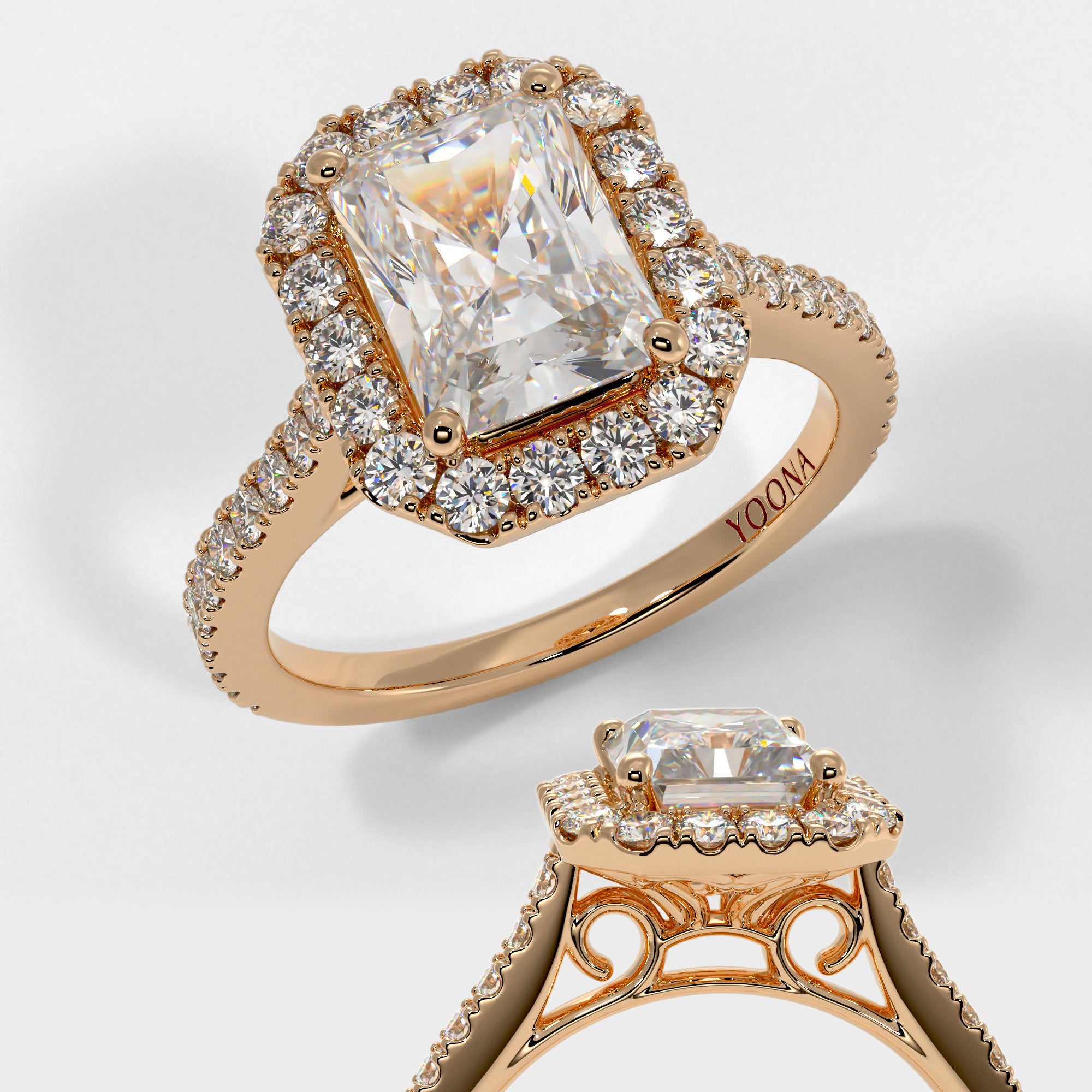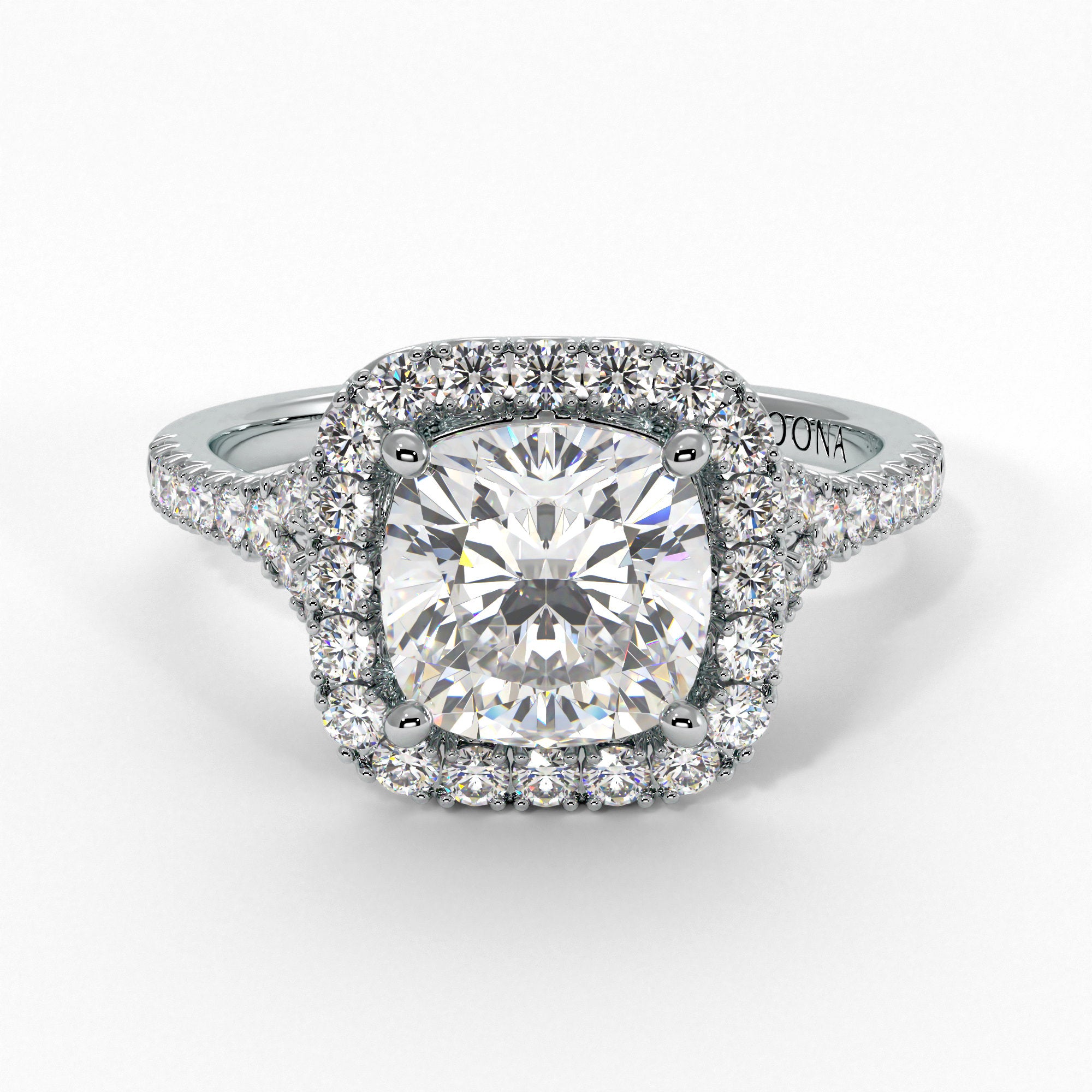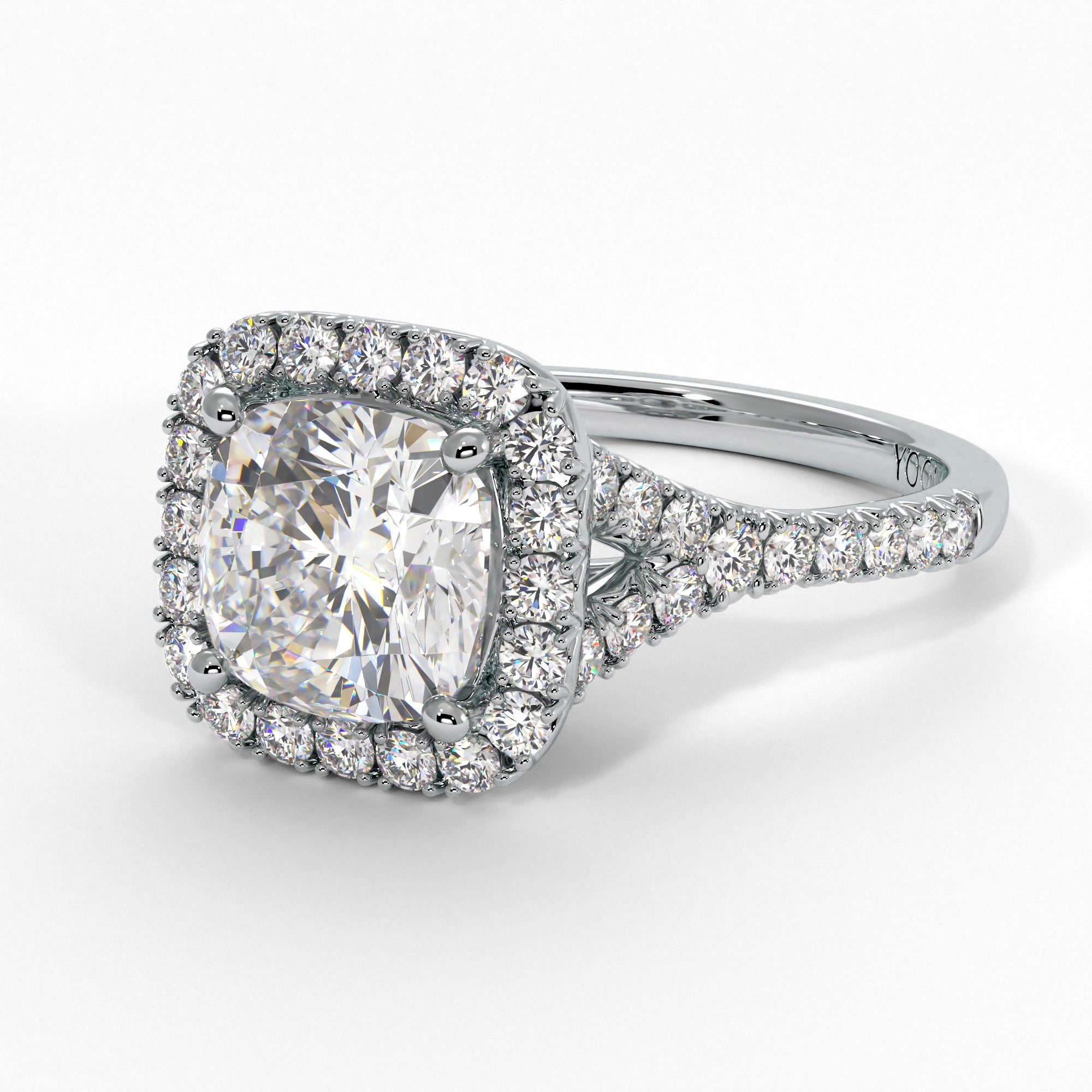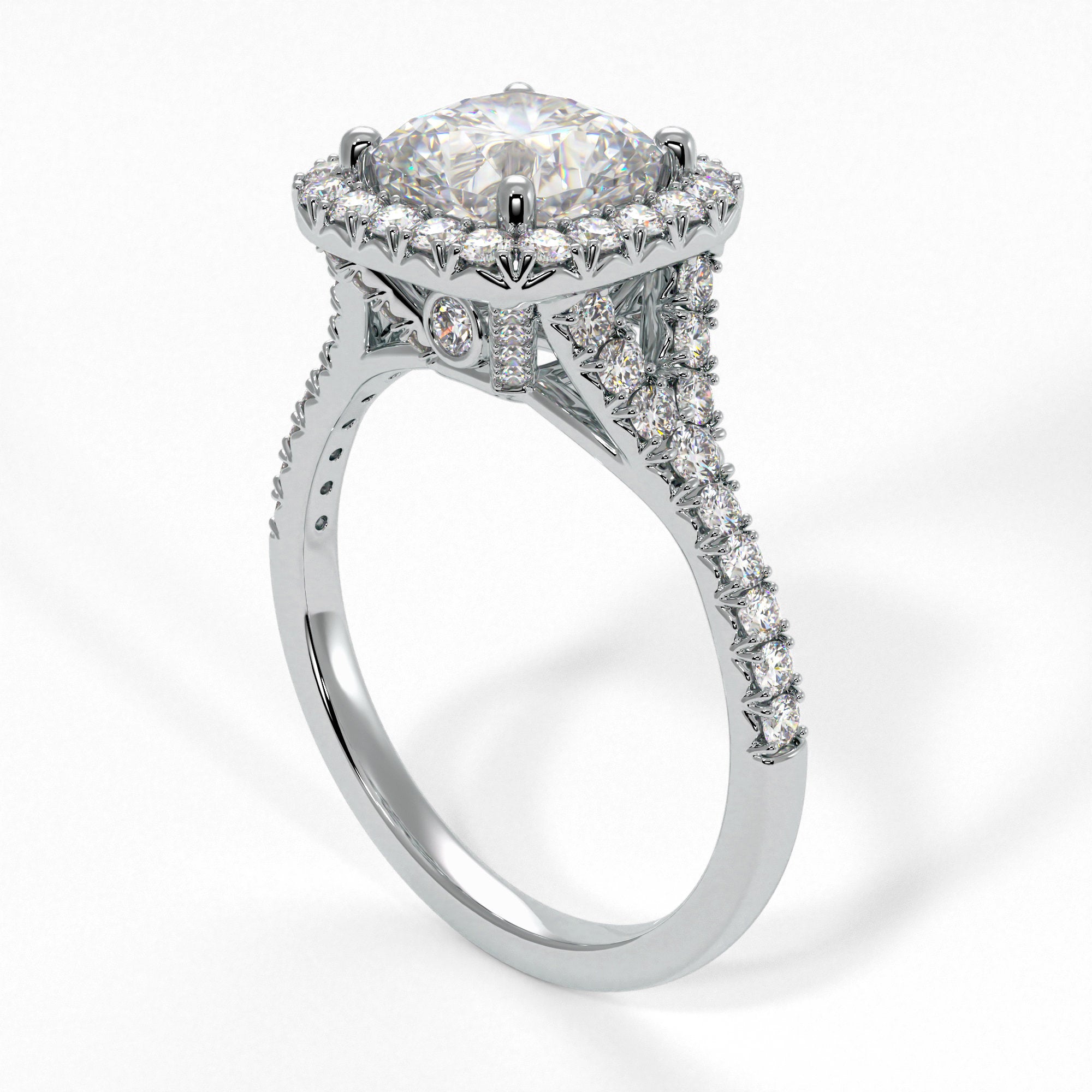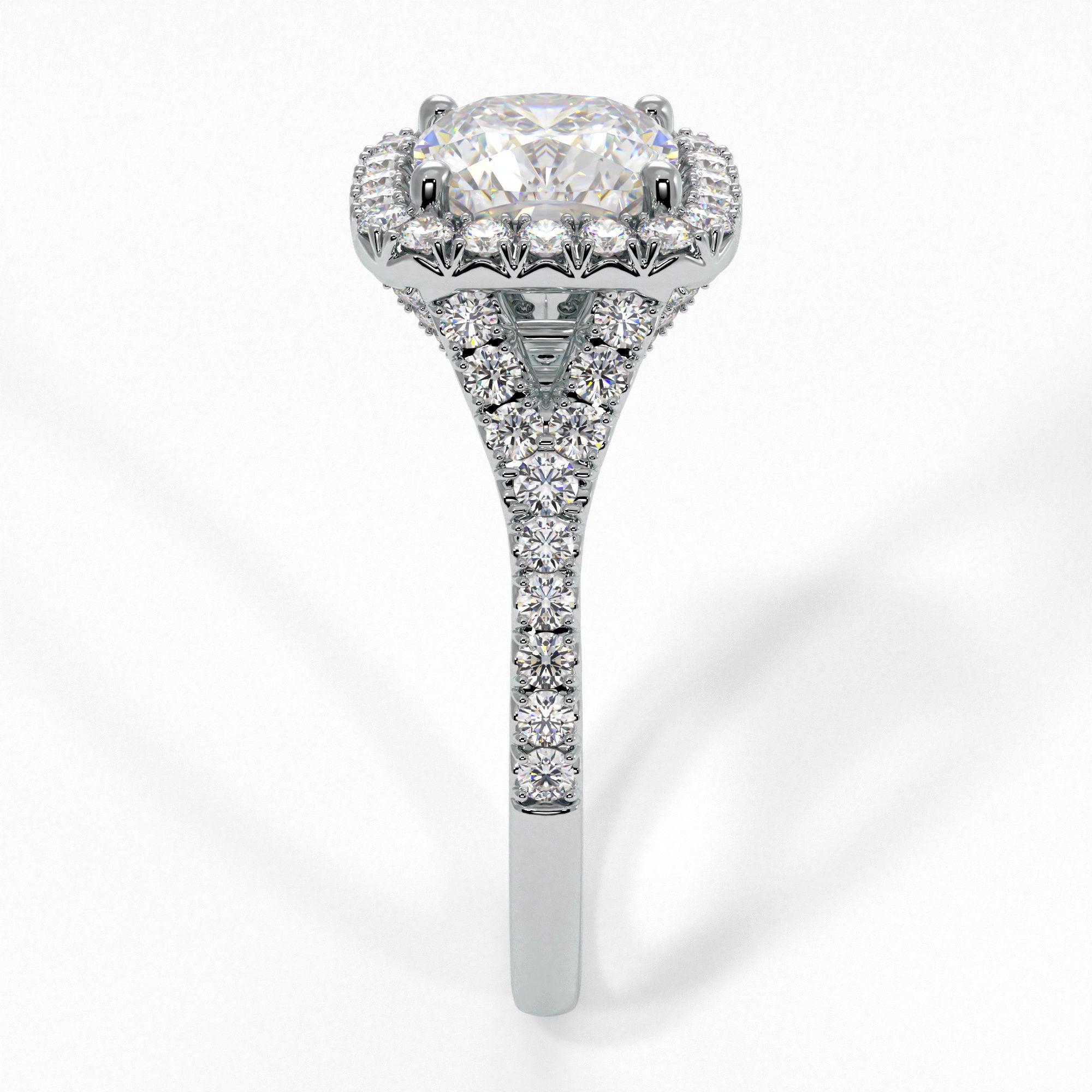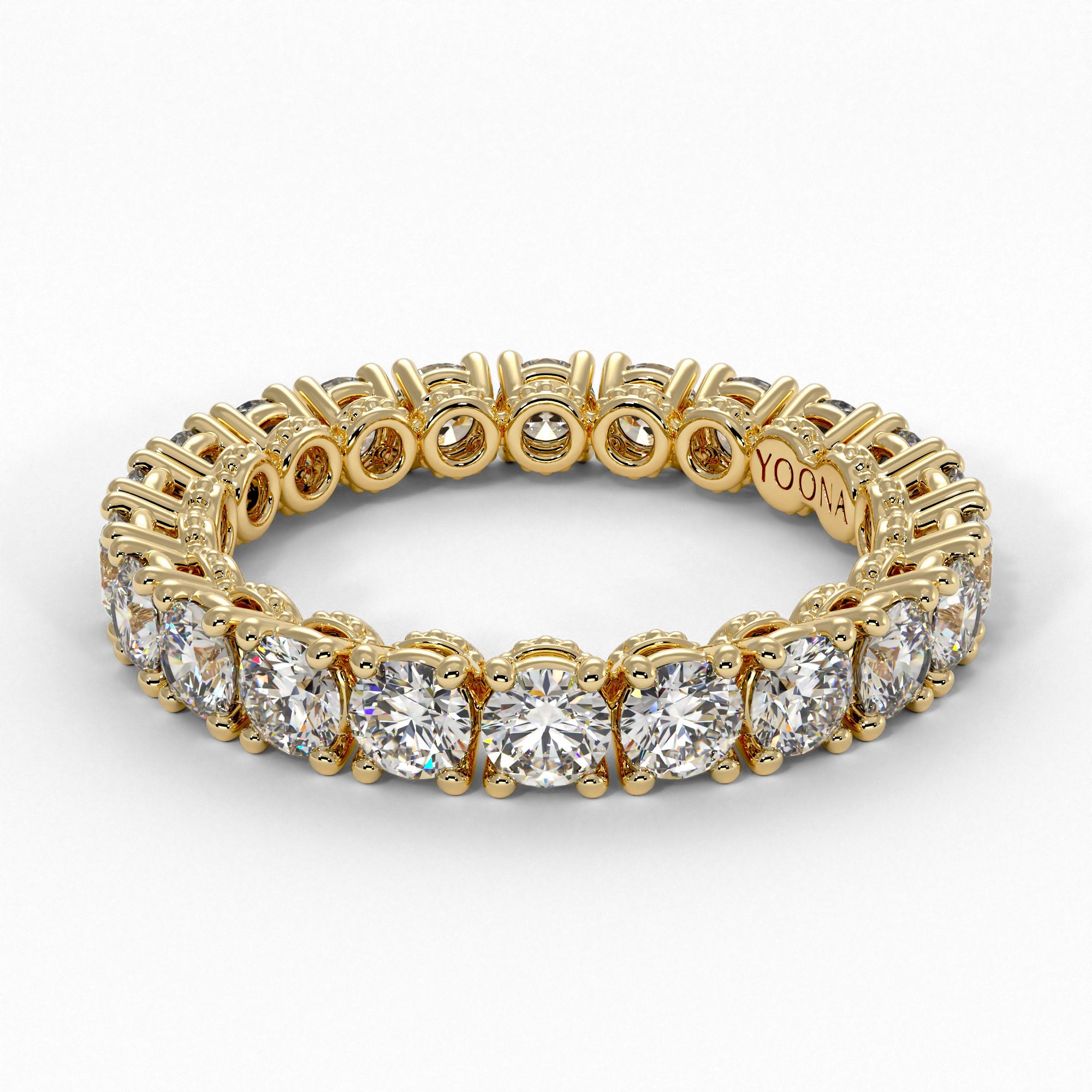
Reviewed by Yoona's in-house jewelry experts
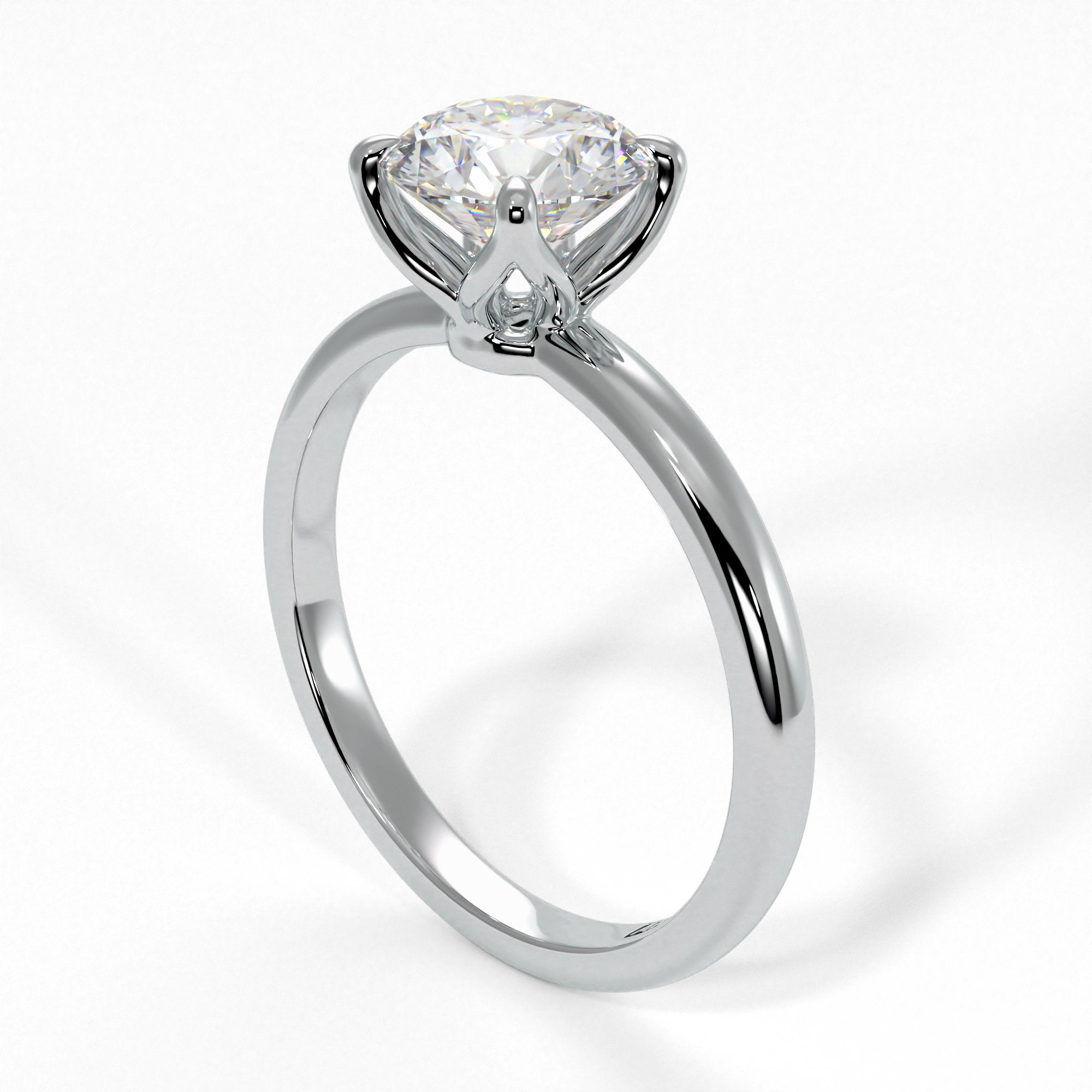
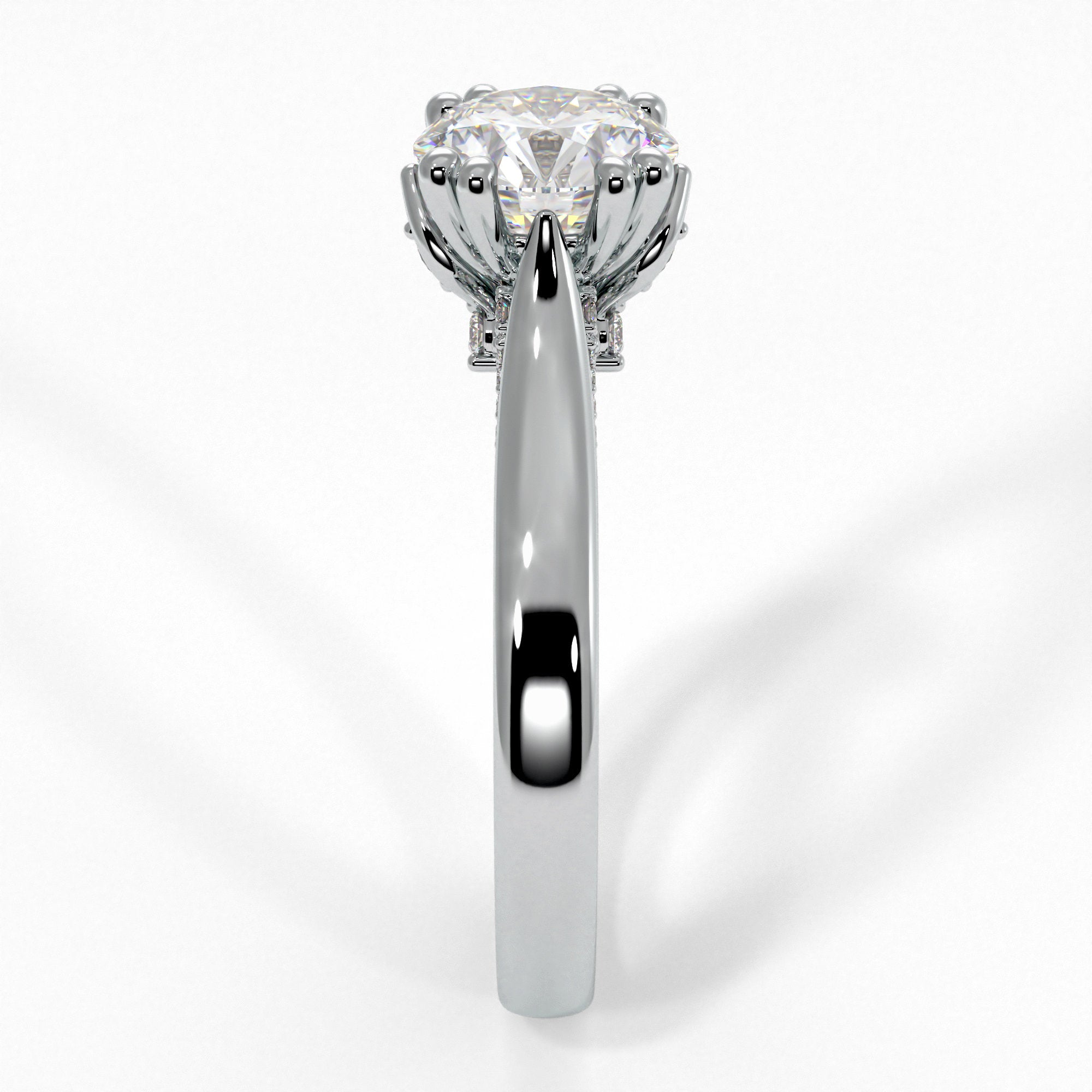
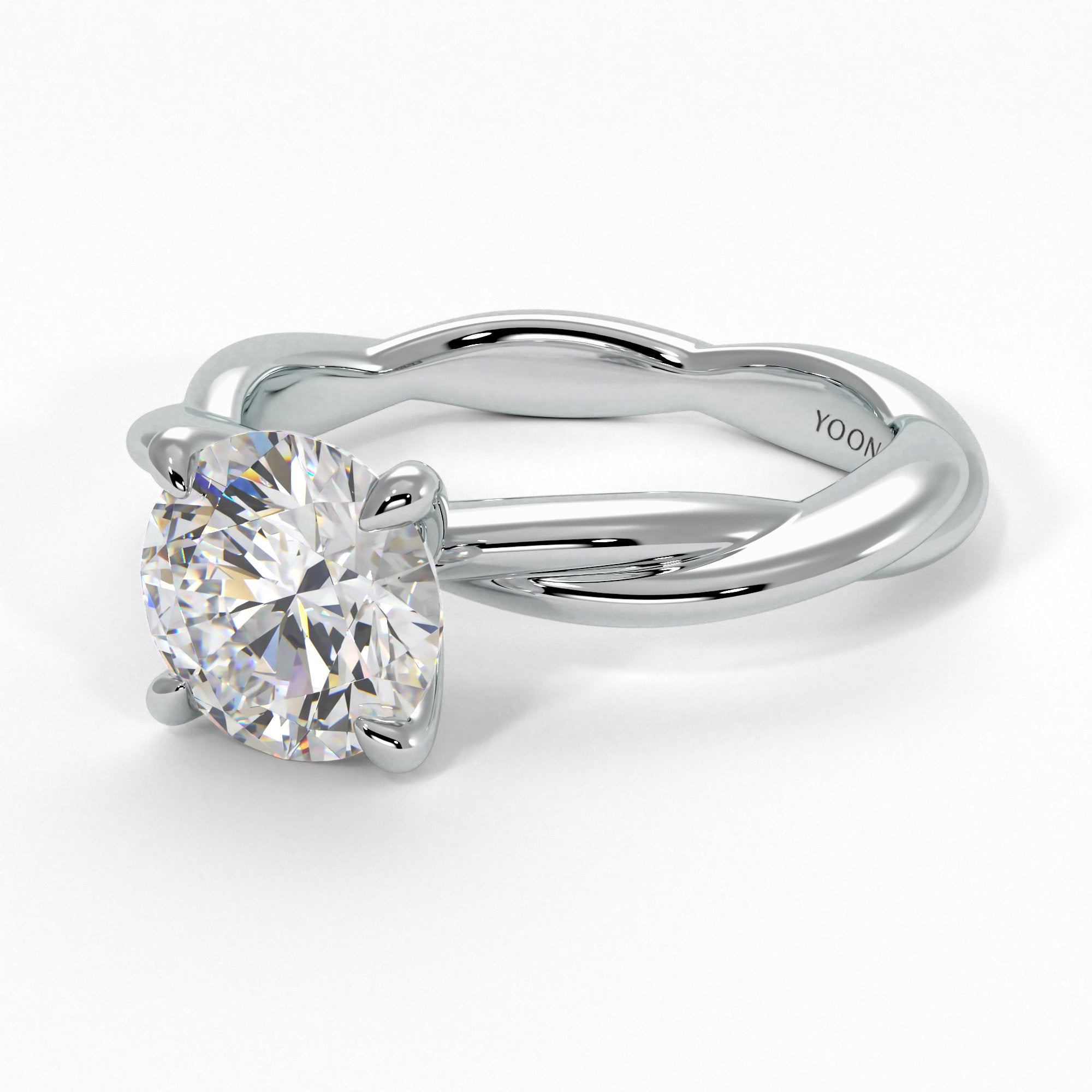
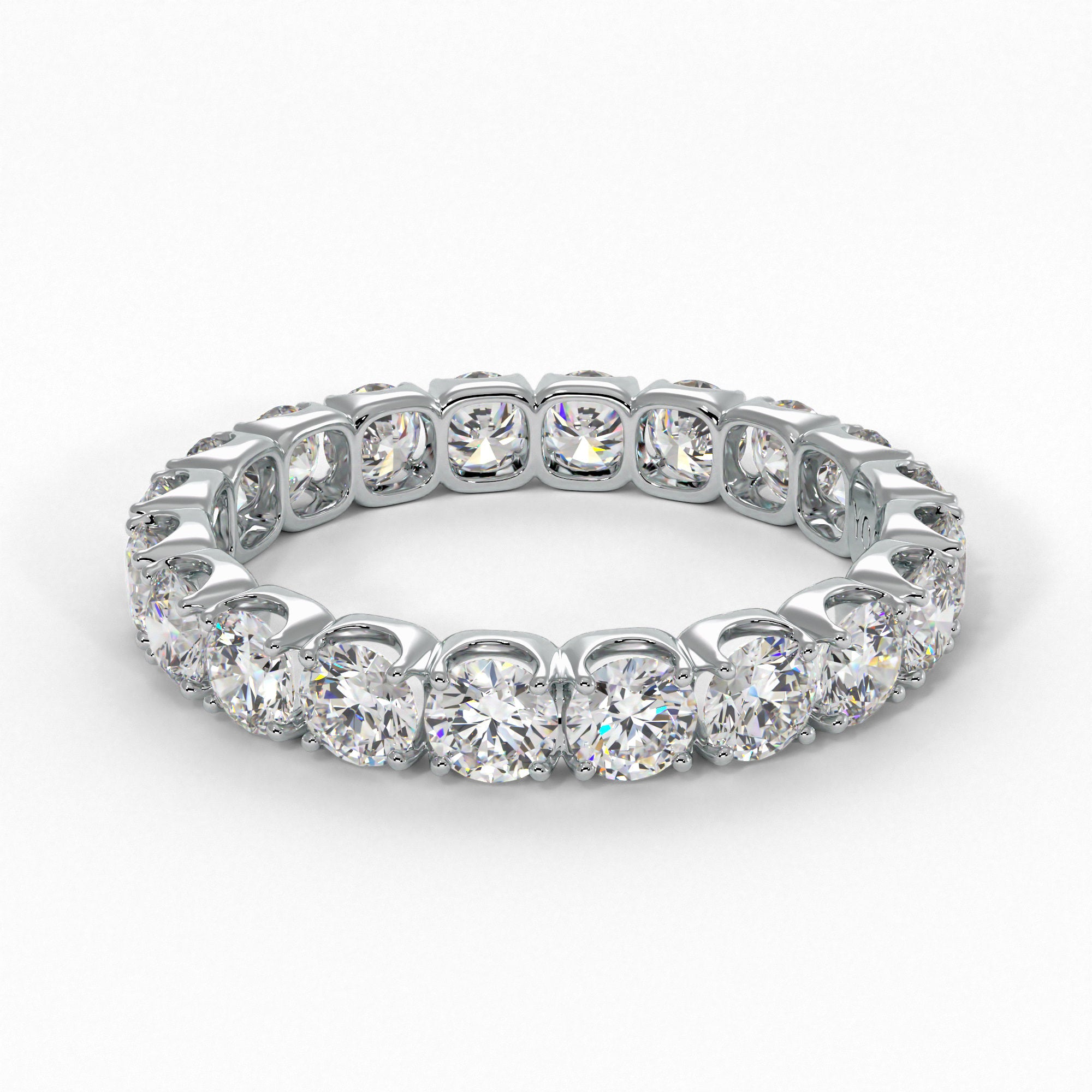
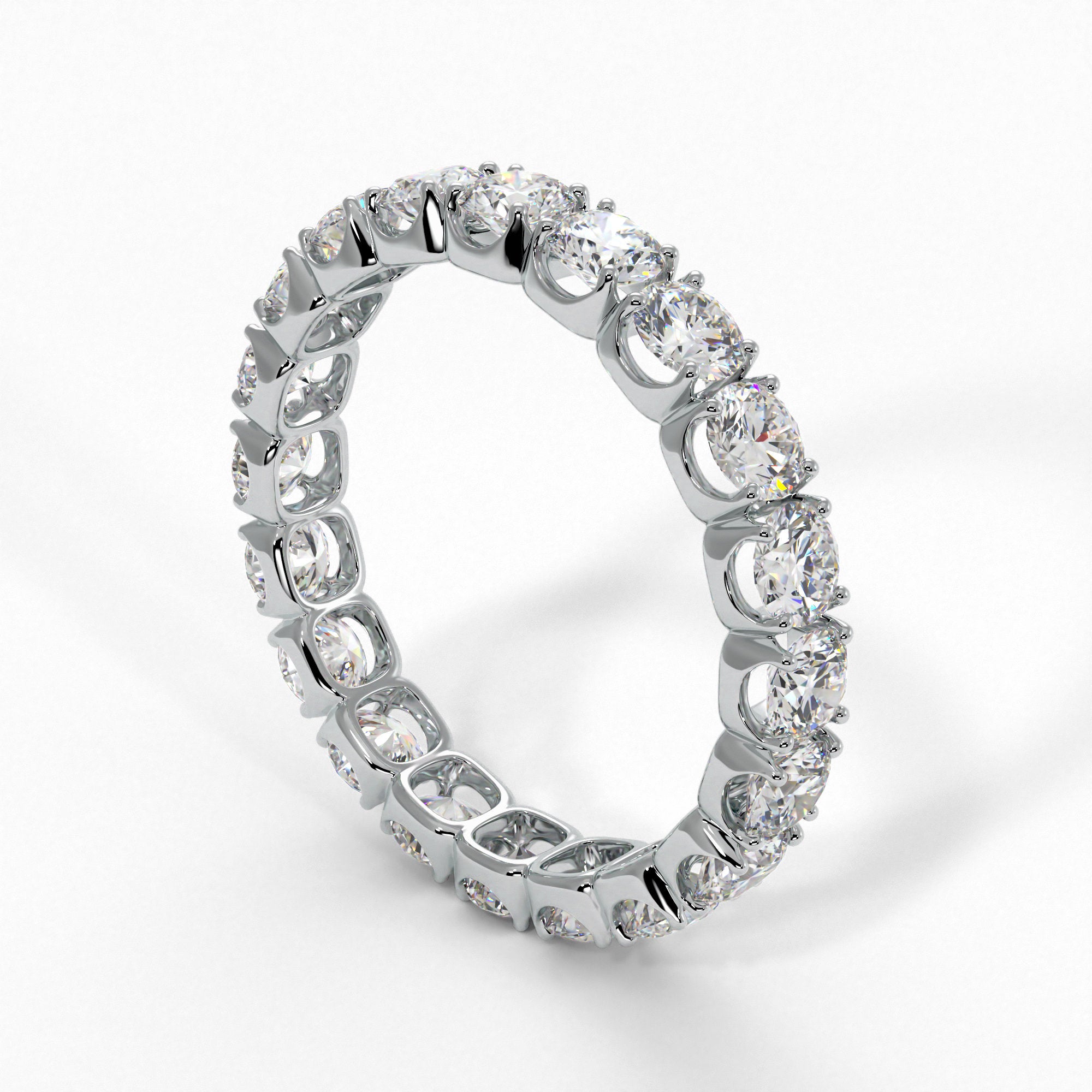
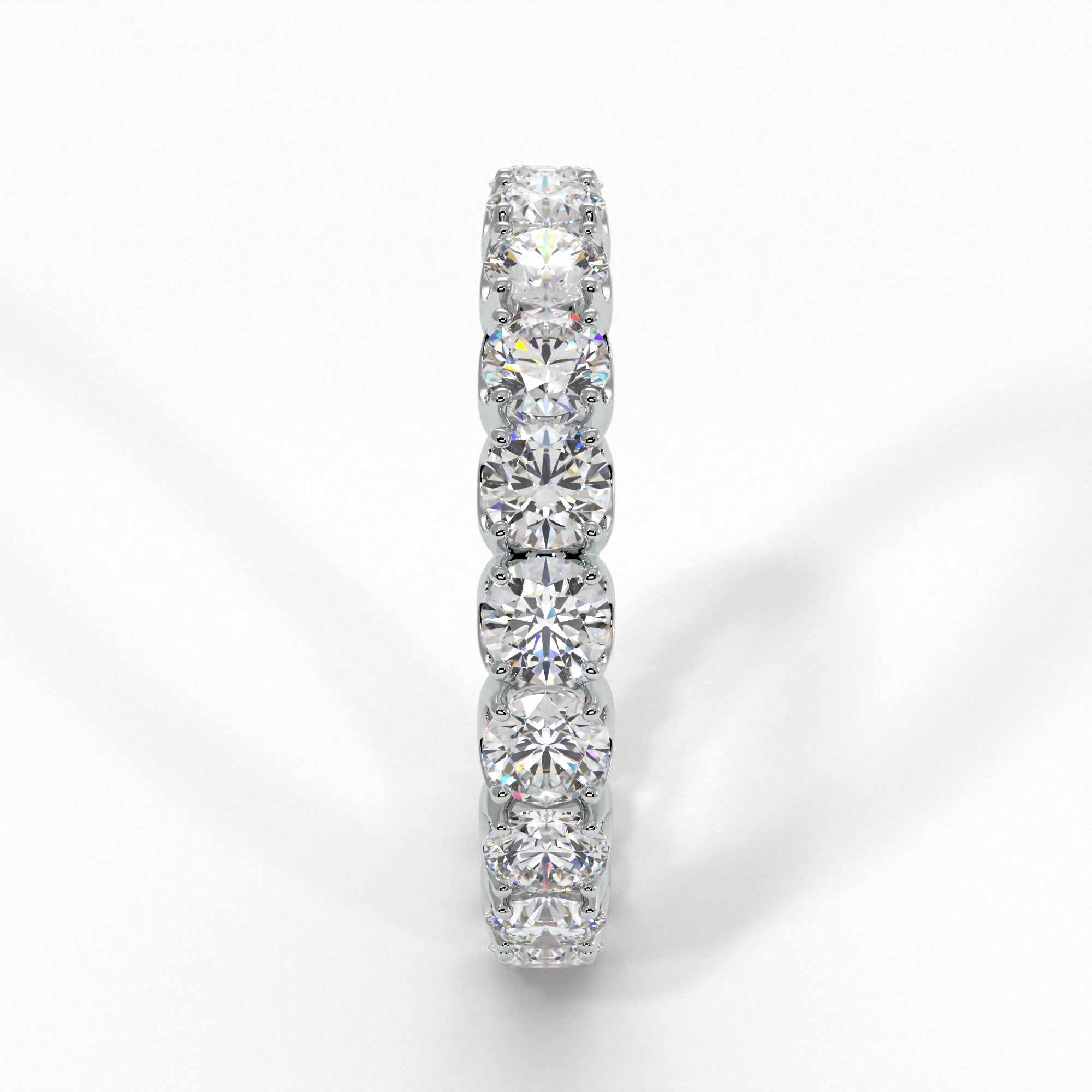
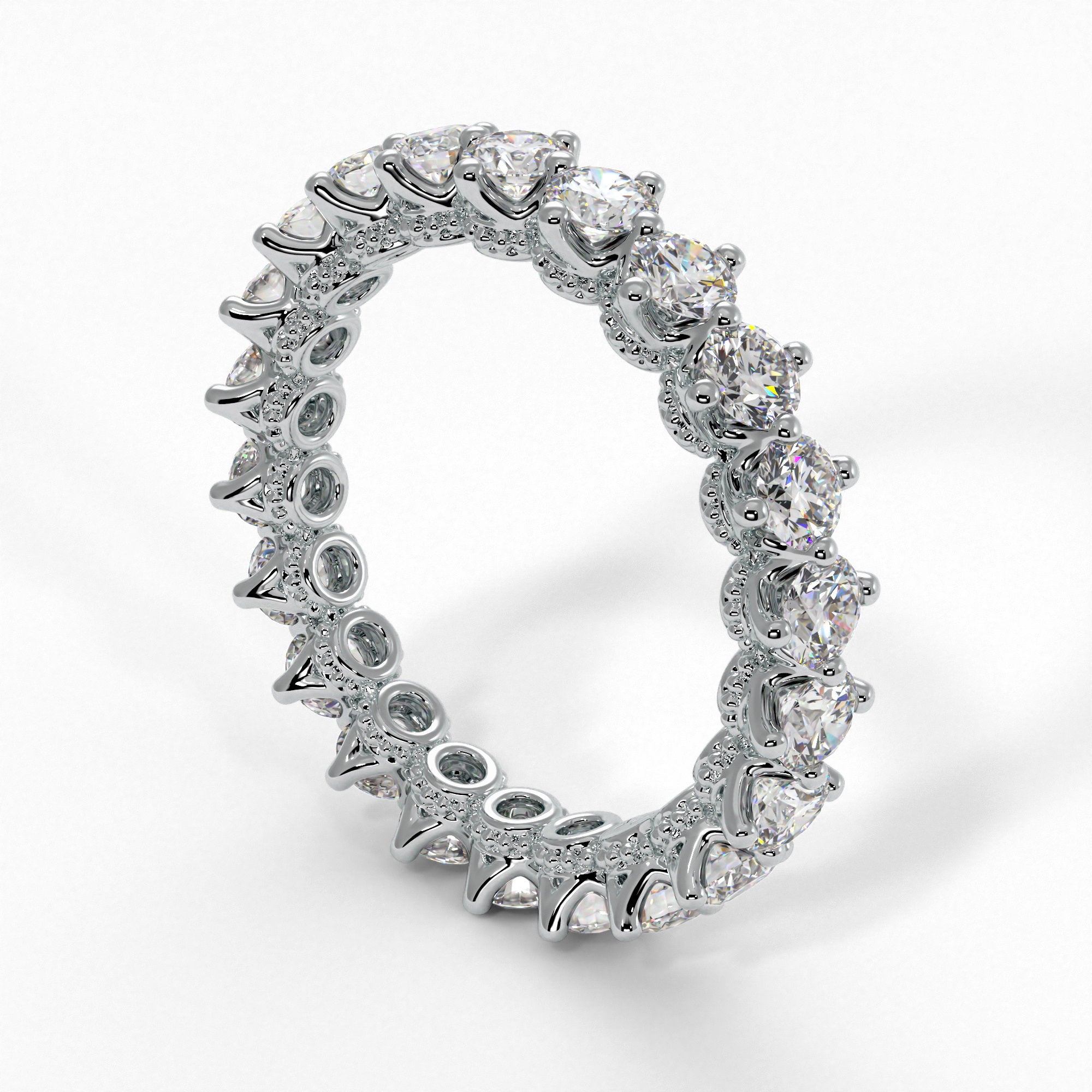
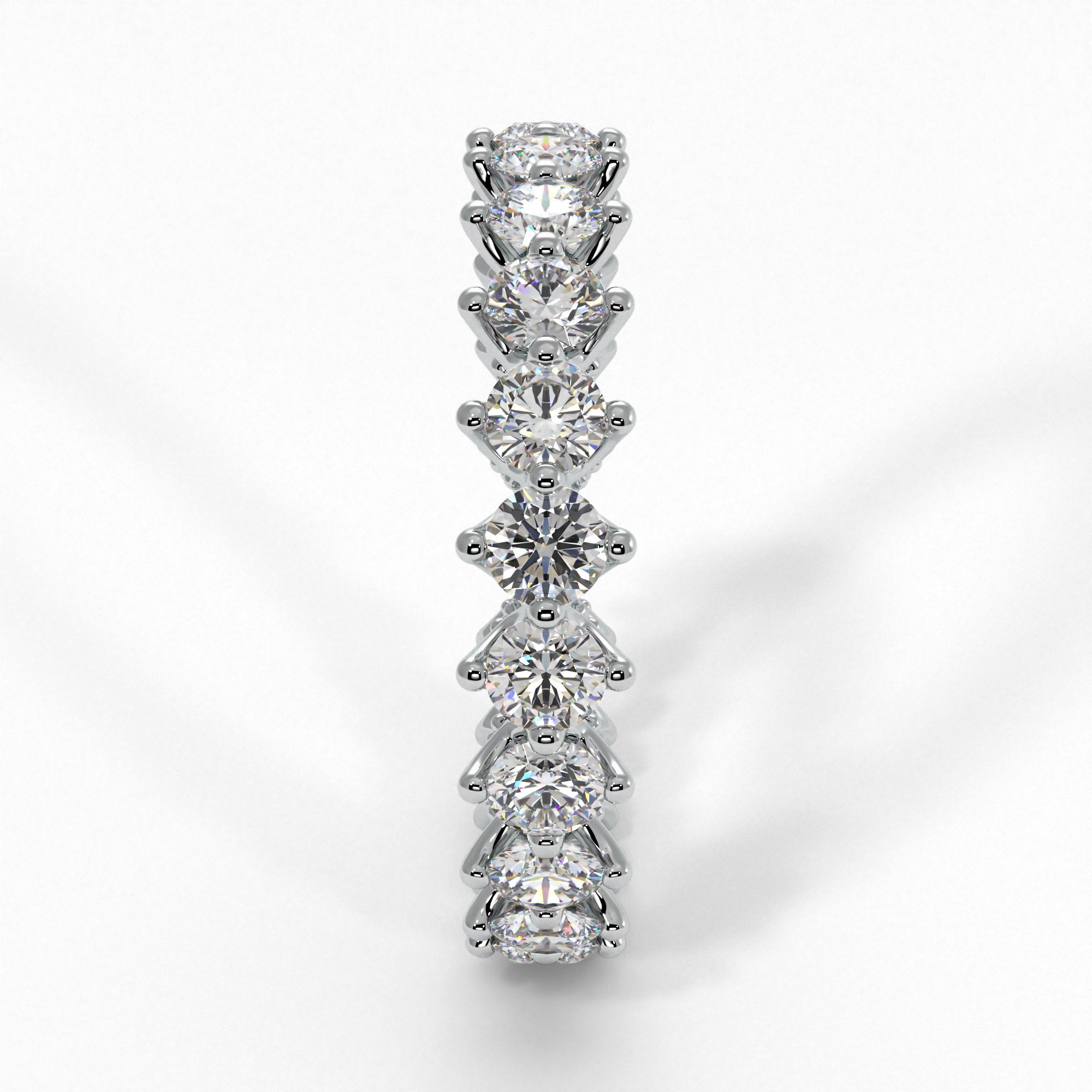
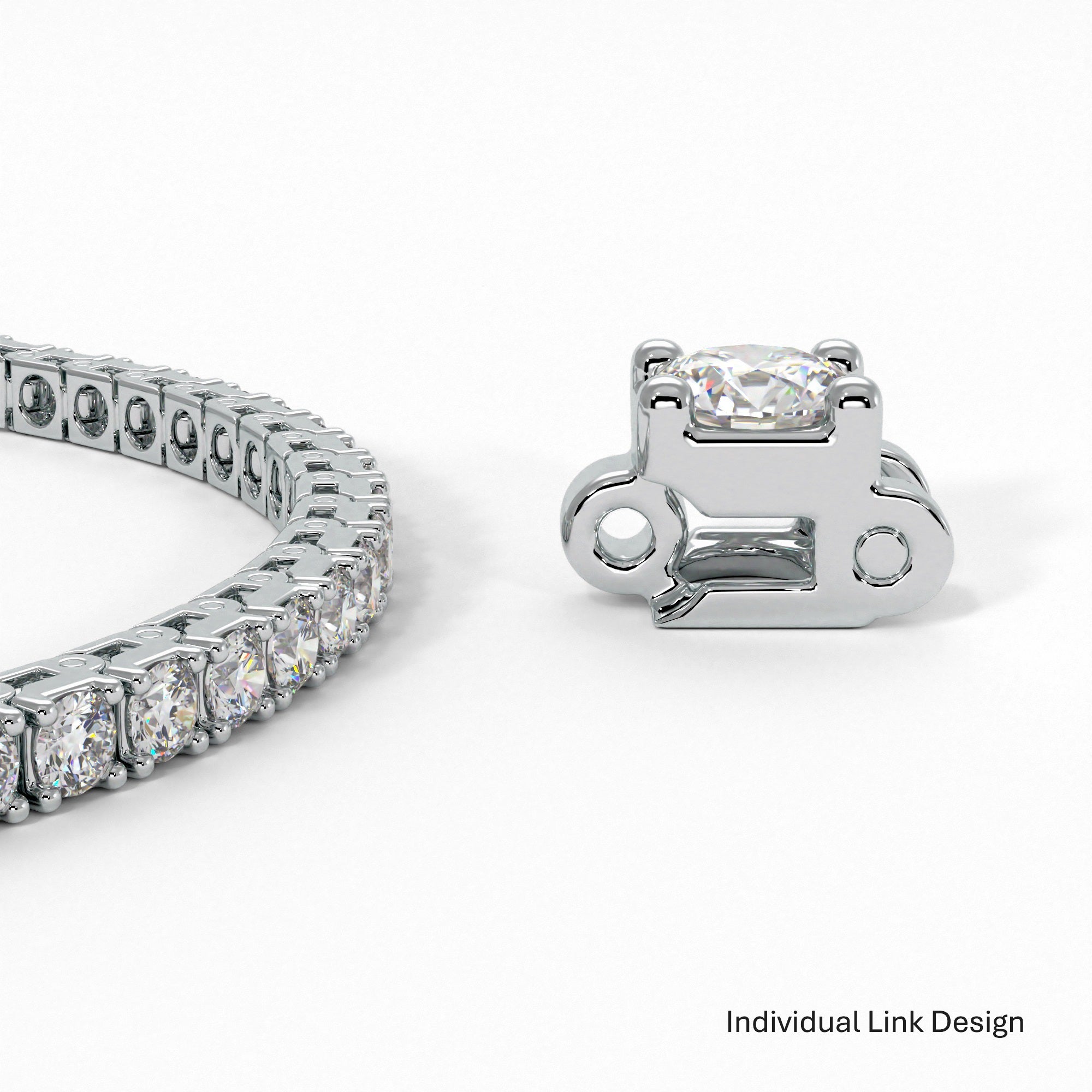
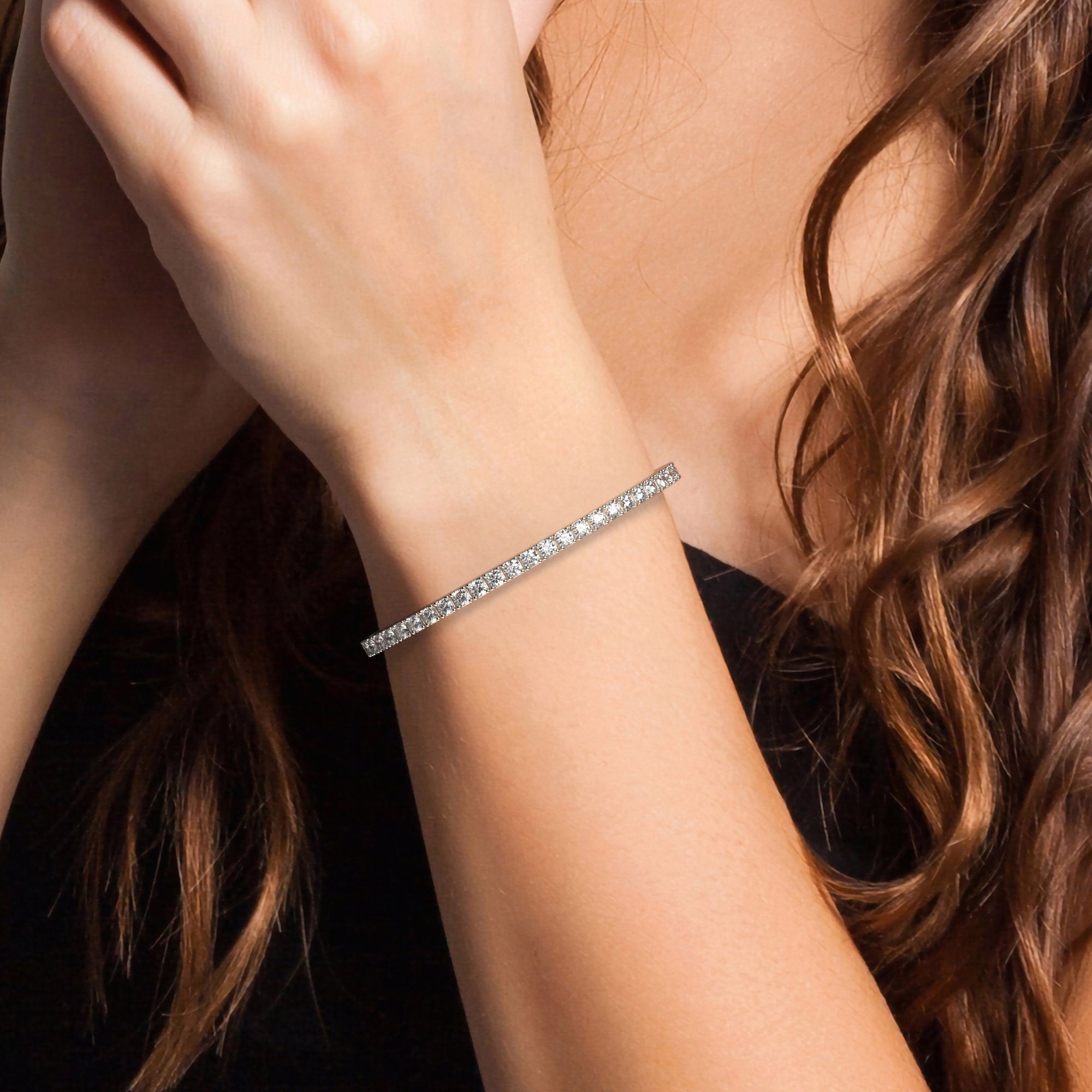
Short answer: yellow gold is warm and classic, white gold is cool-toned and budget-friendly, rose gold is romantic and durable, and platinum is the premium, naturally white, hypoallergenic option. The right choice comes down to skin tone, lifestyle, and how much maintenance you want to deal with.
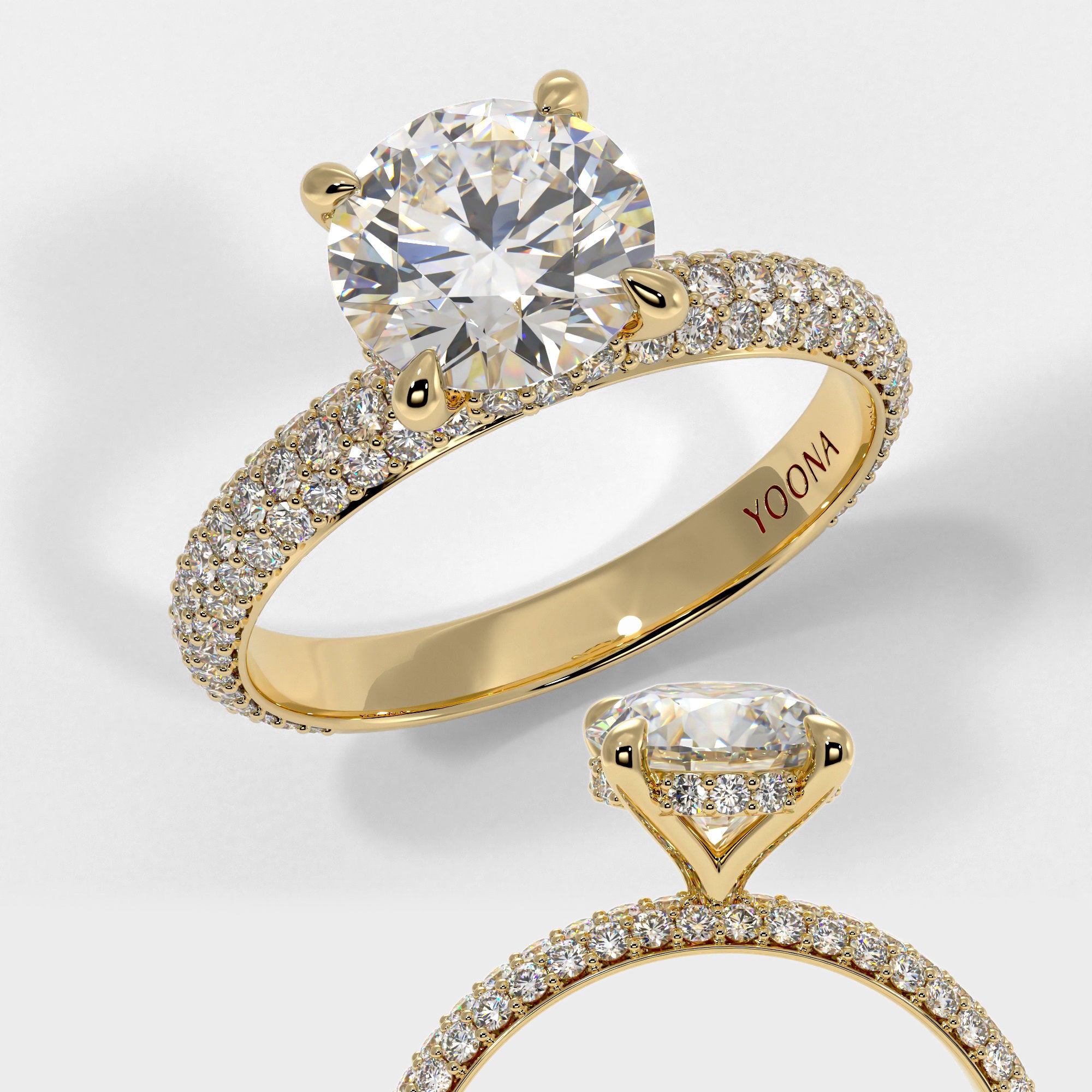
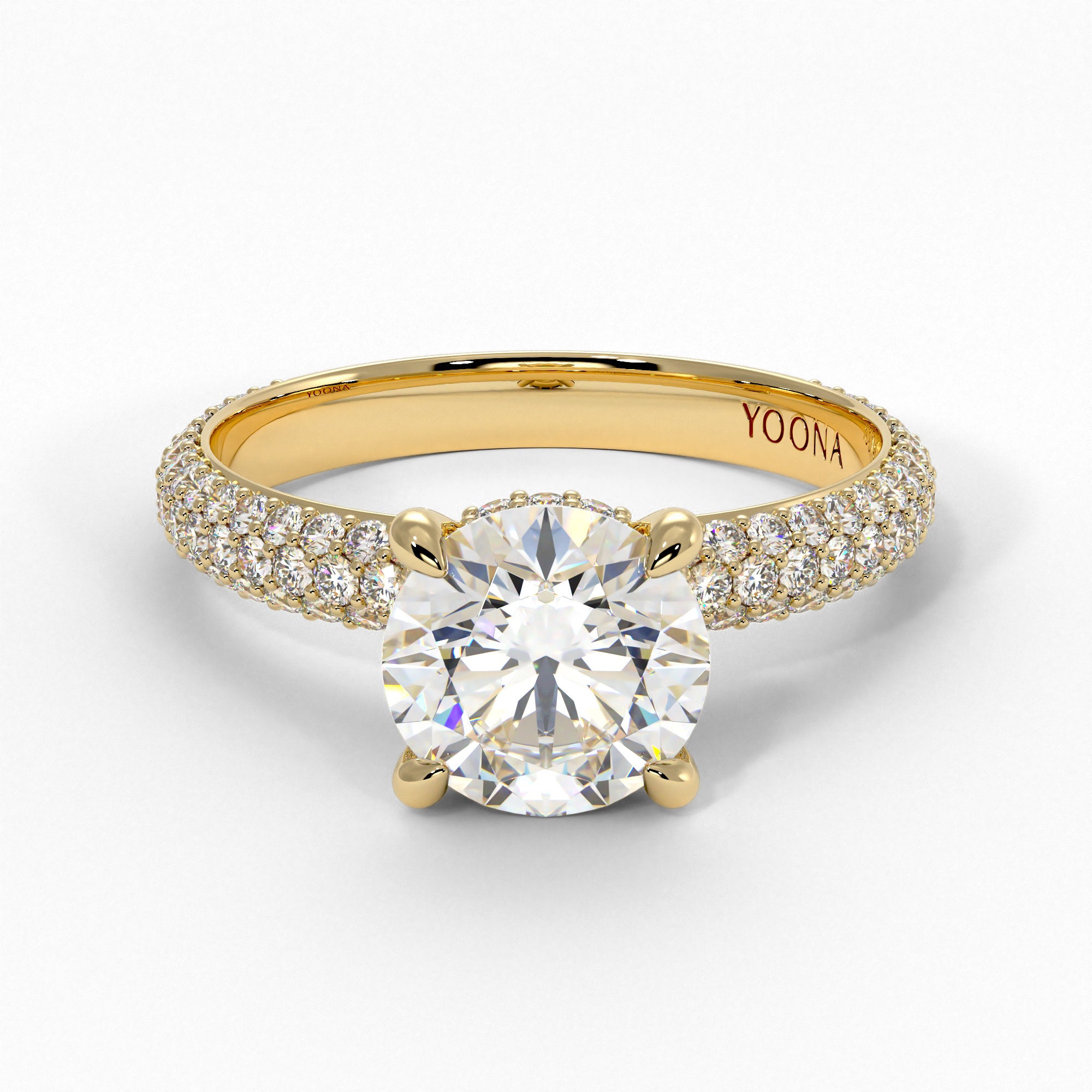
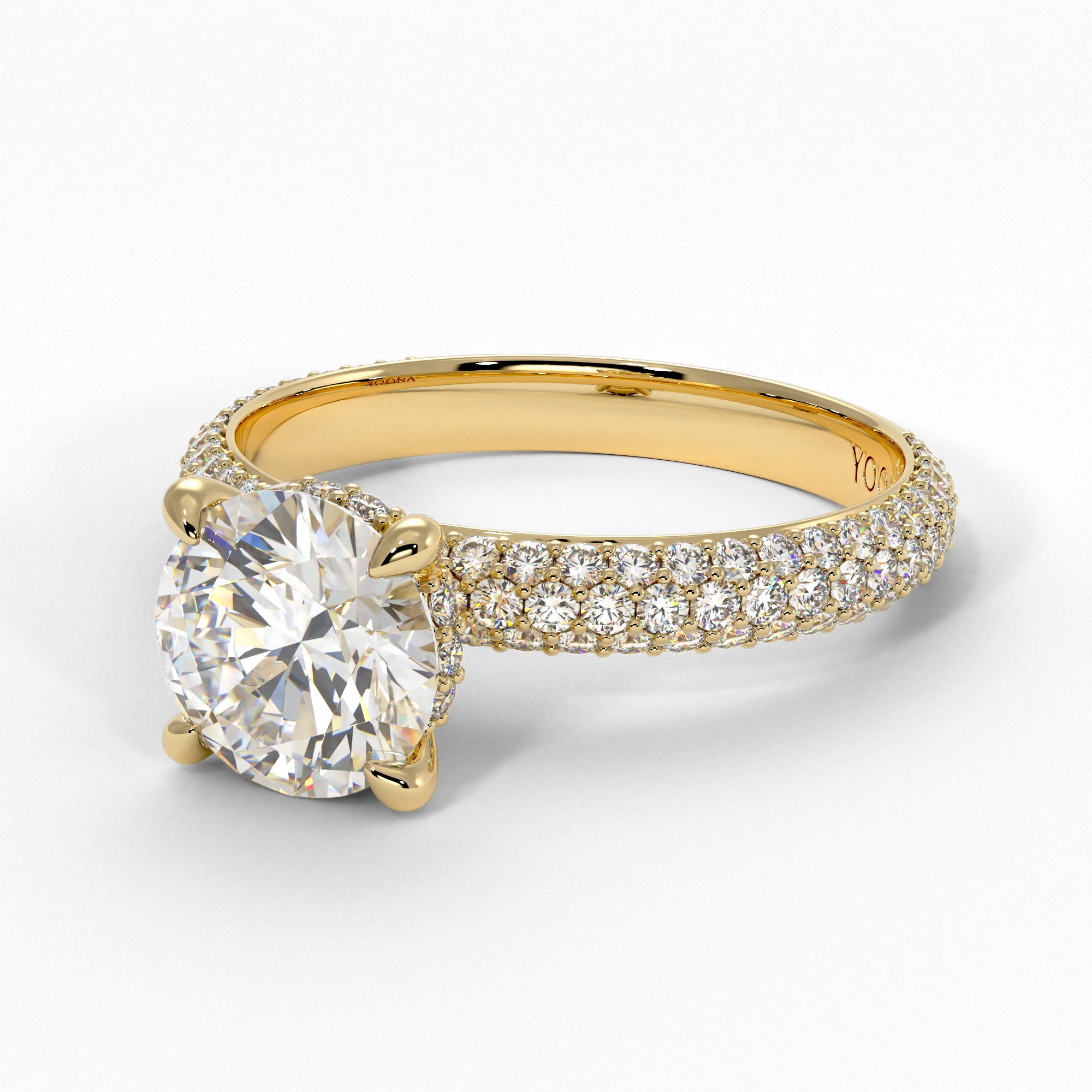
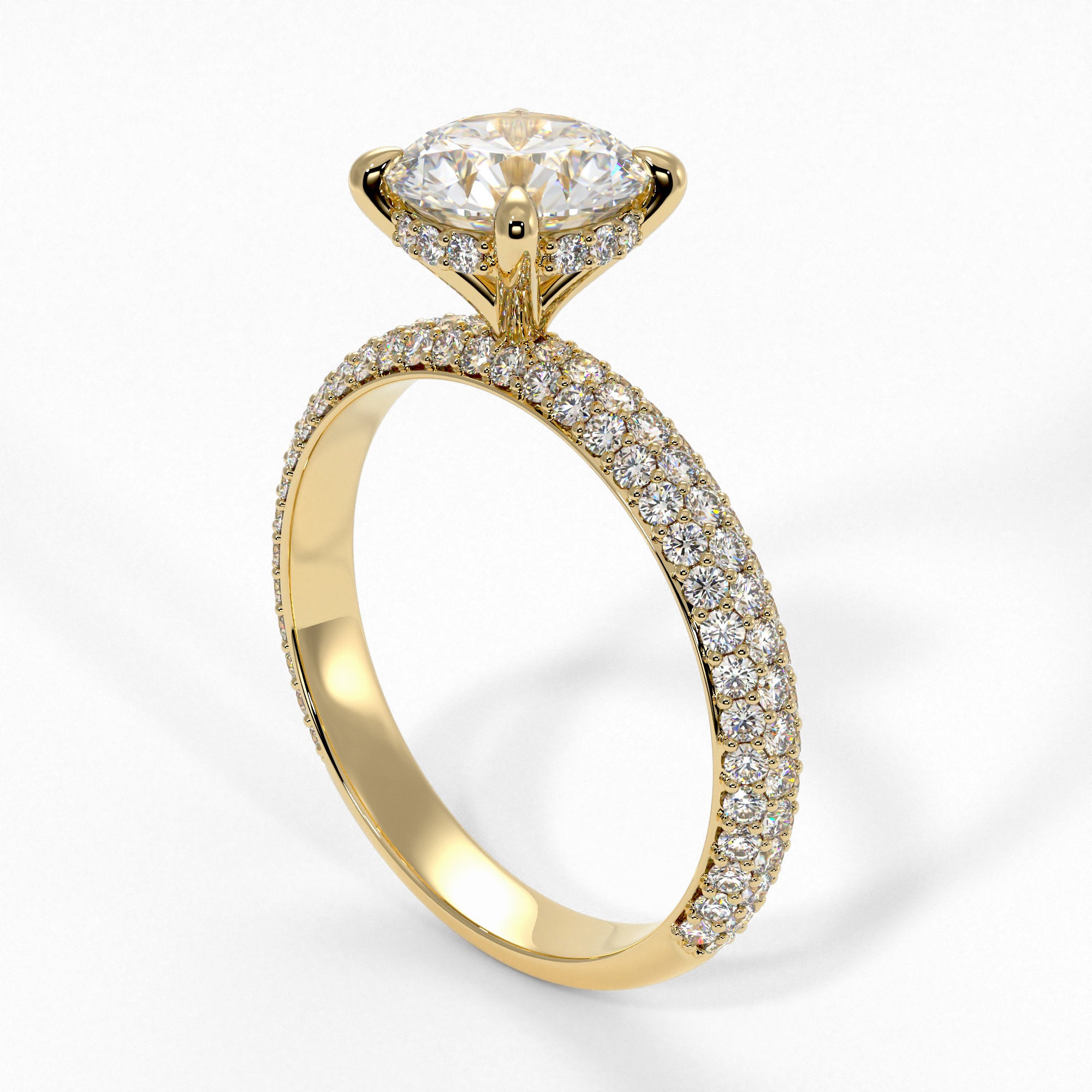
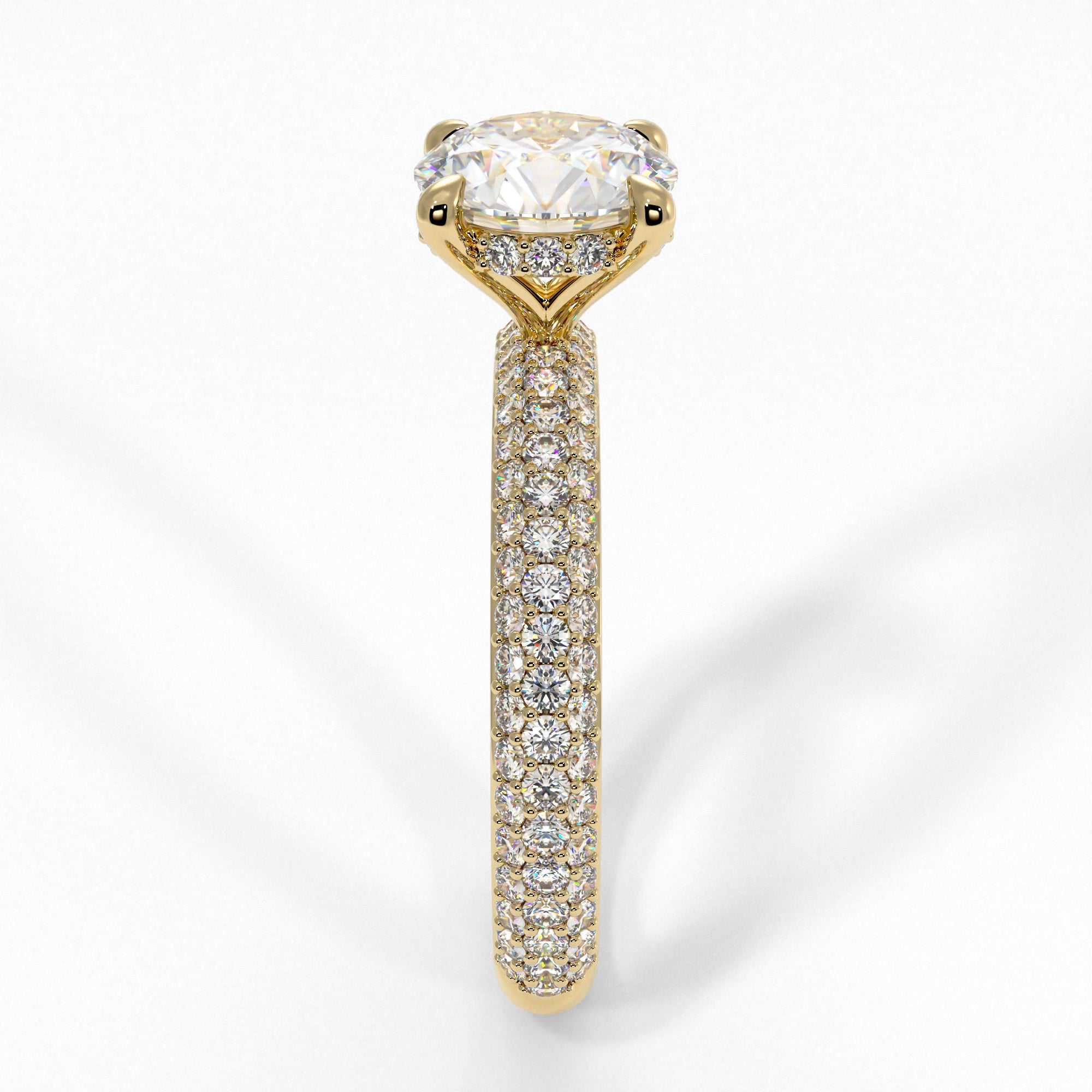
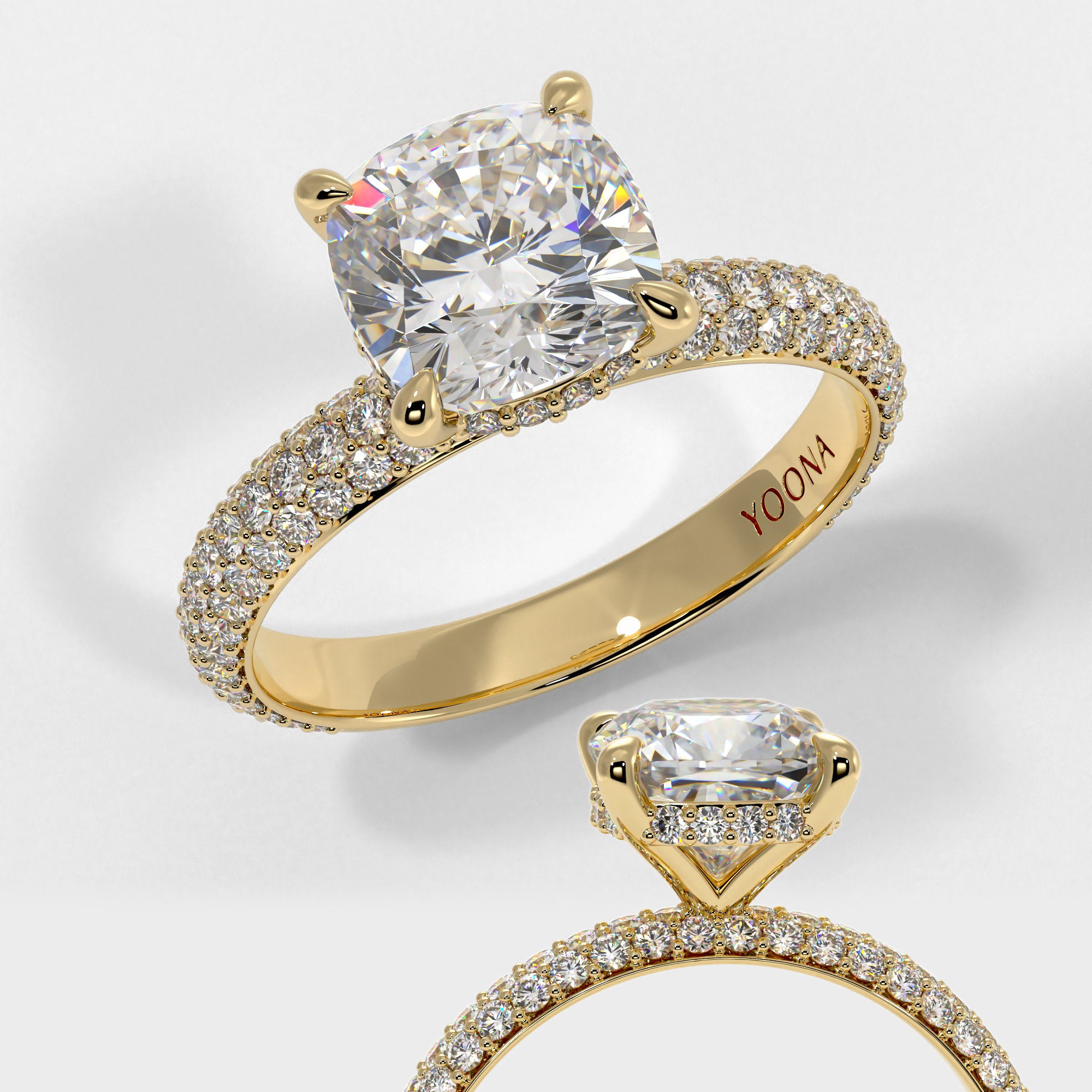
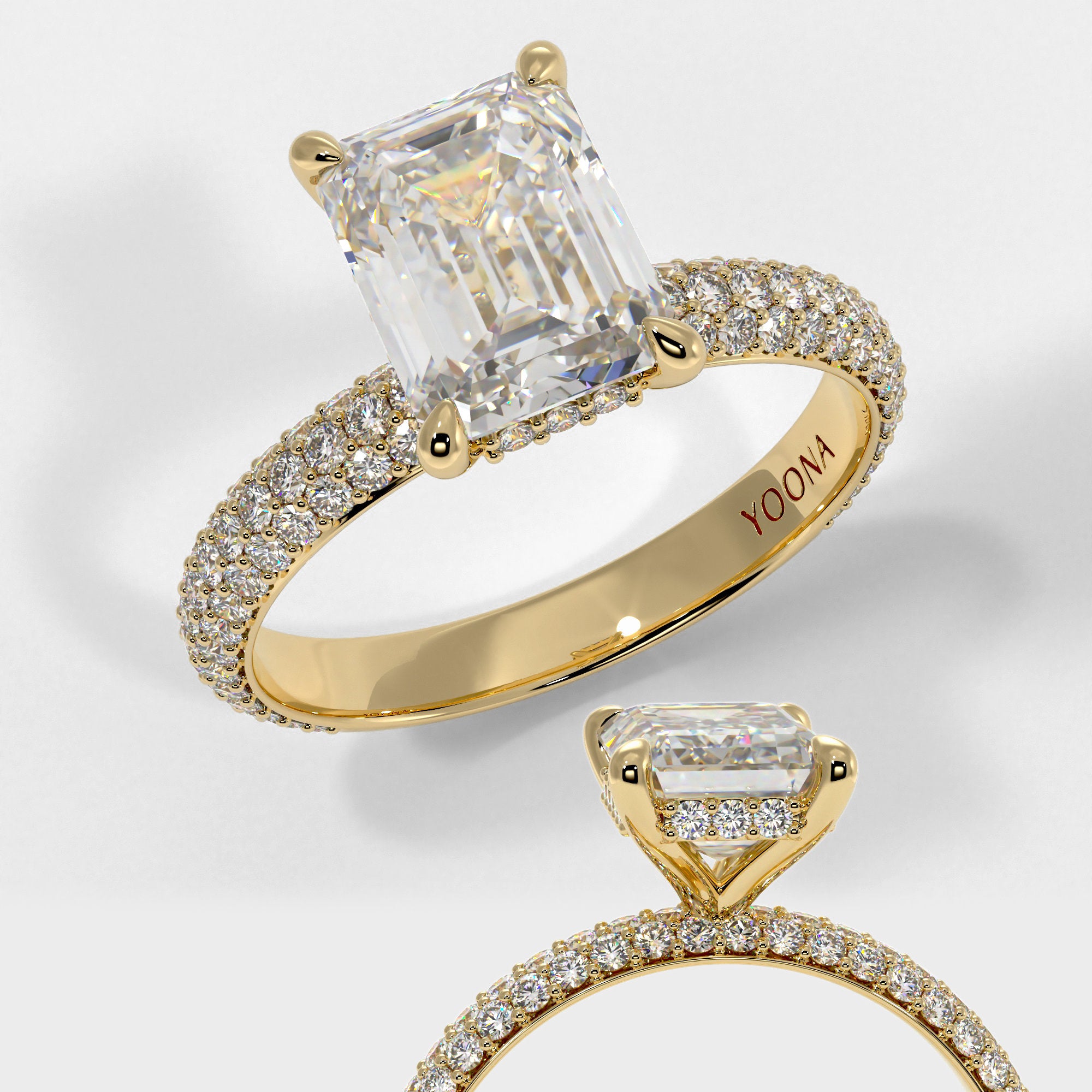
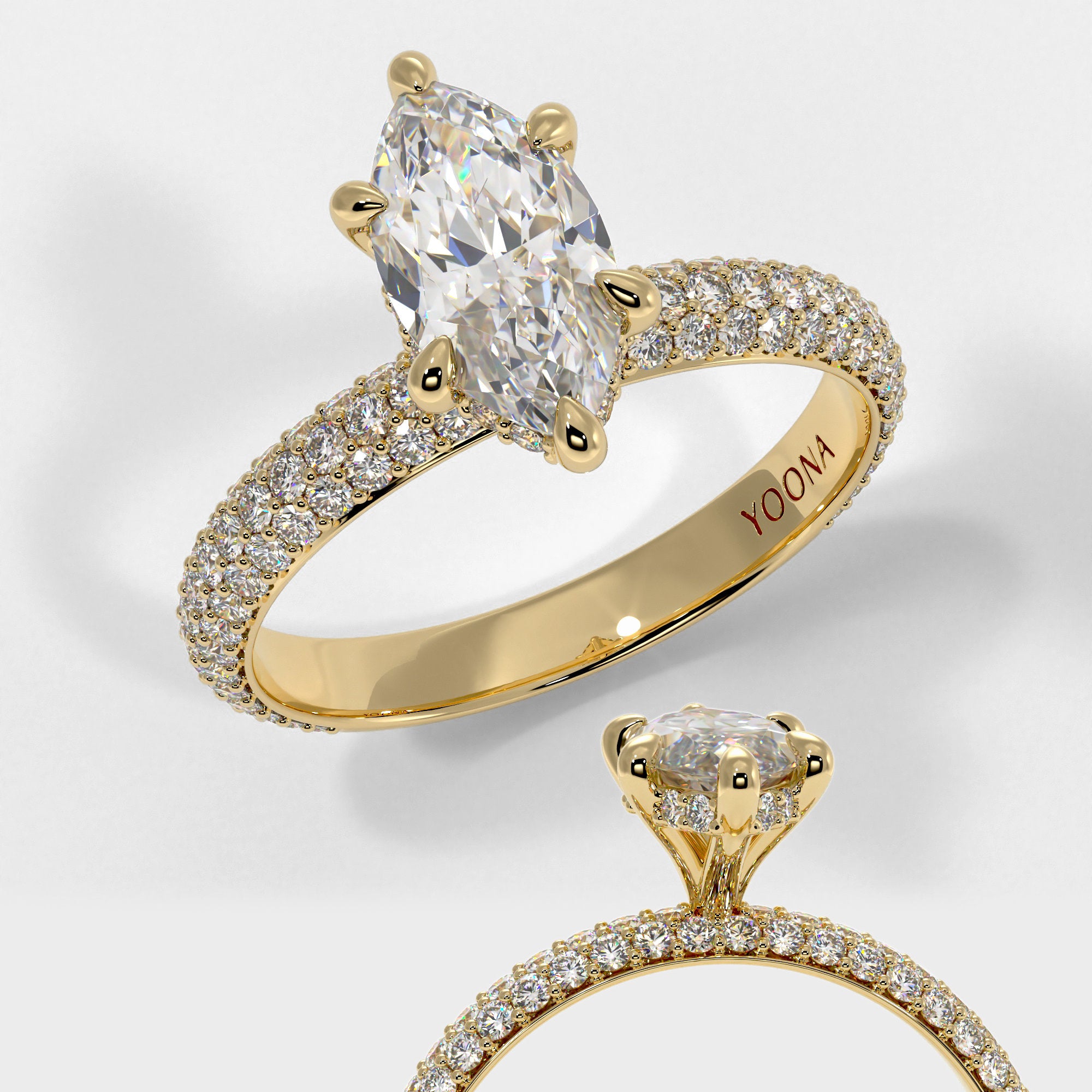
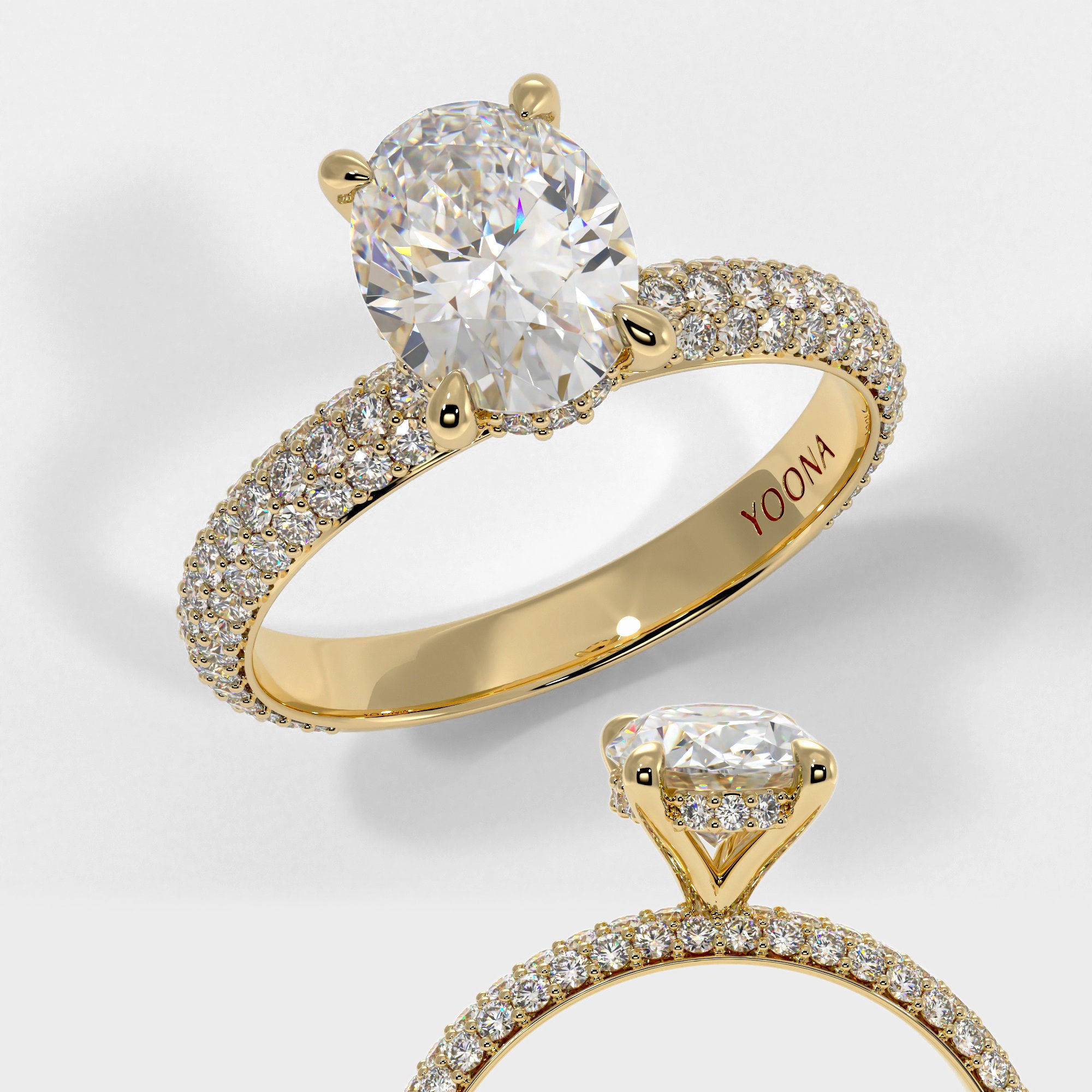
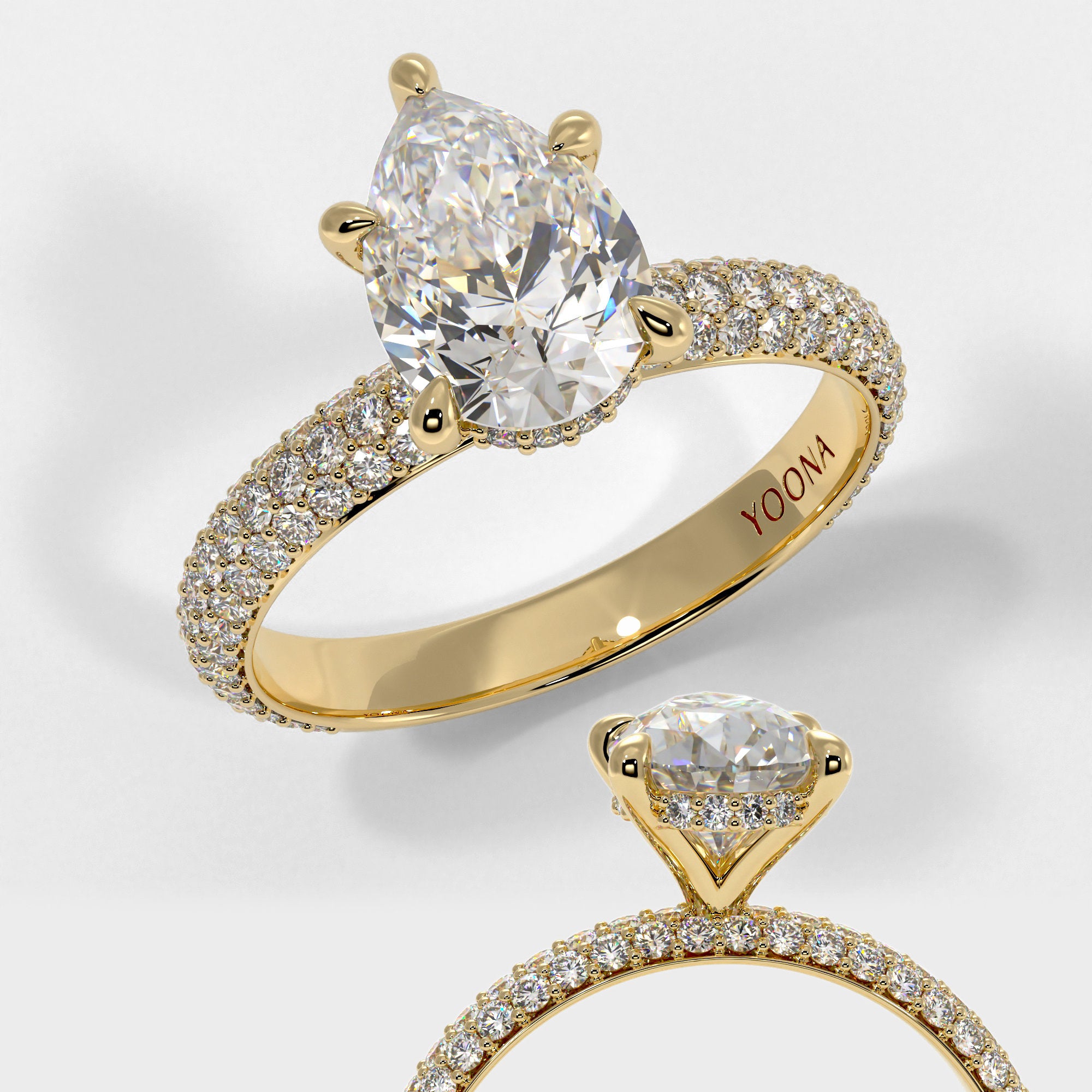
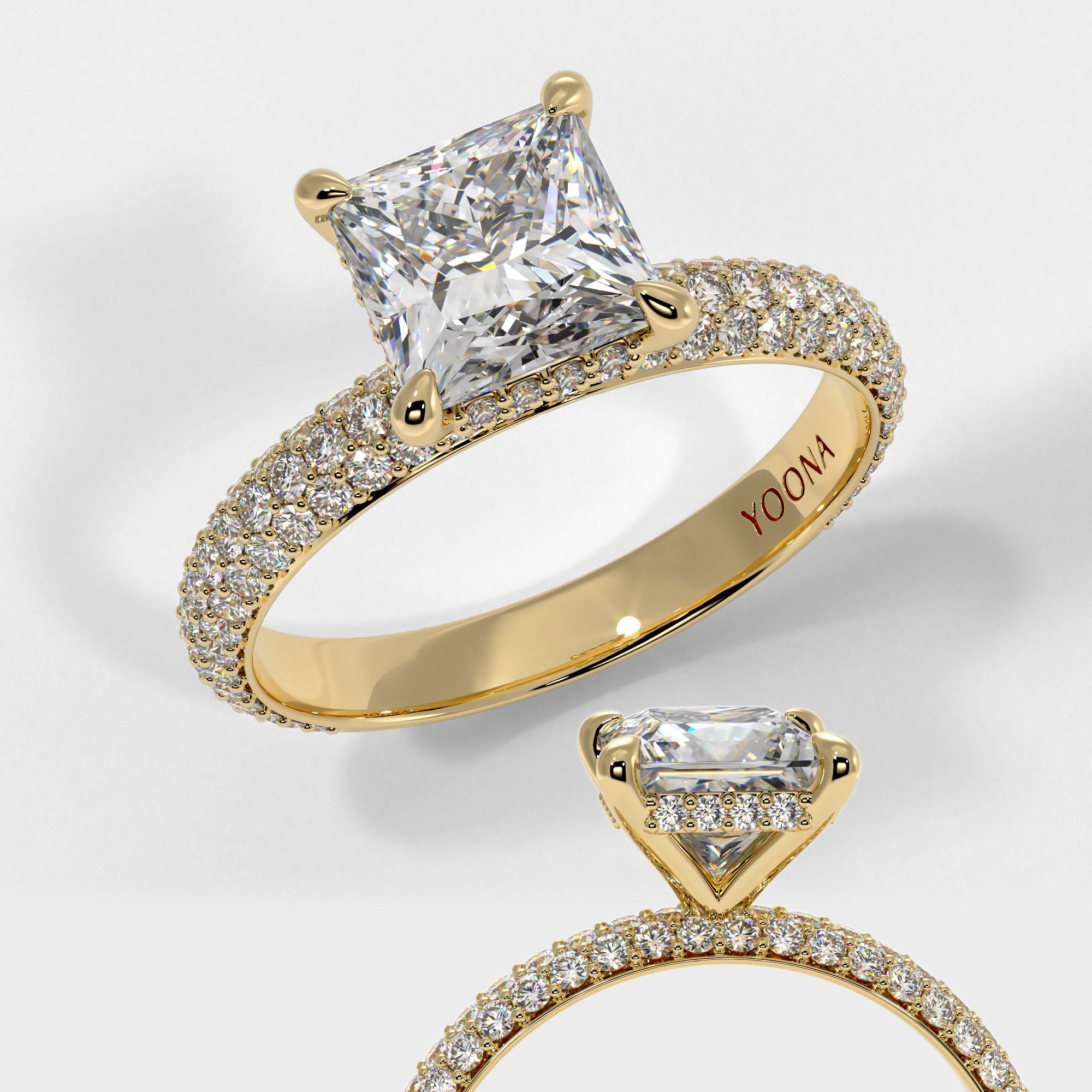
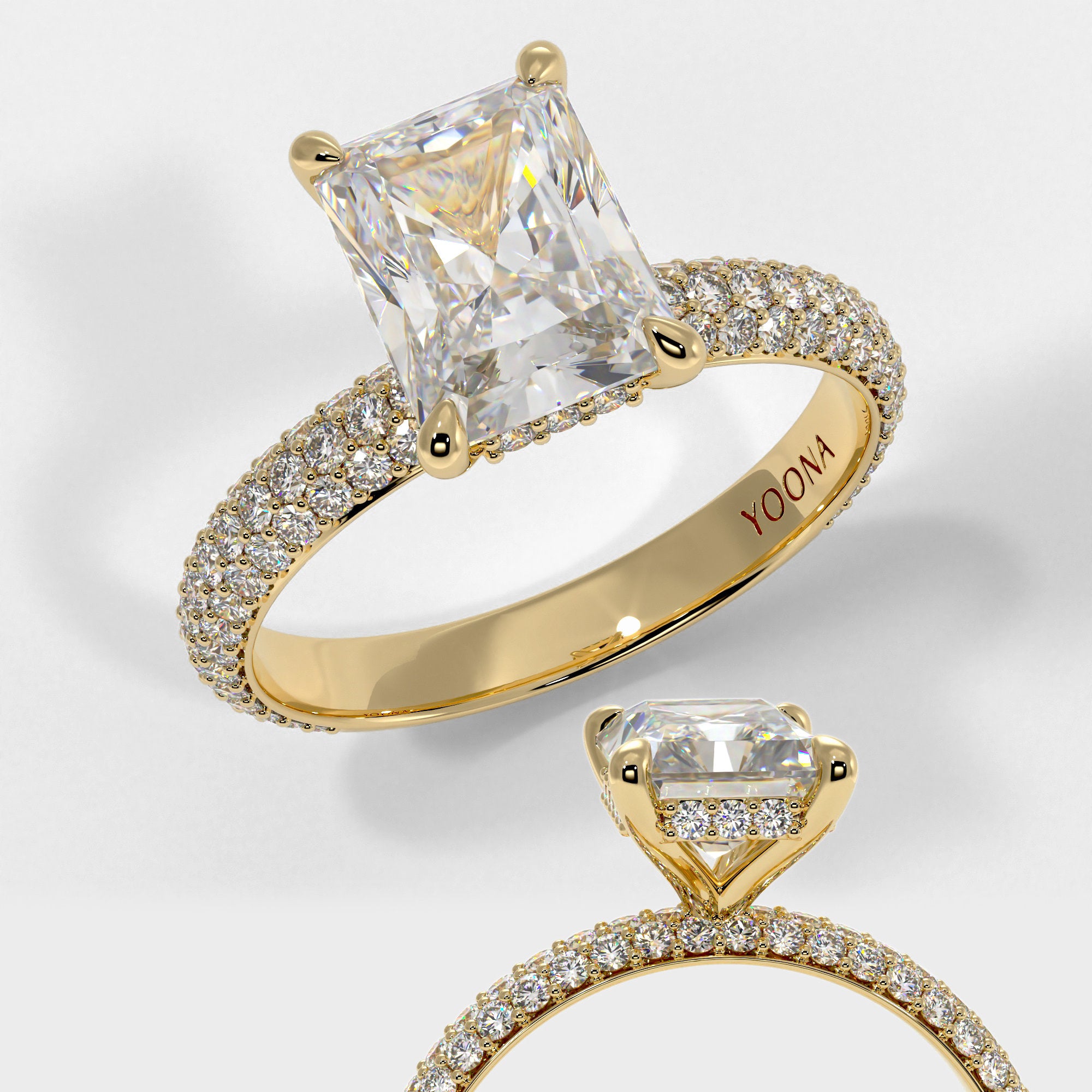
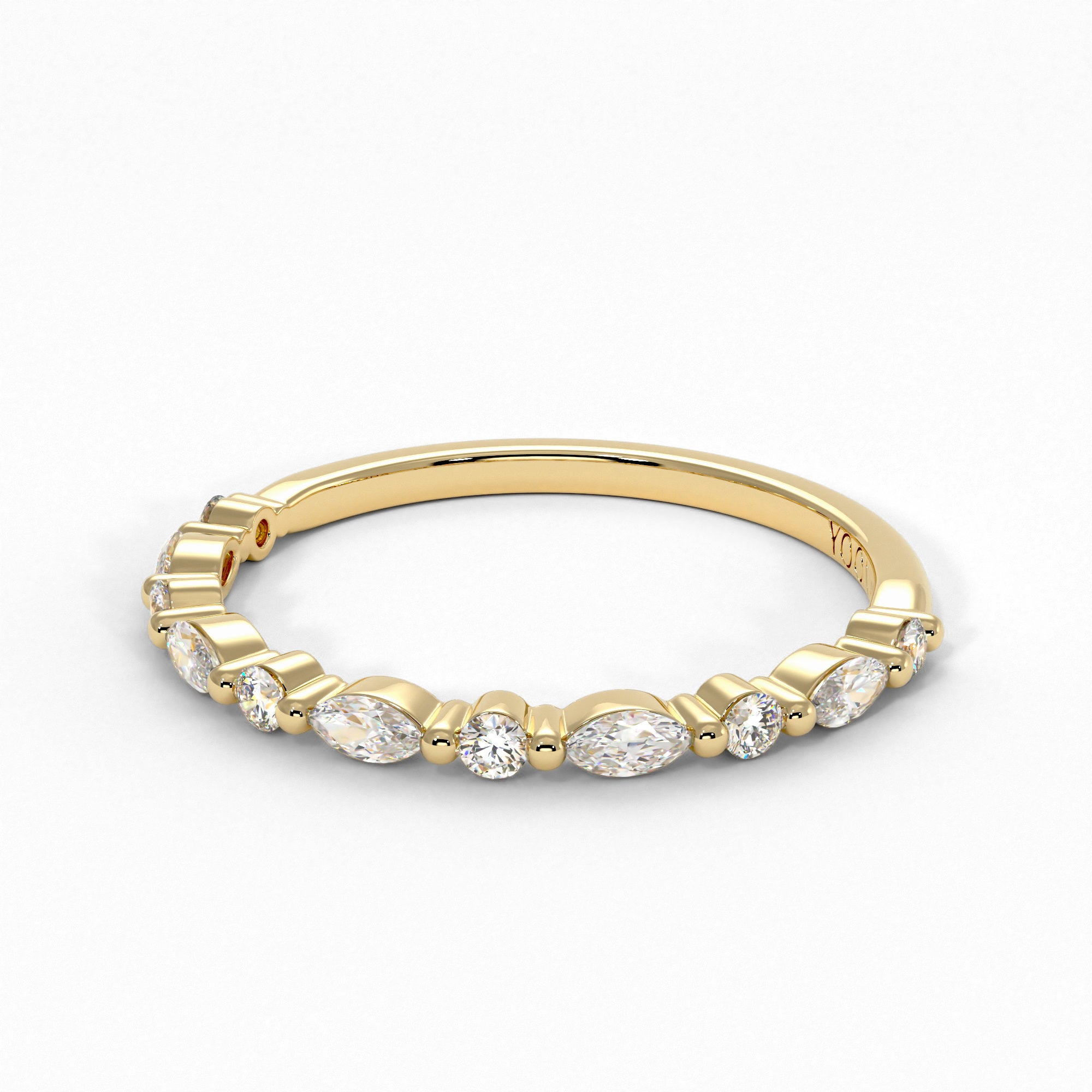
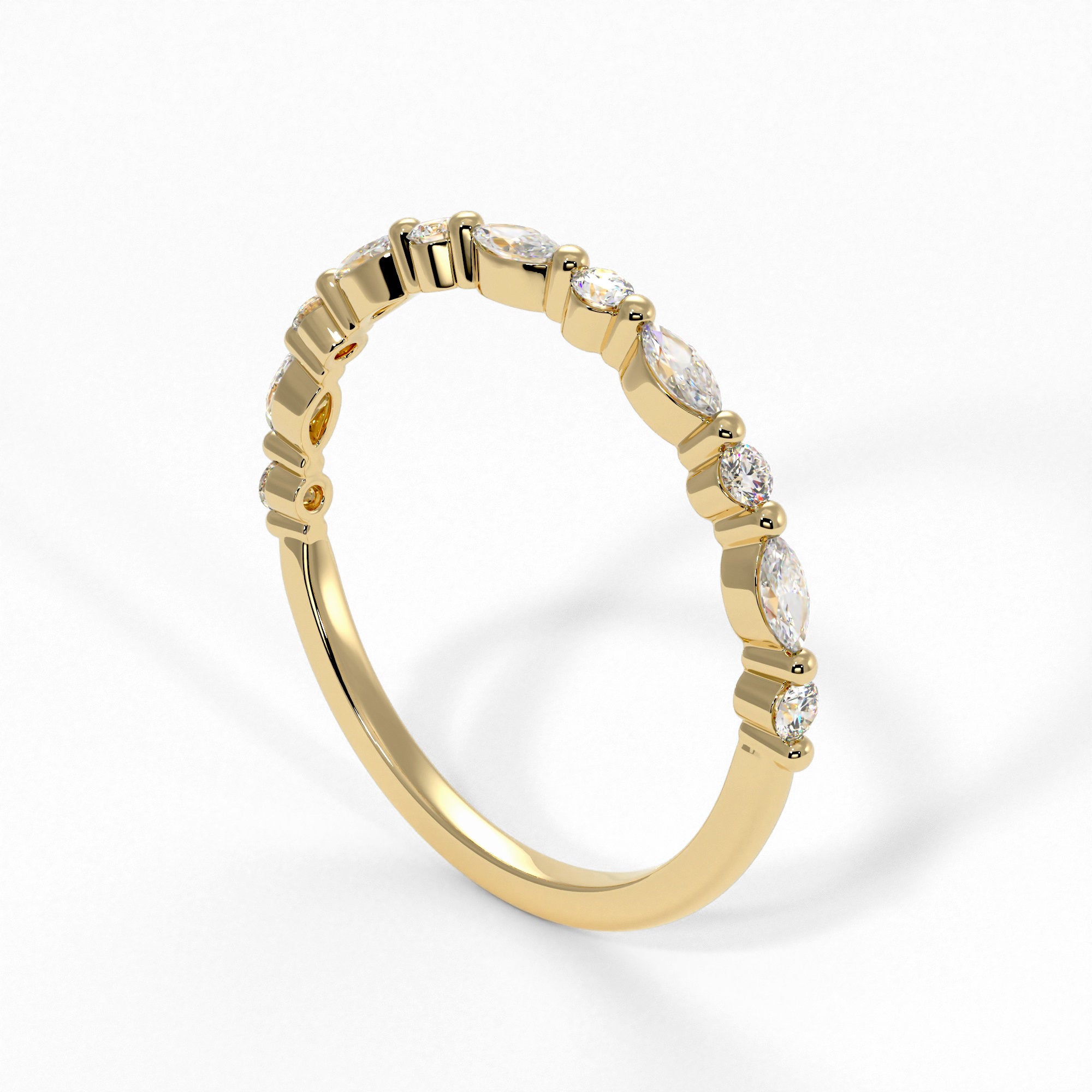
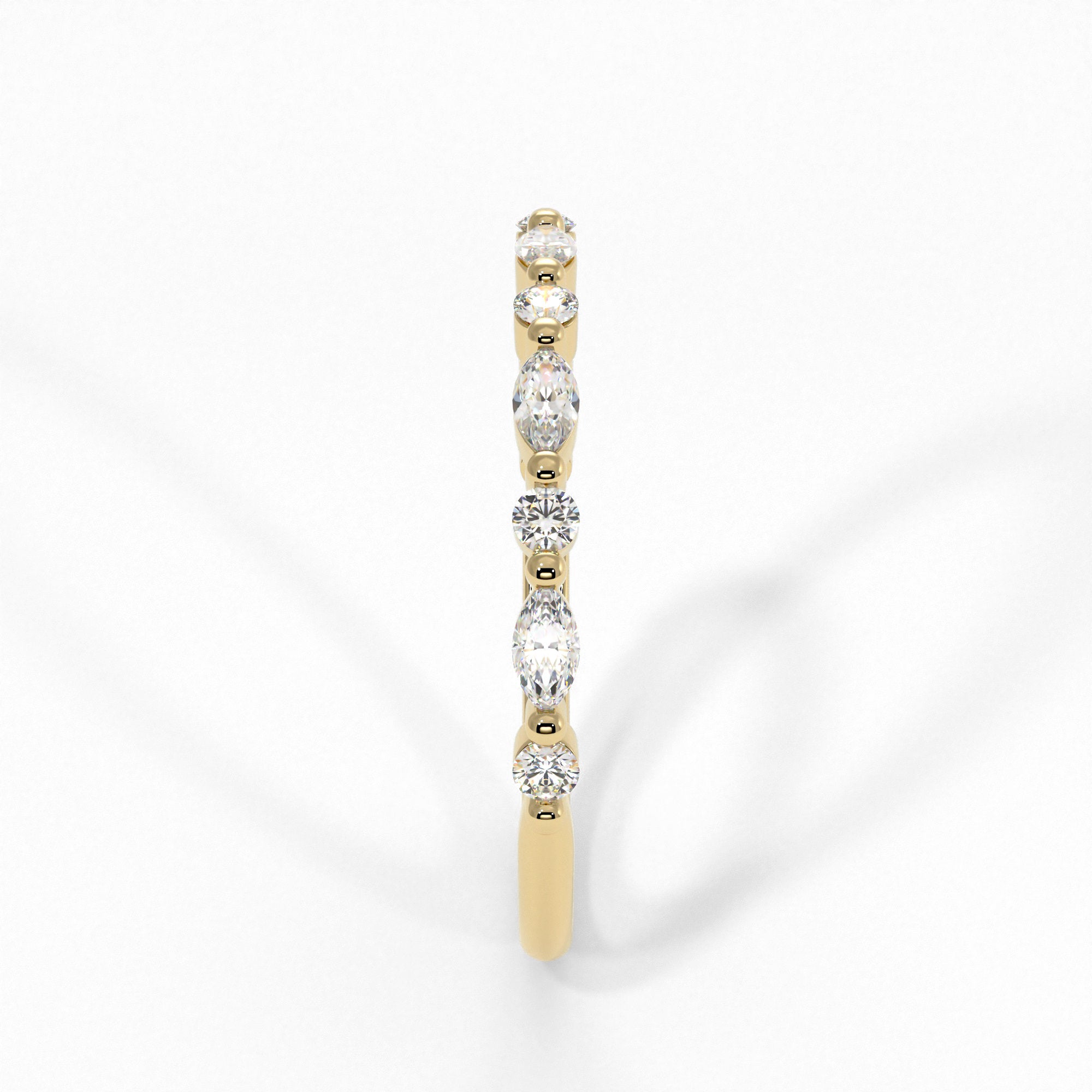
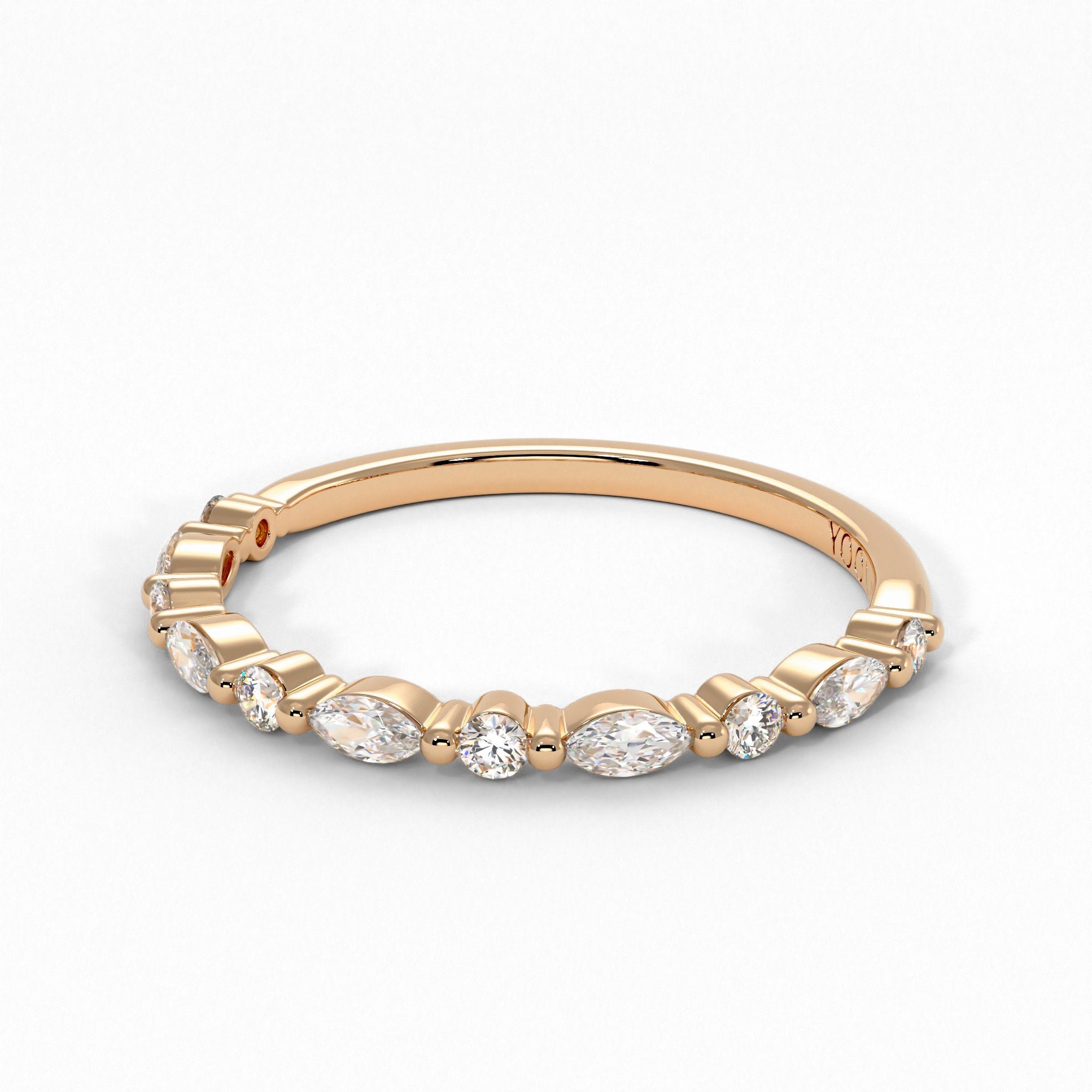
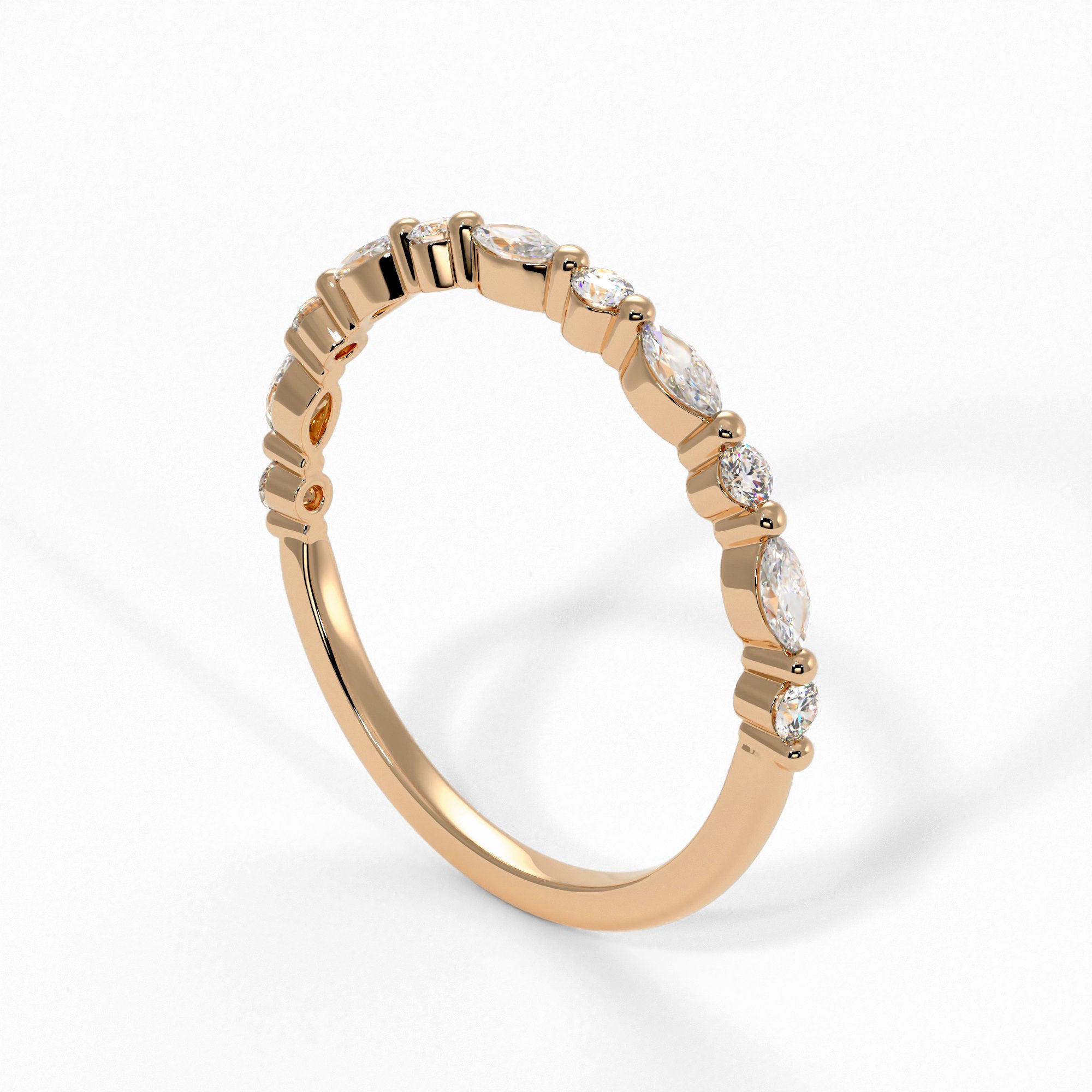
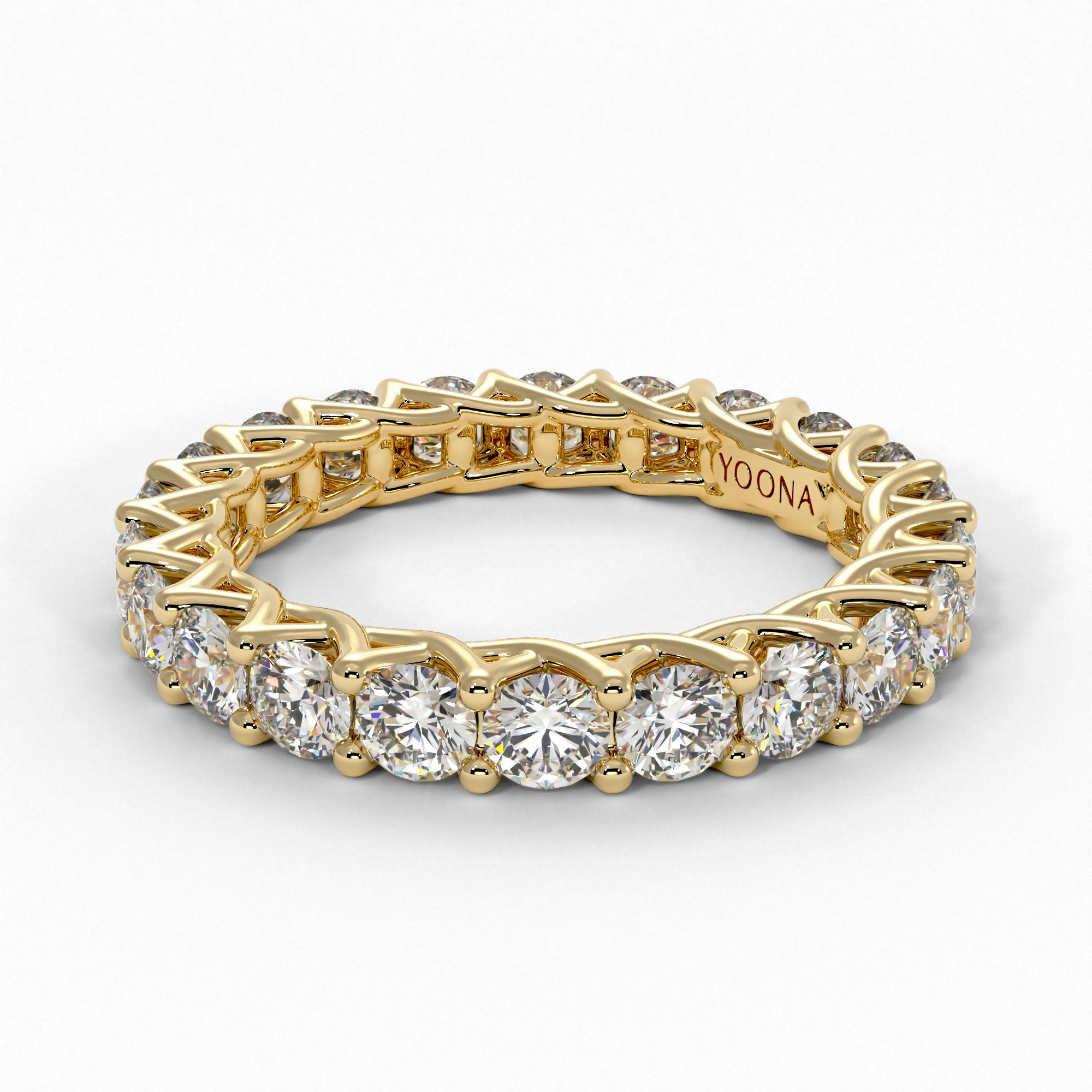
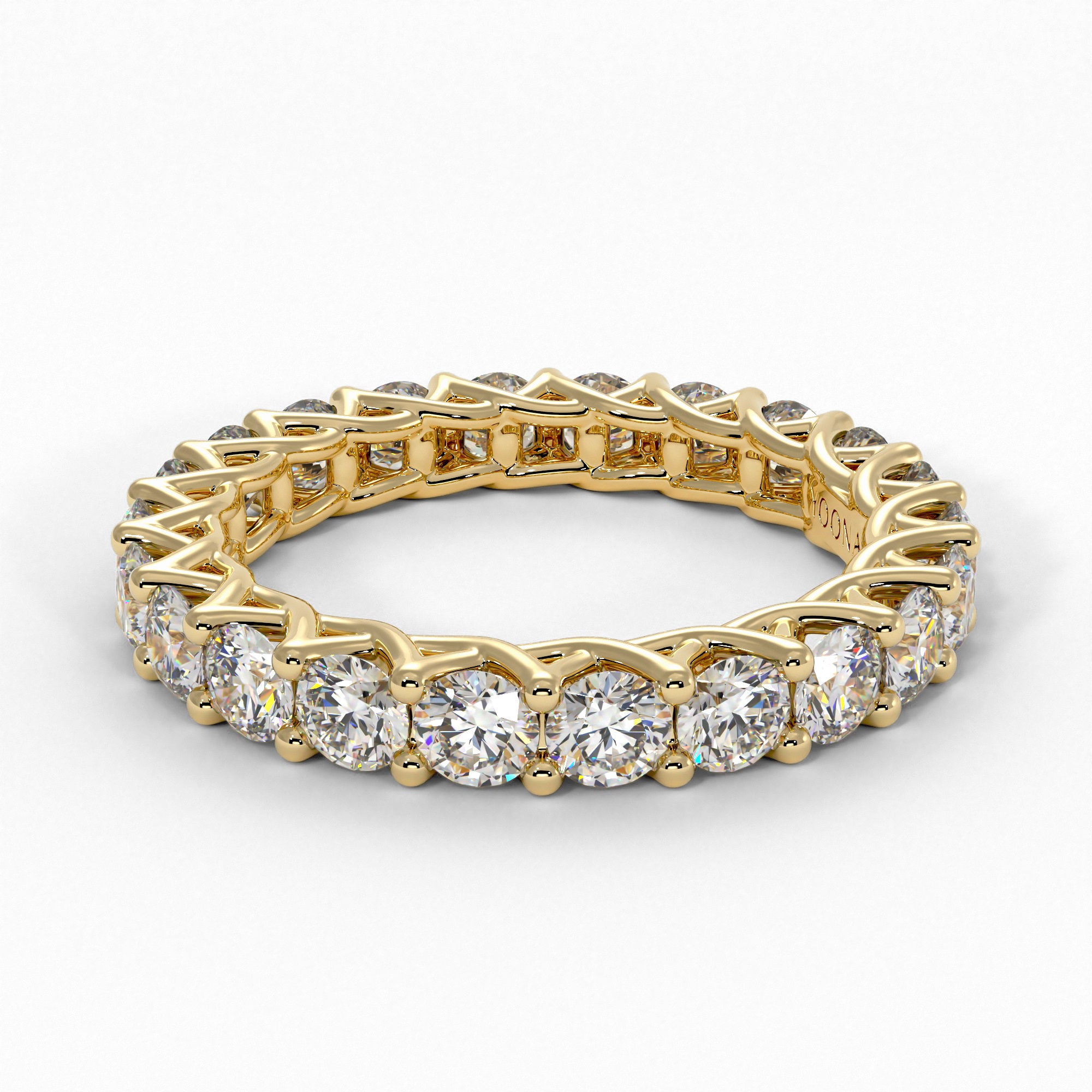
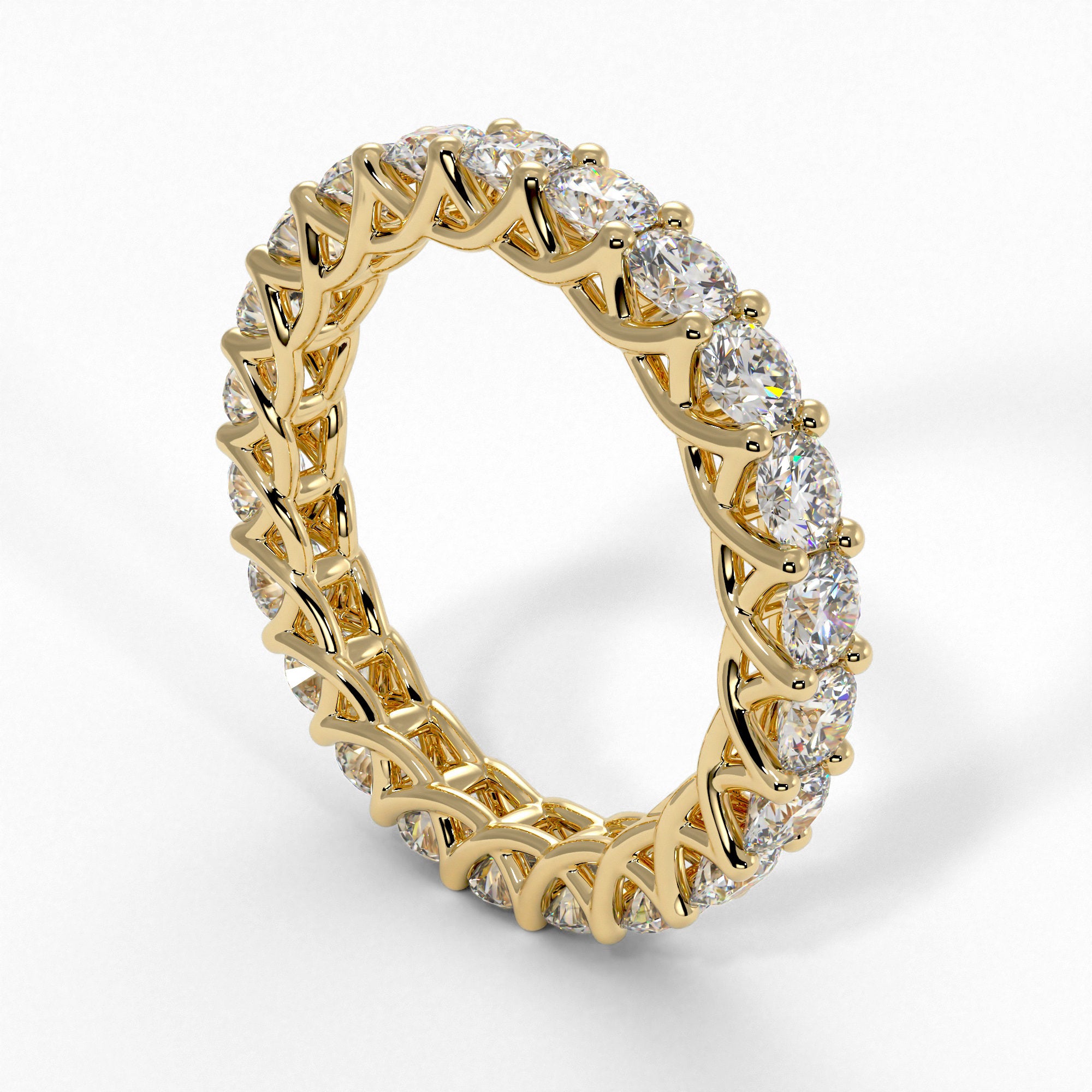
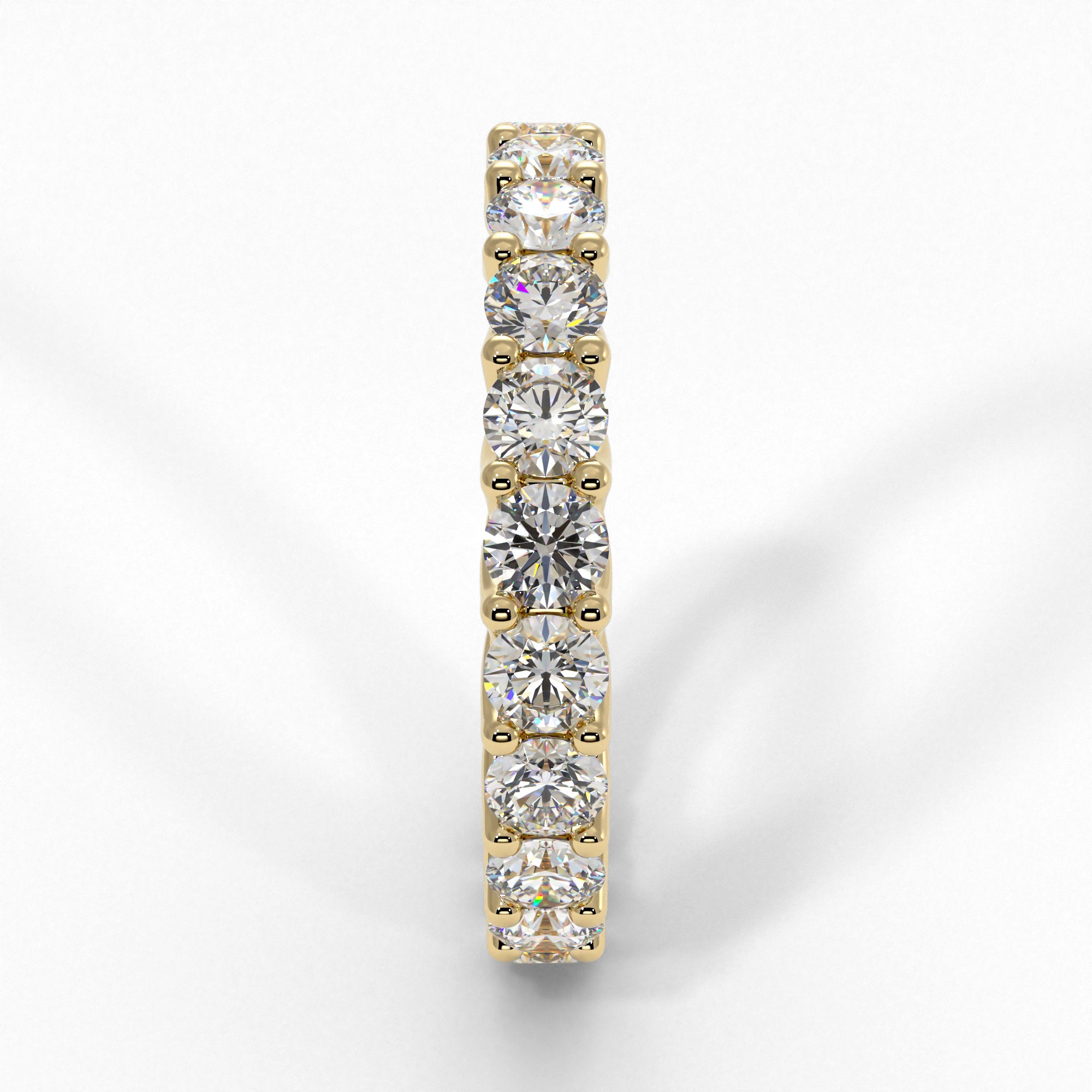
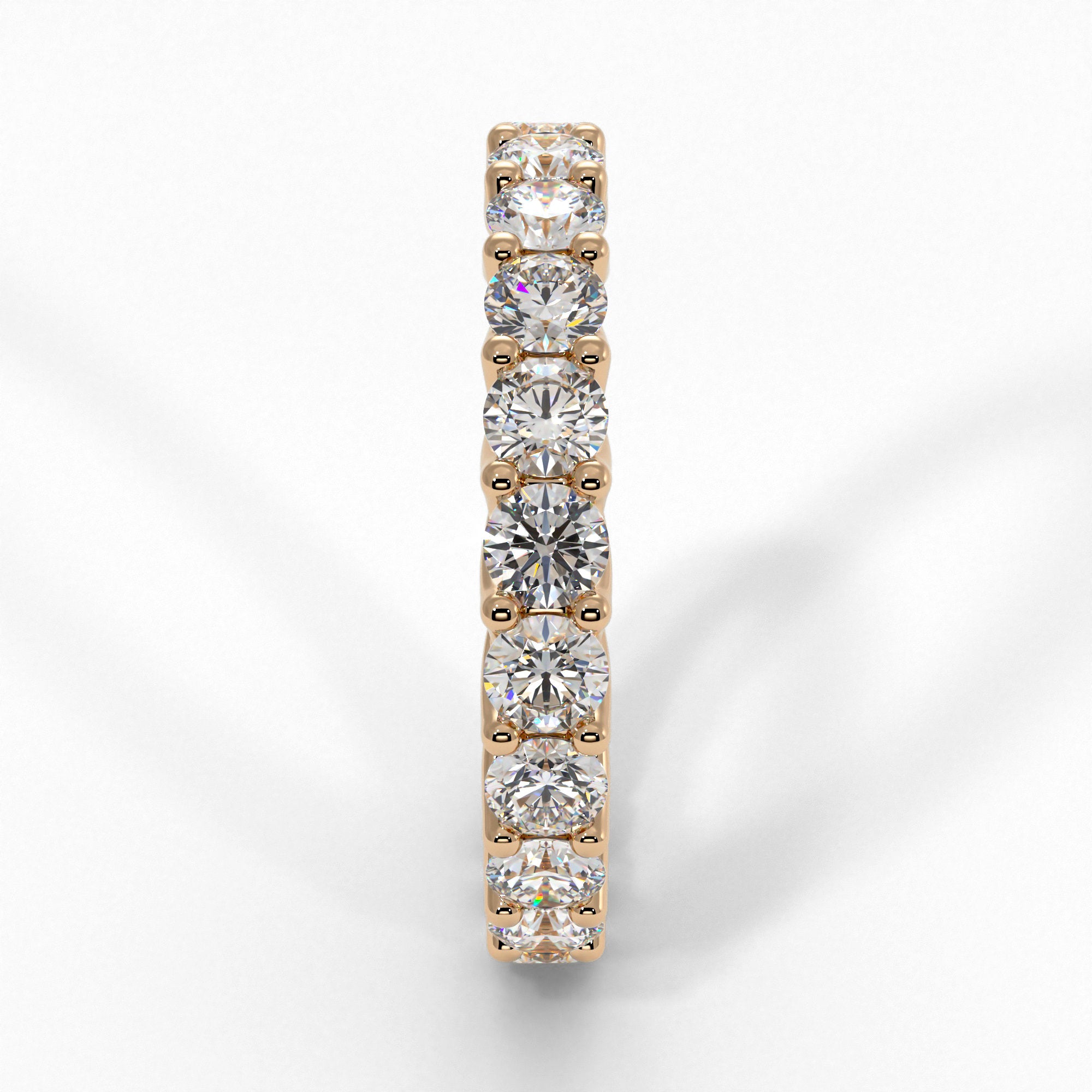
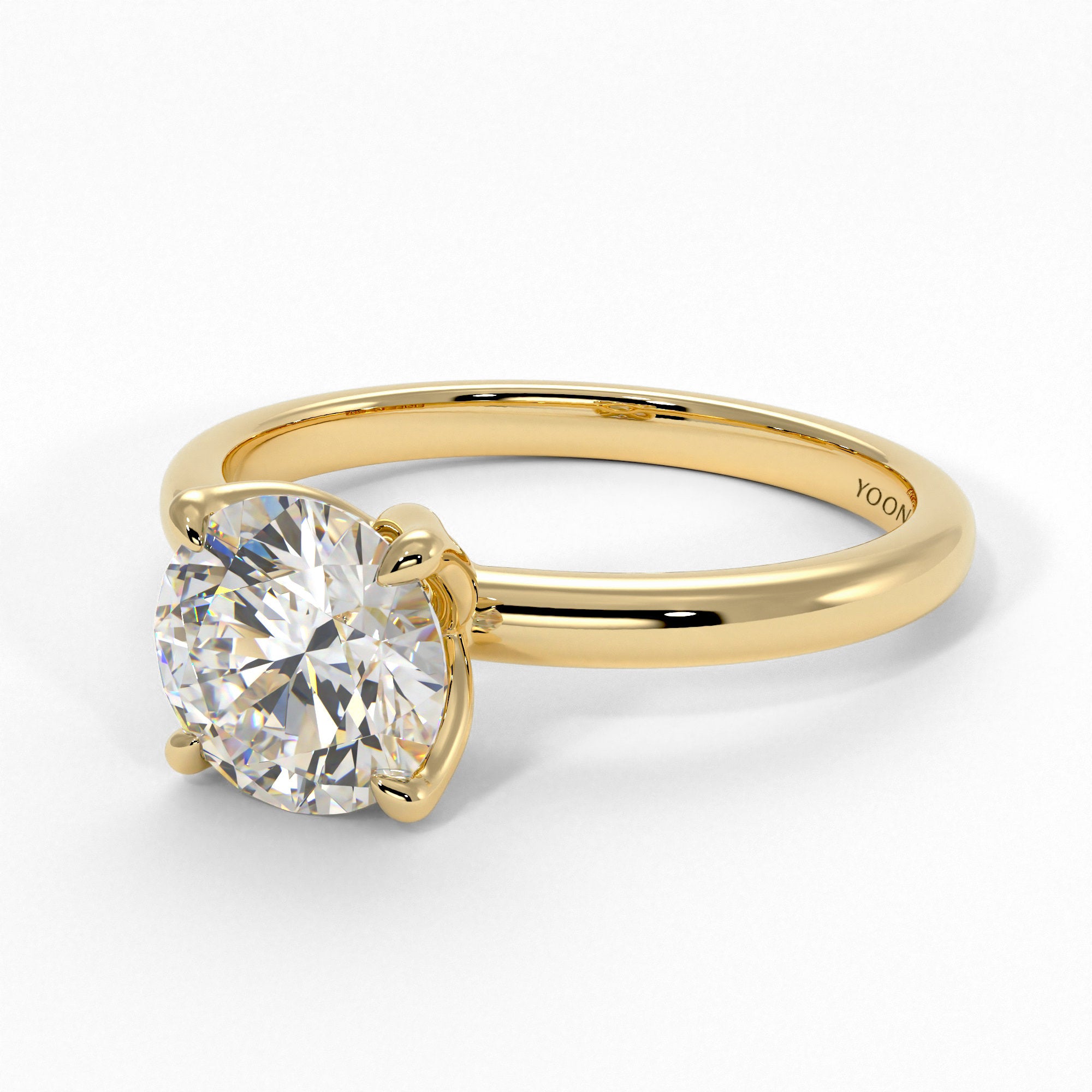
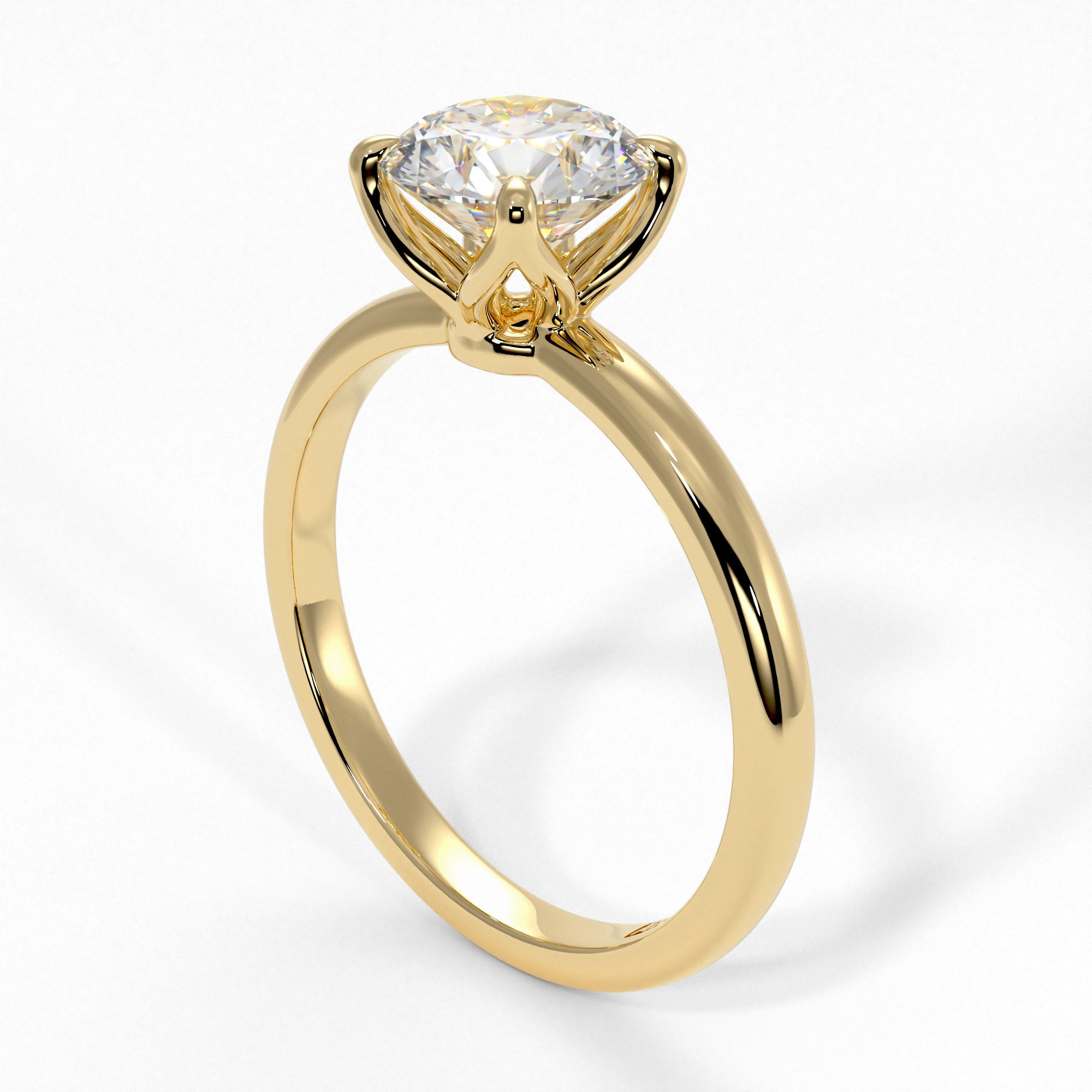
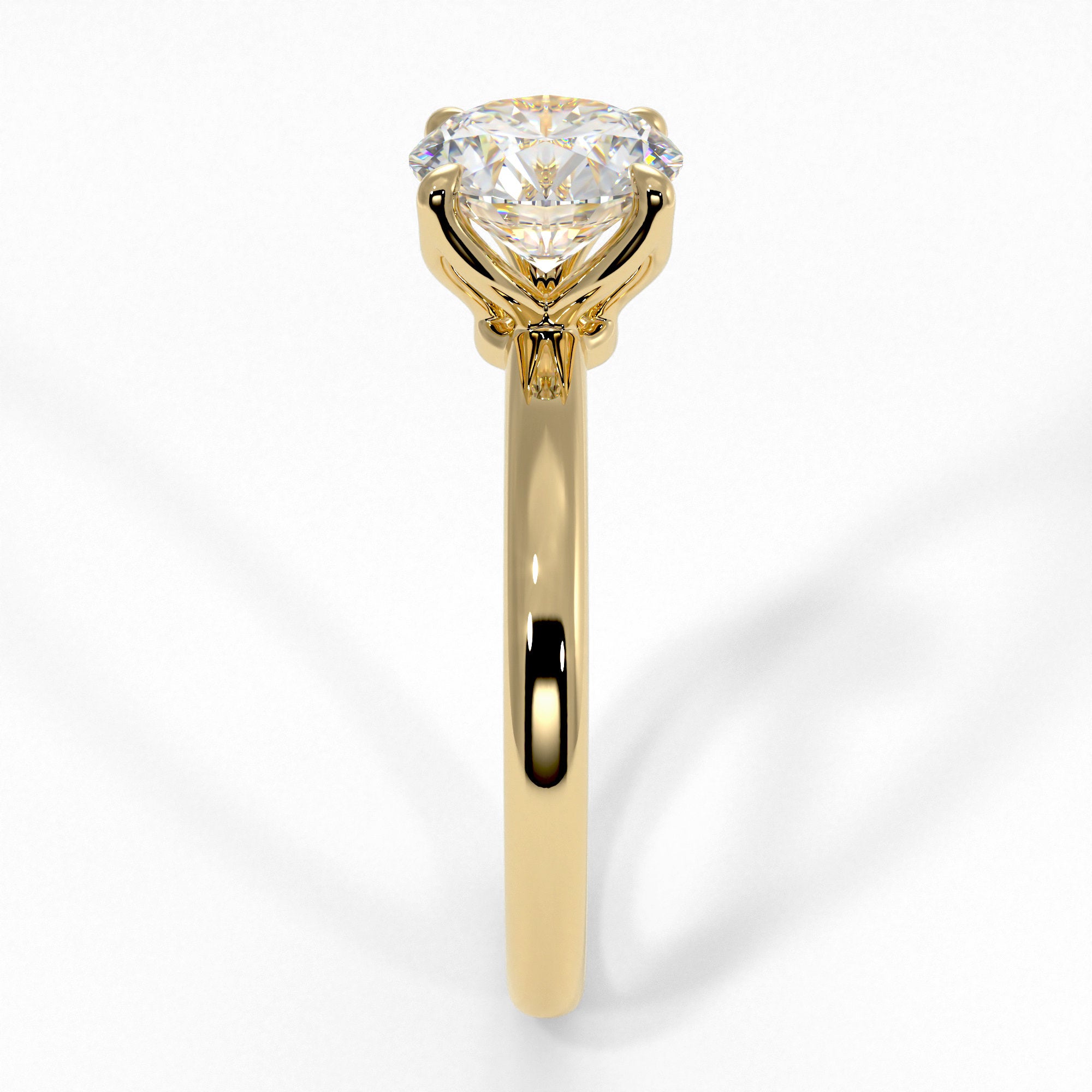
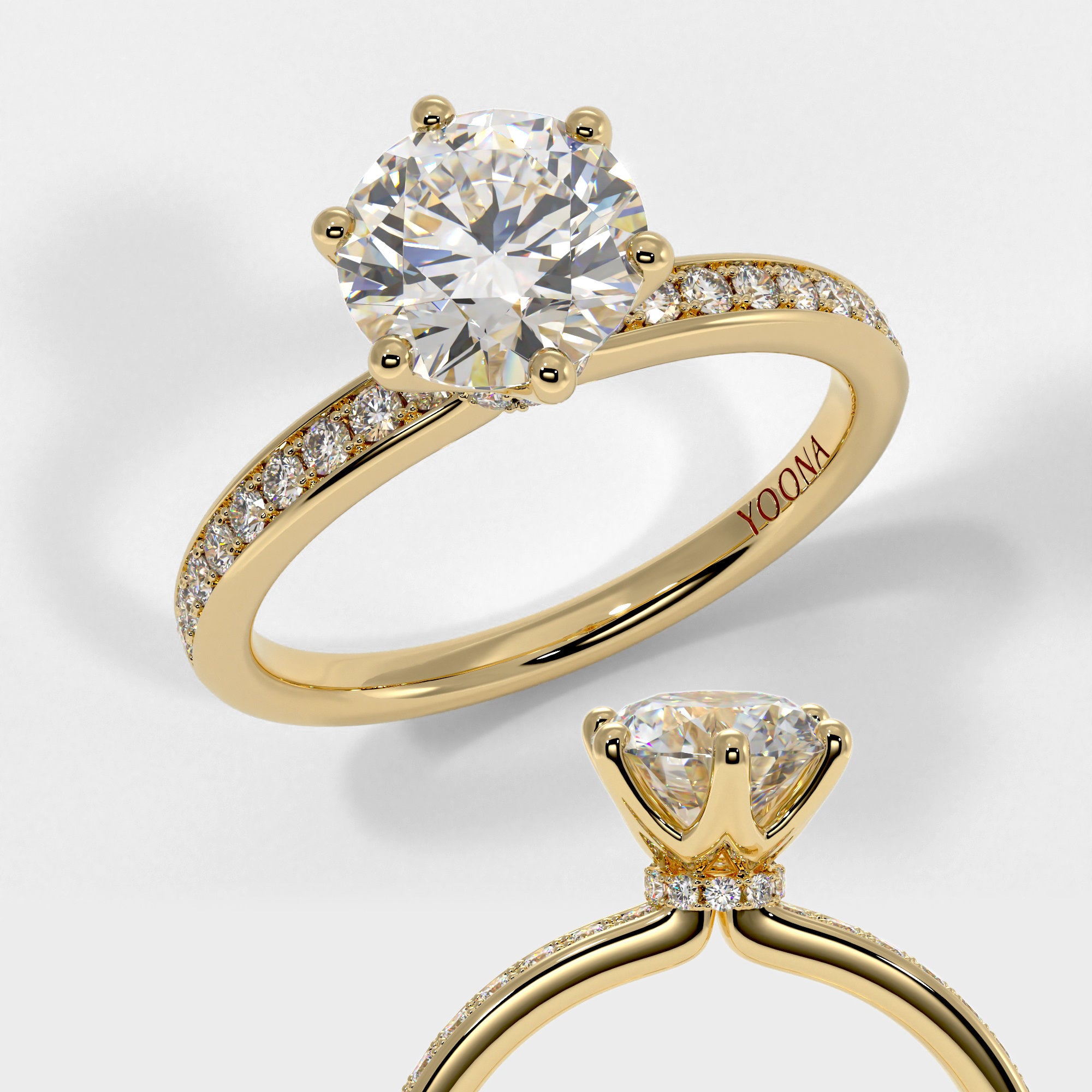
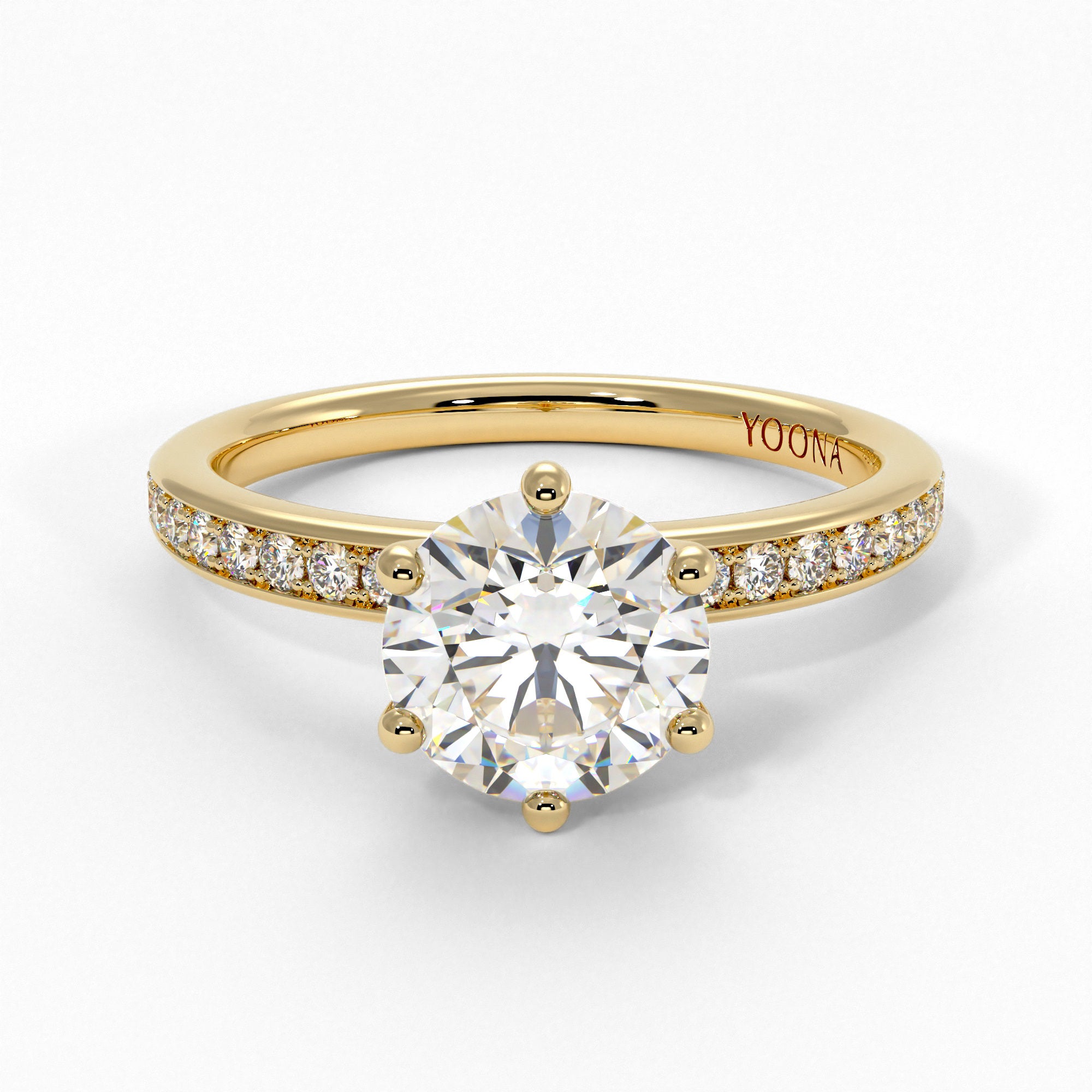
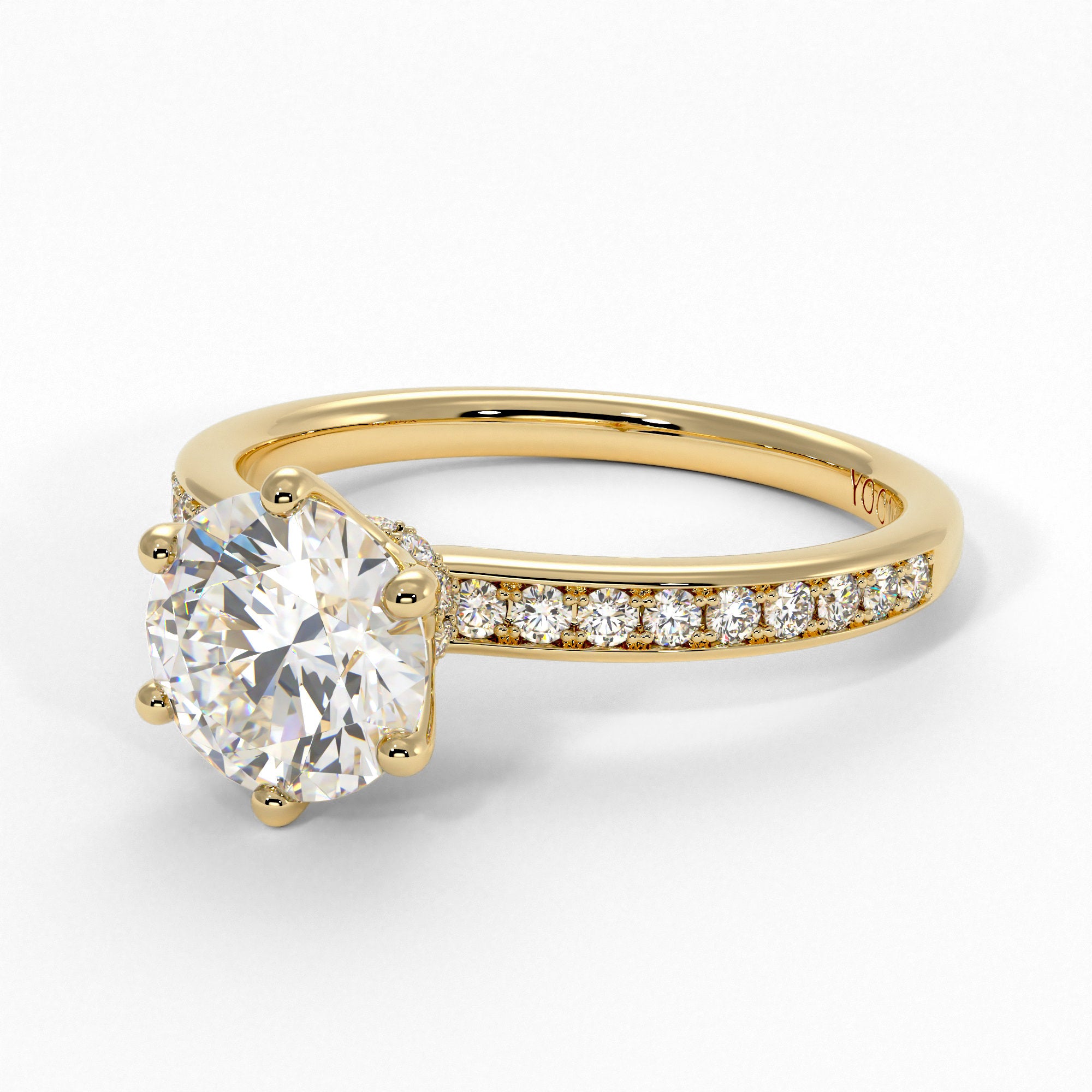
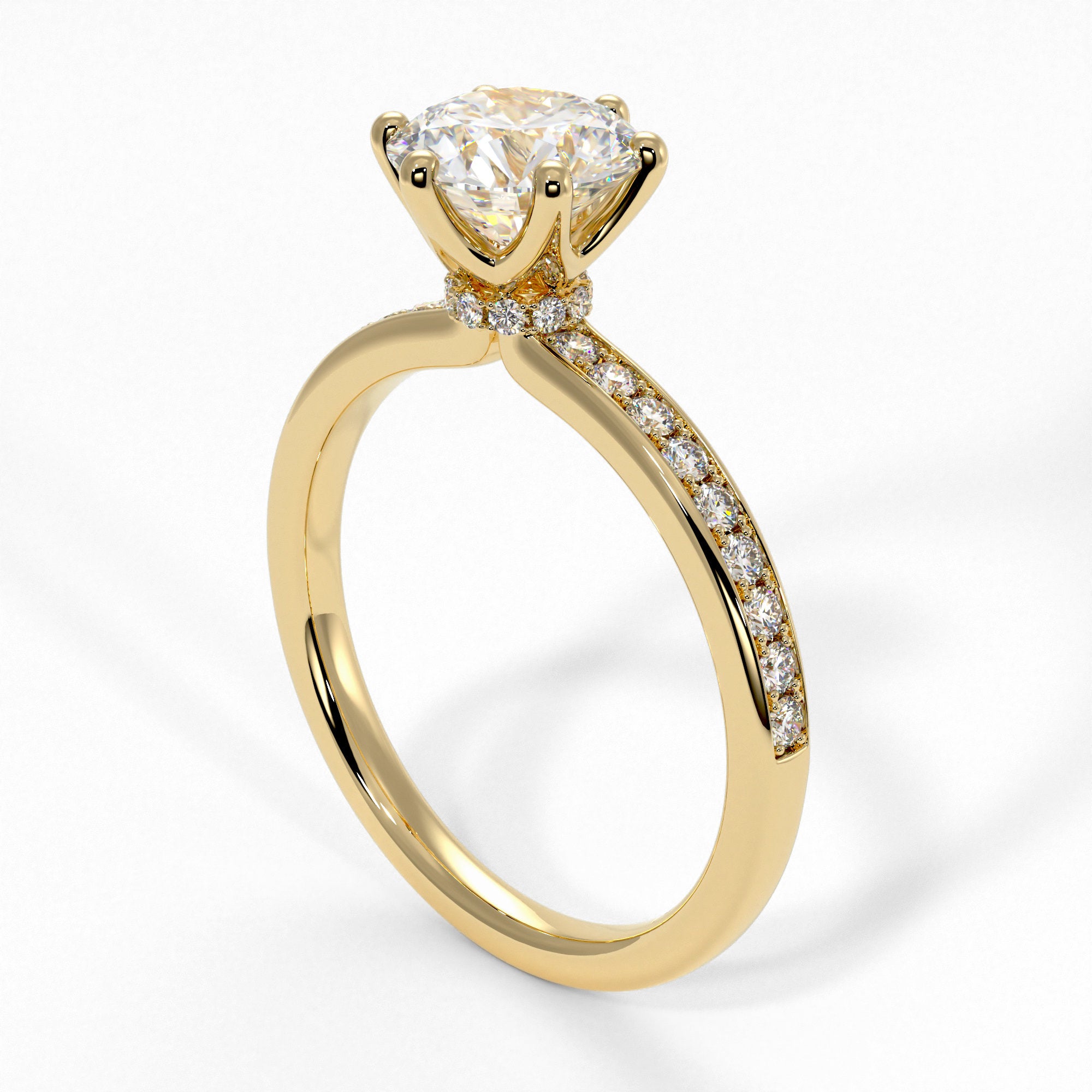
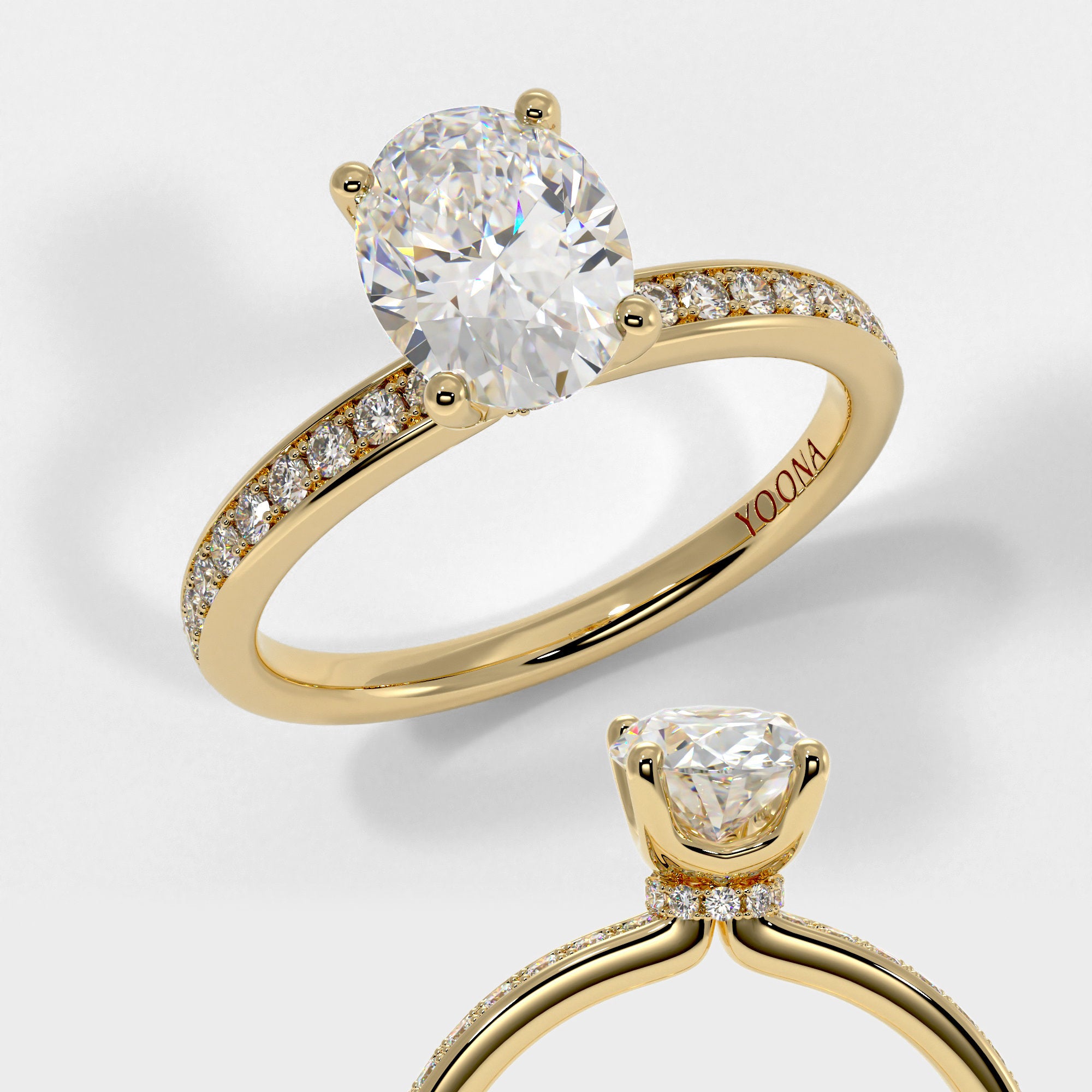
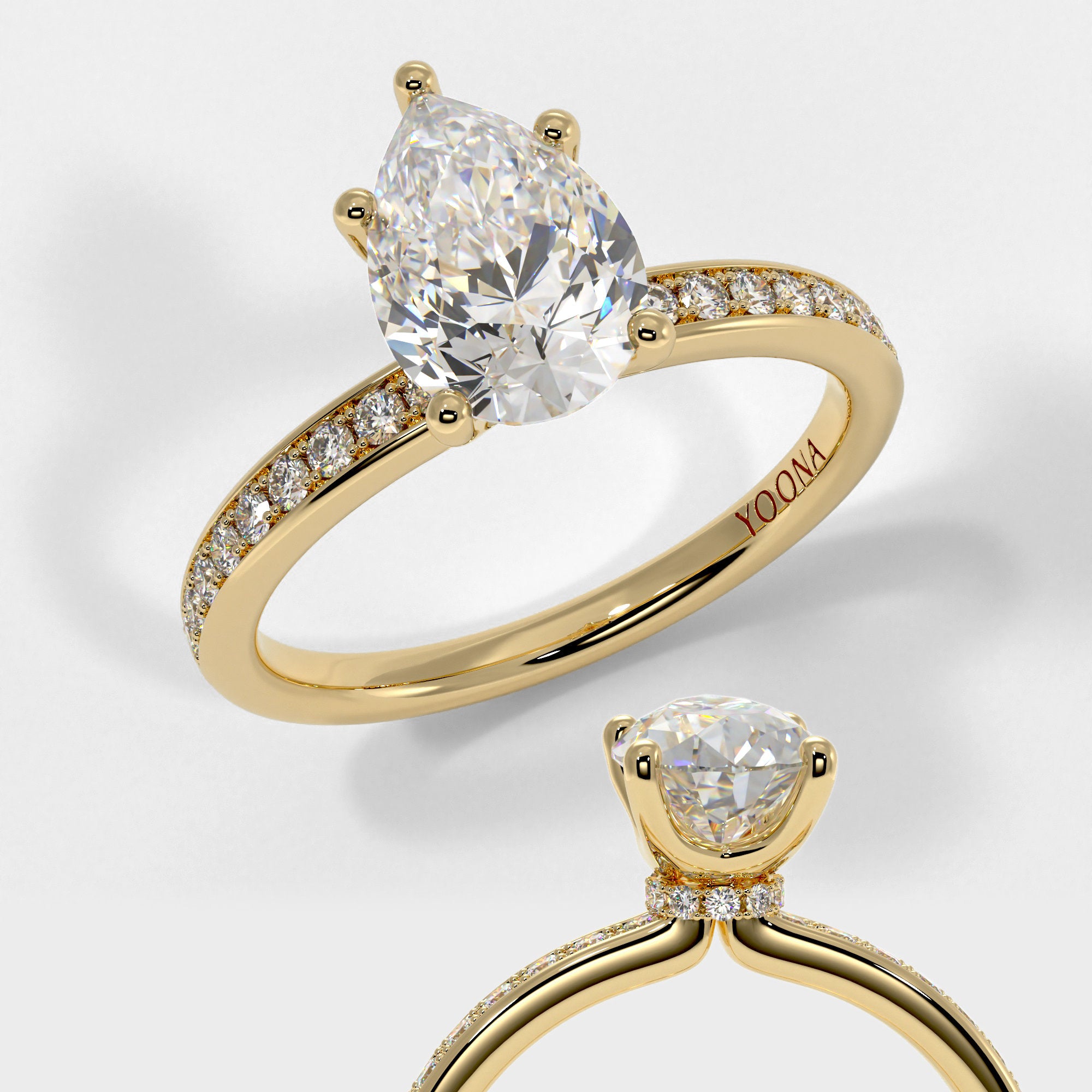
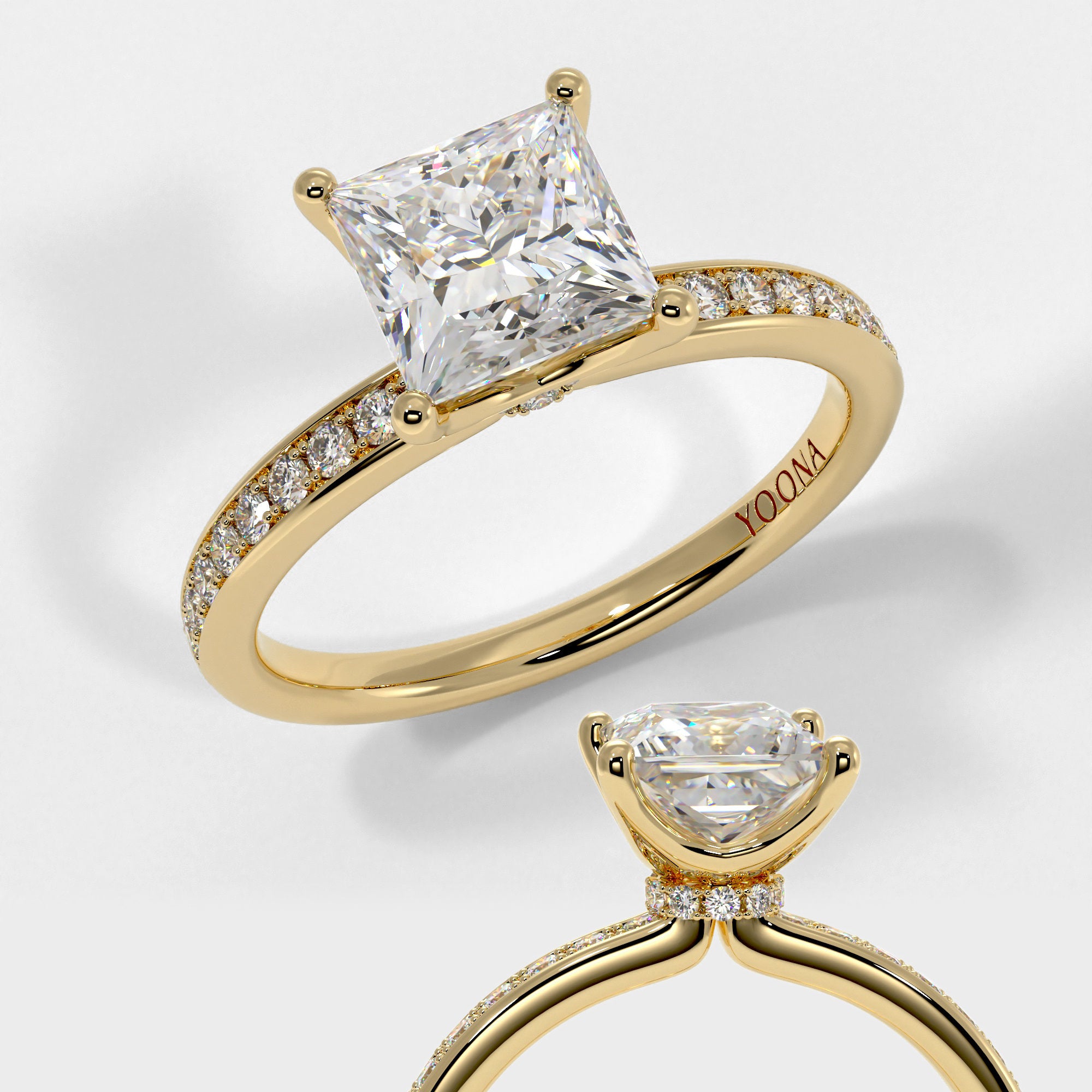
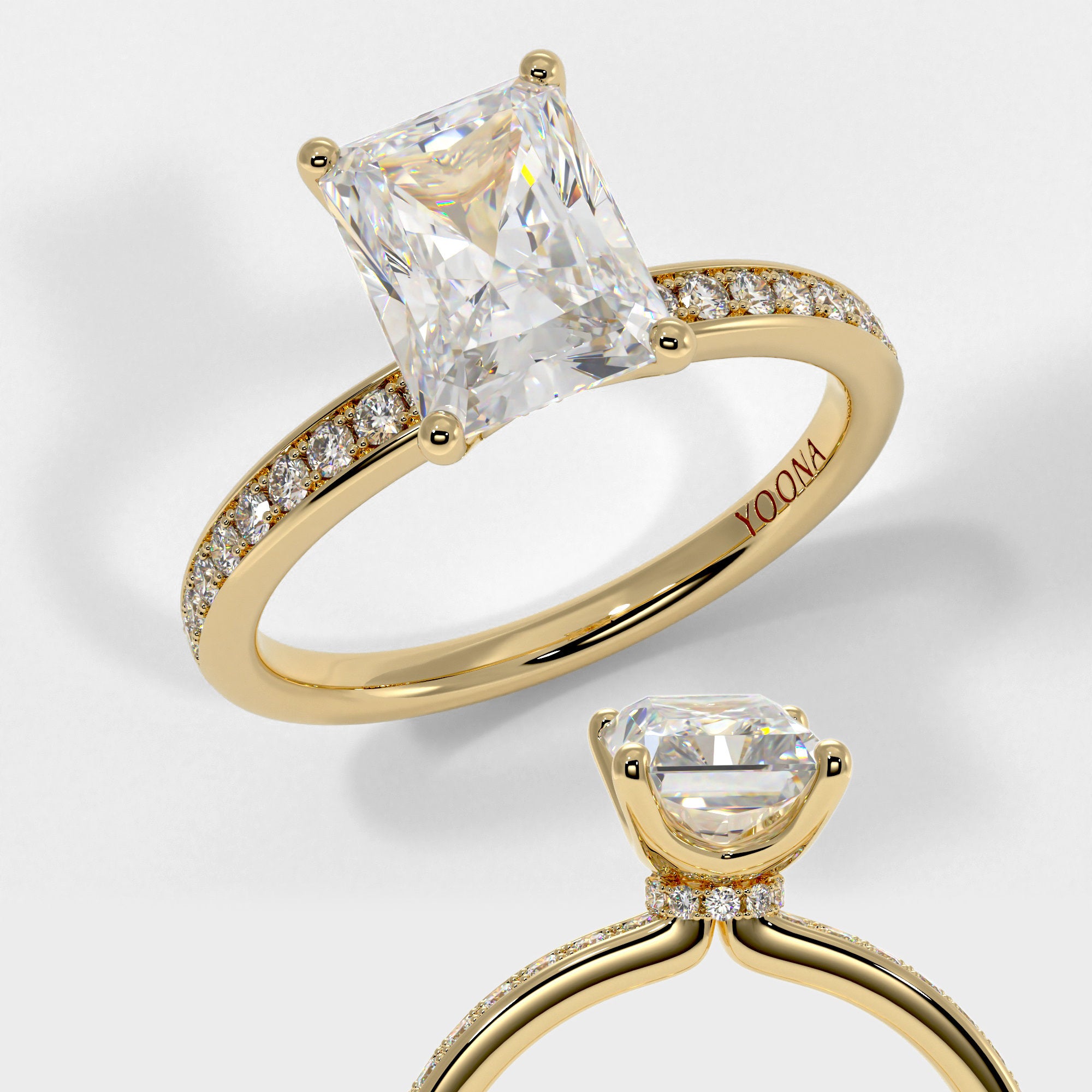
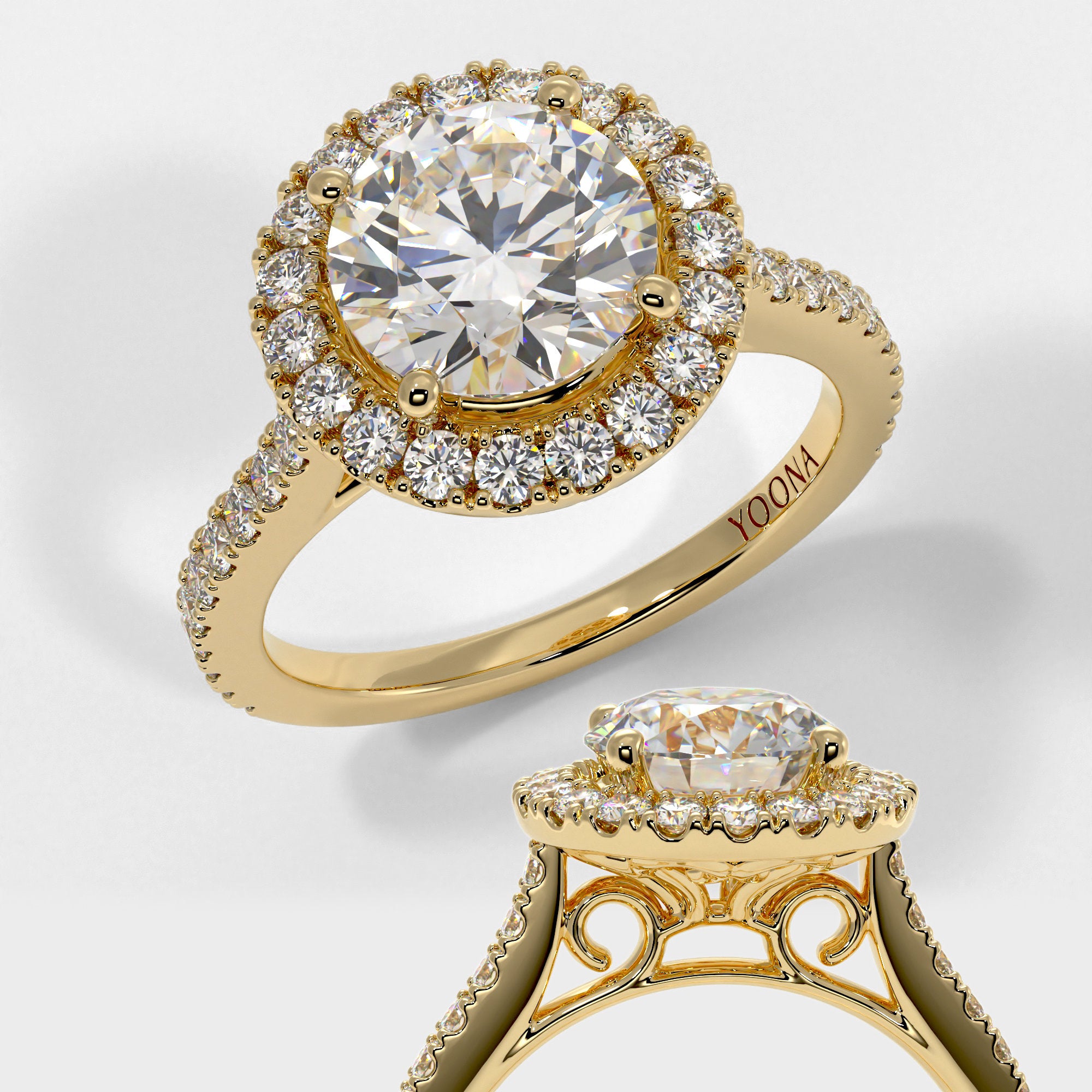
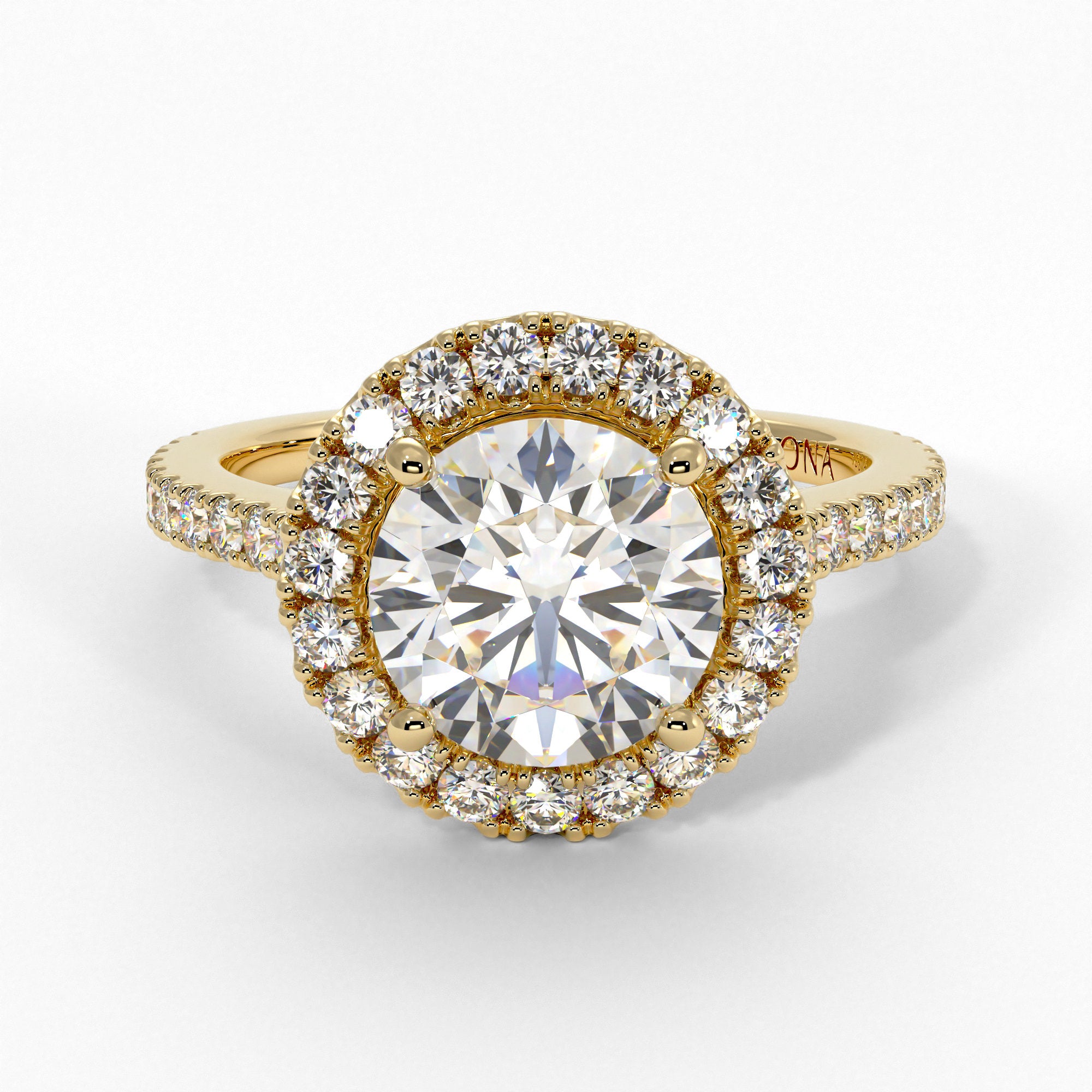
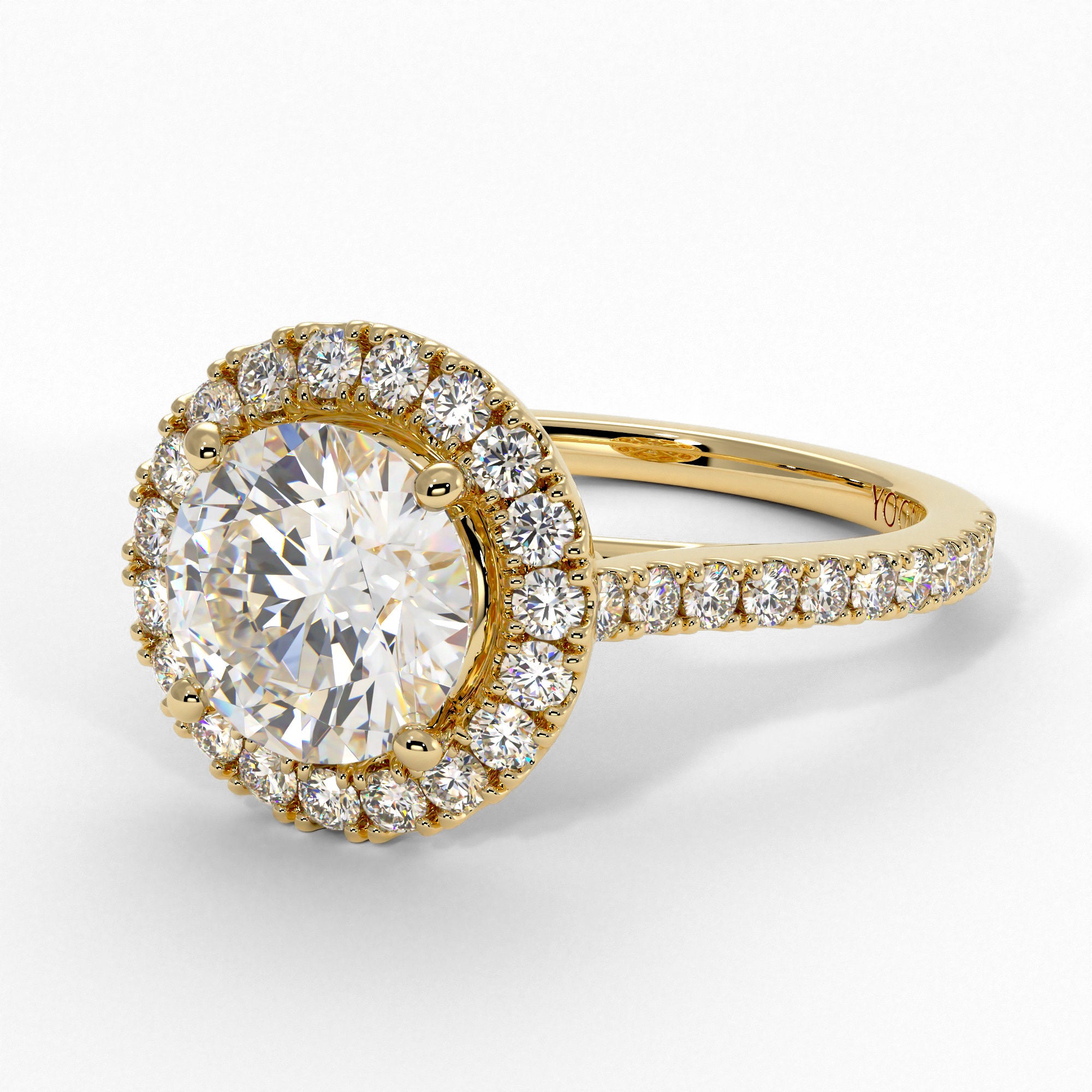
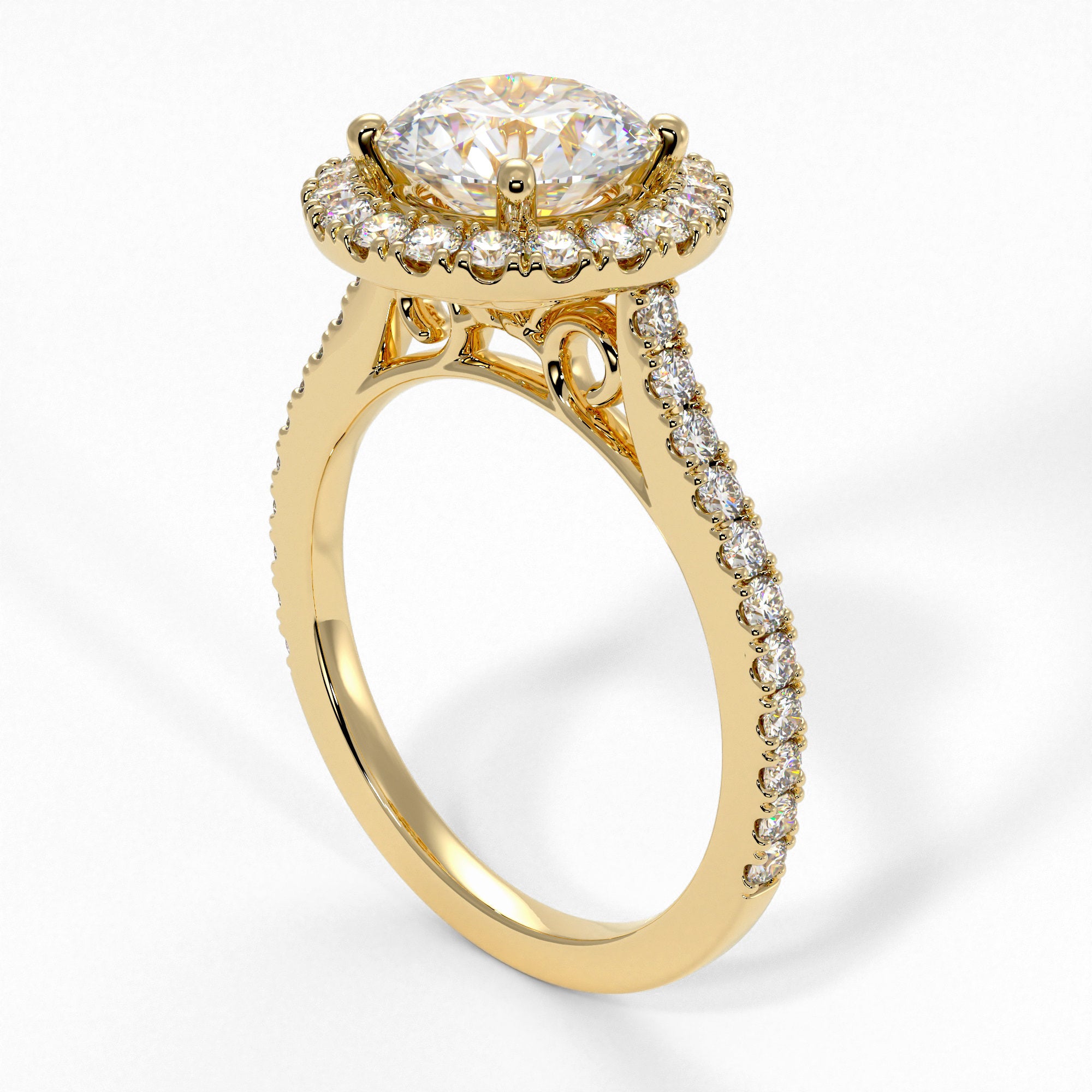
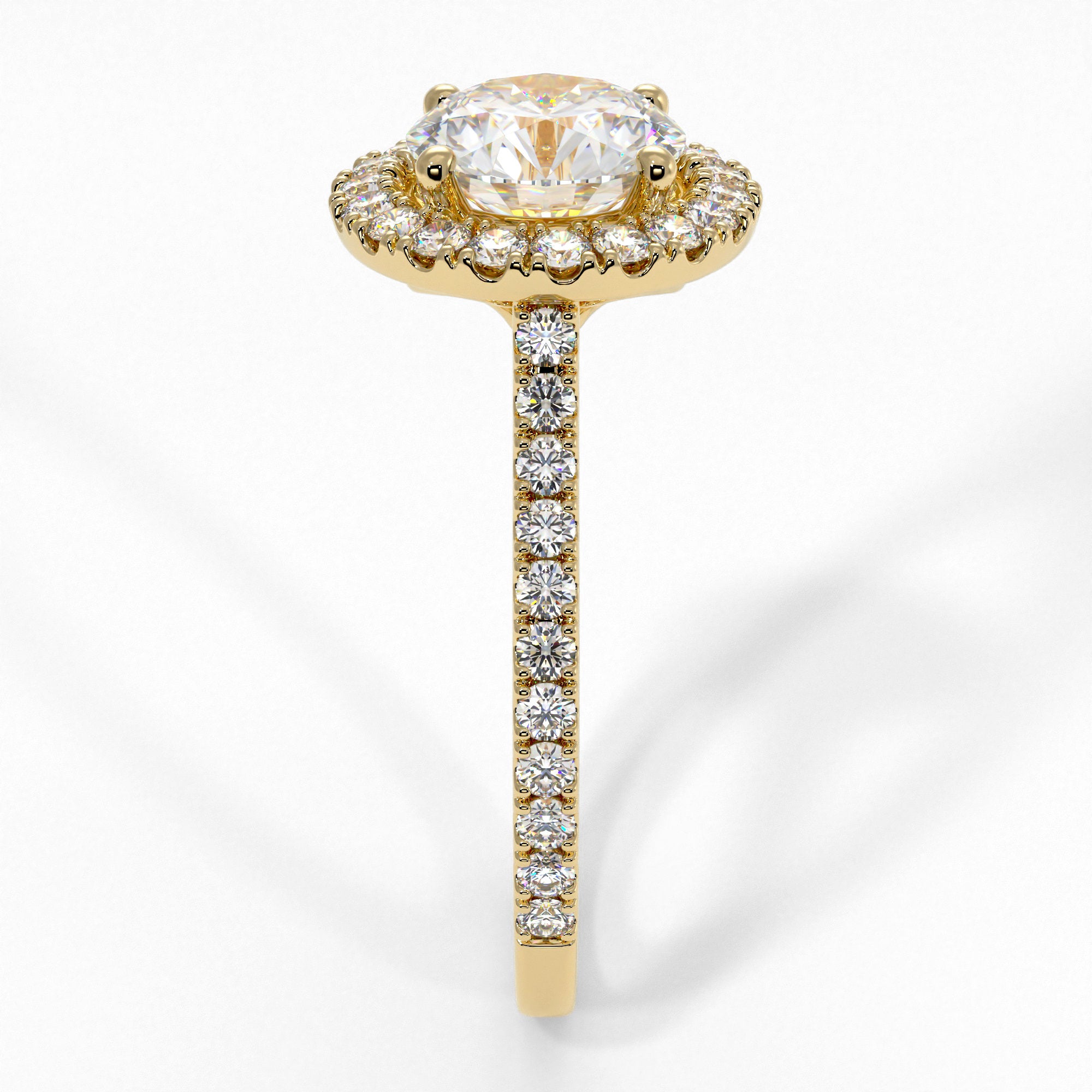
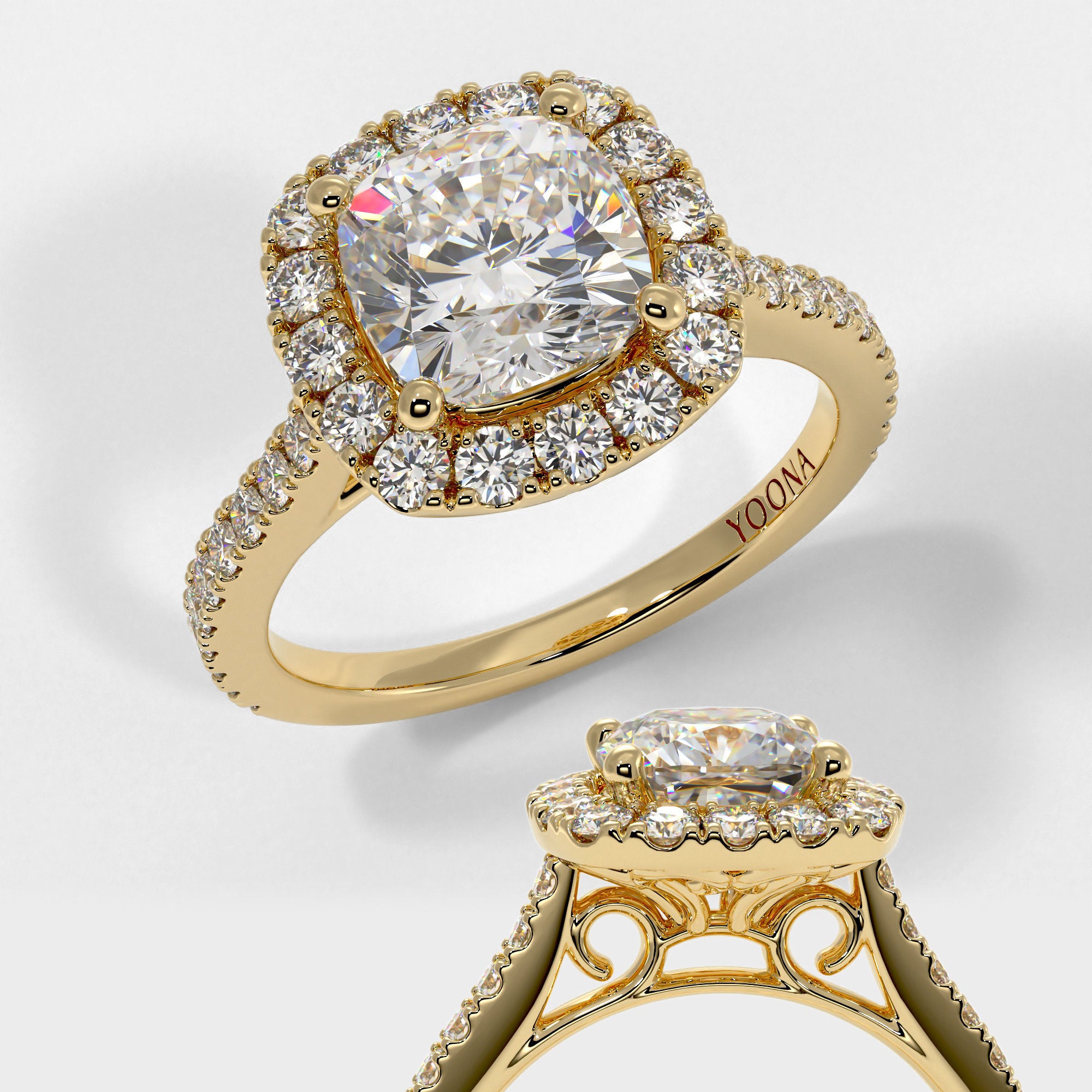
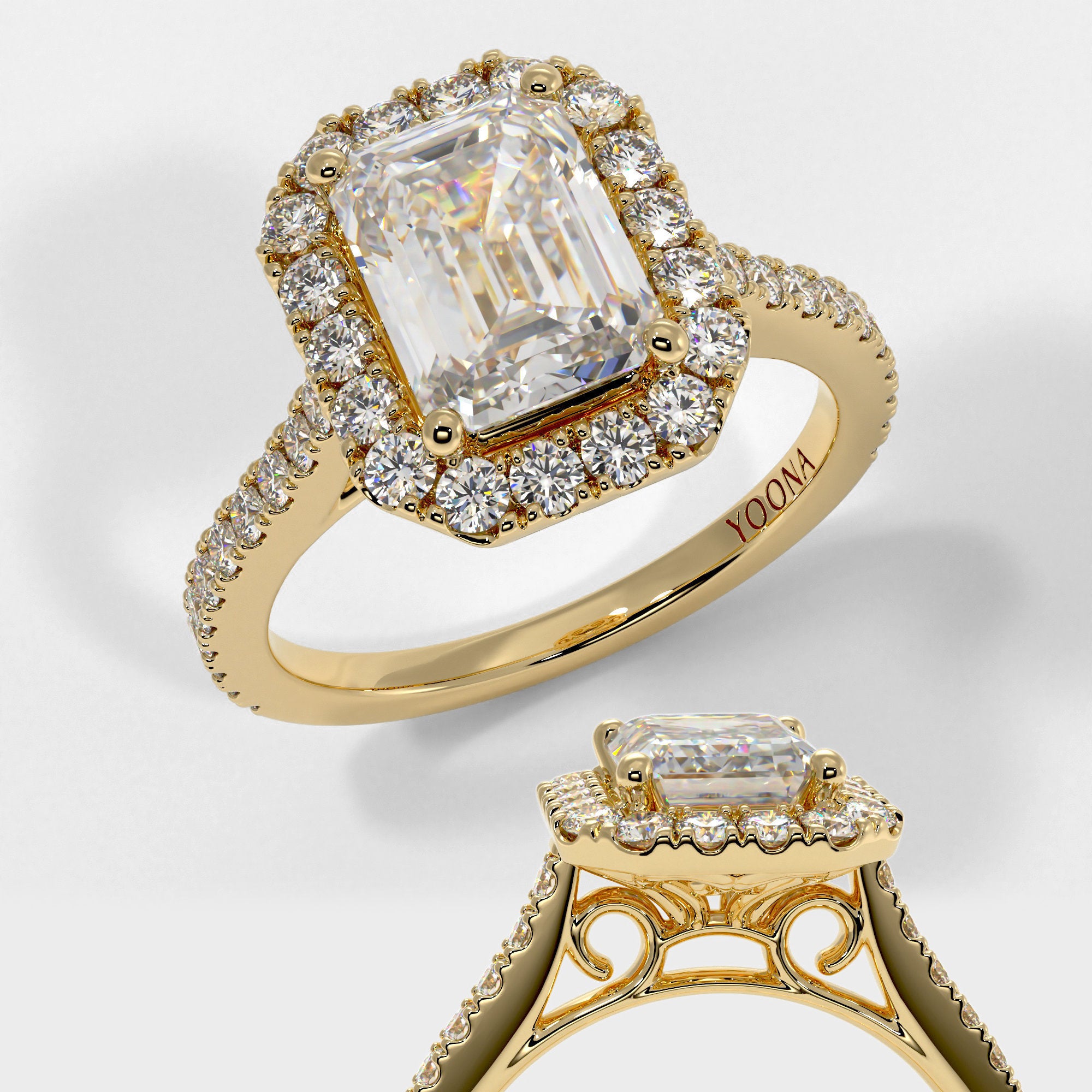
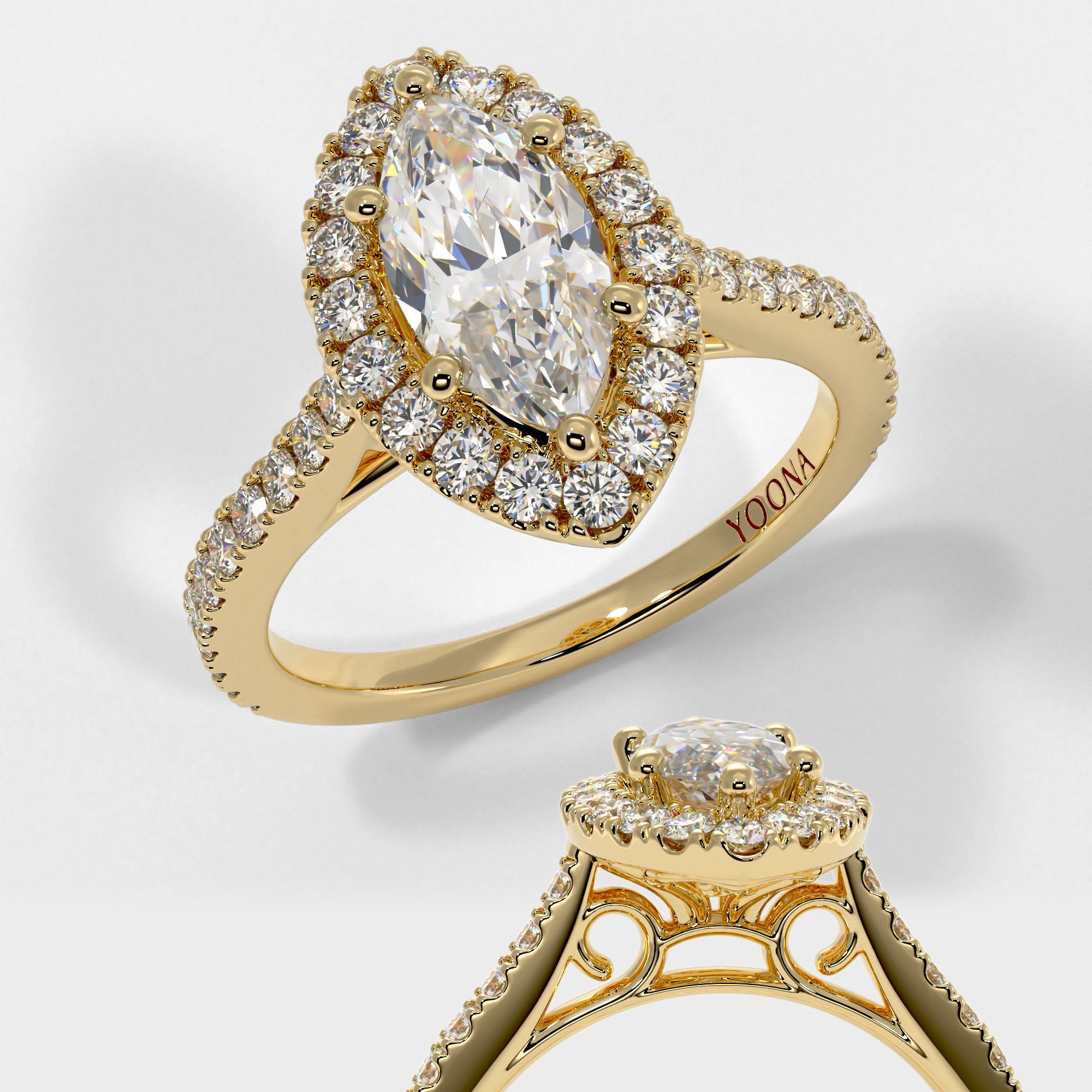
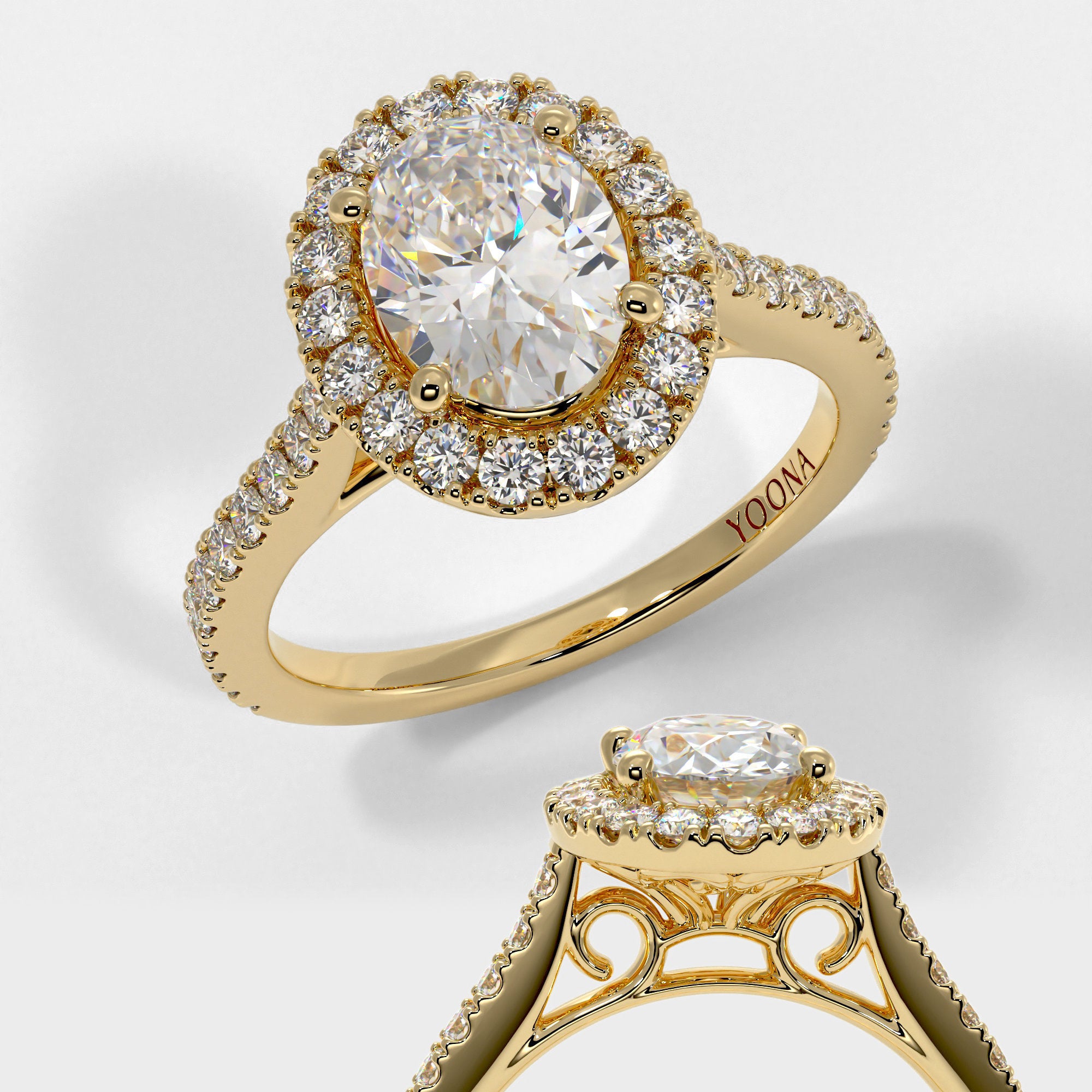
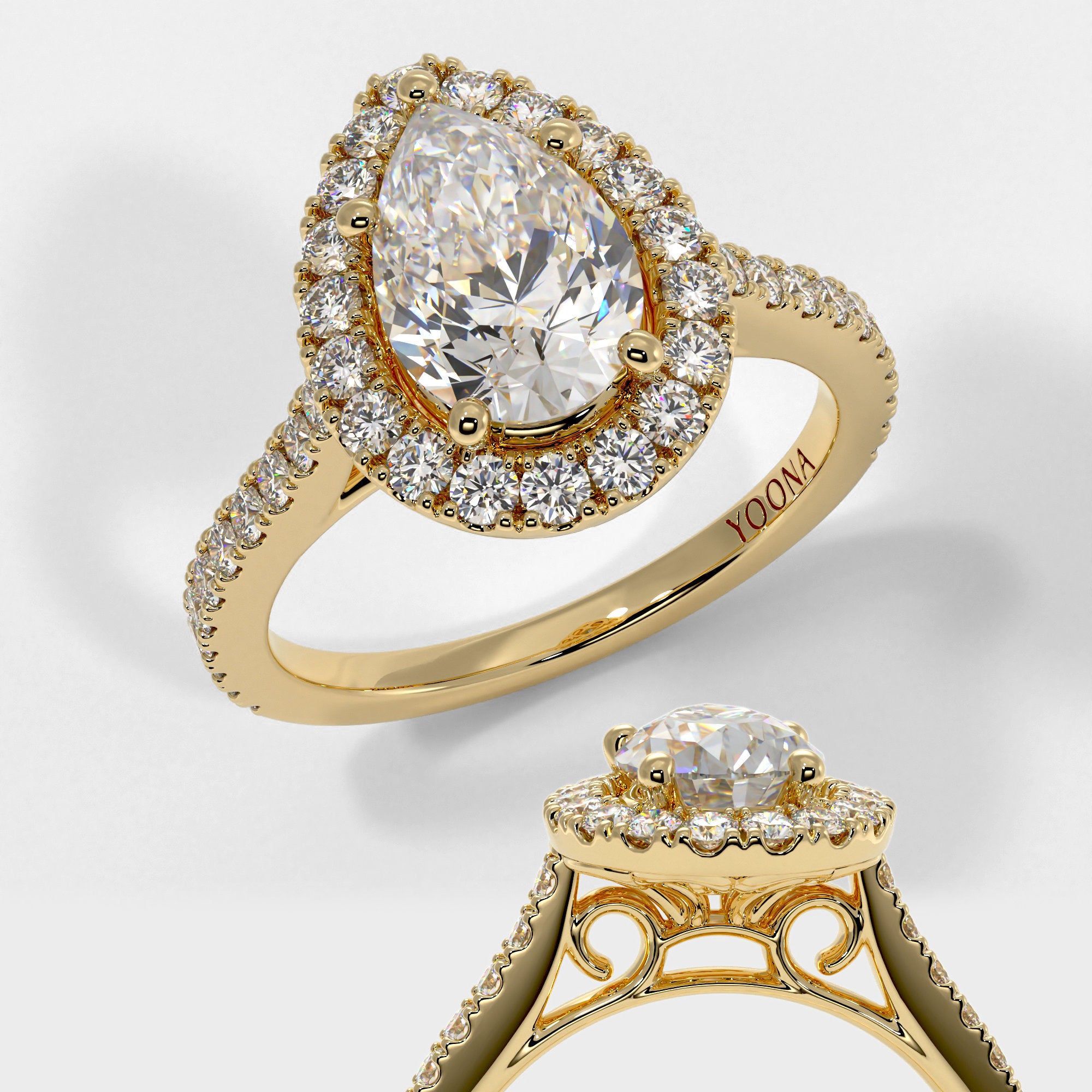
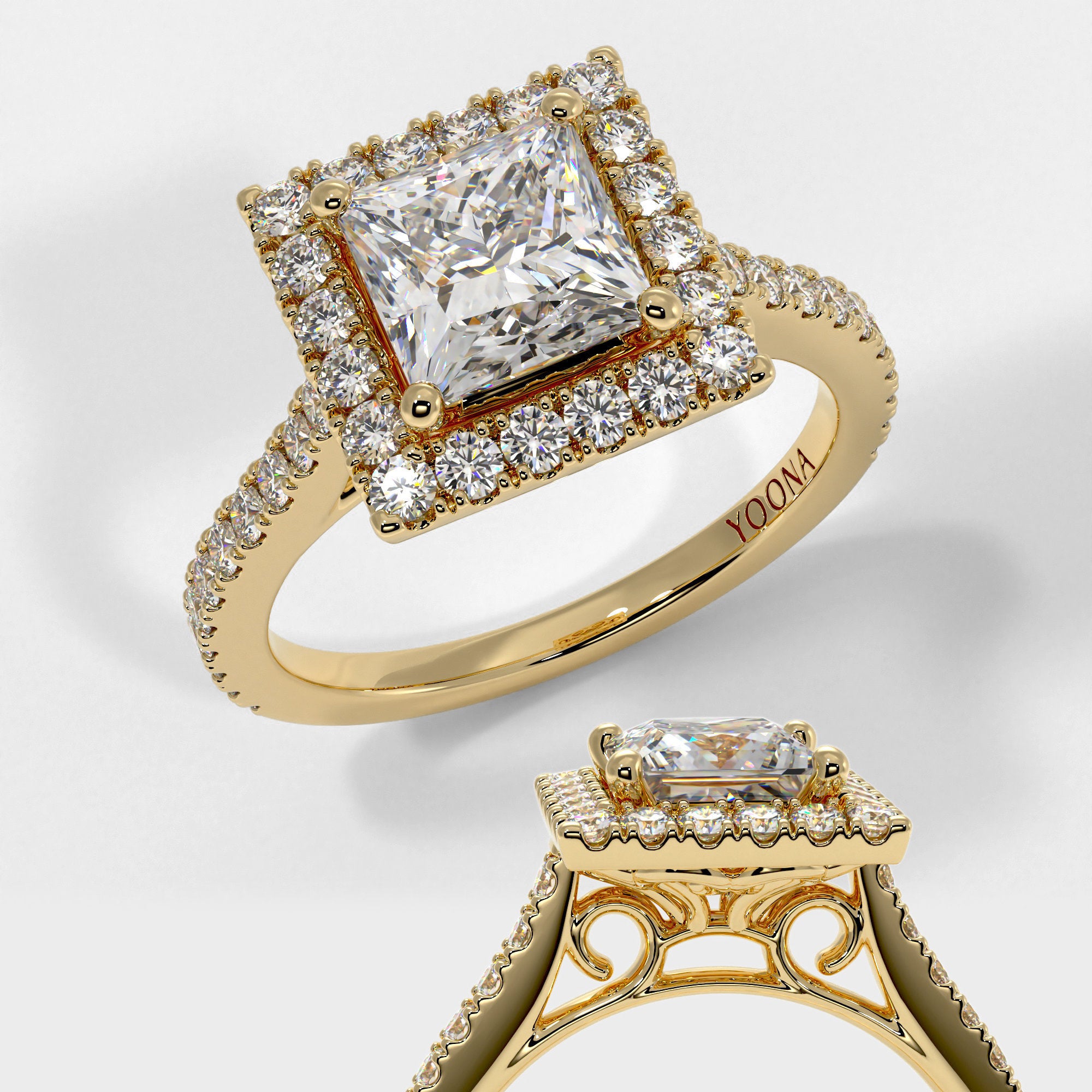
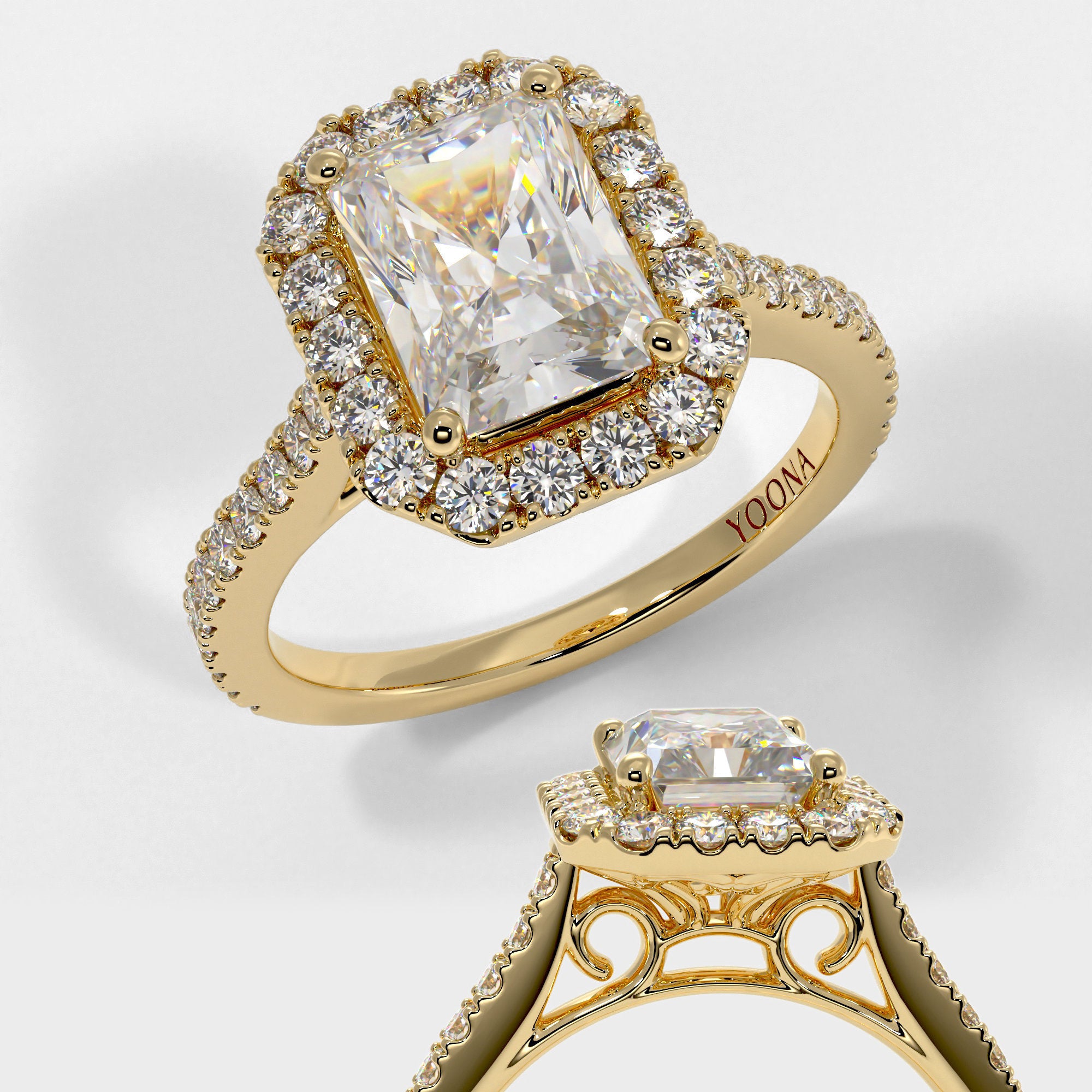
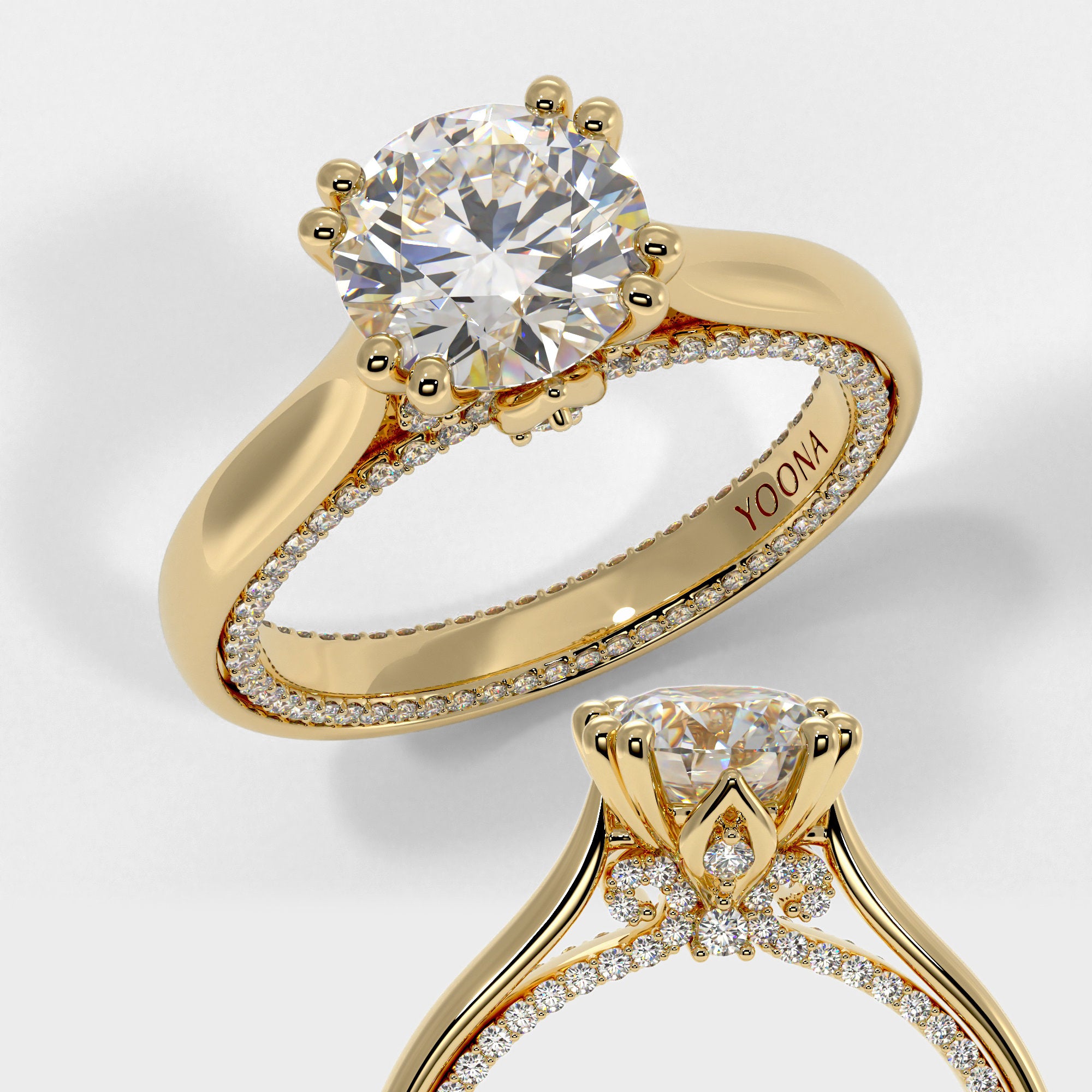
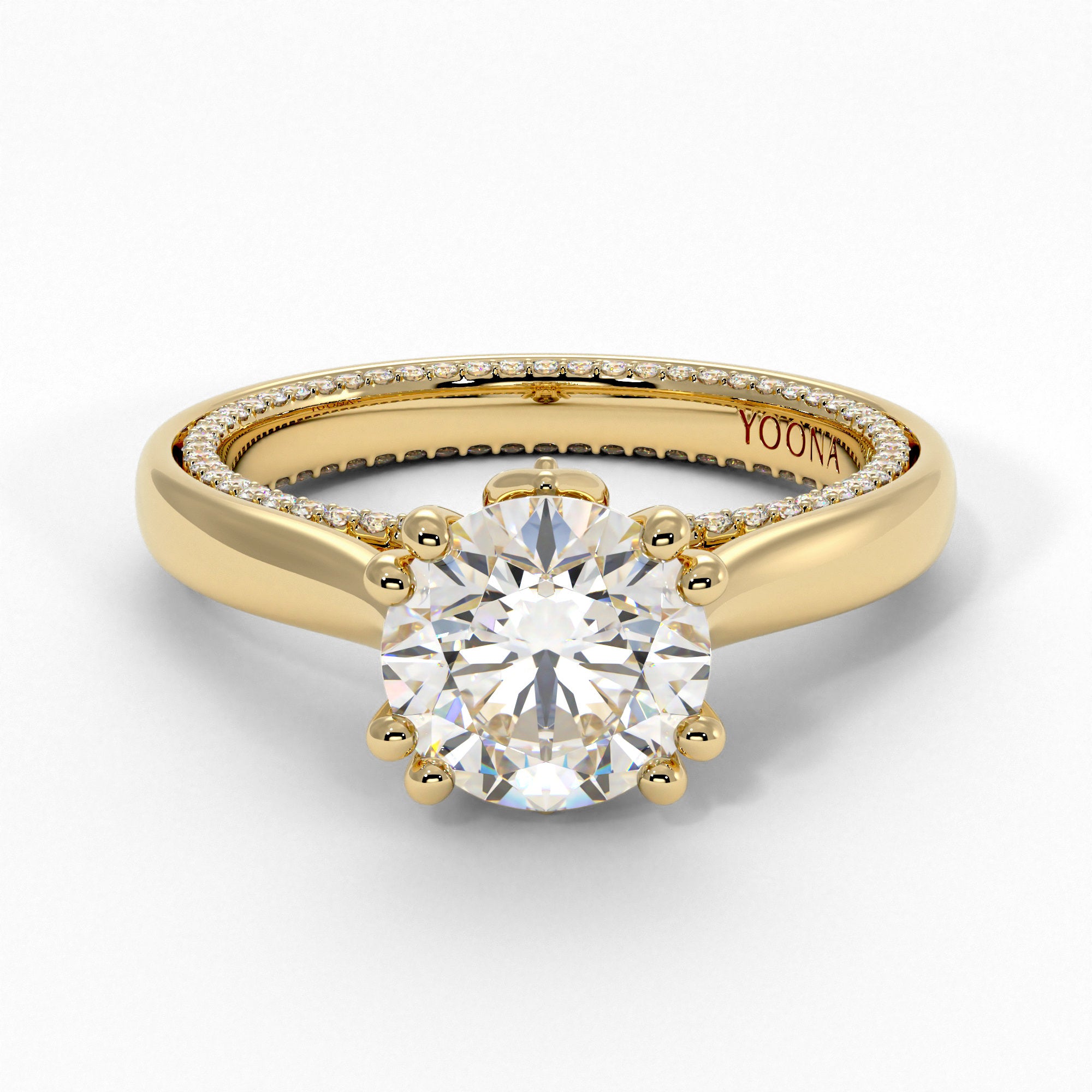
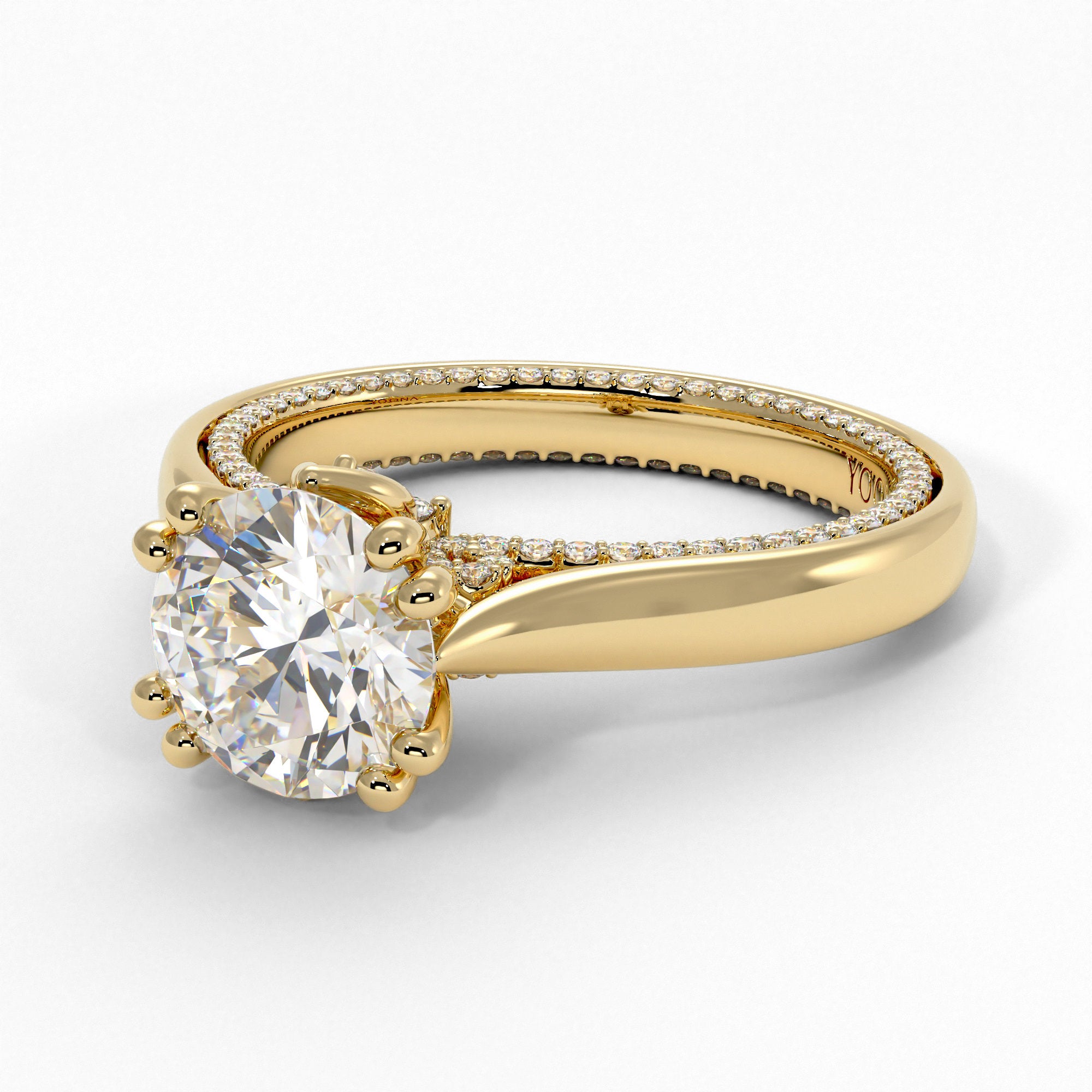
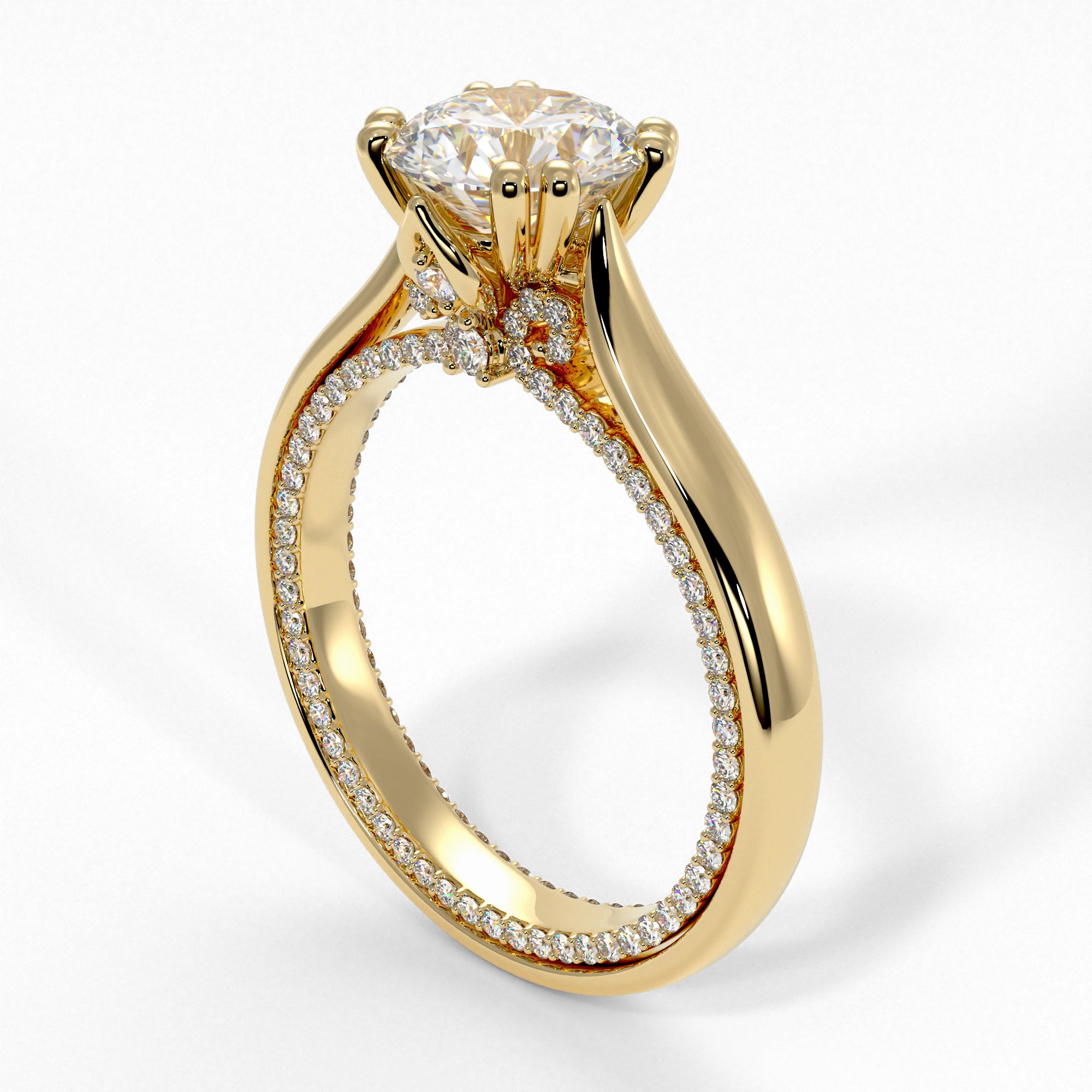
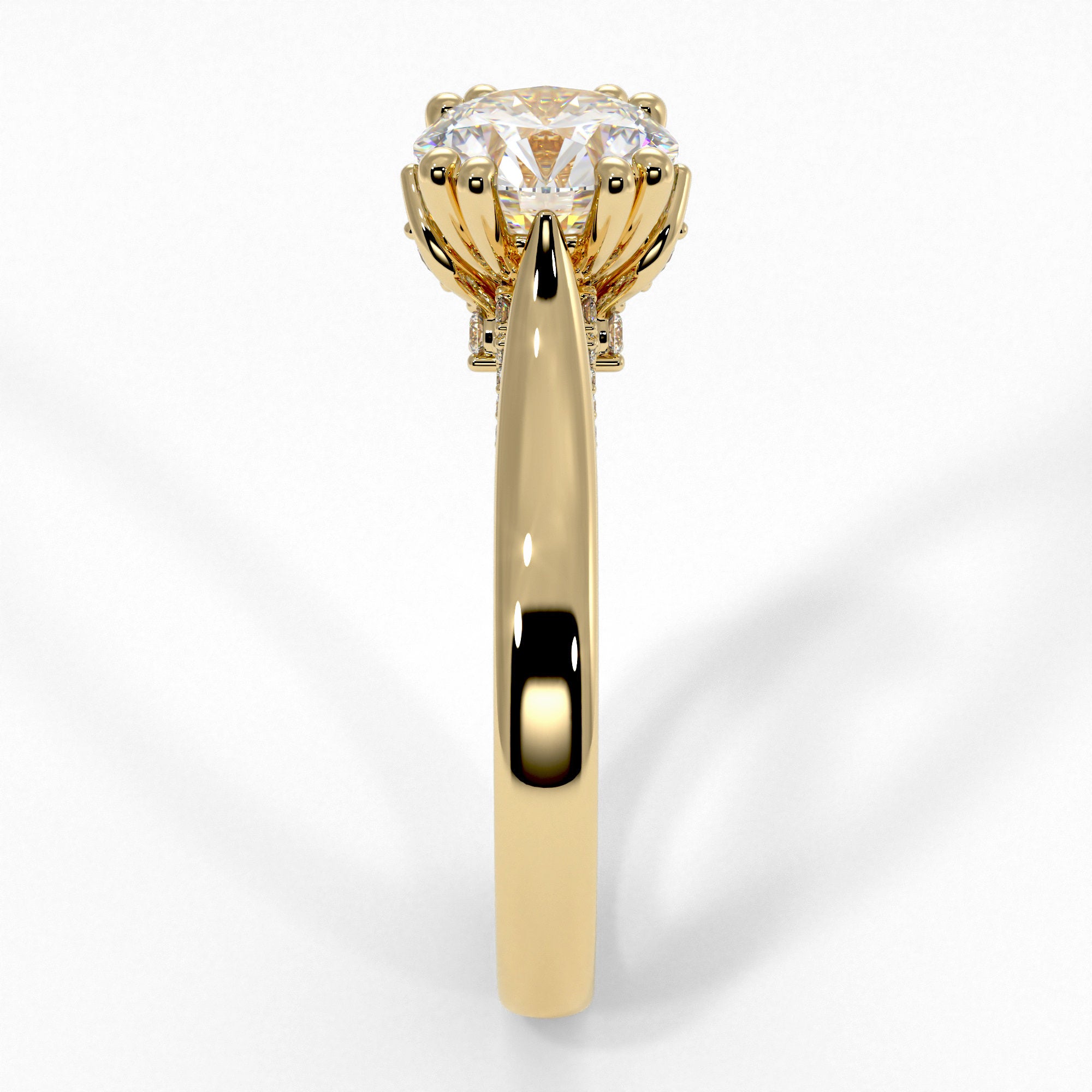
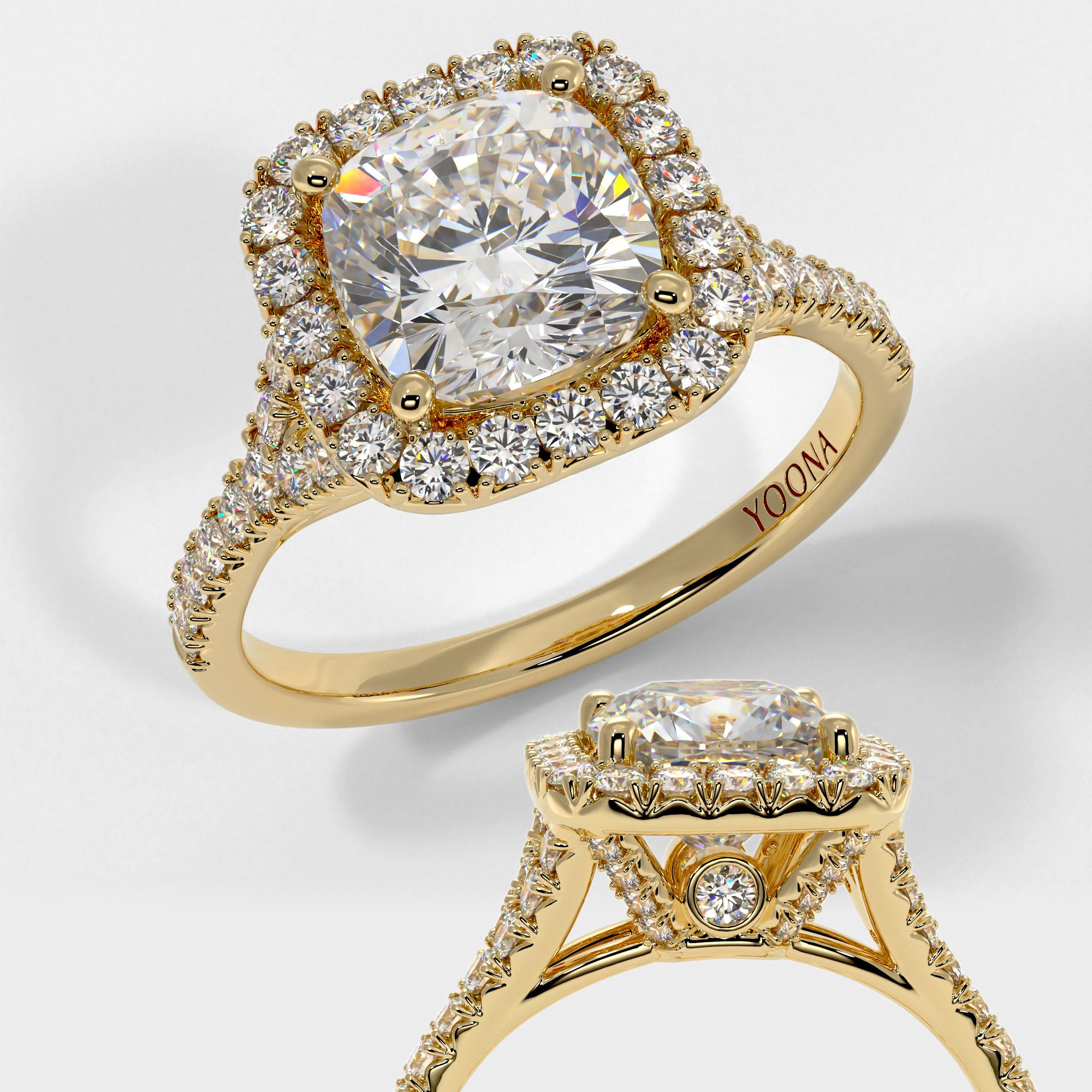
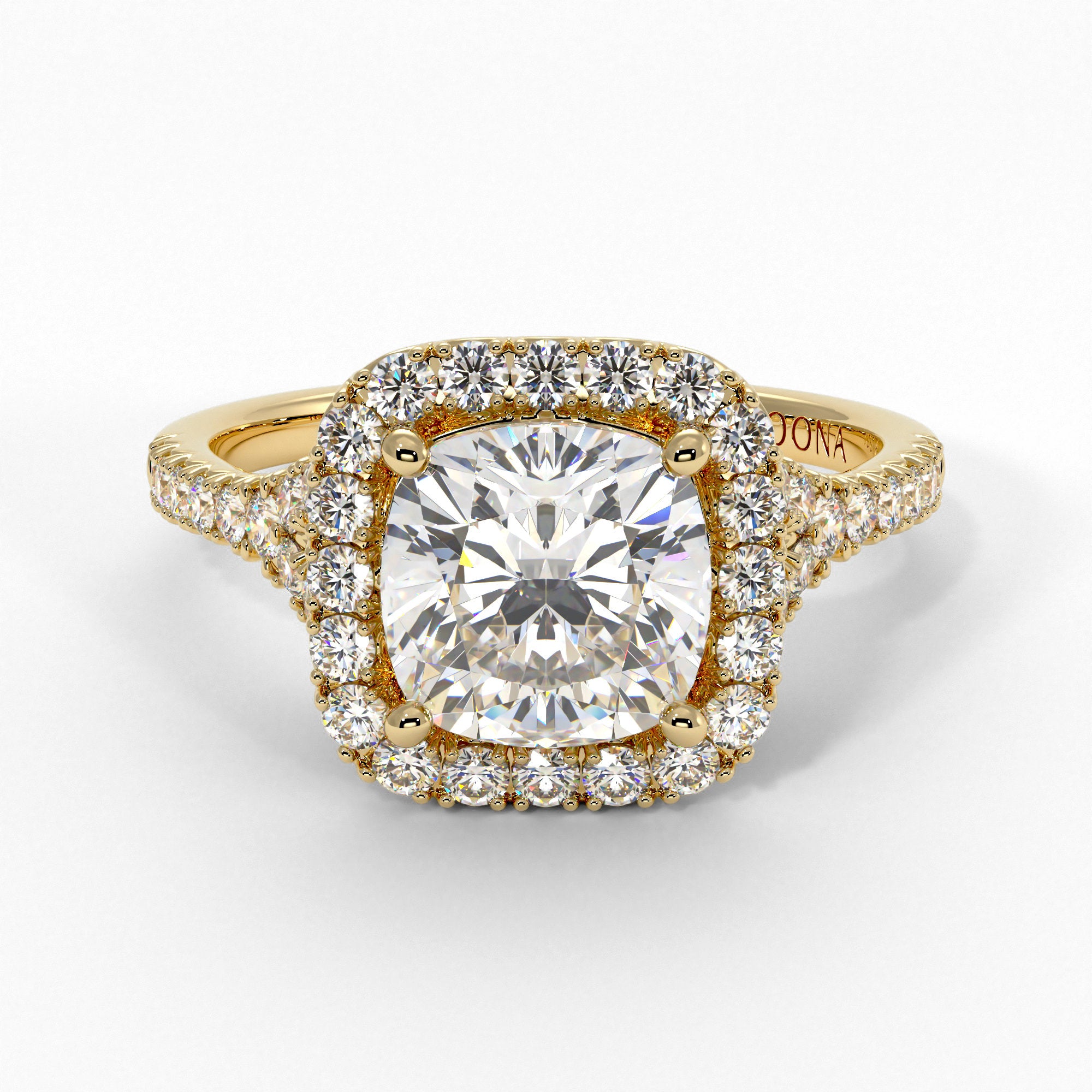
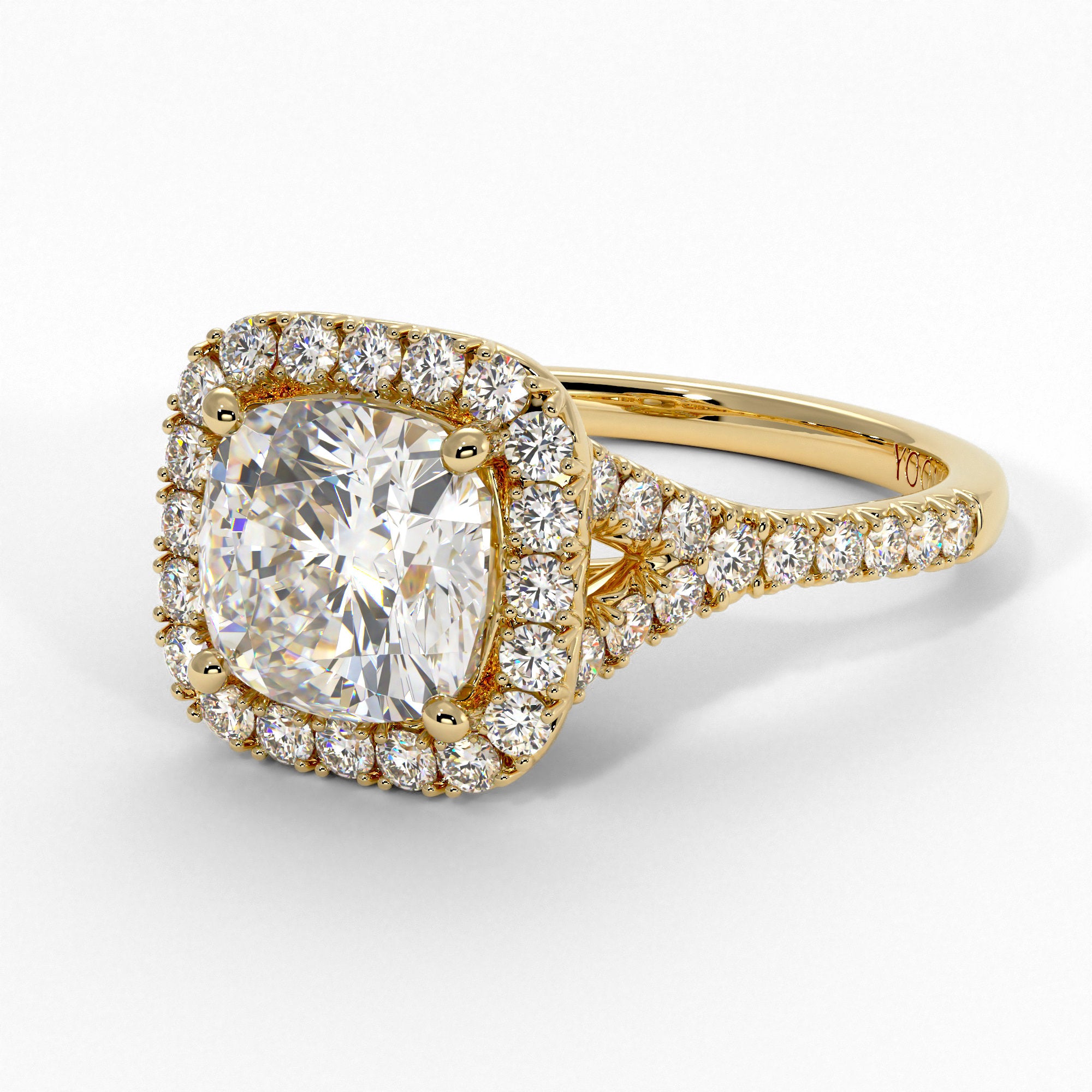
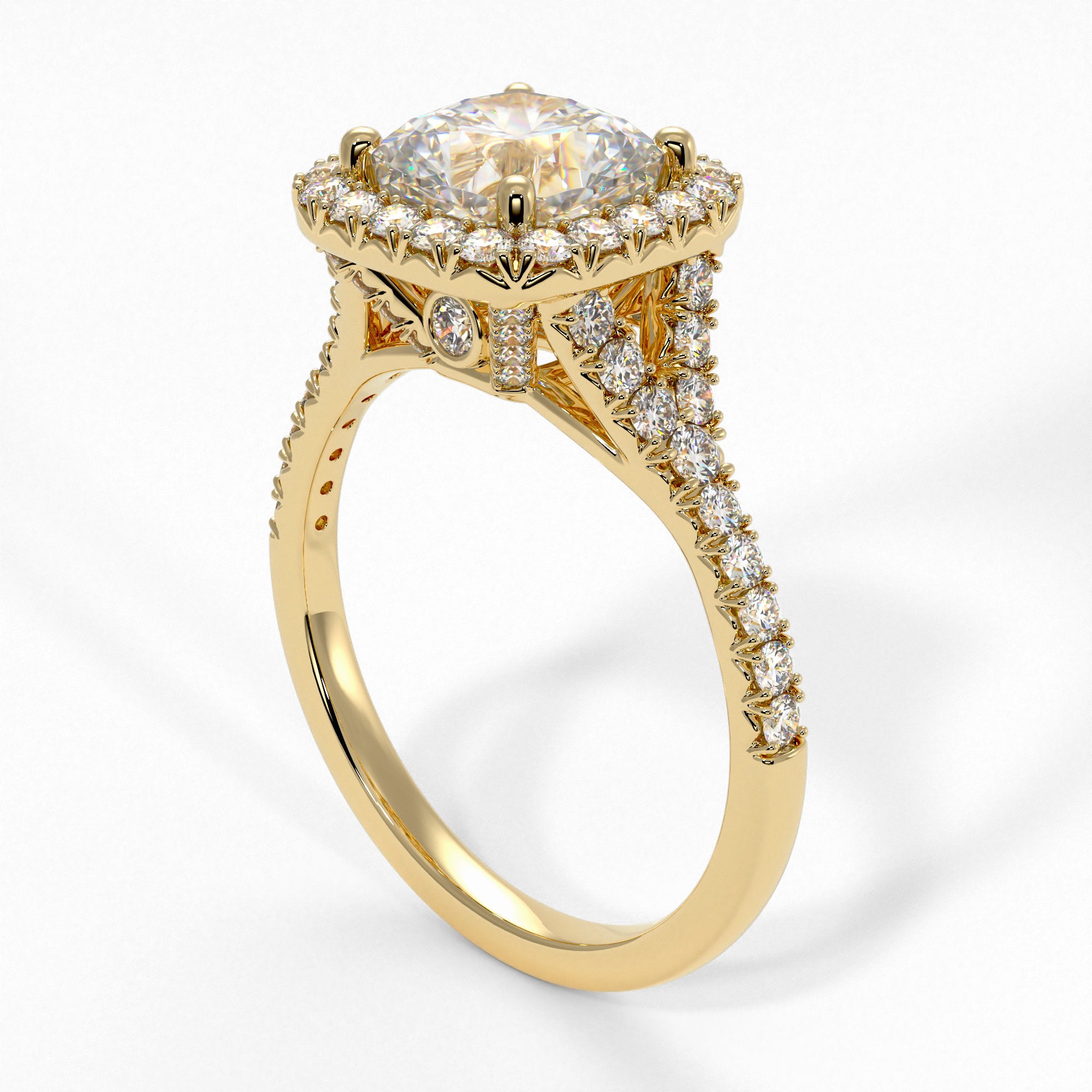
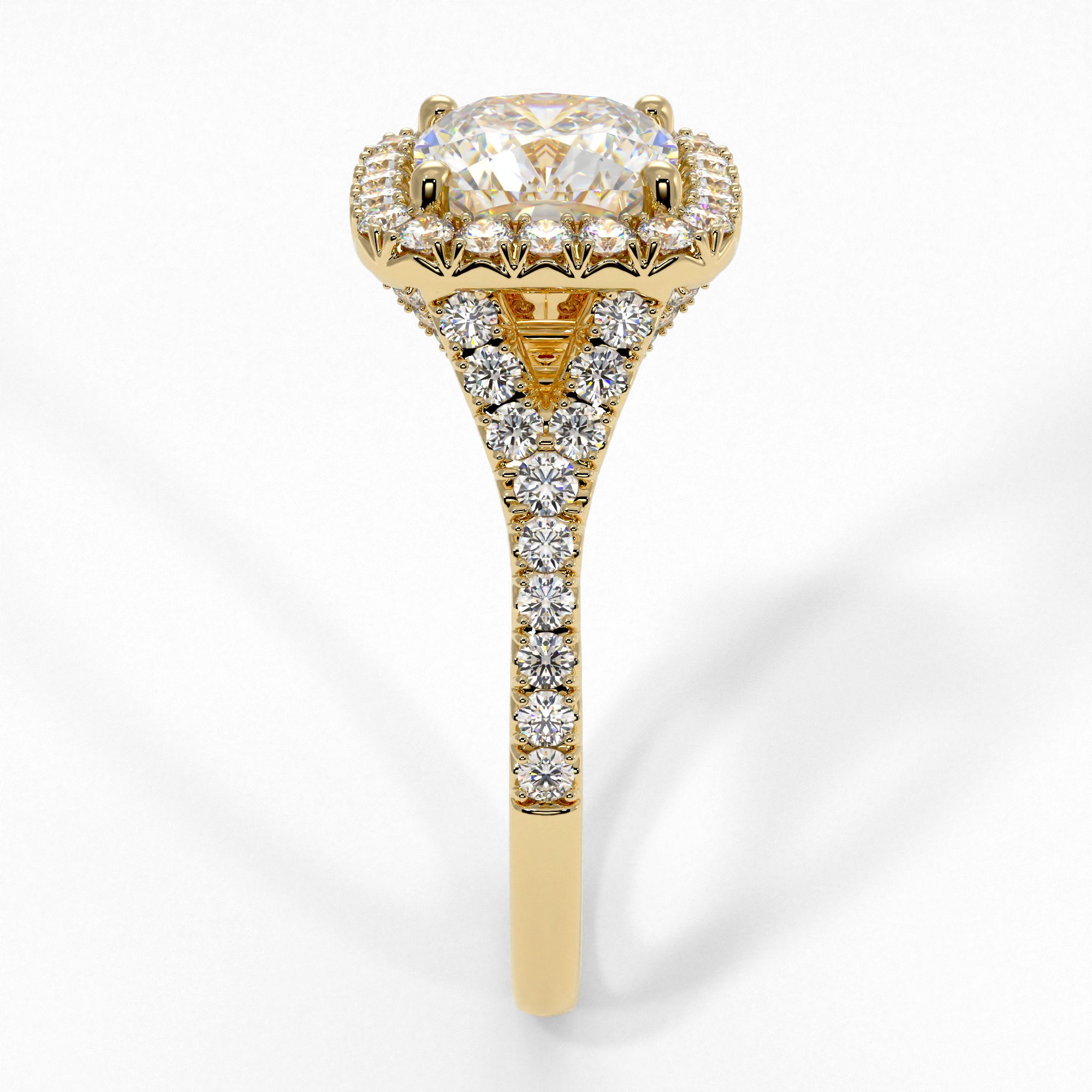
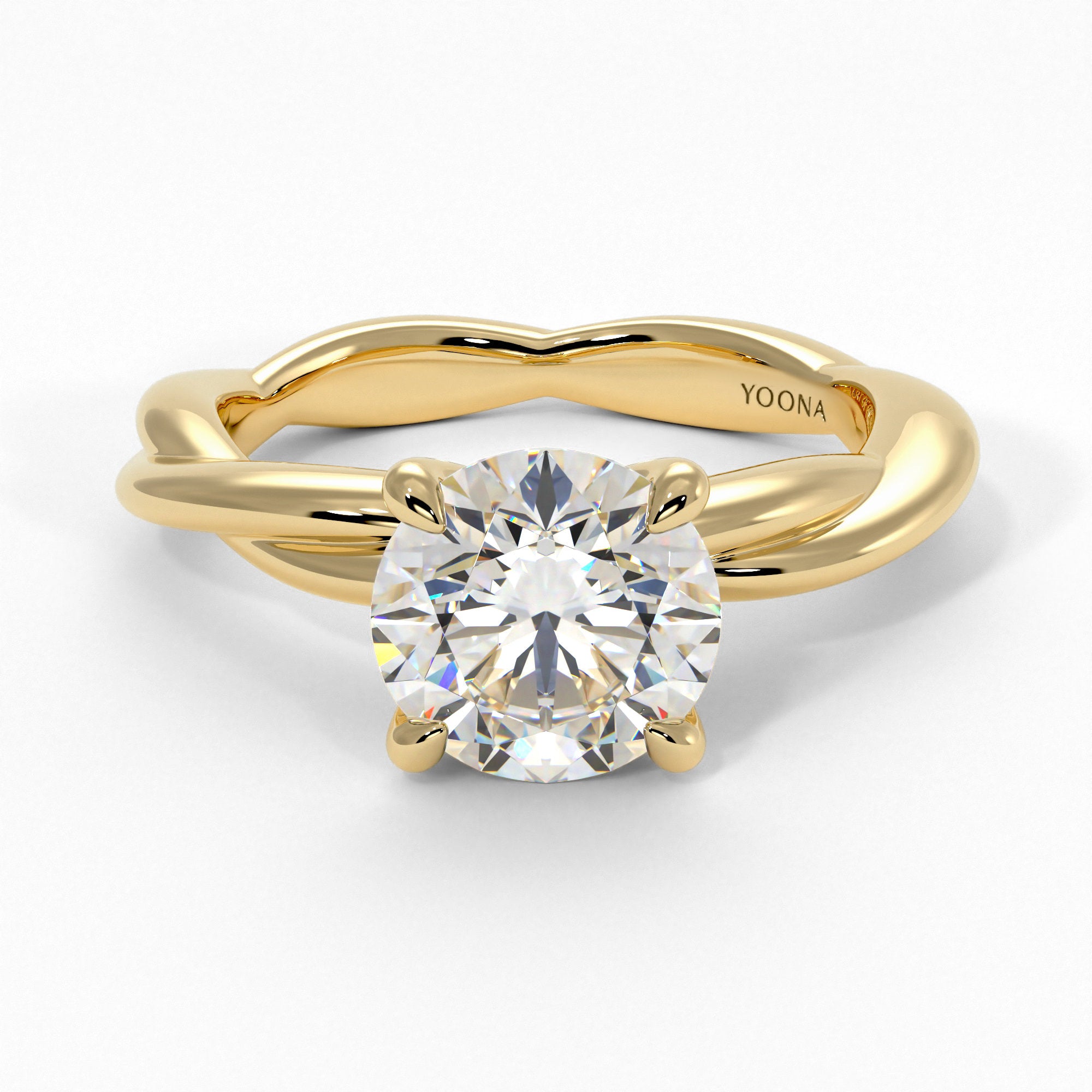
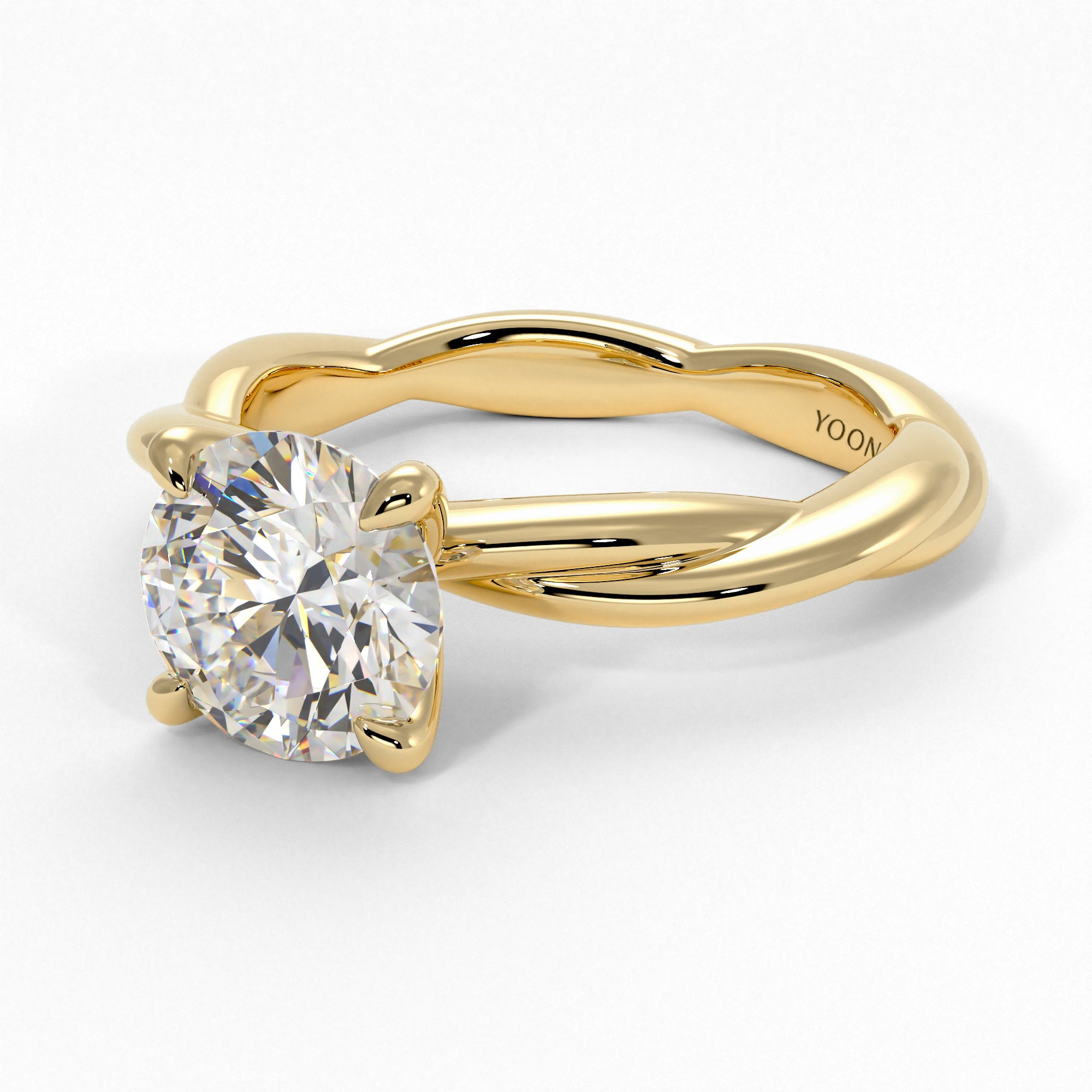
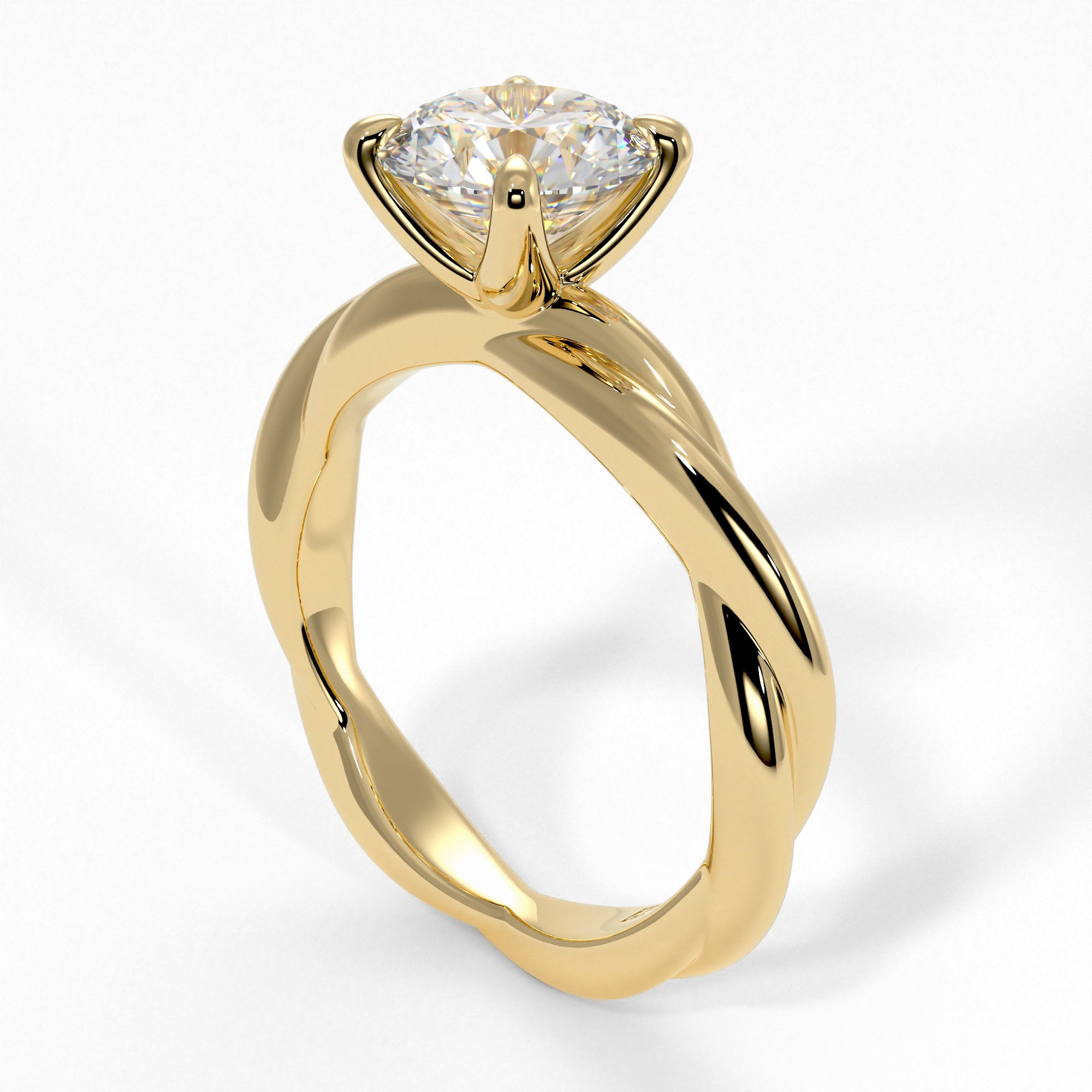
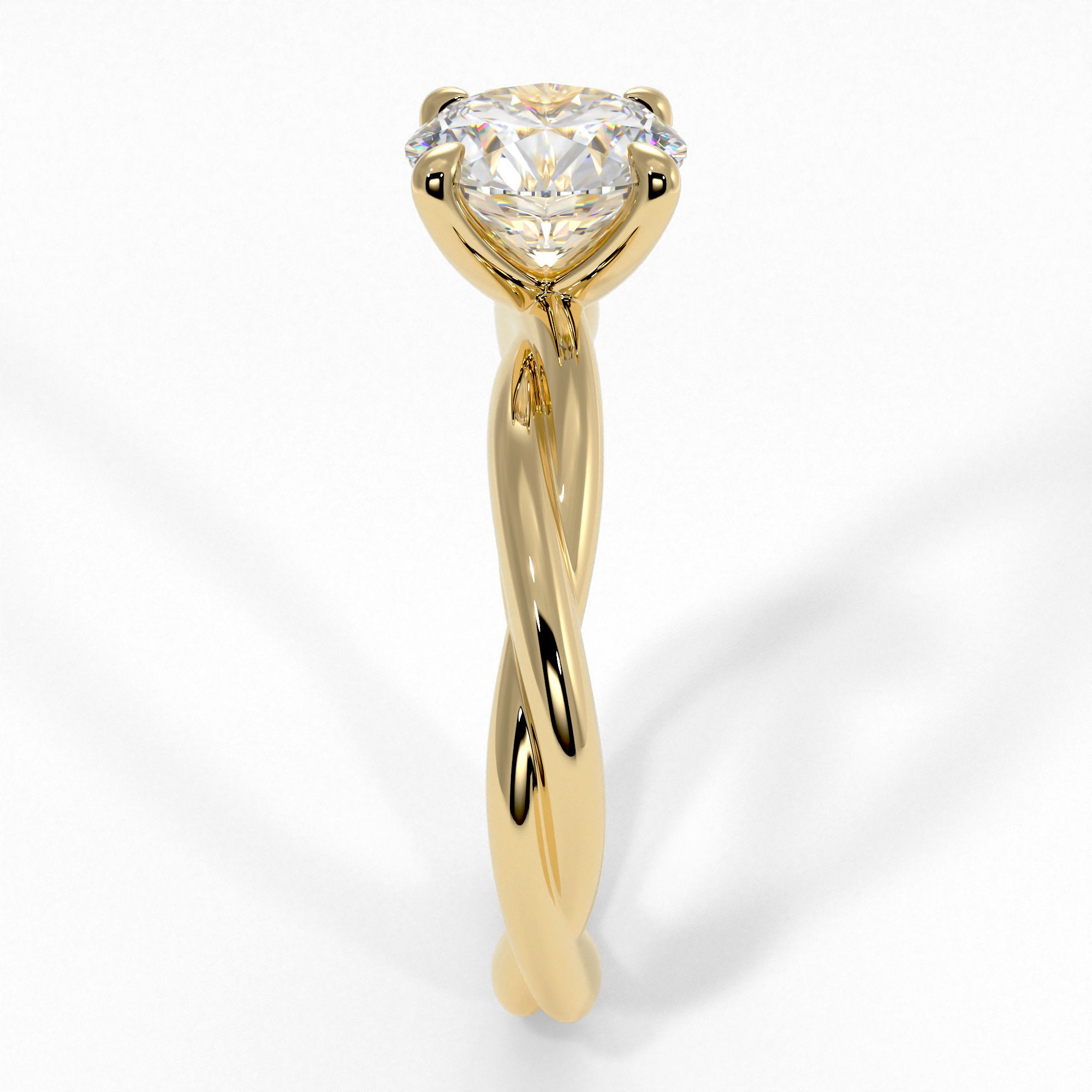
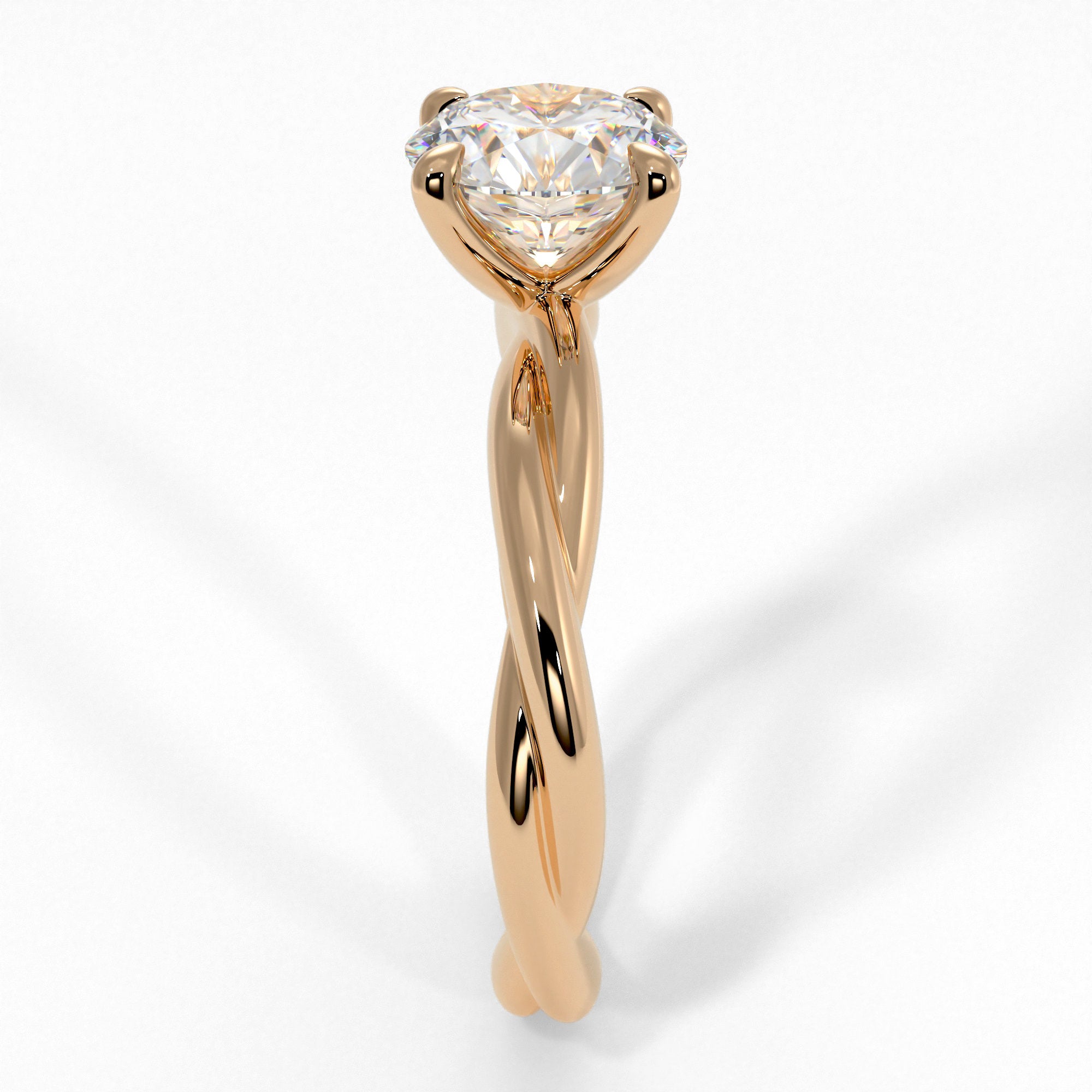
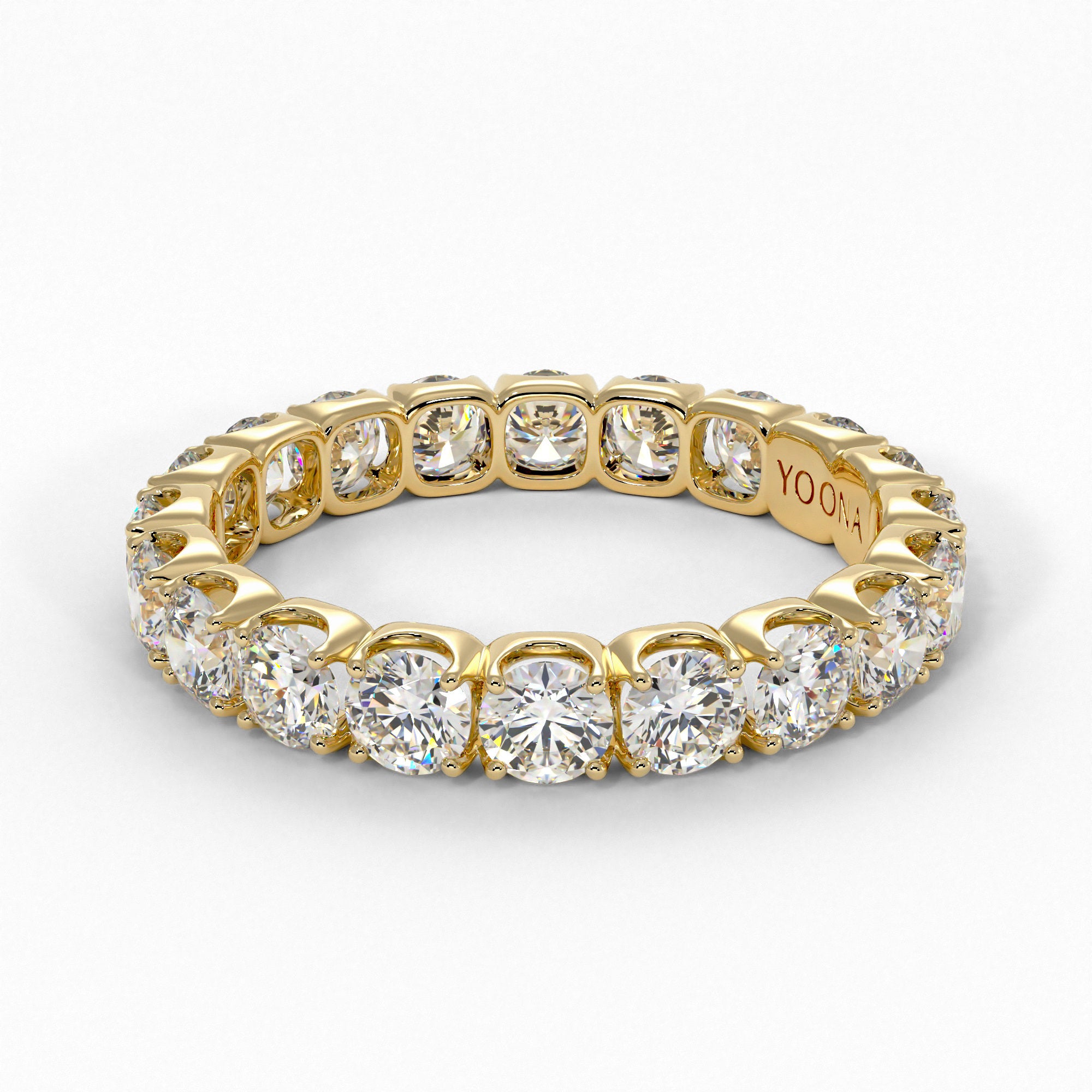
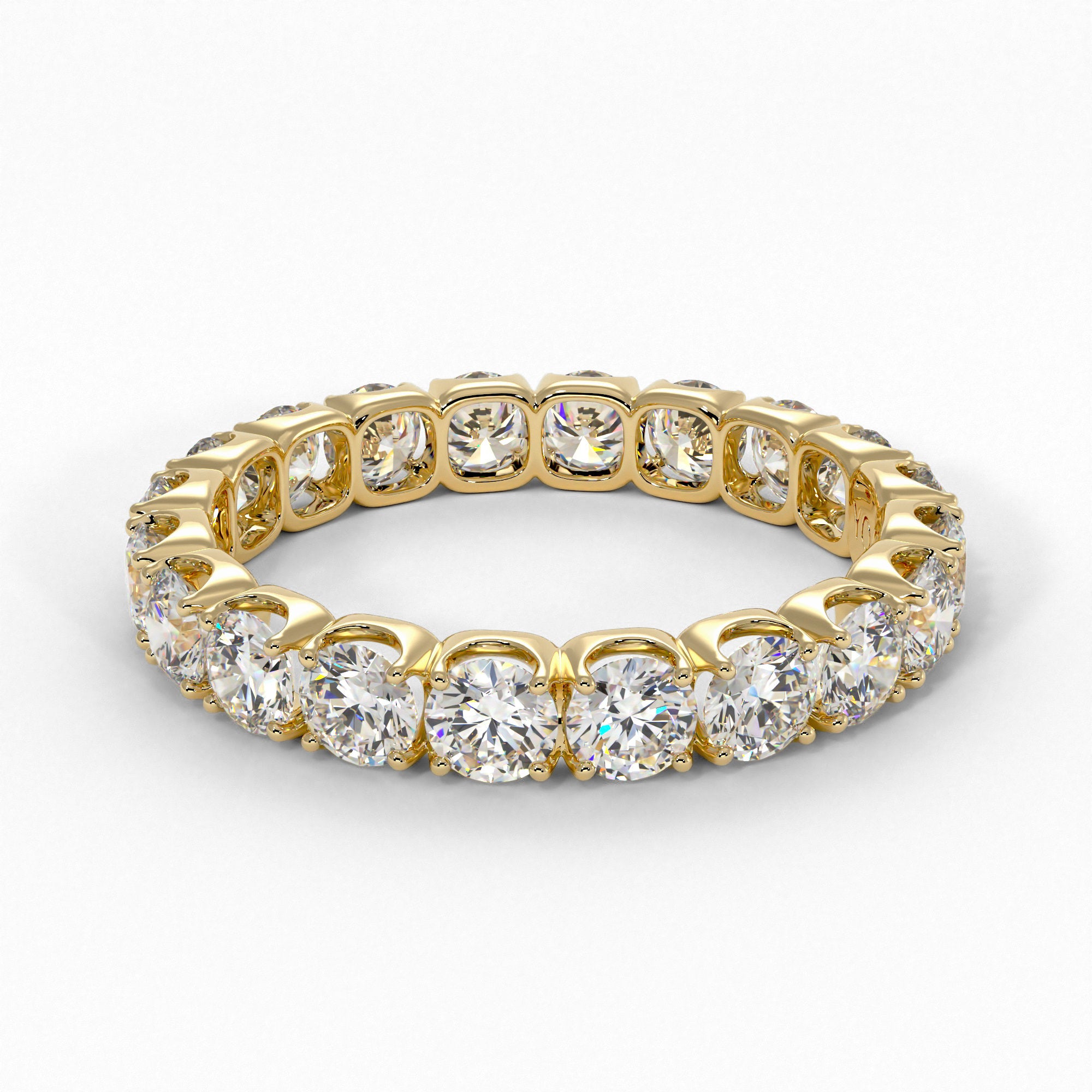
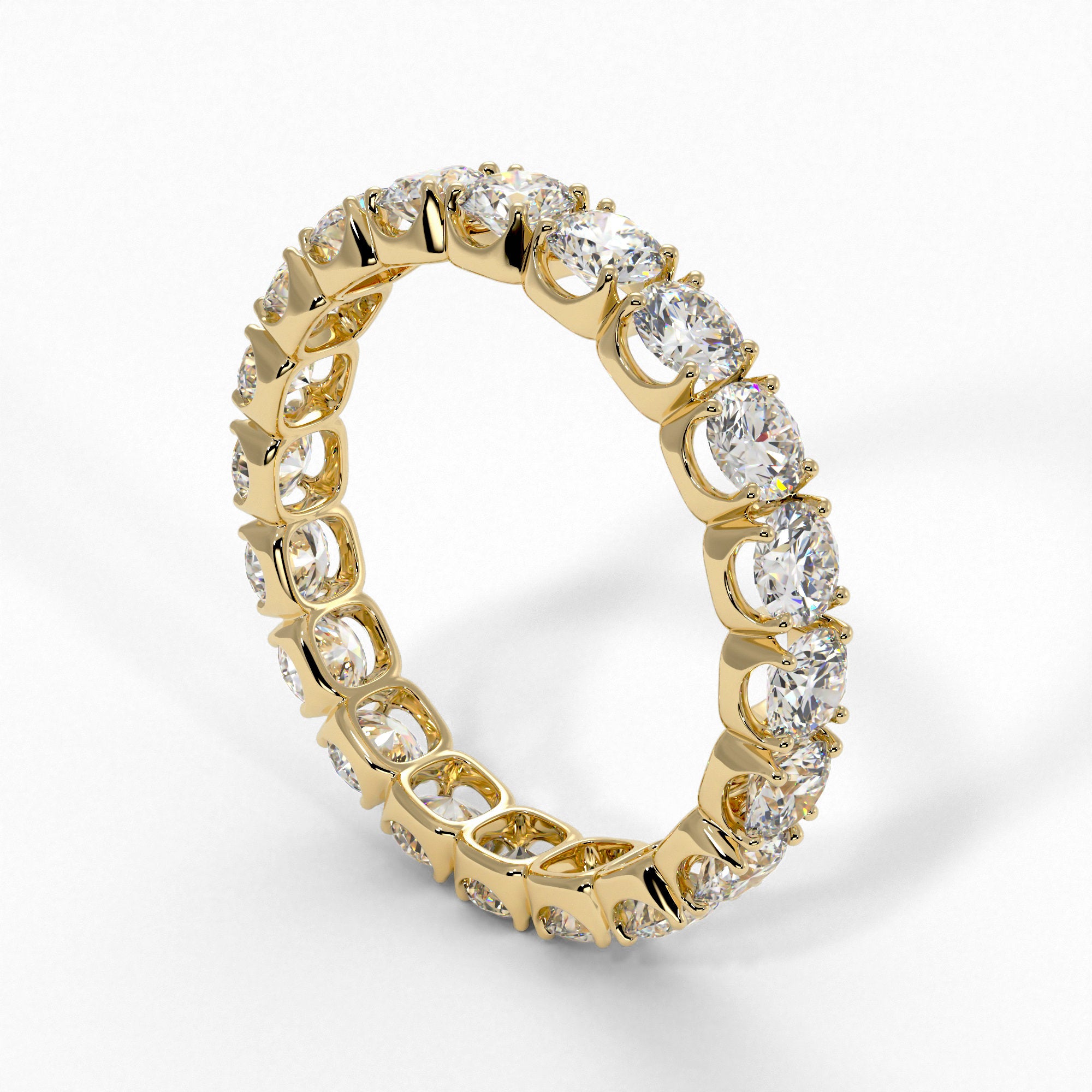
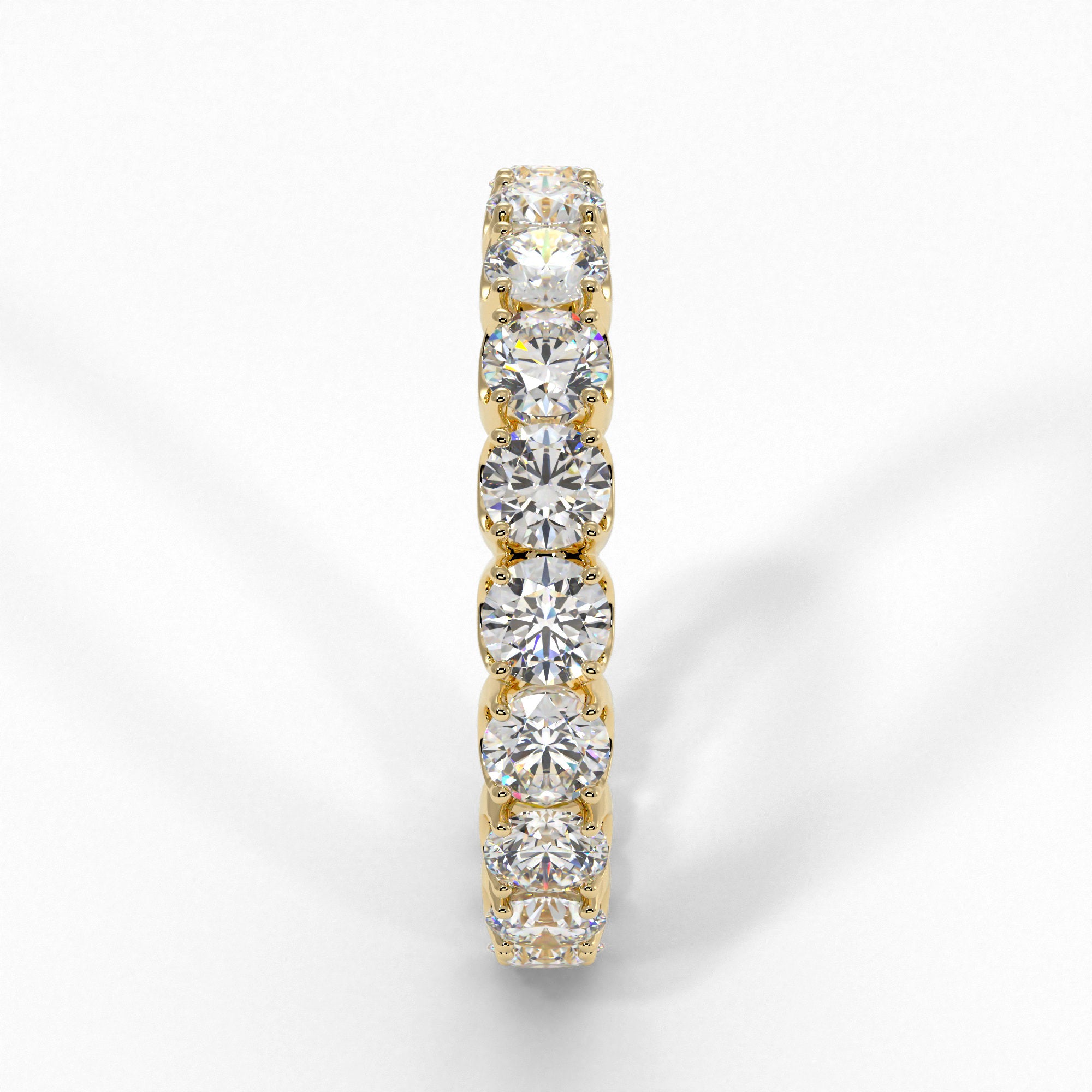
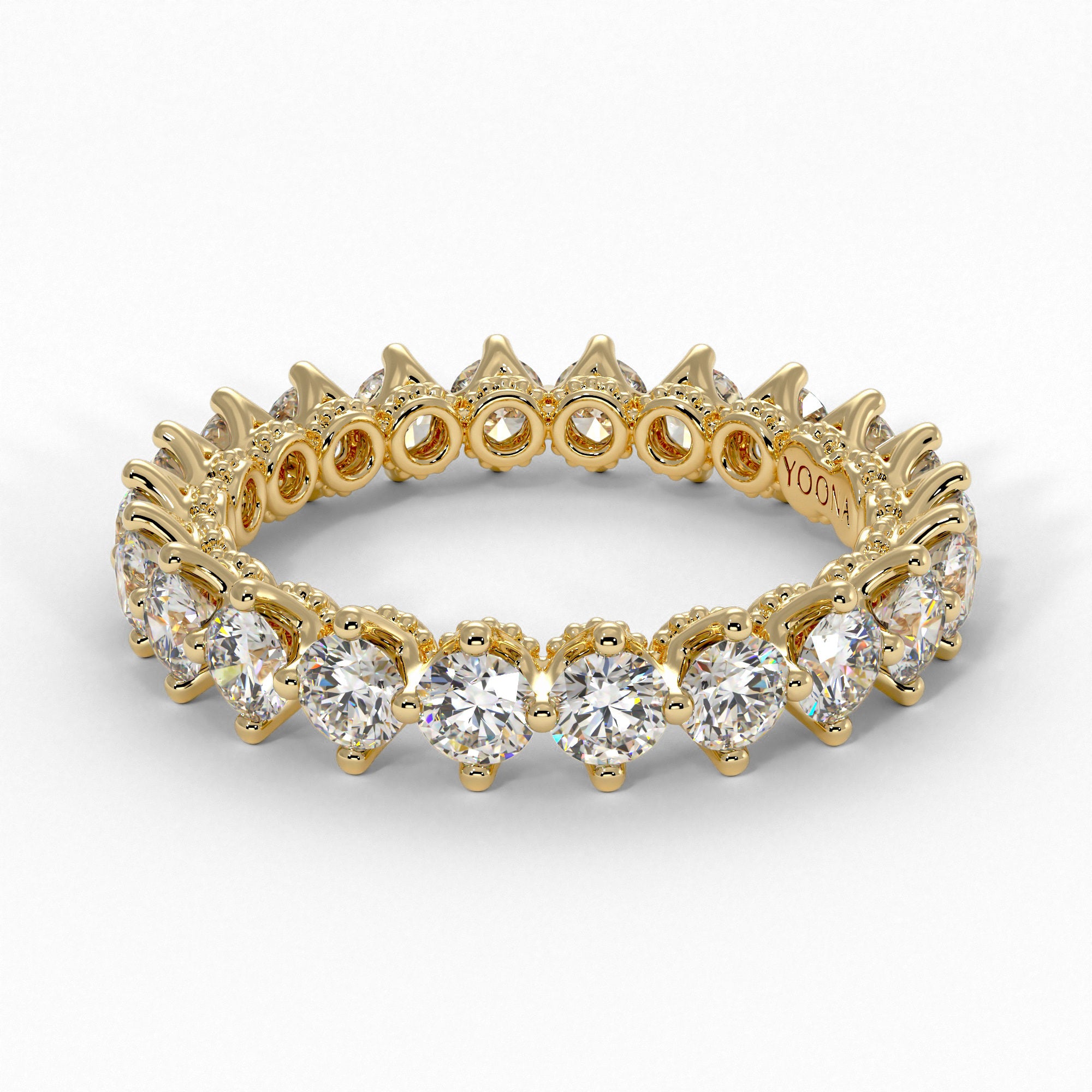
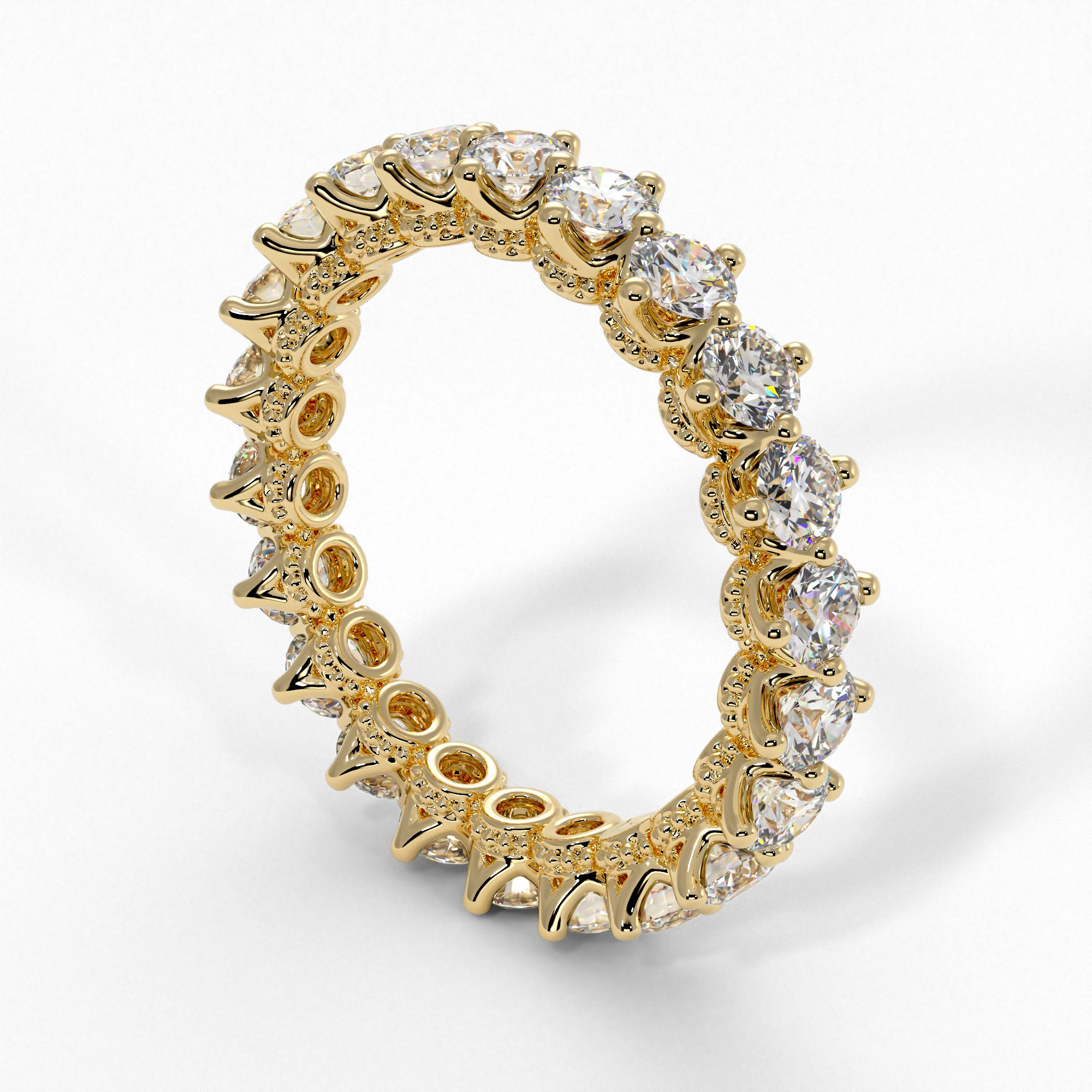
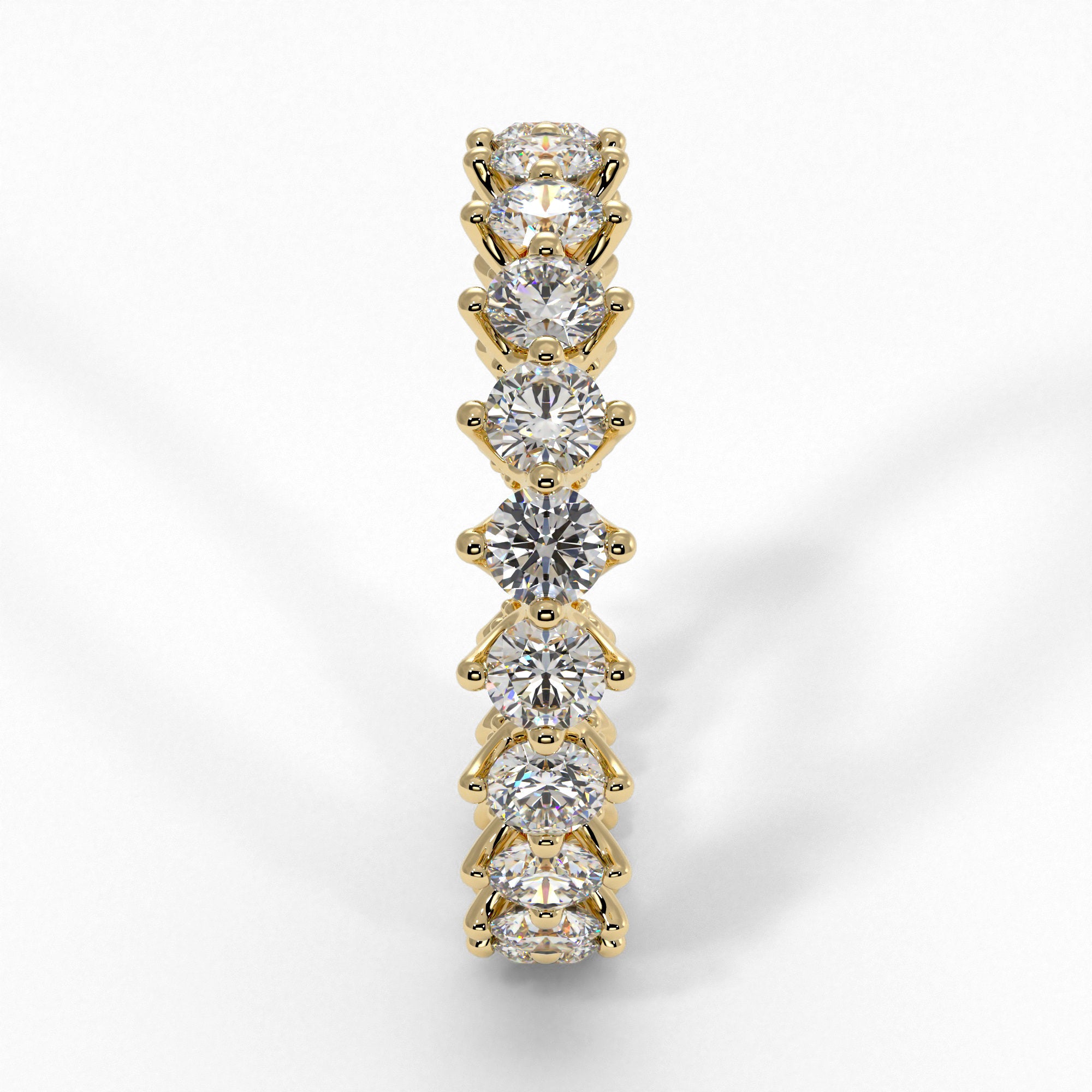
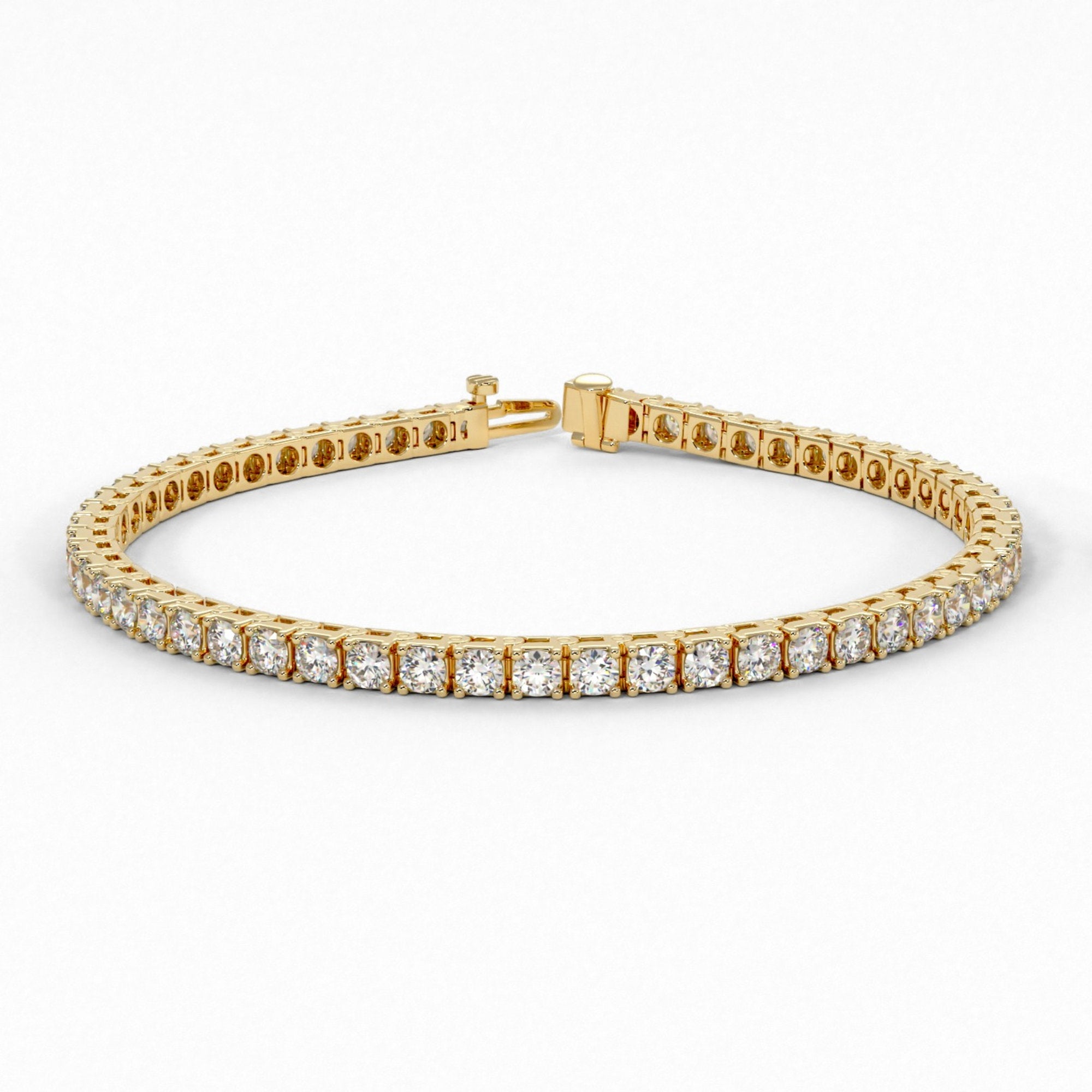
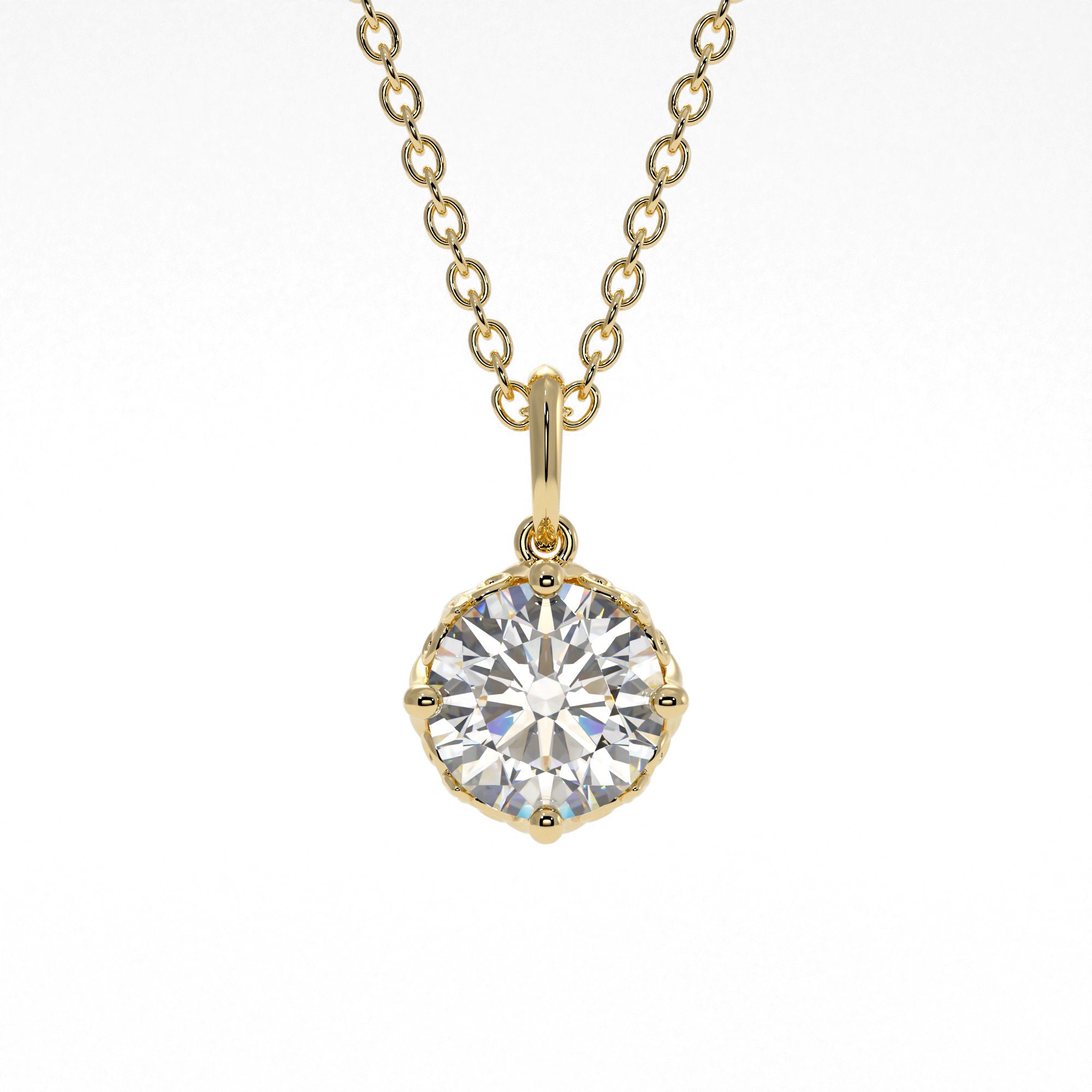
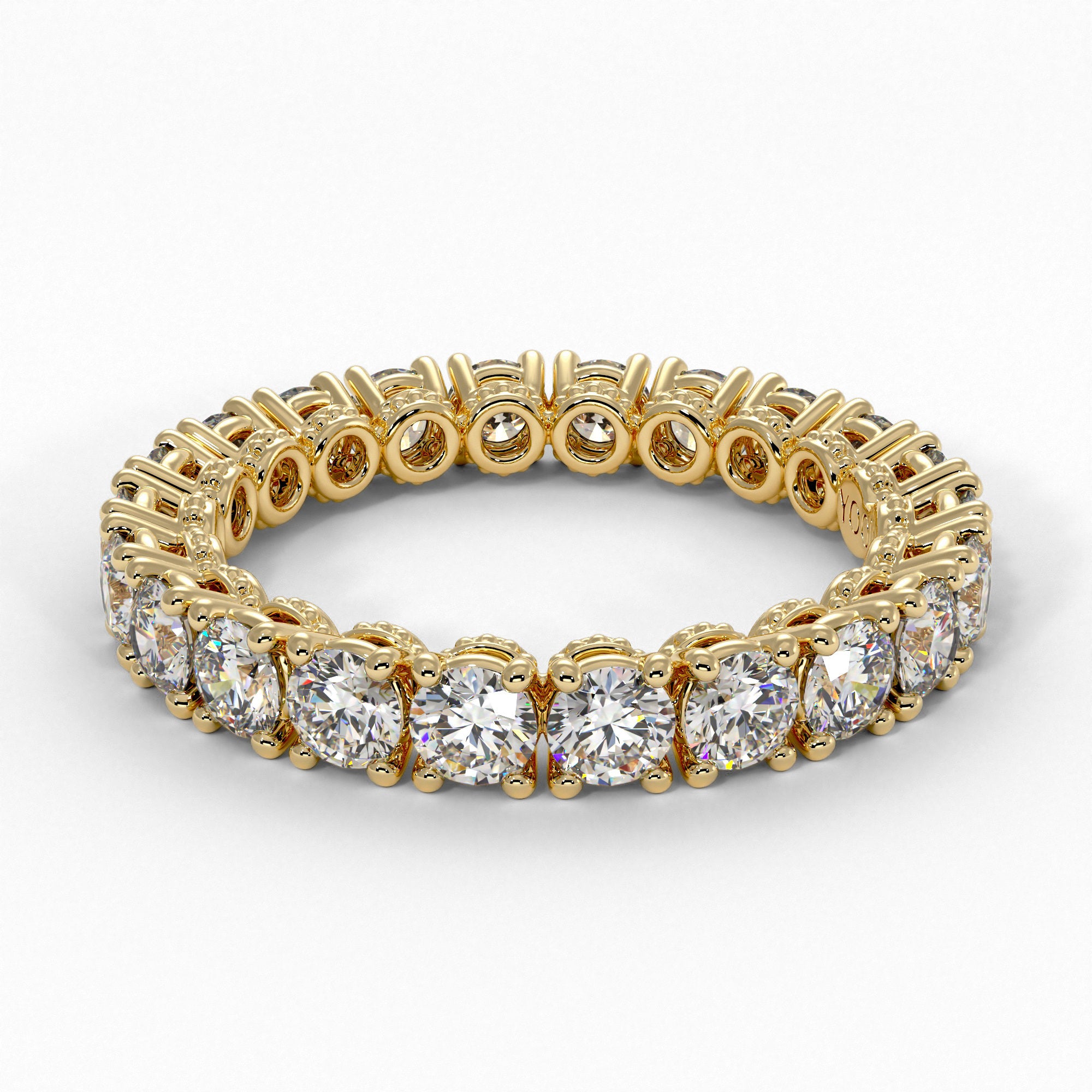
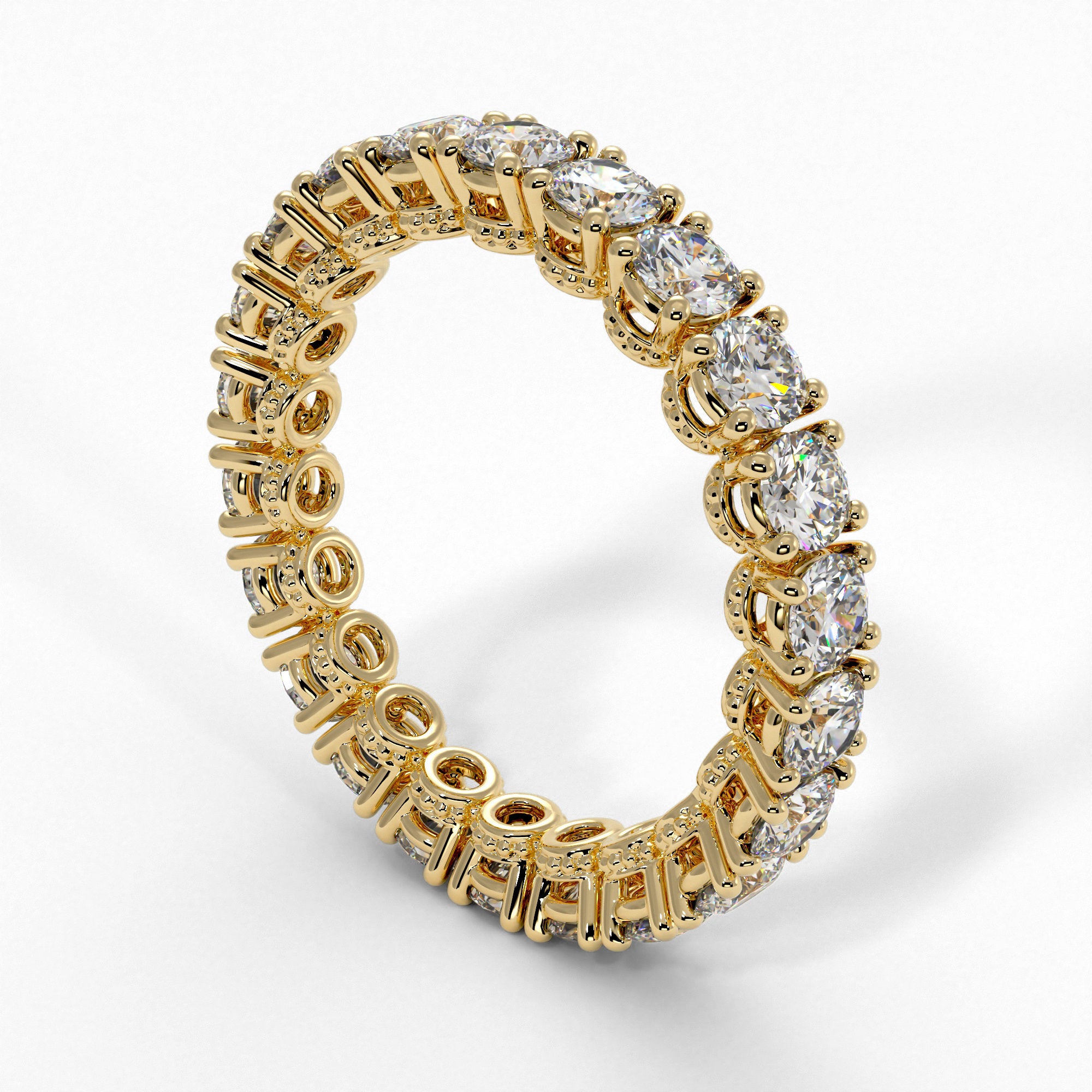
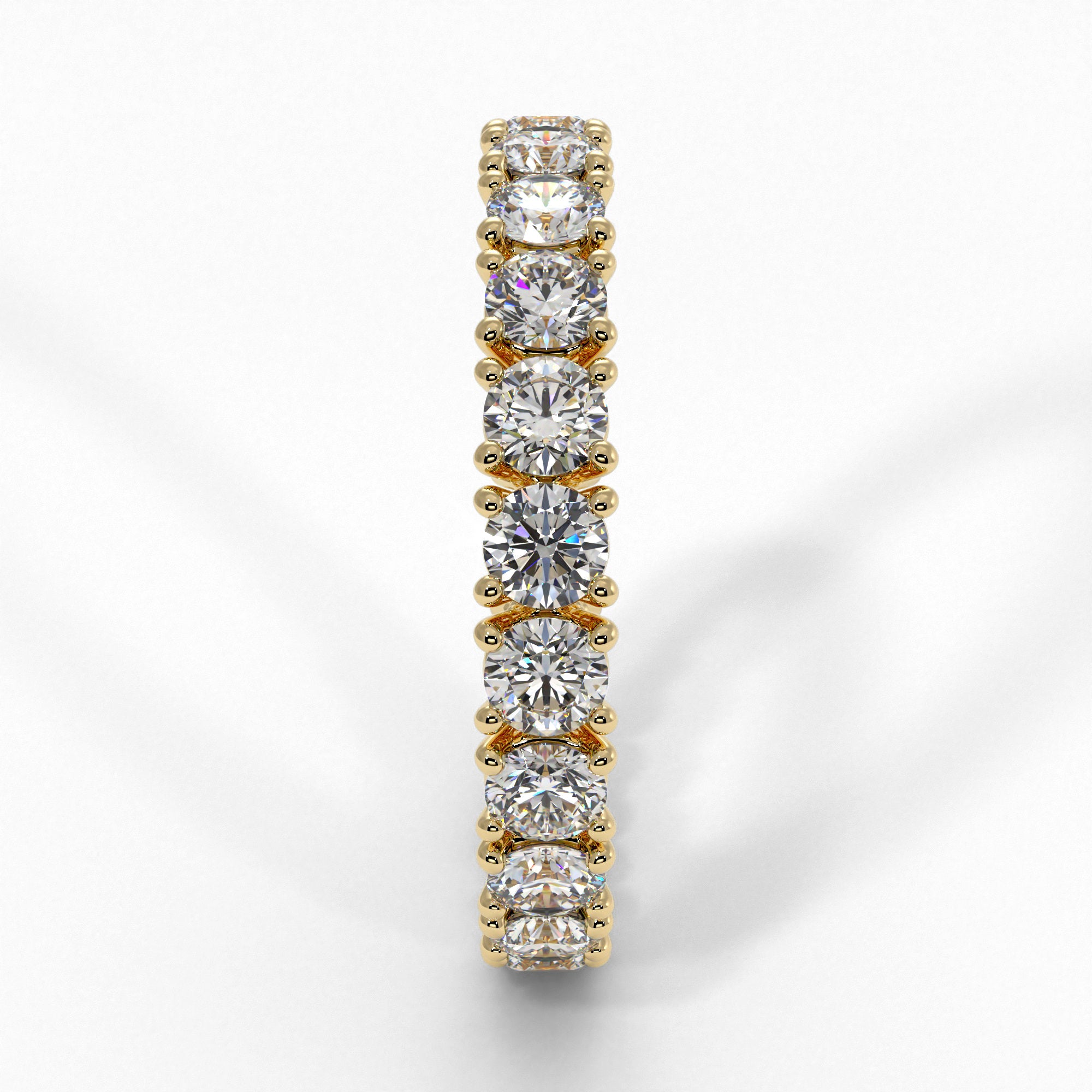
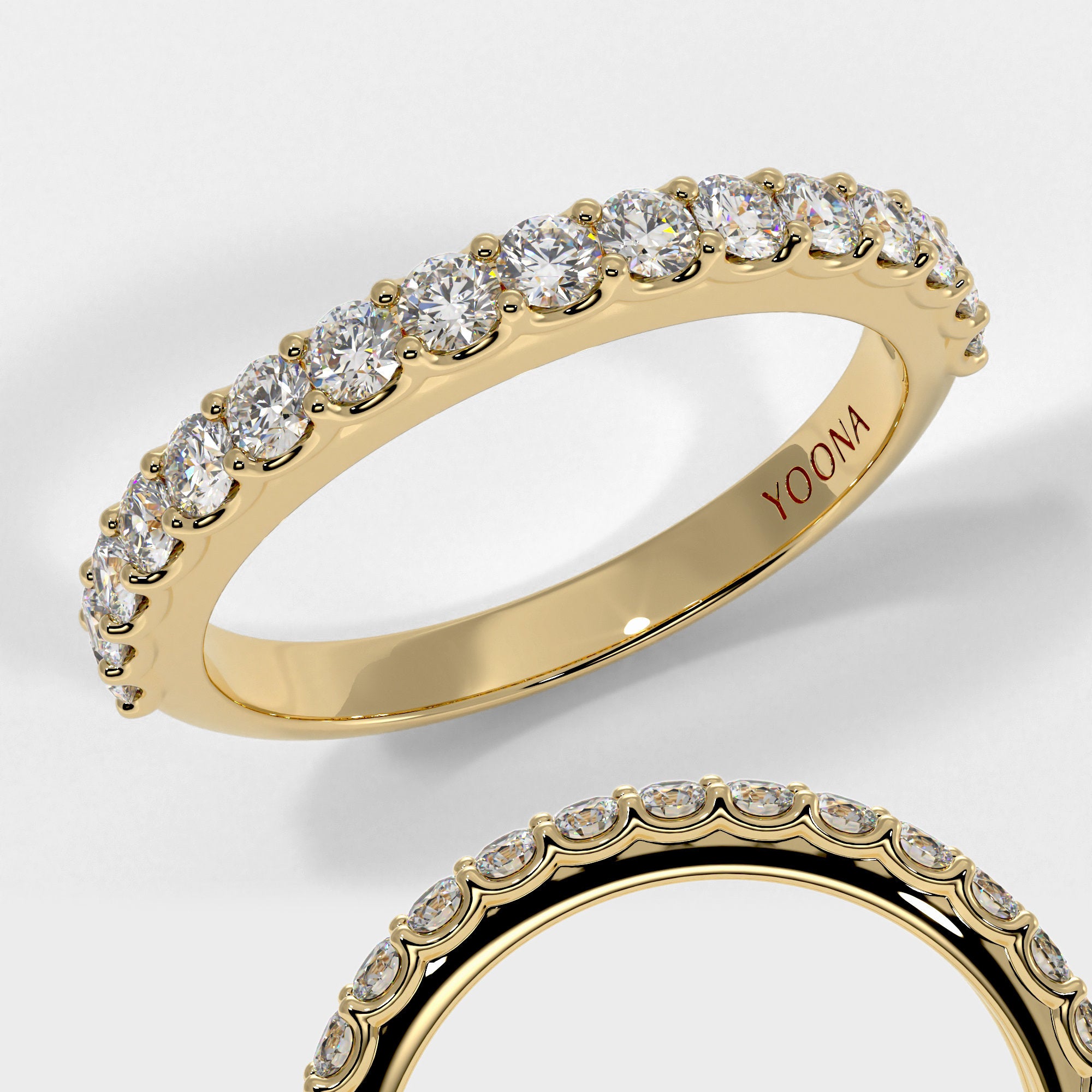
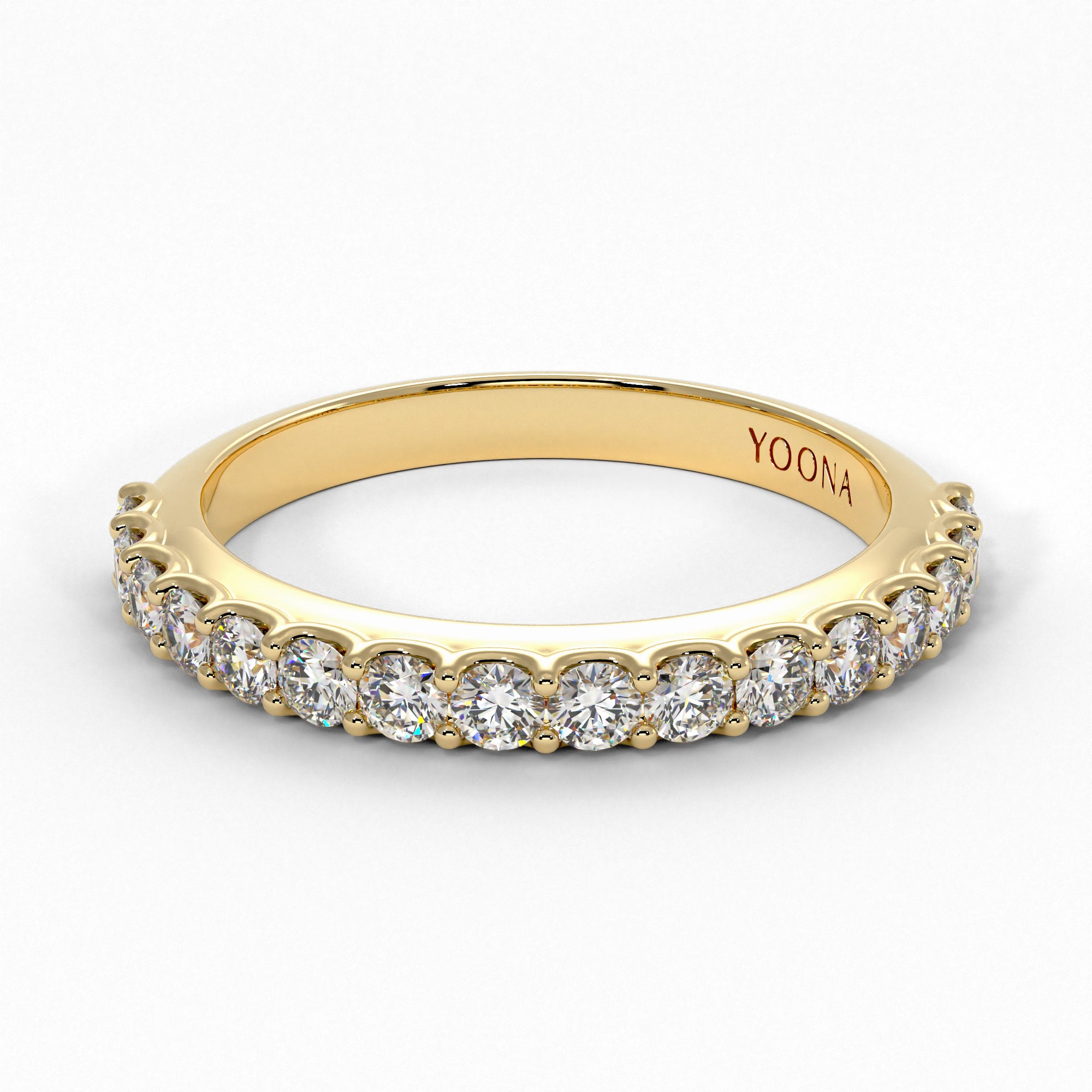
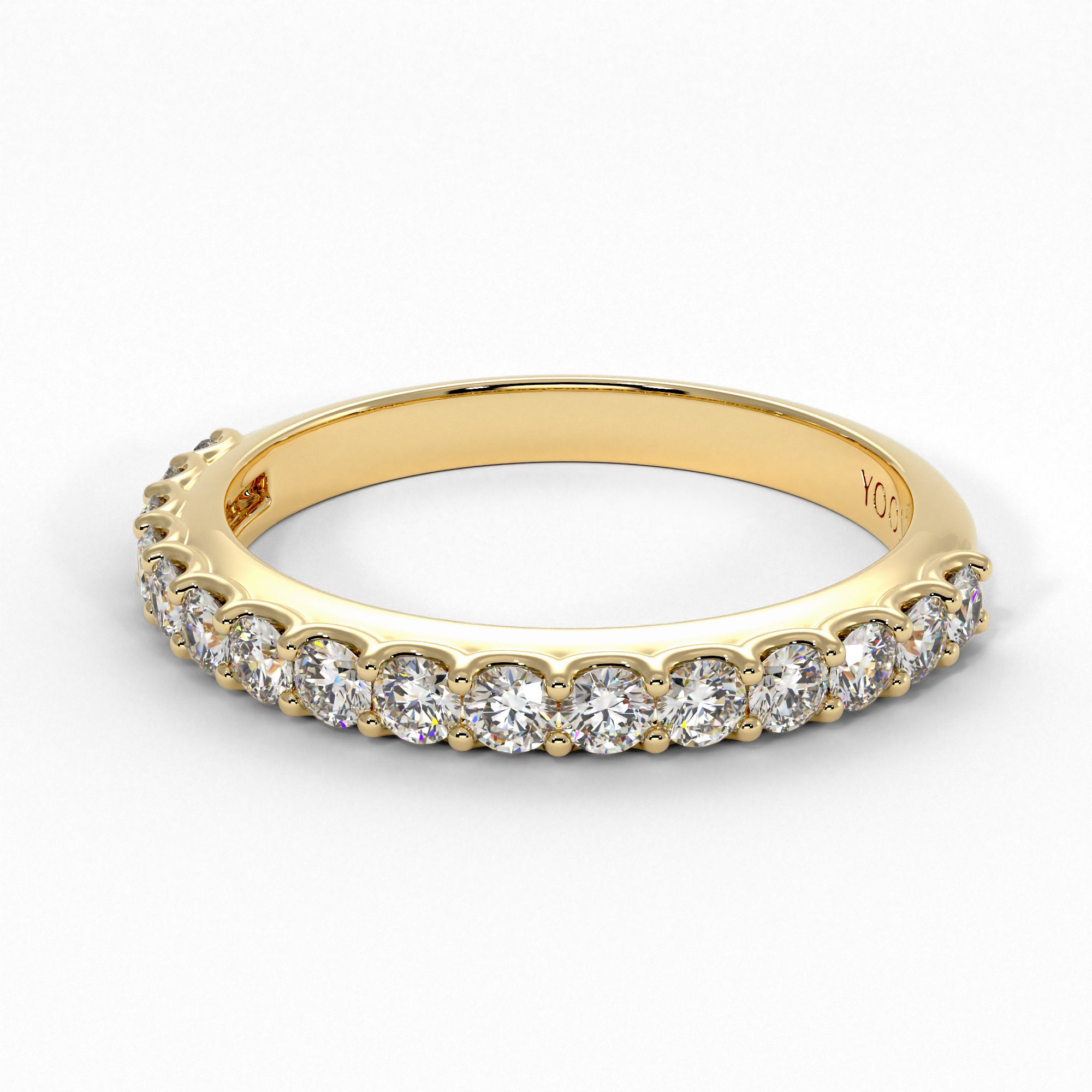
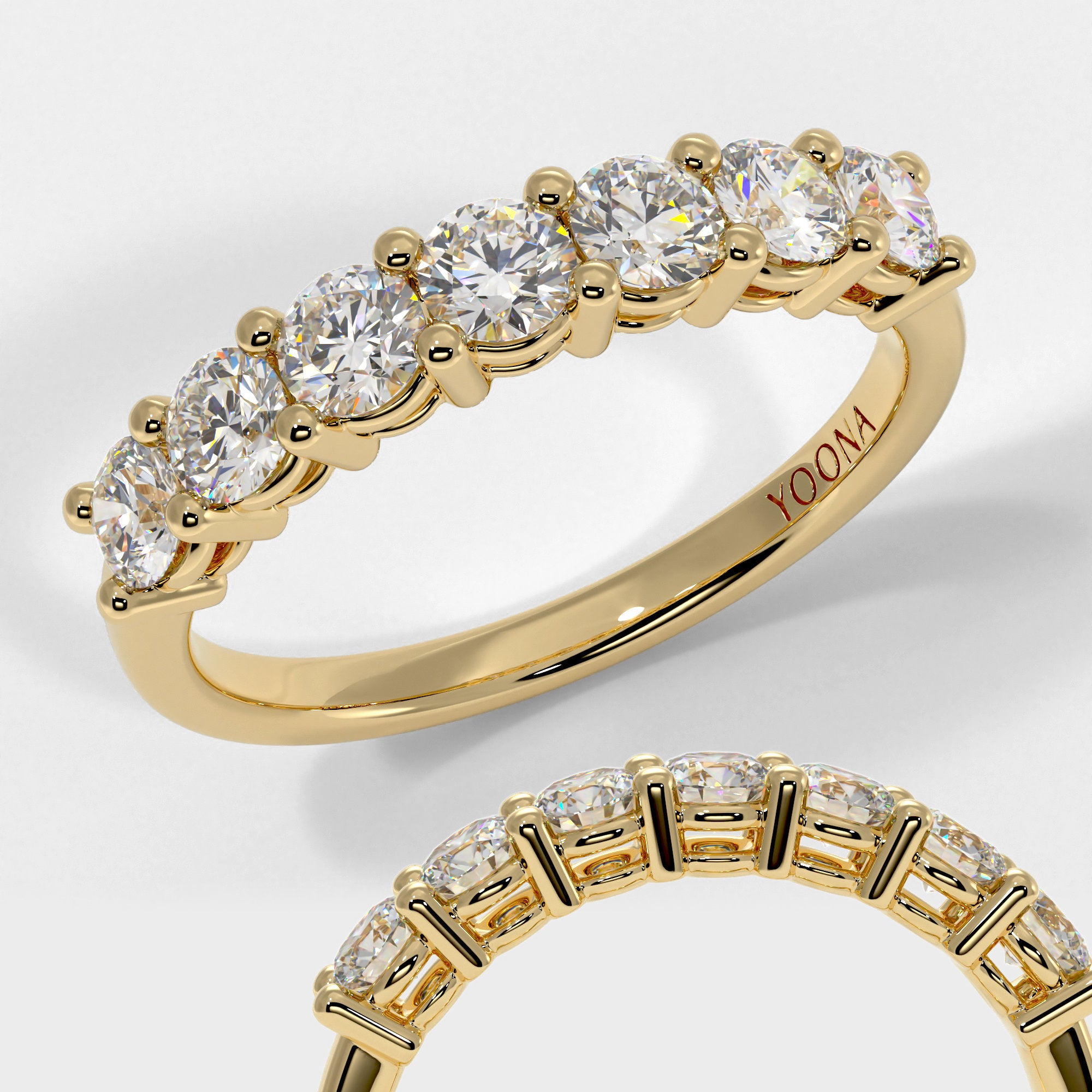
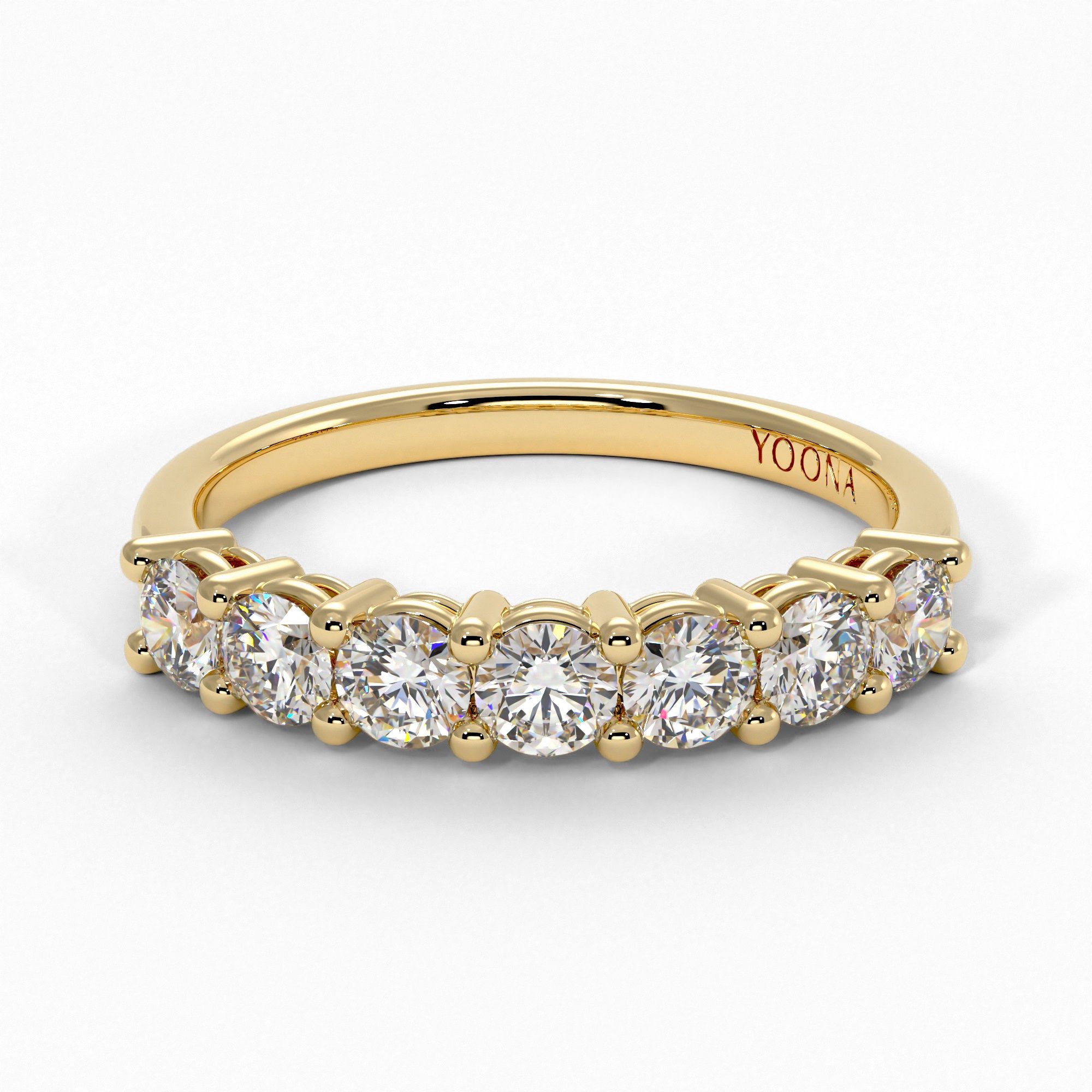
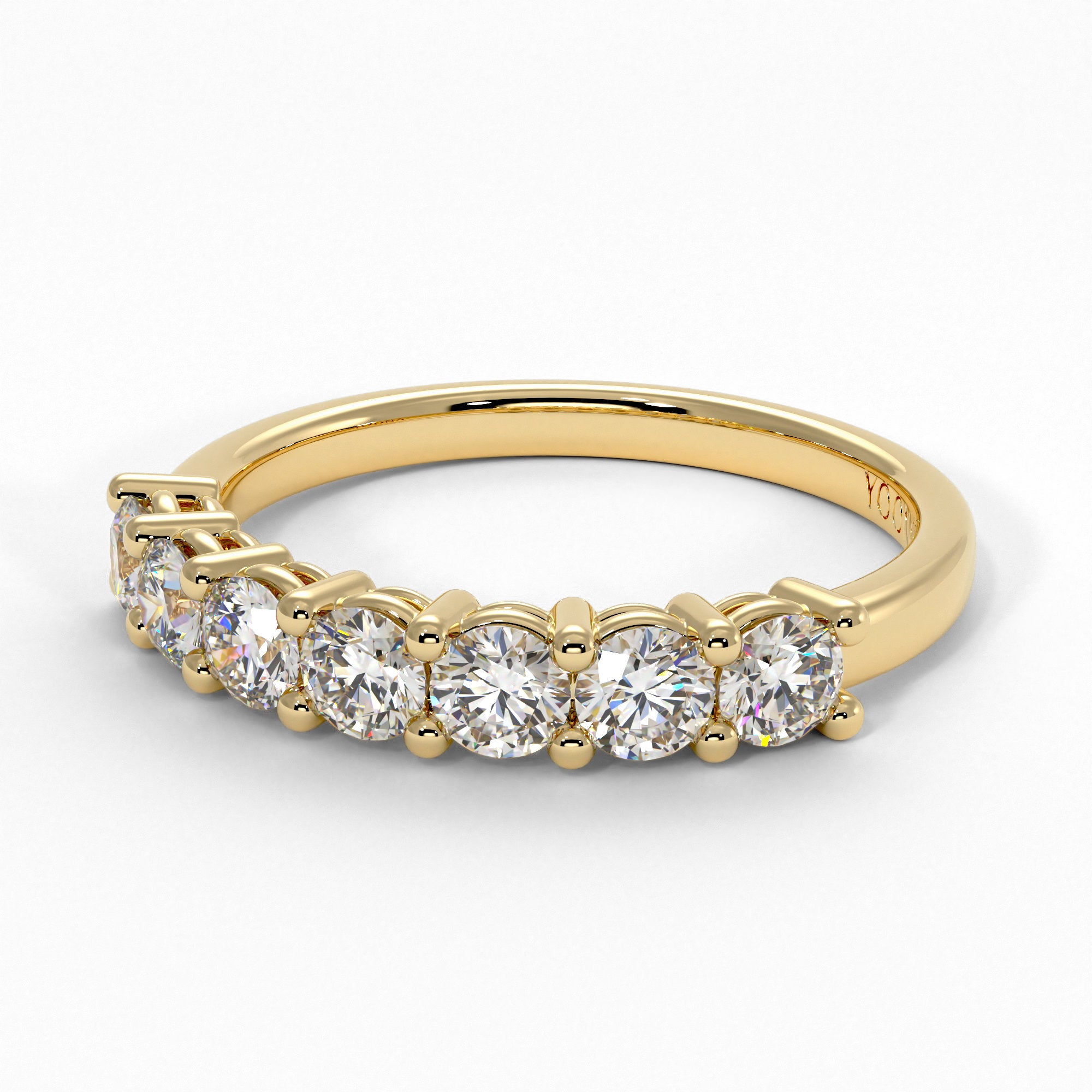
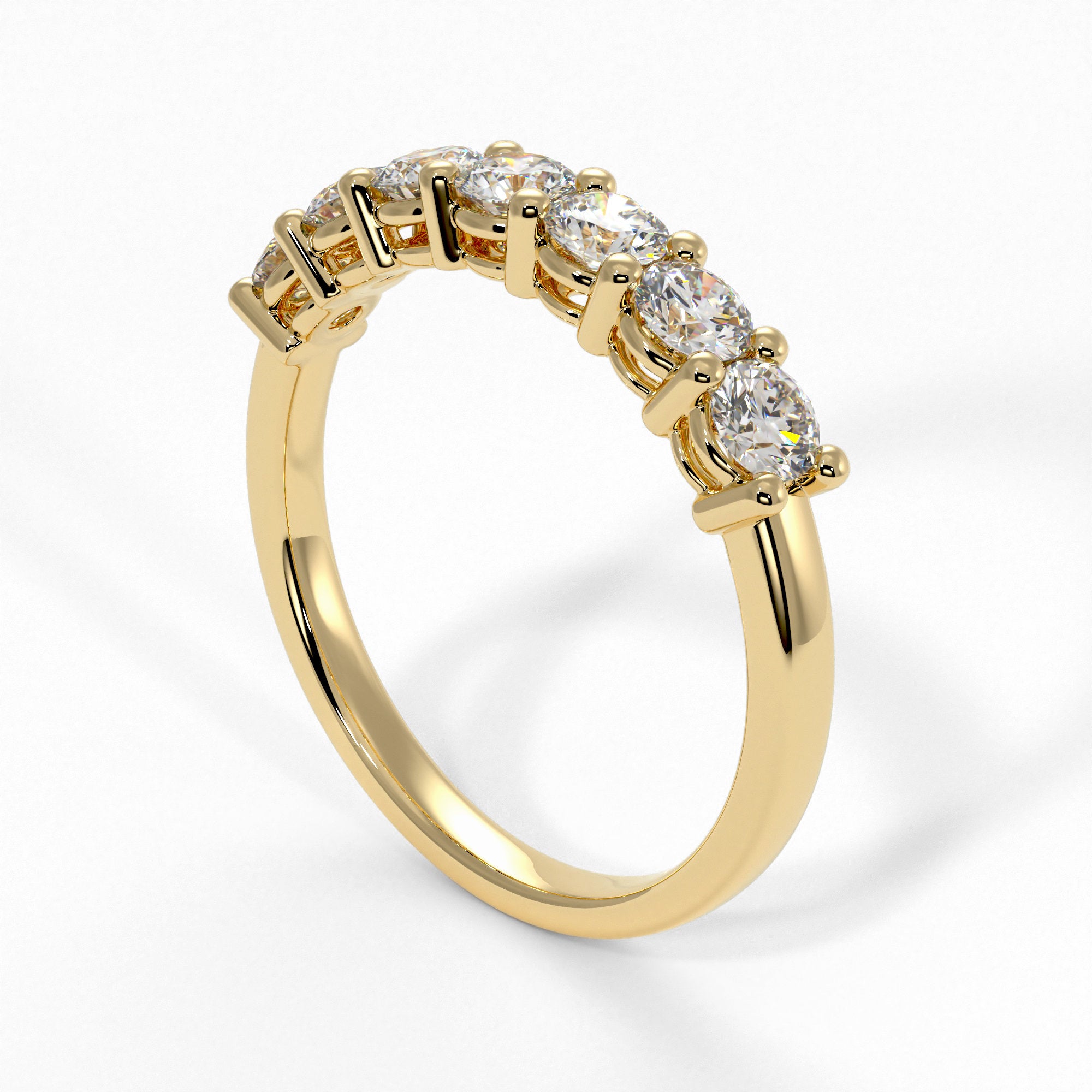
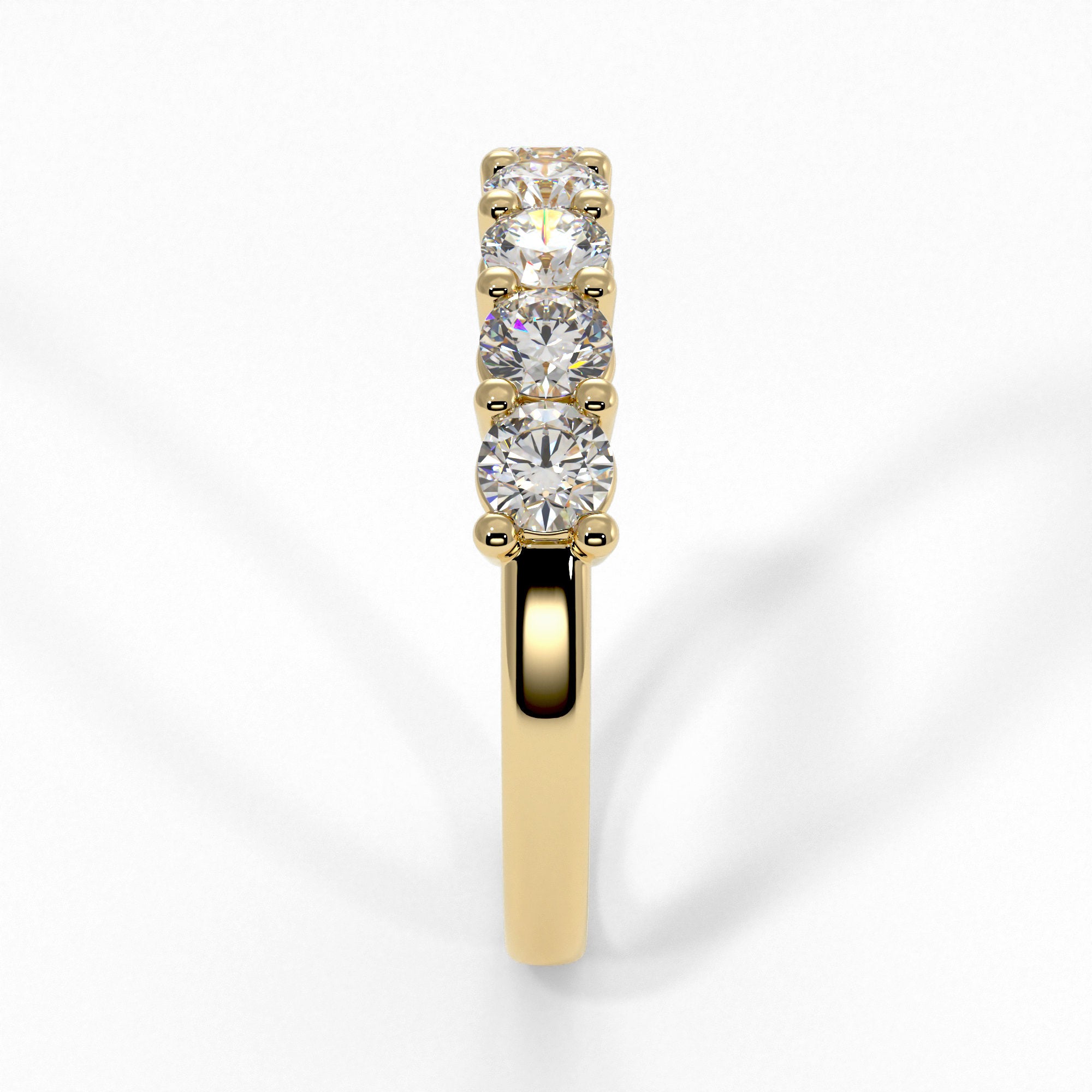
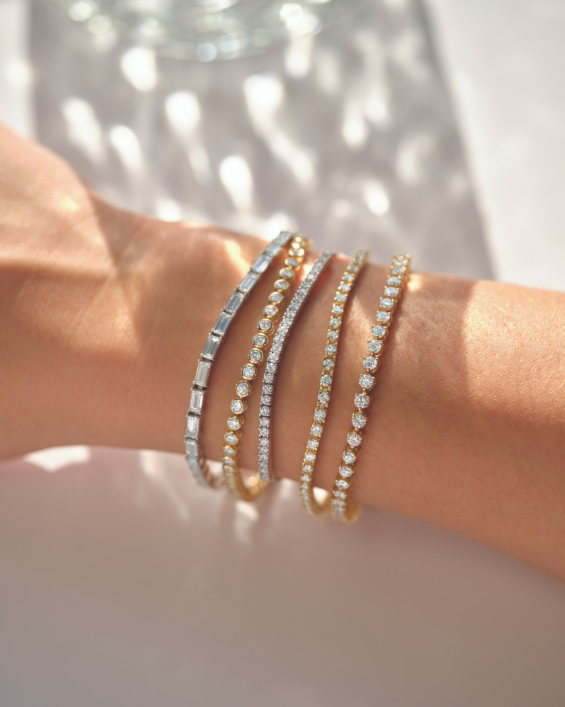
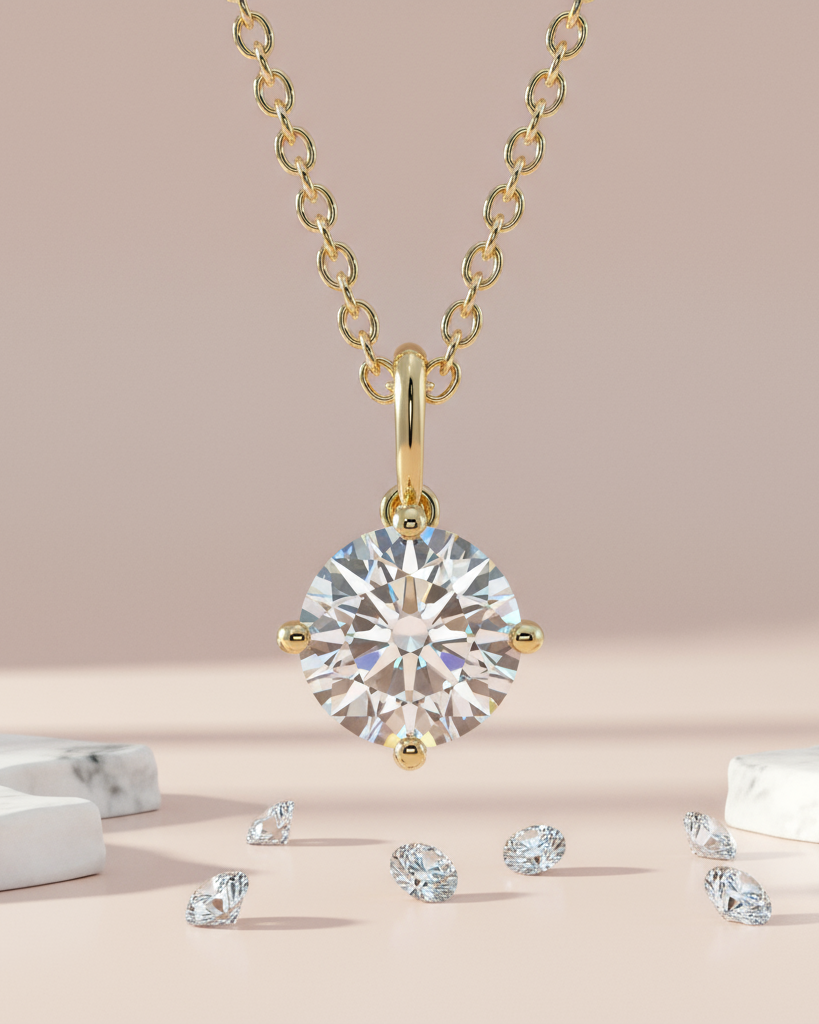
Yellow Gold: Classic and Warm
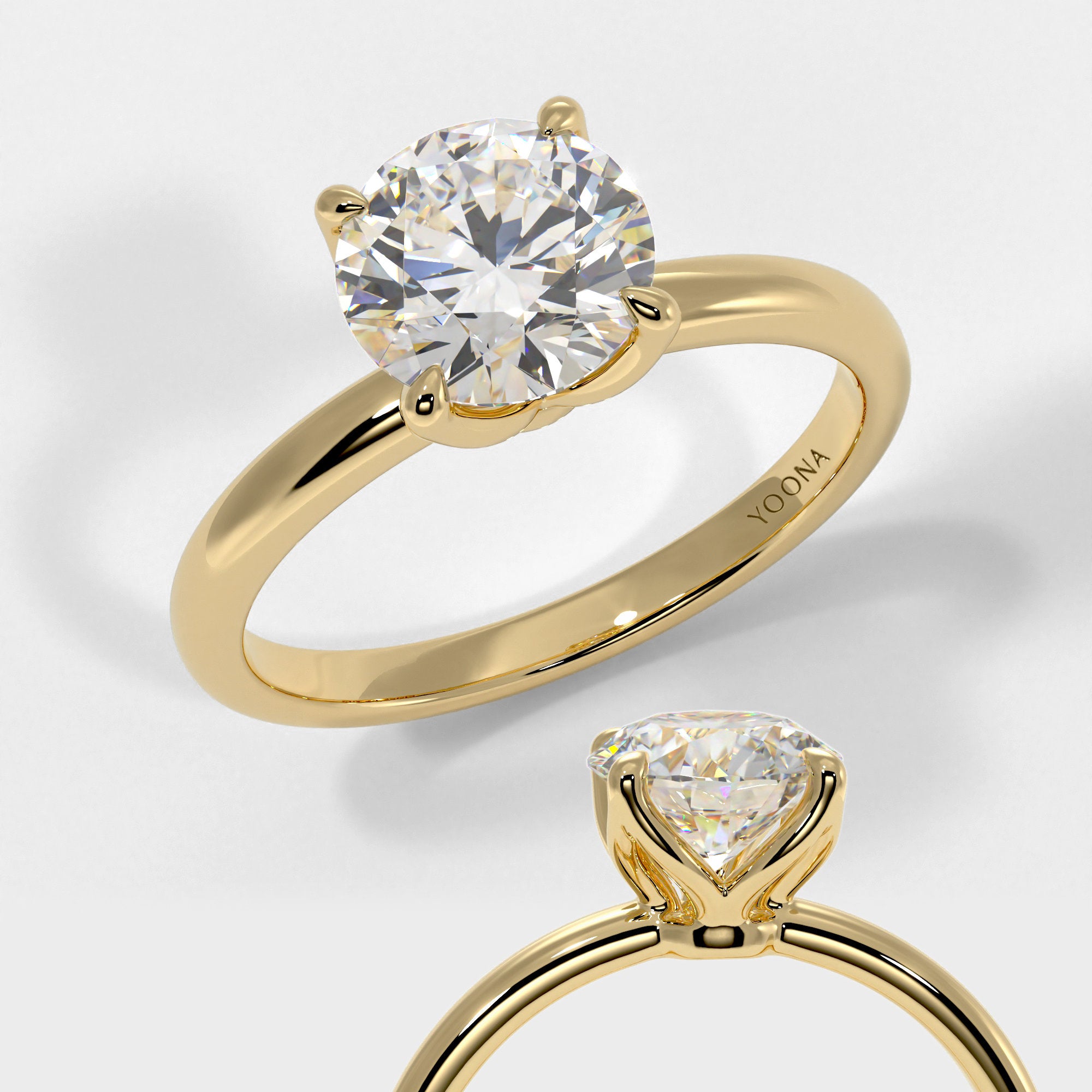
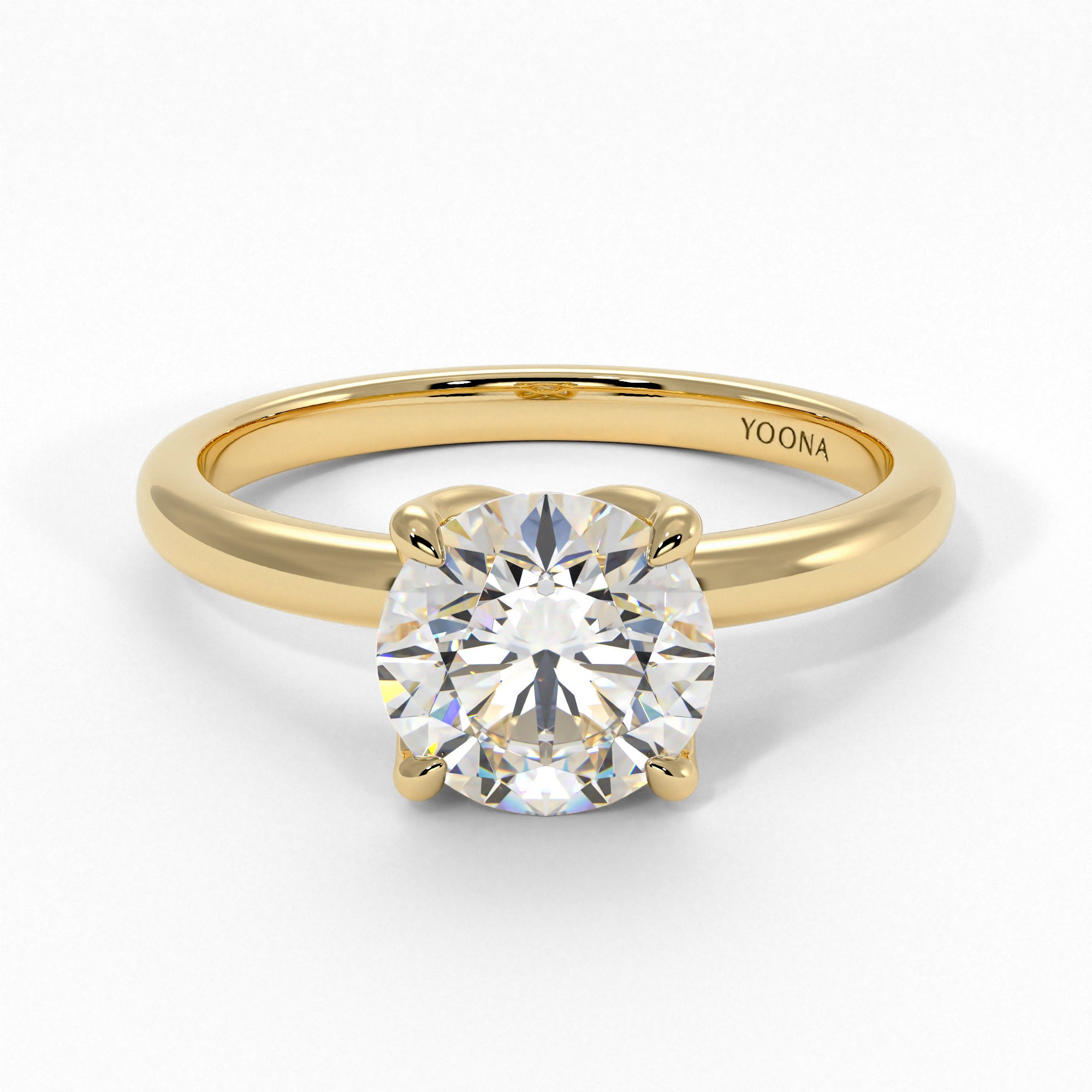
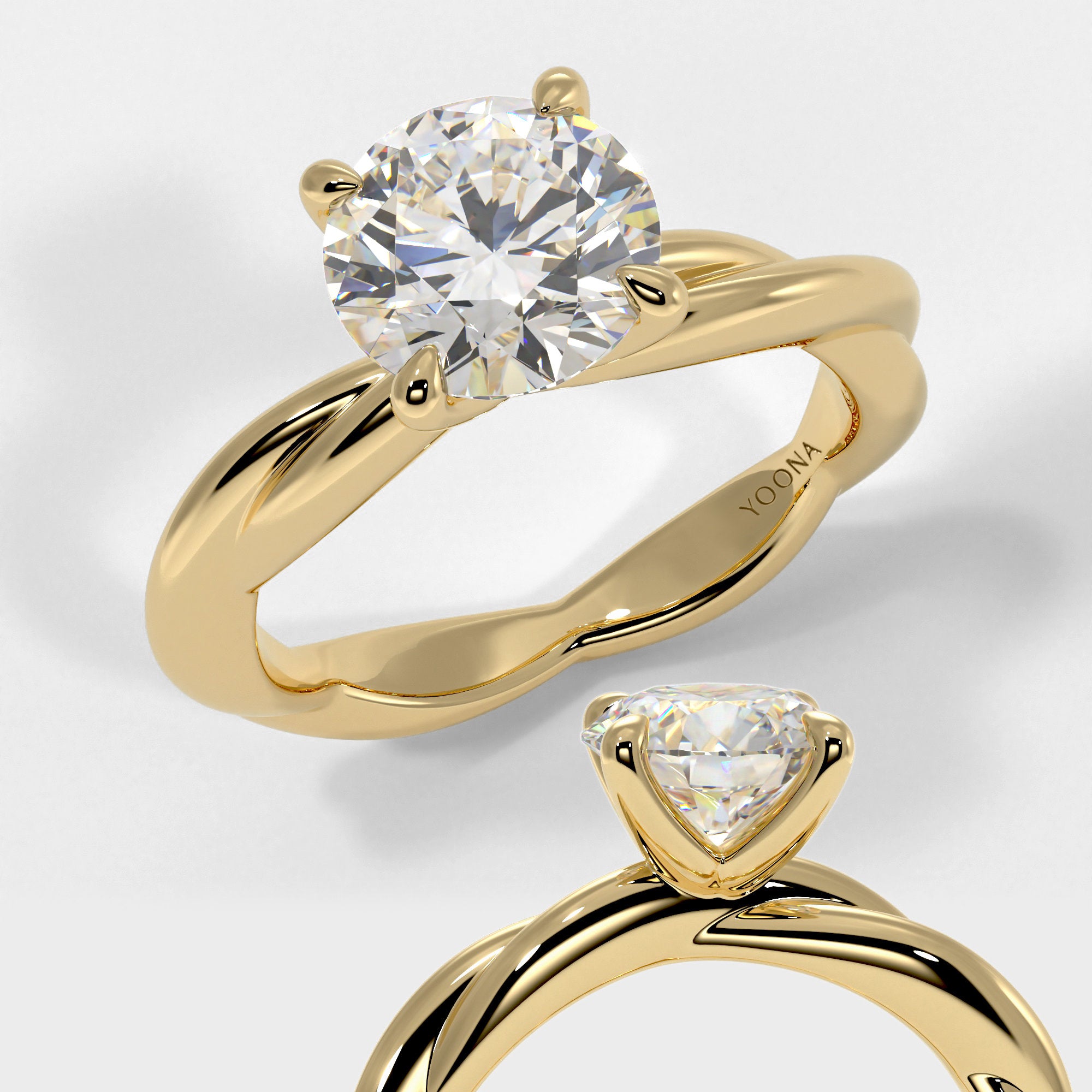
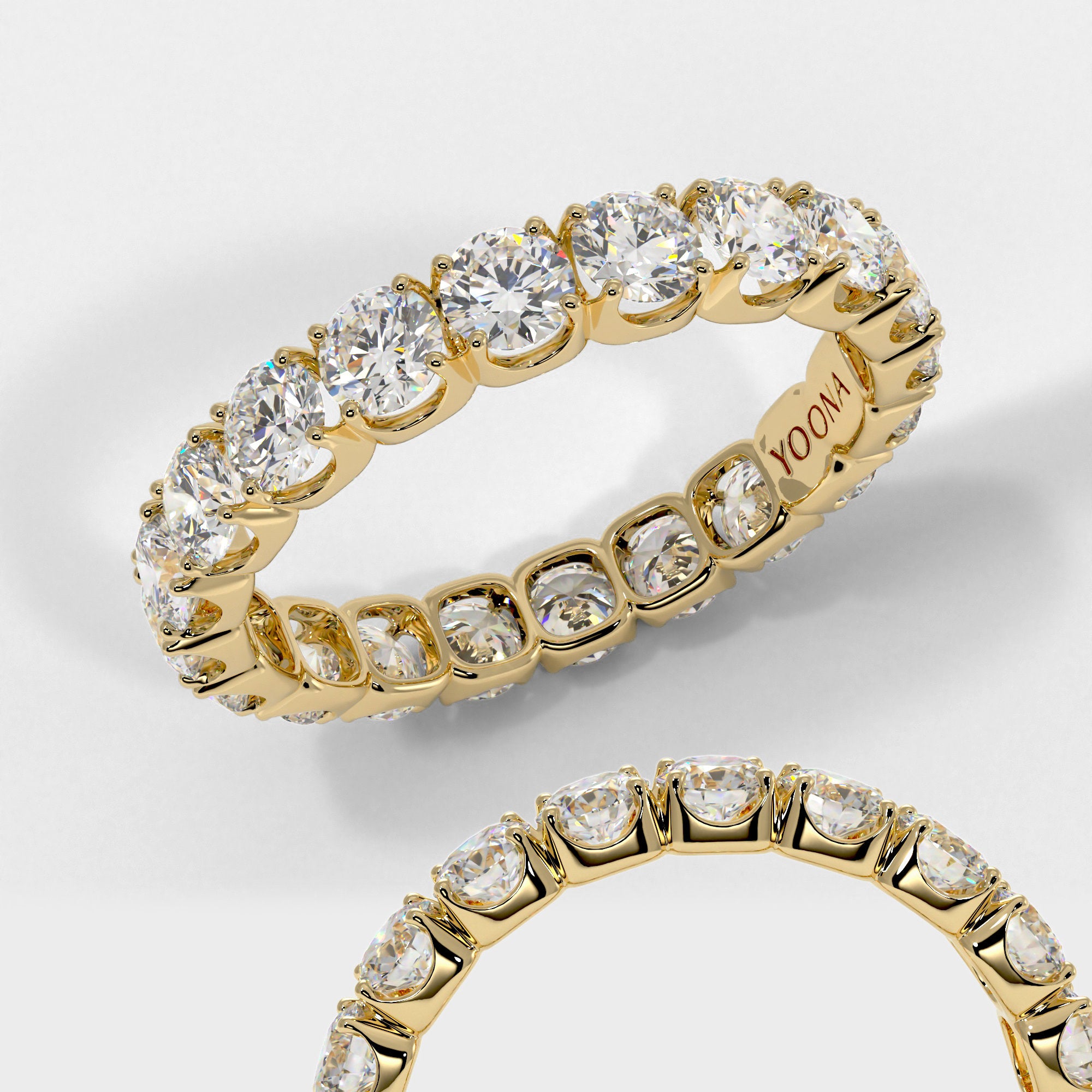
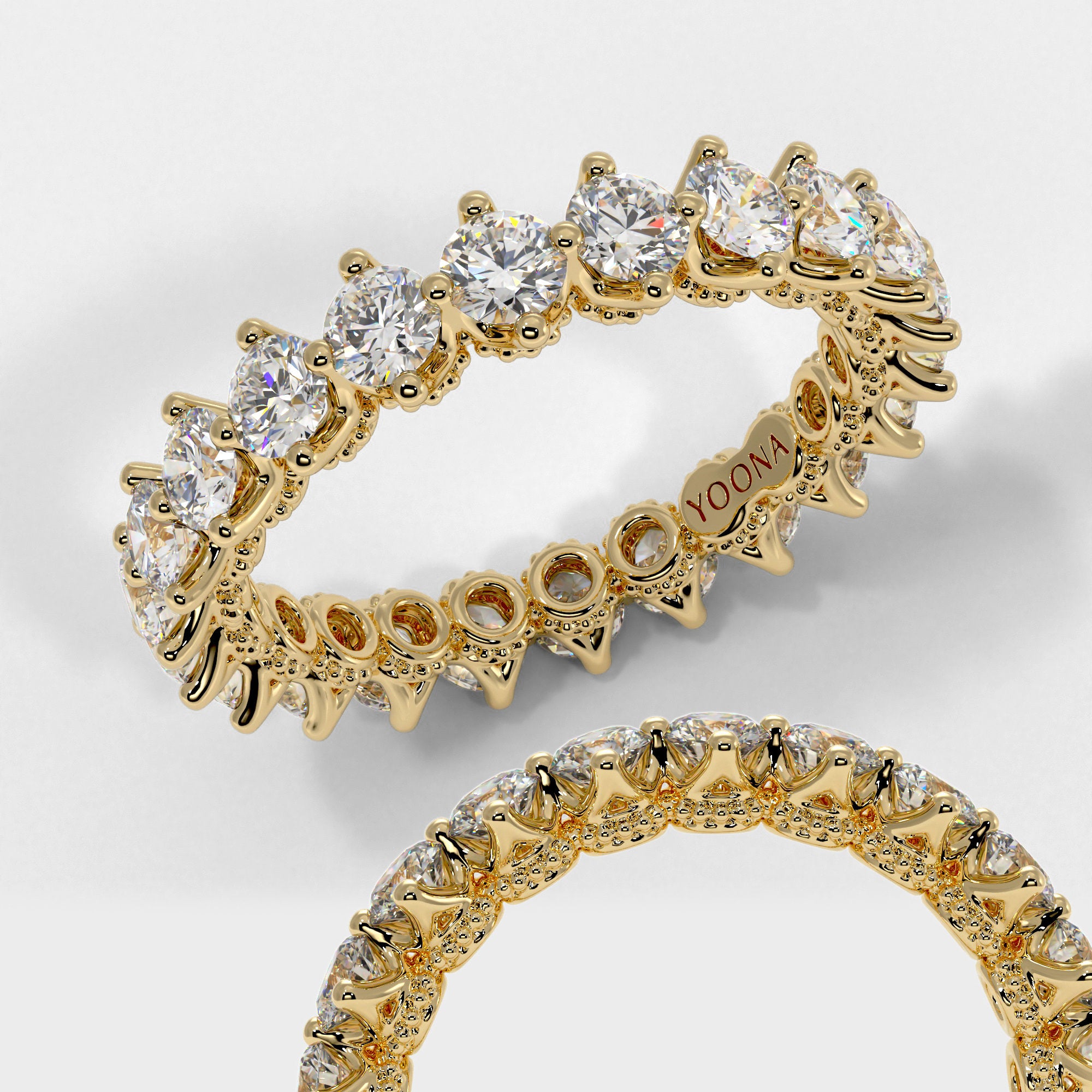
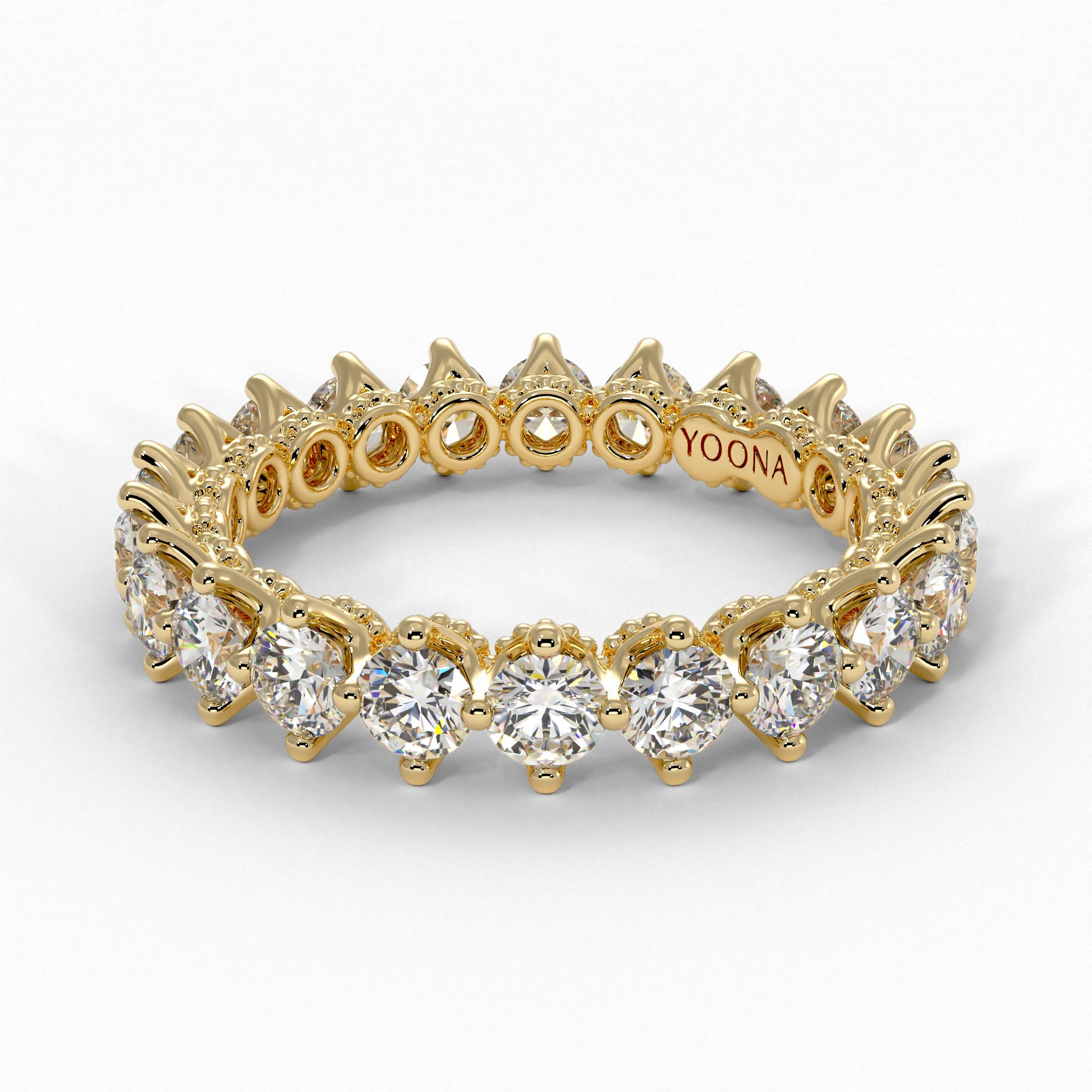
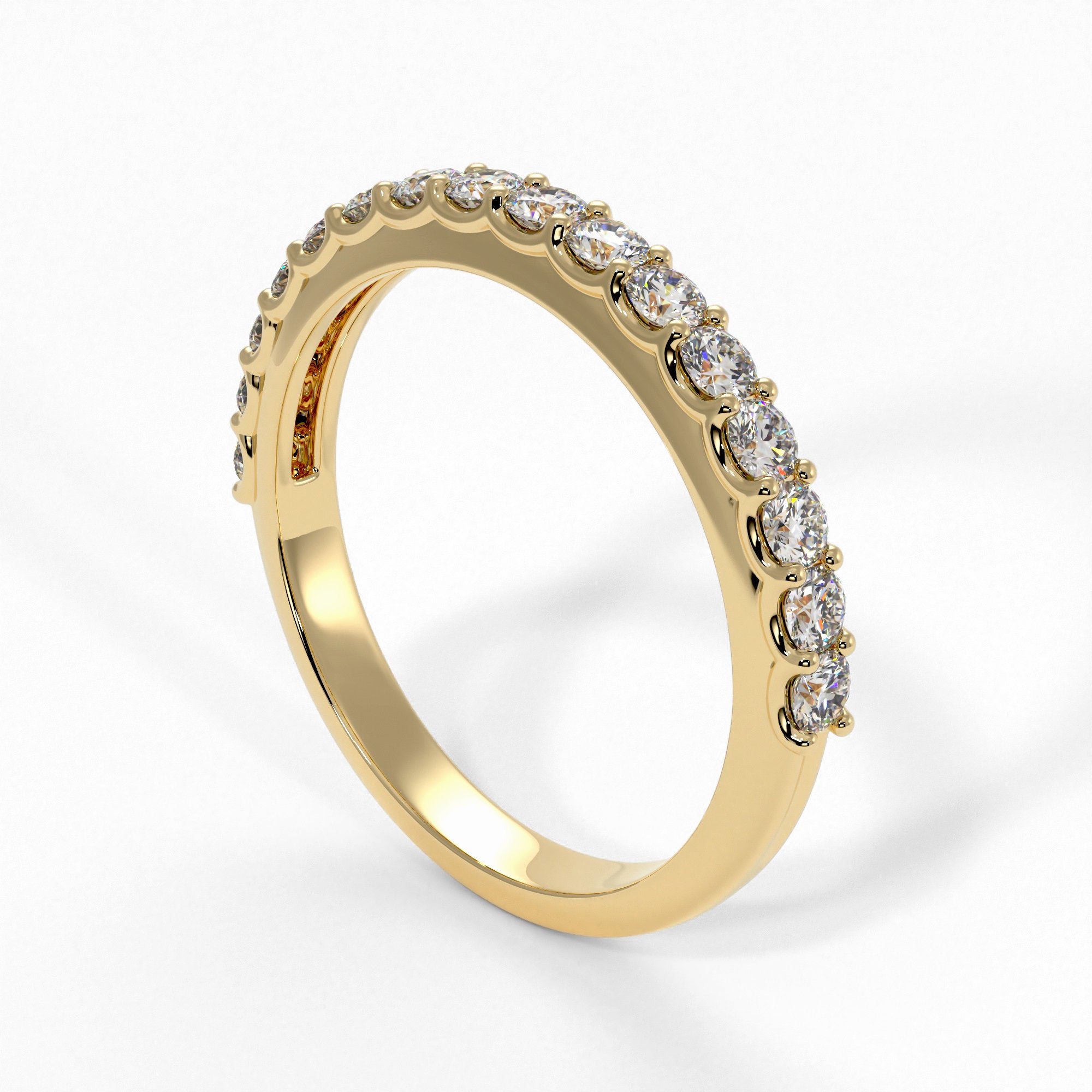
Quick answer: Yellow gold offers a timeless warm tone that complements warmer skin tones and is easy to resize and repair, though it's softer than platinum and shows scratches more readily over time.
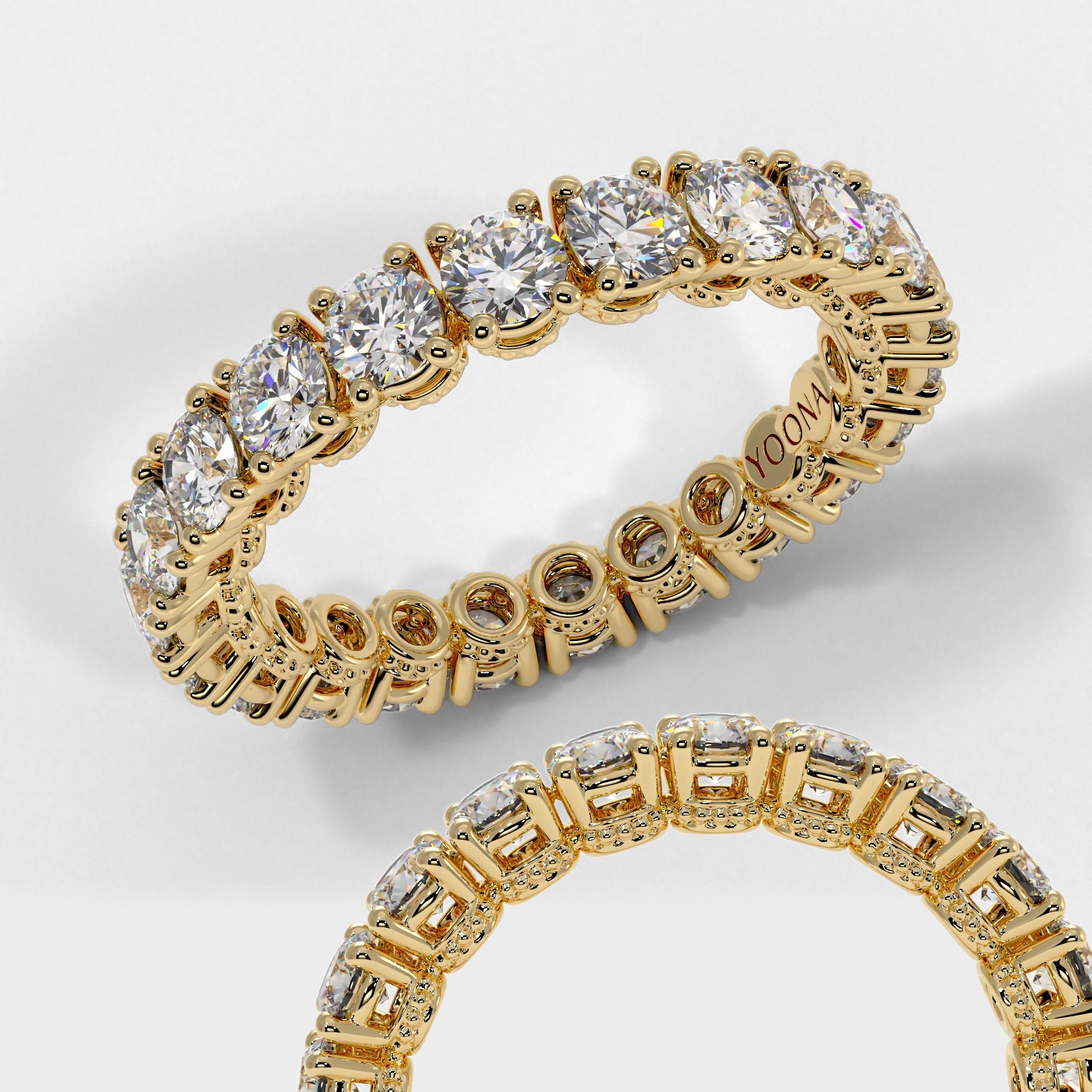
Yellow gold is the most traditional engagement ring metal for good reason, it's warm, familiar, and pairs naturally with vintage-inspired designs. It requires slightly more upkeep than platinum since it's a softer metal, but it's also the easiest to resize and repair when needed.
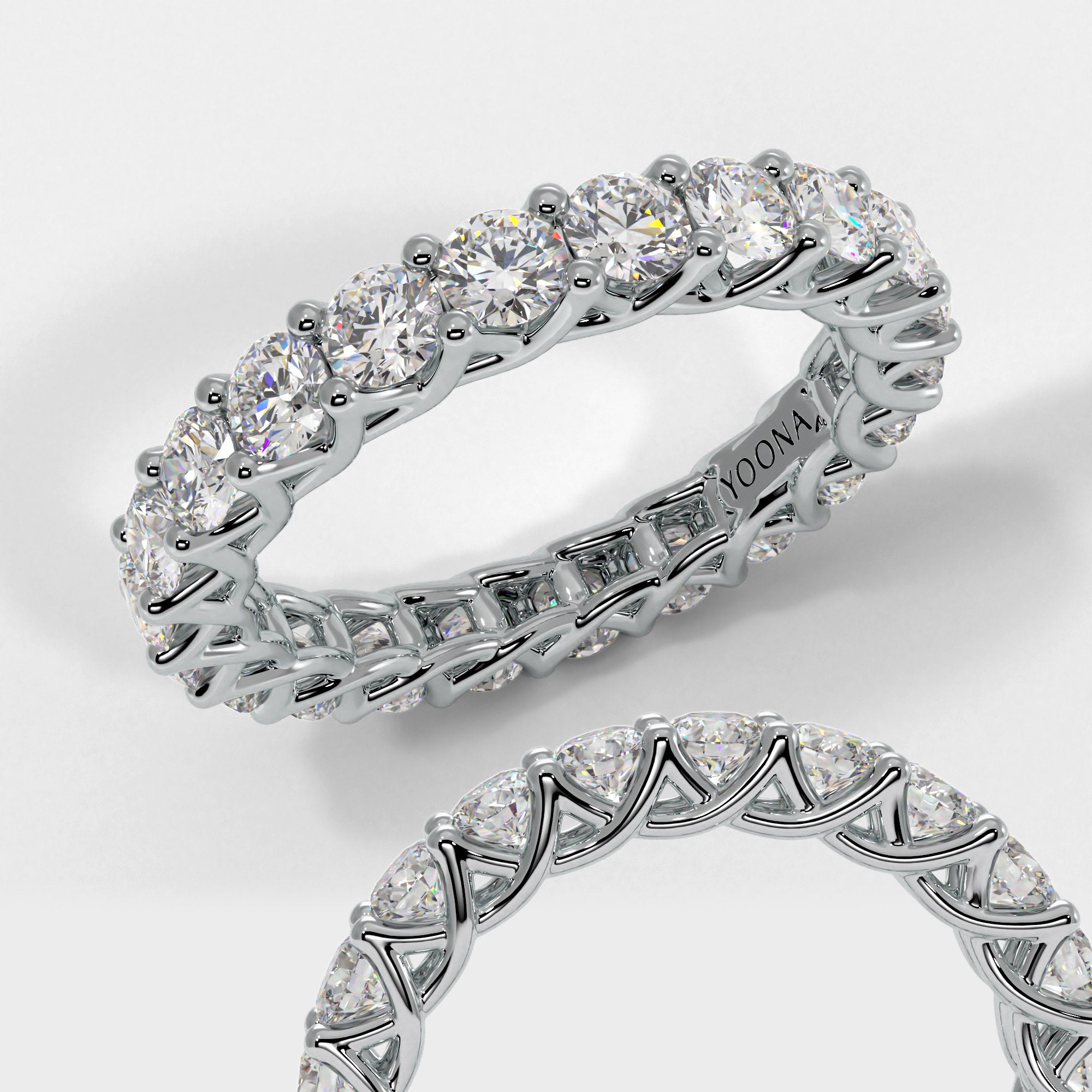
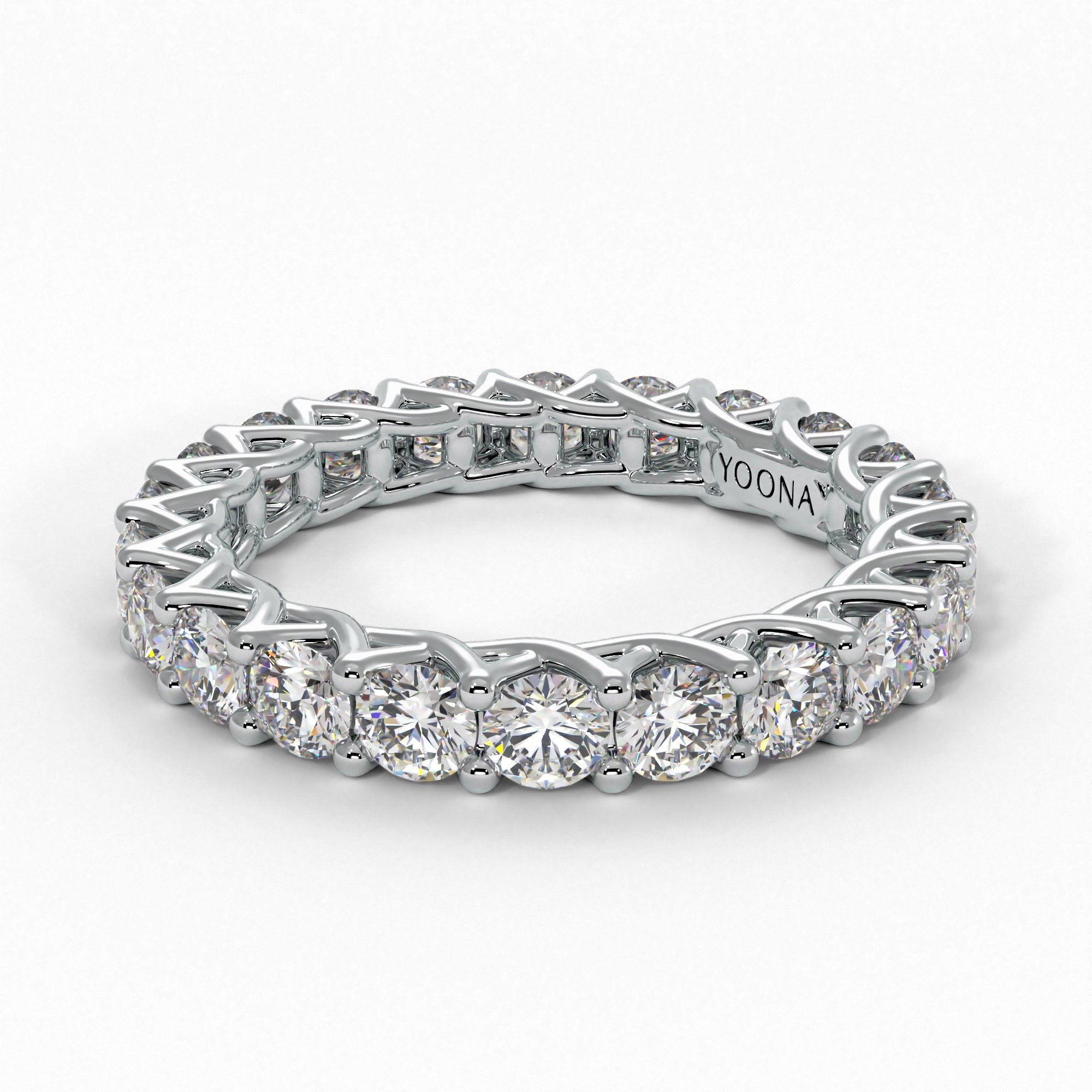
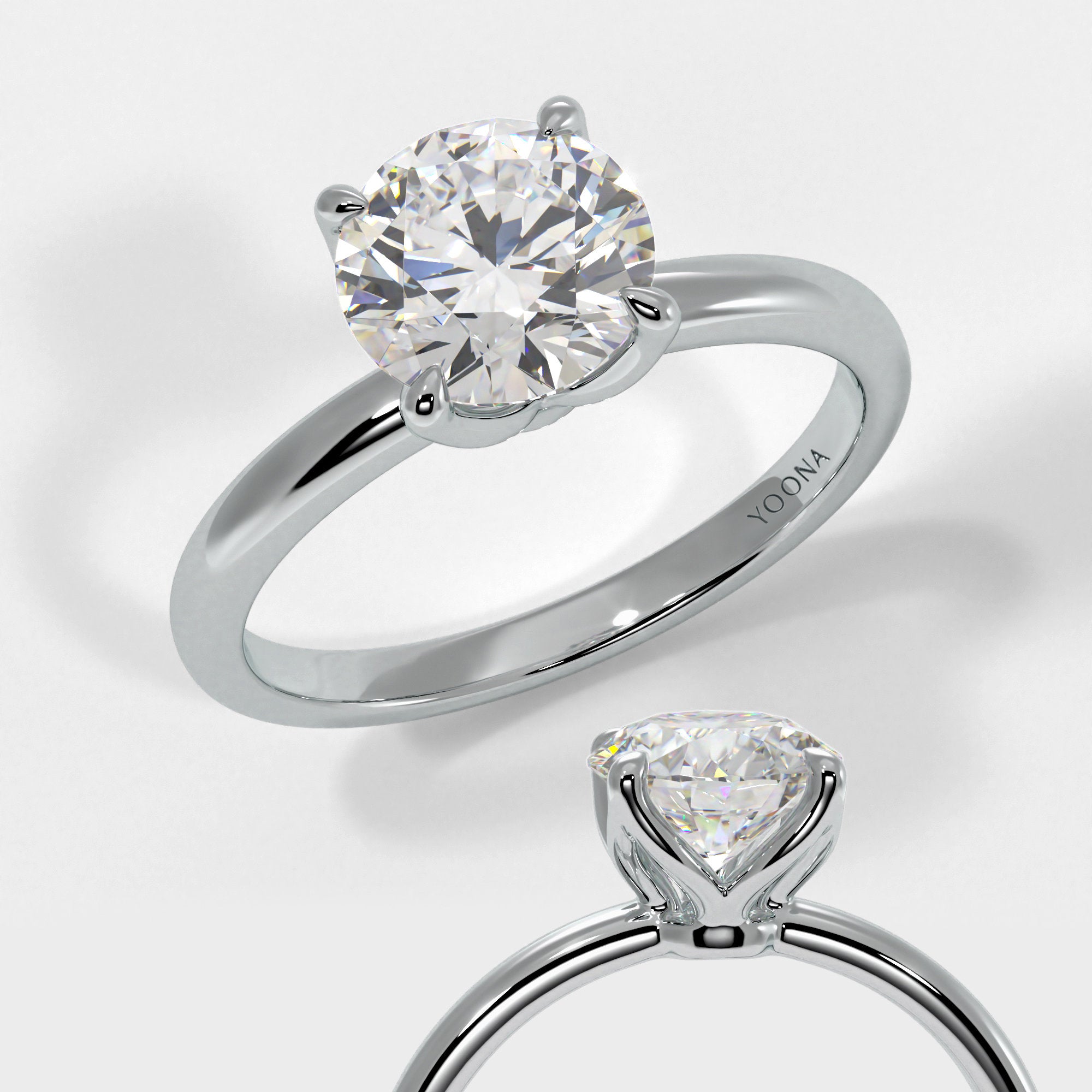
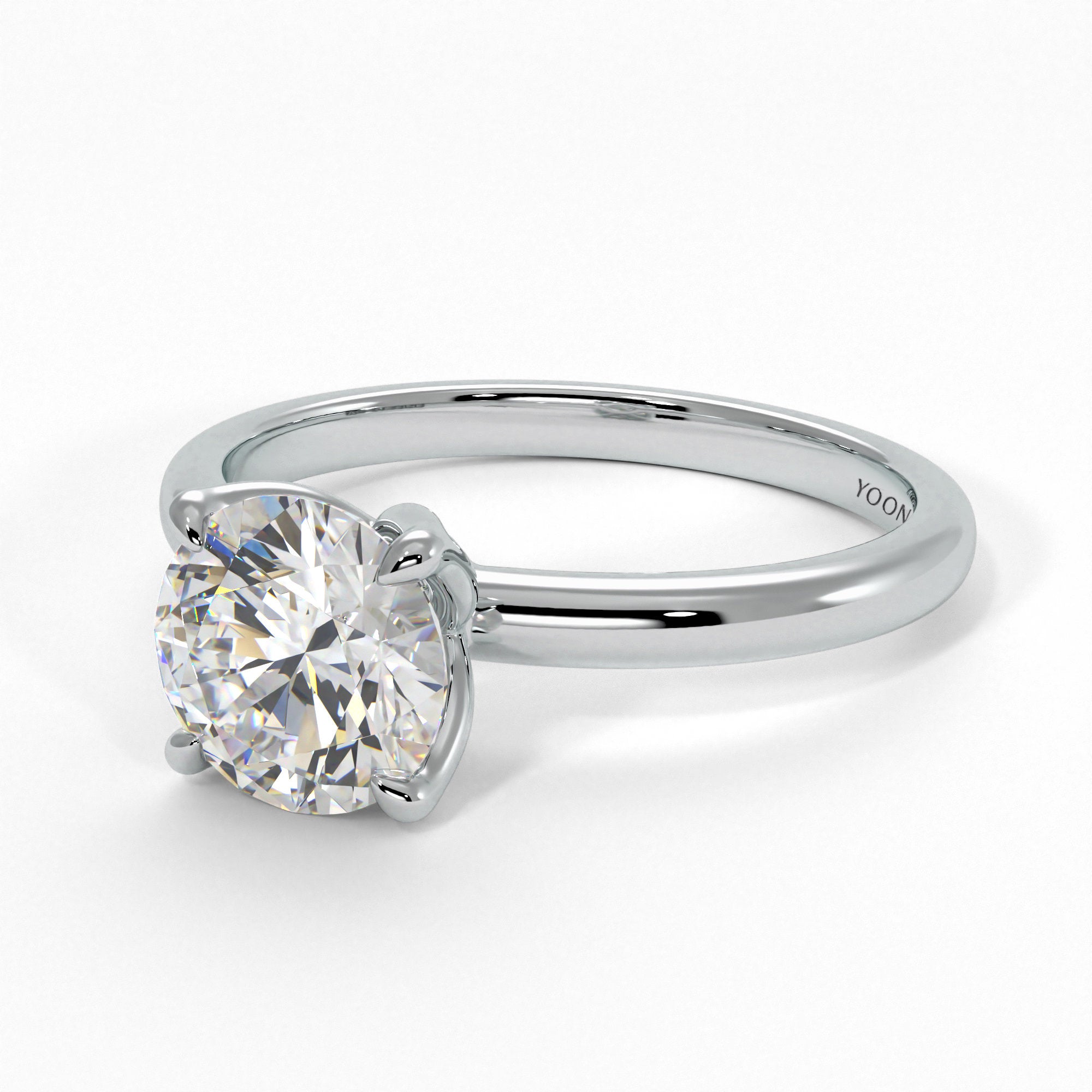
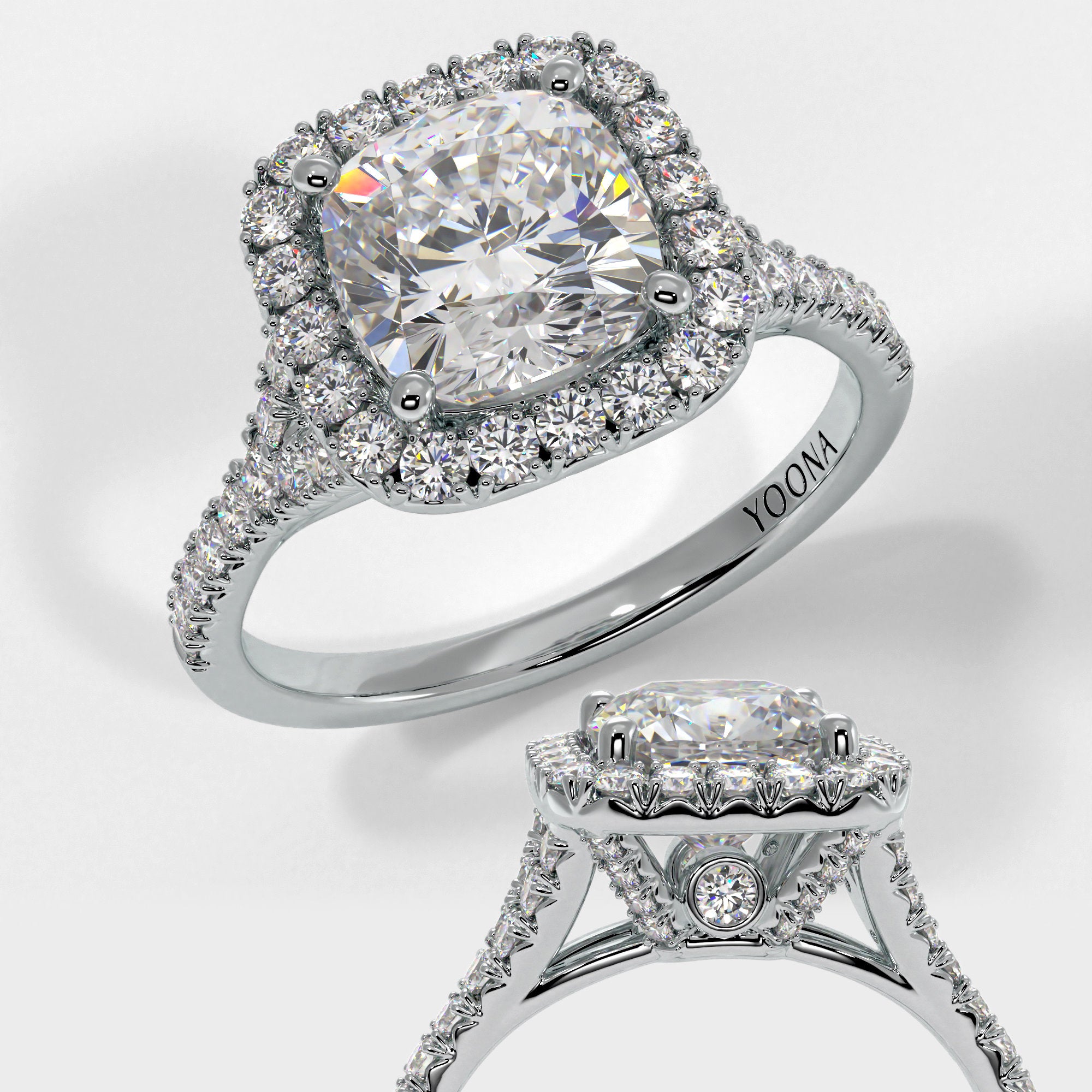
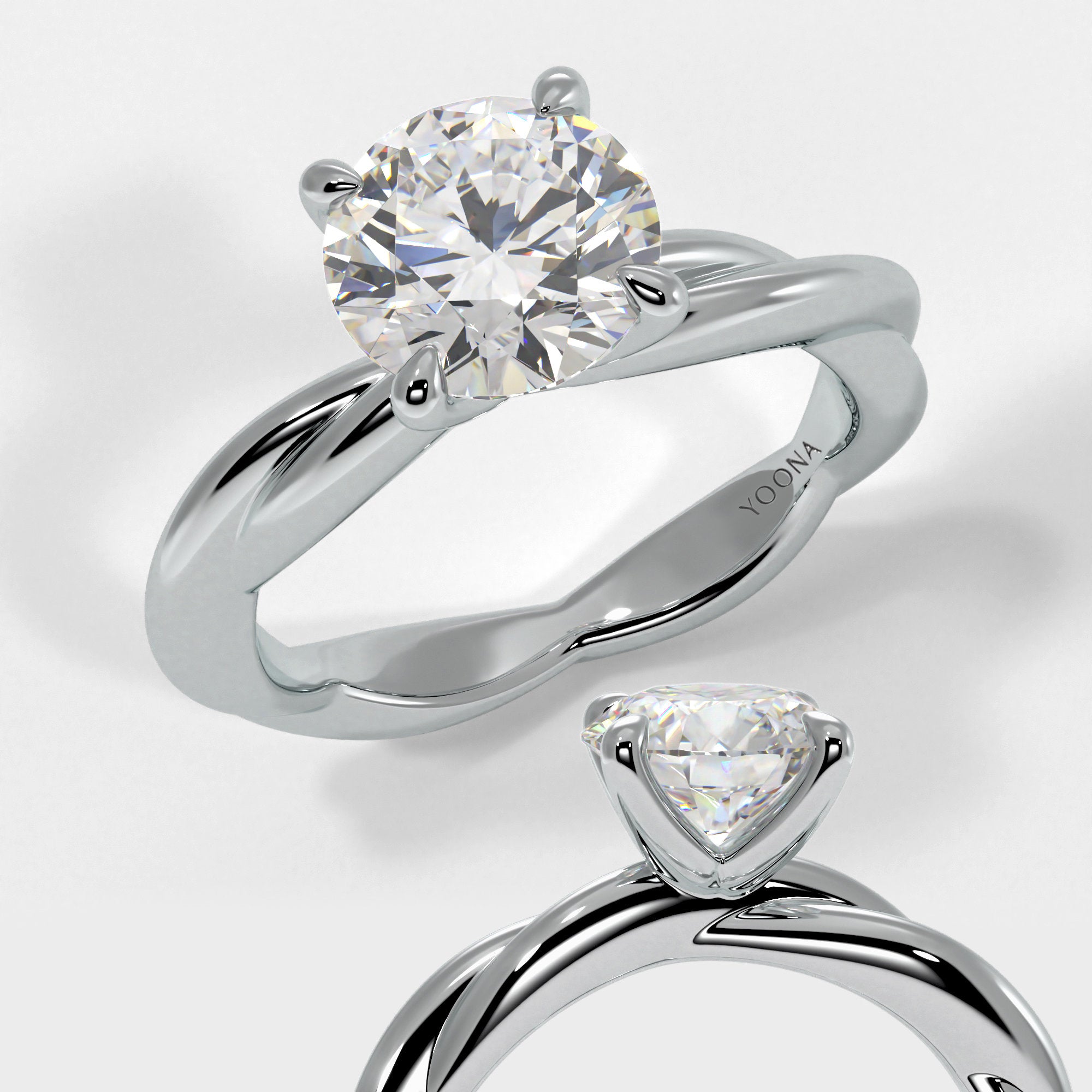
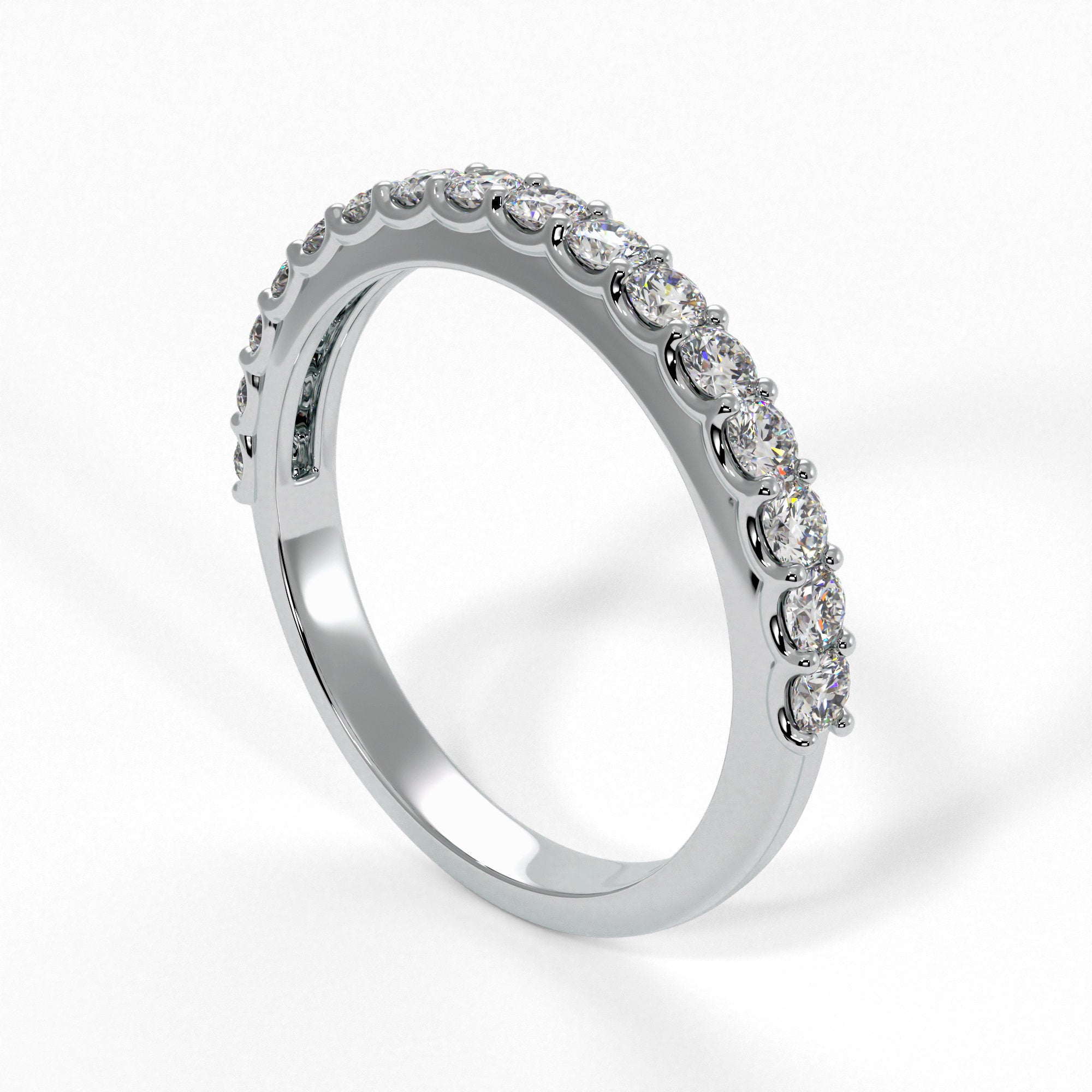
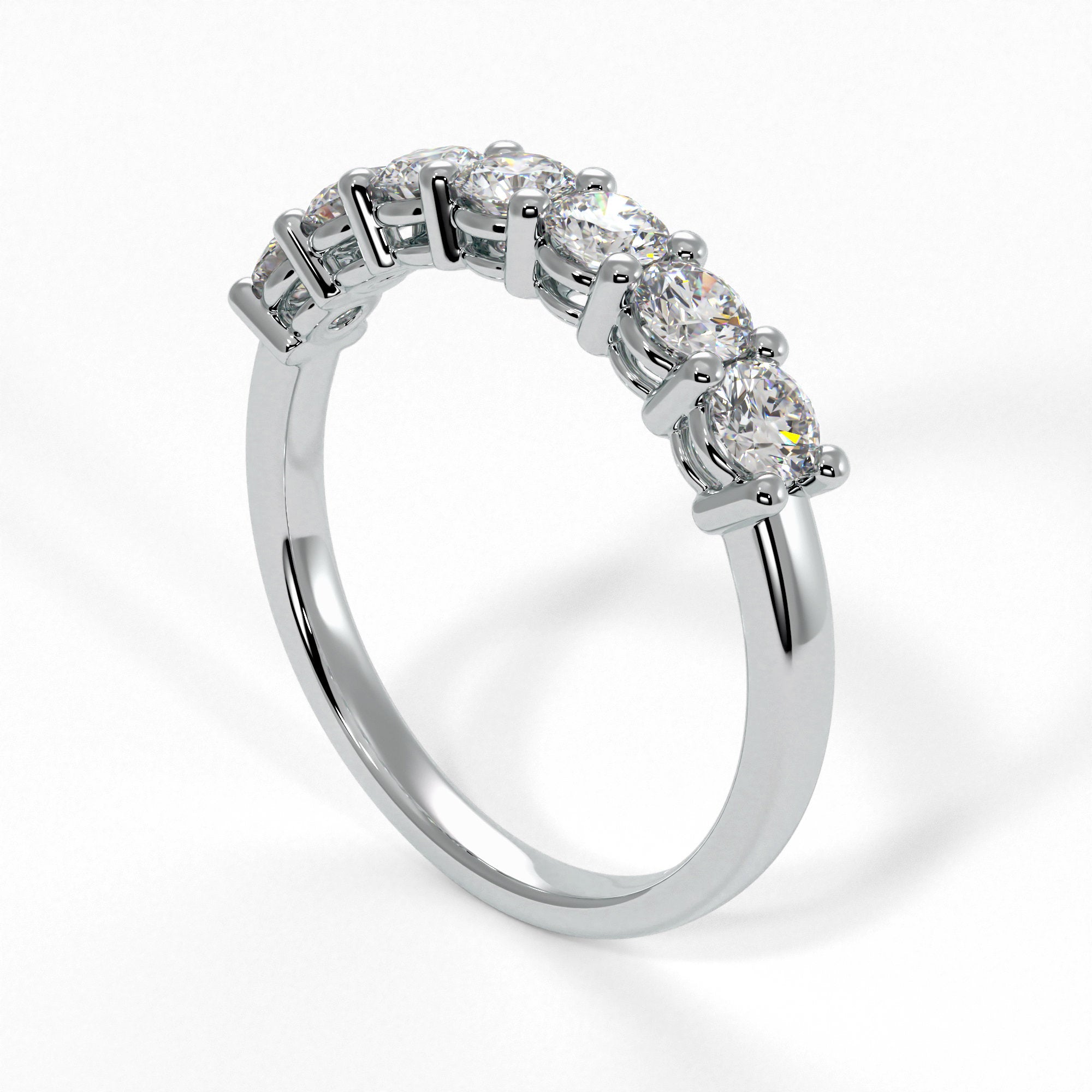
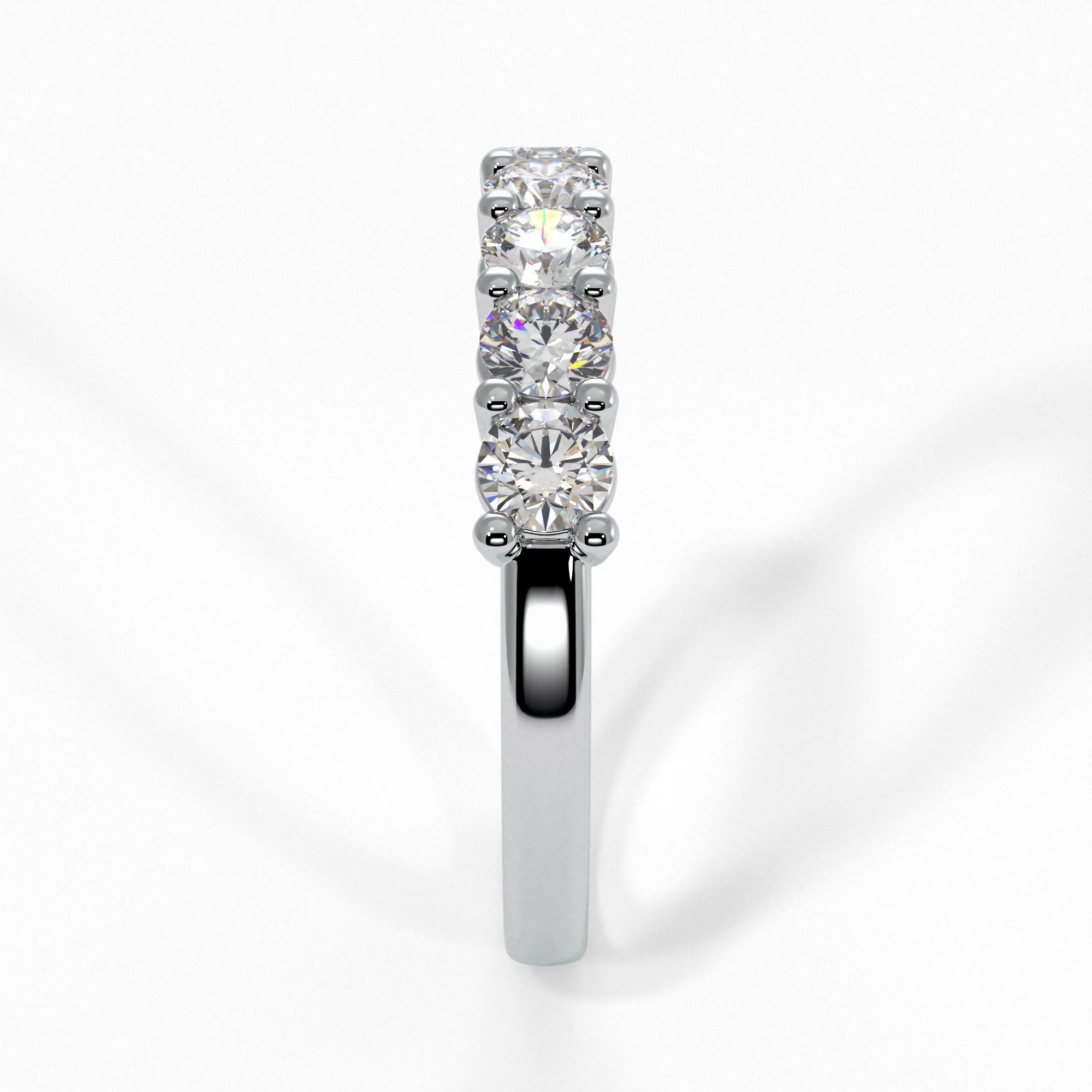
White Gold: Sleek and Versatile
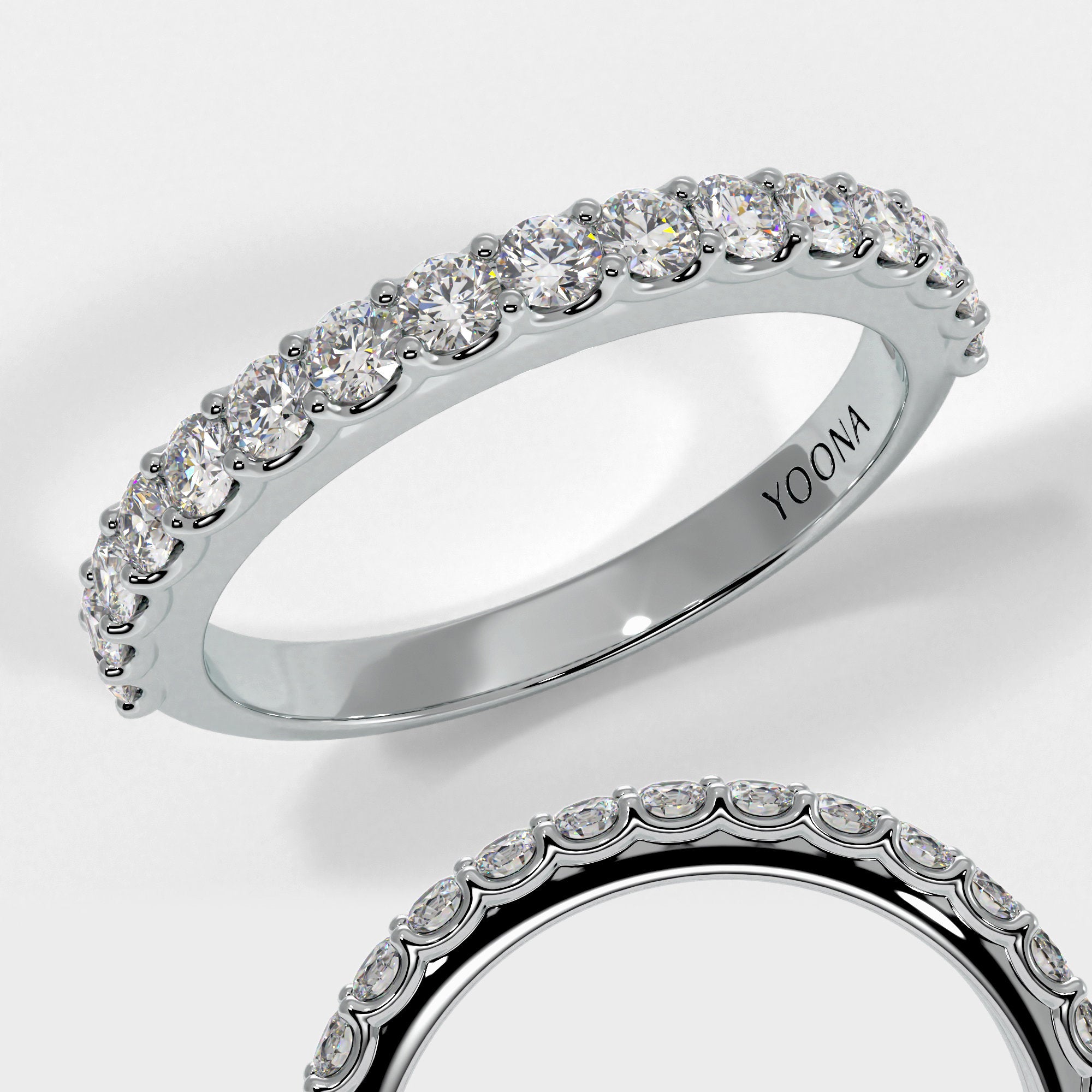
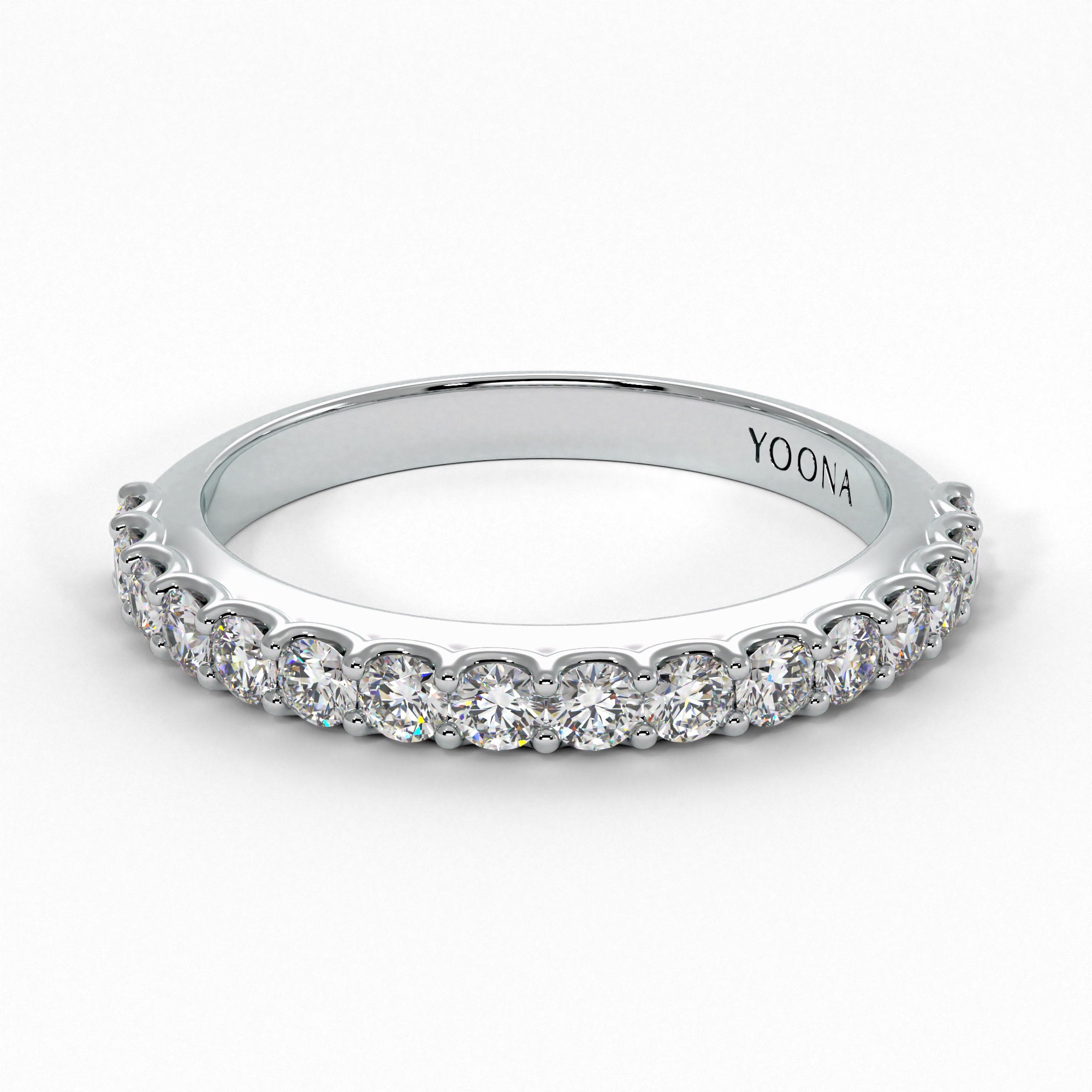
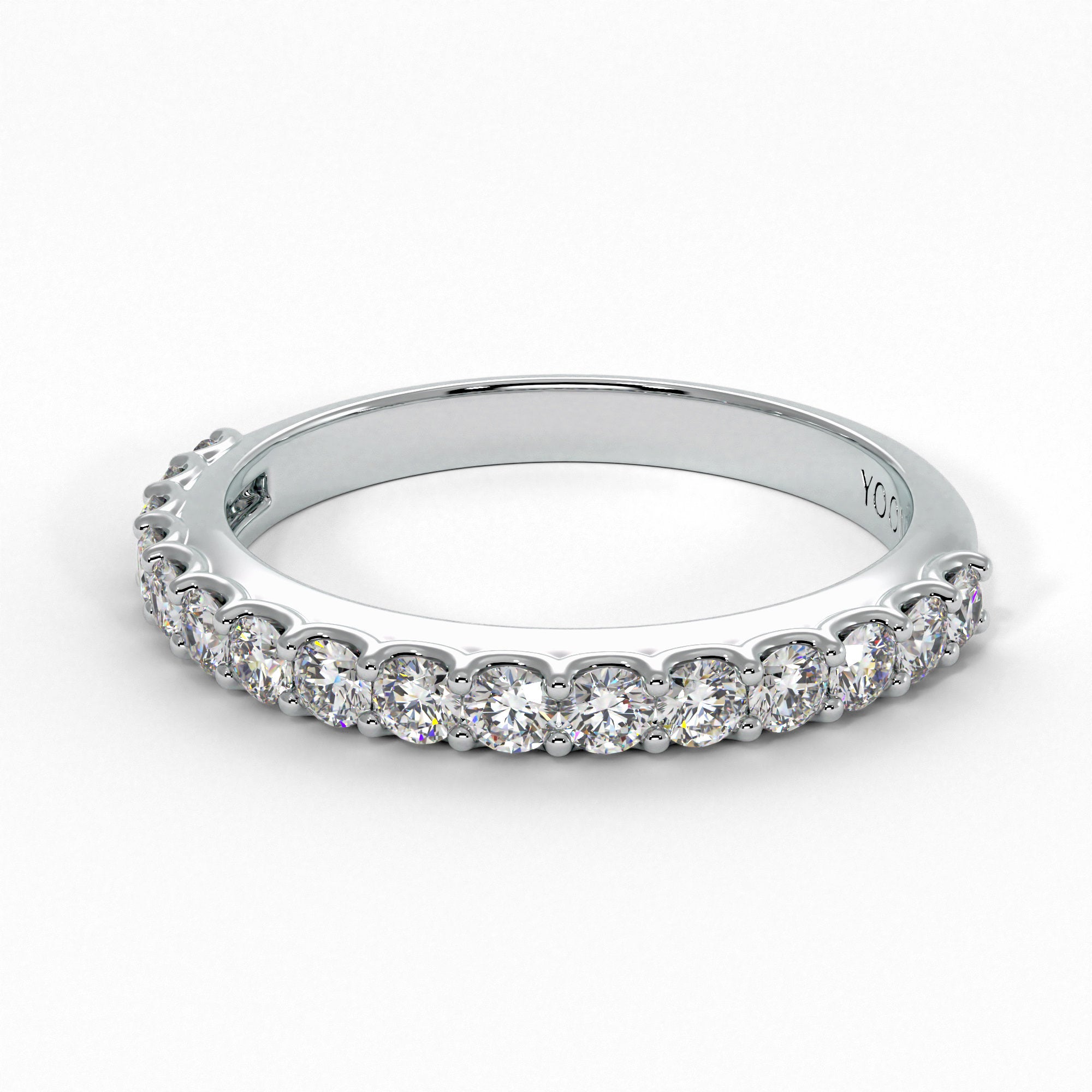
Quick answer: White gold offers a platinum-like cool tone at a lower price point, but it's rhodium-plated, meaning it needs re-plating every few years to maintain its bright white color.
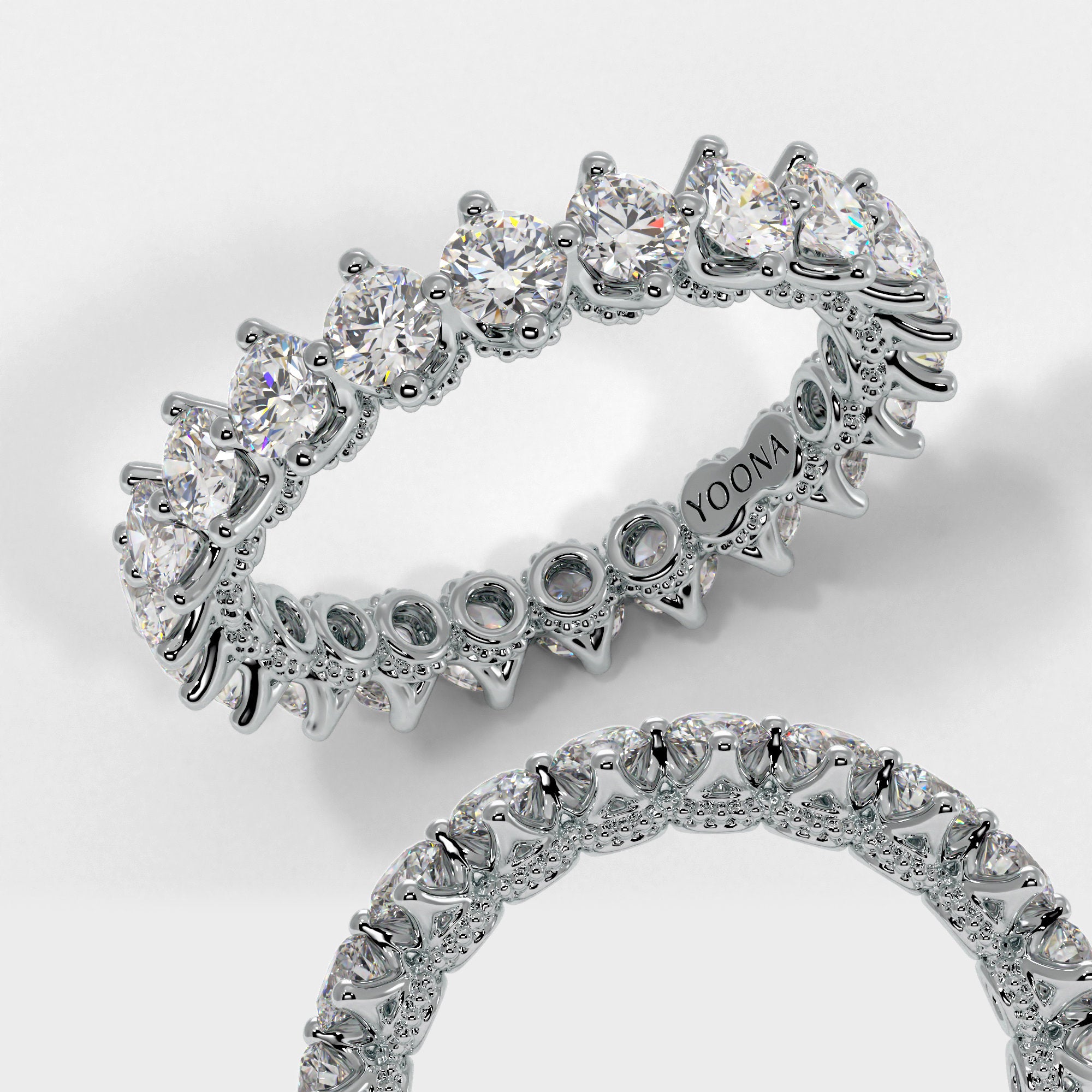
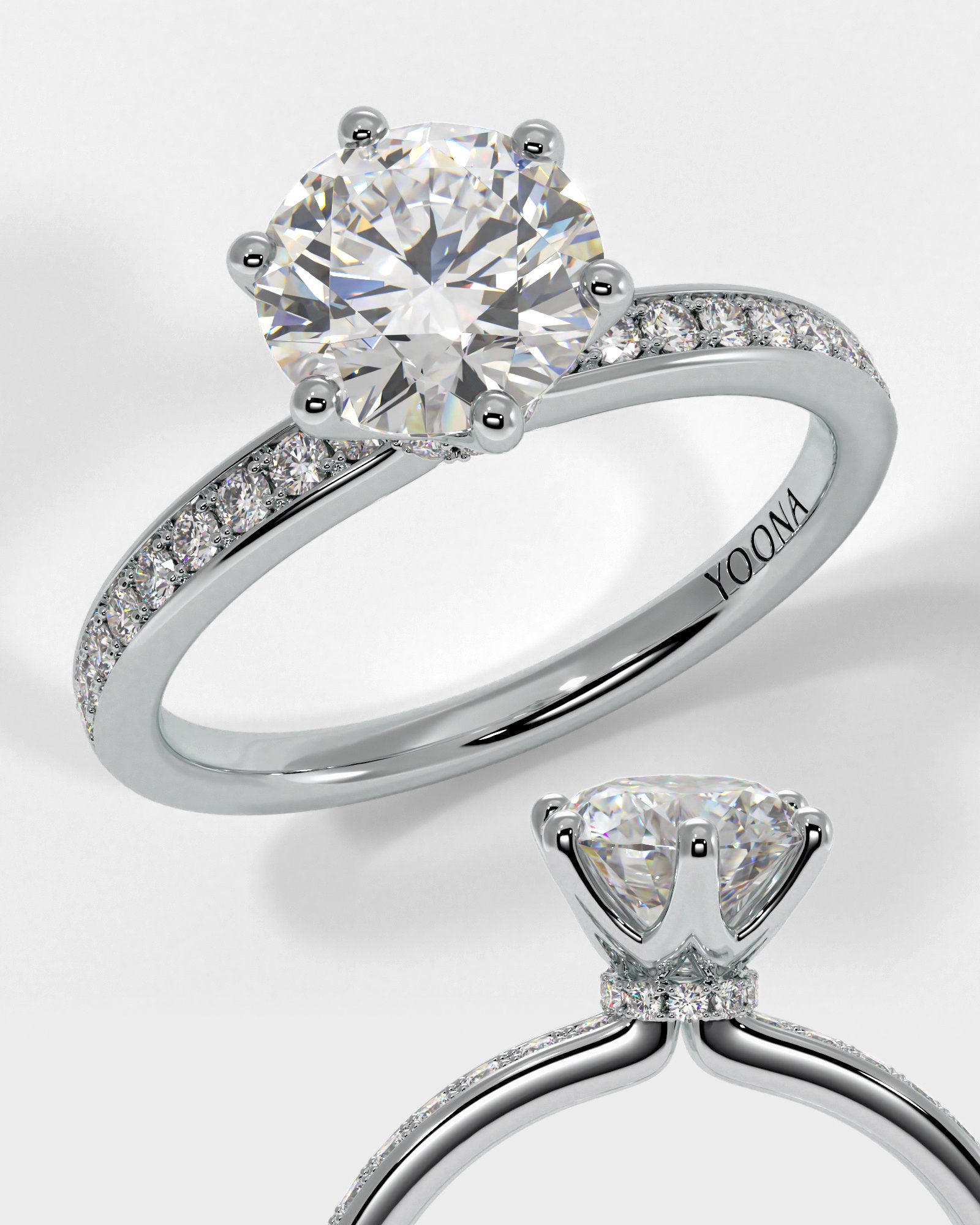
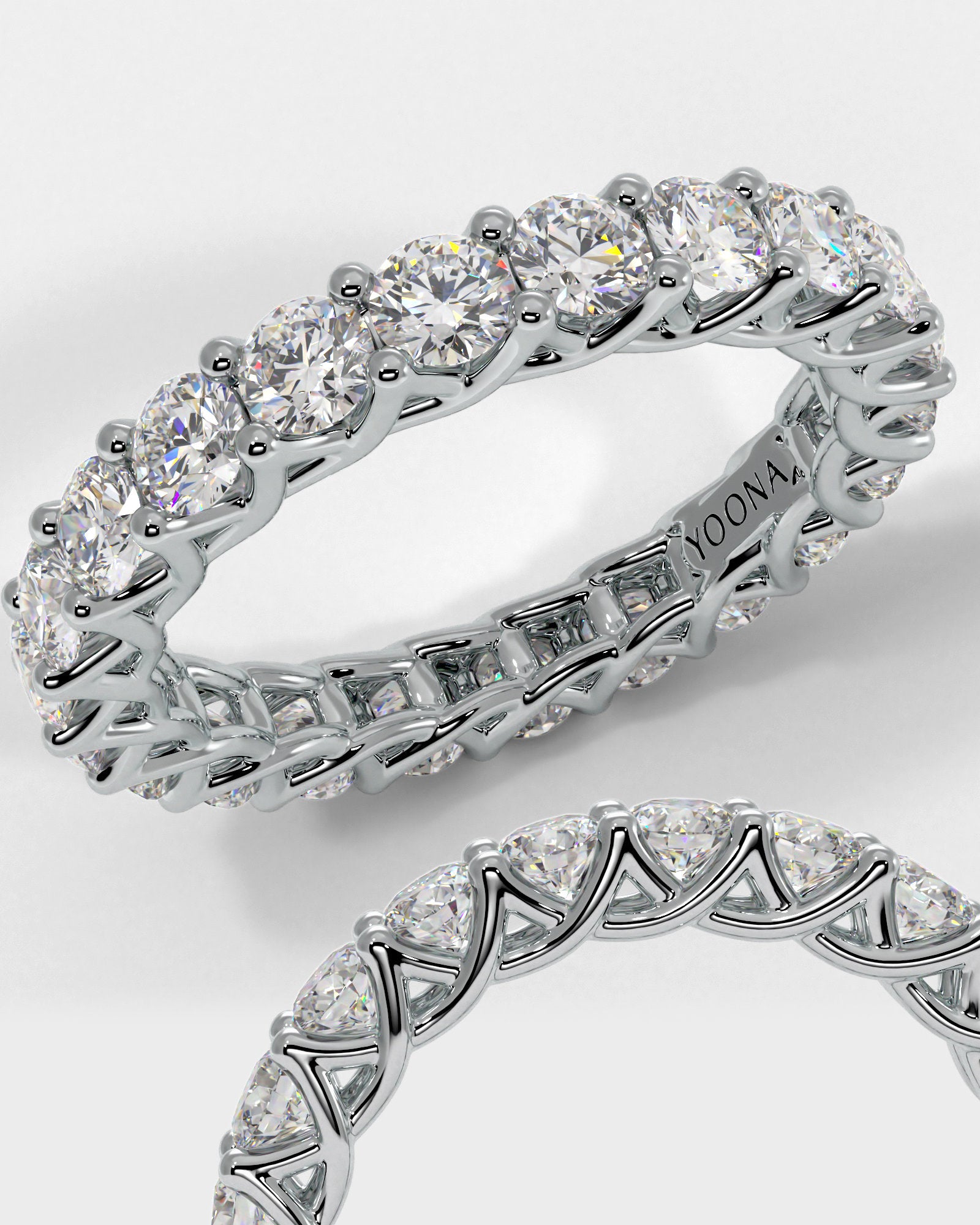
White gold is gold alloyed with white metals and finished with a rhodium plating to achieve its bright white color. That plating wears down gradually with daily wear, which is the one real maintenance commitment worth knowing upfront, re-plating every few years keeps it looking its best. Some people with metal sensitivities also react to the alloy metals used, worth mentioning to your jeweler if you have known sensitivities.
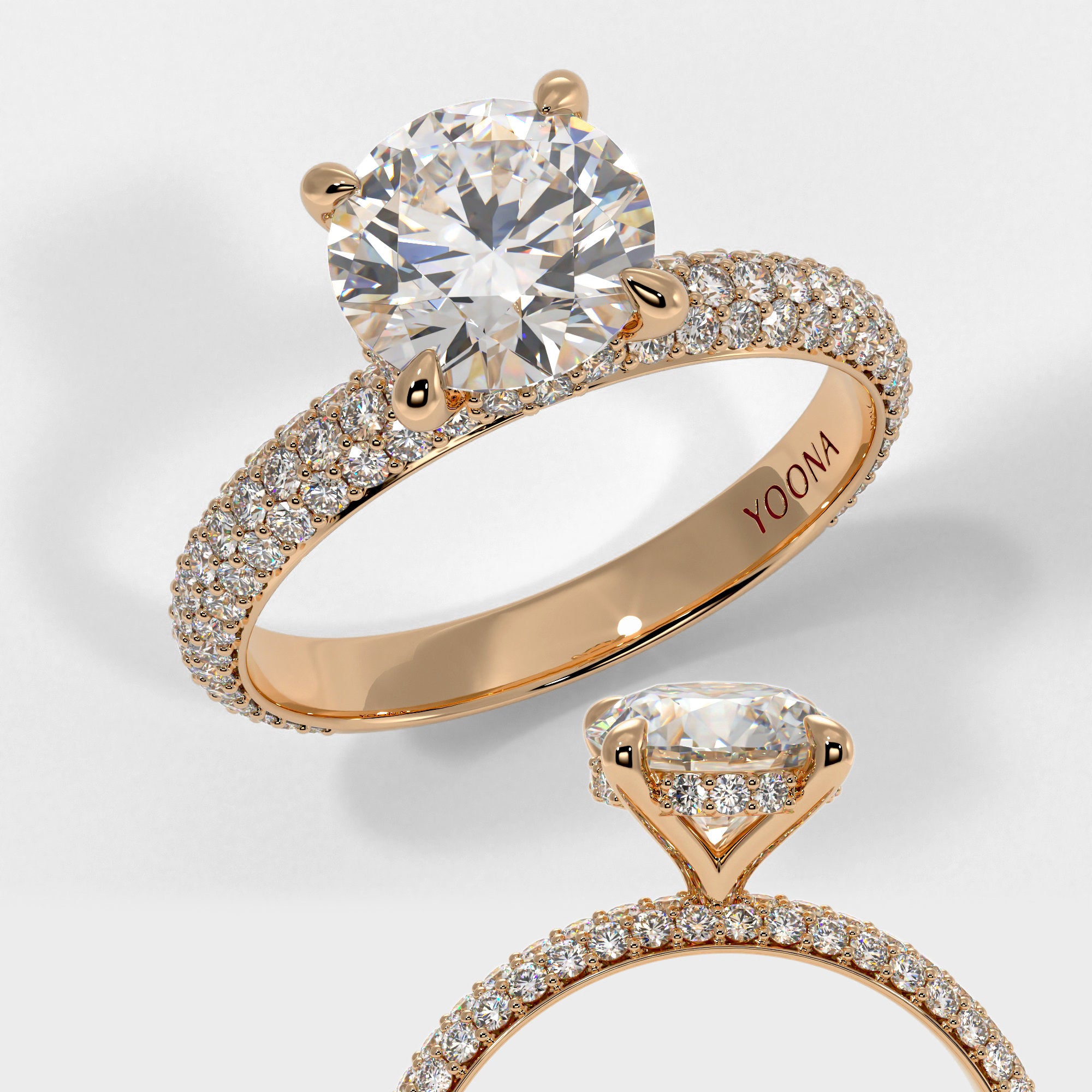
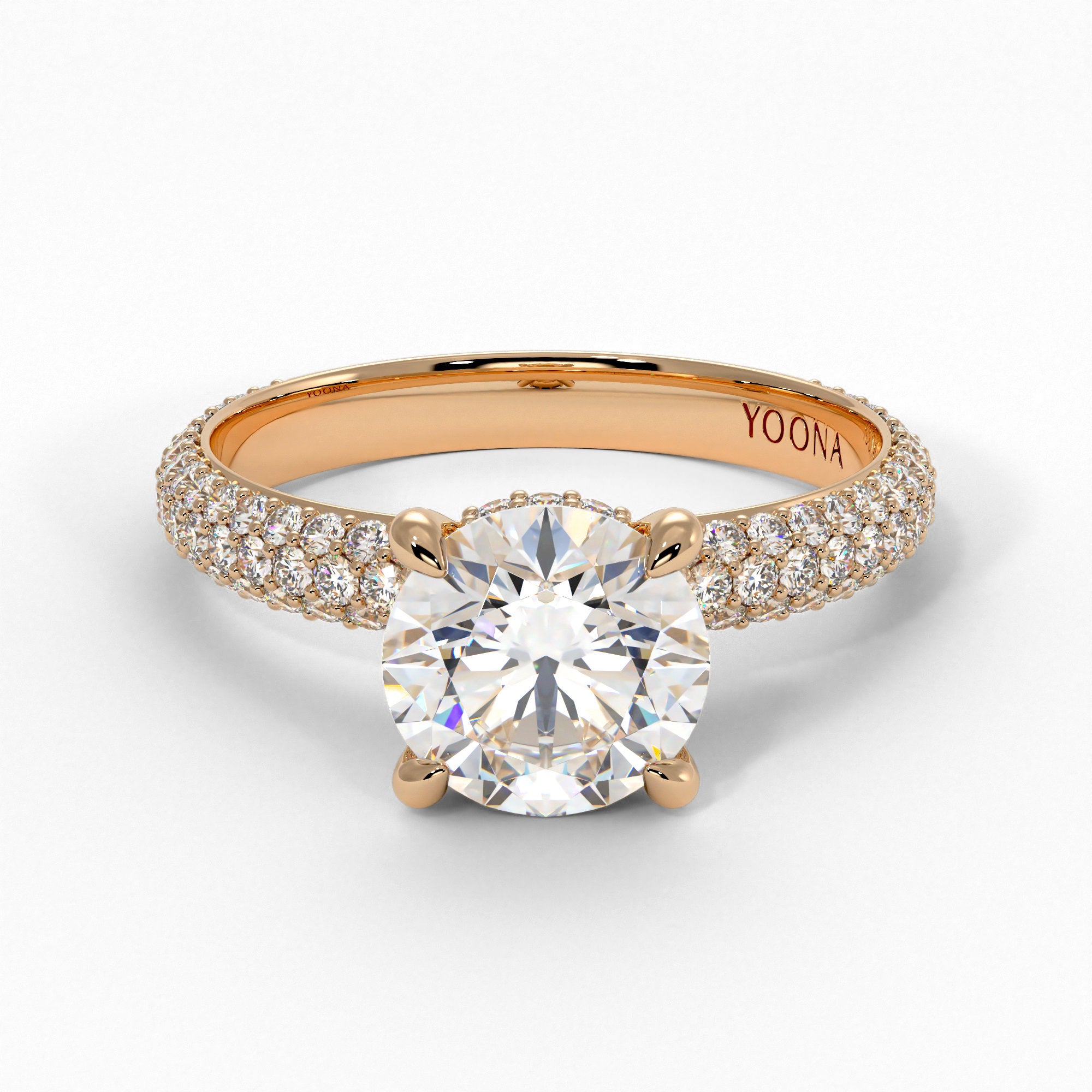
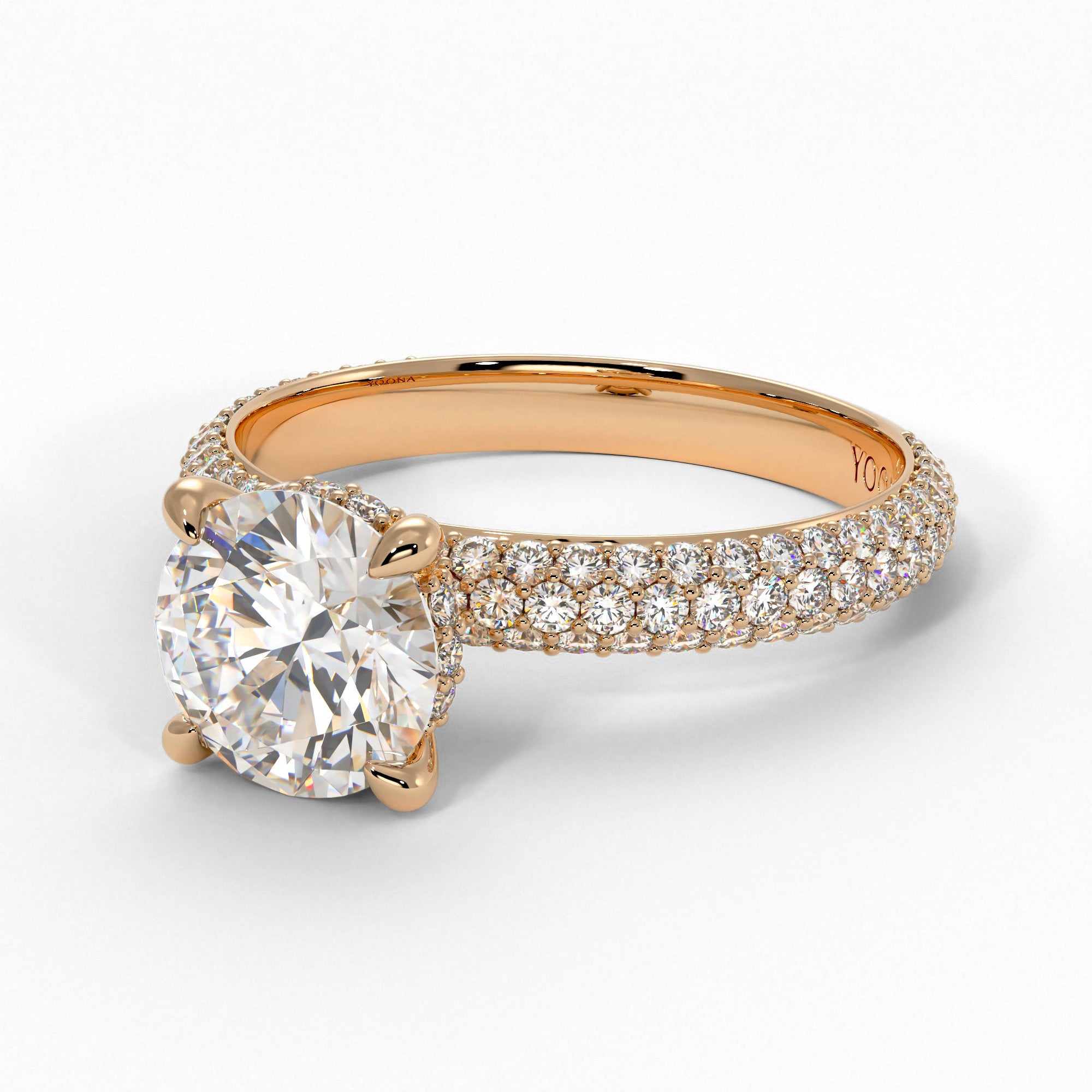
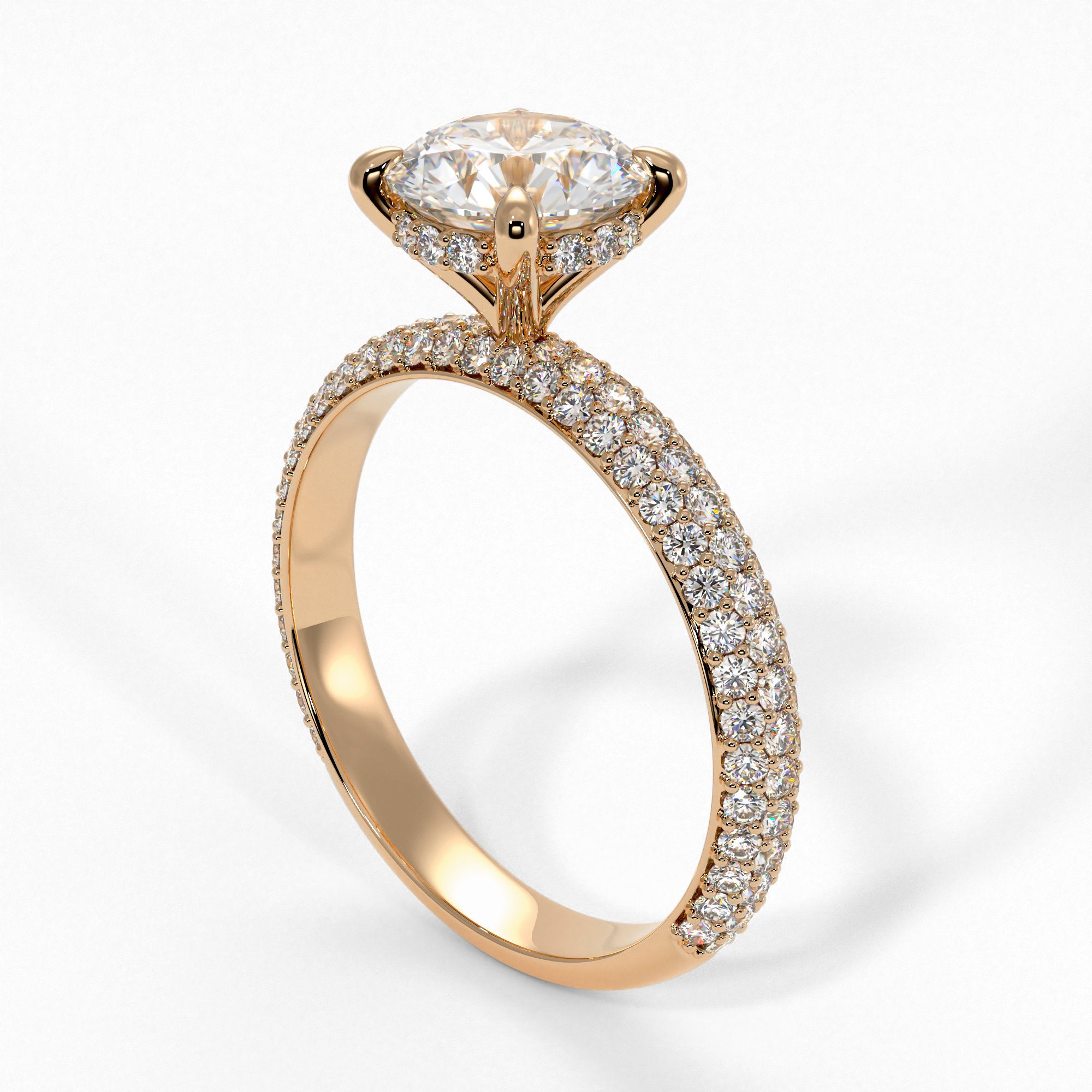
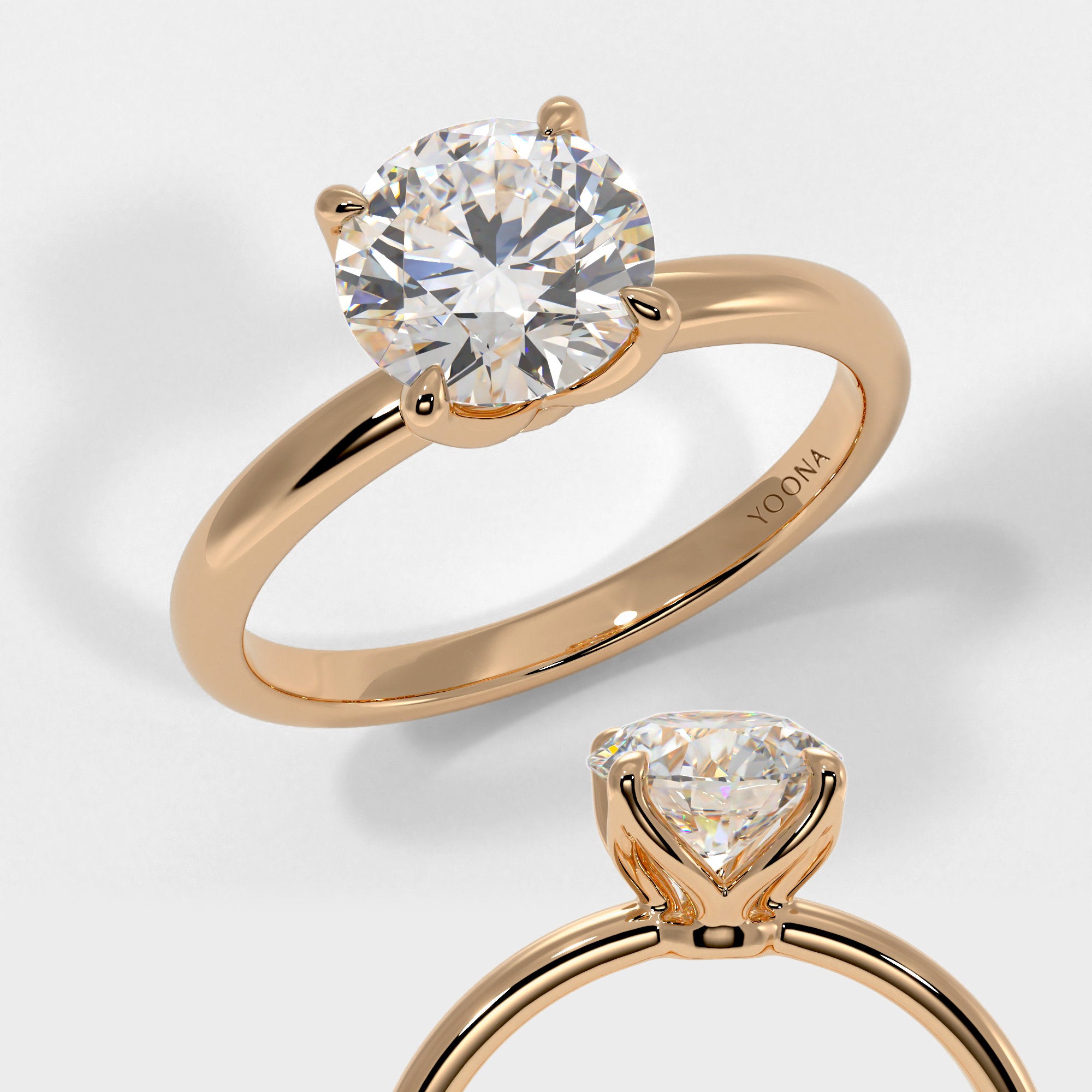
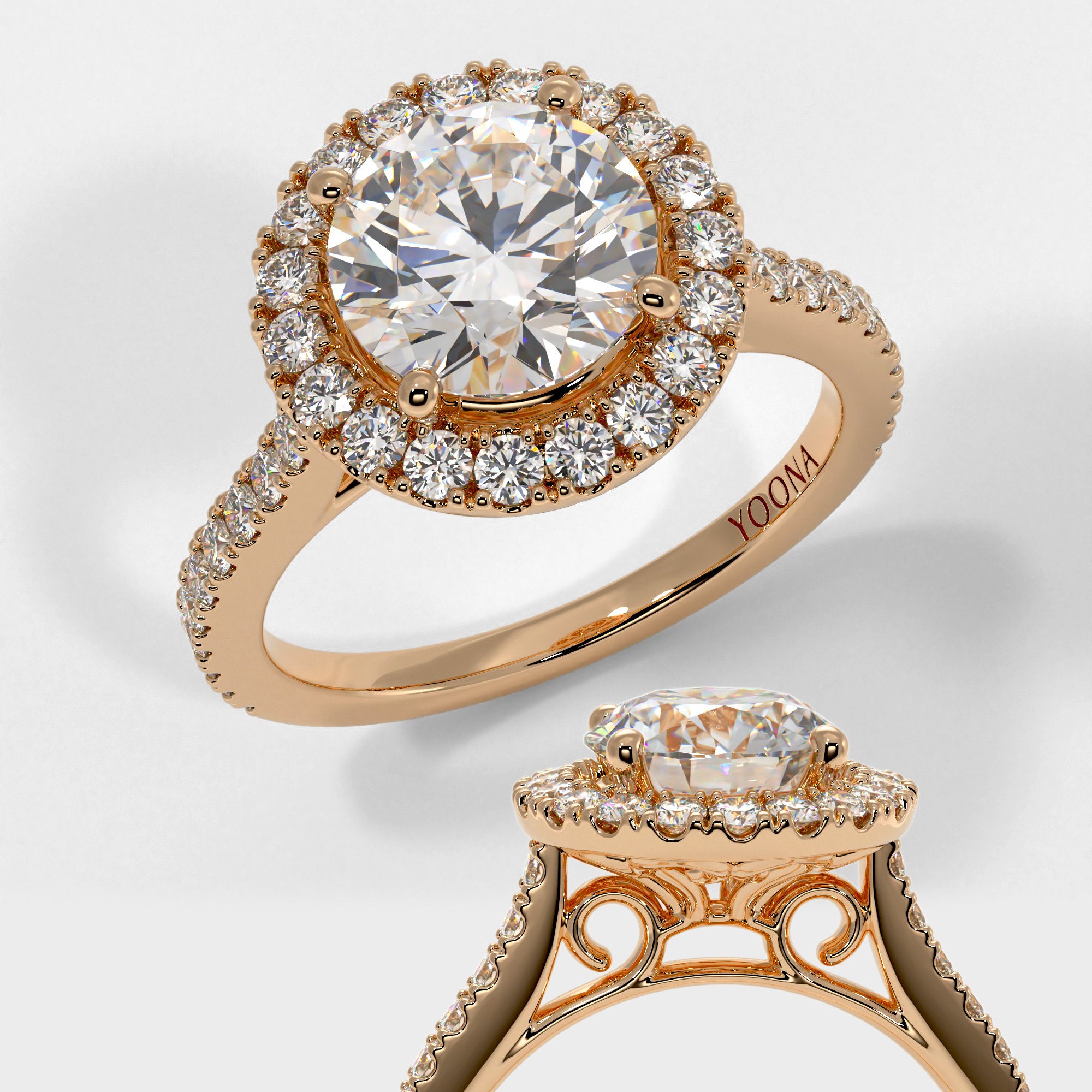
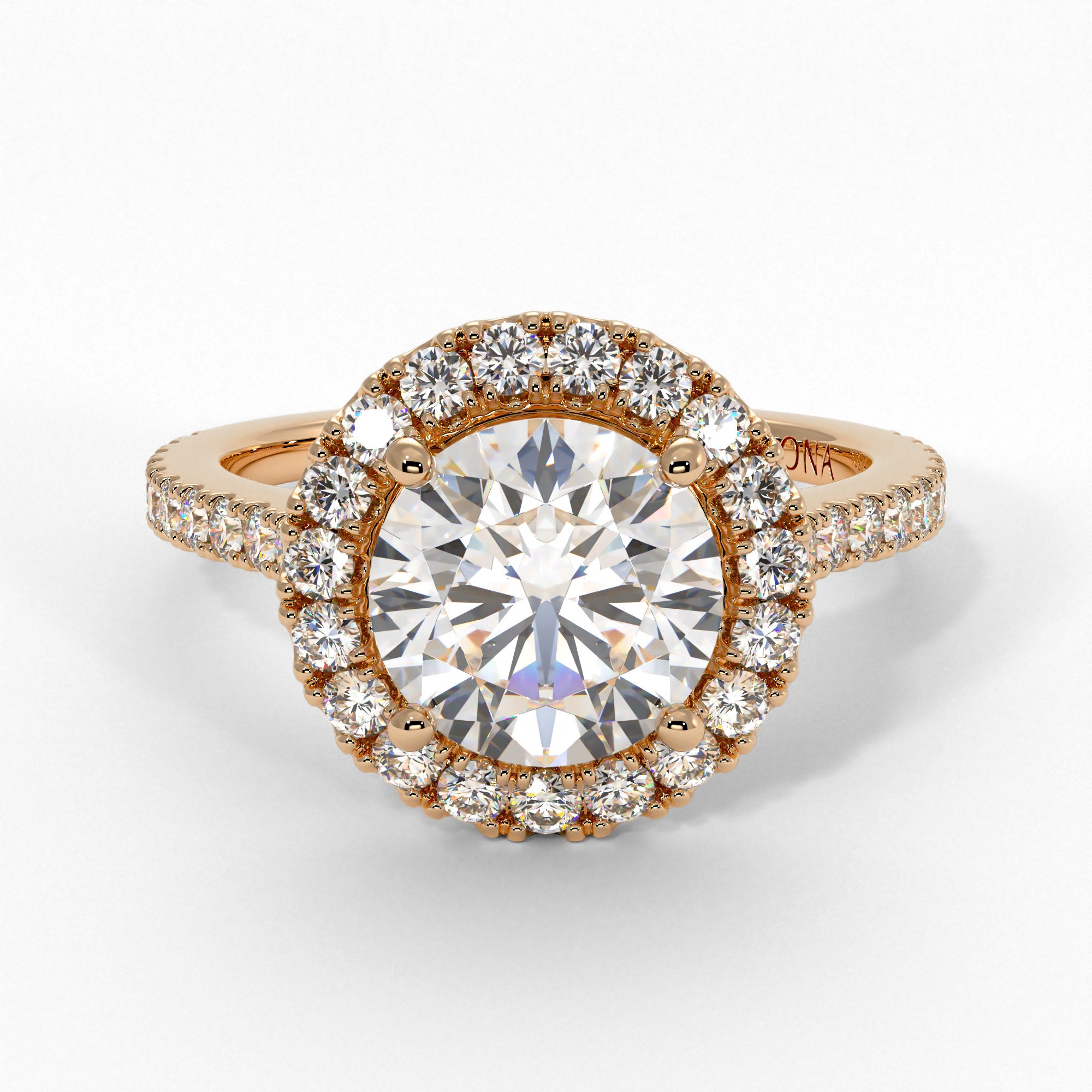
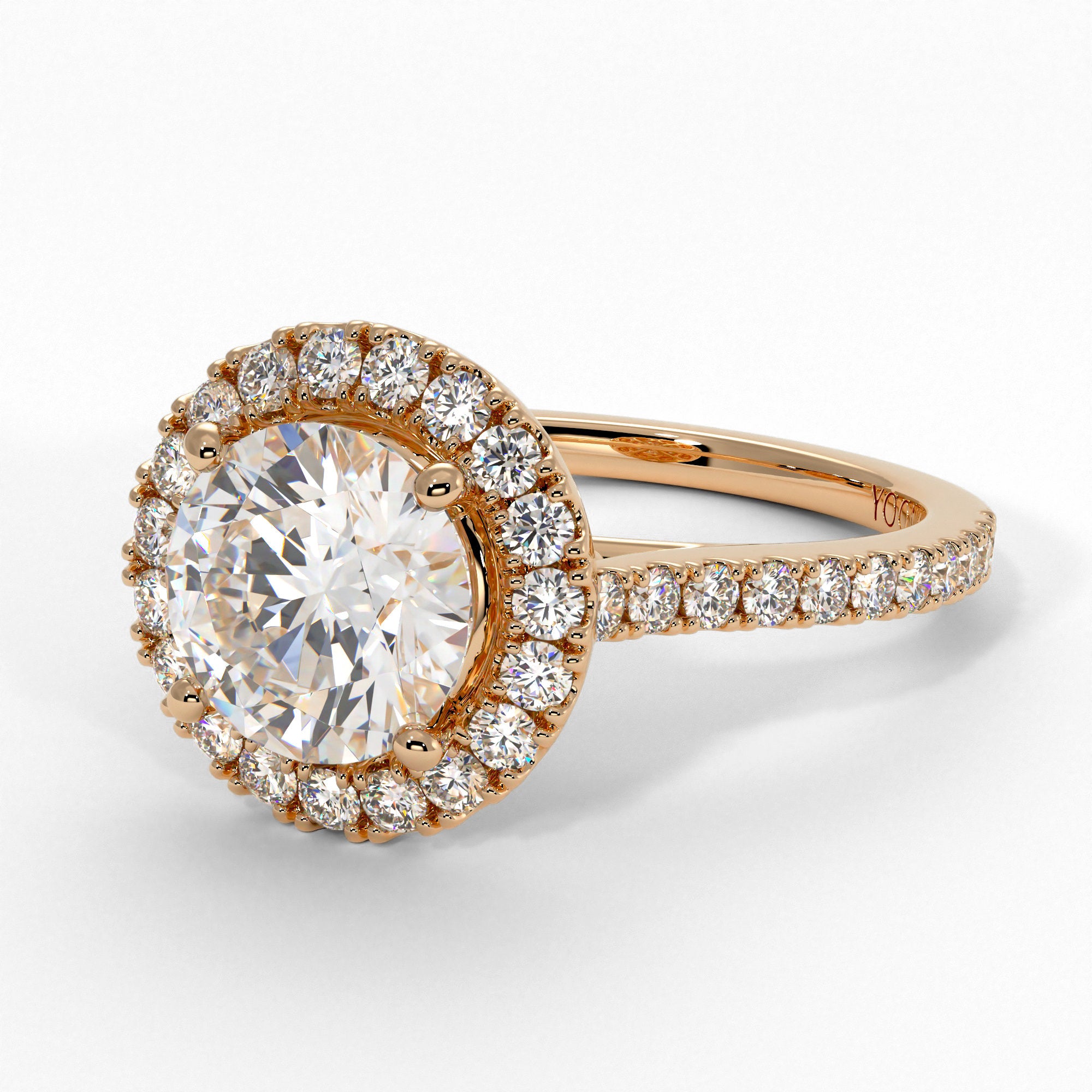
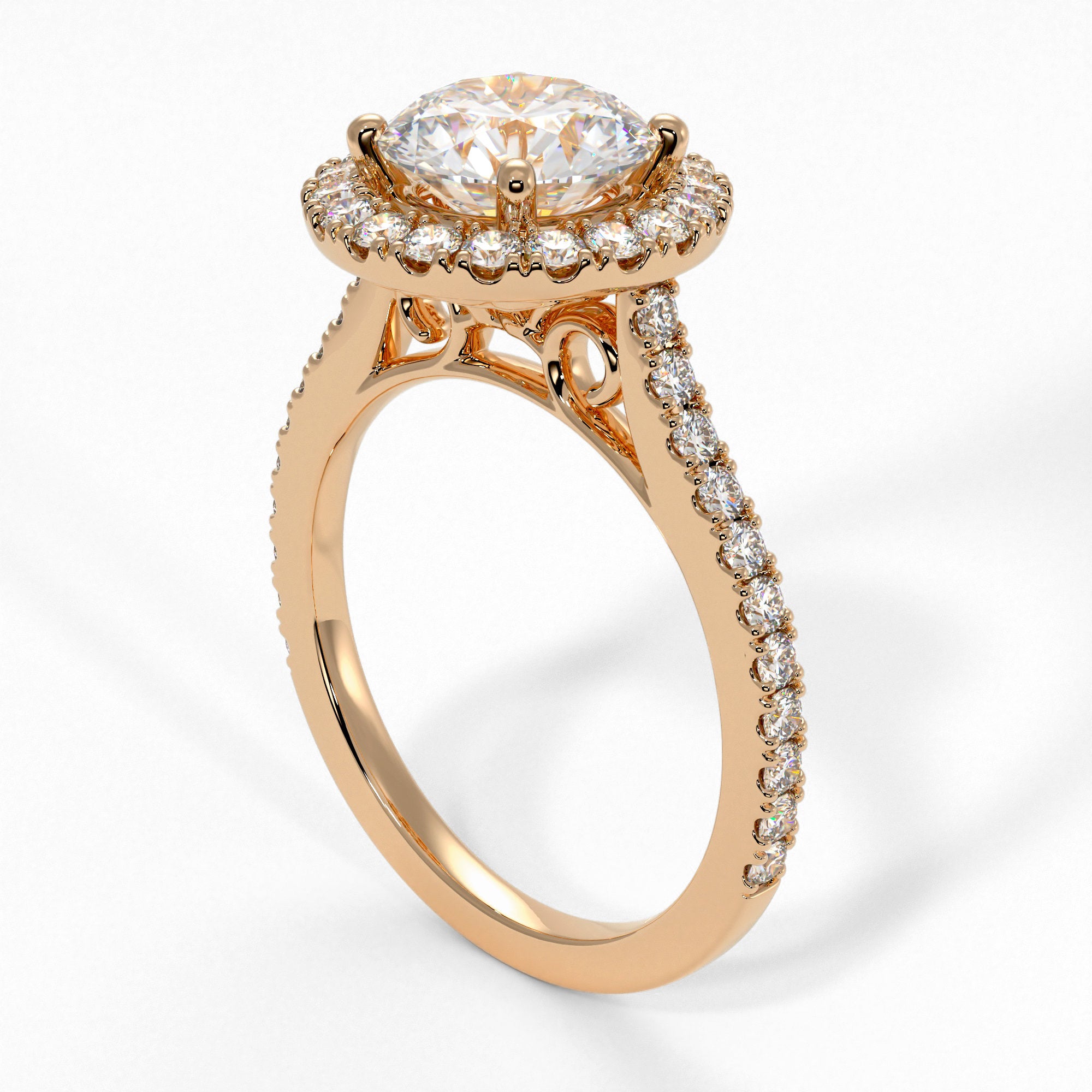
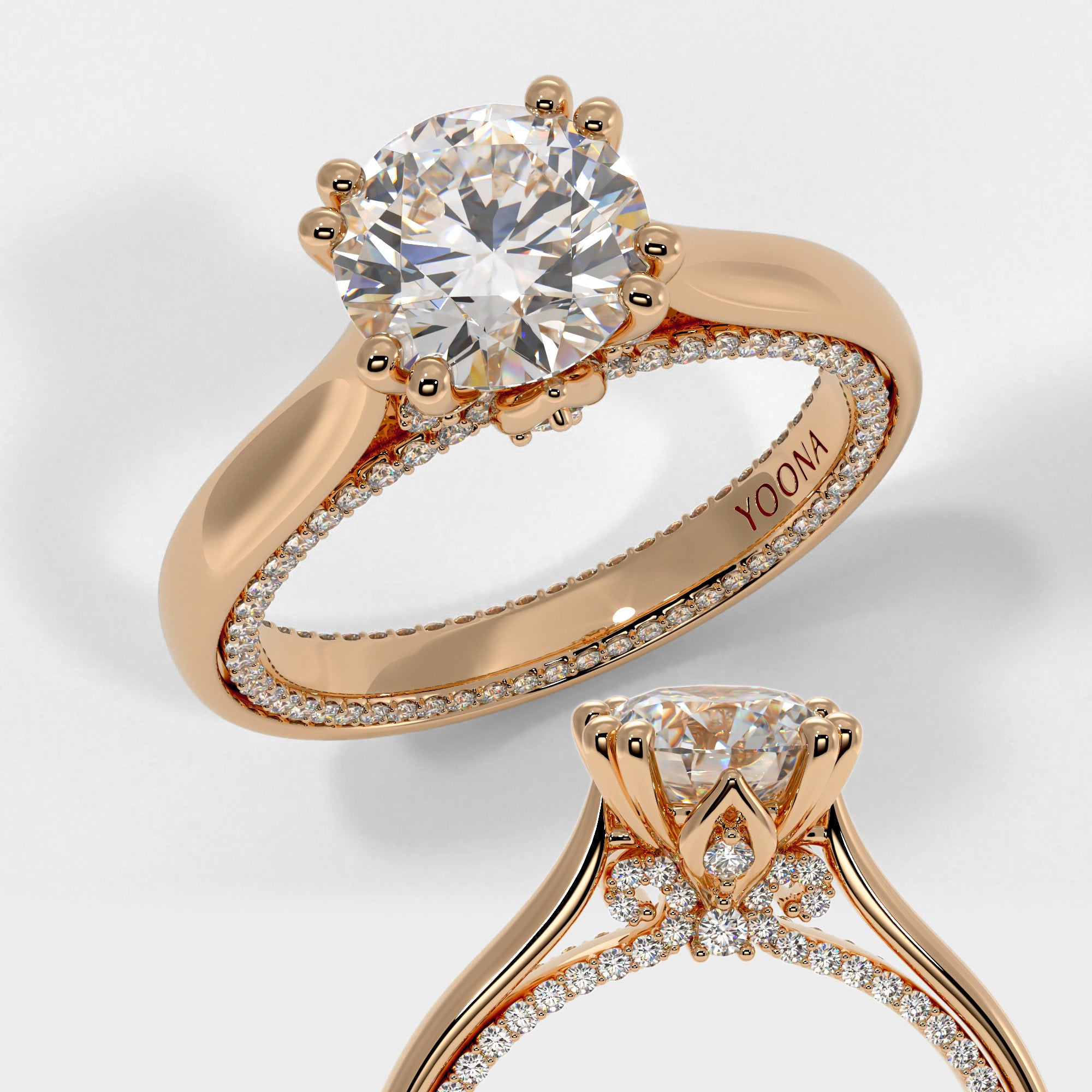
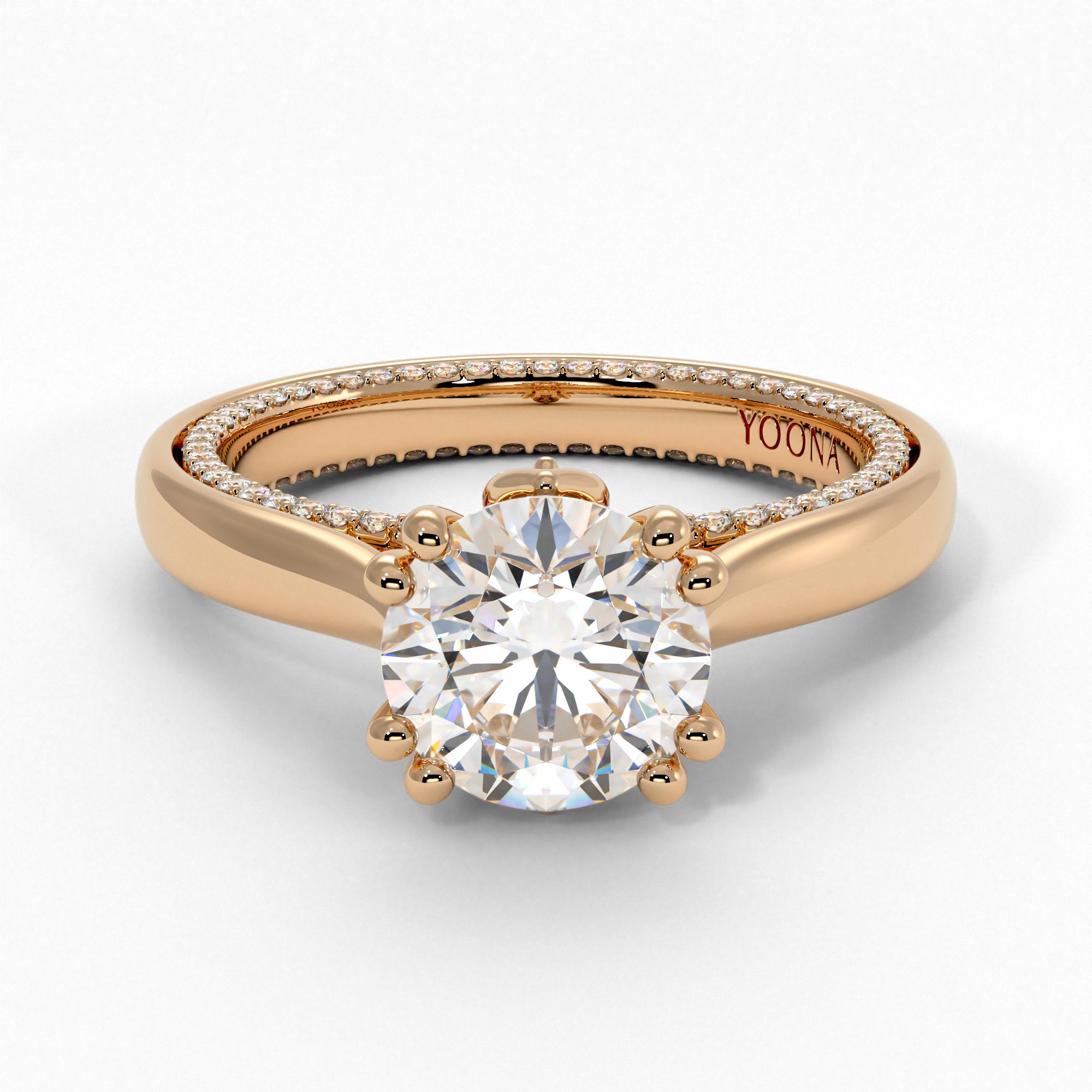
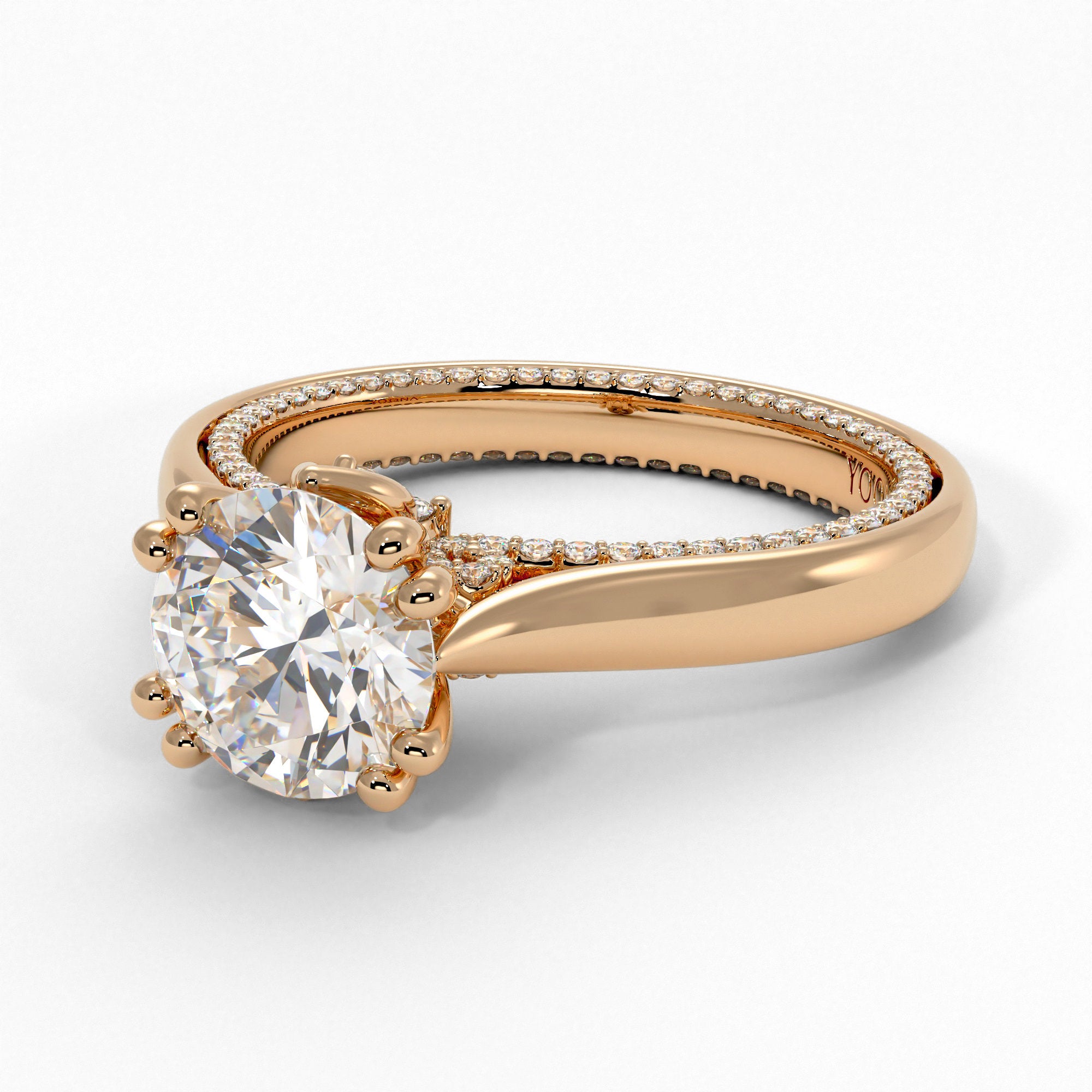
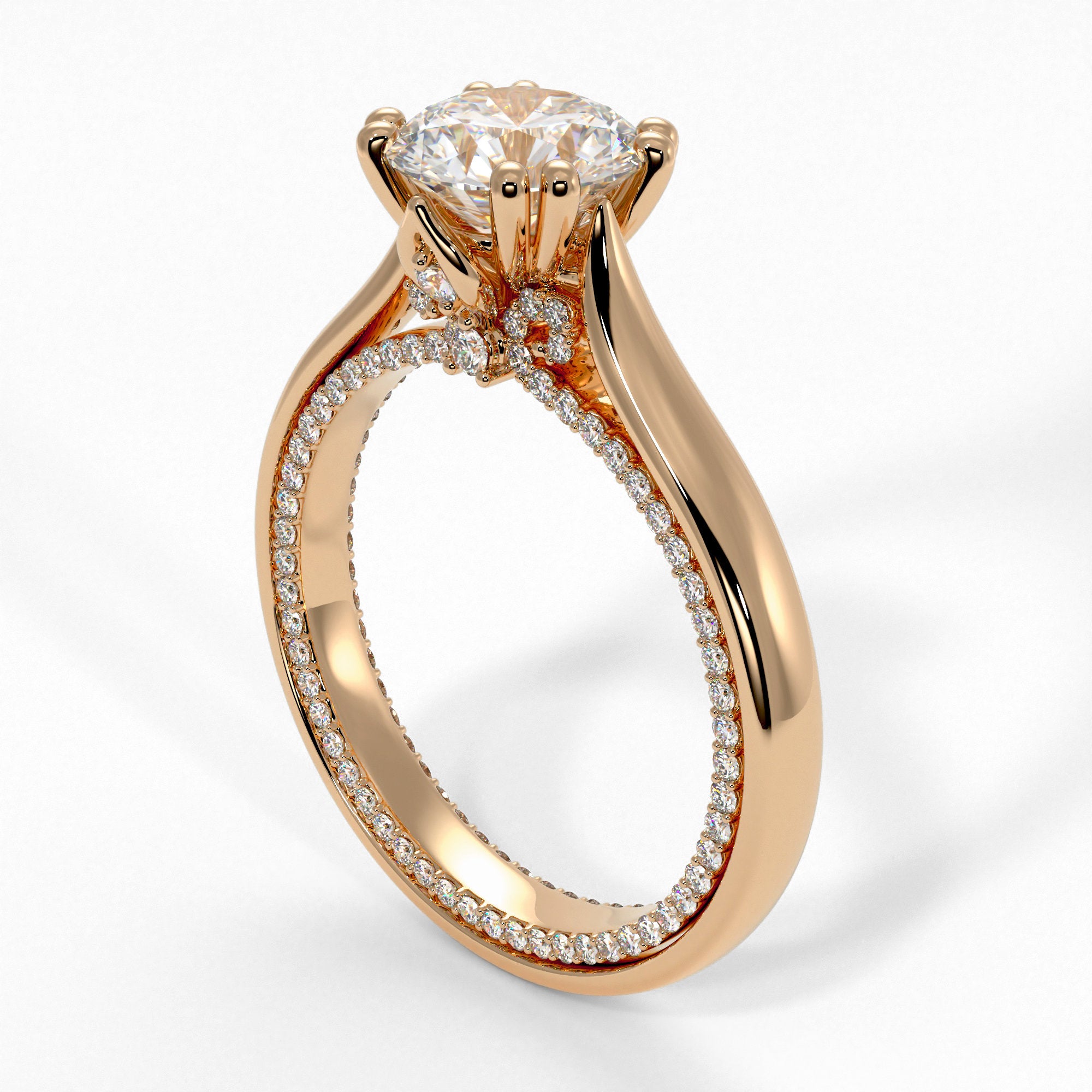
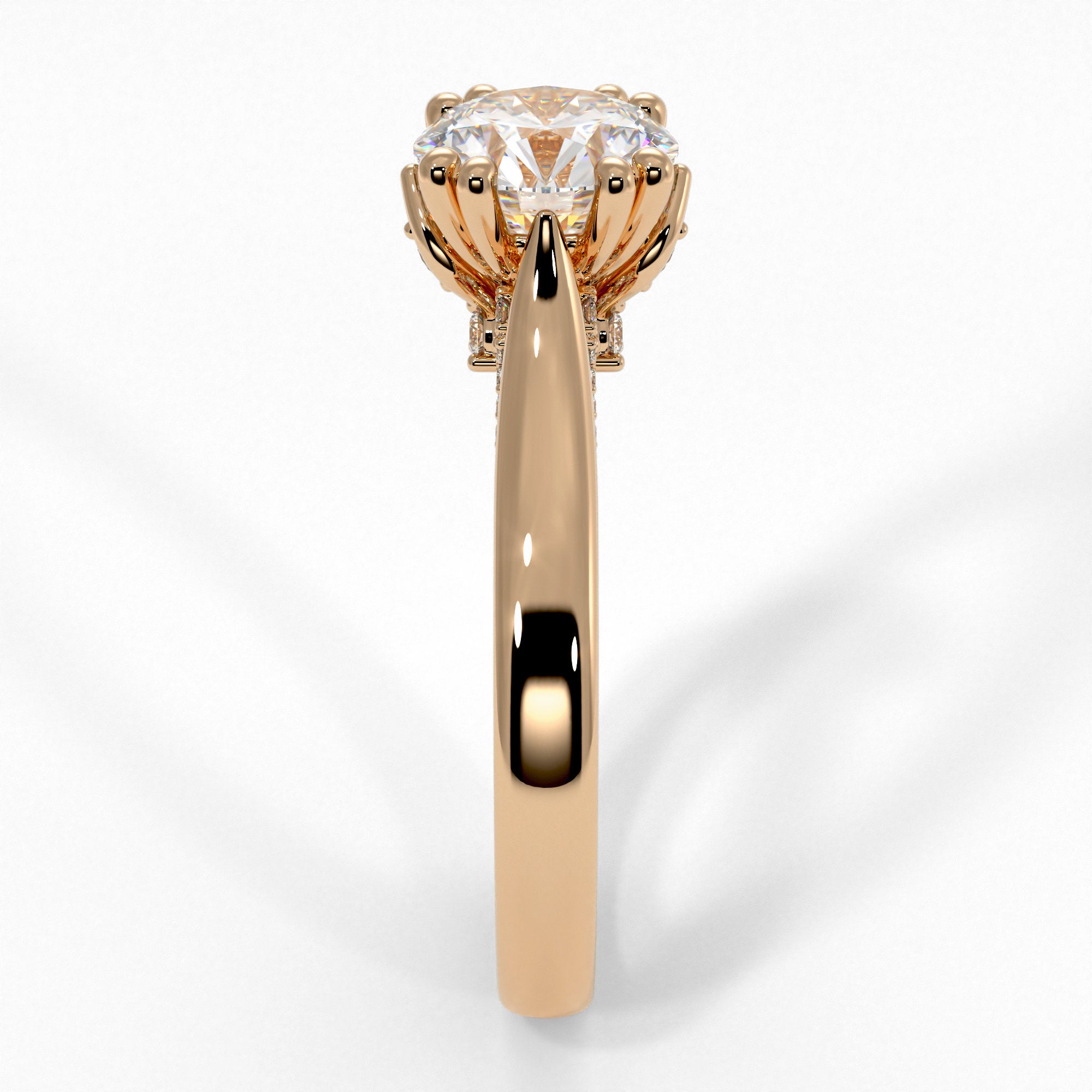
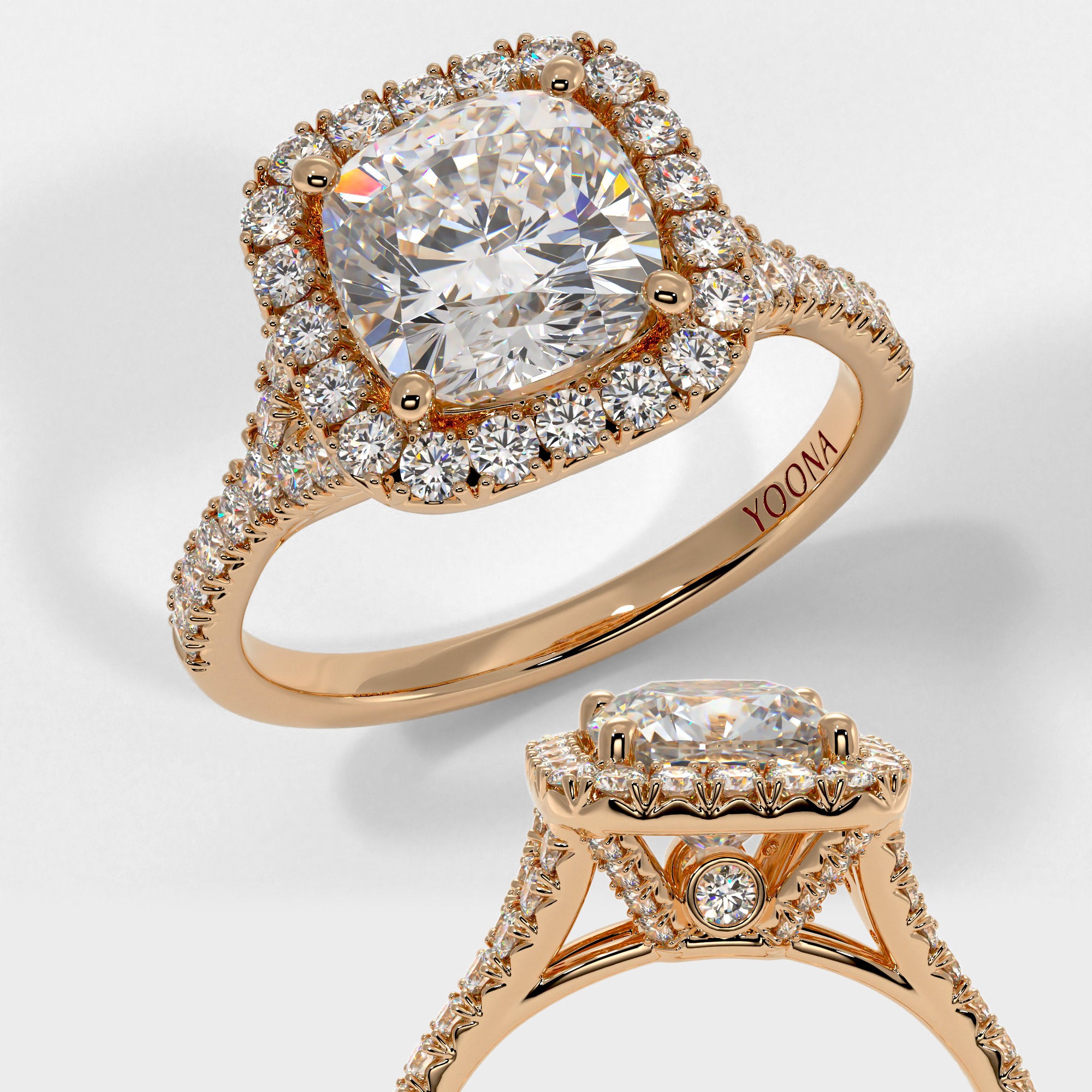
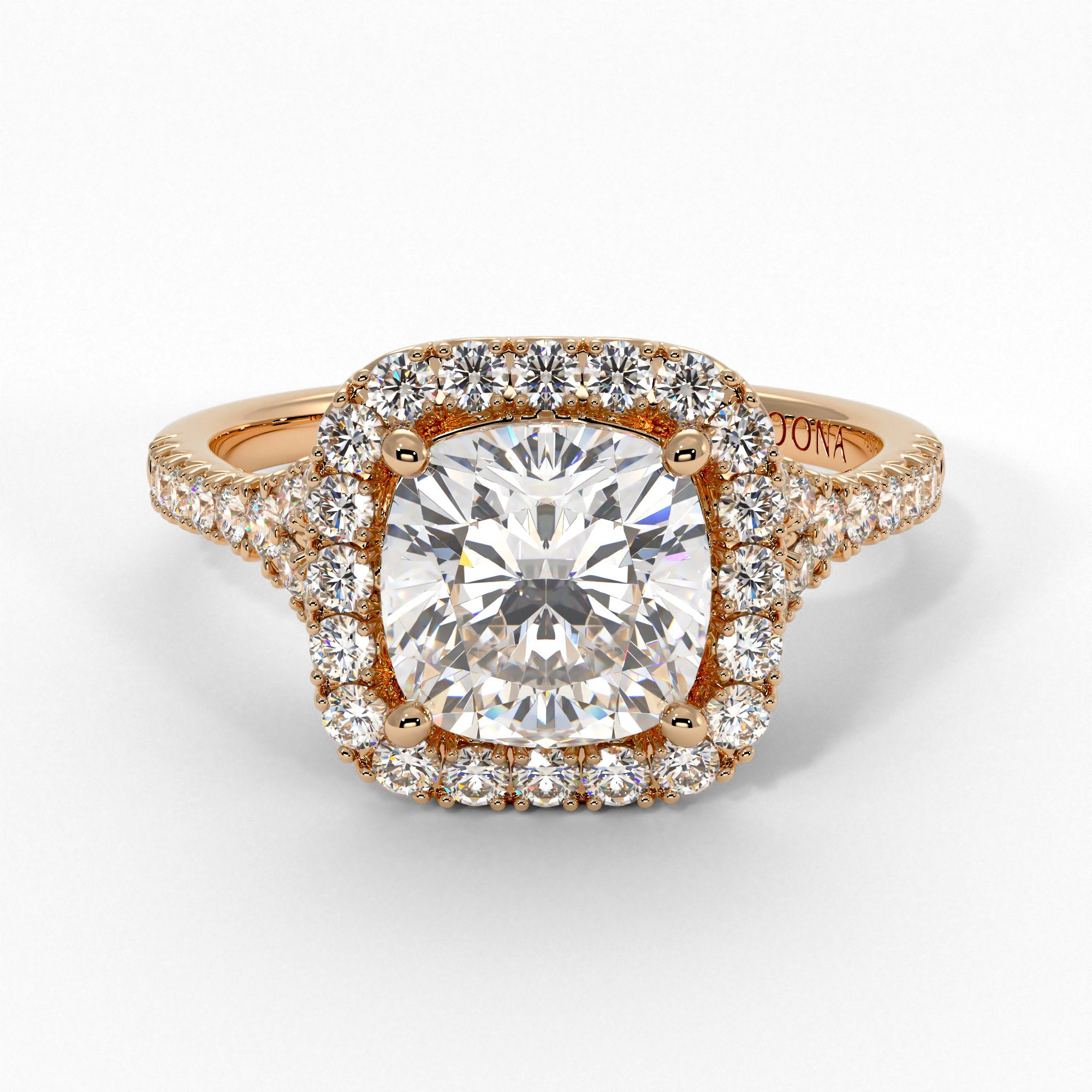
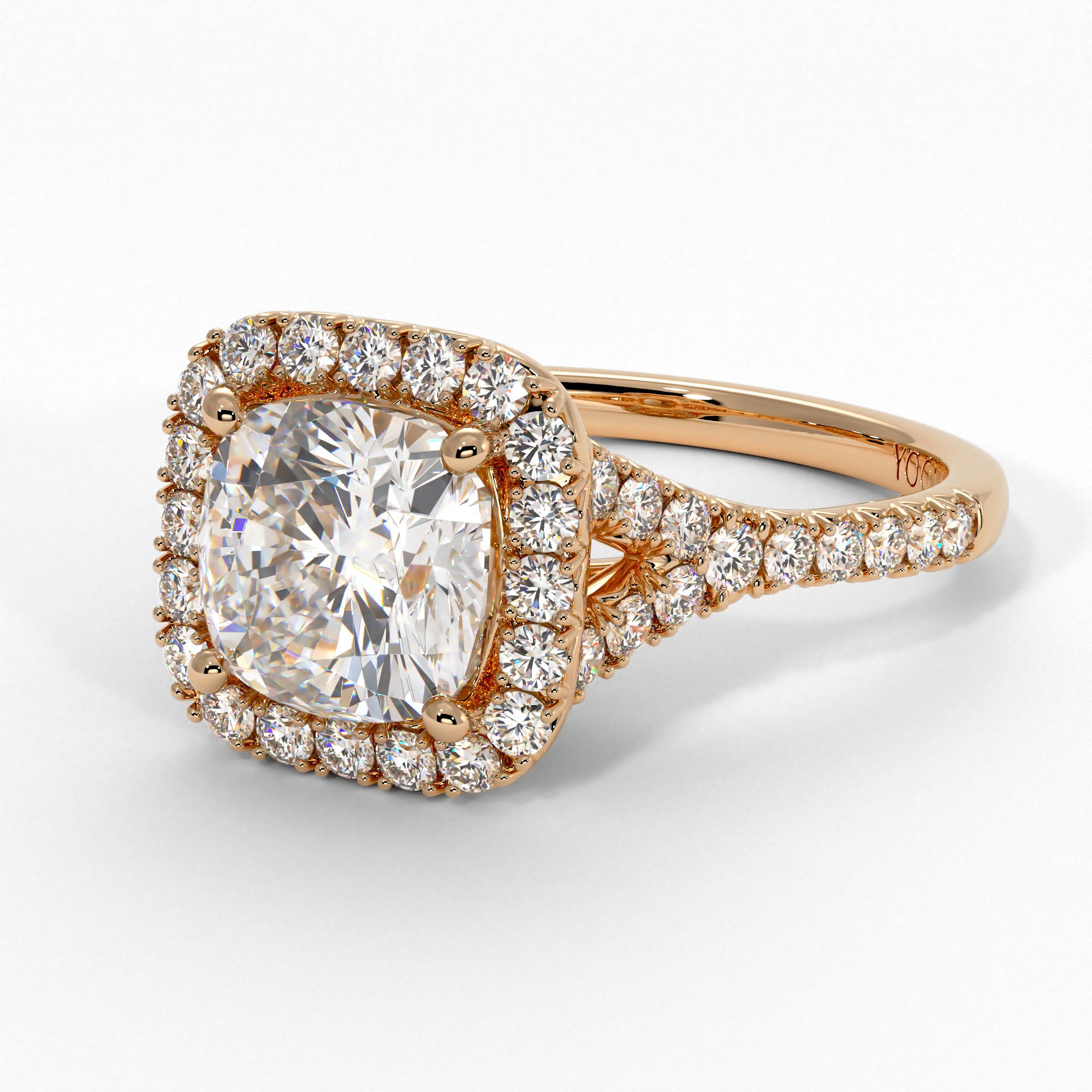
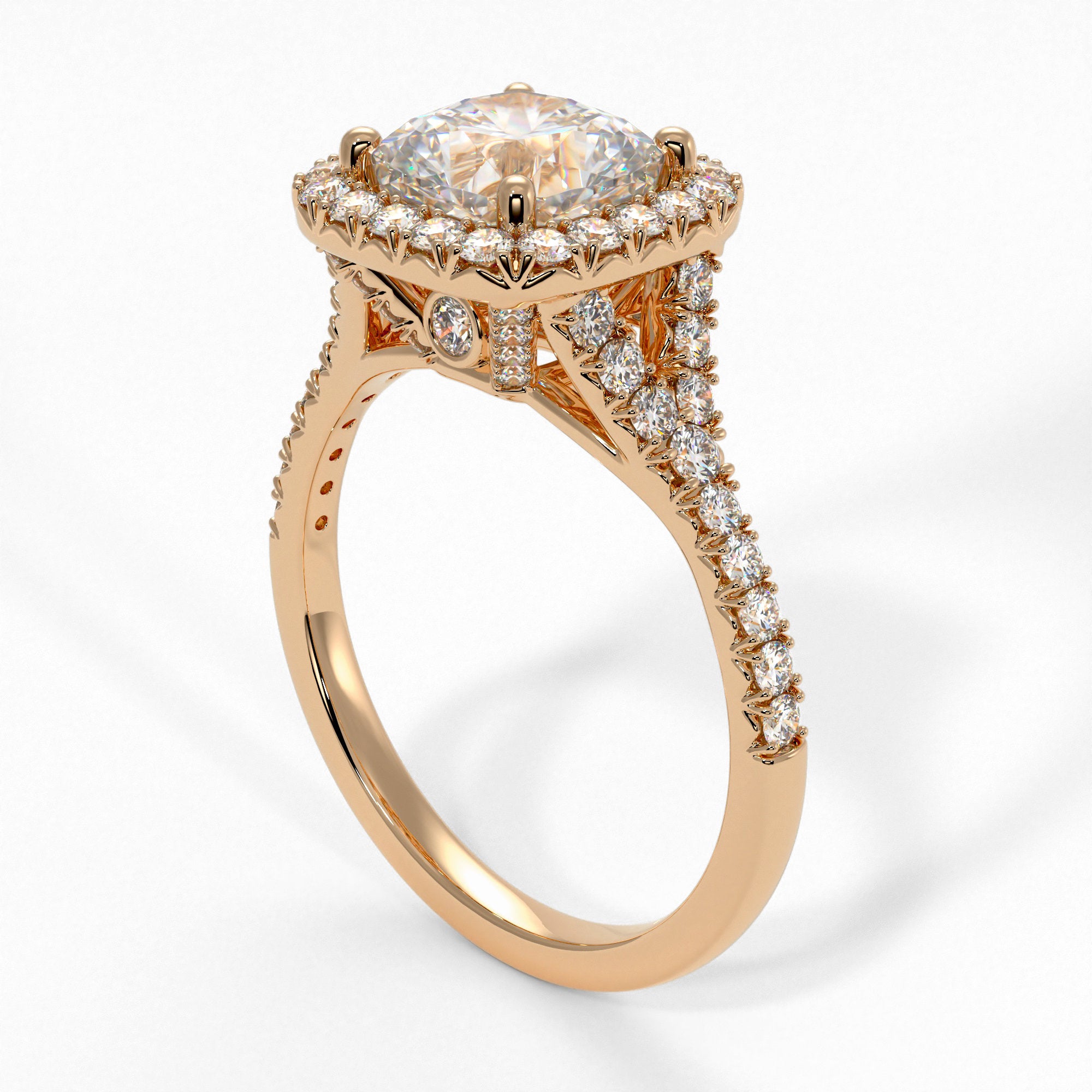
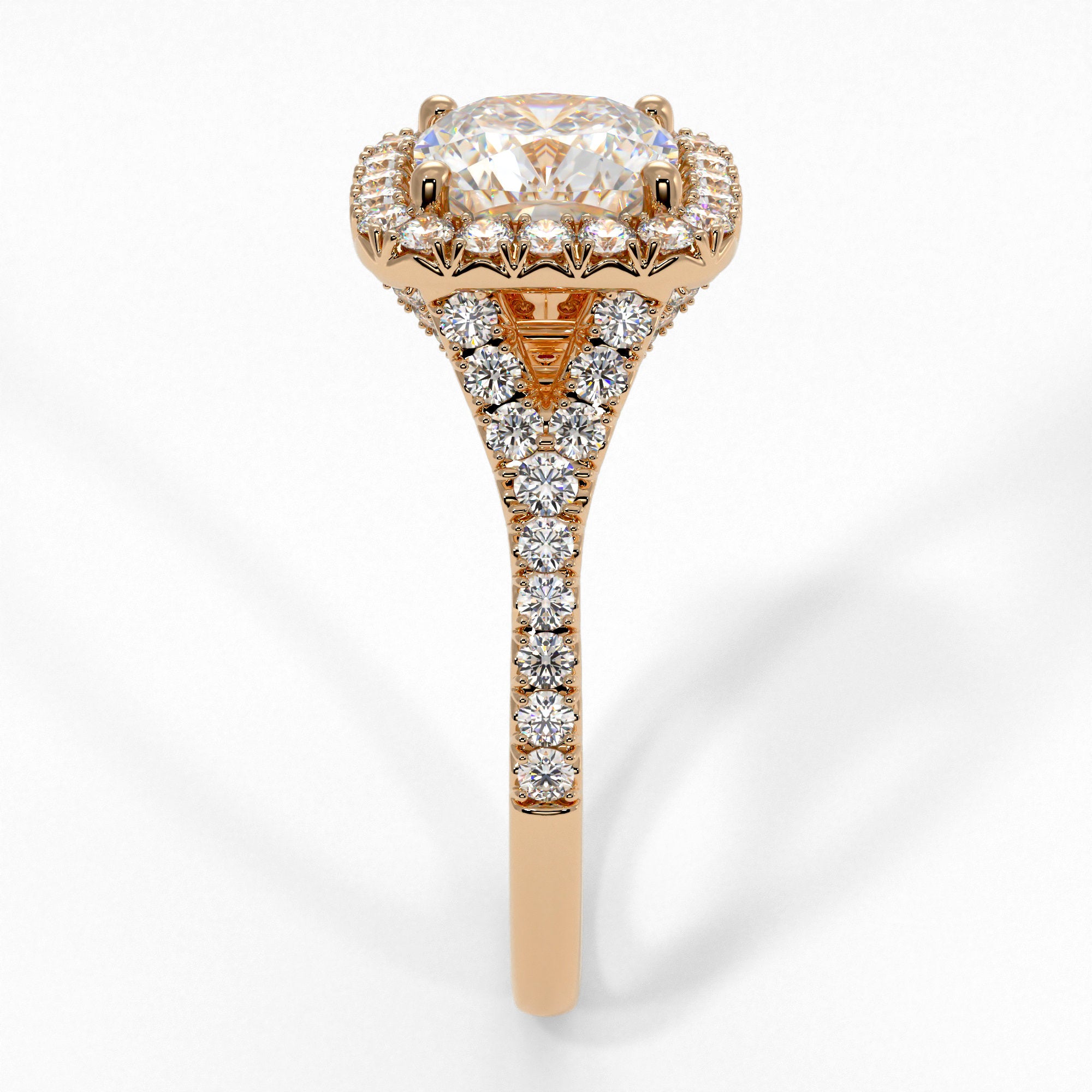
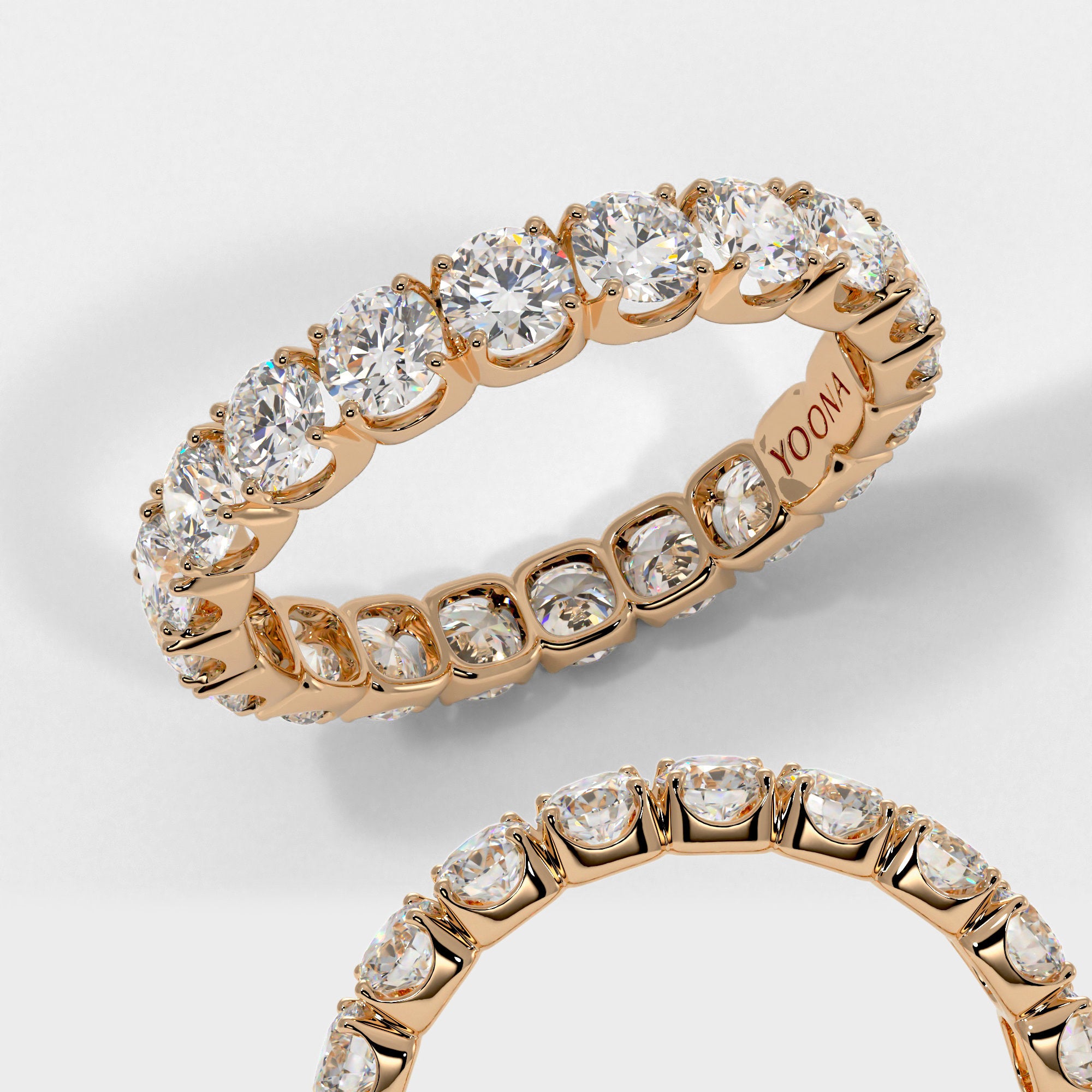
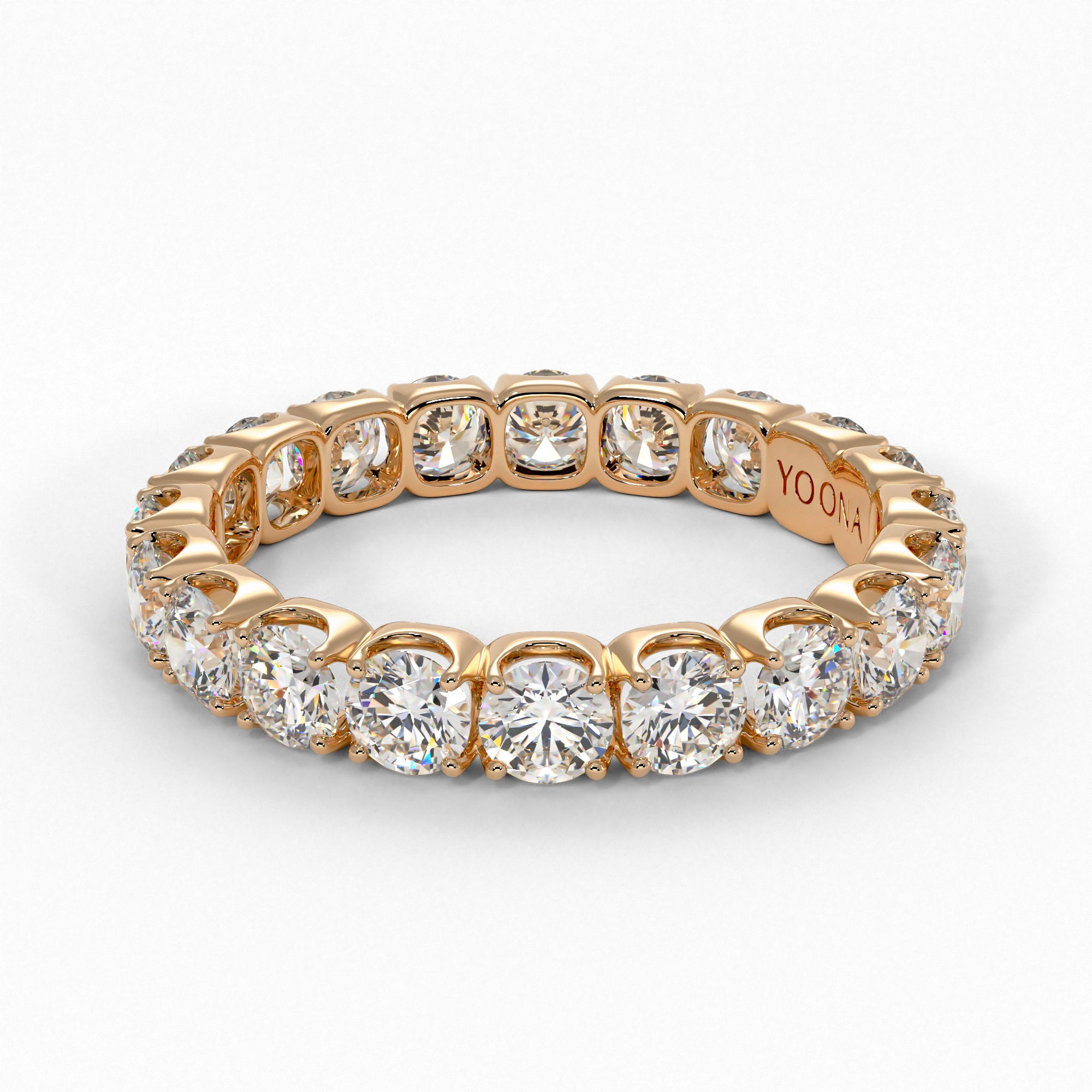
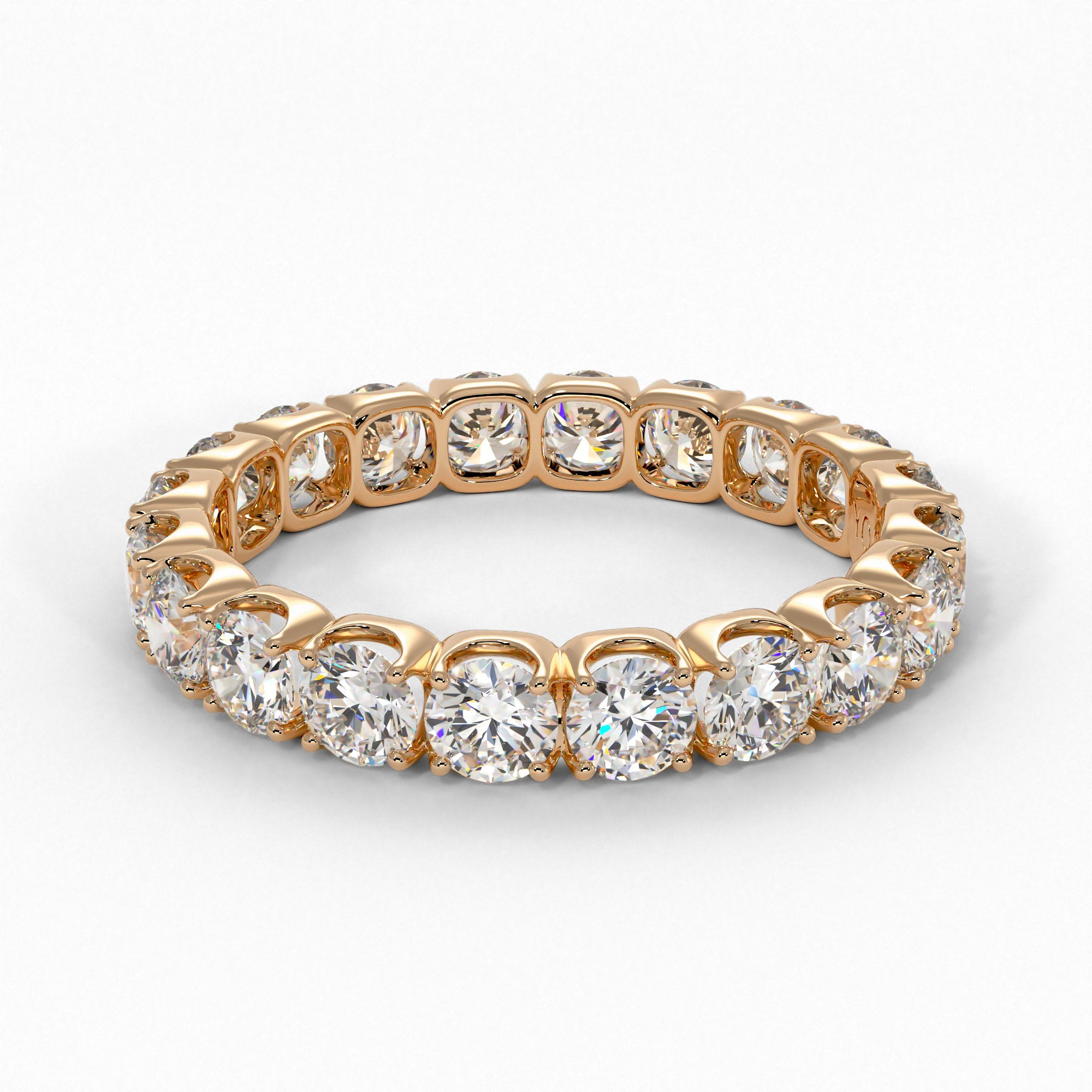
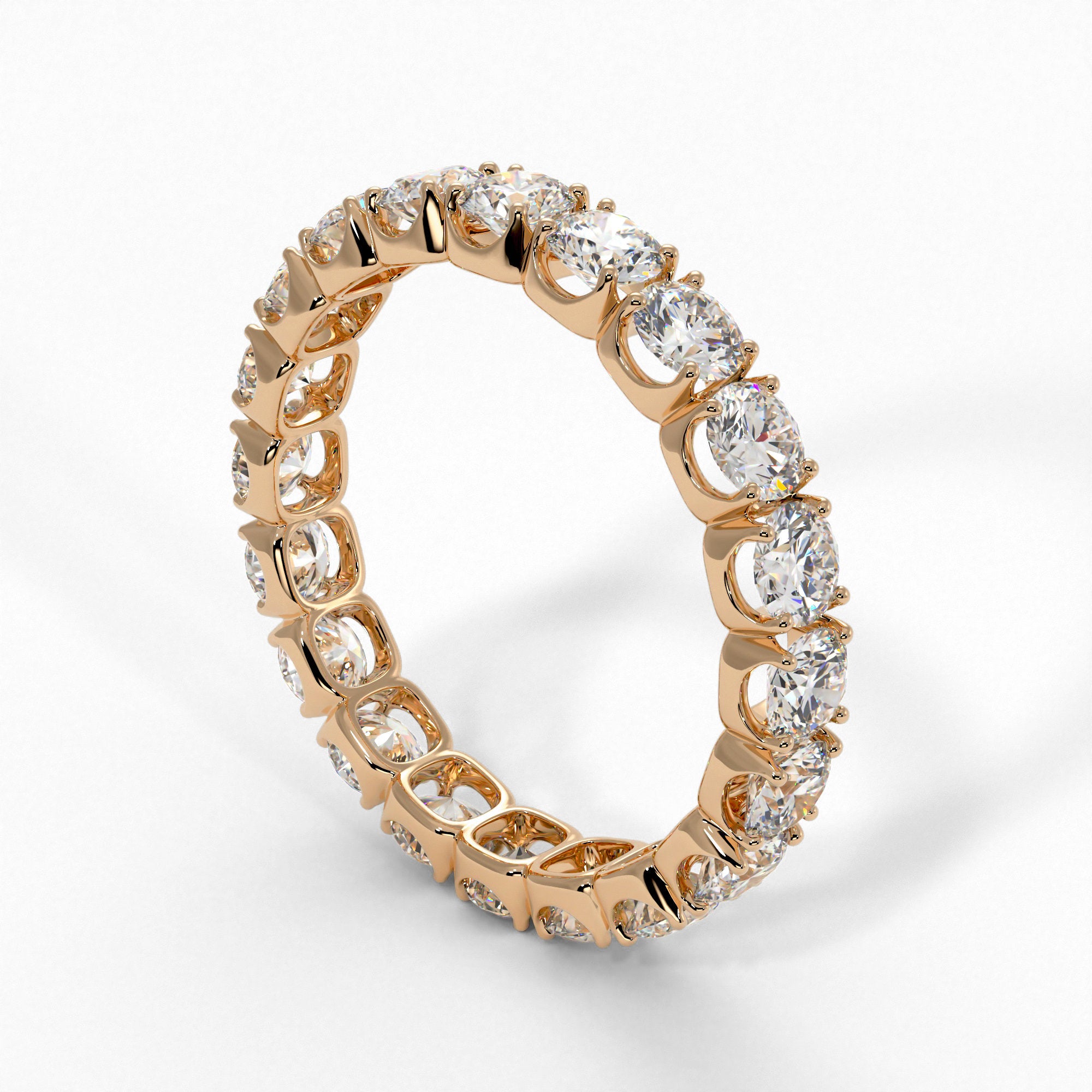
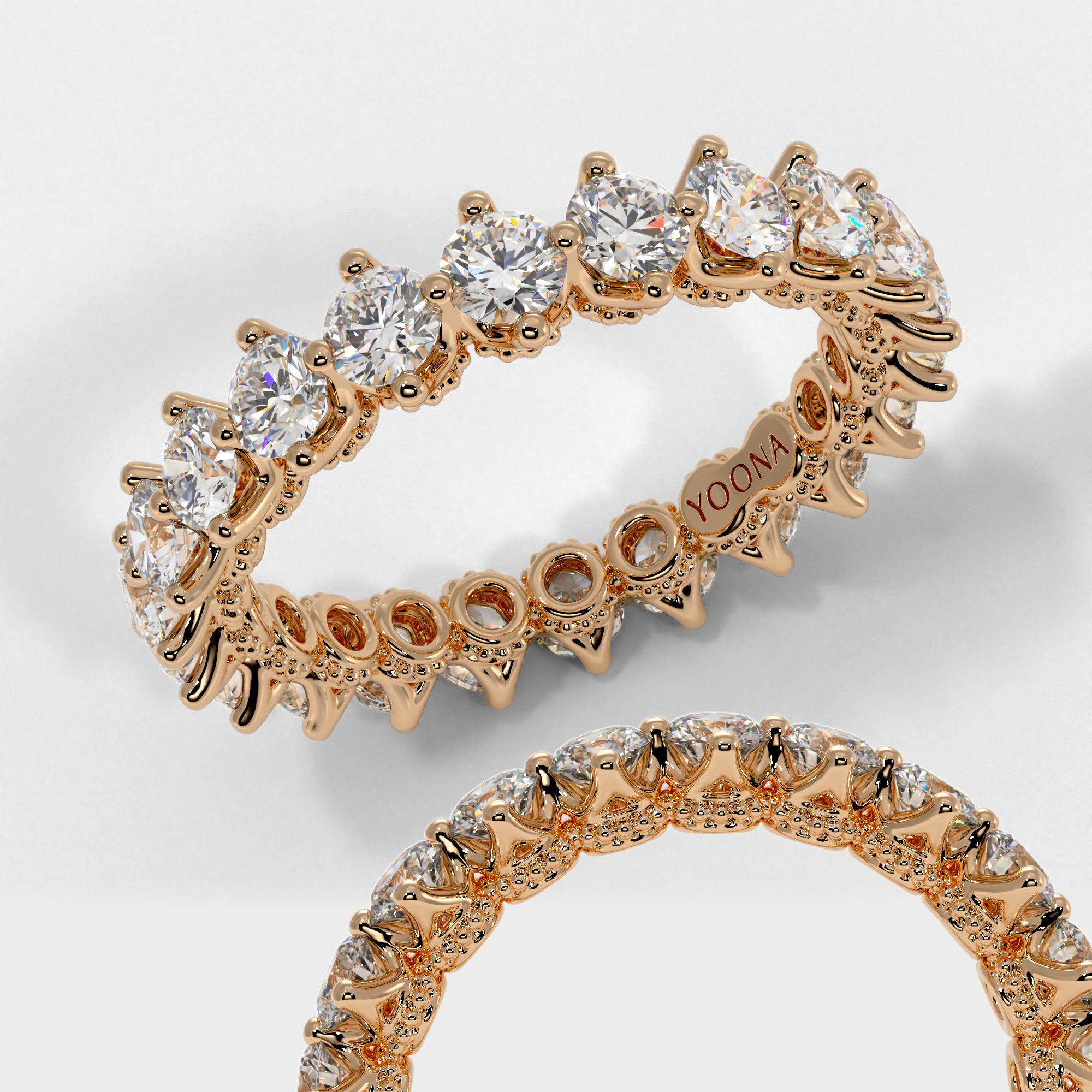
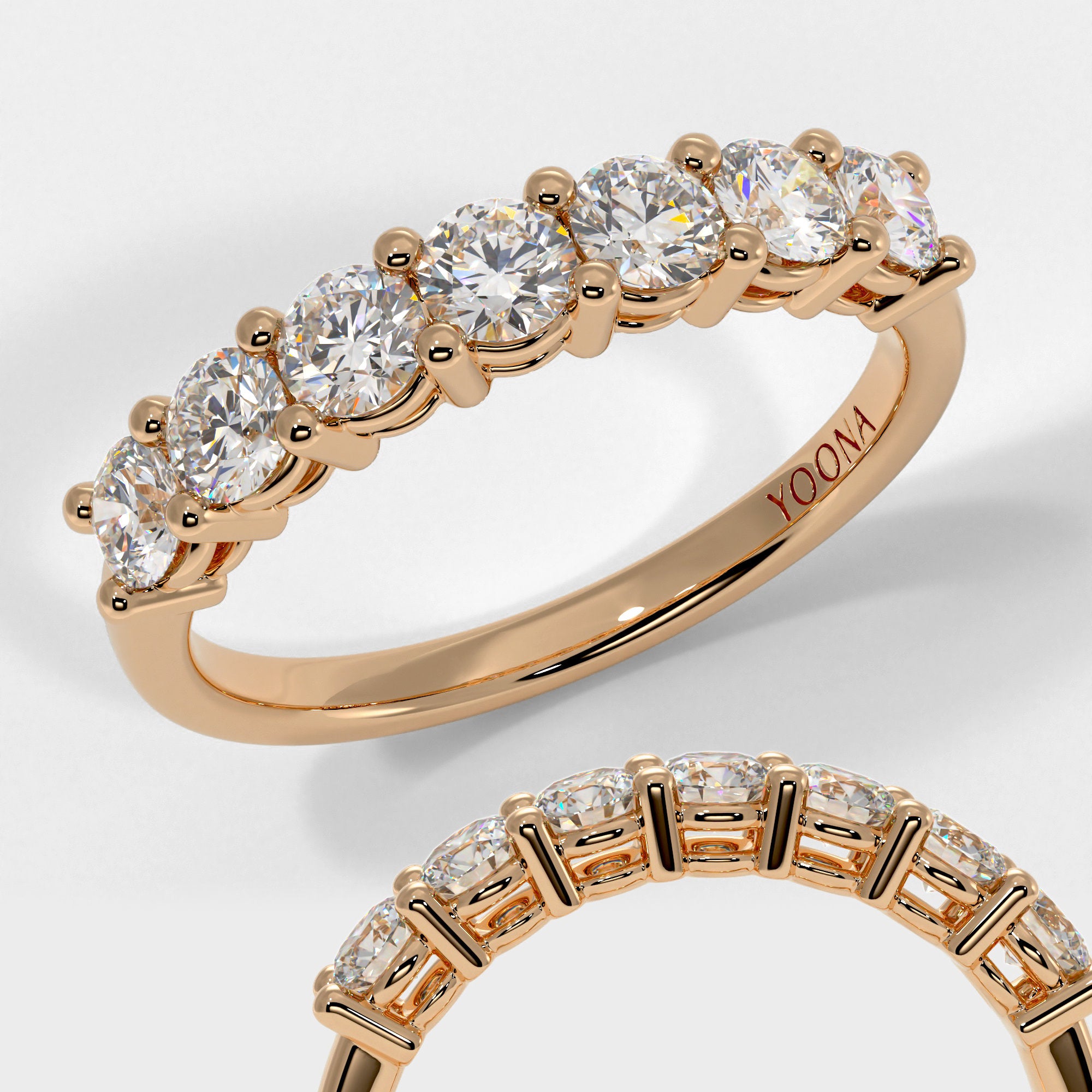
Rose Gold: Romantic and Durable
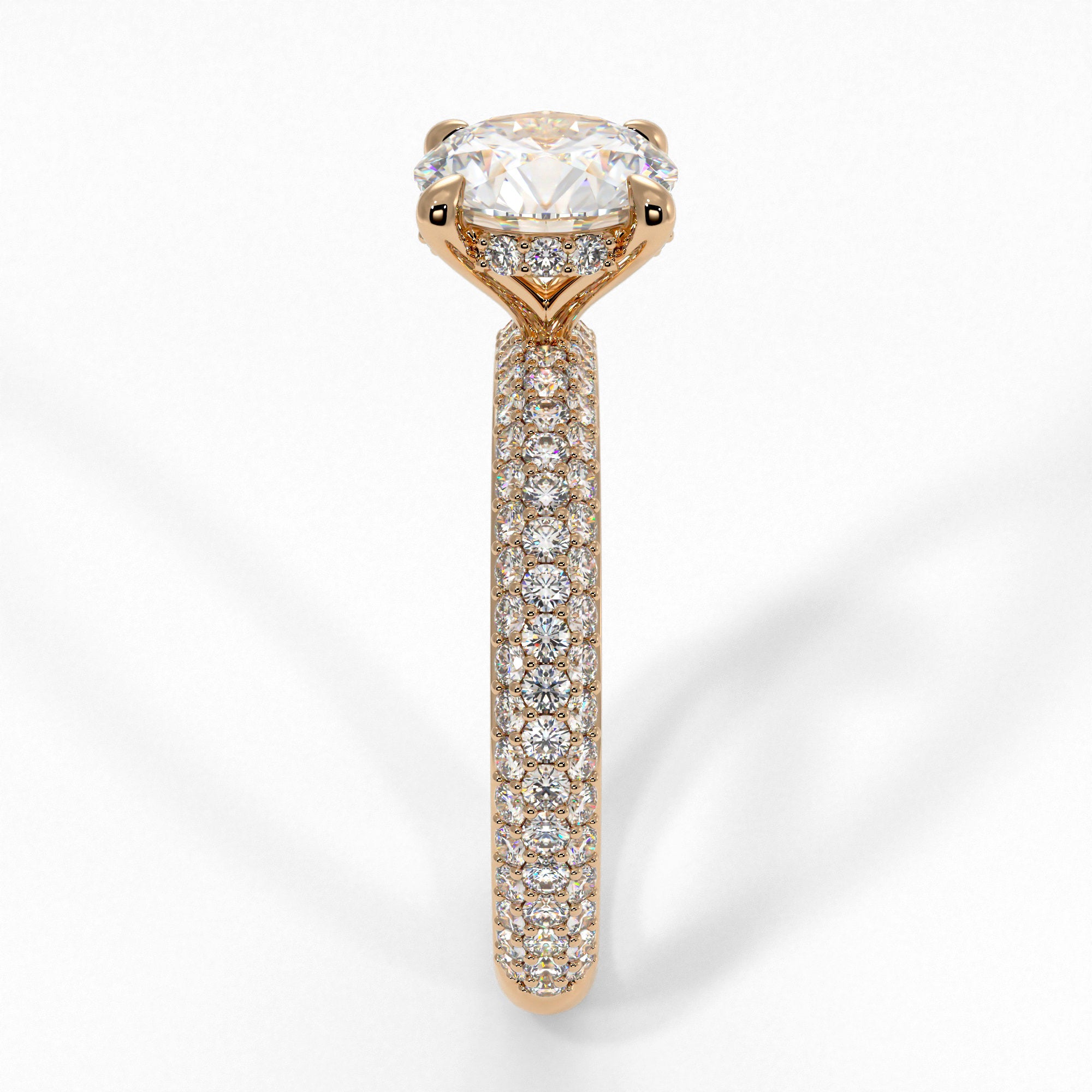
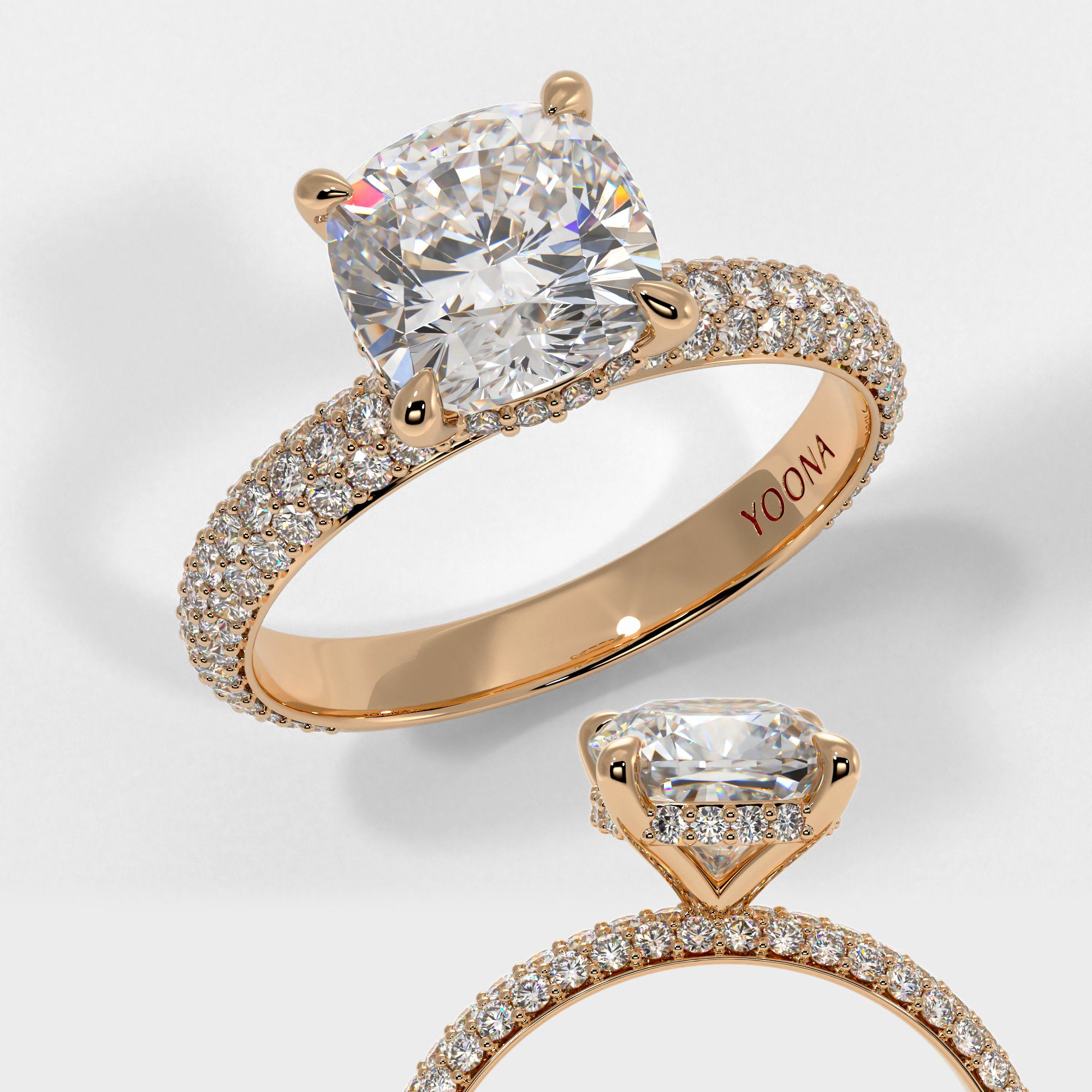
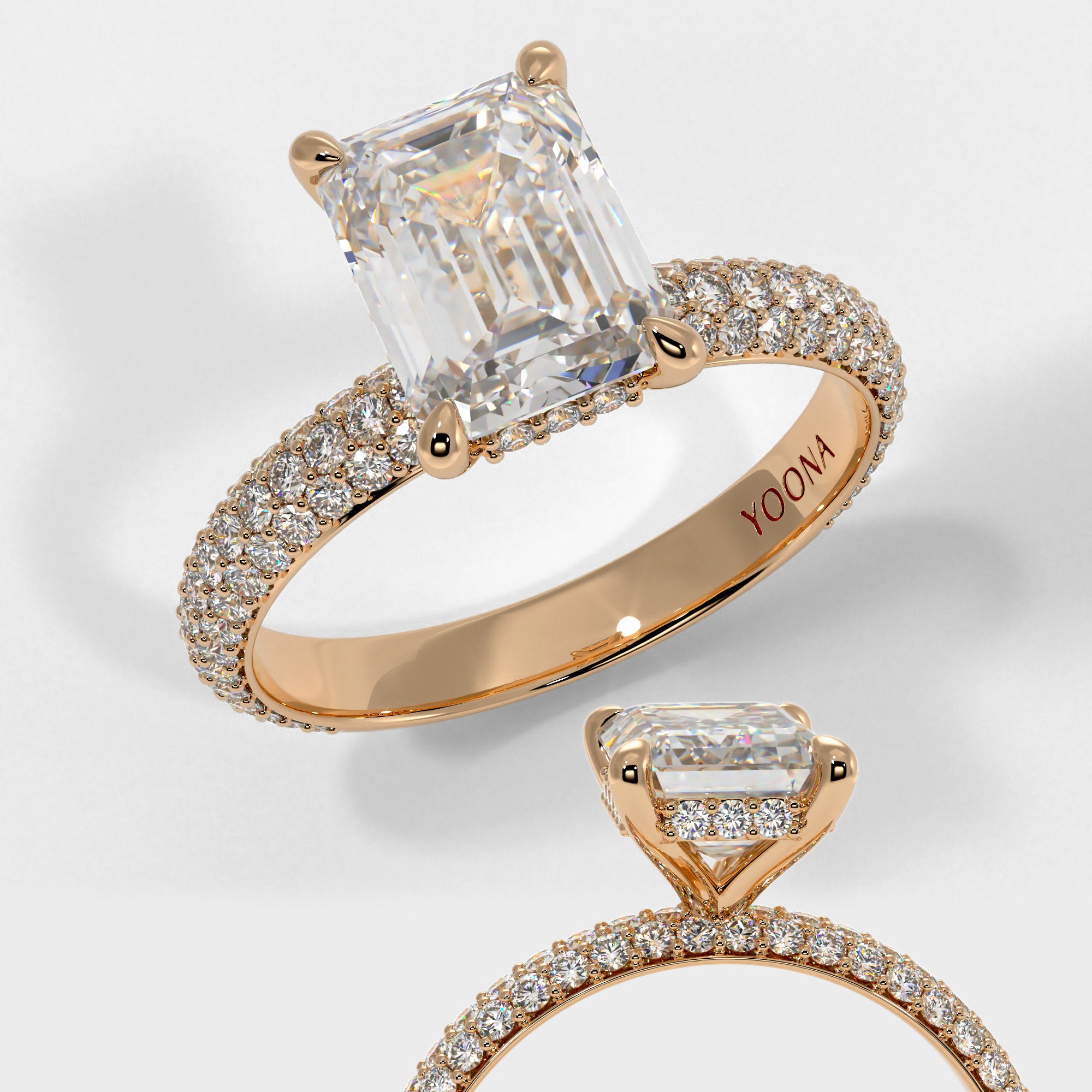
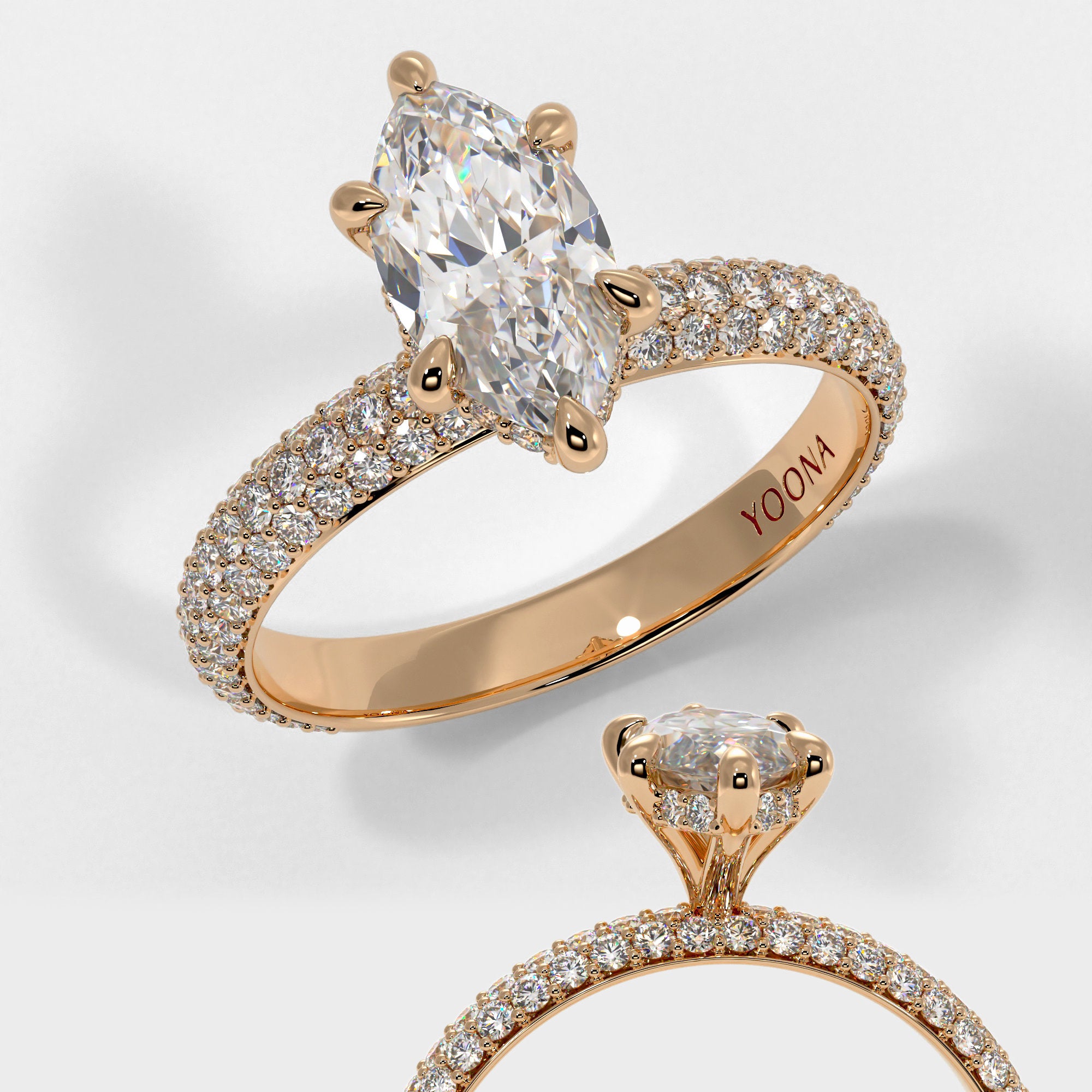
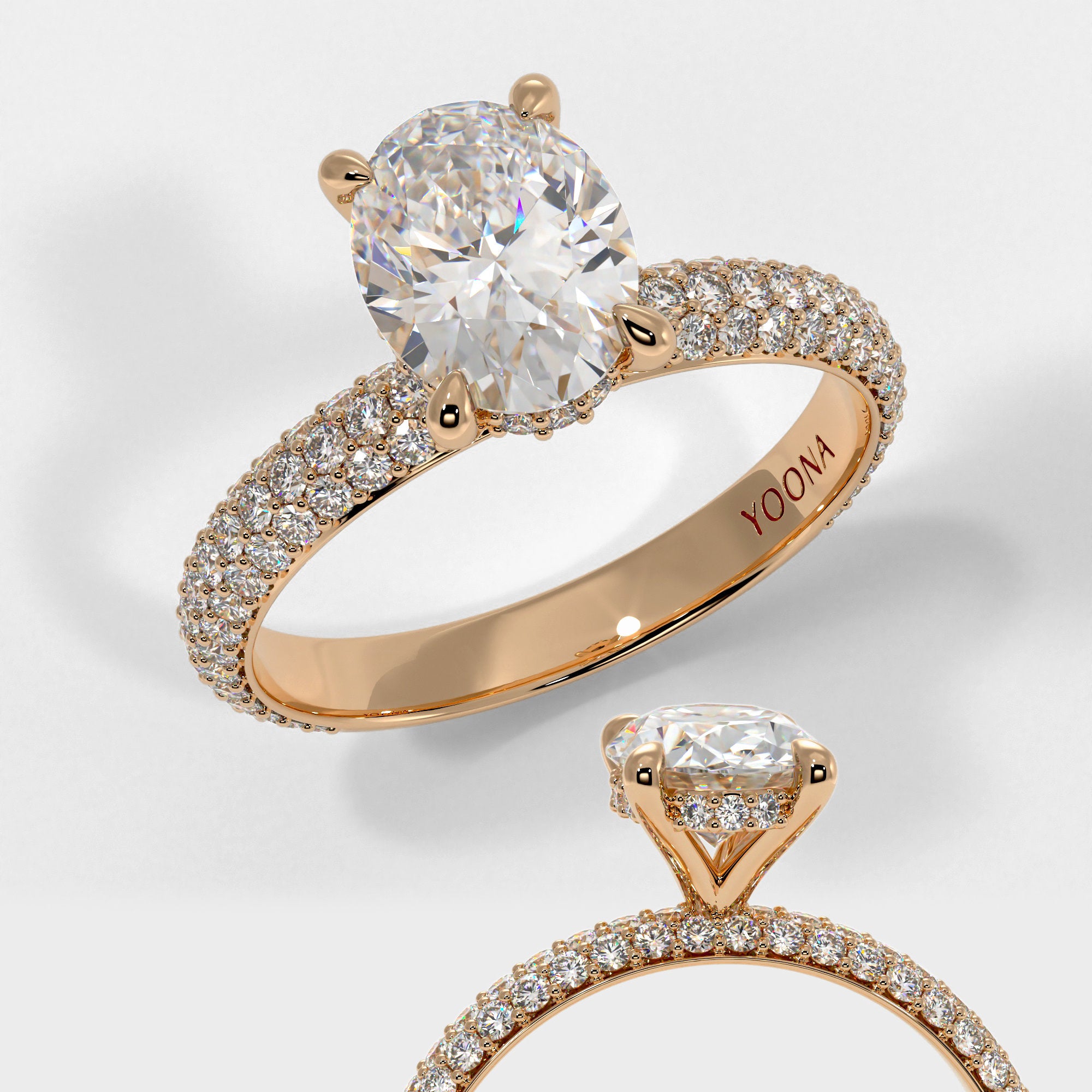
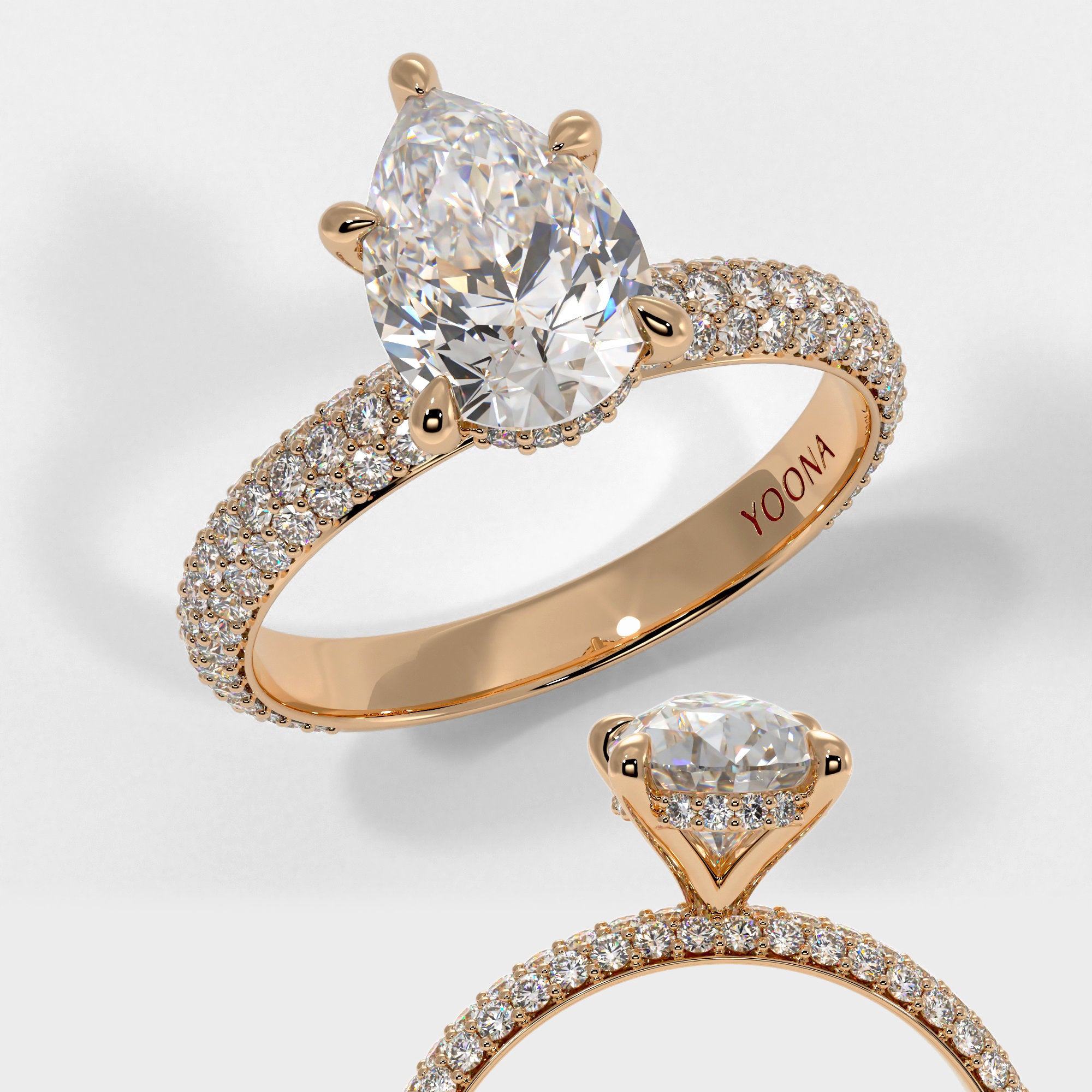
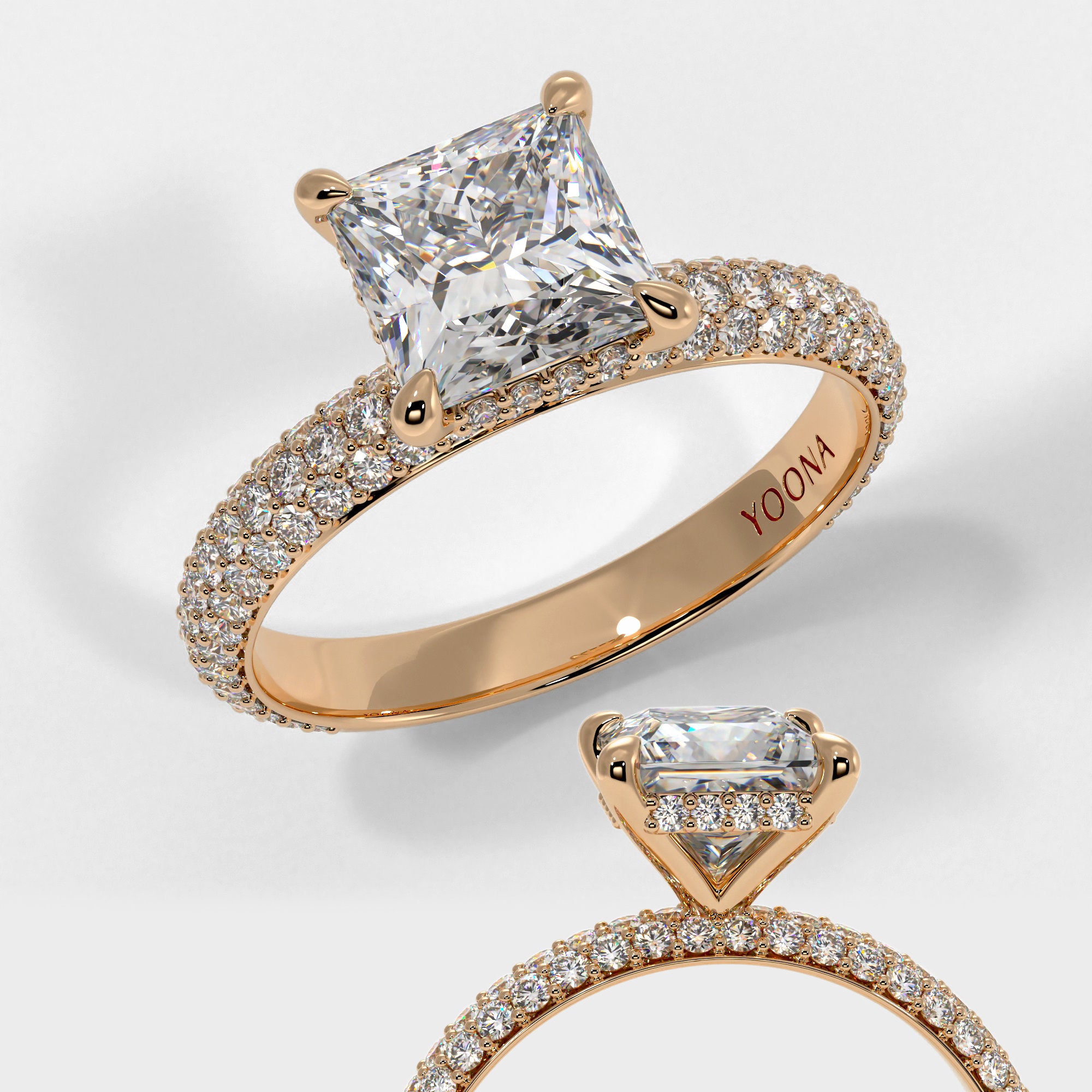
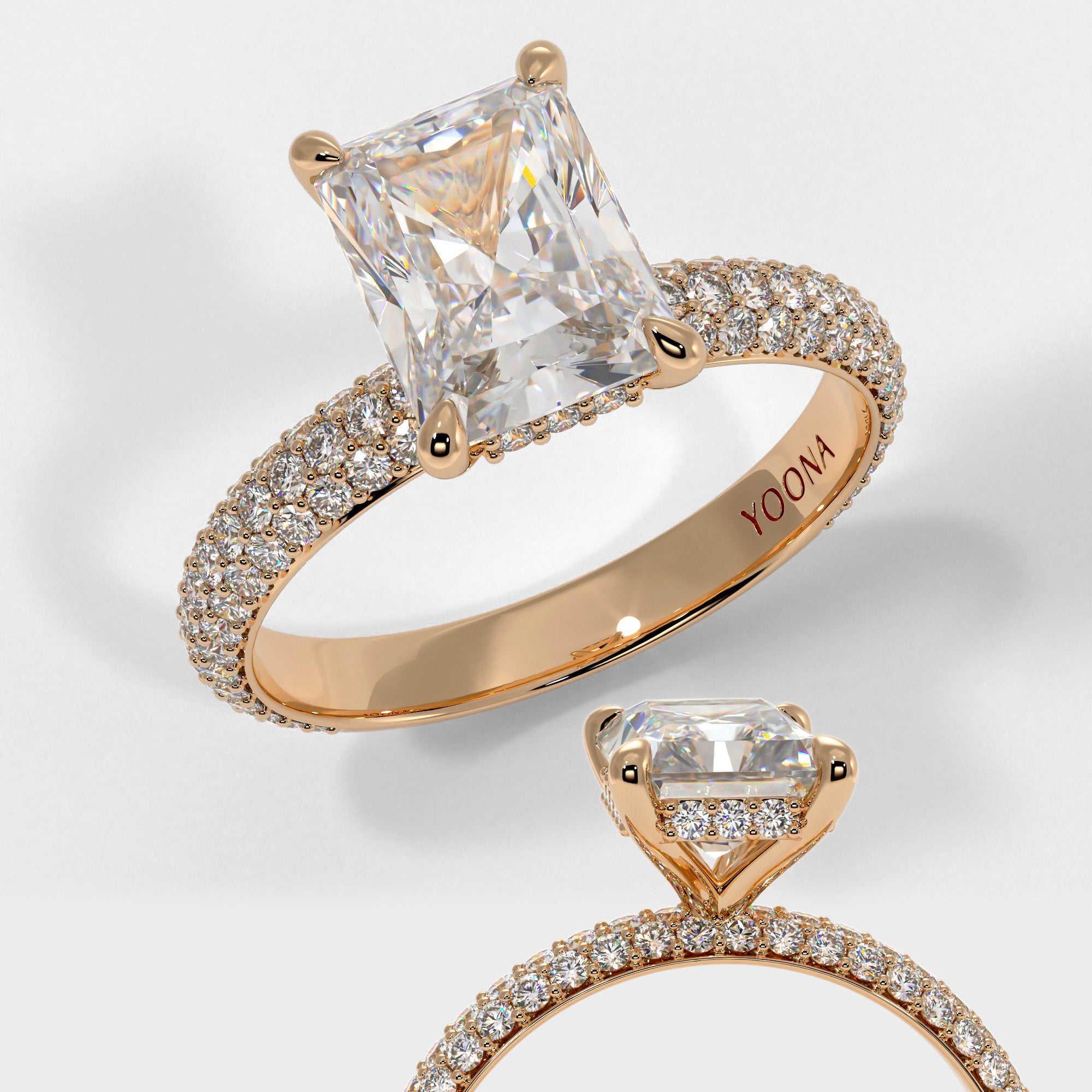
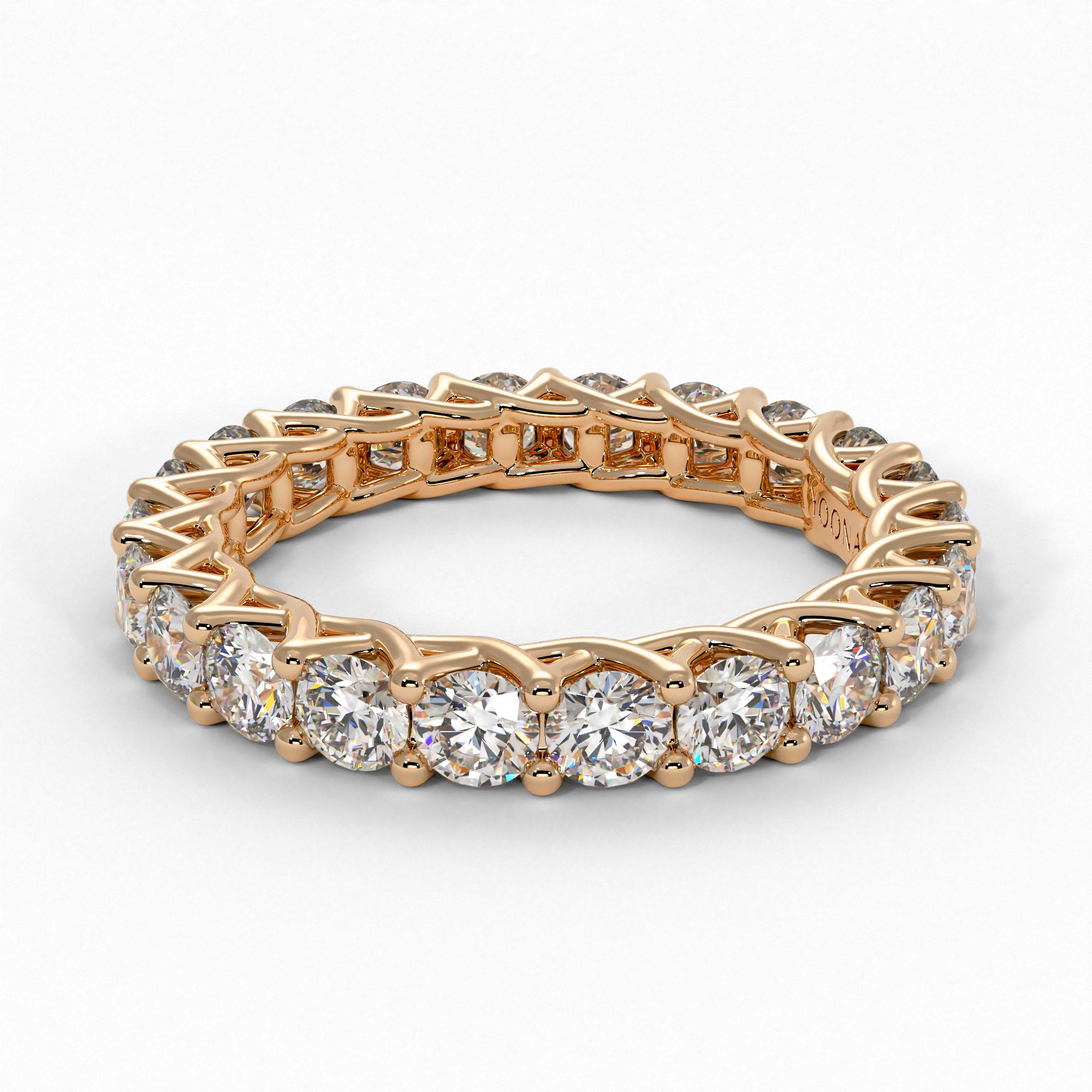
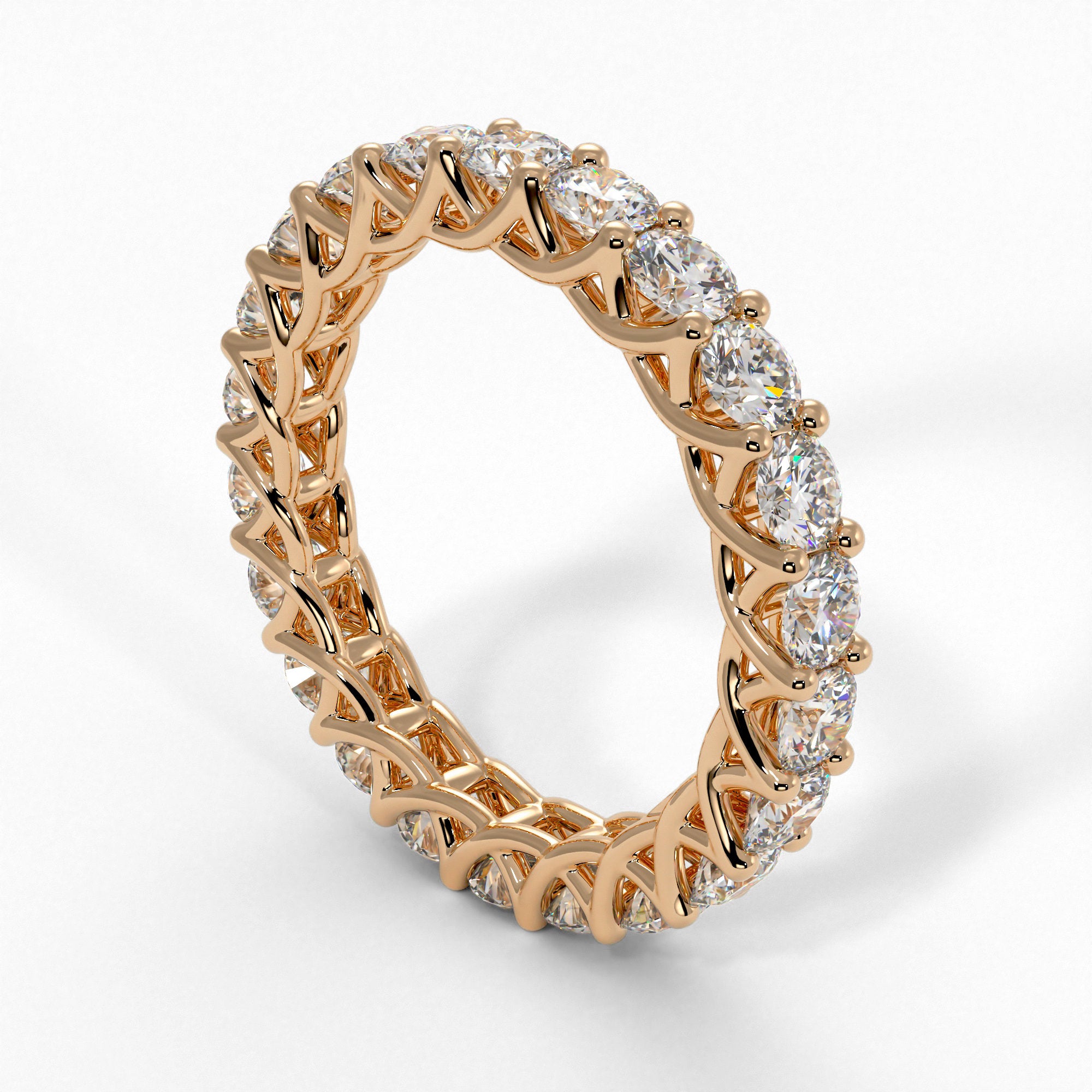
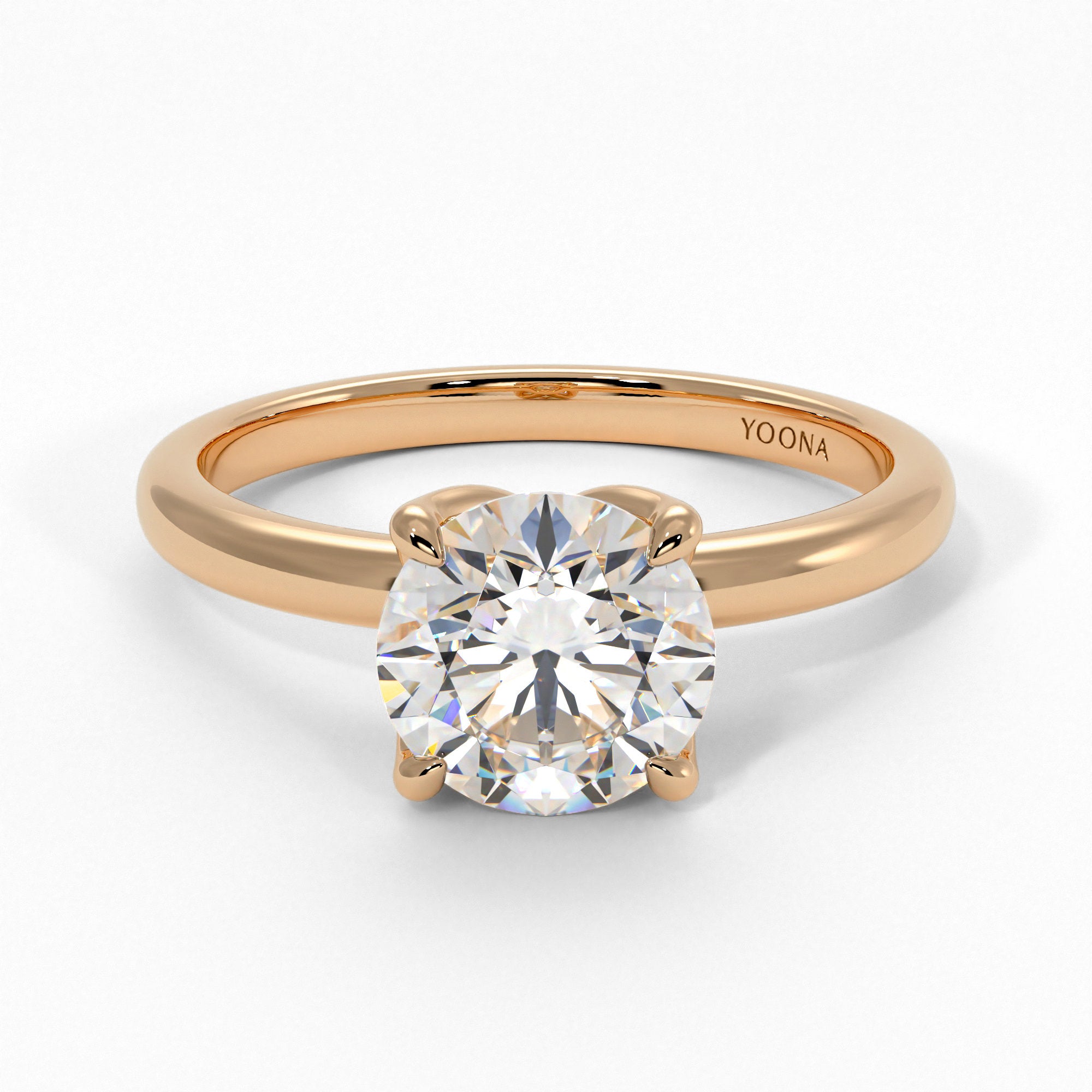
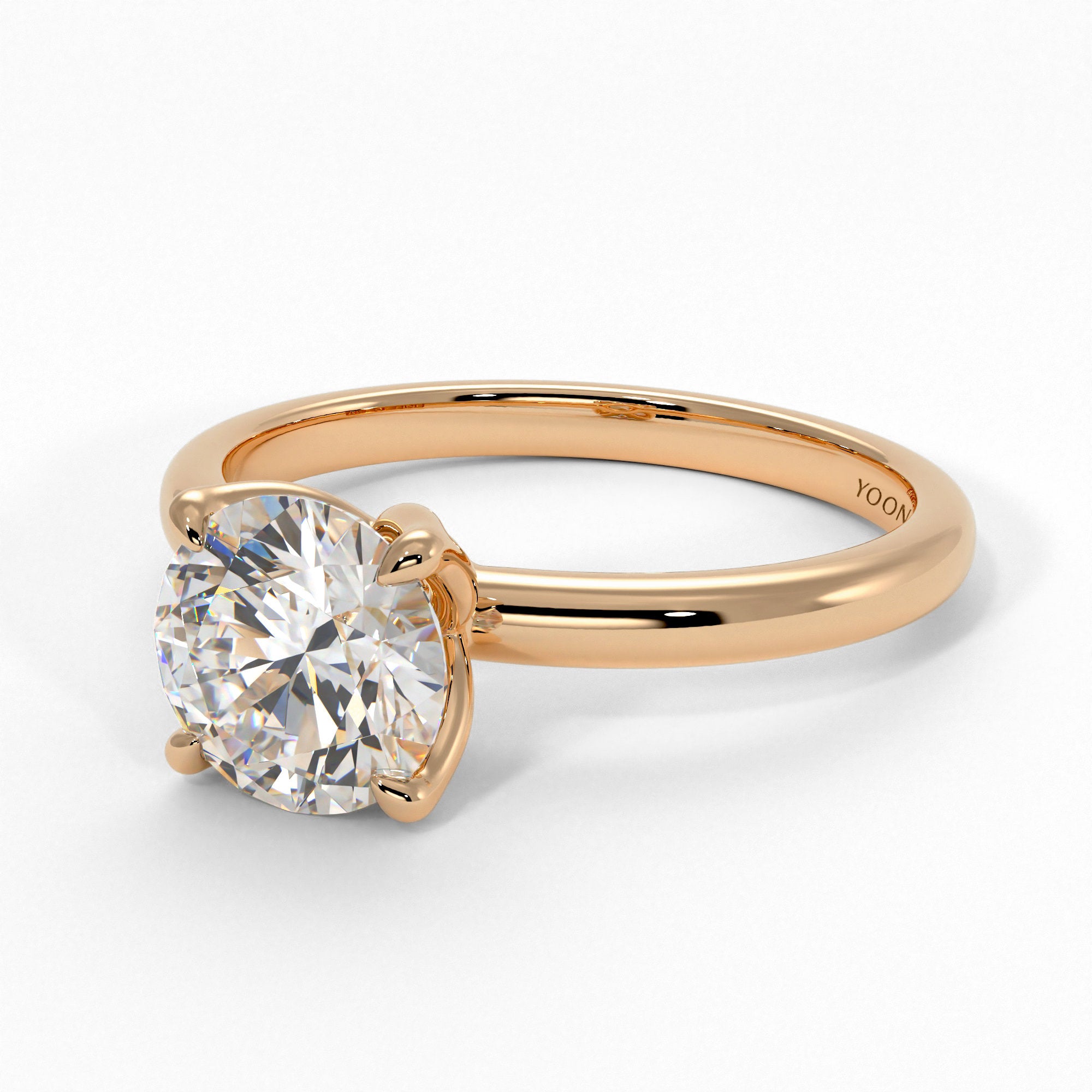
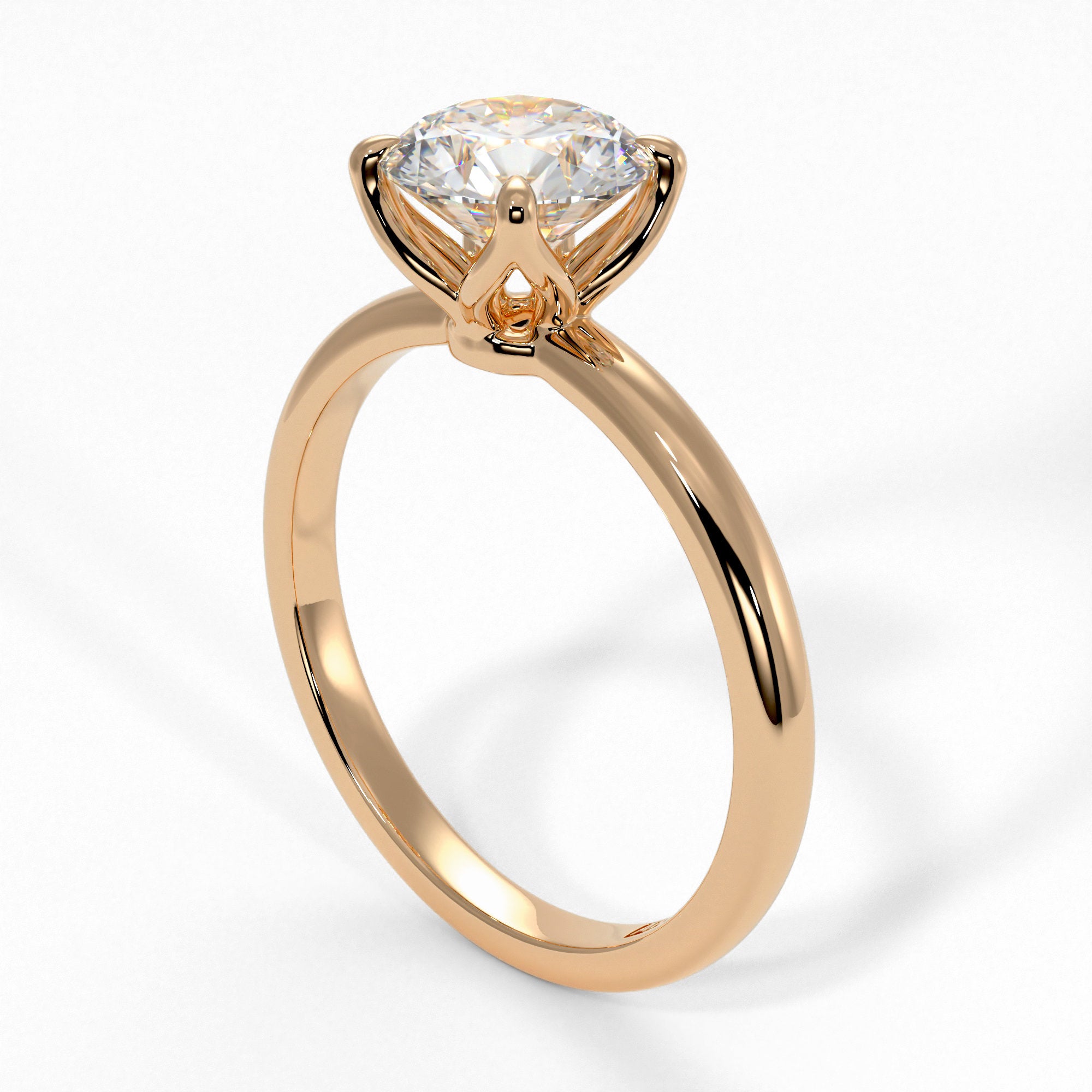
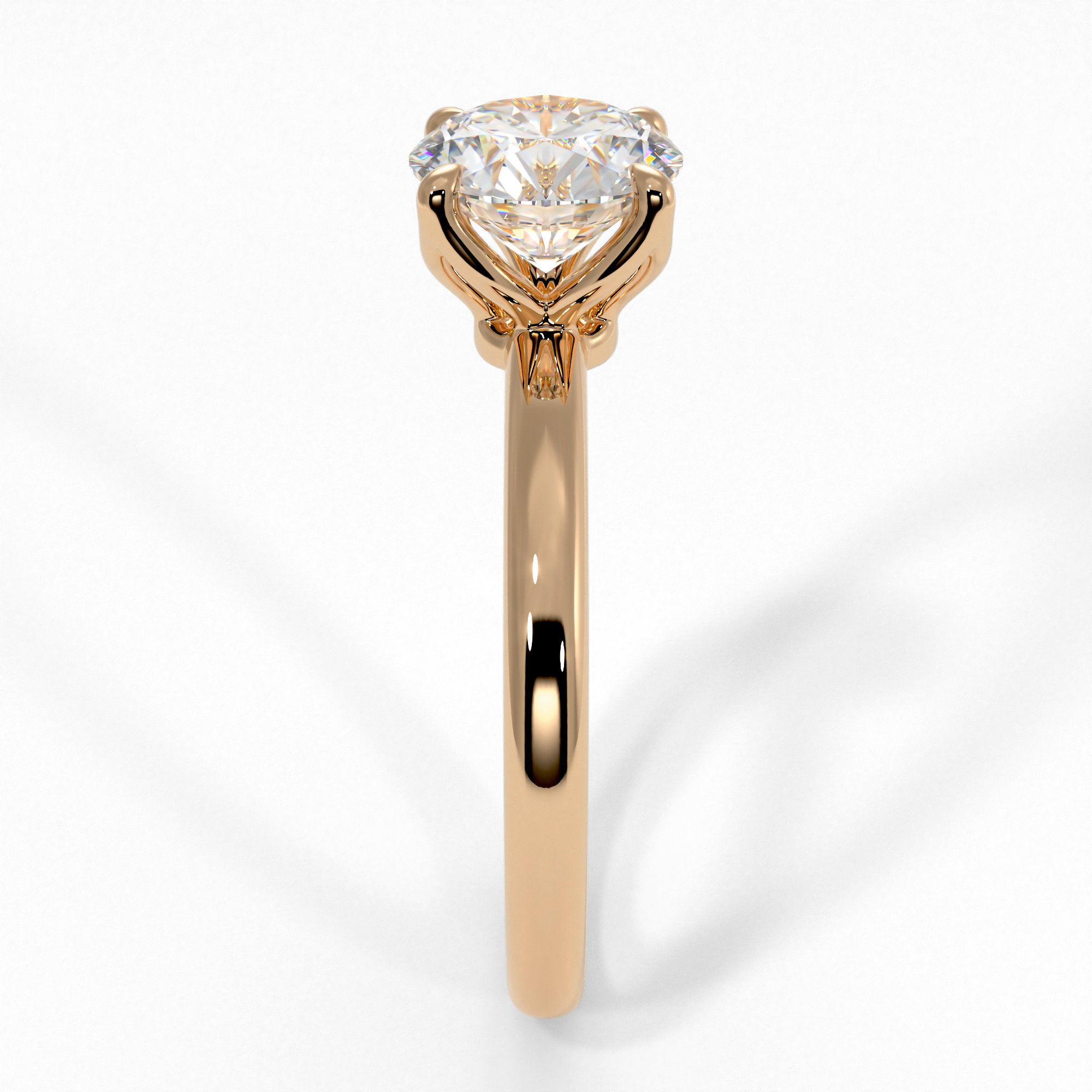
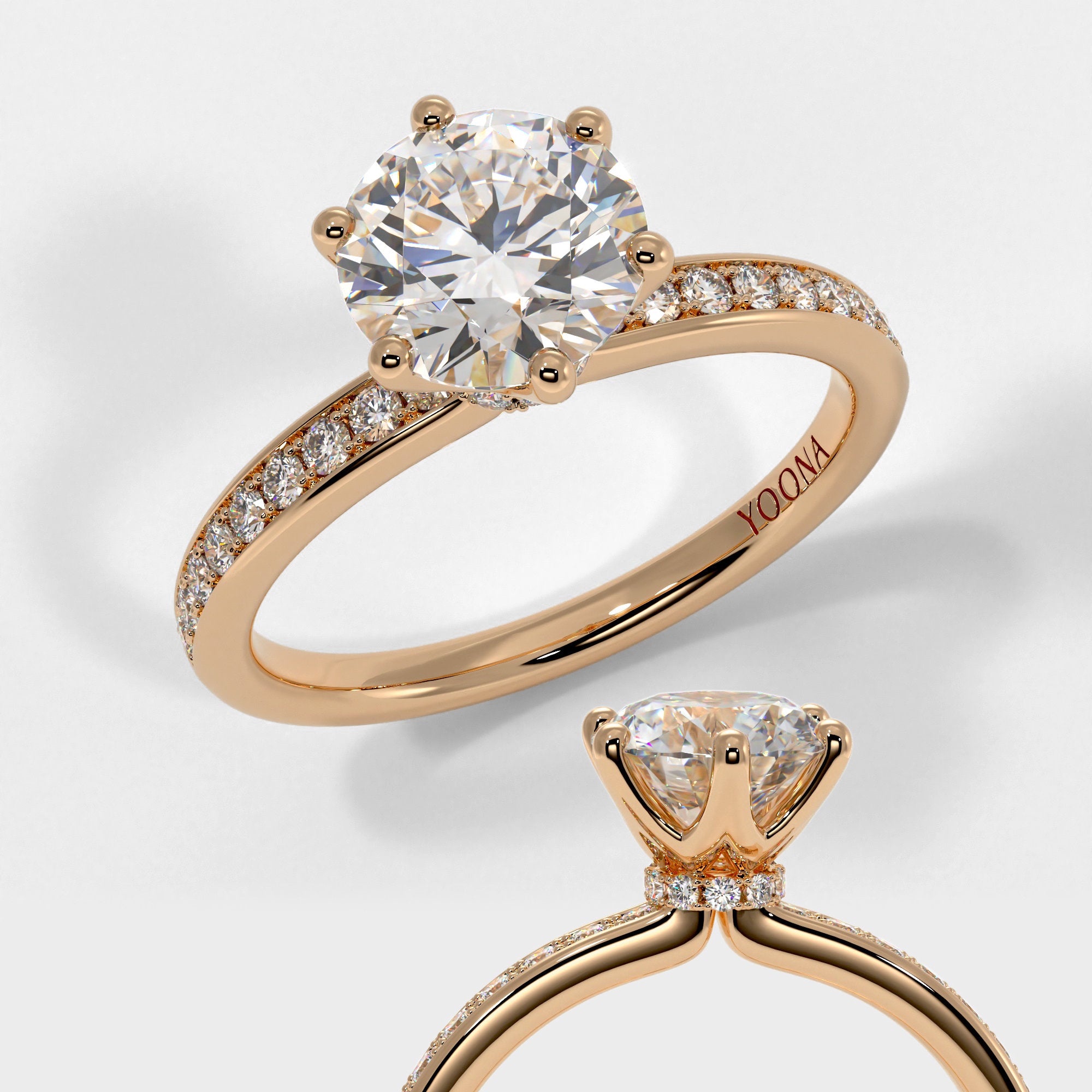
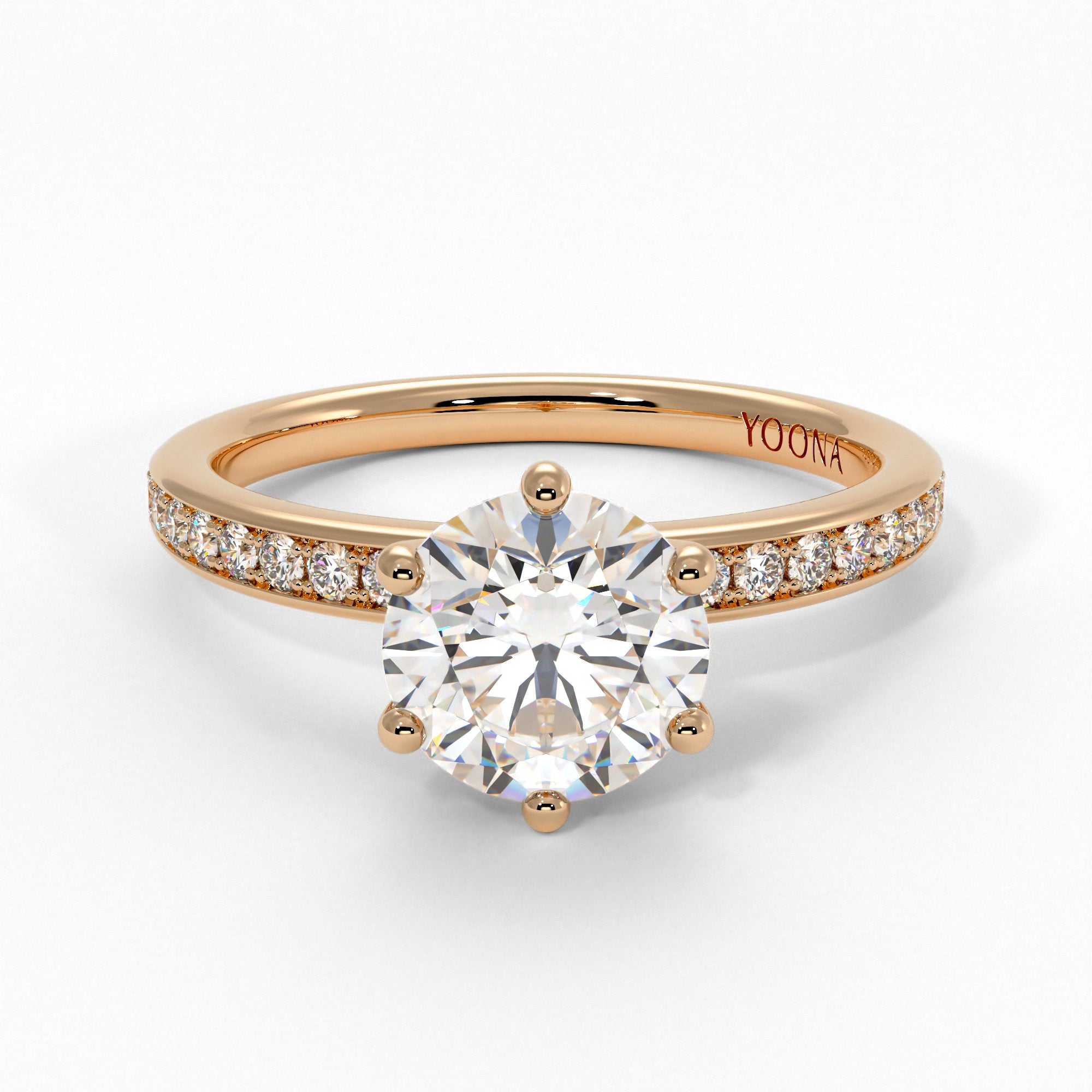
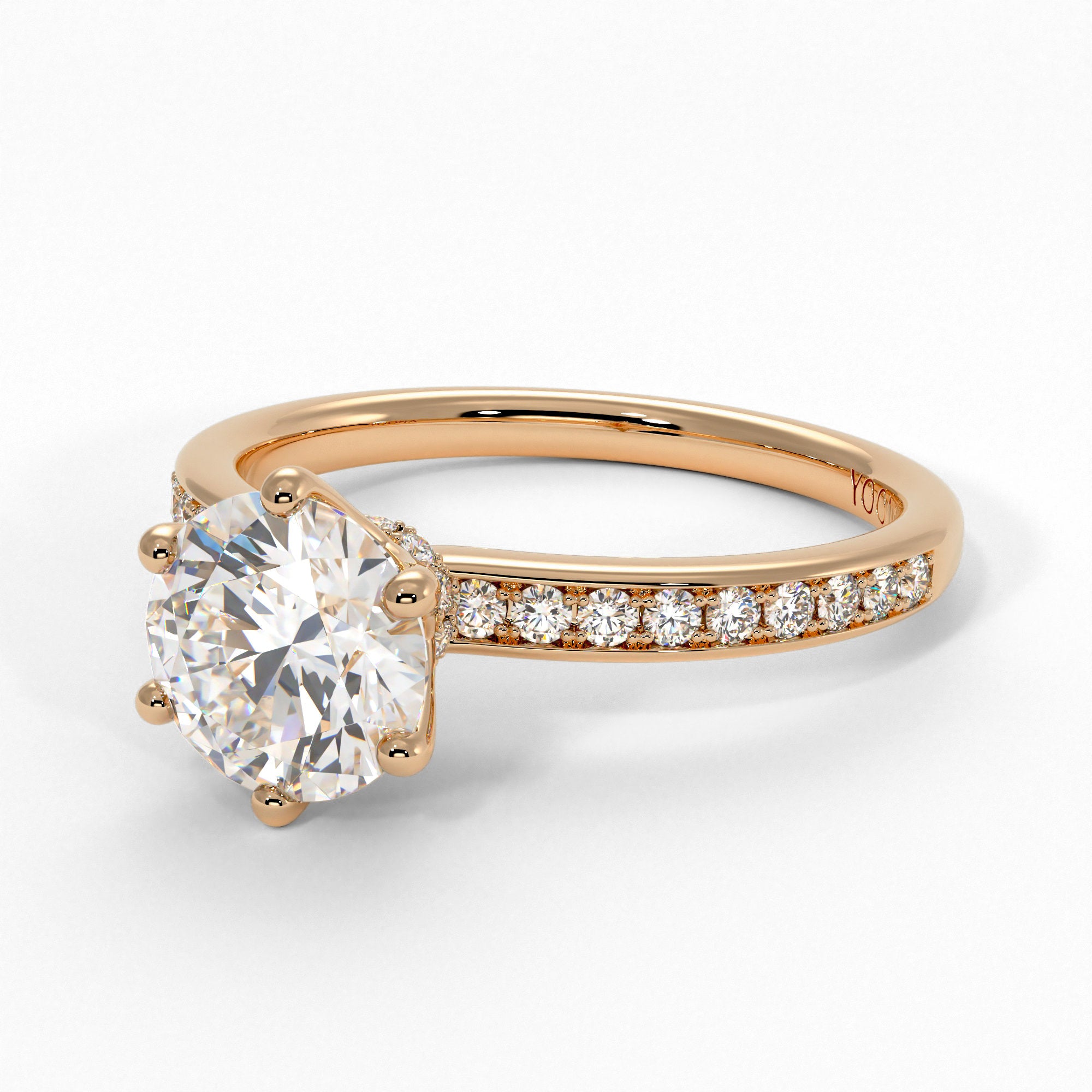
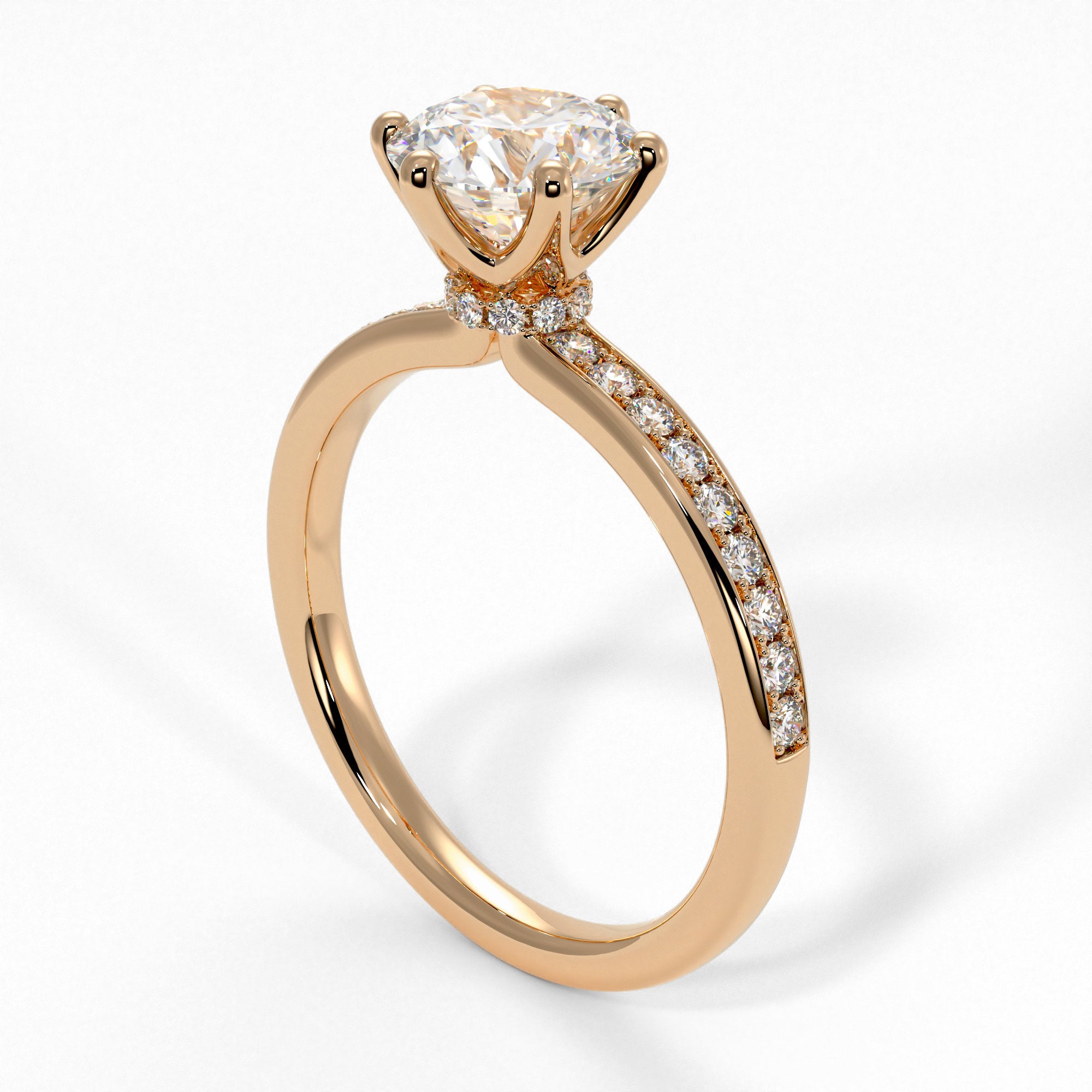
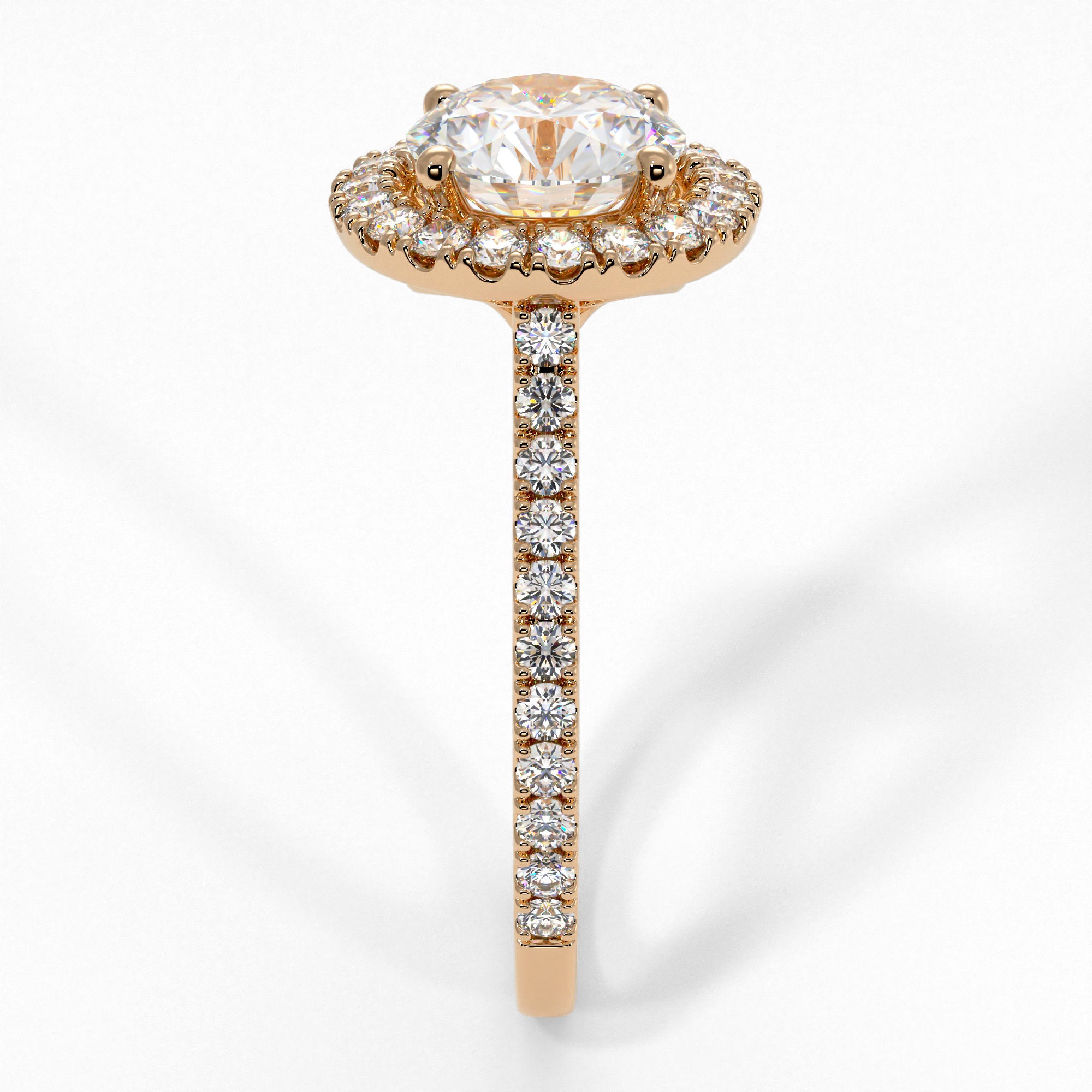
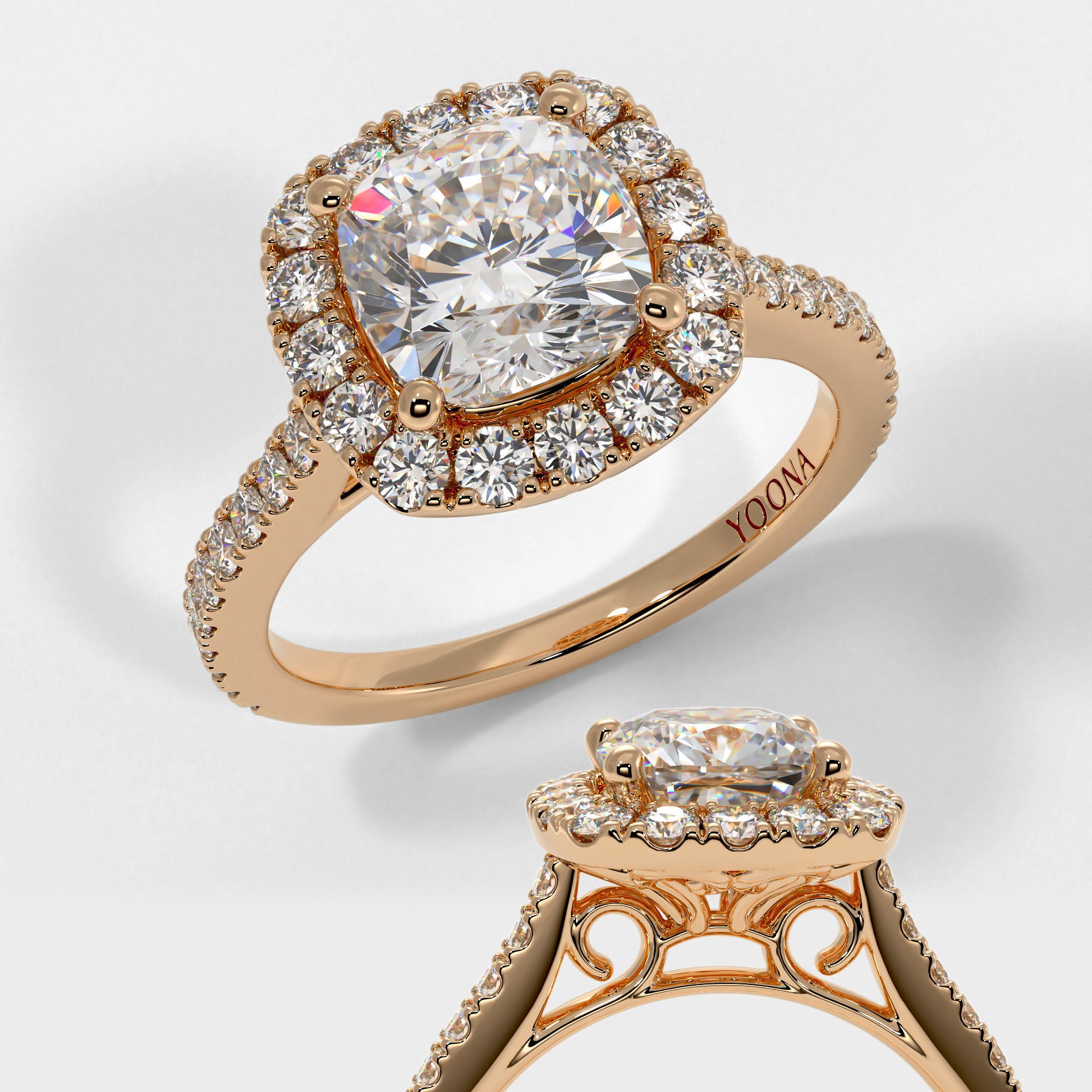
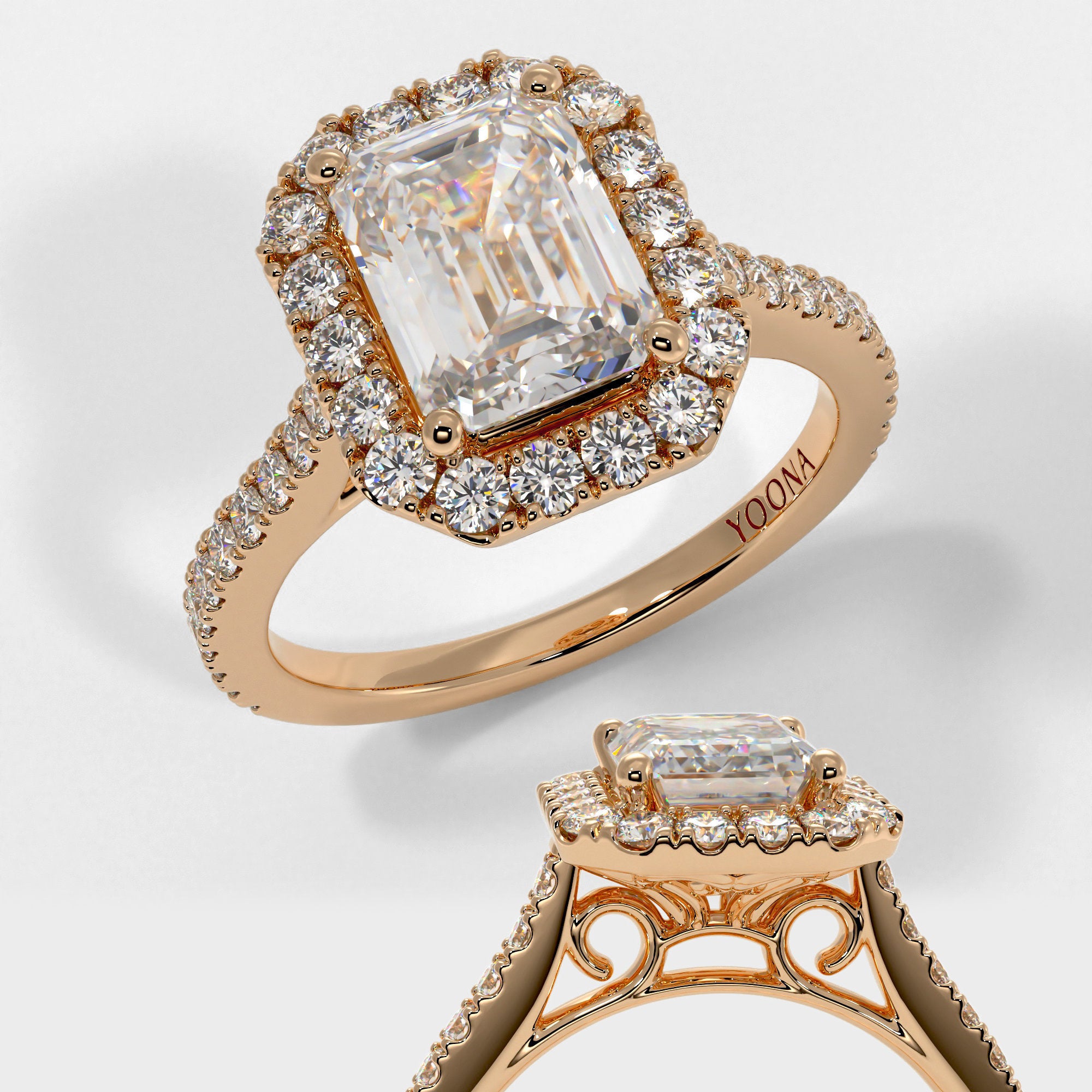
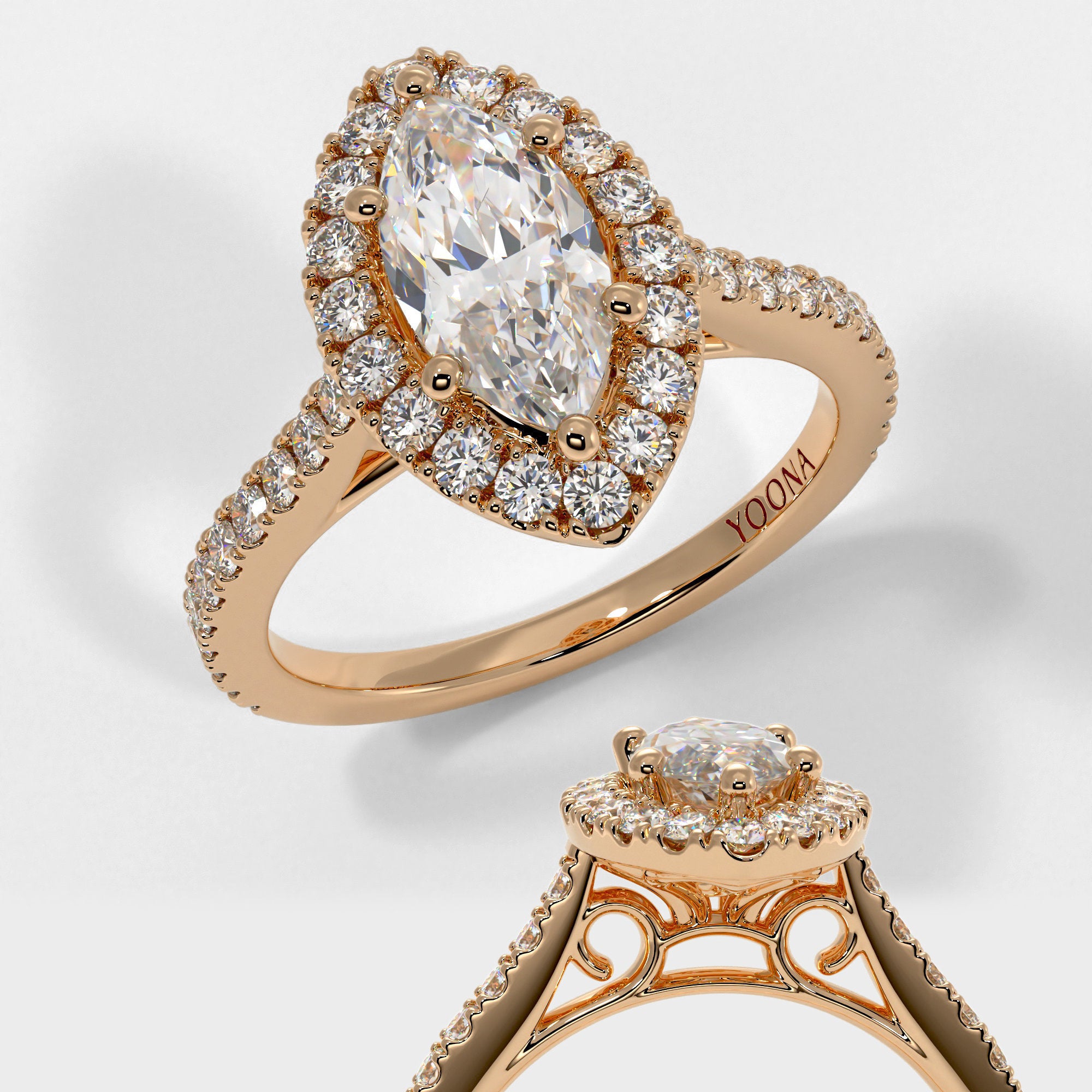
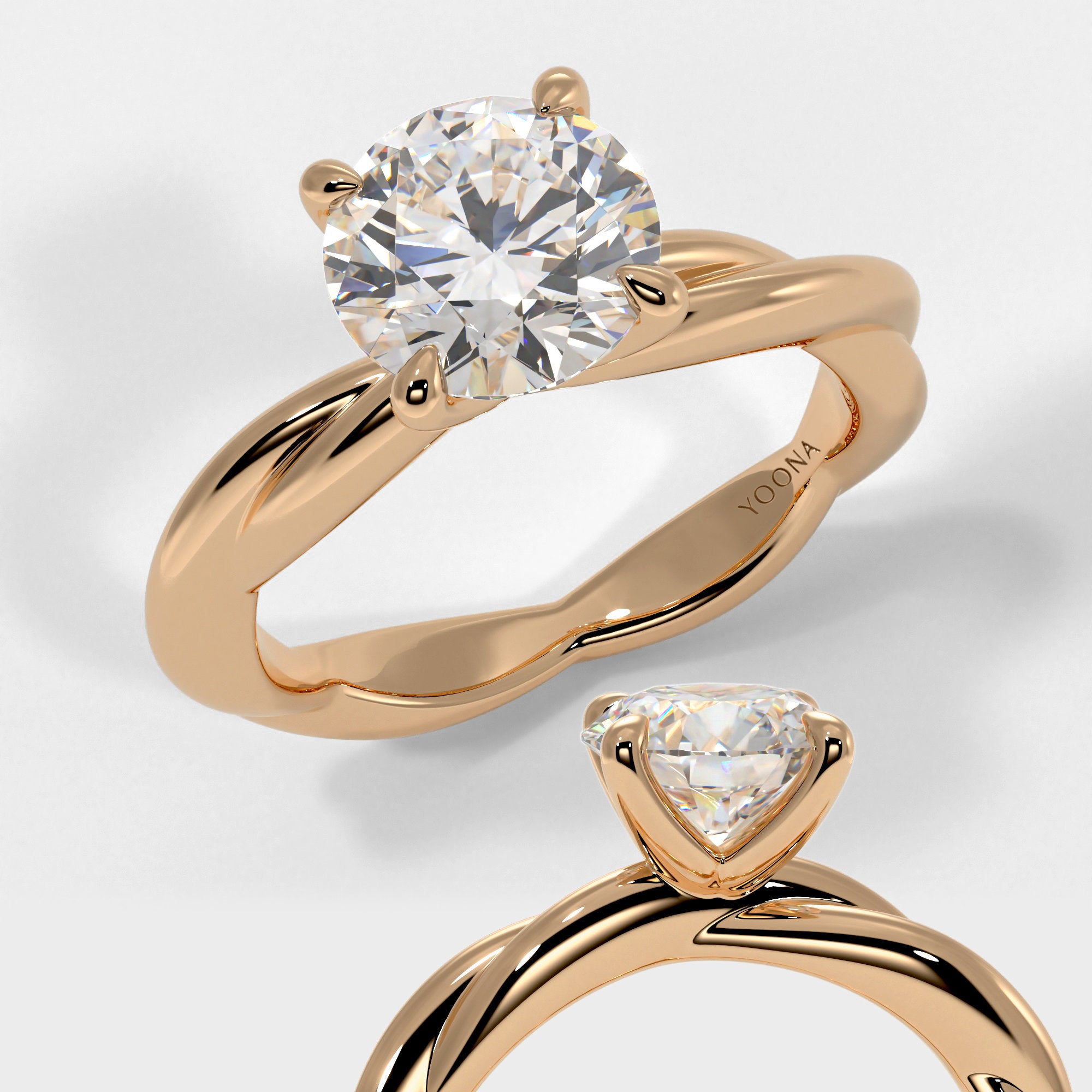
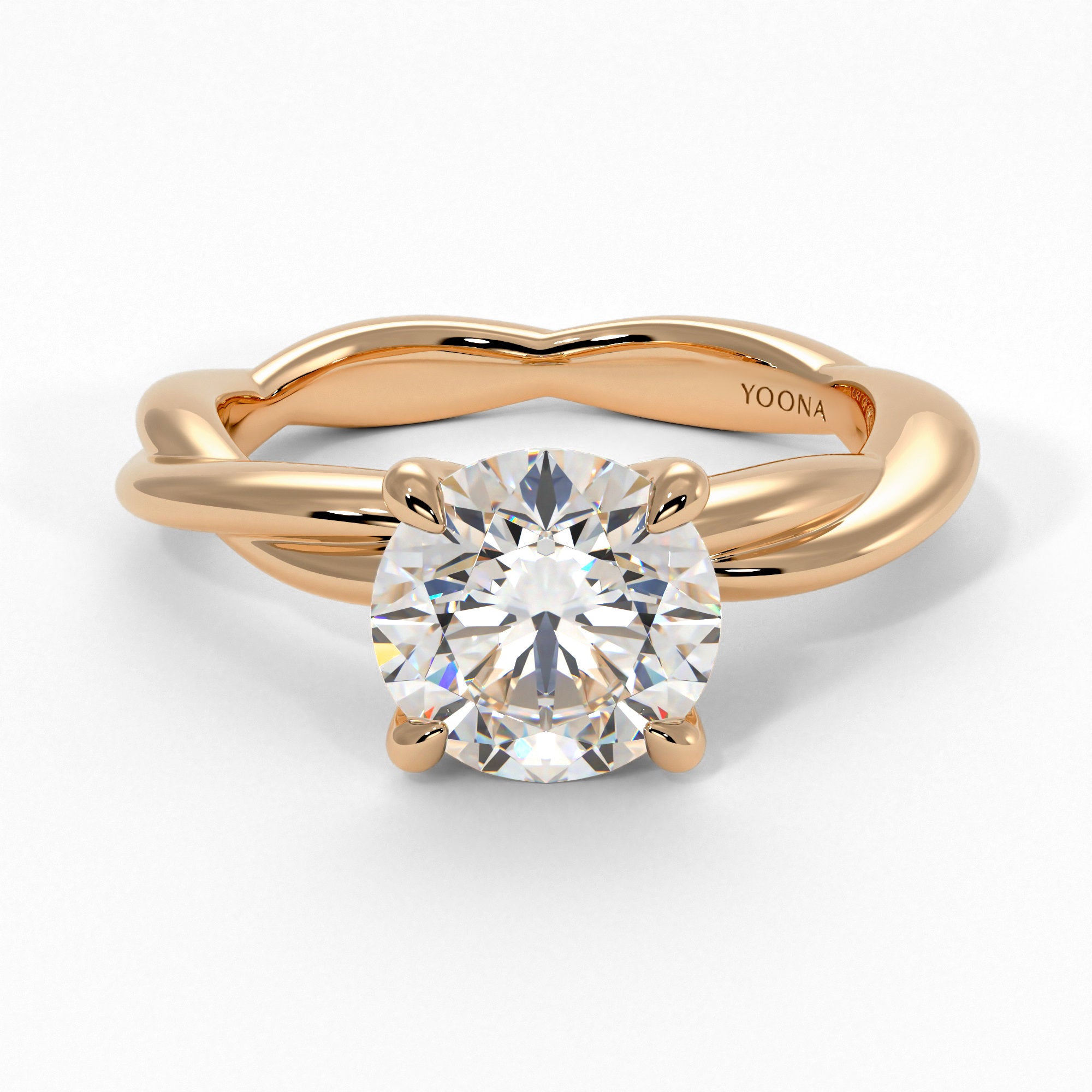
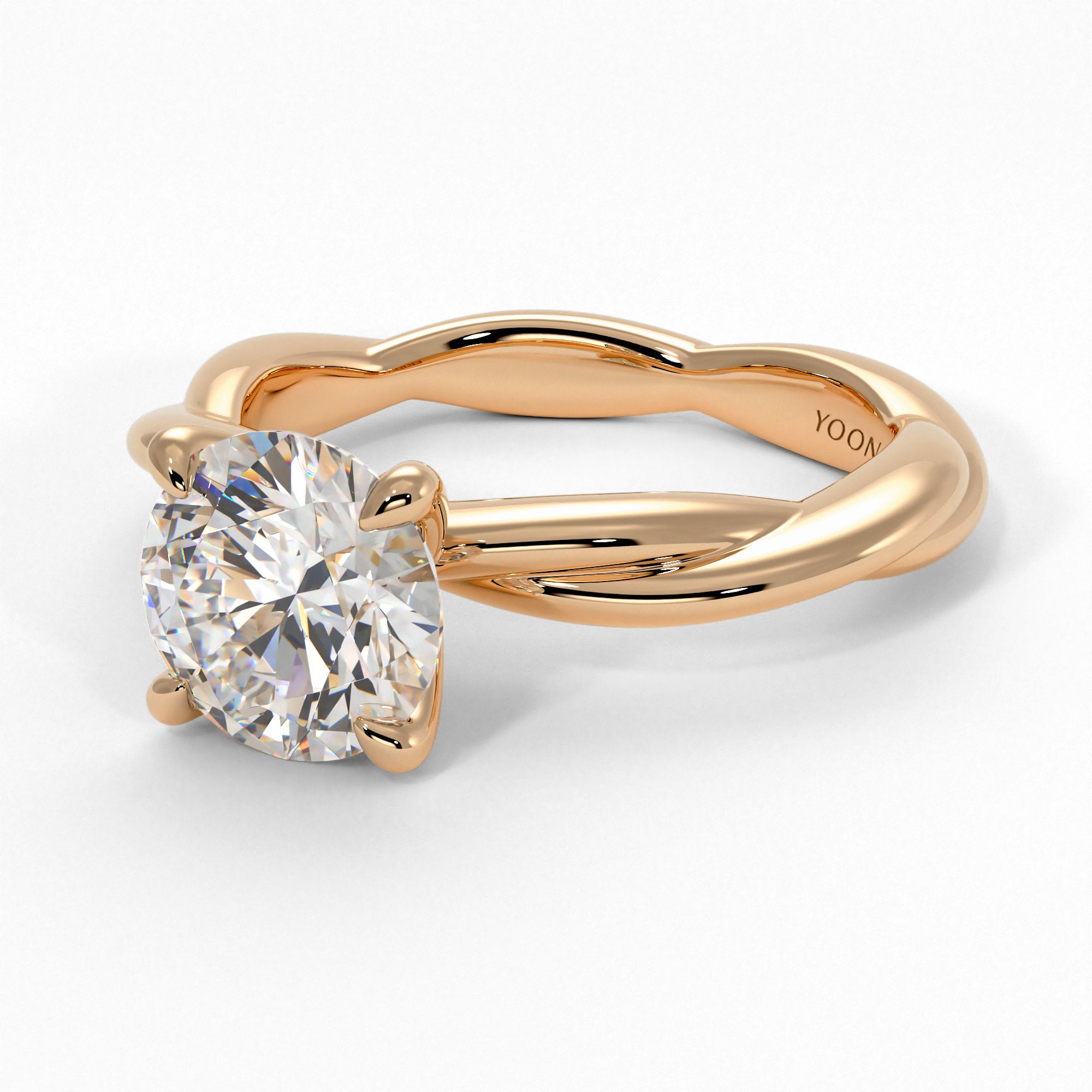
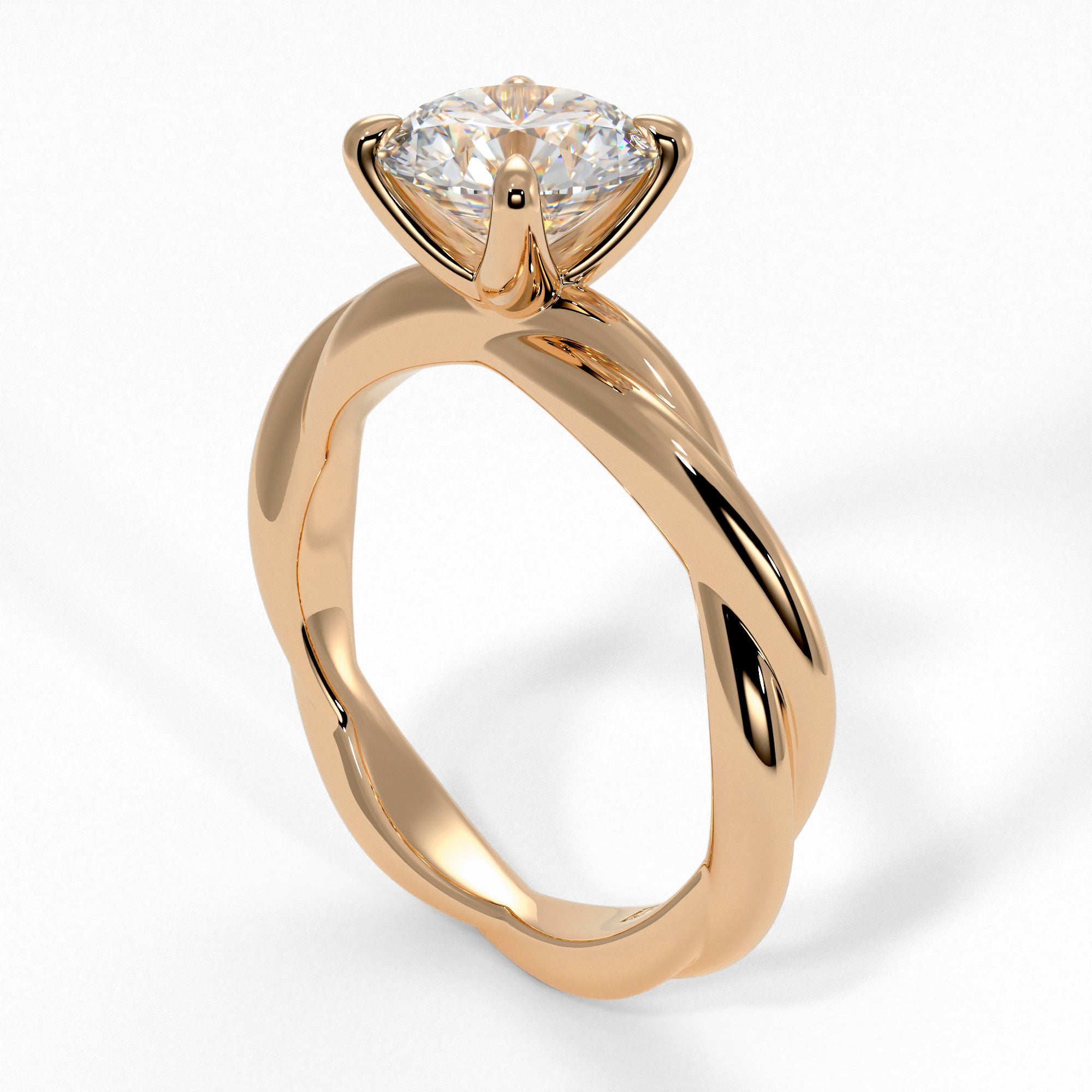
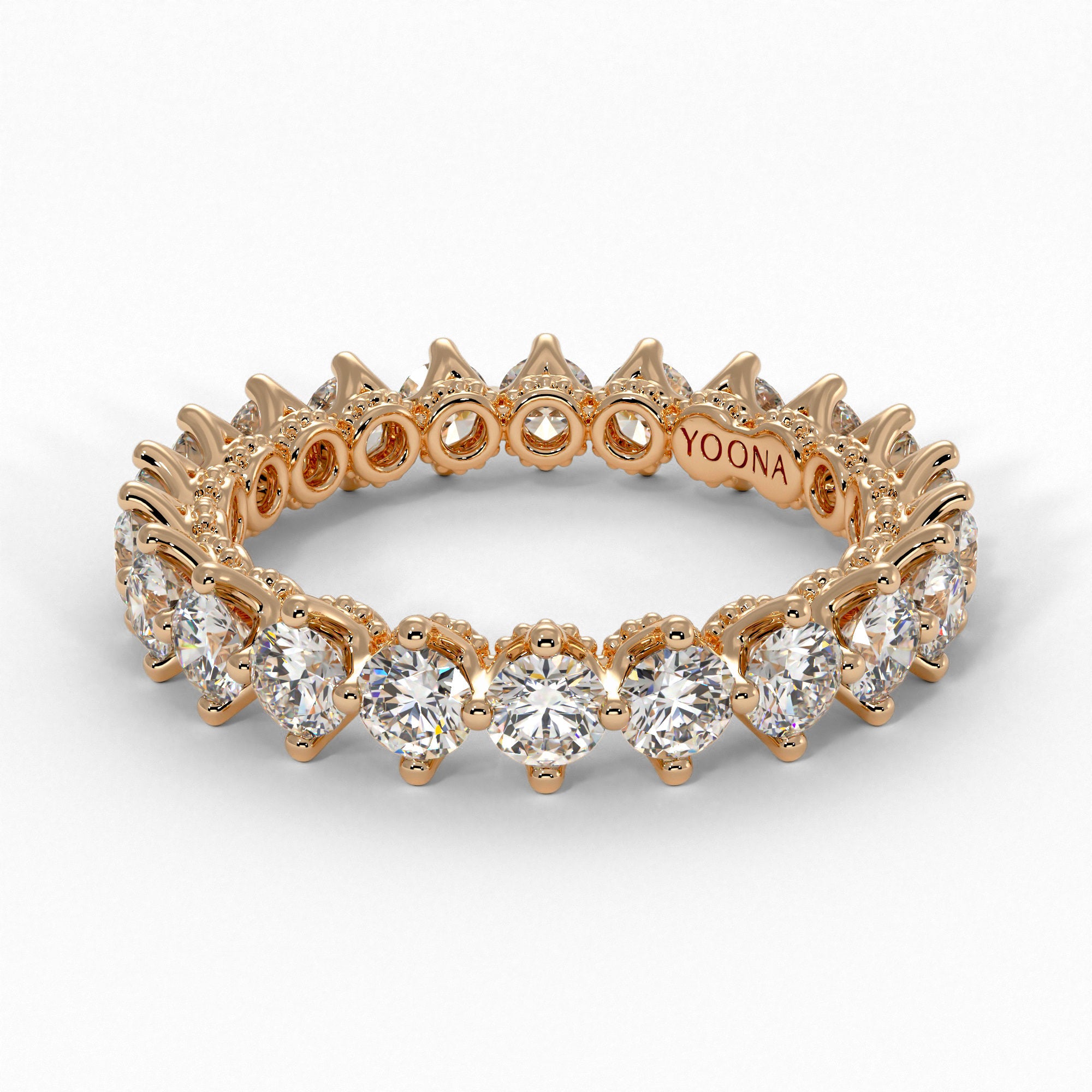
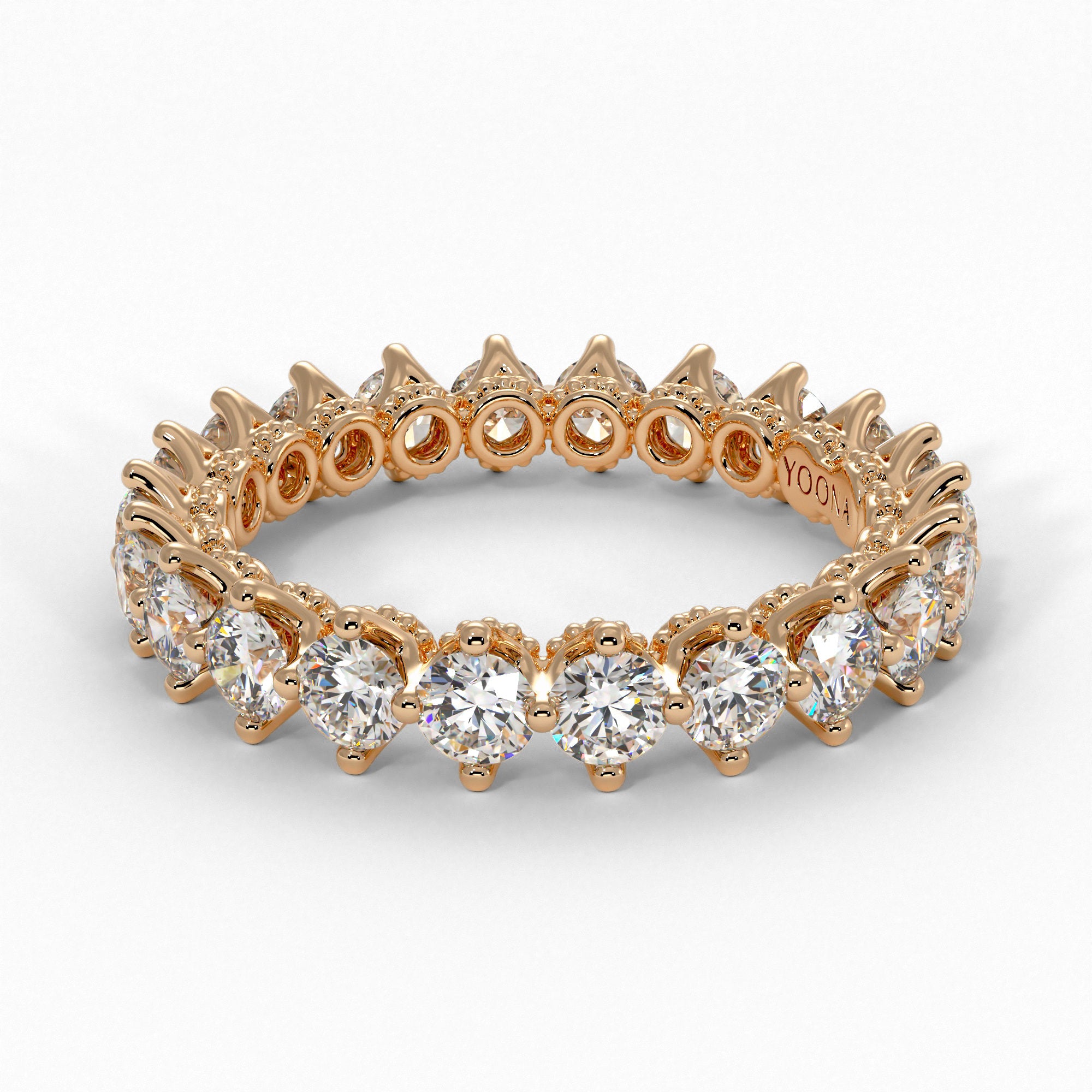
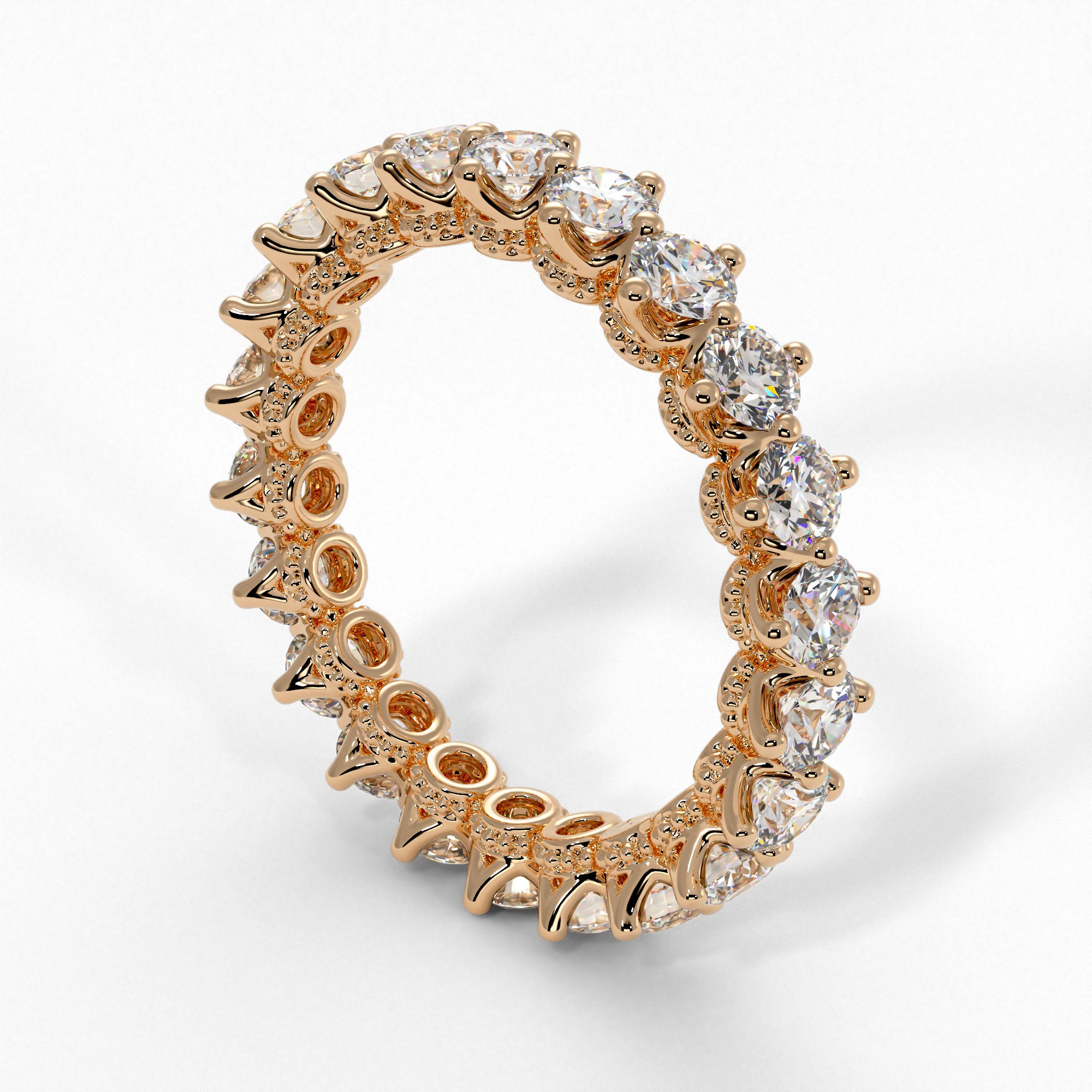
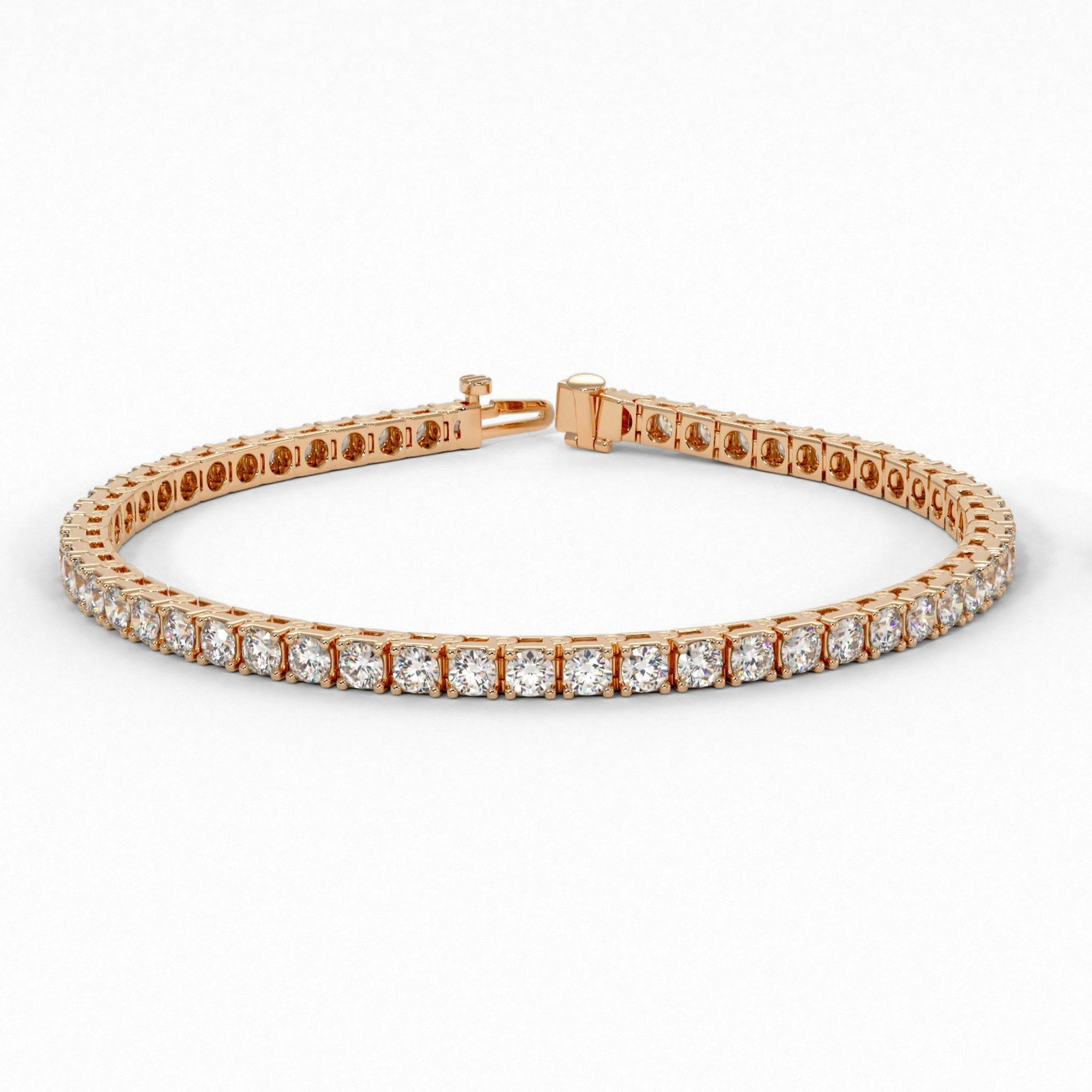
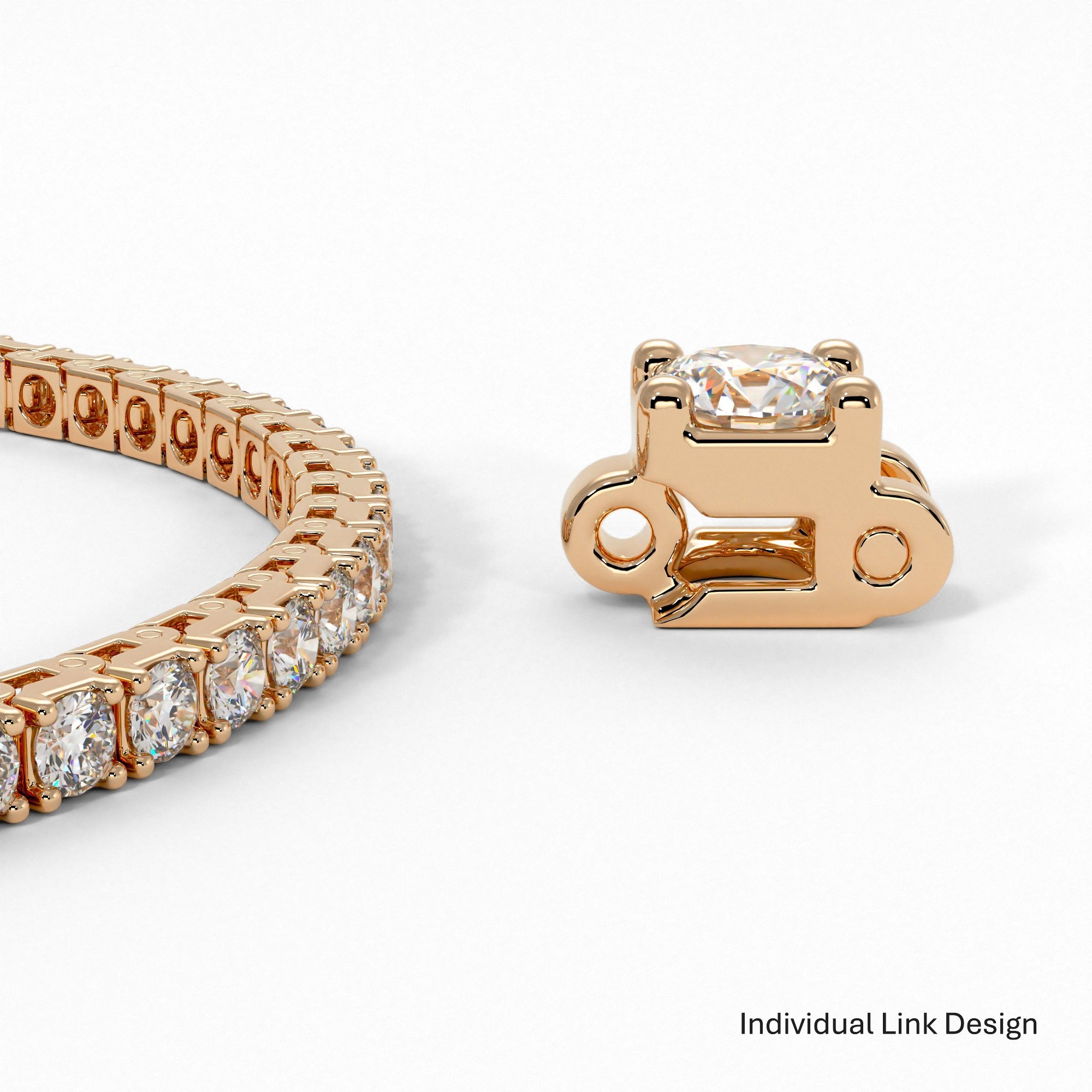
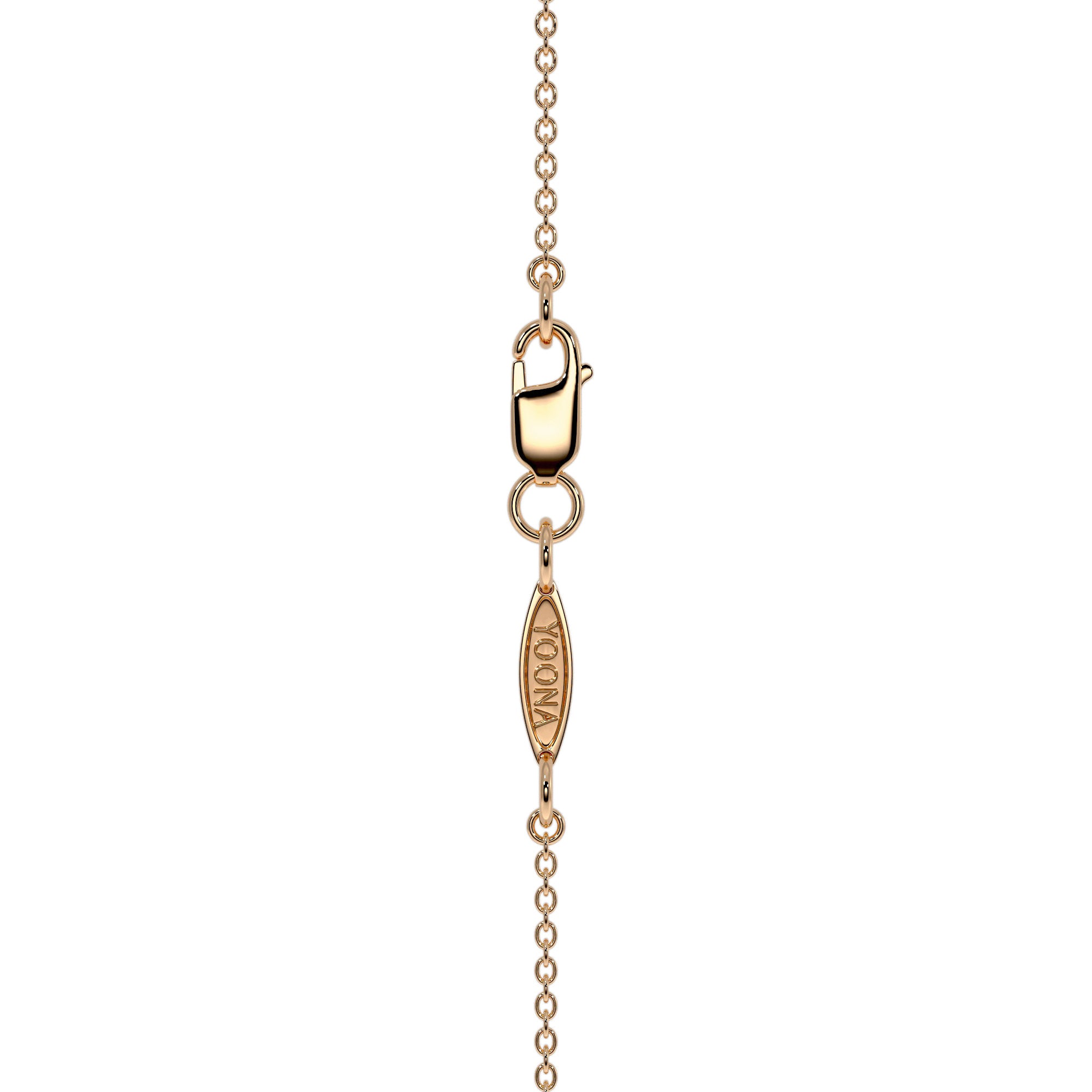
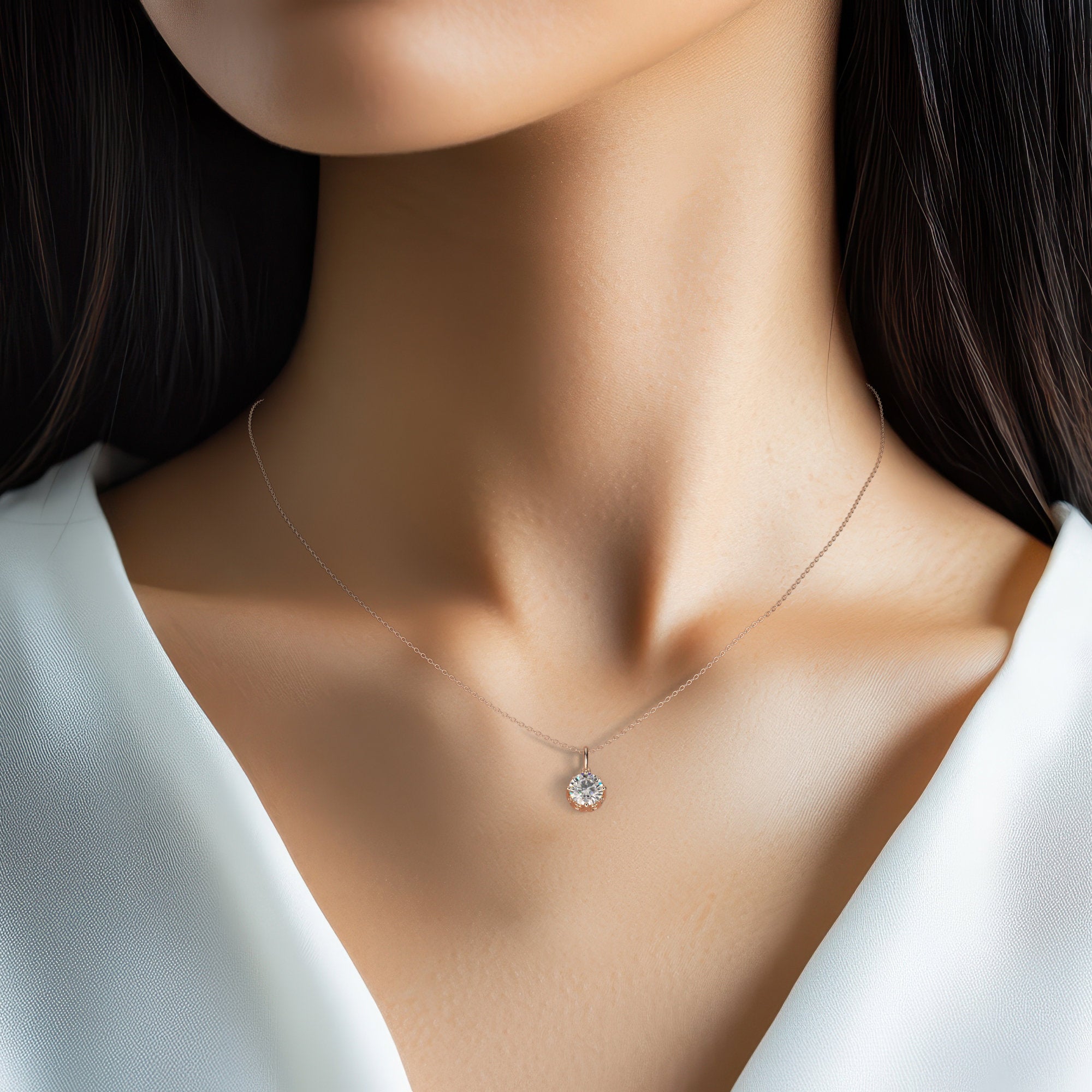
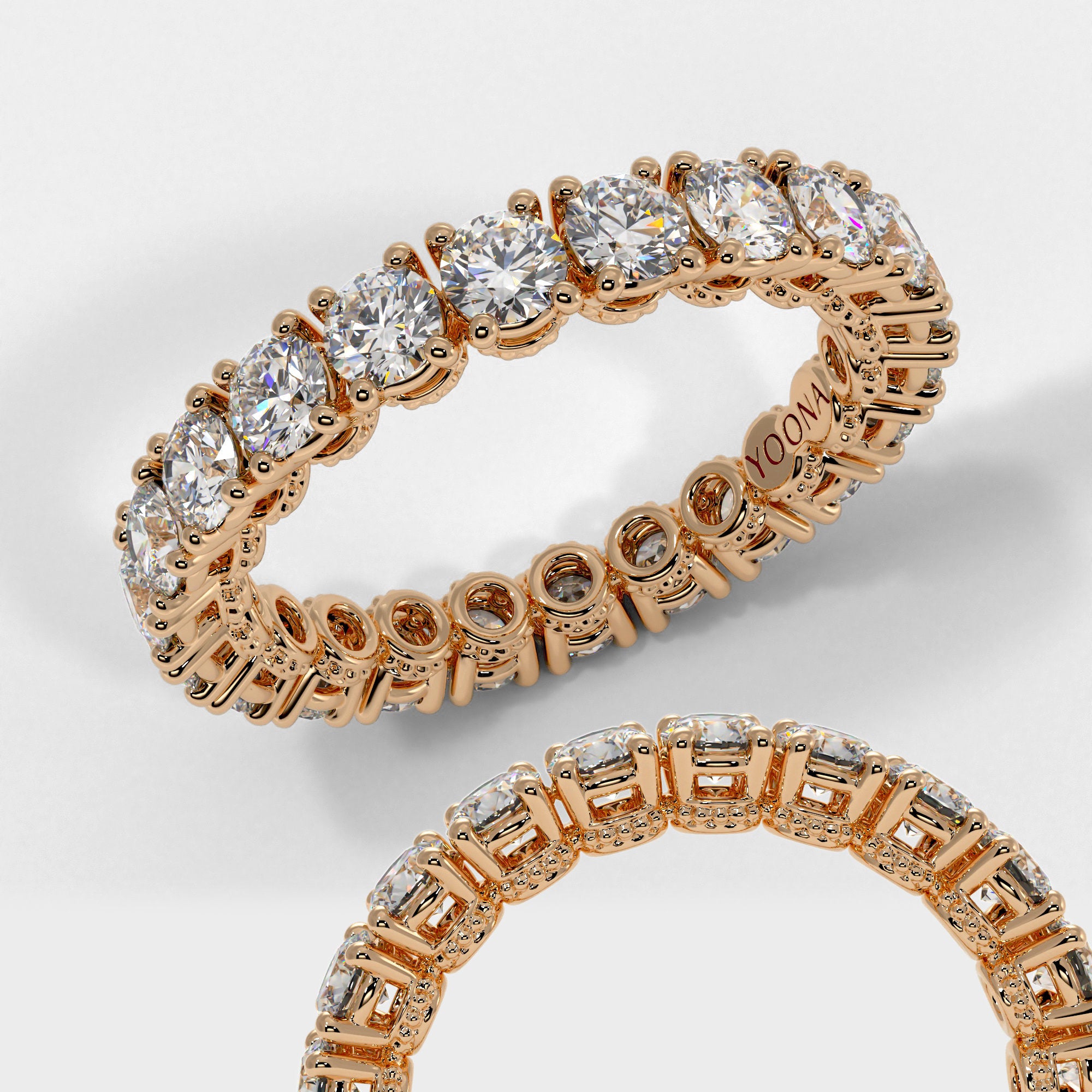
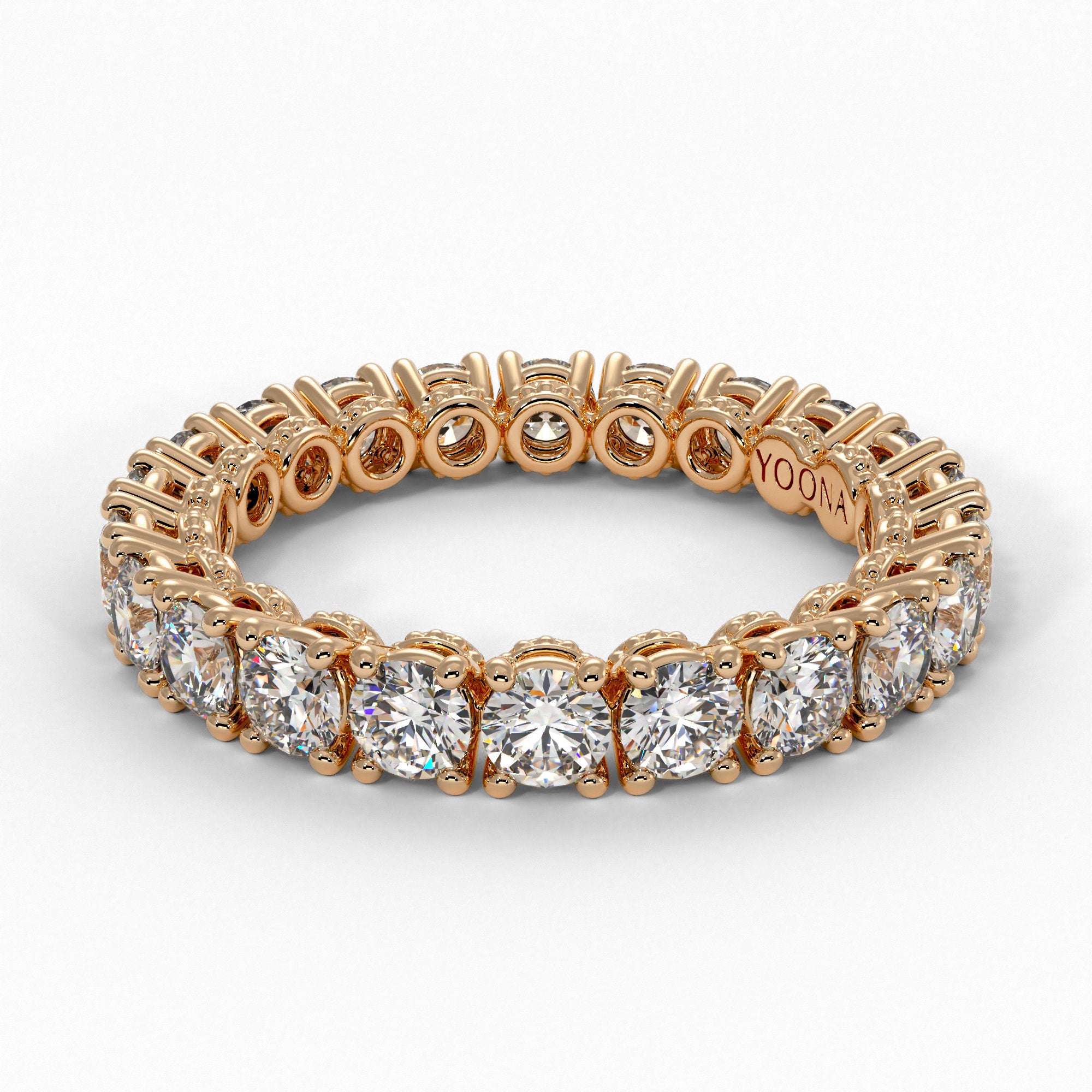
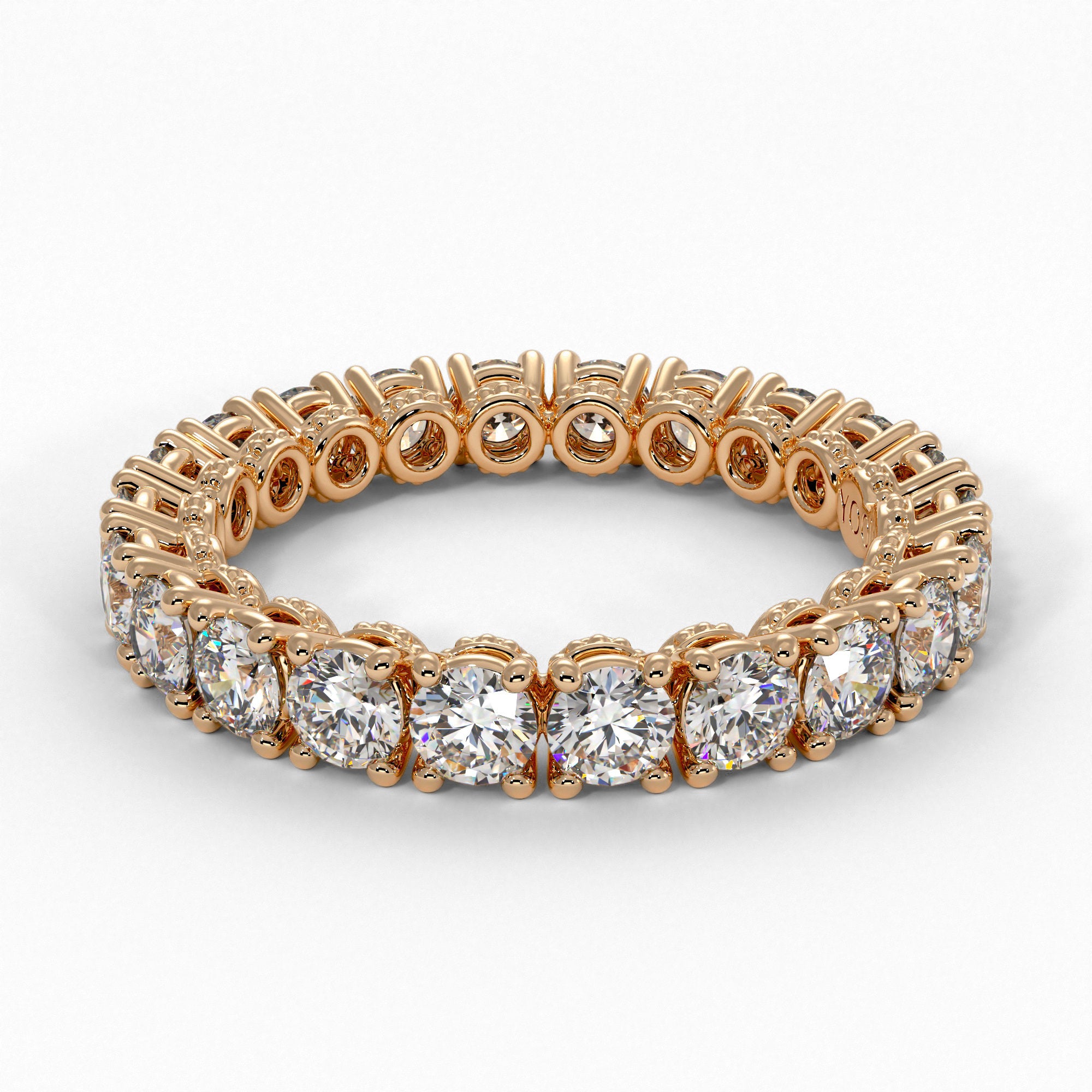
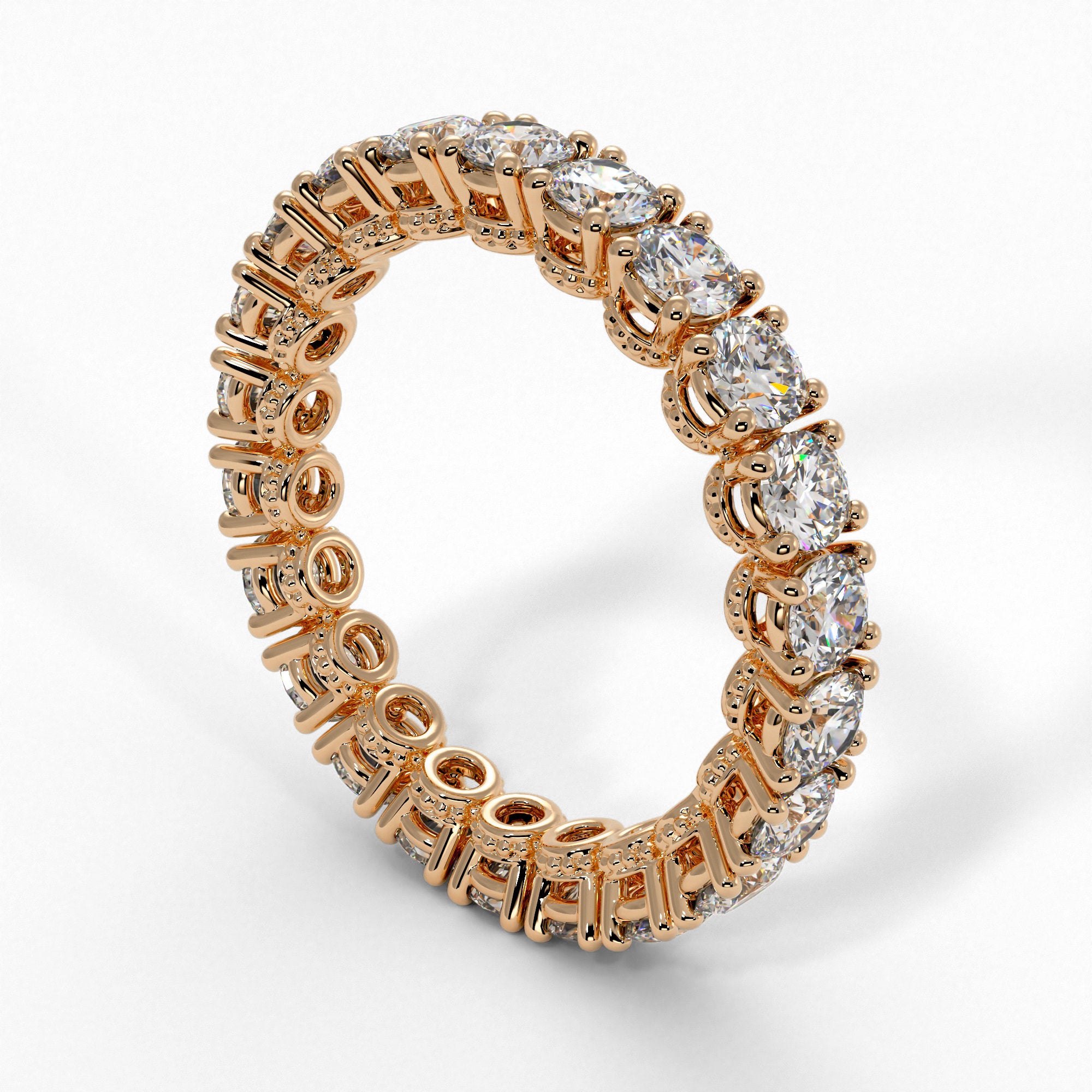
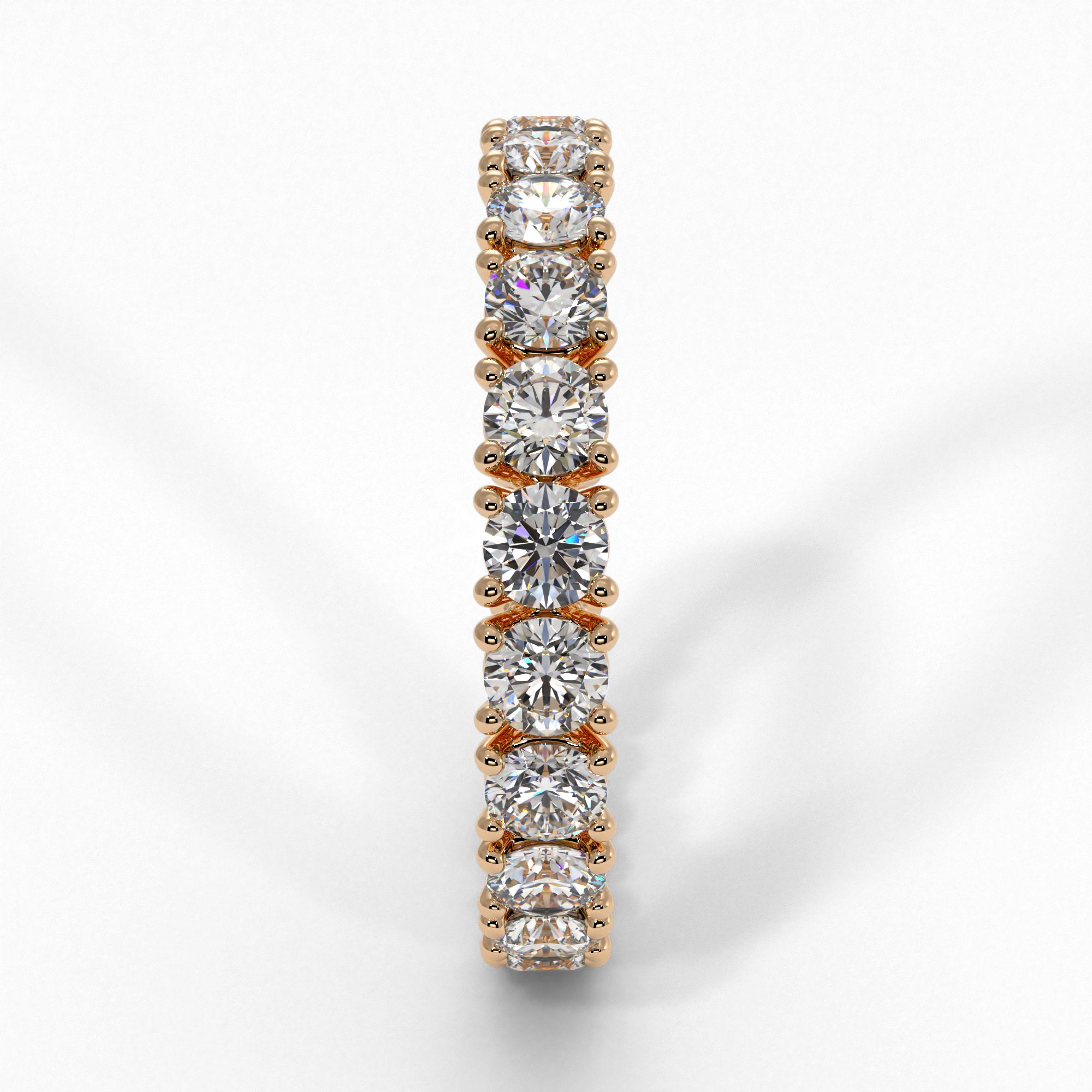
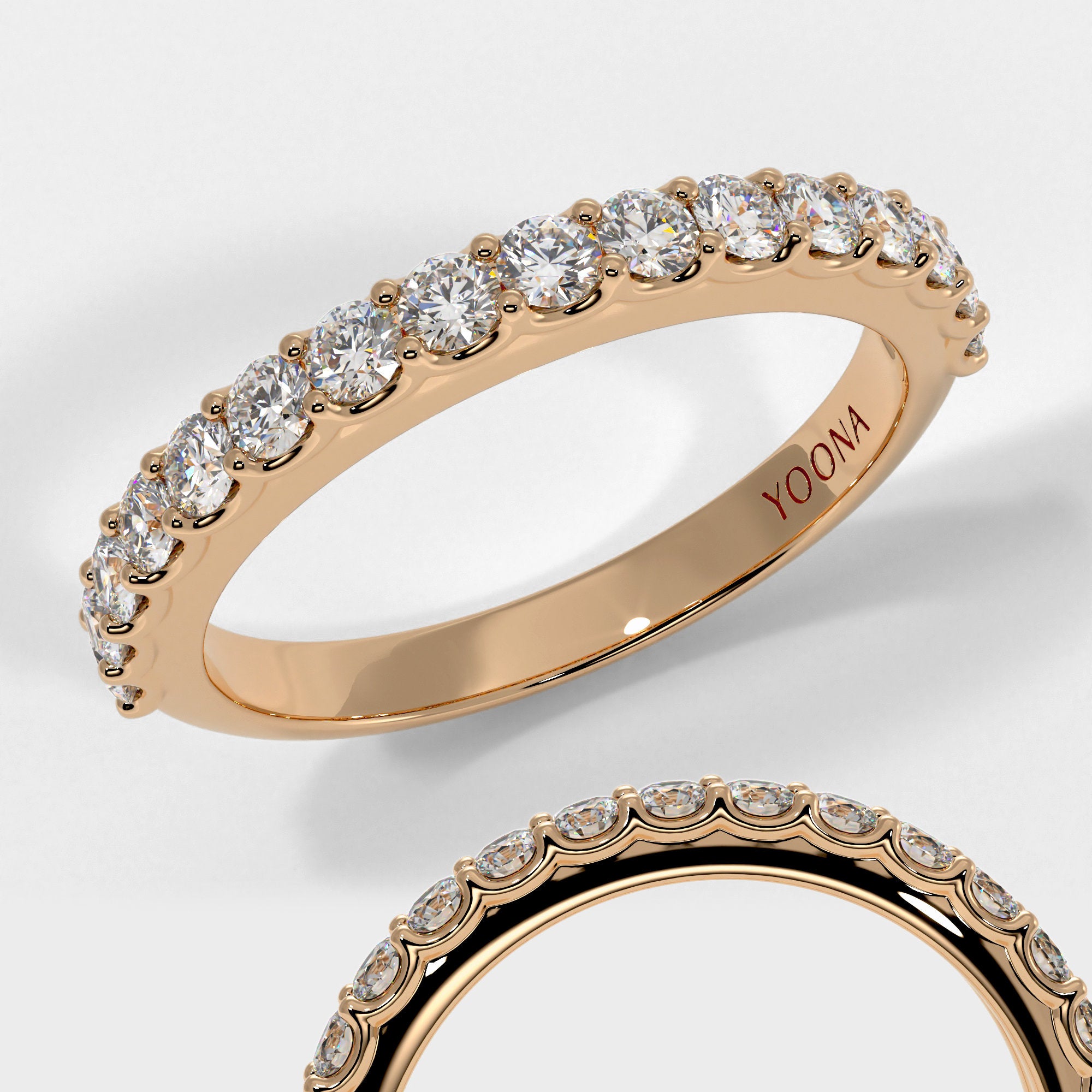
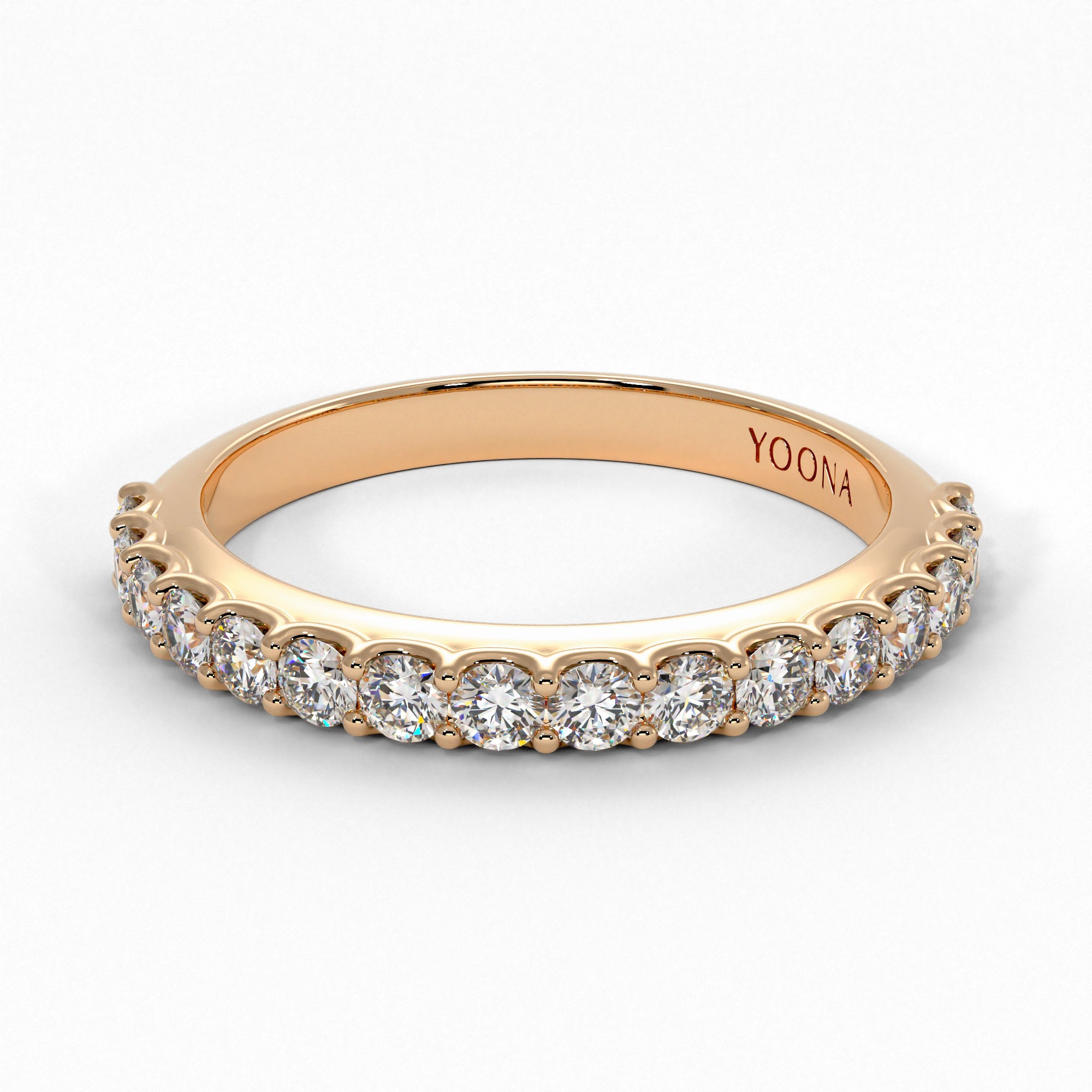
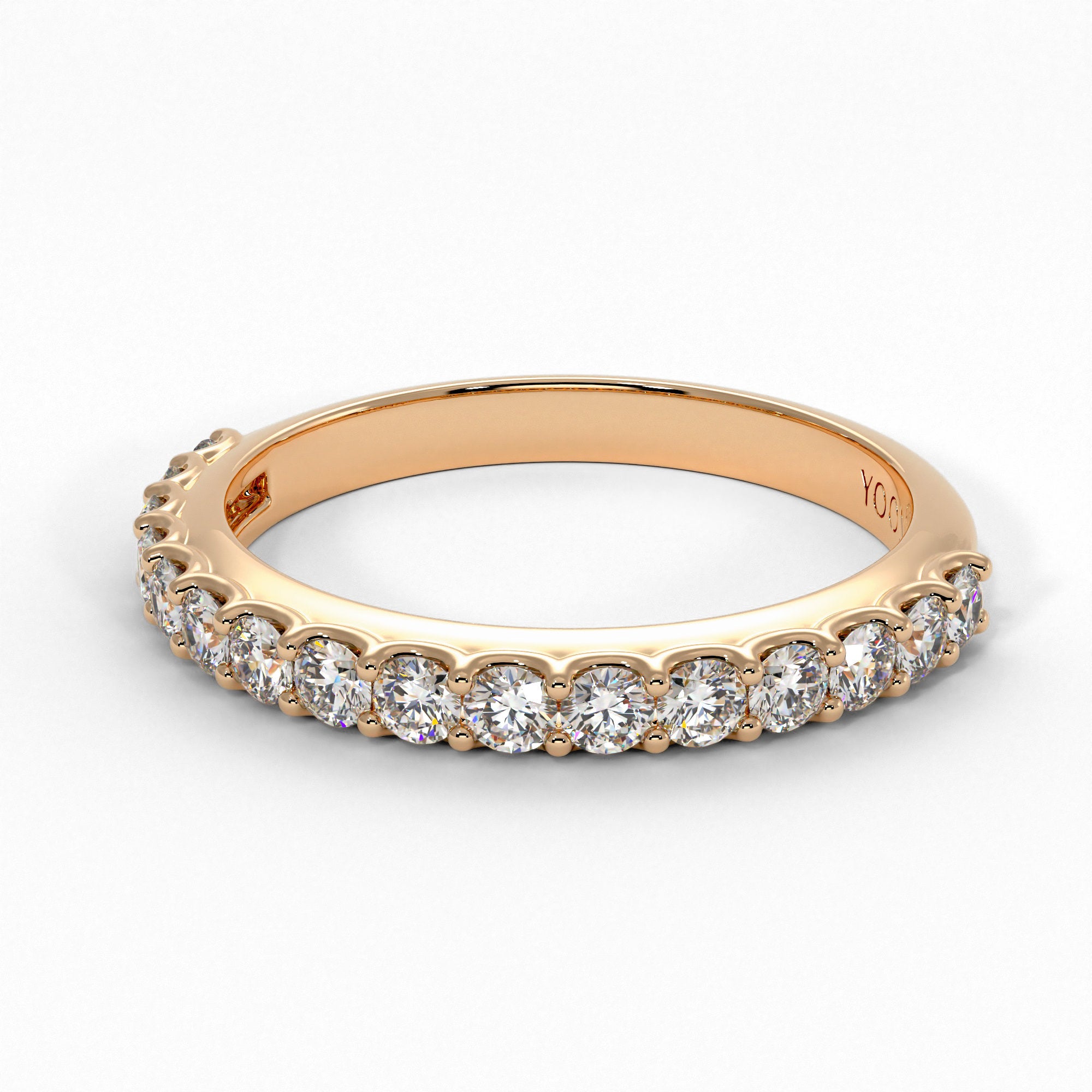
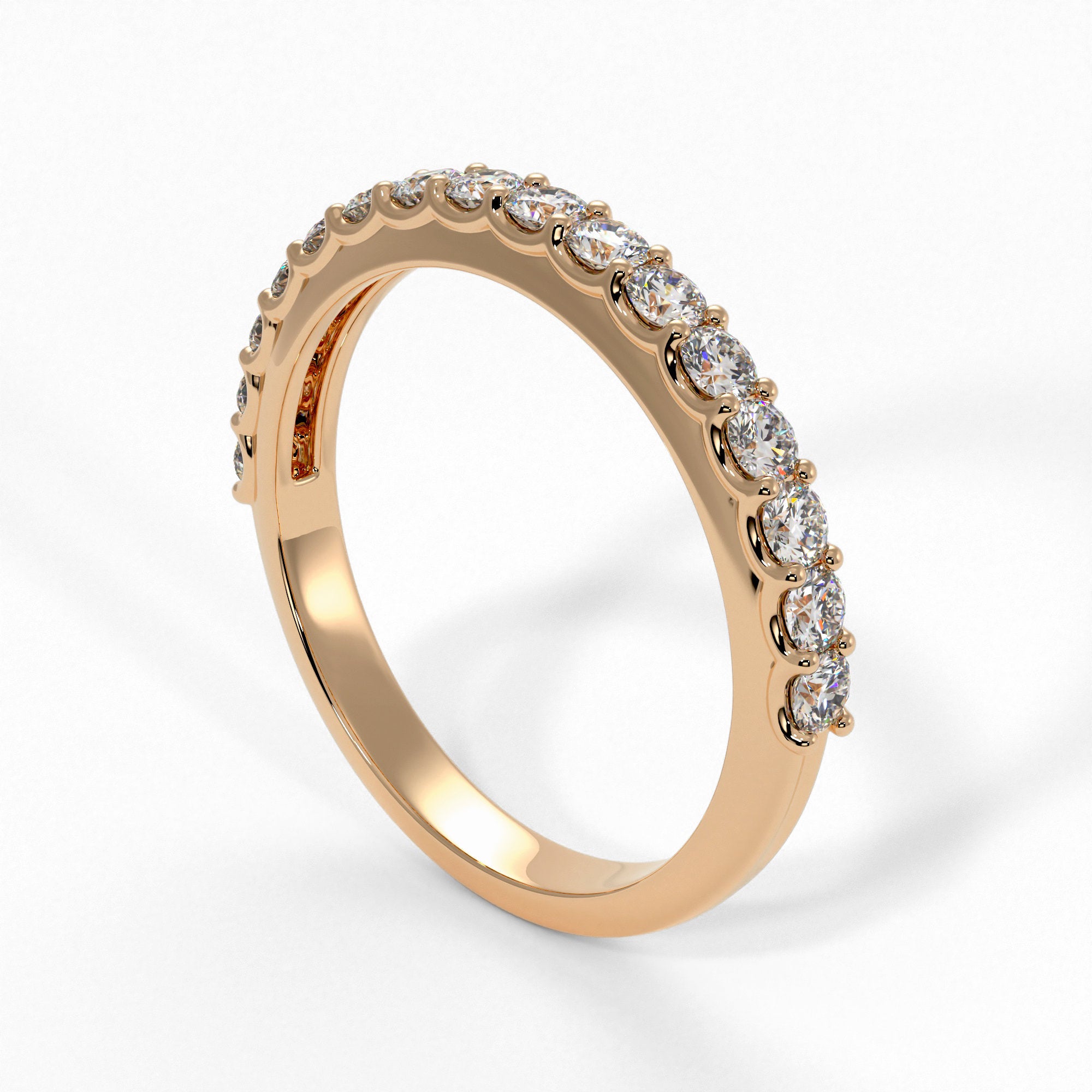
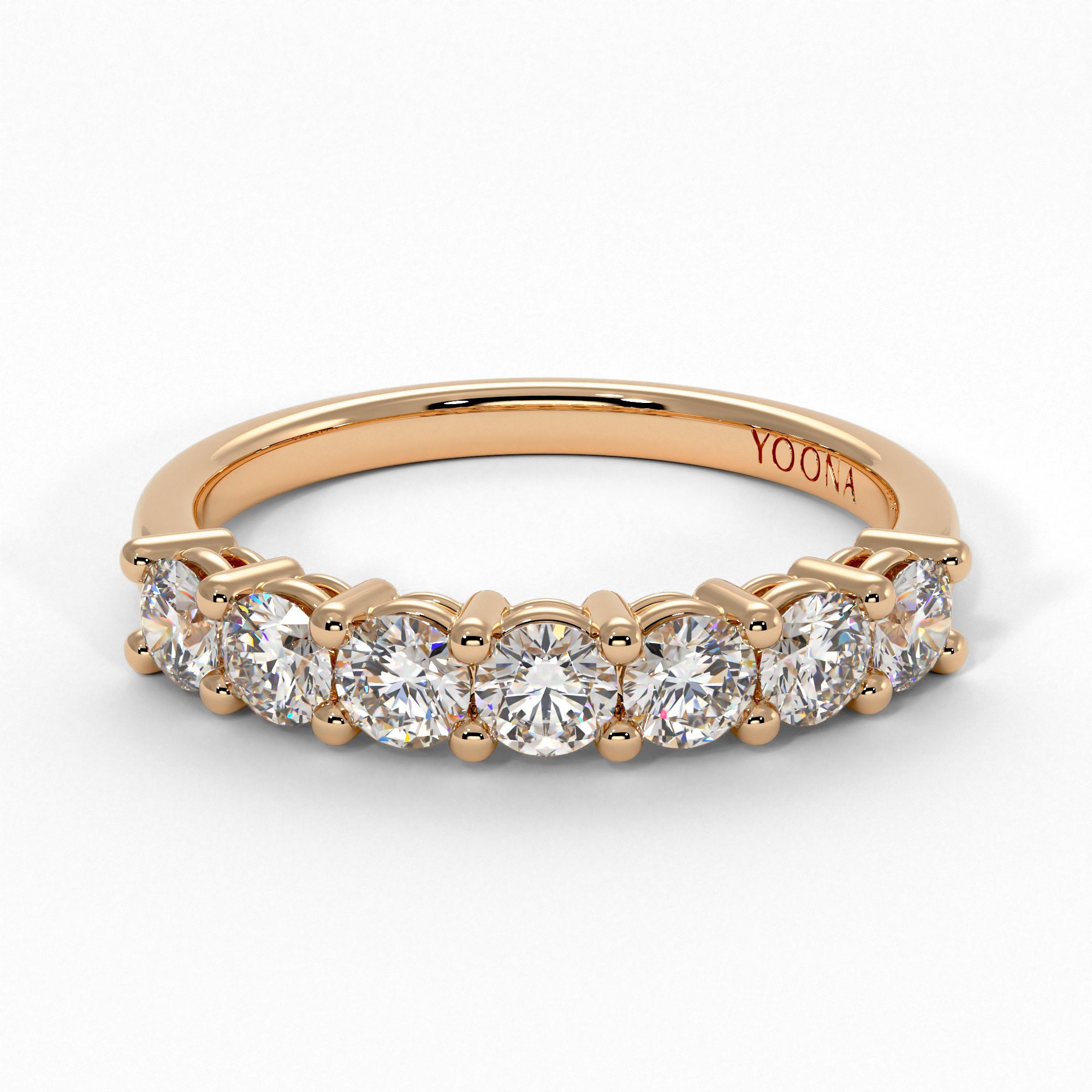
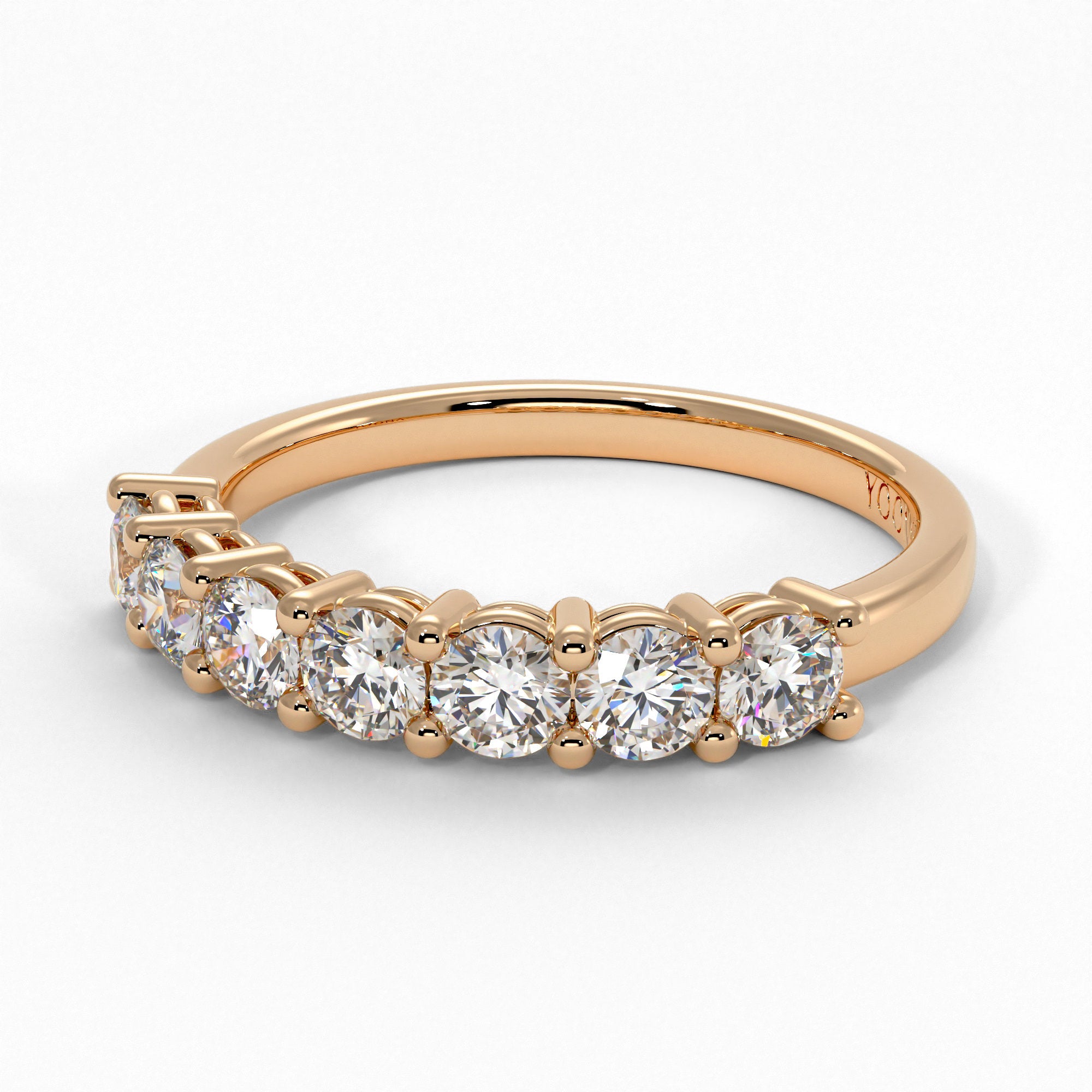
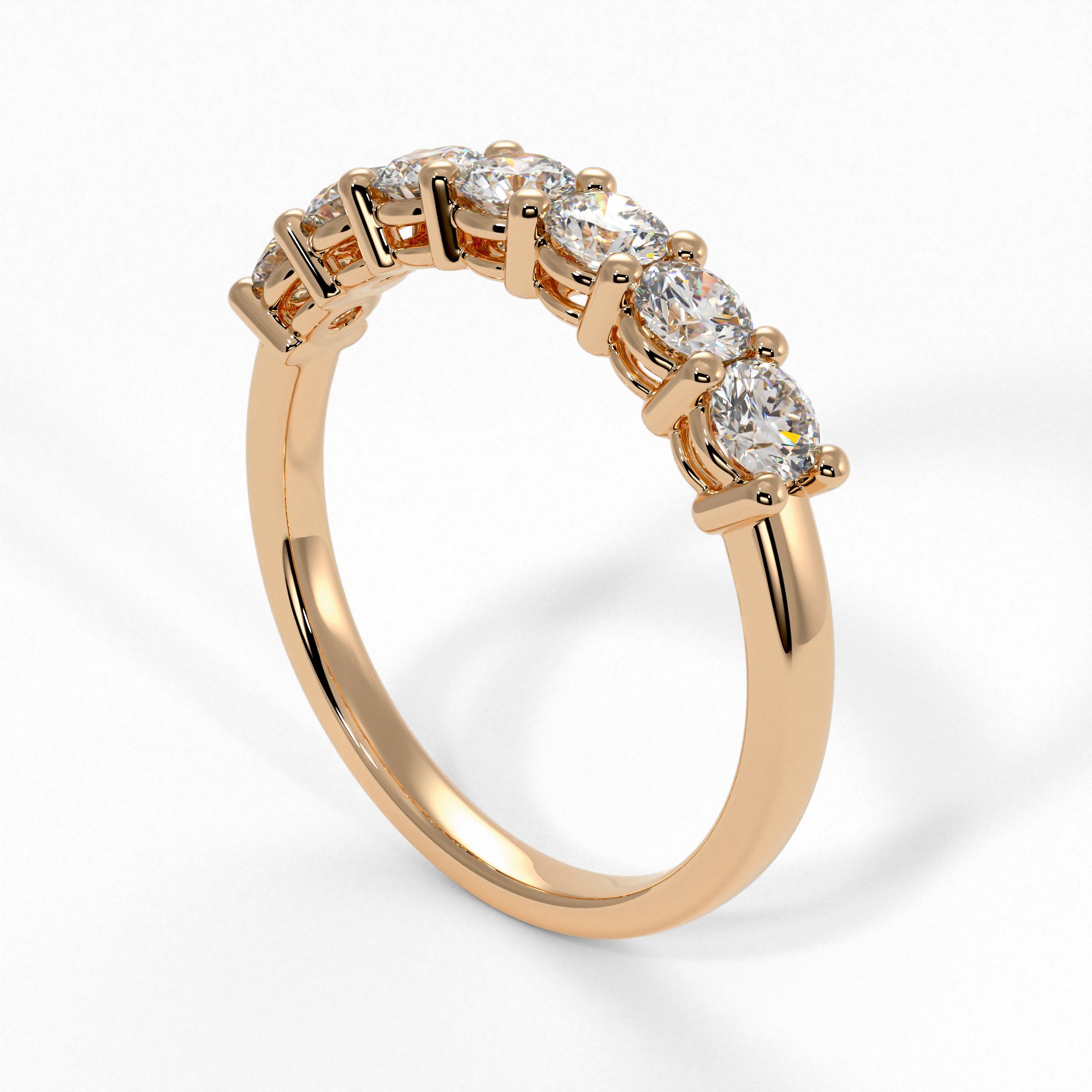
Quick answer: Rose gold gets its blush color from a copper alloy, which also makes it one of the more durable gold options. Yoona offers rose gold in both 14K and 18K, each with a genuinely different look, not just a price difference.
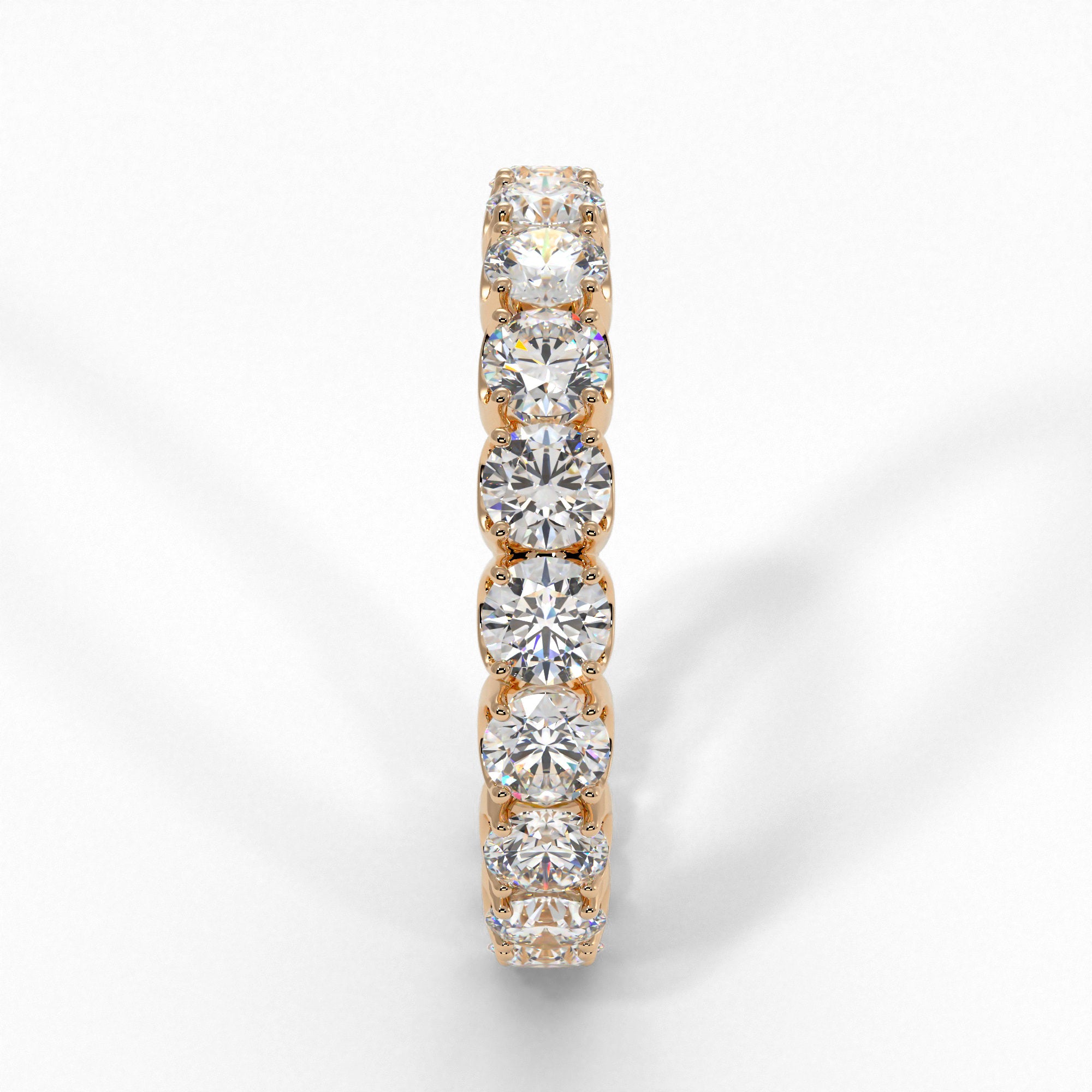
Here's the real trade-off between karats, and it's about color and durability, not availability: 14K rose gold contains a higher proportion of copper alloy, giving it a deeper, more saturated pink hue and slightly greater everyday durability. 18K rose gold contains more pure gold, resulting in a softer, more subtle blush tone with a higher gold purity. Neither is "better," they're genuinely different looks, and the choice comes down to whether you want a bolder pink or a more understated one.
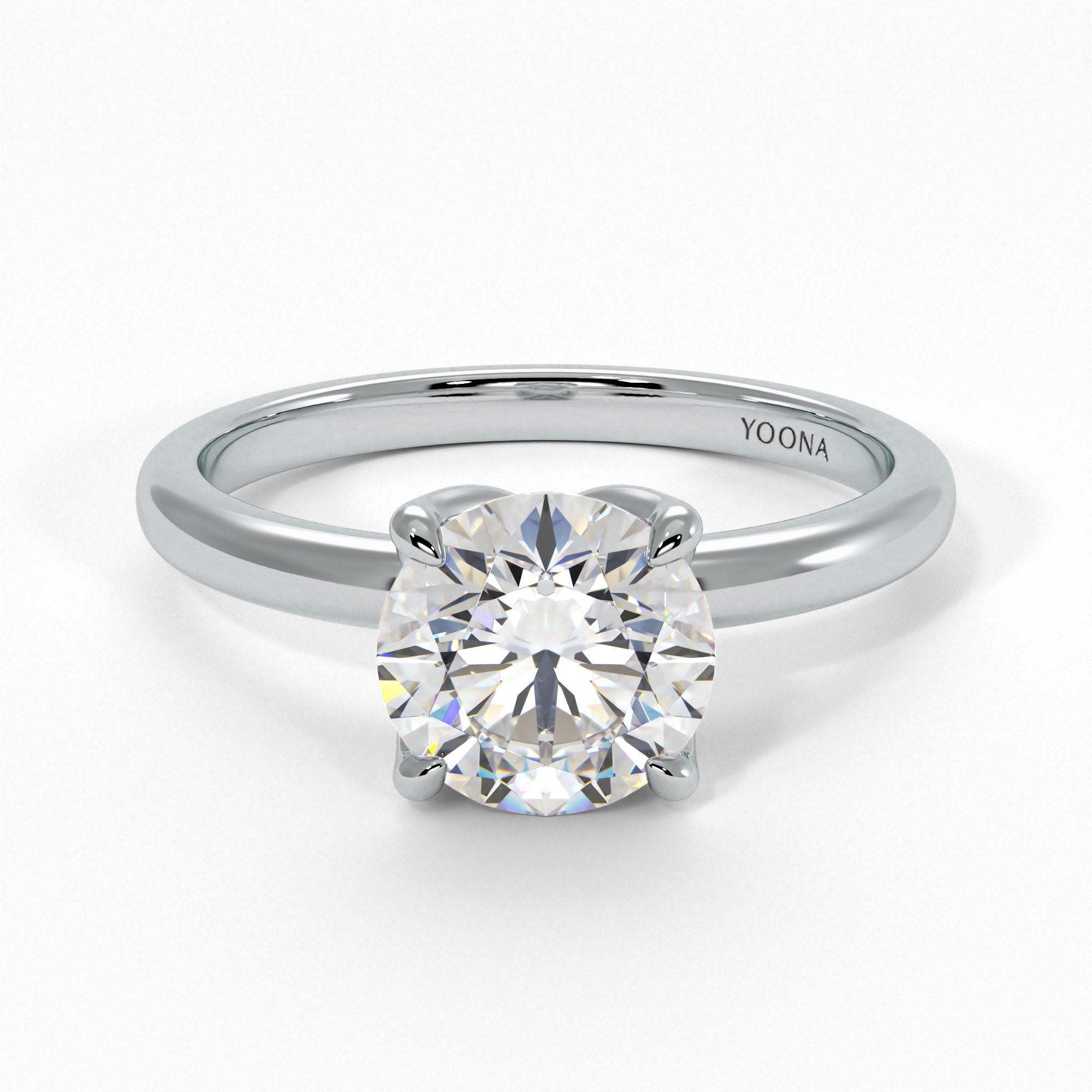
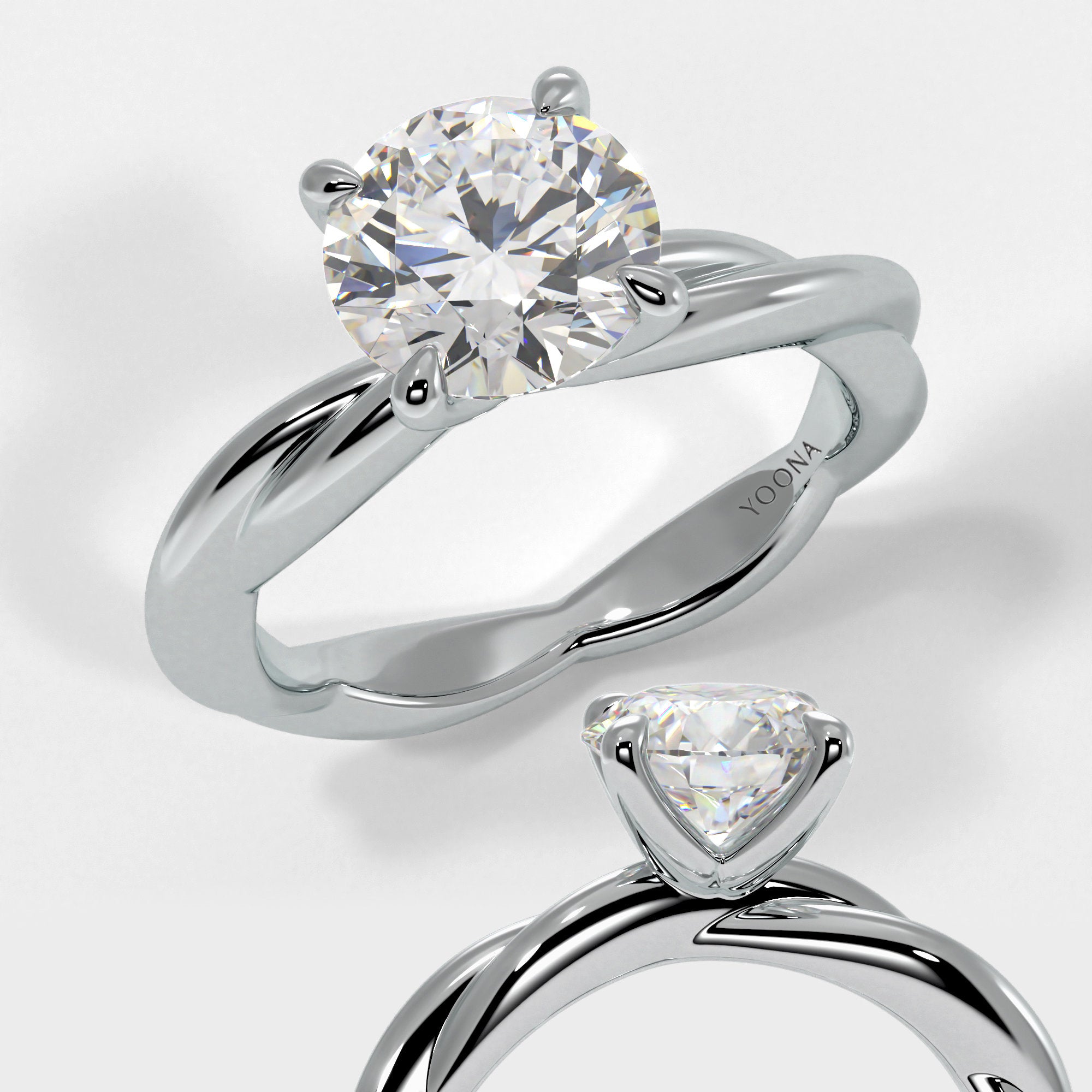
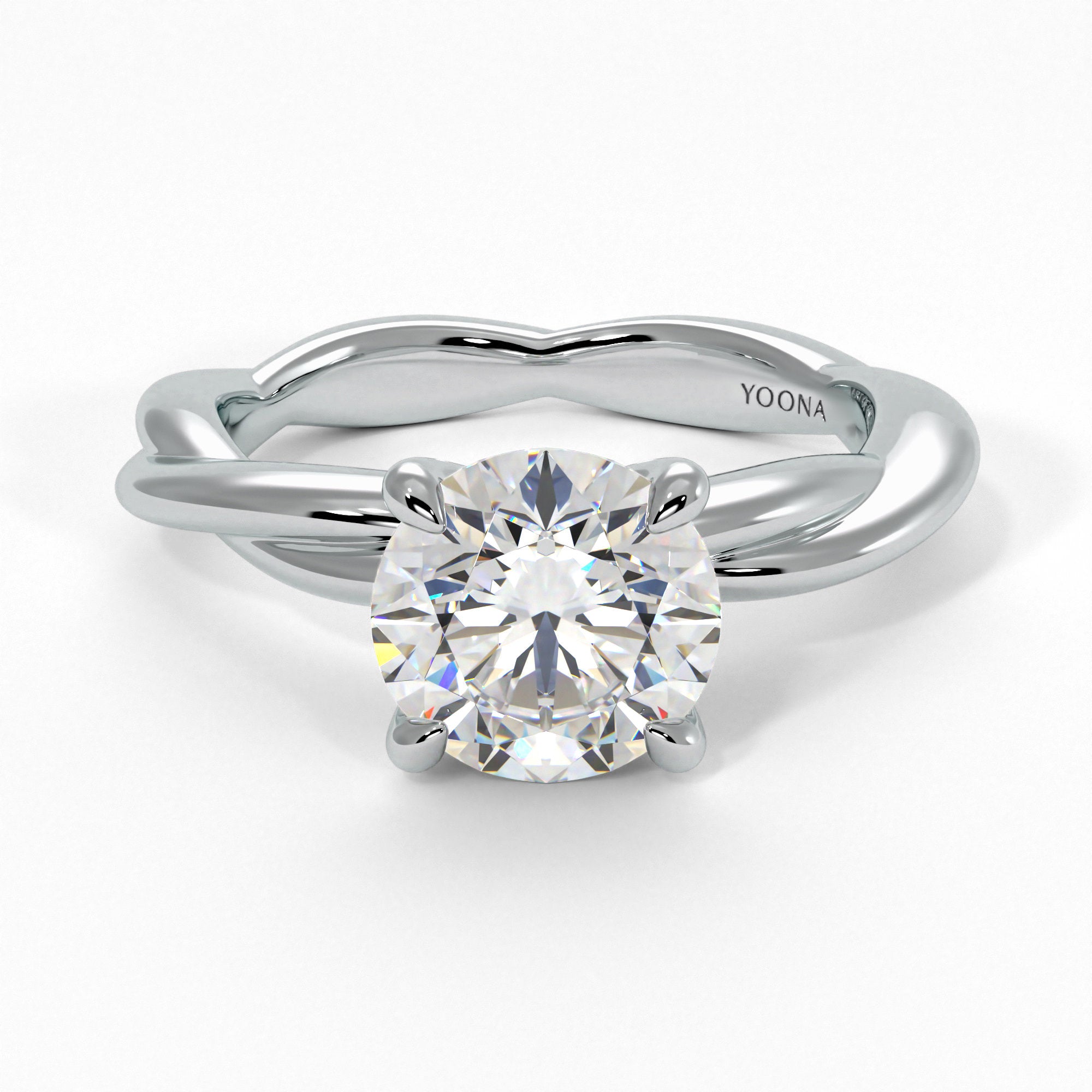
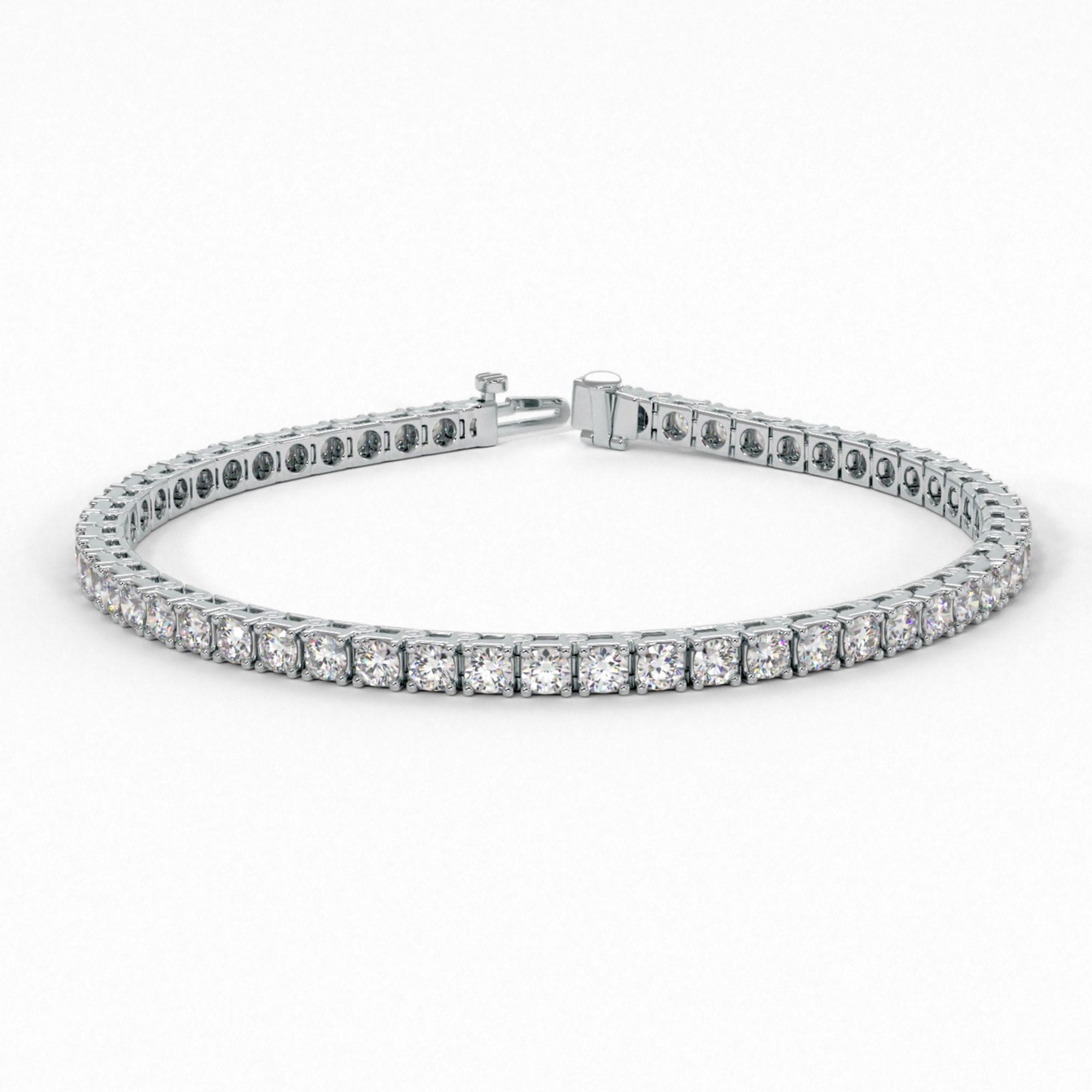
Platinum: Premium and Powerful
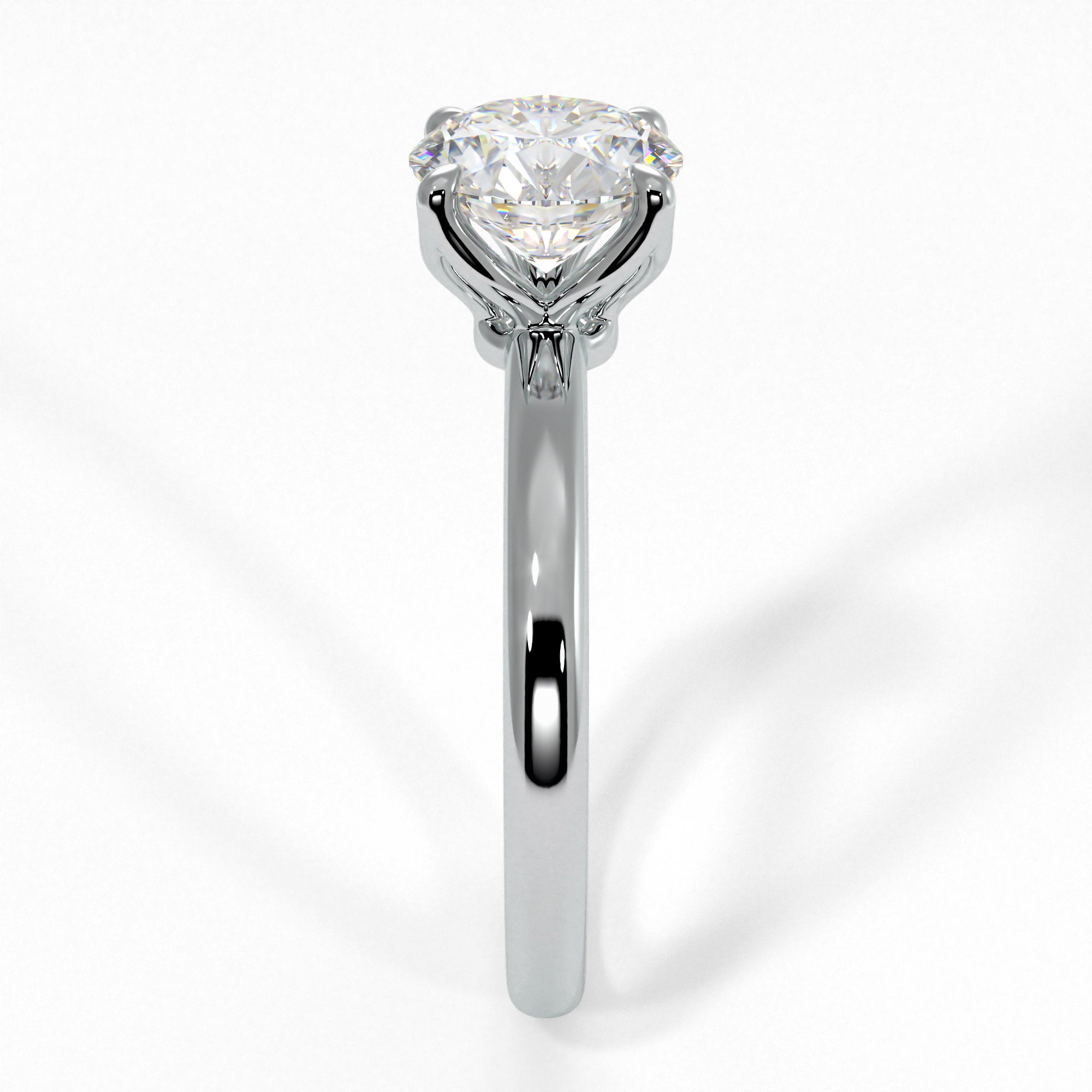
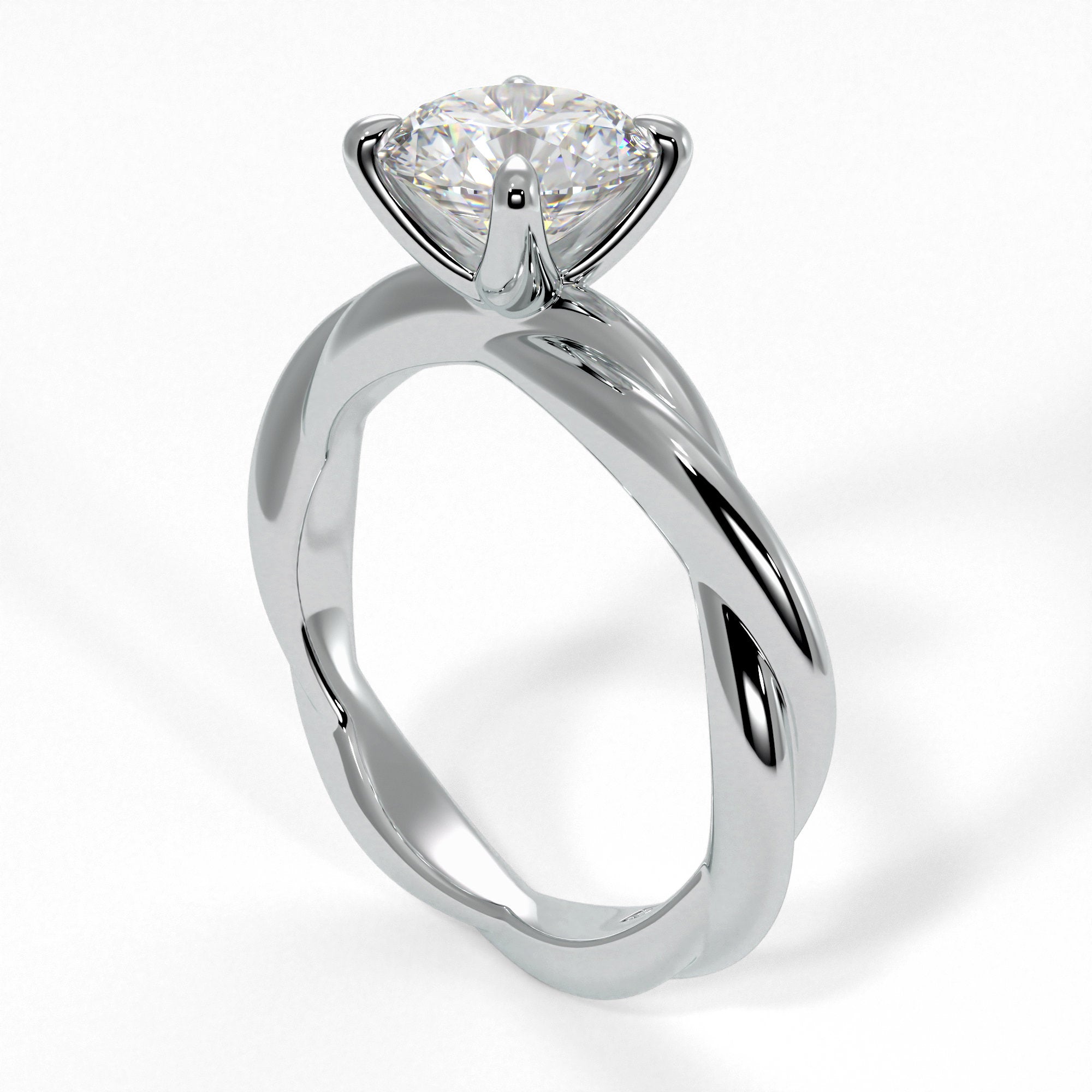
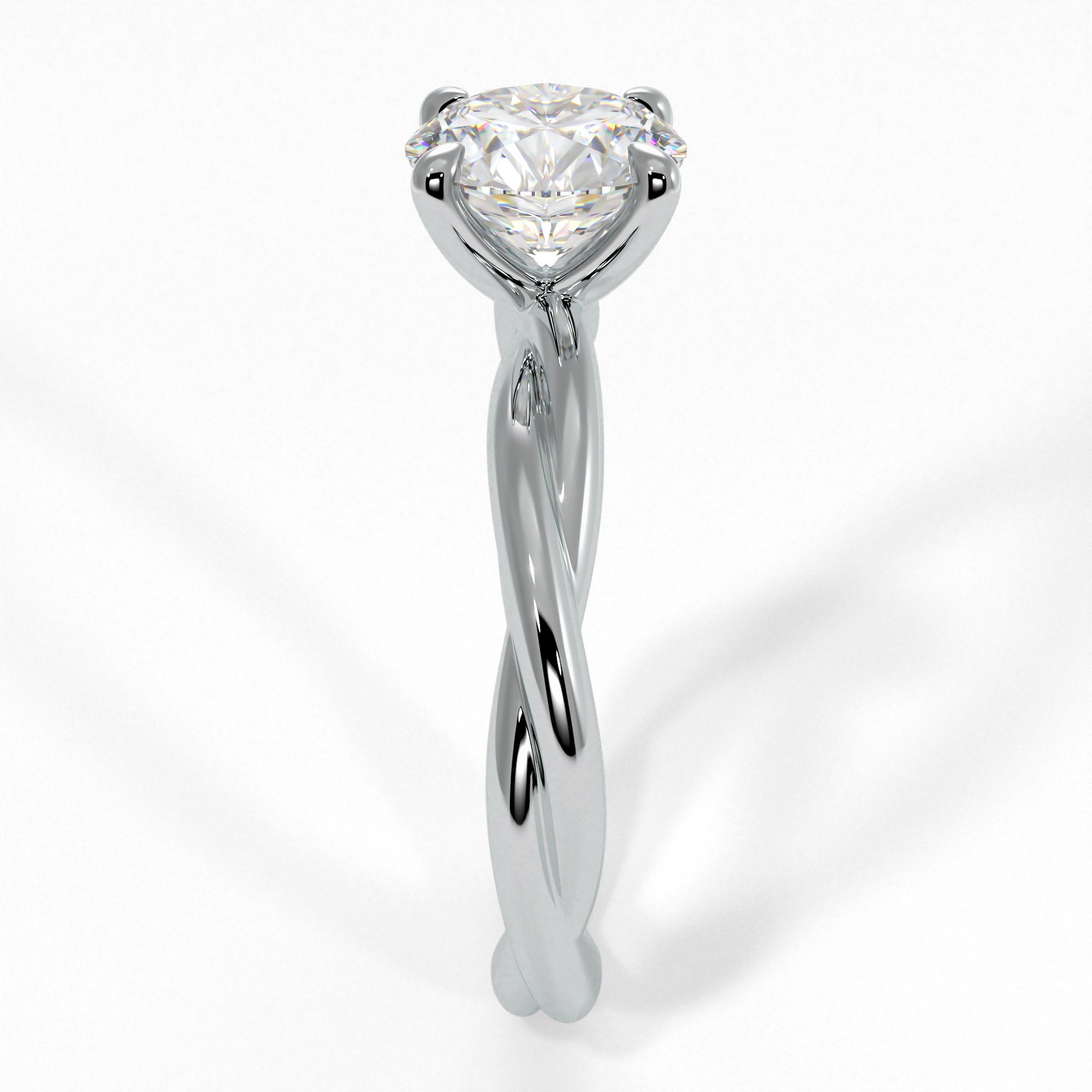
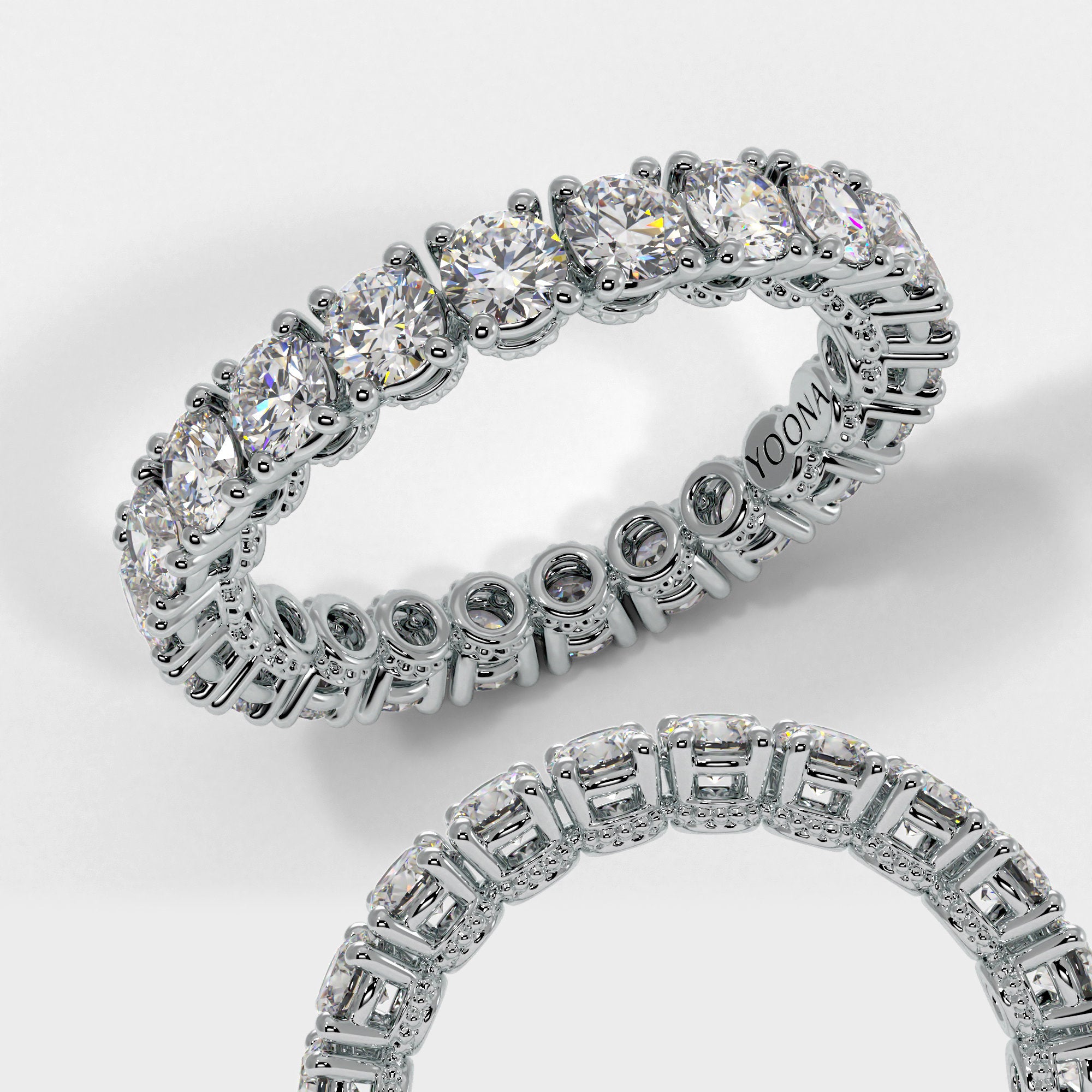
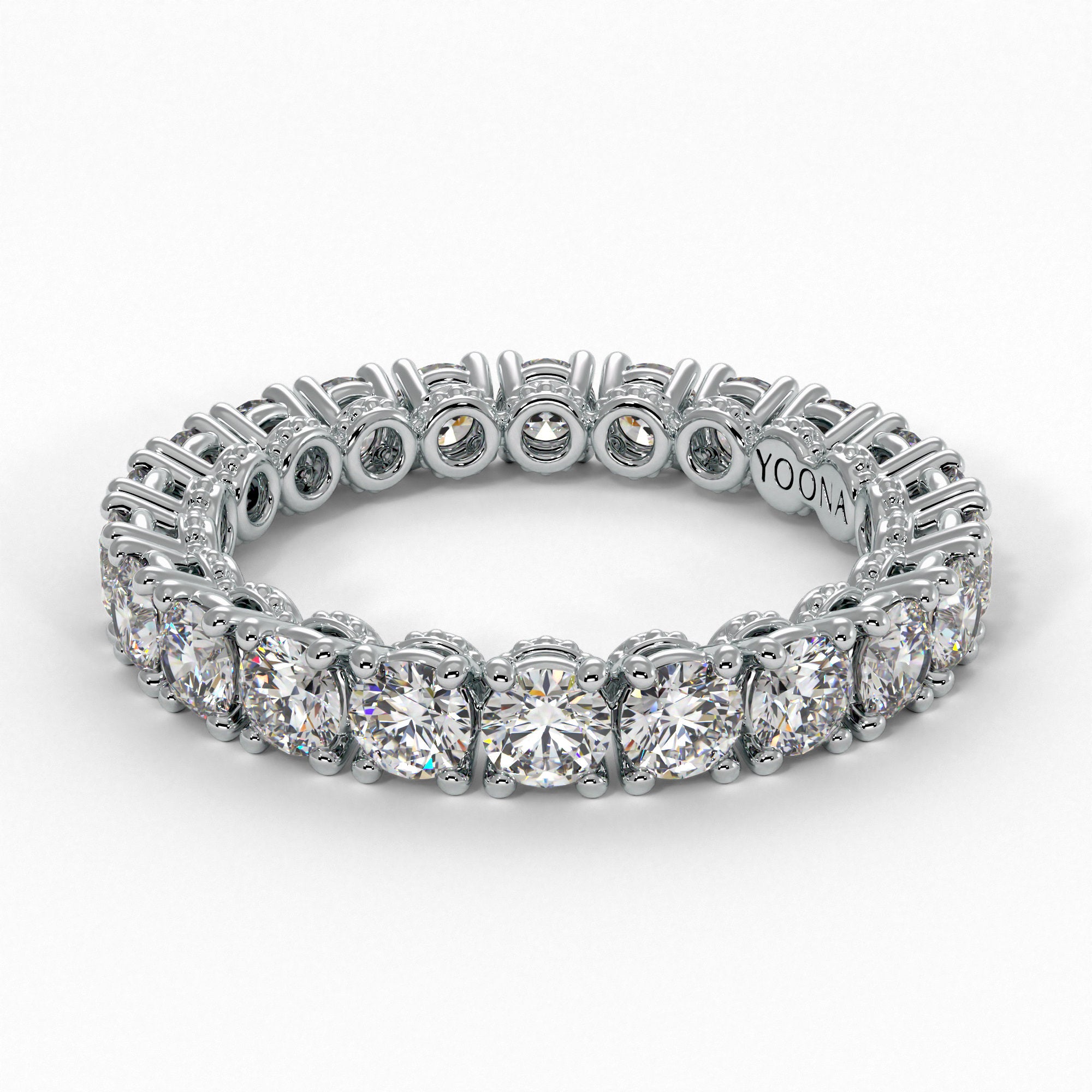
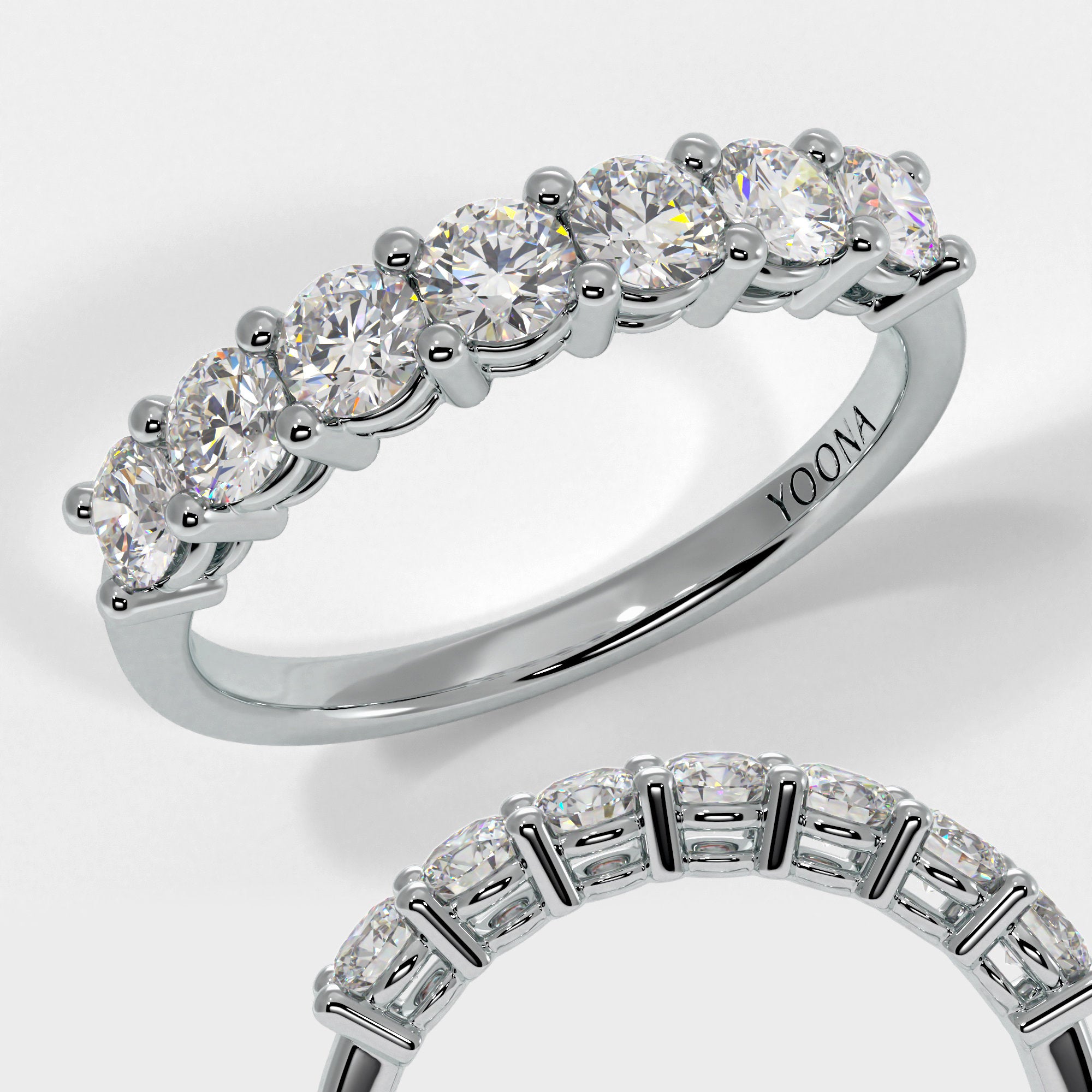
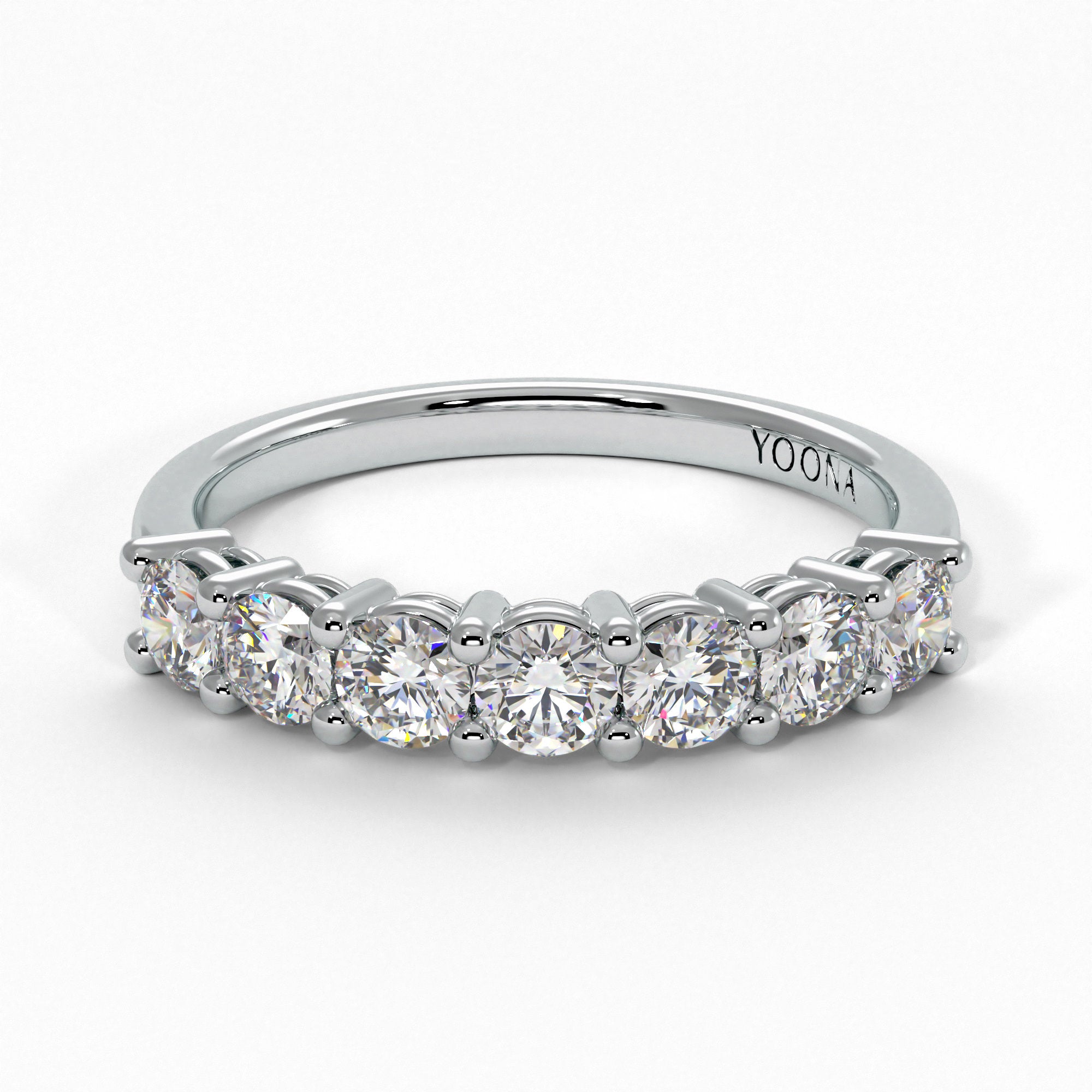
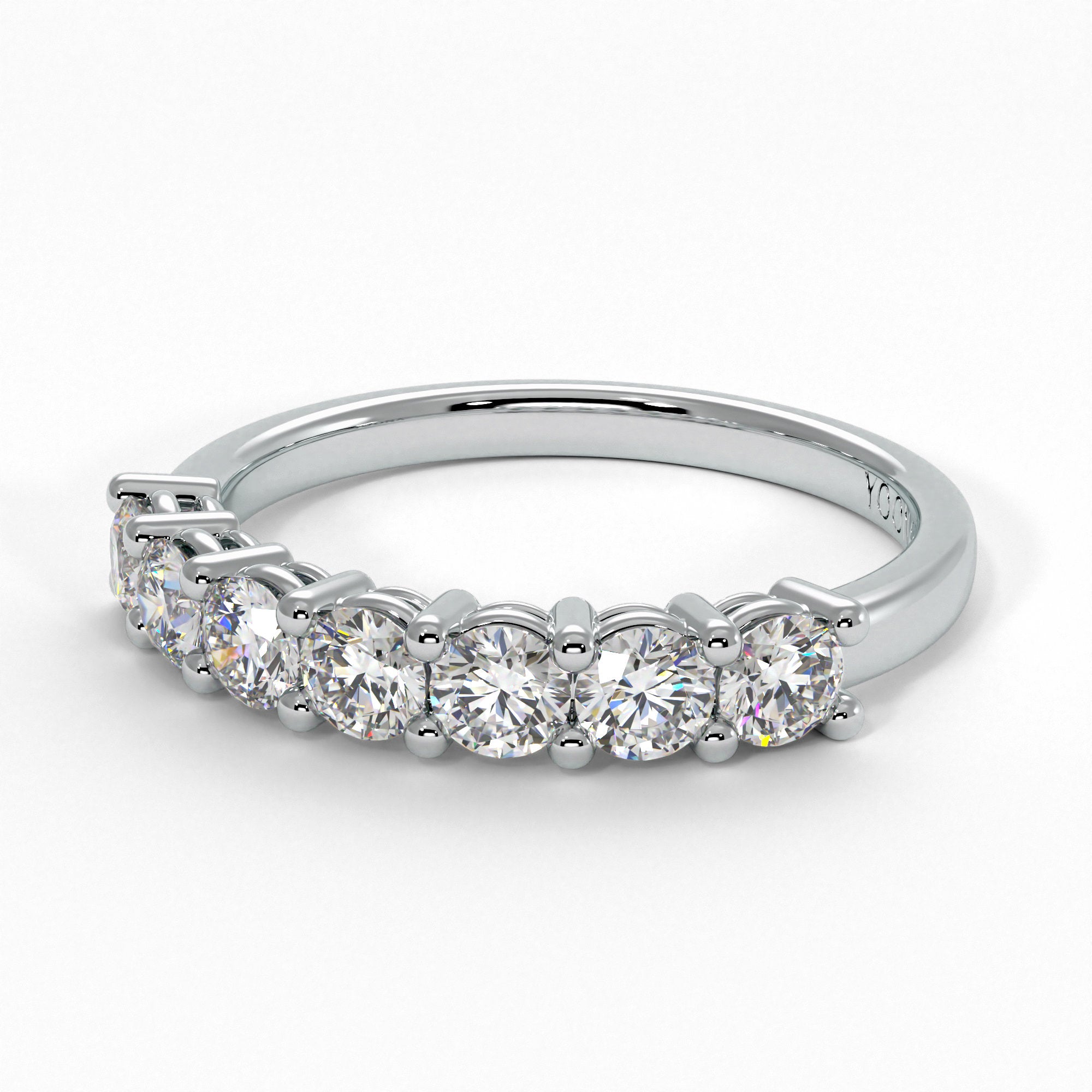
Quick answer: Platinum is naturally white, requires no re-plating, and is hypoallergenic, making it the most durable and lowest-maintenance option, at a higher price point than gold.
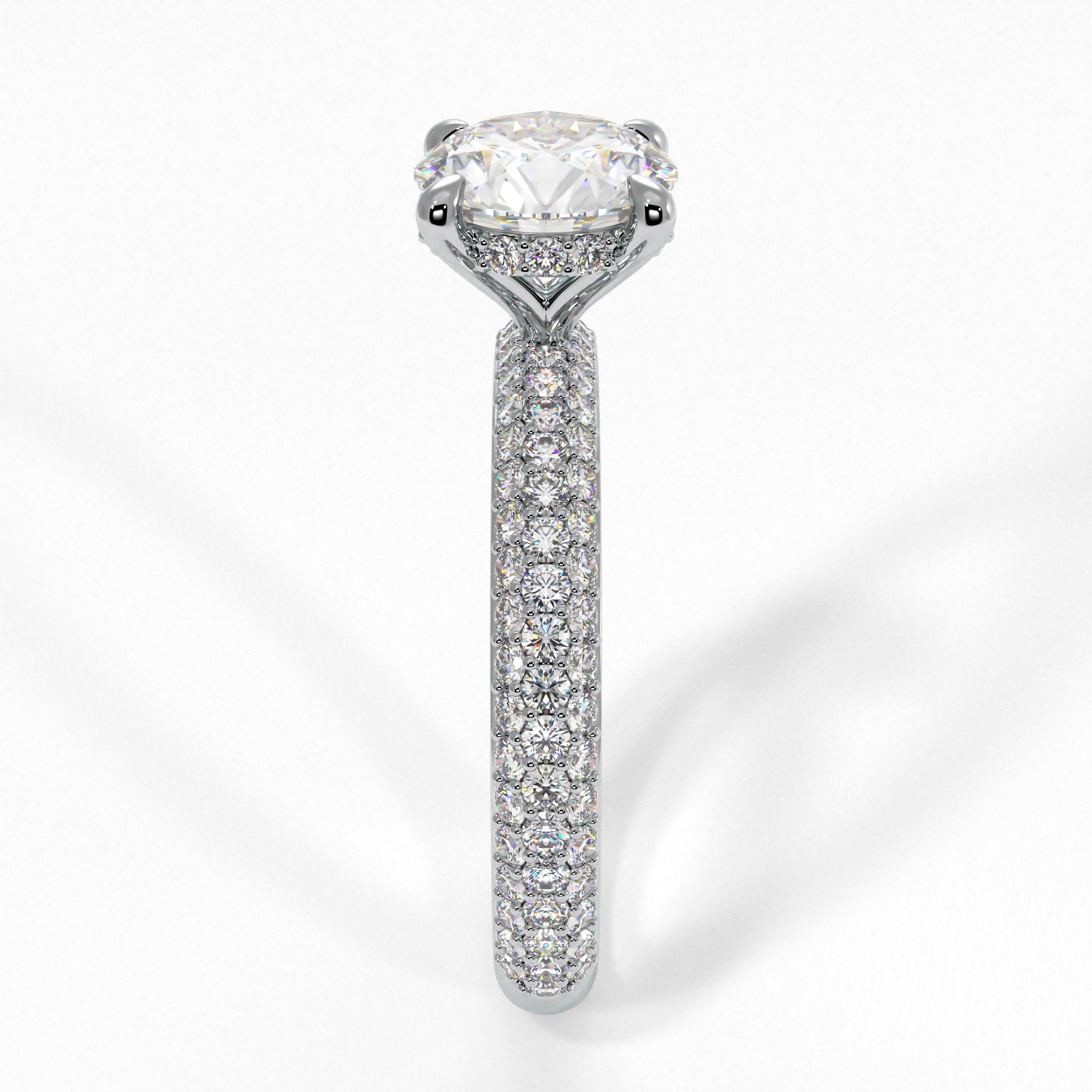
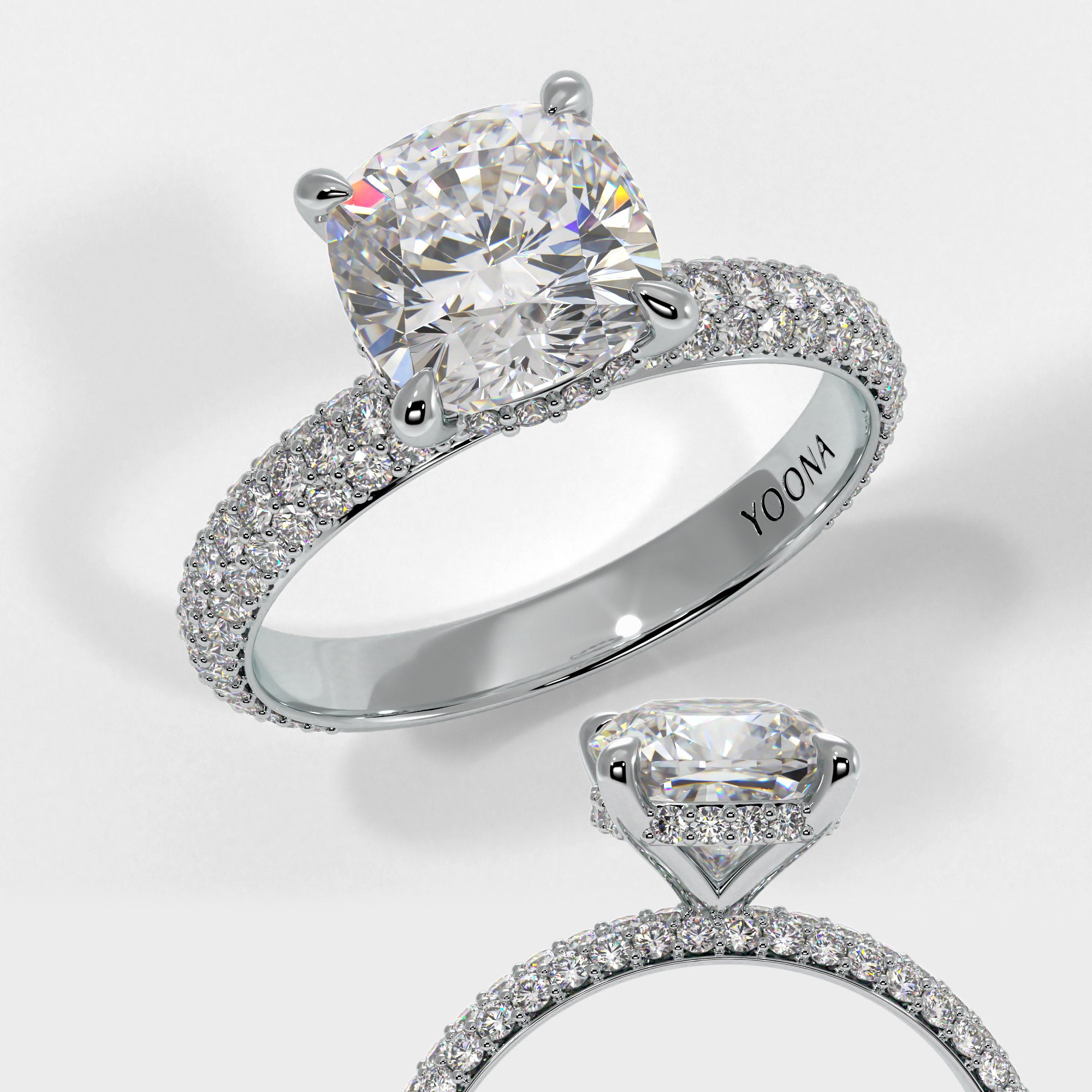
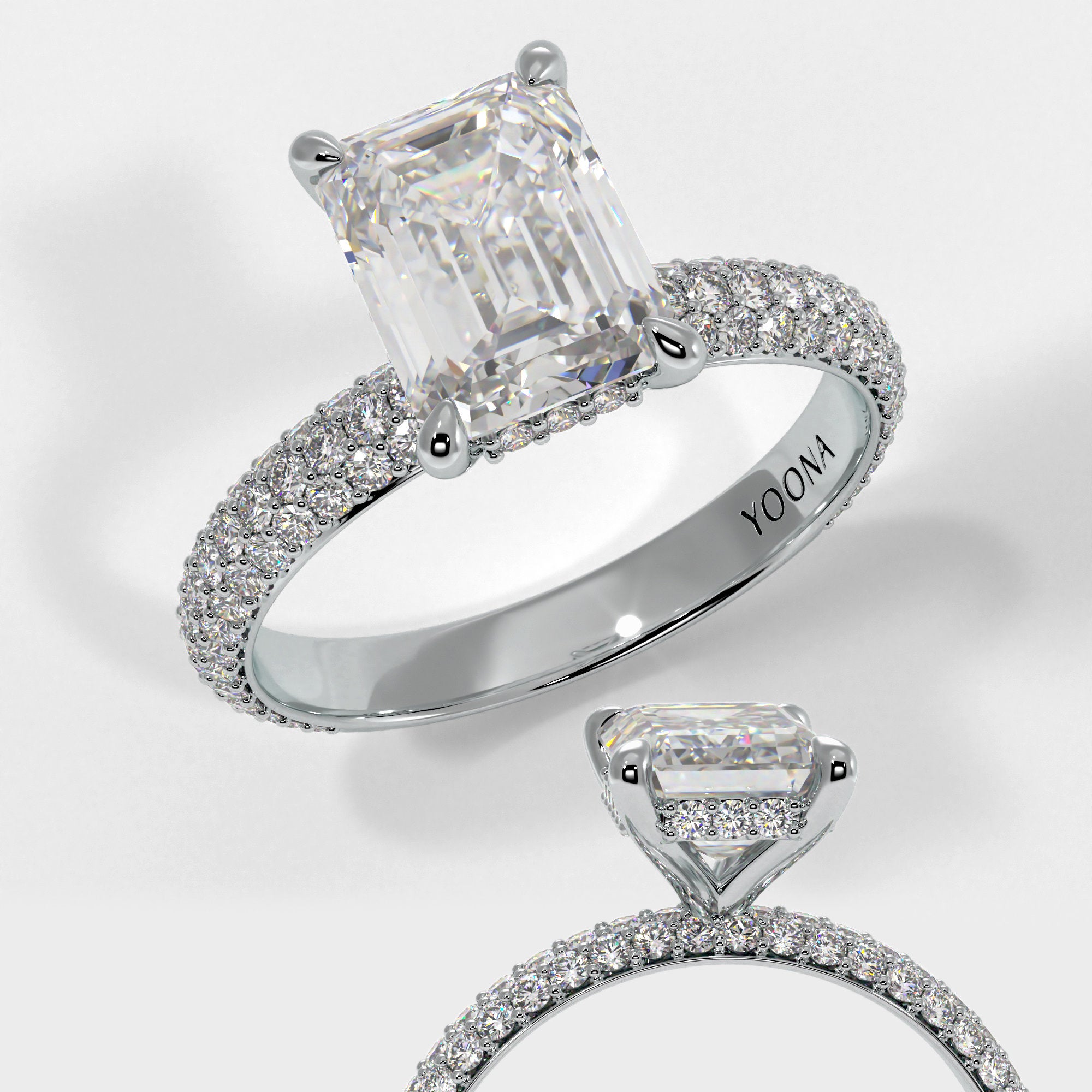
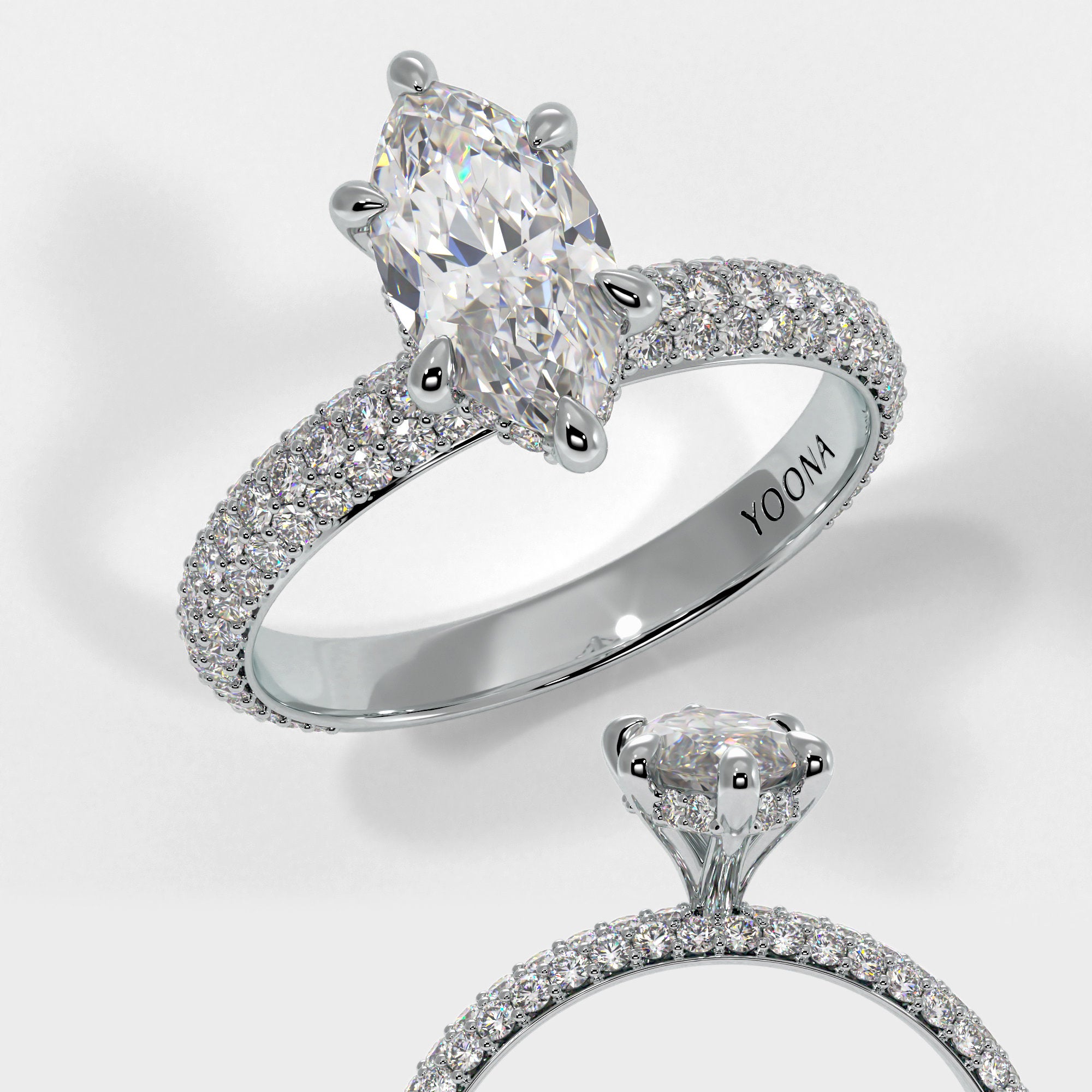
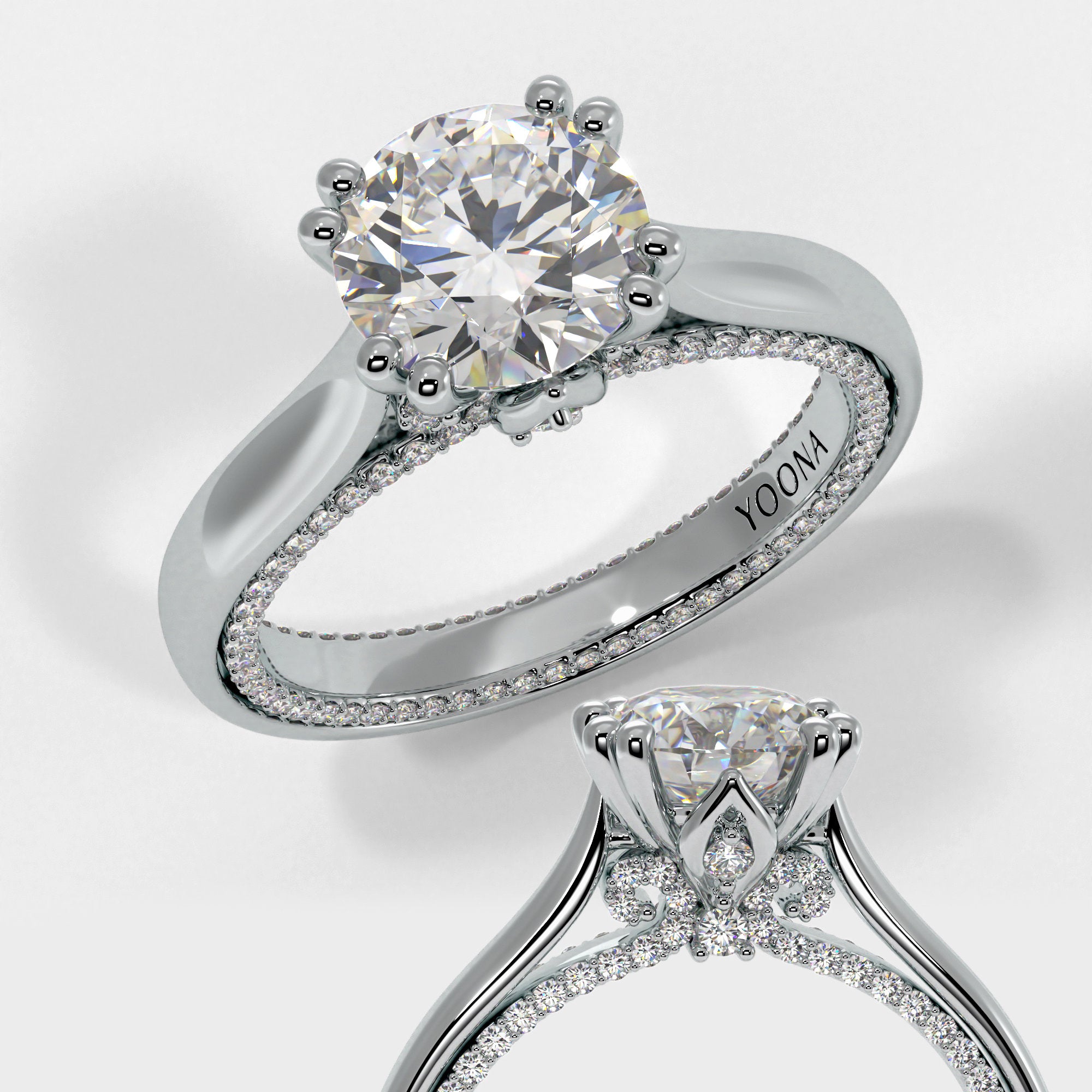
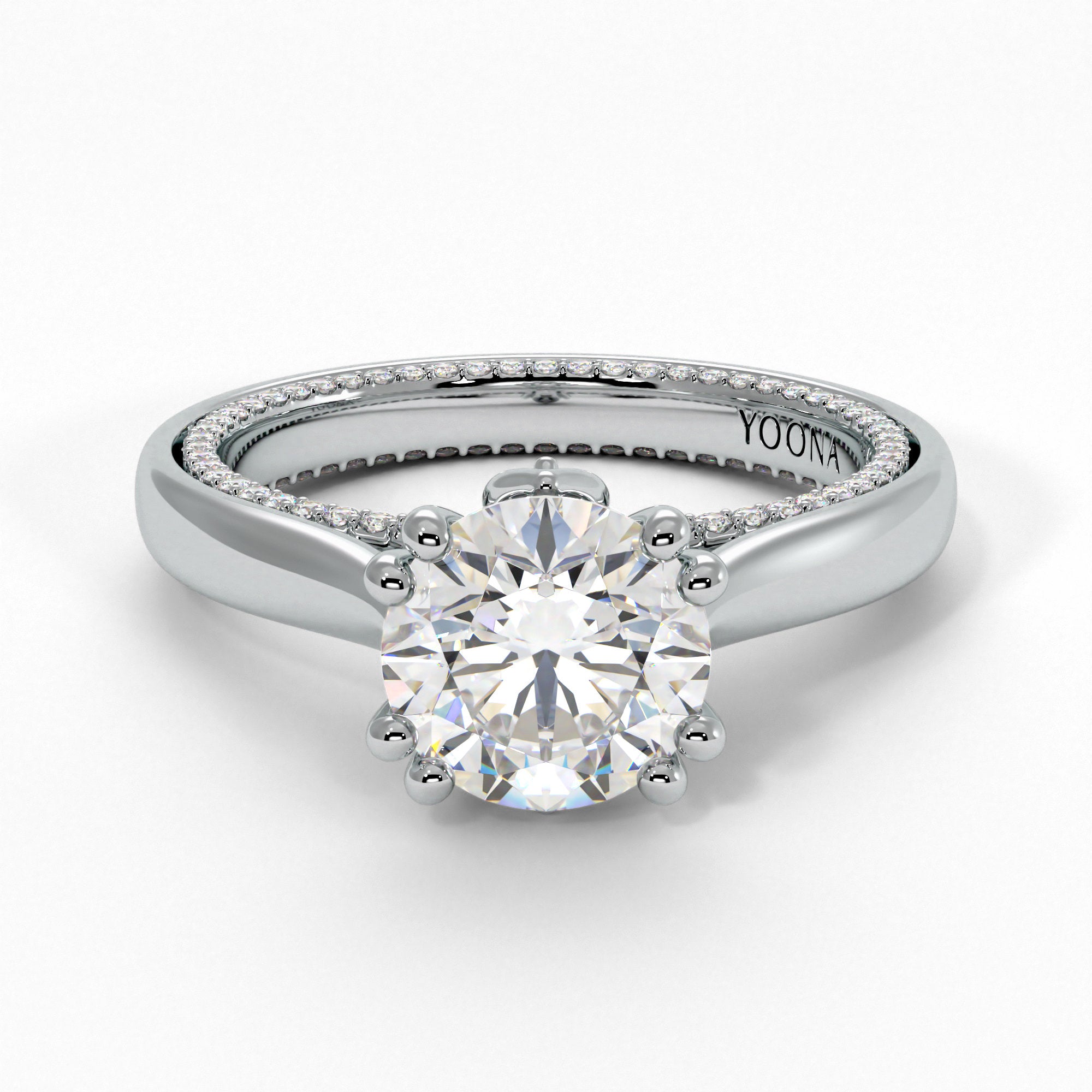
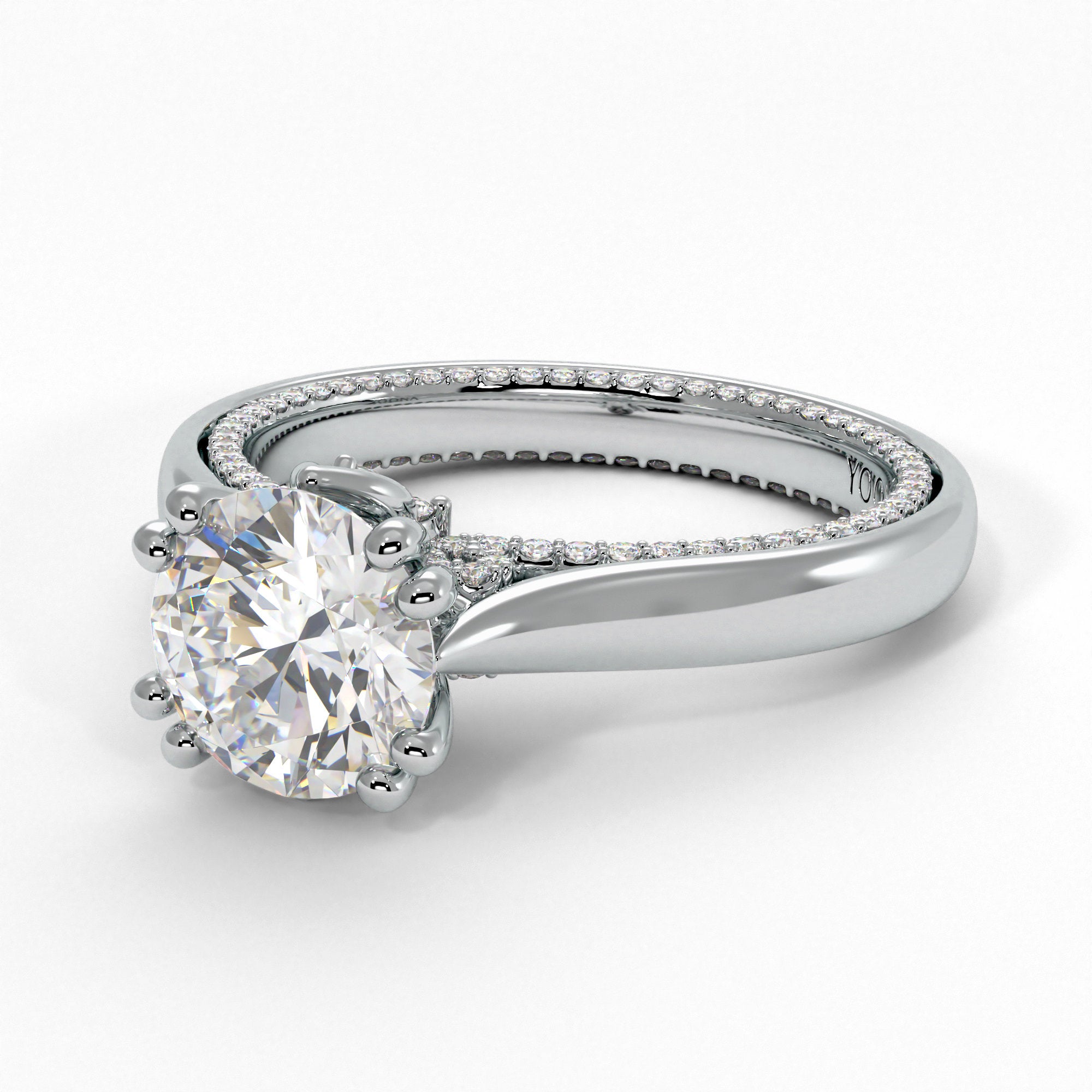
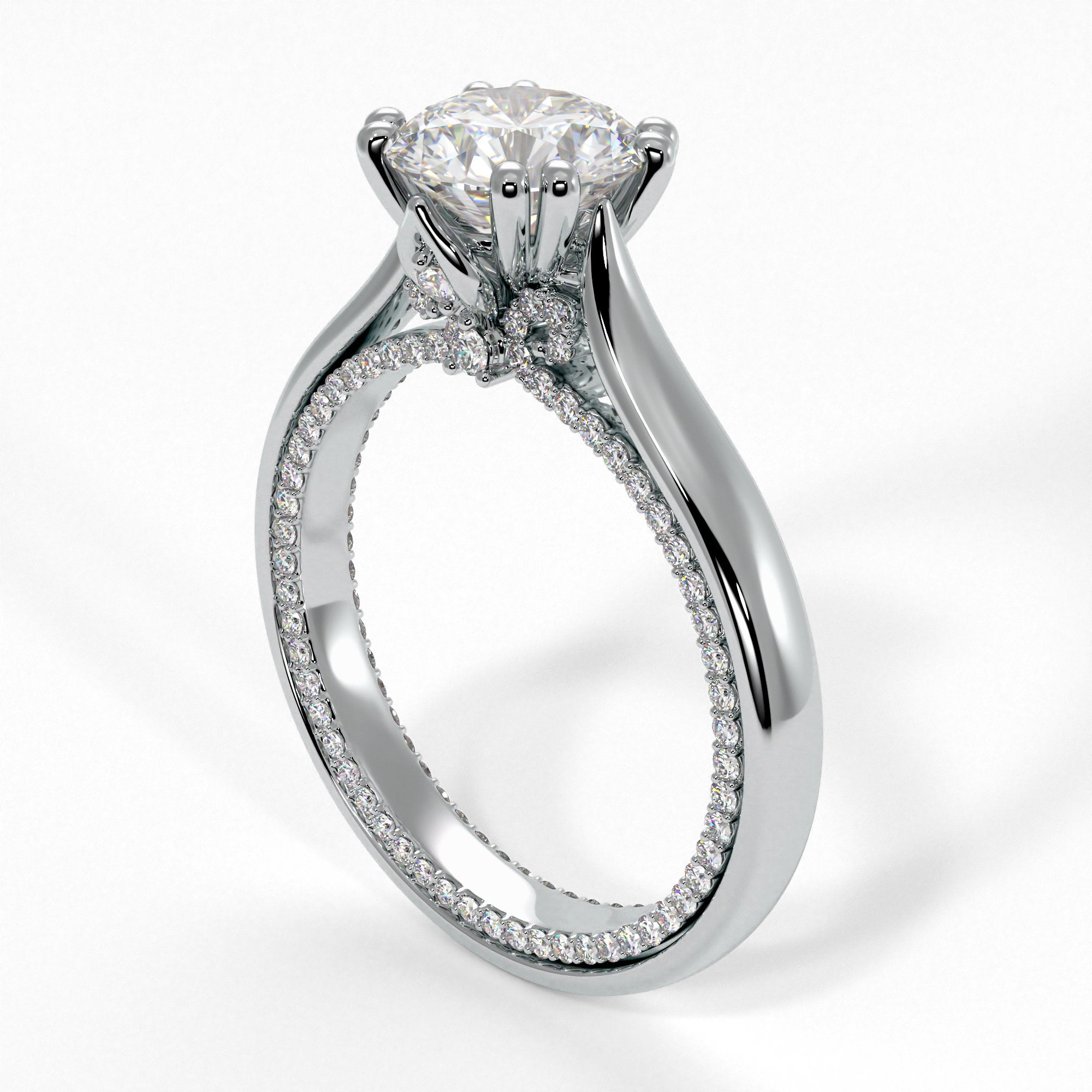
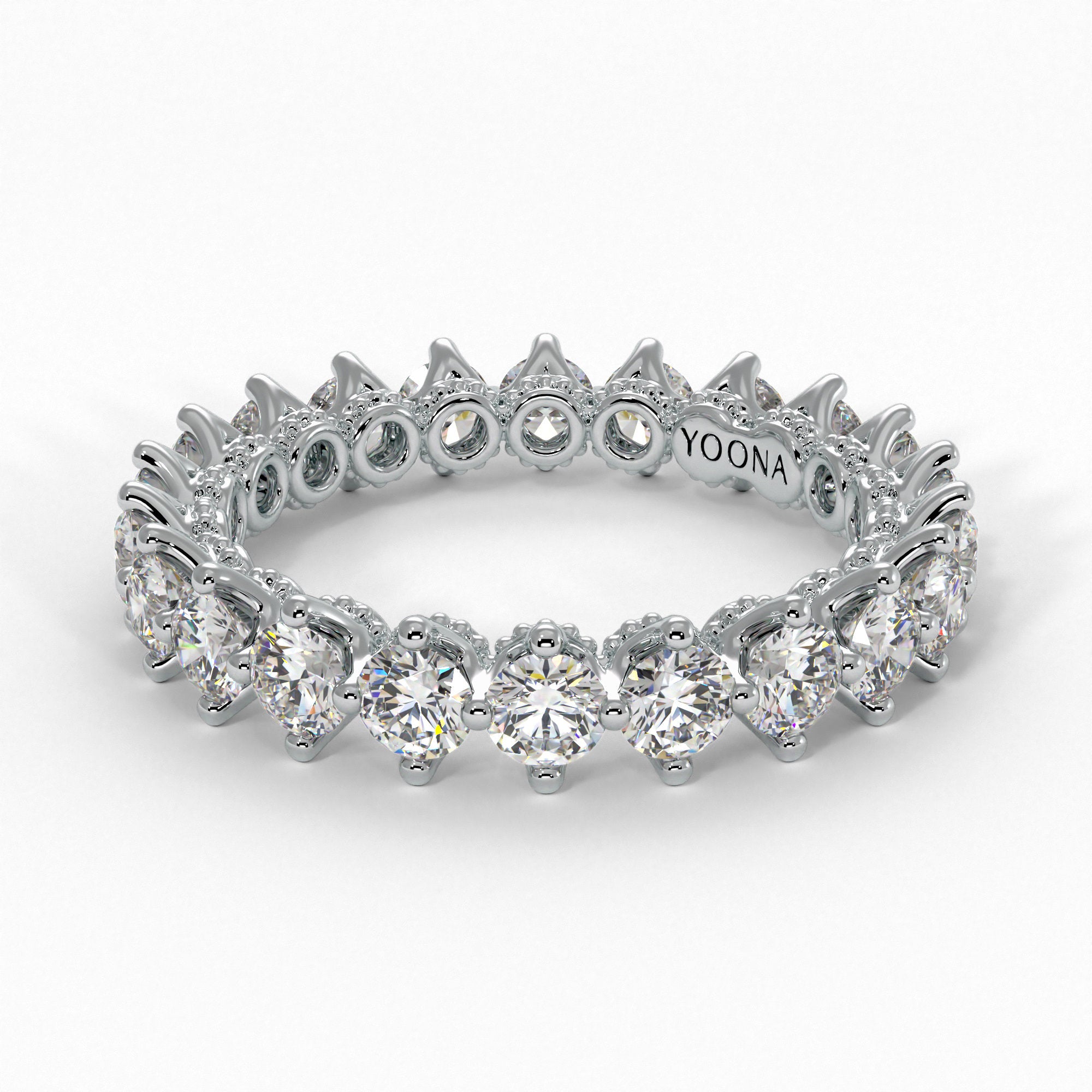
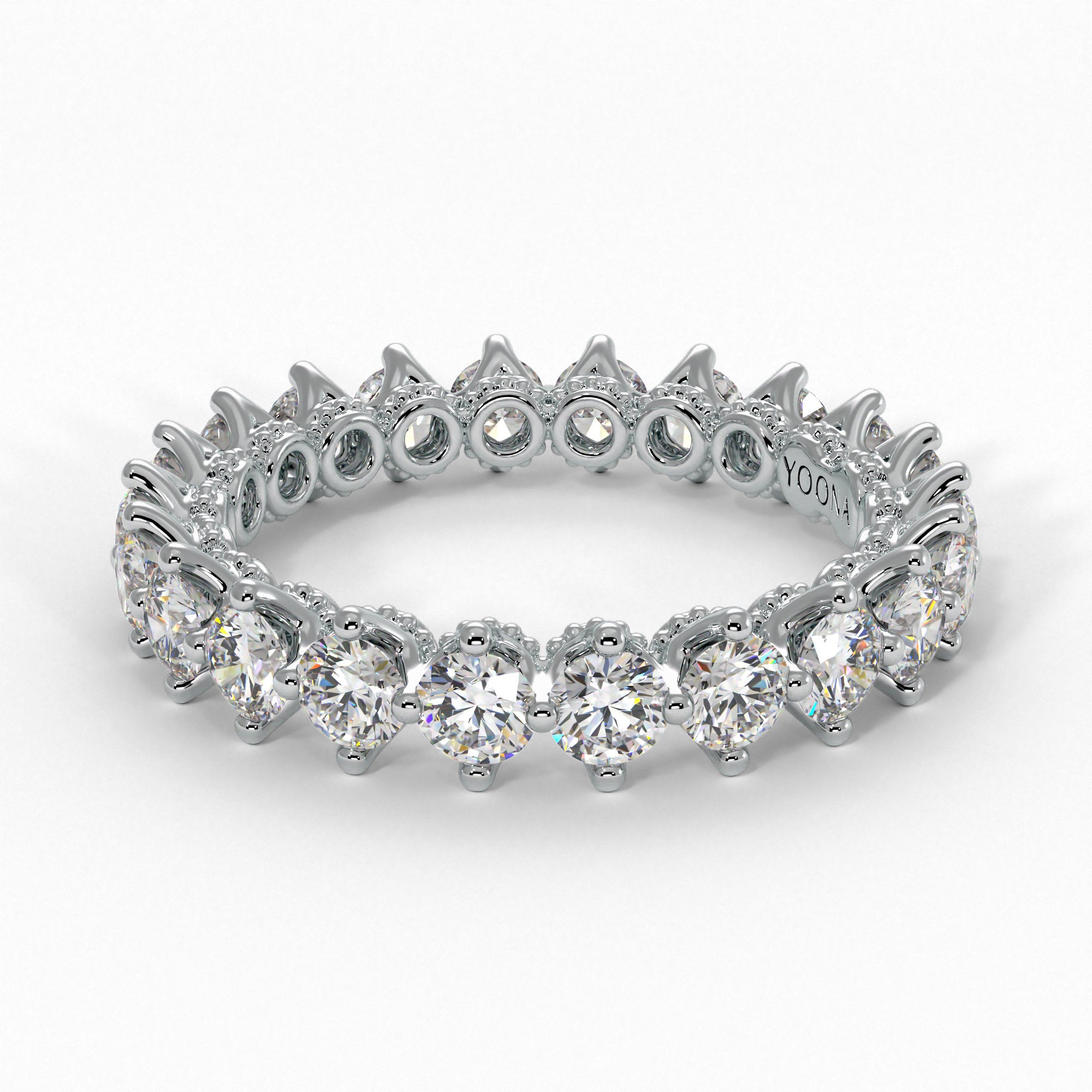
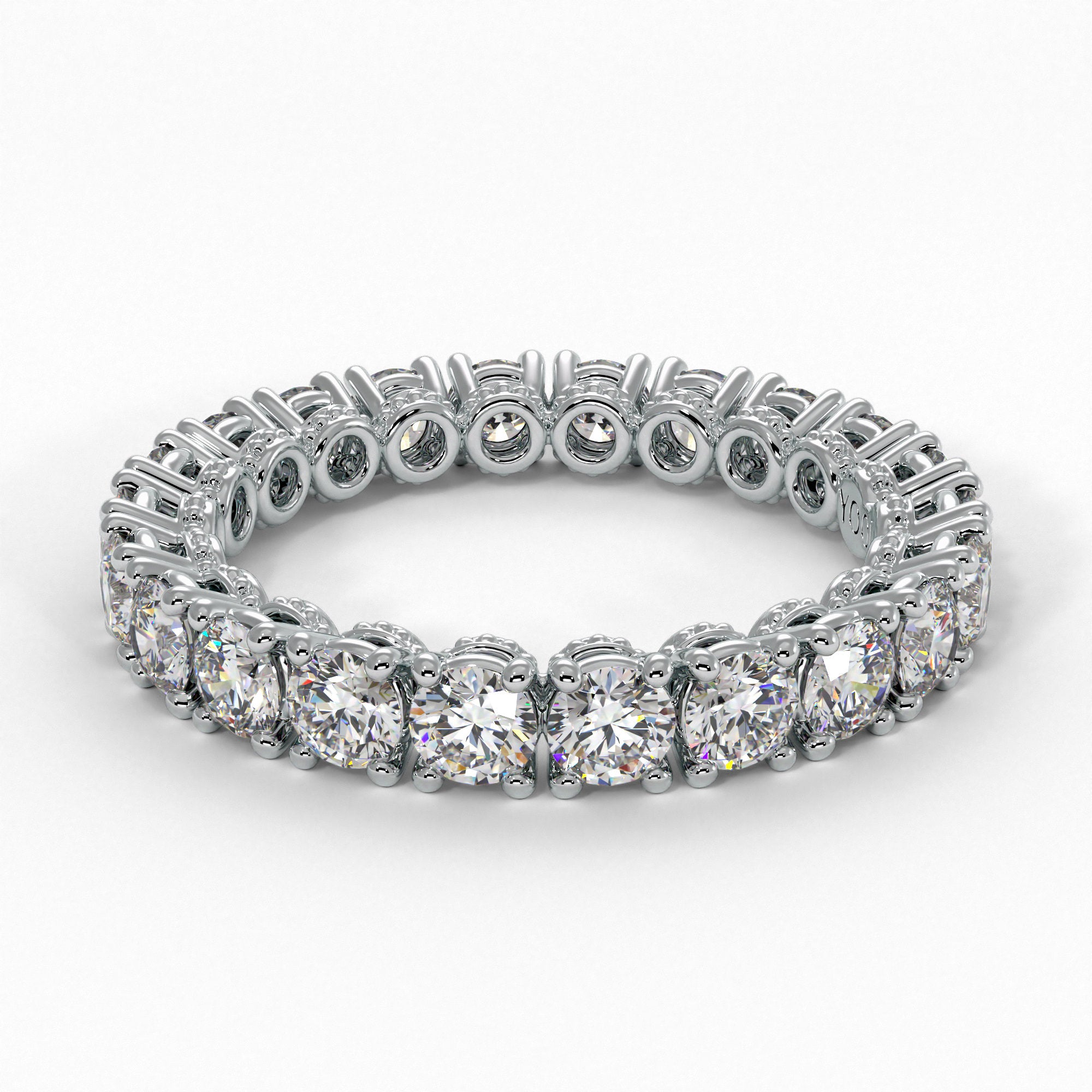
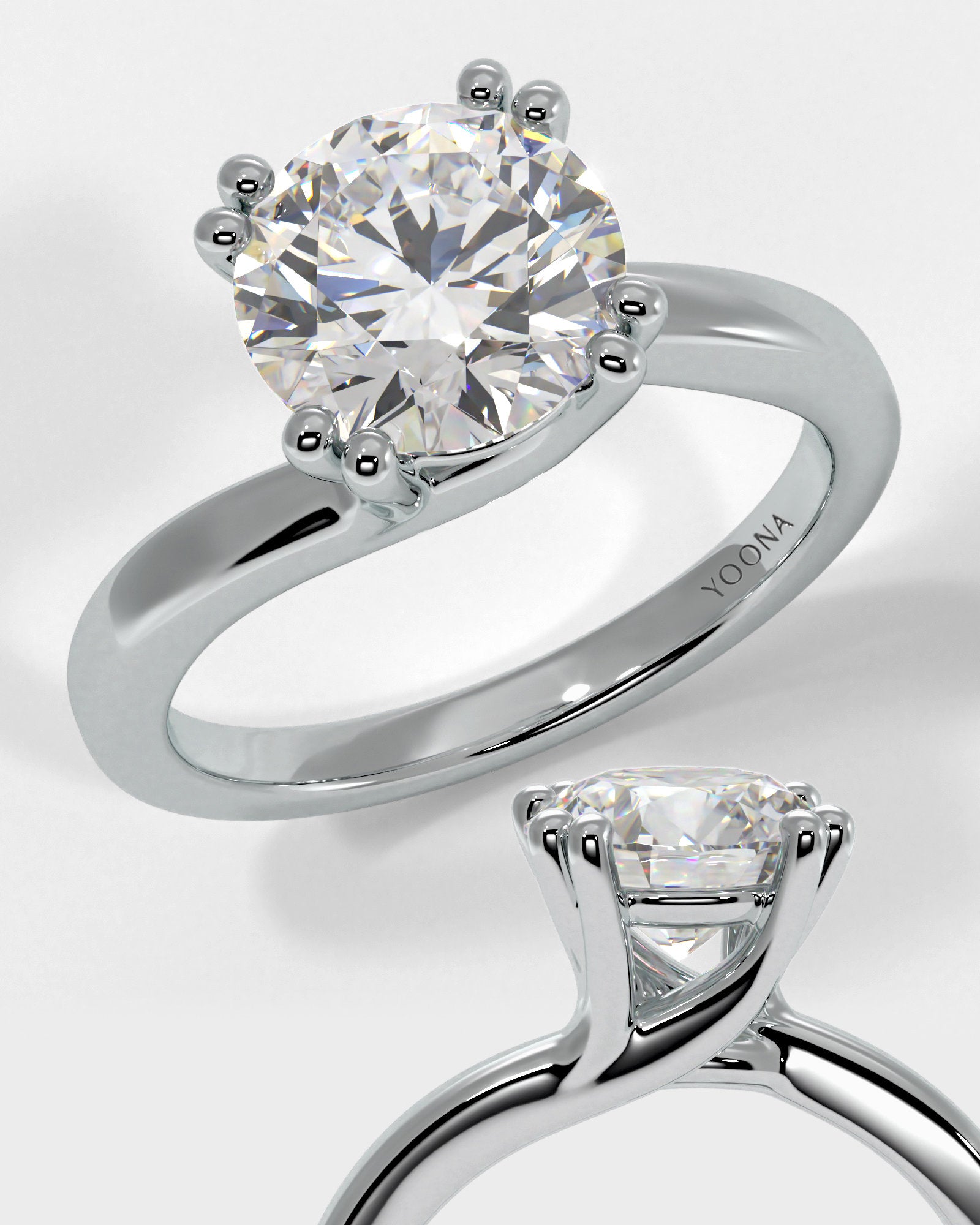
Platinum is denser and more durable than any gold alloy, which is why it's often the choice for buyers who want to set a diamond once and never think about the metal again. It does develop a soft patina, a matte look, with years of wear, which many people find attractive as a sign of a well-loved ring, though it can be professionally re-polished to restore its original shine if you prefer that look instead.
Side-by-Side Comparison
| Metal | Tone | Durability | Maintenance |
|---|---|---|---|
| Yellow Gold | Warm | Moderate | Occasional care, resizes easily |
| White Gold | Cool | Good | Re-plating every few years |
| Rose Gold | Blush | High | Low, color doesn't fade |
| Platinum | Cool, naturally white | Very high | Low, develops patina over time |
How Do These Compare on Price?
Quick answer: Yellow and rose gold are typically the most affordable options, white gold sits similarly or slightly higher due to rhodium plating costs, and platinum is consistently the most expensive due to its density and rarity.
Platinum's higher price comes from more than branding, it's a denser metal, so a platinum ring actually contains more material by weight than the same design in gold, on top of platinum's own higher market price. If budget is a primary factor, gold in any of its three colors delivers a very similar look and durability profile for meaningfully less.
Can Metals Be Mixed?
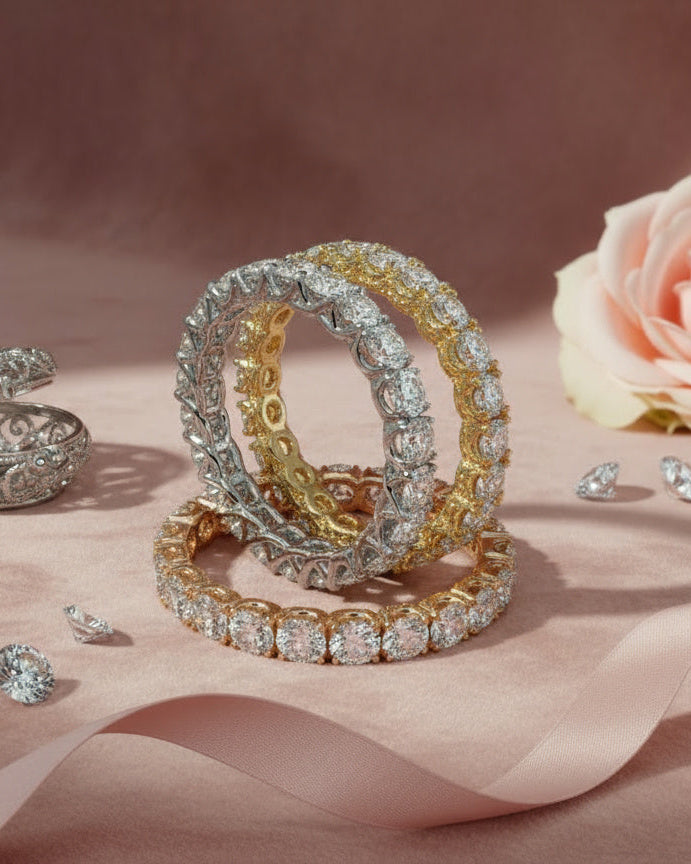
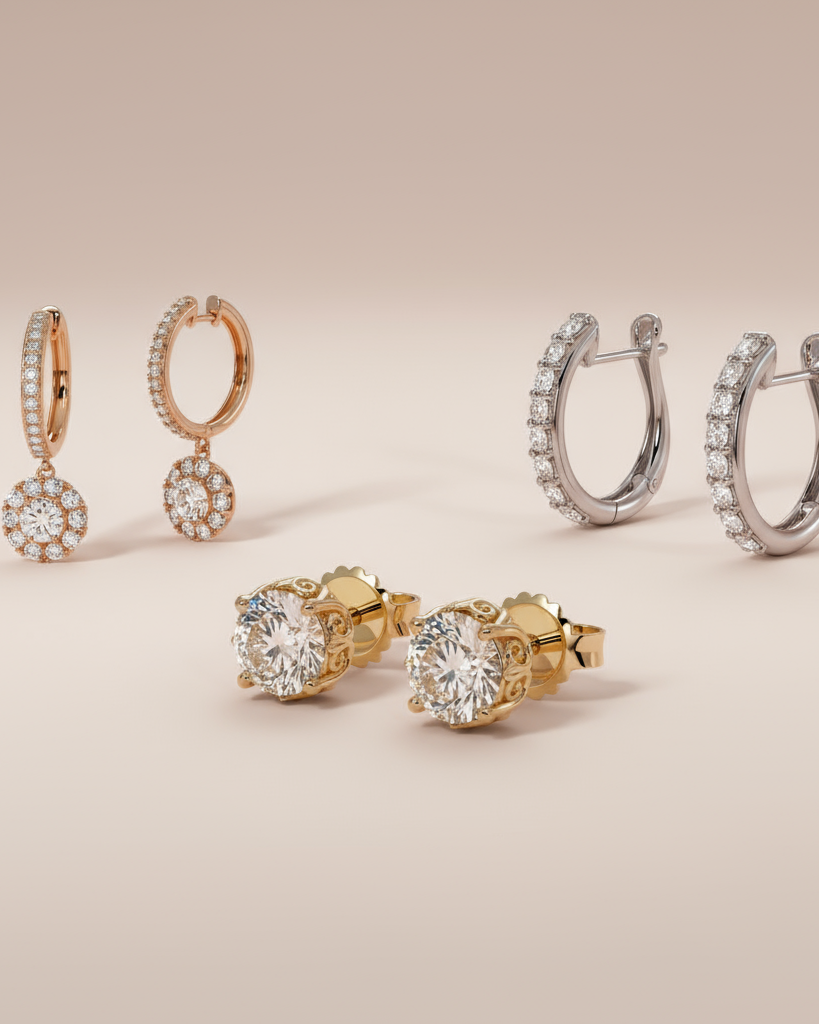
Quick answer: Yes, two-tone designs combining white and yellow, or white and rose gold, are a real and popular option for buyers who don't want to choose just one color.
If you're genuinely torn between two metal tones, a two-tone design is worth considering rather than treating the decision as strictly either-or. This is common enough in fine jewelry that it's not a custom or unusual request, just a design variation worth asking about.
Frequently Asked Questions
Which metal is best for sensitive skin?
Platinum and rose gold tend to be the safest choices for metal sensitivities. White gold's alloy and rhodium plating occasionally cause reactions in people with known metal sensitivities.
Does metal choice affect how a diamond looks?
Yes, white metals like platinum and white gold make a diamond's color grade more visible by contrast, while yellow and rose gold mask warmth in the stone, letting a lower color grade look just as white.
Is platinum worth the extra cost over white gold?
If low maintenance and never re-plating matter to you, yes. If budget matters more and you don't mind periodic re-plating, white gold delivers a very similar look for less.
What Yoona Offers
We offer yellow, white, and rose gold in both 14K and 18K, along with platinum, across our full collection. Whatever metal you choose, every center stone still meets the same Eternal Diamond™ standard.