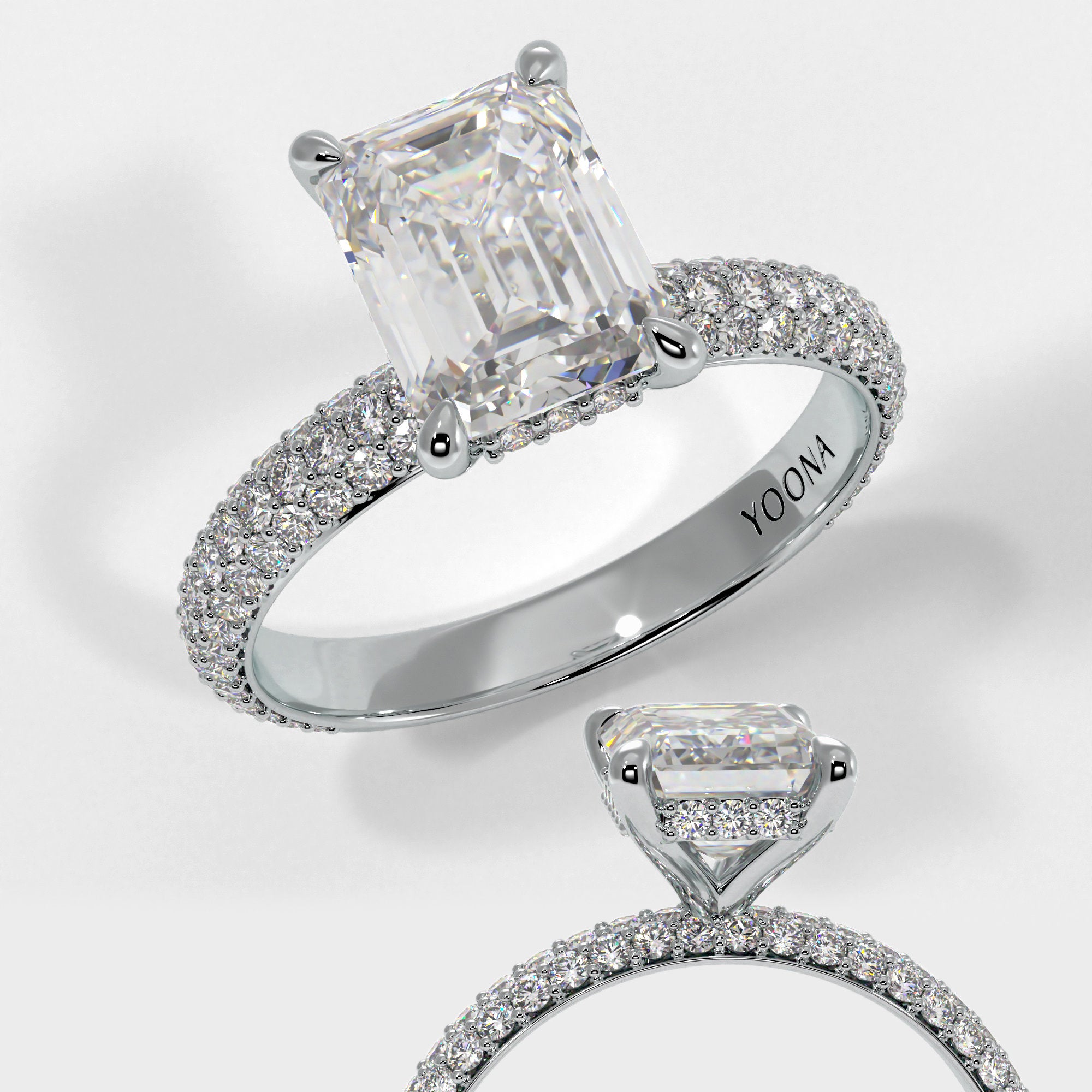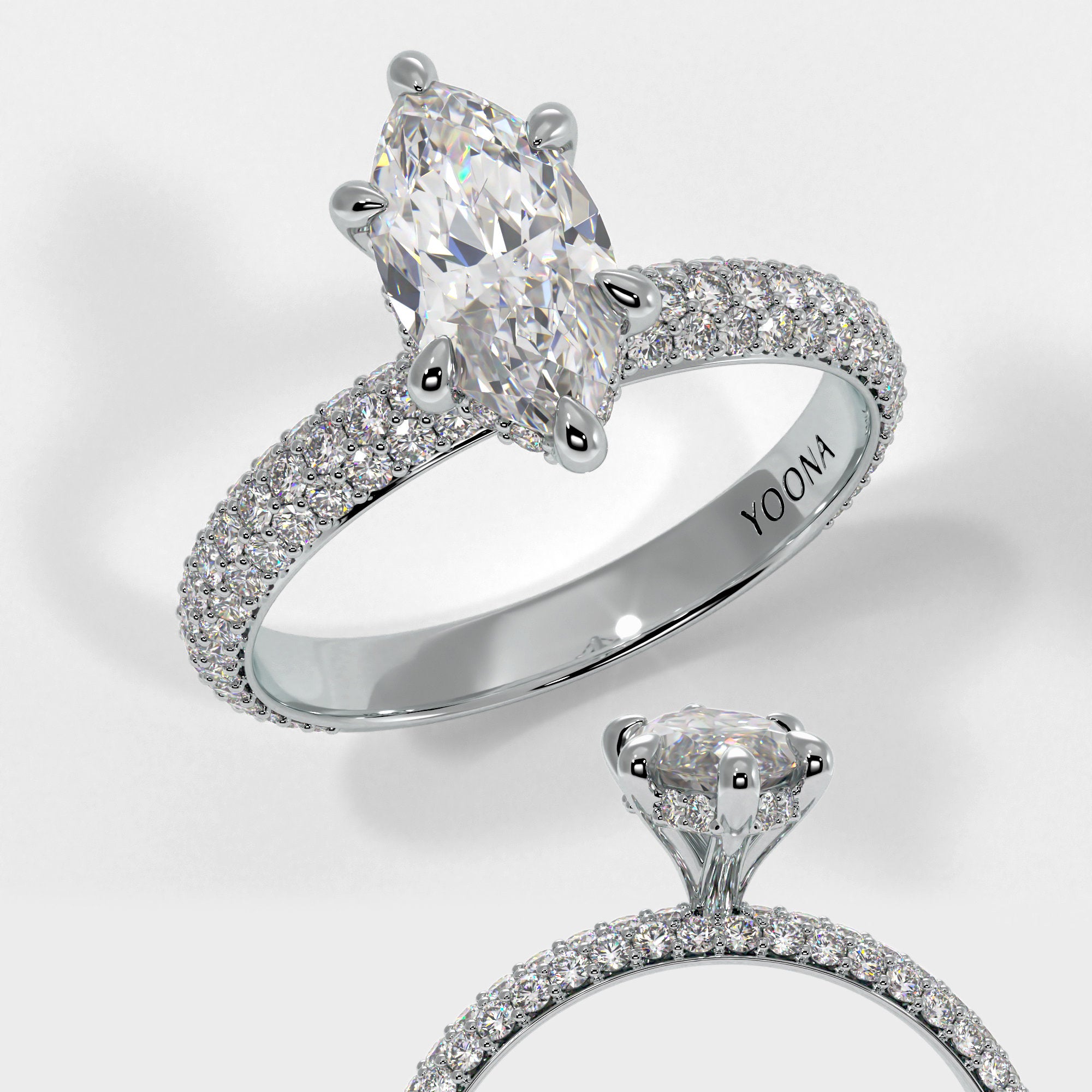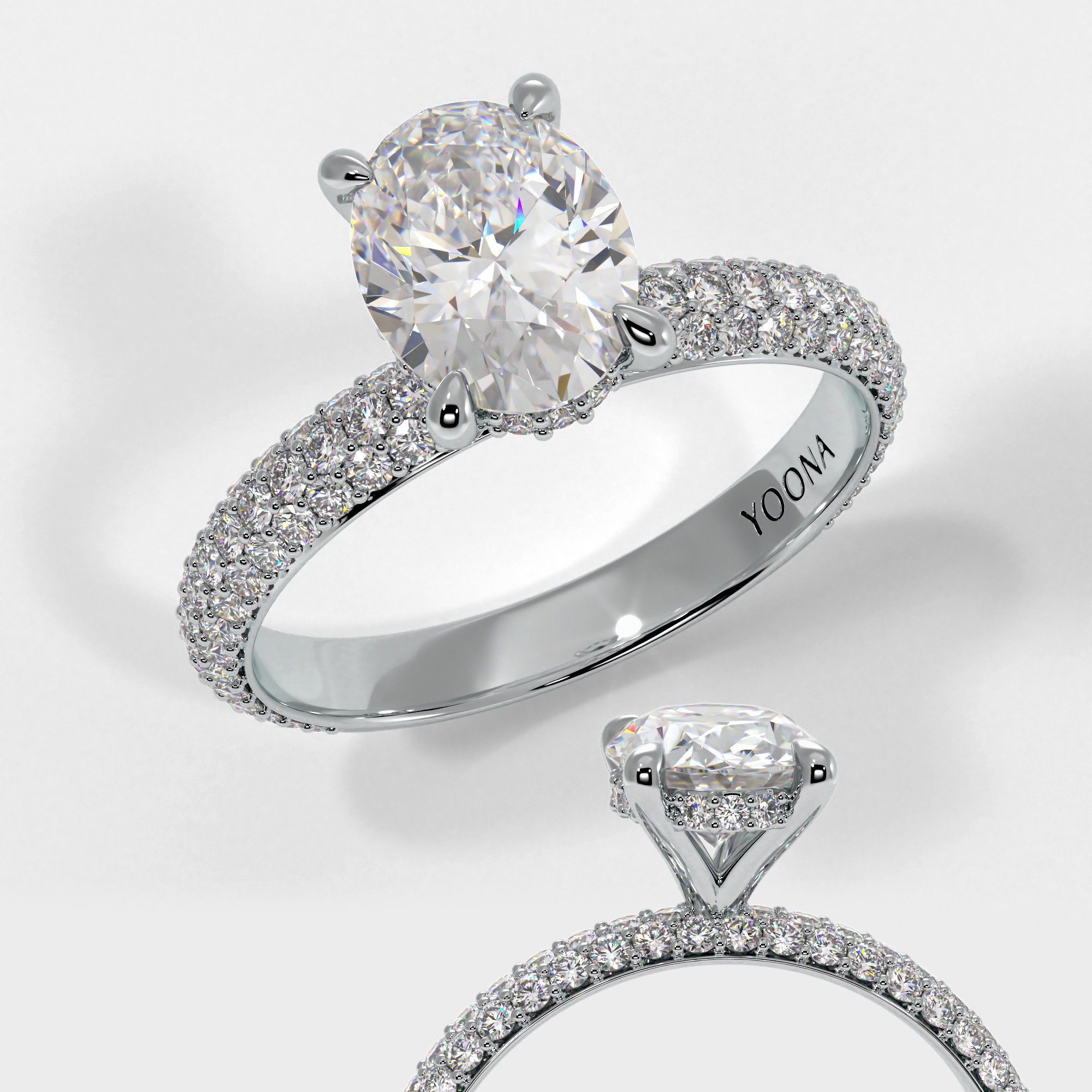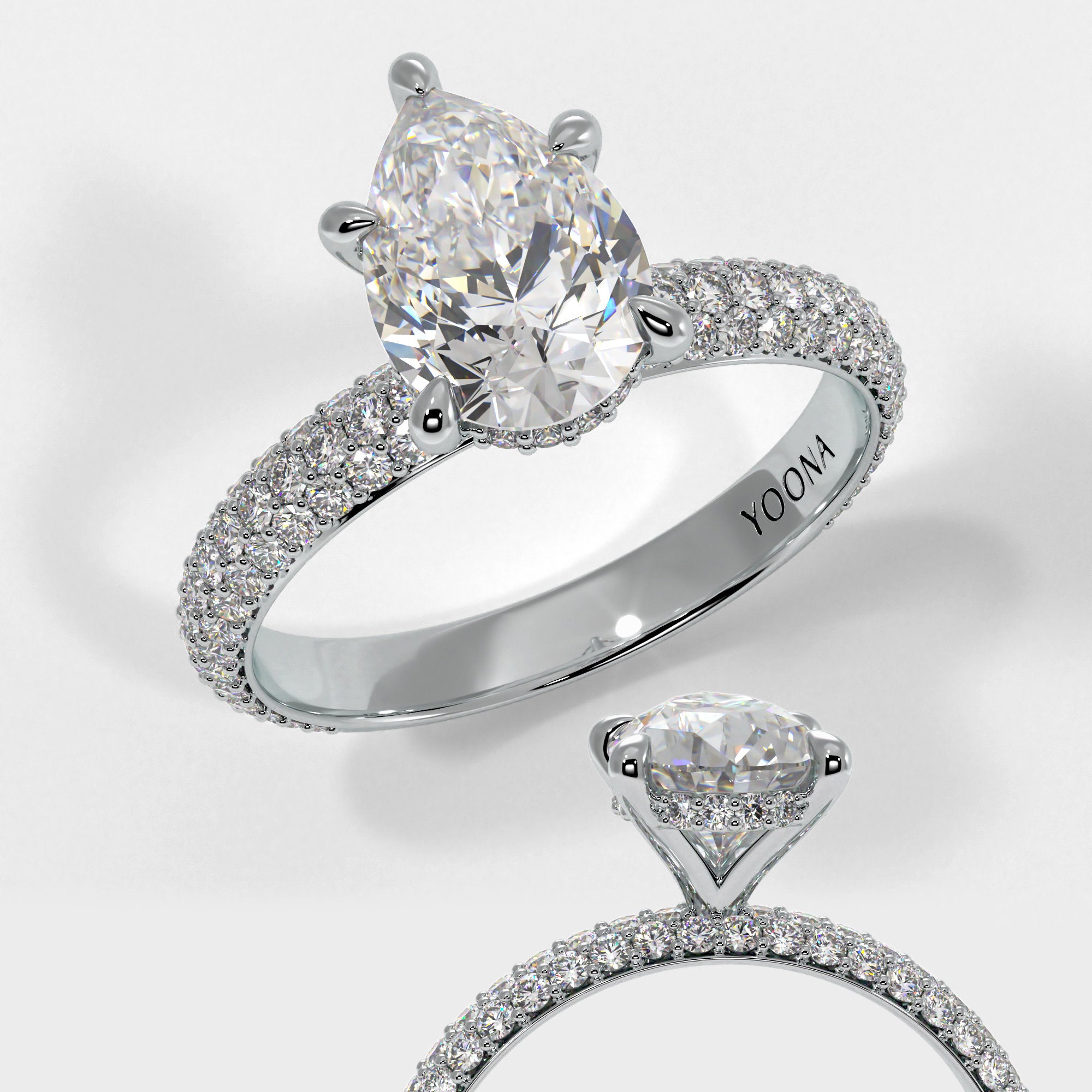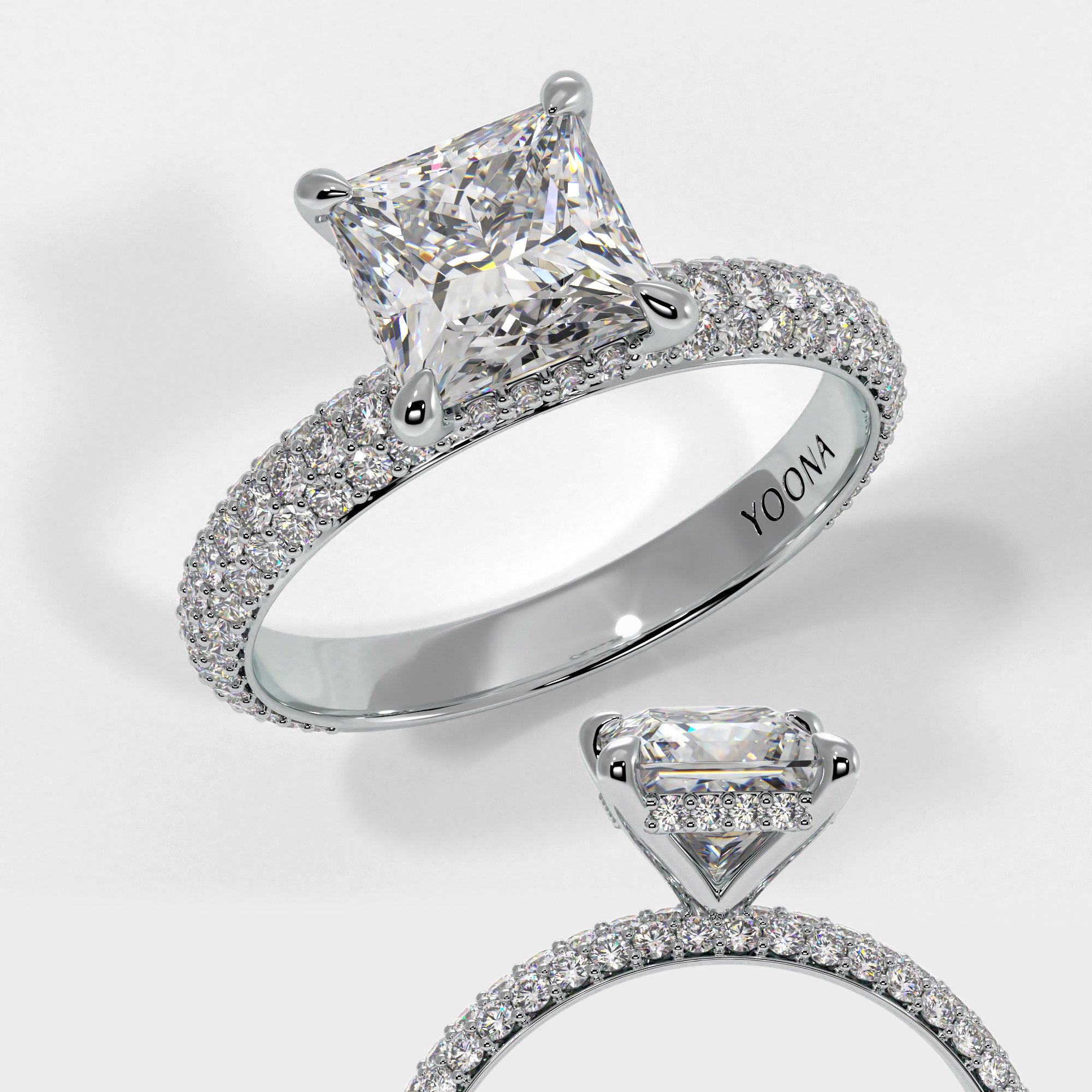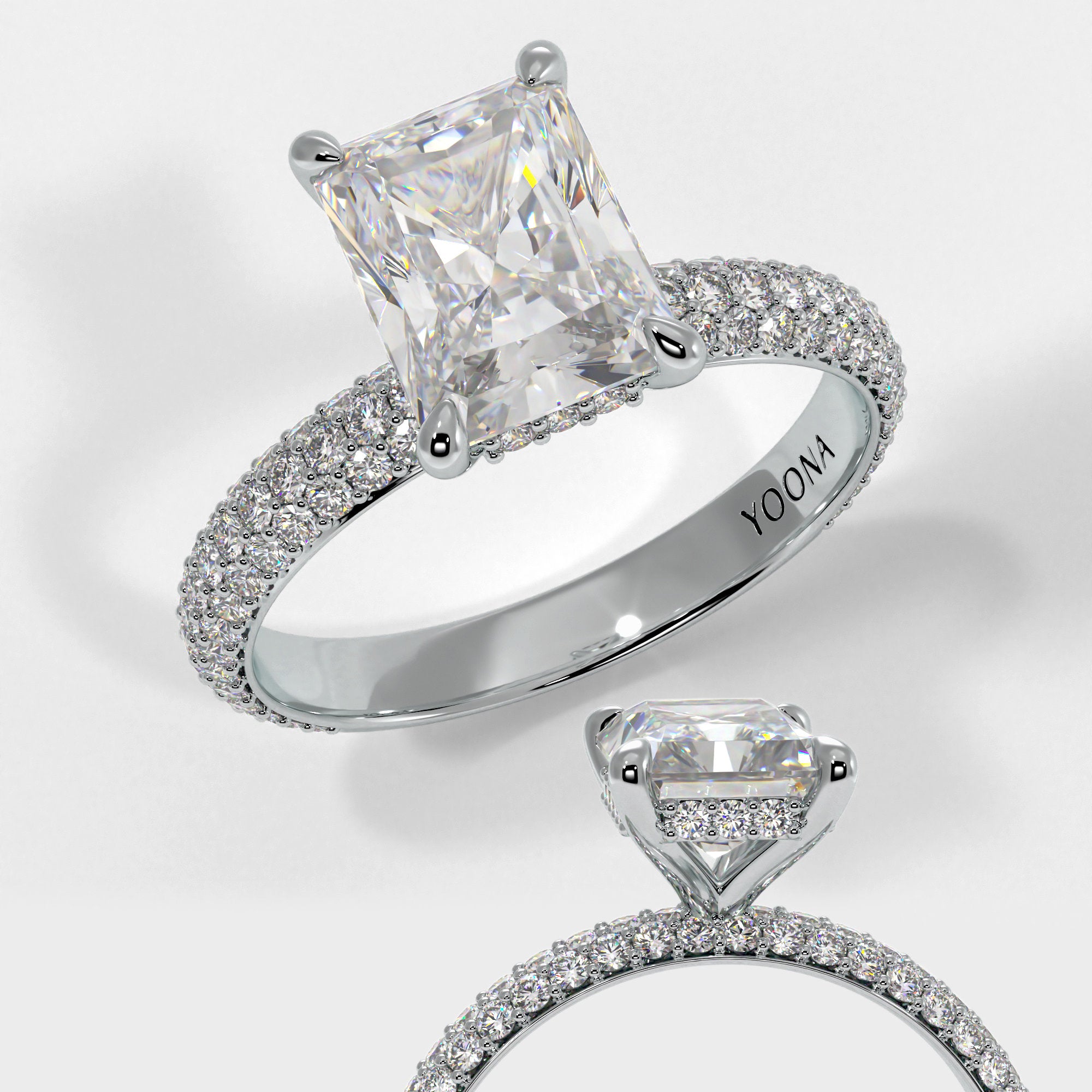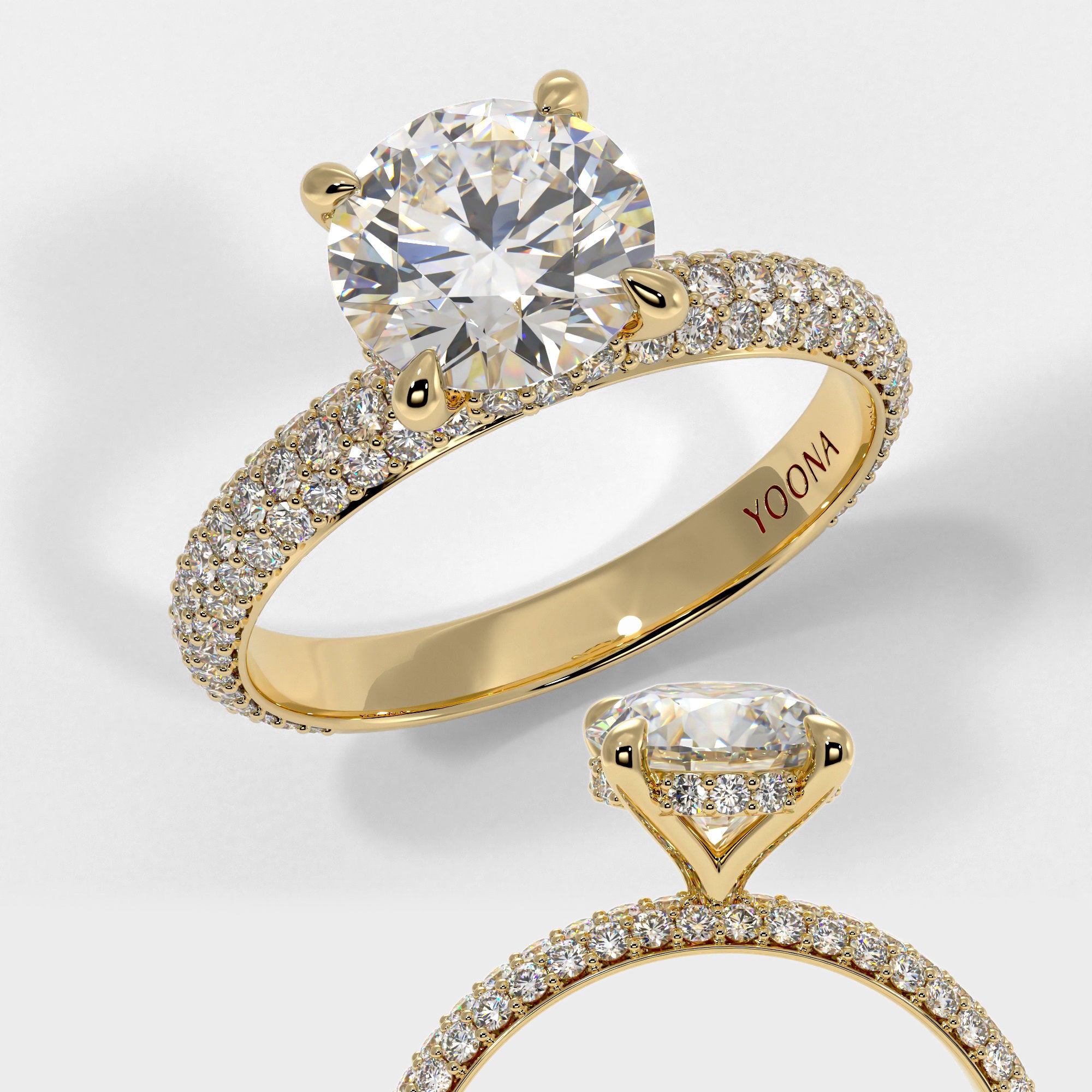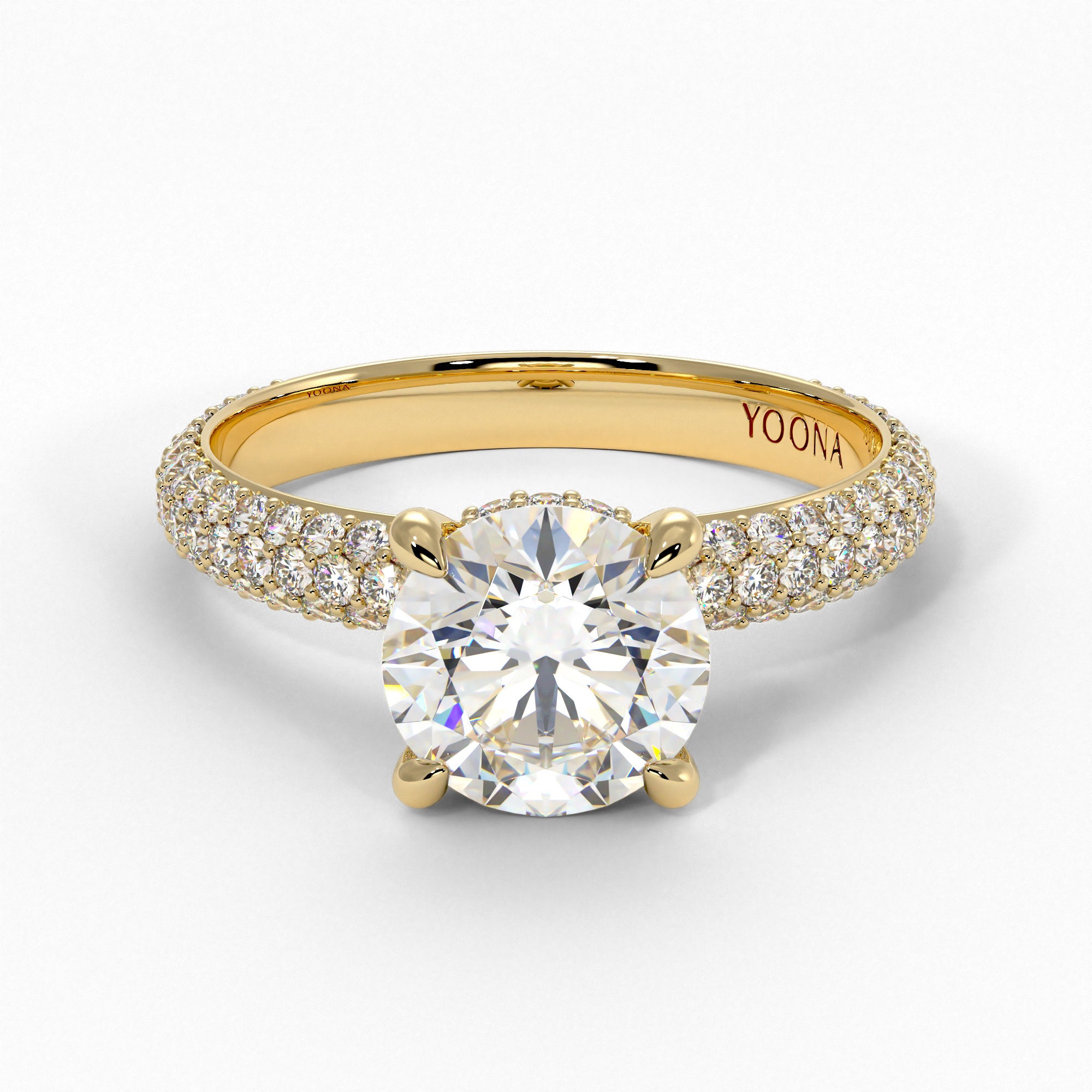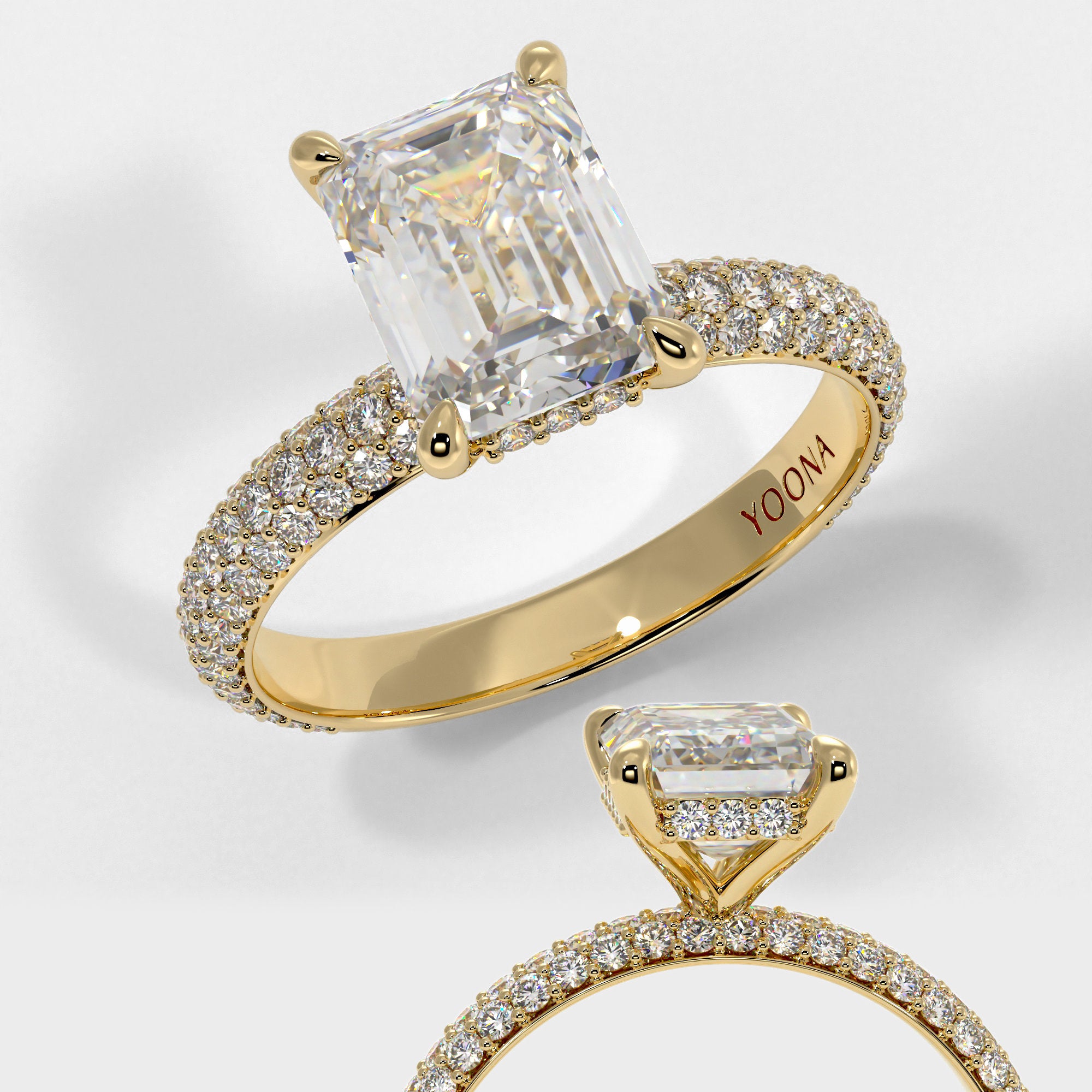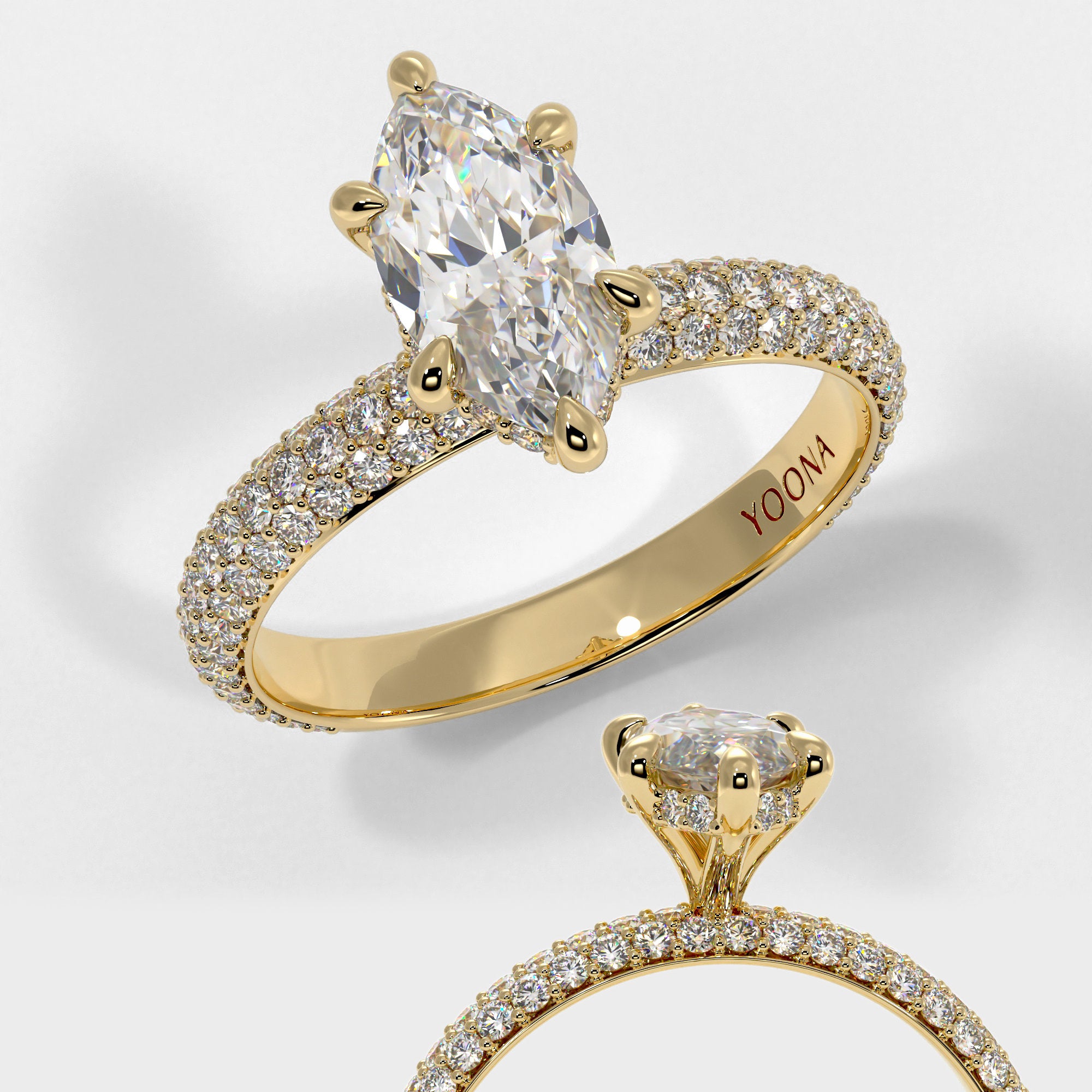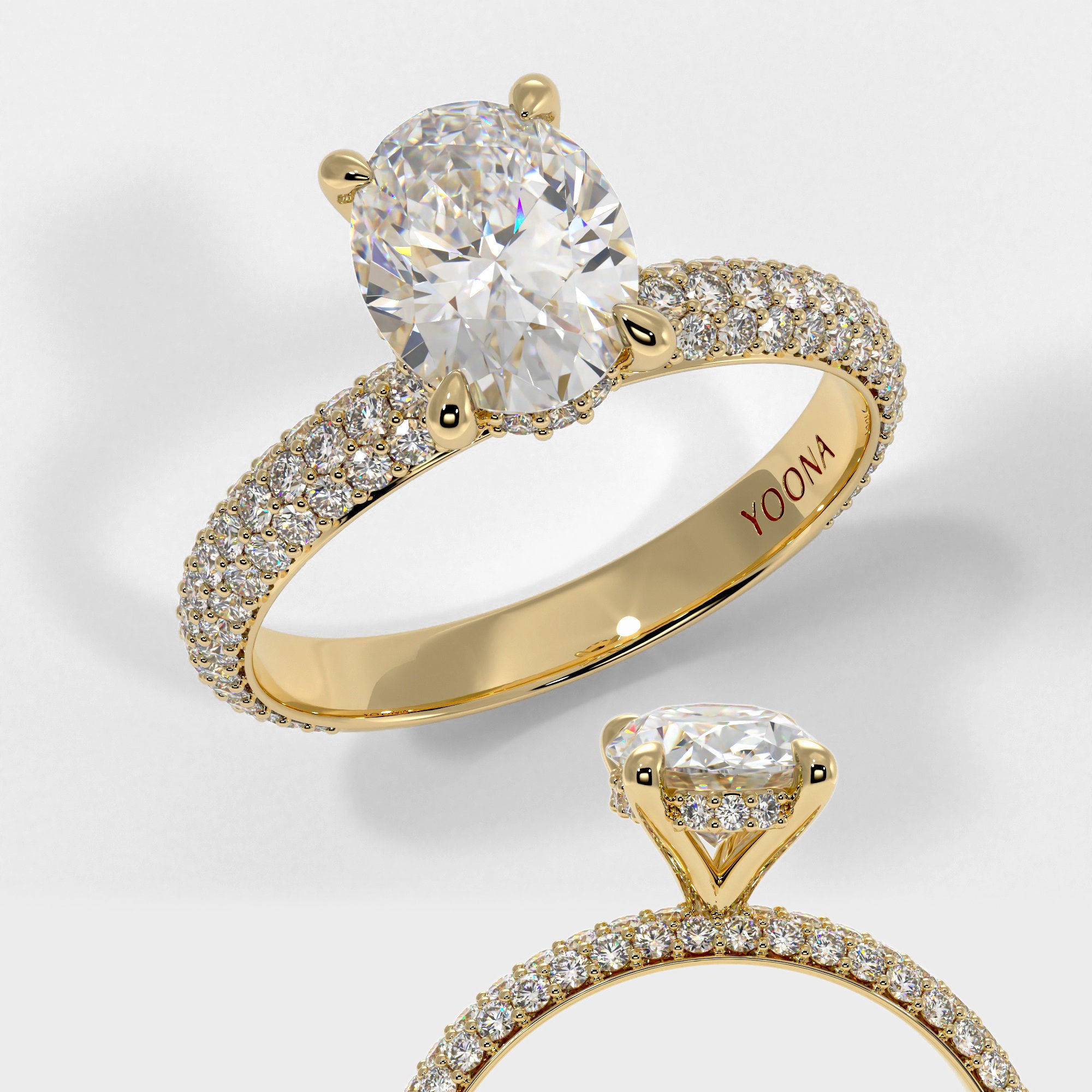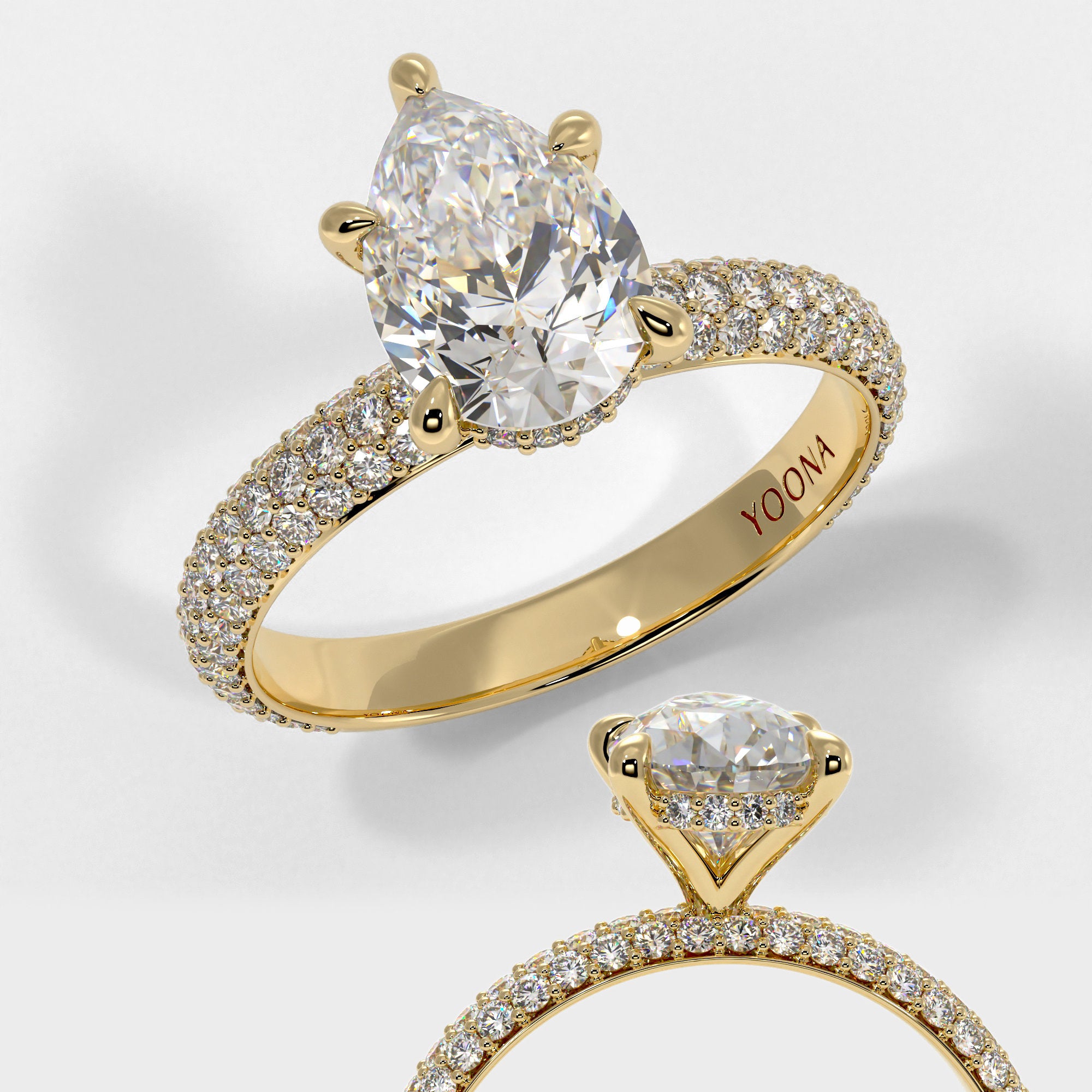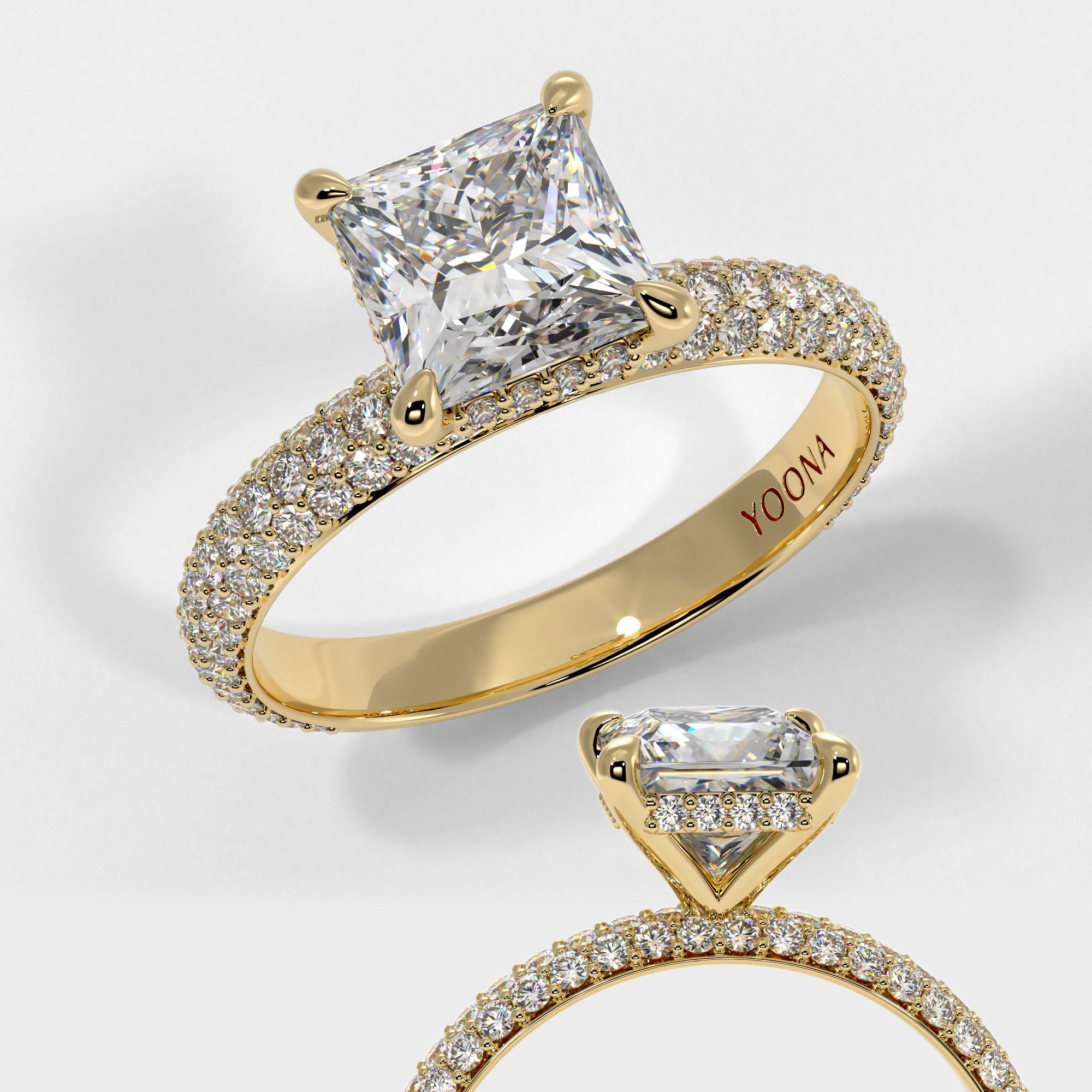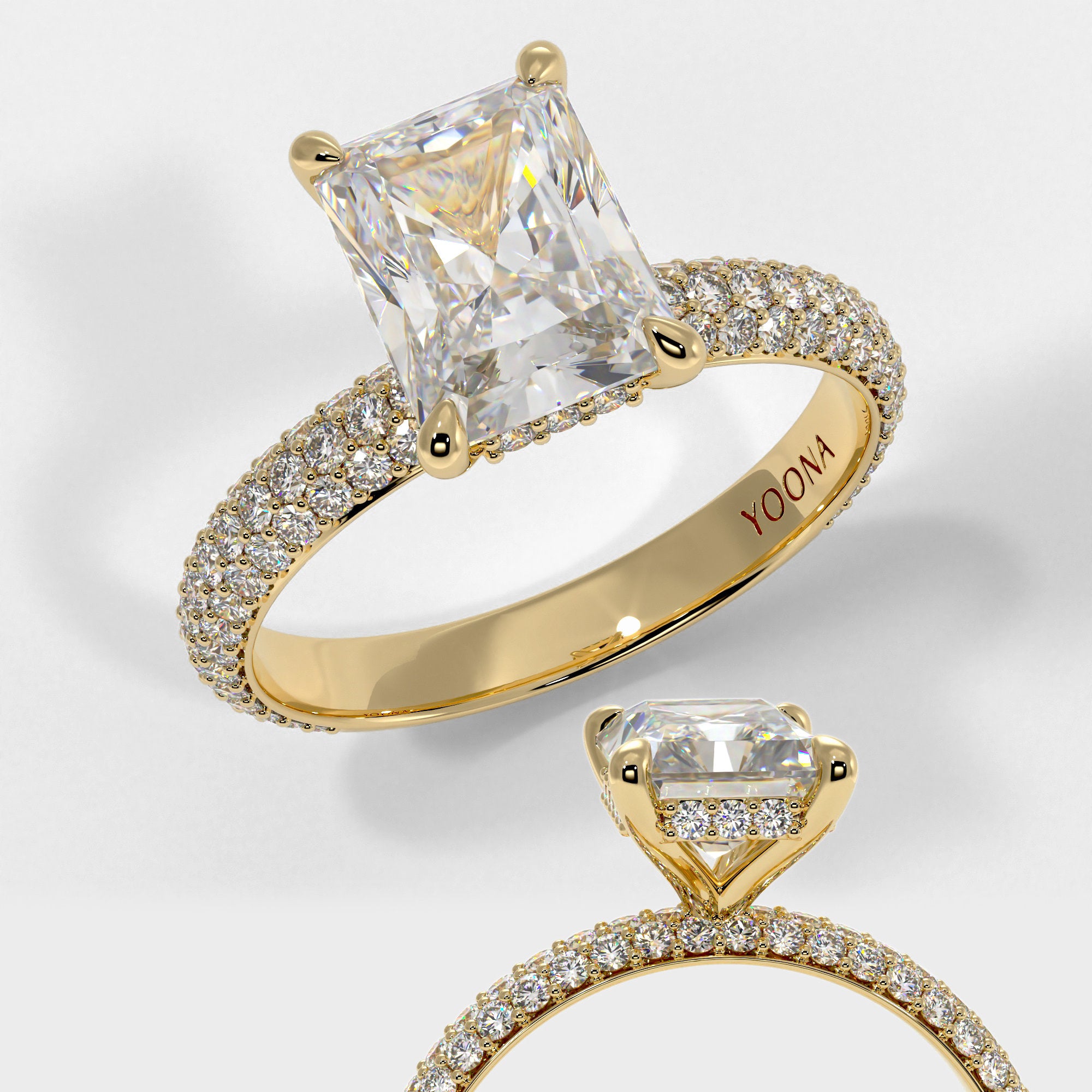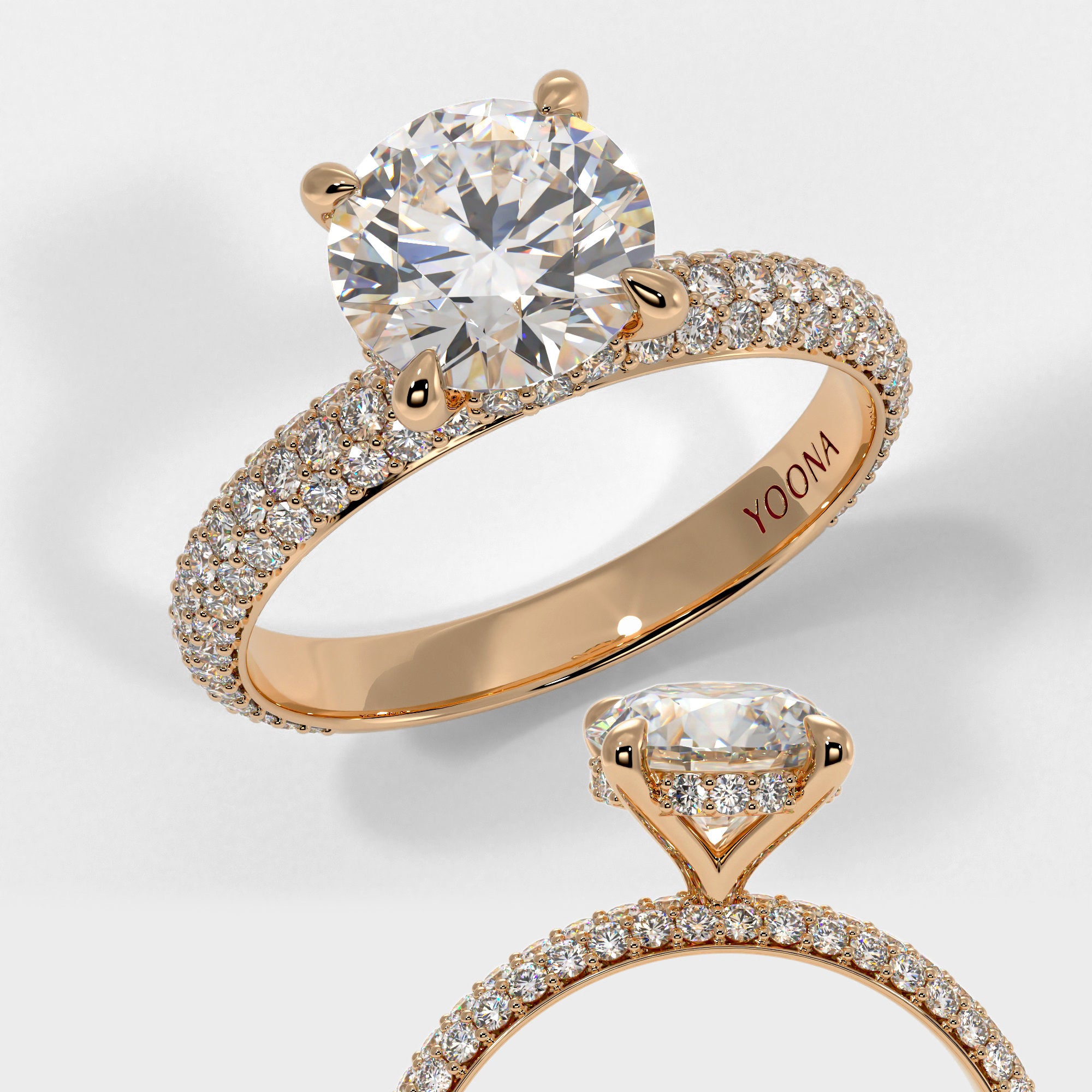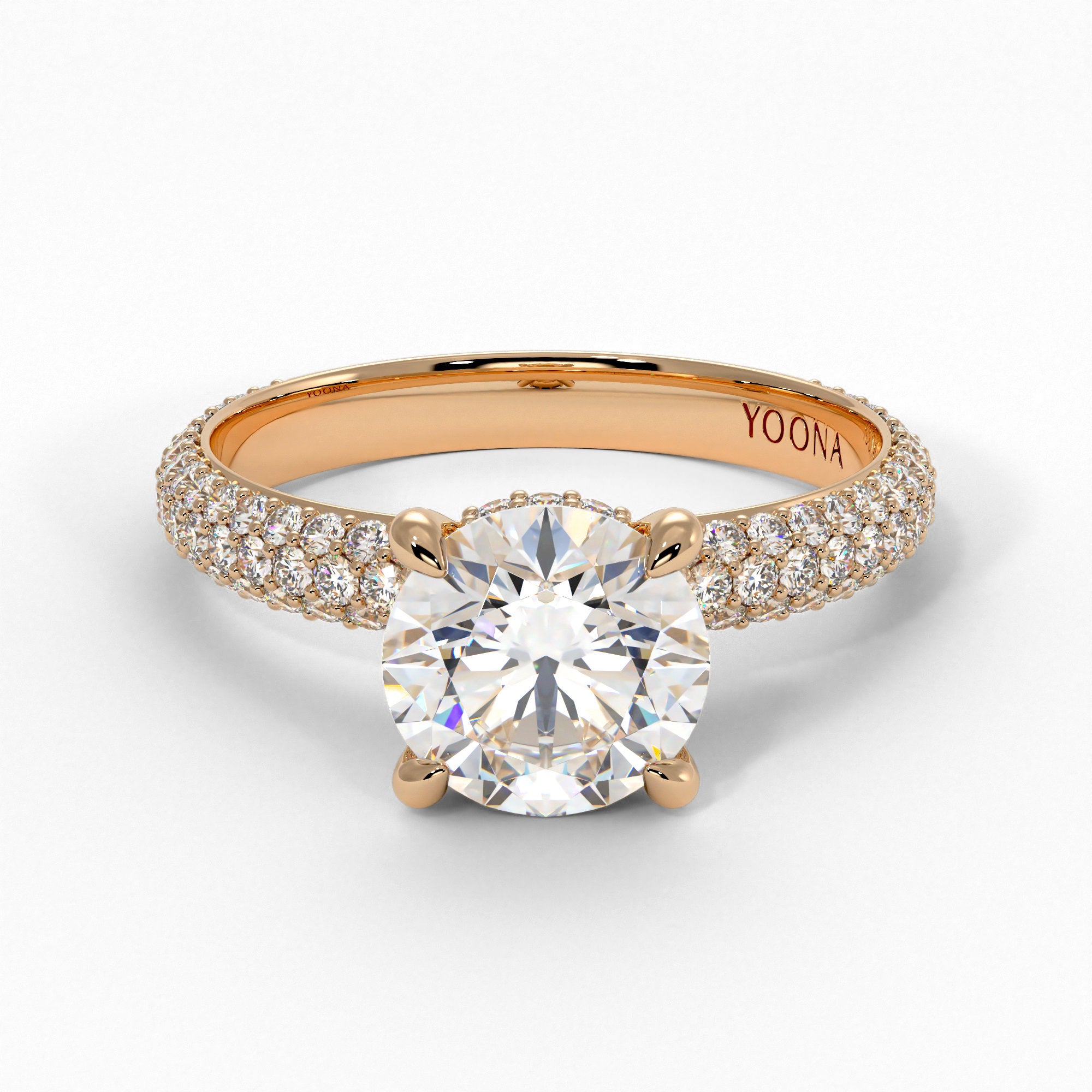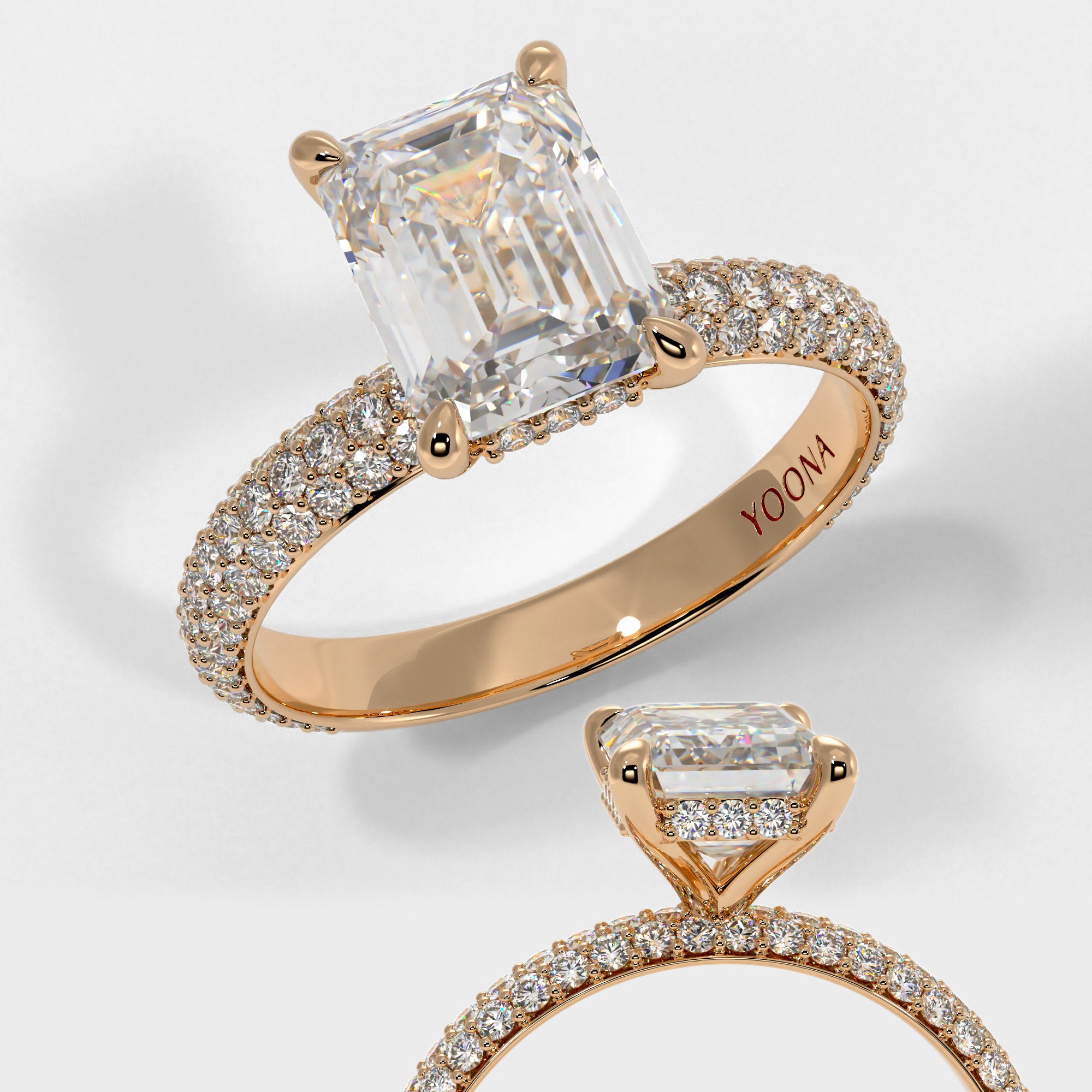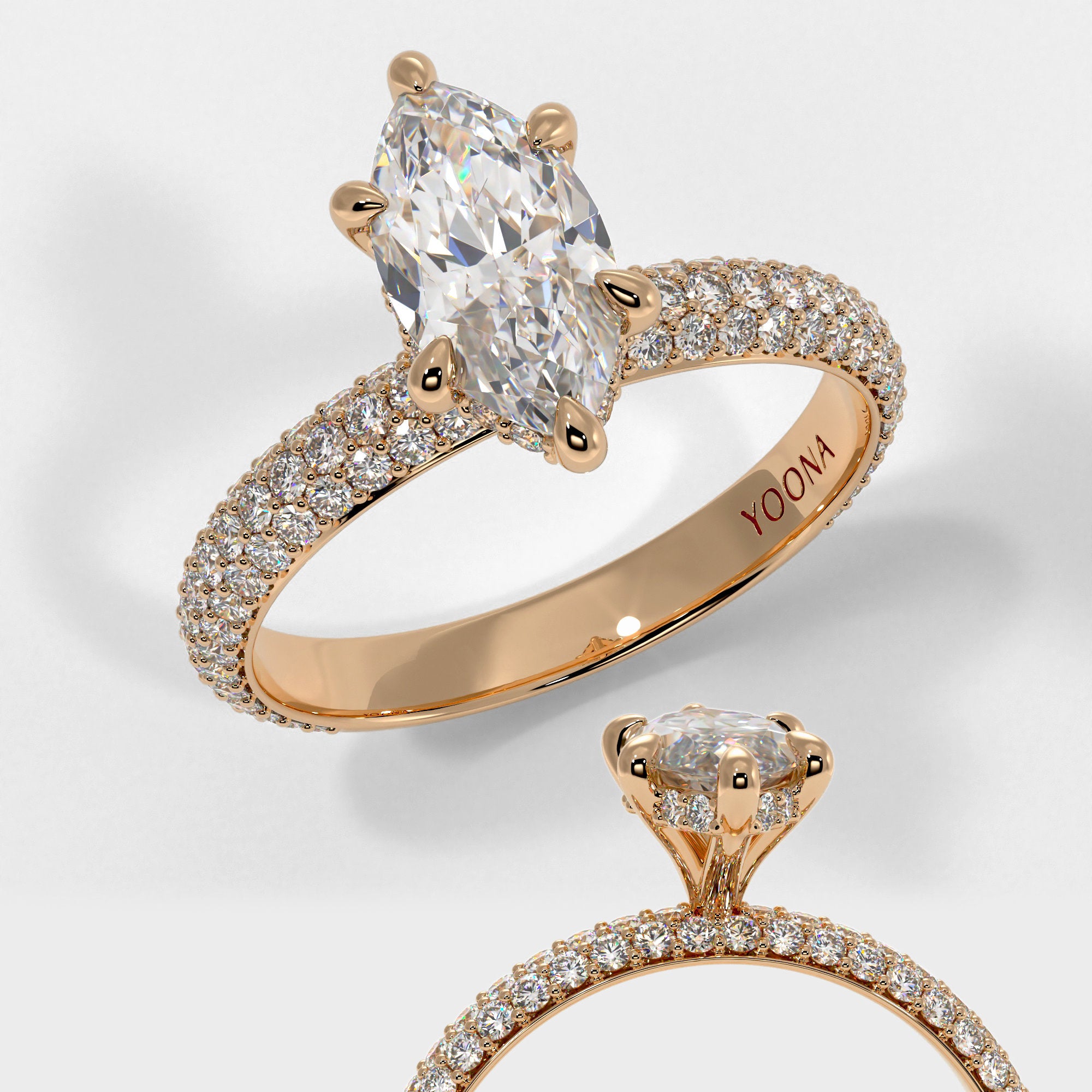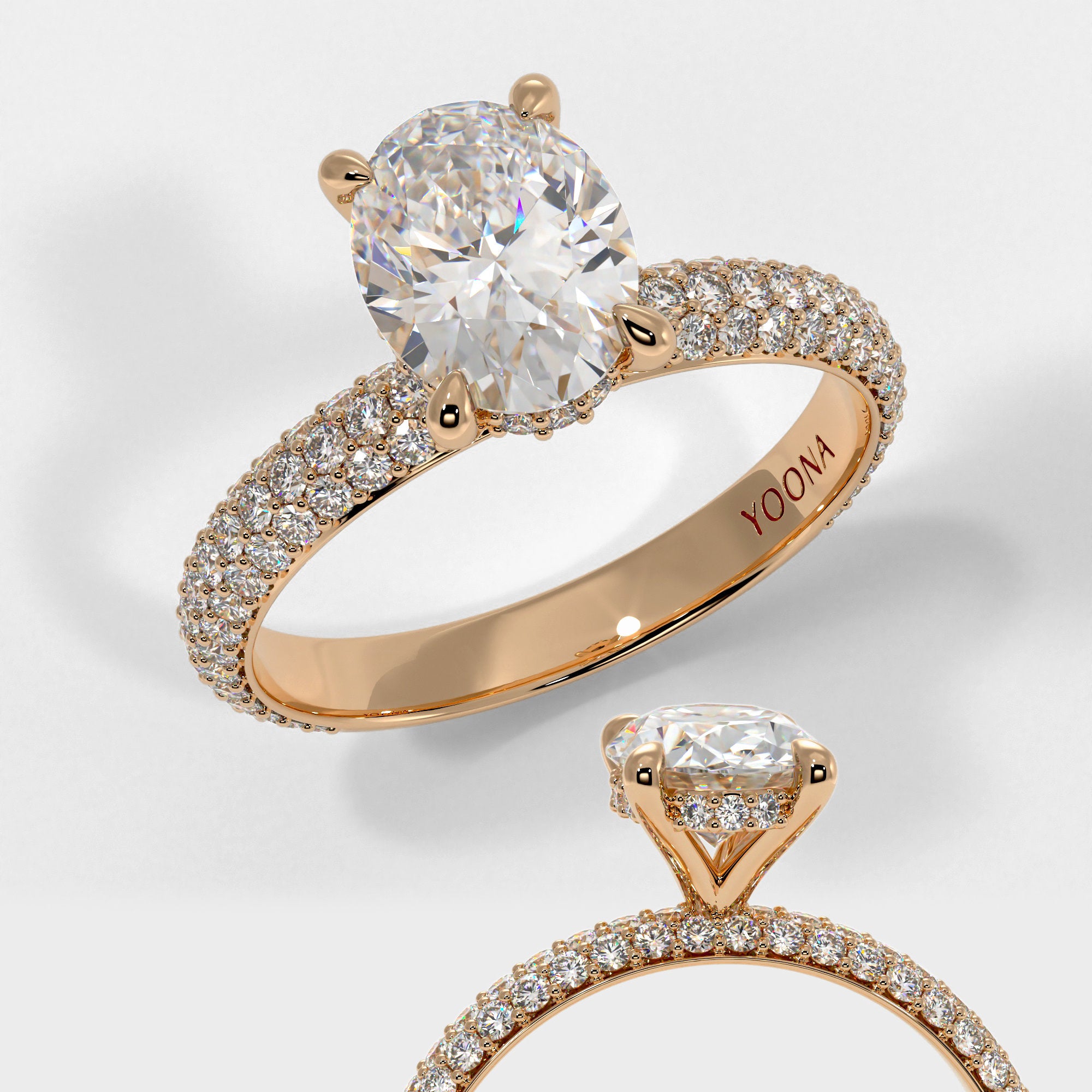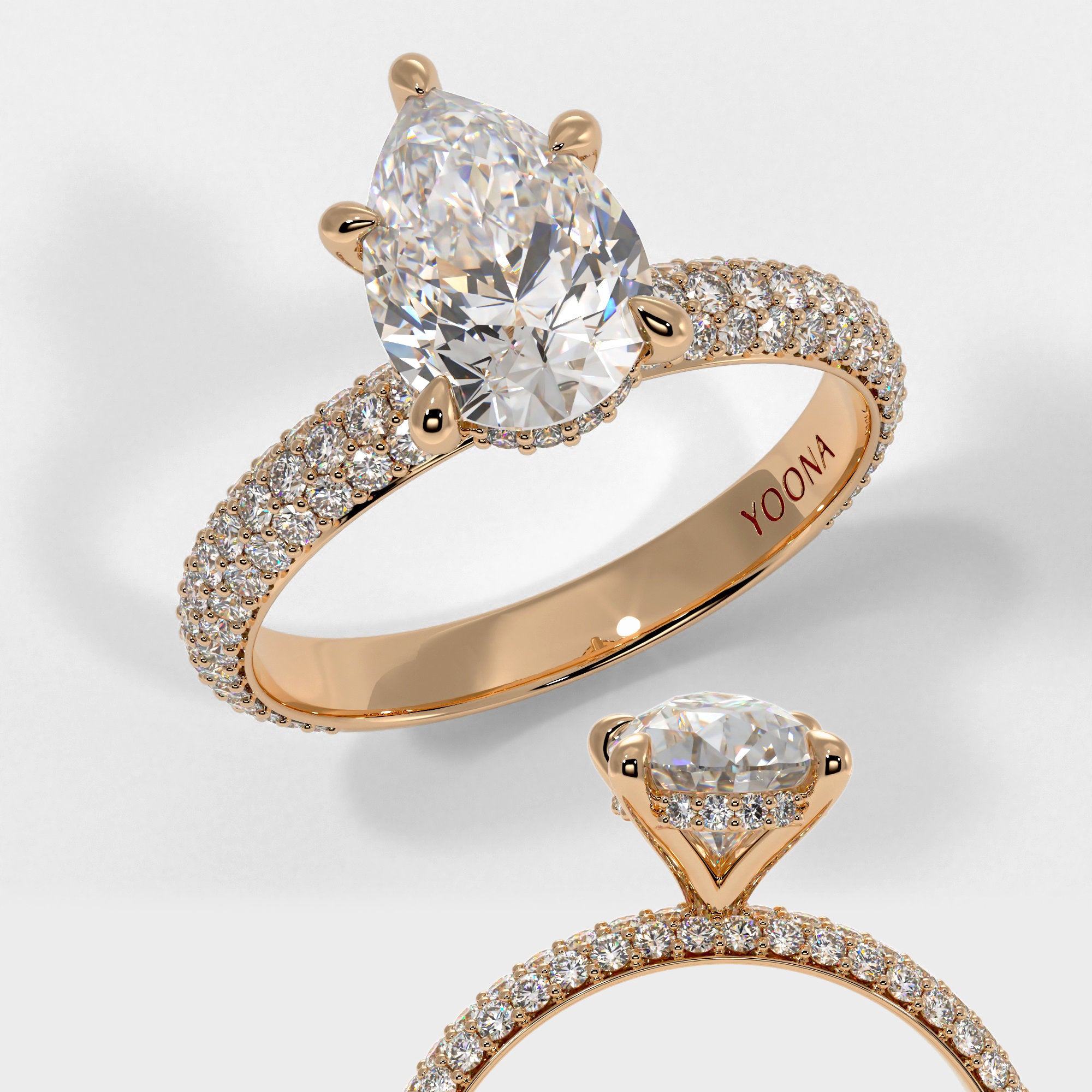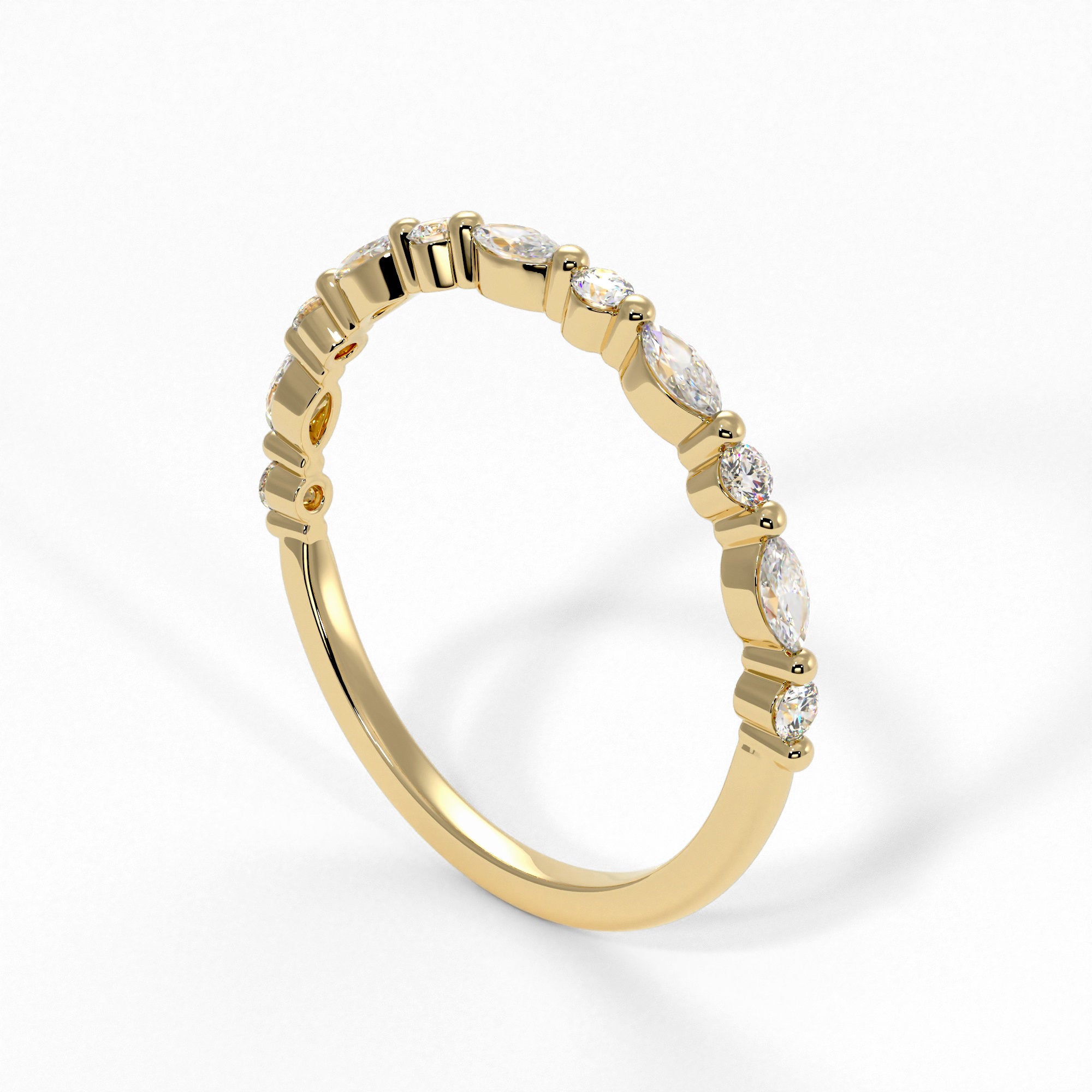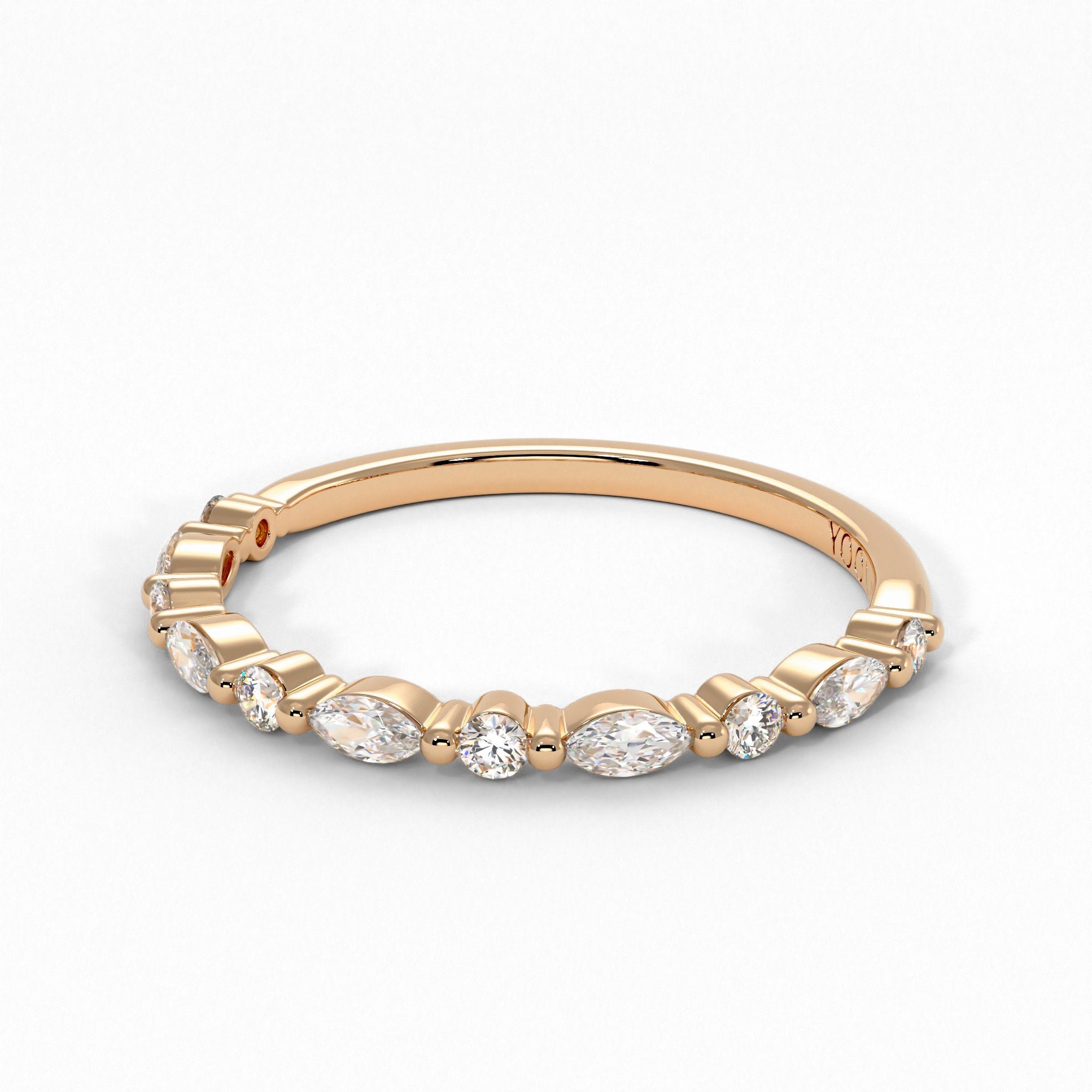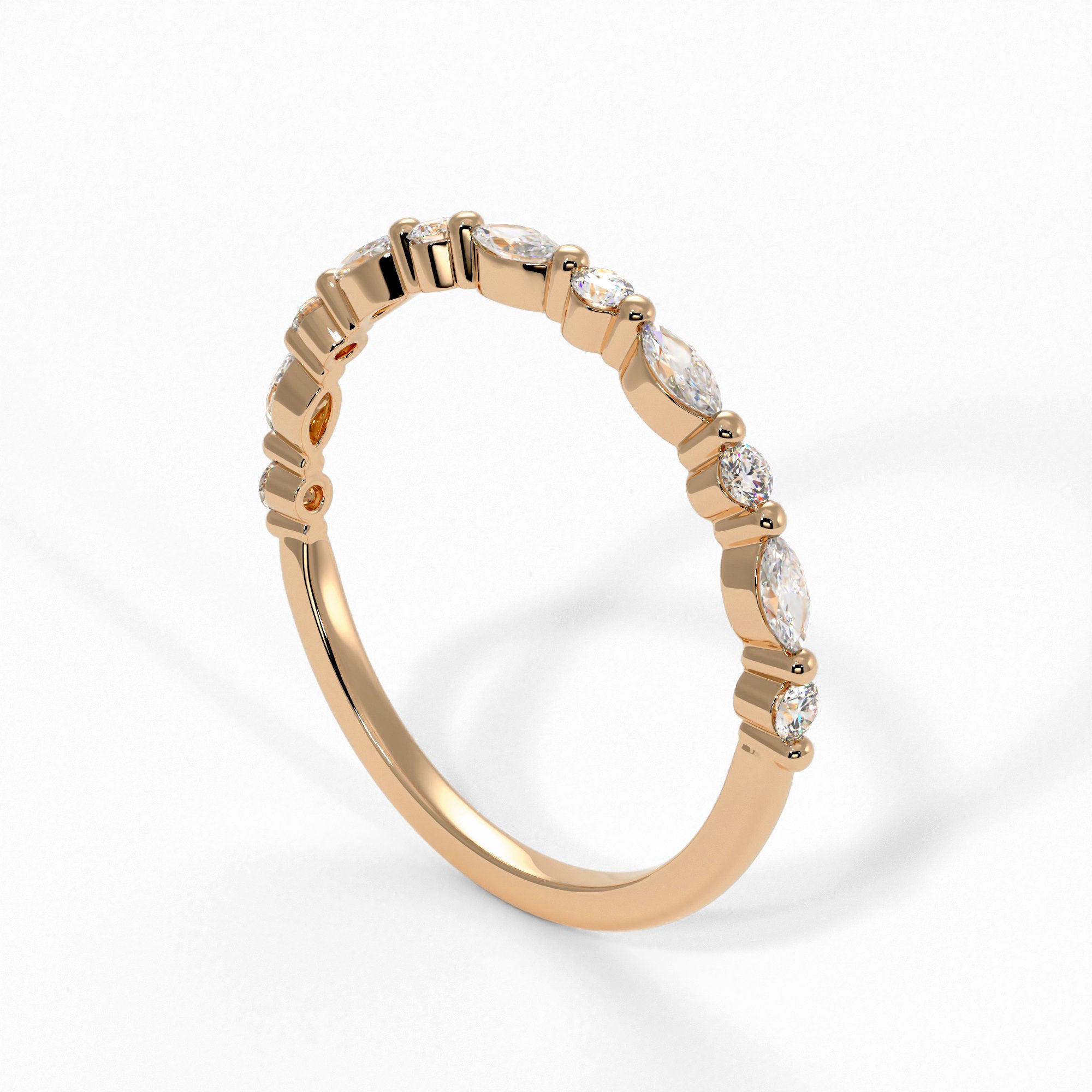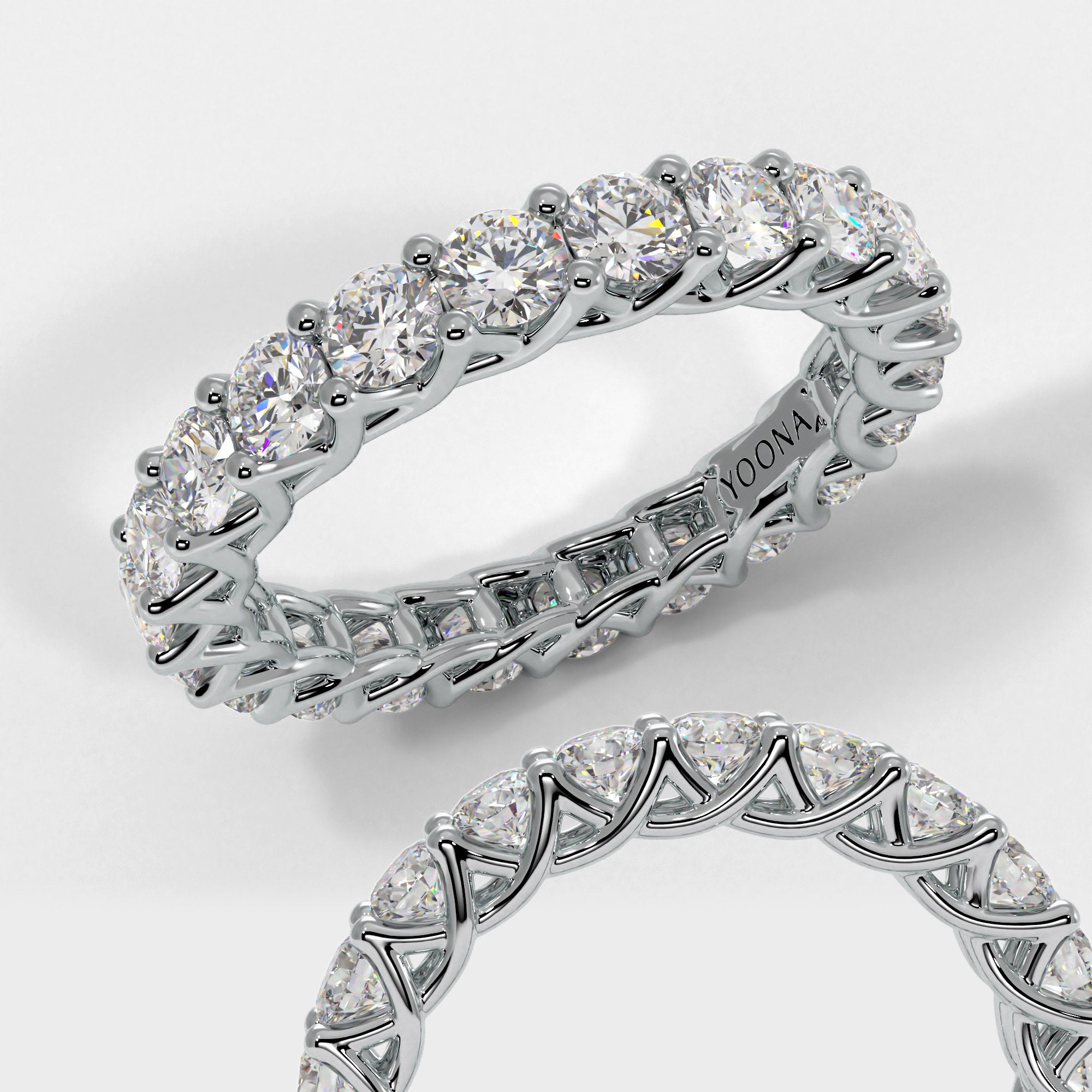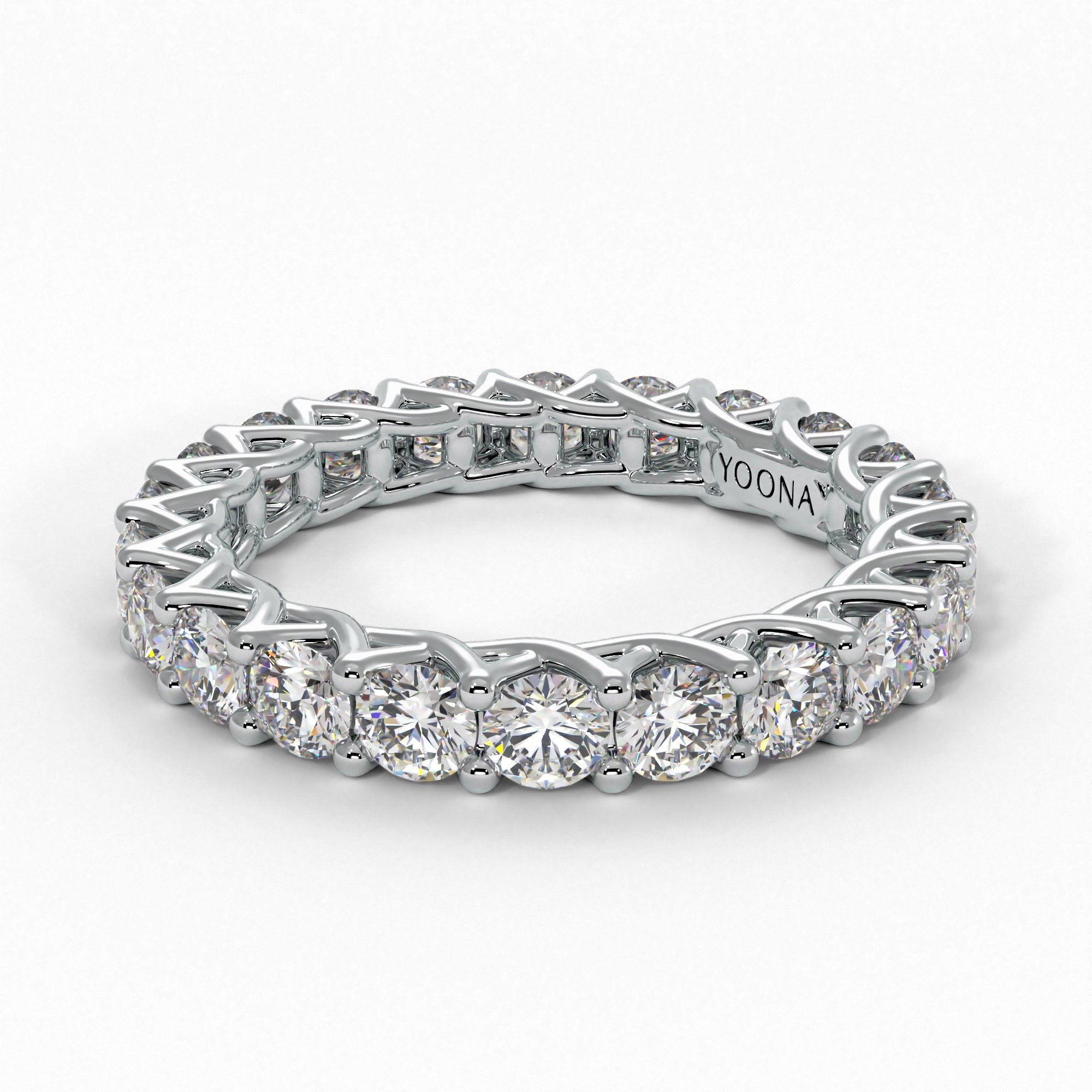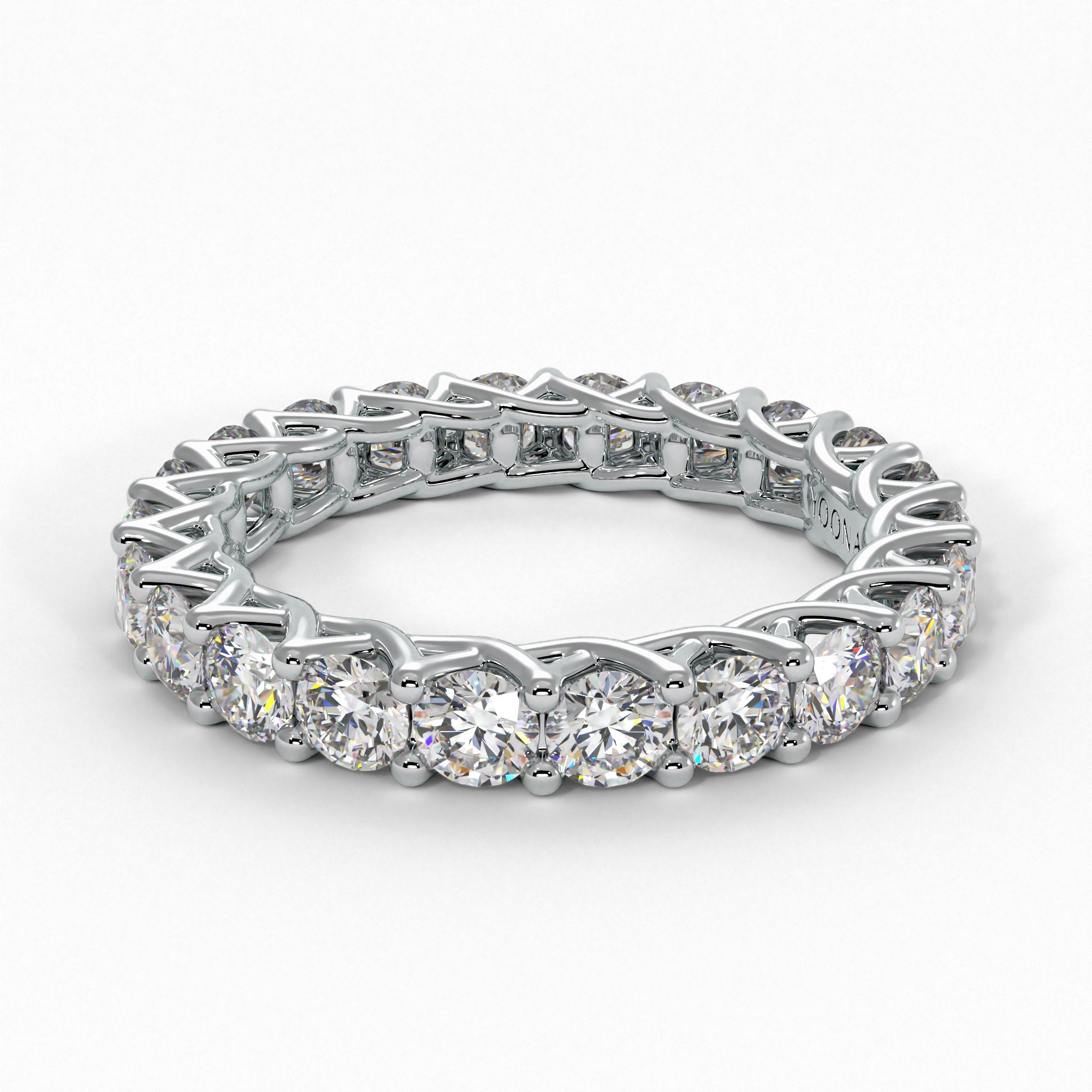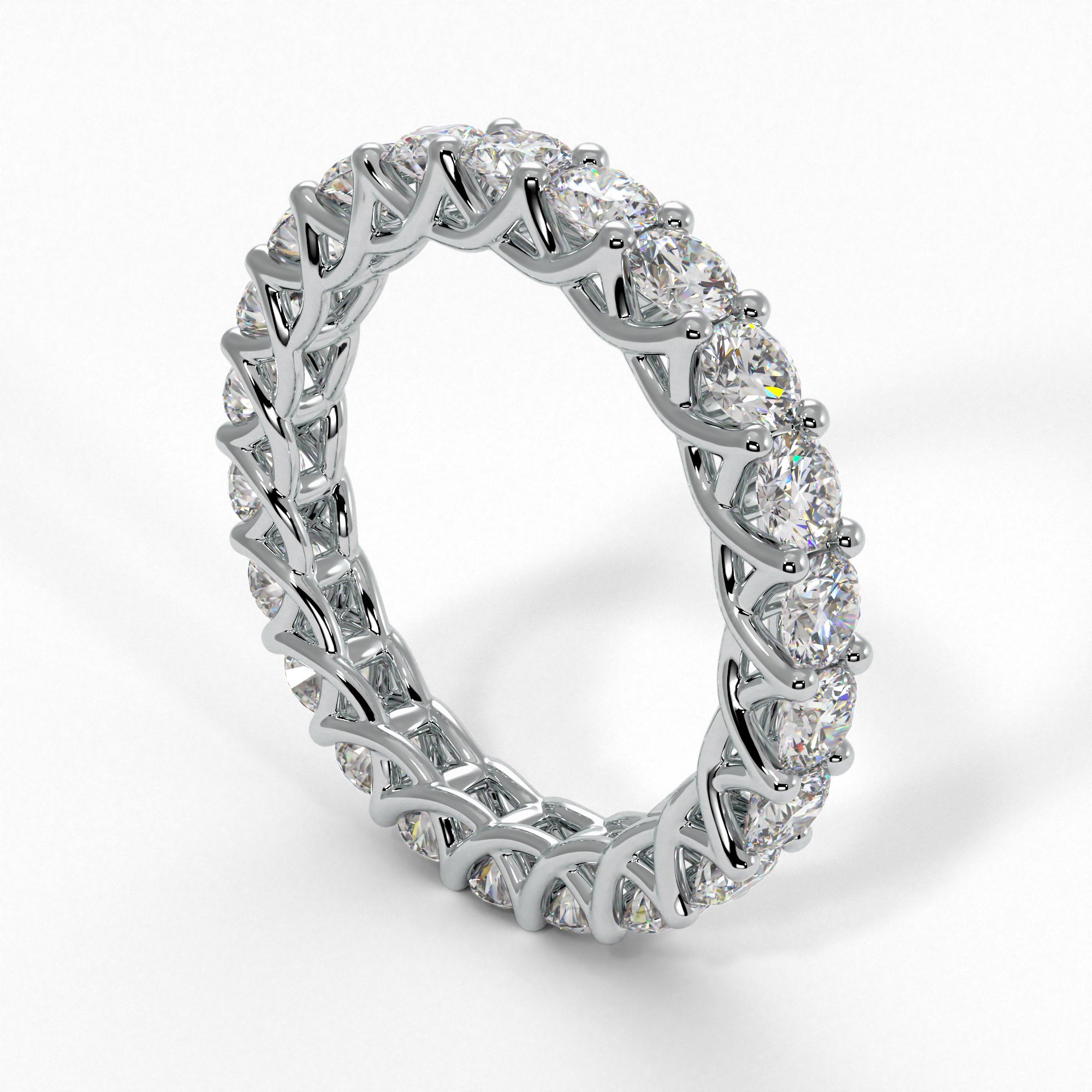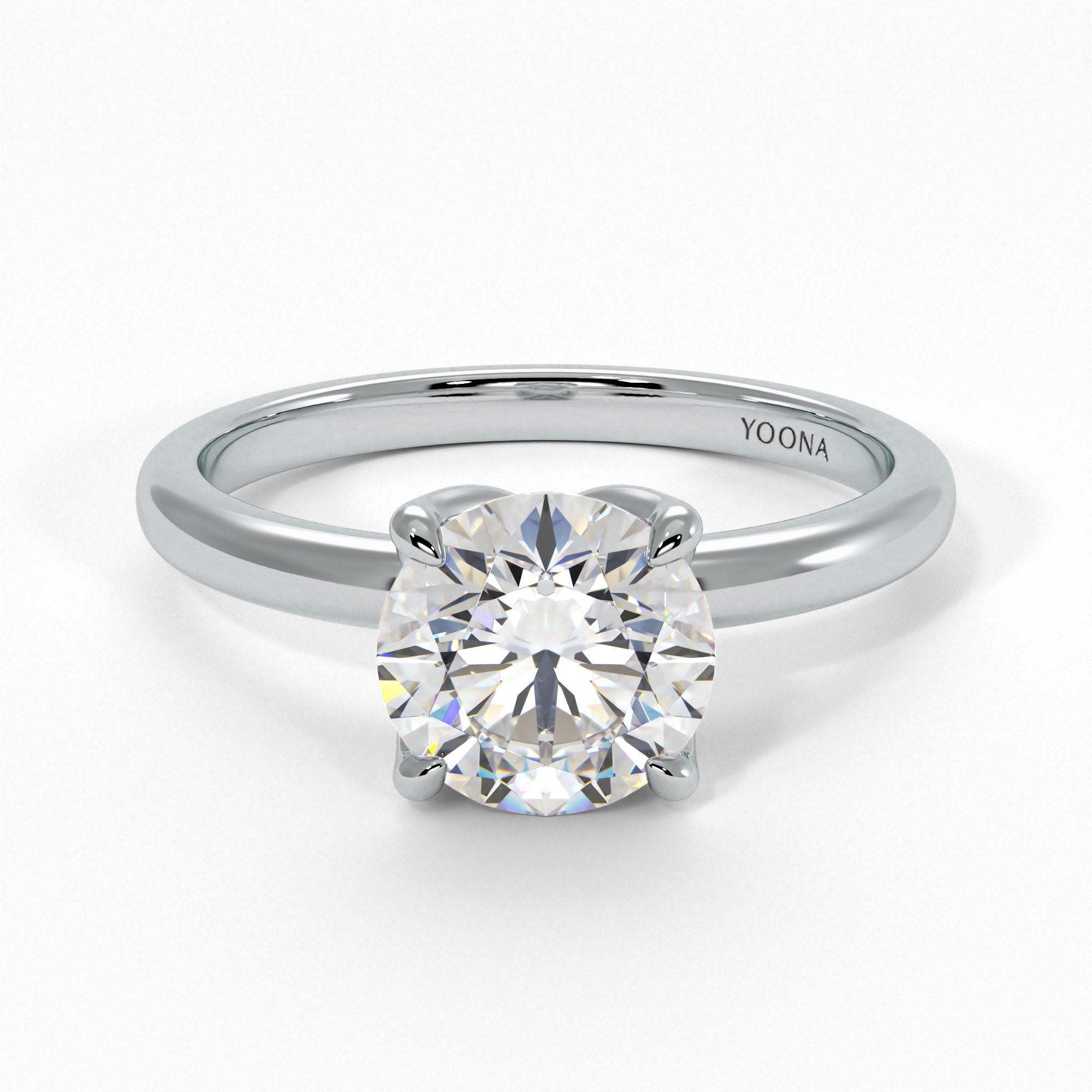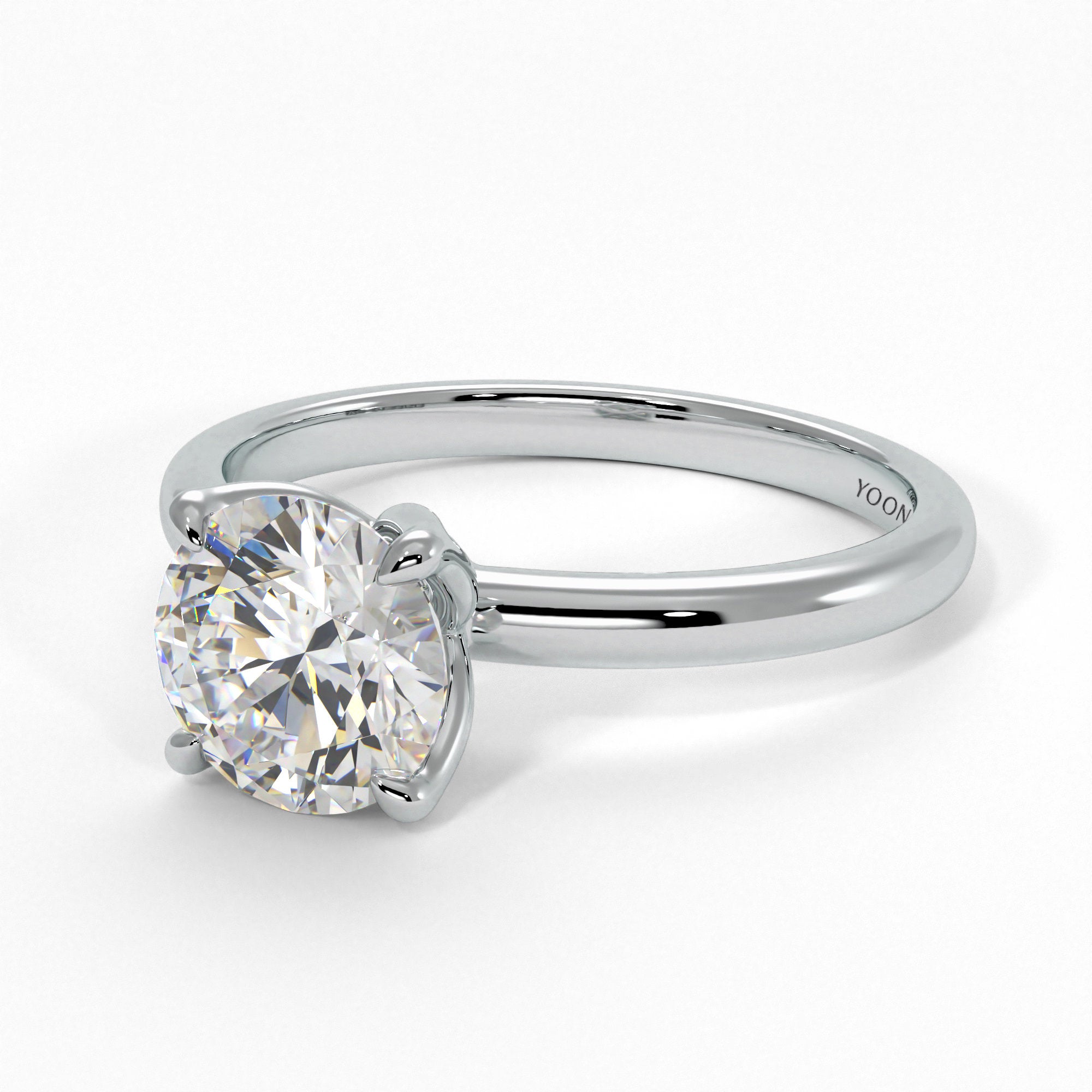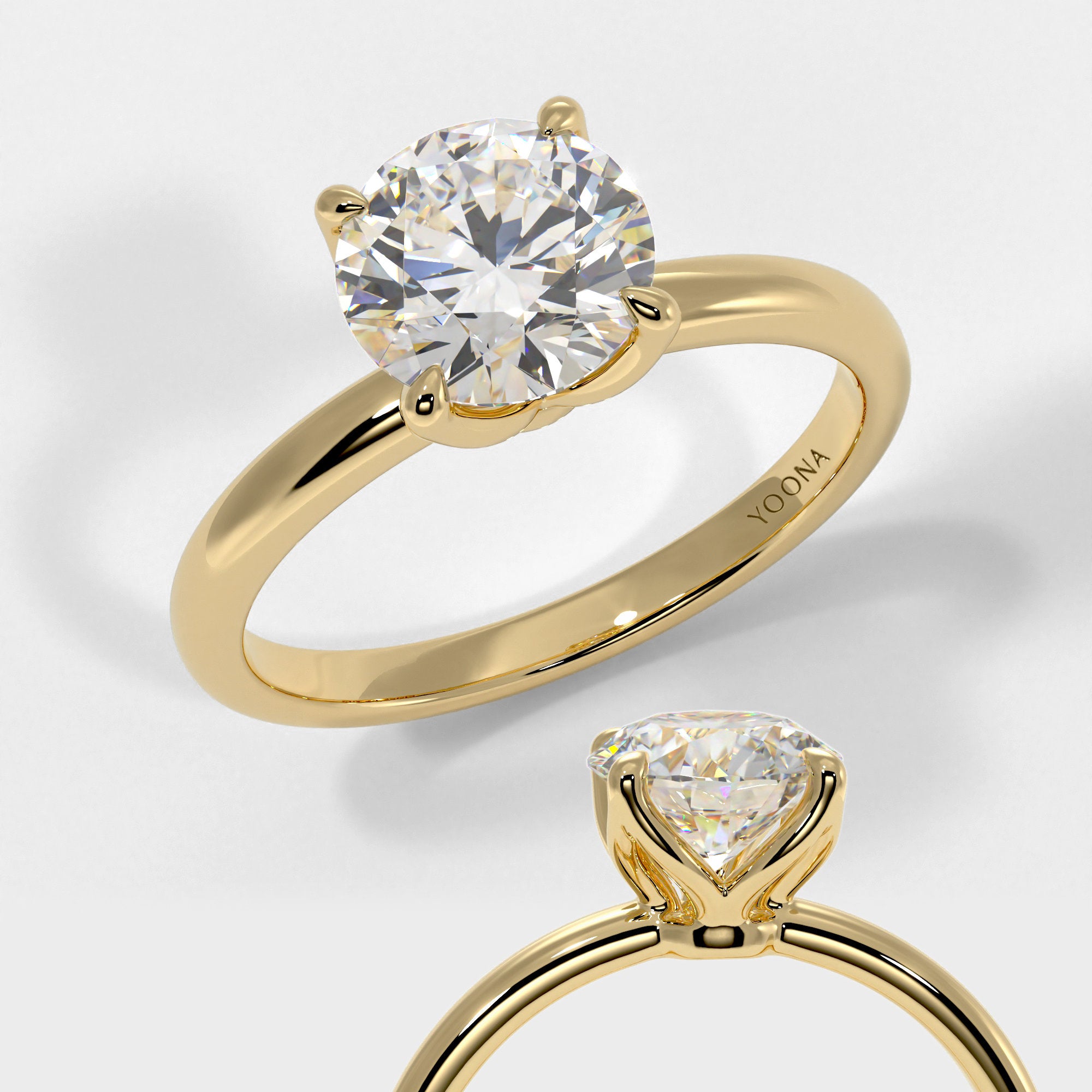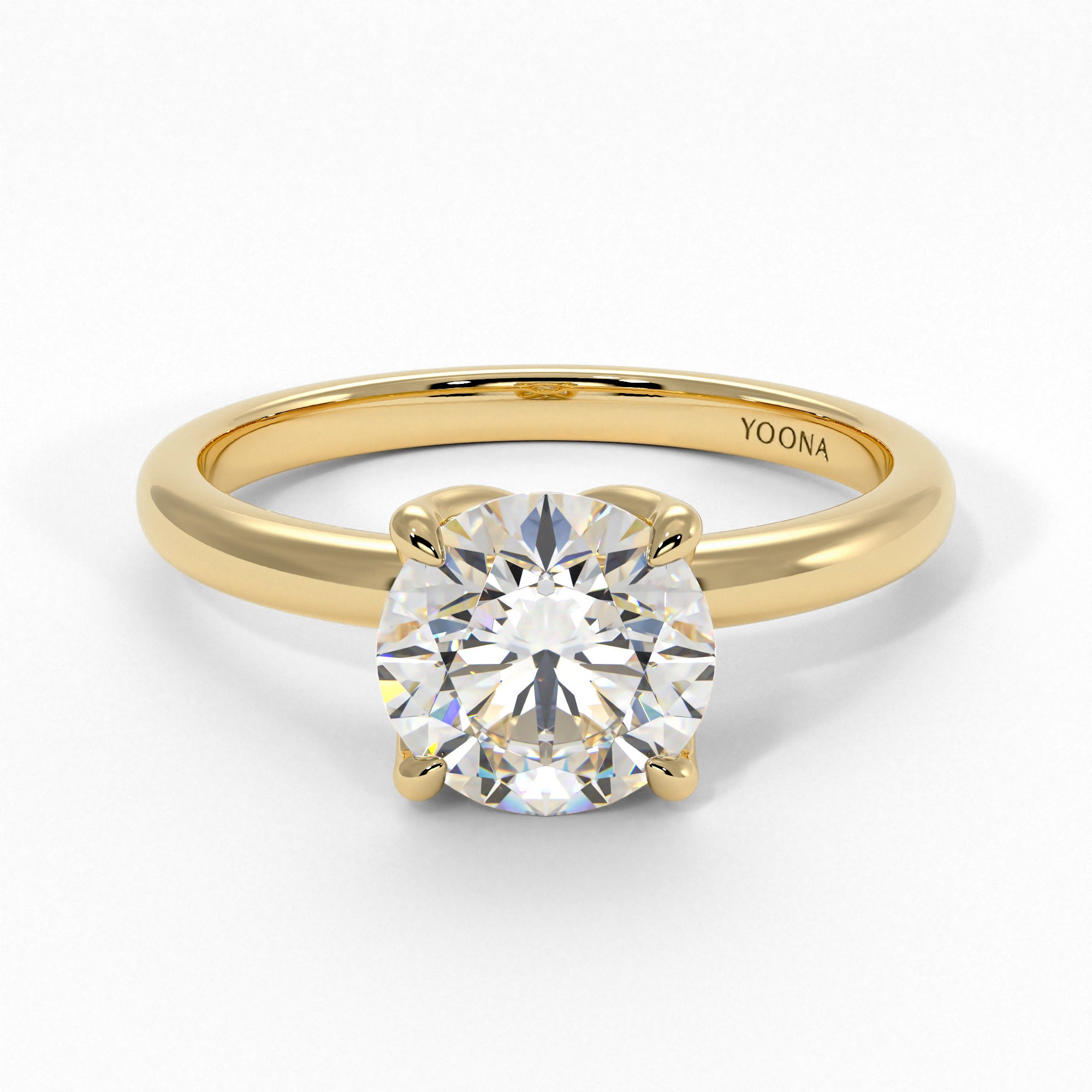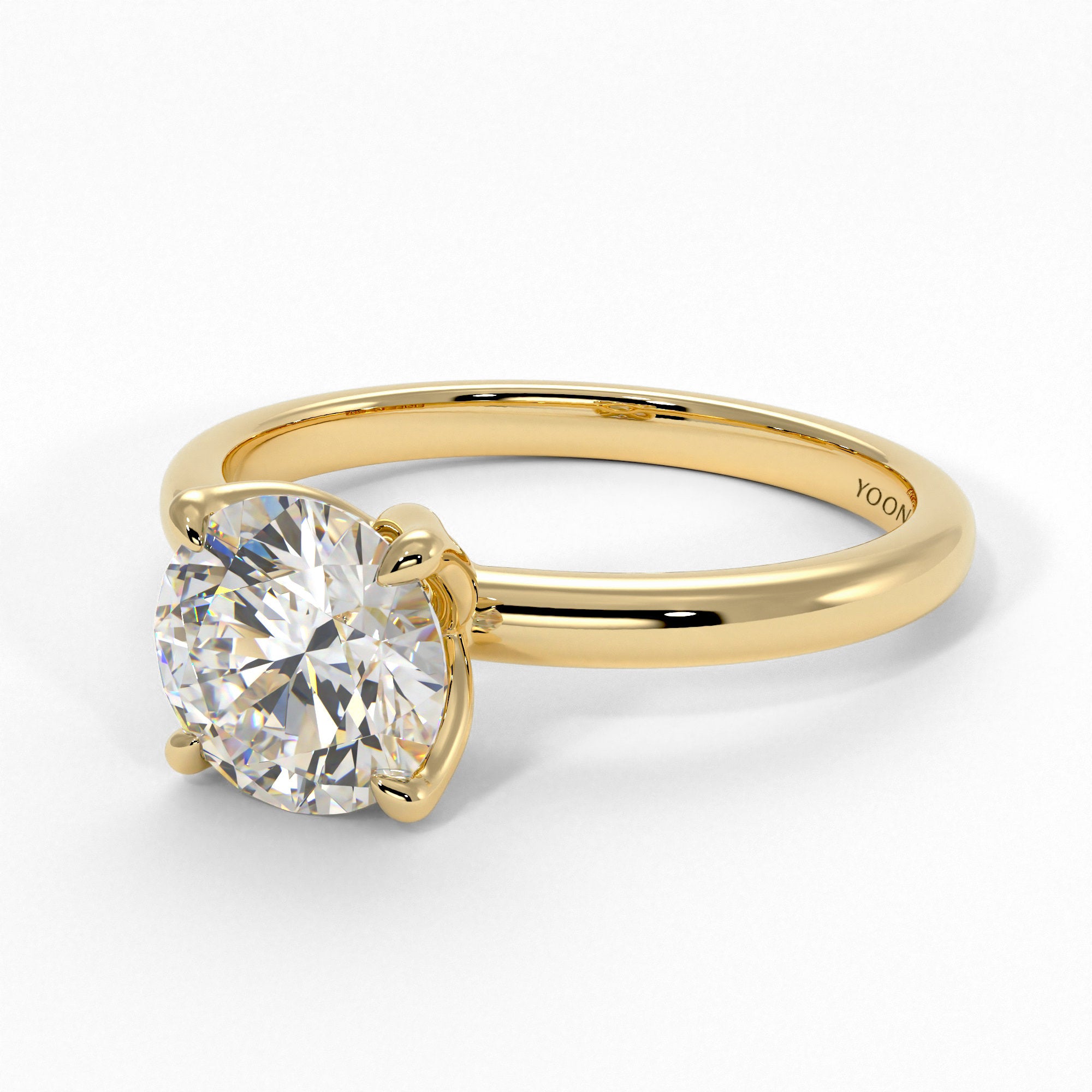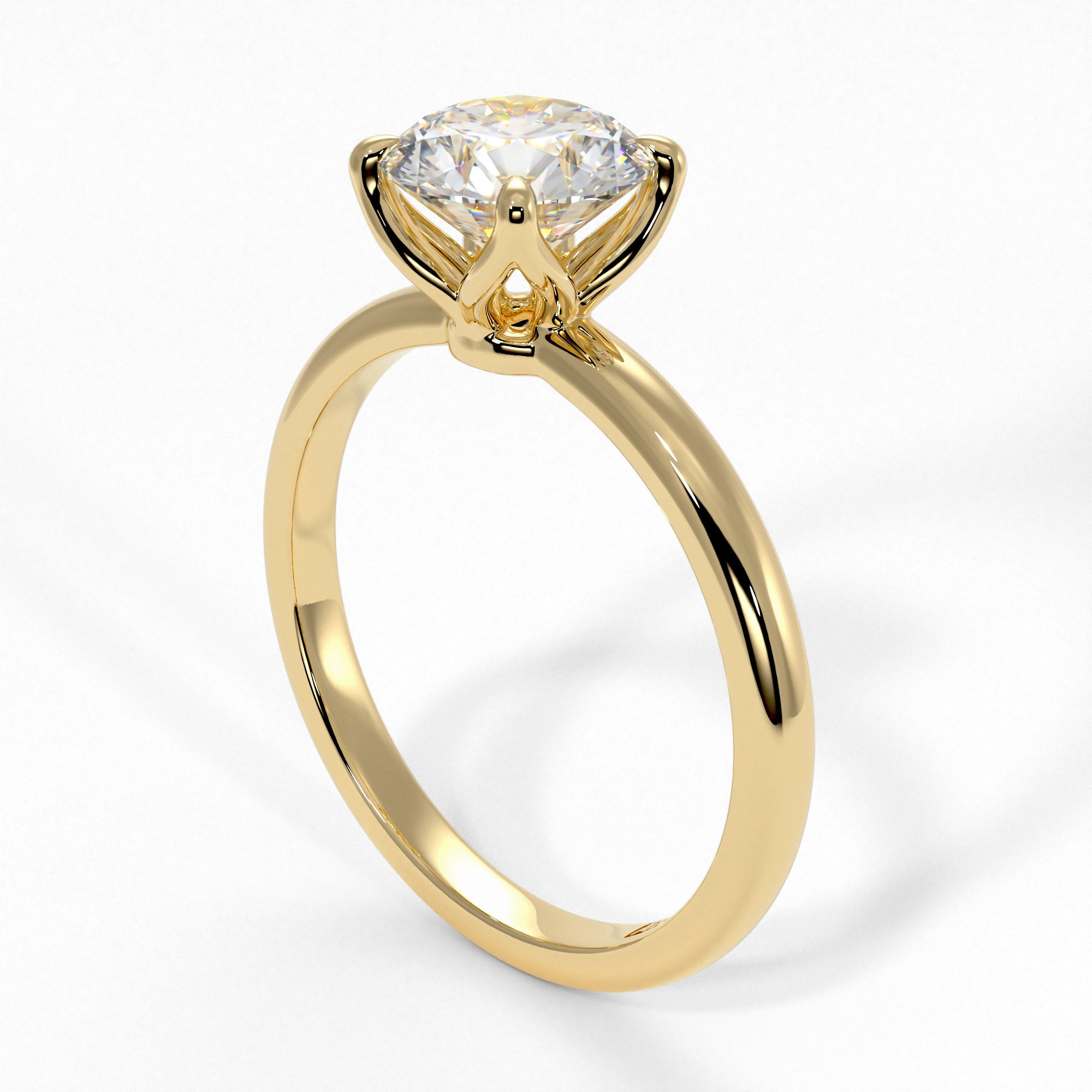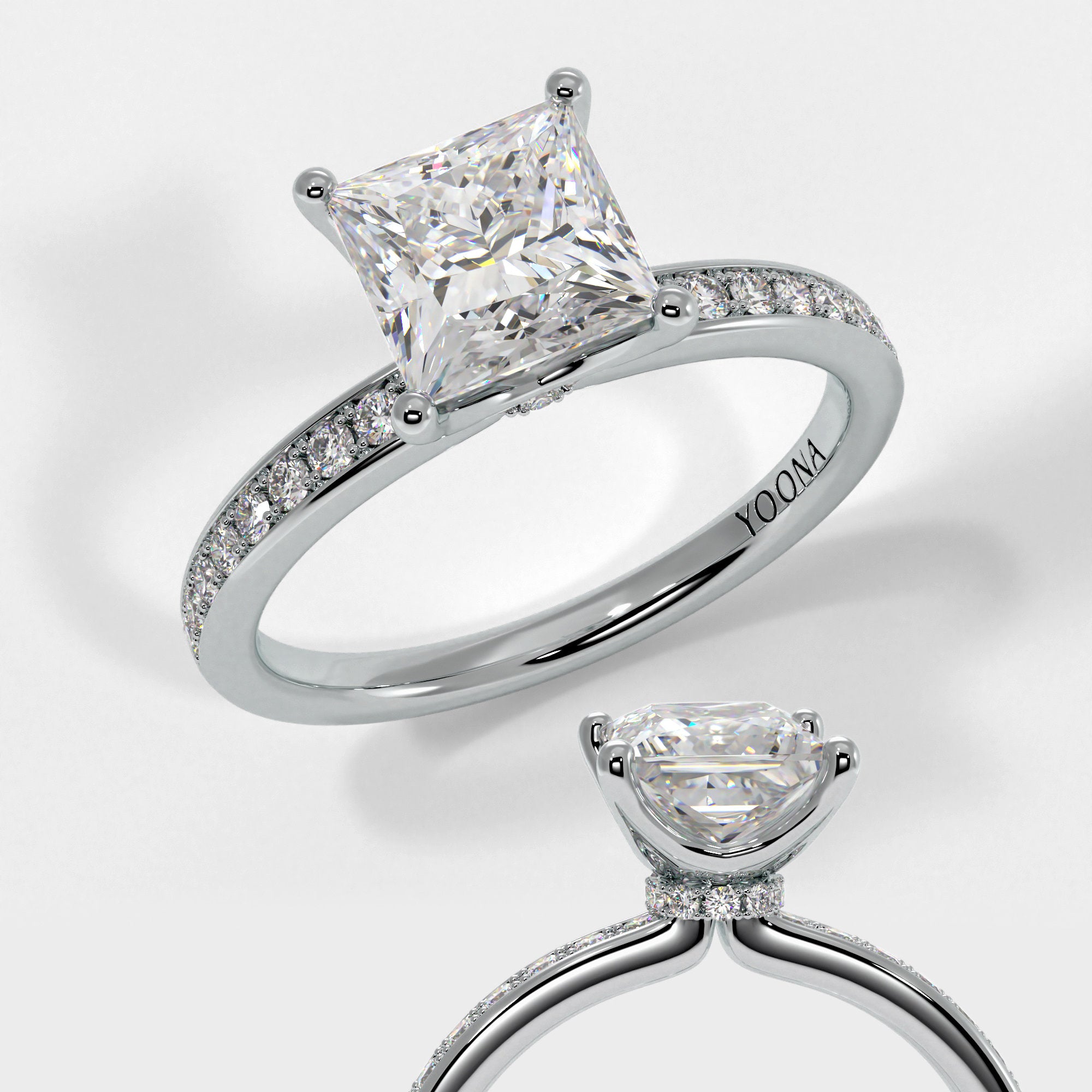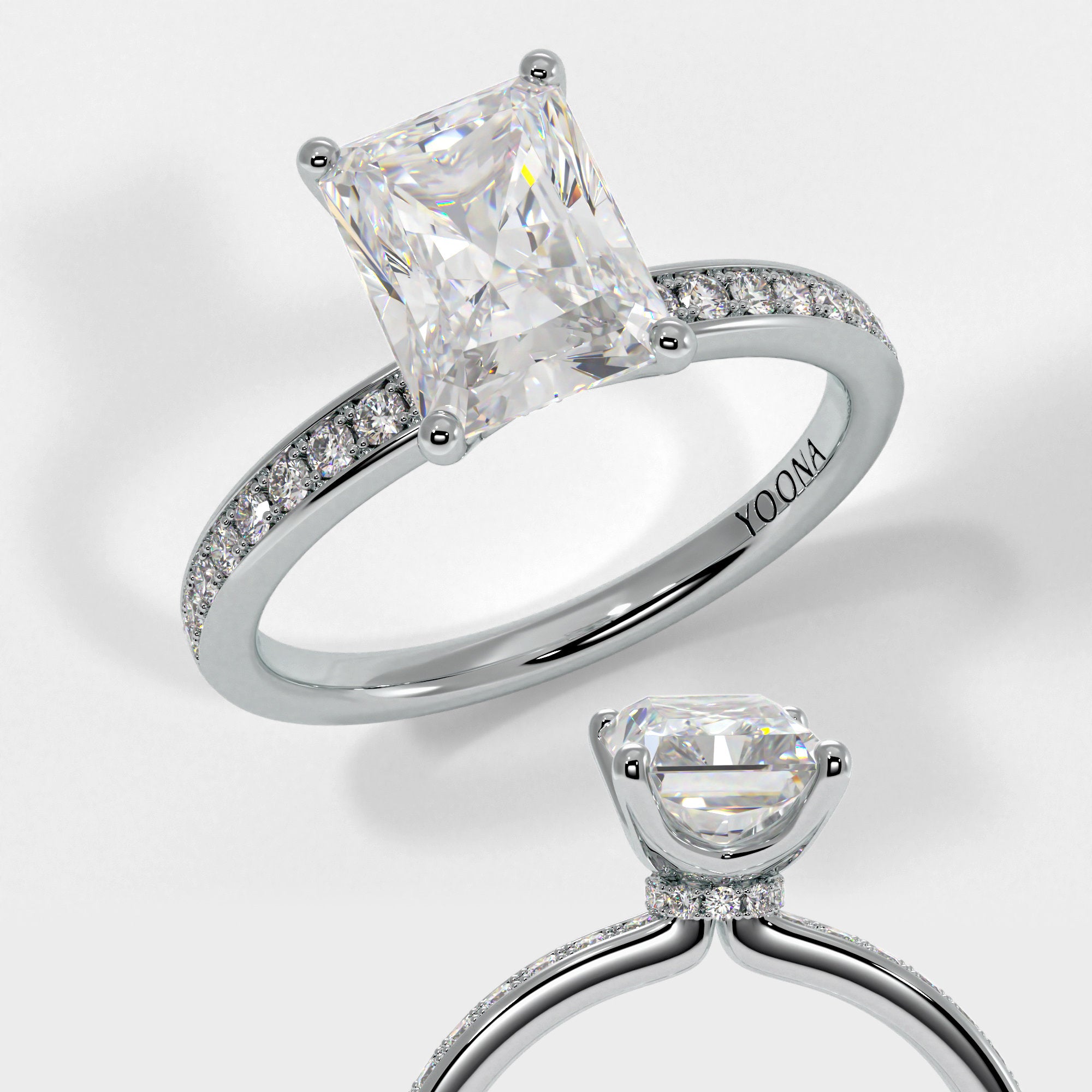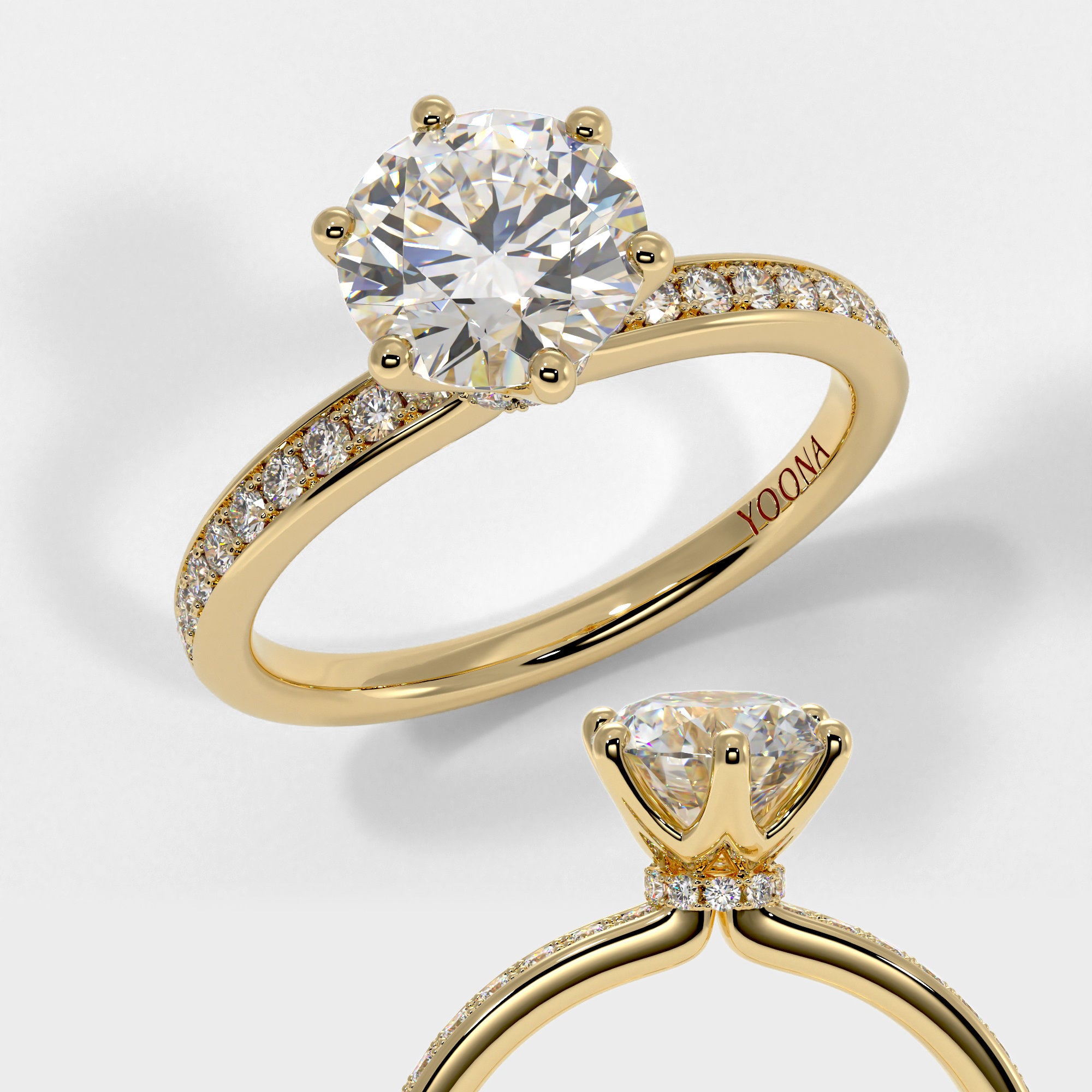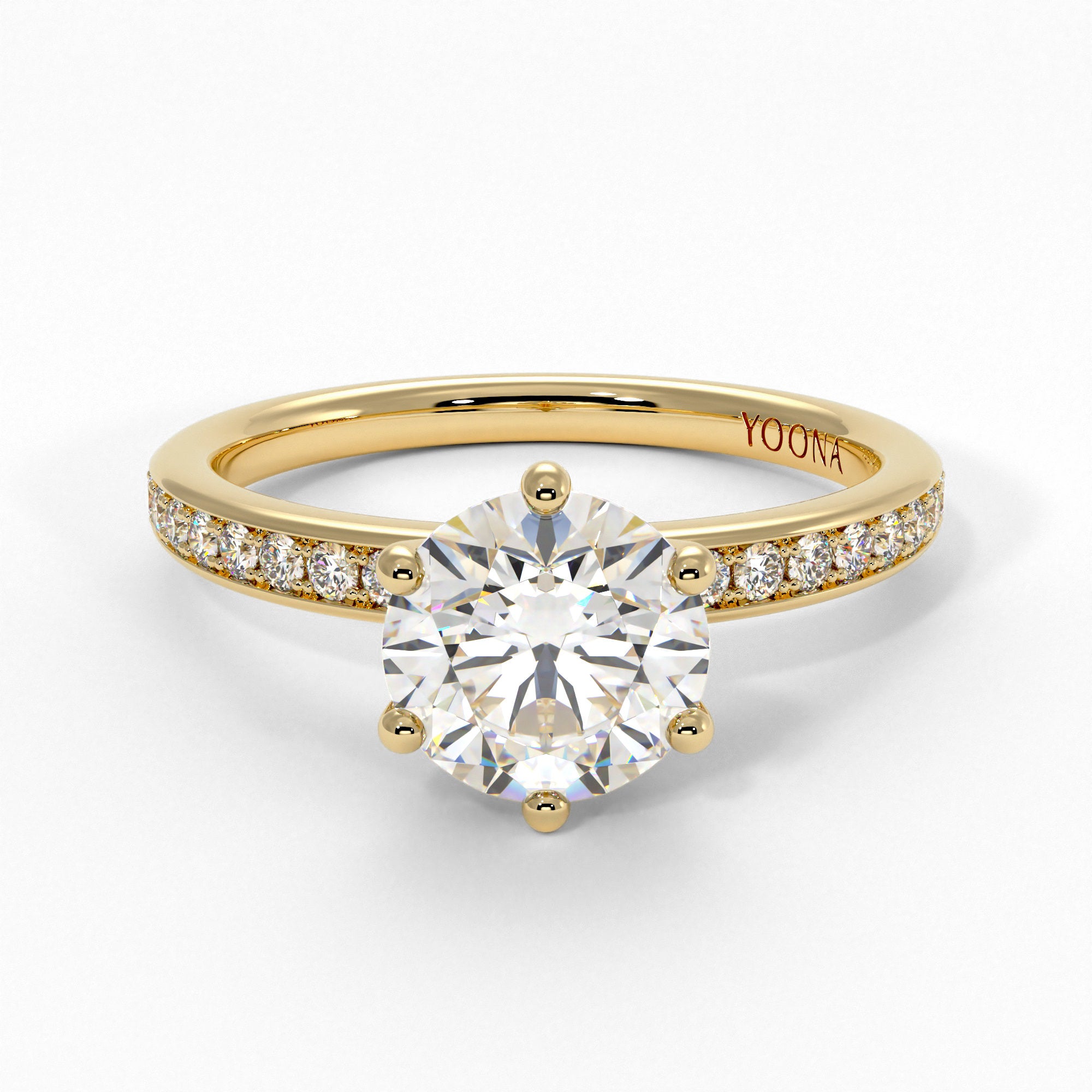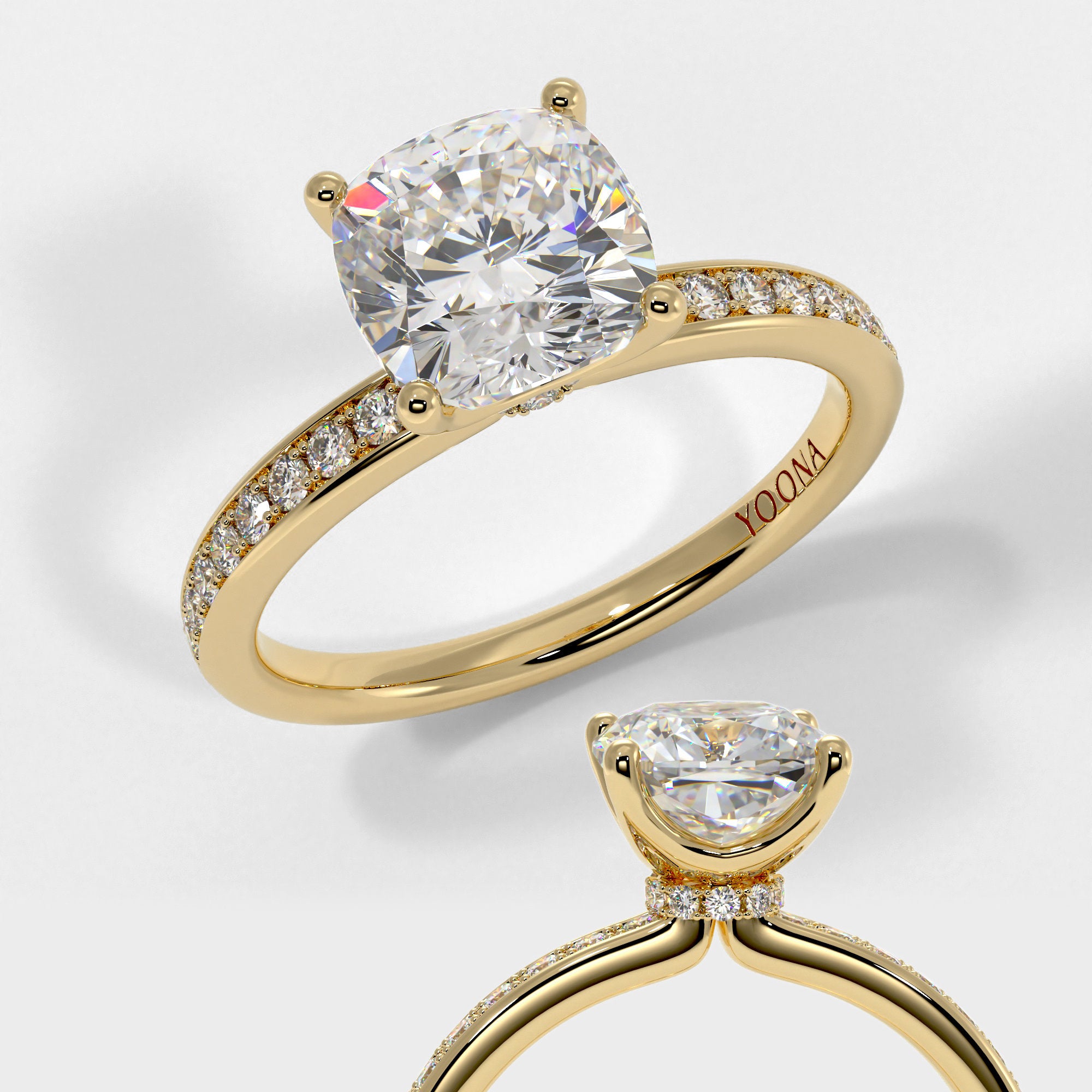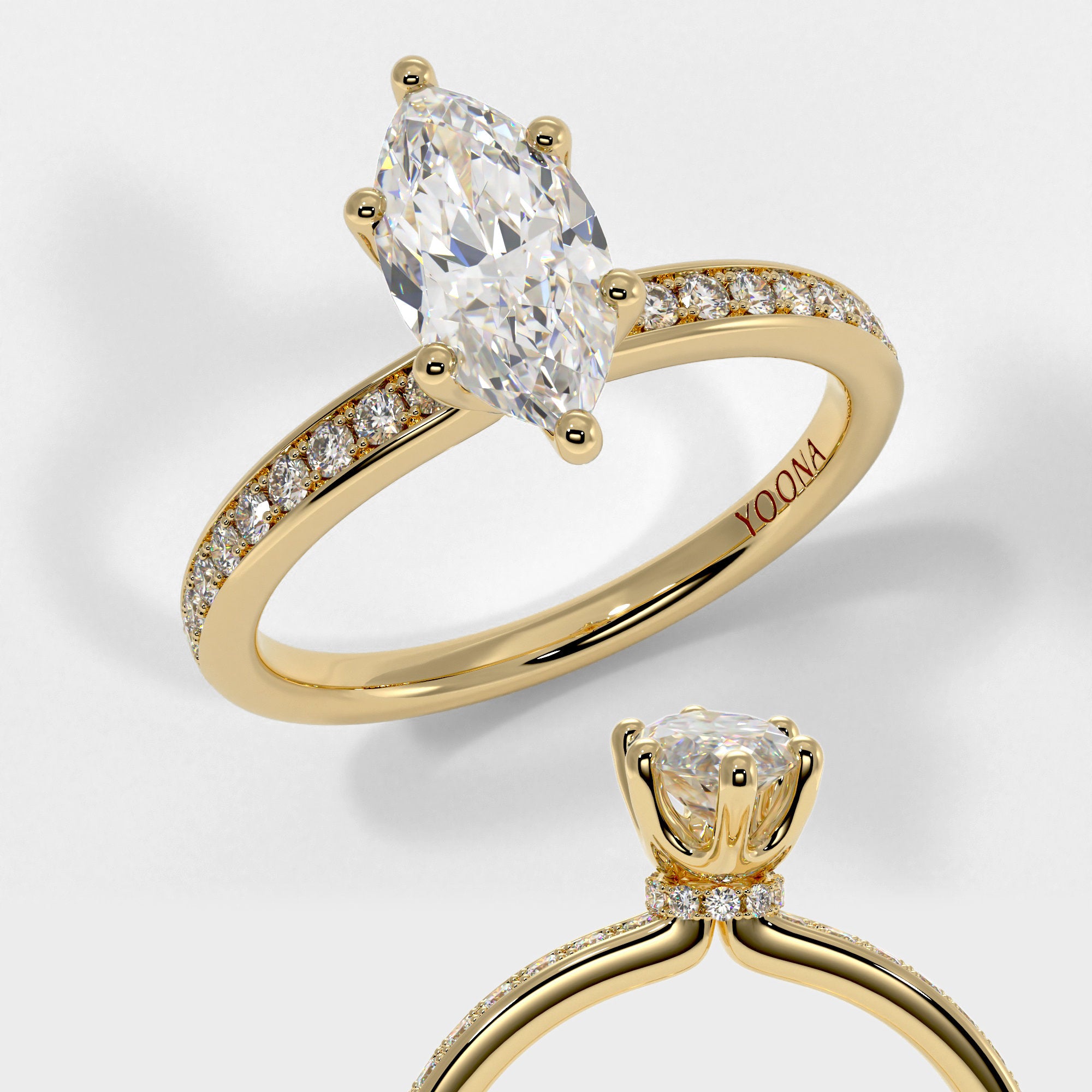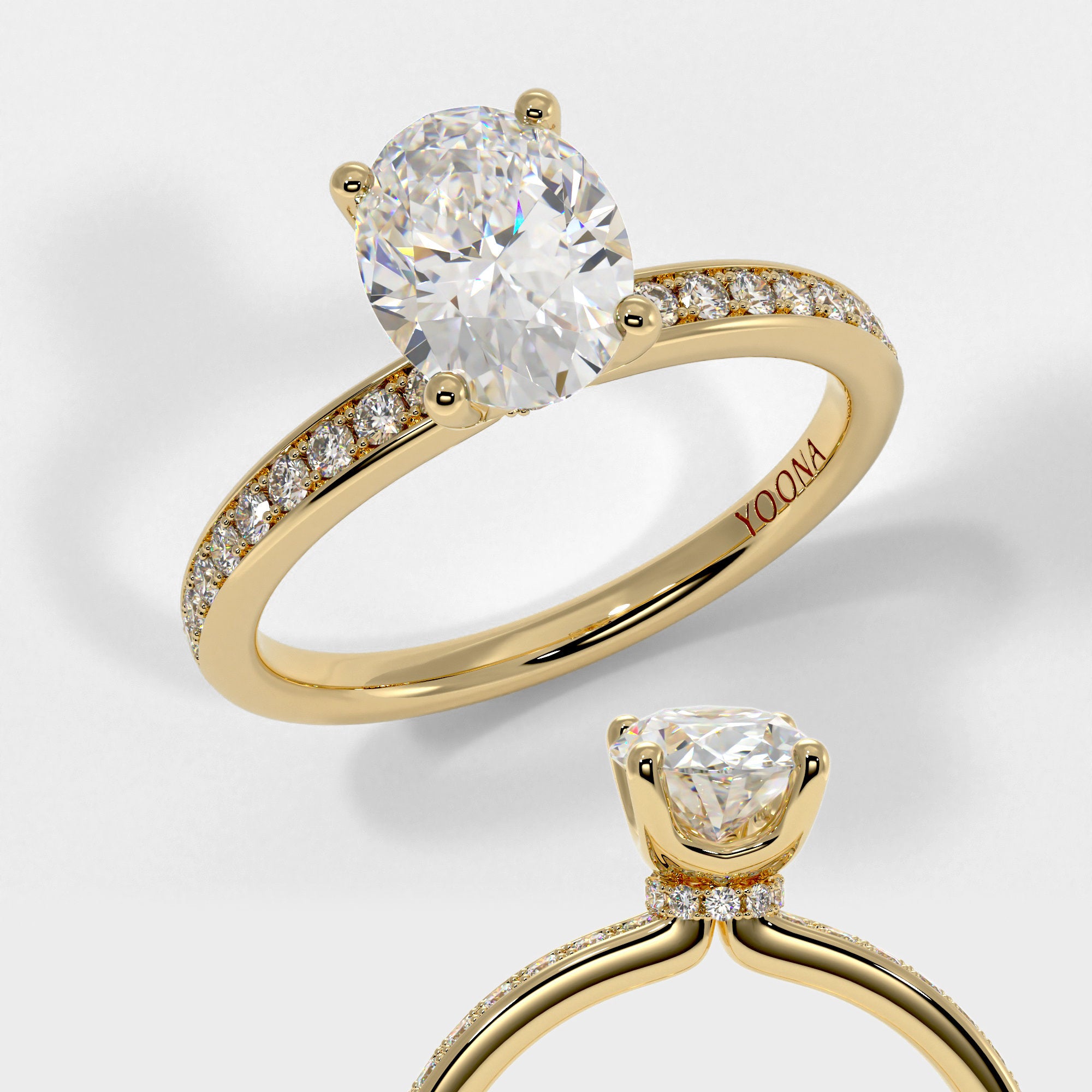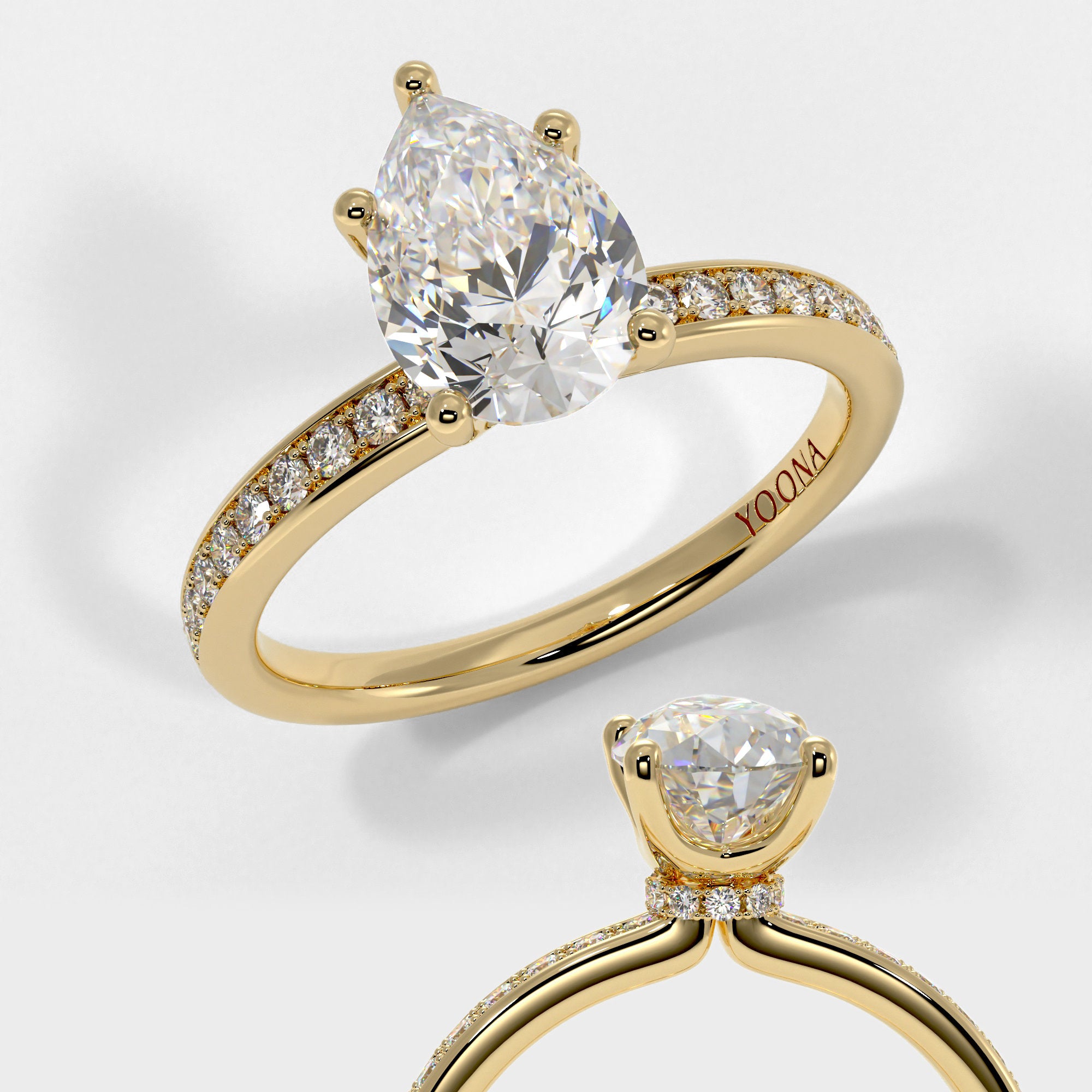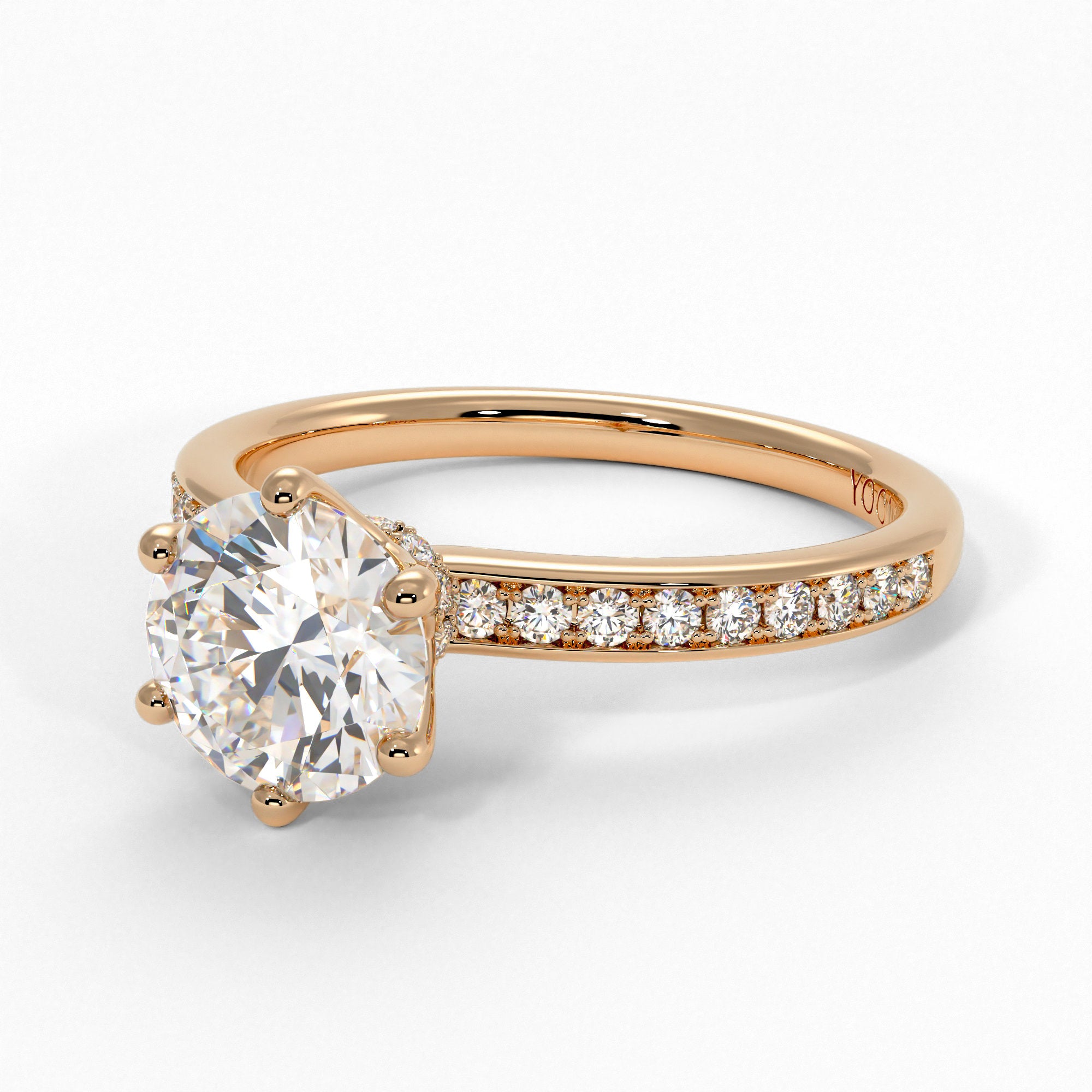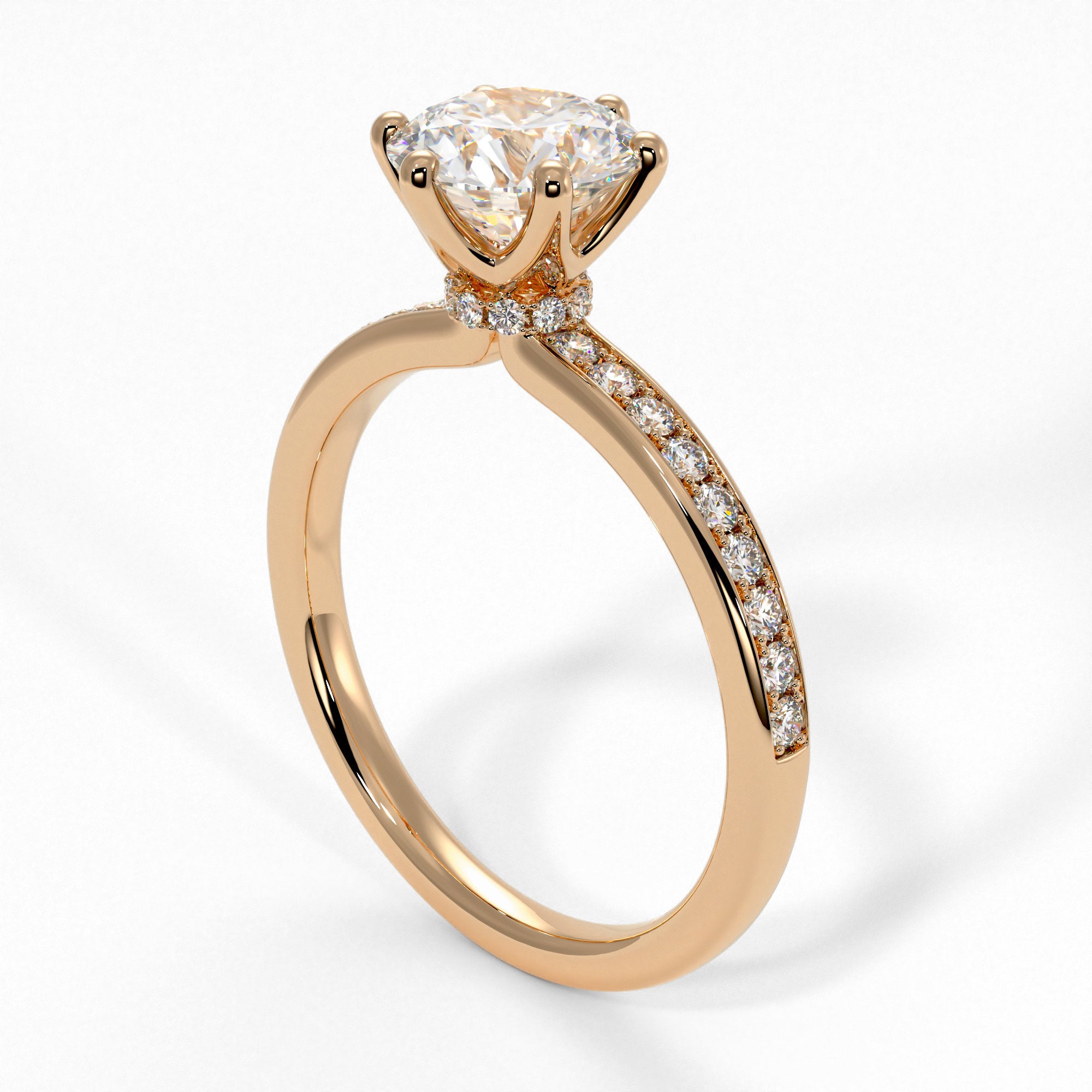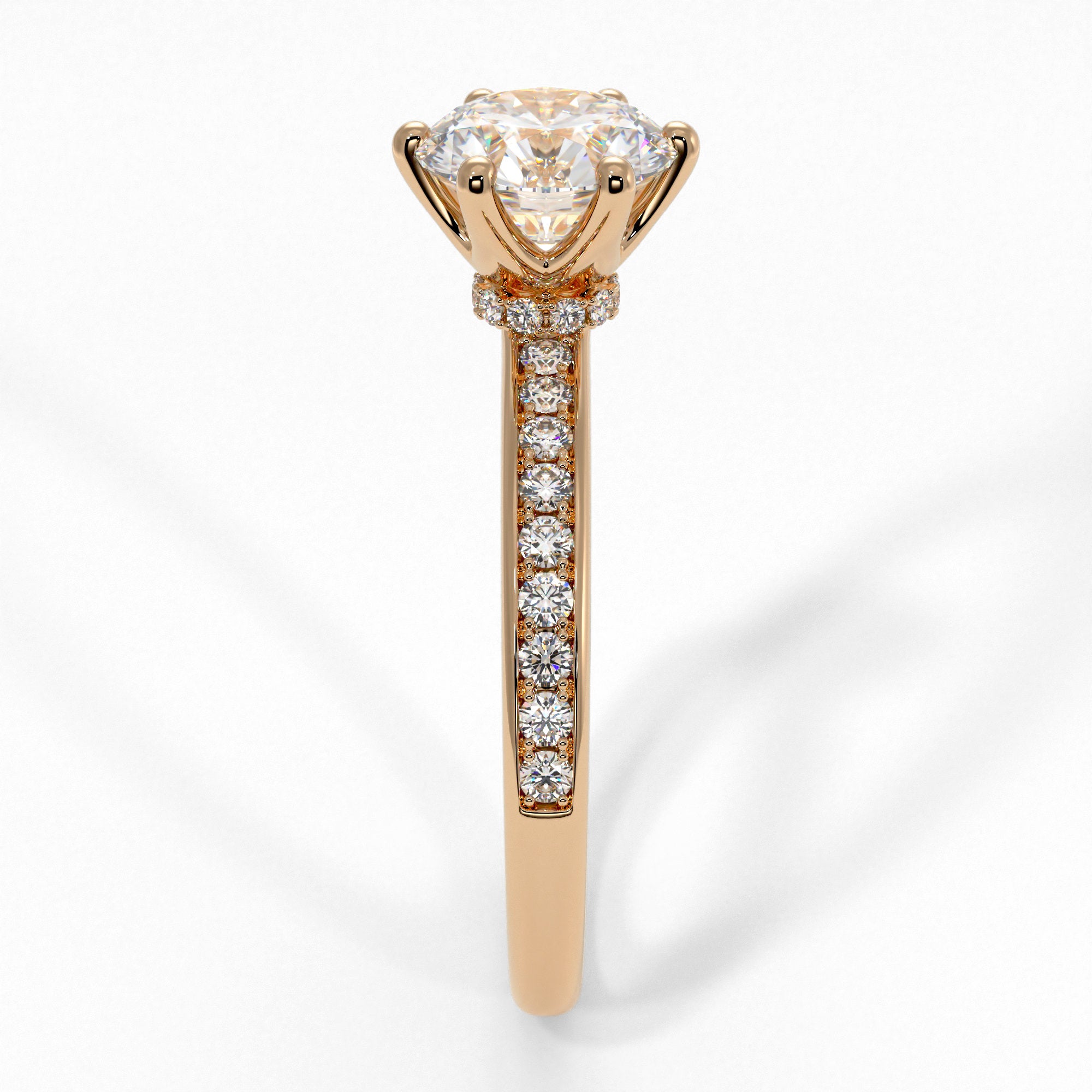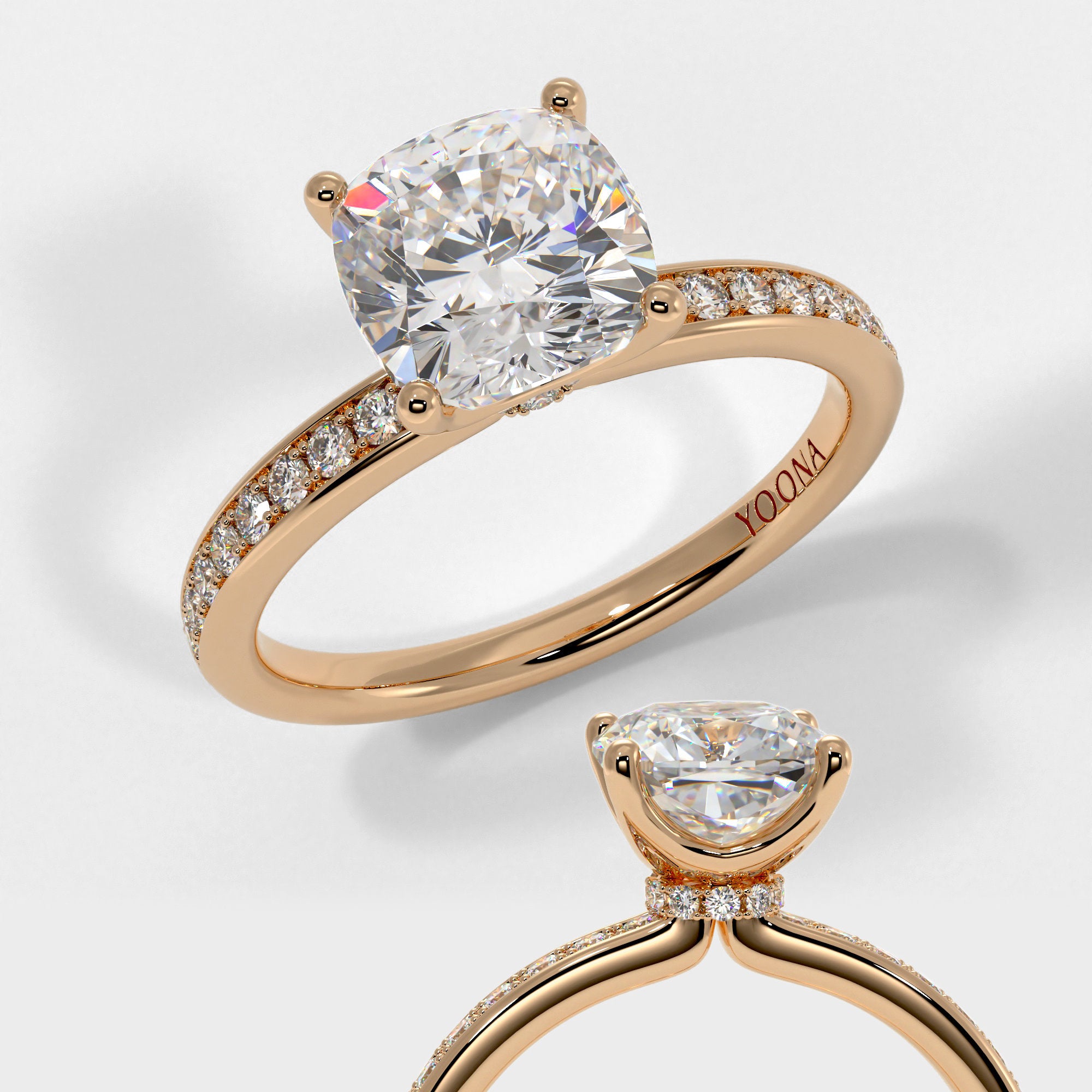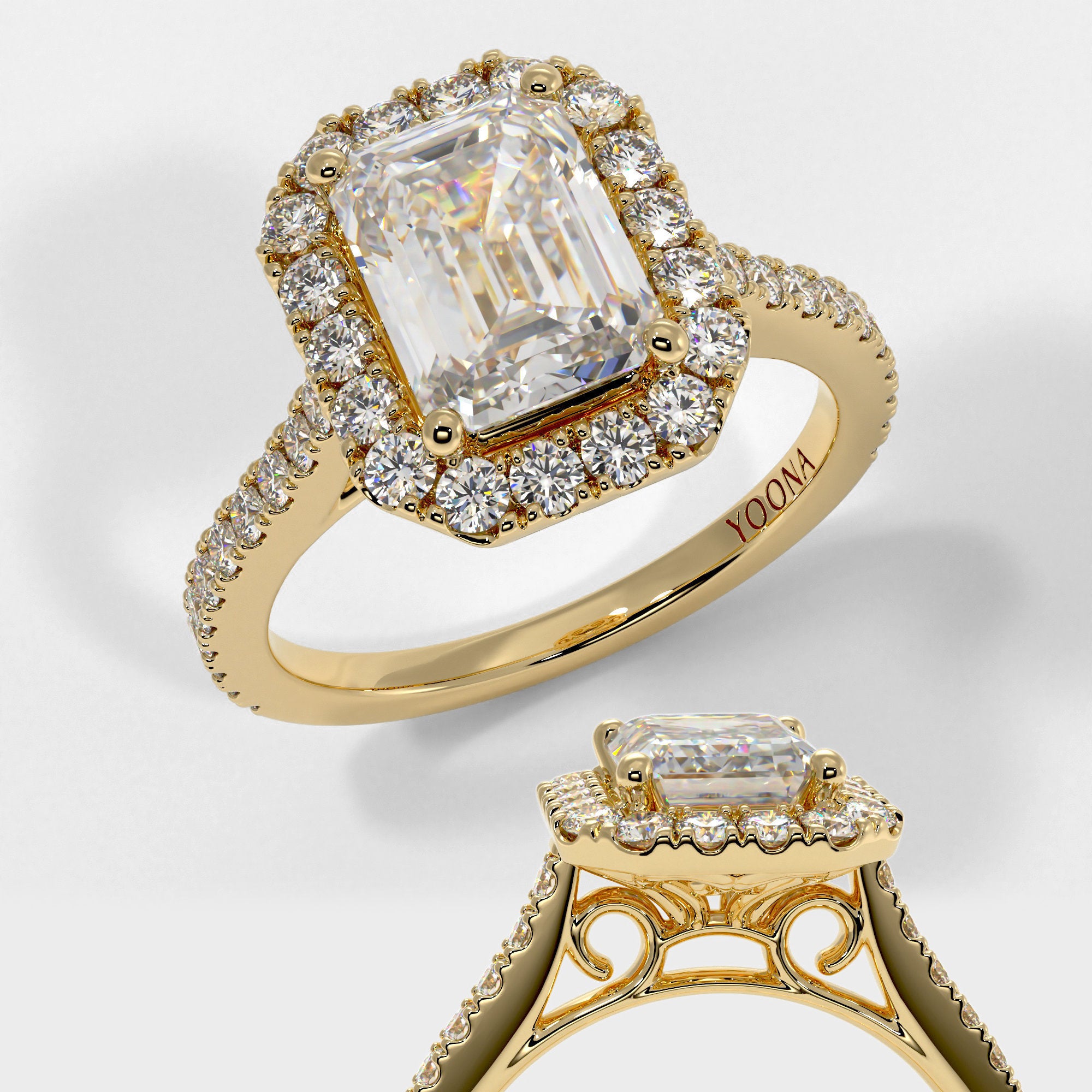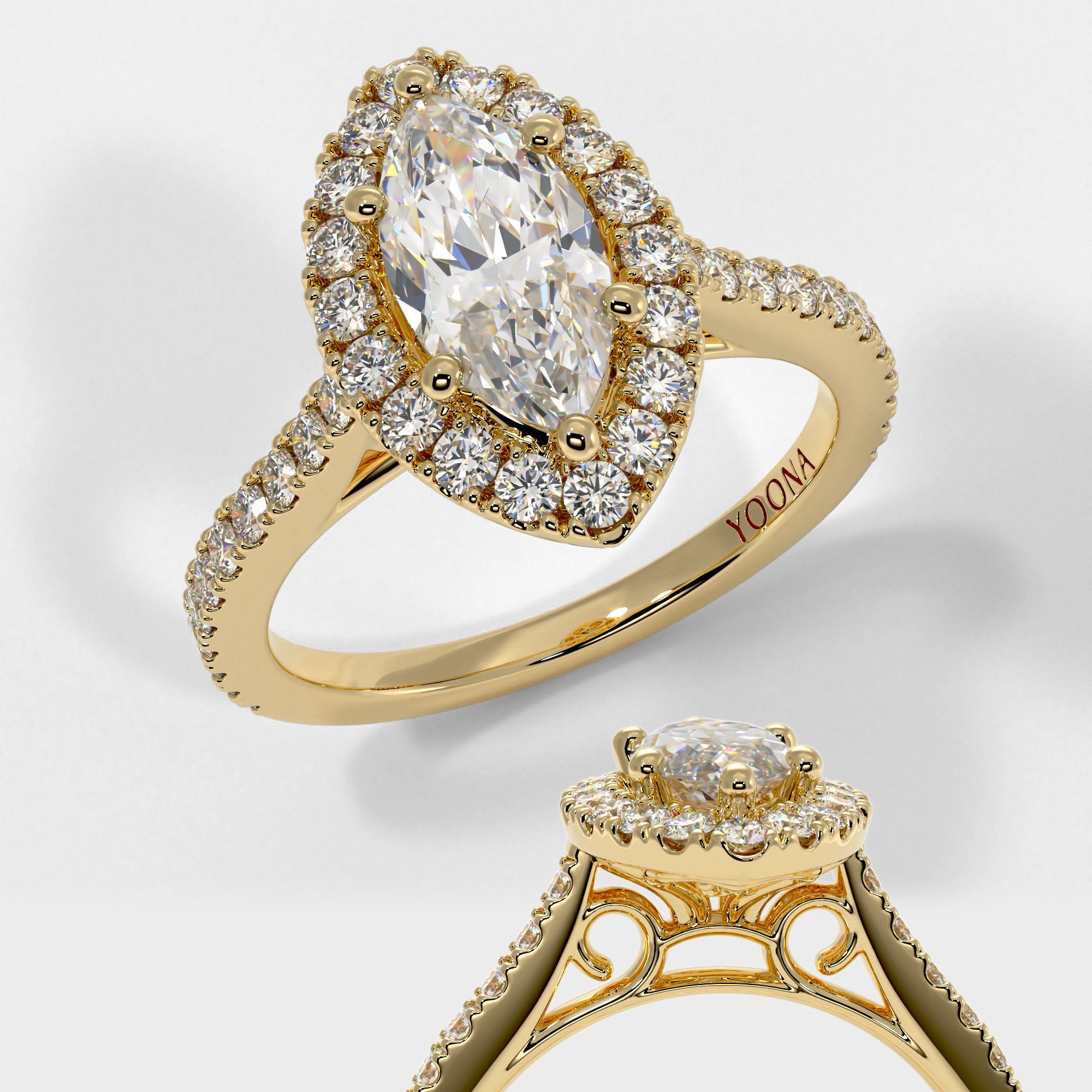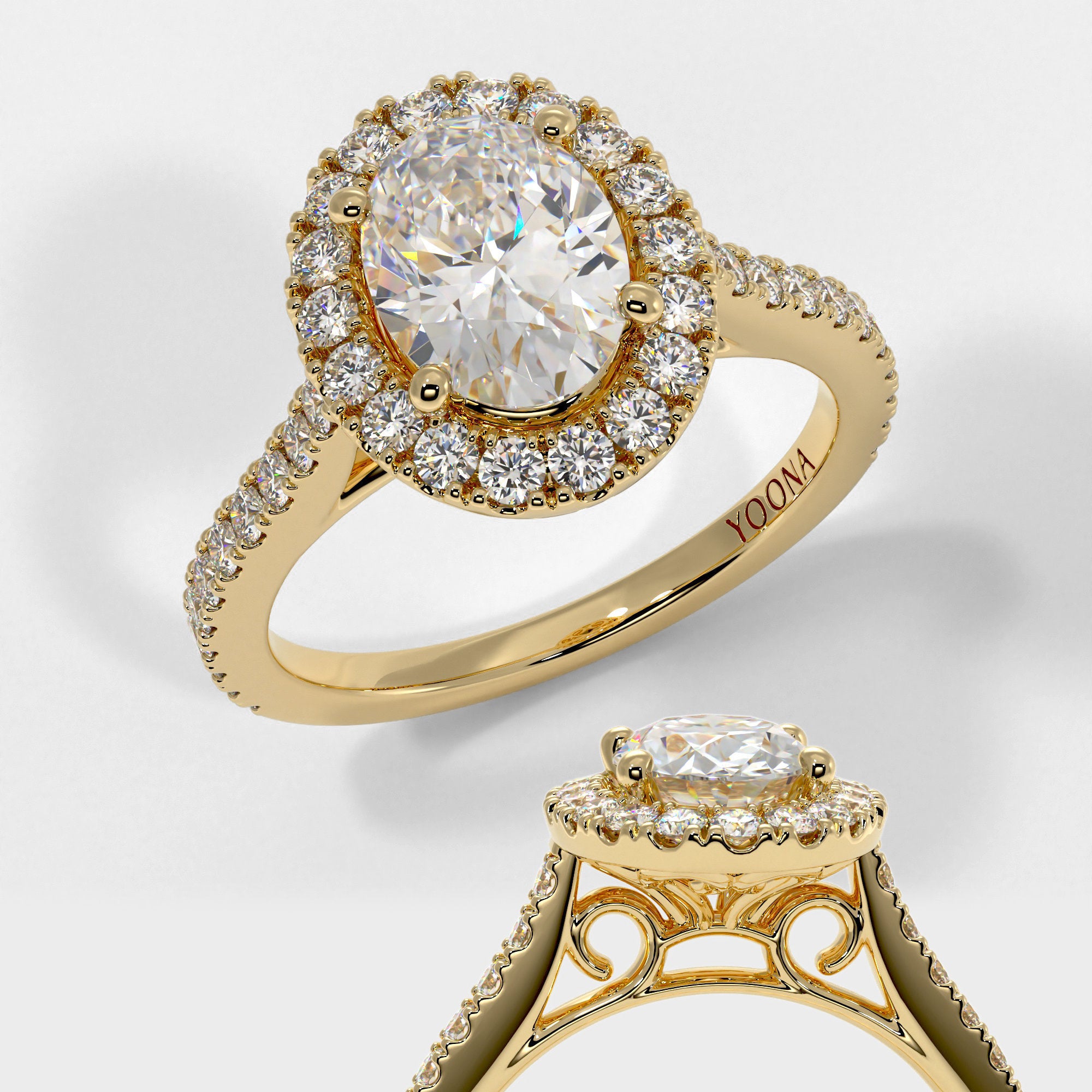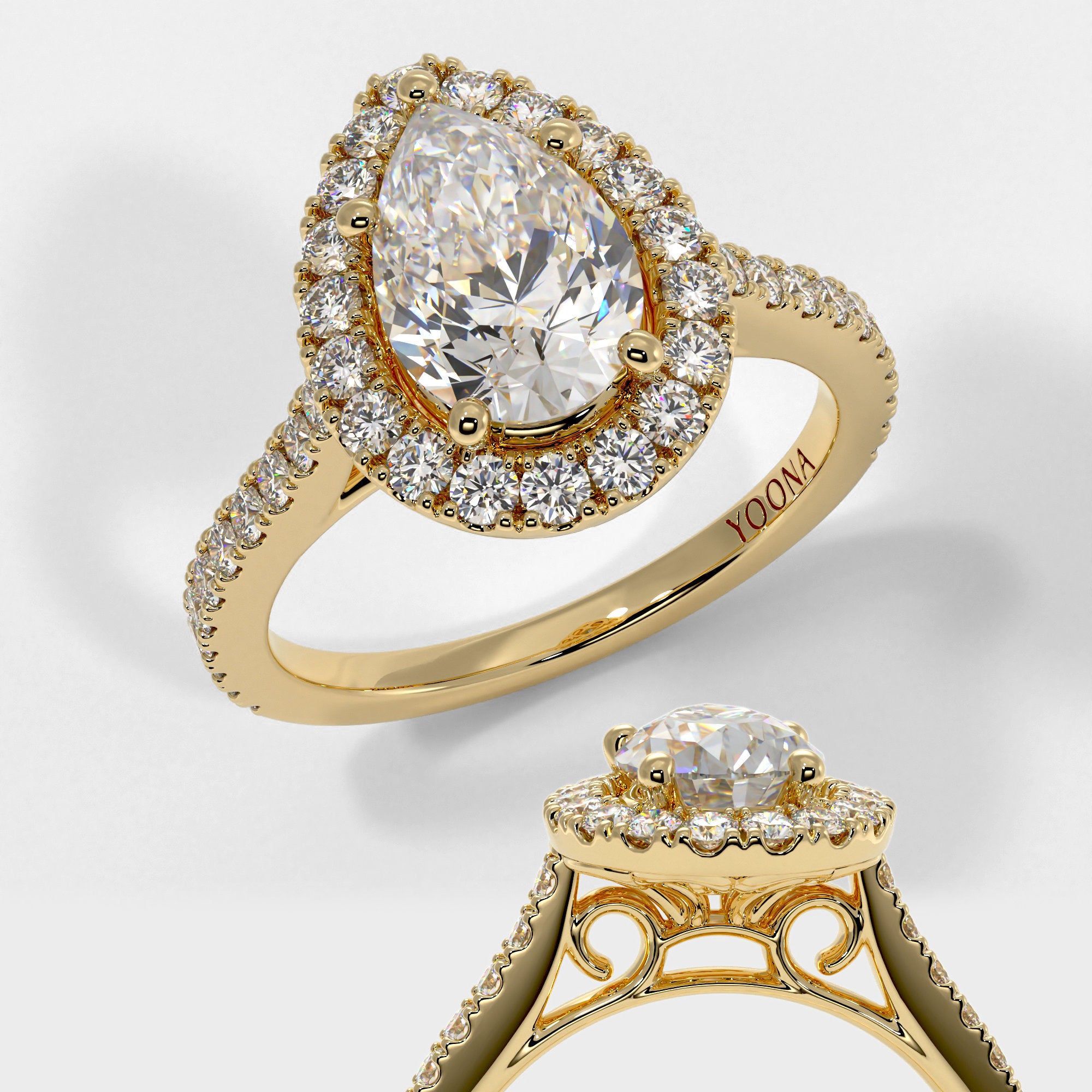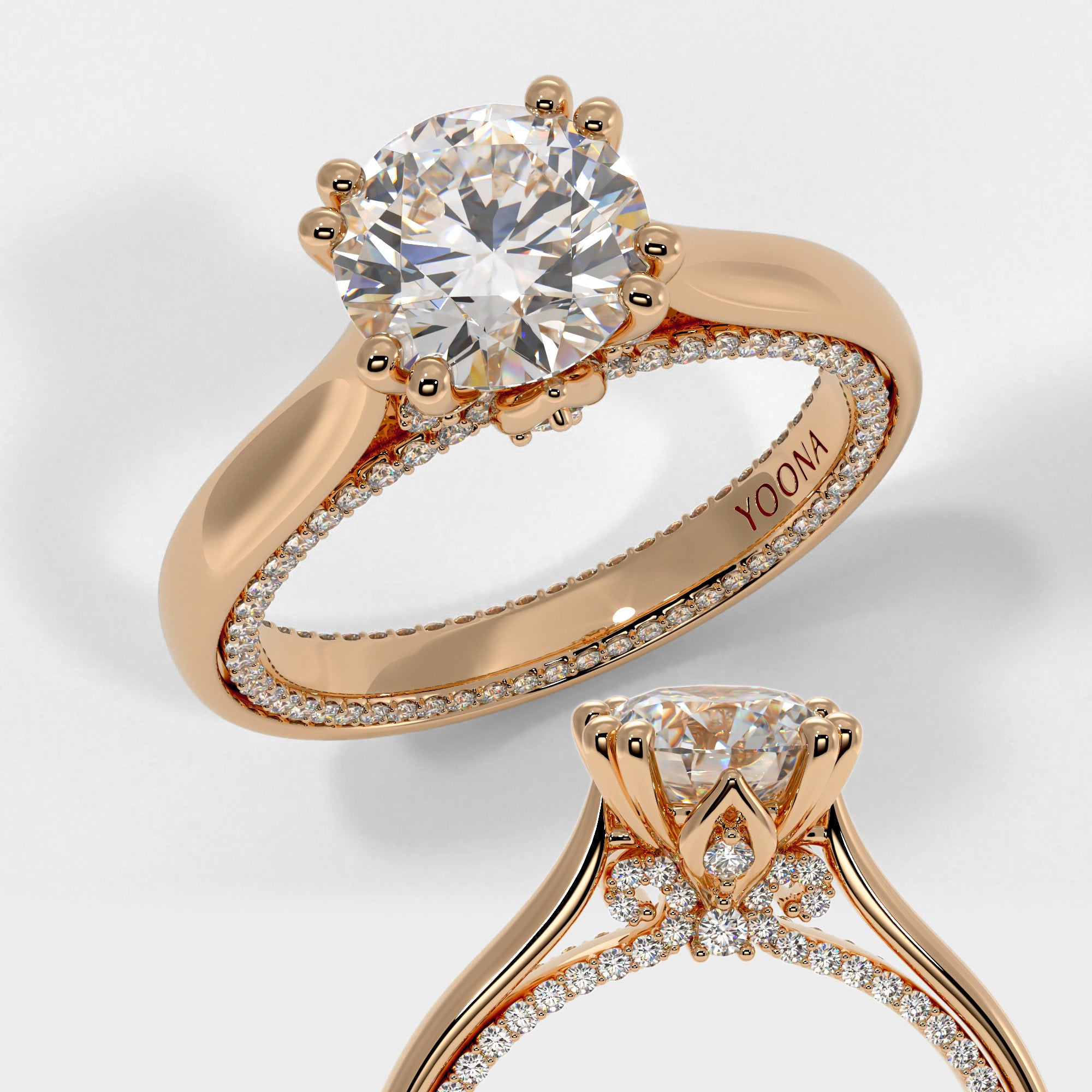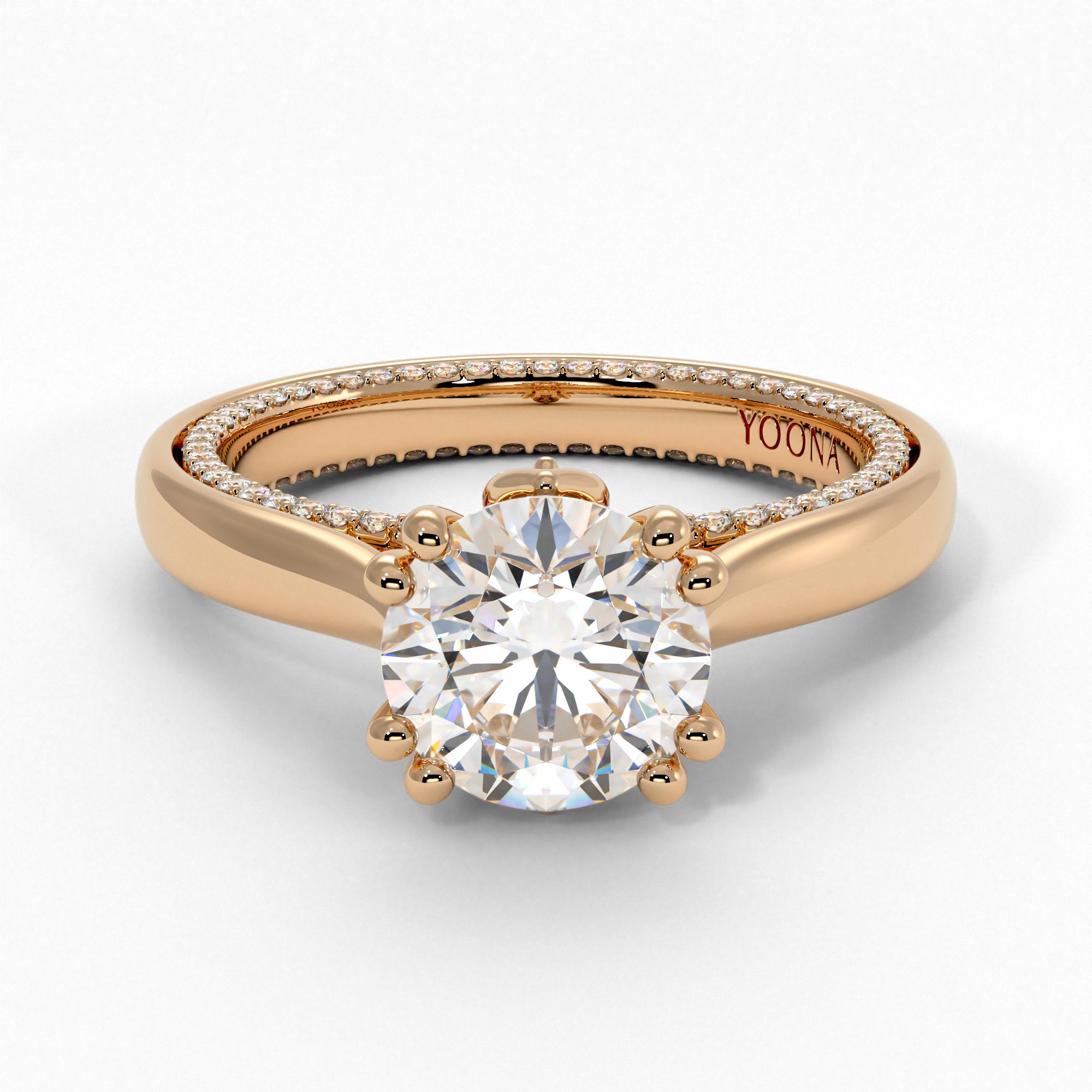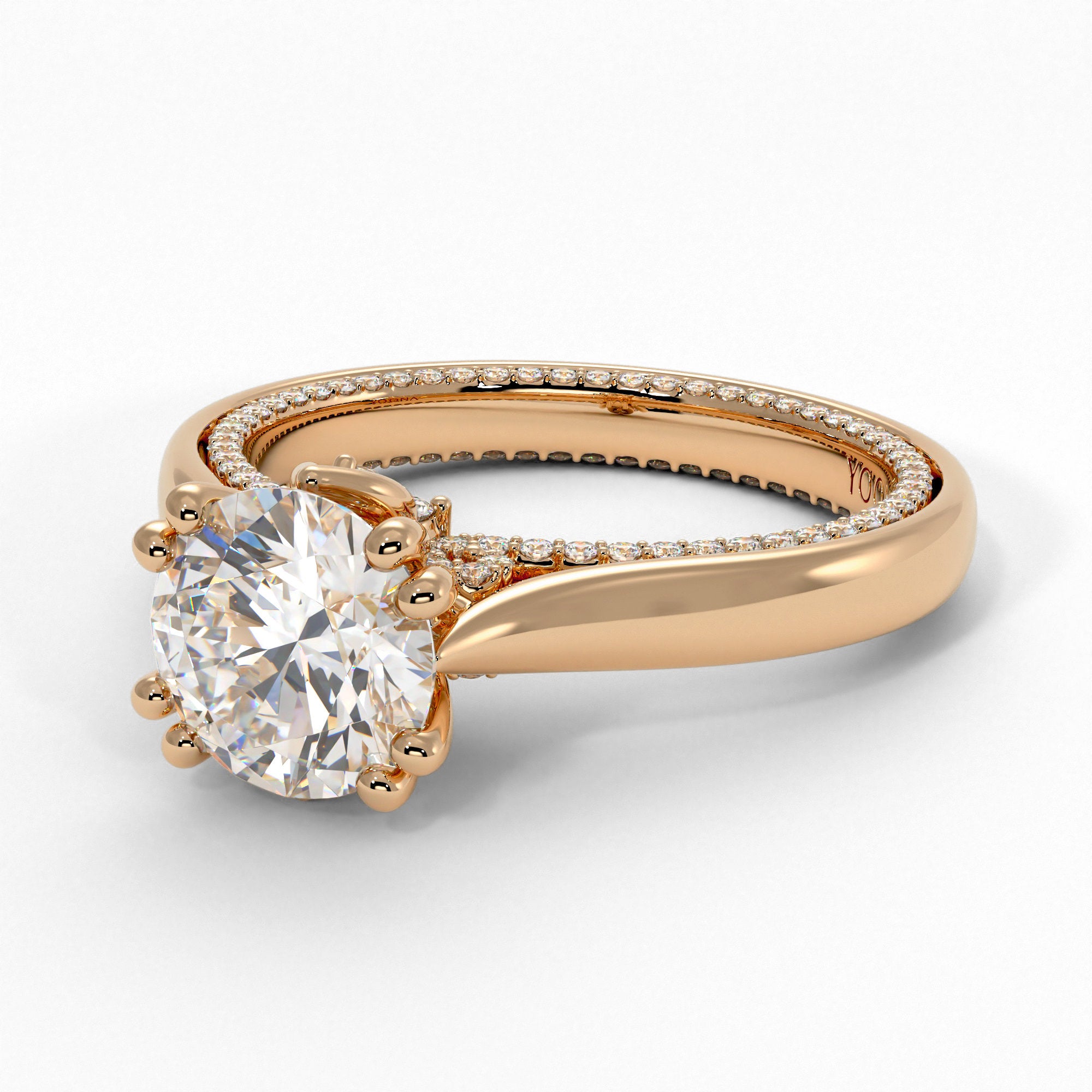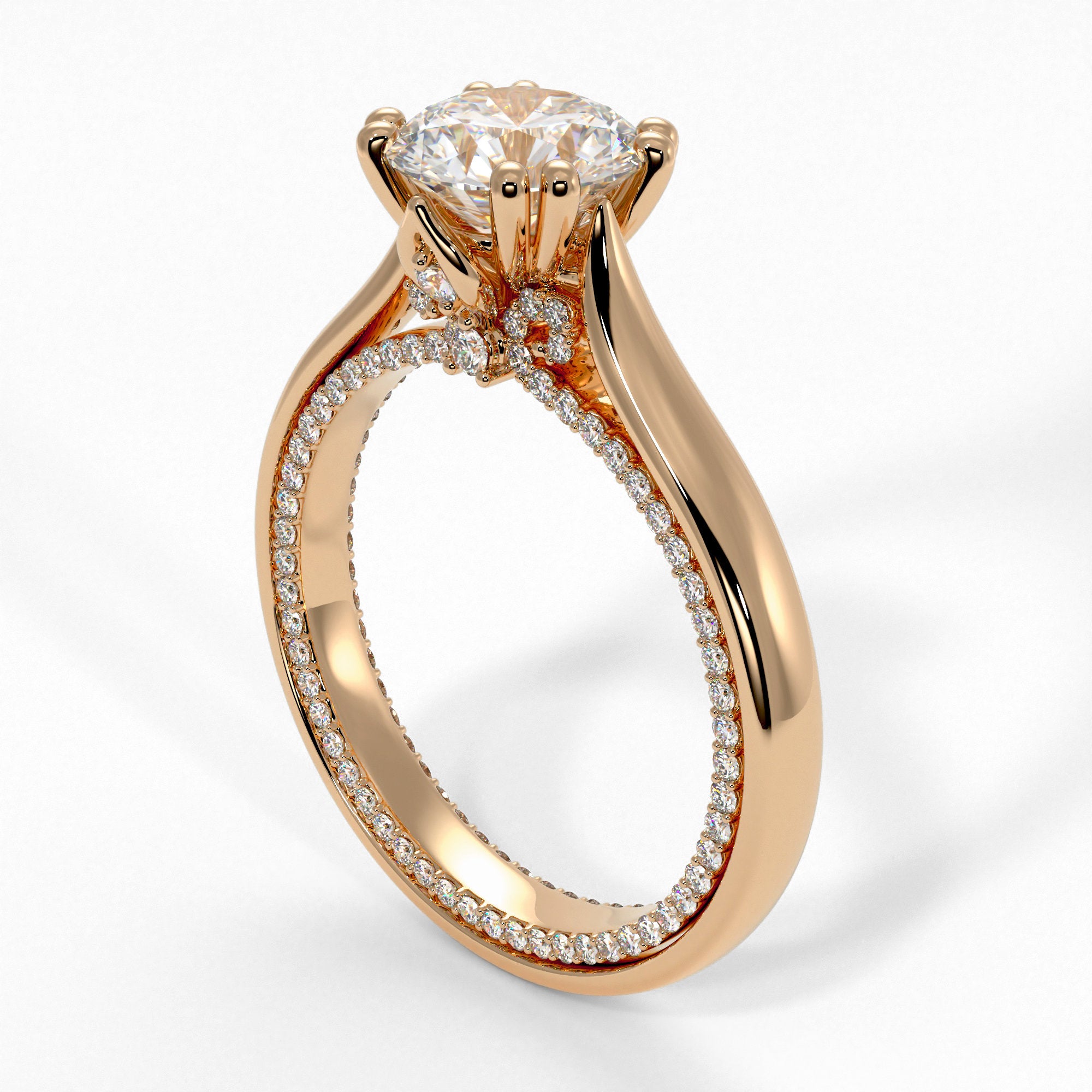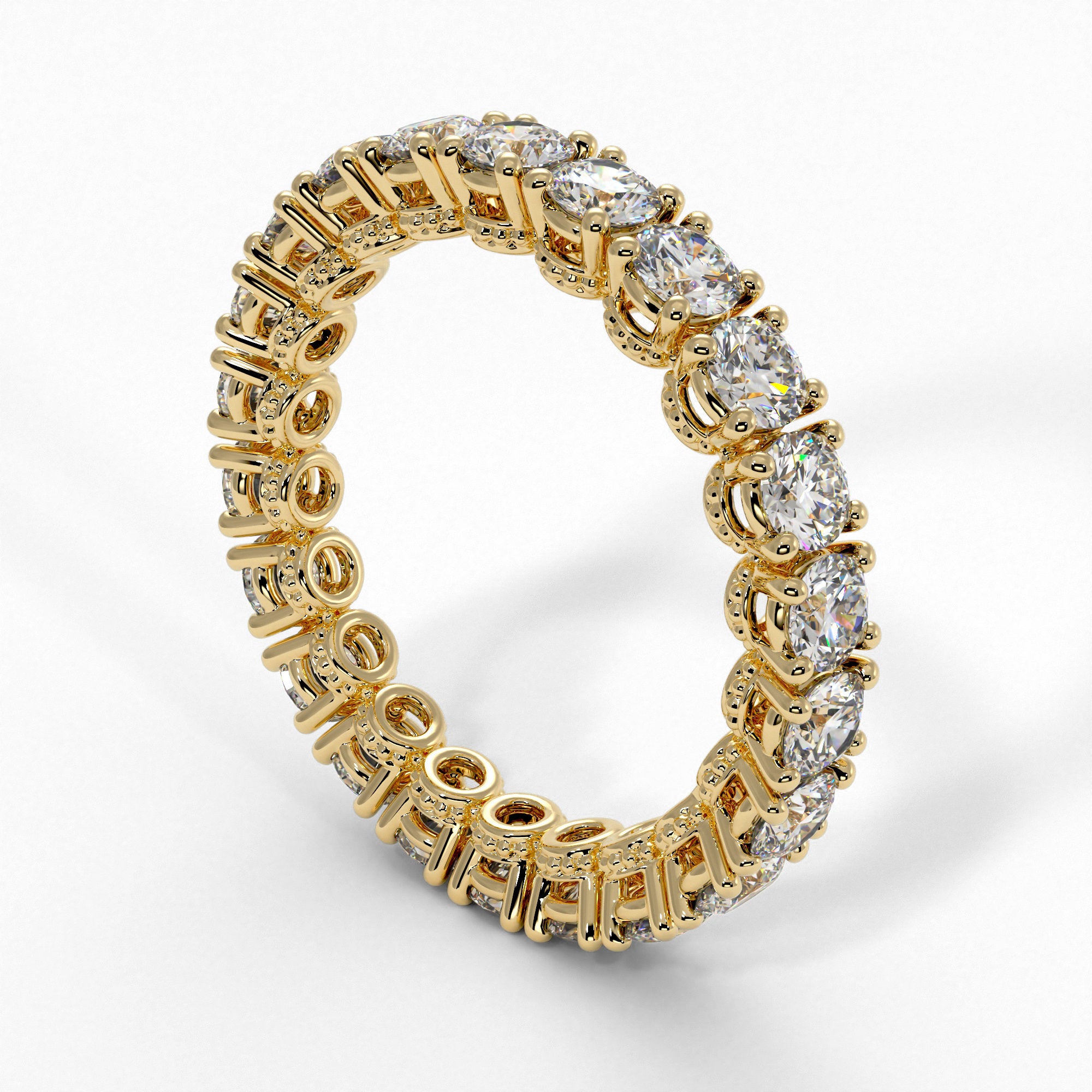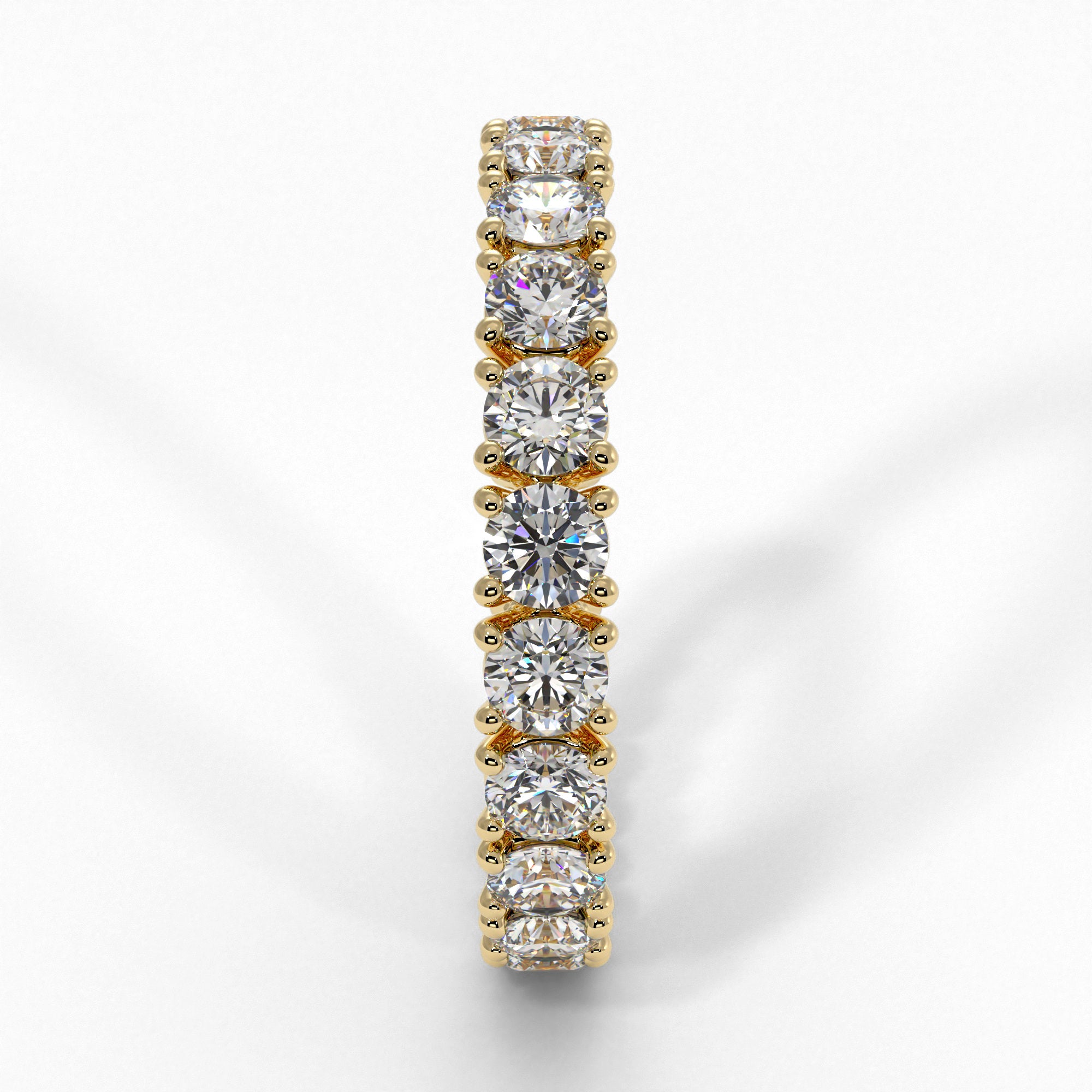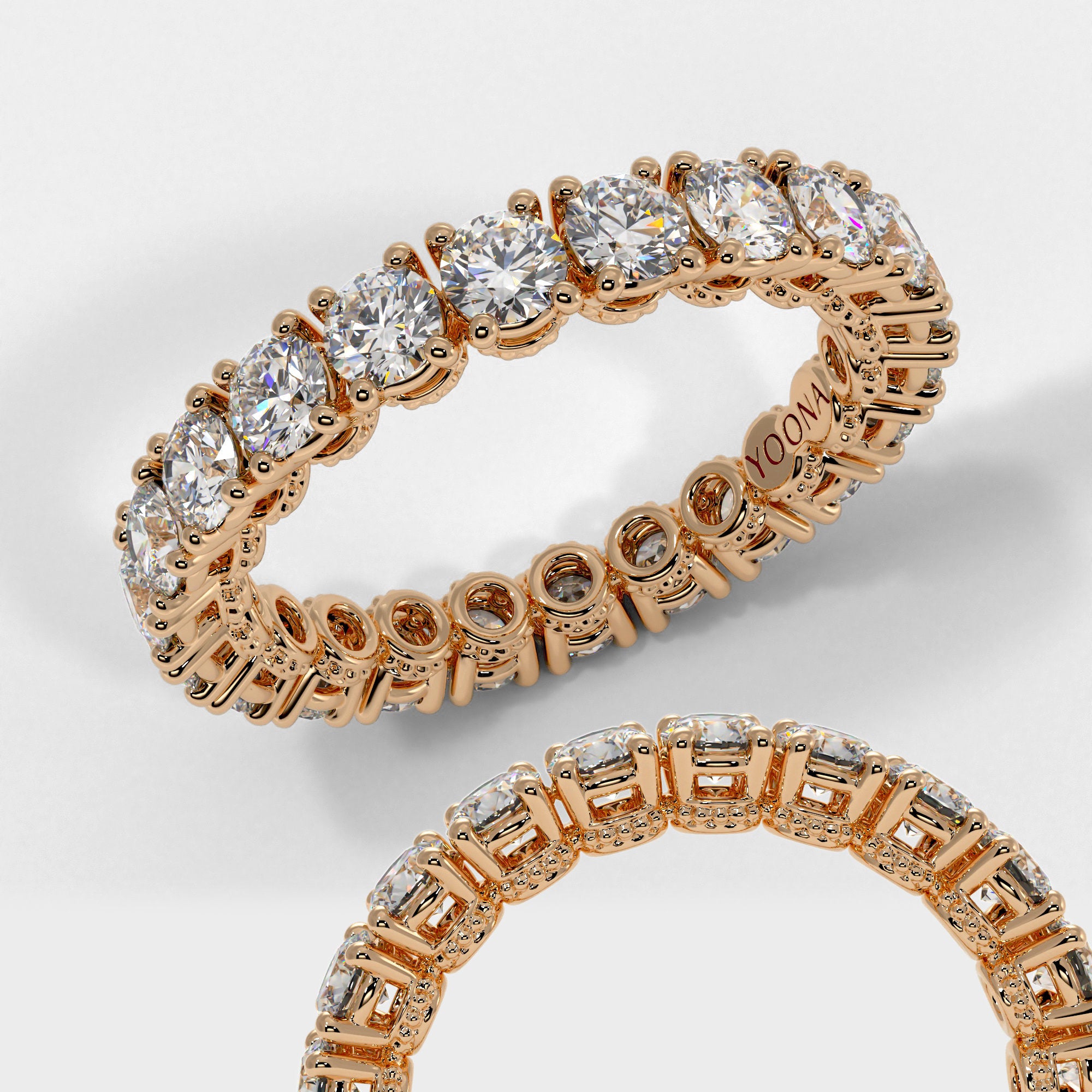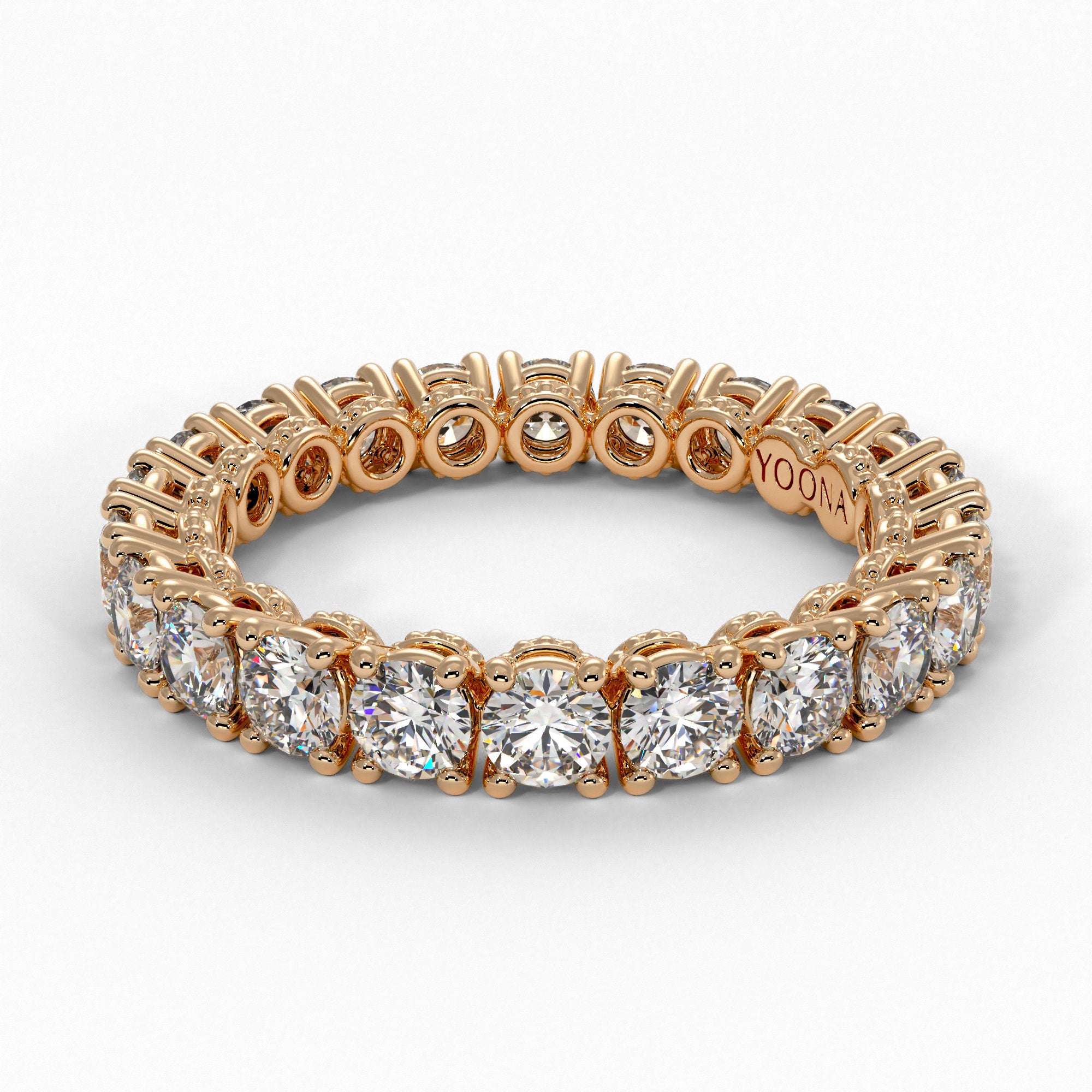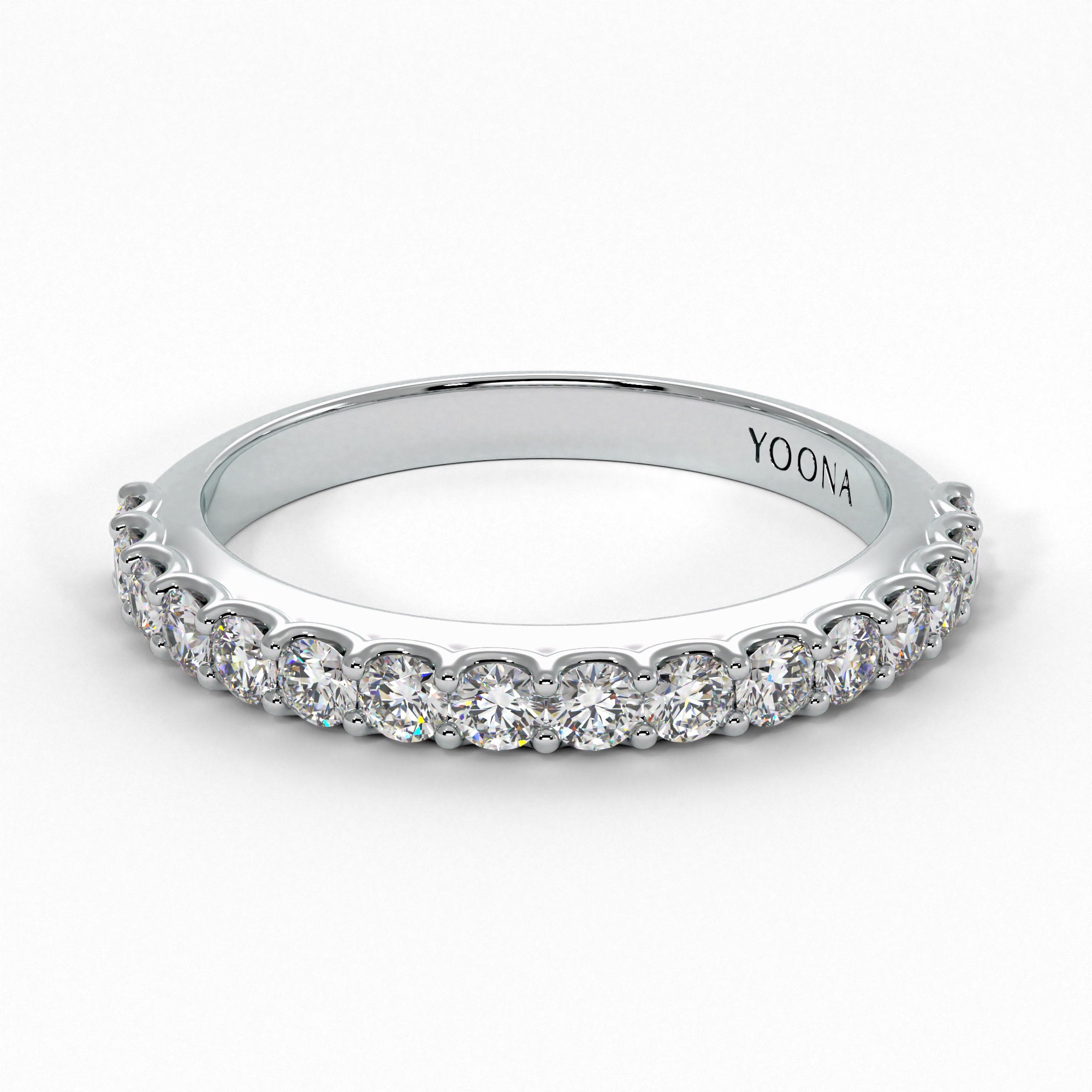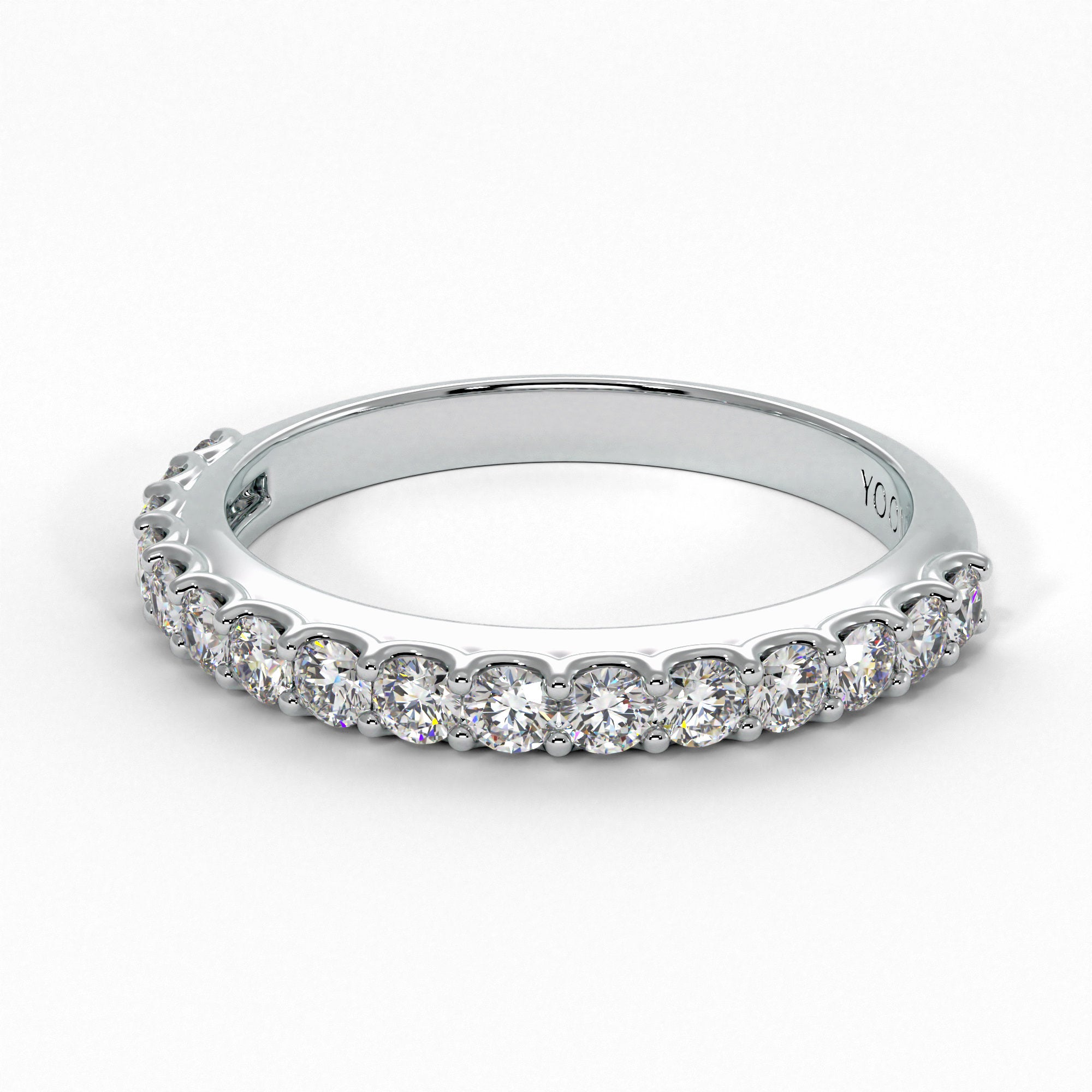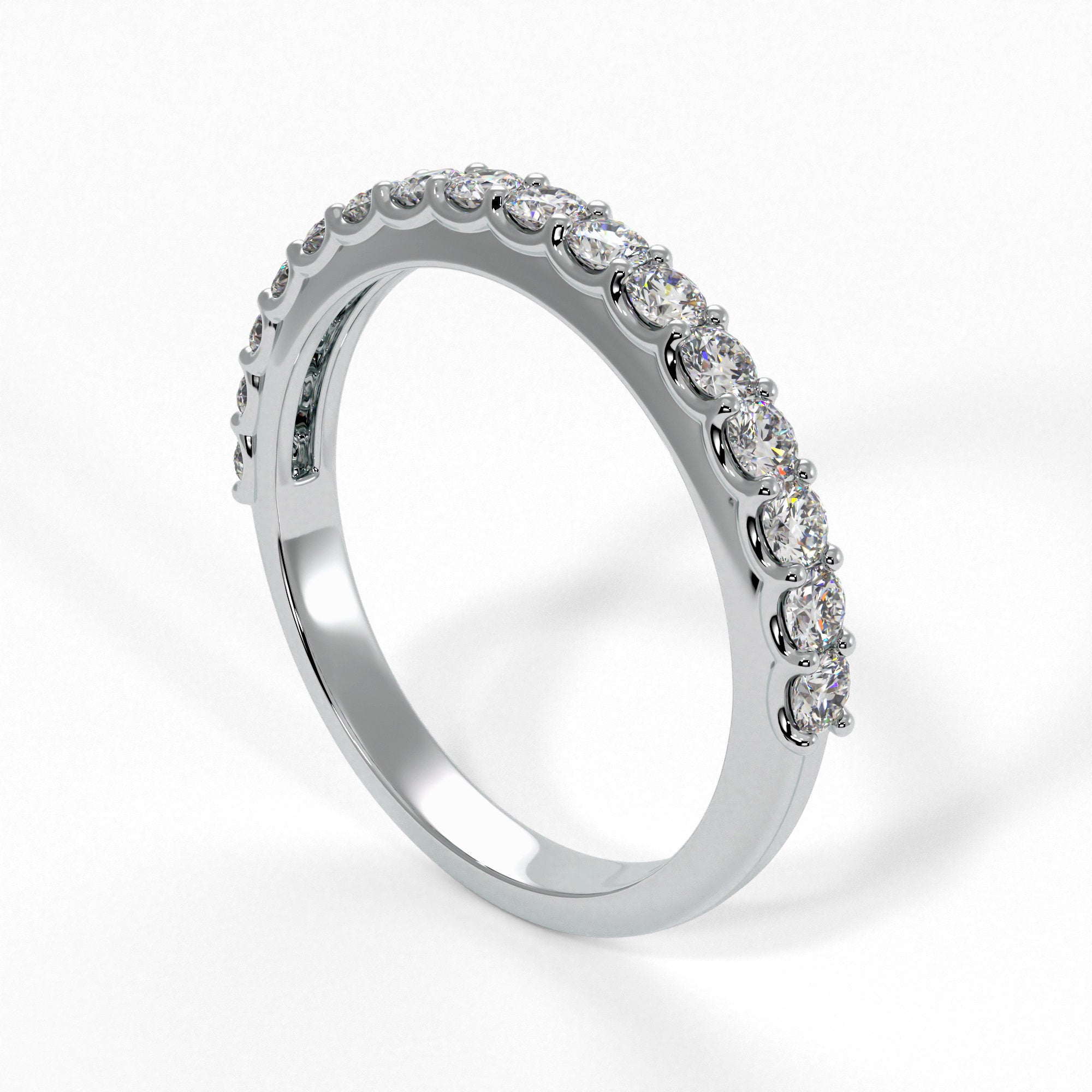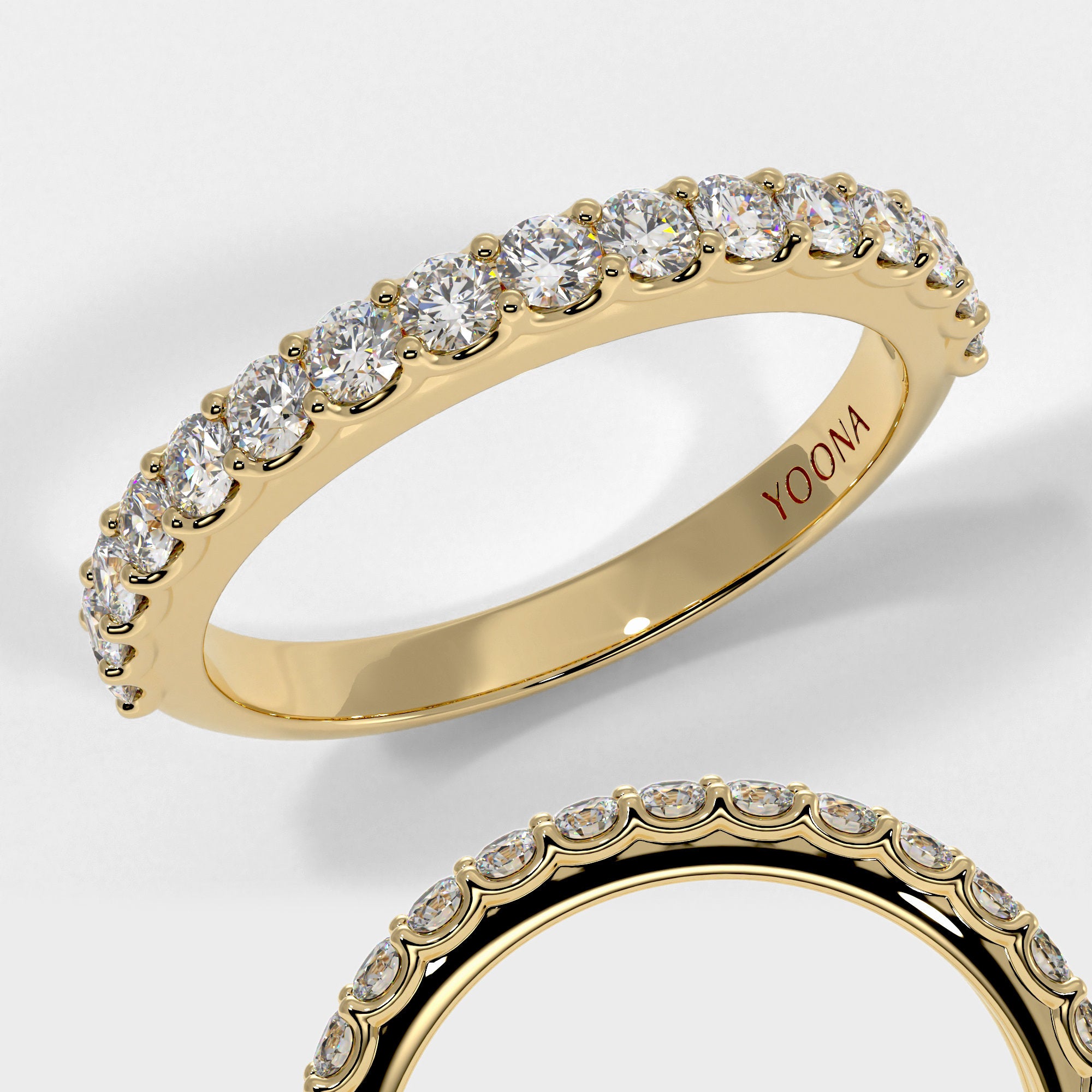

Reviewed by Yoona's in-house jewelry experts
Short answer: yes, completely. A lab-grown diamond is a real diamond. Same carbon, same crystal structure, same fire and brilliance as one pulled from the earth. The only difference is where it was made. This guide covers how that's possible, how lab diamonds are graded, what actually separates them from mined stones, and the myths worth putting to rest before you buy.
Are Lab-Grown Diamonds Real Diamonds?
Quick answer: Yes. Lab-grown diamonds are chemically, physically, and optically identical to mined diamonds, pure carbon, arranged in the same crystal lattice. The FTC has classified lab-grown stones as genuine diamonds since 2018. The only difference is origin, not composition.
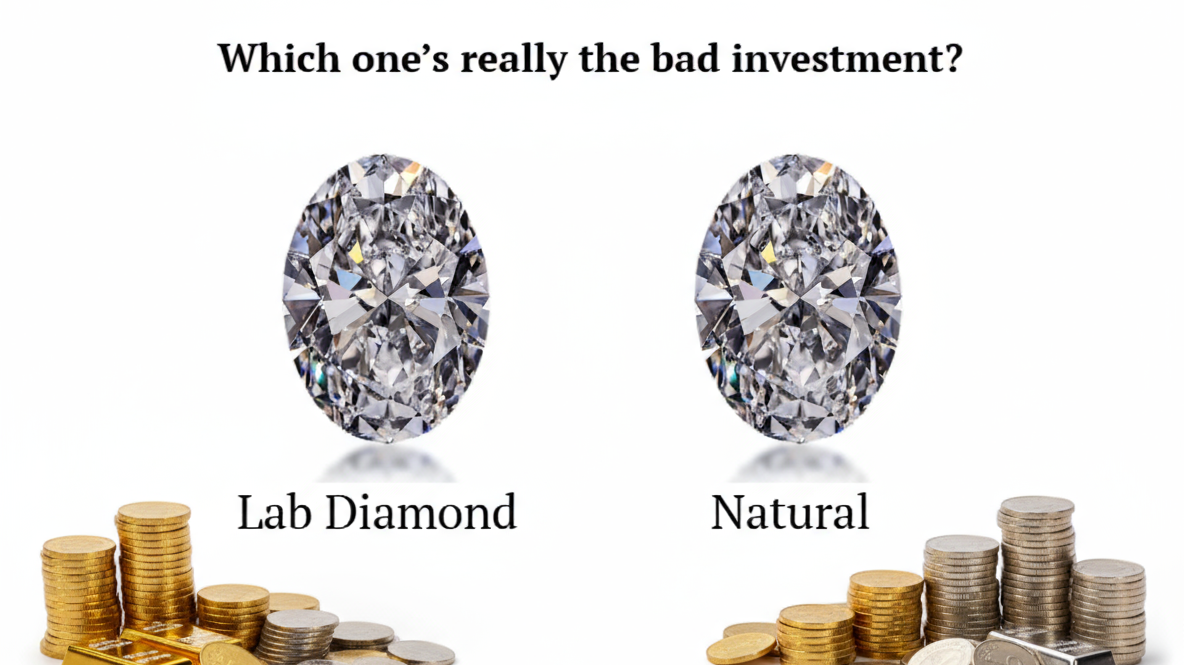
Here's the distinction that actually matters: "lab-grown" is not the same category as "fake." A diamond simulant, cubic zirconia for example, is a different mineral entirely, built to look like a diamond without sharing its properties. A lab-grown diamond isn't imitating anything. It's carbon, crystallized under heat and pressure, exactly like a mined diamond, just grown in a controlled facility instead of underground over a billion years.
A simple way to think about it: ice that forms in a glacier and ice that forms in your freezer are both, unambiguously, ice. Same molecule, same structure, different environment. Lab-grown diamonds work the same way.
Even trained gemologists can't tell a lab-grown diamond from a mined one by eye, or even under standard magnification. The distinction only shows up on specialized equipment designed specifically to detect growth-pattern traces, which is exactly why certification matters more than origin-spotting.
How Are Lab-Grown Diamonds Made?
Quick answer: Two methods exist, HPHT (High Pressure, High Temperature) and CVD (Chemical Vapor Deposition). Both start with a small diamond seed and build a full crystal around it. Neither method is "better," the finished diamonds are graded and valued the same way regardless of which process created them.
HPHT recreates the extreme heat and pressure diamonds form under naturally. CVD grows a diamond layer by layer from carbon-rich gas in a sealed chamber. Both take weeks instead of a billion years, and both produce a diamond that's chemically identical to a mined one.
For the full breakdown of both processes, what they look like inside the chamber, and whether one produces a better stone, see HPHT vs. CVD: How Lab Diamonds Are Made.
Lab-Grown vs. Mined: What's Actually Different
Quick answer: Composition, nothing. Origin, price, and traceability, everything. Lab-grown diamonds typically cost 60 to 85 percent less than a mined diamond of equivalent quality, because the difference is in how the diamond reached the market, not what it's made of.
This is the part most buyers actually want to know, so here it is plainly:
- Chemistry and appearance: Identical. Same hardness (10 on the Mohs scale), same sparkle, same durability for everyday wear.
- Price: A lab-grown diamond typically costs a fraction of a mined diamond at the same size and quality, which is why lab-grown buyers can often afford meaningfully better color, clarity, or carat weight for the same budget.
- Origin and traceability: A lab-grown diamond's origin is fully known and documented from the moment it's grown. A mined diamond's supply chain, even a certified conflict-free one, involves far more intermediaries.
- Rarity, as a value driver: Mined diamond pricing partly reflects scarcity and controlled global supply. Lab-grown pricing reflects production cost, which continues to fall as the technology matures.
Neither is more real than the other by any chemical or optical measure. The decision comes down to what you're actually paying for, scarcity and mining history, or transparency and value.
How Are Lab-Grown Diamonds Graded?
Quick answer: The exact same 4Cs used for mined diamonds, cut, color, clarity, and carat. IGI is the standard certification lab for lab-grown diamonds today. A lab-grown diamond's certificate reads the same way a mined diamond's does, with one added line noting its growth method.
This is worth stating clearly because it's a common point of confusion: there is no separate, looser grading scale for lab-grown stones. The same criteria that determine a mined diamond's beauty and value apply here, cut quality still controls sparkle more than any other factor, clarity still measures the same inclusions, color still runs the same D-to-Z scale.
The one addition on a lab-grown grading report is a note identifying the diamond as laboratory-grown and which method, HPHT or CVD, produced it. Everything else on the report is the same format, same standards, same independent verification you'd see on a mined stone's paperwork.
For the full breakdown of what each of the 4Cs means and how to weigh them against each other, see The 4Cs of Diamonds, Explained Properly.
Common Myths, Debunked
Quick answer: Lab-grown diamonds are not "fake," don't have inherently worse resale value than mined diamonds at comparable price points, and aren't going anywhere as a category, they're a settled, FTC-recognized class of real diamond with a fast-growing share of the engagement ring market.
The short version of the three most common objections:
- "They're fake." They're not, they're real diamonds by every chemical and optical measure.
- "They won't hold value." Neither do mined diamonds at retail markup, resale isn't a lab-grown-specific problem.
- "They're lower quality." Quality comes from the 4Cs, not the growth method.
For the full case-by-case breakdown of every myth we hear regularly, see Top Myths About Lab Diamonds (Debunked). For a deeper look specifically at resale and long-term value, see Do Lab-Grown Diamonds Hold Value?
Frequently Asked Questions
Is a lab-grown diamond a "real" diamond legally?
Yes. The U.S. Federal Trade Commission updated its diamond definition in 2018 to include lab-grown stones as genuine diamonds, removing "natural" as a required term.
Will insurance and appraisers treat a lab-grown diamond differently?
No, a certified lab-grown diamond is appraised and insured the same way a mined diamond is, using its certificate and current market value. The certificate is what matters to an insurer, not the growth method.
Do lab-grown diamonds sparkle the same as mined diamonds?
Yes. Sparkle is a function of cut quality and light performance, both of which are identical in lab-grown and mined diamonds of the same grade.
Are all lab-grown diamonds the same quality?
No, just like mined diamonds, quality varies widely based on the 4Cs. This is why certification and a curated selection process matter more than the "lab-grown" label alone.
How Yoona Verifies Every Diamond
Quick answer: Every Yoona center stone is IGI certified and laser-inscribed with a unique serial number matching its grading report, so authenticity is independently verifiable, not just asserted.
Certification alone tells you the diamond was graded by a third party. The laser inscription goes a step further: it's a microscopic serial number etched into the diamond's girdle, invisible to the naked eye but readable under magnification, that ties the physical stone directly to its grading report. If you ever need to confirm your diamond matches its paperwork, for insurance, appraisal, or resale, that inscription is how it's done.
Why This Matters for How Yoona Sources Diamonds
Once you understand that lab-grown diamonds are graded on the identical scale as mined ones, the real question becomes which grades are actually worth buying. That's the exact problem the Yoona Eternal Diamond™ standard was built to solve, every center stone is held to a fixed criteria of D–F color, VVS1–VS1 clarity, and Excellent to Very Good cut, representing the top 3% of gem-quality diamonds regardless of origin. You don't have to become a diamond expert to shop with us. We've already applied everything in this guide to every stone before it reaches you.