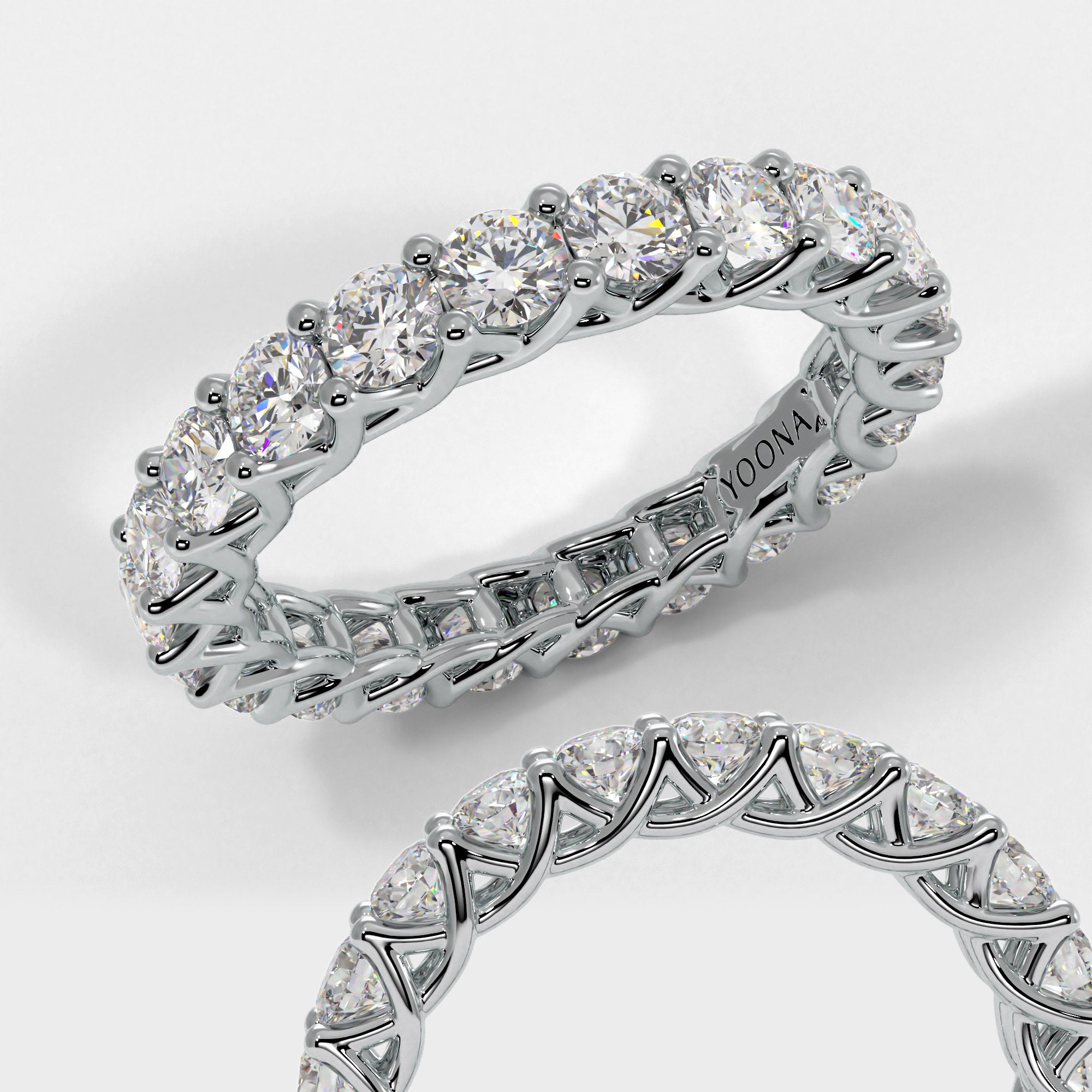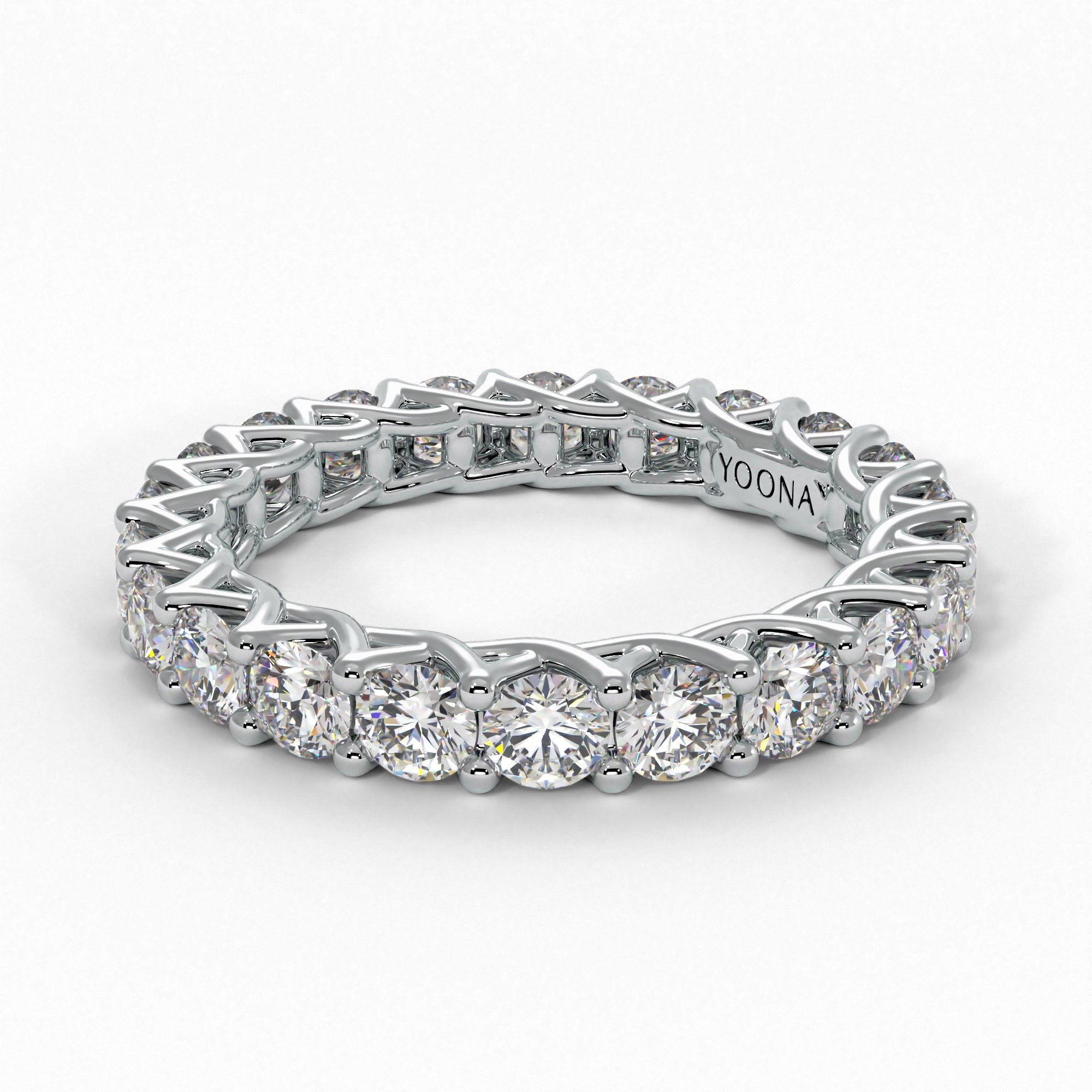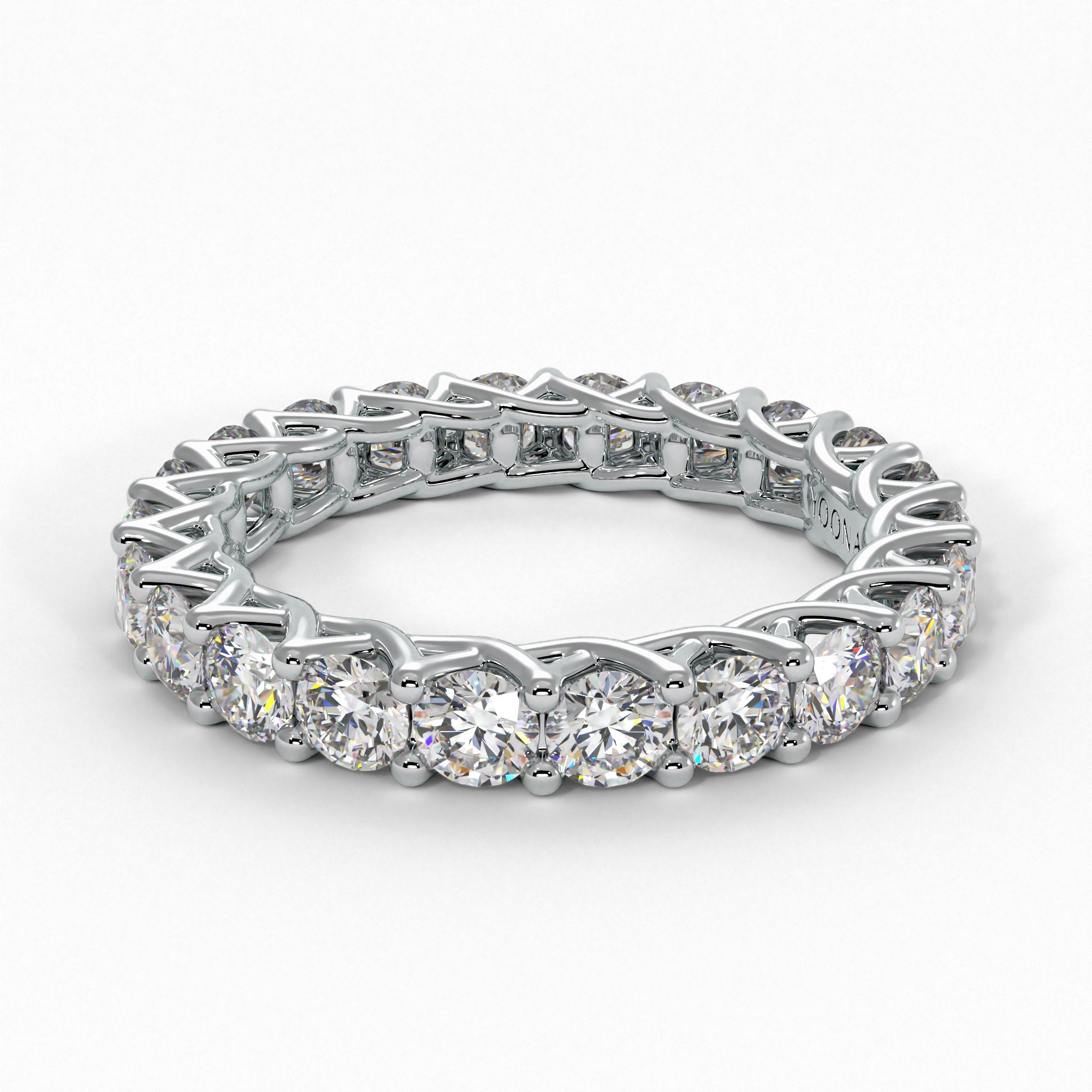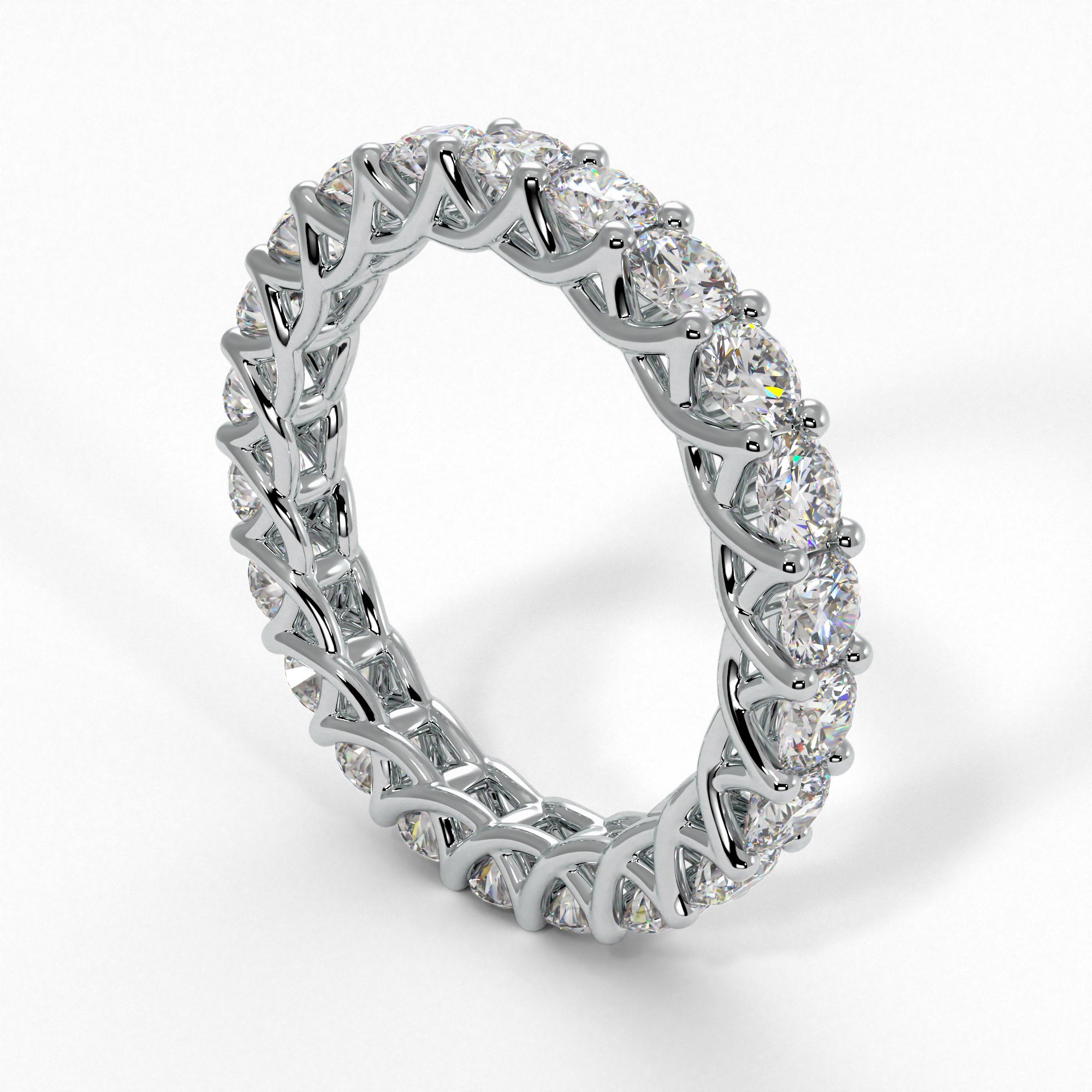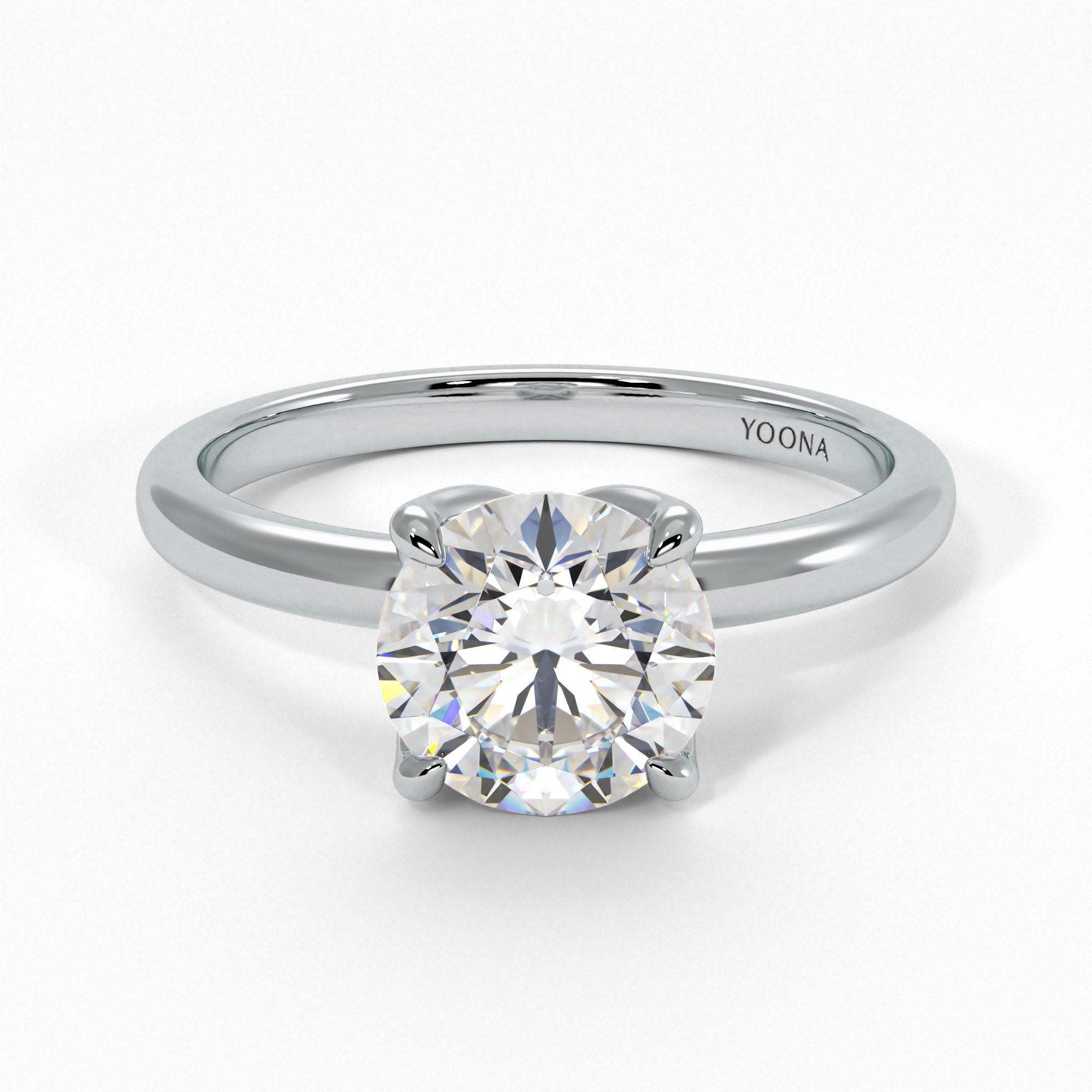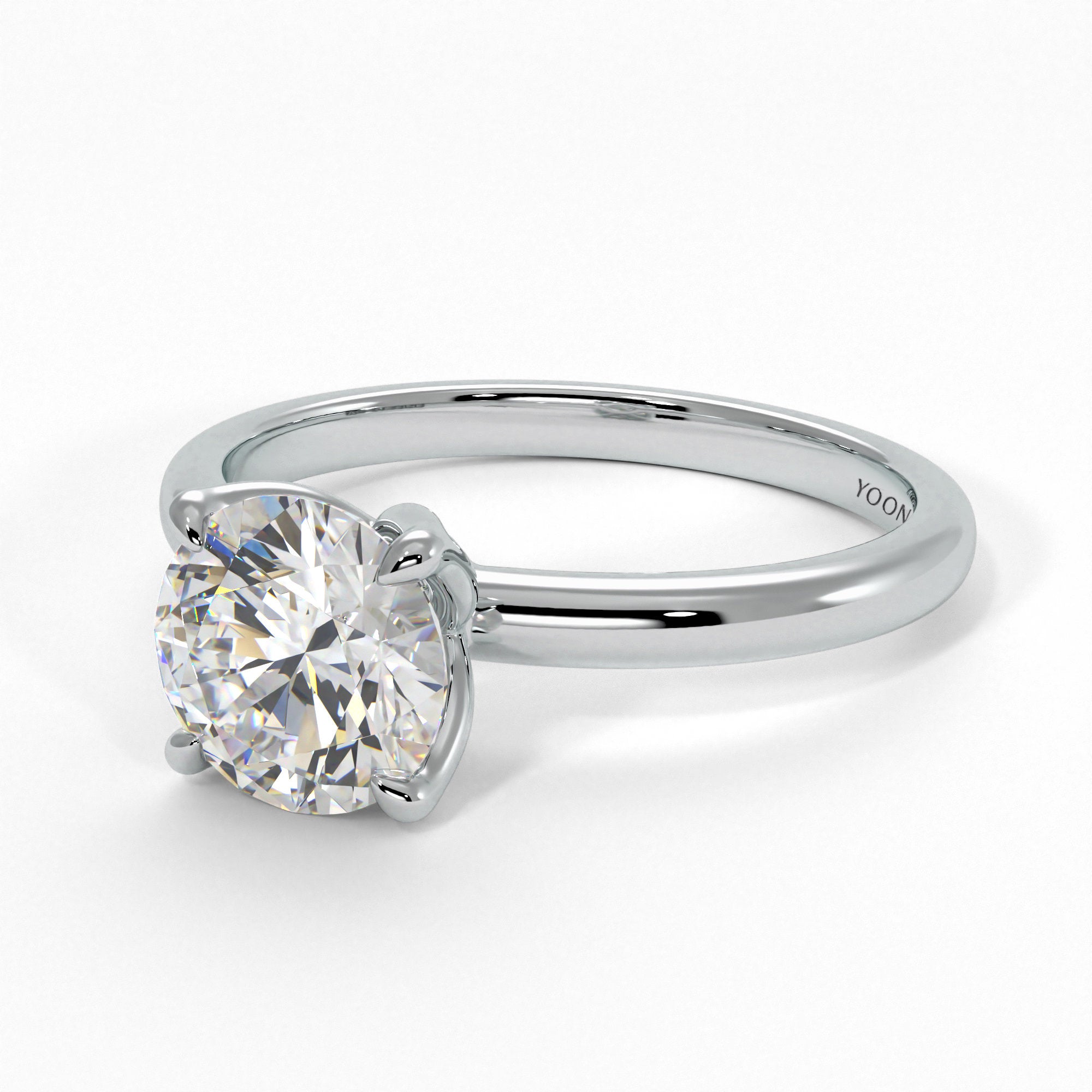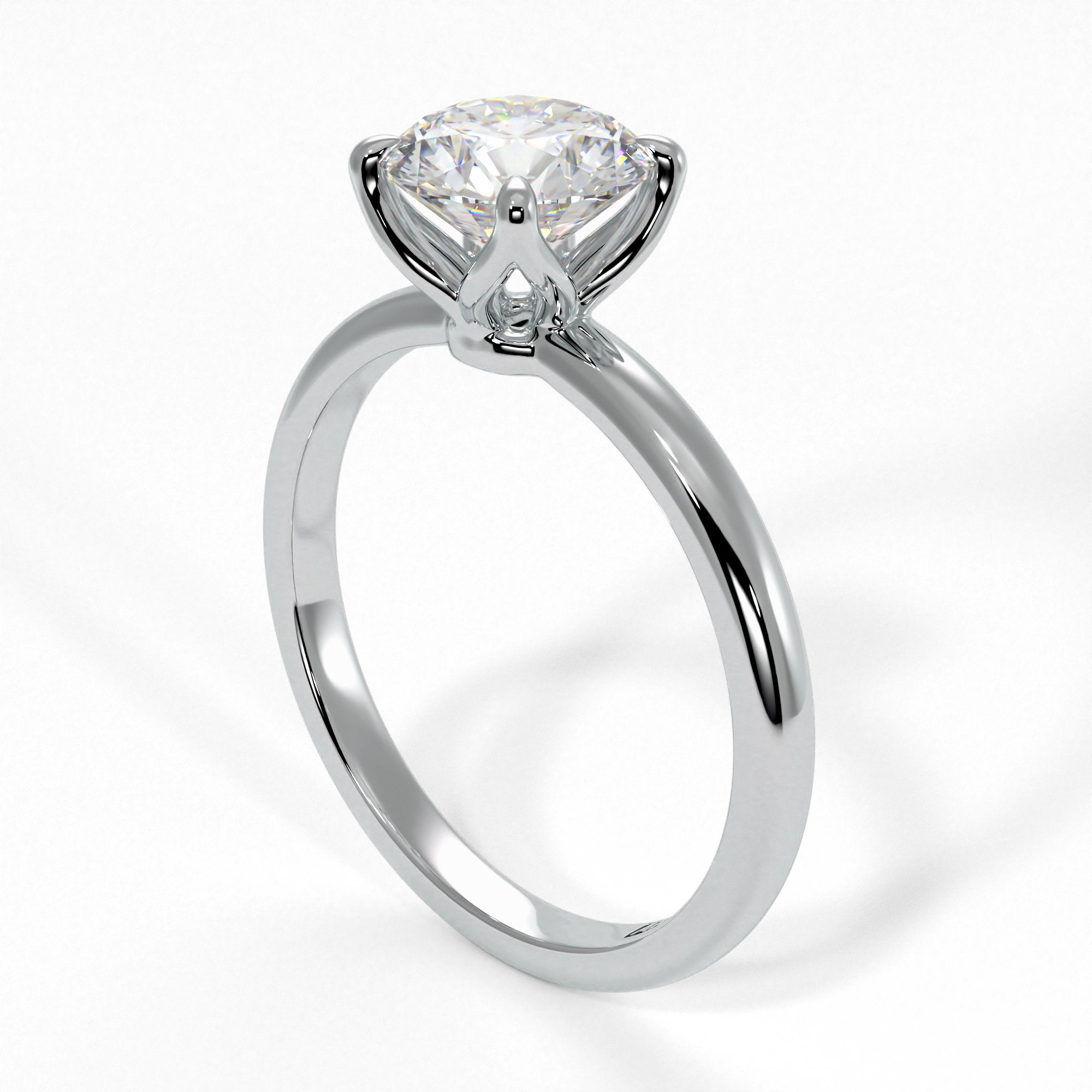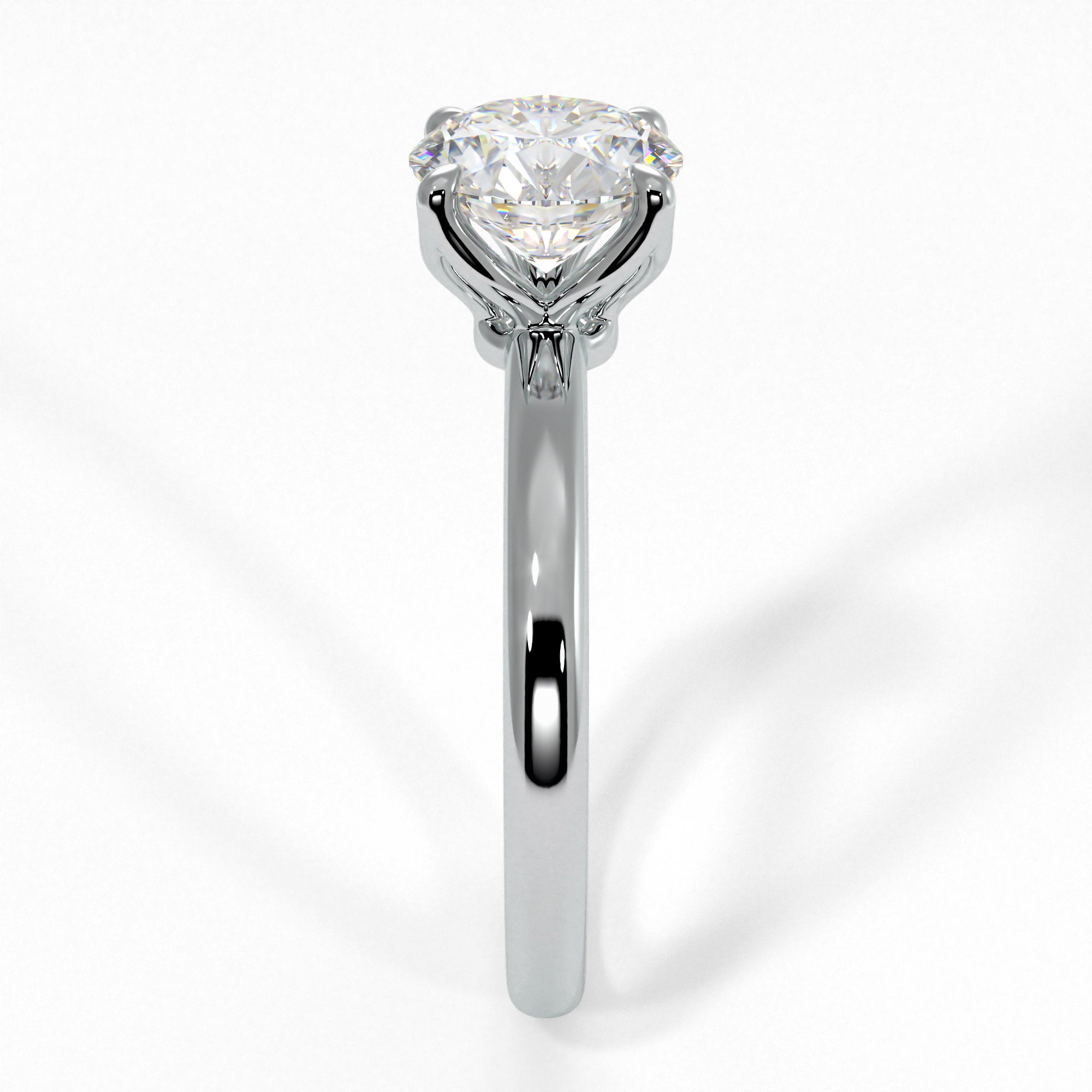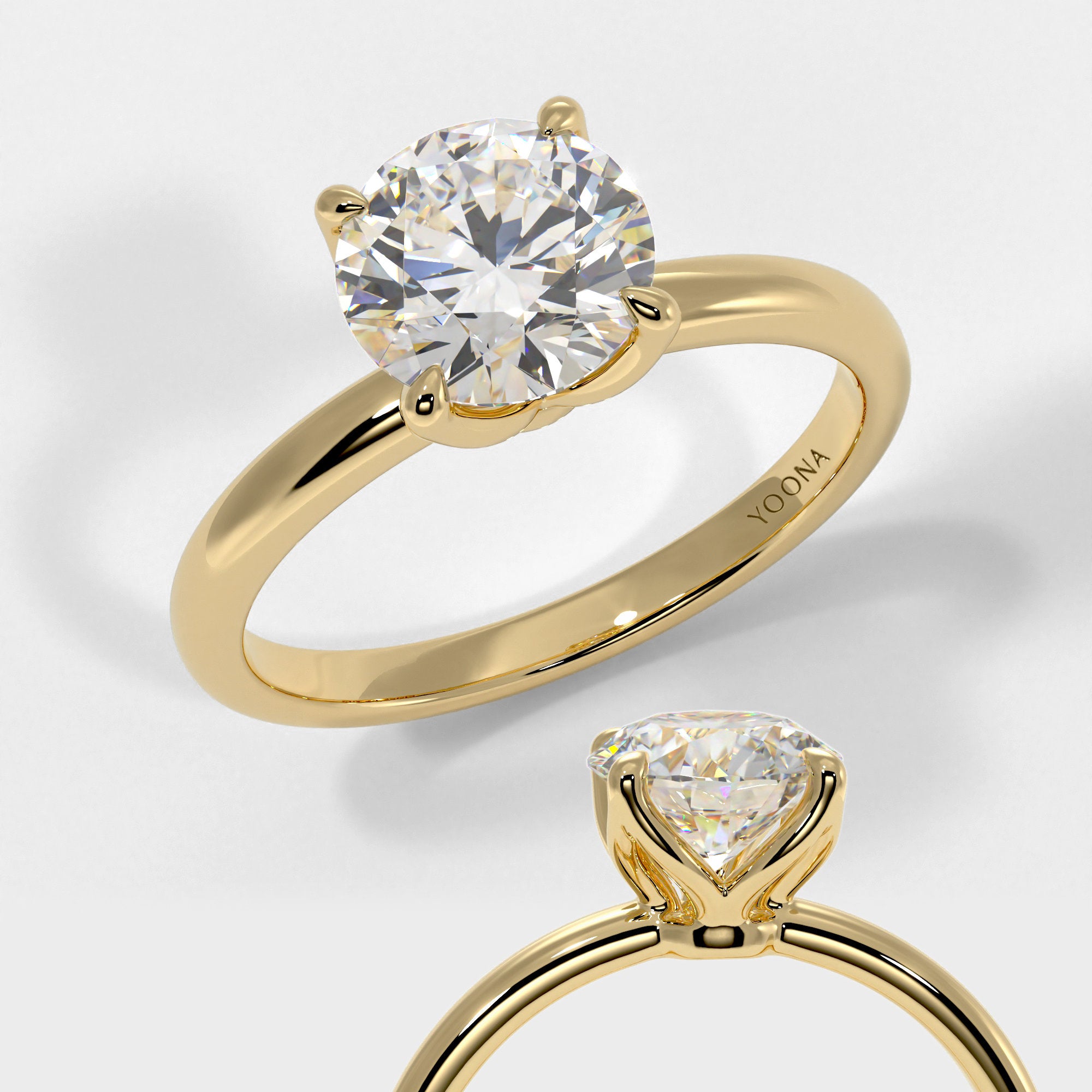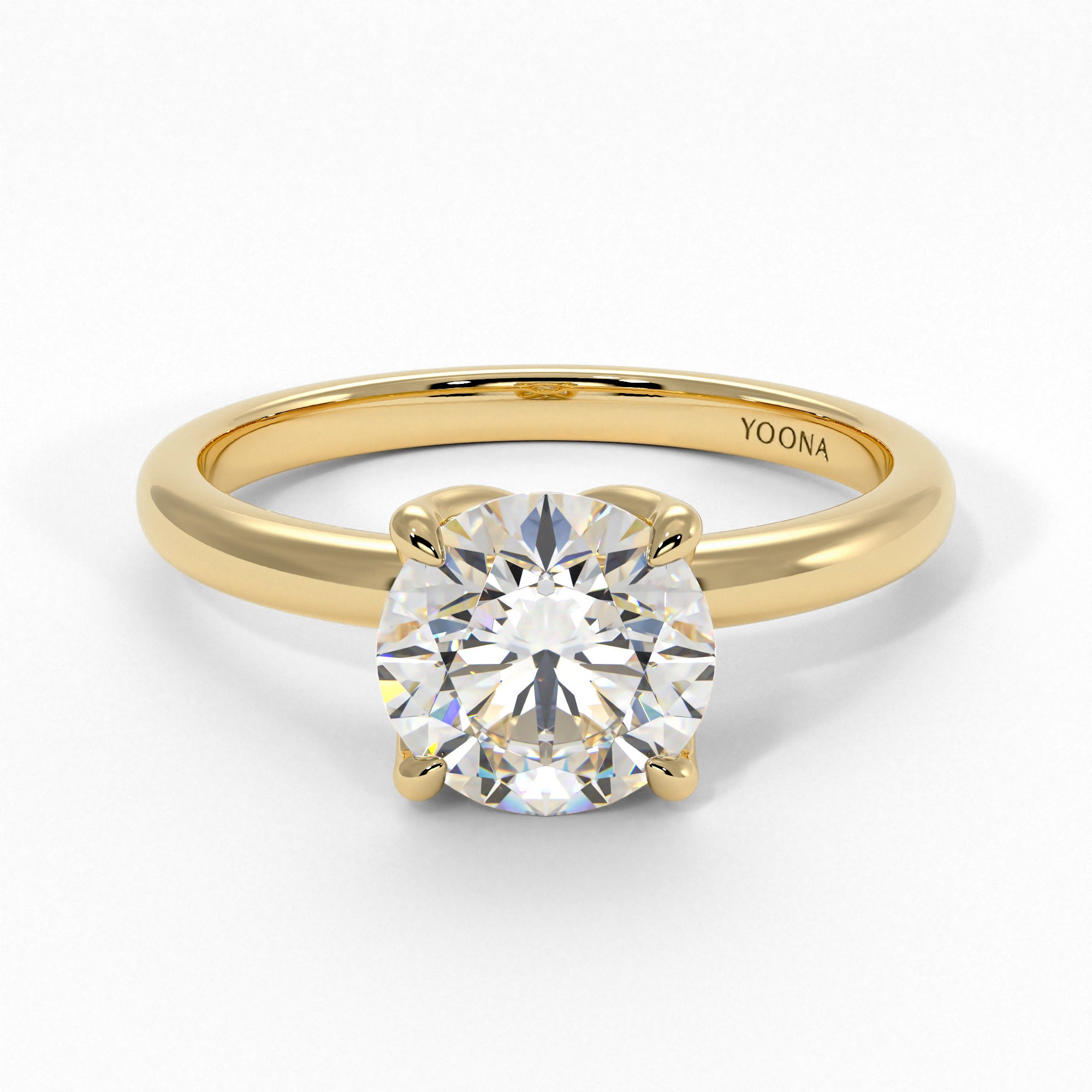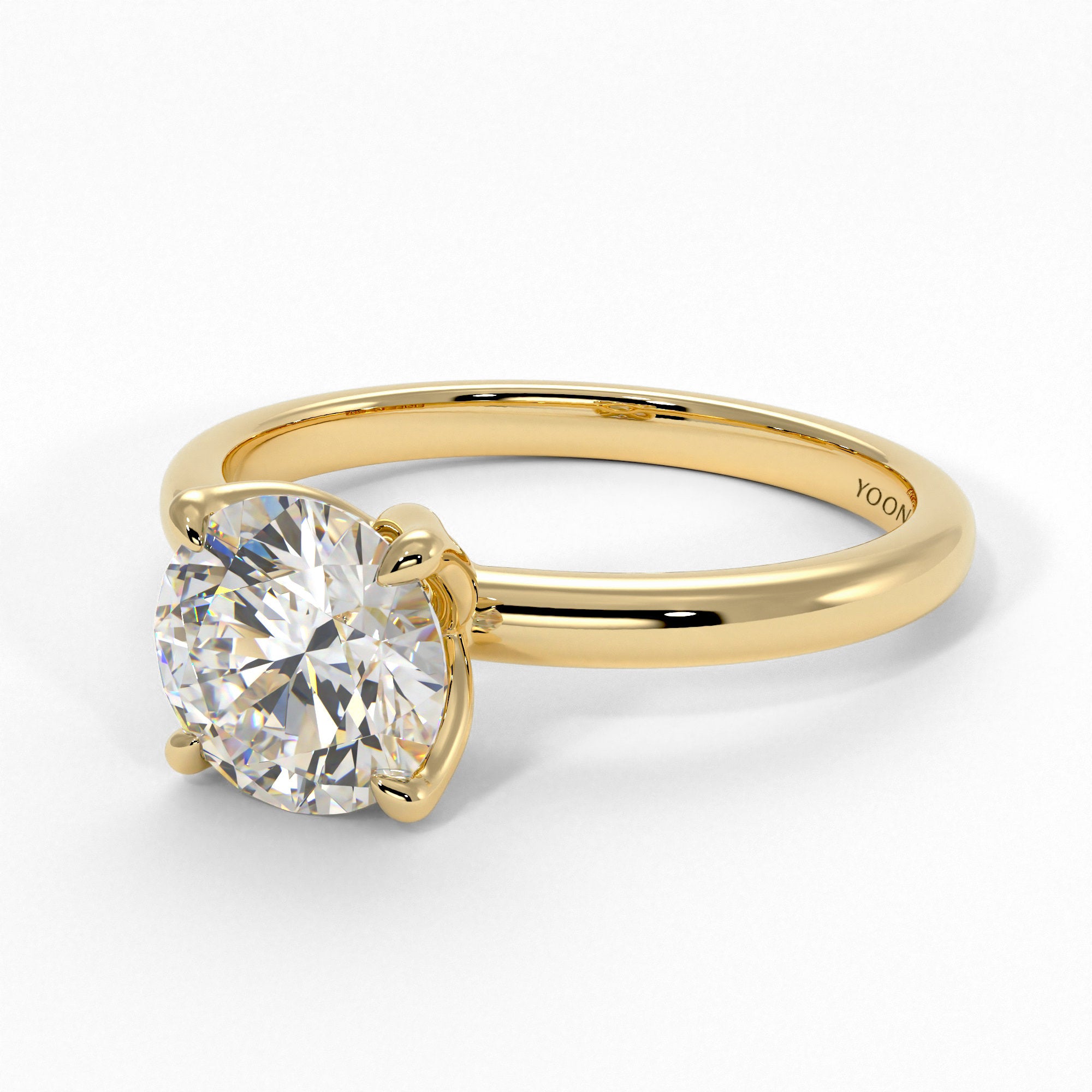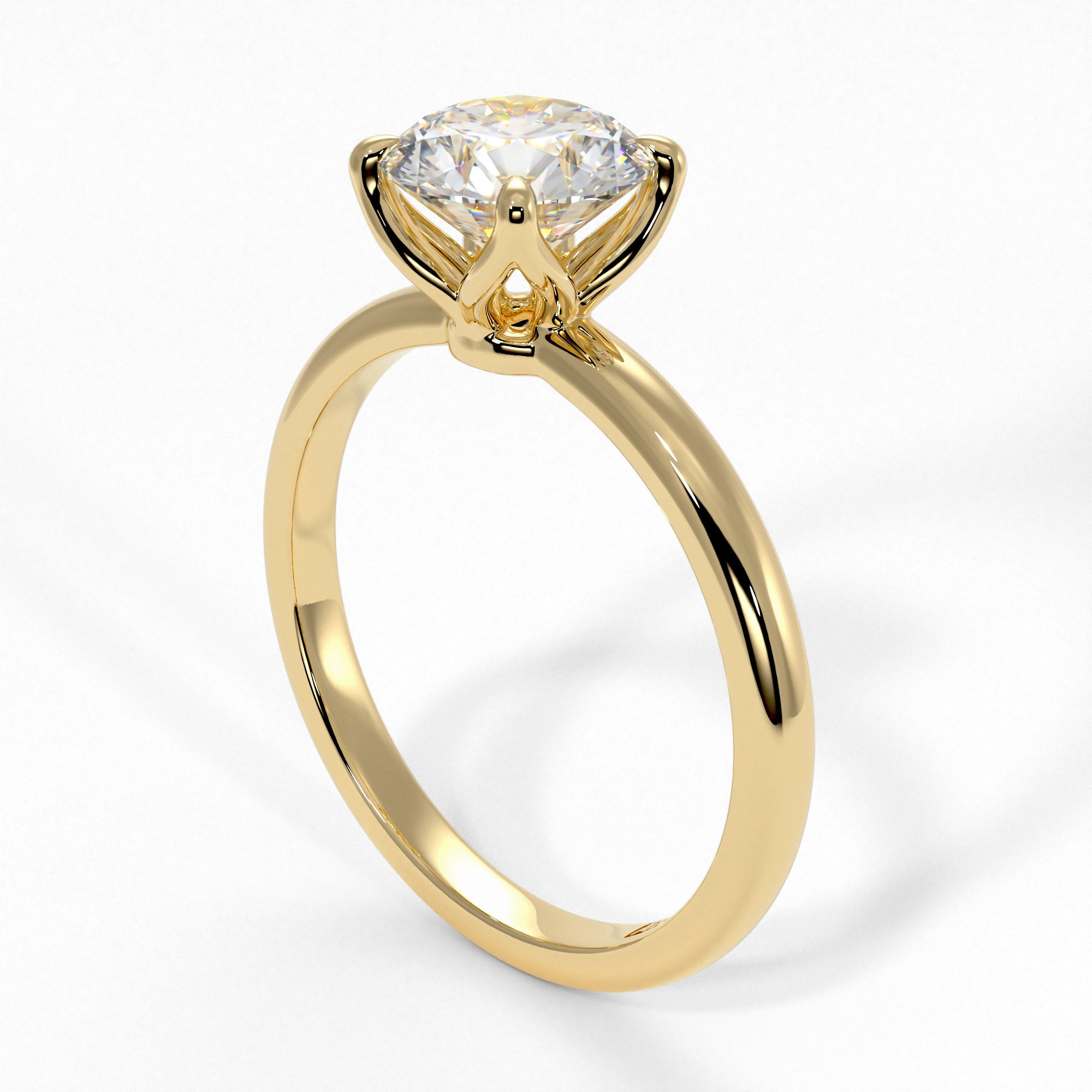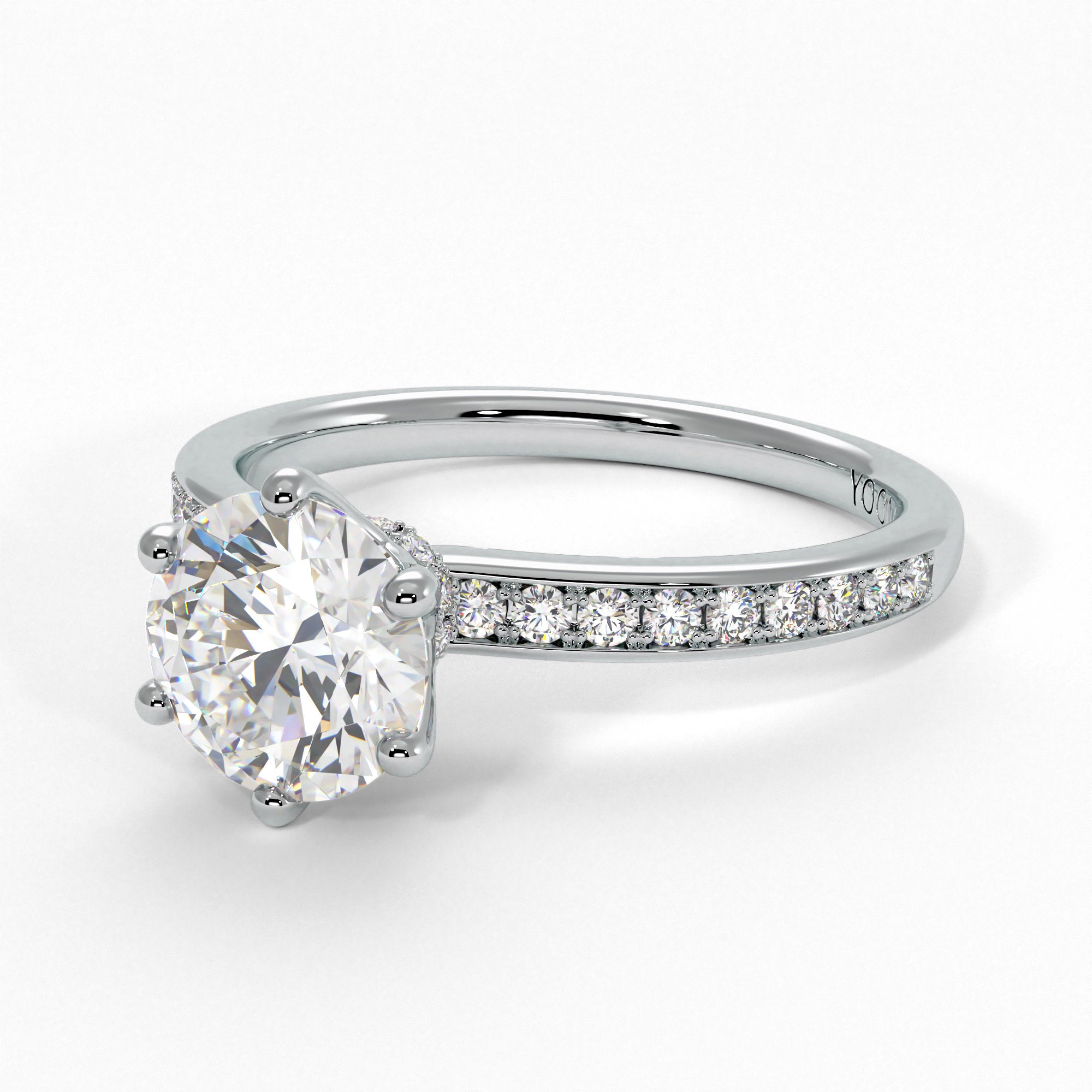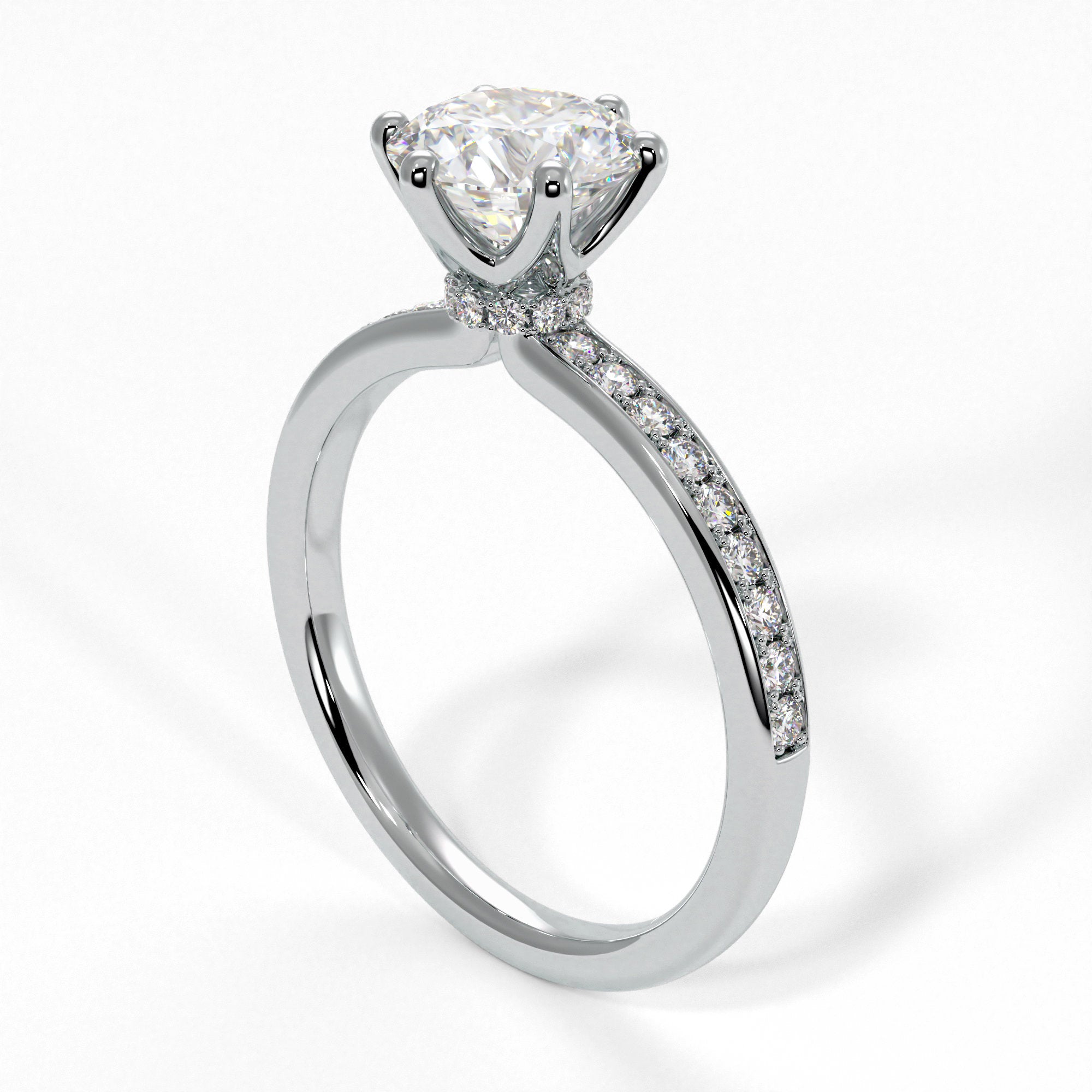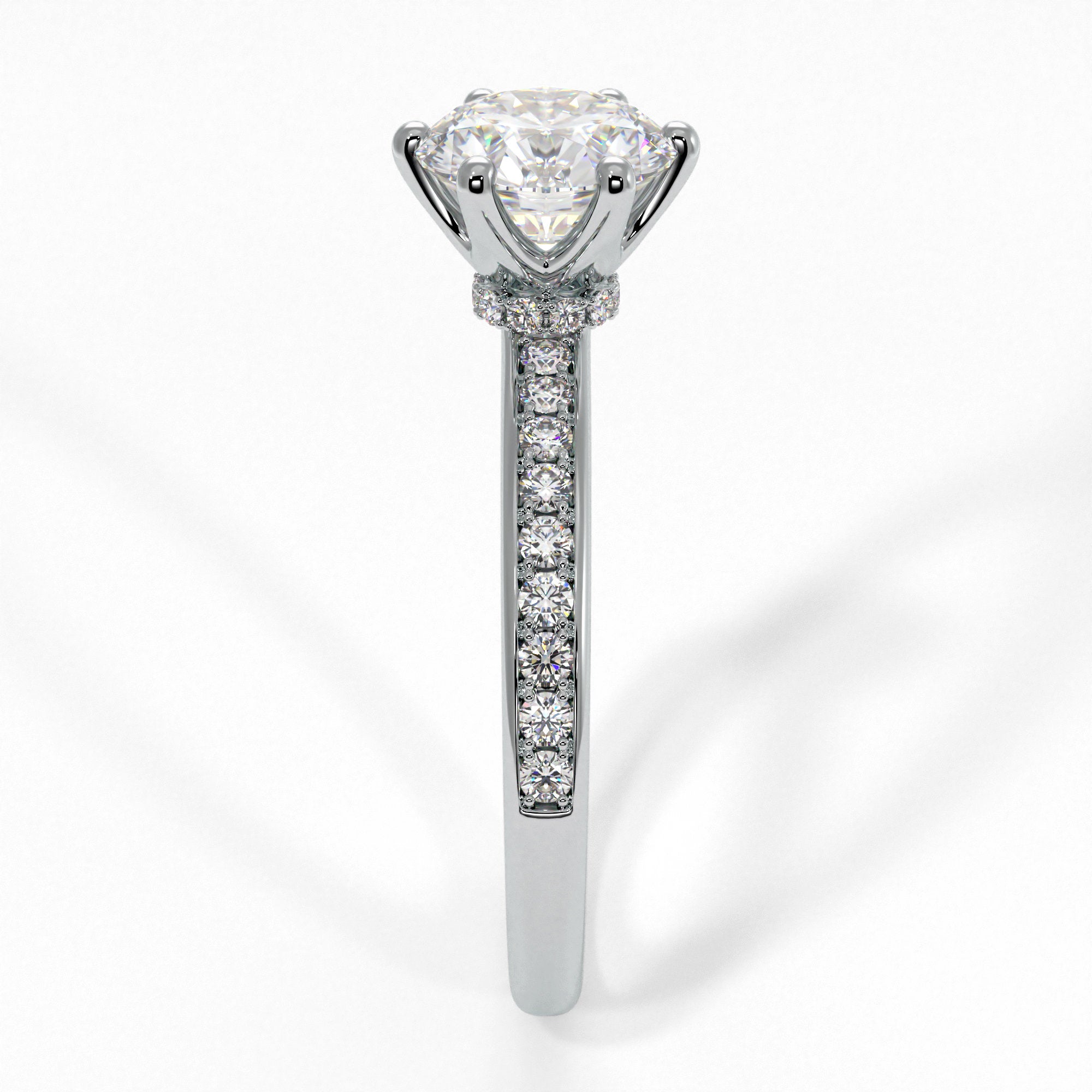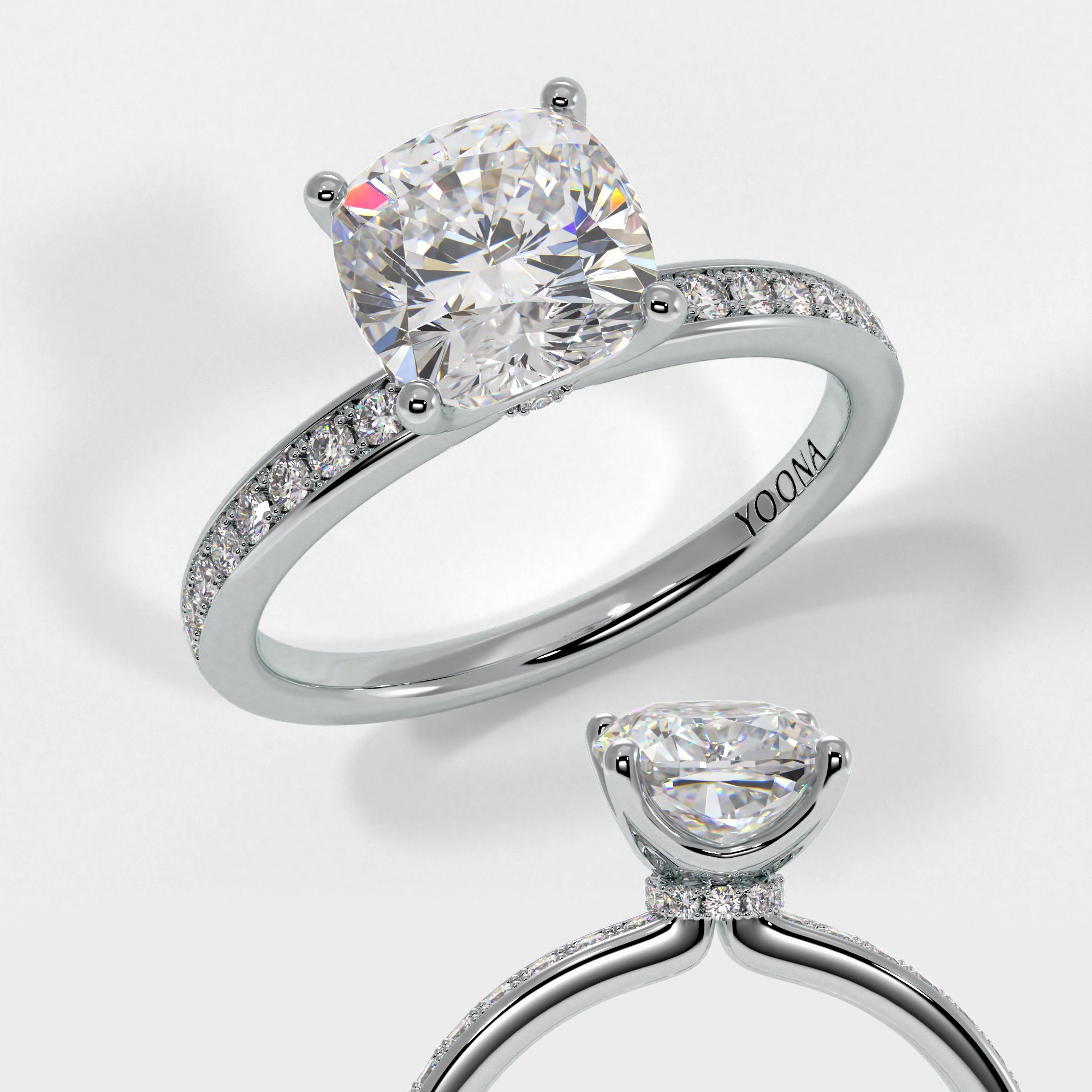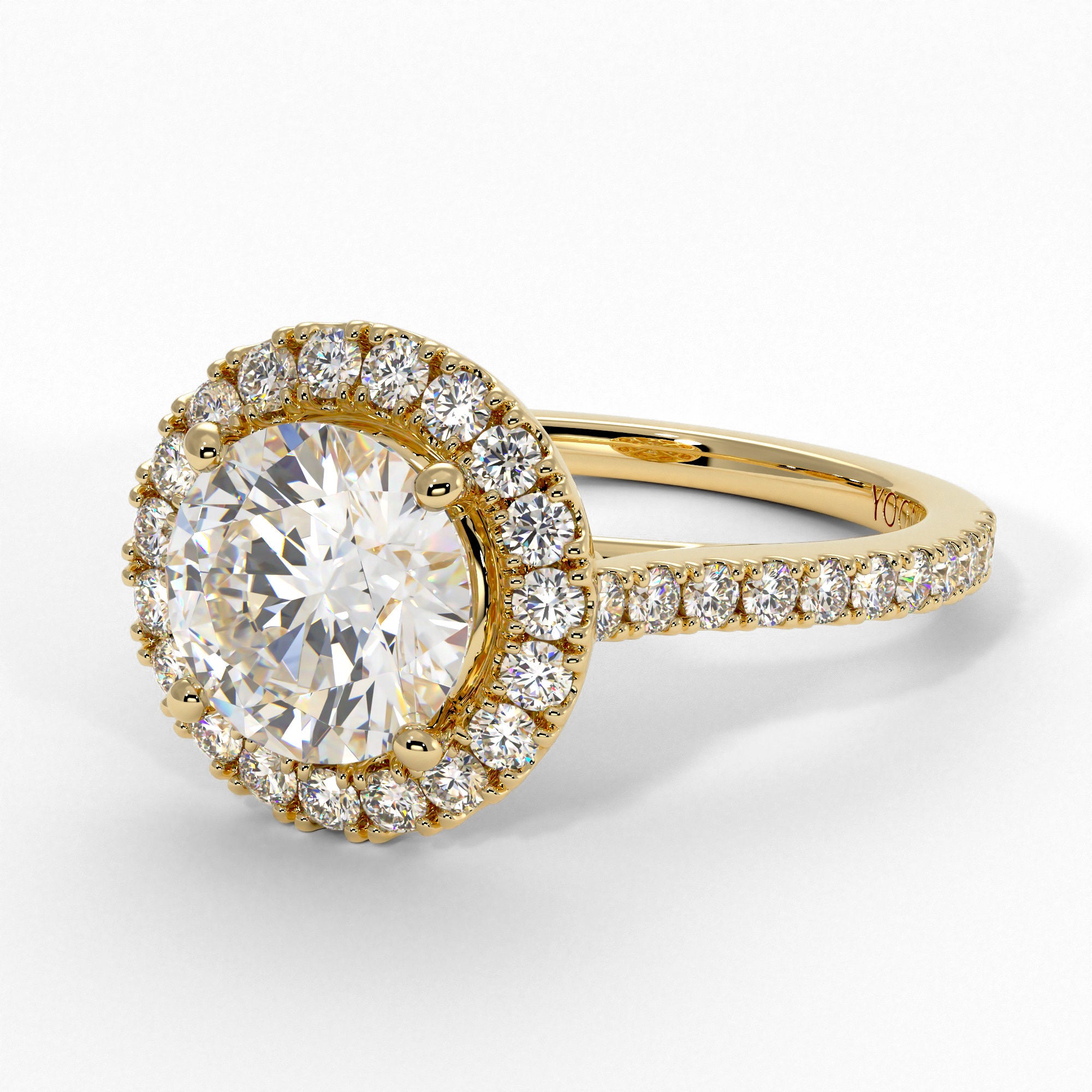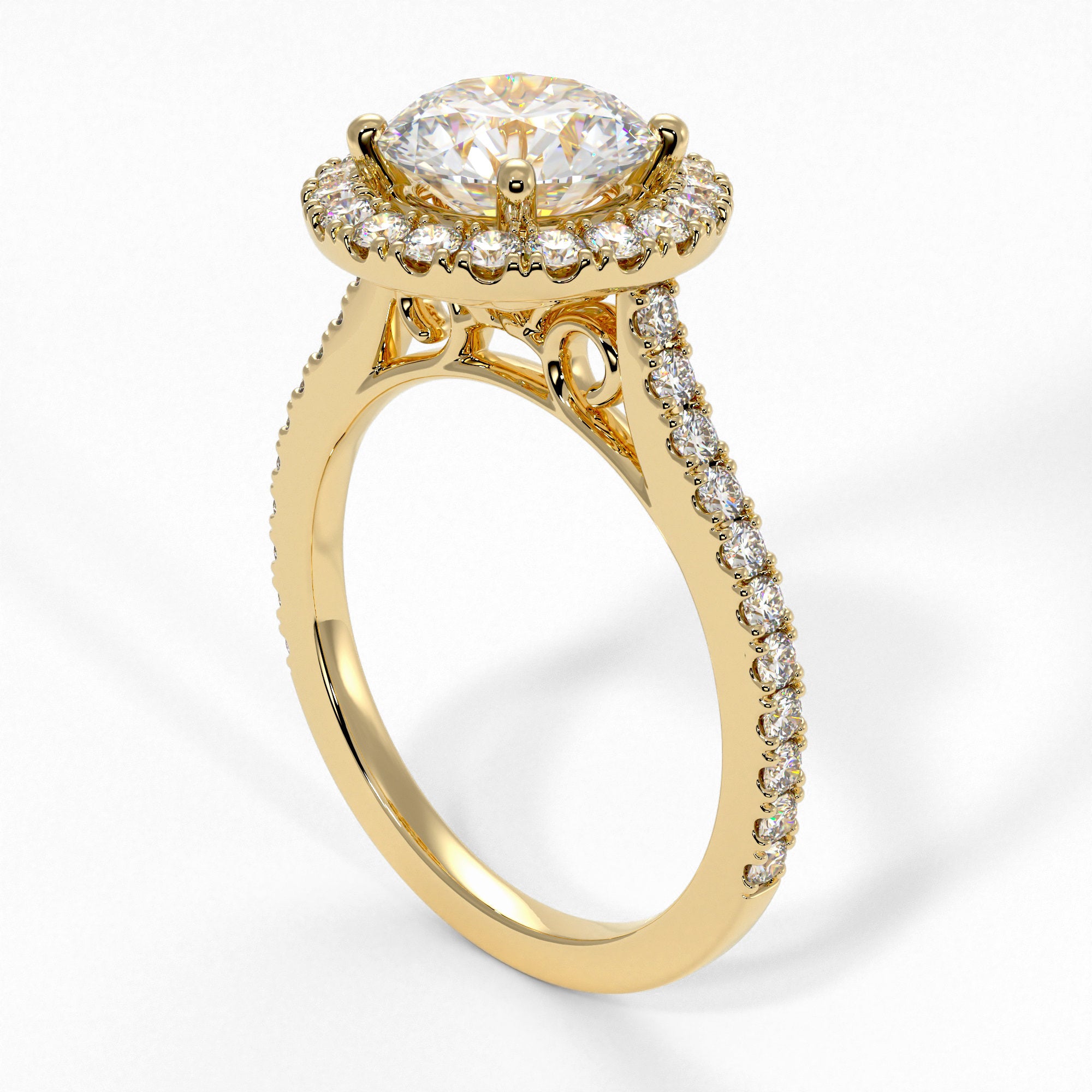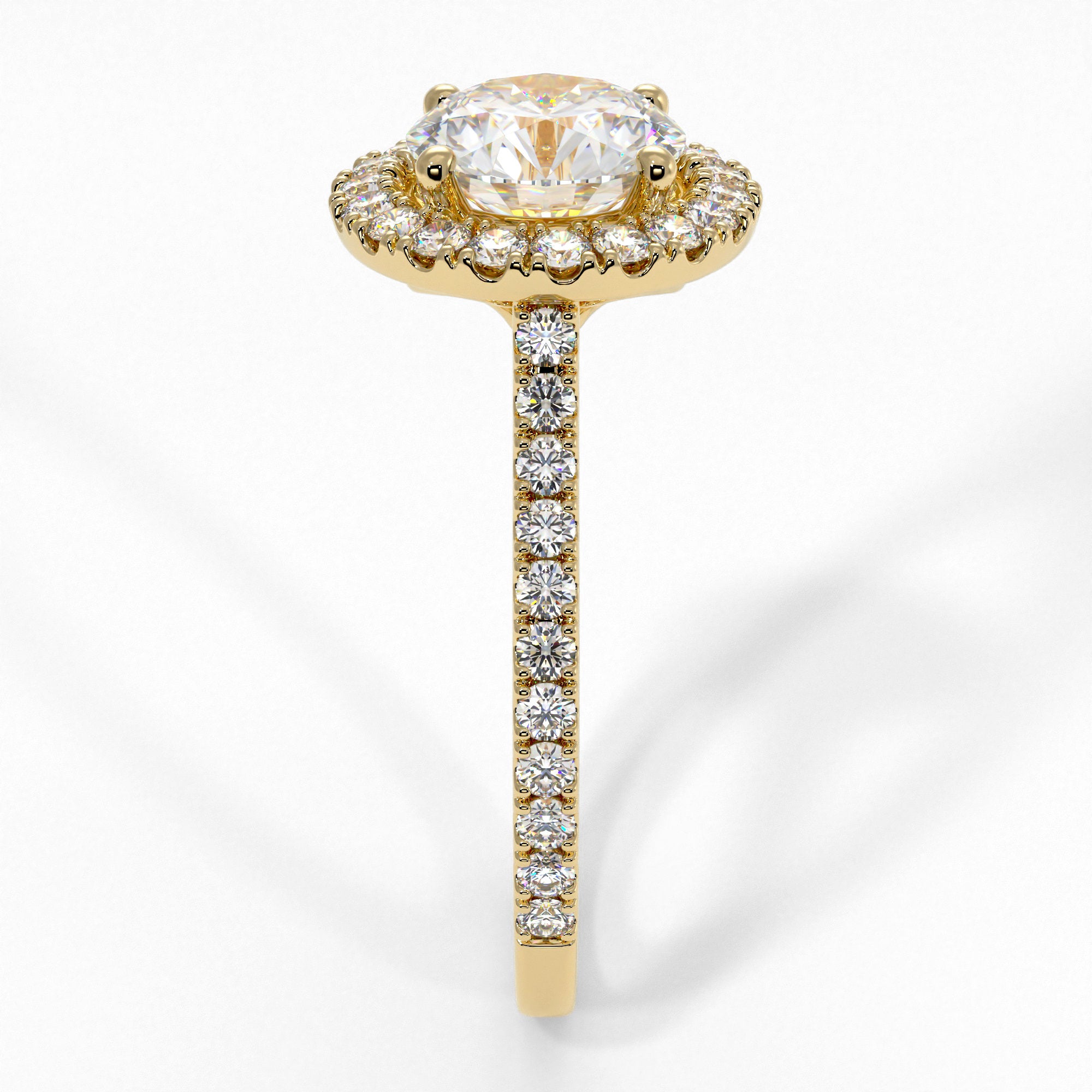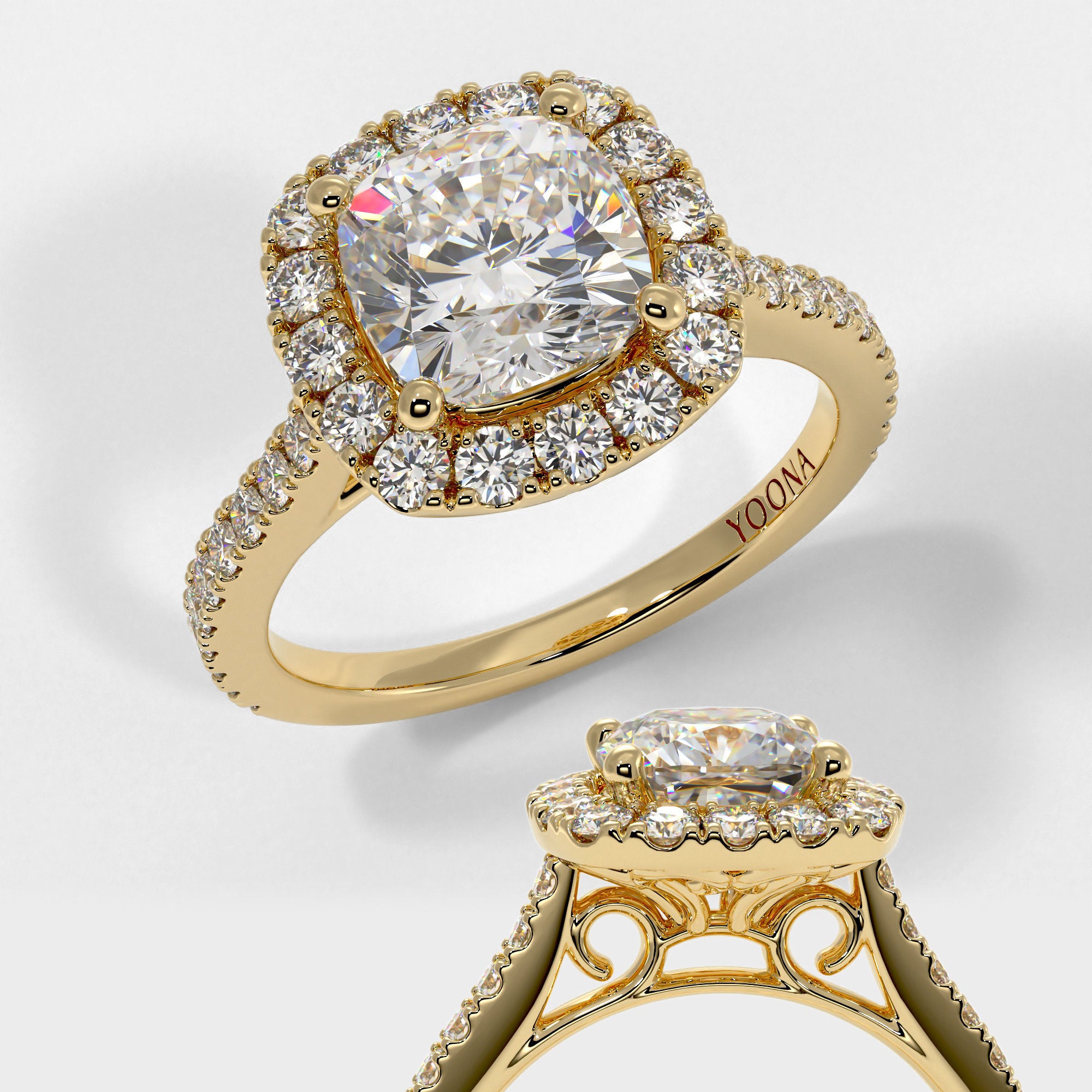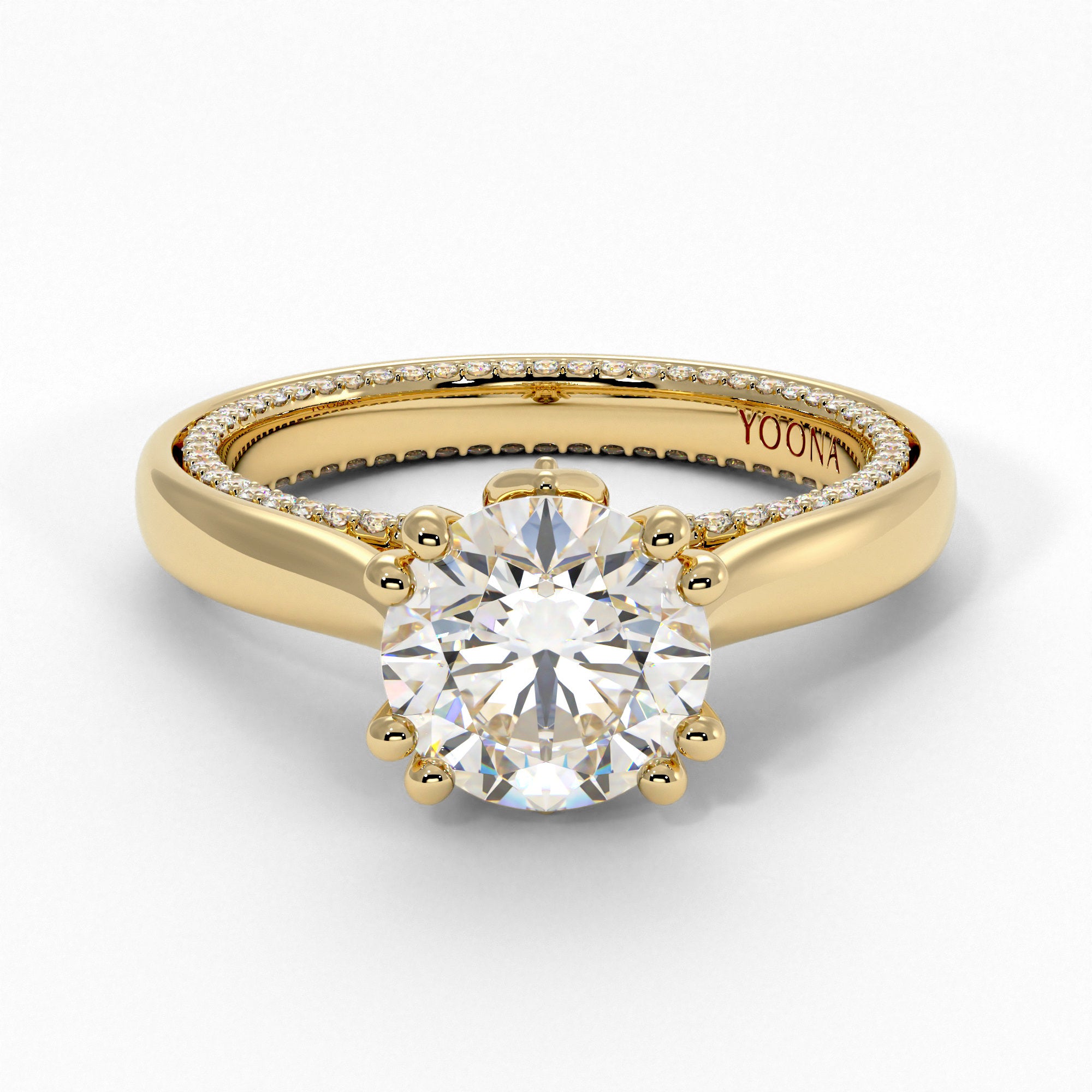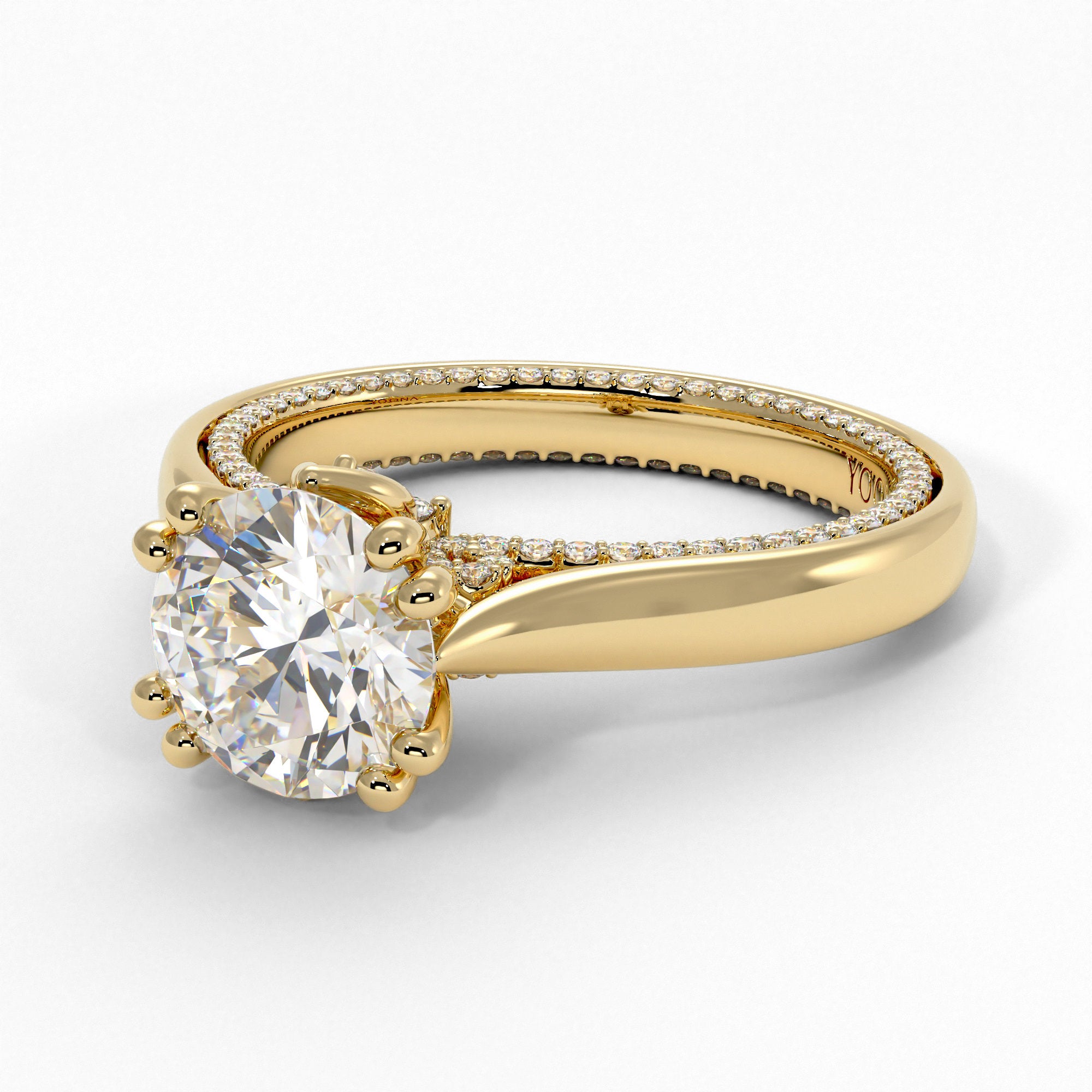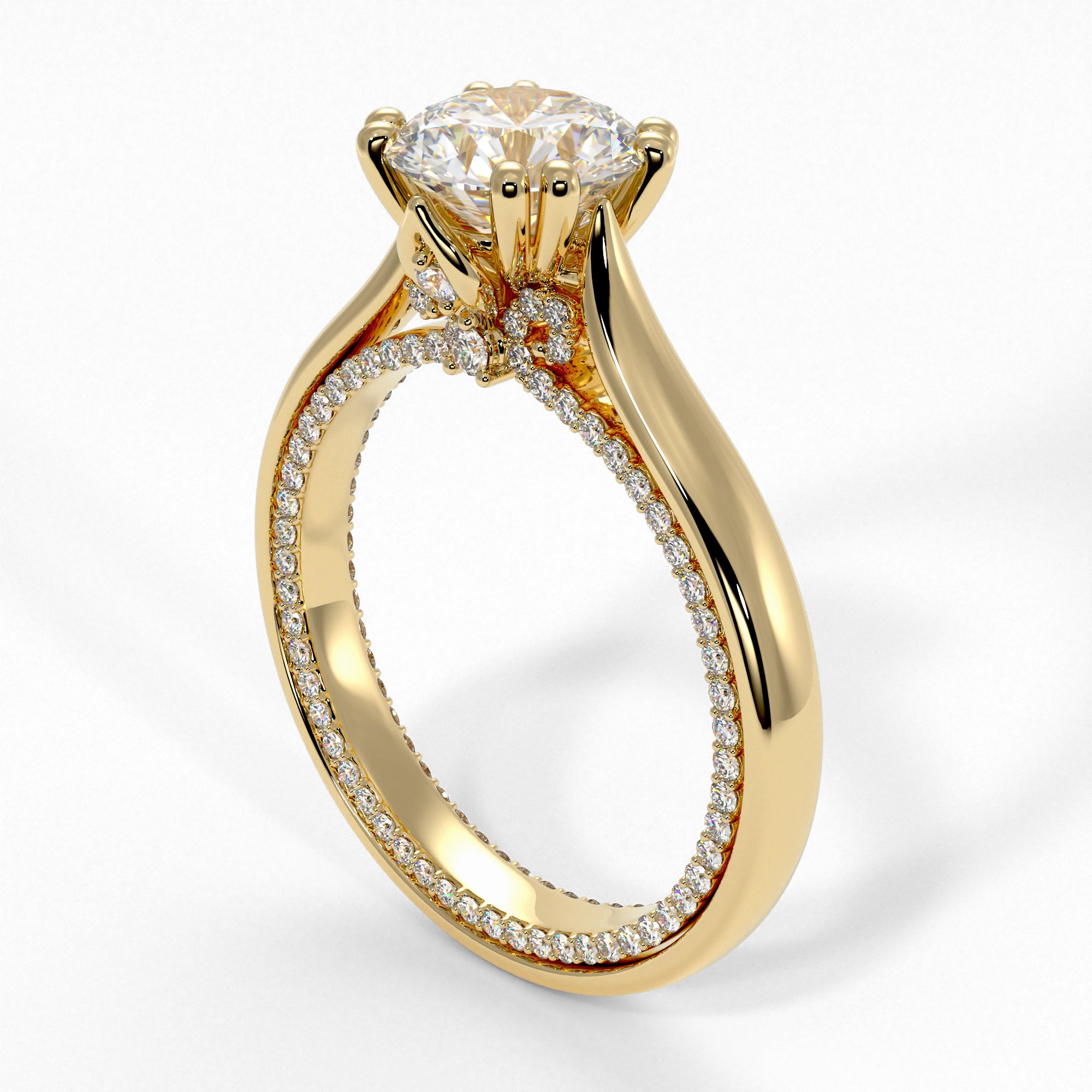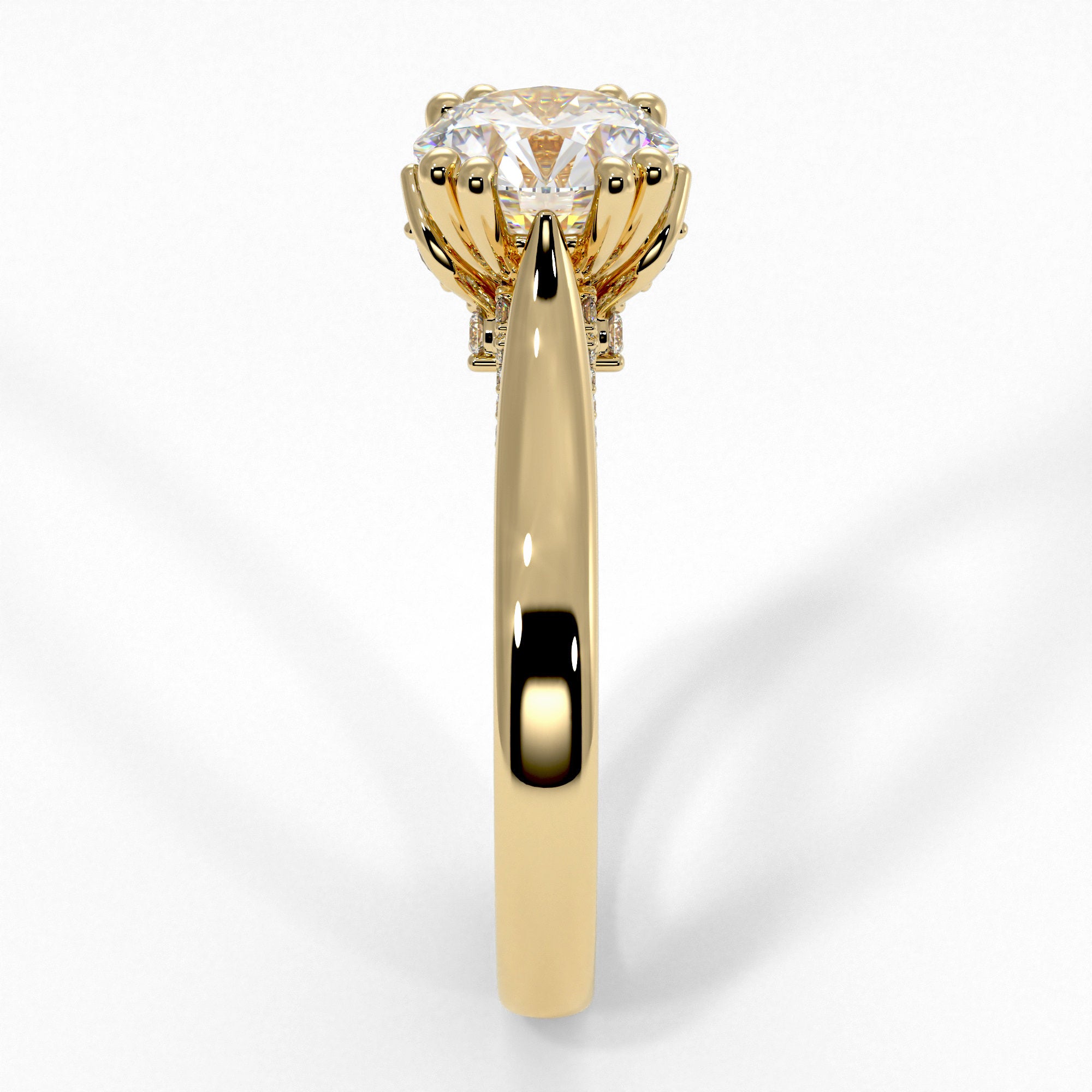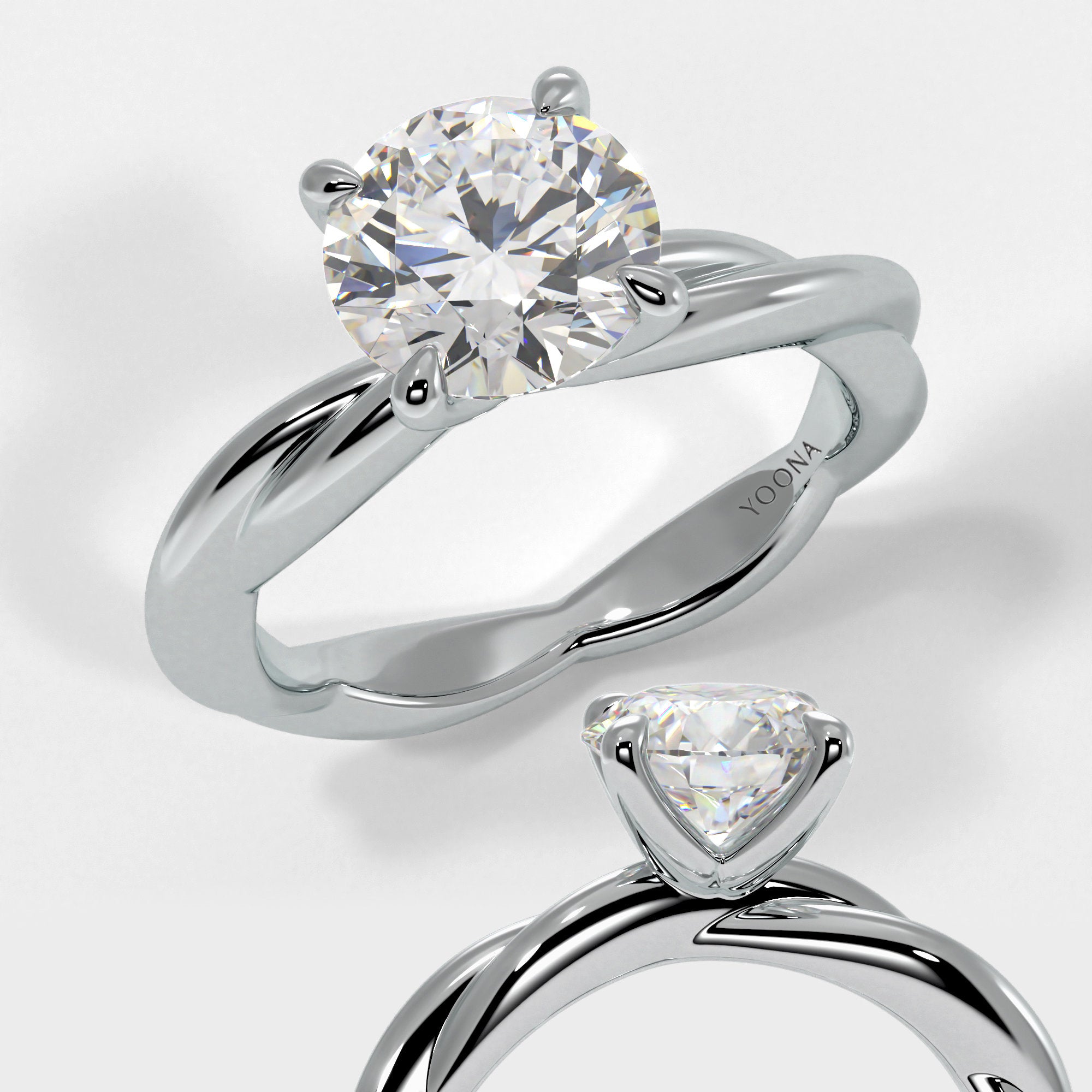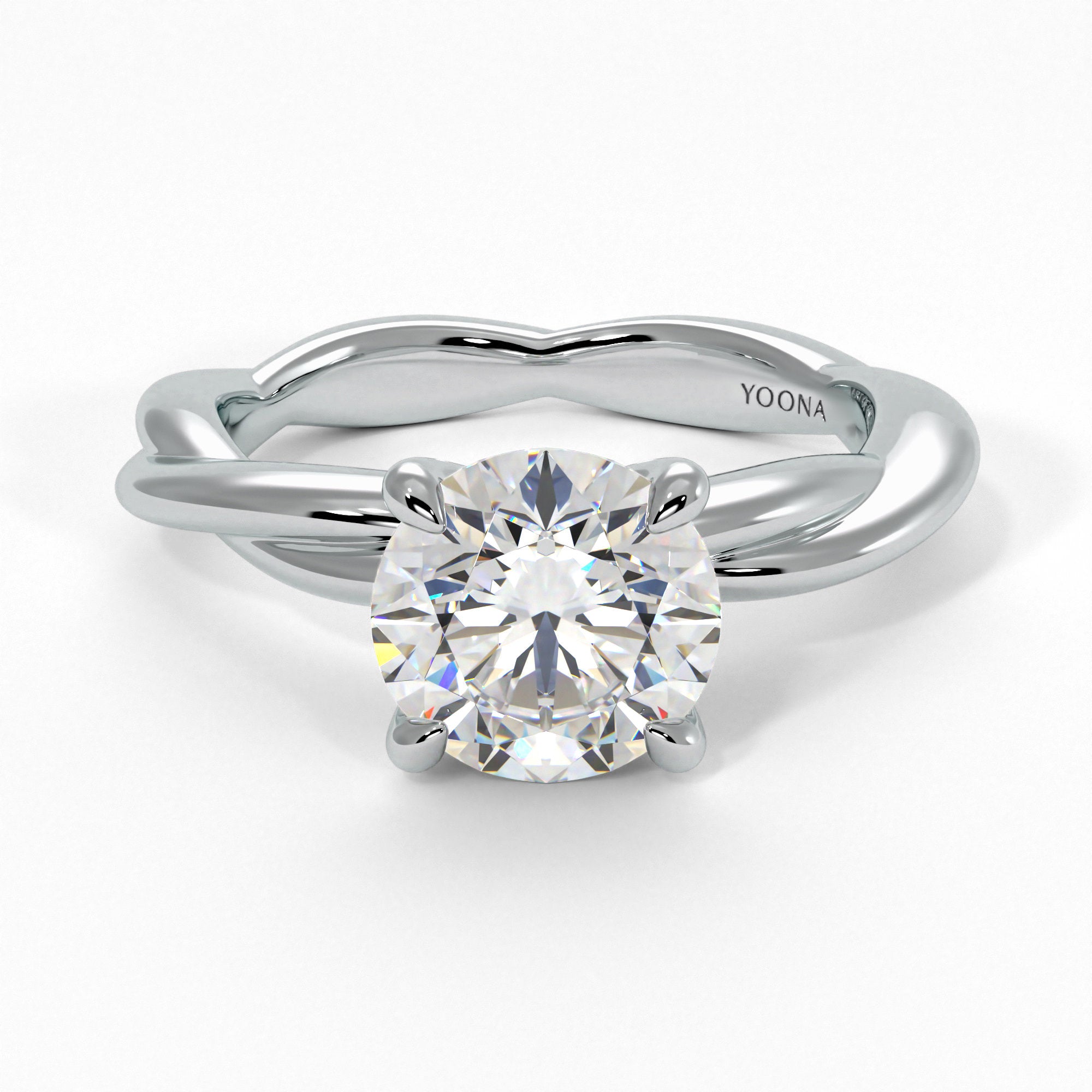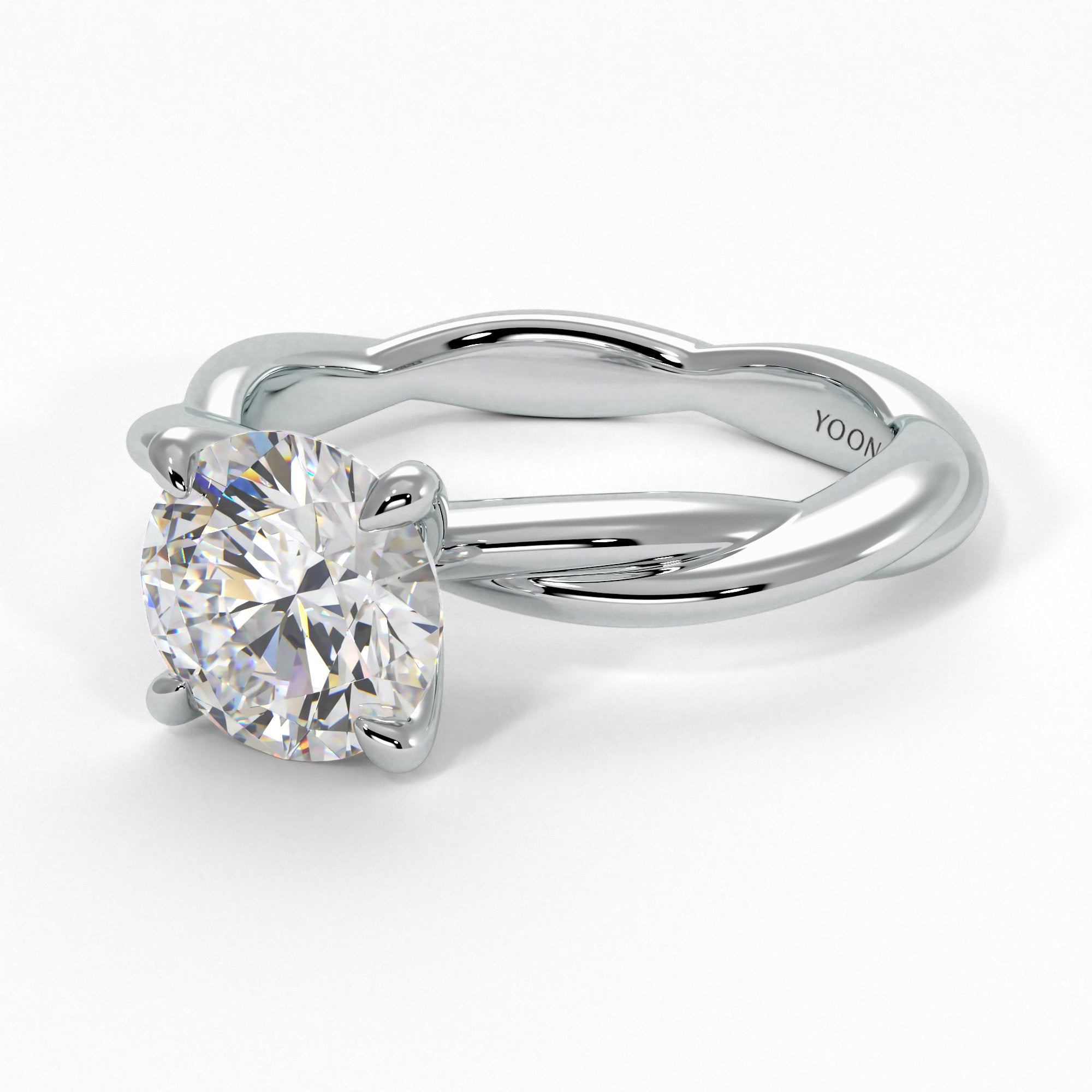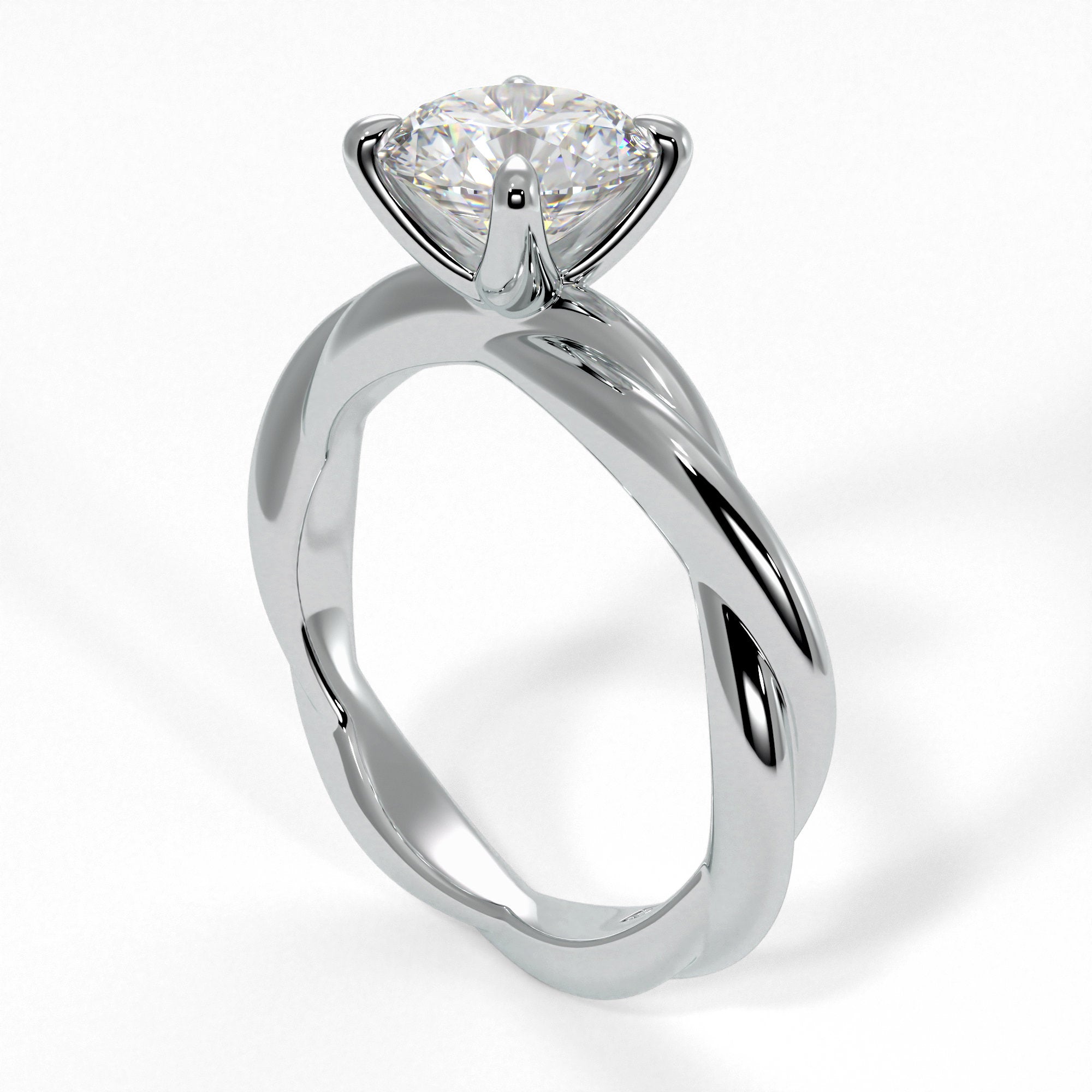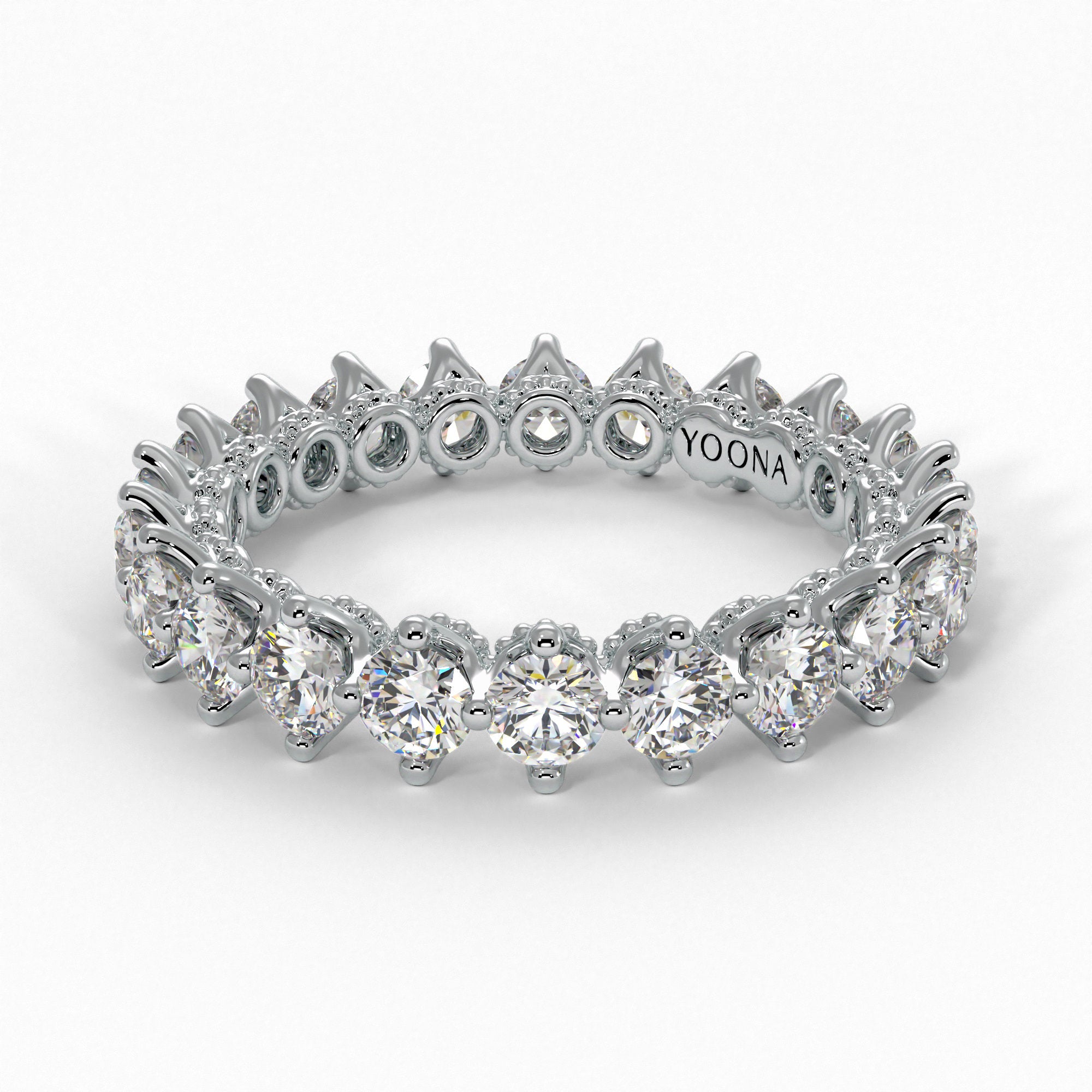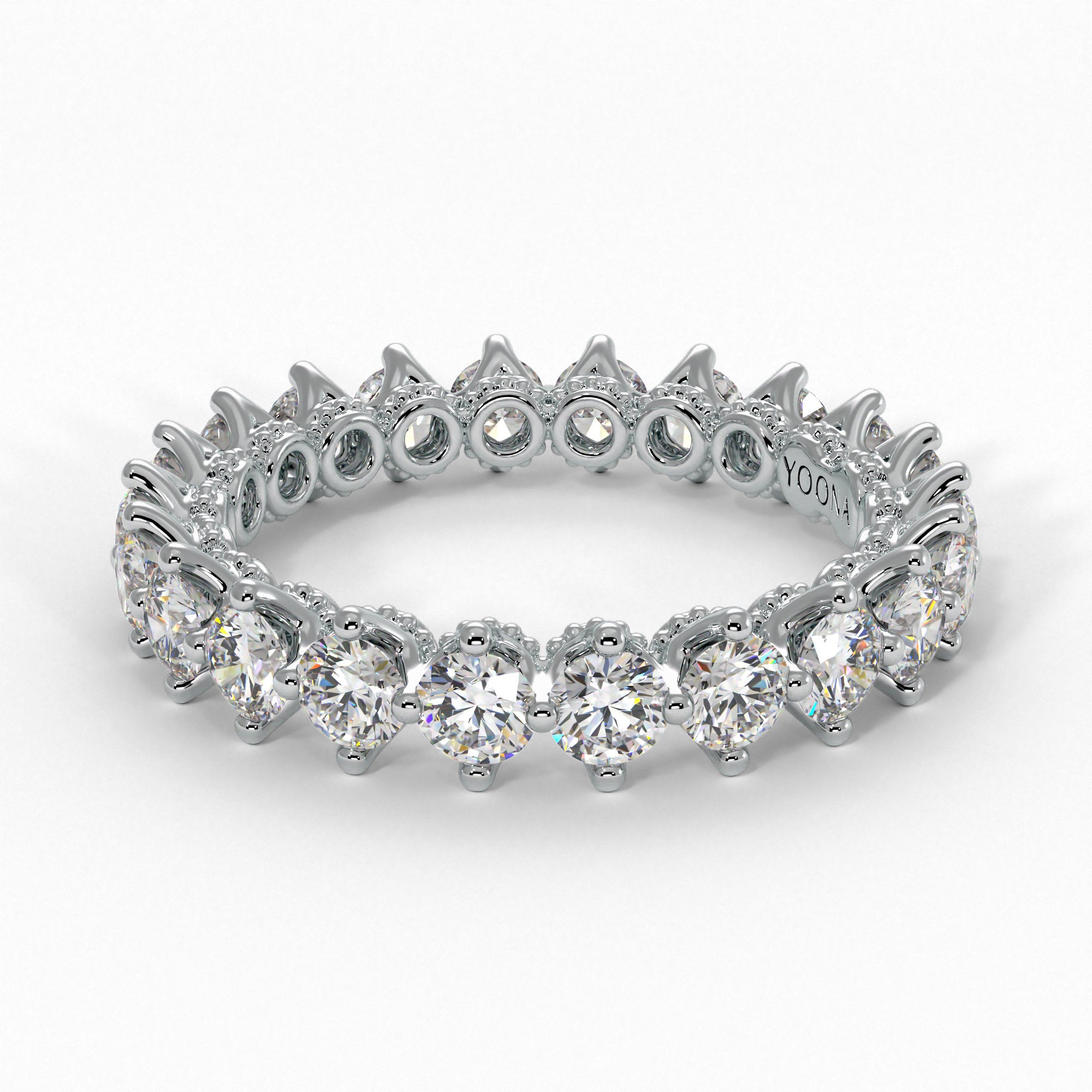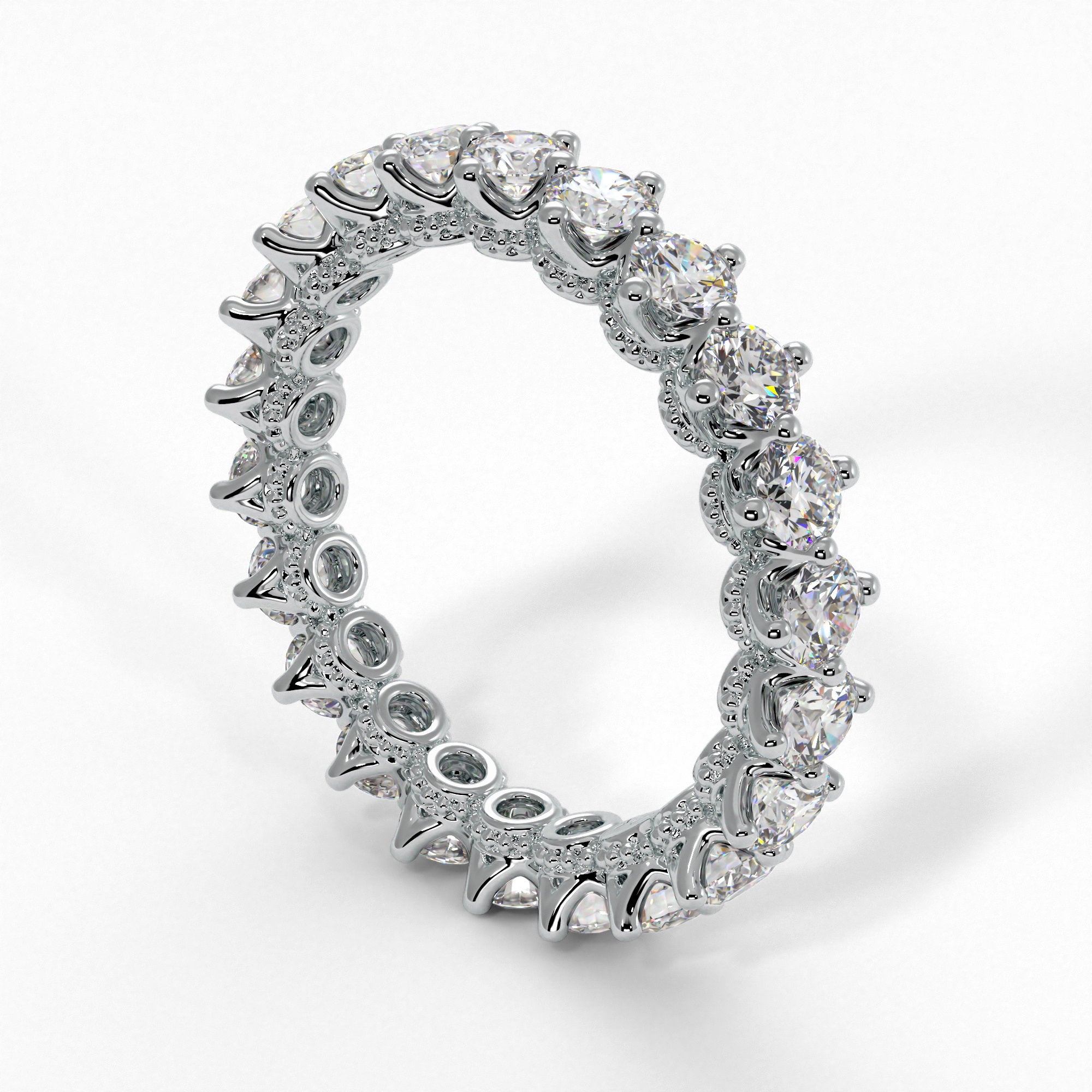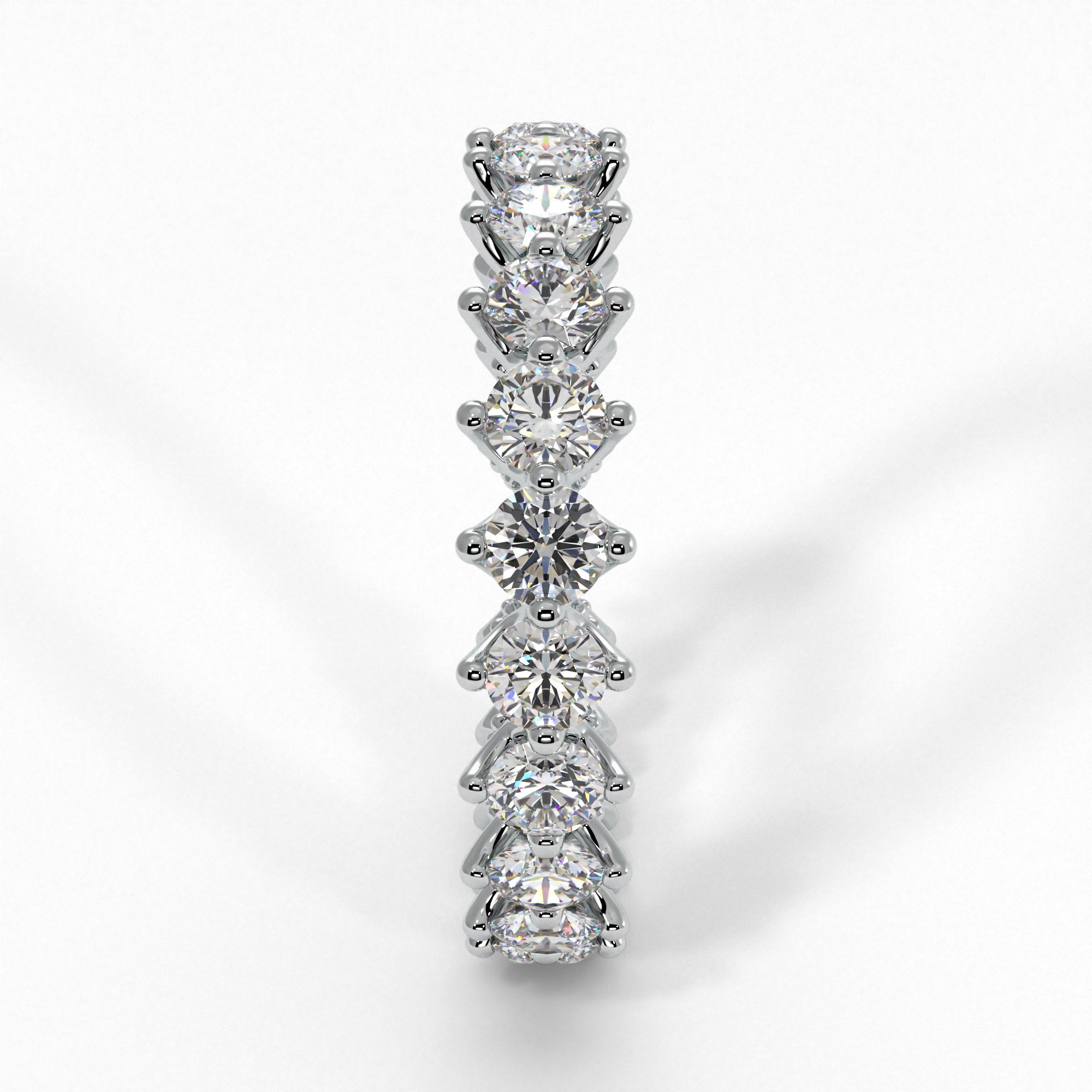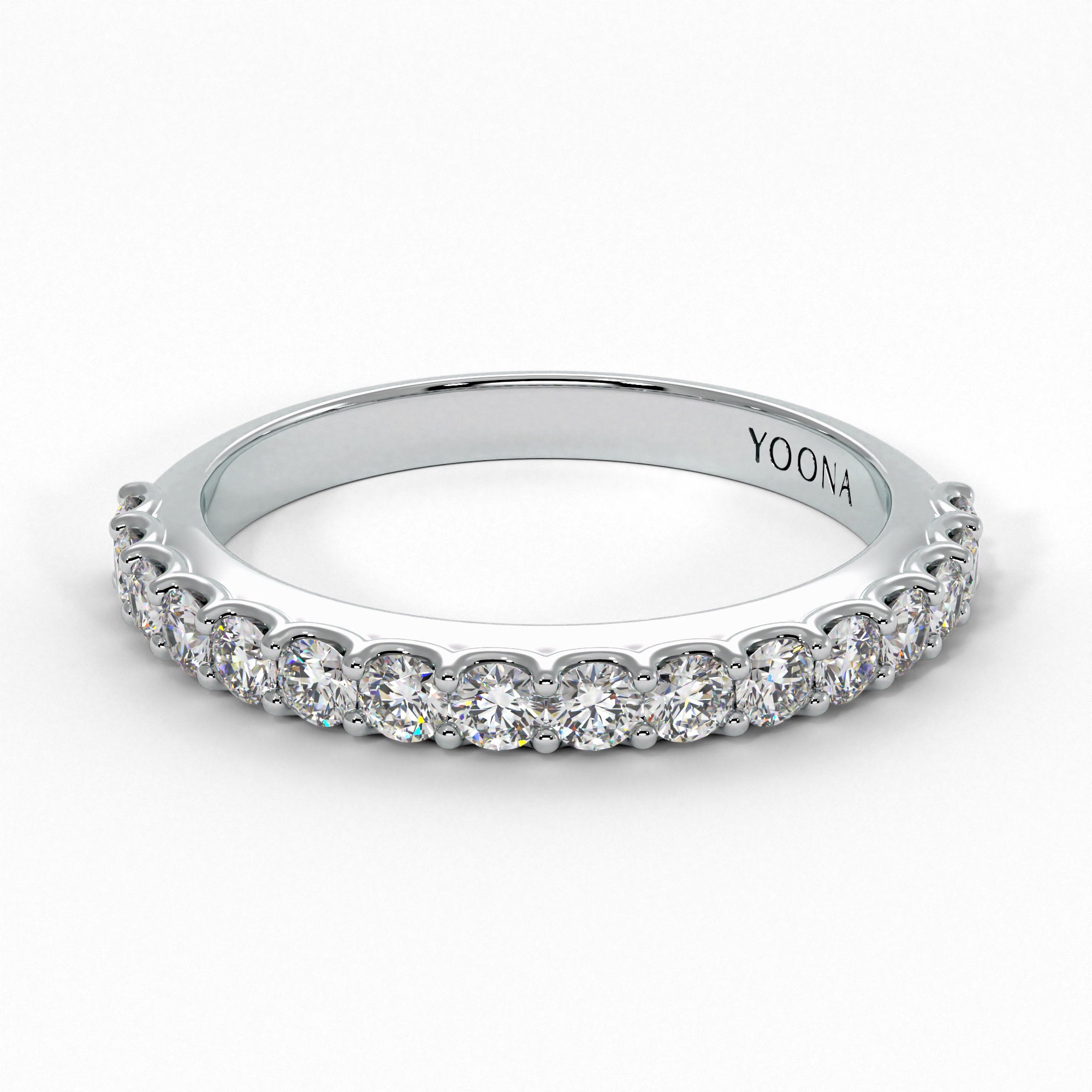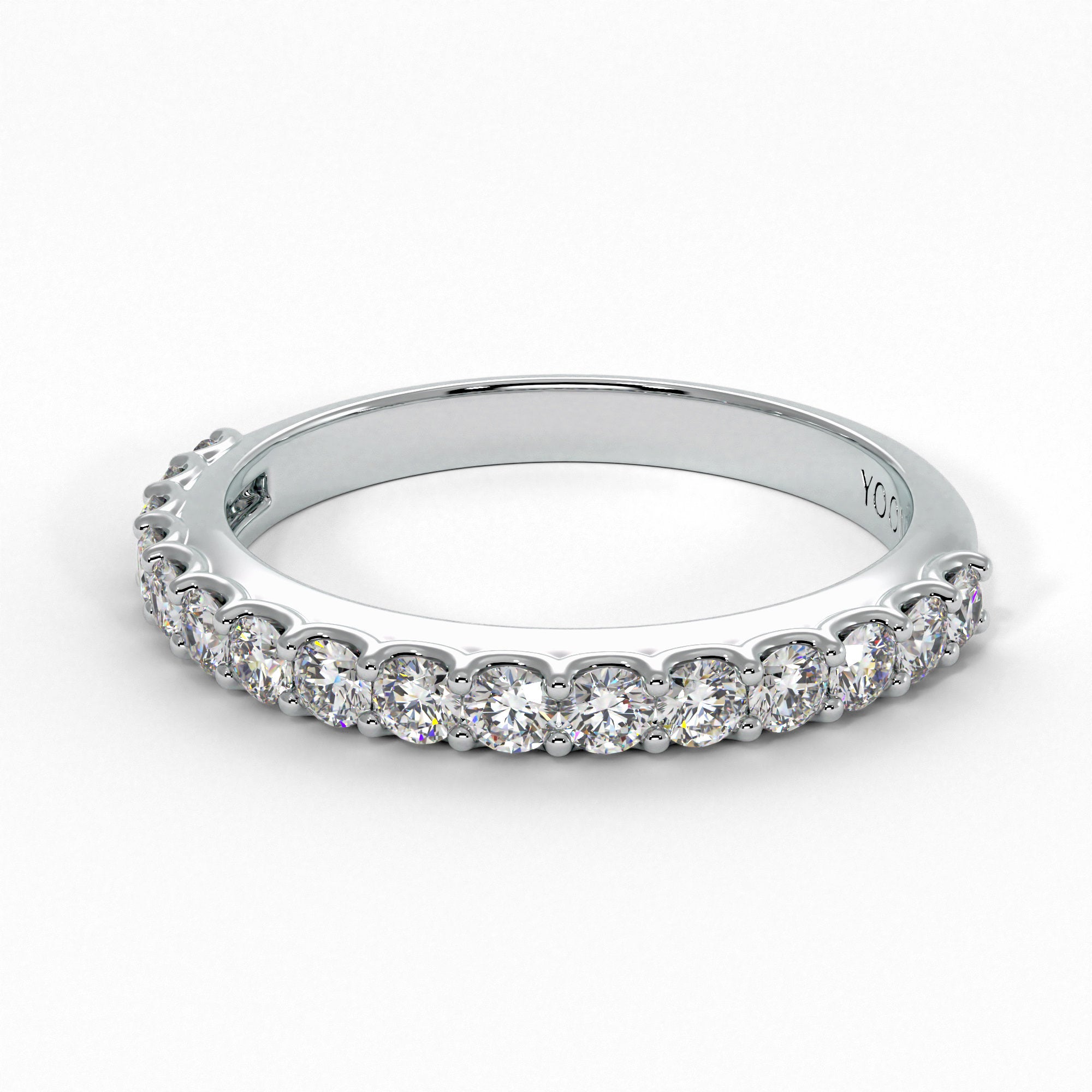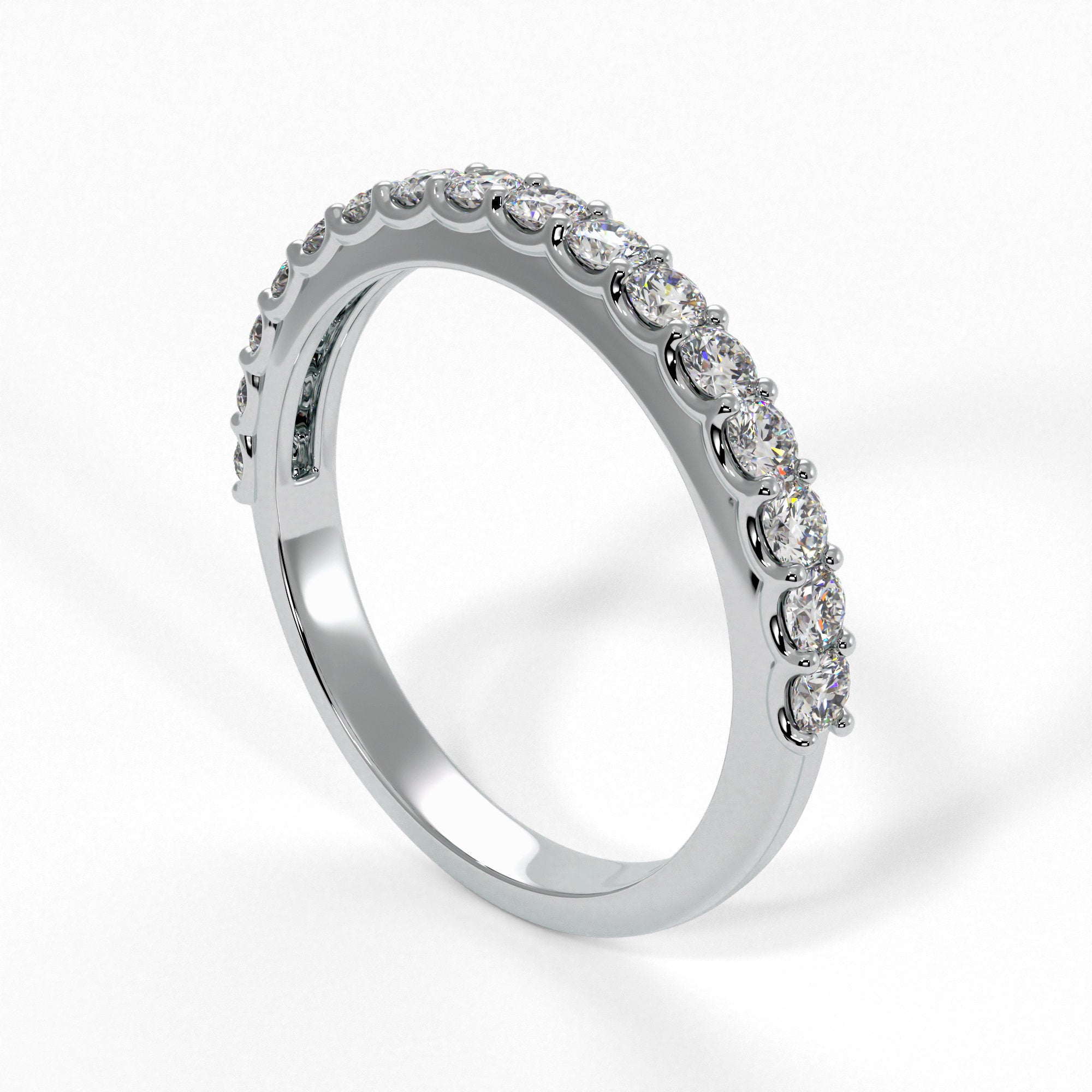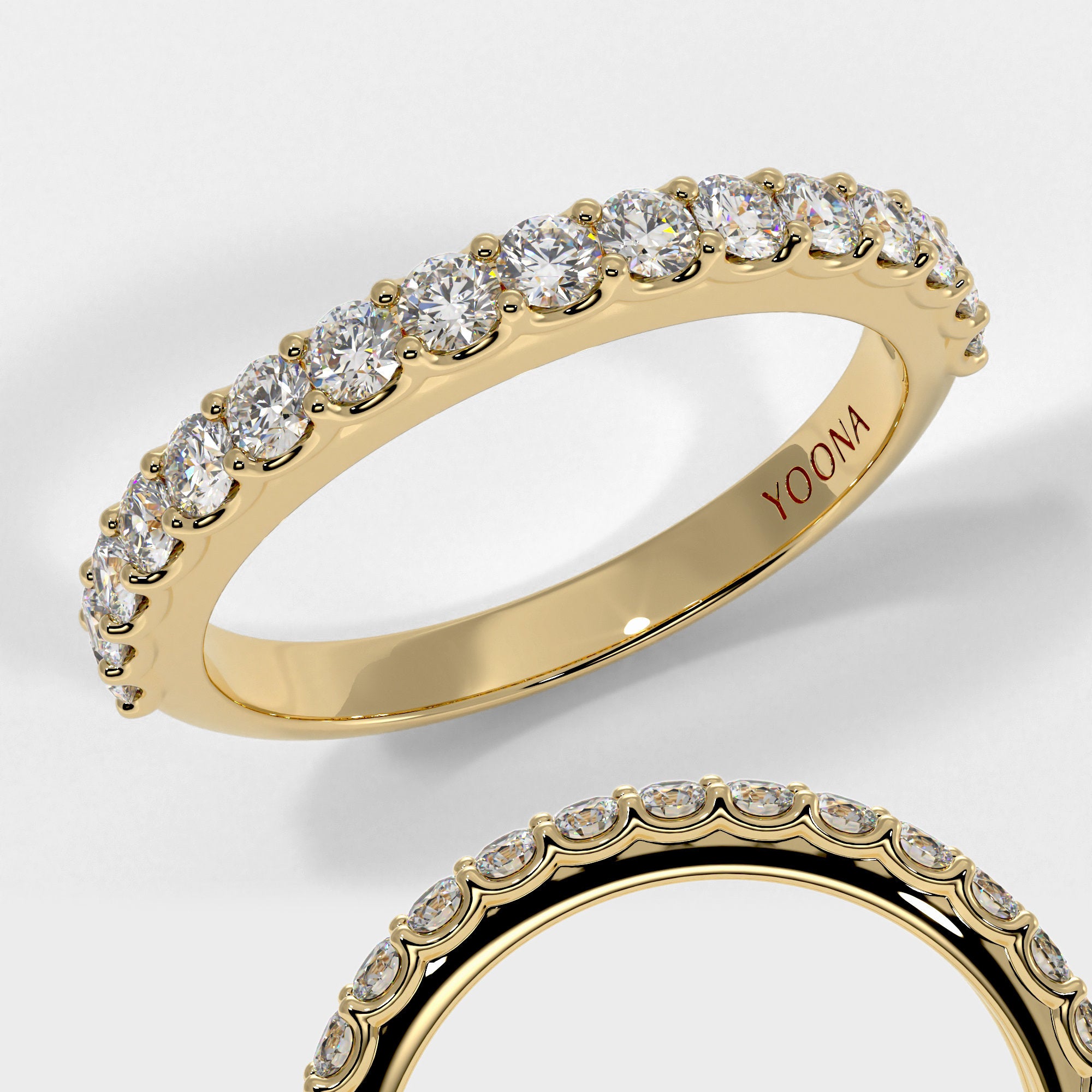
Reviewed by Yoona's in-house jewelry experts
Short answer: buying a lab-grown diamond comes down to five decisions, budget allocation across the 4Cs, certification verification, choosing a shape and setting, understanding production timing, and confirming return and resizing terms before you buy. Here's the practical order to work through them.
Step 1: Decide Your Budget Allocation Before You Shop
Quick answer: Prioritize cut first, it affects sparkle more than any other factor, then clarity to an eye-clean threshold, then color based on your metal choice, and treat carat as the most flexible variable.
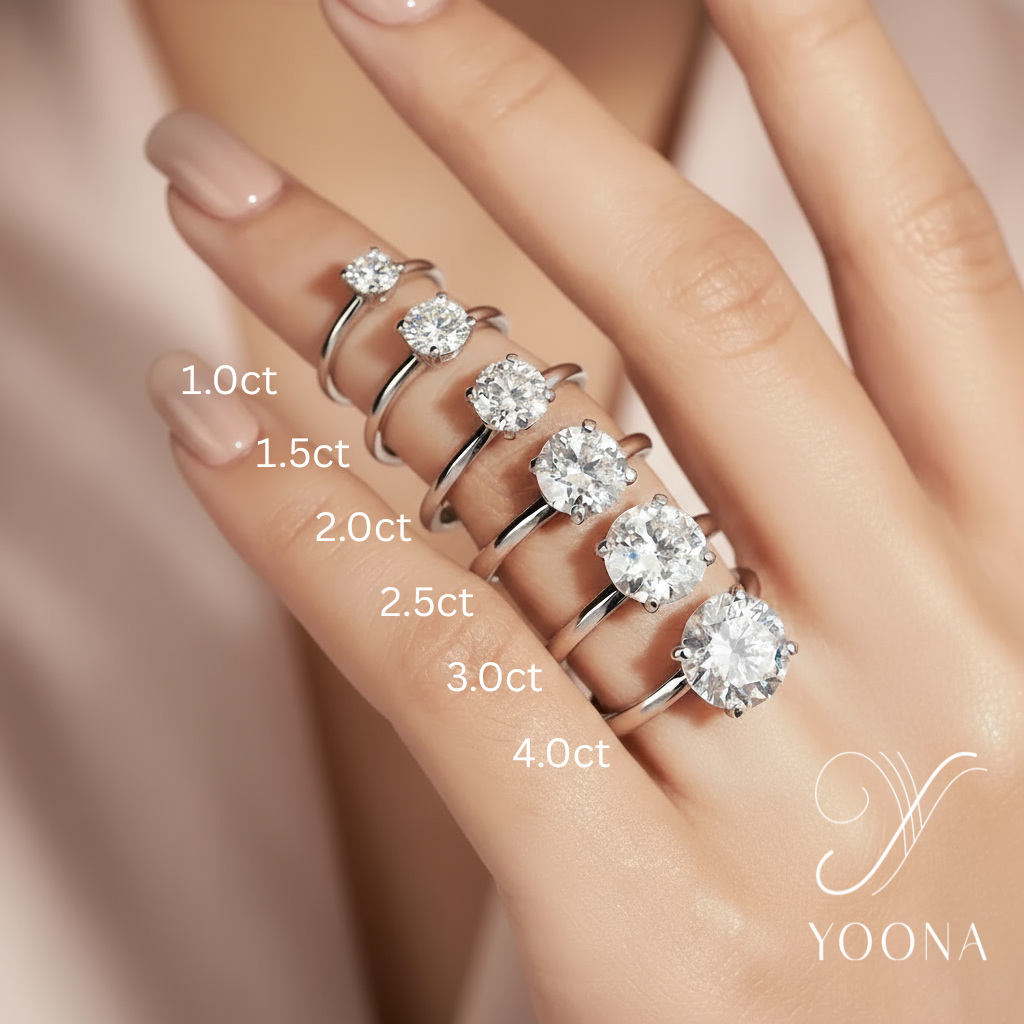
Most buyers make the mistake of picking a carat target first and working backward, which usually means sacrificing cut quality to hit a size number. Decide your total budget, then allocate in this order: never compromise cut below Very Good, stop clarity at VS1 or VS2 since that's where eye-clean is essentially guaranteed, match color to your metal choice, and let carat be whatever's left. This order consistently produces a better-looking diamond than optimizing for size first.
For the full breakdown of how these four trade off against each other, see The 4Cs of Diamonds, Explained Properly.
Step 2: Verify the Certification Before You Commit
Quick answer: Confirm the diamond is IGI certified, the standard for lab-grown diamond certification, and look up the report number on IGI's own website to verify it matches a real, issued report before completing your purchase.
This is the single most concrete protective step available to you as a buyer. A certificate on its own is only as good as its authenticity, verifying it against IGI's own database takes a few minutes and confirms the diamond you're looking at actually matches its paperwork.
For the full picture of what a certificate does and doesn't guarantee, see Diamond Certification: What It Is and Why It Matters.
Step 3: Choose Shape Before Setting
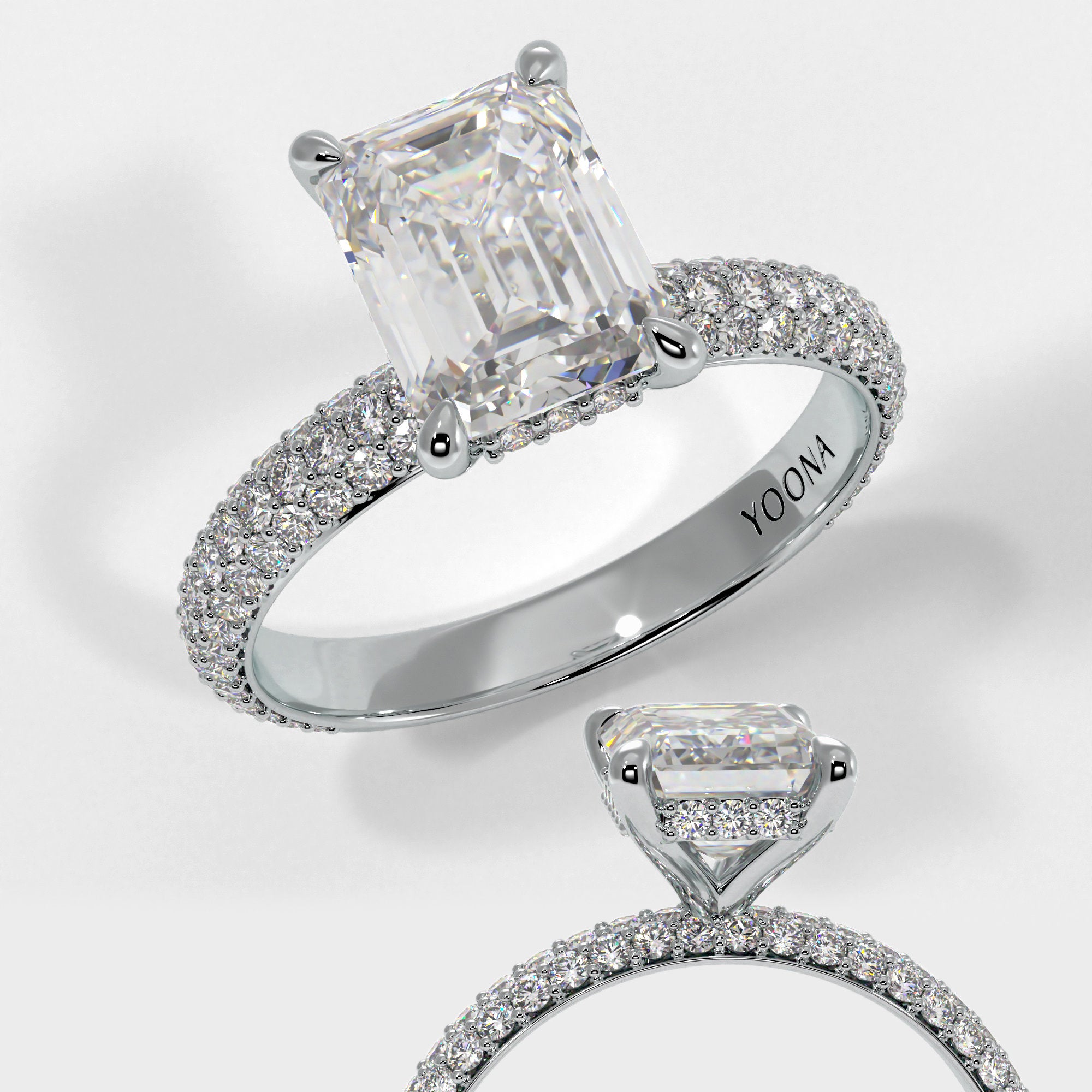
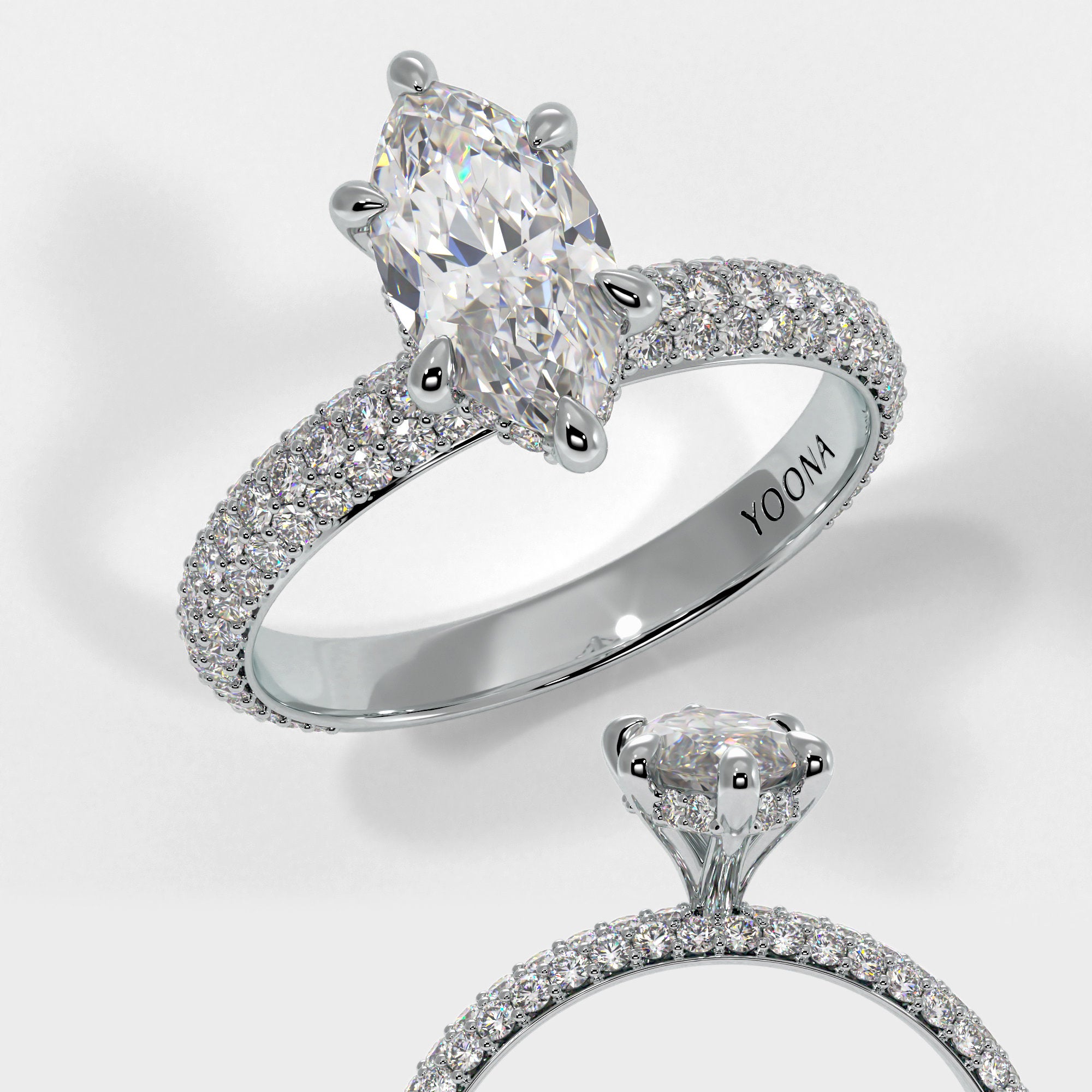
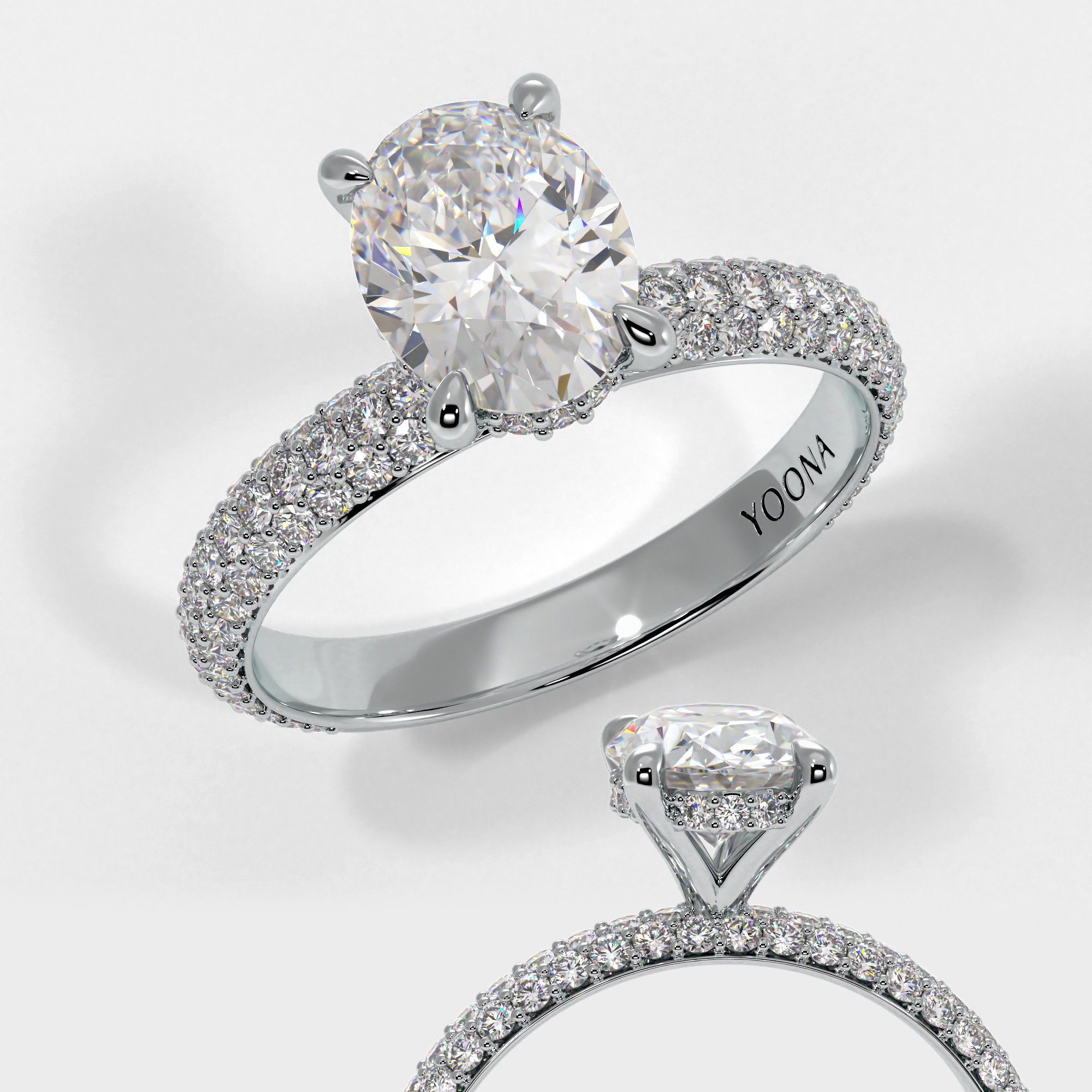
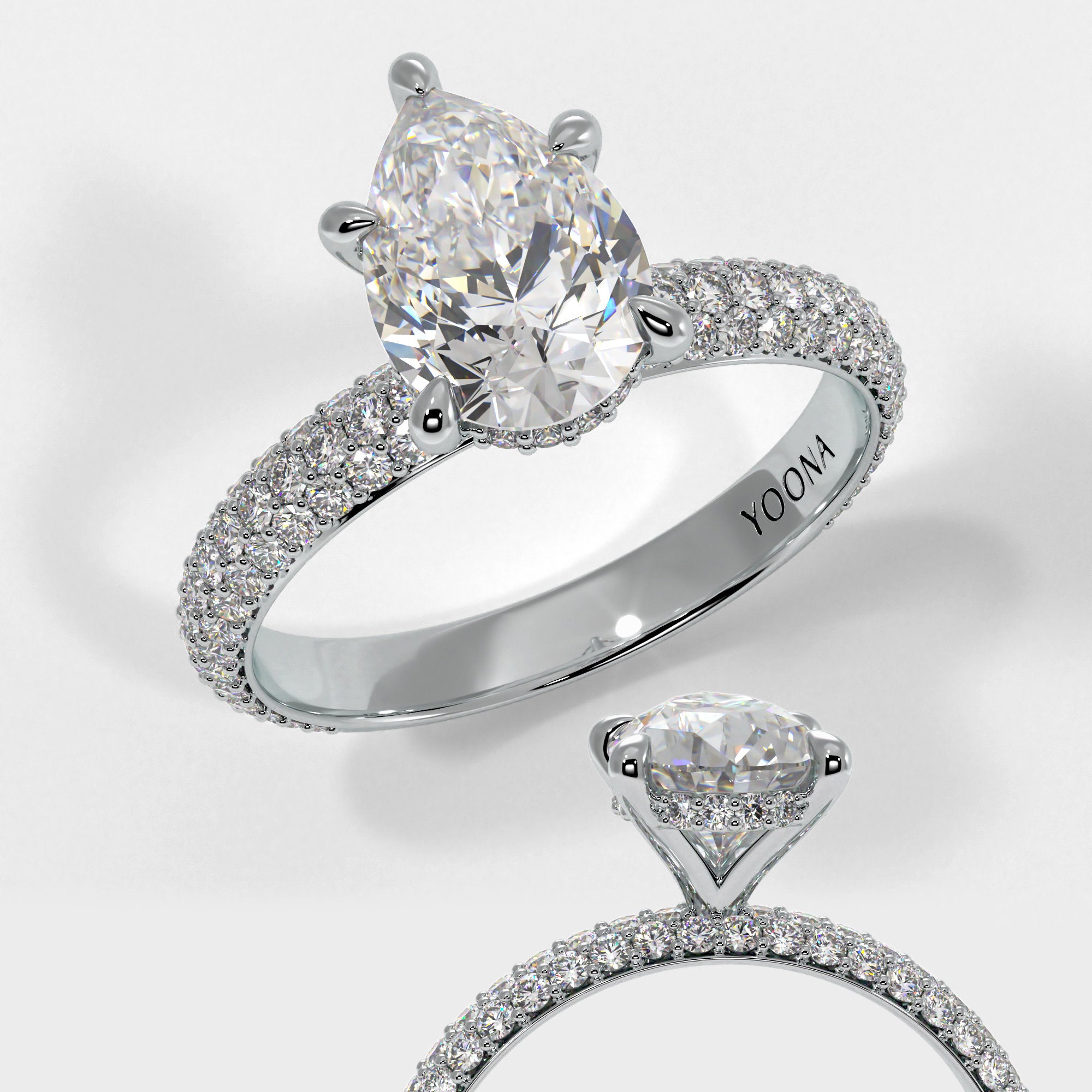
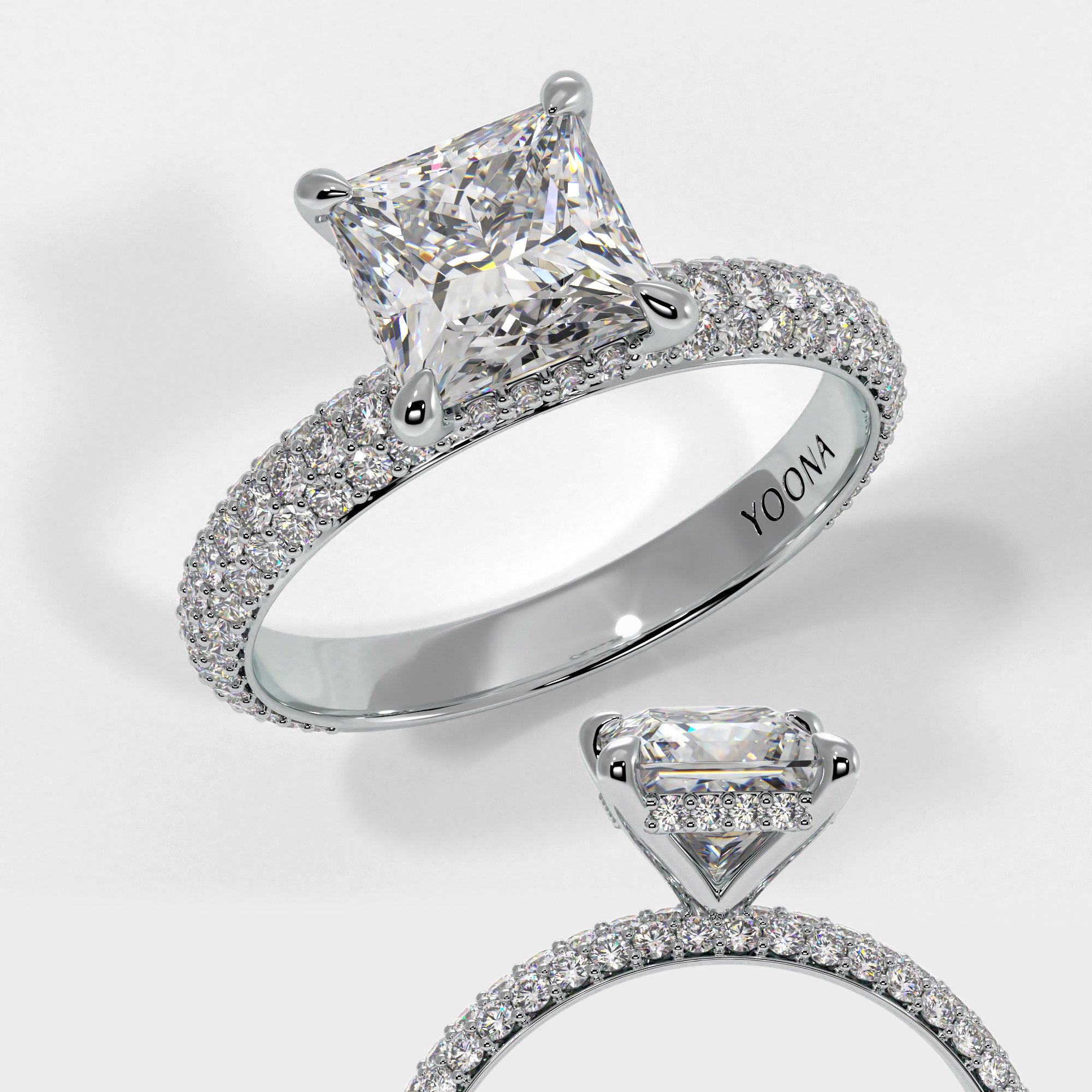
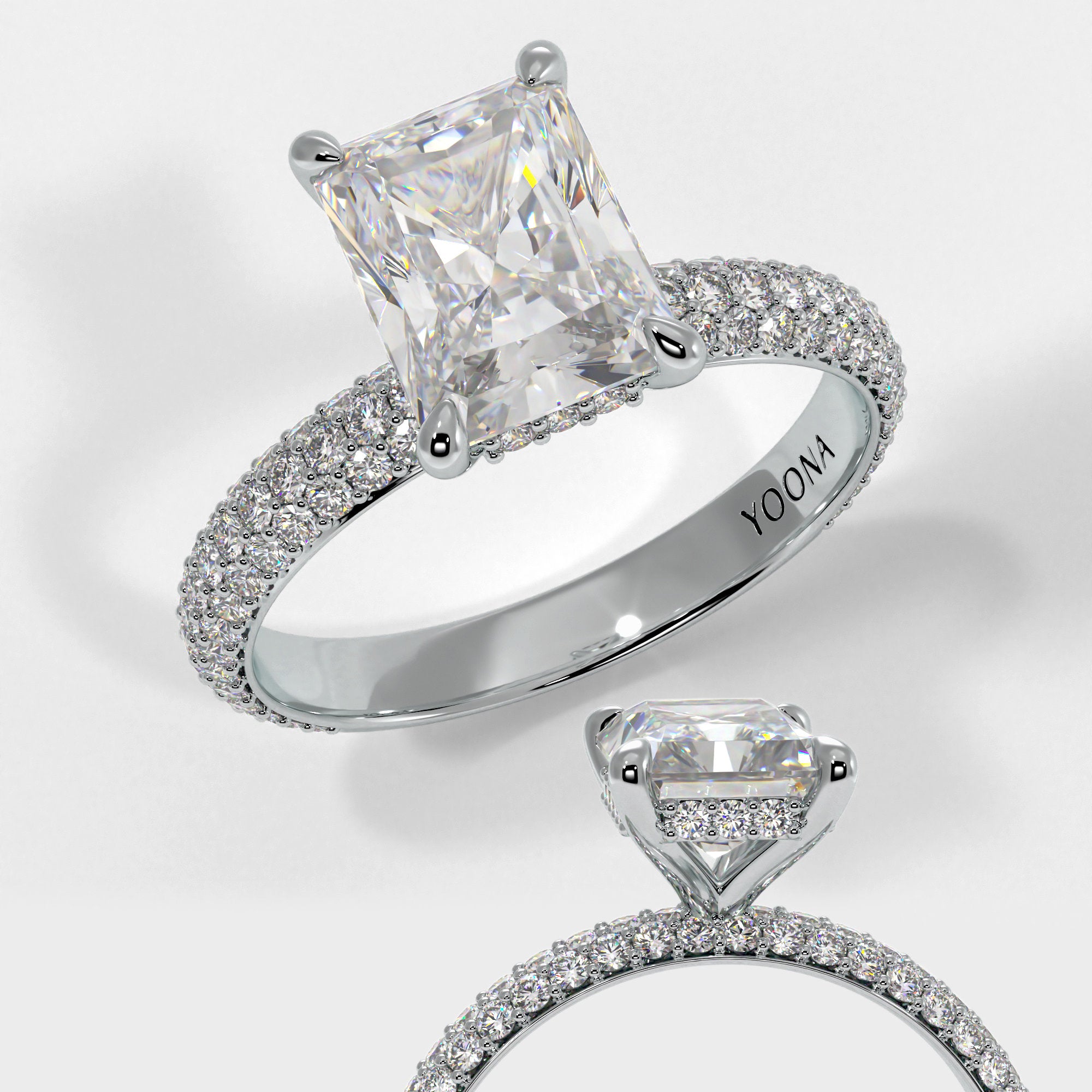
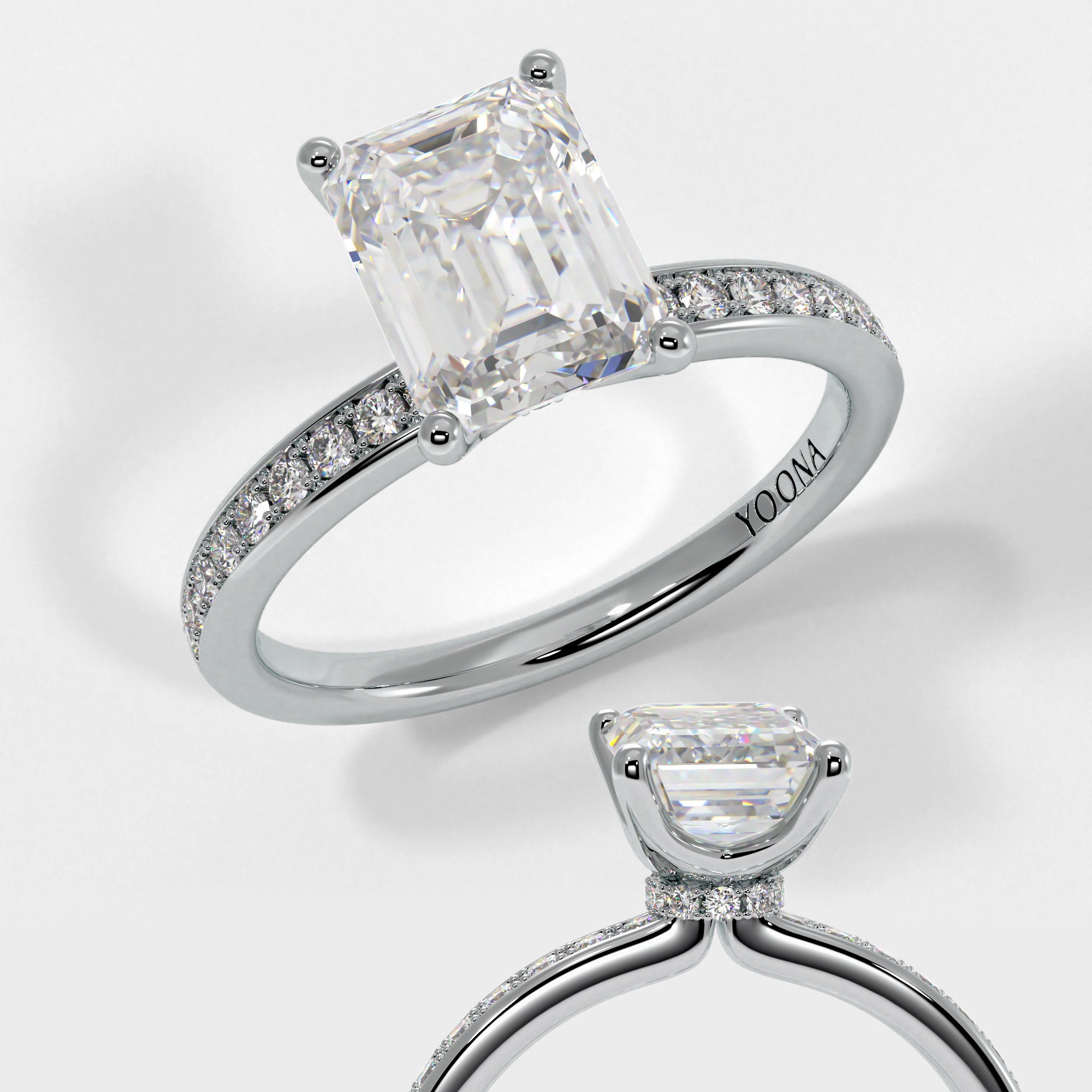
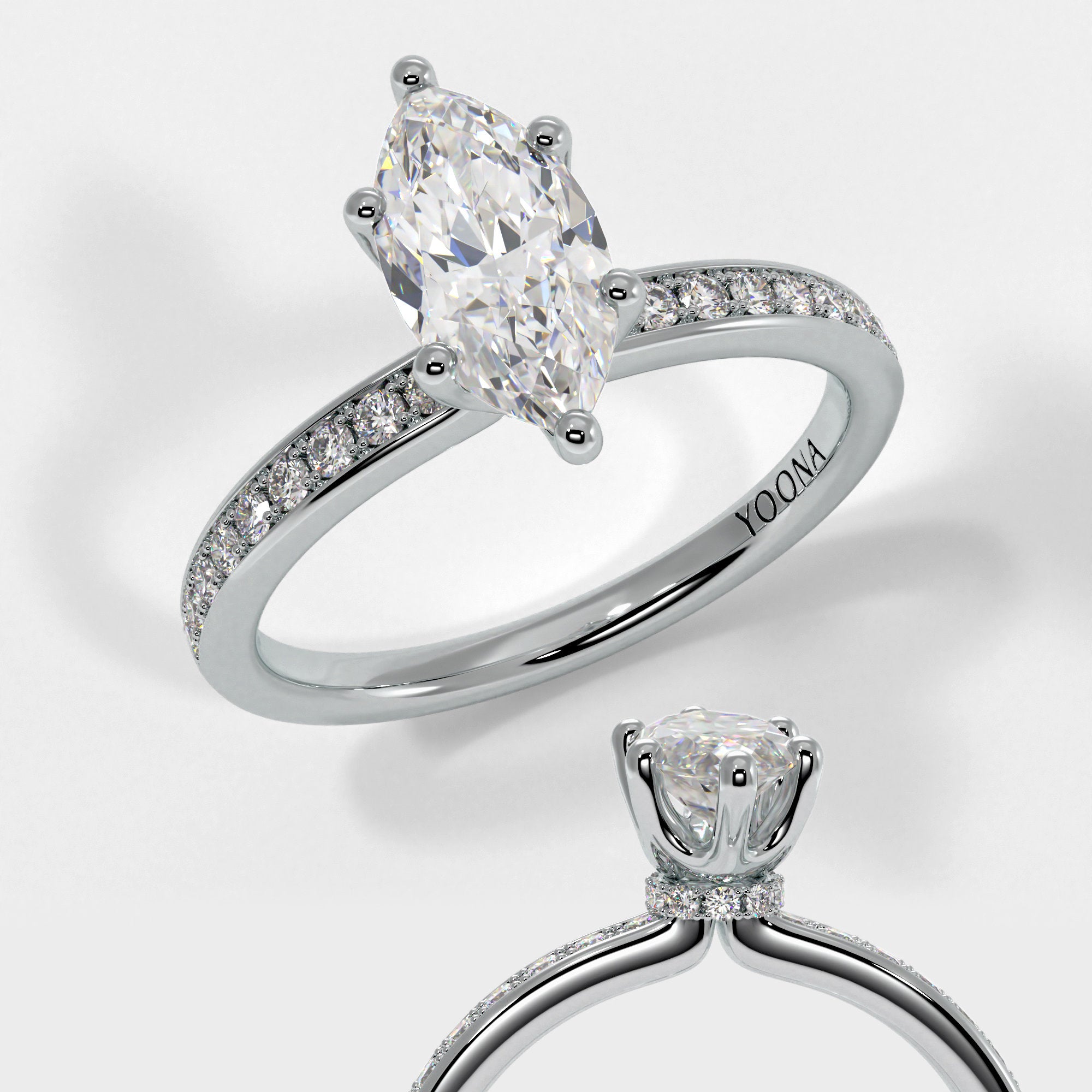
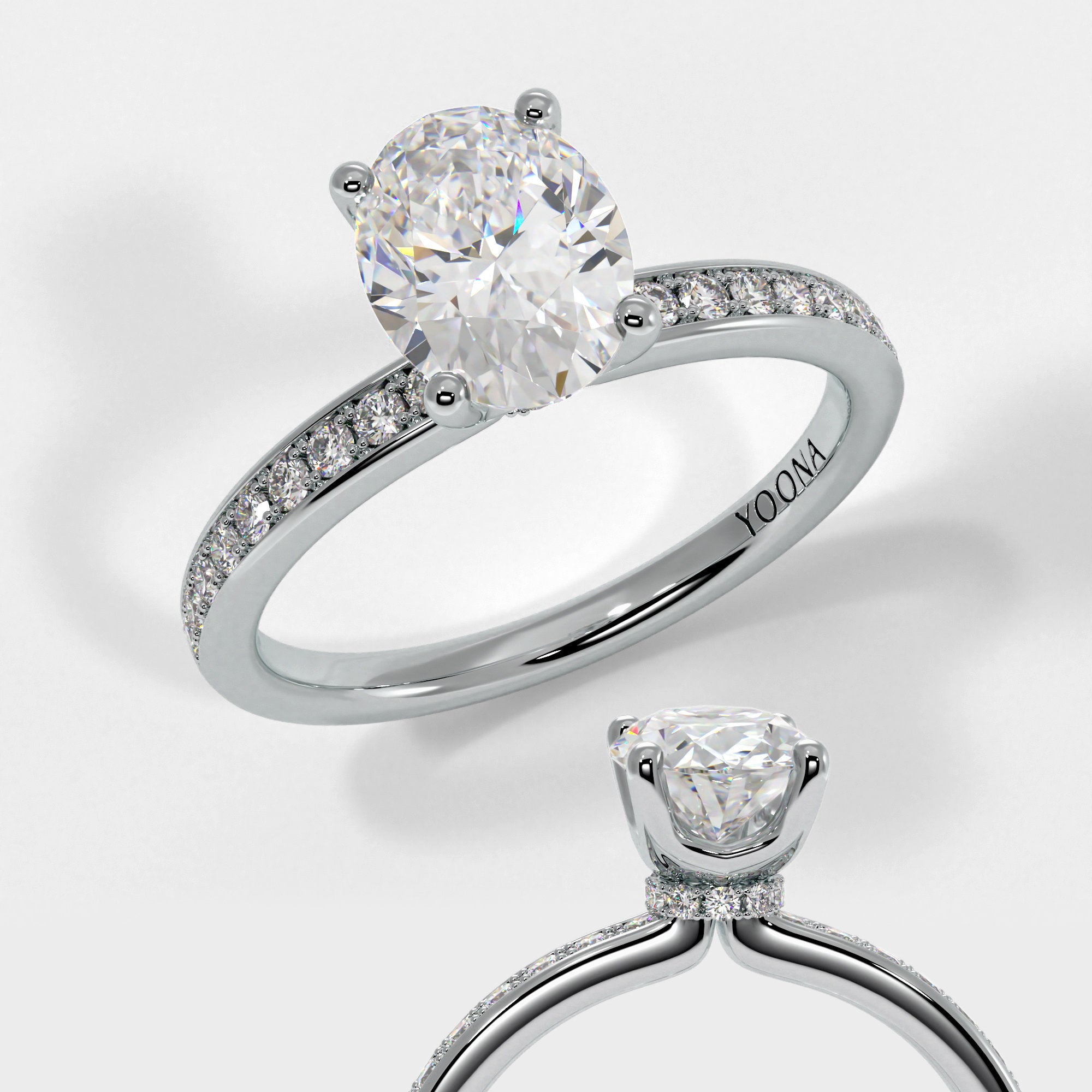
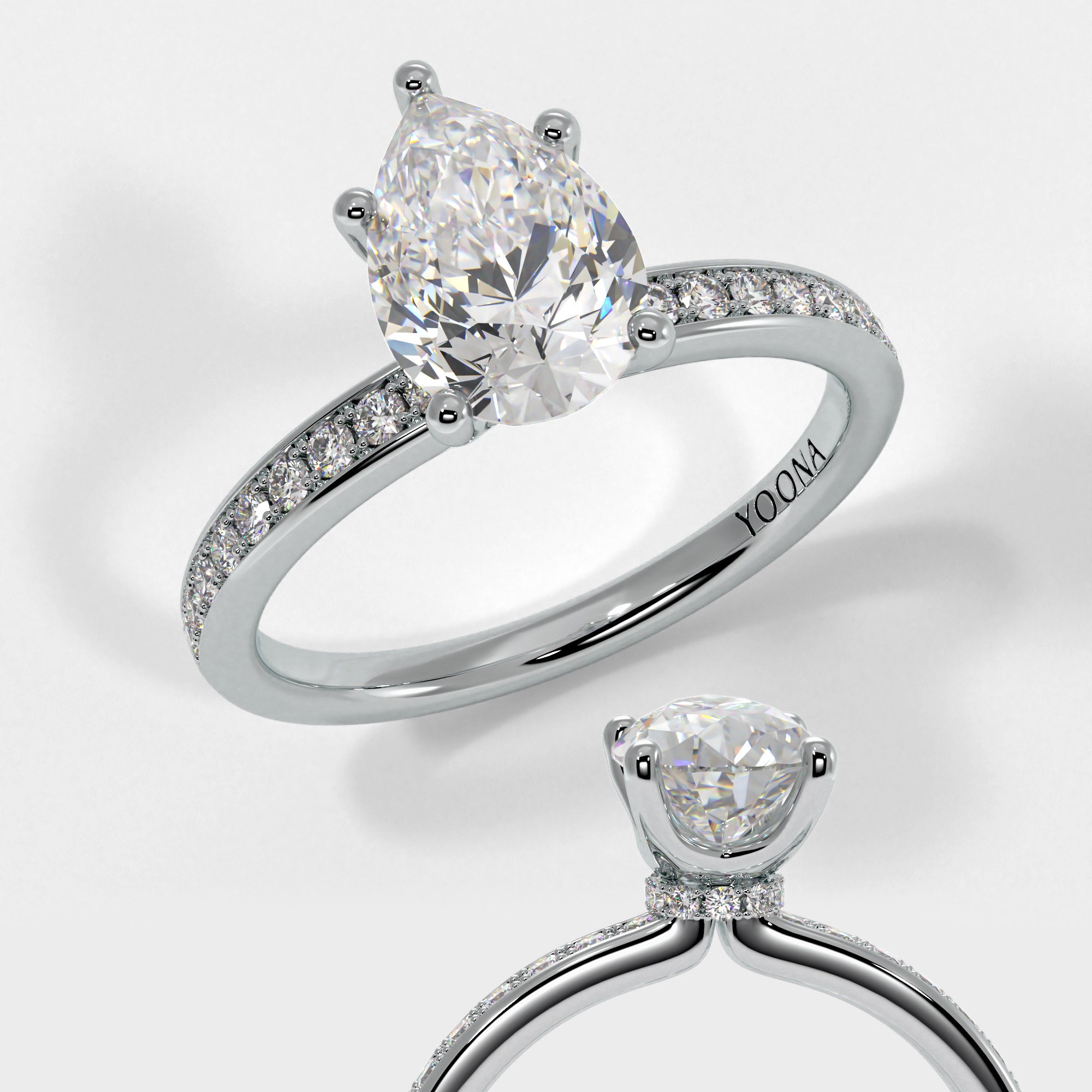
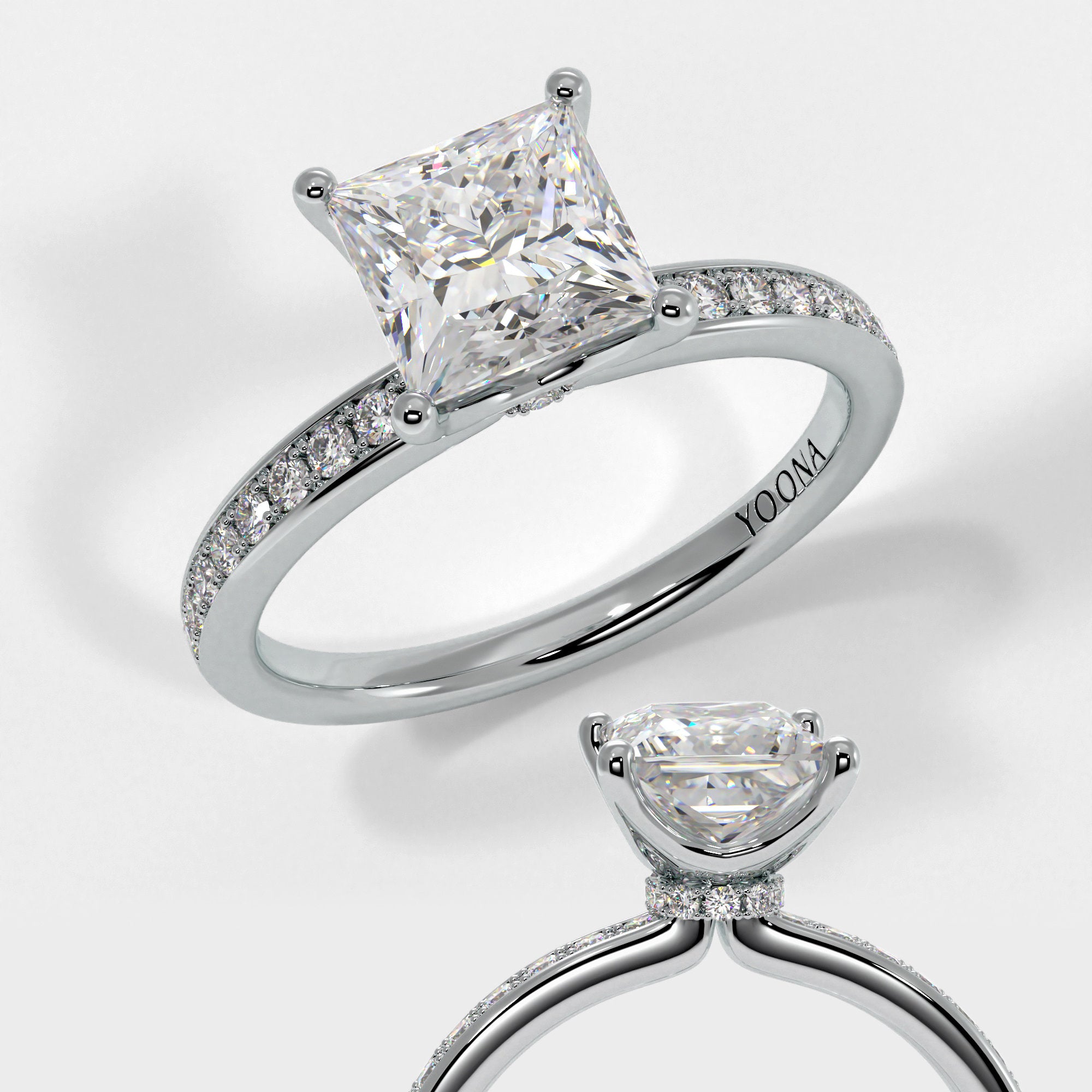
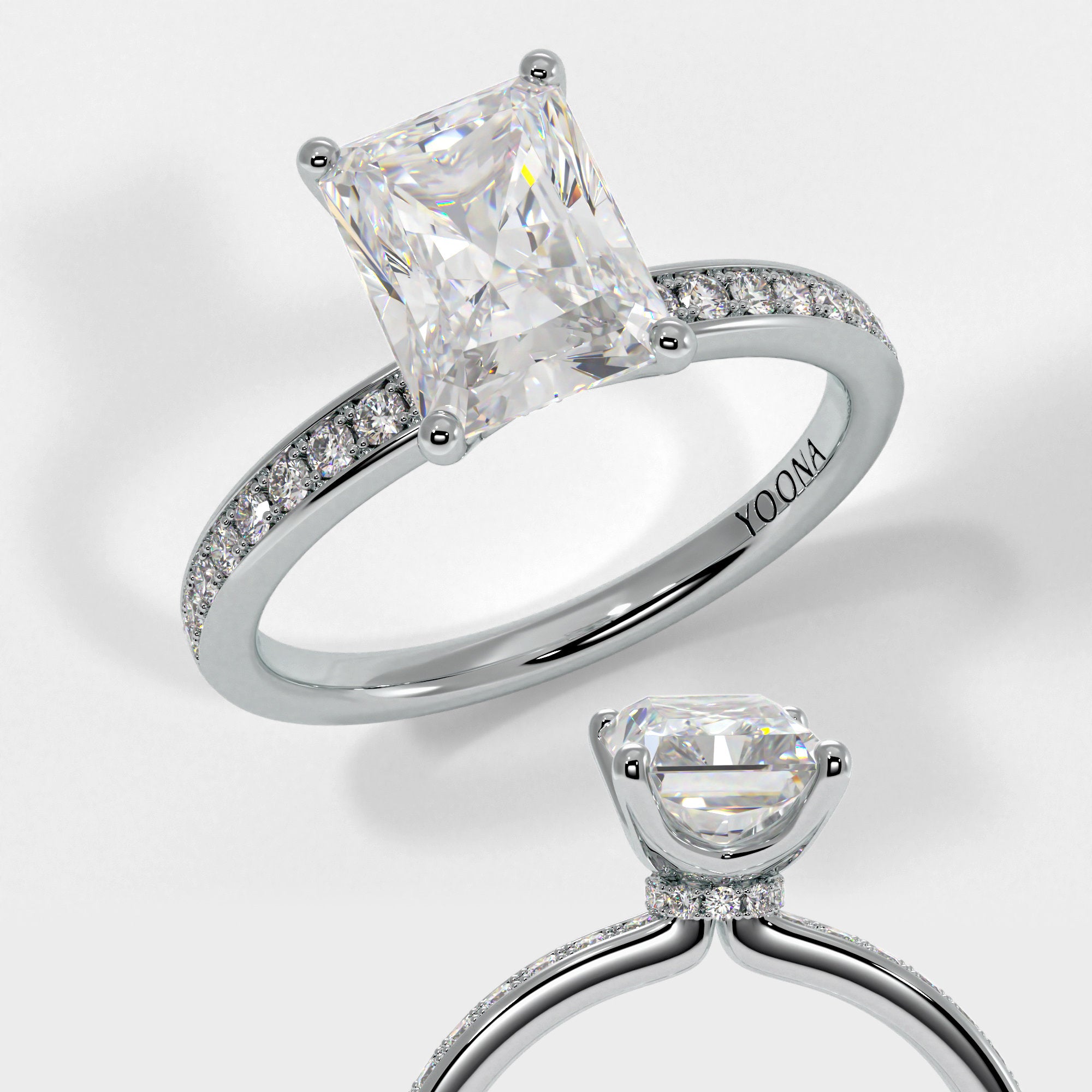
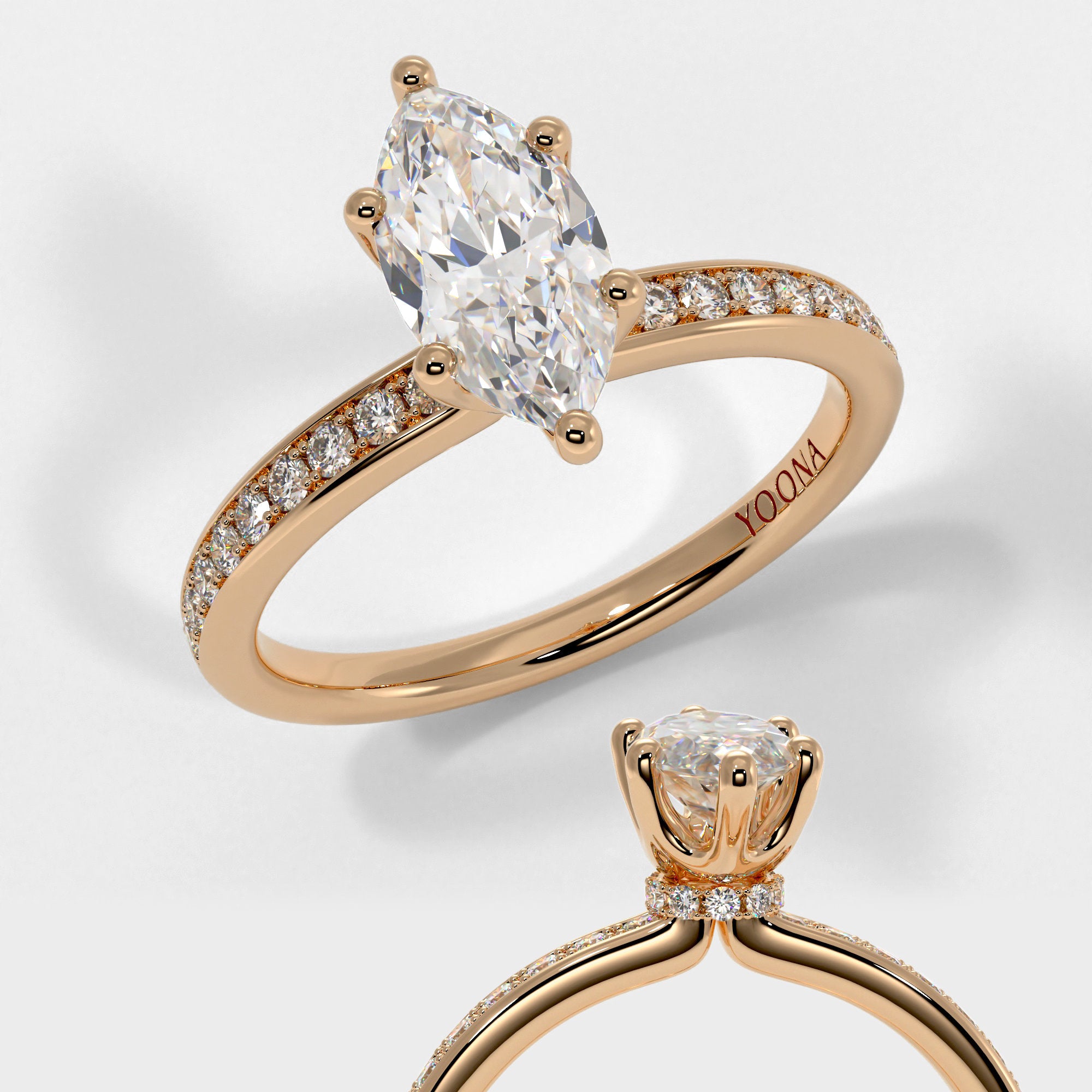
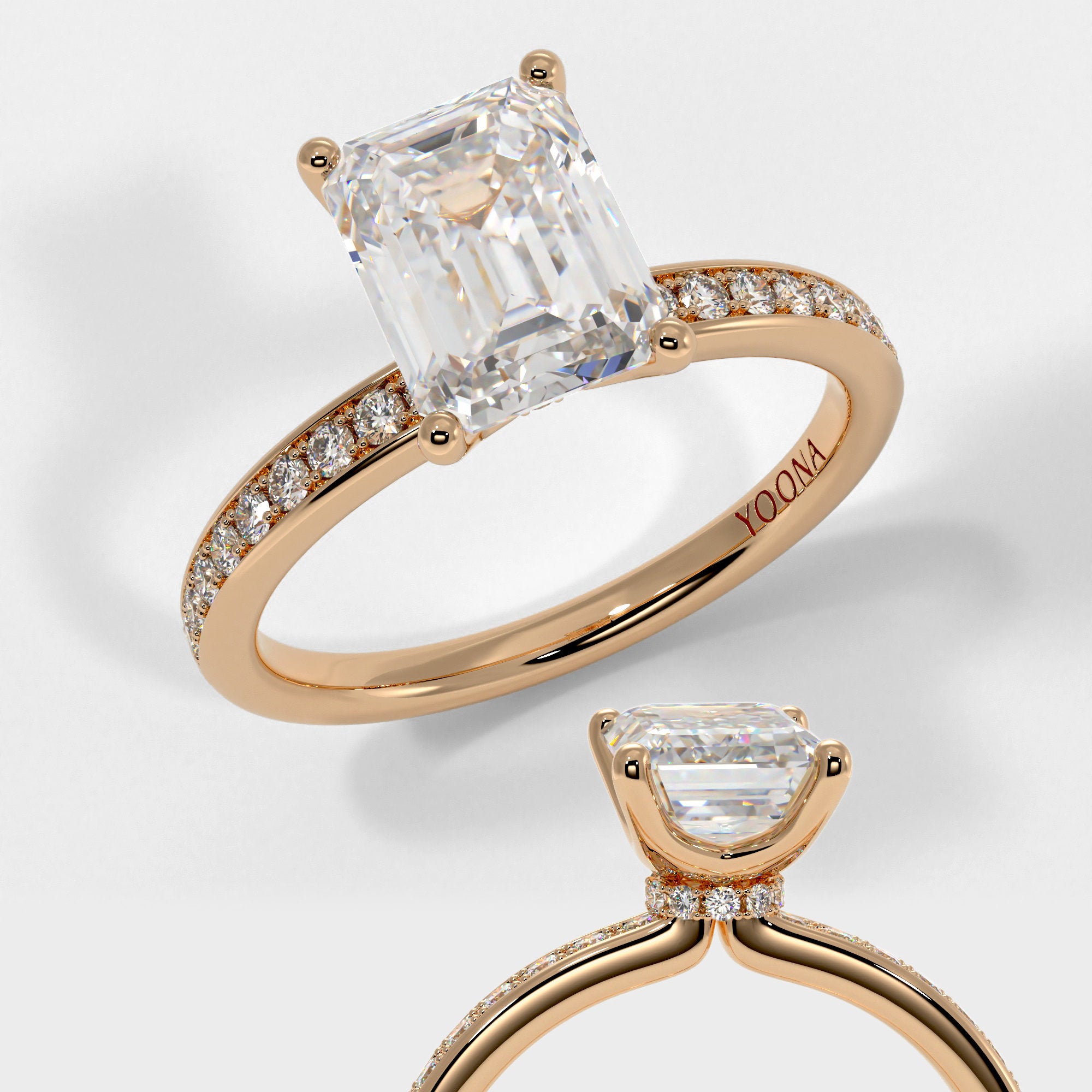
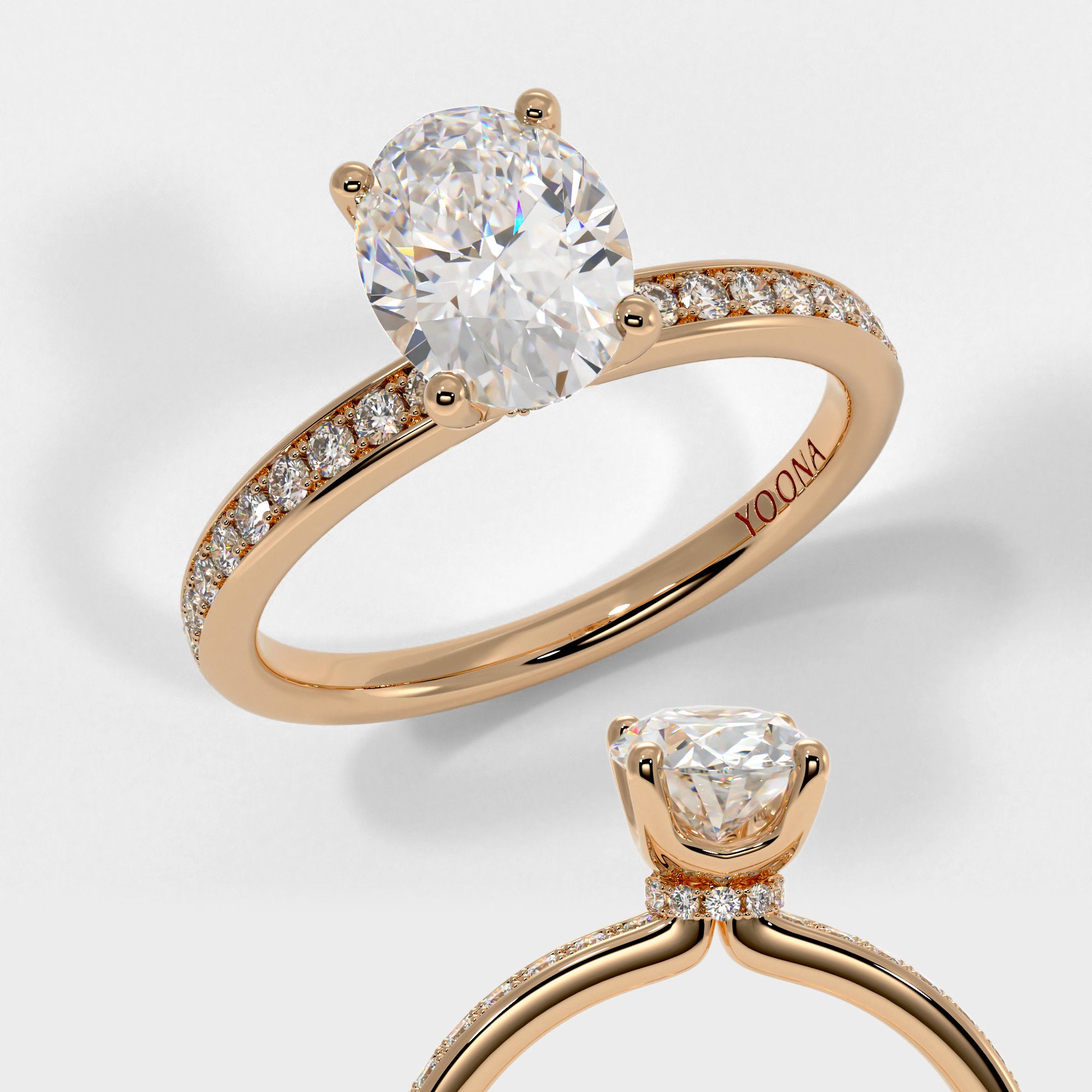
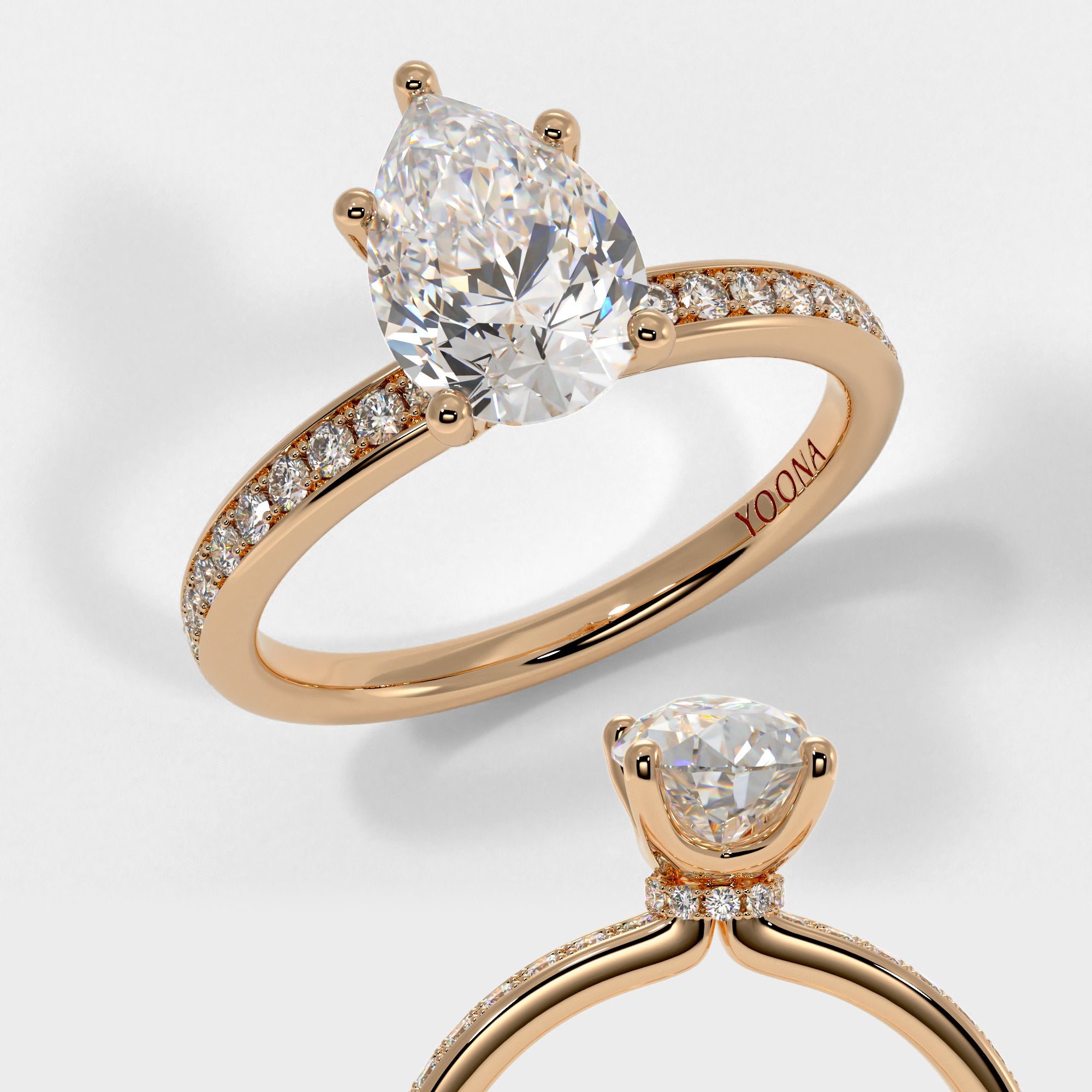
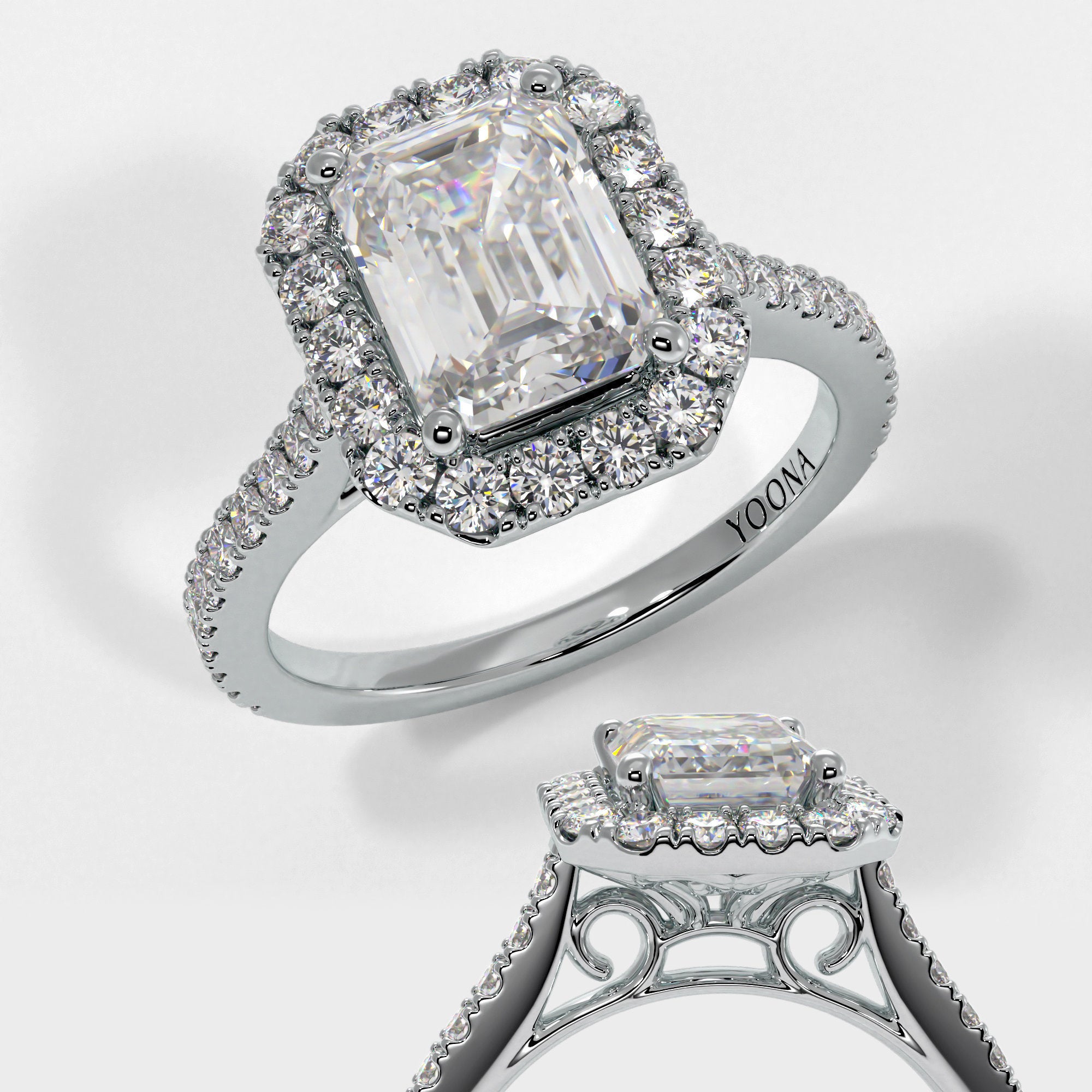
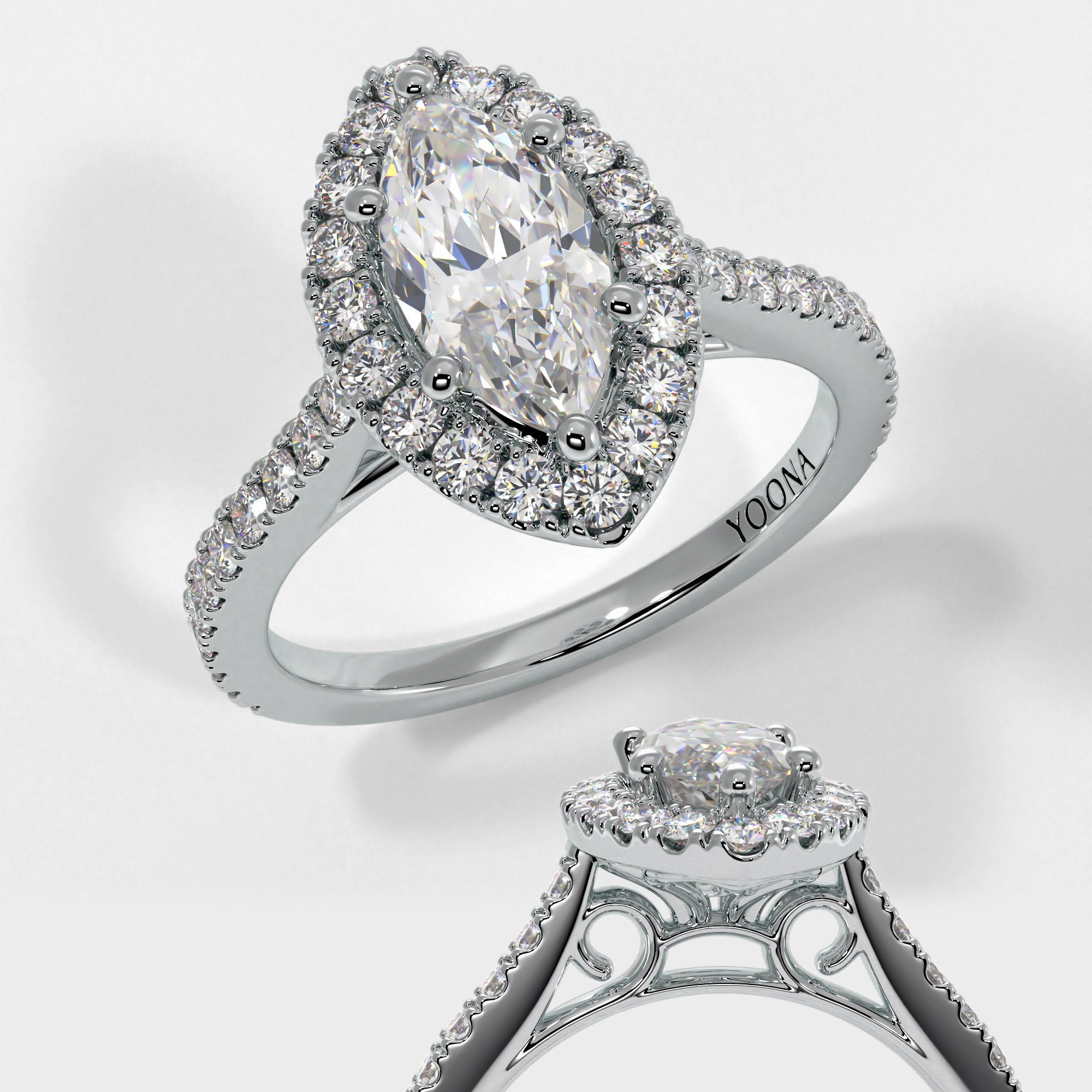
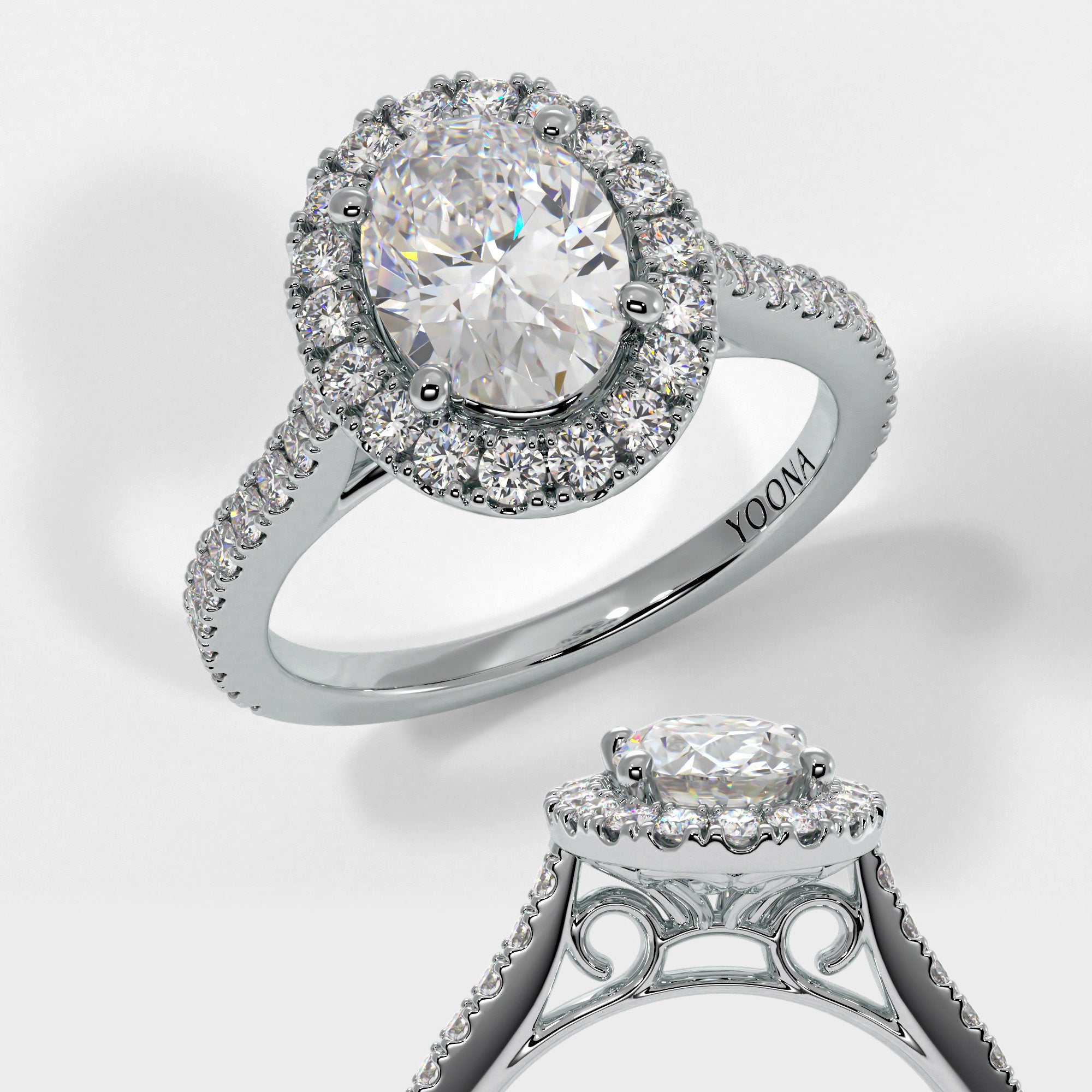
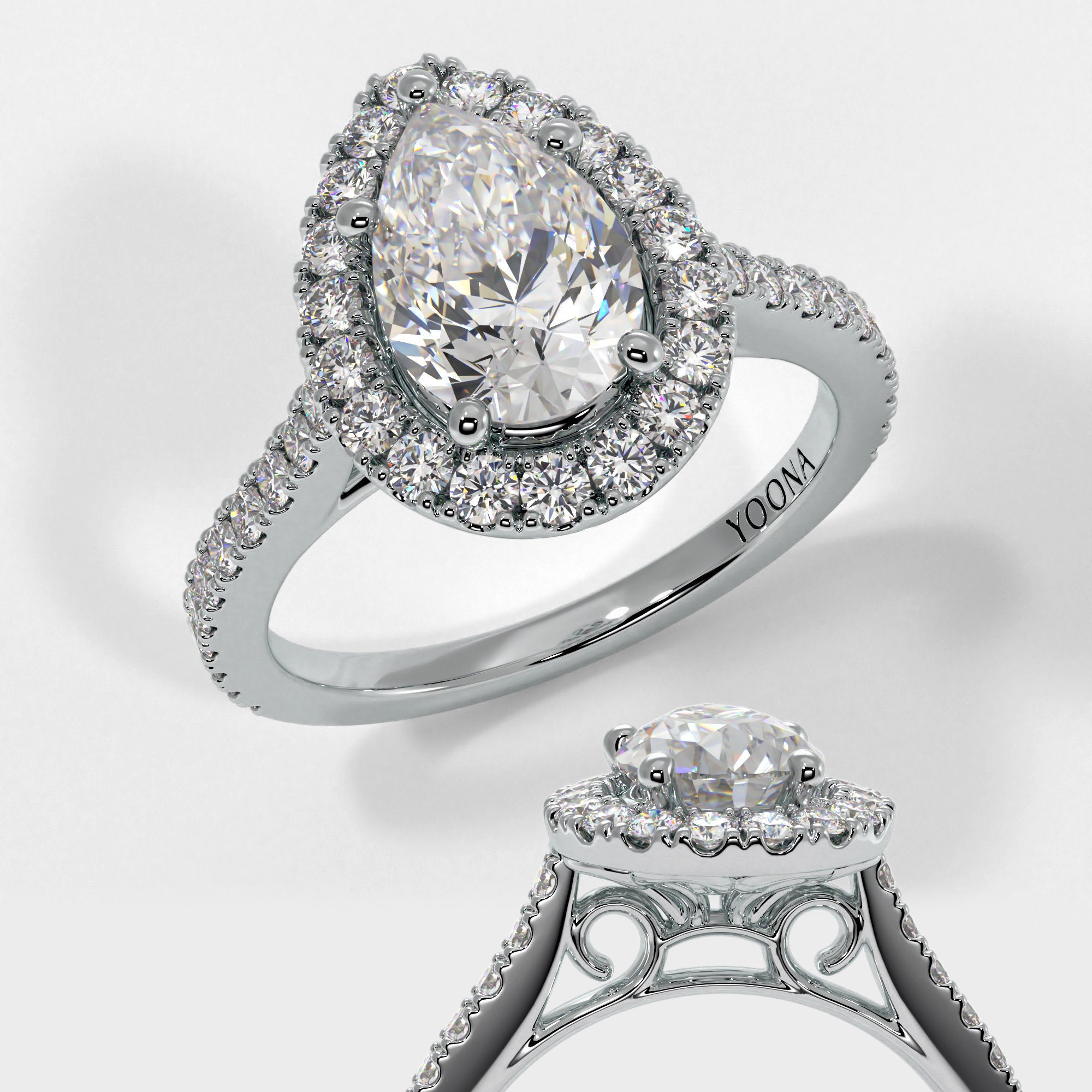
Quick answer: Shape affects how big a diamond looks and how well it hides inclusions or color, decide this before choosing a setting style, since some settings suit elongated shapes better than others.
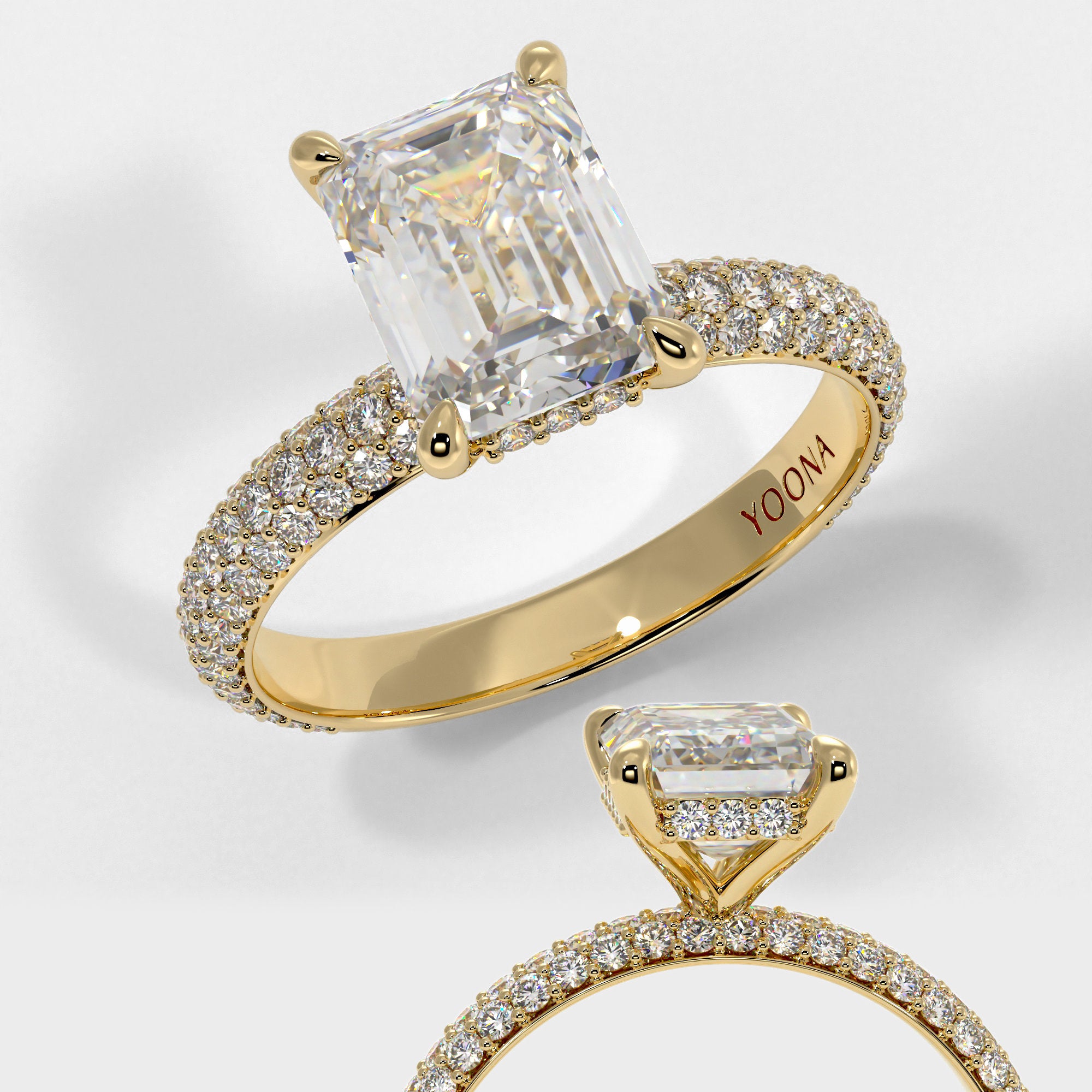
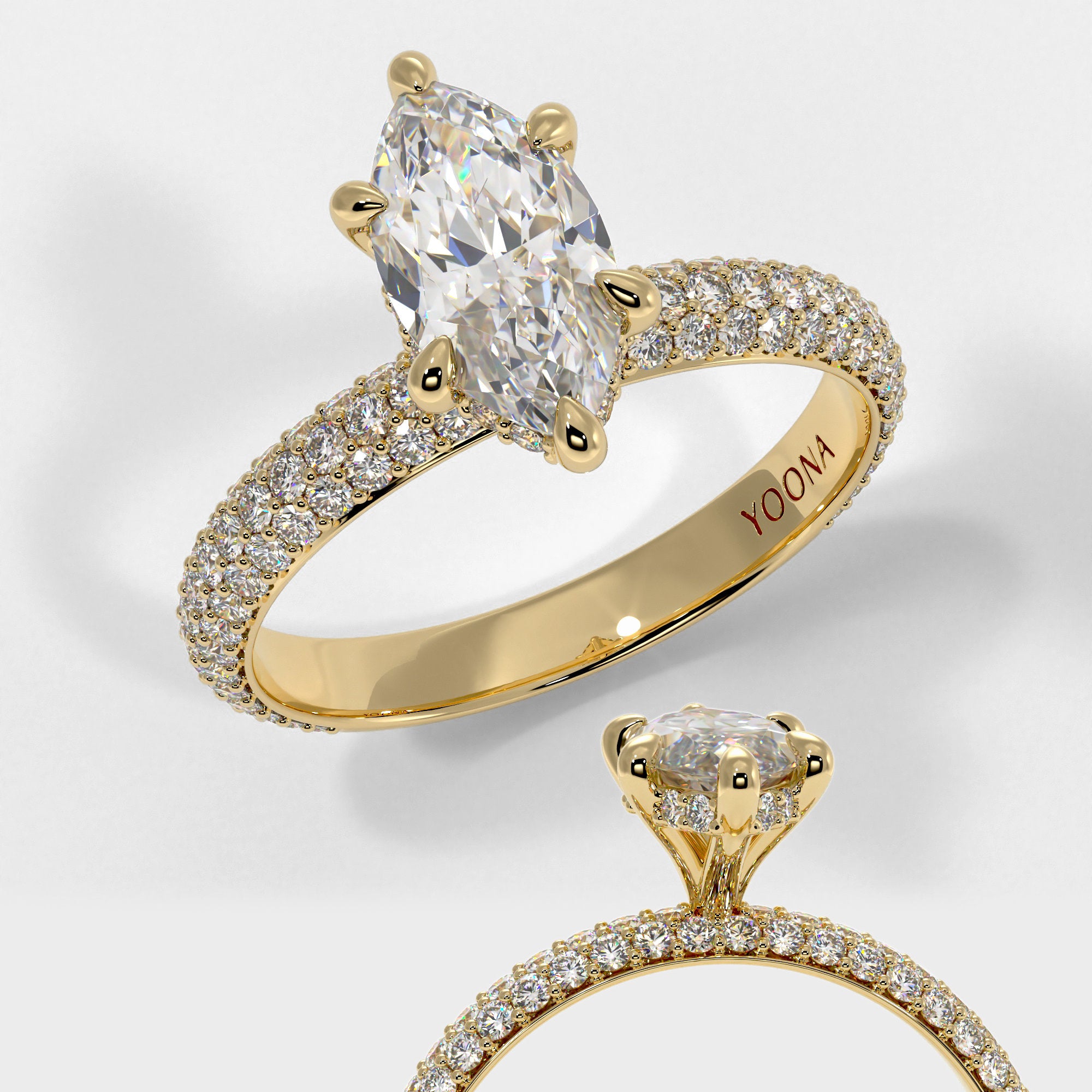
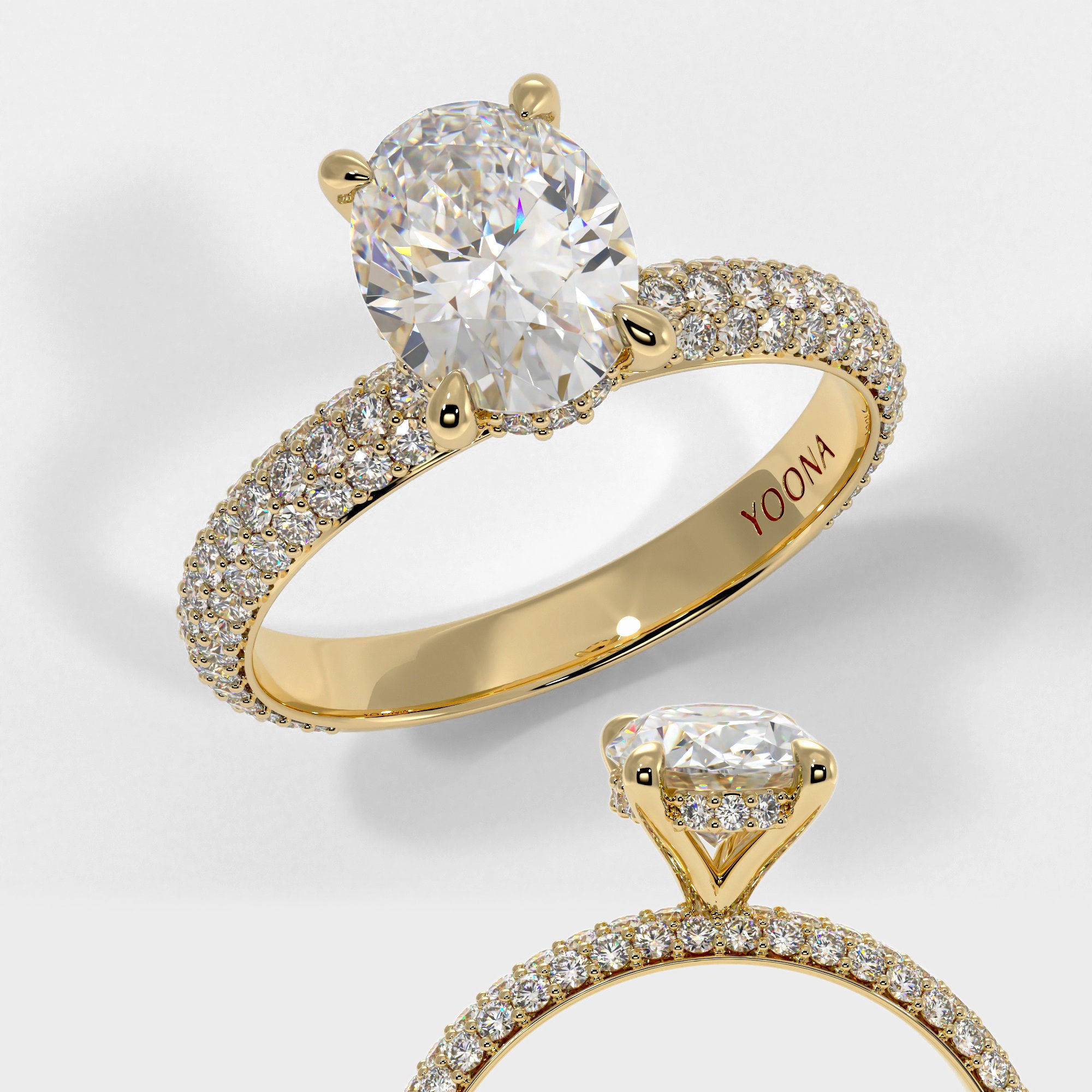
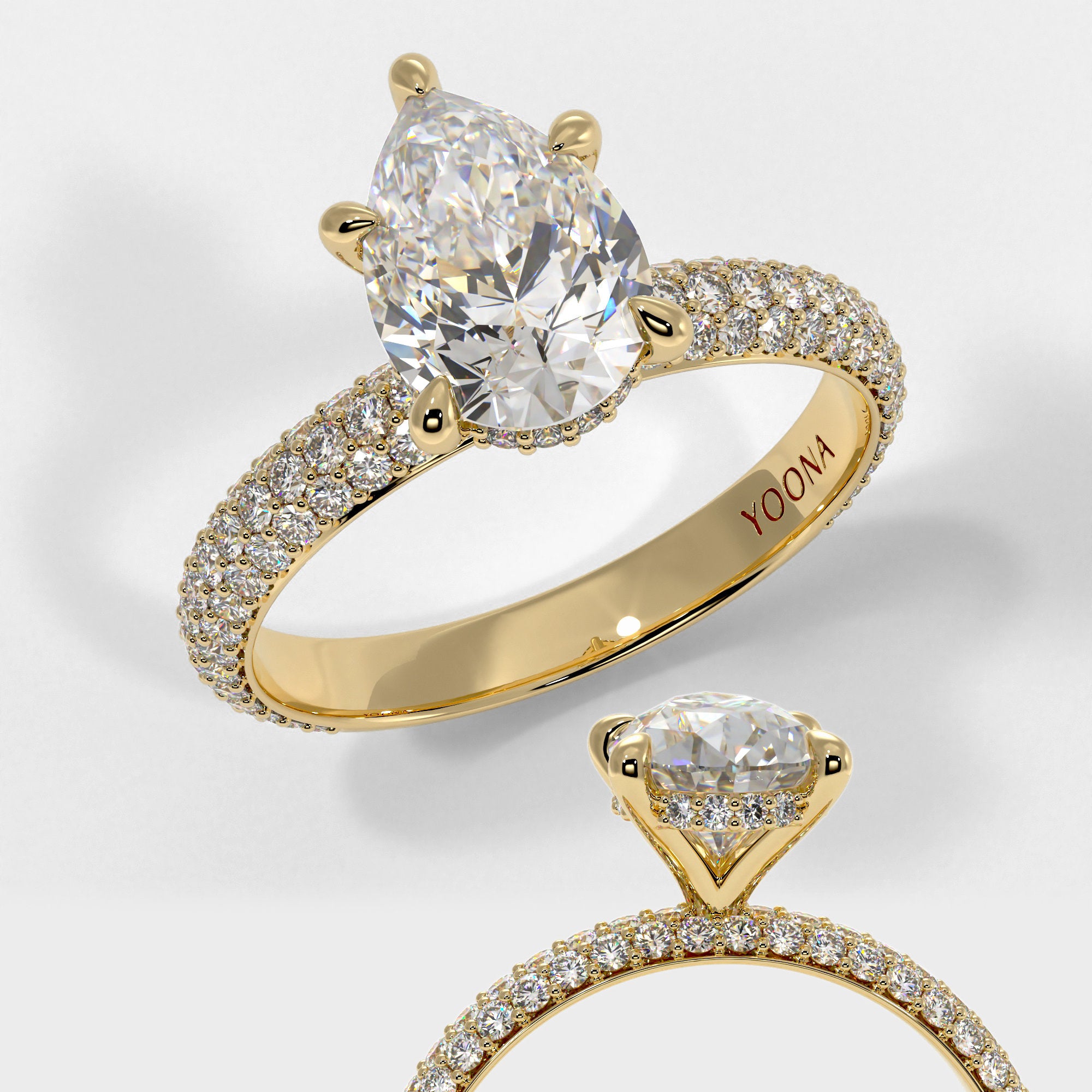
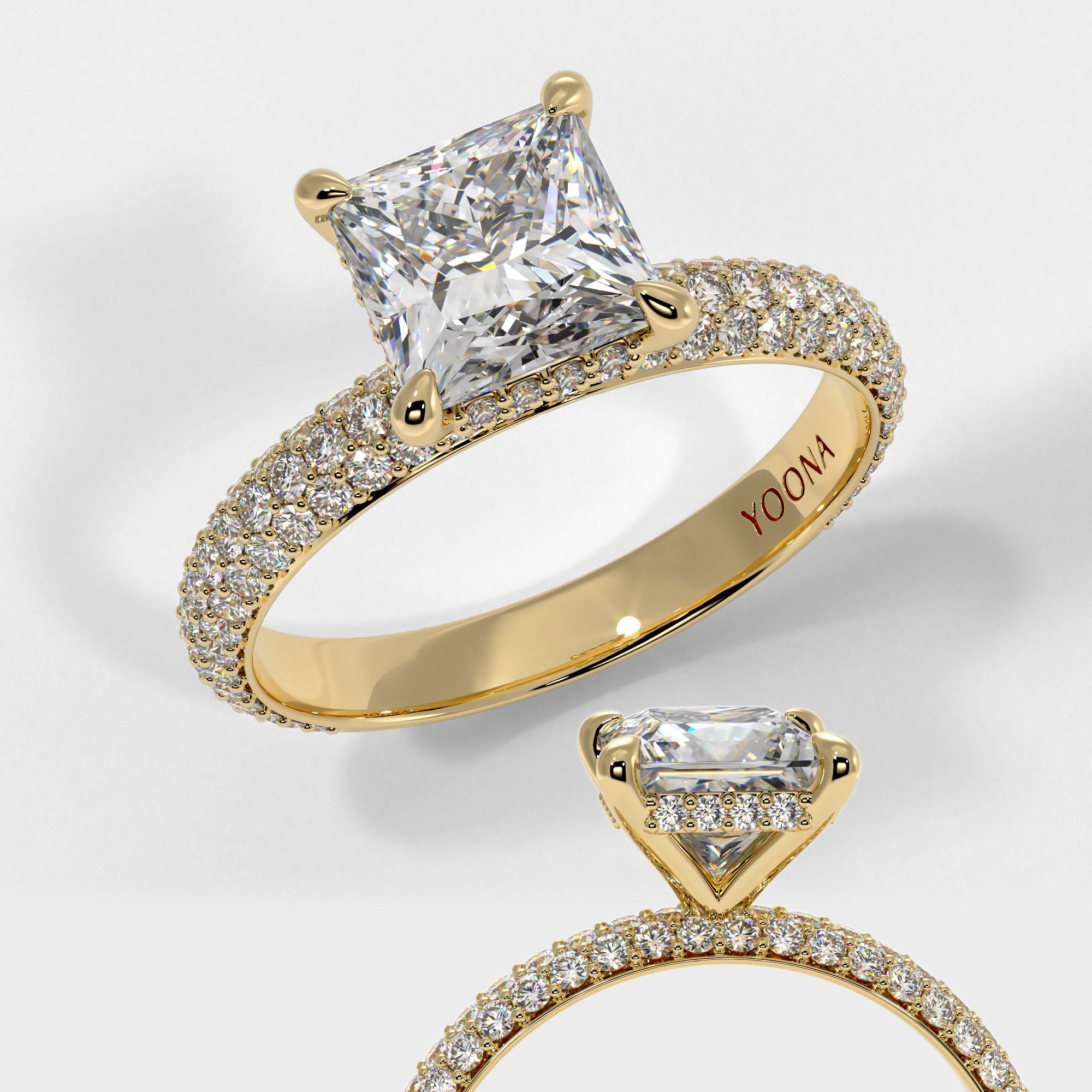
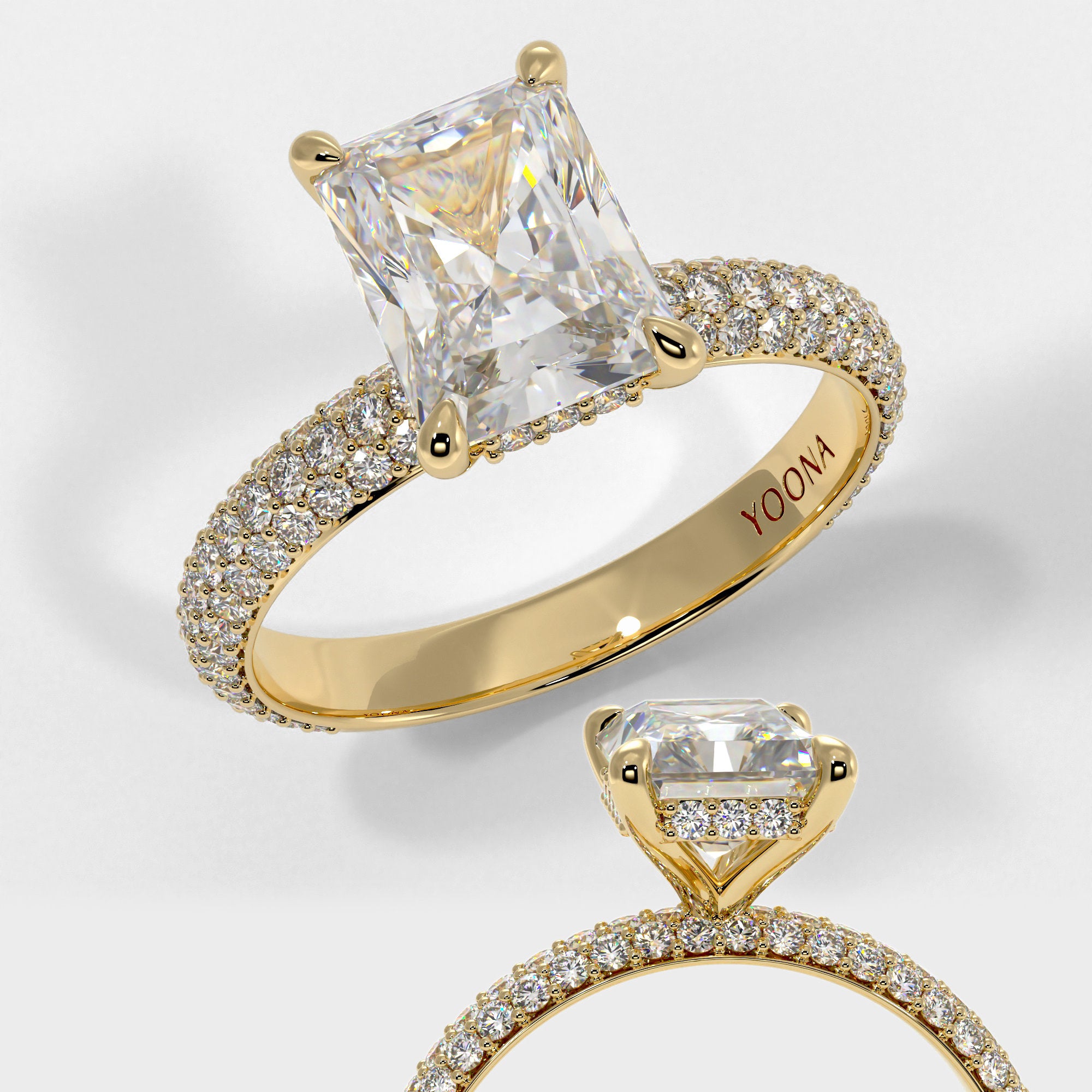
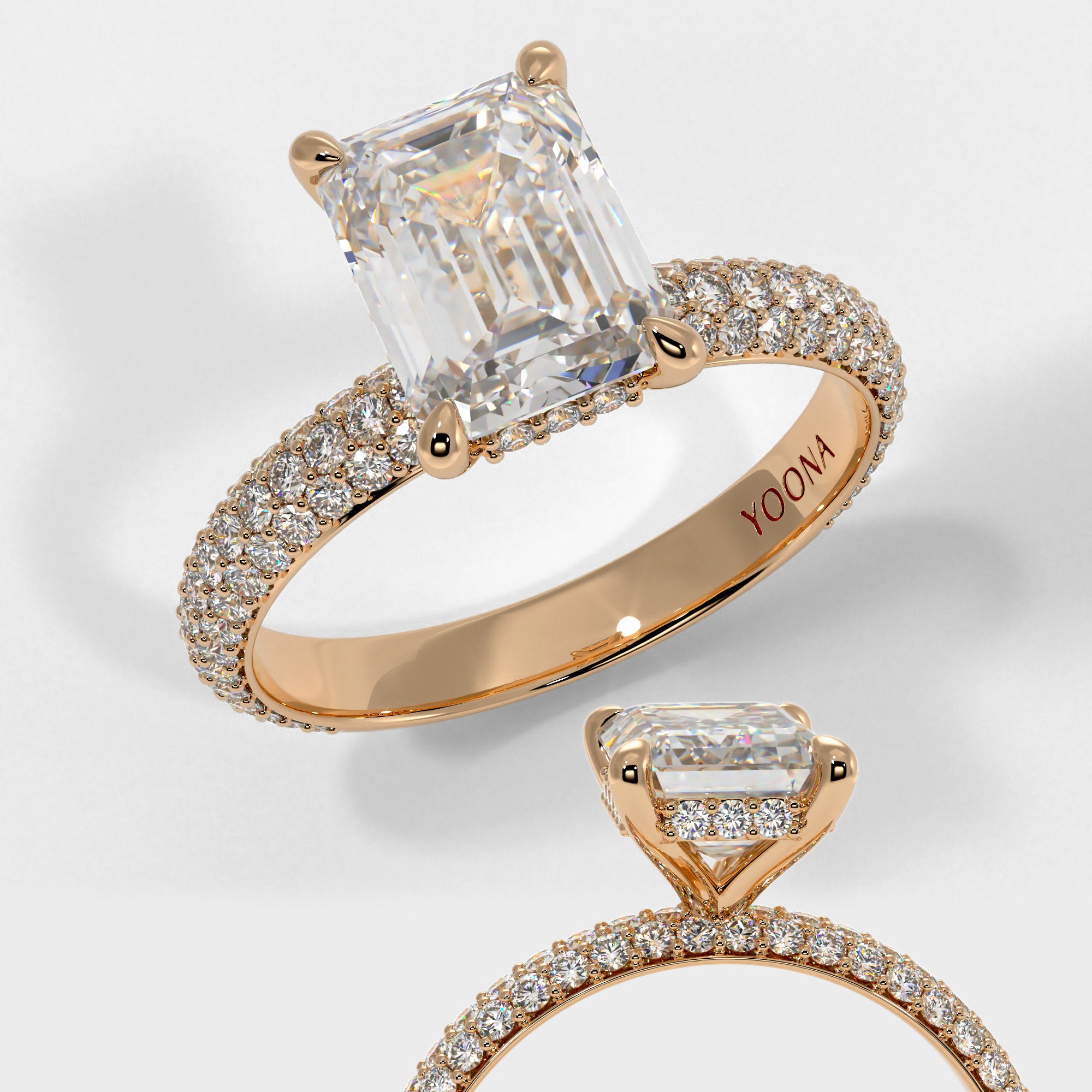
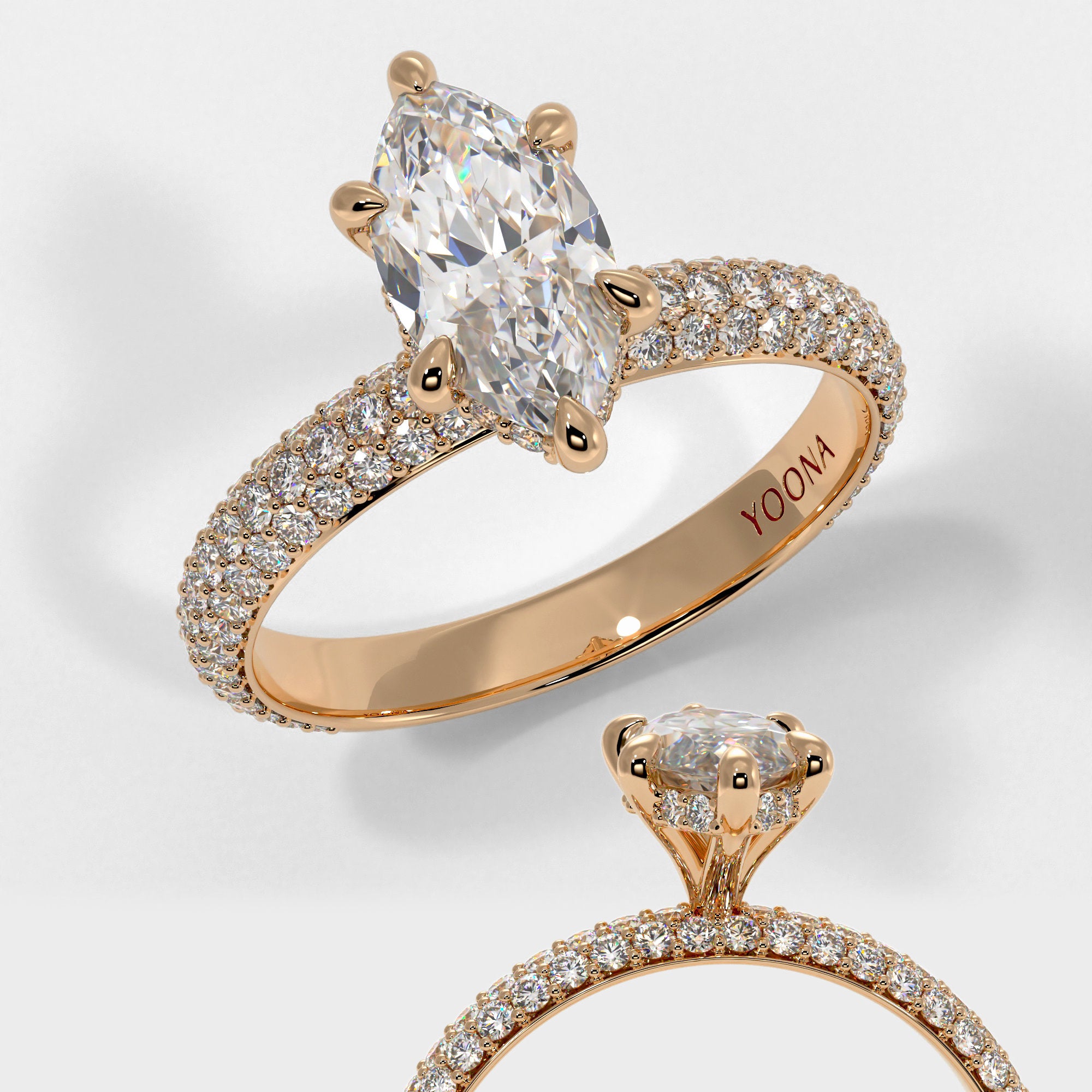
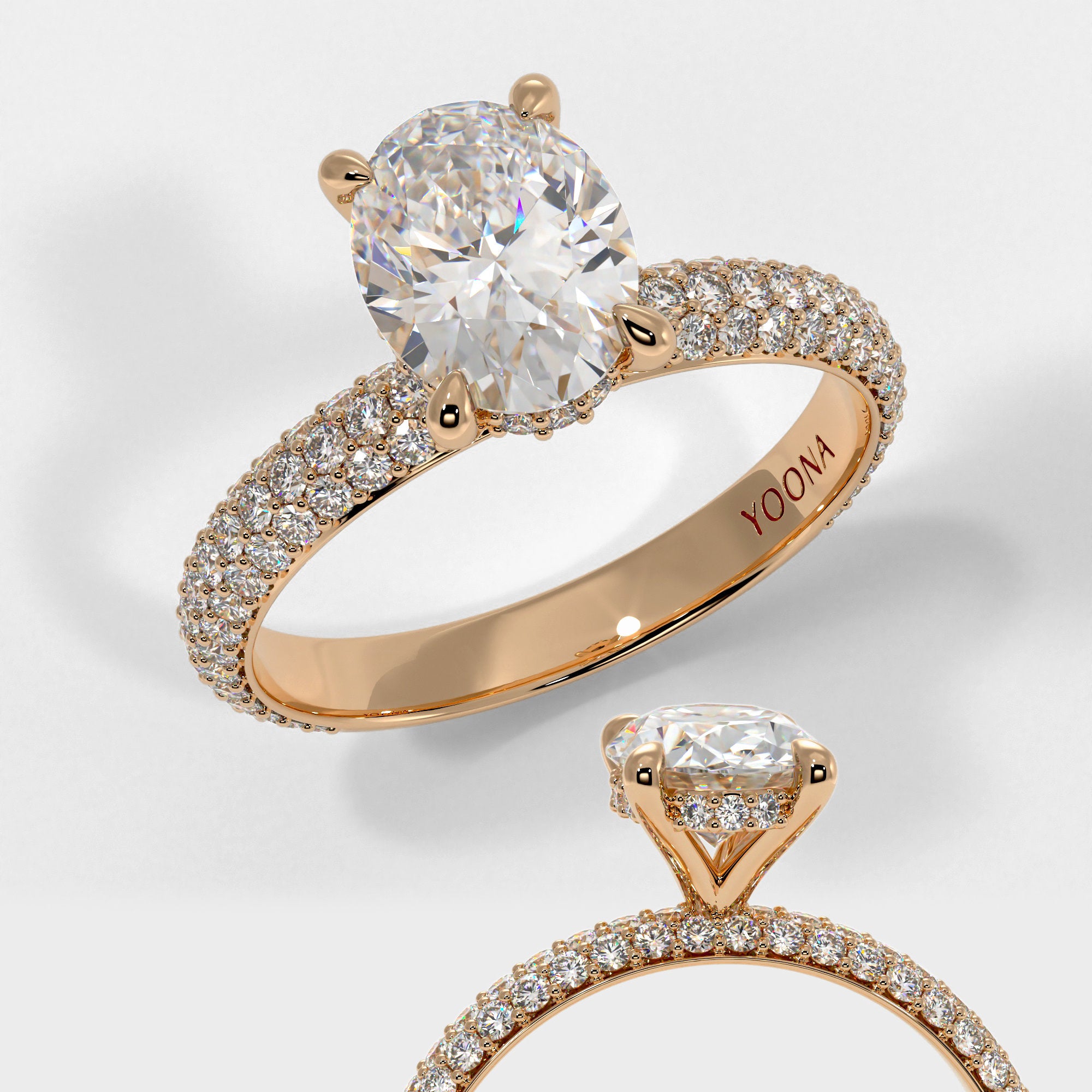
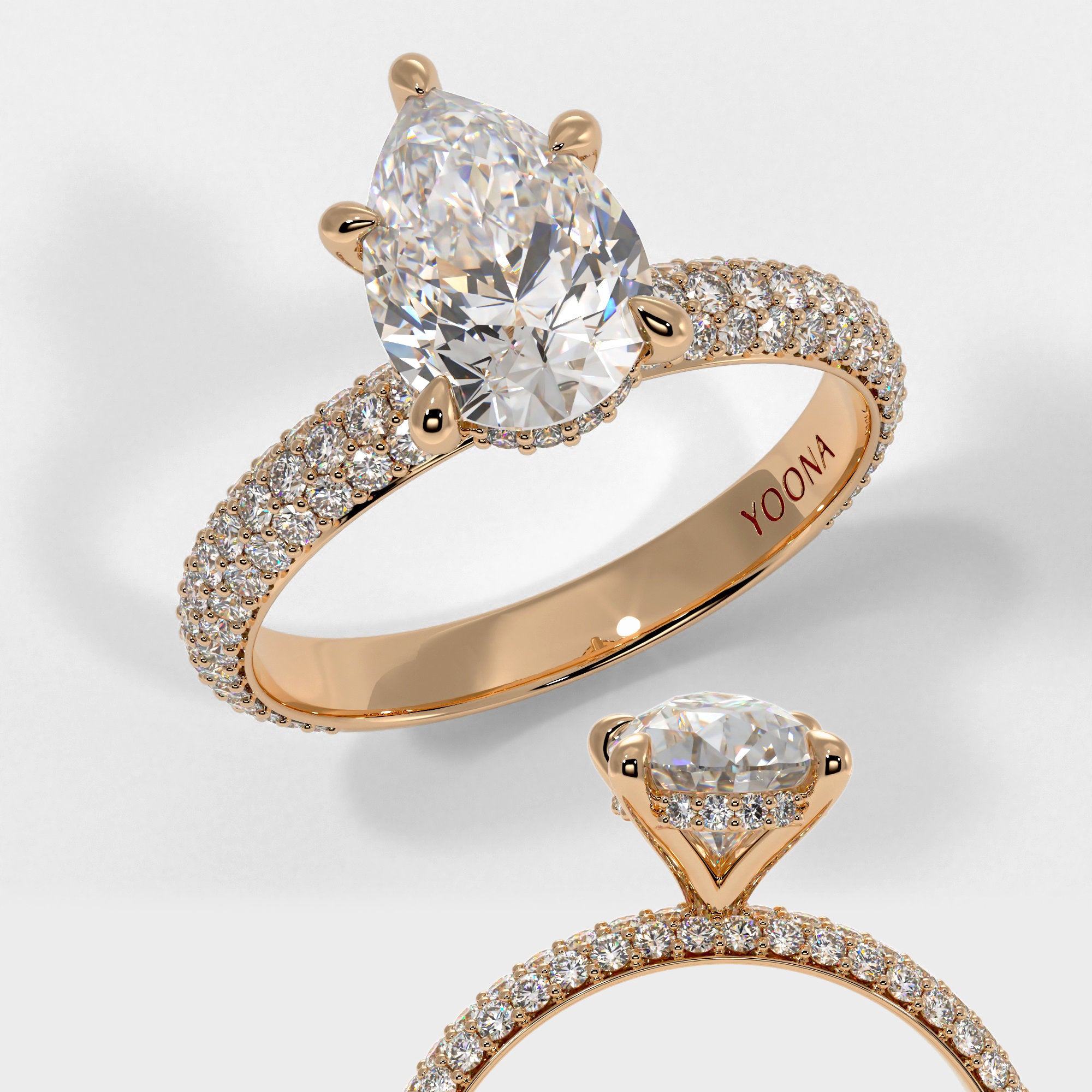
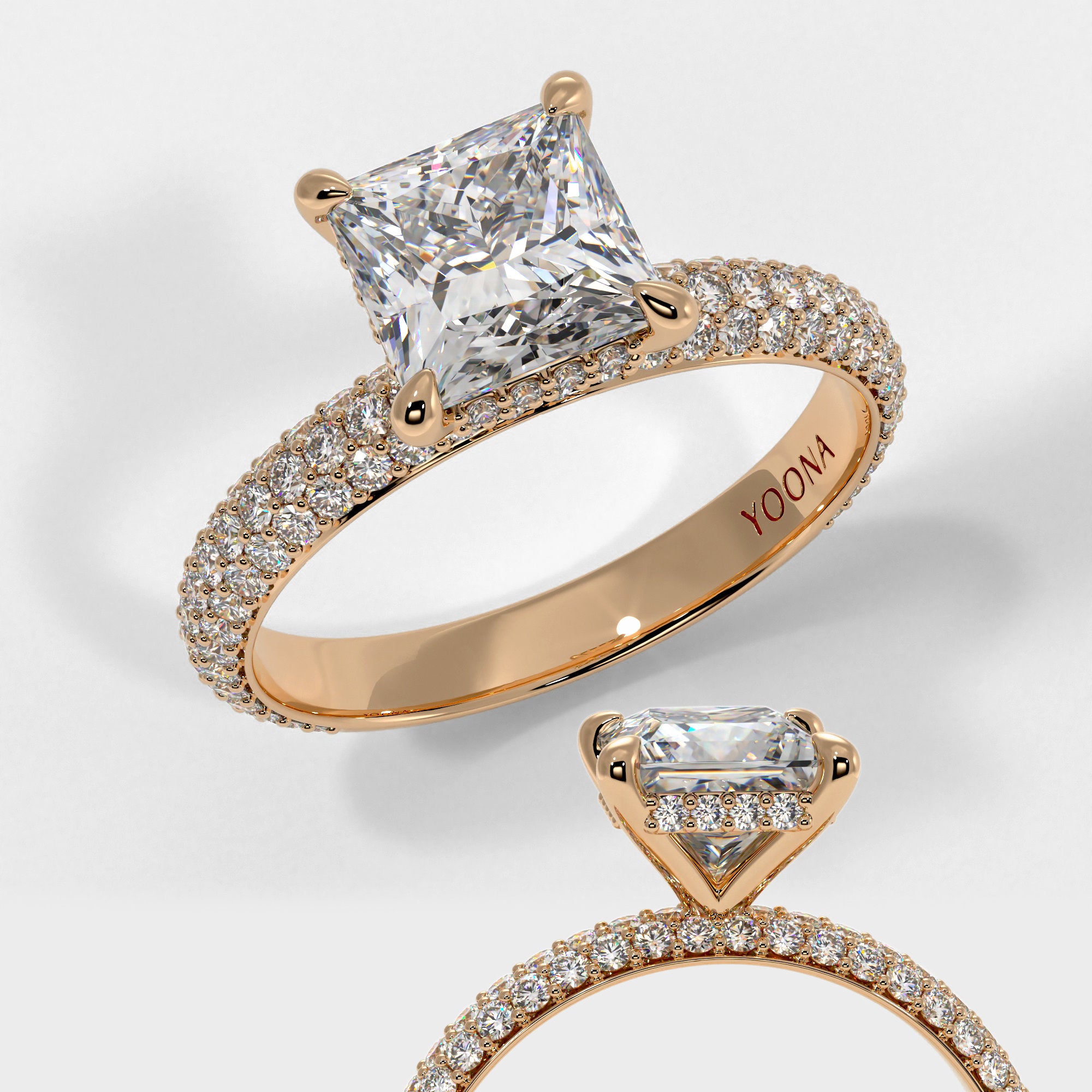
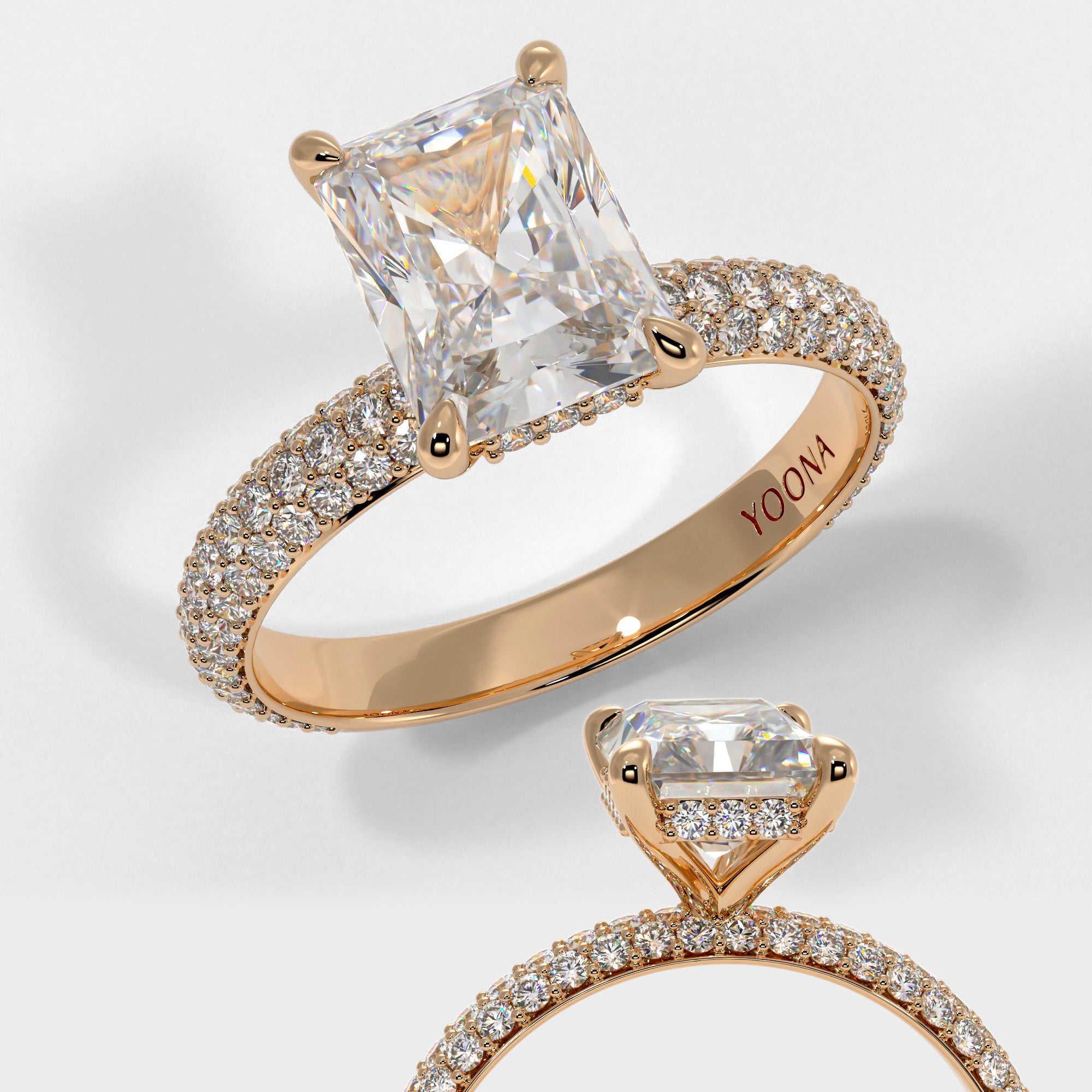
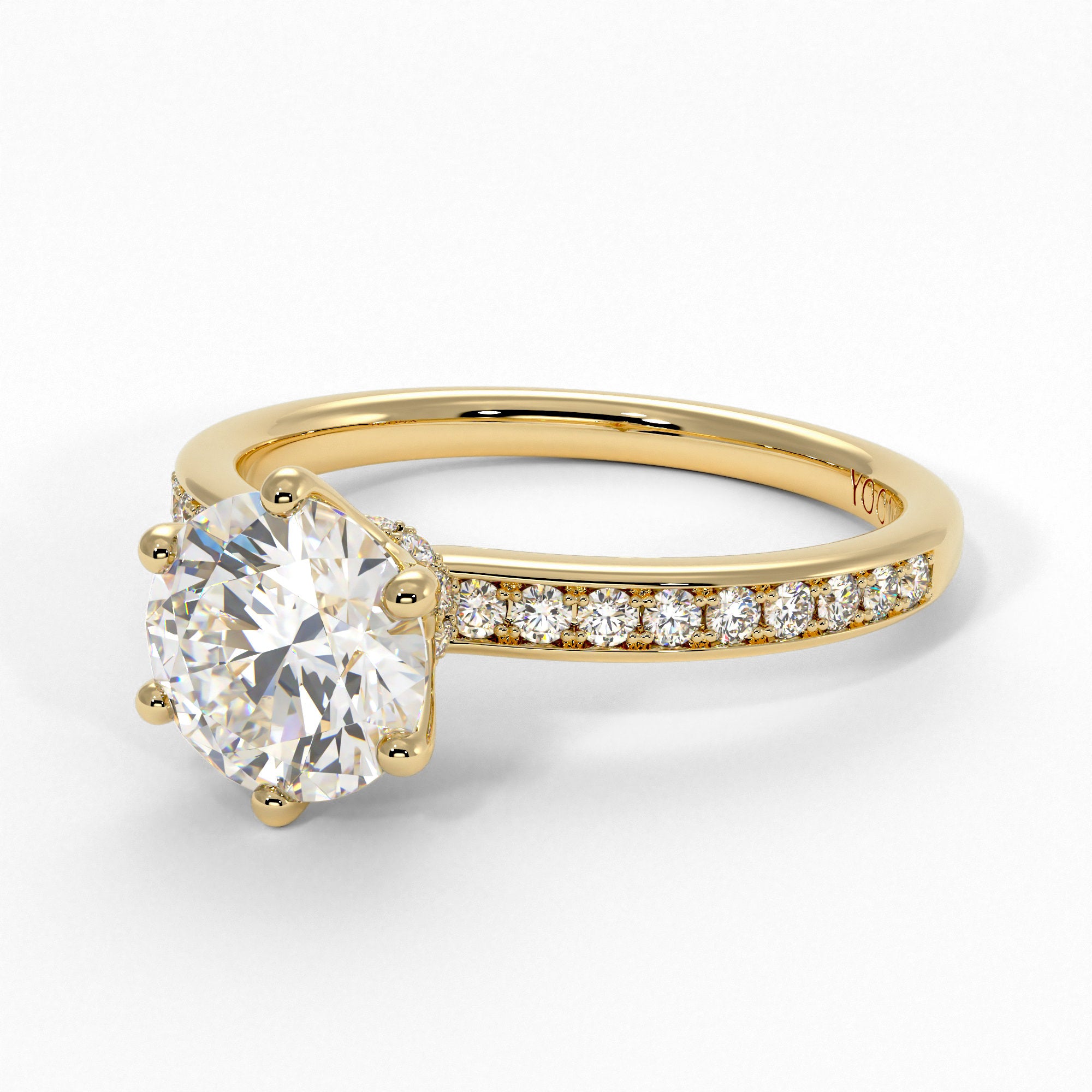
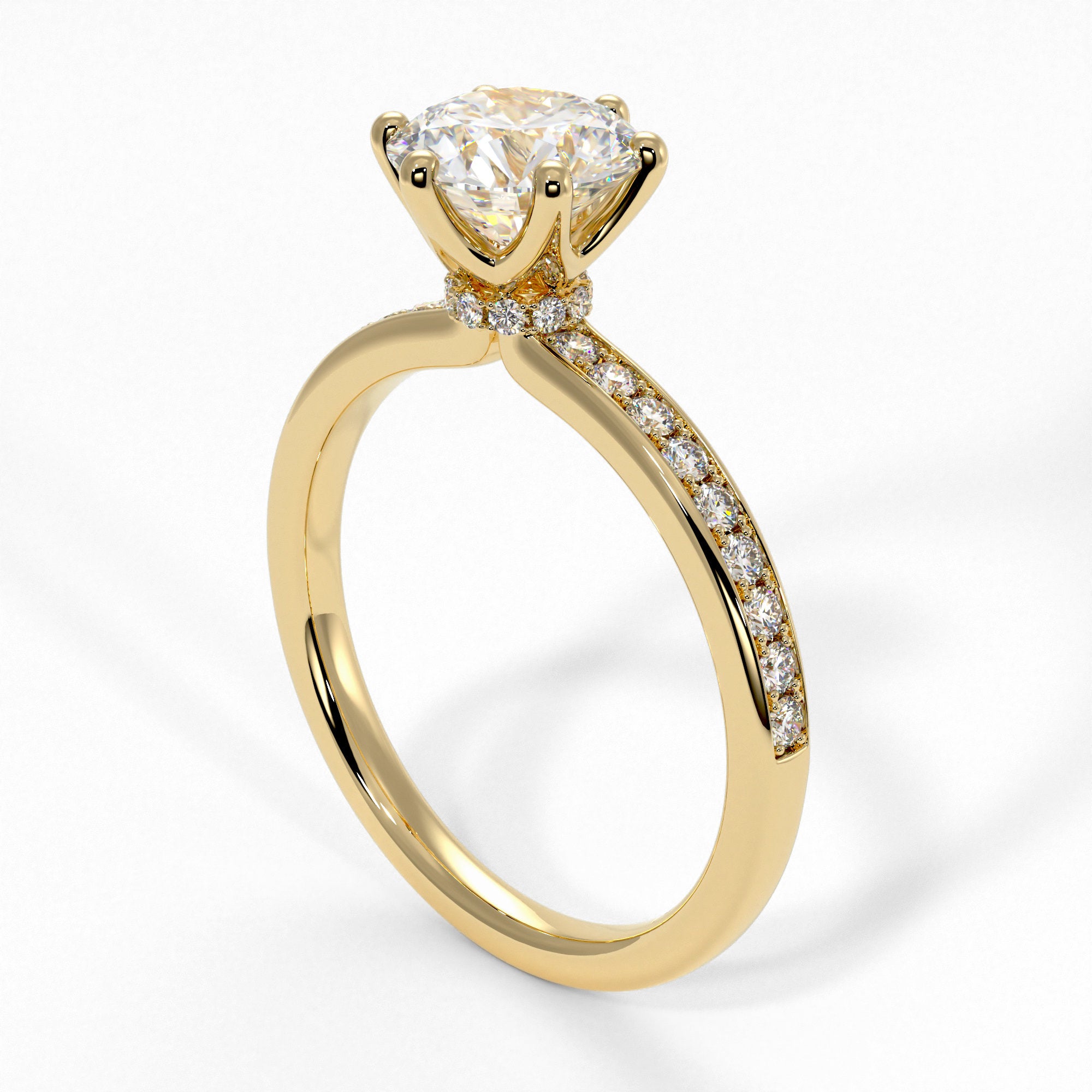
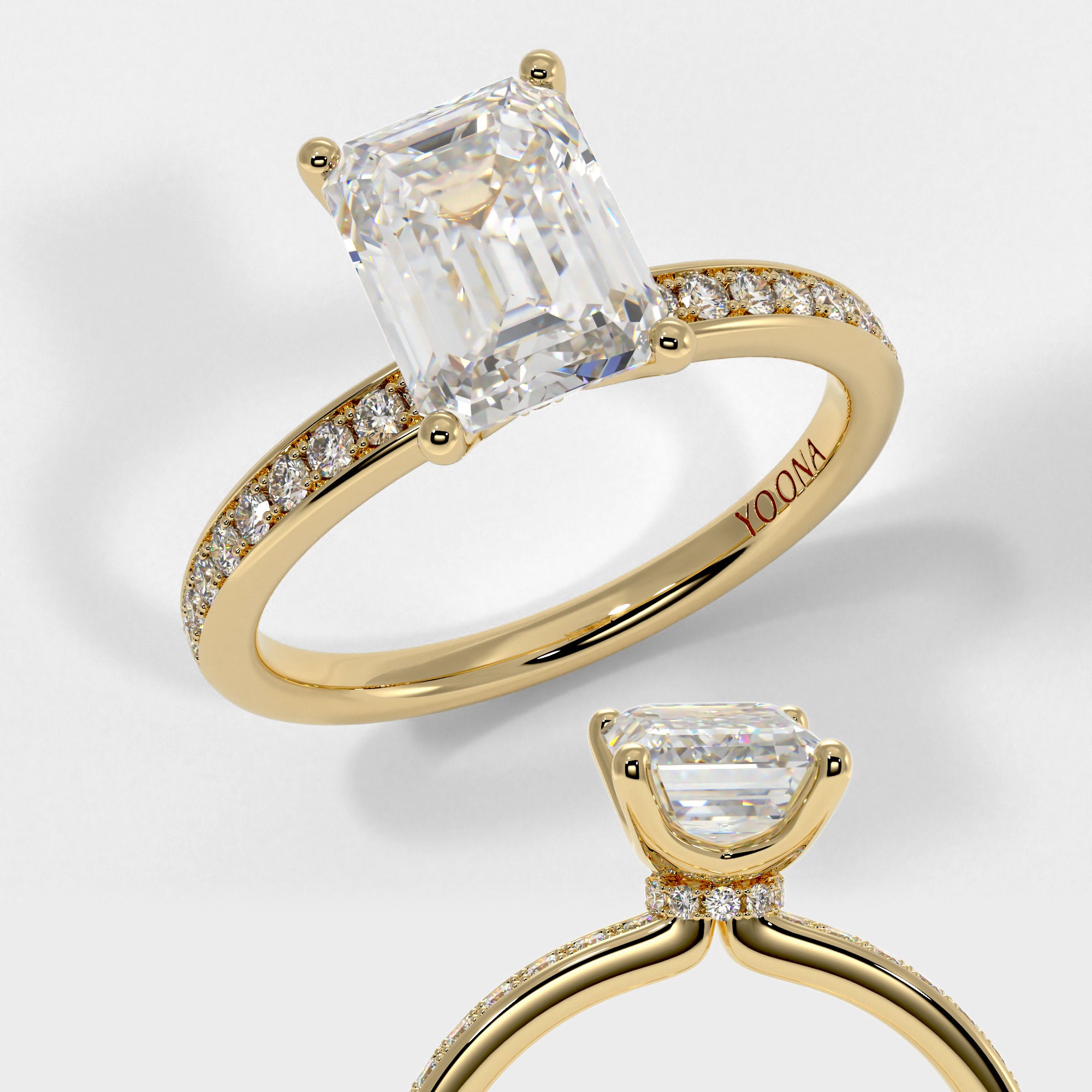
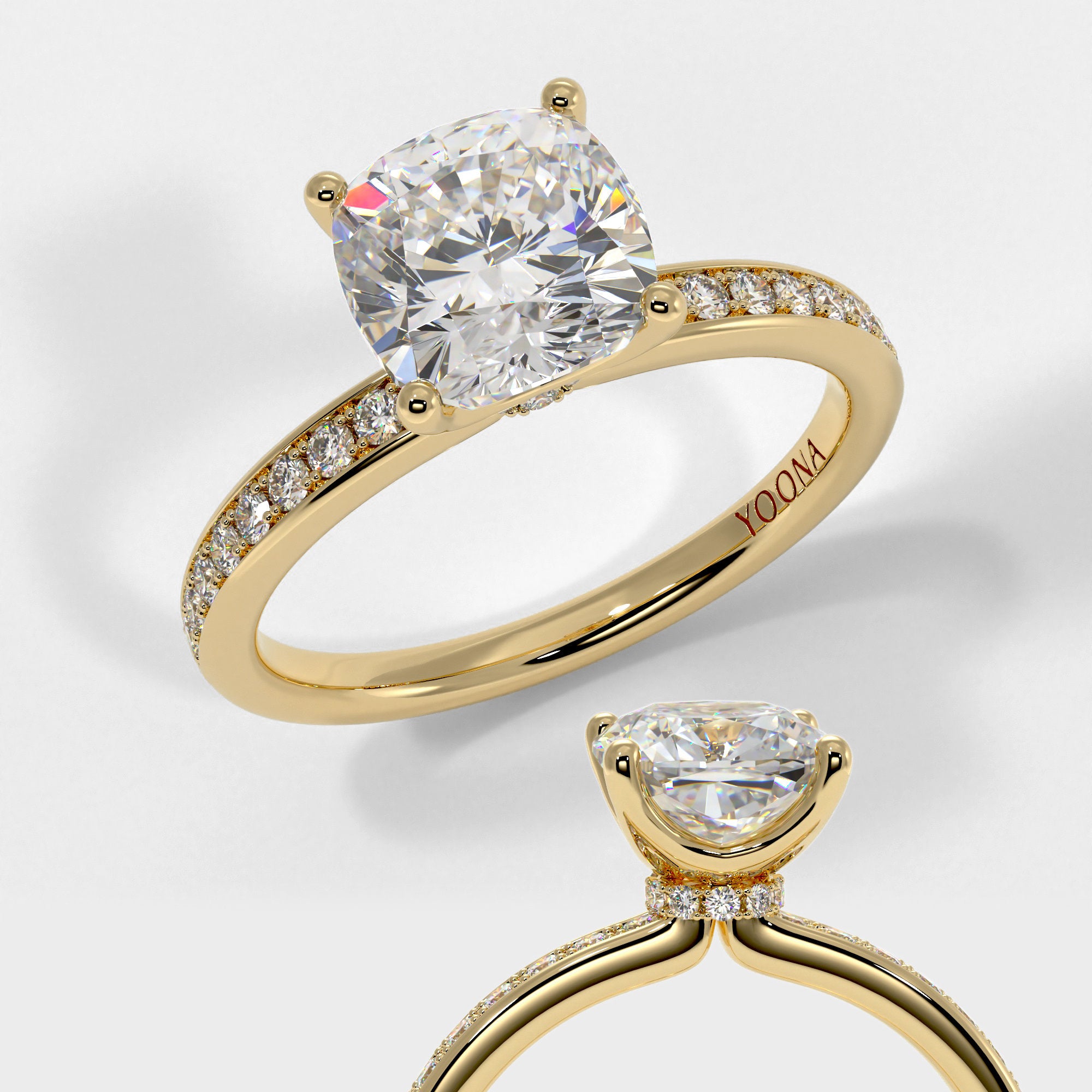
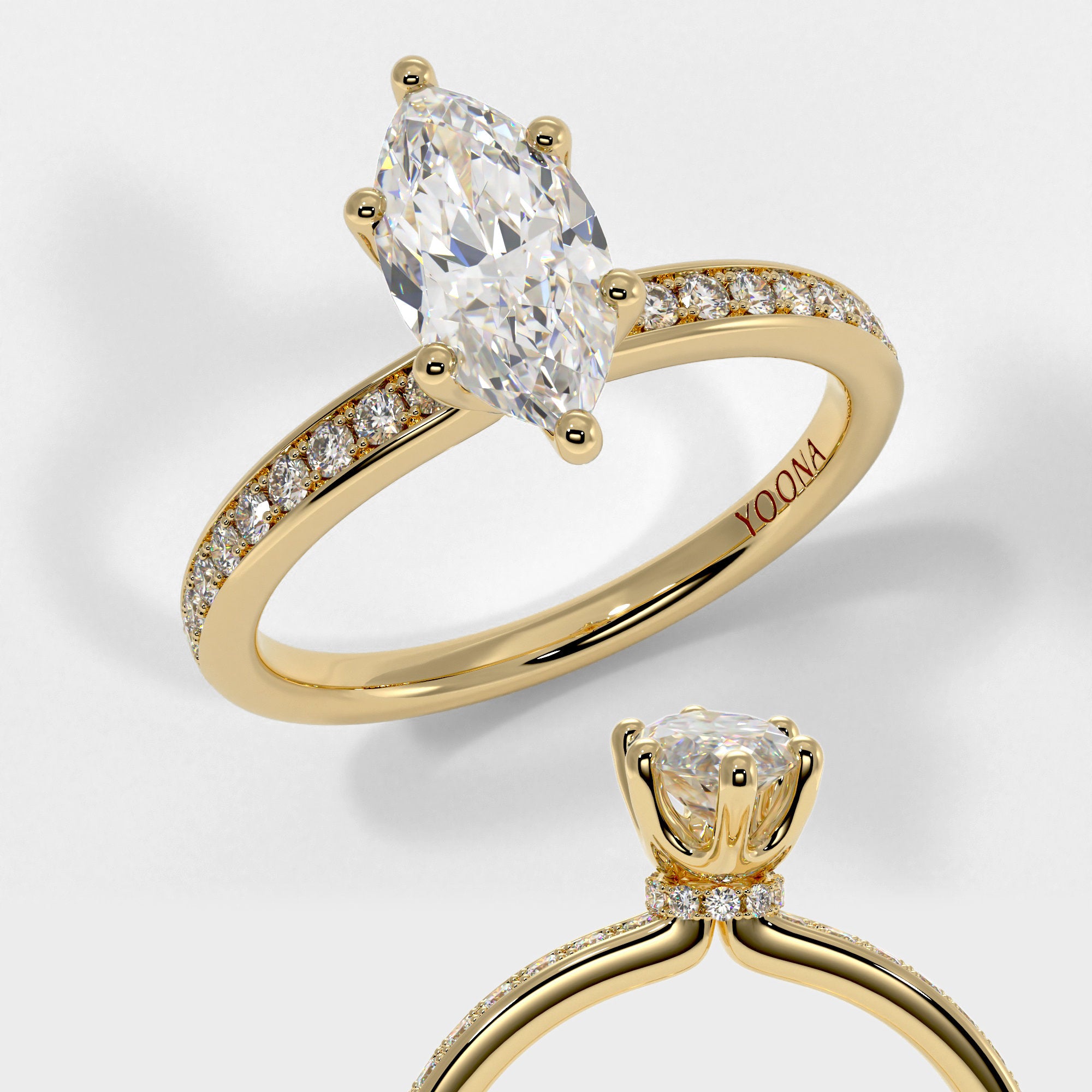
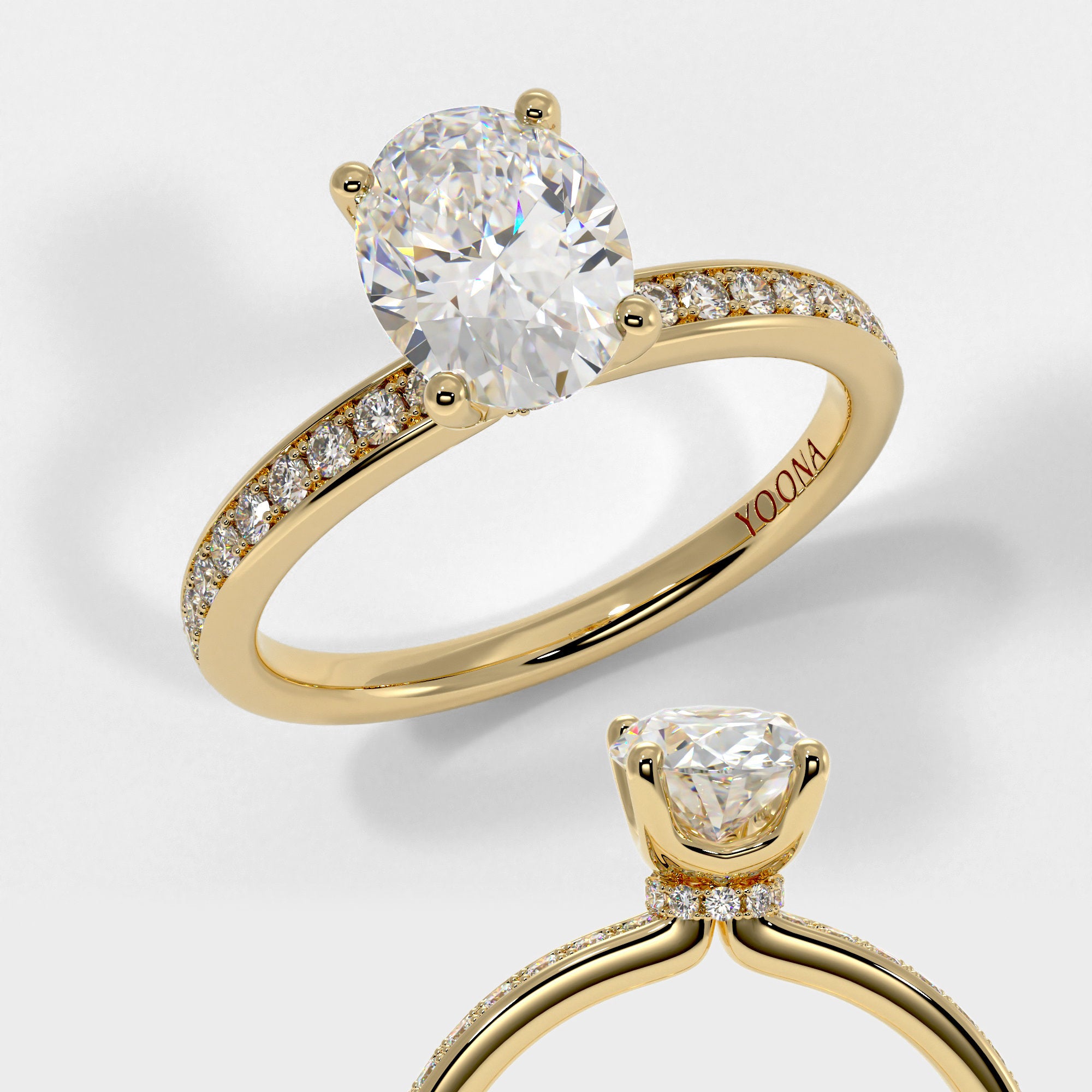
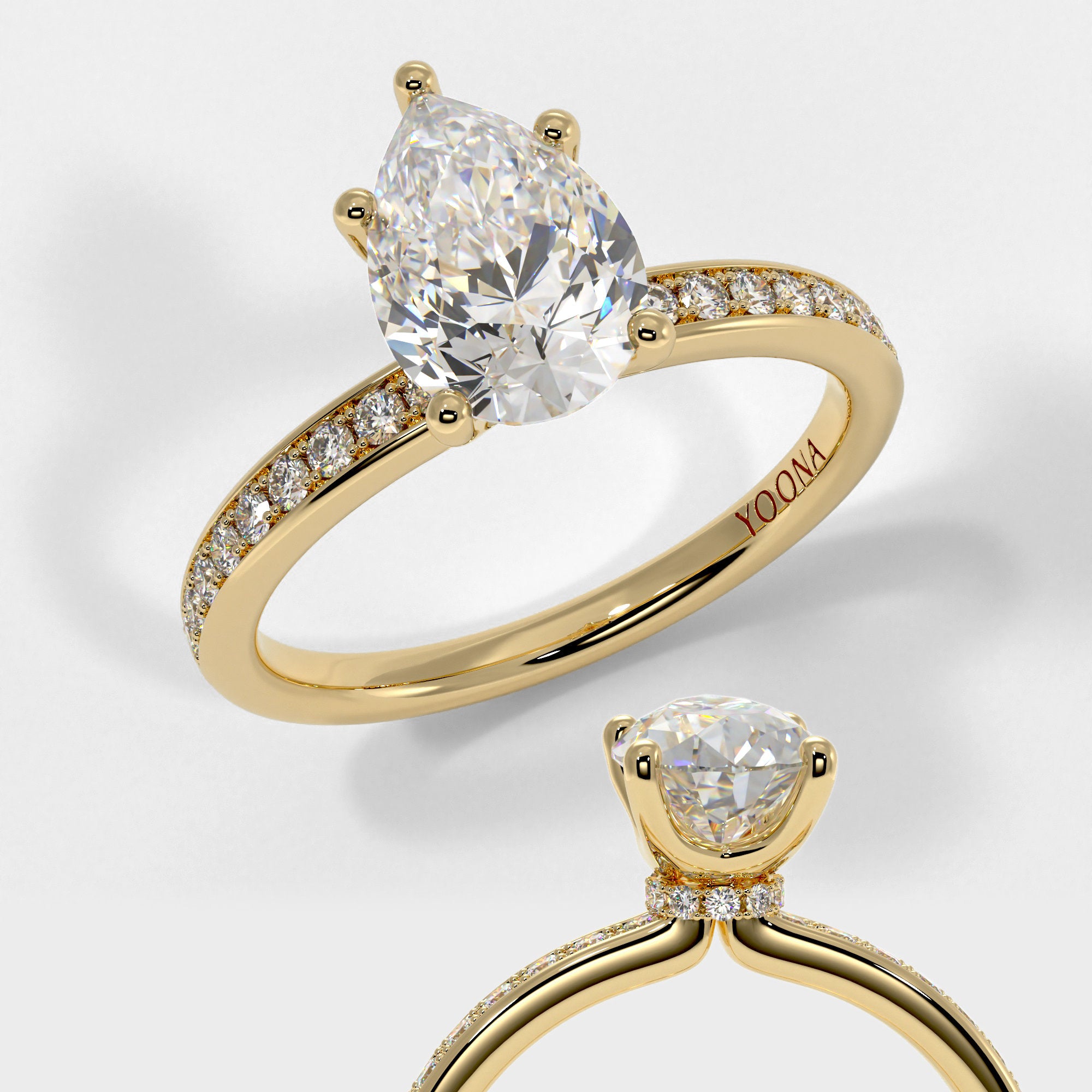
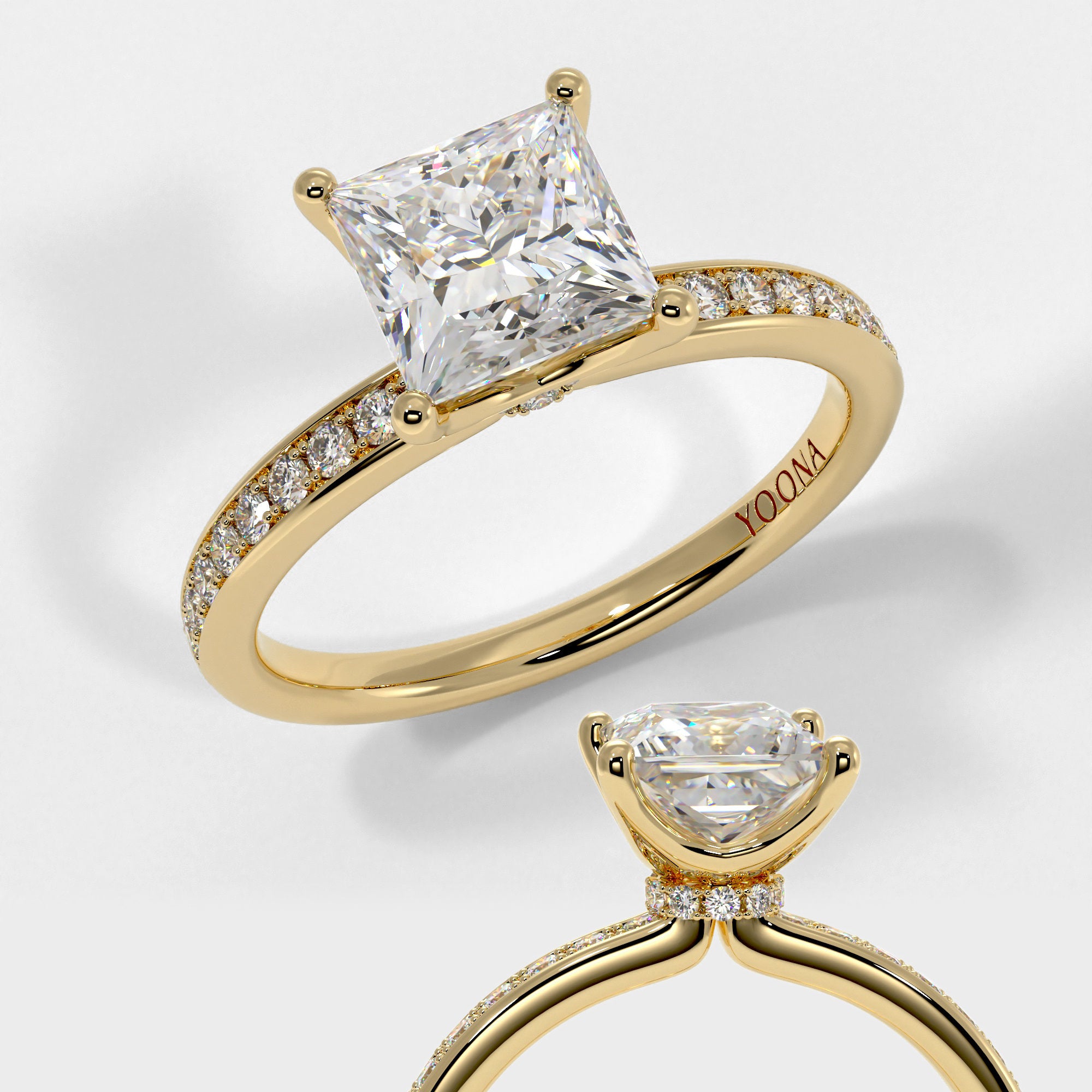
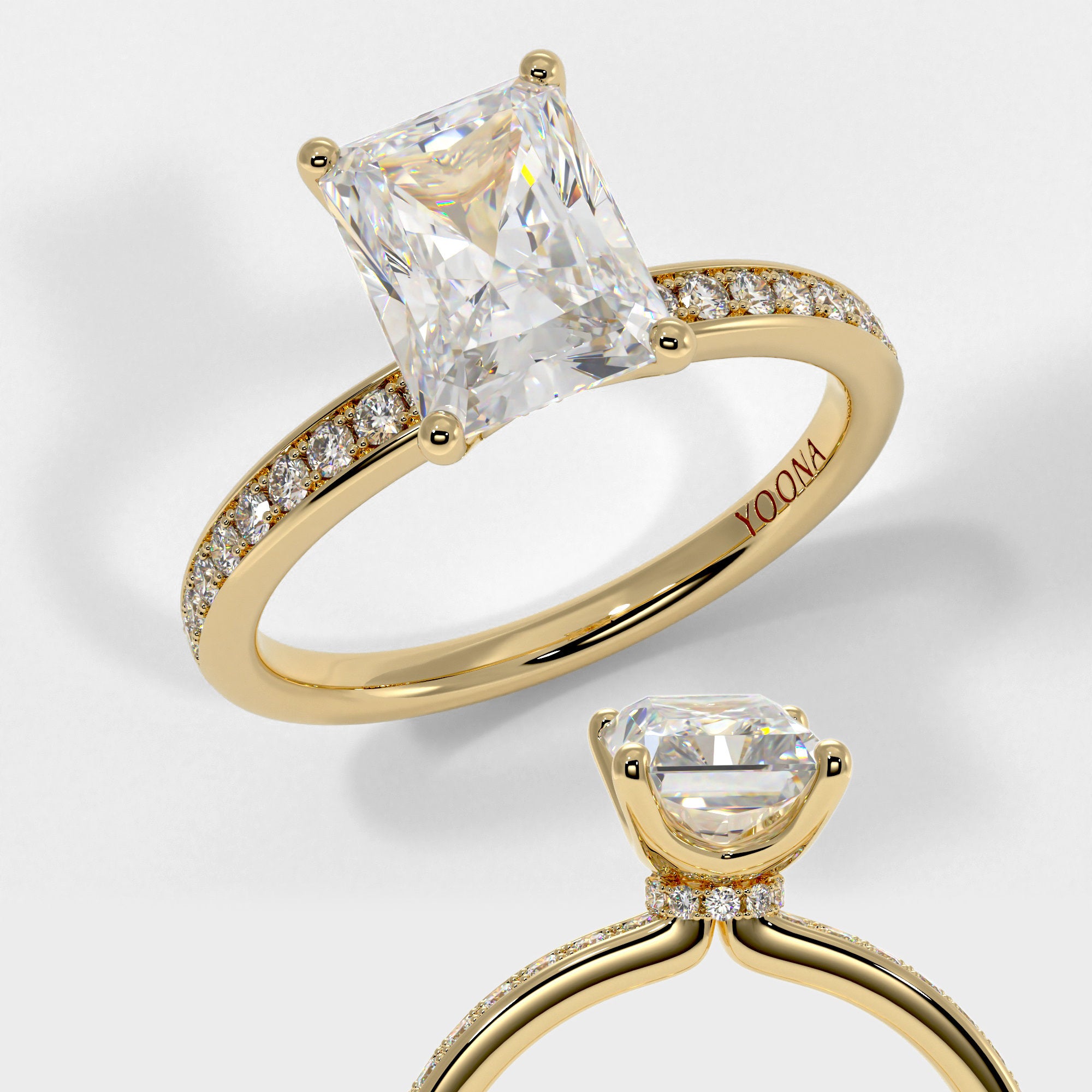
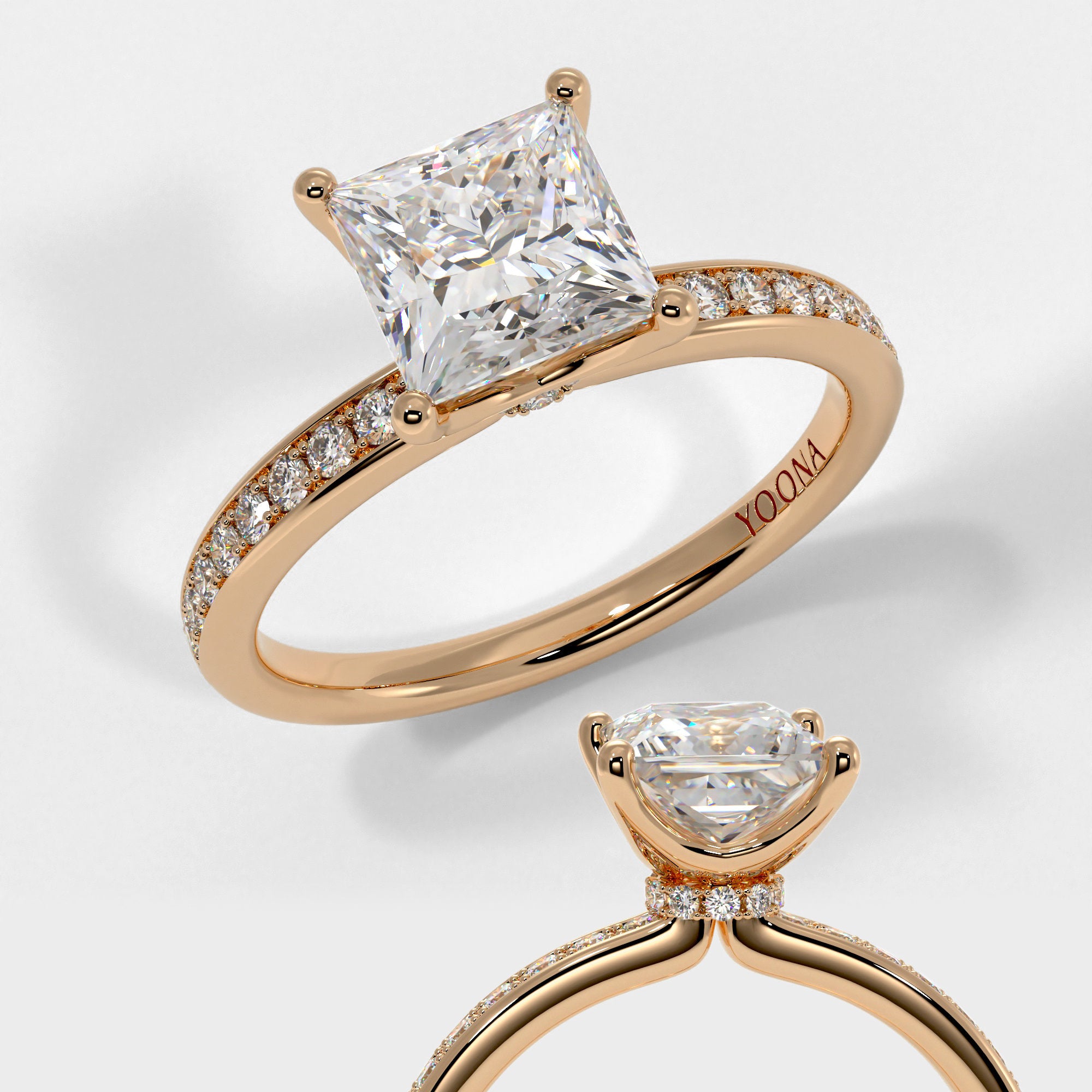
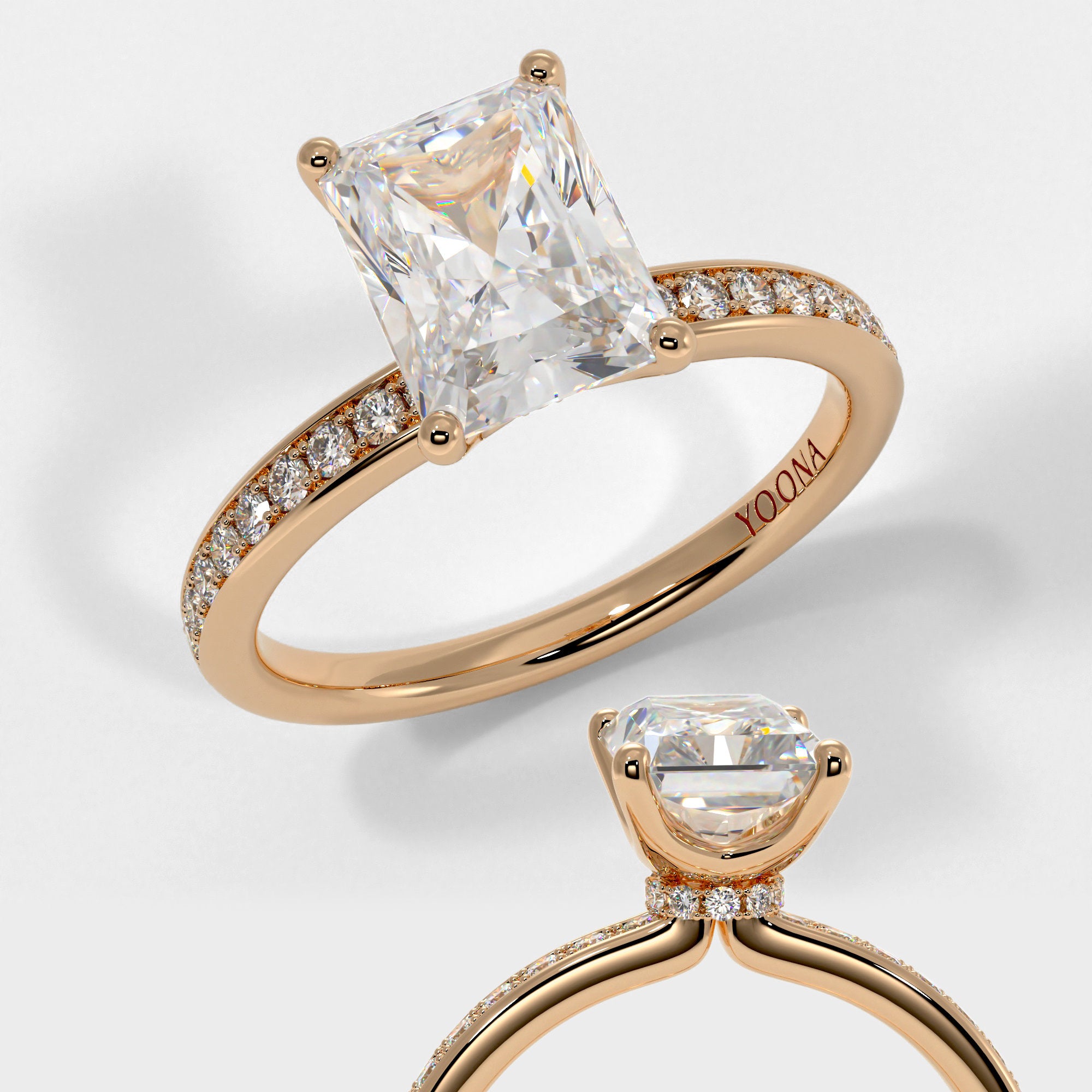
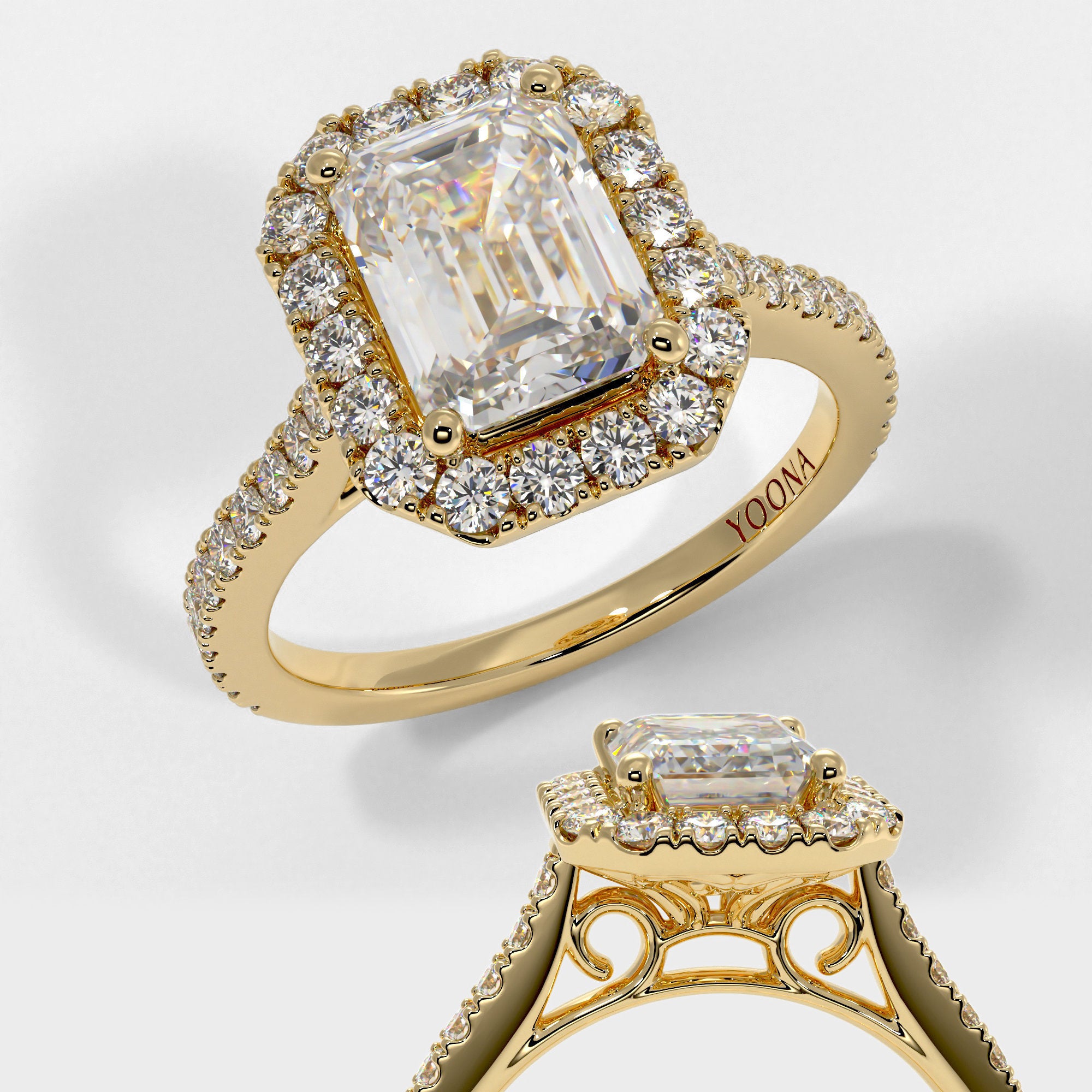
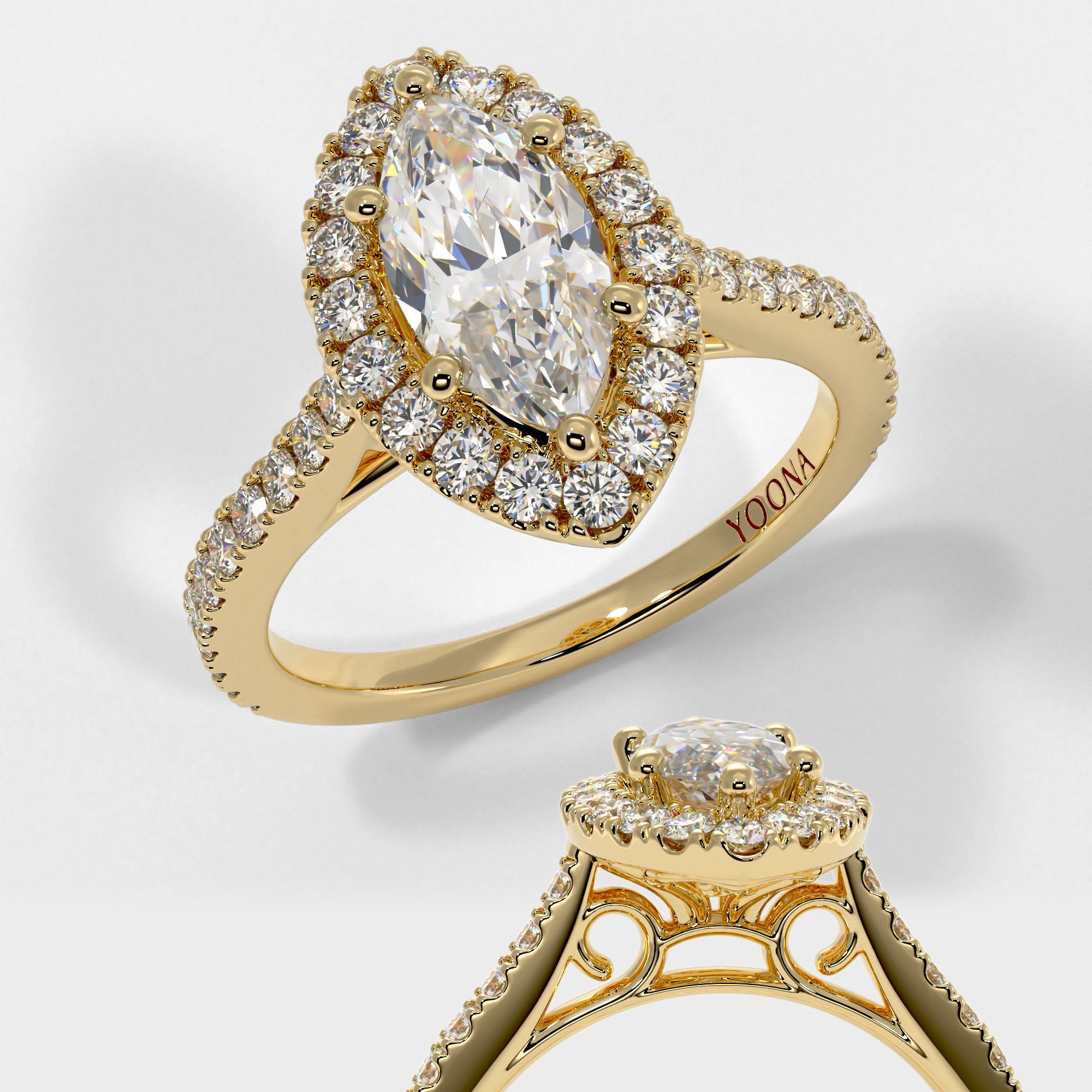
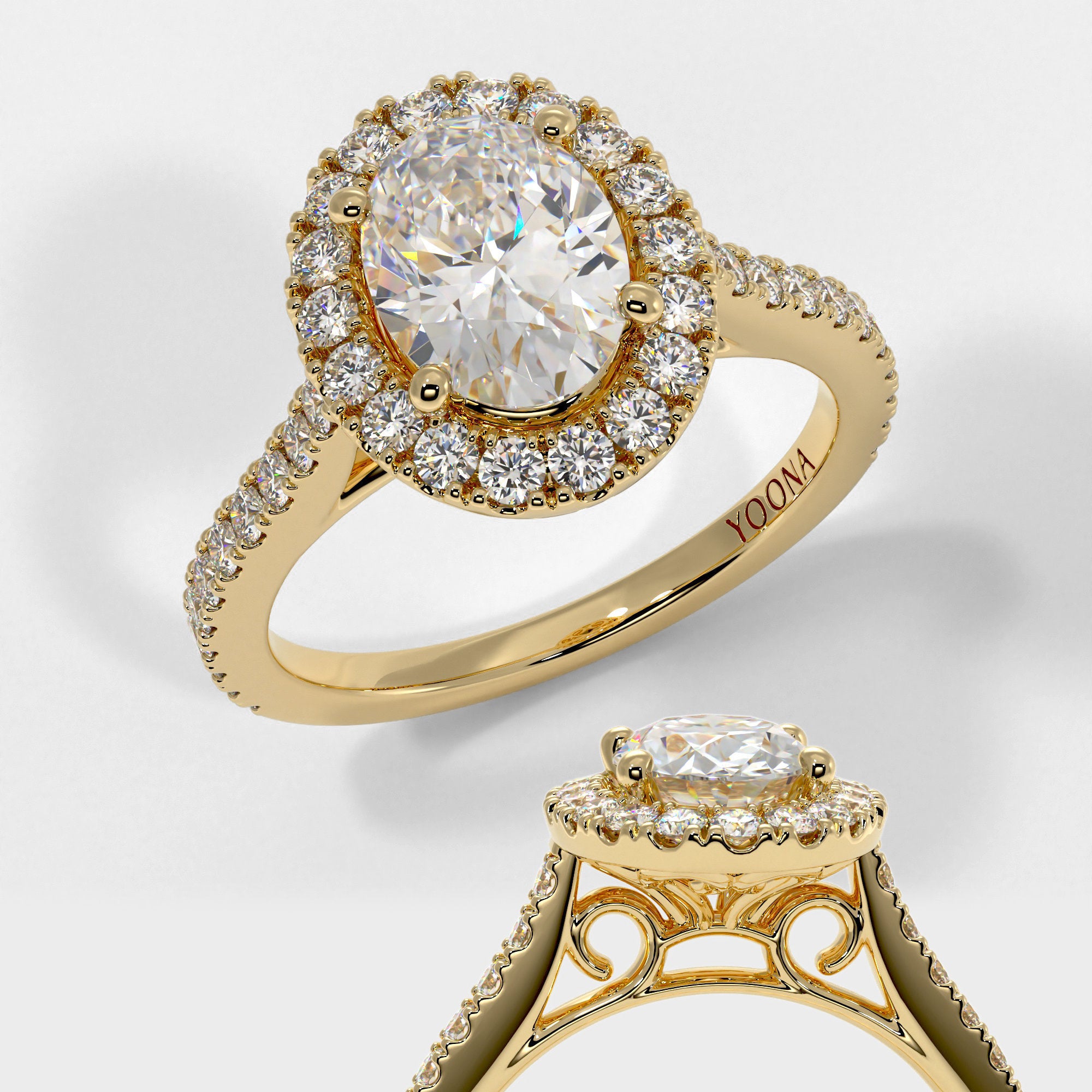
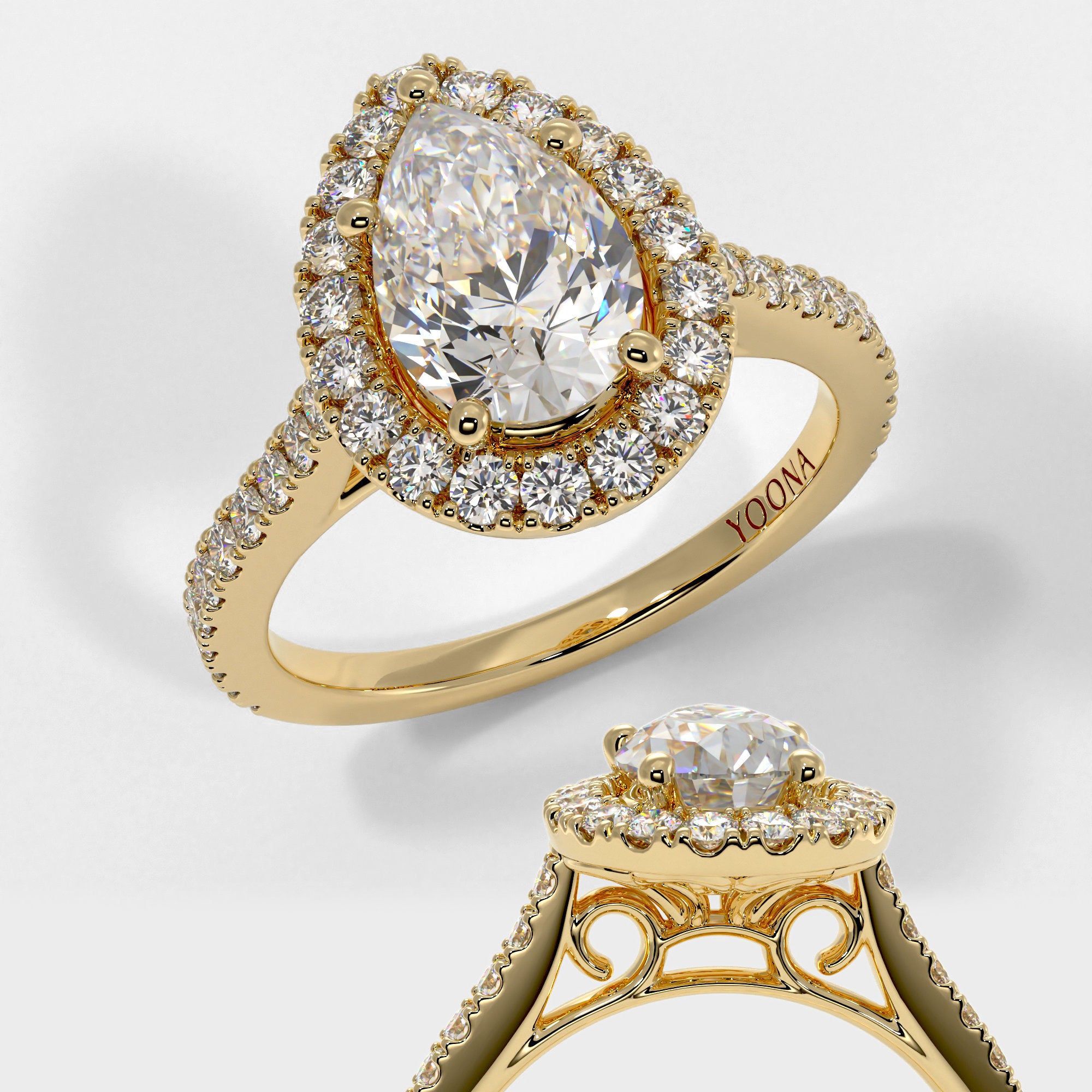
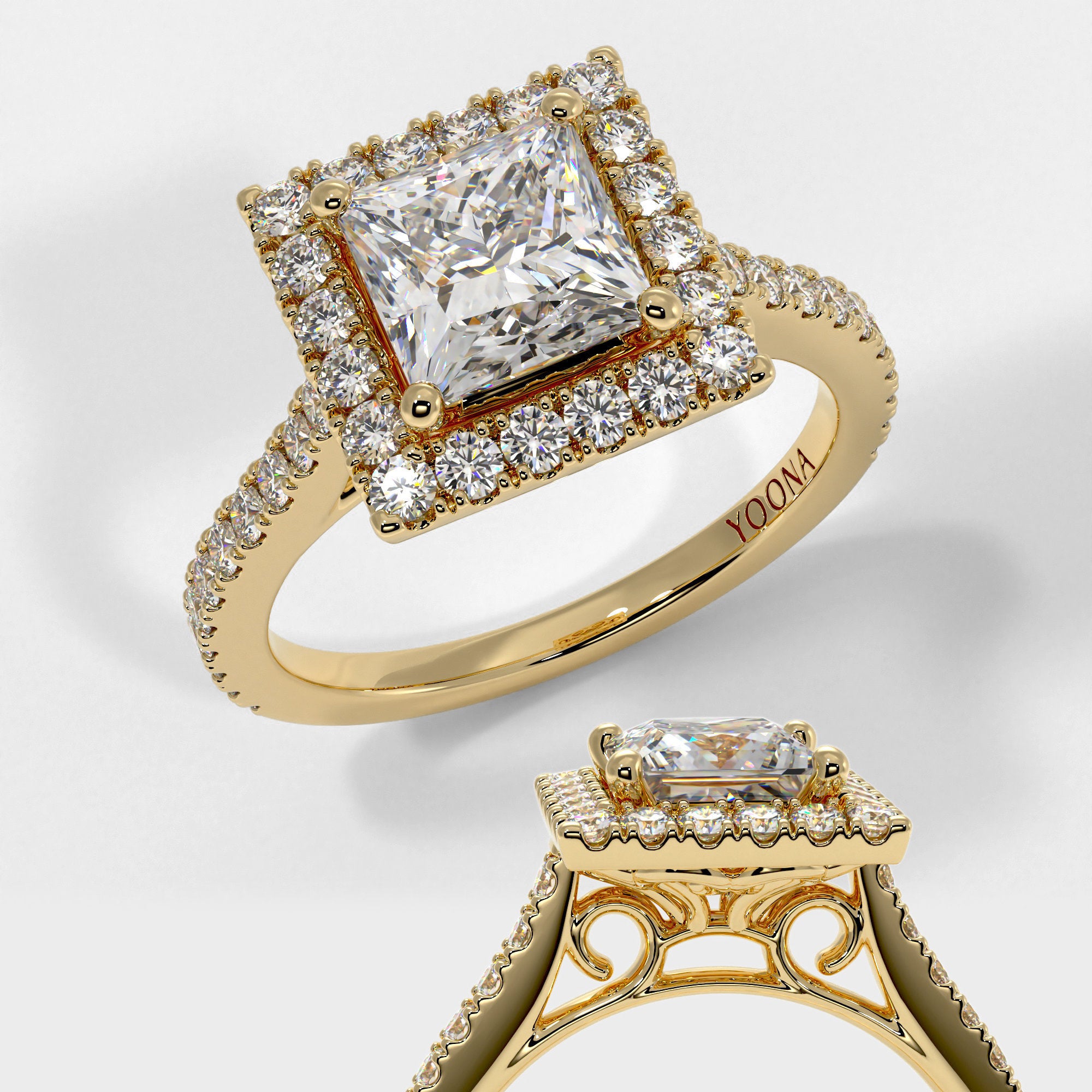
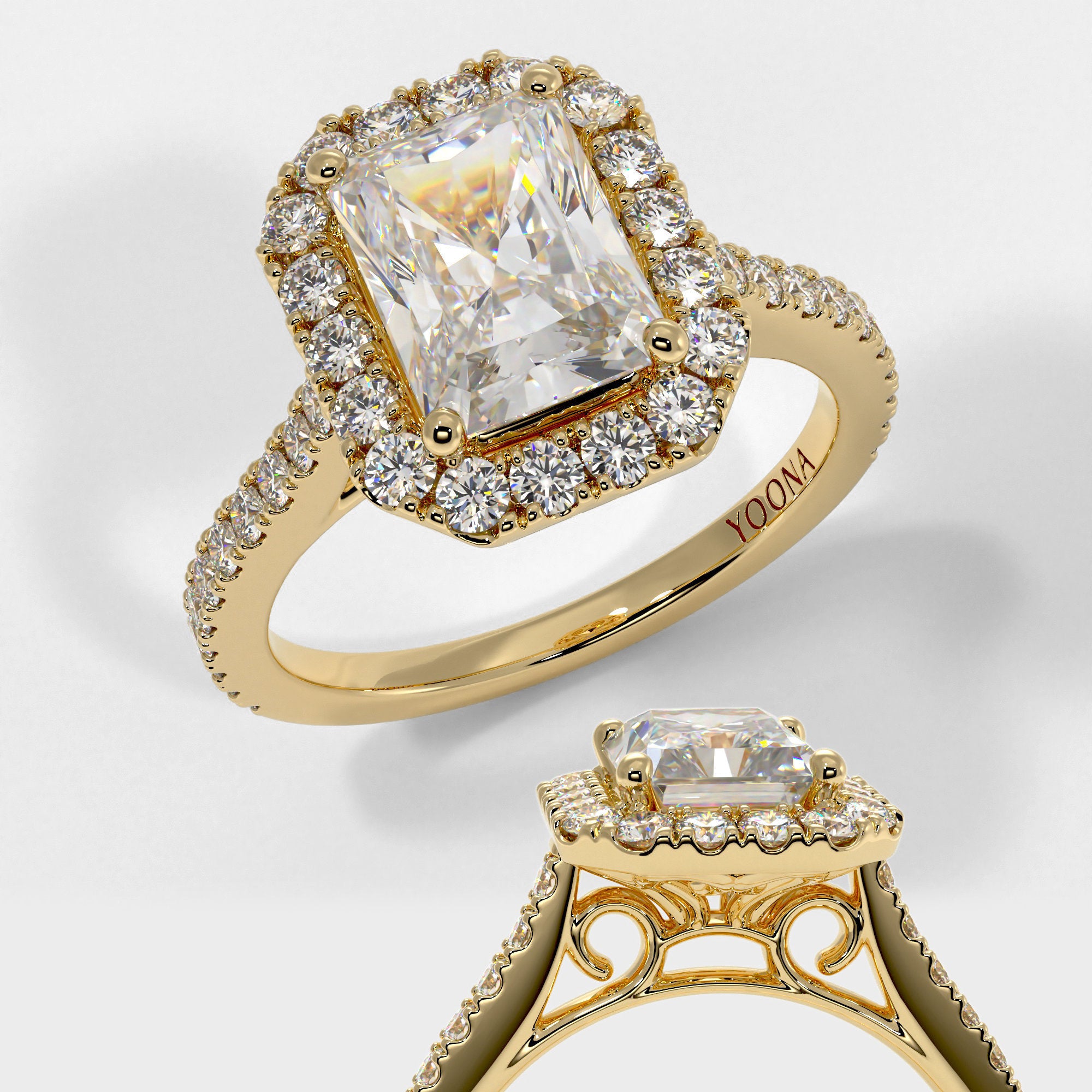
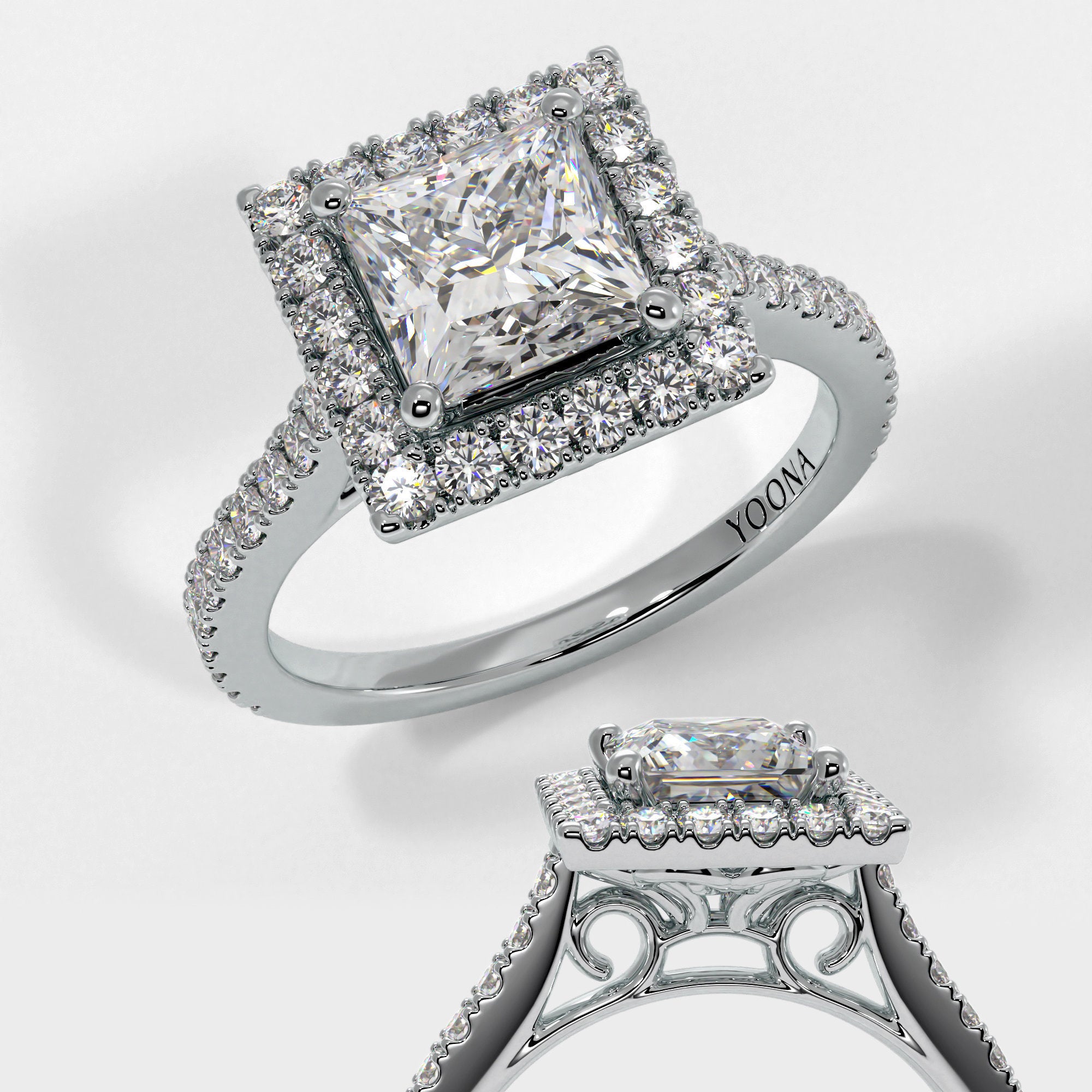
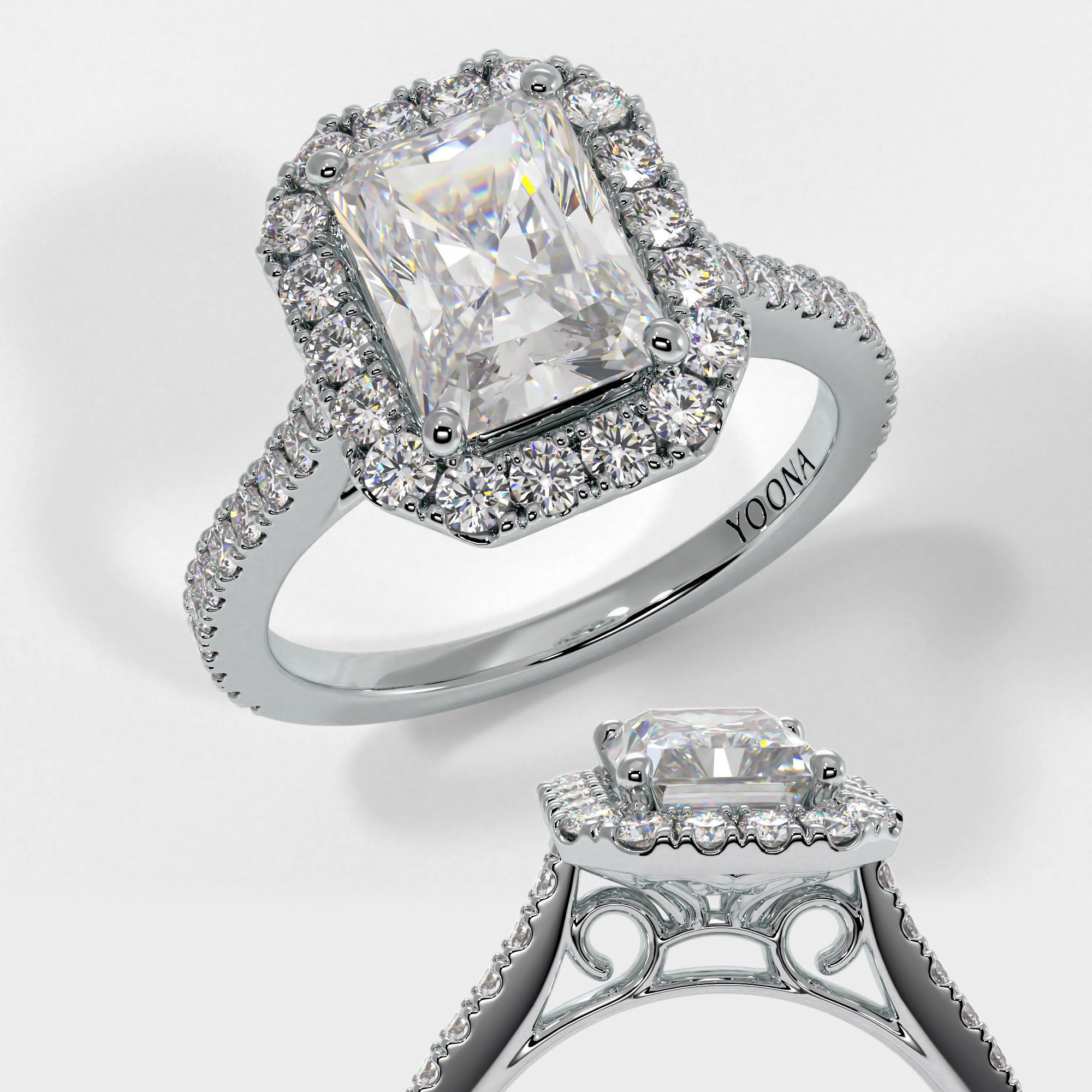
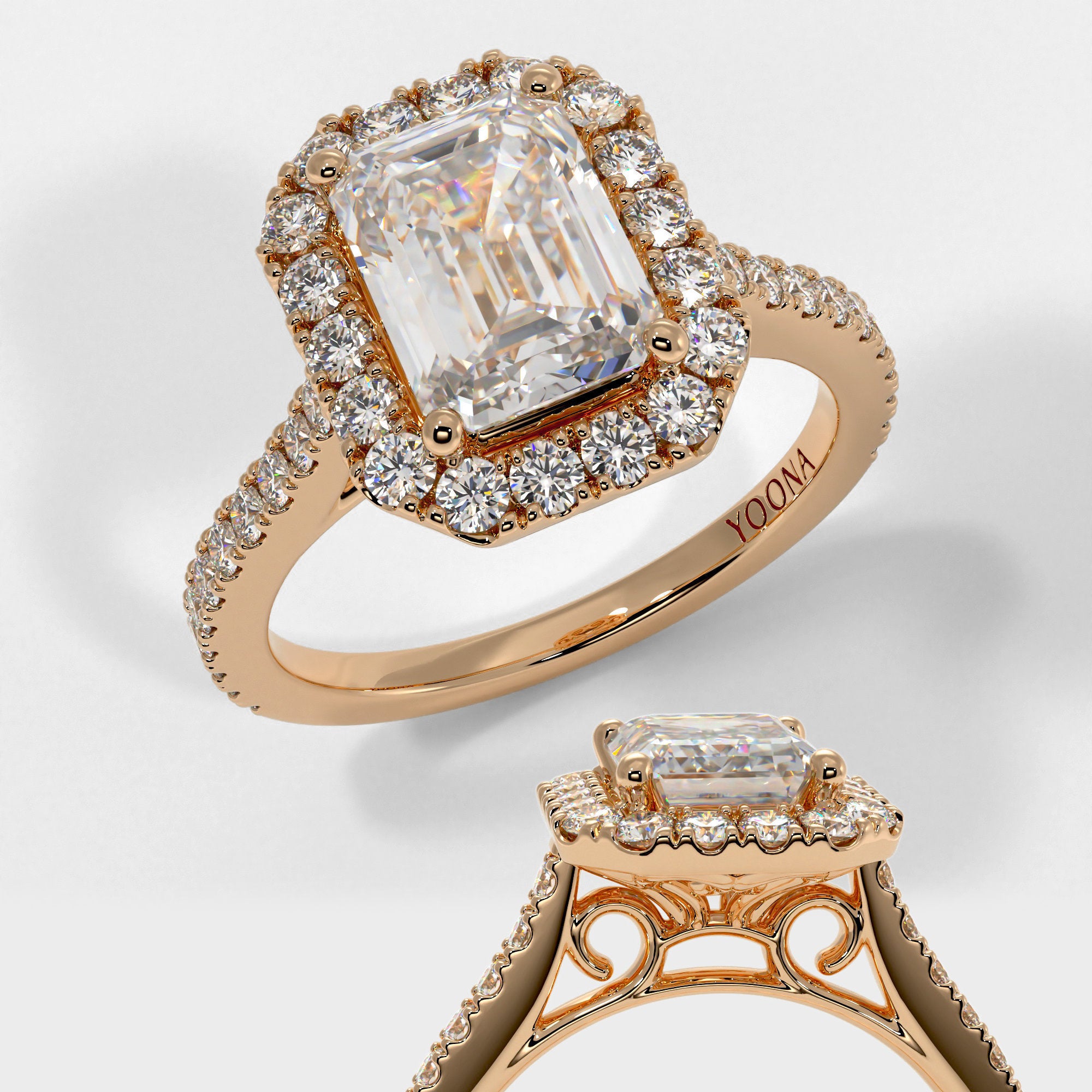
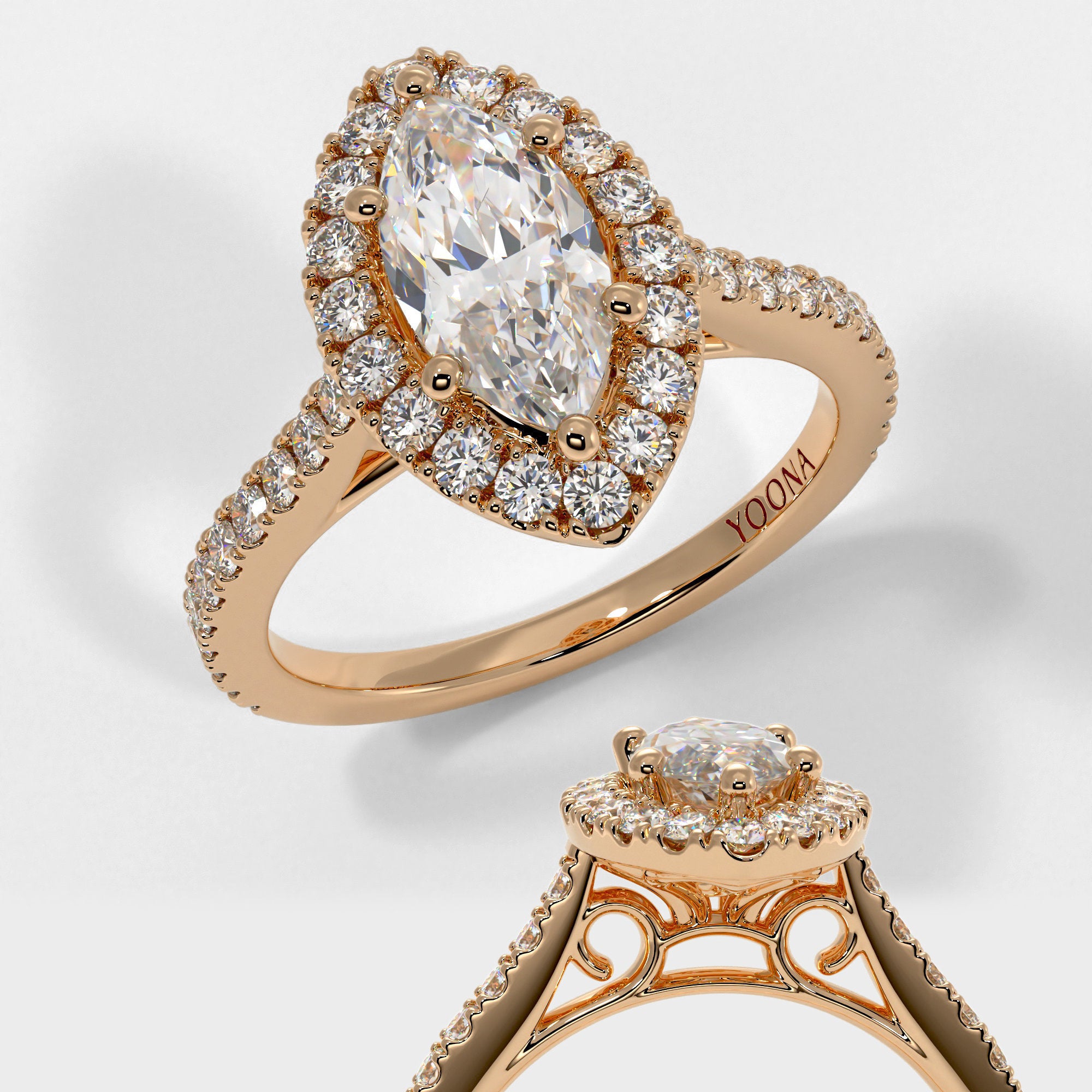
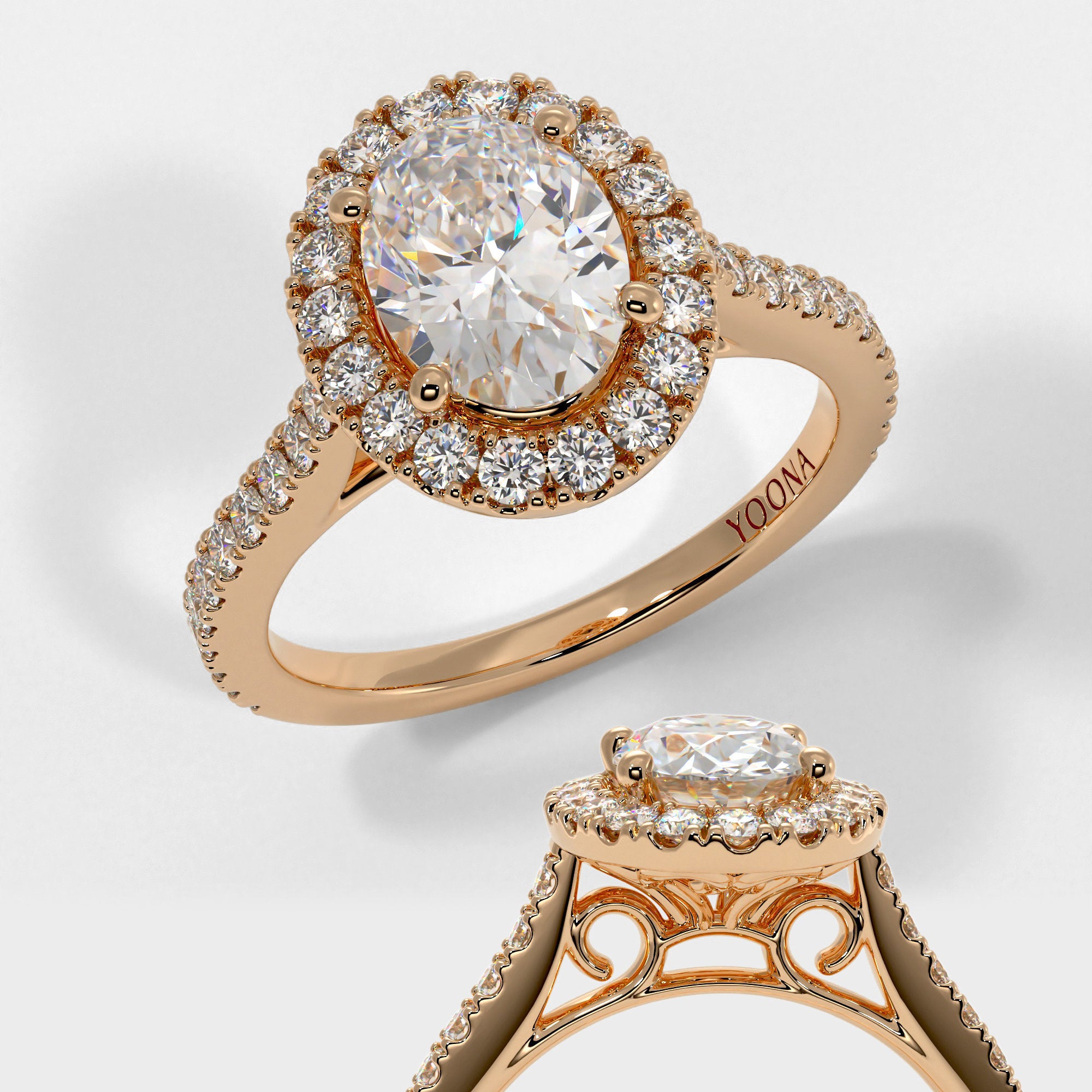
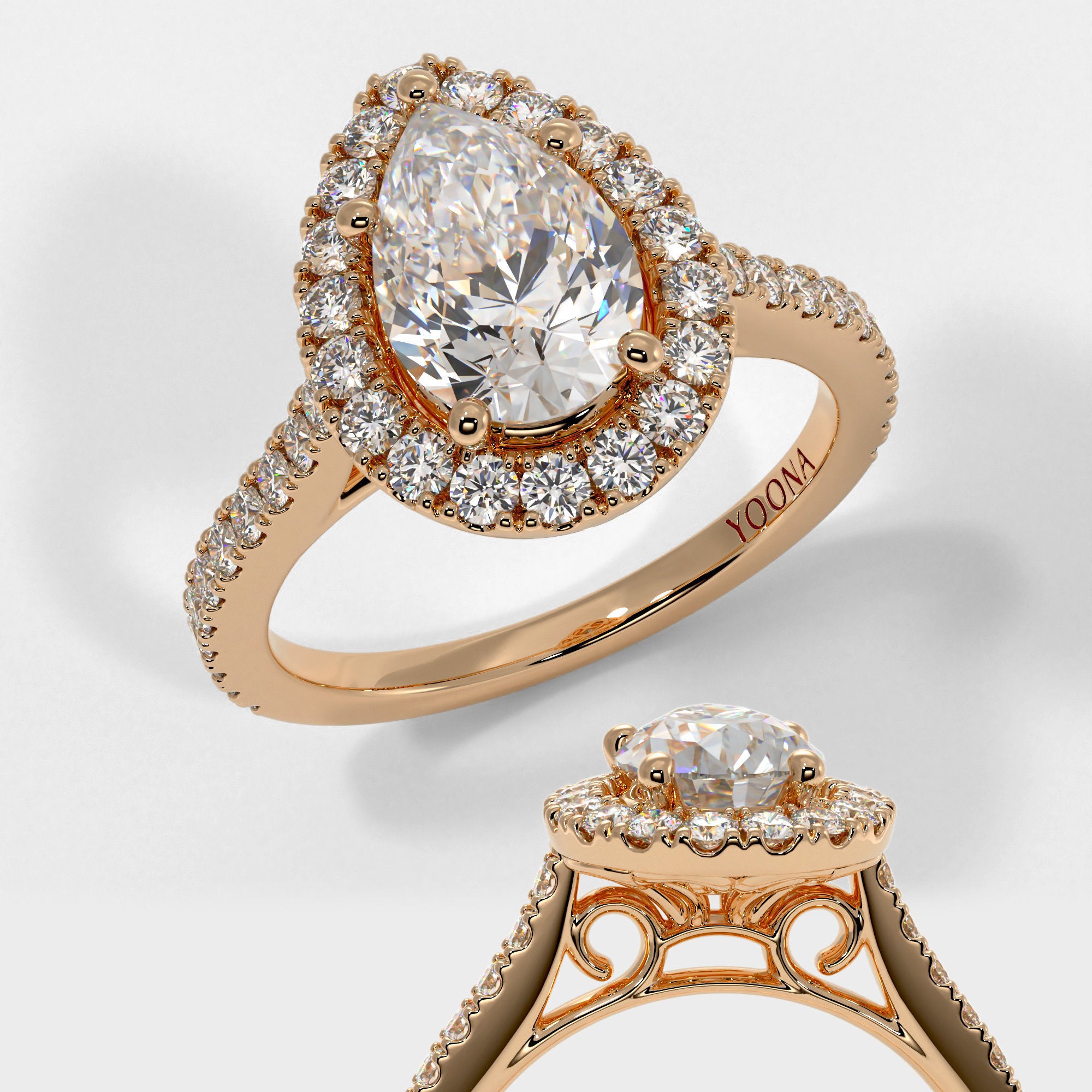
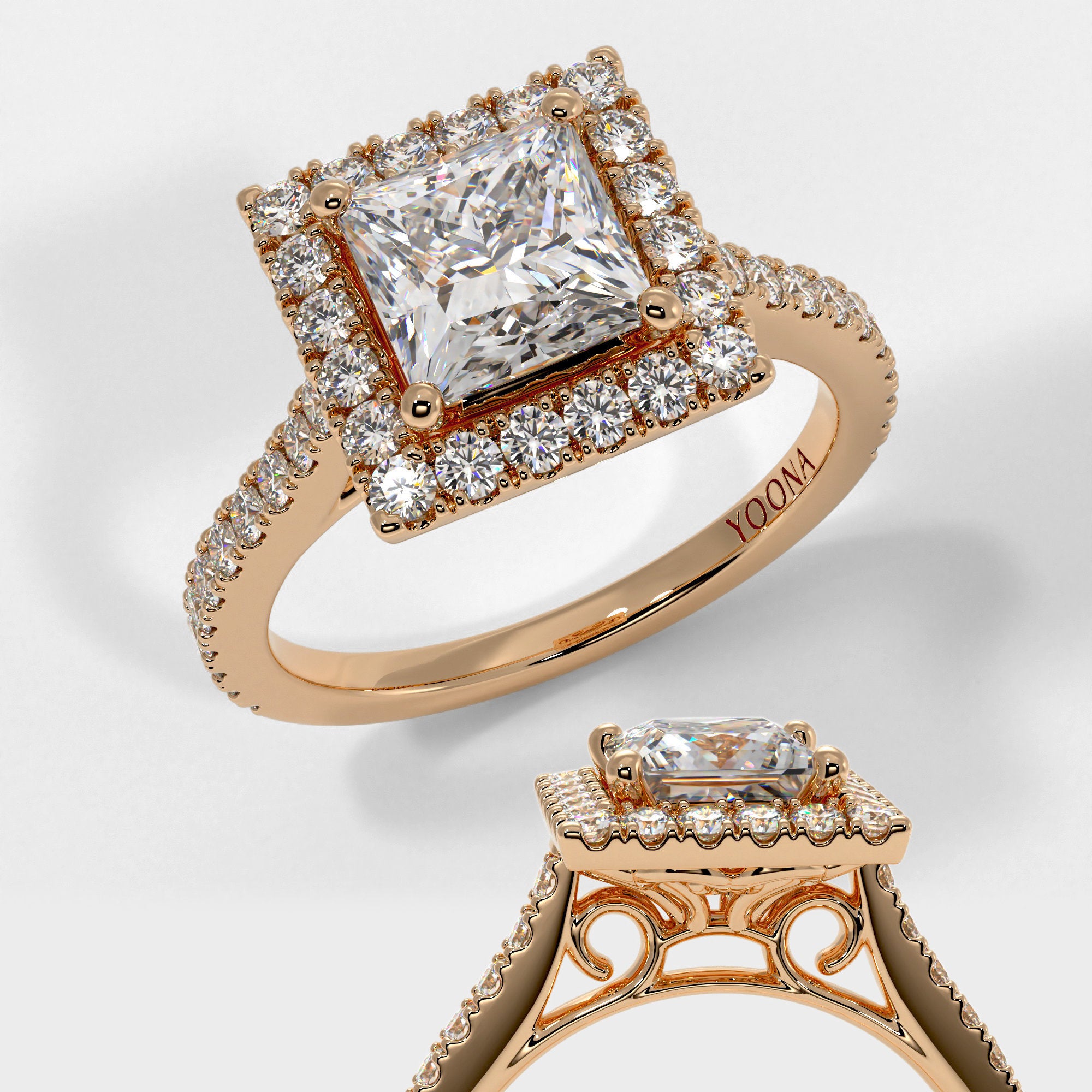
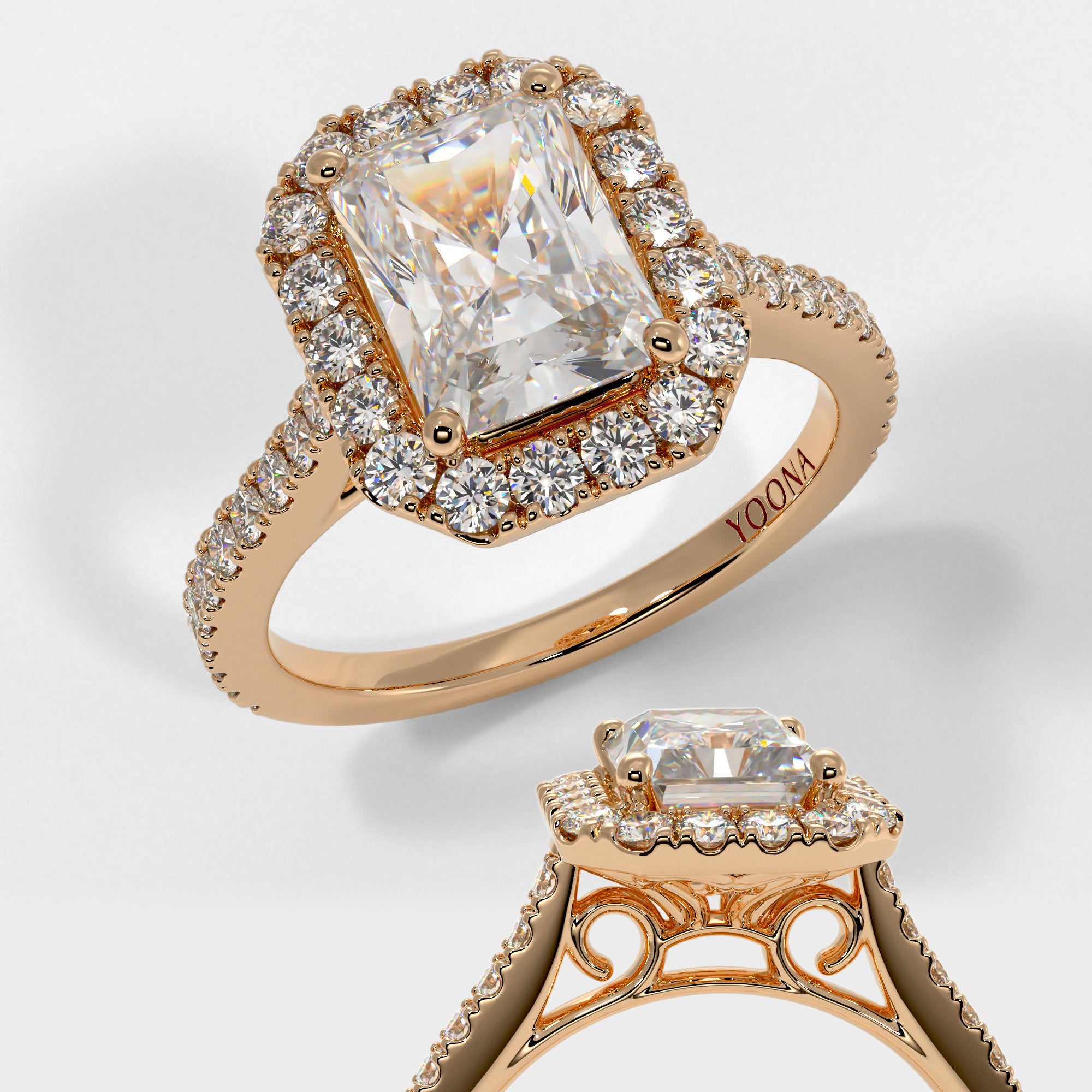
Shape is a genuinely personal decision, but it has practical downstream effects worth knowing before you fall in love with a setting. Elongated shapes read larger per carat but carry bowtie-effect risk. Step cuts show inclusions and color more readily than brilliant cuts. Getting shape settled first makes every following decision easier.
For shape-specific considerations, see Diamond Cut vs. Shape: What's the Difference?.
Step 4: Understand Production and Shipping Timing
Quick answer: Made-to-order fine jewelry typically requires processing time plus production time before it ships, often several weeks total. Build this into your timeline if you're working toward a specific date.
This is a practical detail that's easy to overlook until it's a problem. If you're buying toward a proposal date, anniversary, or other fixed occasion, ask about processing and production time upfront, and don't assume a piece will arrive within a few days of ordering. Reputable retailers will tell you a realistic timeline before you complete your purchase, and will work with you if you need something by a specific date.
Step 5: Confirm Return, Resize, and Warranty Terms
Quick answer: Know the return window, whether resizing is included and within what range, and what the warranty actually covers, before you buy, not after.
These terms vary meaningfully between retailers, and they matter most after the purchase, when it's too late to negotiate them. Confirm the return window length, whether original packaging and the diamond certificate are required for a return, whether resizing is complimentary and within what size range, and what the warranty covers versus what voids it.
A Pre-Purchase Checklist
Quick answer: Before completing any lab-grown diamond purchase, confirm: IGI certification, verified against IGI's lookup tool, cut grade of Very Good or better, clarity at VS1 or VS2, color matched to your metal, a realistic production timeline, and clear return and resizing terms.
- IGI certificate, verified independently
- Cut grade Very Good or Excellent
- Clarity VS1 or VS2 for eye-clean quality
- Color matched to your chosen metal
- Realistic production and shipping timeline confirmed
- Return window, resizing policy, and warranty terms understood upfront
Frequently Asked Questions
Should I buy online or in person?
Either can work well if the seller provides genuine certification and clear policies. Online buying gives you more time to research without sales pressure, in-person lets you see the stone directly.
How much should I spend on an engagement ring?
There's no universal rule here, budget what's comfortable for your actual finances, not a percentage-of-income guideline. Prioritizing cut over carat gets more visible impact per dollar regardless of total budget.
What's the biggest mistake first-time buyers make?
Choosing a carat target first and sacrificing cut quality to reach it. A well-cut, slightly smaller diamond consistently looks better than a larger, poorly cut one.
How Yoona Simplifies This Process
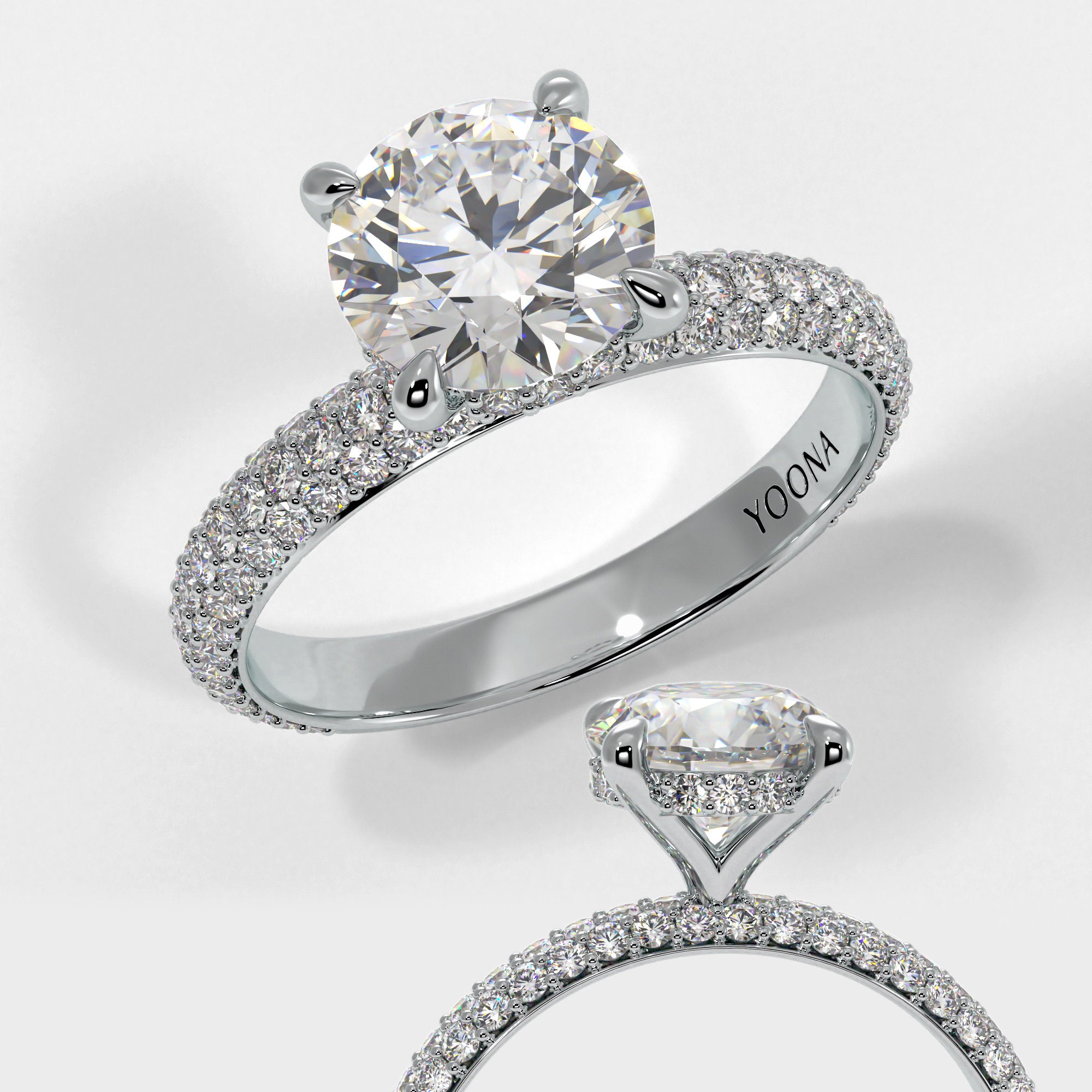
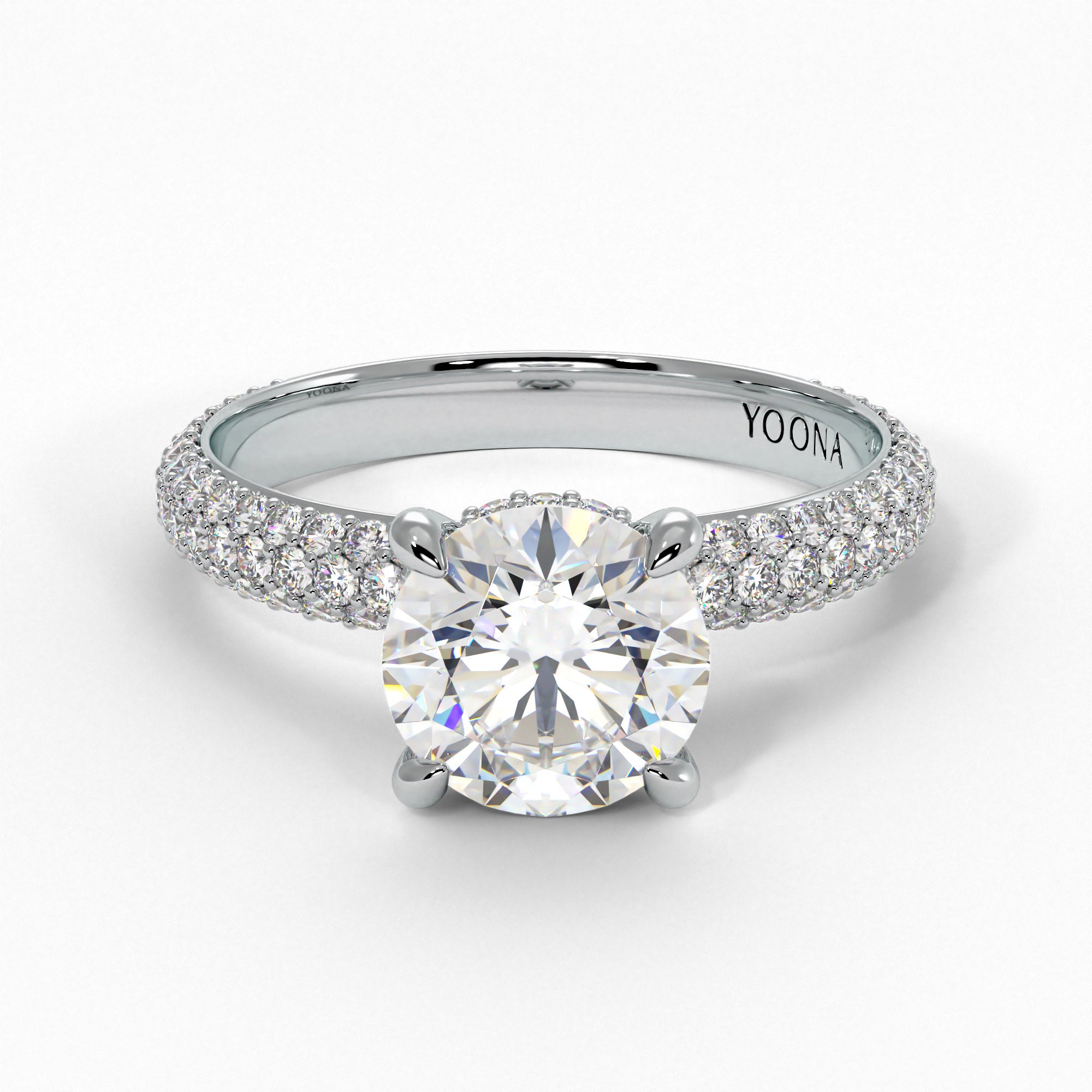
The Yoona Signature Match™ system exists specifically to remove the guesswork from these steps. Every diamond we offer already meets the Eternal Diamond™ standard, D–F color, VVS1–VS1 clarity, Excellent to Very Good cut, IGI certified, so the budget-allocation and certification-verification steps above are already handled before you ever see the stone.