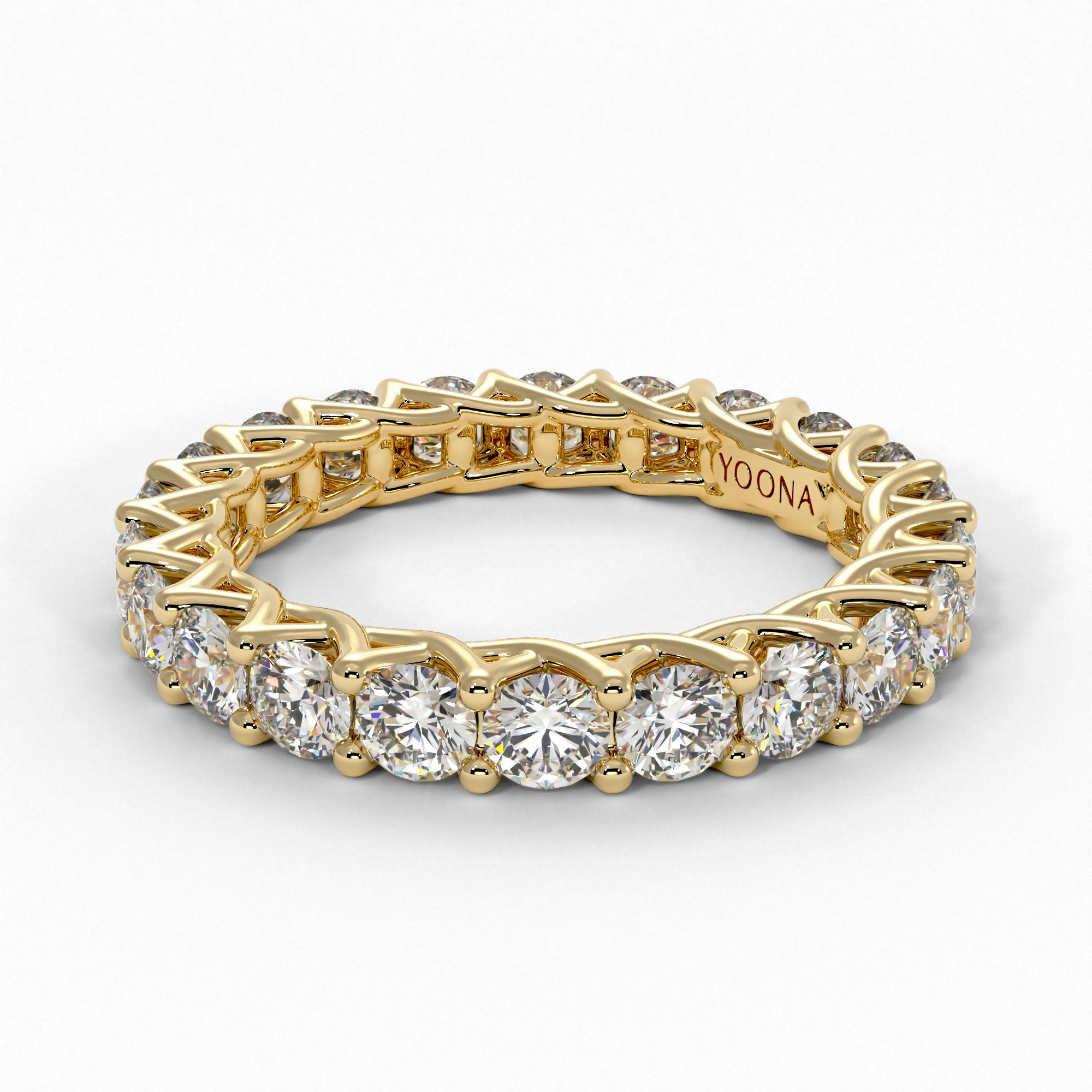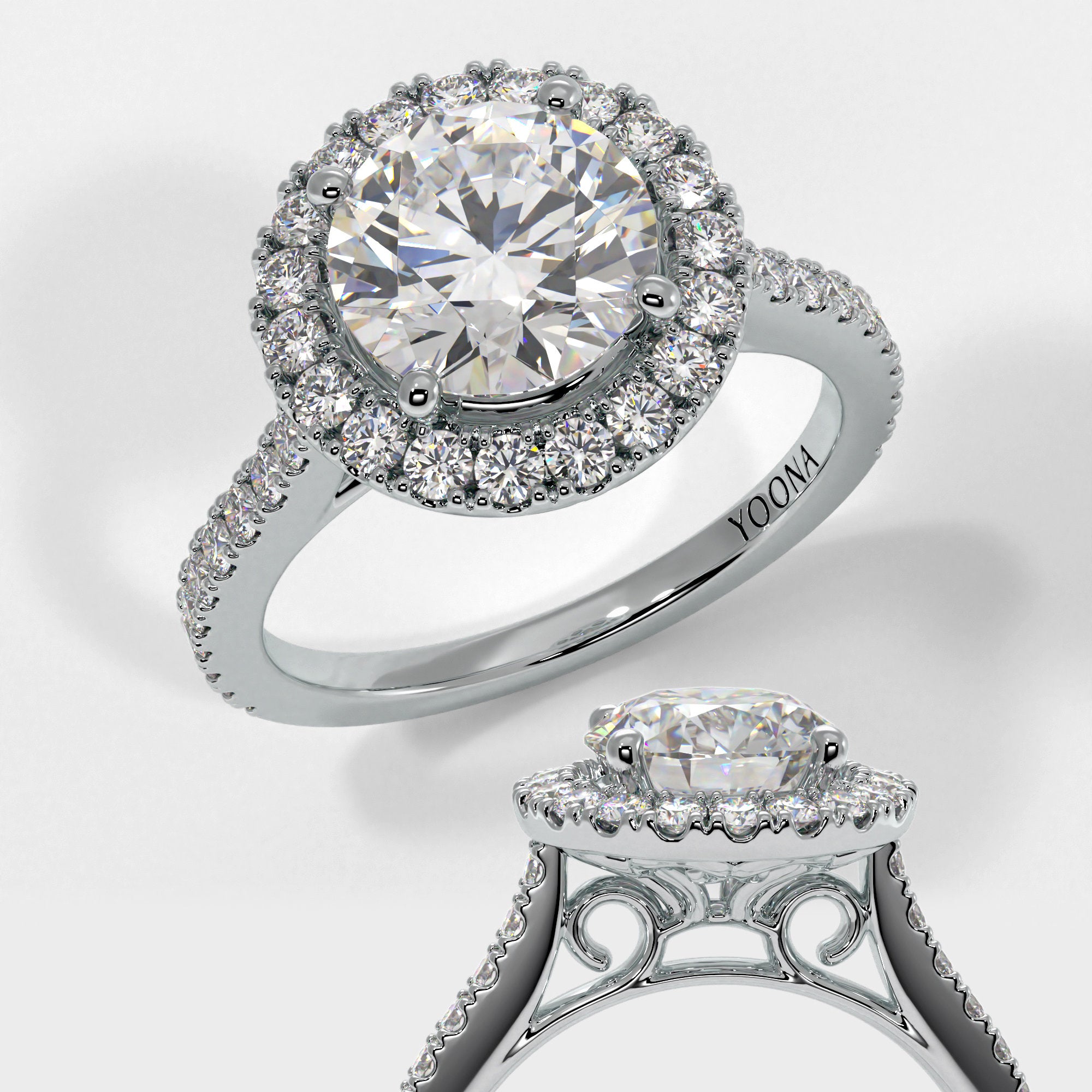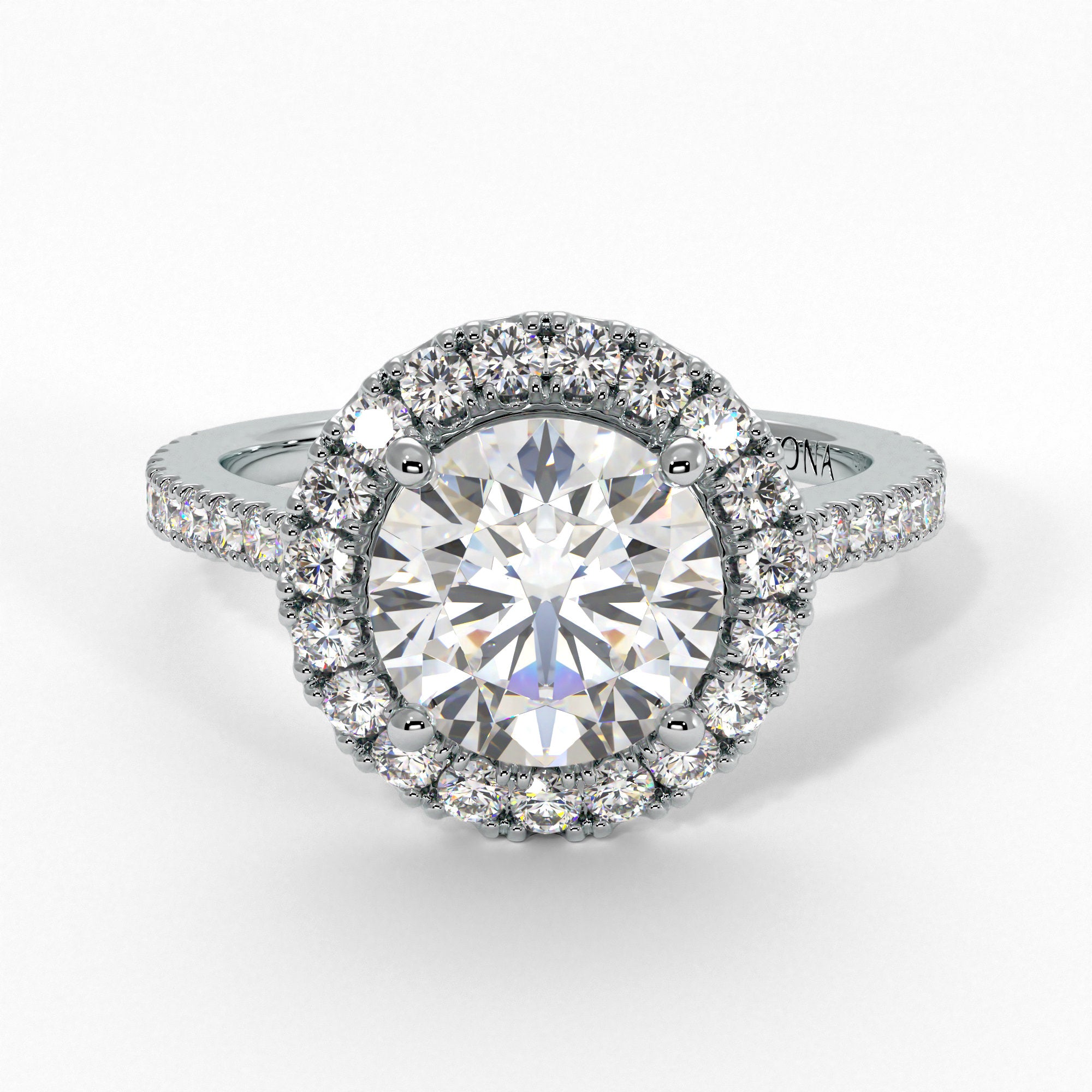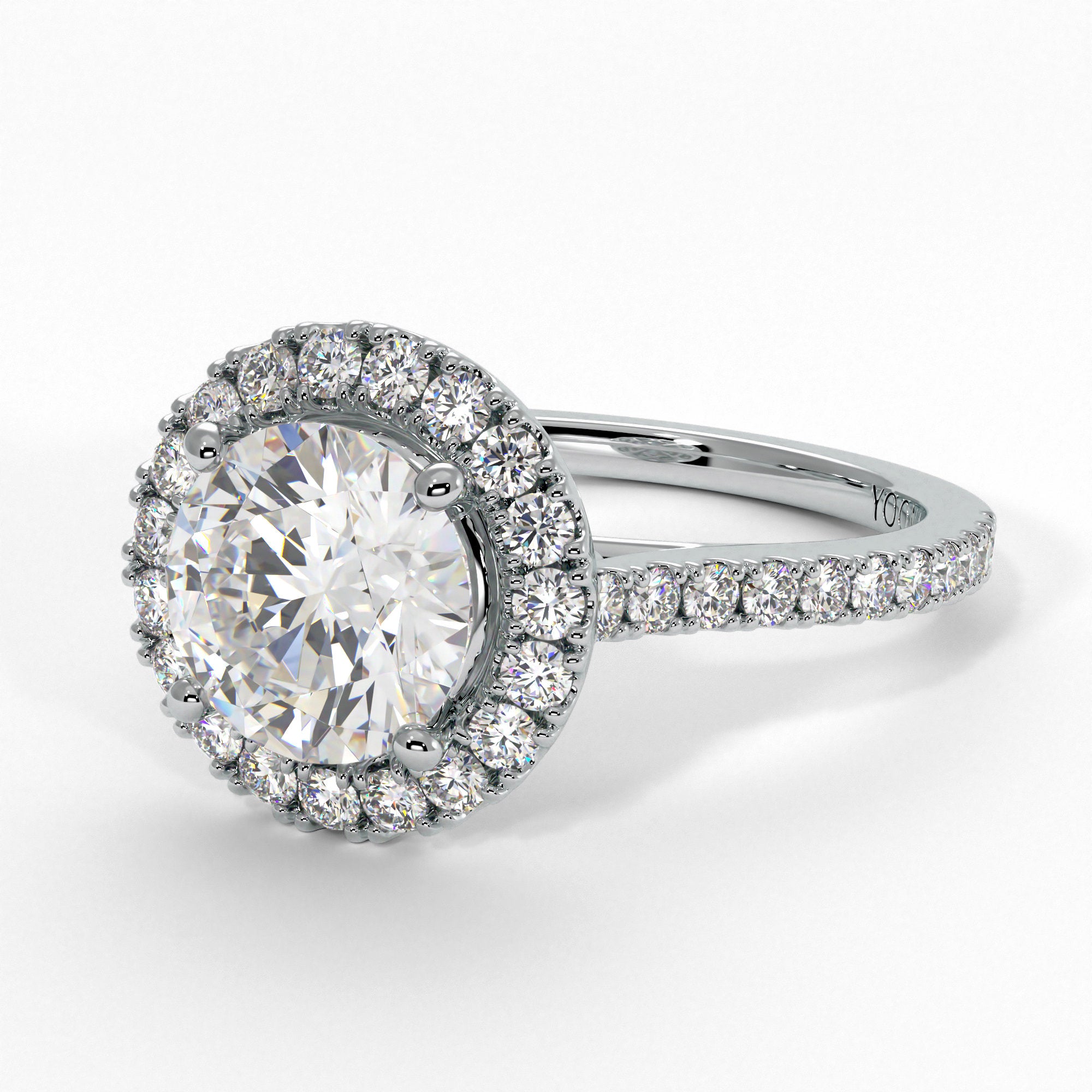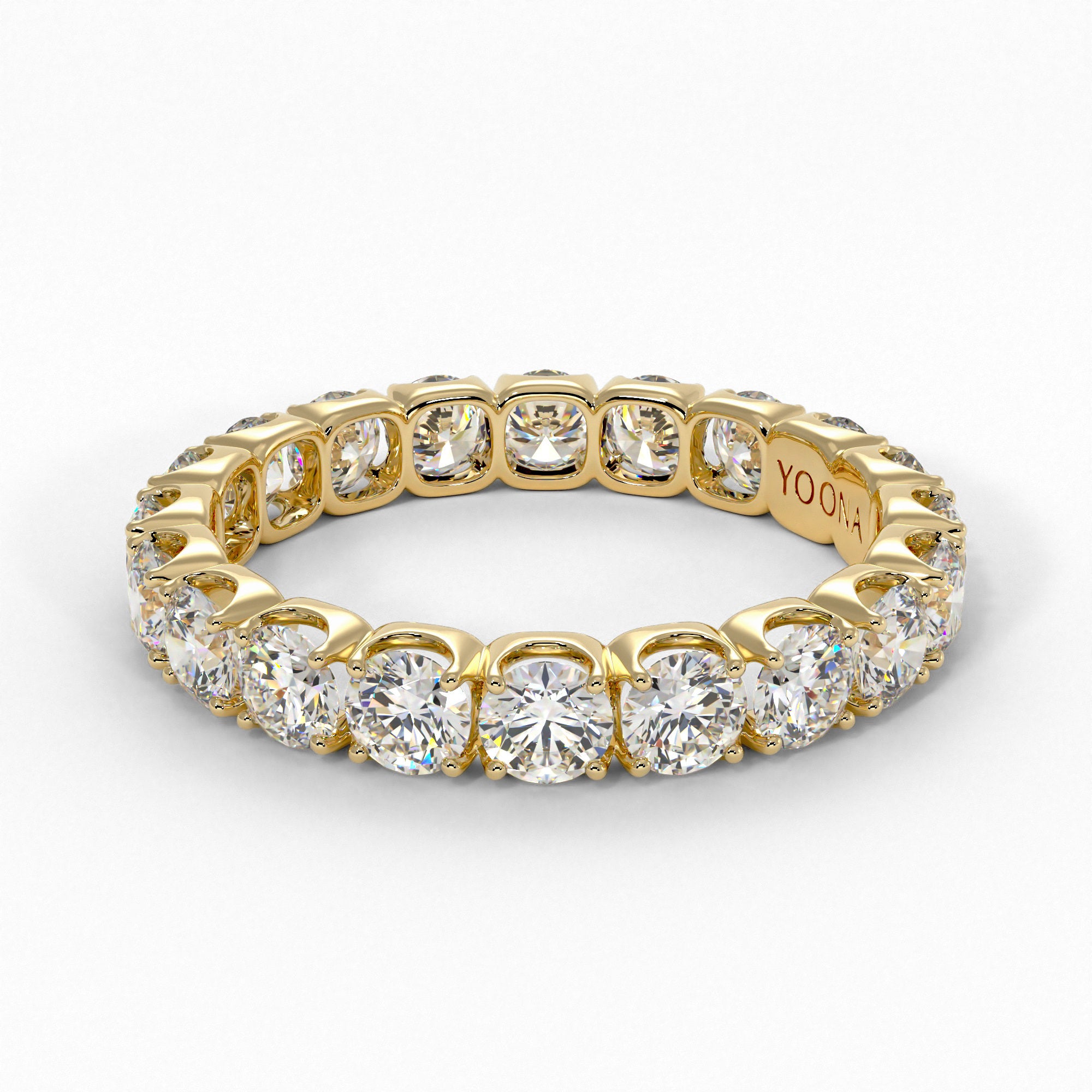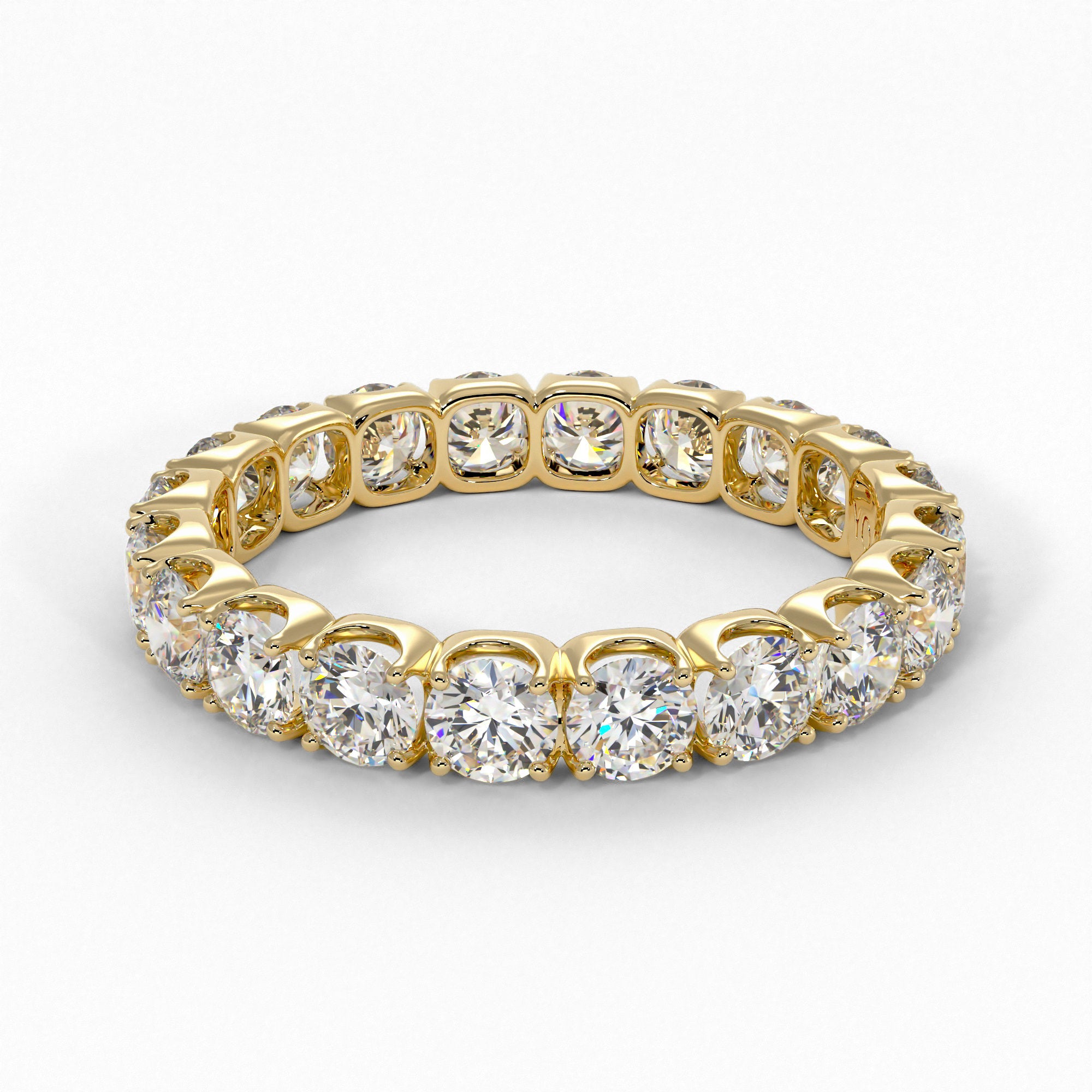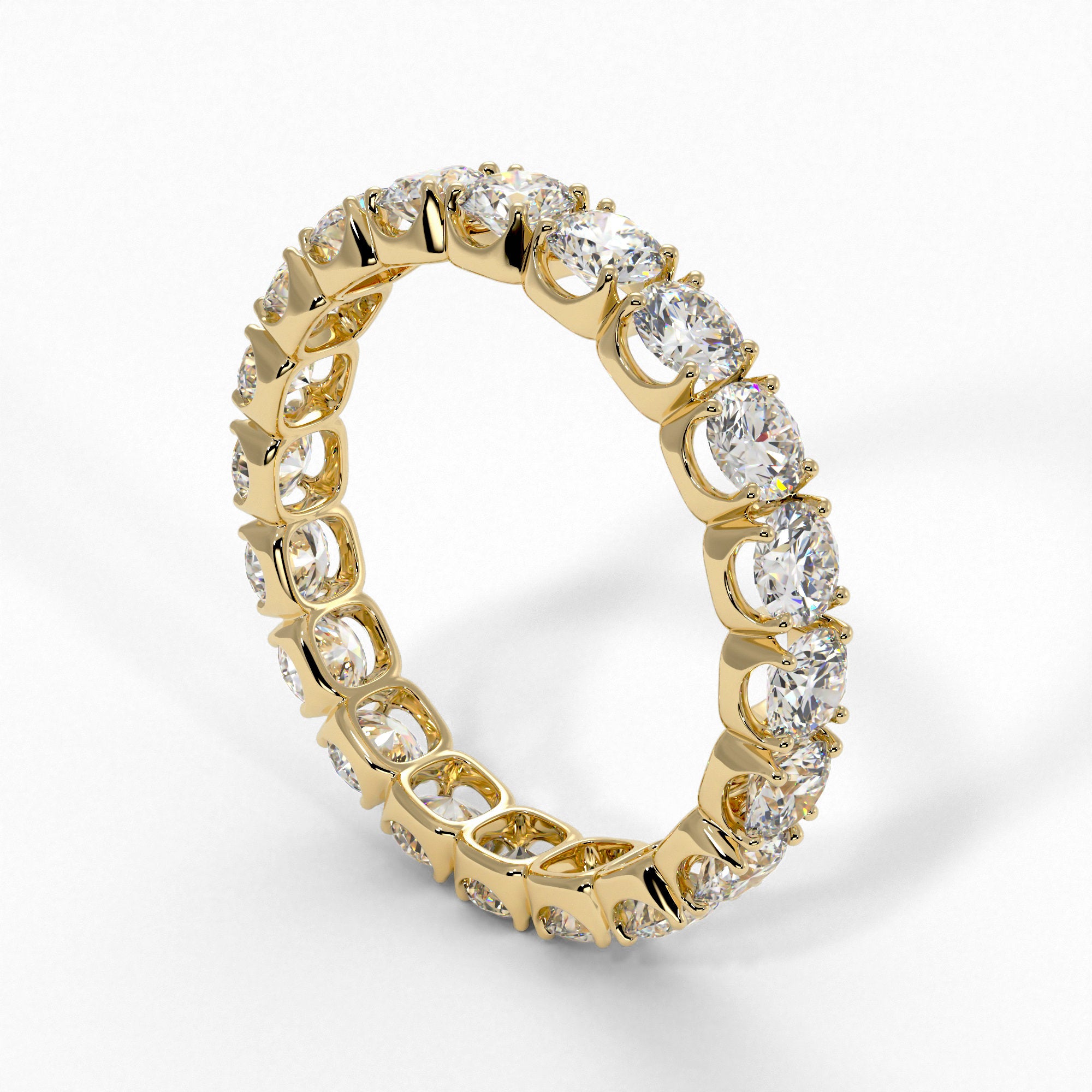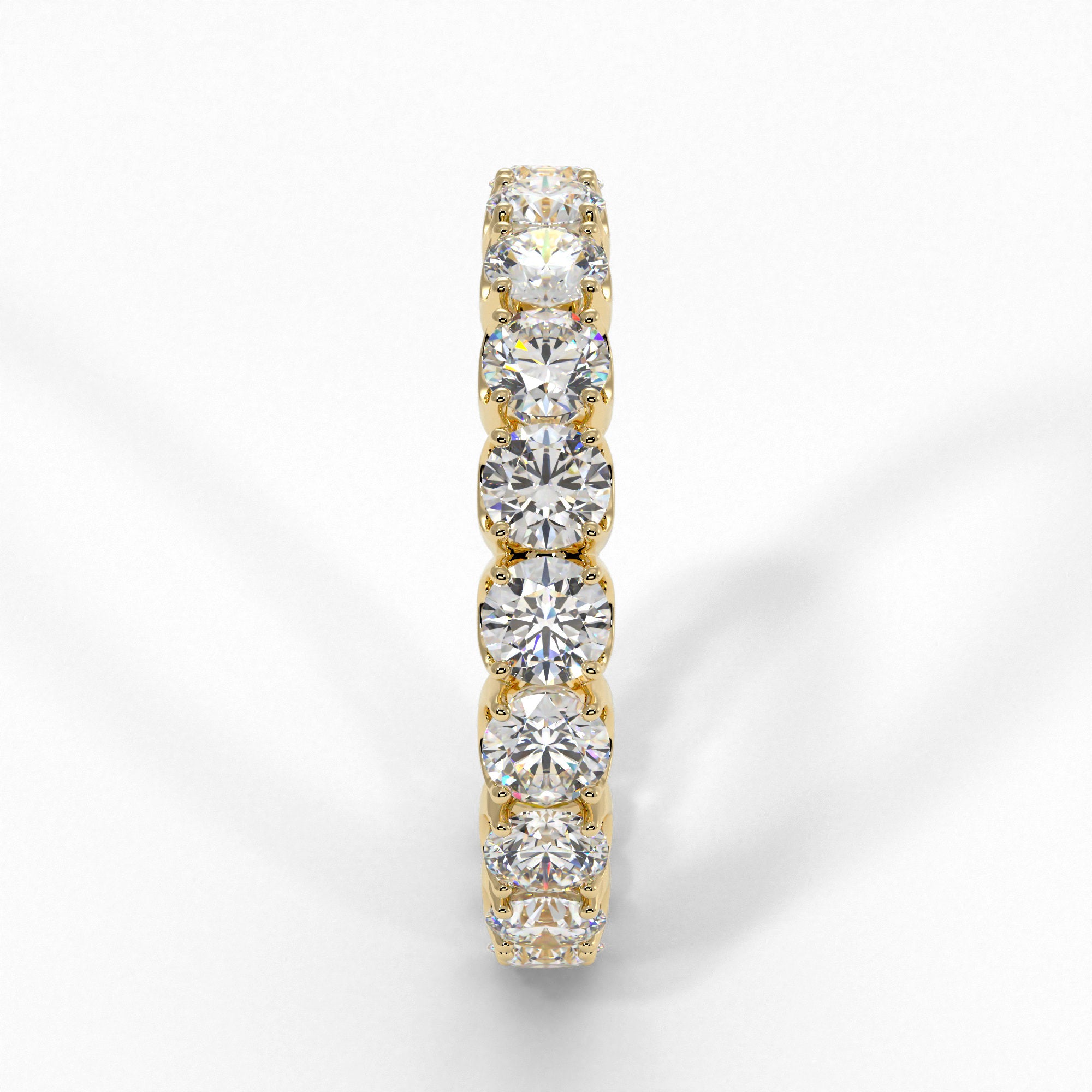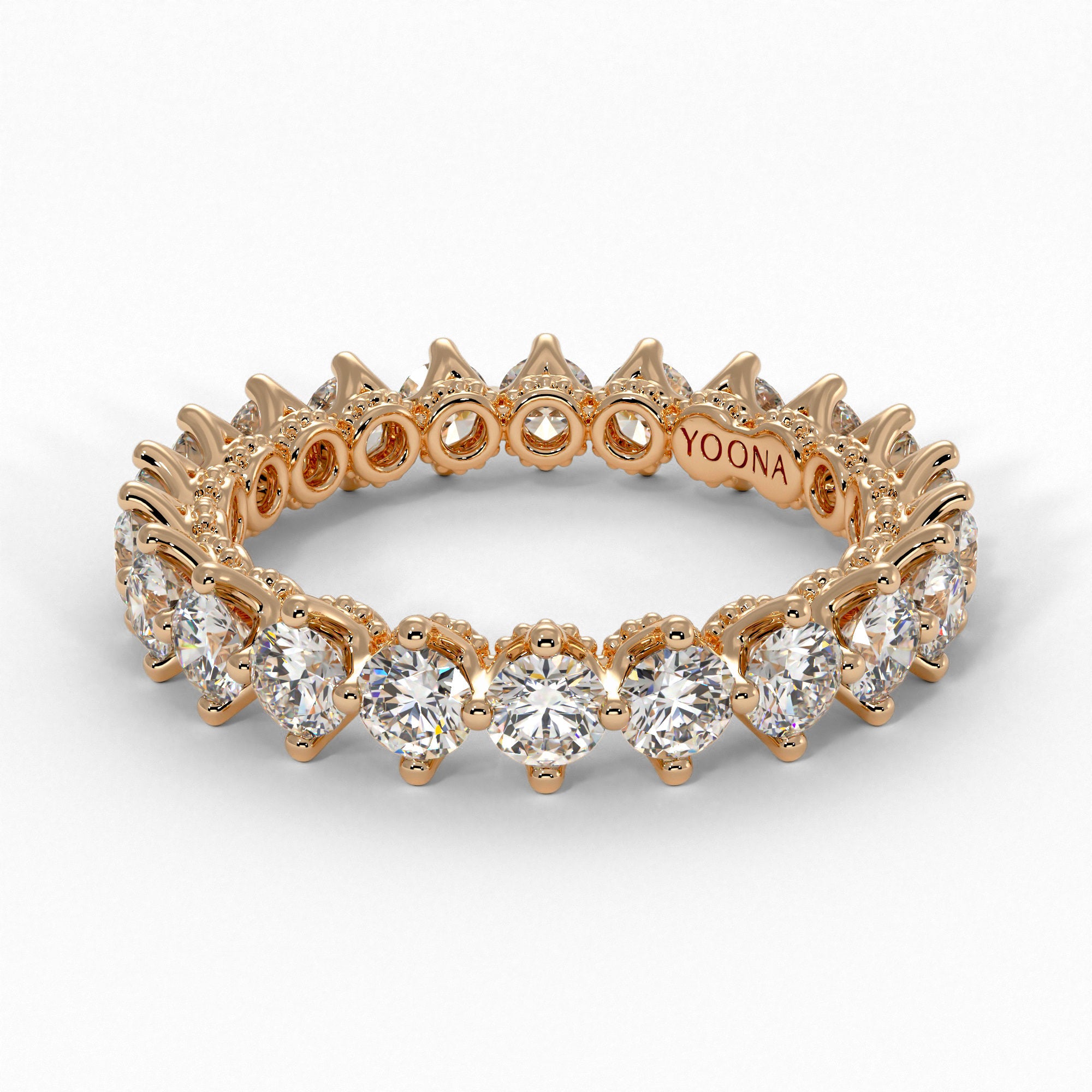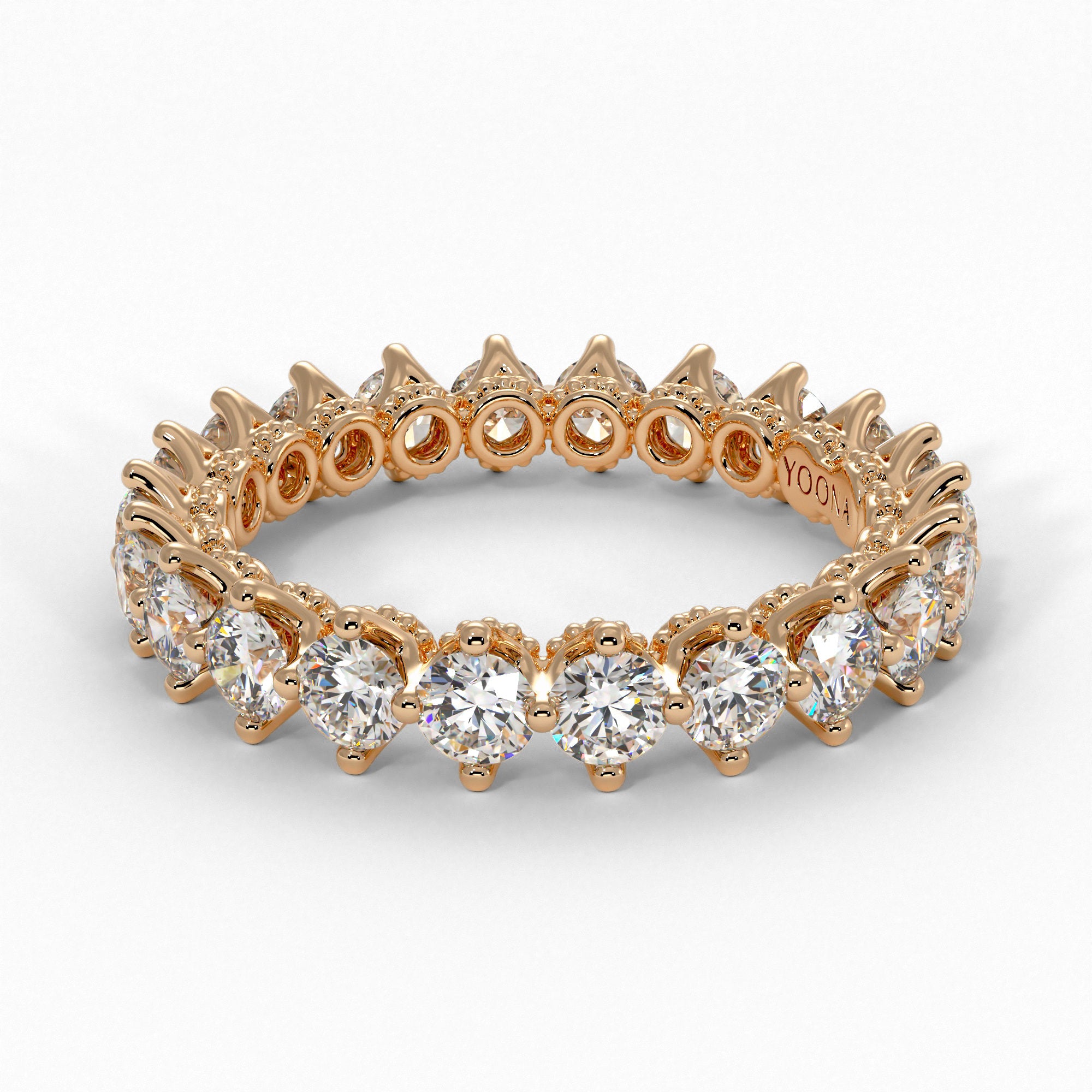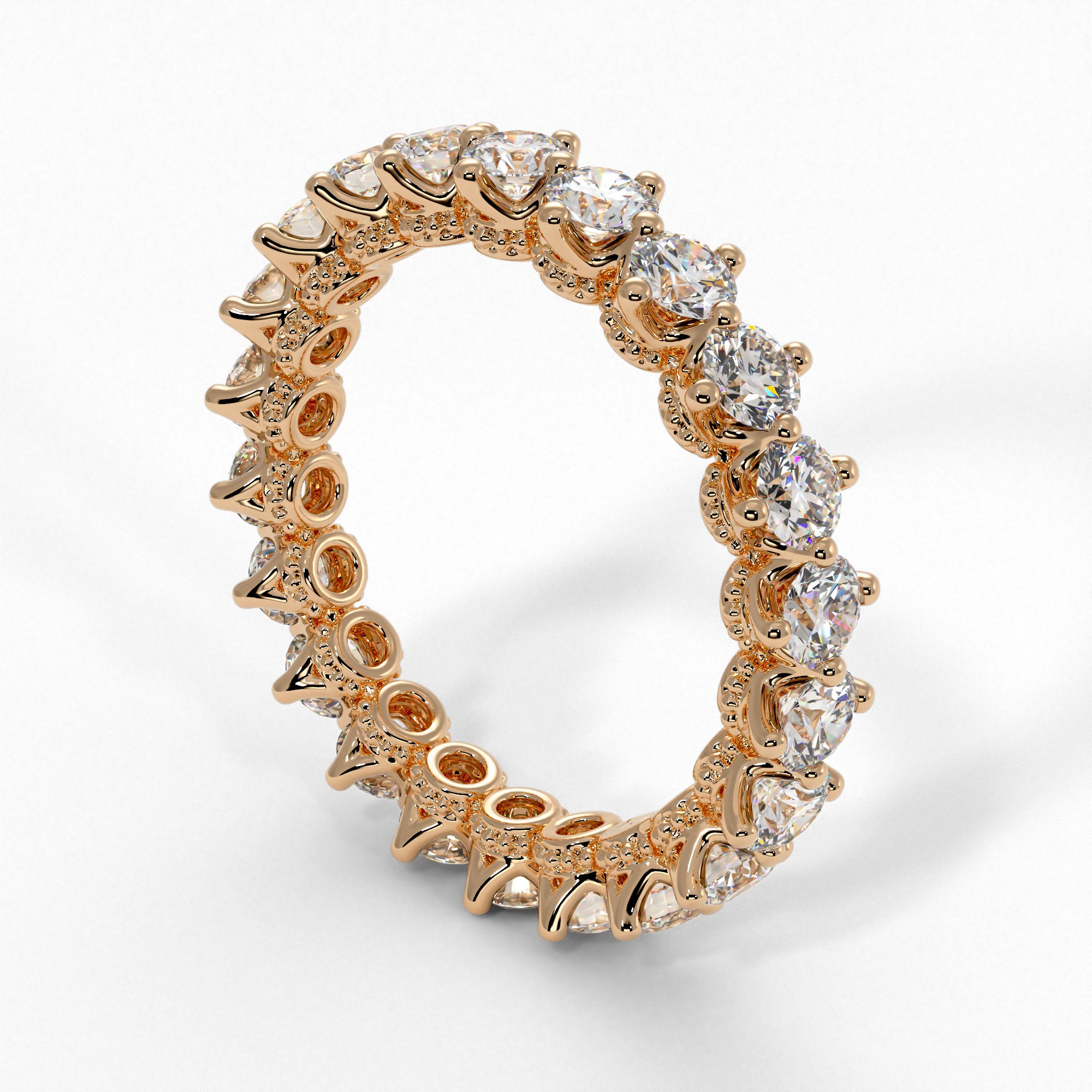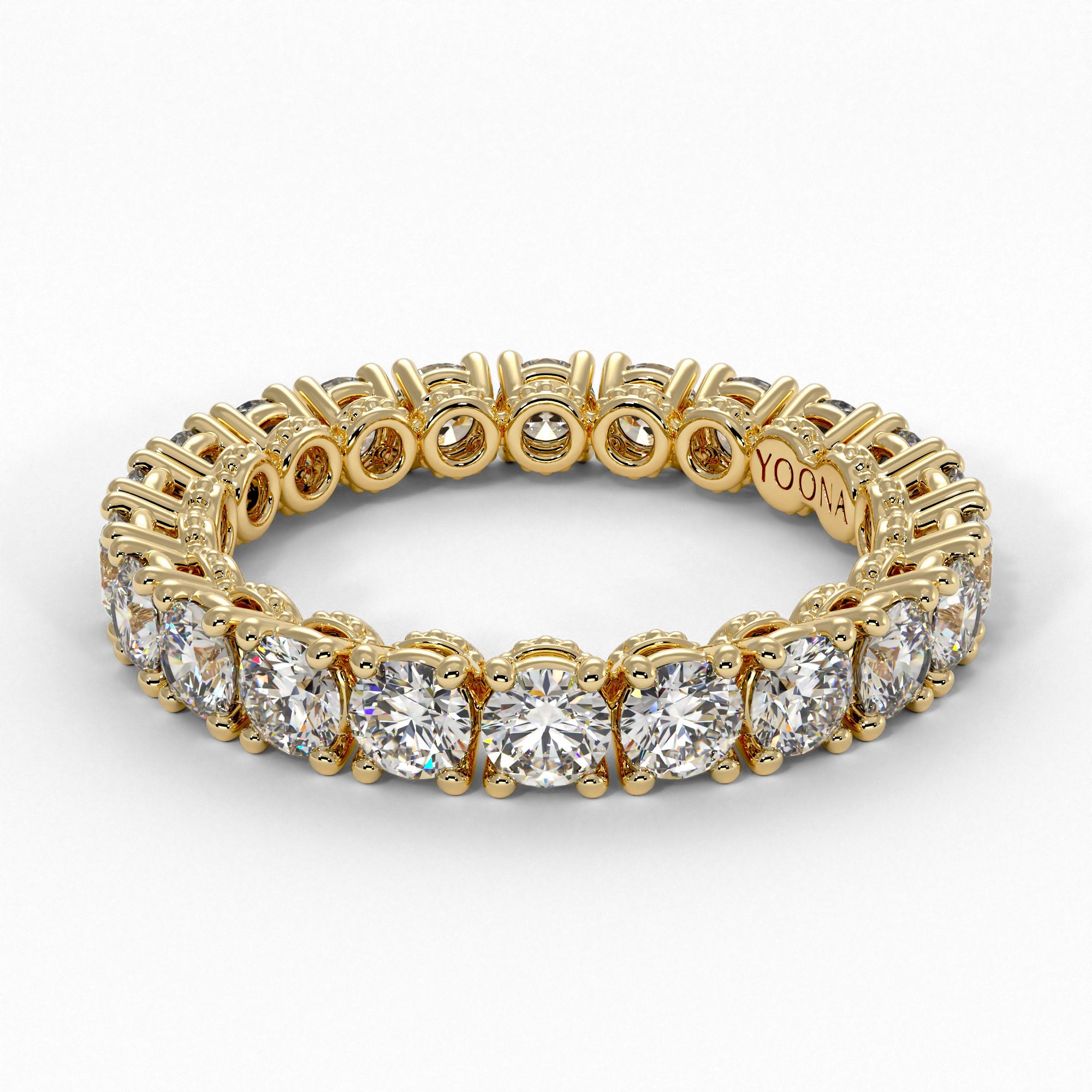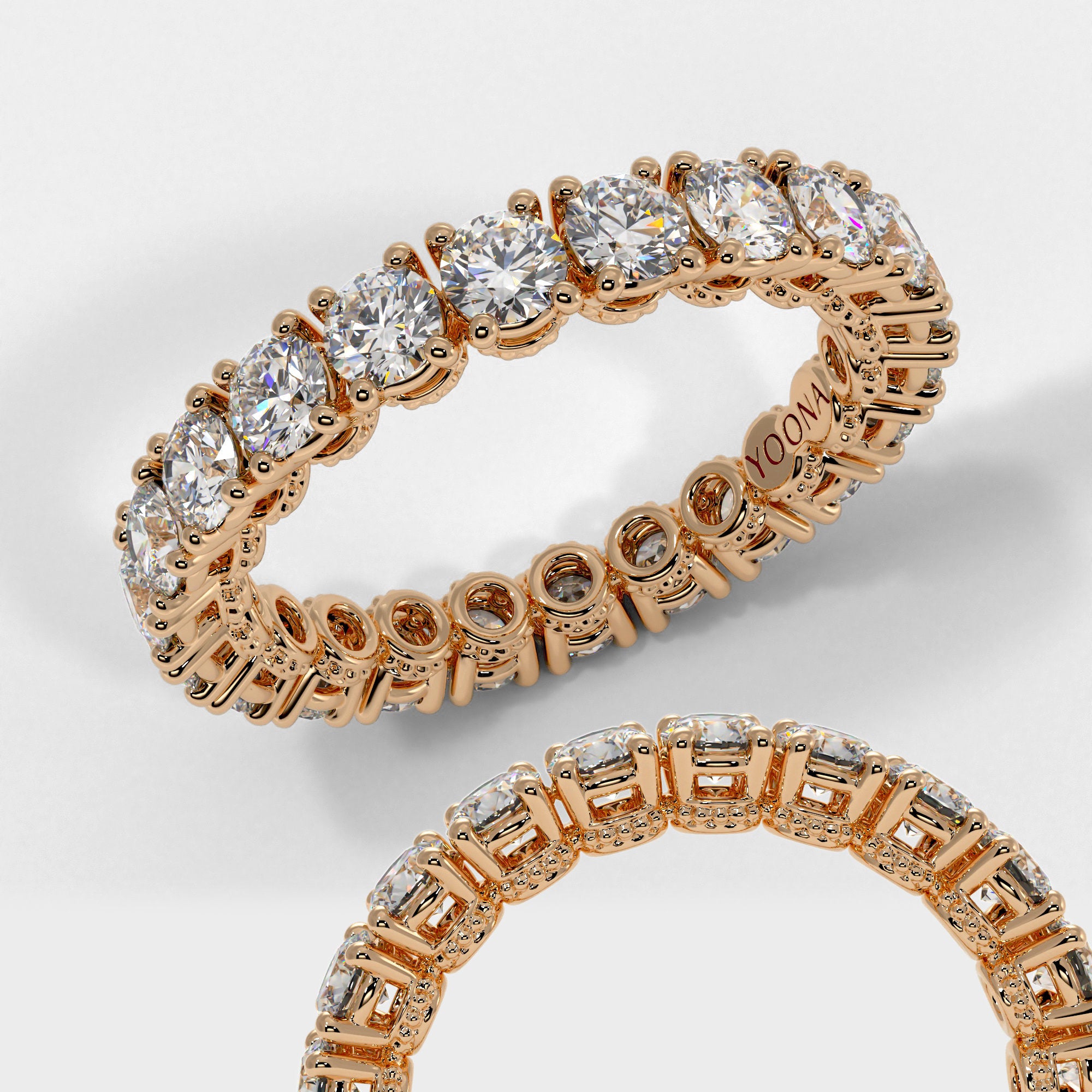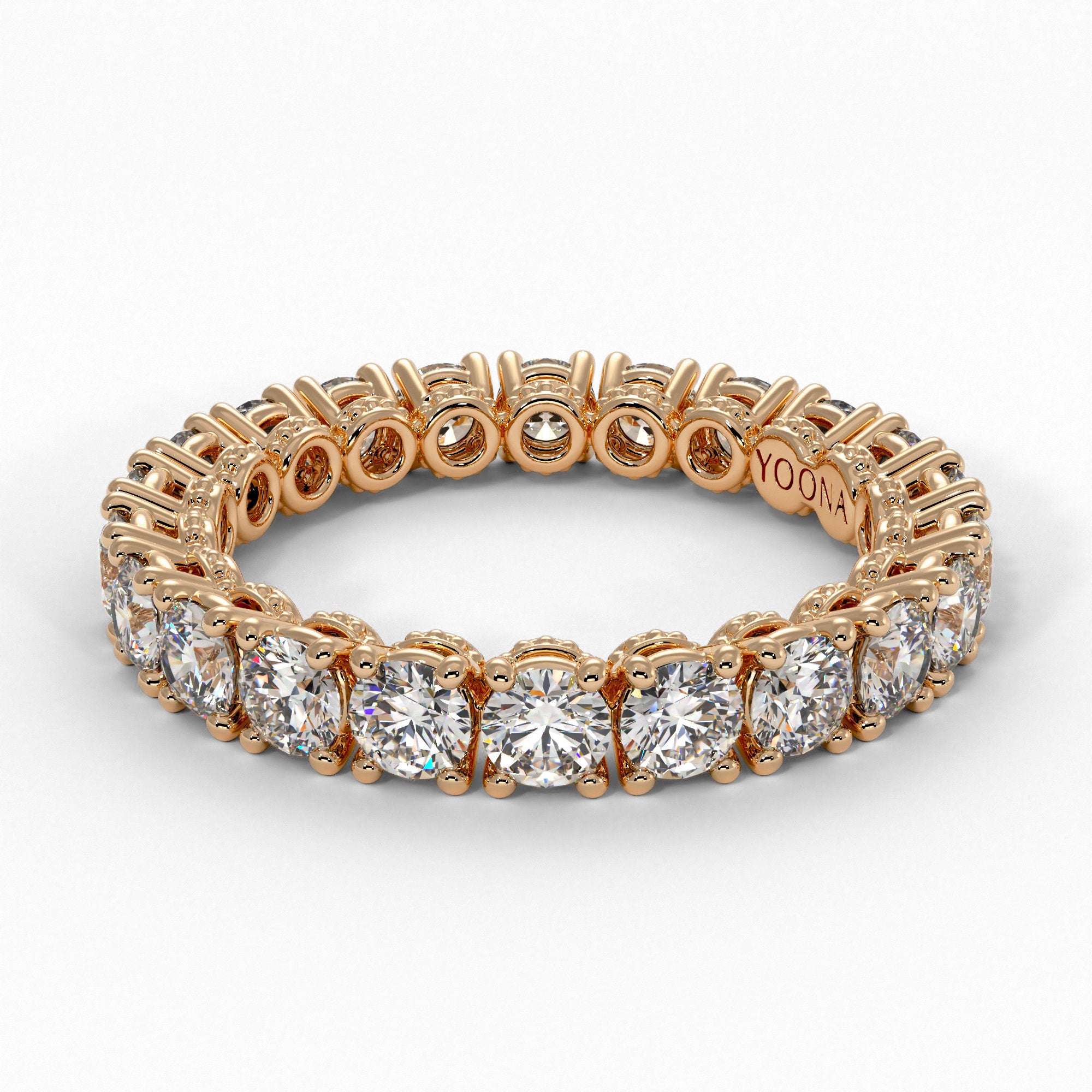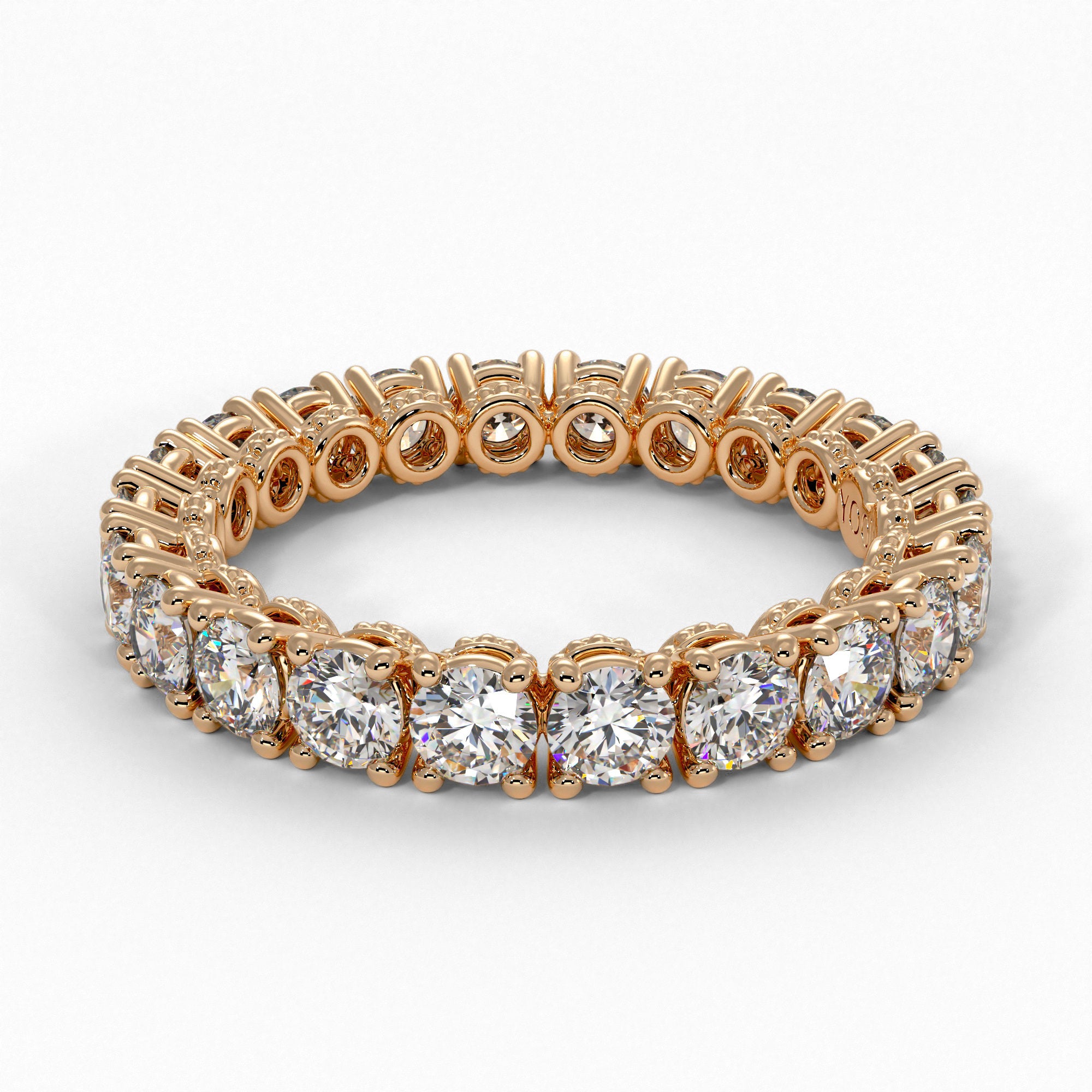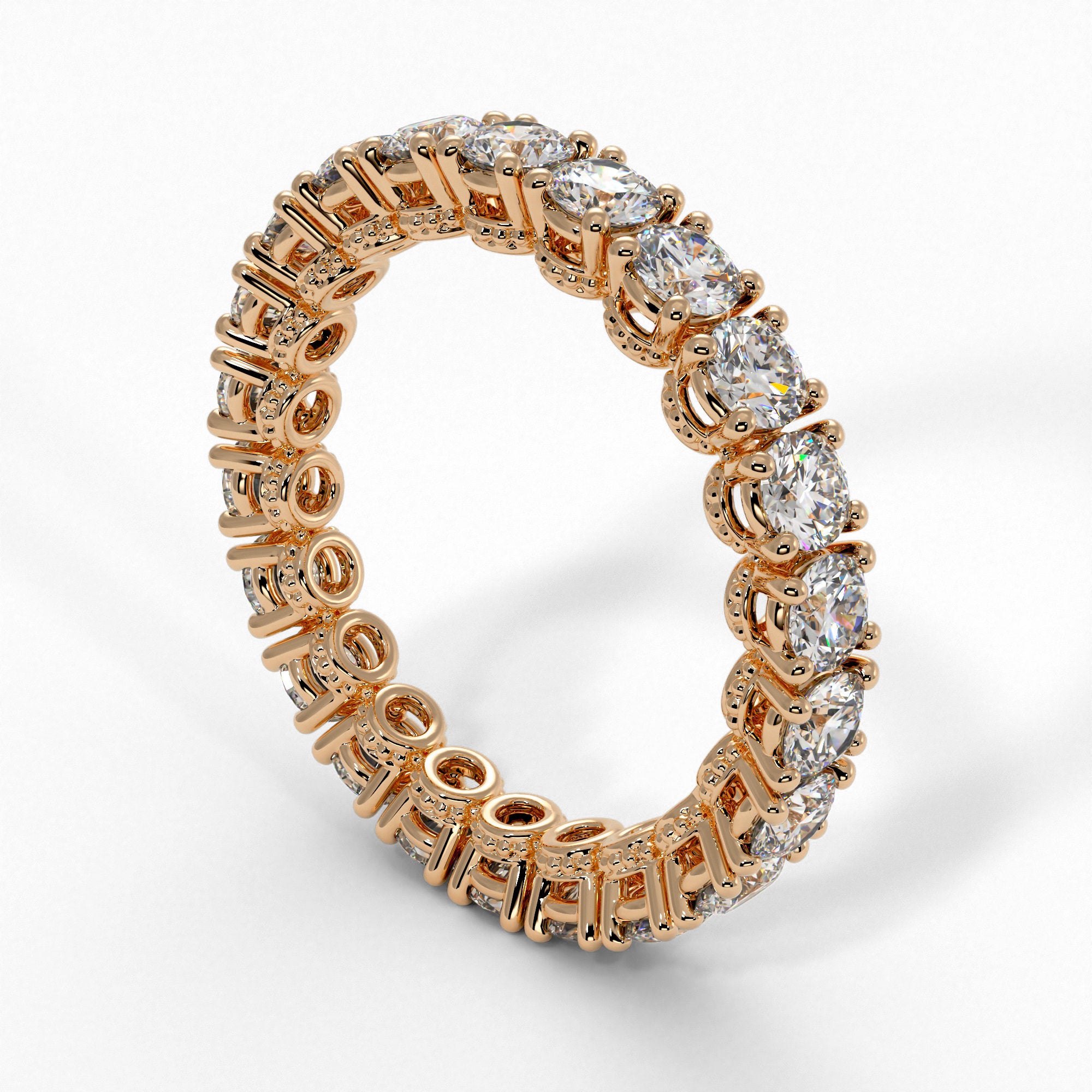
Reviewed by Yoona's in-house jewelry experts
Short answer: shape is the outline of a diamond, round, oval, cushion, and so on. Cut is how precisely its facets are angled to control light and sparkle. They're often used interchangeably in casual conversation, but they answer two completely different questions.
Shape: The Silhouette You See
Quick answer: Shape refers to a diamond's outline when viewed from above, round, oval, princess, cushion, emerald, pear, marquise, or heart. It's a design choice, not a quality measure.
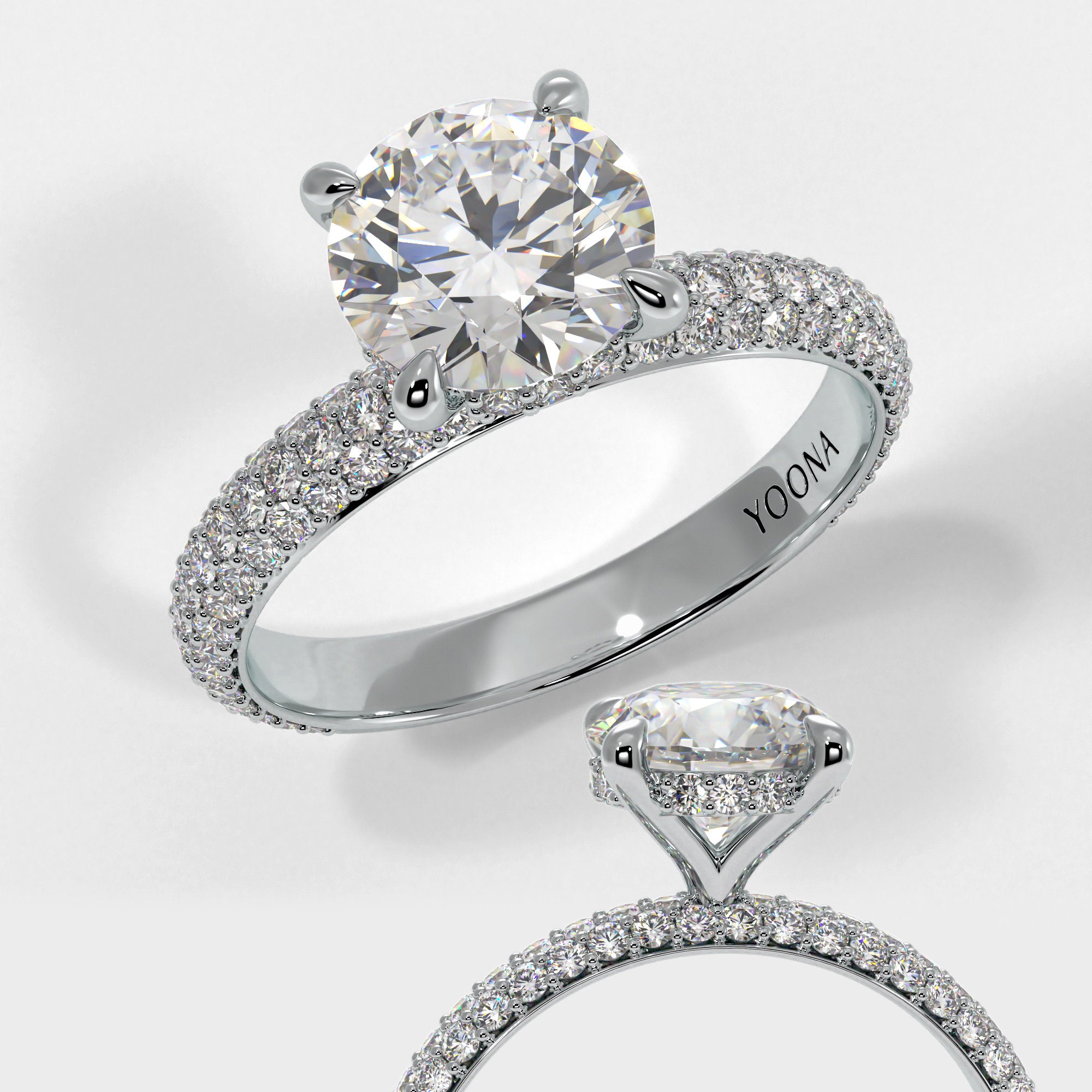
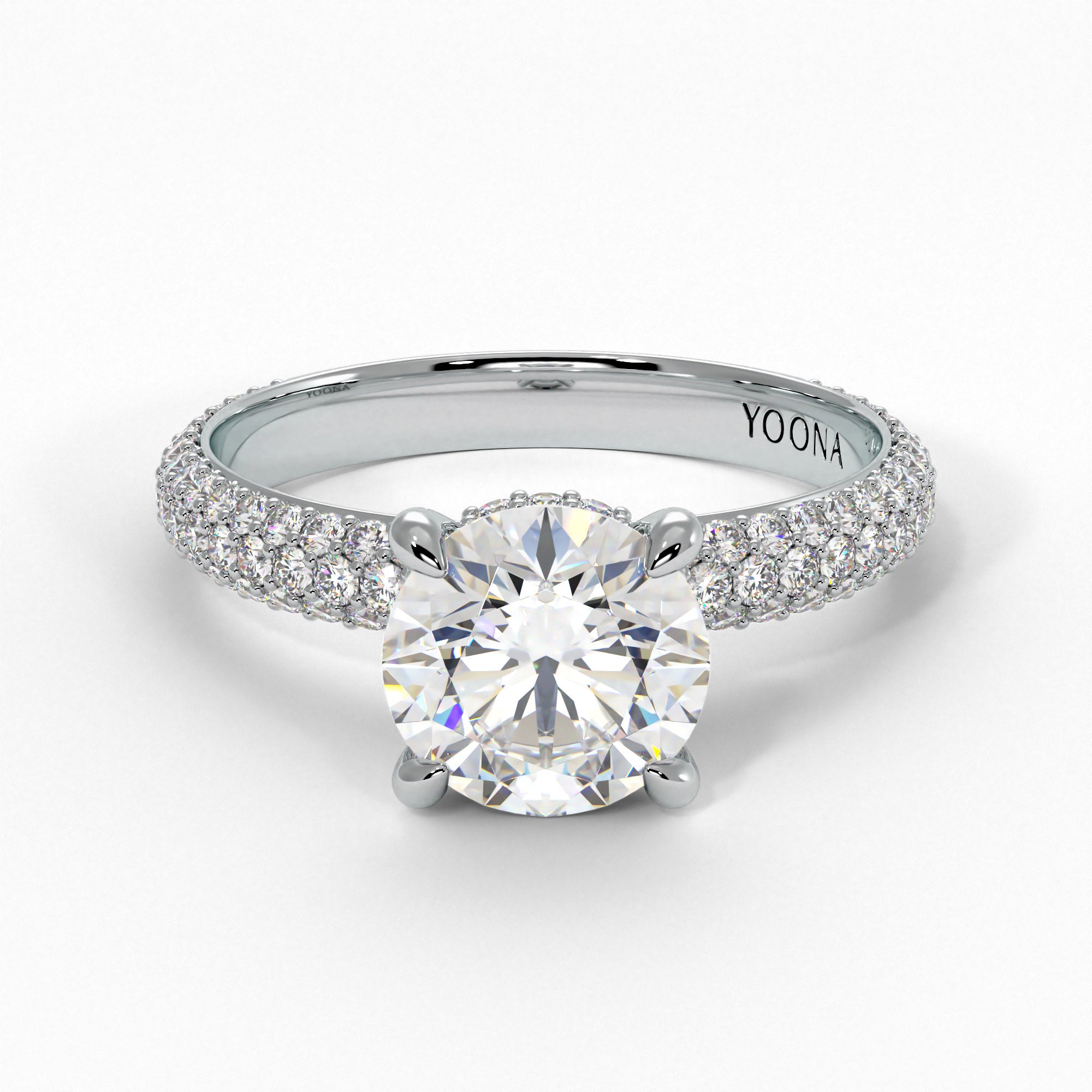
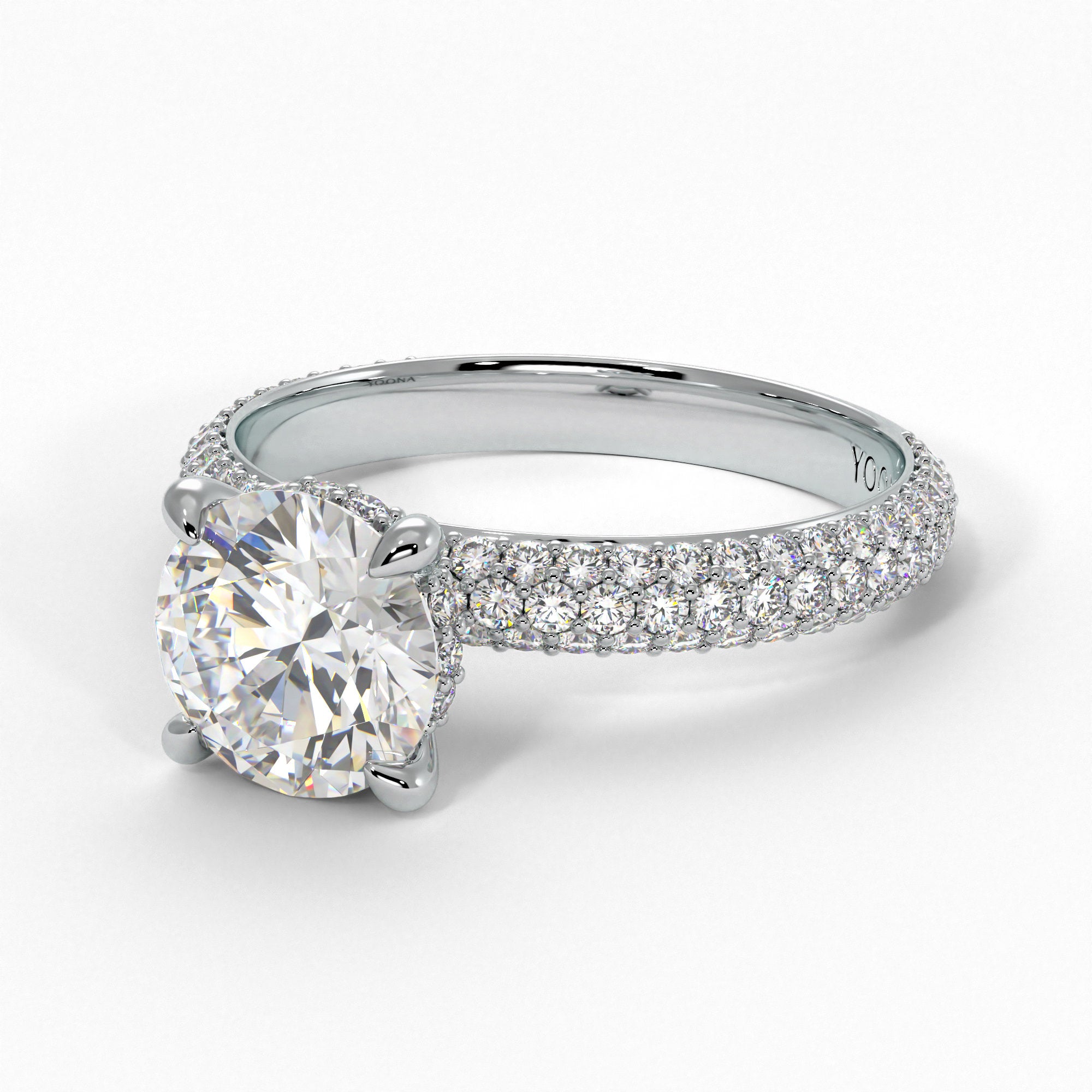
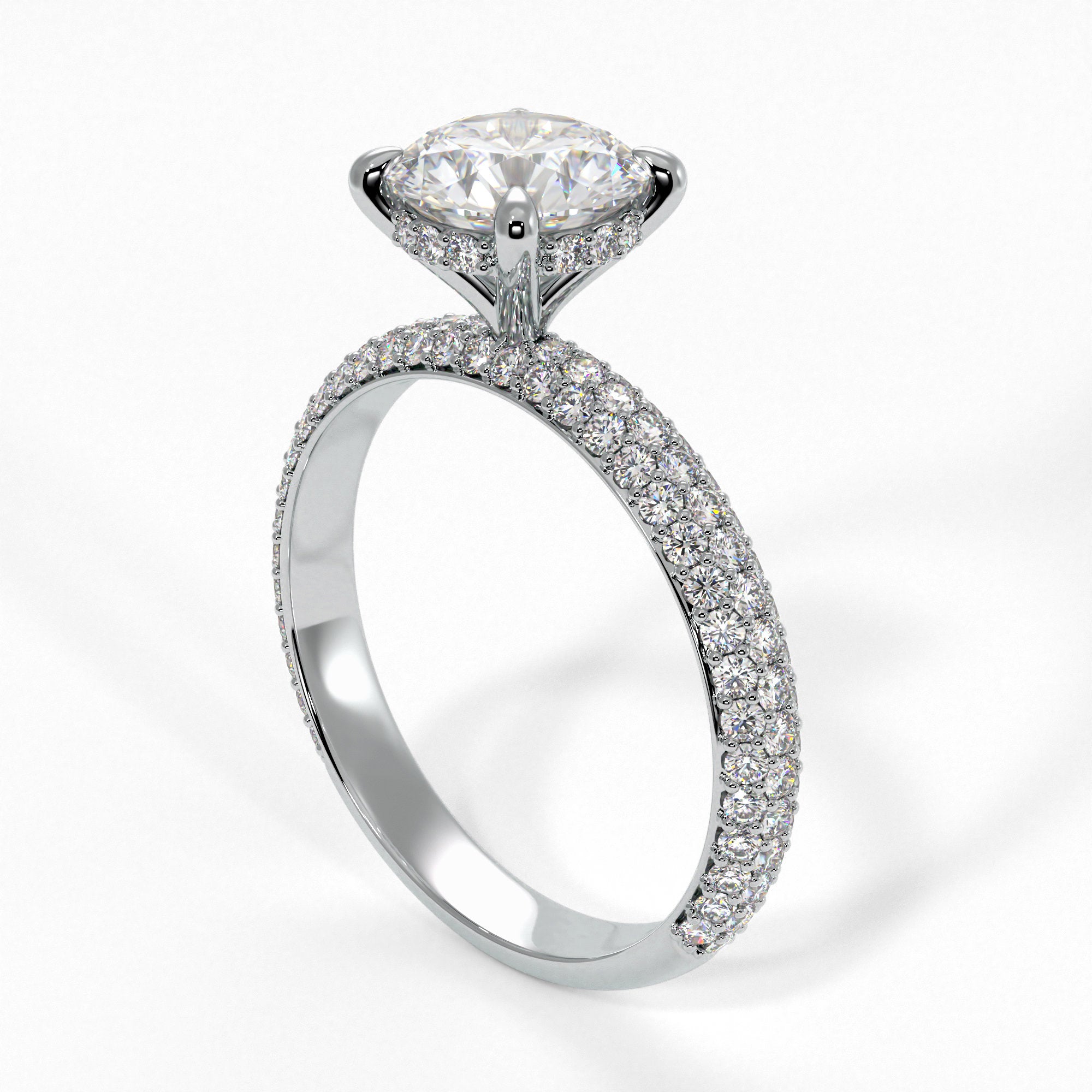
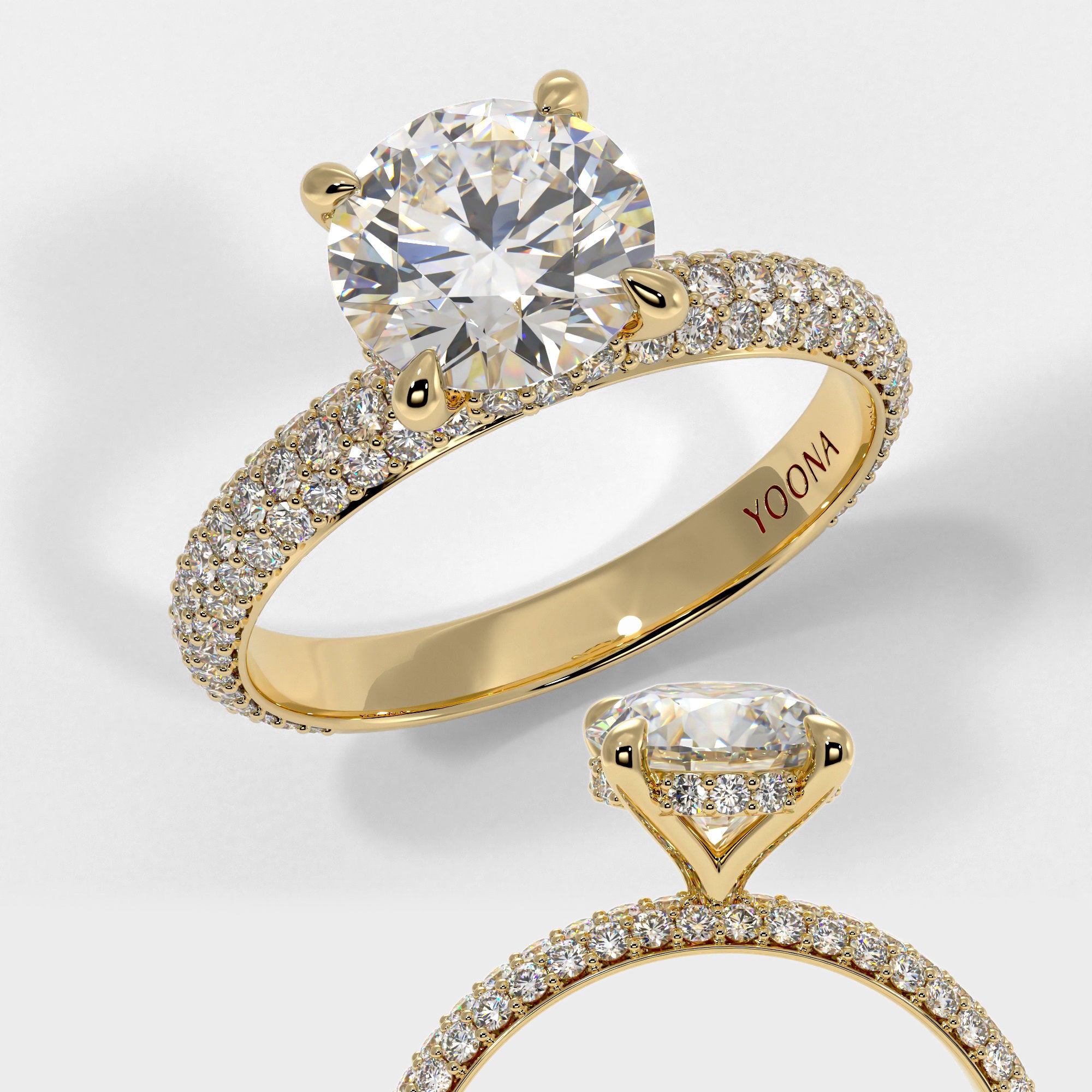
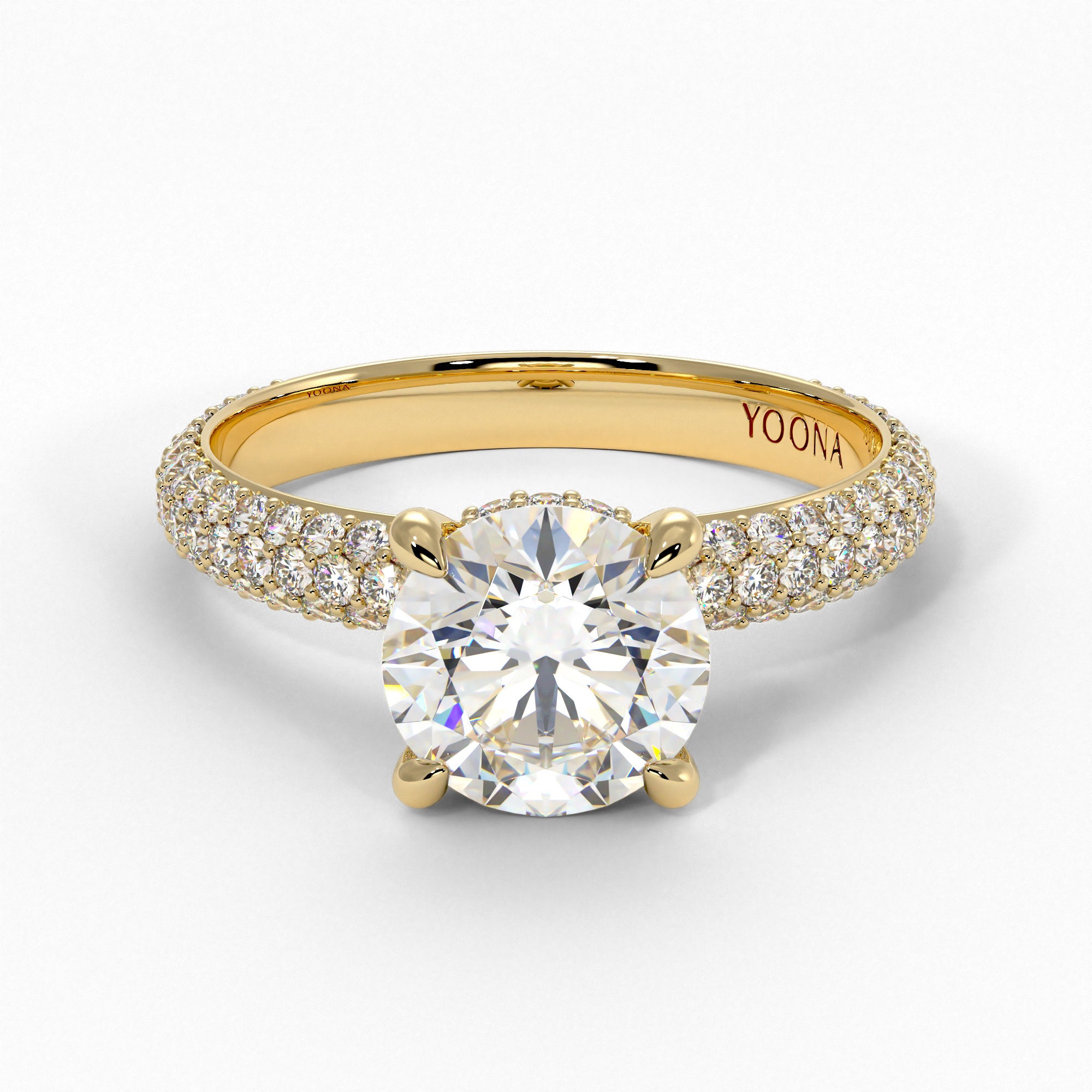
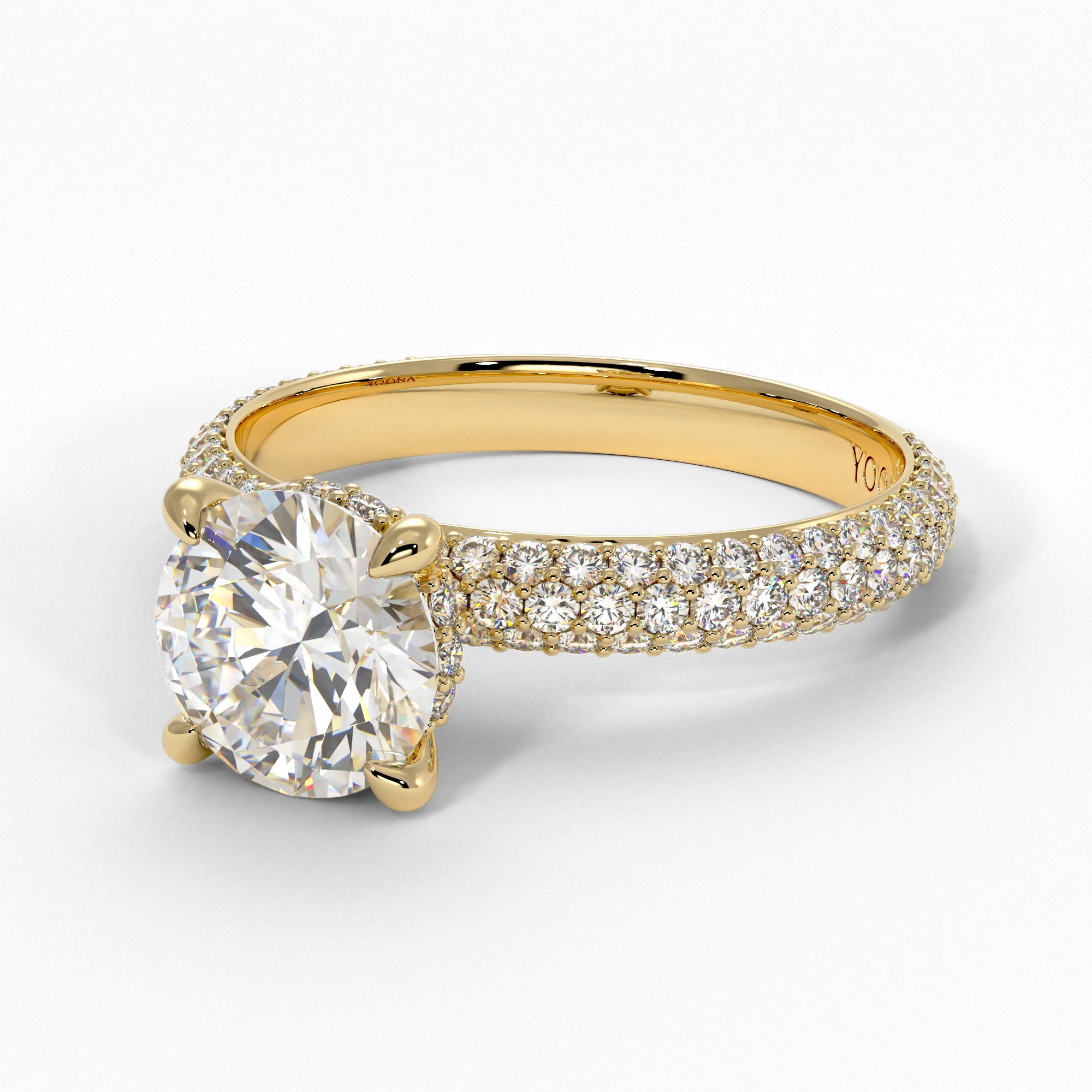
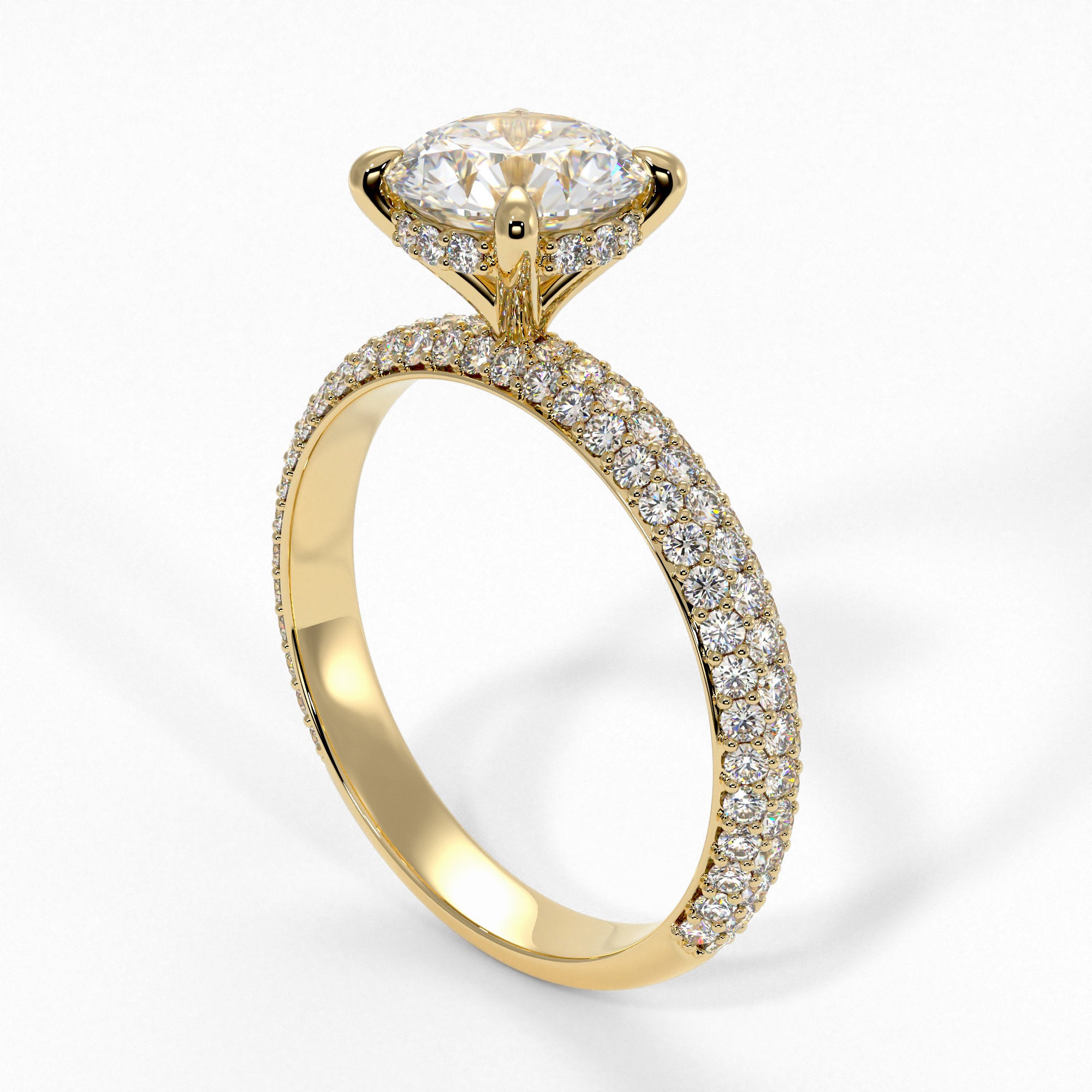
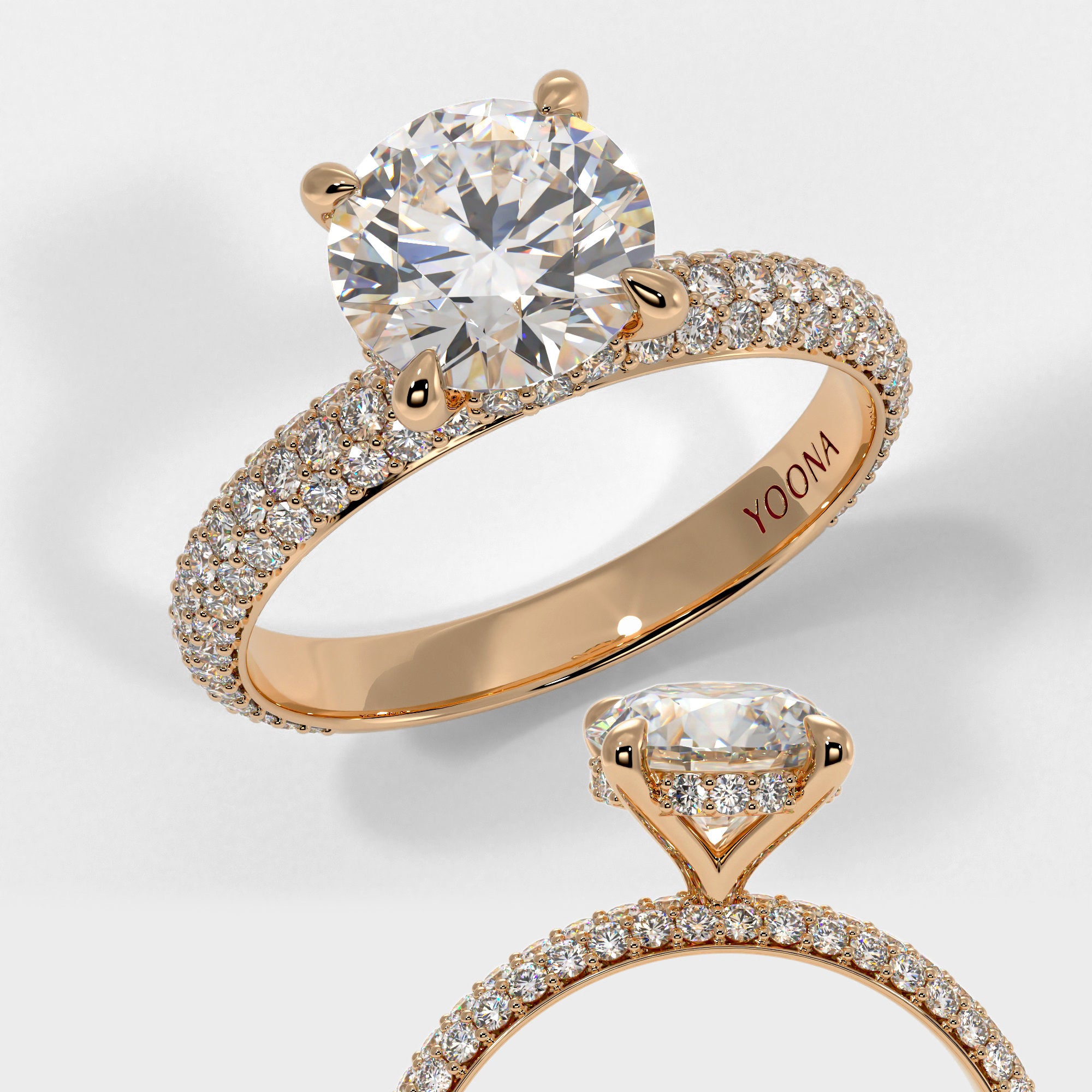
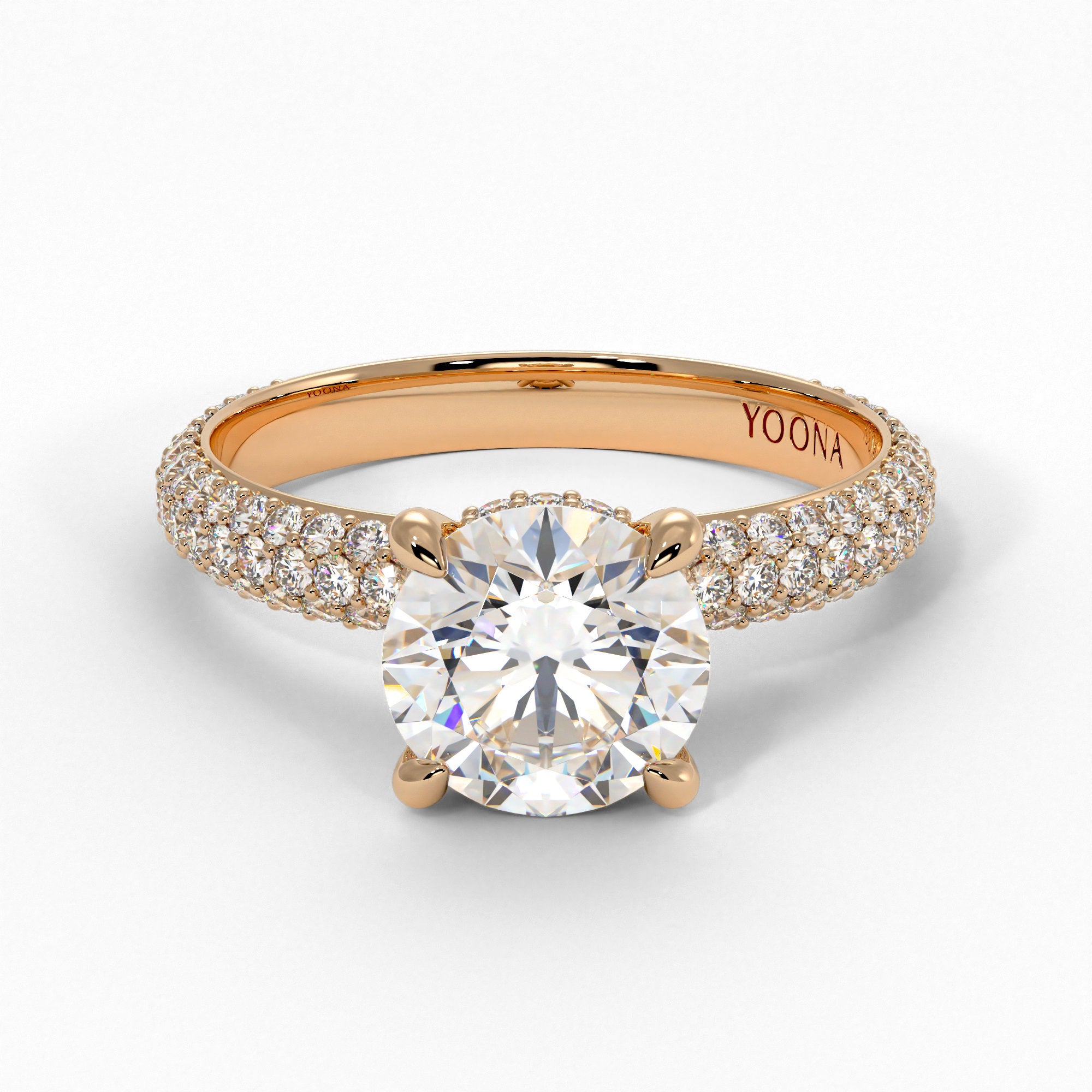
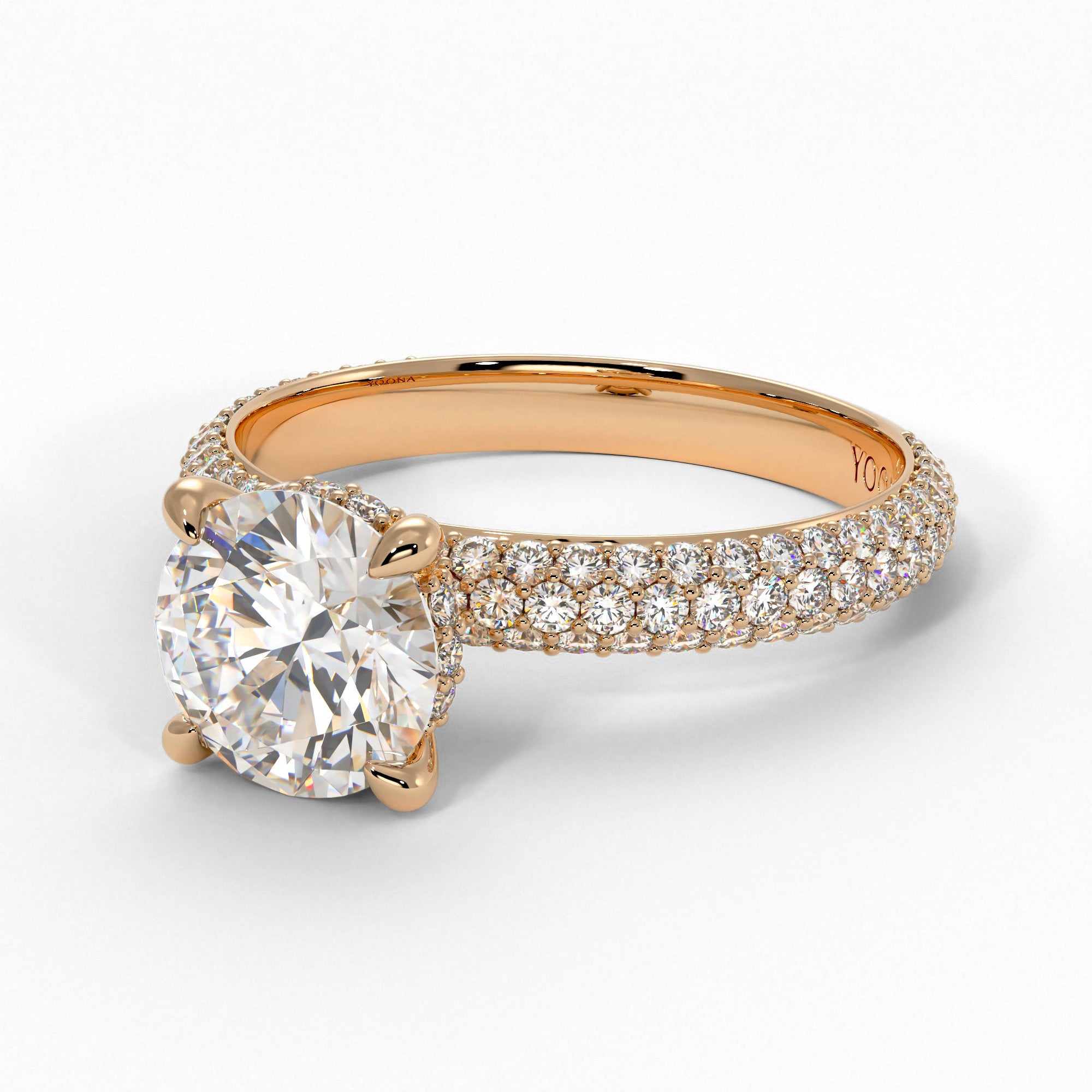
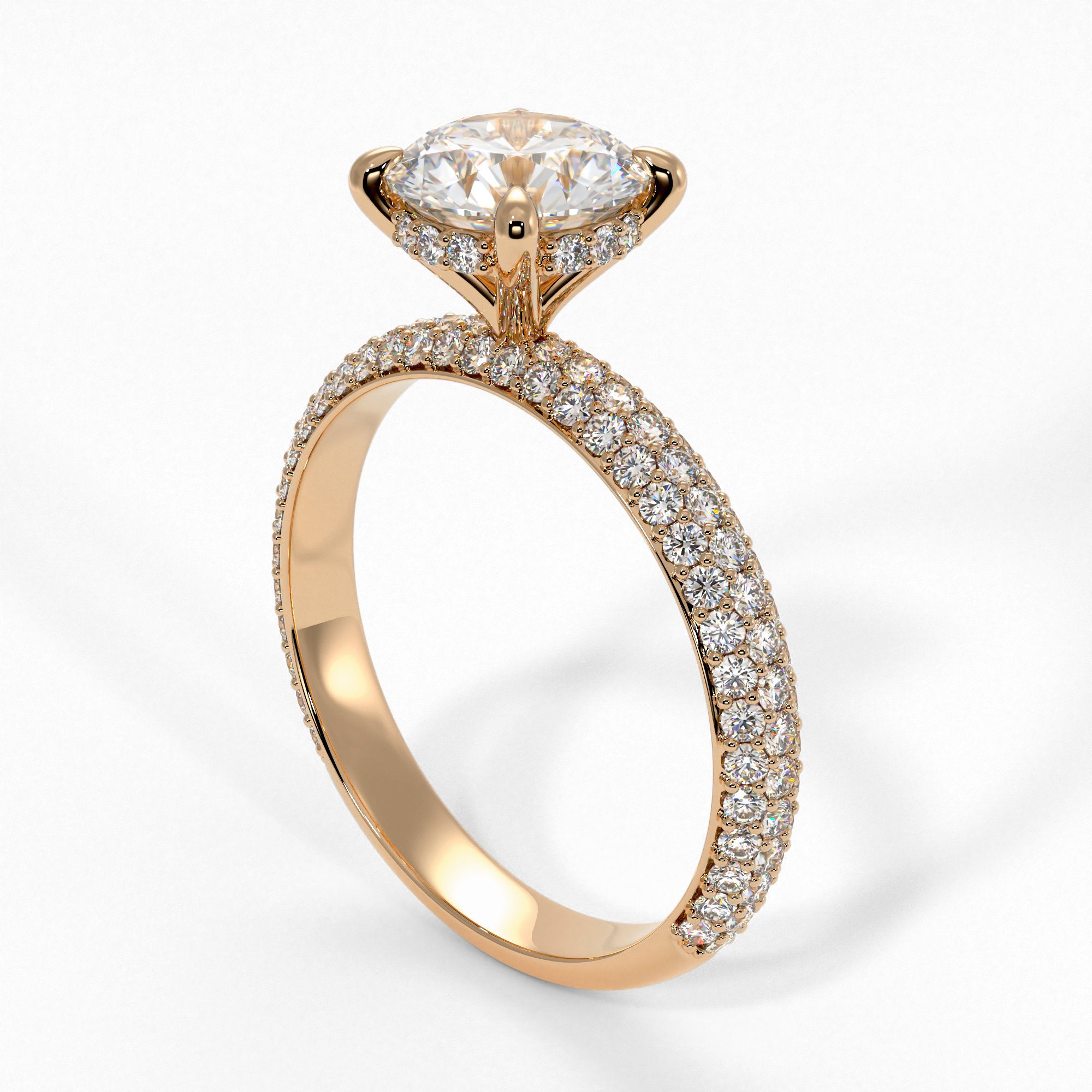
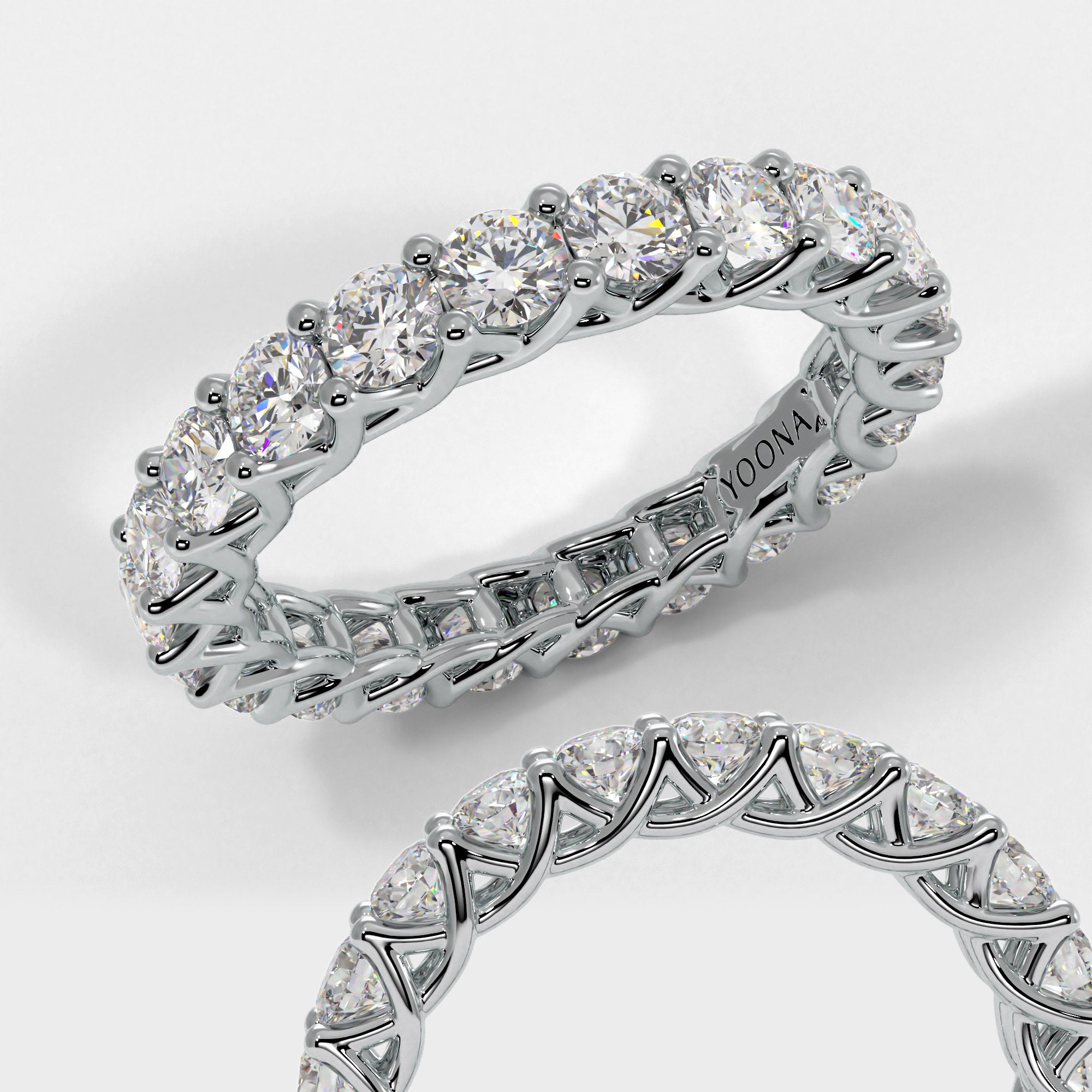
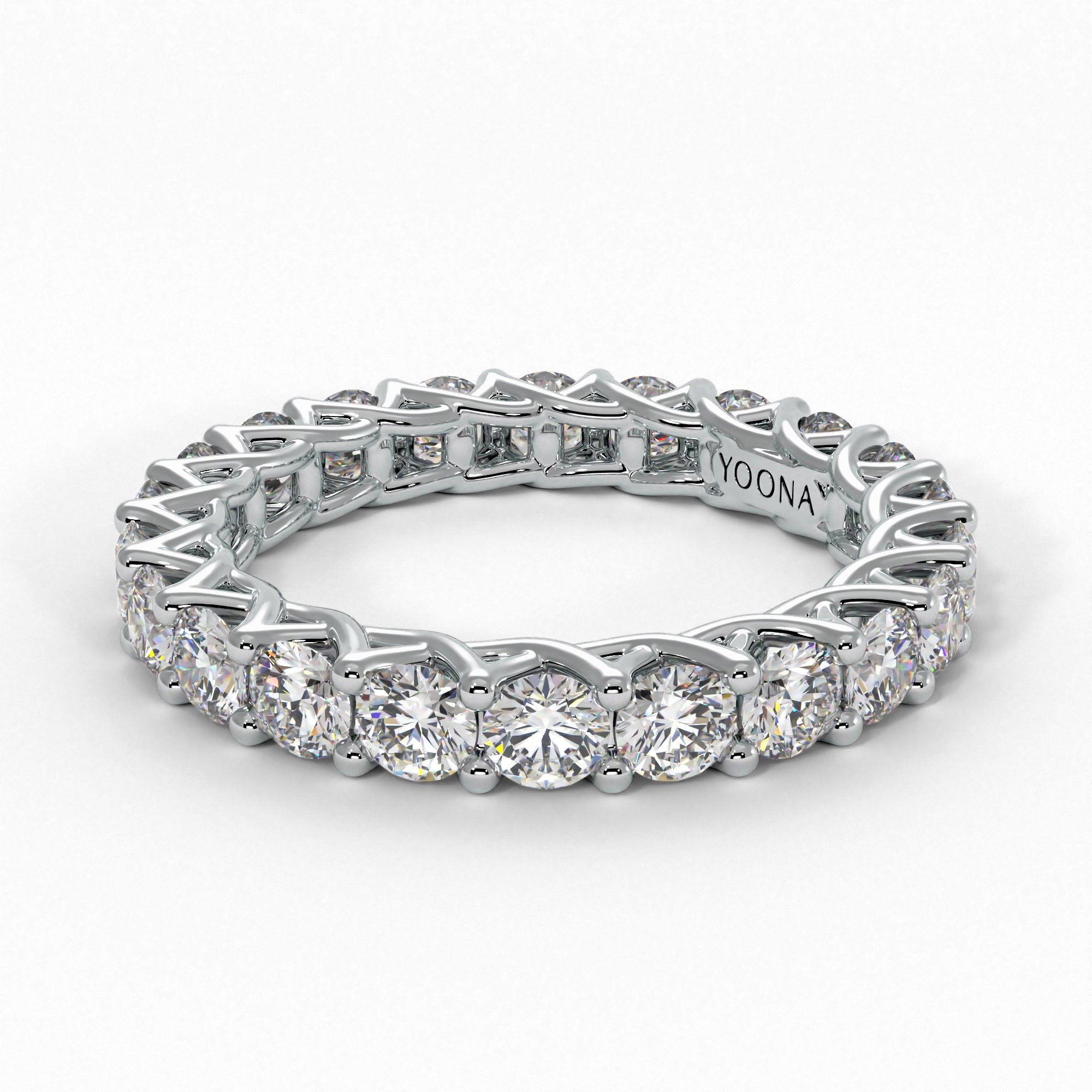
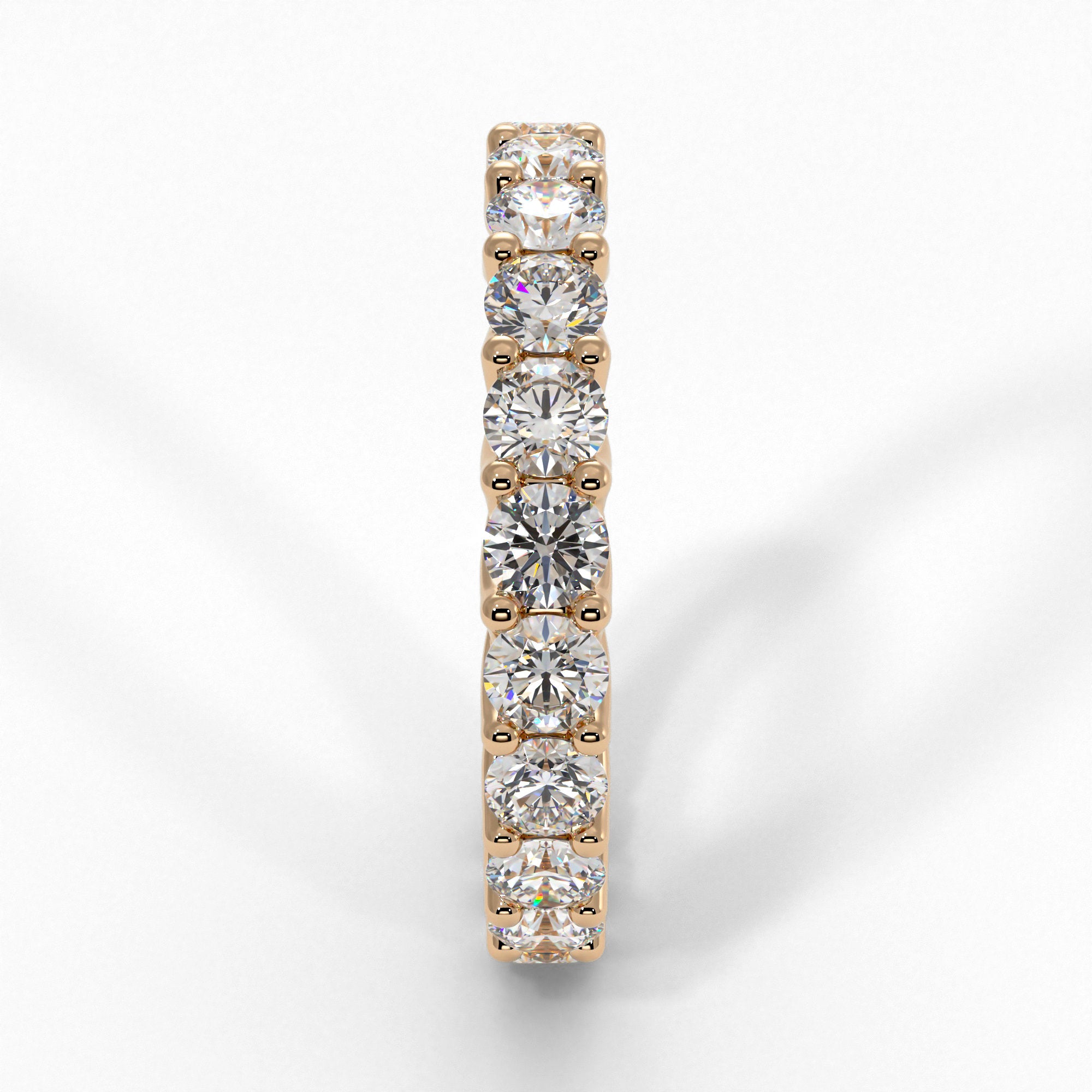
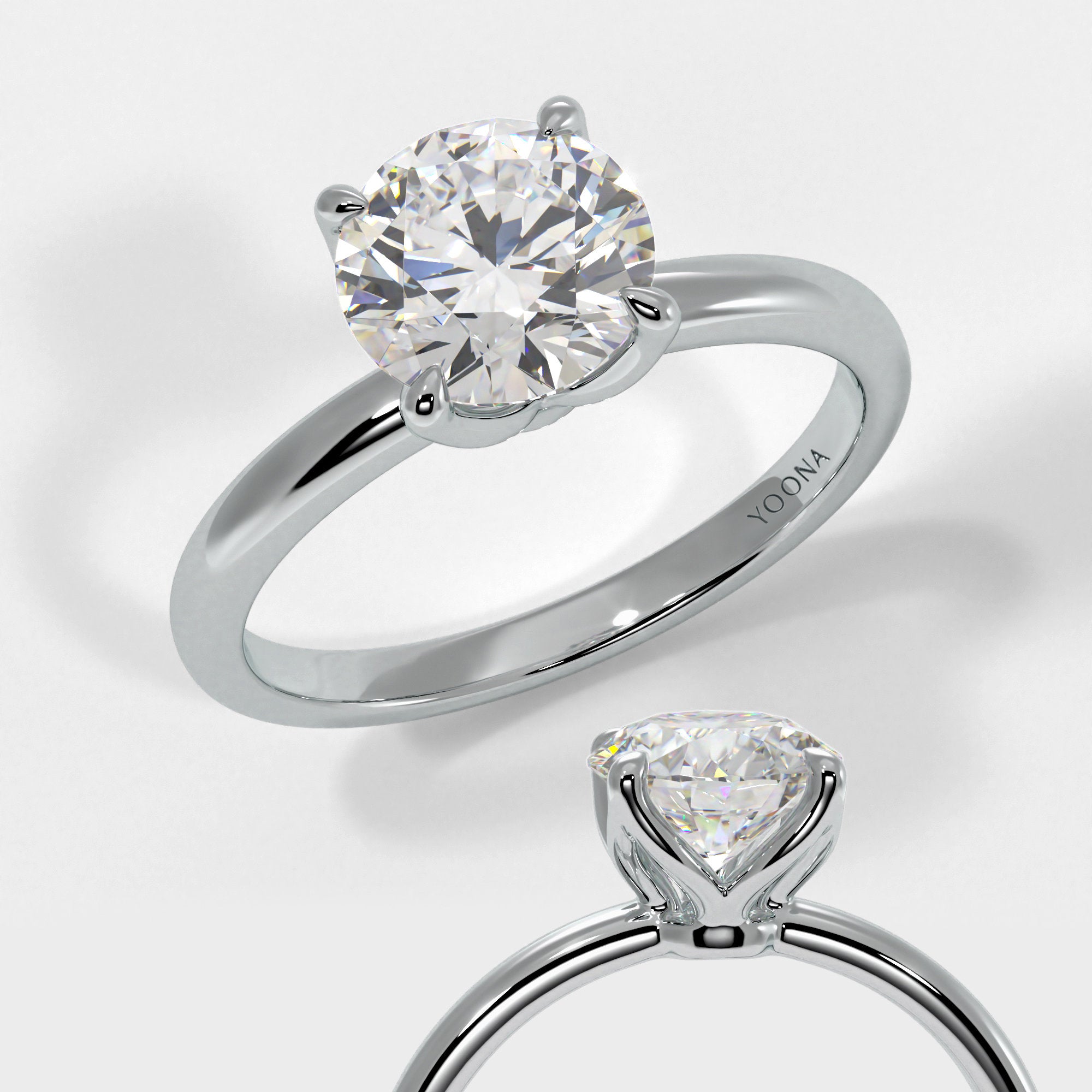
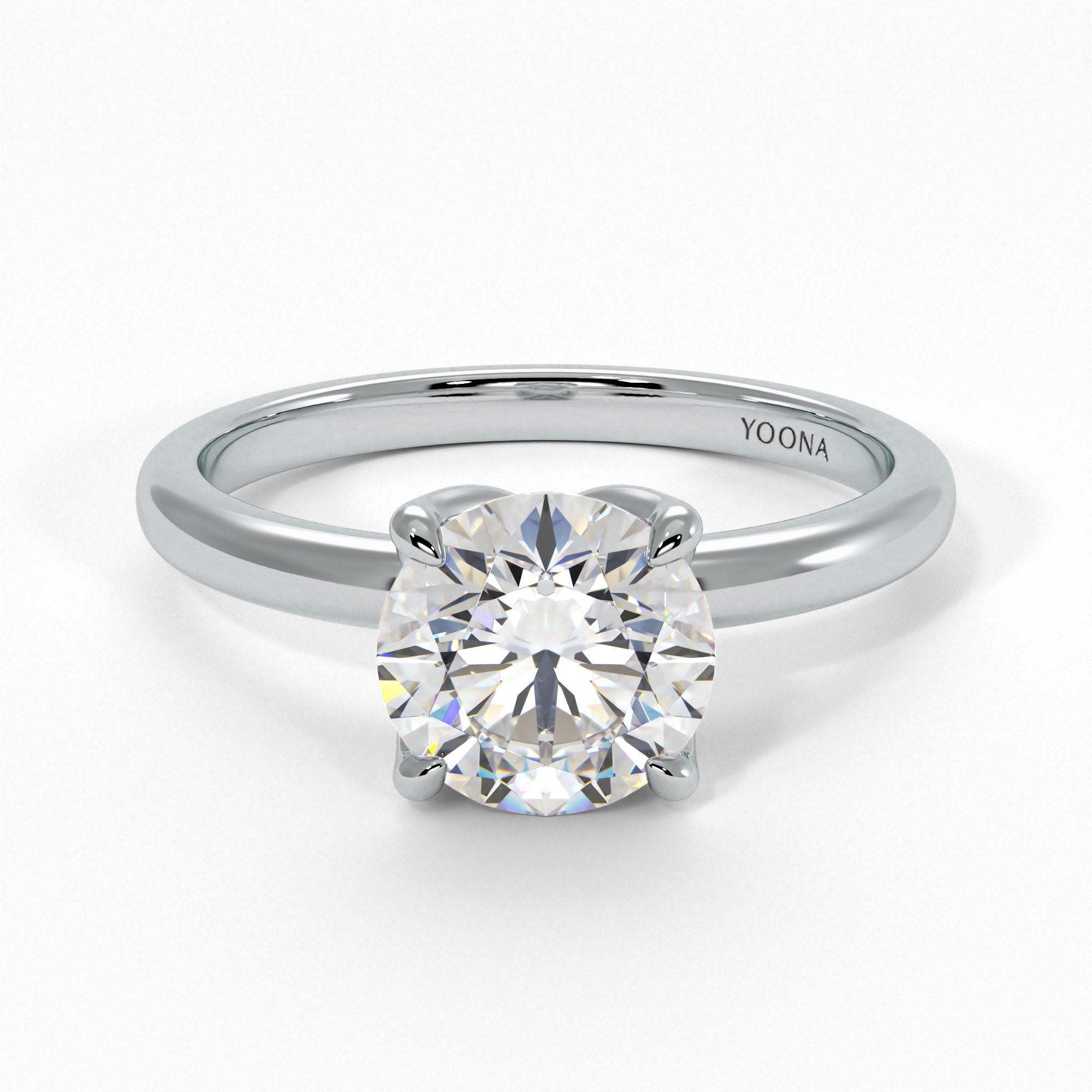
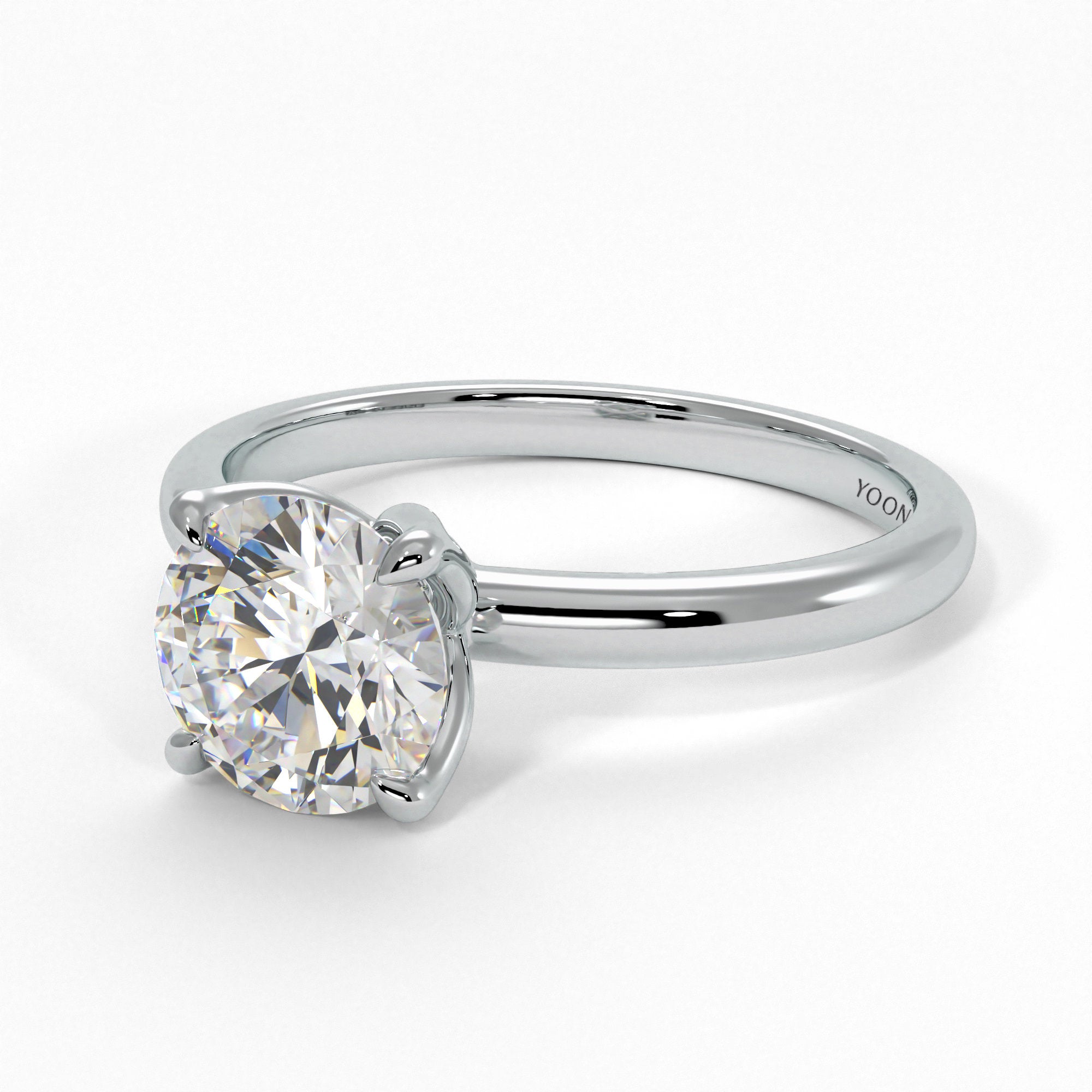
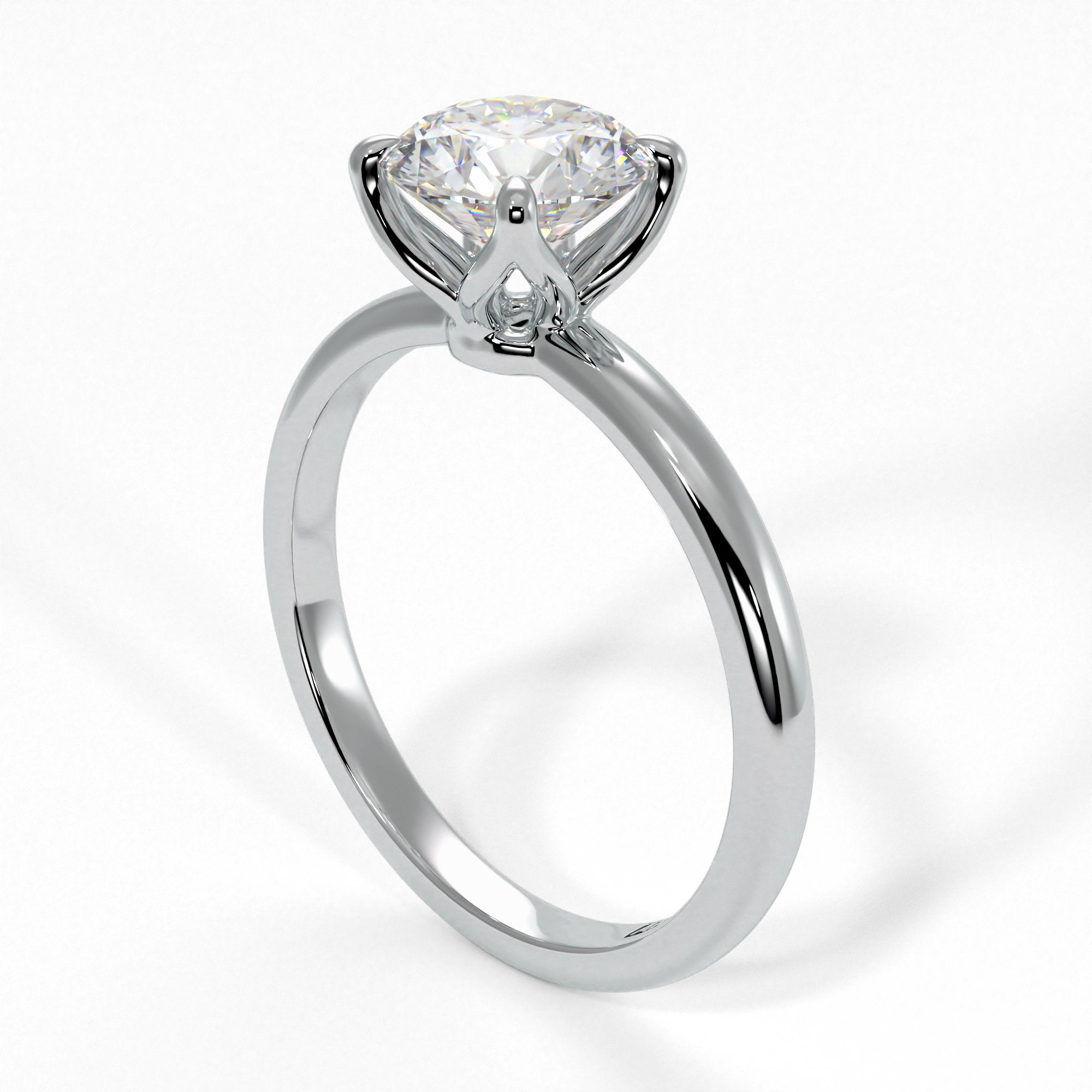
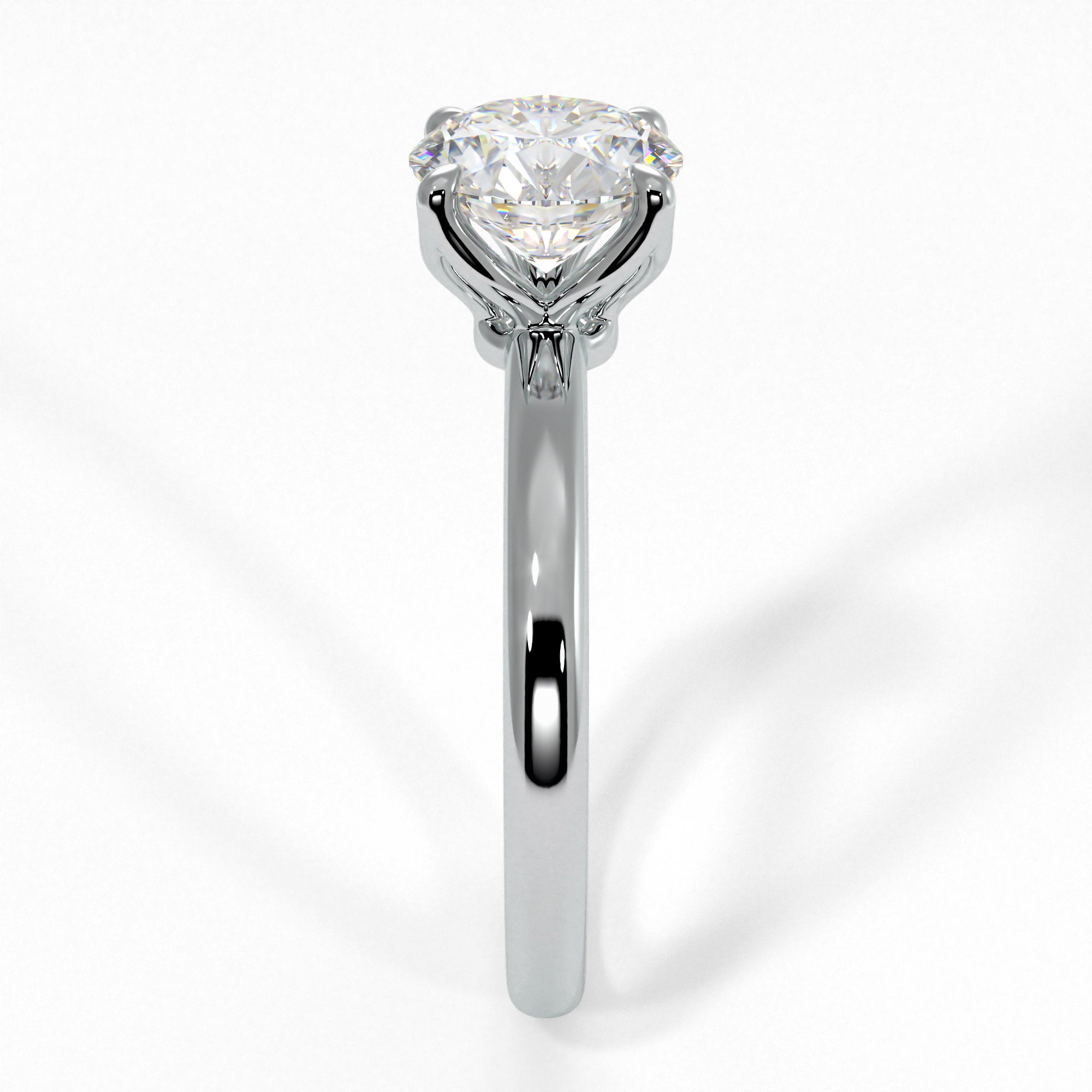
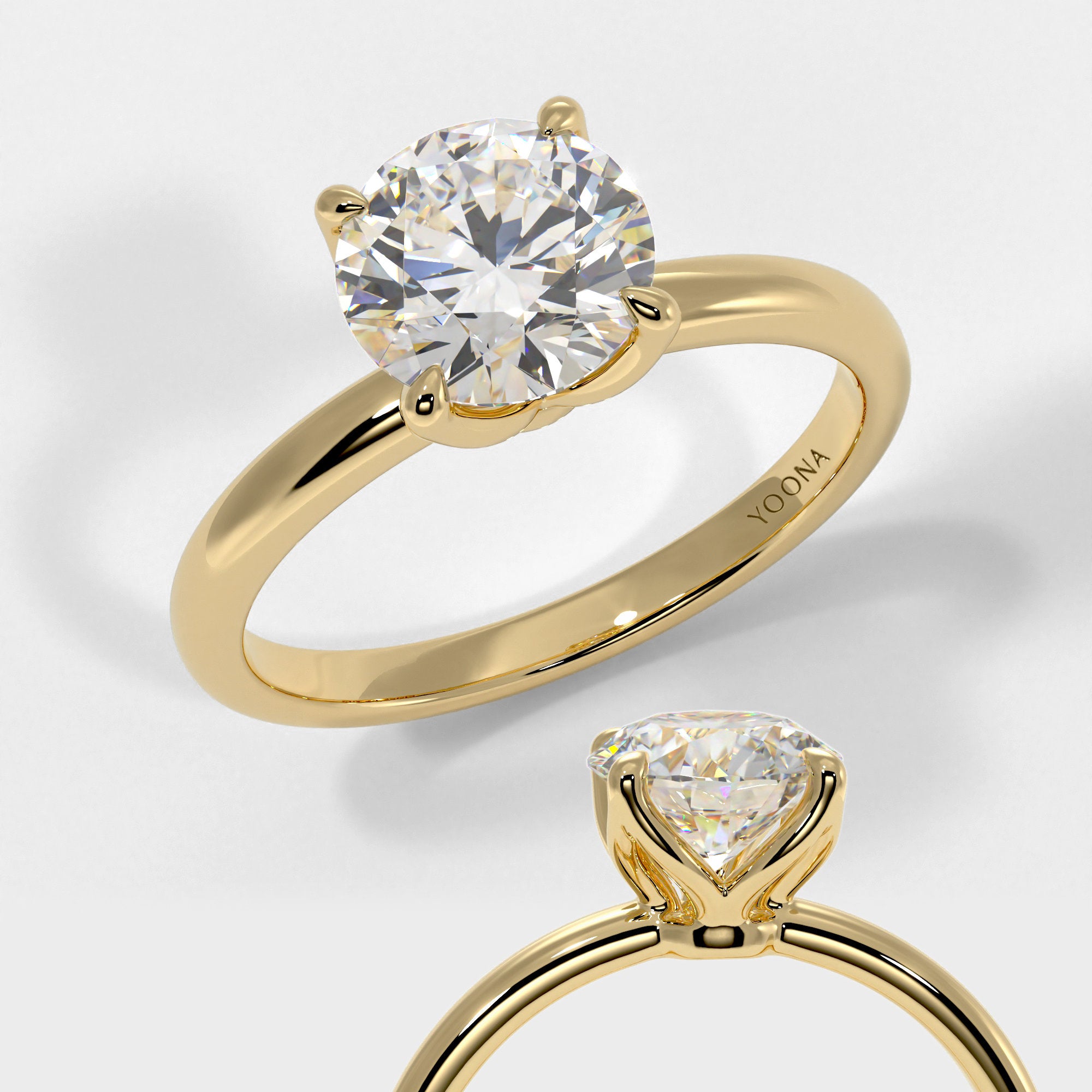
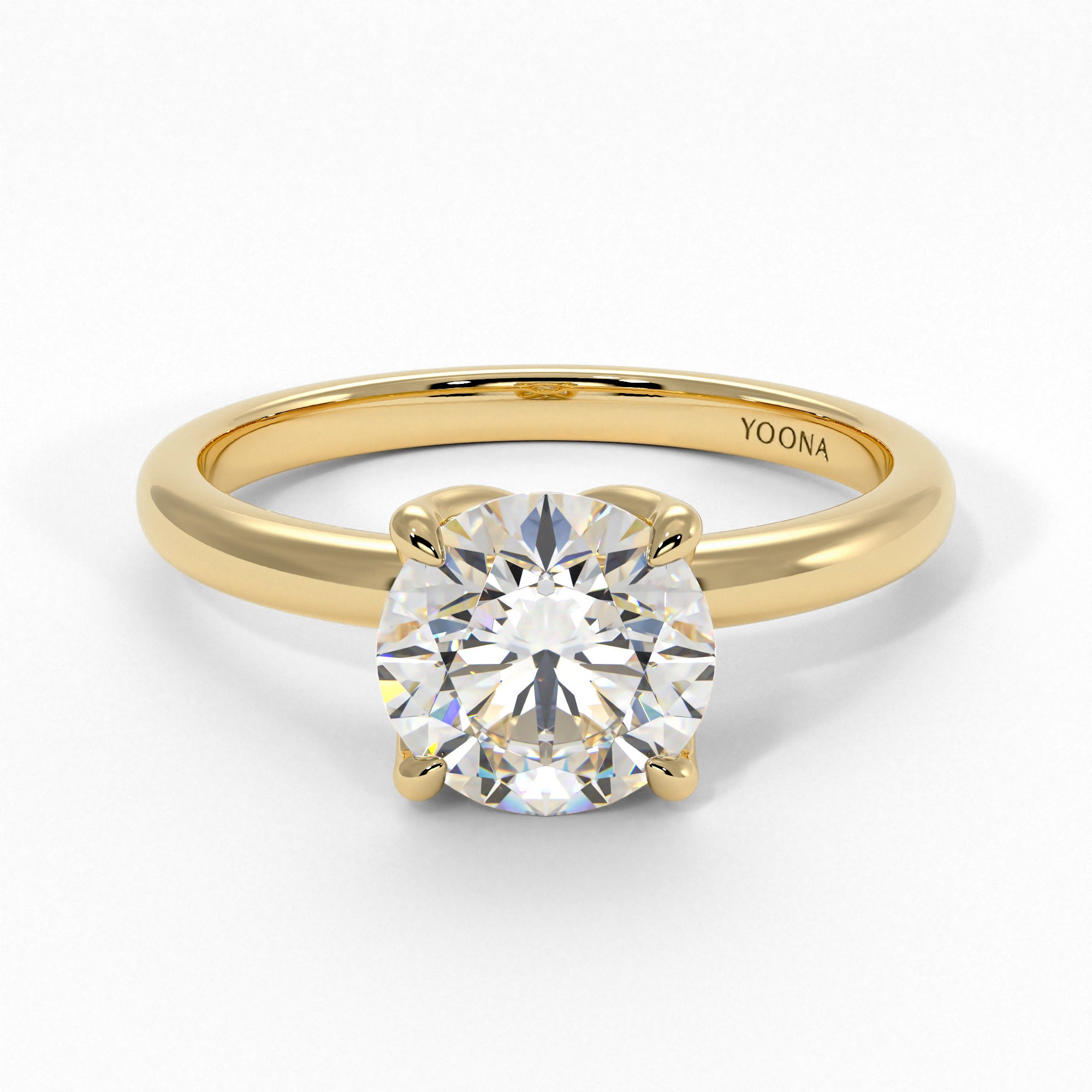
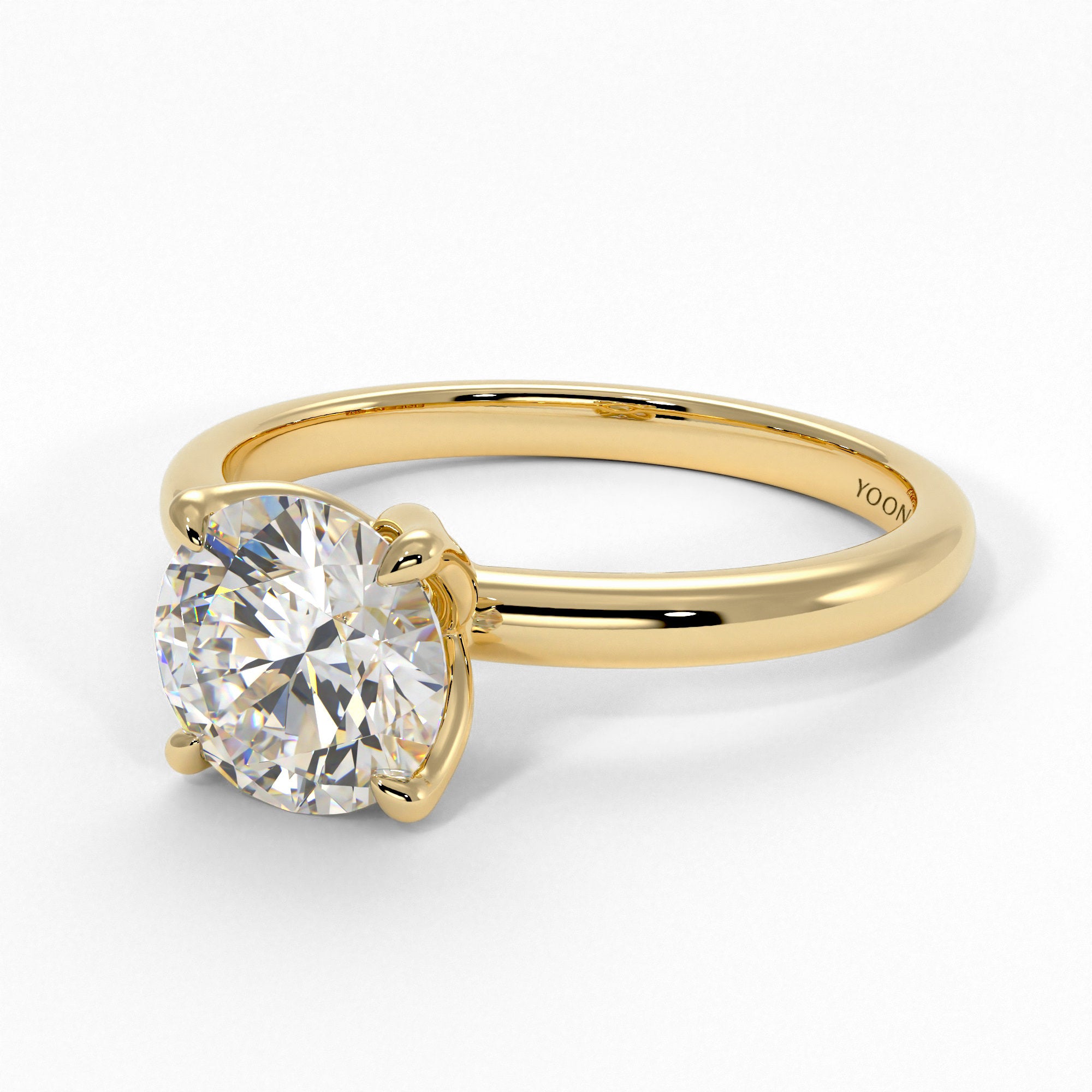
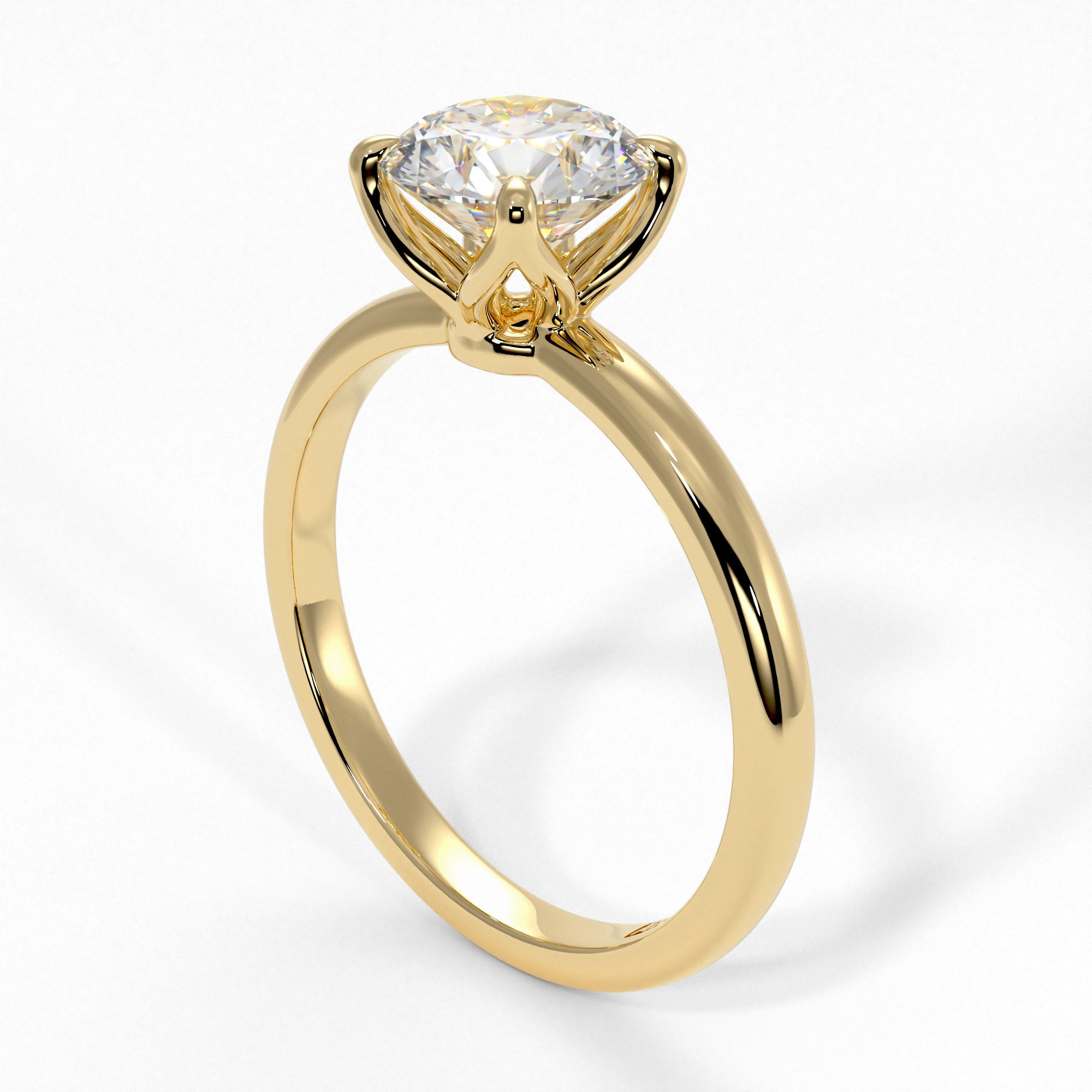
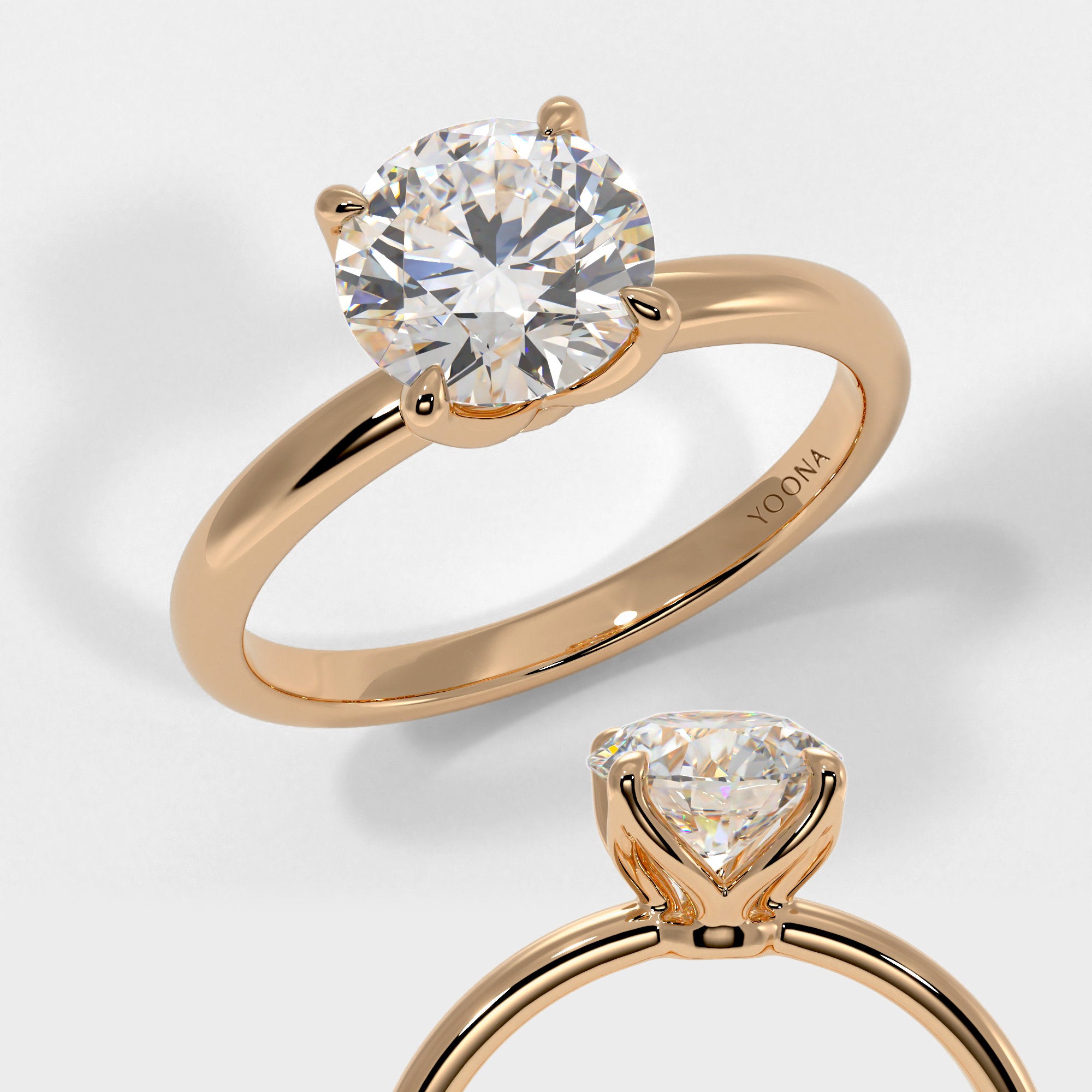
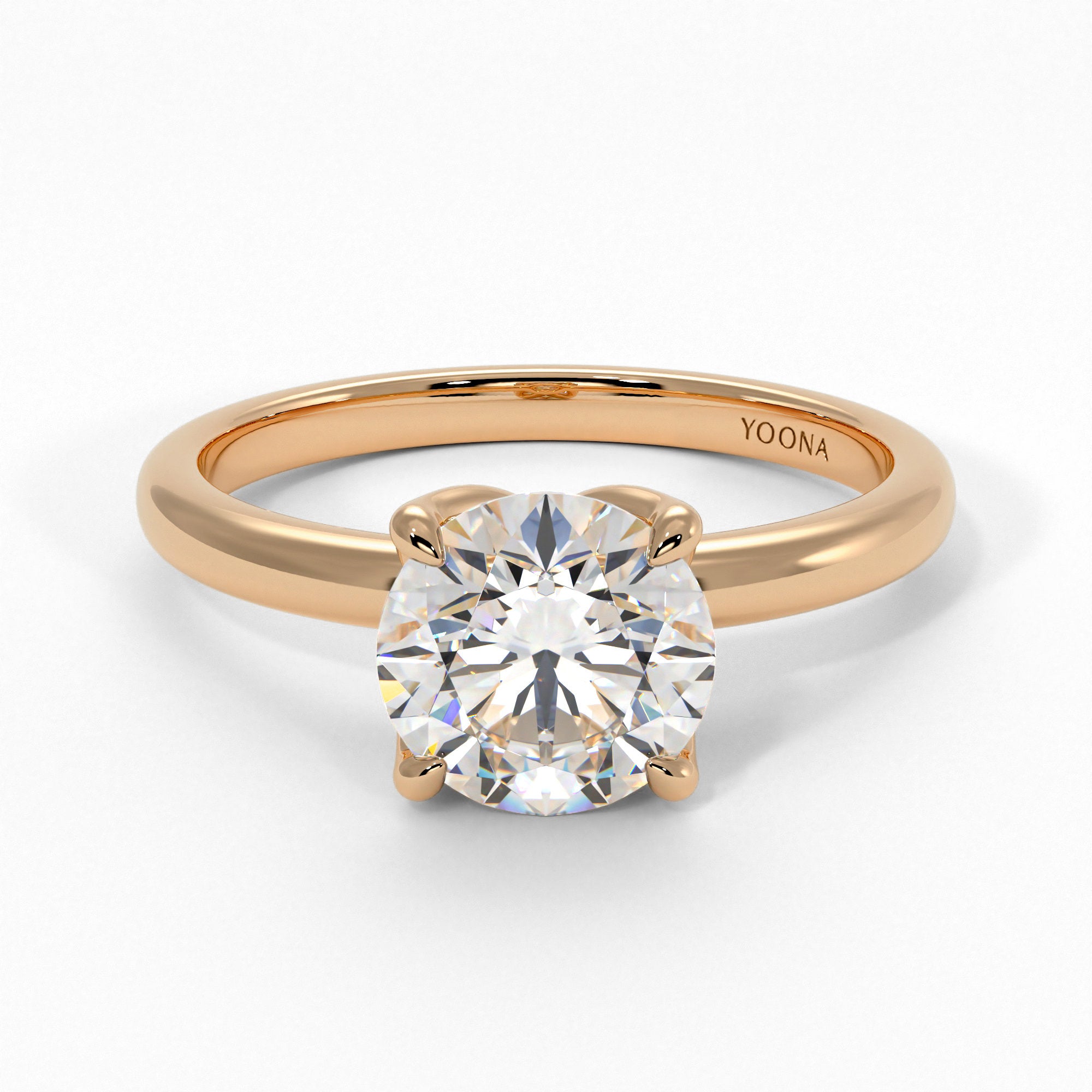
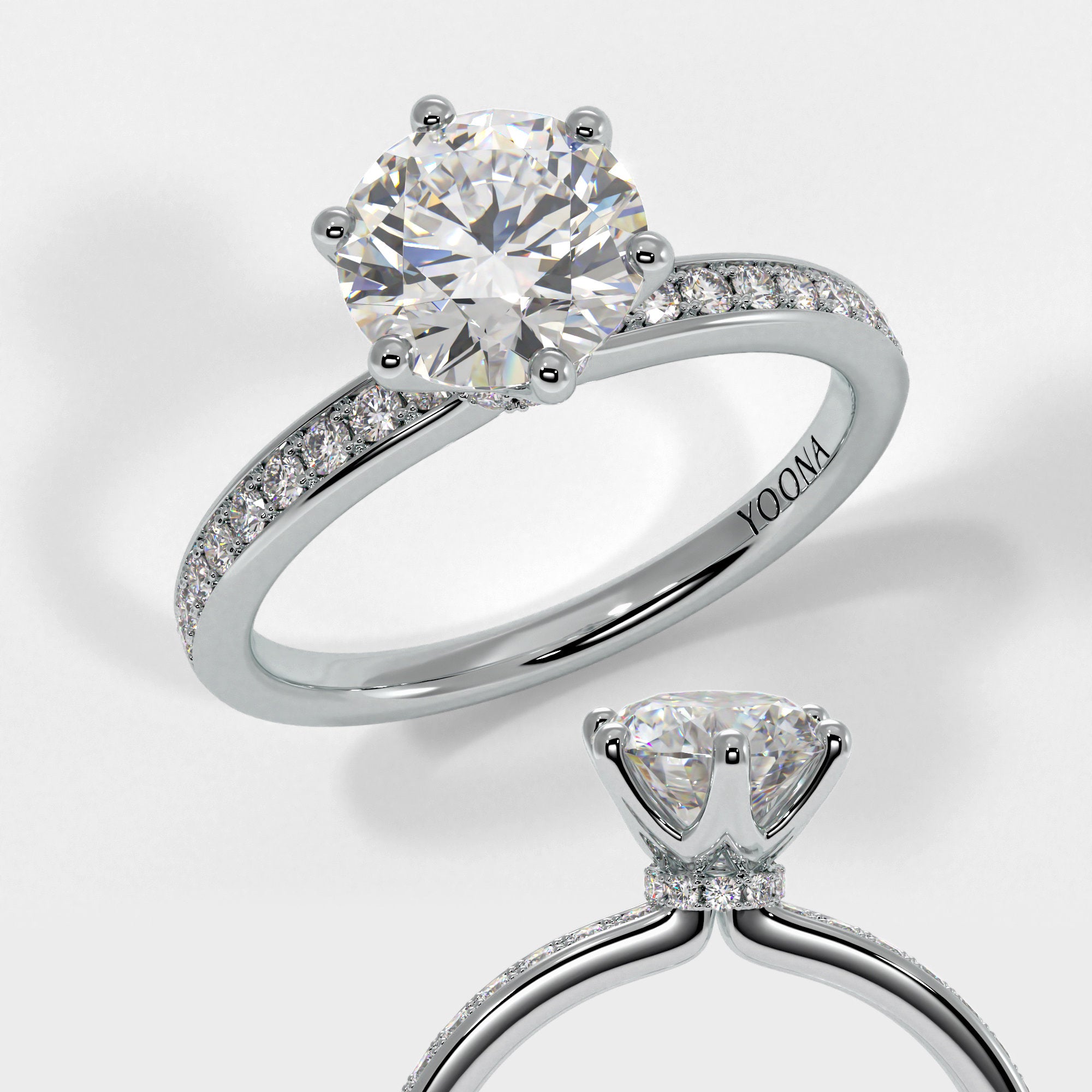
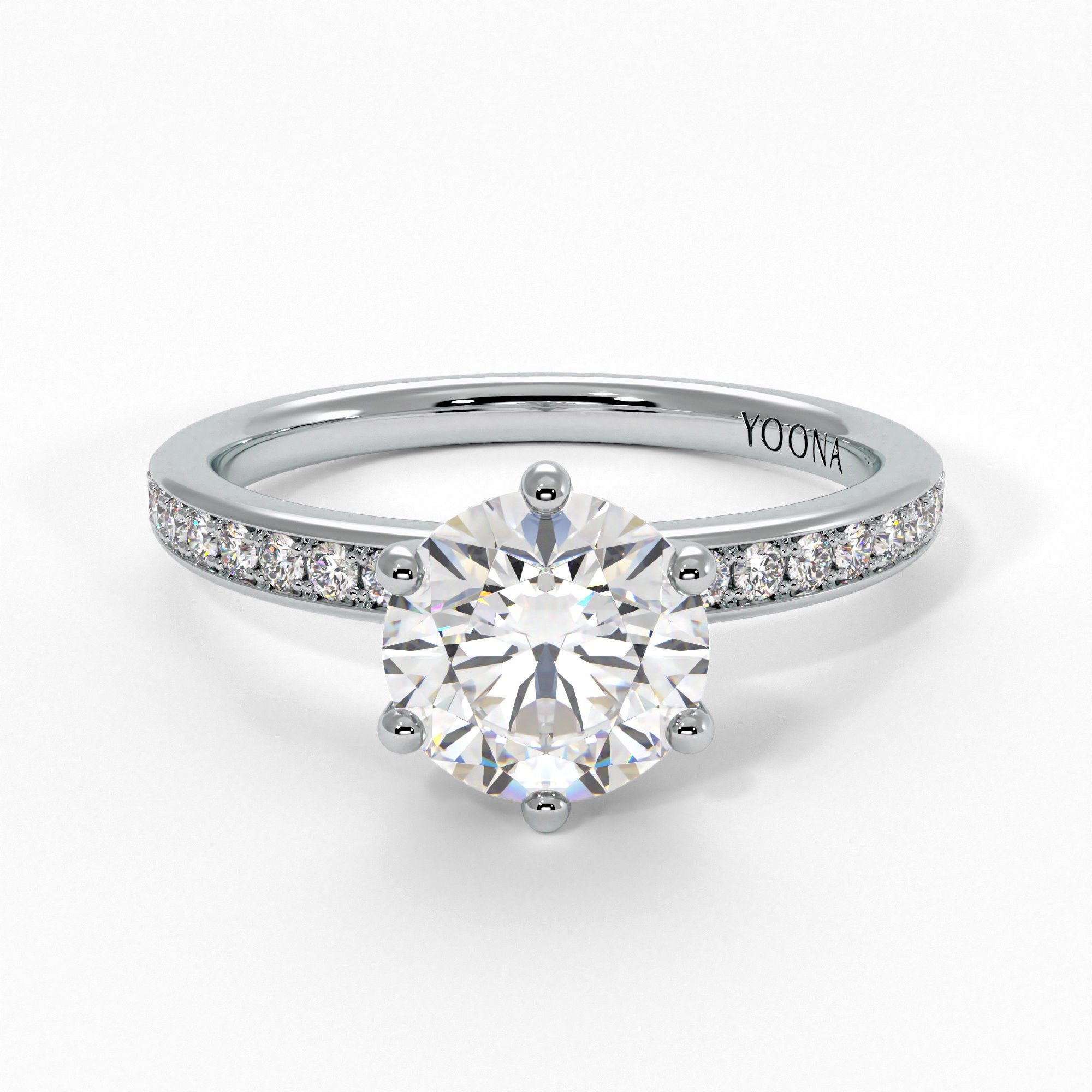
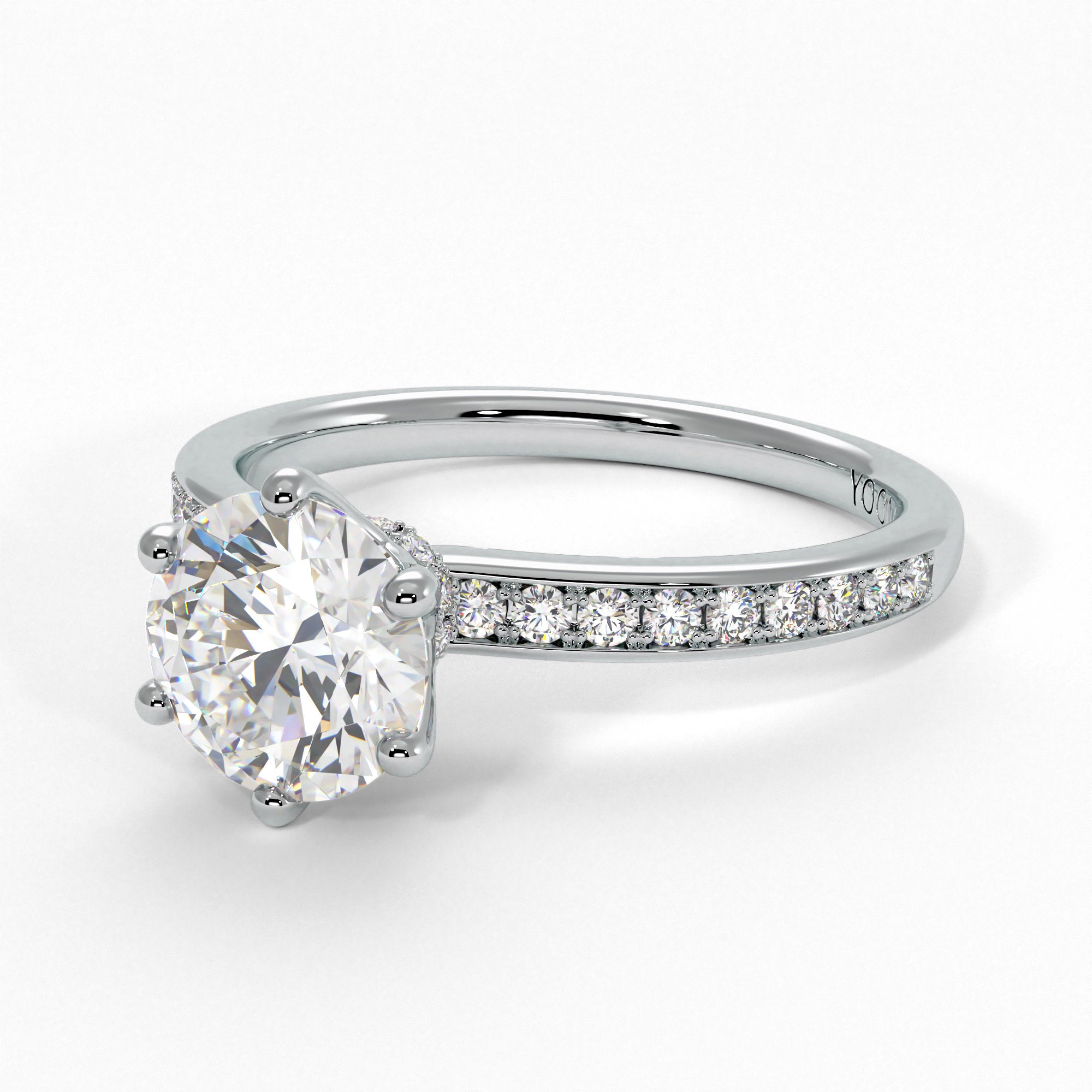
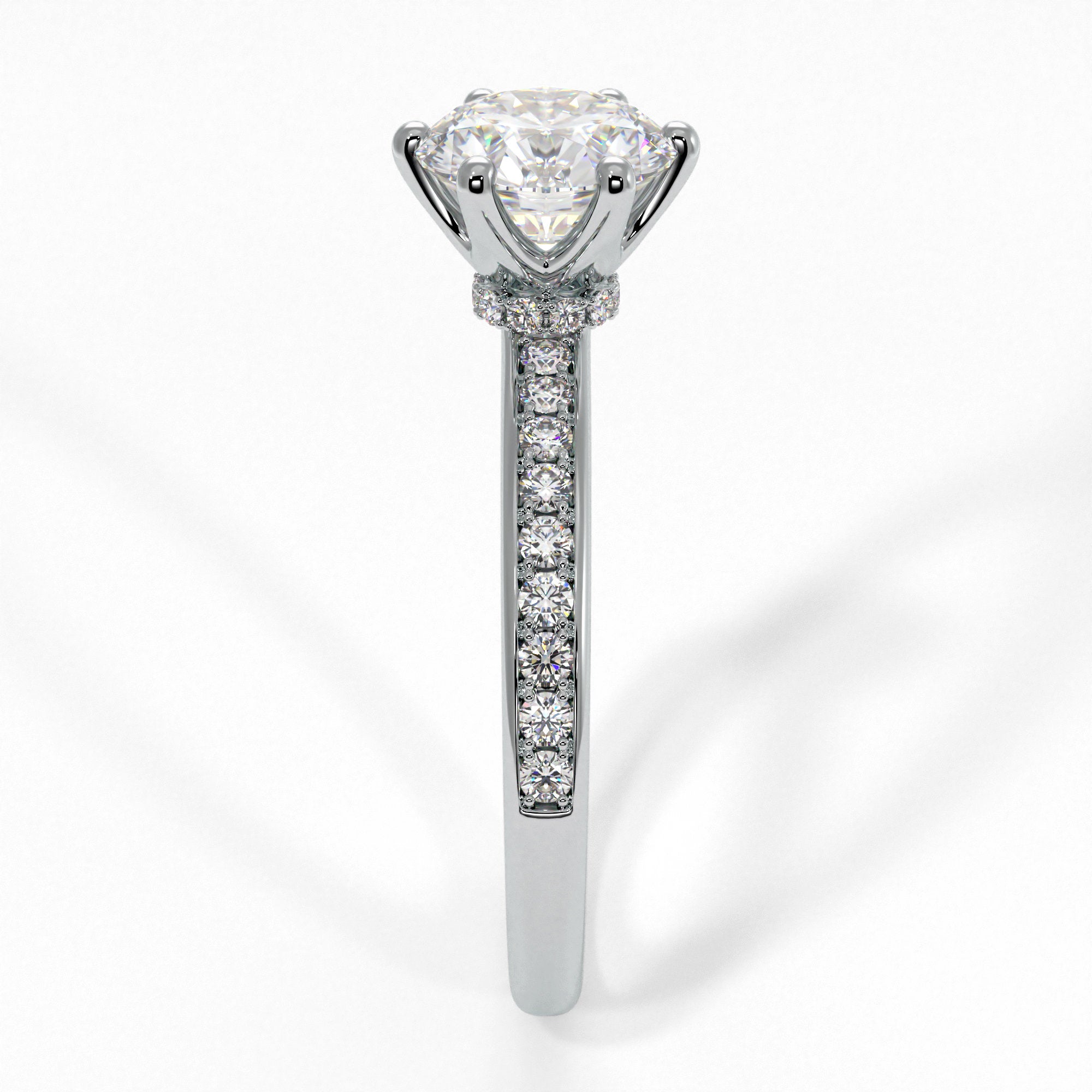
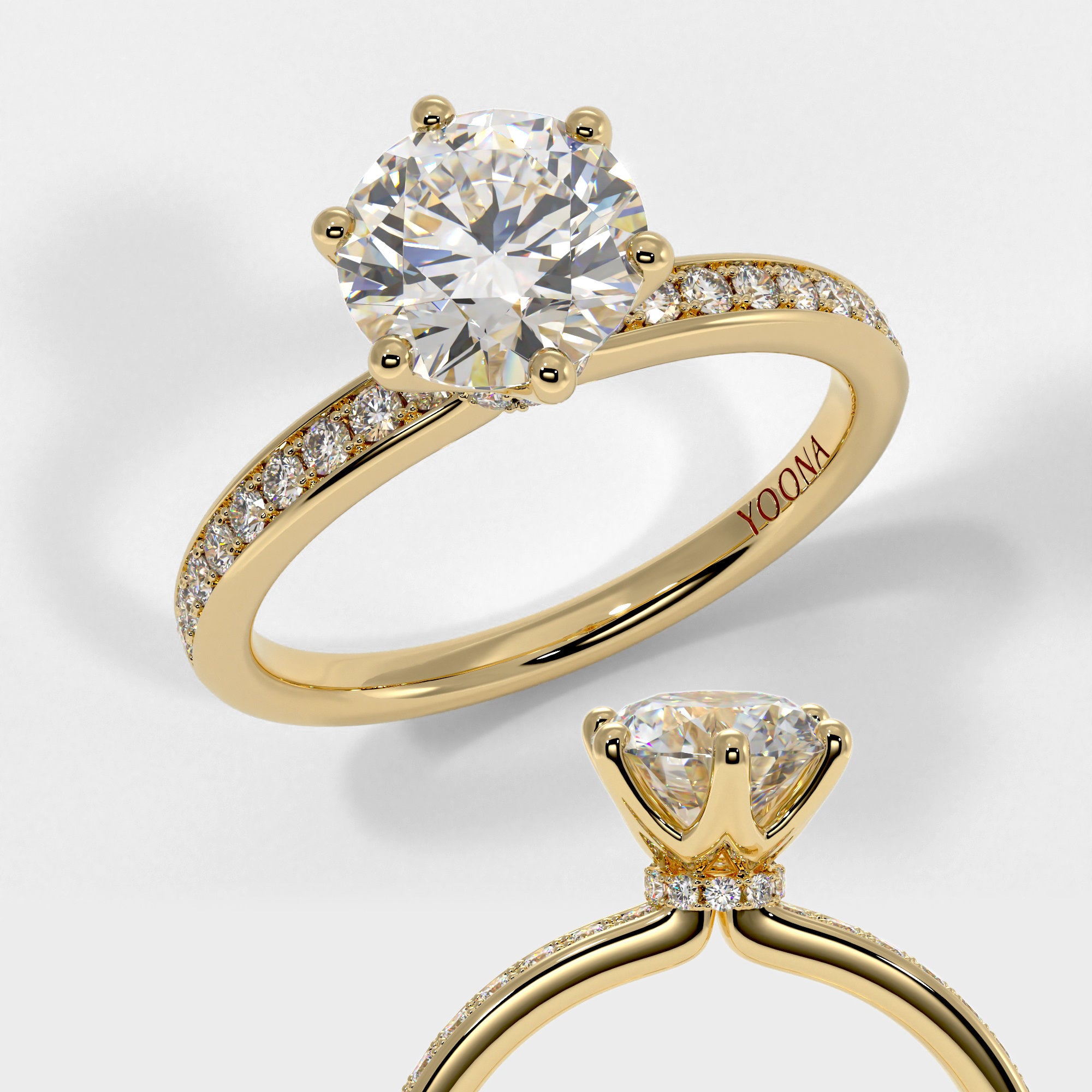
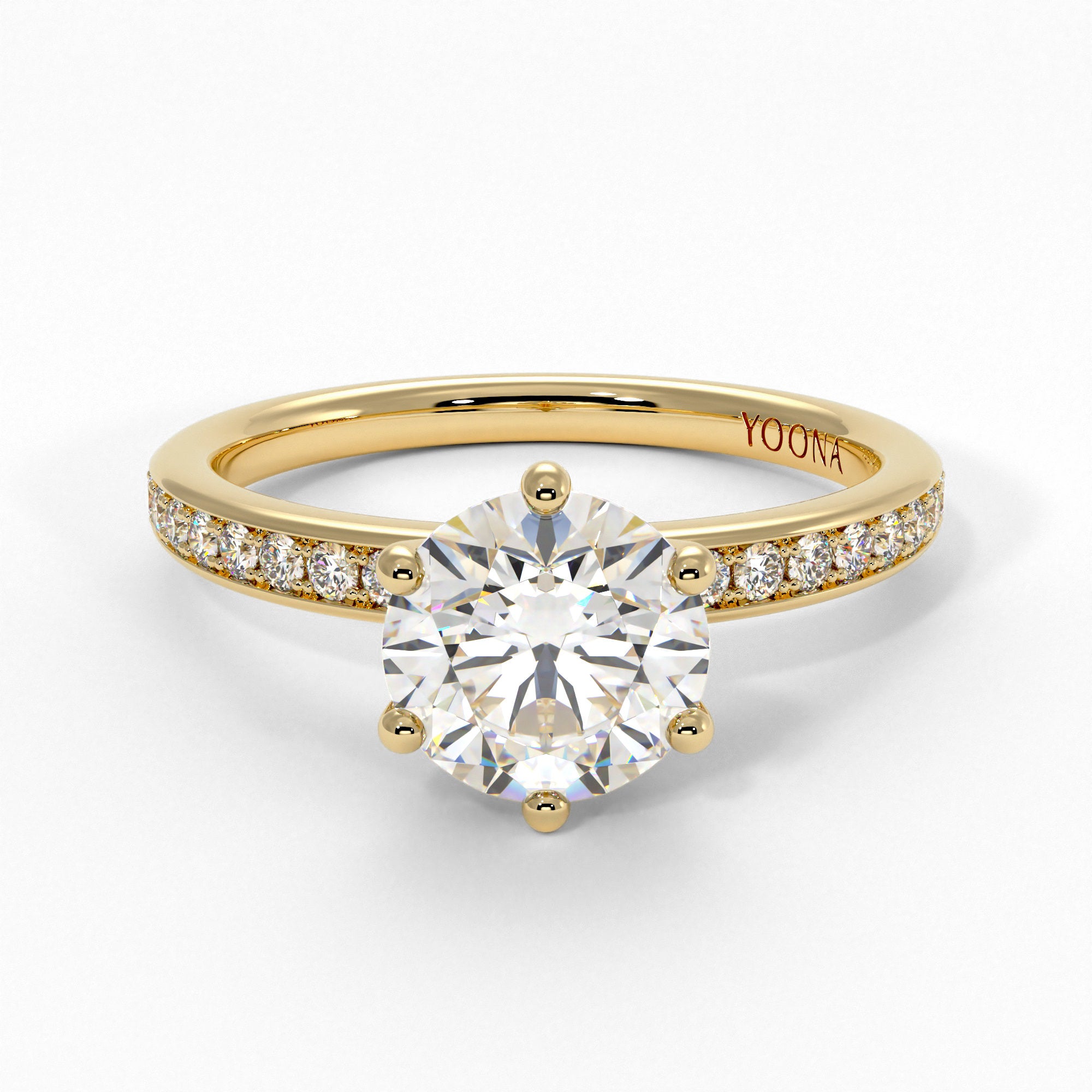
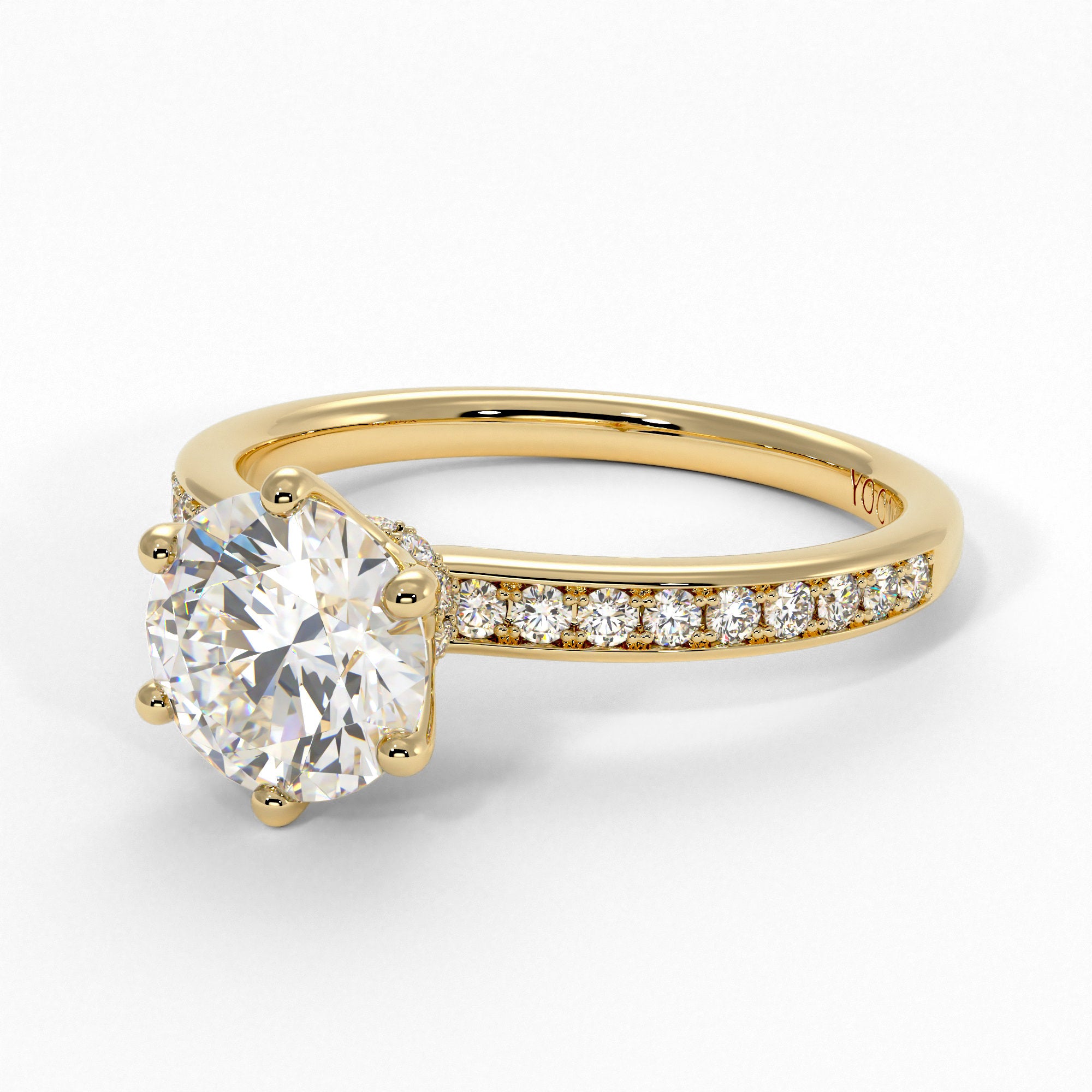
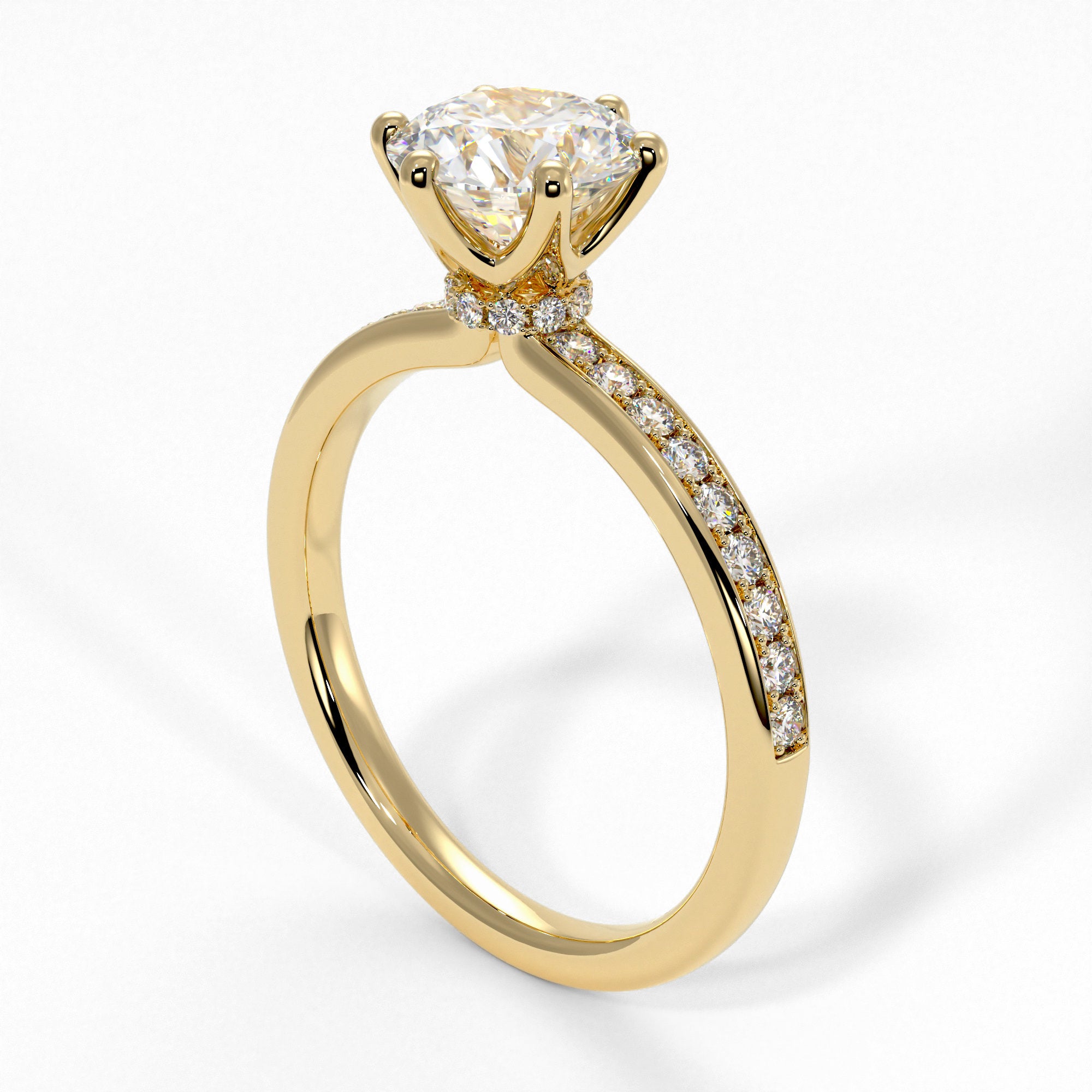
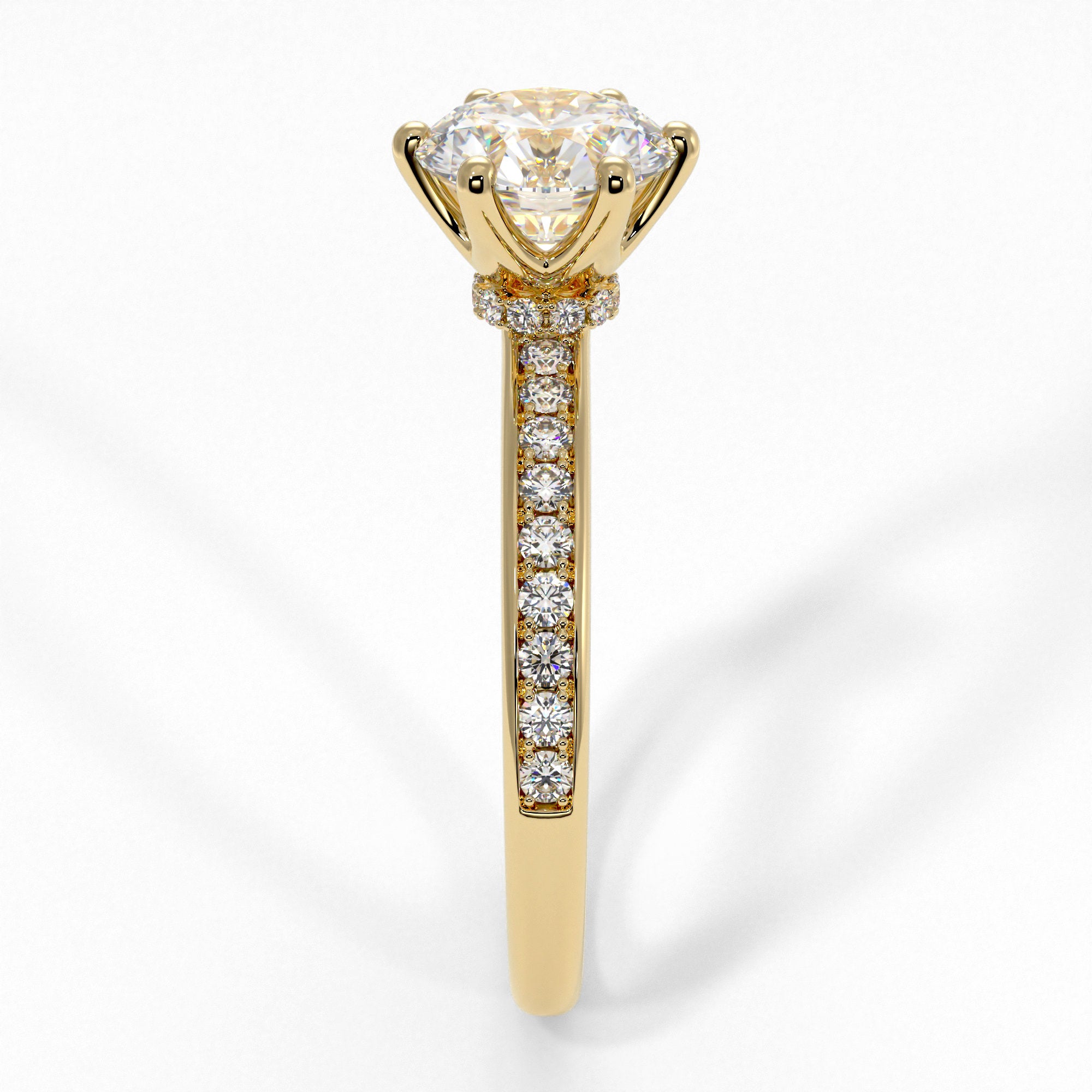
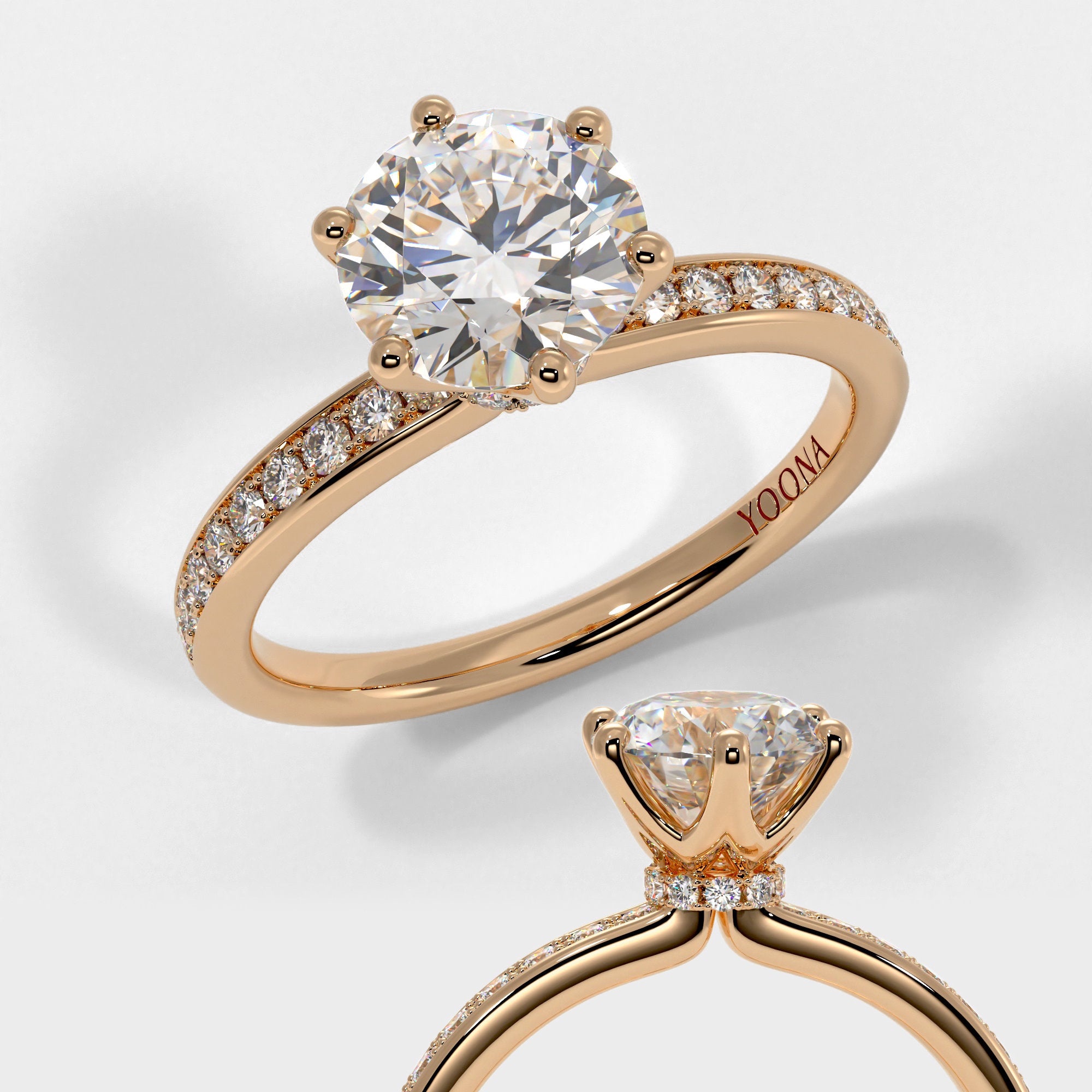
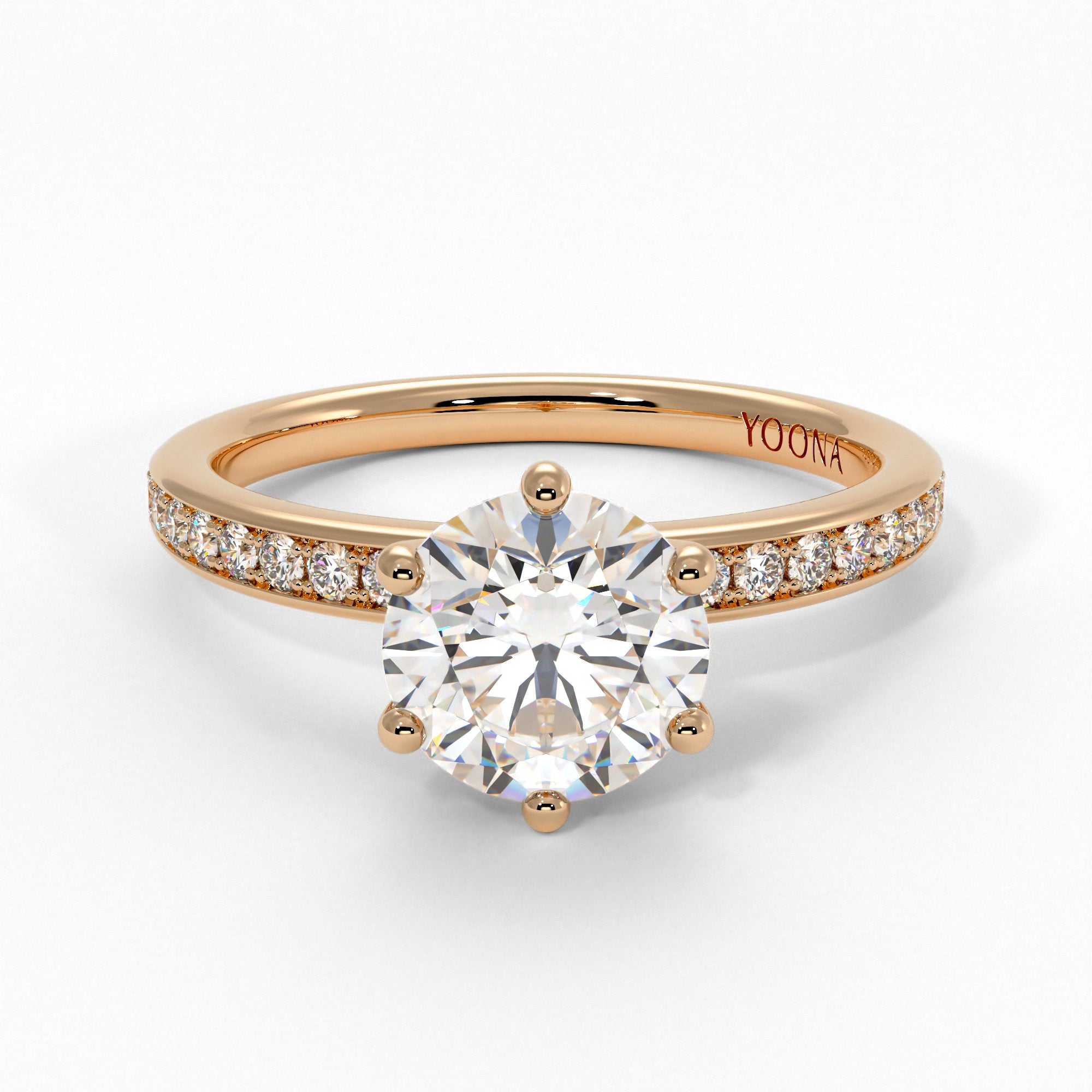
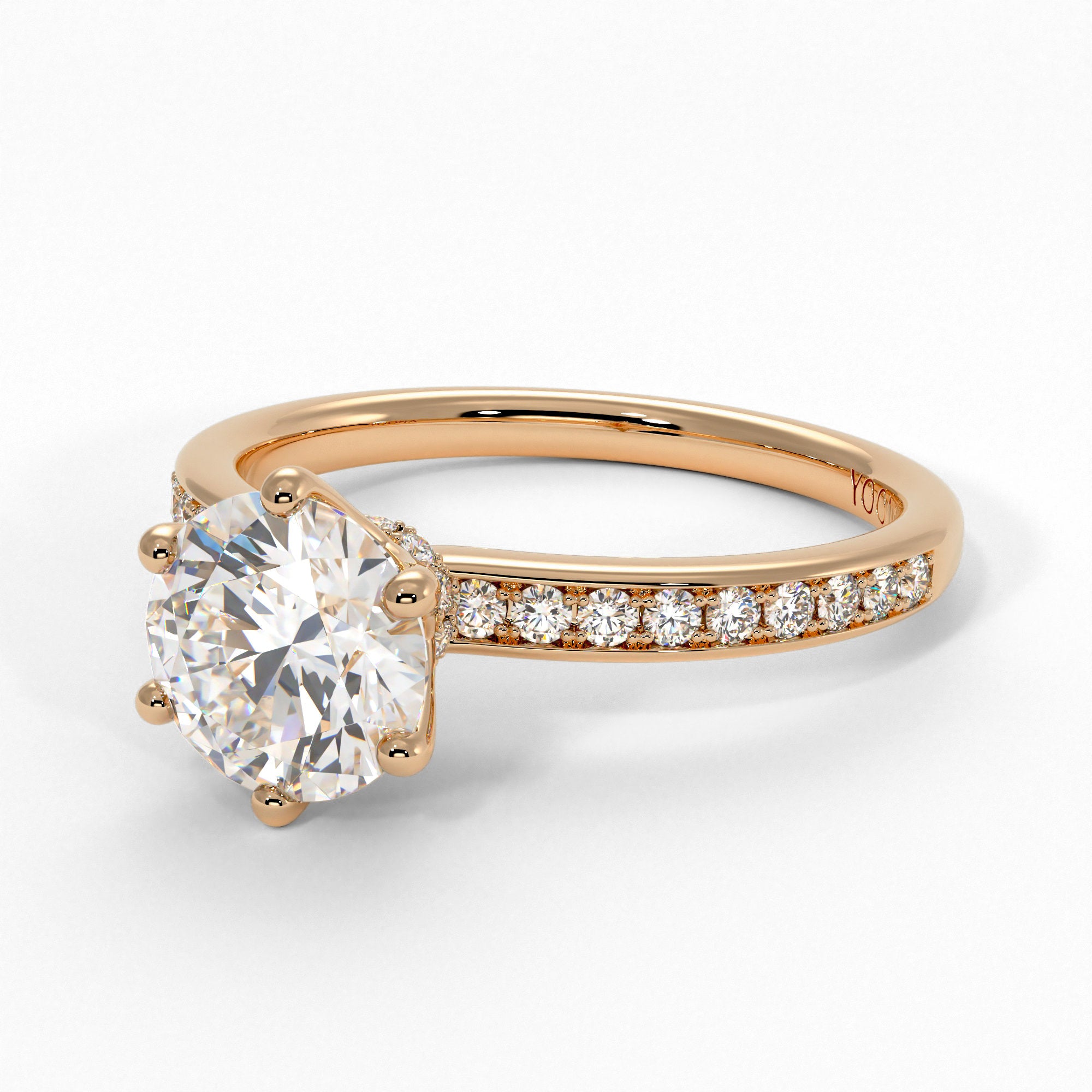
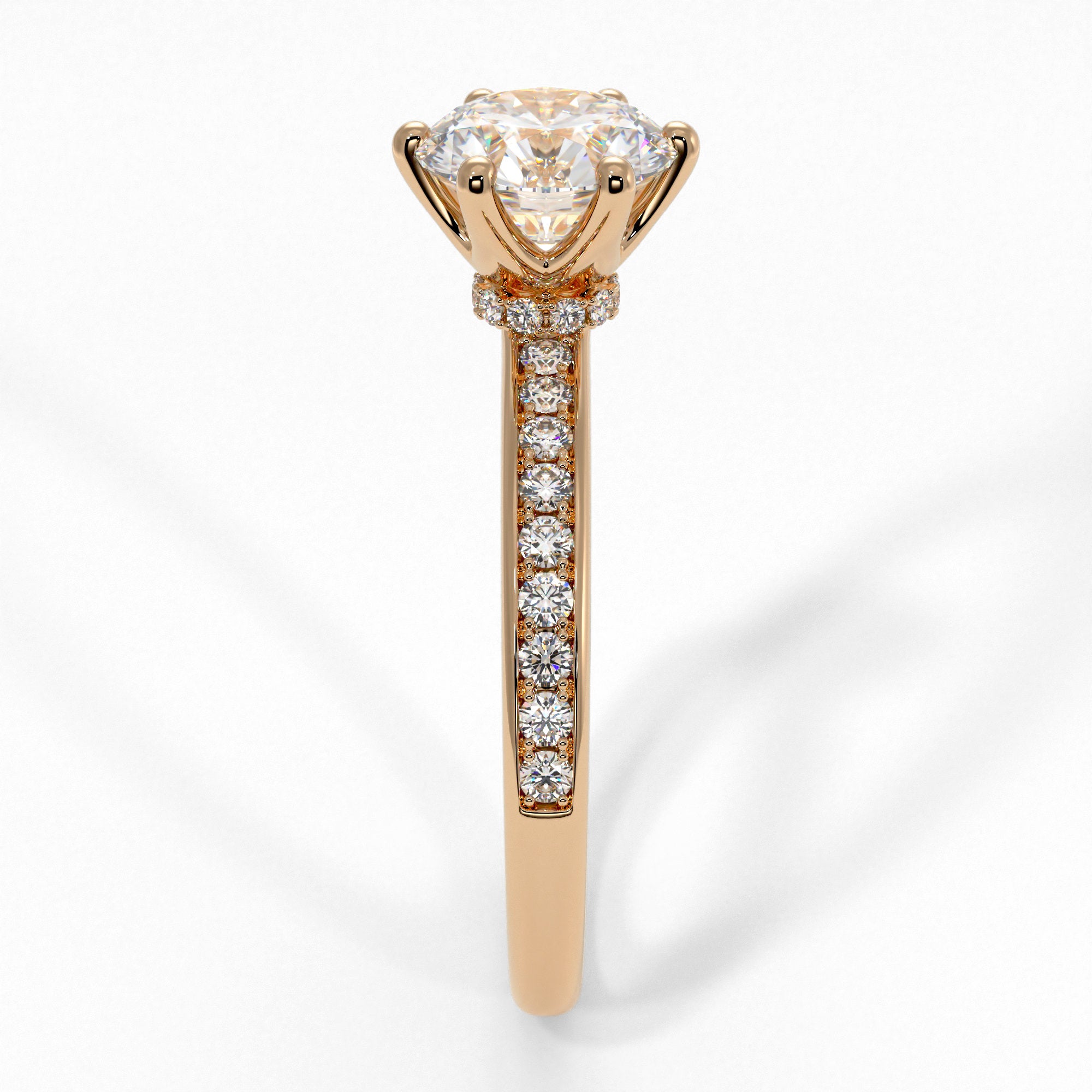
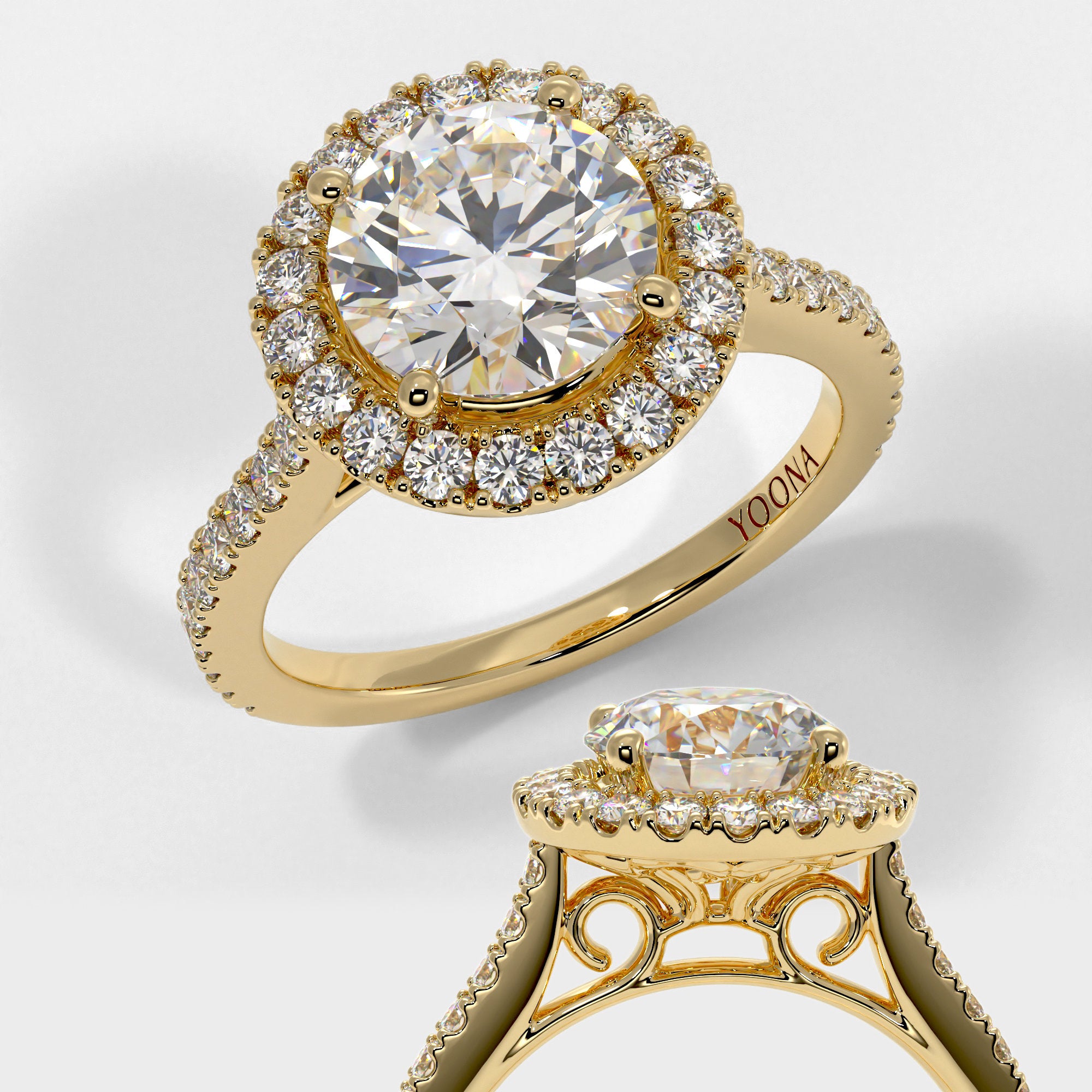
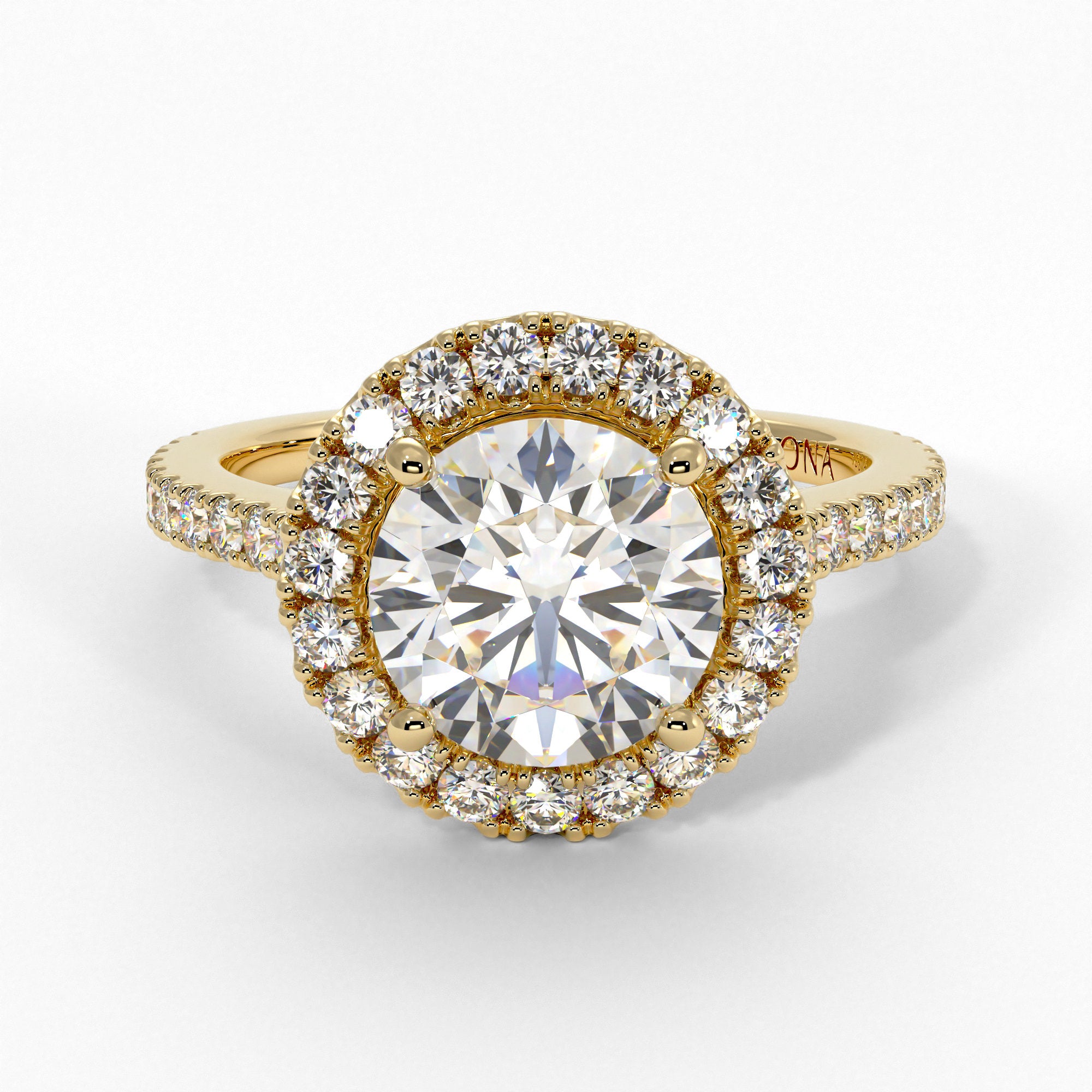
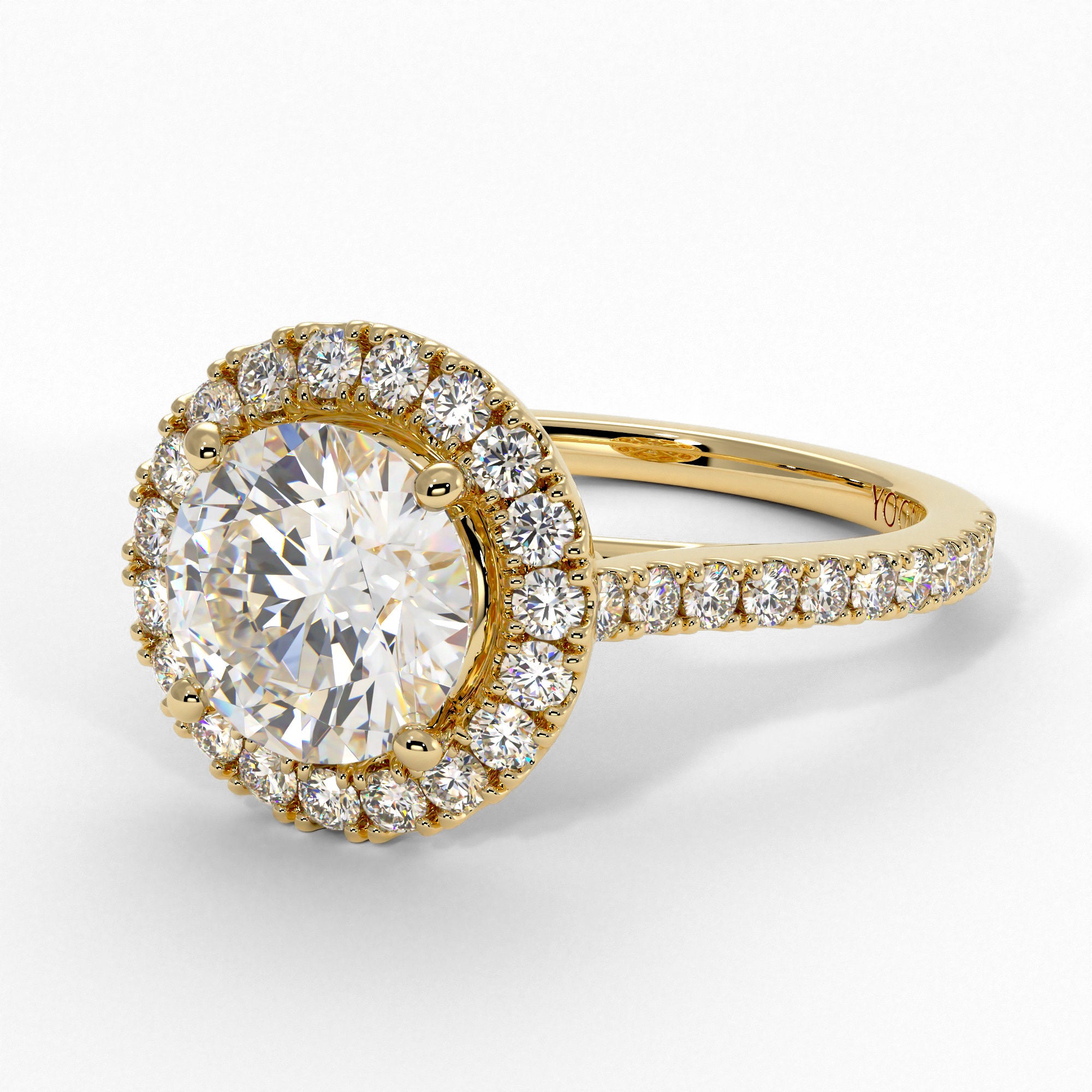
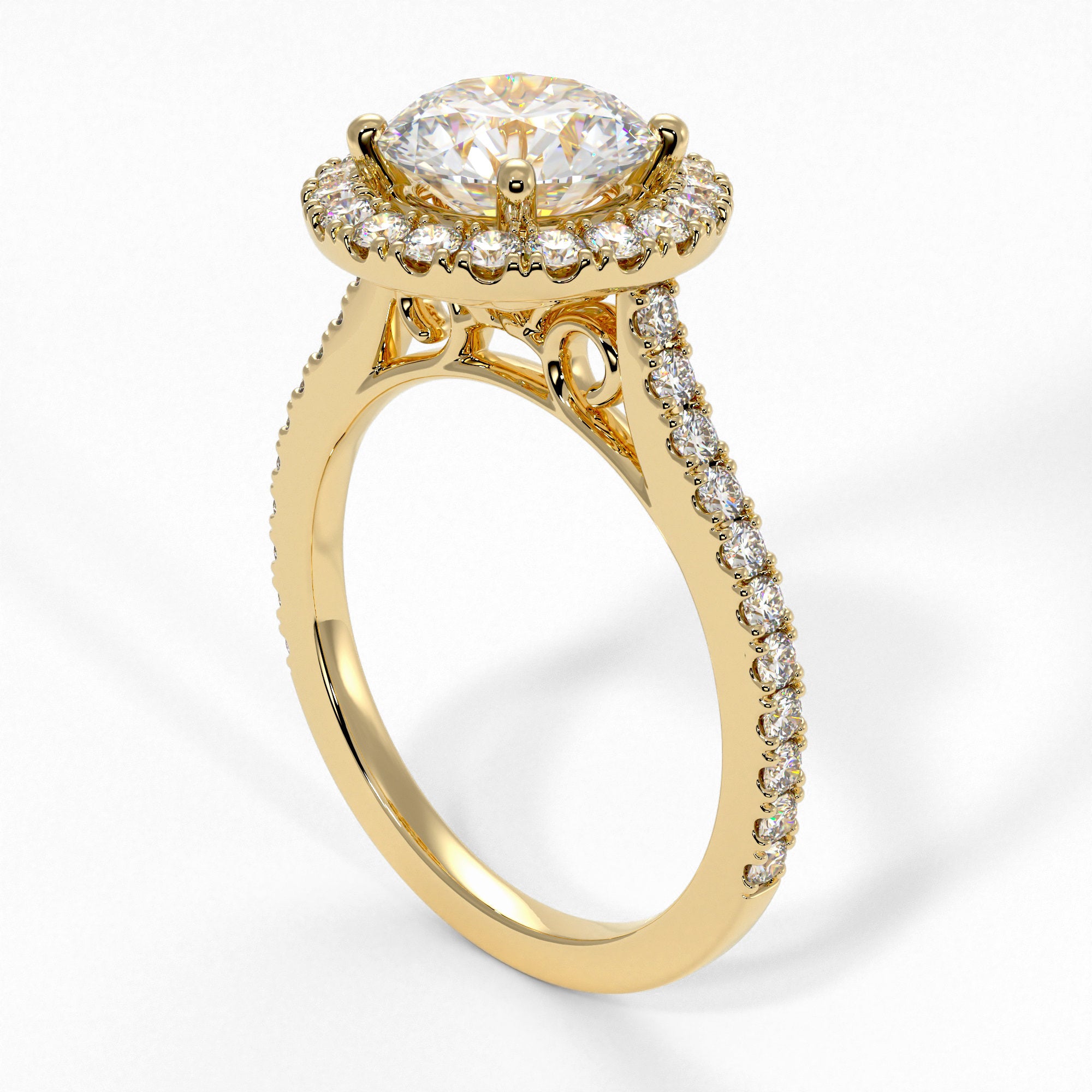
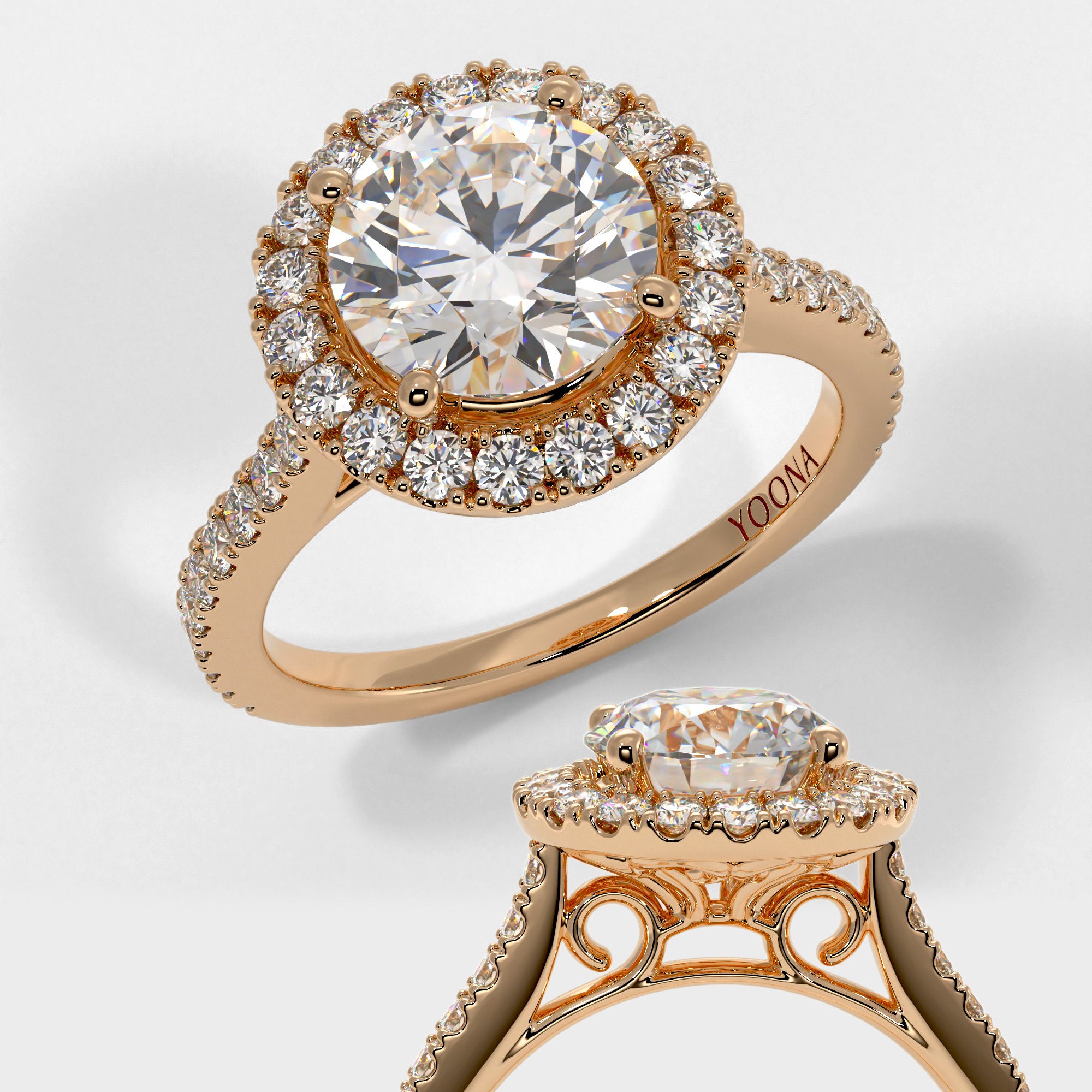
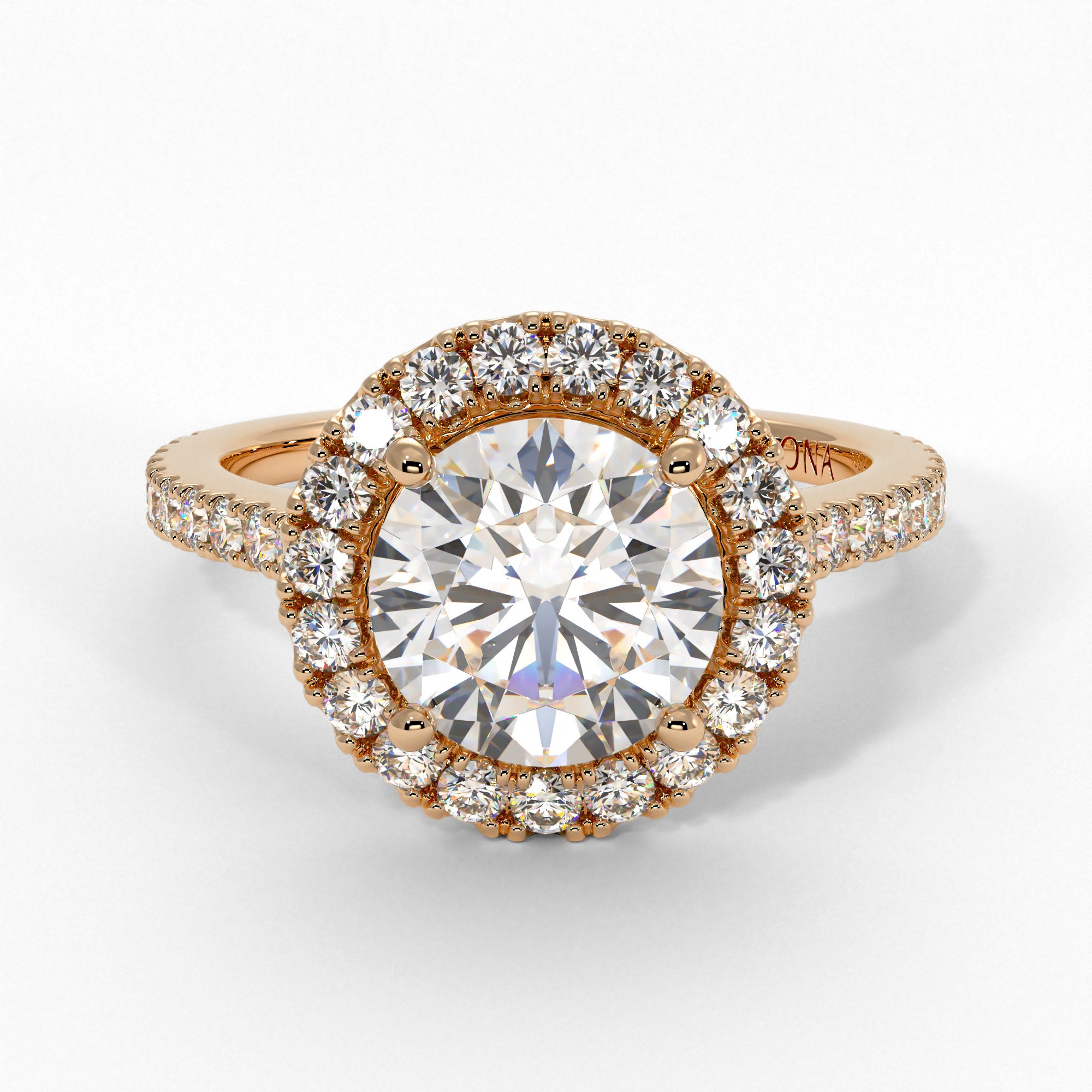
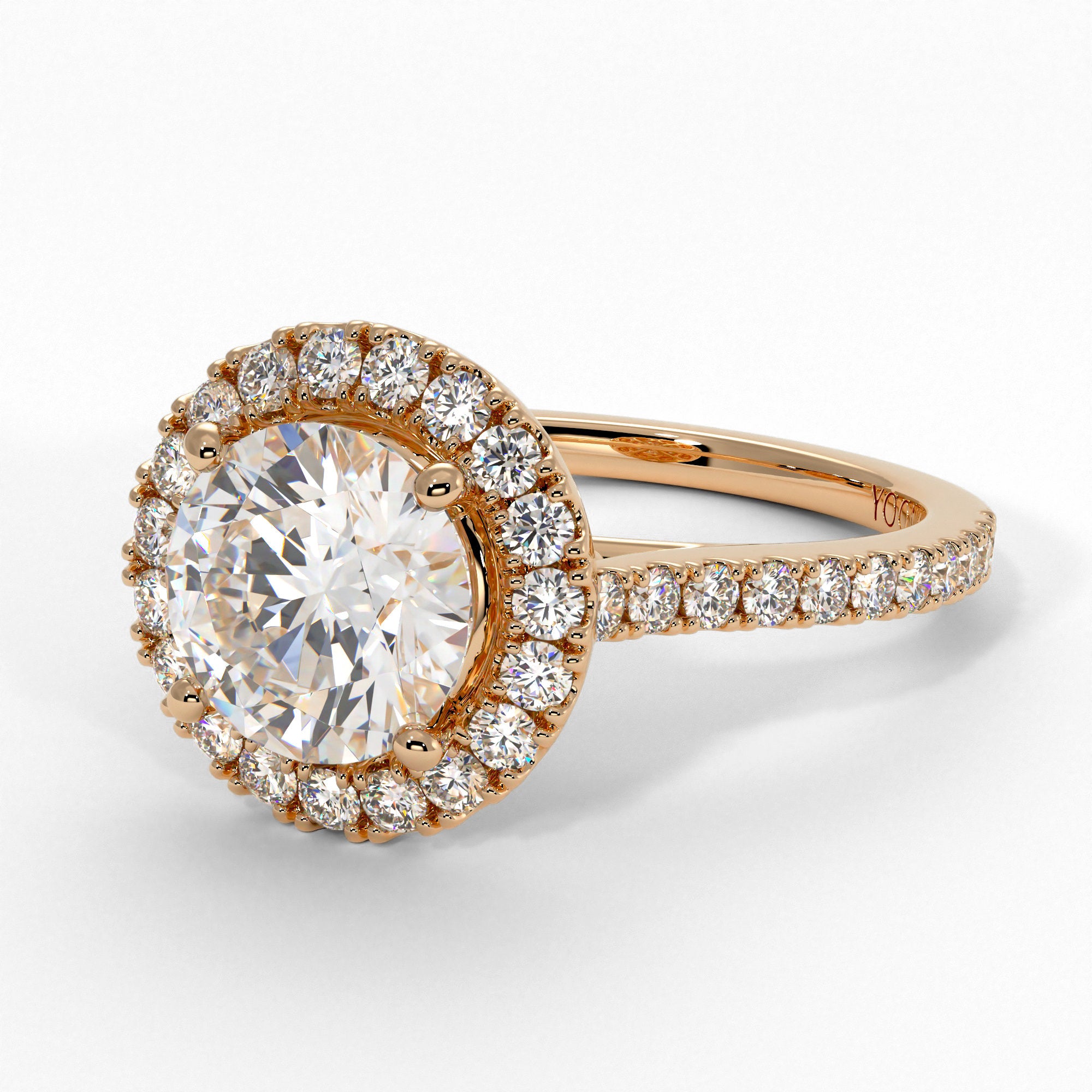
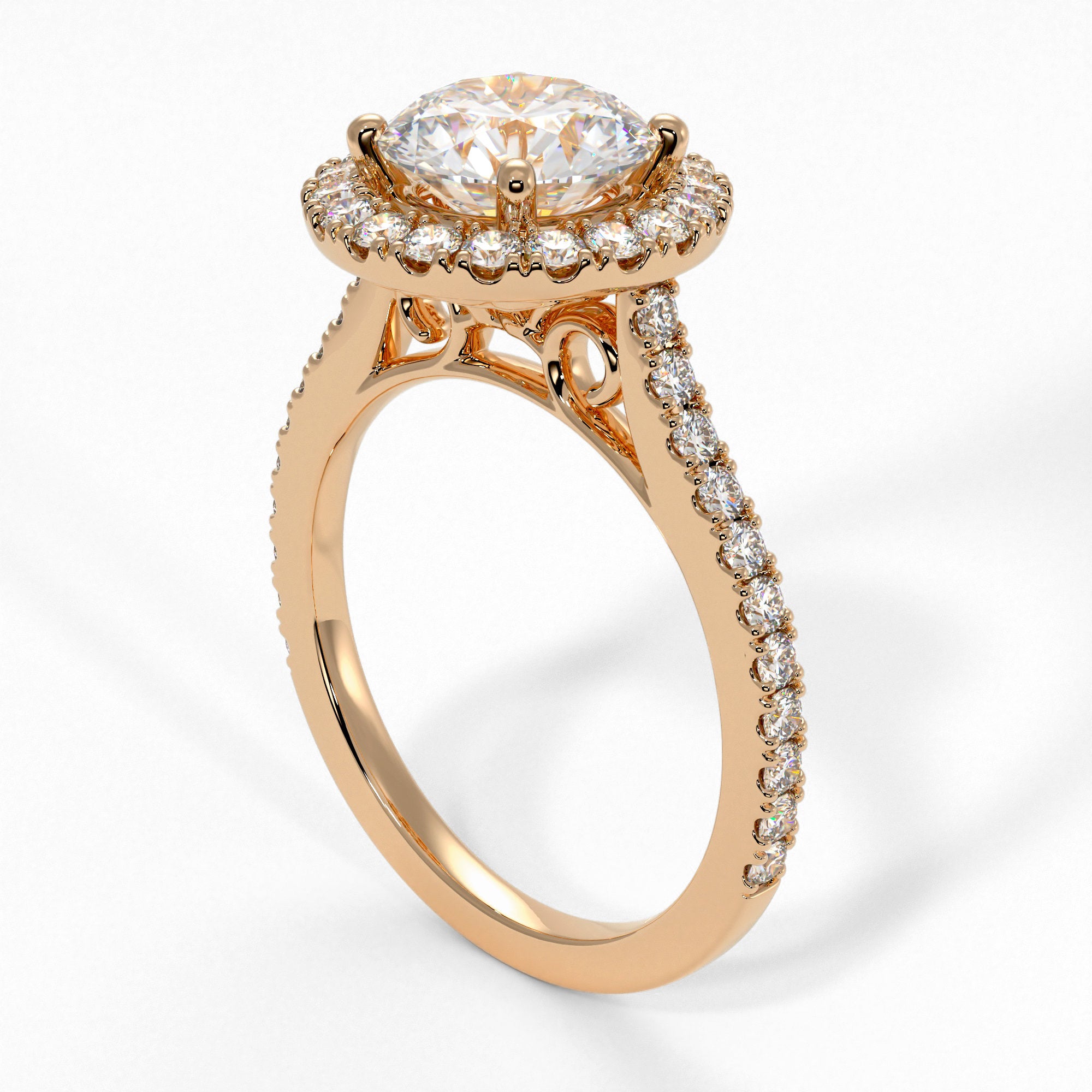
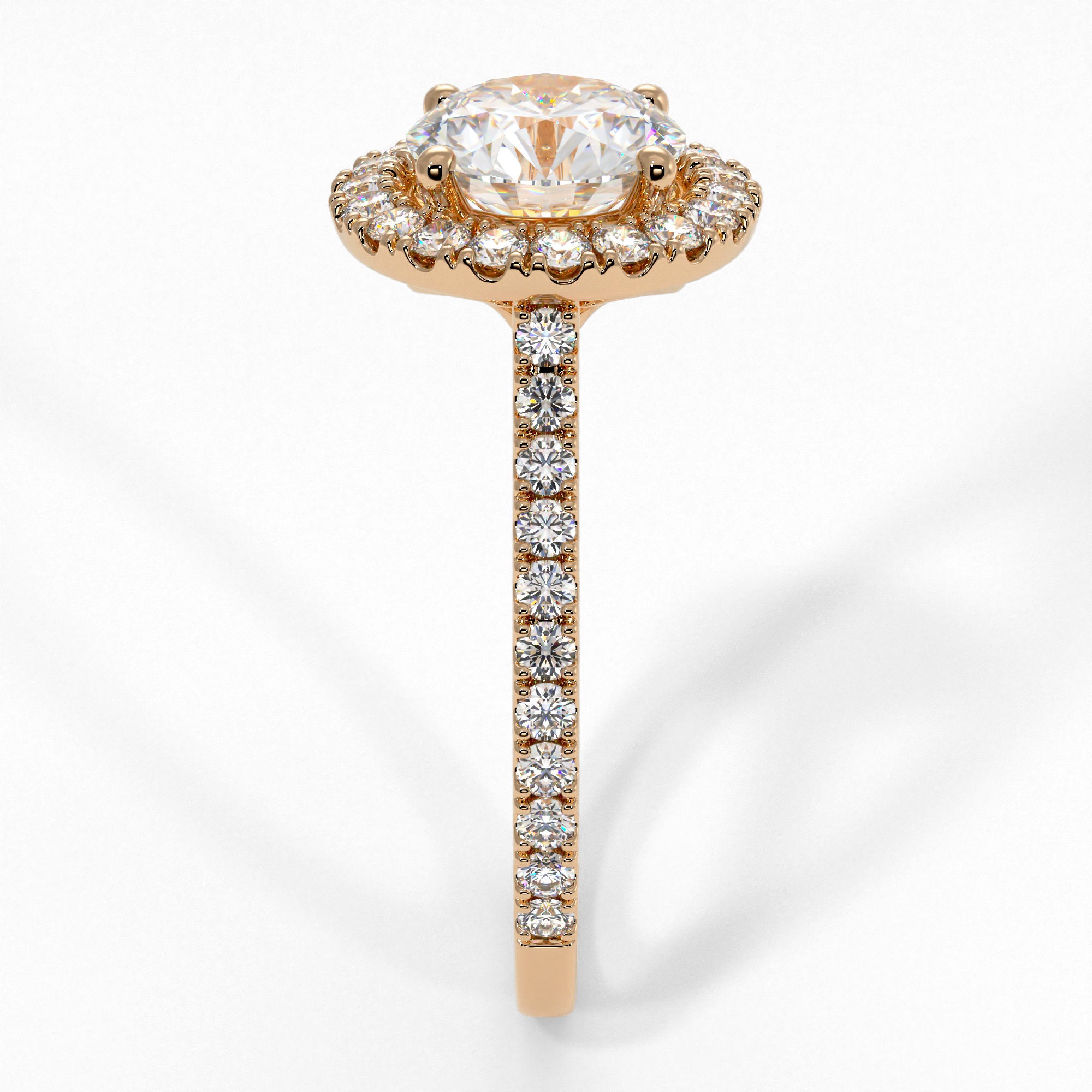
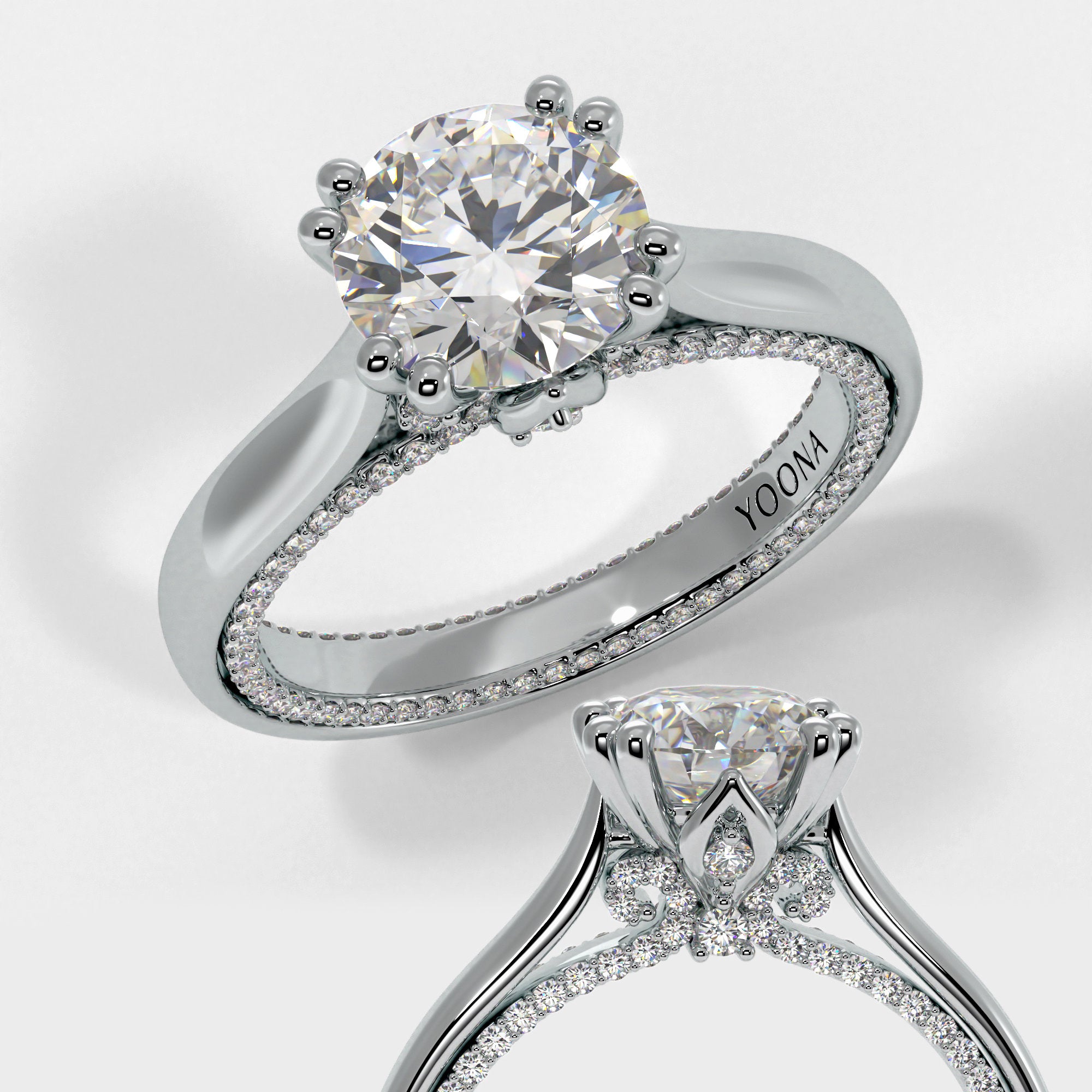
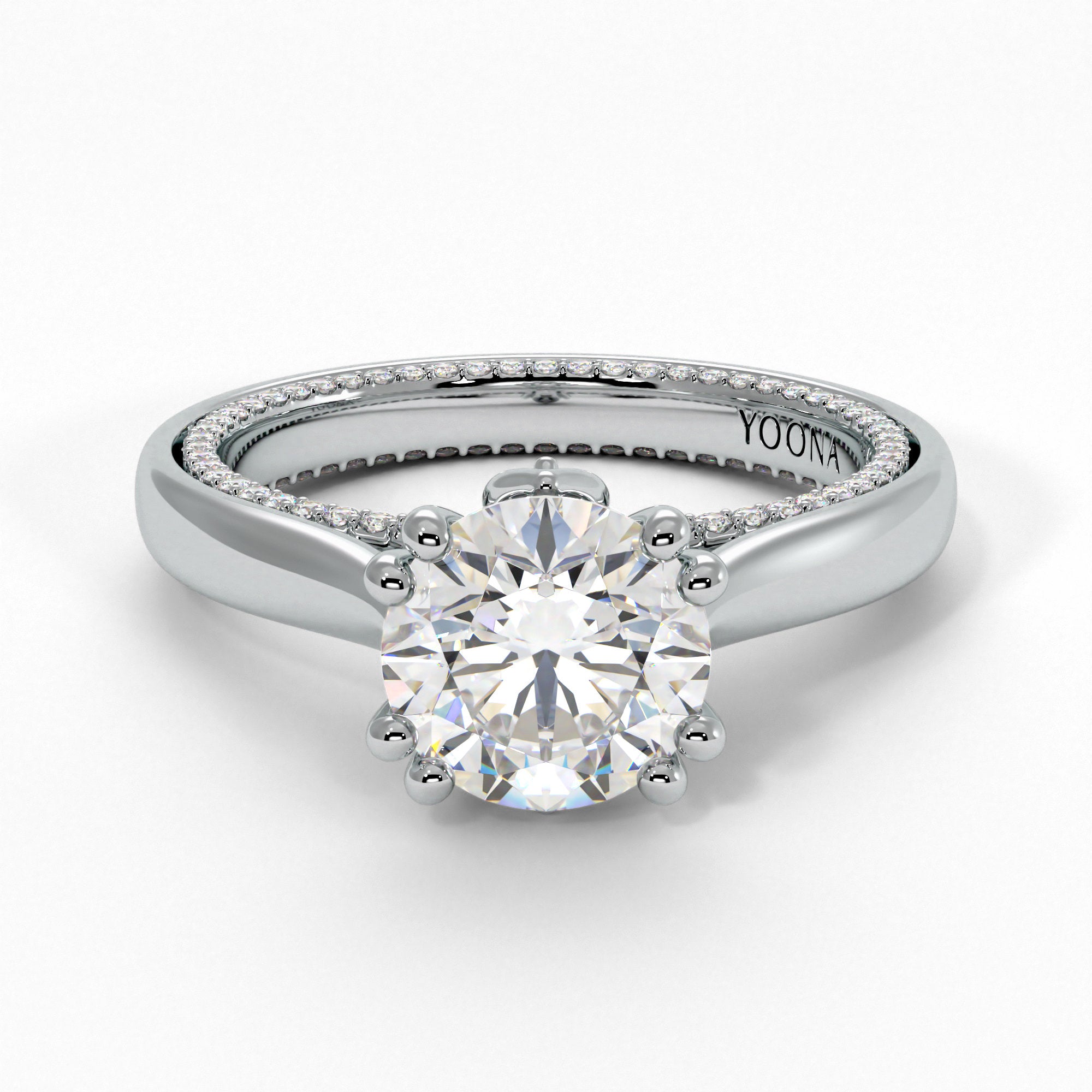
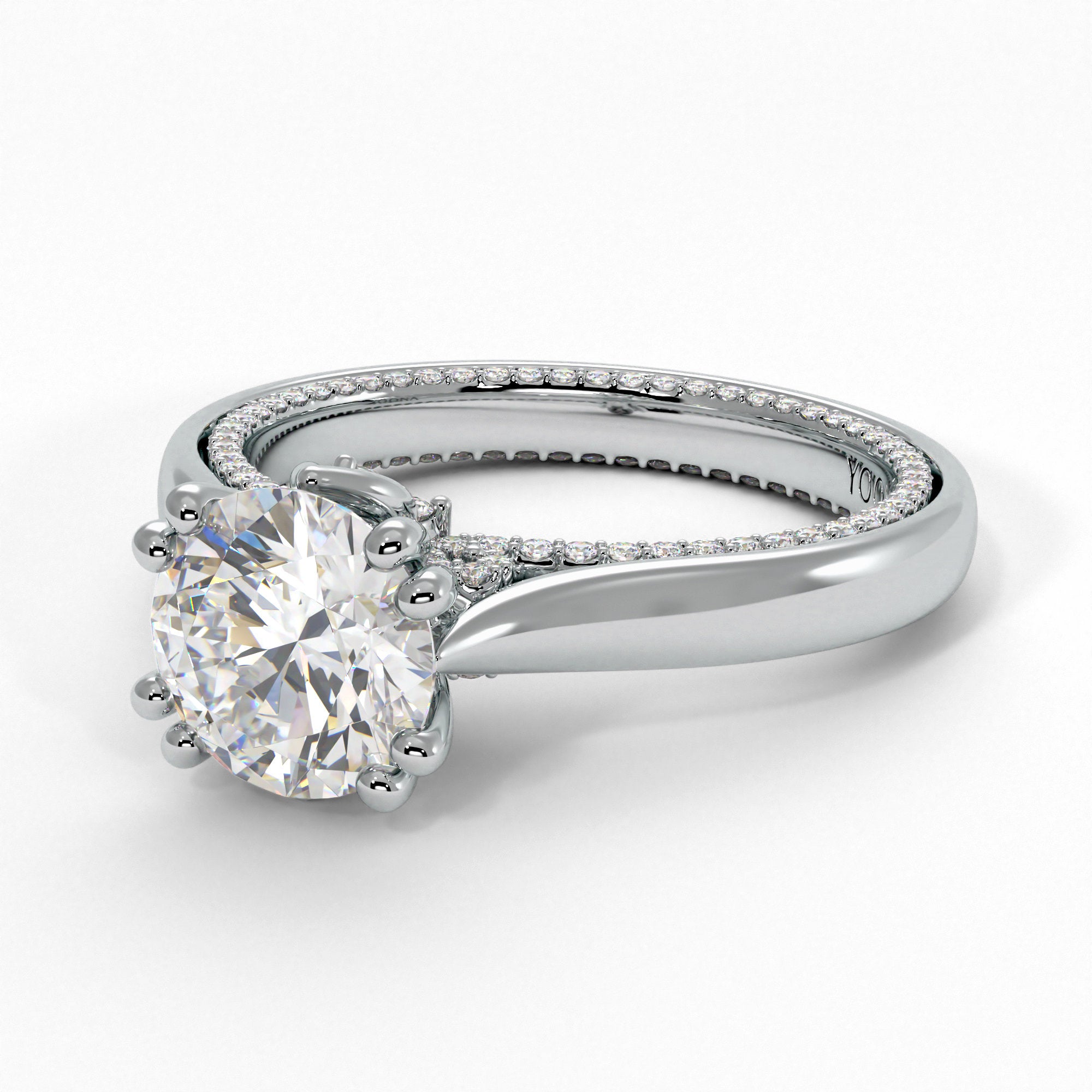
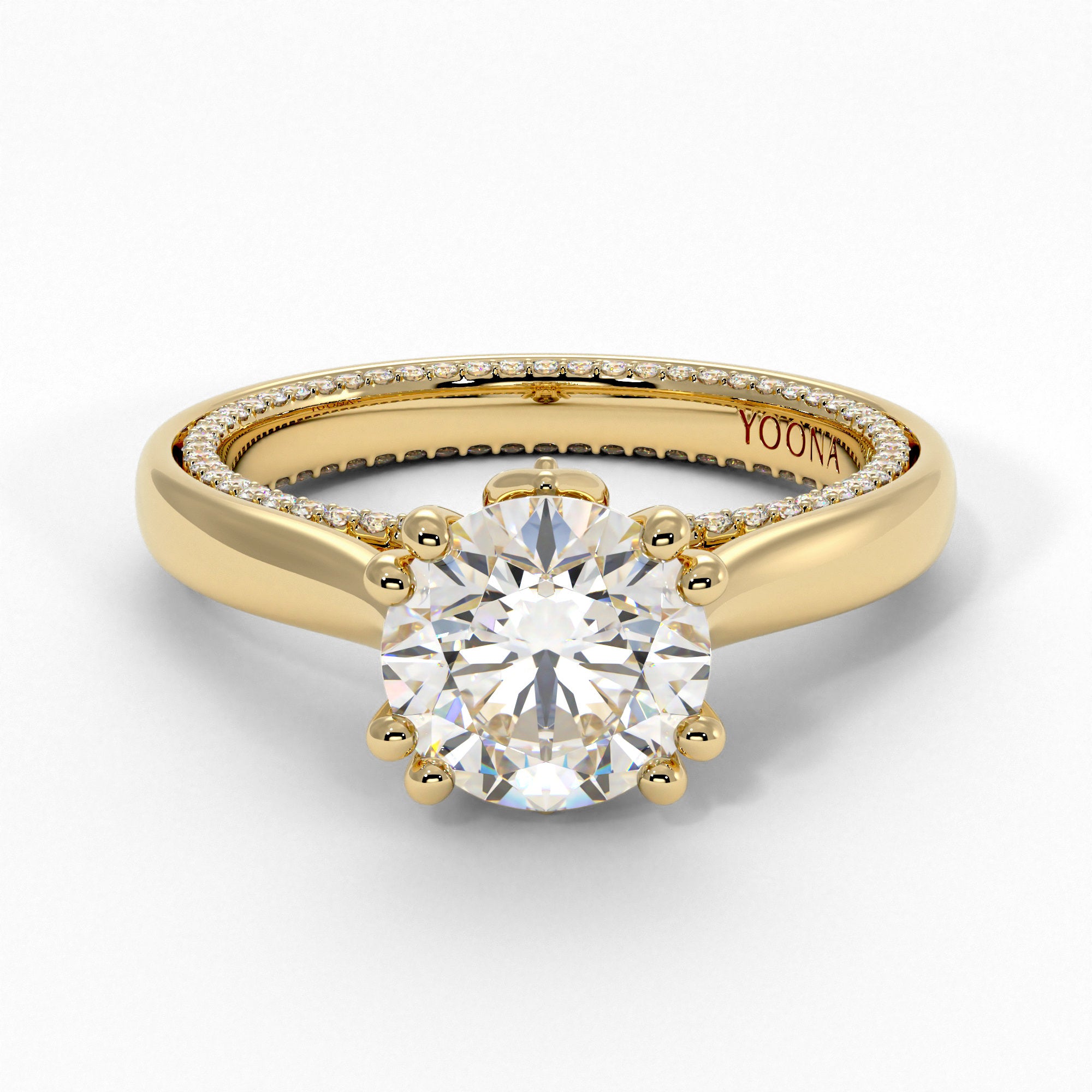
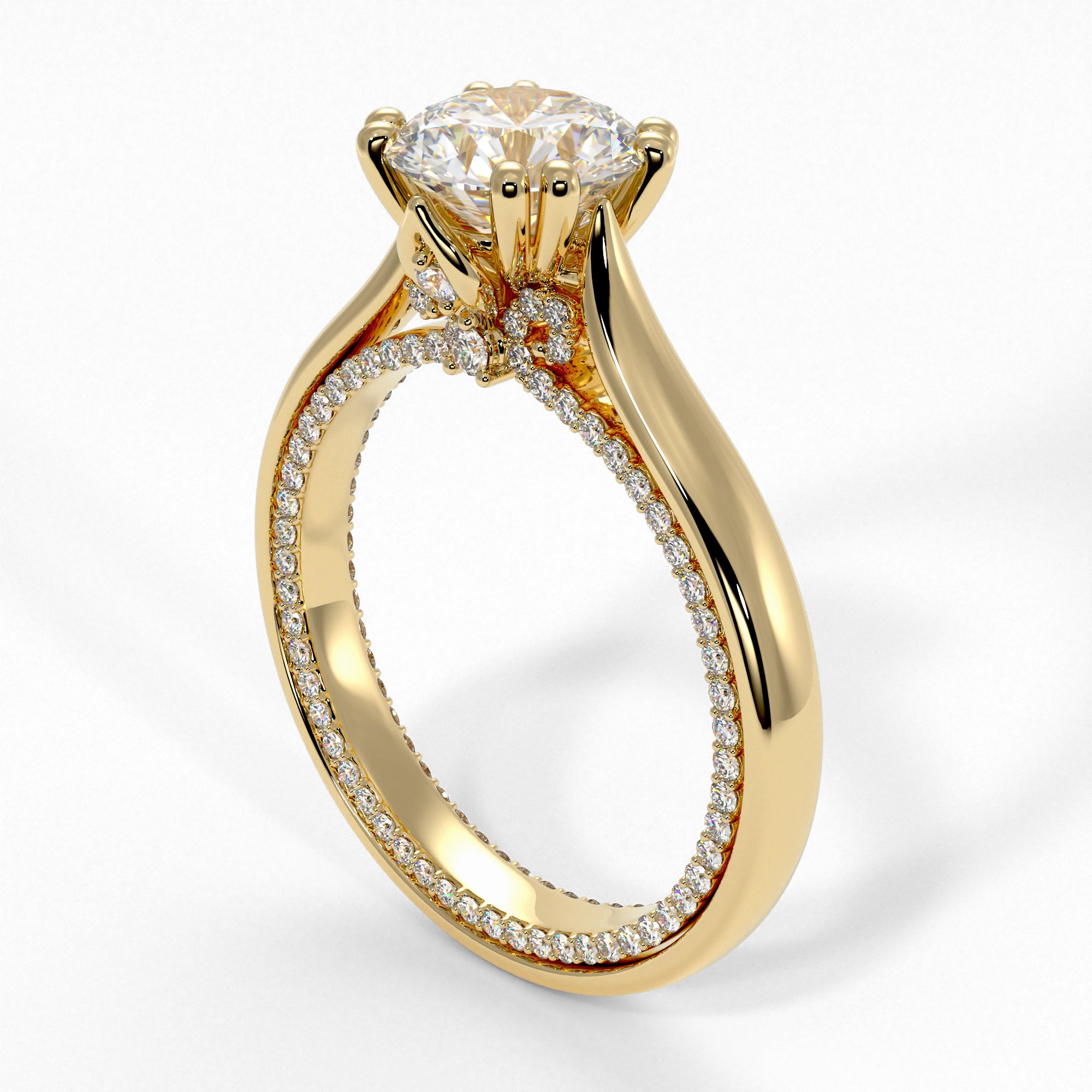
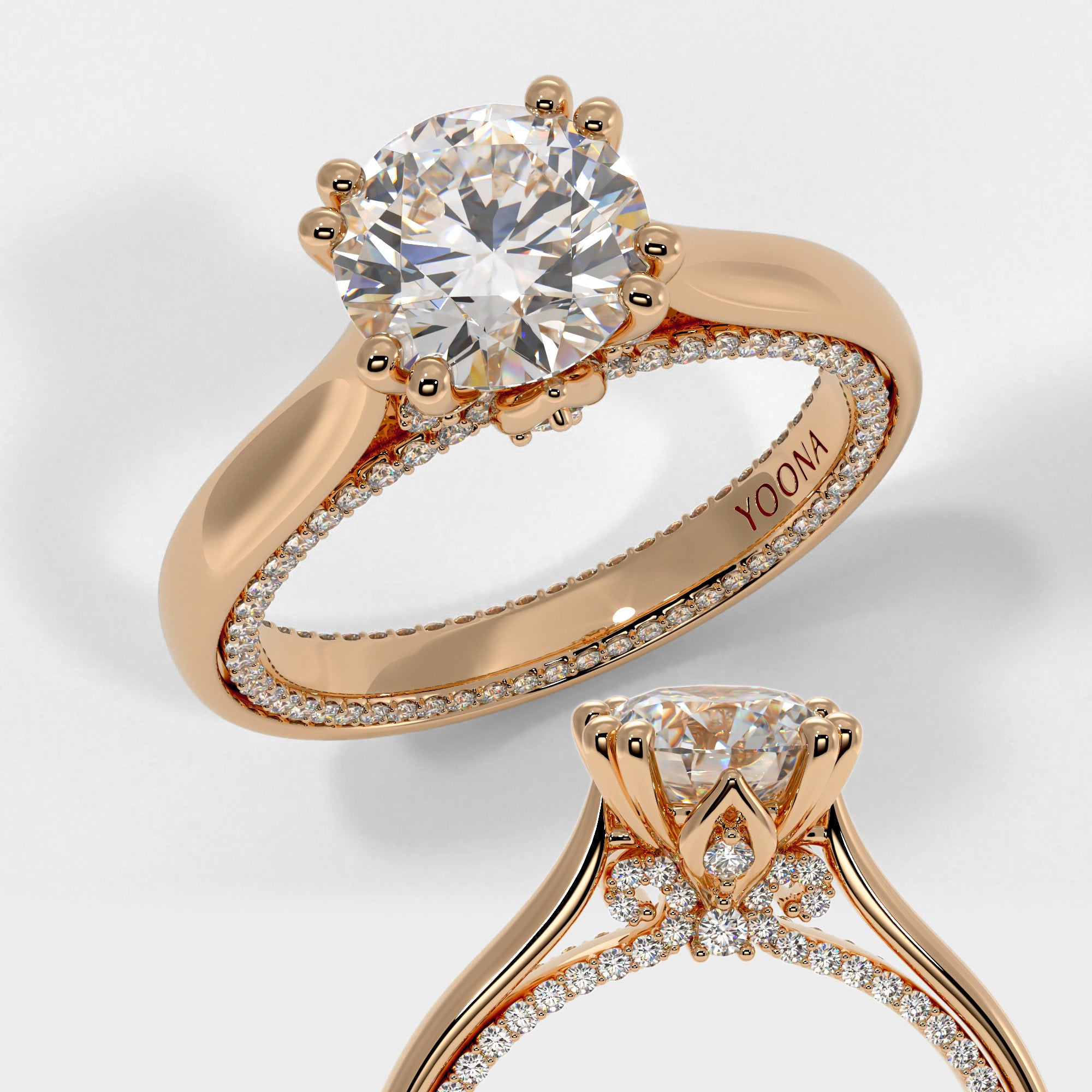
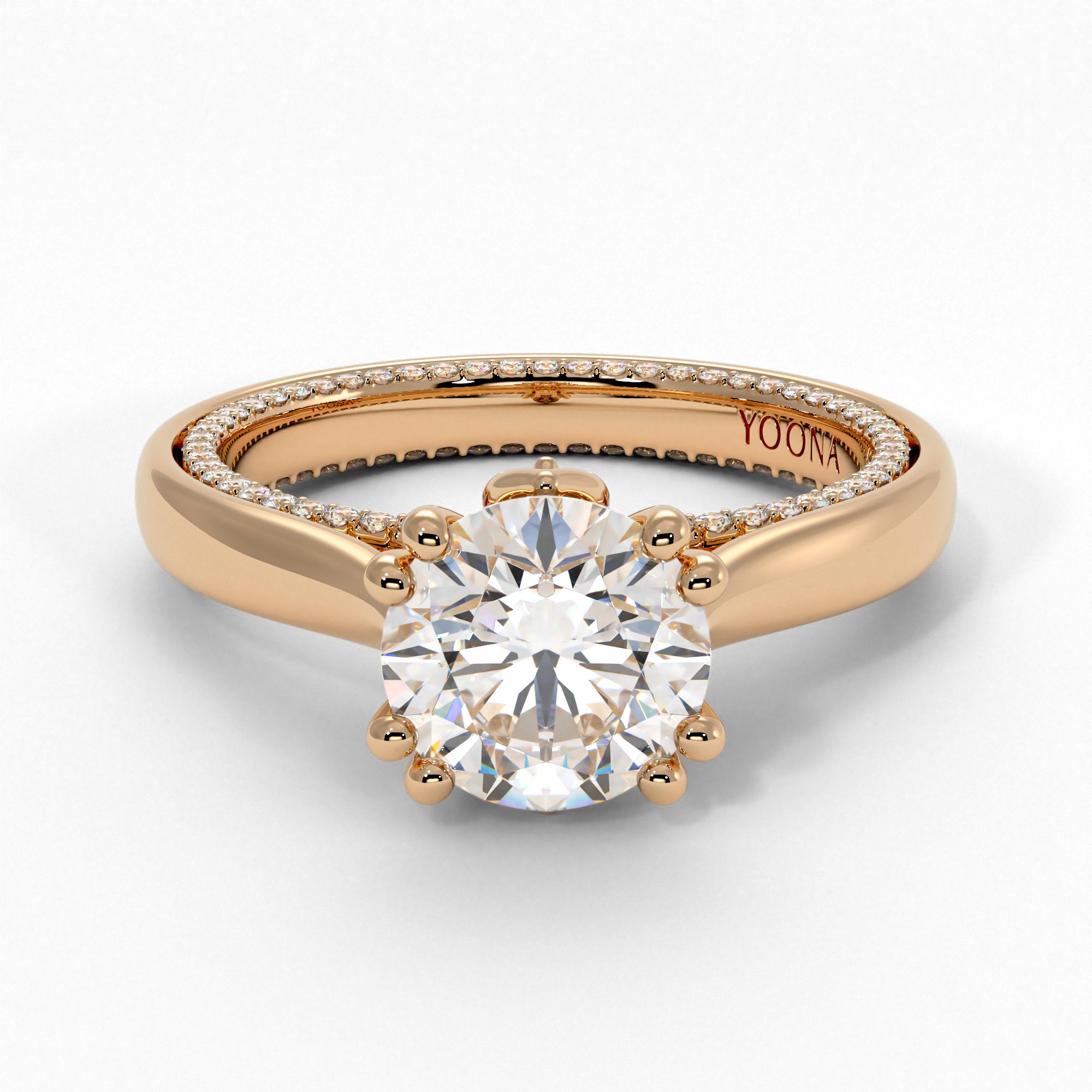
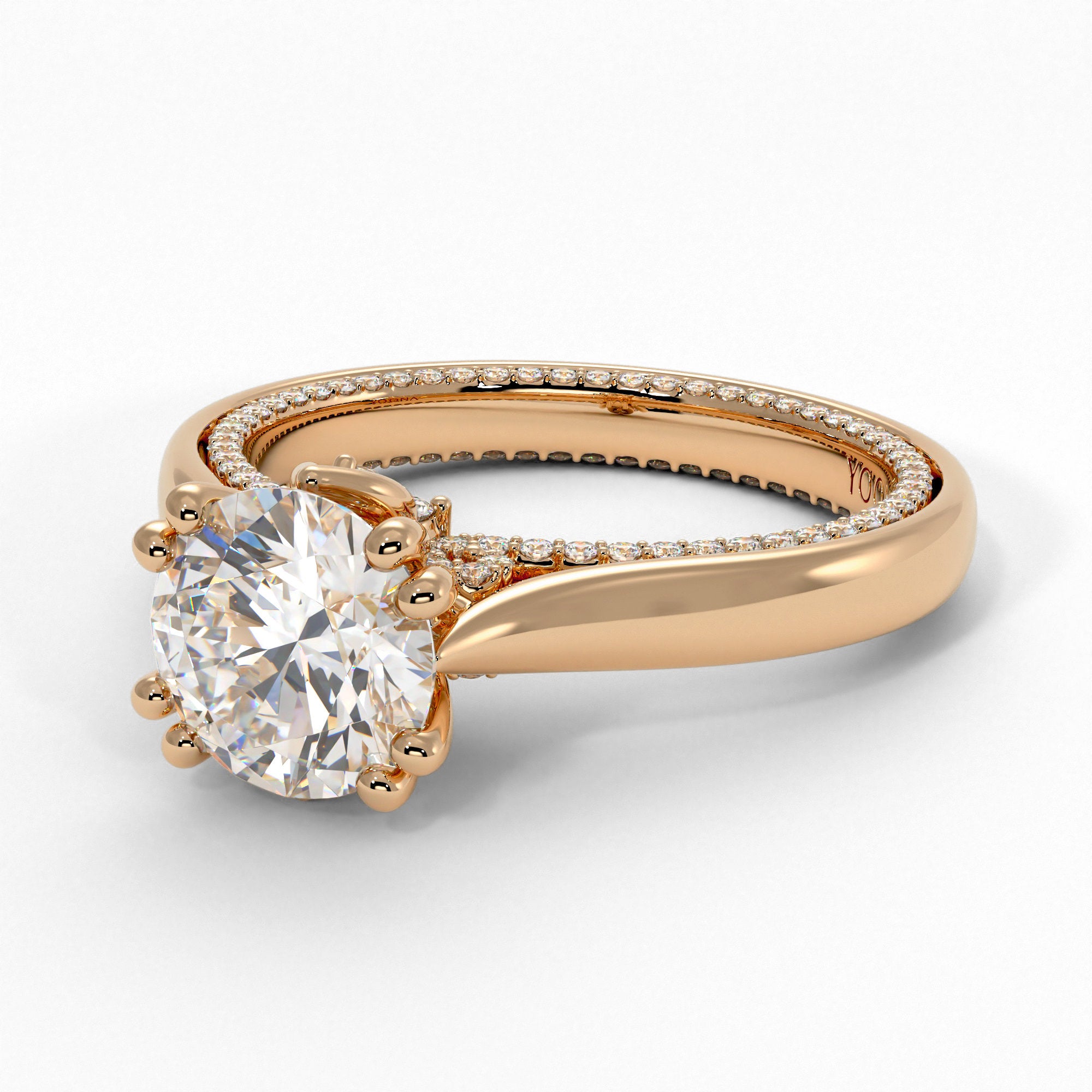
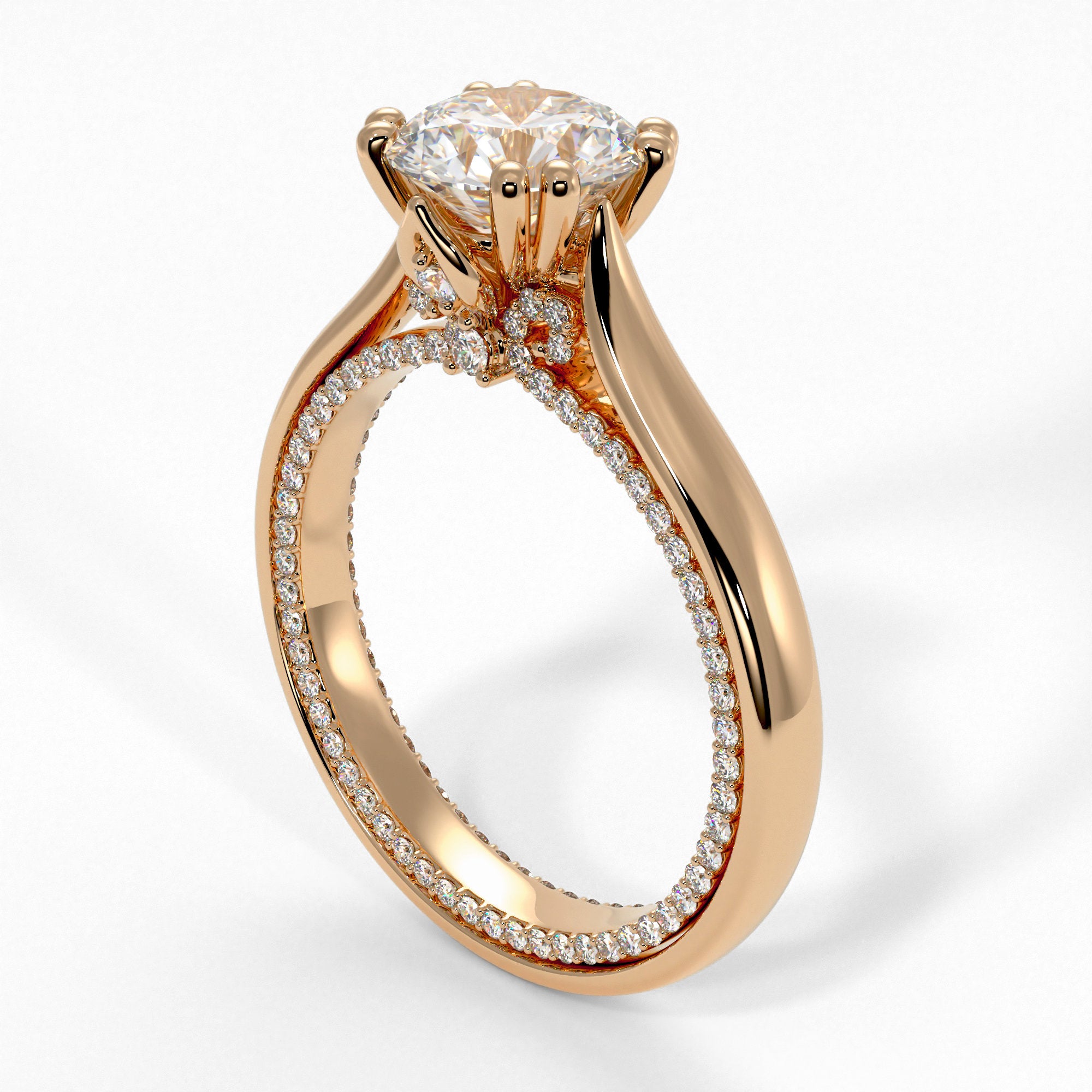
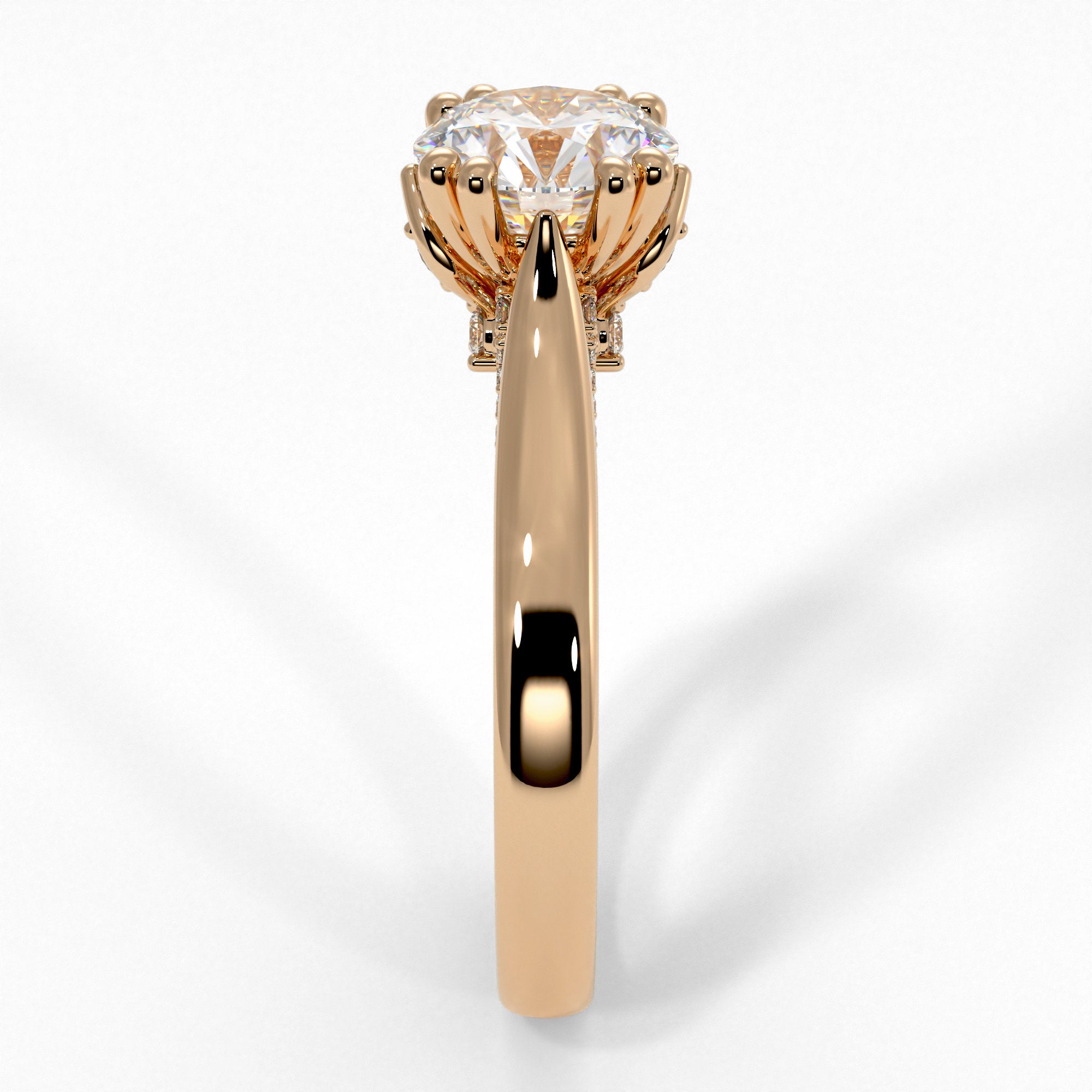
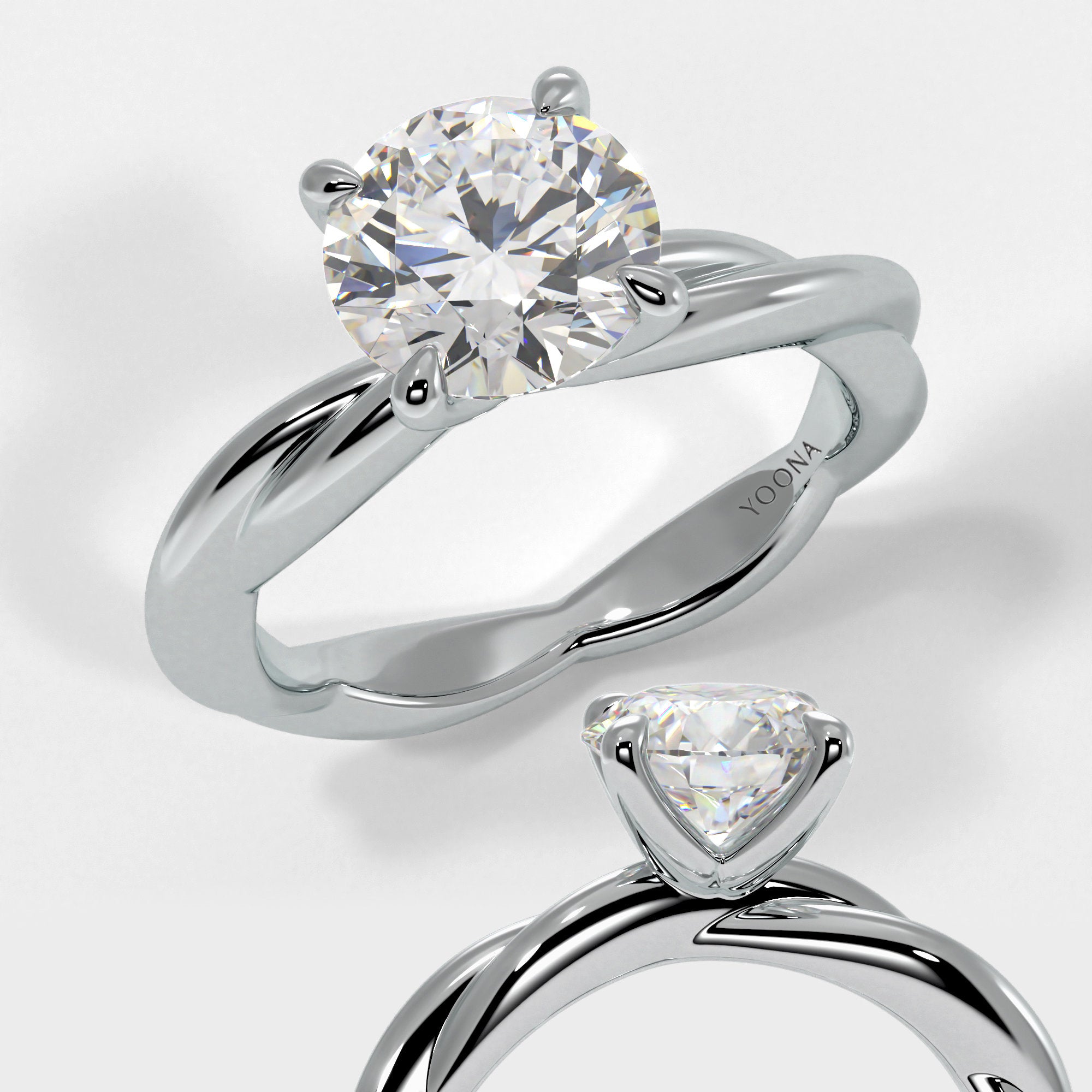
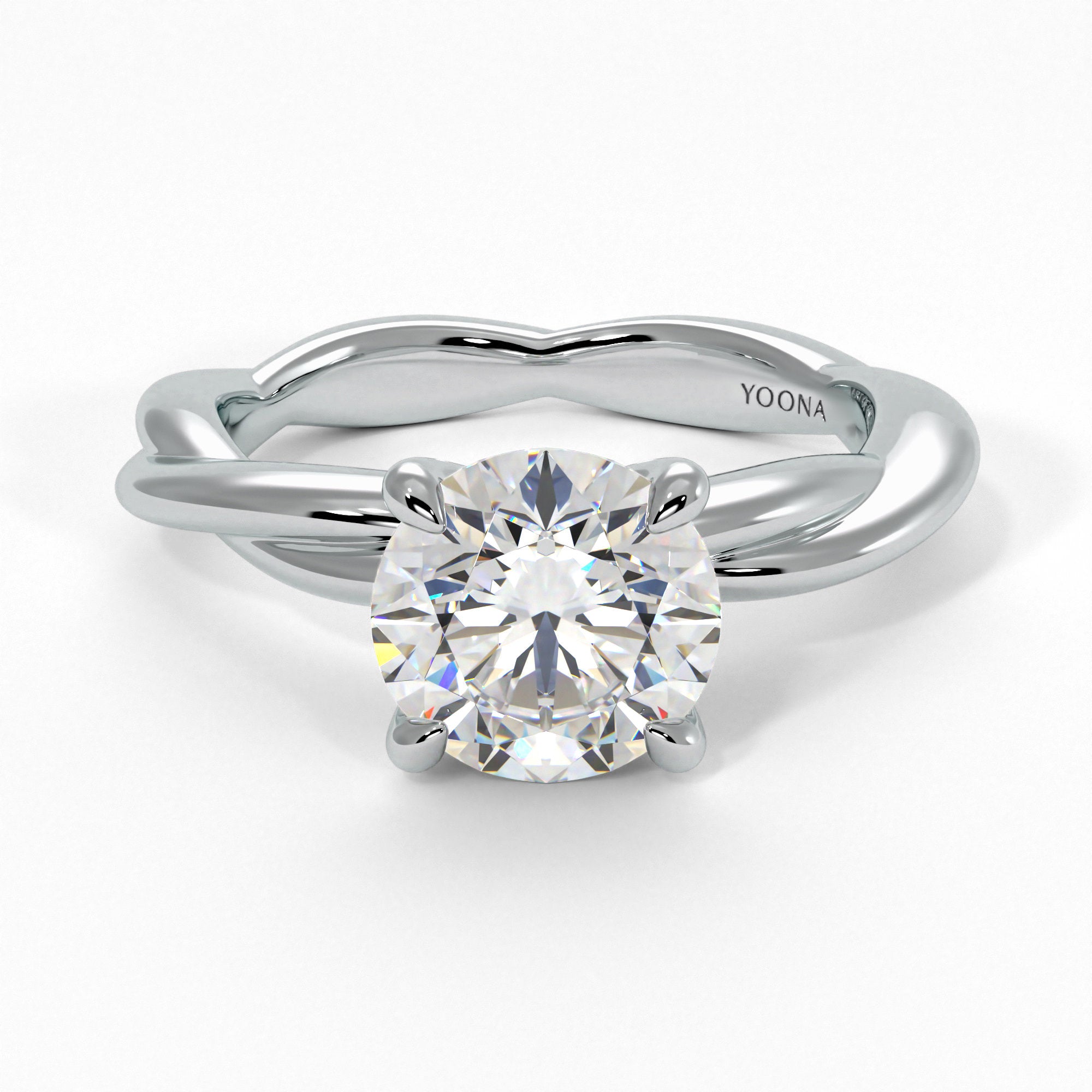
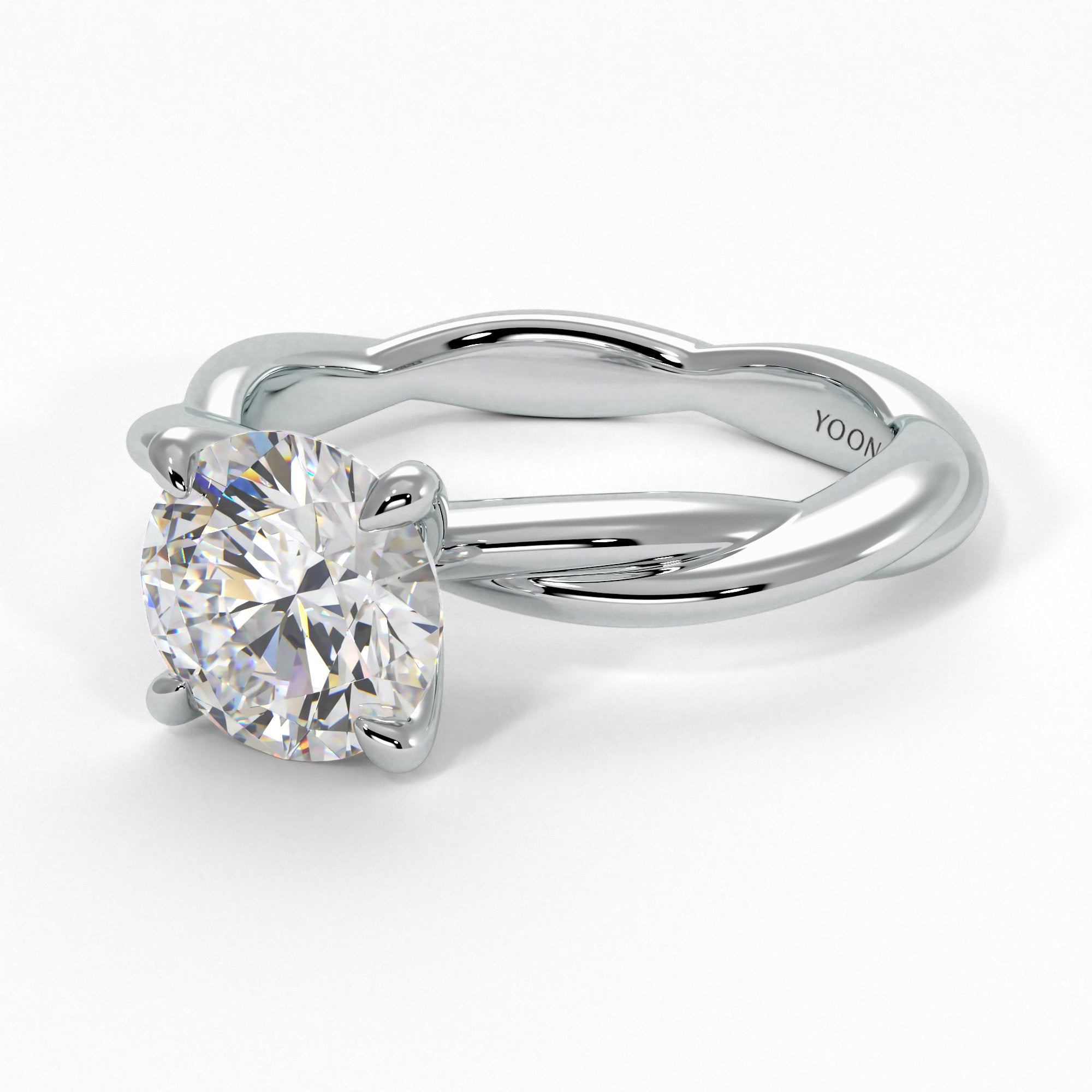
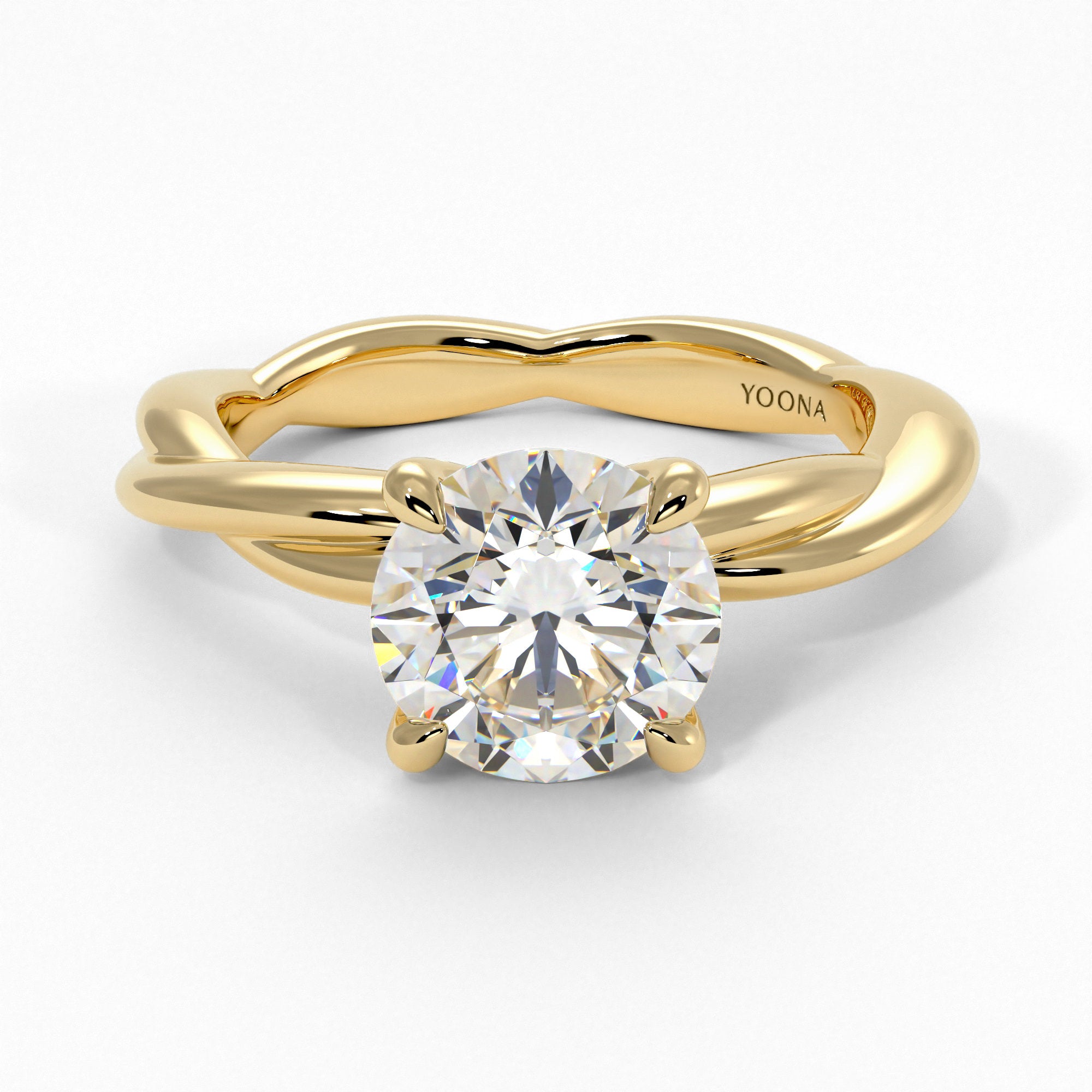
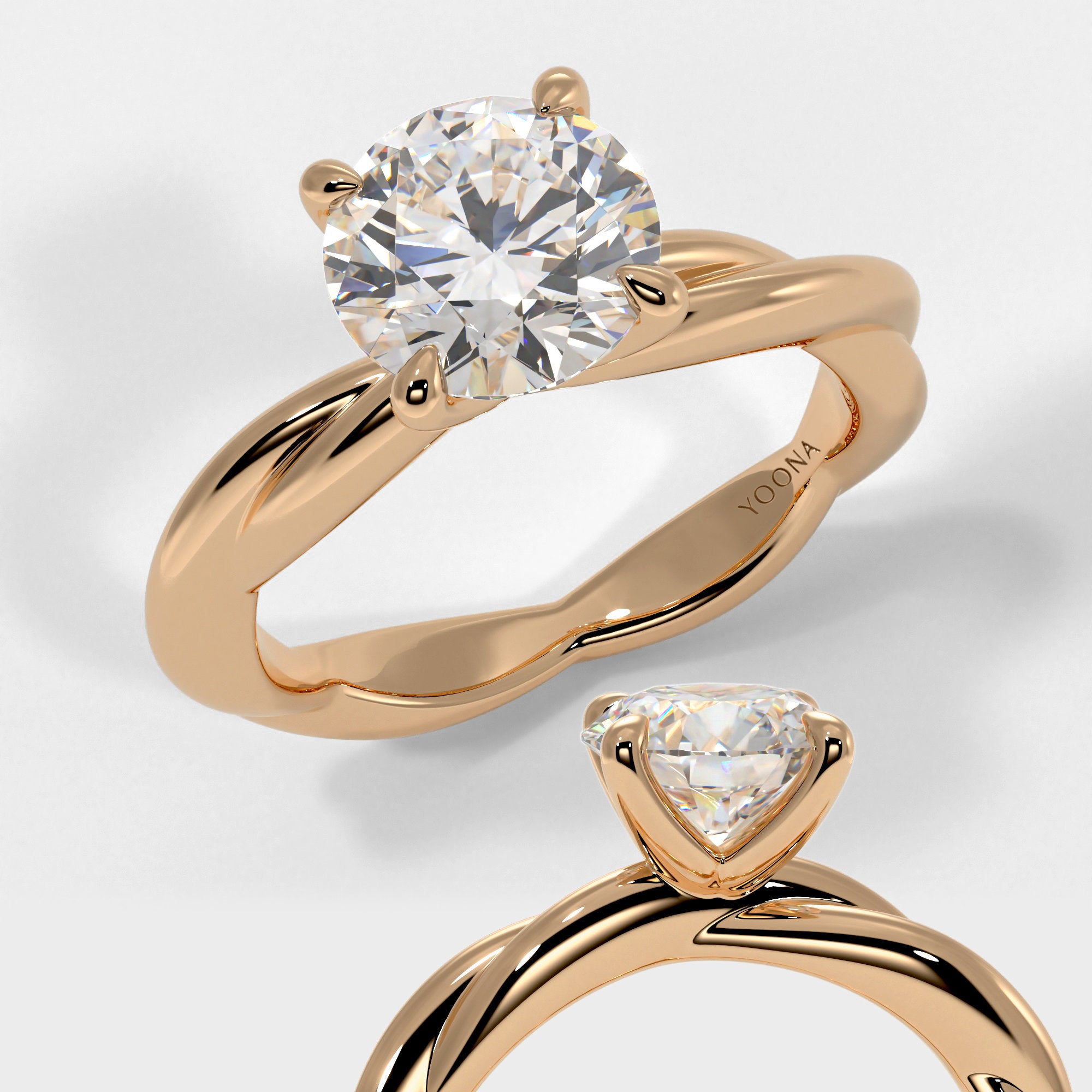
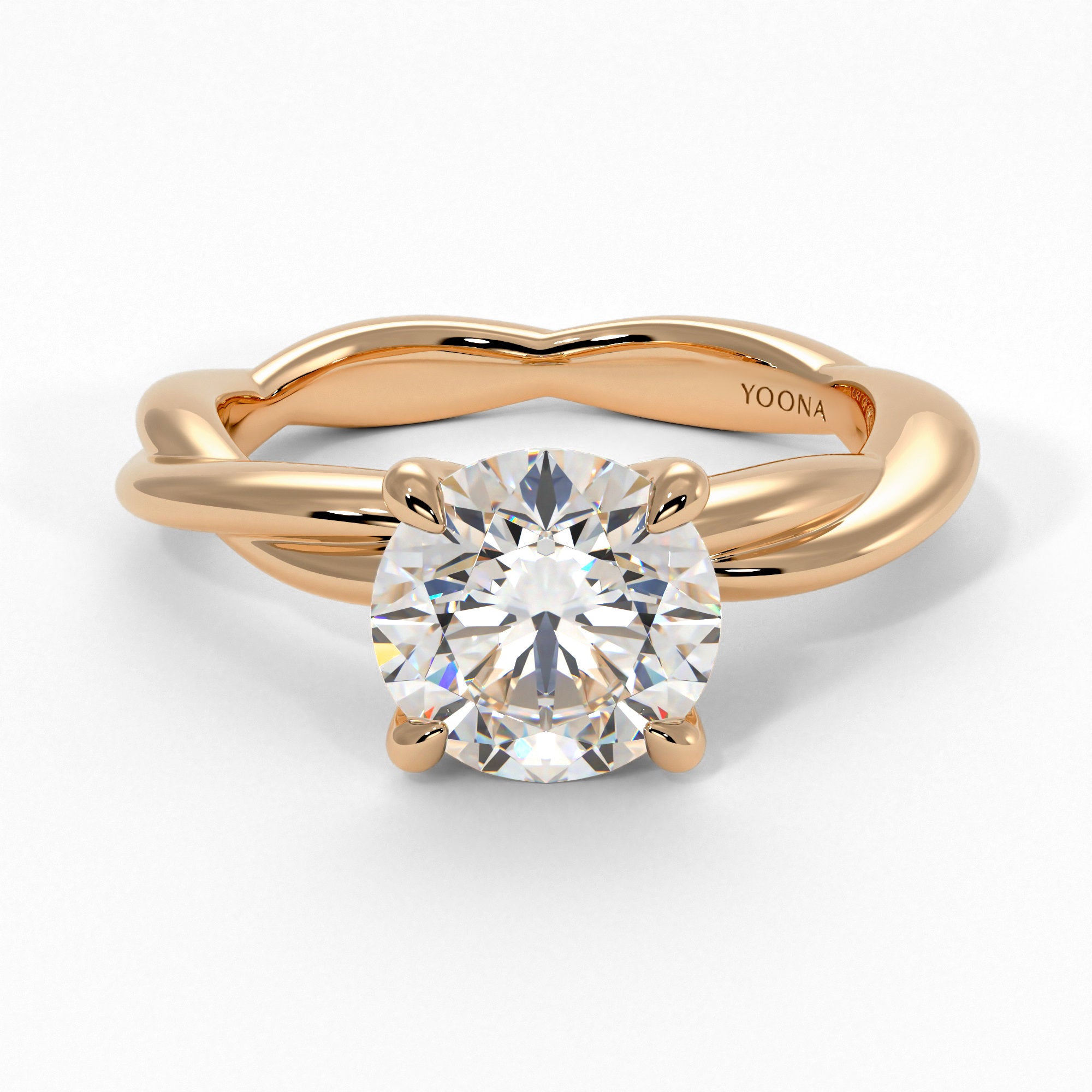
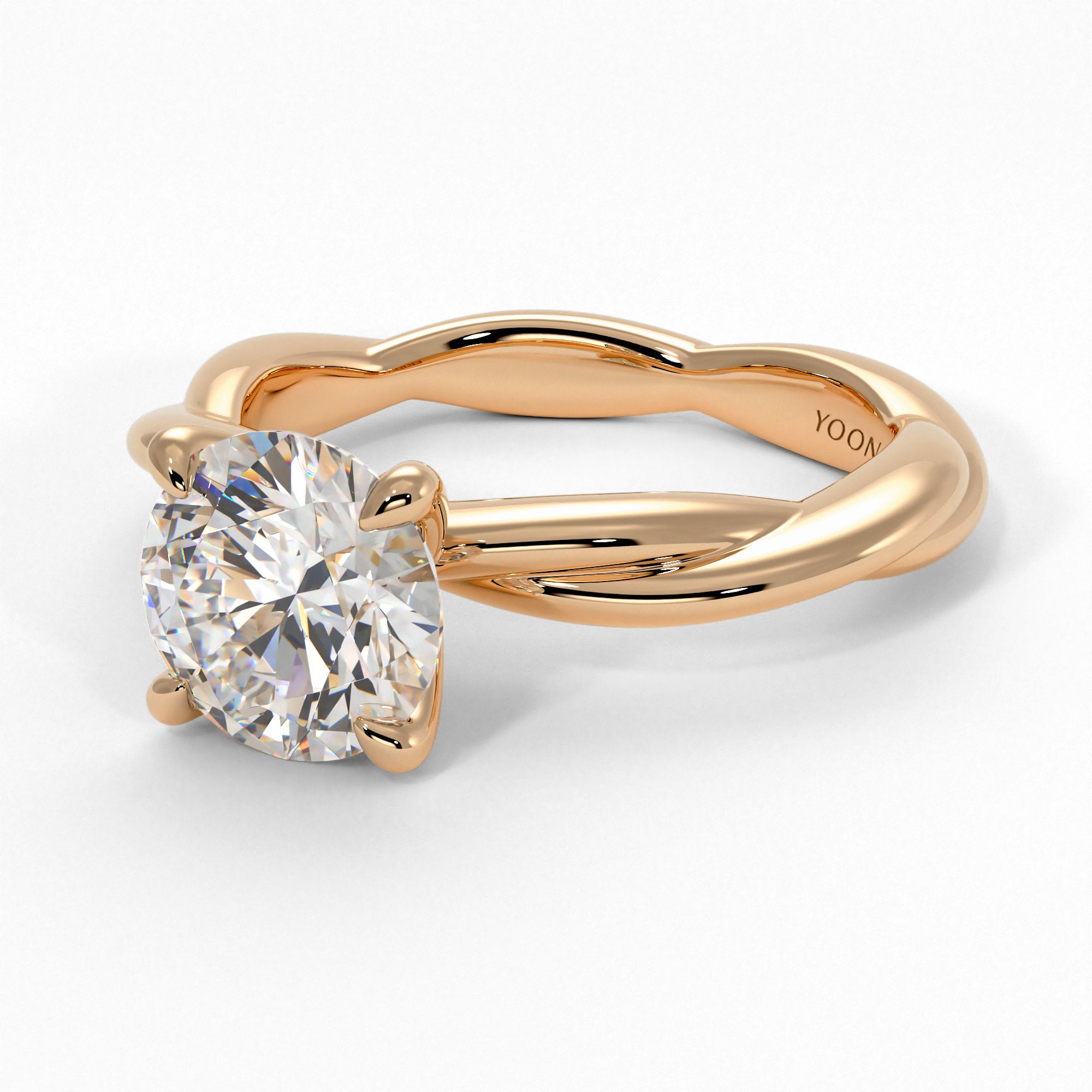
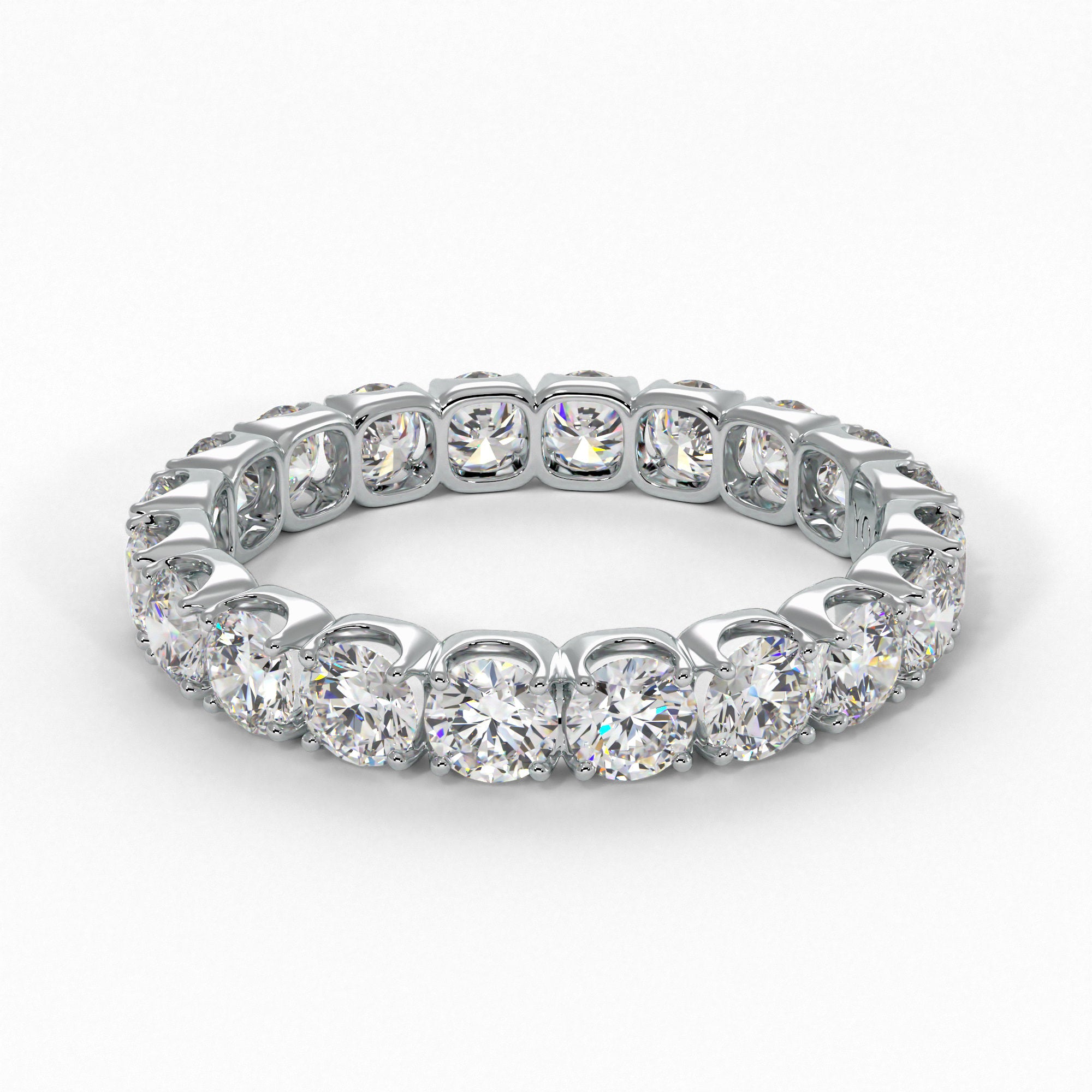
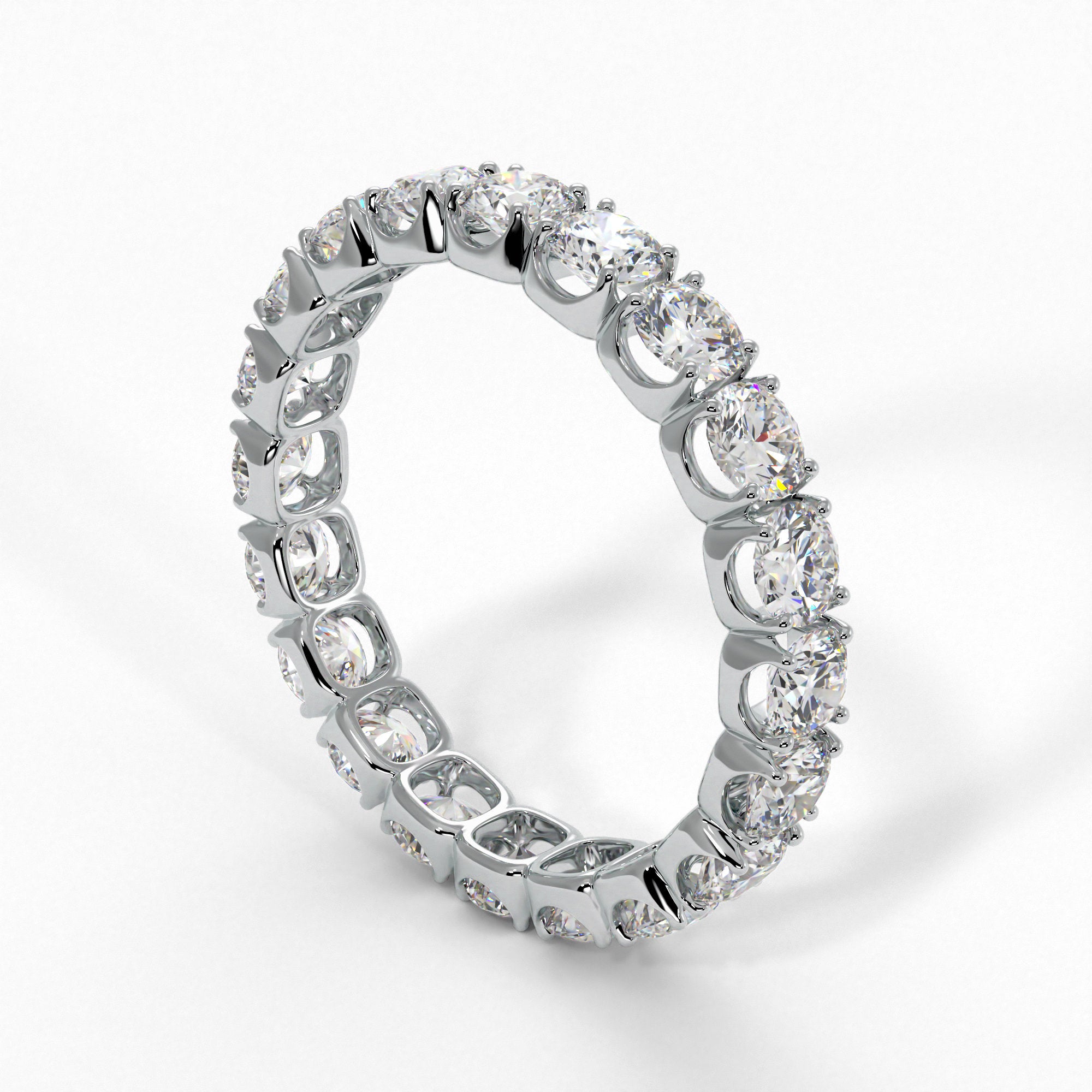
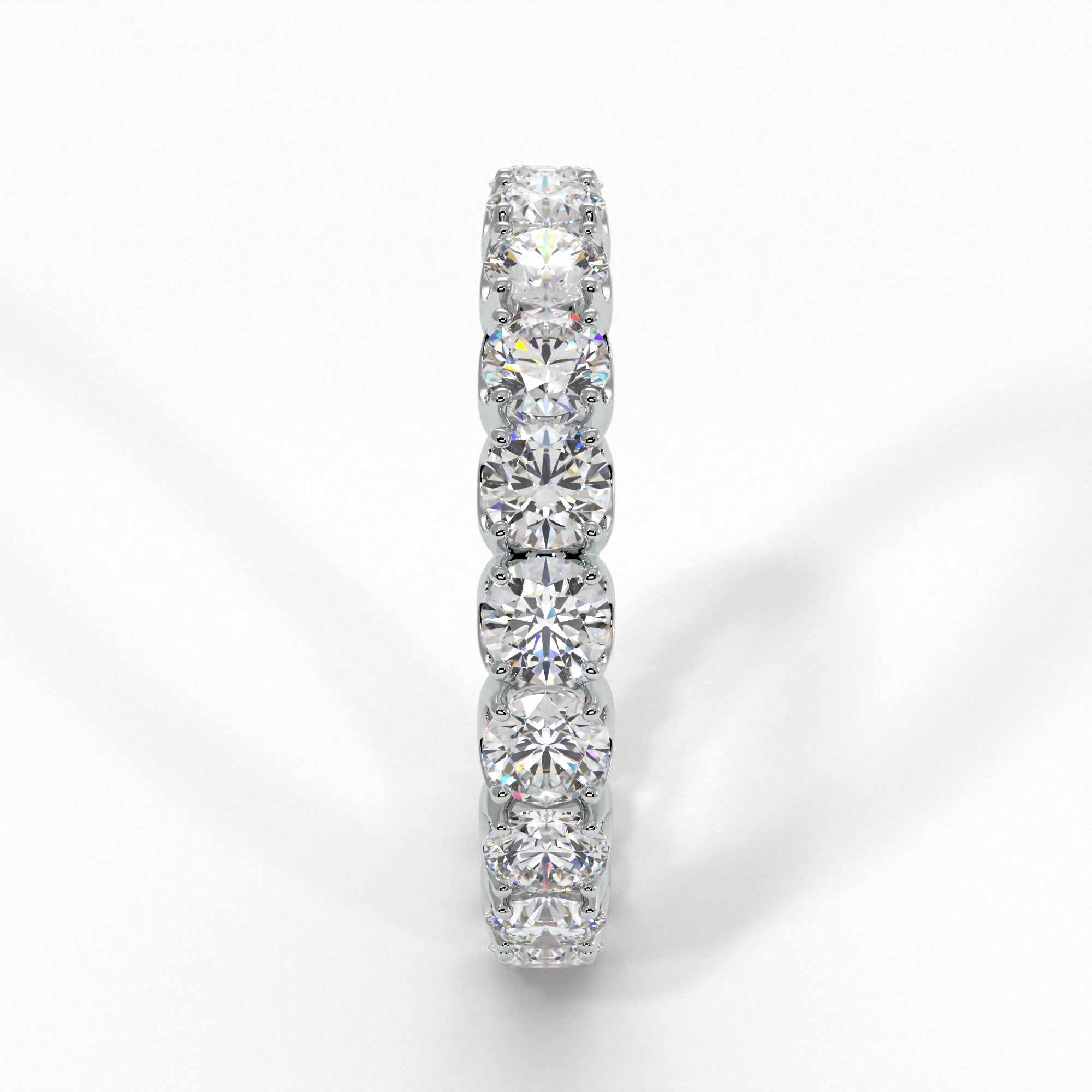
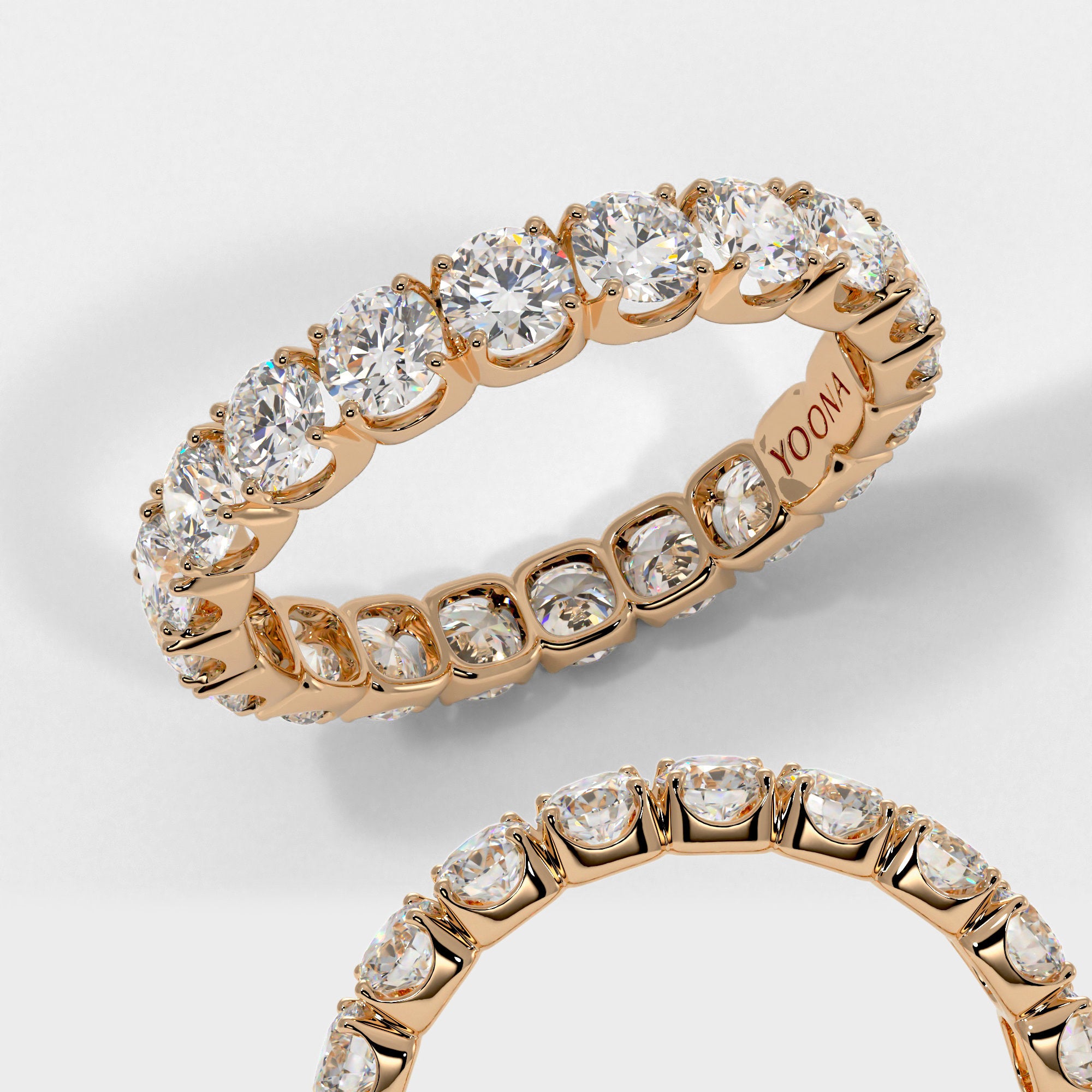
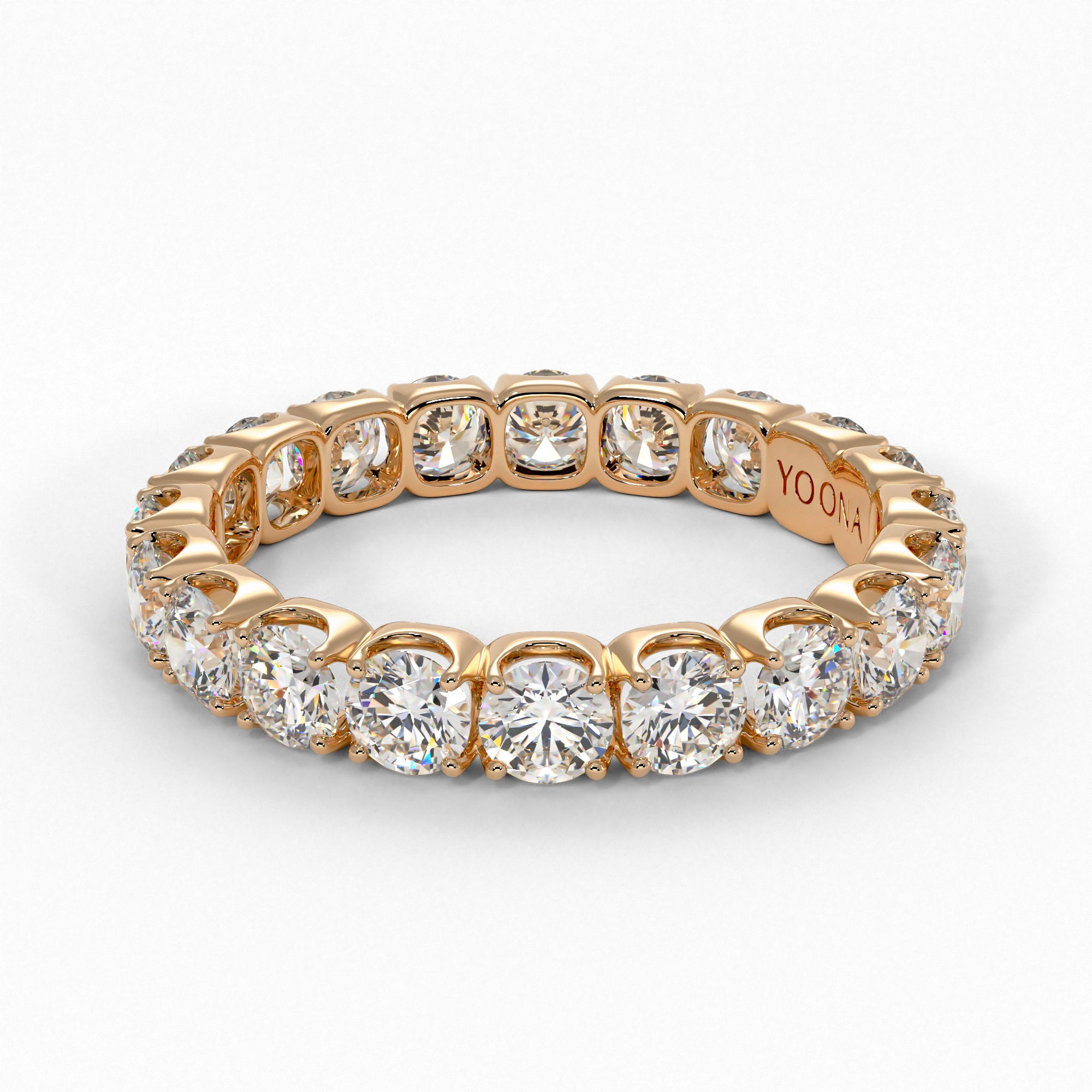
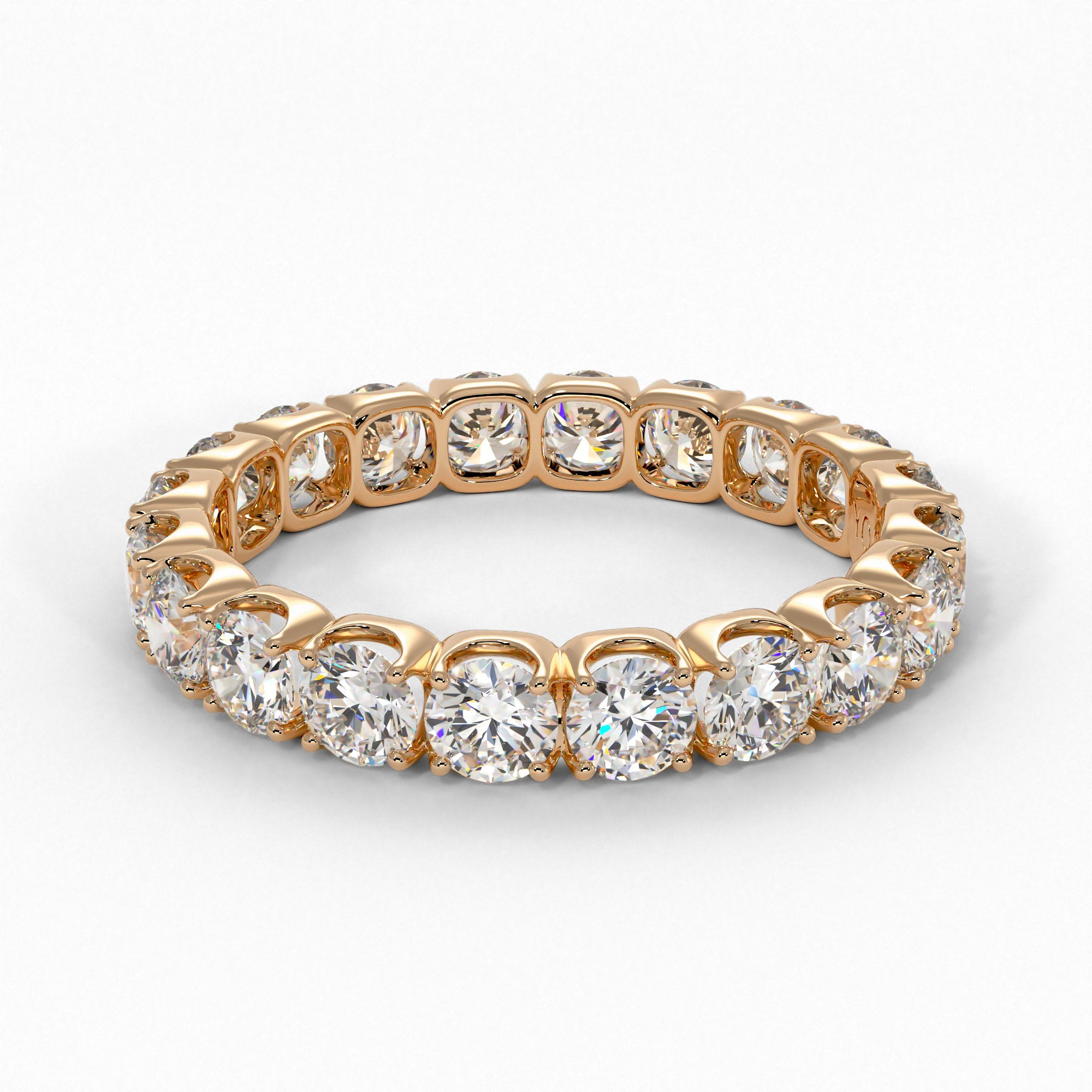
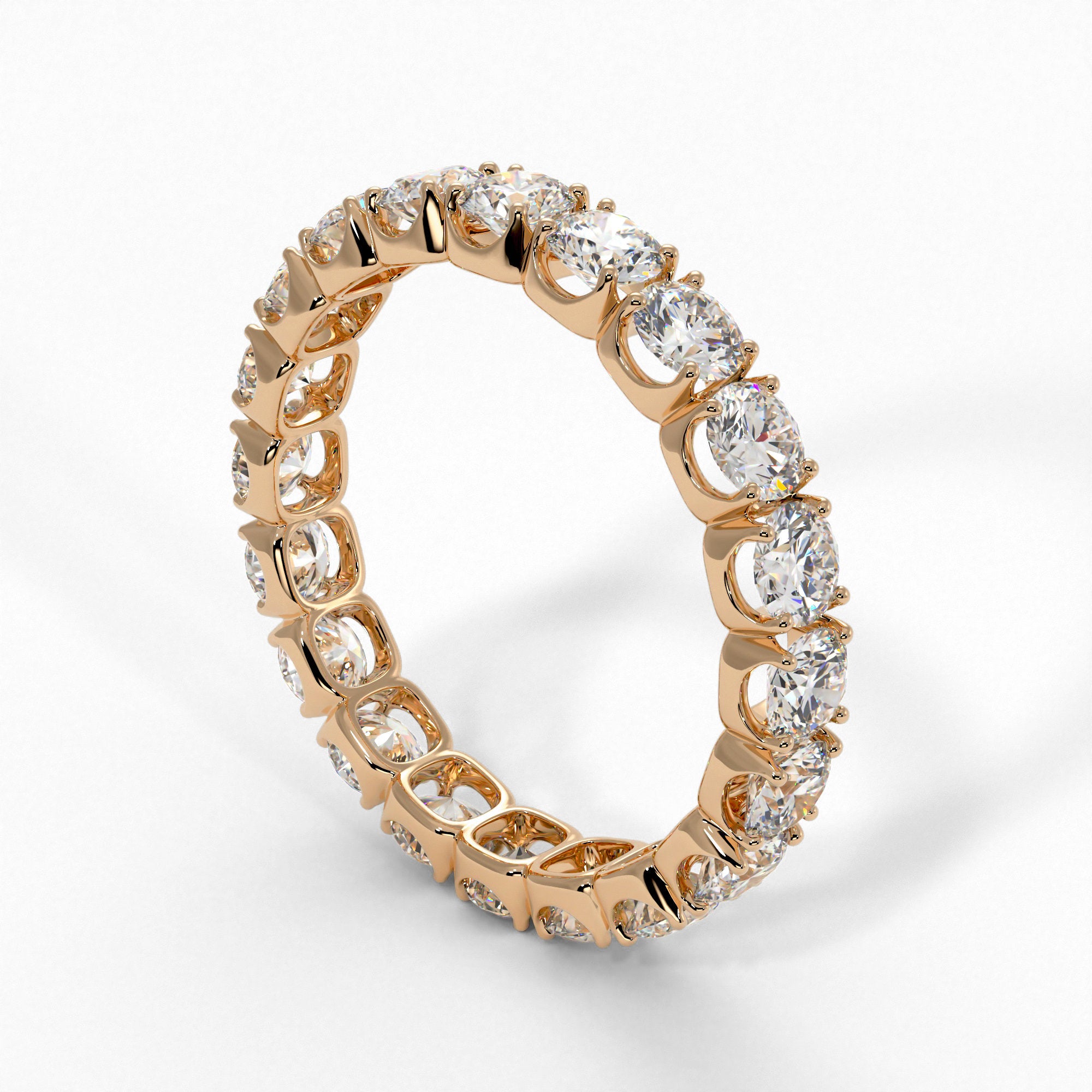
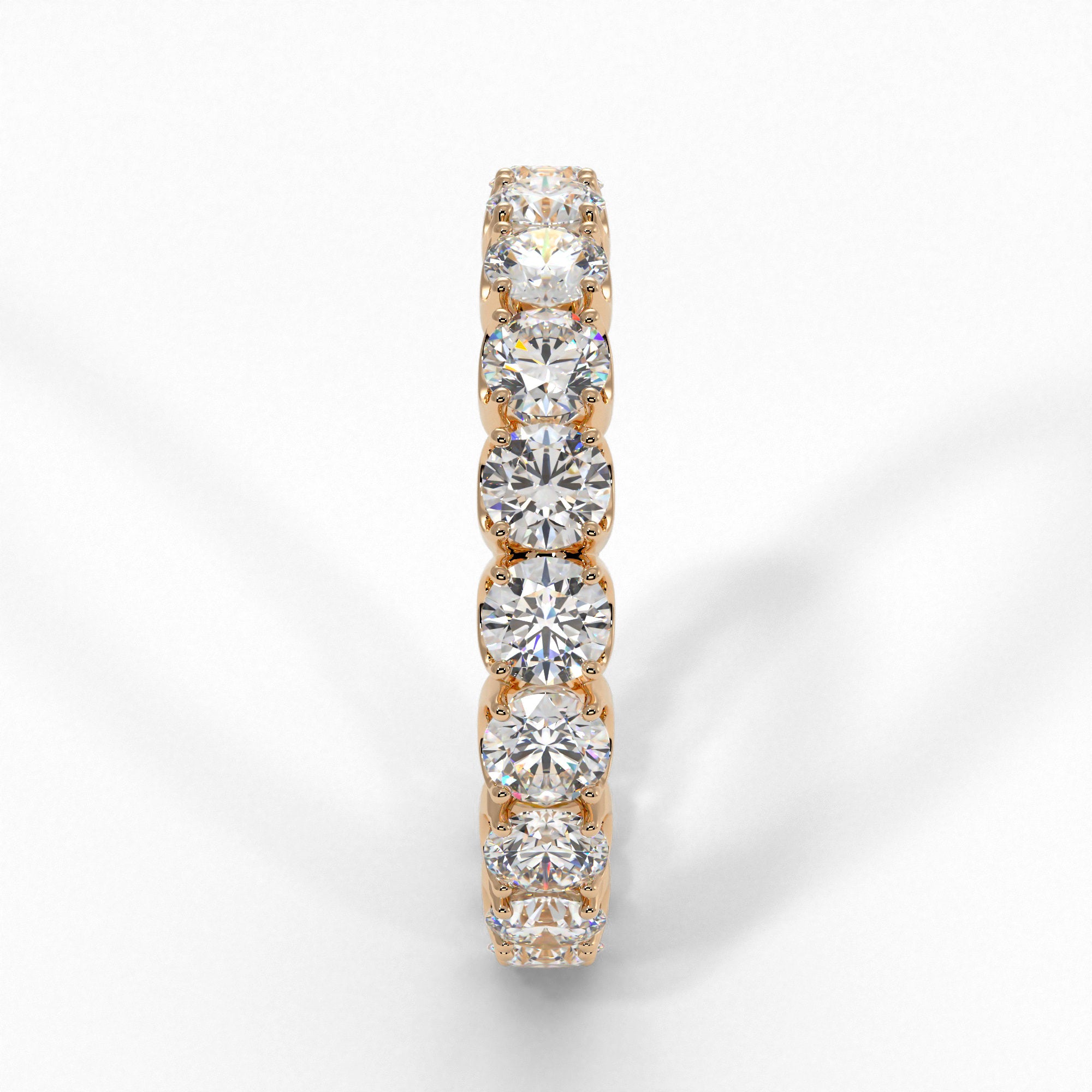
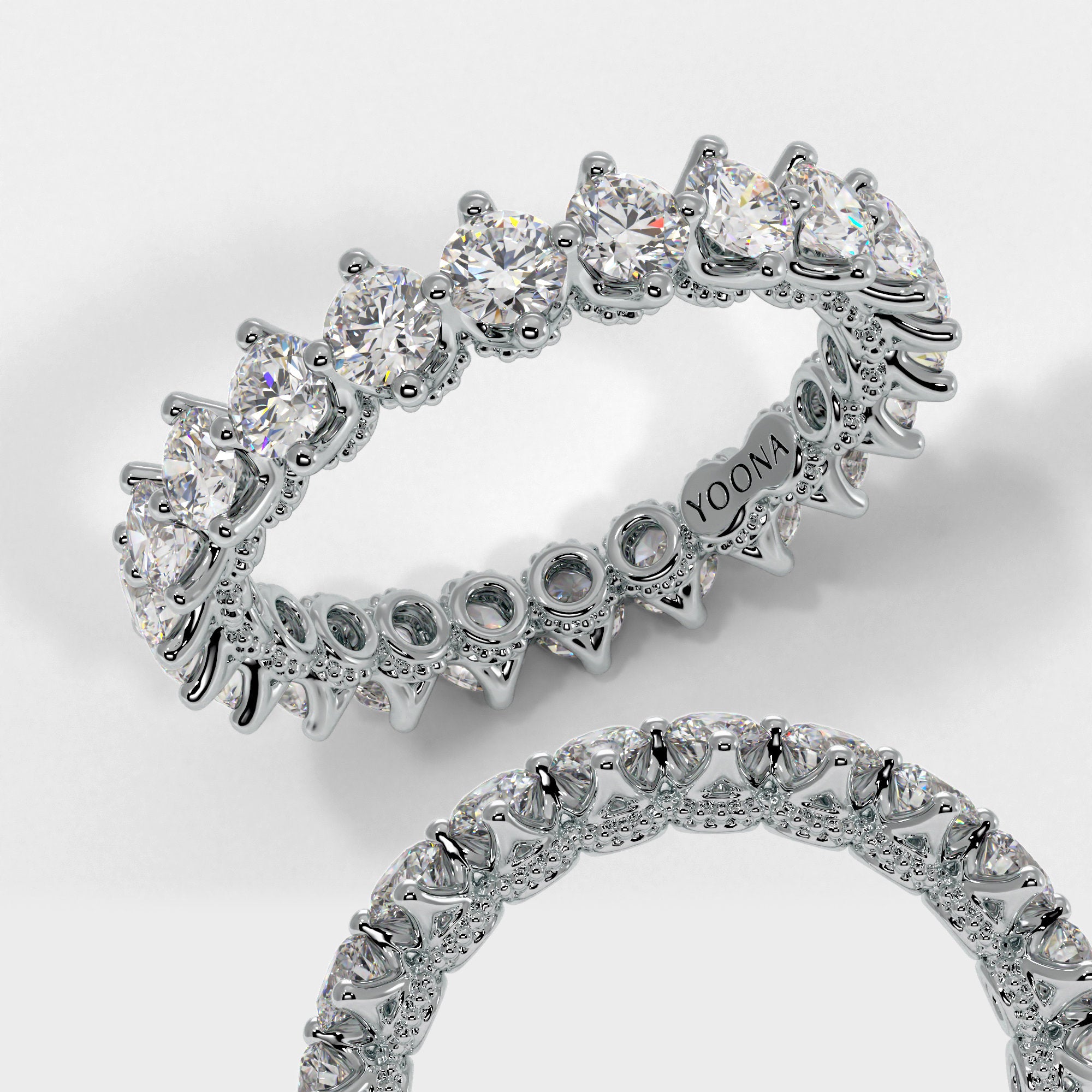
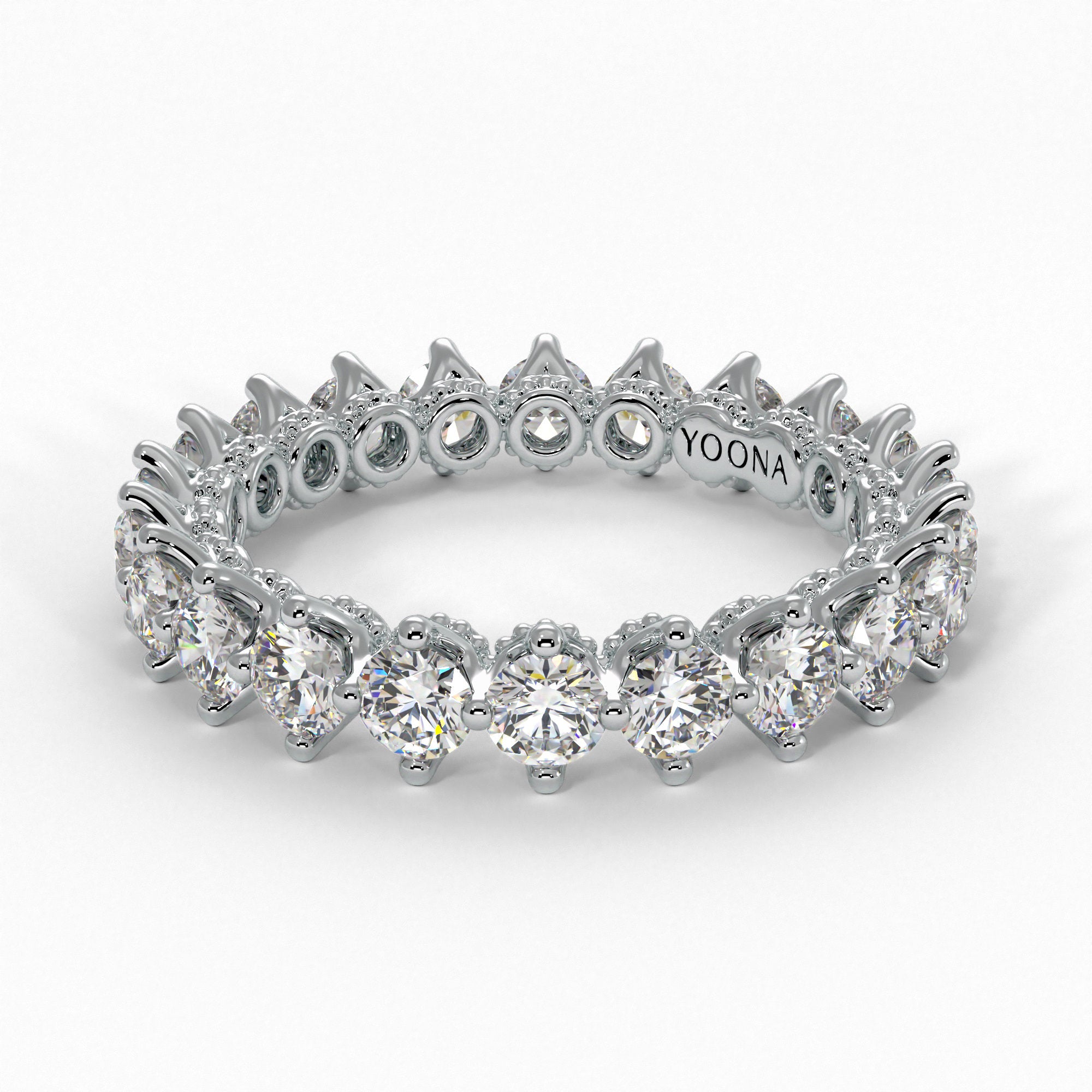
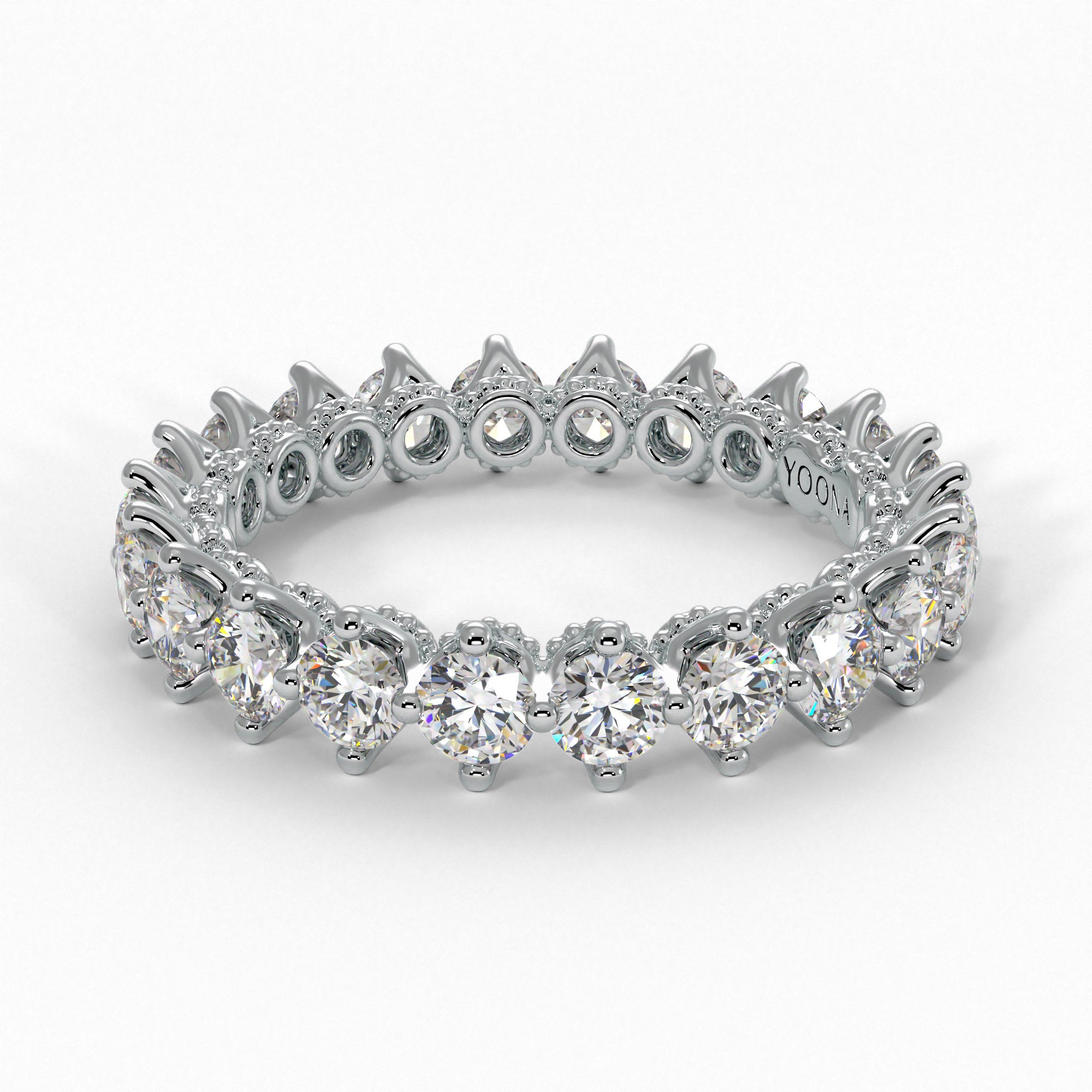
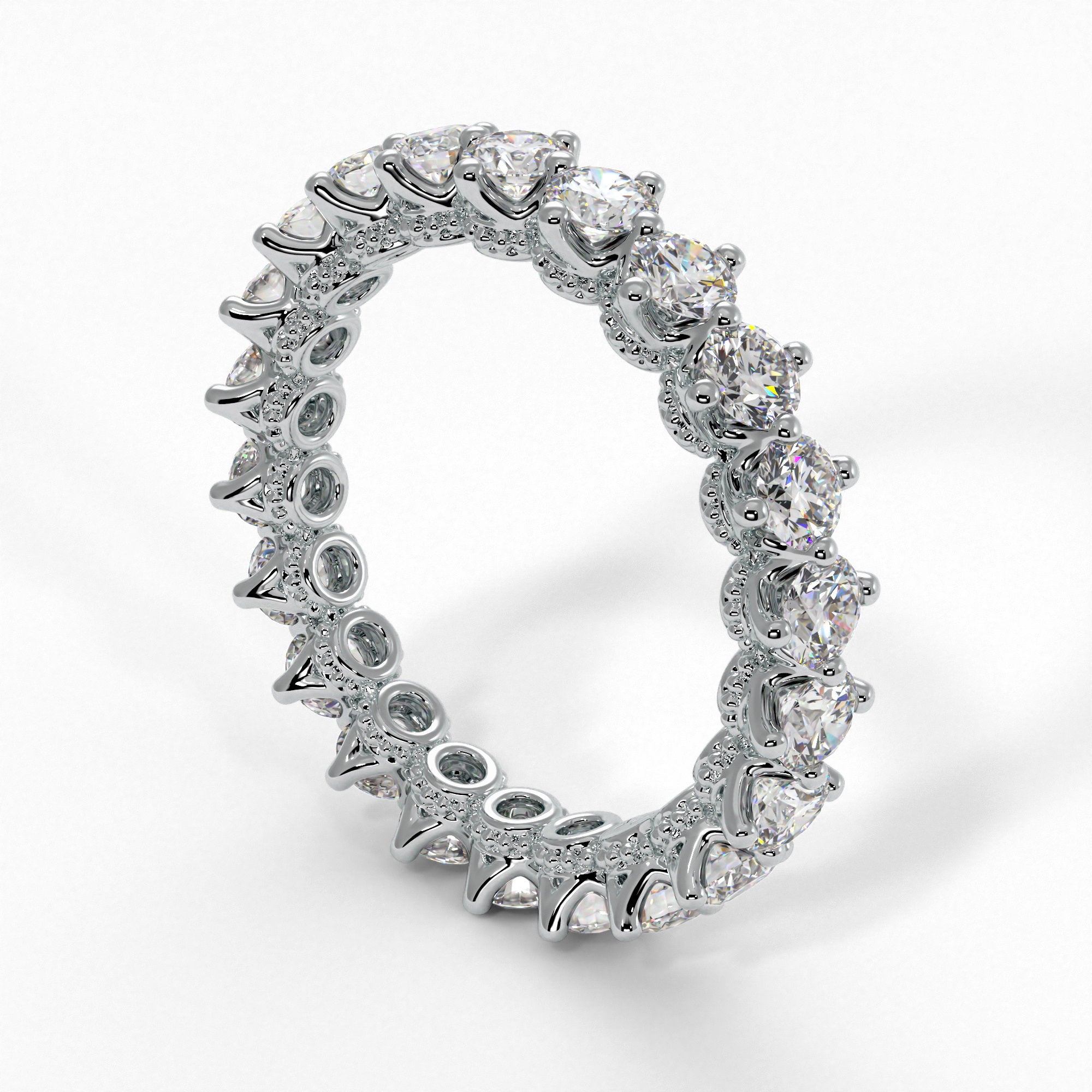
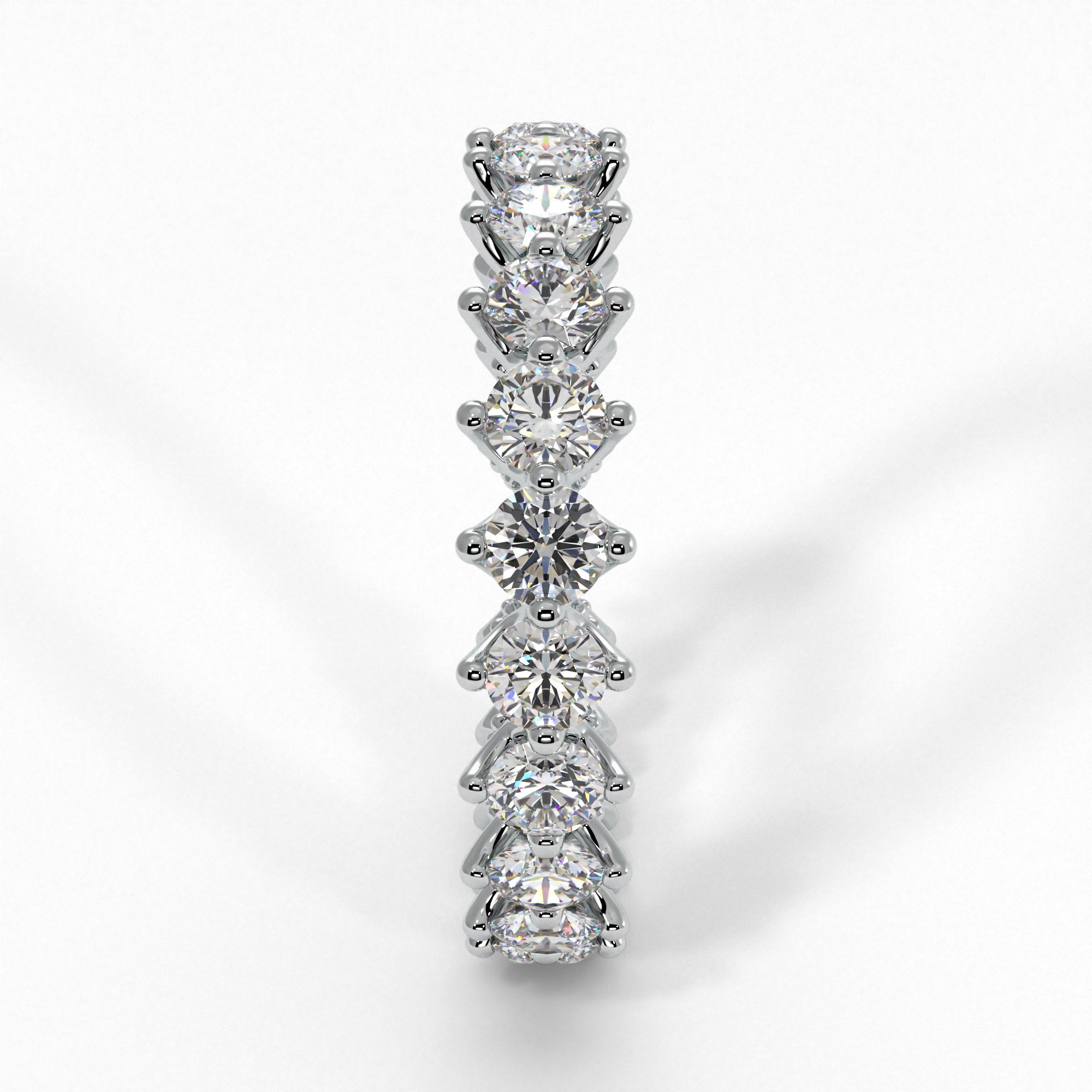
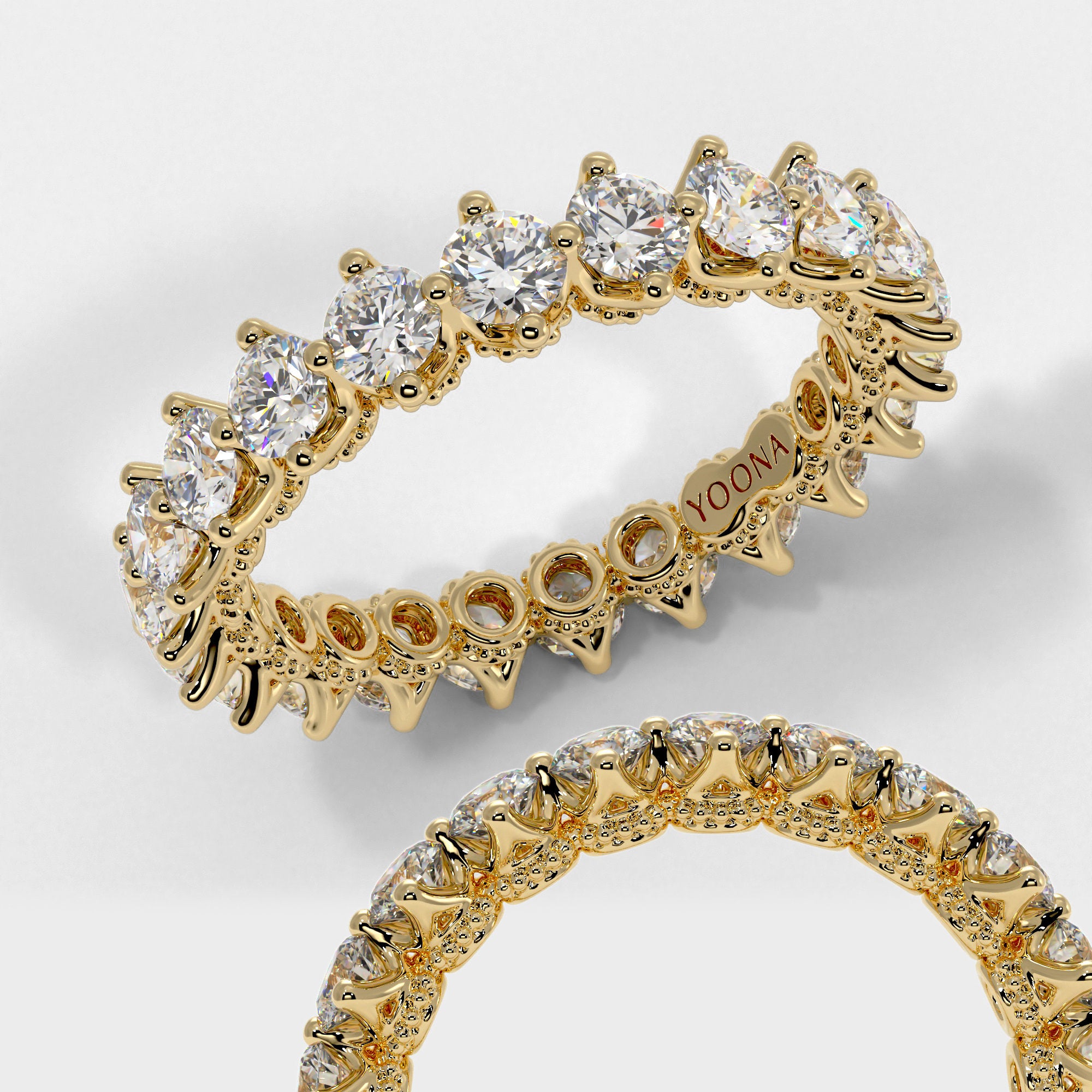
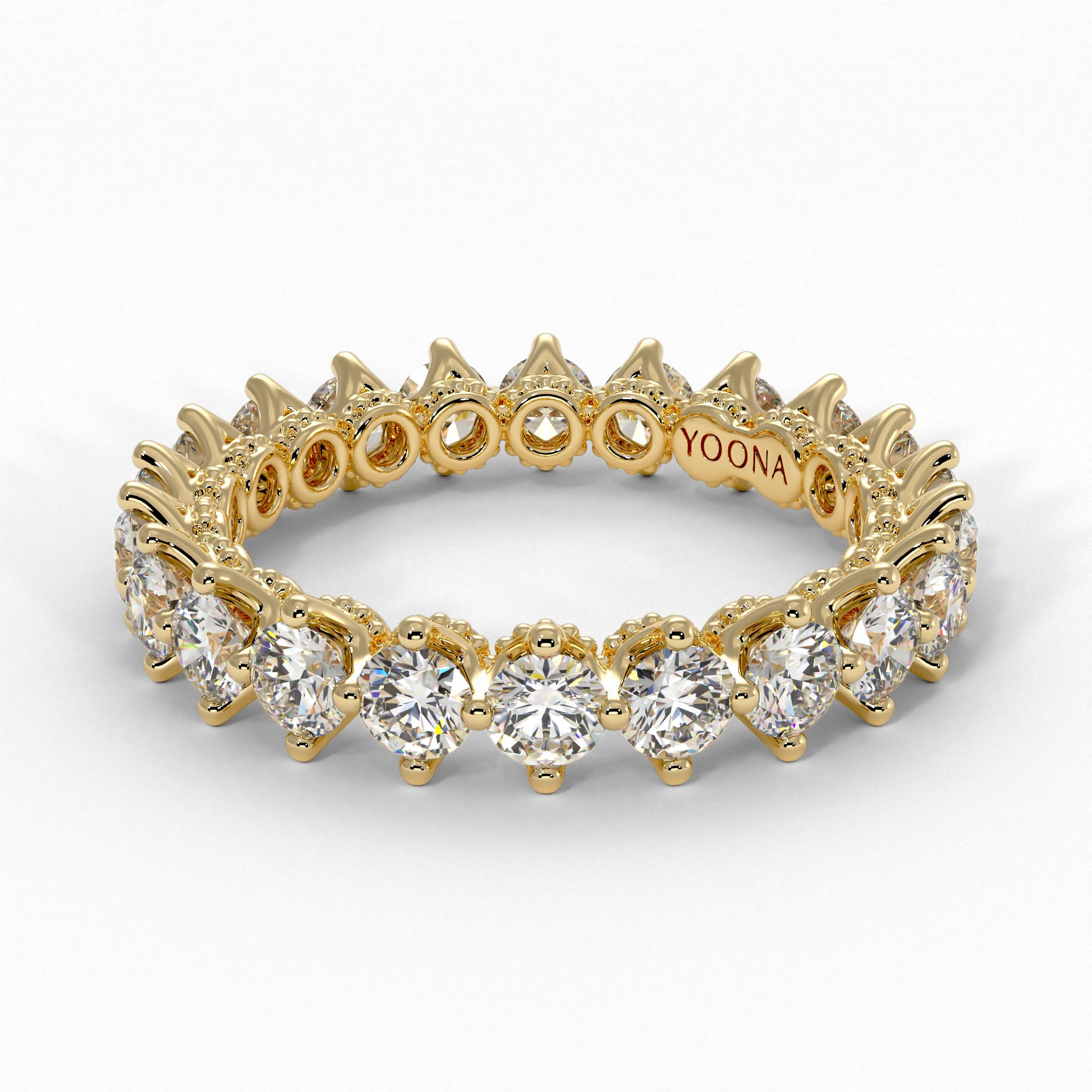
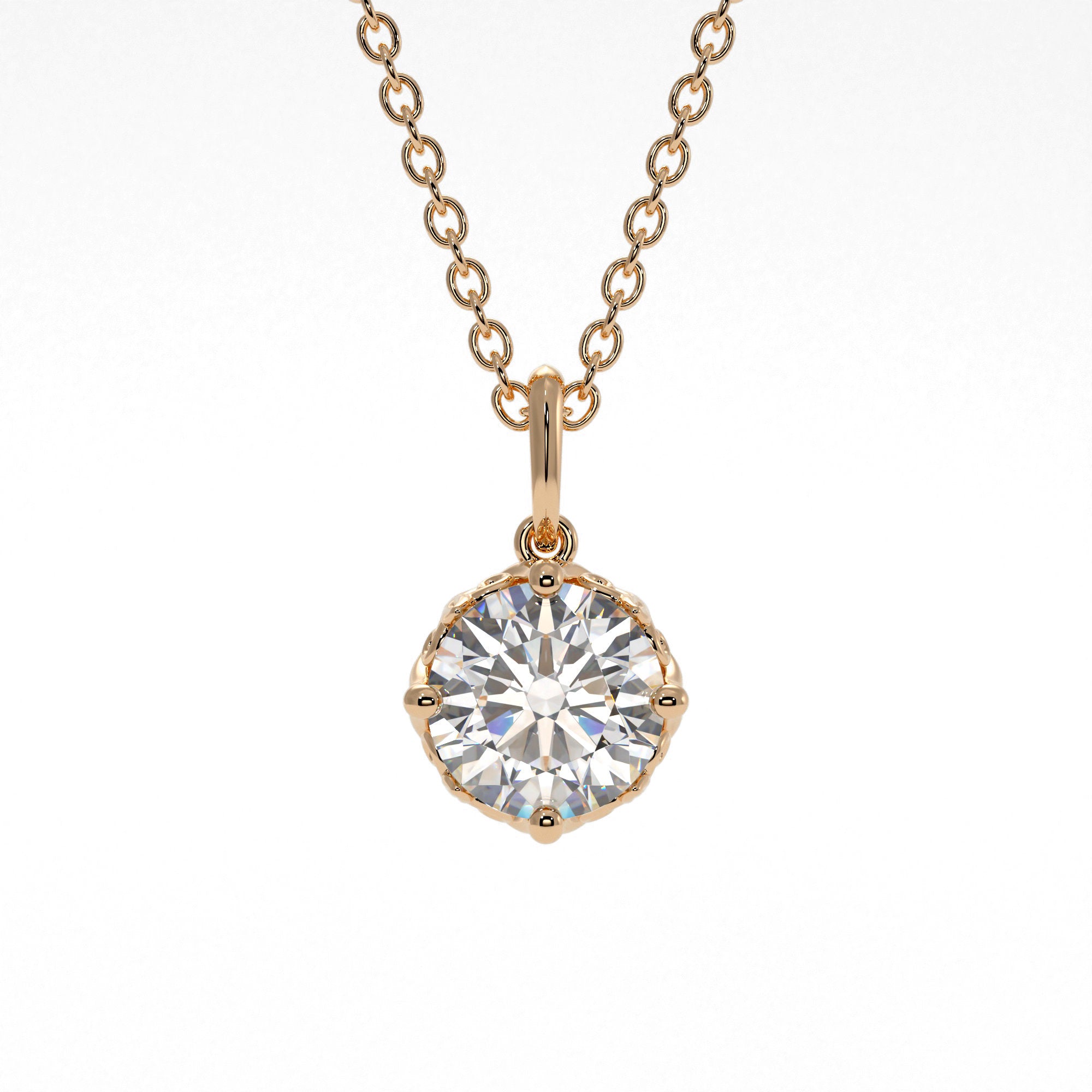
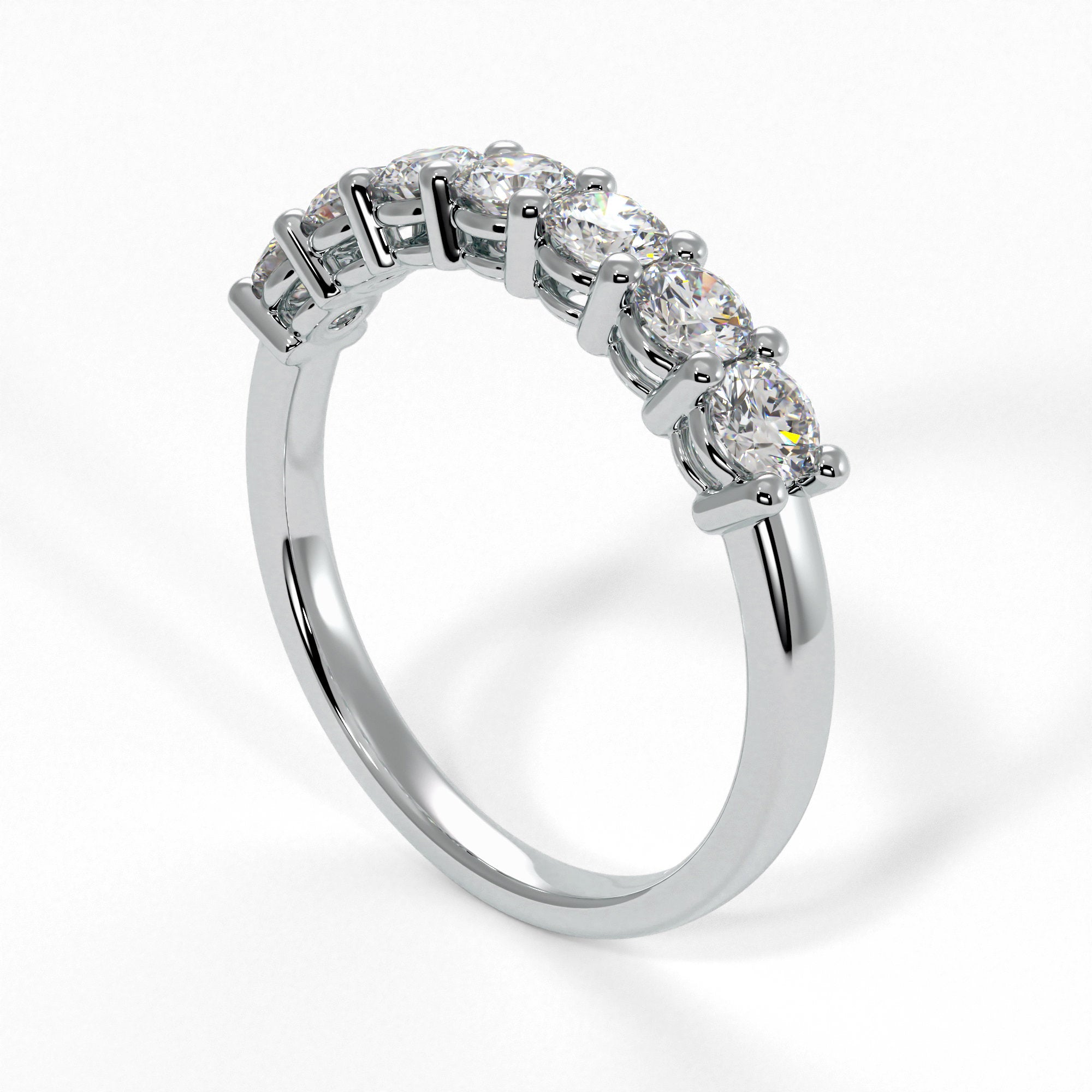
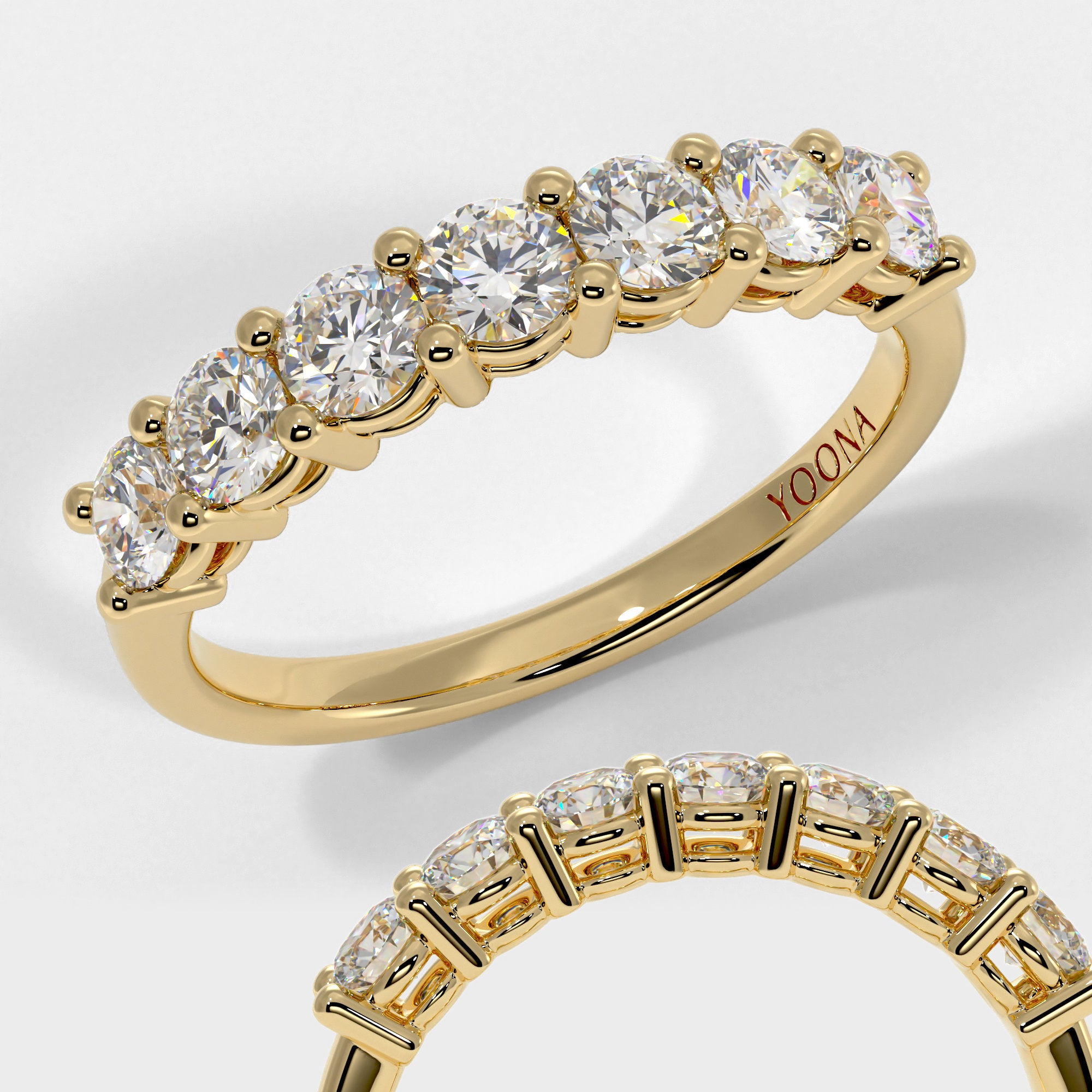
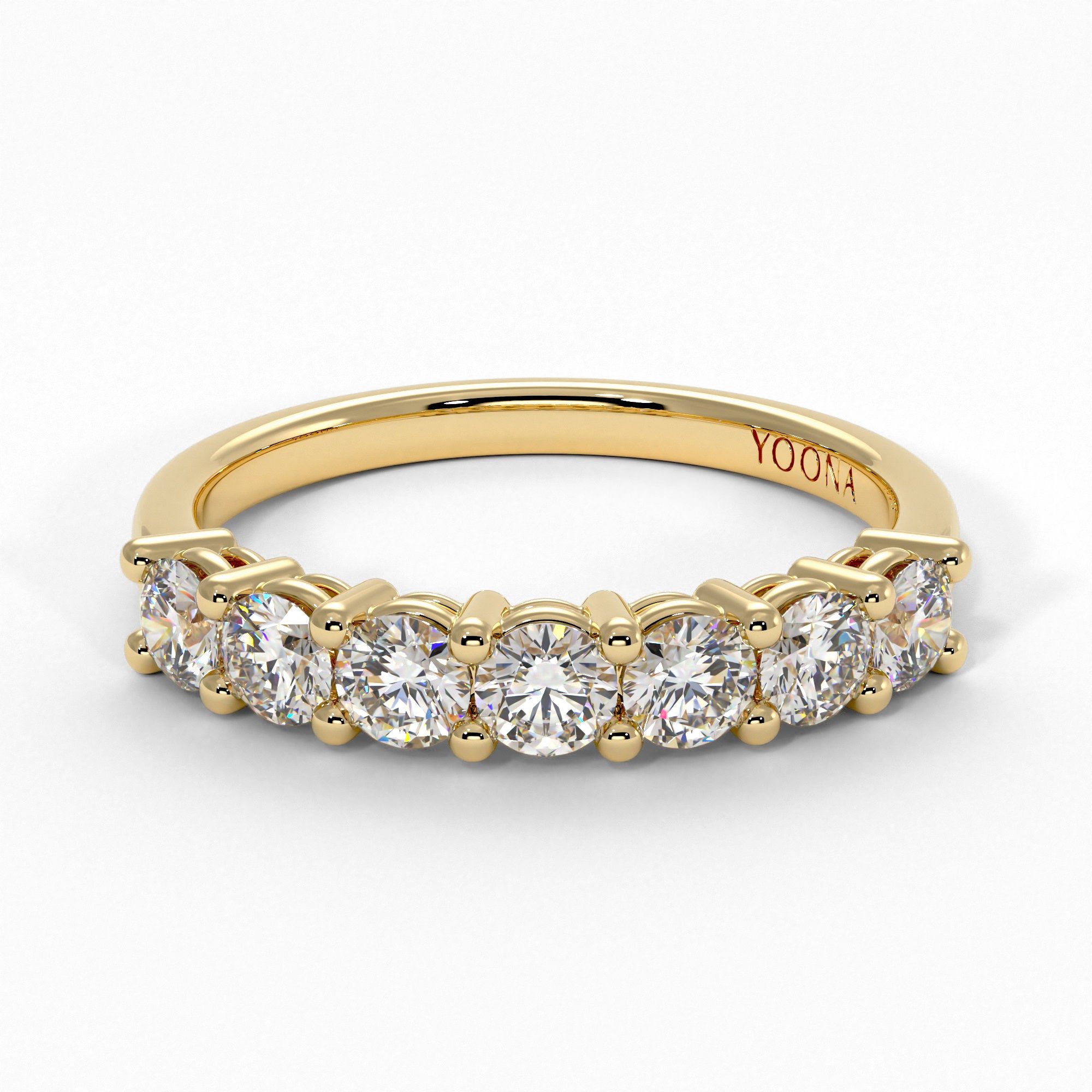
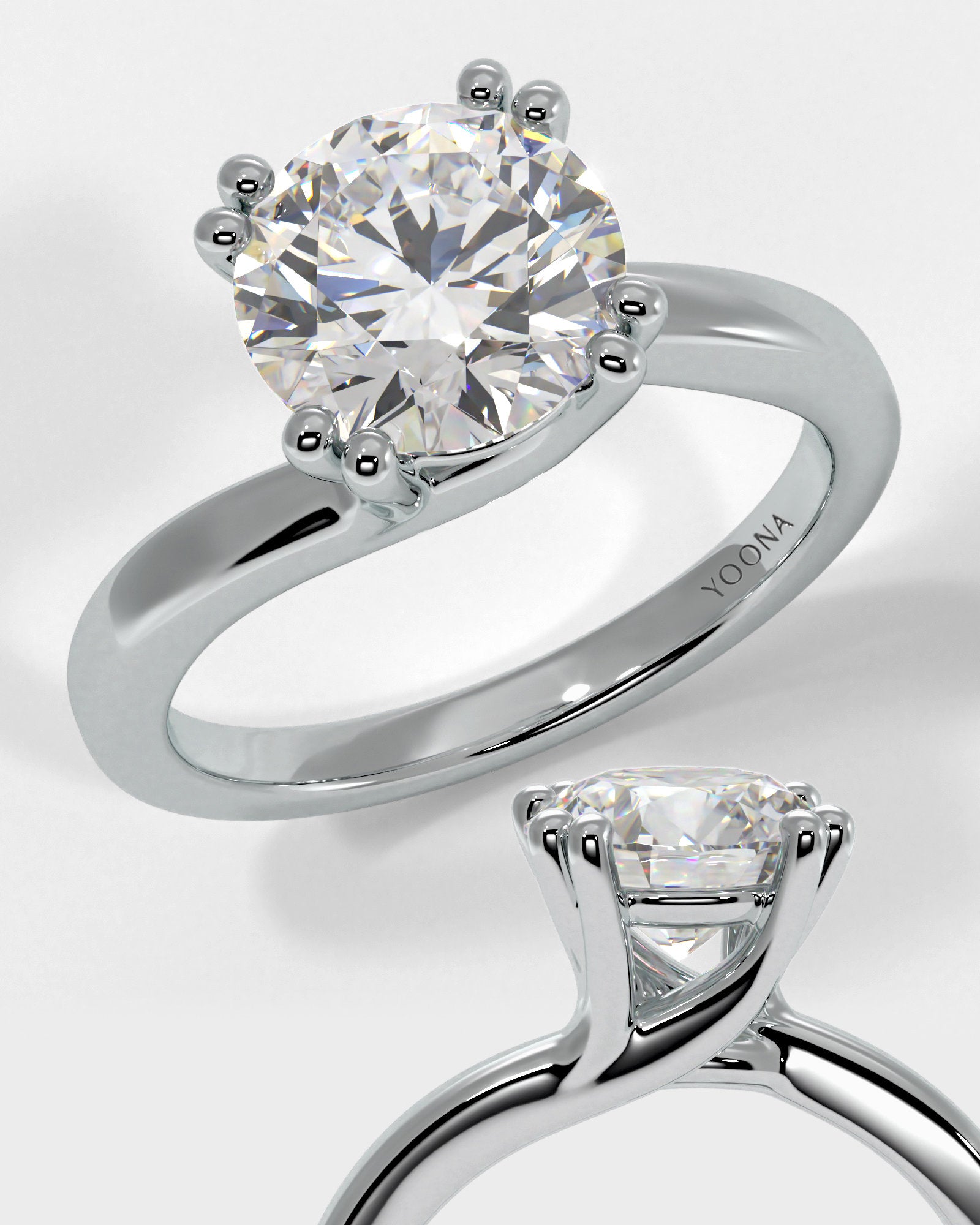
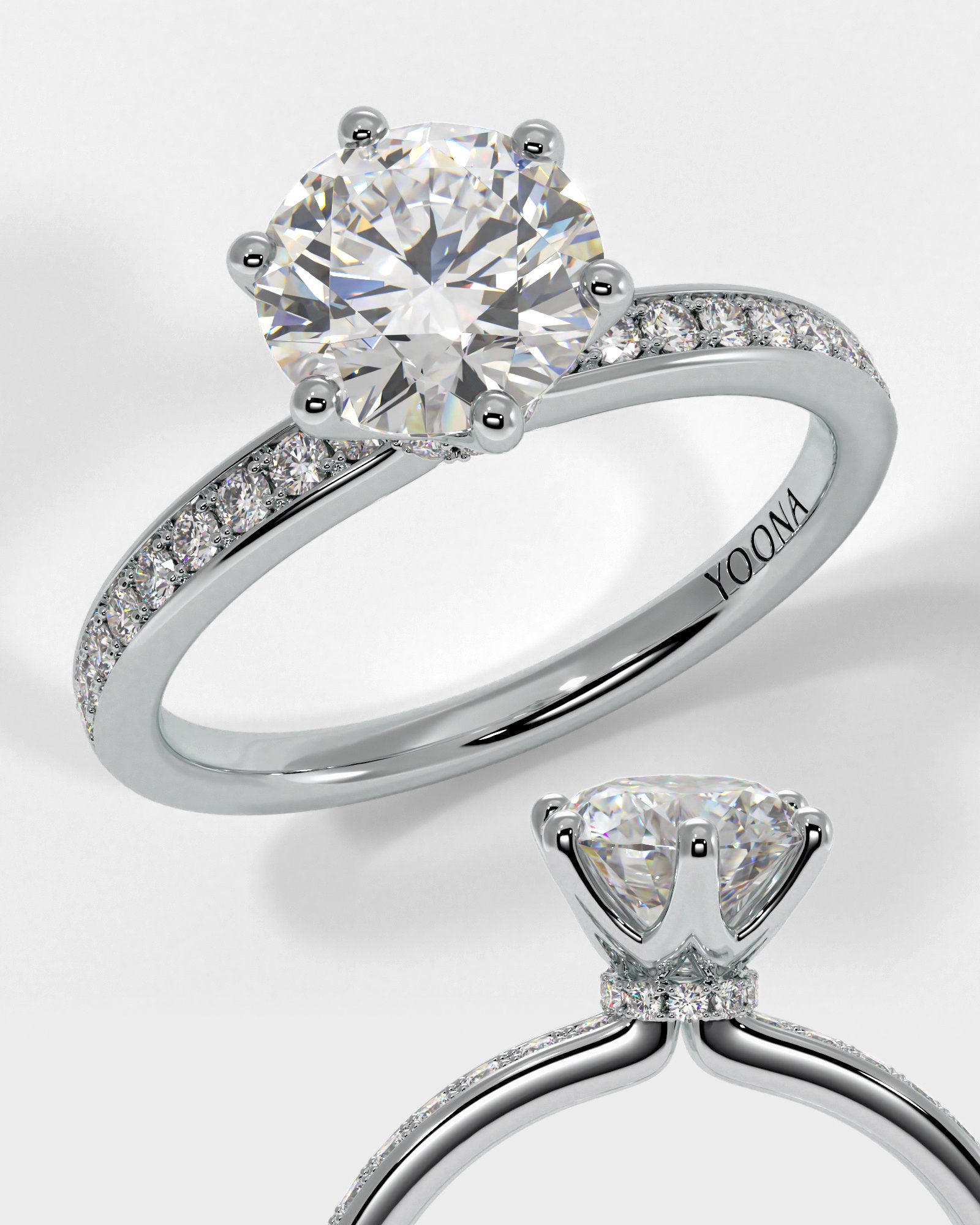
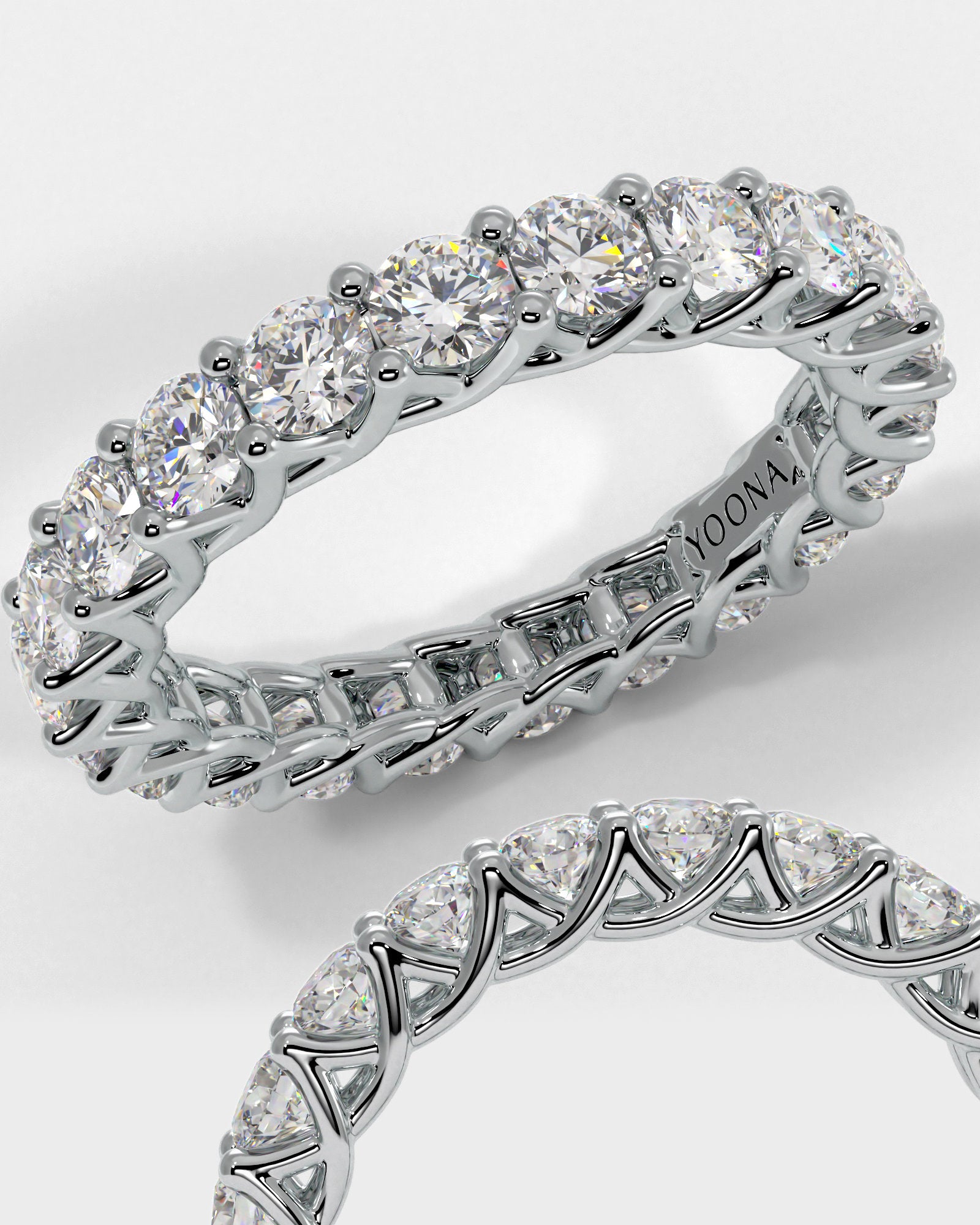
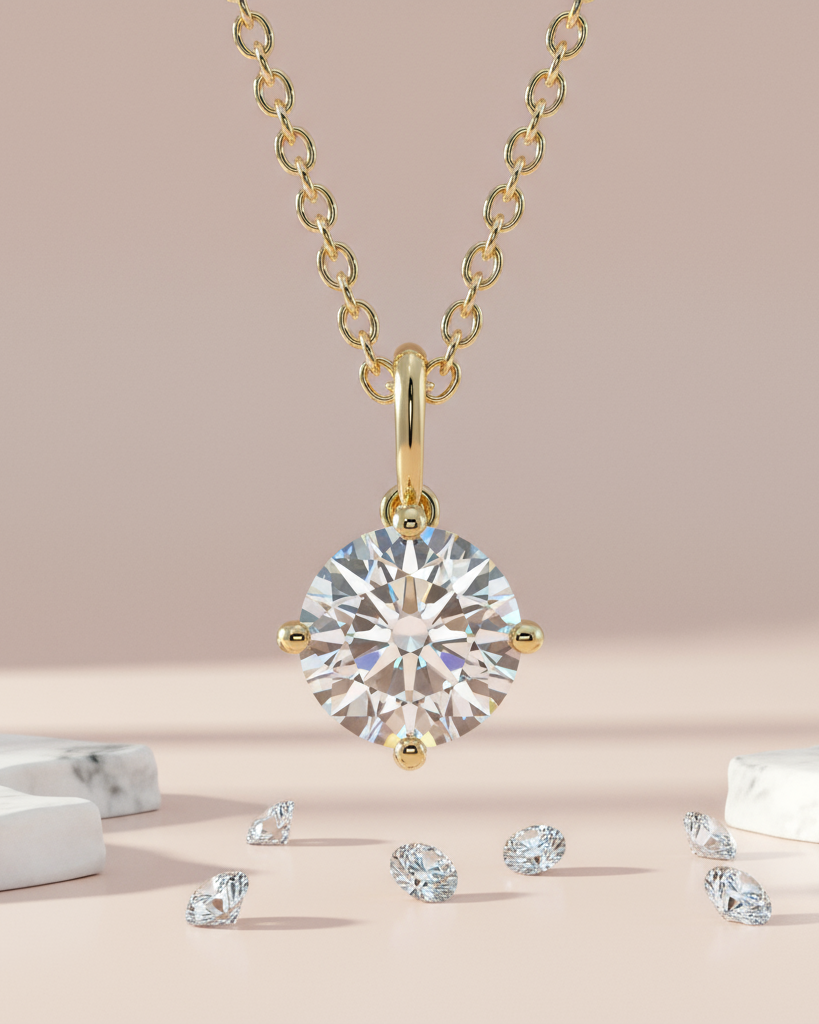
- Round: The most common shape, and the one with the most refined cutting standards for maximizing brilliance.
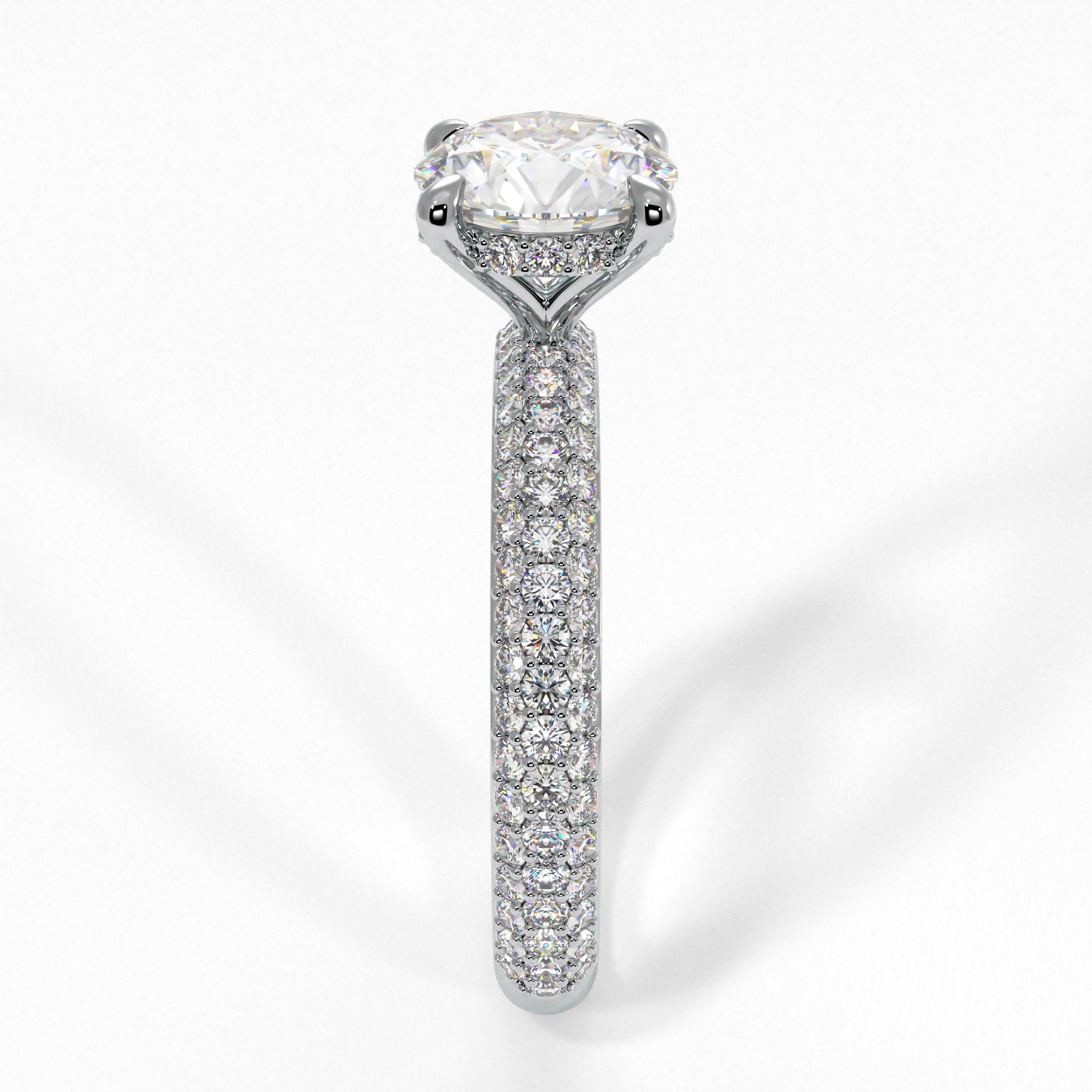
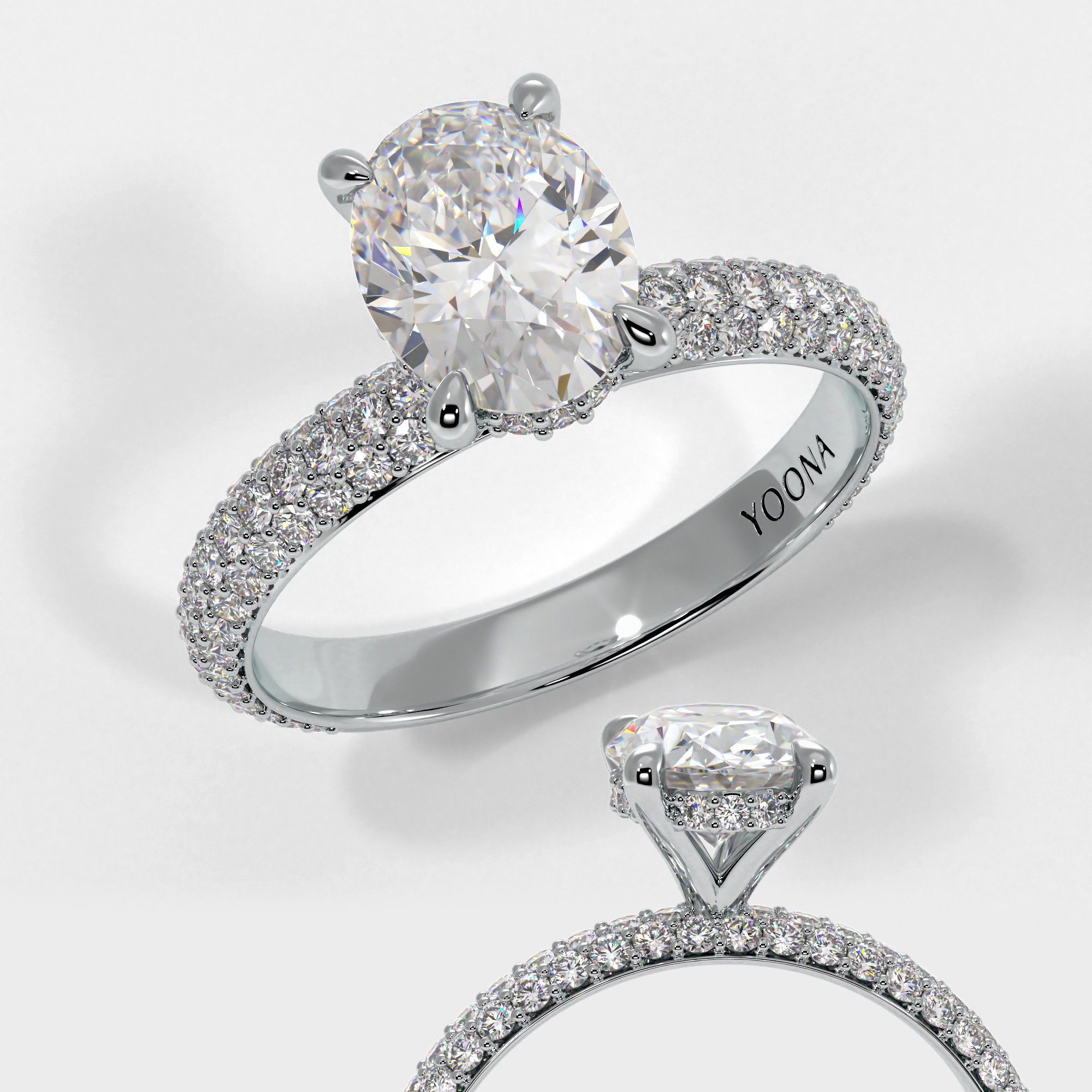
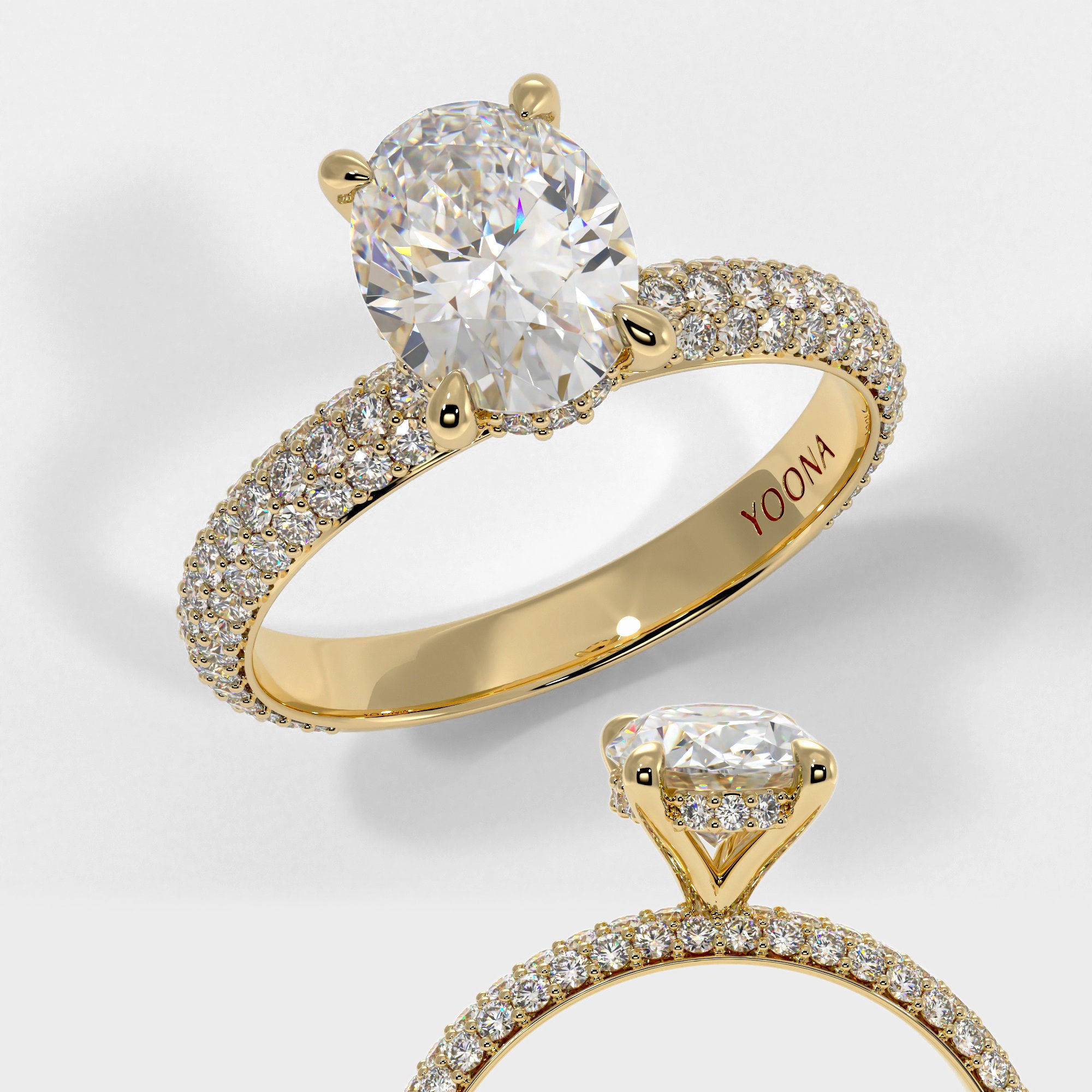
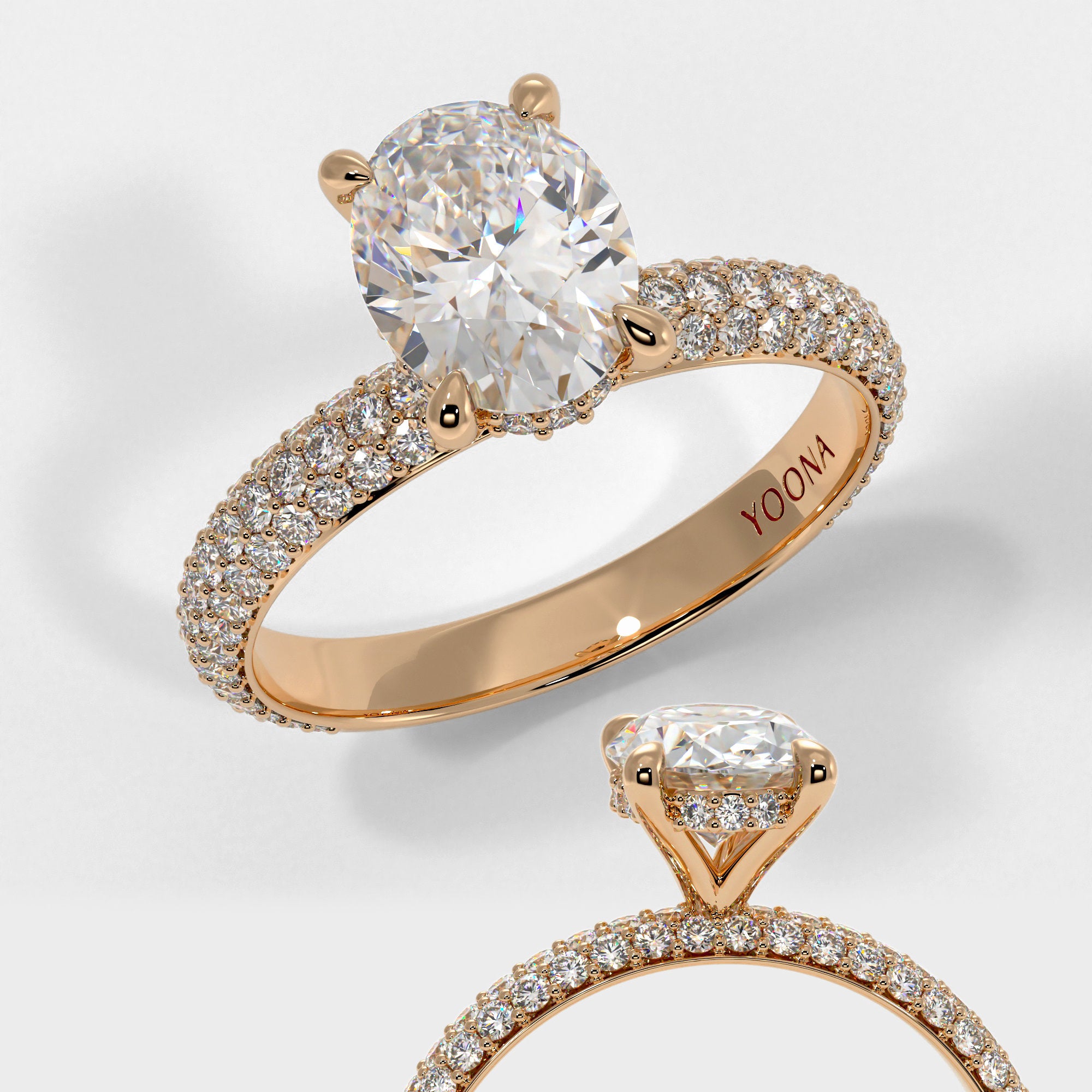
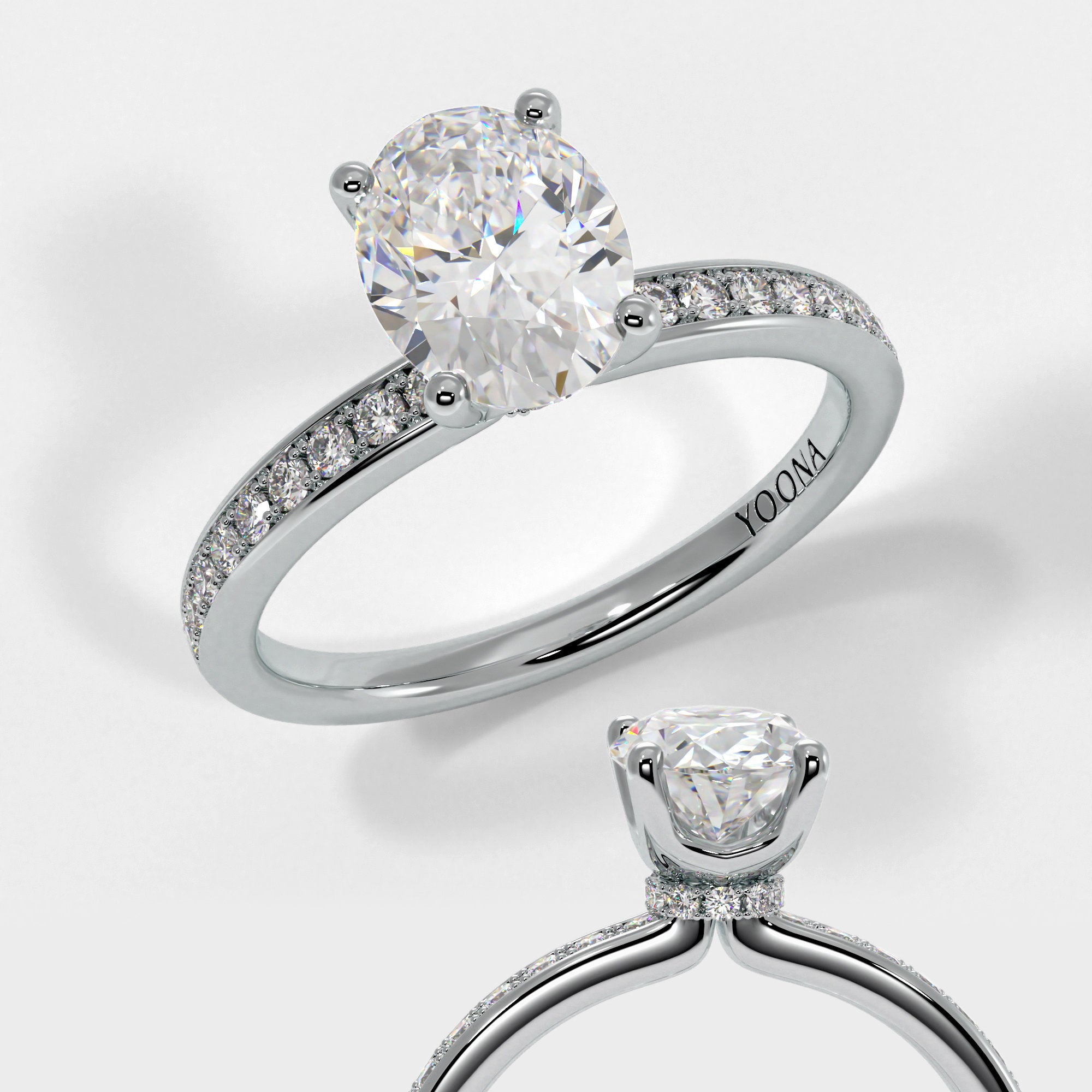
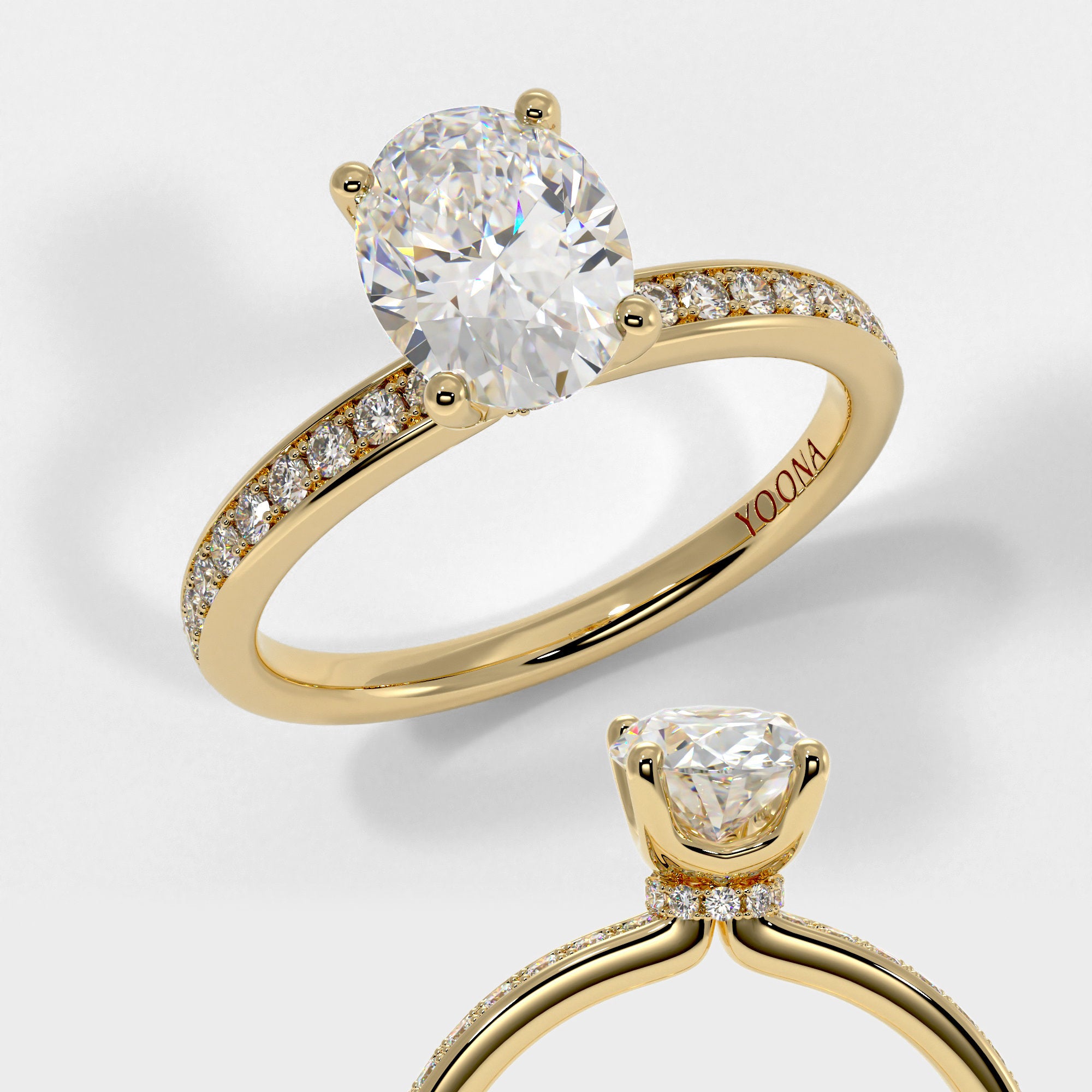
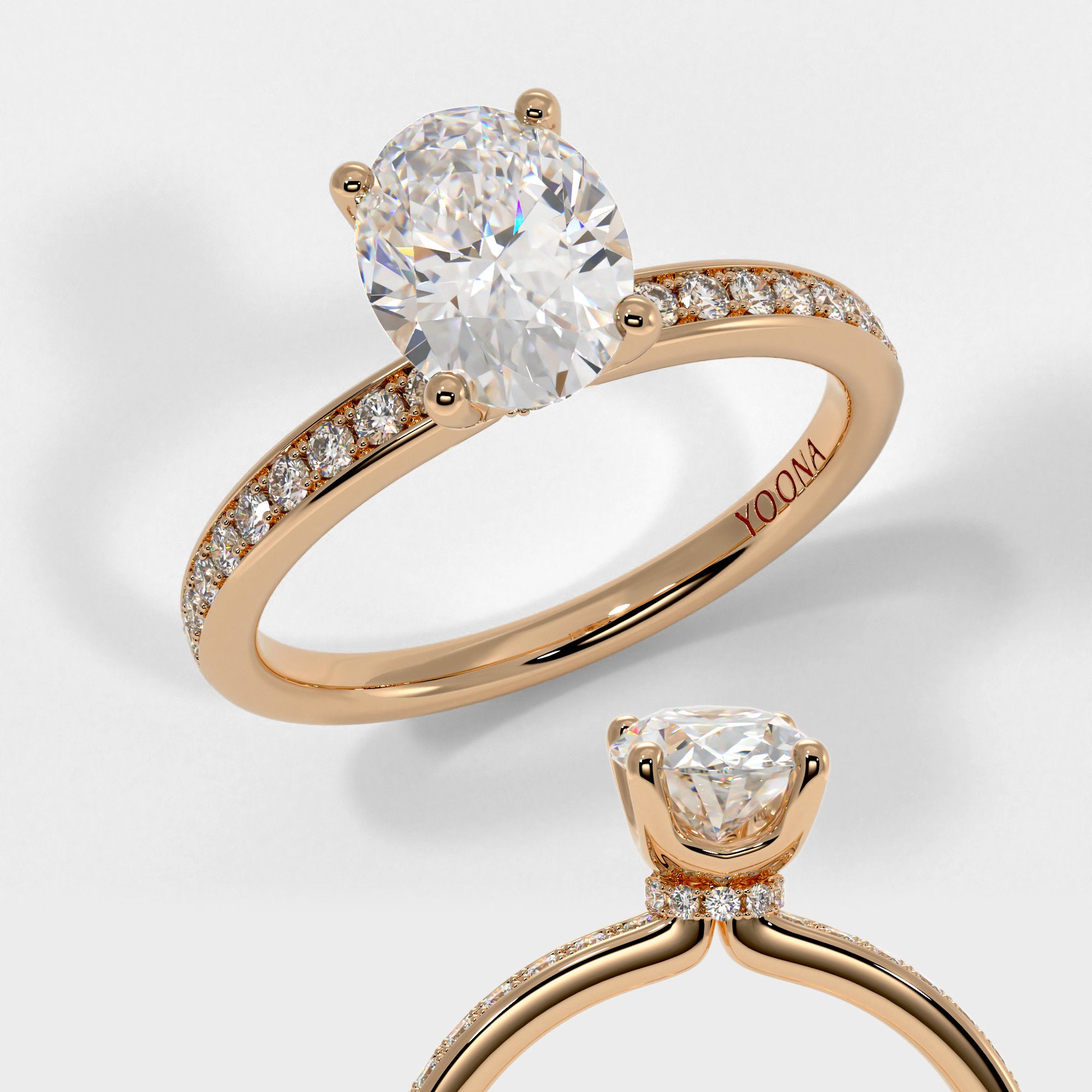
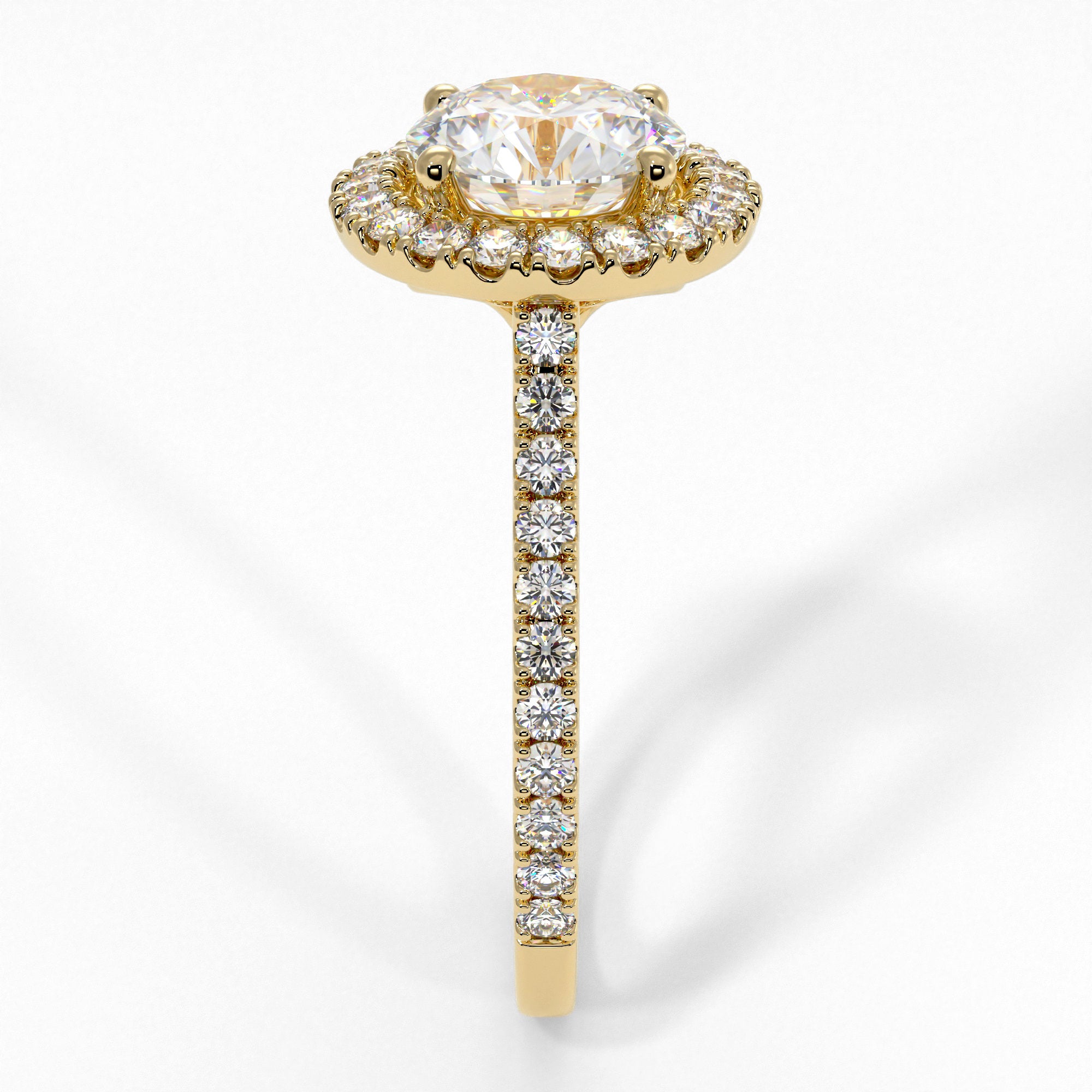
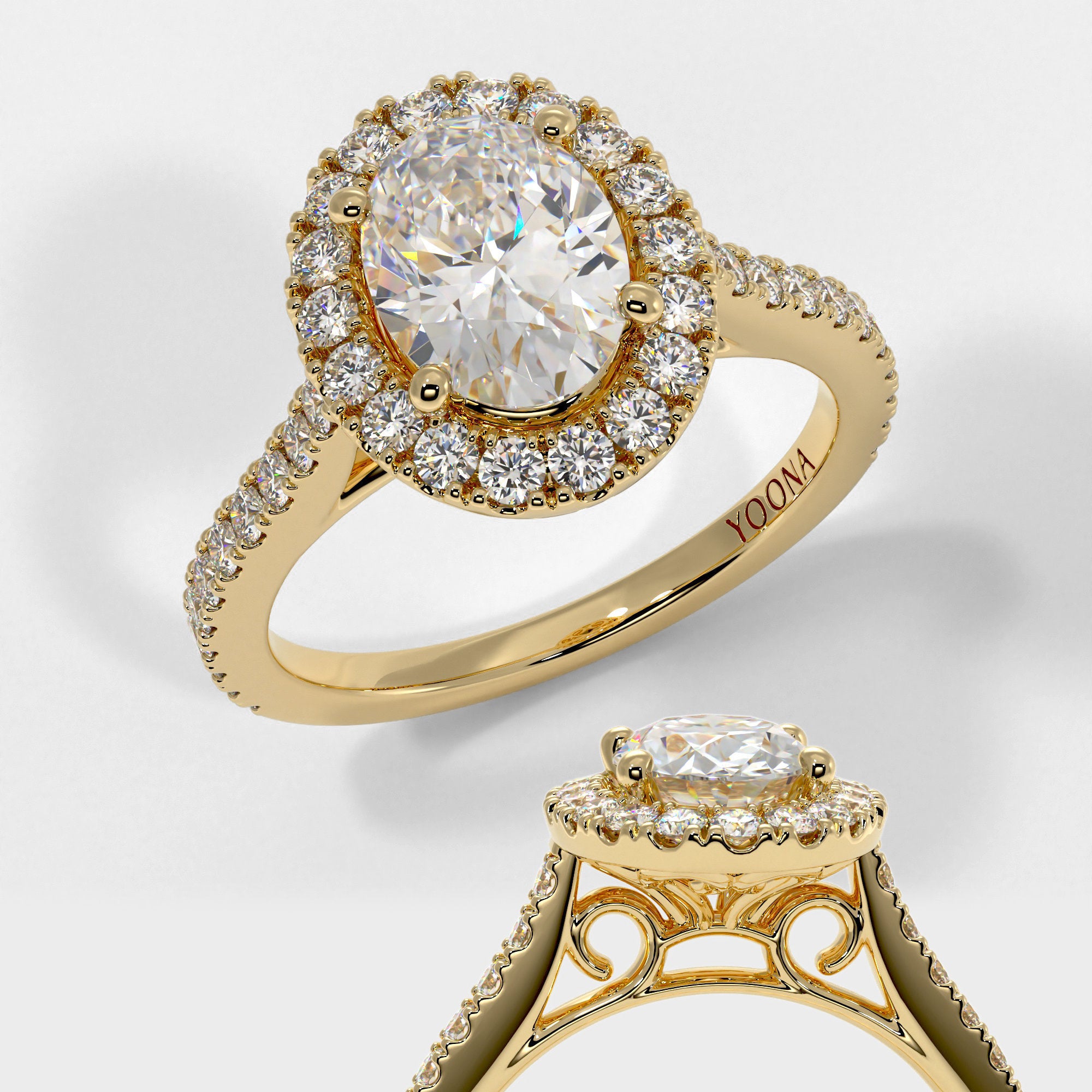
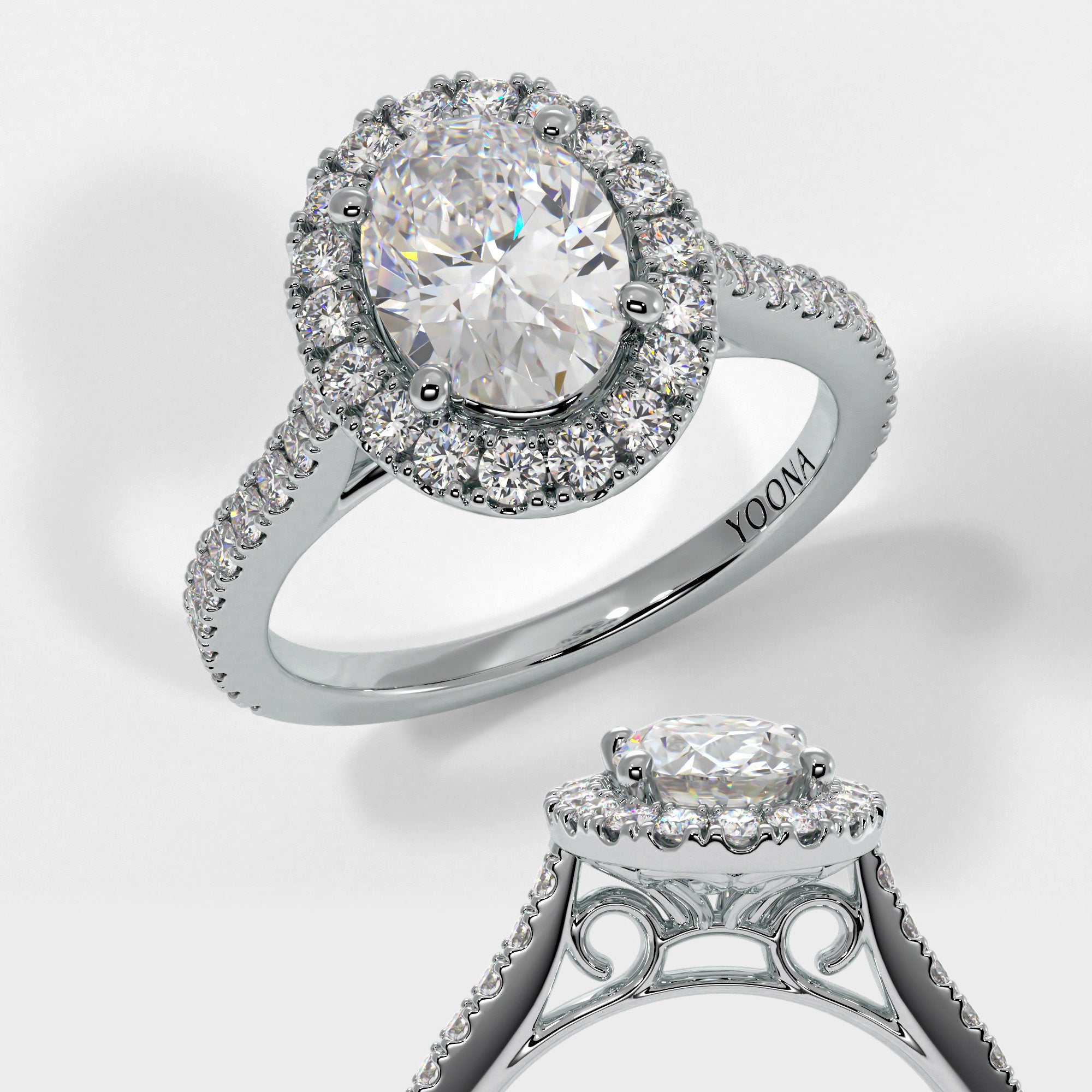
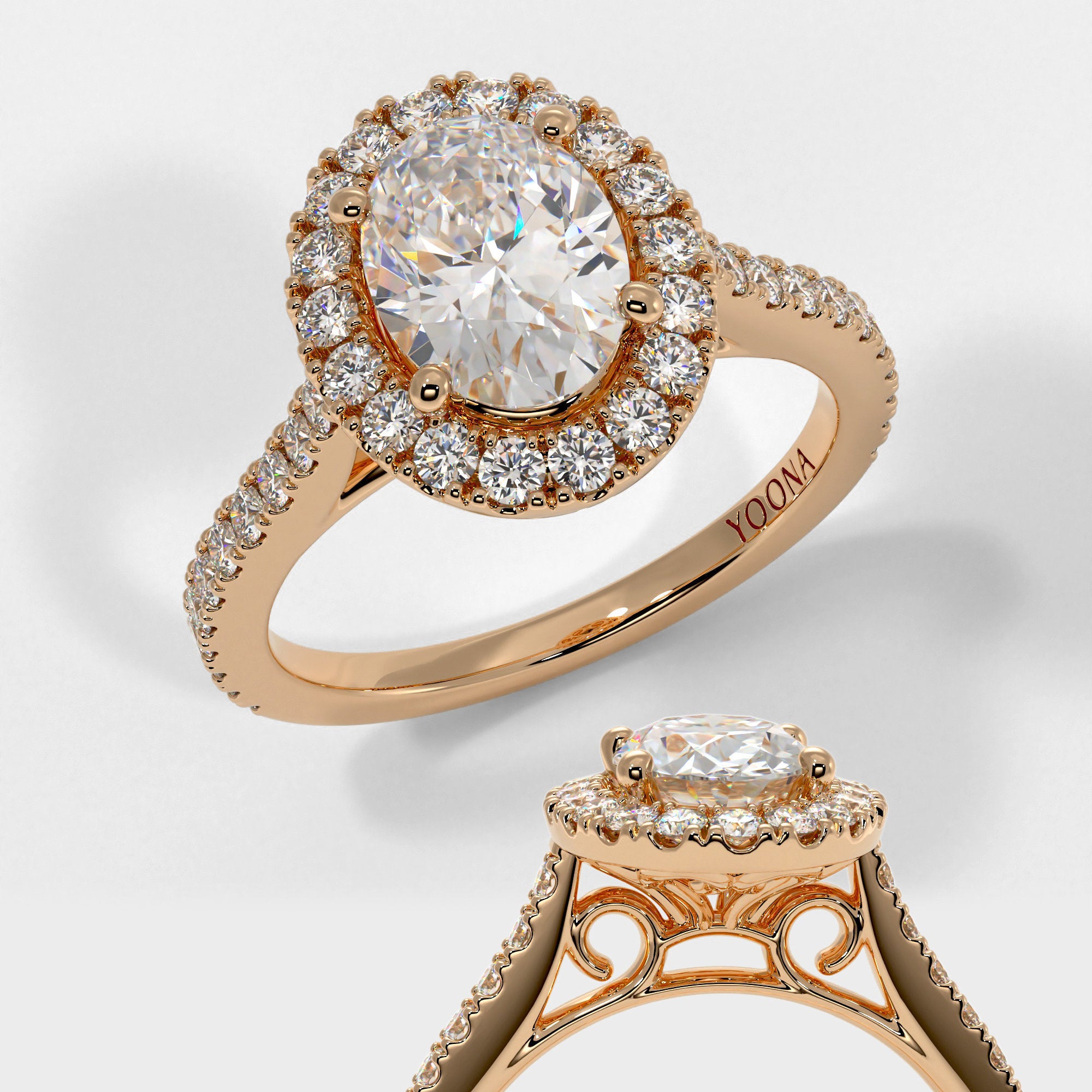
- Oval: Elongated, tends to make the finger look longer and can appear larger than a round of the same carat weight.
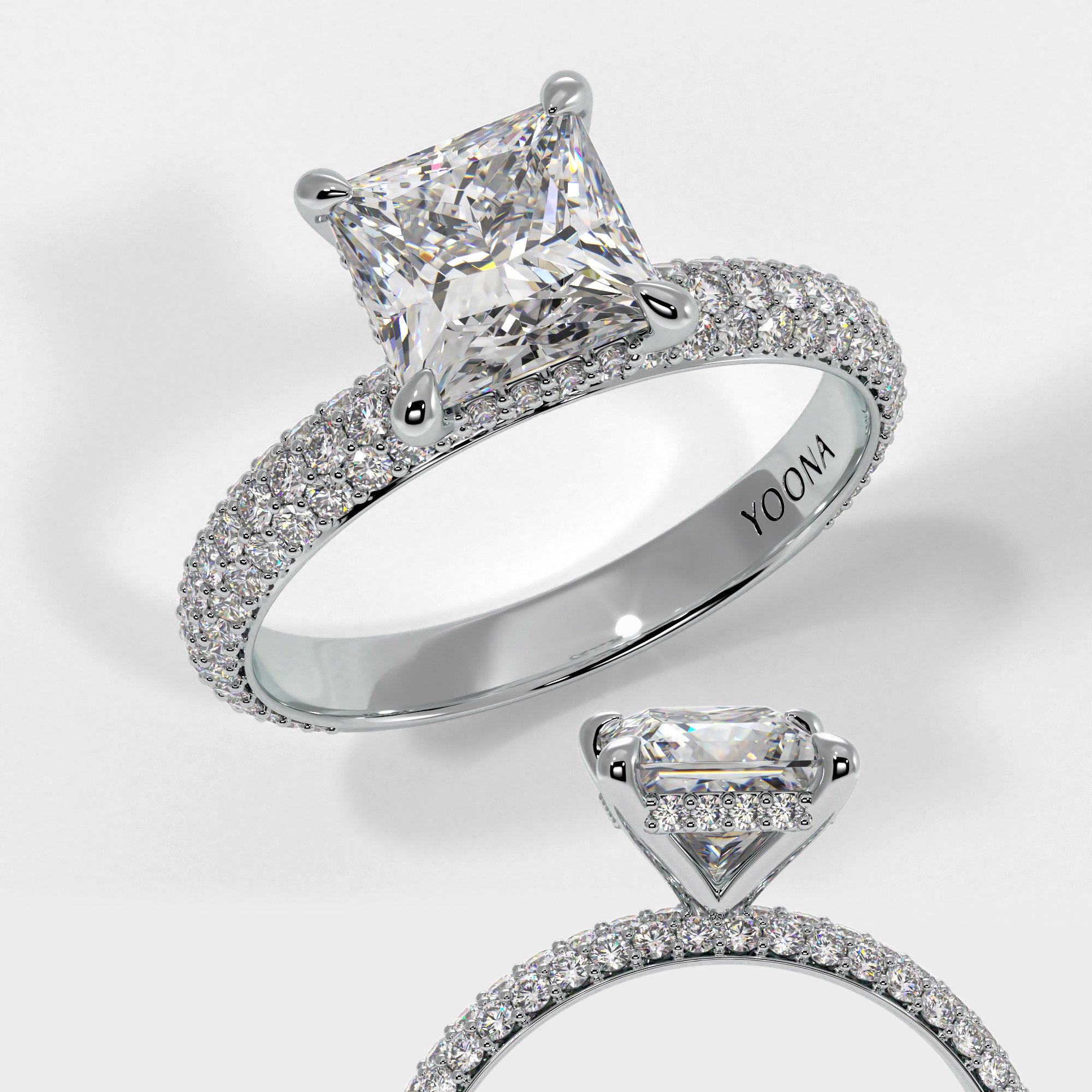
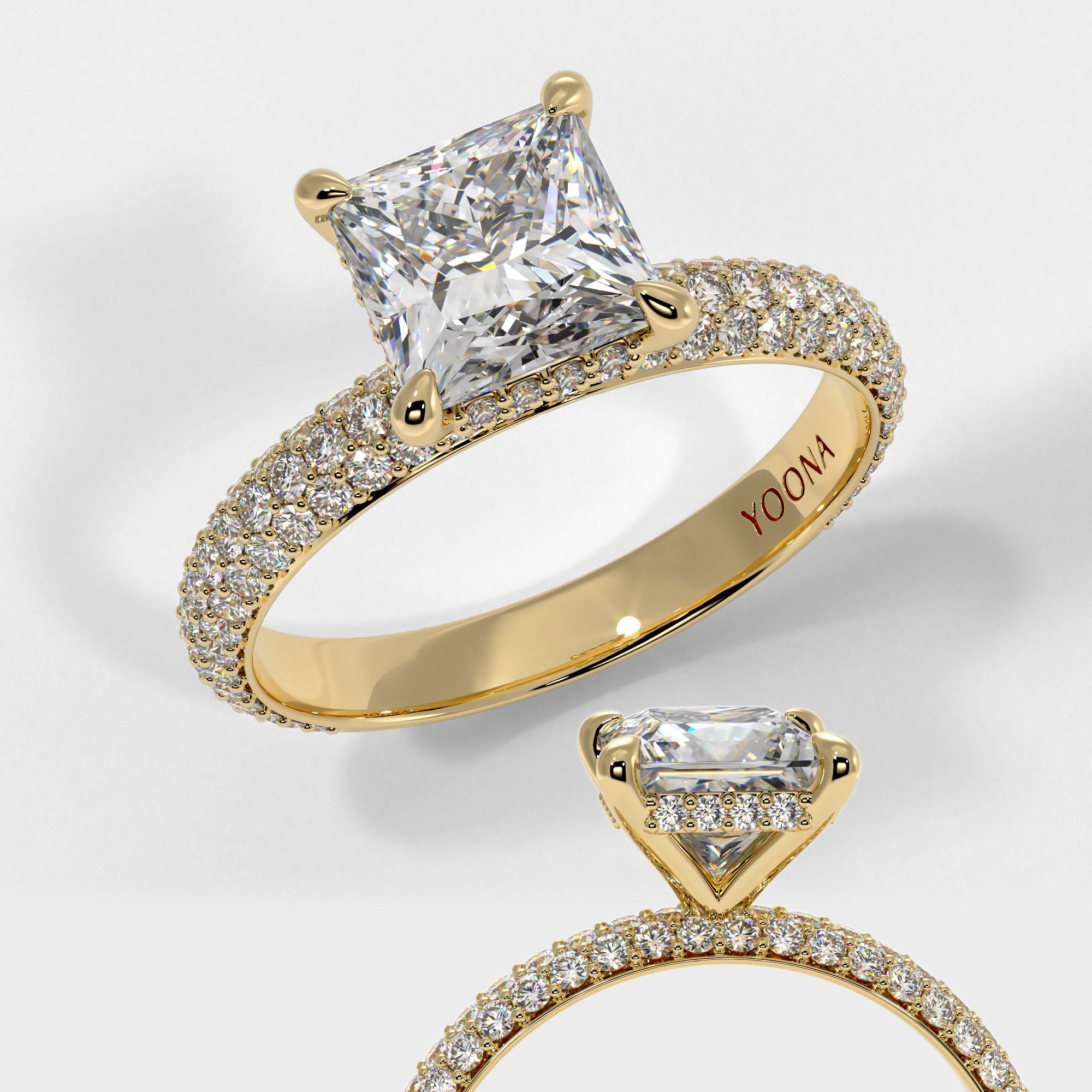
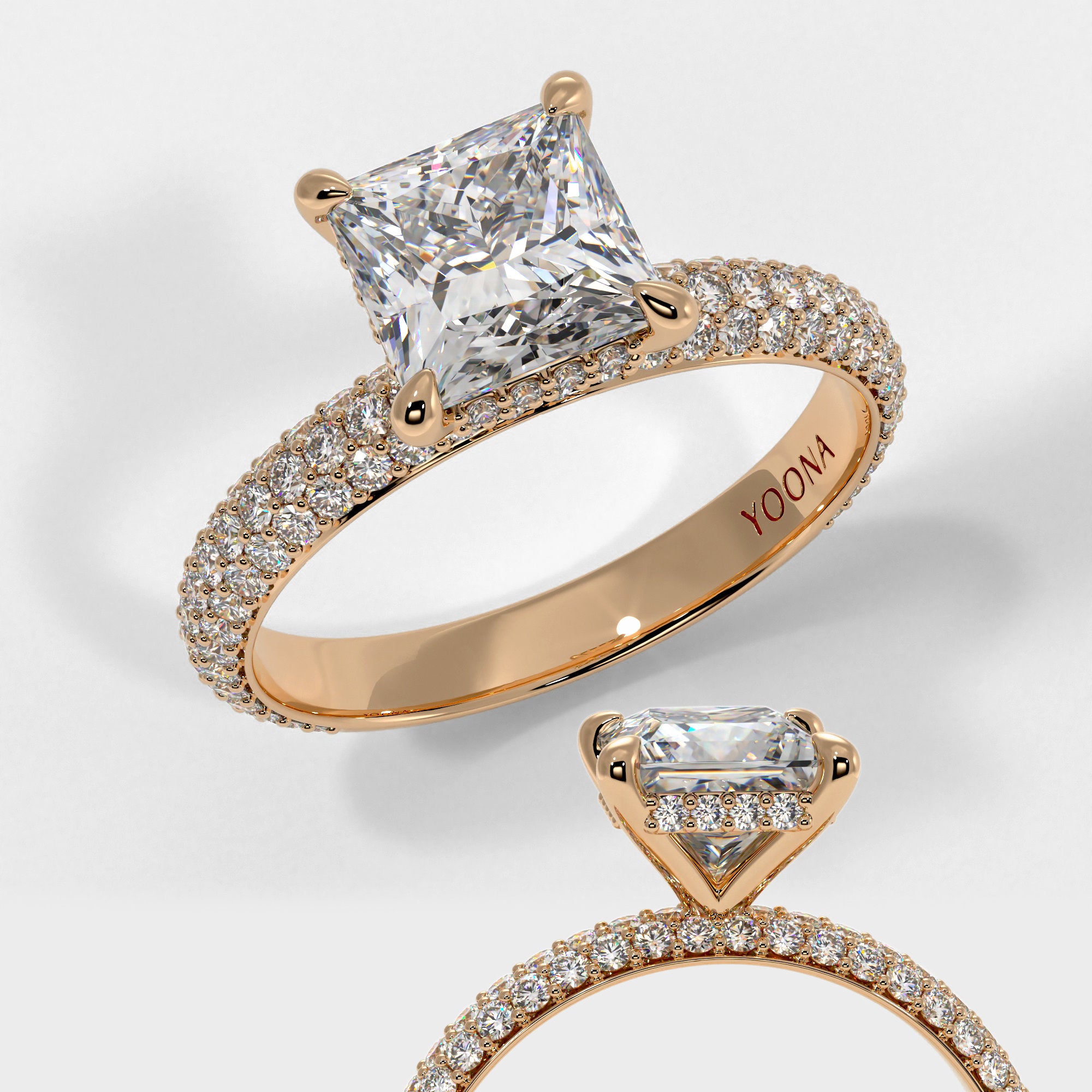
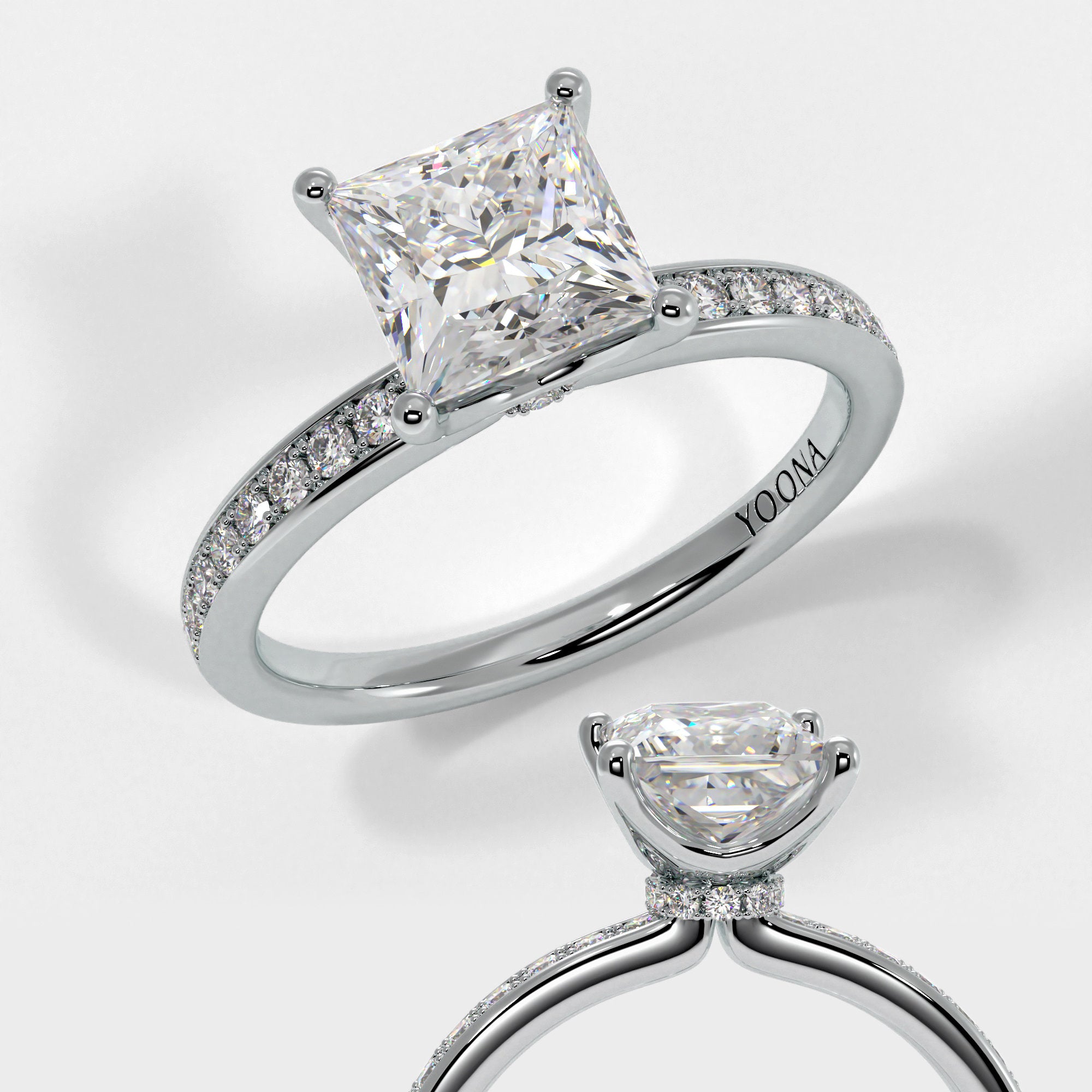
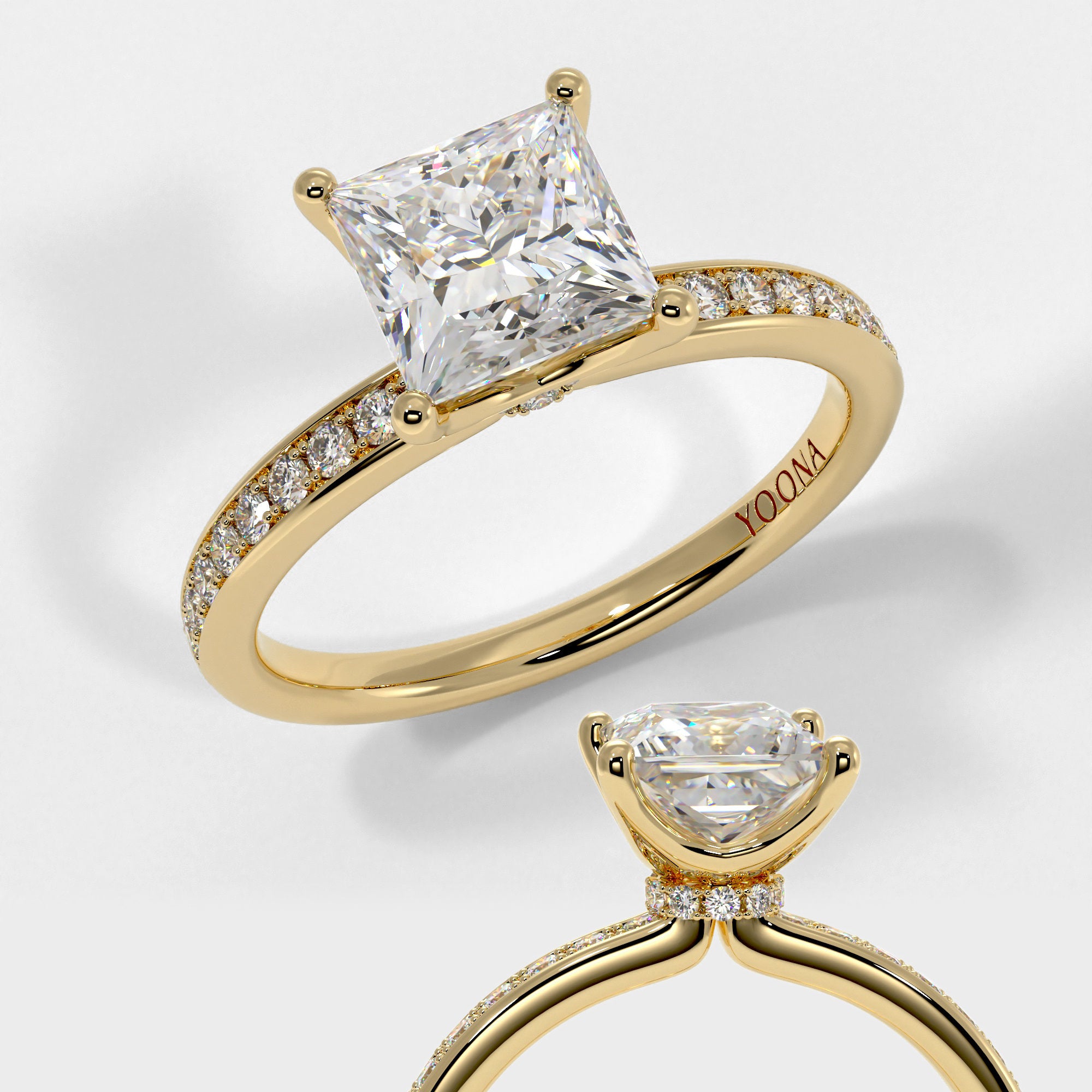
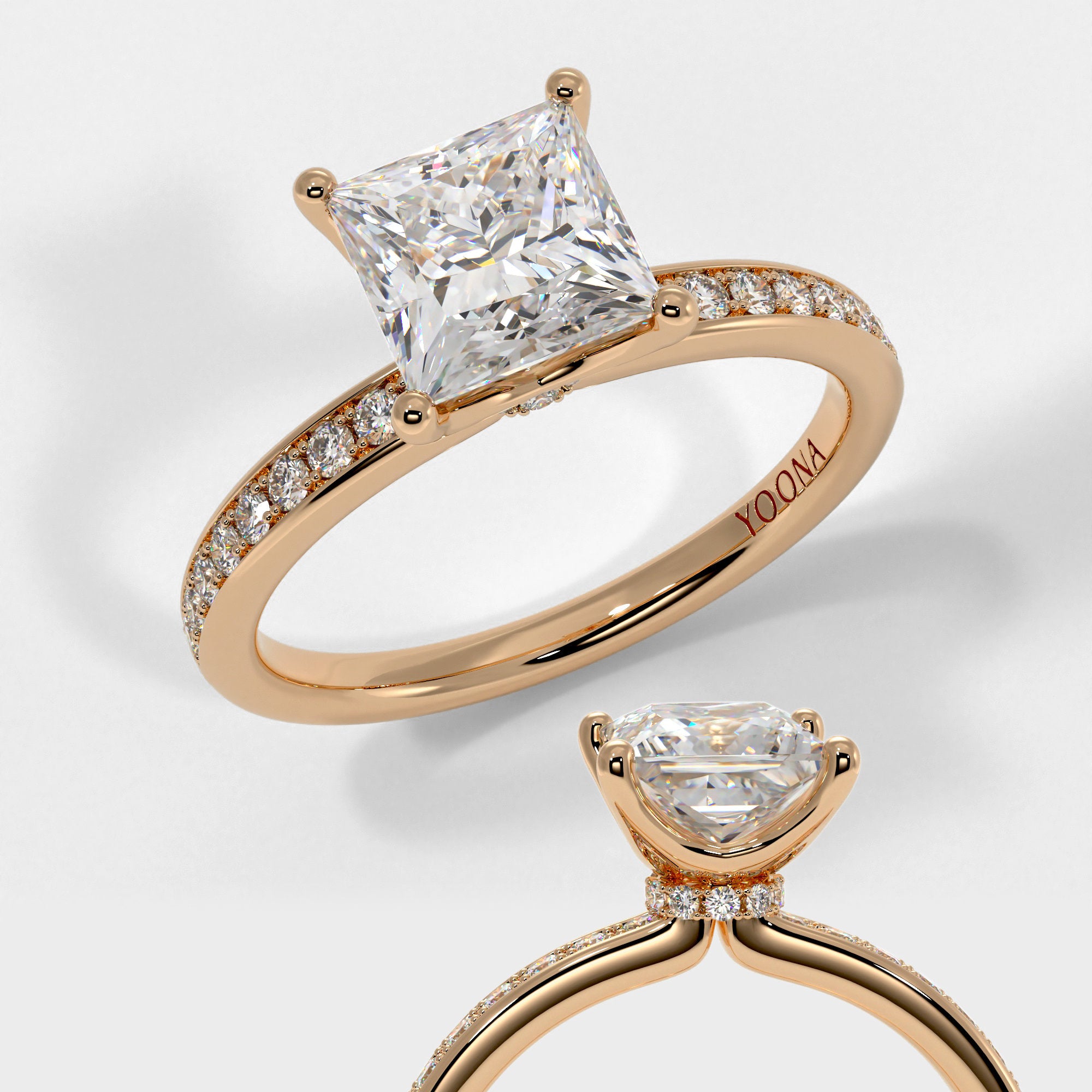
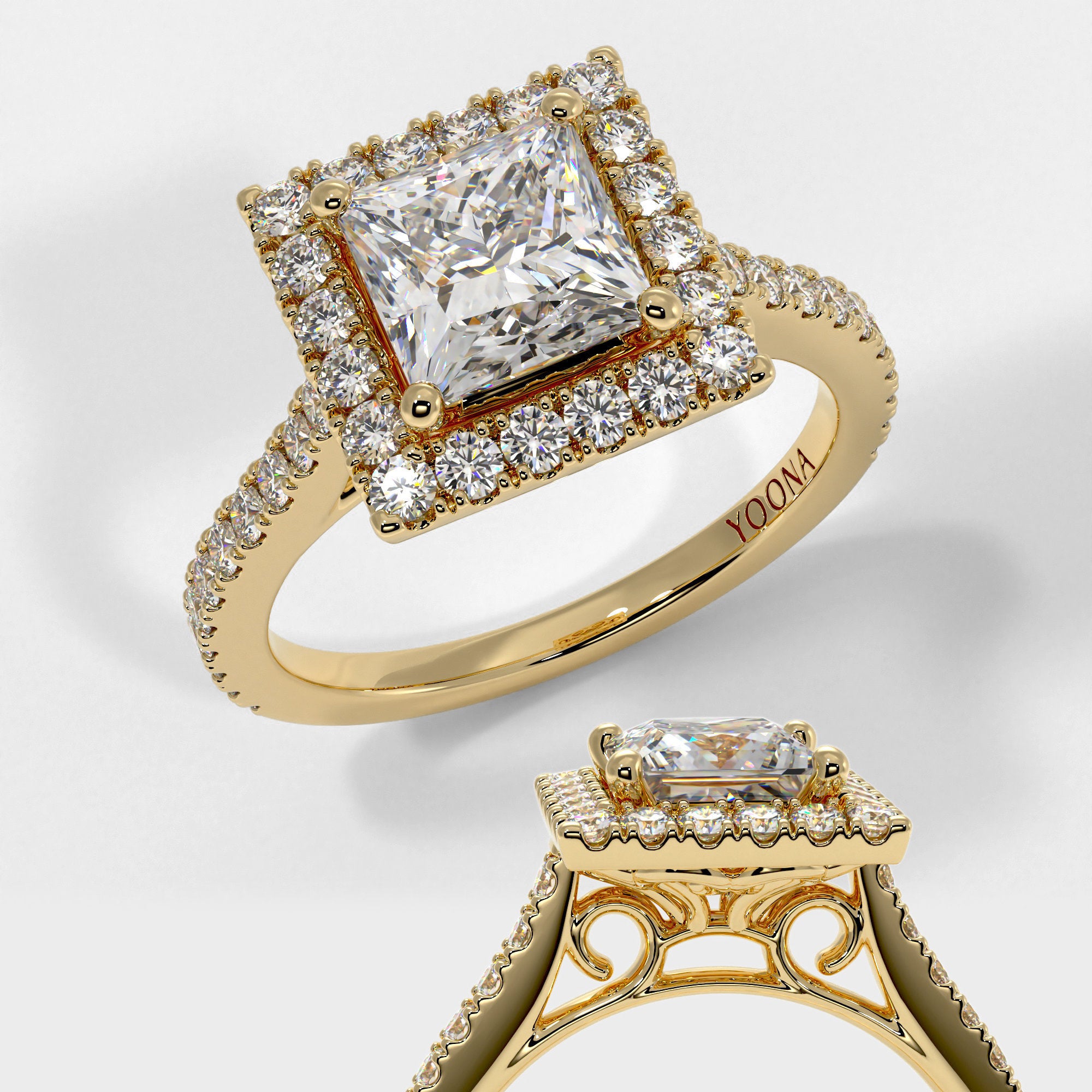
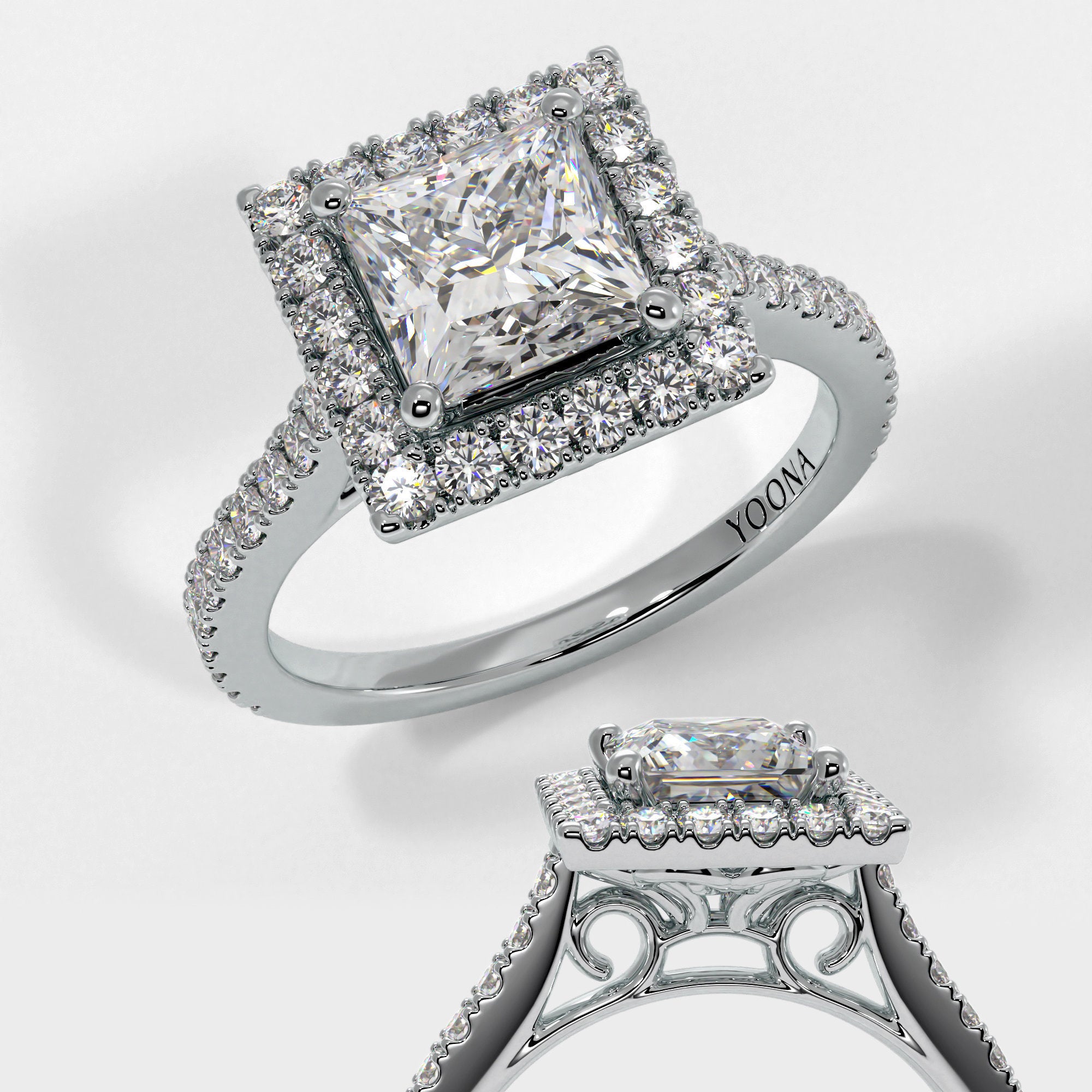
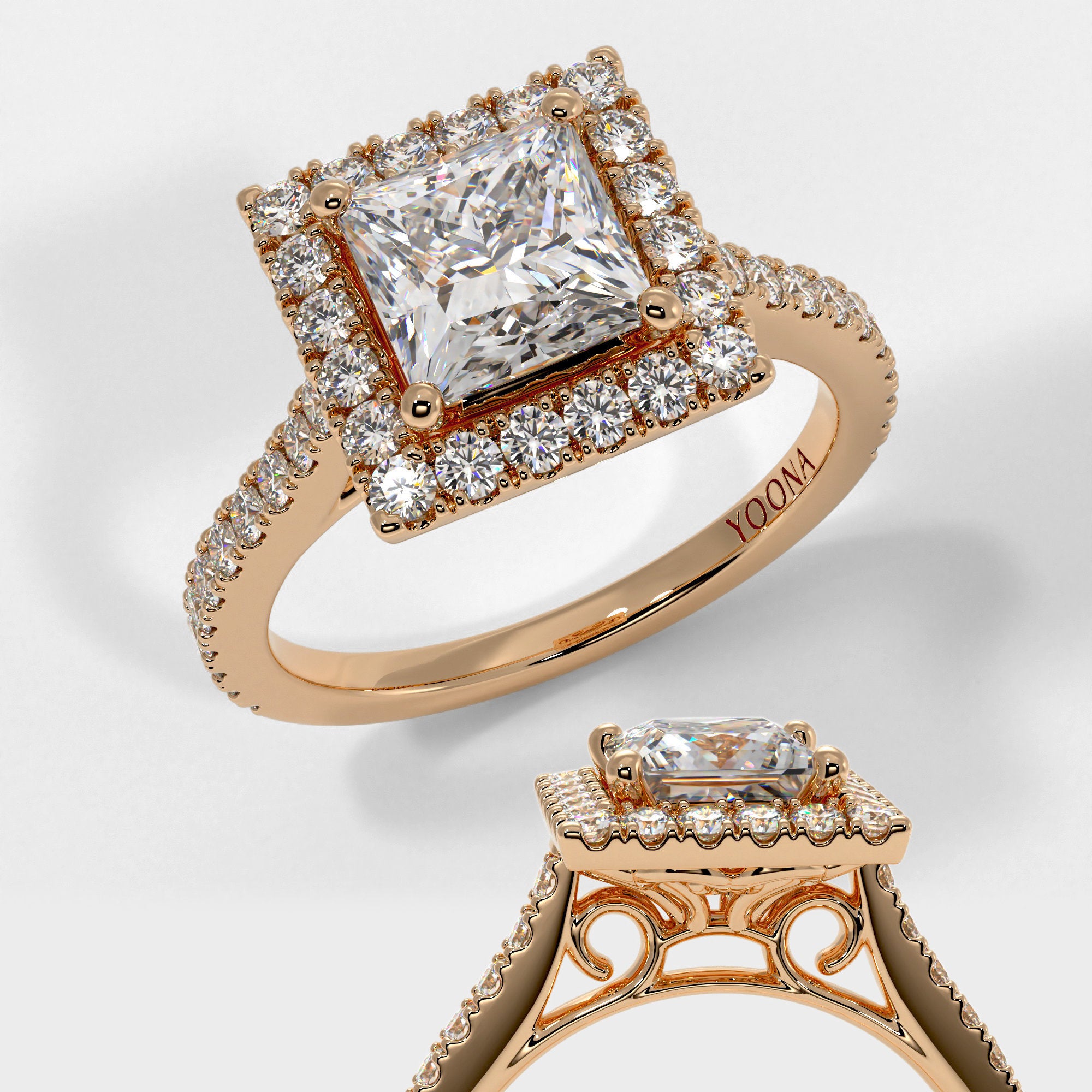
- Princess: Square with sharp corners, a more modern, geometric look.
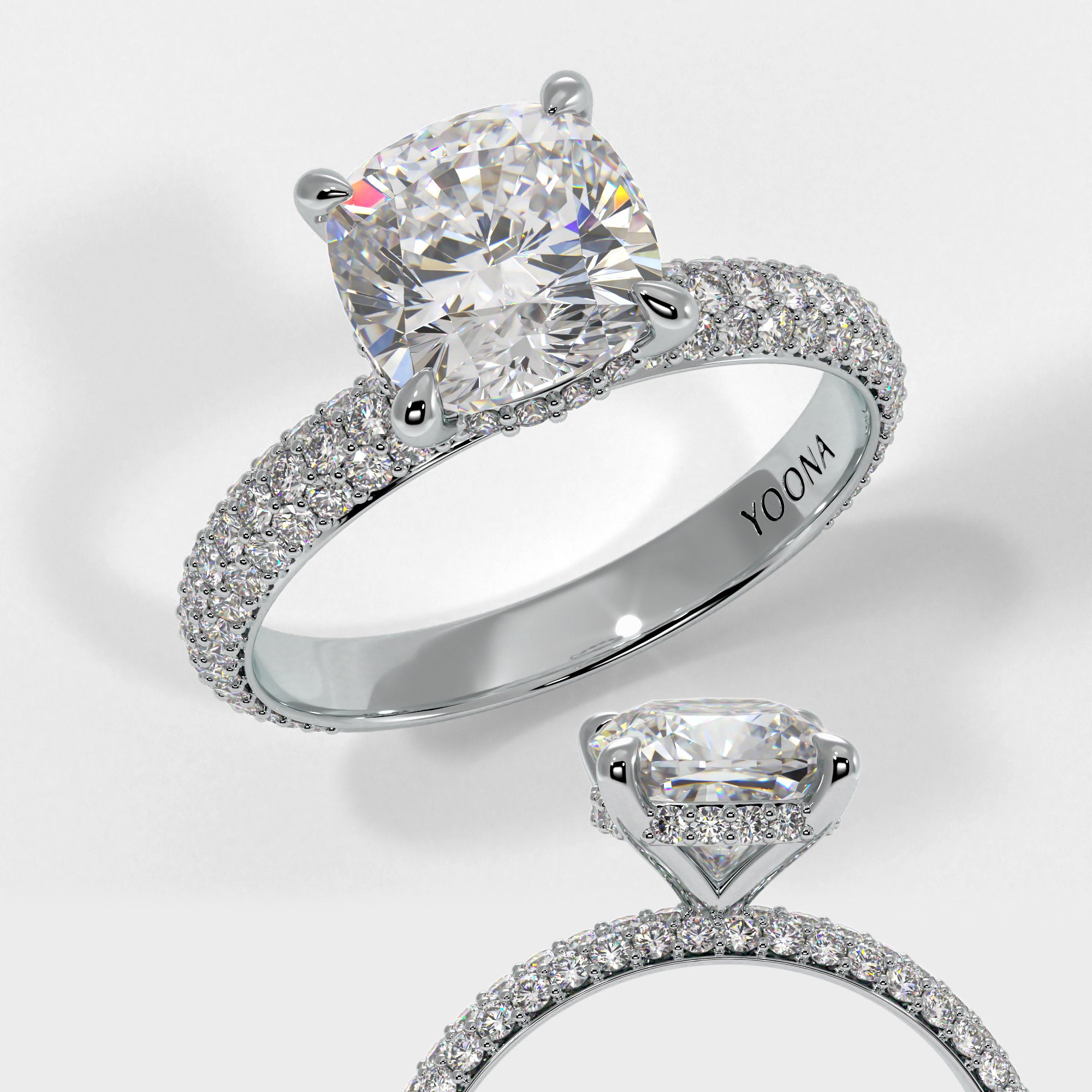
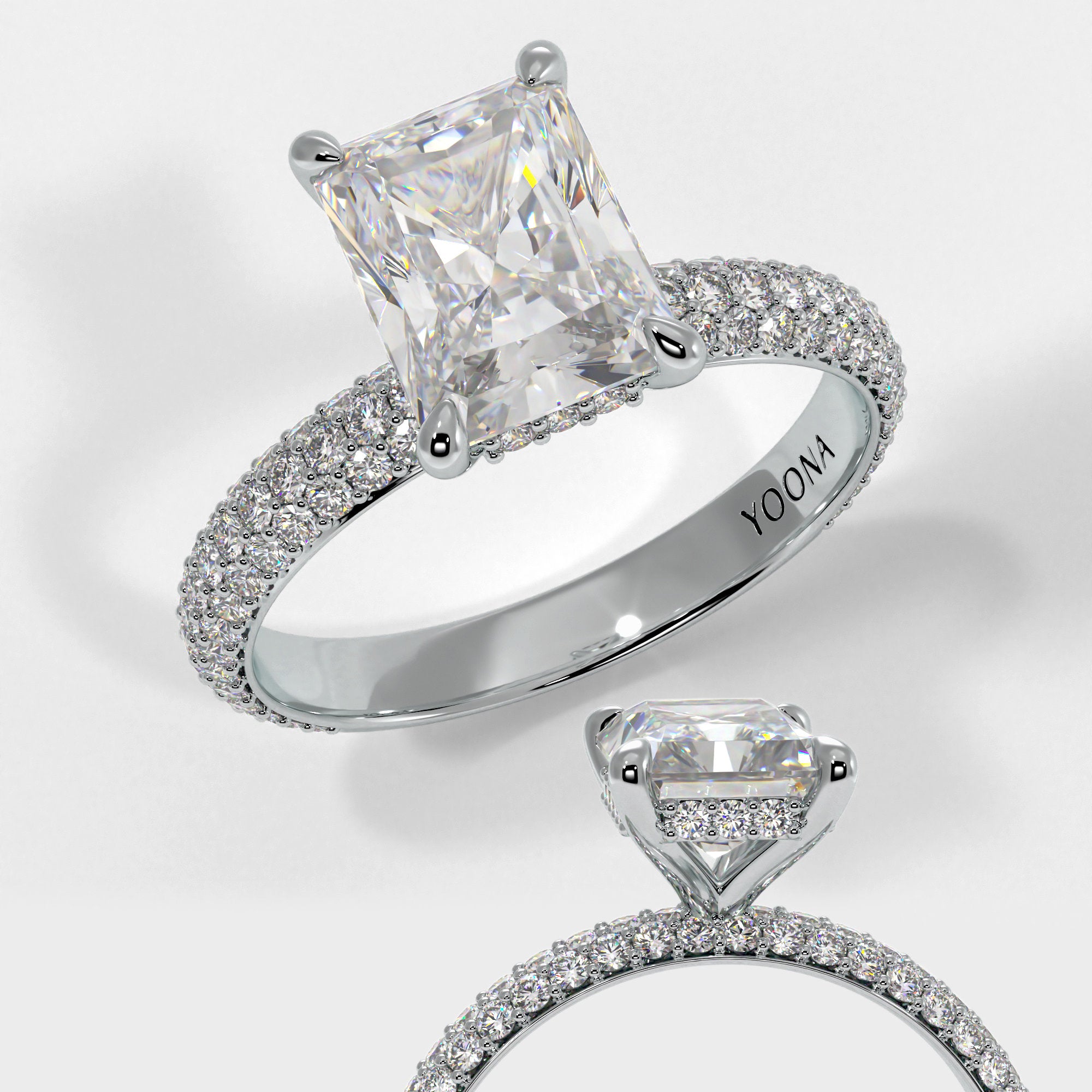
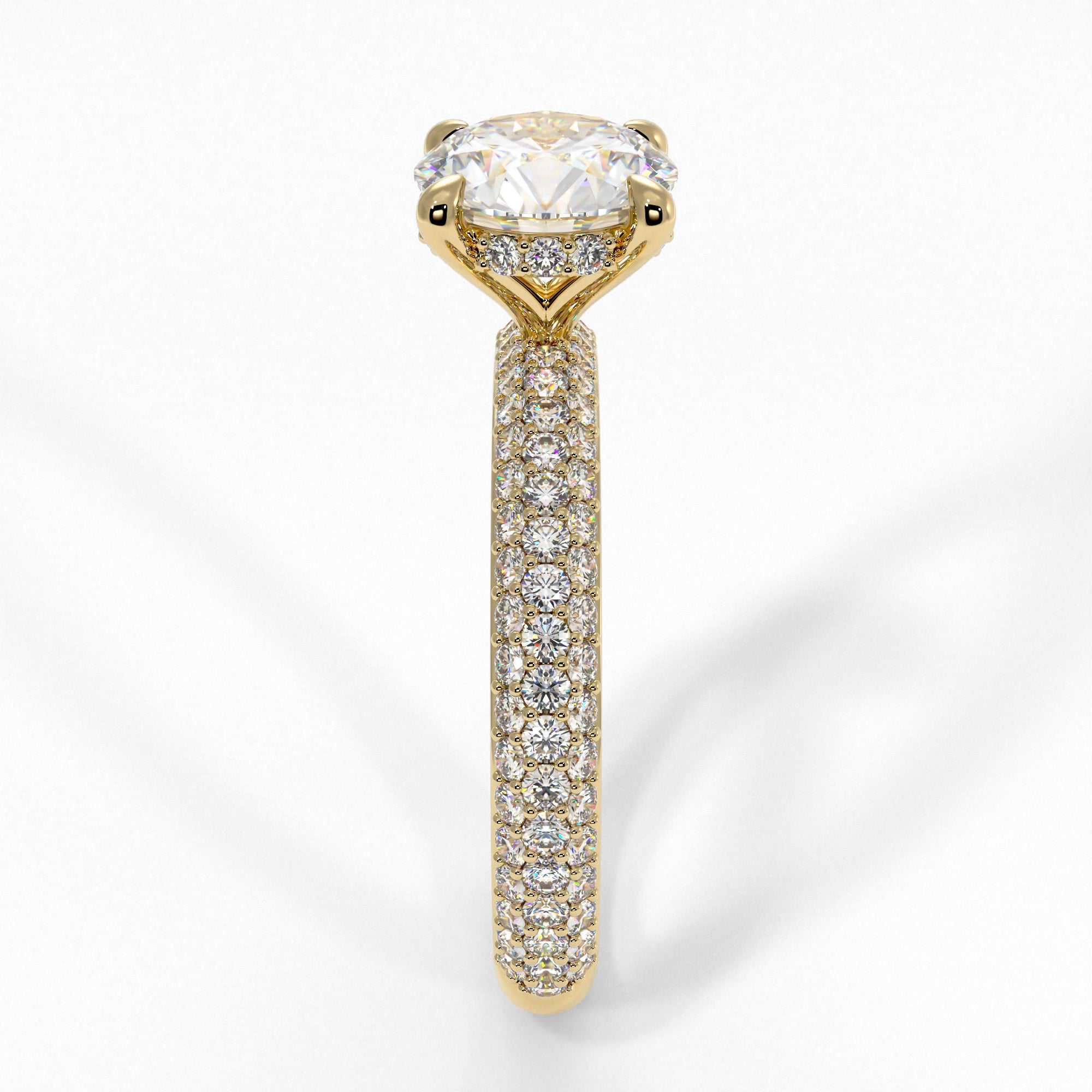
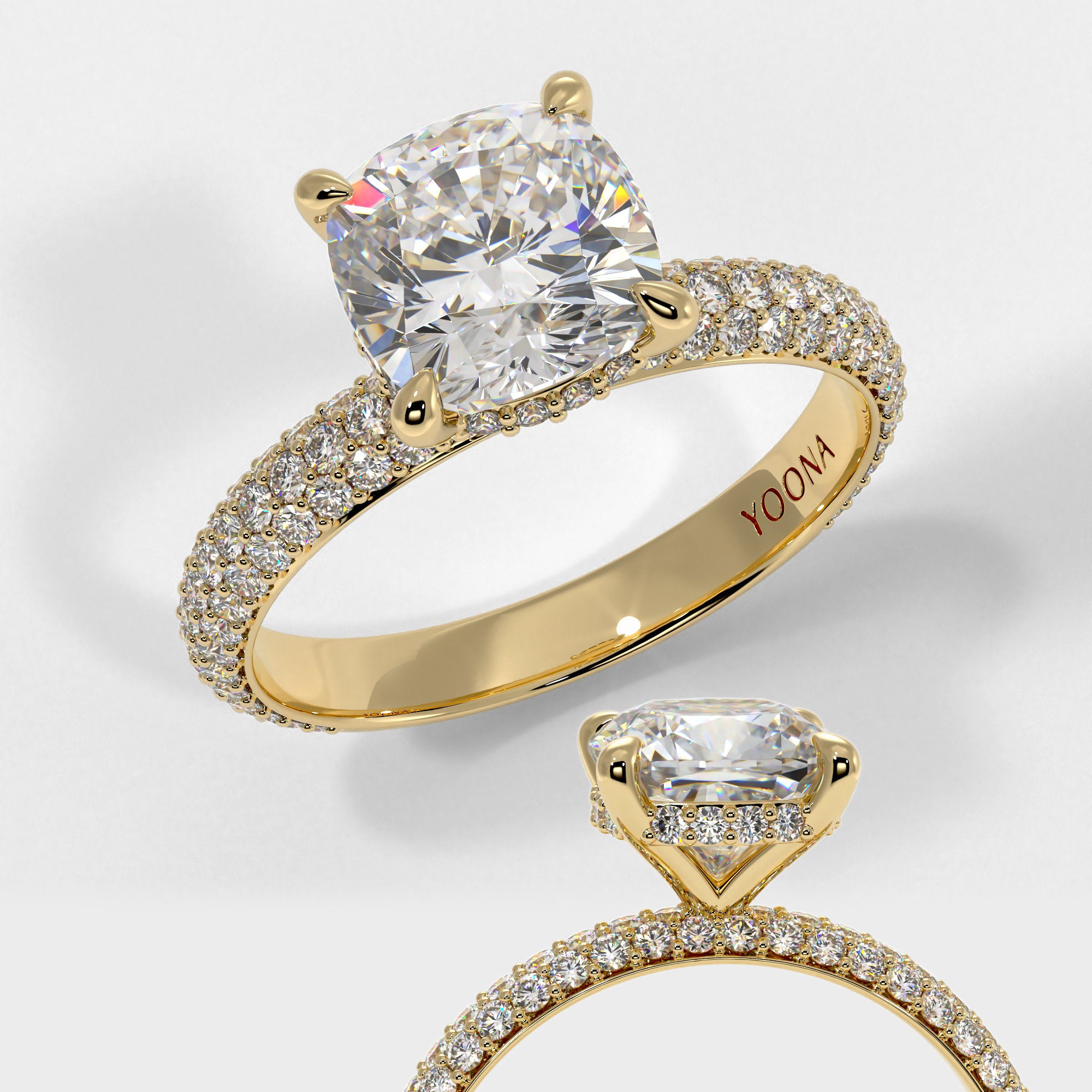
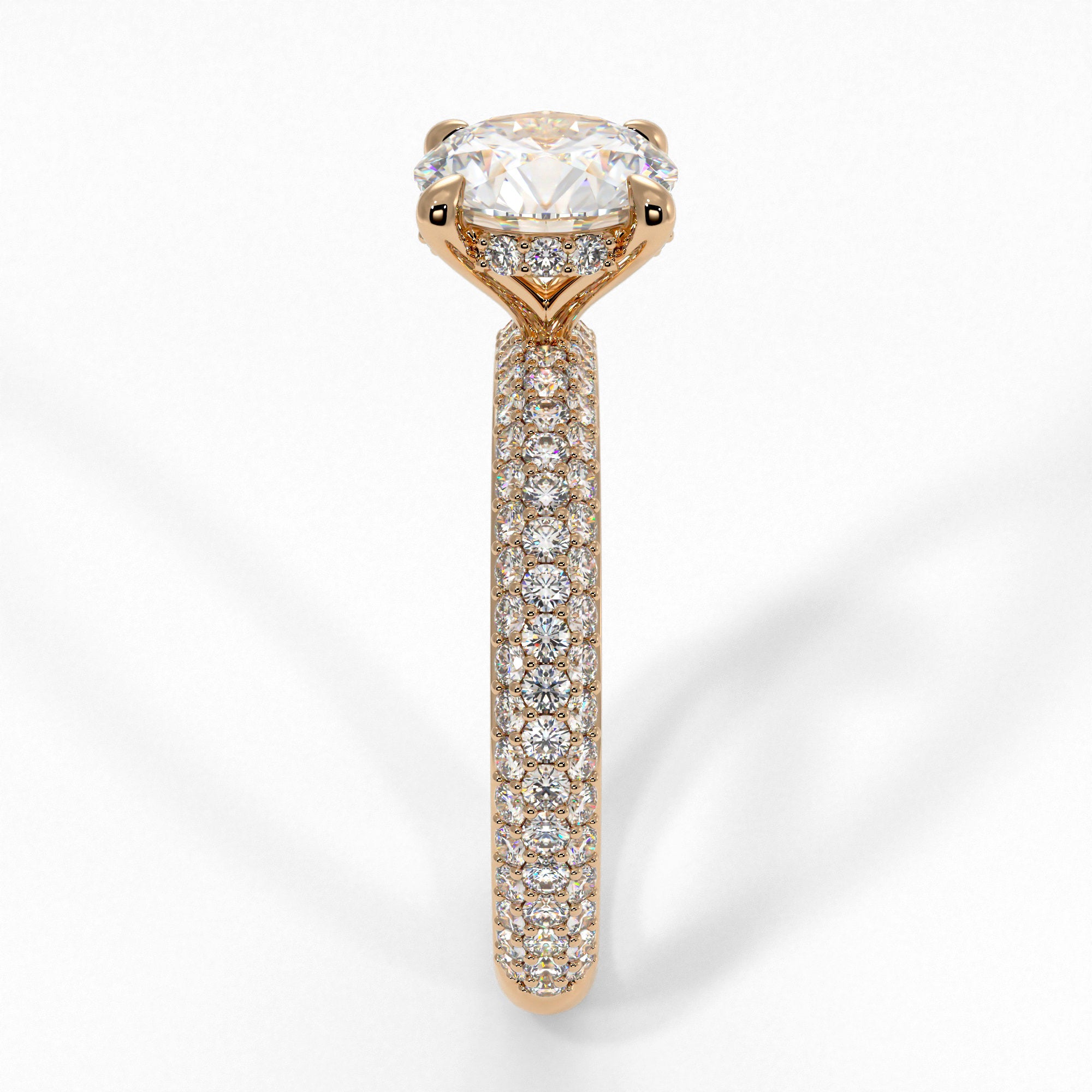
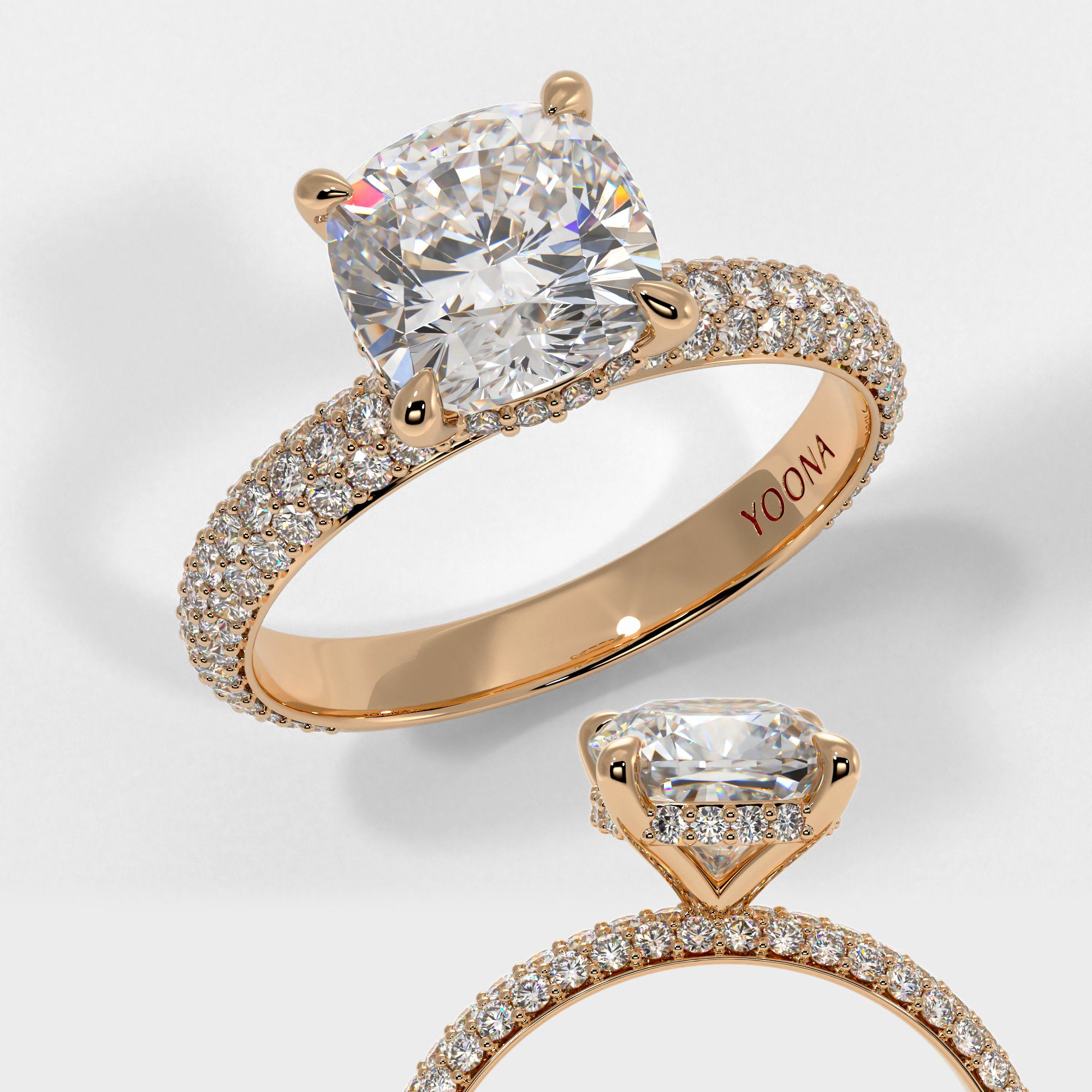
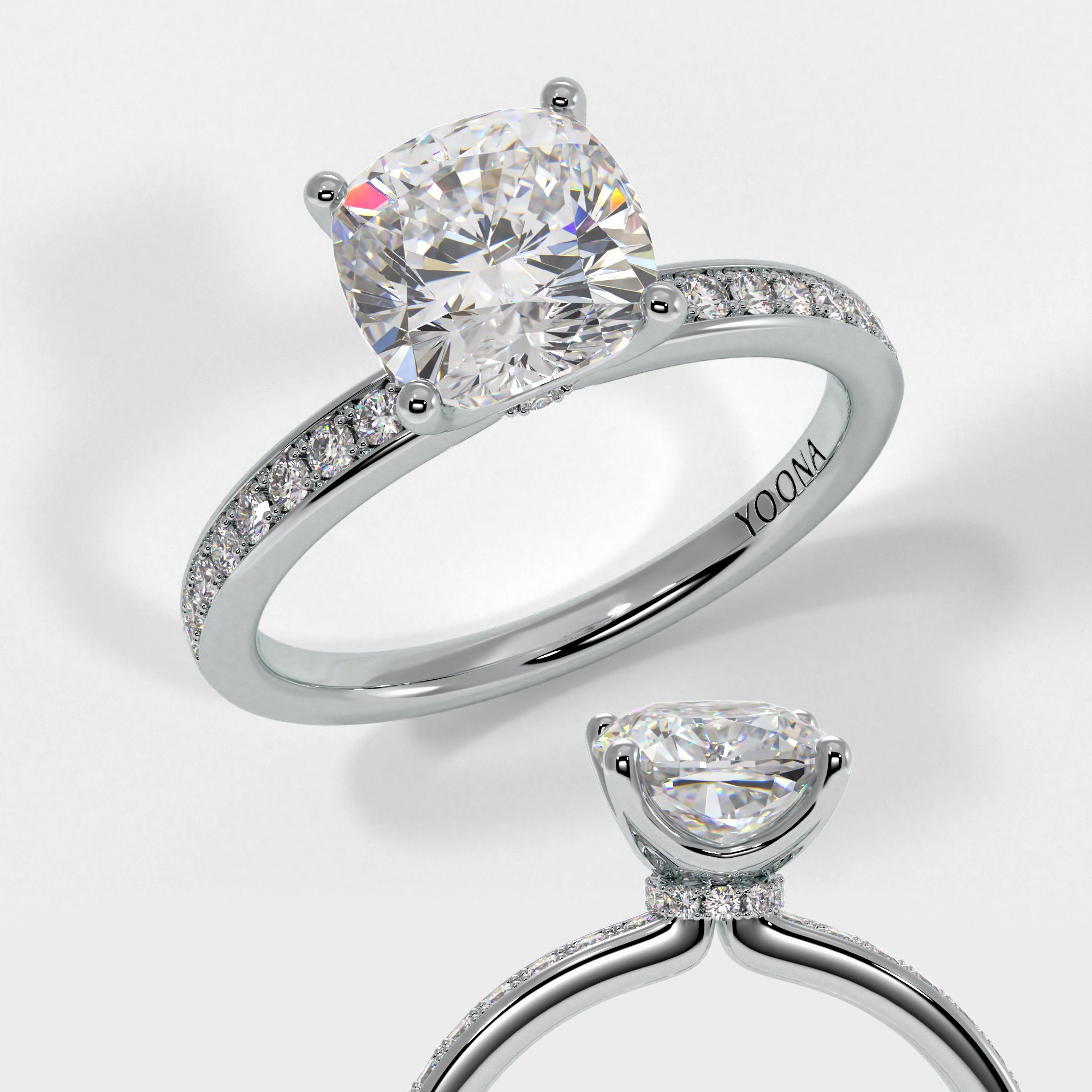
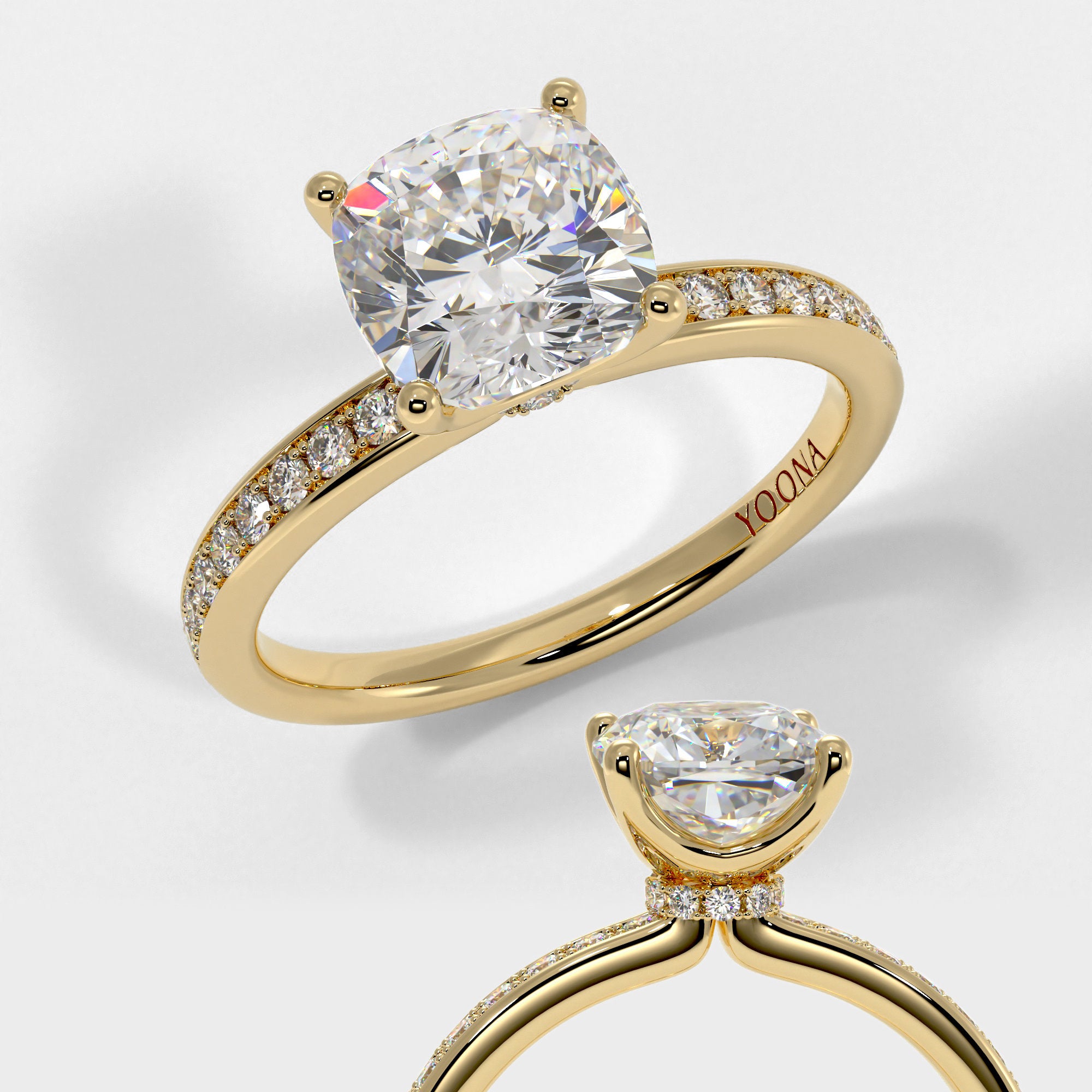
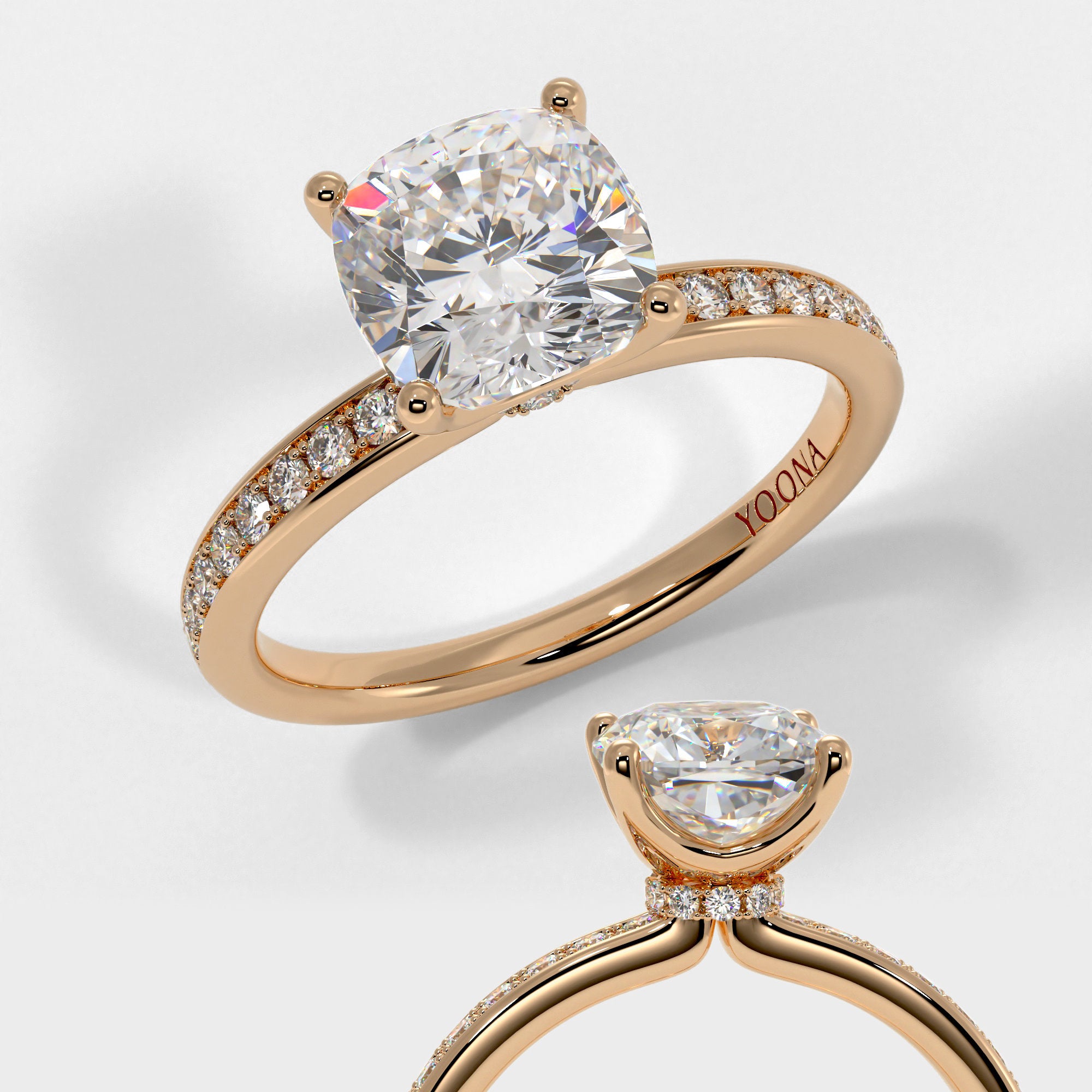
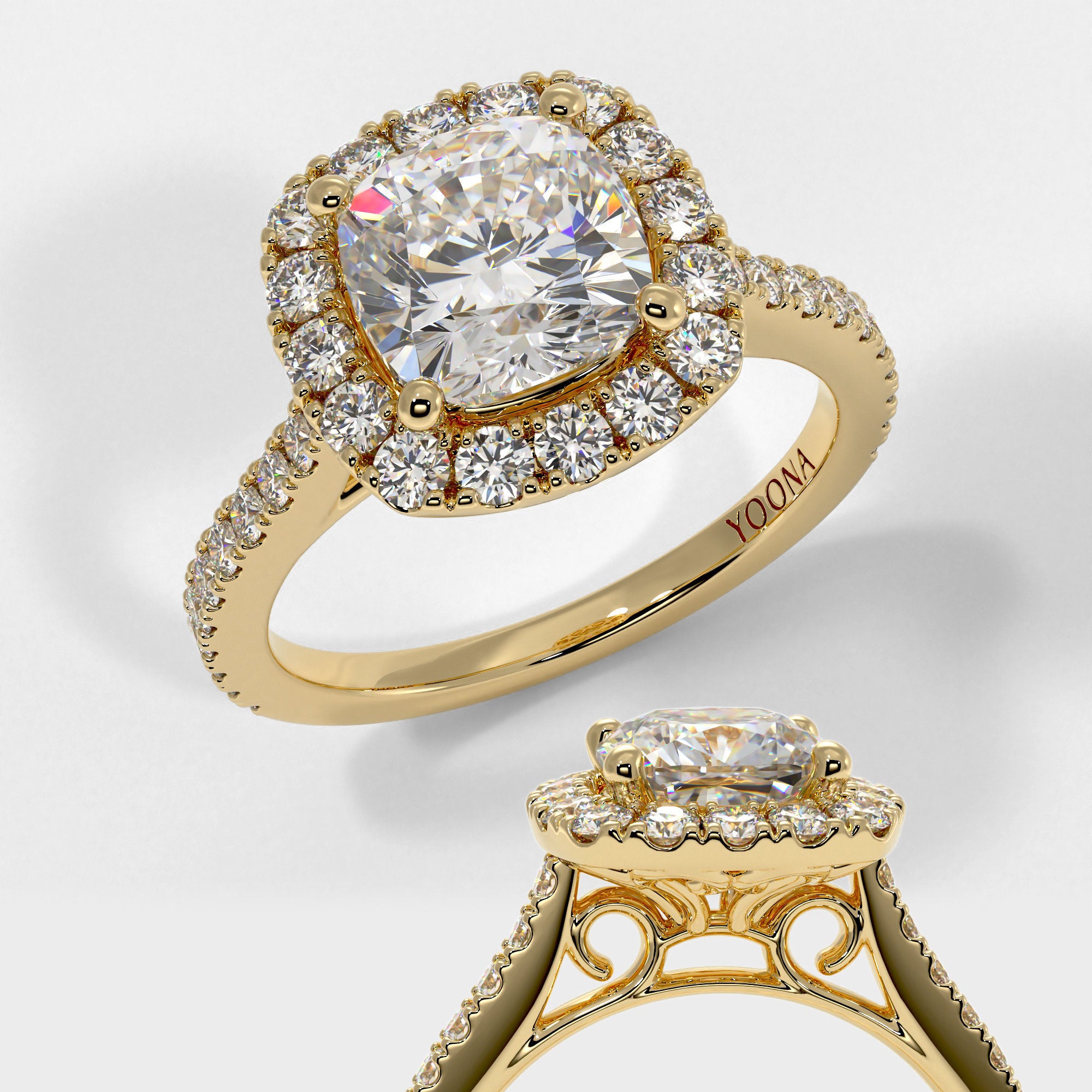
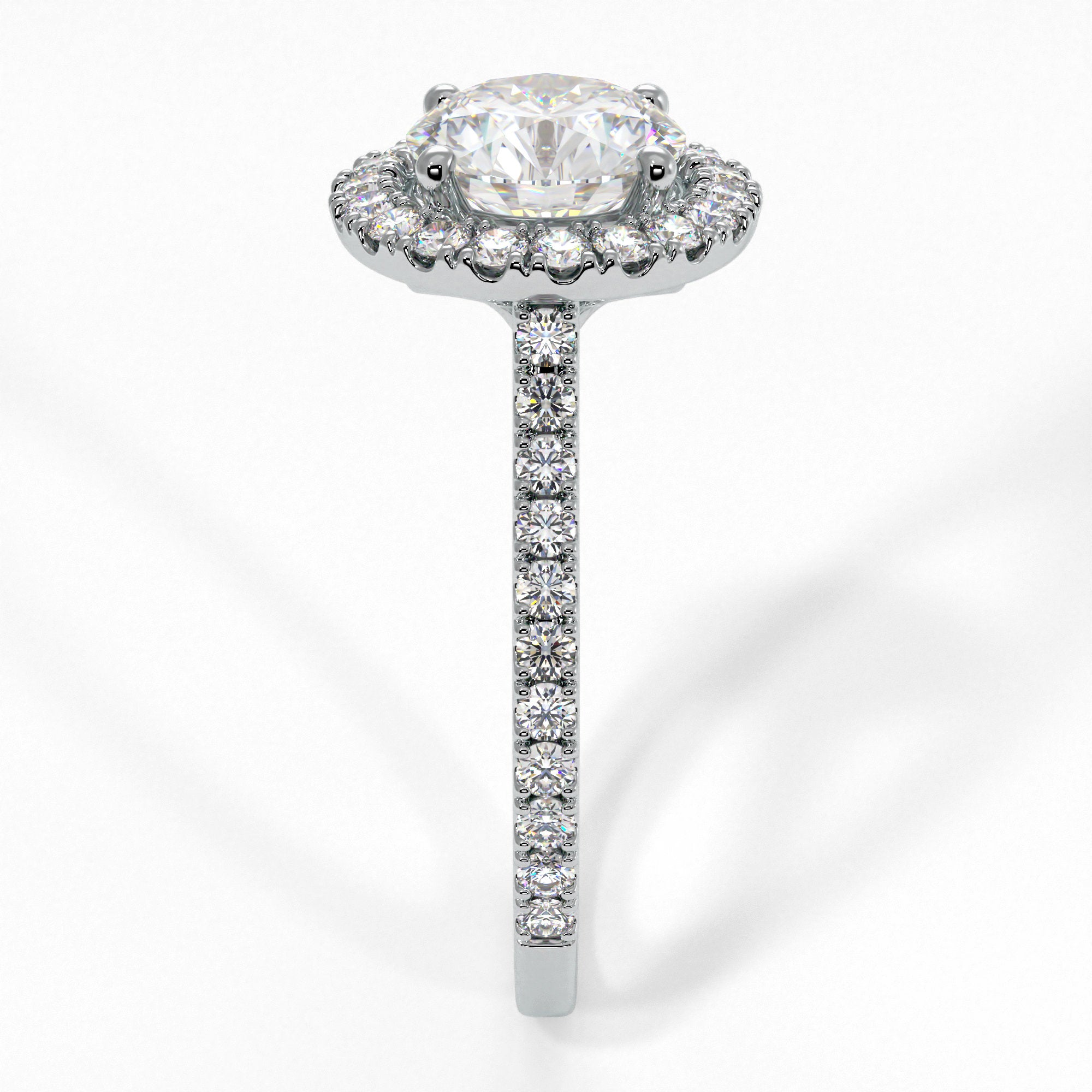
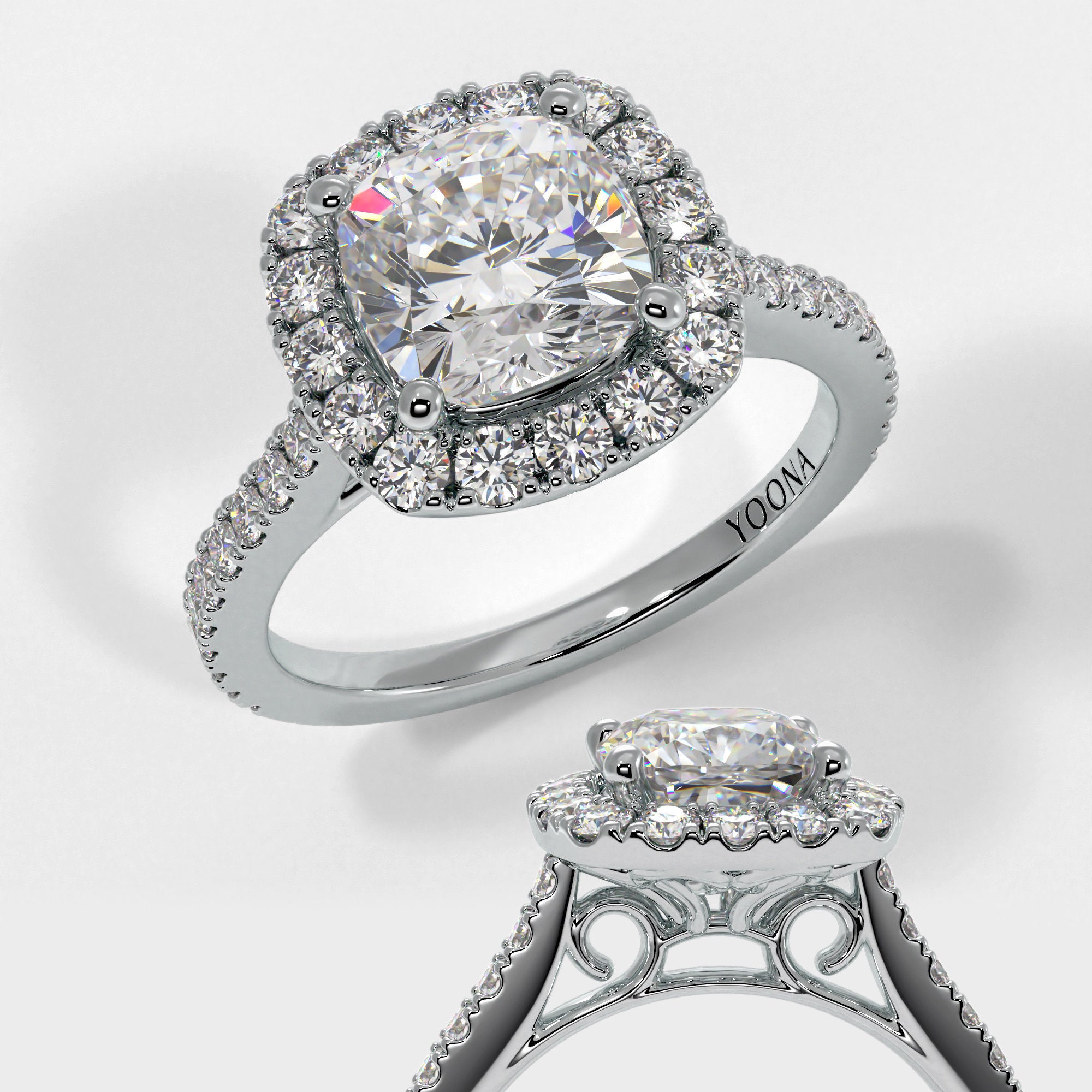
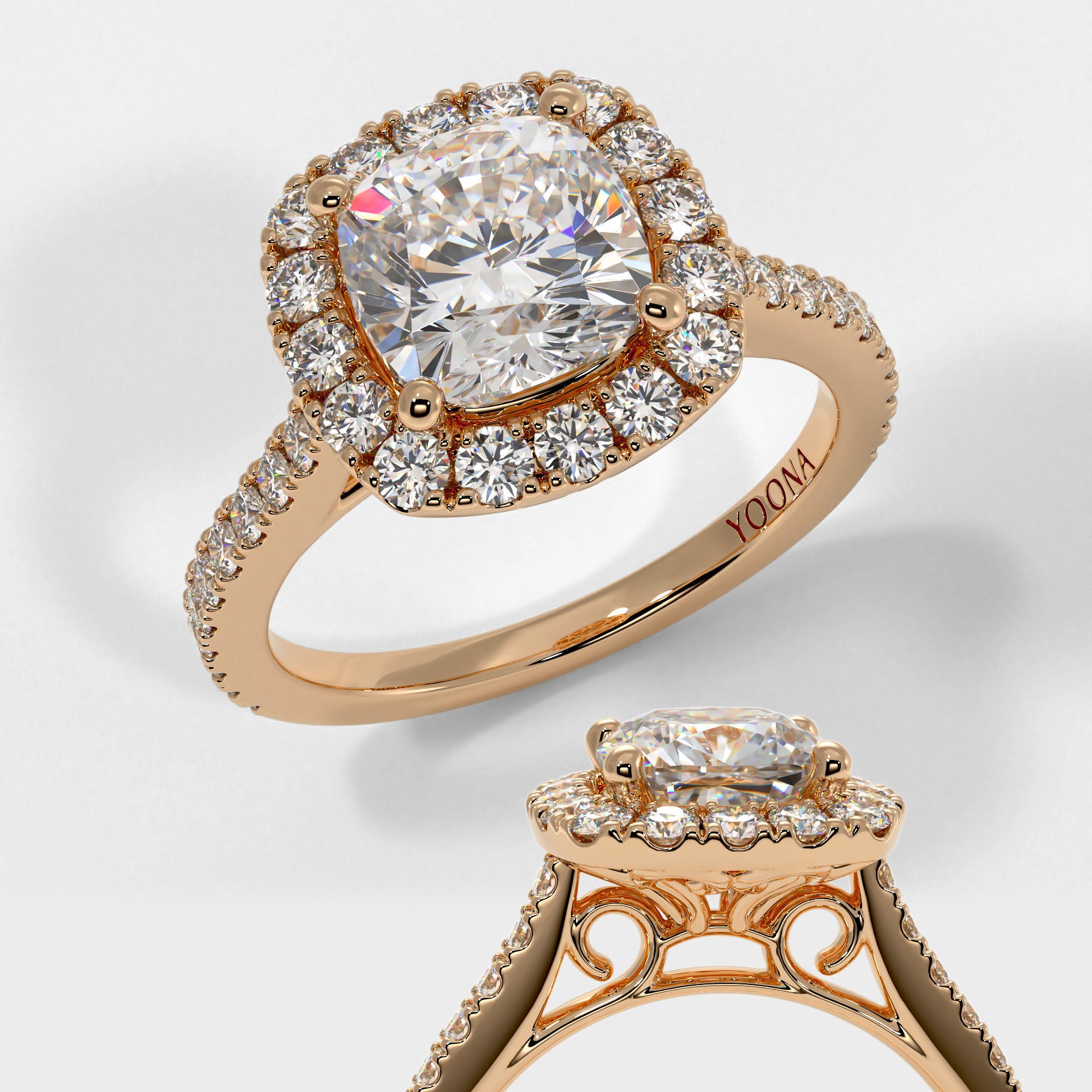
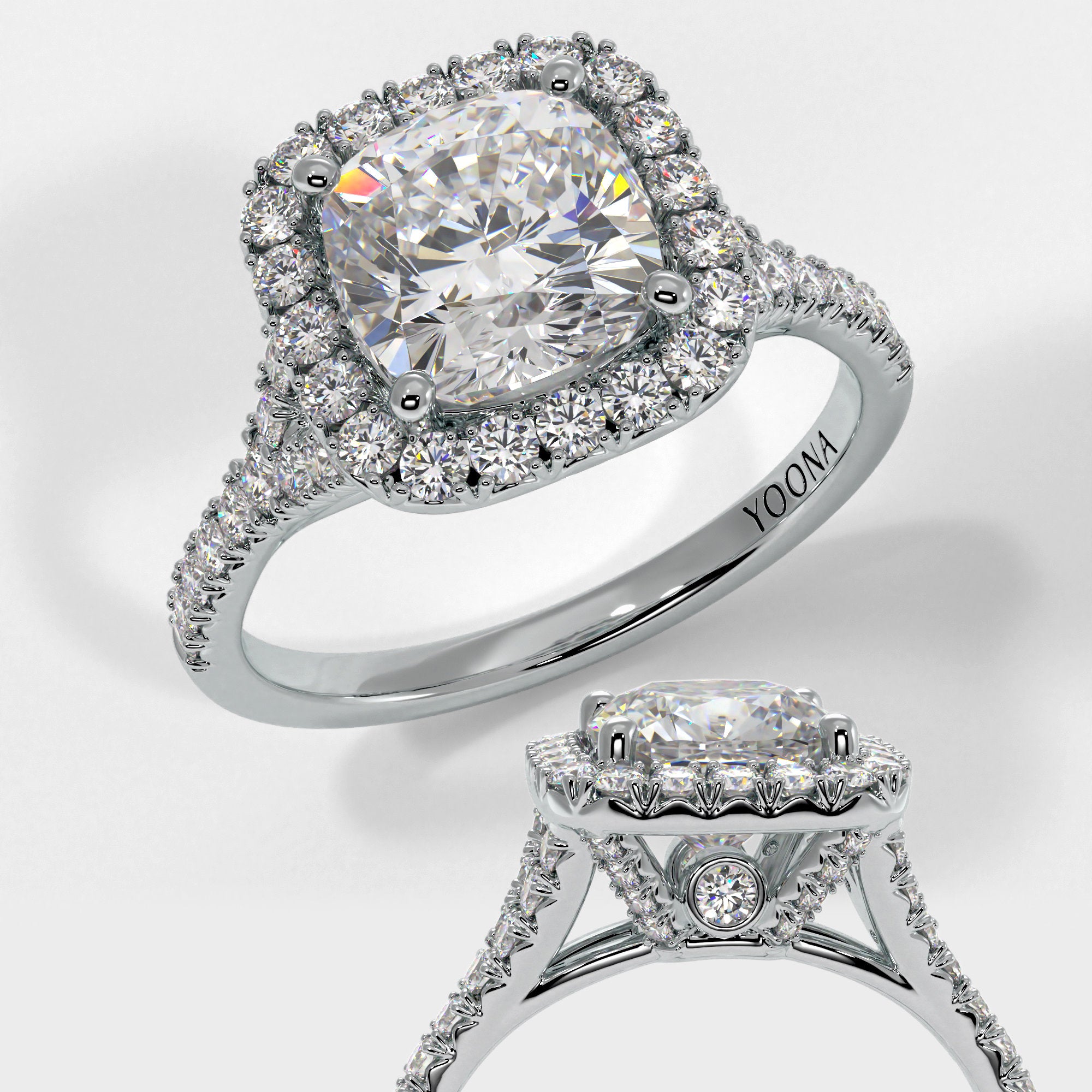
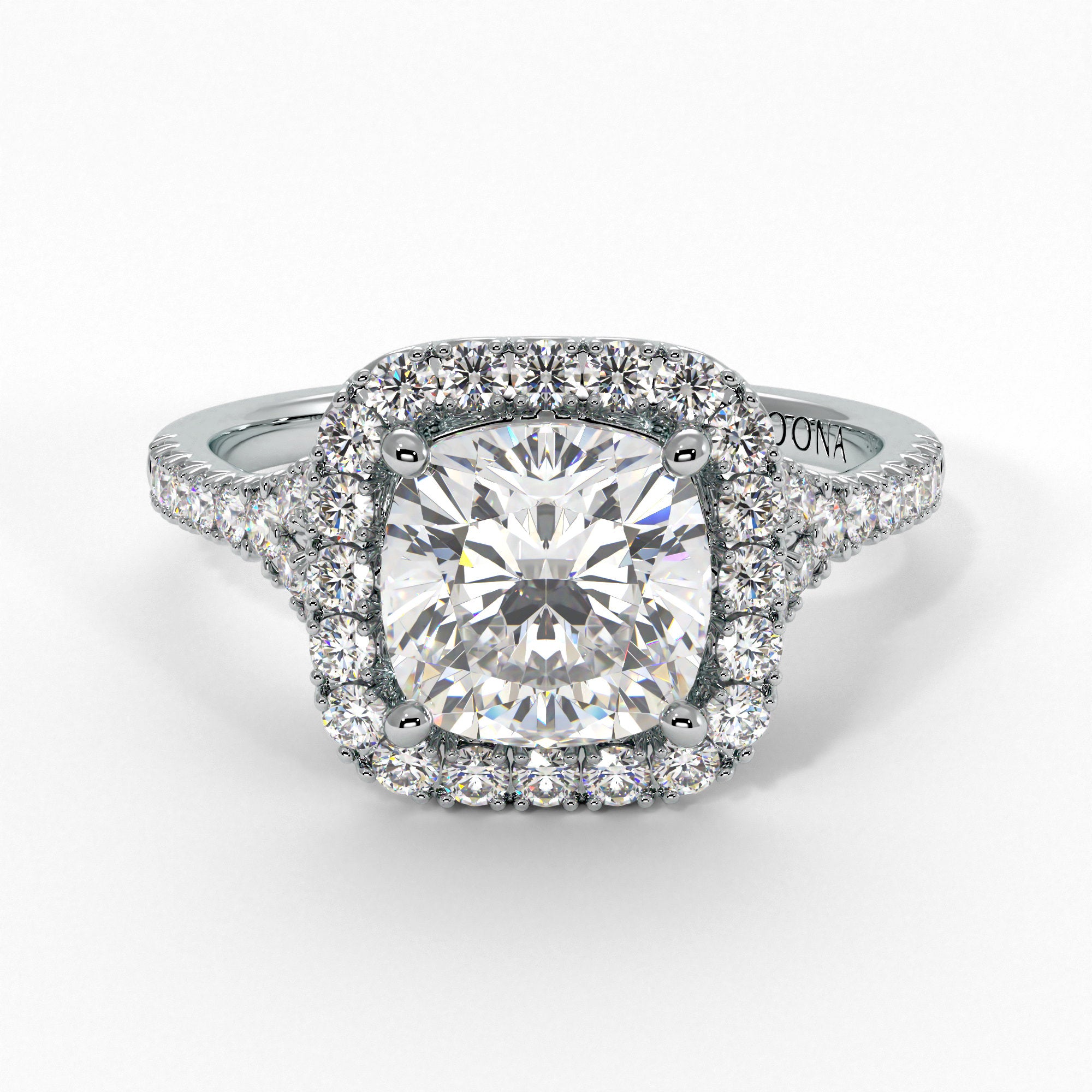
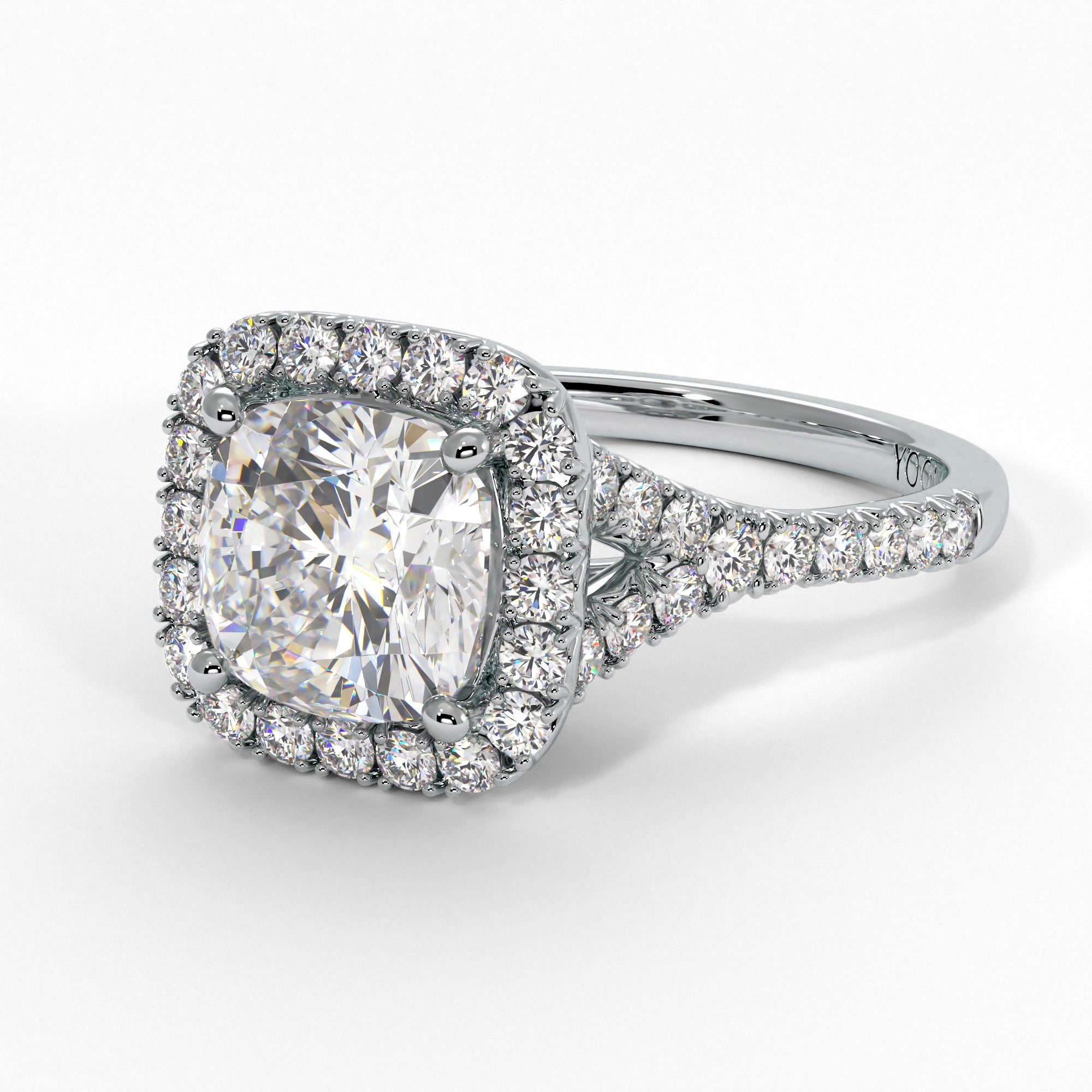
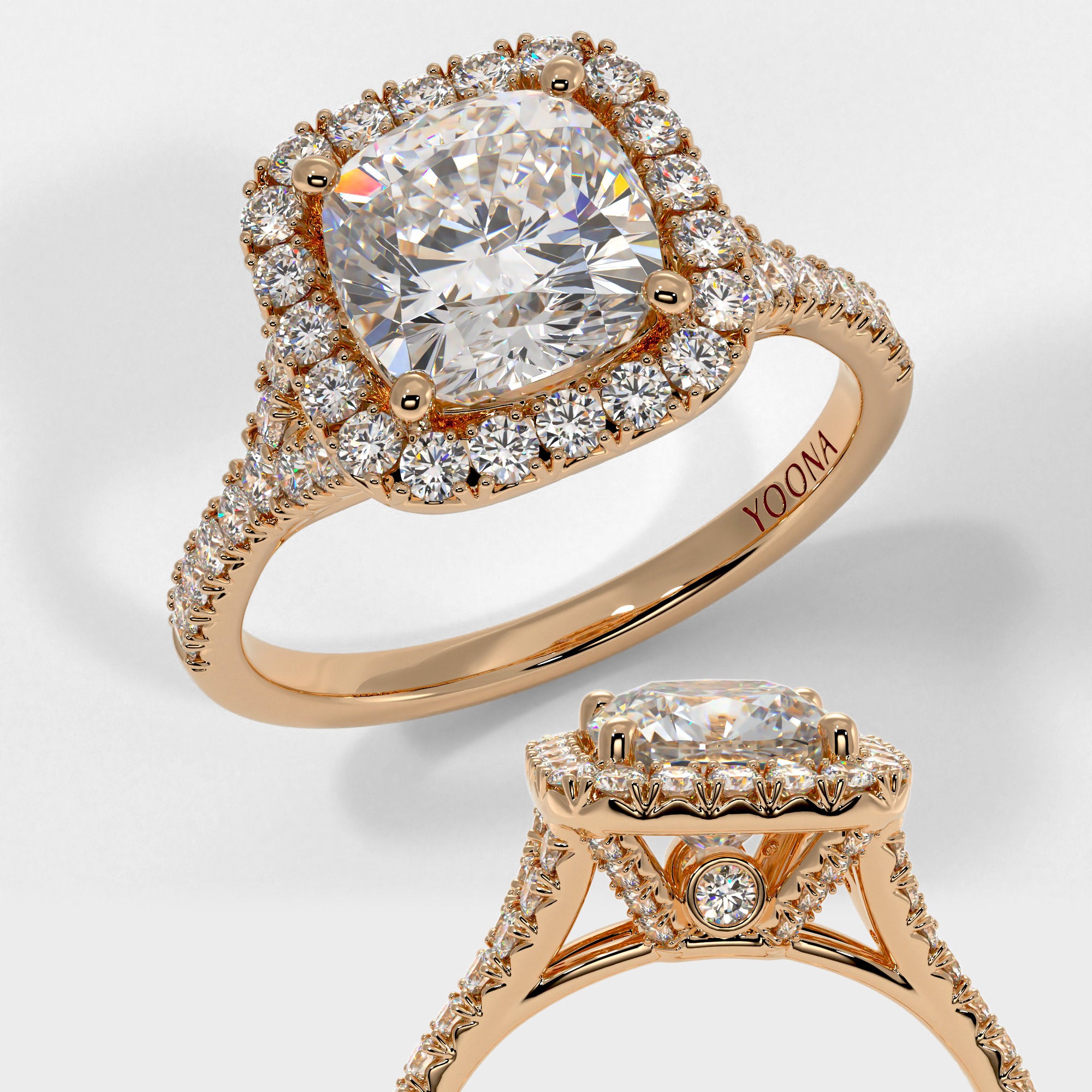
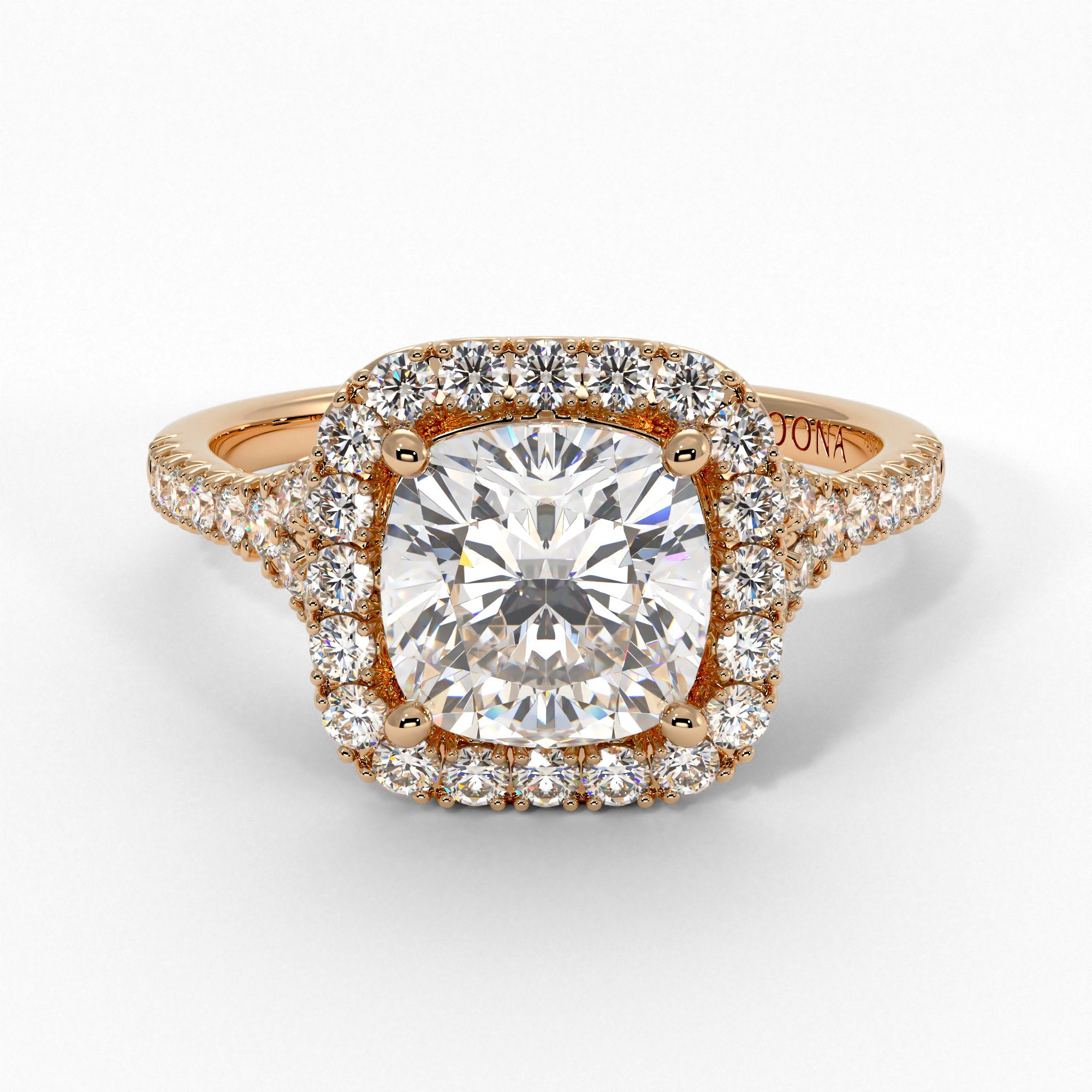
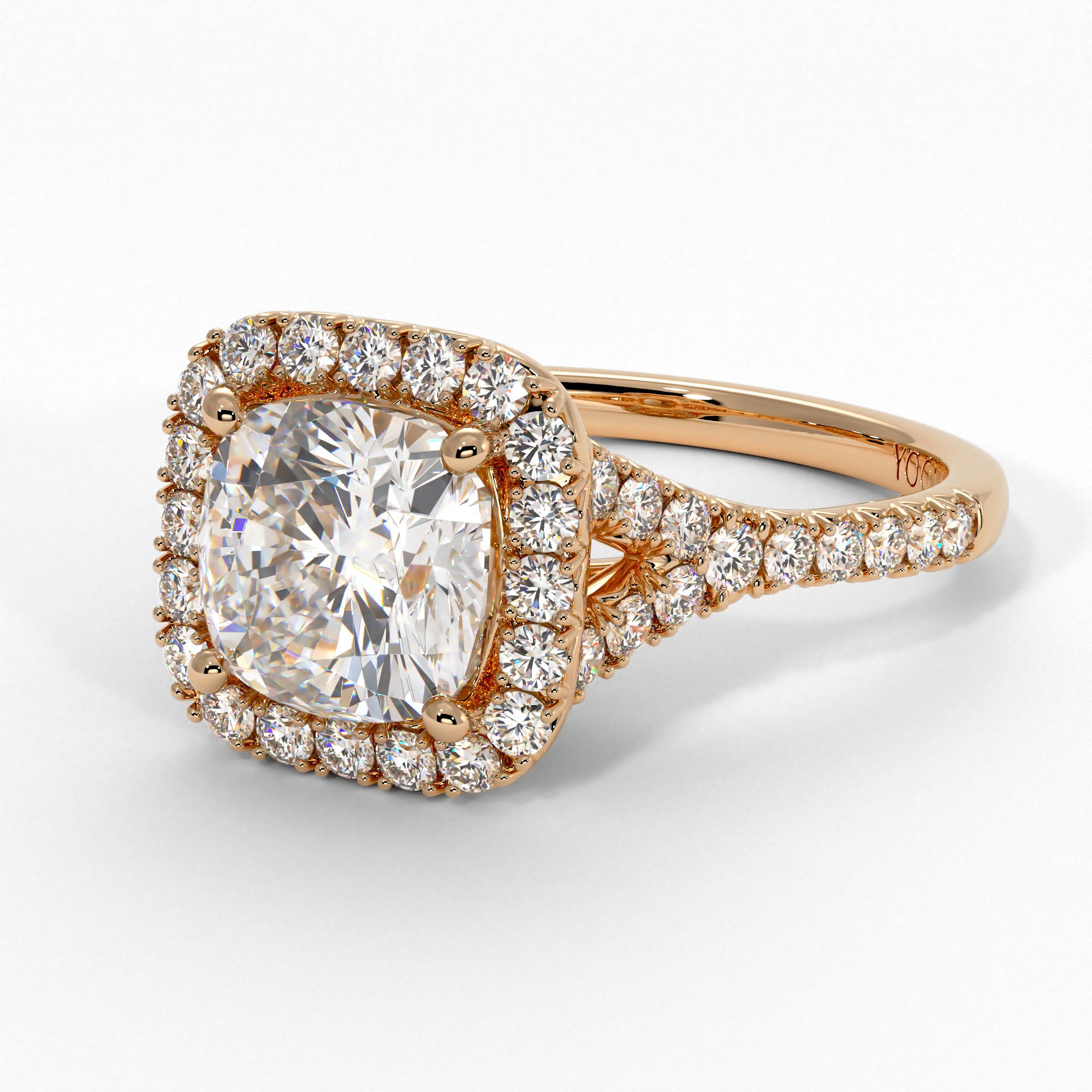
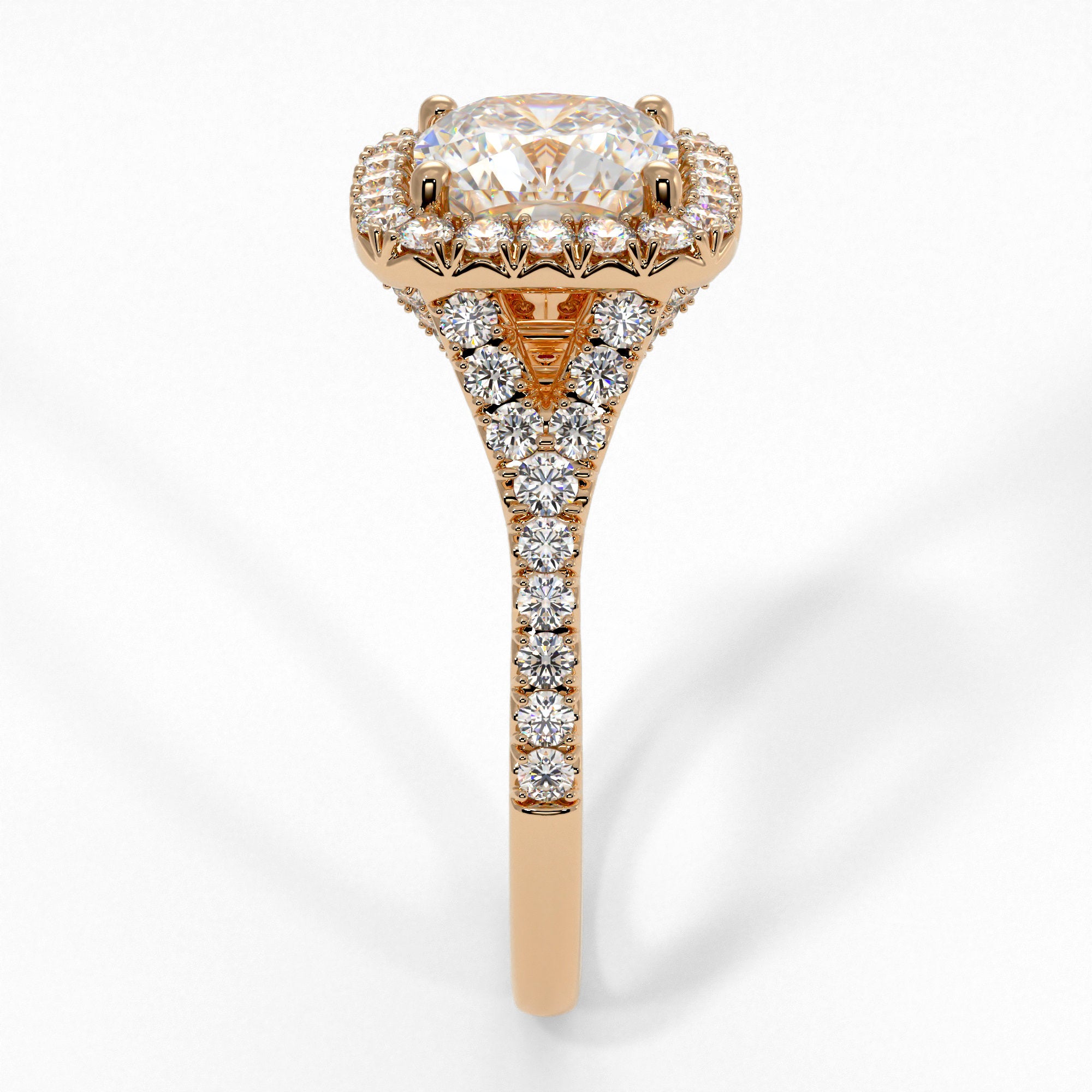
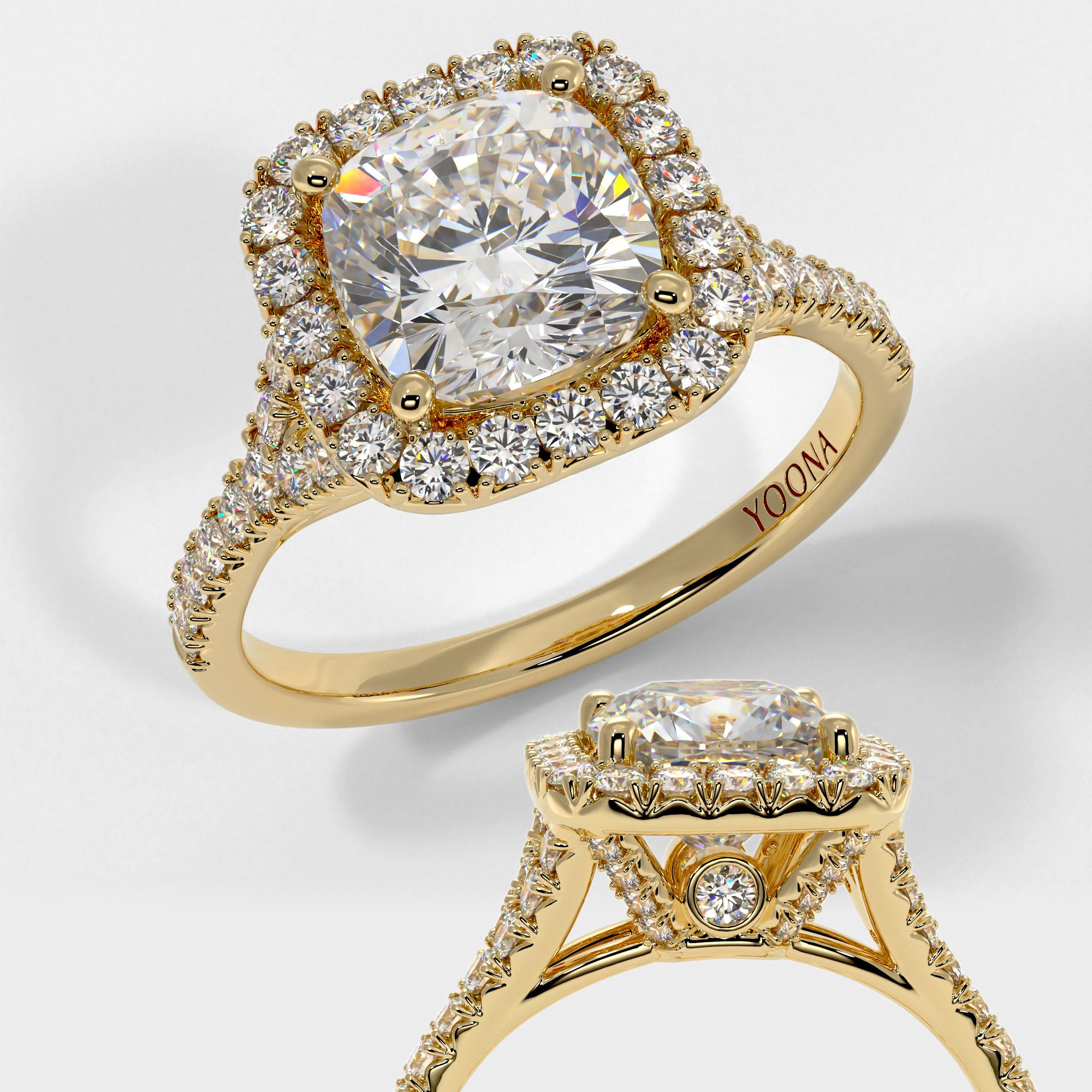
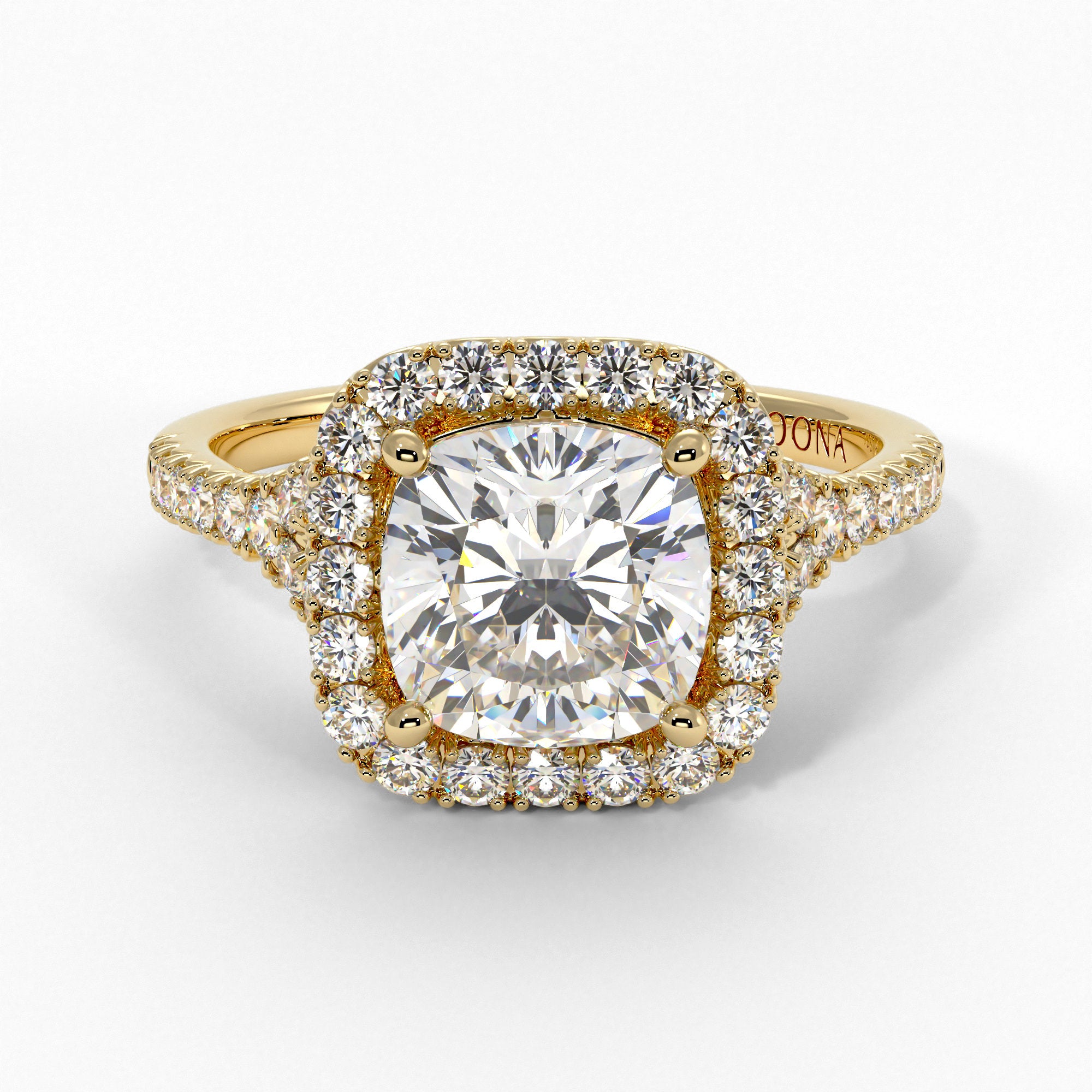
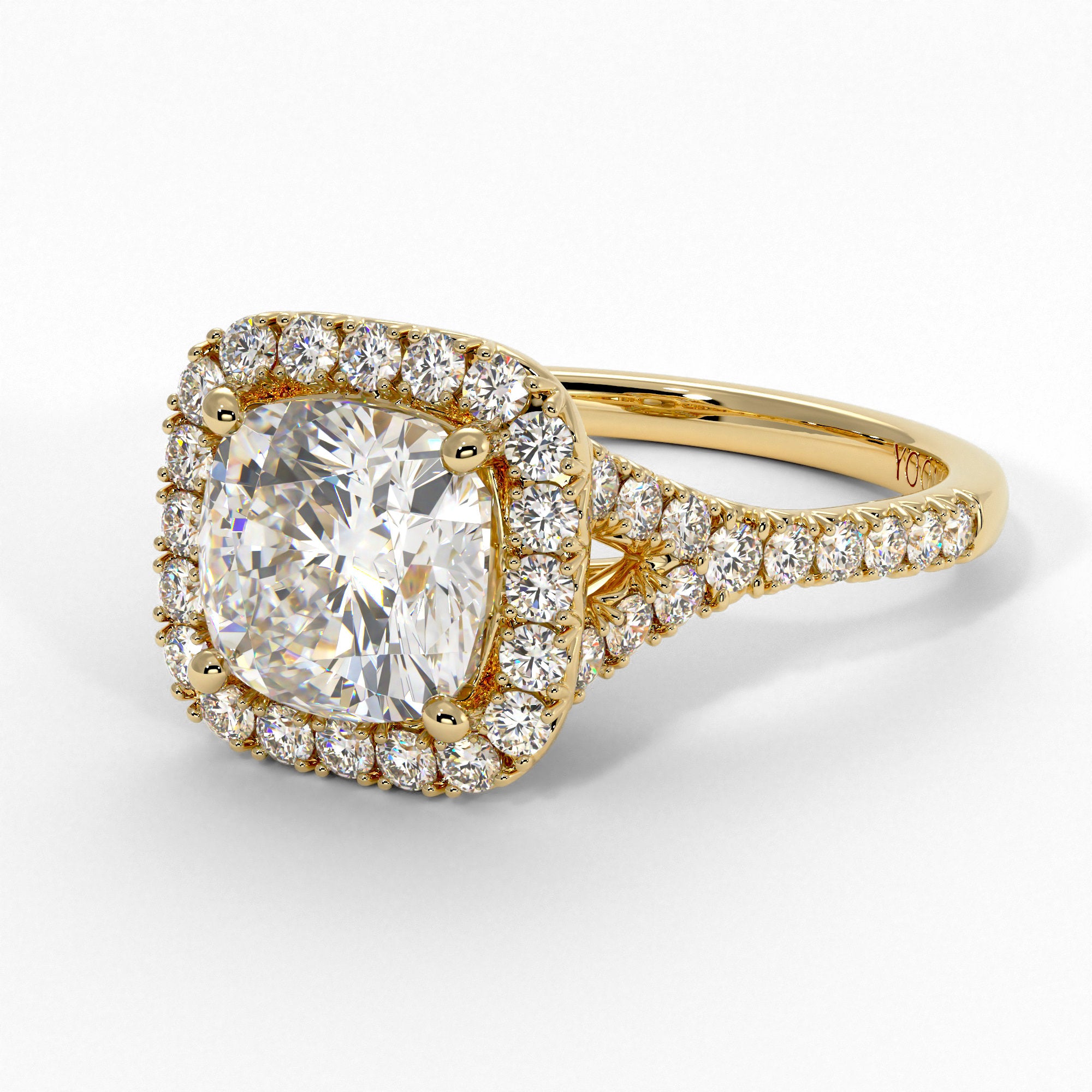
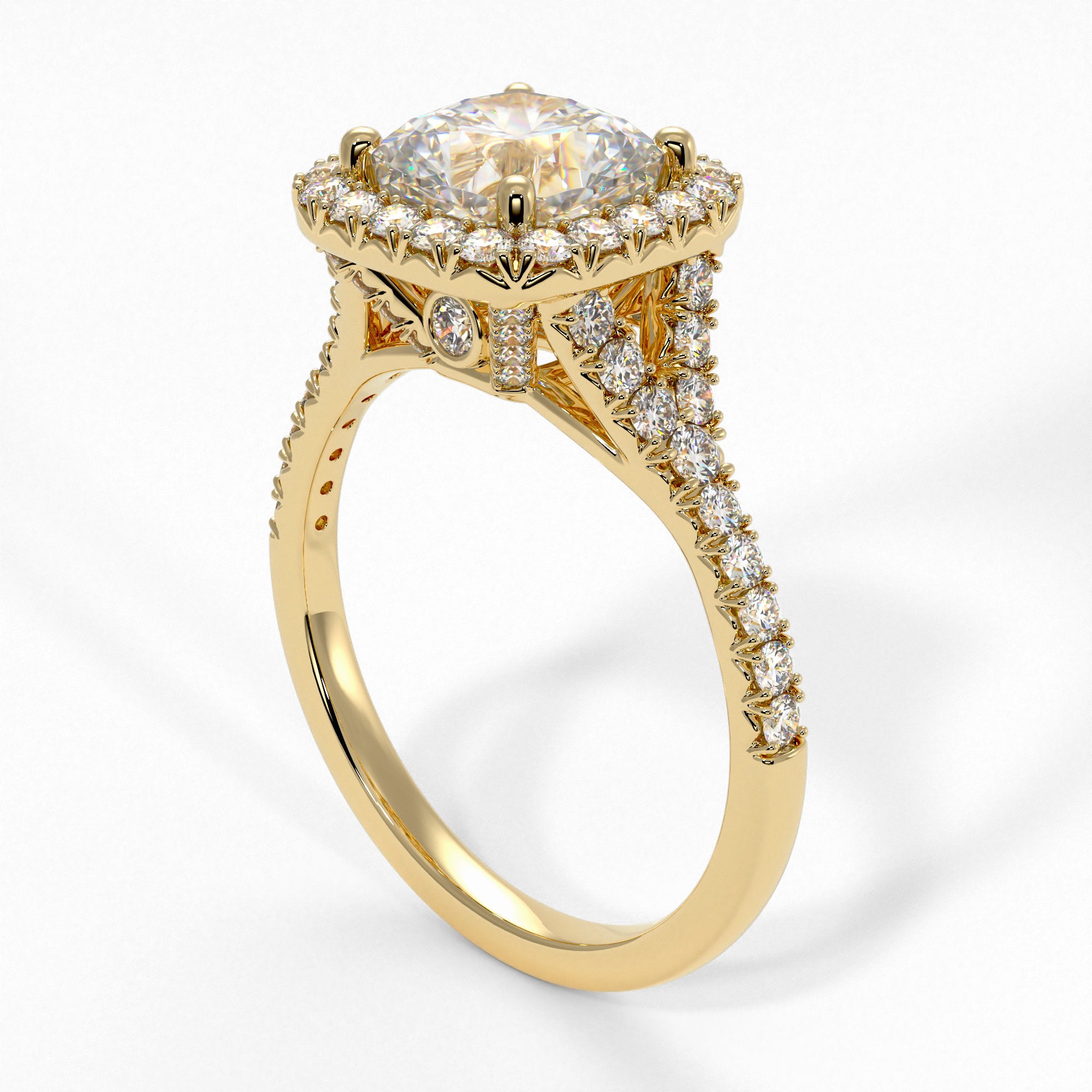
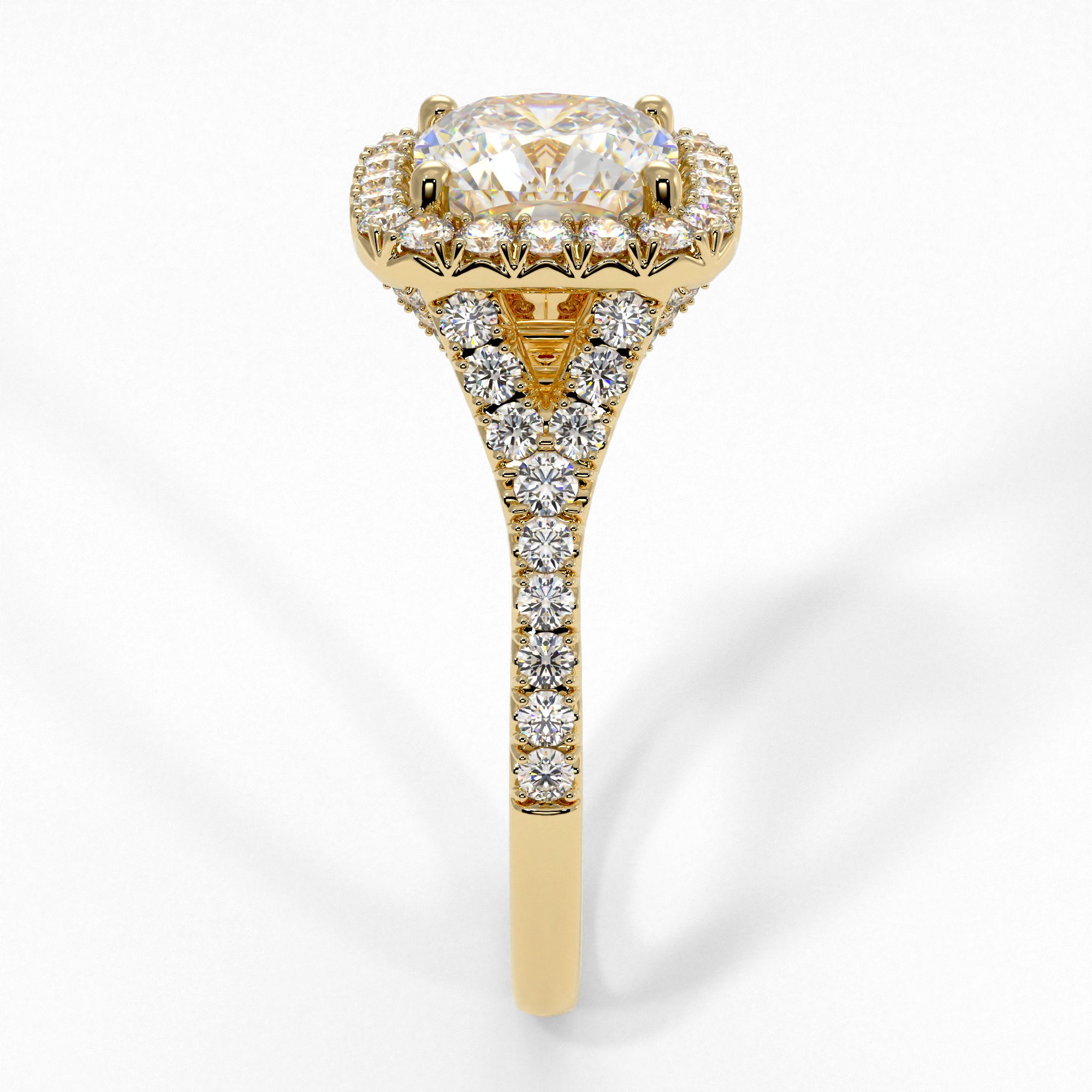
- Cushion: Square or rectangular with softened, rounded corners.
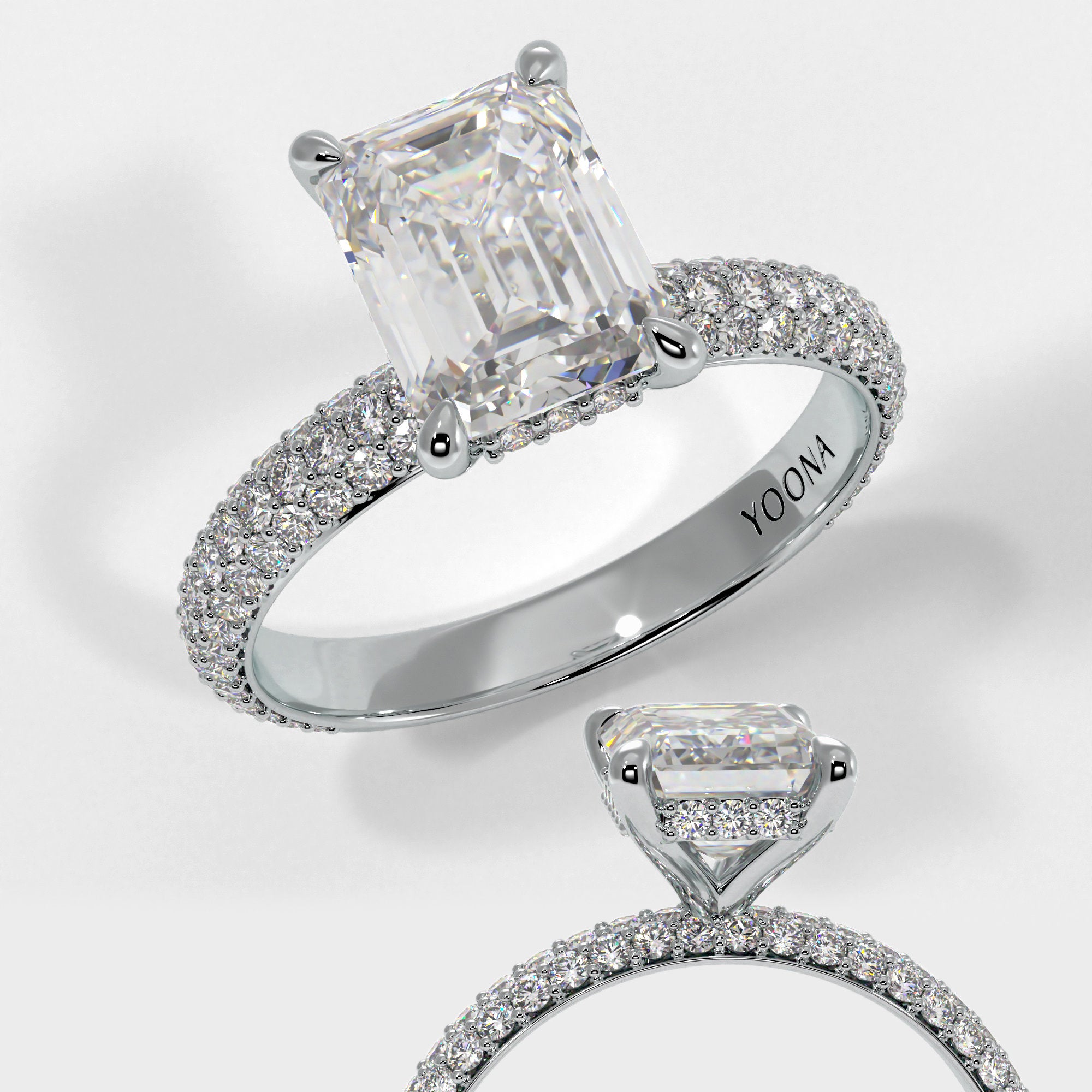
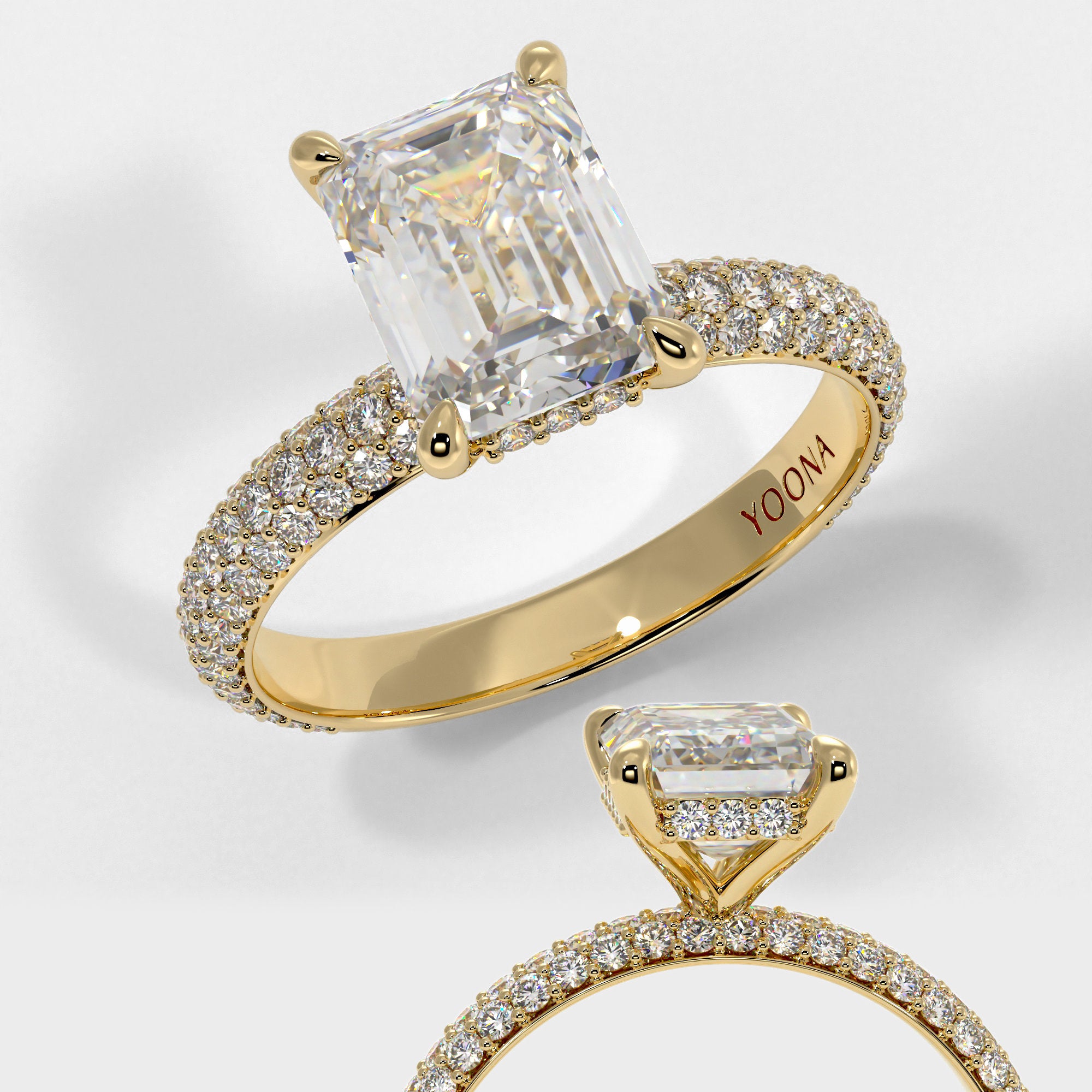
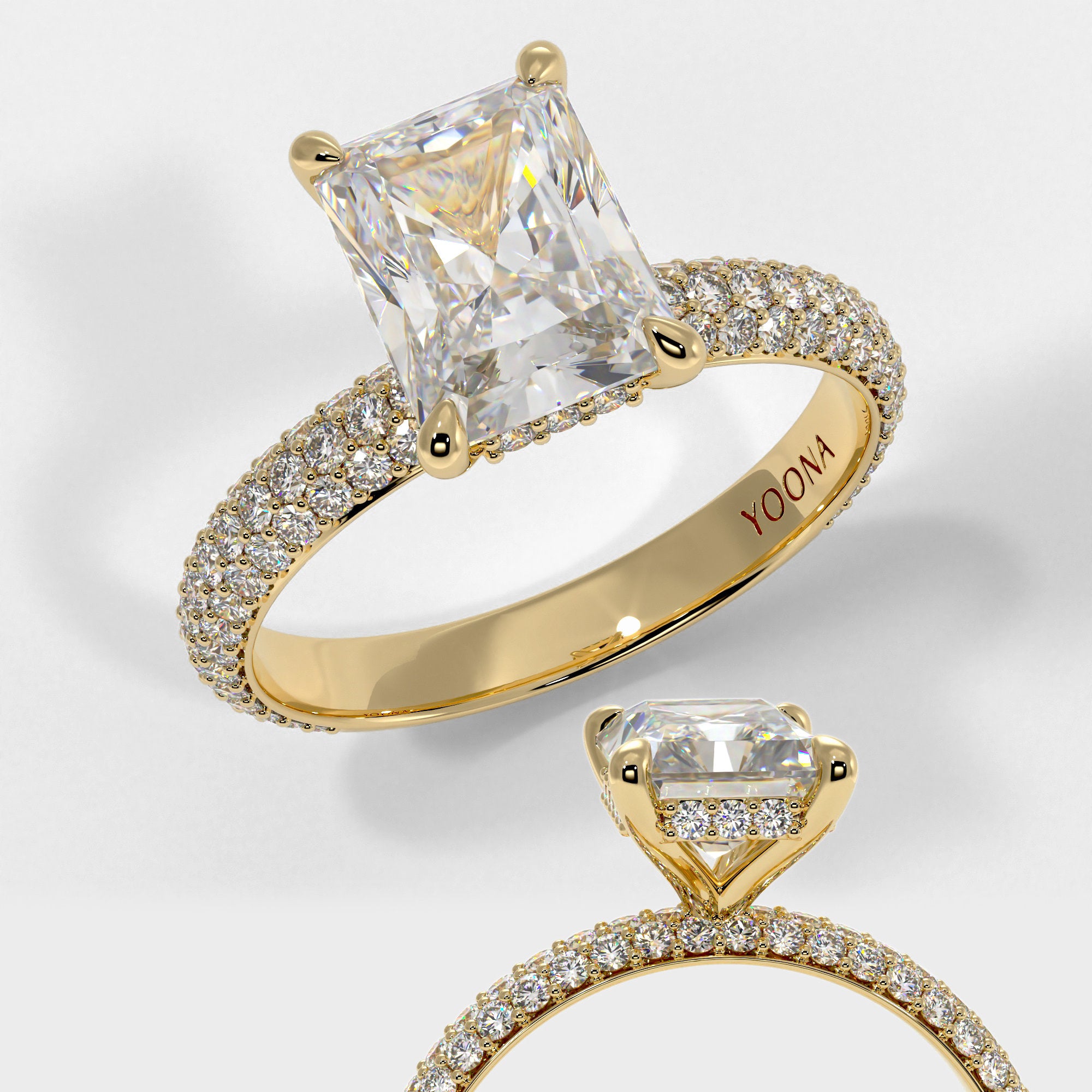
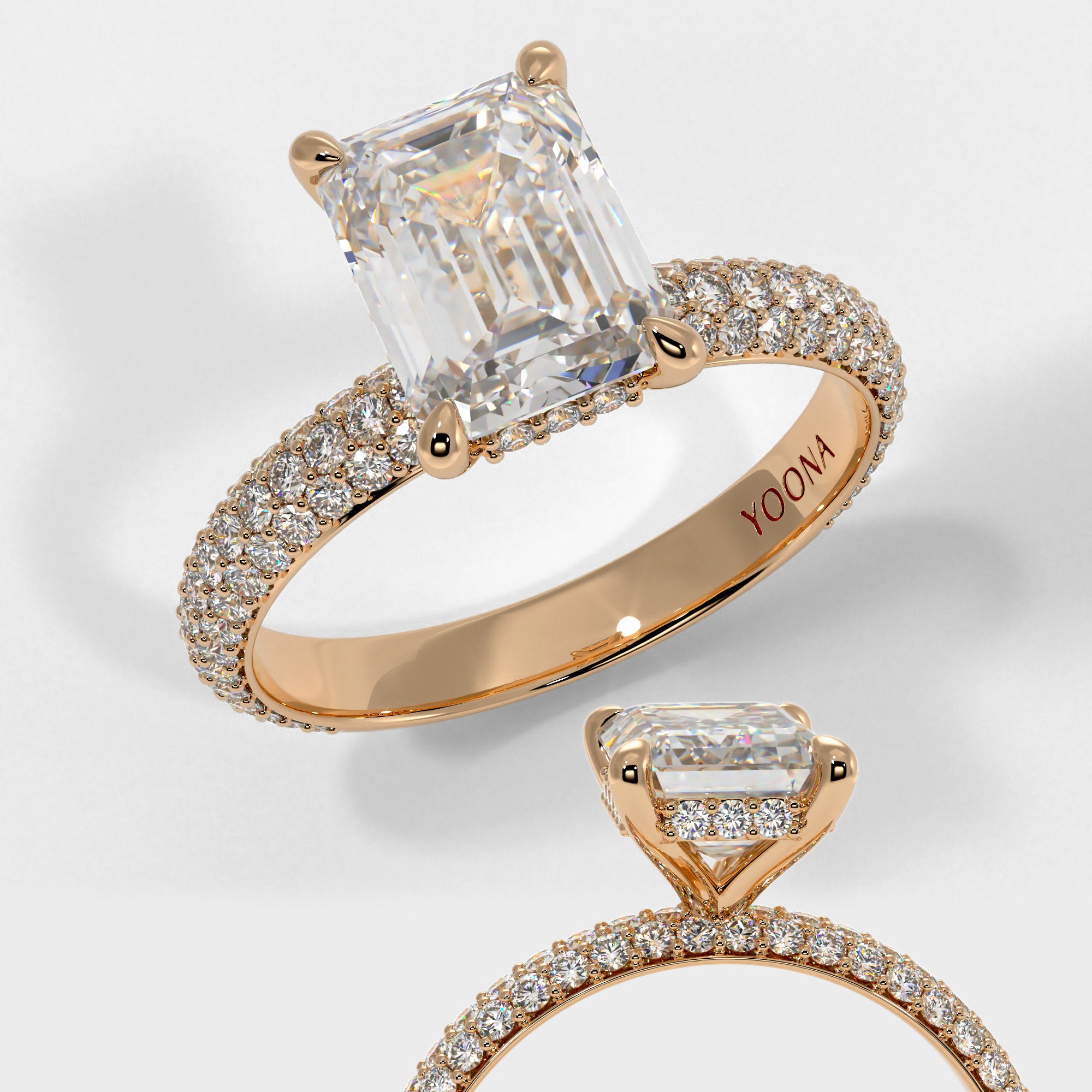
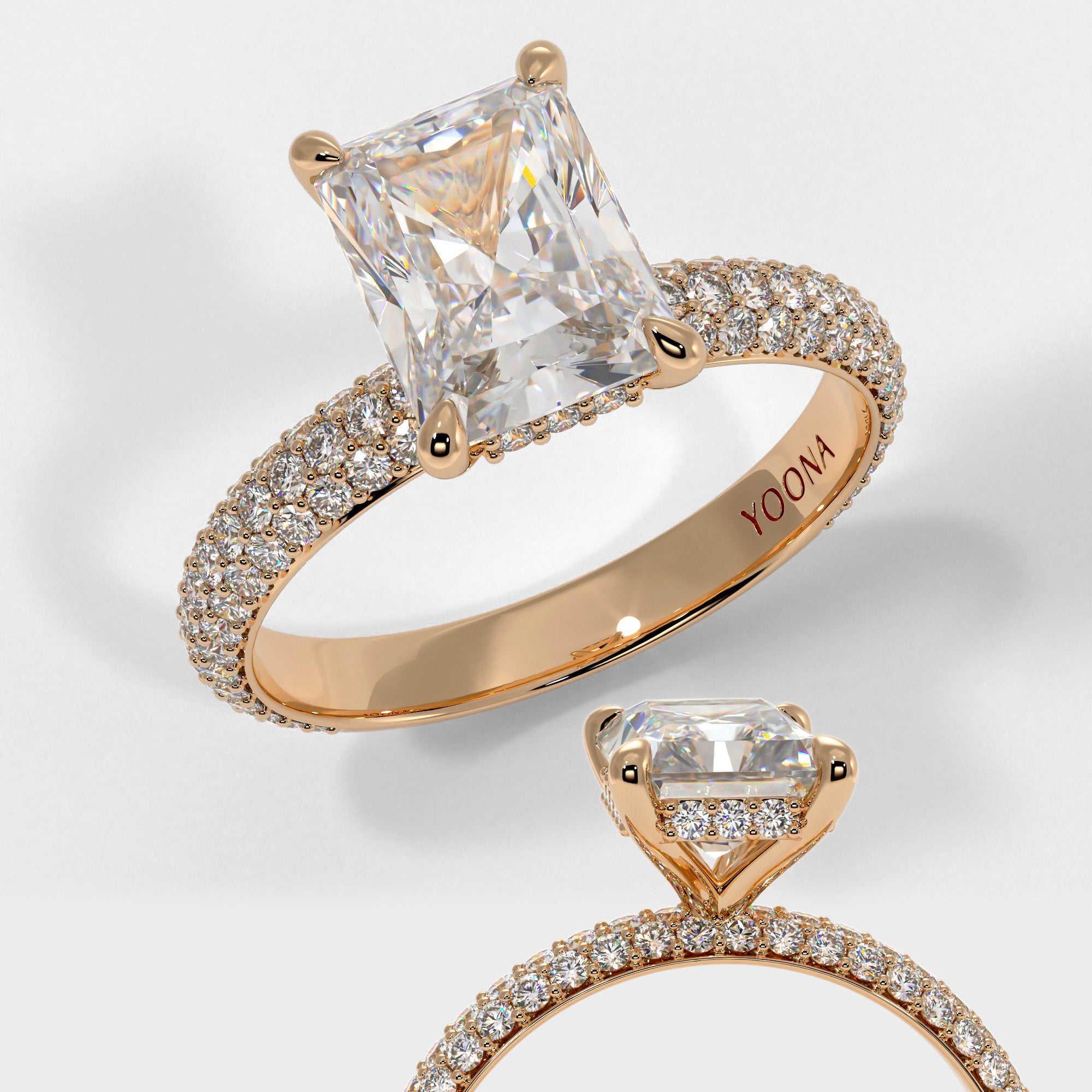
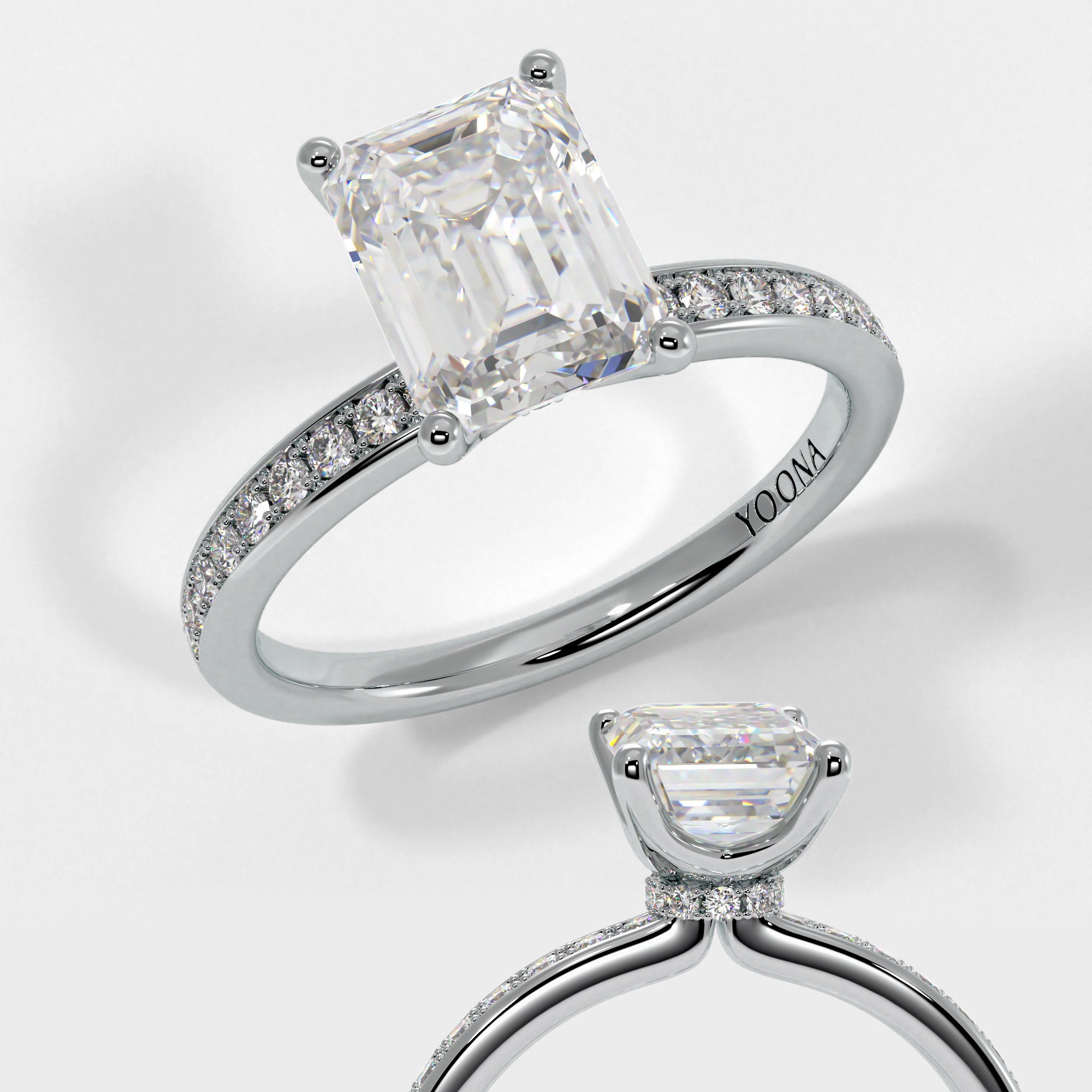
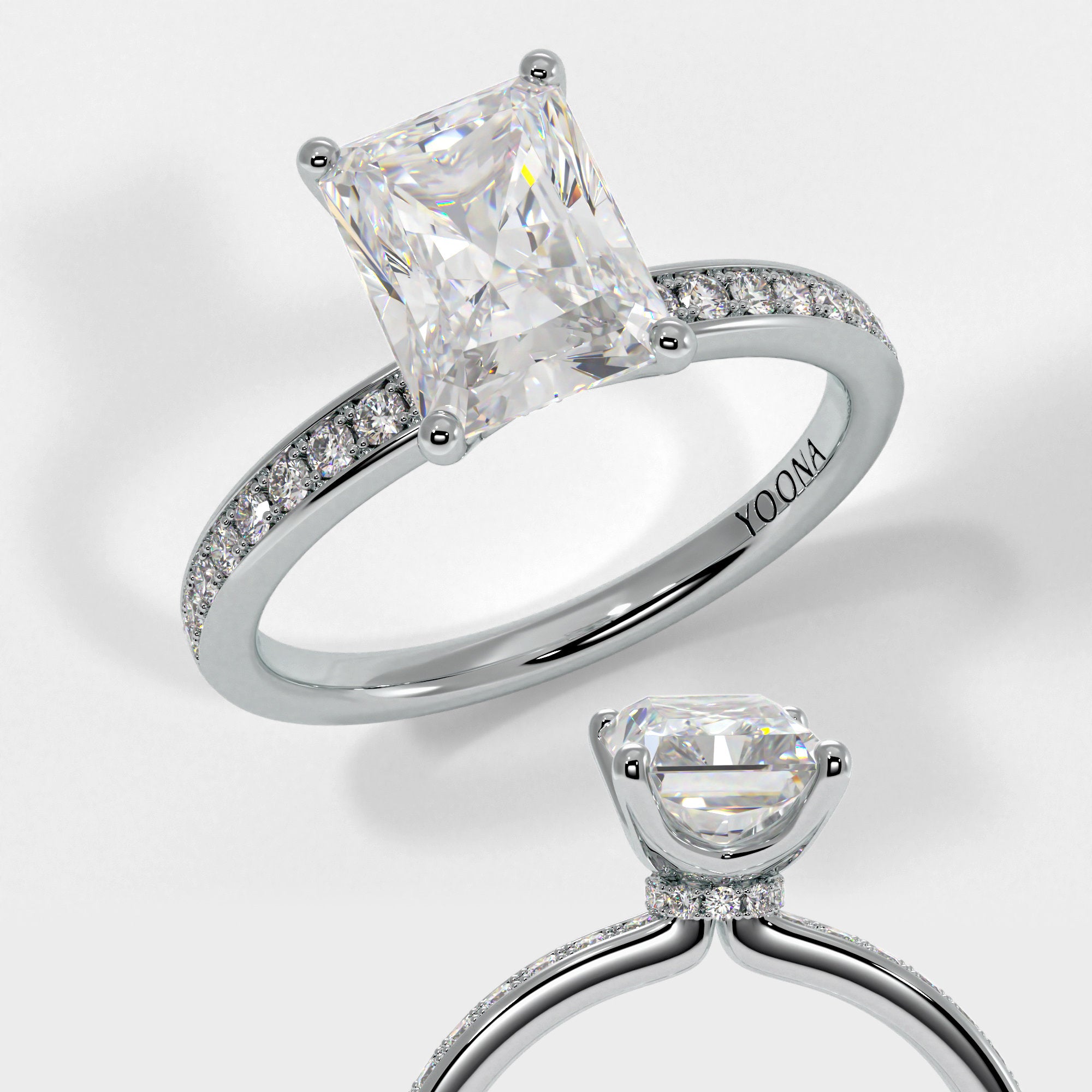
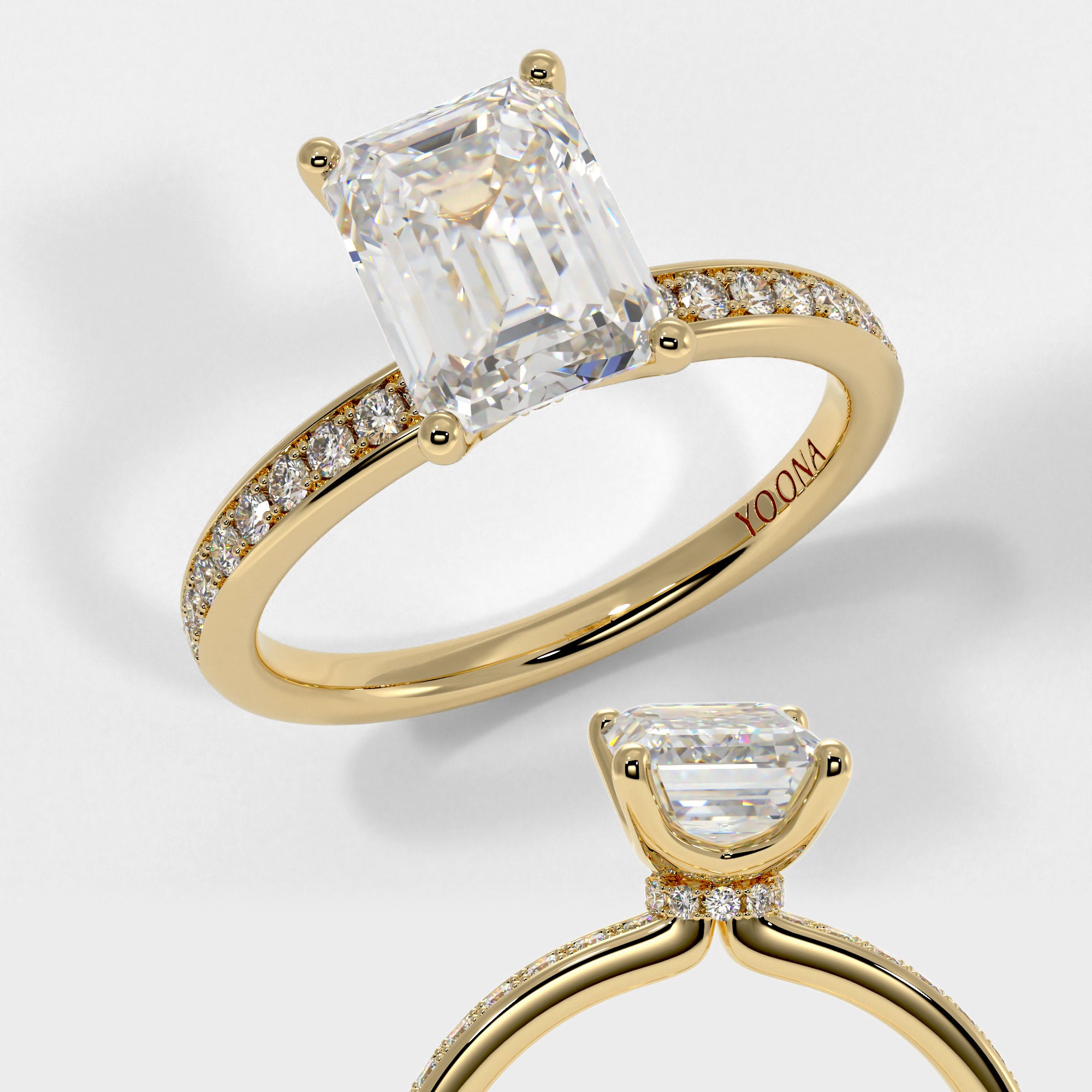
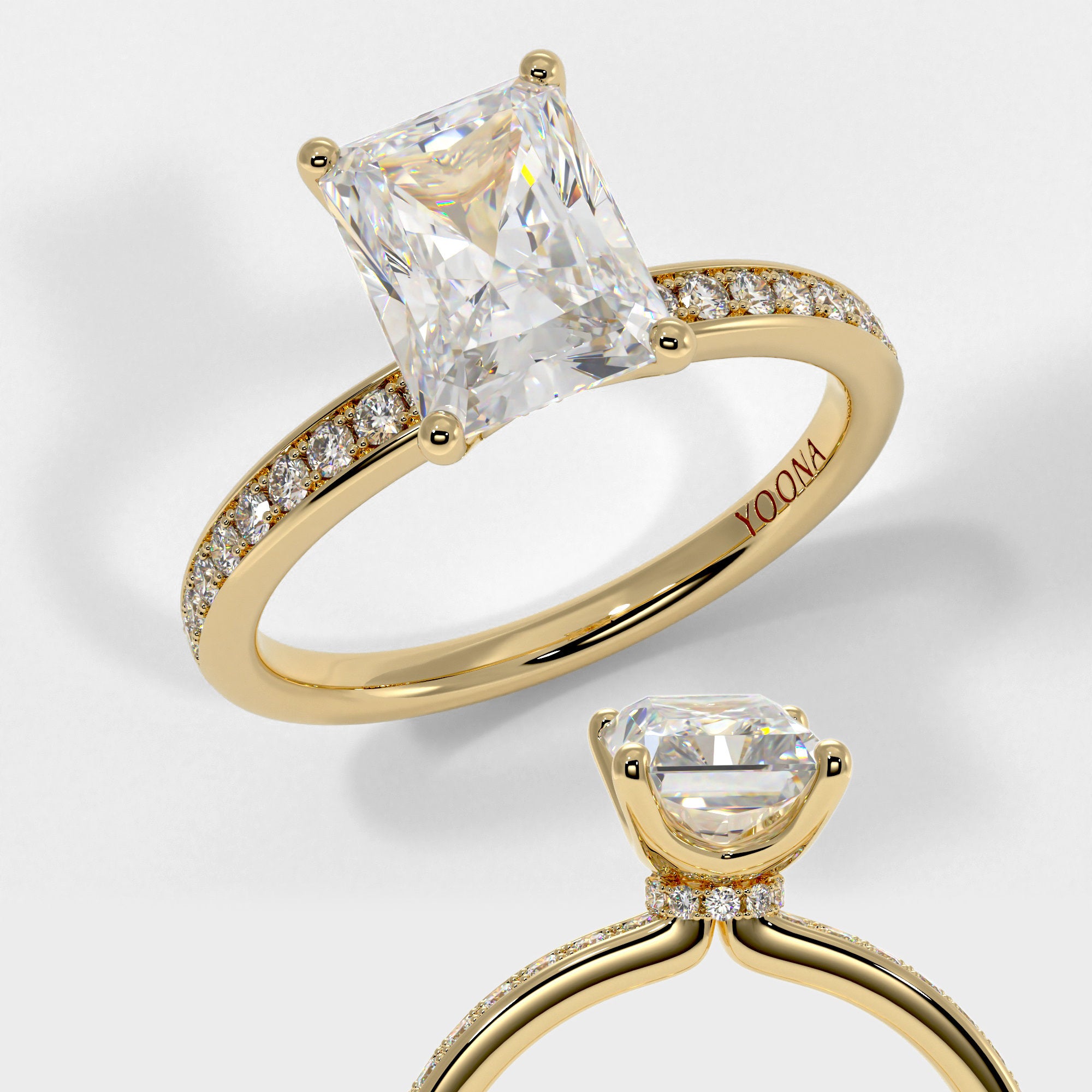
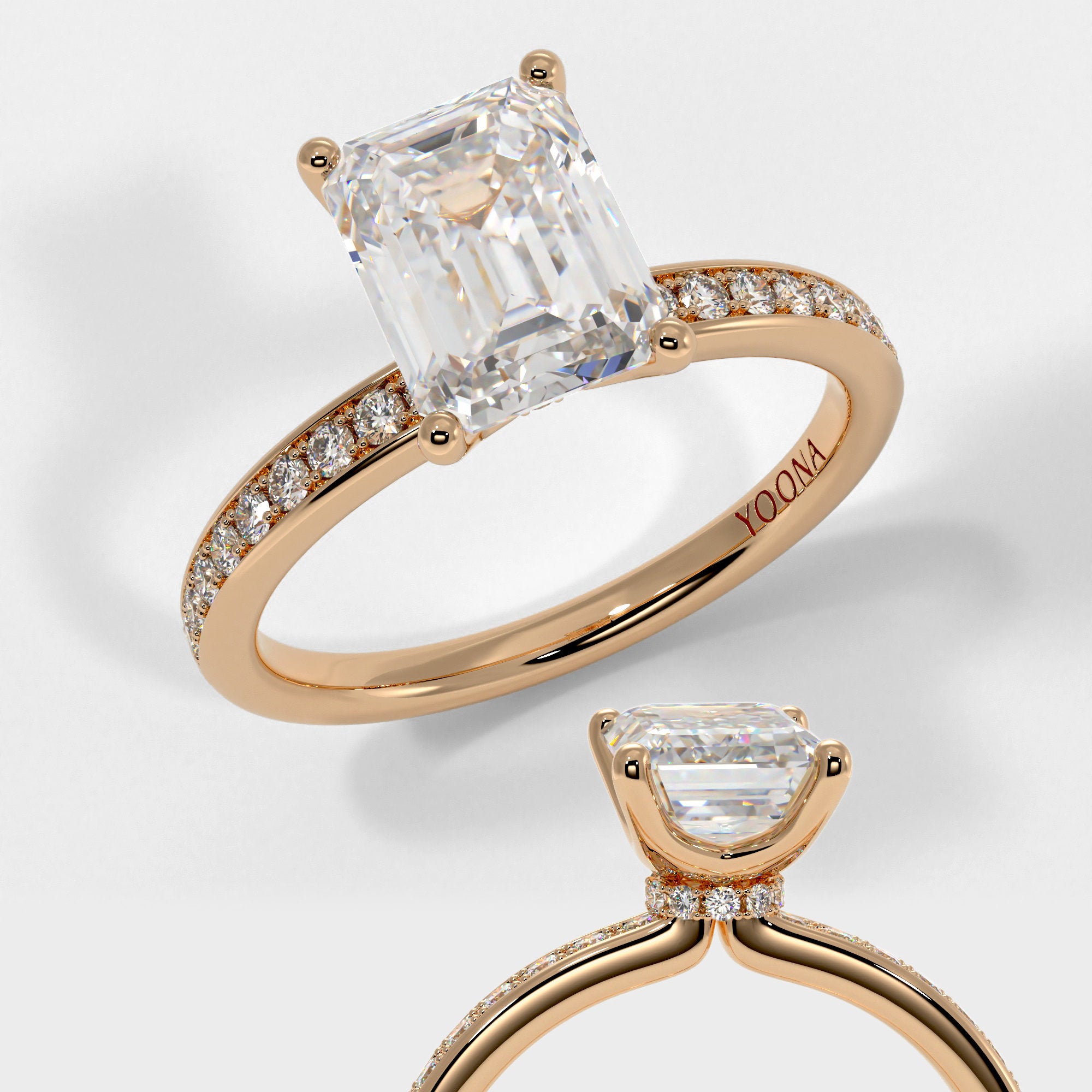
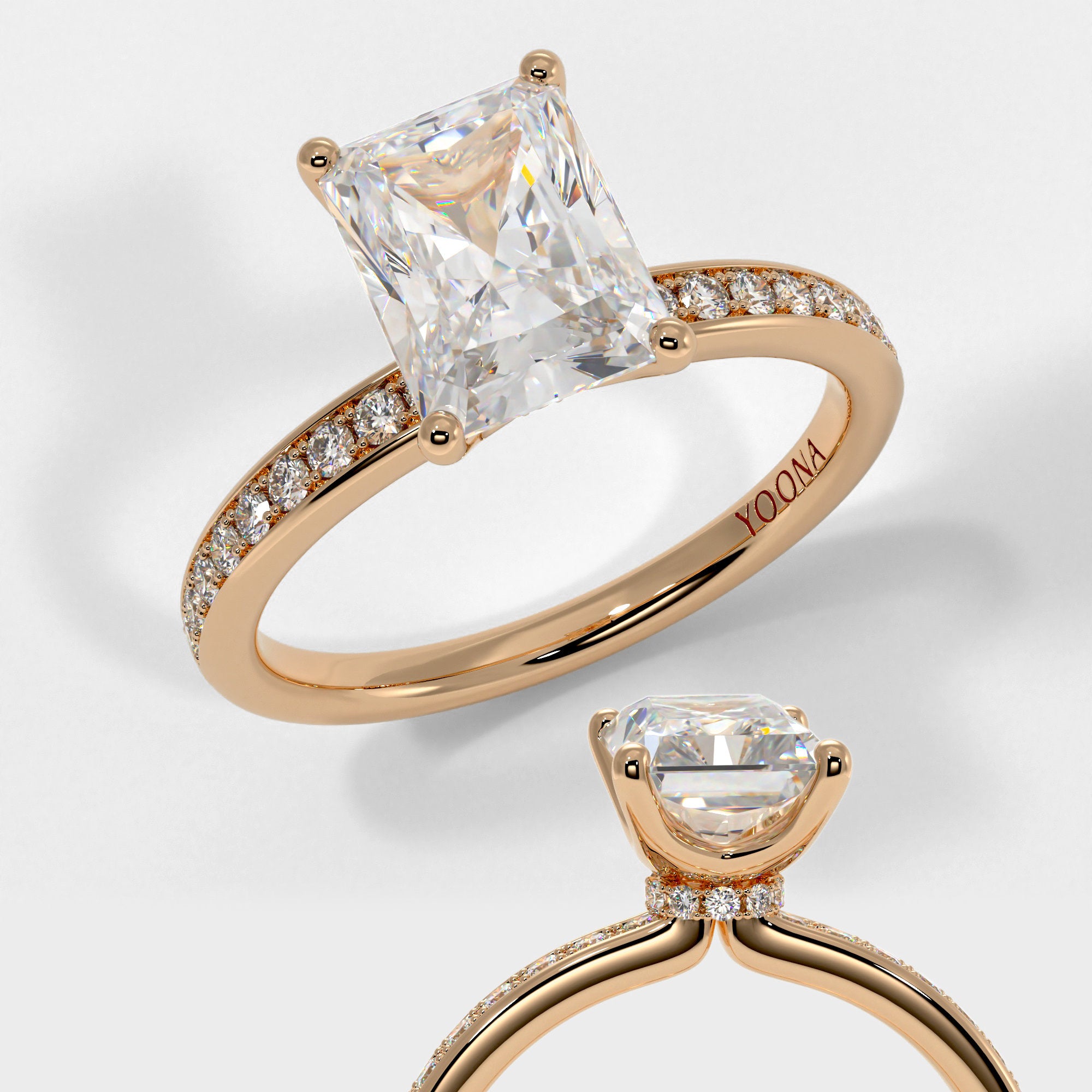
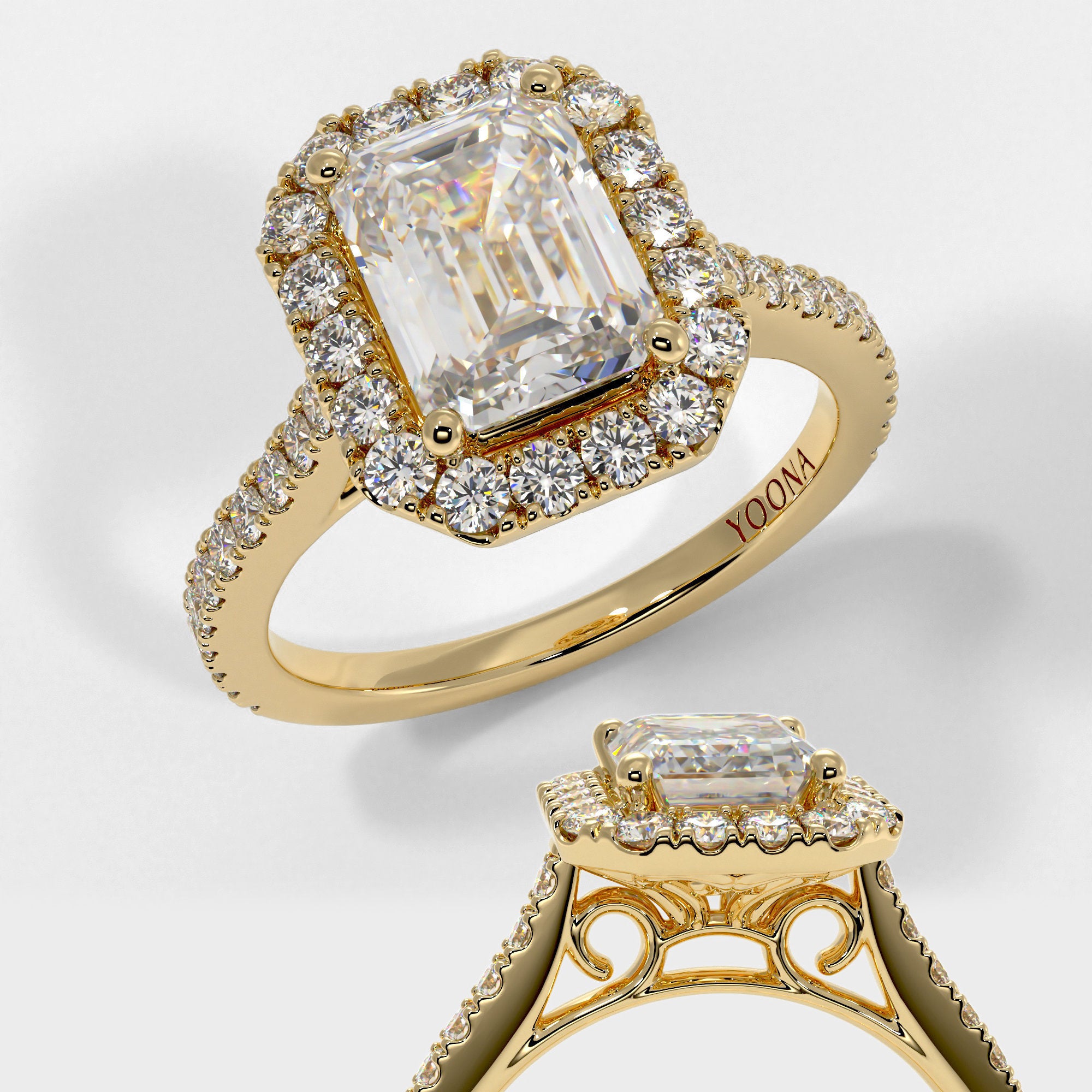
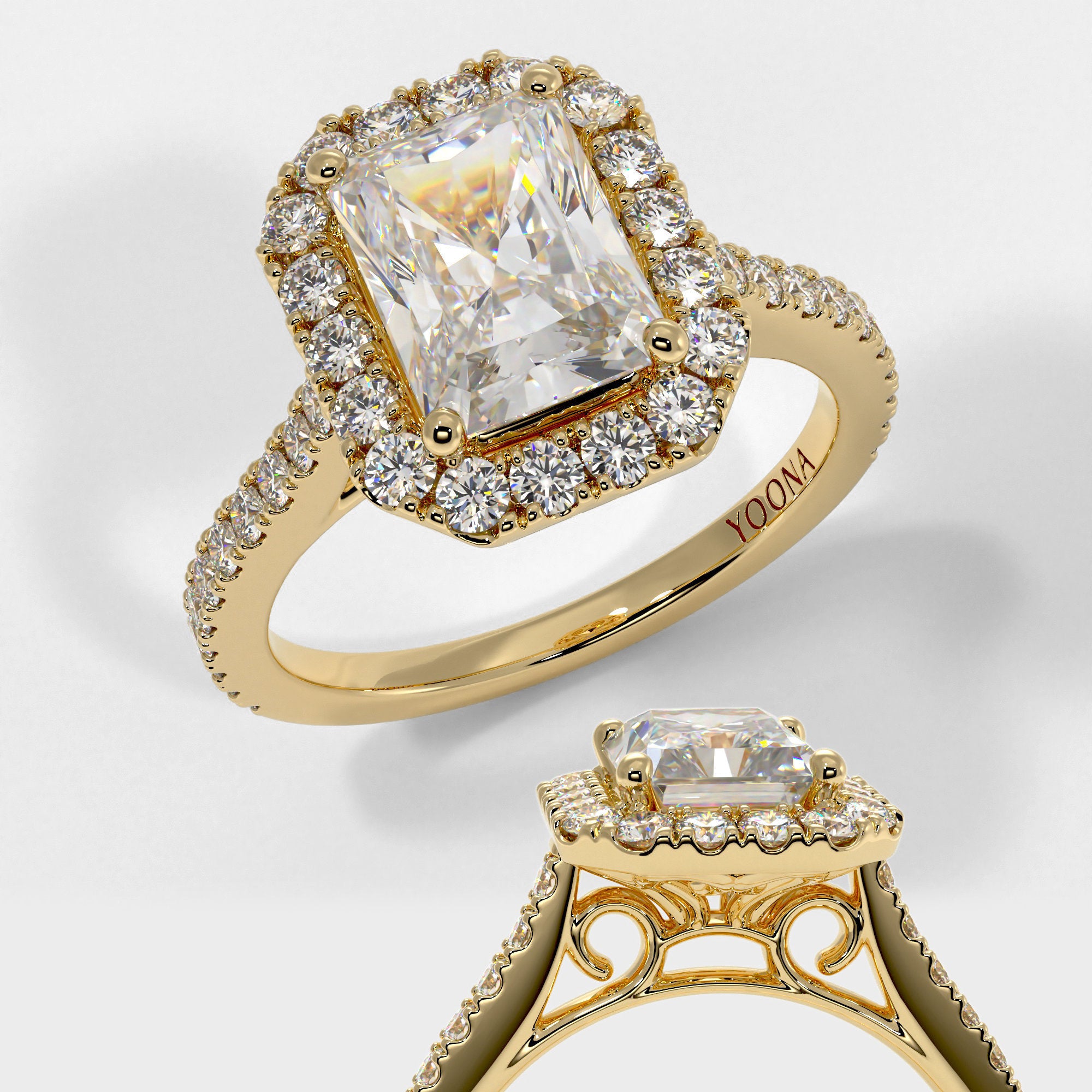
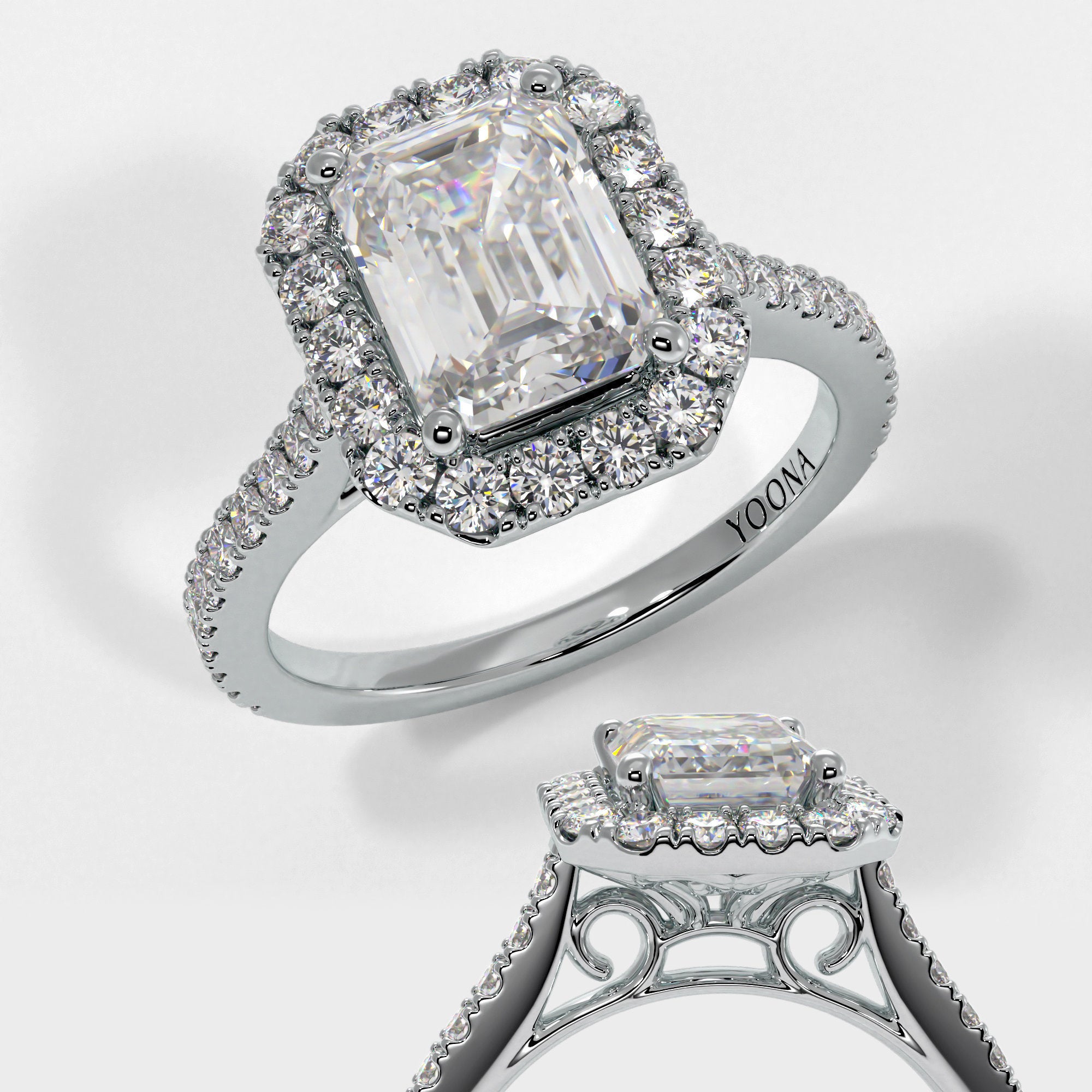
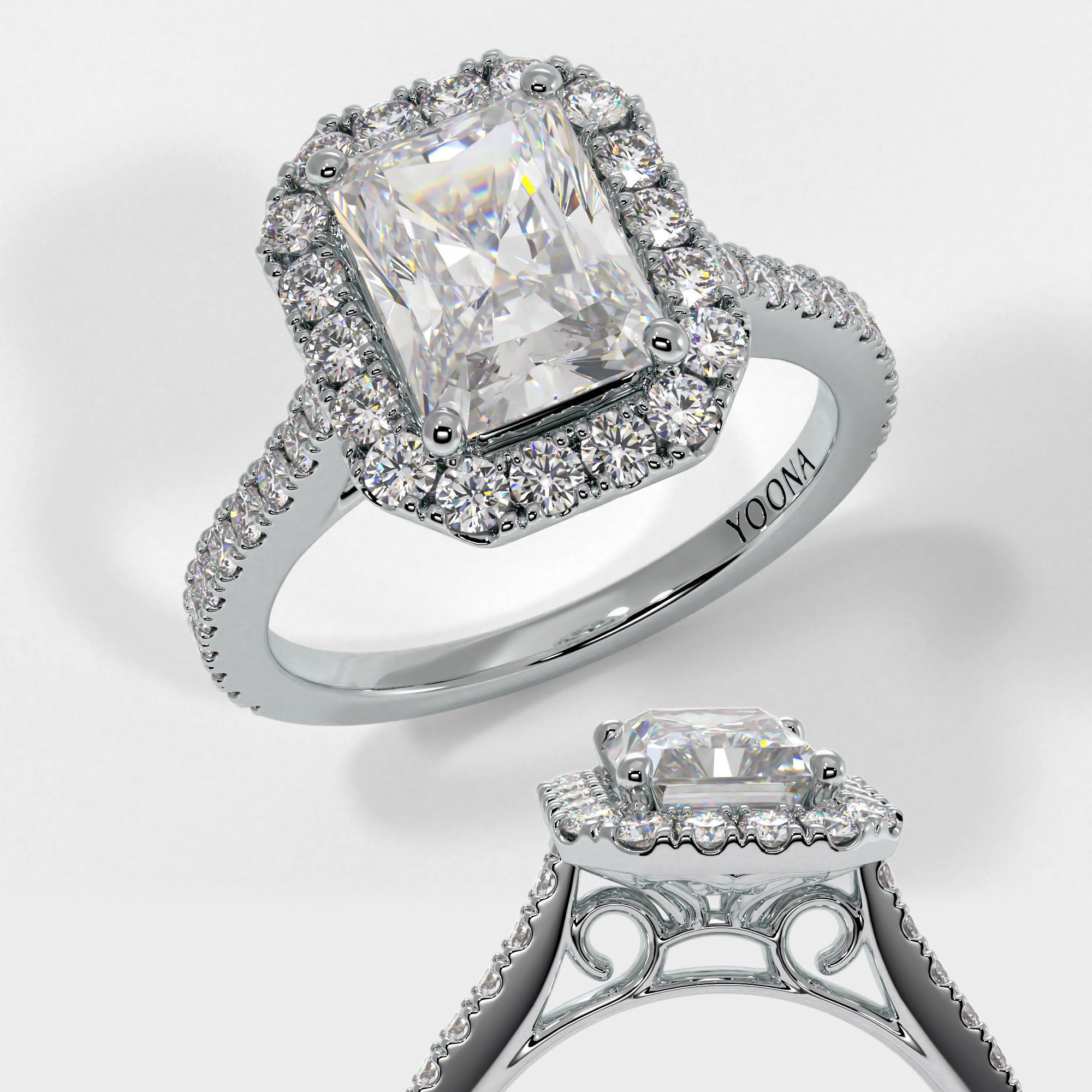
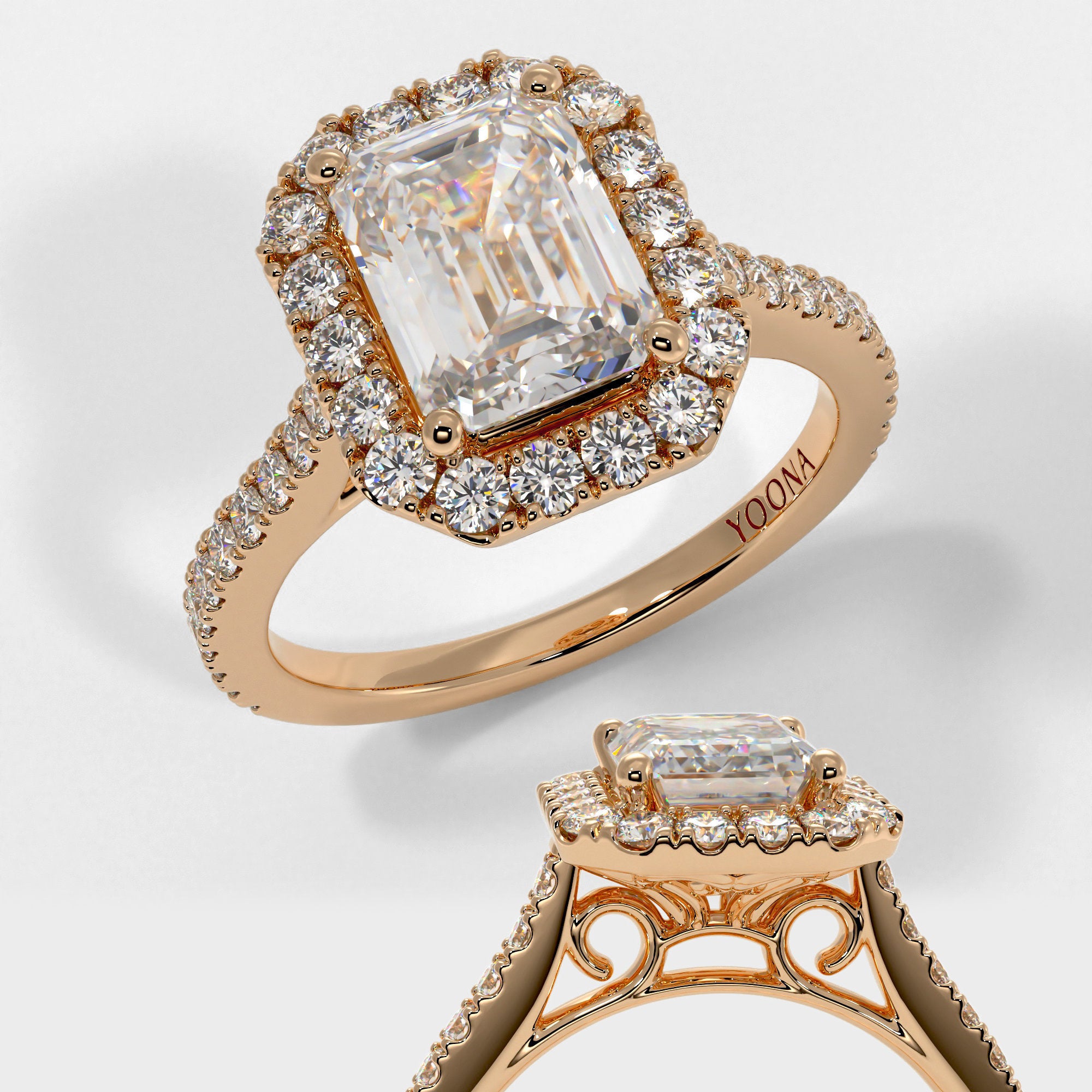
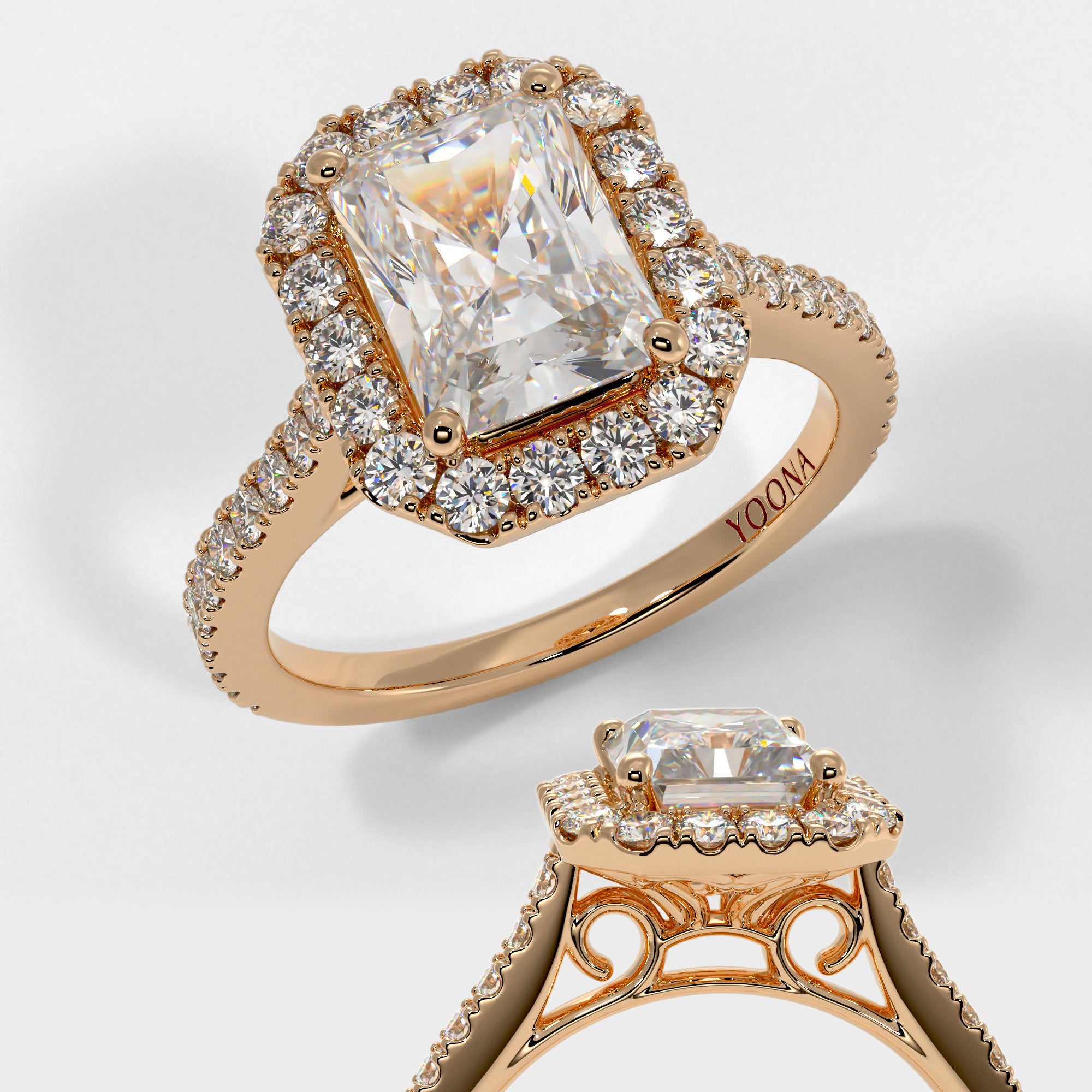
- Emerald: Rectangular with step-cut facets rather than brilliant-cut facets, favoring clarity and clean lines over maximum sparkle.
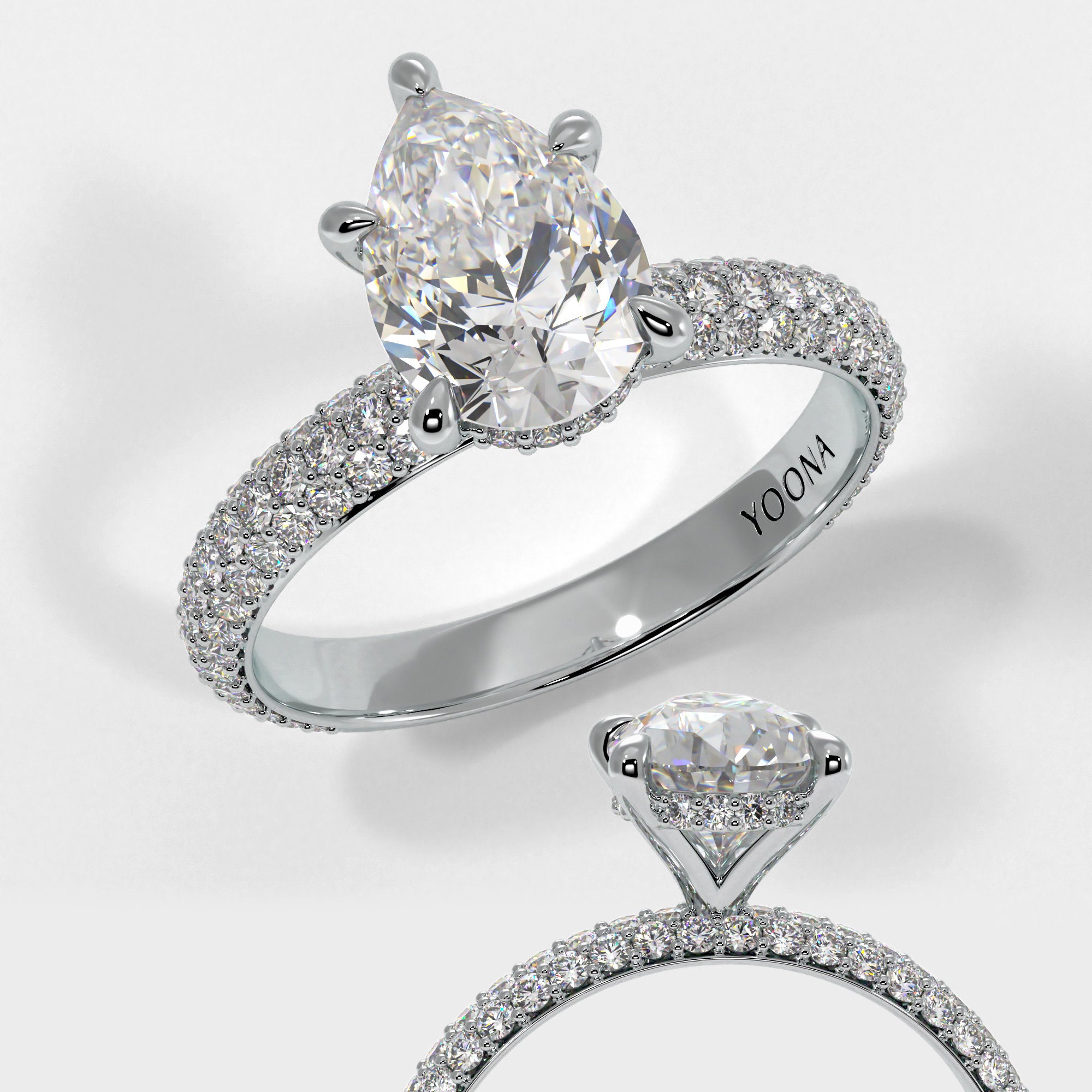
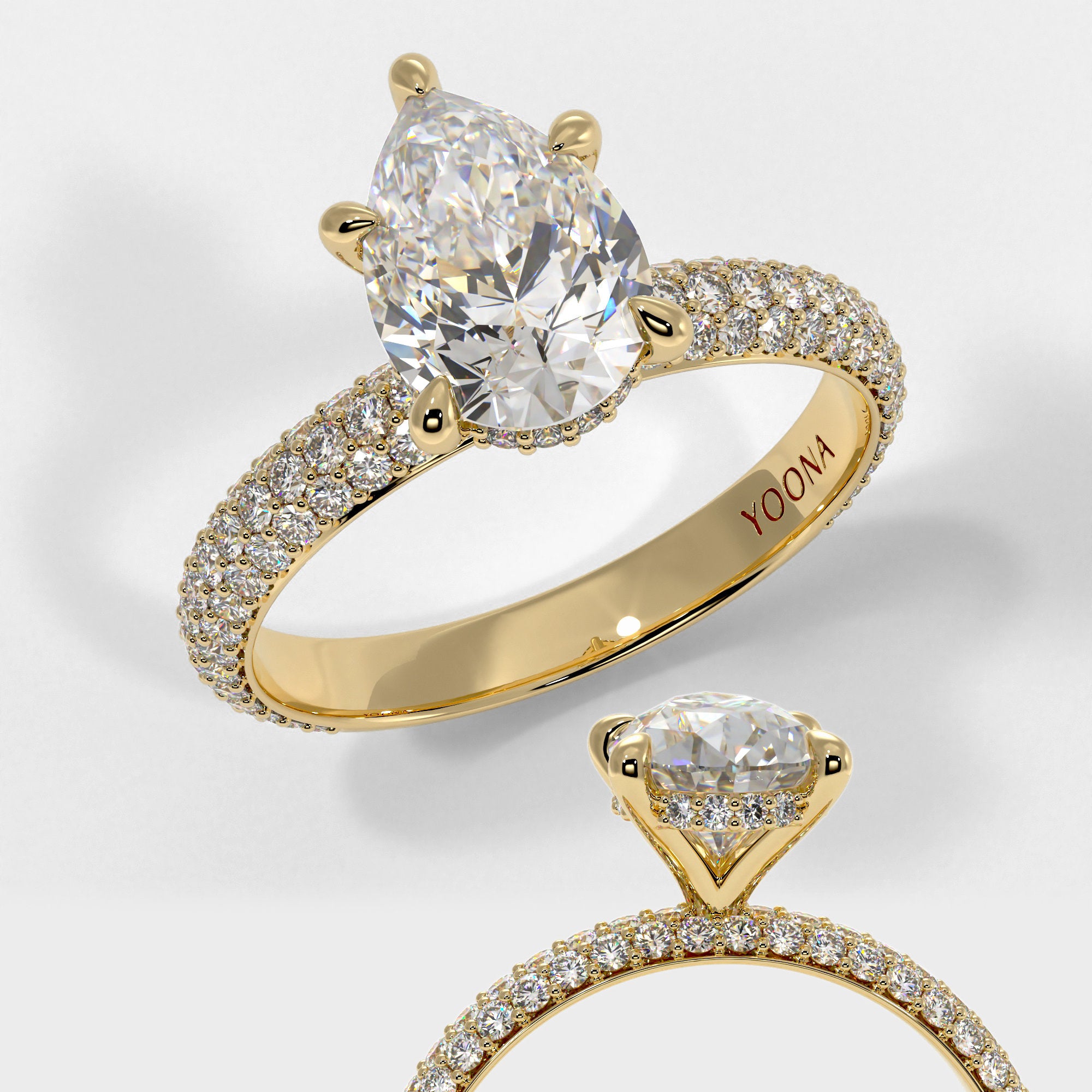
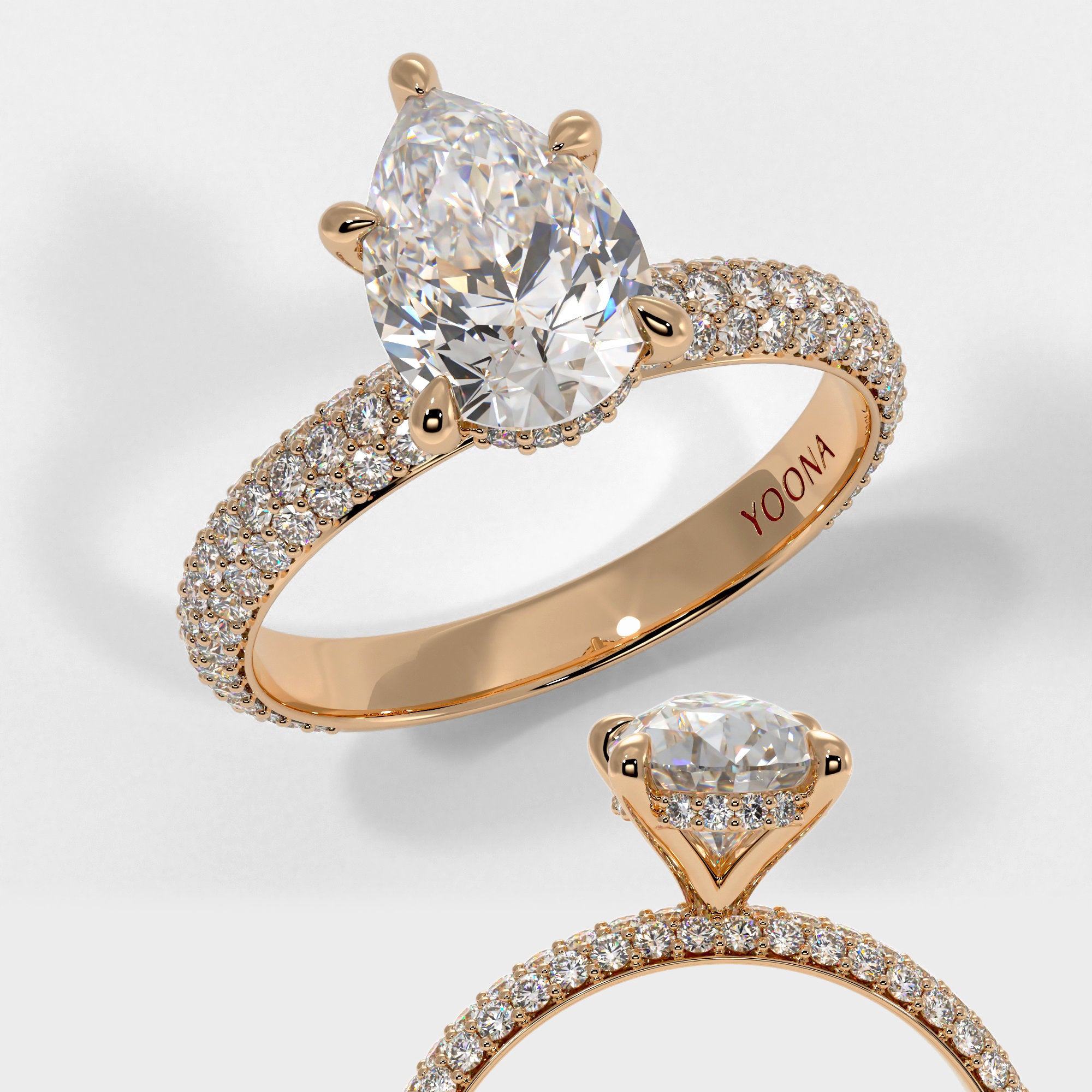
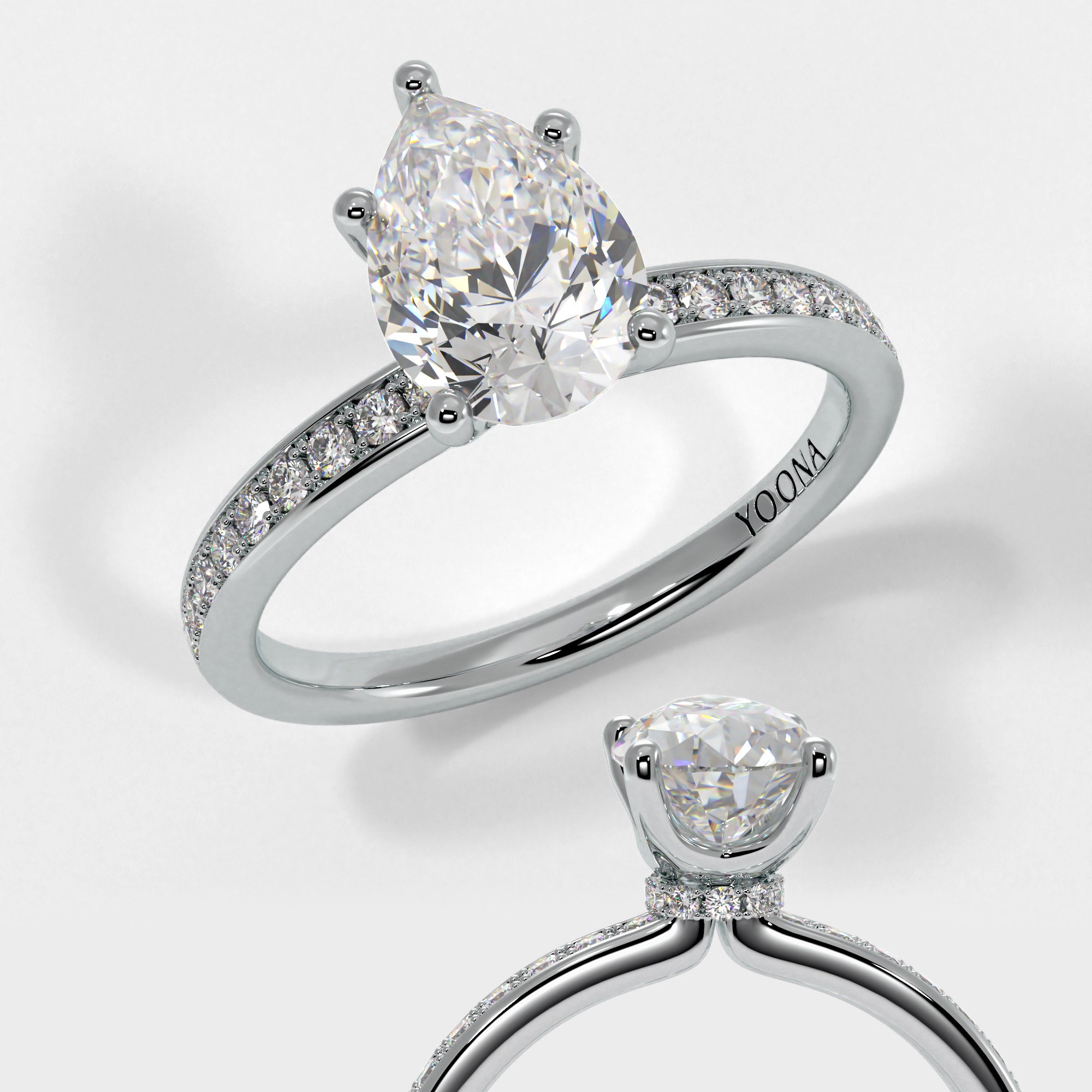
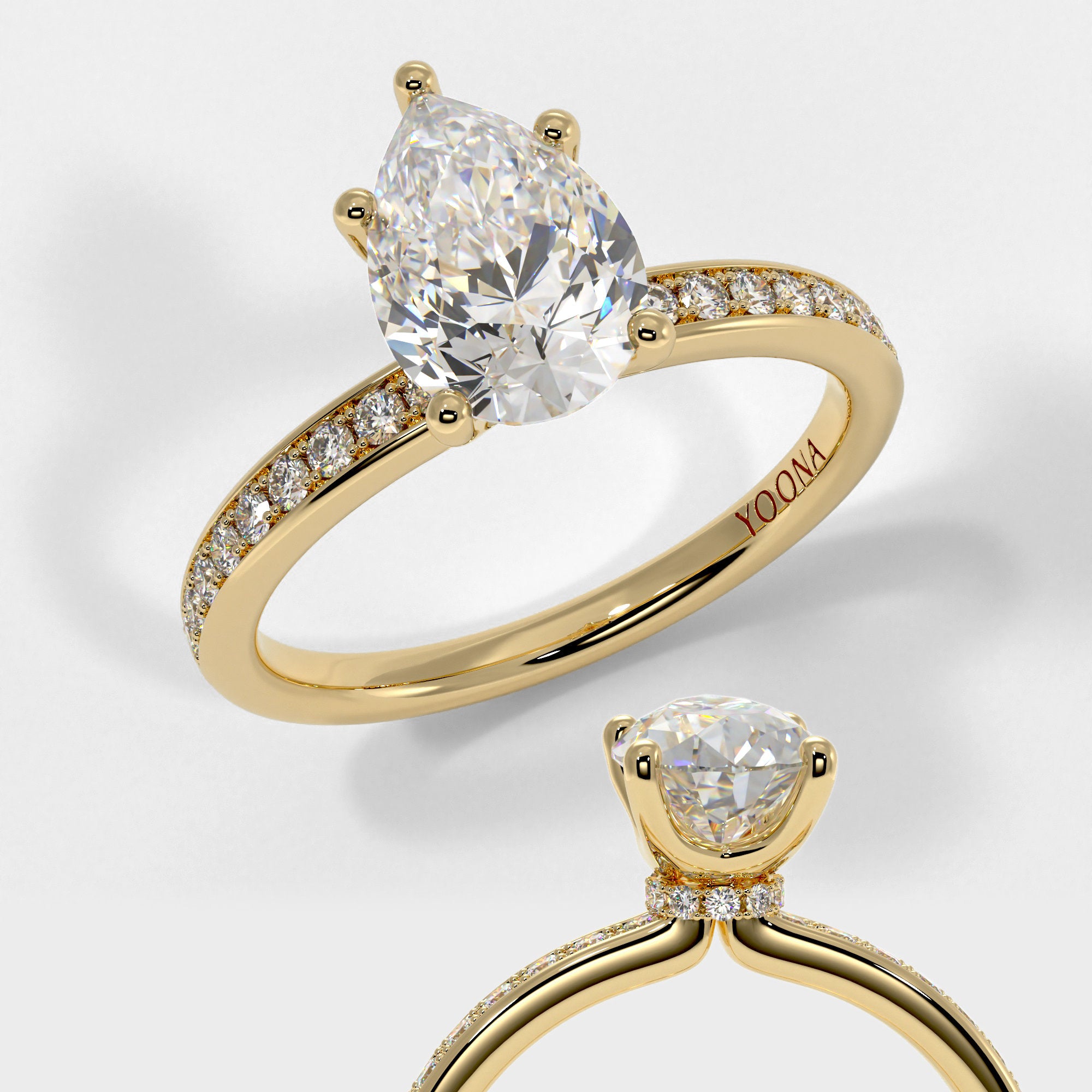
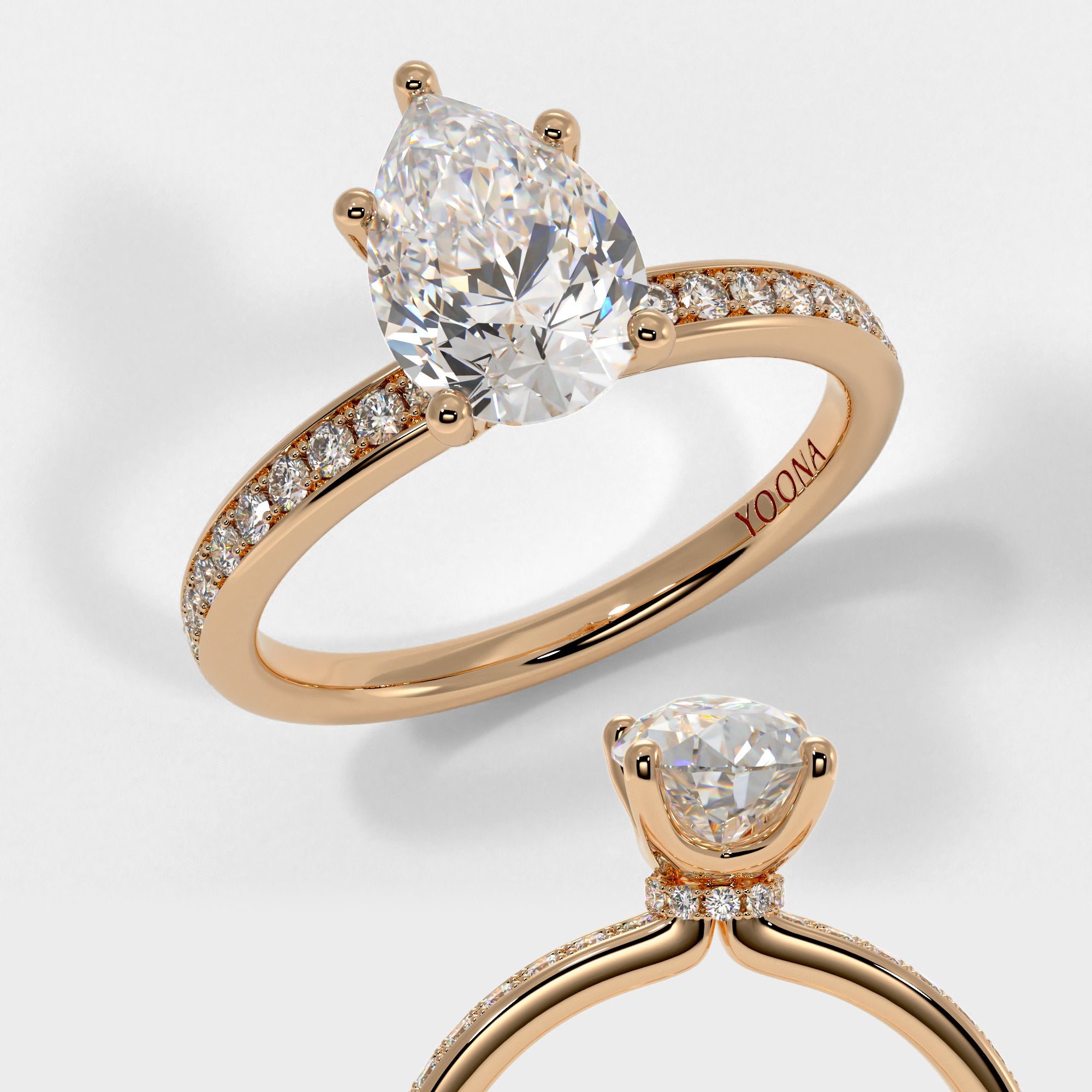
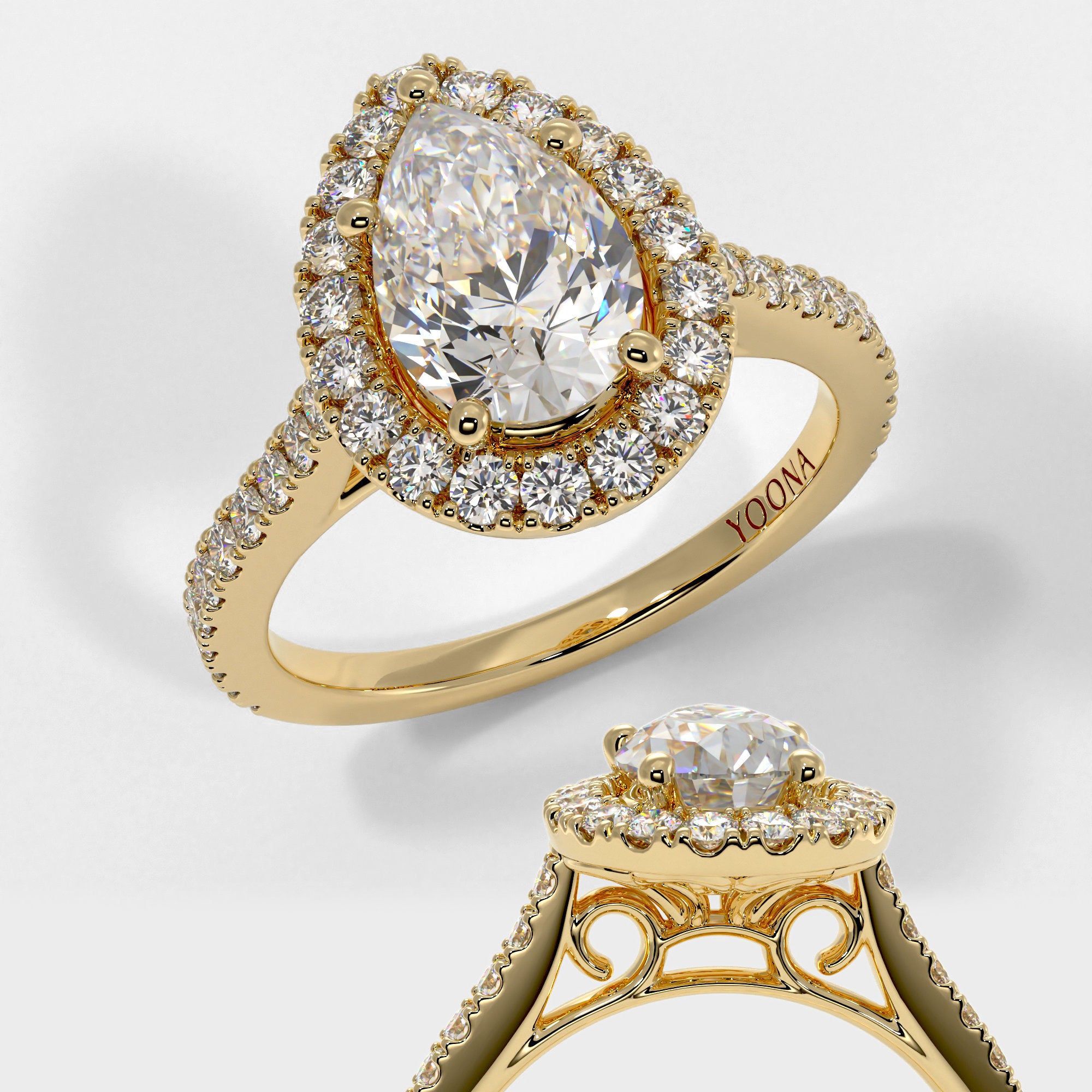
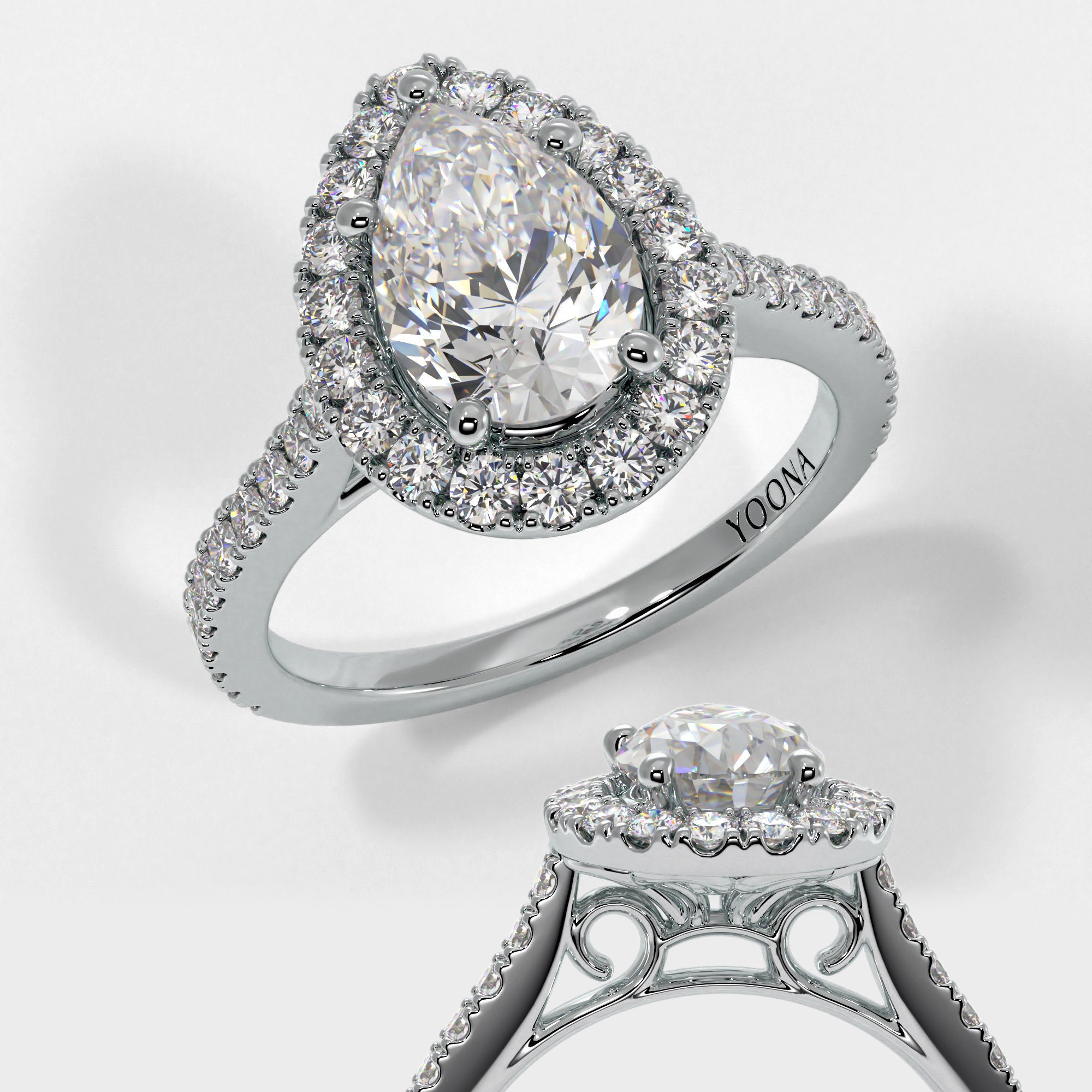
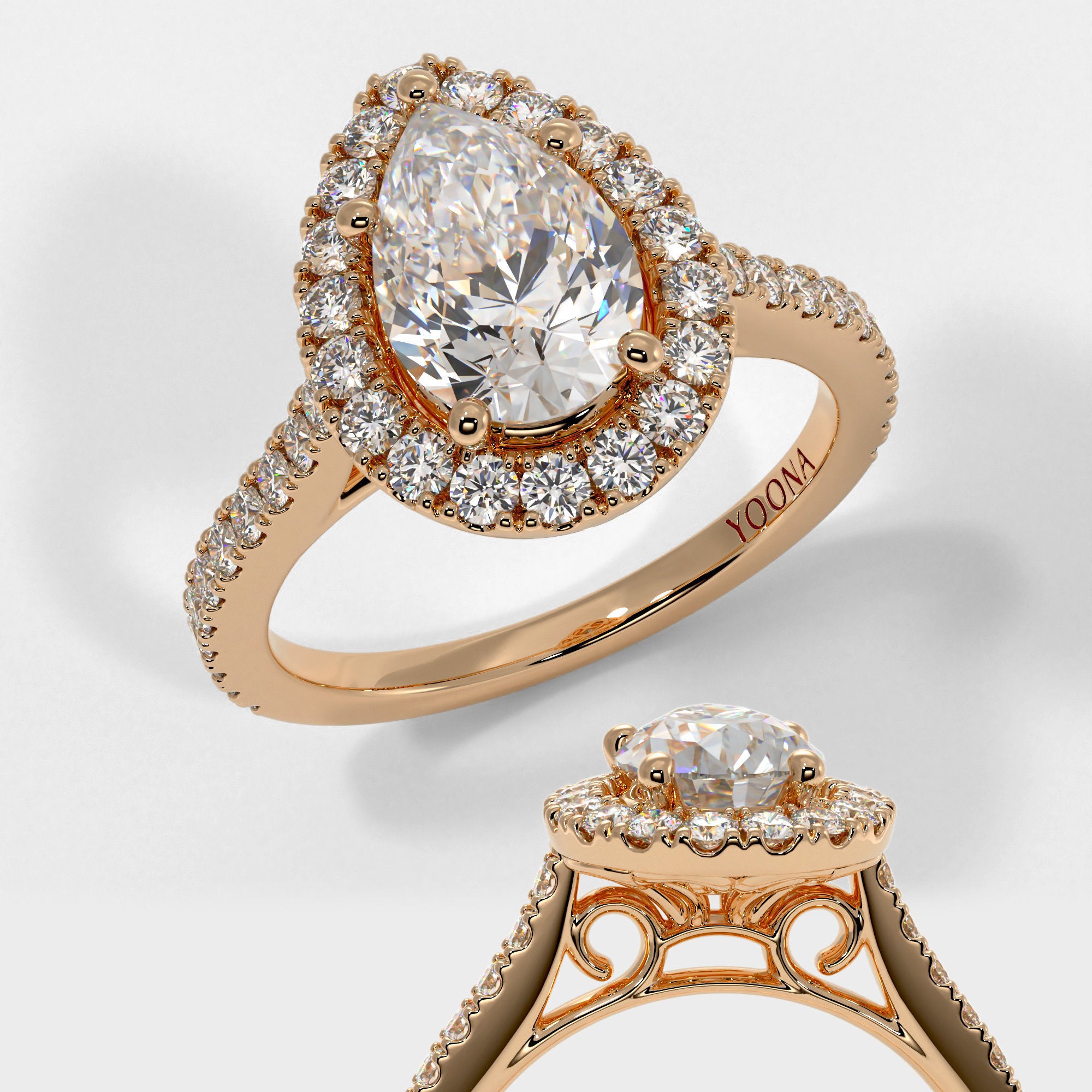
- Pear: A teardrop silhouette combining a rounded end and a point.
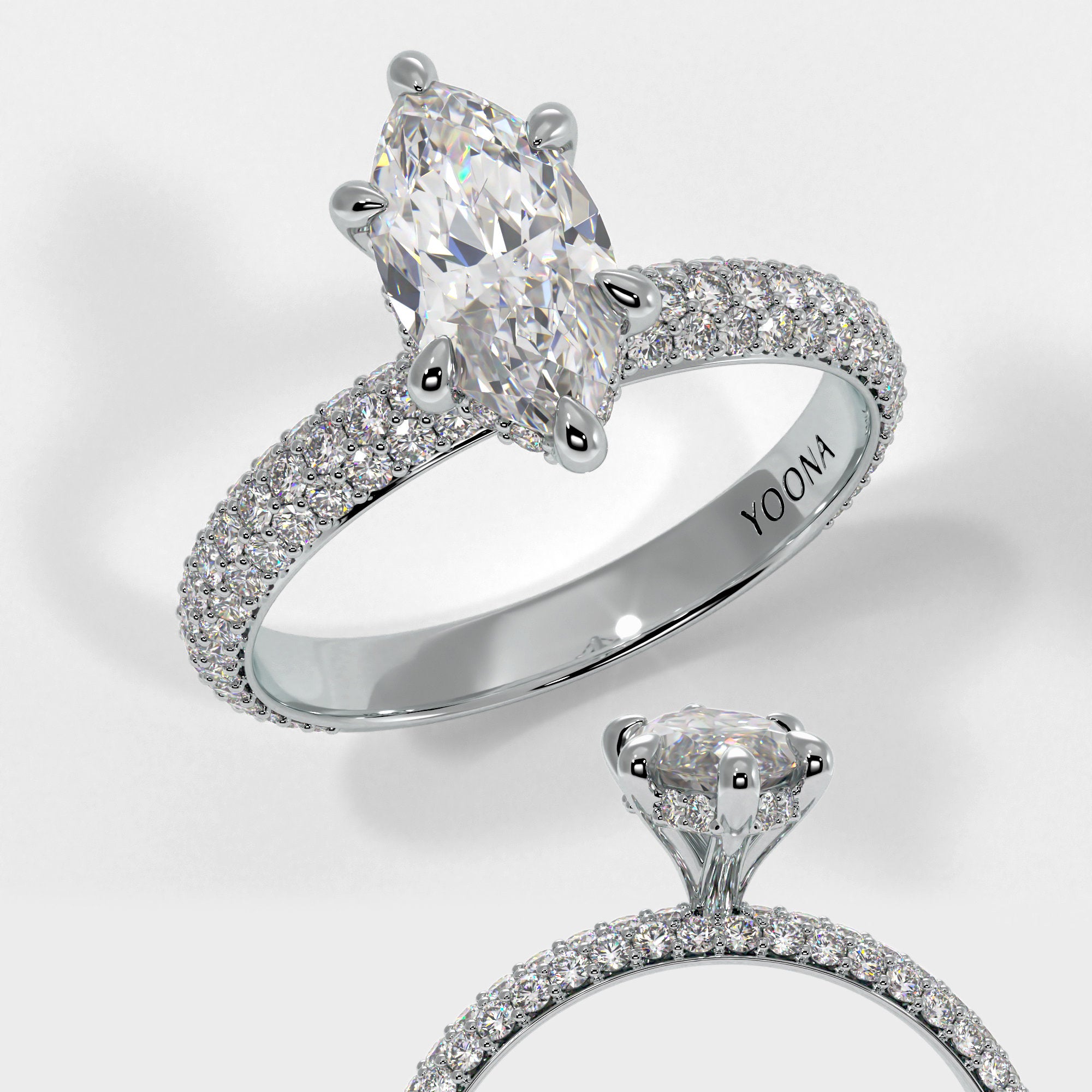
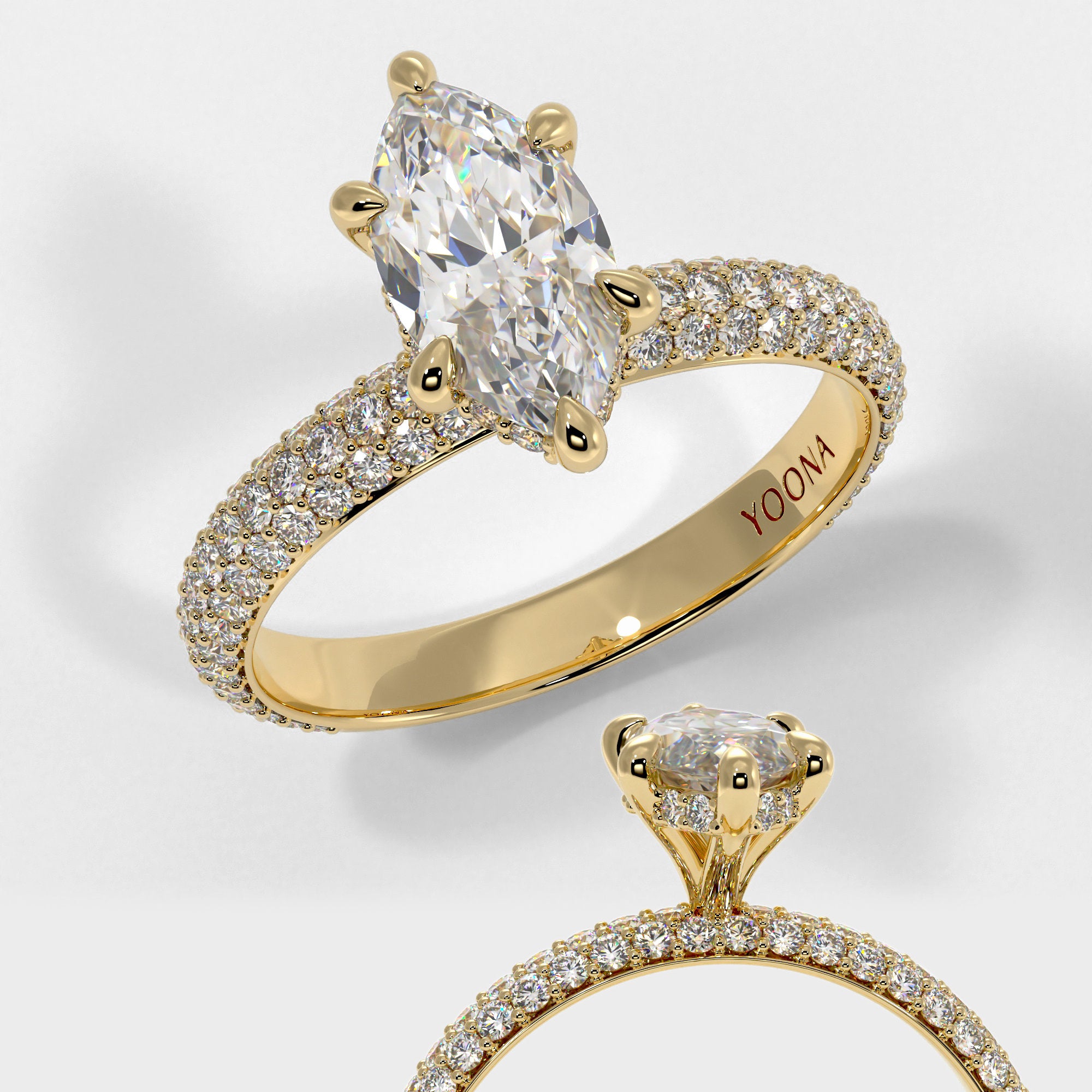
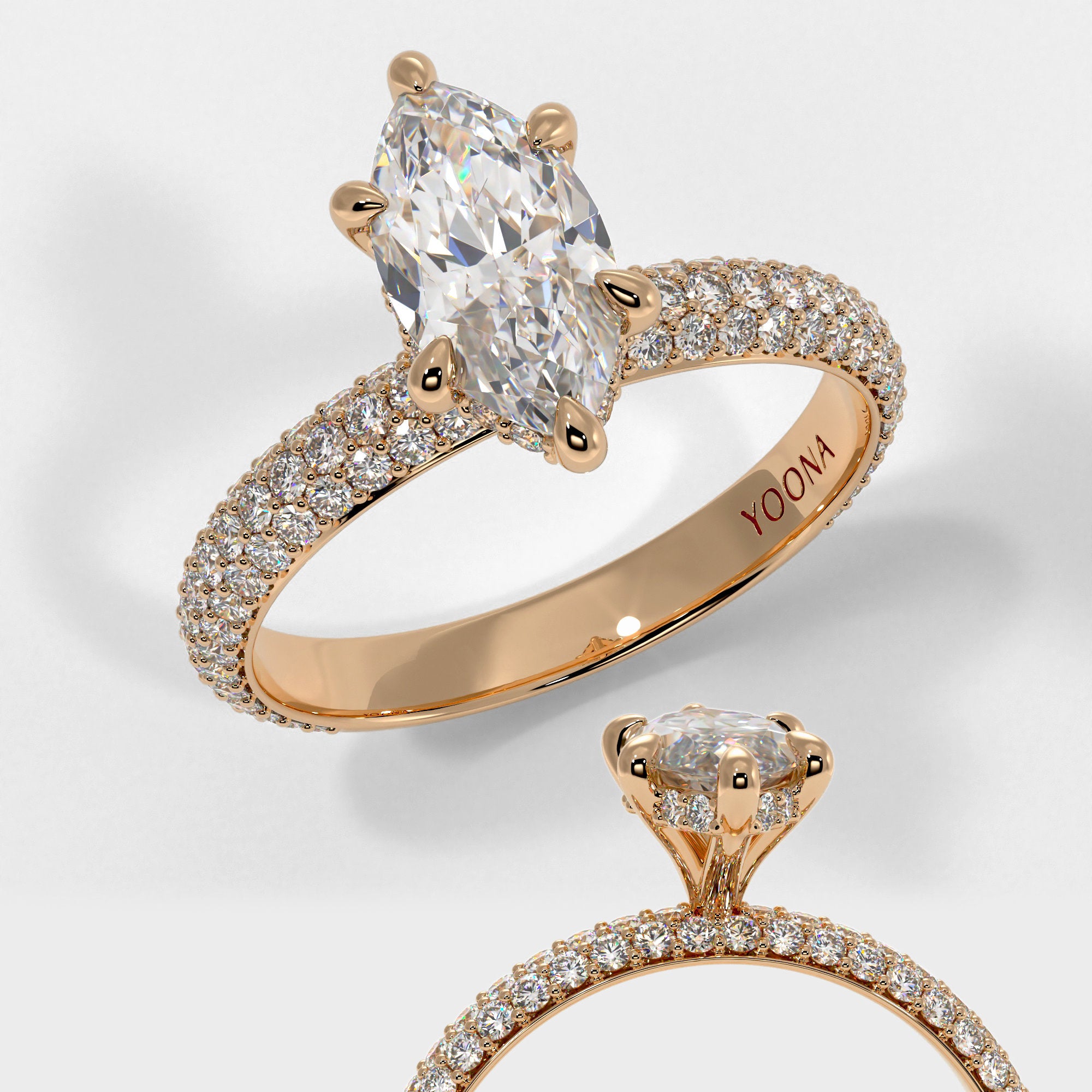
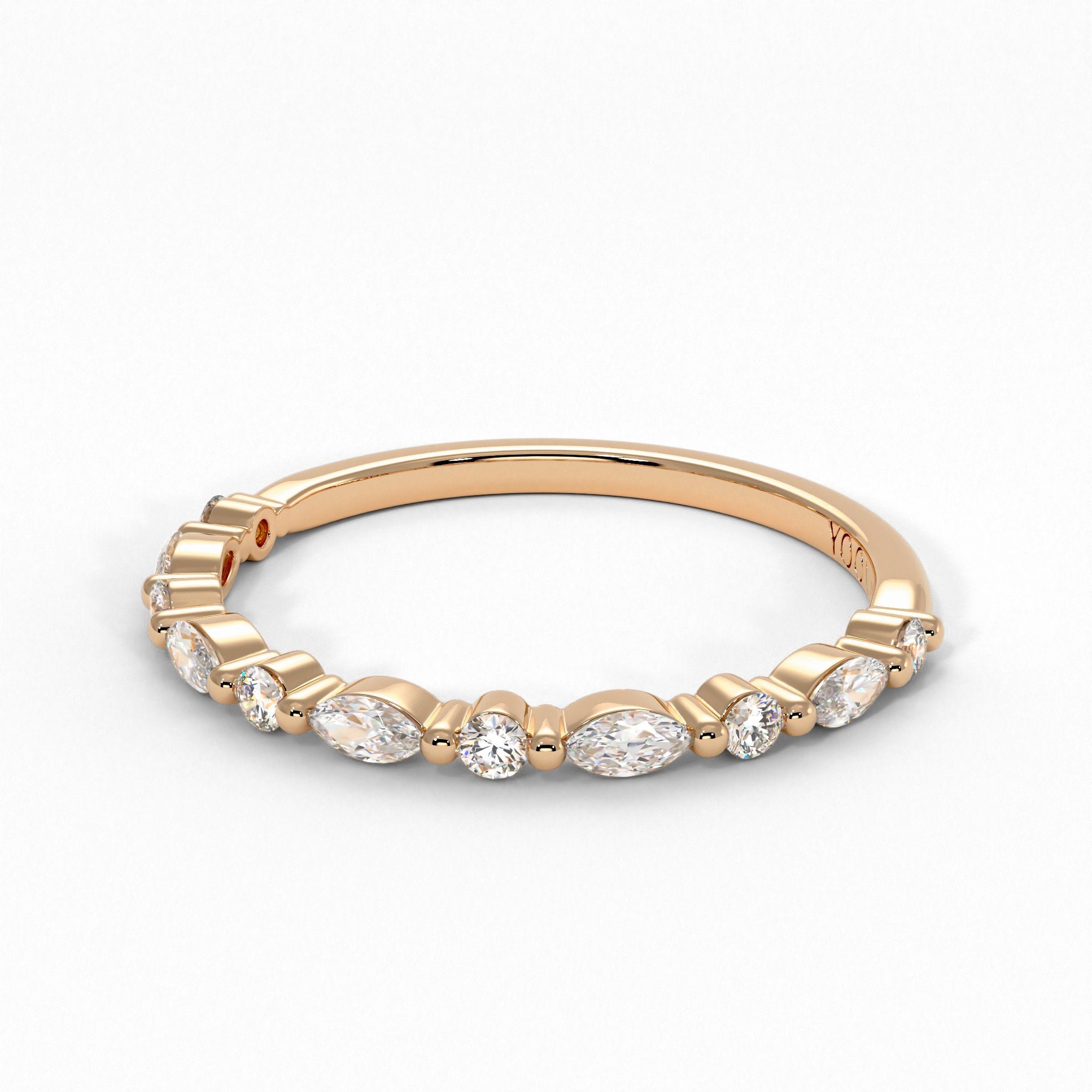
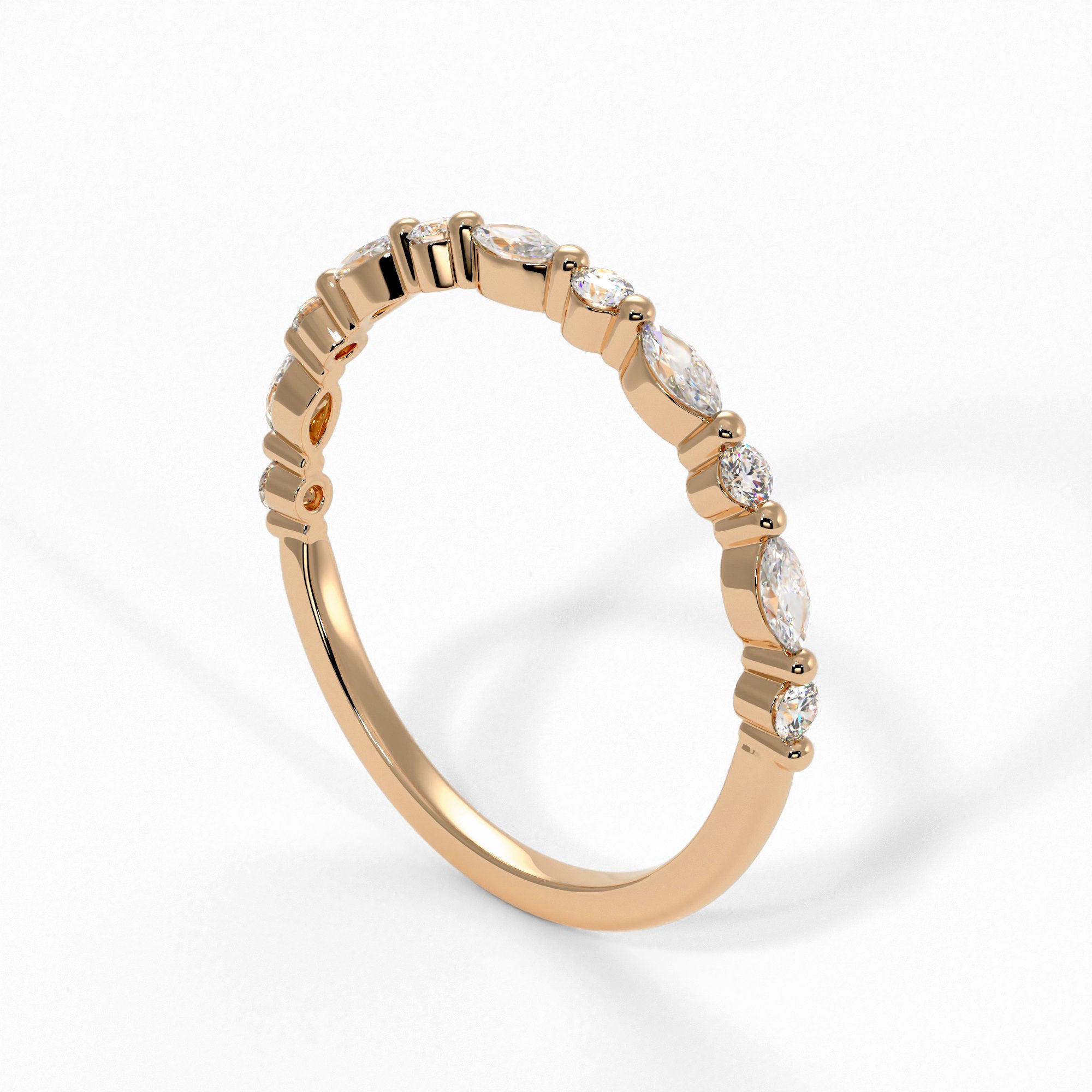
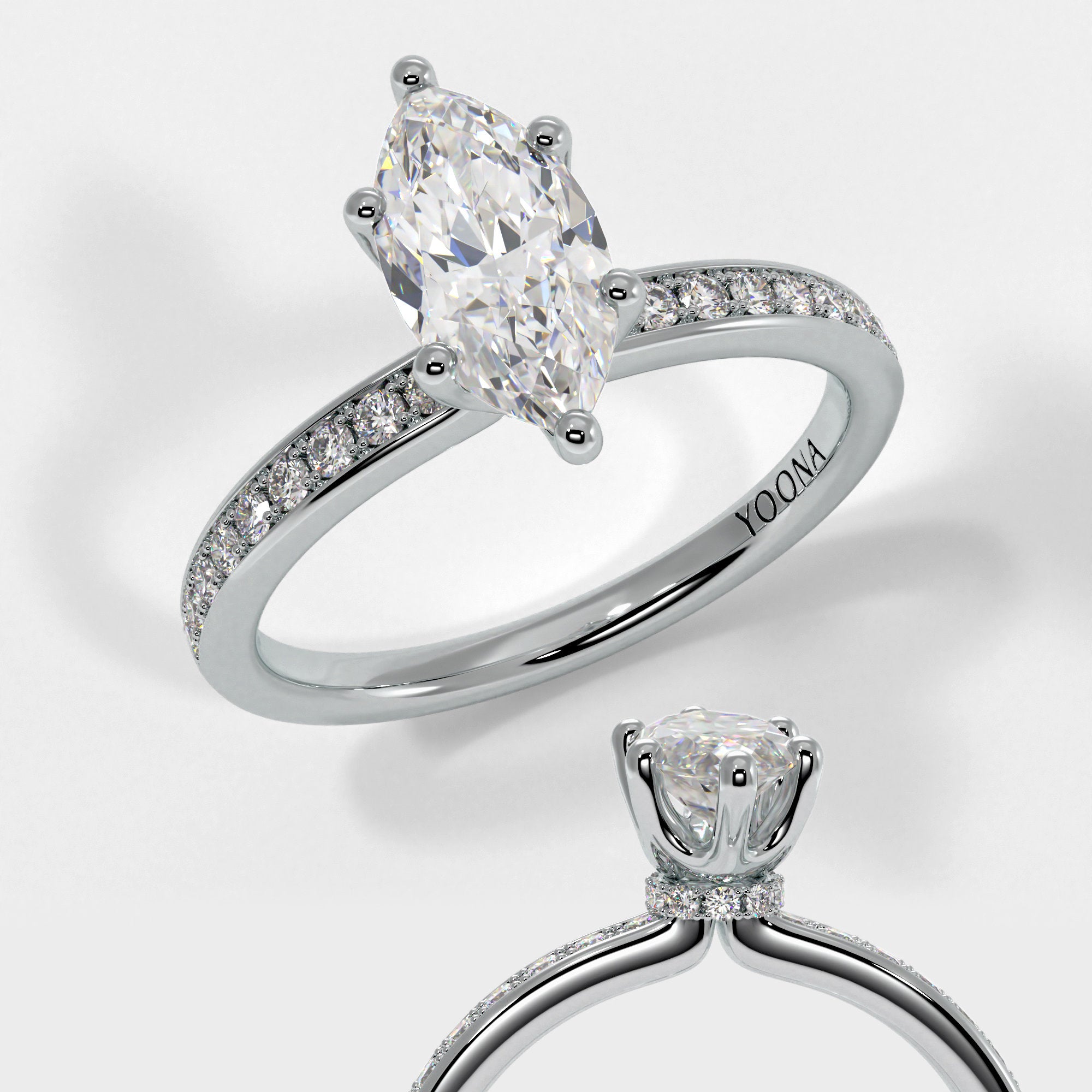
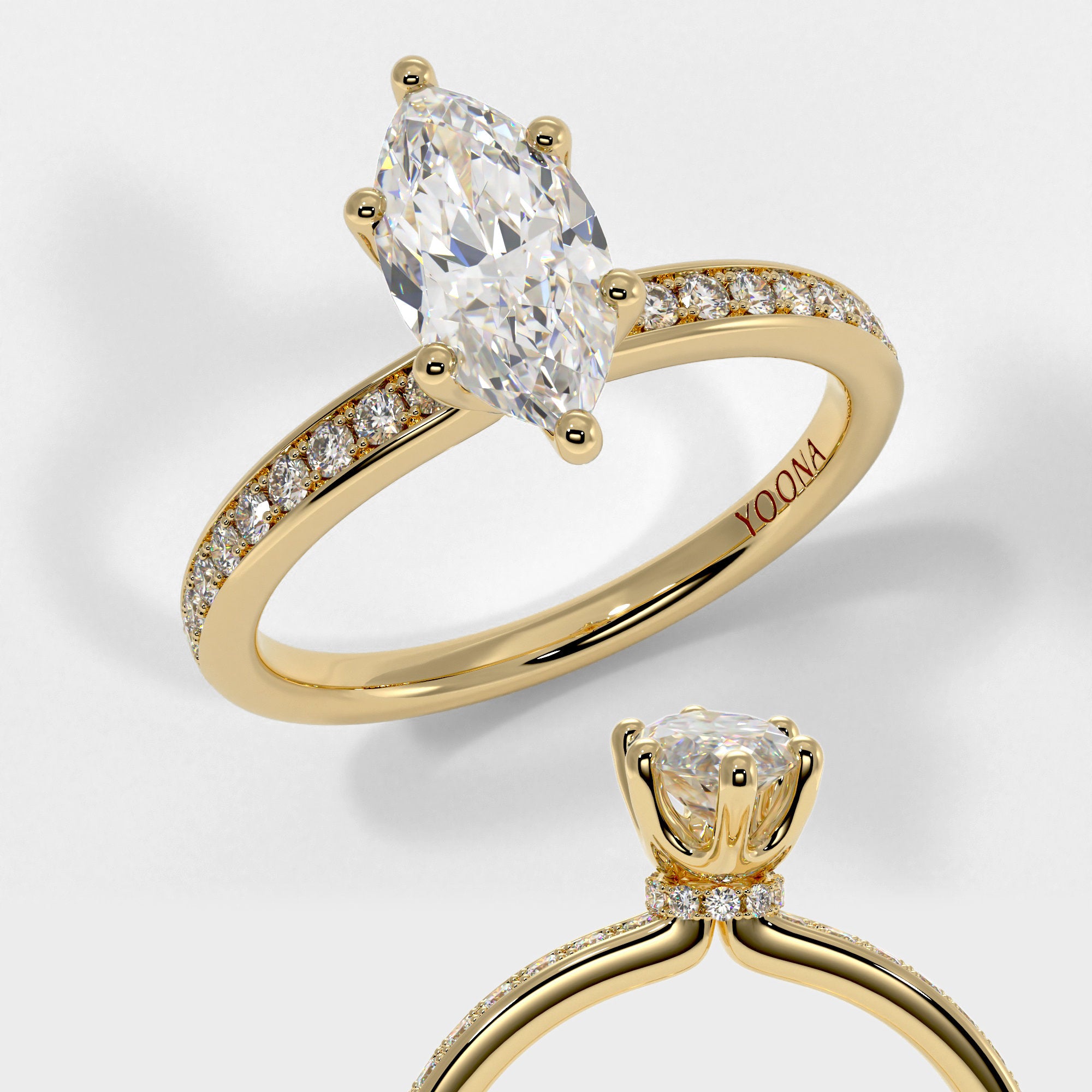
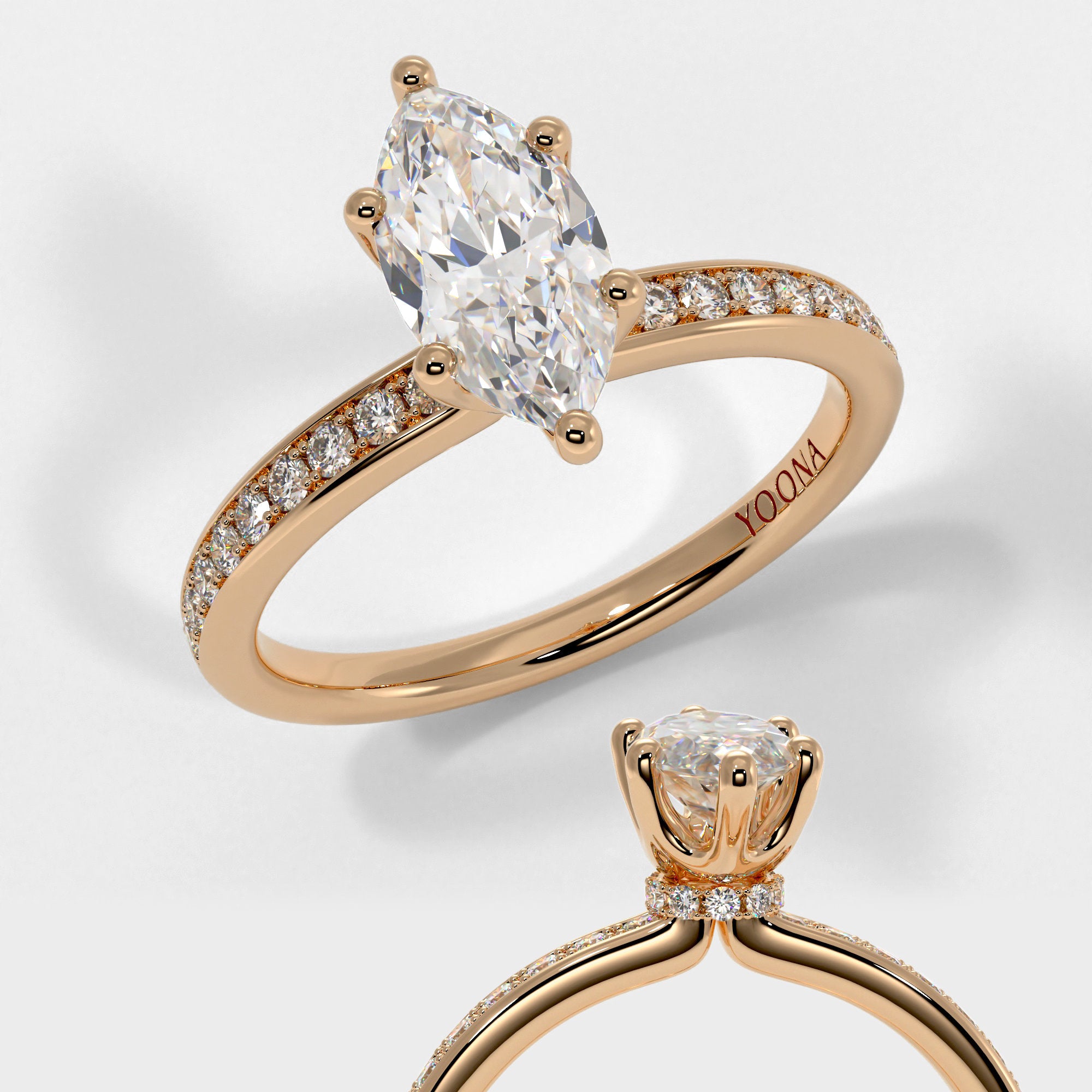
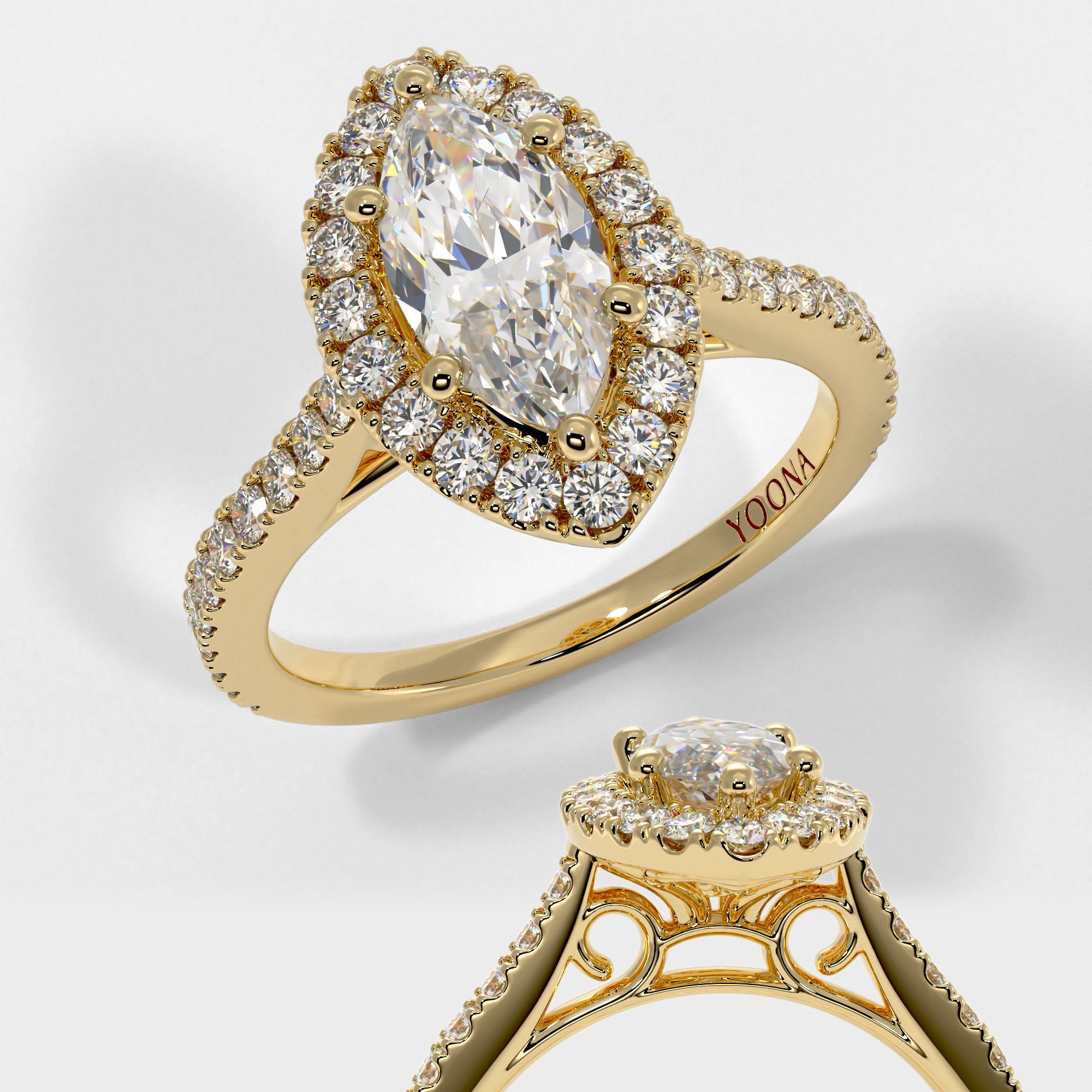
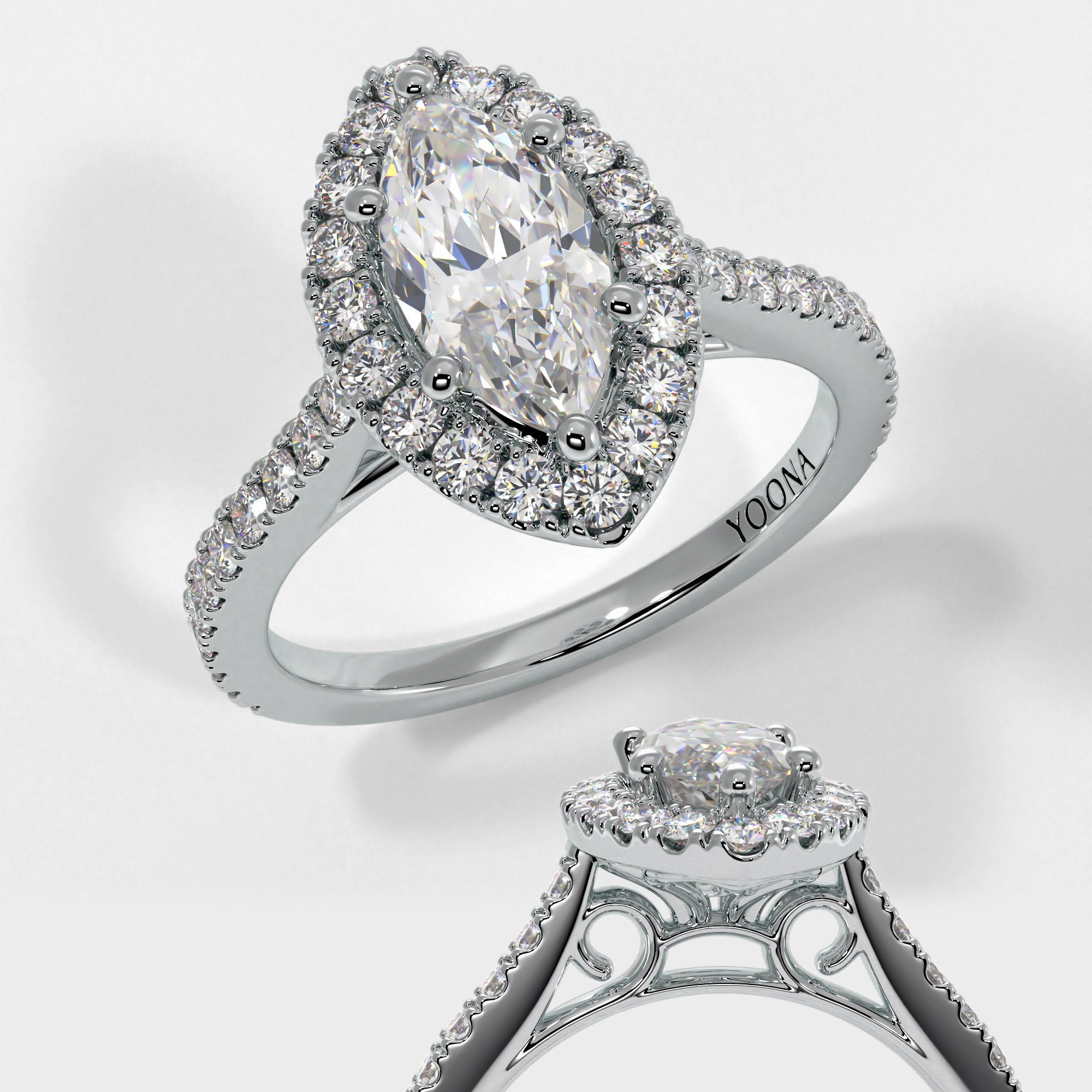
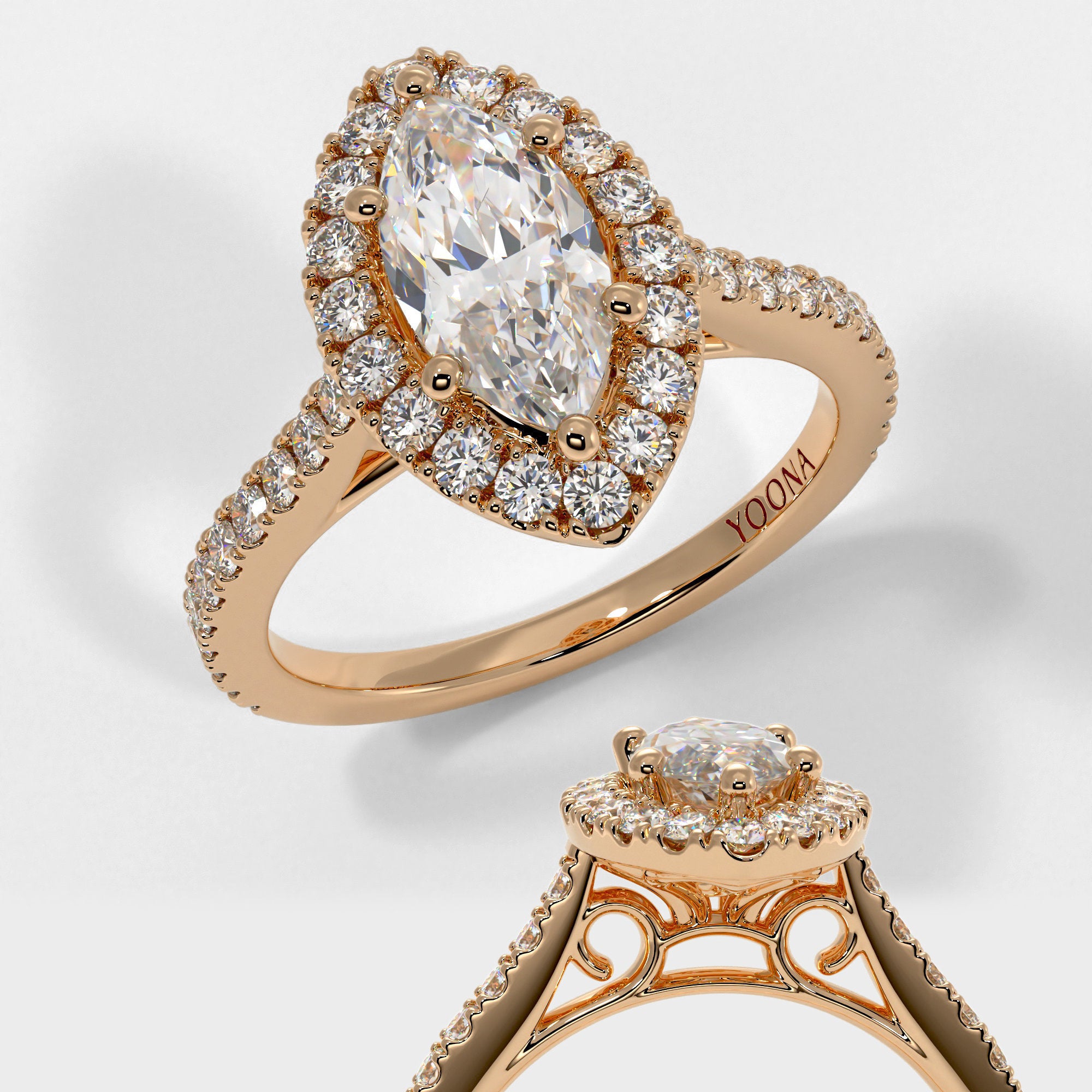
- Marquise: Elongated with pointed ends on both sides, maximizes visible surface area per carat.
- Heart: Symbolic and less common, requires particularly precise cutting to read clearly as a heart rather than a rounded blob.
Cut: The Quality Grade That Controls Sparkle
Quick answer: Cut measures how precisely a diamond's facets are proportioned to control brilliance, fire, and scintillation. It's graded independently of shape, and it affects sparkle more than any other factor, including carat.
Cut is a performance rating, not a design choice. A diamond's cut quality determines whether light entering the stone bounces back out toward your eye, or leaks out the bottom and sides where it's wasted. This is true regardless of which shape you choose.
Why Cut Grading Works Differently by Shape
Quick answer: GIA issues an official cut grade only for round diamonds. Fancy shapes, oval, cushion, pear, marquise, and others, don't receive an official cut grade, so judging their light performance requires looking at proportions and actual photos or video rather than a single grade letter.
This is one of the more important, less obvious facts in diamond shopping. Because round diamonds follow one standardized set of proportions, GIA can apply a single Excellent-to-Poor scale reliably. Fancy shapes vary too much in their ideal proportions for one universal scale to apply fairly, so their reports list measurements and proportions instead of a single grade word.
What this means practically: for a fancy shape, don't rely on a grade letter alone, look at face-up video or high-resolution photos showing how the stone actually performs in light. A well-proportioned fancy shape can outsparkle a mediocre one even without an official cut grade to compare against.
The Bowtie Effect: A Shape-Specific Cut Issue
Quick answer: Elongated shapes, oval, pear, marquise, and cushion in particular, can show a dark, bowtie-shaped shadow across the center if the cut proportions aren't right. This is a shape-specific risk that round diamonds don't have.
The bowtie effect happens when a diamond's cut proportions cause light to escape rather than reflect back through the center of an elongated shape, creating a visible dark patch shaped roughly like a bowtie. It varies in severity from barely noticeable to quite distracting, and it's specific to elongated shapes, rounds don't experience it. If you're considering an oval, pear, marquise, or cushion, it's worth specifically checking face-up photos or video for this before buying, since it's not something a standard grading report will flag directly.
Do Some Shapes Hide Flaws Better Than Others?
Quick answer: Yes. Brilliant-cut shapes, like round and princess, tend to hide inclusions and color better than step-cut shapes like emerald and asscher, which have large, open facets that make internal characteristics more visible.
Step cuts use fewer, larger facets arranged in parallel lines, which creates a clean, elegant look but also acts like a window into the stone, making inclusions and color more visible than in a brilliant cut of the same grade. If you're drawn to an emerald or asscher shape, it's worth prioritizing clarity and color a grade higher than you might for a round or cushion, since flaws simply show more readily in that cutting style.
Frequently Asked Questions
Which shape is the most brilliant?
Round diamonds are generally the most brilliant, since the round brilliant cut was specifically engineered to maximize light return, and centuries of refinement have optimized its proportions.
Does shape affect price?
Yes, round diamonds typically cost more per carat than fancy shapes of equivalent quality, partly due to higher rough diamond wastage during cutting and partly due to demand.
Can I get an "Excellent" cut grade on any shape?
Officially, only on round diamonds. Fancy shapes can still be beautifully and precisely cut, it's simply documented through proportions and imagery rather than a single grade label.
Why Yoona Never Compromises on Cut, Regardless of Shape
Whatever shape you choose, the Yoona Eternal Diamond™ standard holds cut to Excellent or Very Good across the board. Shape is entirely your choice, an expression of personal style, but cut quality is the one variable we never adjust, because sparkle shouldn't be shape-dependent.