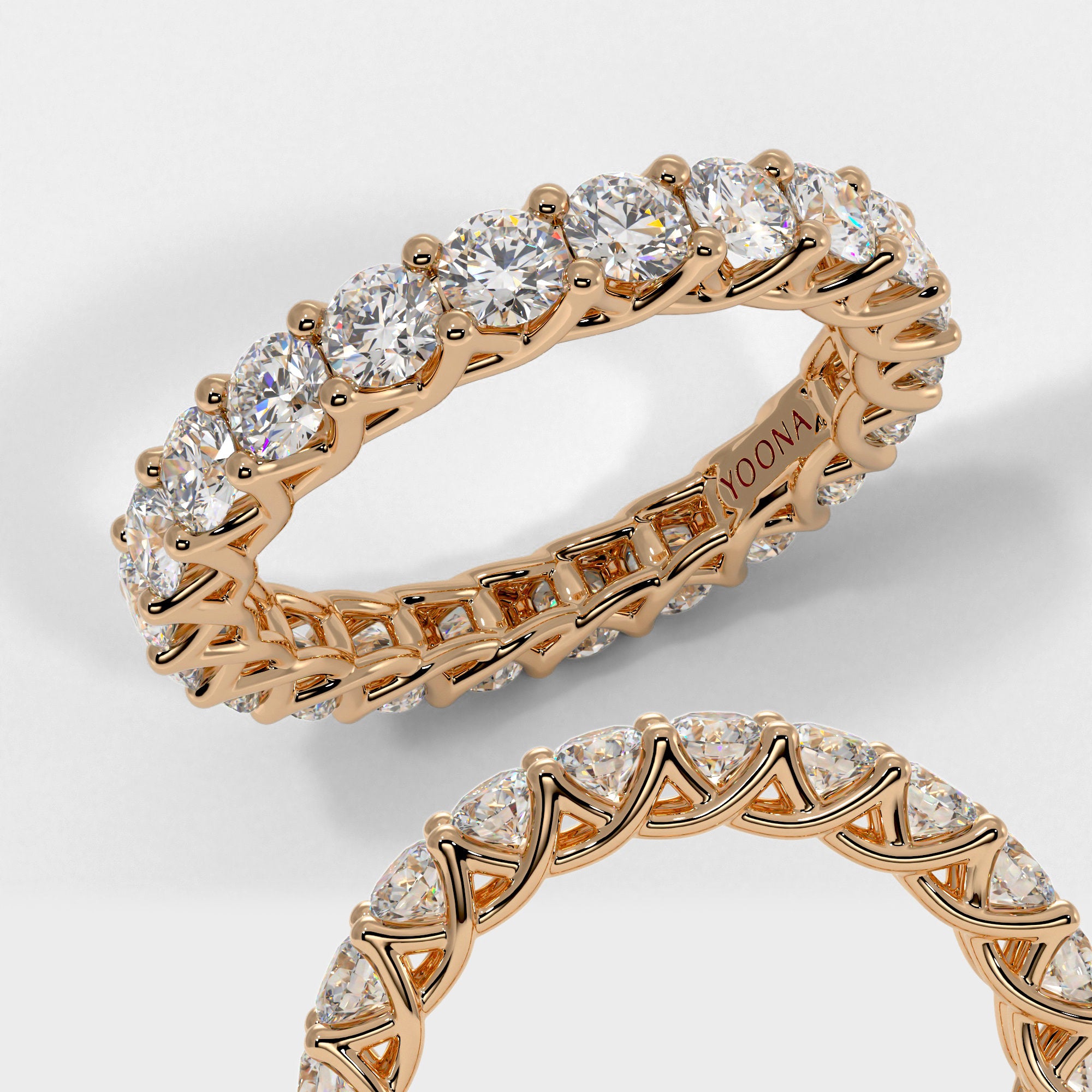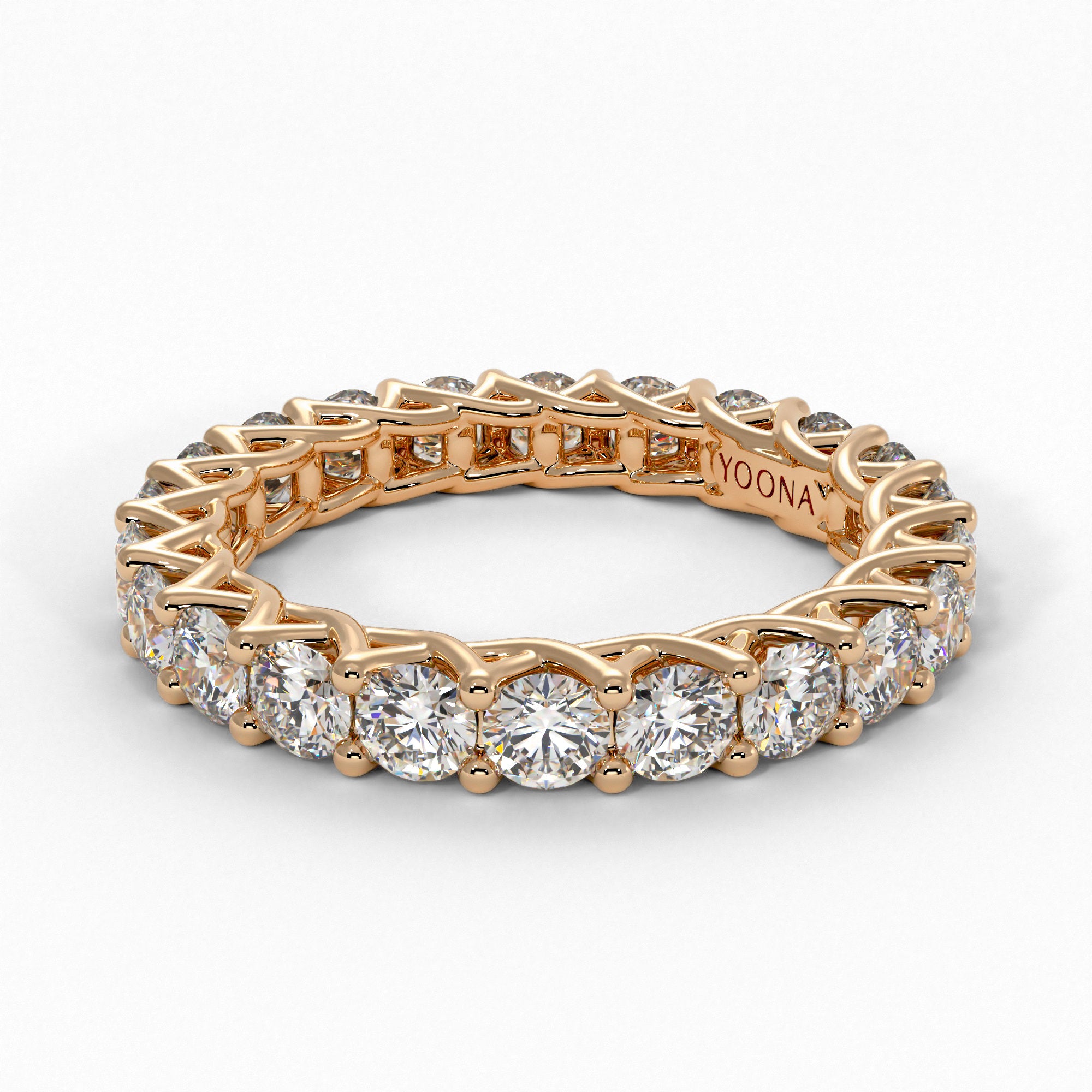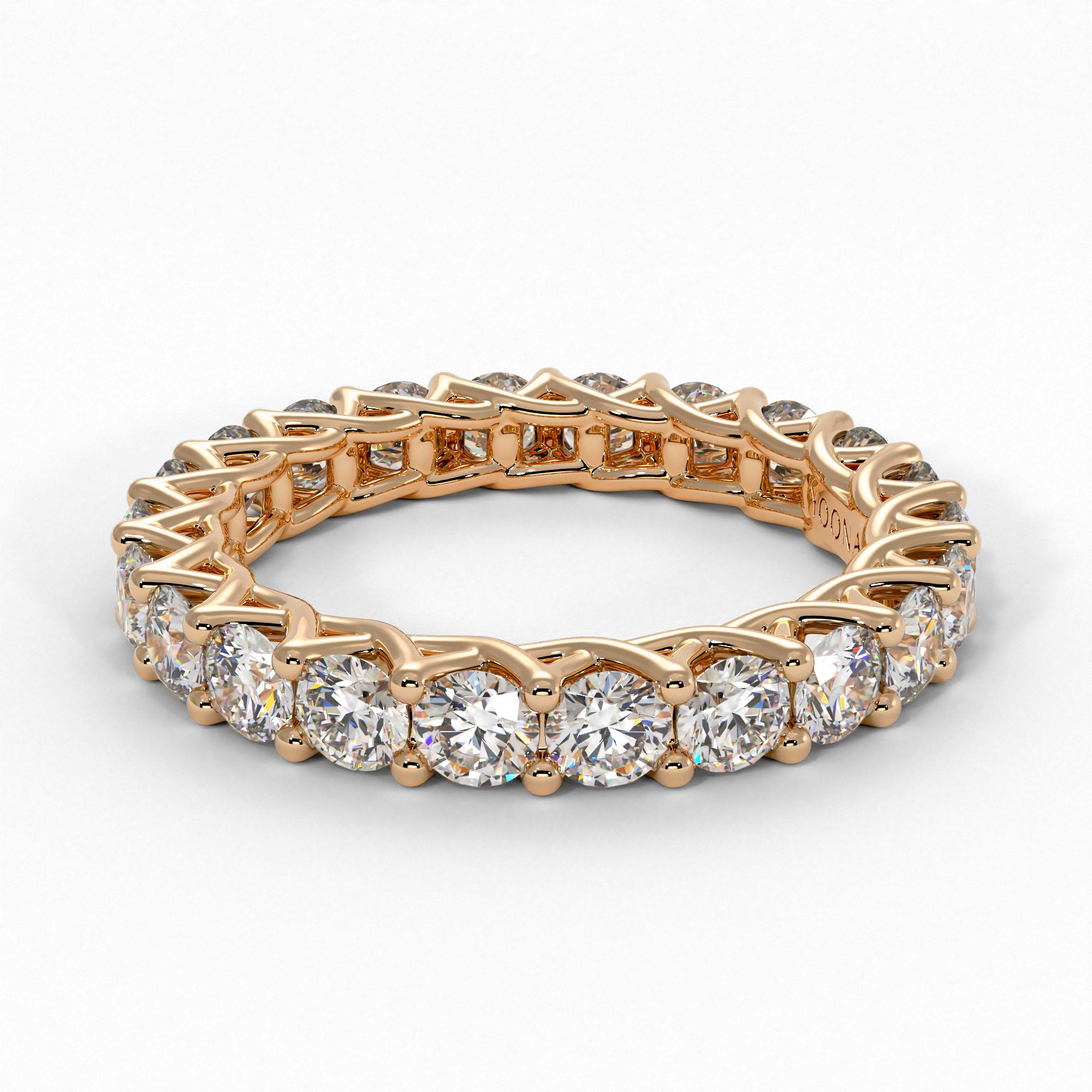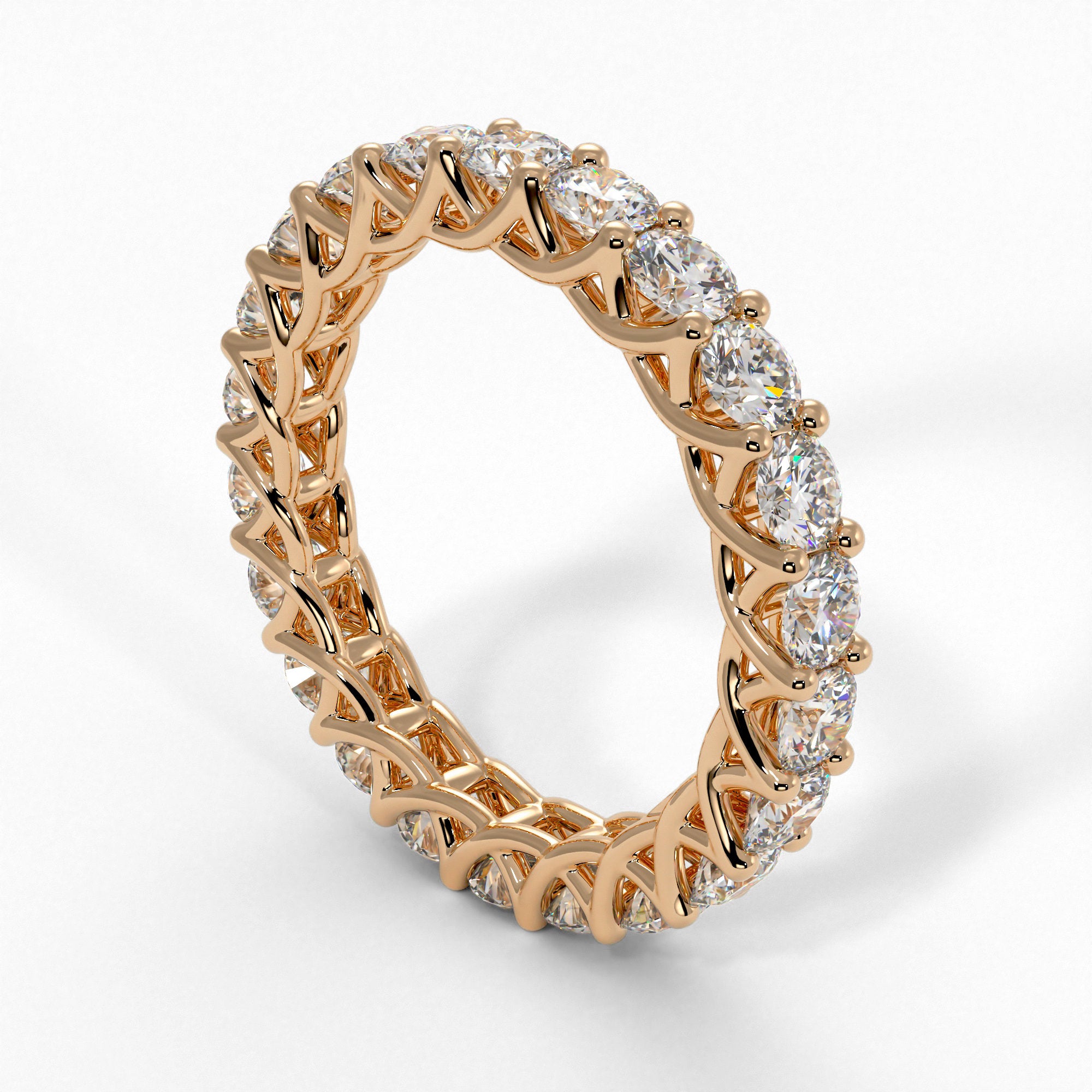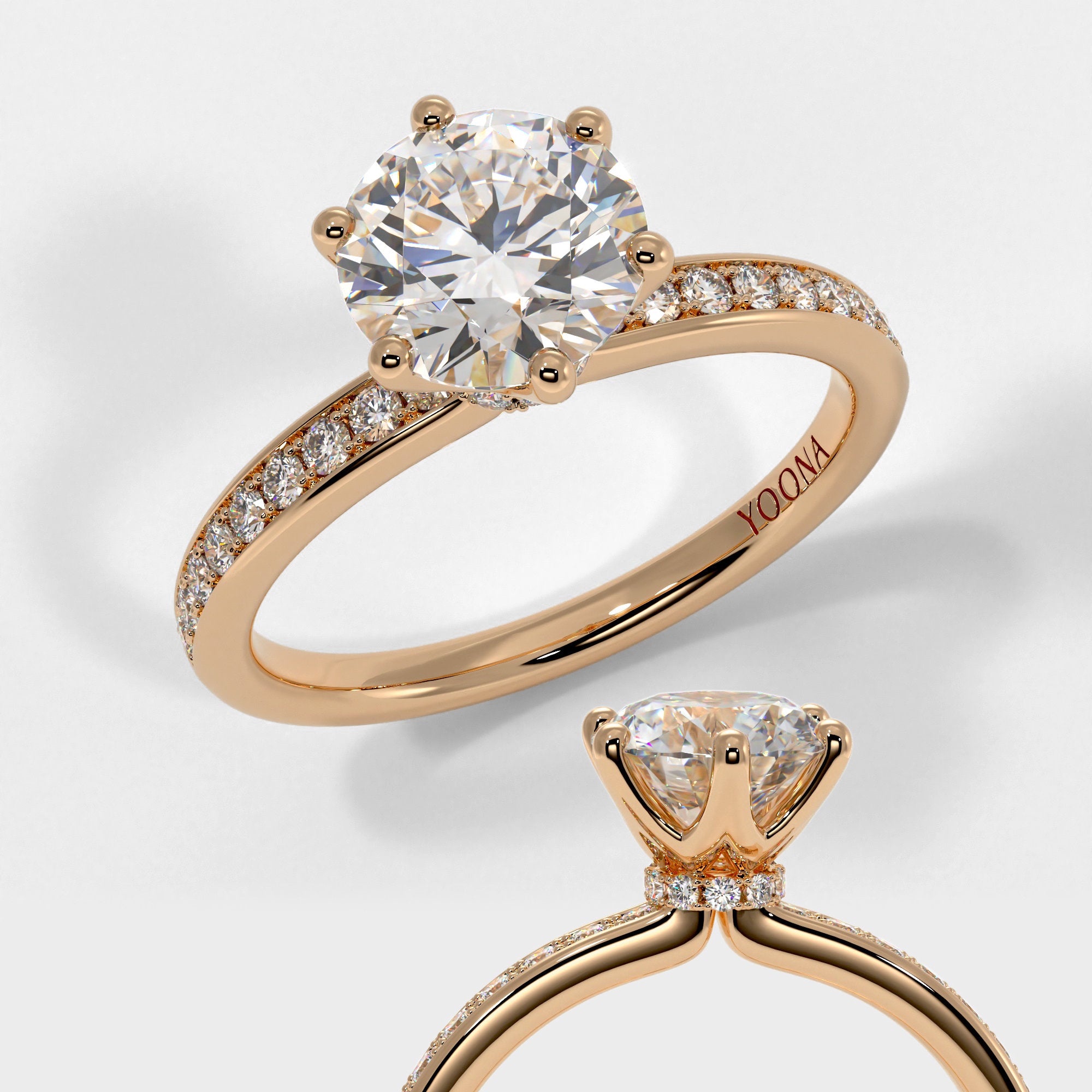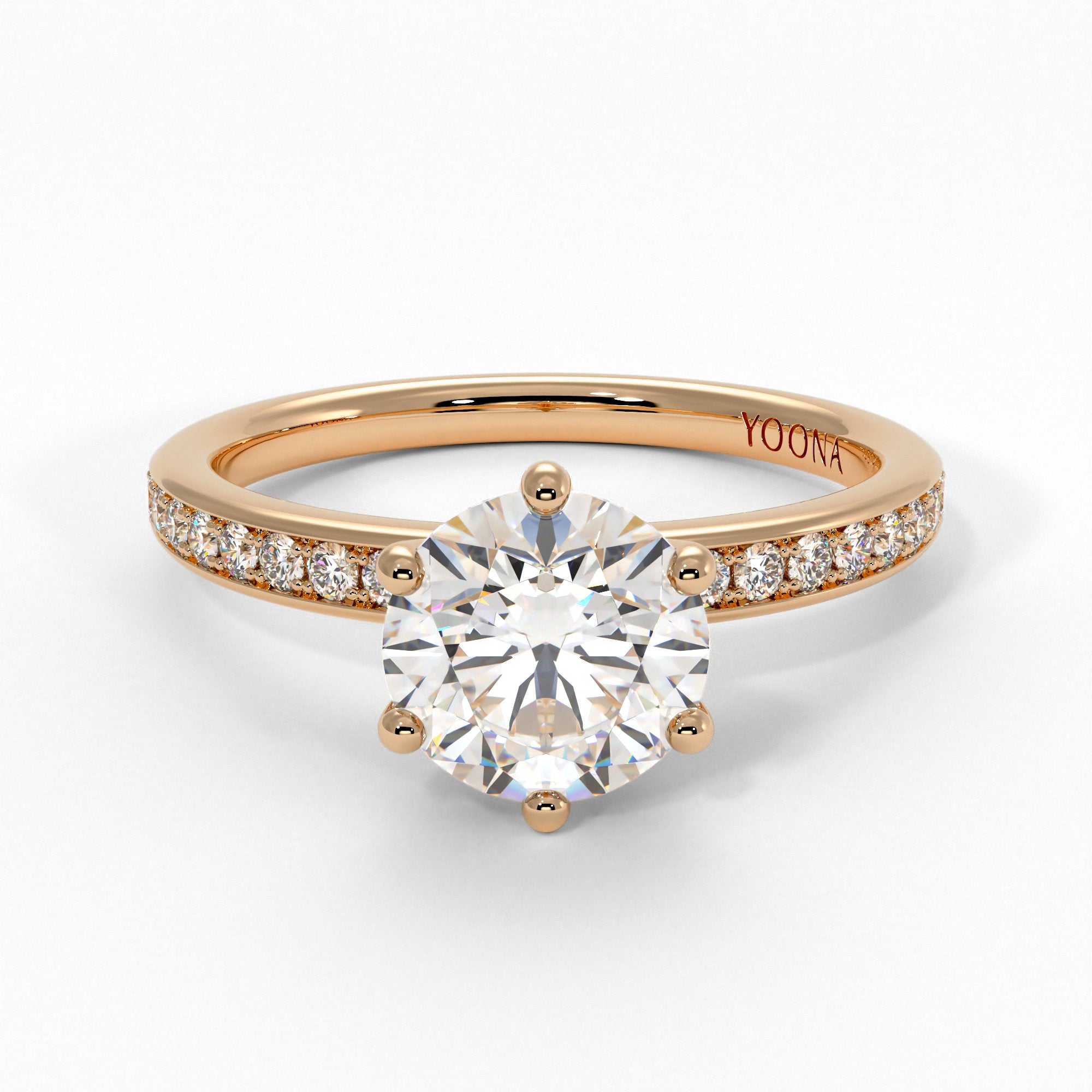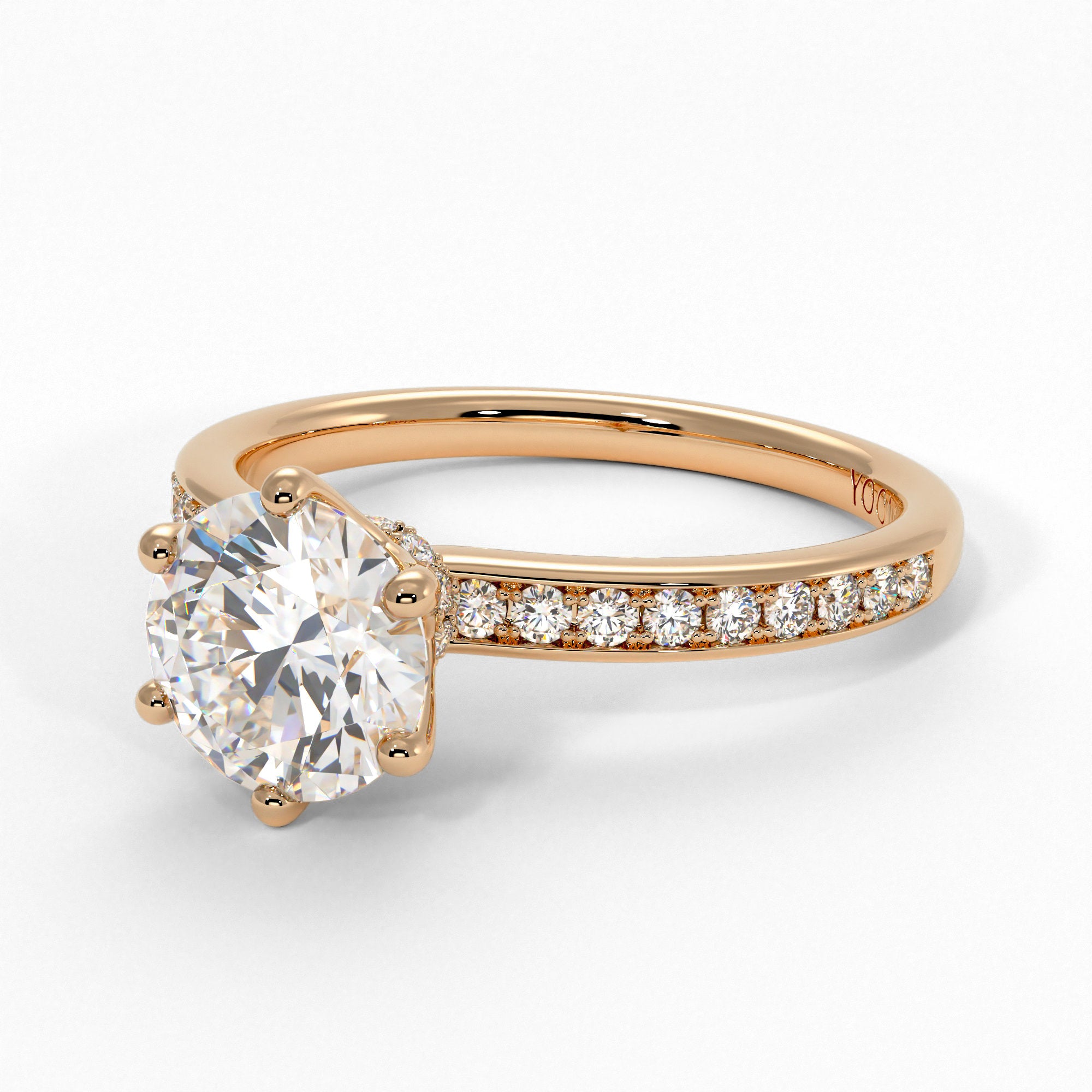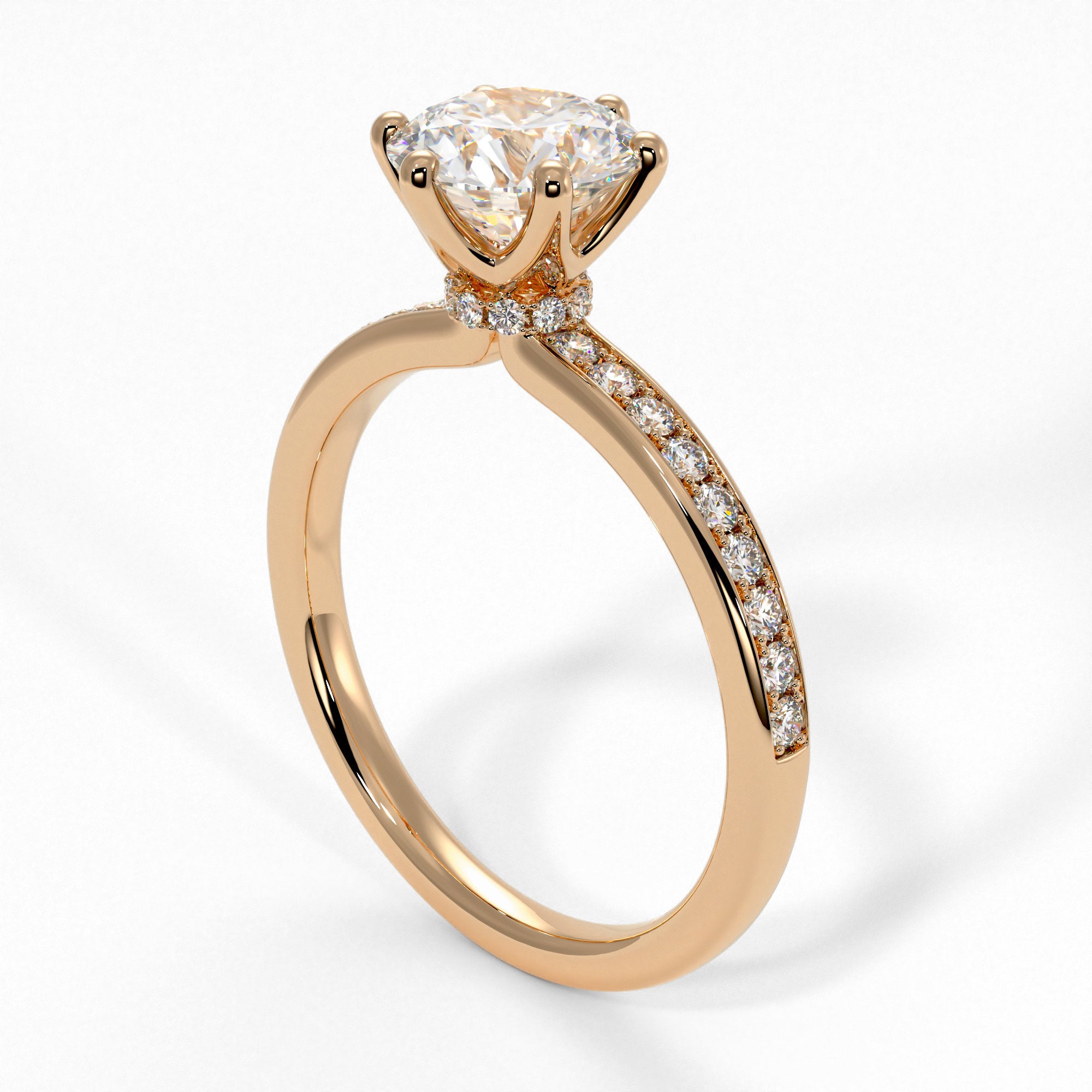
Reviewed by Yoona's in-house jewelry experts
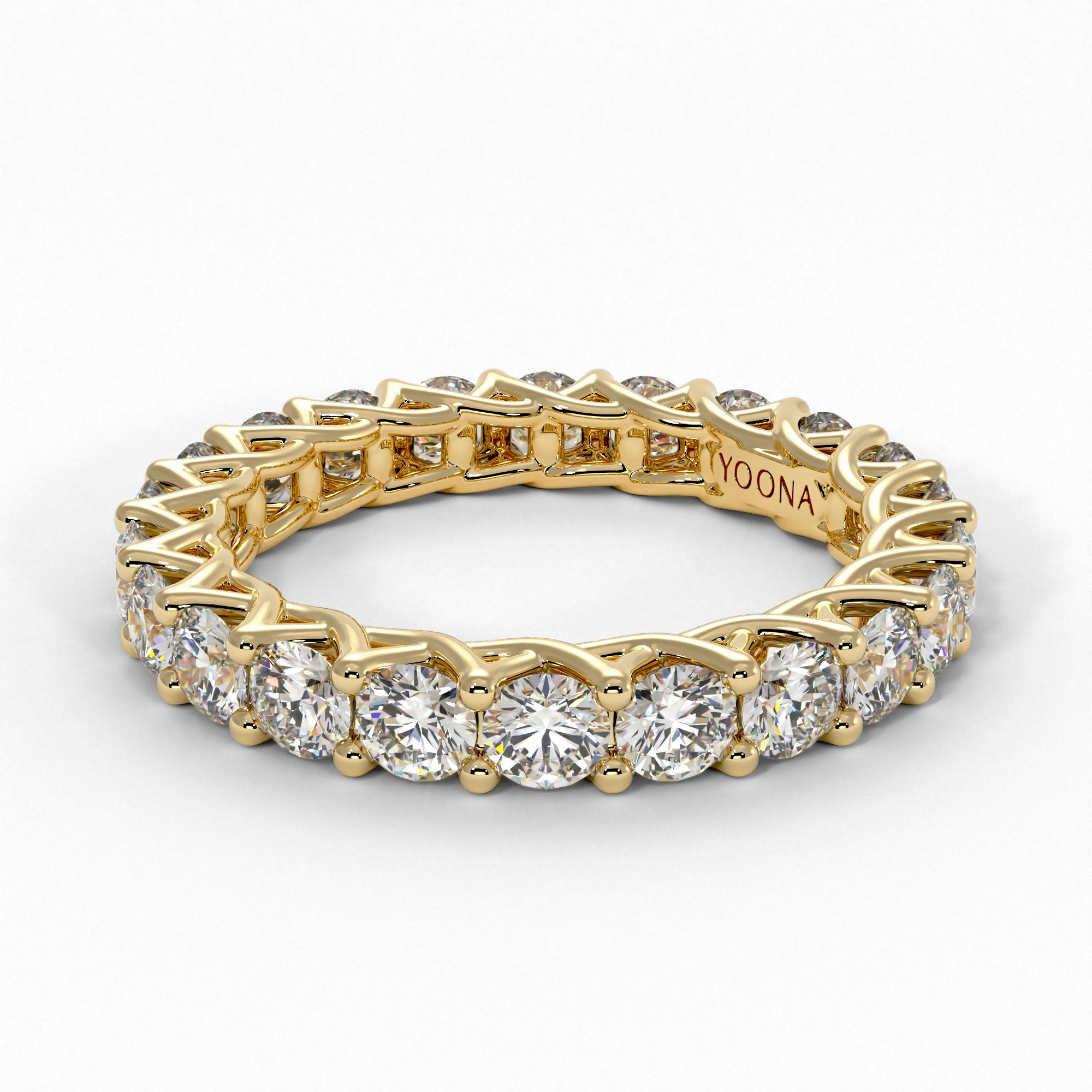
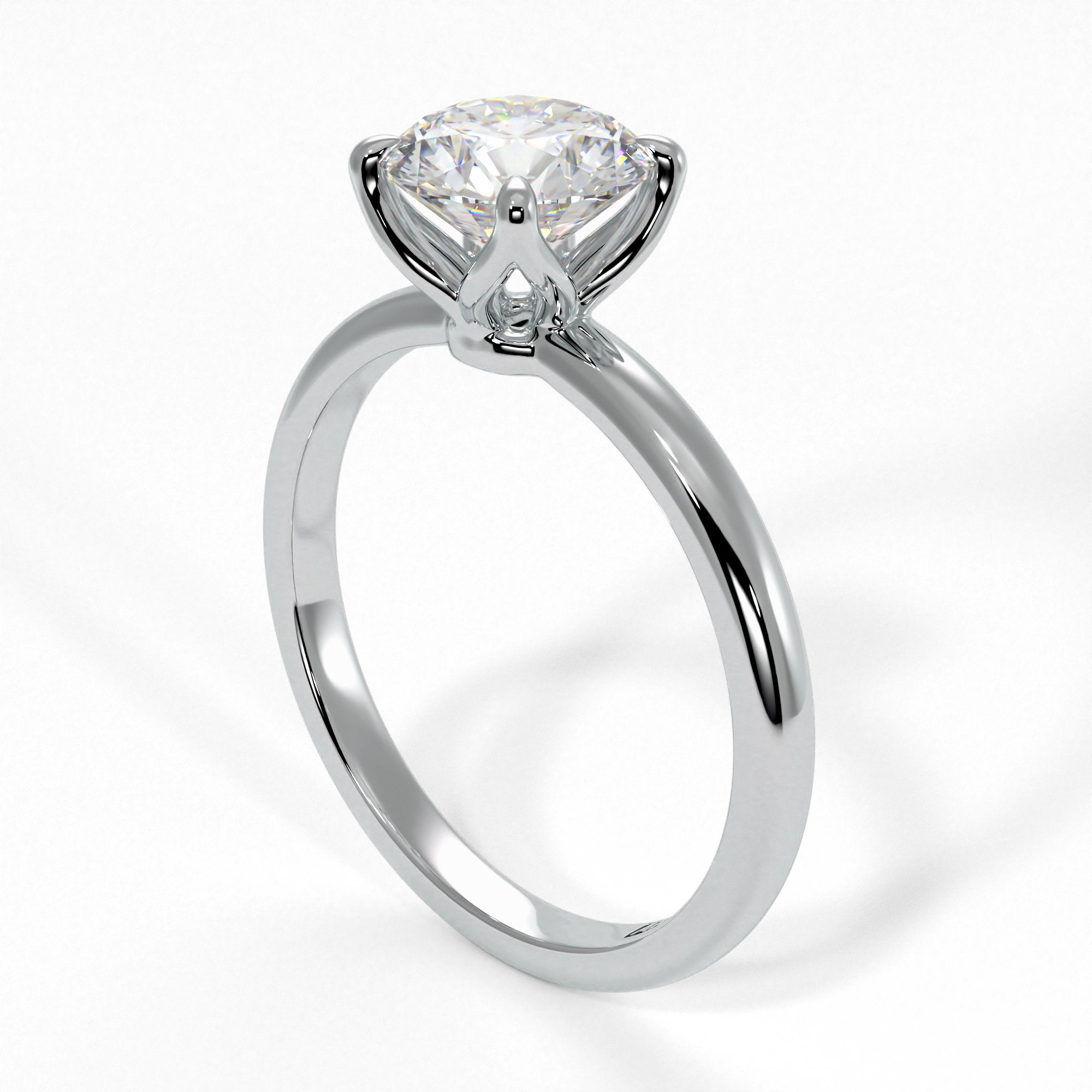
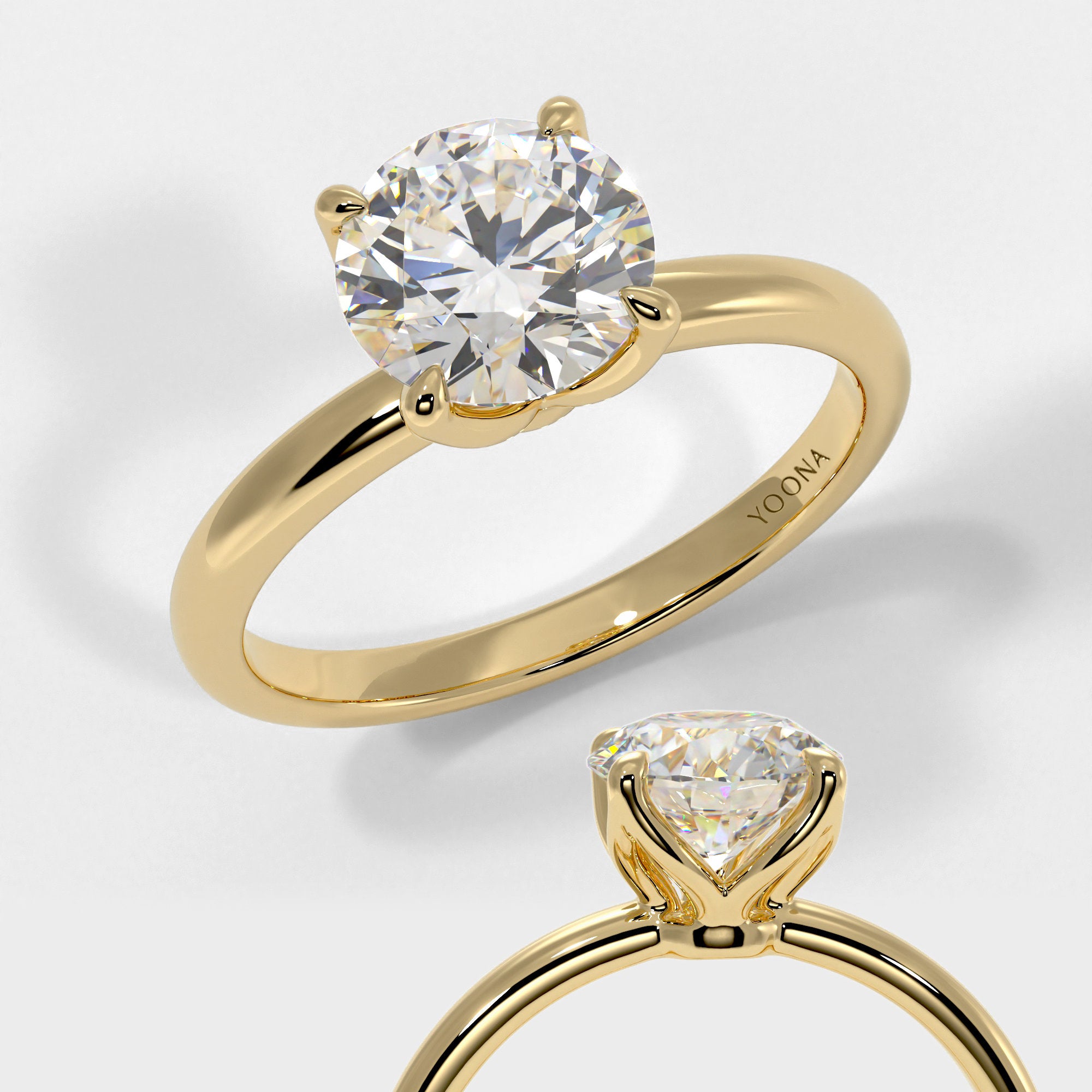
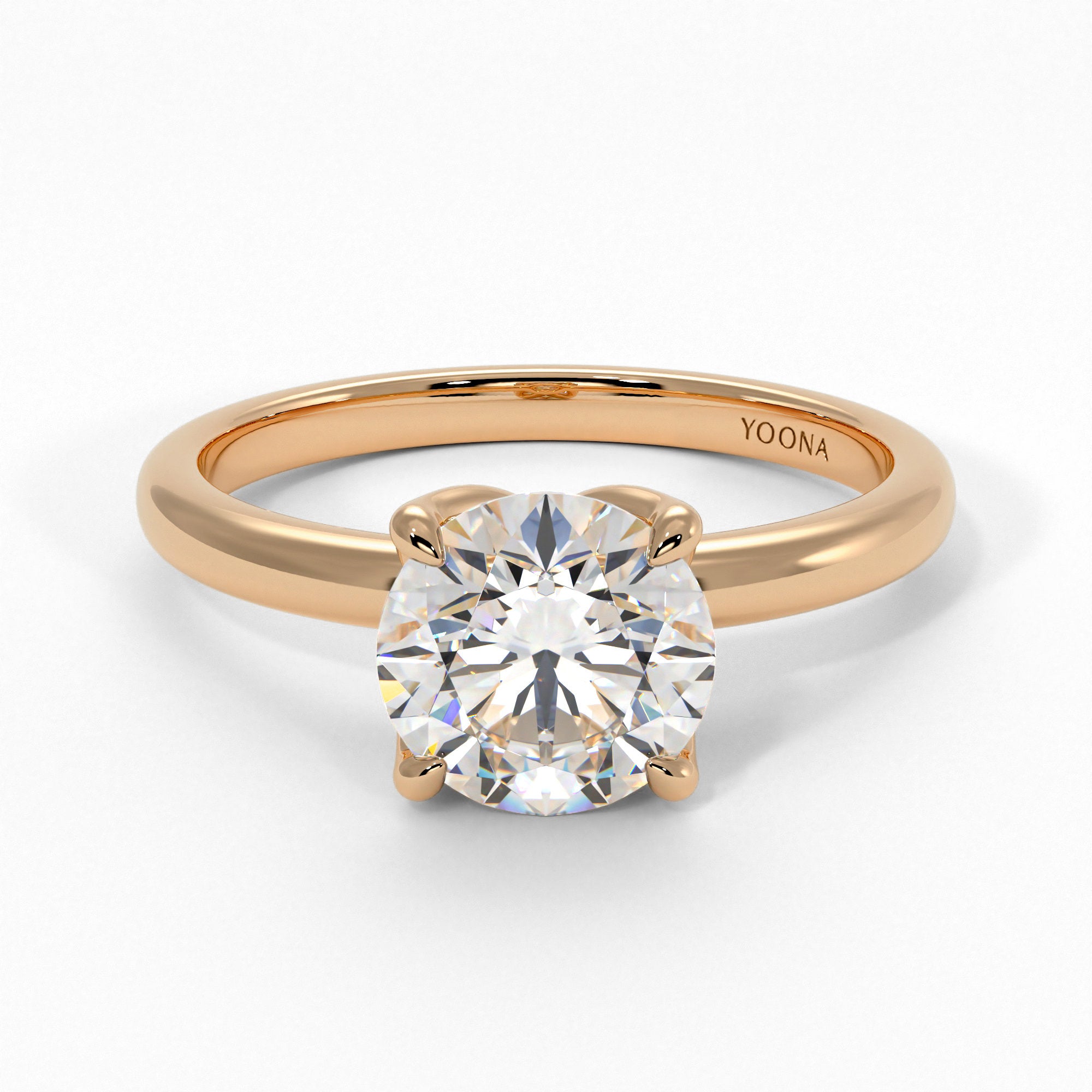
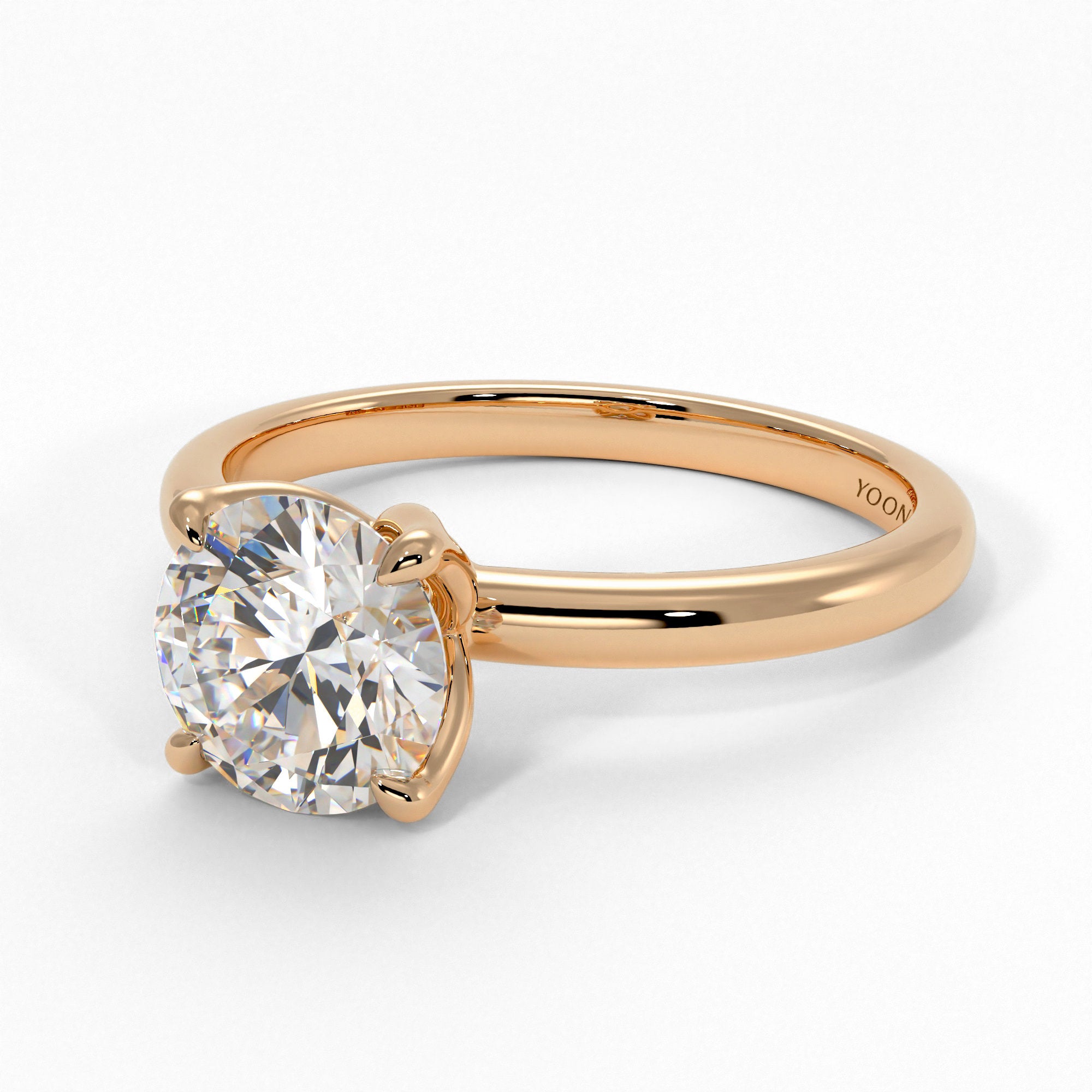
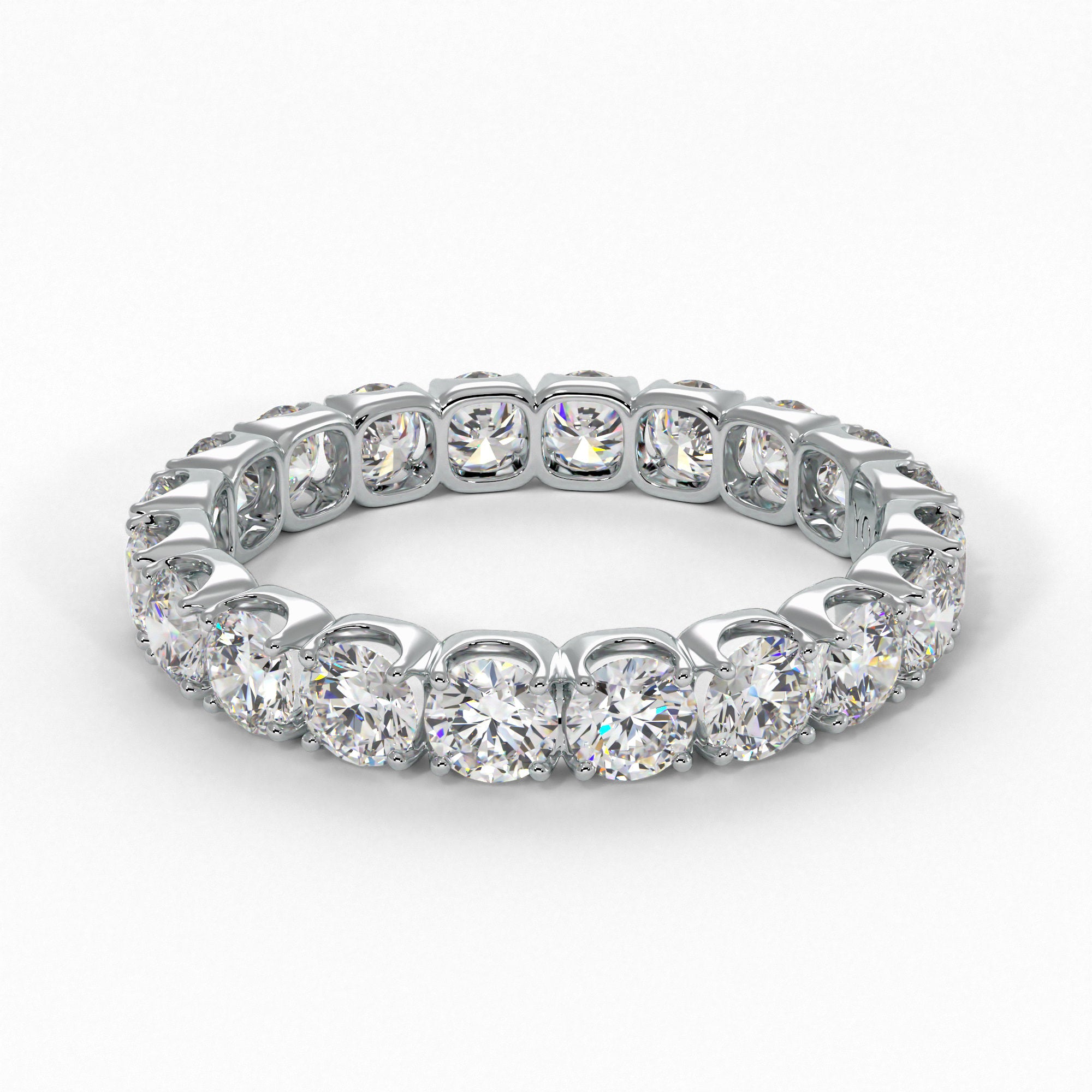
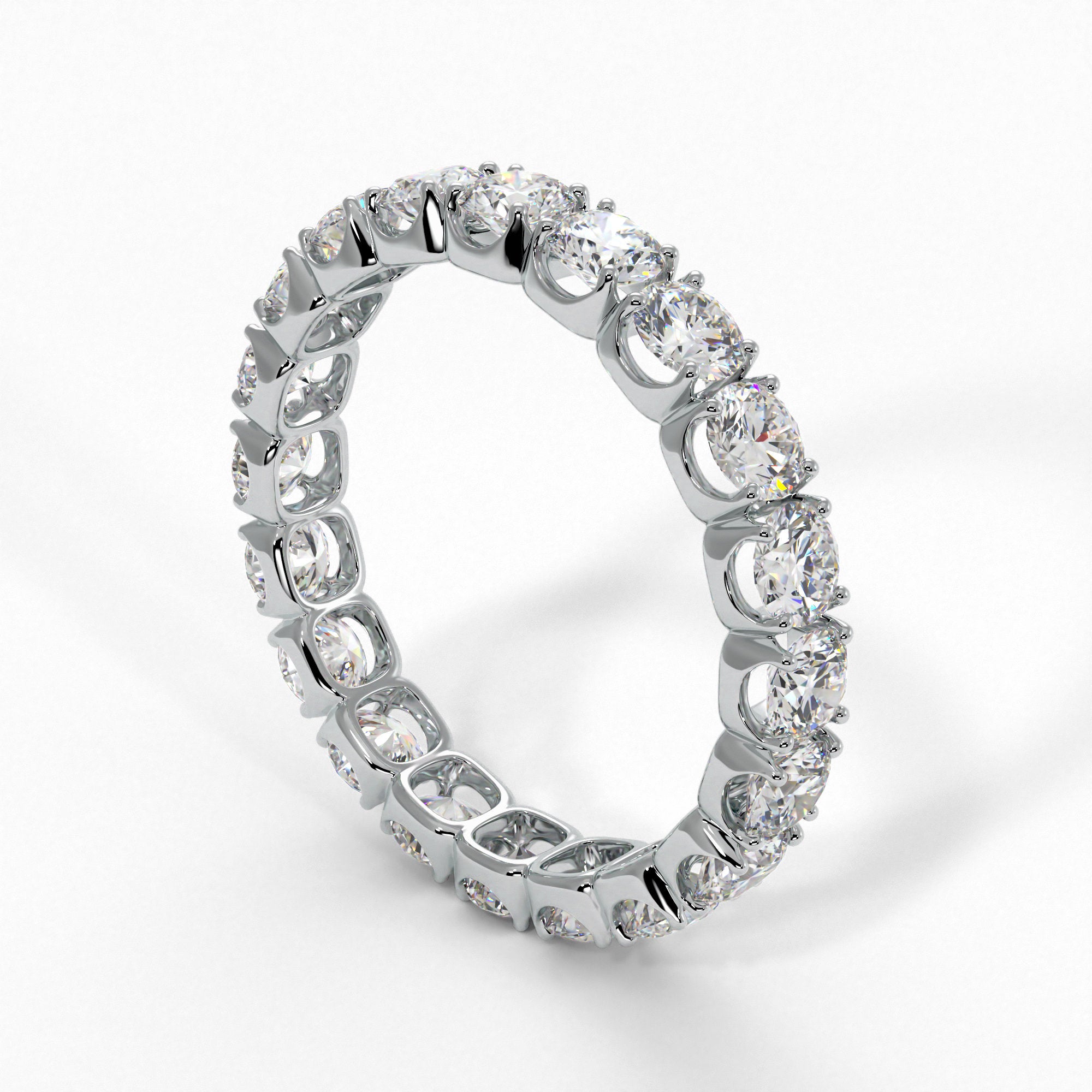
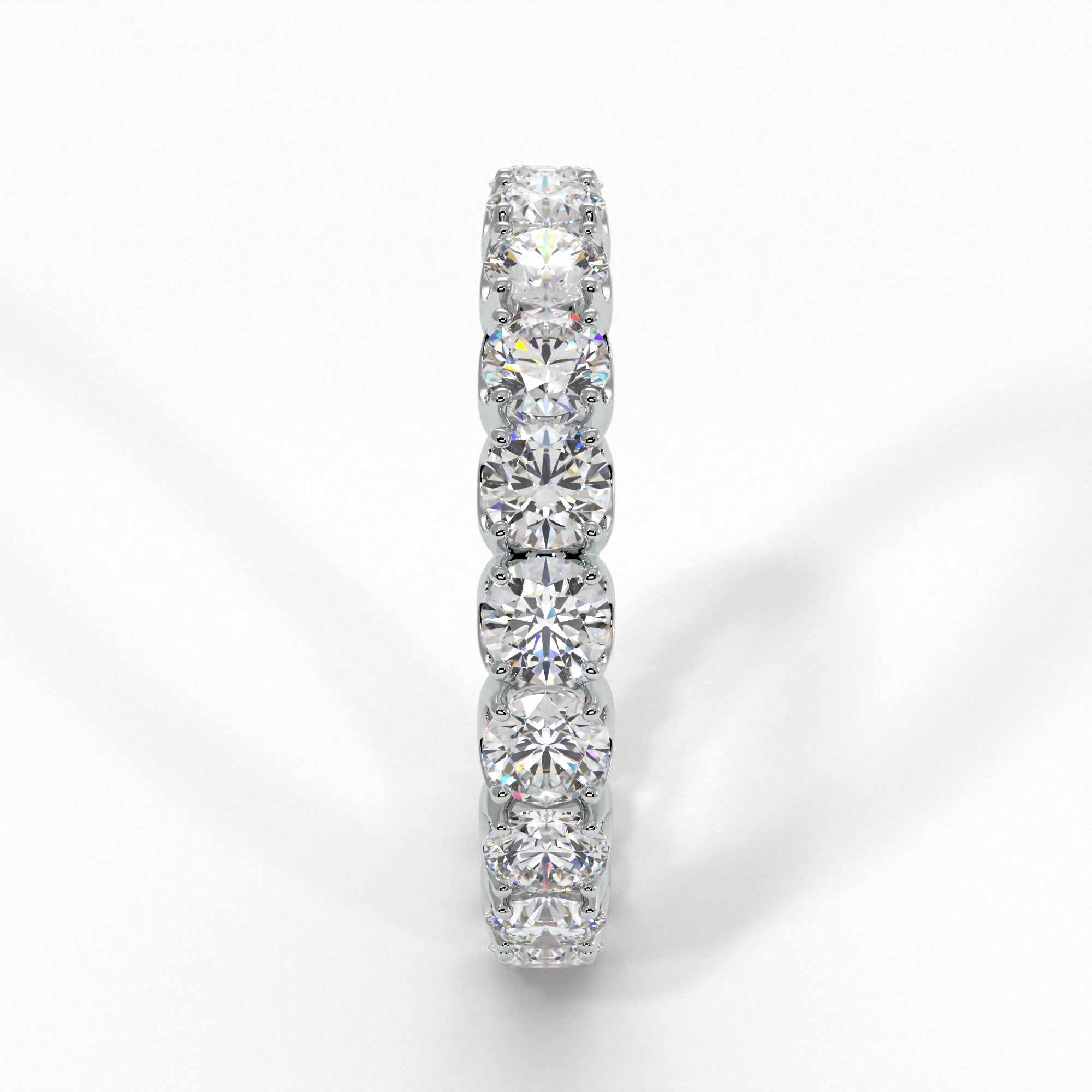
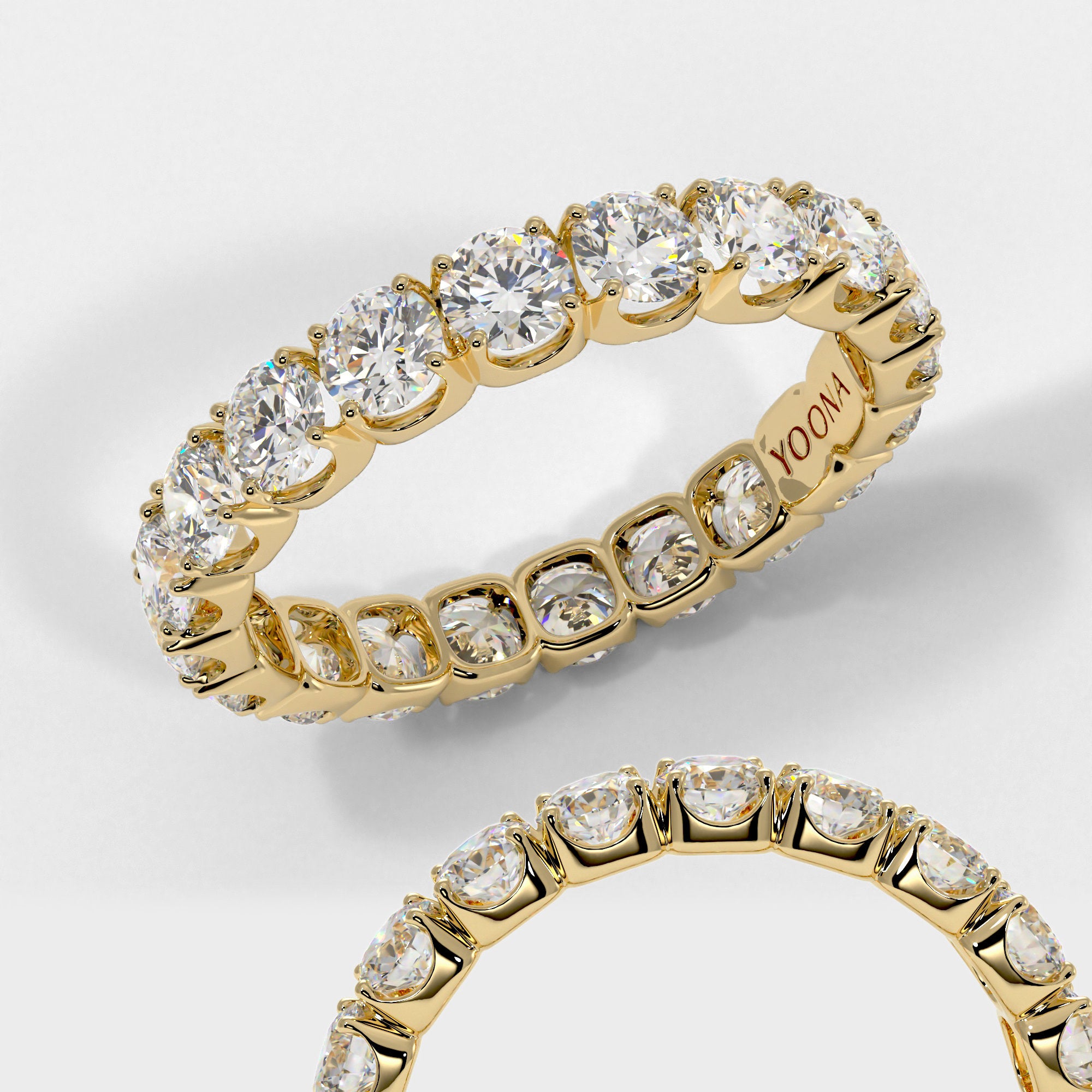
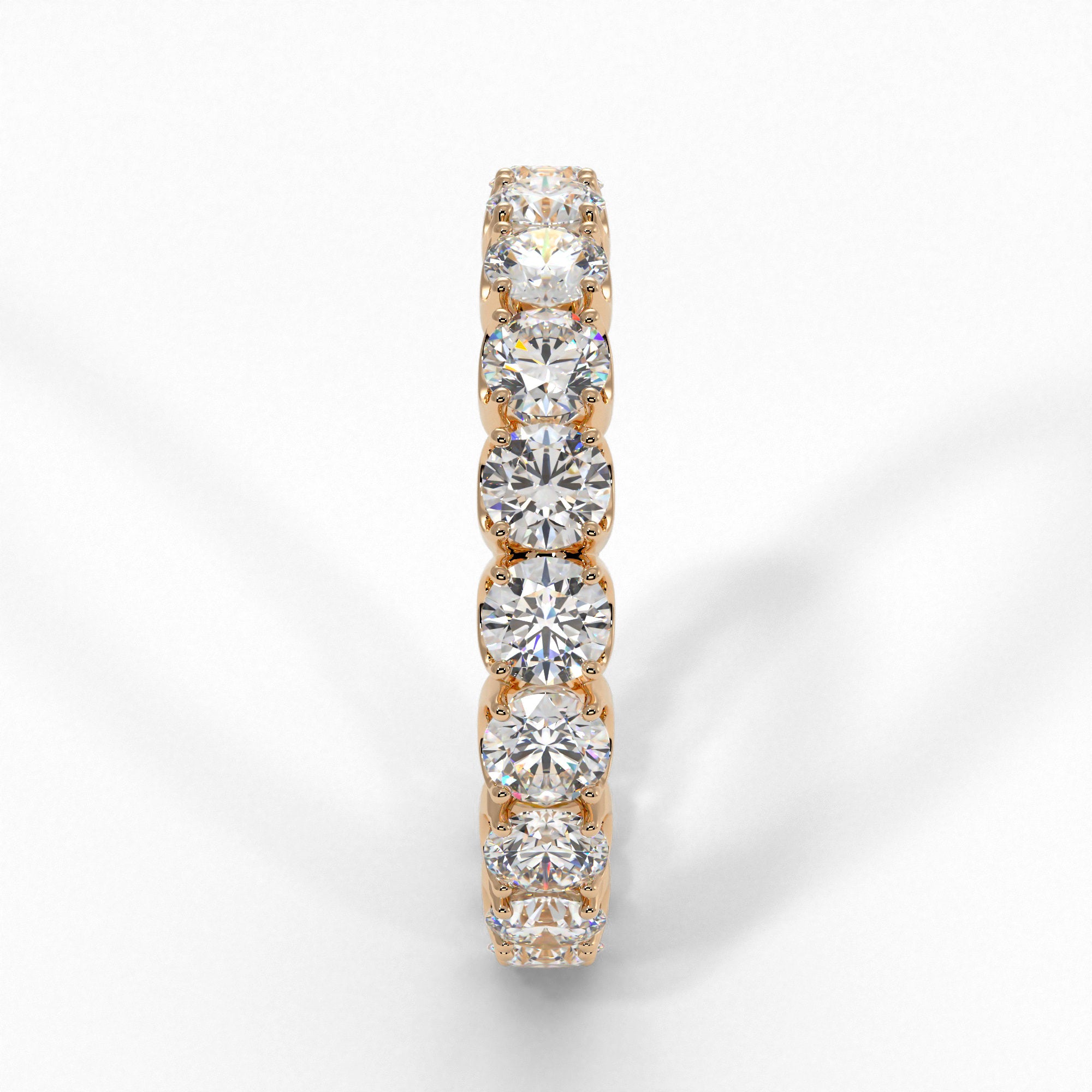
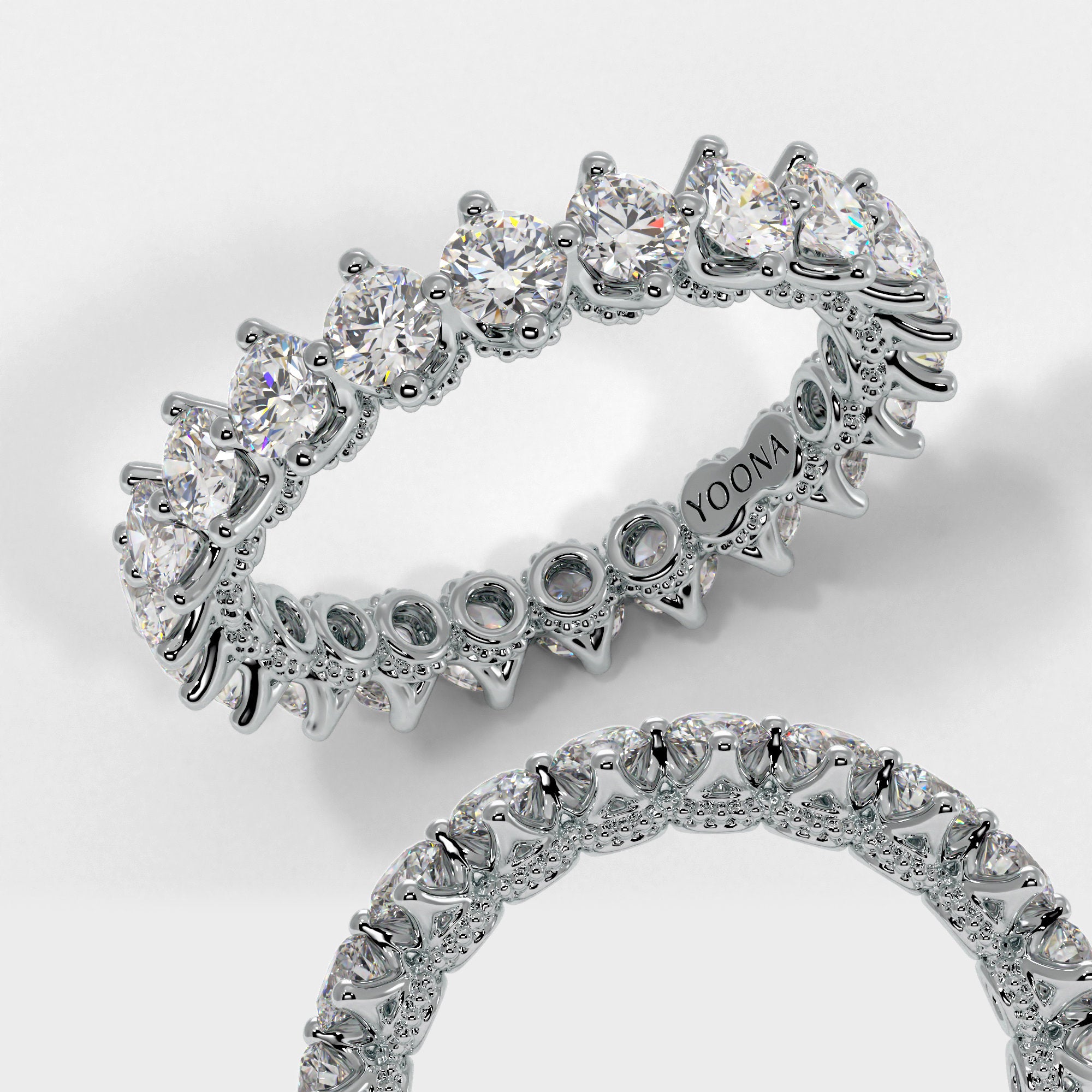
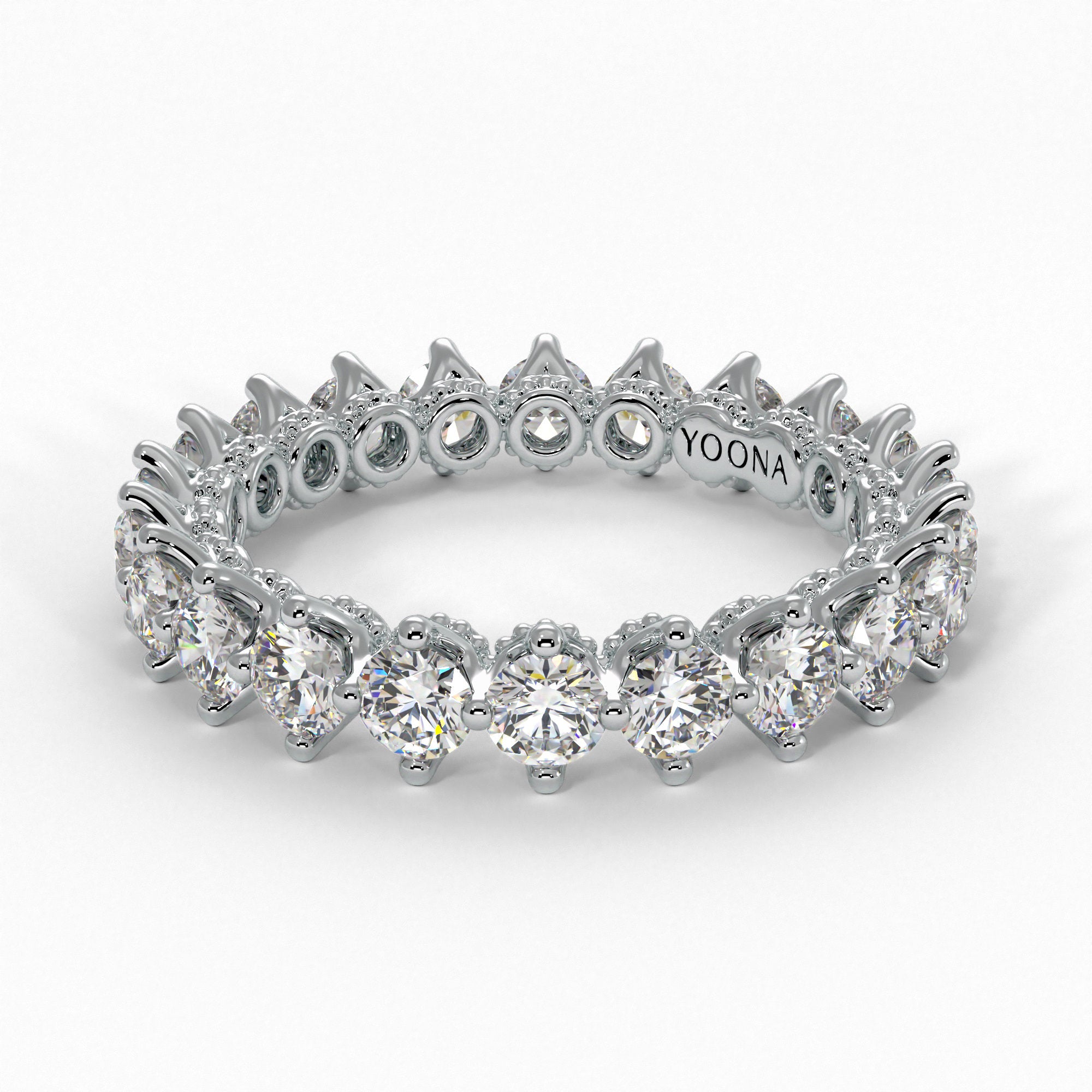
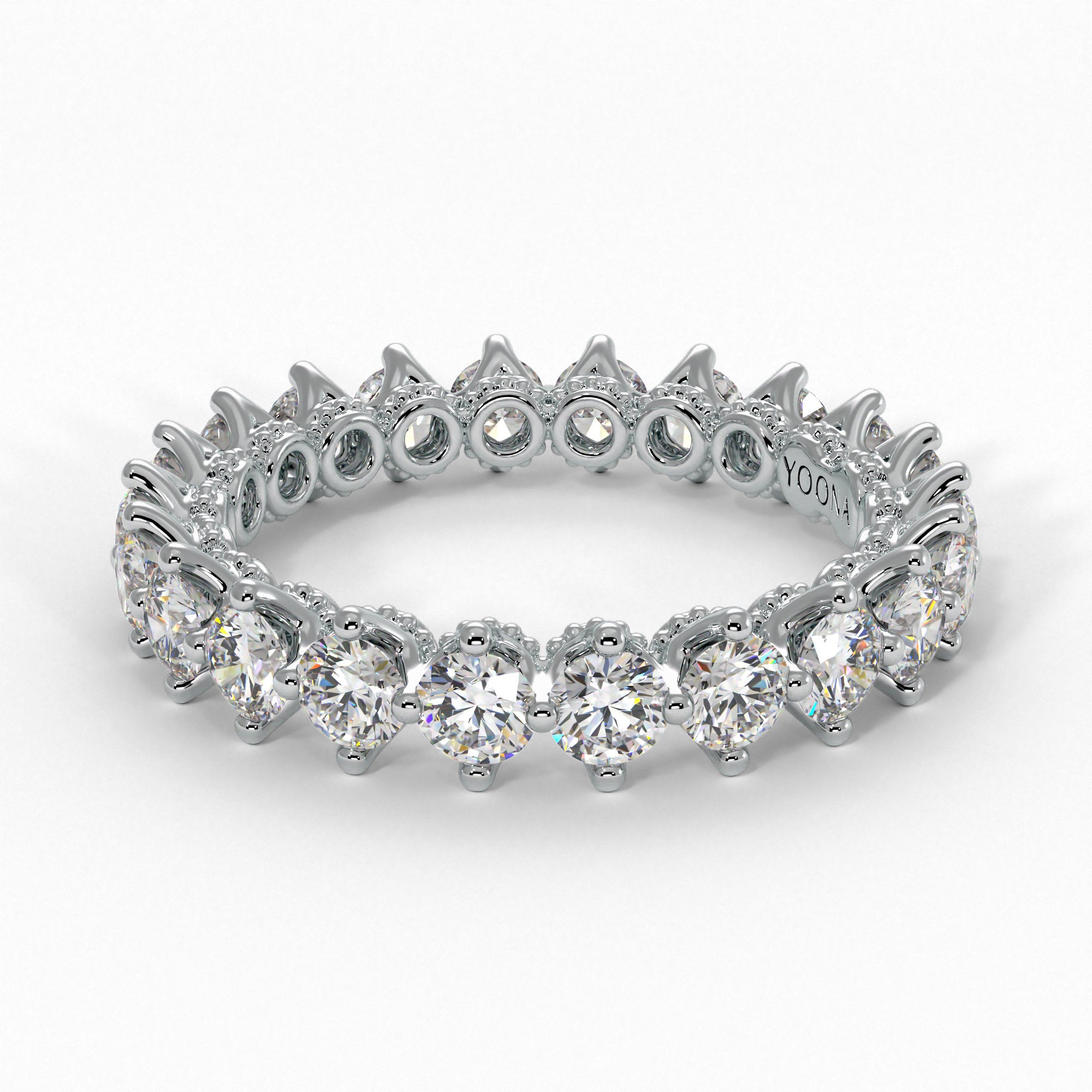
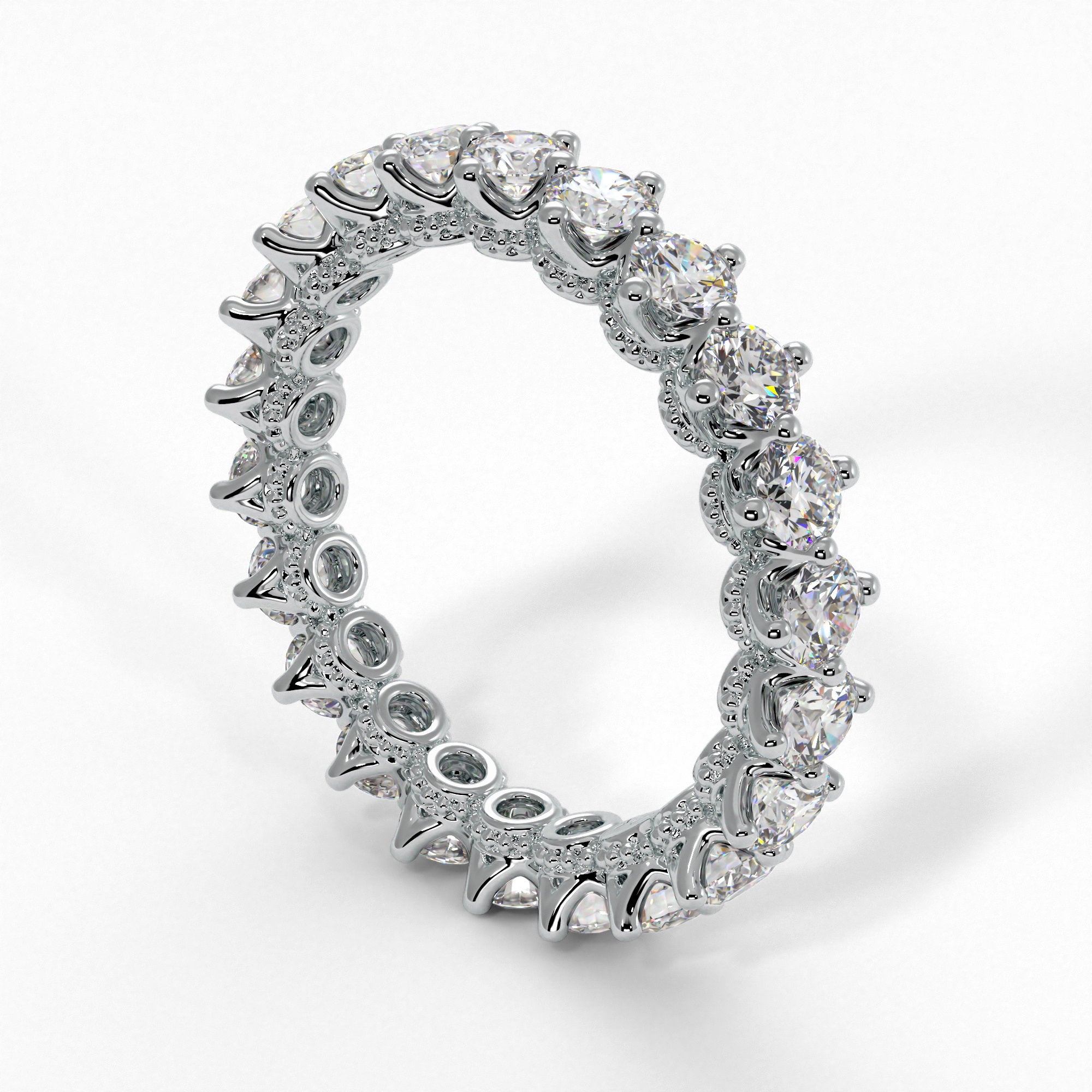
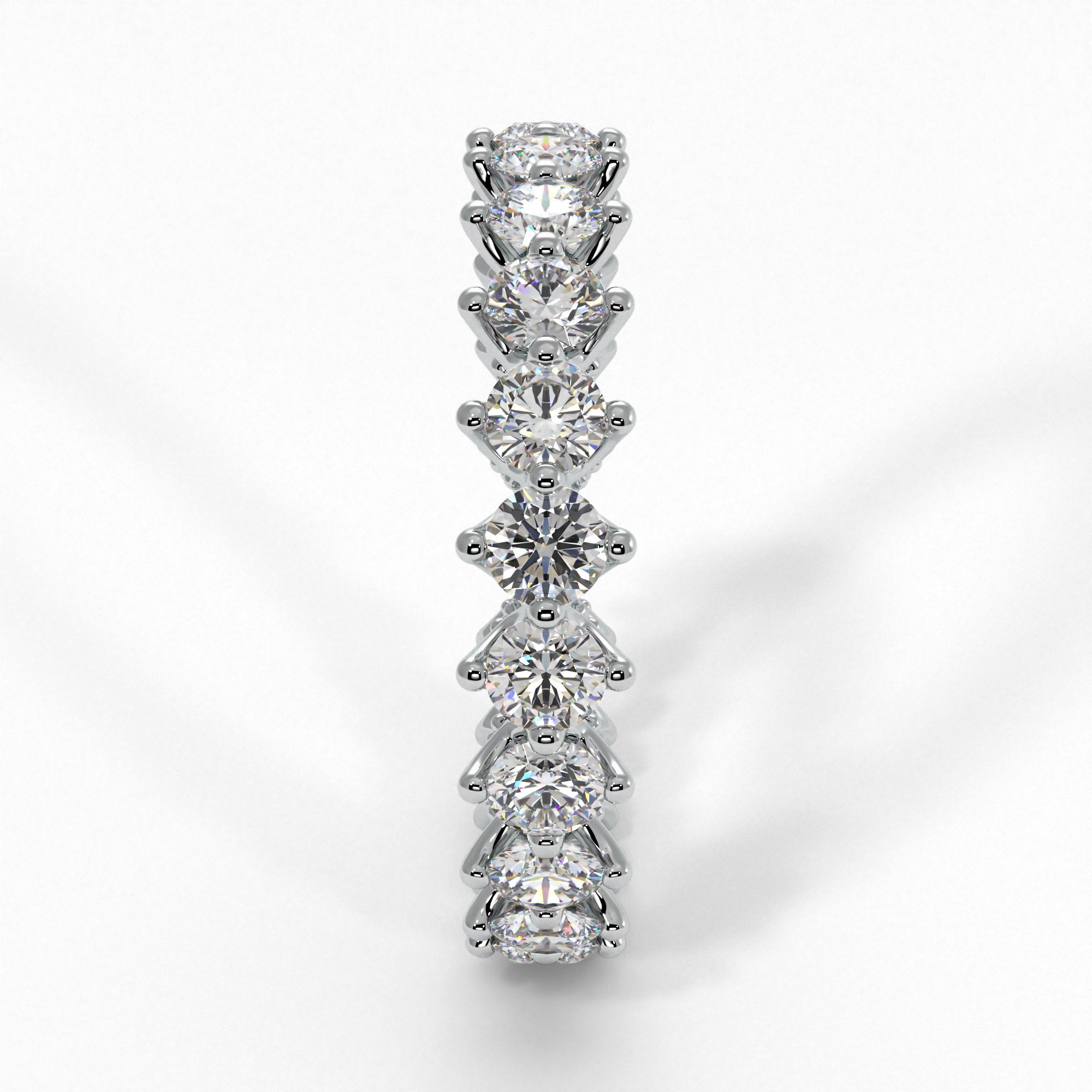
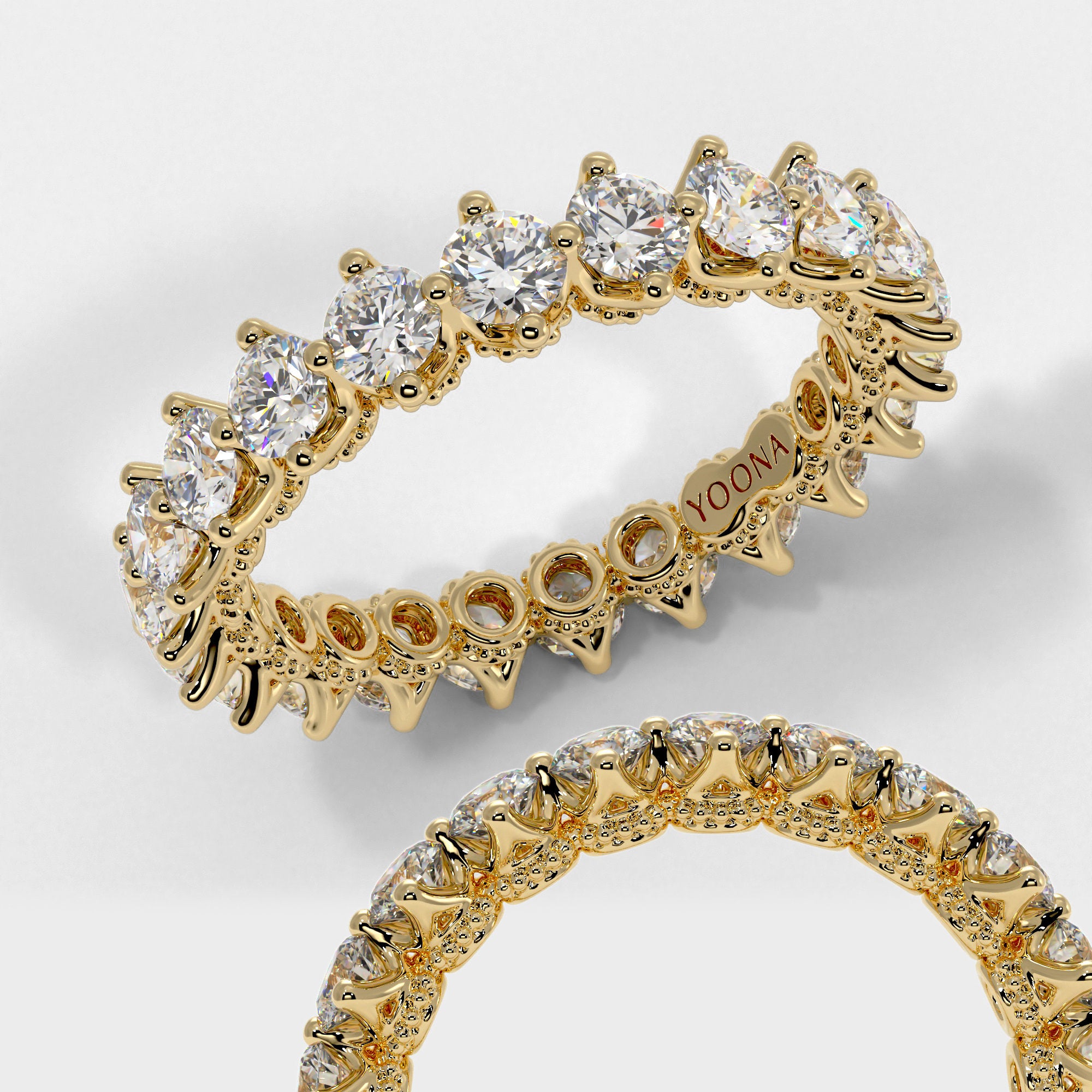
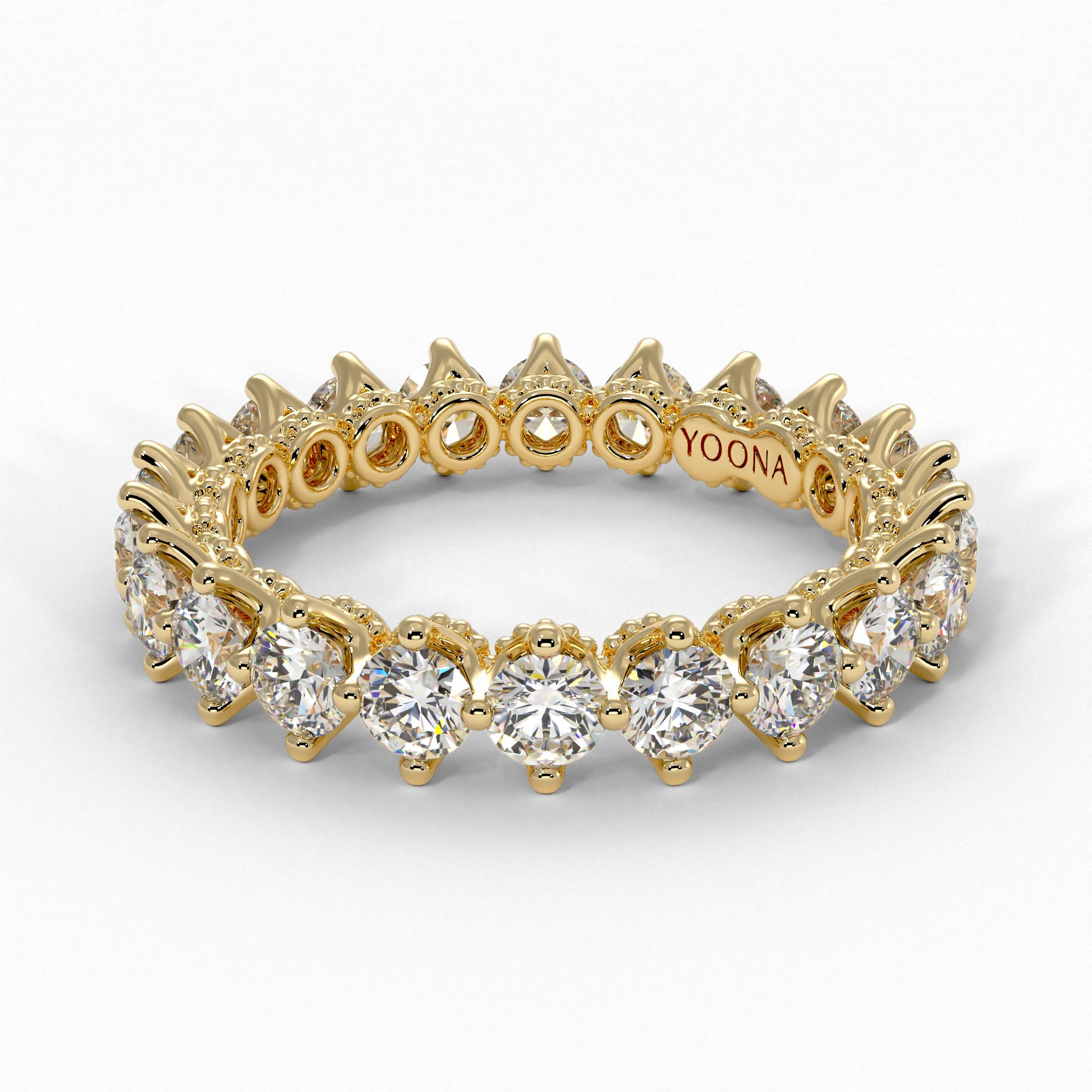
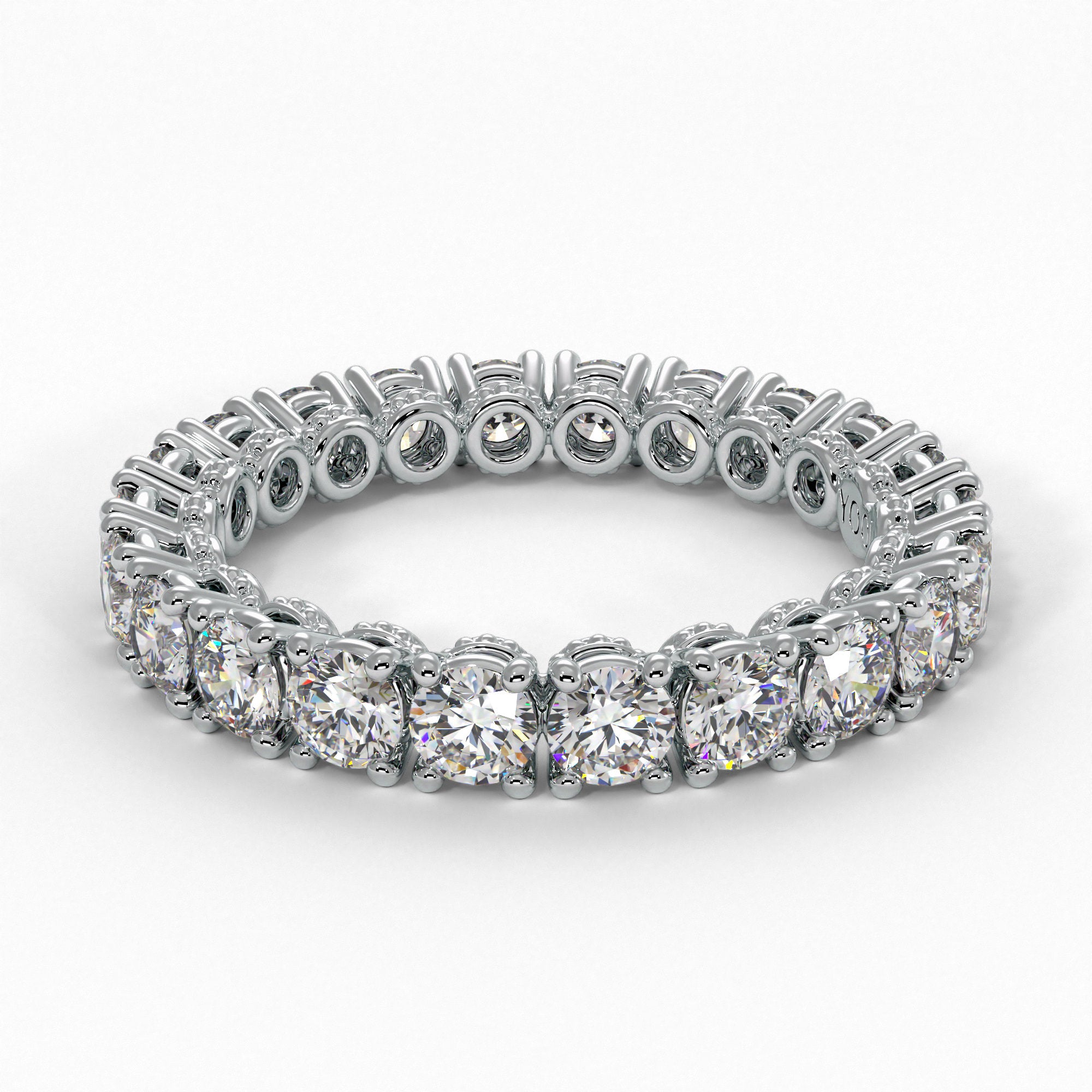
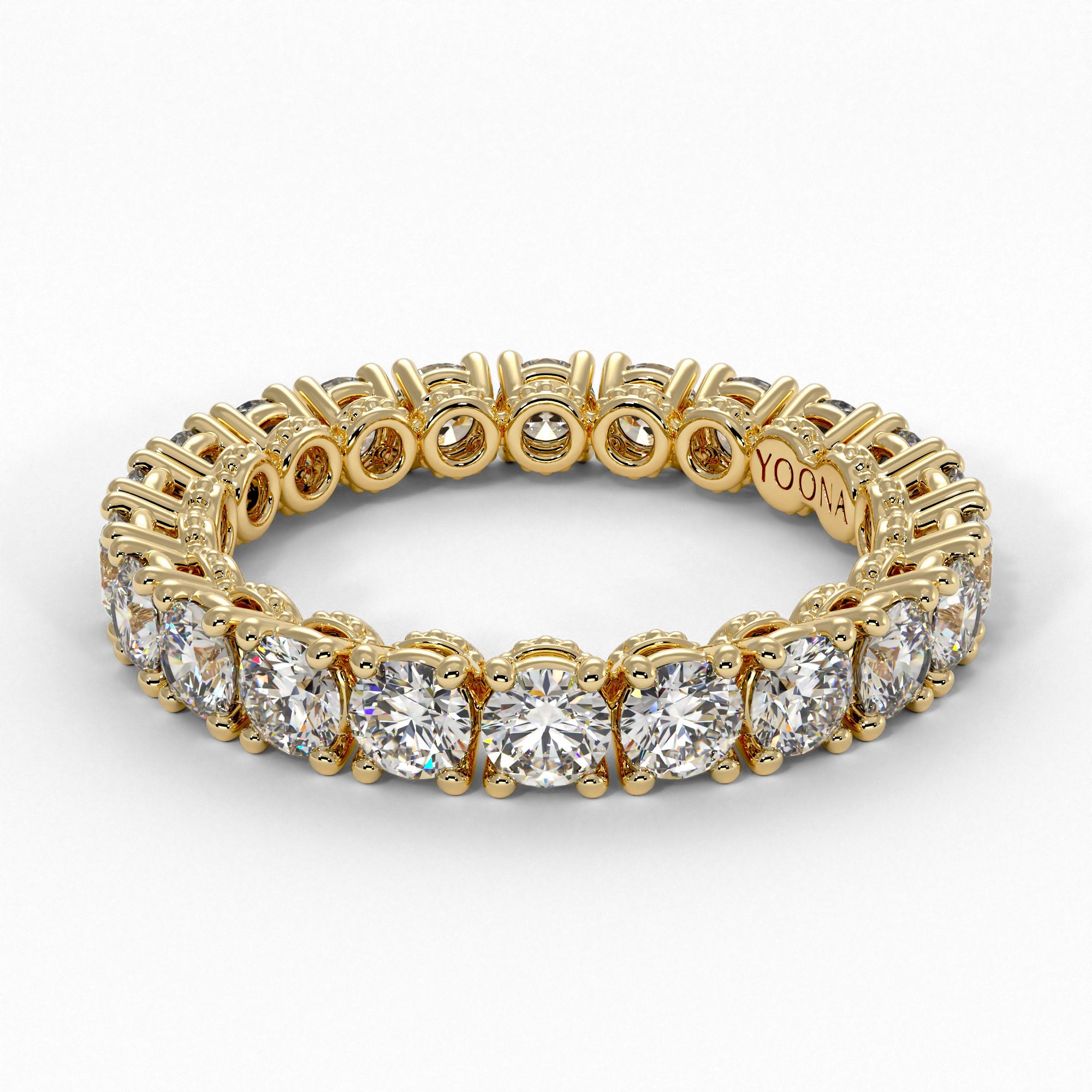
Short answer: nearly every diamond has natural inclusions, tiny internal or surface characteristics formed during growth. Clarity measures how visible they are, not whether they exist. VS1 and above is where inclusions become effectively invisible to the naked eye, which is exactly where the Yoona Eternal Diamond™ standard begins.
What Diamond Clarity Actually Measures
Quick answer: Clarity grades a diamond's internal inclusions and surface blemishes under 10x magnification, on a scale from Flawless to Included. Almost no diamond is truly flawless, and almost none needs to be.
Inclusions form naturally as a diamond crystallizes, whether that happens underground over a billion years or in a lab over a few weeks. They're not a defect in the sense of something gone wrong, they're simply part of how a diamond forms. Clarity grading exists to tell you how visible those natural characteristics are, from imperceptible even under magnification to plainly visible to the naked eye.
The GIA Clarity Scale
Quick answer: FL and IF are essentially inclusion-free even under magnification. VVS1/VVS2 need a trained eye and 10x magnification to spot anything. VS1/VS2 is the practical sweet spot, minor inclusions invisible without magnification. SI and I grades become increasingly visible, sometimes to the naked eye.
- FL (Flawless): No inclusions or blemishes detectable under 10x magnification.
- IF (Internally Flawless): No internal inclusions, only minor surface blemishes.
- VVS1, VVS2 (Very, Very Slightly Included): Inclusions so minor a trained grader needs magnification to locate them at all.
- VS1, VS2 (Very Slightly Included): Minor inclusions, visible under magnification, typically invisible to the naked eye.
- SI1, SI2 (Slightly Included): Visible under magnification, and sometimes visible without it depending on the inclusion.
- I1 to I3 (Included): Visible to the naked eye, and in the more severe grades, can affect durability or transparency.
What Do Inclusions Actually Look Like?
Quick answer: Inclusions come in a few common types: feathers (tiny internal cracks), crystals or pinpoints (trapped mineral specks), clouds (clusters of pinpoints that can look hazy in groups), and needles (thin, elongated crystals). A grading report will specify which type is present, and type affects appearance as much as size does.
Not all inclusions read the same way visually, even at similar grades, which is why the specific type listed on a grading report is worth understanding:
- Feathers: Small internal fractures that can look like a faint crack or wisp. Most are only visible under magnification, but larger feathers near the surface can occasionally catch light and become noticeable.
- Crystals and pinpoints: Tiny mineral deposits trapped inside the diamond during formation. Usually the least visually noticeable inclusion type since they're small and don't reflect light the way a feather can.
- Clouds: A cluster of many tiny pinpoints grouped together. Individually invisible, but a dense cloud can occasionally create a slightly hazy look in a specific area of the stone.
- Needles: Thin, elongated crystal formations. Generally only visible under magnification unless present in unusual concentration.
The practical takeaway: a VS2 diamond with a single small crystal is often more eye-clean than an SI1 with a cloud spanning a wider area, even though the cloud stone technically carries the higher grade in some cases. This is exactly why relying on grade alone, without knowing the inclusion type and location, can be misleading.
What "Eye-Clean" Actually Means
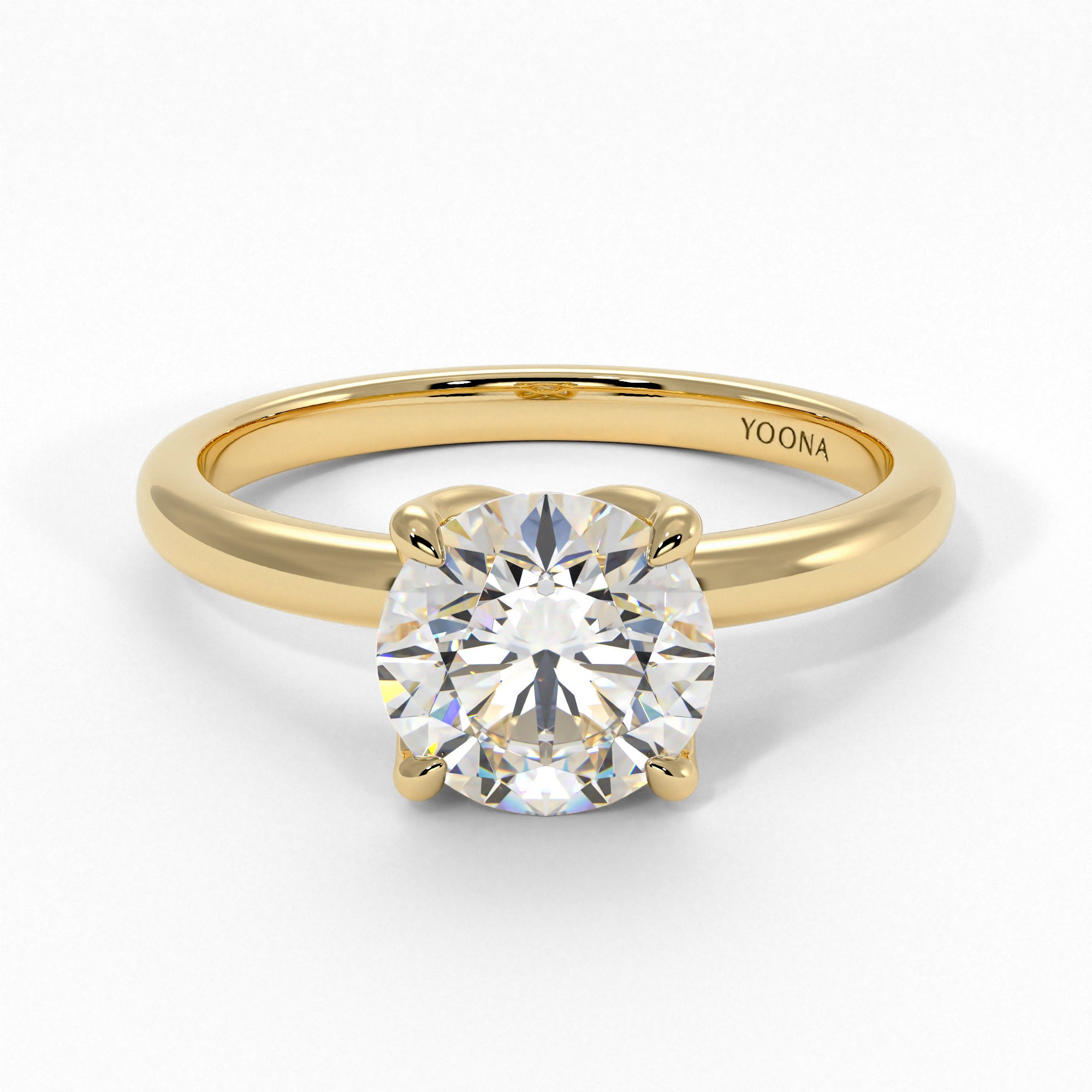
Quick answer: "Eye-clean" means no inclusions are visible at normal viewing distance in normal lighting, without a loupe or microscope. It's a practical threshold, not an official grade, and most VS2-and-better stones qualify.
This is the term that actually matters more than the grade letters themselves. A diamond can carry a technically lower clarity grade and still look completely clean to the eye, because grading happens under magnification most people will never use in daily life. The real question isn't "what's the highest grade I can afford," it's "will anyone, including me, ever actually see this."
Does the Location of an Inclusion Matter More Than the Grade?
Quick answer: Yes. Two diamonds with an identical clarity grade can look different depending on where the inclusion sits. One hidden under a prong or near the edge is far less noticeable than the same inclusion sitting dead-center under the table.
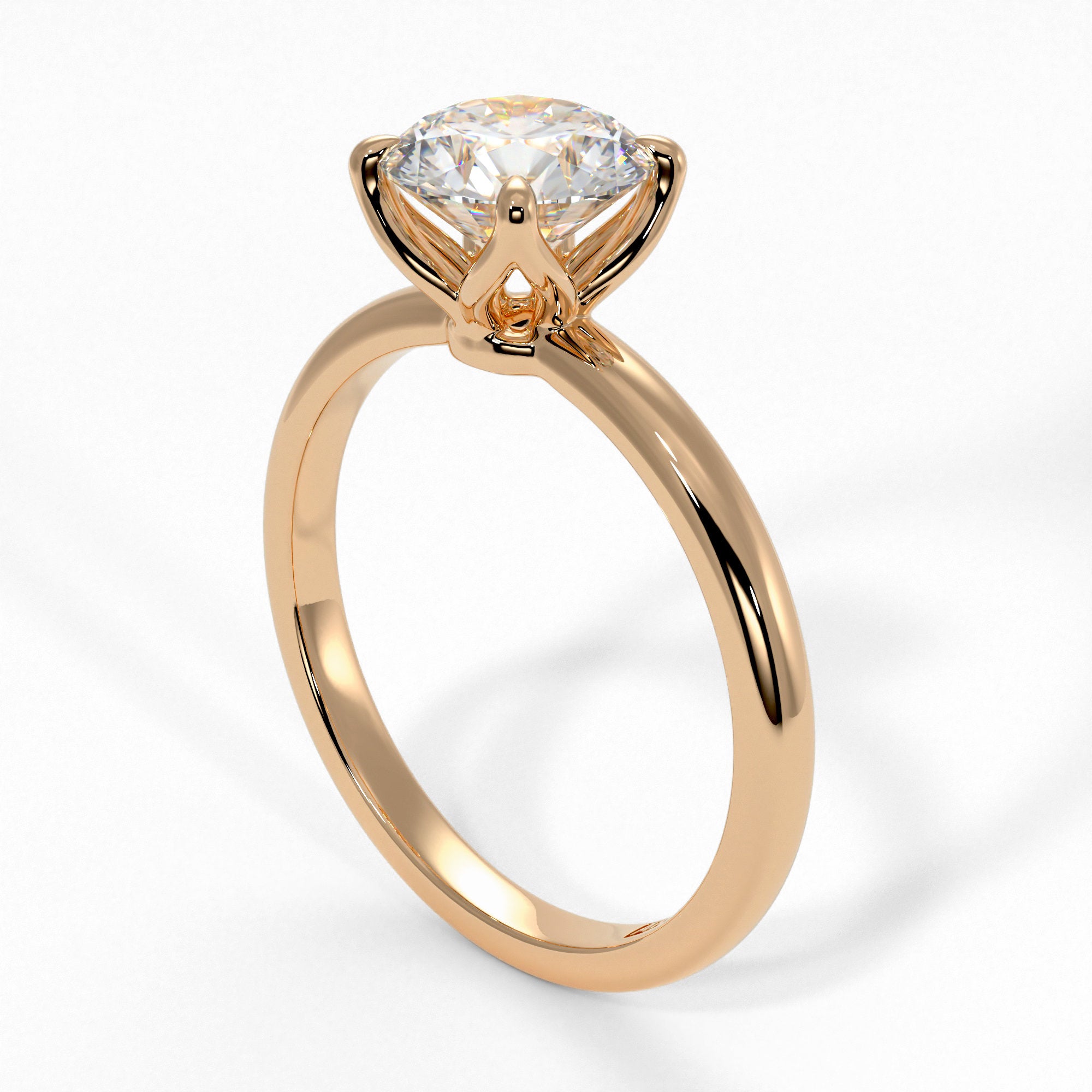
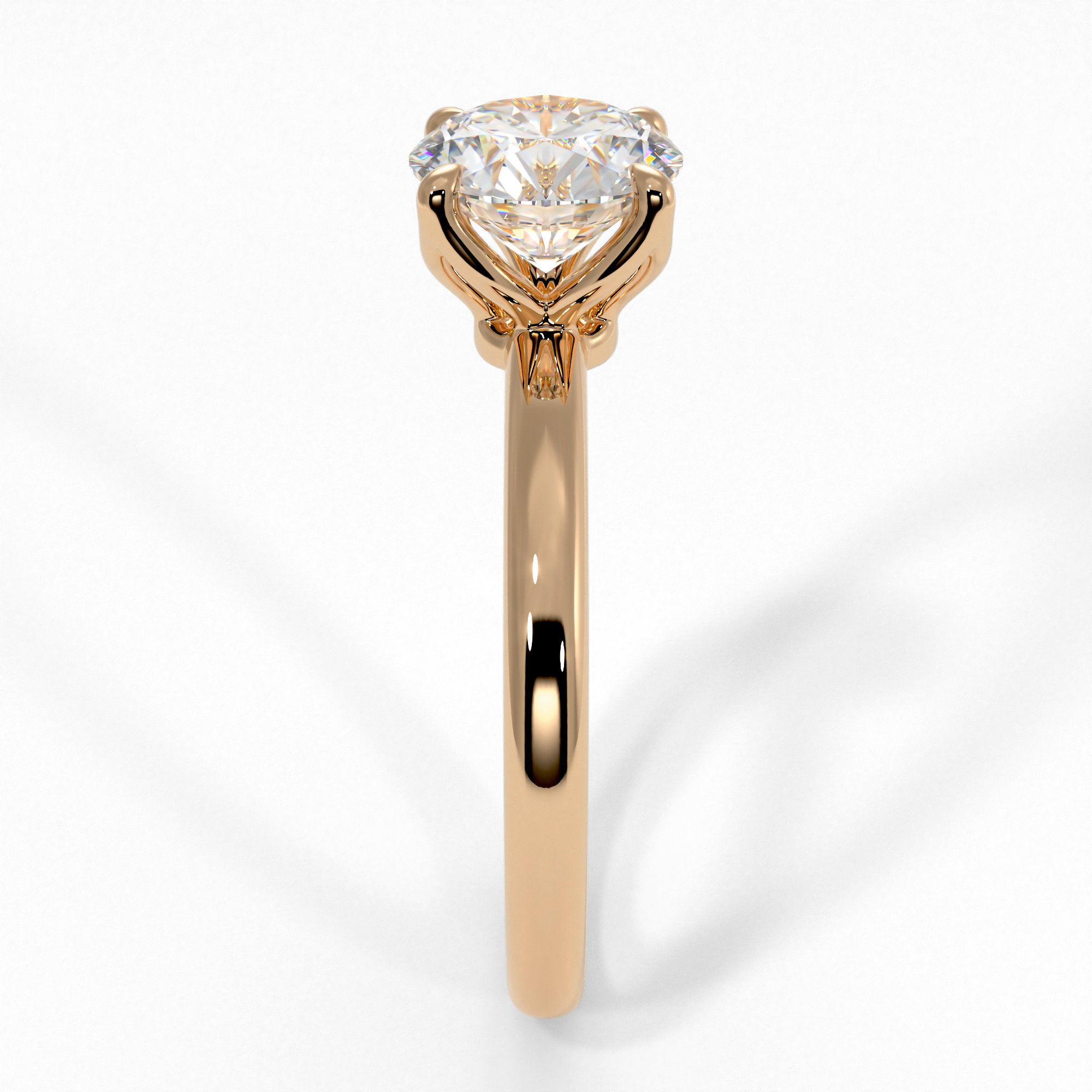
Grading reports note the type and size of inclusions, but position is what actually determines visibility in the real world. A diamond with an inclusion tucked near the girdle, where a prong will likely sit once set, can look cleaner in person than a lower-magnification-grade stone with an inclusion centered directly beneath the table facet, where light and your eye both concentrate.
Do Inclusions Affect Durability?
Quick answer: Rarely, for most grades. Large or surface-reaching inclusions, mostly seen in I1 through I3, can occasionally make a diamond more prone to chipping. VS-grade and above have no meaningful durability concern.
At the VS grade and above, inclusions are simply too small and too well-contained to affect a diamond's structural integrity in daily wear. The durability question only becomes real at the lower end of the scale, where larger or surface-breaking inclusions, particularly feathers that reach the surface, can occasionally create a weak point, which is one of several reasons that range isn't used in the Eternal Diamond™ standard.
Clarity in Lab-Grown Diamonds
Quick answer: Lab-grown diamonds are graded on the same clarity scale as mined diamonds. HPHT-grown stones can carry small metallic inclusions from the growth process, while CVD-grown stones typically don't, though both can reach the same high clarity grades.
One growth-method detail worth knowing: HPHT diamonds form in direct contact with a metal catalyst, which can occasionally leave microscopic metallic inclusions behind. CVD diamonds don't use a metal catalyst, so this particular inclusion type doesn't occur there. Neither is a mark against lab-grown diamonds generally, it's simply a production nuance, and a well-selected stone from either method reaches the same eye-clean result.
For more on how these two growth methods compare, see HPHT vs. CVD: How Lab Diamonds Are Made.
Frequently Asked Questions
What clarity grade should I actually buy?
VS1 or VS2 is the practical sweet spot for nearly every buyer, eye-clean and meaningfully more affordable than VVS or Flawless grades that pay for invisible perfection.
Can two diamonds with the same clarity grade look different?
Yes, inclusion type and location matter as much as grade. The same grade can look cleaner or more visible depending on what the inclusion is and where it sits.
Is a flawless diamond worth the extra cost?
For most buyers, no. Once a stone is eye-clean, additional clarity grades above that point are paying for a level of perfection no one will ever see without a loupe.
Are feathers dangerous to a diamond's structure?
Small, internal feathers are not a concern. Larger feathers that reach the surface are the main durability consideration within the clarity scale, and are rare above the SI grades.
Why Yoona Starts at VS1
The Eternal Diamond™ standard holds every center stone to VVS1–VS1 clarity, the range where eye-clean is essentially guaranteed rather than hoped for. We stop there deliberately, chasing Flawless would mean charging you for certificate language no one will ever actually see.