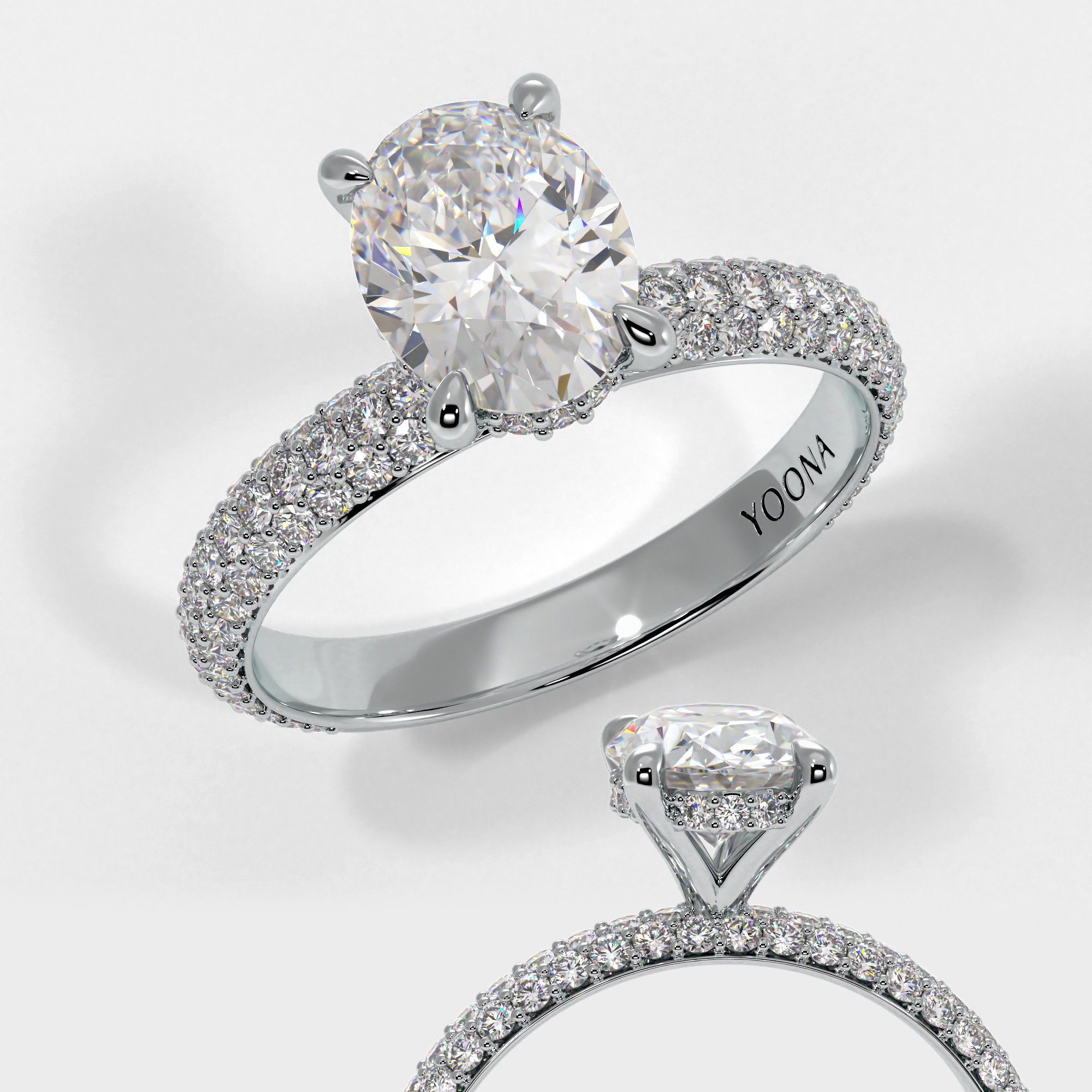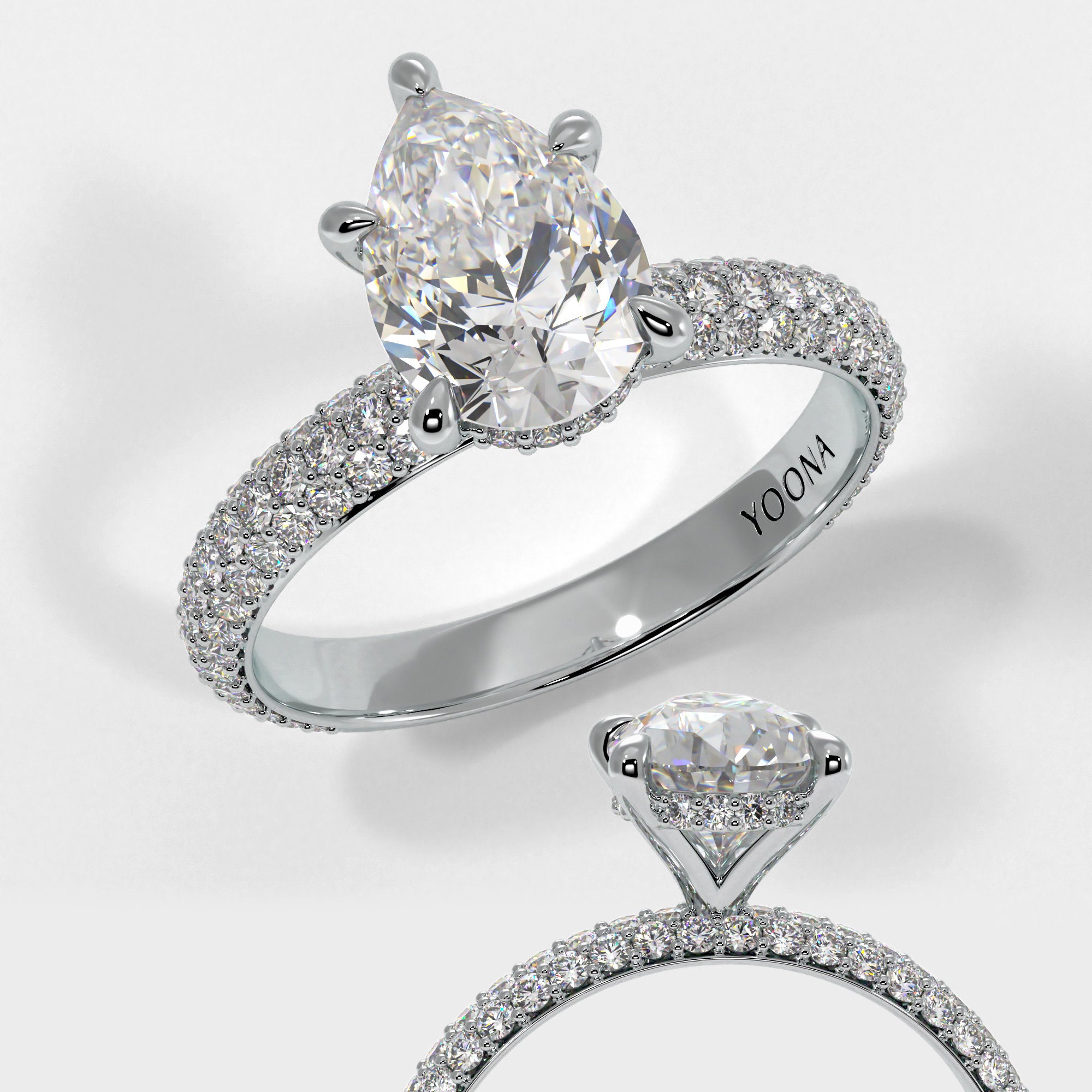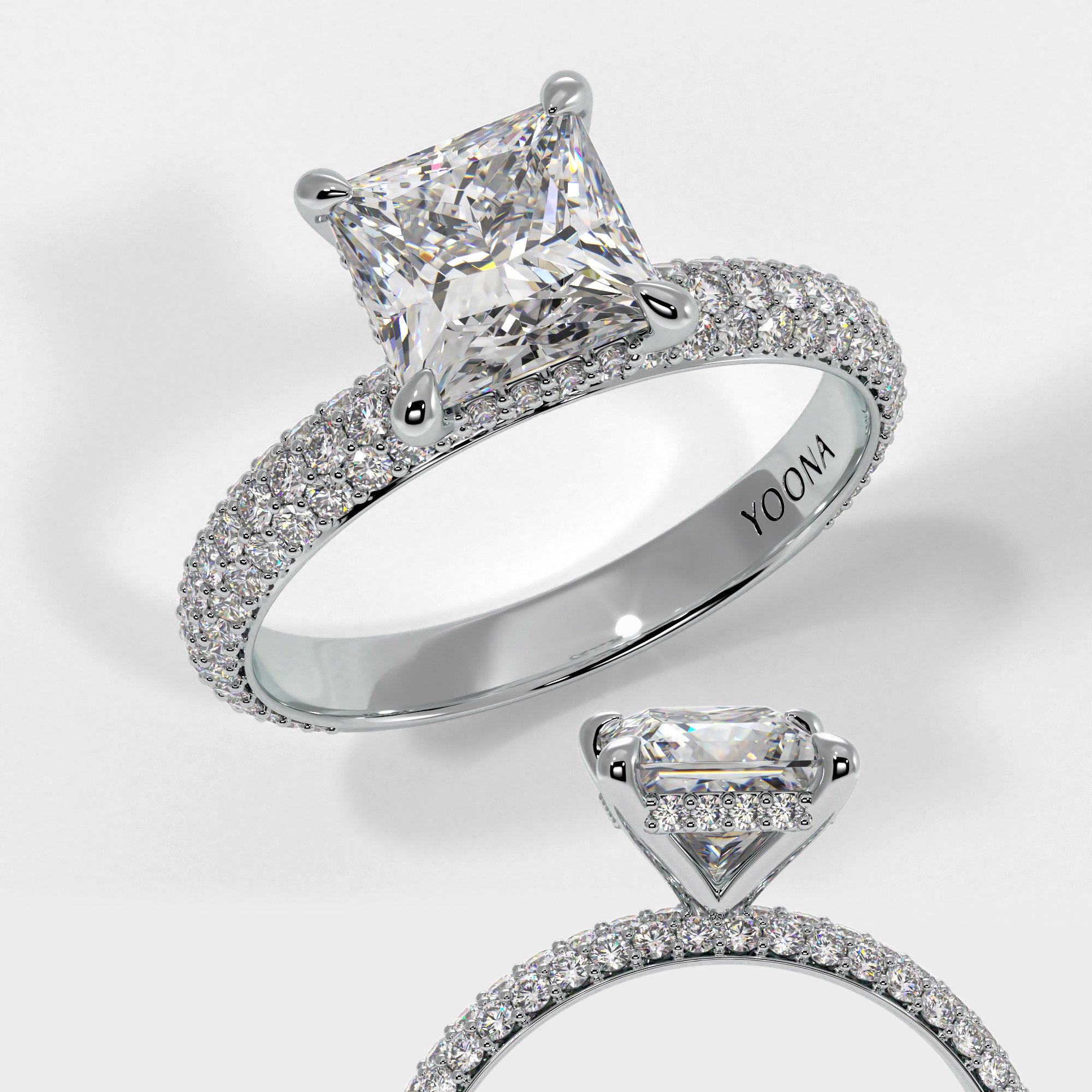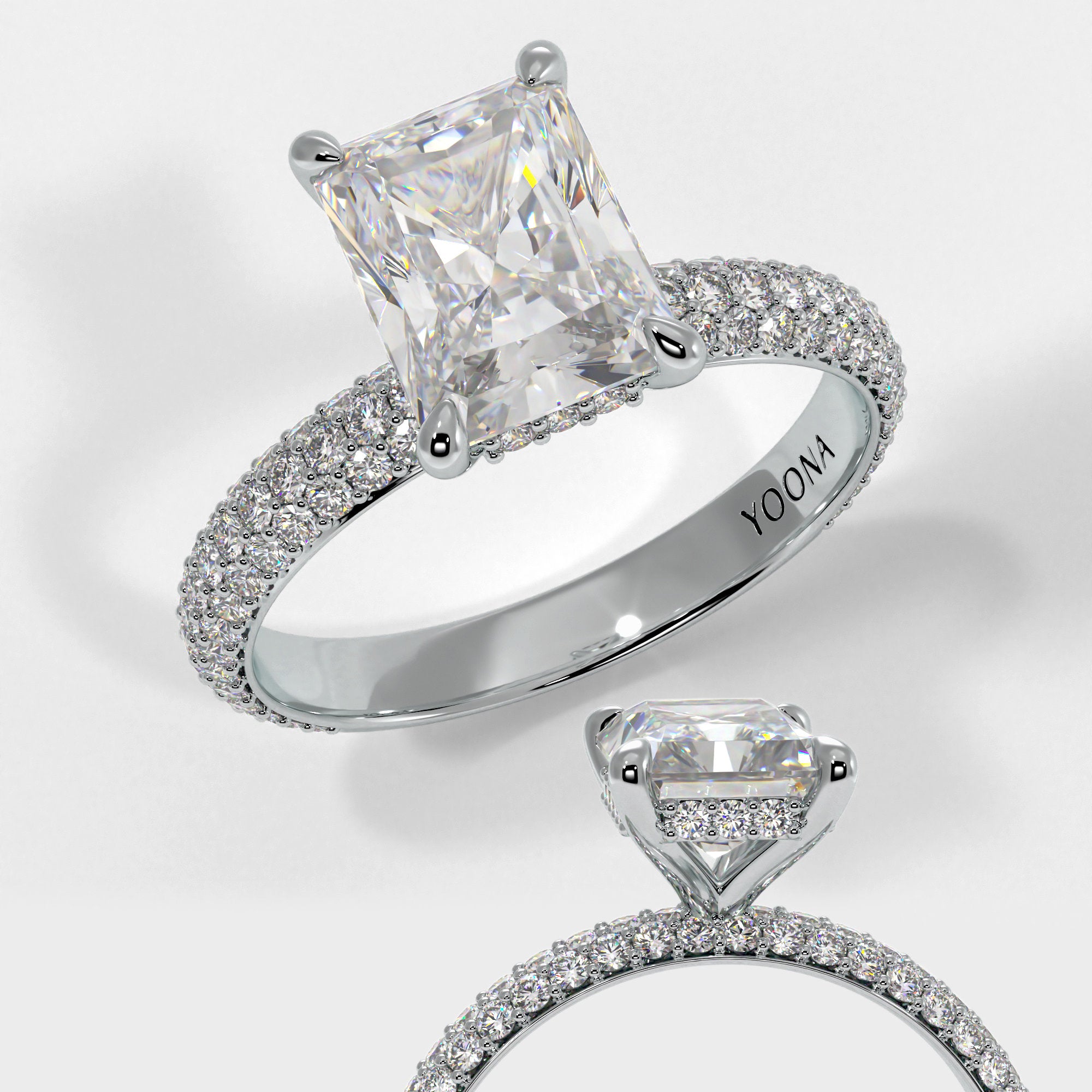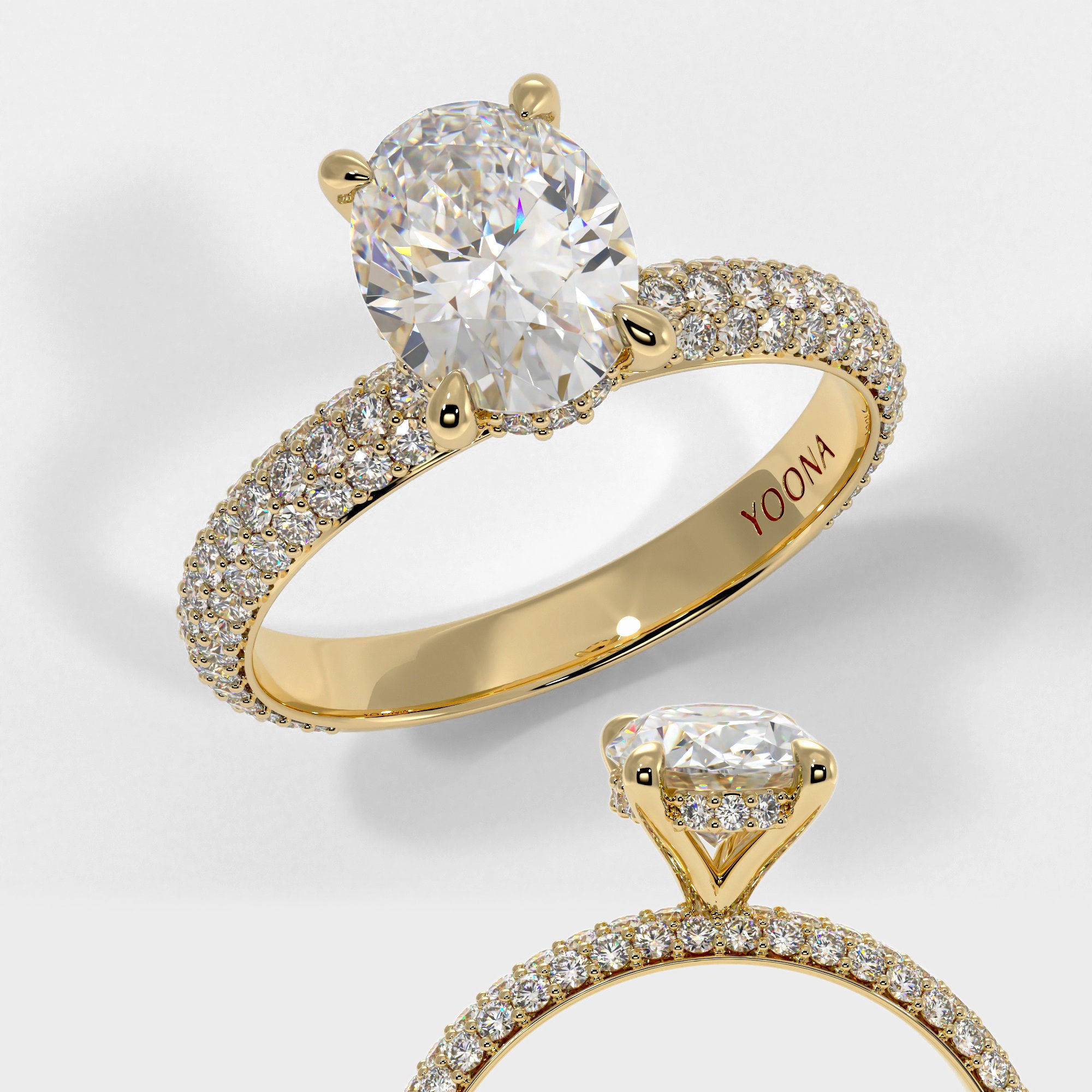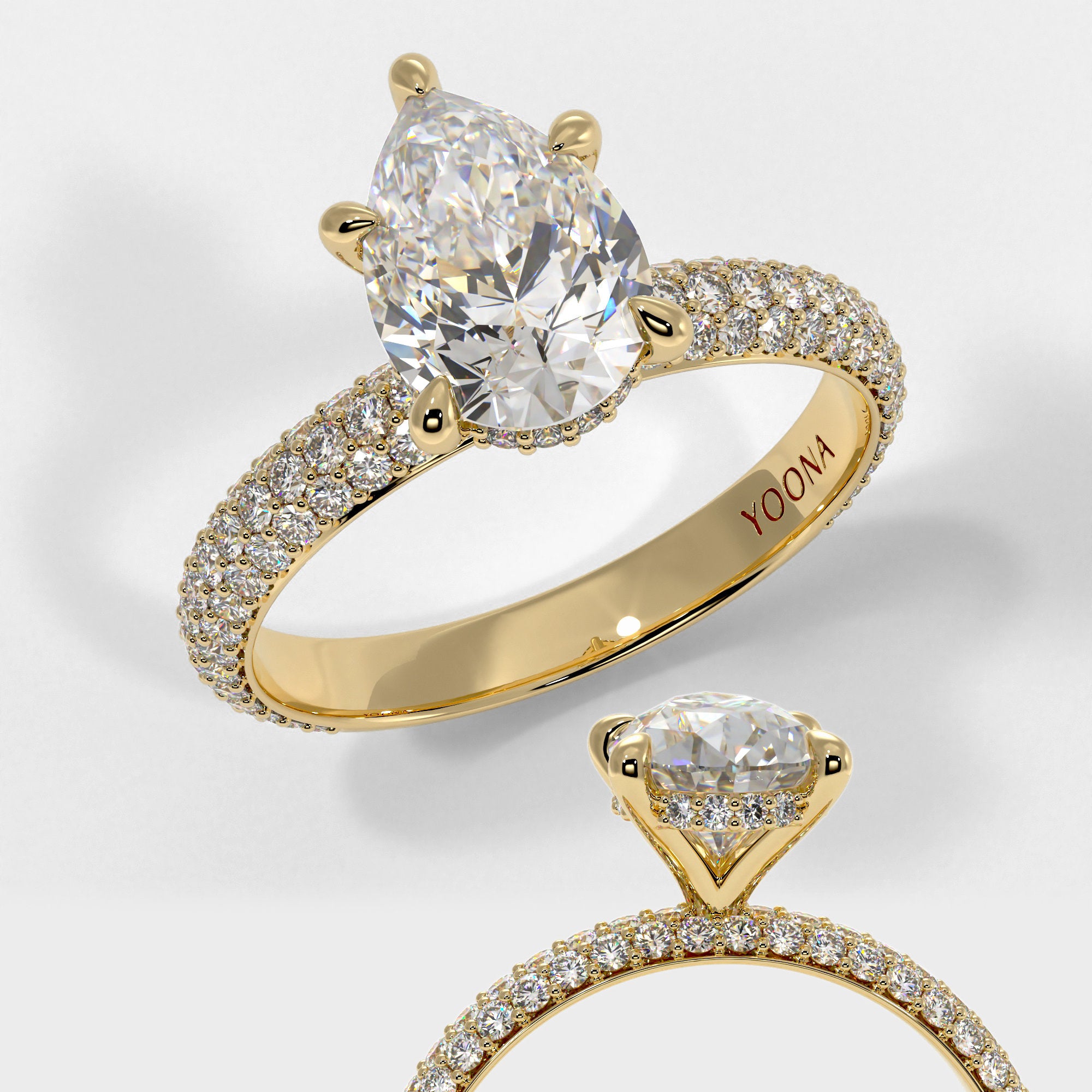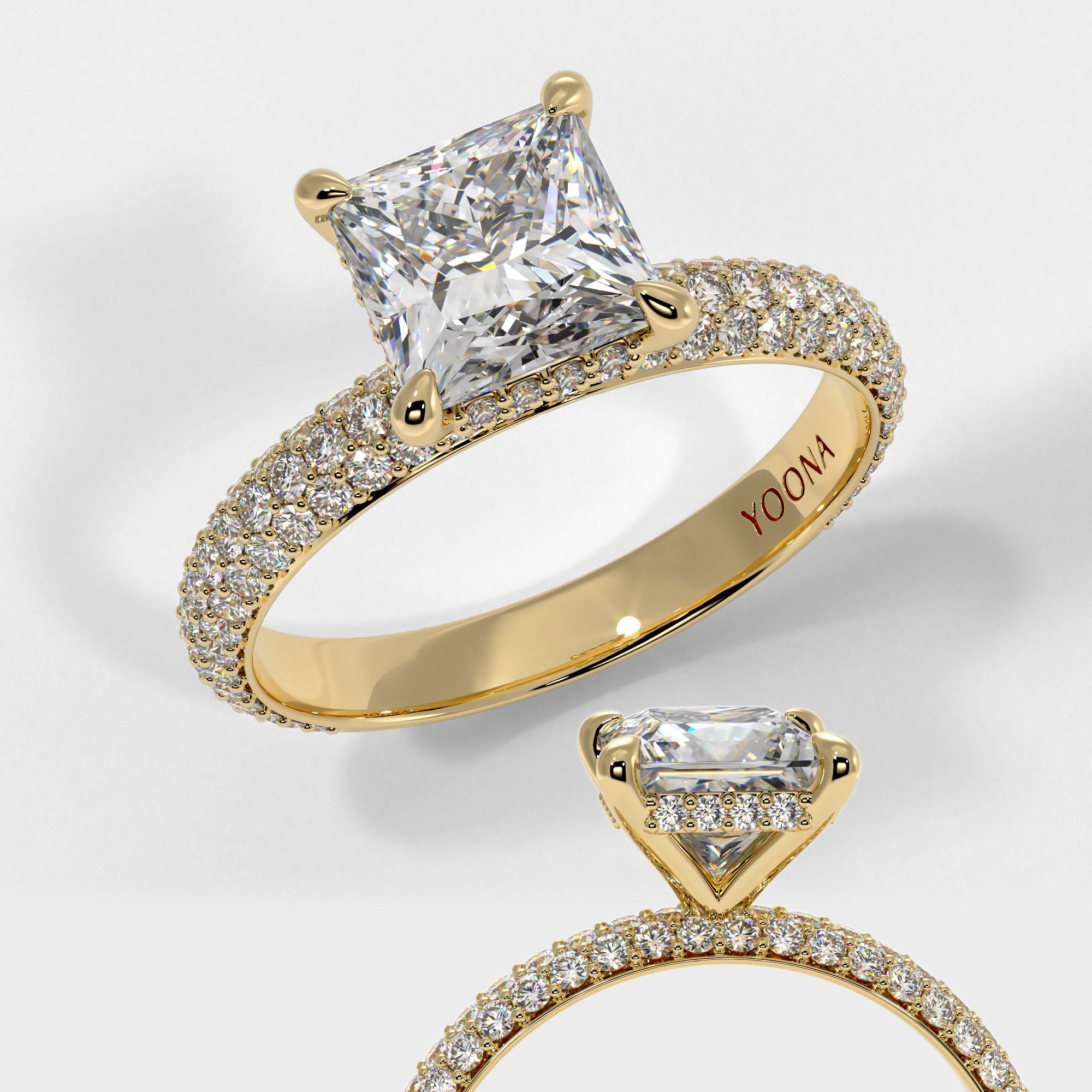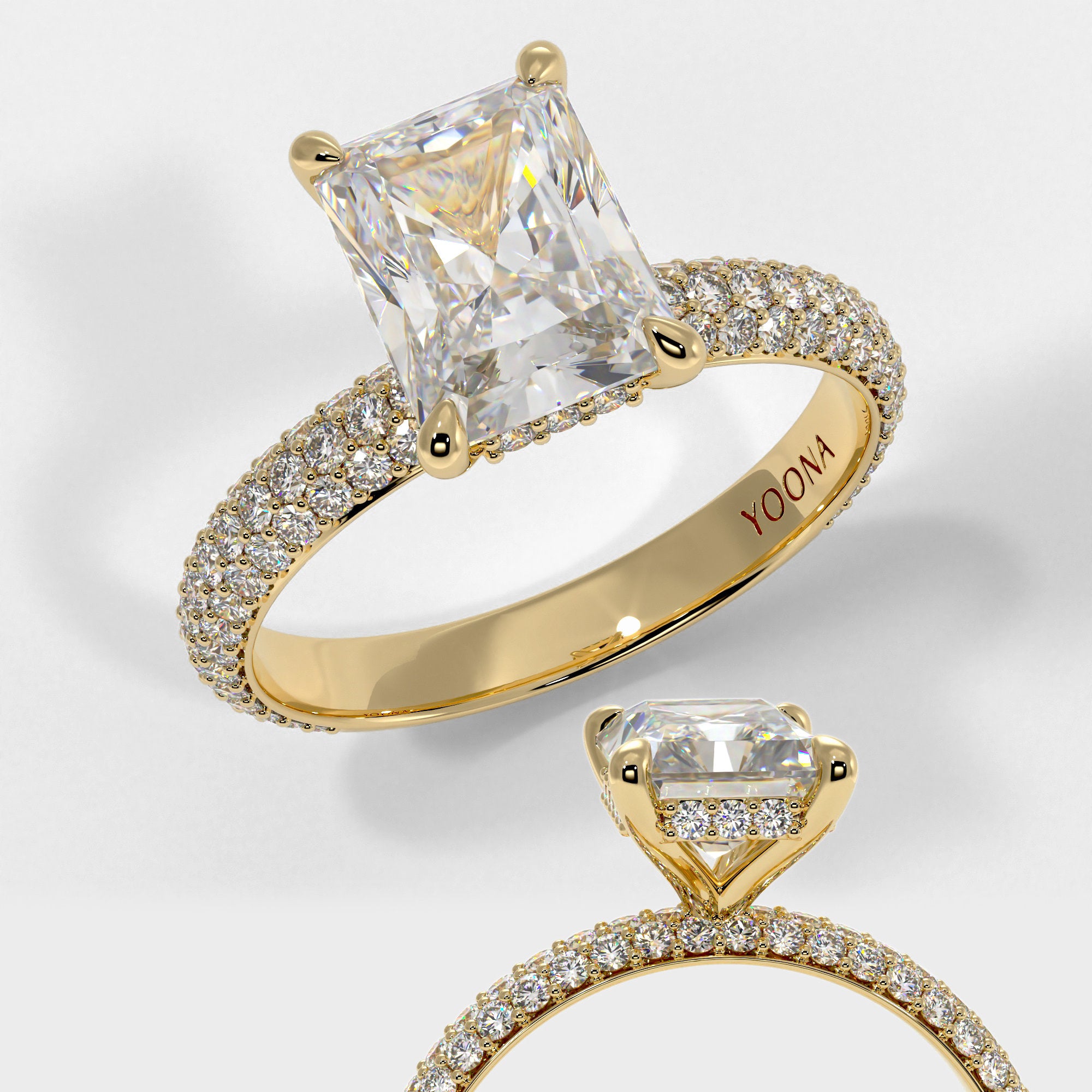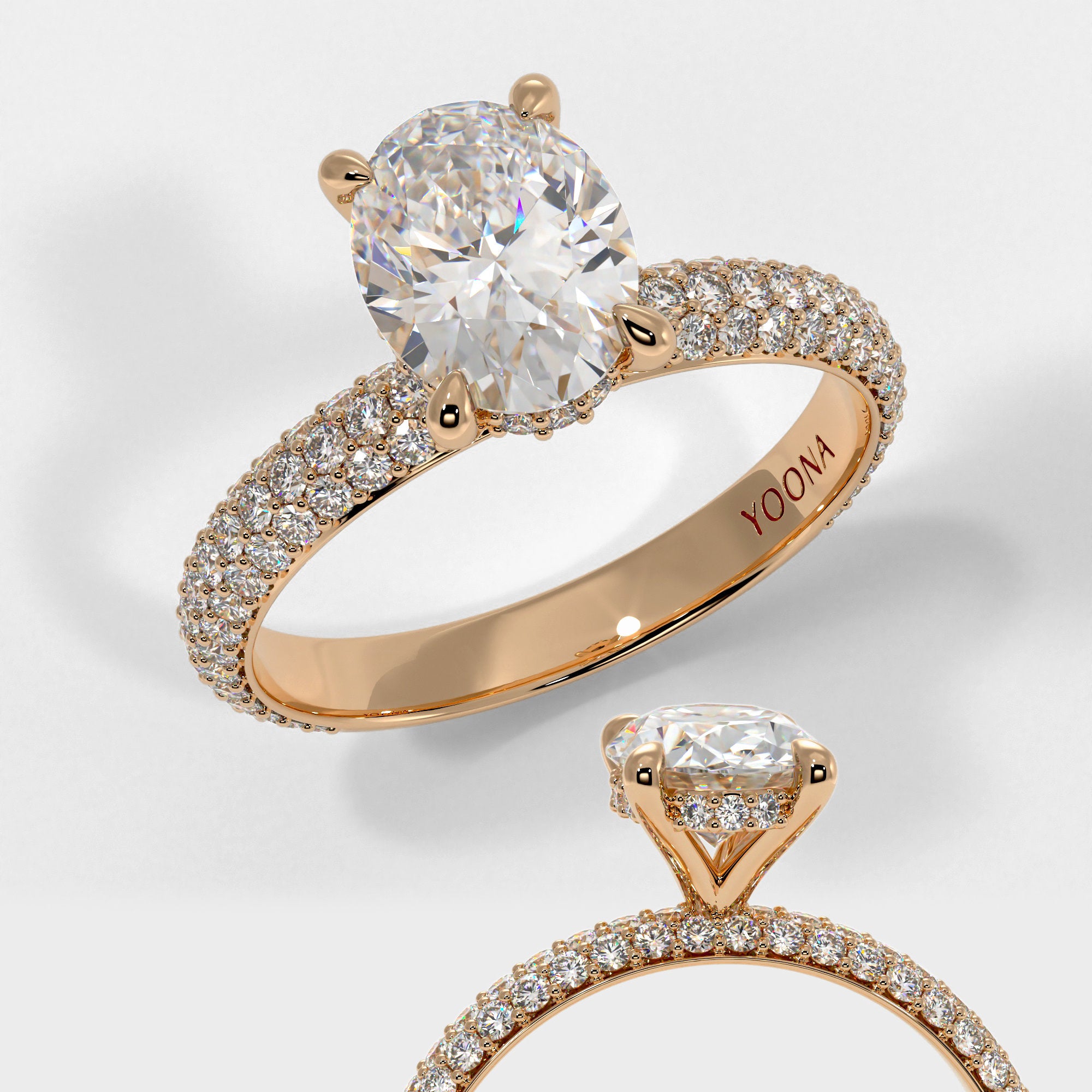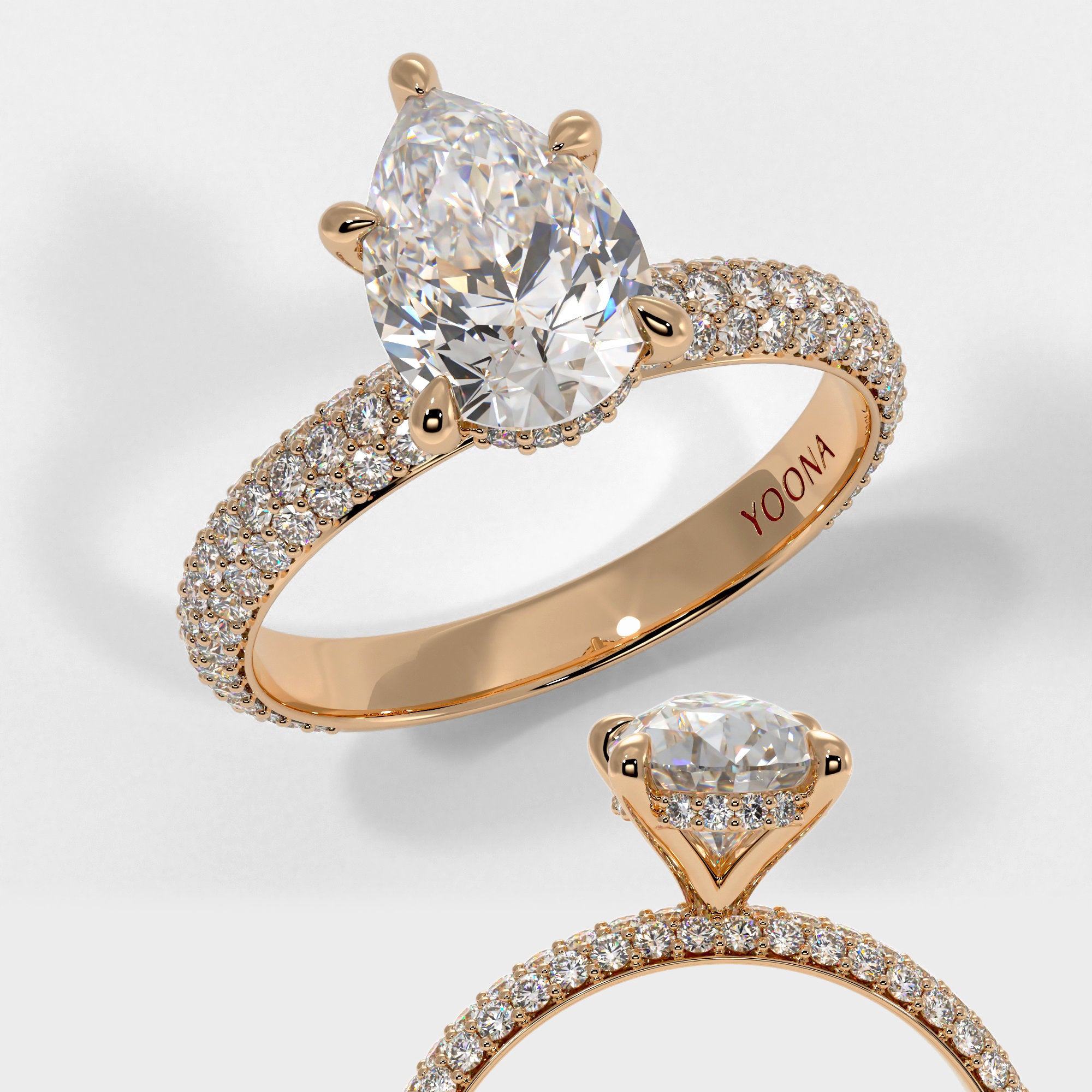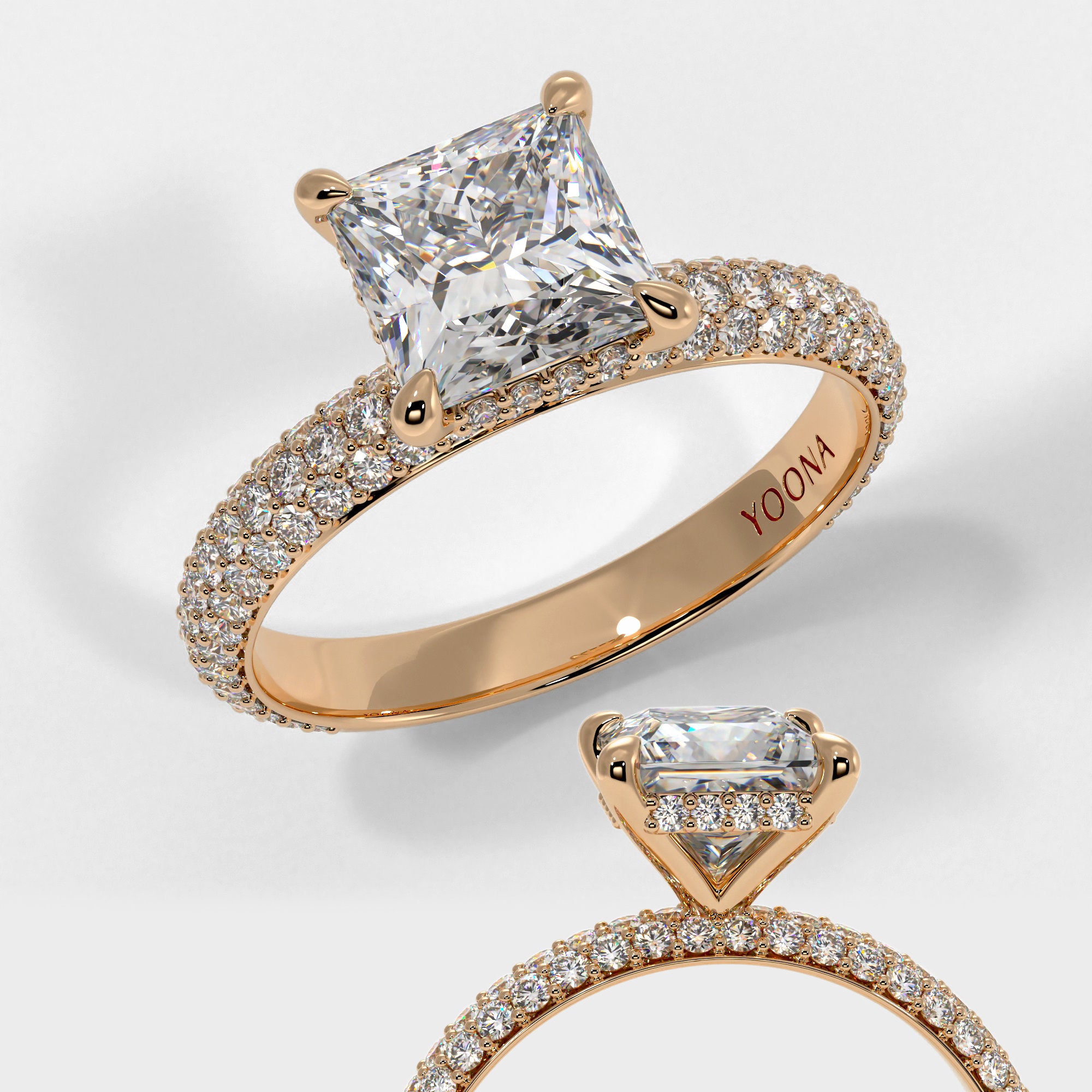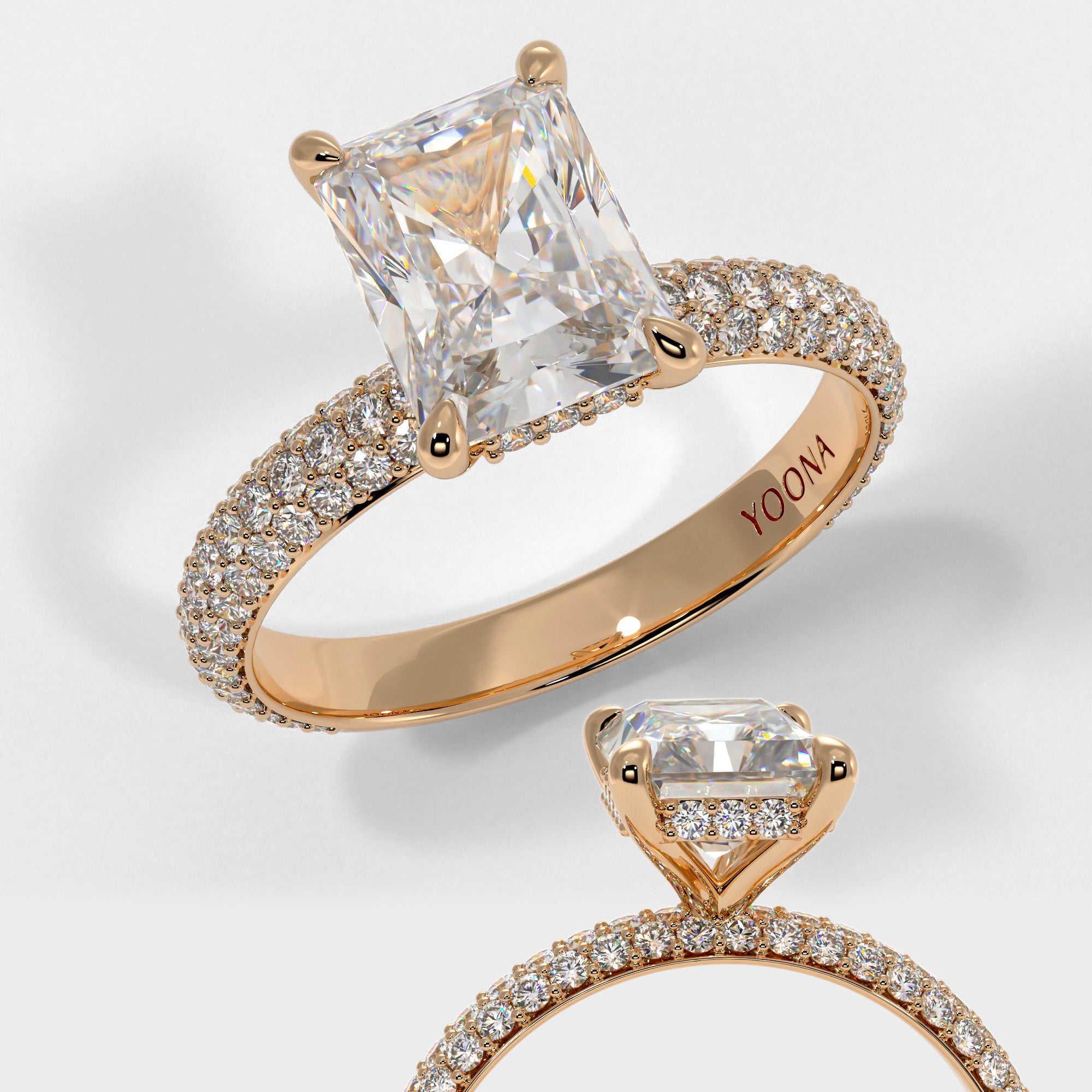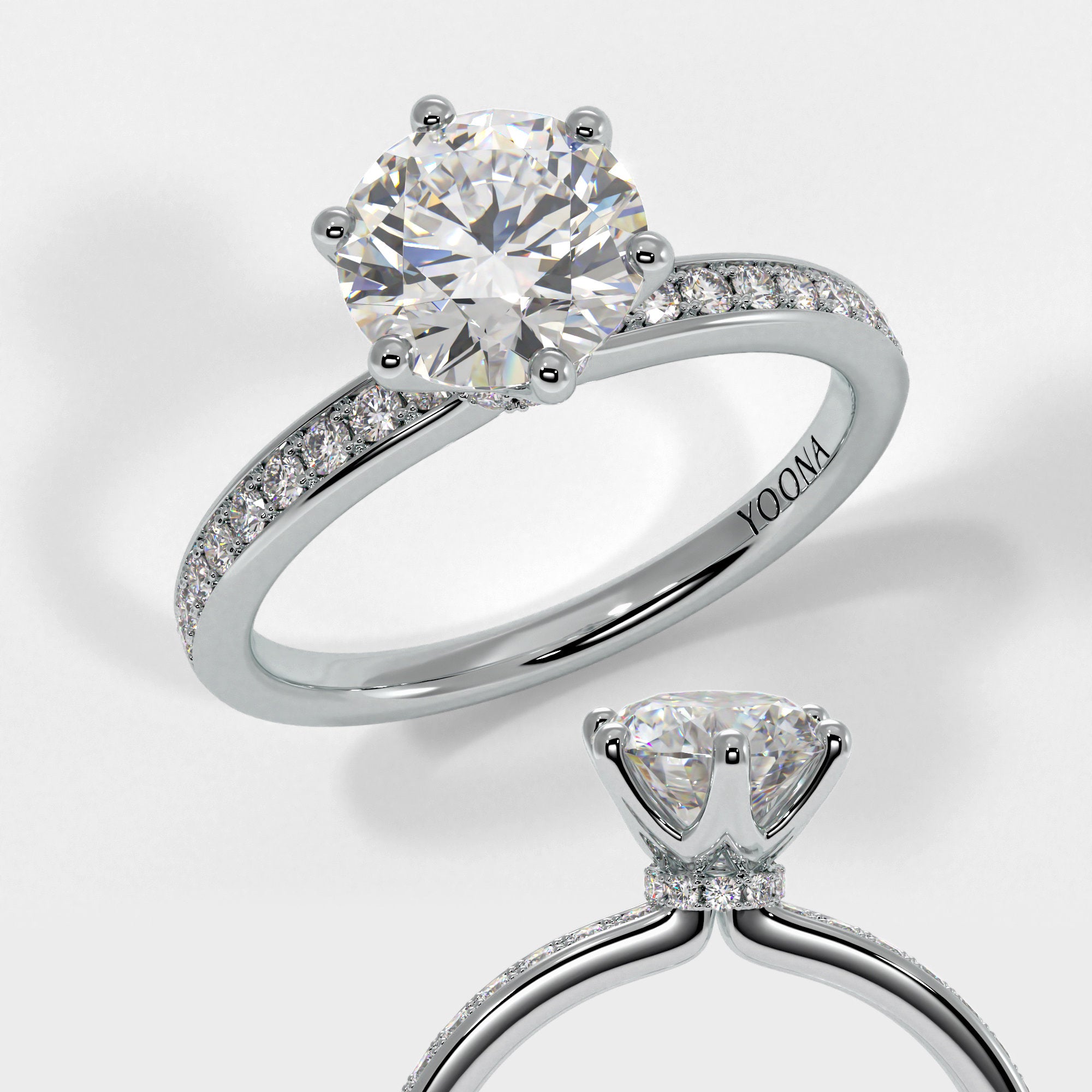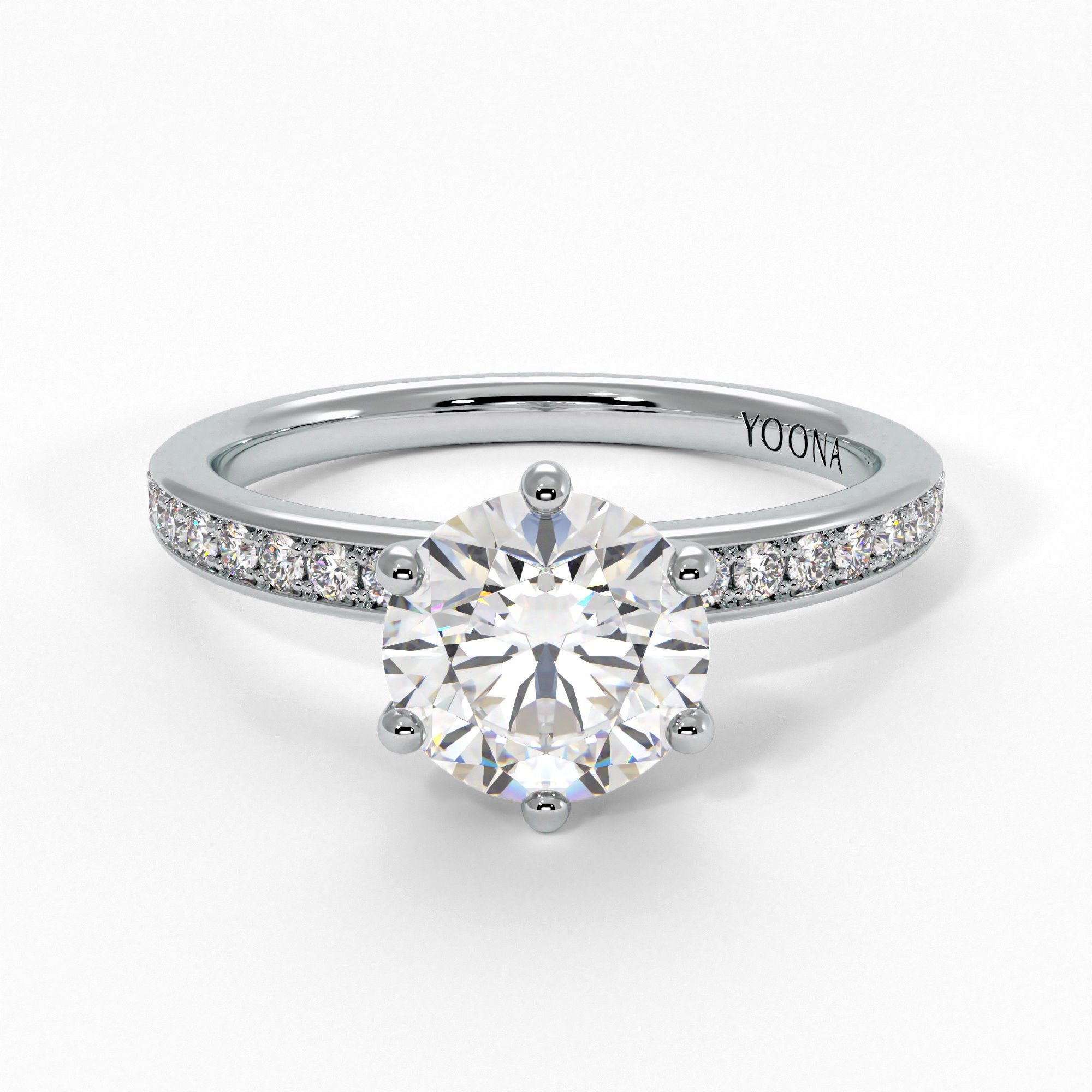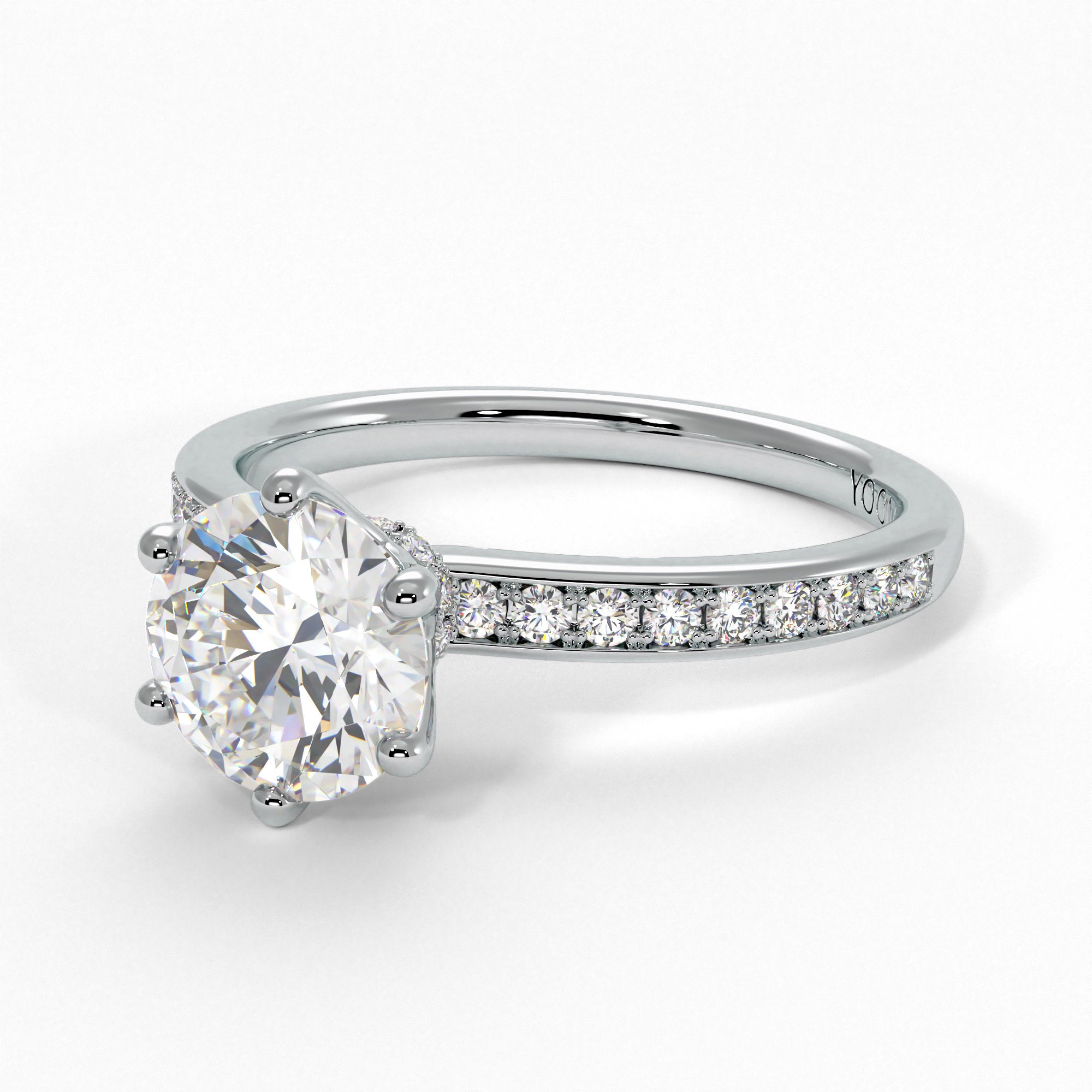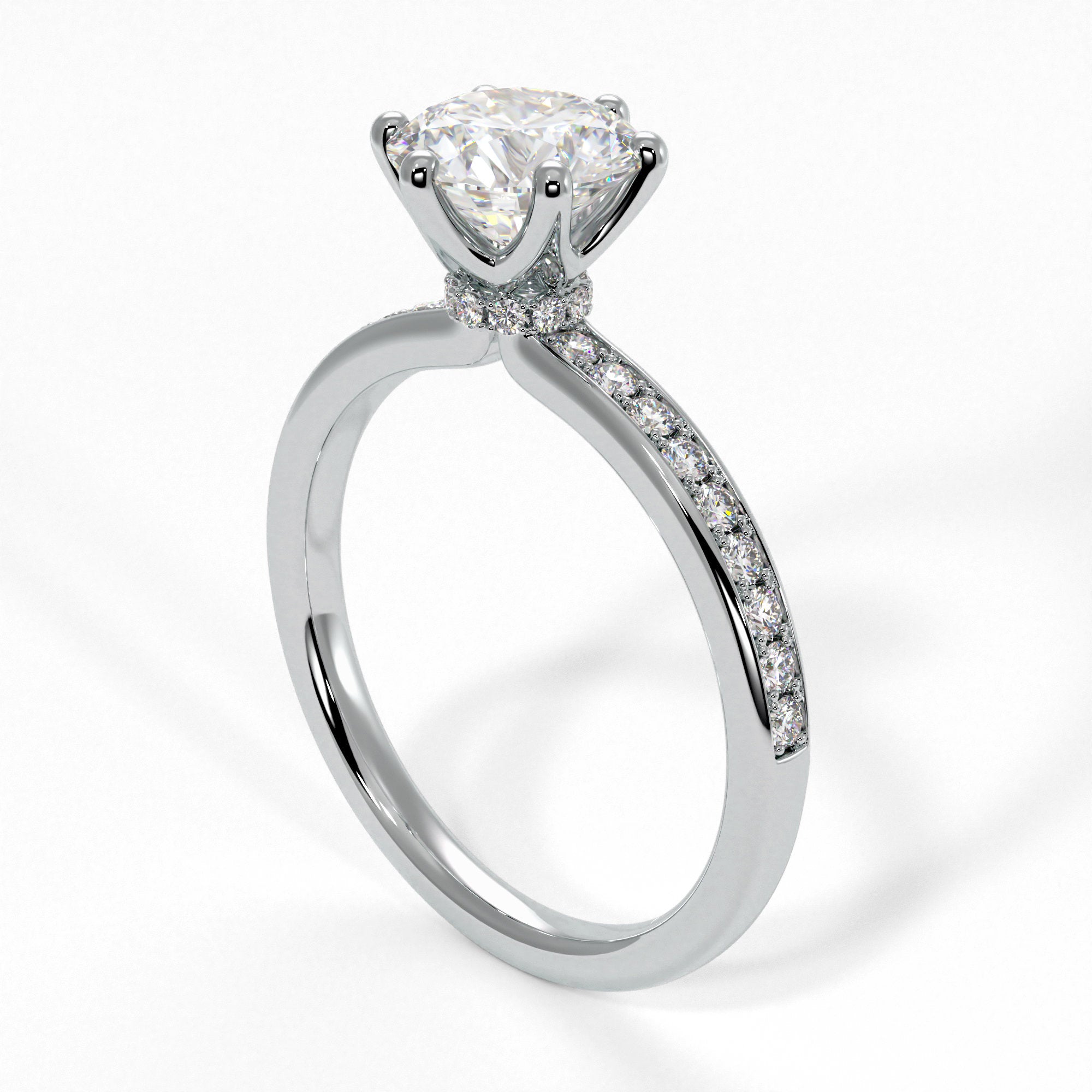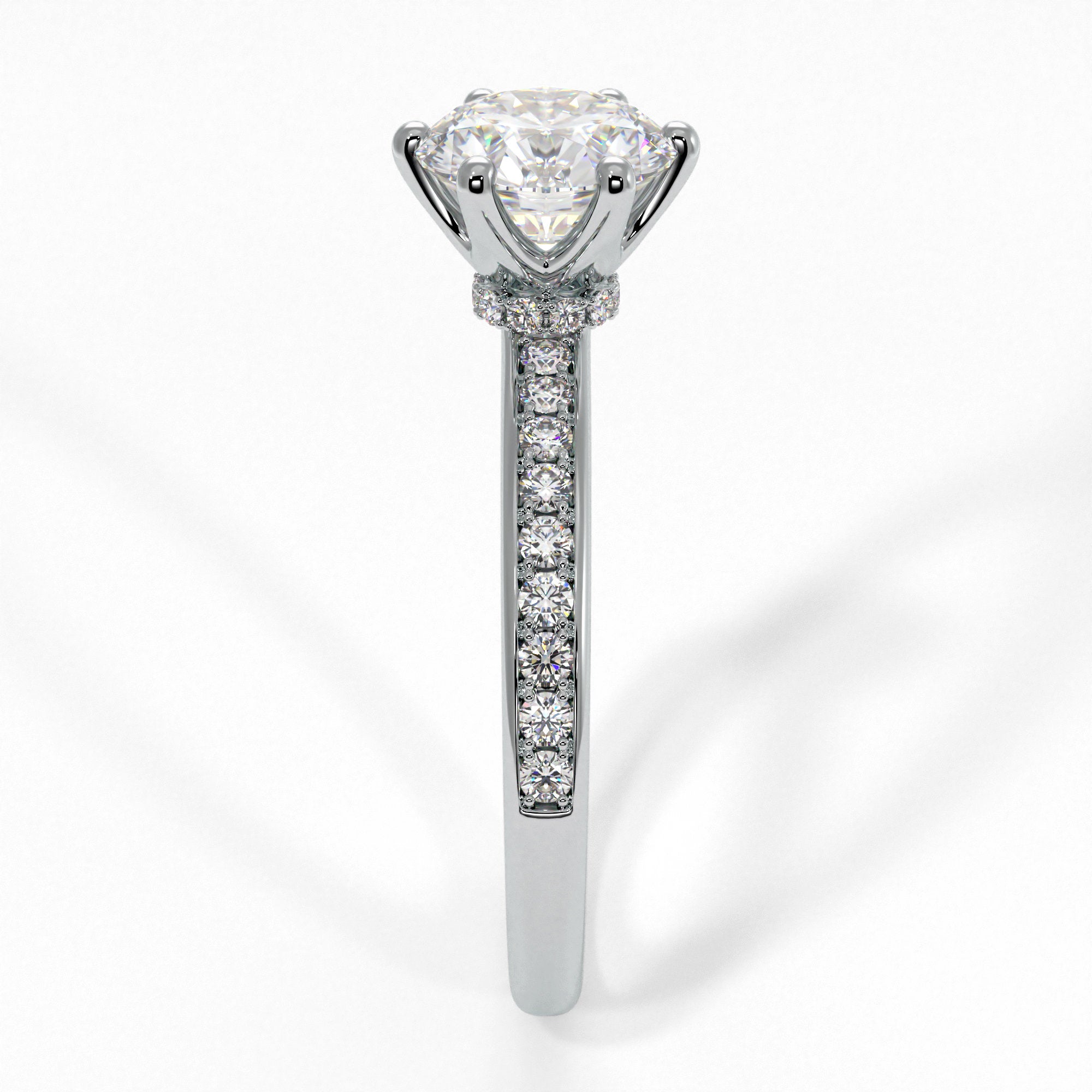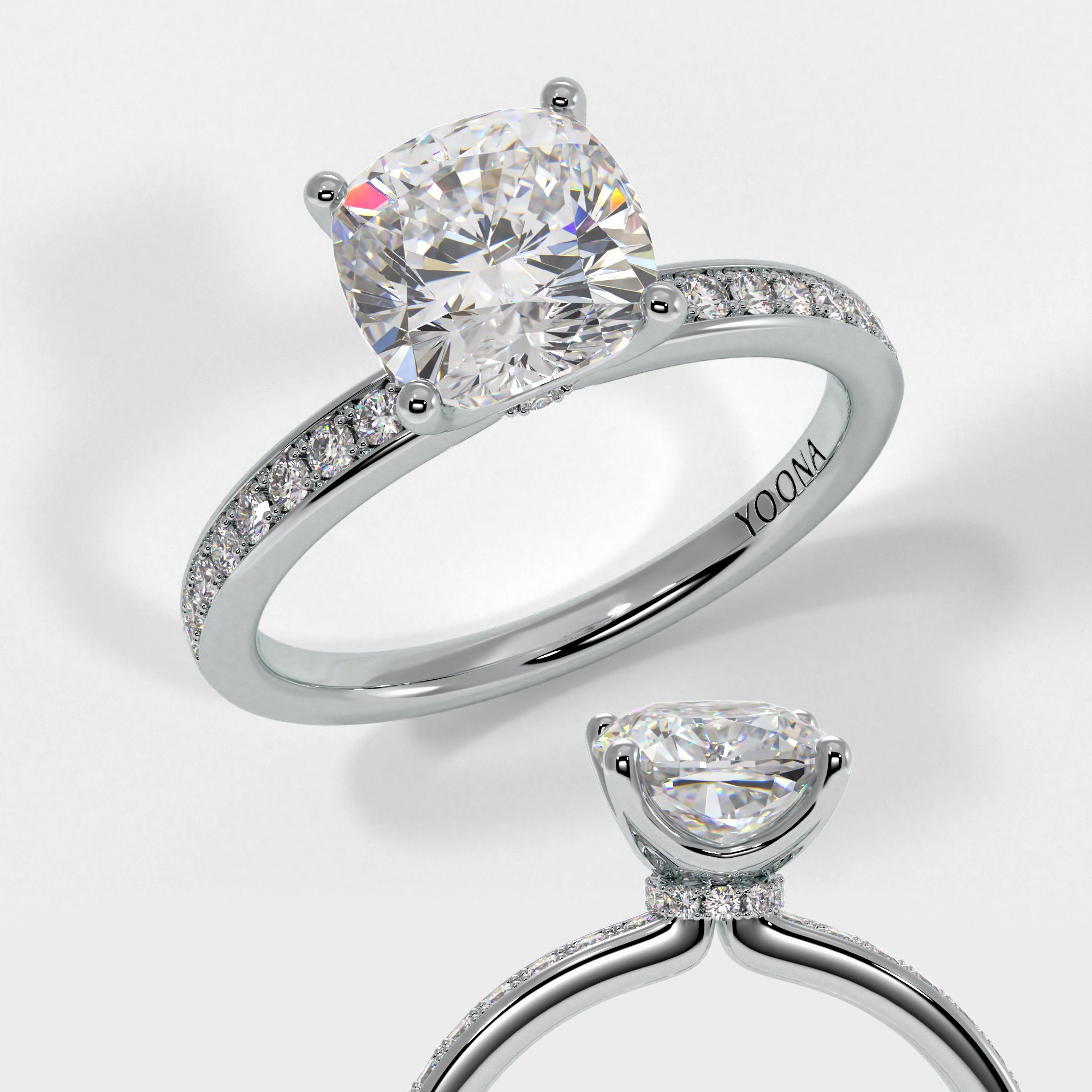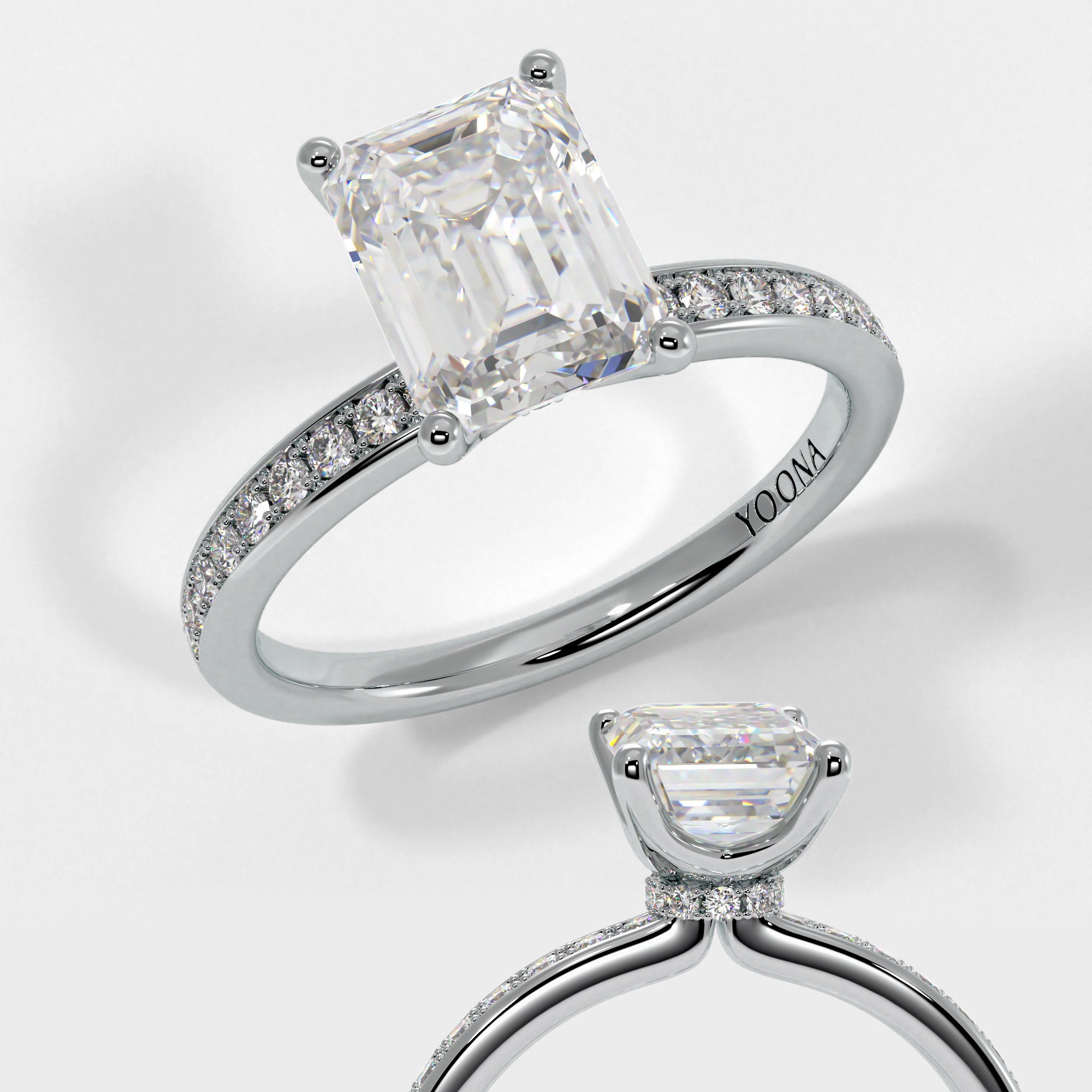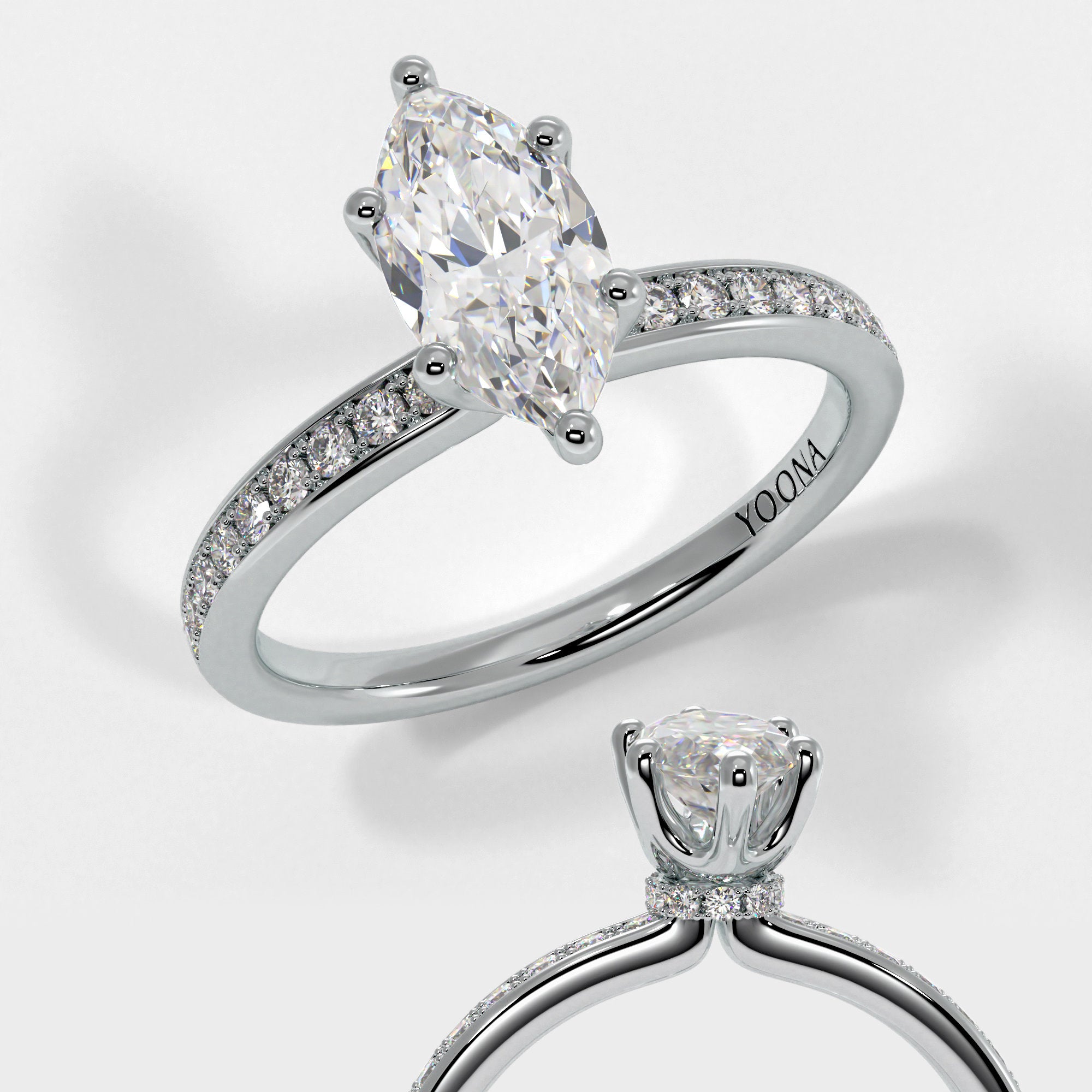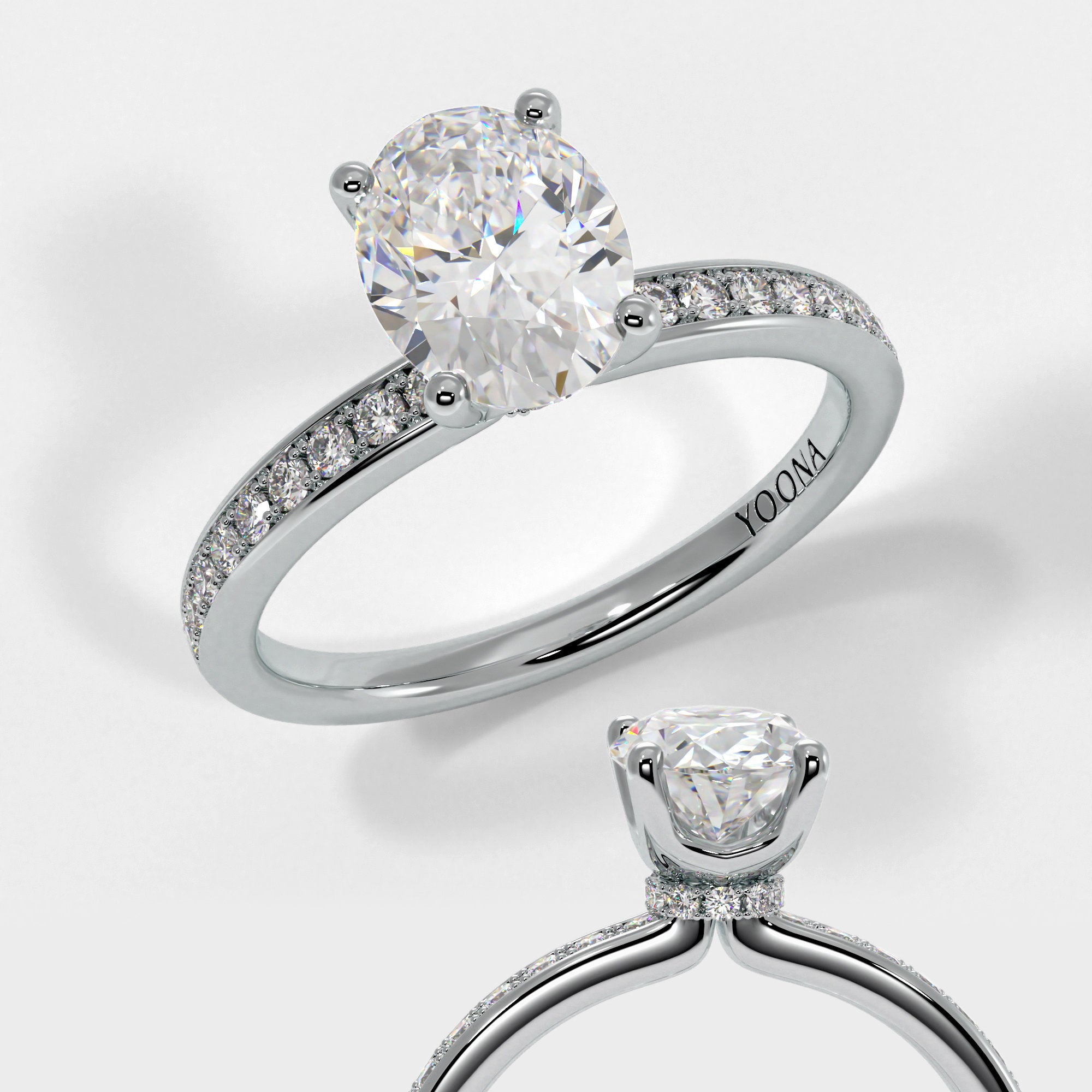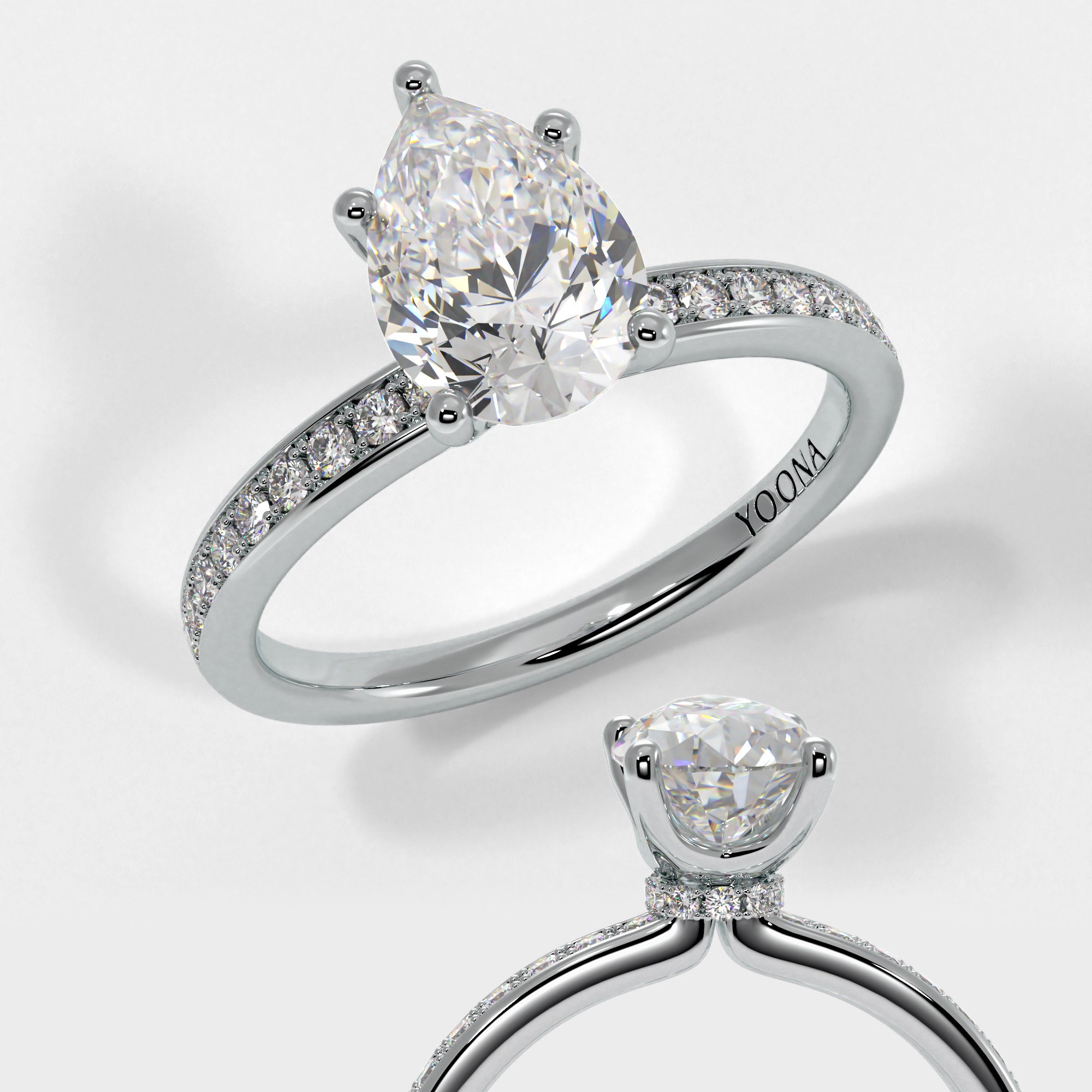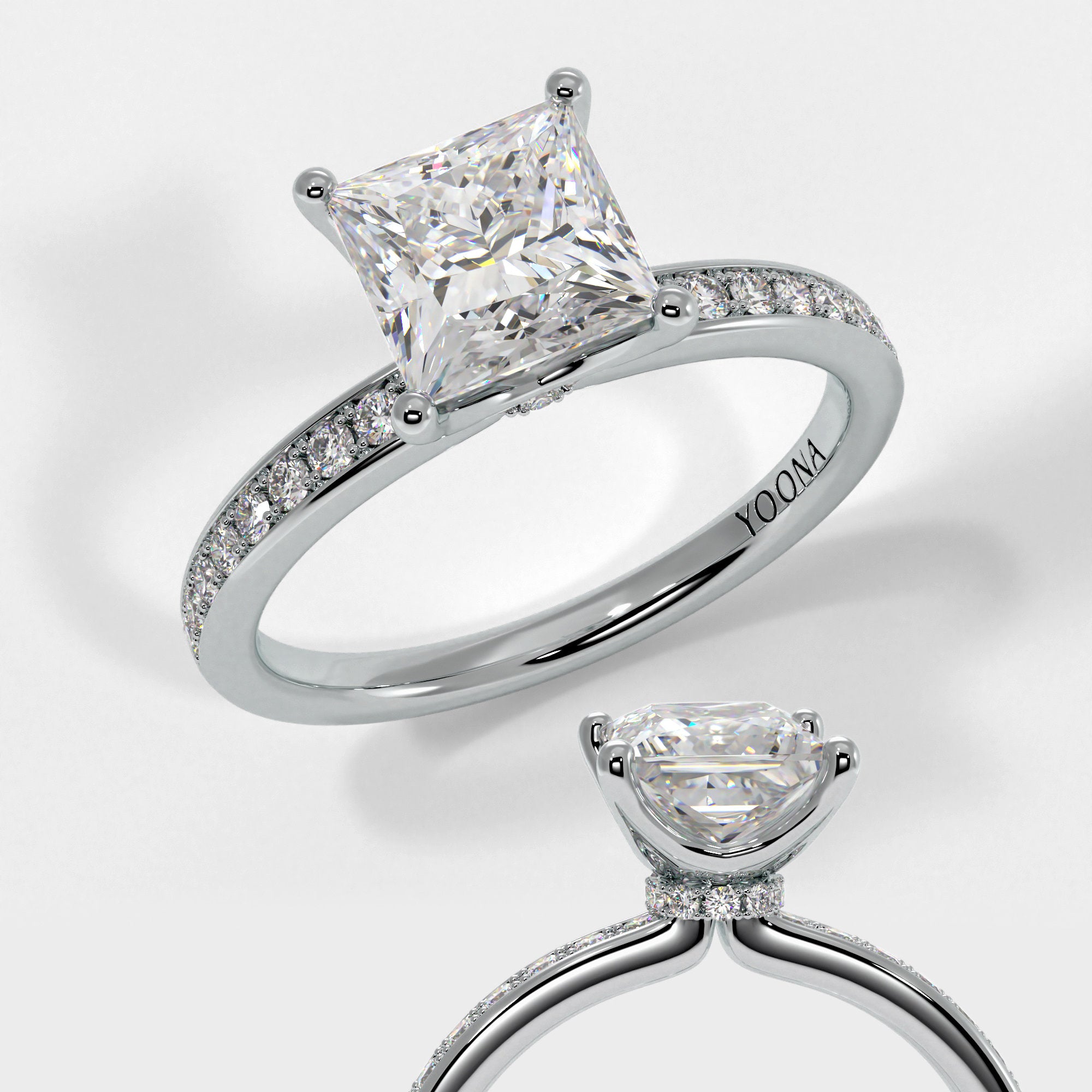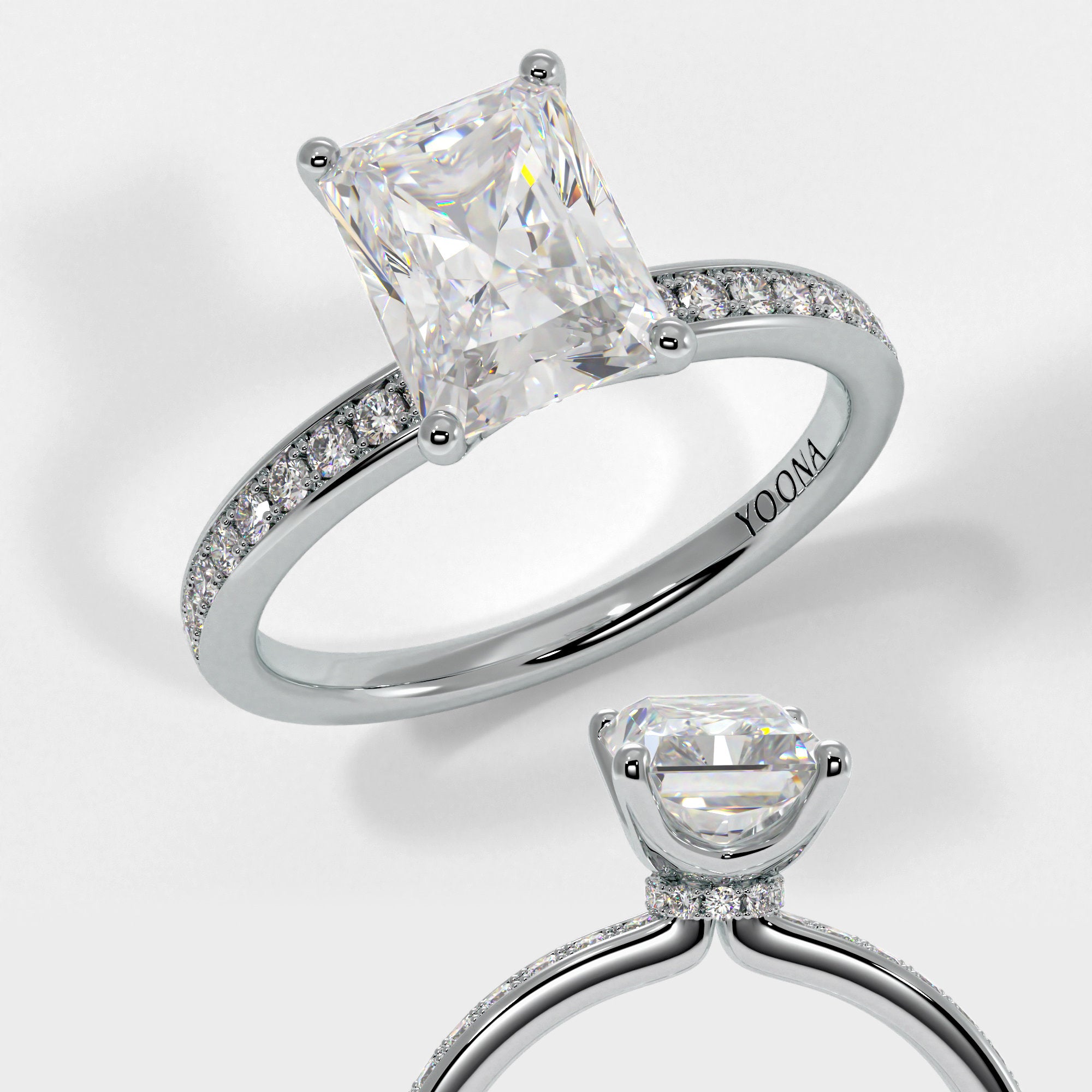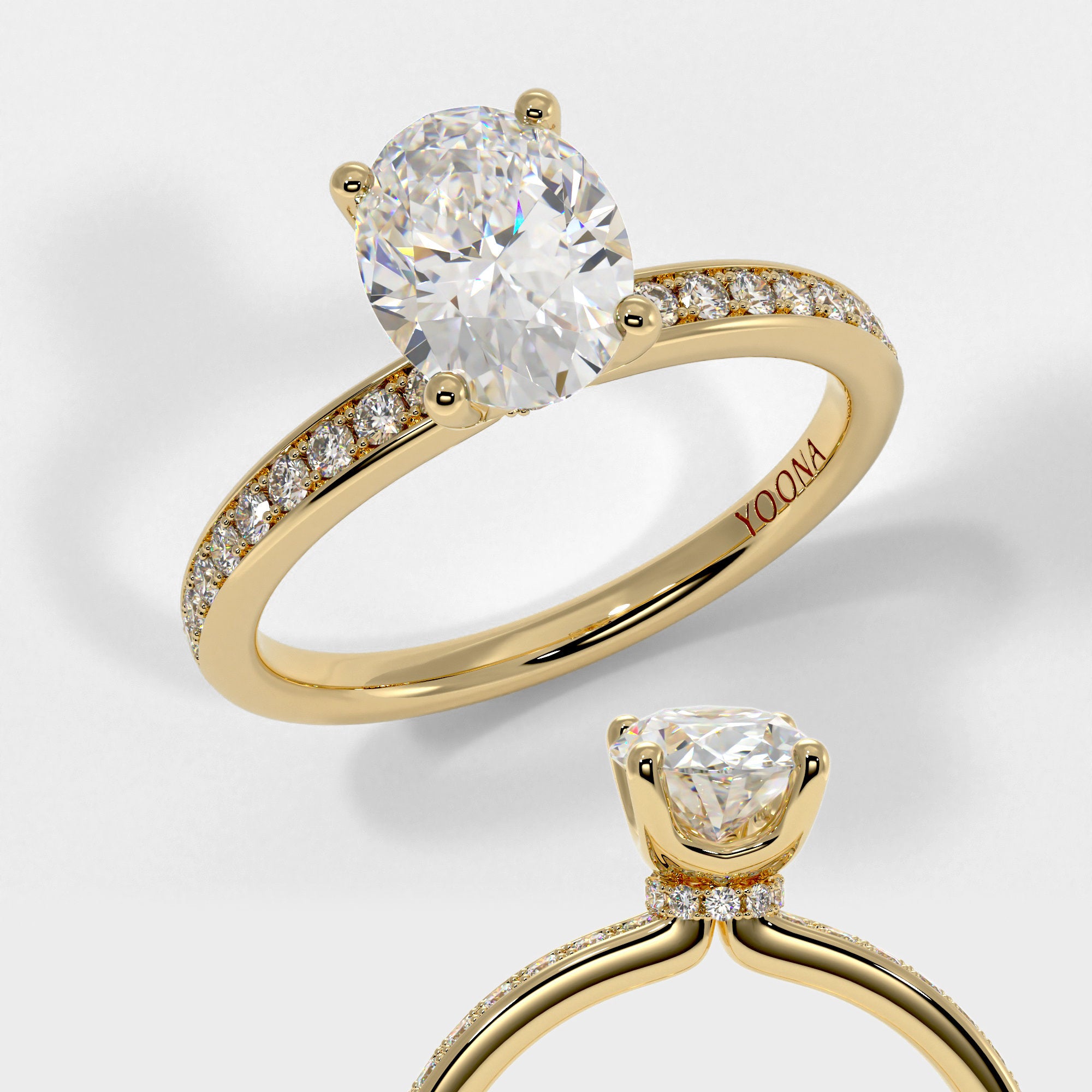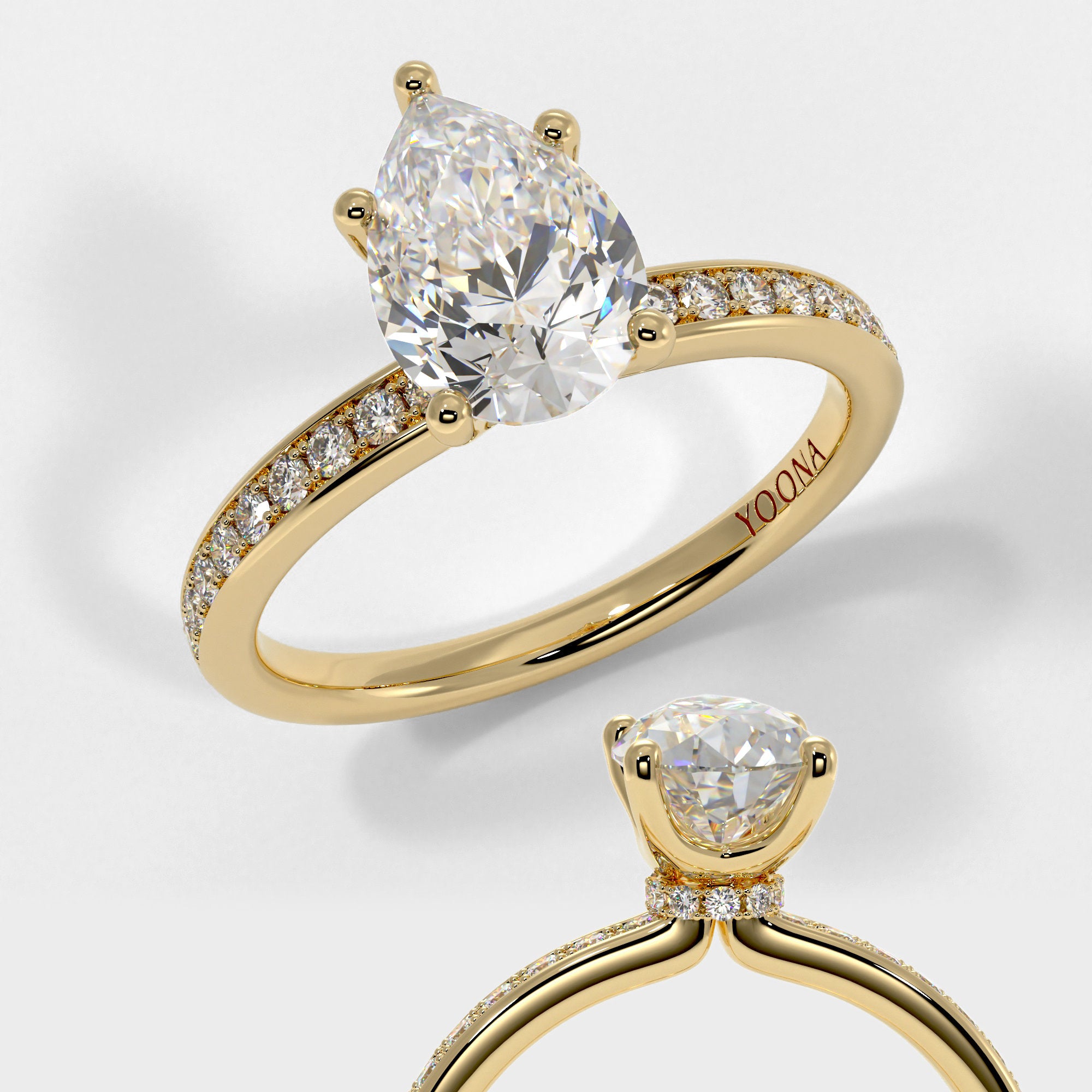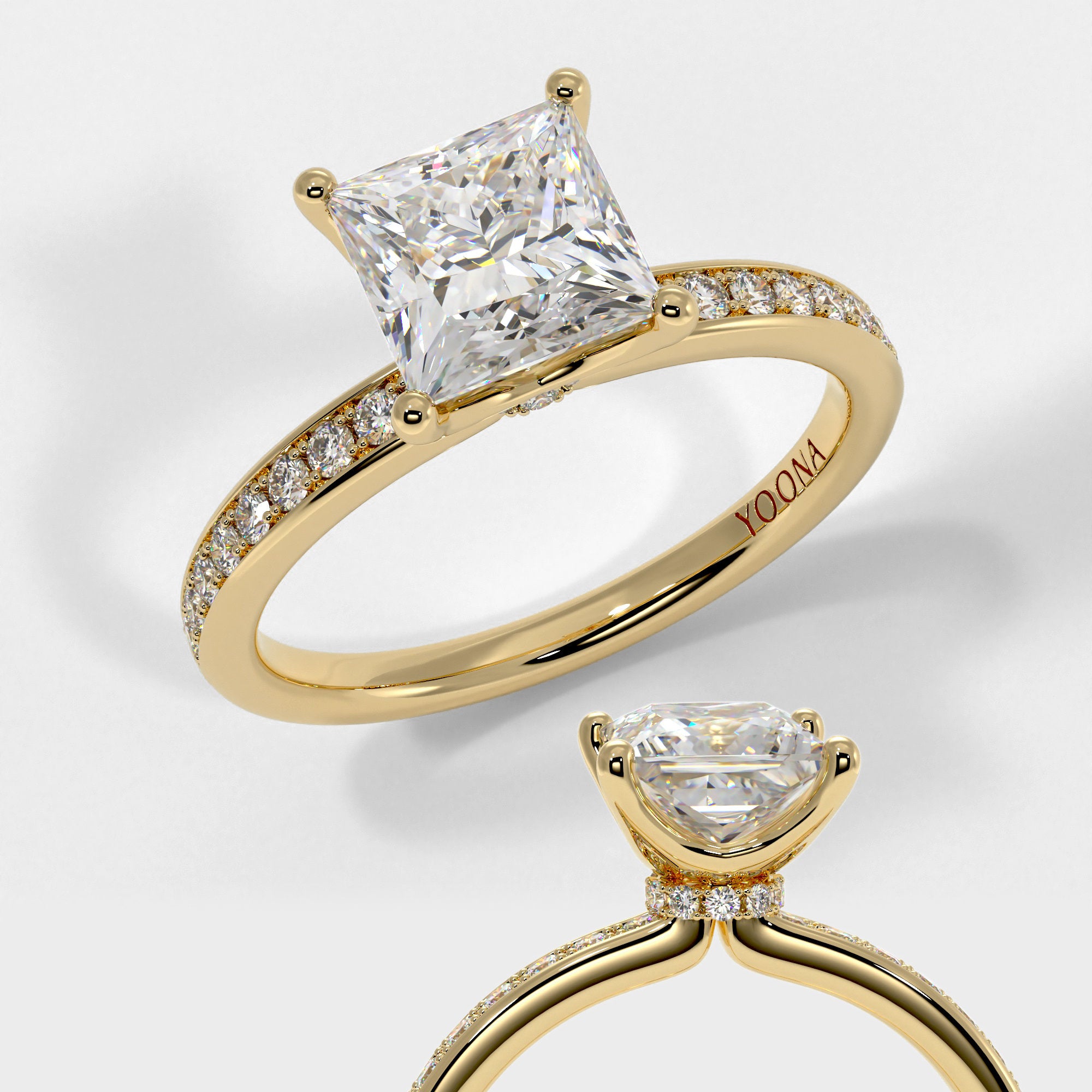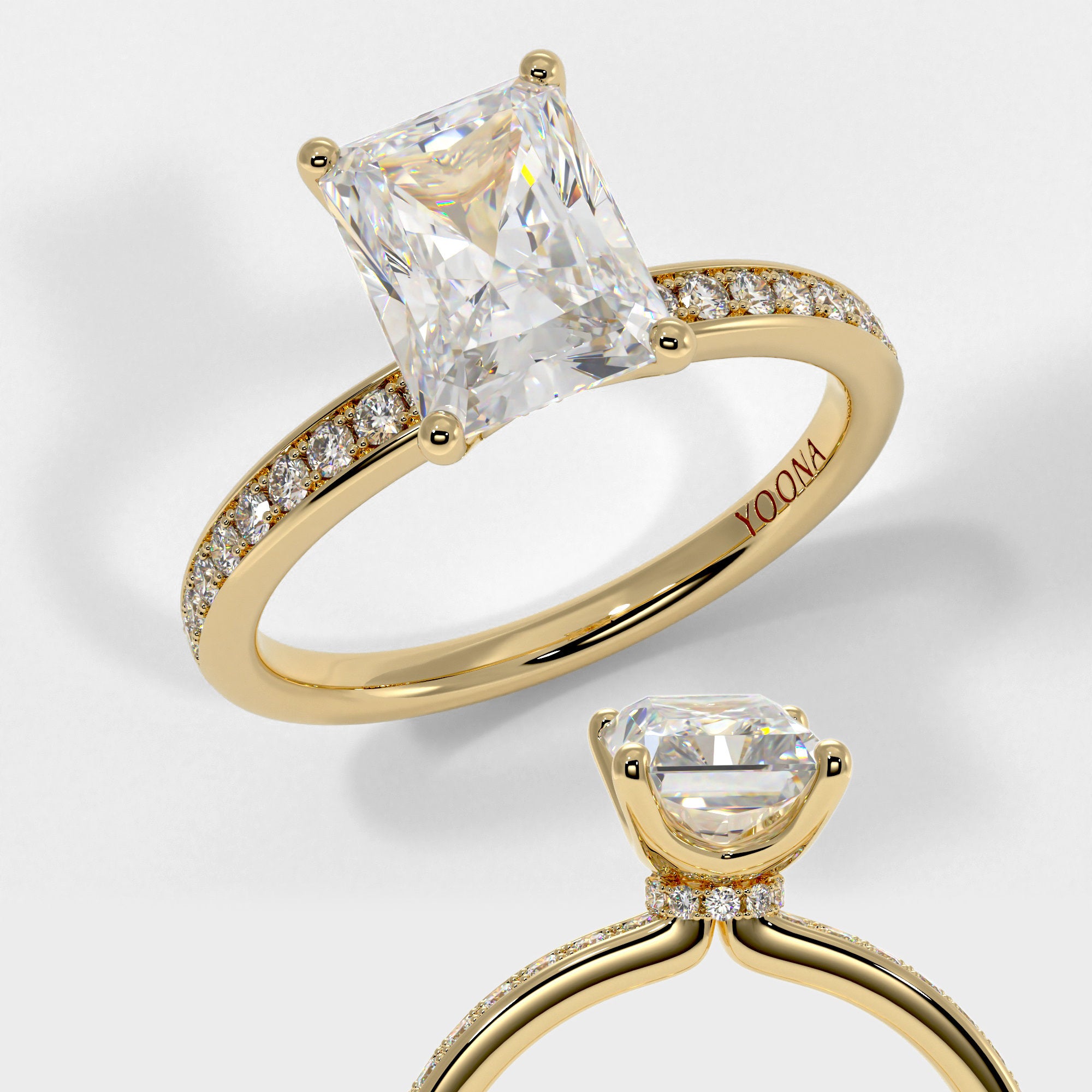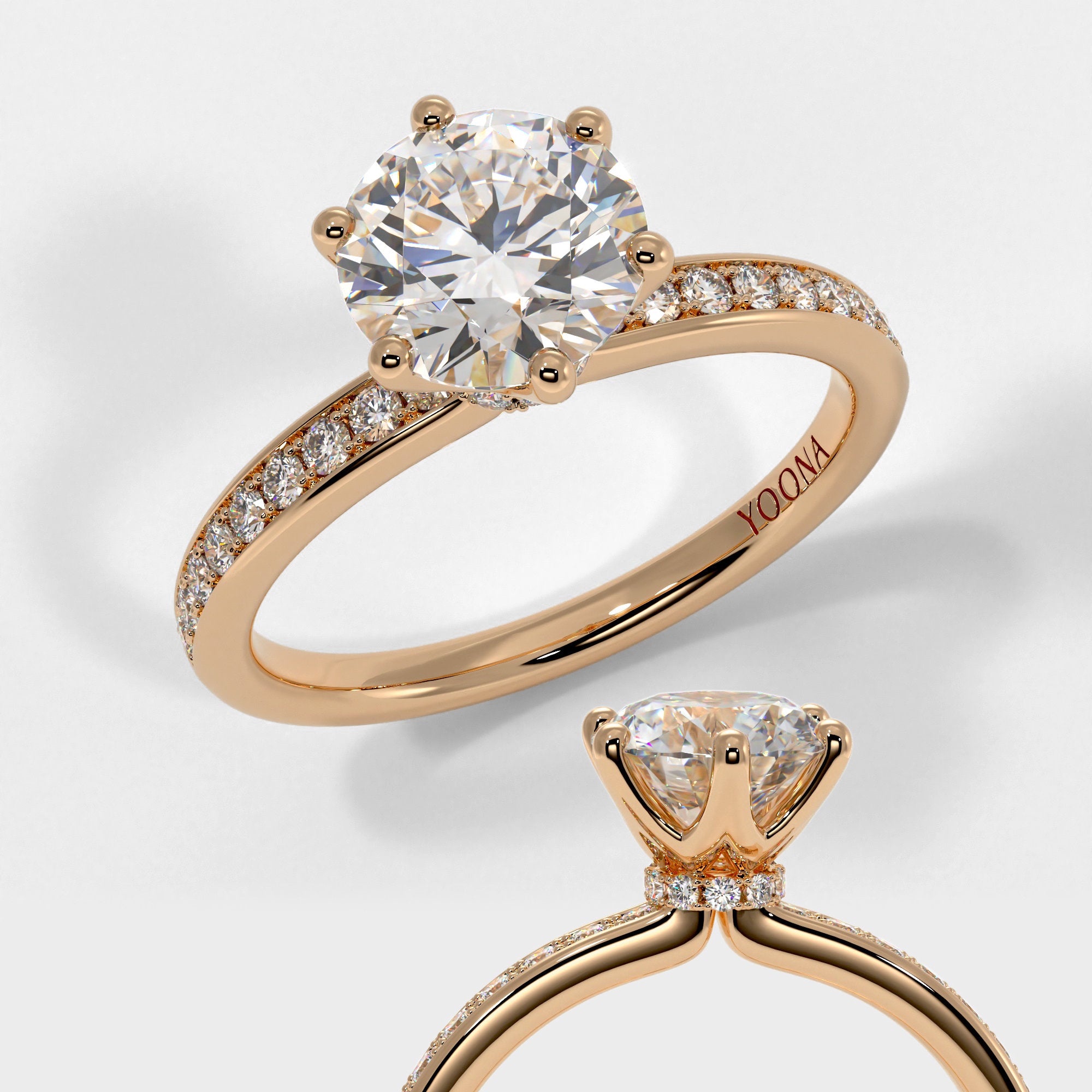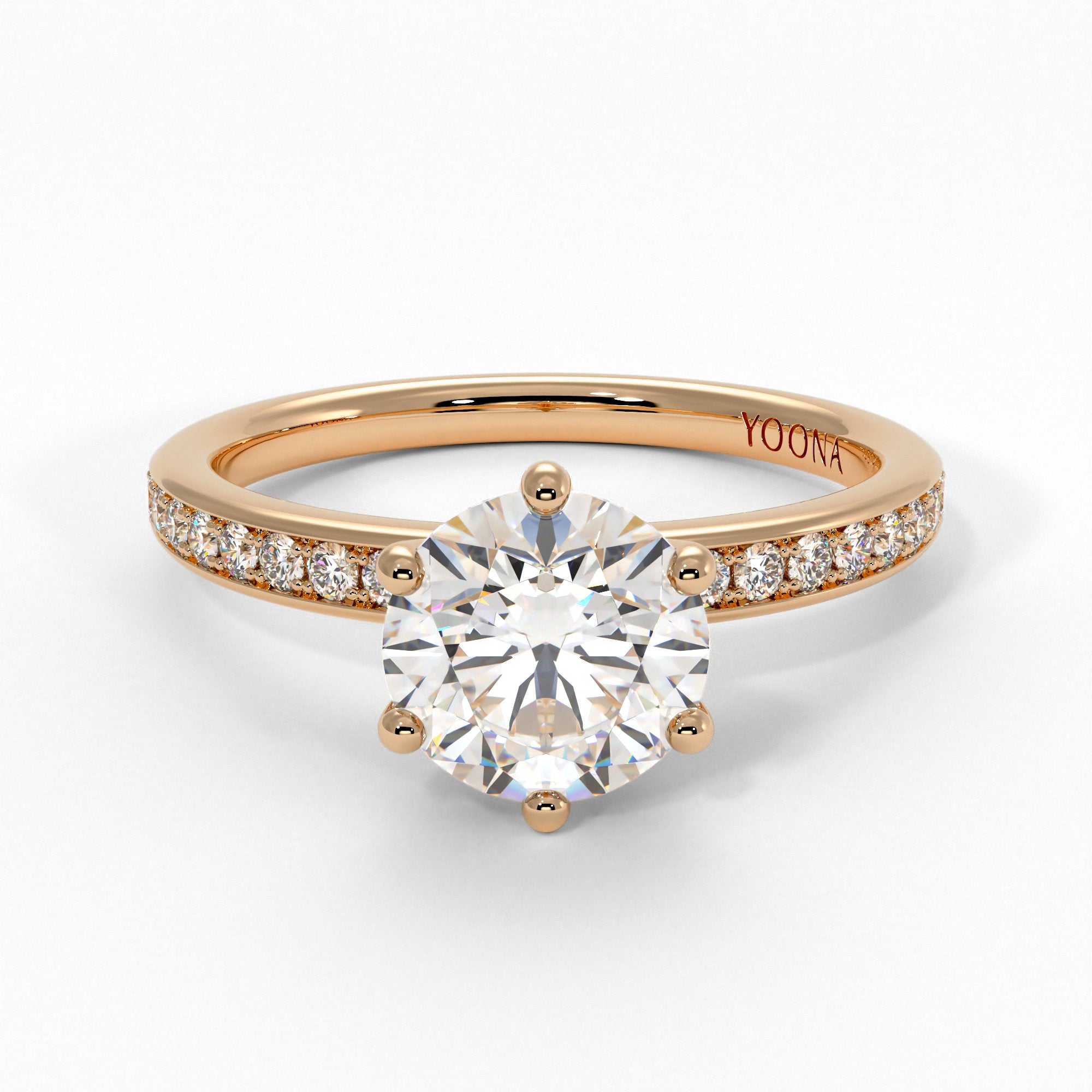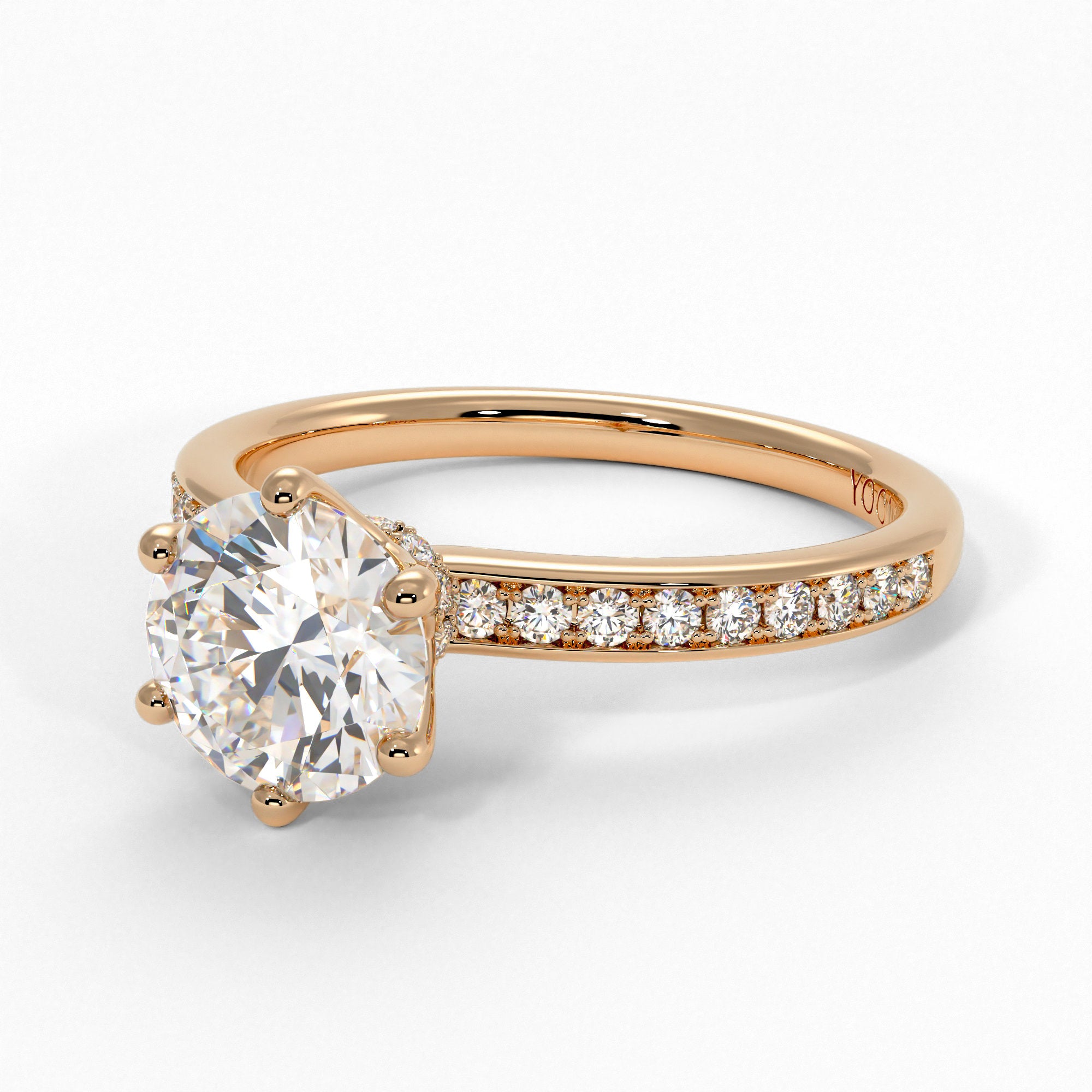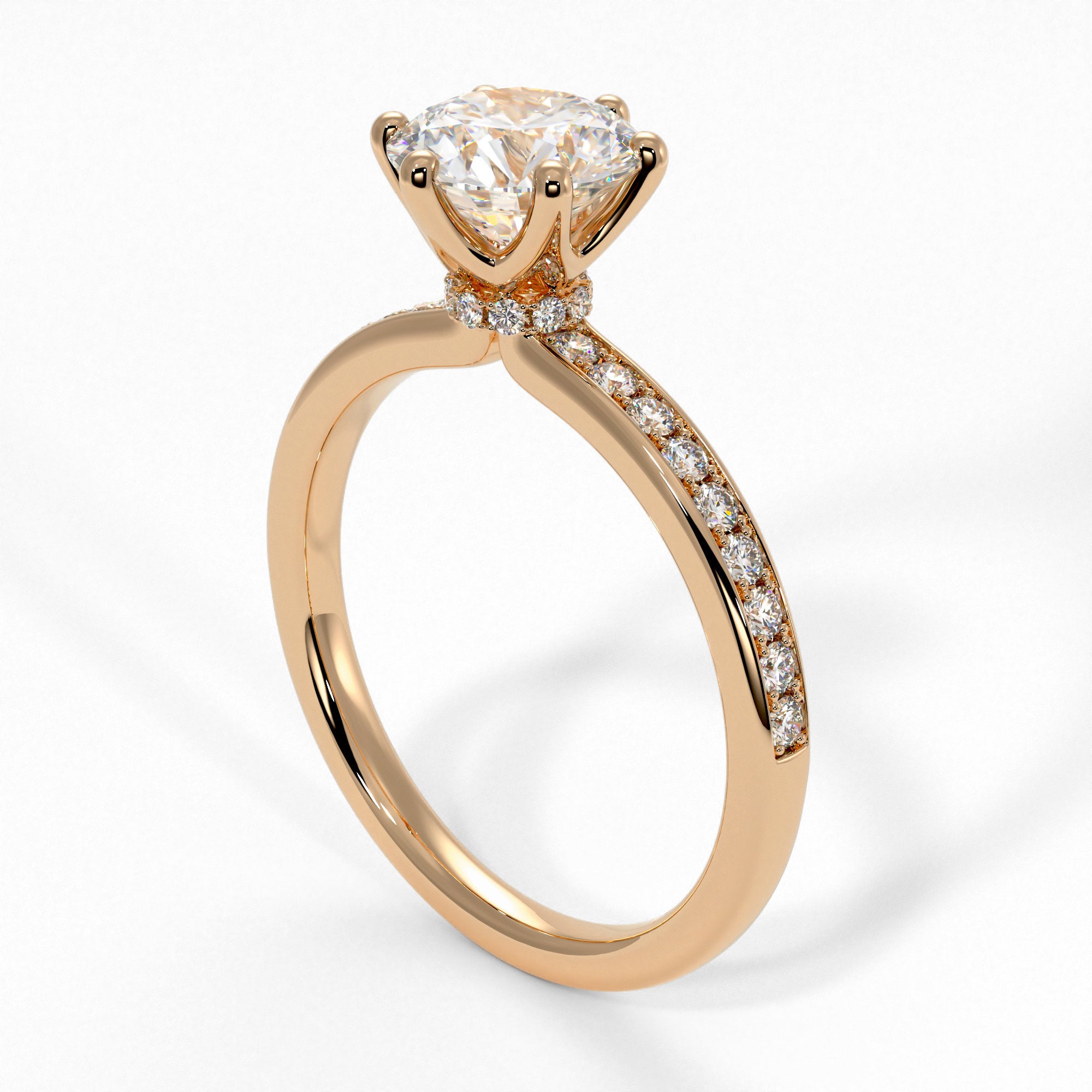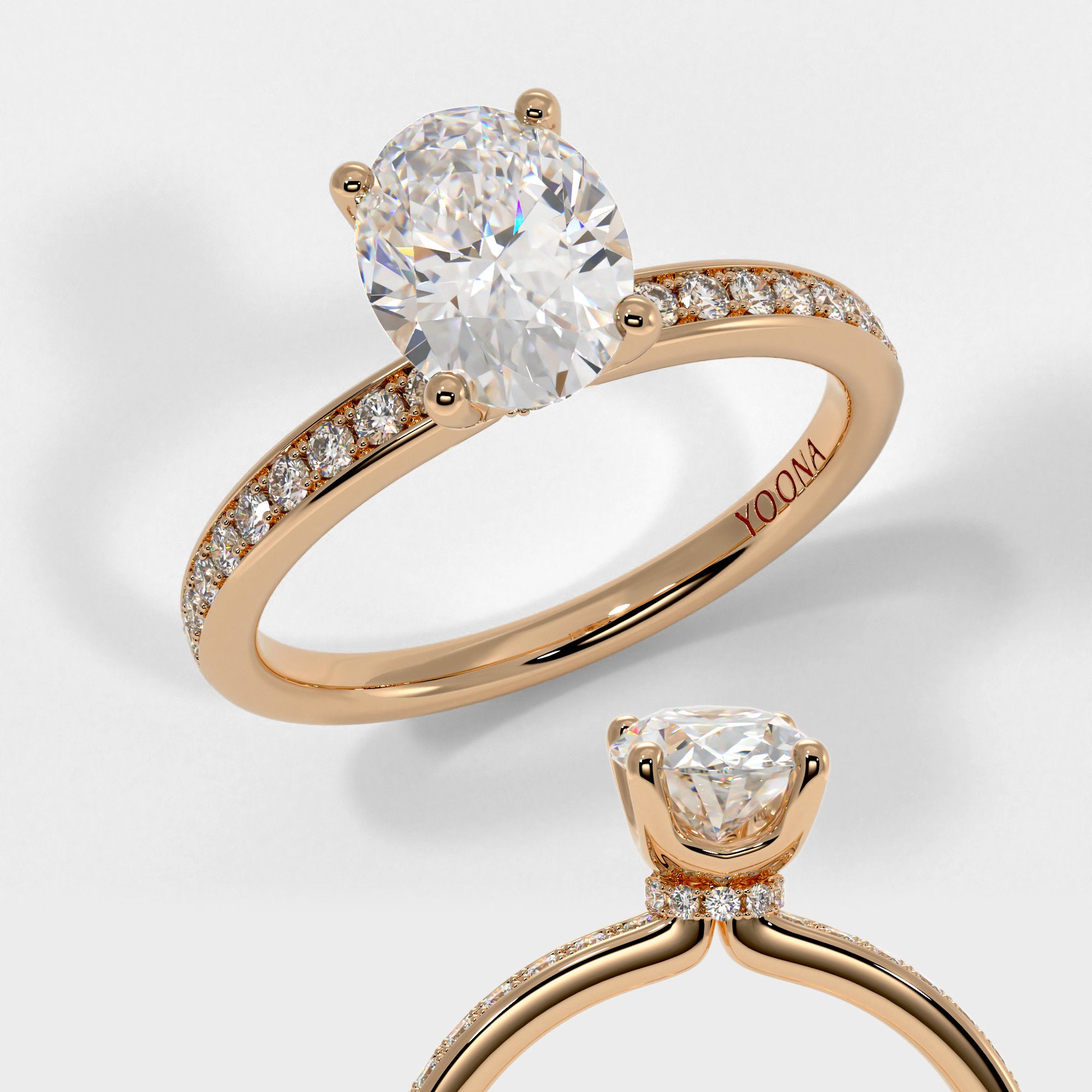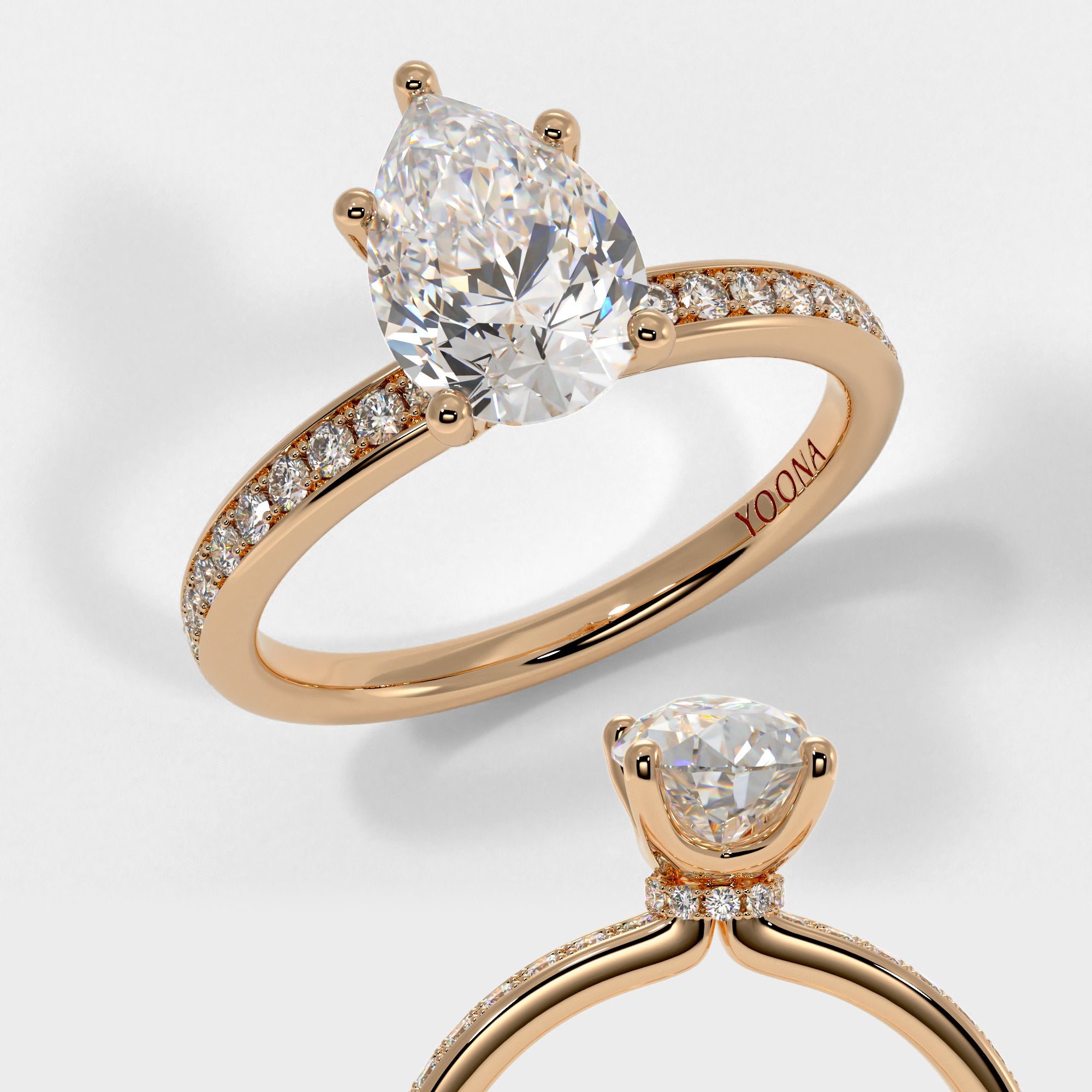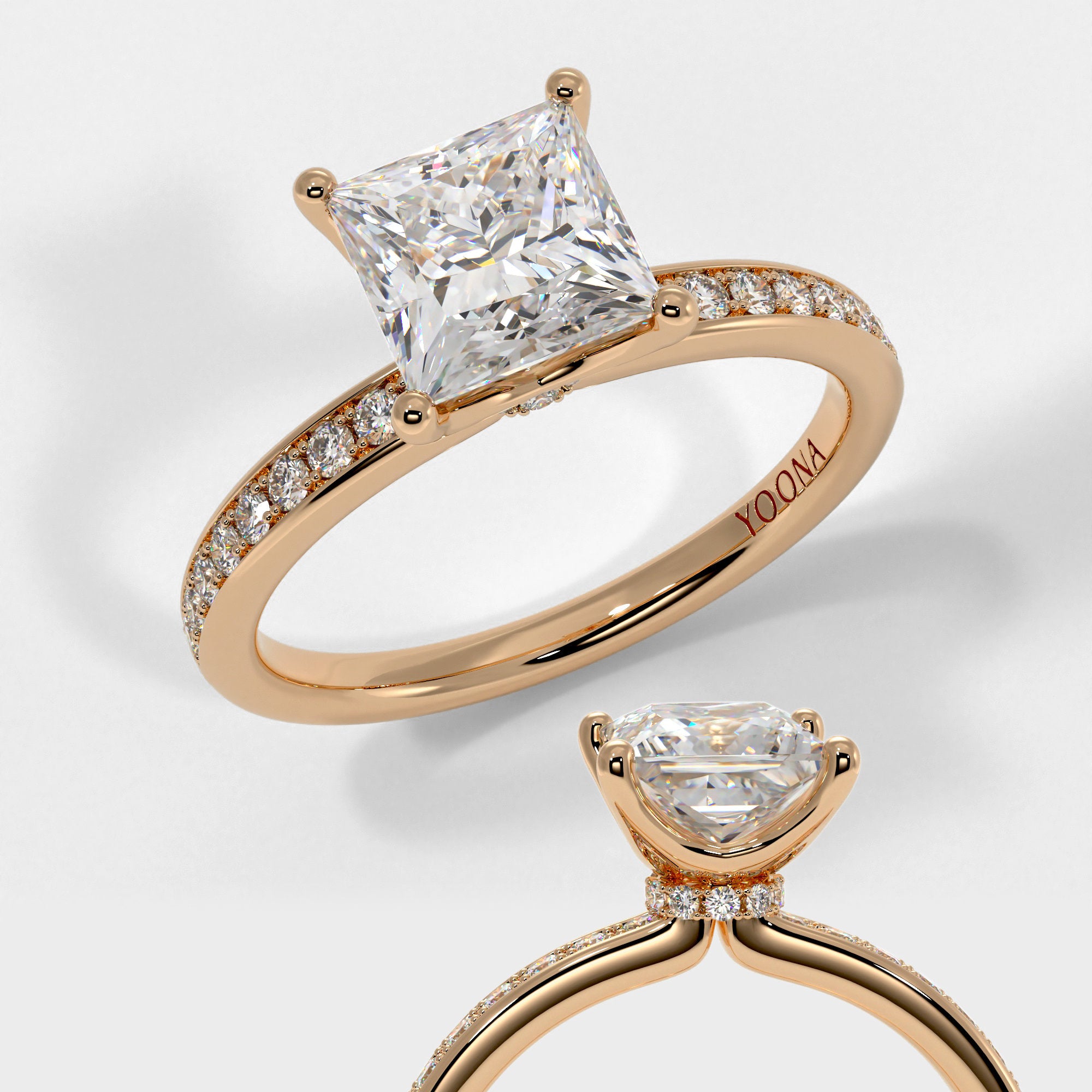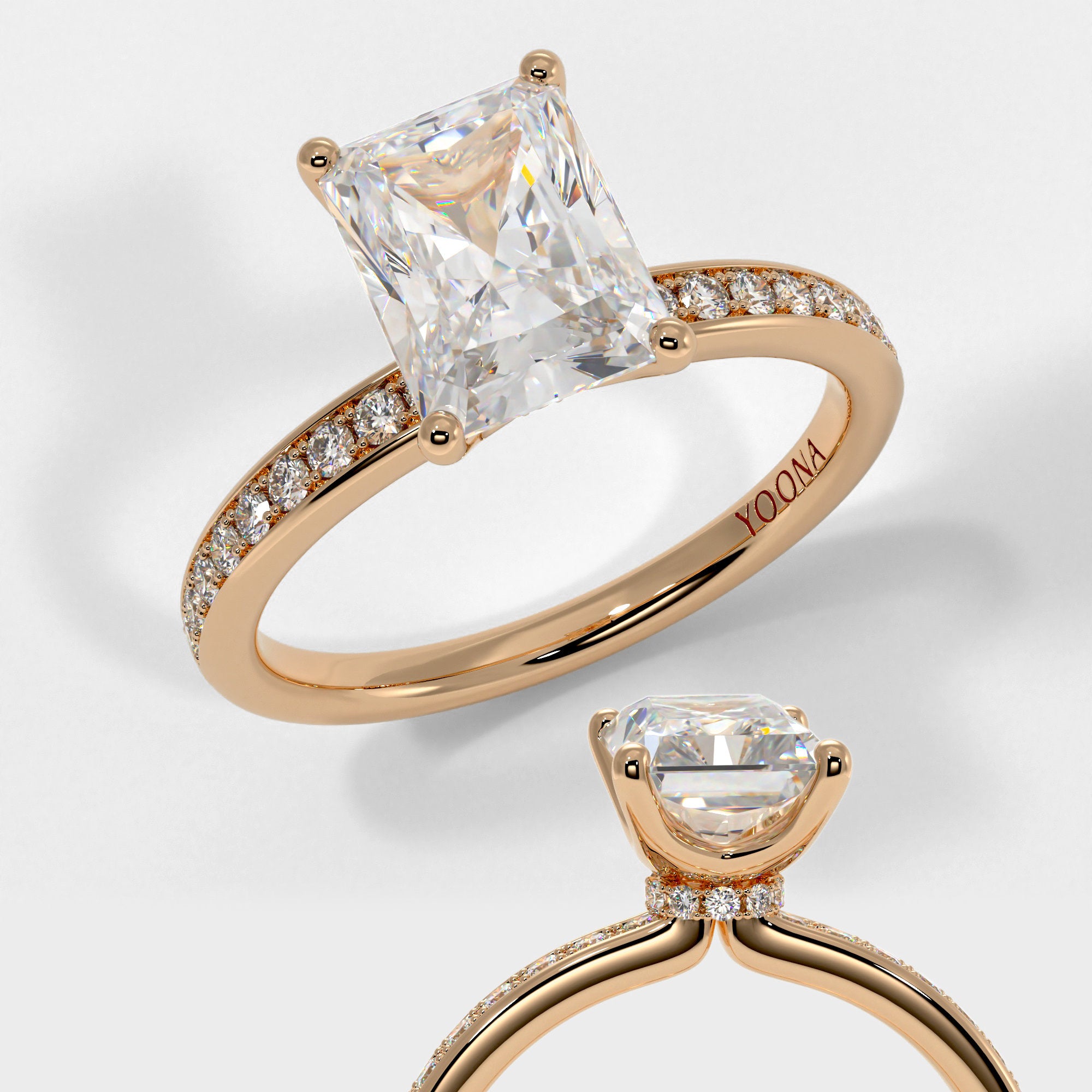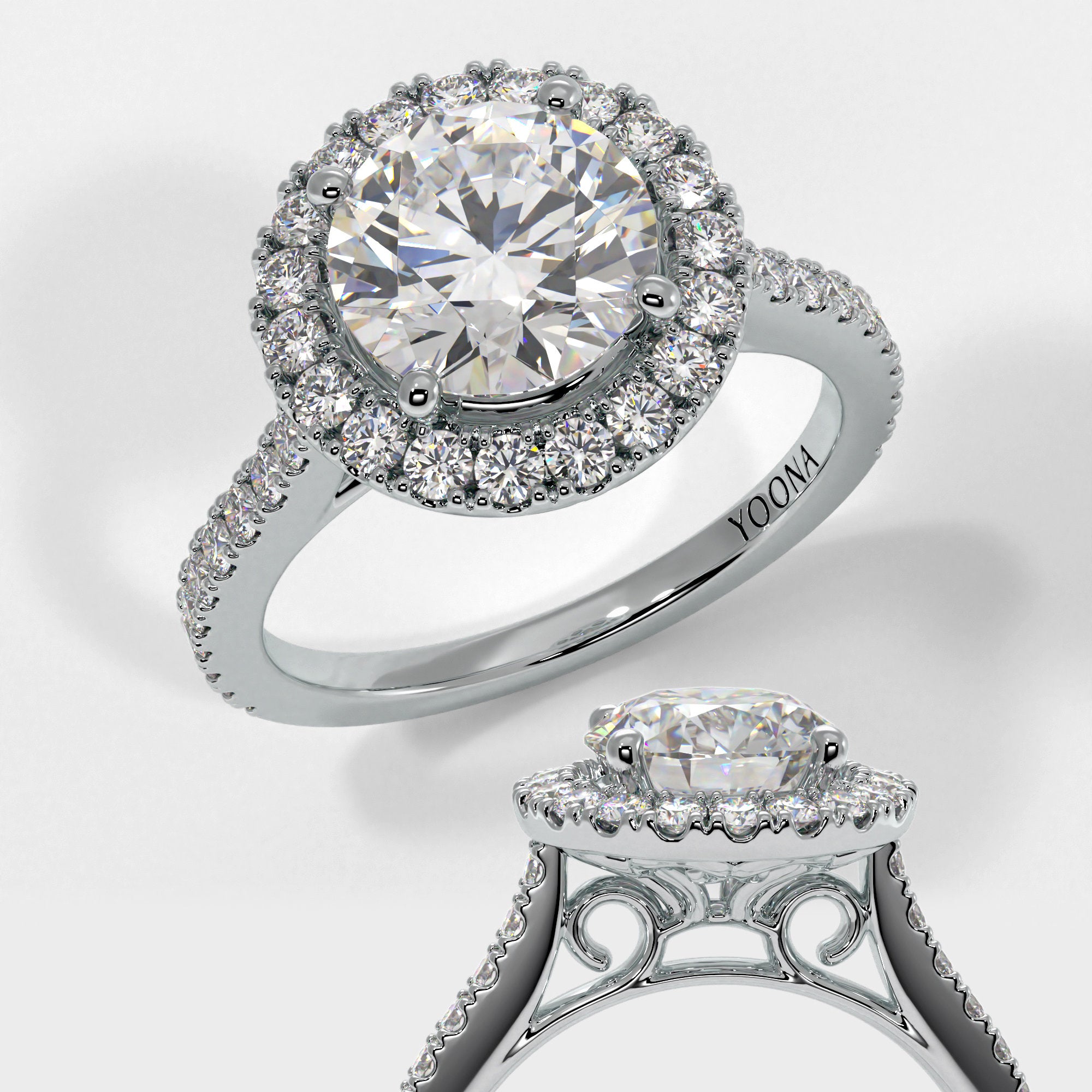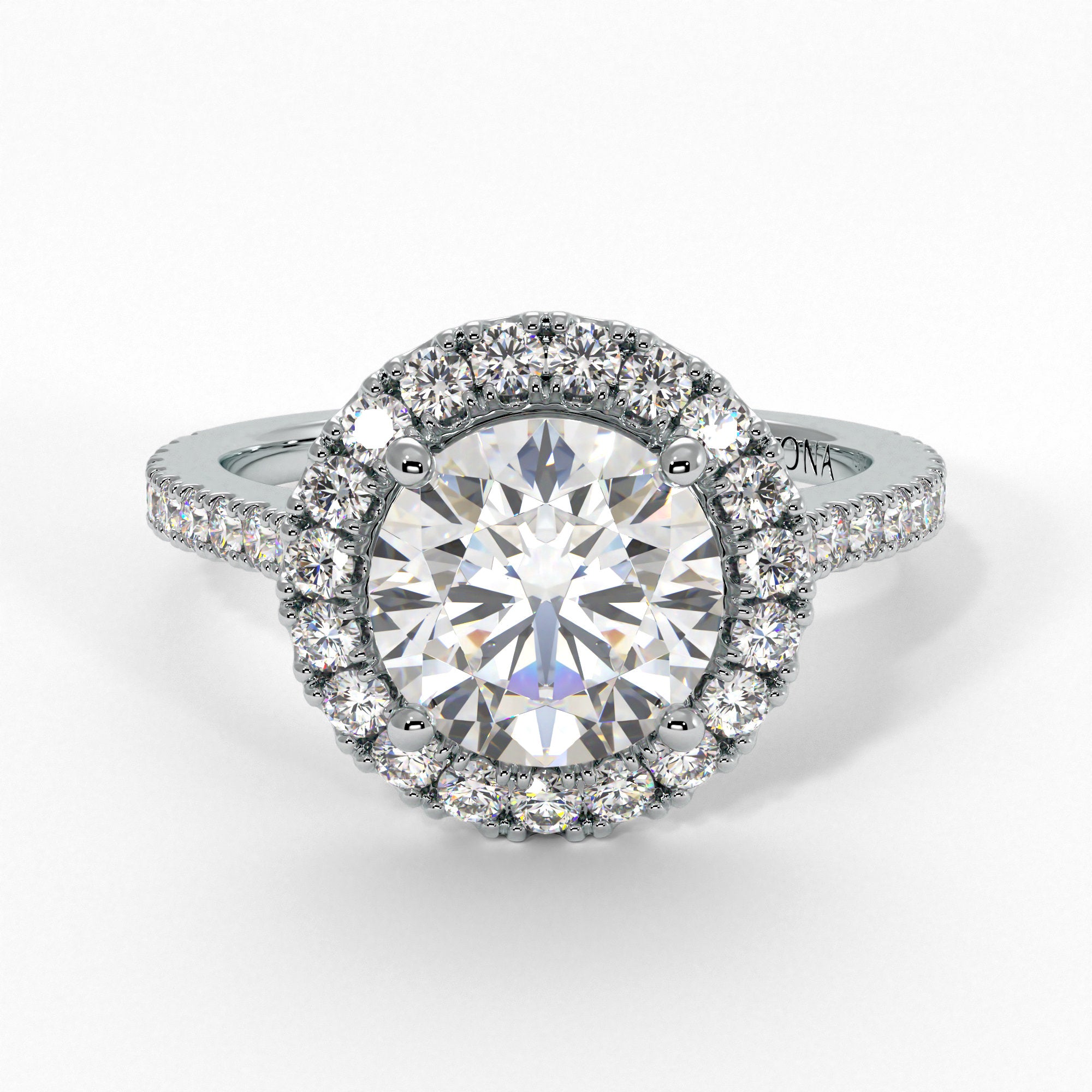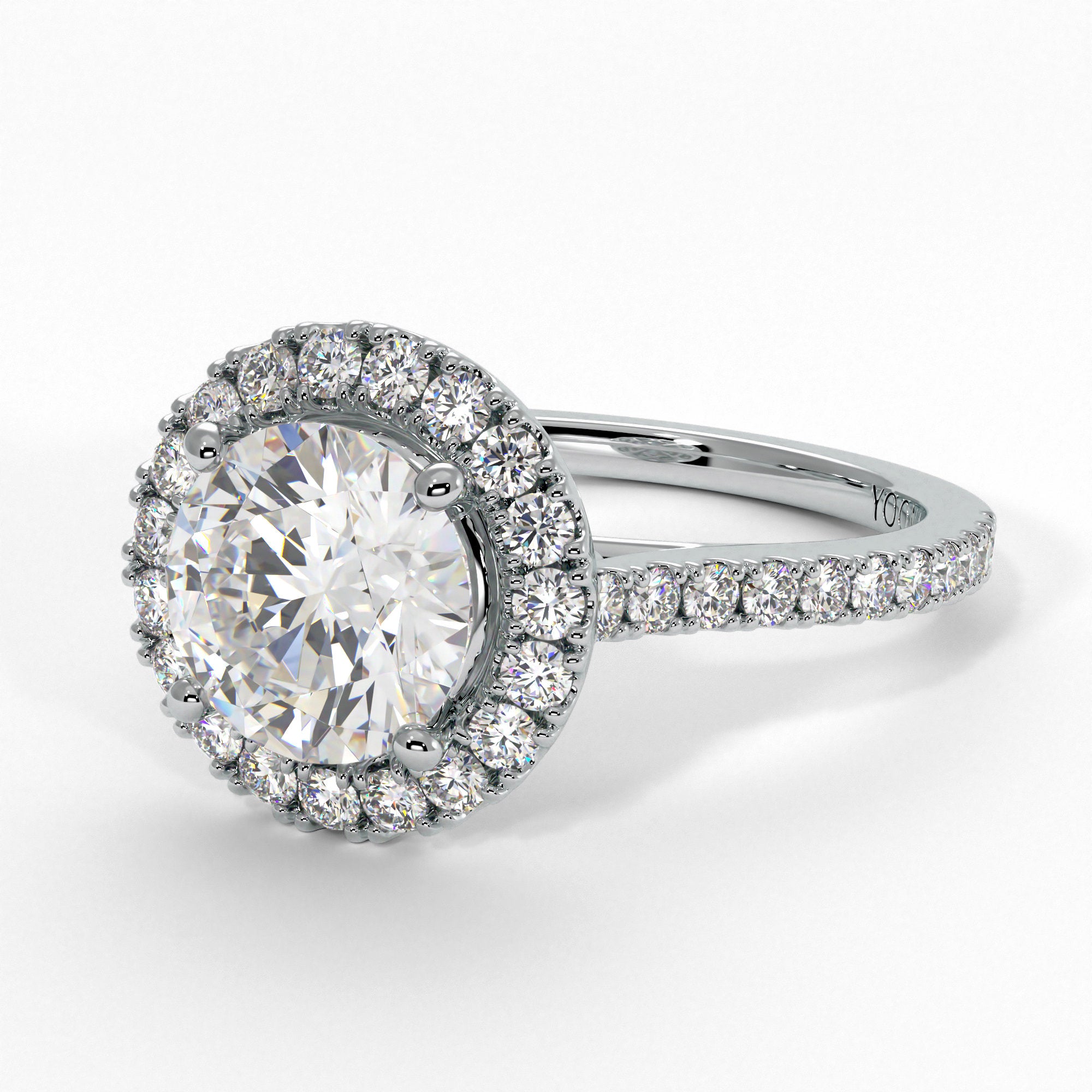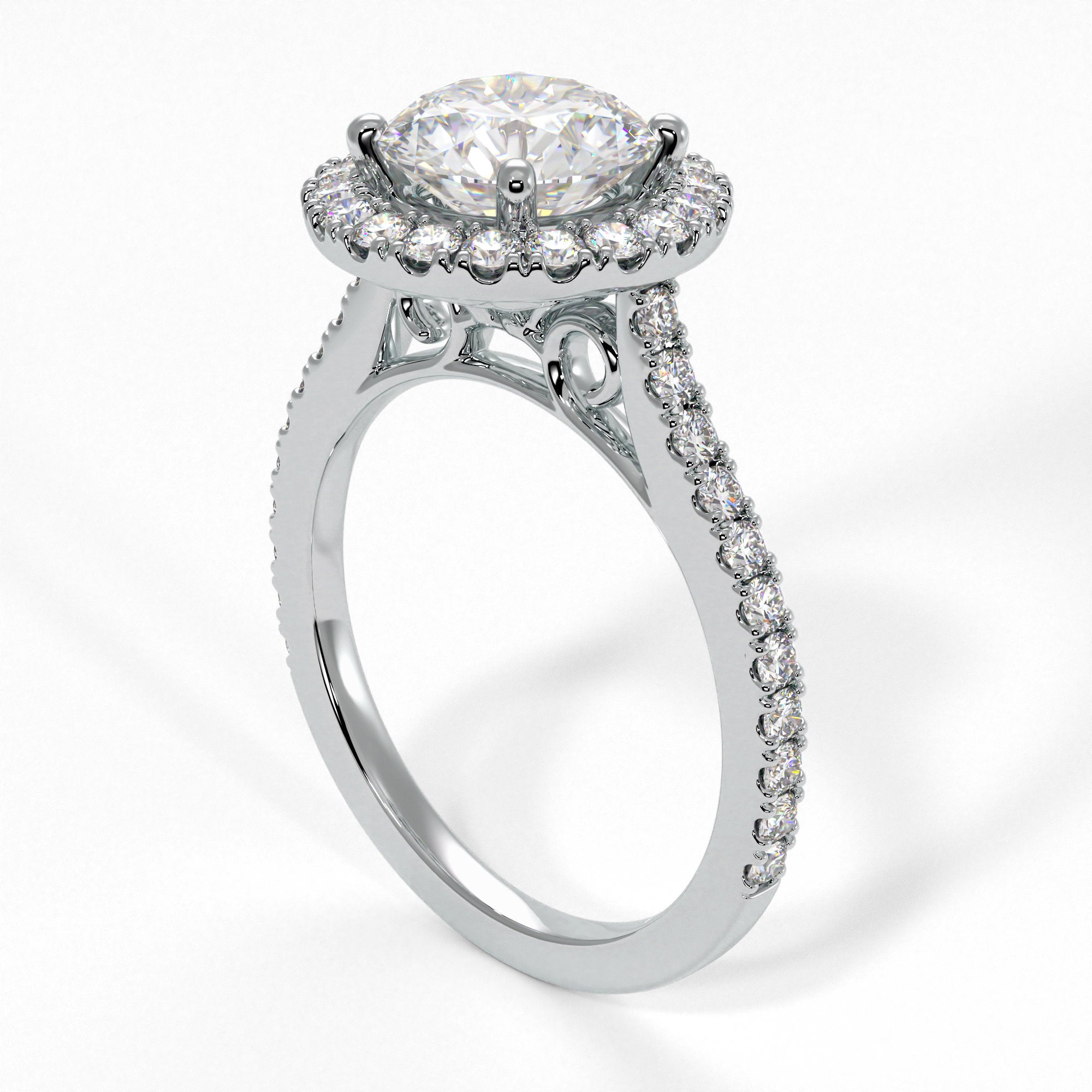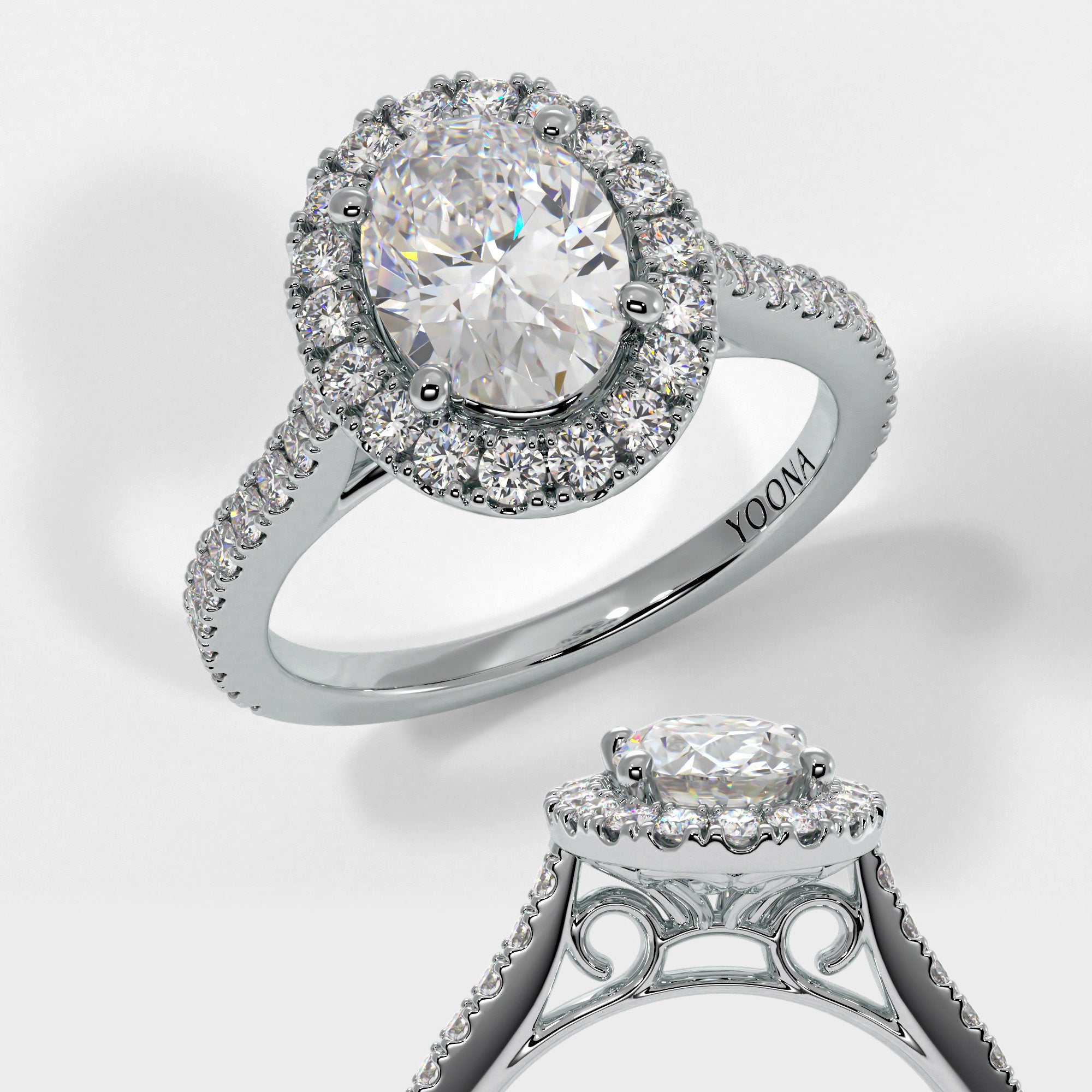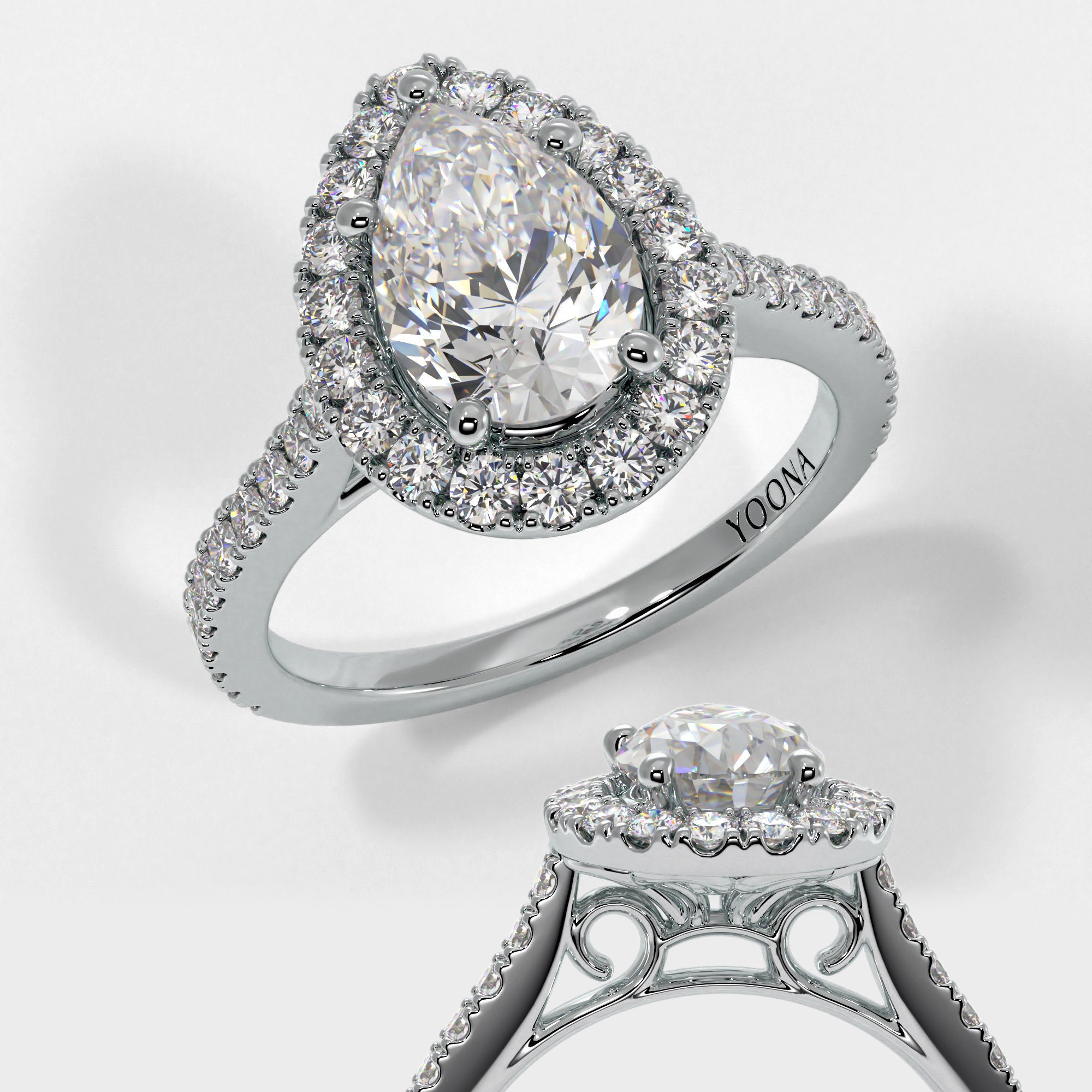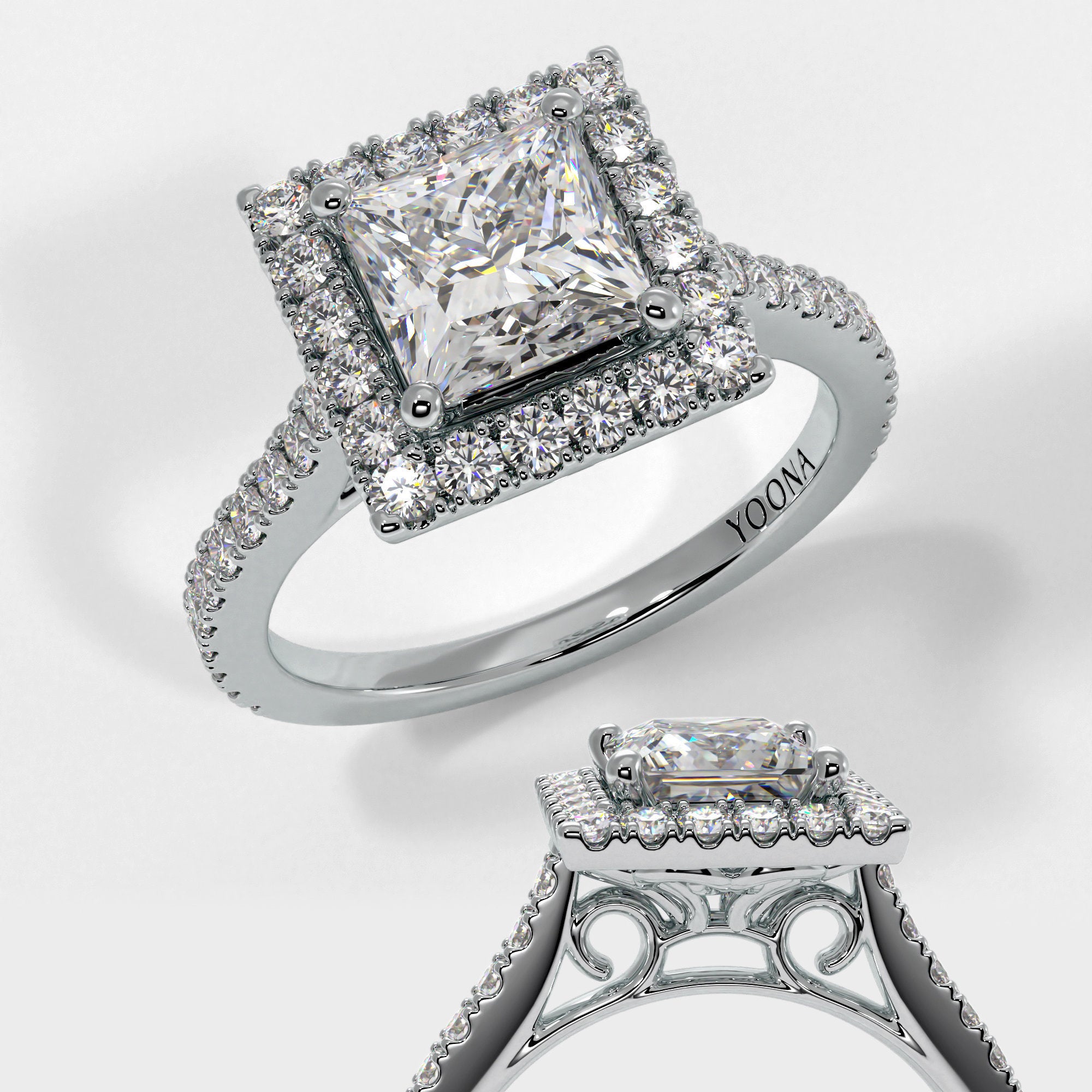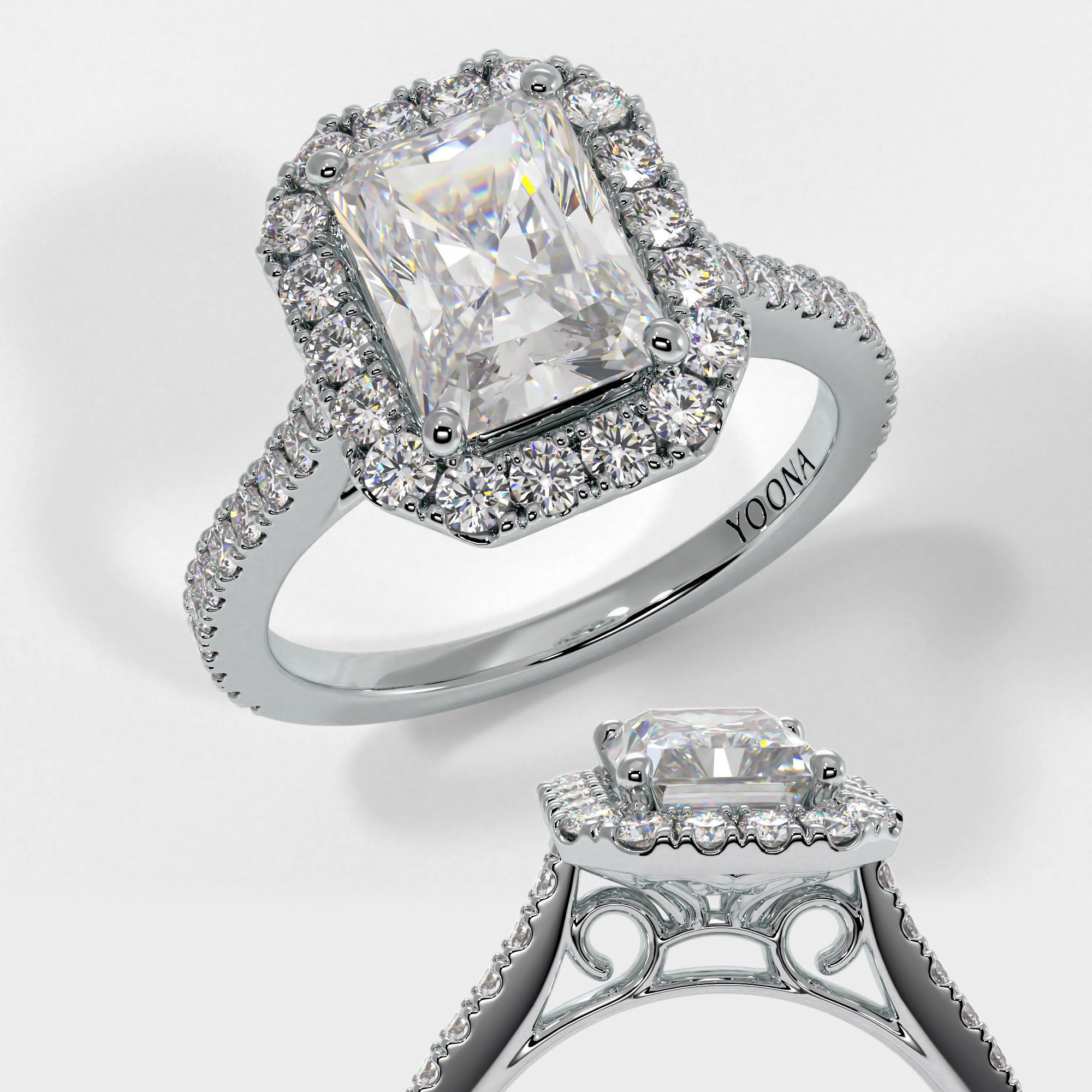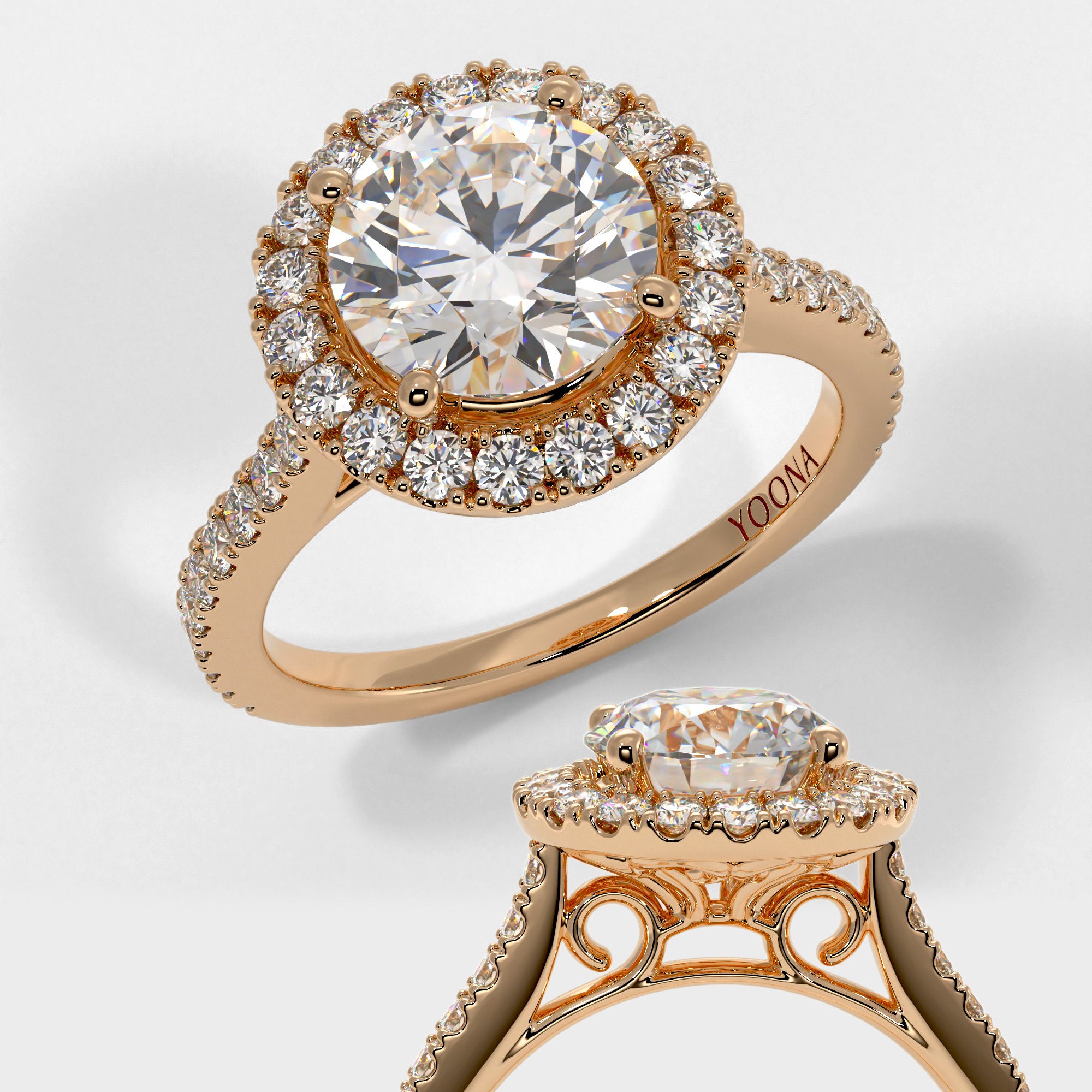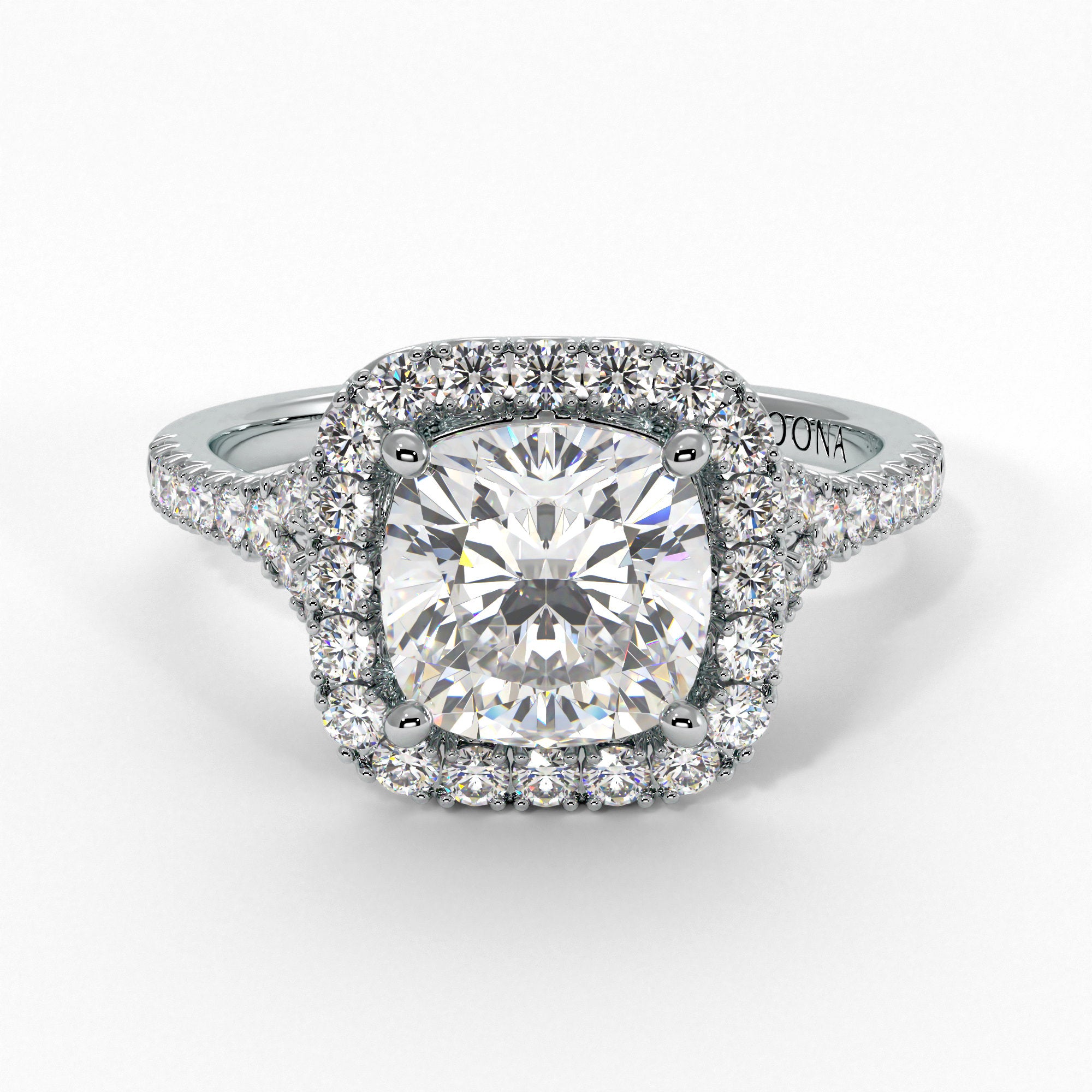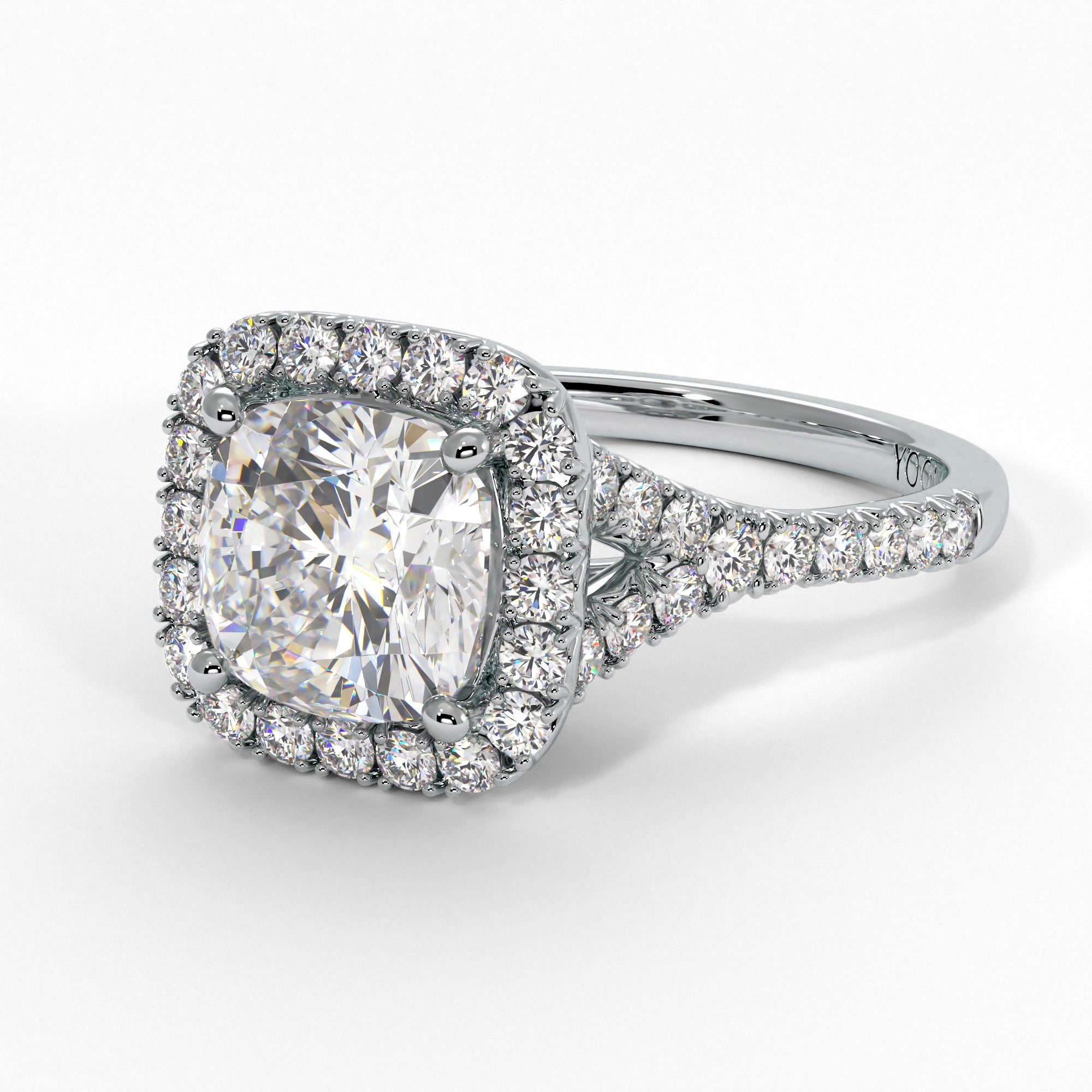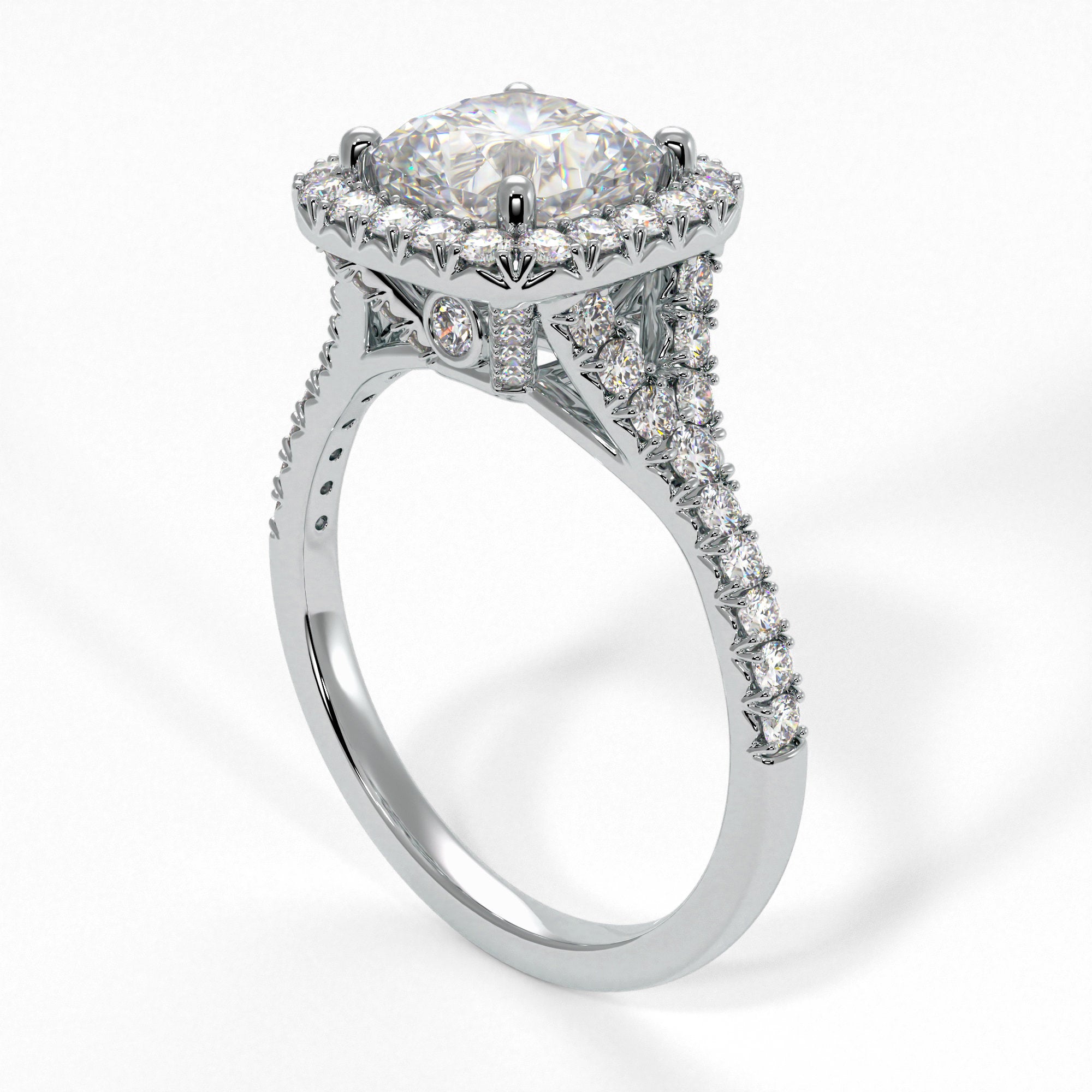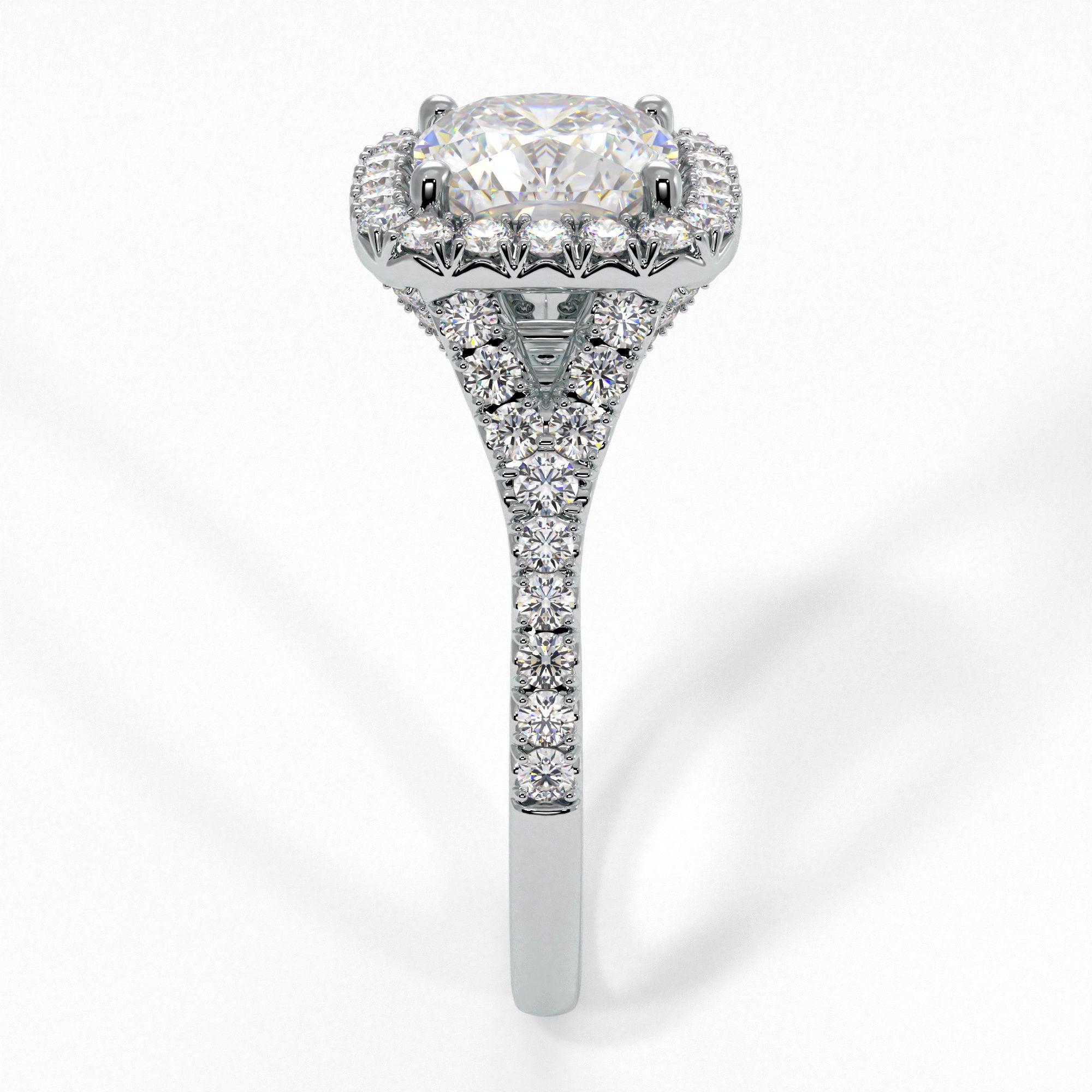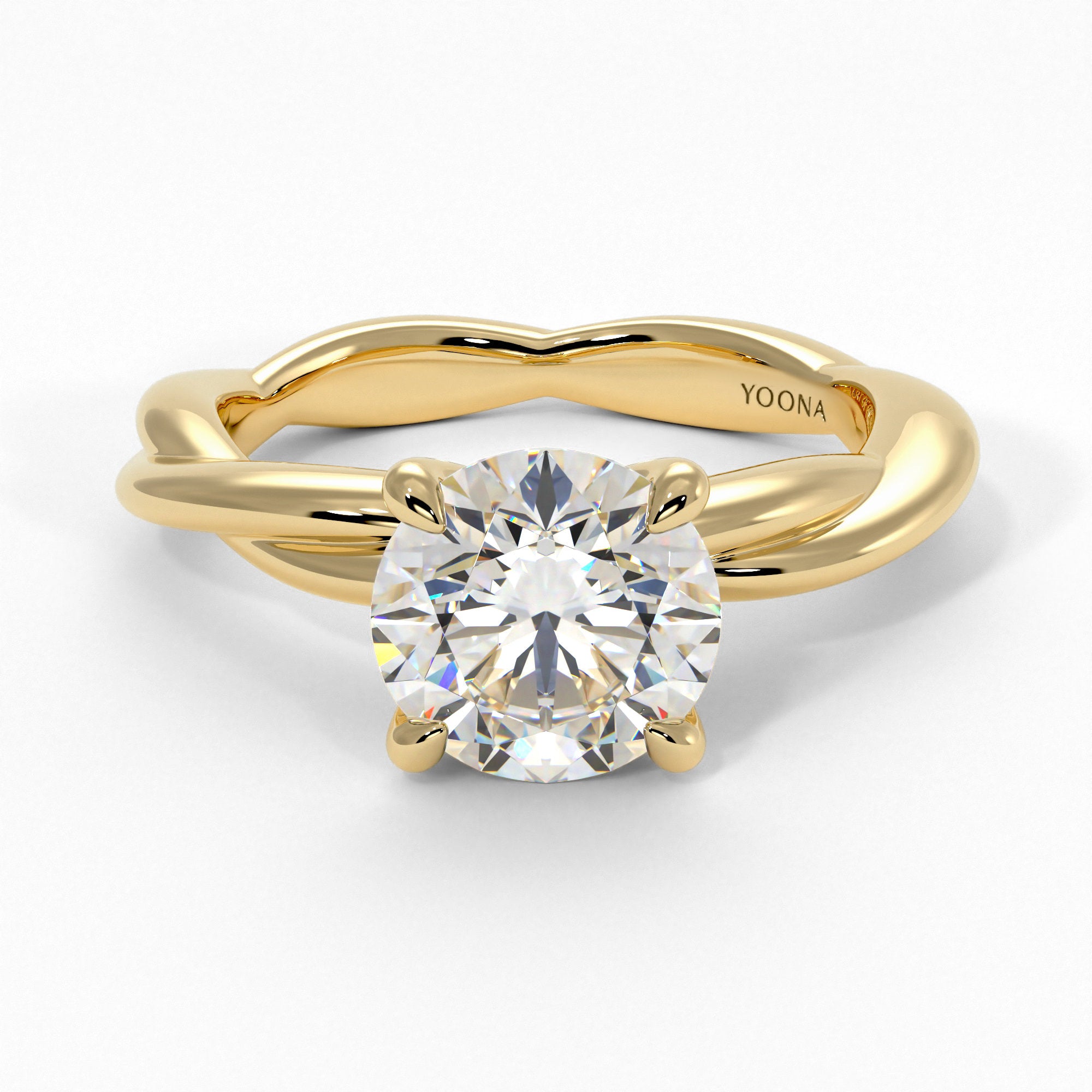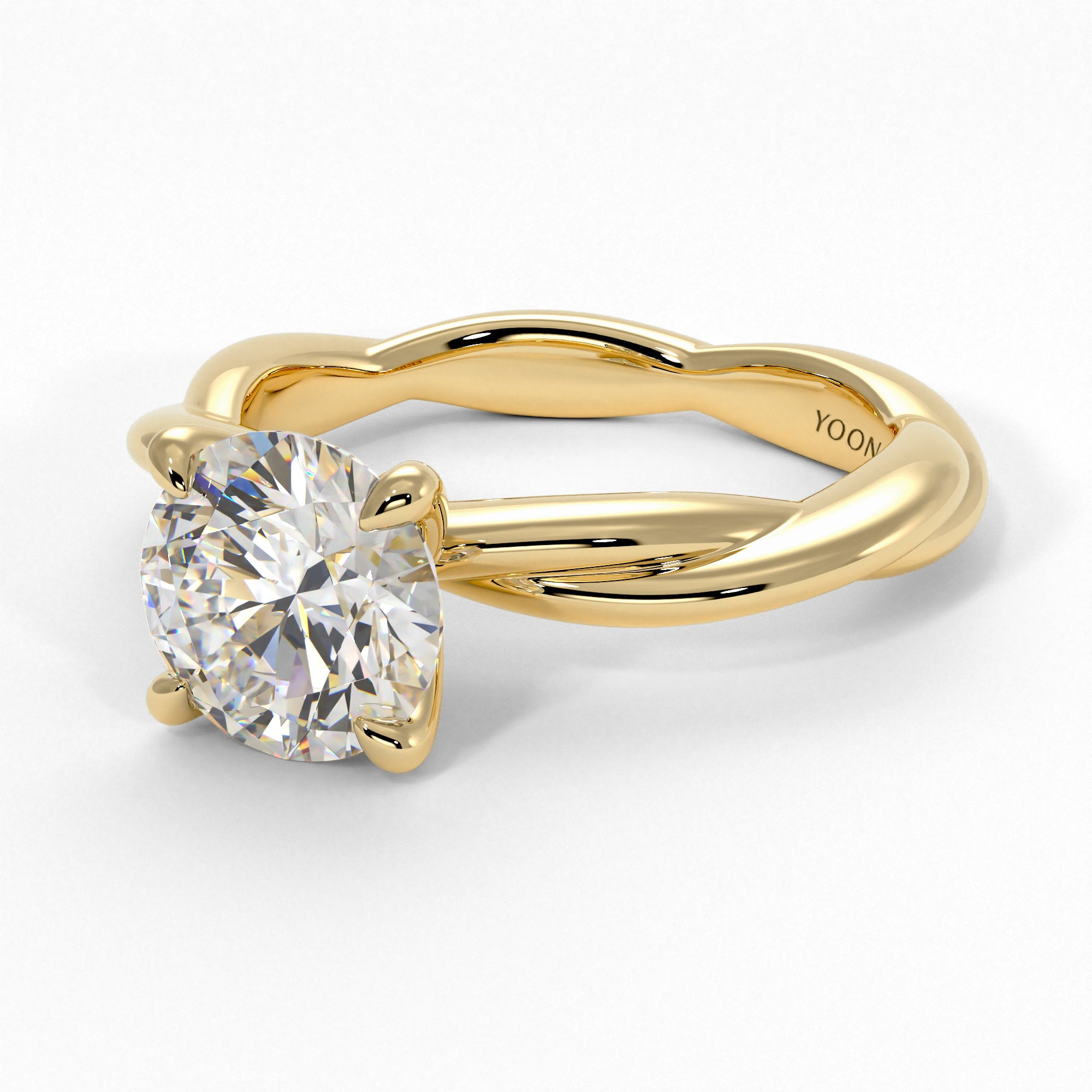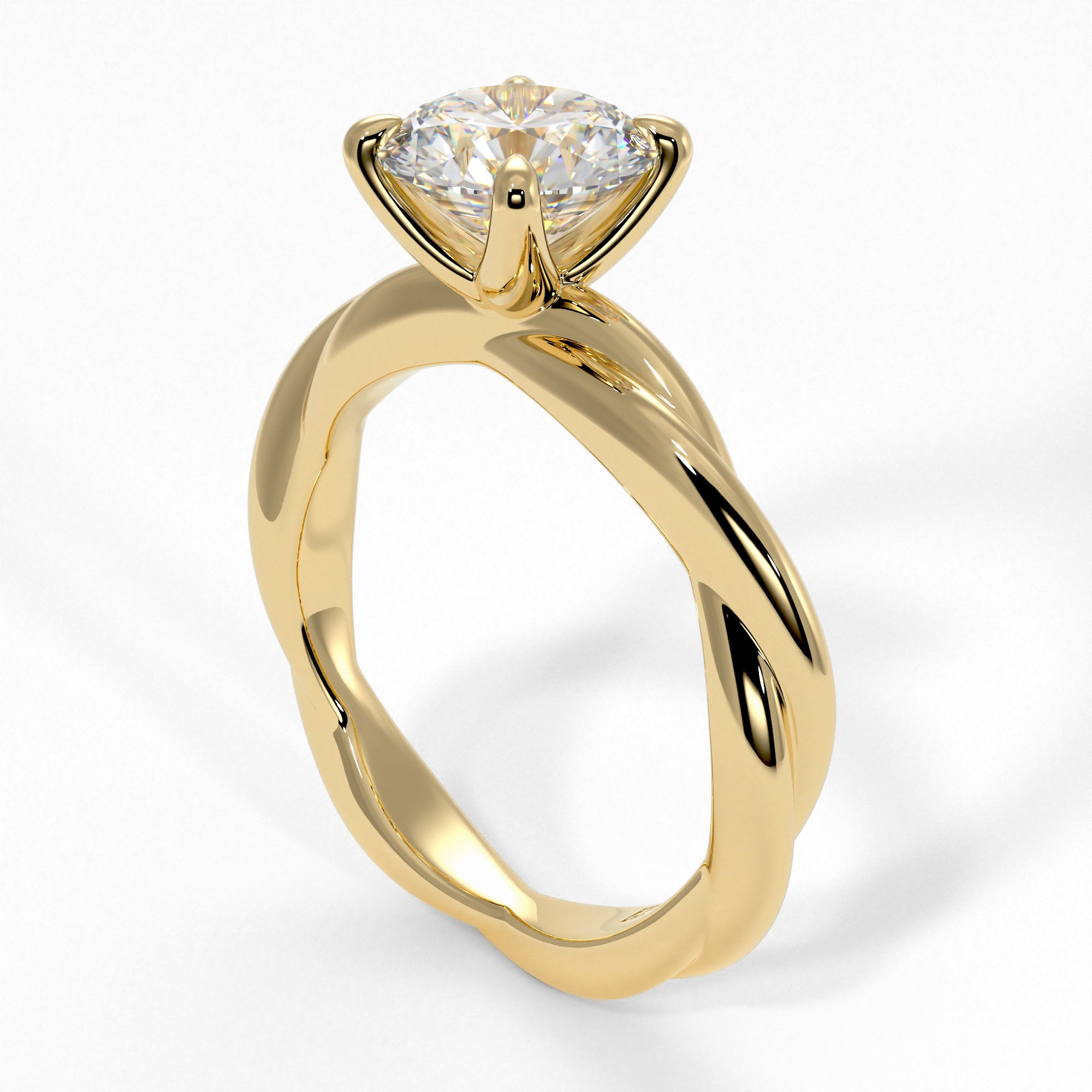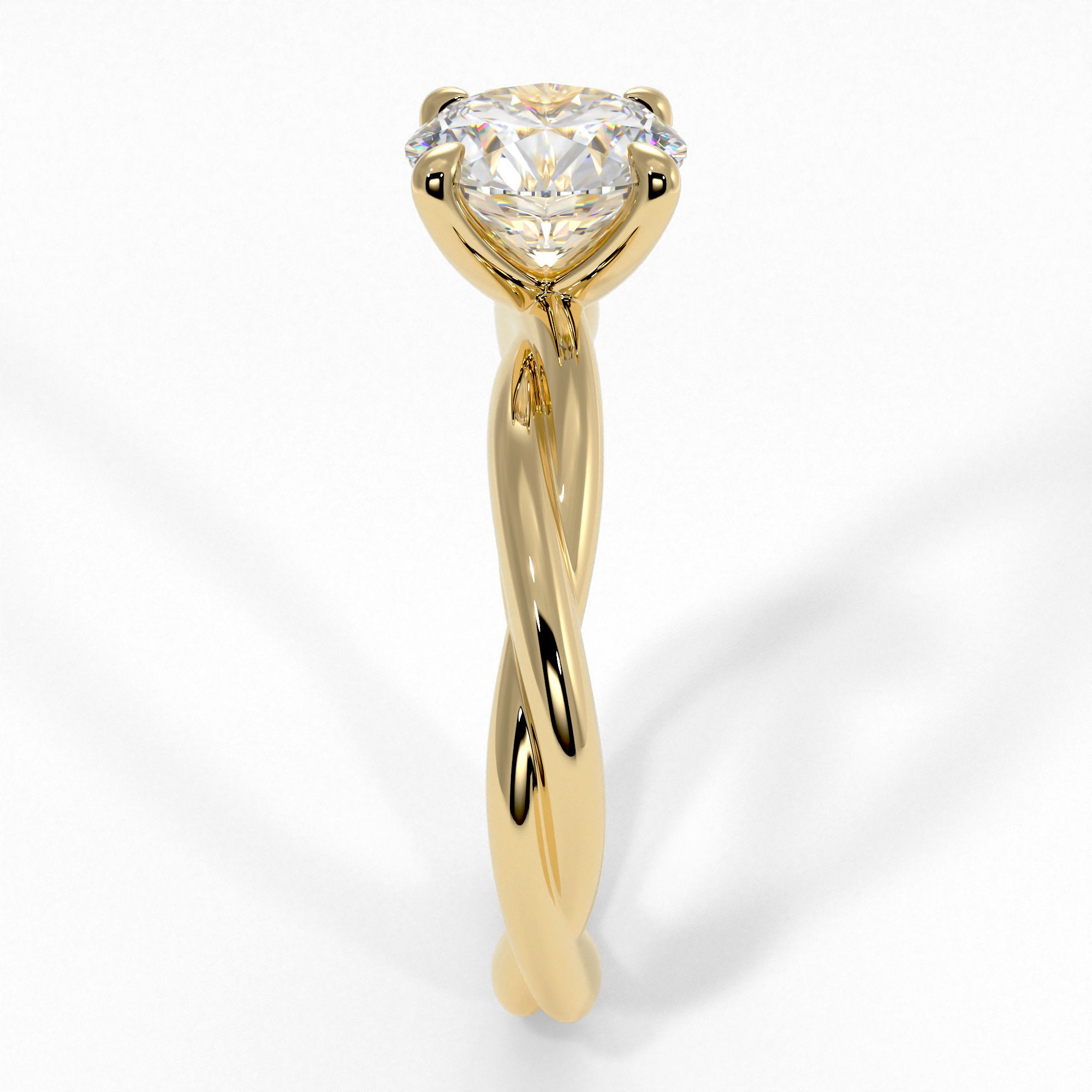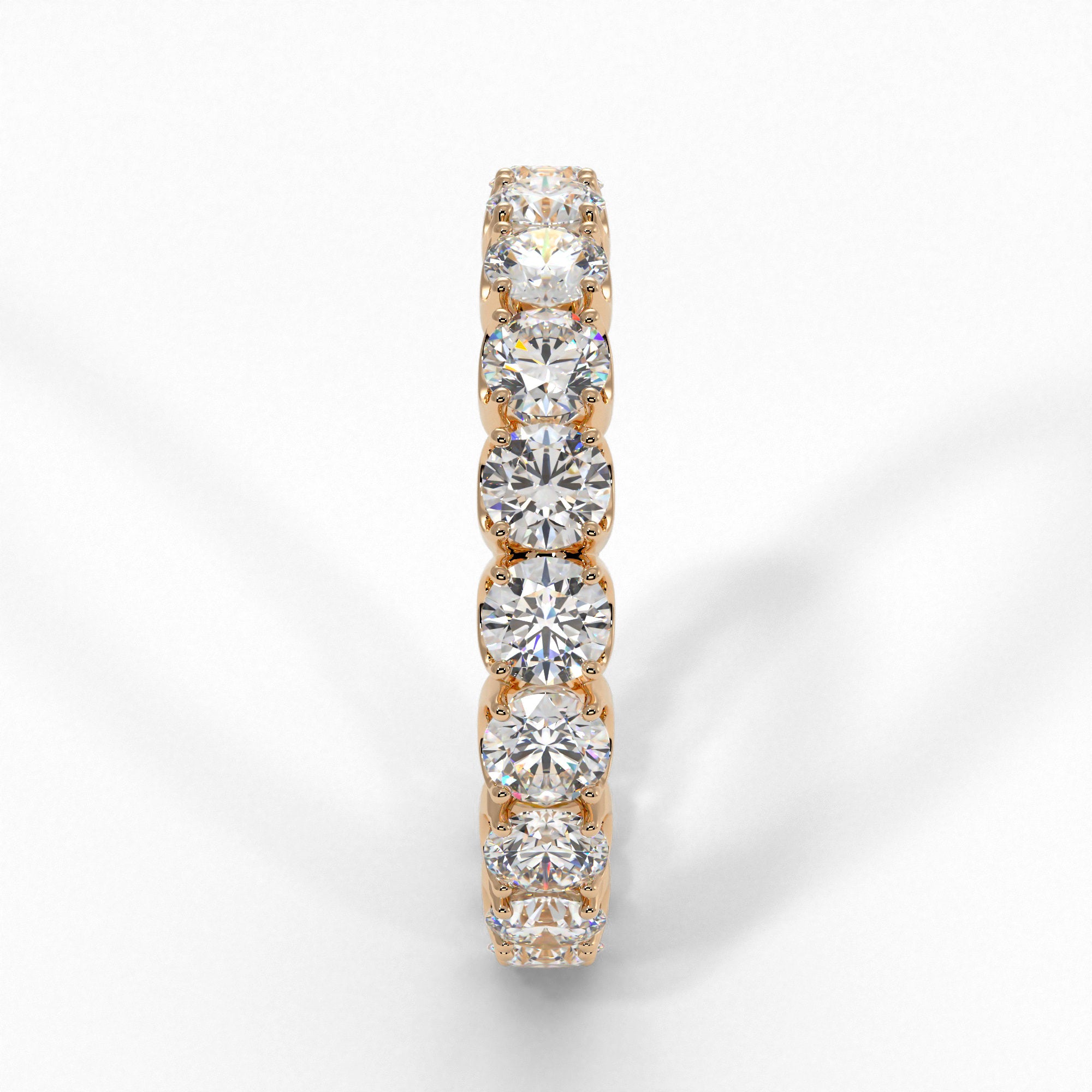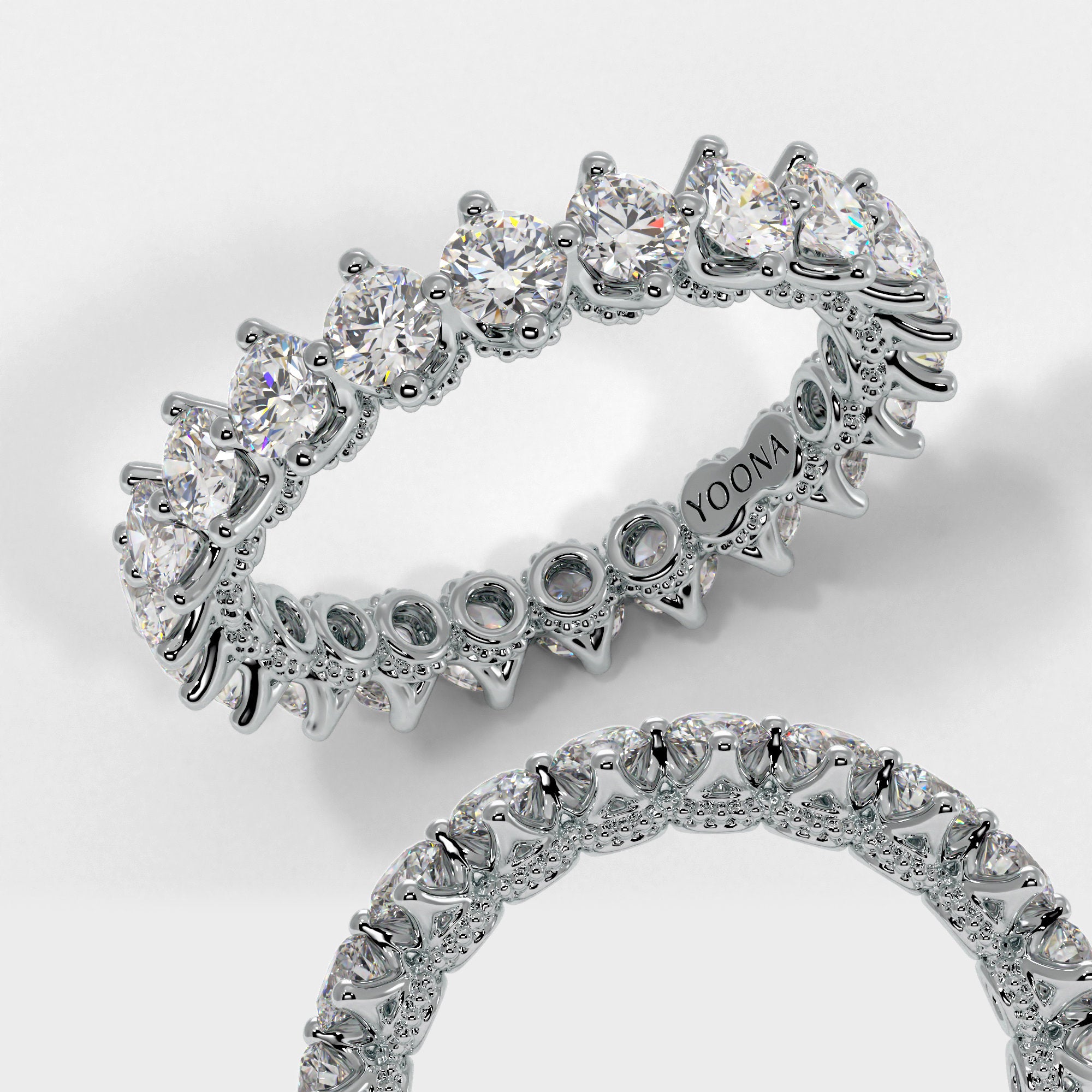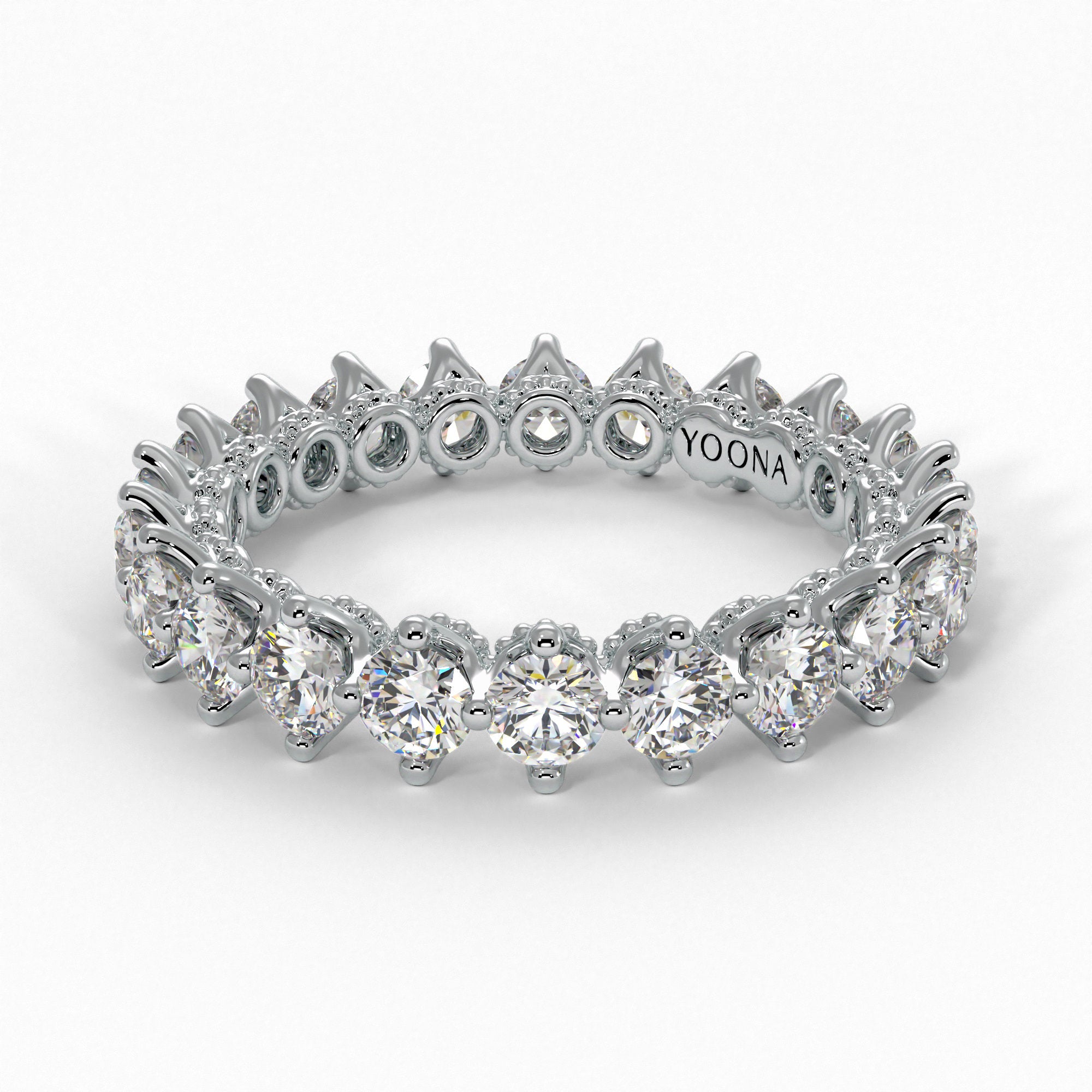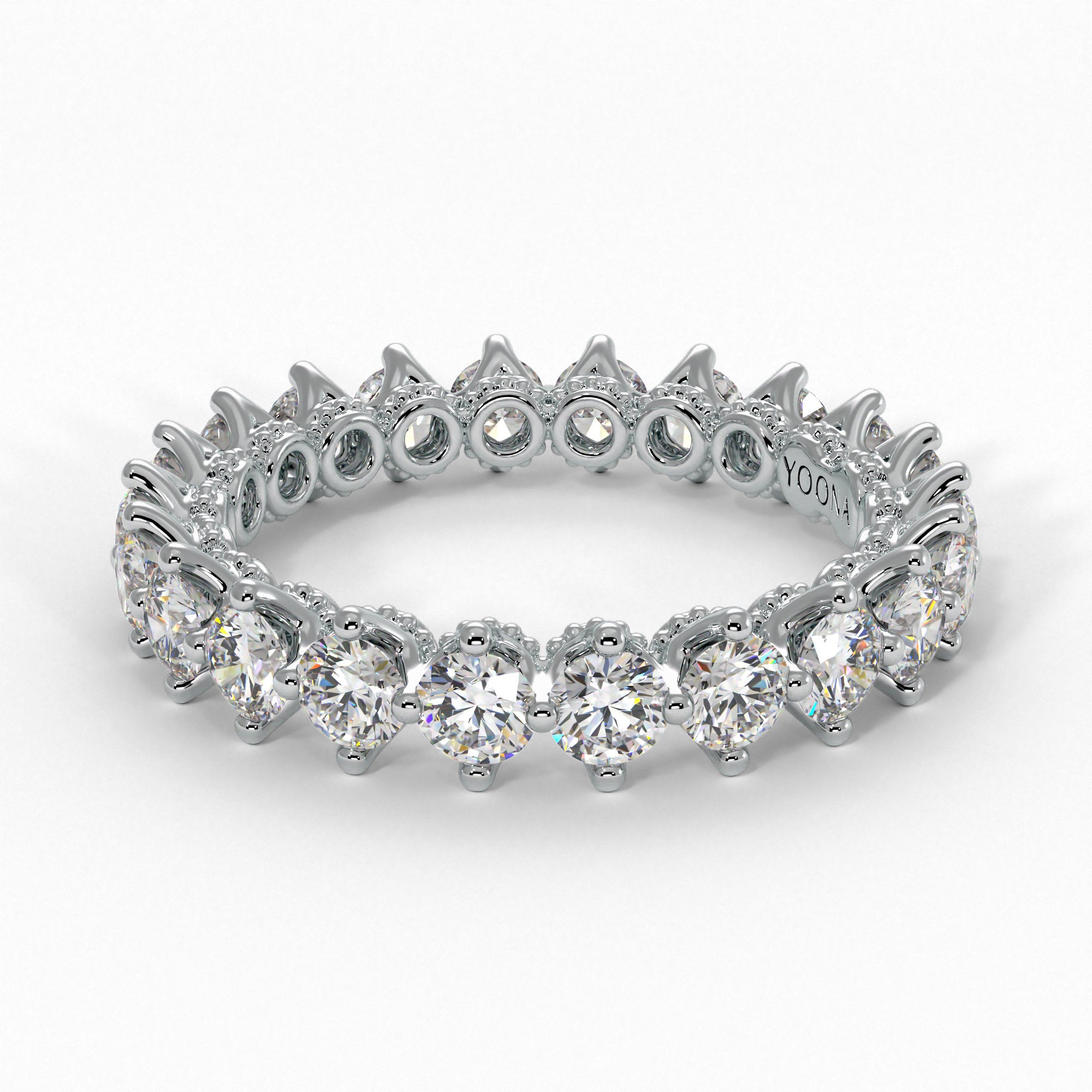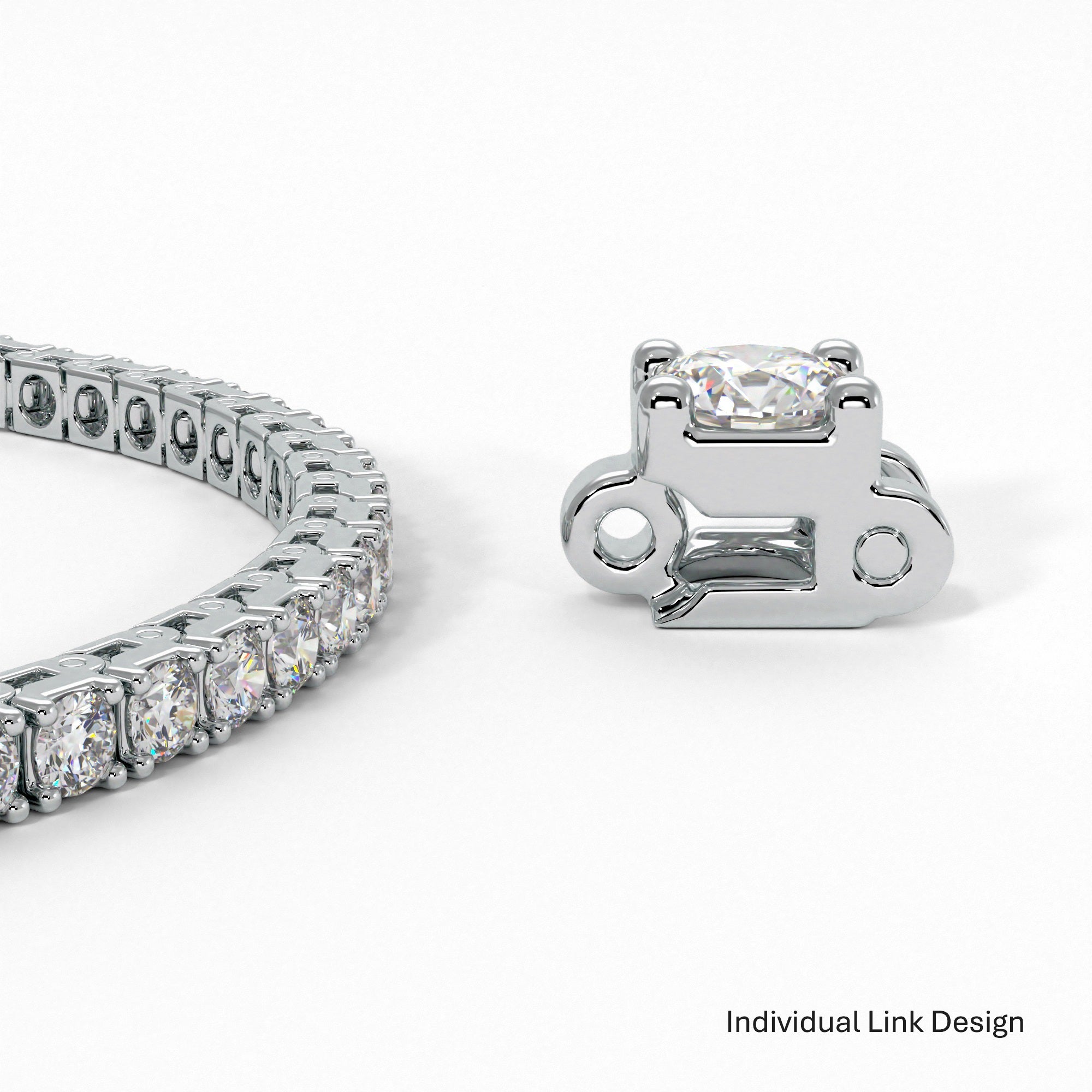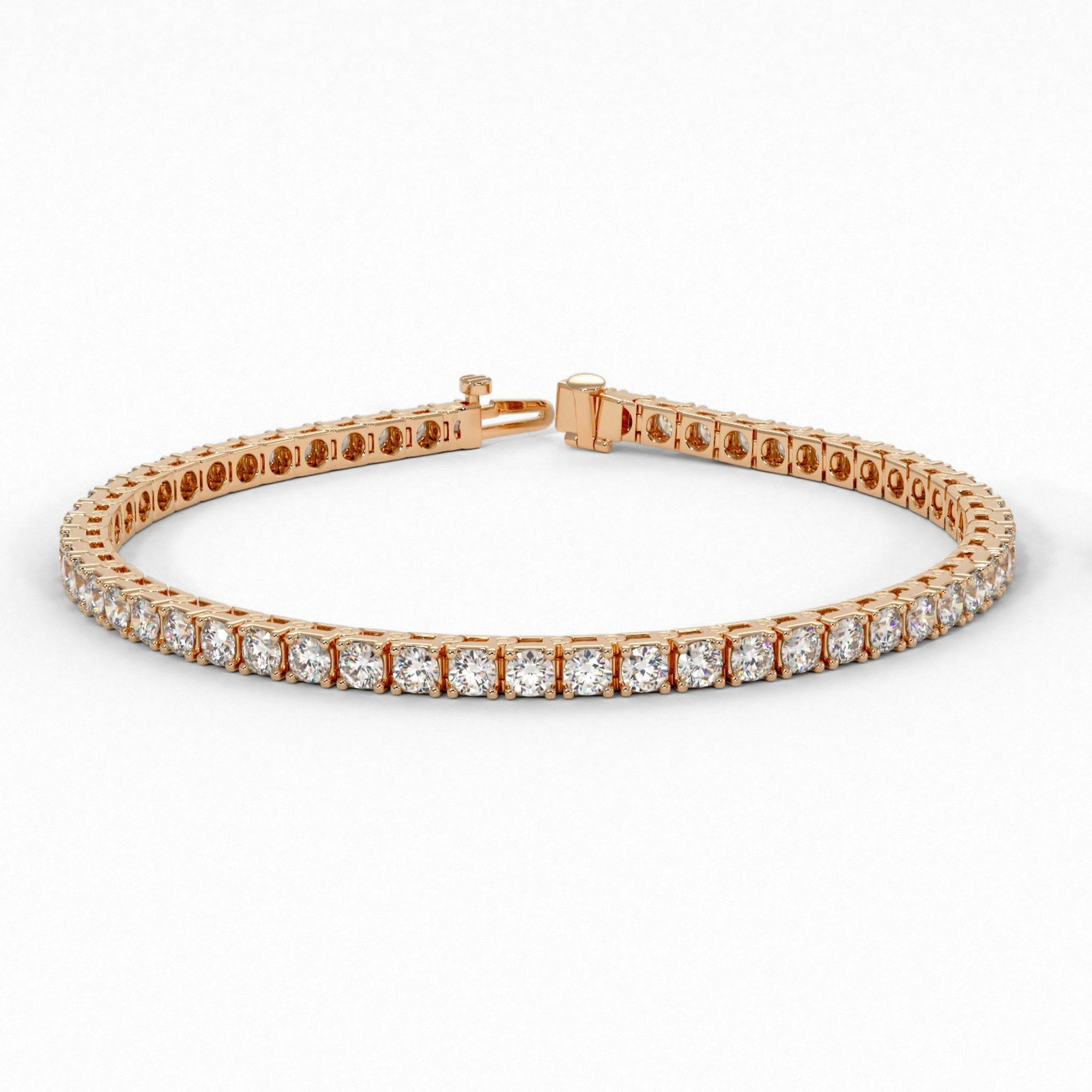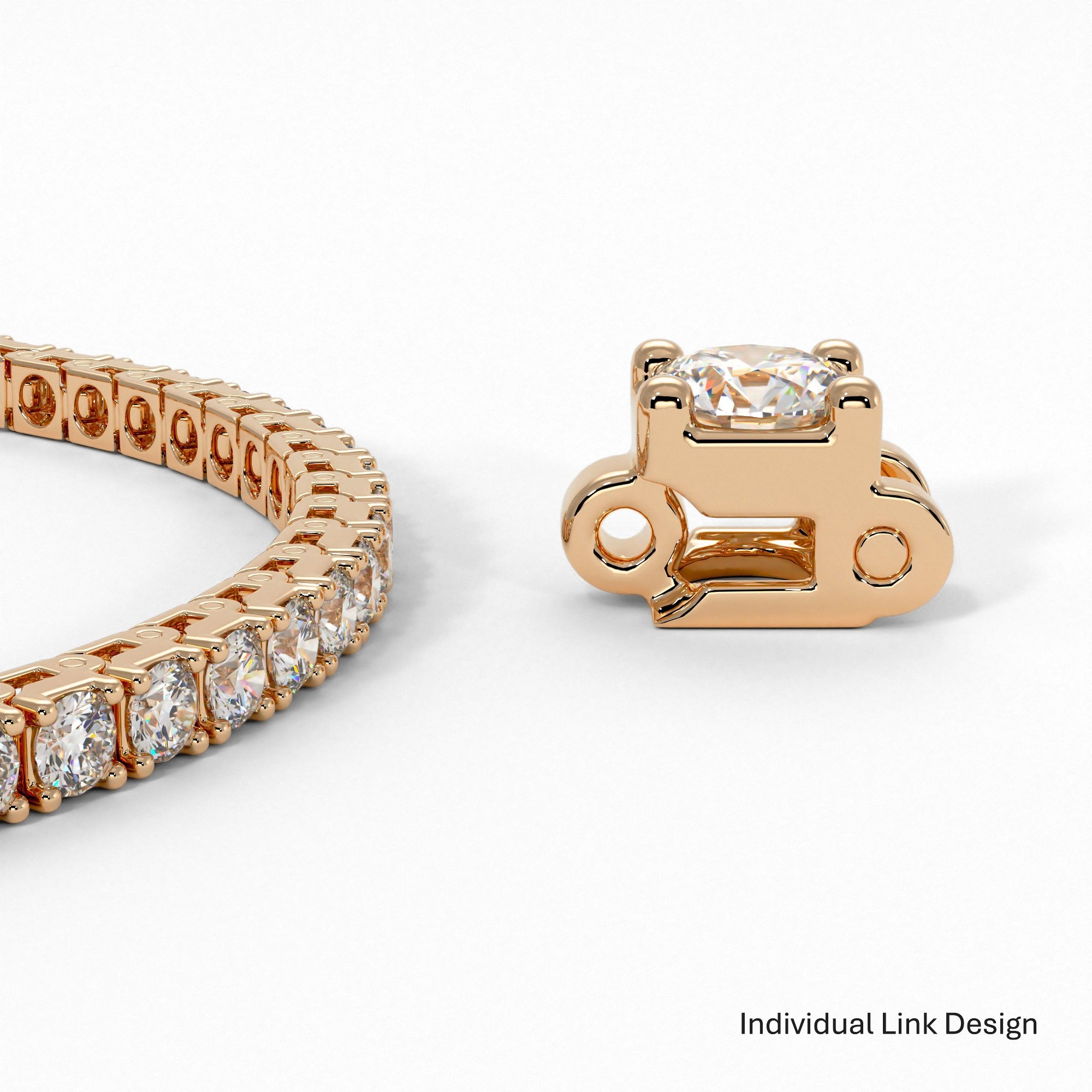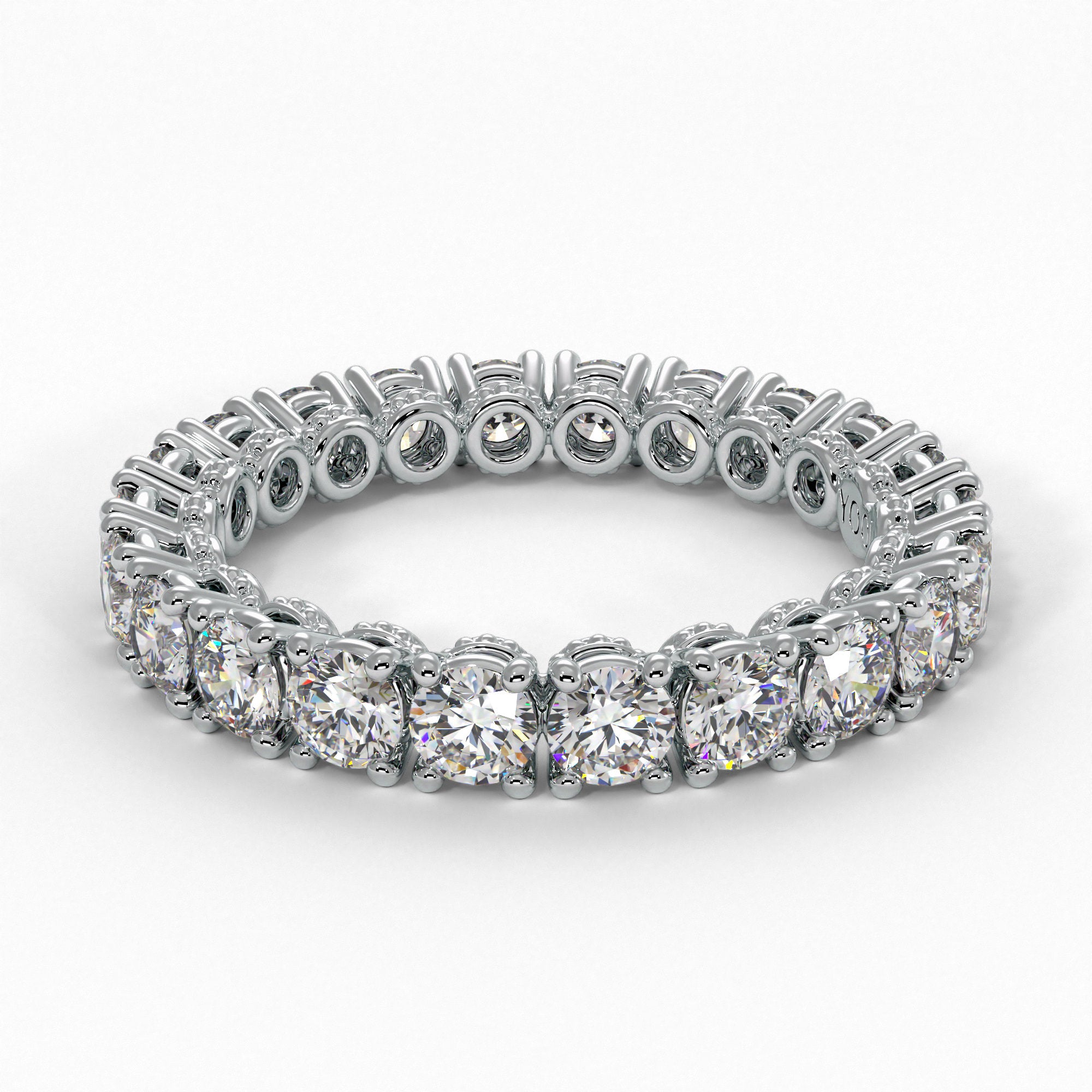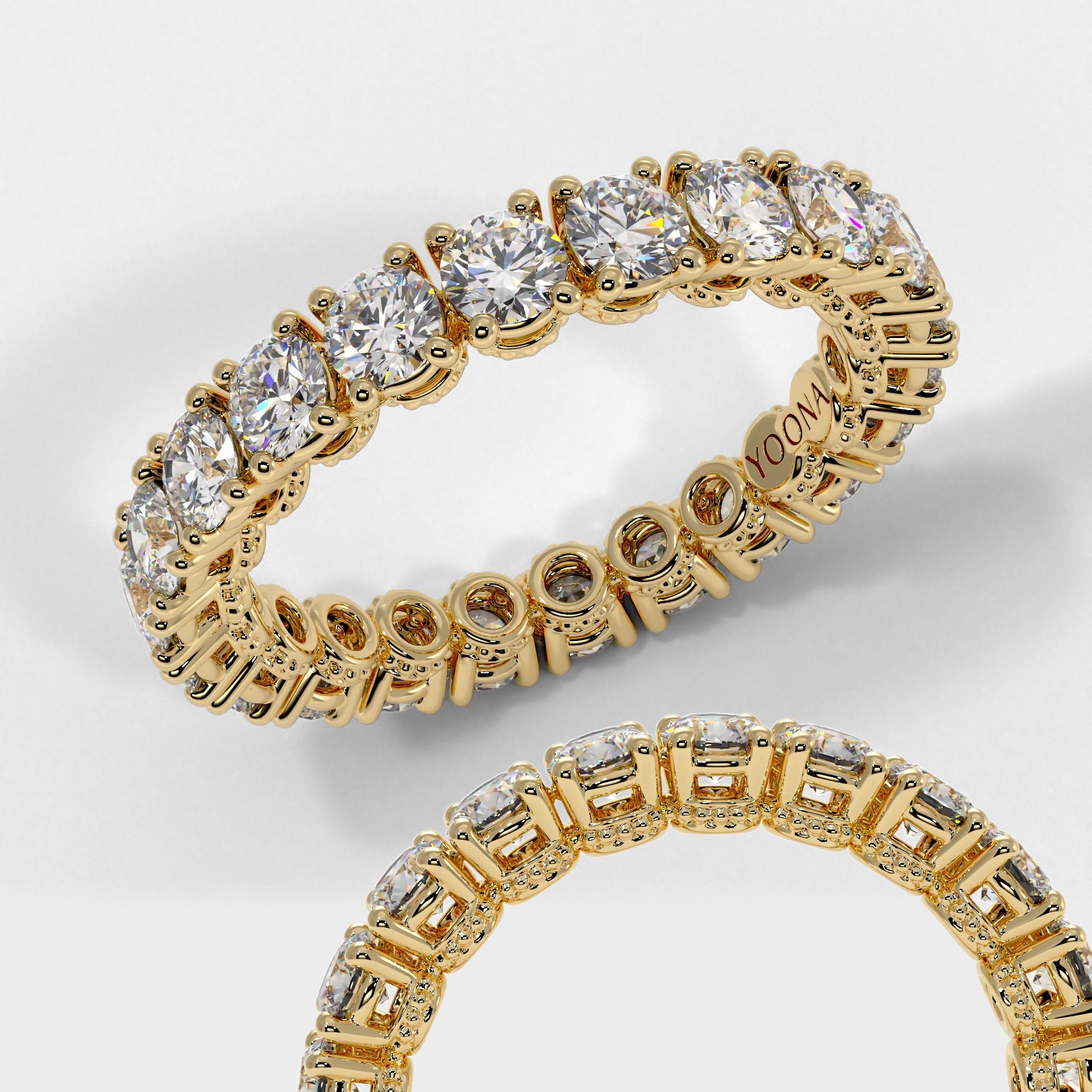
Reviewed by Yoona's in-house jewelry experts
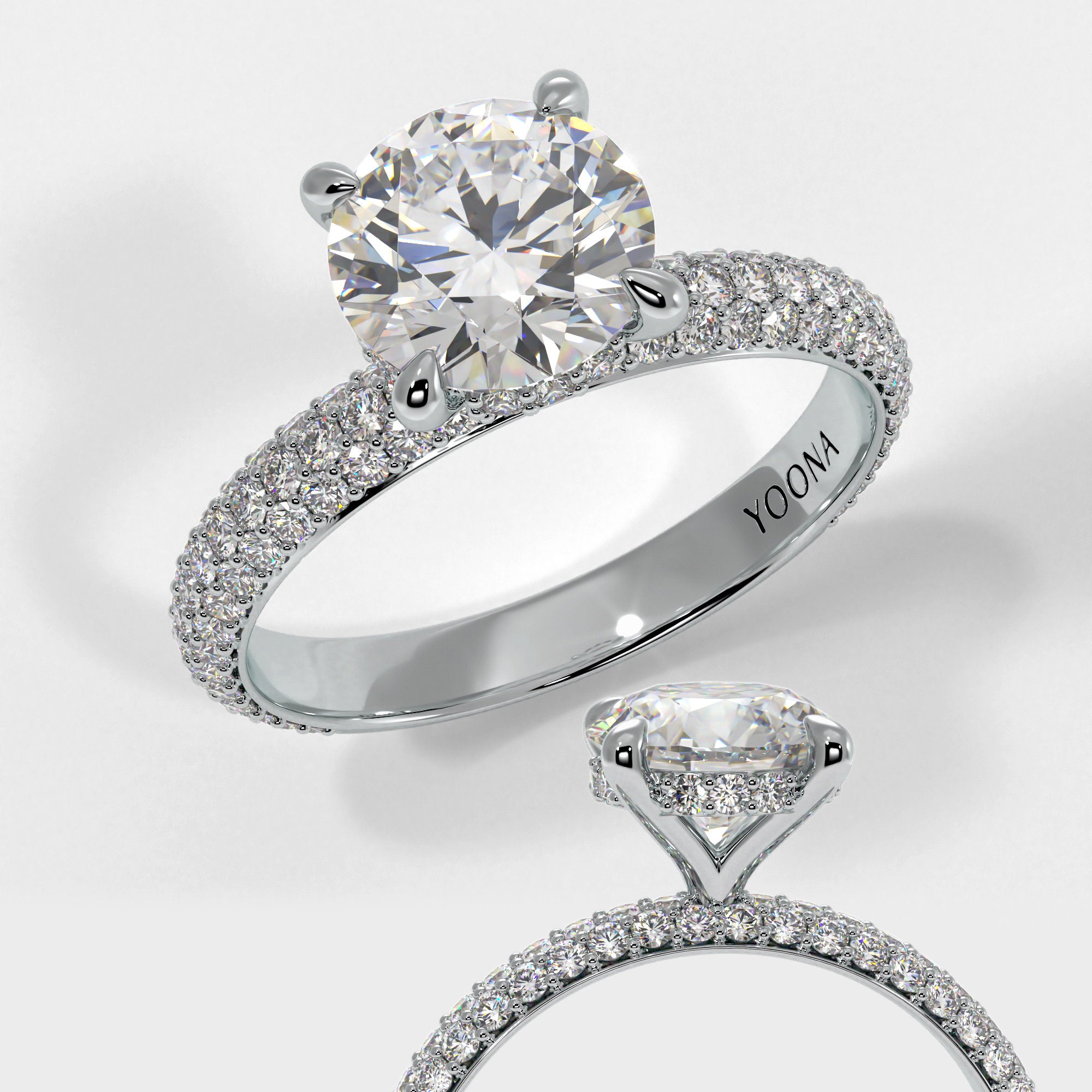
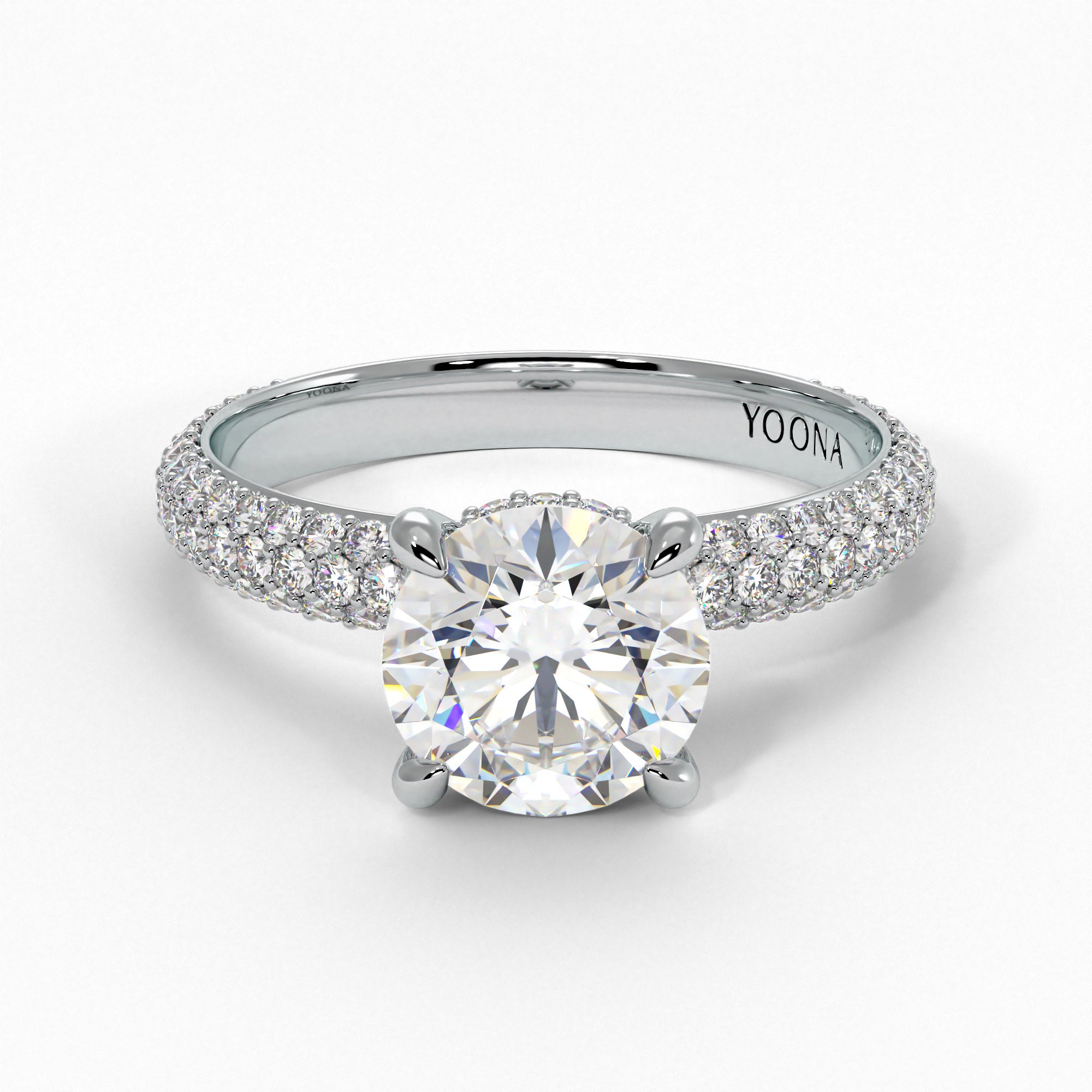
Short answer: diamond color grades run from D (colorless) to Z (visibly yellow or brown), and whiter isn't automatically better, it's a trade-off against budget and metal choice. Yoona's Eternal Diamond™ standard uses only D–F, the colorless range, for every center stone.
What Diamond Color Actually Measures
Quick answer: Diamond color grades the absence of color, on a scale from D (completely colorless) to Z (visibly yellow or brown). A diamond graded D isn't "more colorful," it has less tint than one graded lower.
Most white diamonds contain trace amounts of nitrogen, which produces a faint yellow tint. The color scale measures how much of that tint is detectable, not a spectrum of different colors. Colorless is the top of the scale precisely because it means the least trace tint, and the most light passing through cleanly.
The GIA Color Scale, Section by Section
Quick answer: D–F is colorless, G–J is near-colorless and often visually indistinguishable from colorless once set, K and below shows increasingly visible warmth.
- D–F: Colorless. The whitest possible grade, no detectable tint even to a trained grader under controlled lighting.
- G–J: Near-colorless. Faint warmth exists but is difficult to detect without a side-by-side comparison, especially once mounted.
- K–M: Faint color, a noticeable warm tone visible to most people, particularly in larger stones.
- N and below: Visible yellow or brown tint, rarely used in fine jewelry outside of fancy-color pieces.
Why Metal Choice Changes What Color Grade Makes Sense
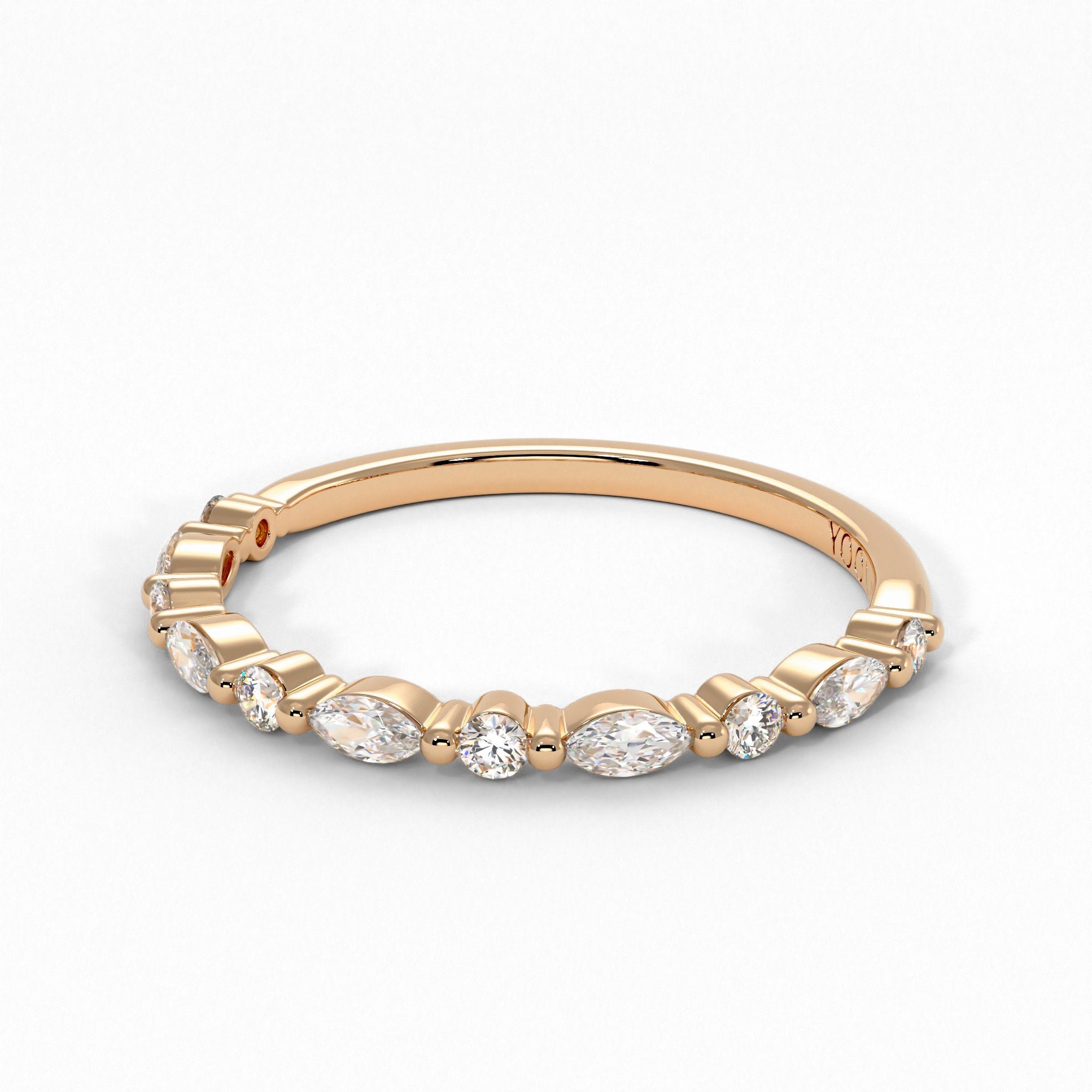
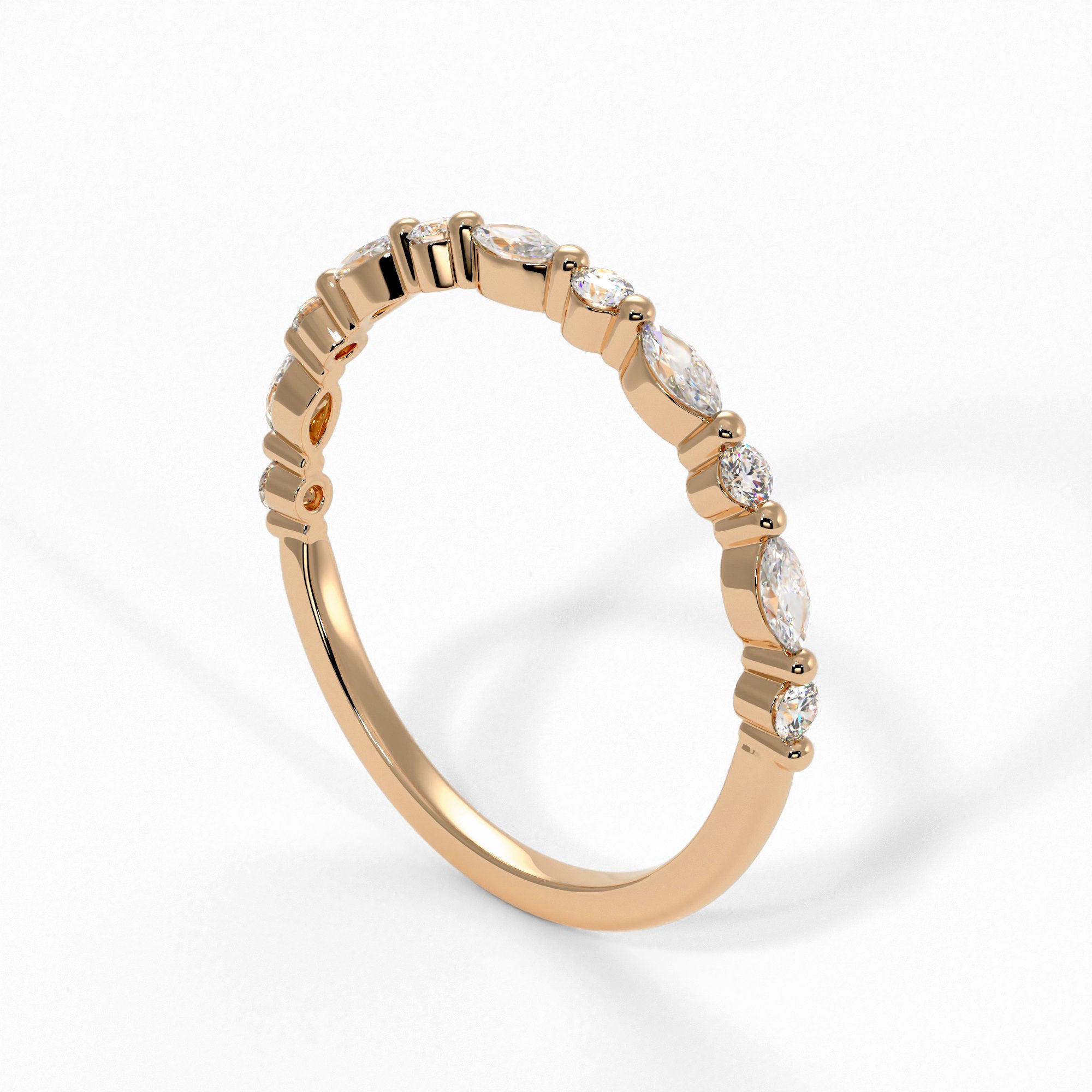
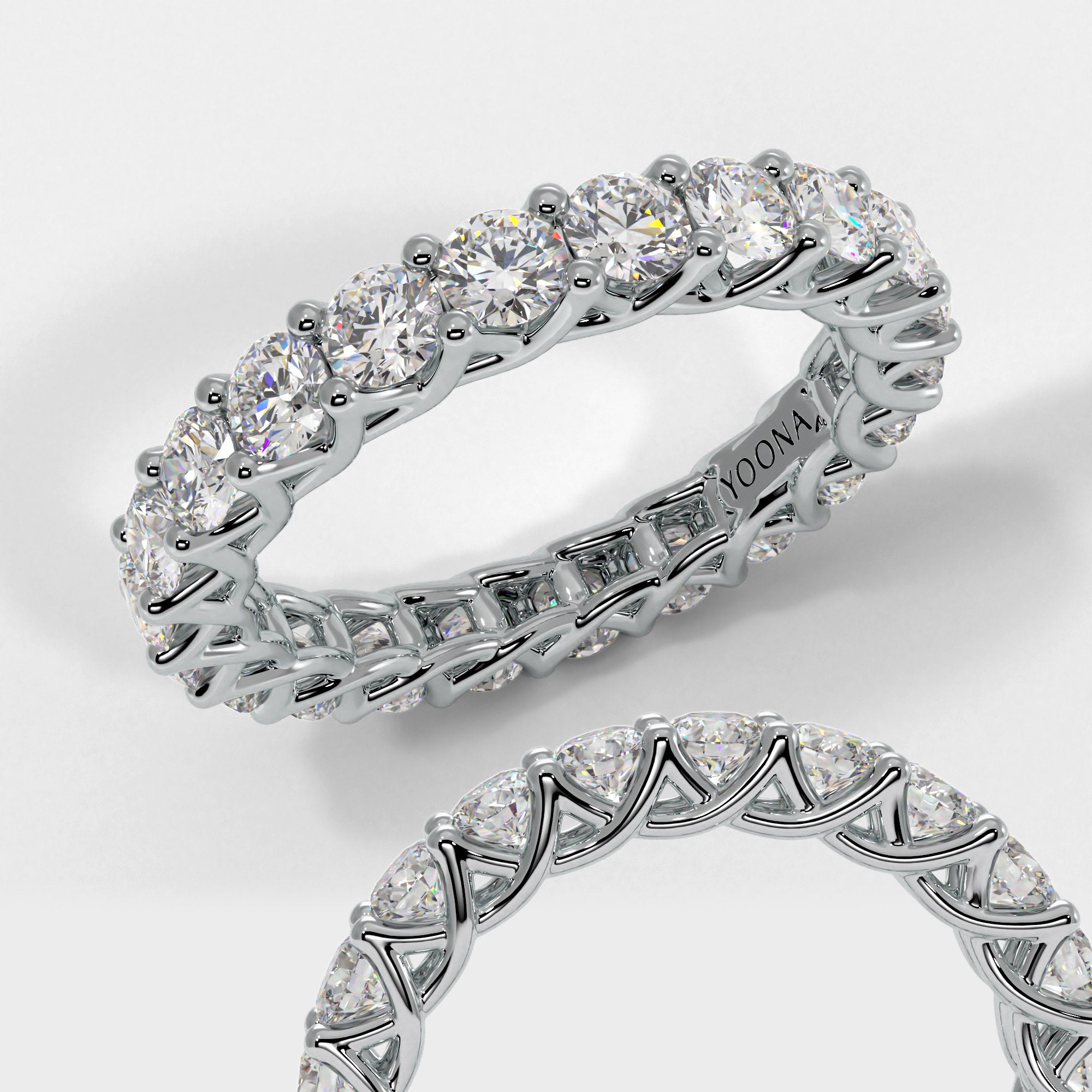
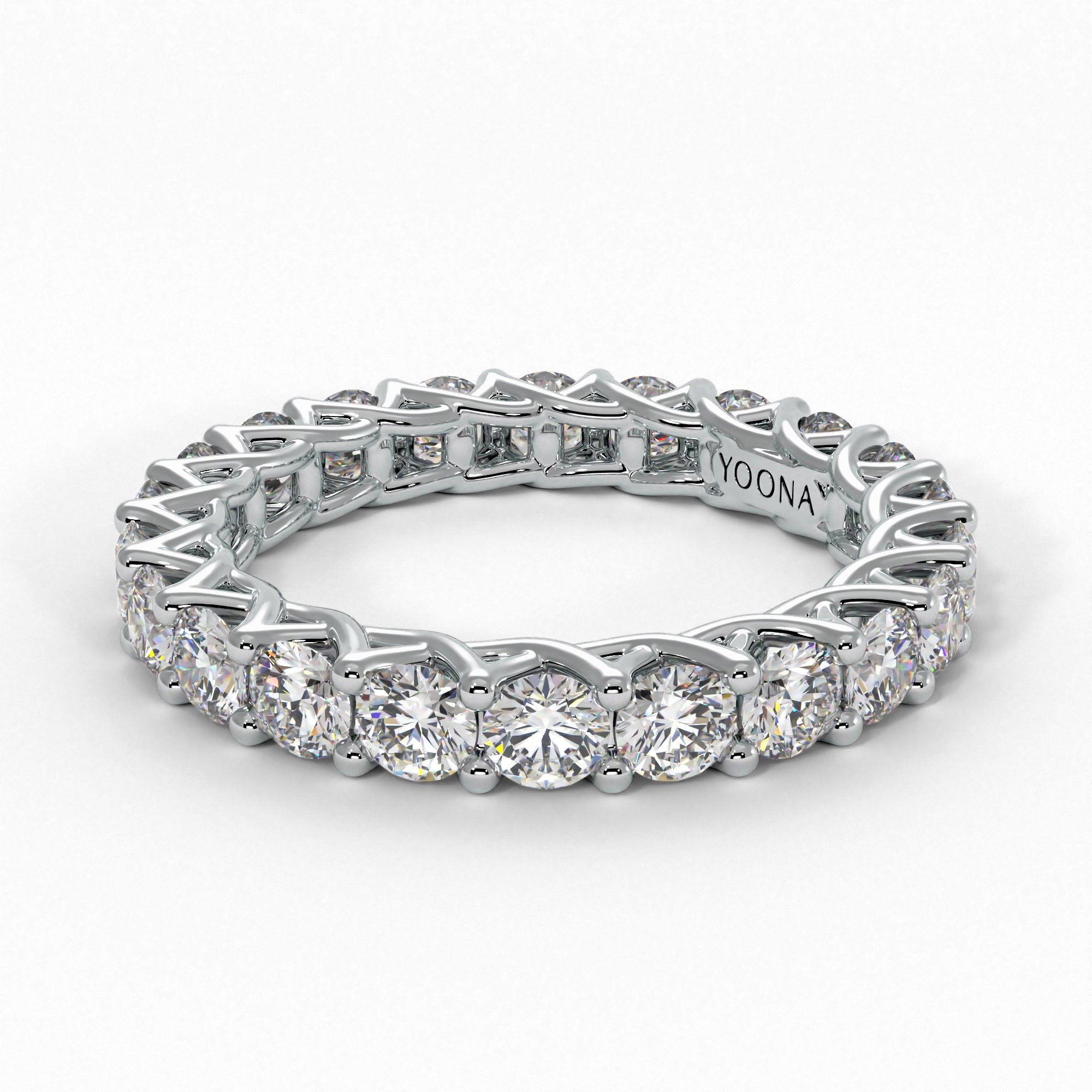
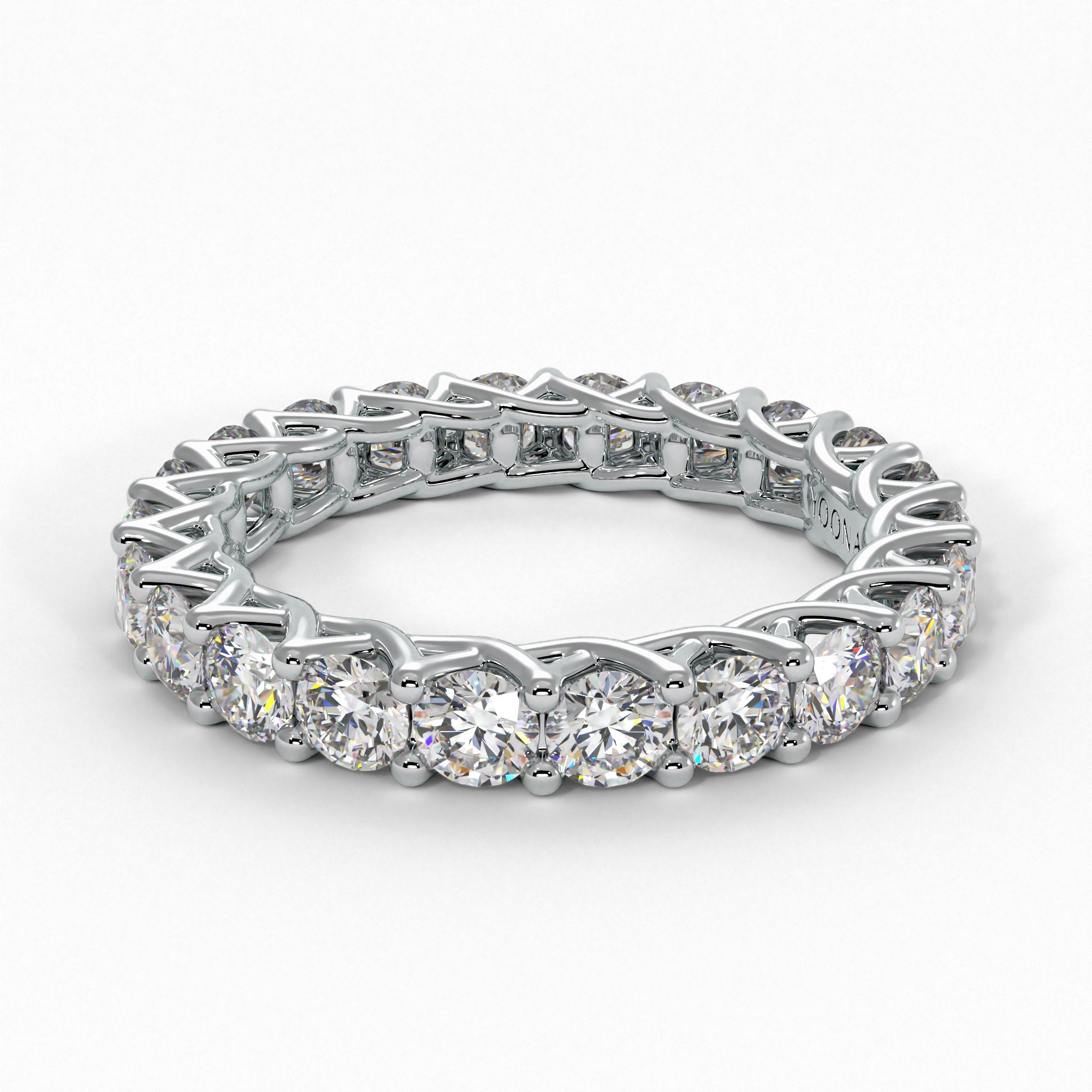
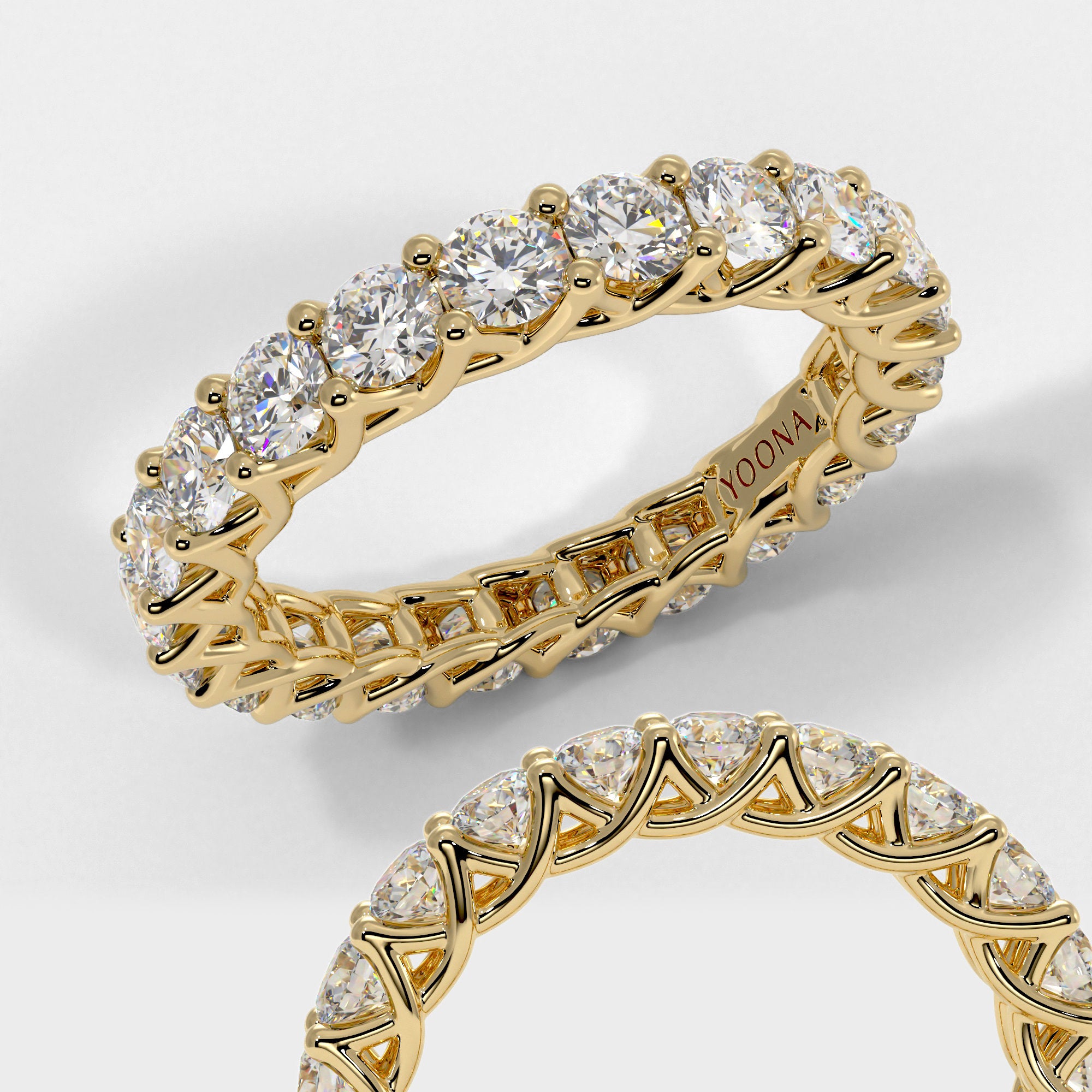
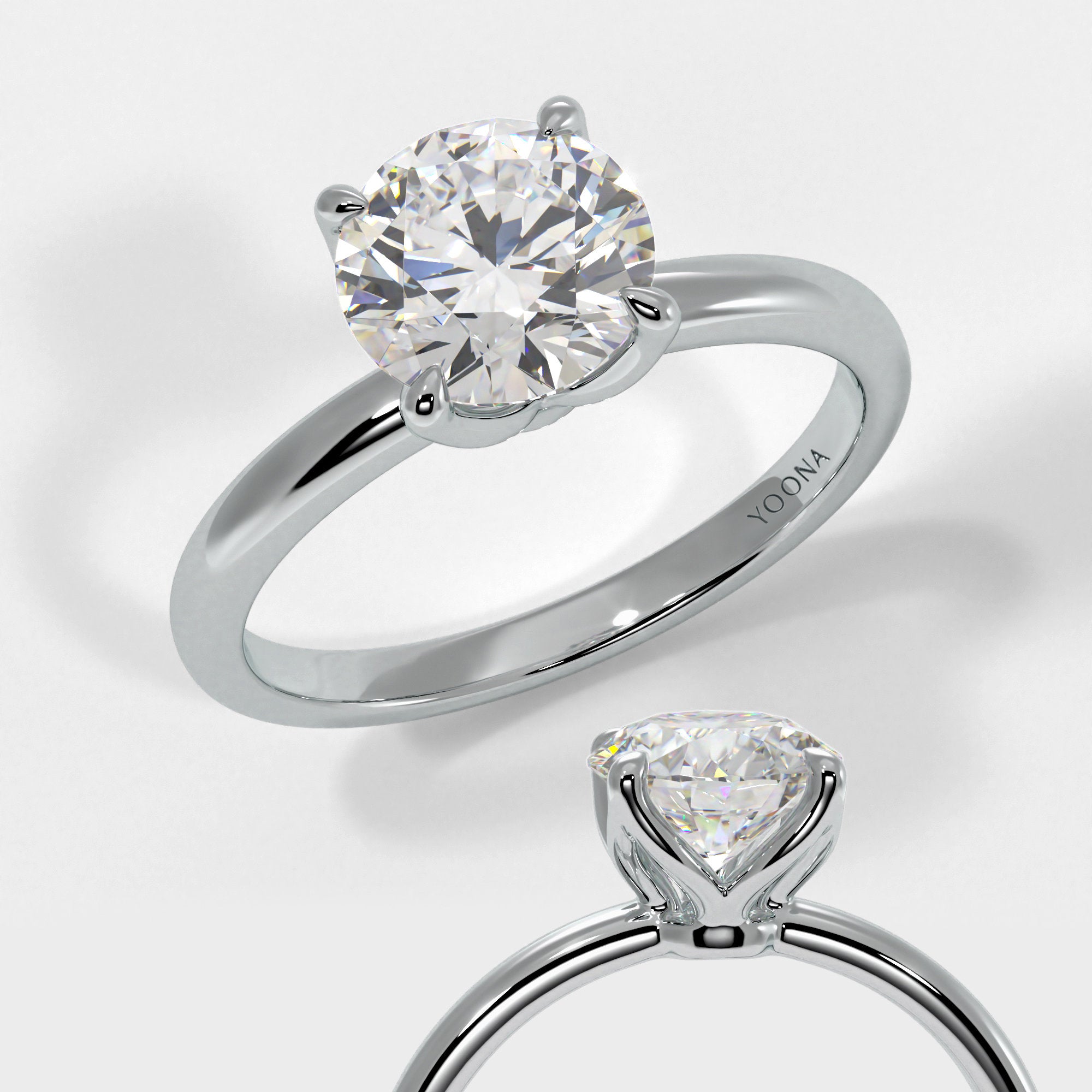
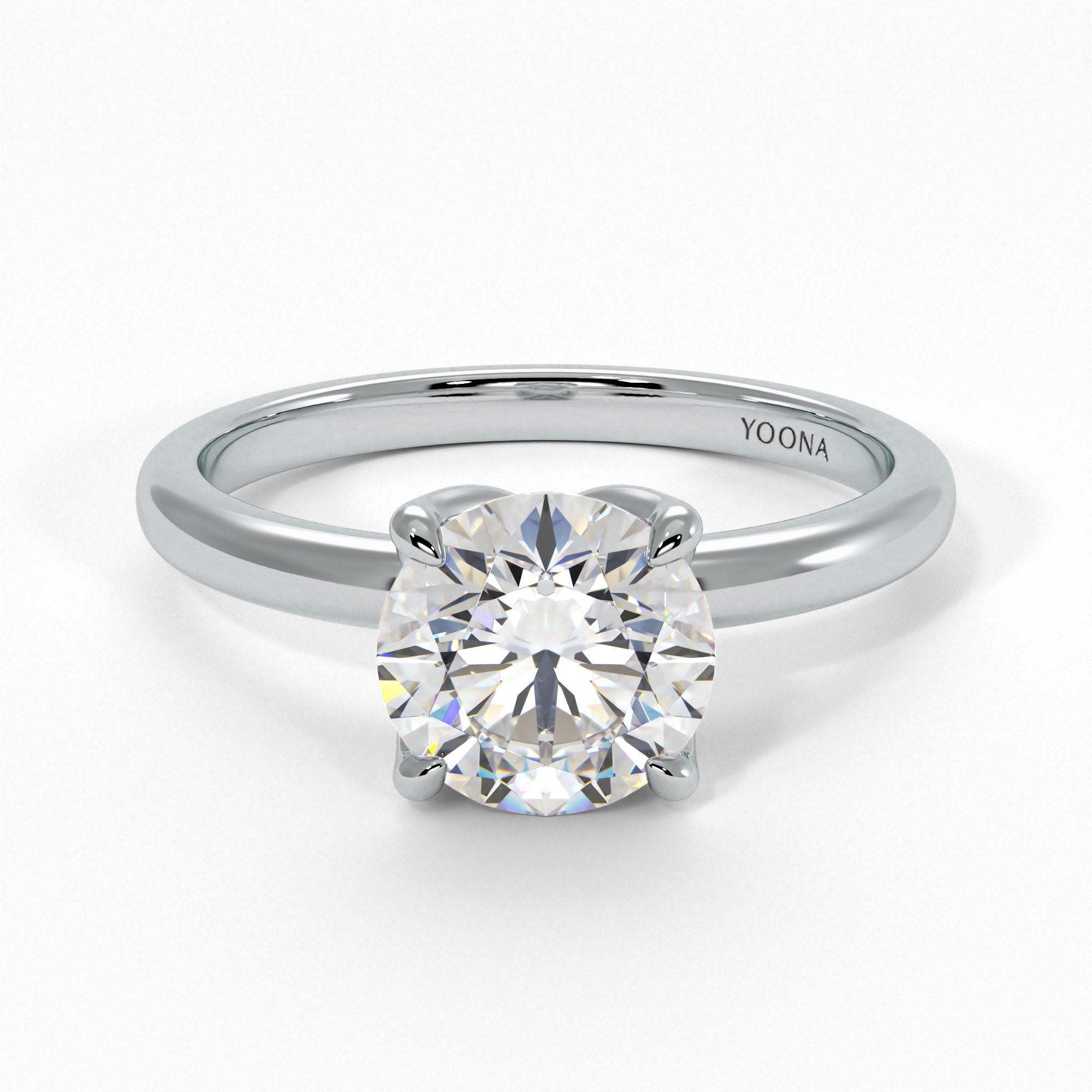
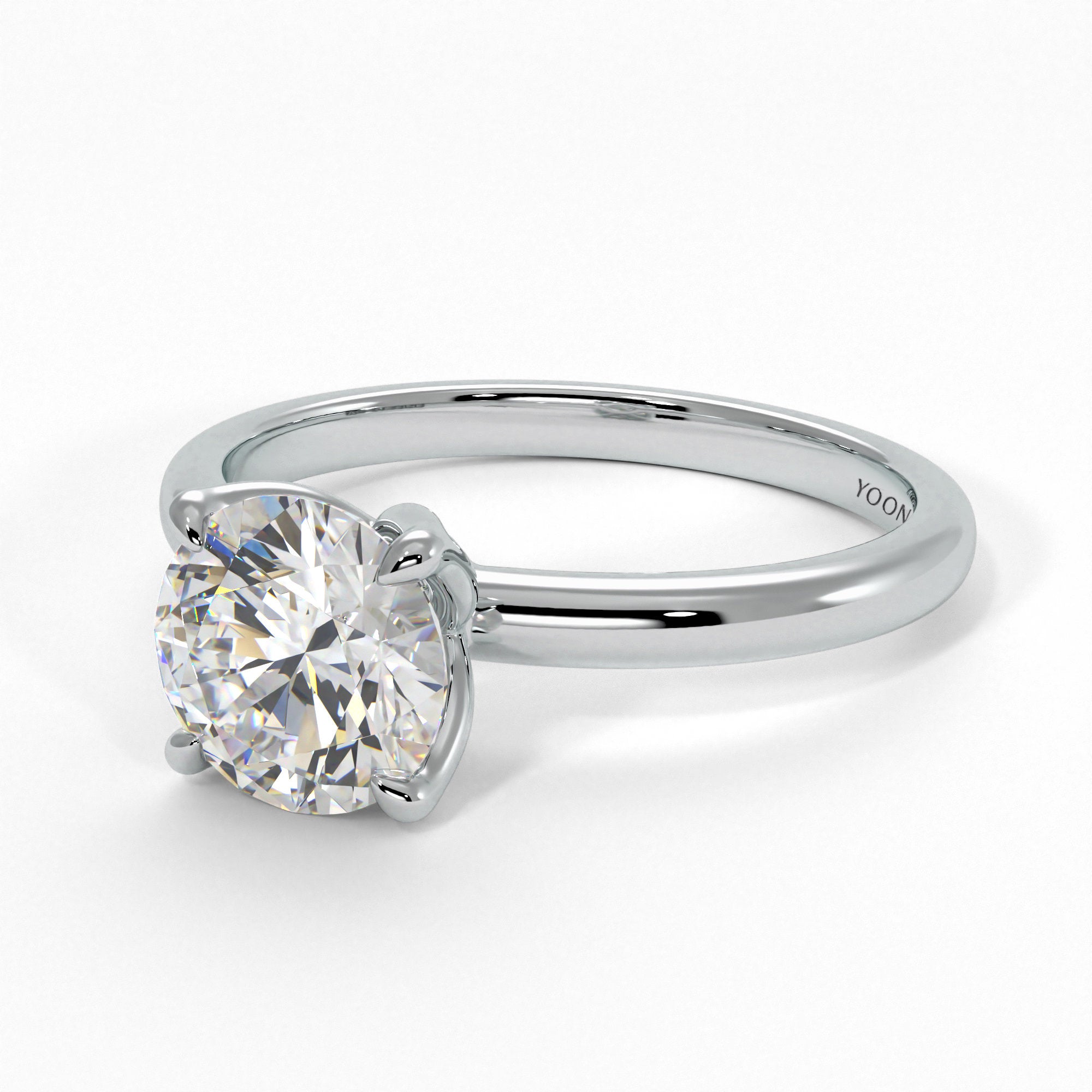
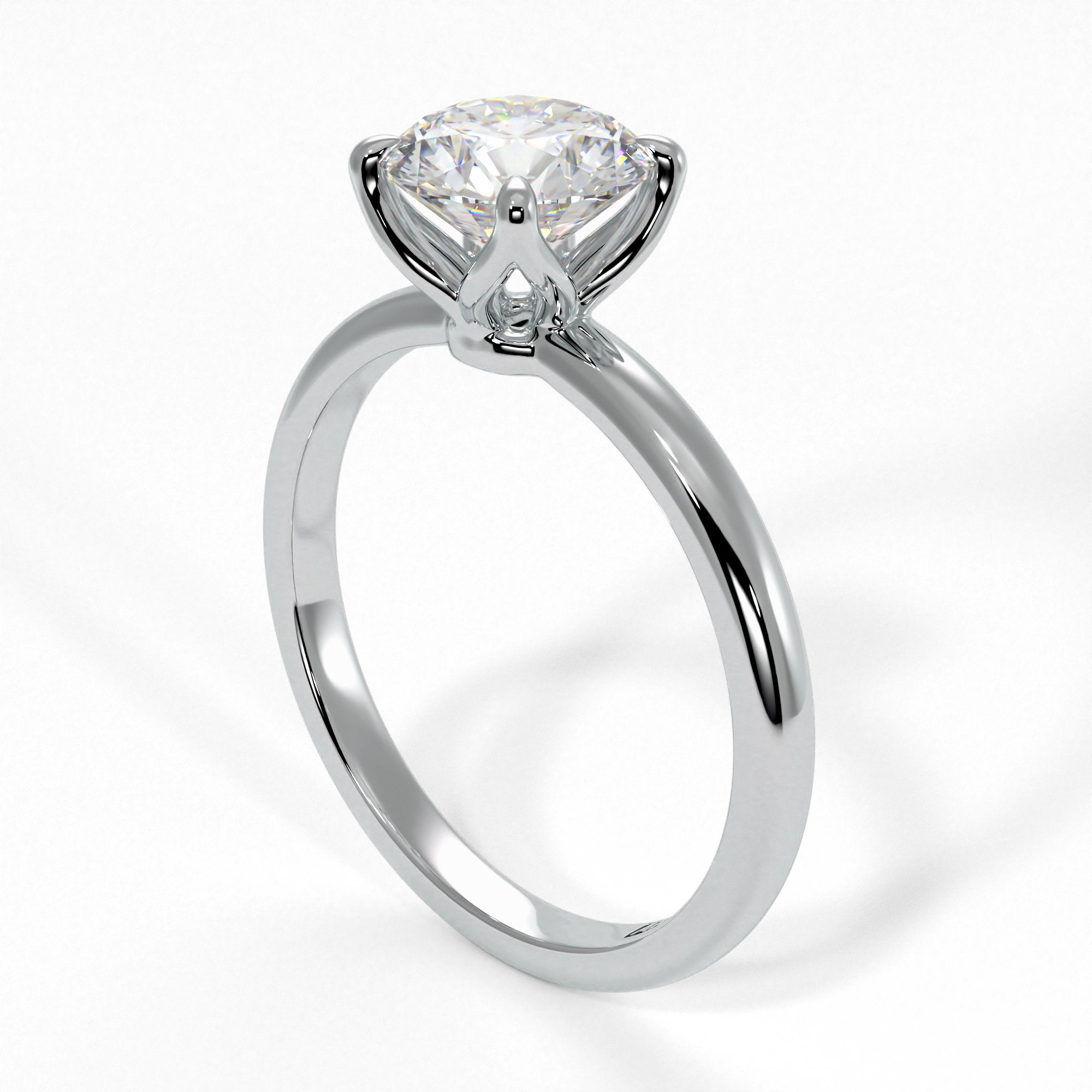
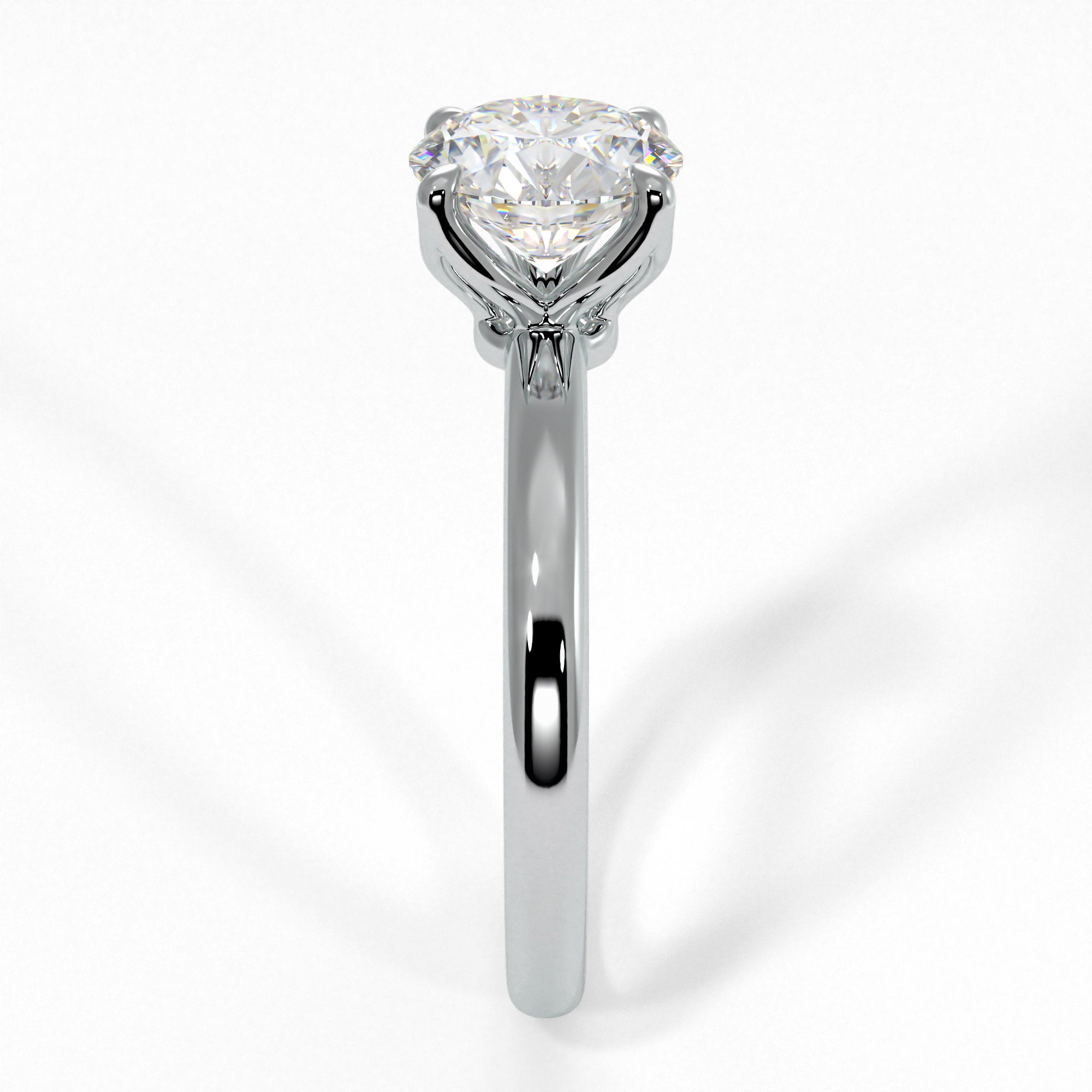
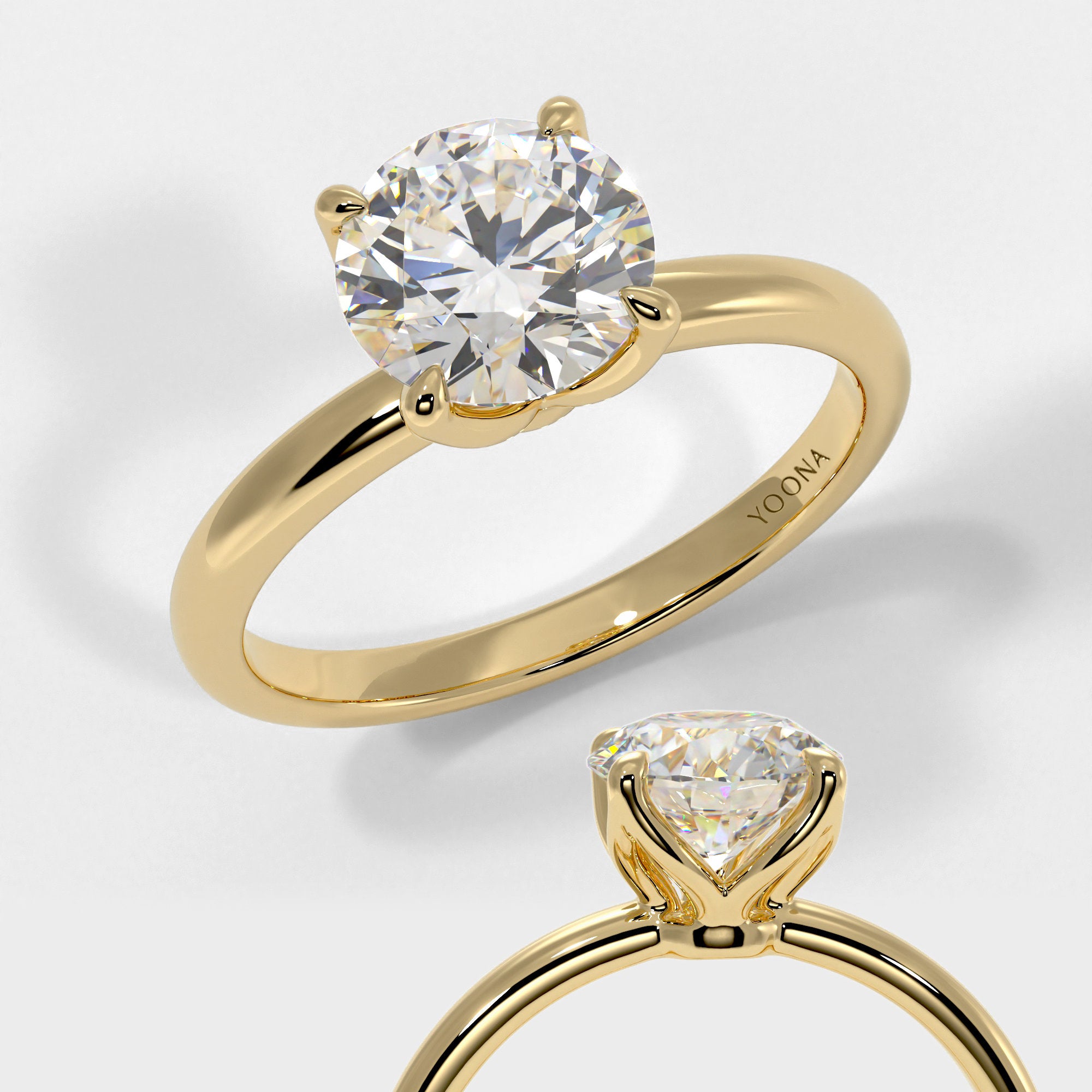
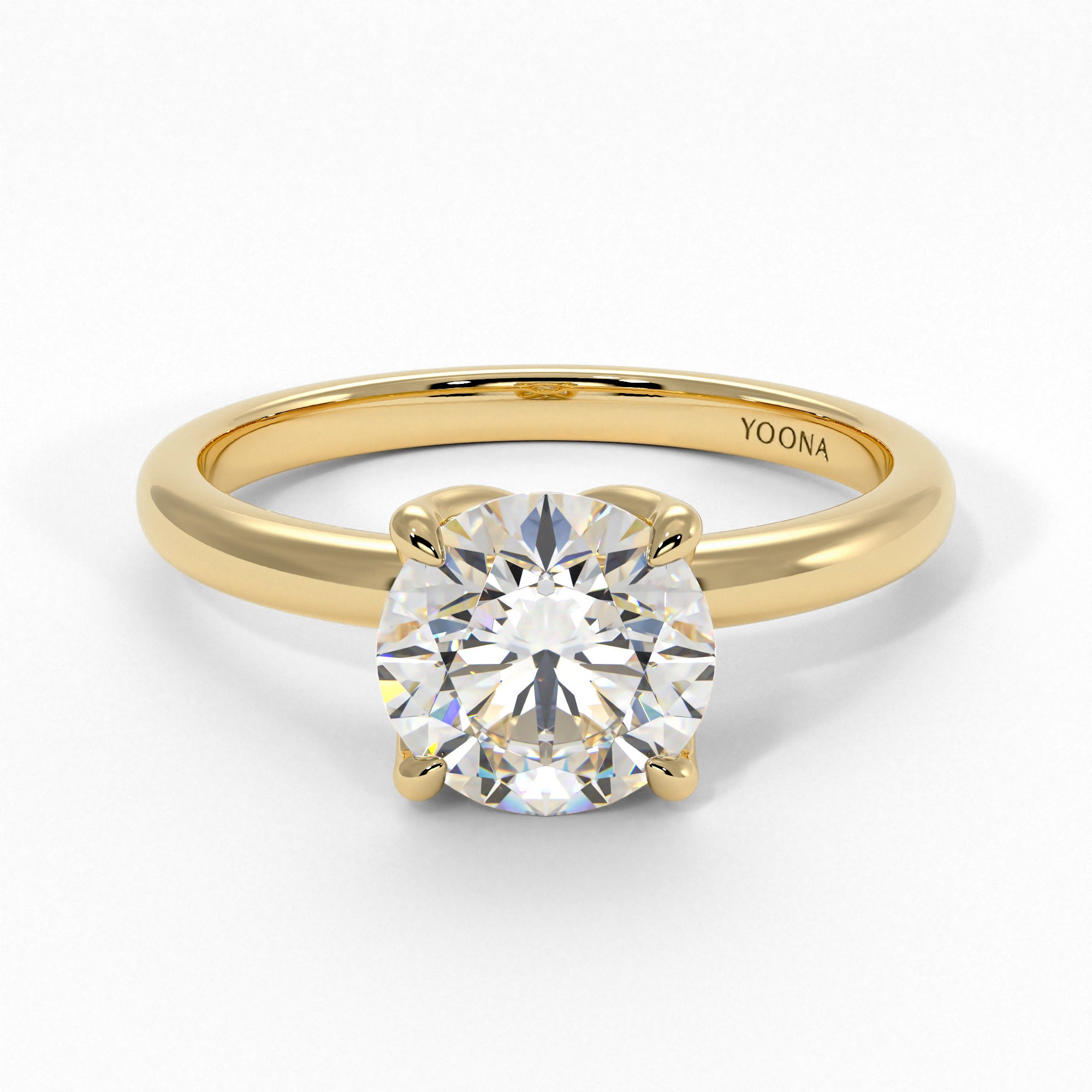
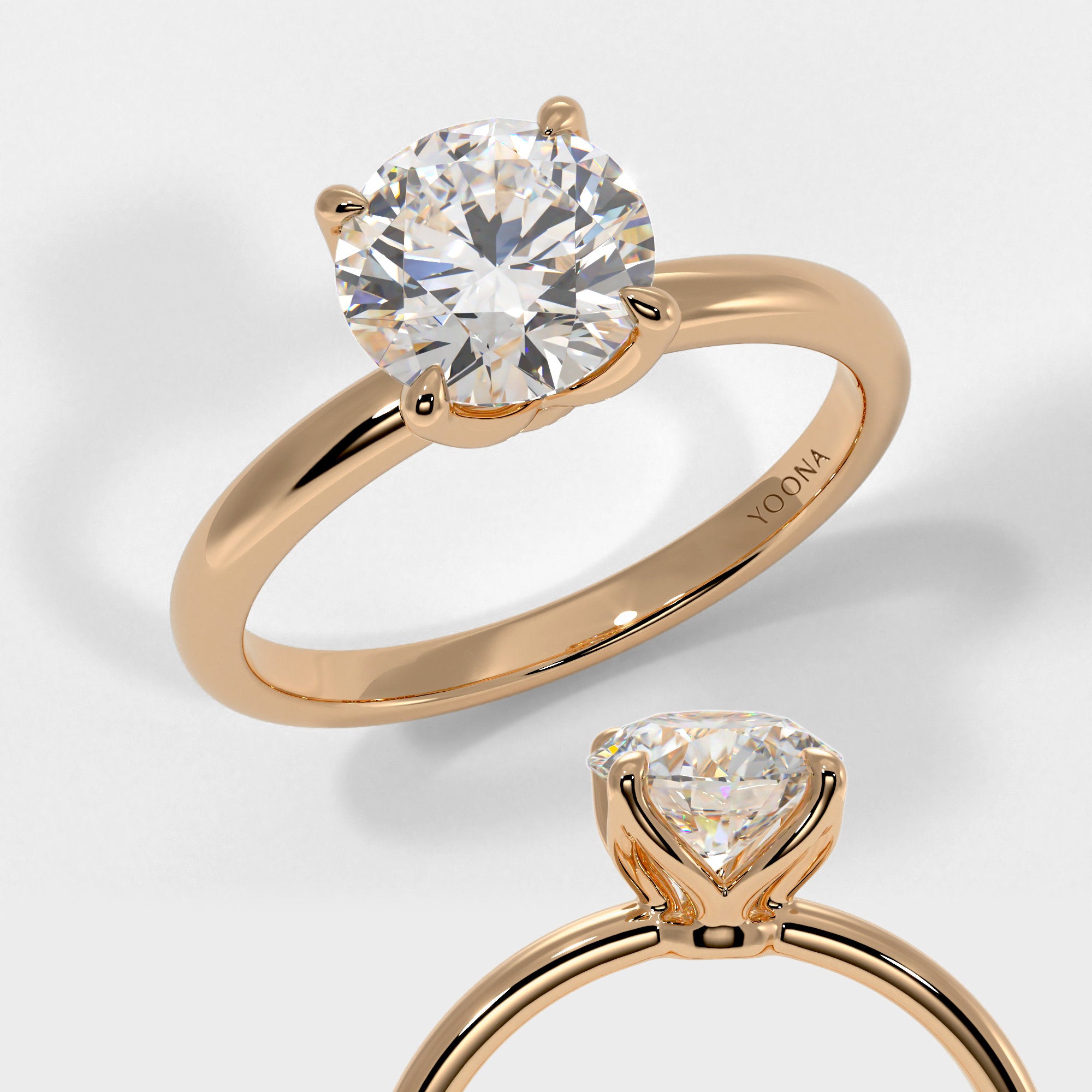
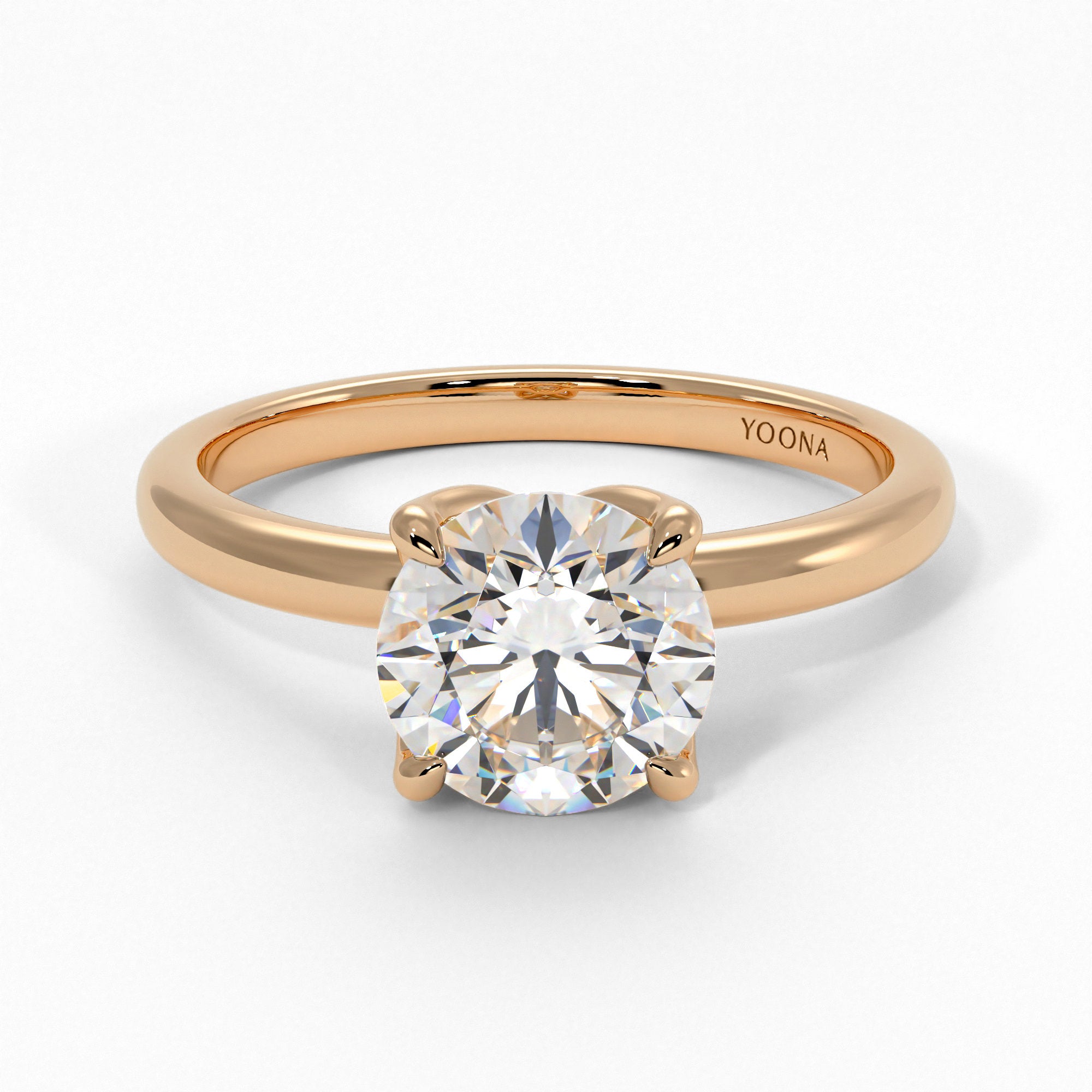
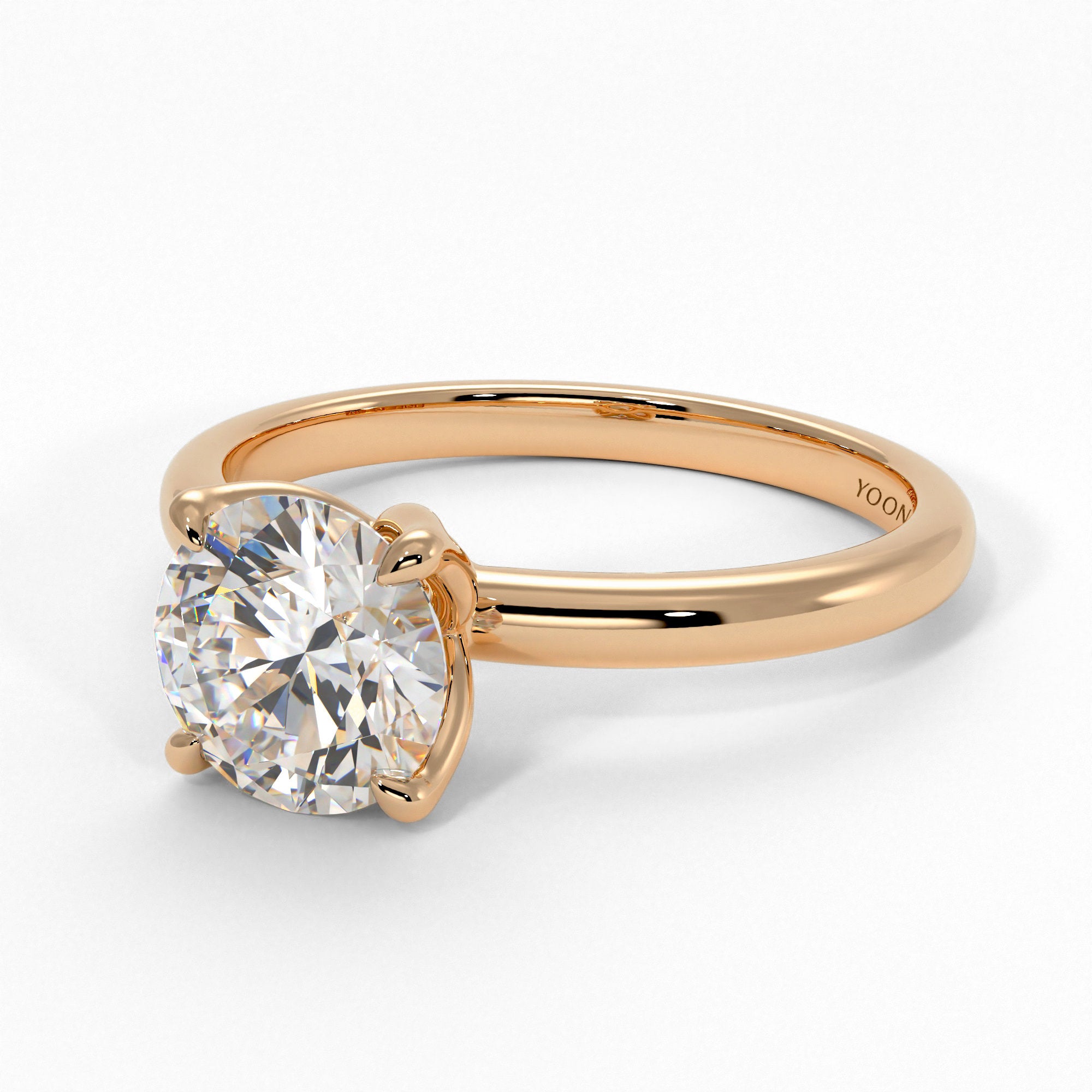
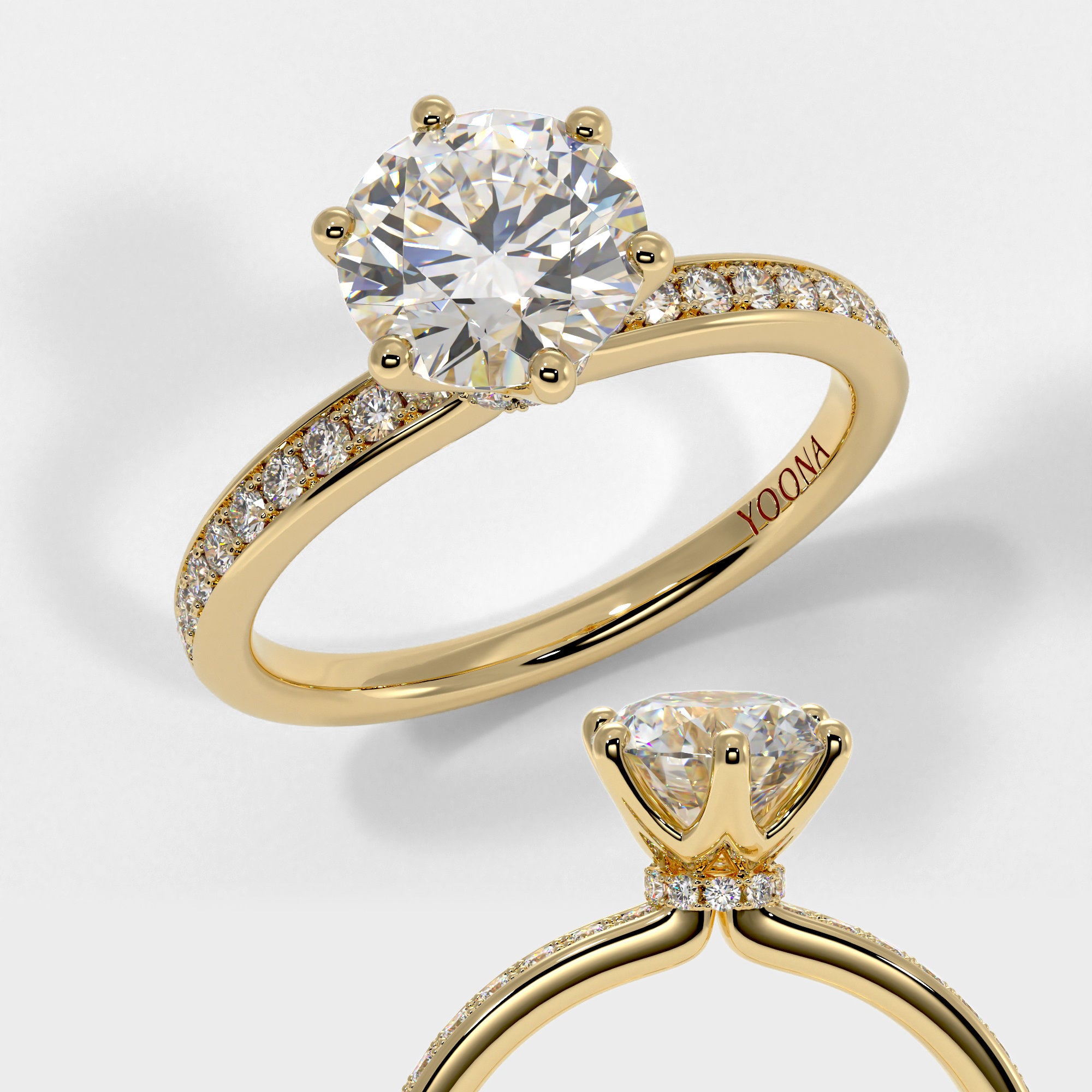
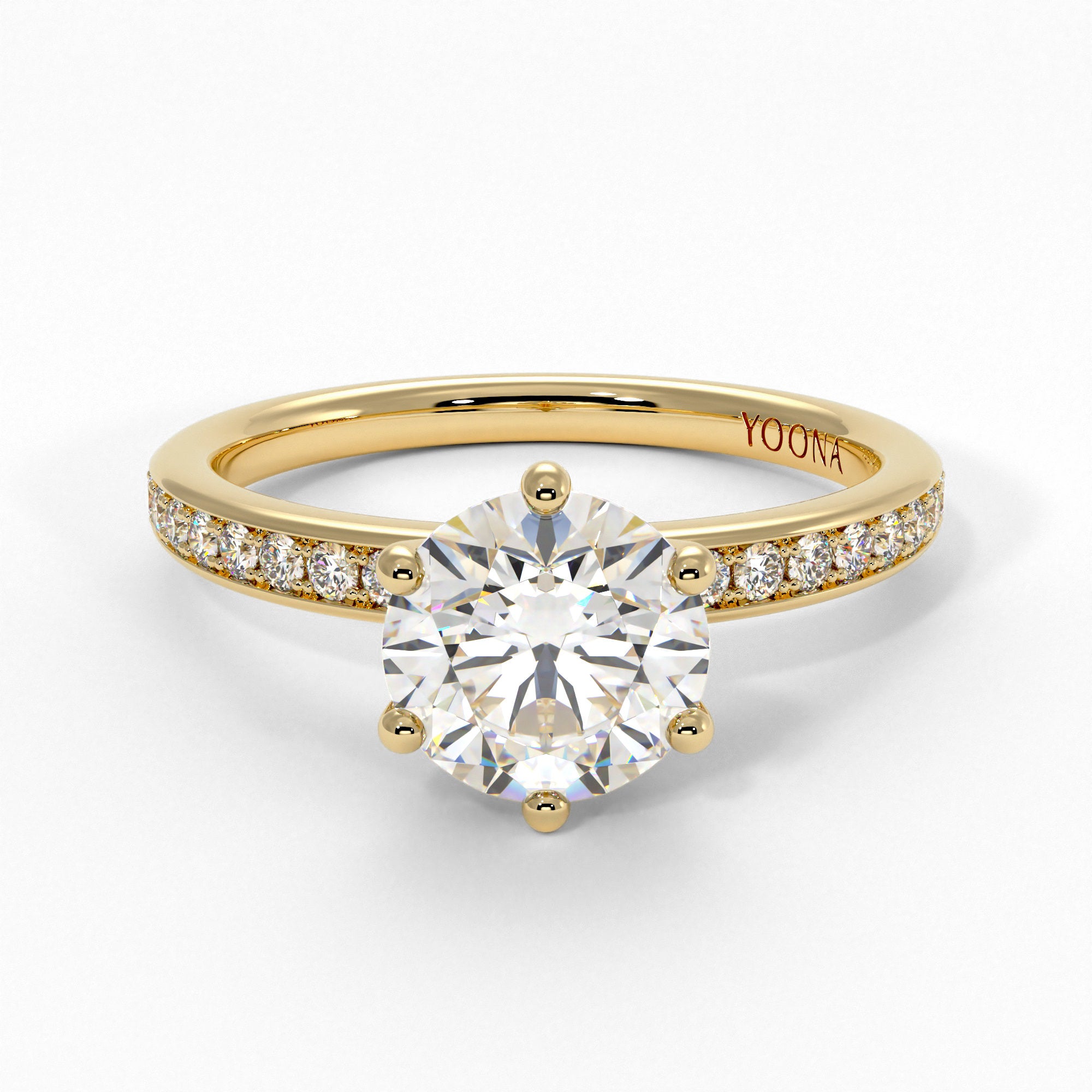
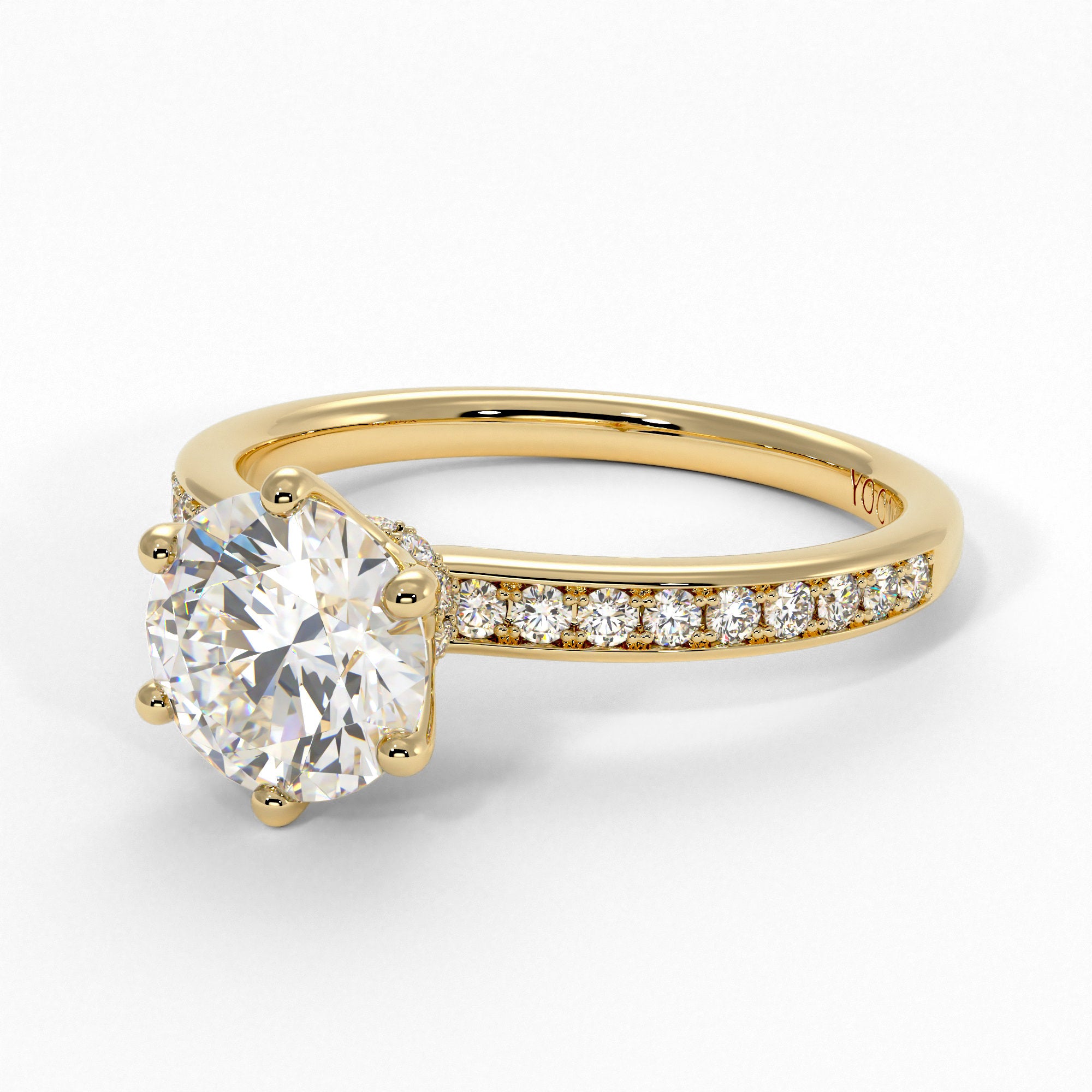
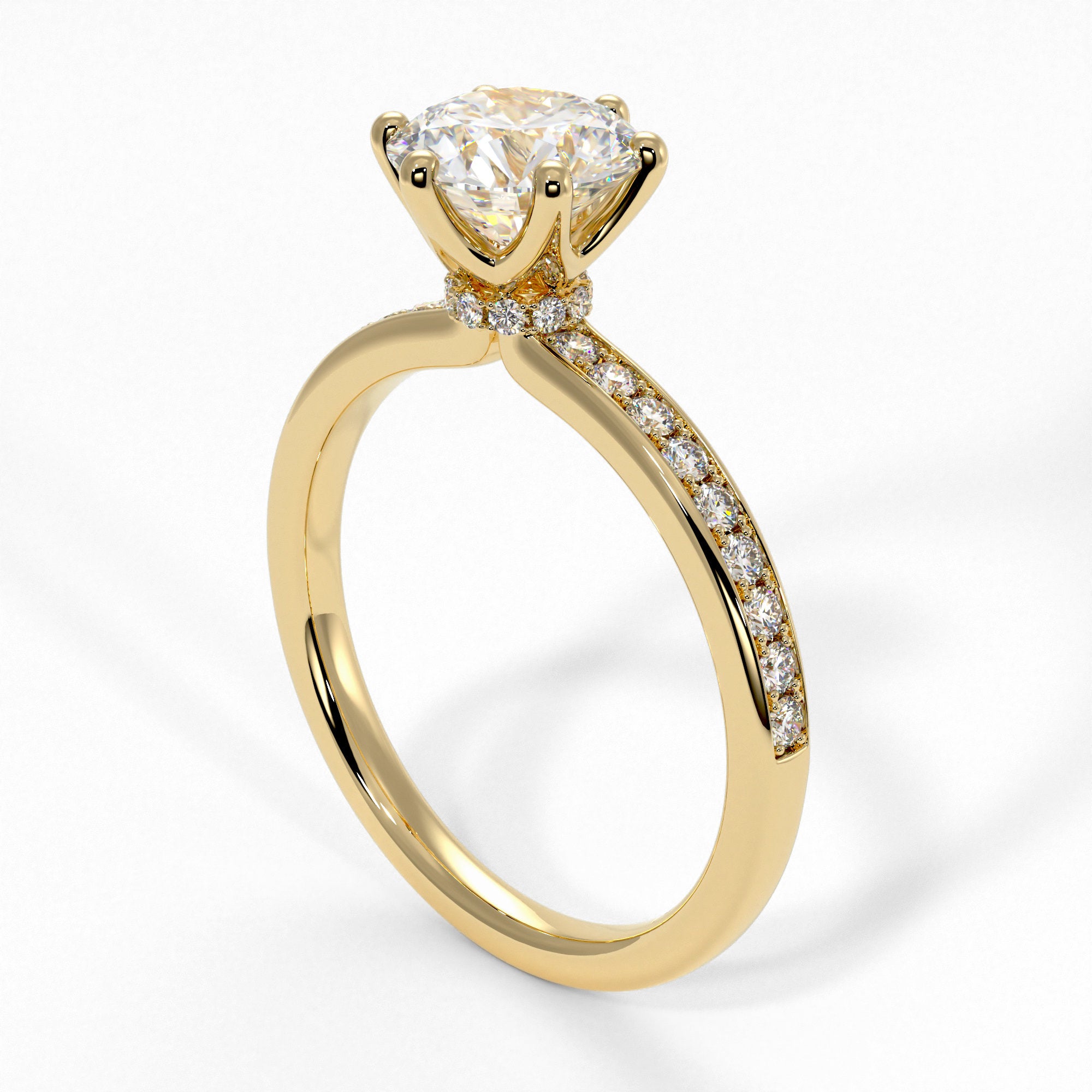
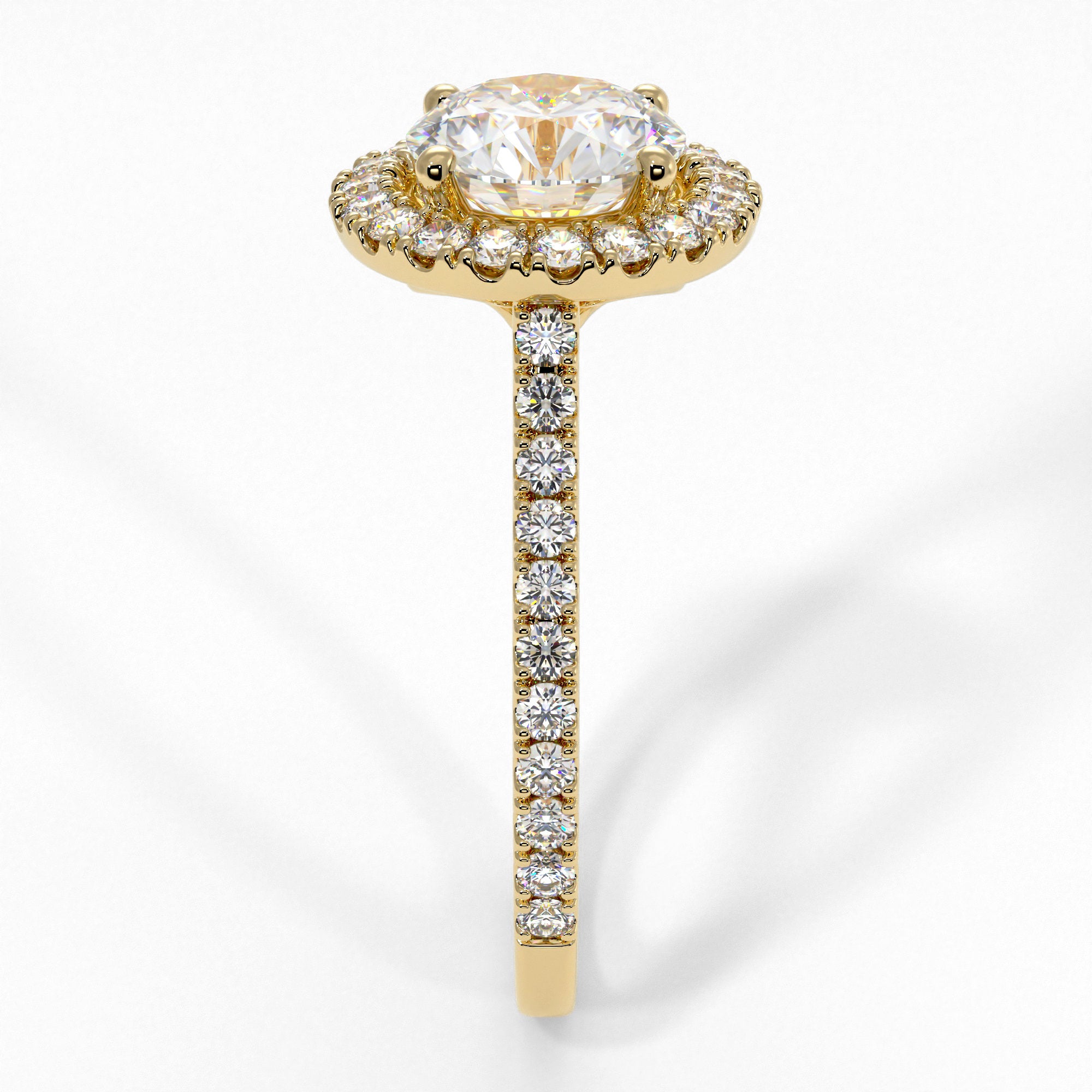
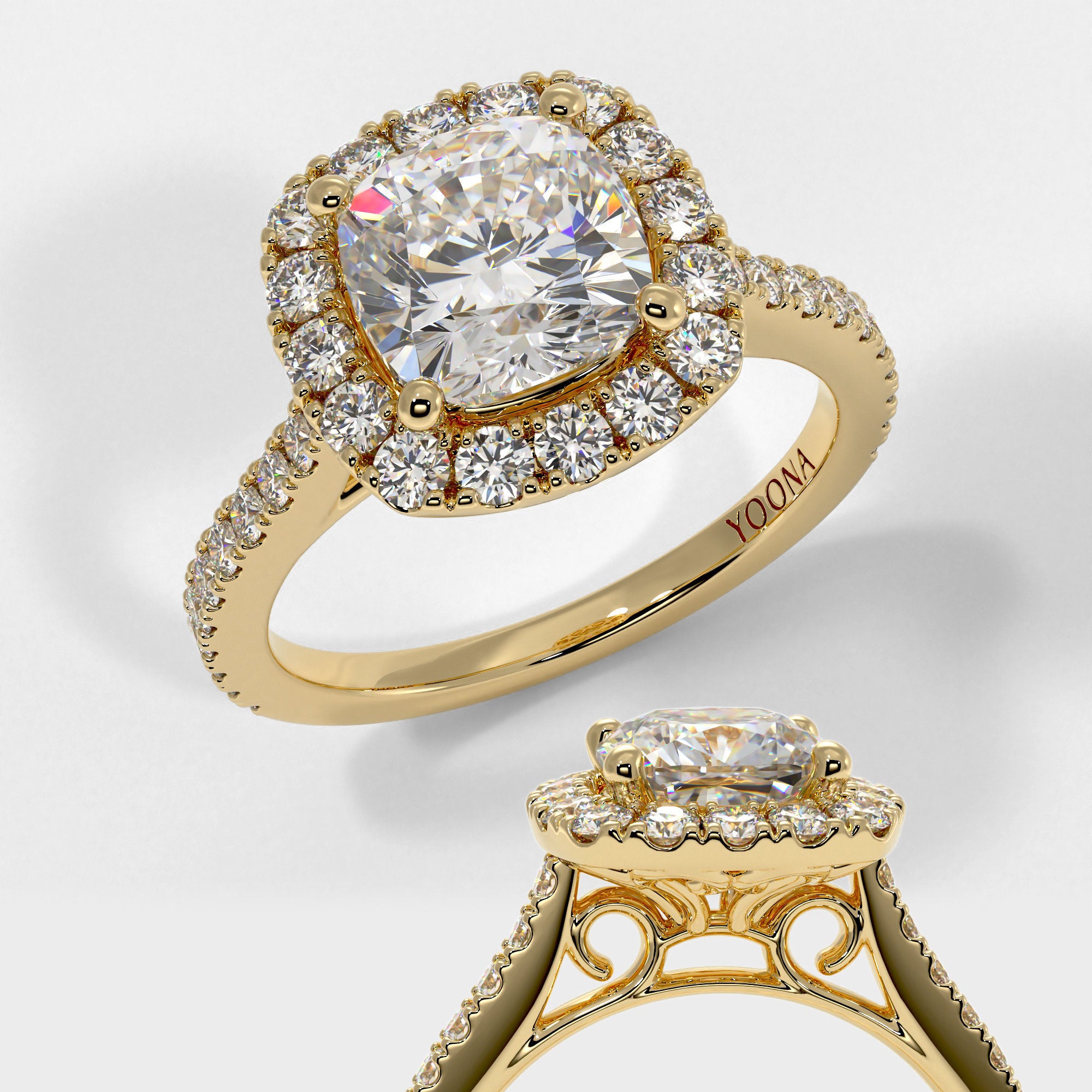
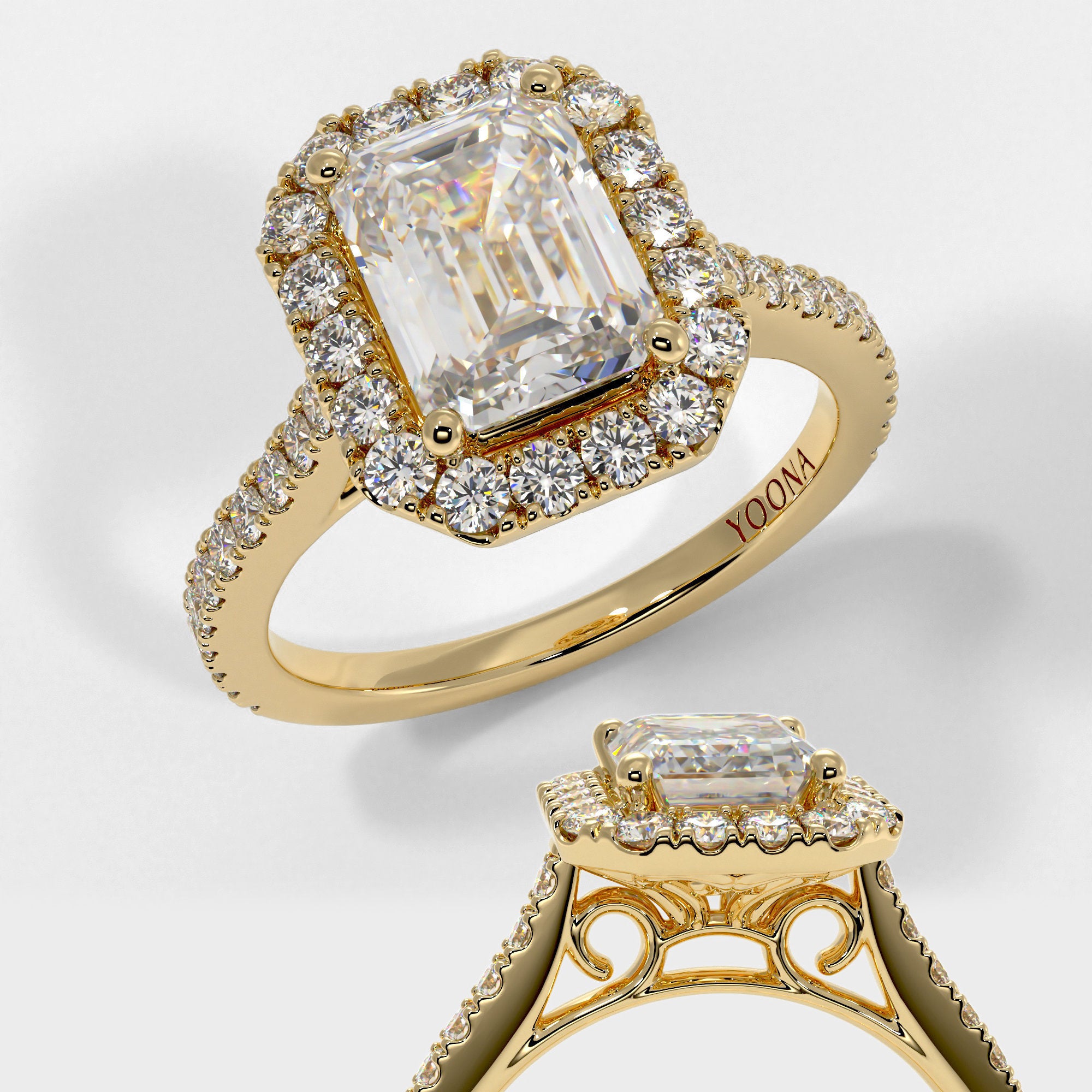
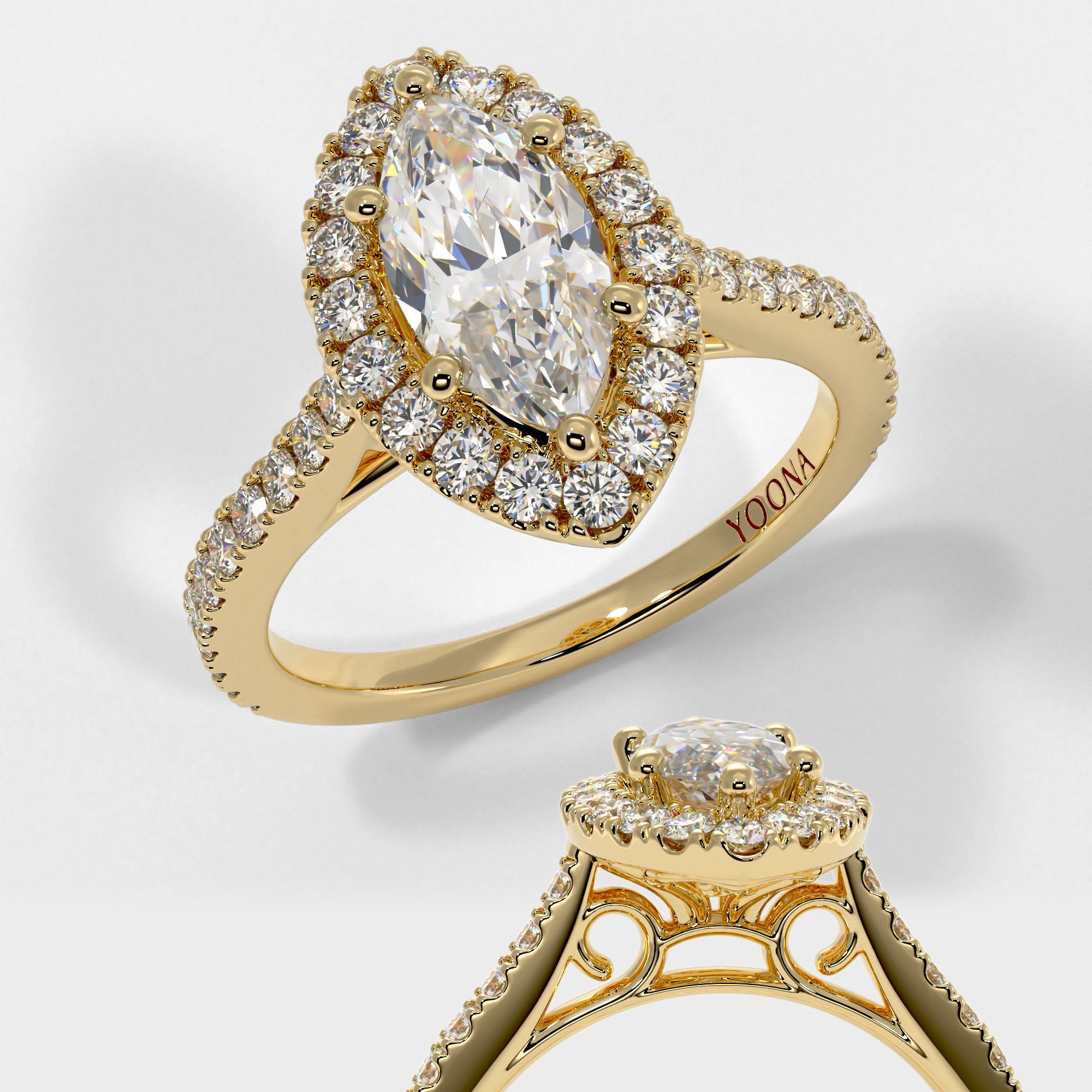
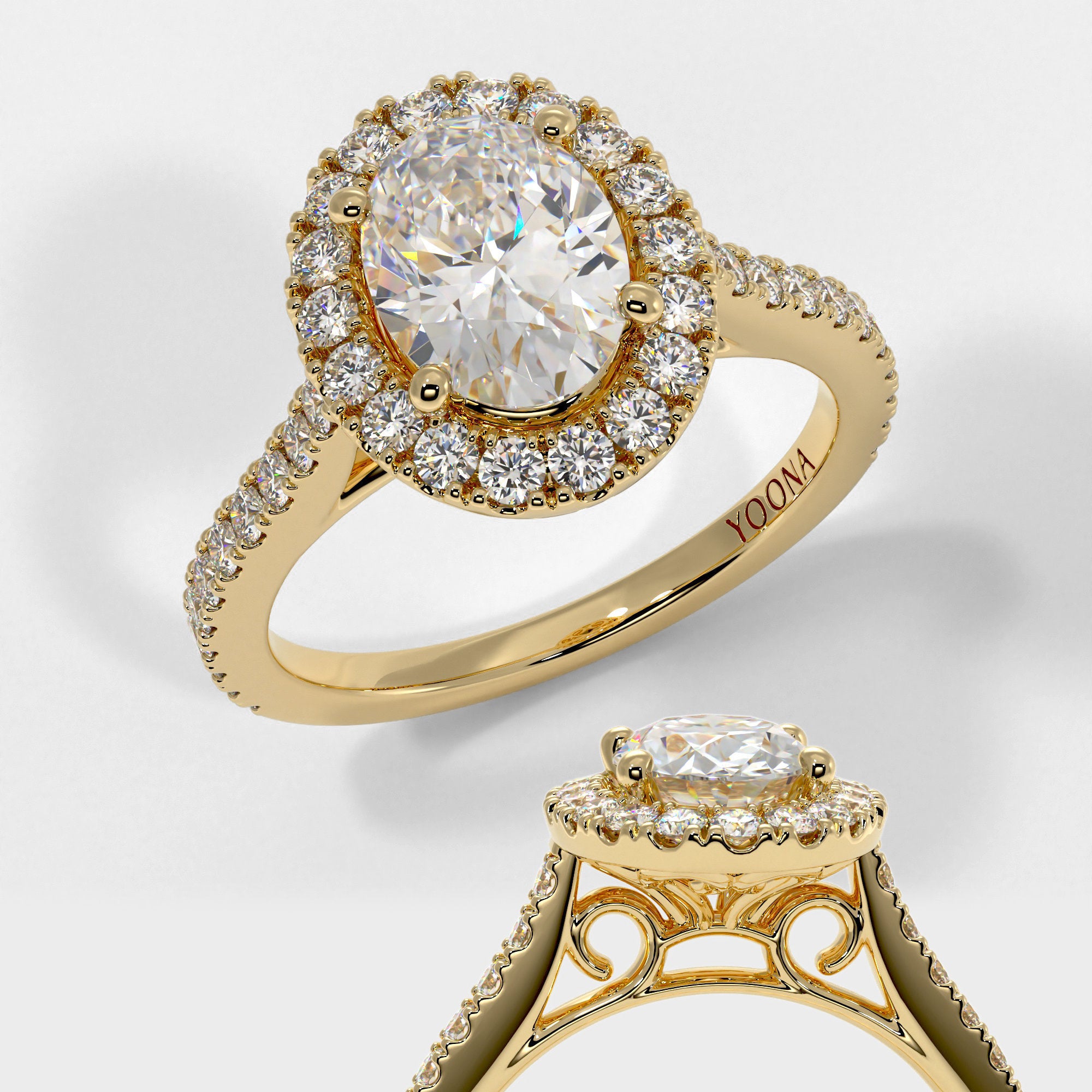
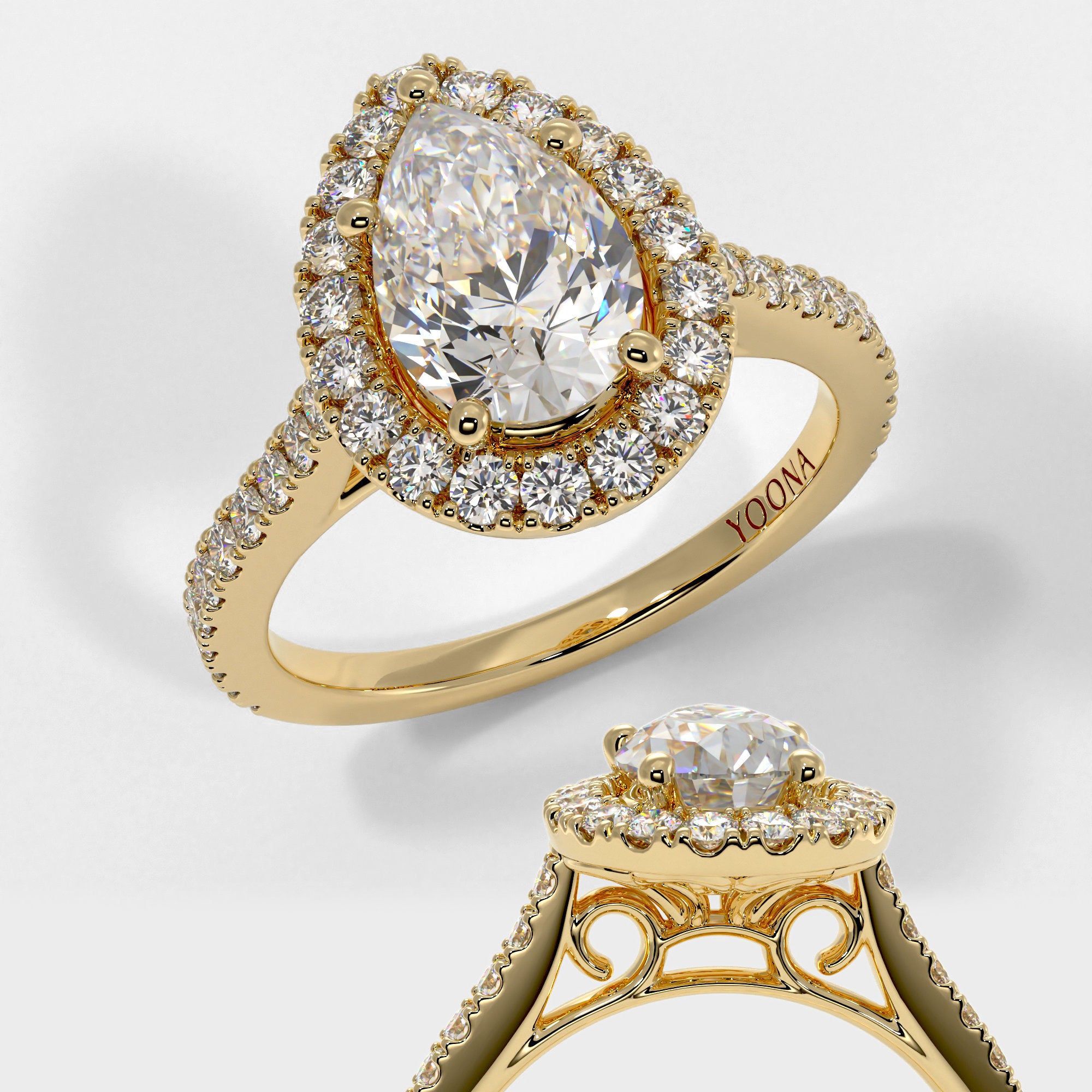
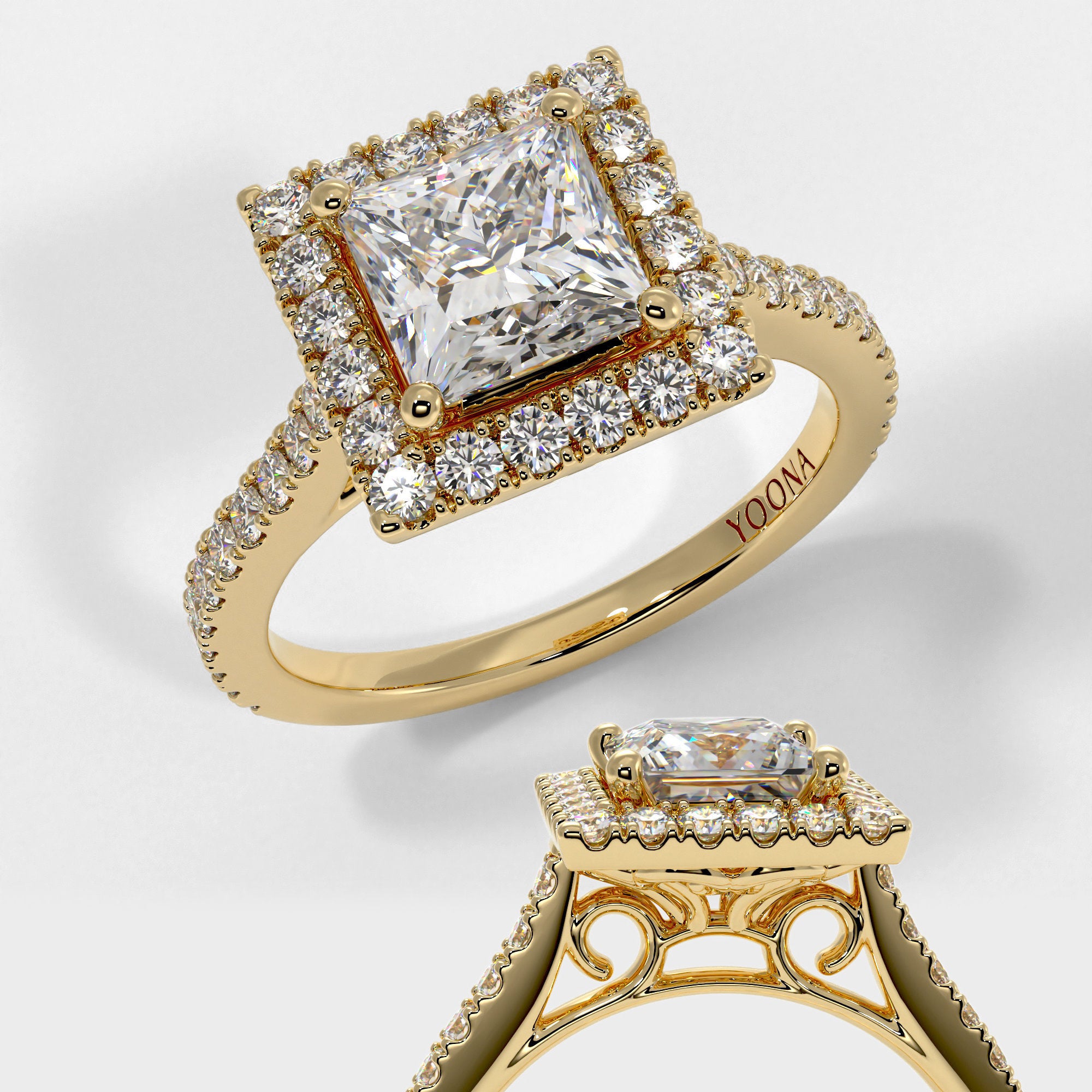
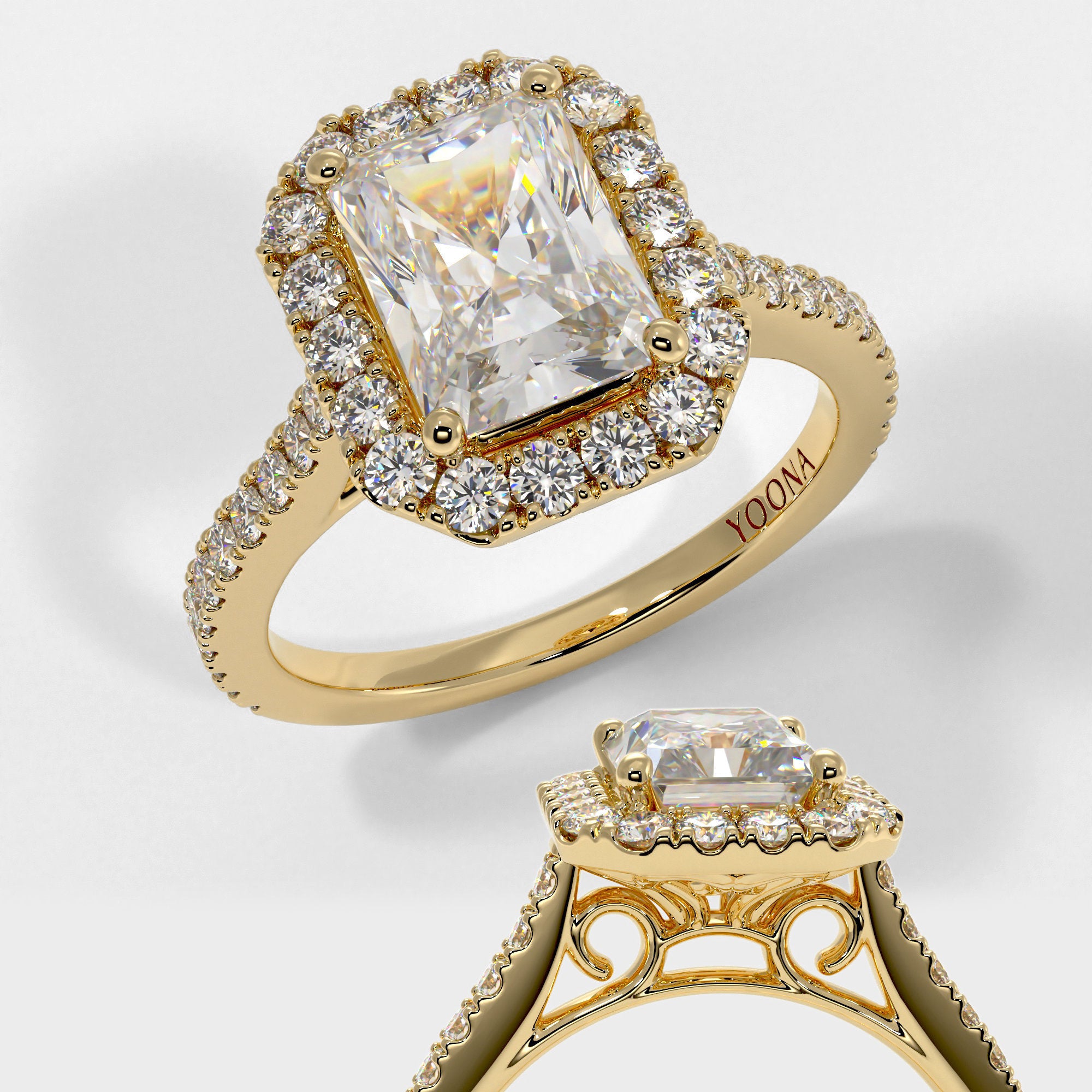
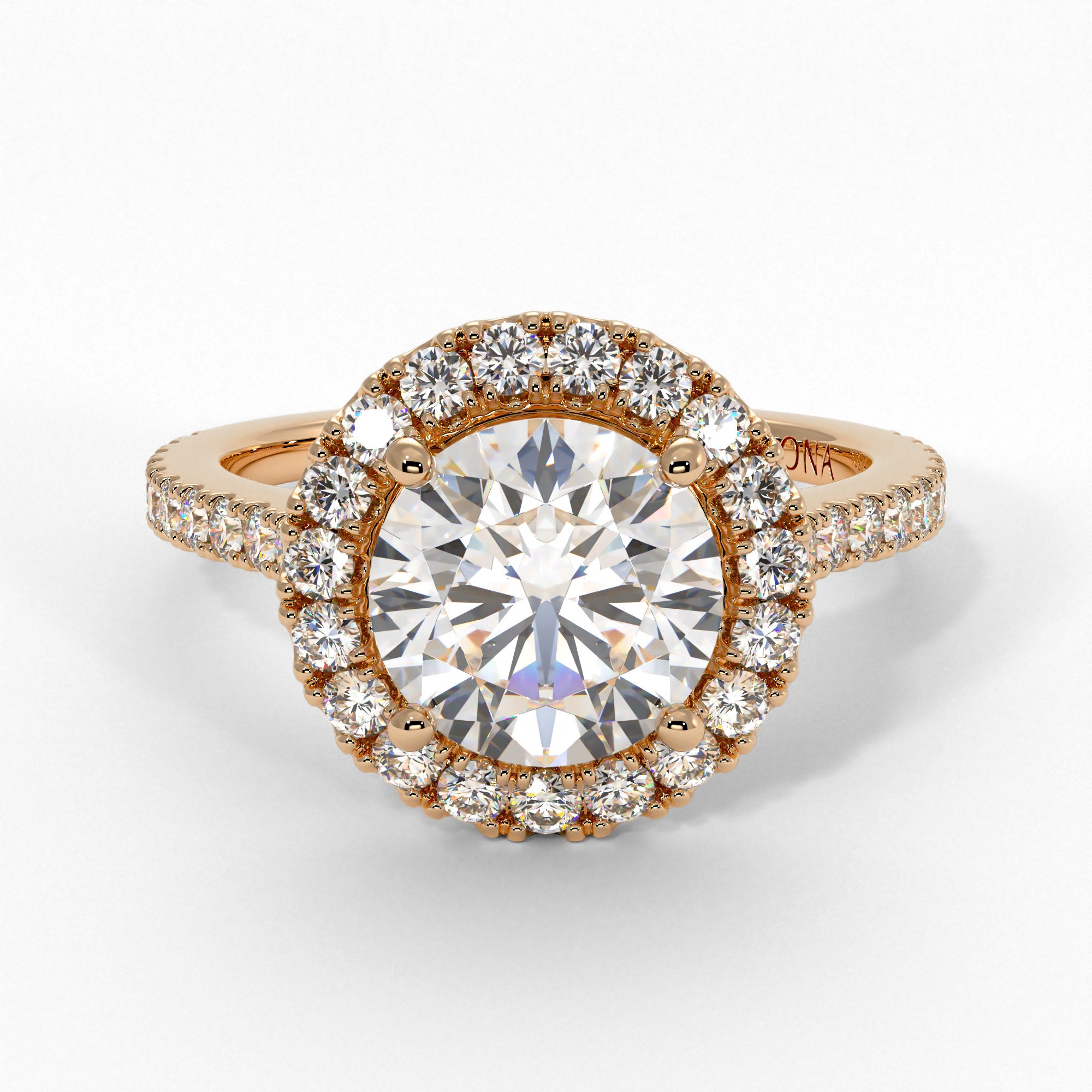
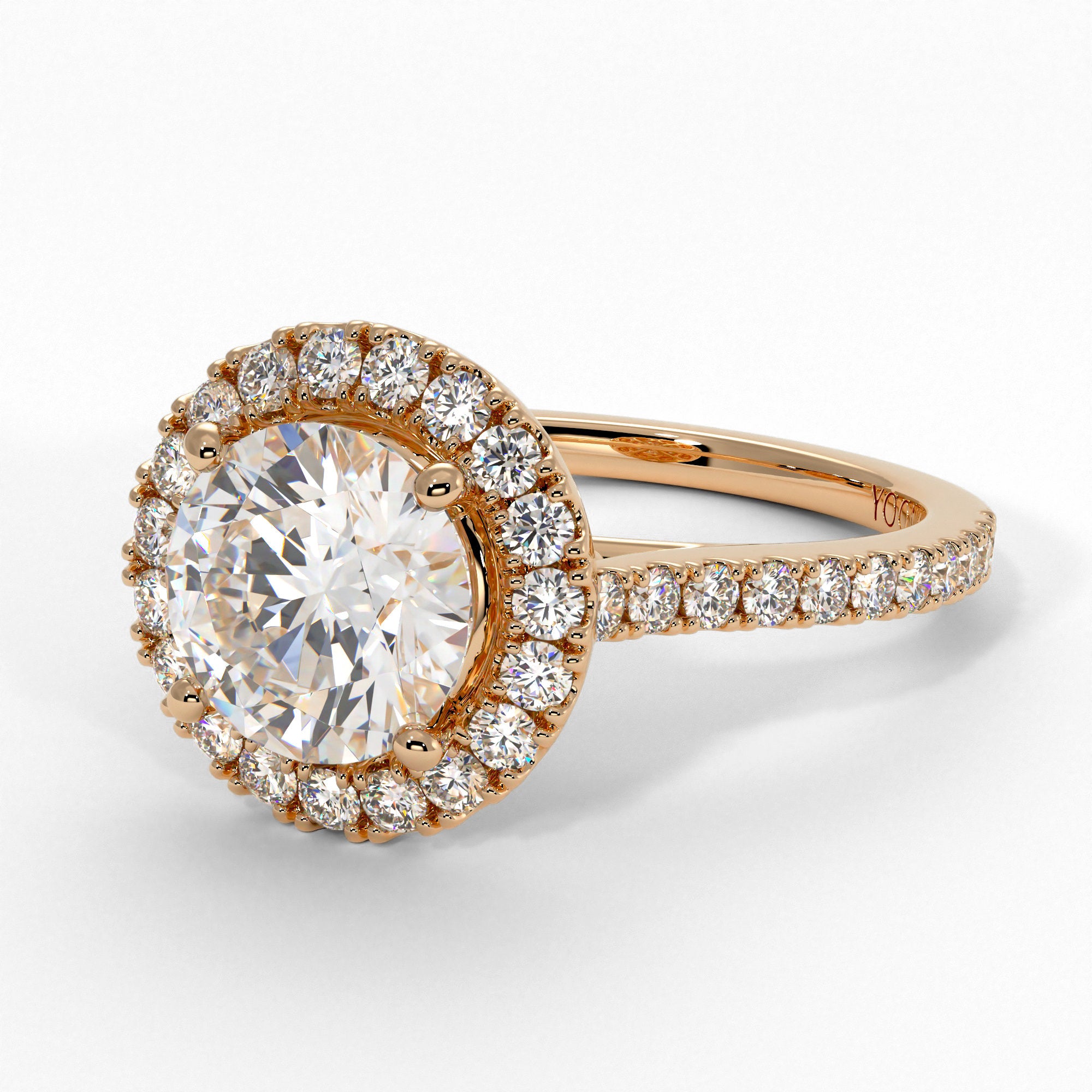
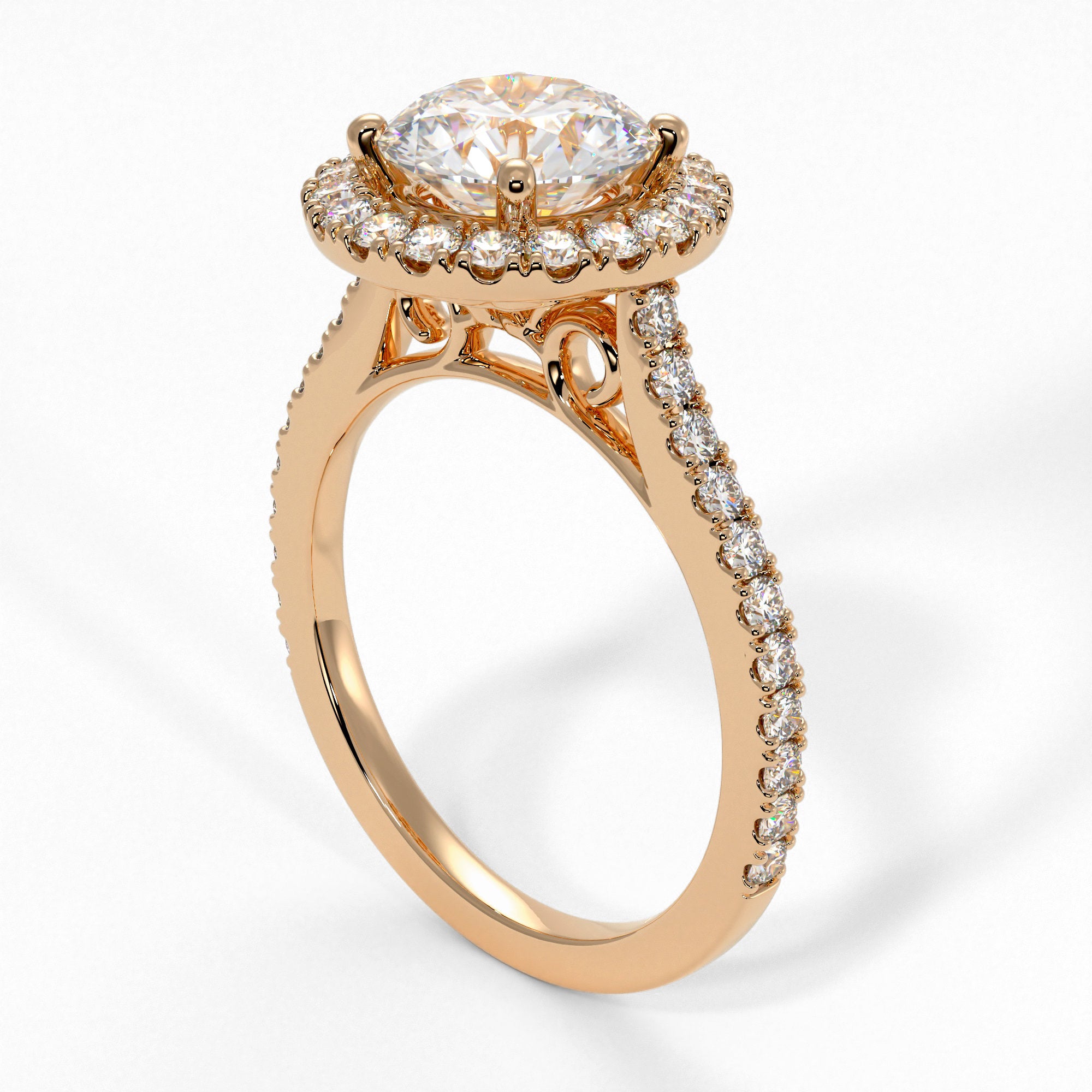
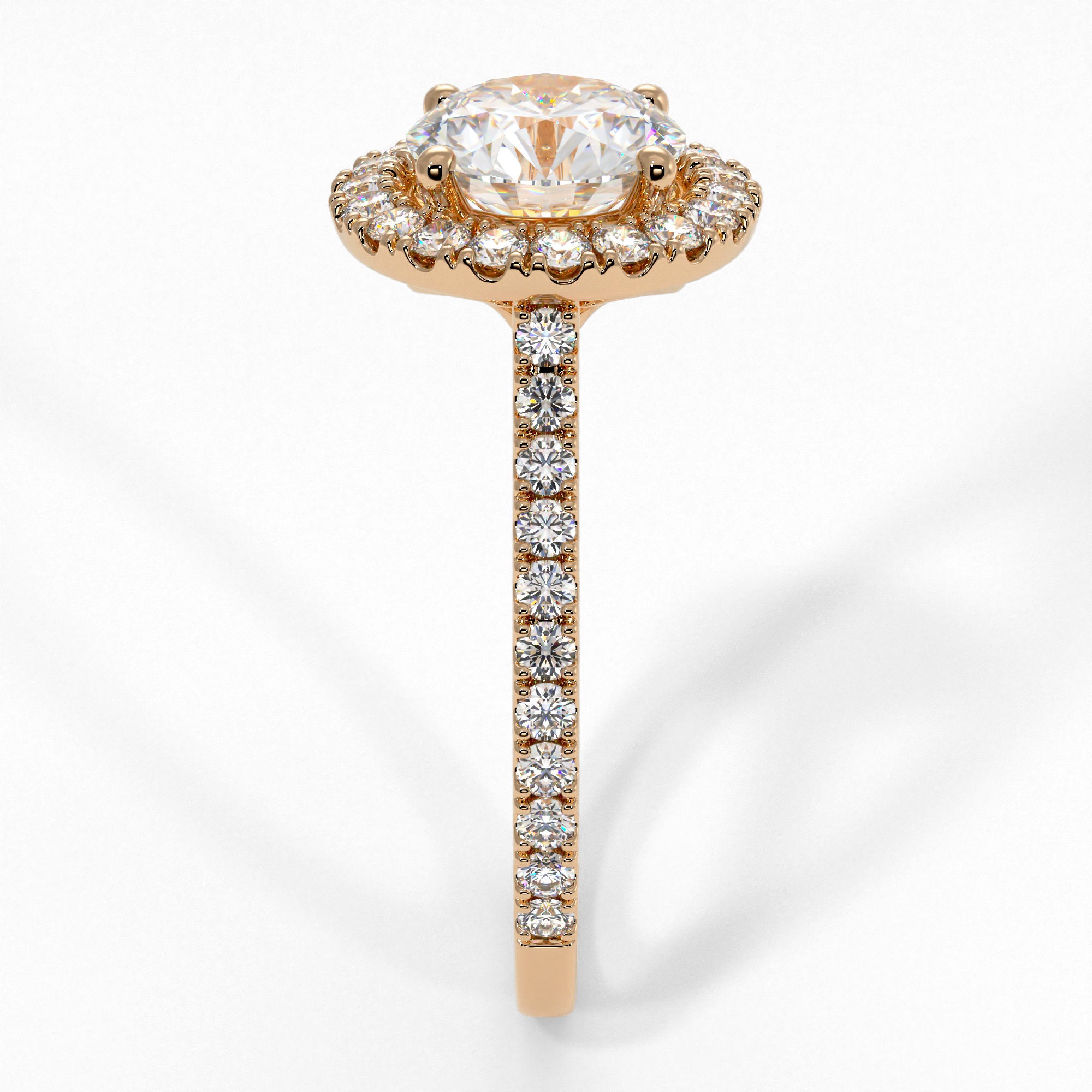
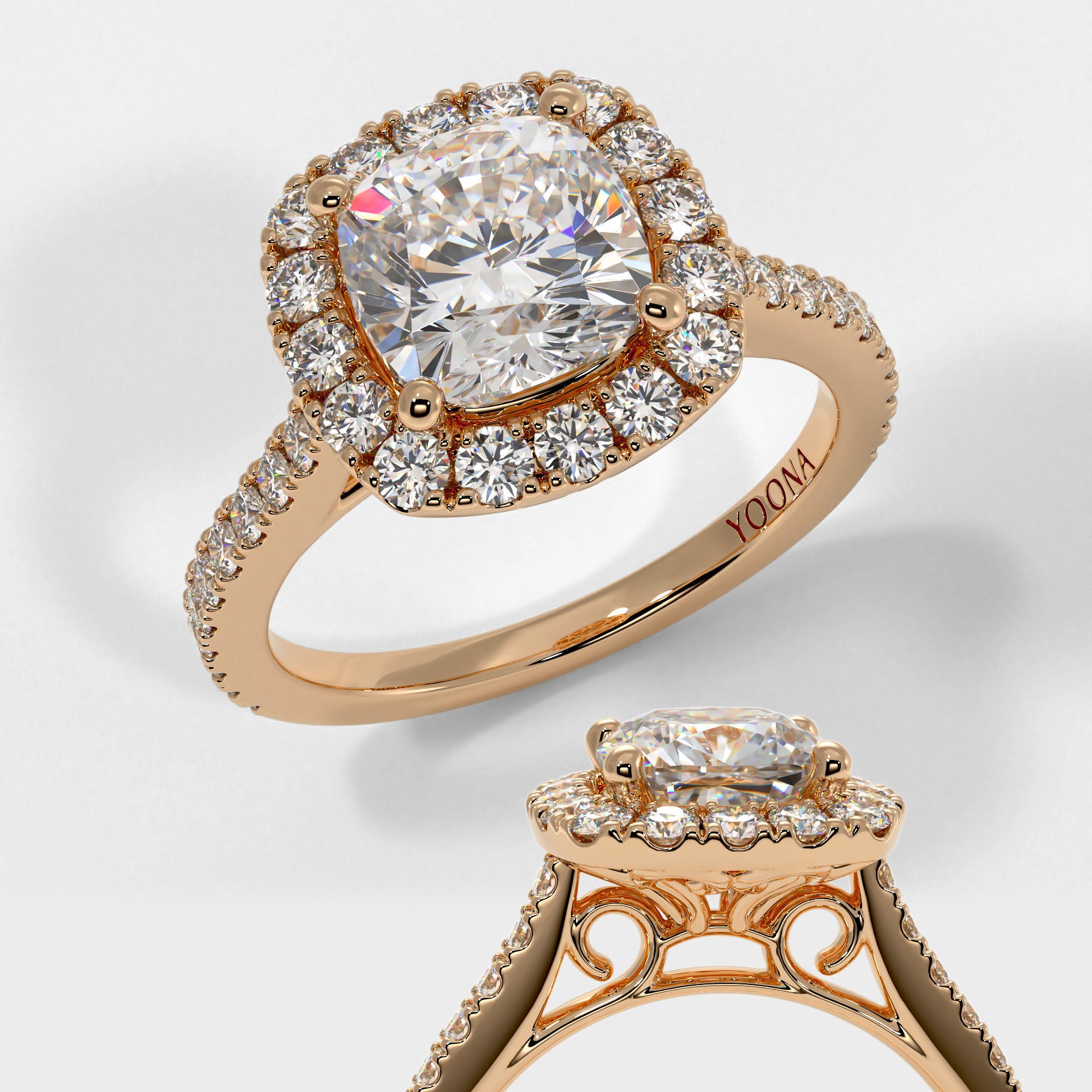
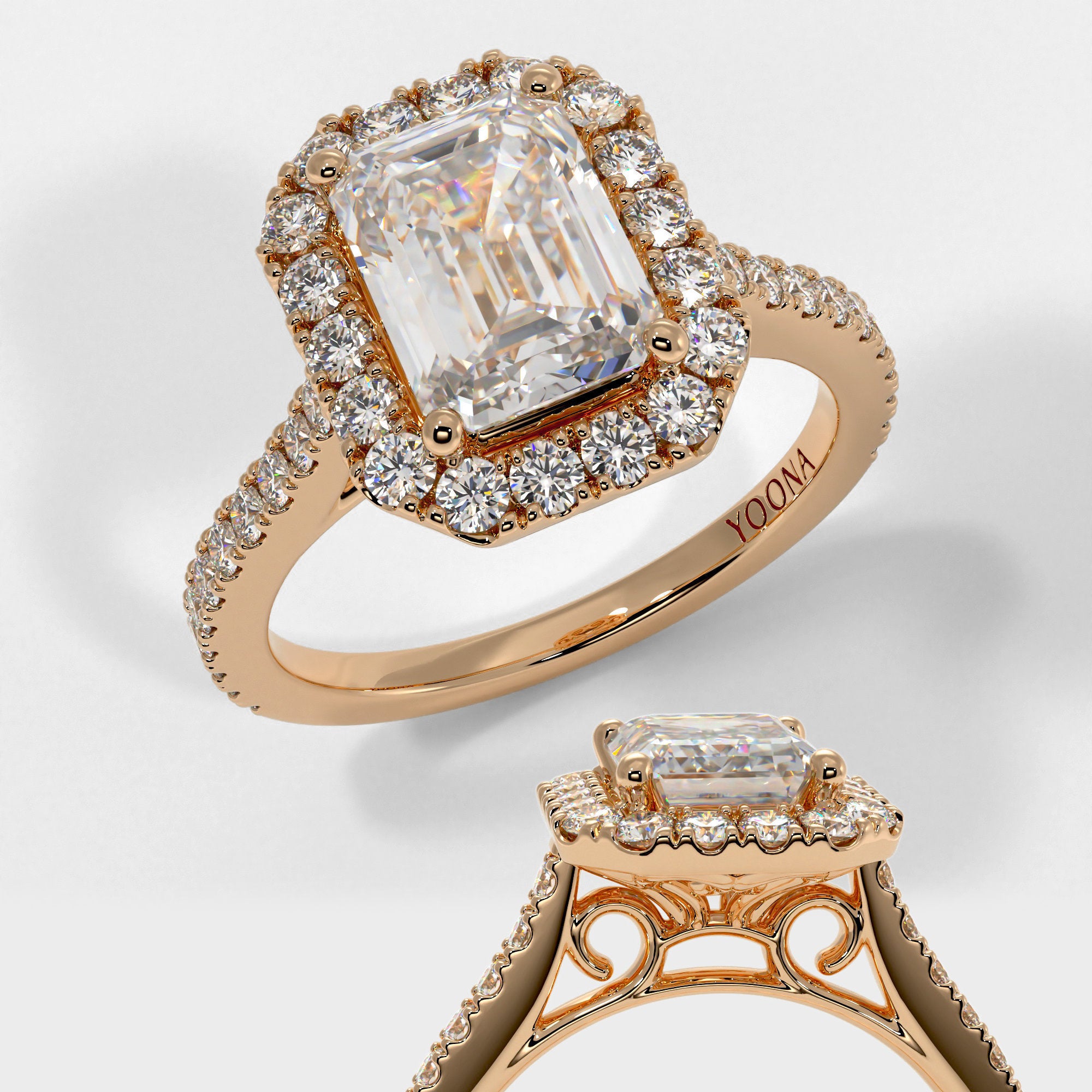
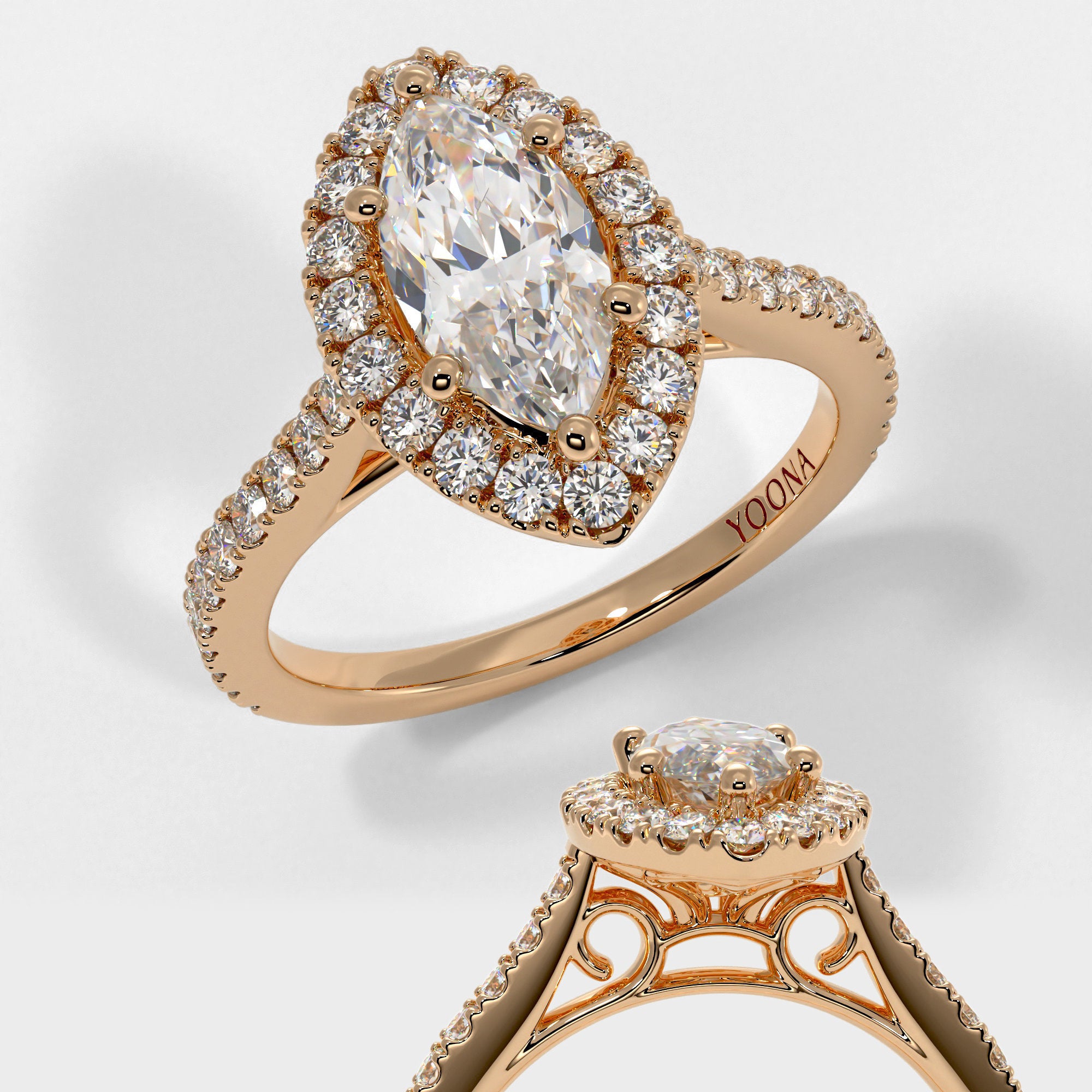
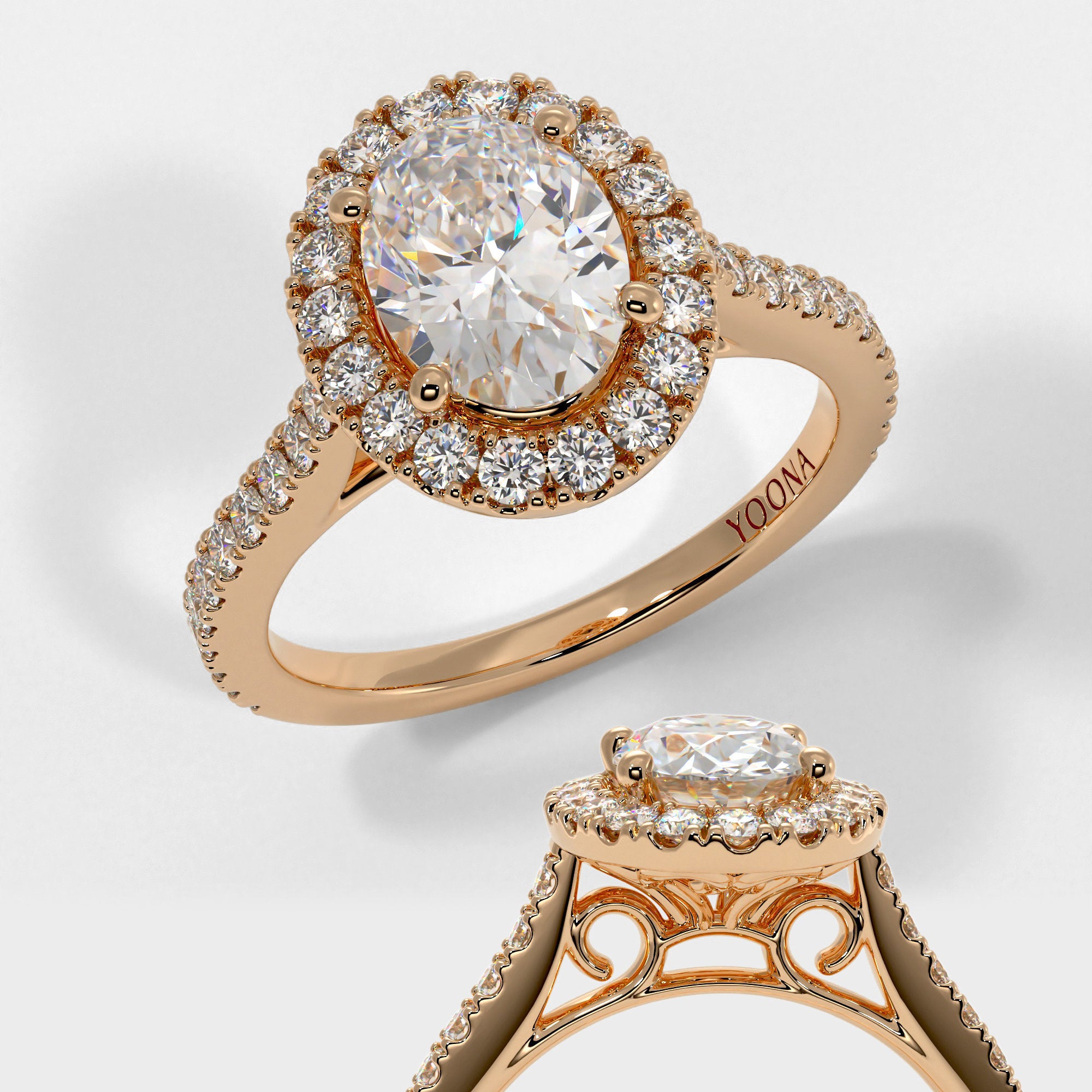
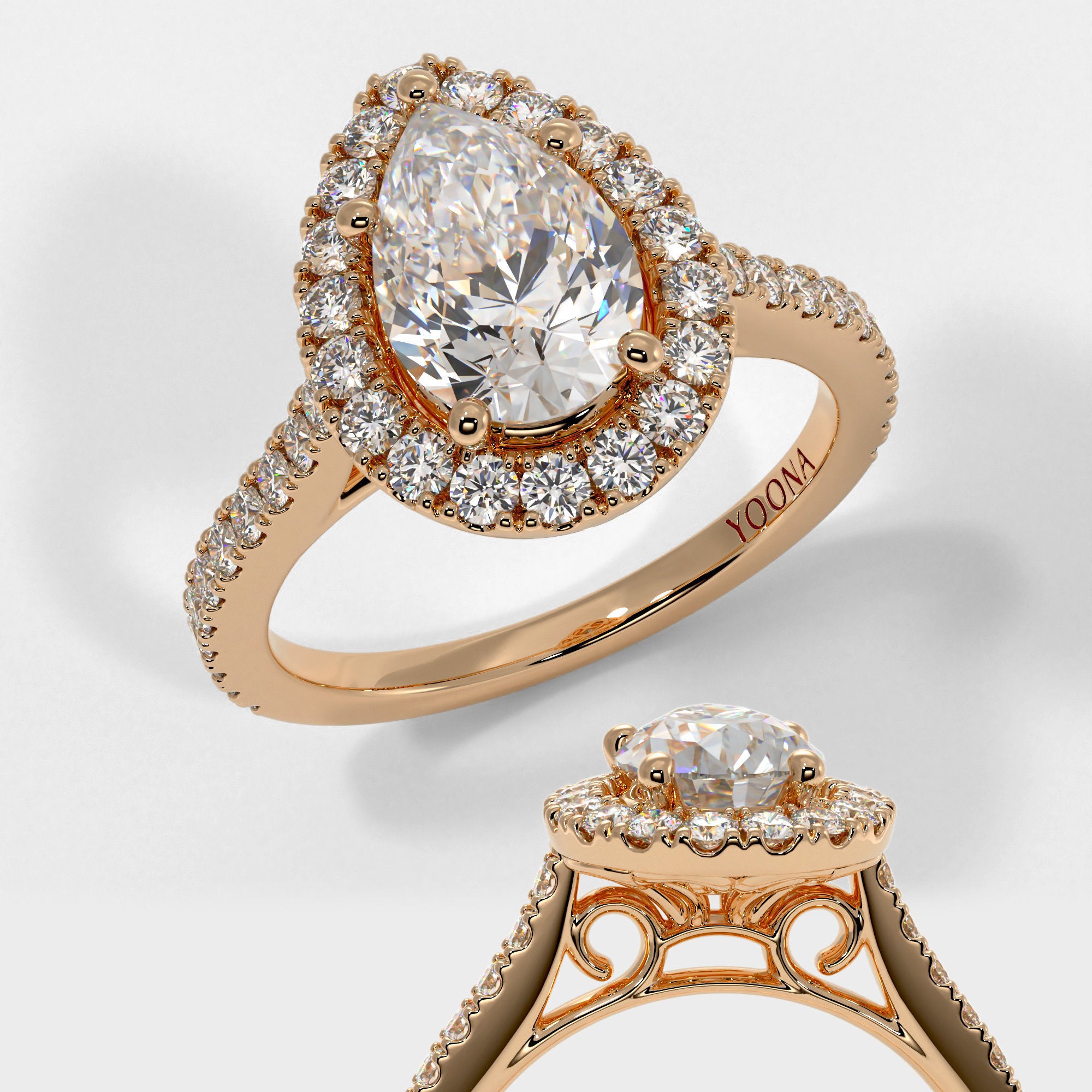
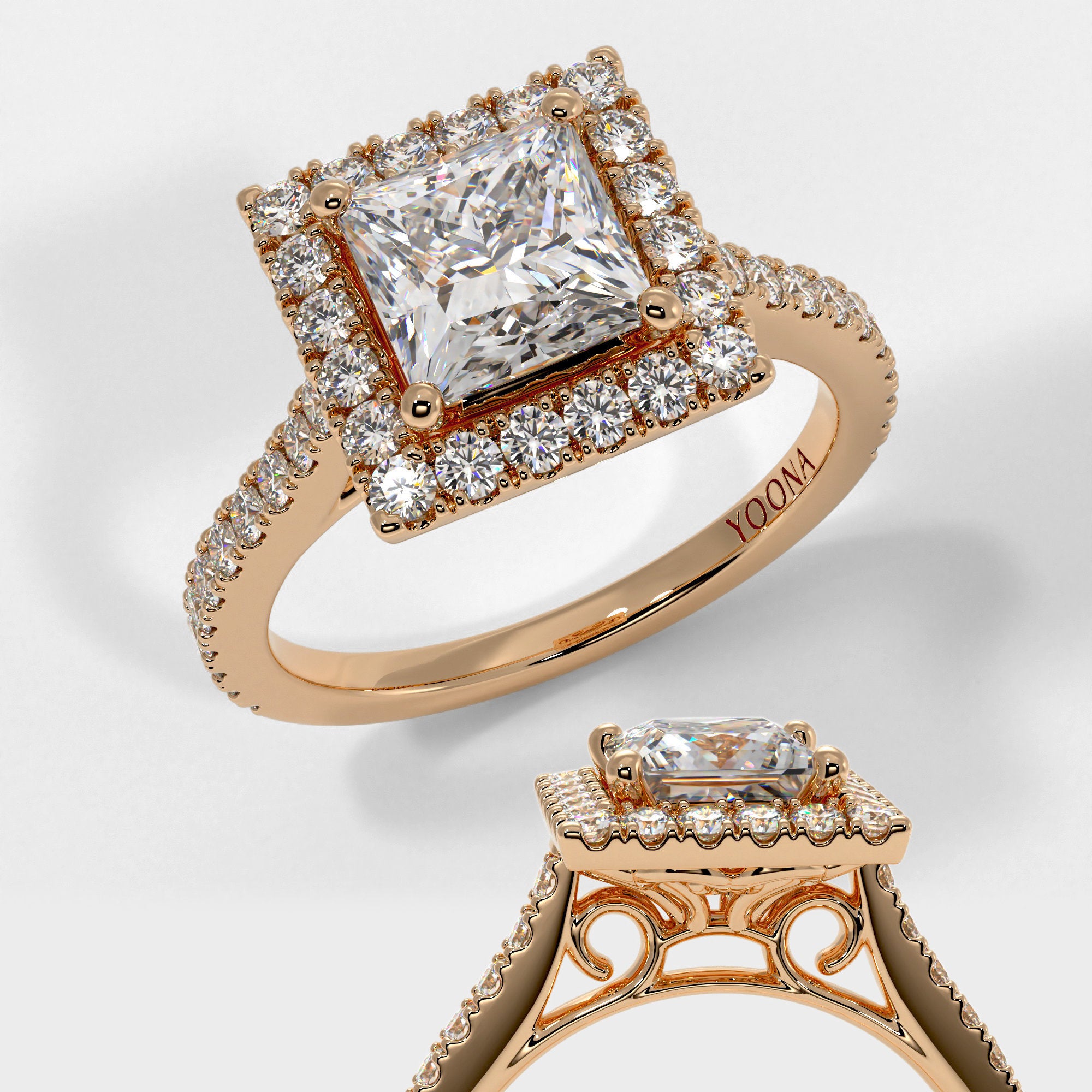
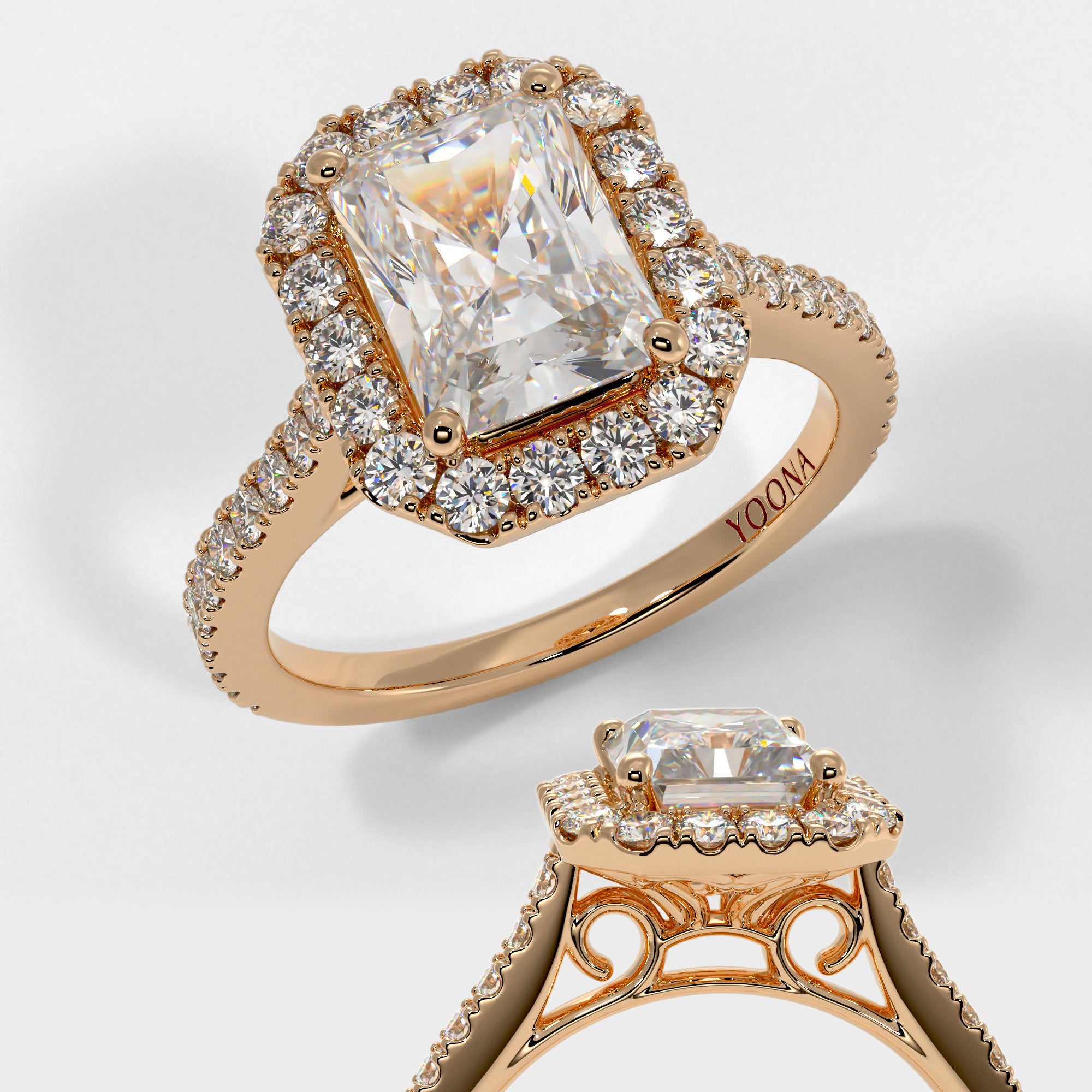
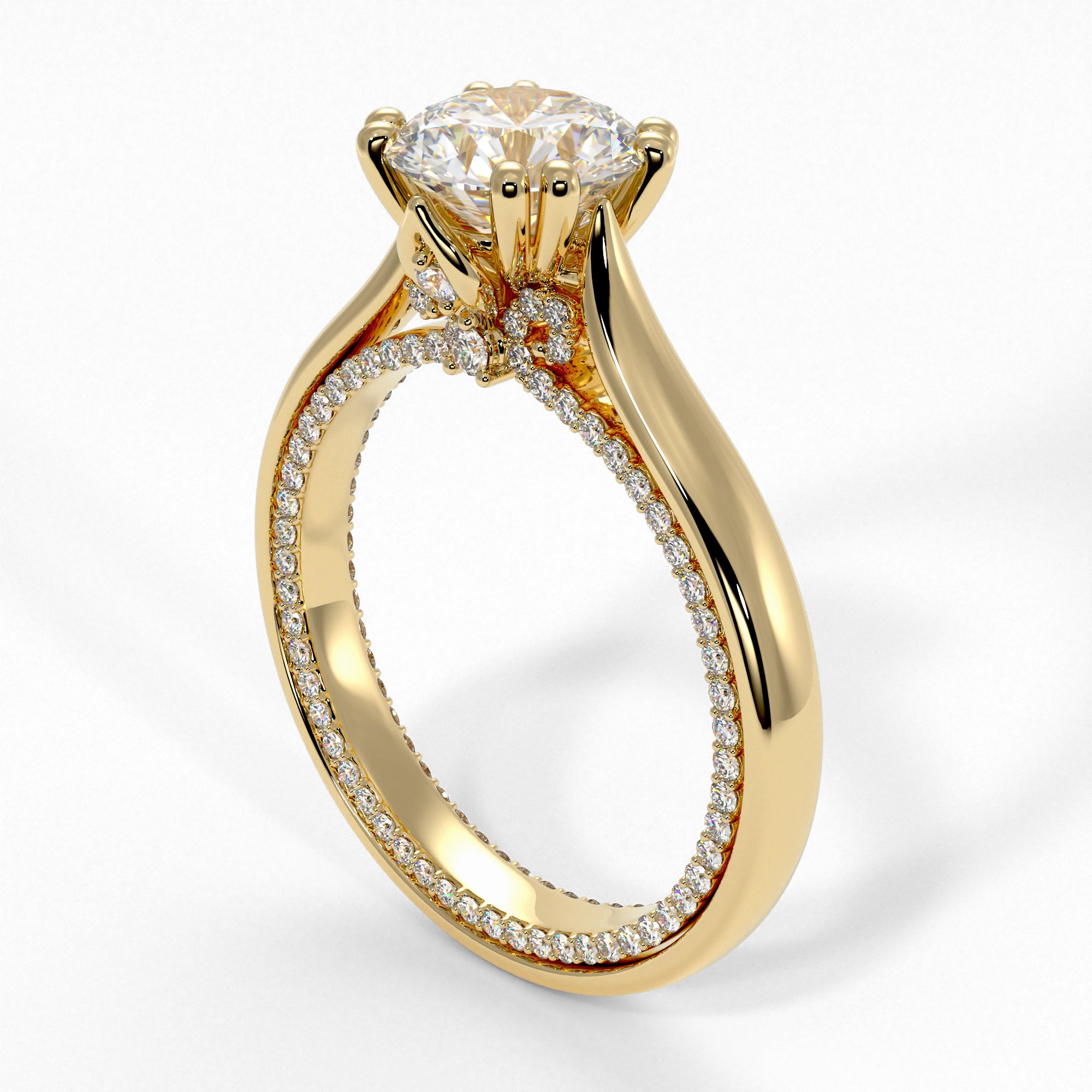
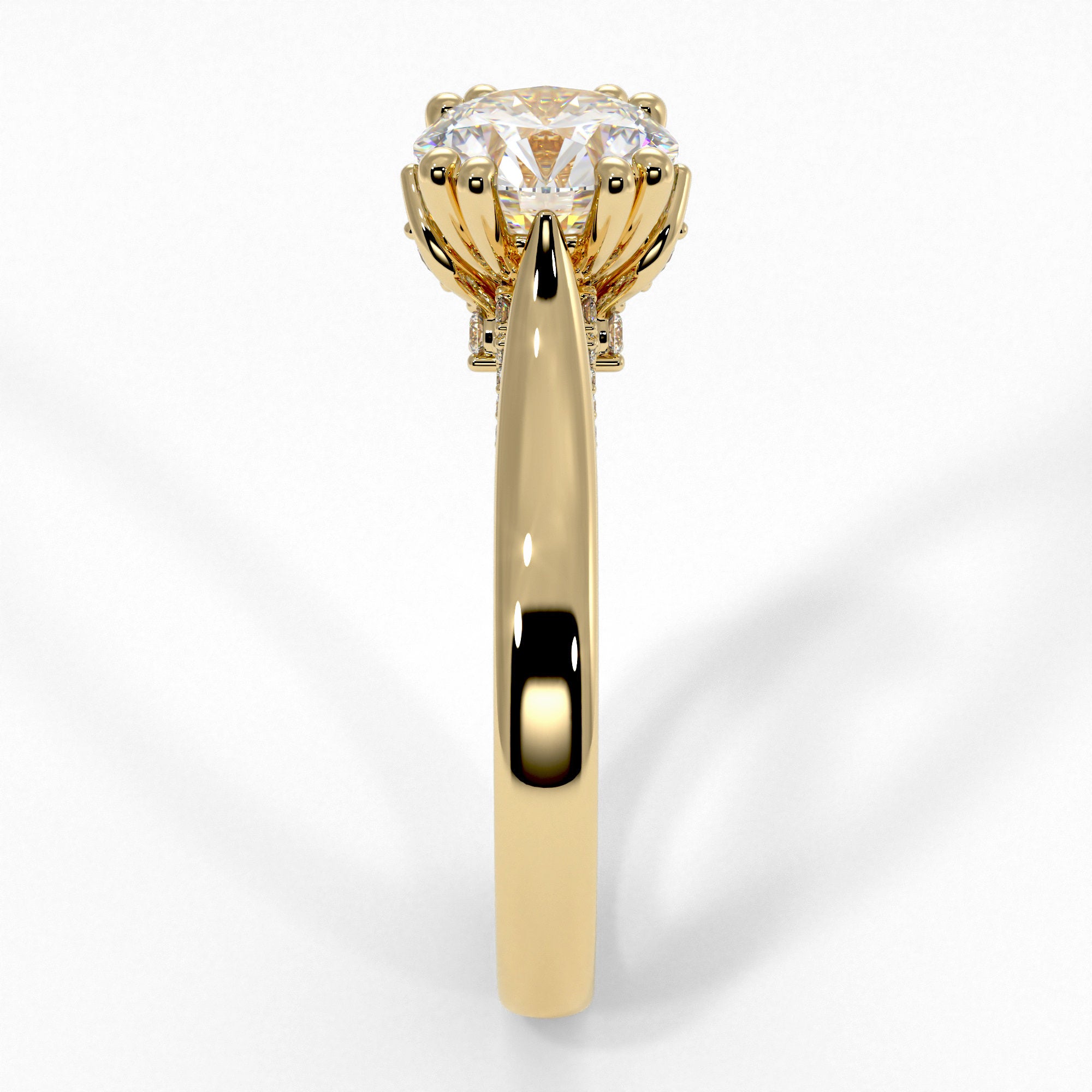
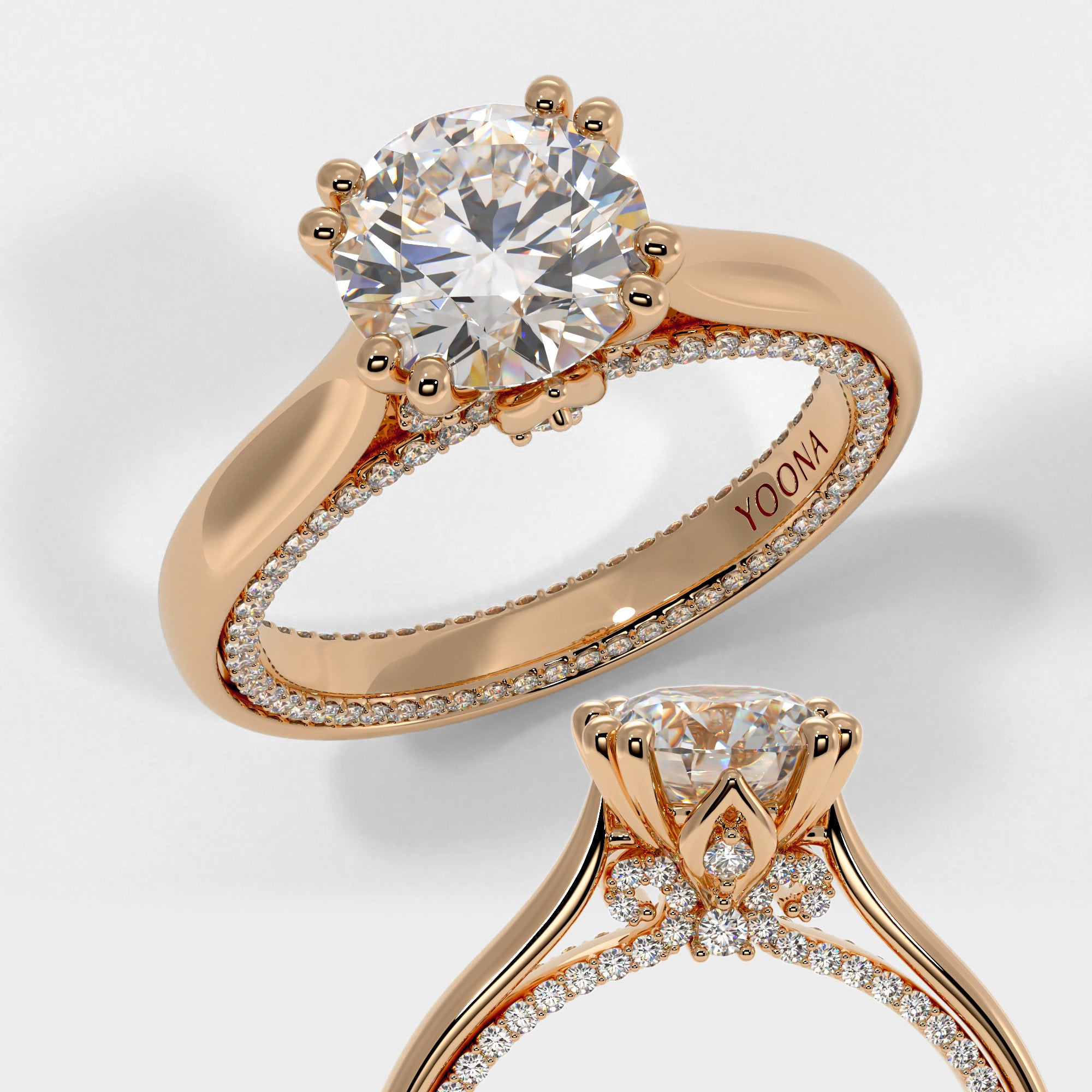
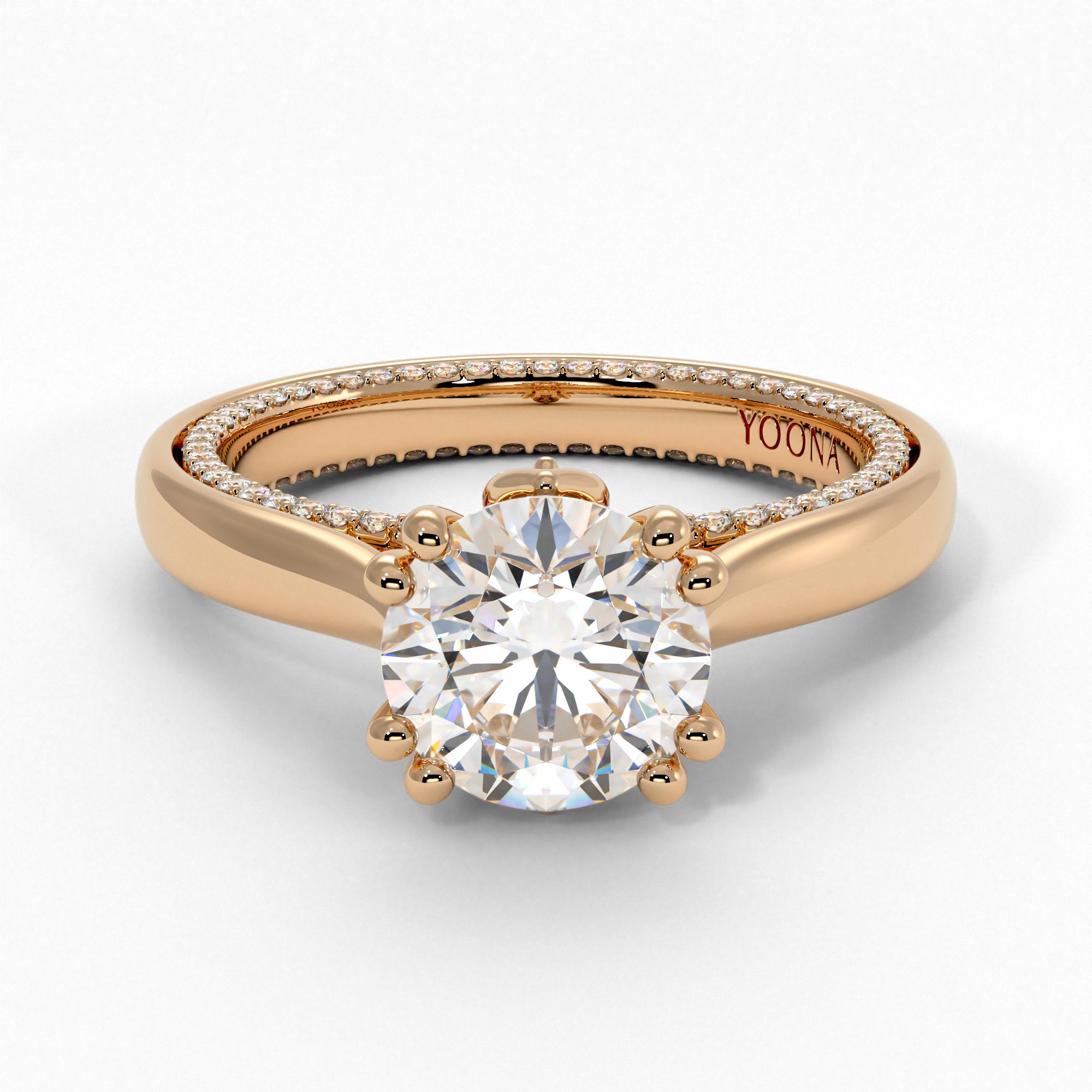
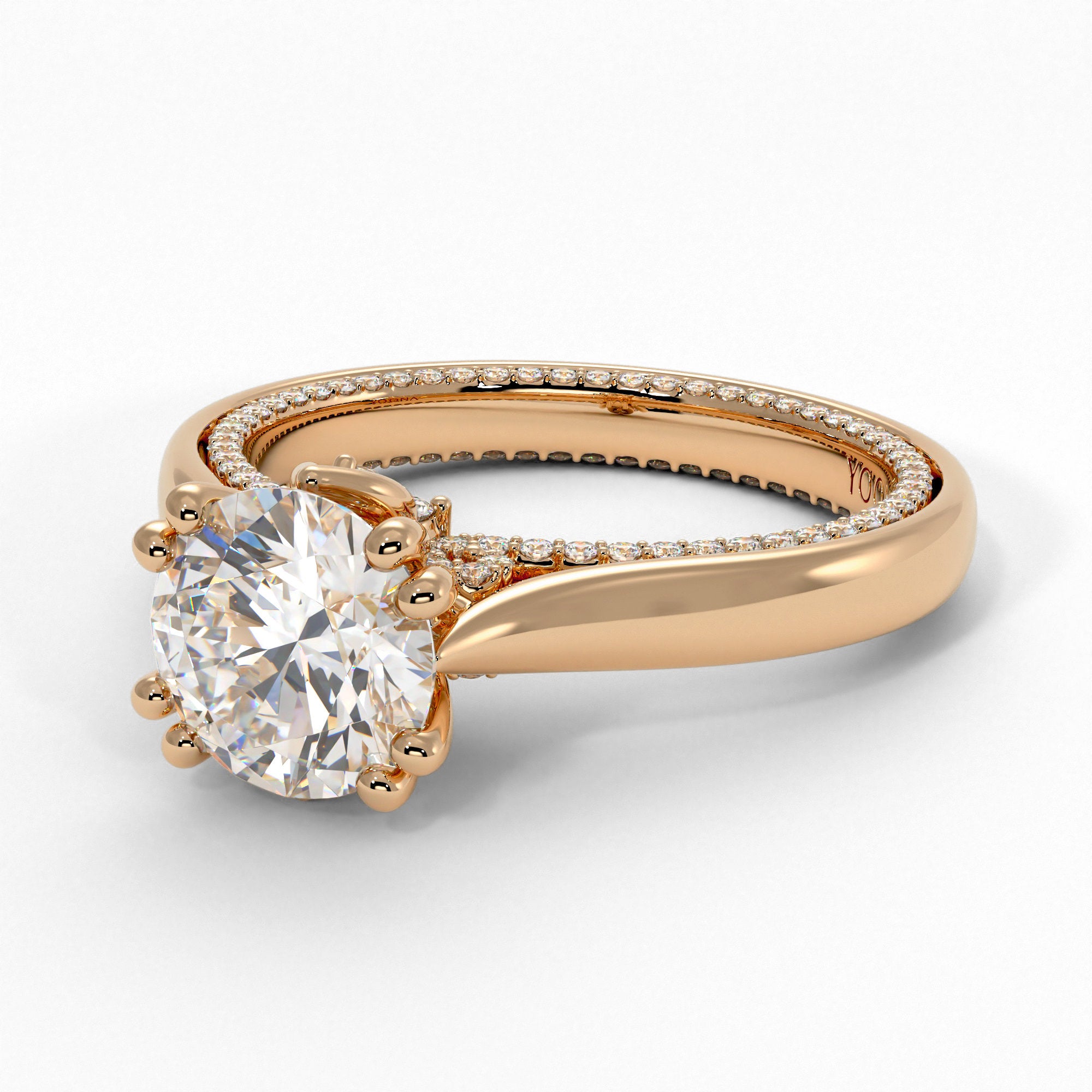
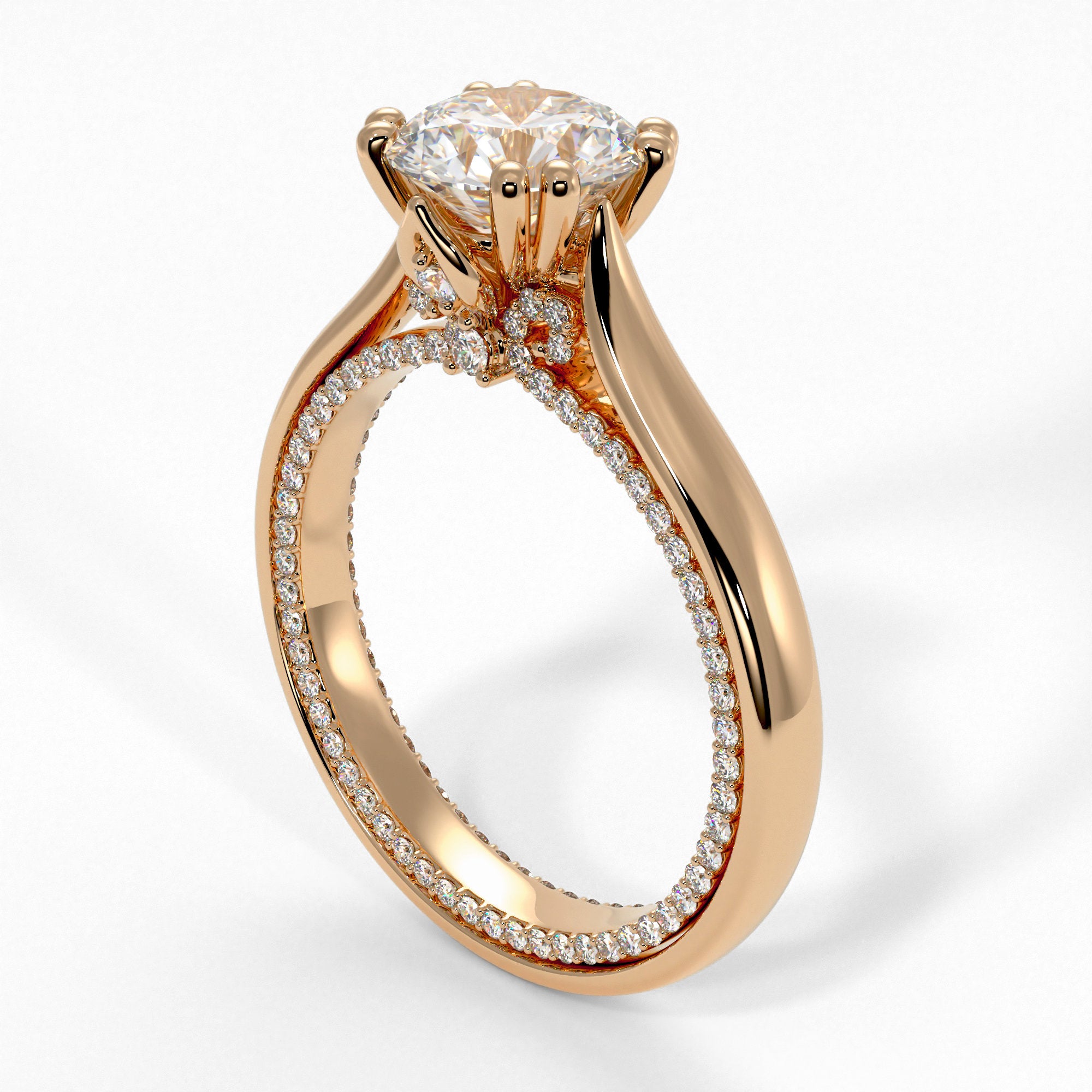
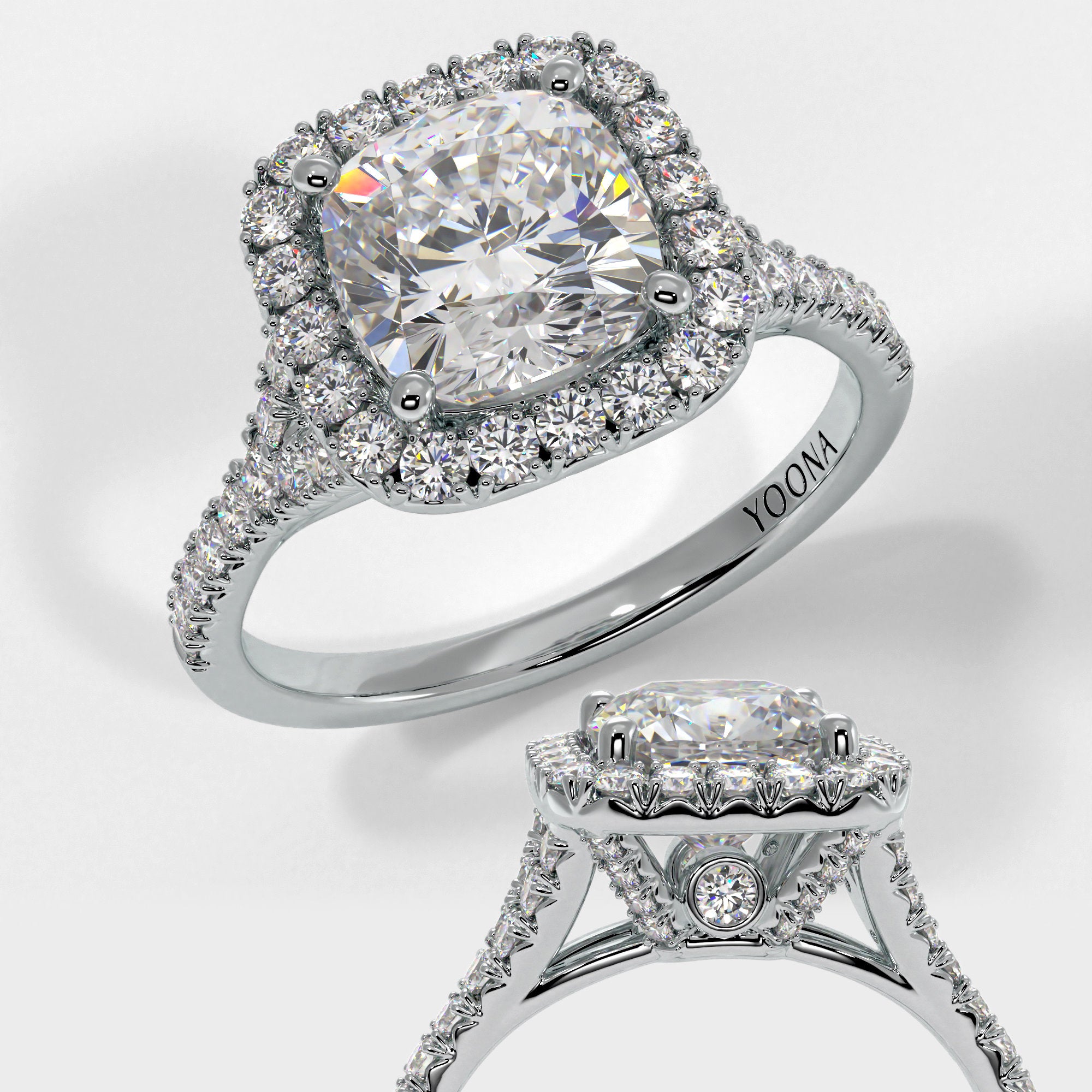
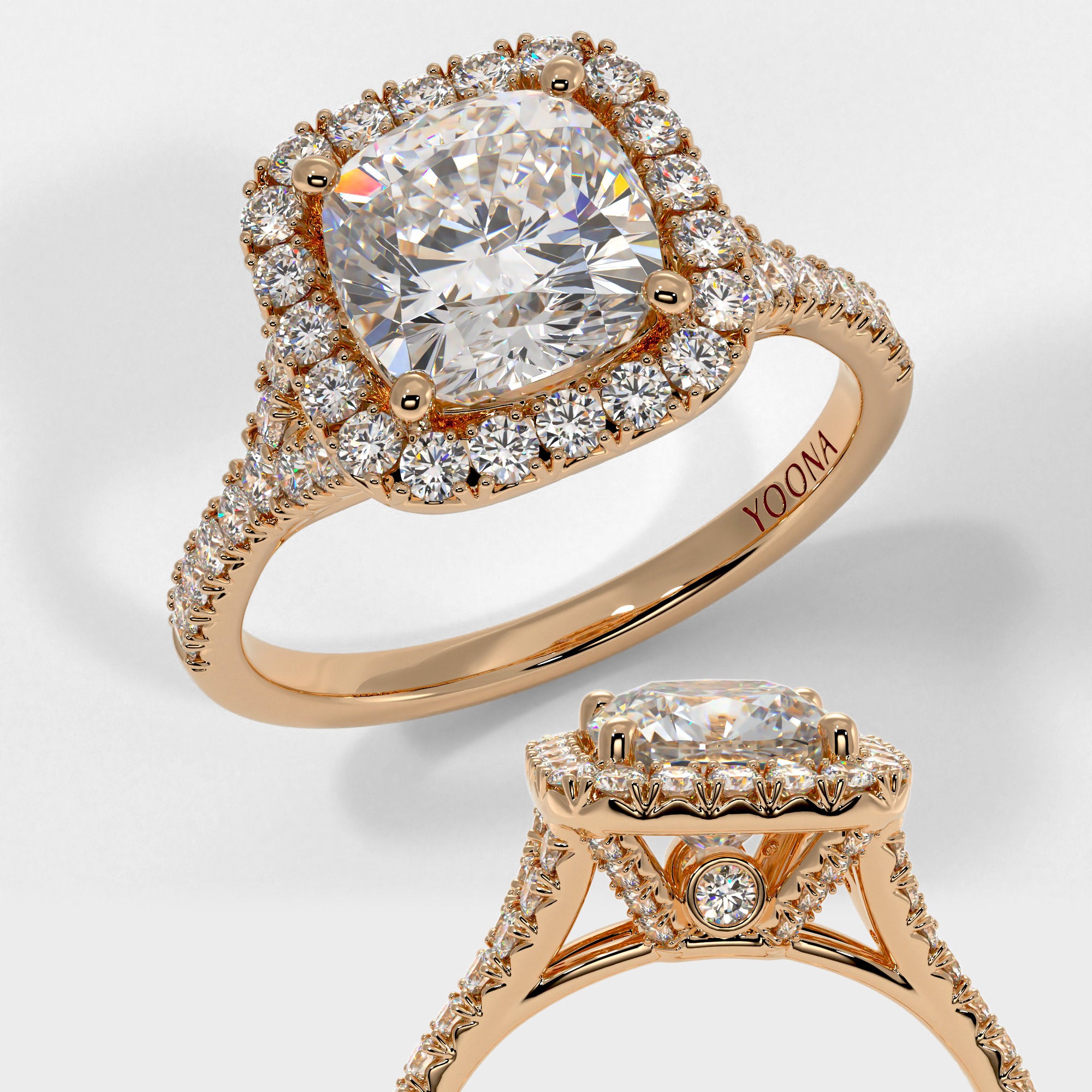
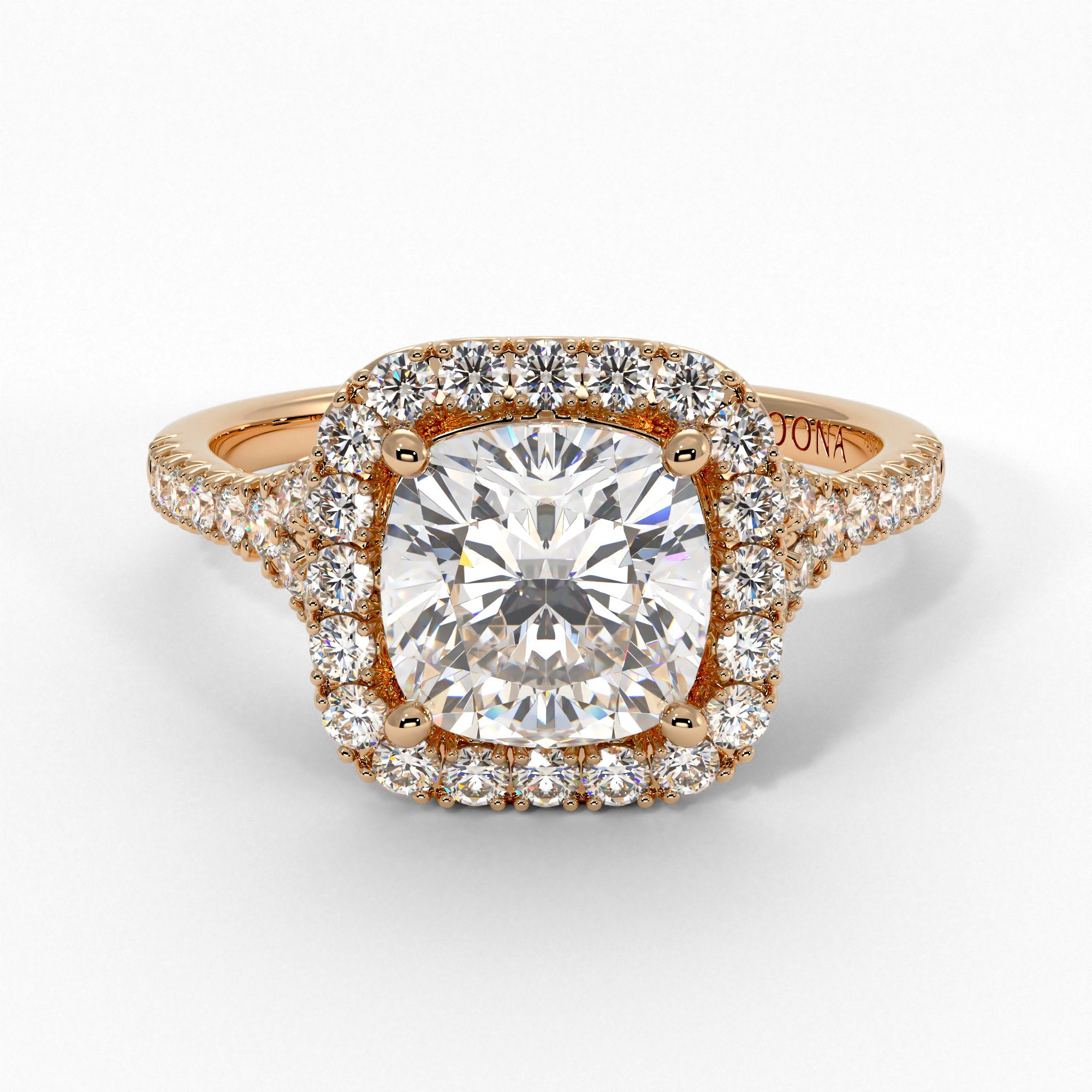
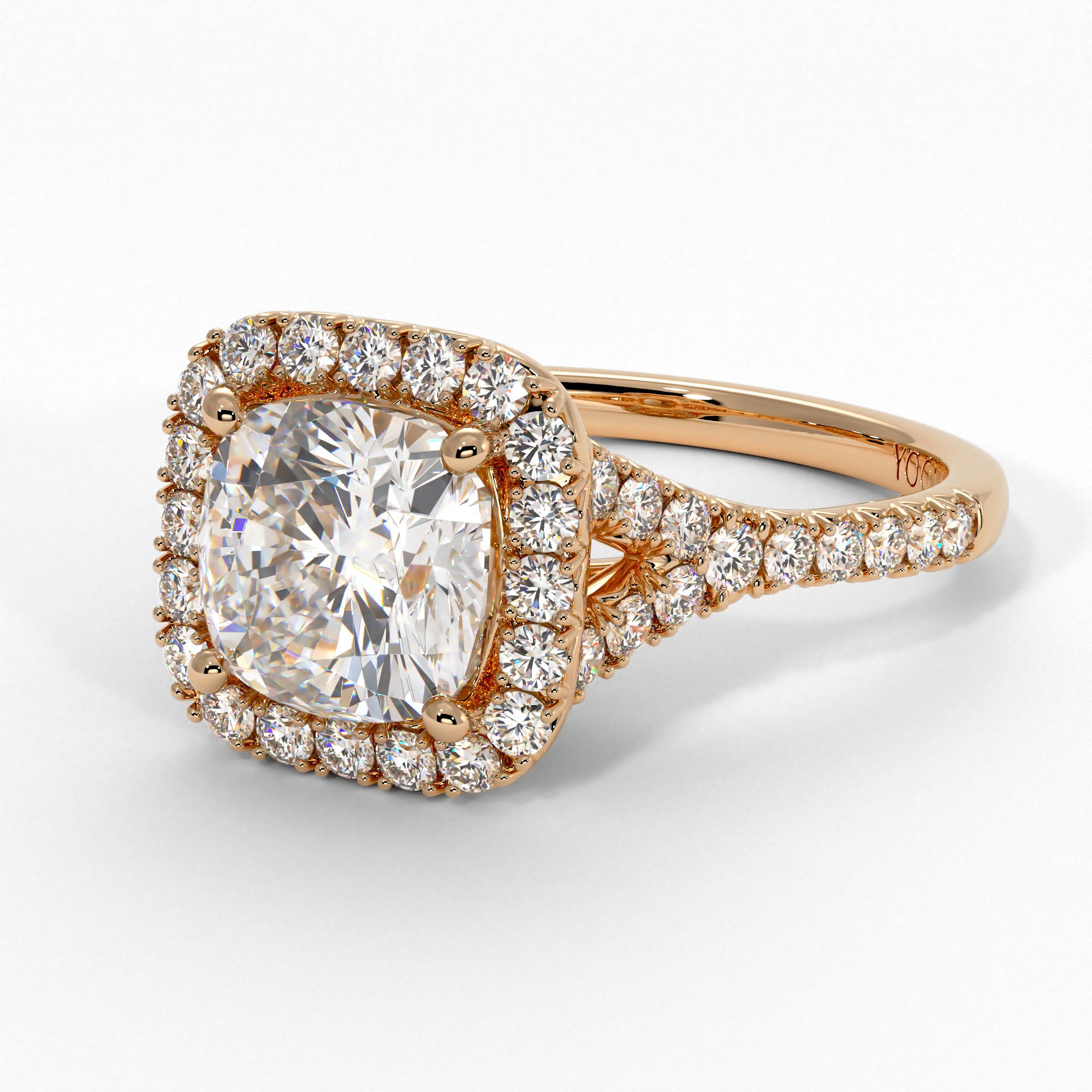
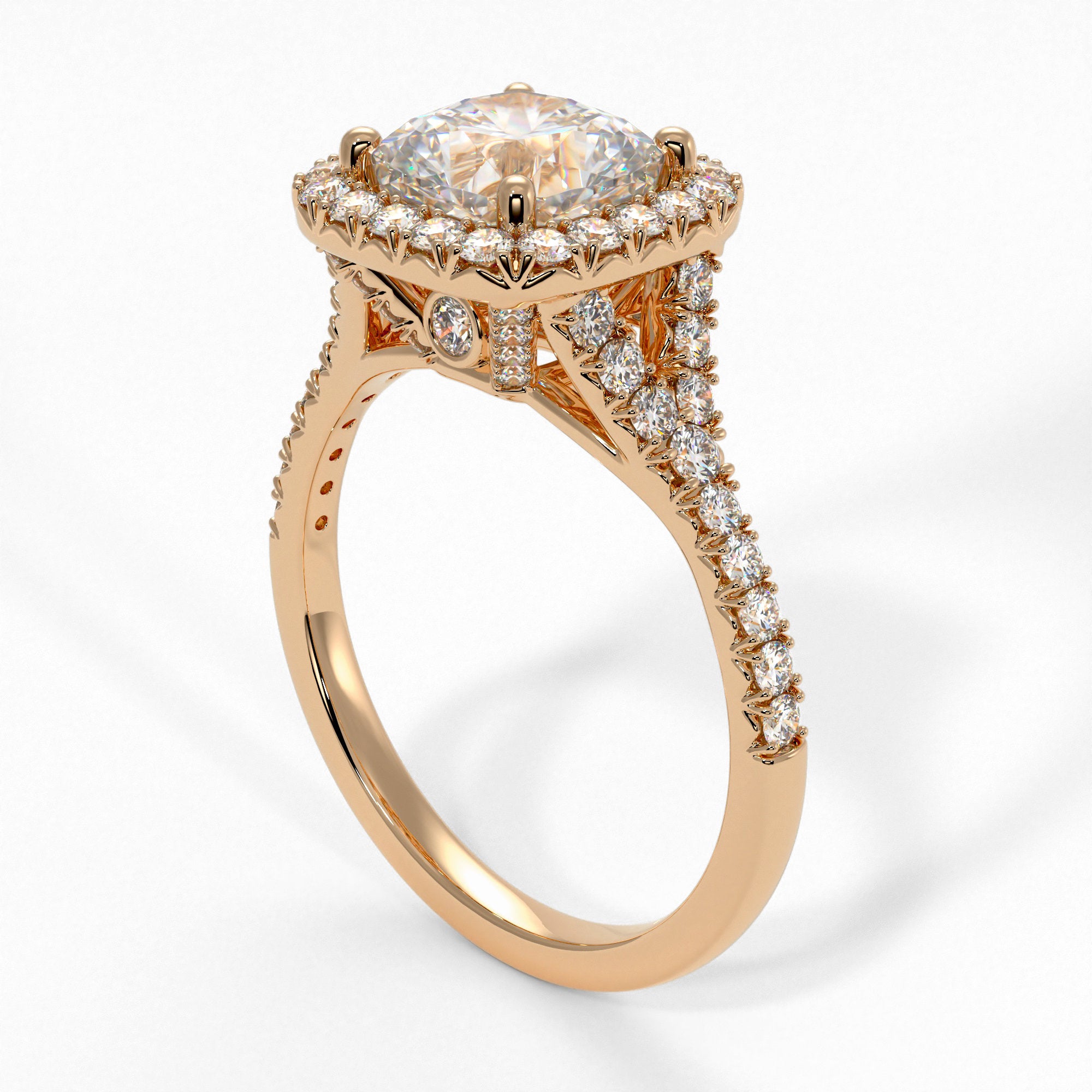
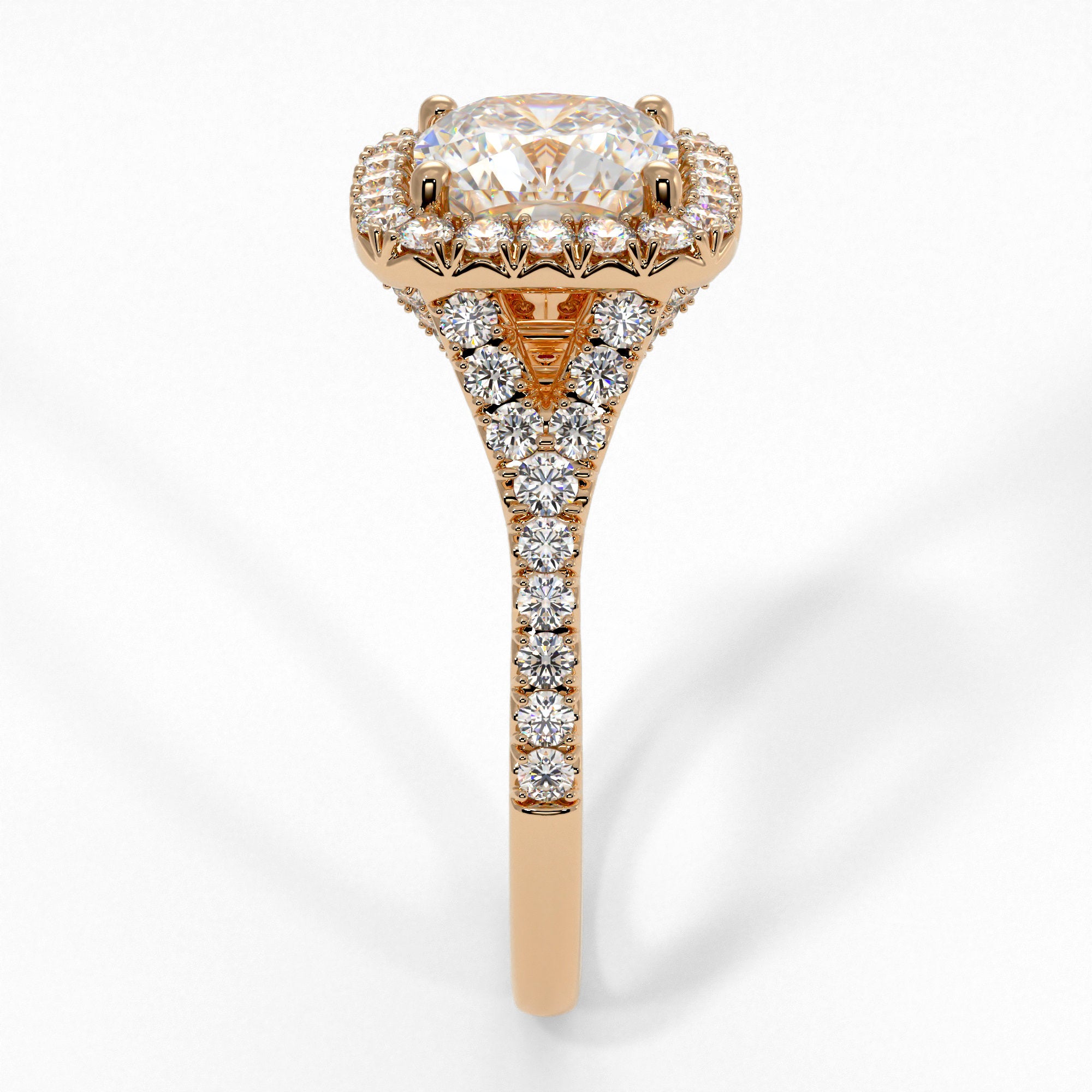
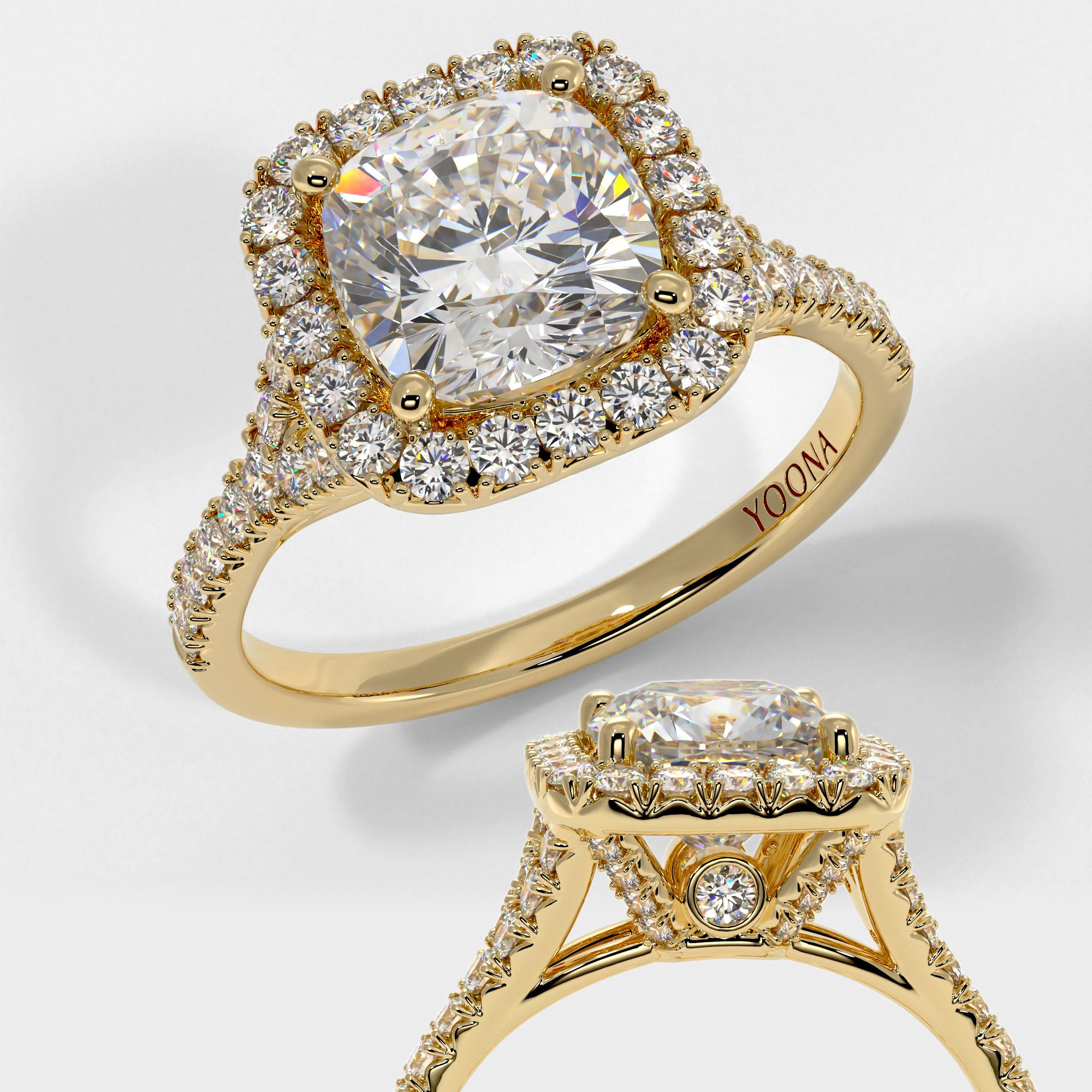
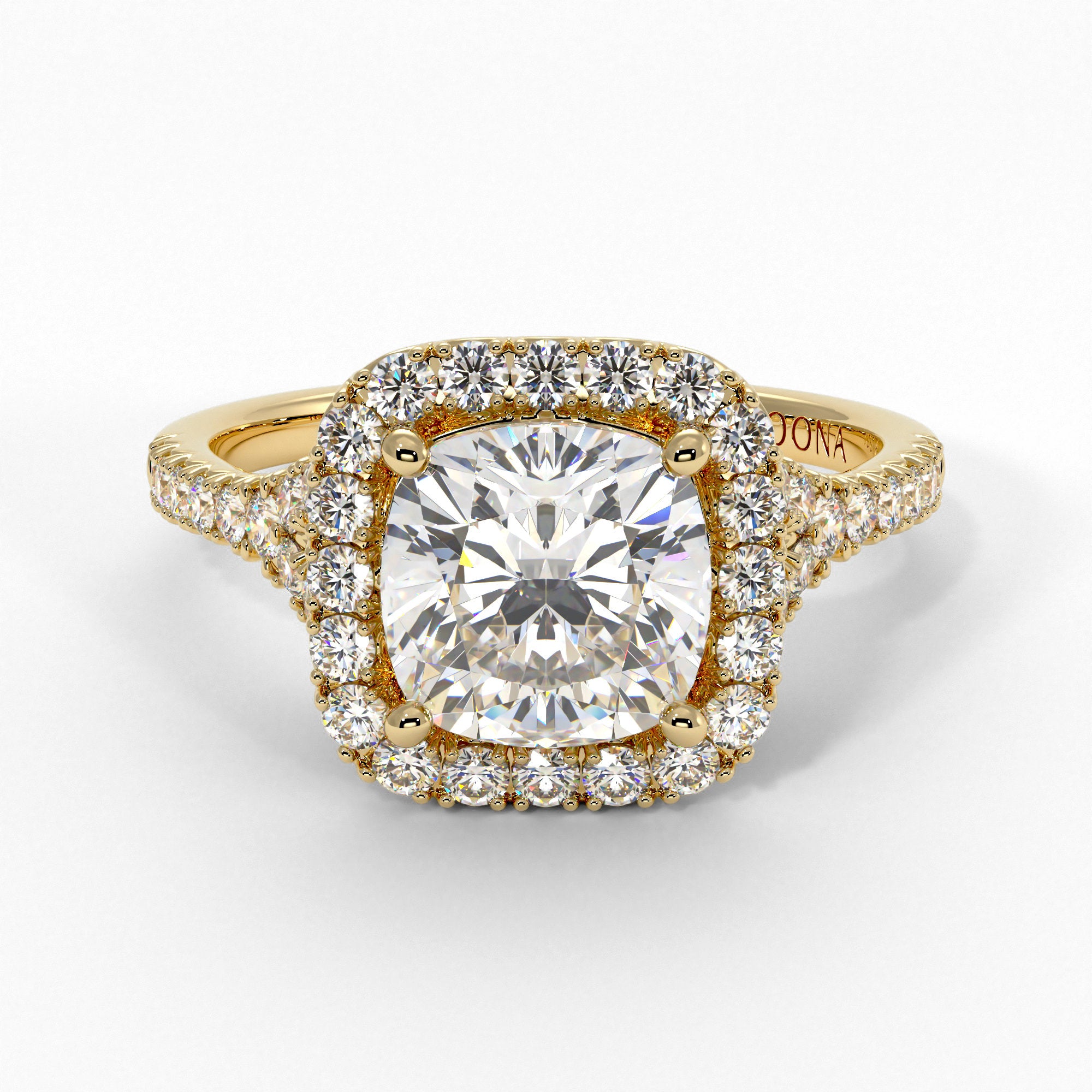
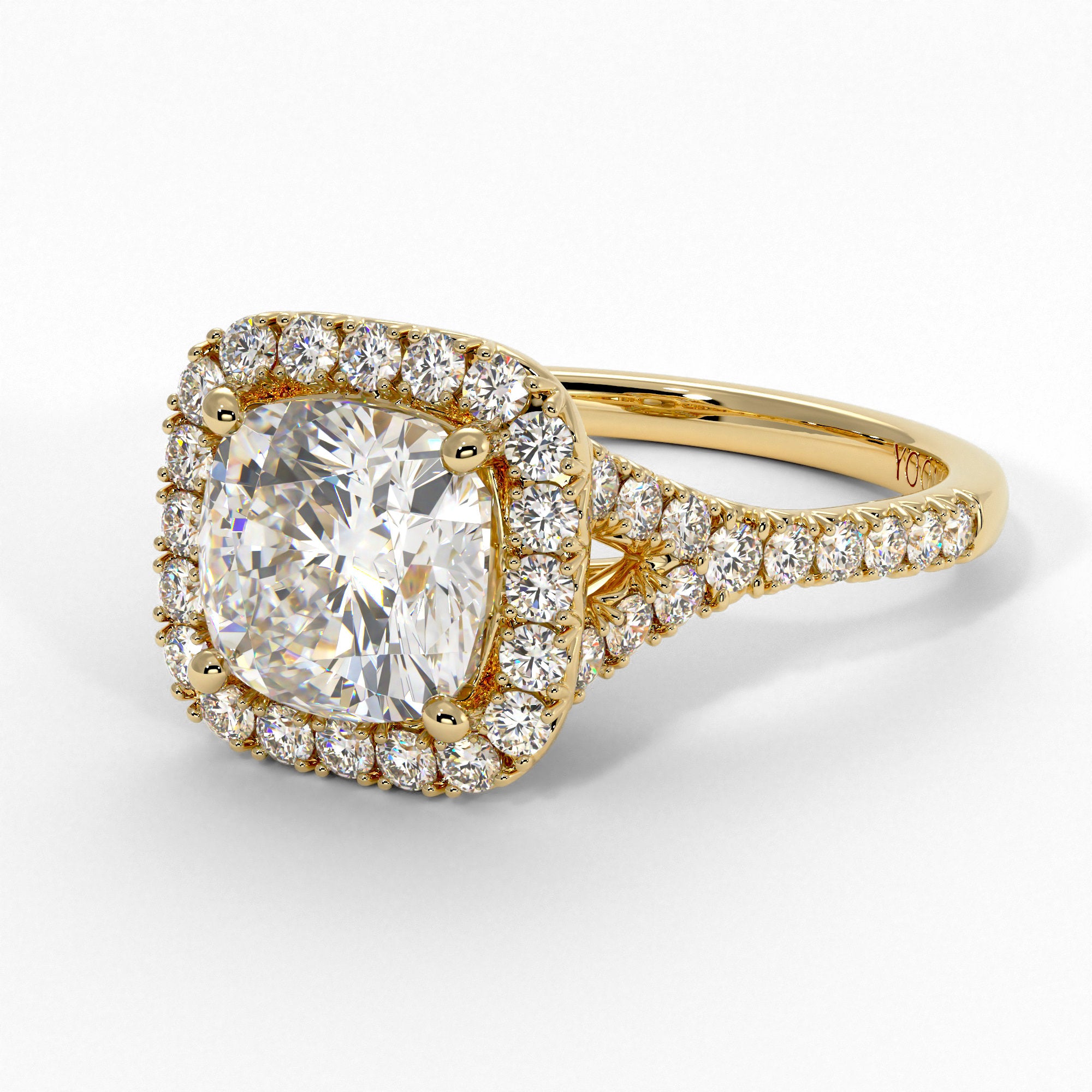
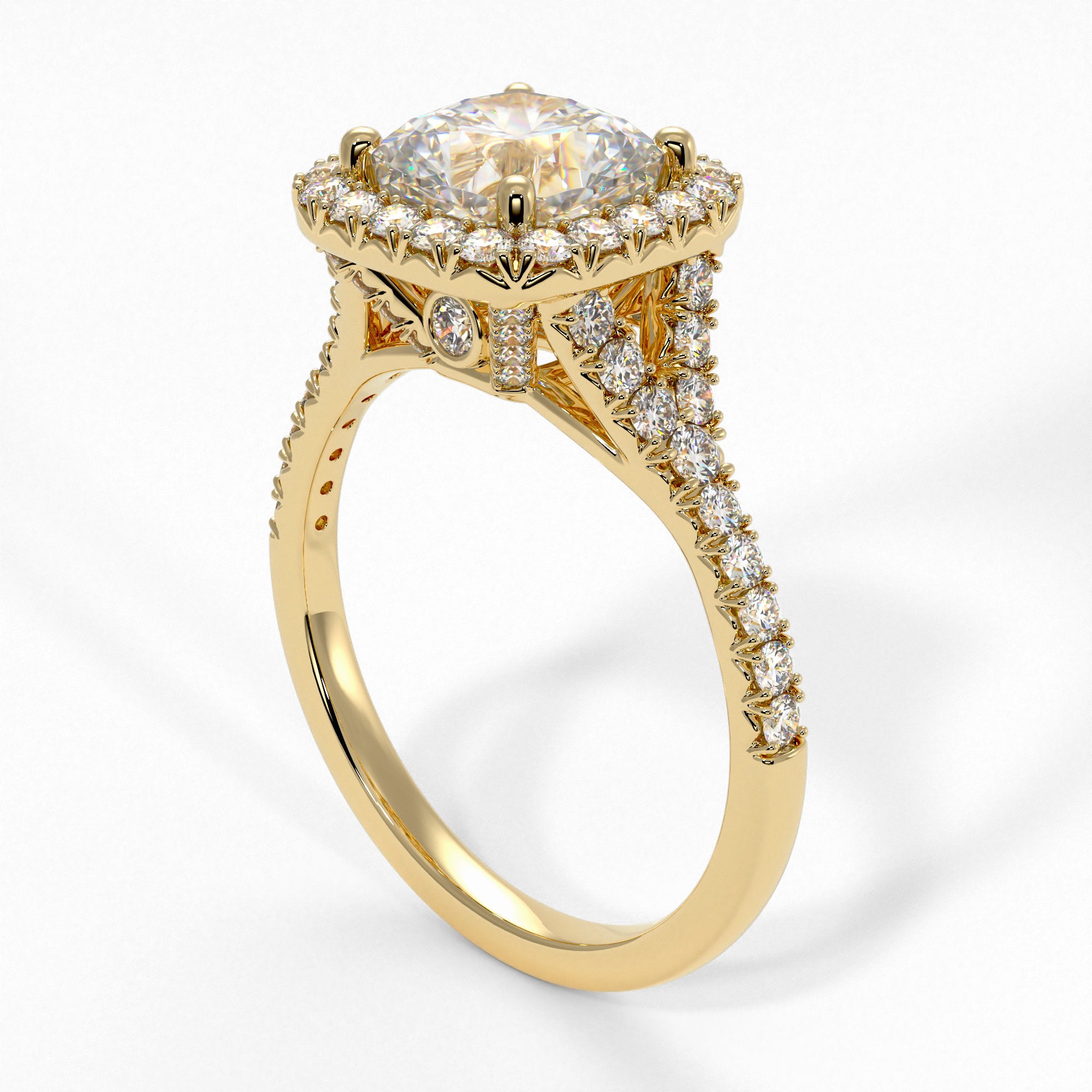
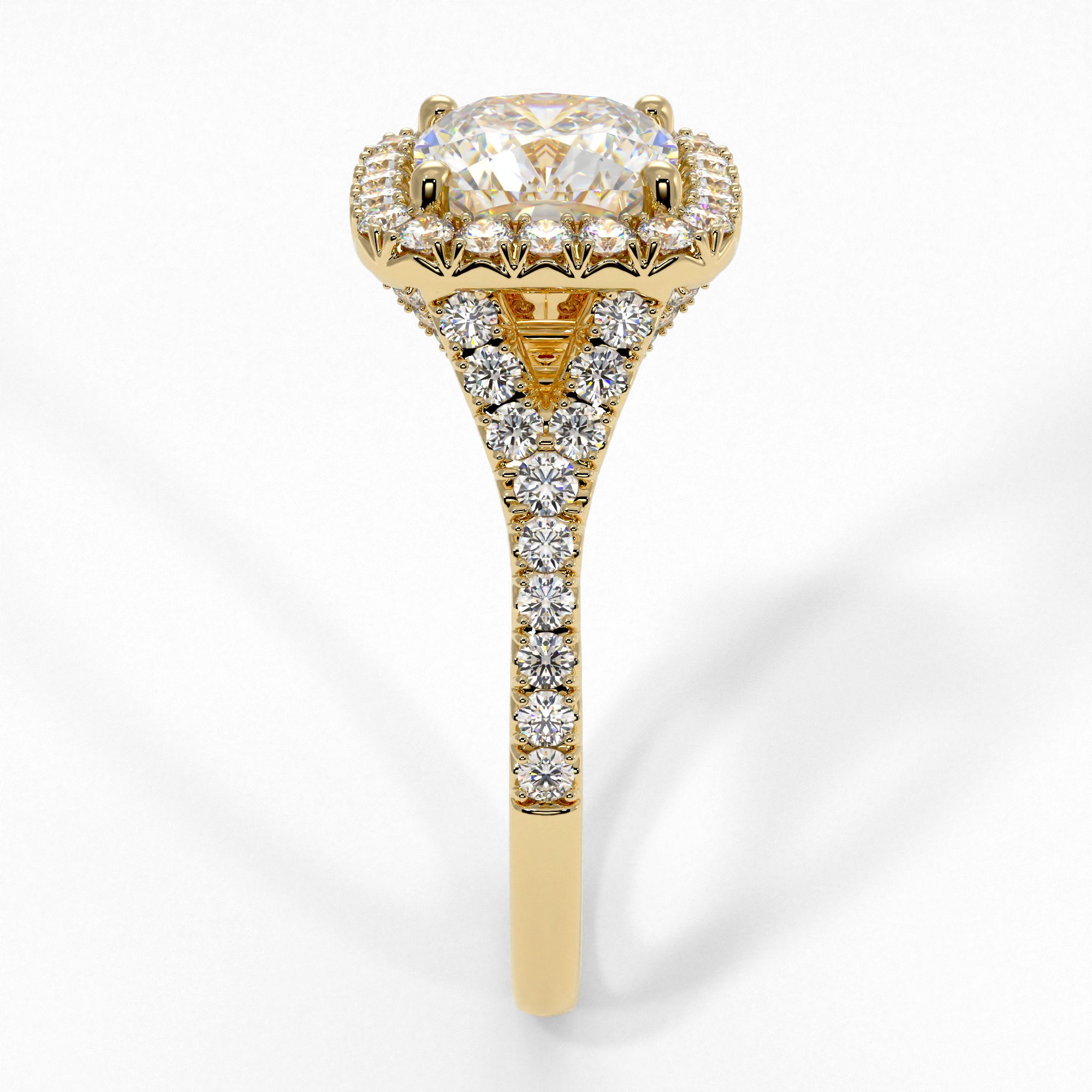
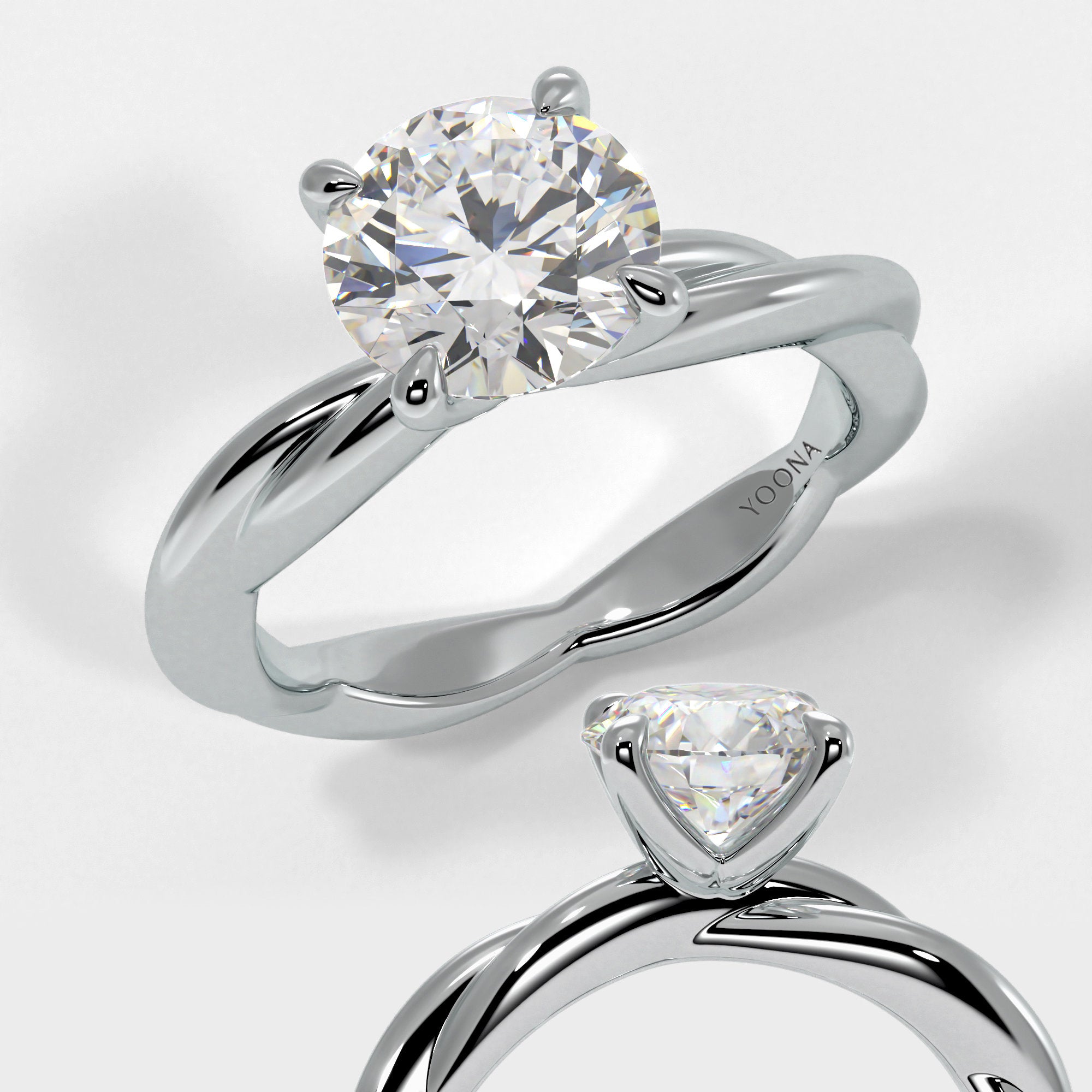
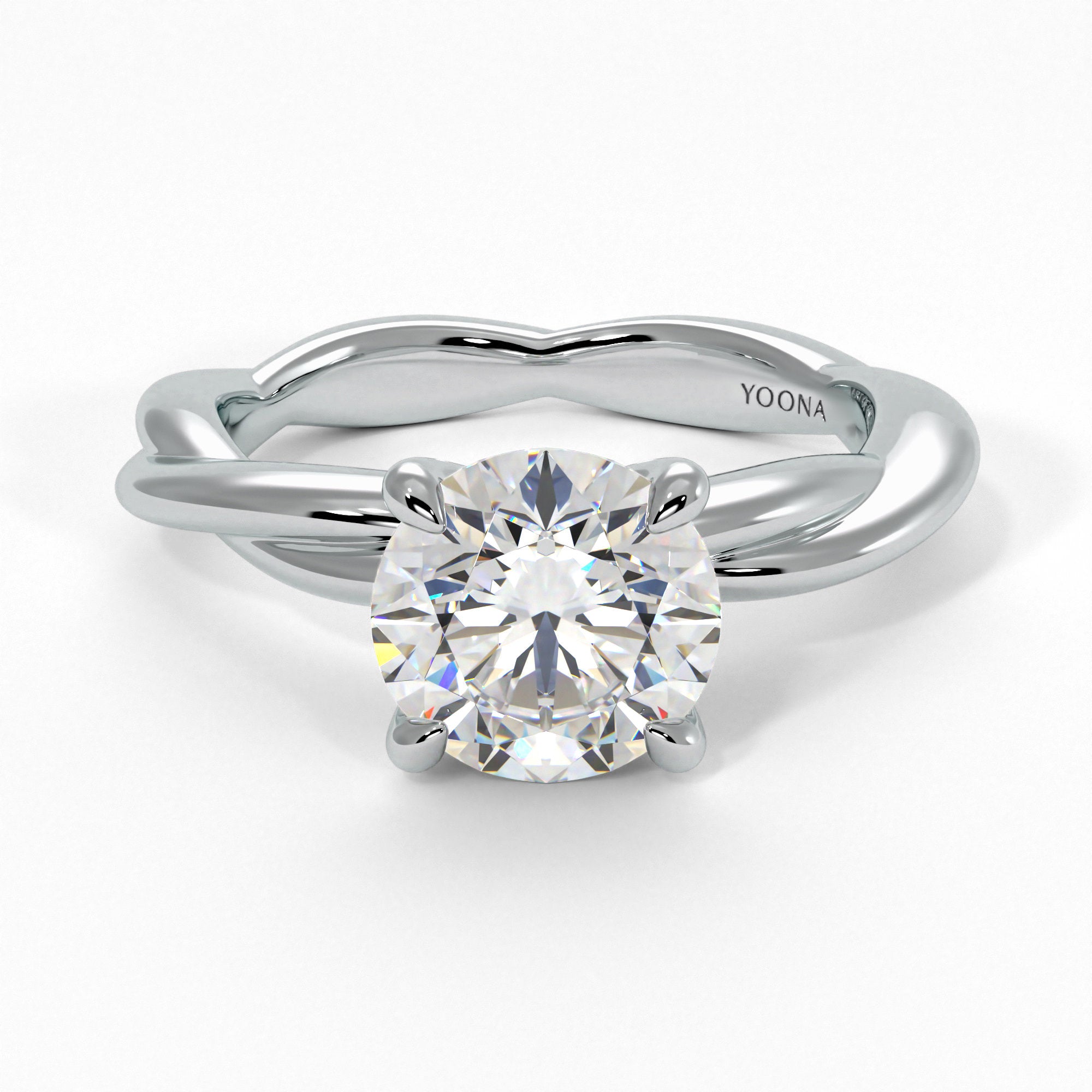
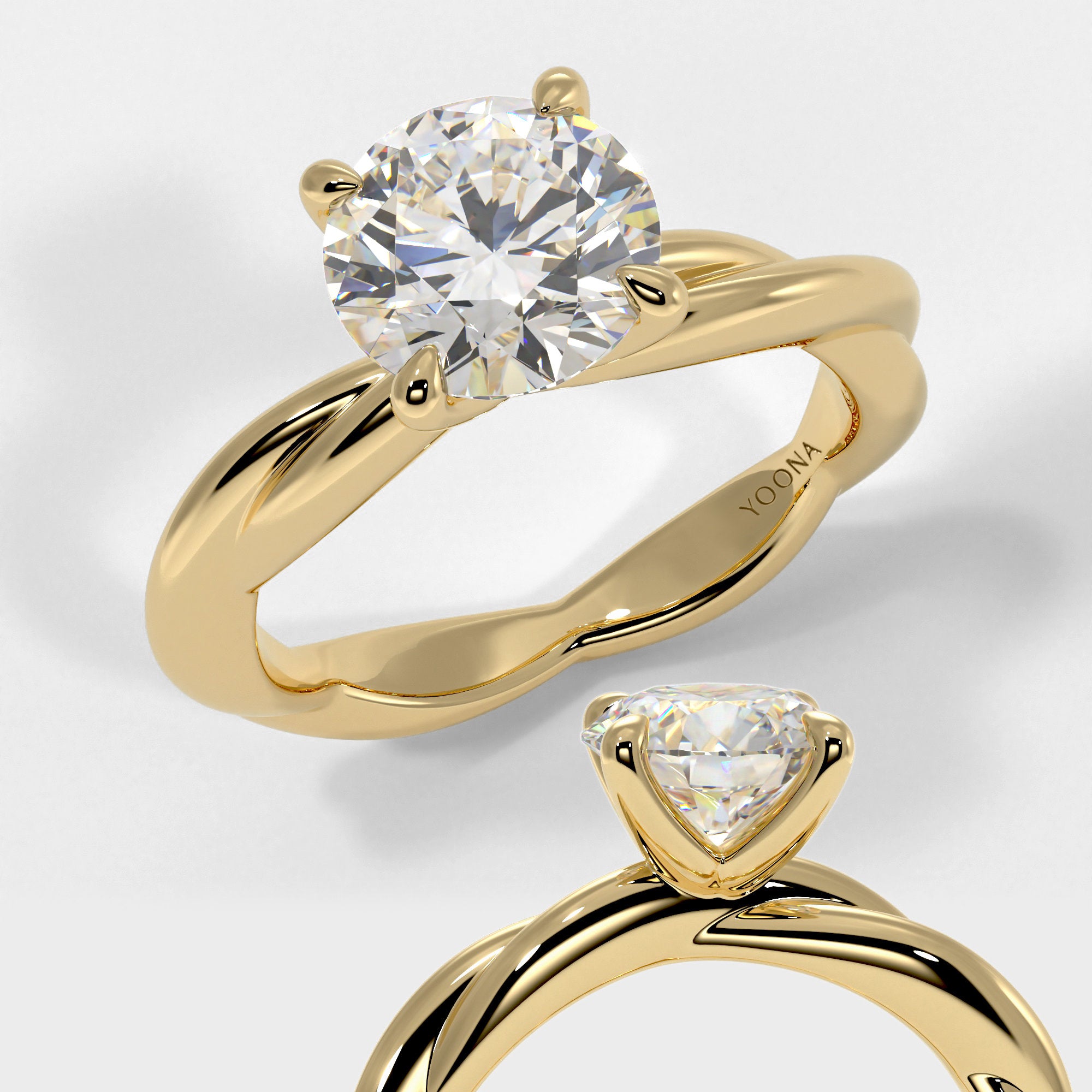
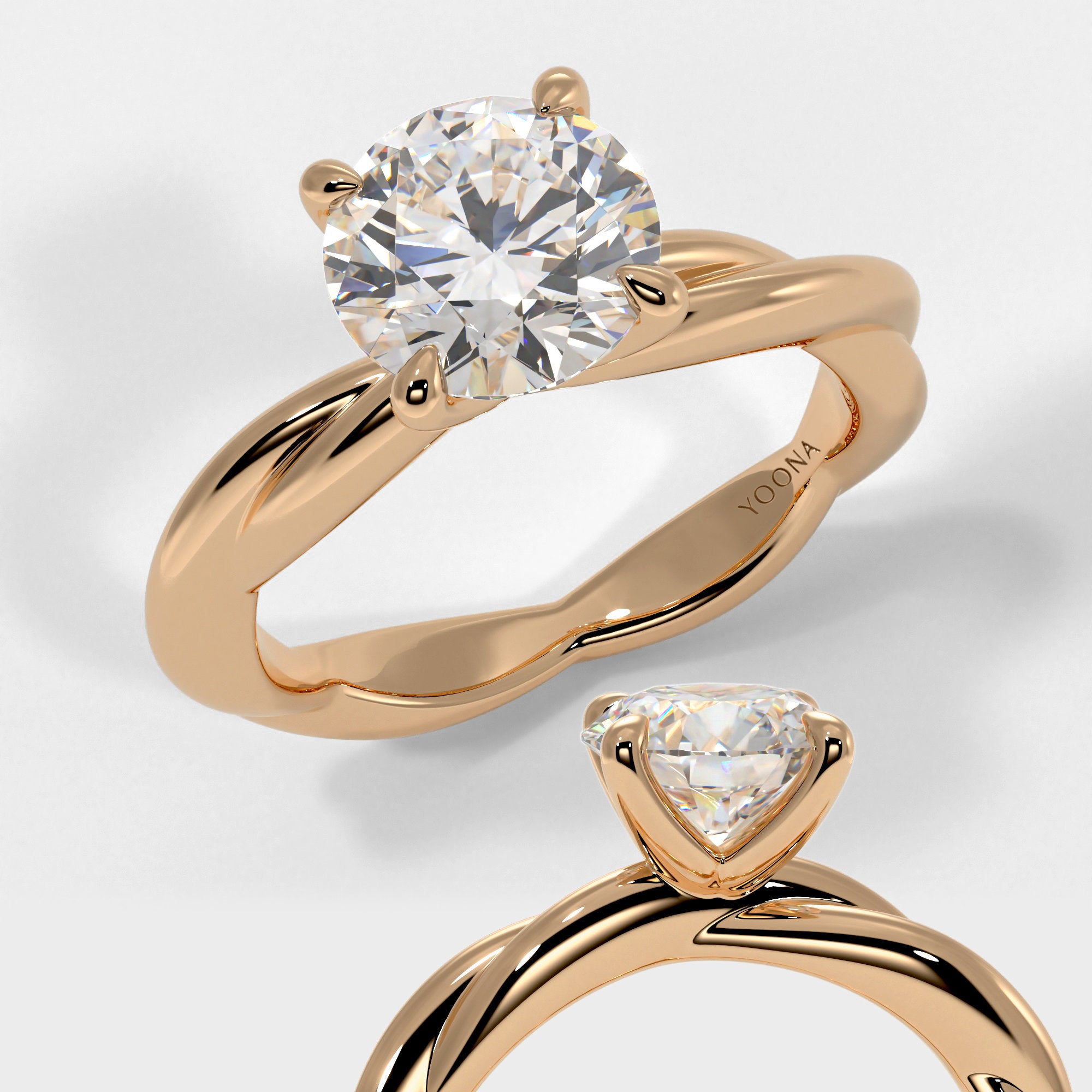
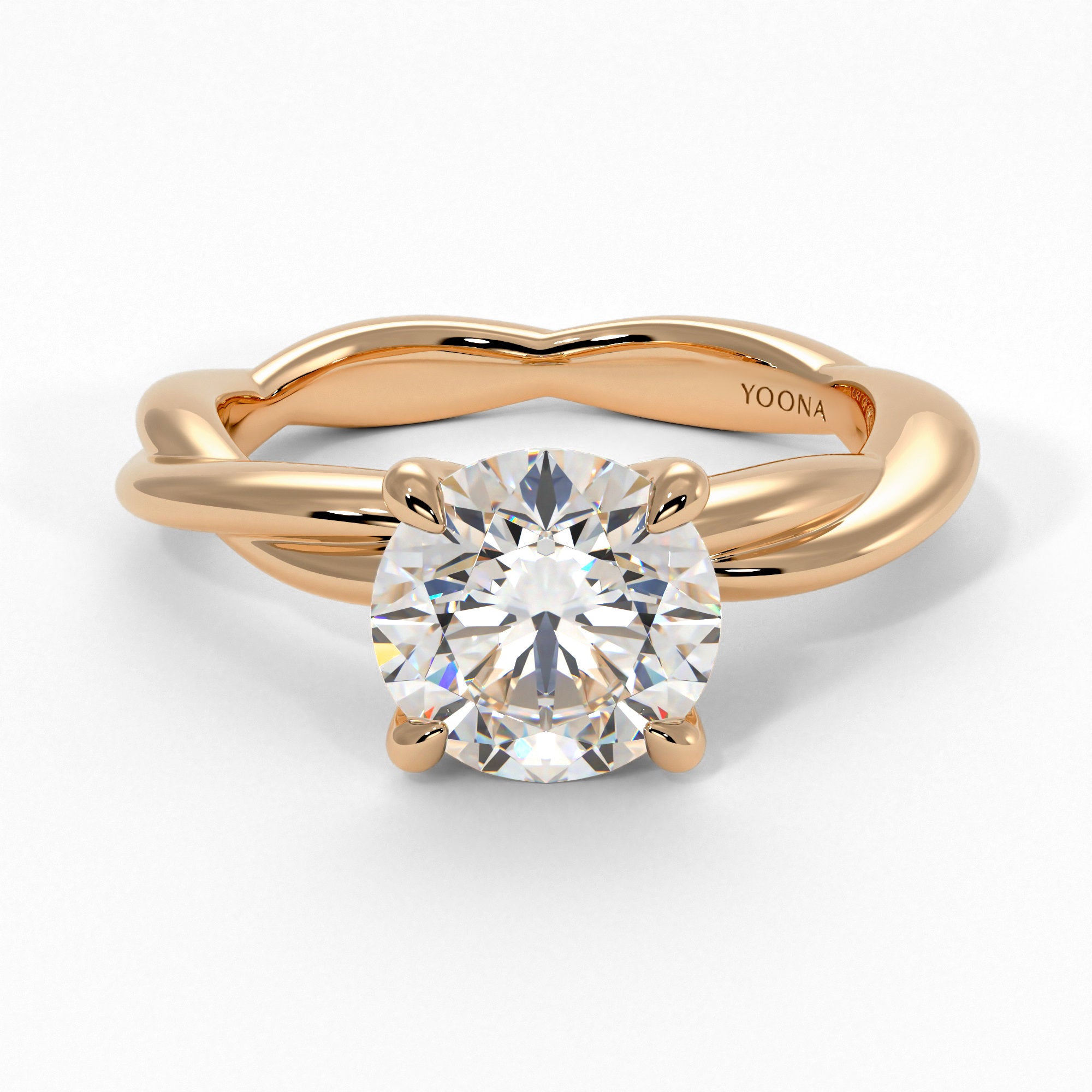
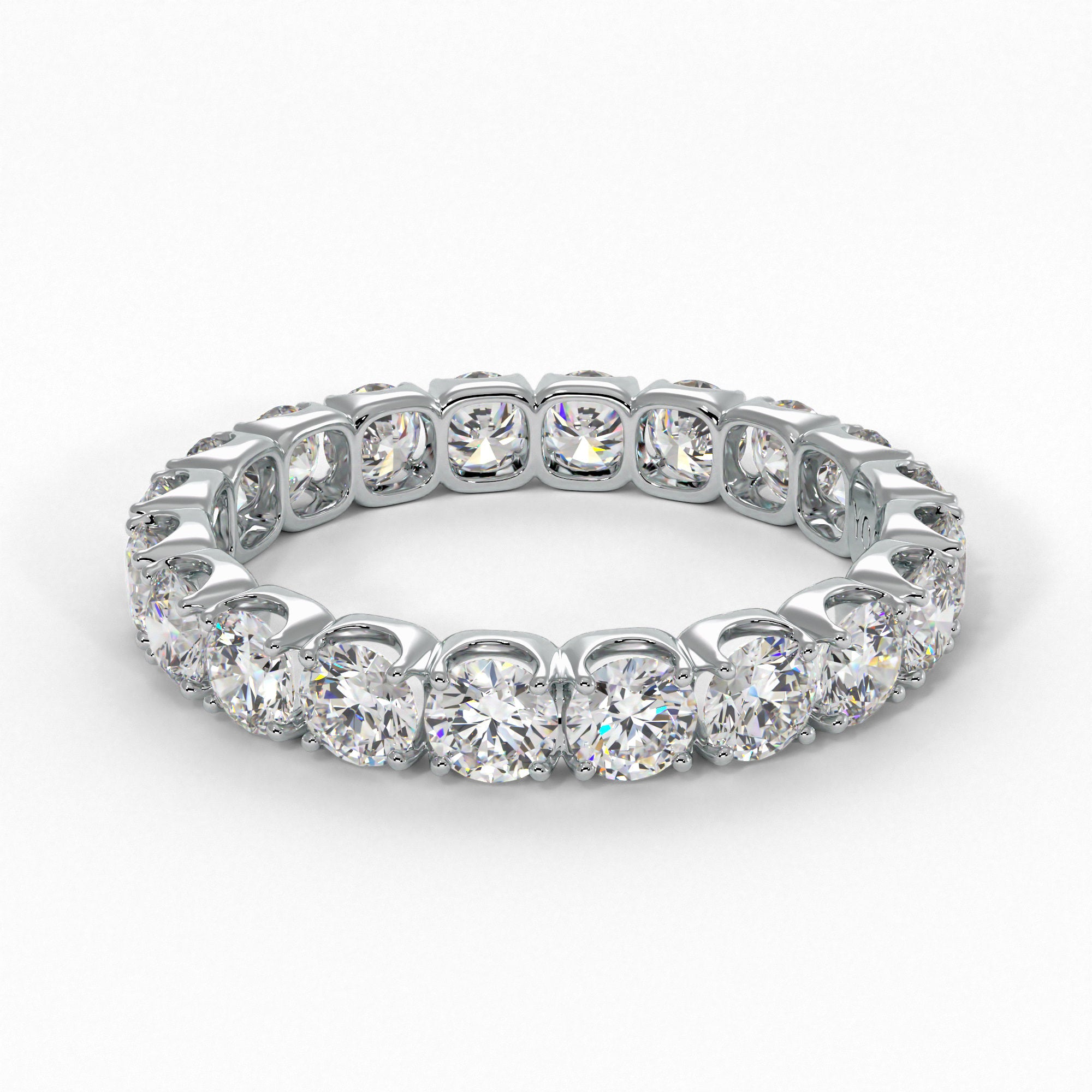
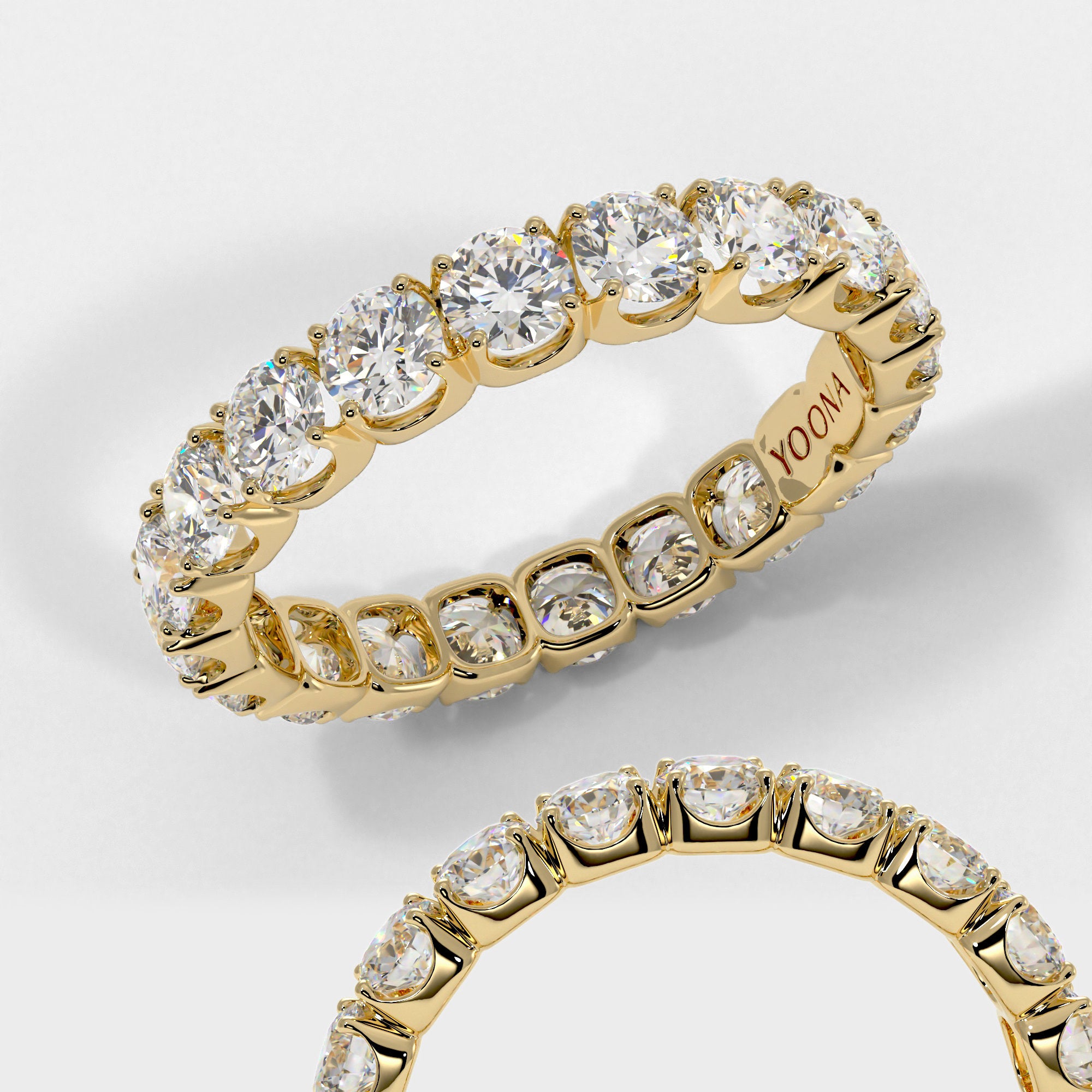
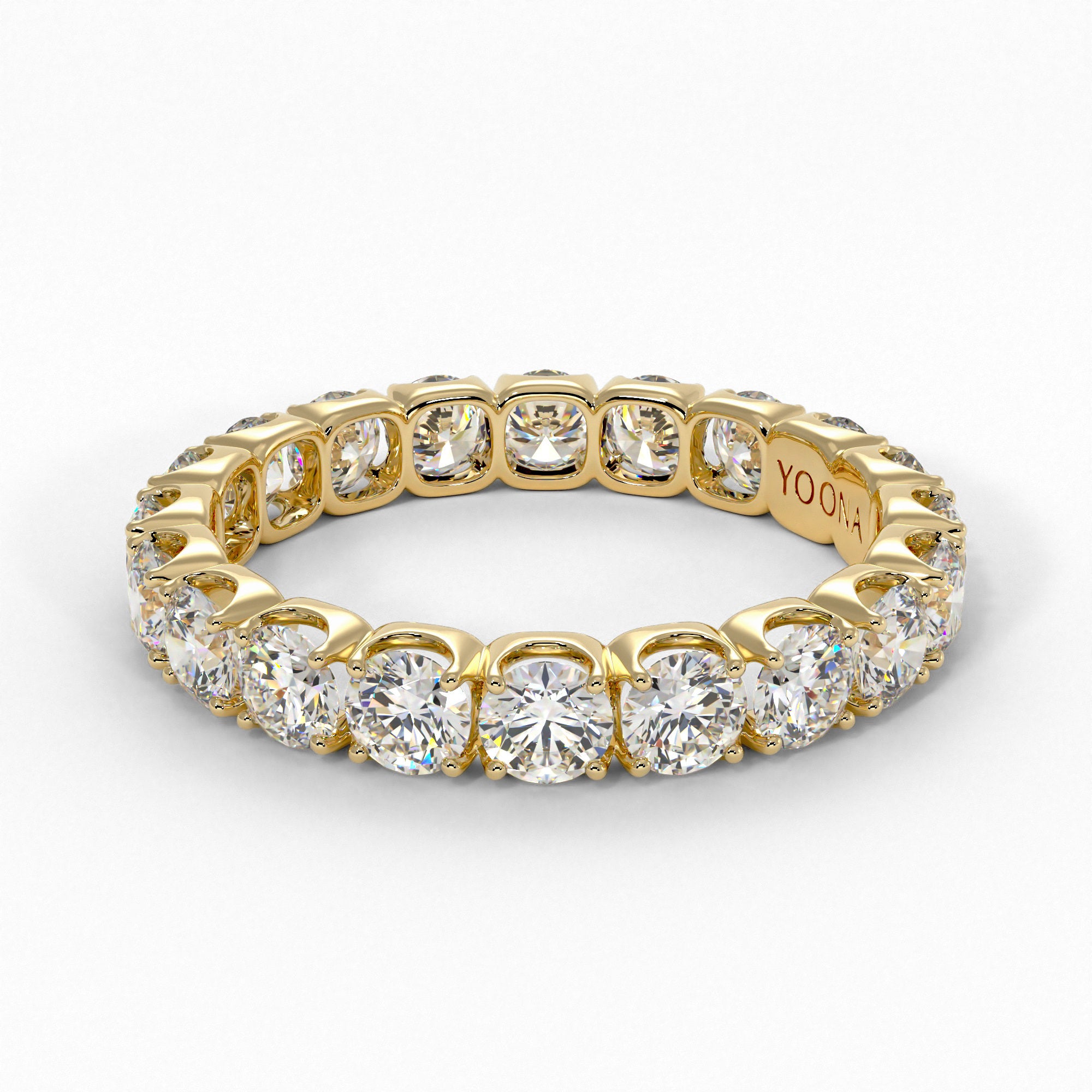
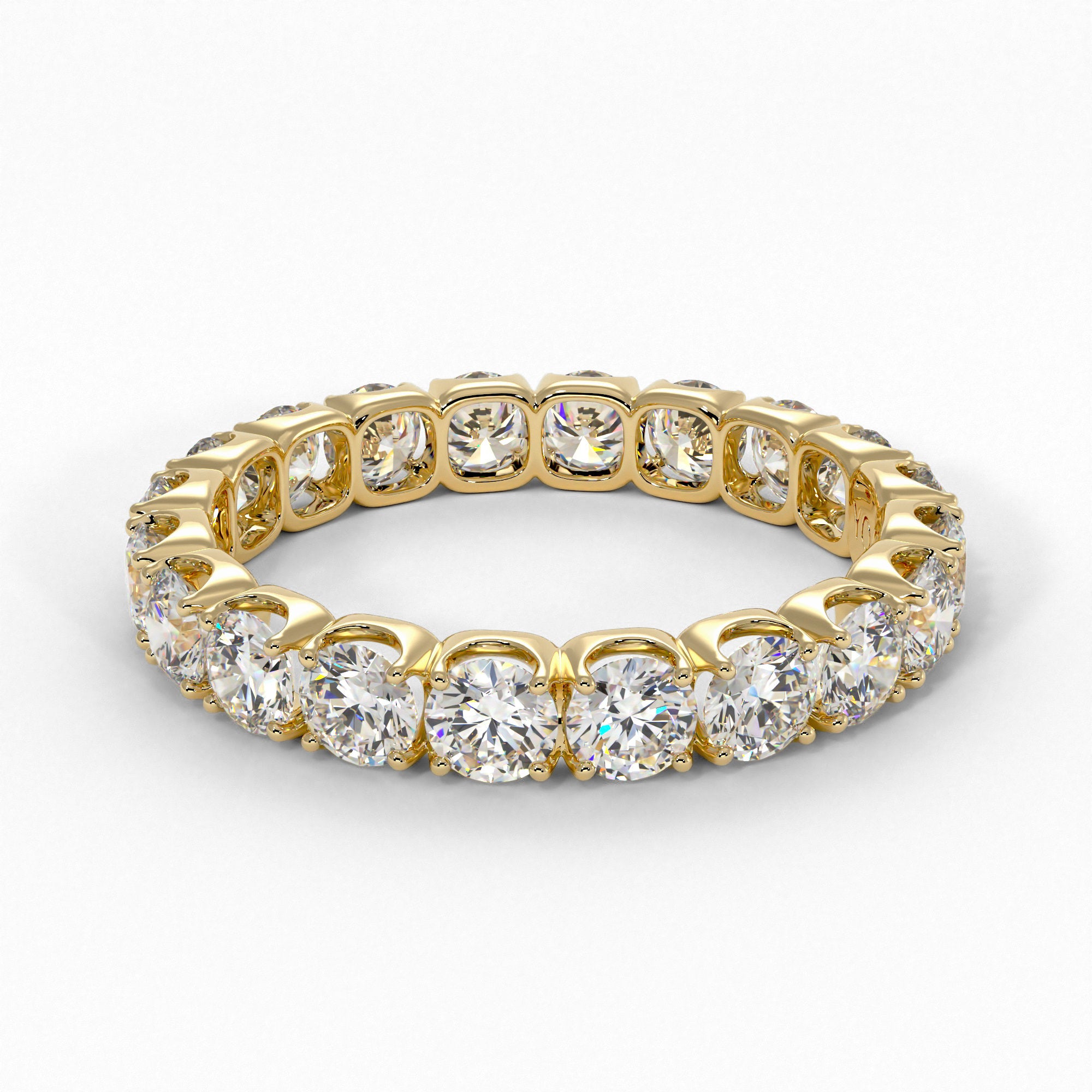
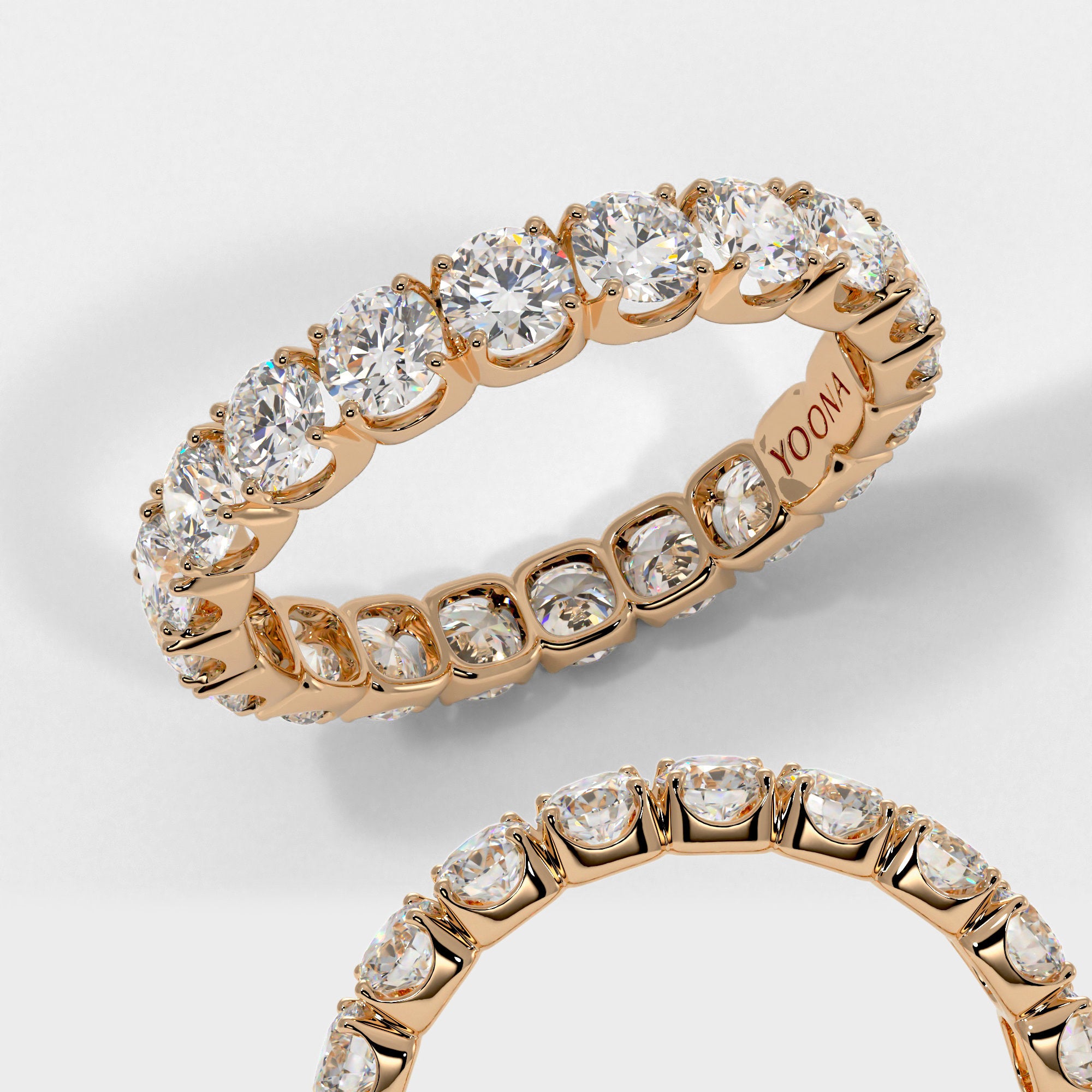
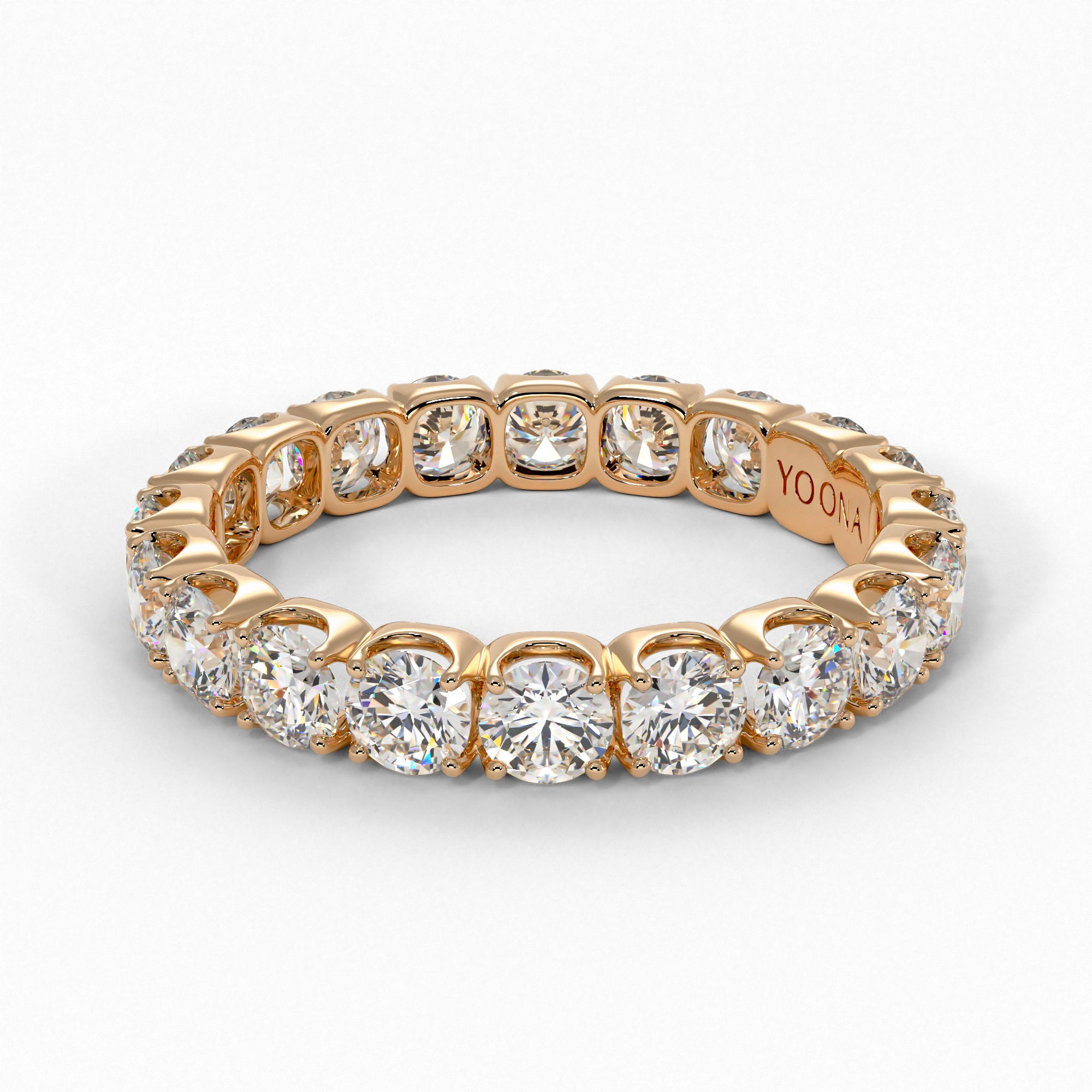
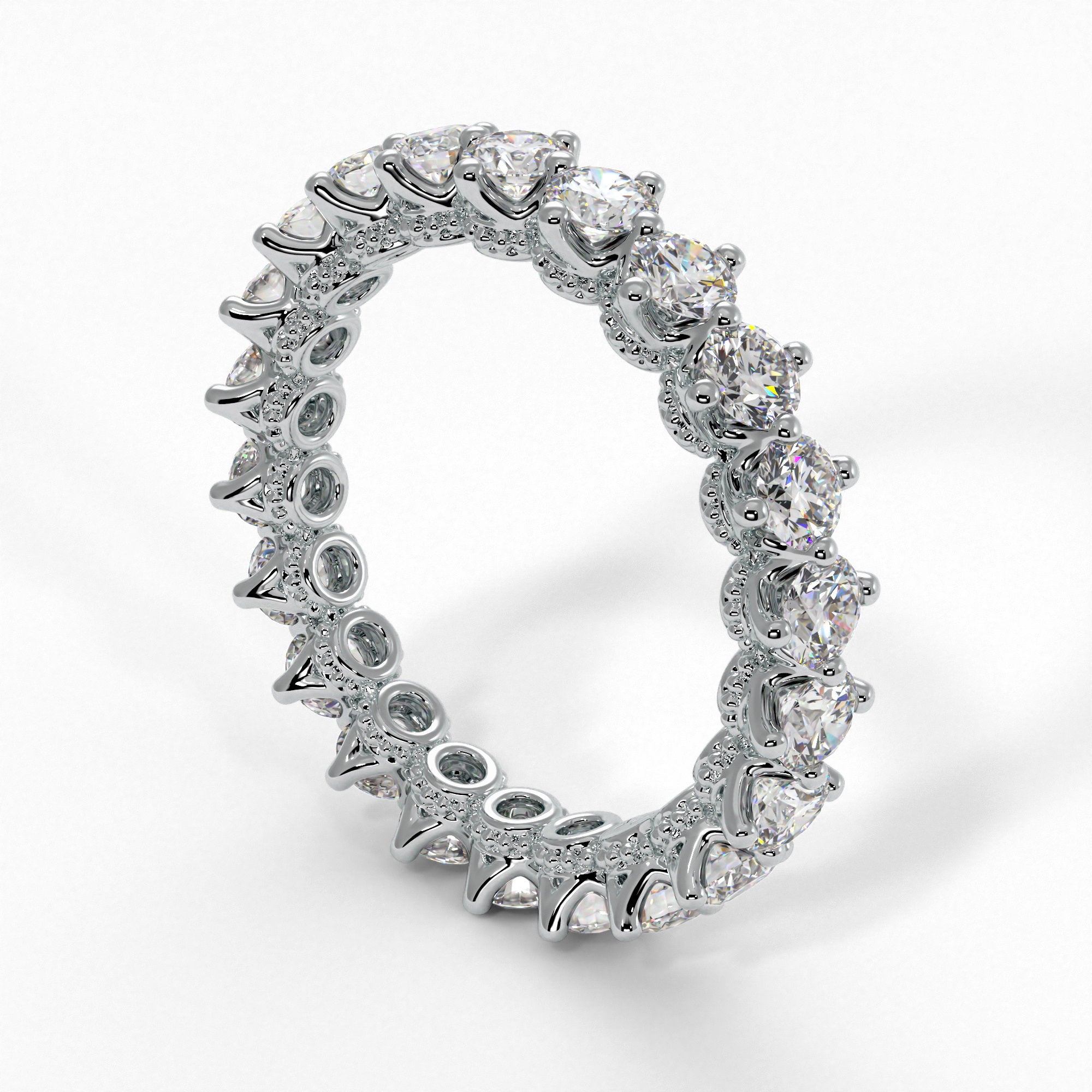
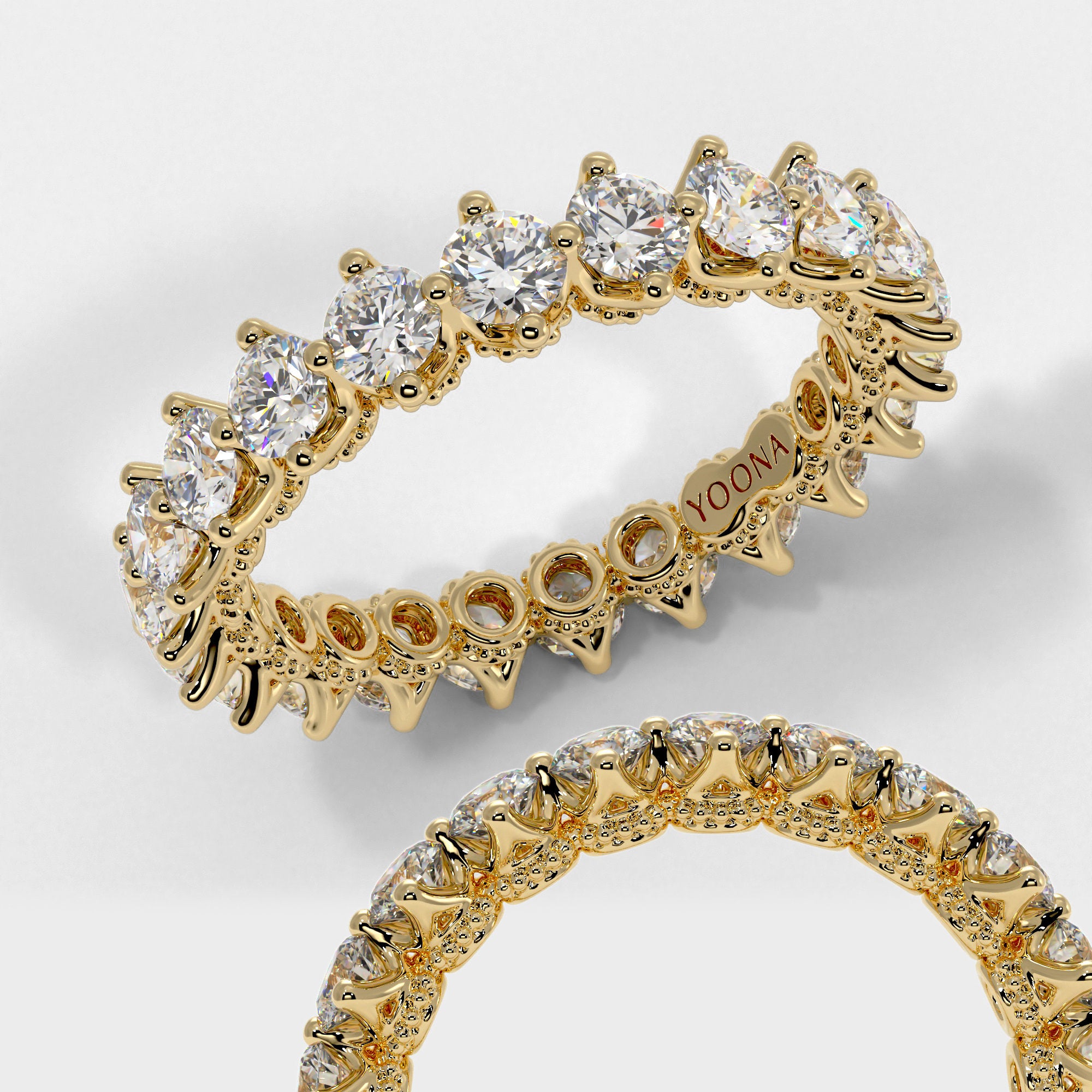
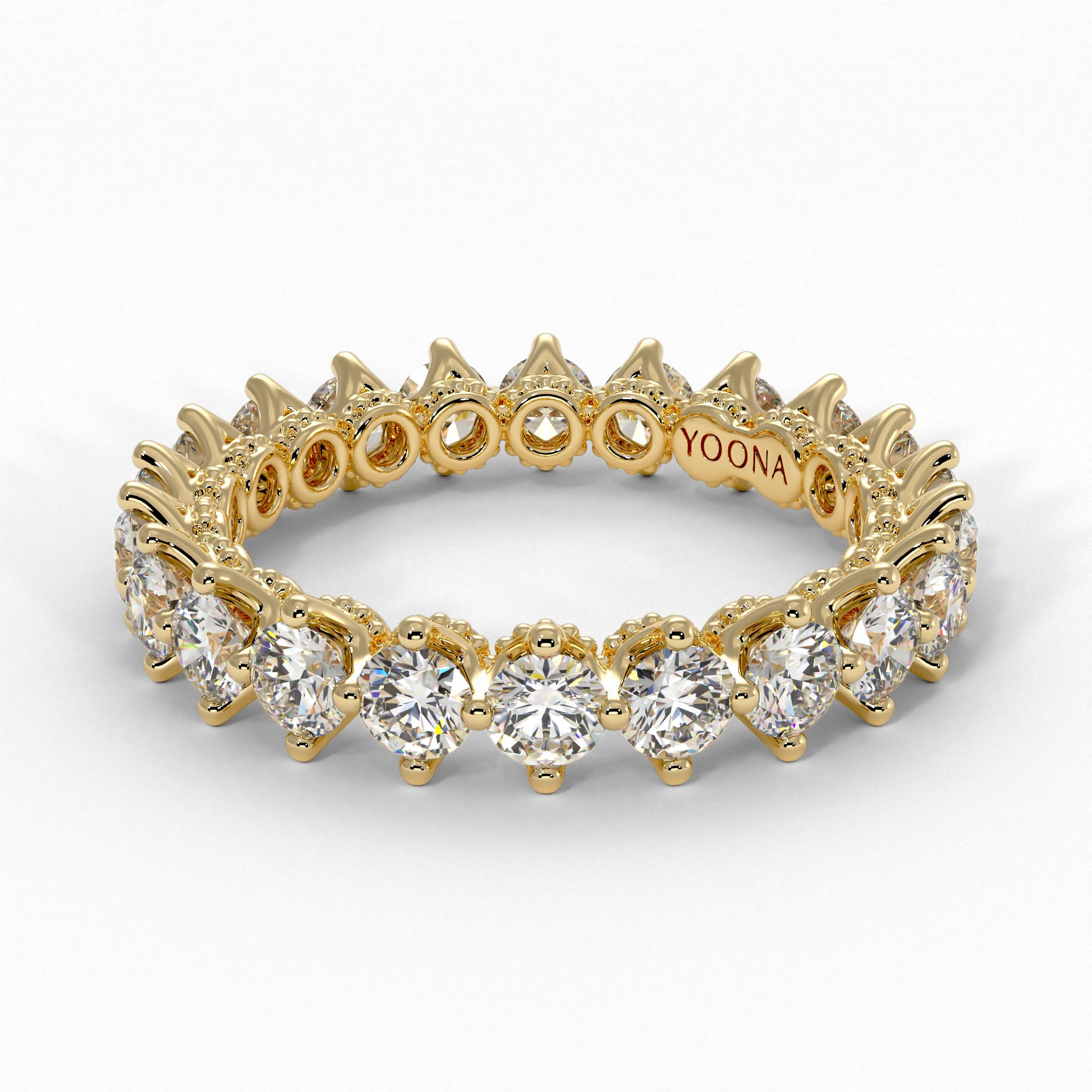
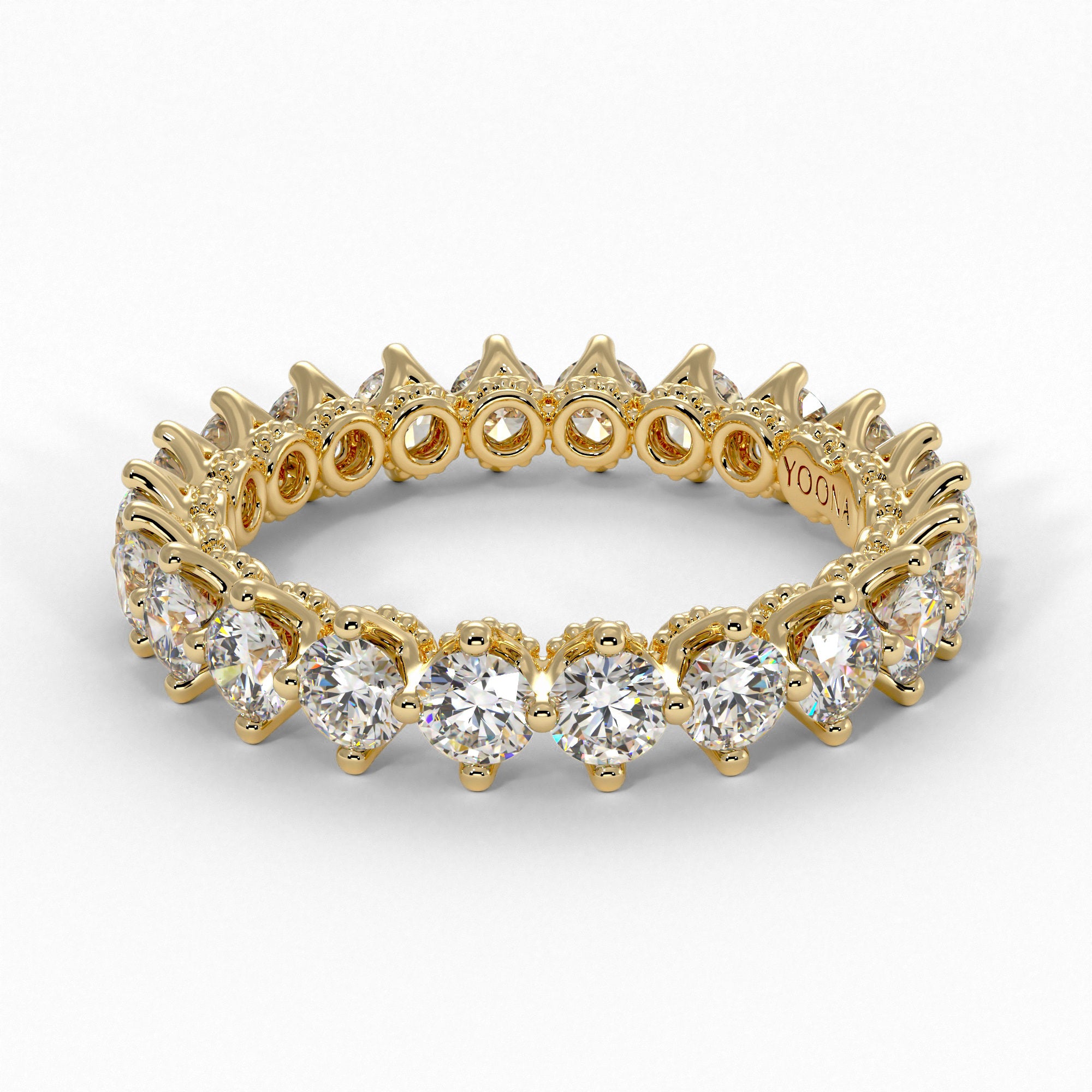
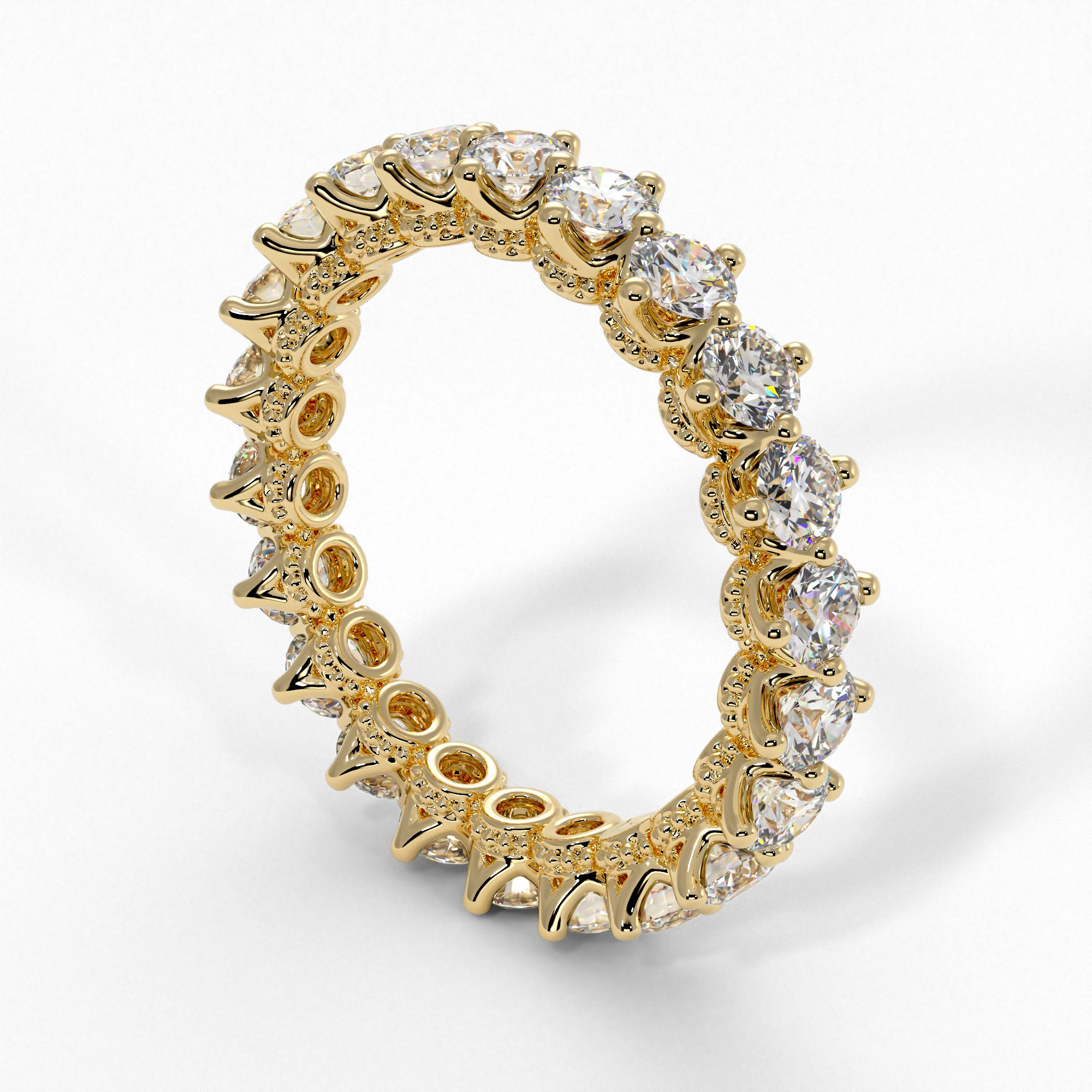
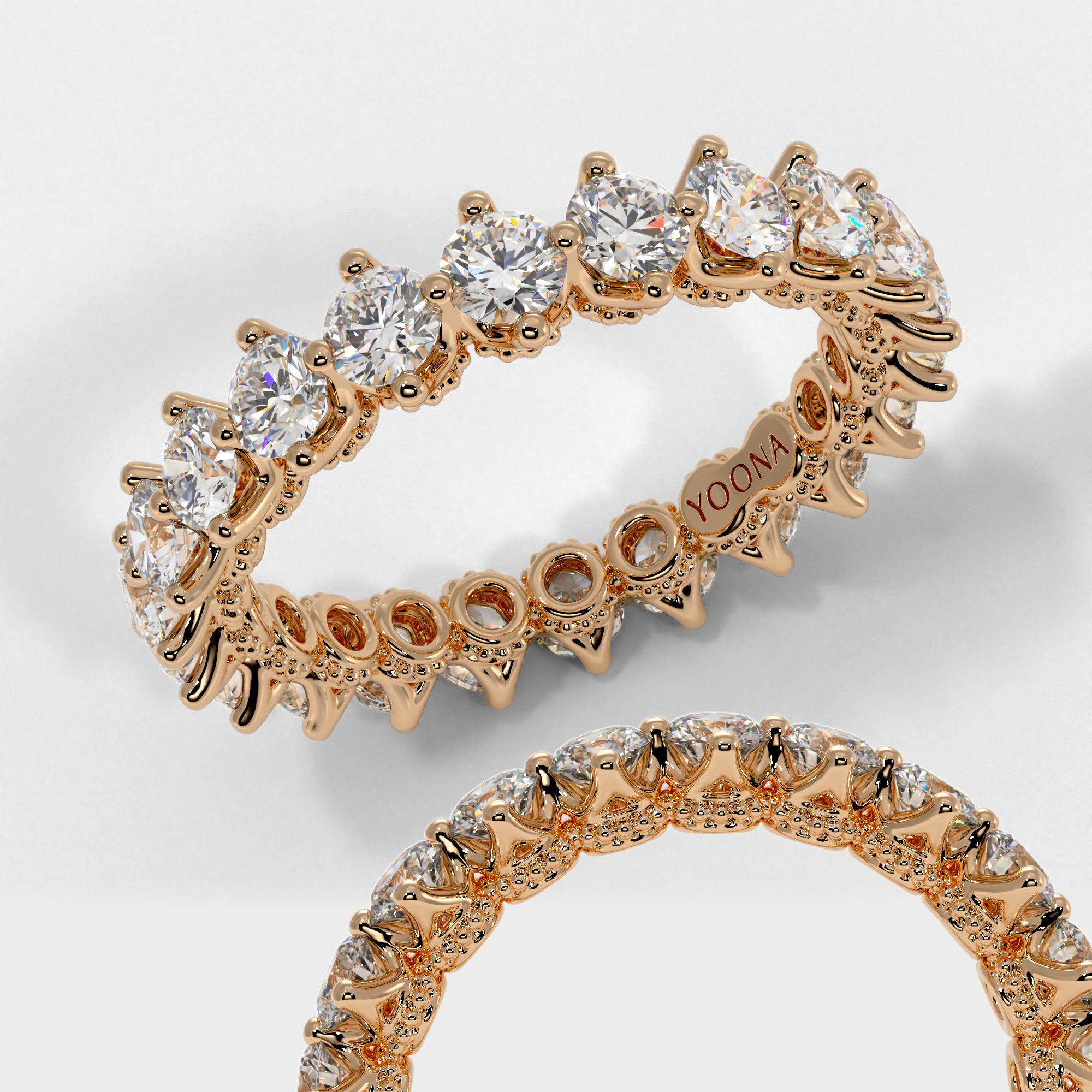
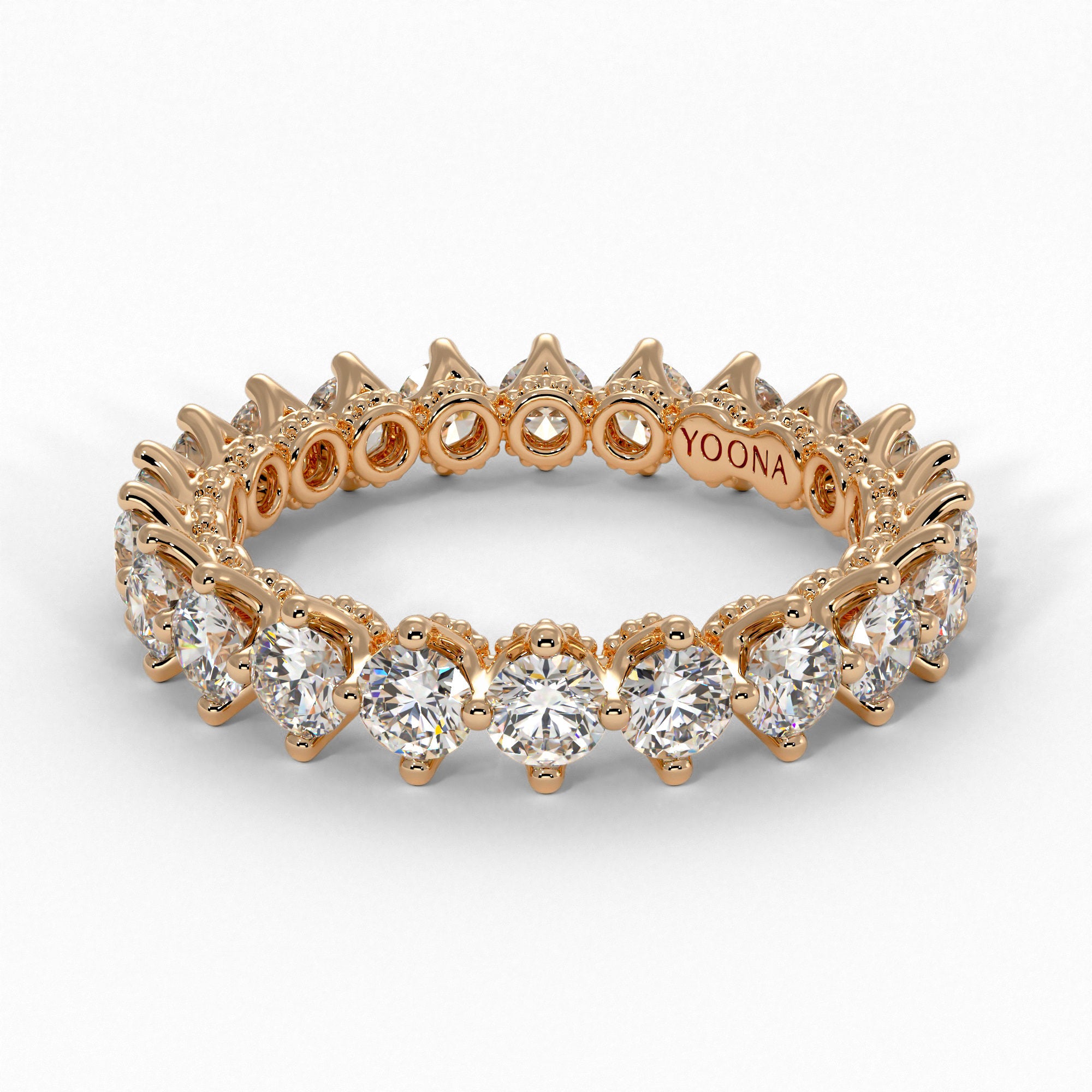
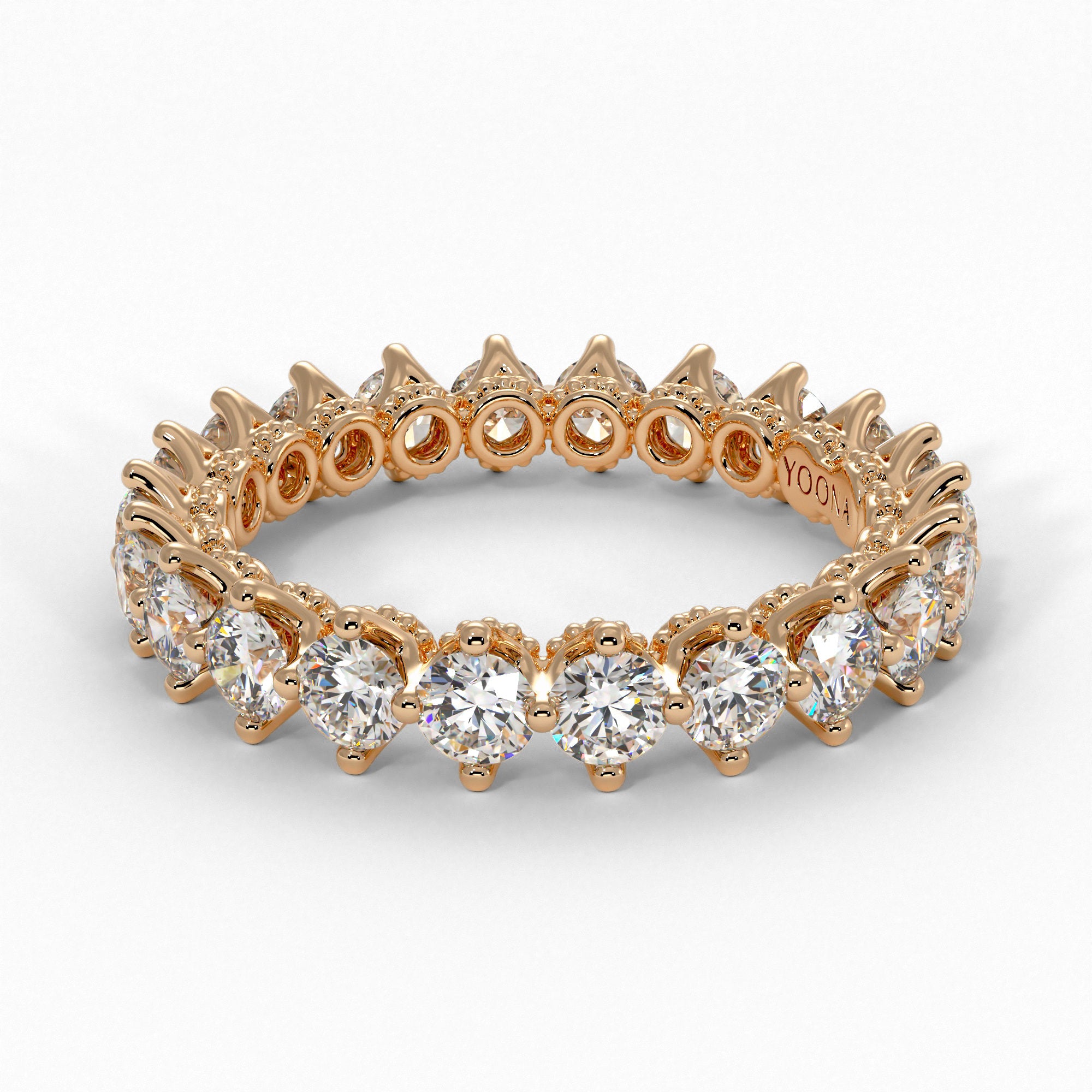
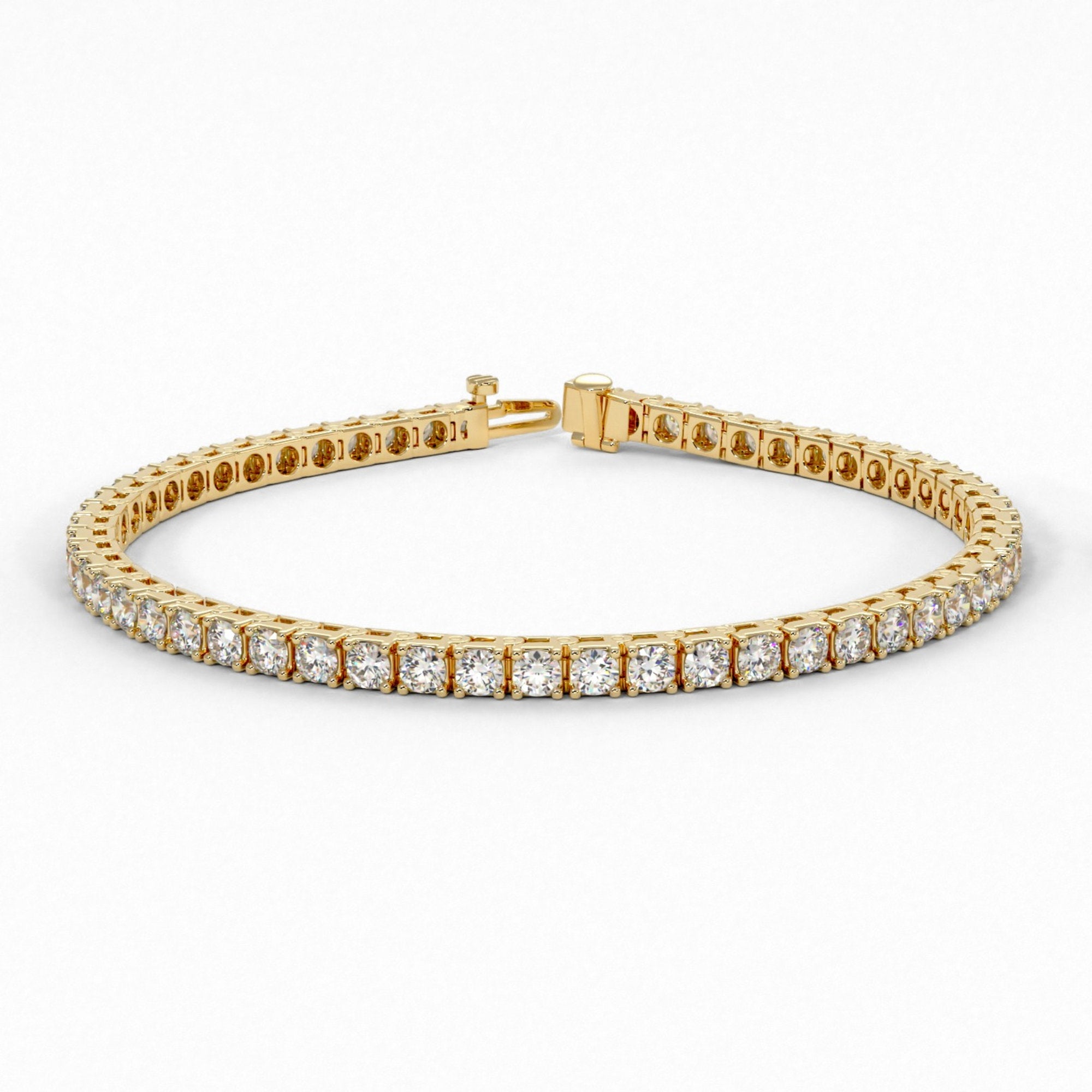
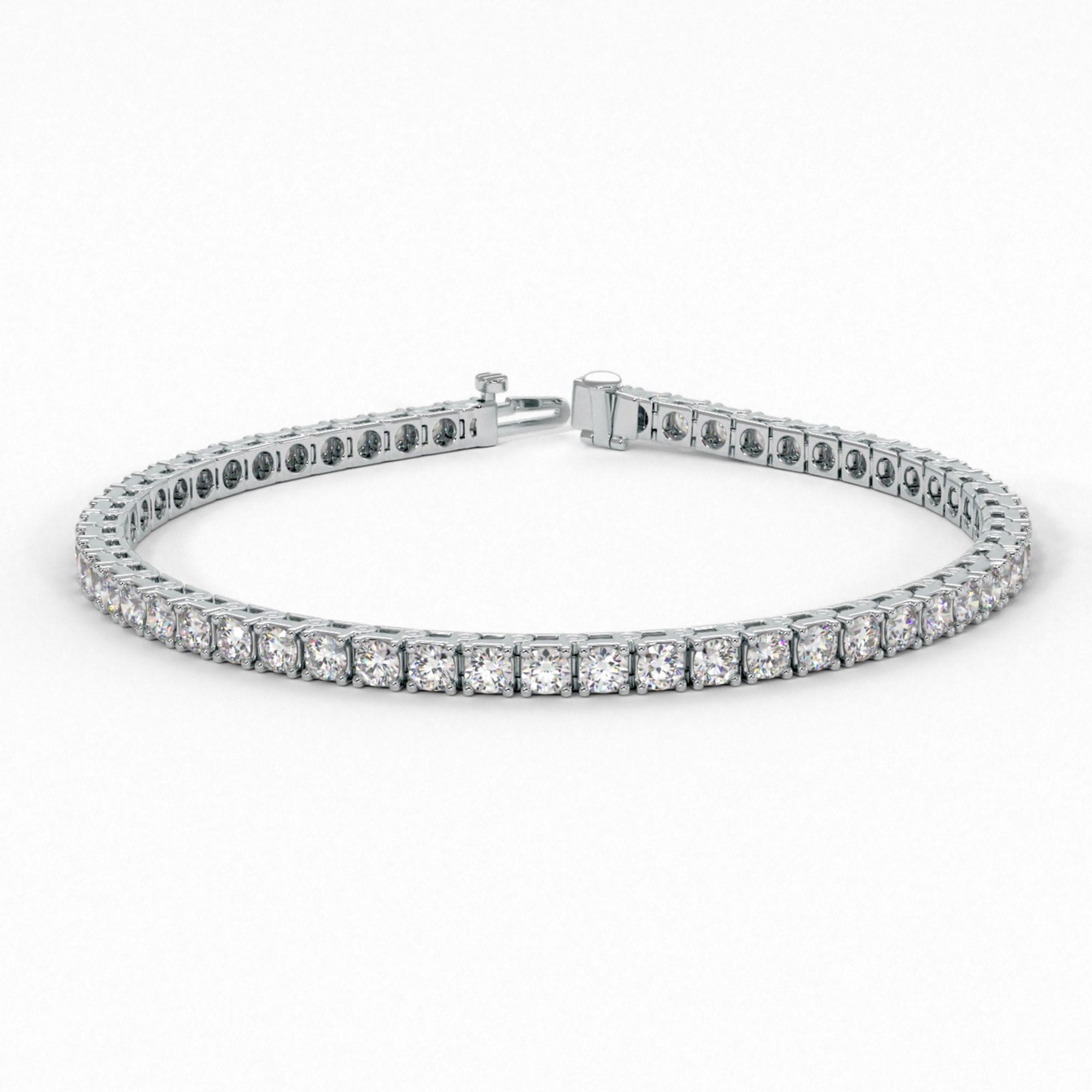
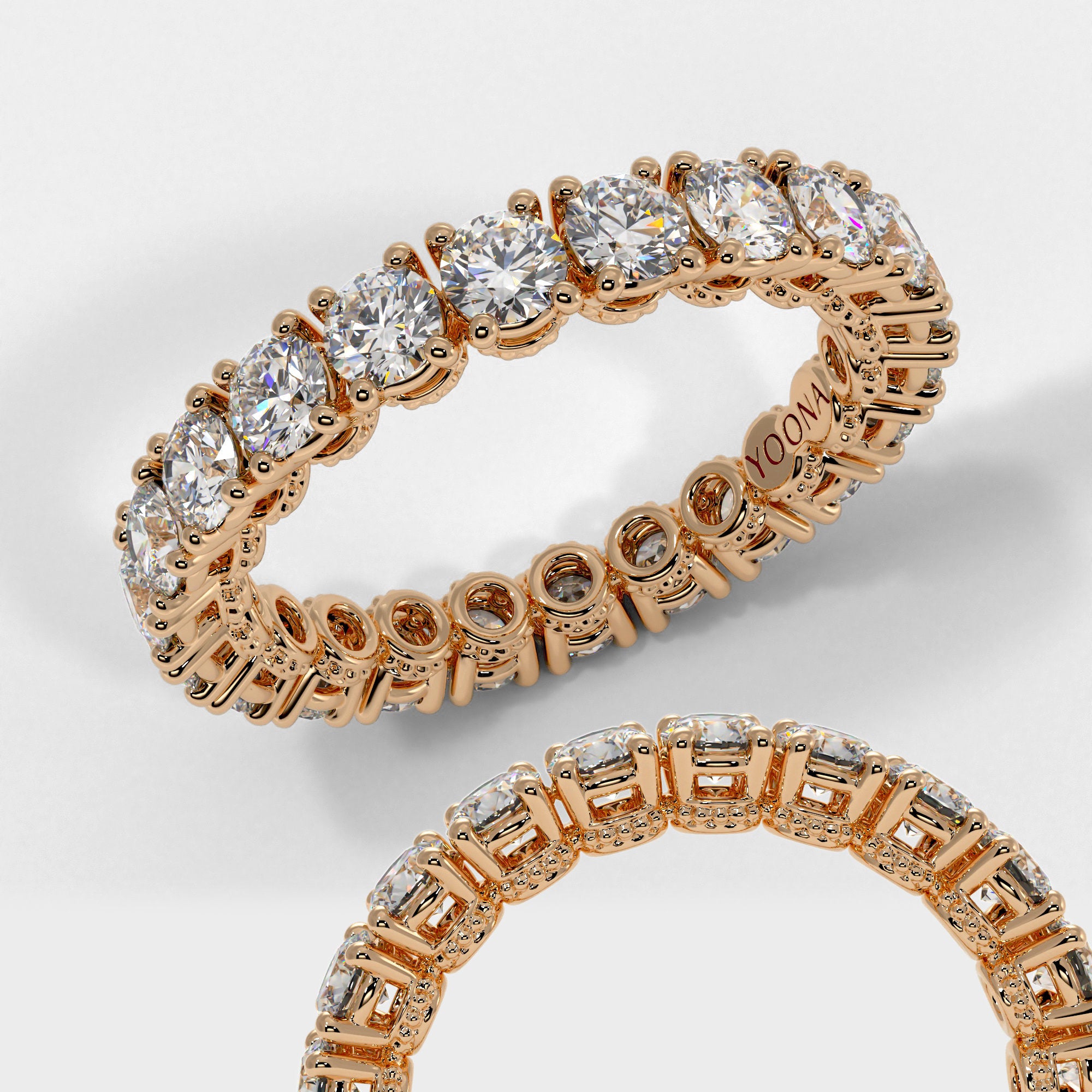
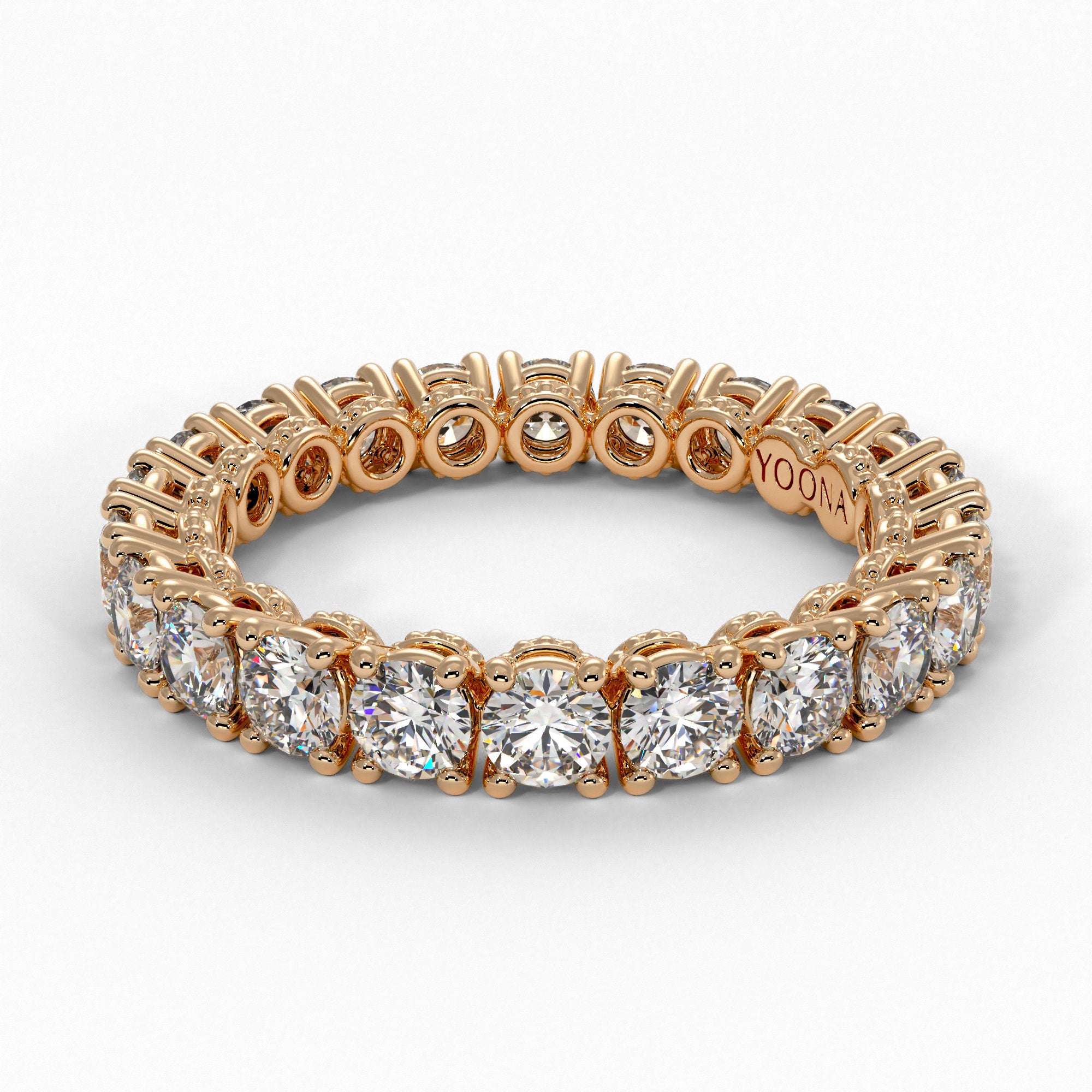
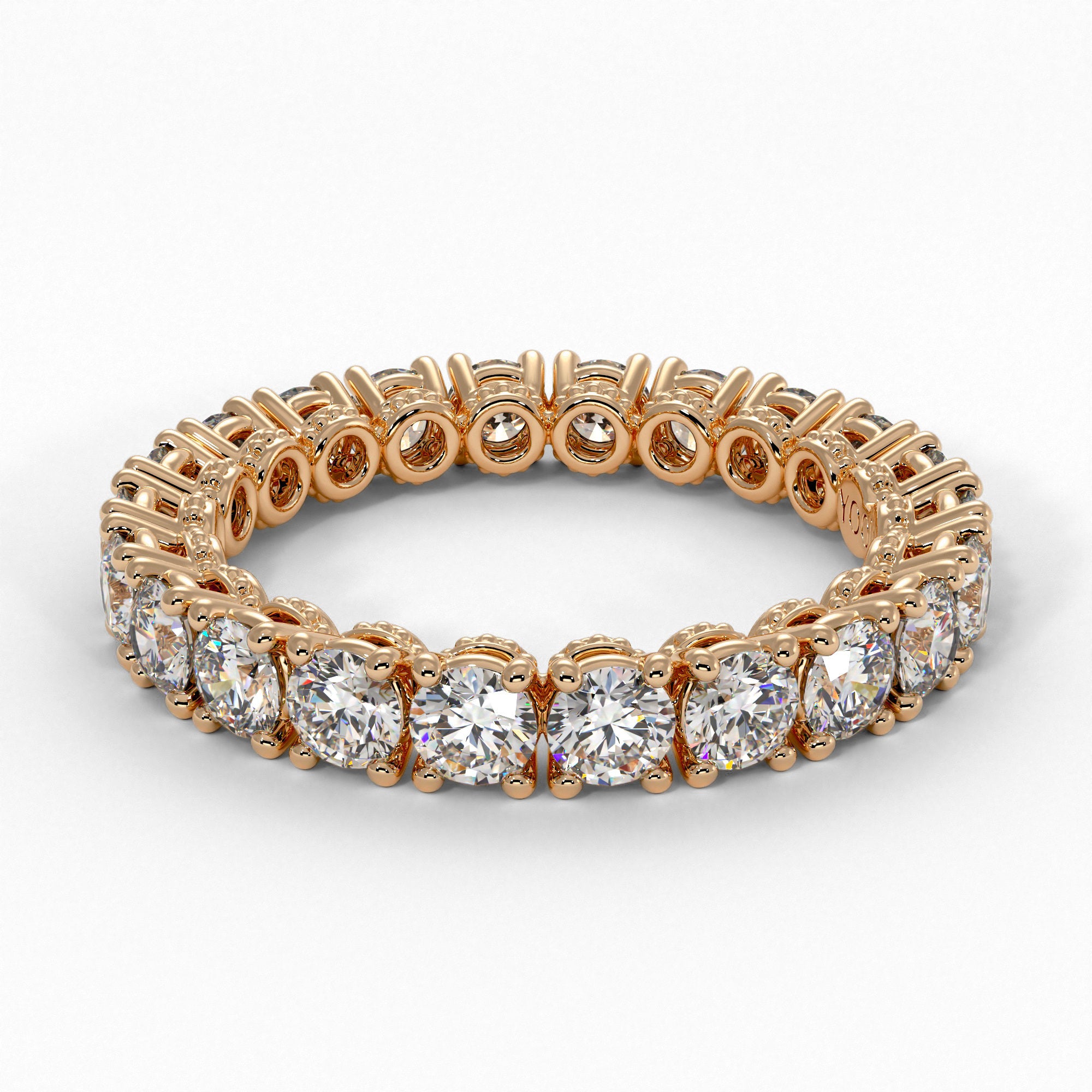
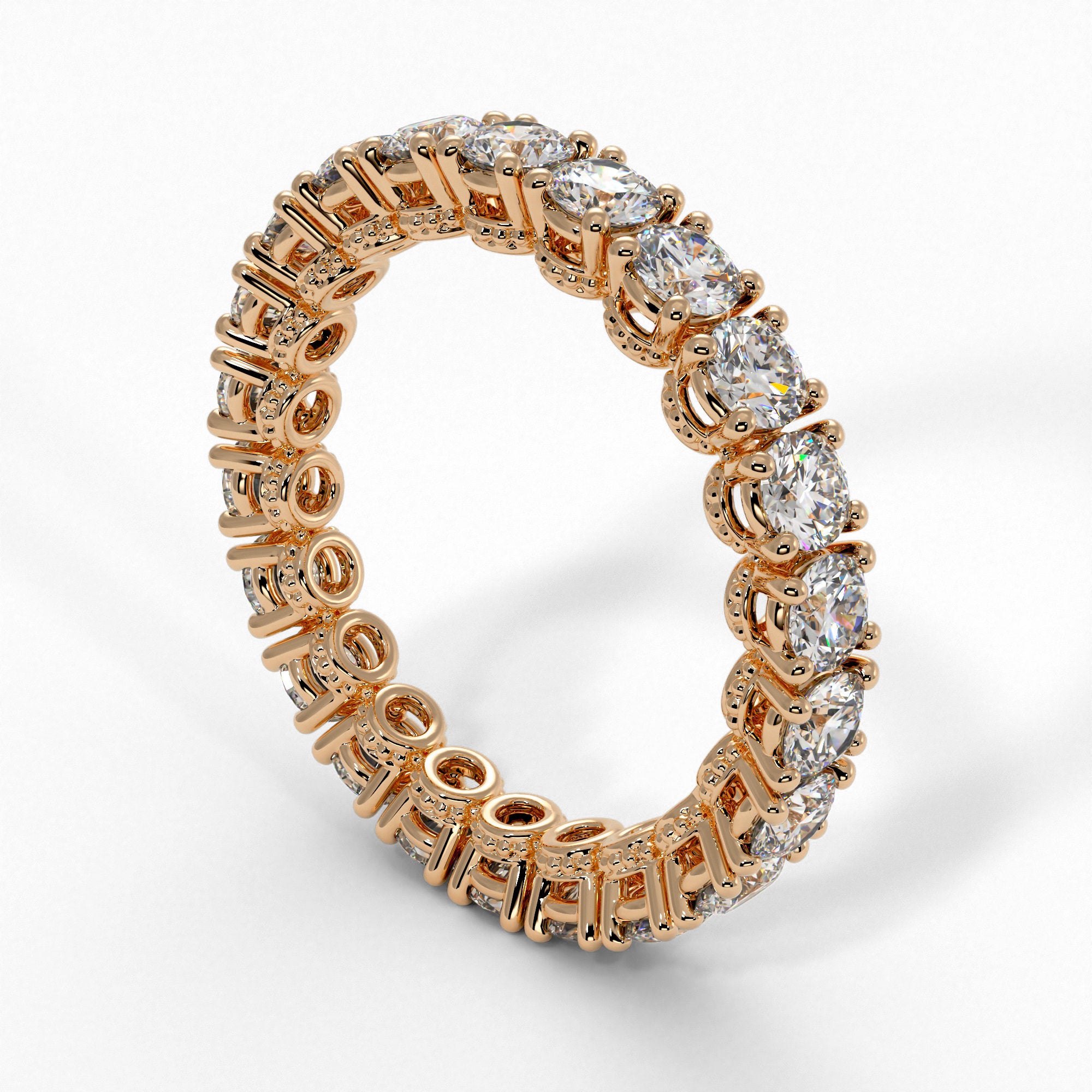
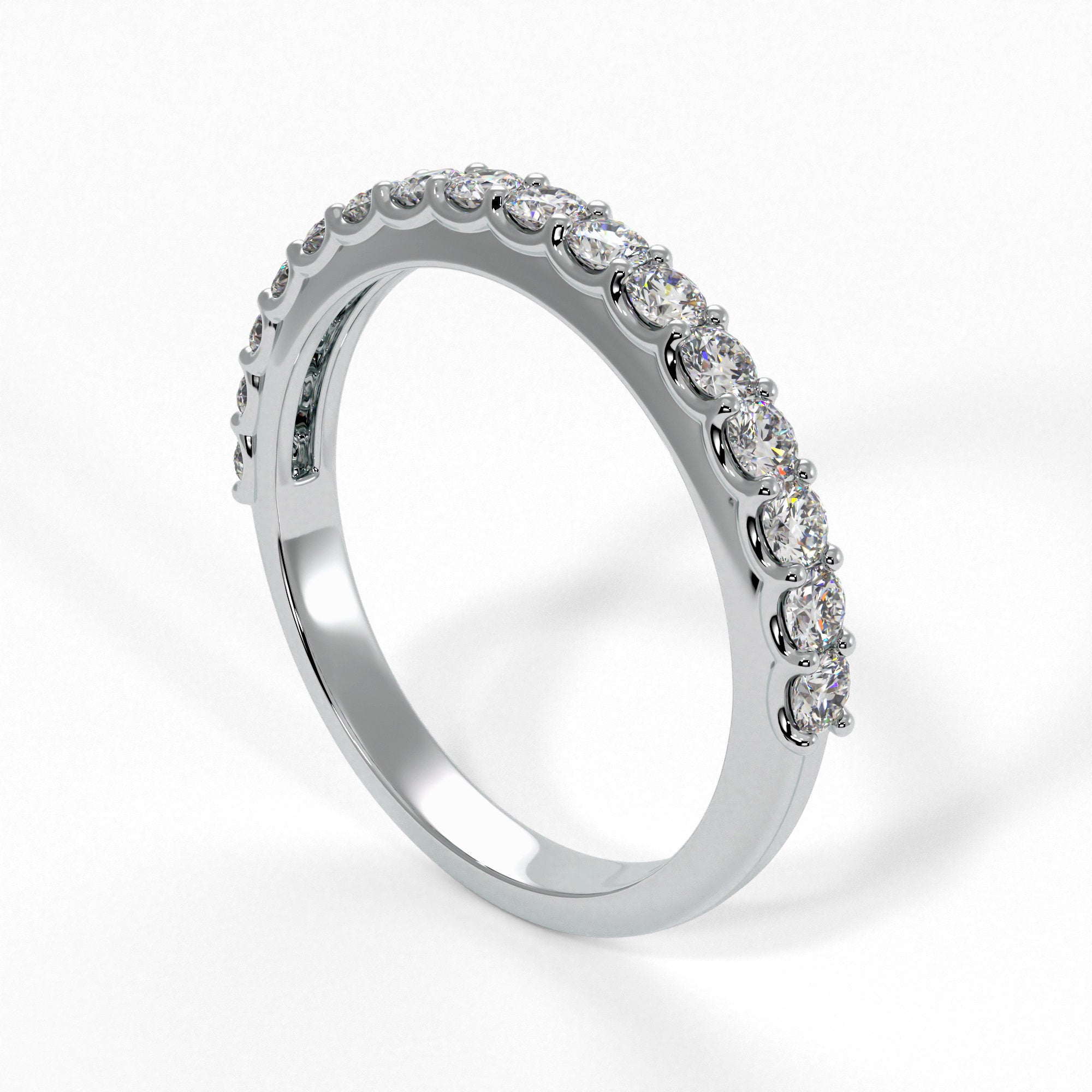
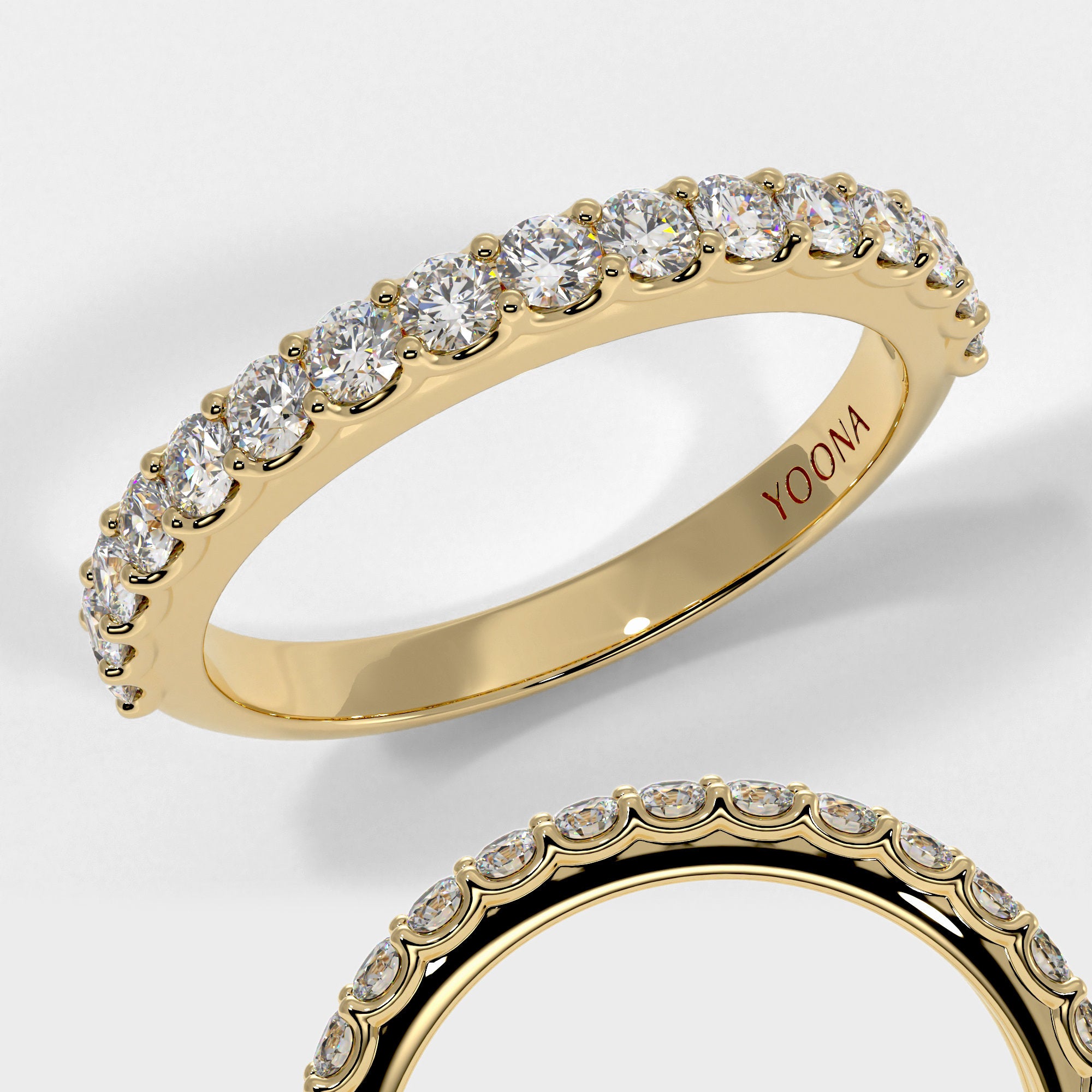
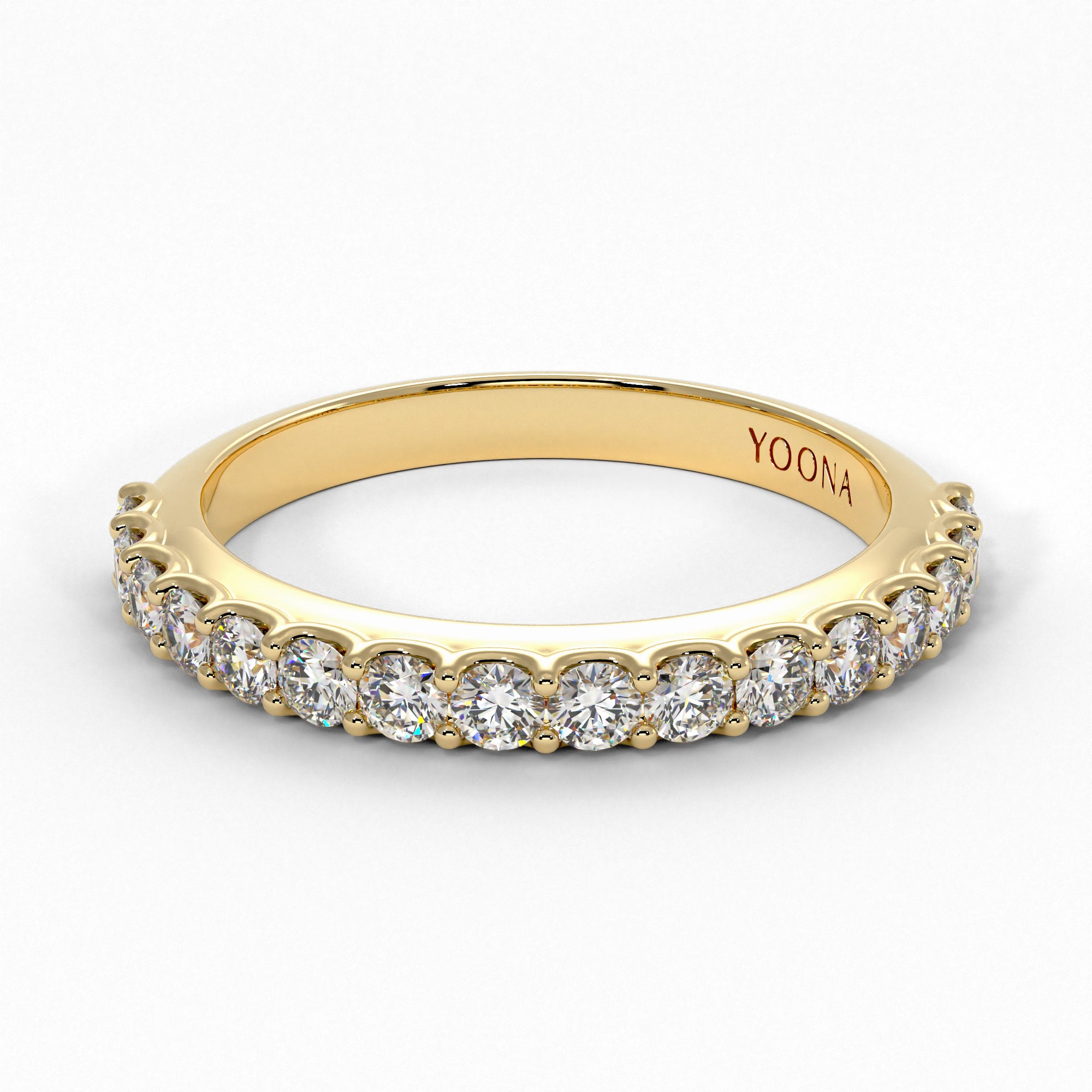
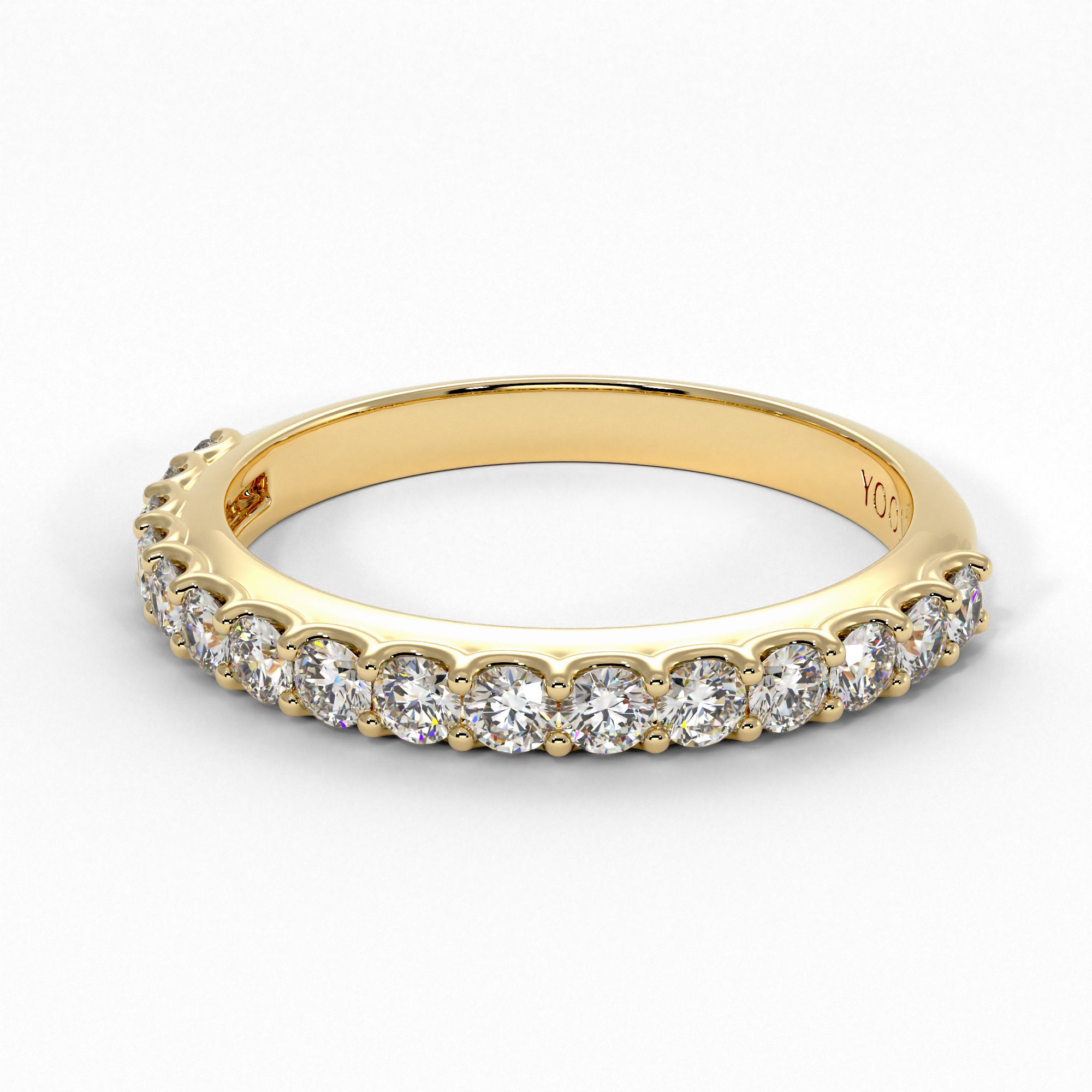
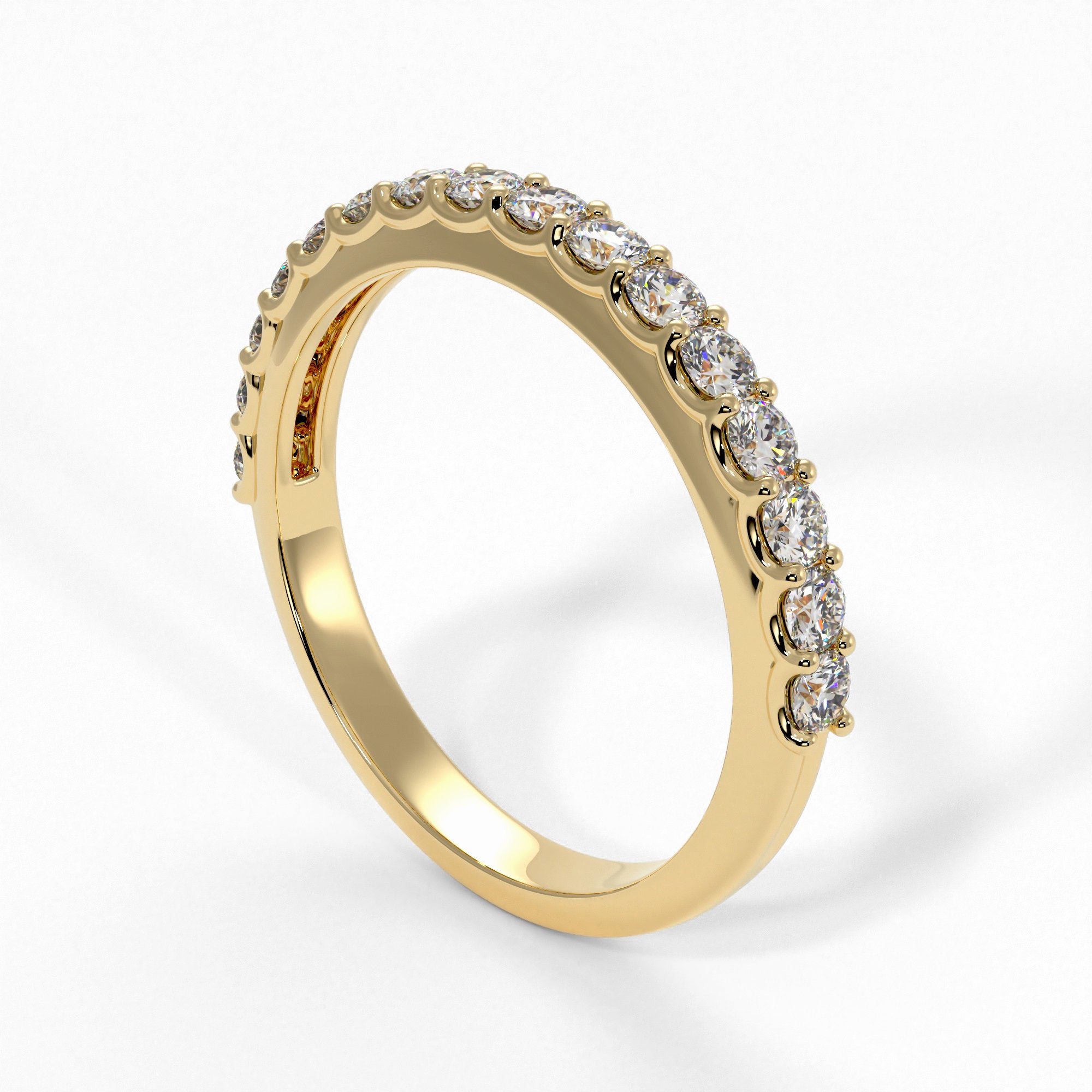
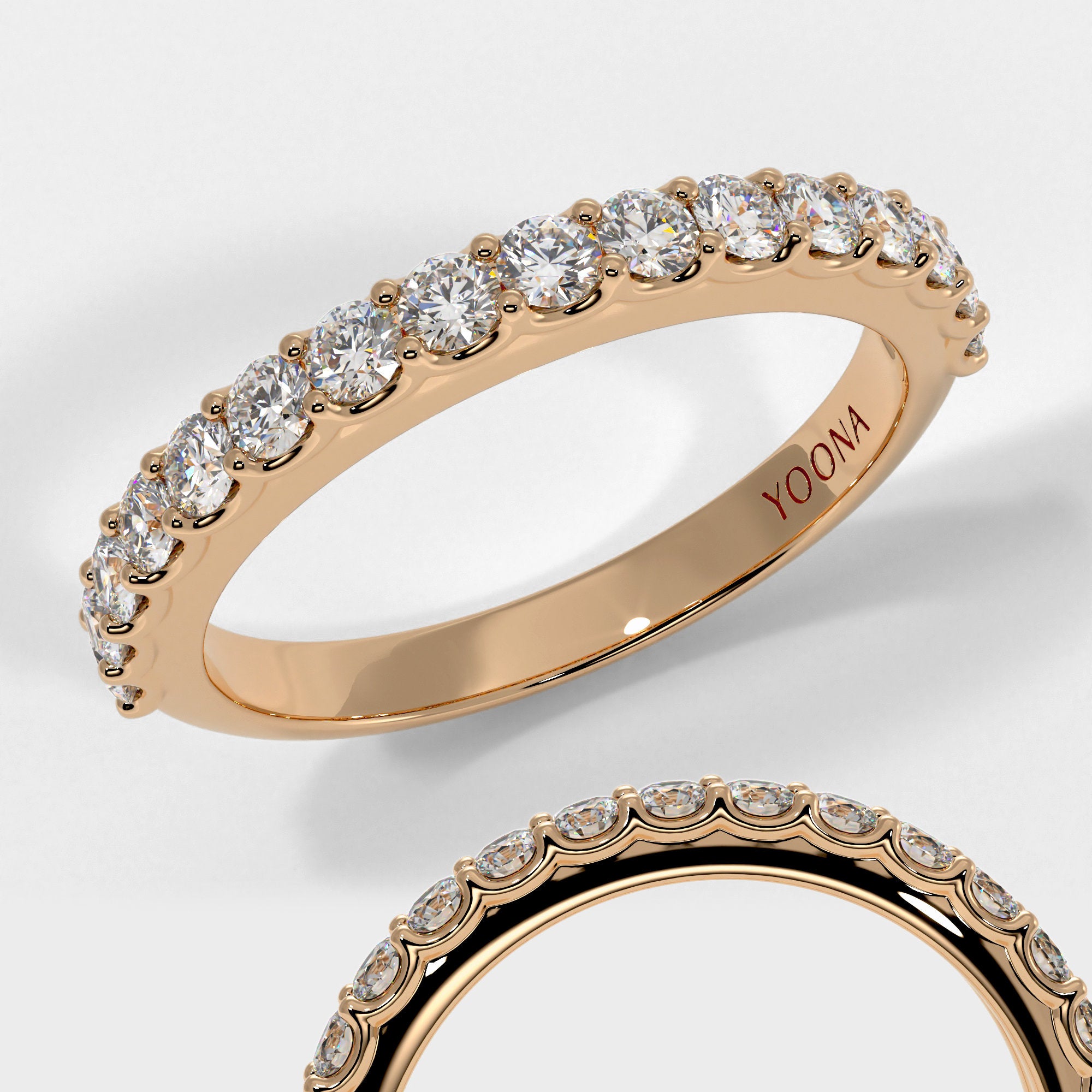
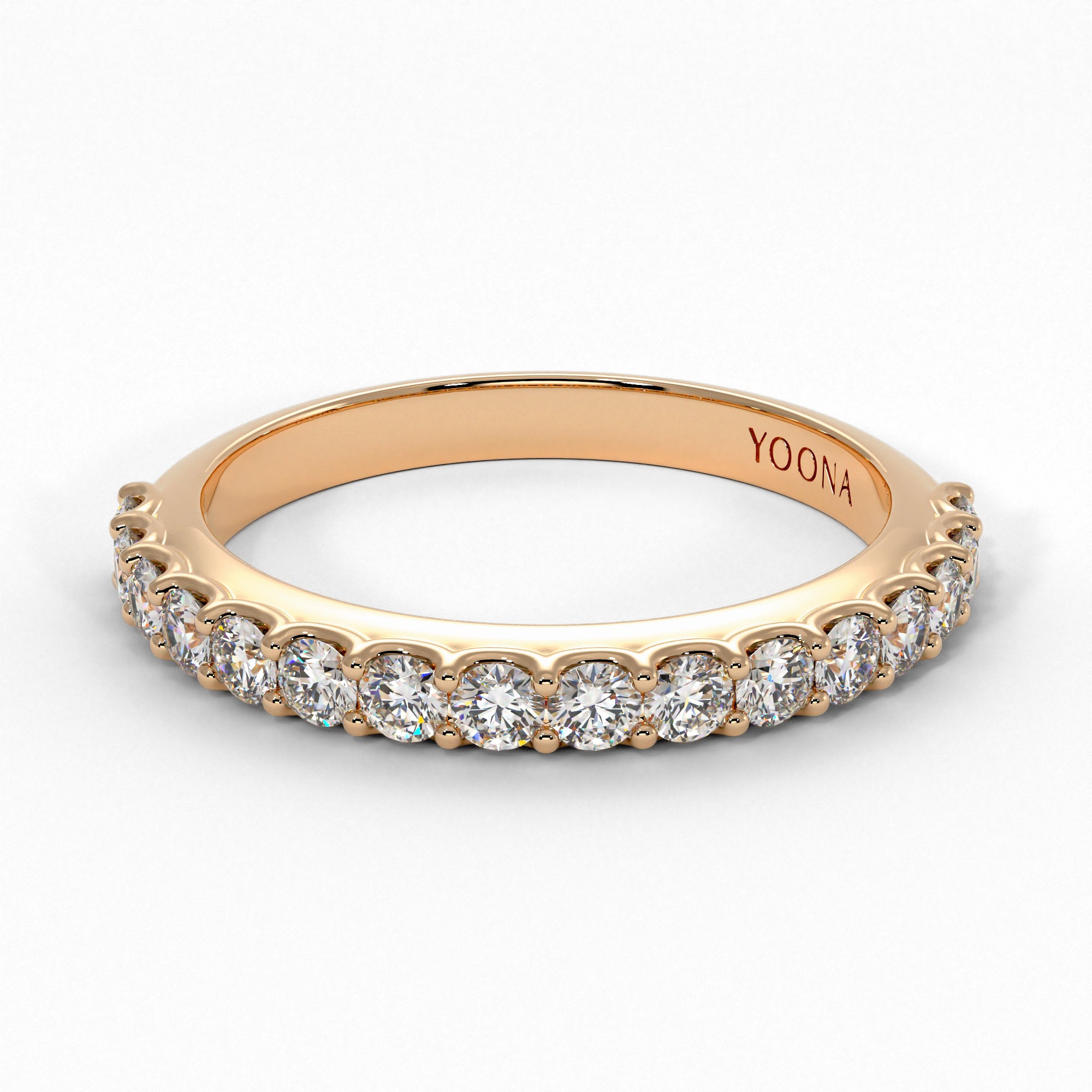
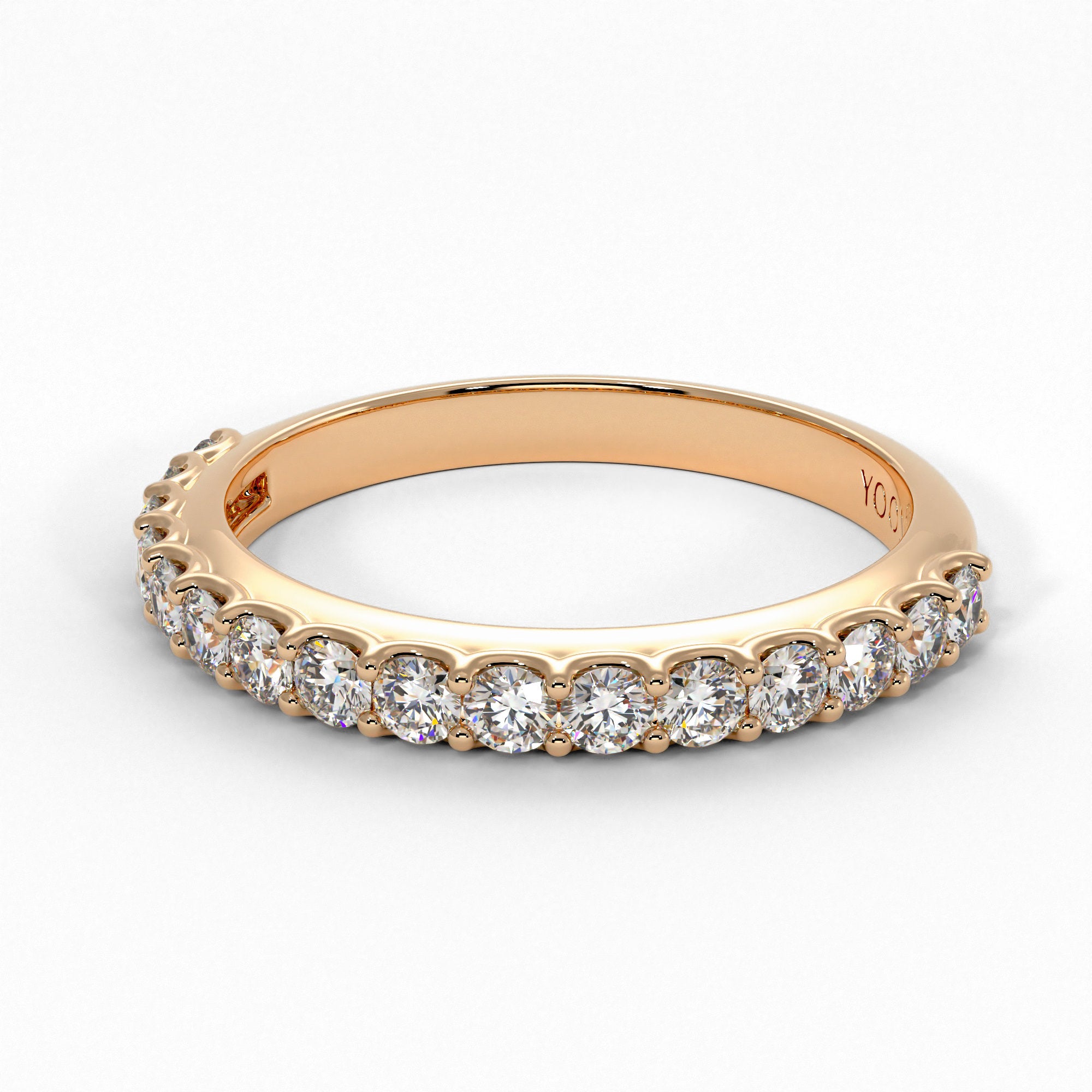
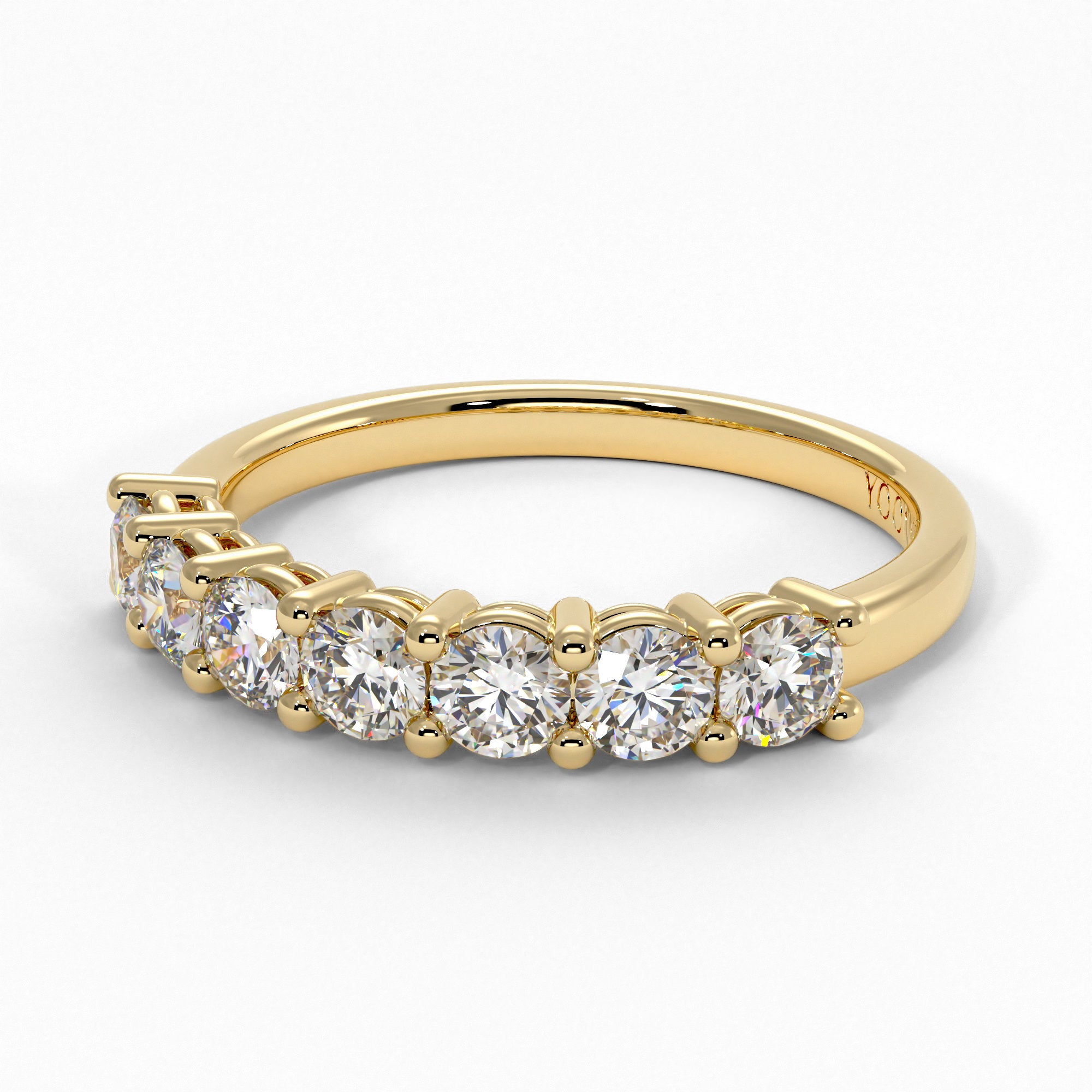
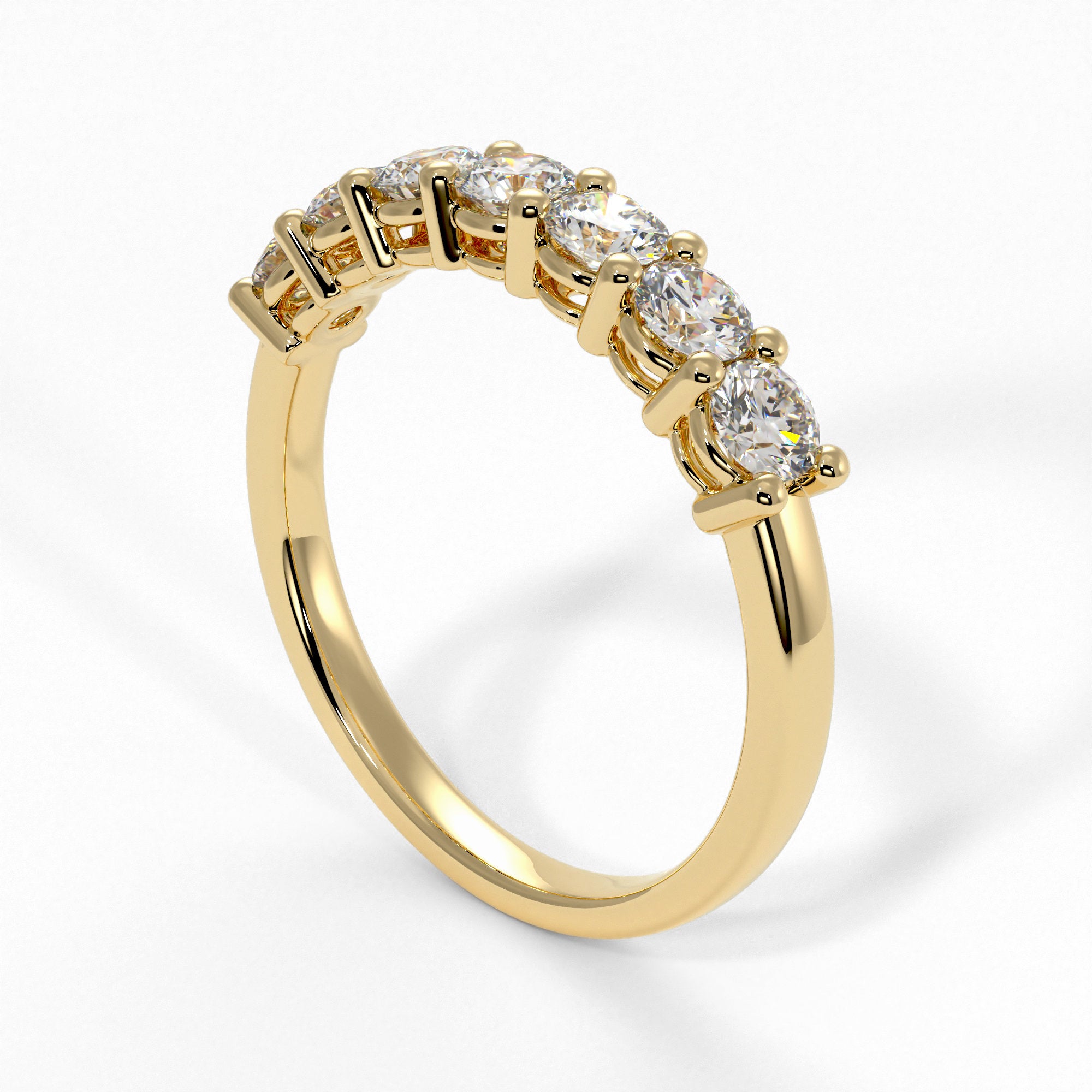
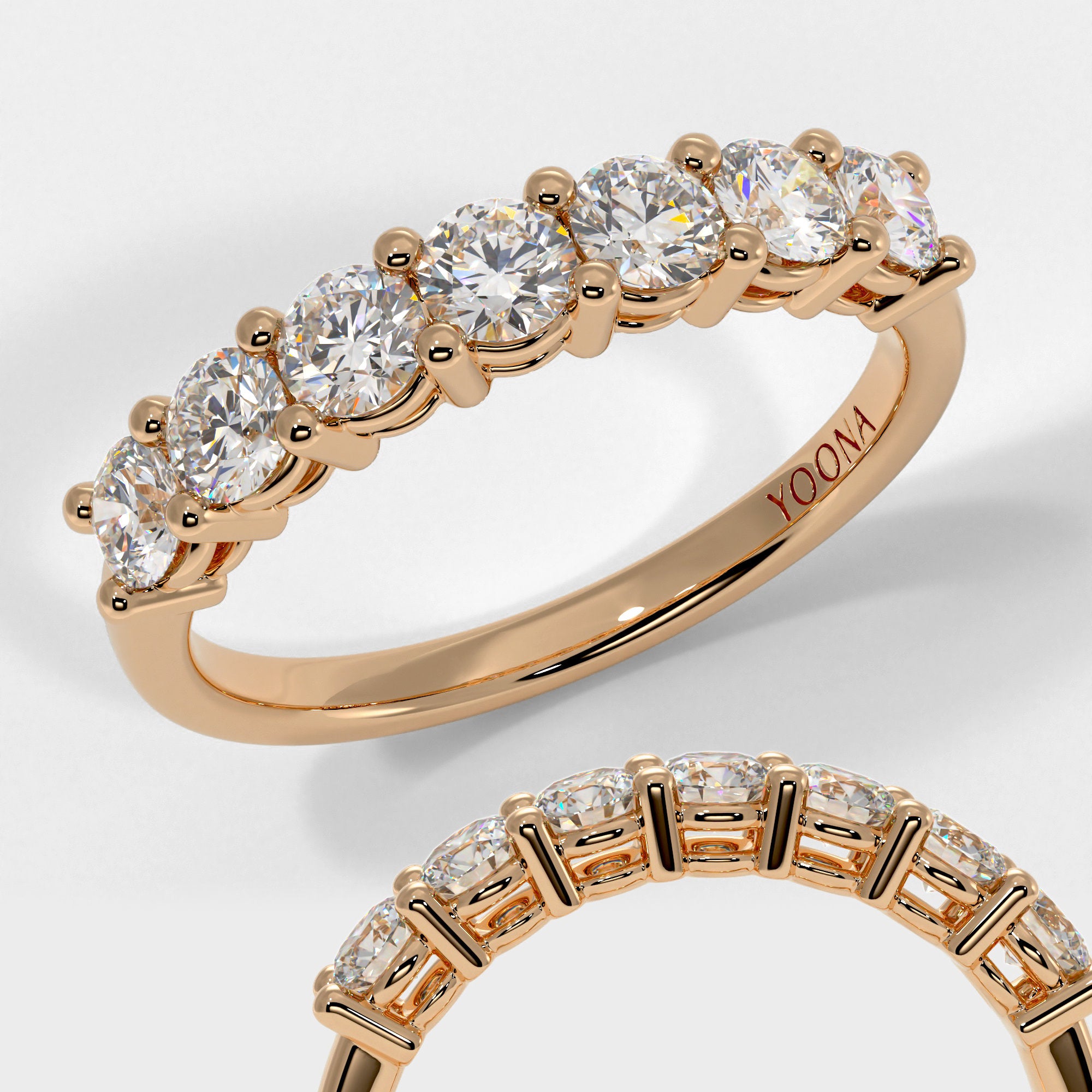
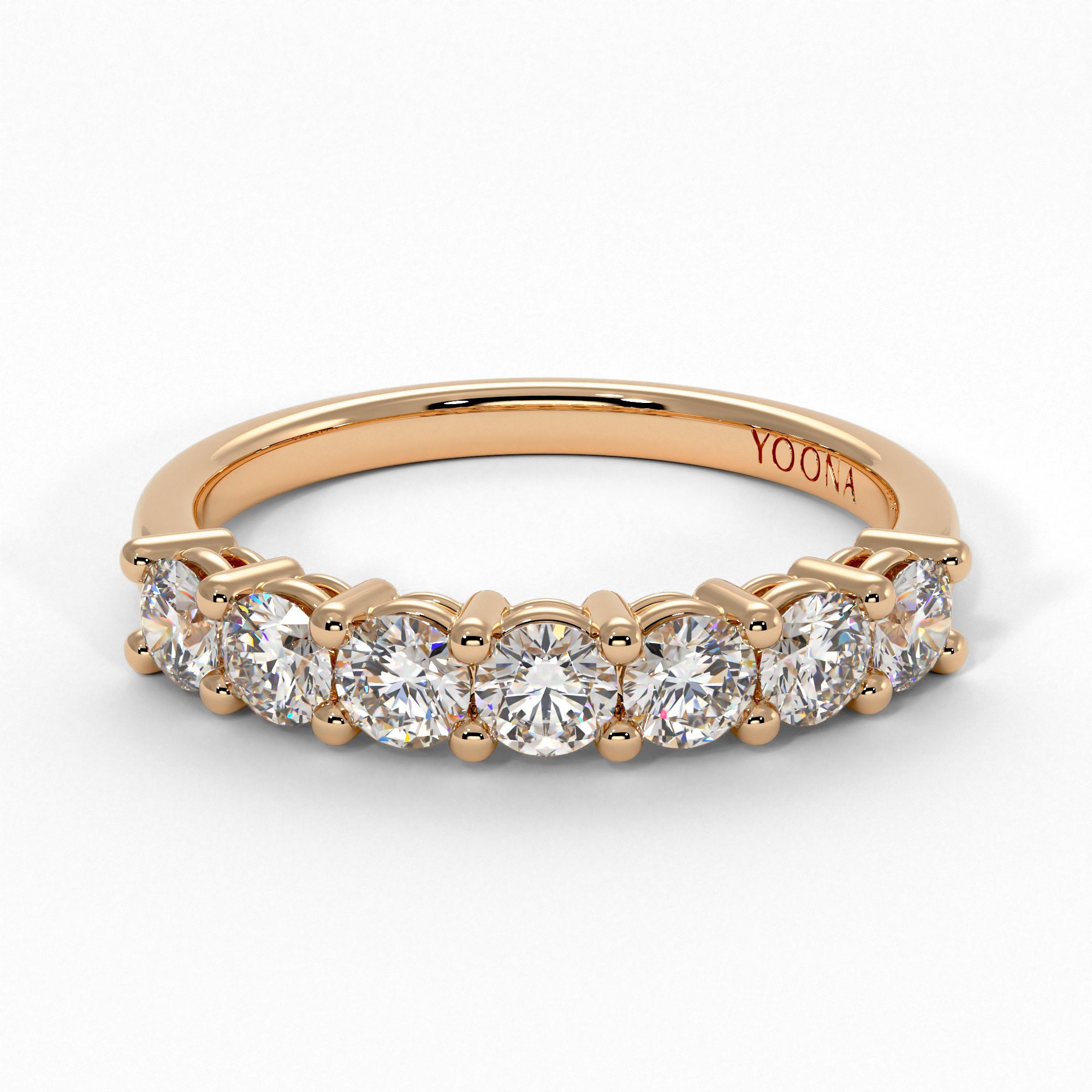
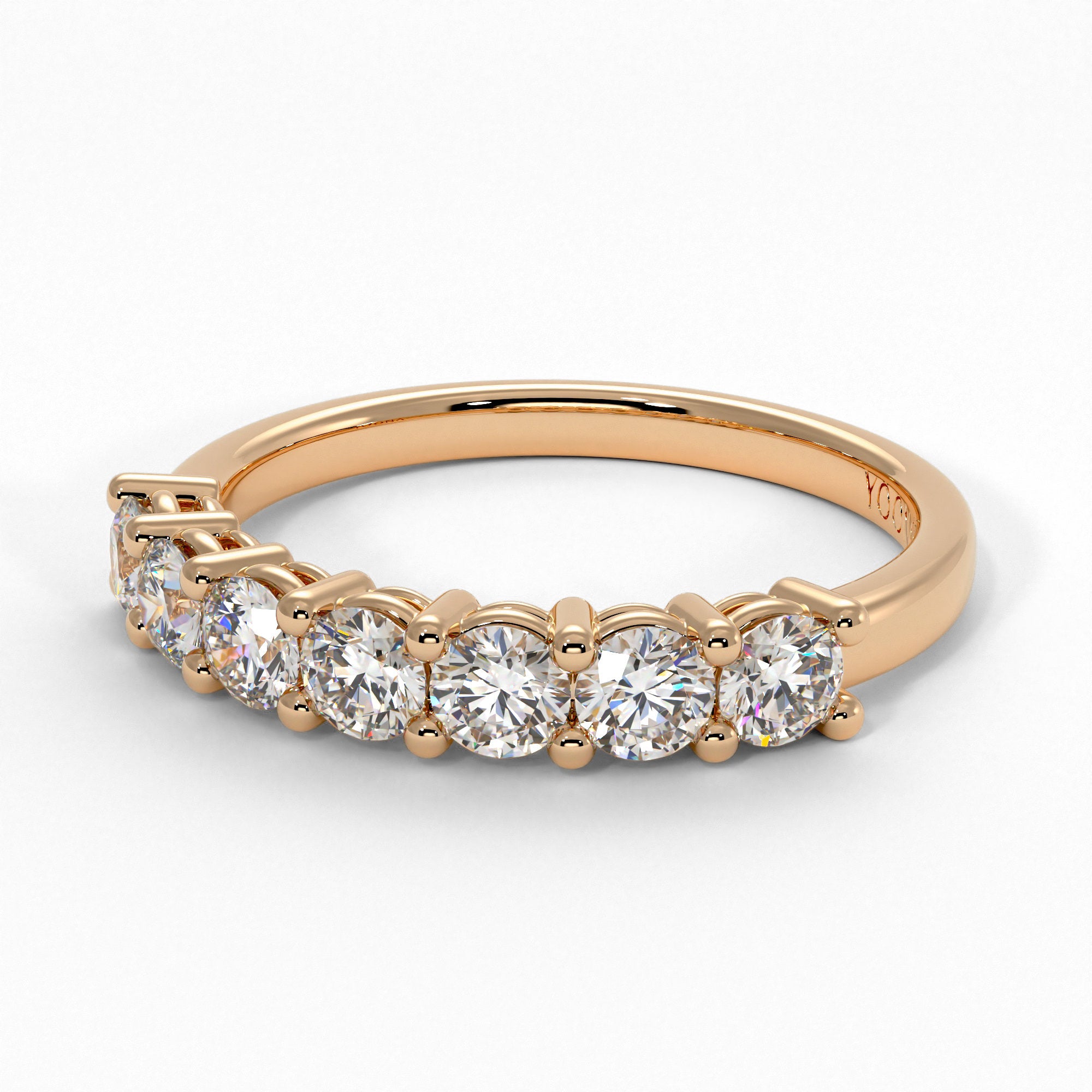
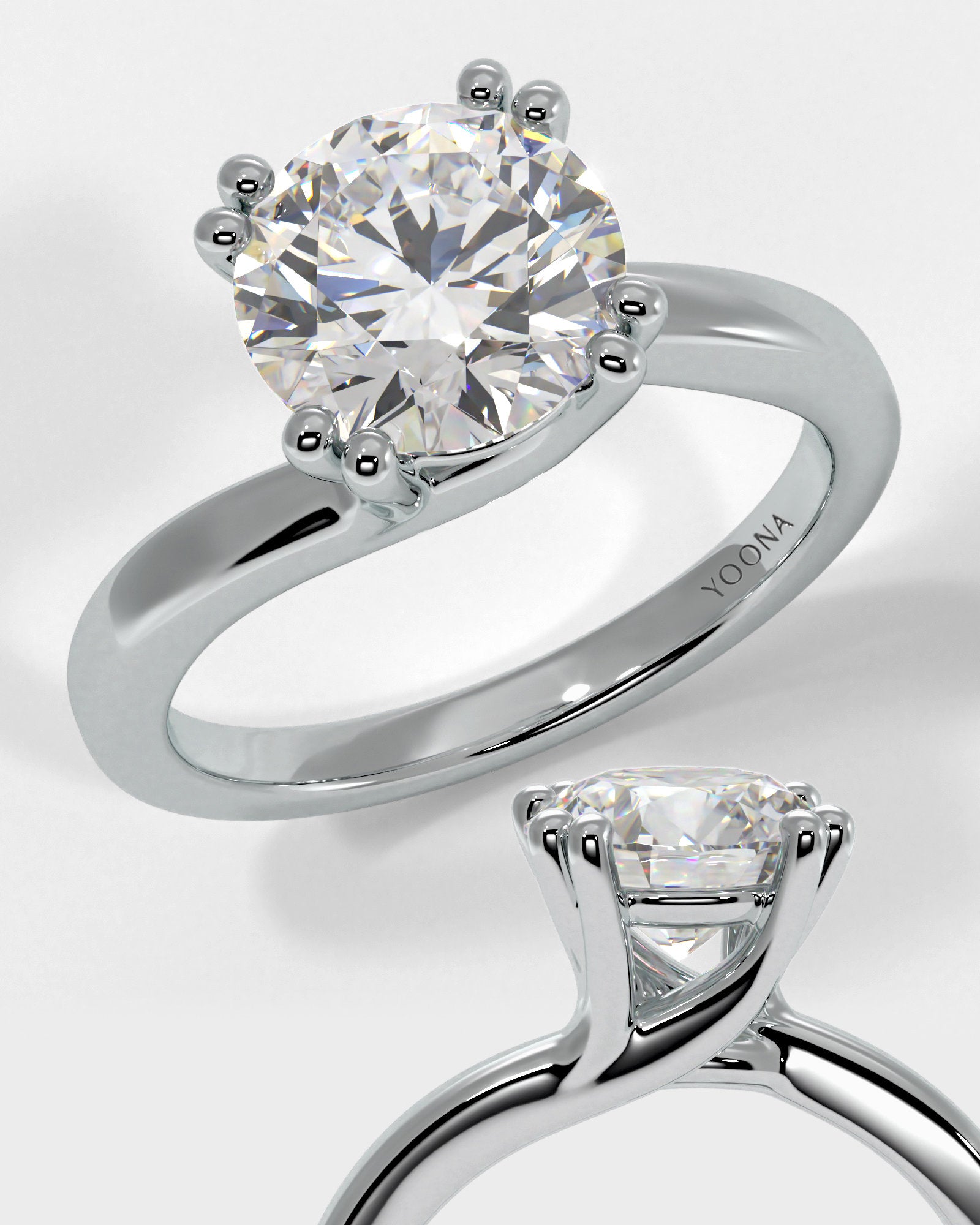
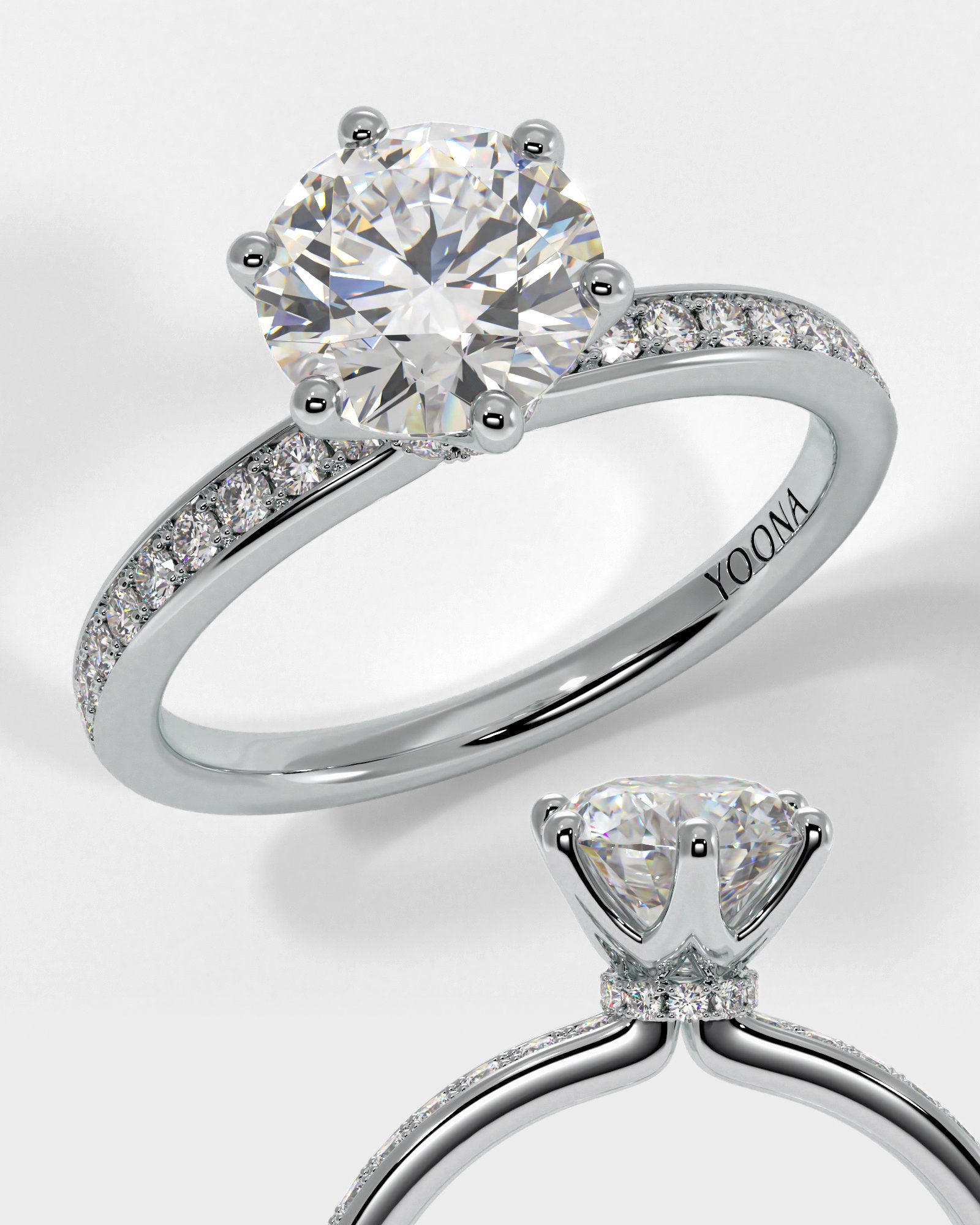
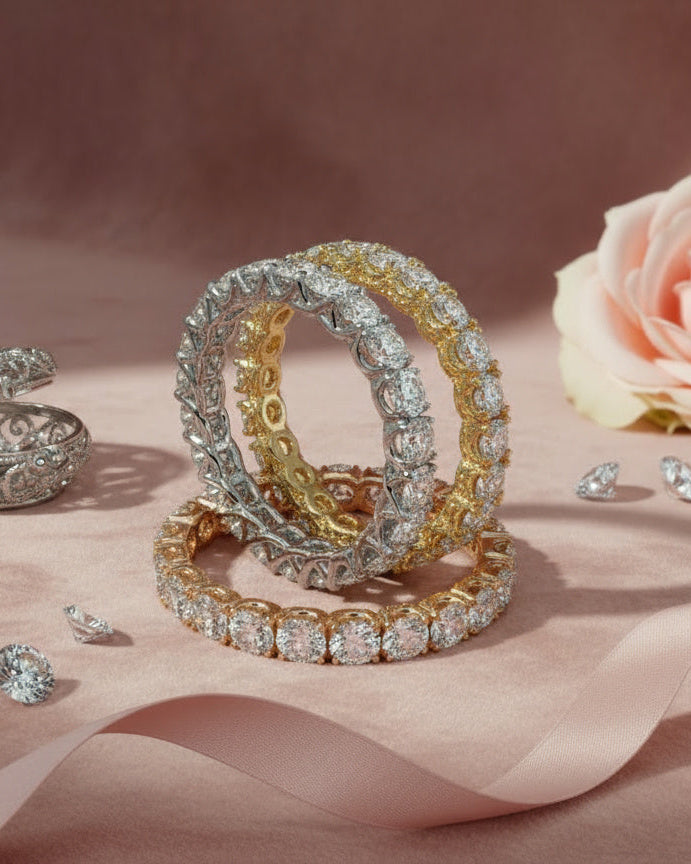
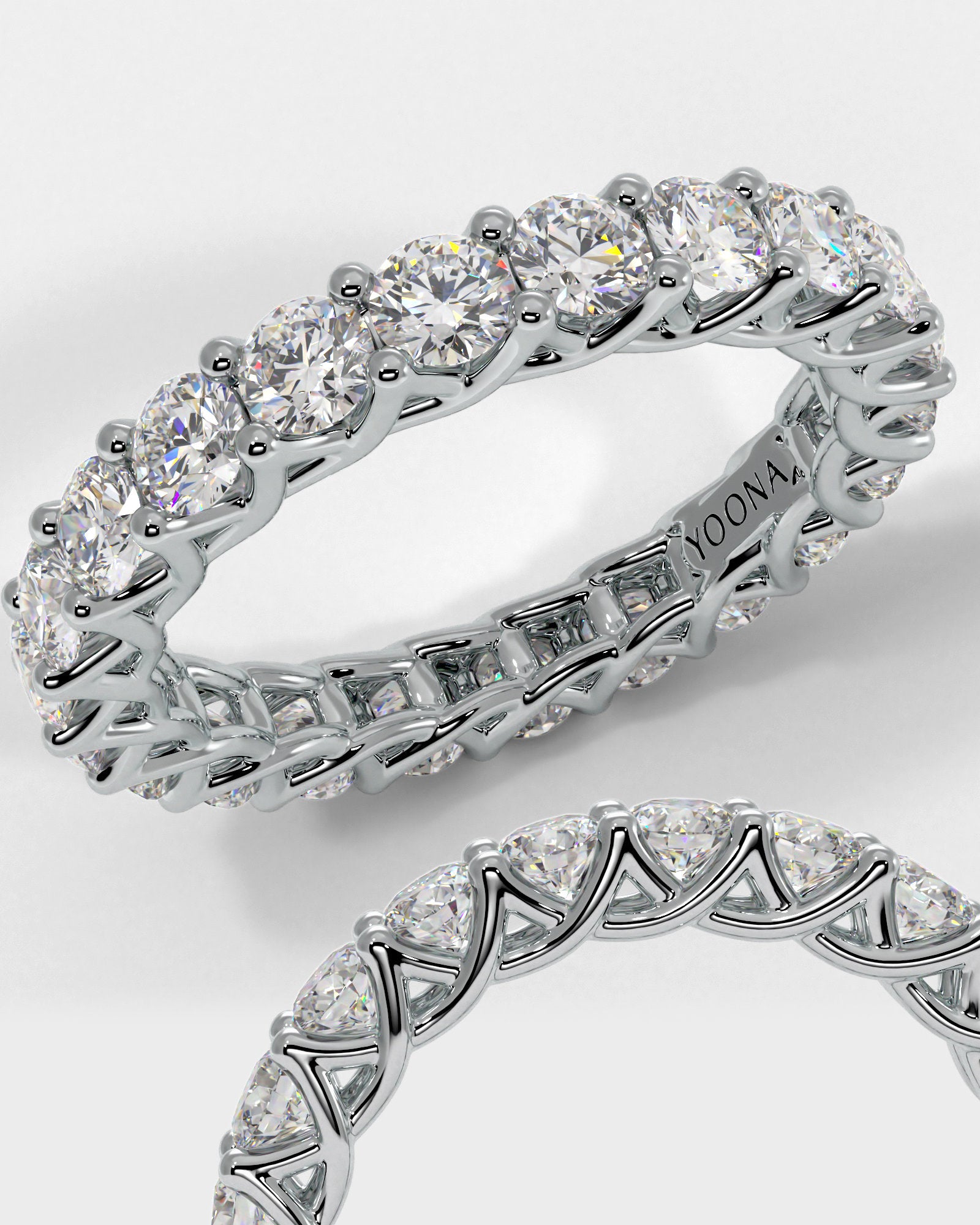
Quick answer: White metals like platinum and white gold make a diamond's color more visible by contrast. Yellow and rose gold do the opposite, they mask warmth in the stone, so a lower color grade can look just as white once set.
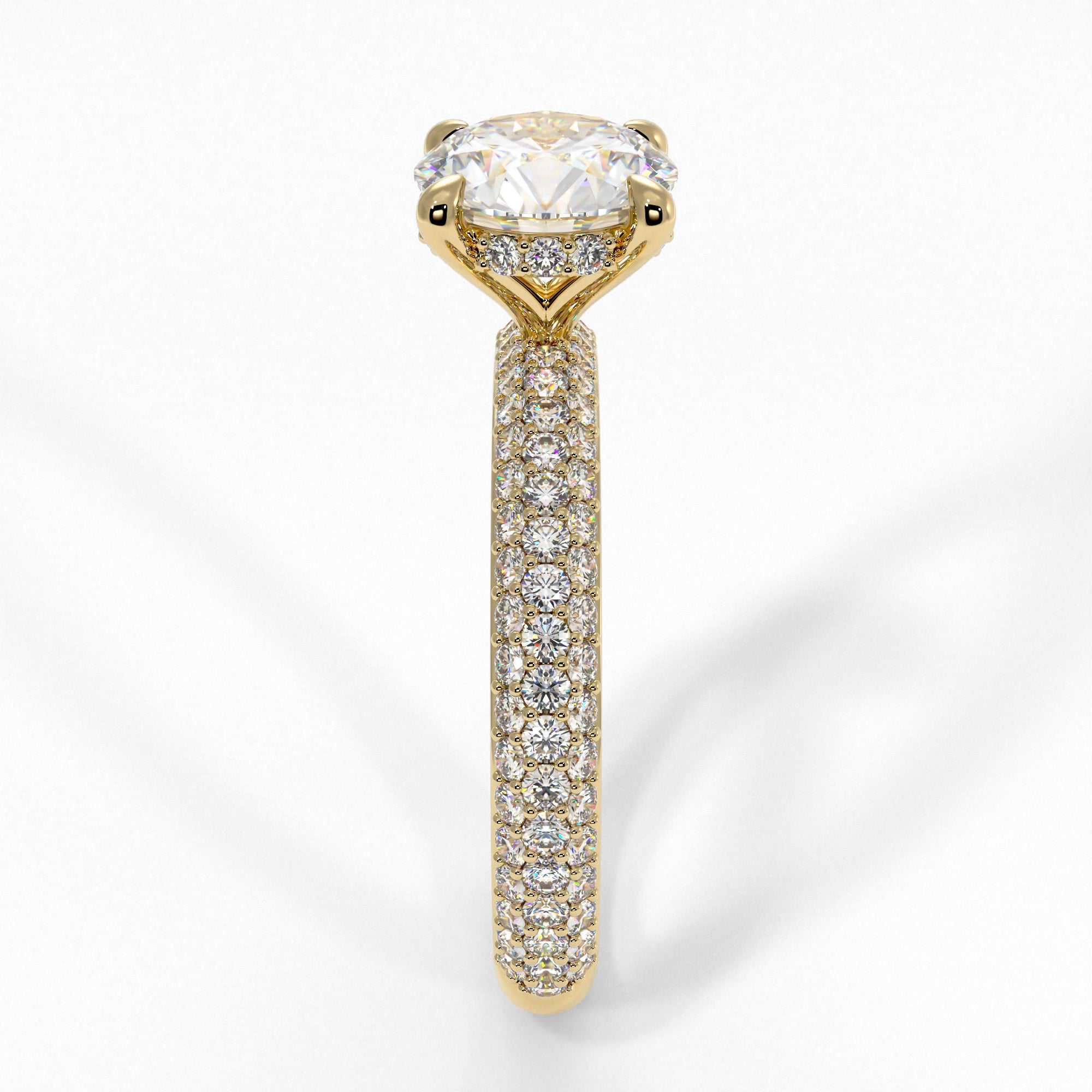
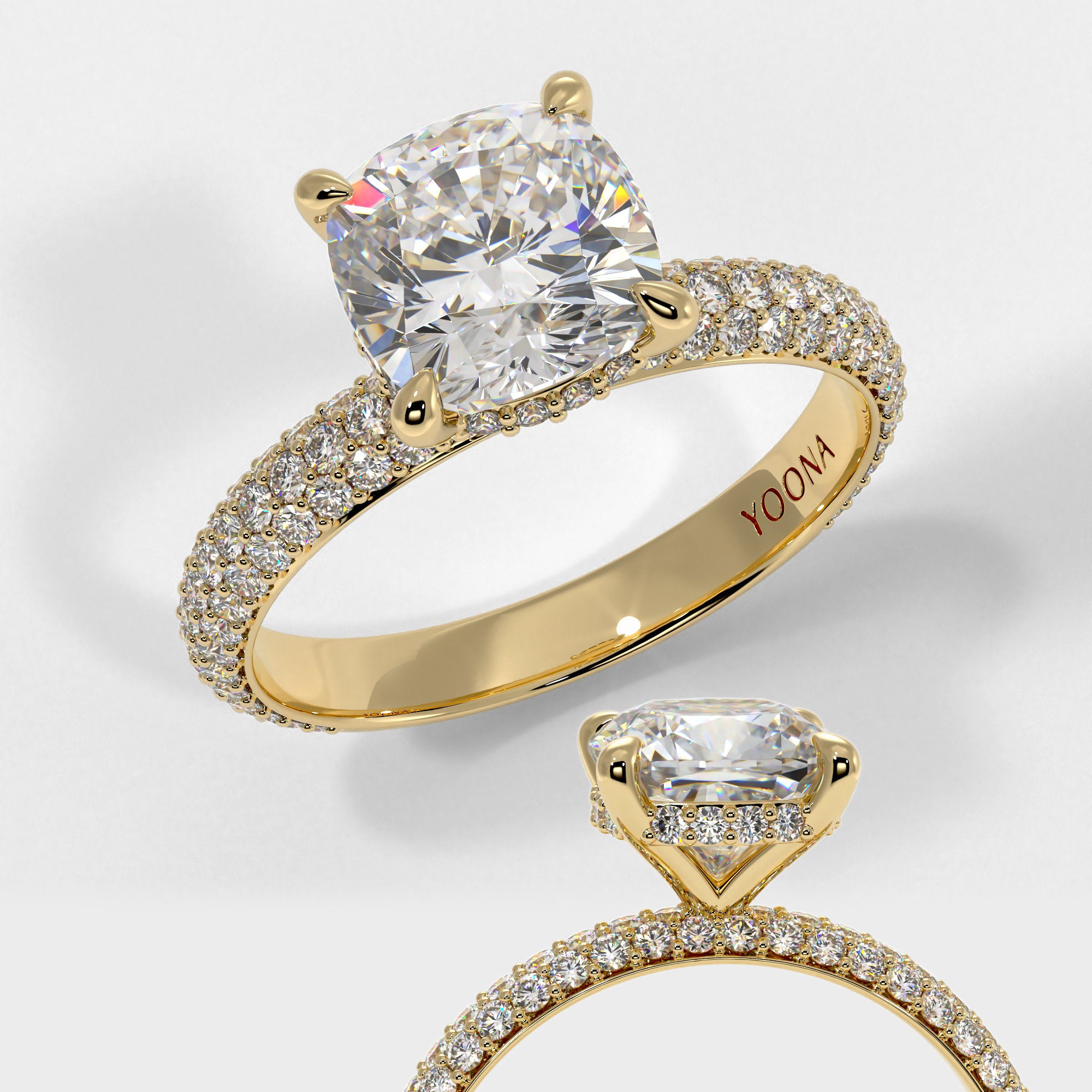
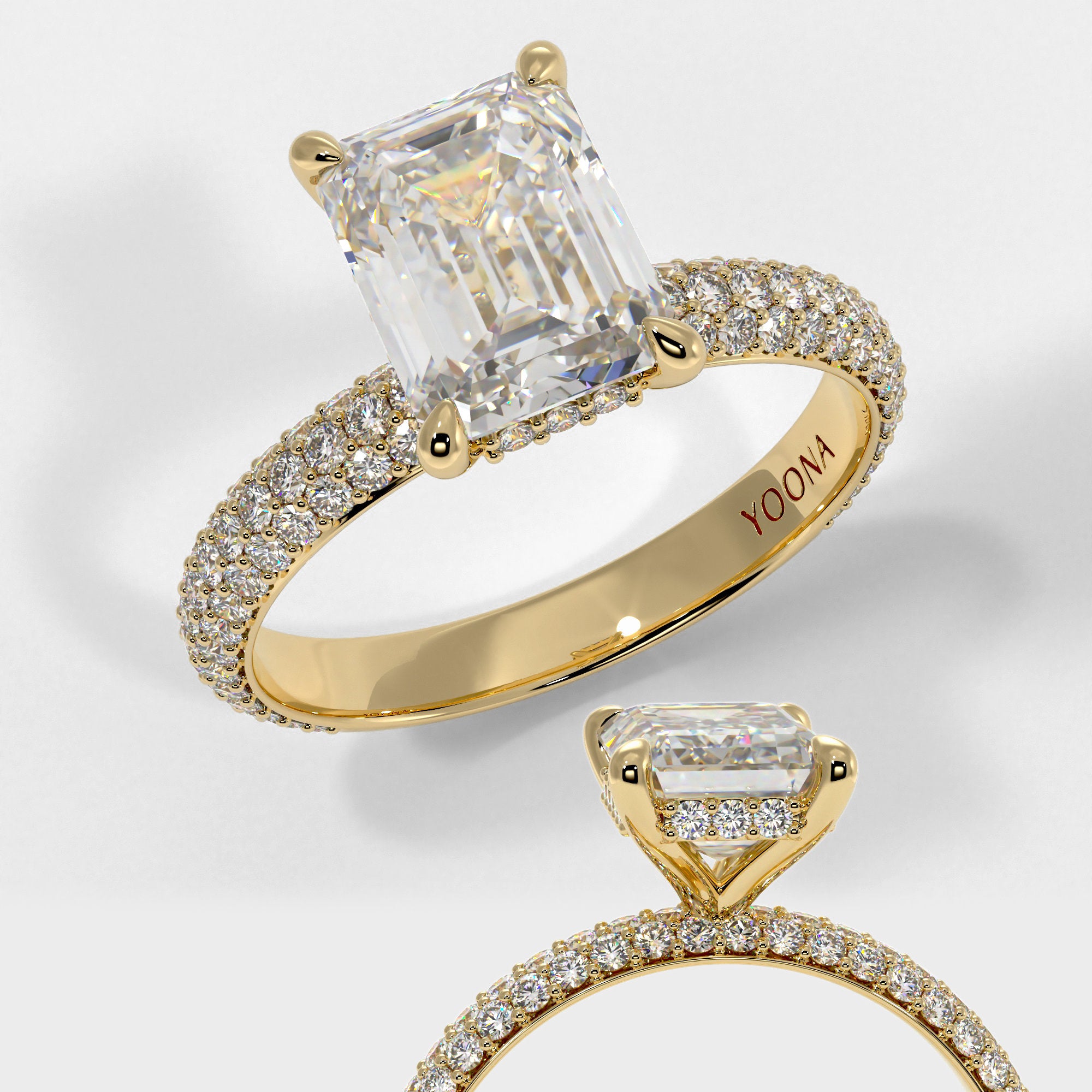
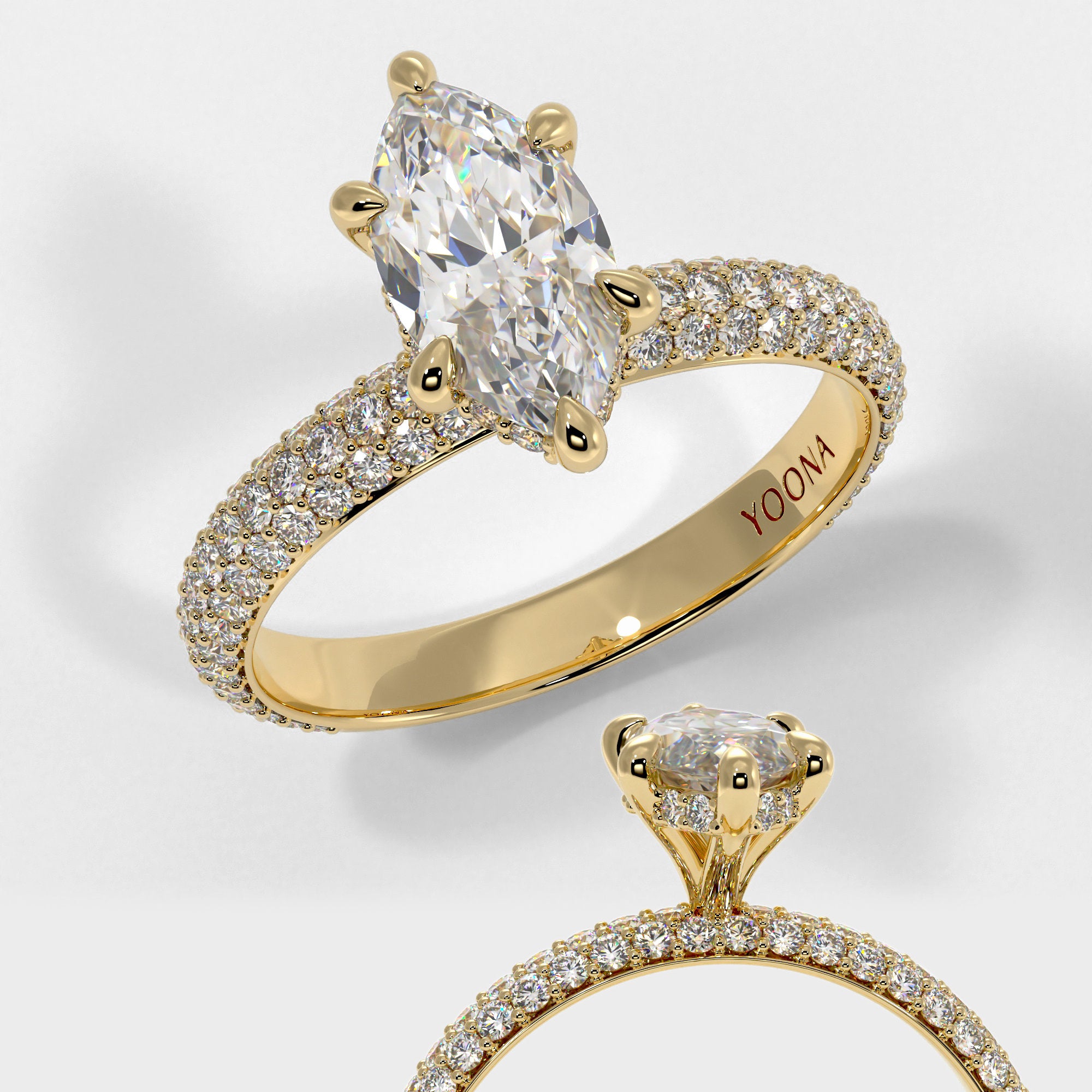
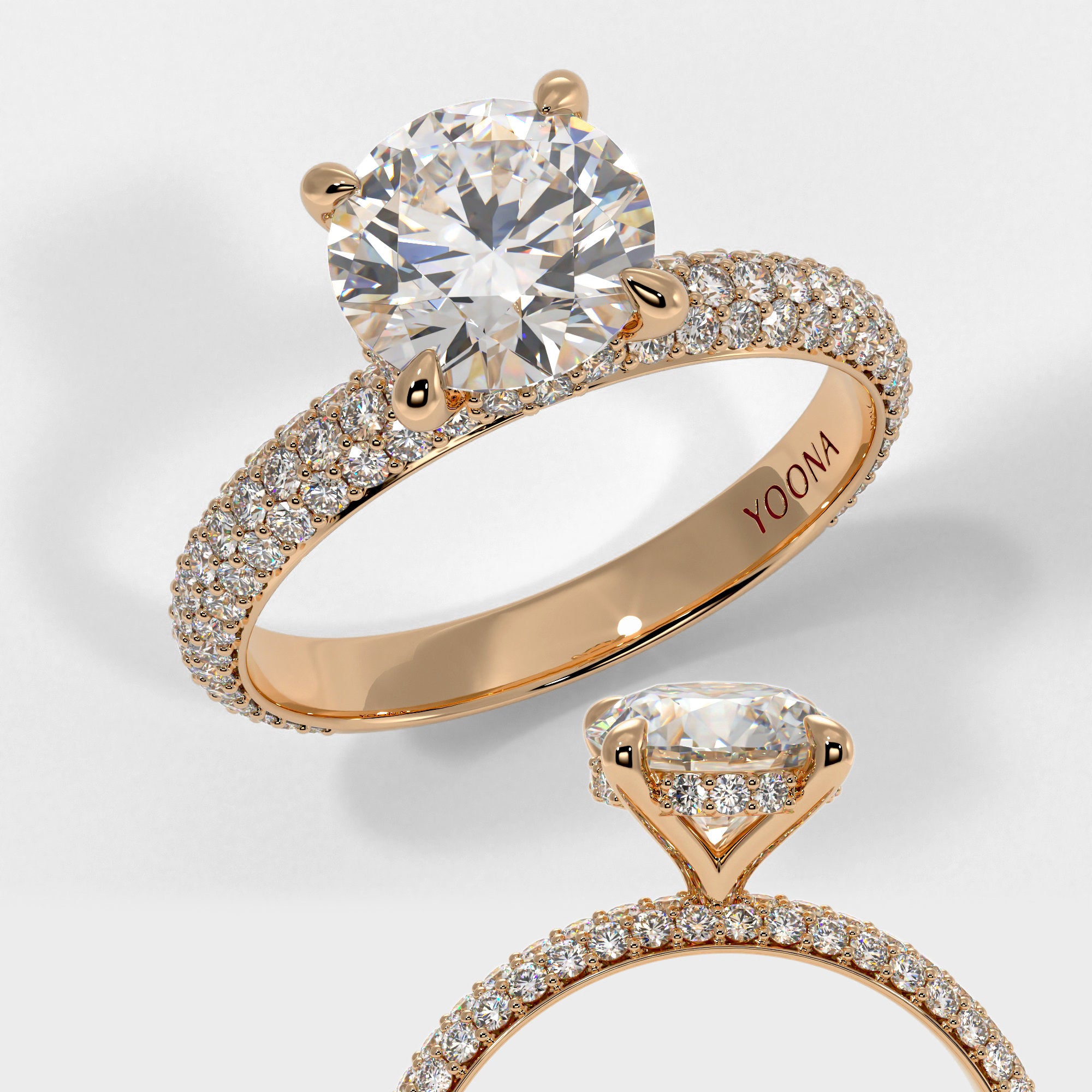
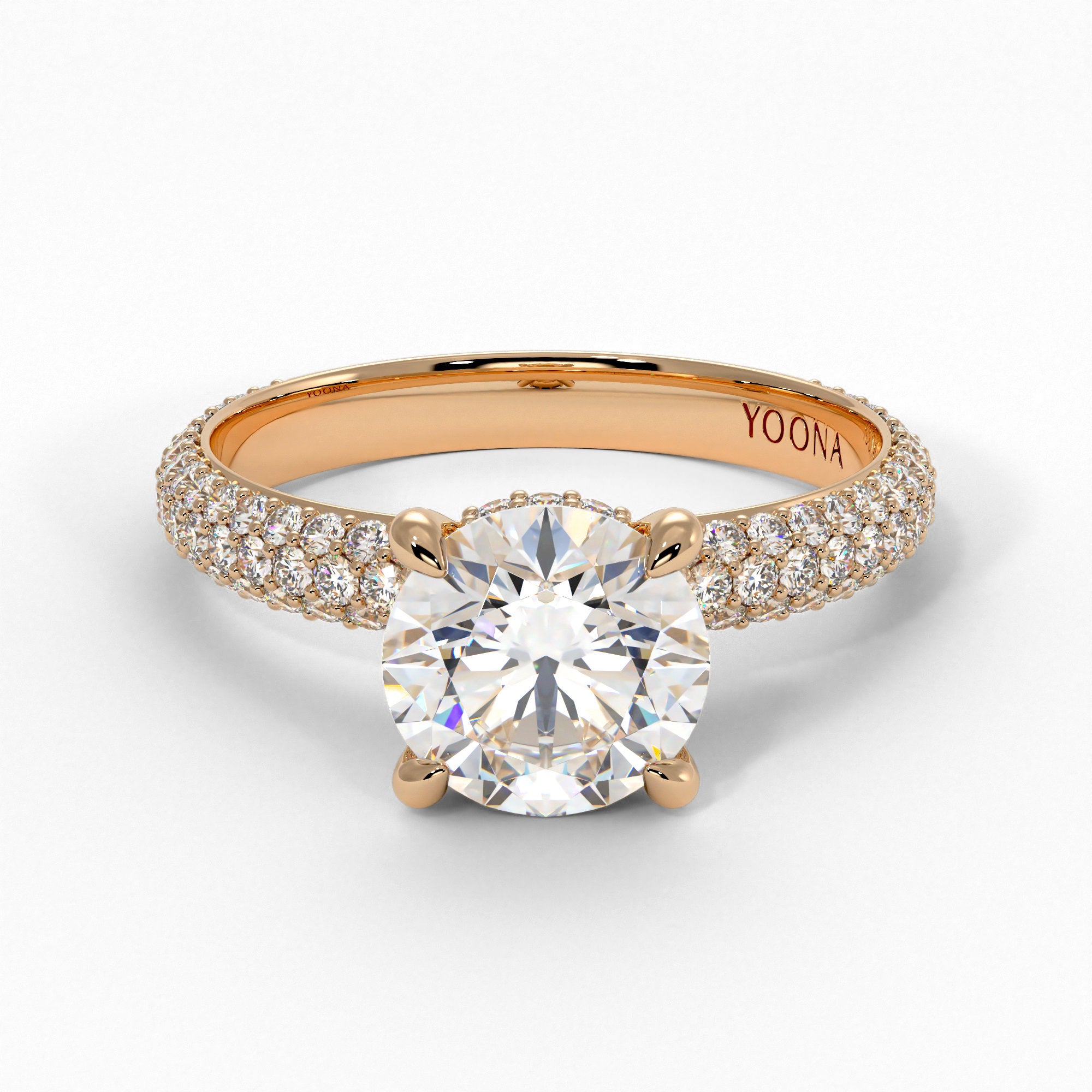
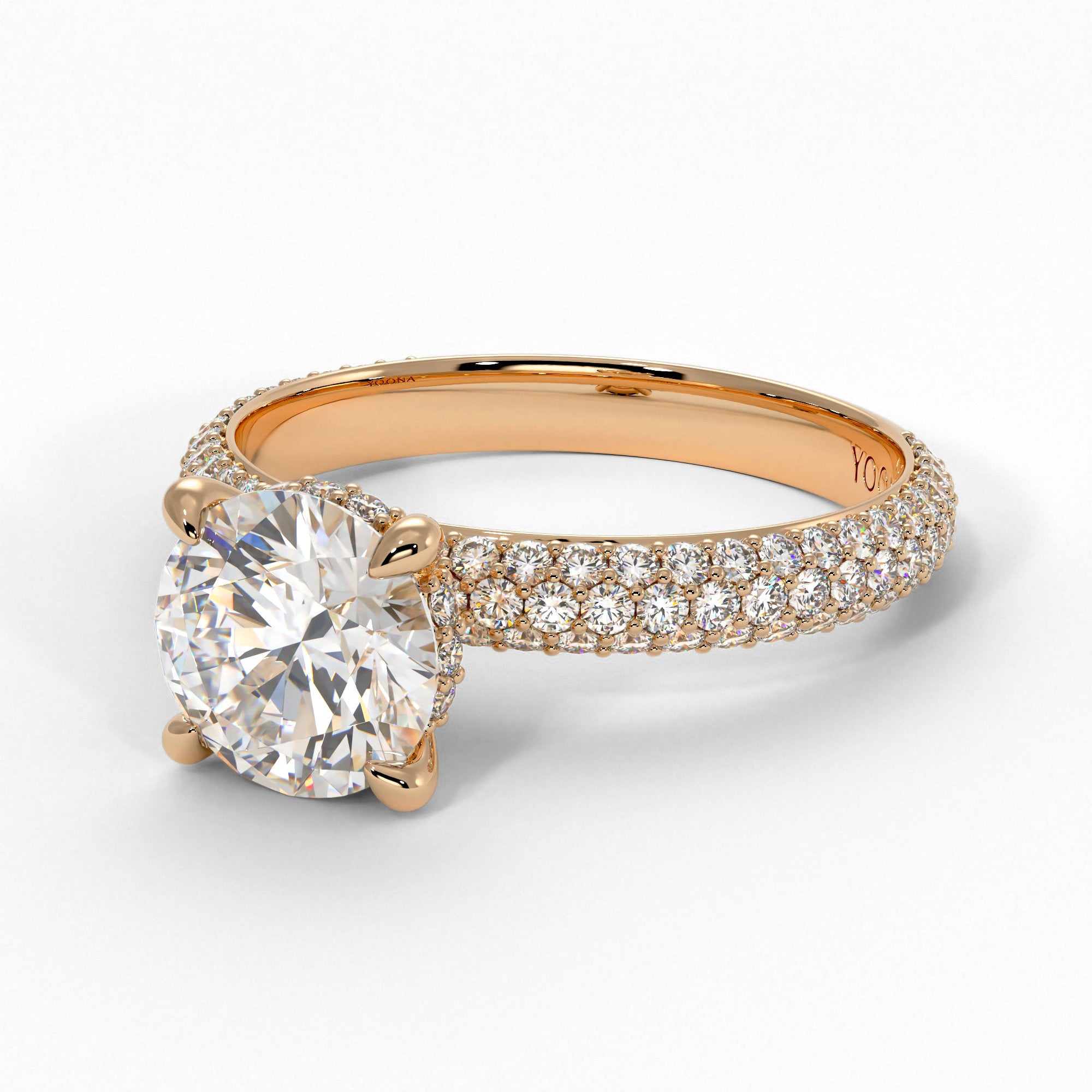
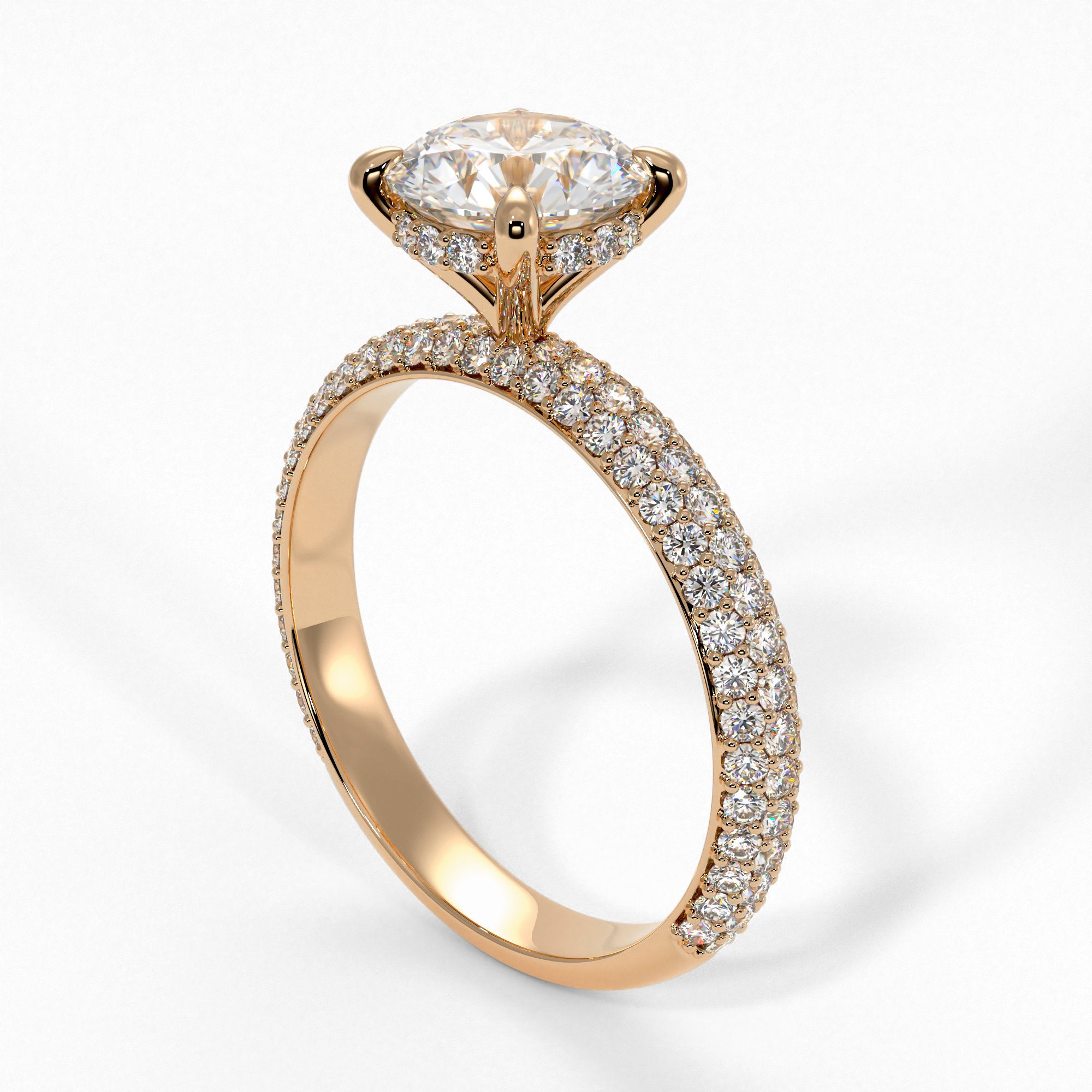
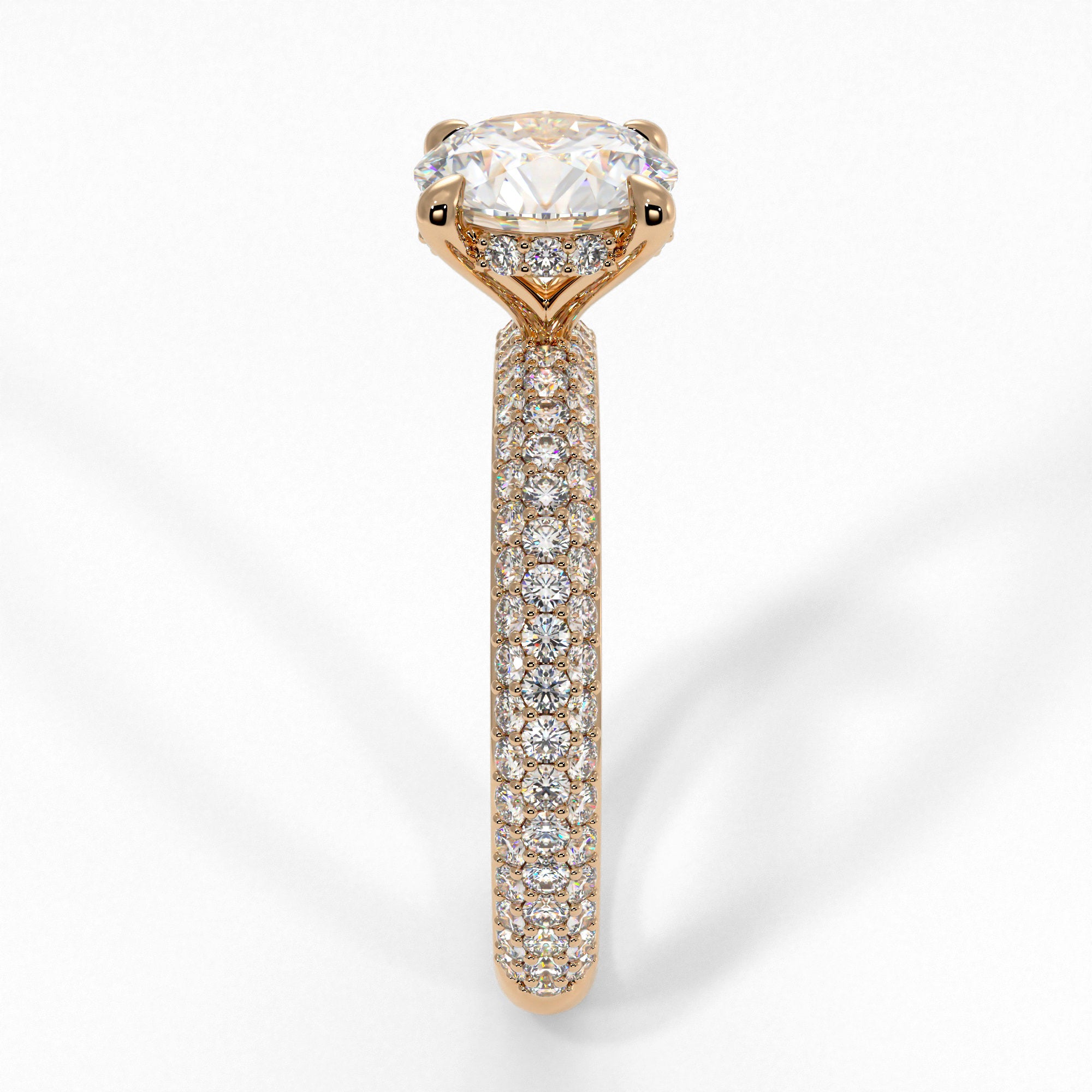
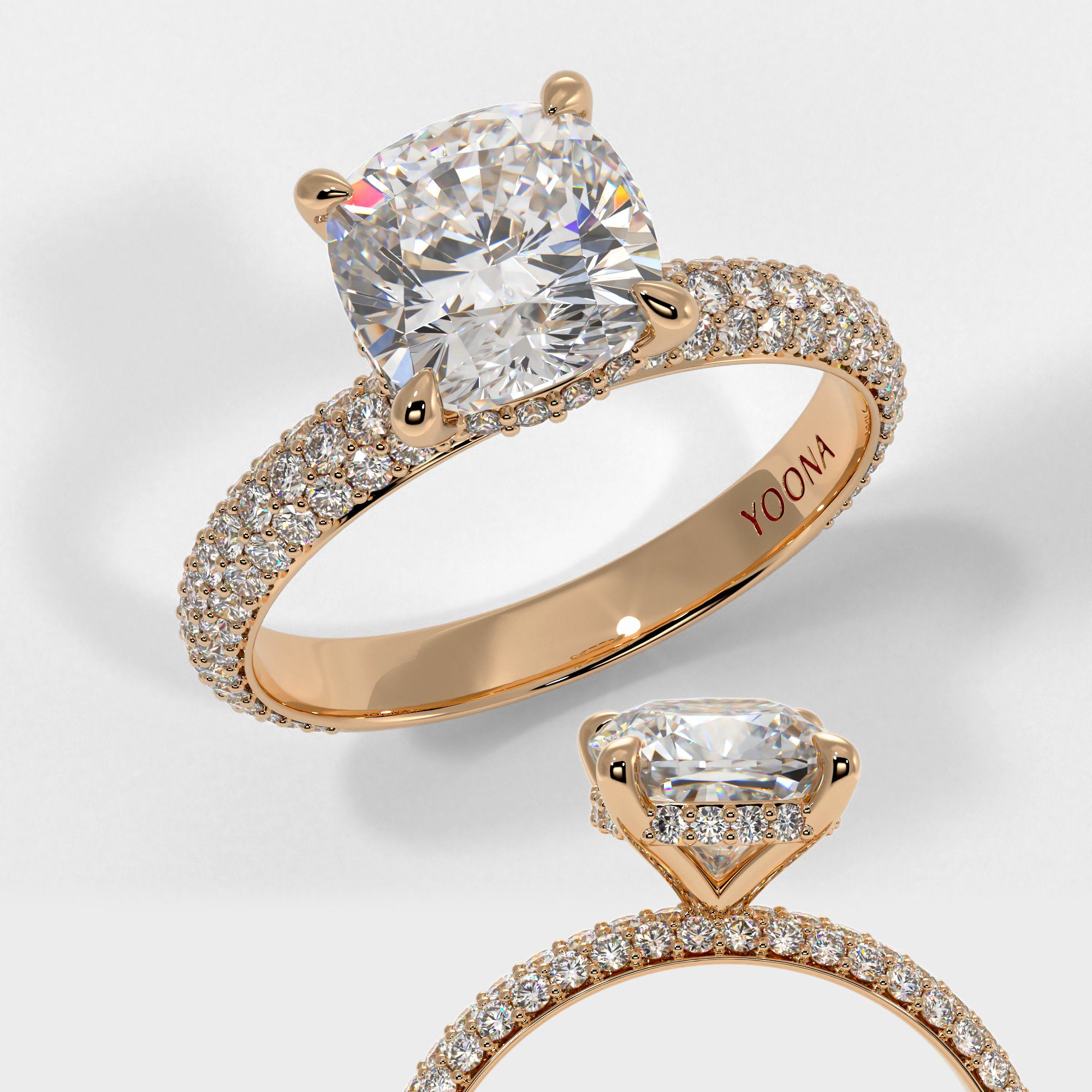
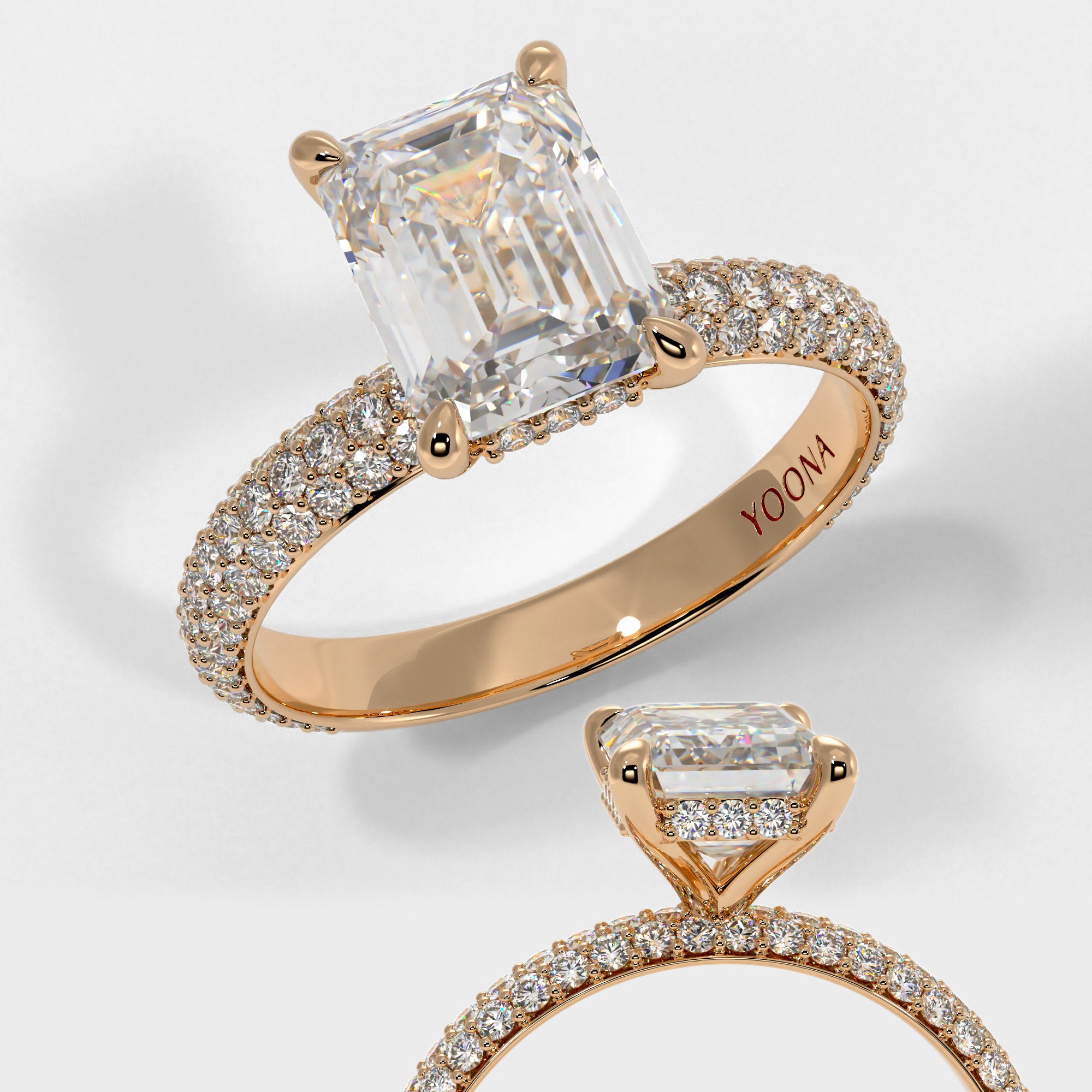
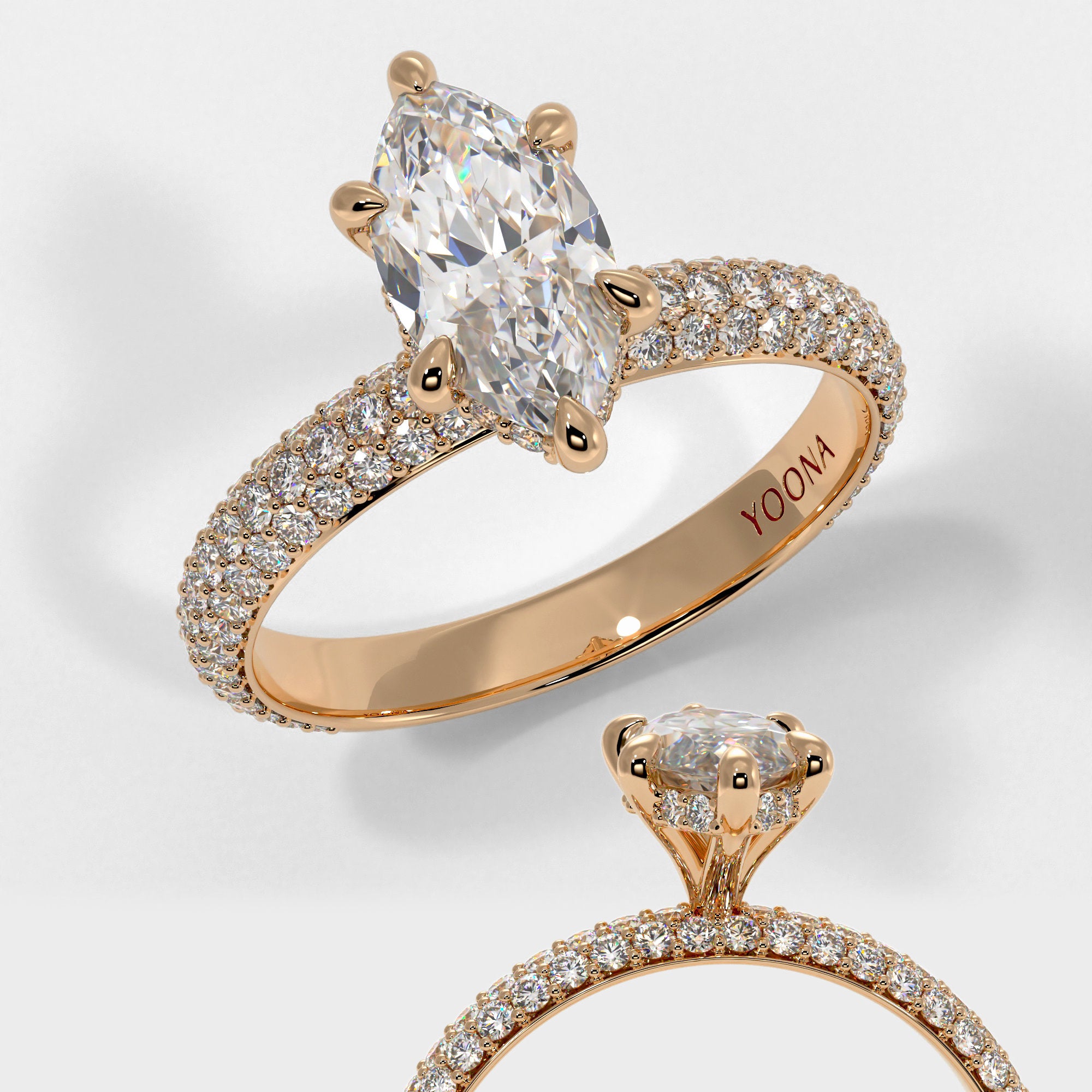
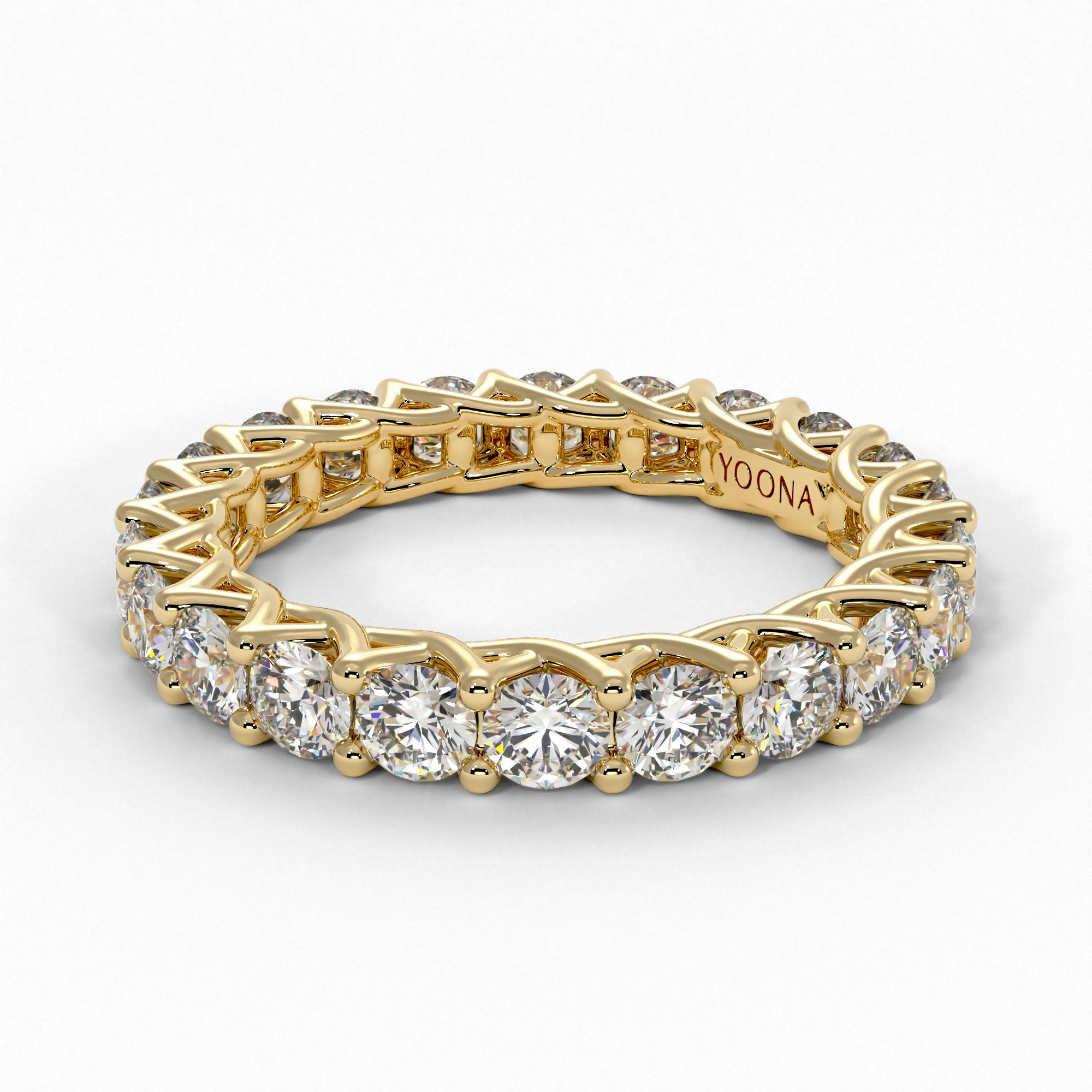
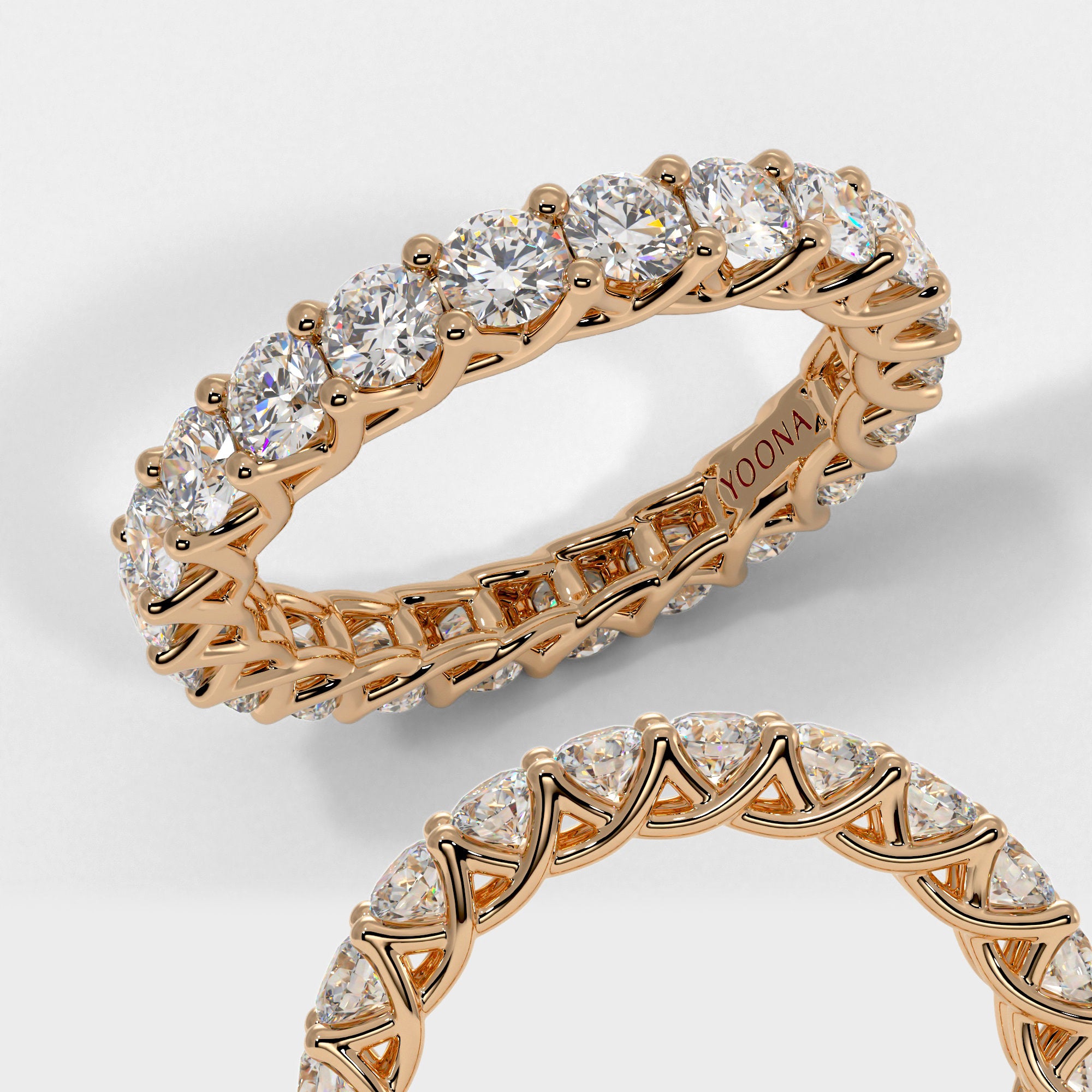
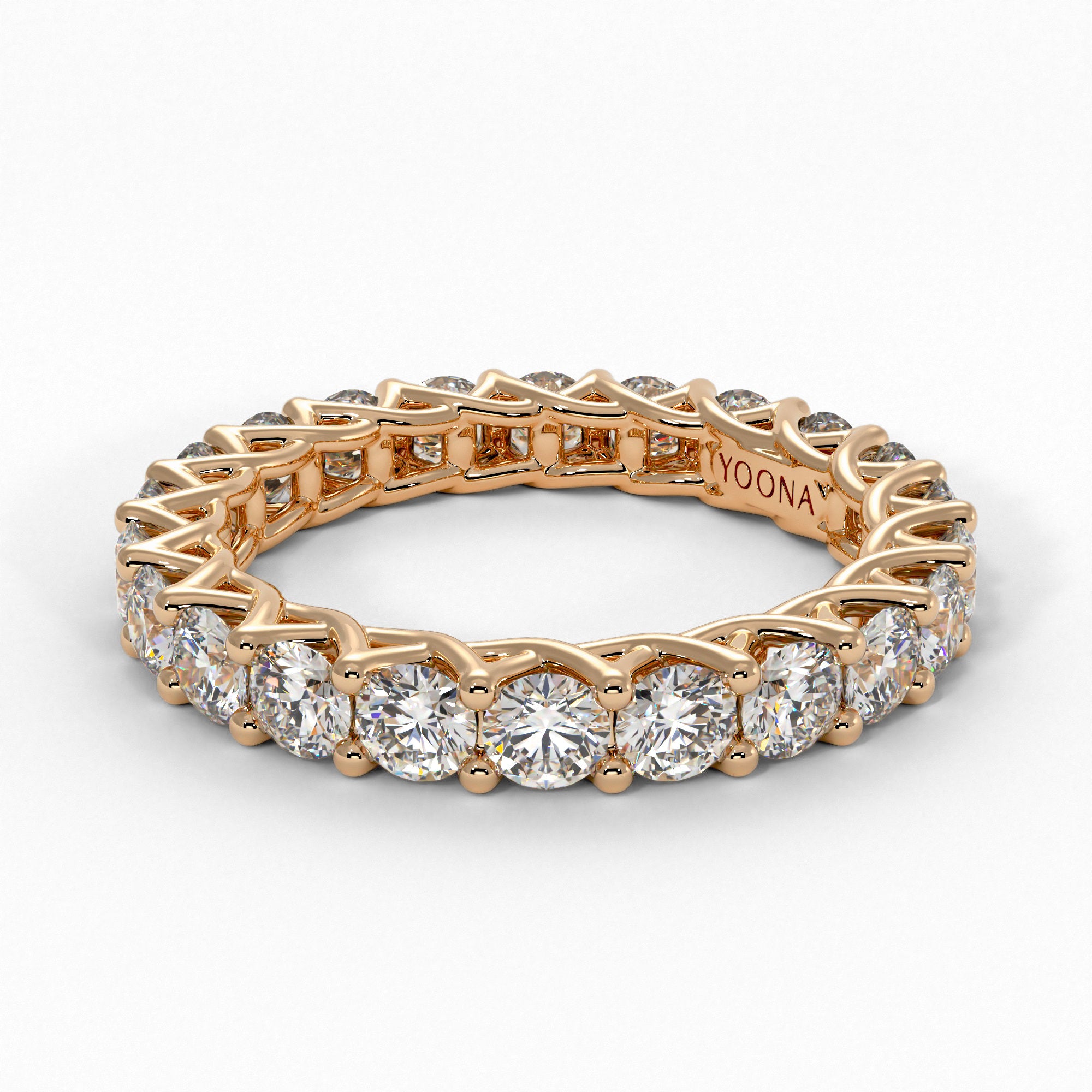
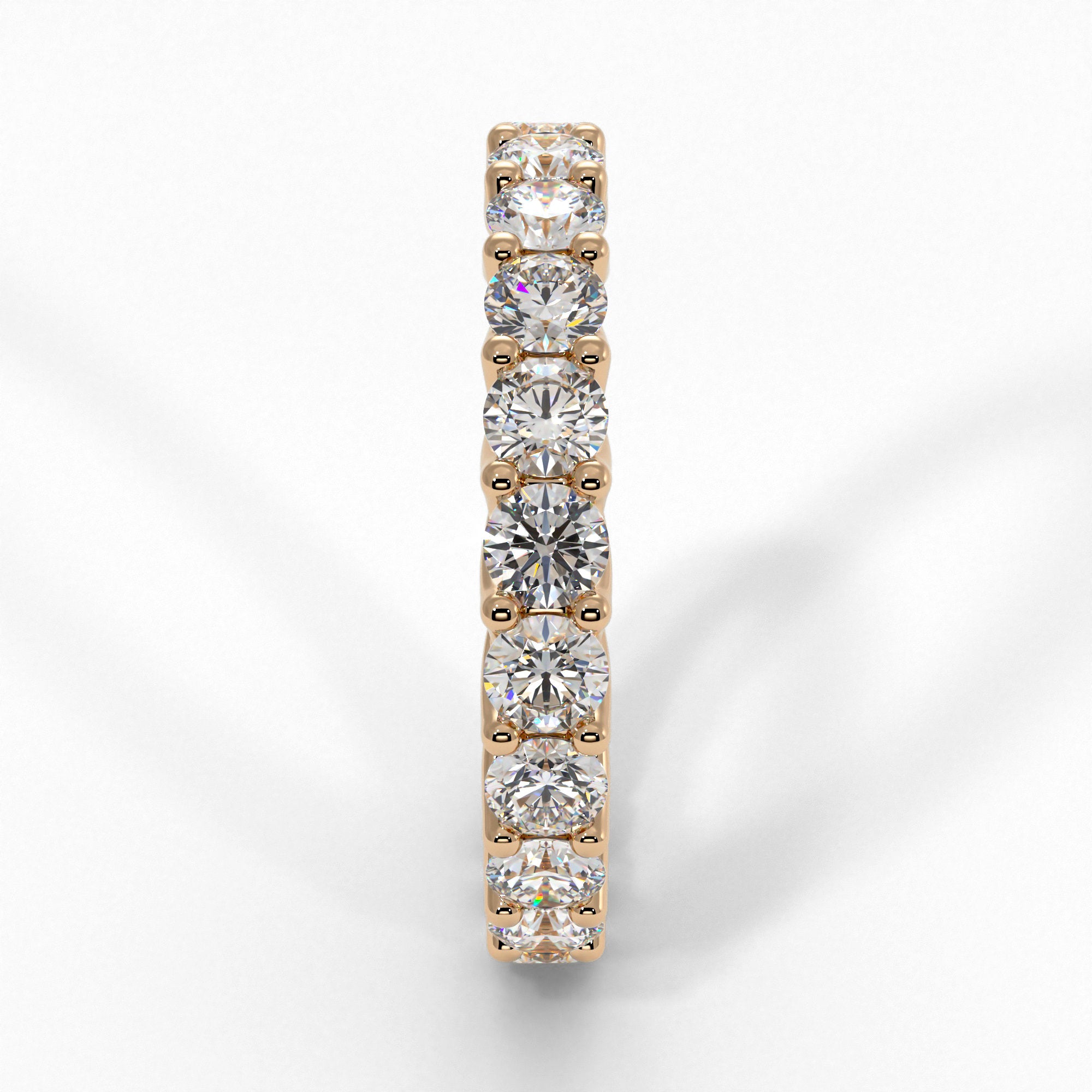
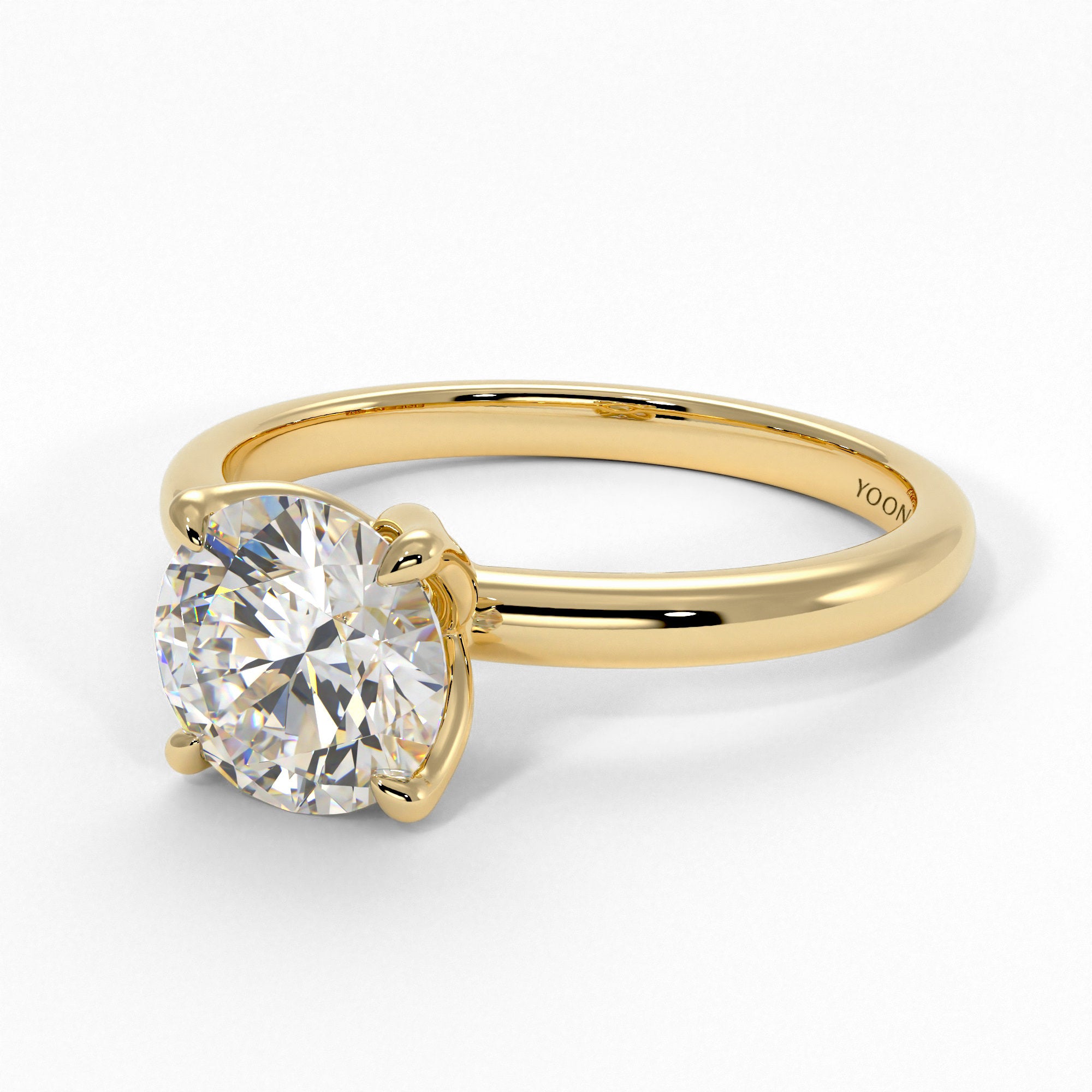
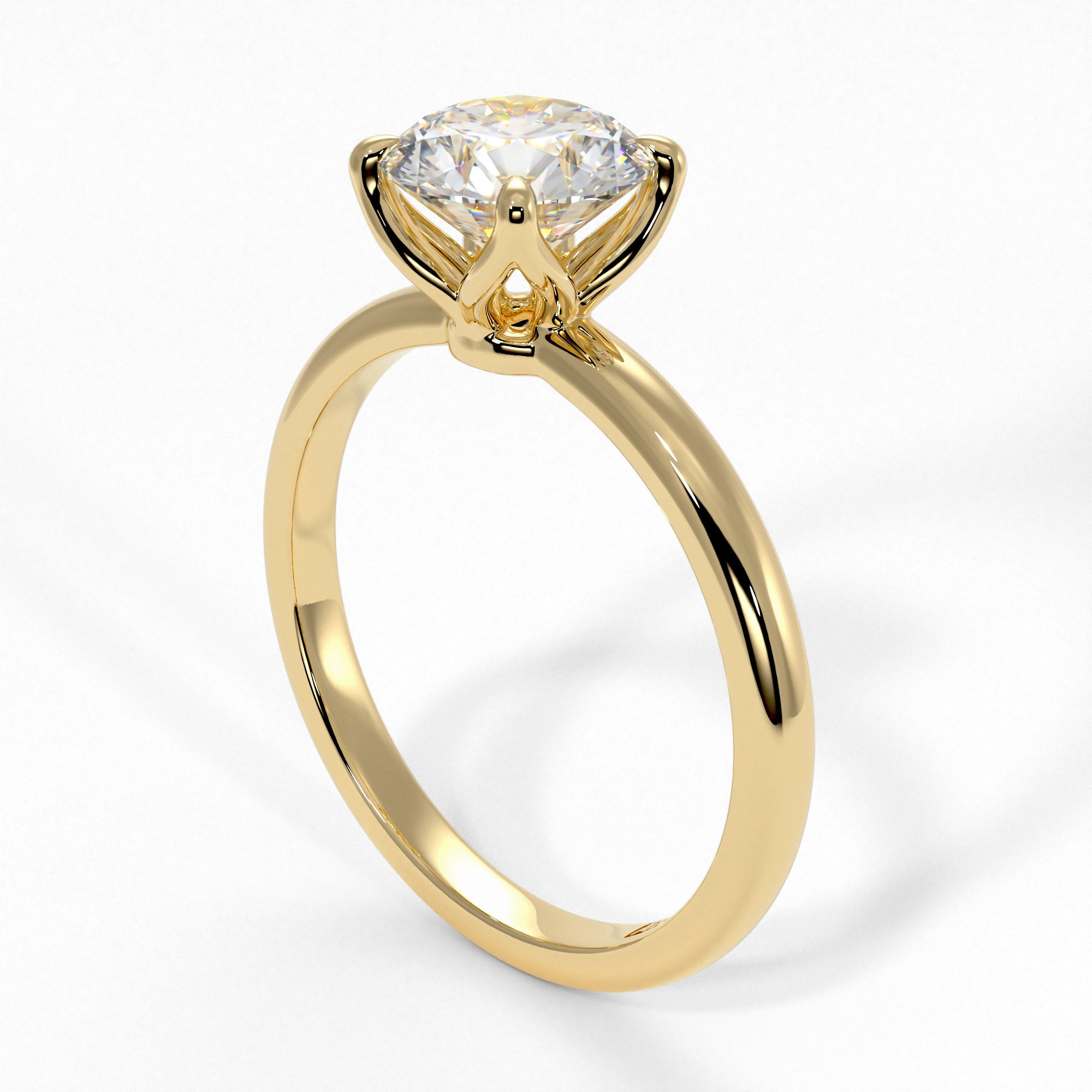
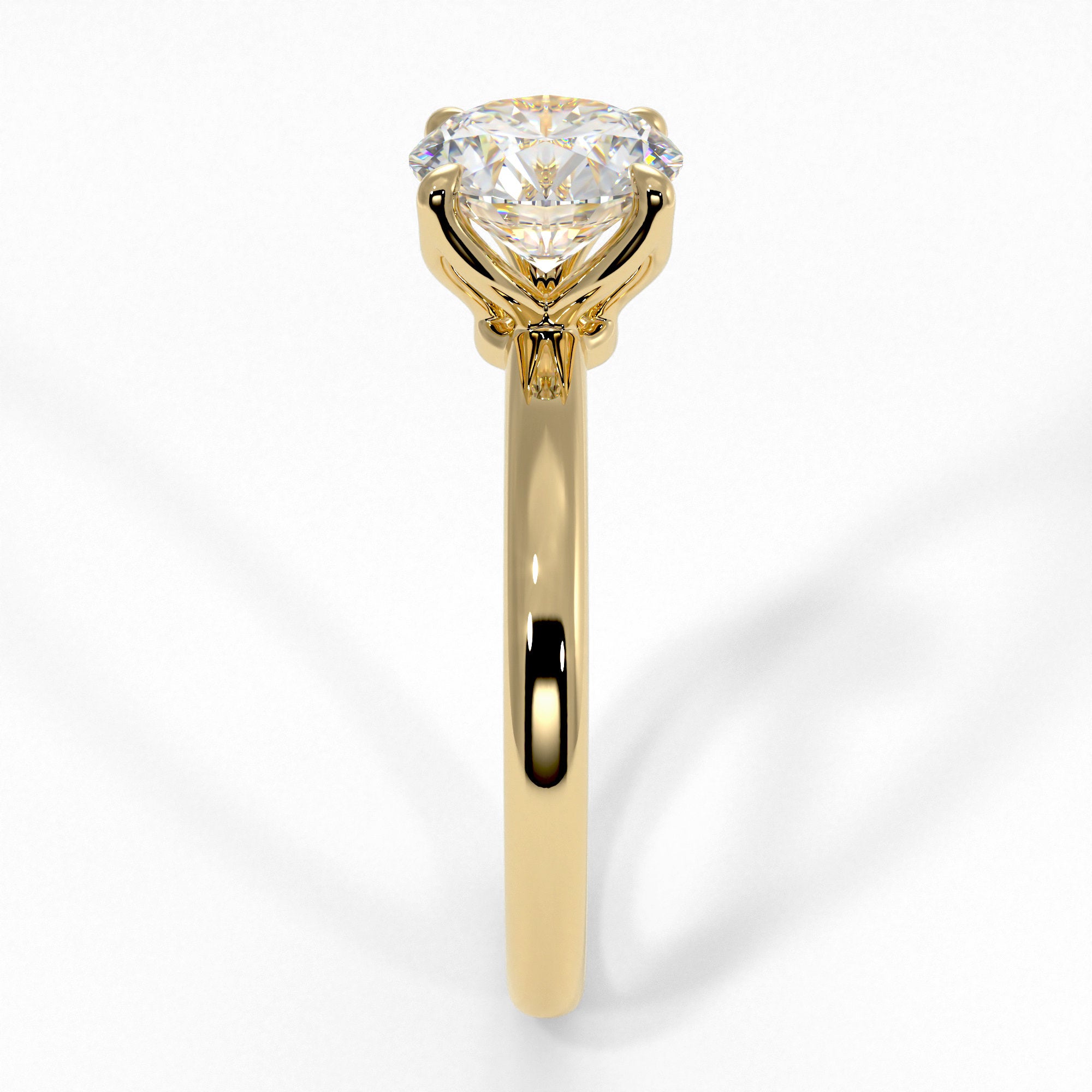
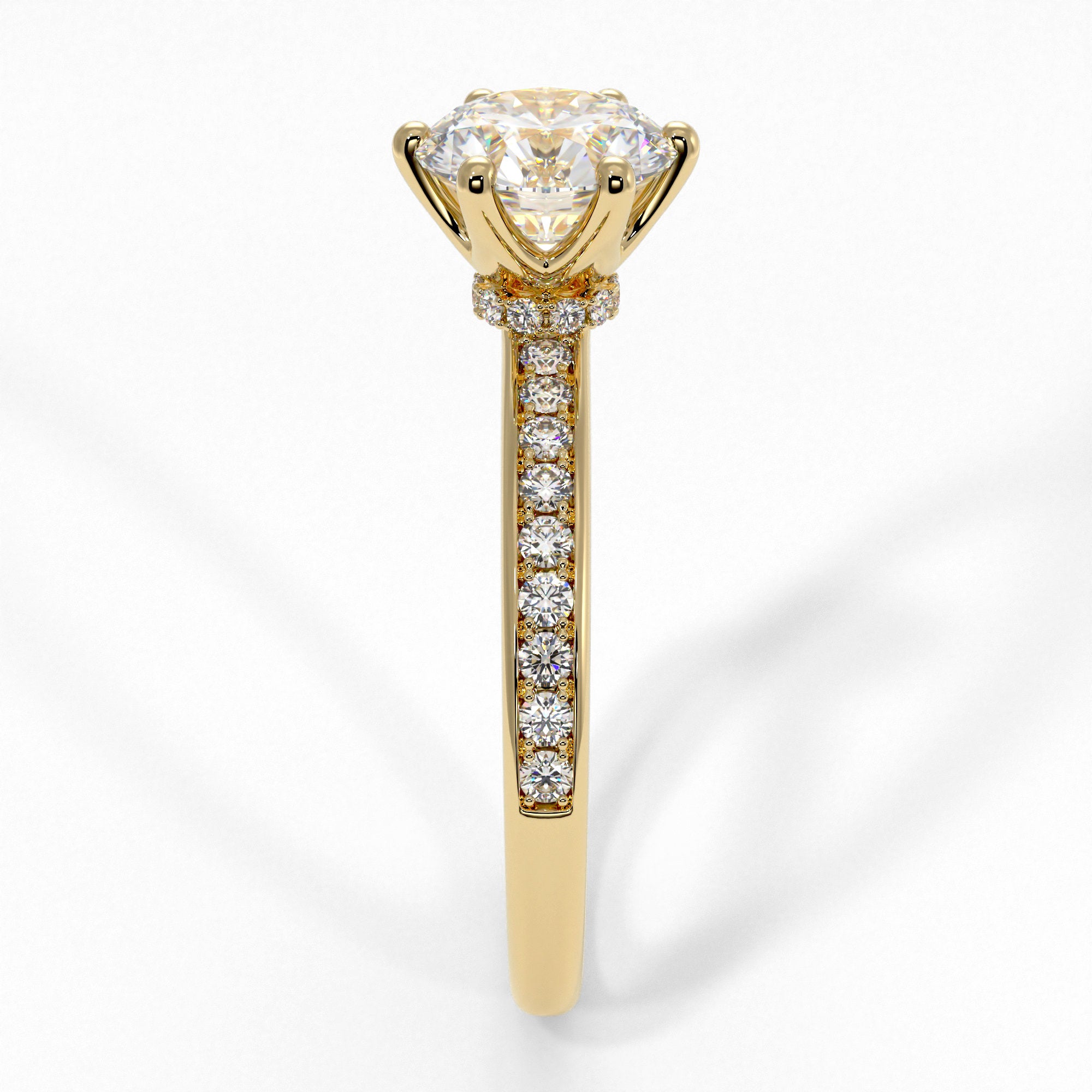
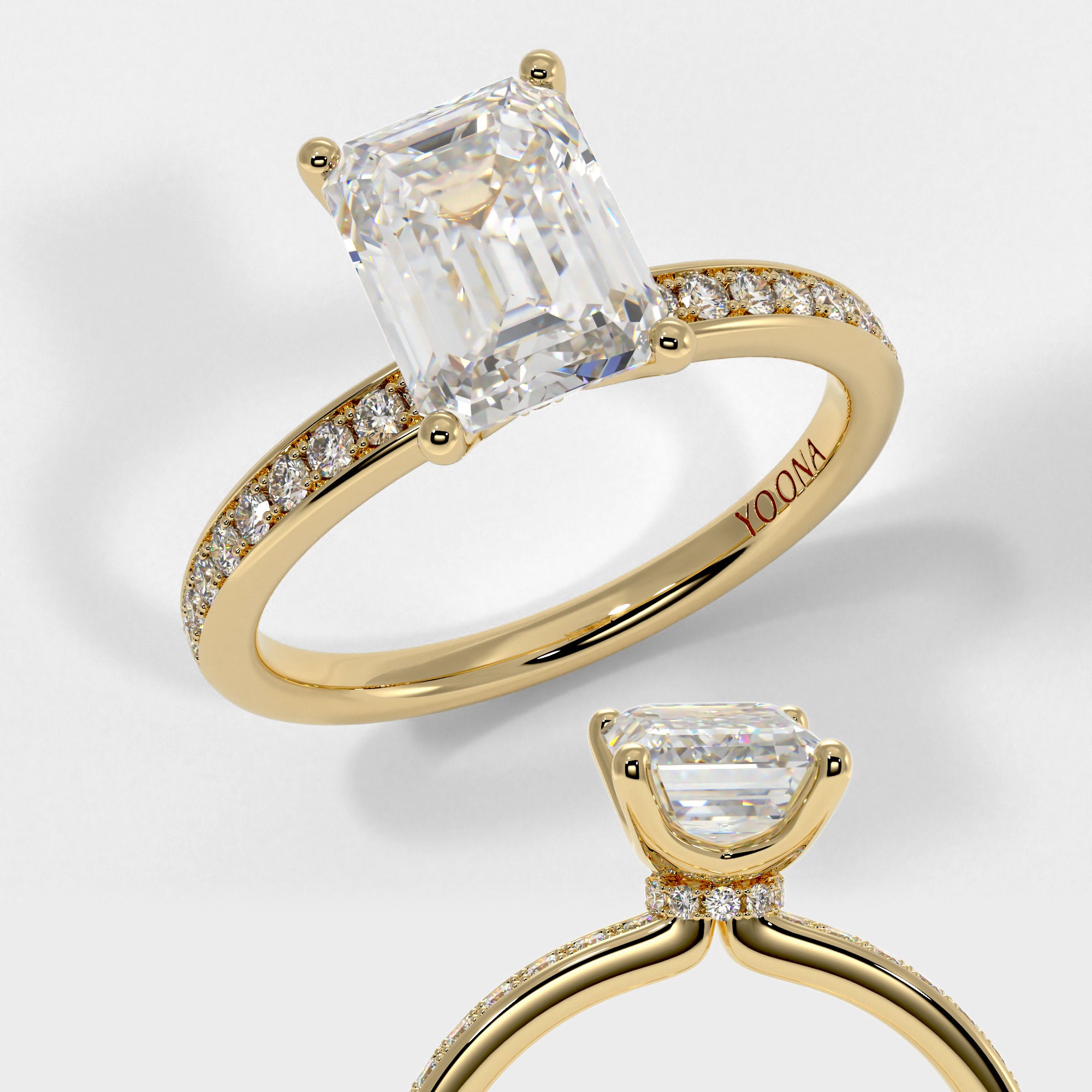
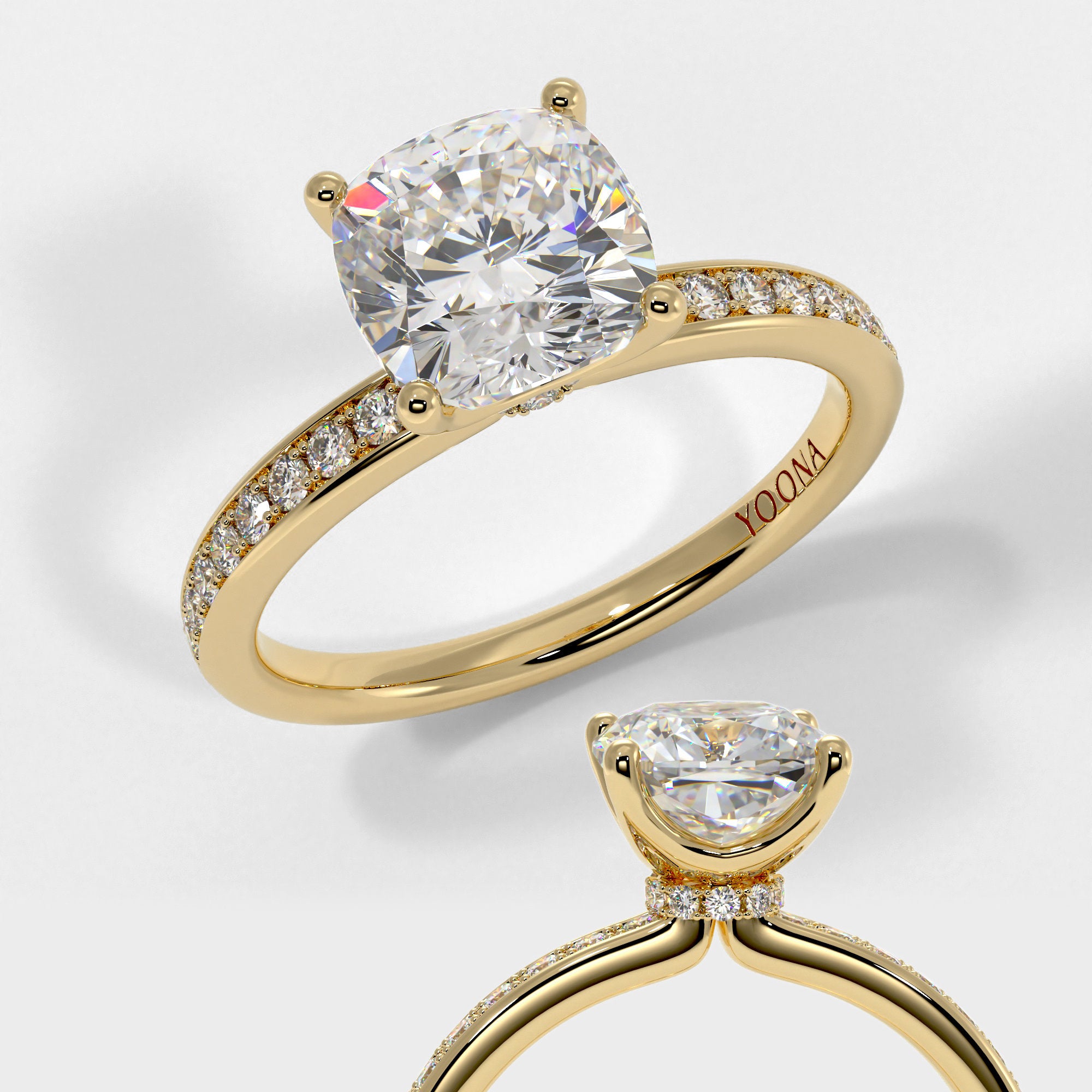
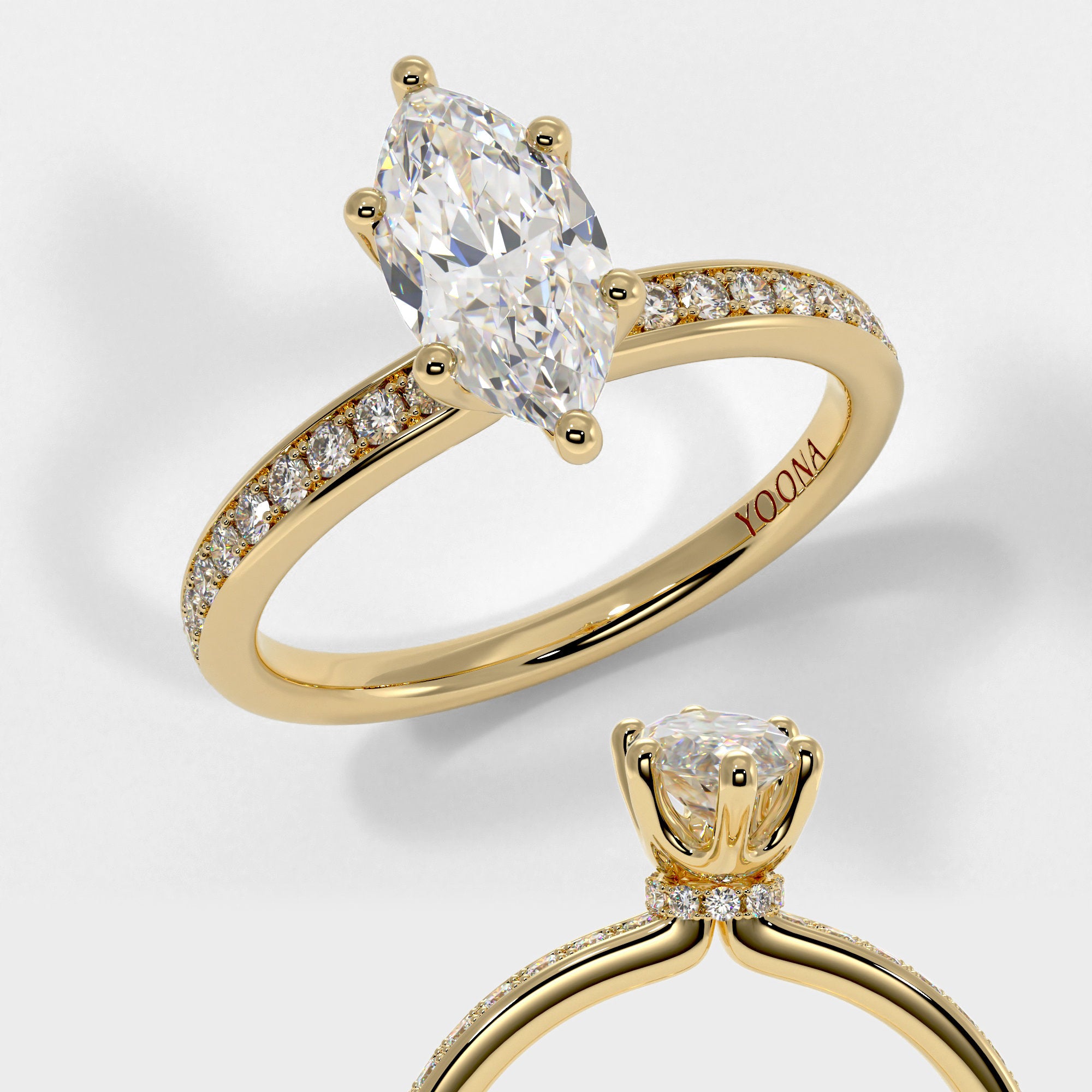
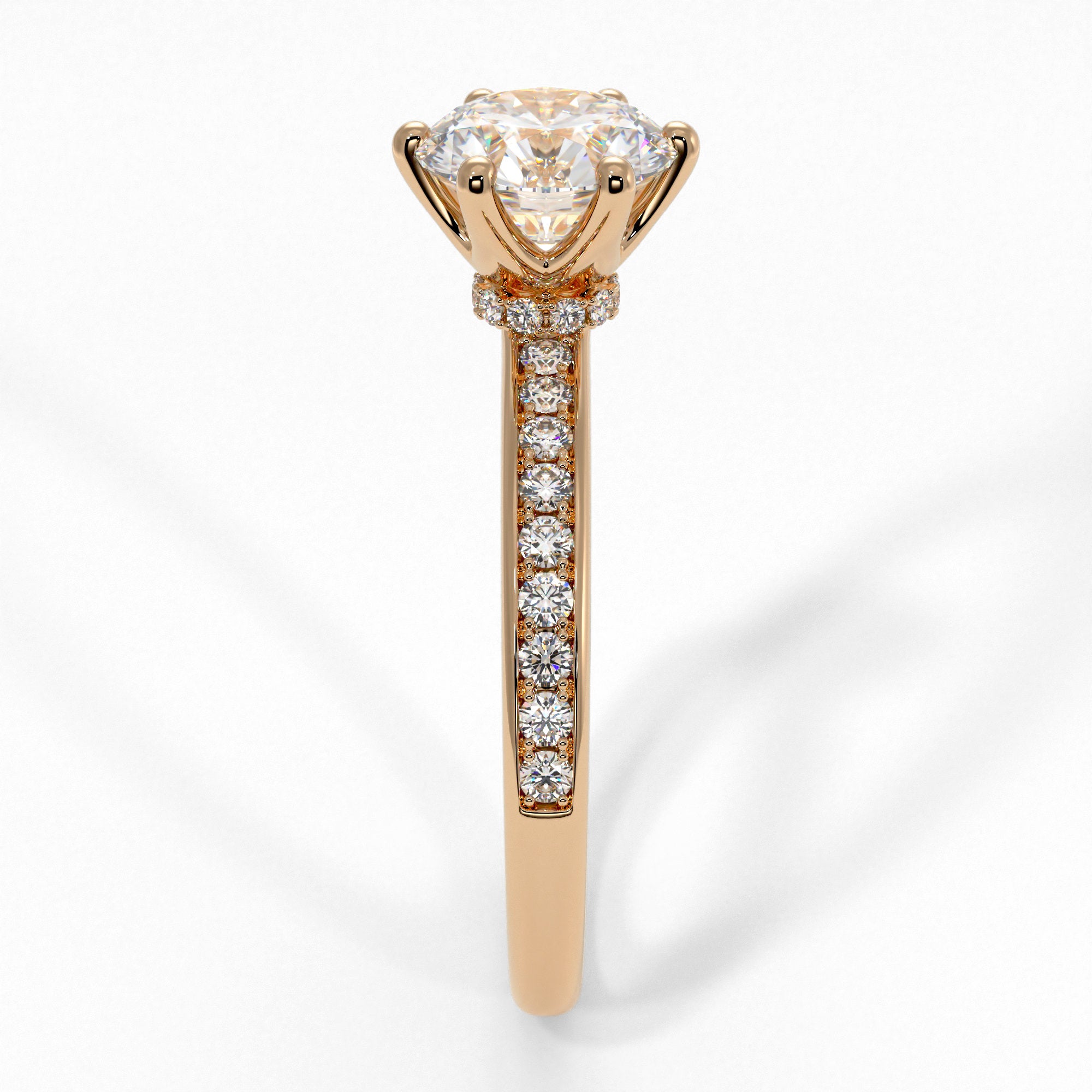
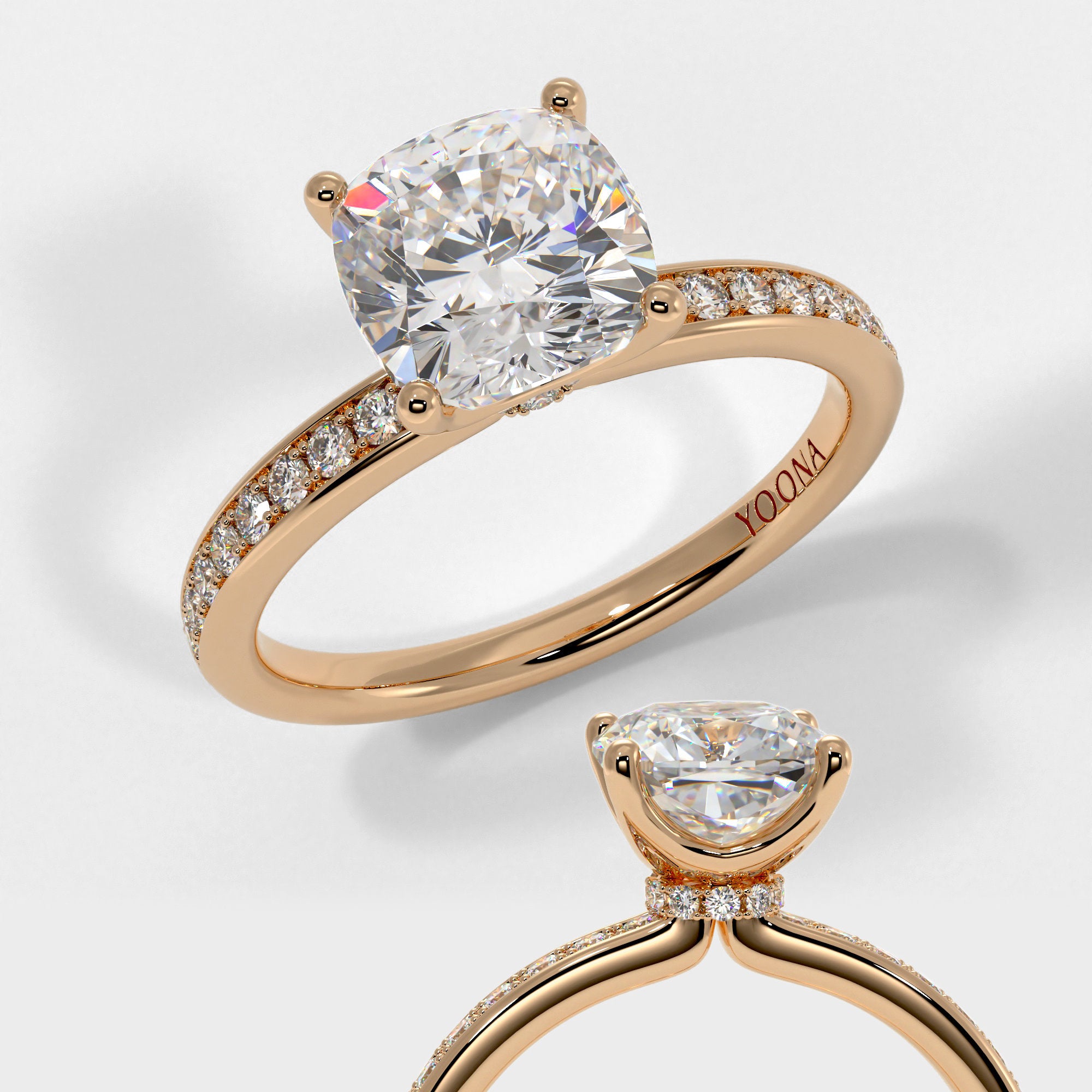
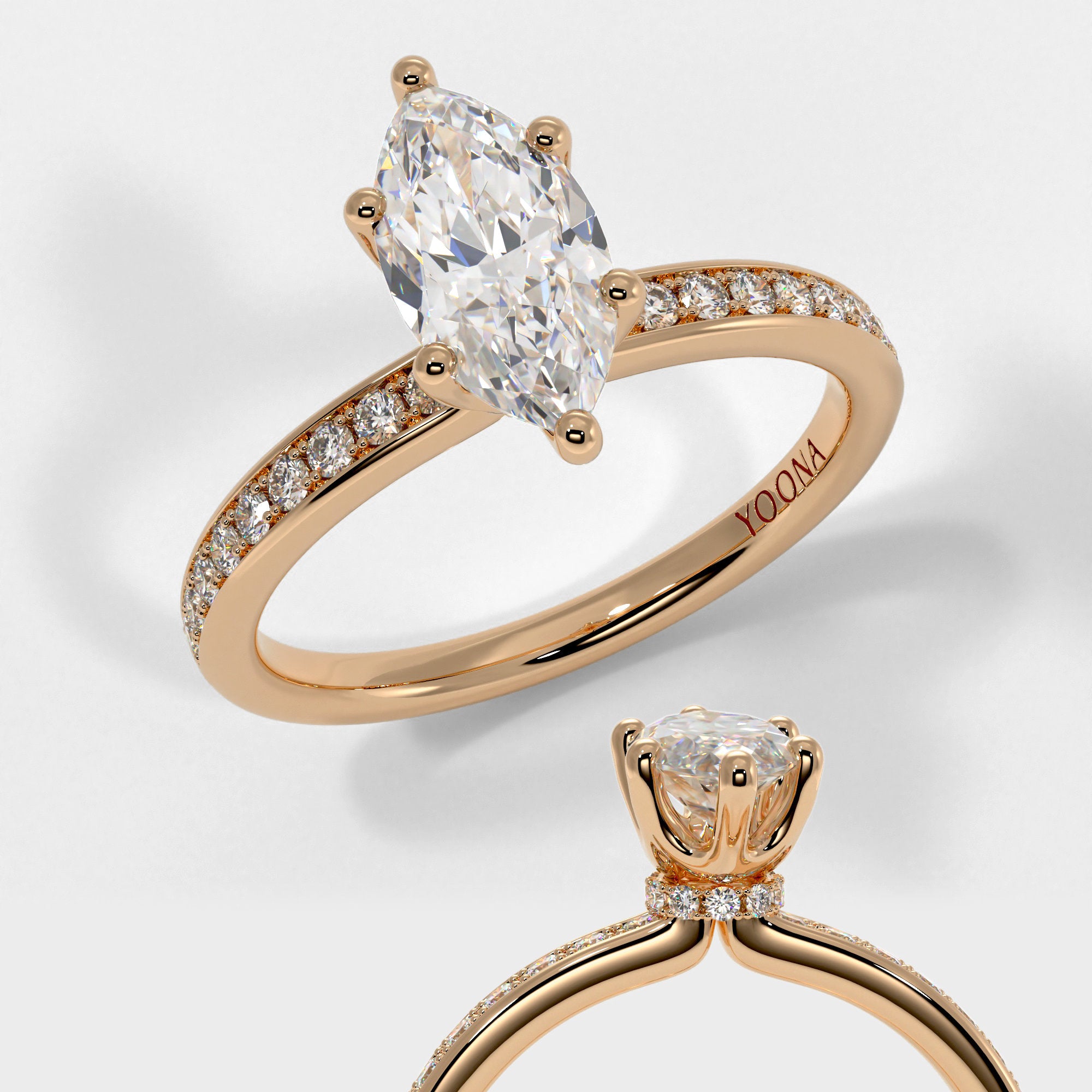
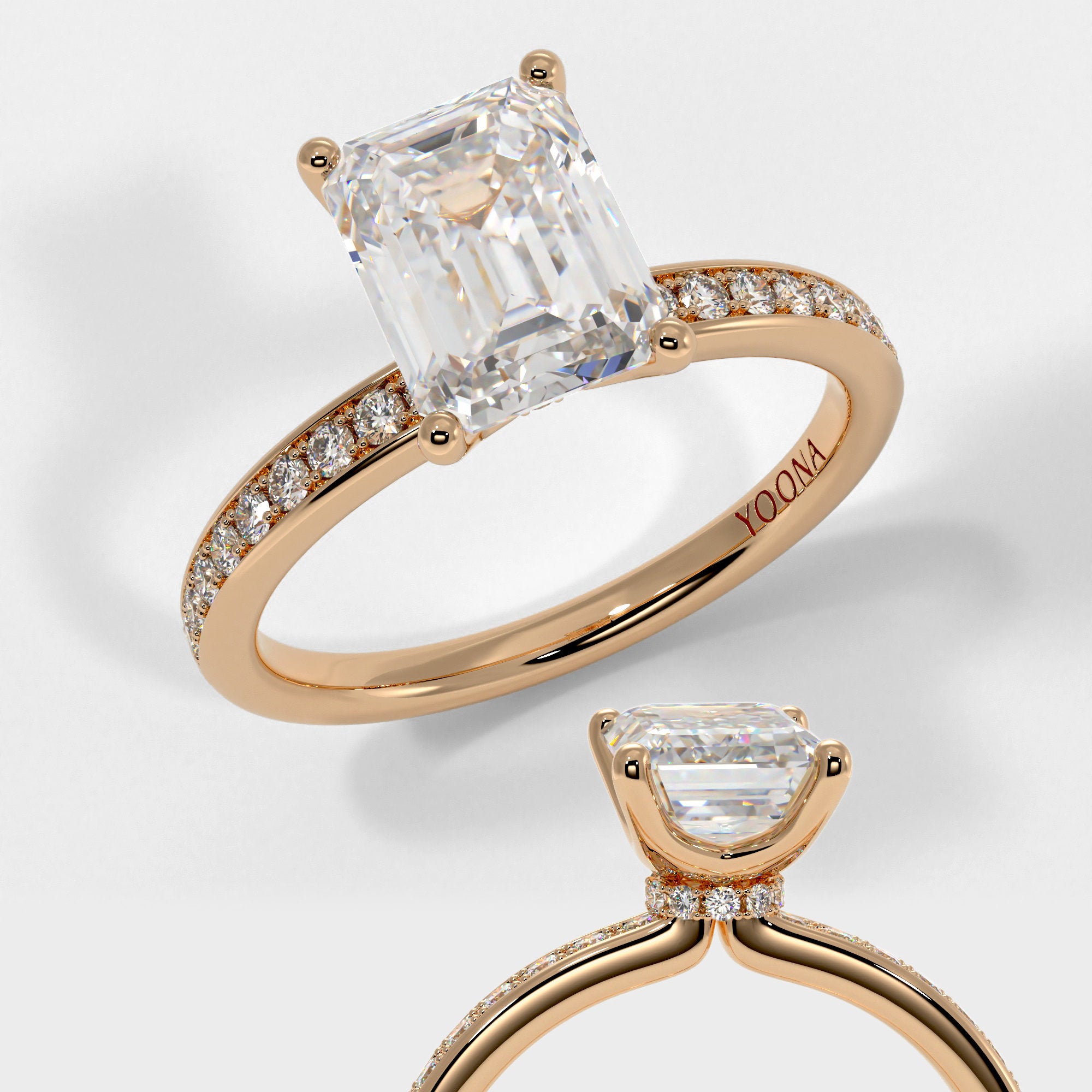
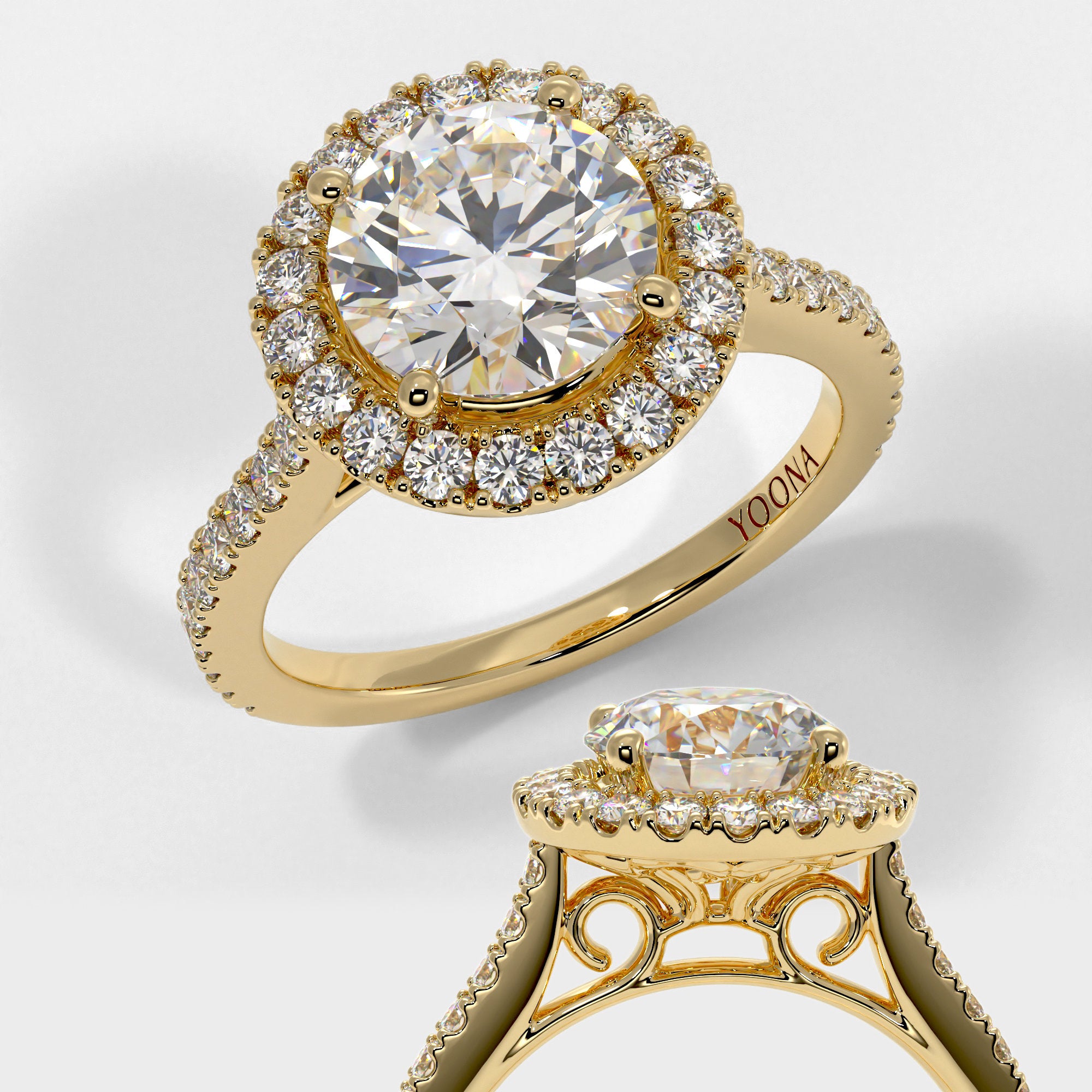
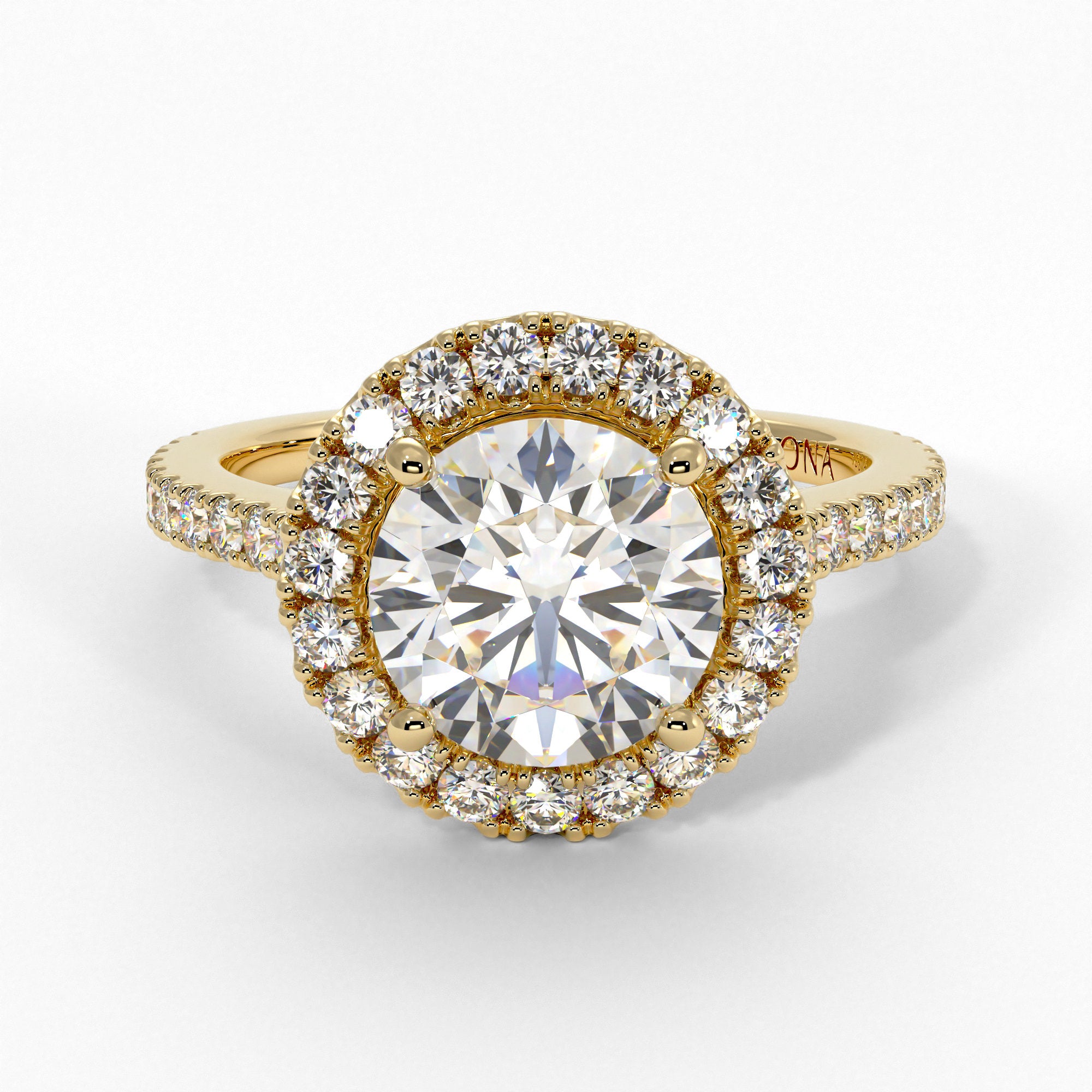
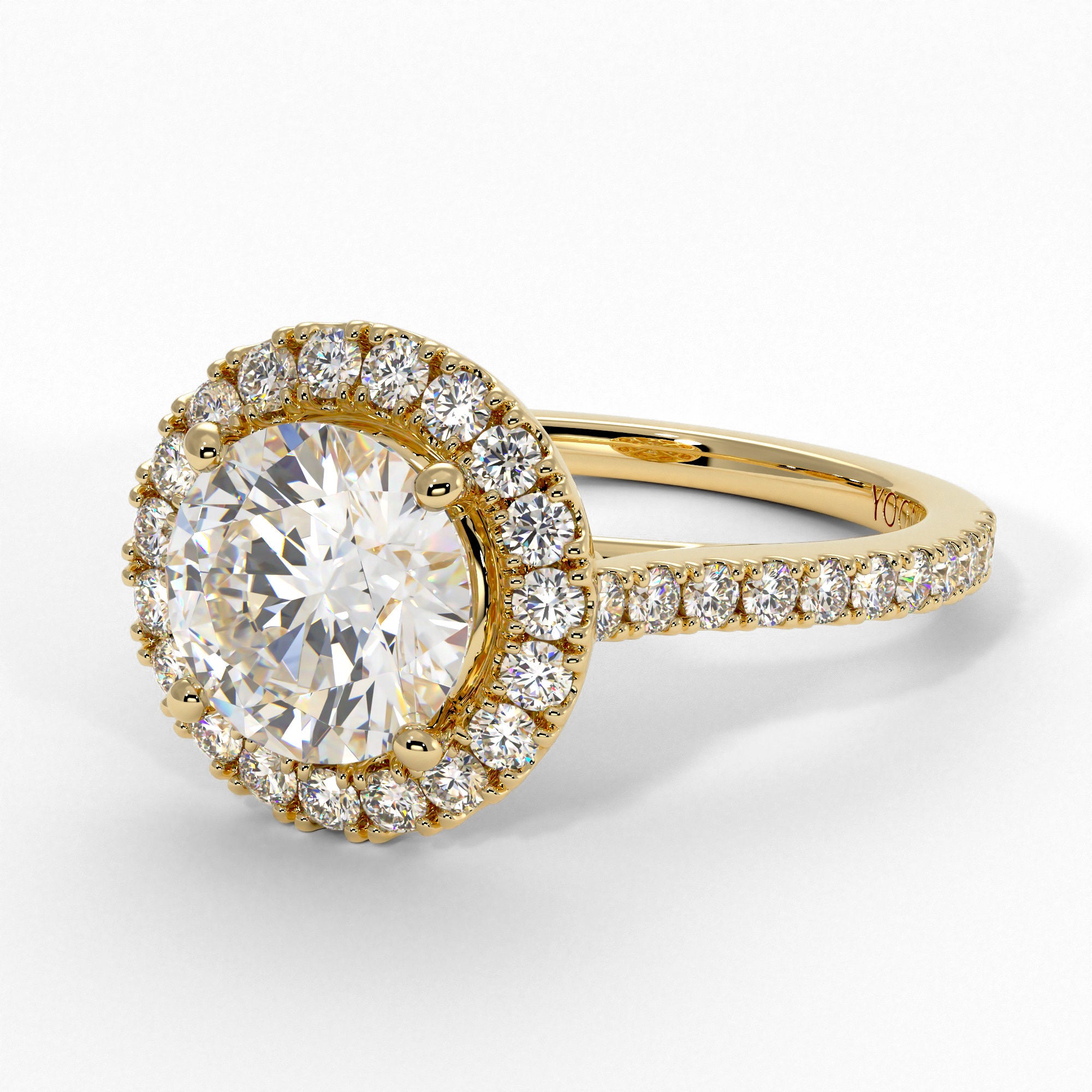
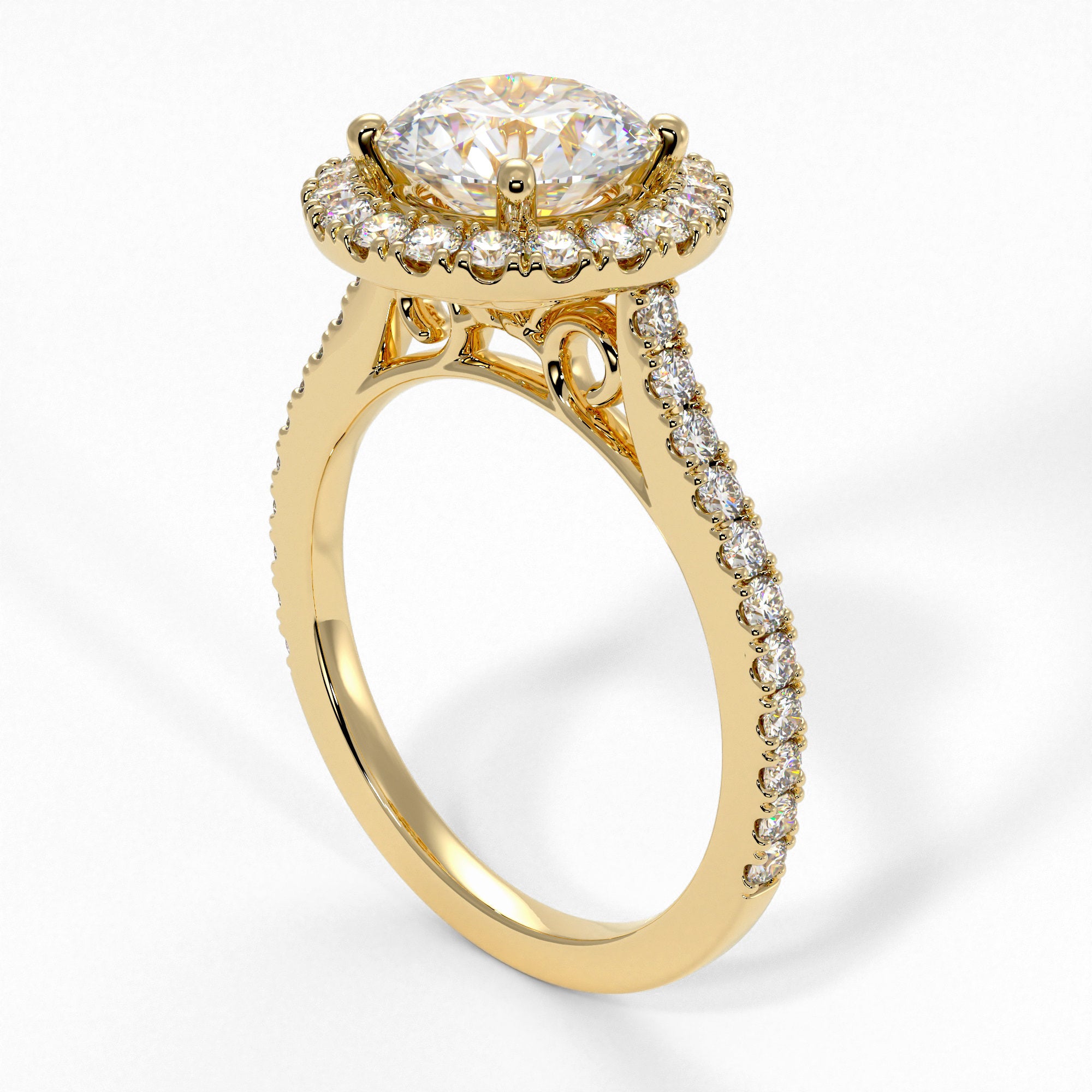
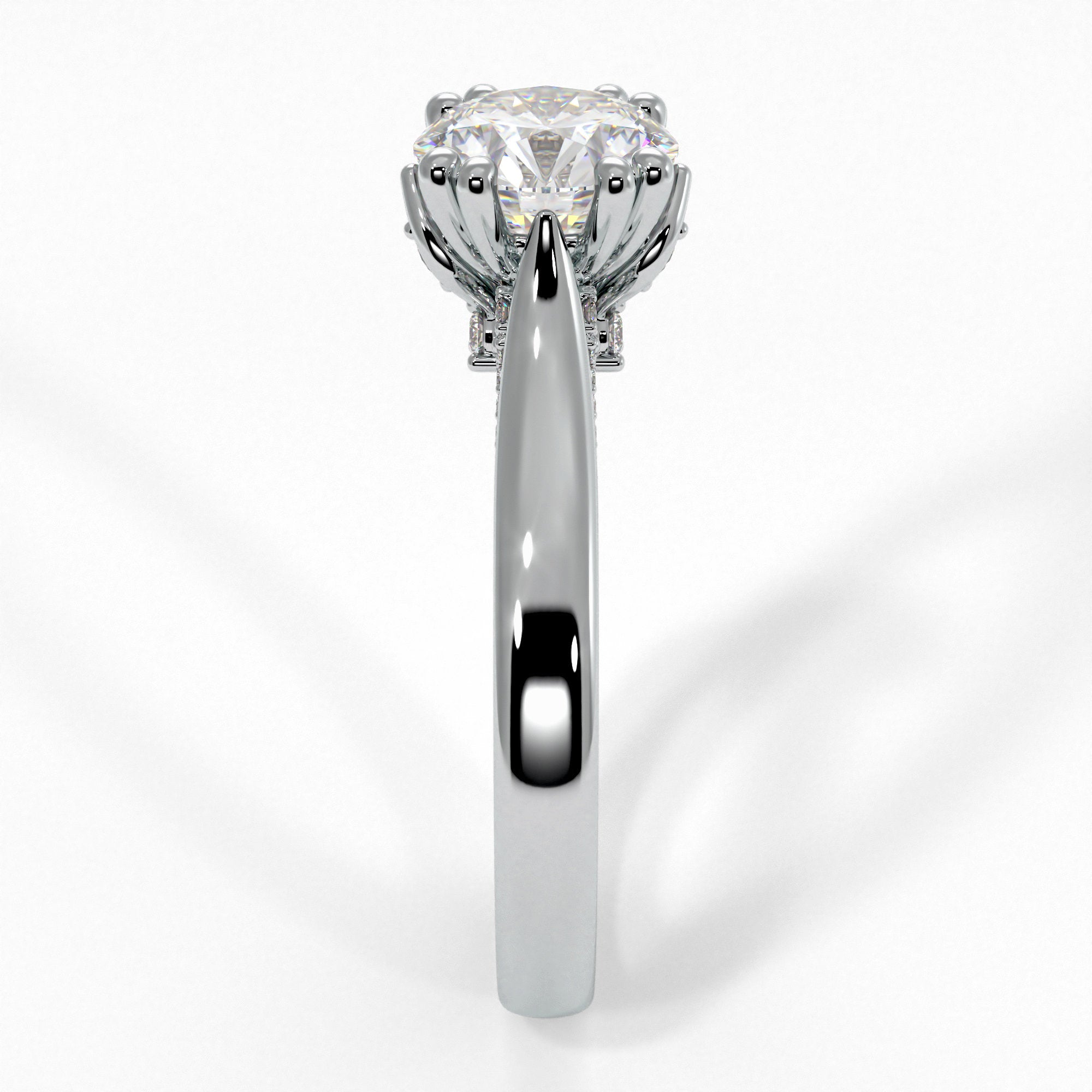
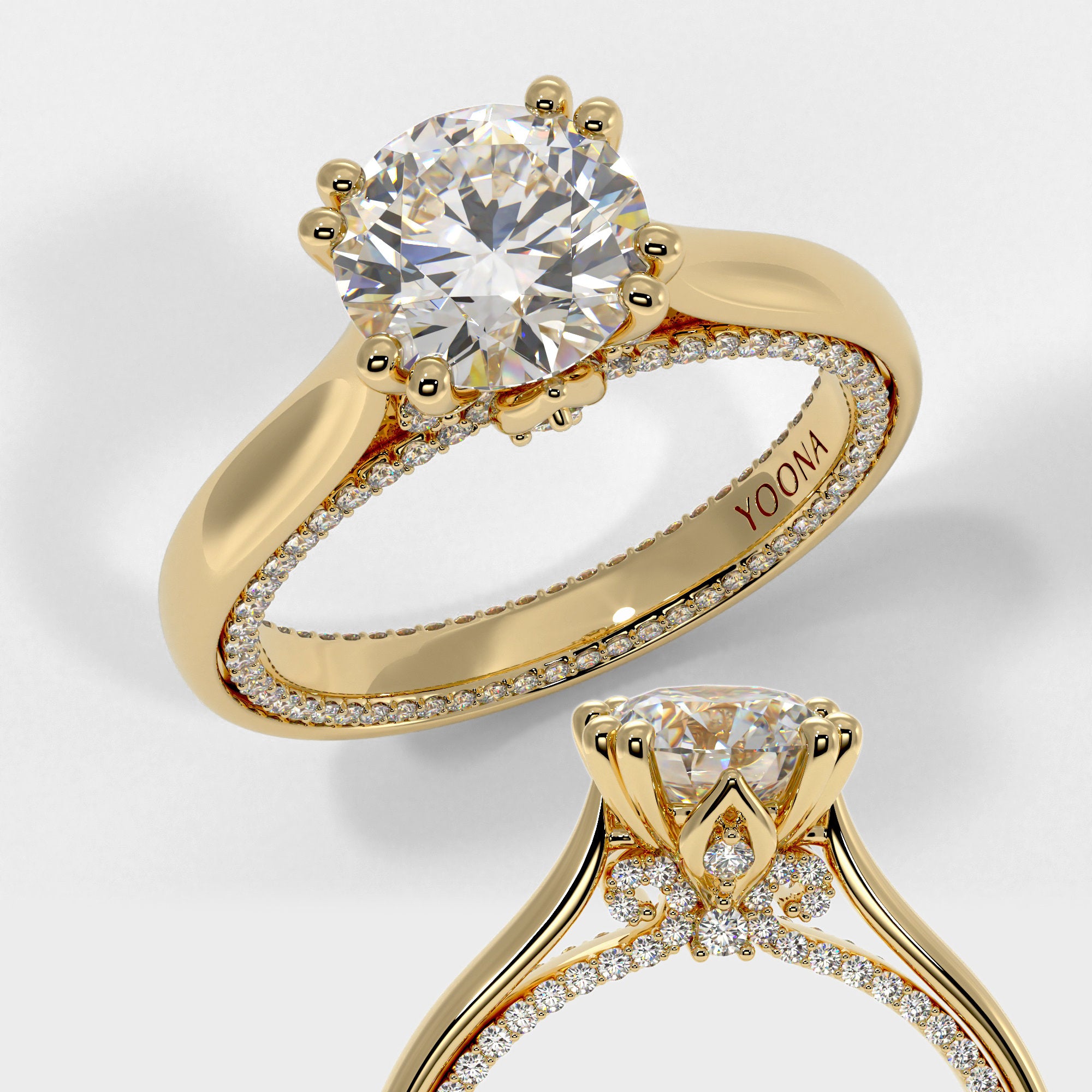
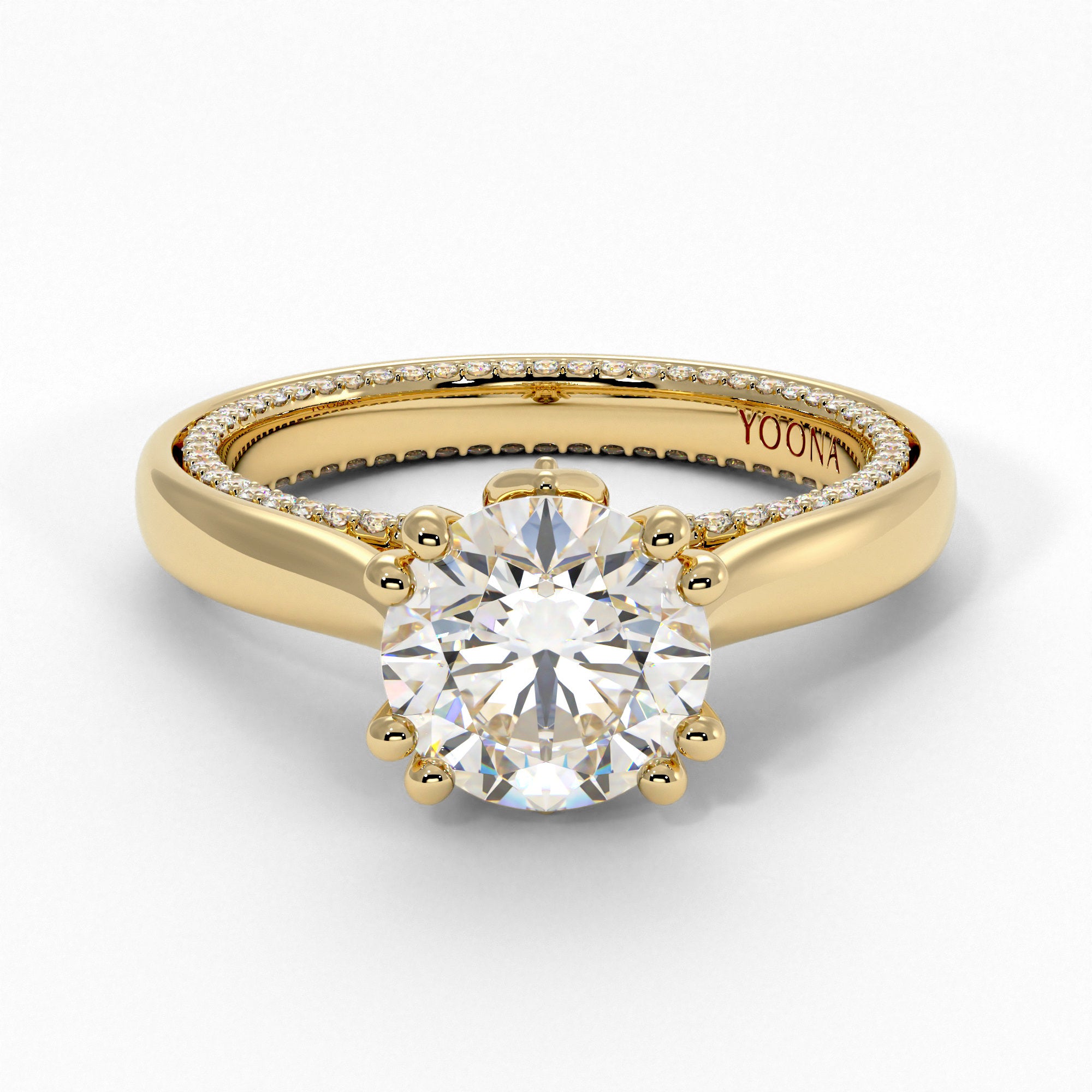
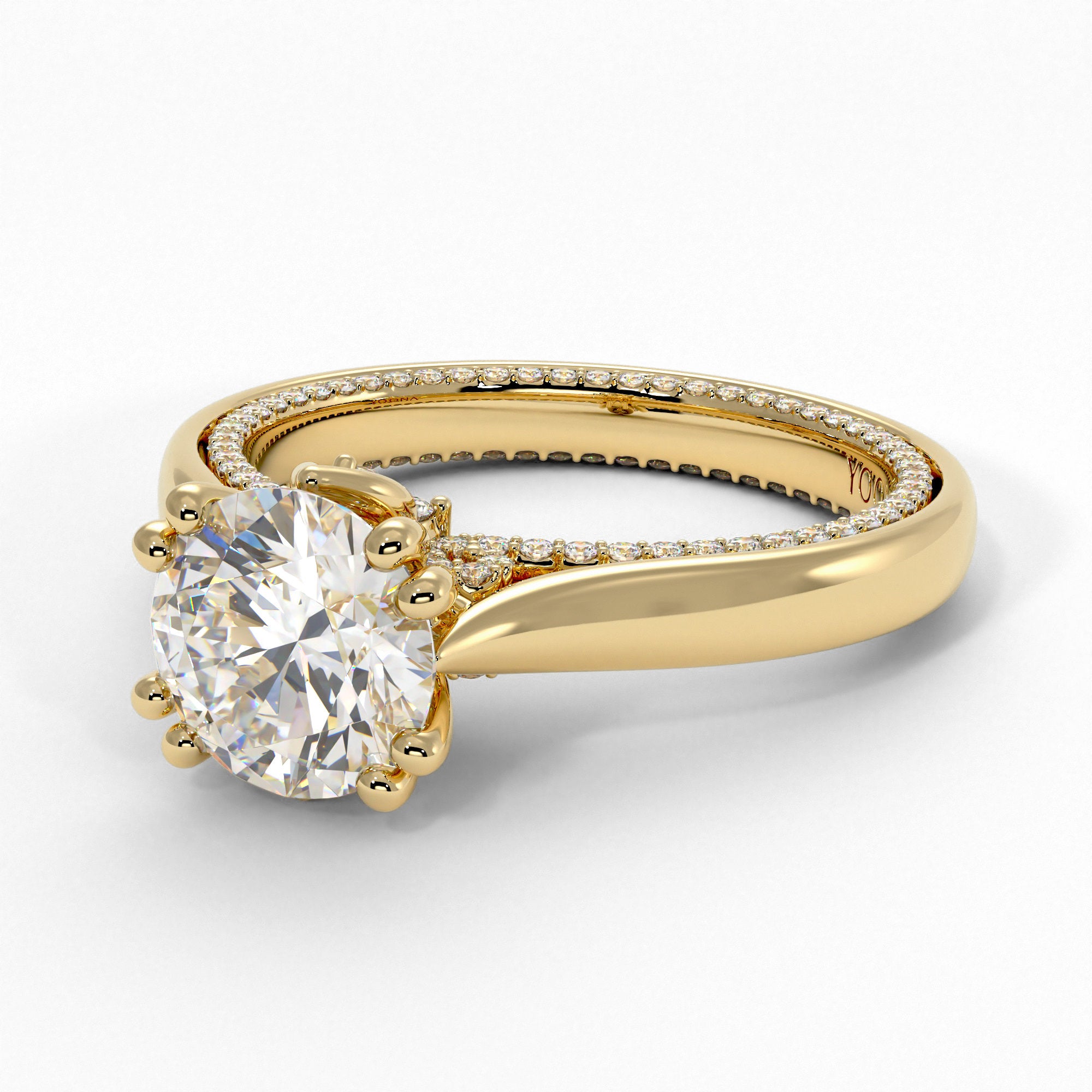
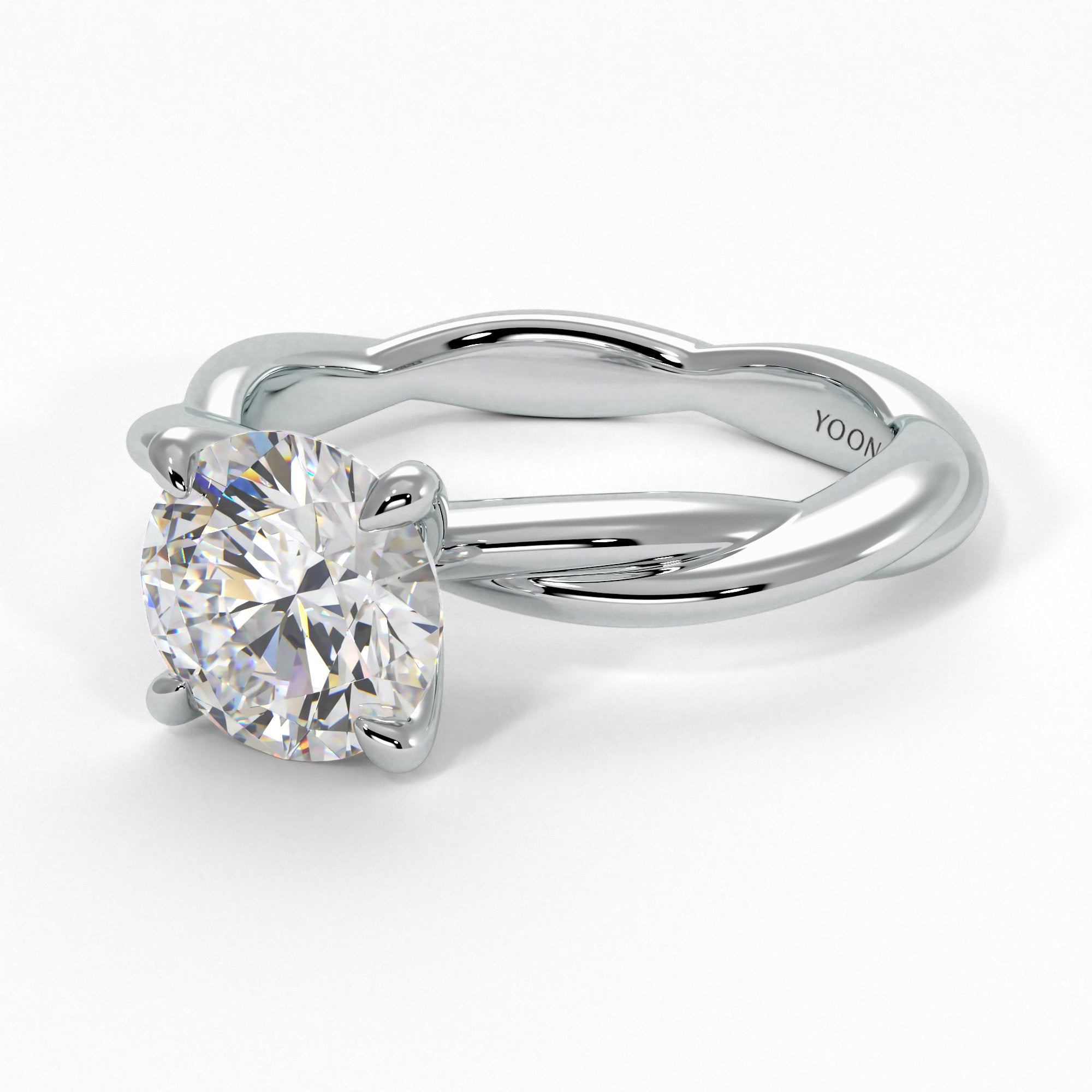
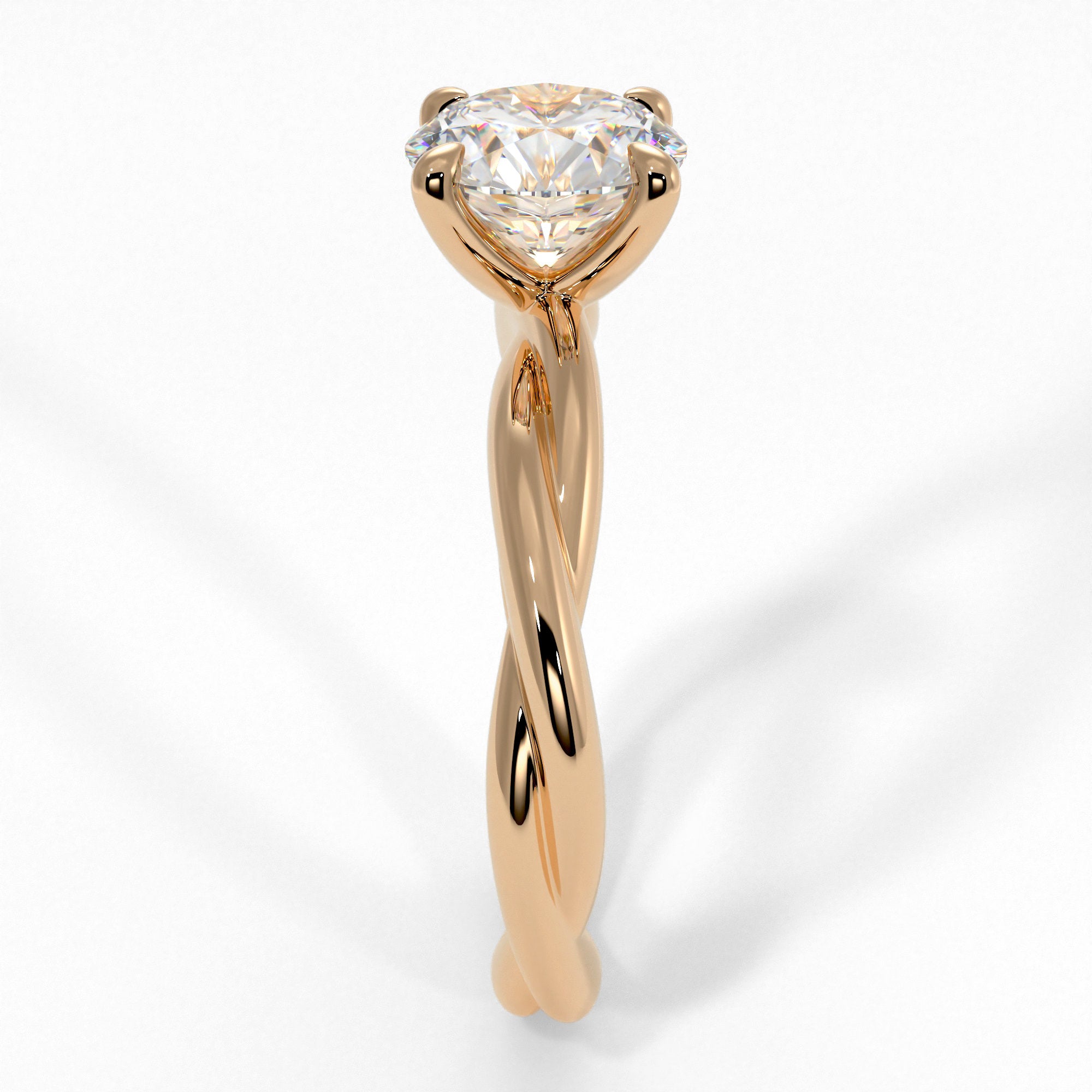
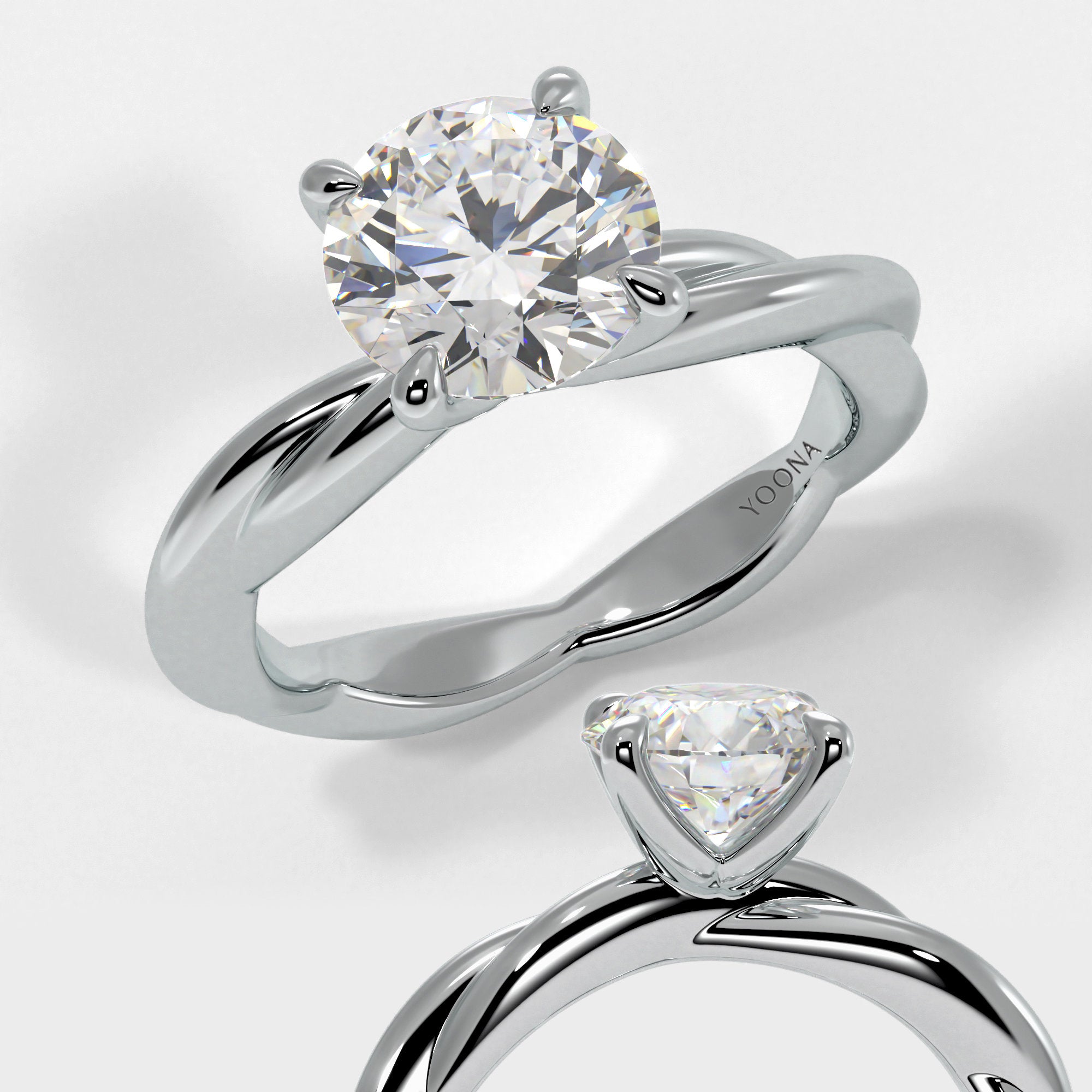
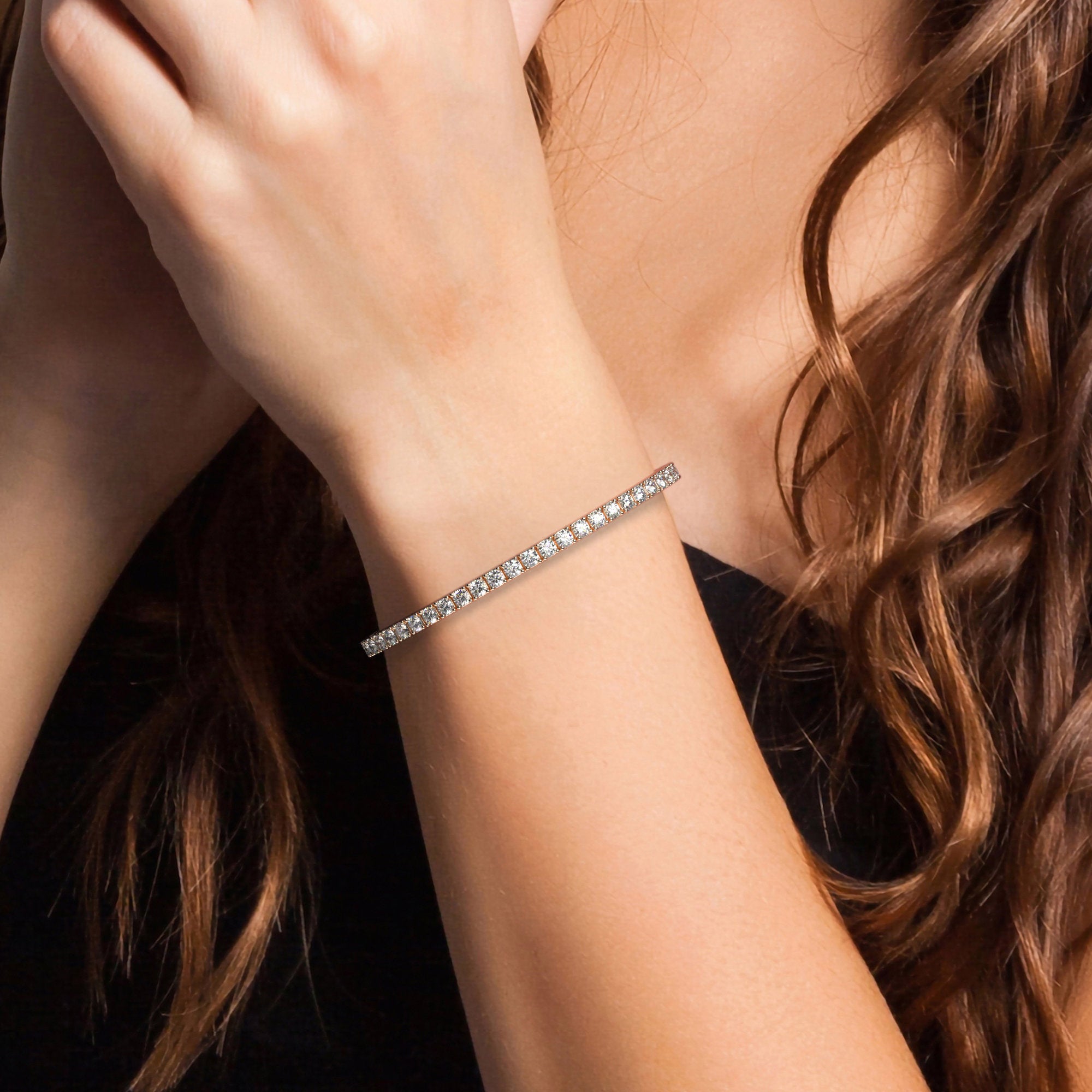
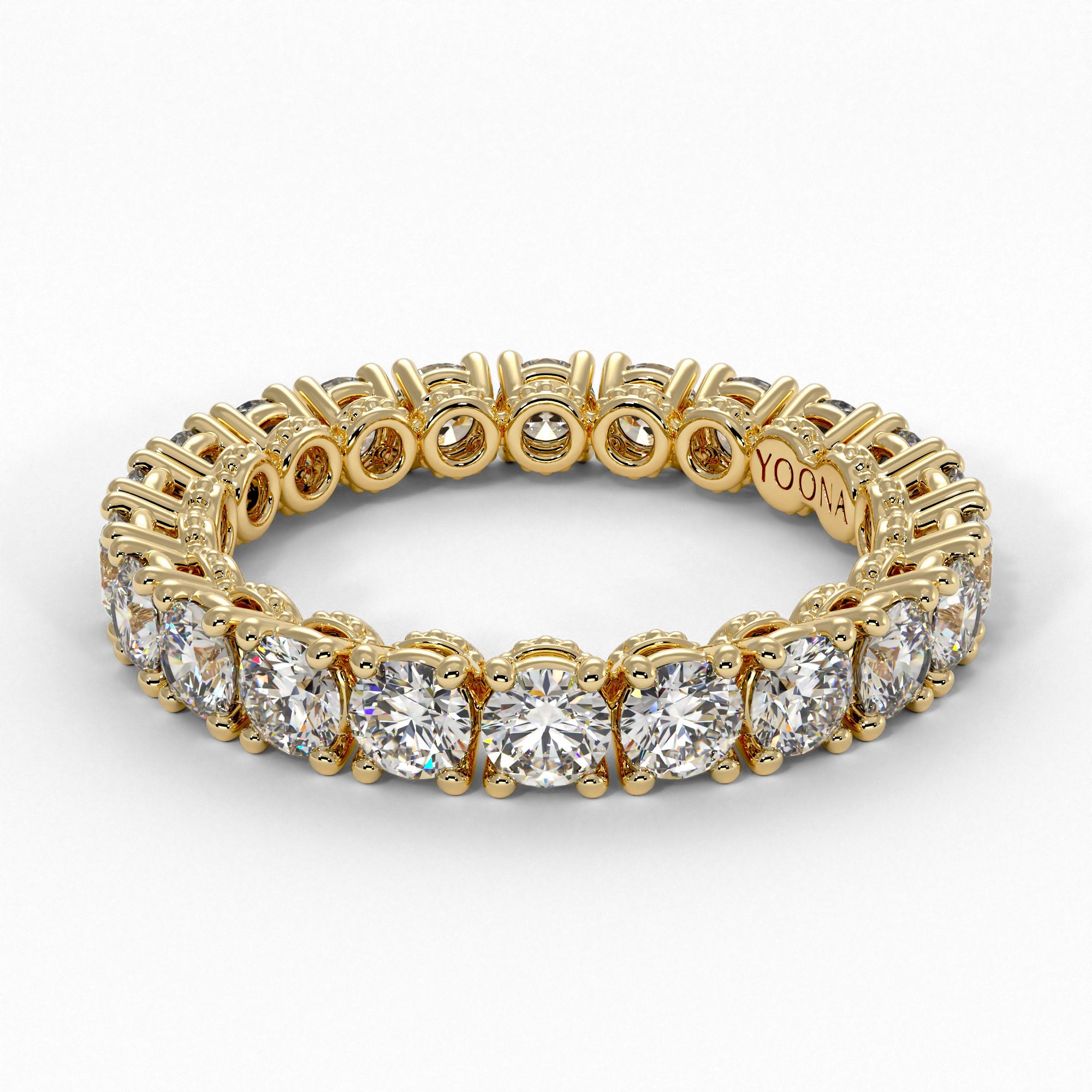
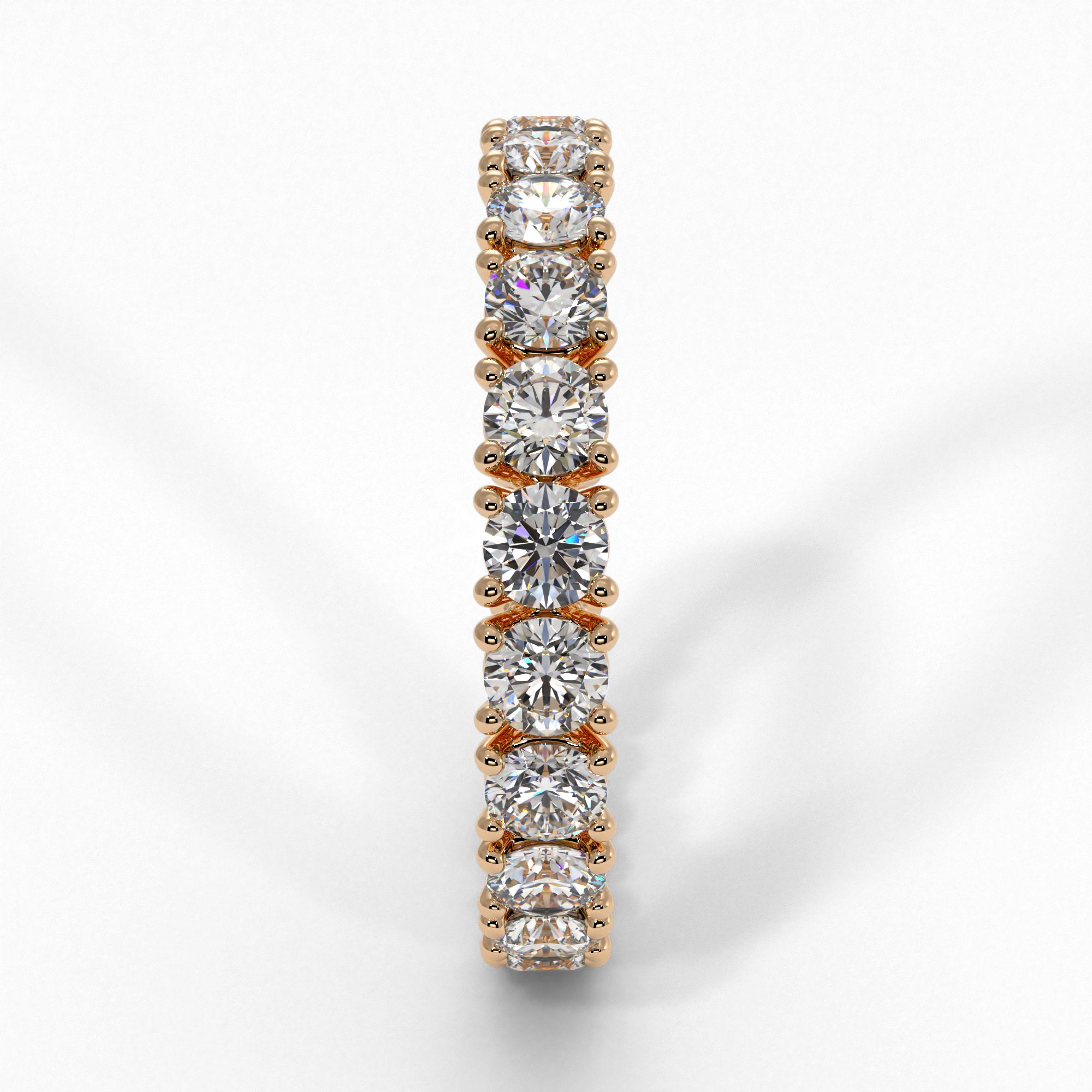
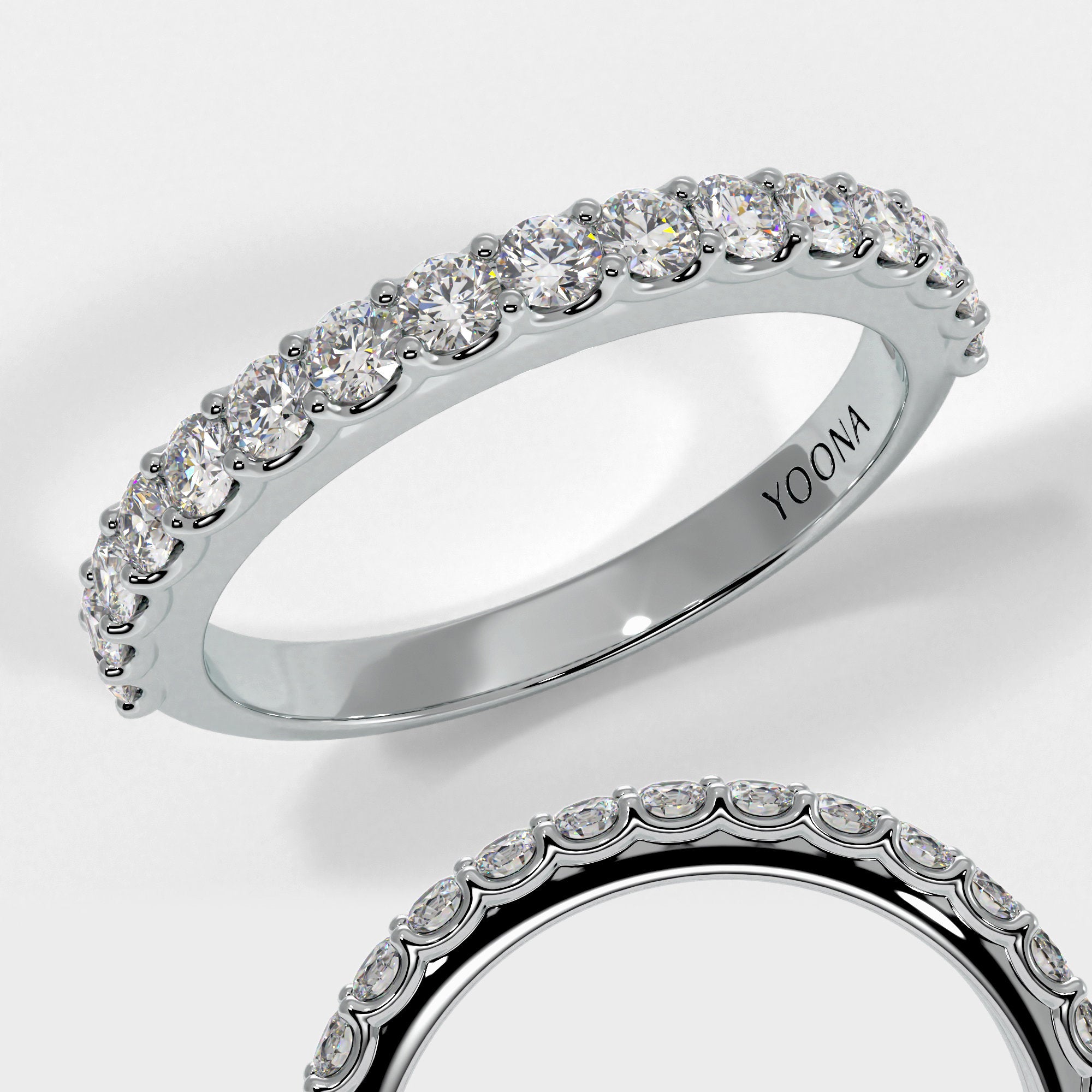
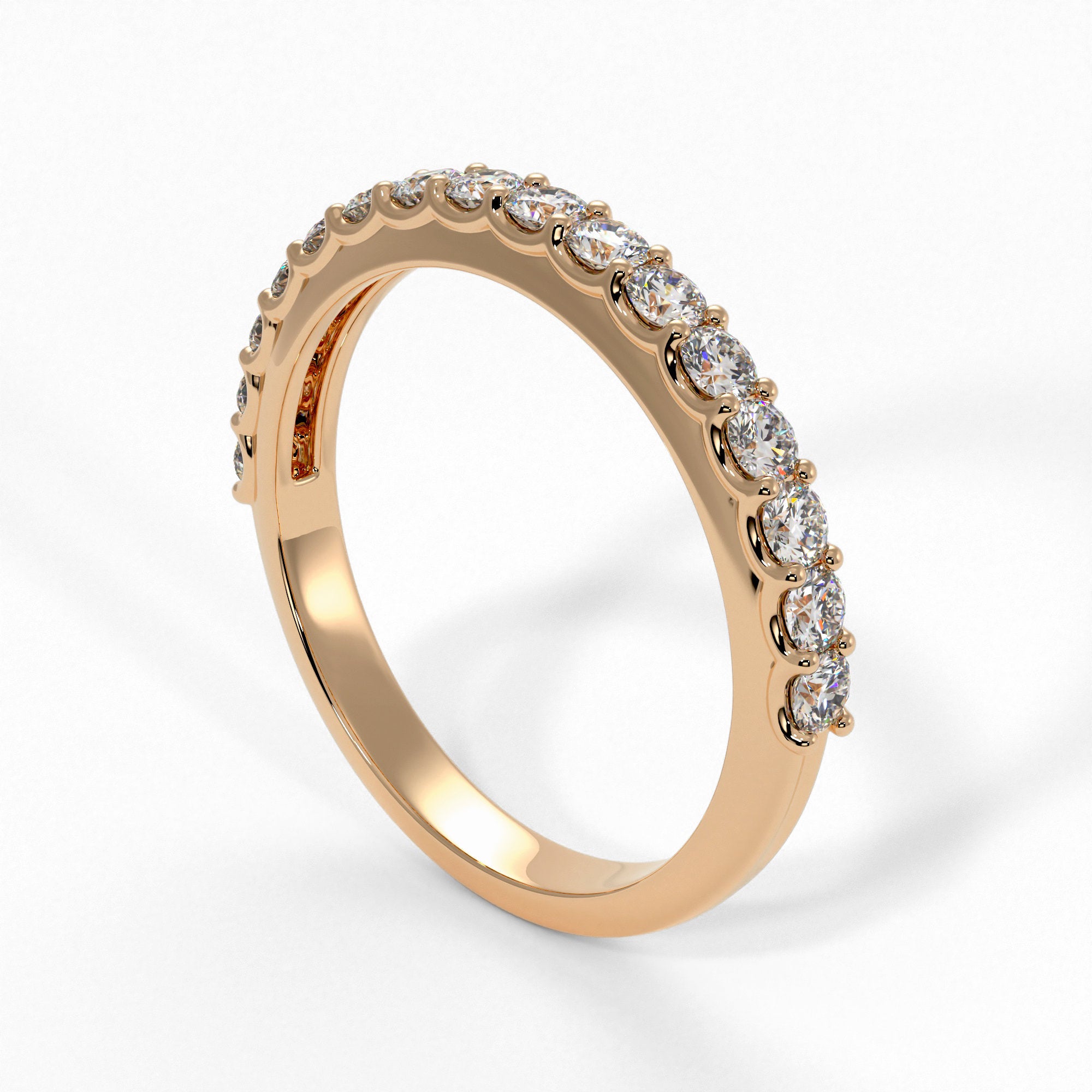
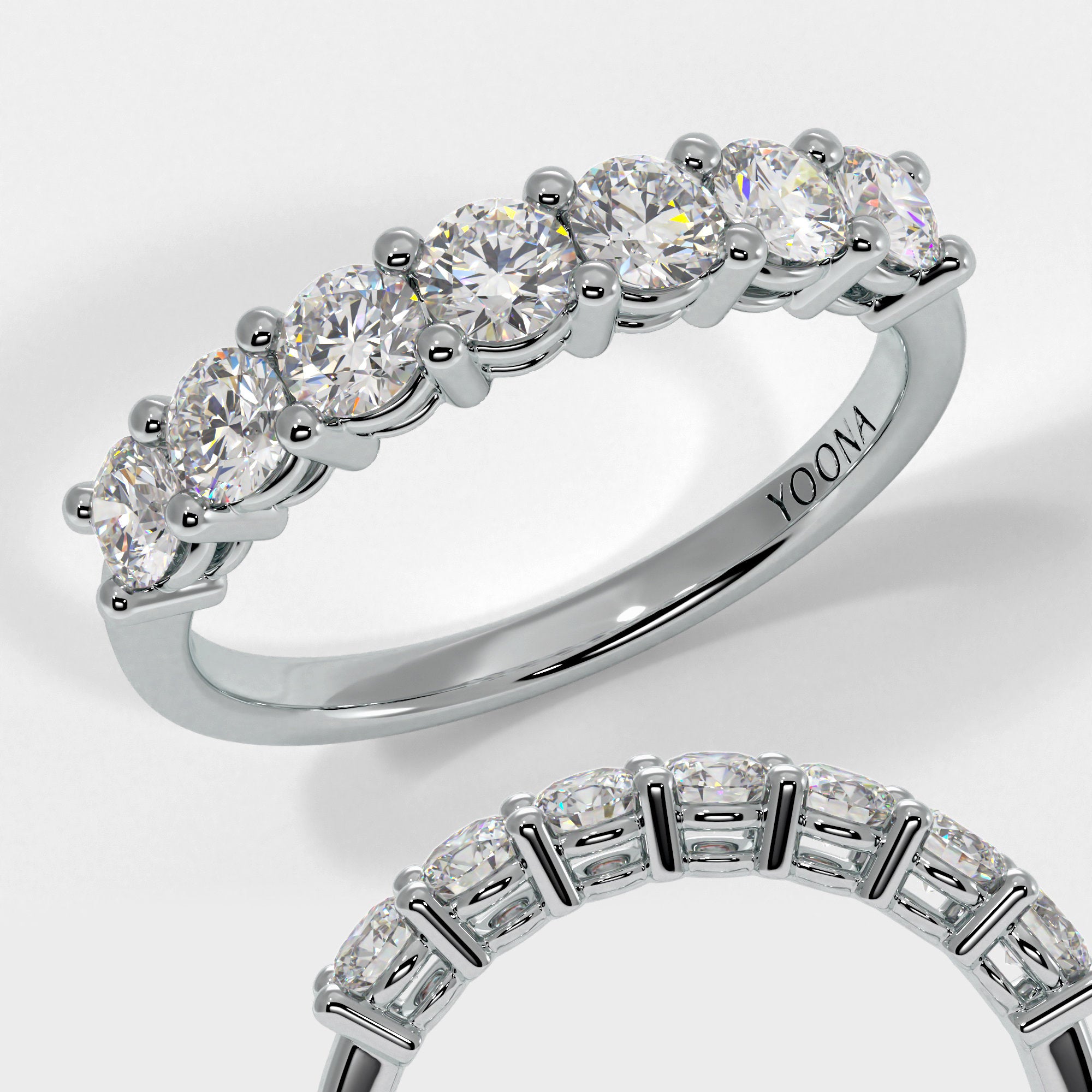
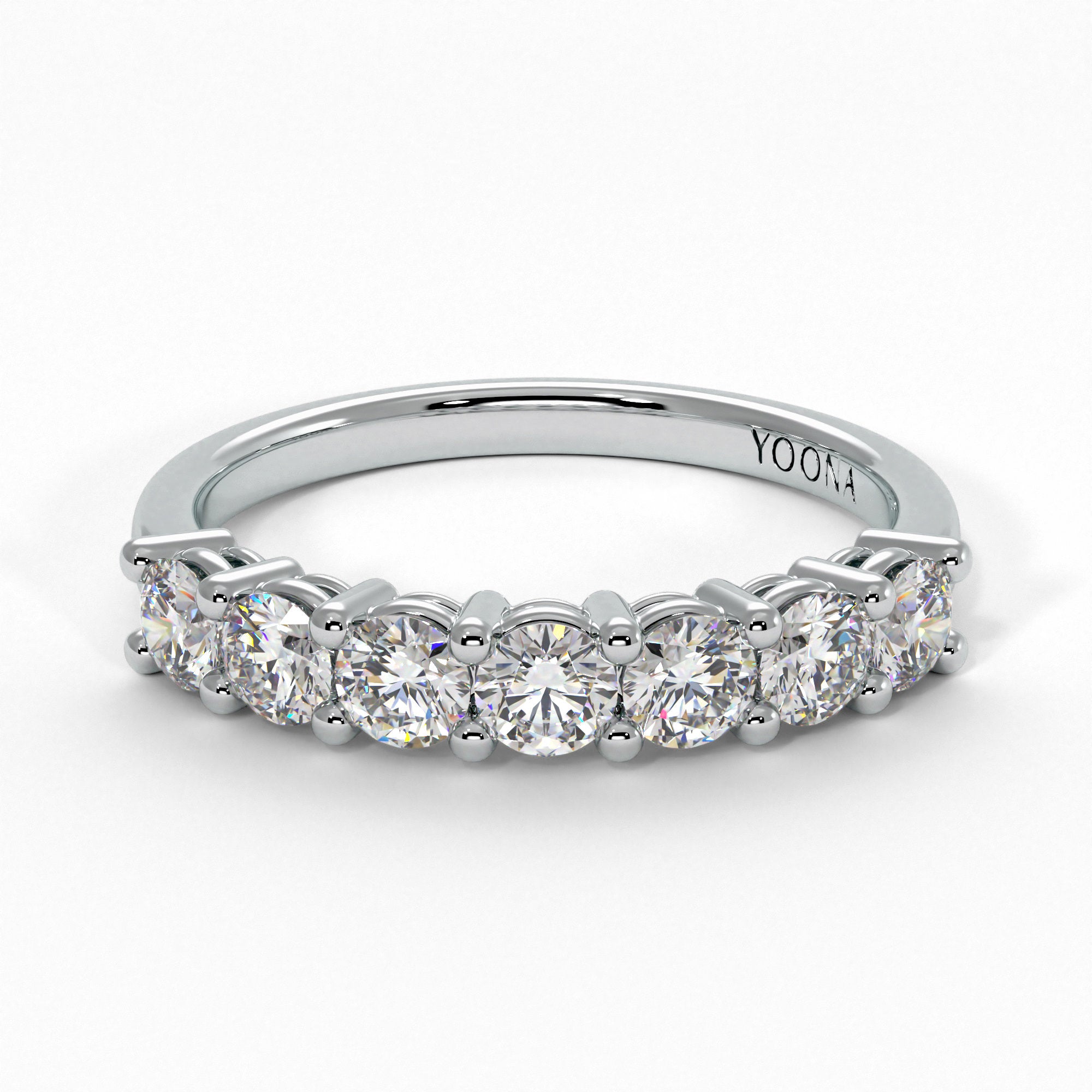
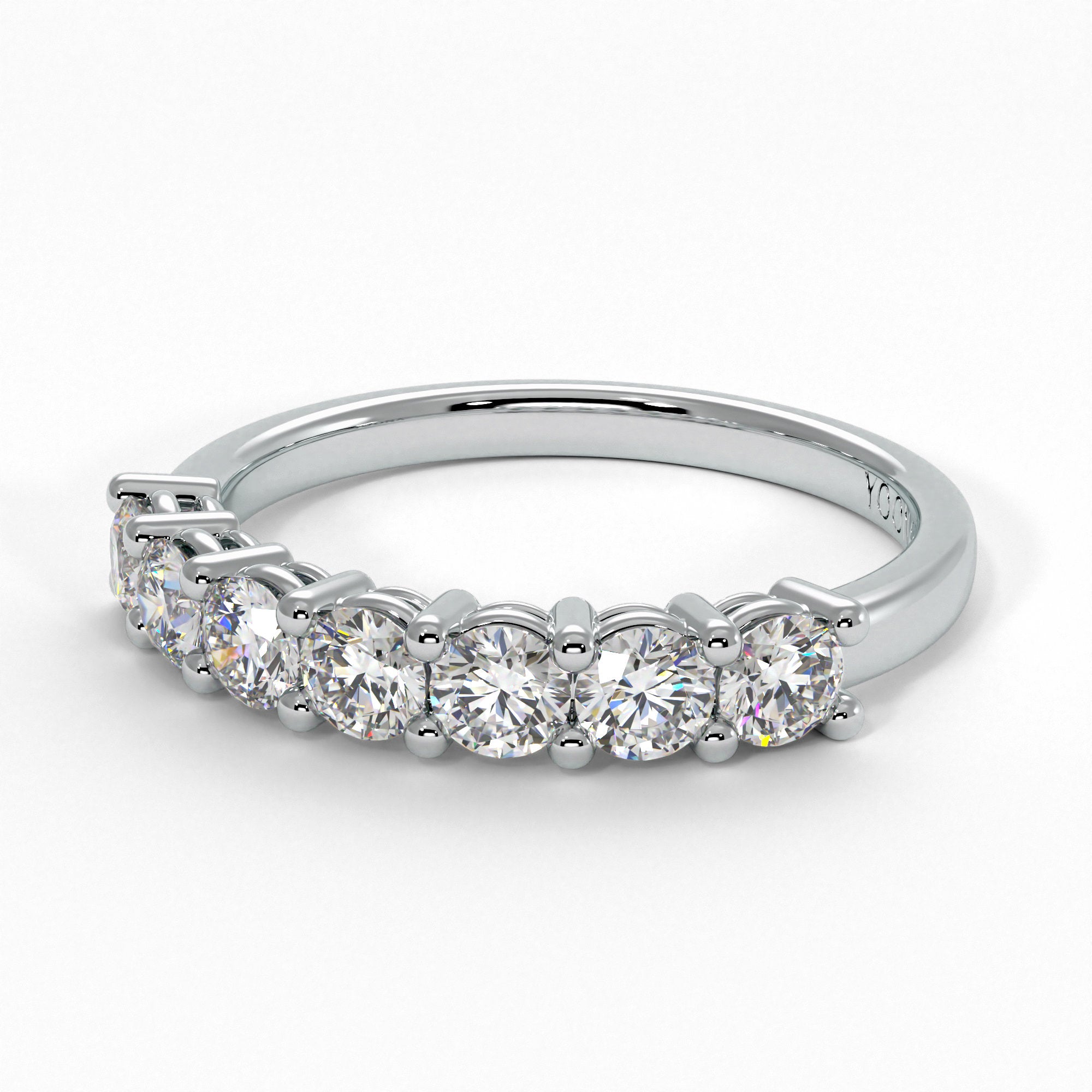
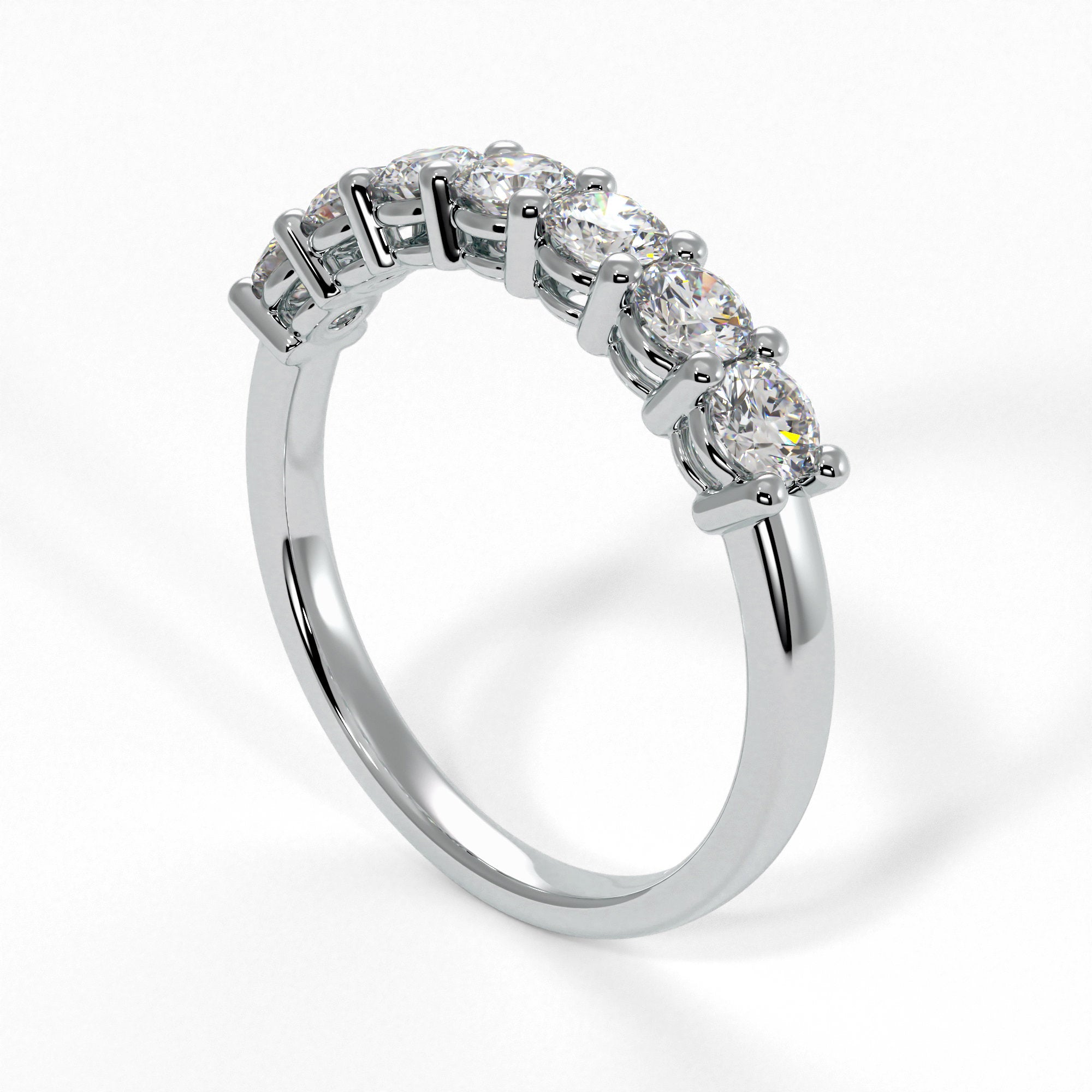
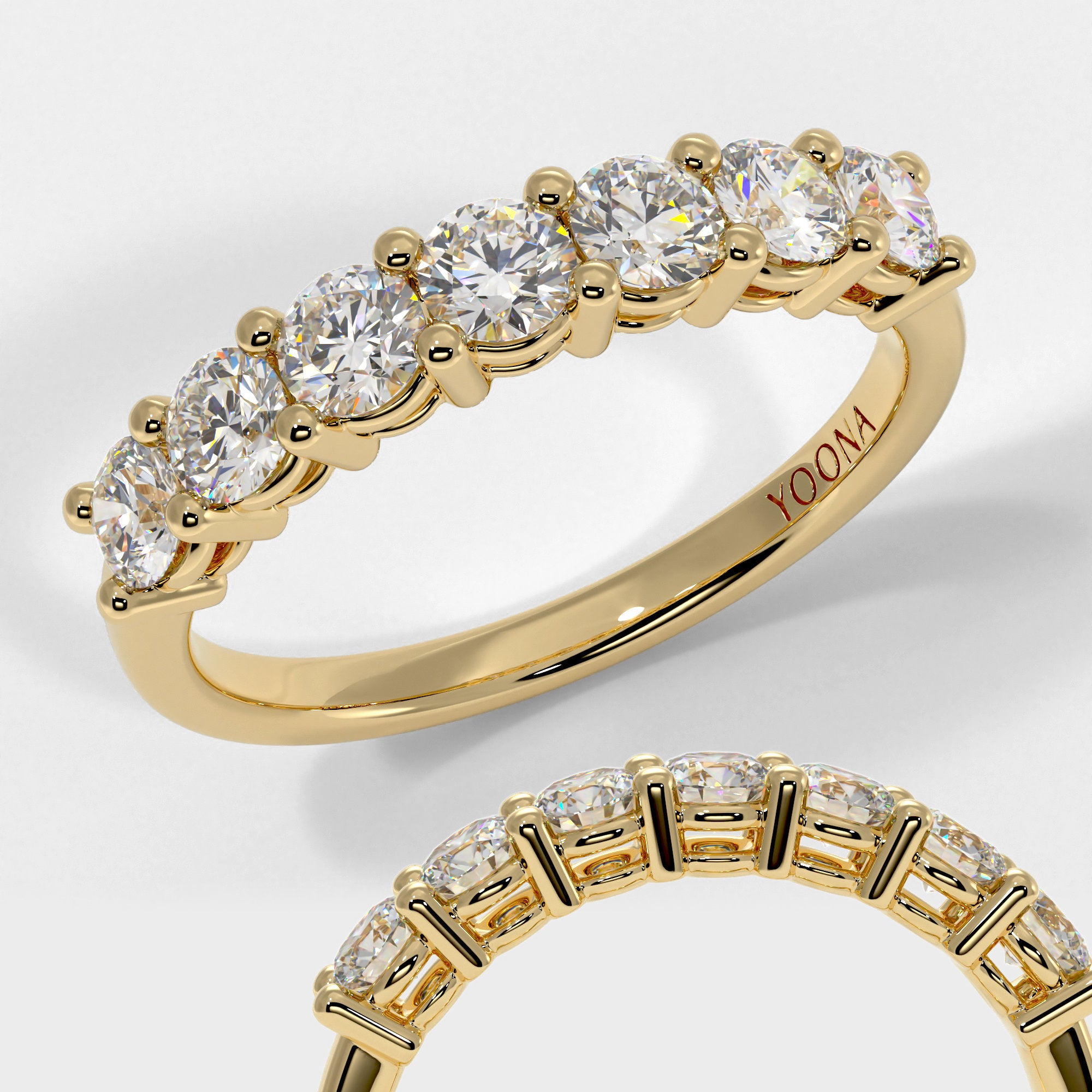
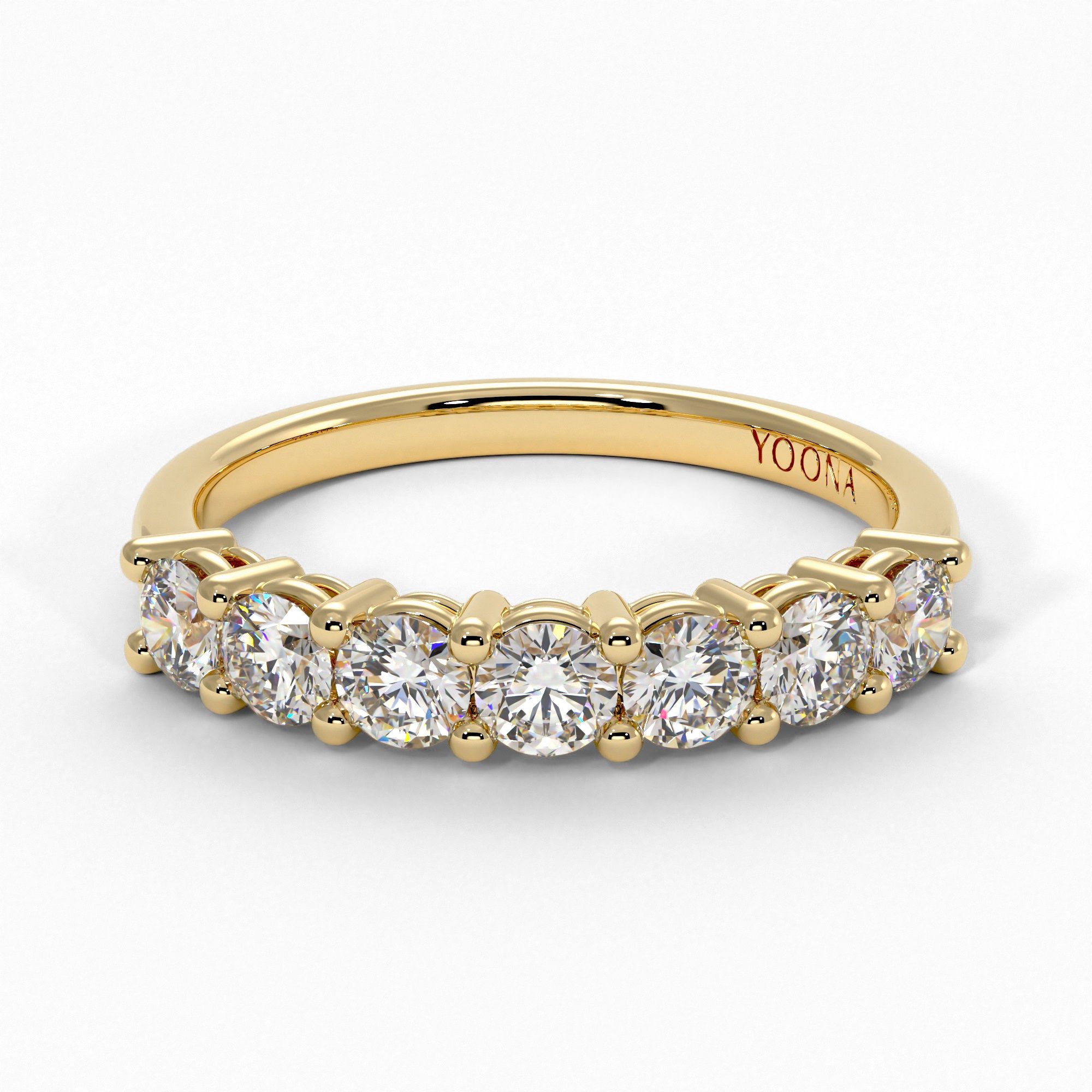
This is the single most useful thing to know before you pick a color grade: the diamond doesn't exist in isolation, it sits against a metal that either highlights or hides its warmth. A G-color diamond in platinum will read slightly warmer next to the bright white metal. That same diamond in yellow or rose gold blends in, since the surrounding gold tone reads warmer to begin with. If you already know your metal, that should drive your color decision more than the grade number alone.
Does Carat Size Change How Color Reads?
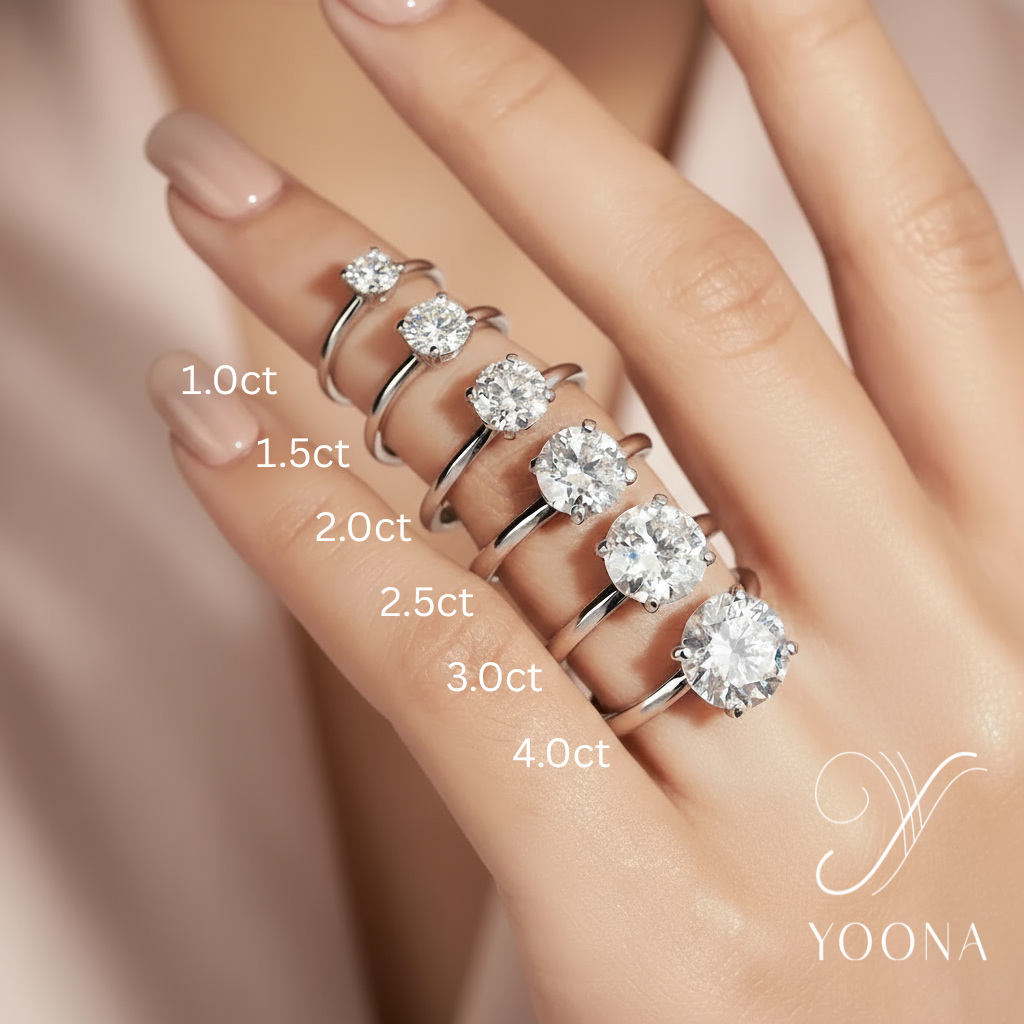
Quick answer: Yes. Color becomes more visible as a diamond gets larger, since there's simply more surface area for tint to show through. A near-colorless grade that looks perfectly white at 0.75 carats may show more warmth at 2 carats.
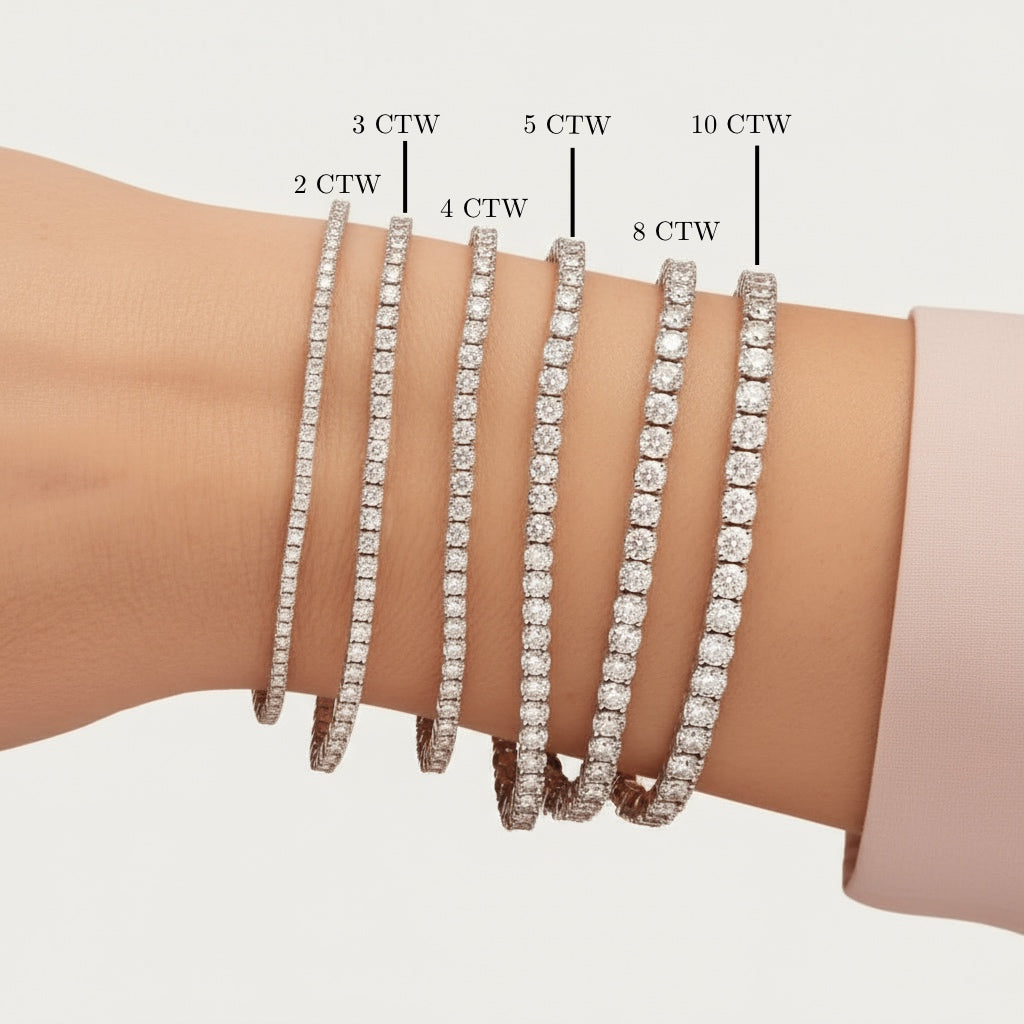
Larger stones concentrate more light and more material in your field of view, which makes subtle tint easier to spot. If you're shopping above roughly 1.5 carats, it's worth prioritizing color a grade or two higher than you would for a smaller stone, the size itself makes the difference more visible.
What Is Diamond Fluorescence, and Does It Matter?
Quick answer: Fluorescence is how a diamond reacts to ultraviolet light, most commonly glowing faint blue. Most diamonds show no fluorescence or a faint amount that has zero visible effect. Strong fluorescence can occasionally make a lower color grade look whiter, or in rarer cases make a higher color grade look slightly hazy.
Fluorescence shows up on a grading report as its own separate line, none, faint, medium, strong, or very strong, and it's worth understanding since it sometimes confuses people who assume it relates directly to color grade. It doesn't. It's a different property entirely, caused by trace elements reacting to UV light, including sunlight and some indoor lighting.
For the vast majority of diamonds, fluorescence is none or faint and has no visible impact at all. At medium to strong levels, the effect depends on the stone: in a lower color grade like I or J, strong blue fluorescence can actually make the diamond appear whiter than its grade suggests, a genuine bonus some buyers specifically look for. In a colorless D–F stone, strong fluorescence occasionally creates a subtle hazy or oily look, particularly in bright sunlight, though this is the exception rather than the rule and doesn't happen in every strongly fluorescent stone.
The takeaway: fluorescence isn't something to avoid across the board, it's something to check on a stone-by-stone basis, ideally by viewing the actual diamond rather than assuming based on the label alone.
Does Lab-Grown Change How Color Is Graded?
Quick answer: No. Lab-grown diamonds are graded on the identical D-to-Z scale as mined diamonds, by the same independent laboratories.
There's no separate or looser color scale for lab-grown stones. A D-color lab-grown diamond and a D-color mined diamond are, by definition, equally colorless. The growth method has no bearing on how color is assessed.
For more on how lab-grown diamonds compare to mined diamonds more broadly, see Are Lab-Grown Diamonds Real? The Complete Guide.
What About Fancy Colored Diamonds?
Quick answer: Fancy colored diamonds, like pink, blue, or yellow, are graded on color intensity rather than colorlessness, and are a different category entirely. Yoona doesn't currently offer these.
Fancy color diamonds flip the standard scale: instead of being valued for the absence of color, they're valued for the strength and rarity of a specific hue. It's a genuinely different grading system with its own scale and its own market. We focus exclusively on white diamonds today to keep our sourcing and quality standard tightly controlled, but it's an area worth watching if that ever changes.
Frequently Asked Questions
What color grade should I choose?
For platinum or white gold, stay in D–F for a truly colorless look. For yellow or rose gold, G–H offers excellent value since the metal masks the warmth.
Can I see the difference between a D and an F color diamond?
Almost never without side-by-side comparison under controlled lighting. The difference exists on paper more than in casual daily viewing.
Is a higher color grade always worth the extra cost?
Not necessarily. Once you're in the colorless range, additional grade improvements often cost more than they visibly deliver, especially in warmer metal settings.
Should I avoid diamonds with fluorescence?
Not automatically. None to faint fluorescence has no effect at all, and even strong fluorescence is only a concern in colorless grades, and even then, only sometimes. It's worth checking the individual stone rather than ruling out fluorescence as a category.
Why Yoona Only Uses D–F
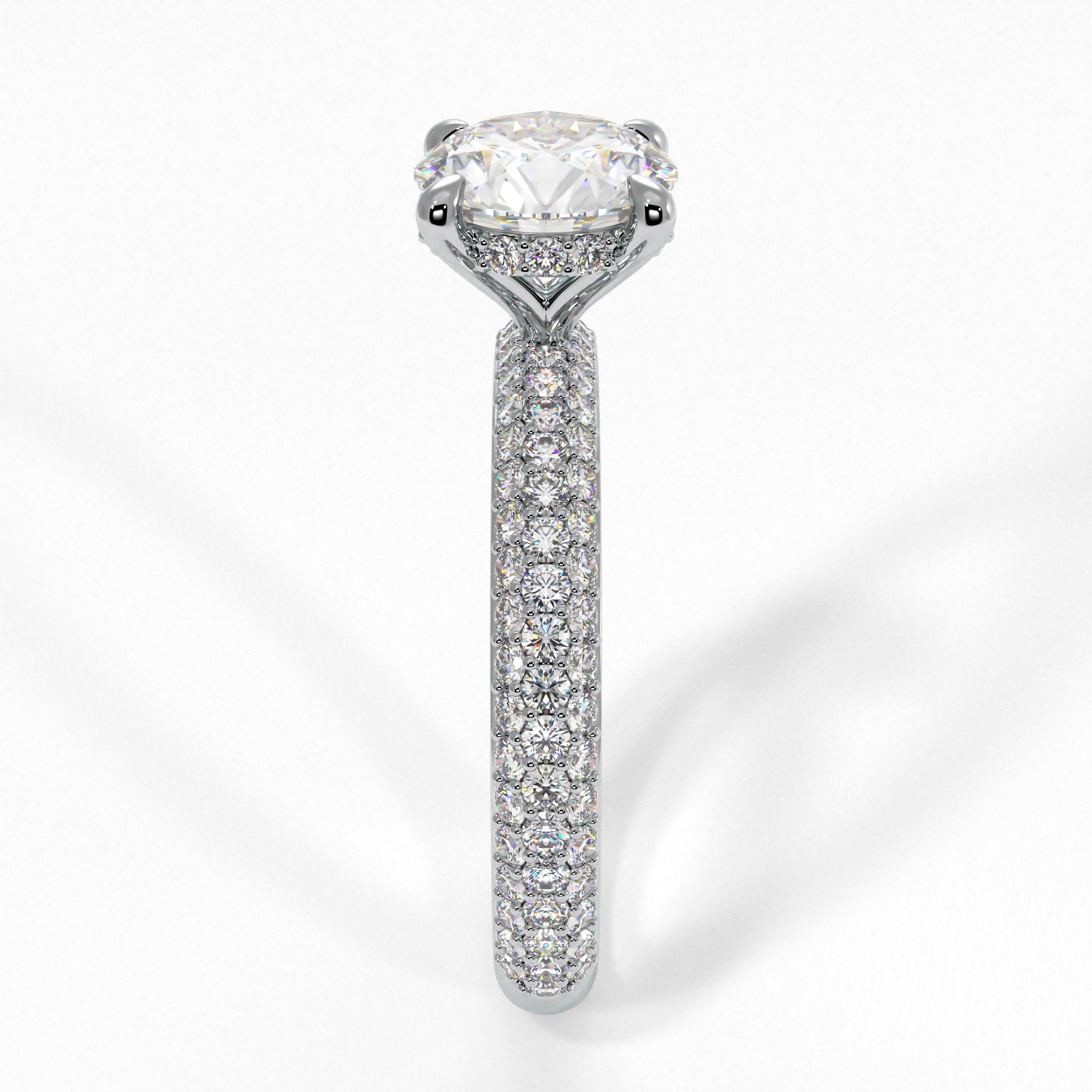
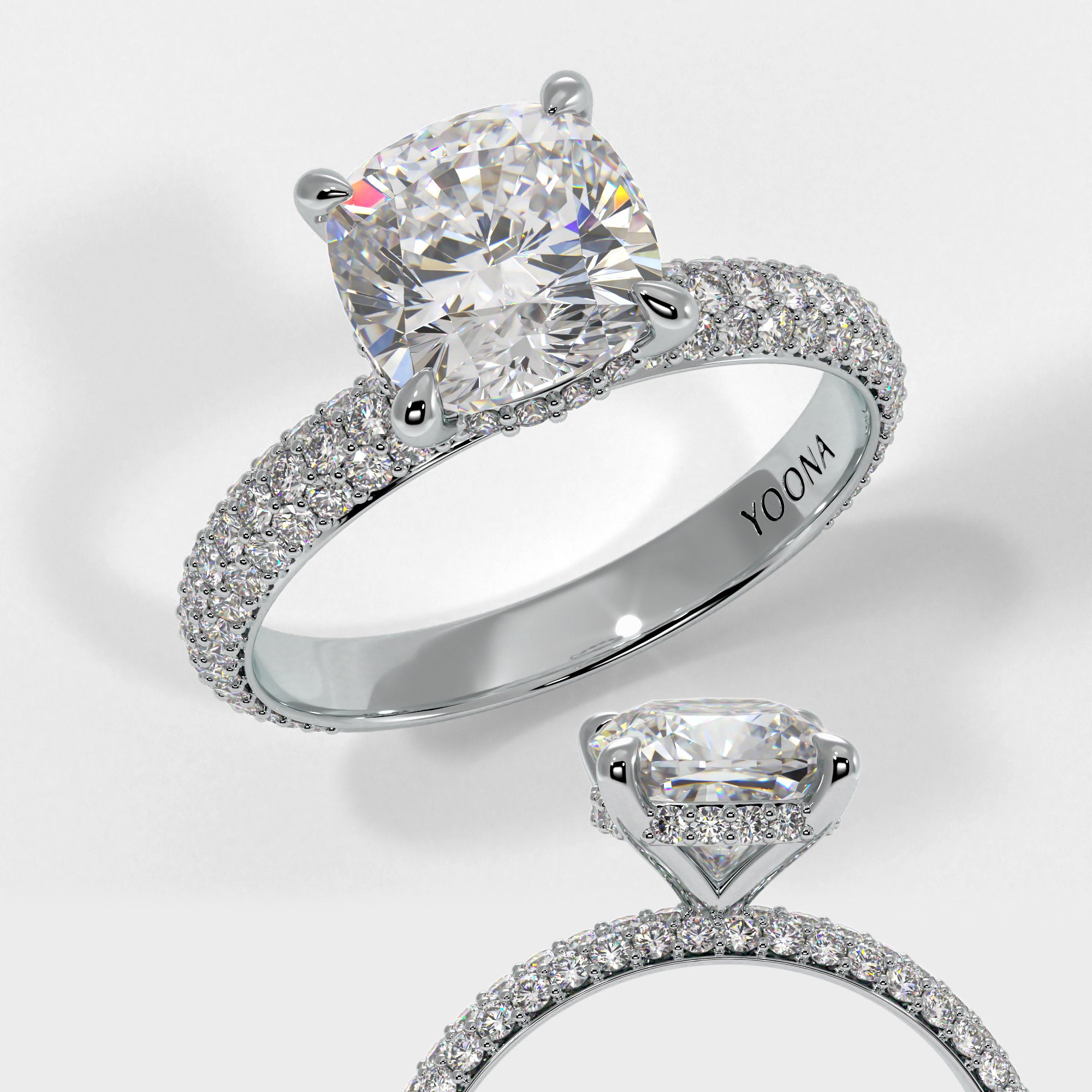
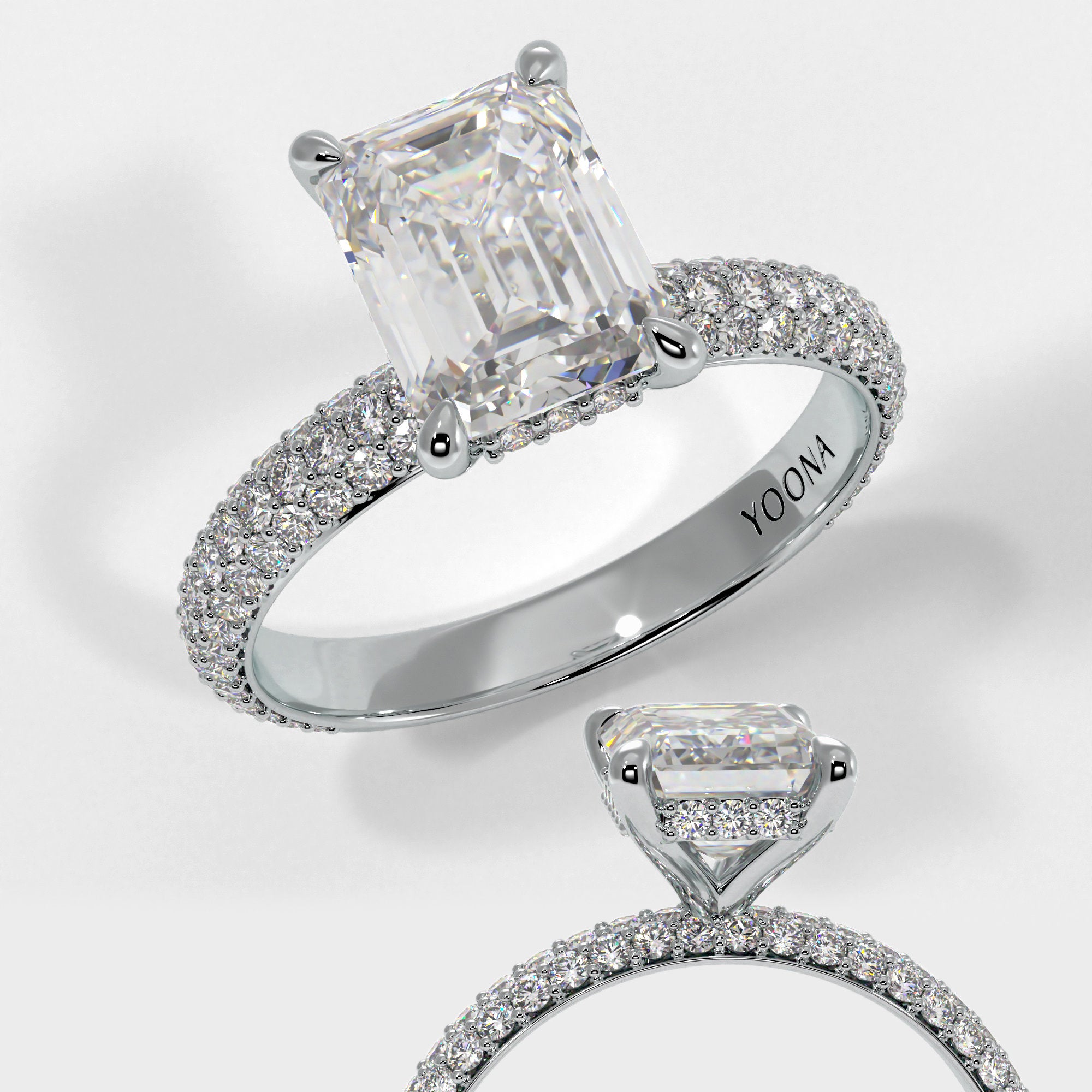
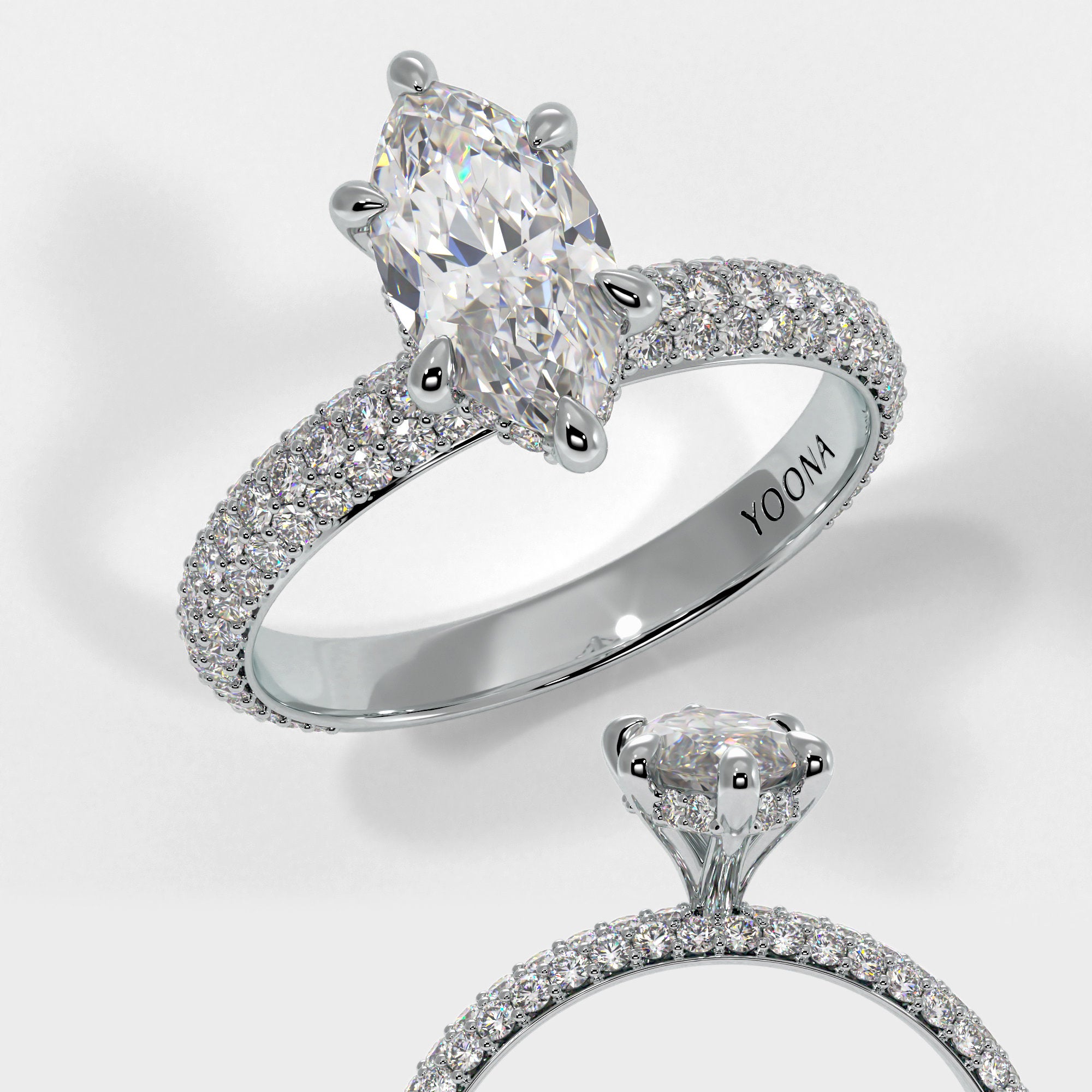
We set the Eternal Diamond™ standard at D–F specifically so every center stone looks equally exceptional regardless of metal choice, platinum, white gold, yellow gold, or rose gold. Rather than adjusting quality based on setting, we hold the line at colorless across the board, so you never have to think about whether your color grade will read as warm in your chosen metal.