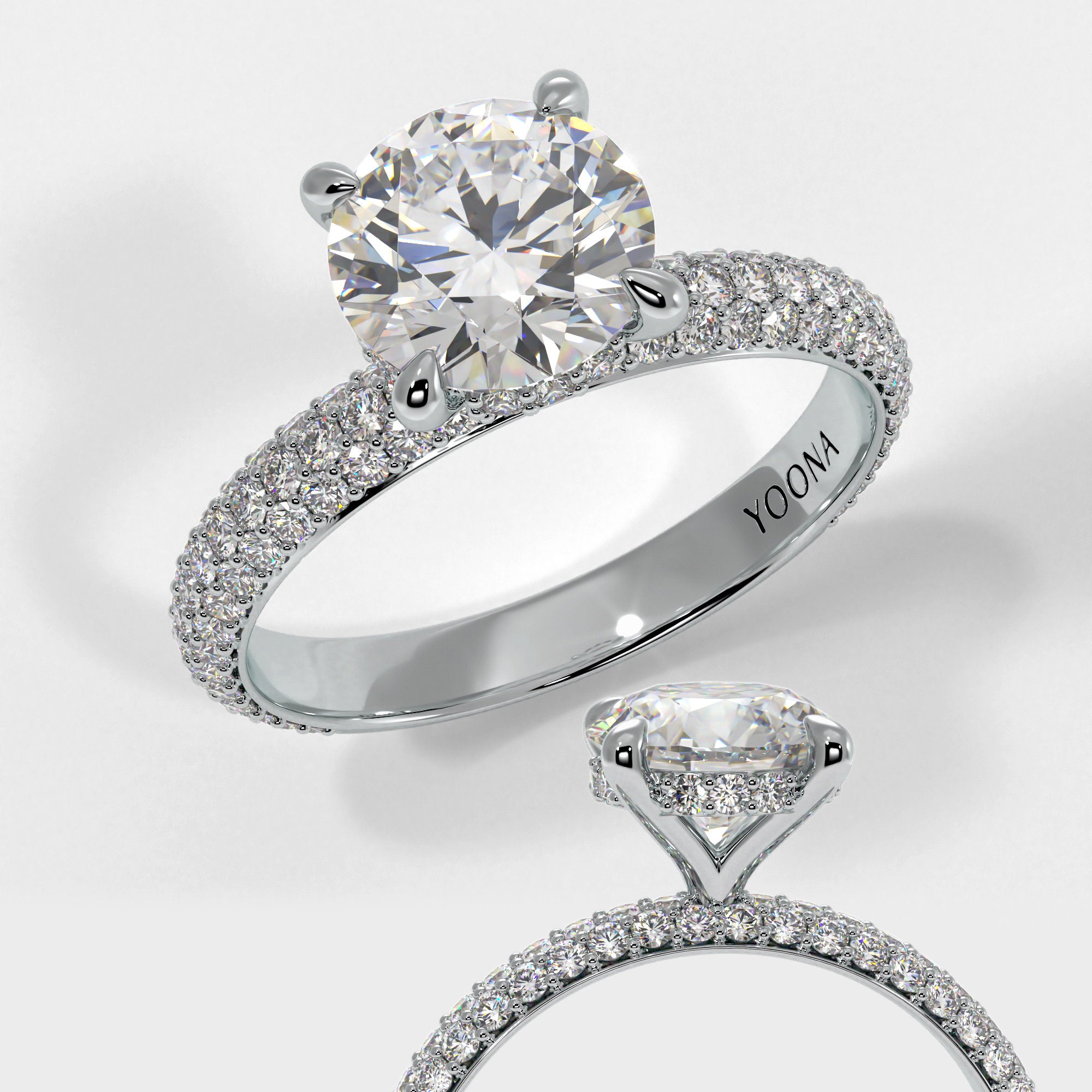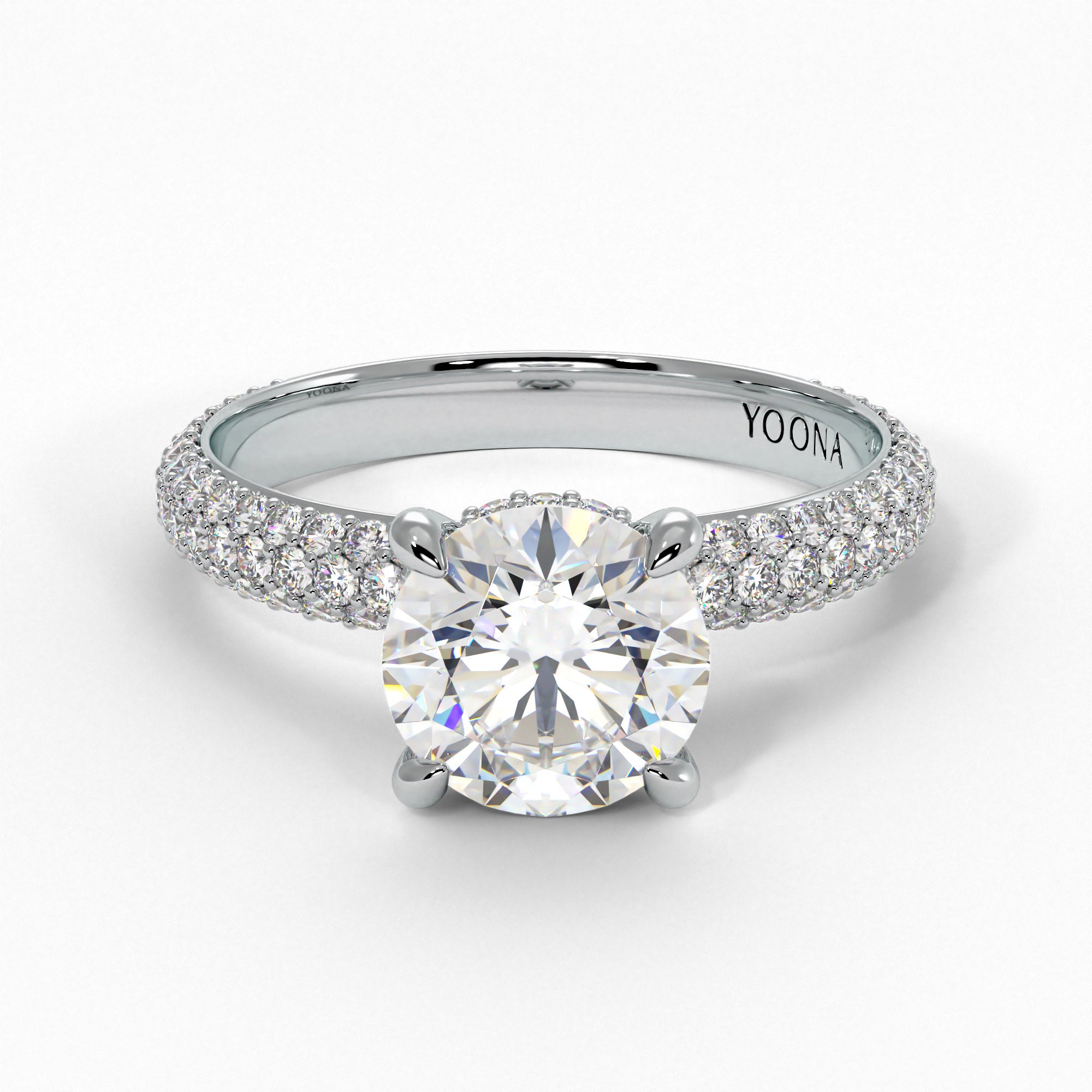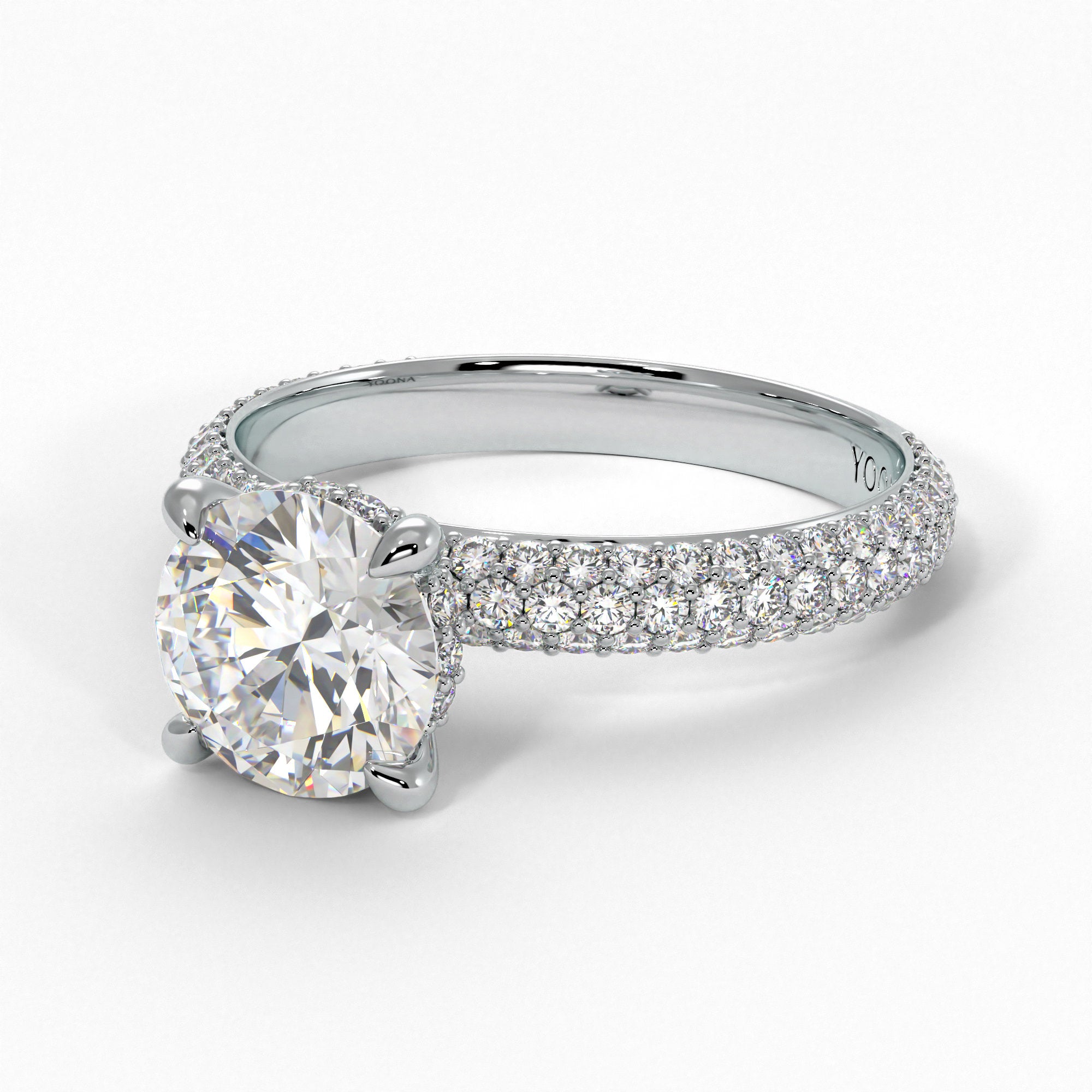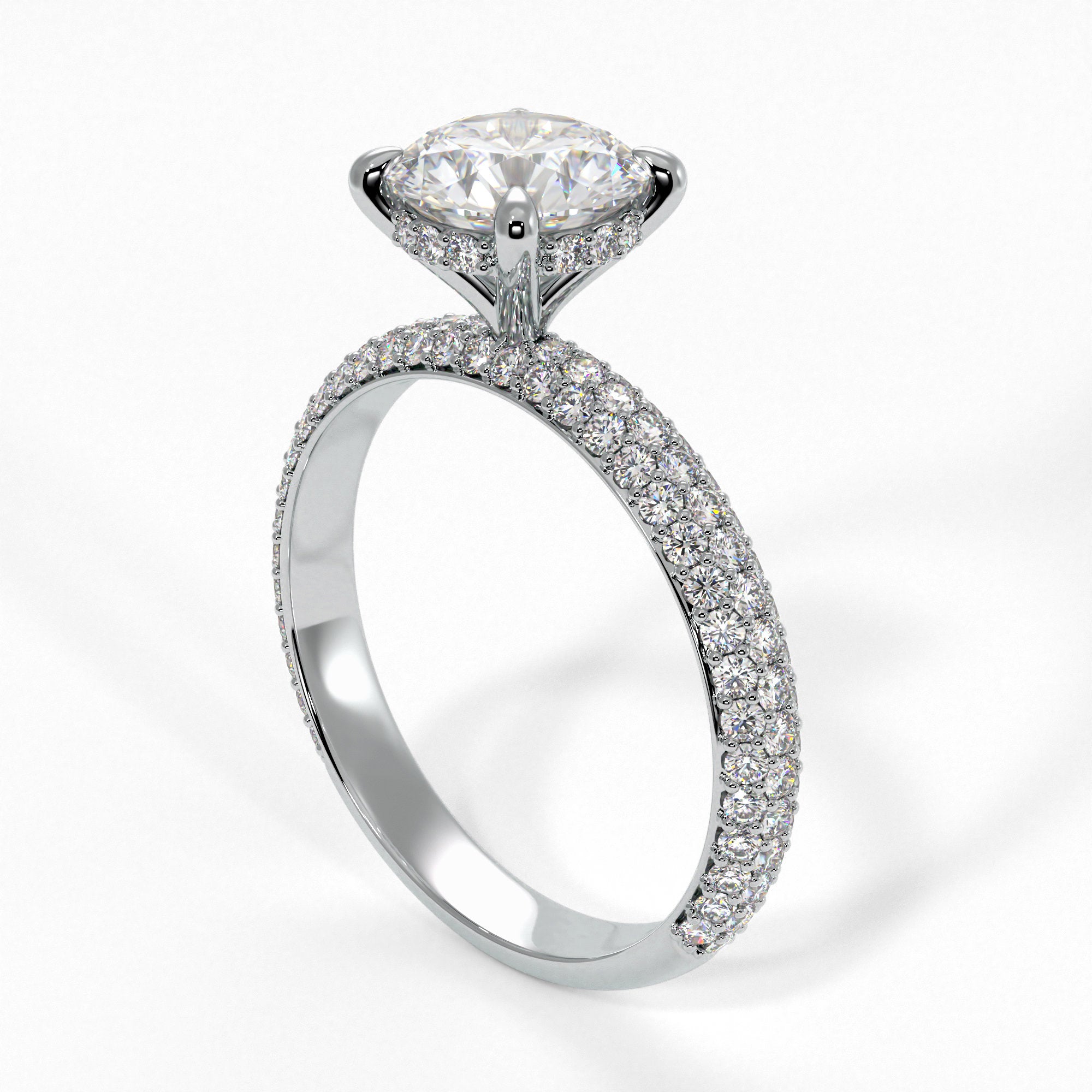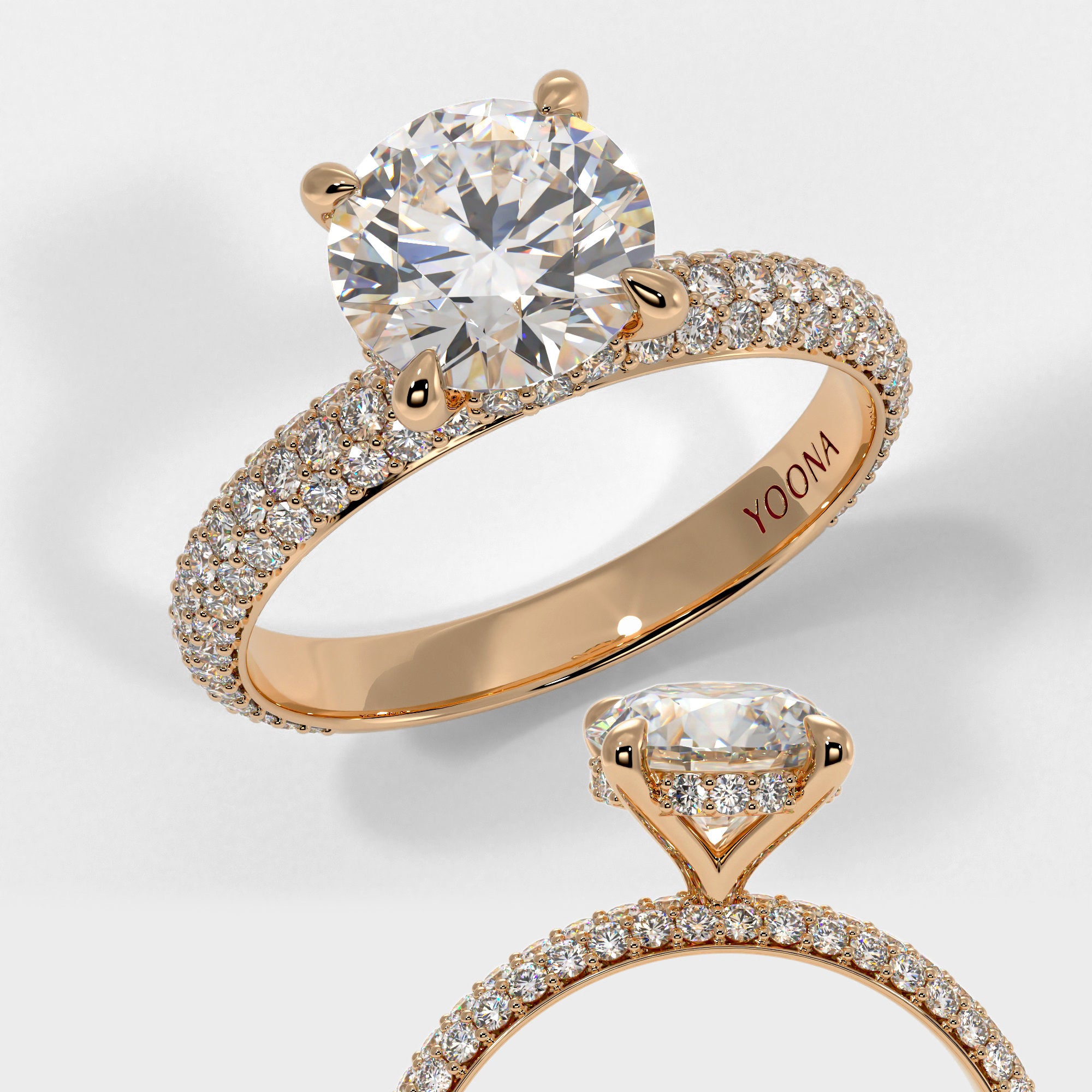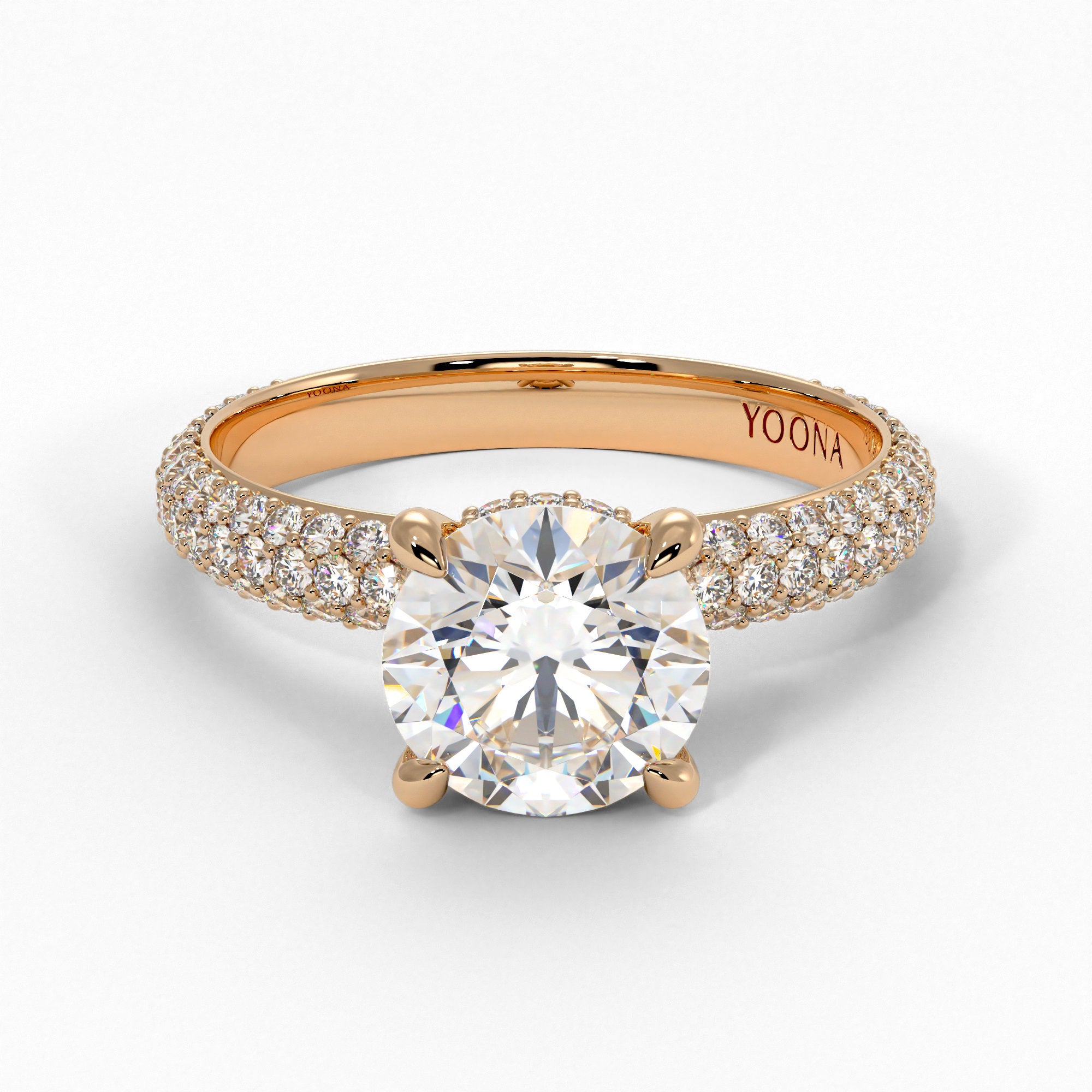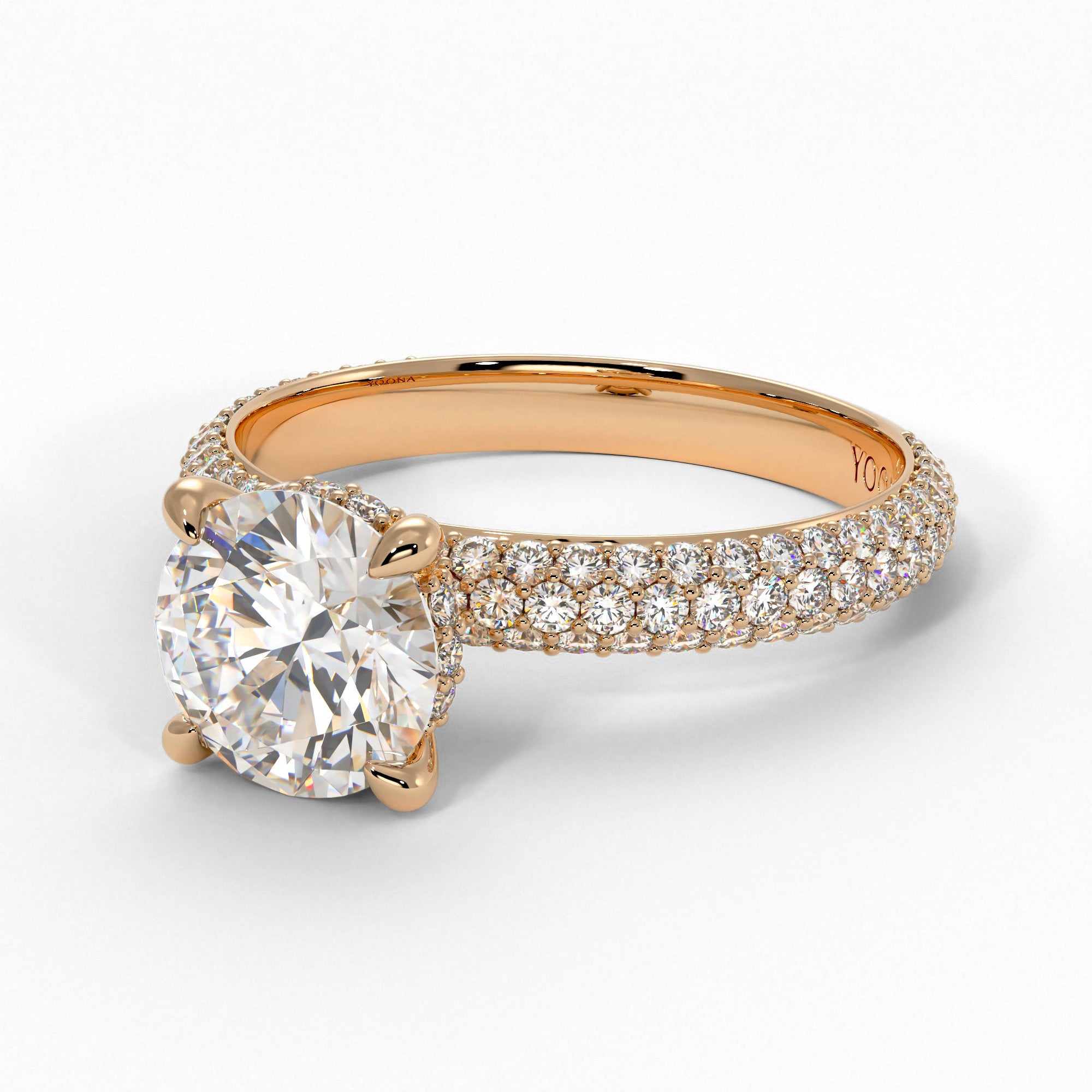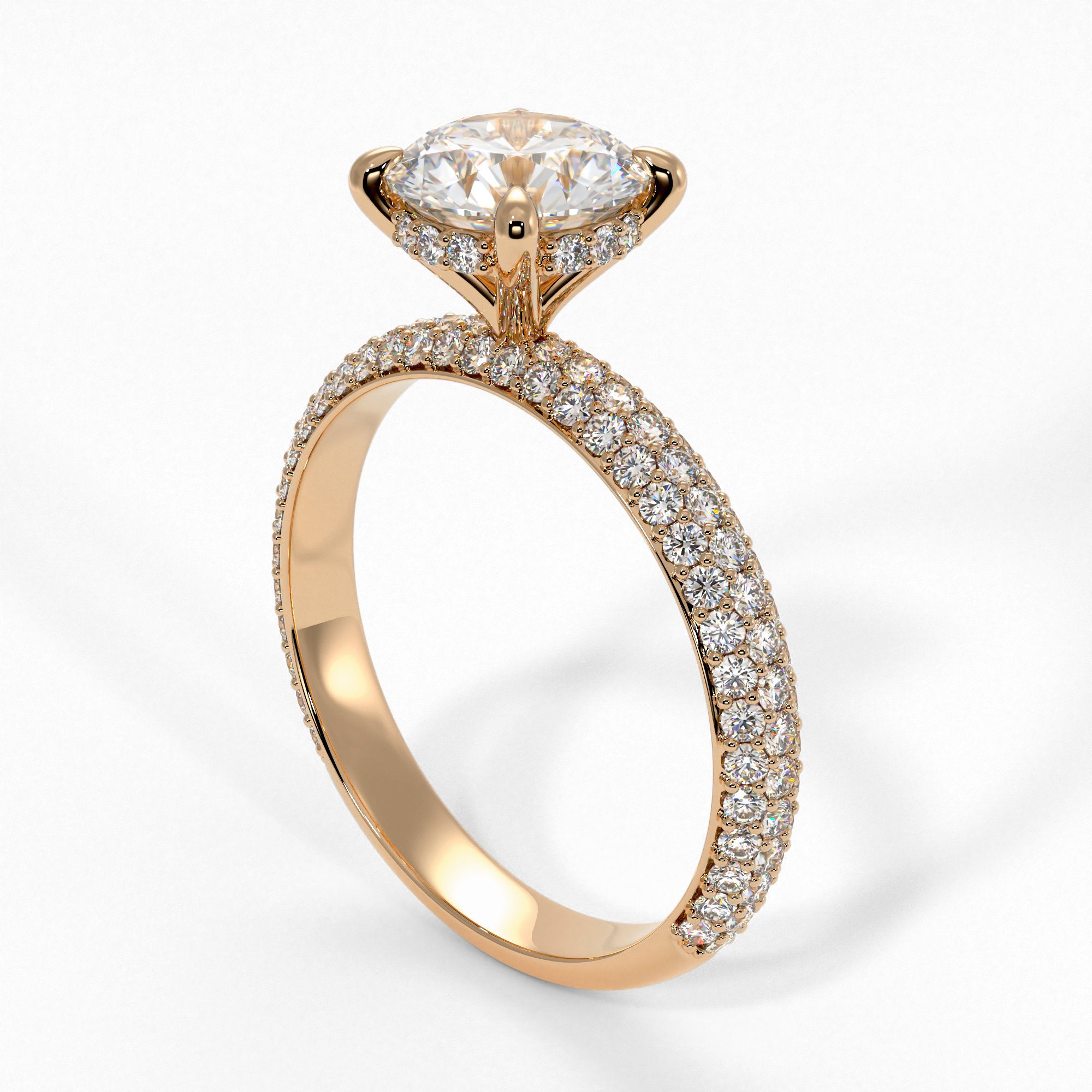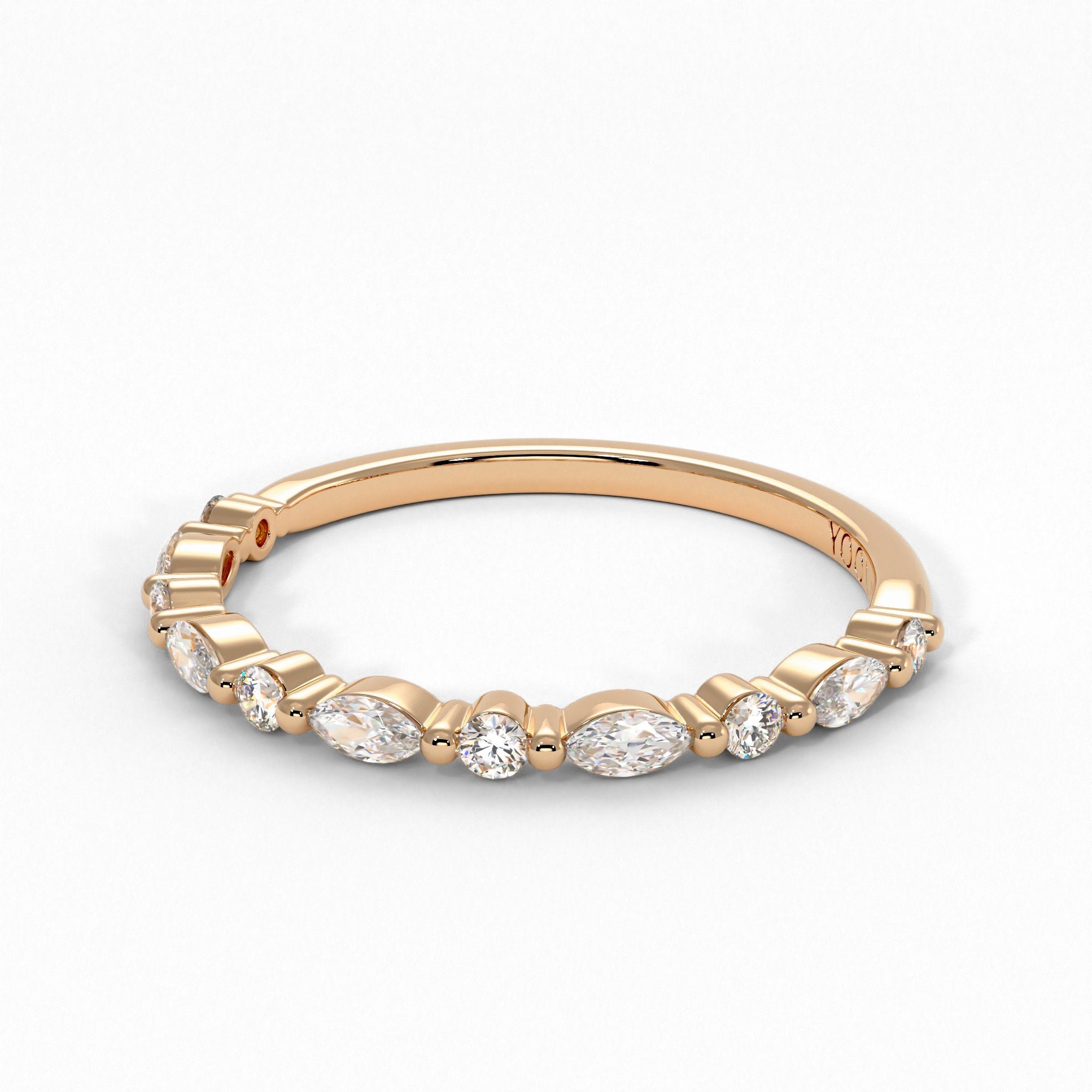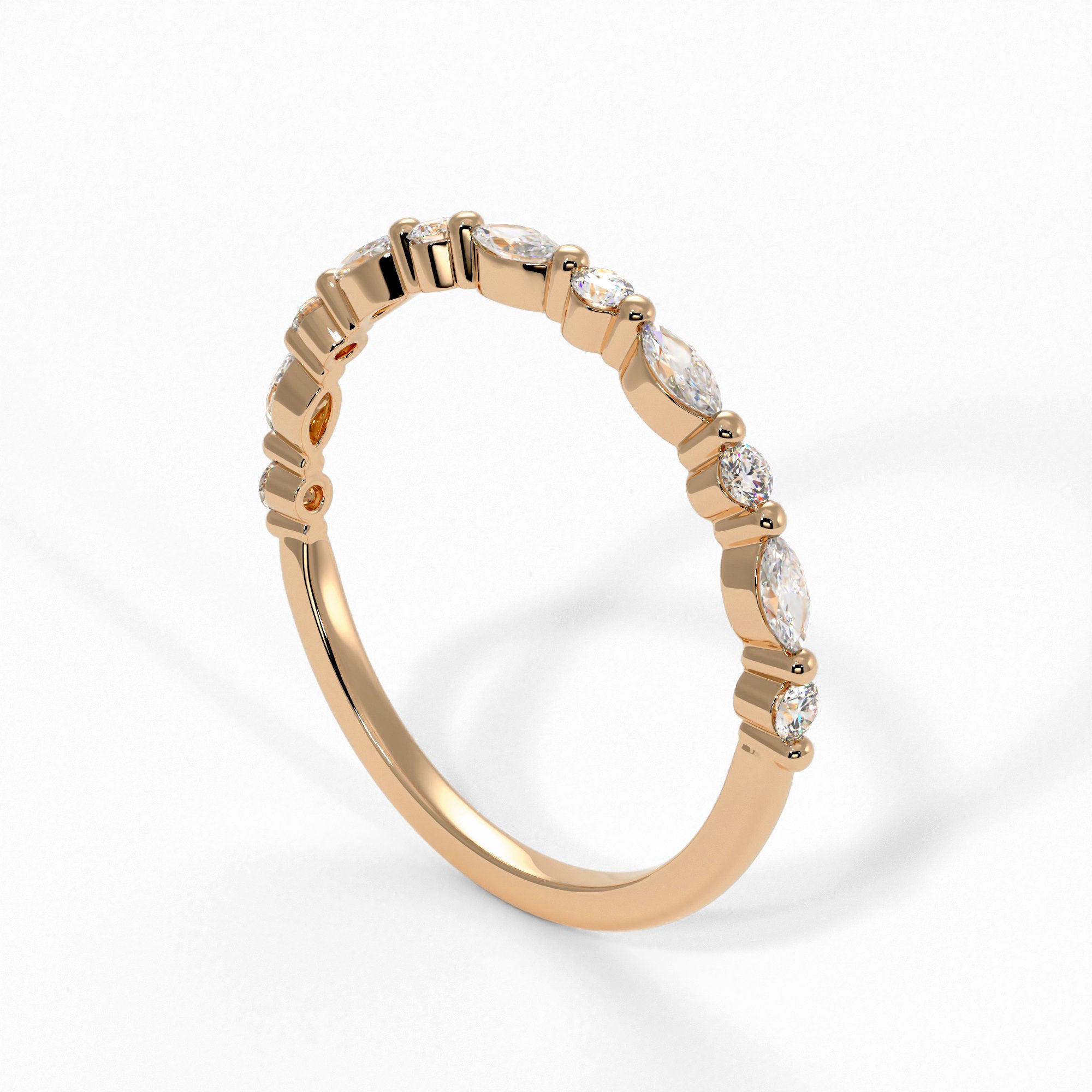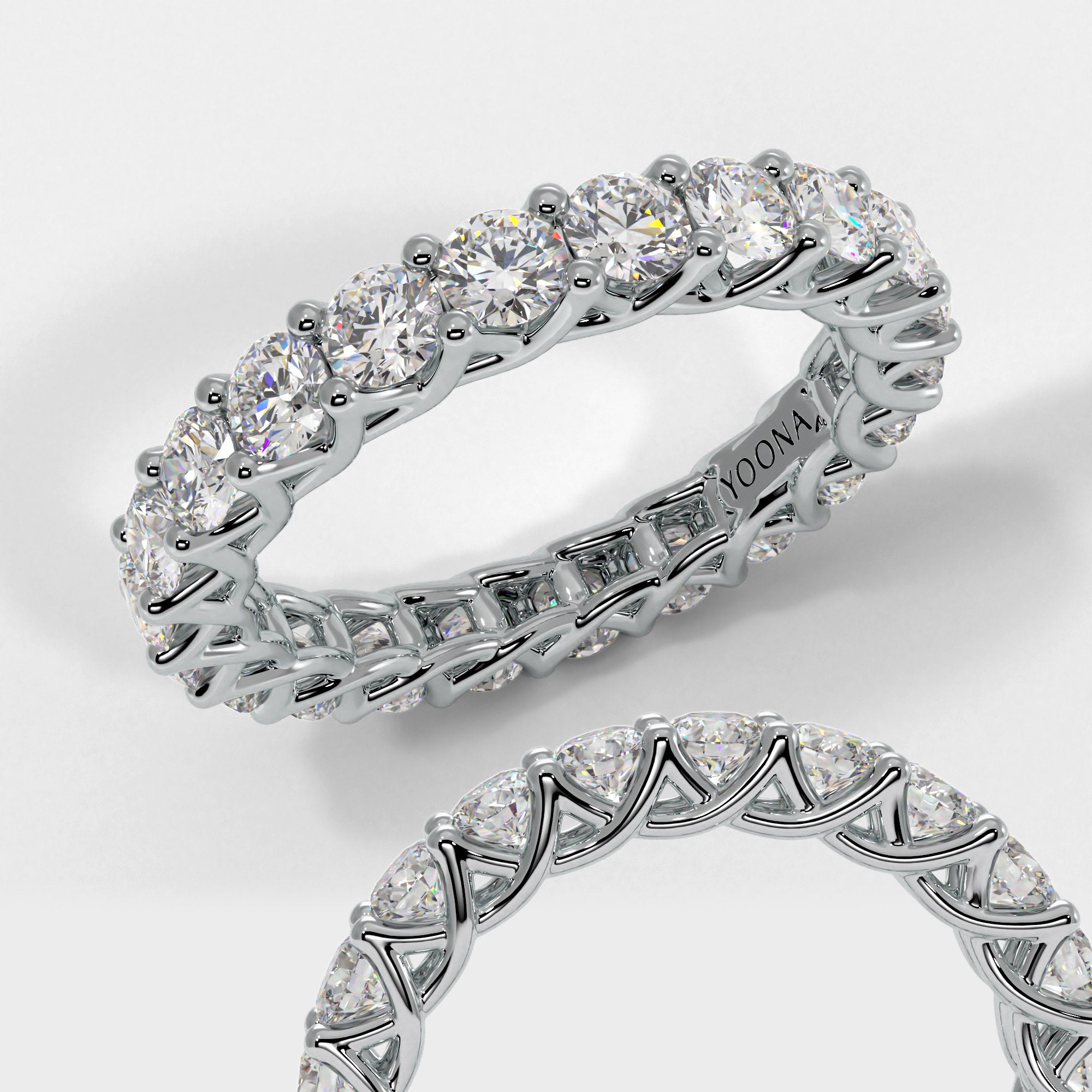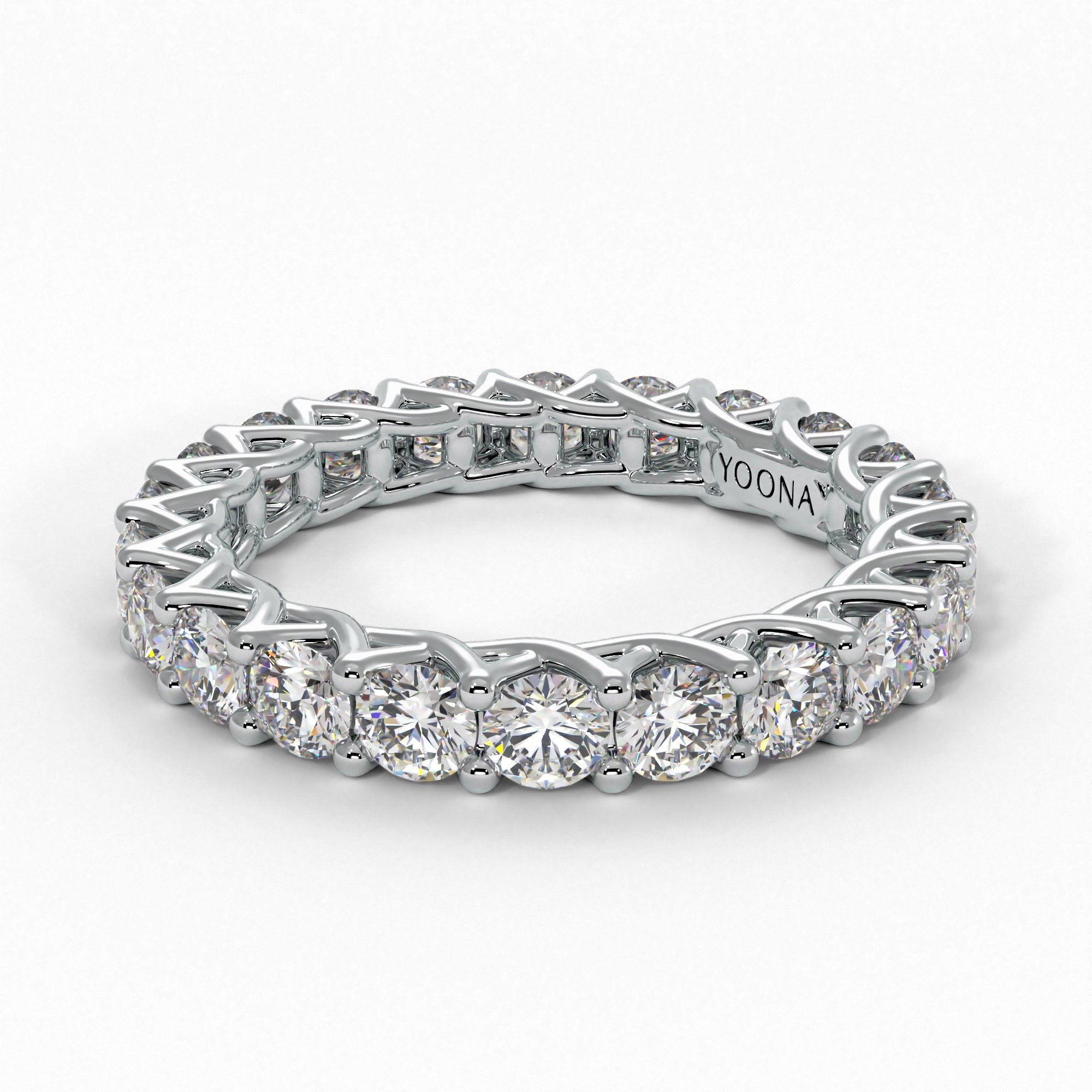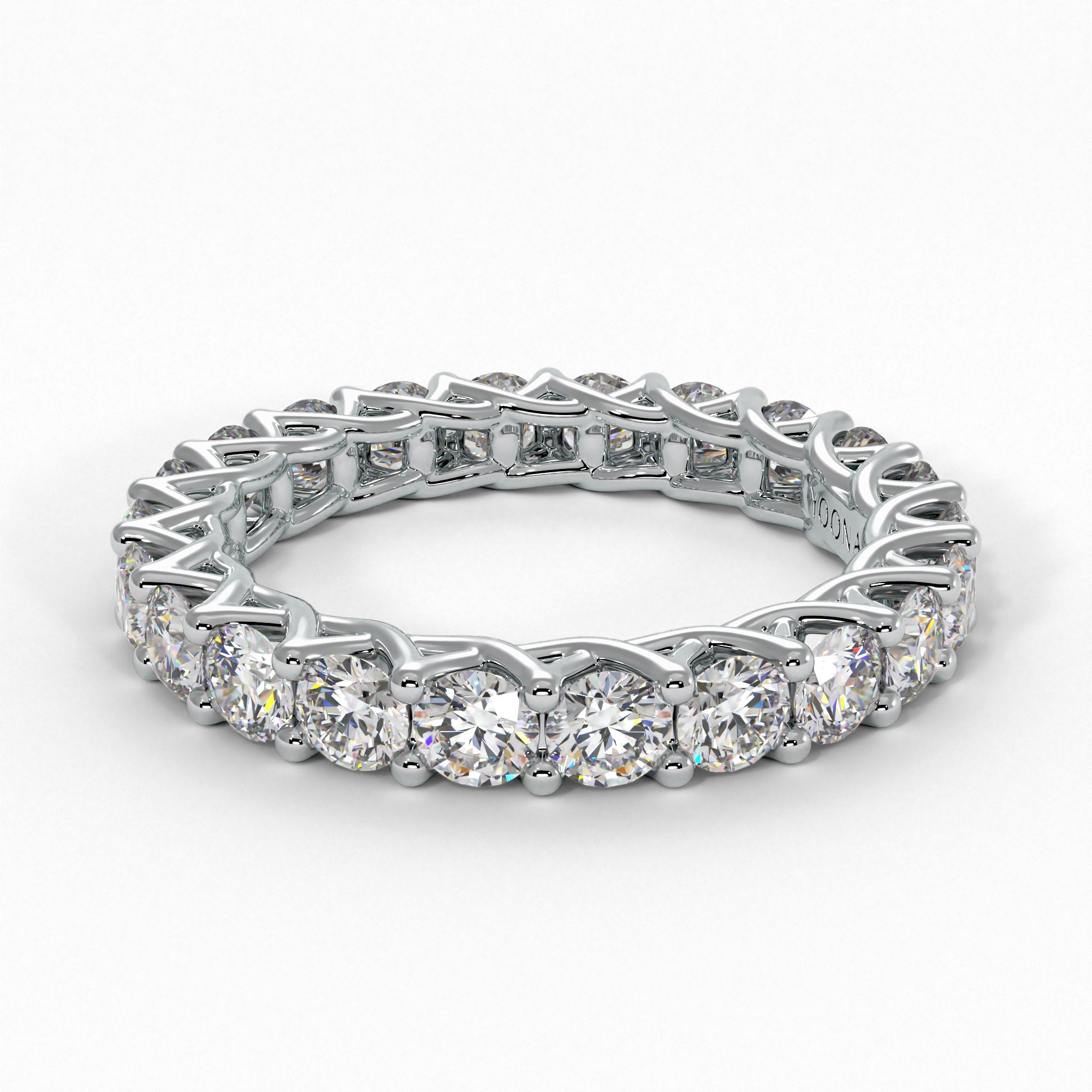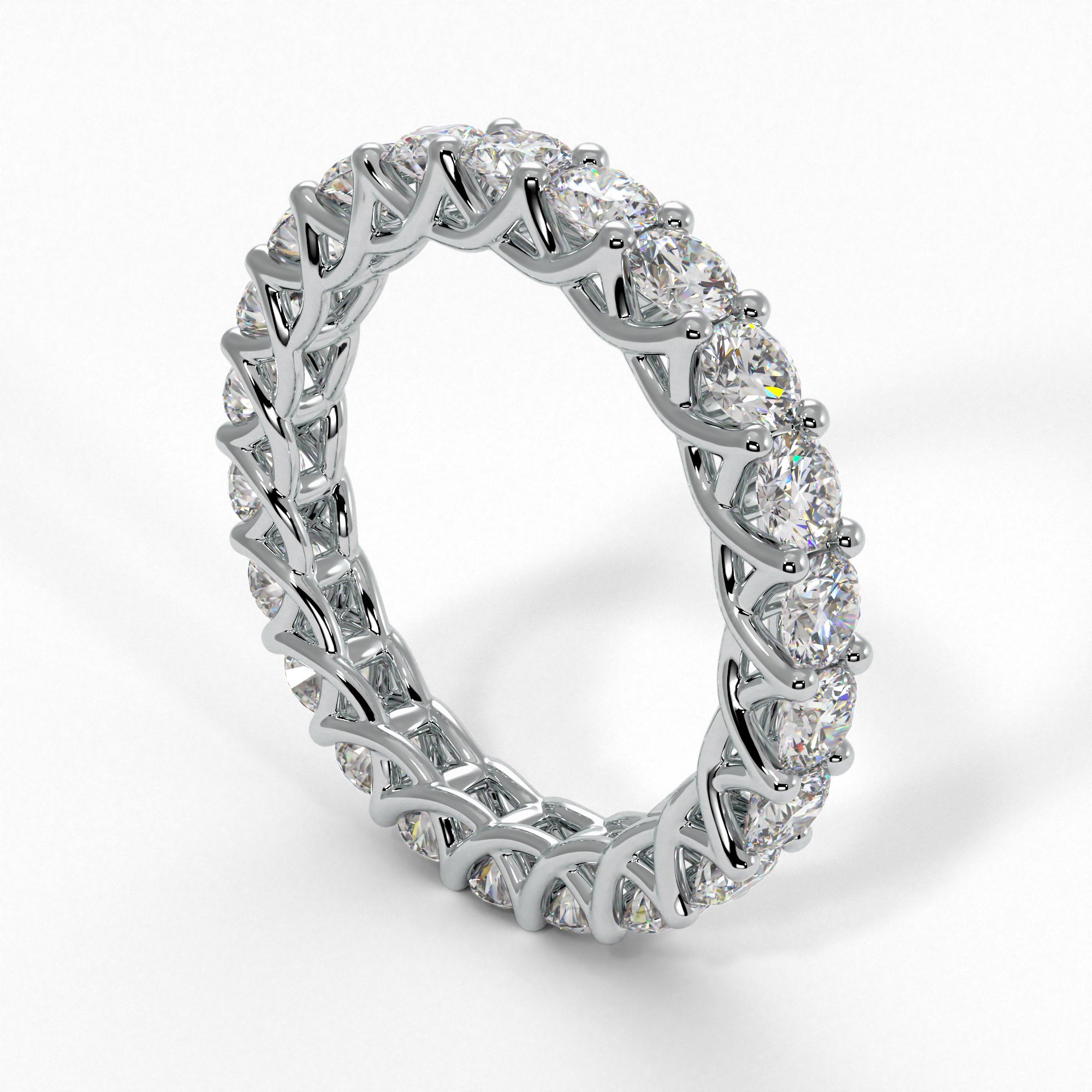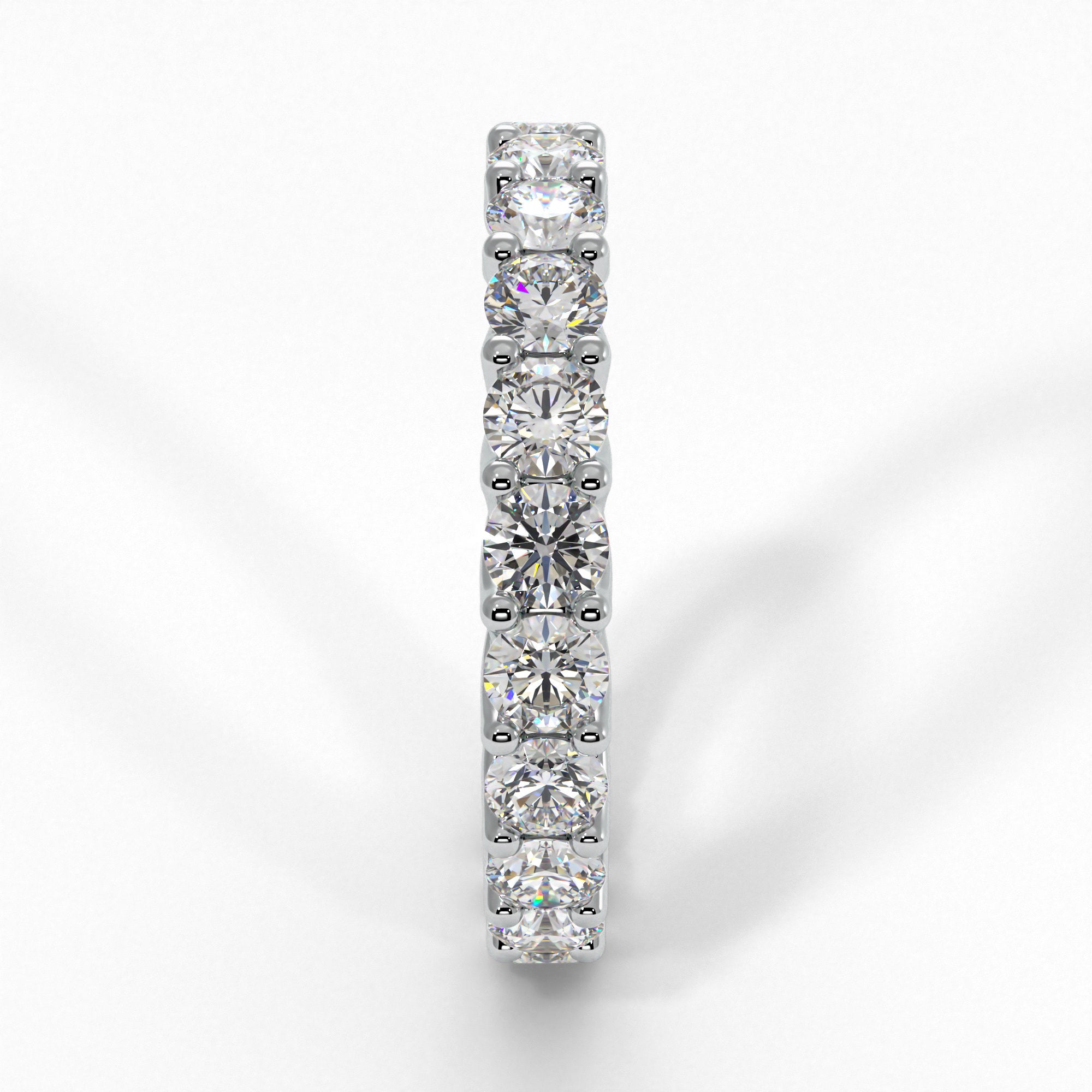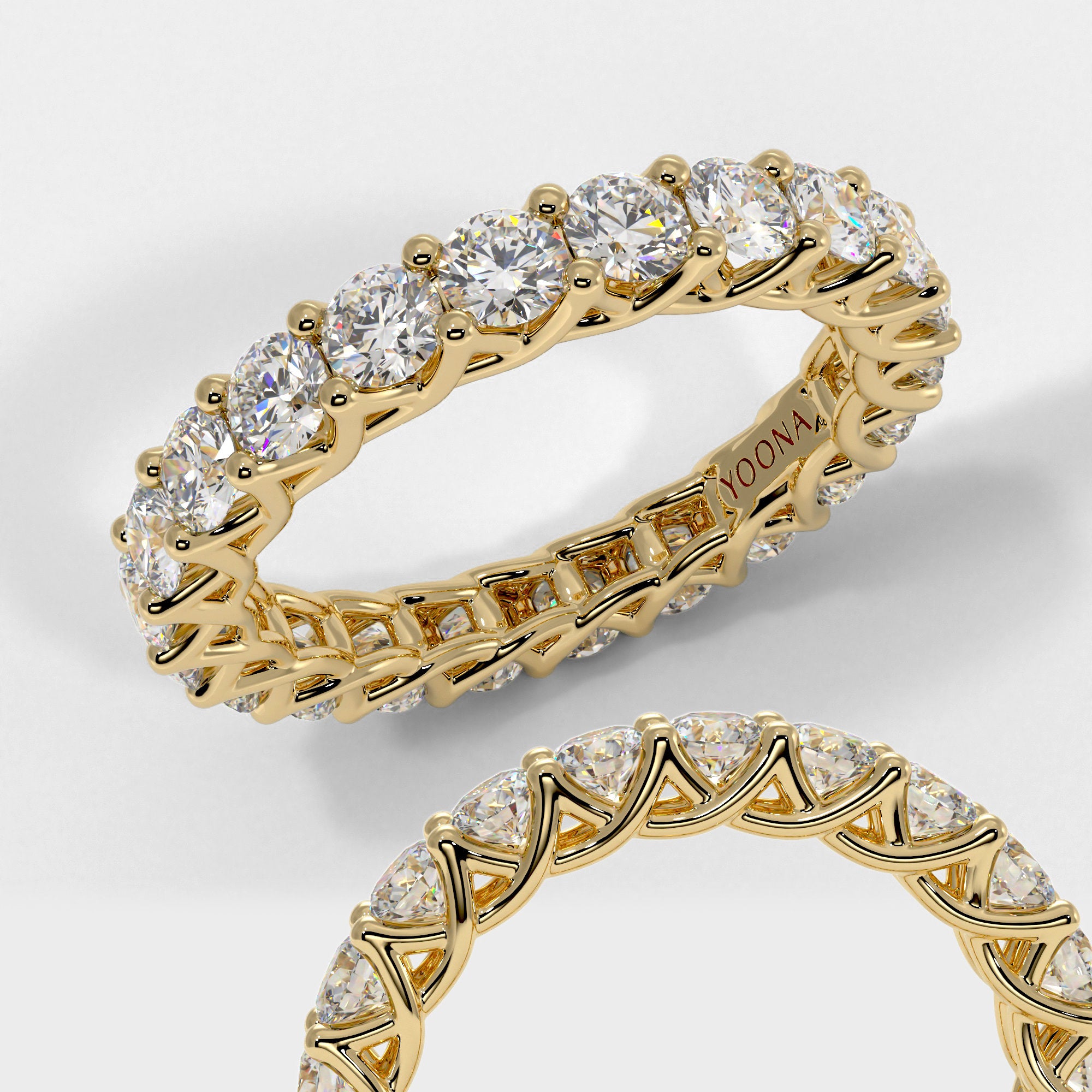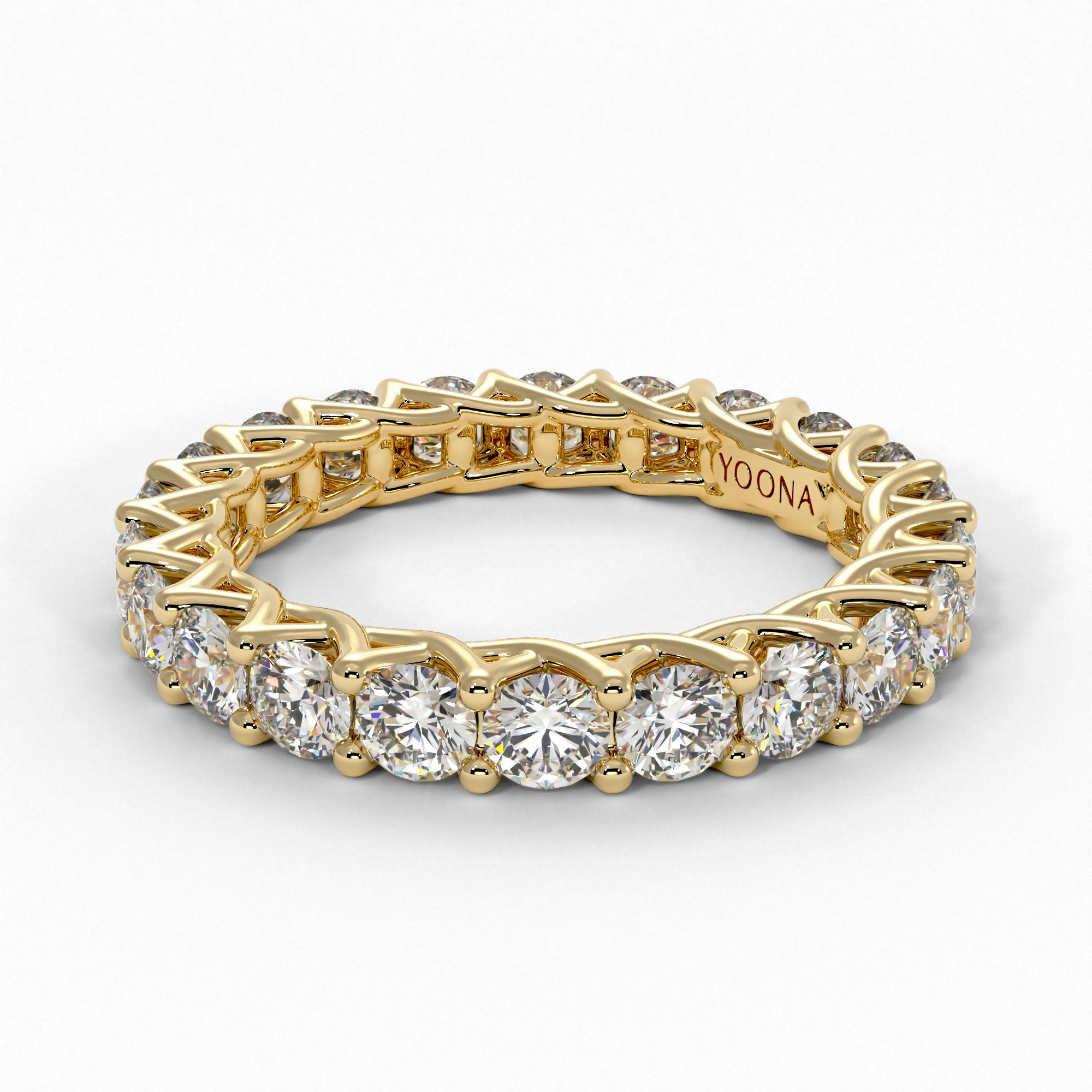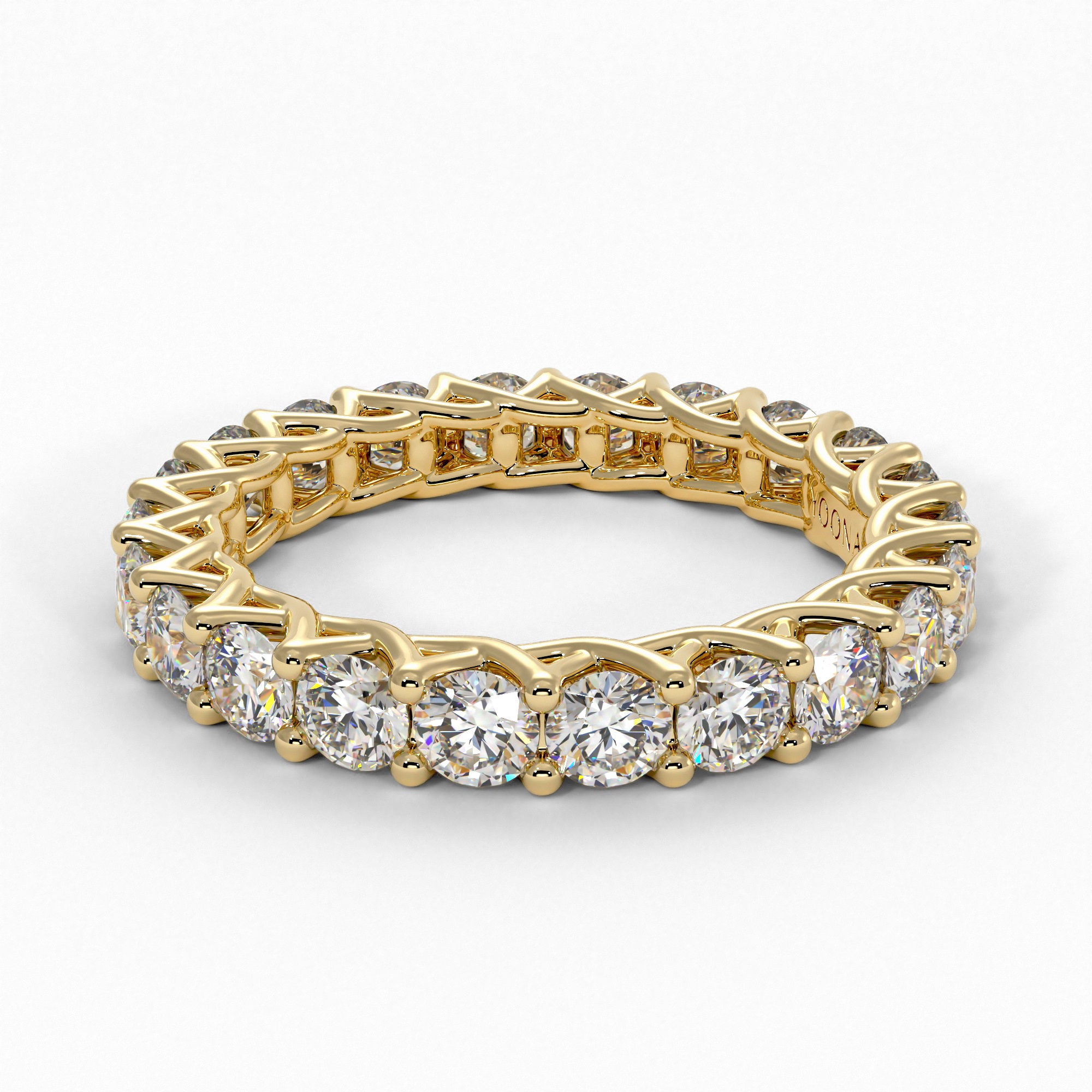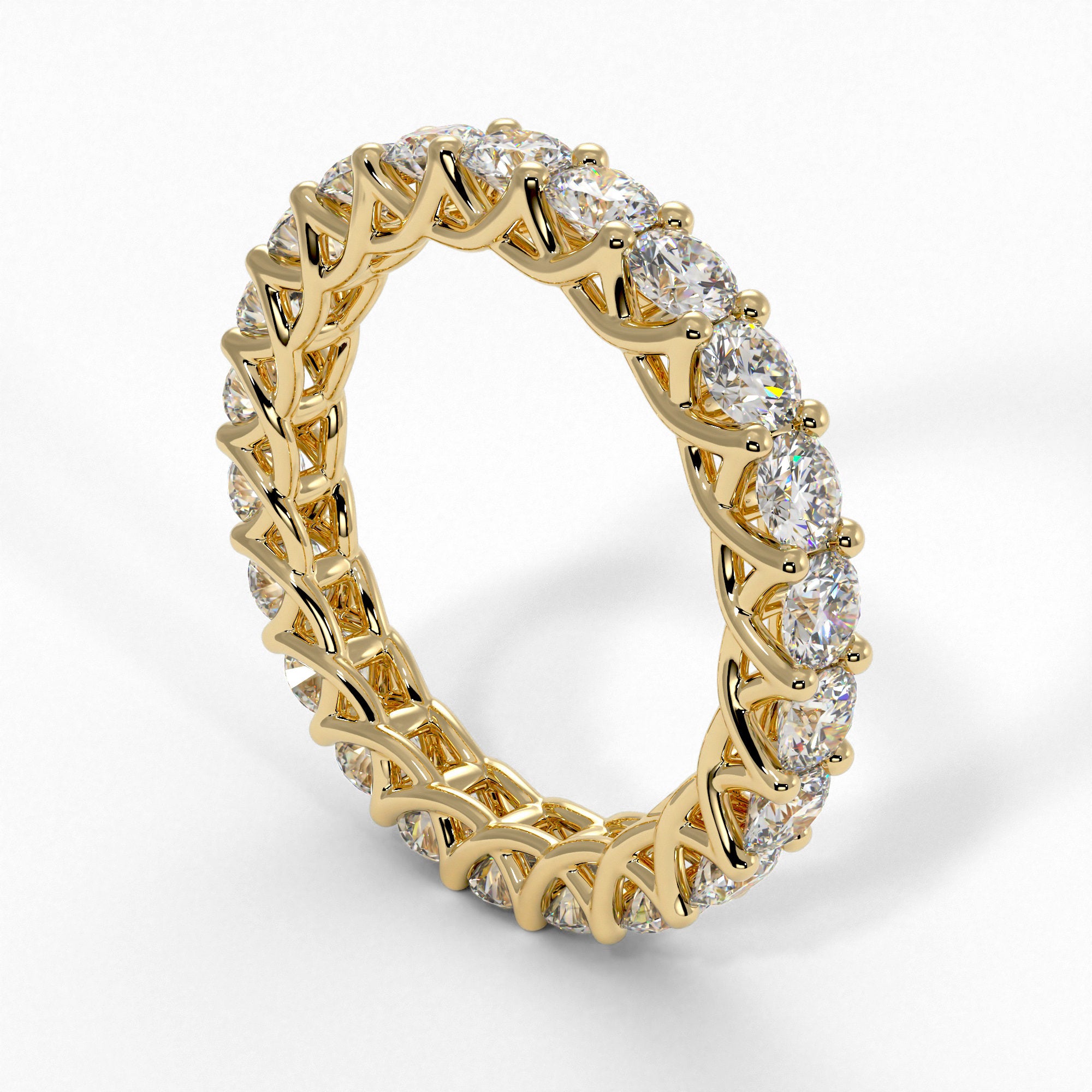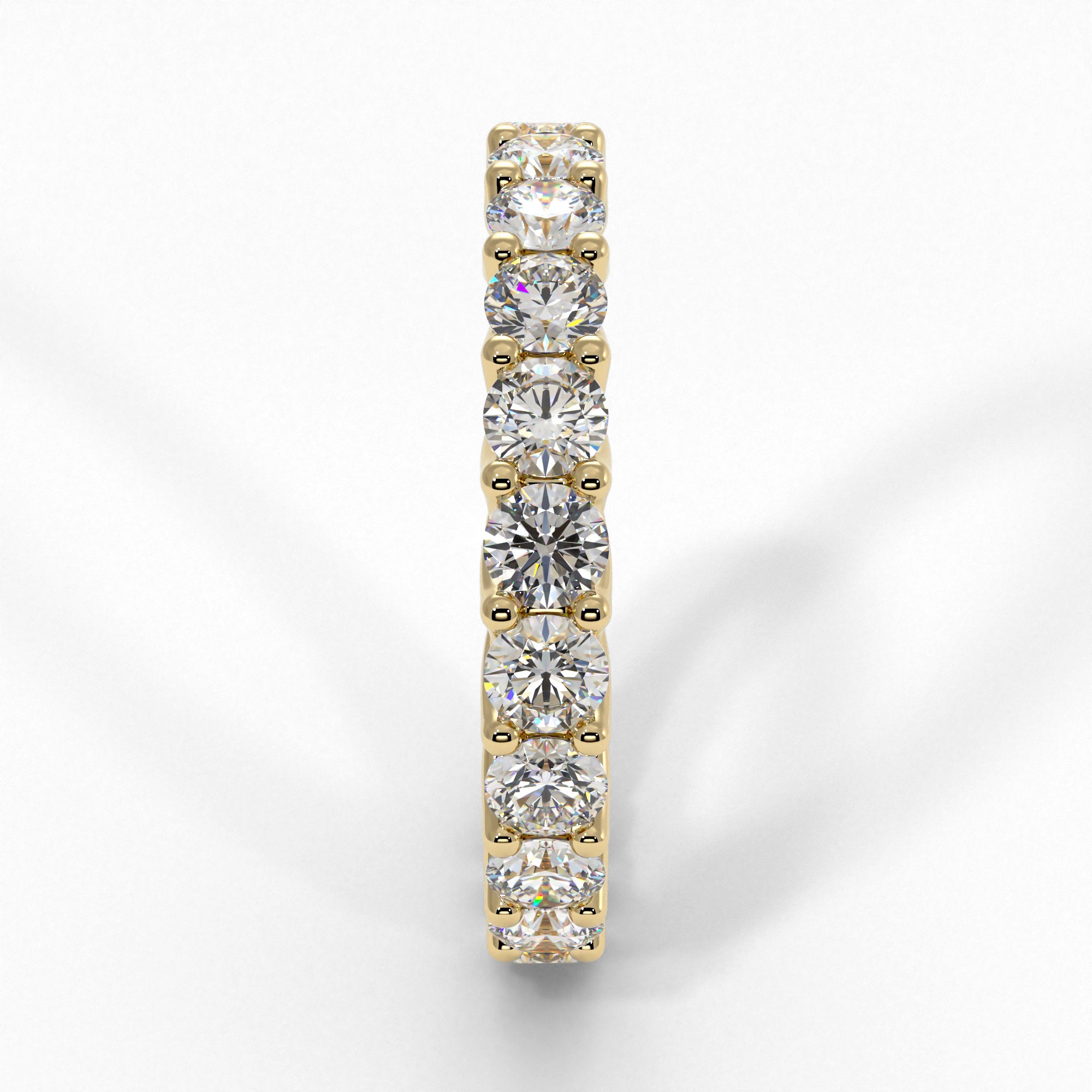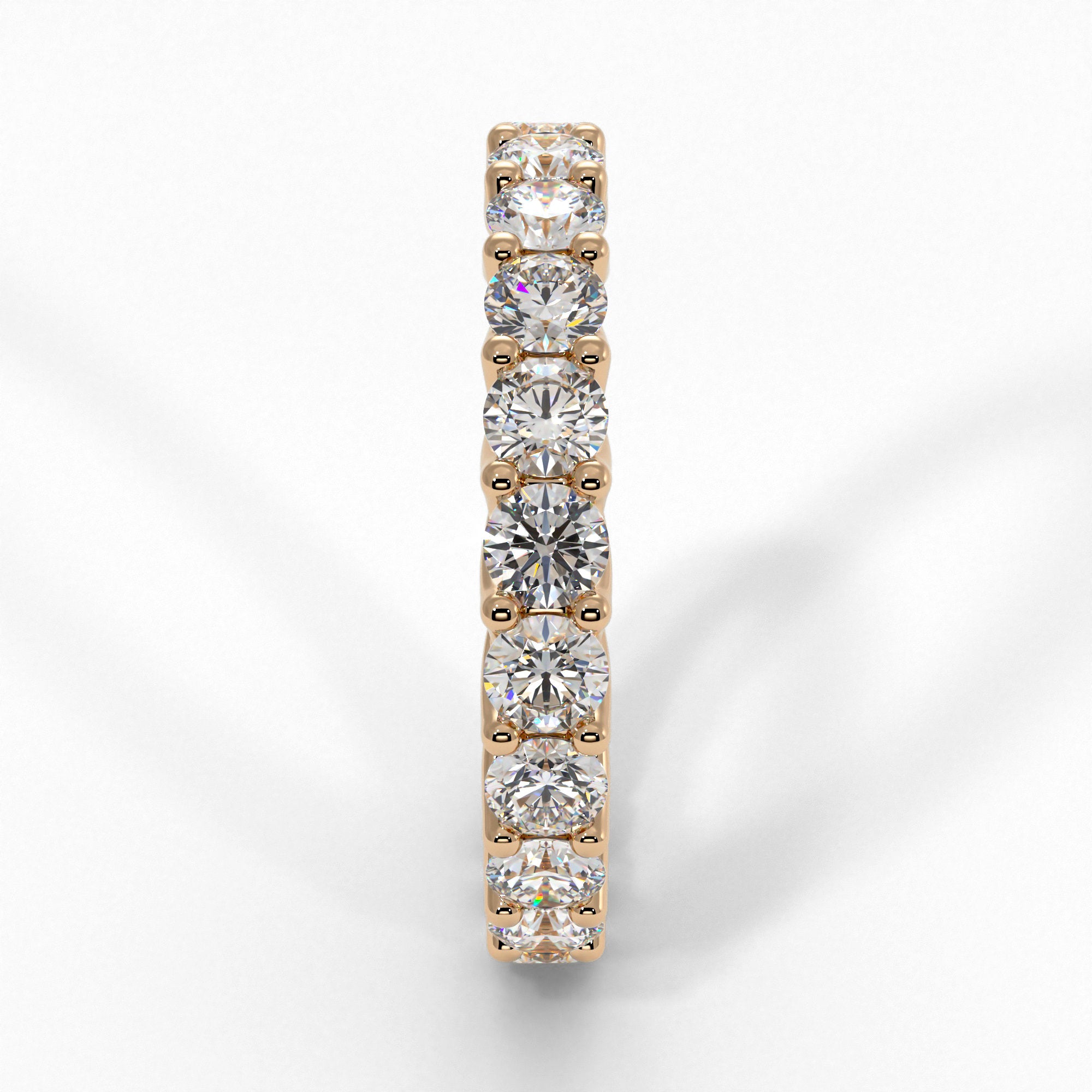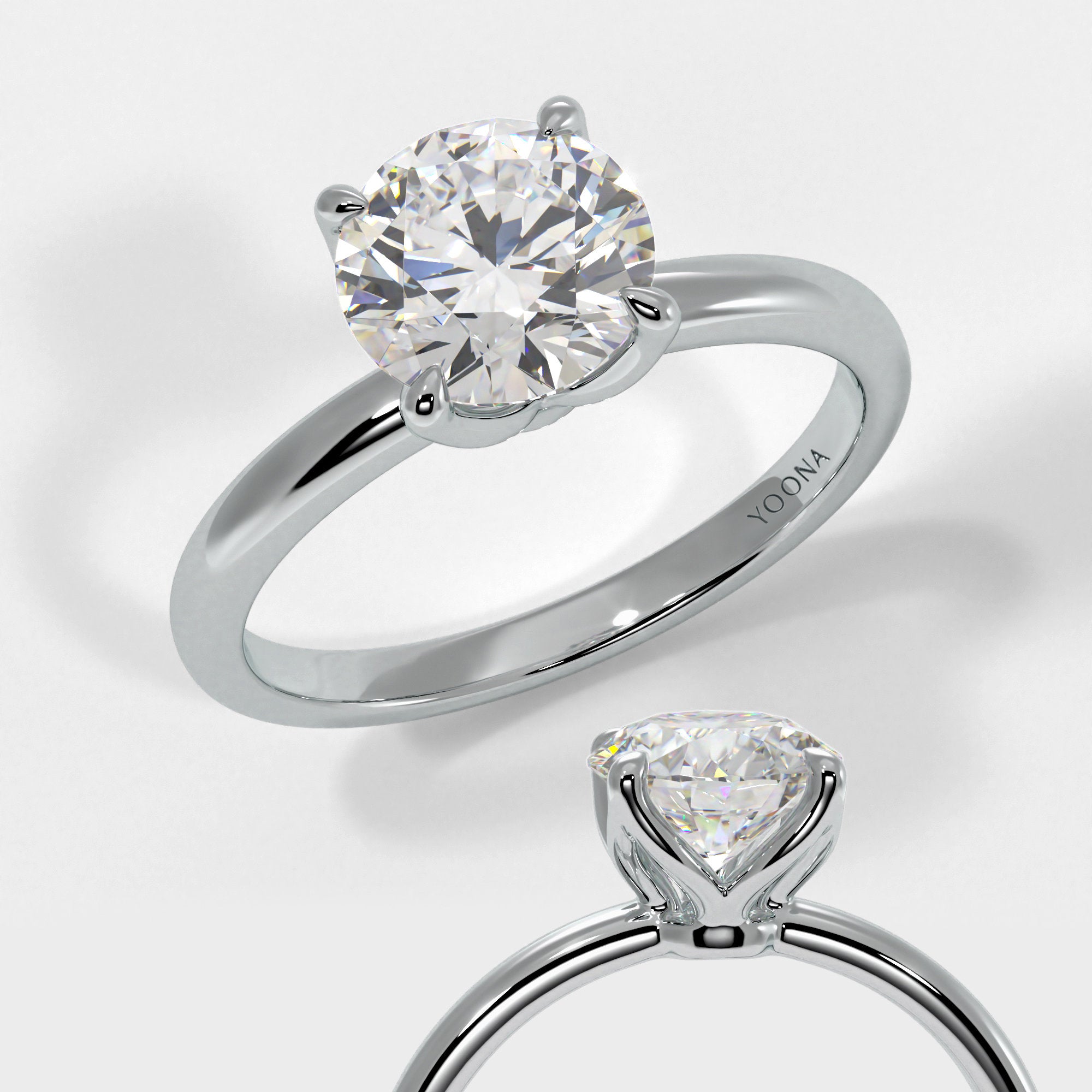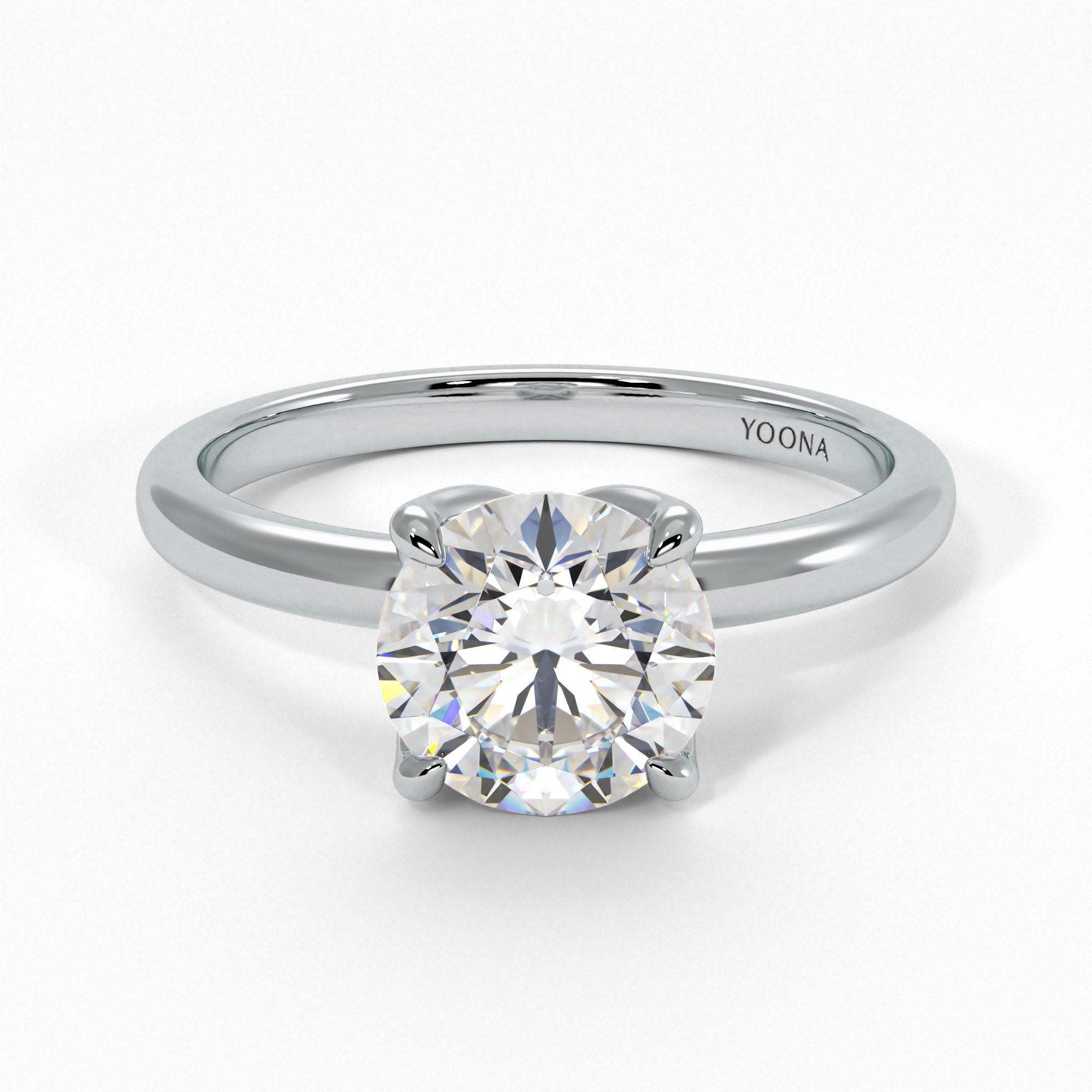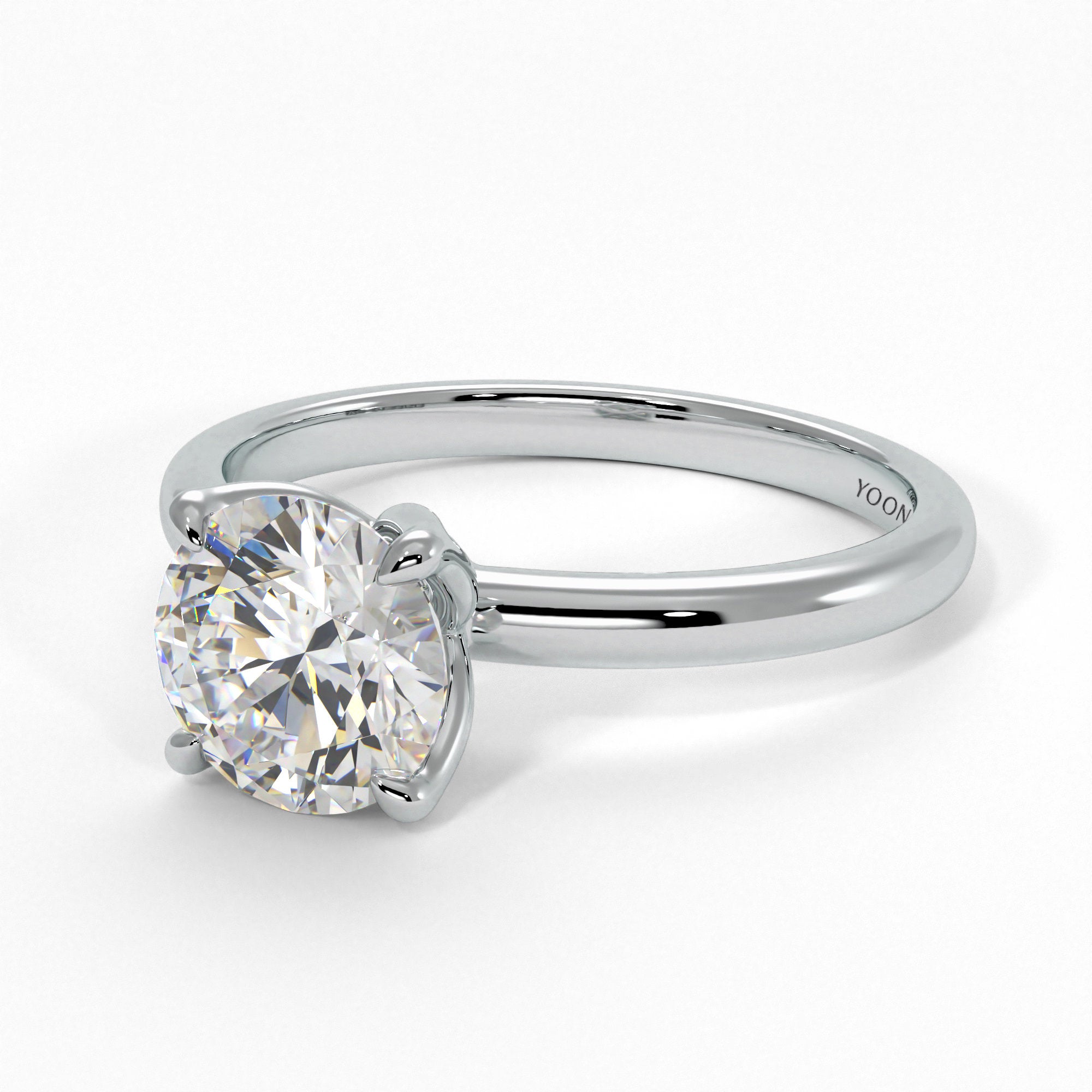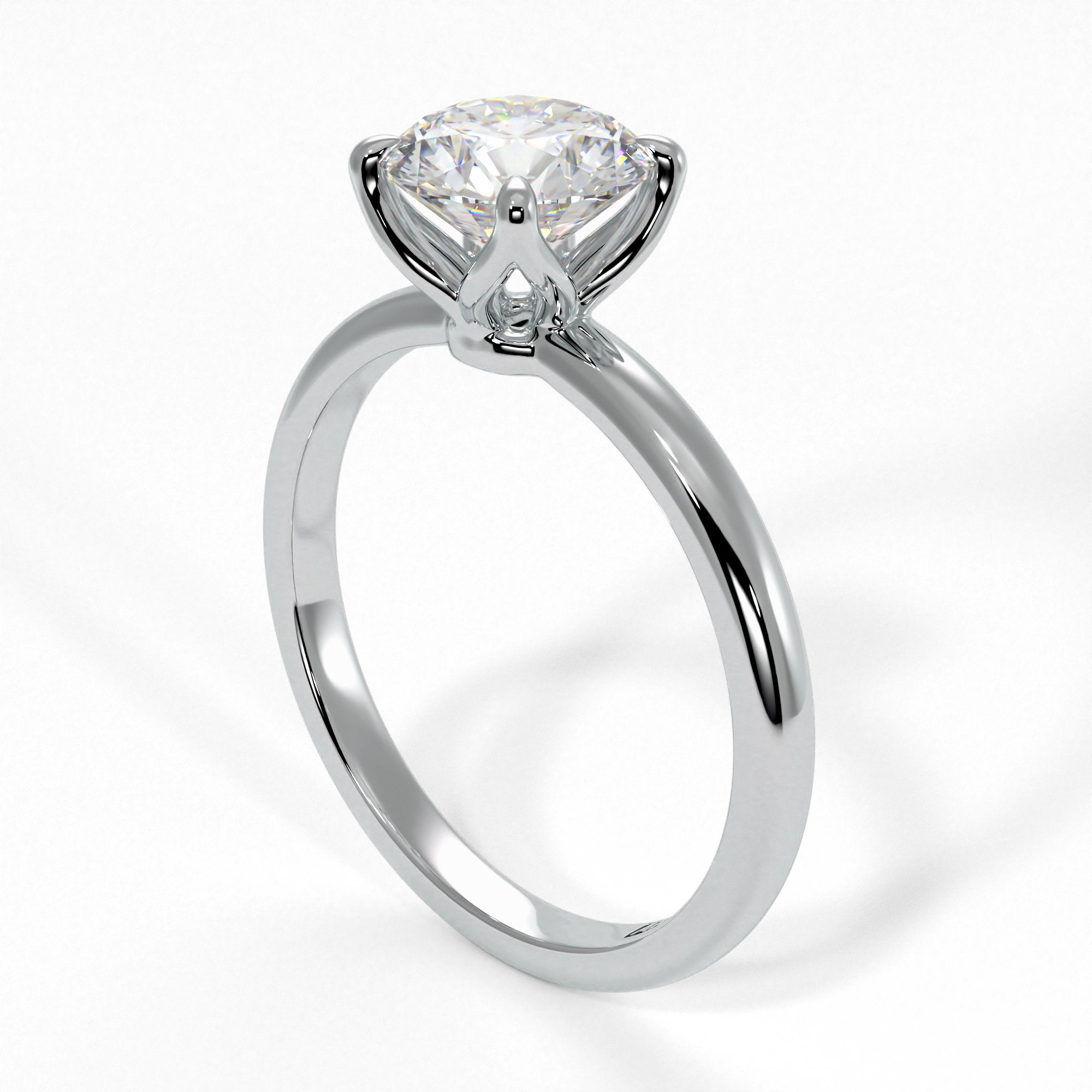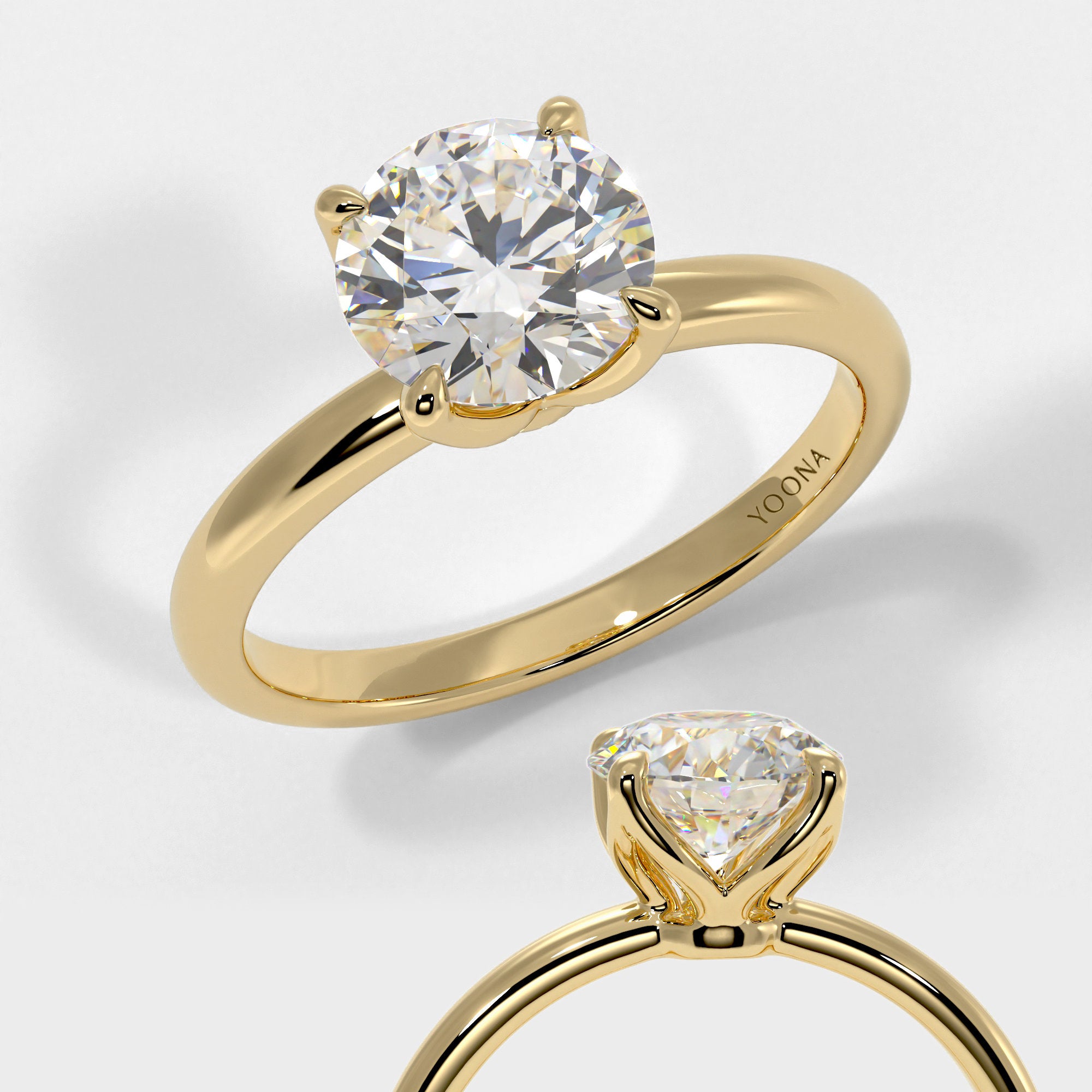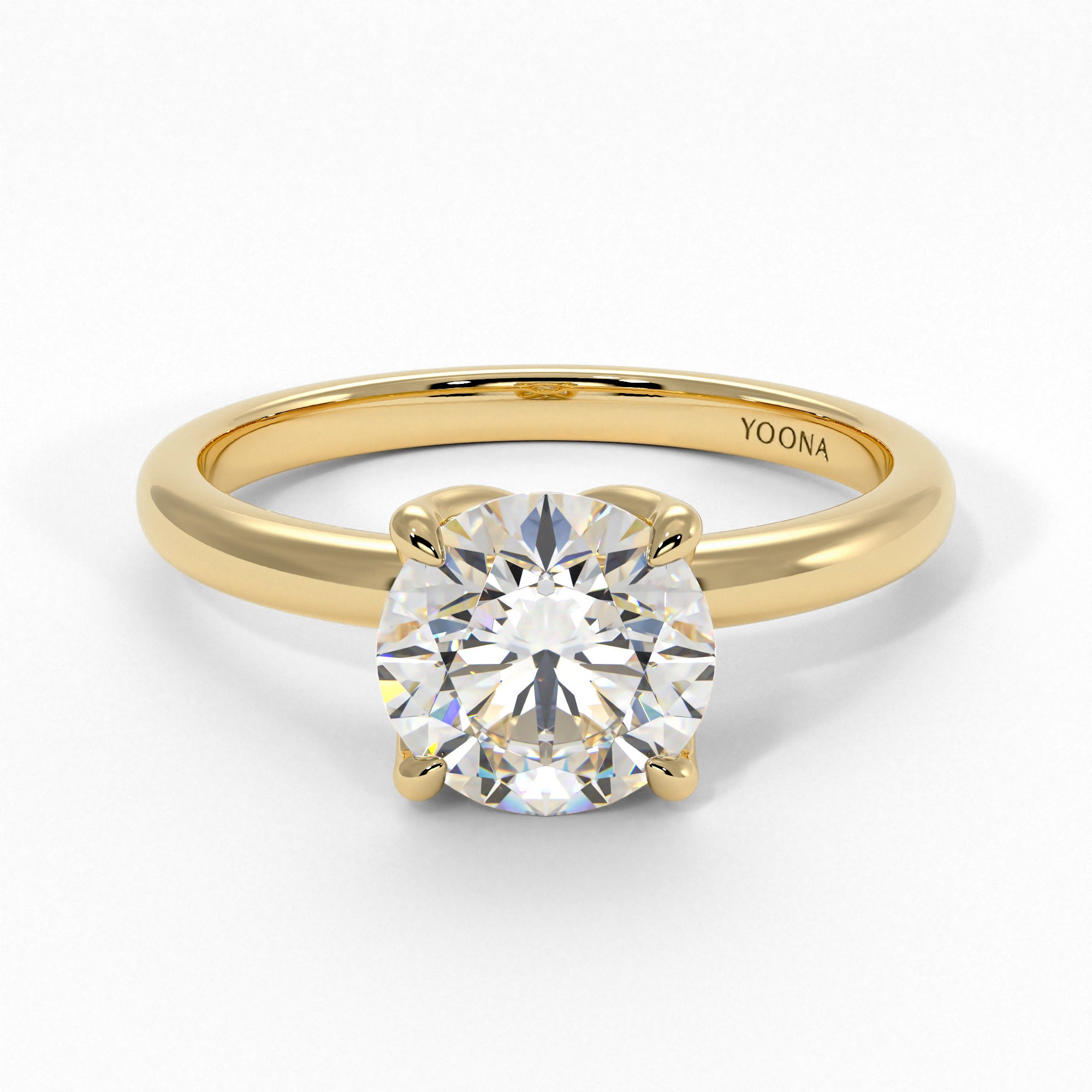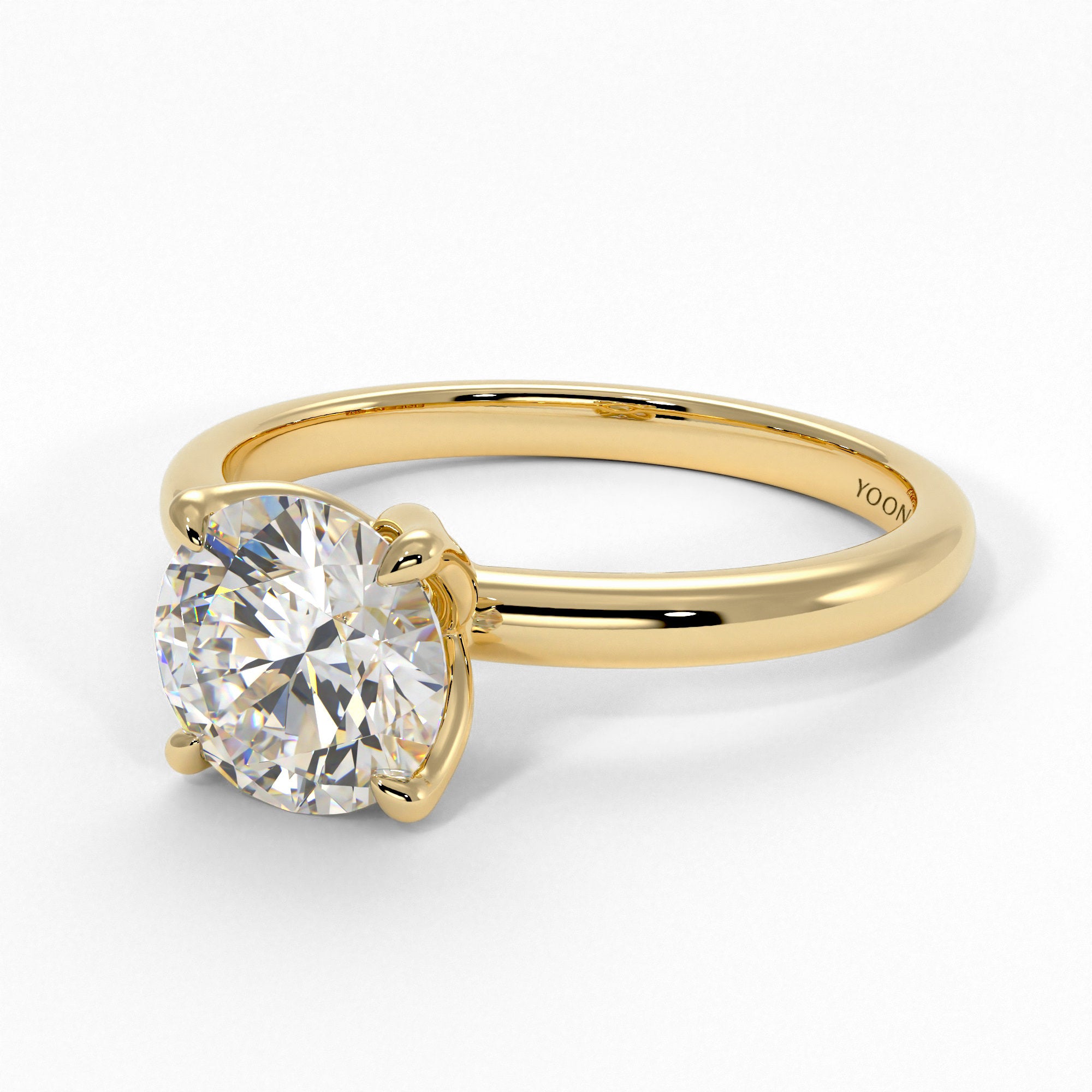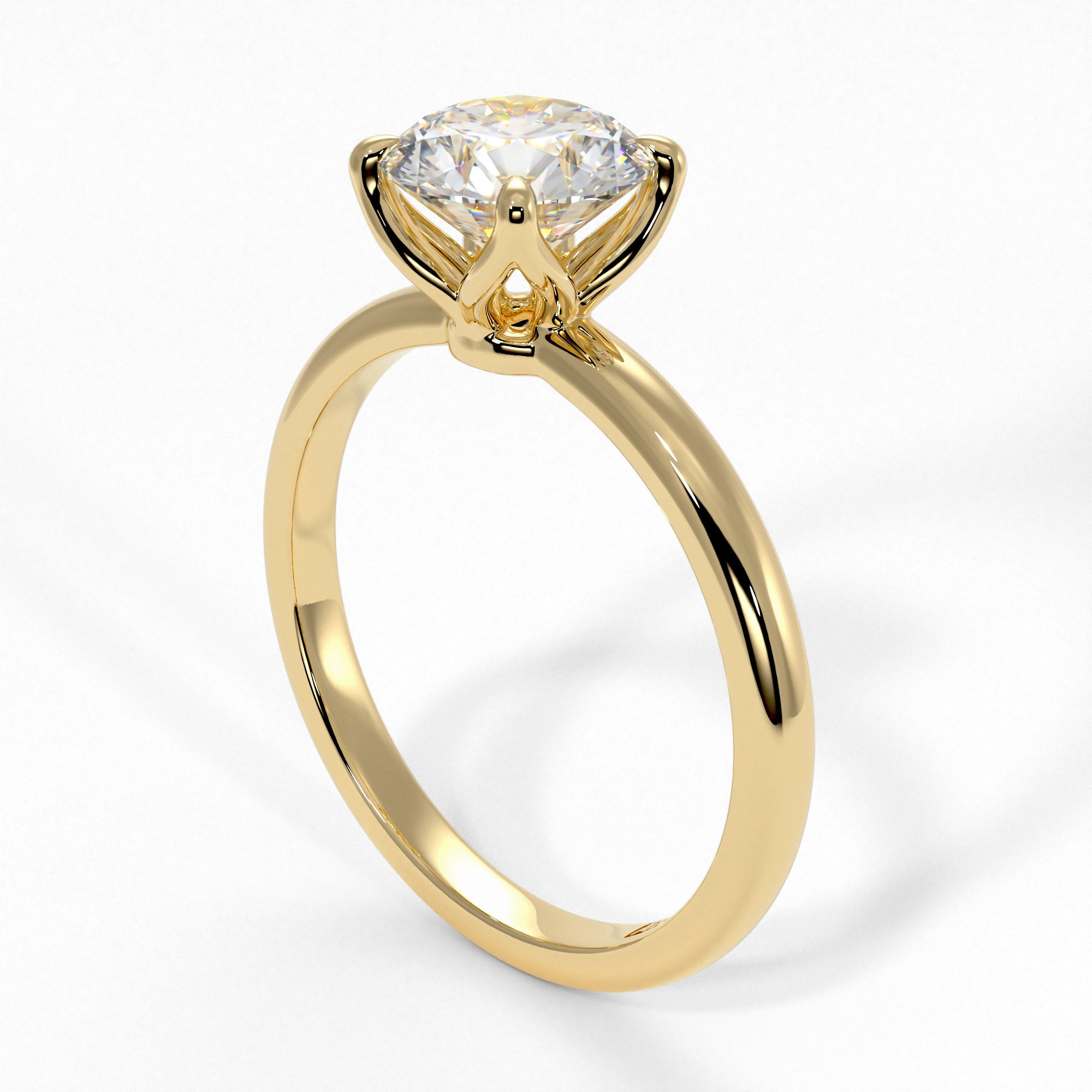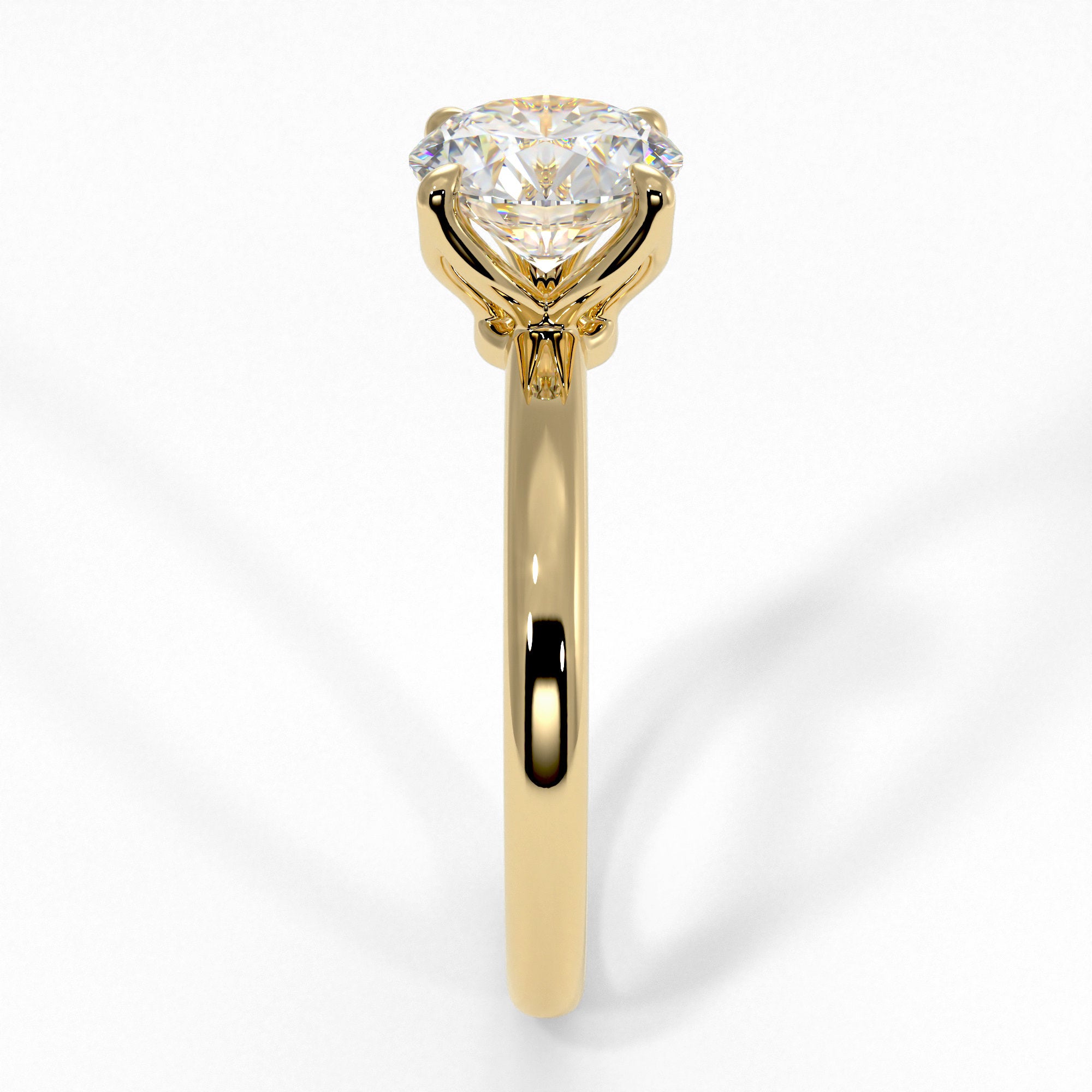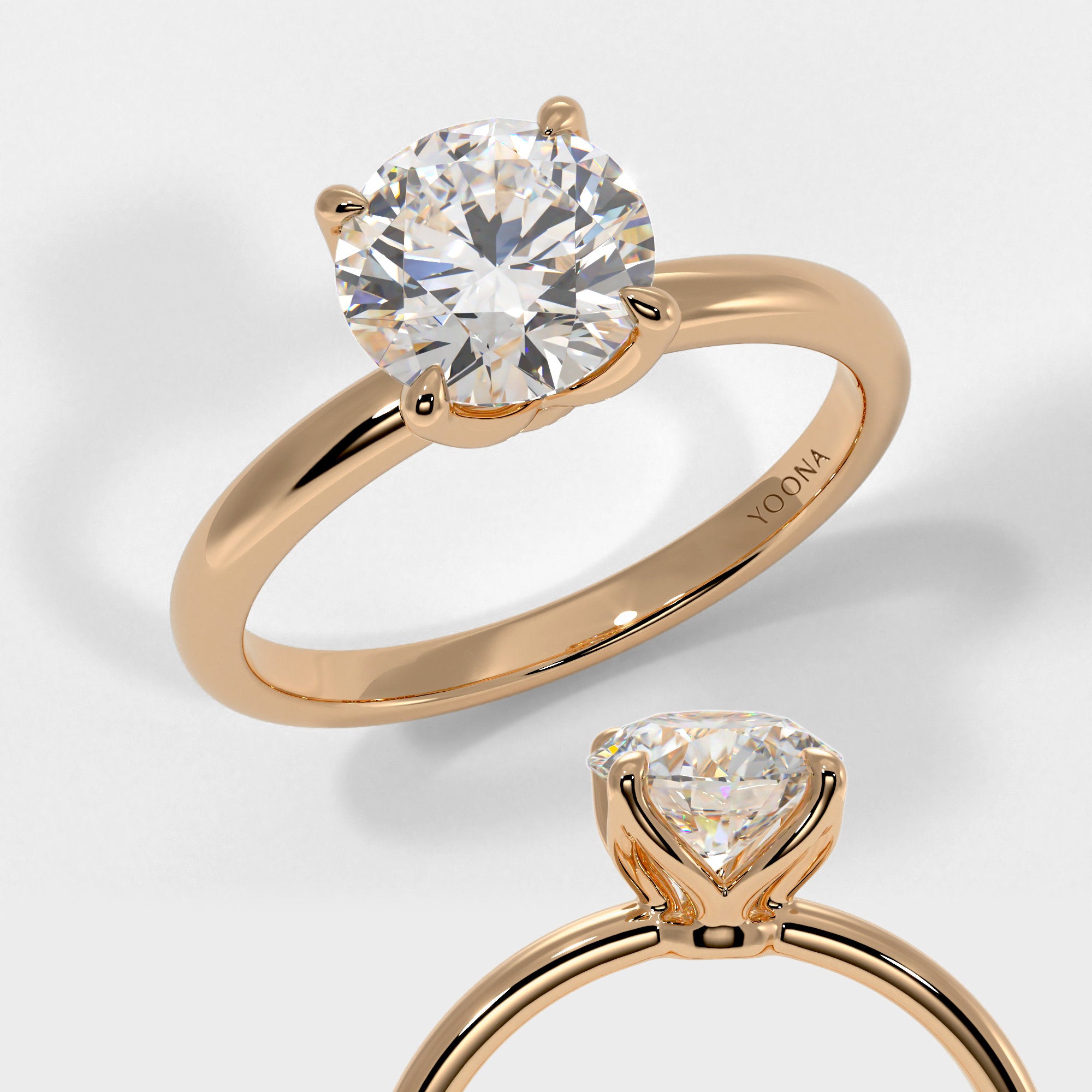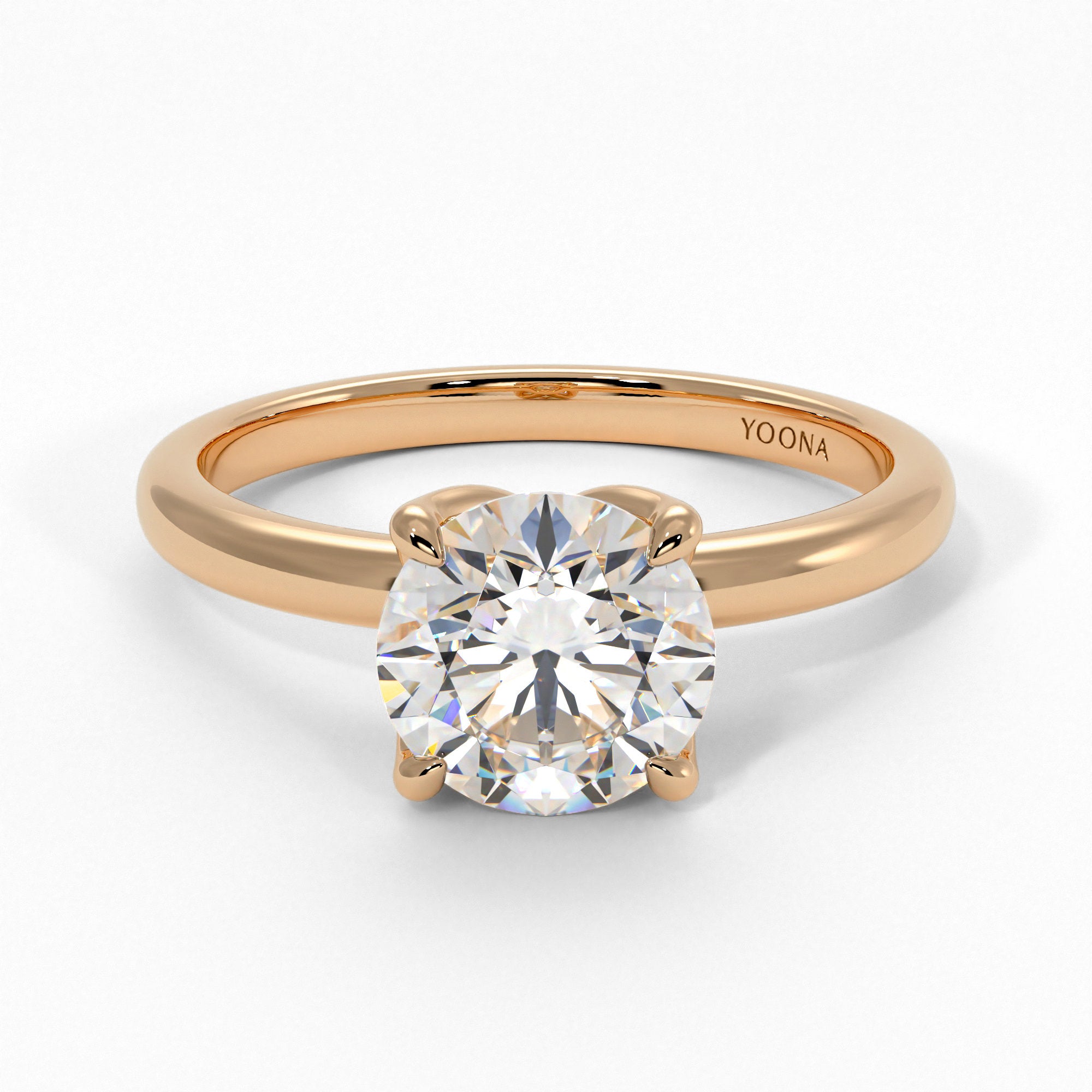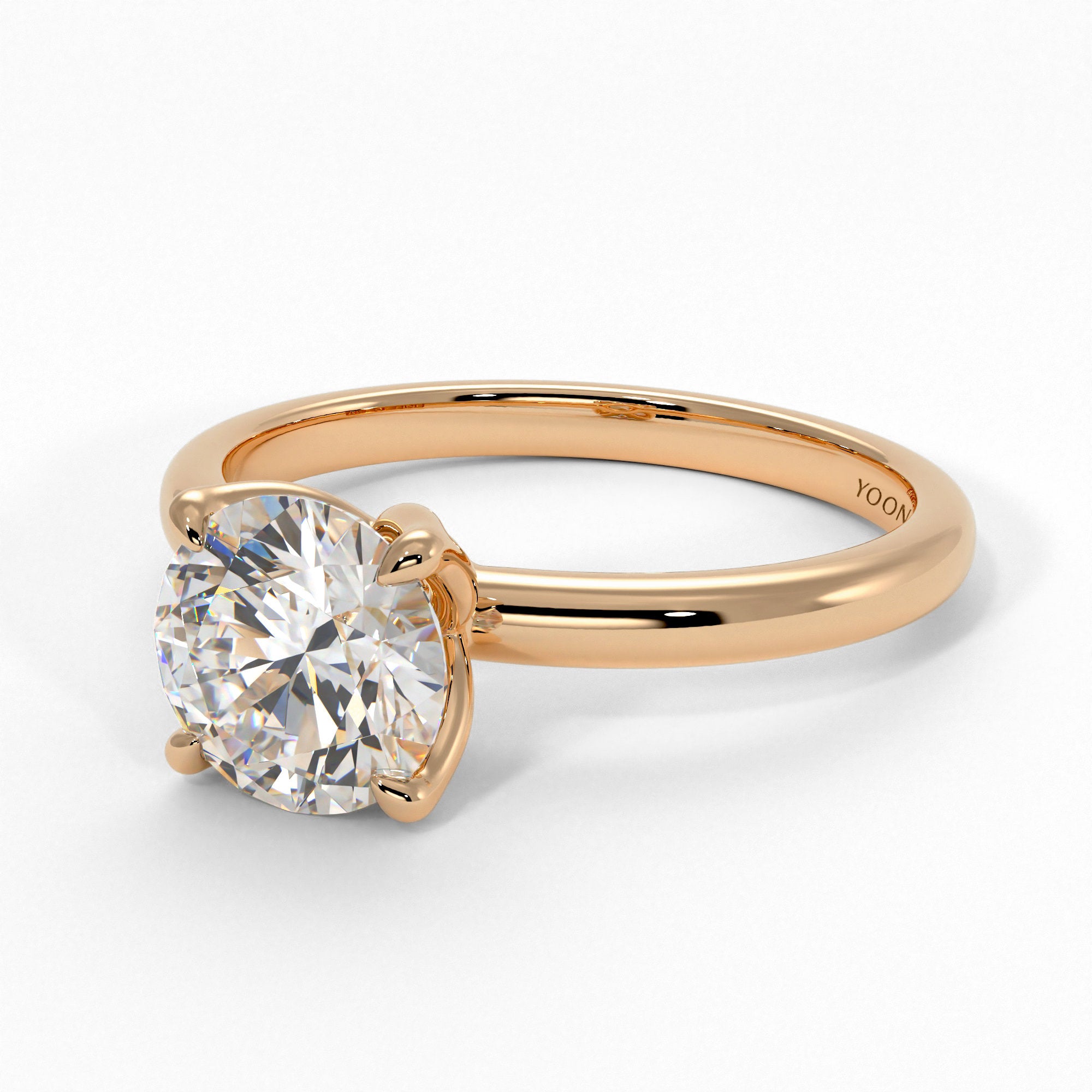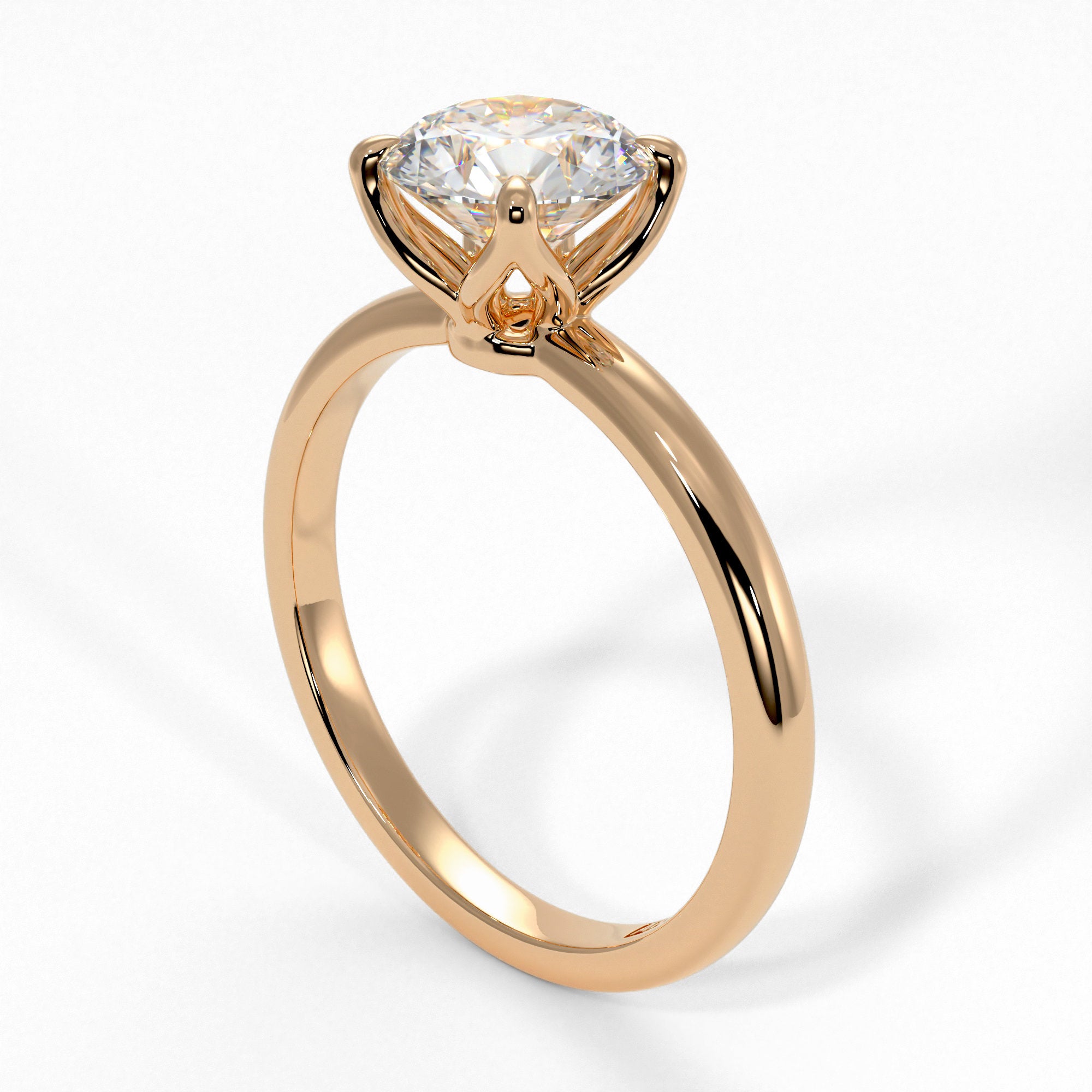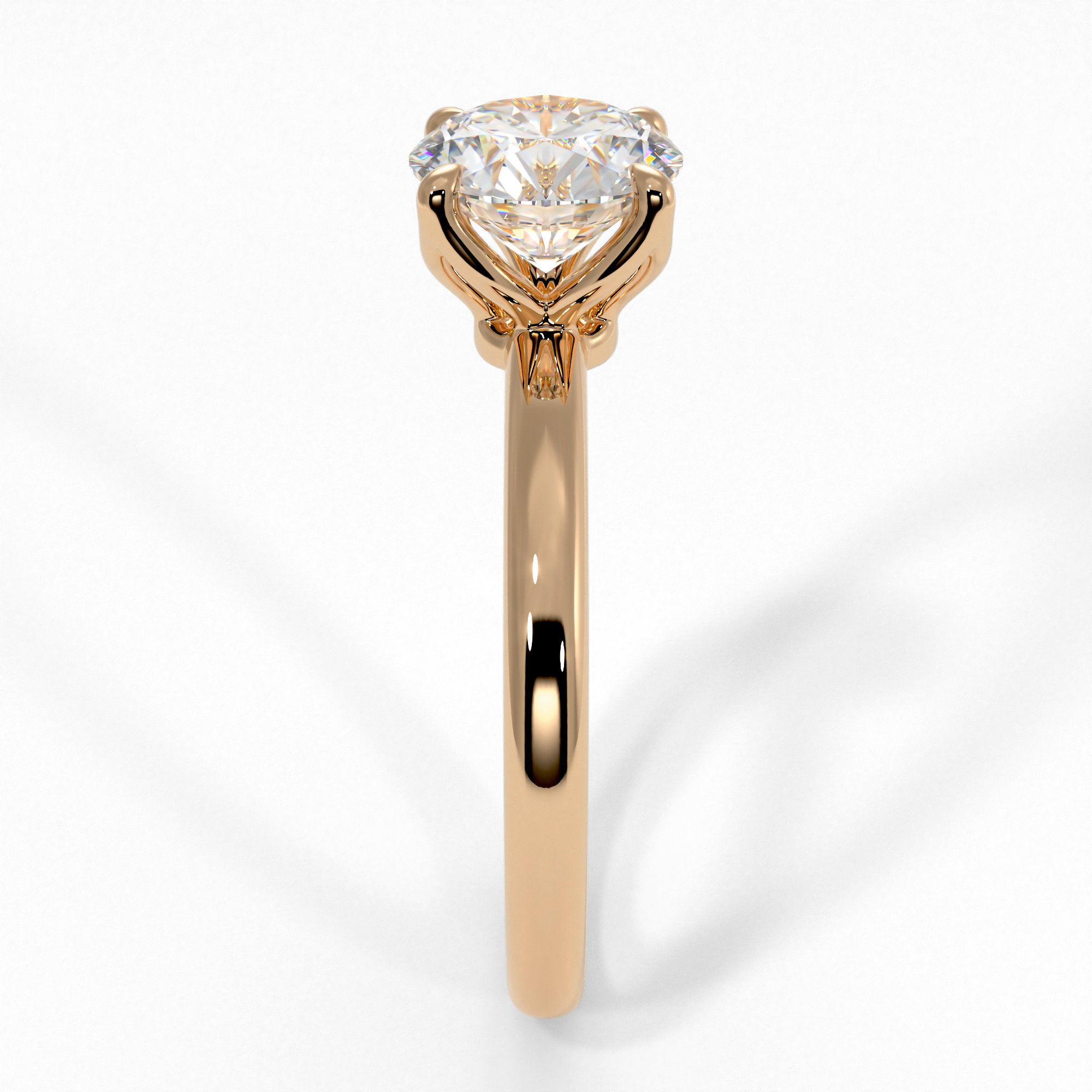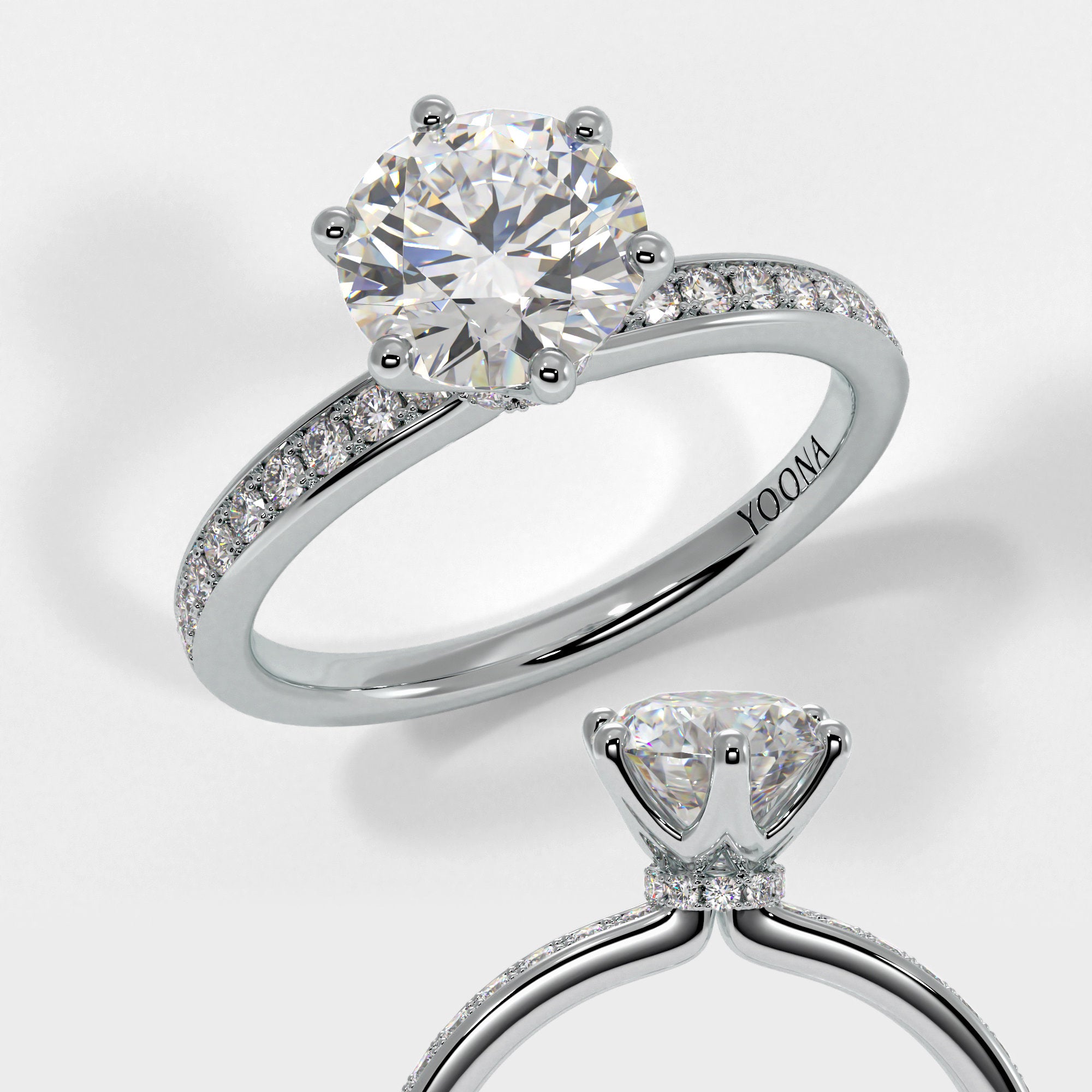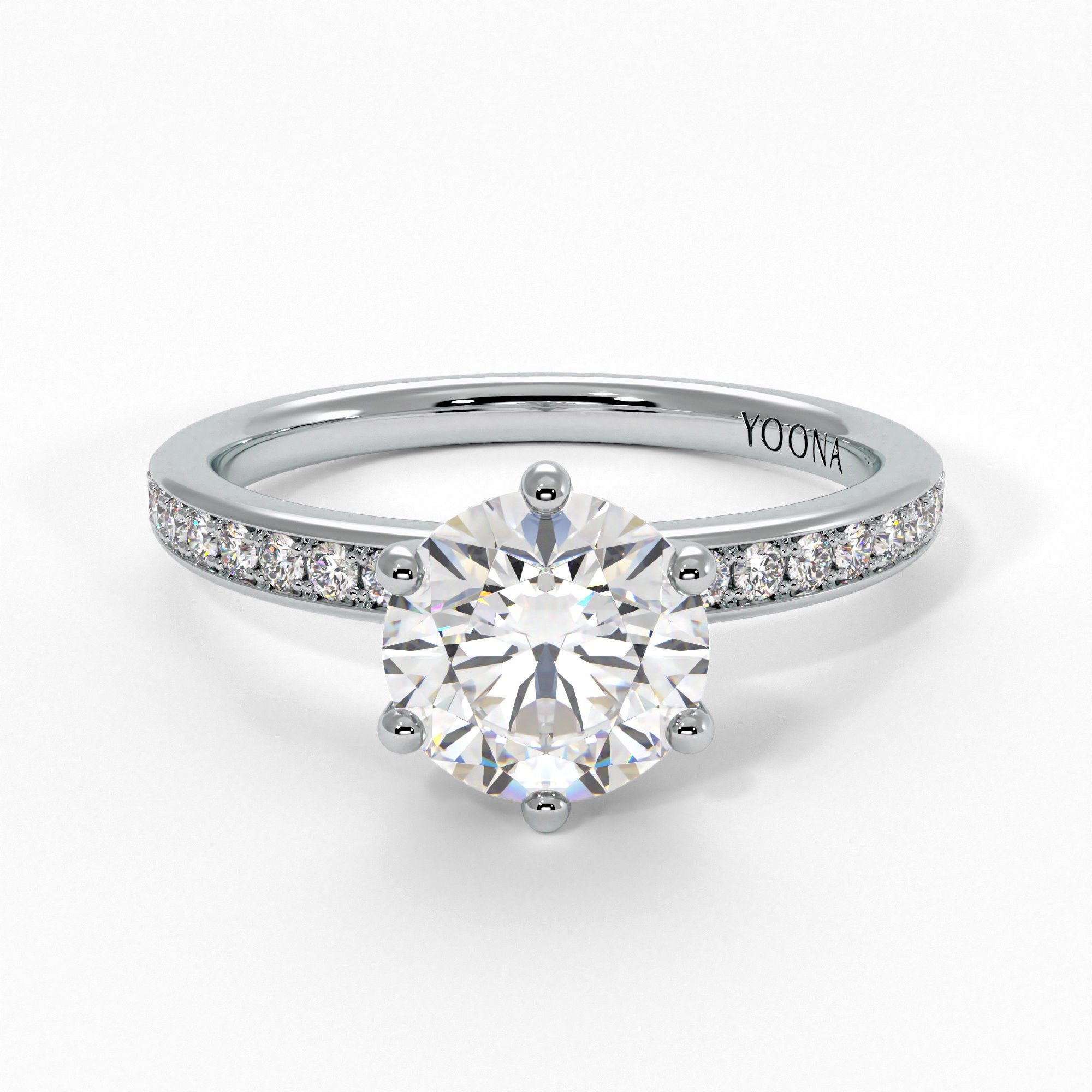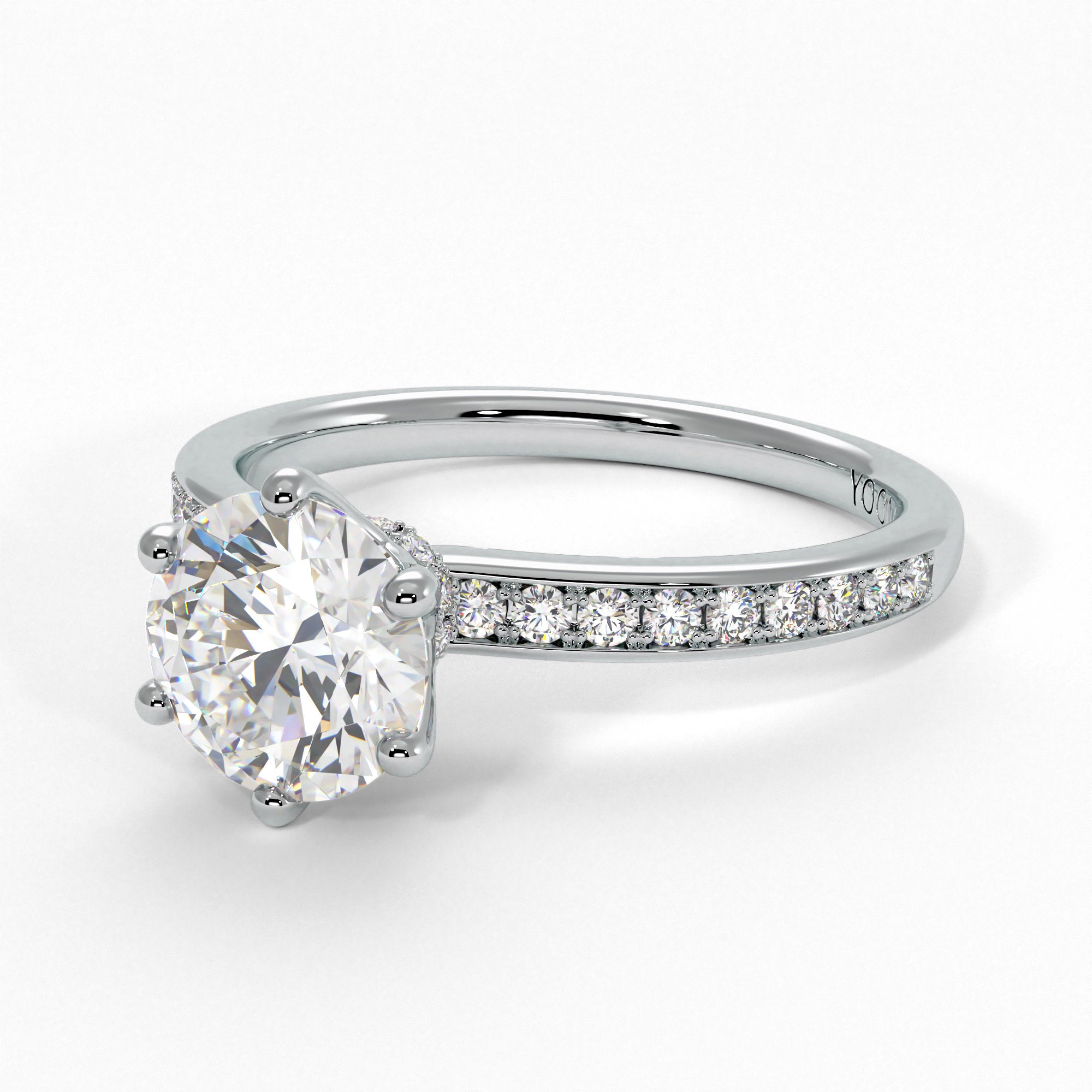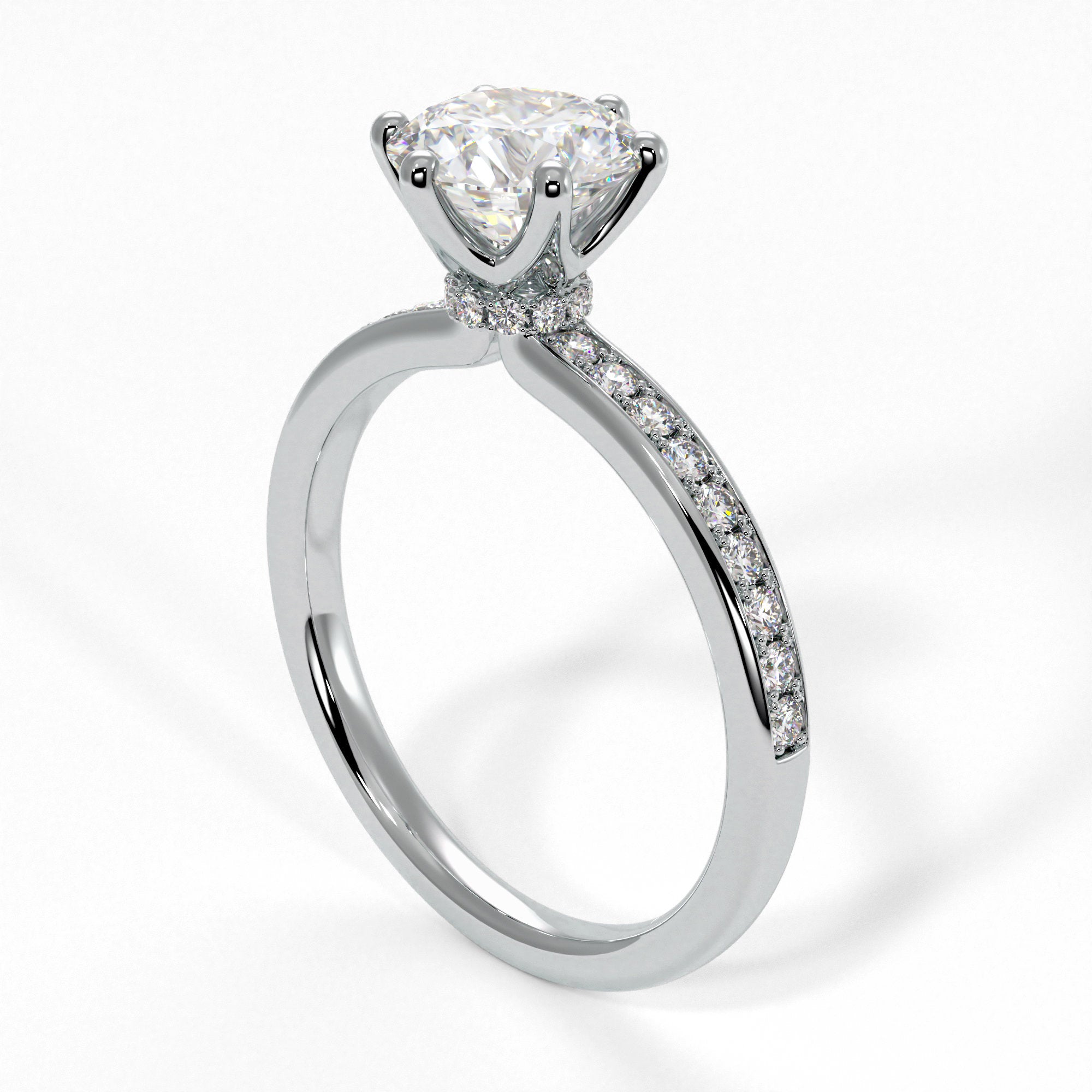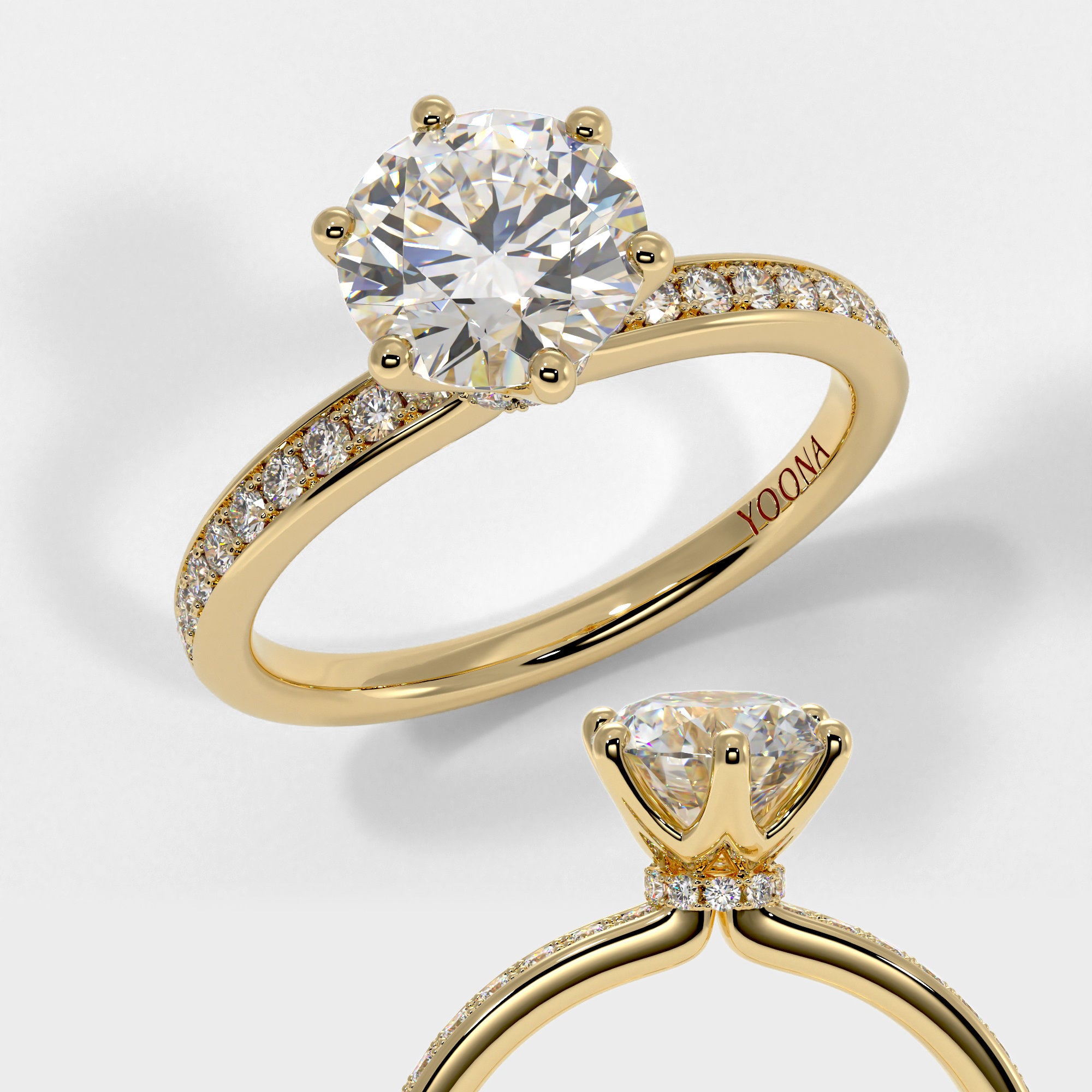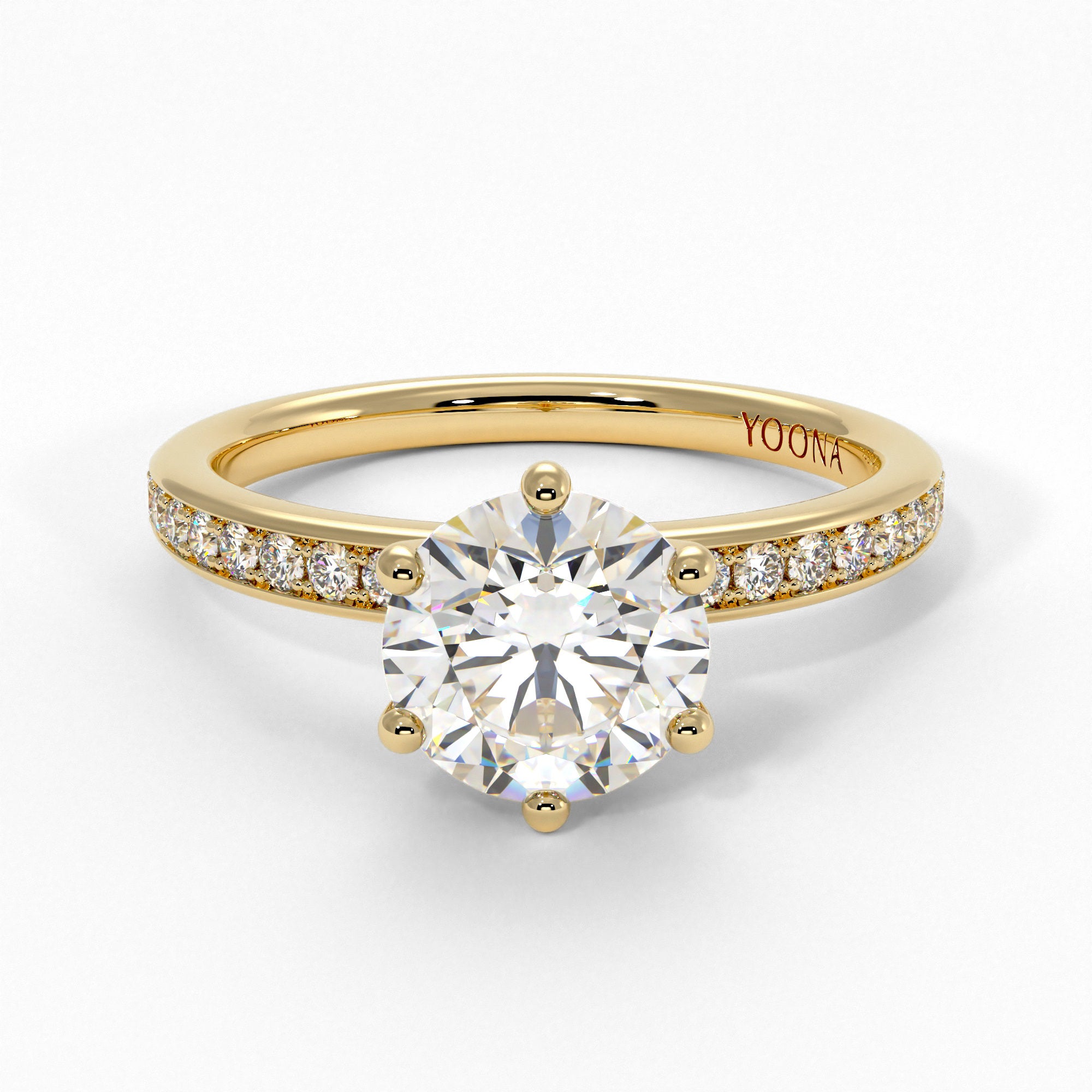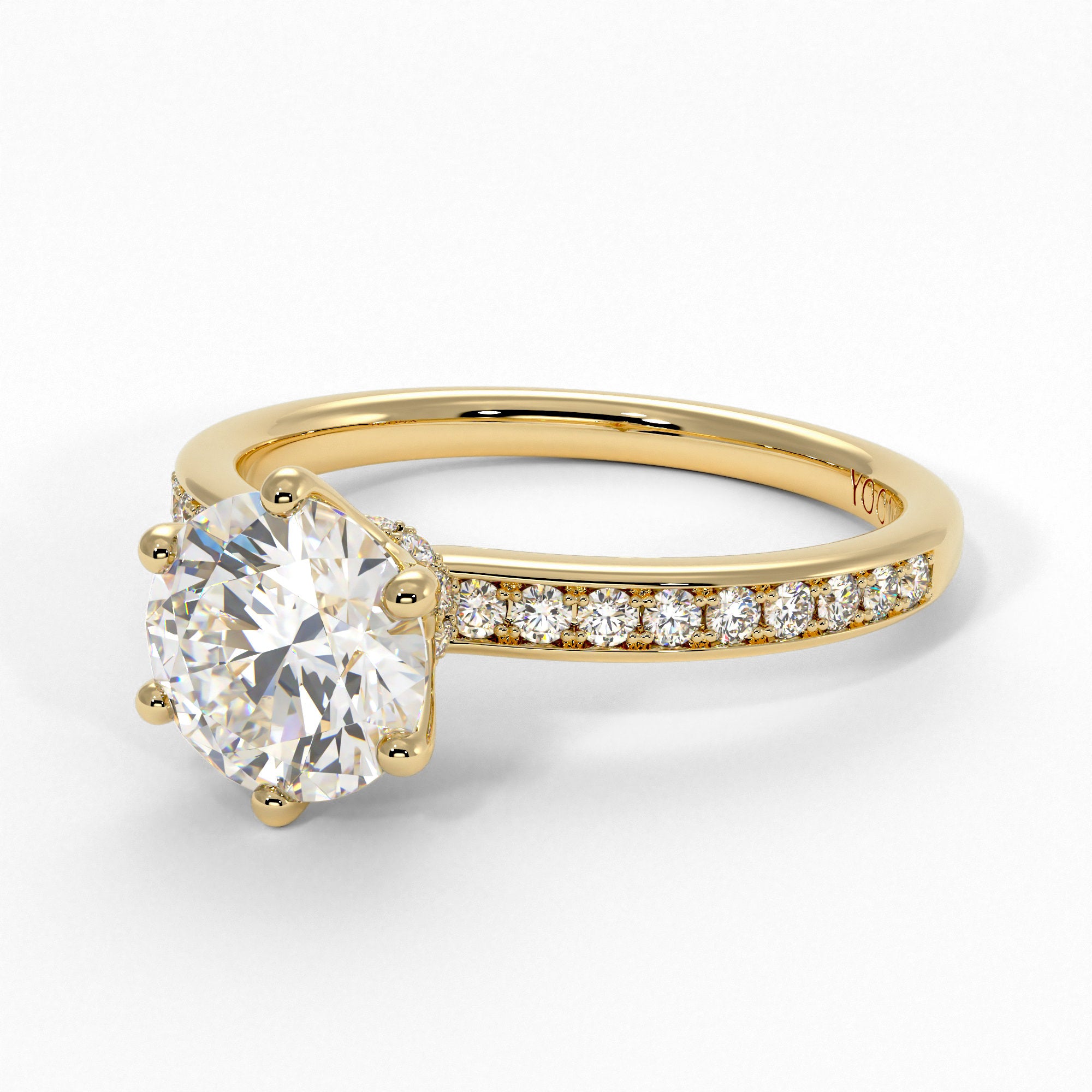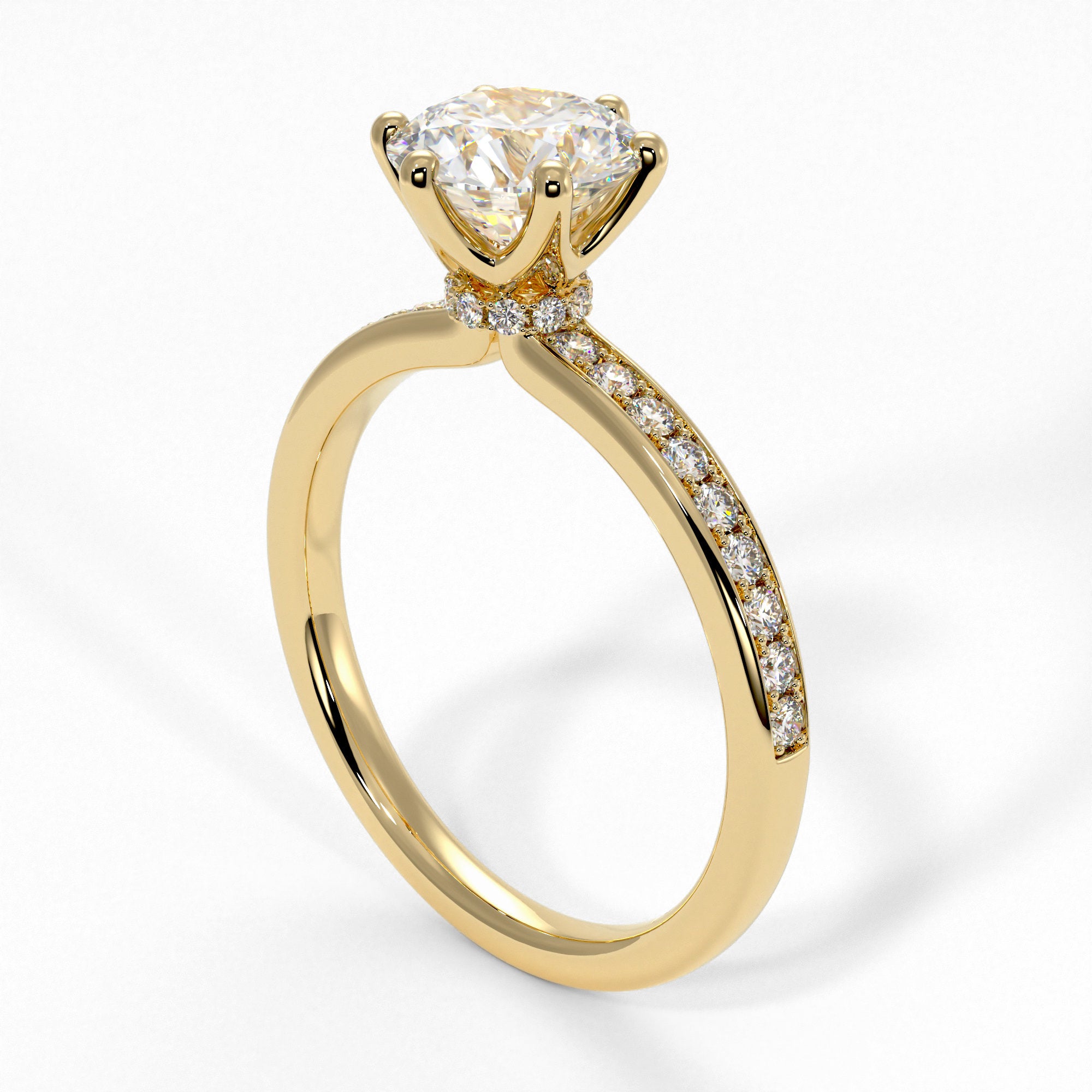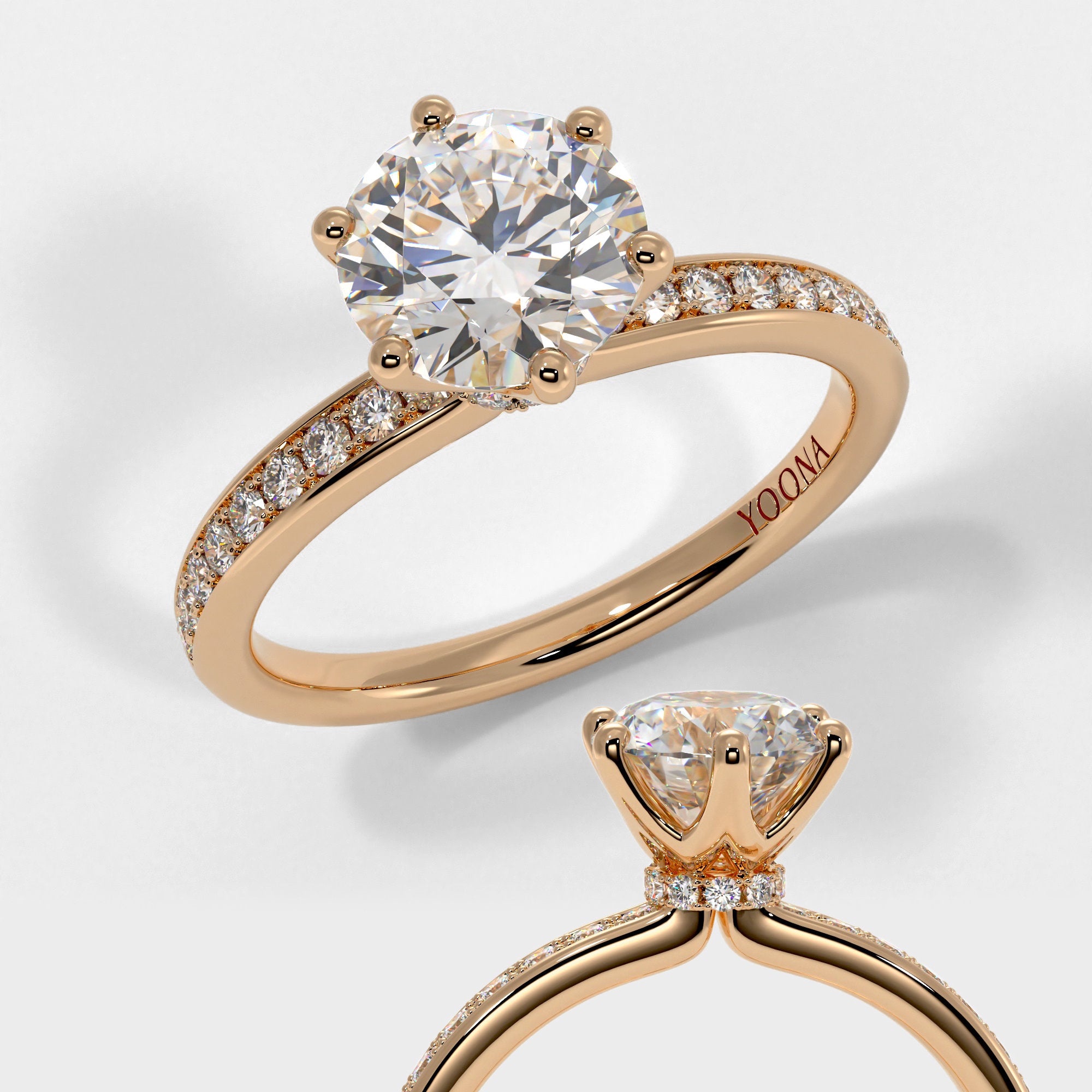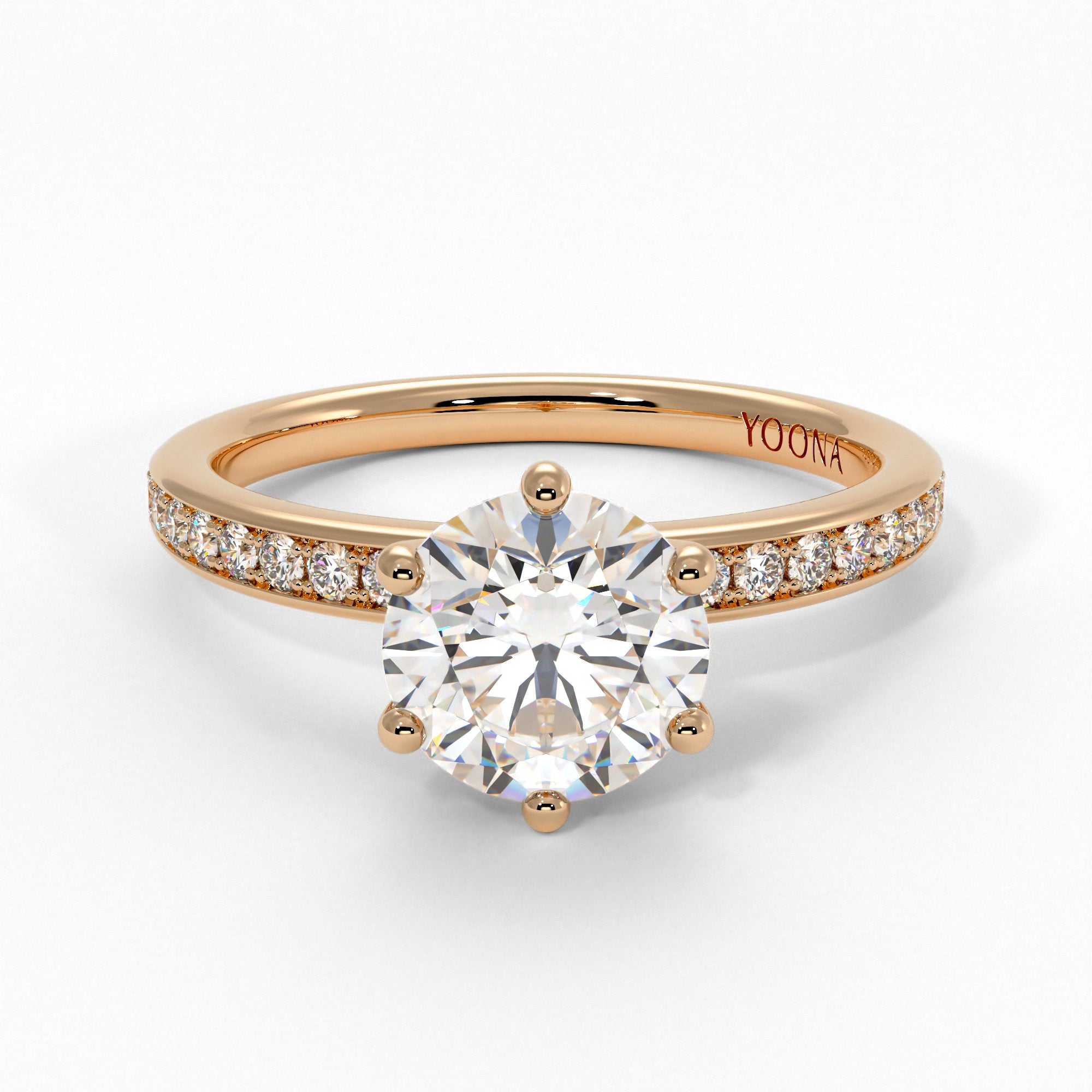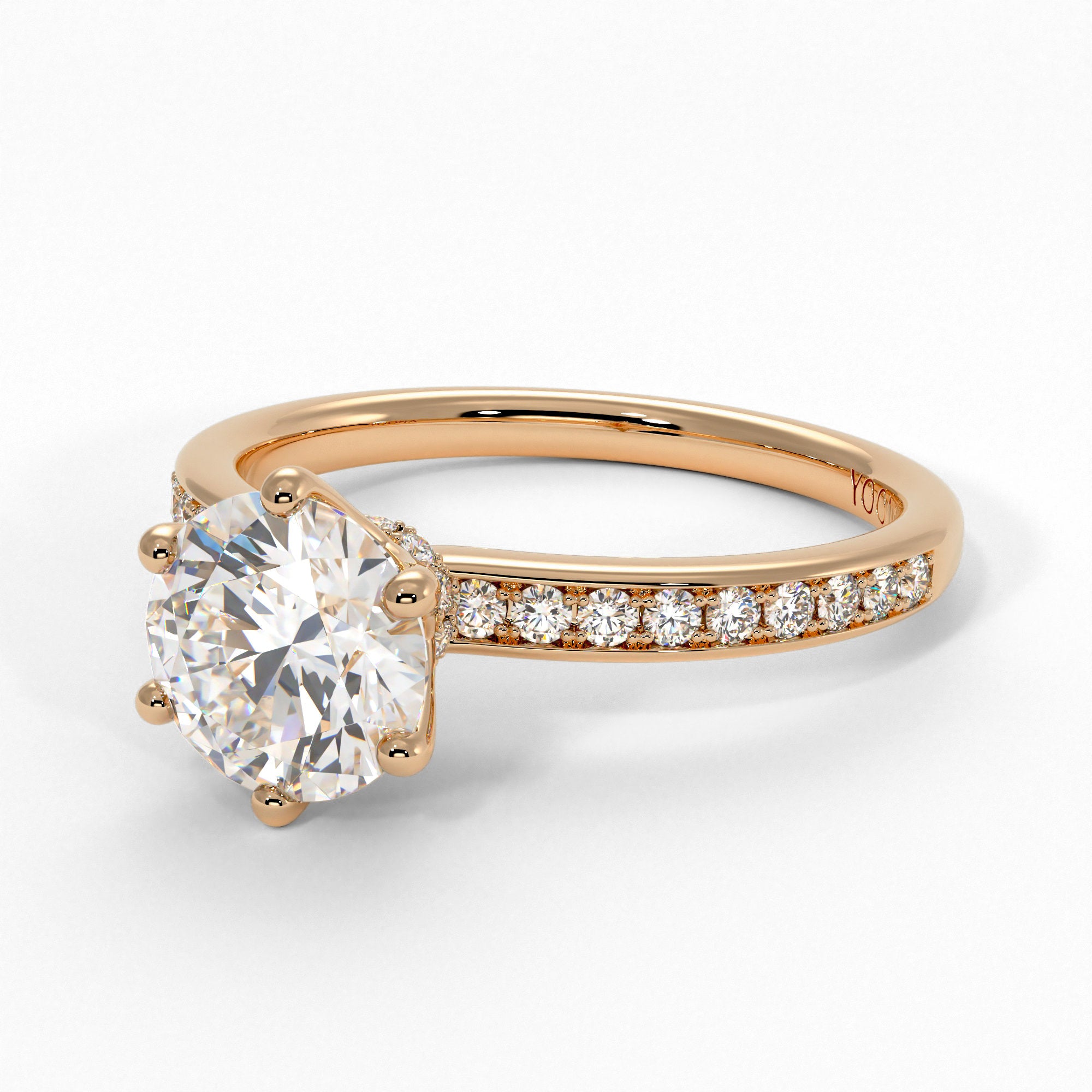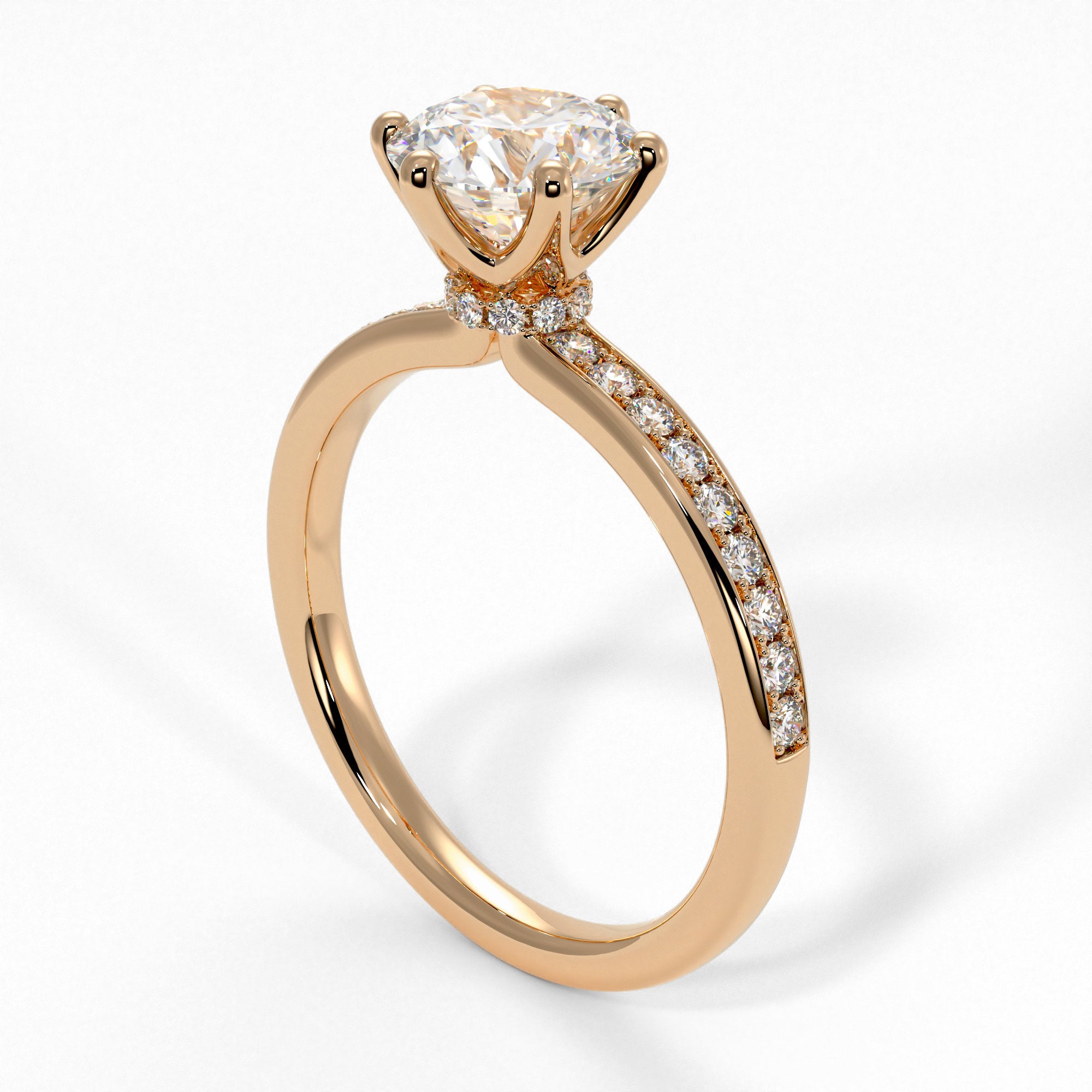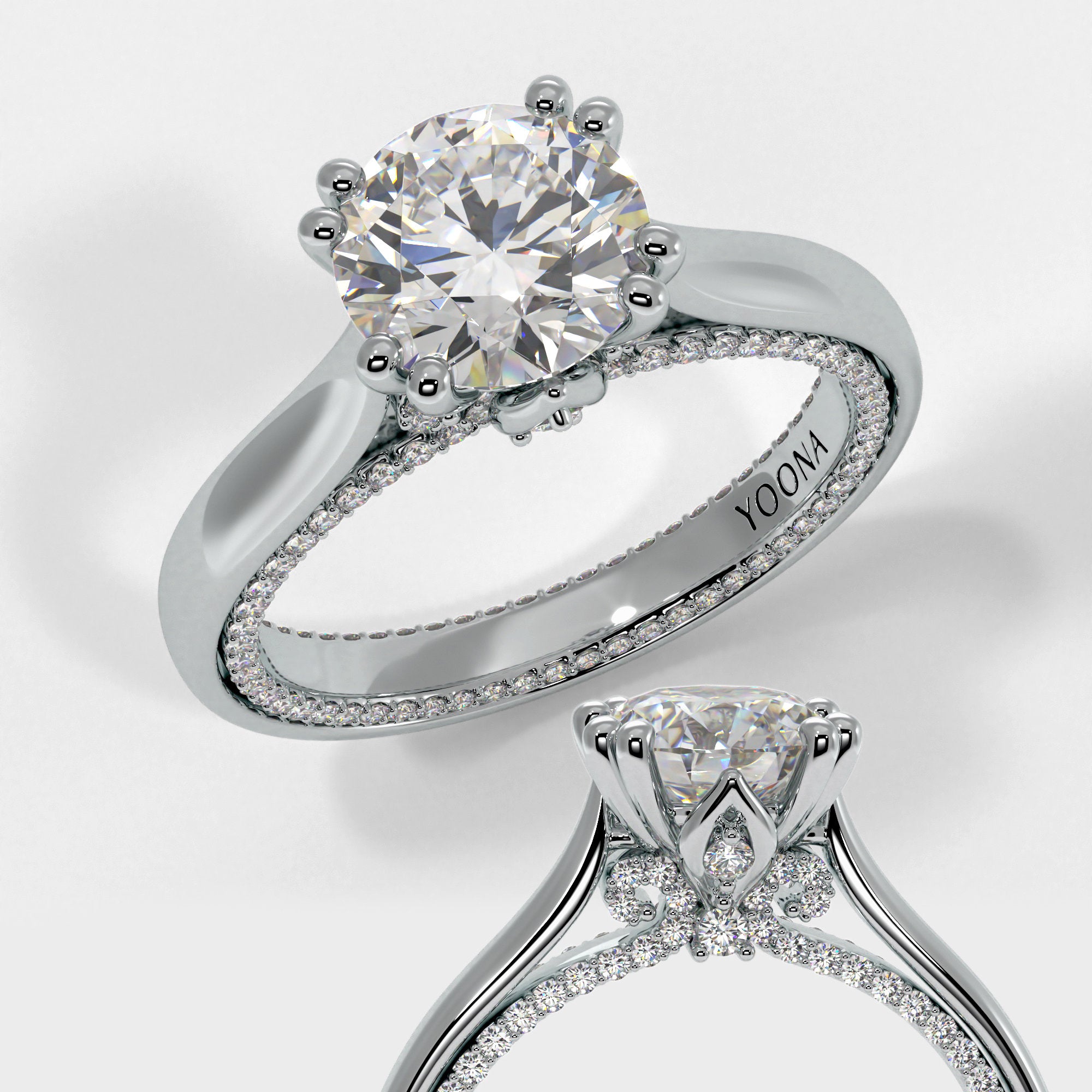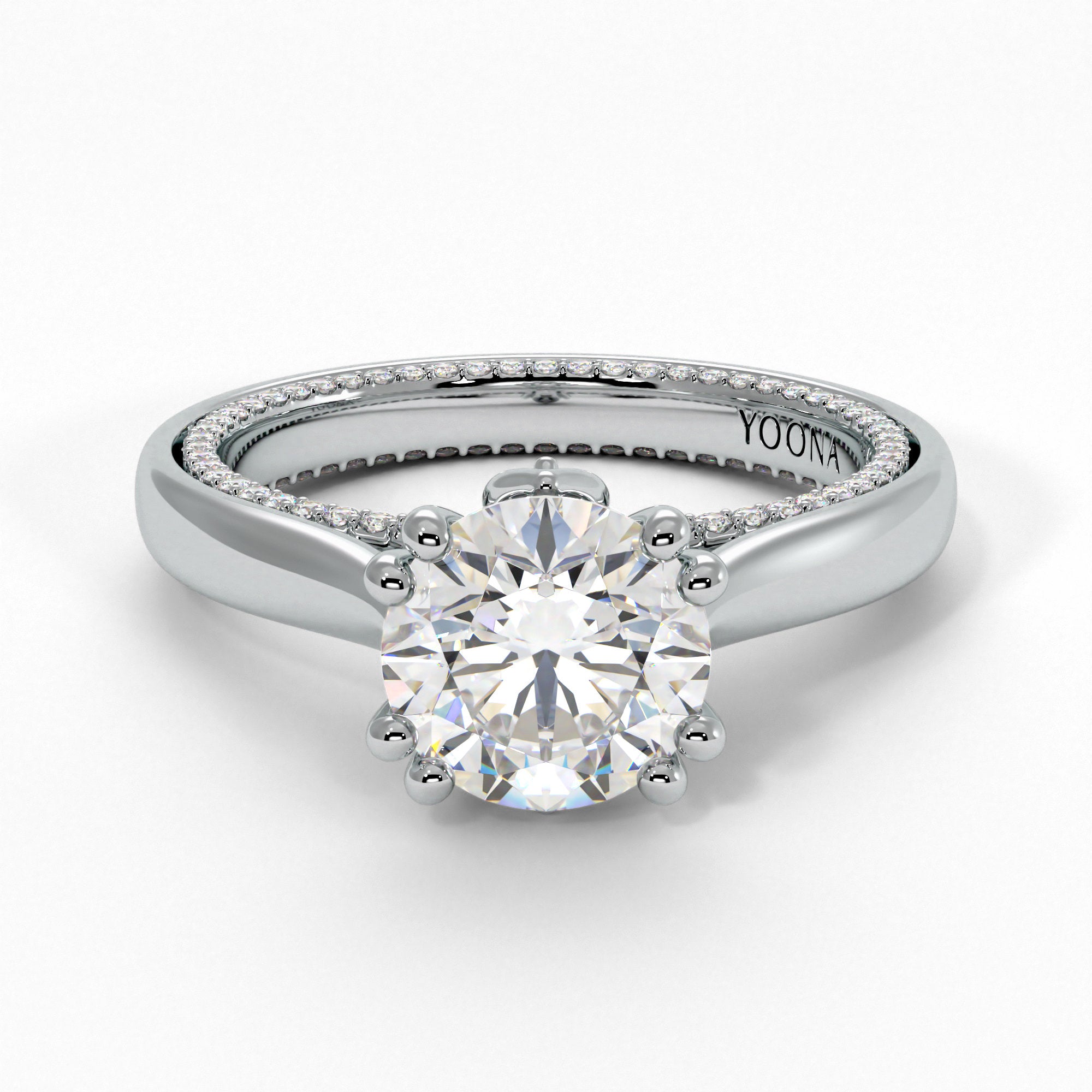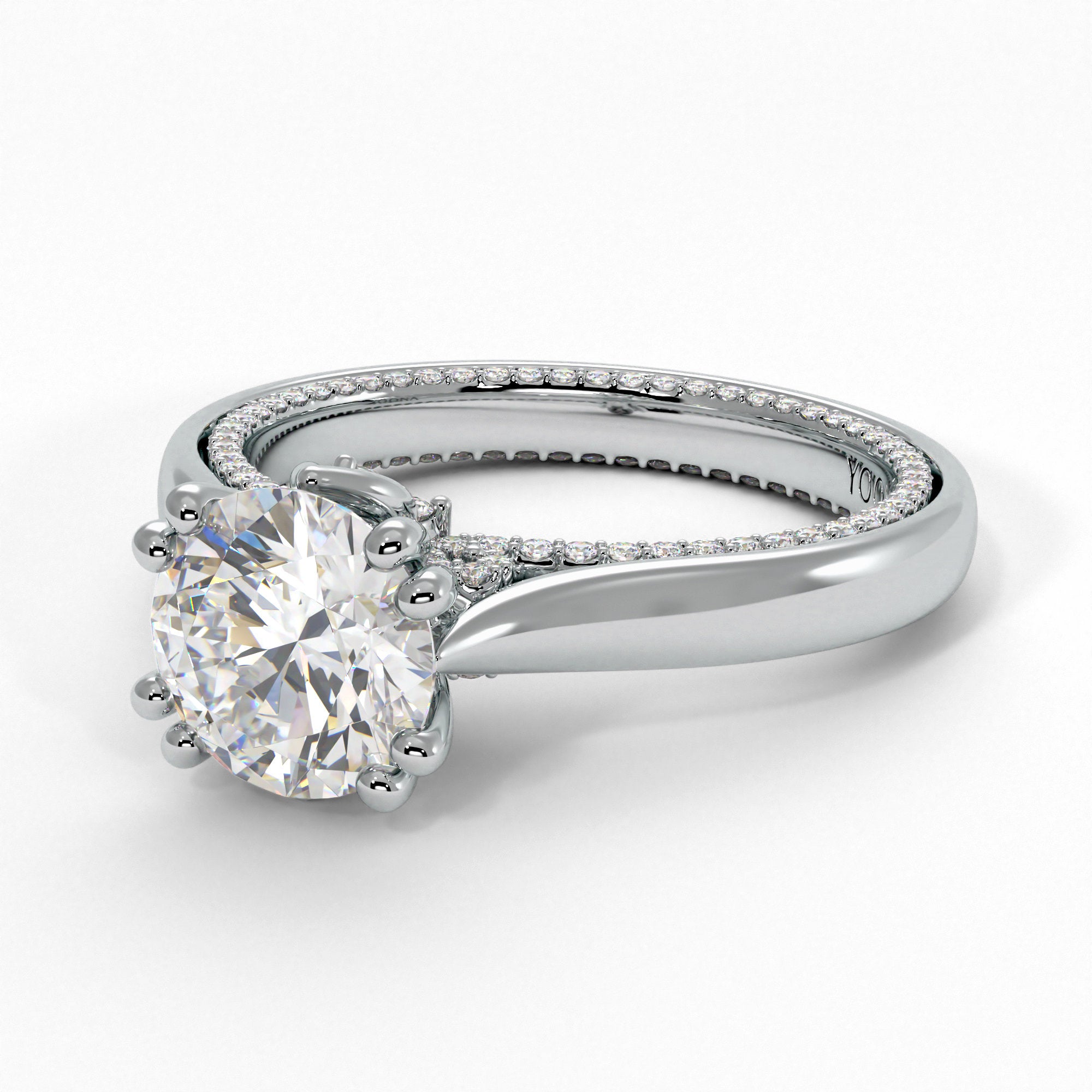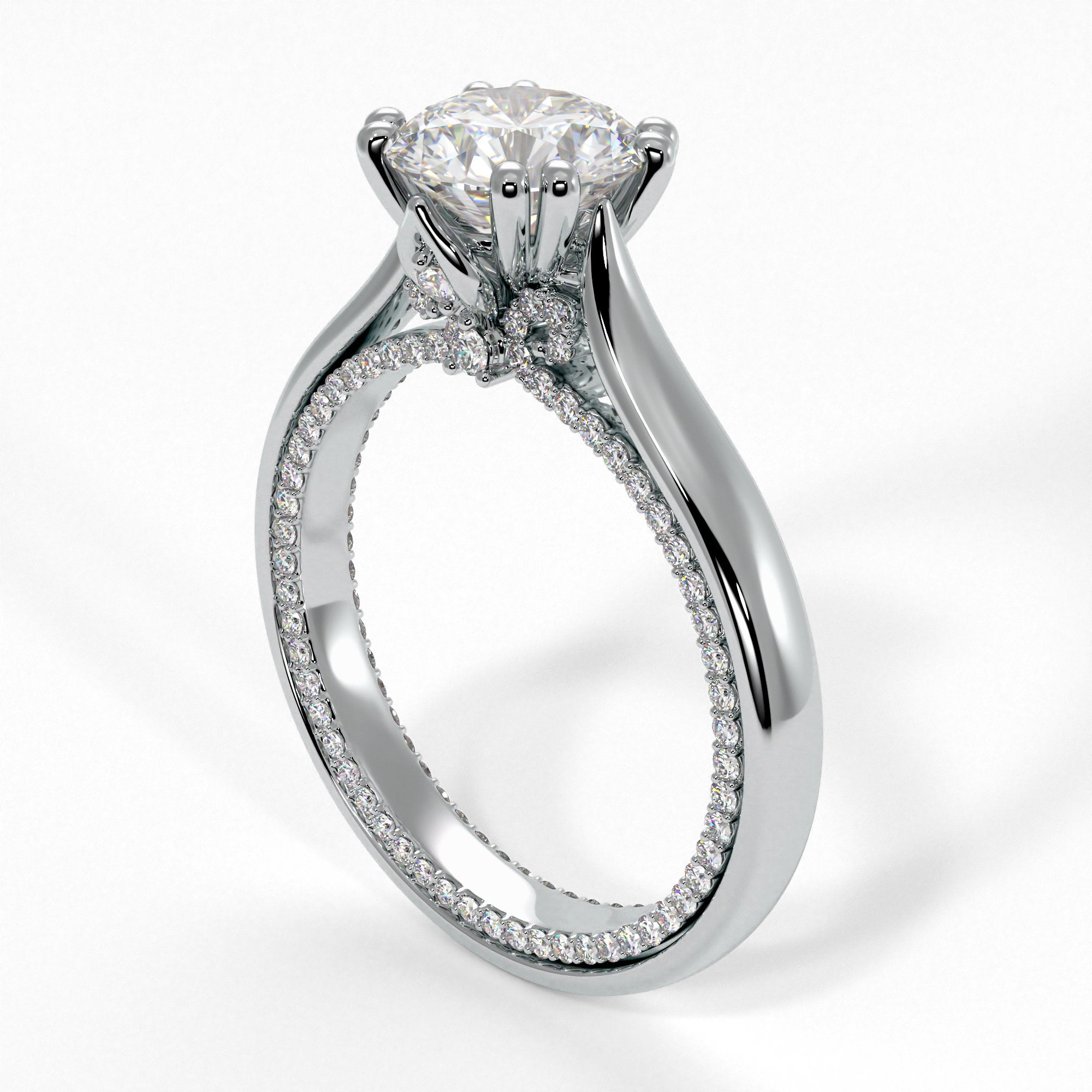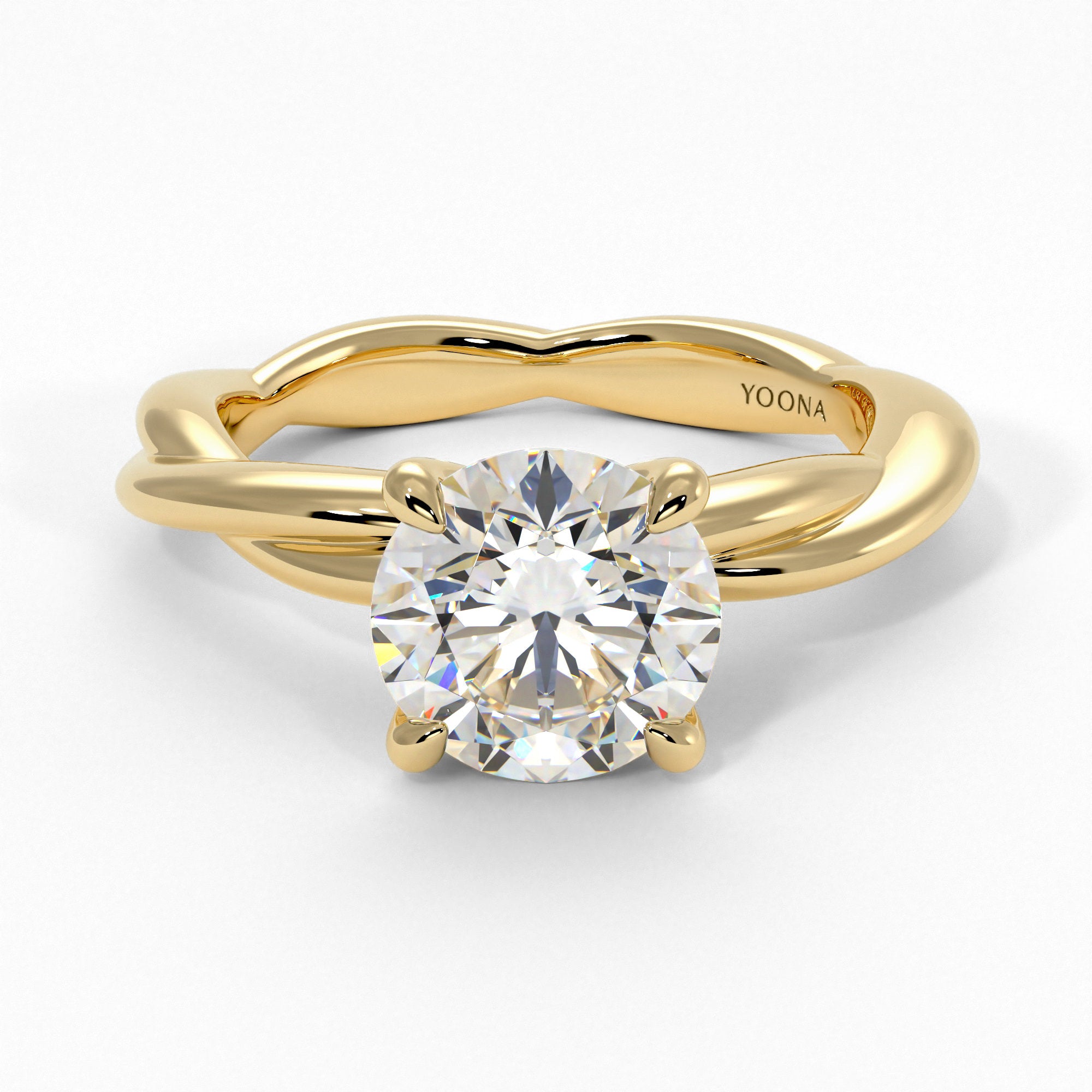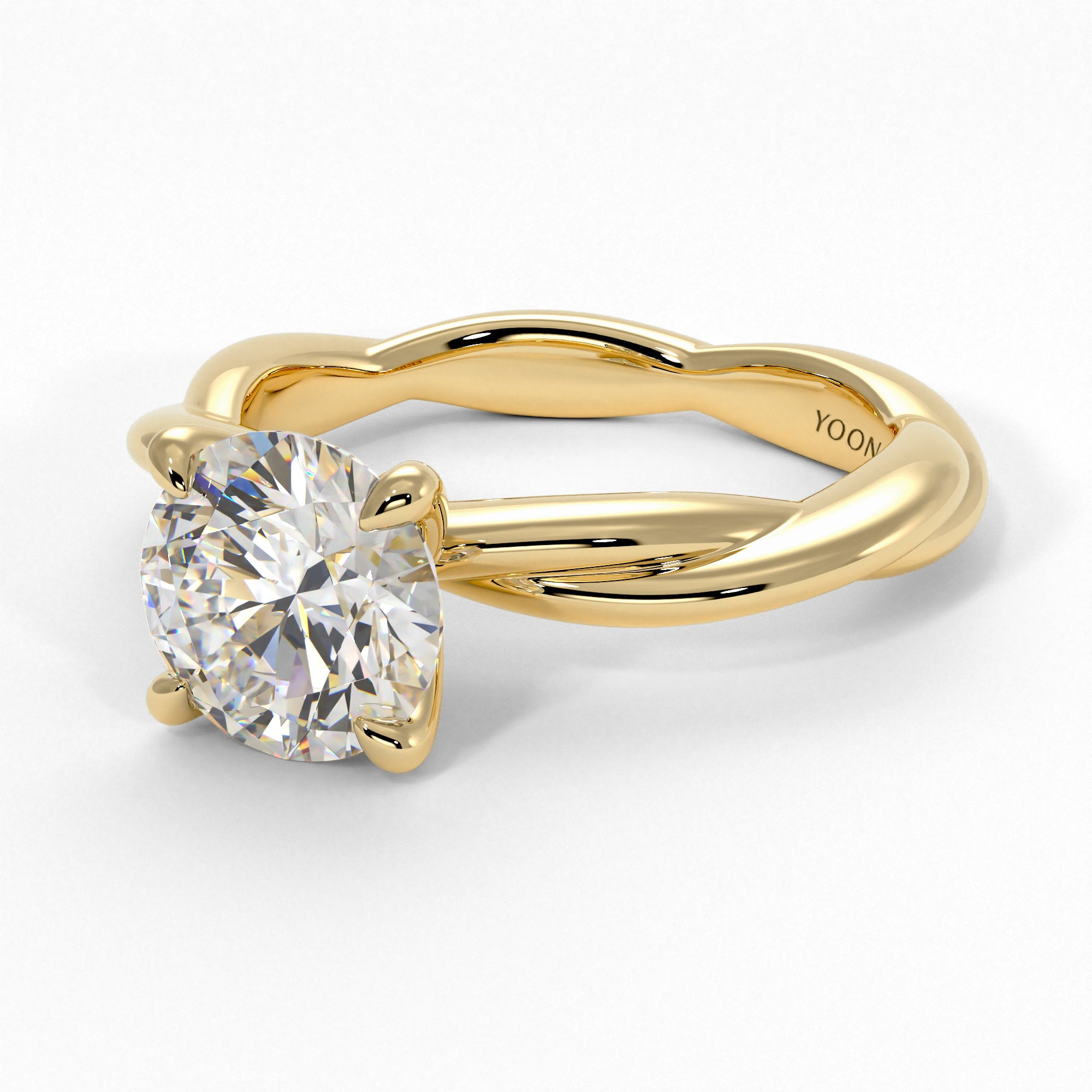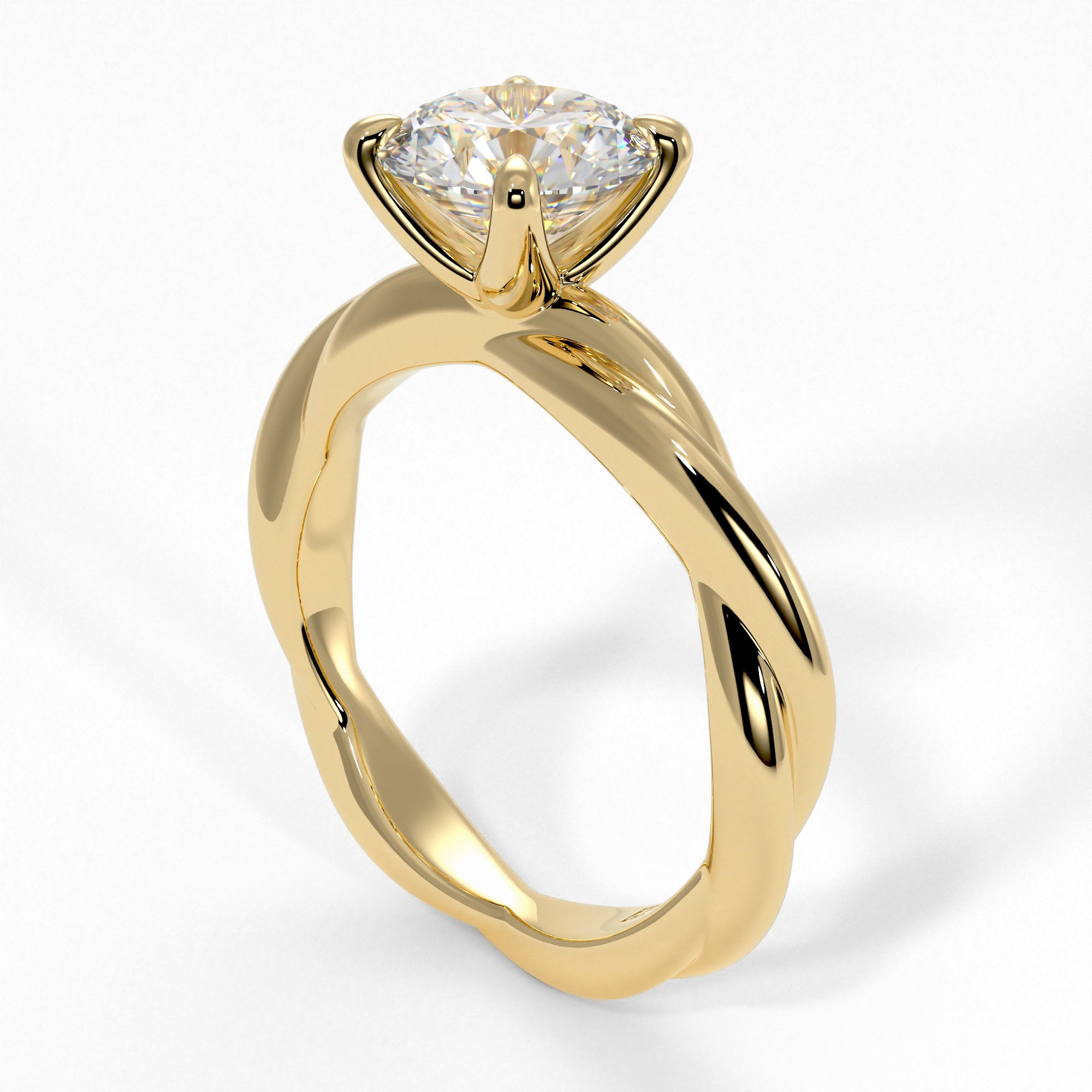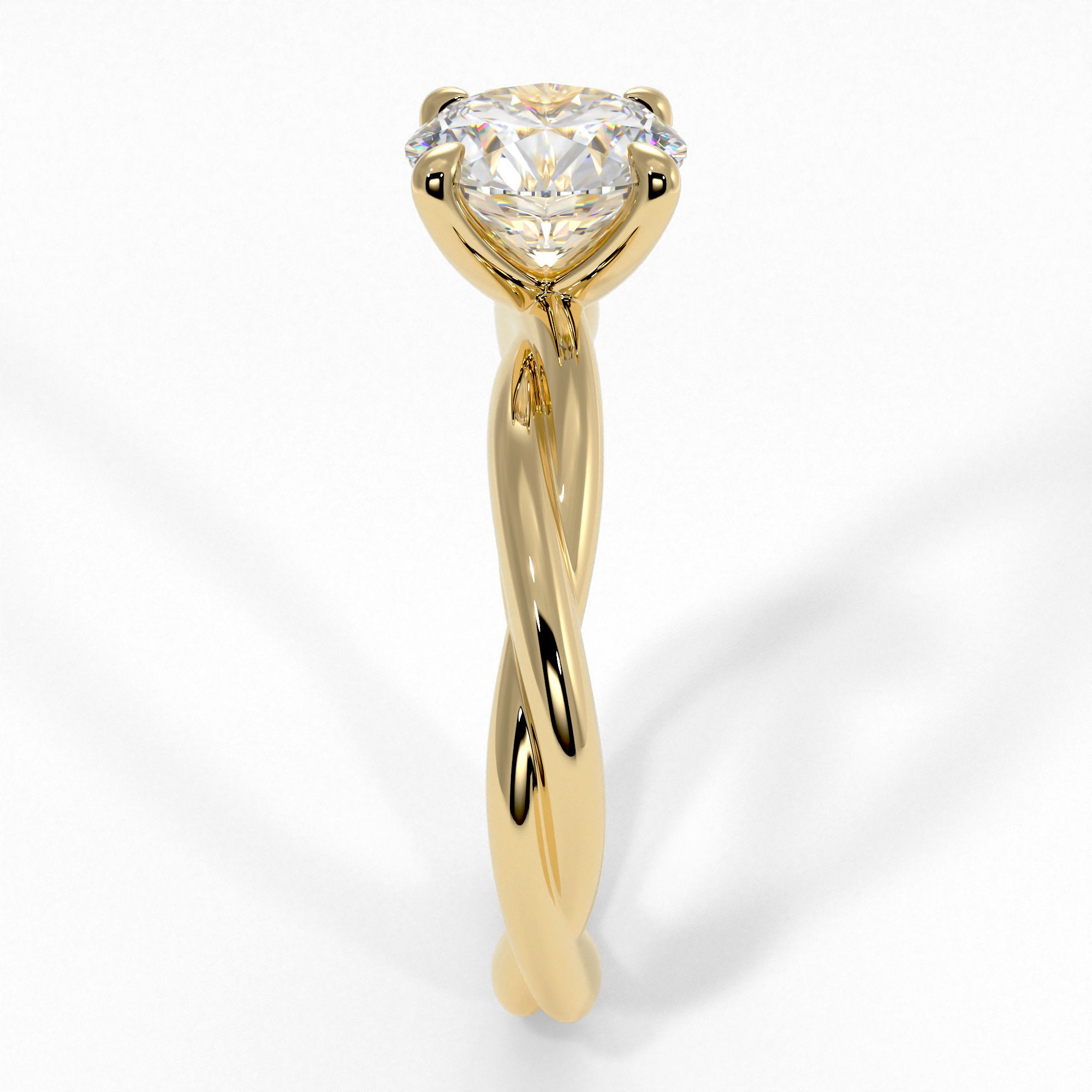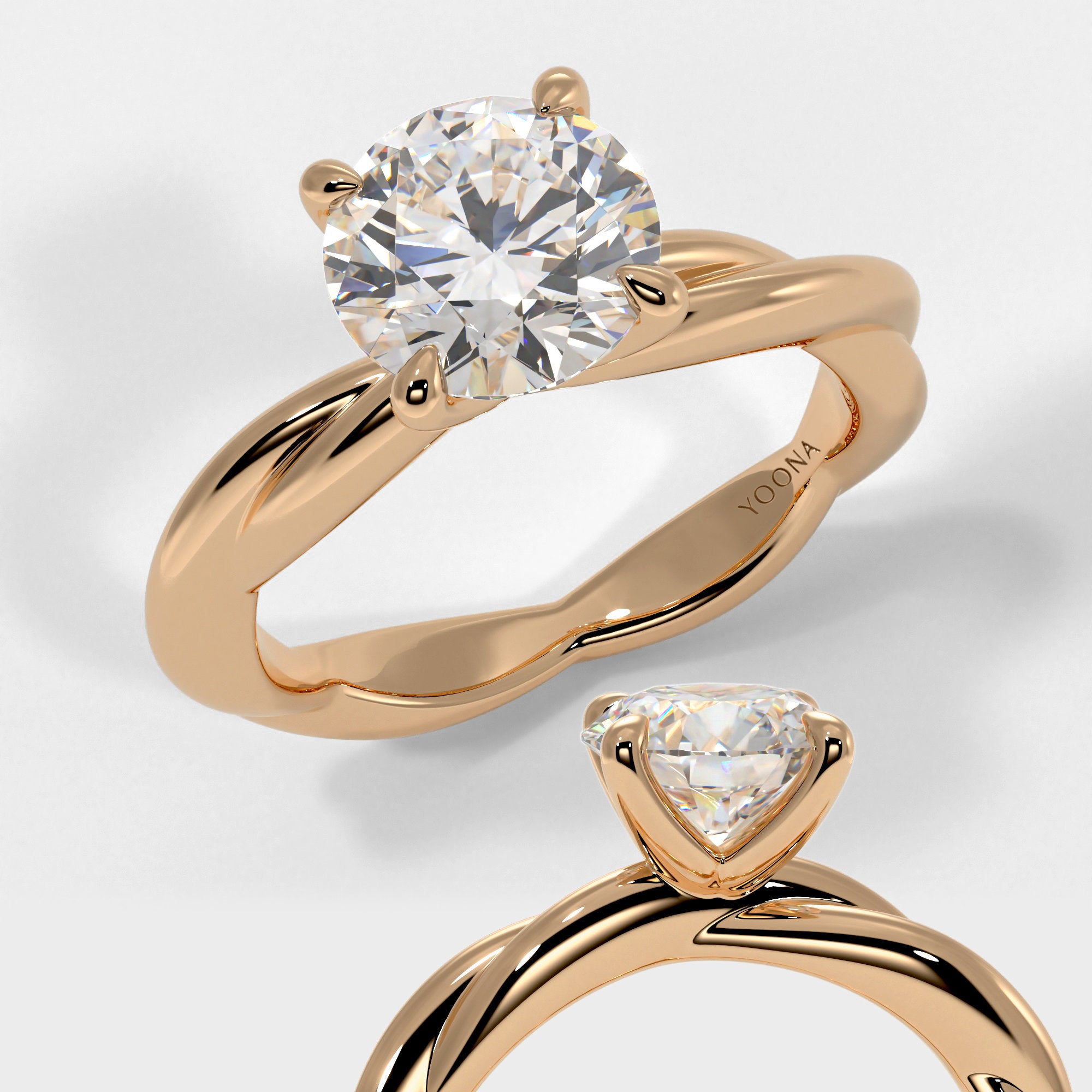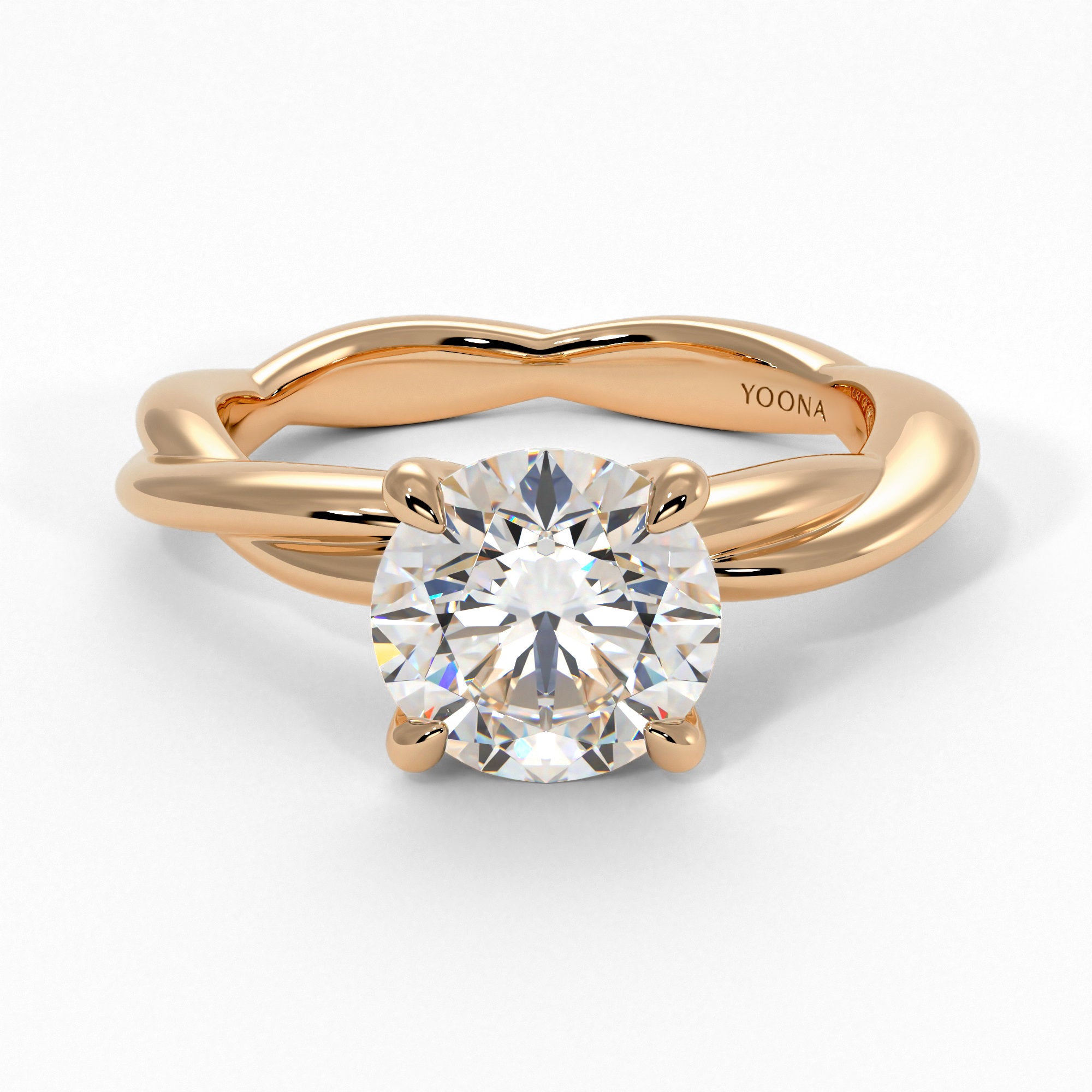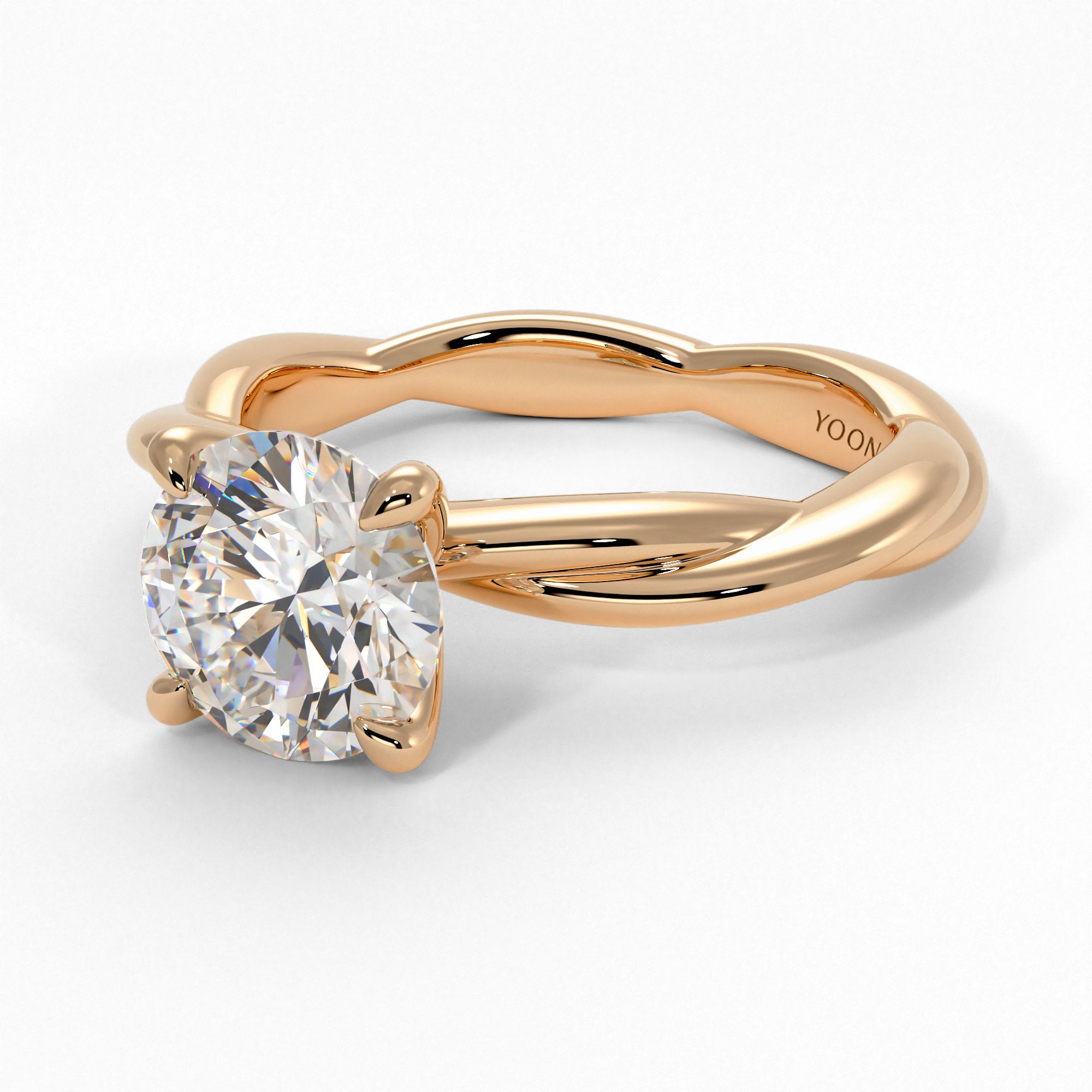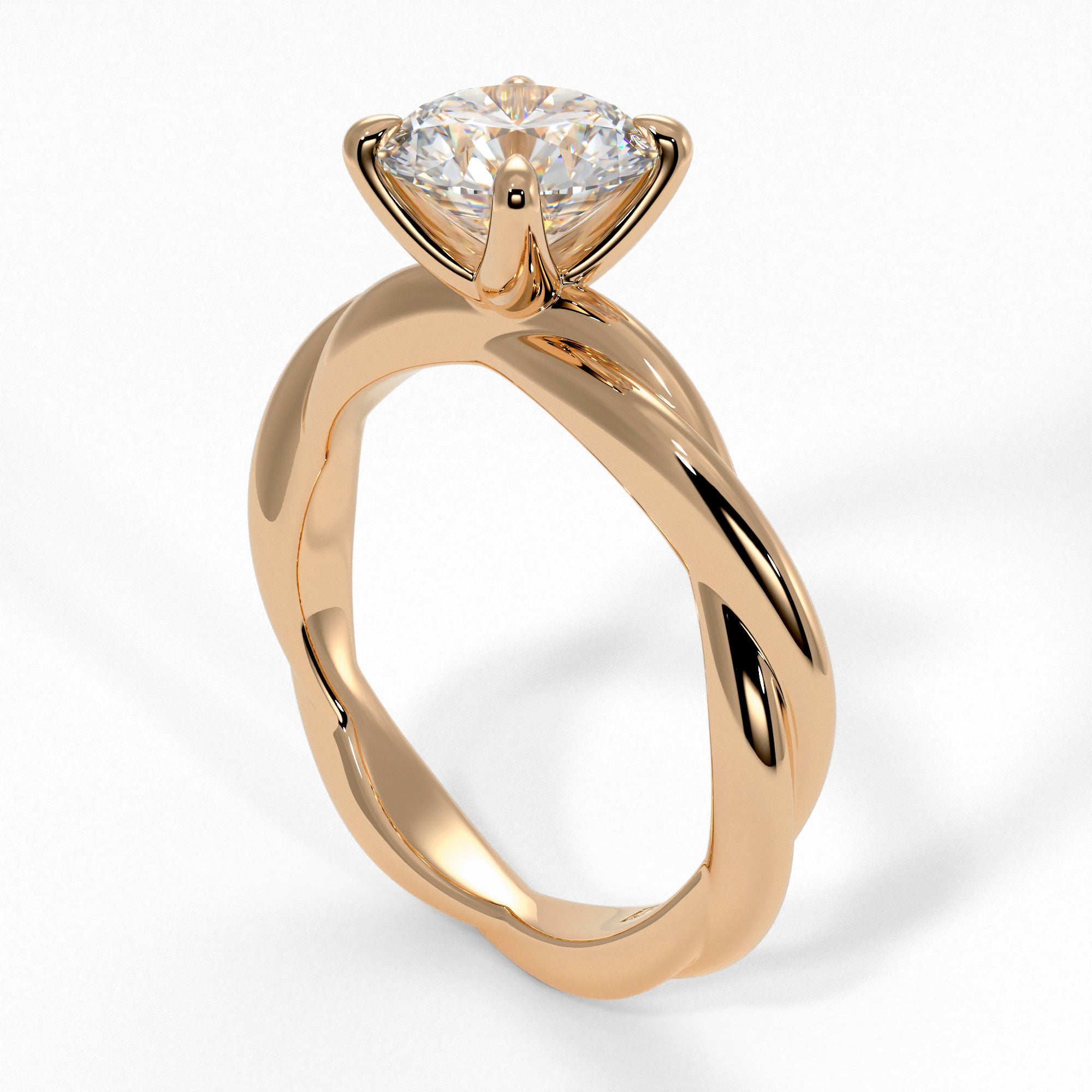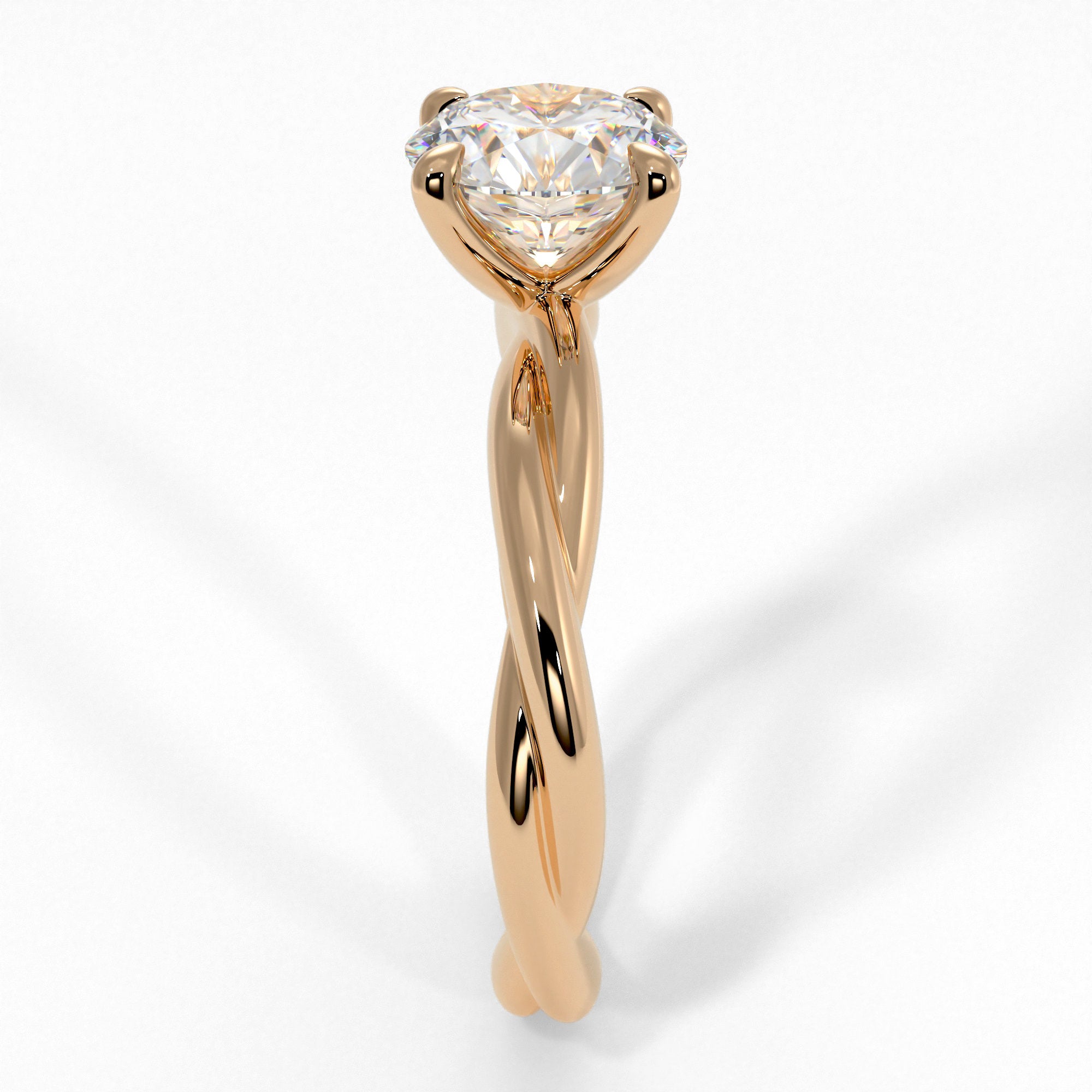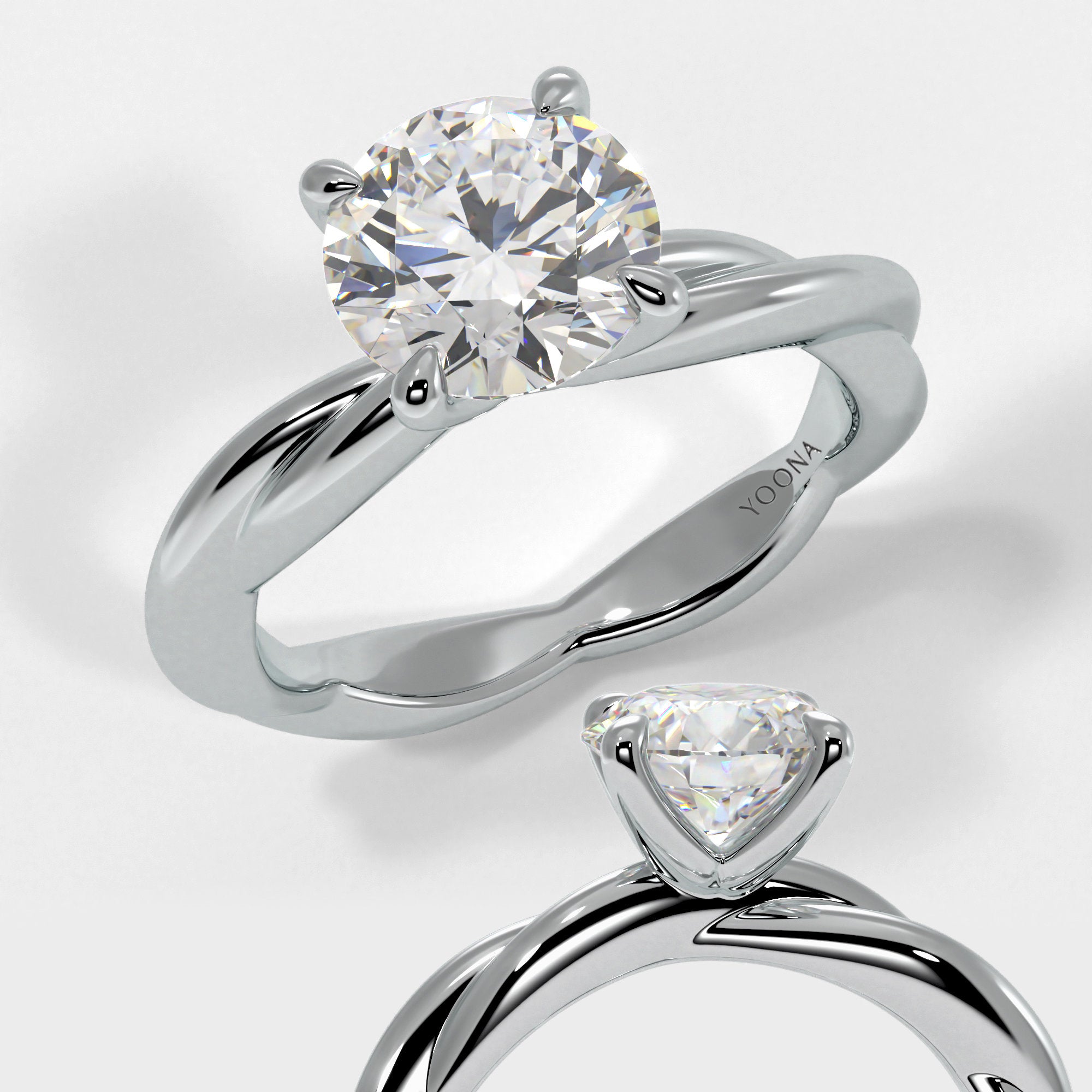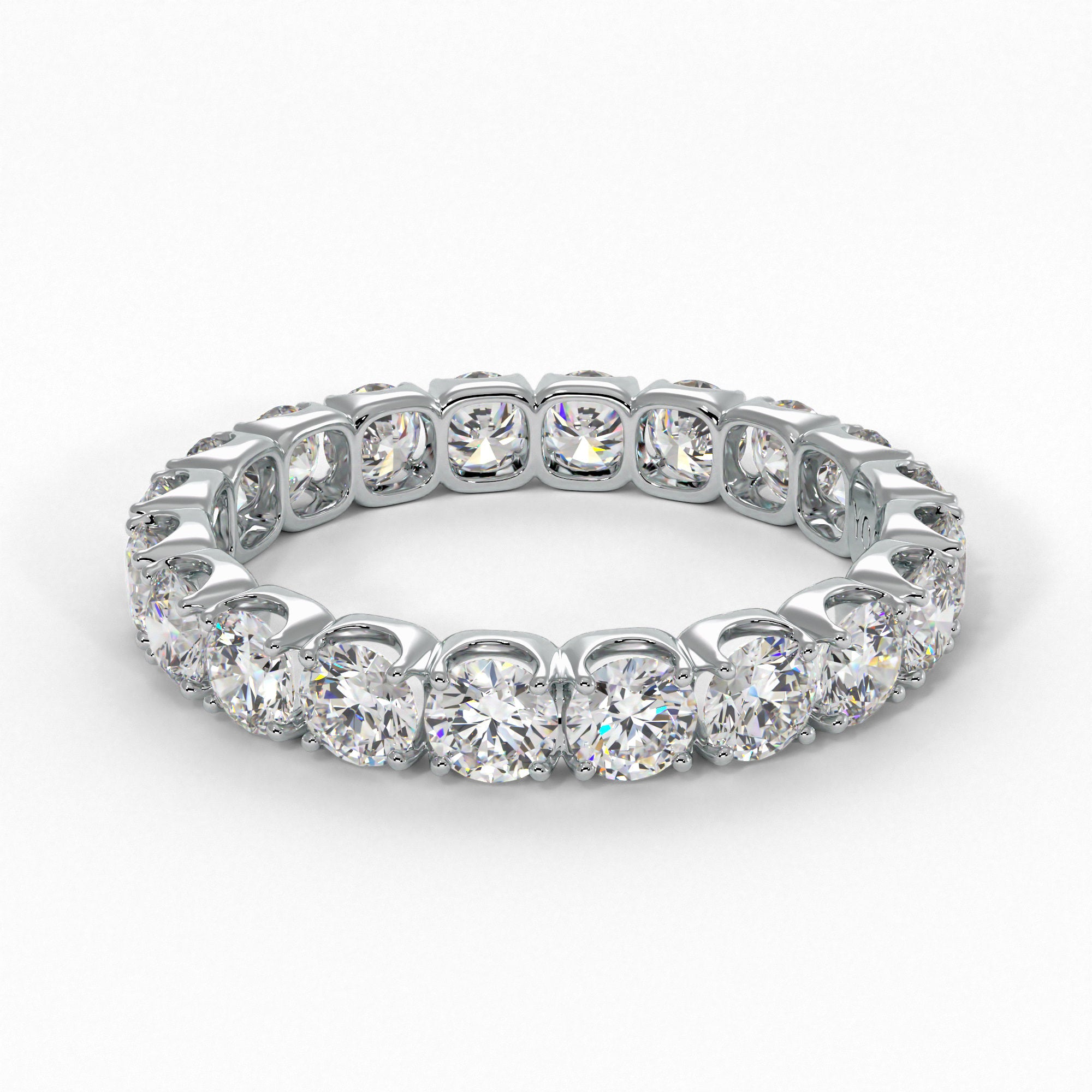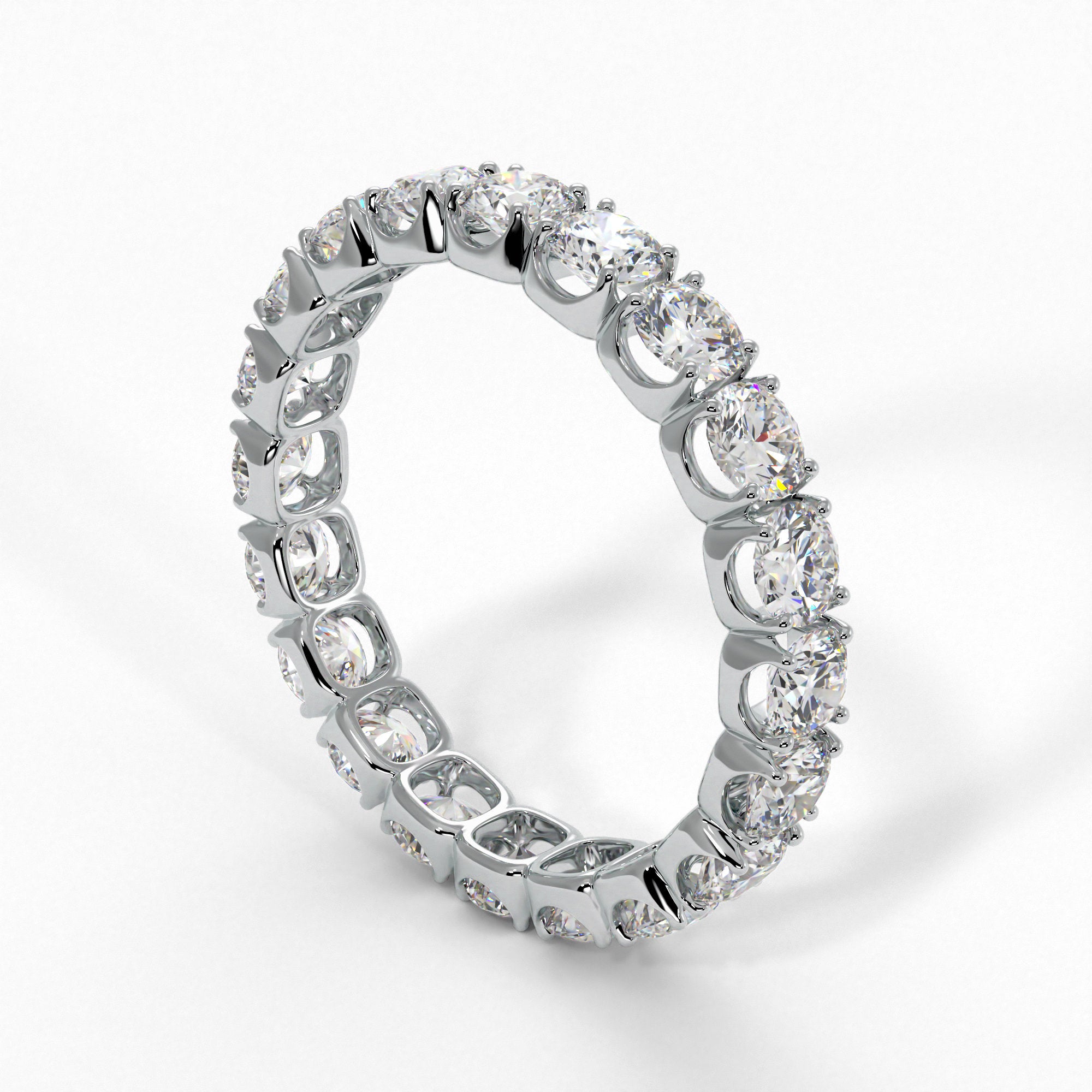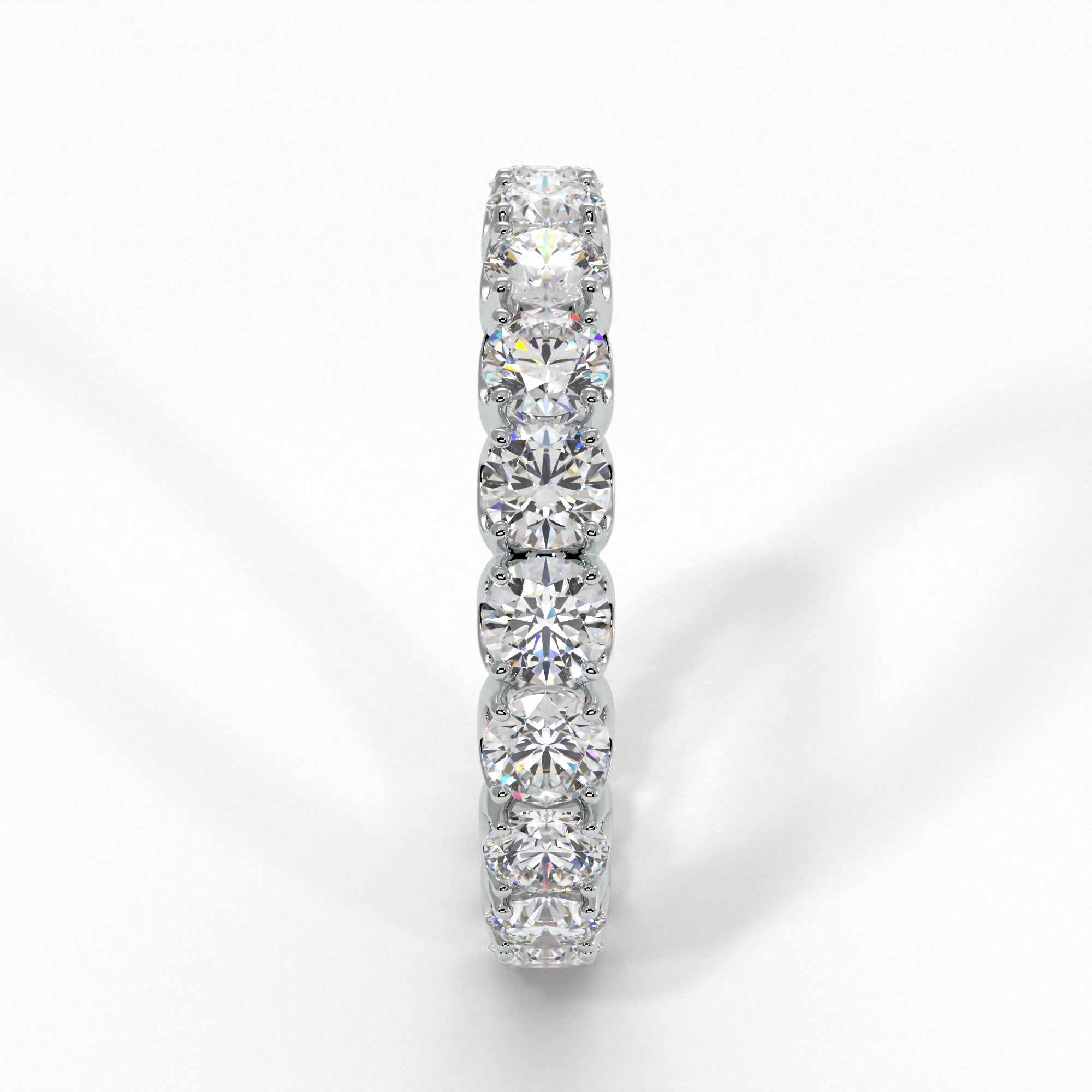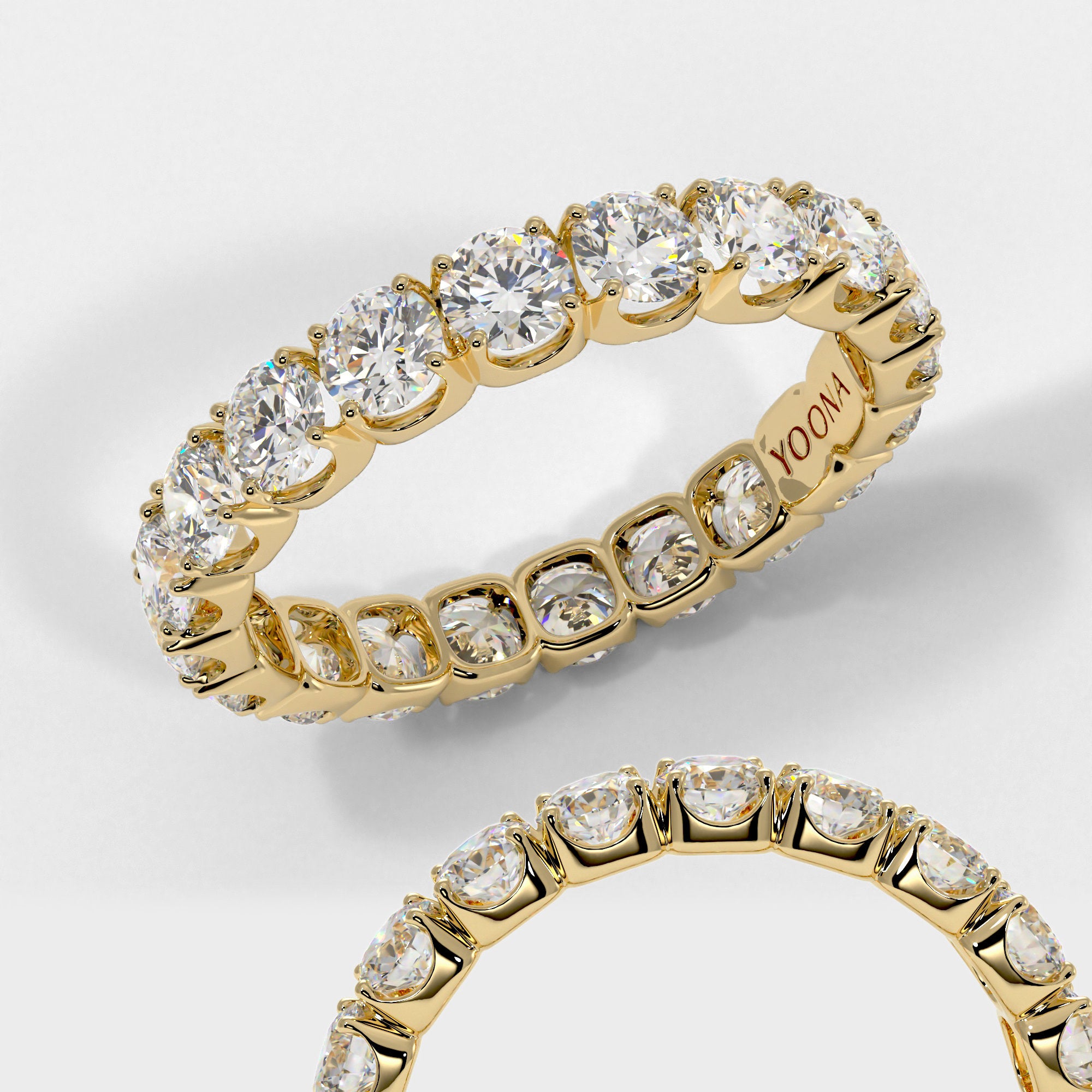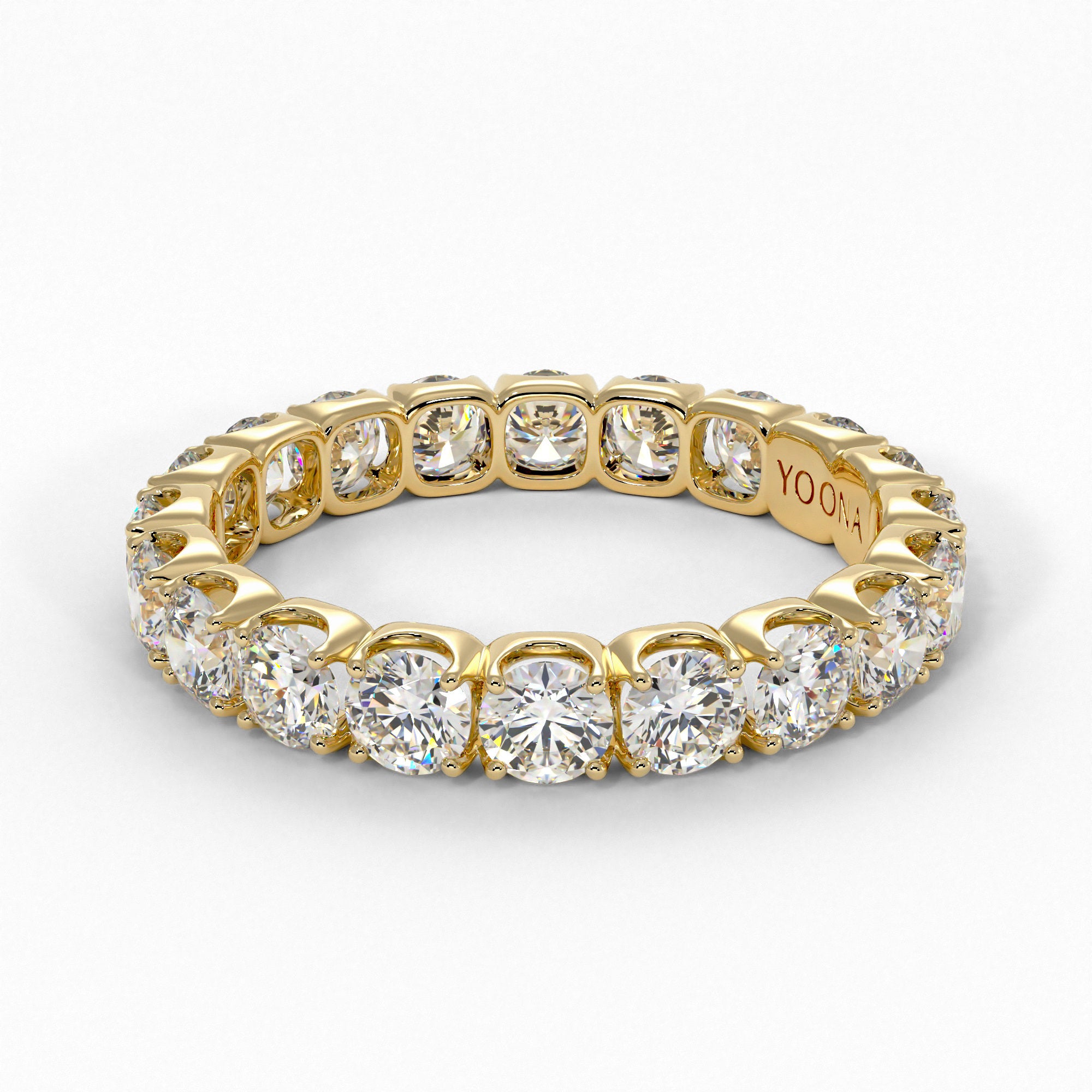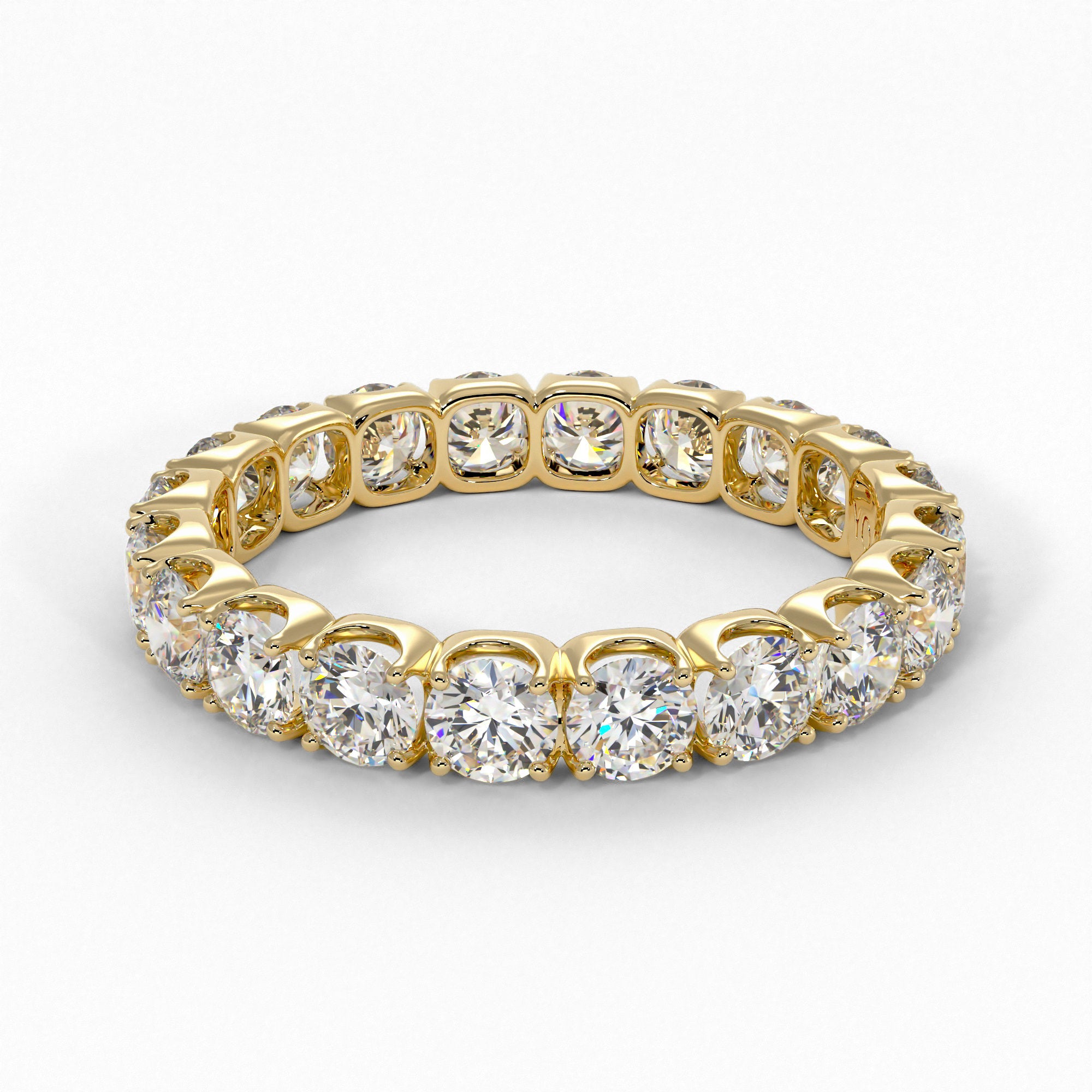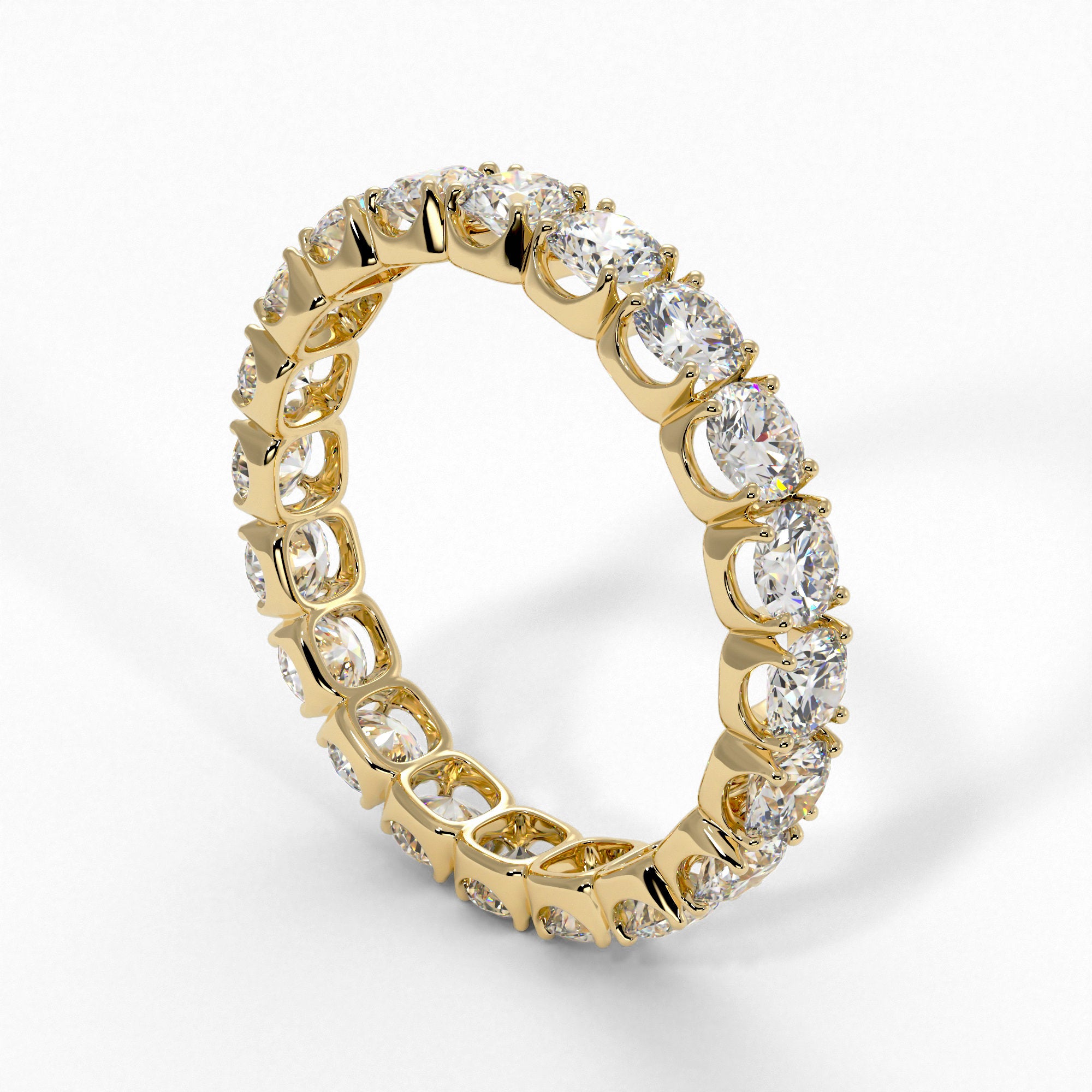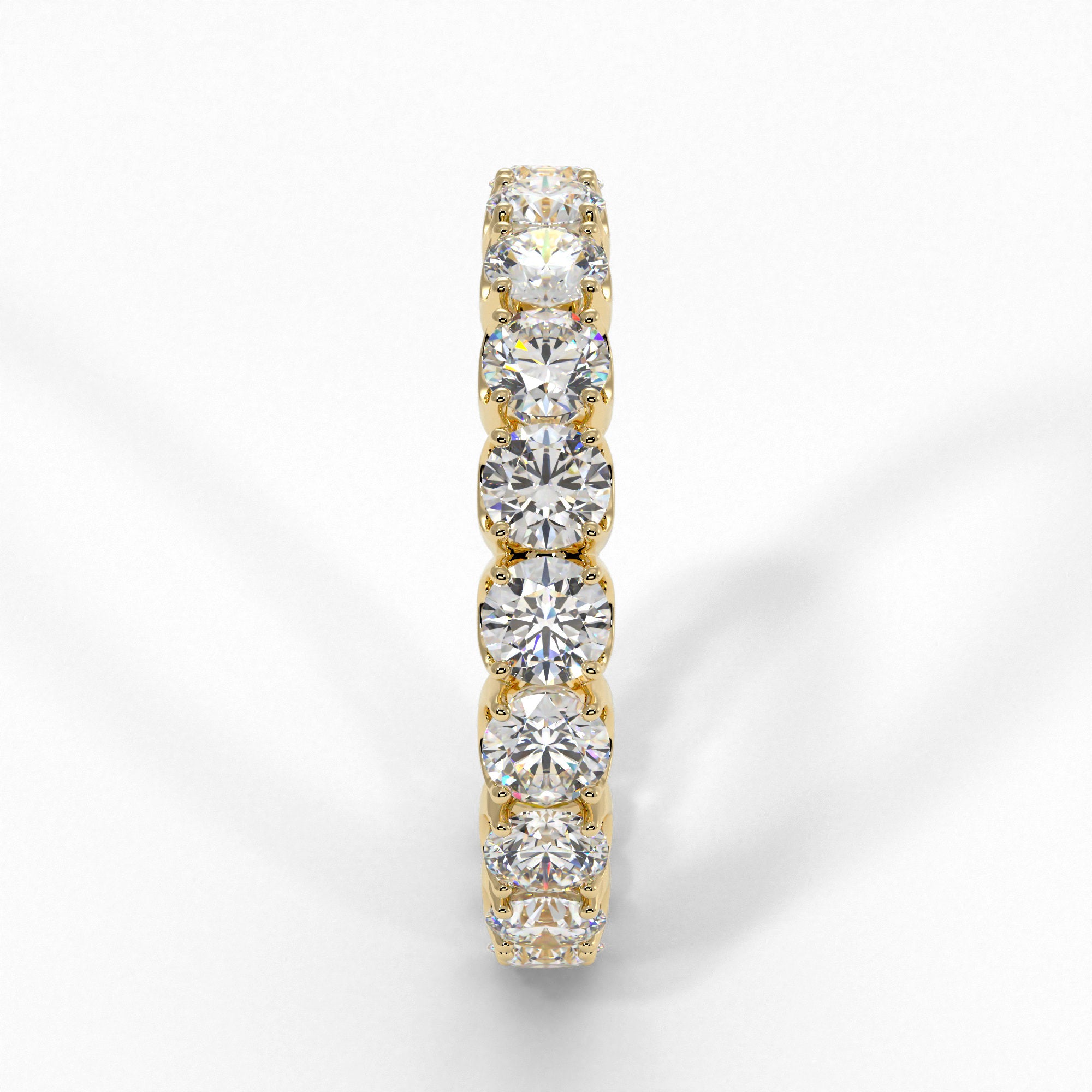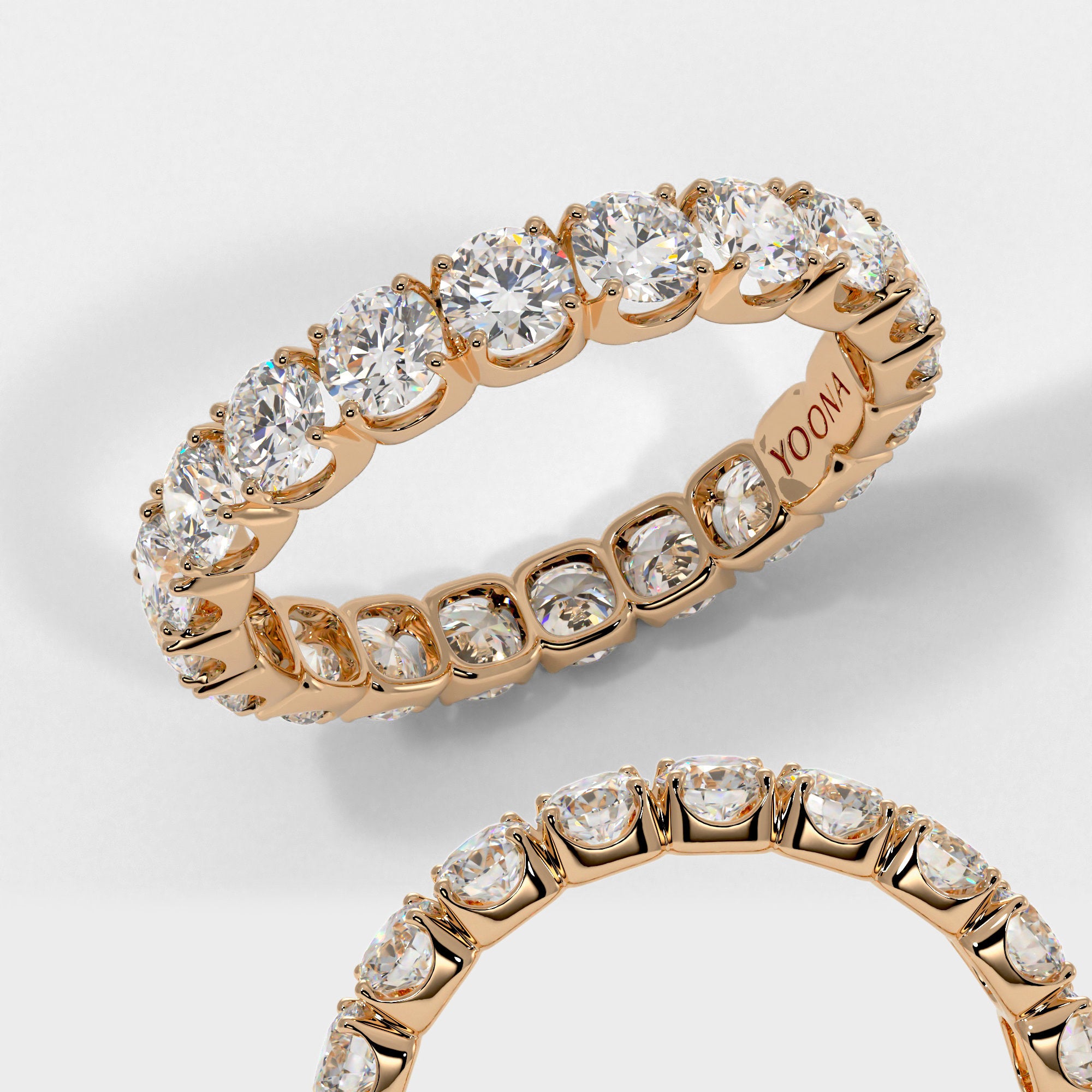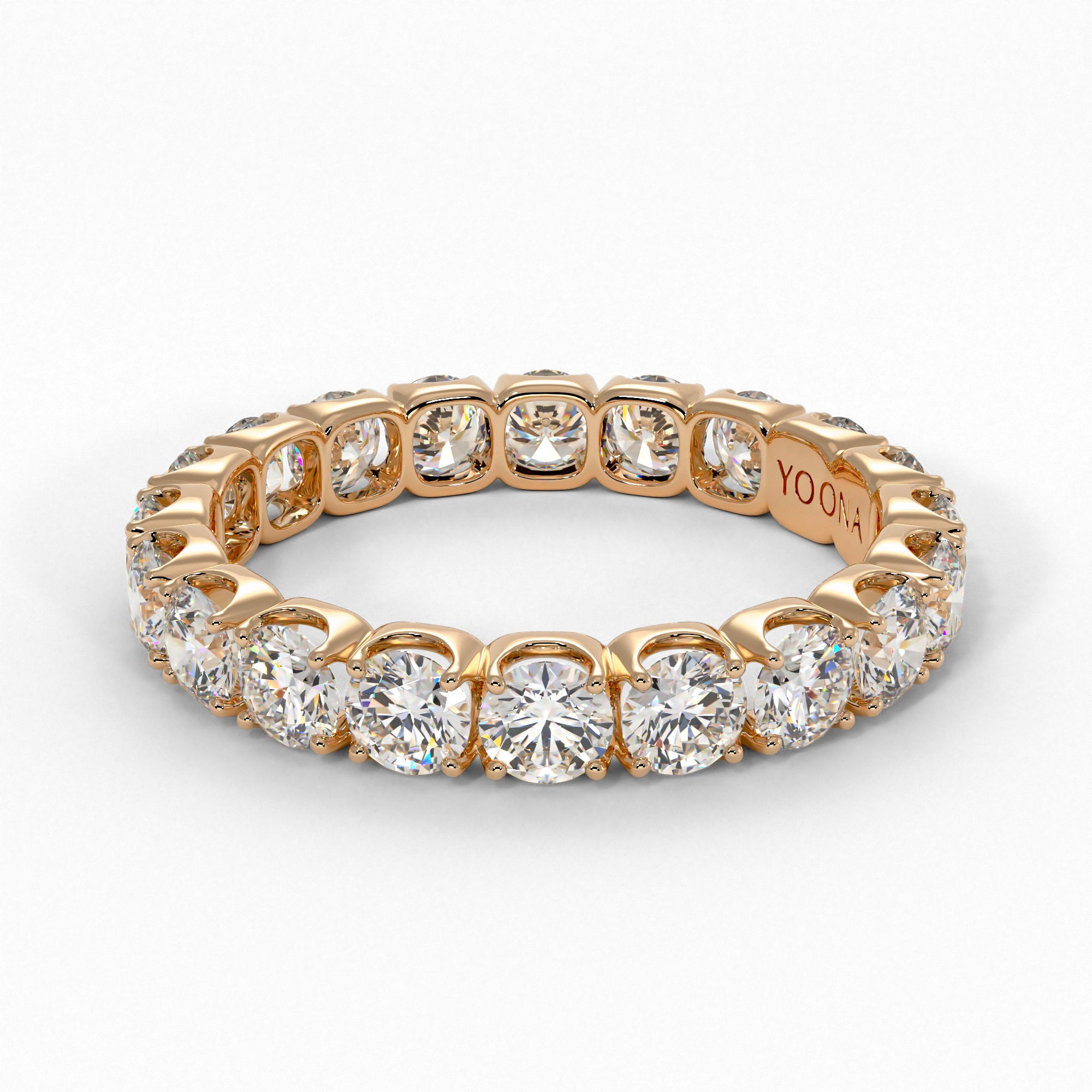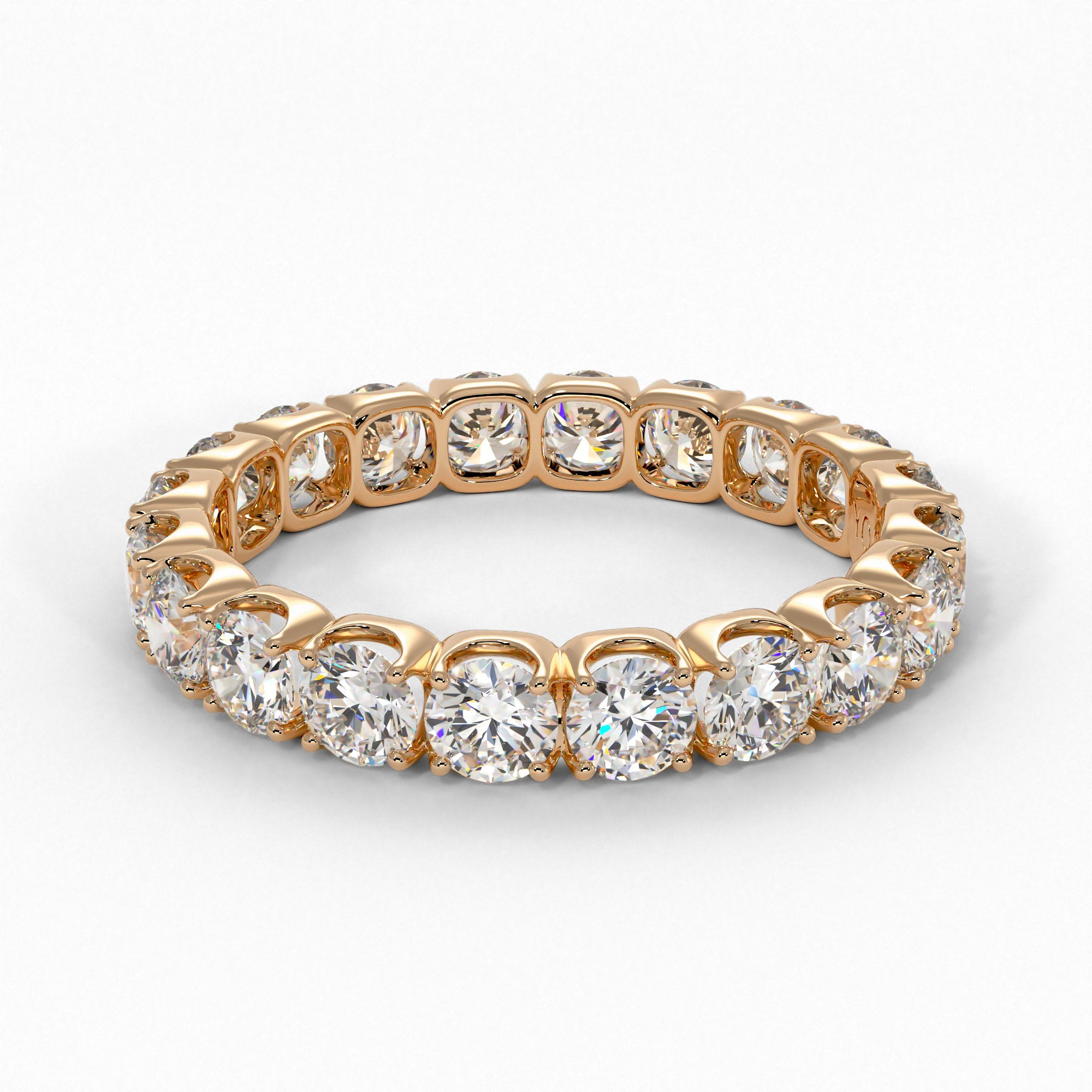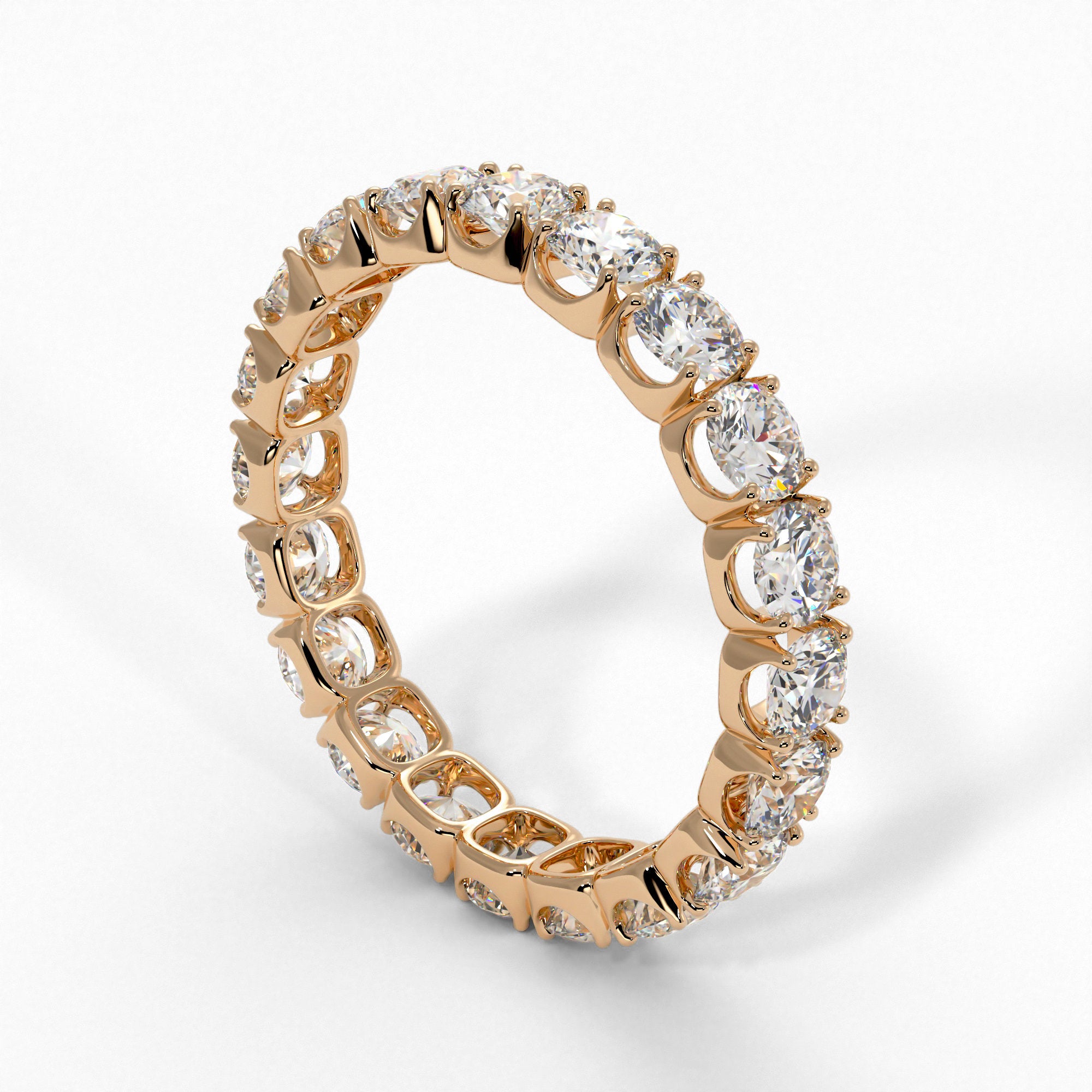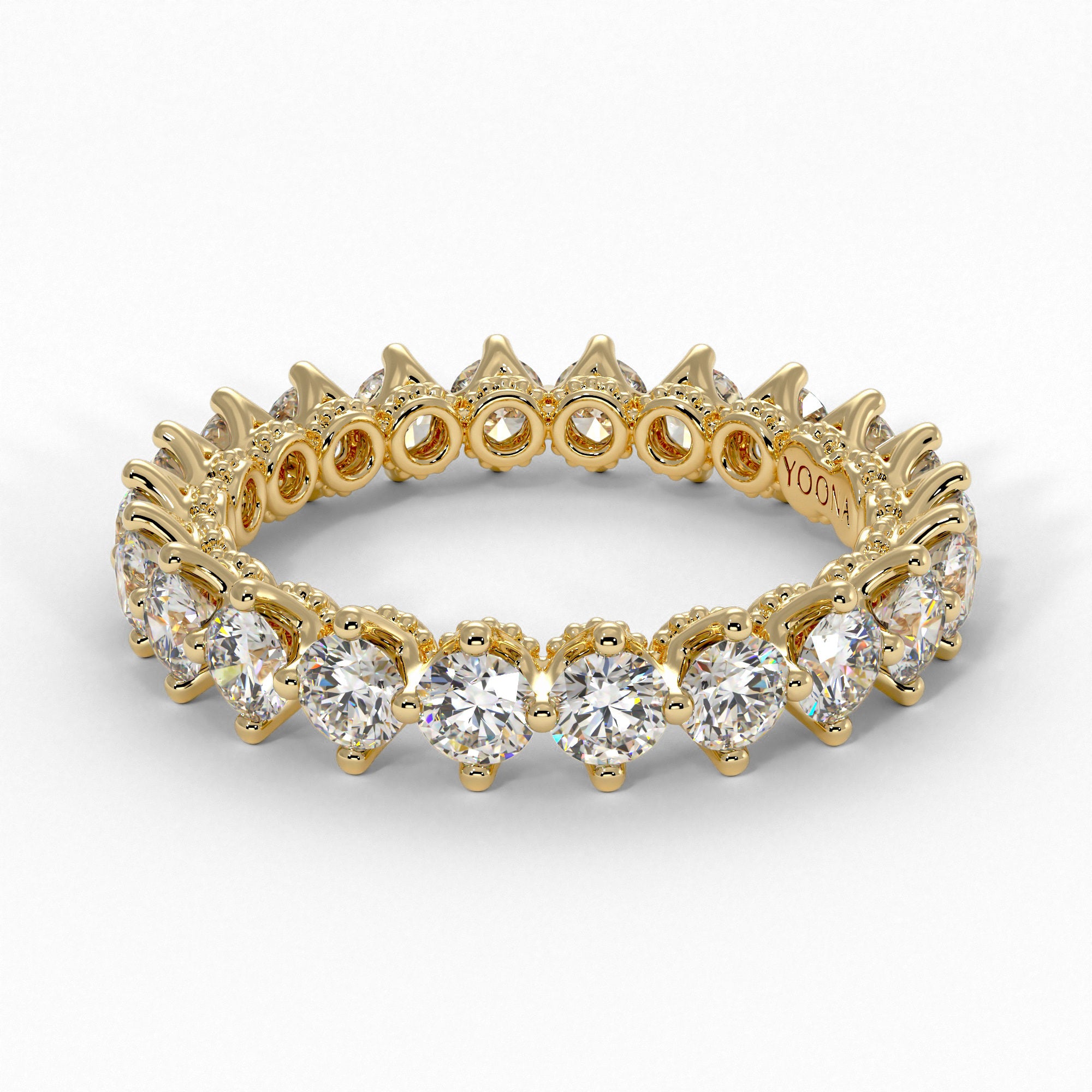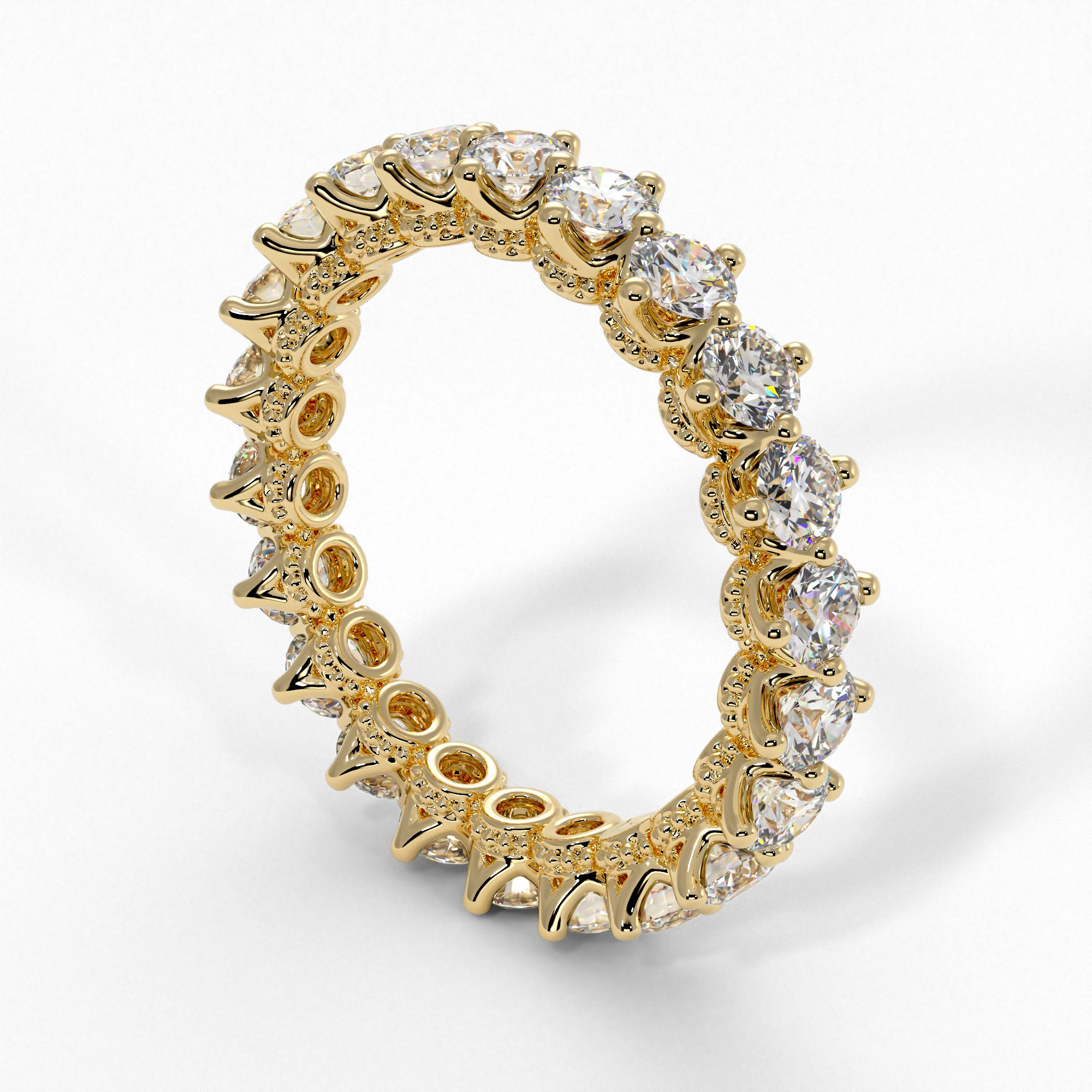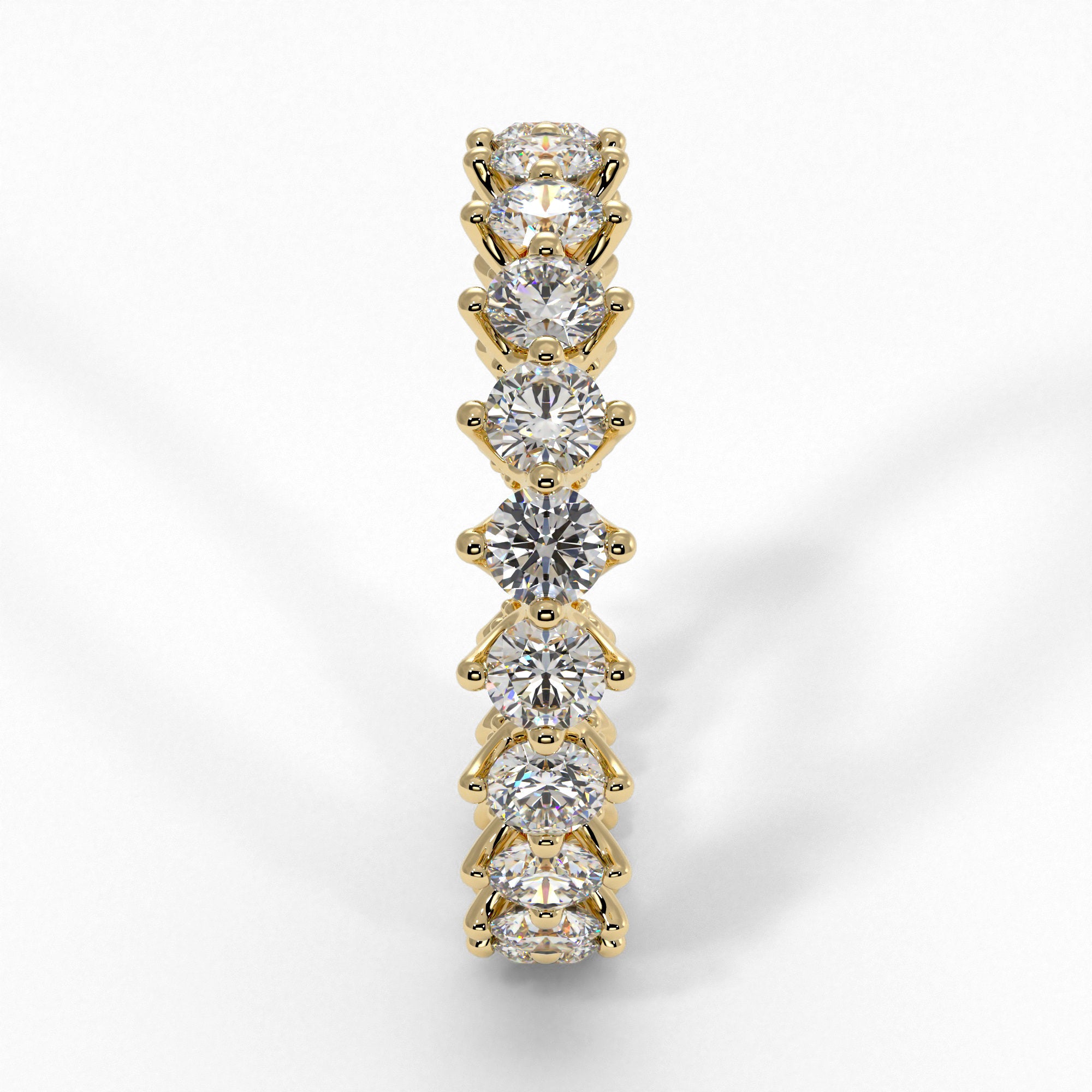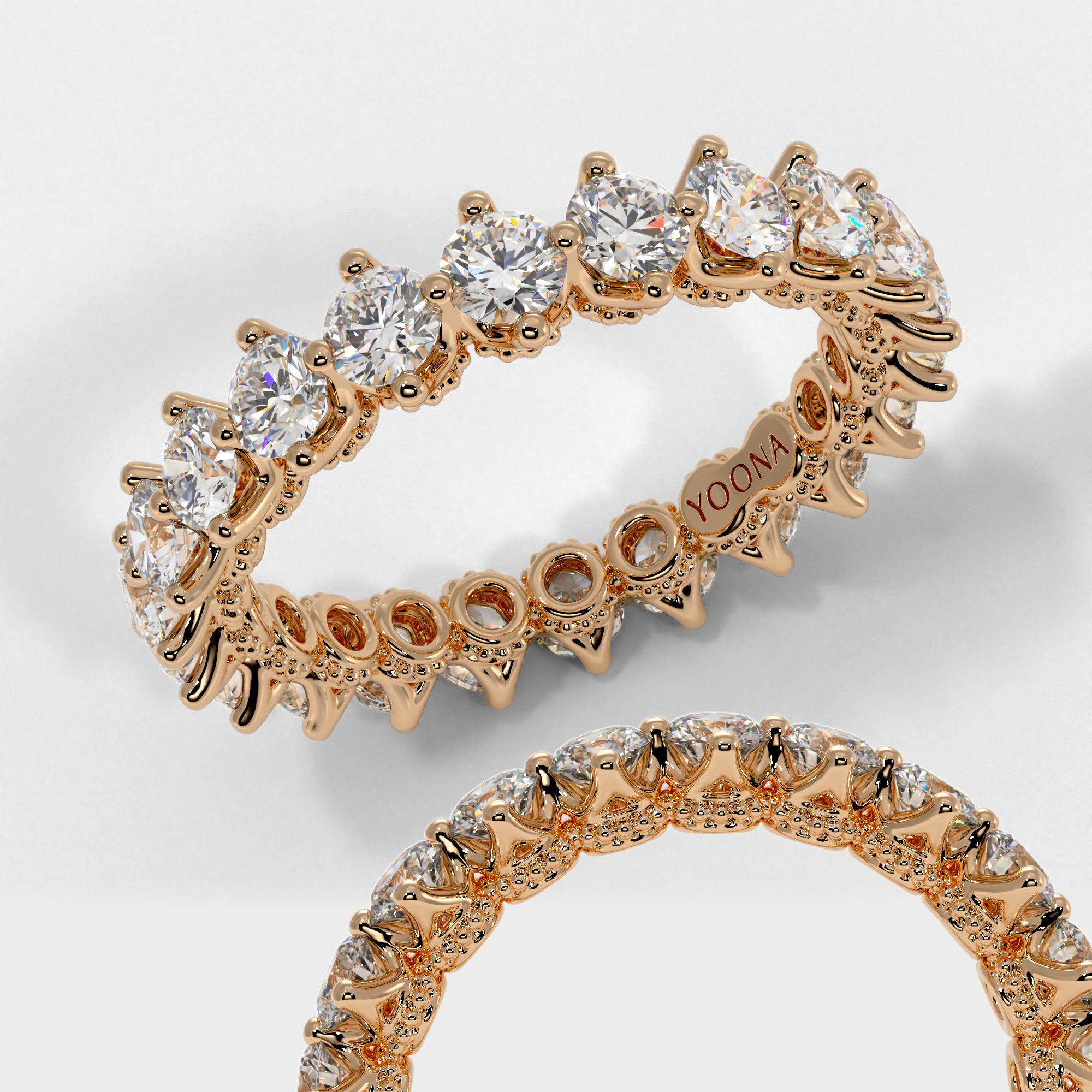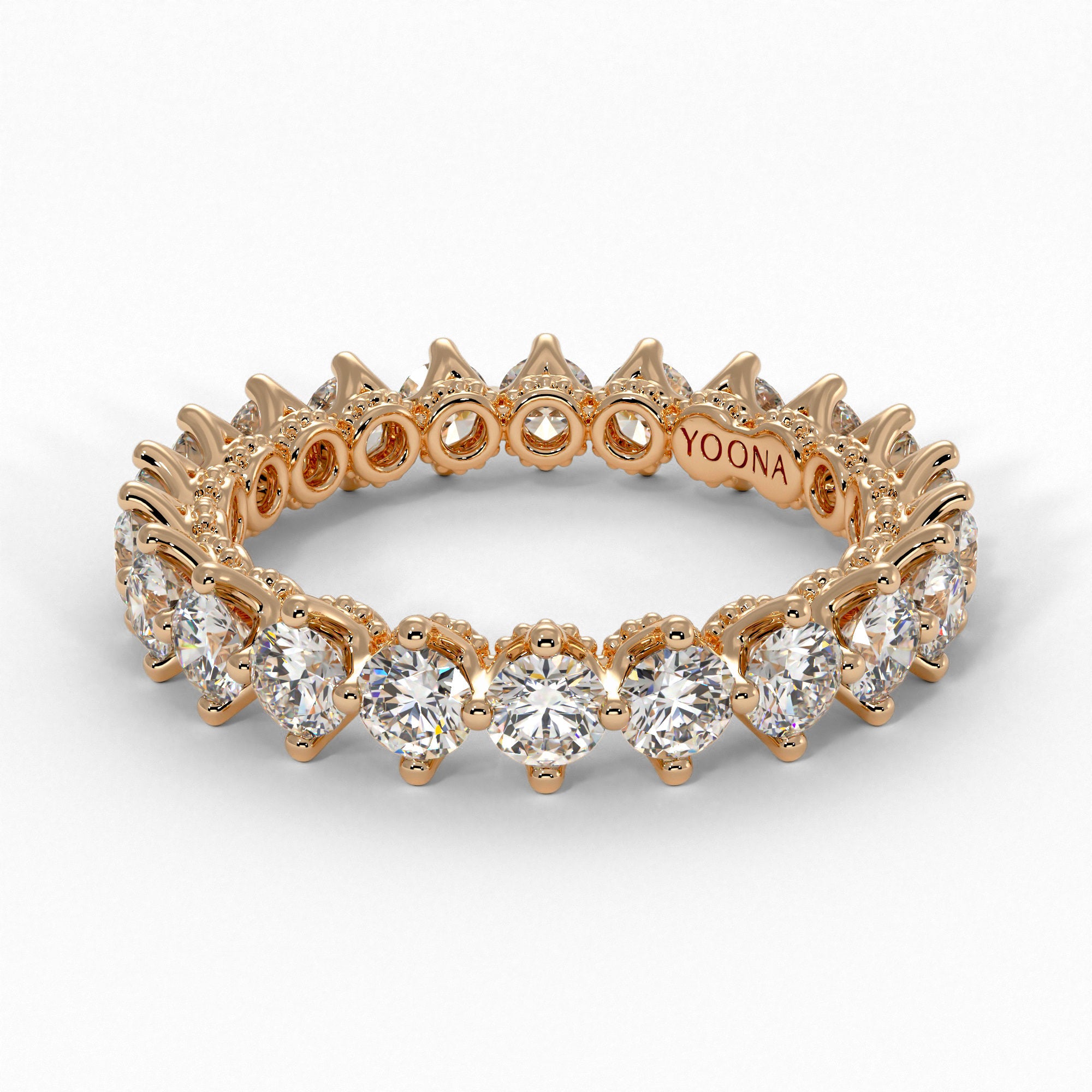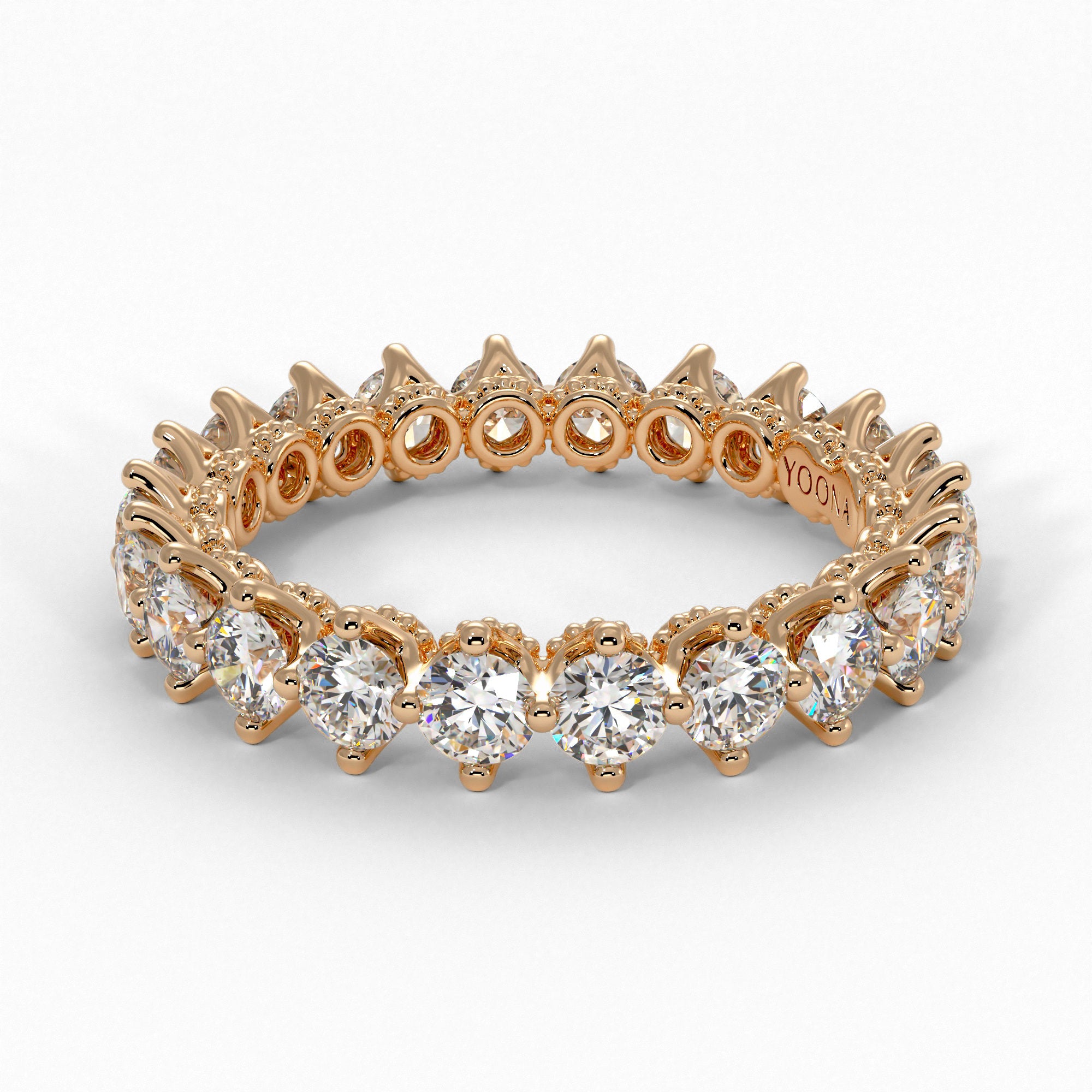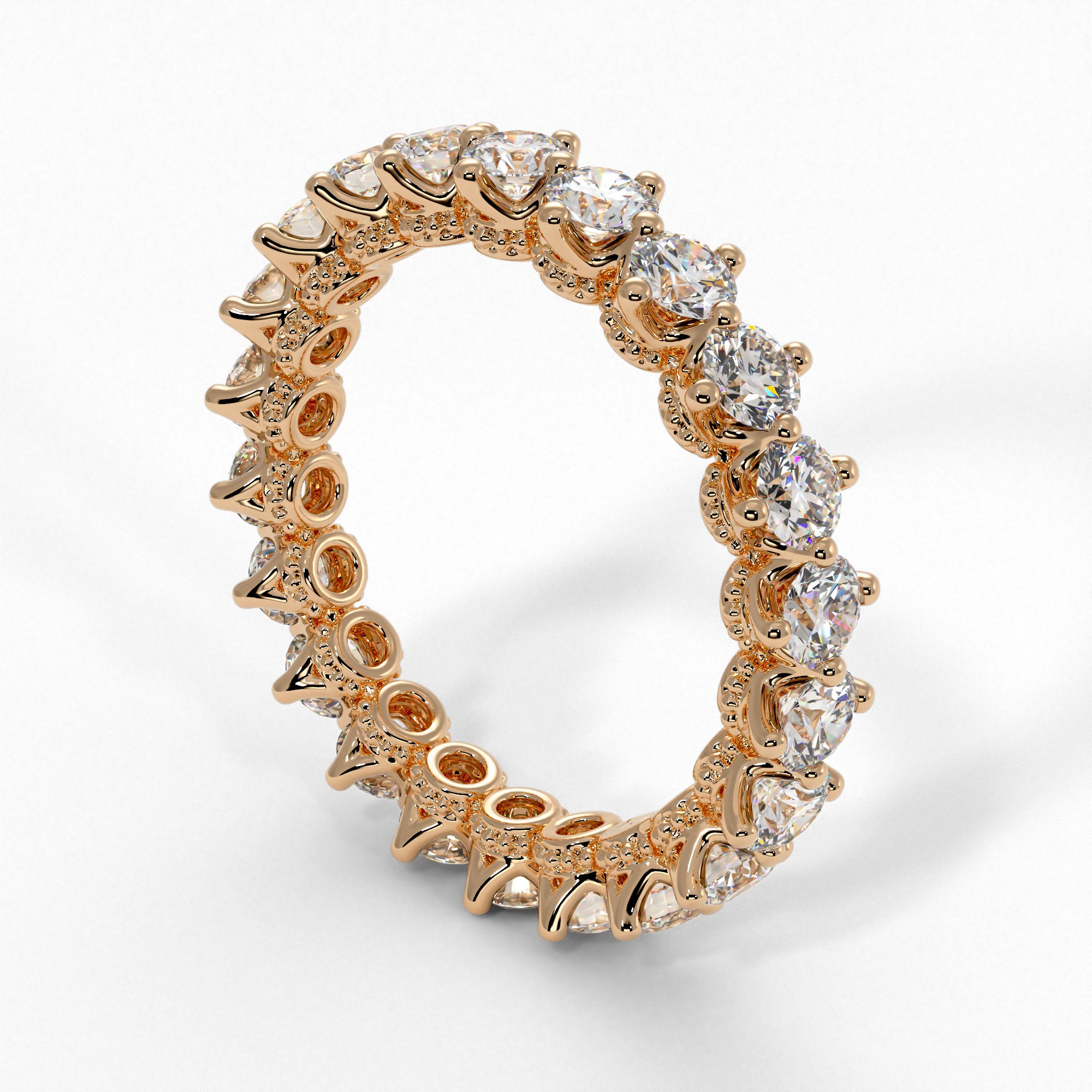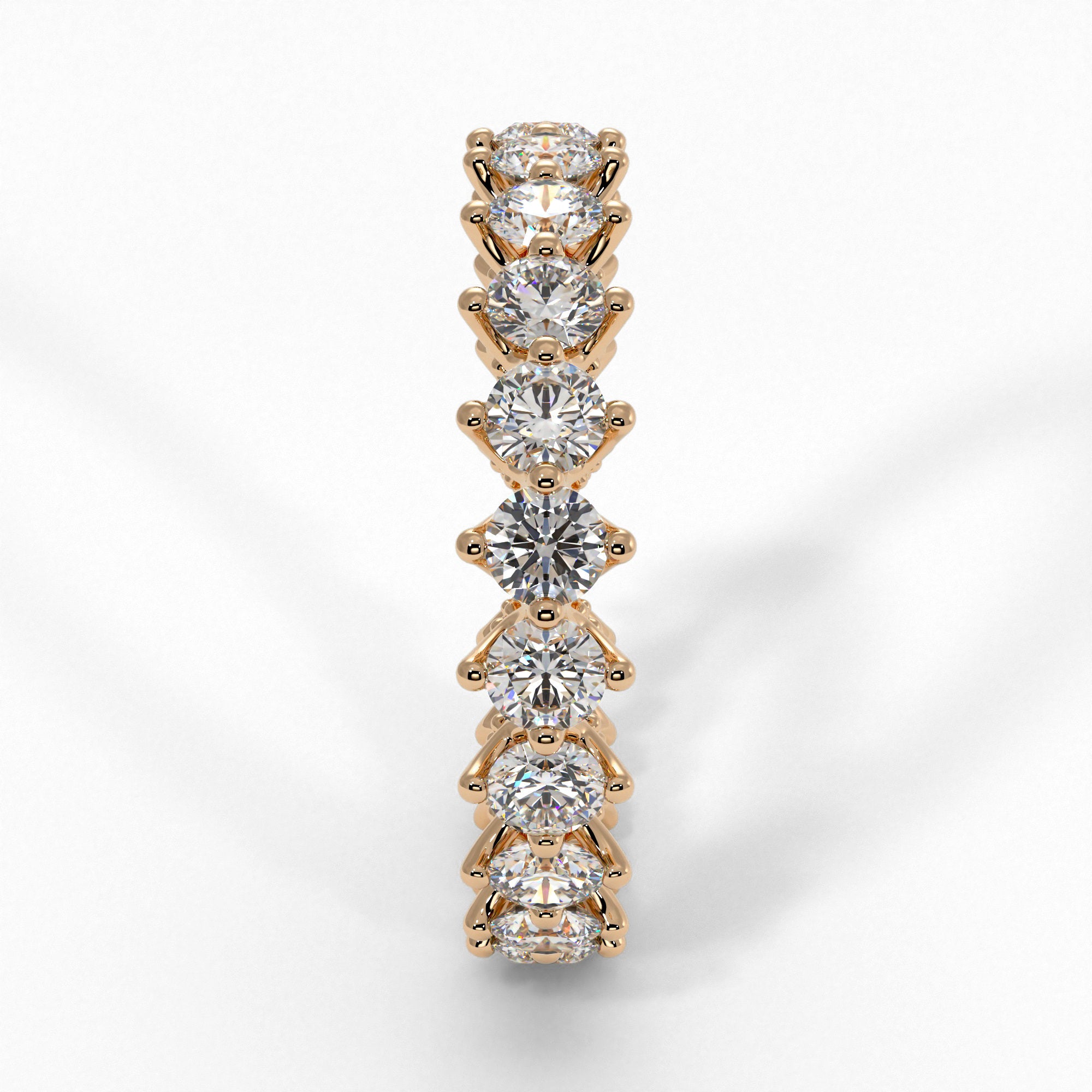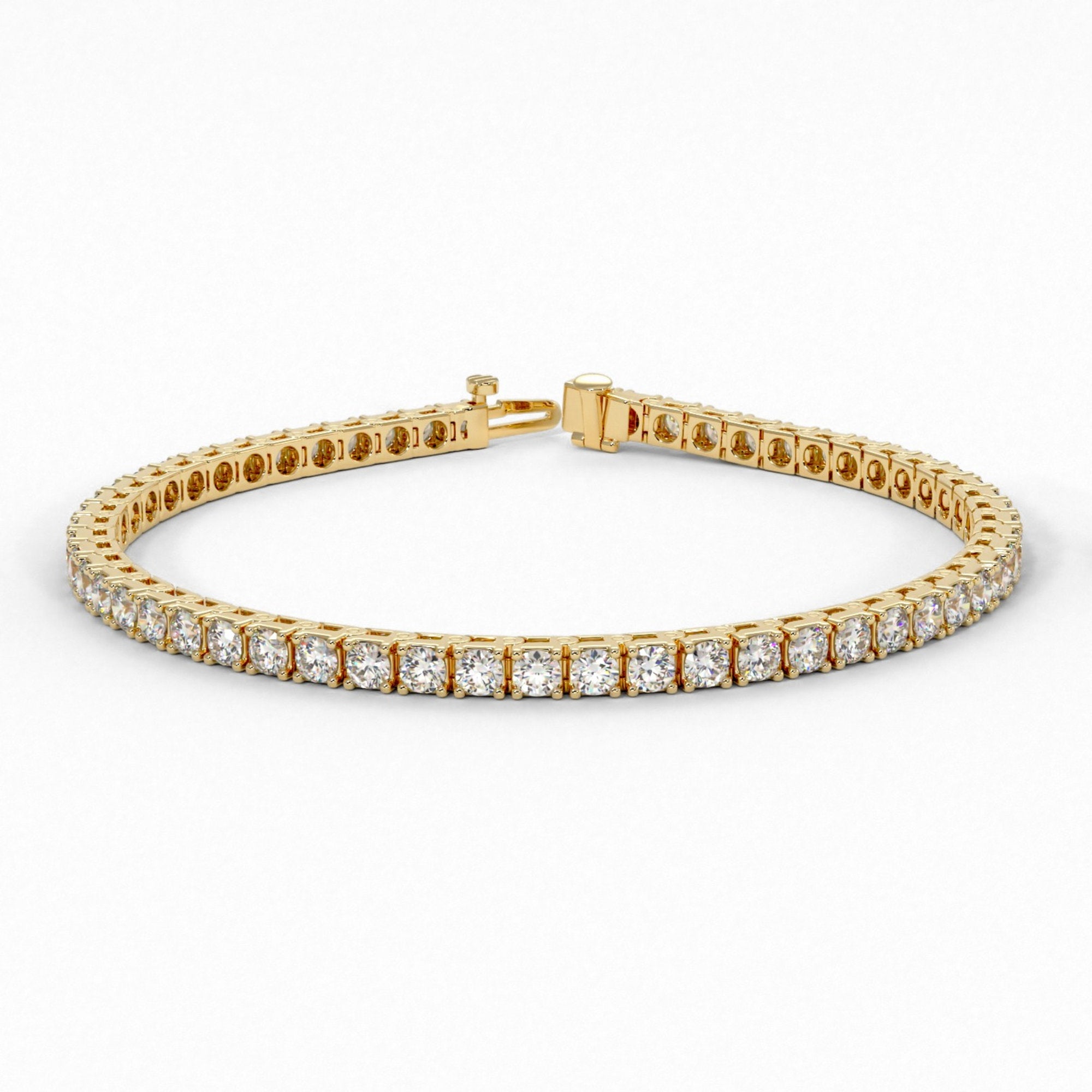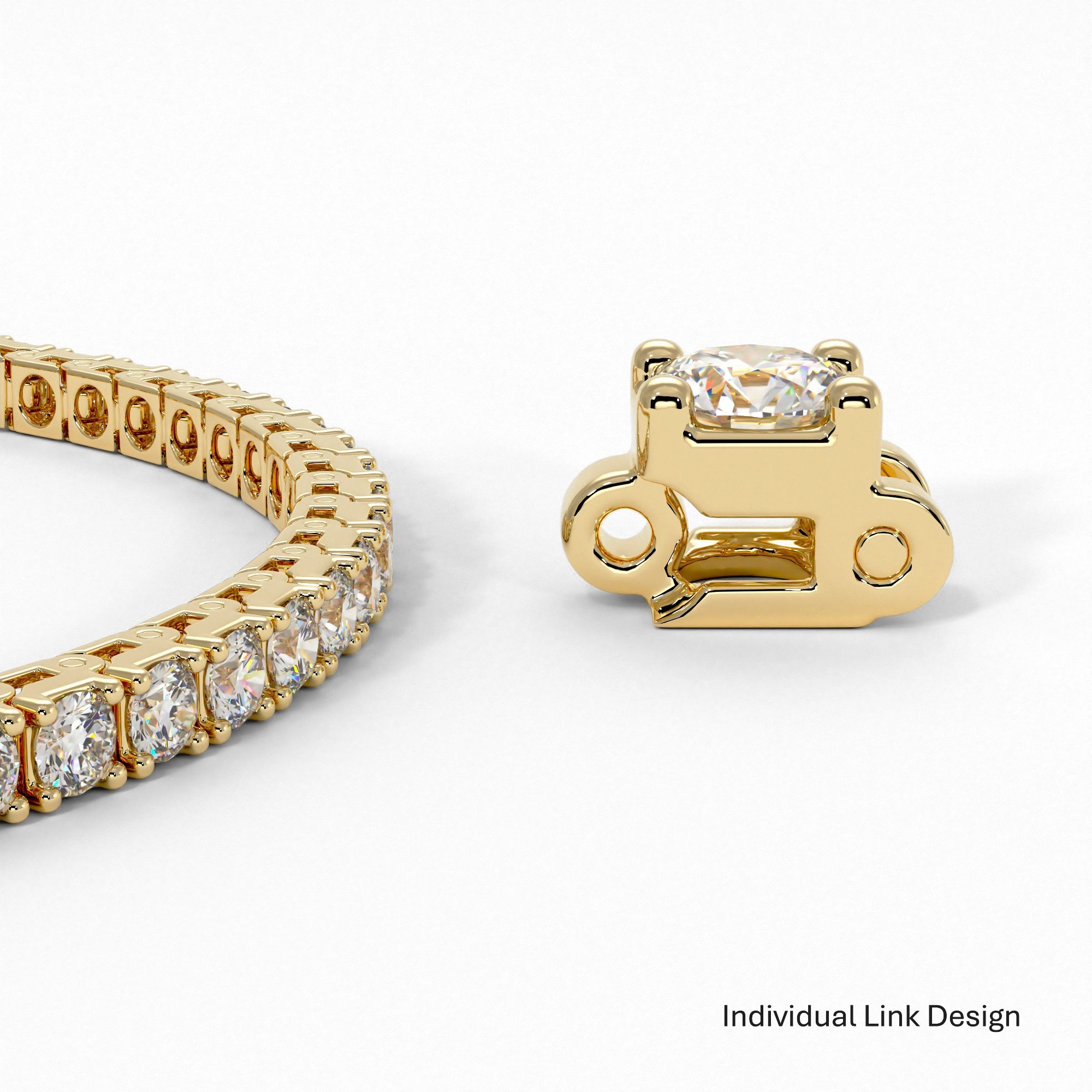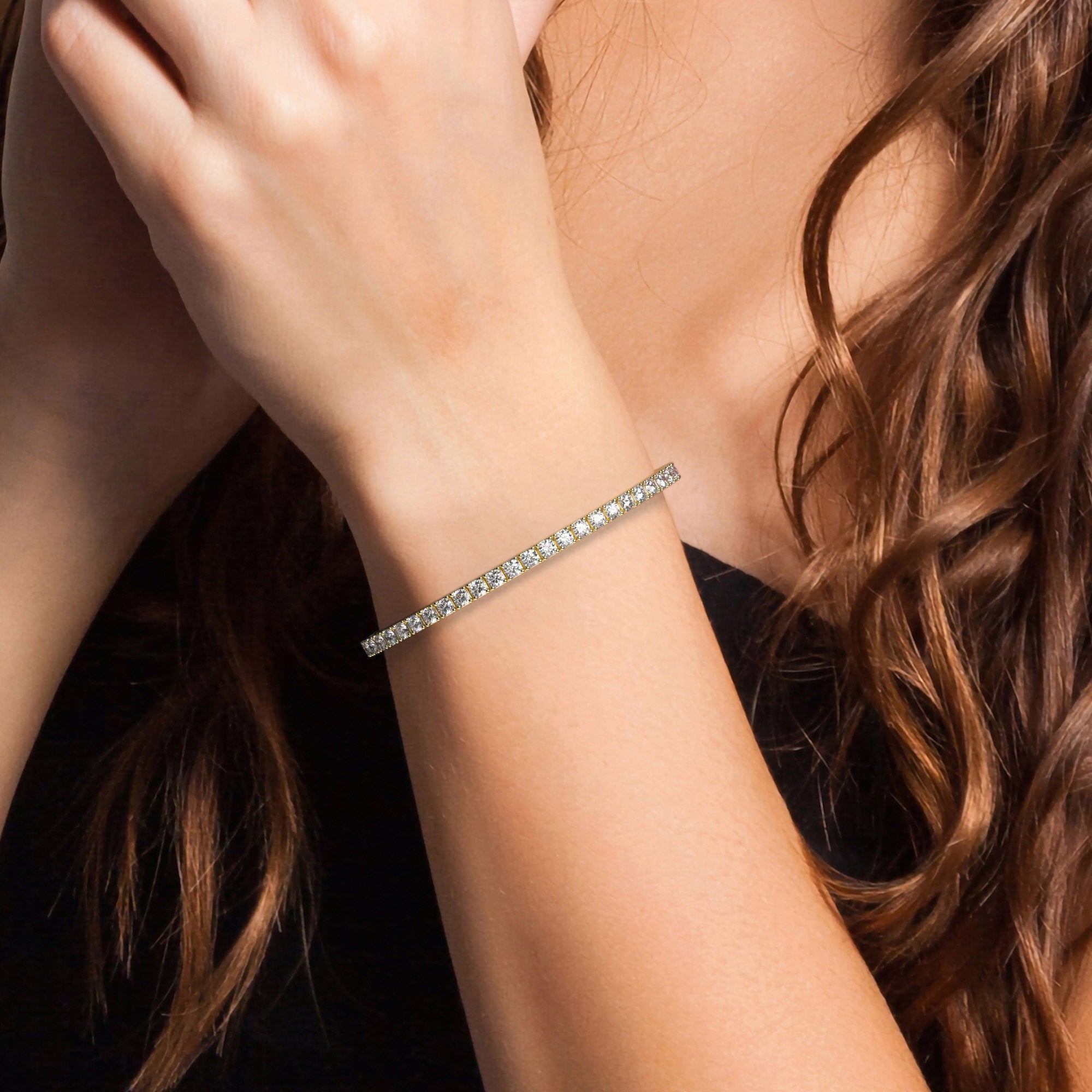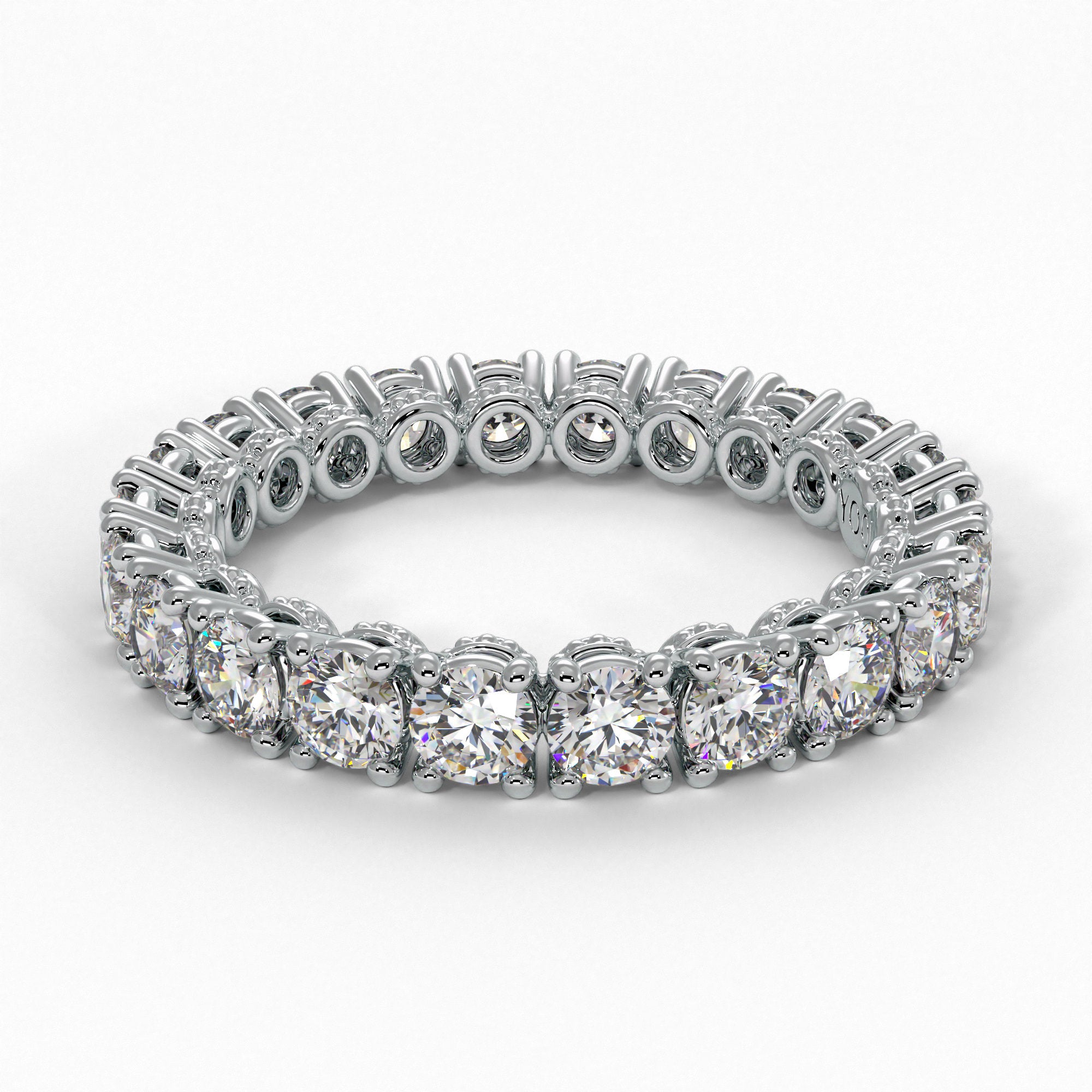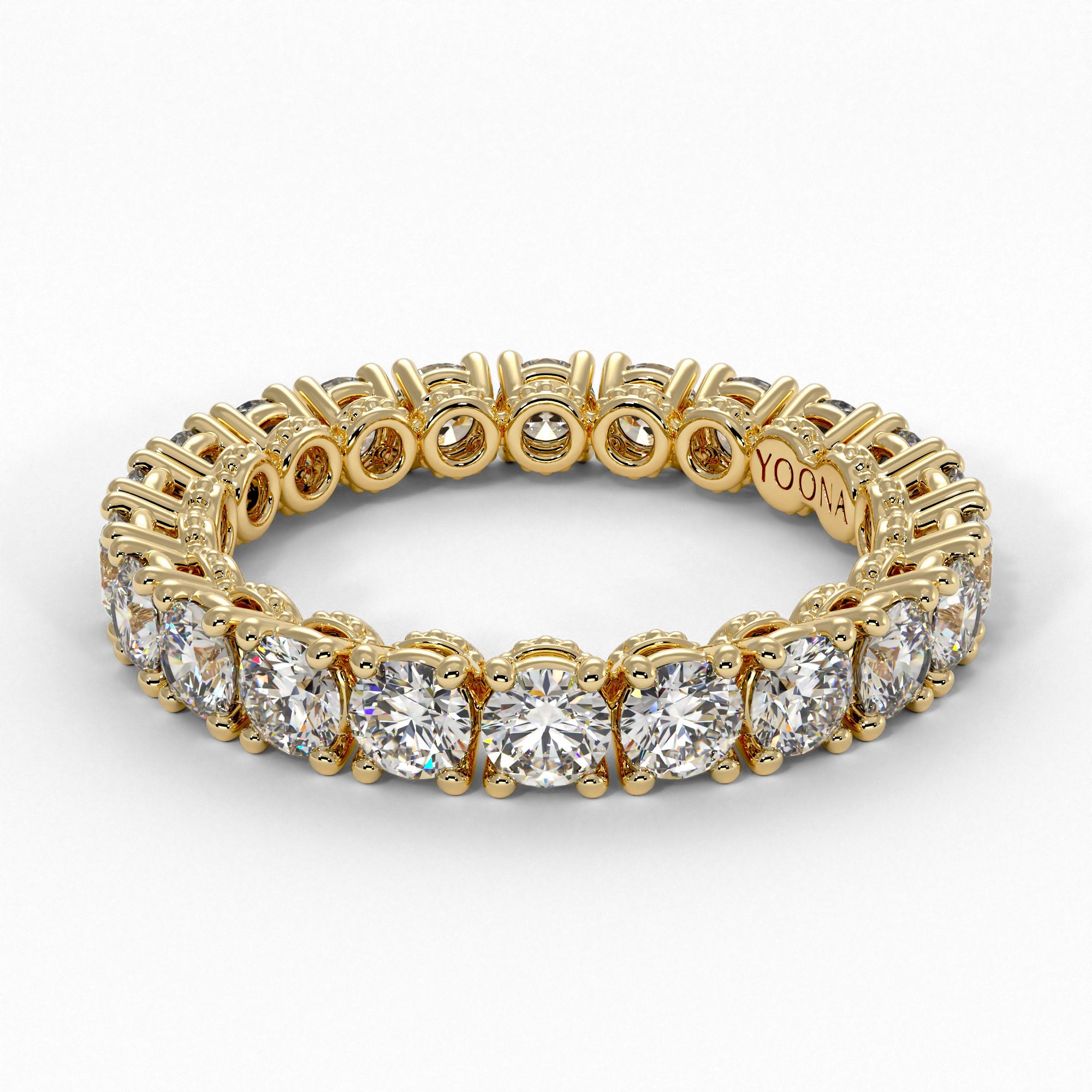
Reviewed by Yoona's in-house jewelry experts
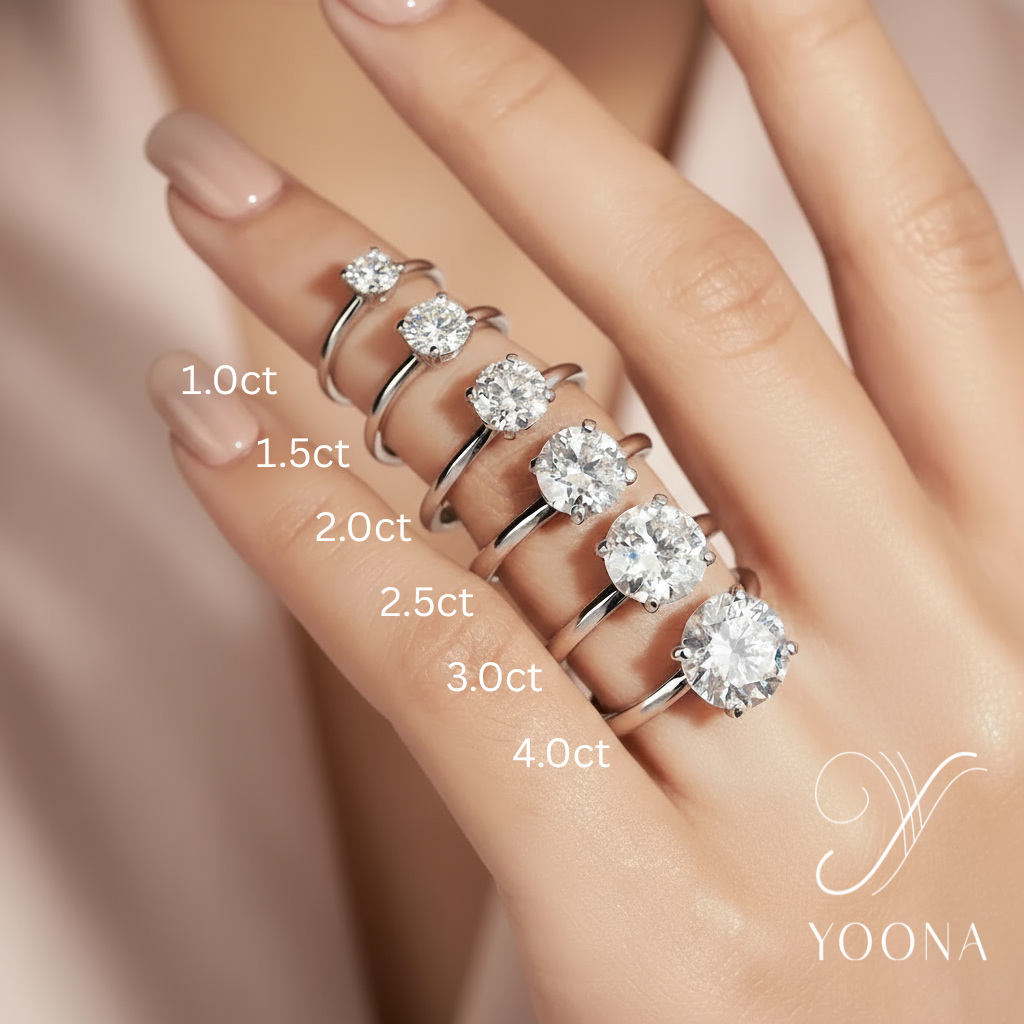
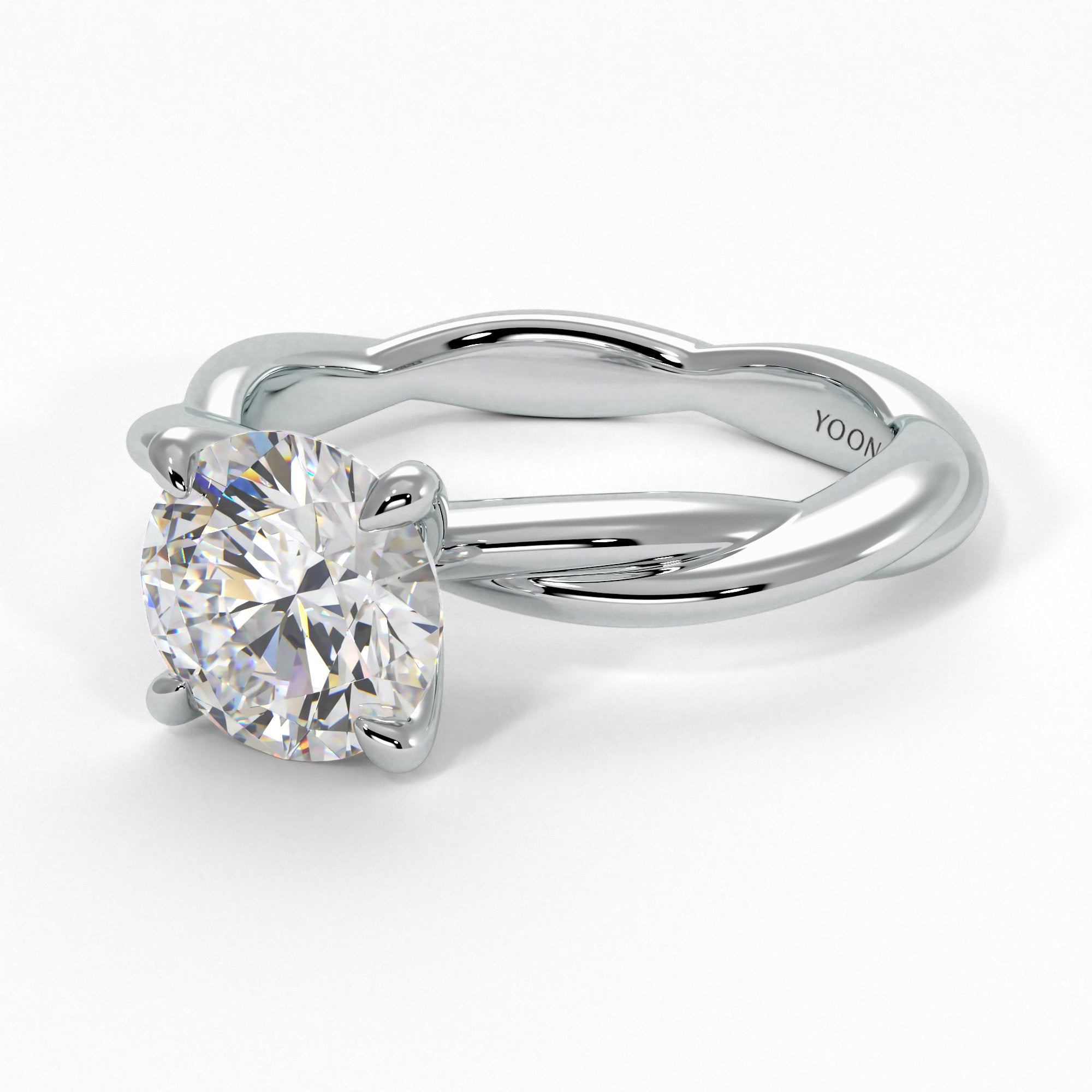
Short answer: carat measures weight, not size, and two diamonds of identical carat weight can look meaningfully different depending on cut, shape, and proportions. A well-cut, well-shaped diamond can look noticeably bigger than a heavier one that's cut poorly.
What Carat Actually Measures
Quick answer: One carat equals 200 milligrams of weight, not a fixed size. Carat weight and visual size are related, but not the same thing, which is exactly why two 1-carat diamonds can look different sizes.
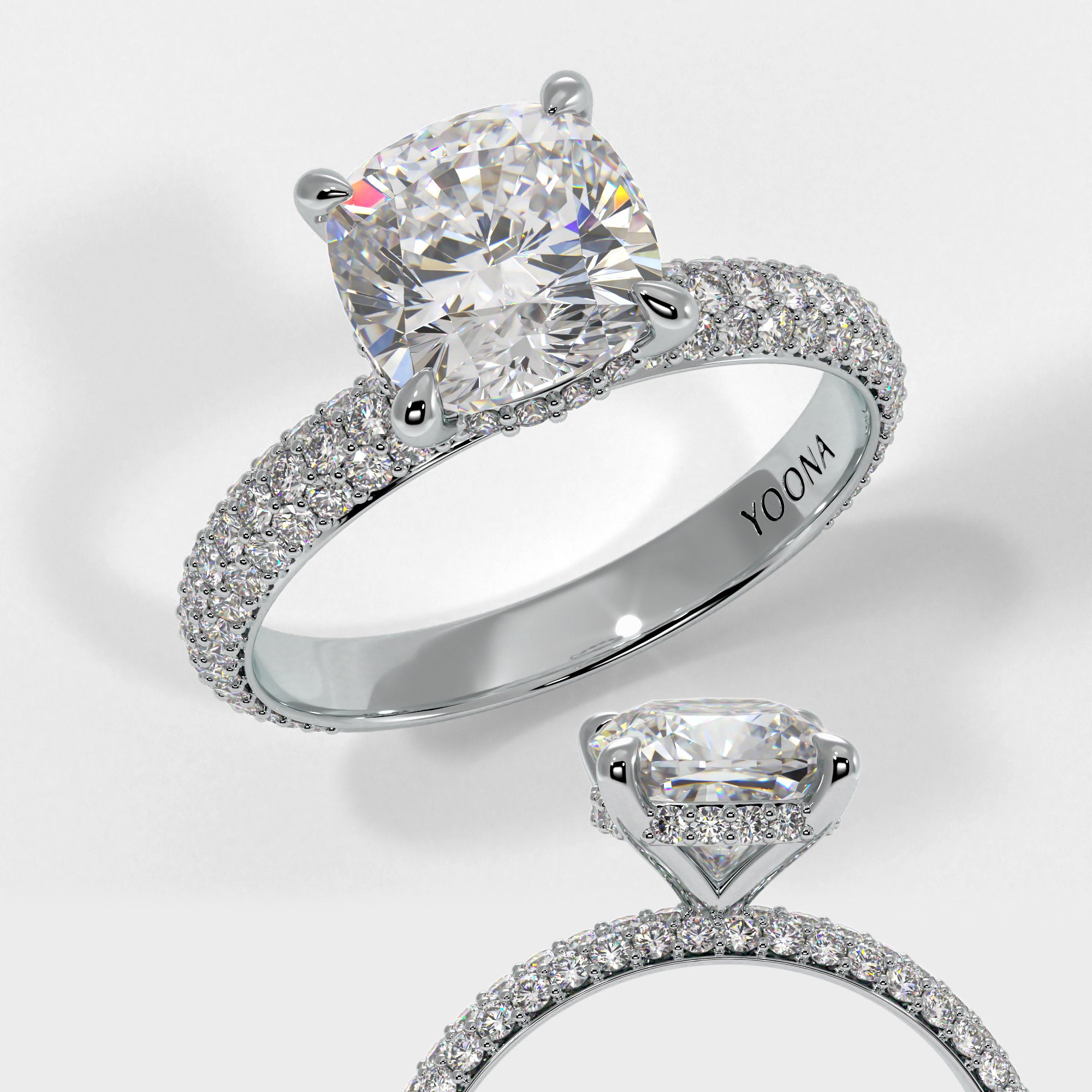
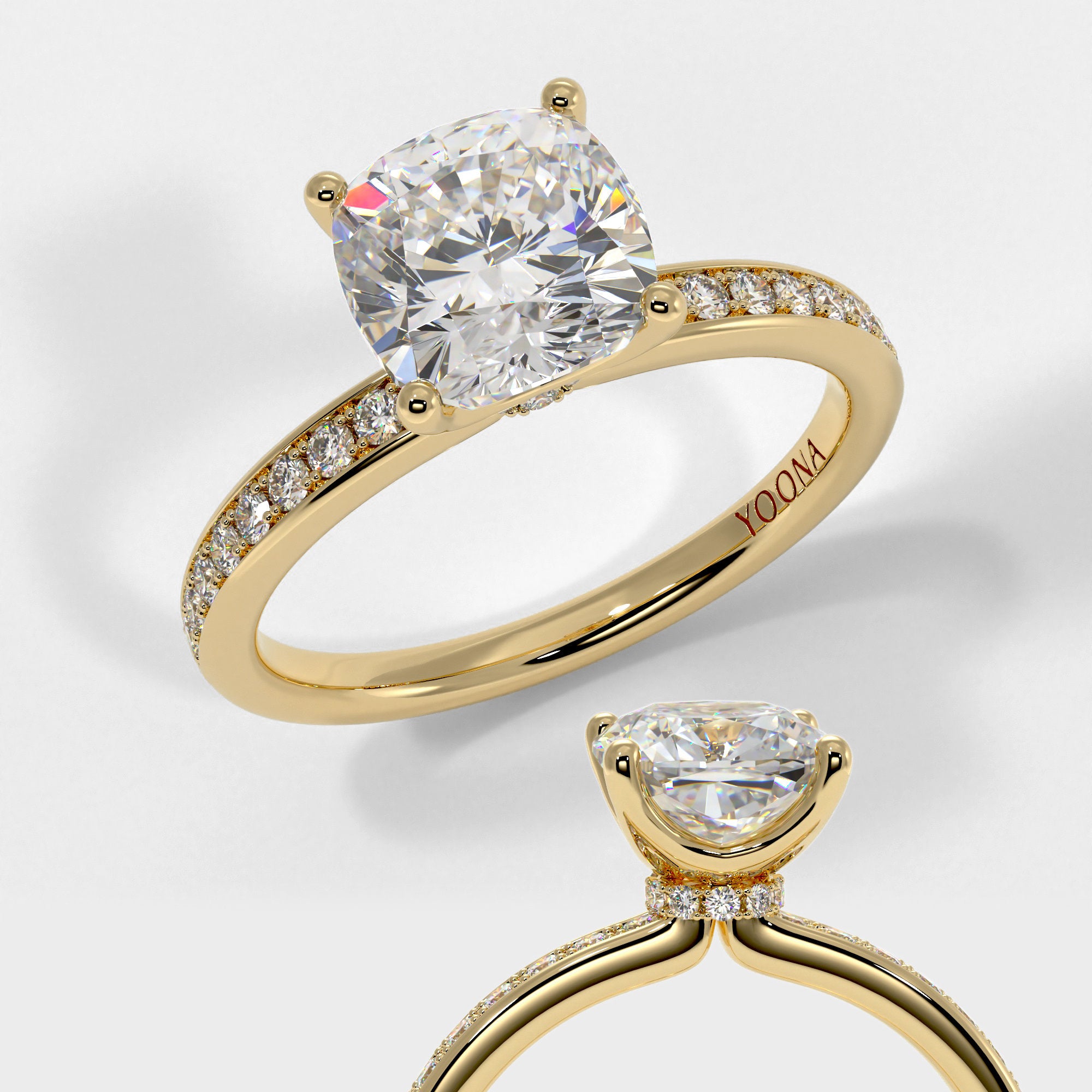
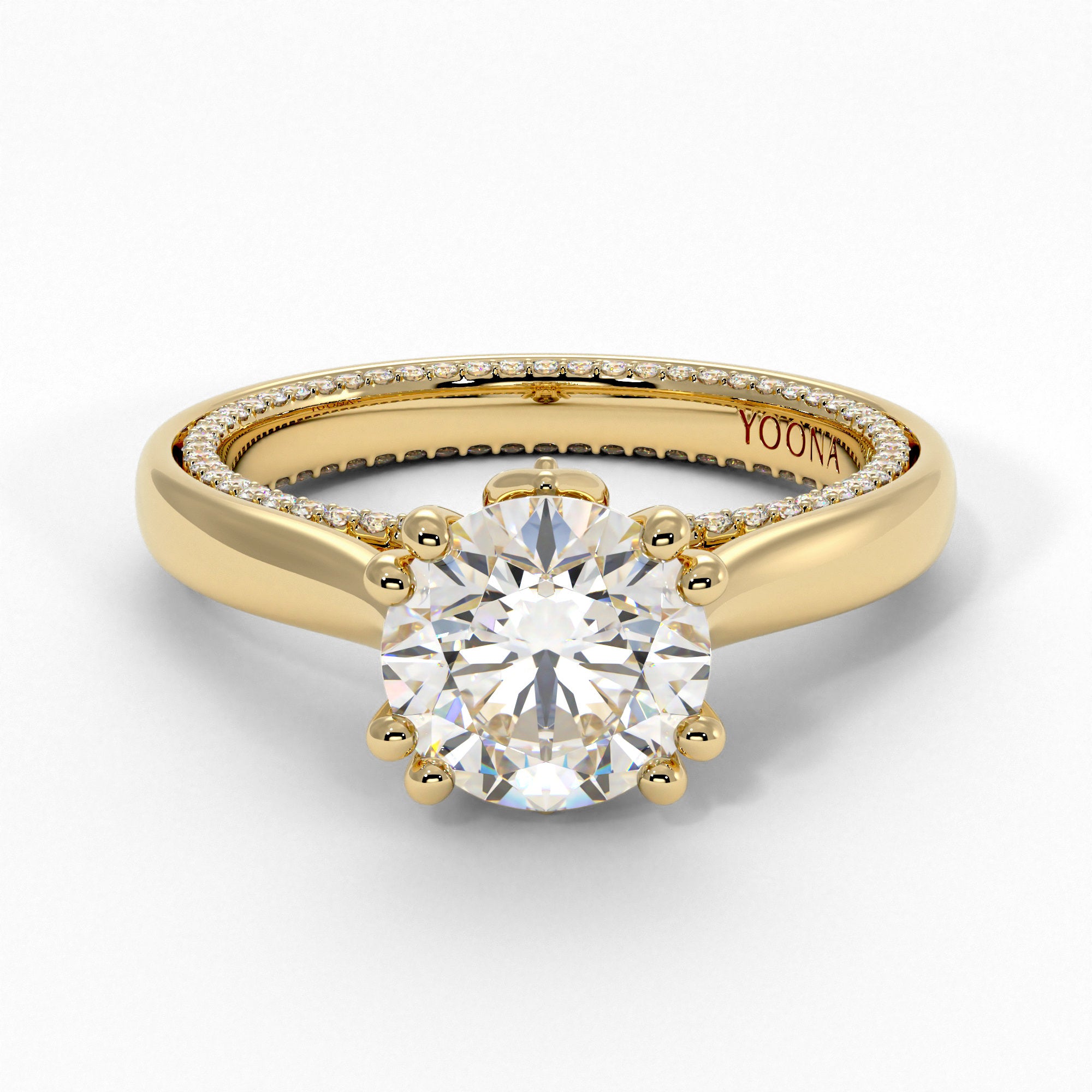
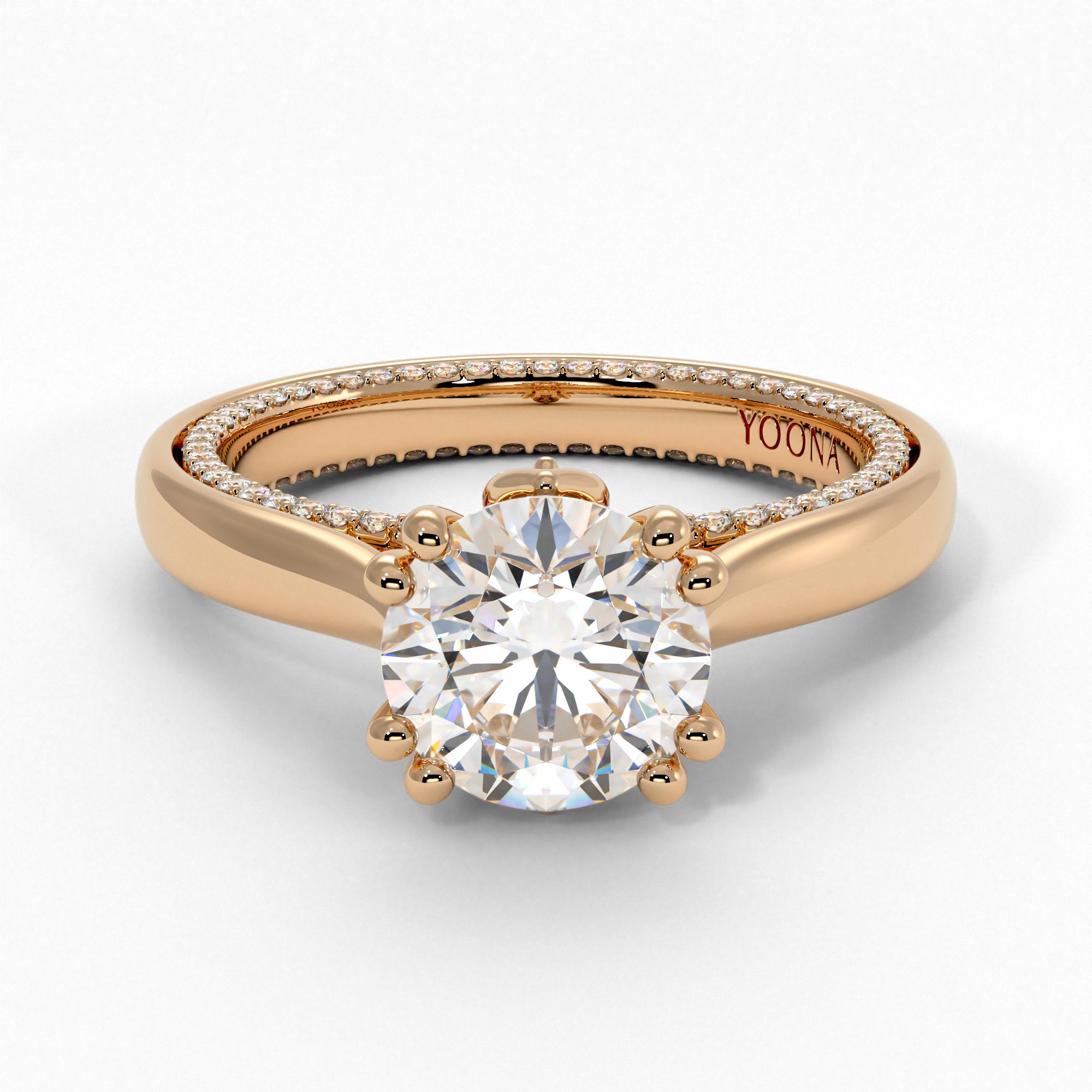
Carat is purely a weight measurement, the same way a kilogram measures weight regardless of what shape an object is. Two 1-carat diamonds contain the same amount of material, but how that material is distributed, spread wide and shallow, or tall and narrow, determines how big the stone actually looks when you're wearing it.
Why Some Diamonds Look Bigger Than Others at the Same Weight
Quick answer: Cut quality, shape, and depth all affect how much visual size you get per carat. A shallow-cut, elongated diamond spreads more surface area than a deep-cut round of the same weight.
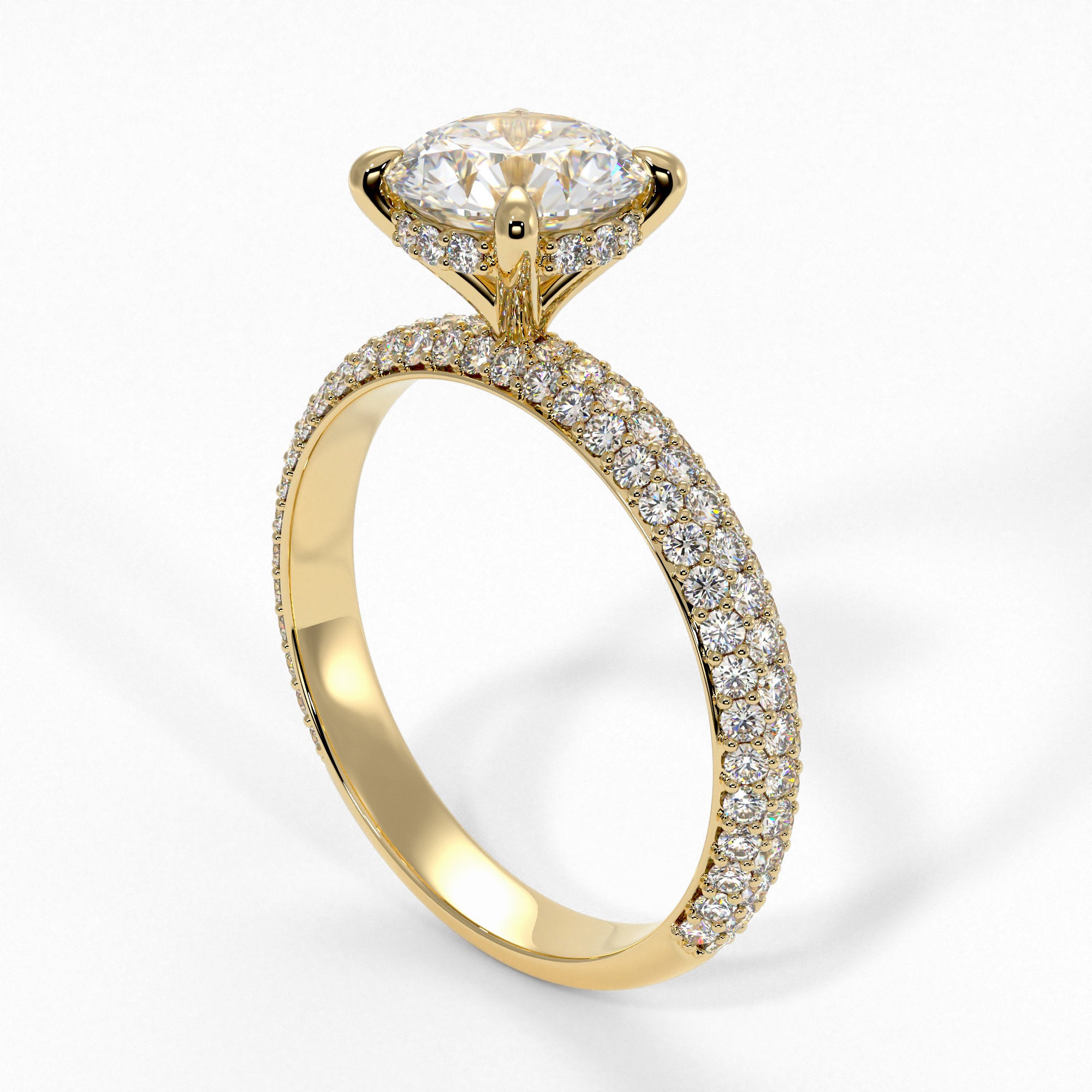
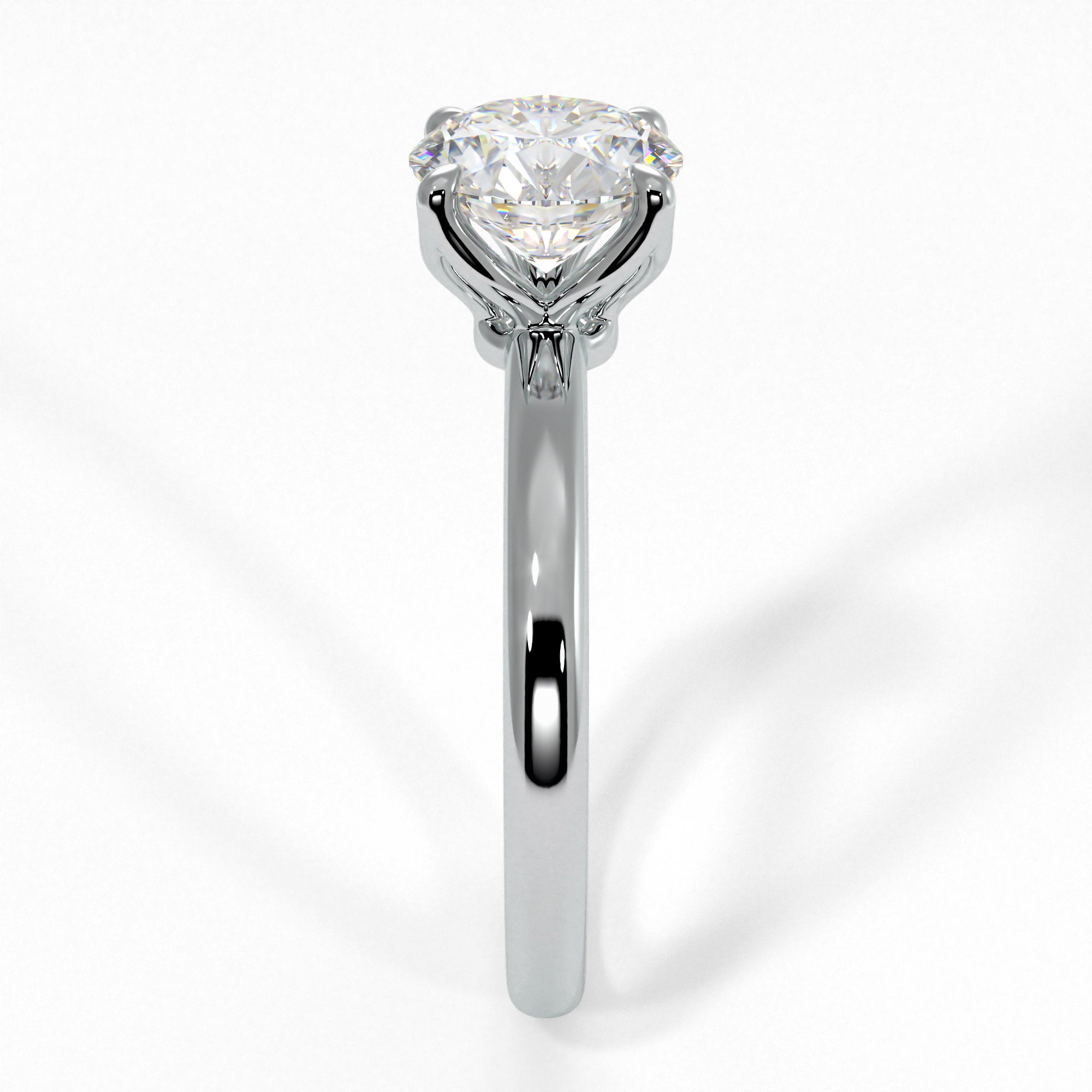
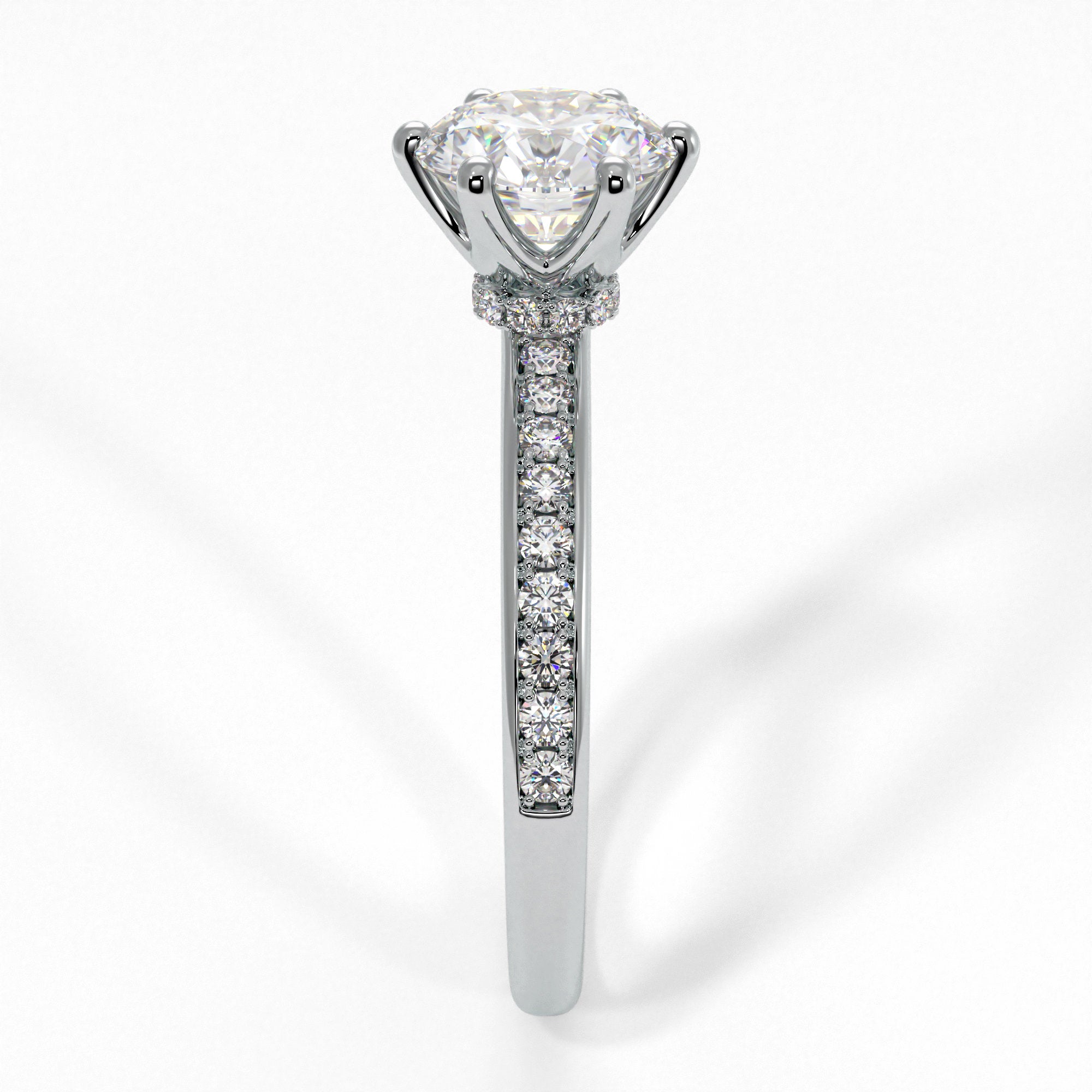
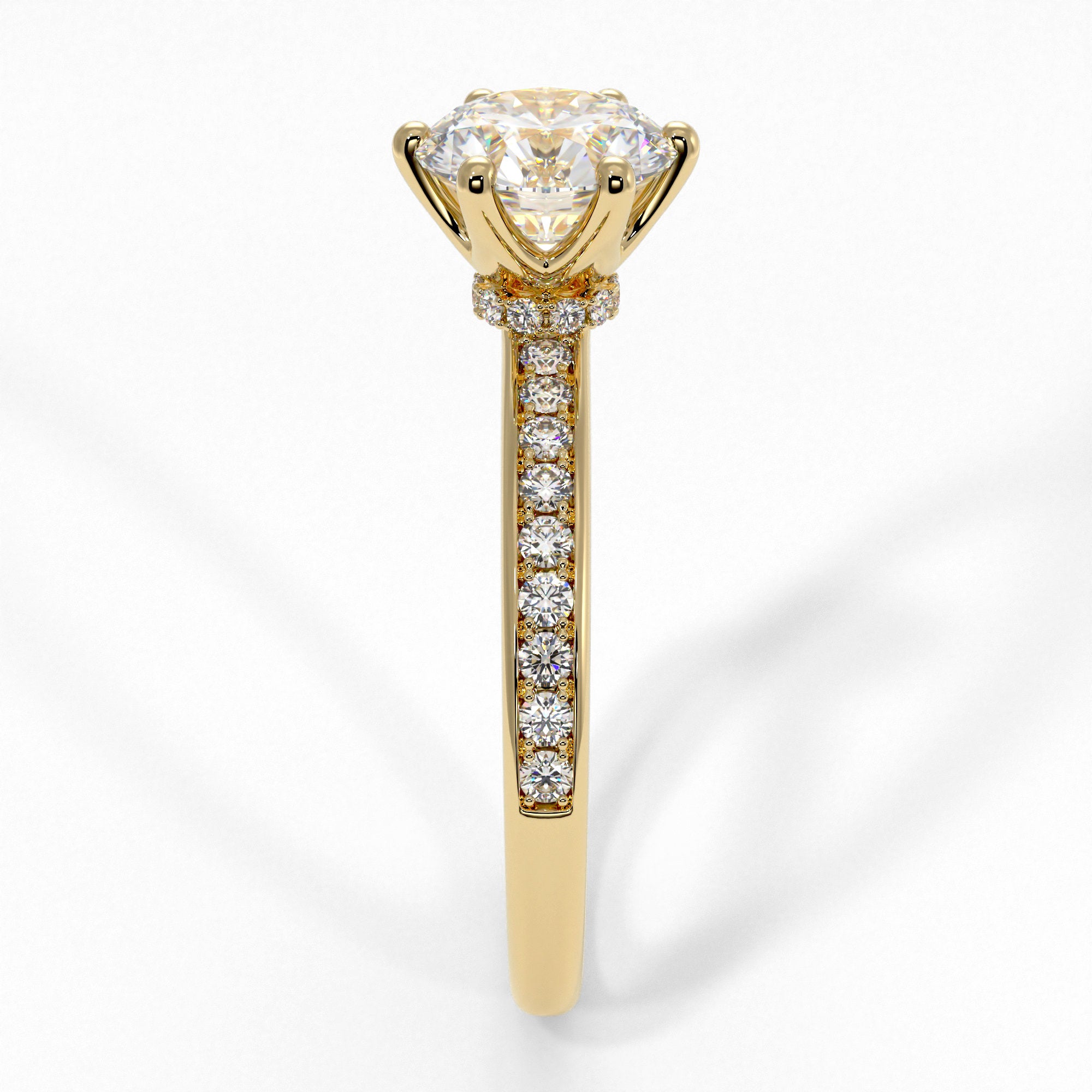
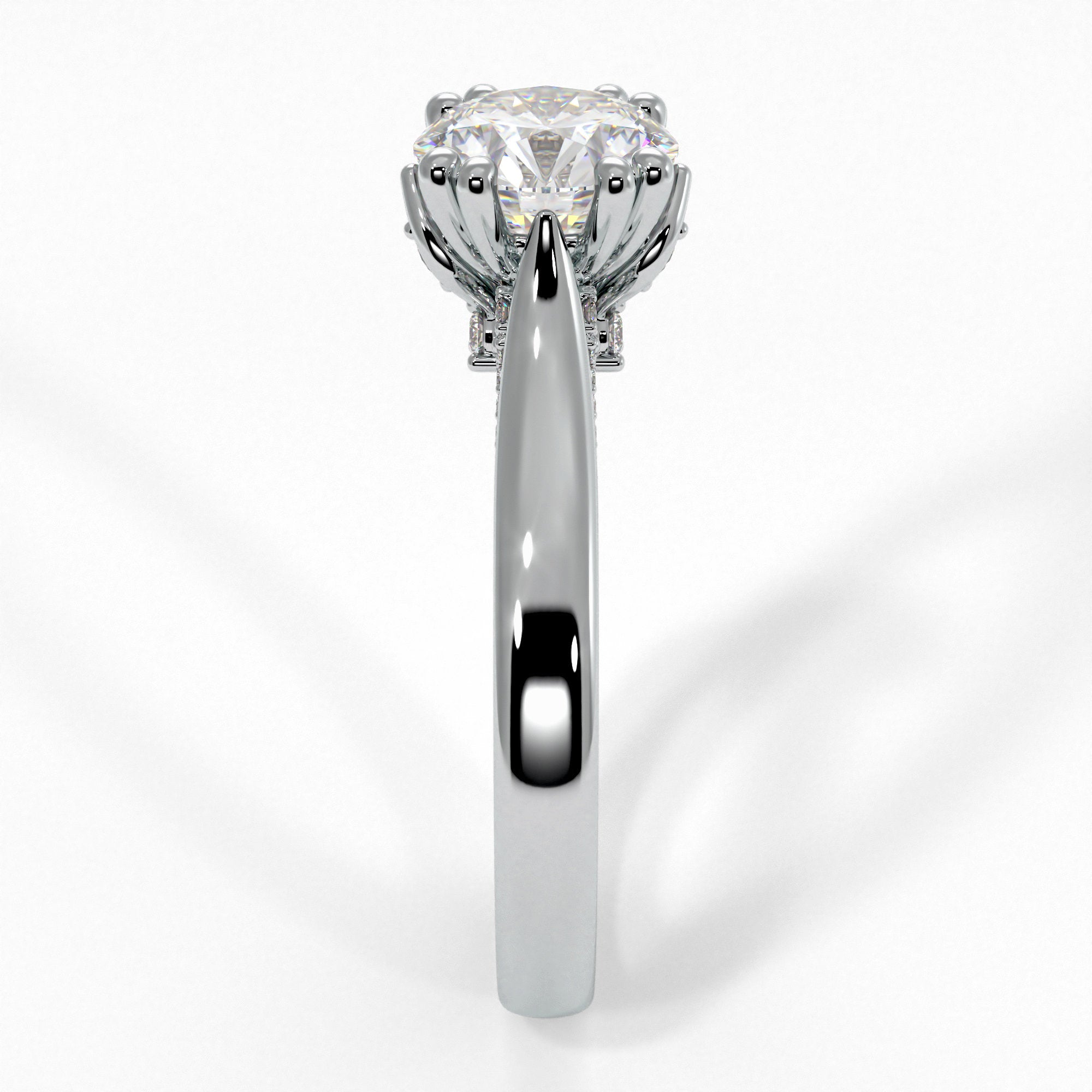
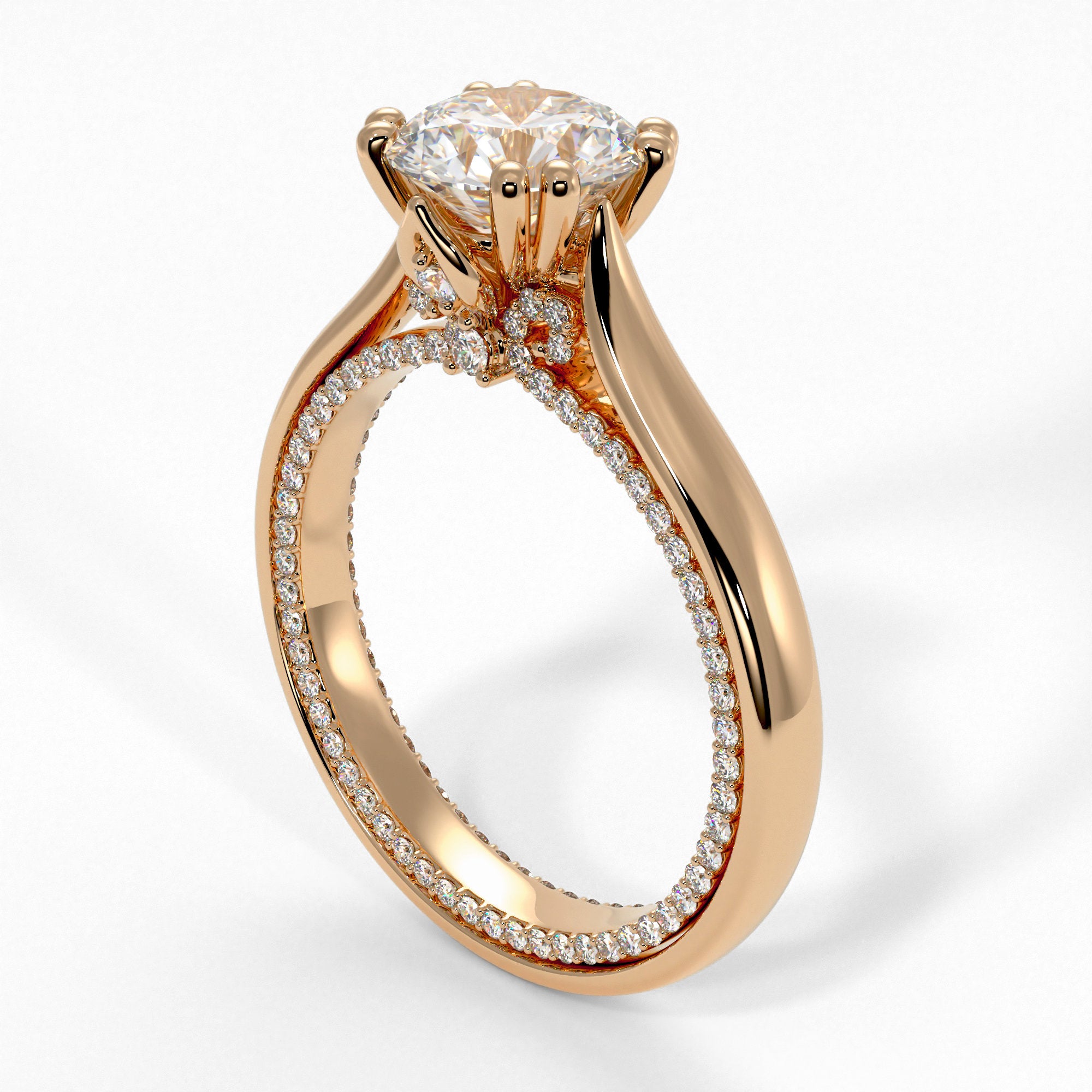
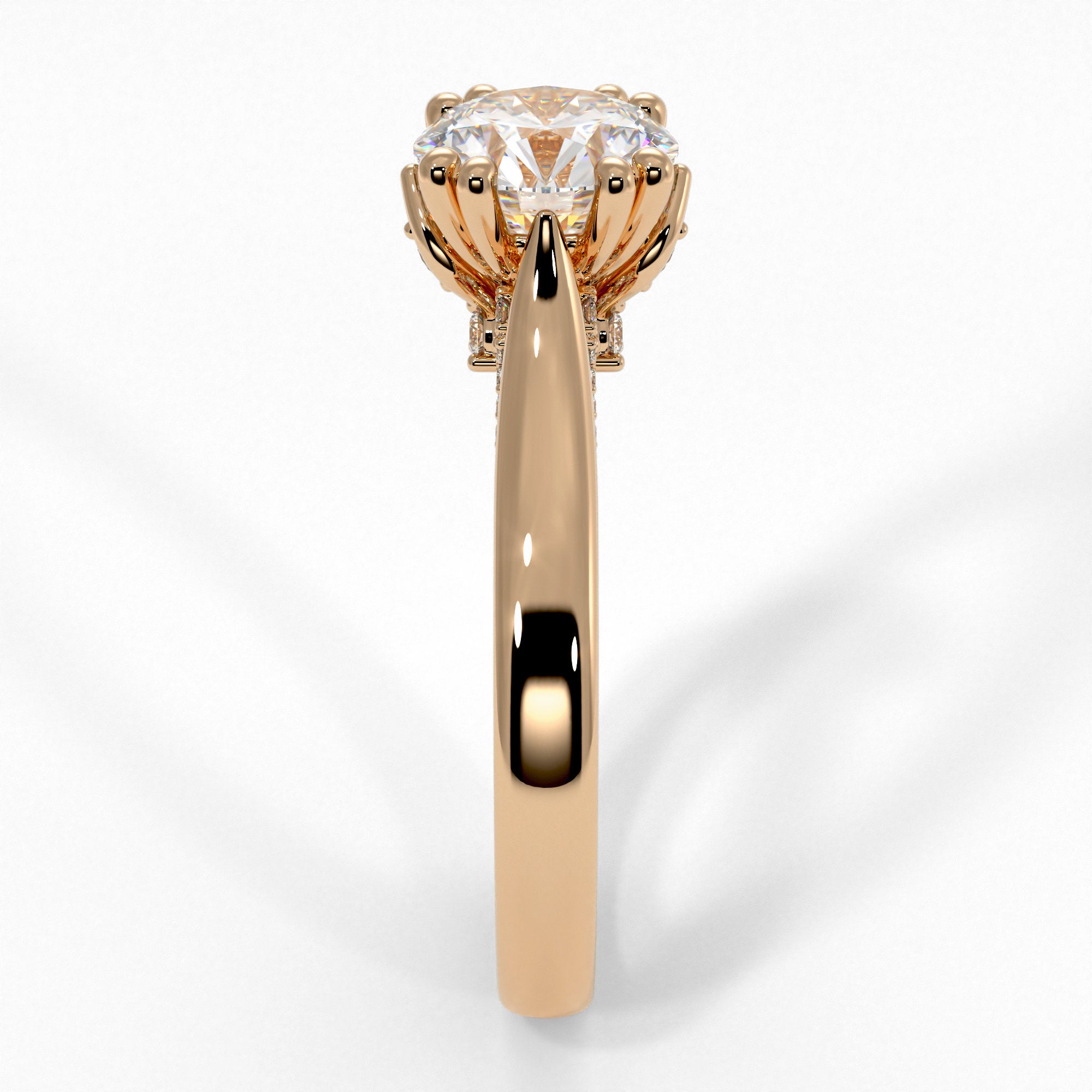
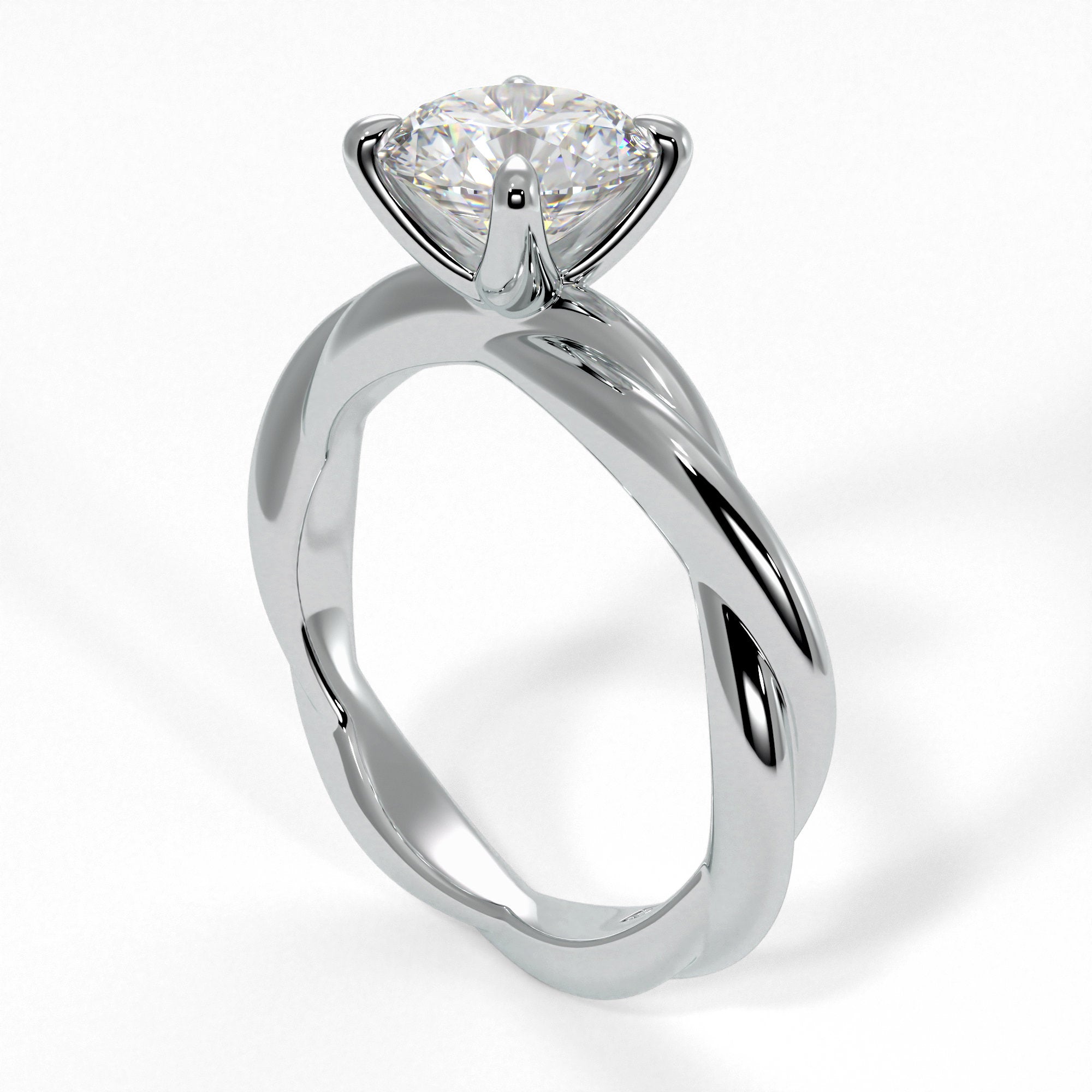
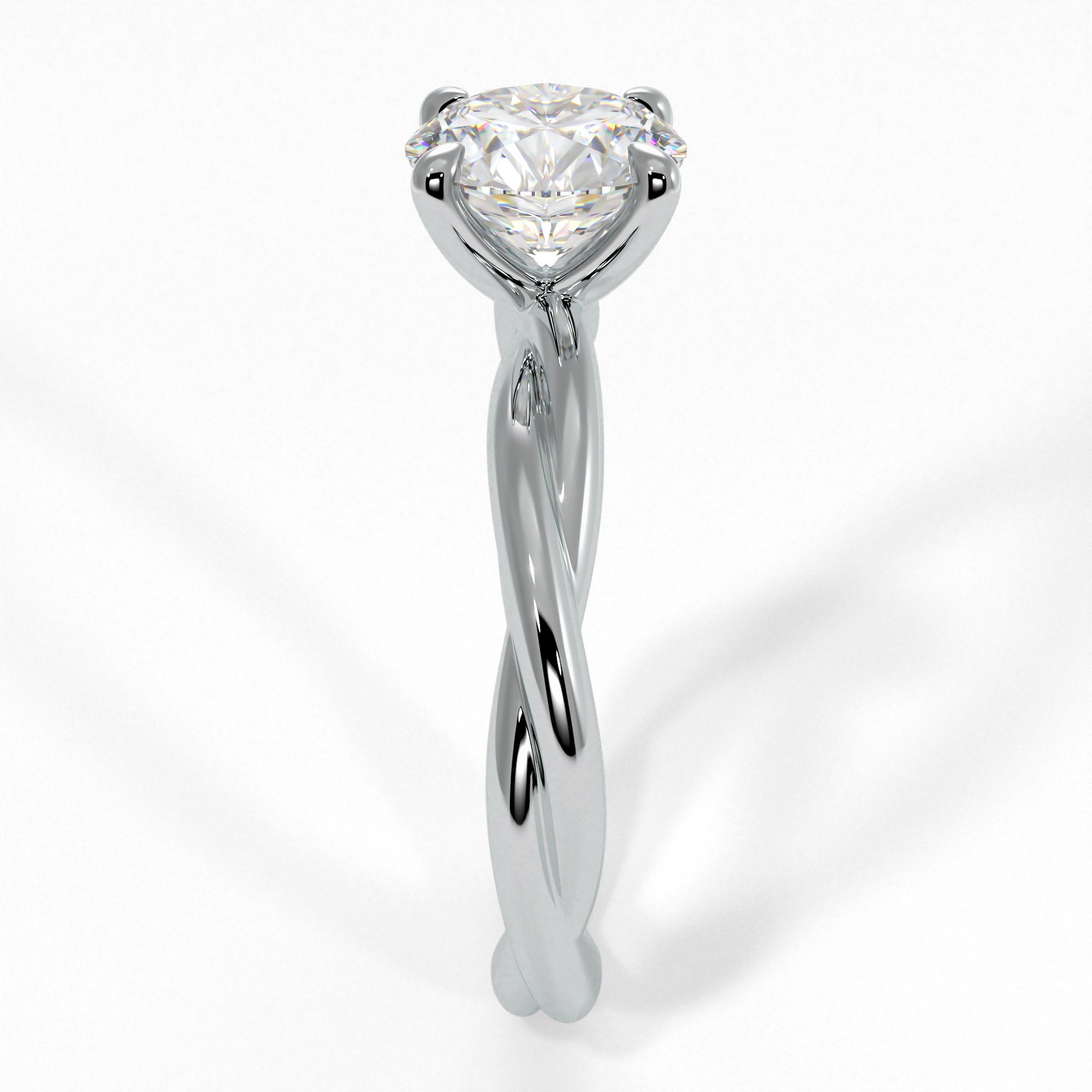
- Cut proportions: A diamond cut too deep hides weight in the pavilion, the bottom cone-shaped portion, where it adds nothing to the visible top-down size. That weight is technically there, but invisible once set.
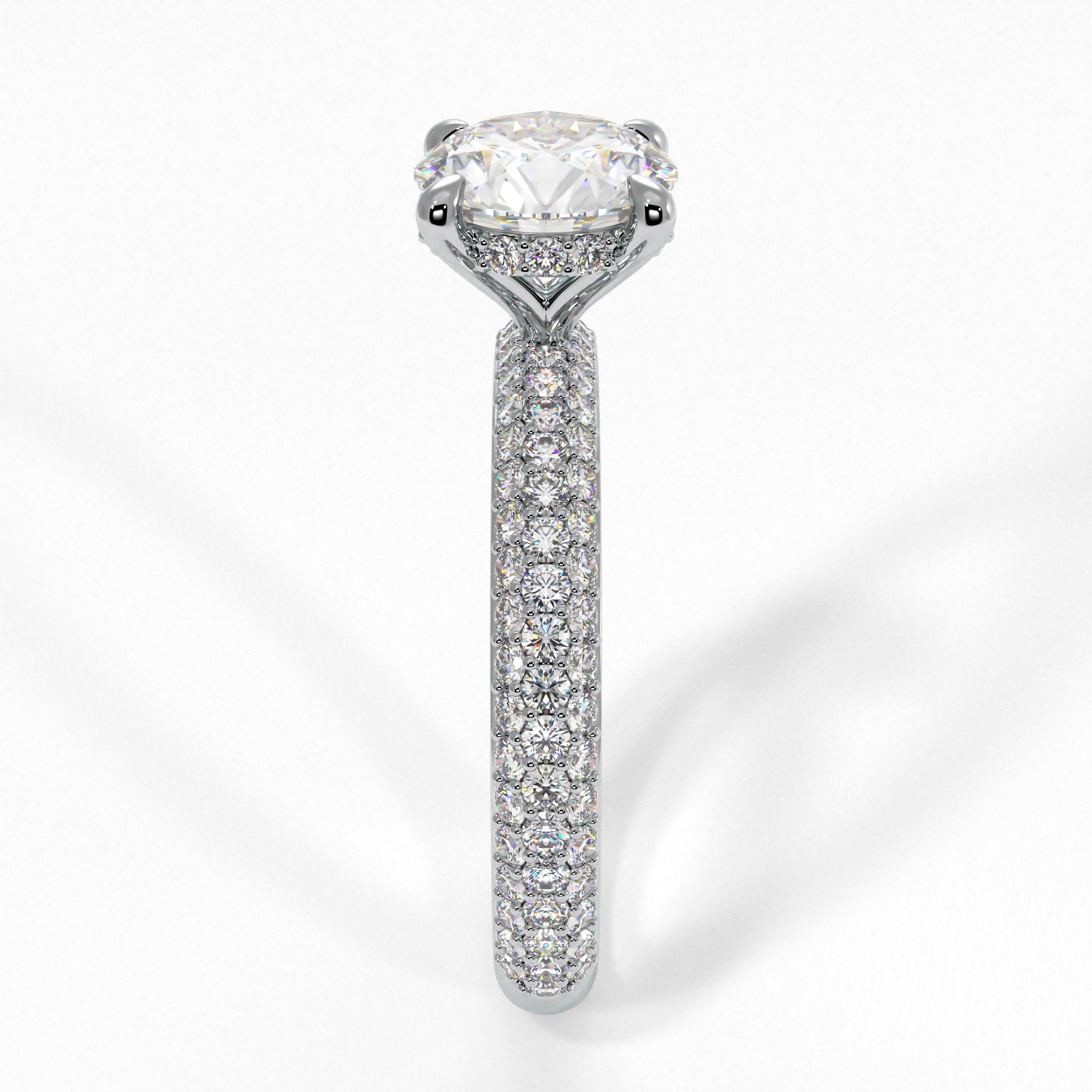
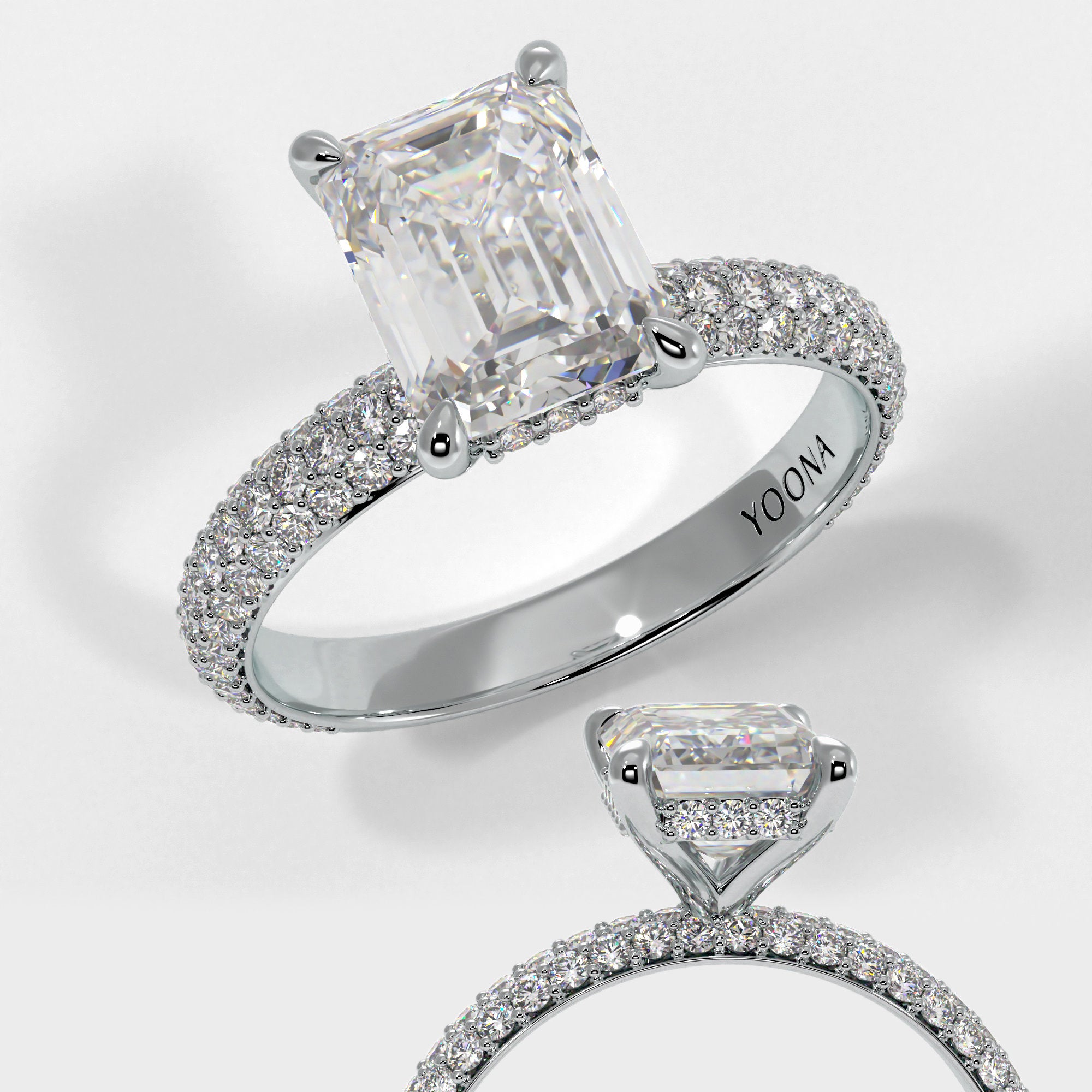
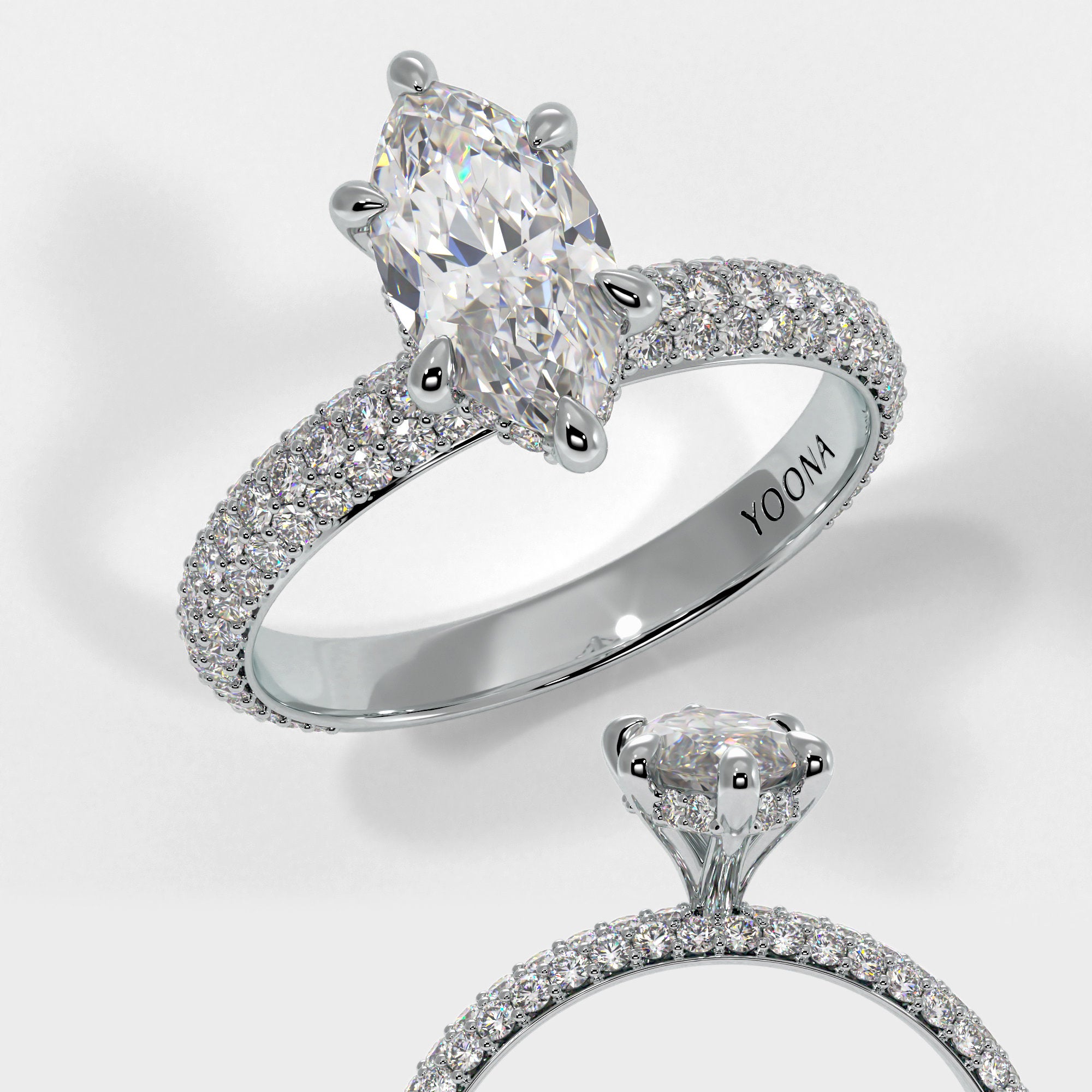
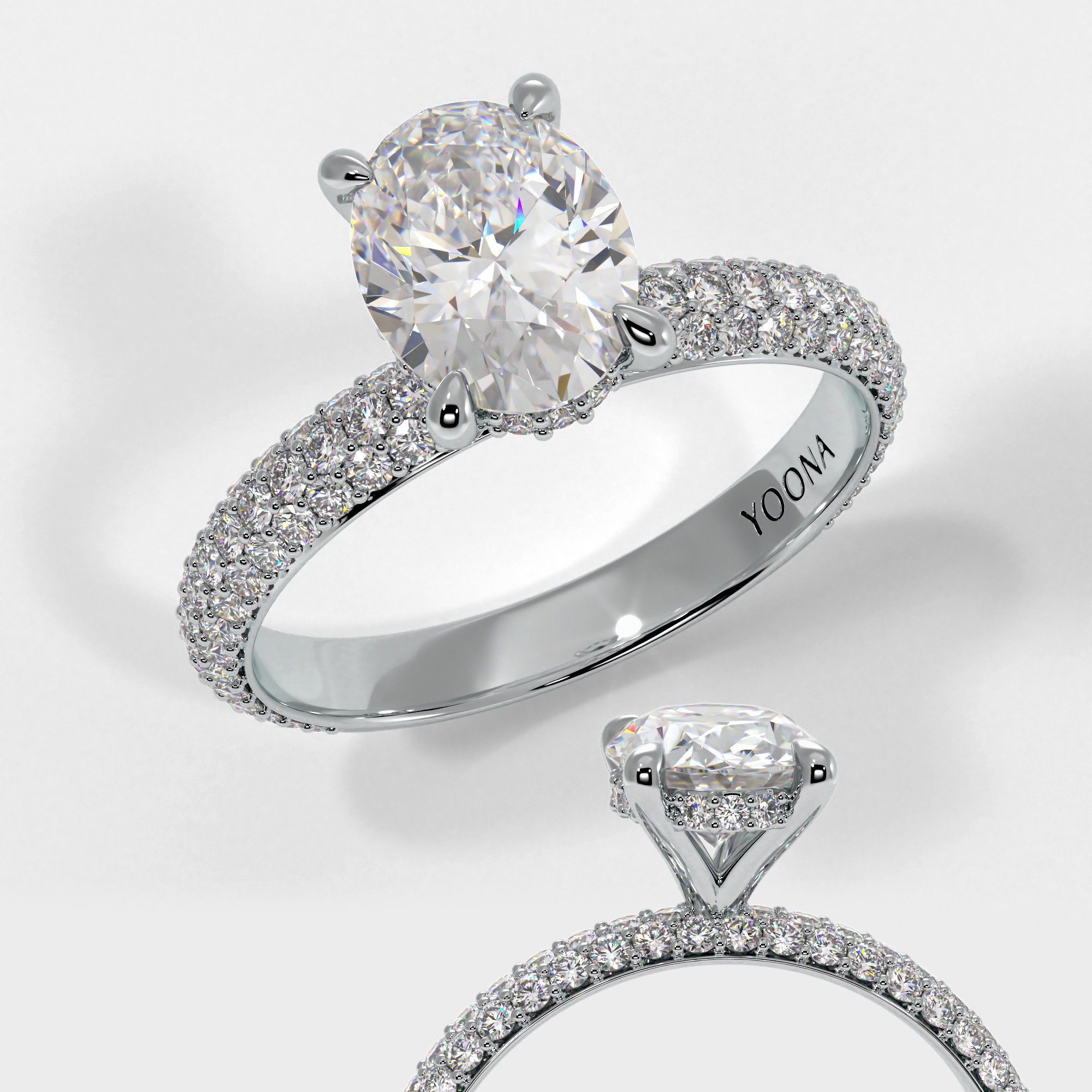
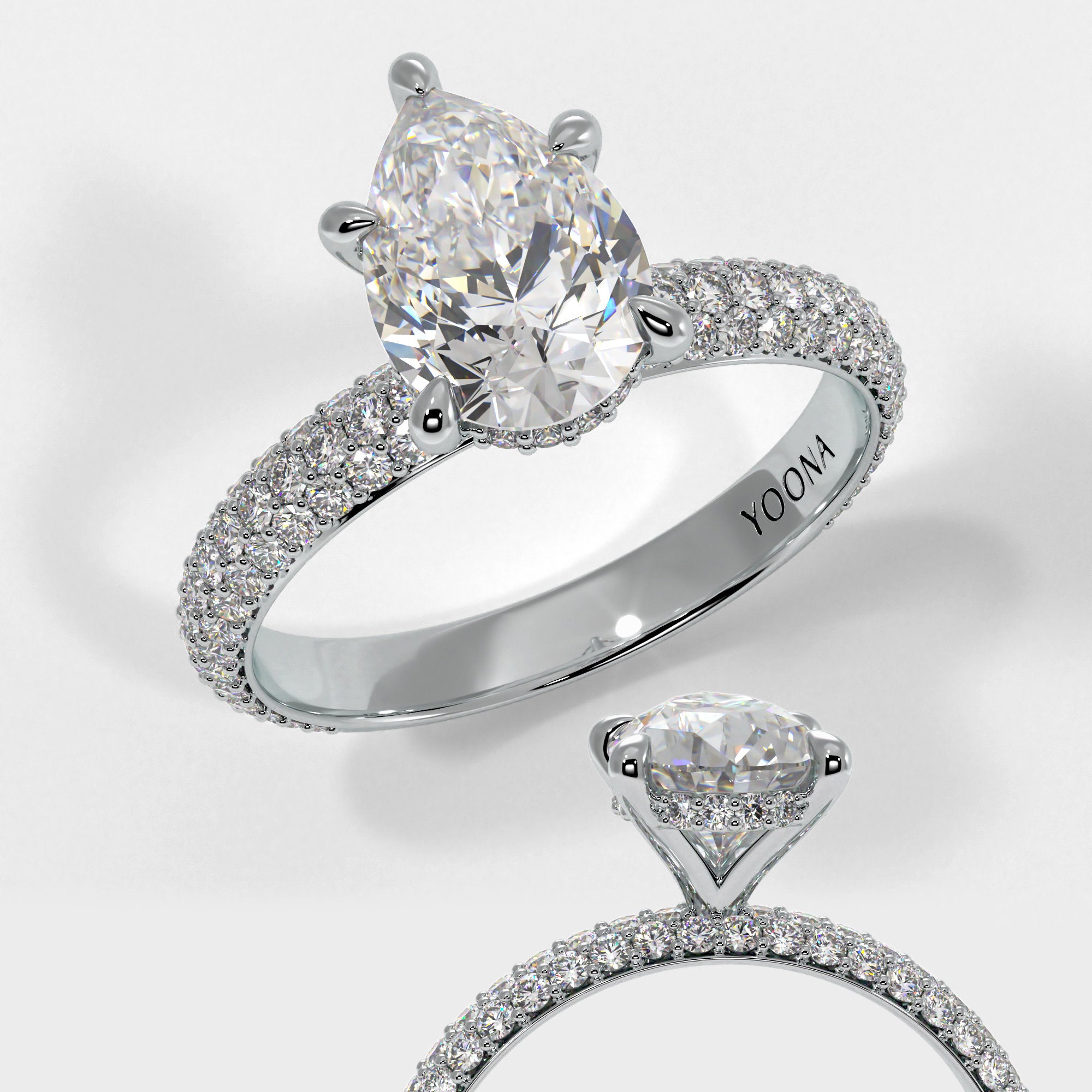
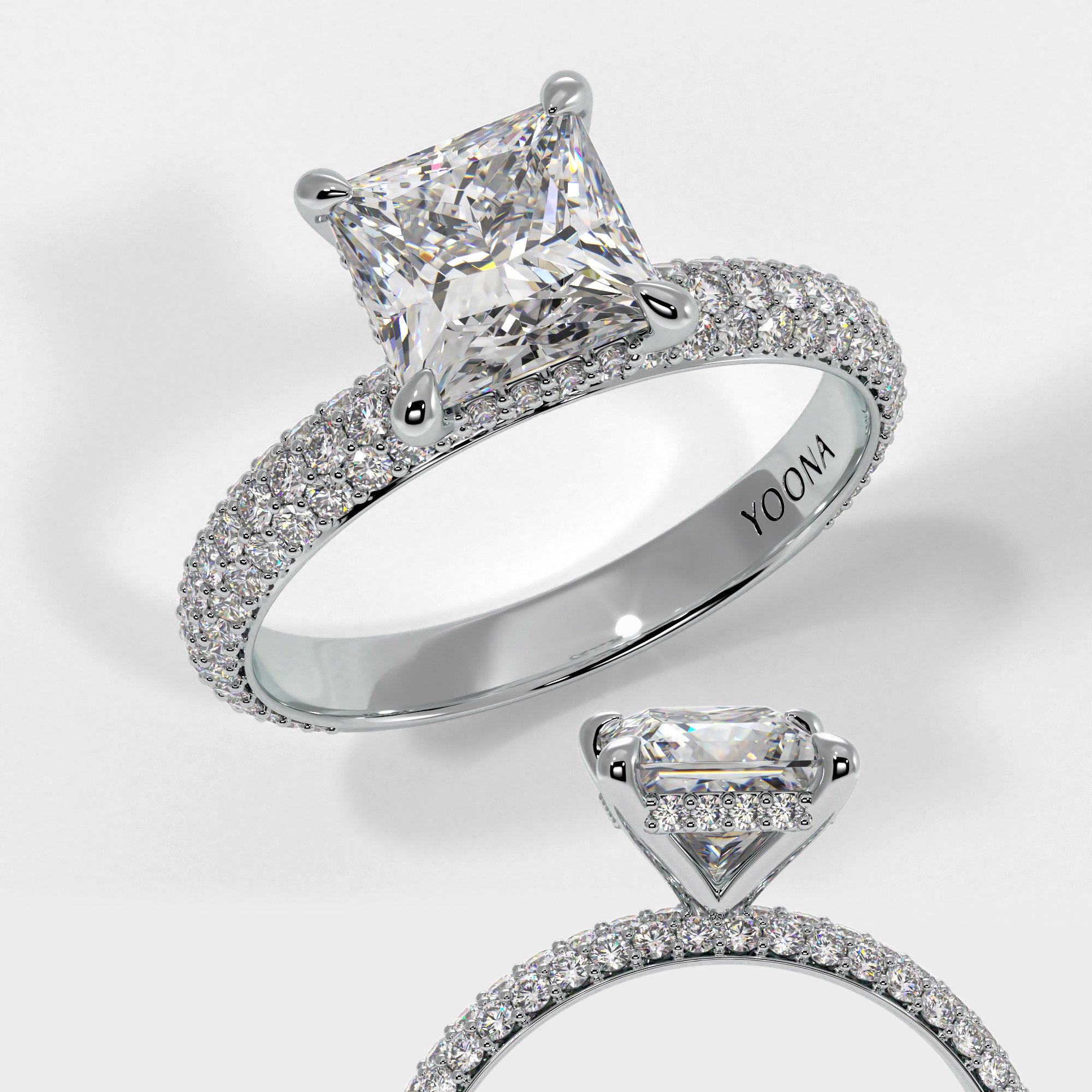
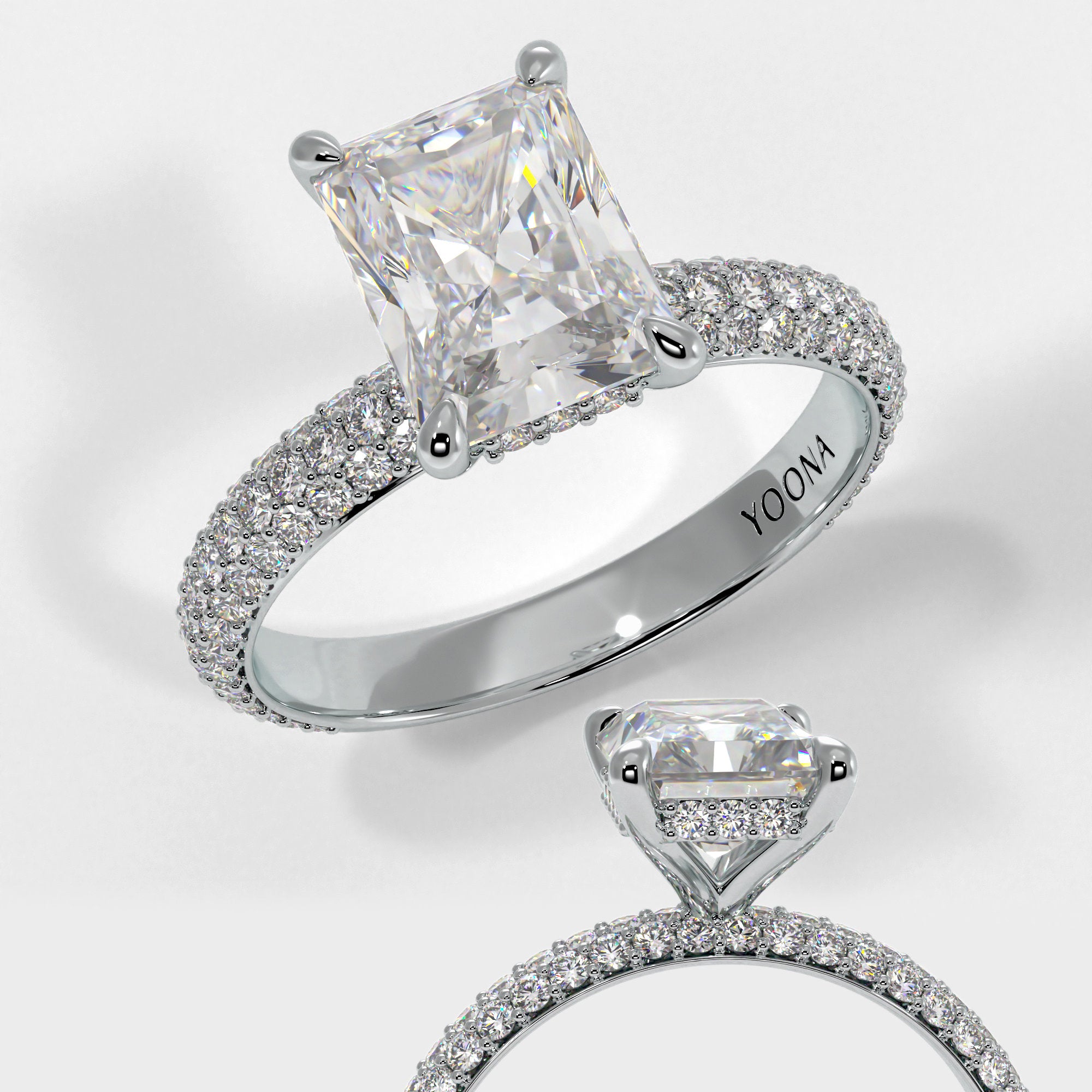
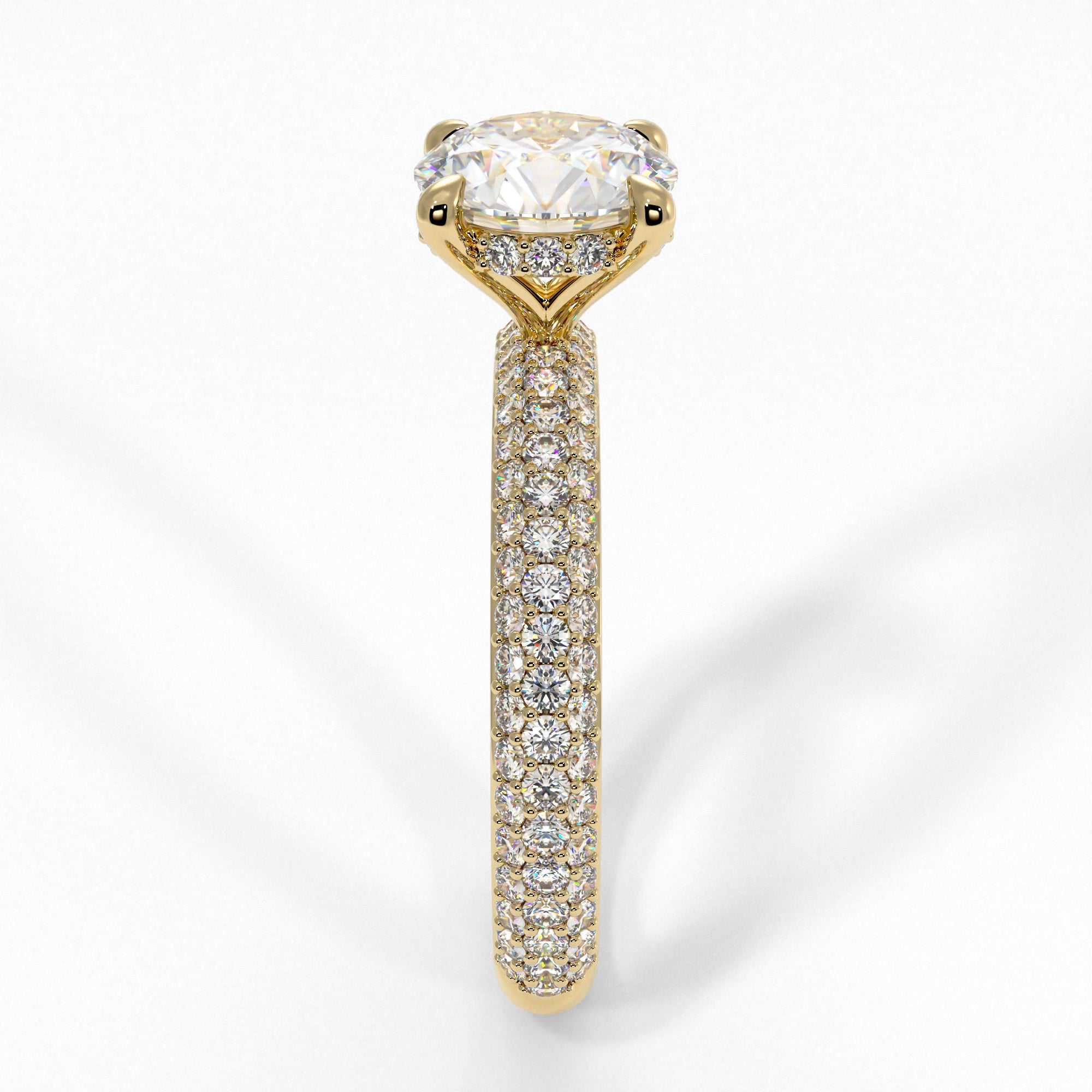
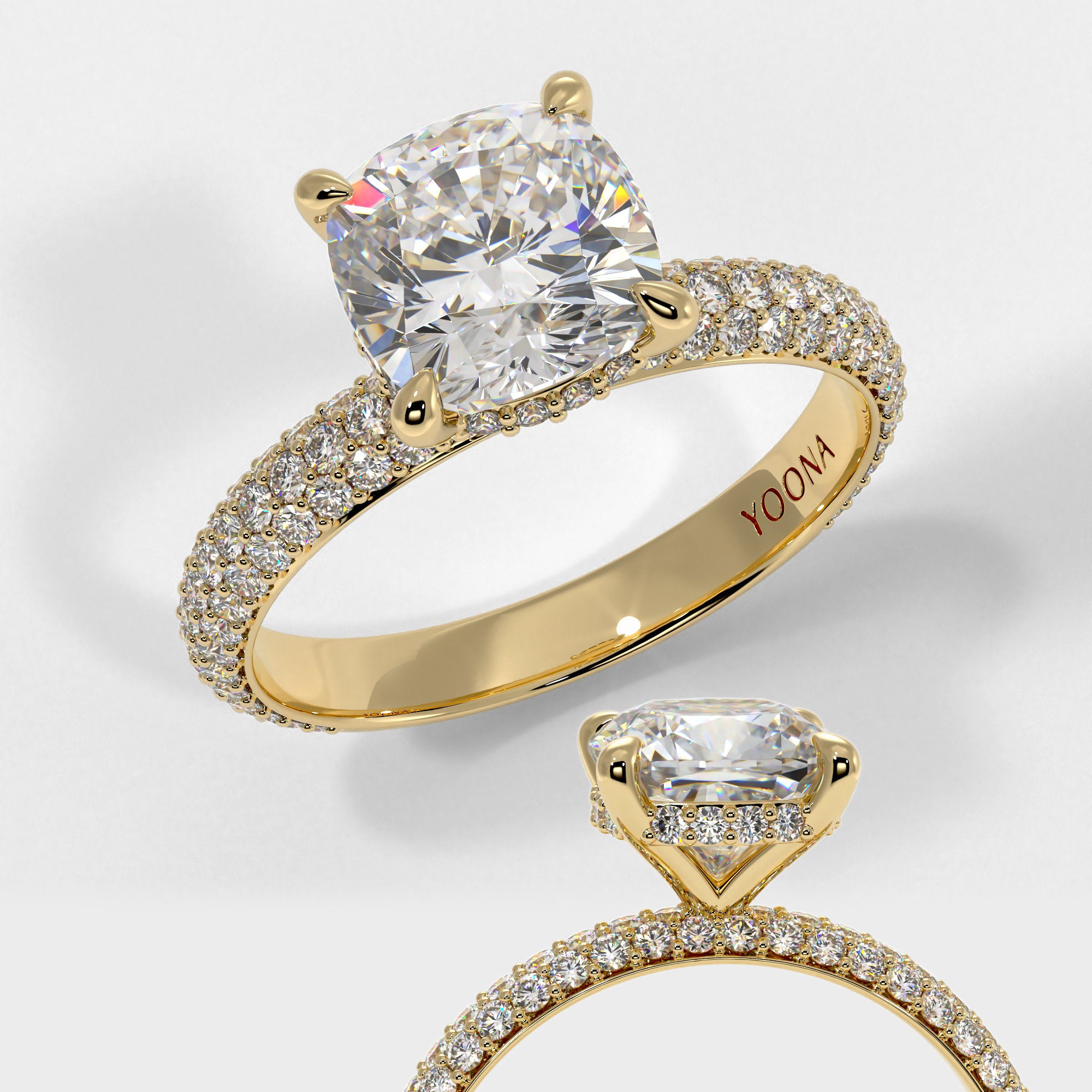
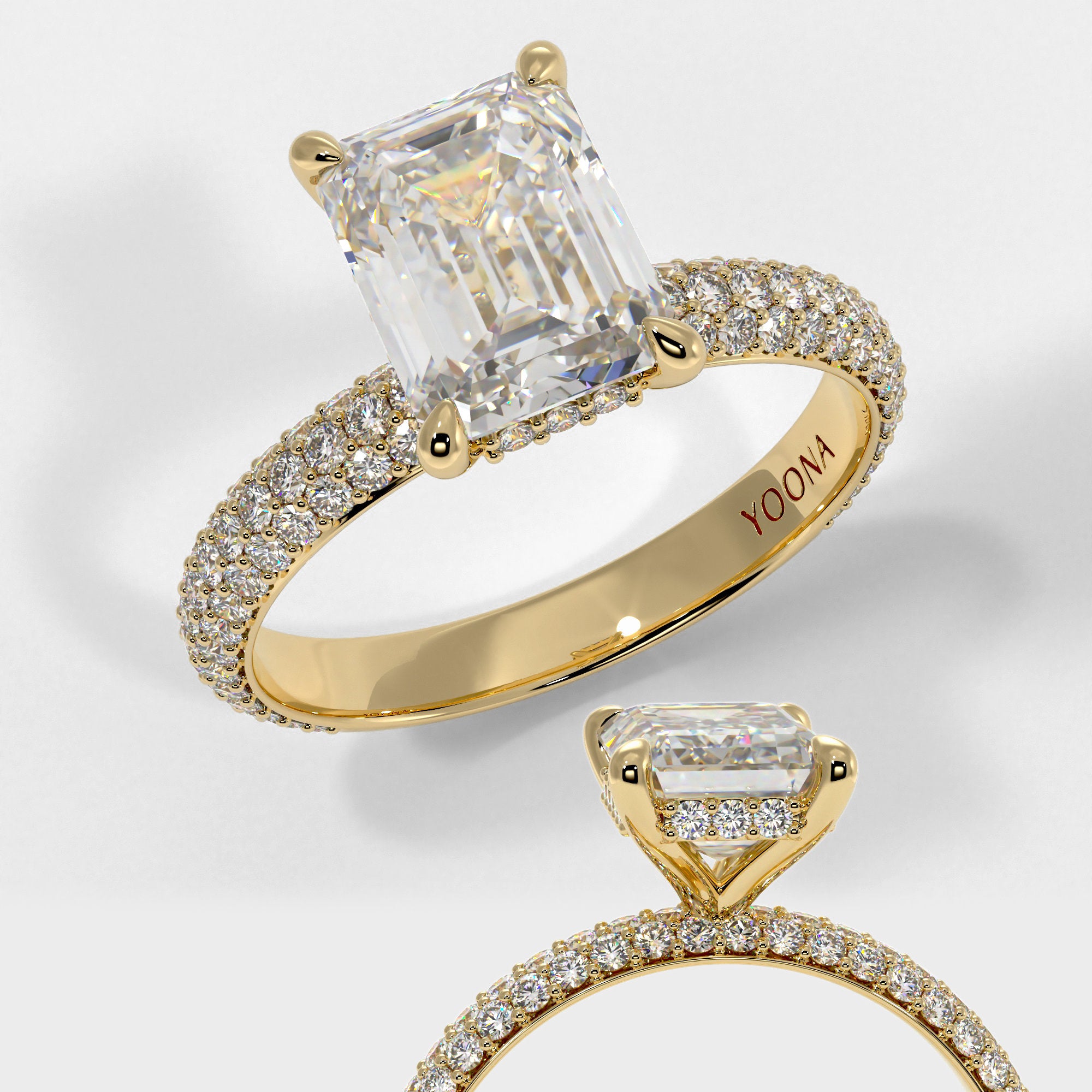
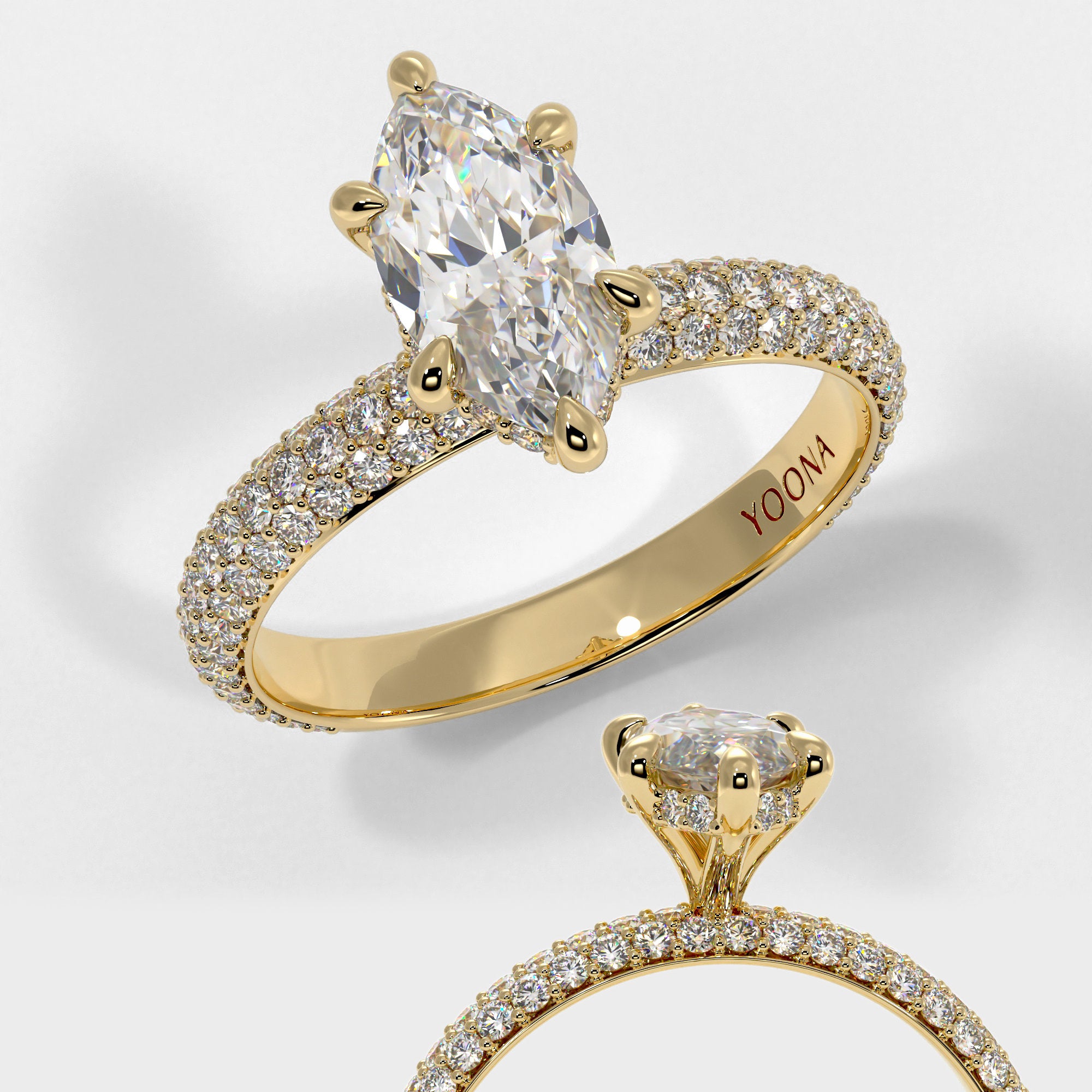
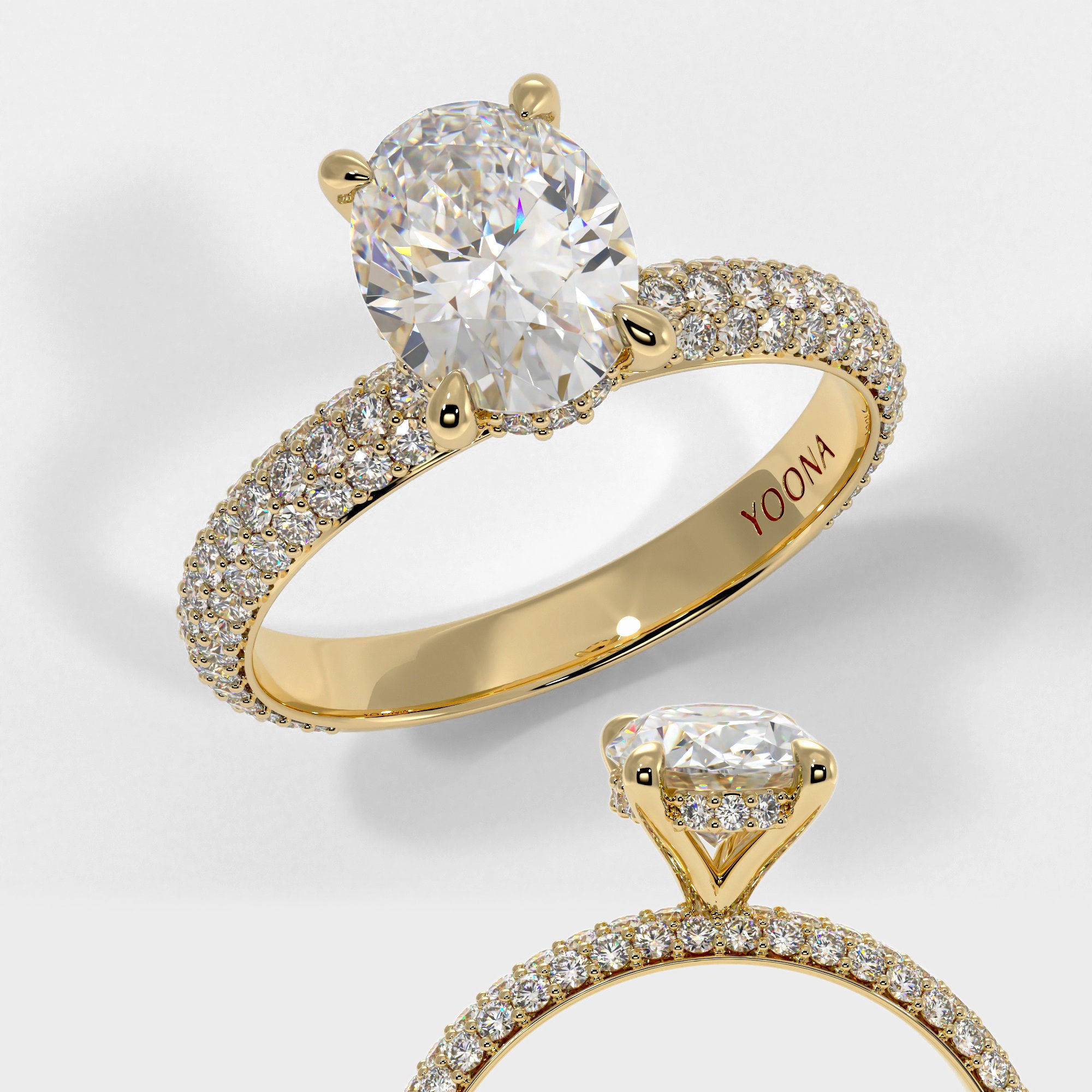
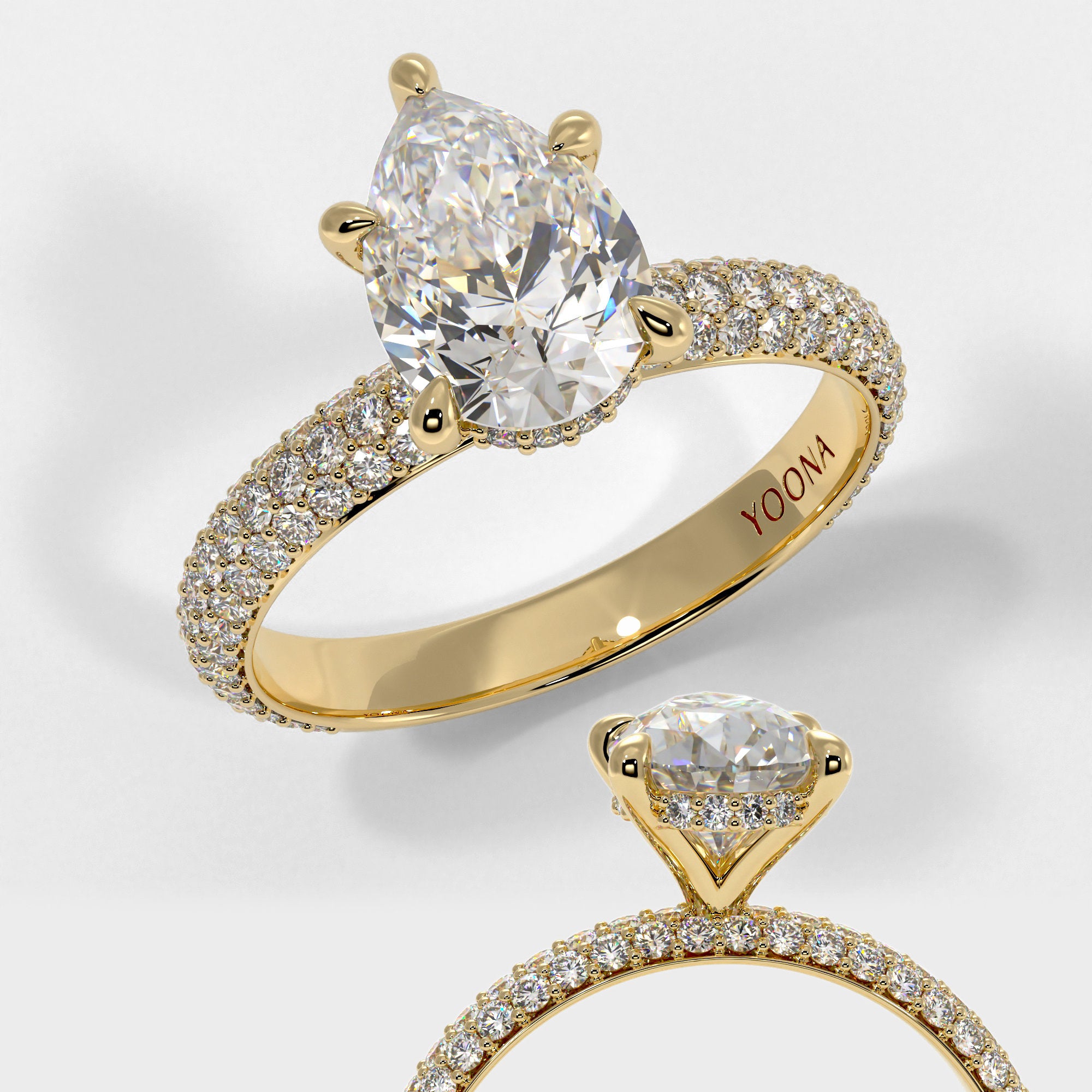
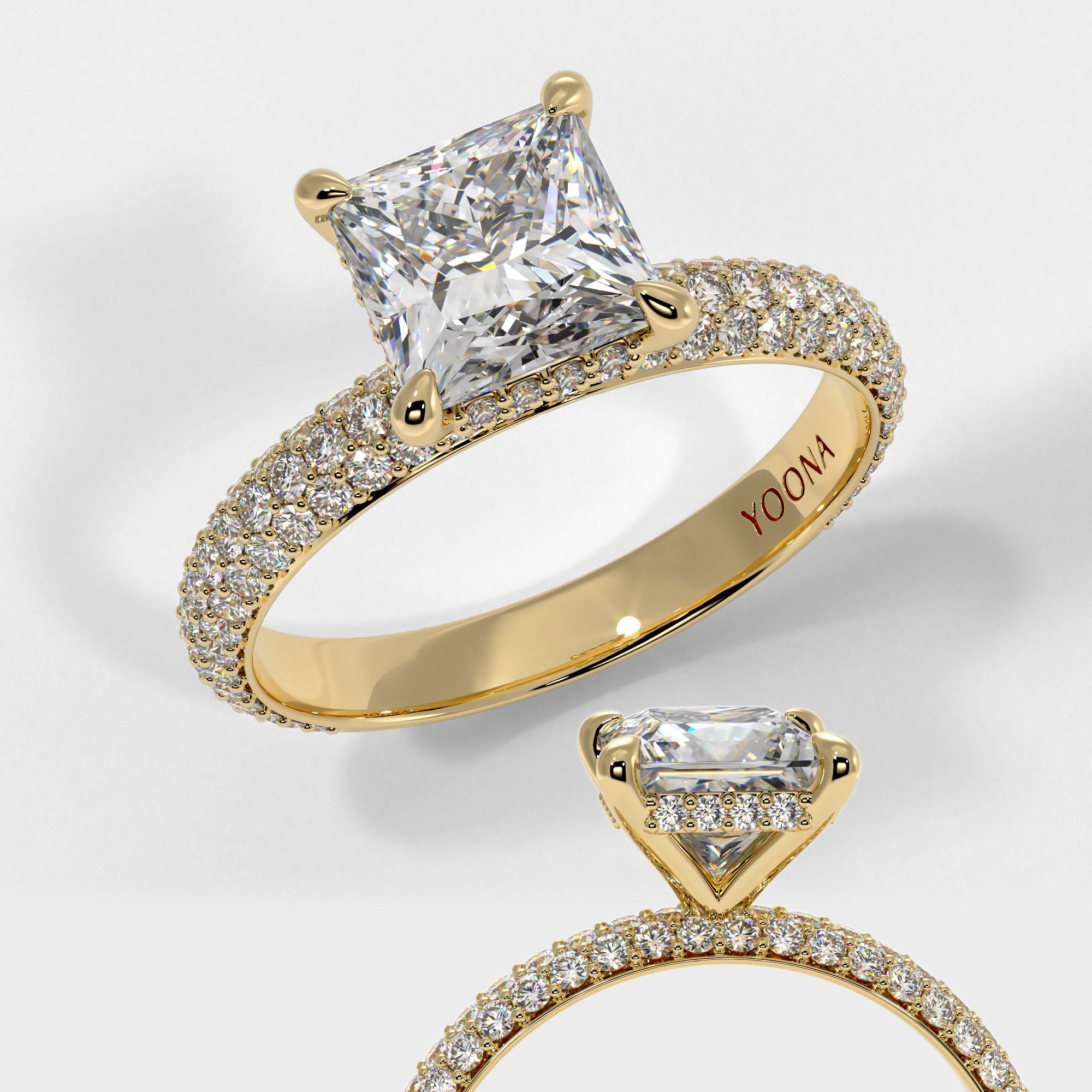
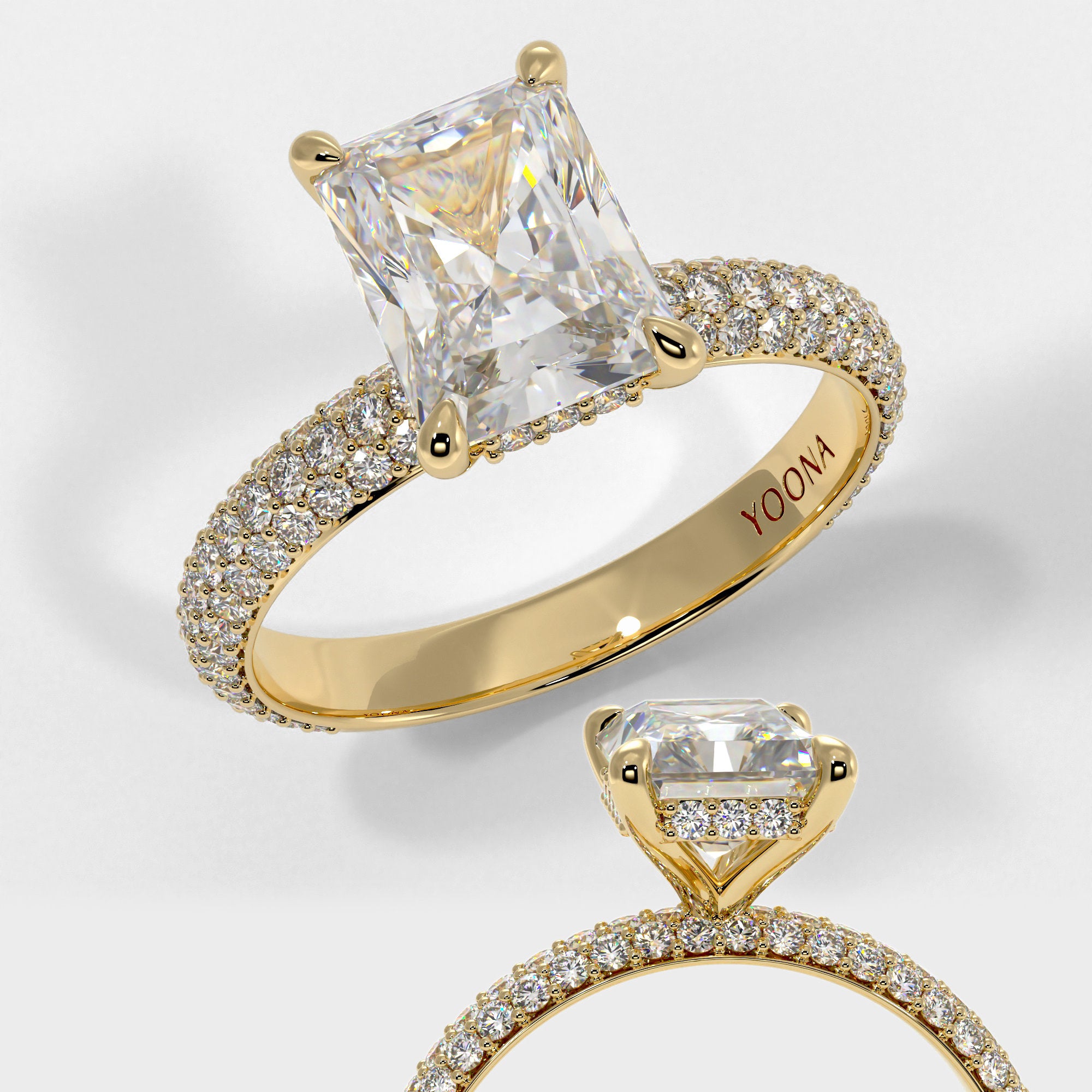
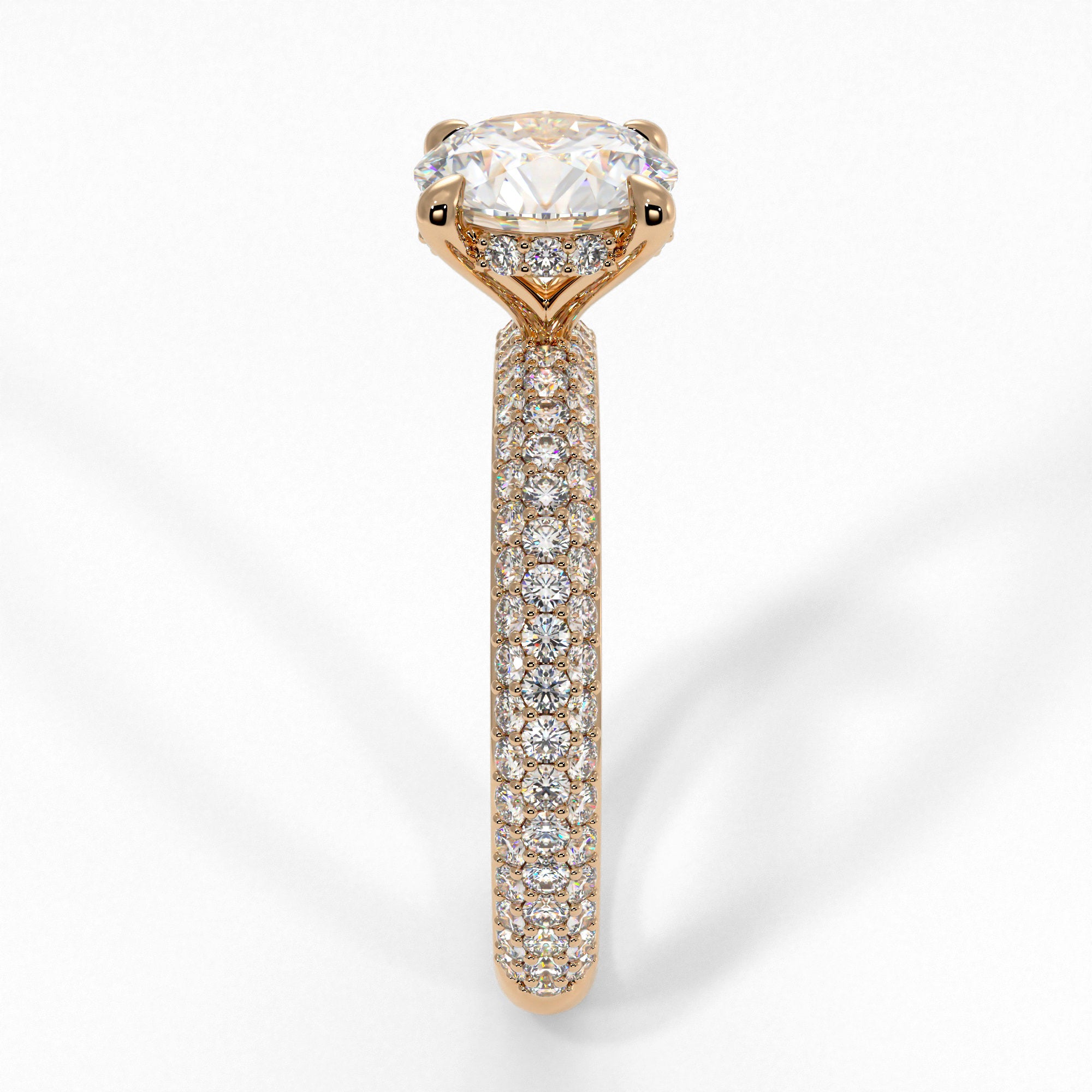
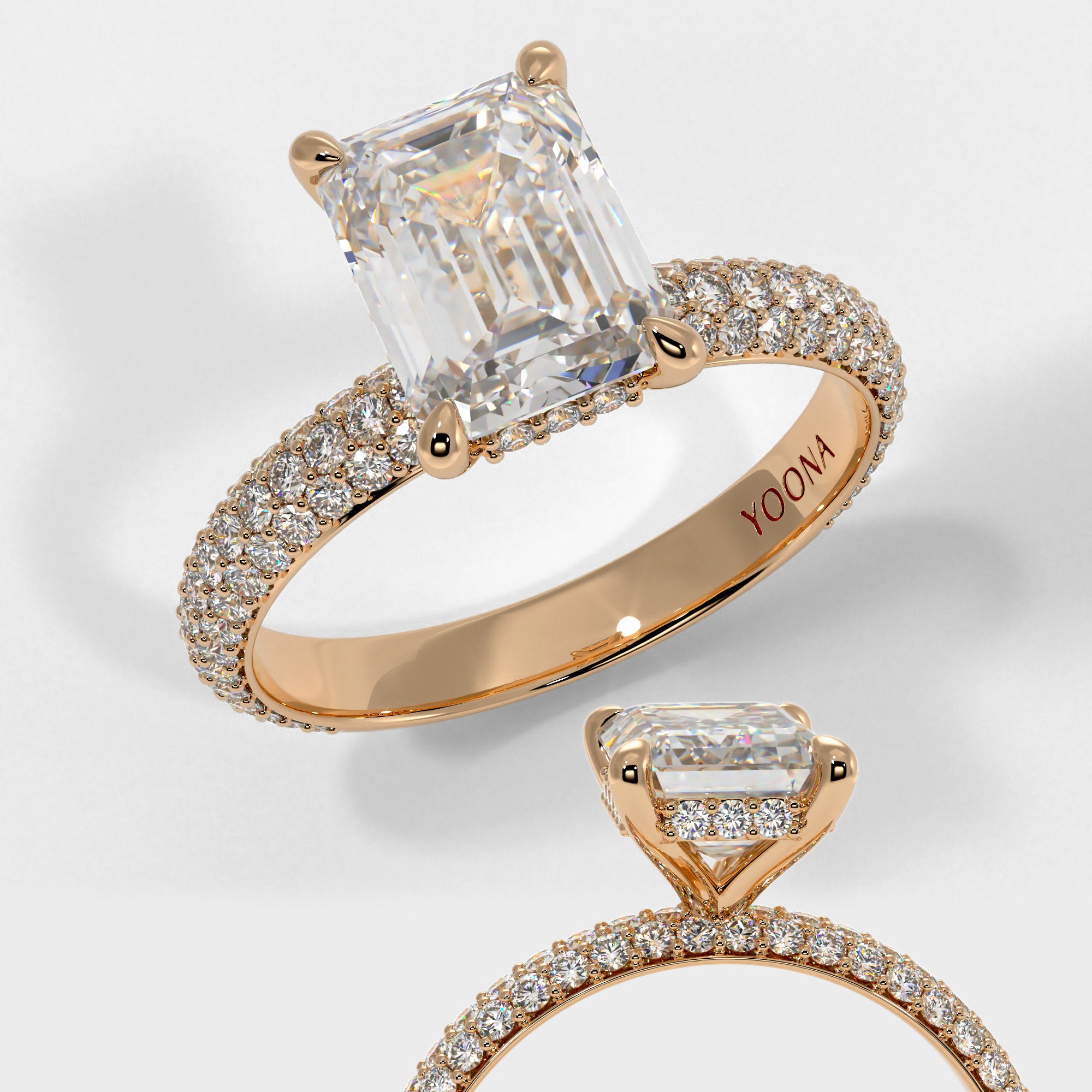
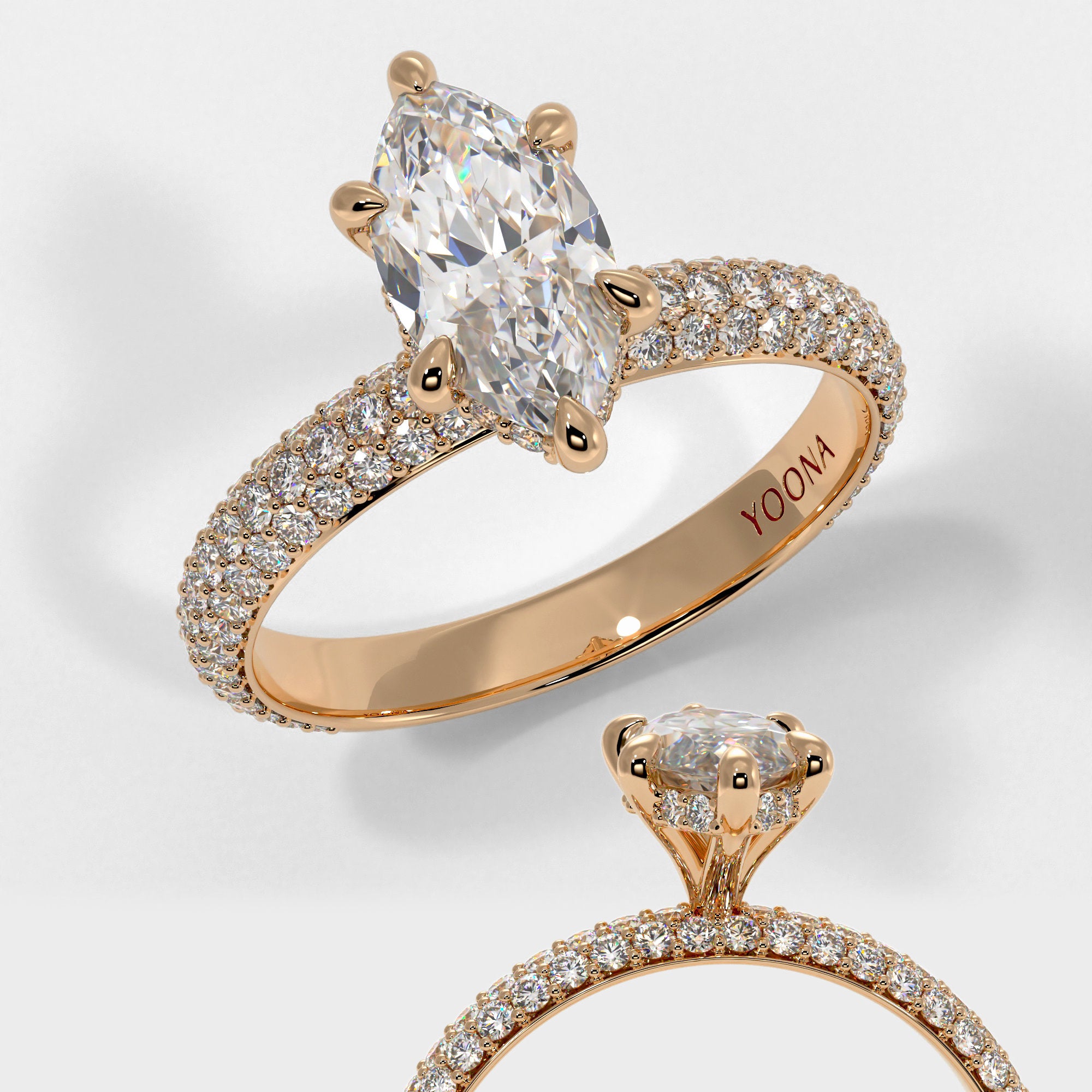
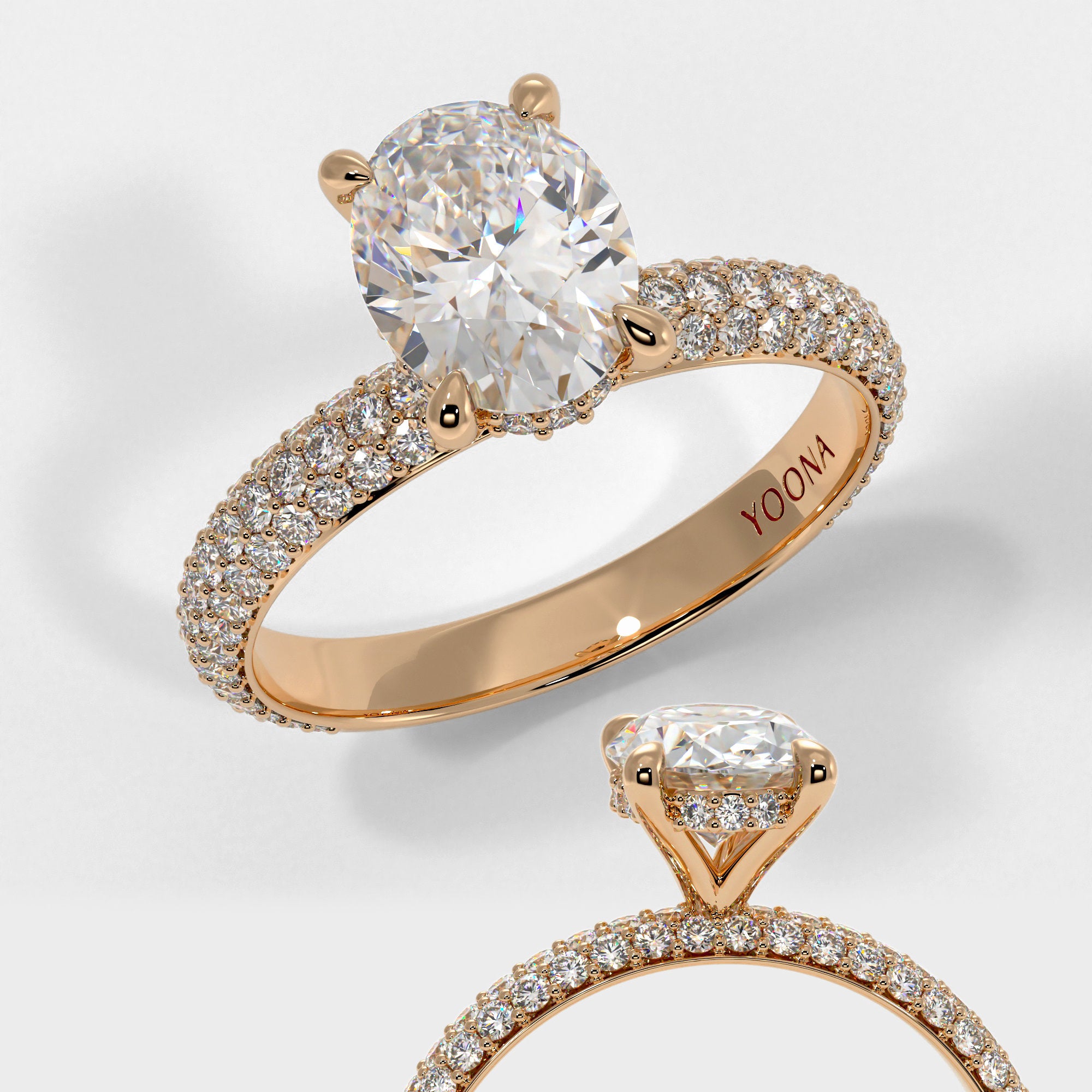
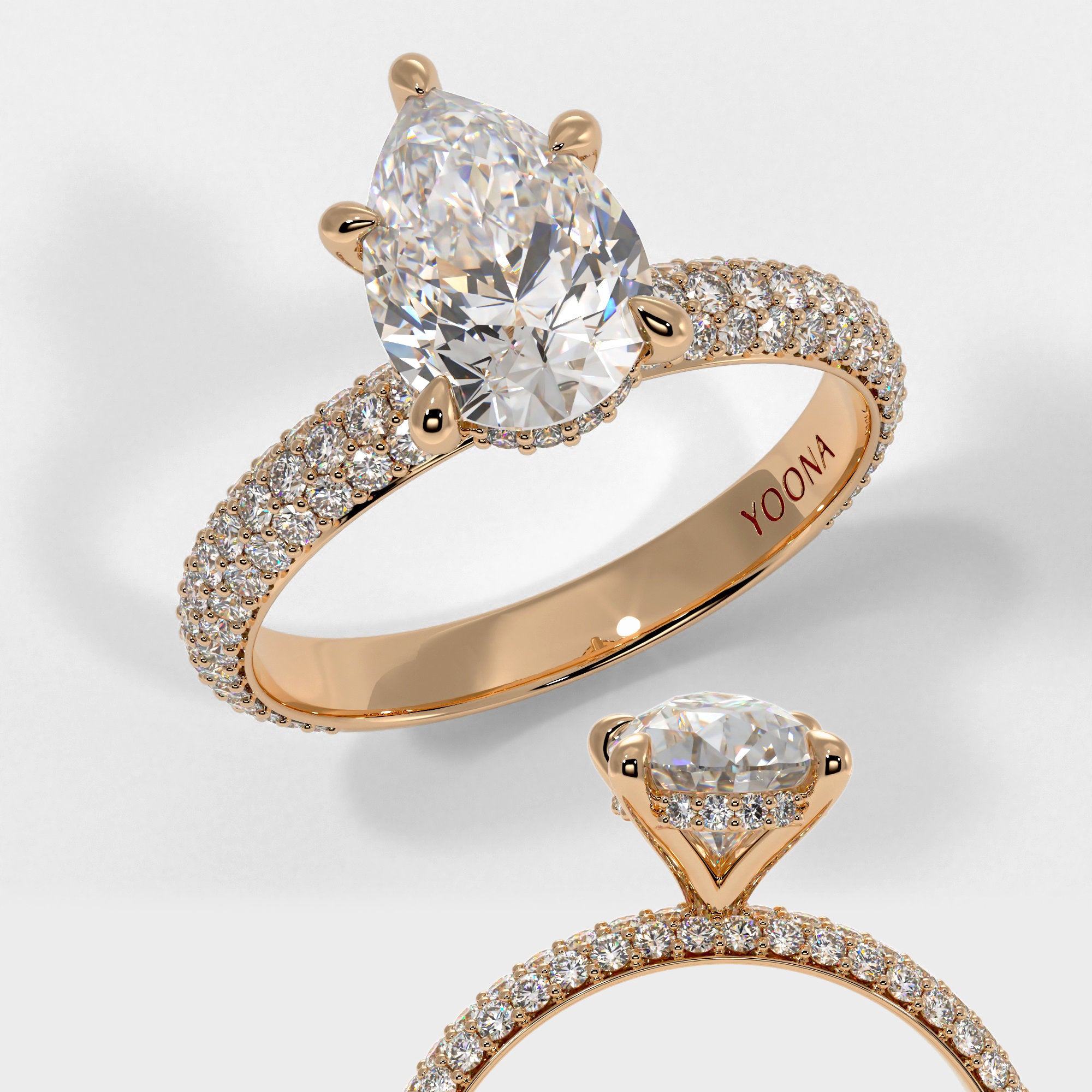
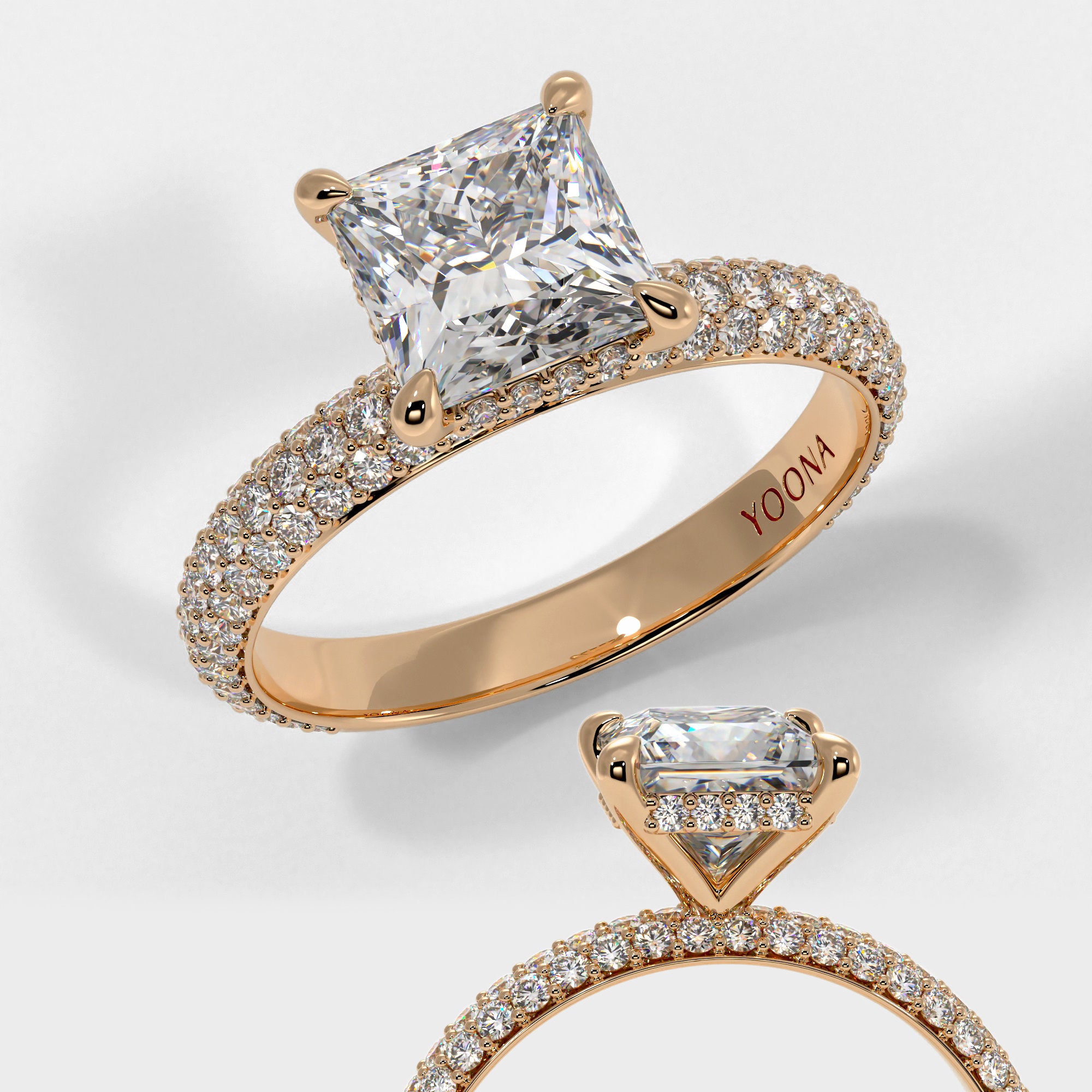
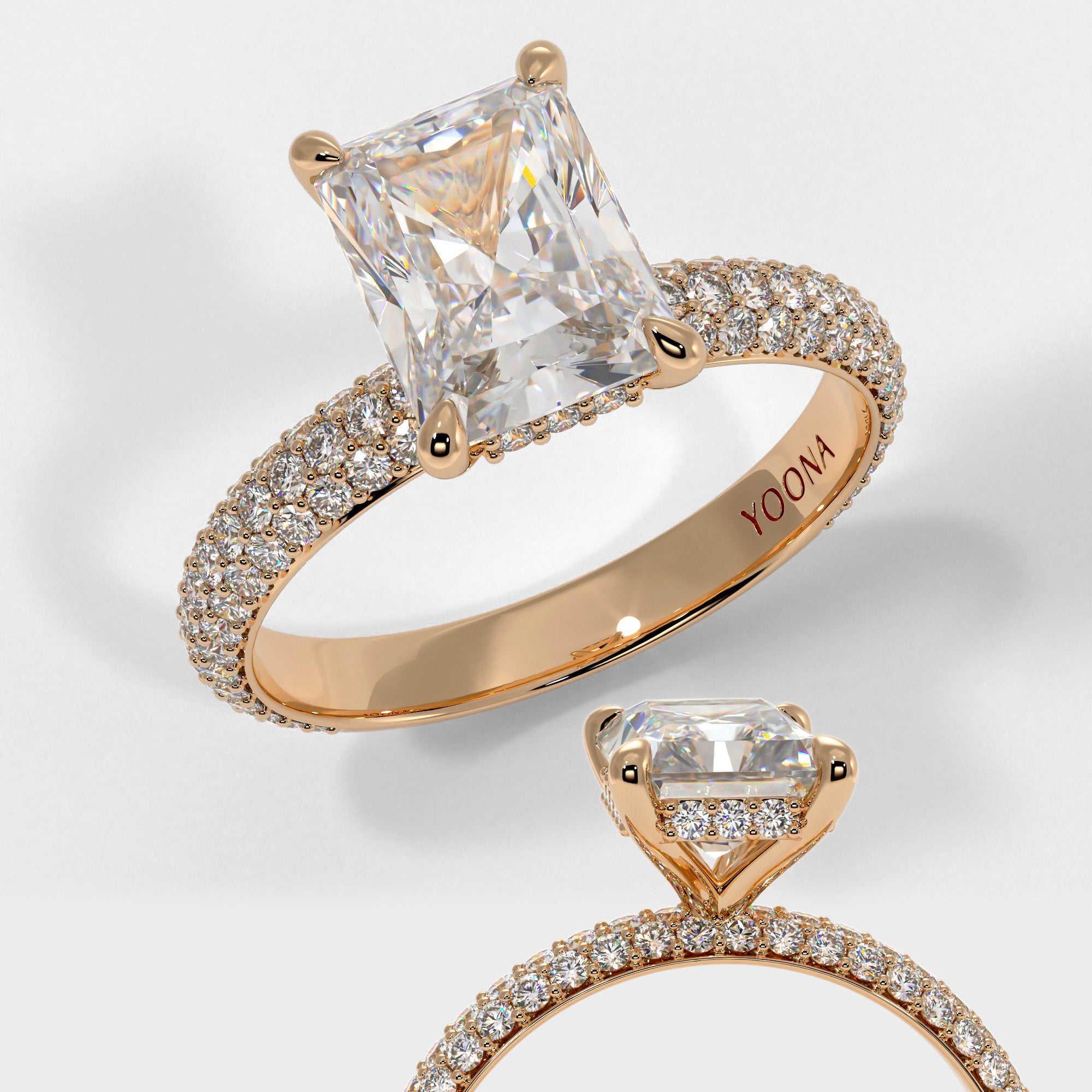
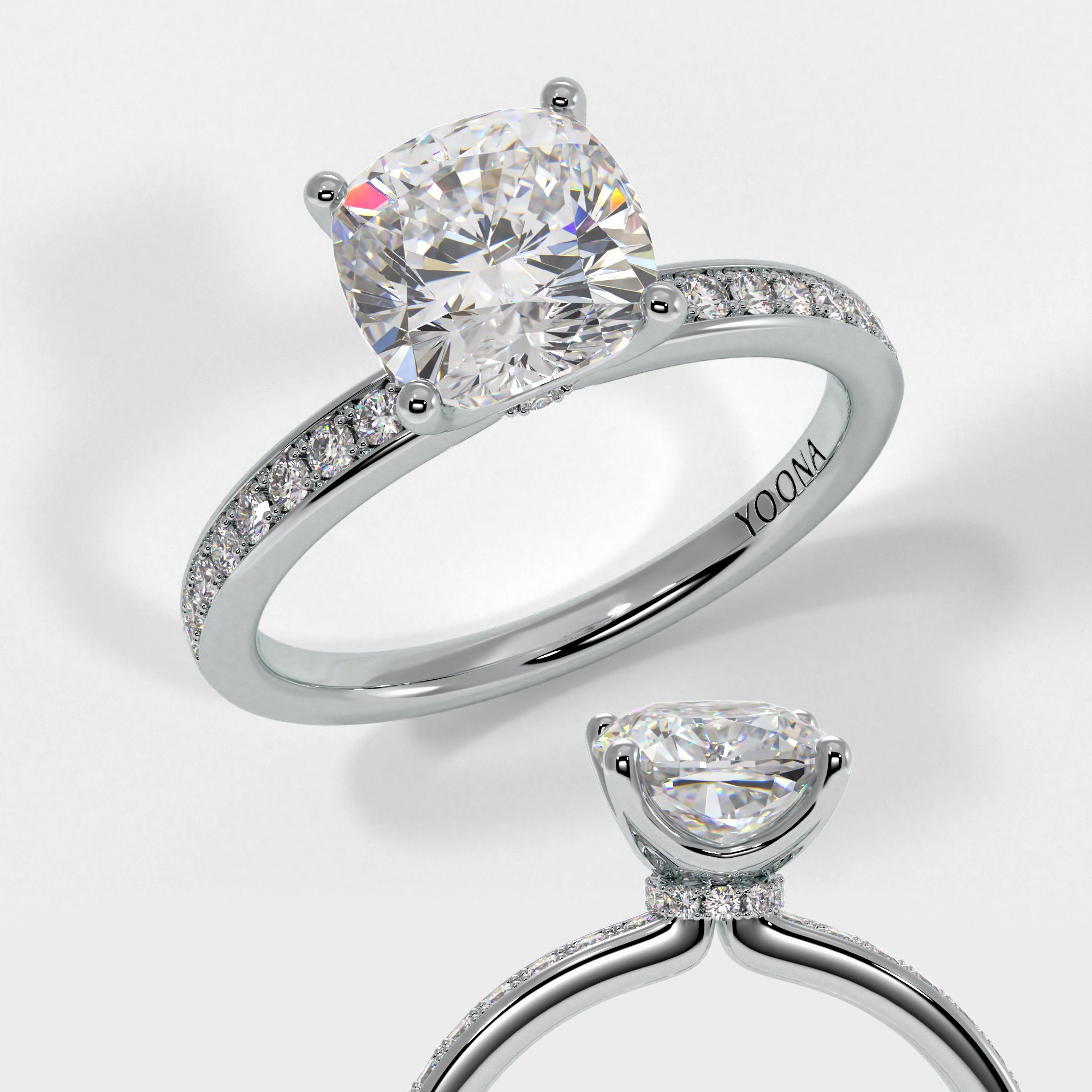
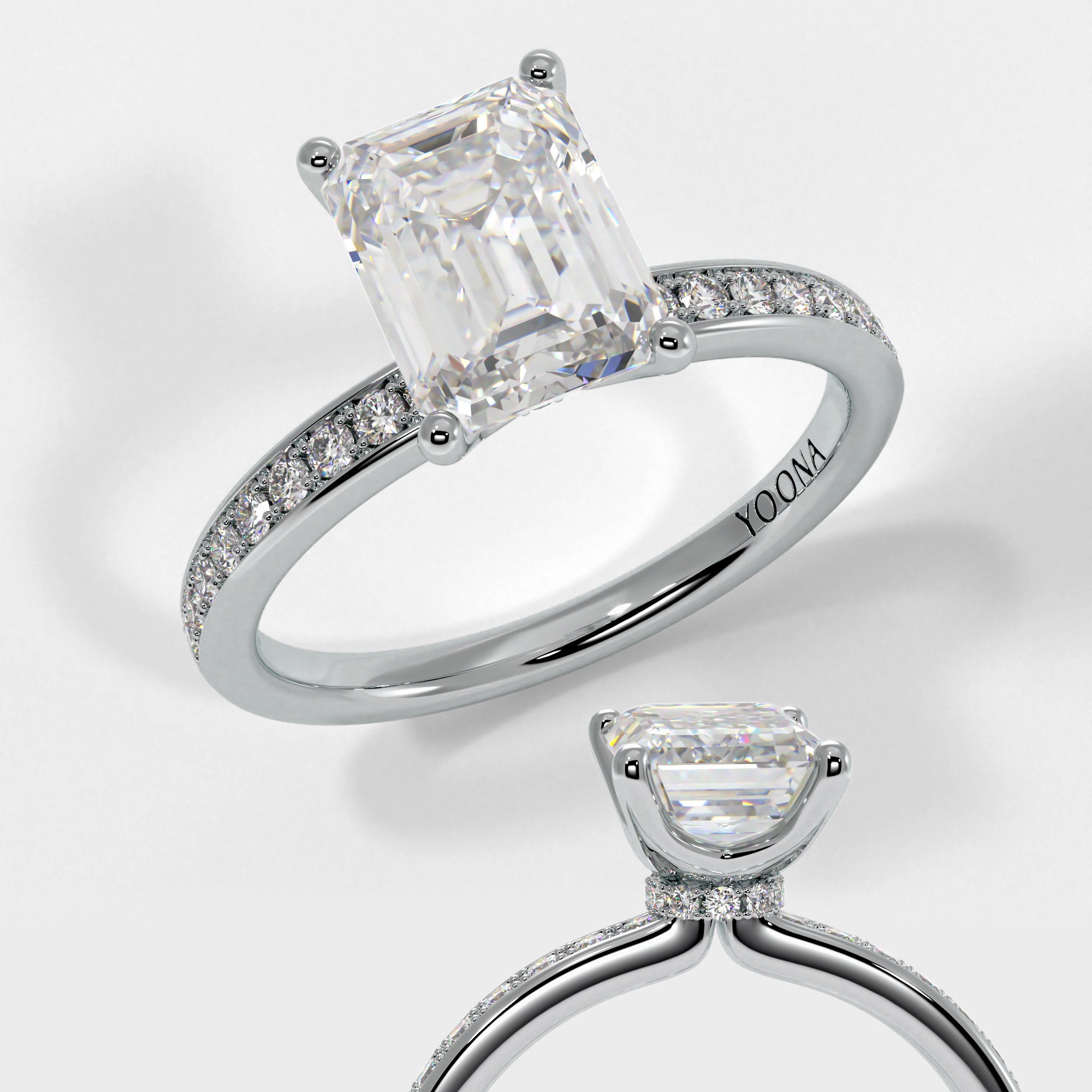
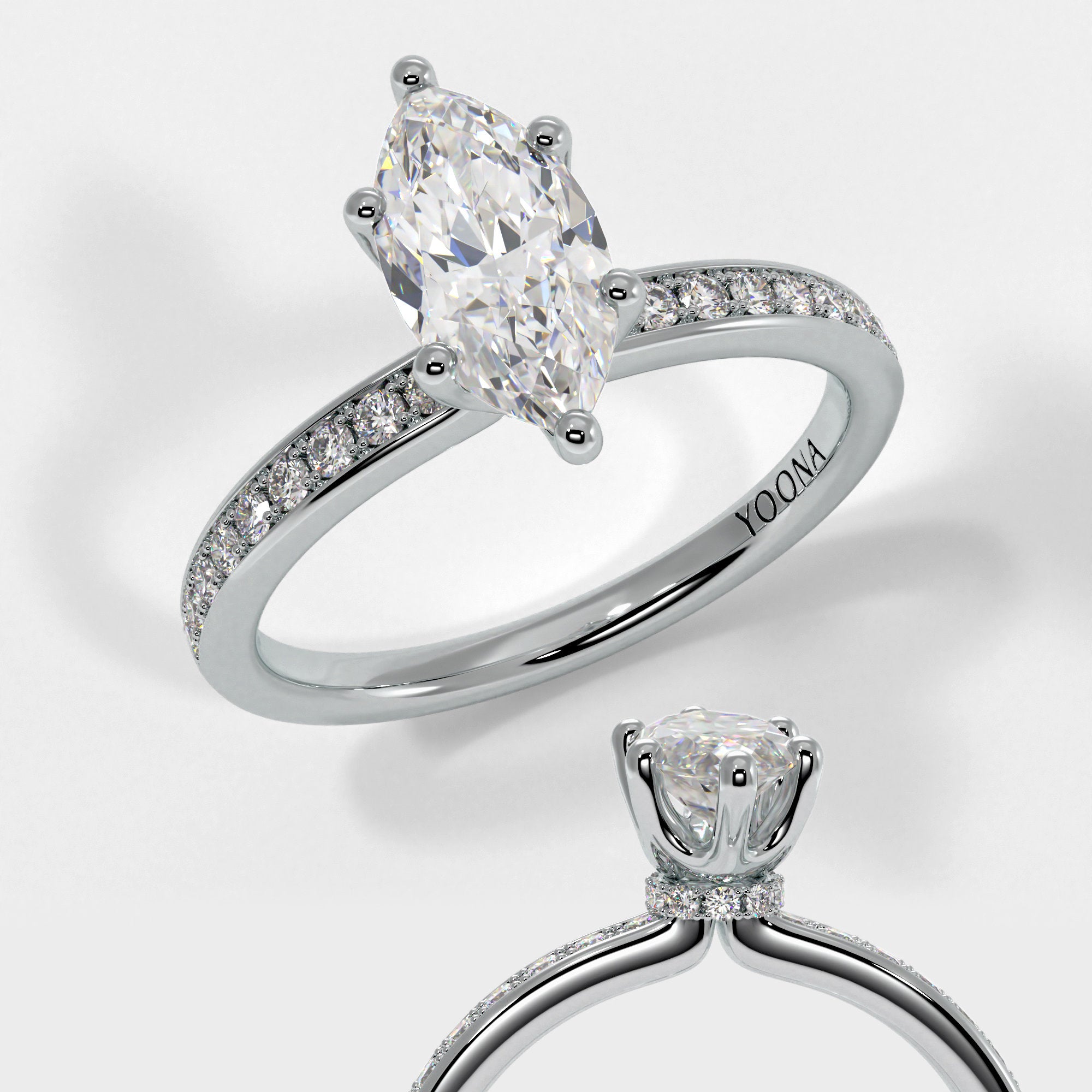
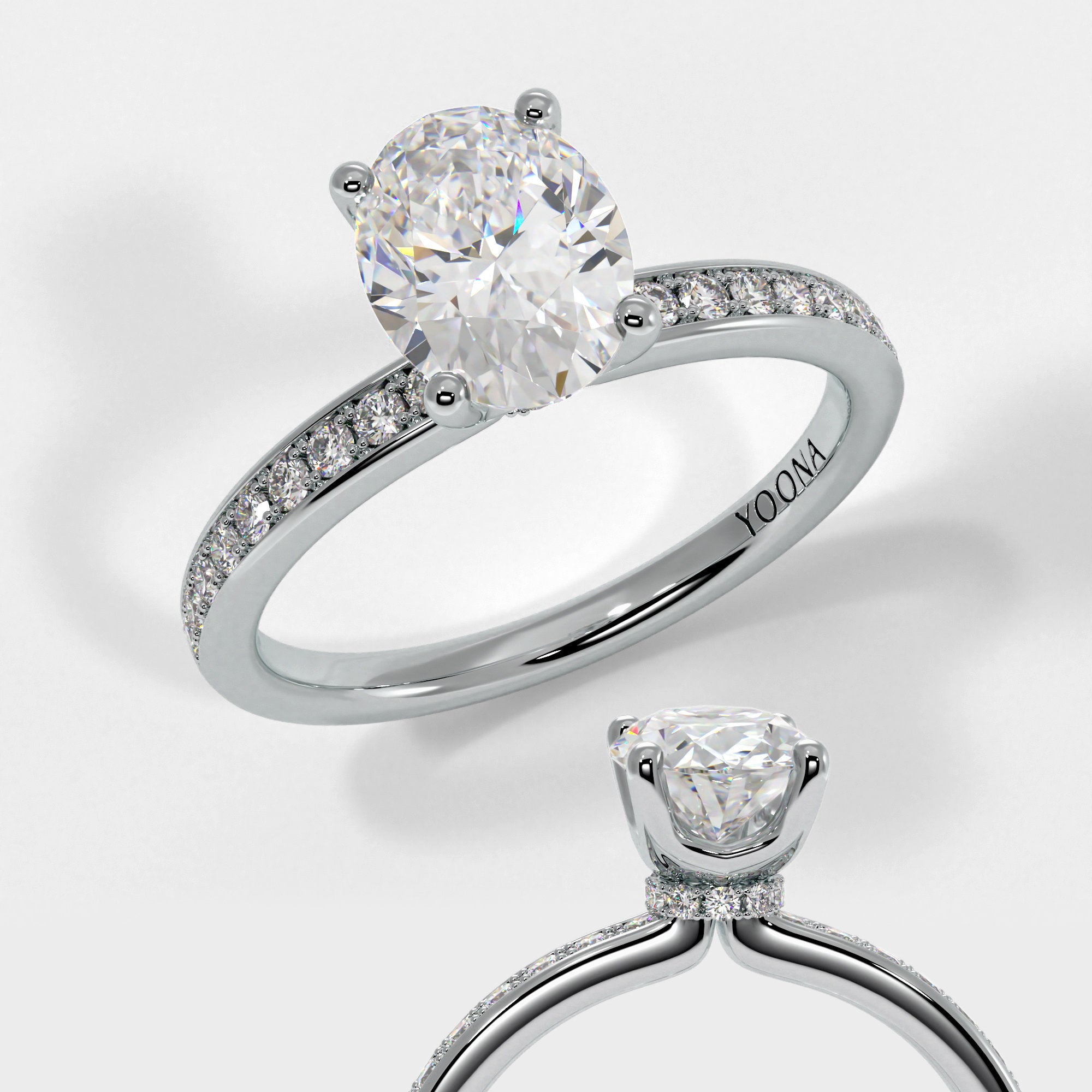
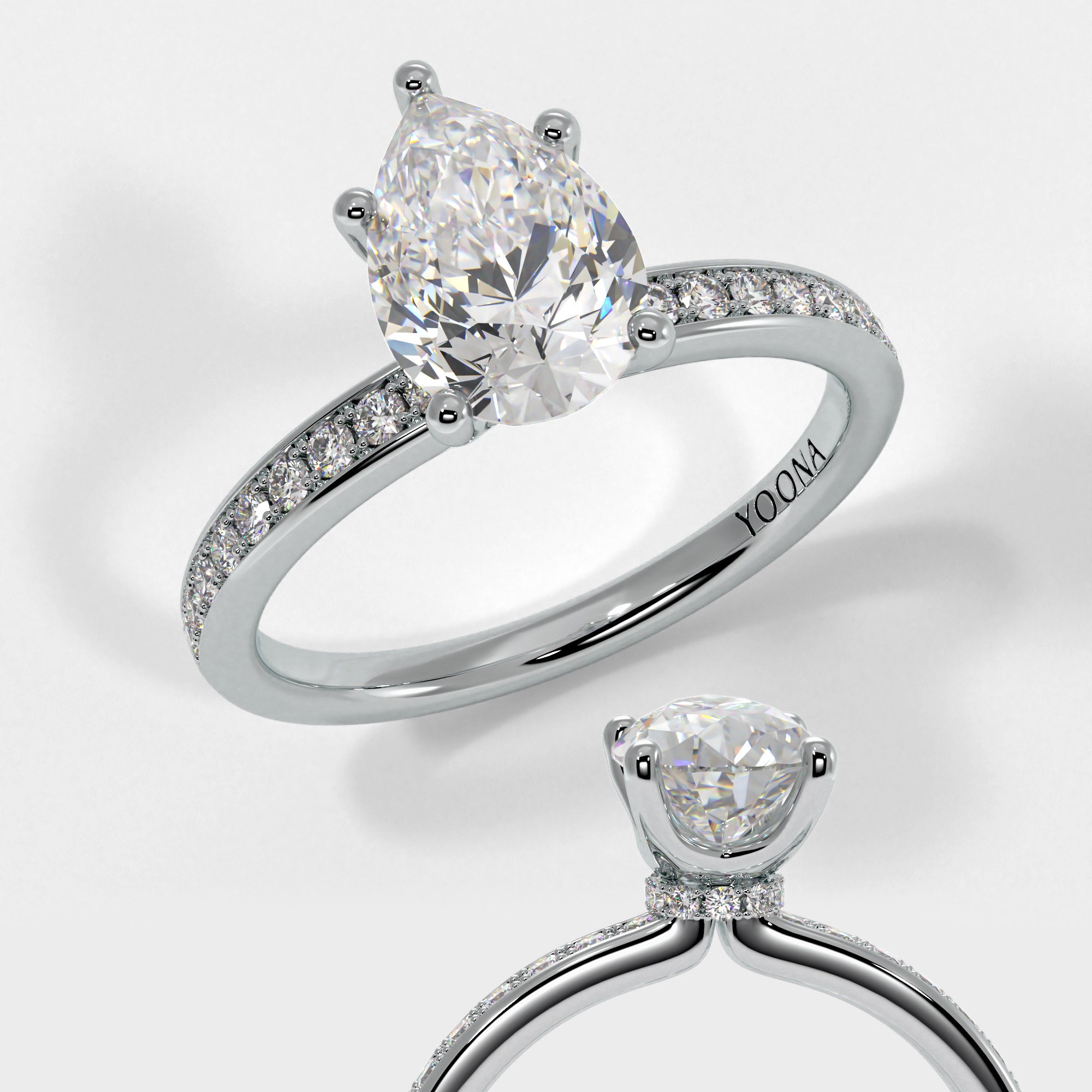
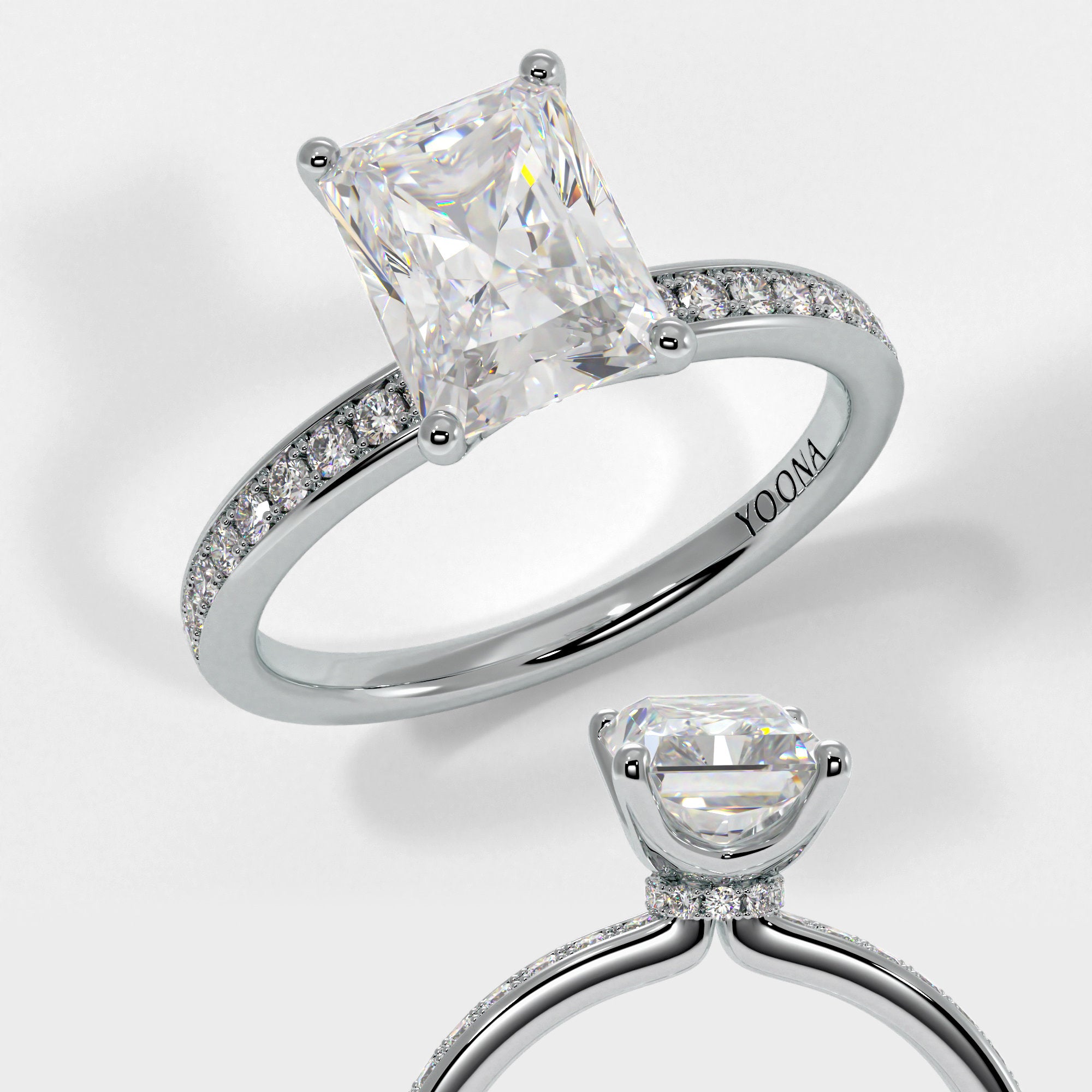
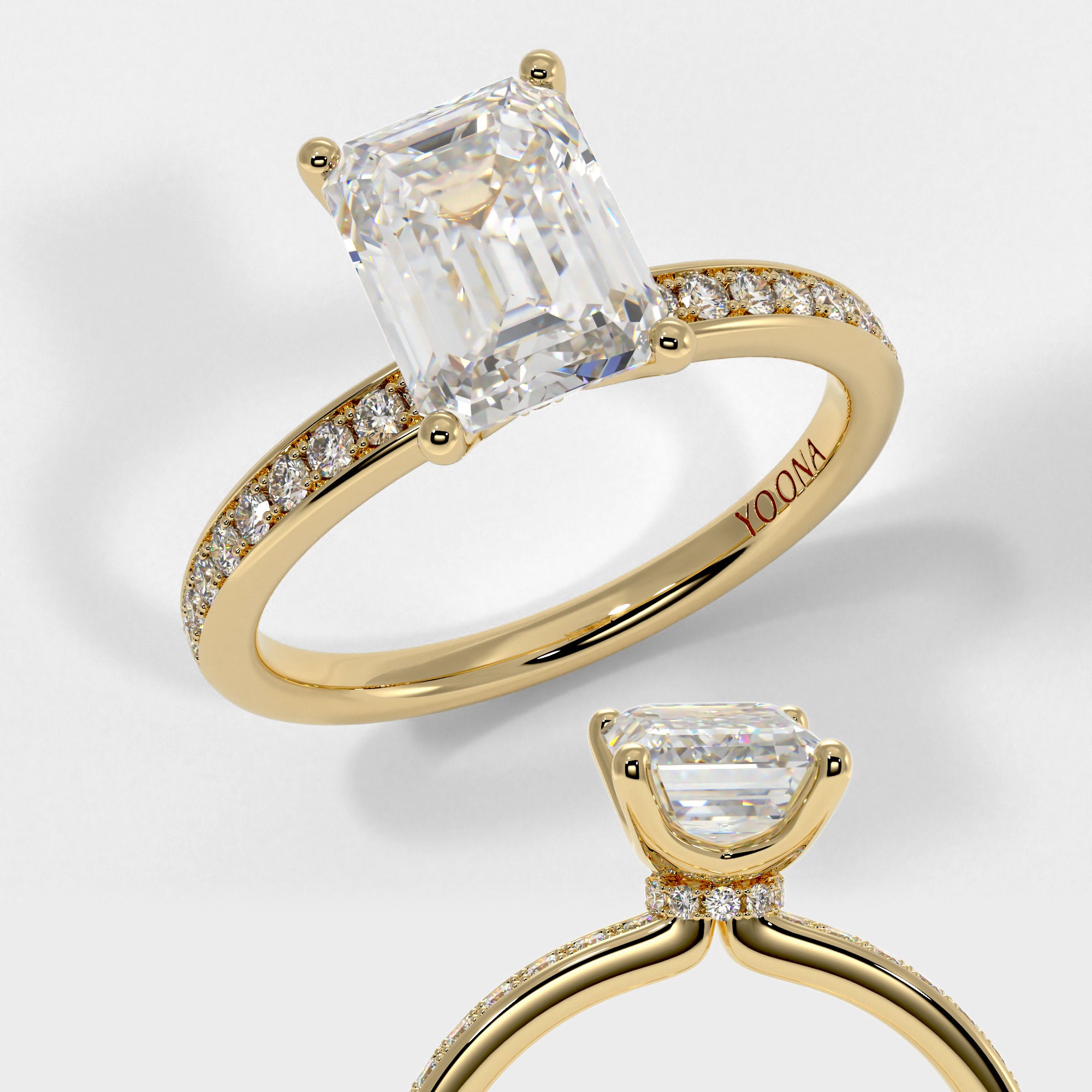
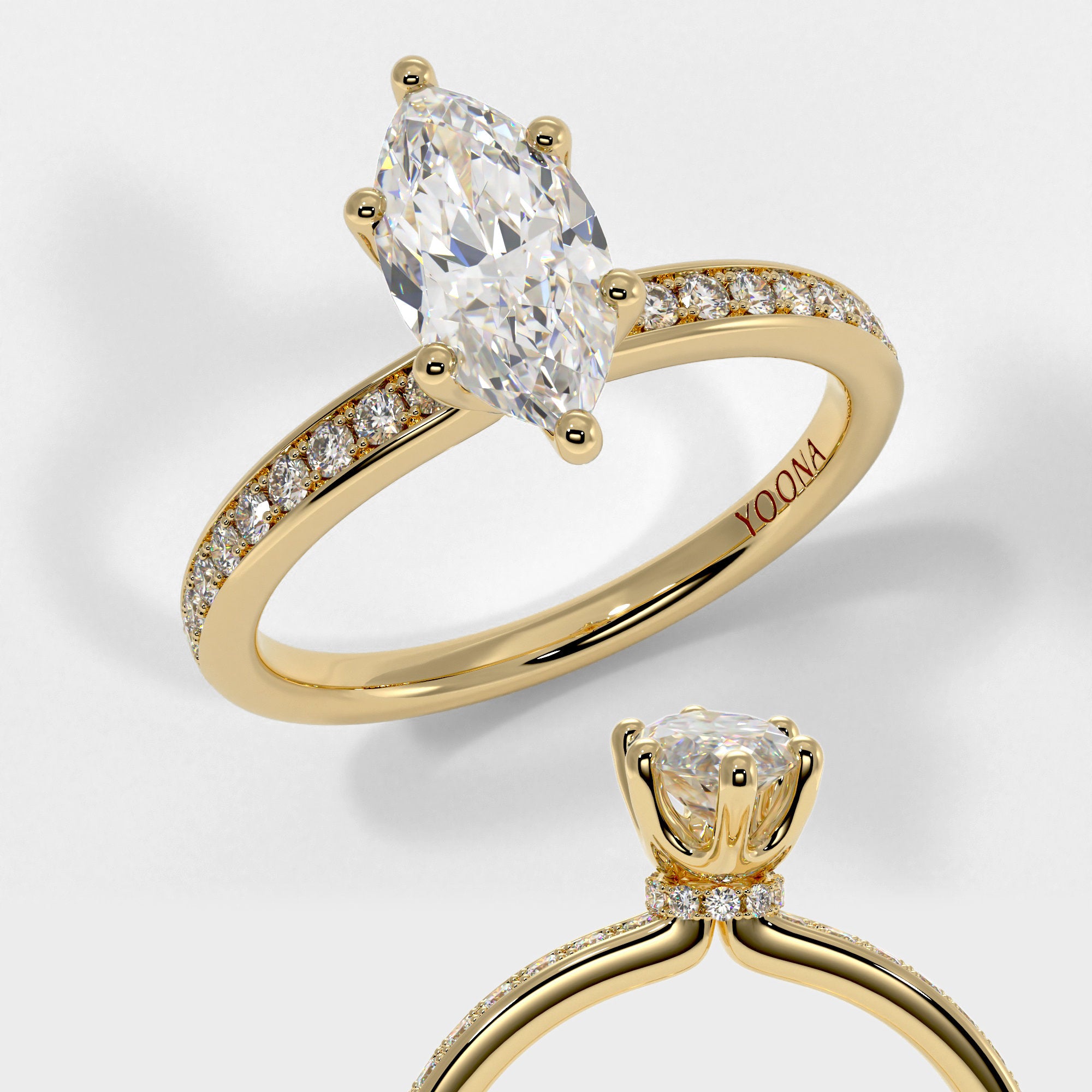
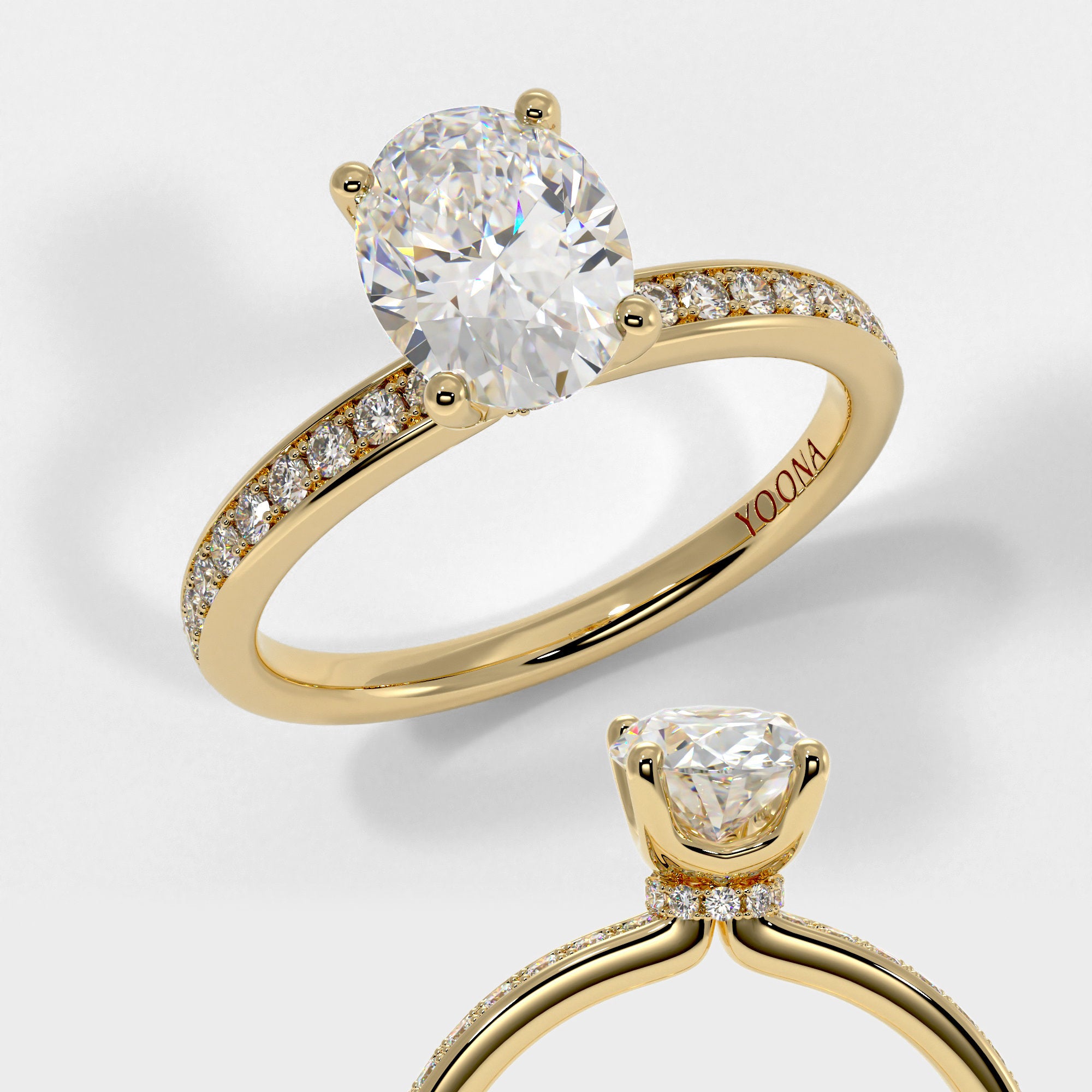
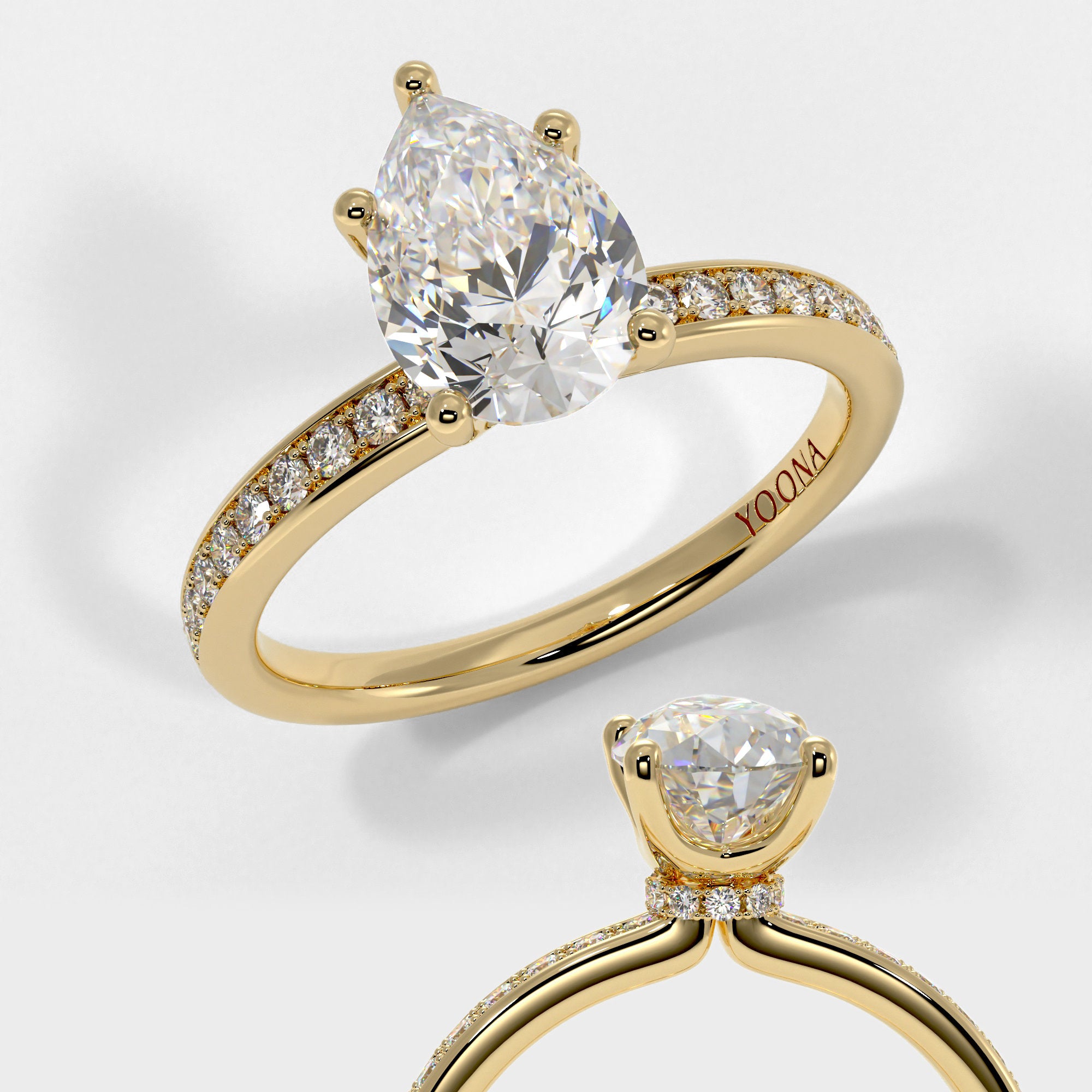
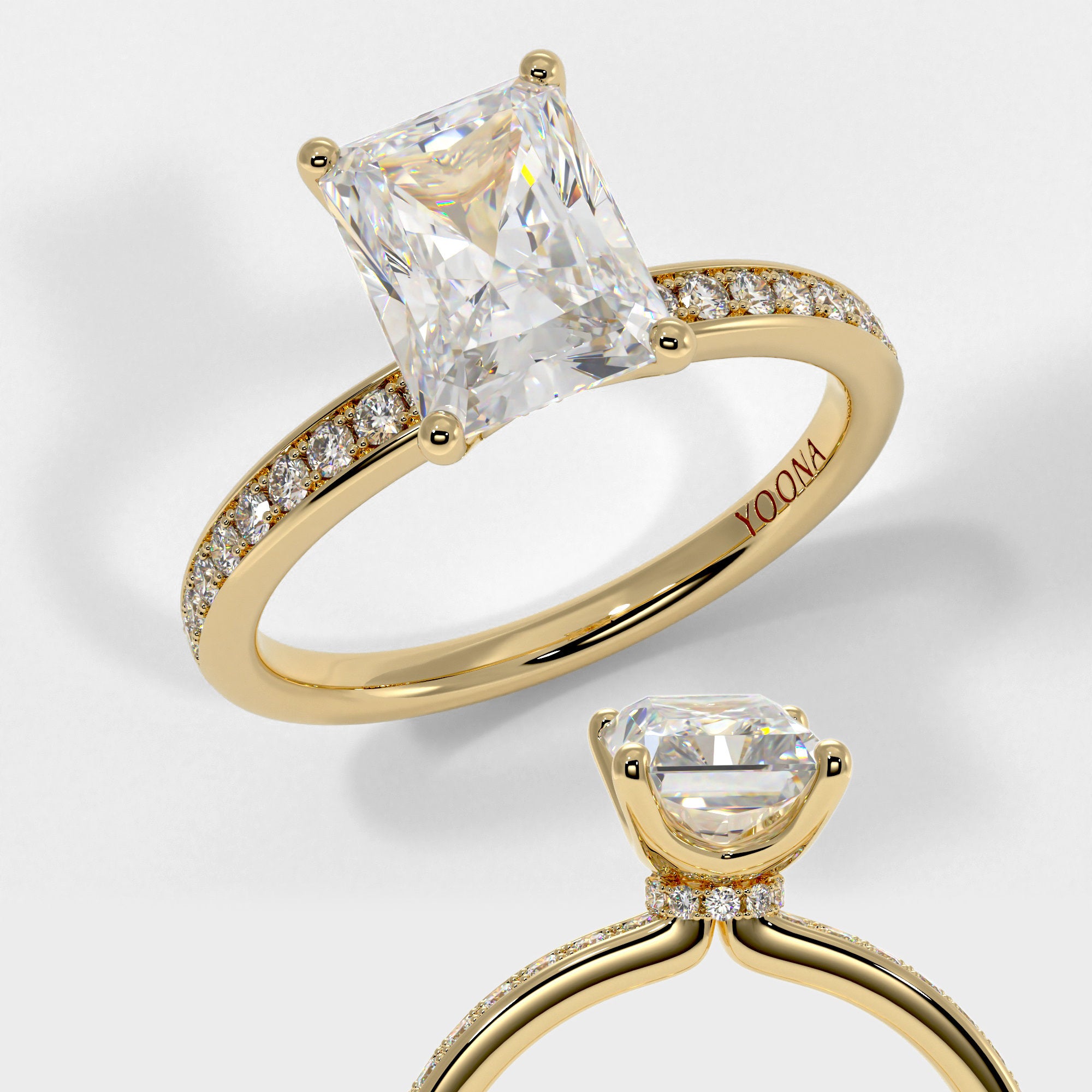
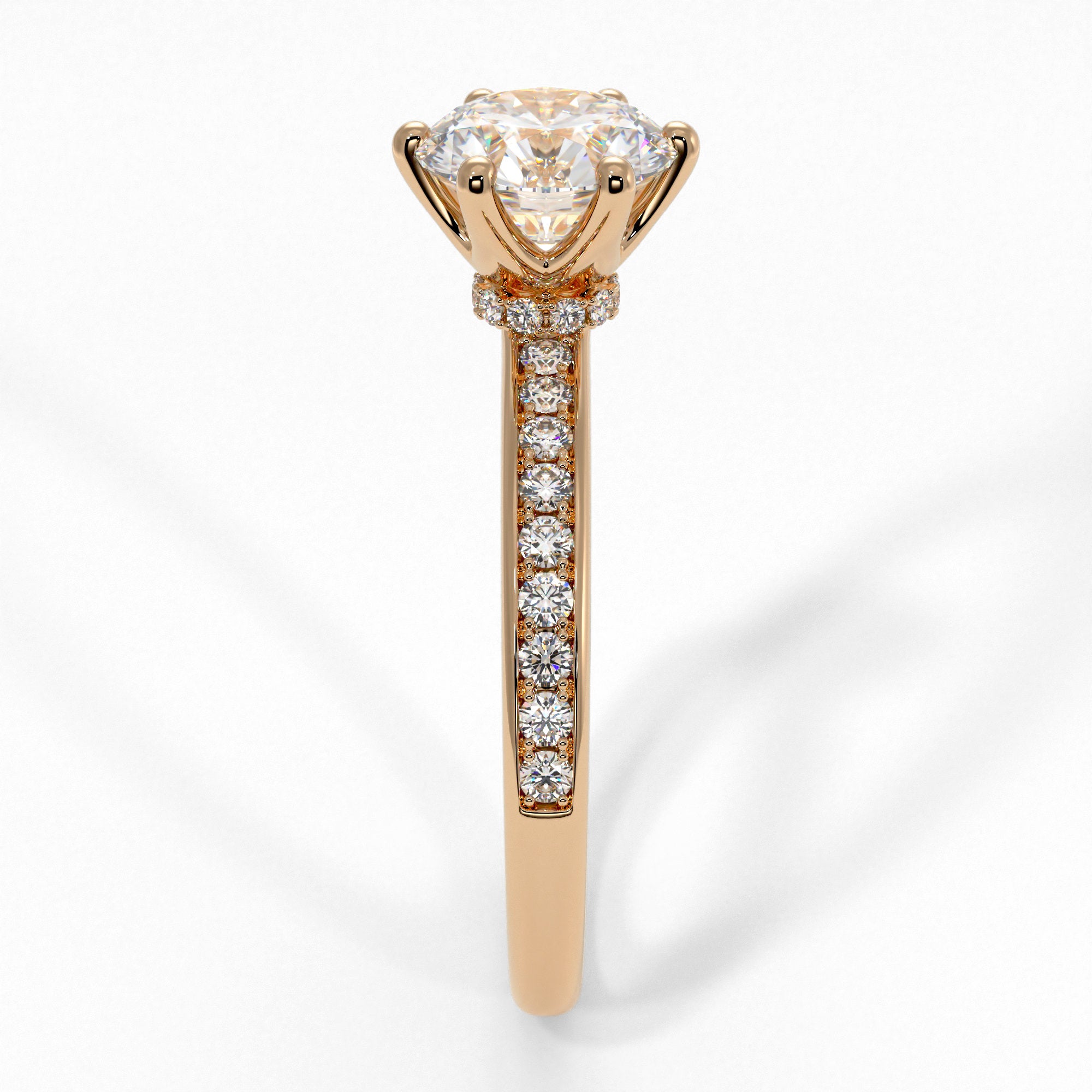
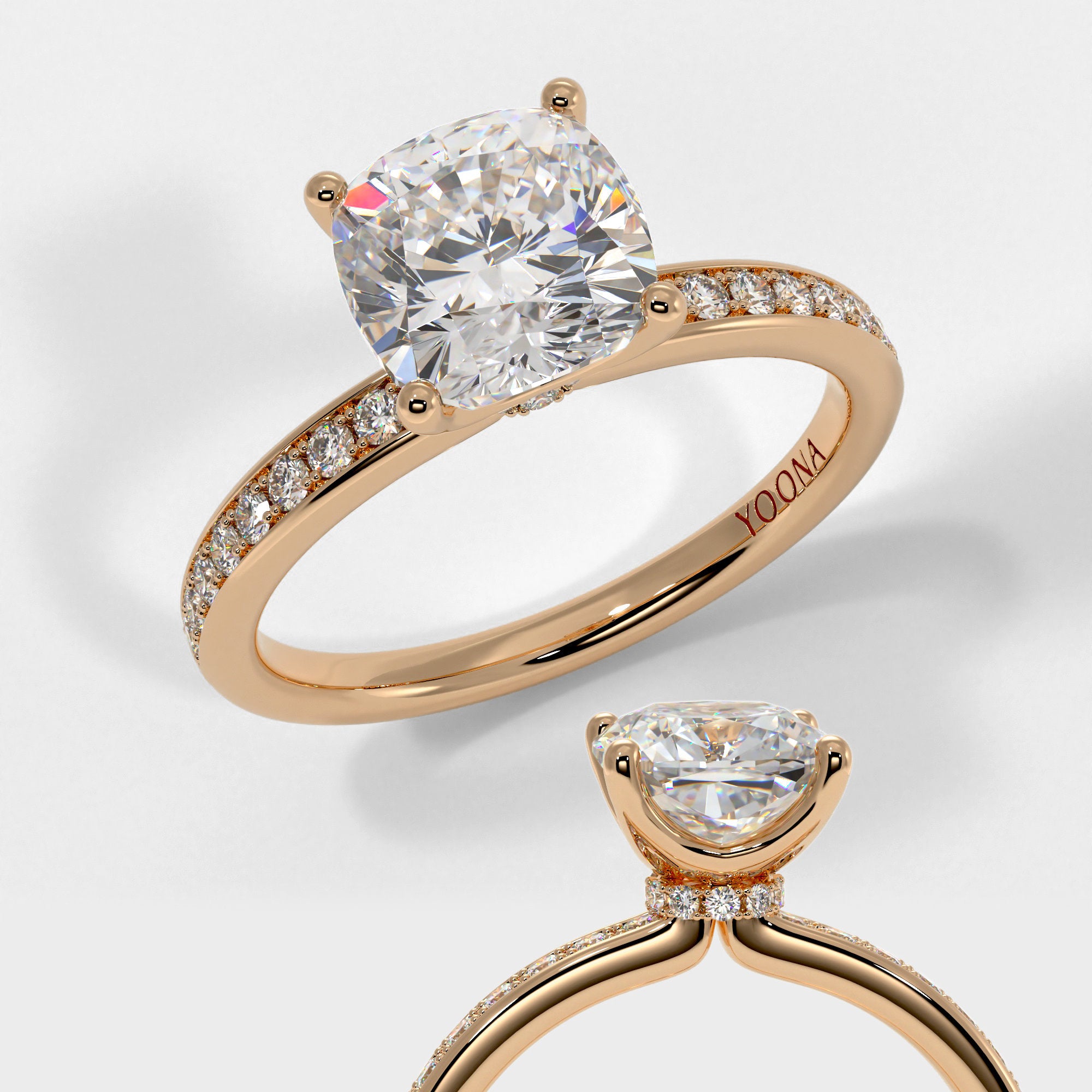
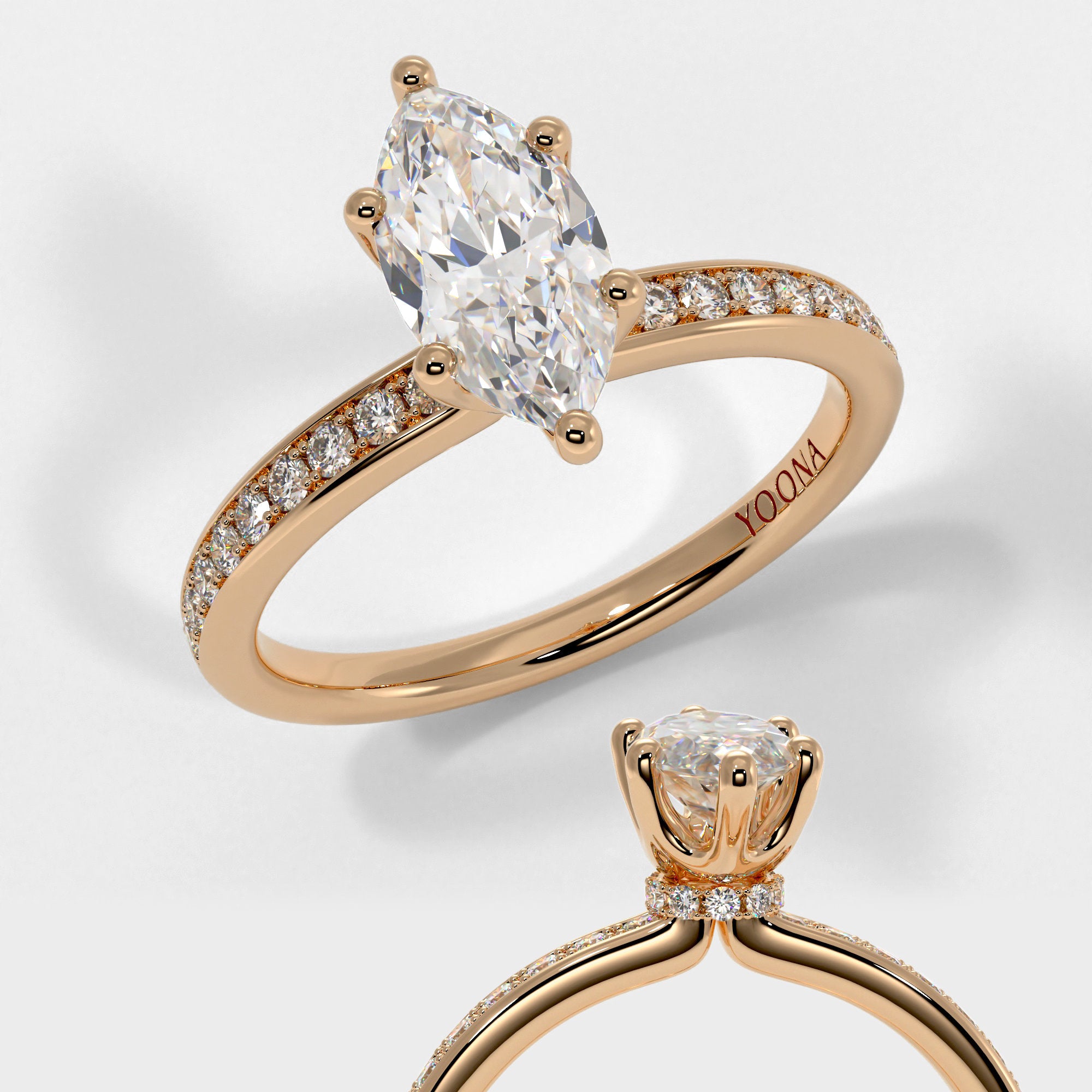
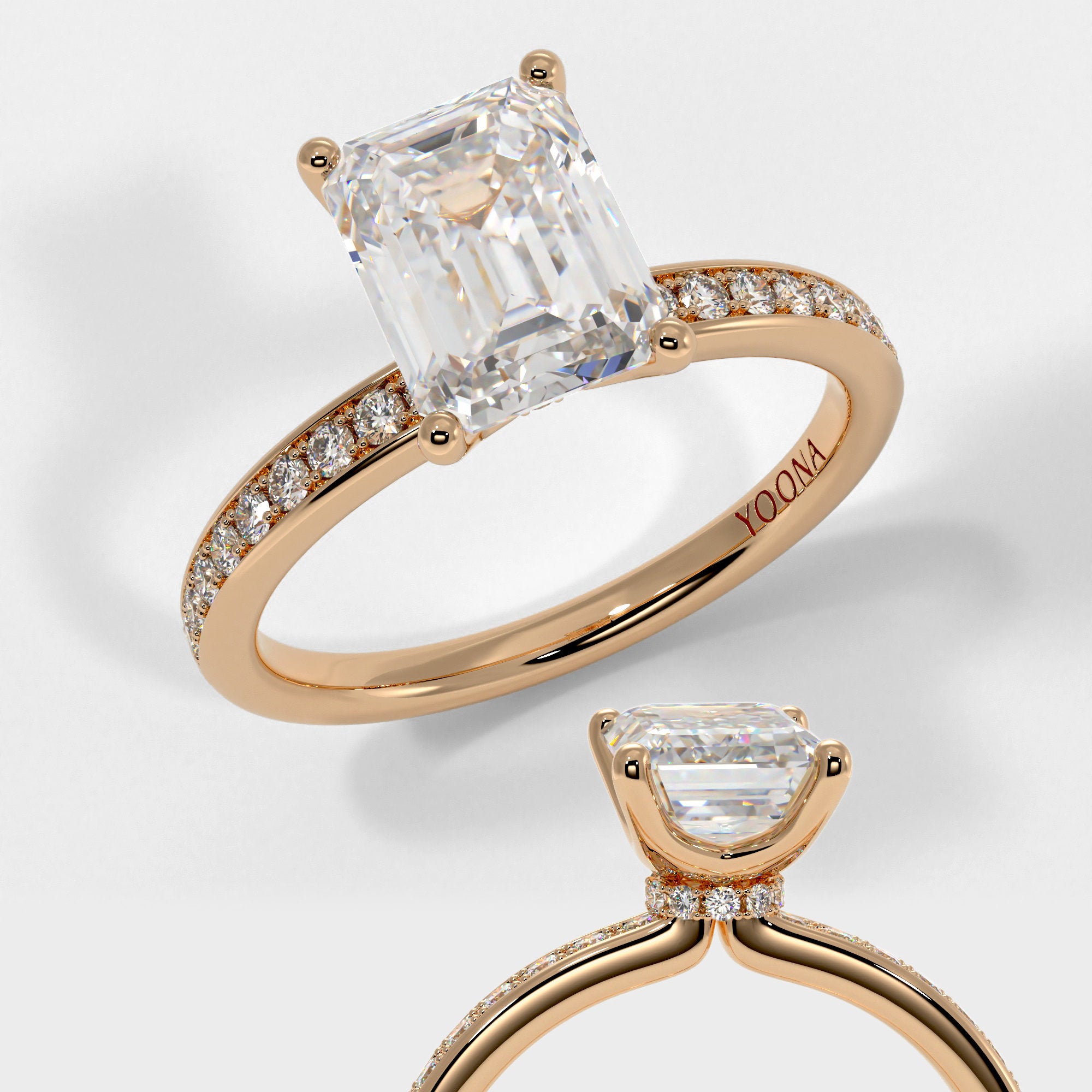
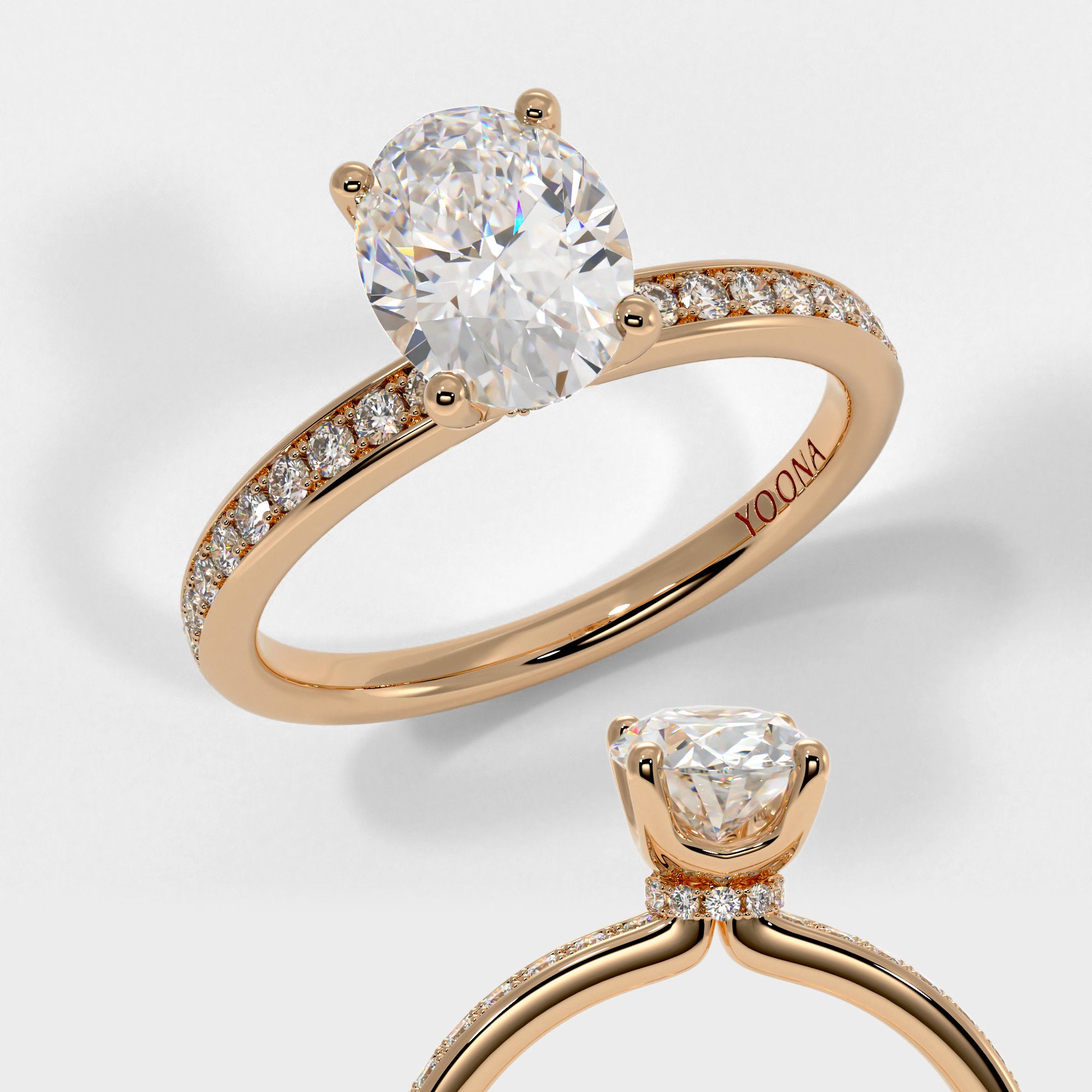
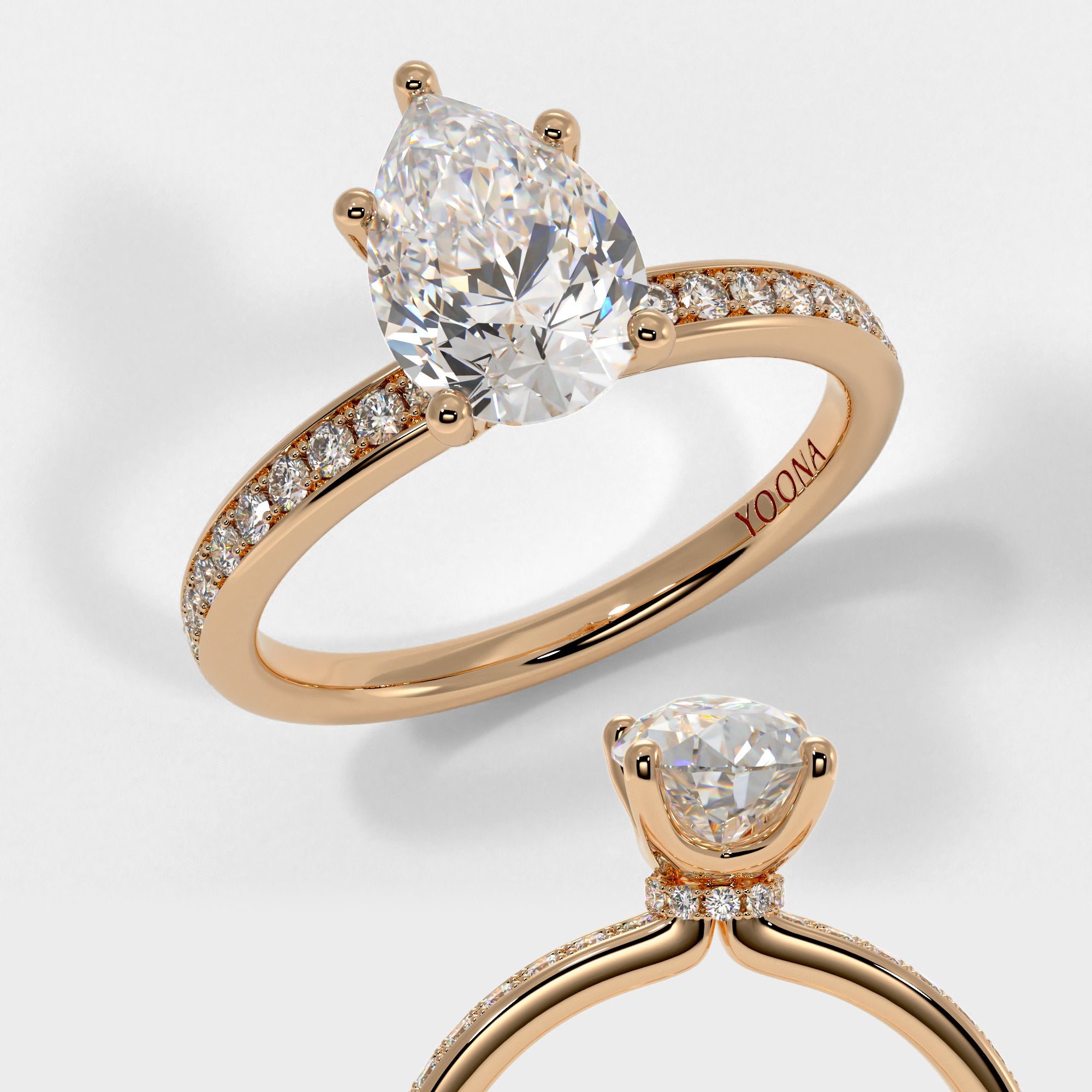
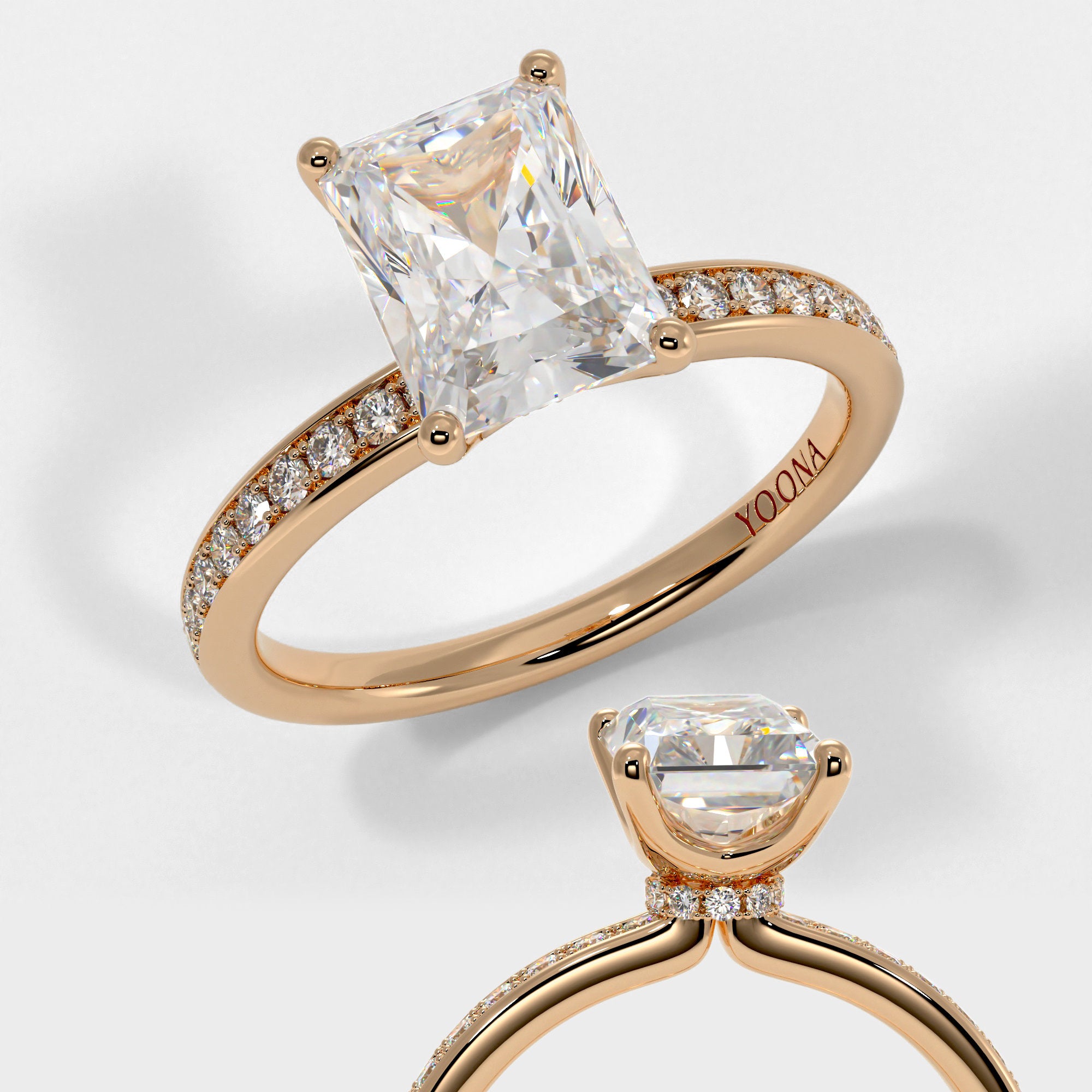
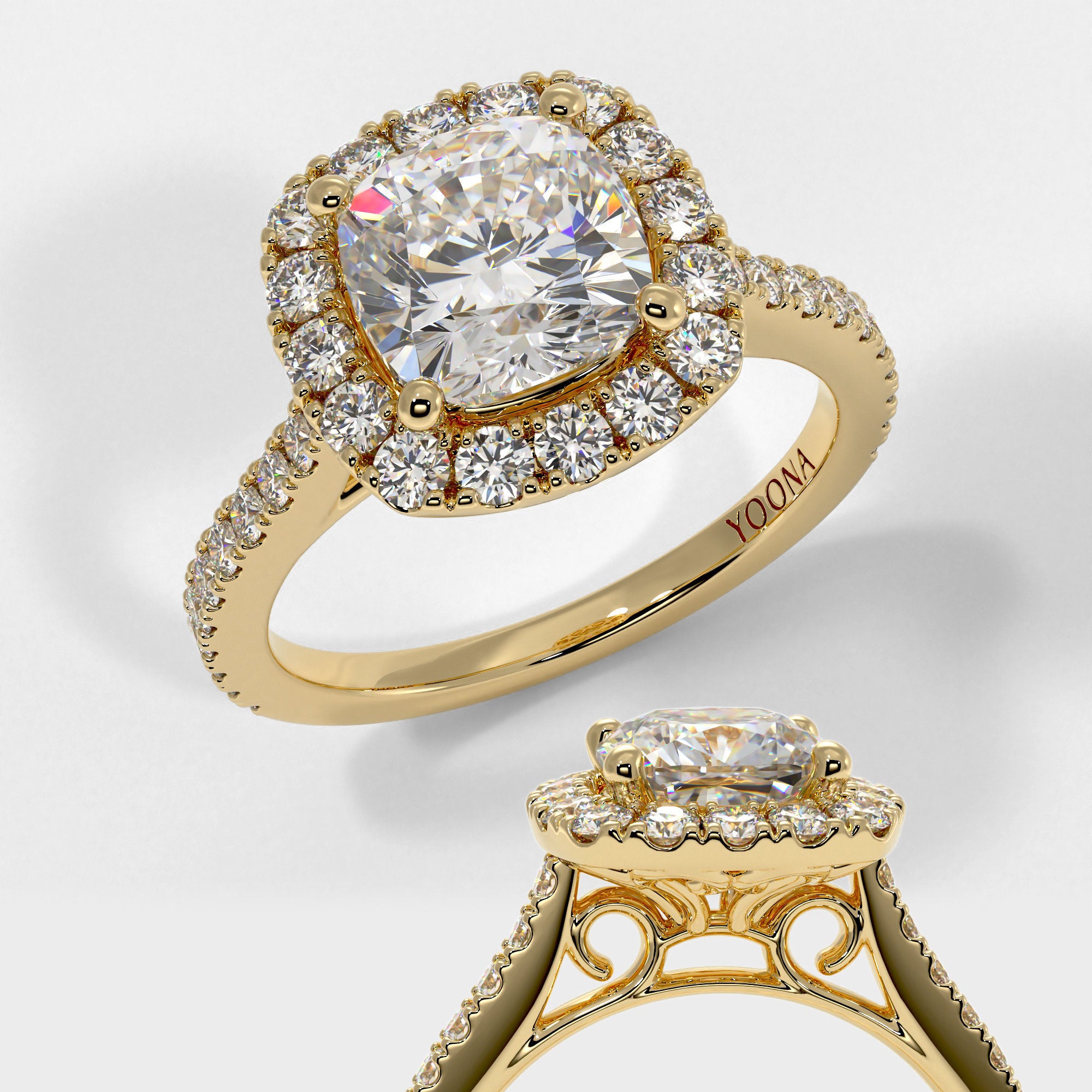
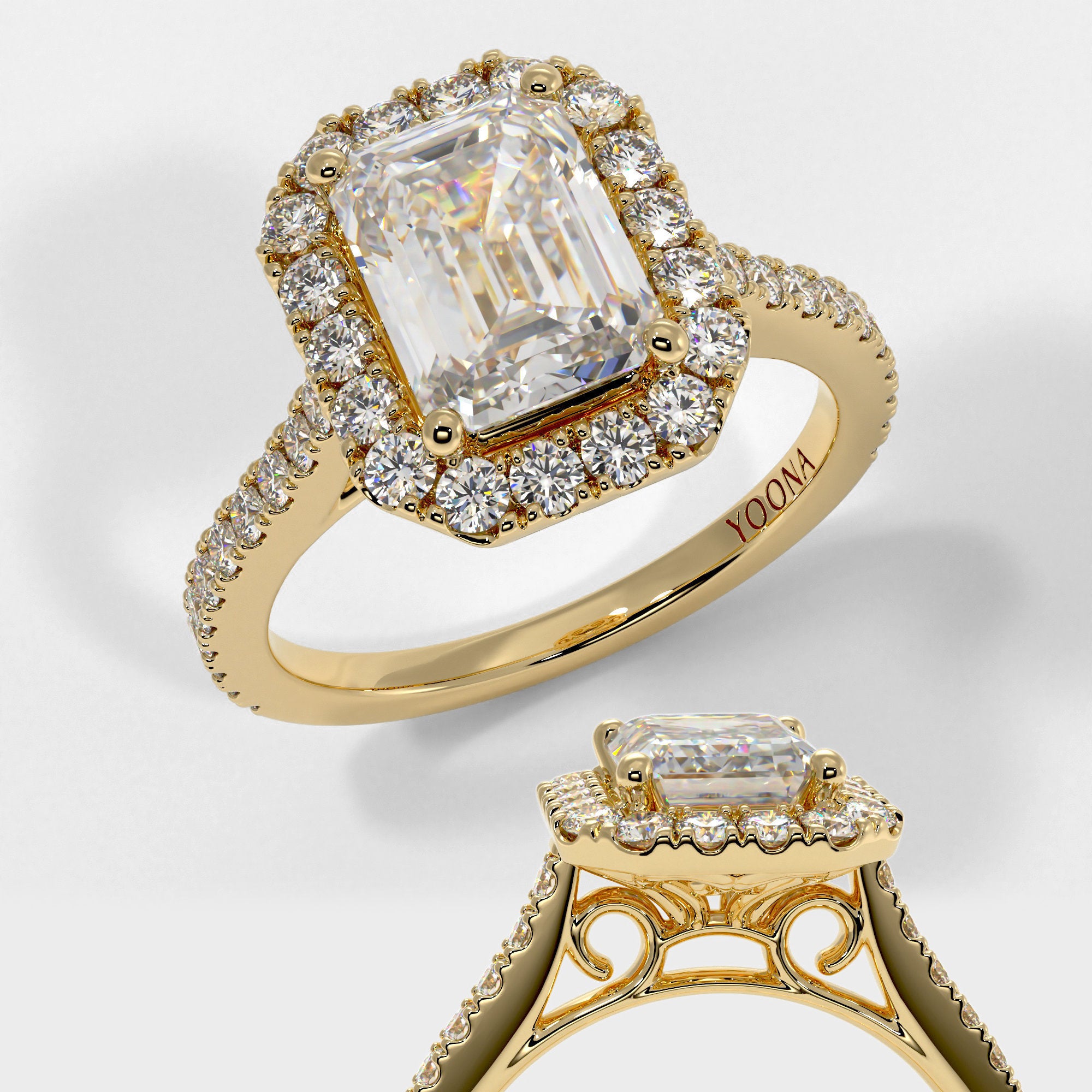
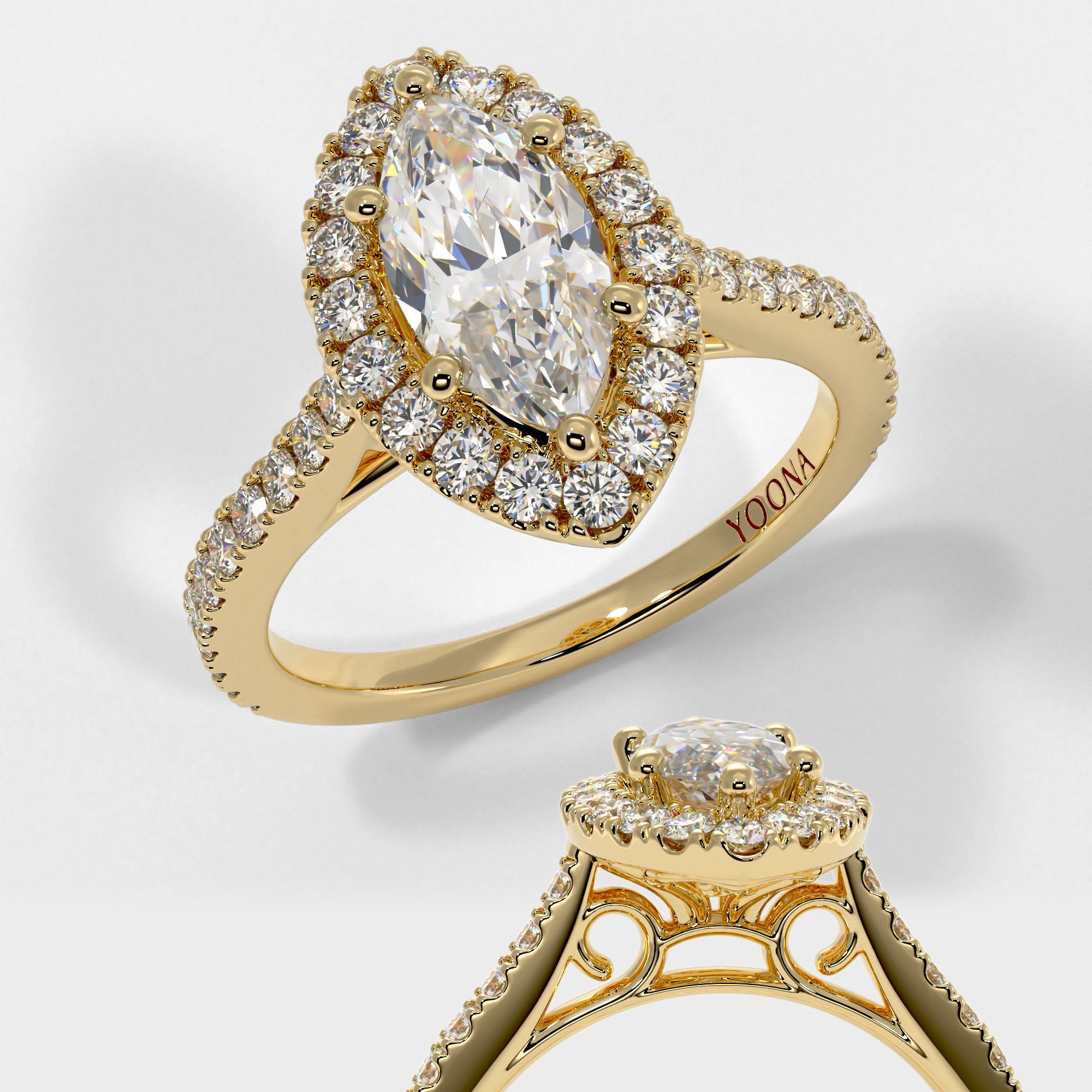
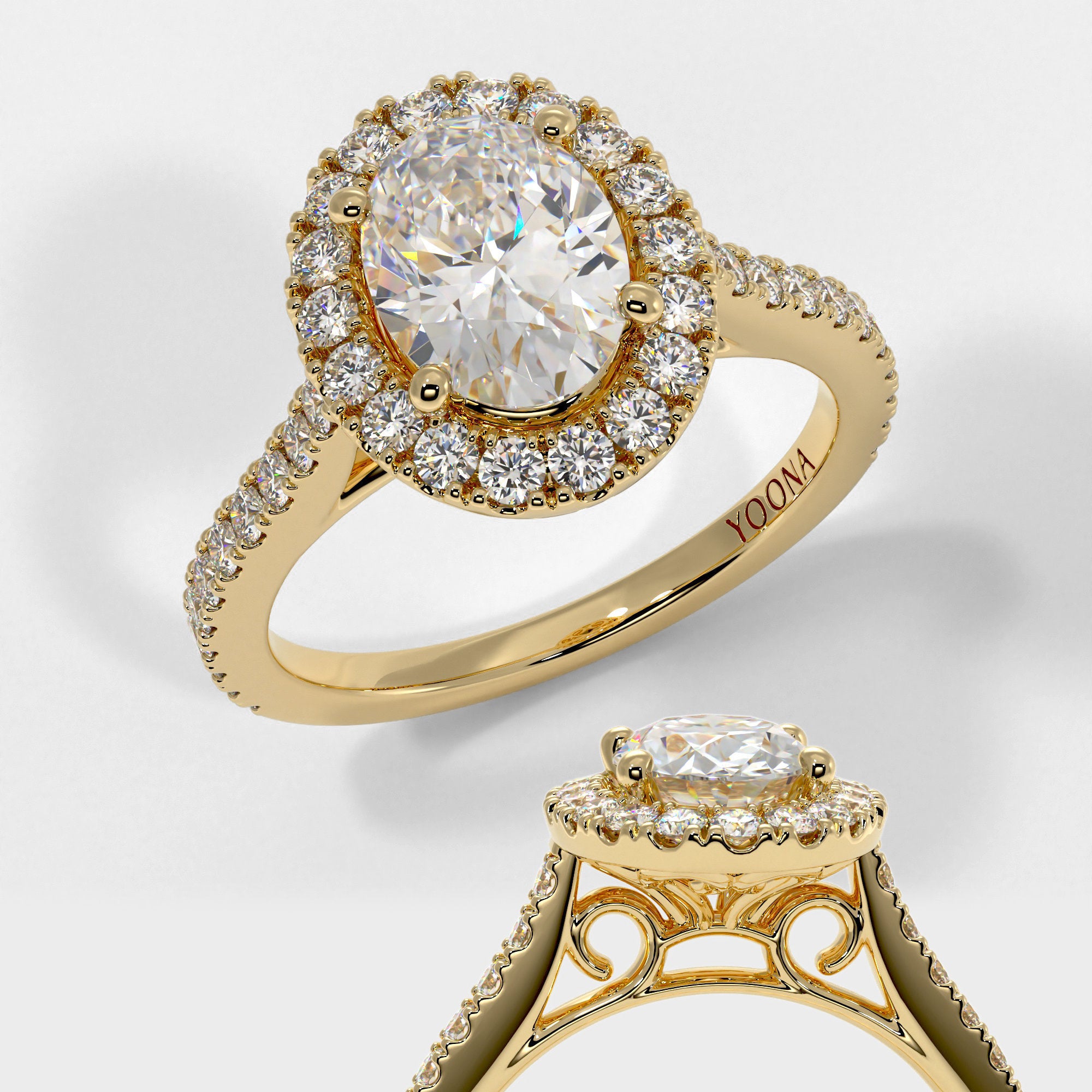
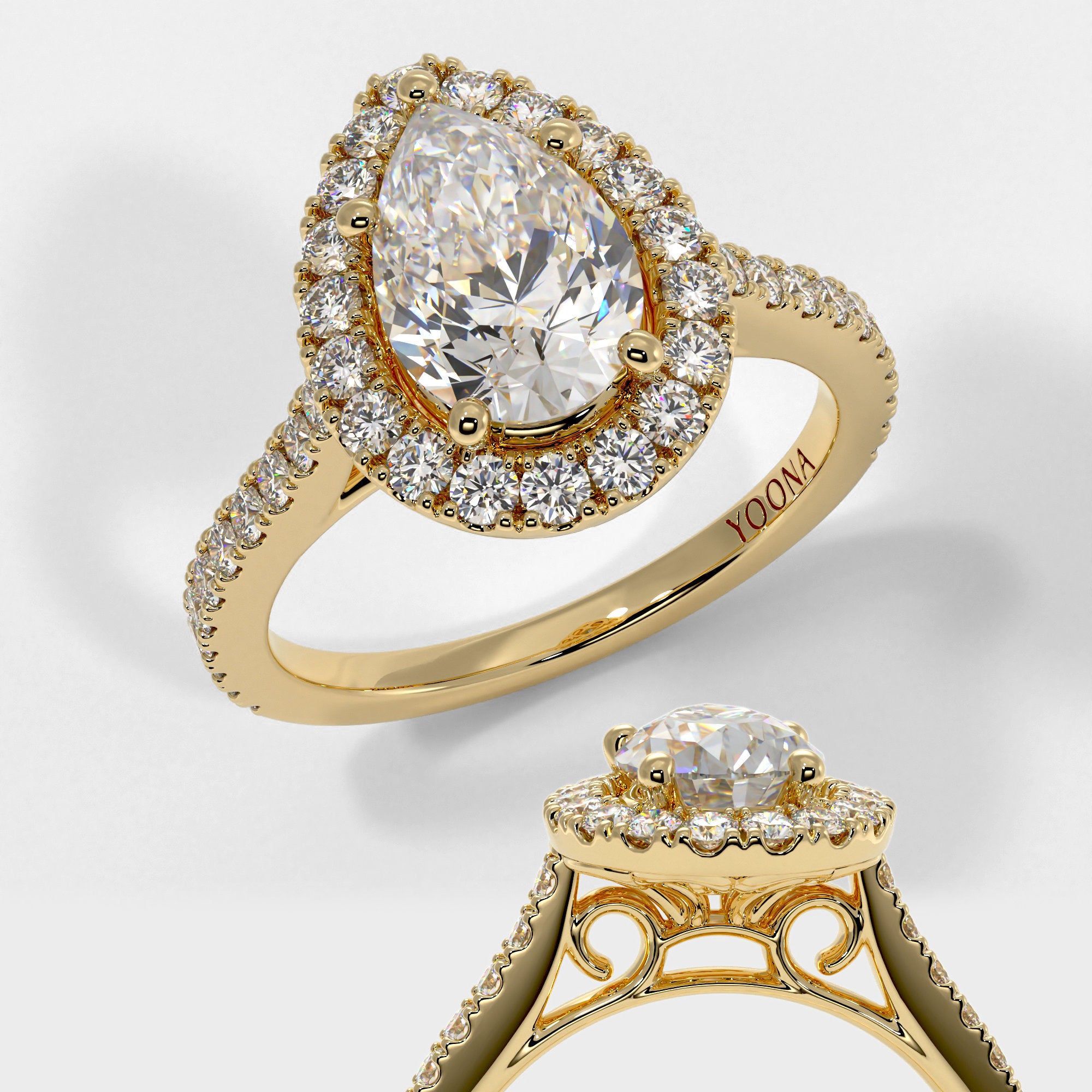
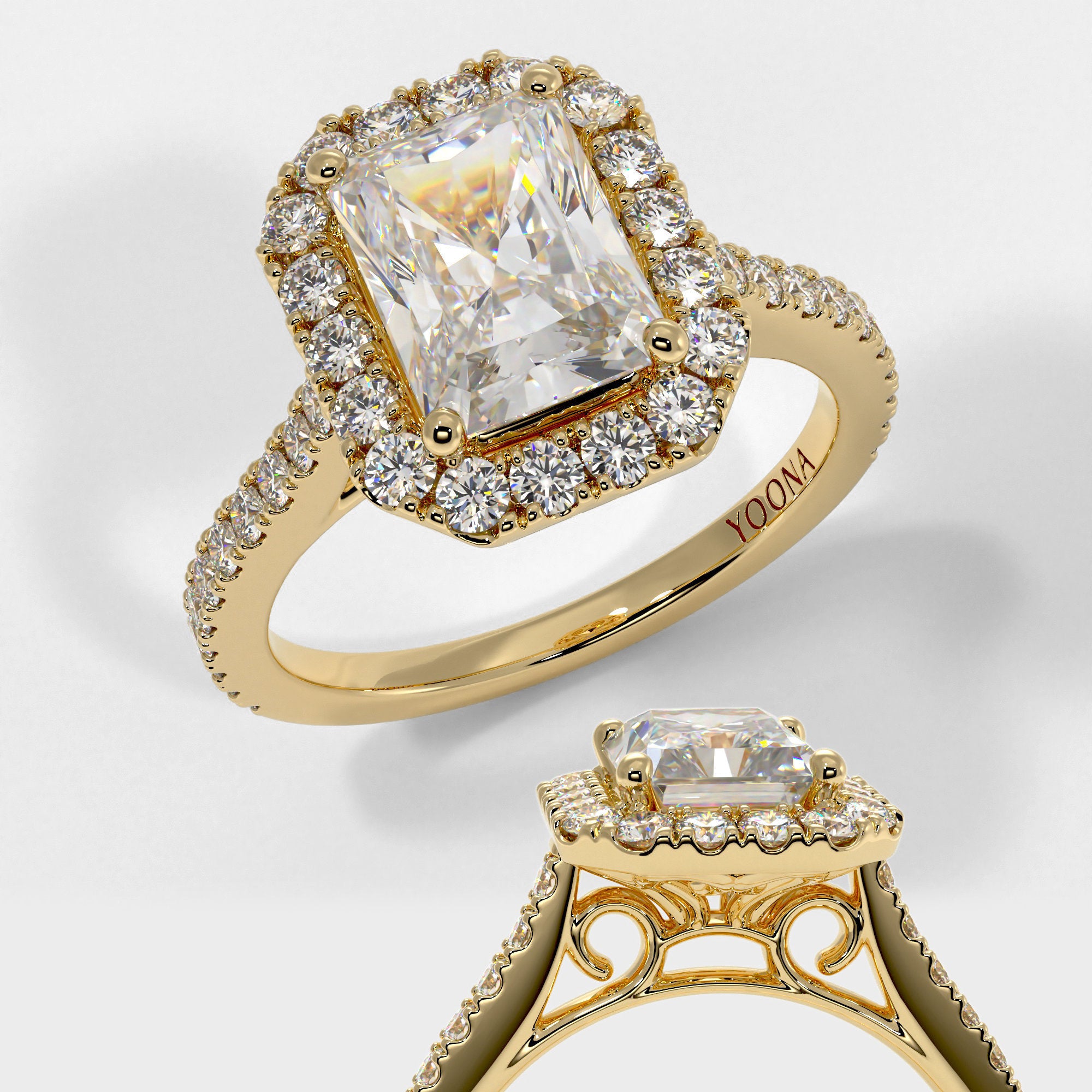
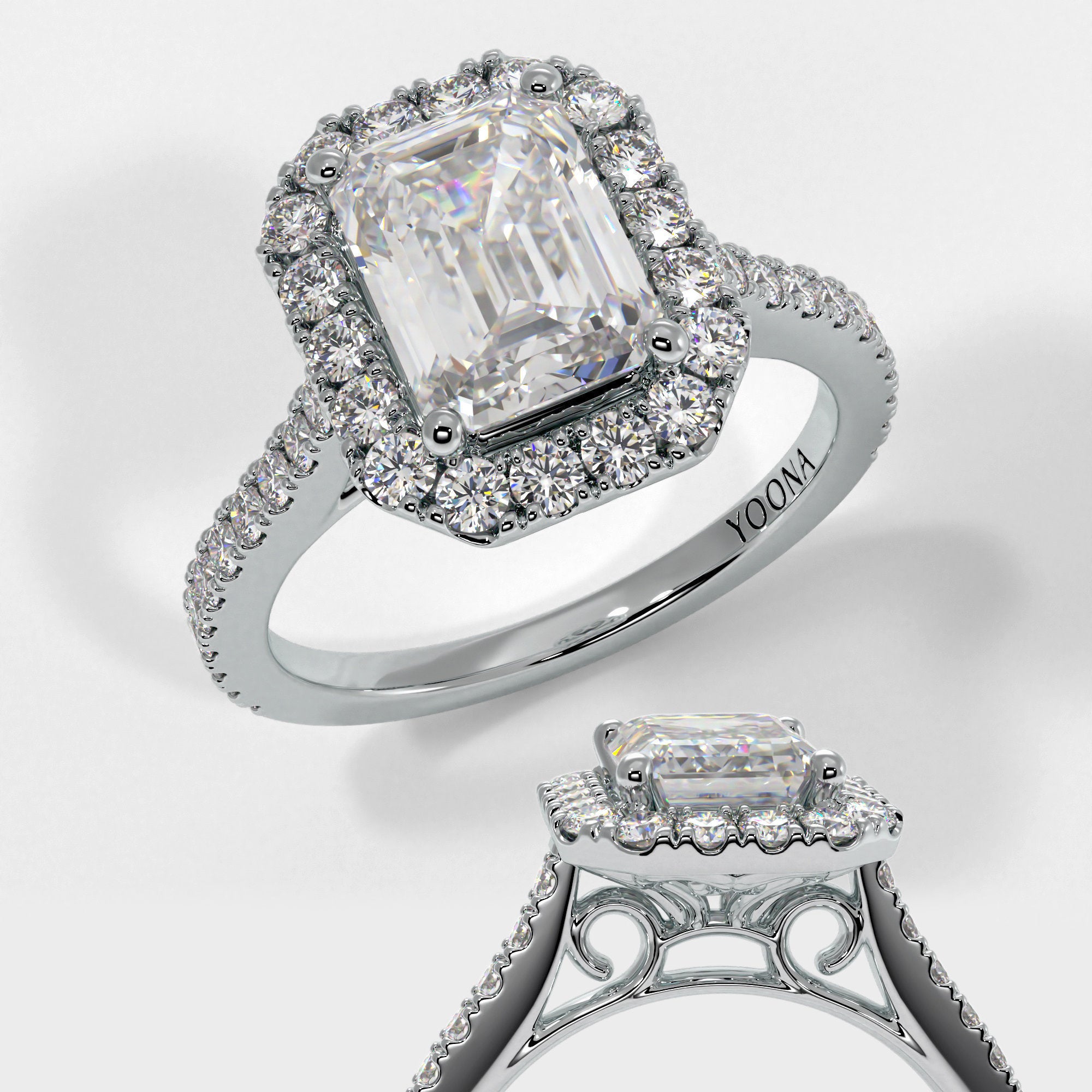
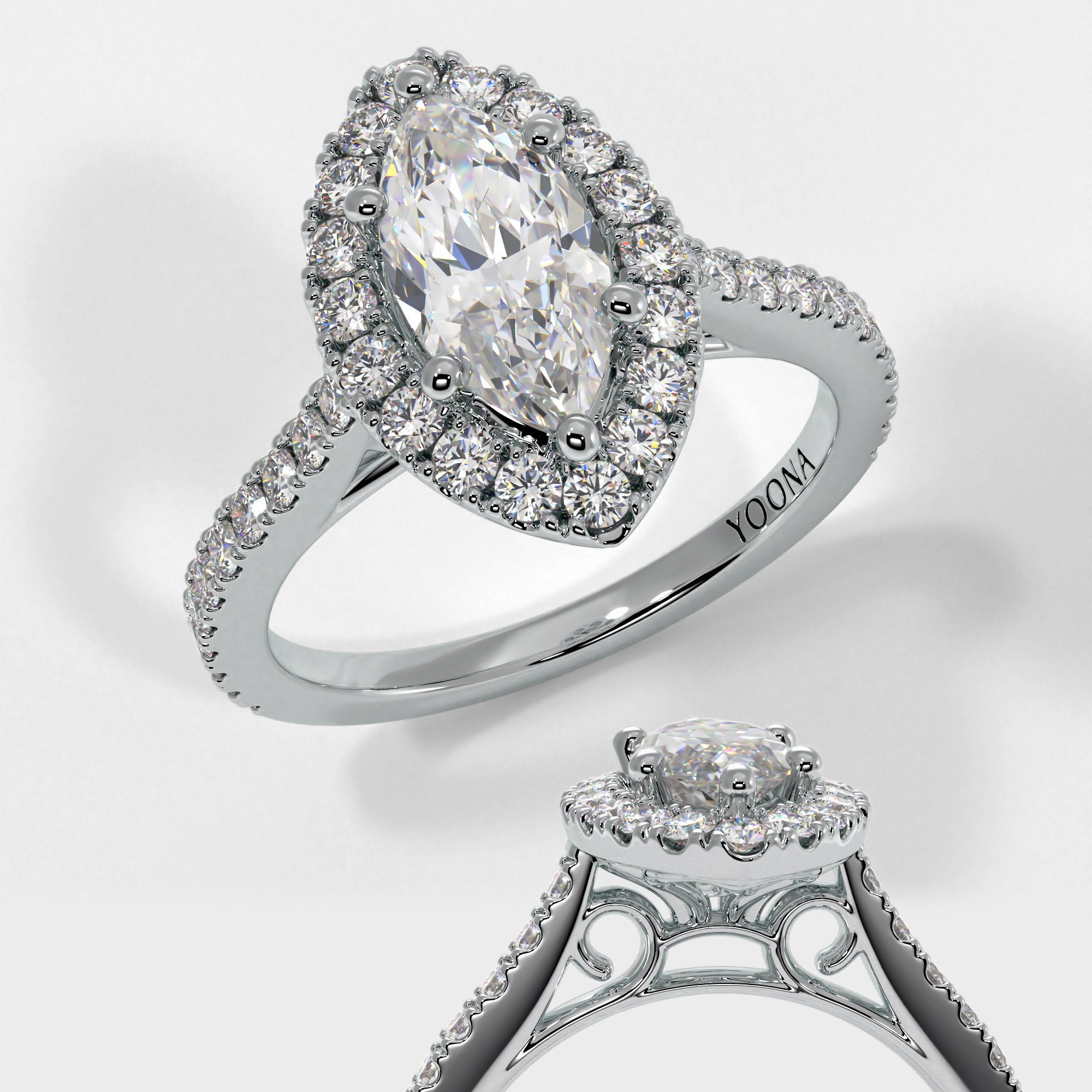
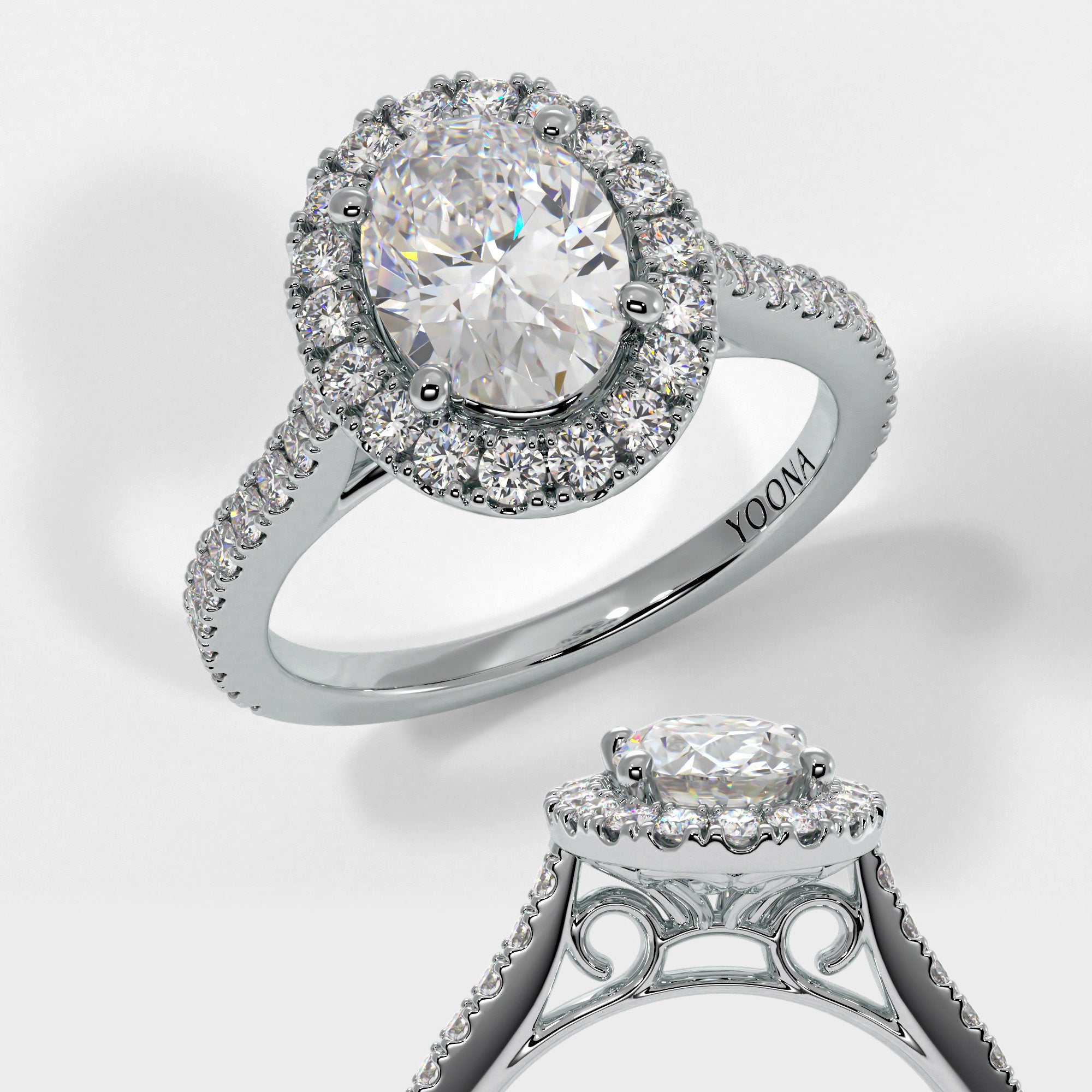
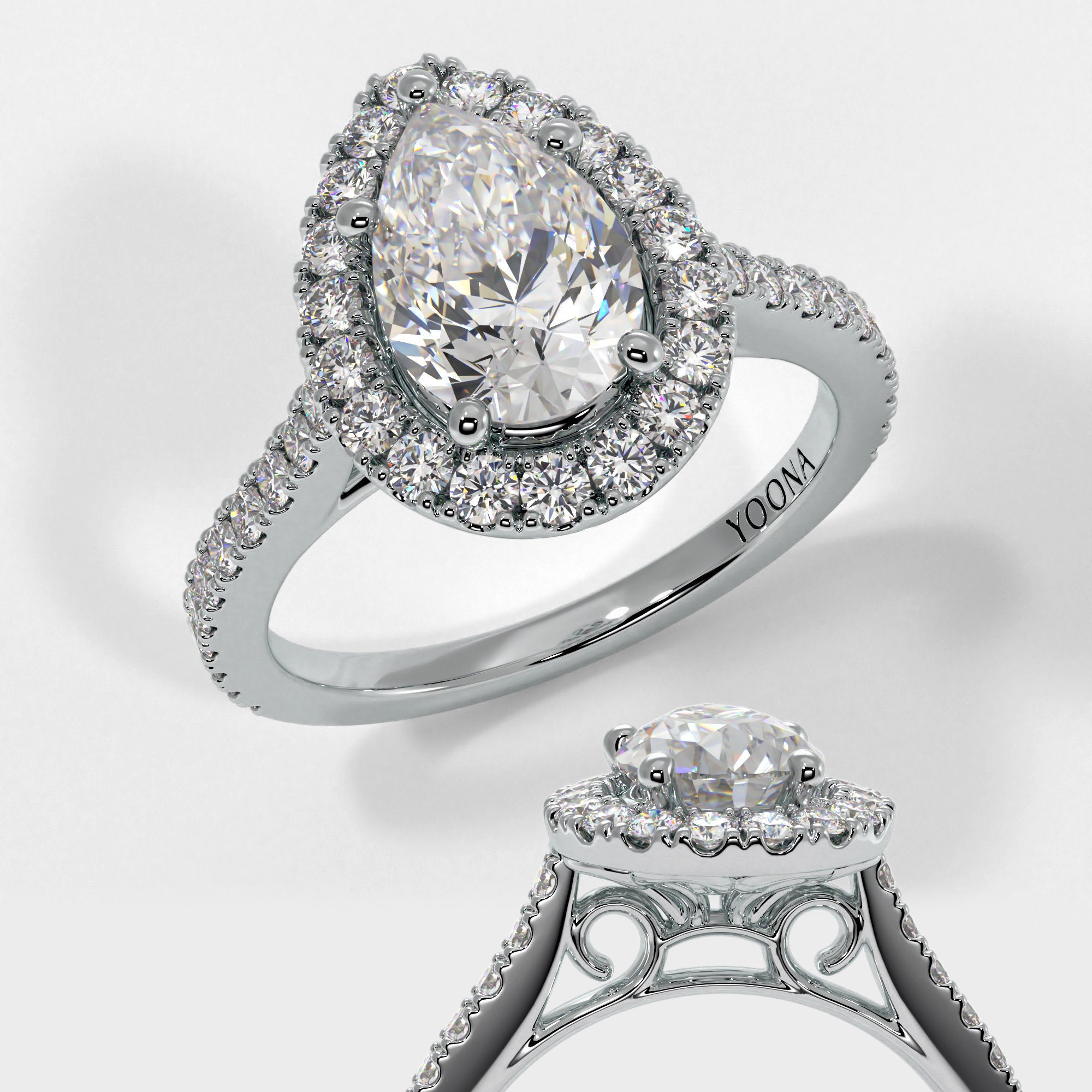
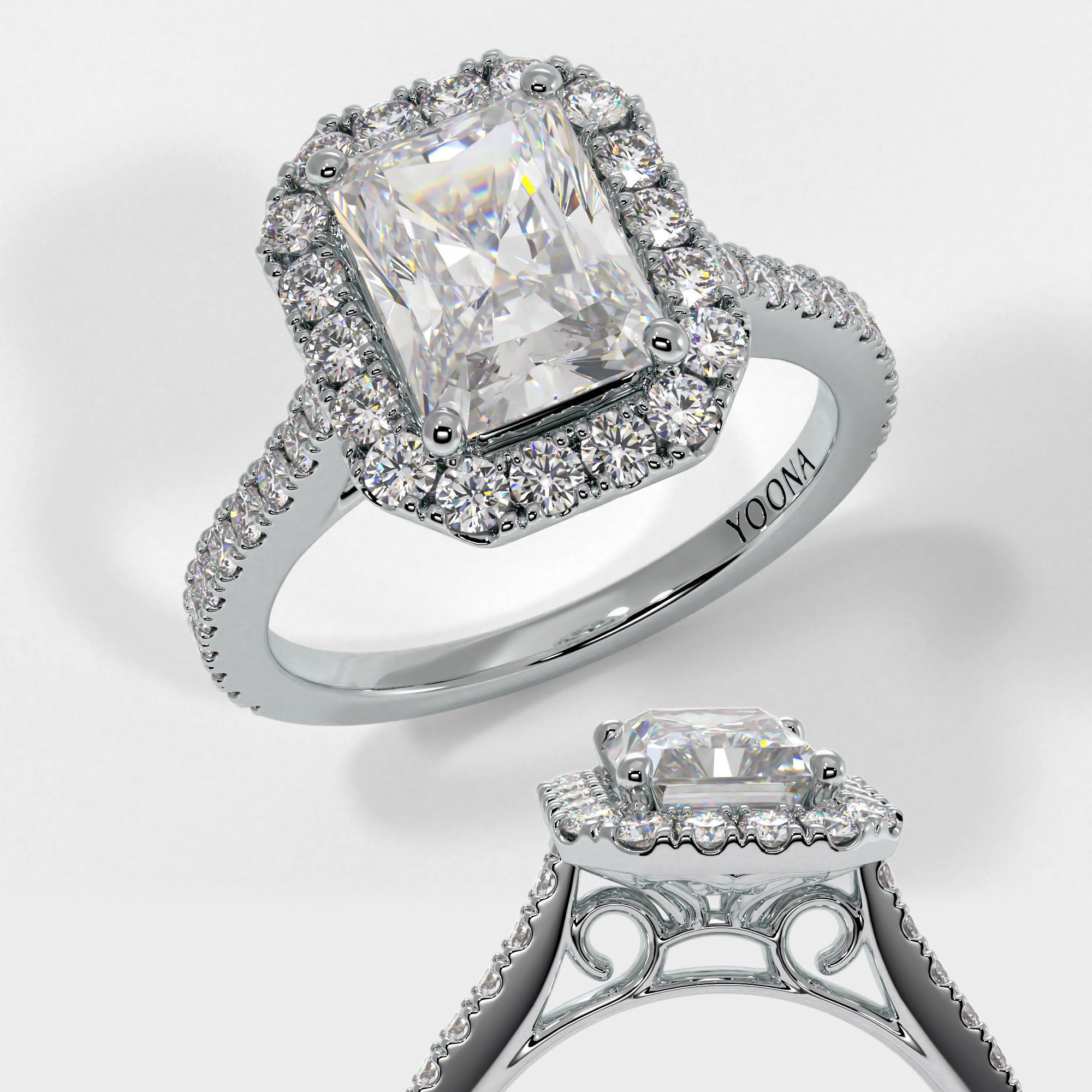
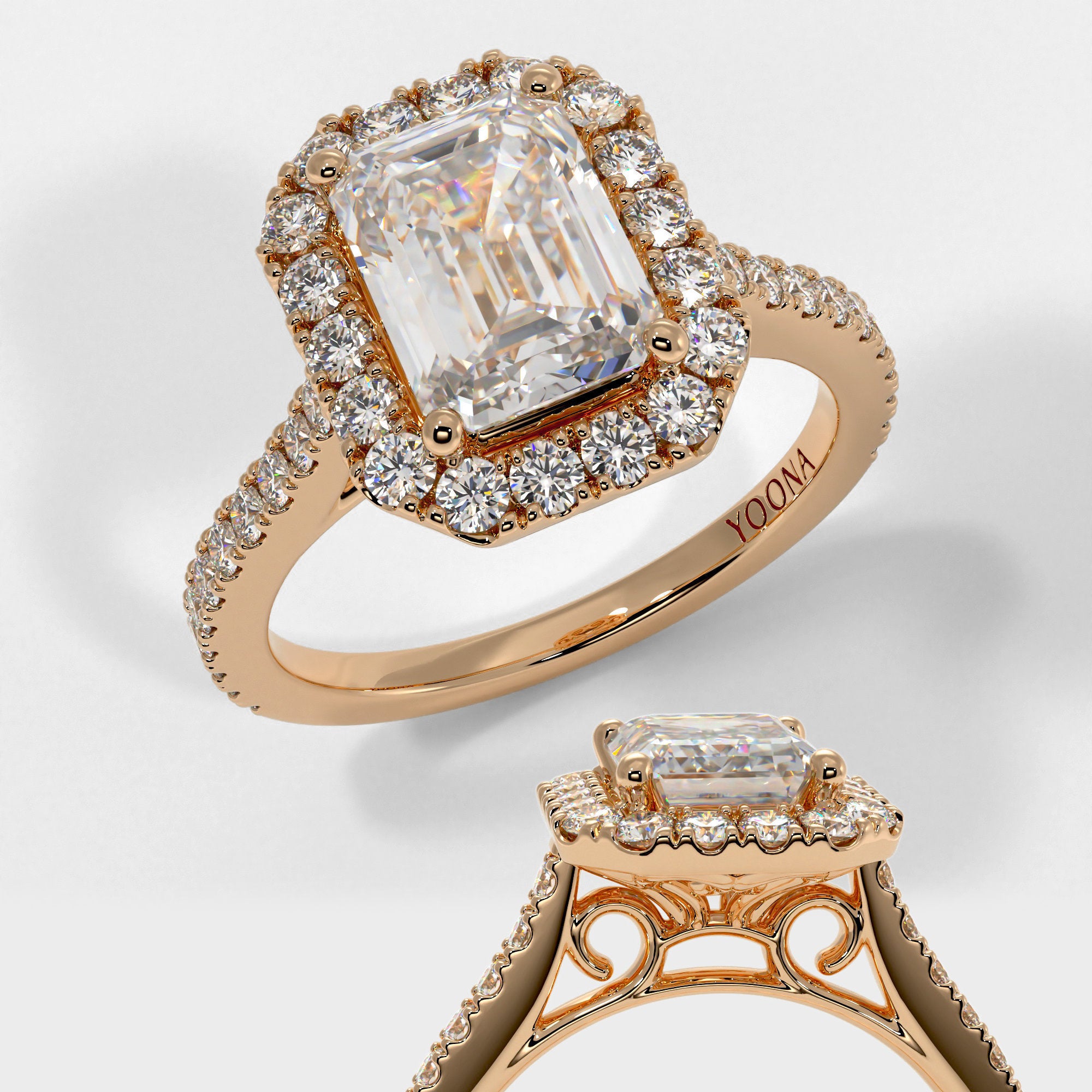
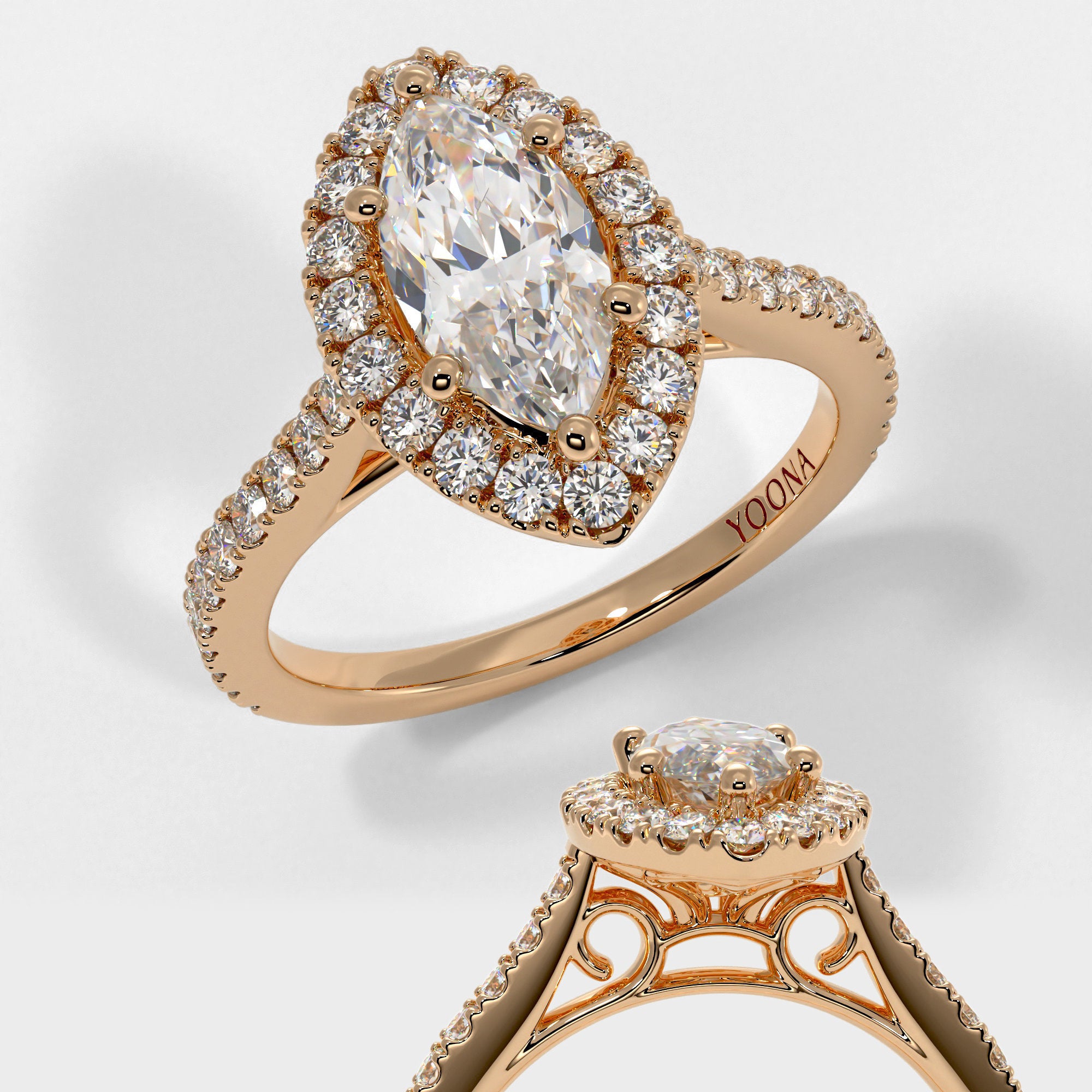
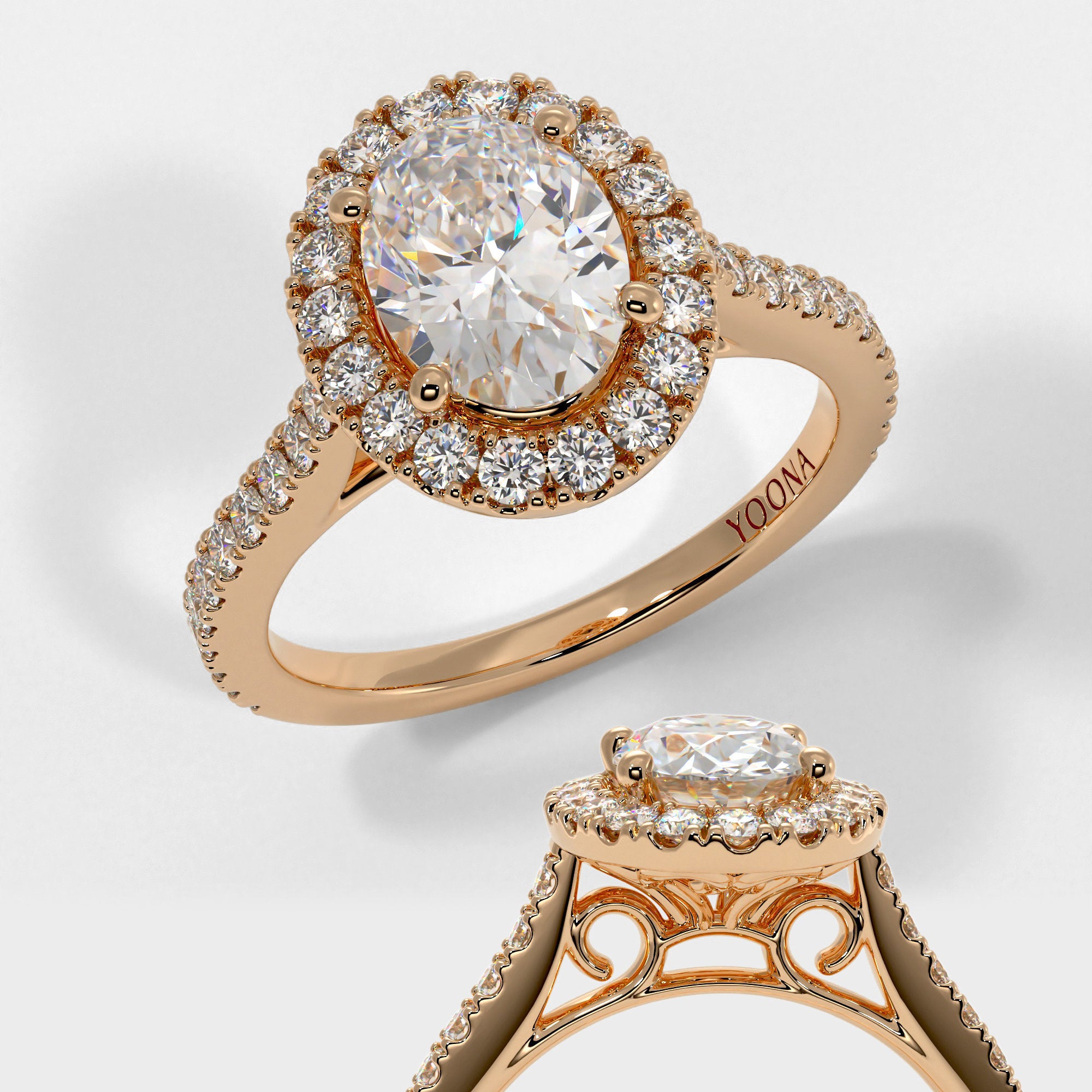
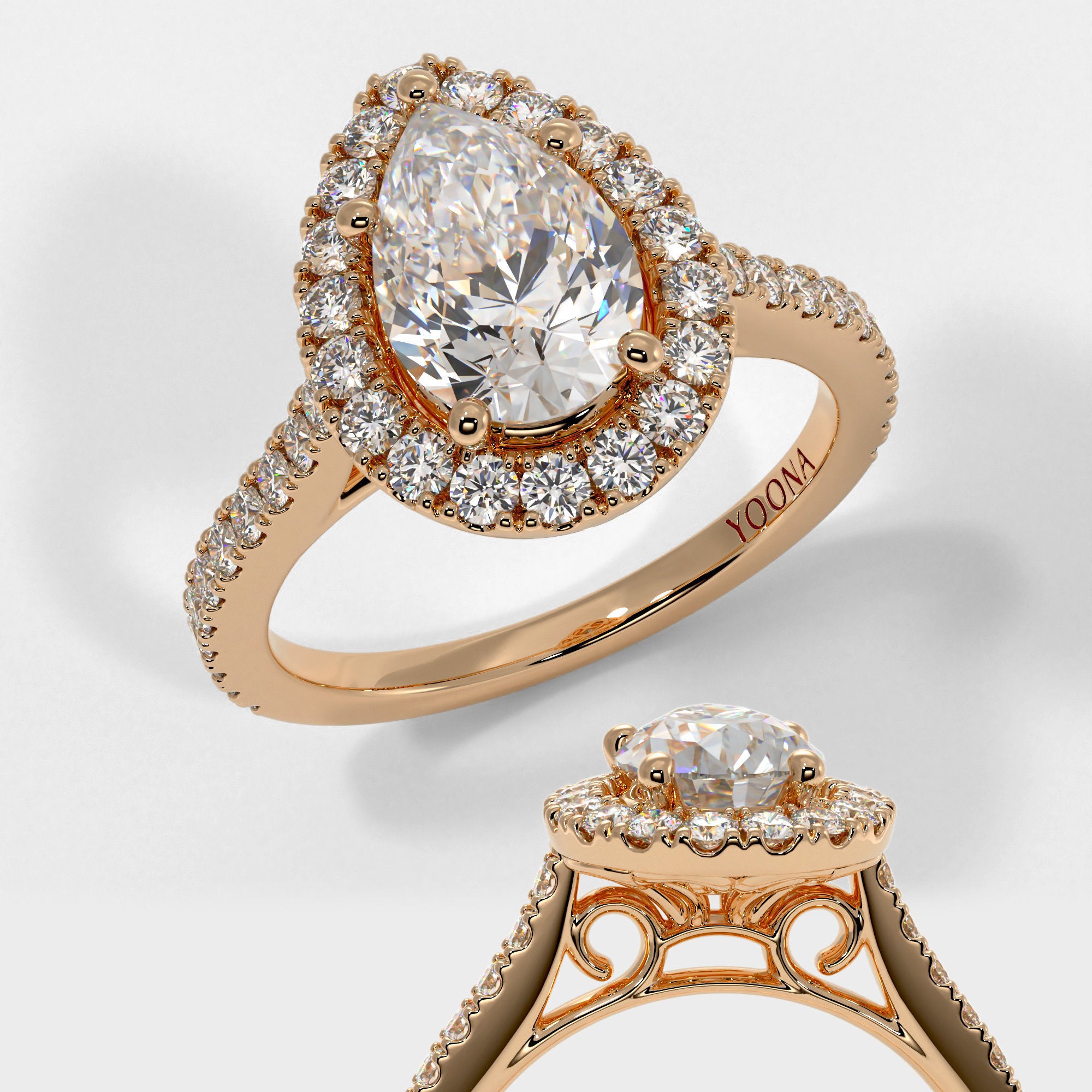
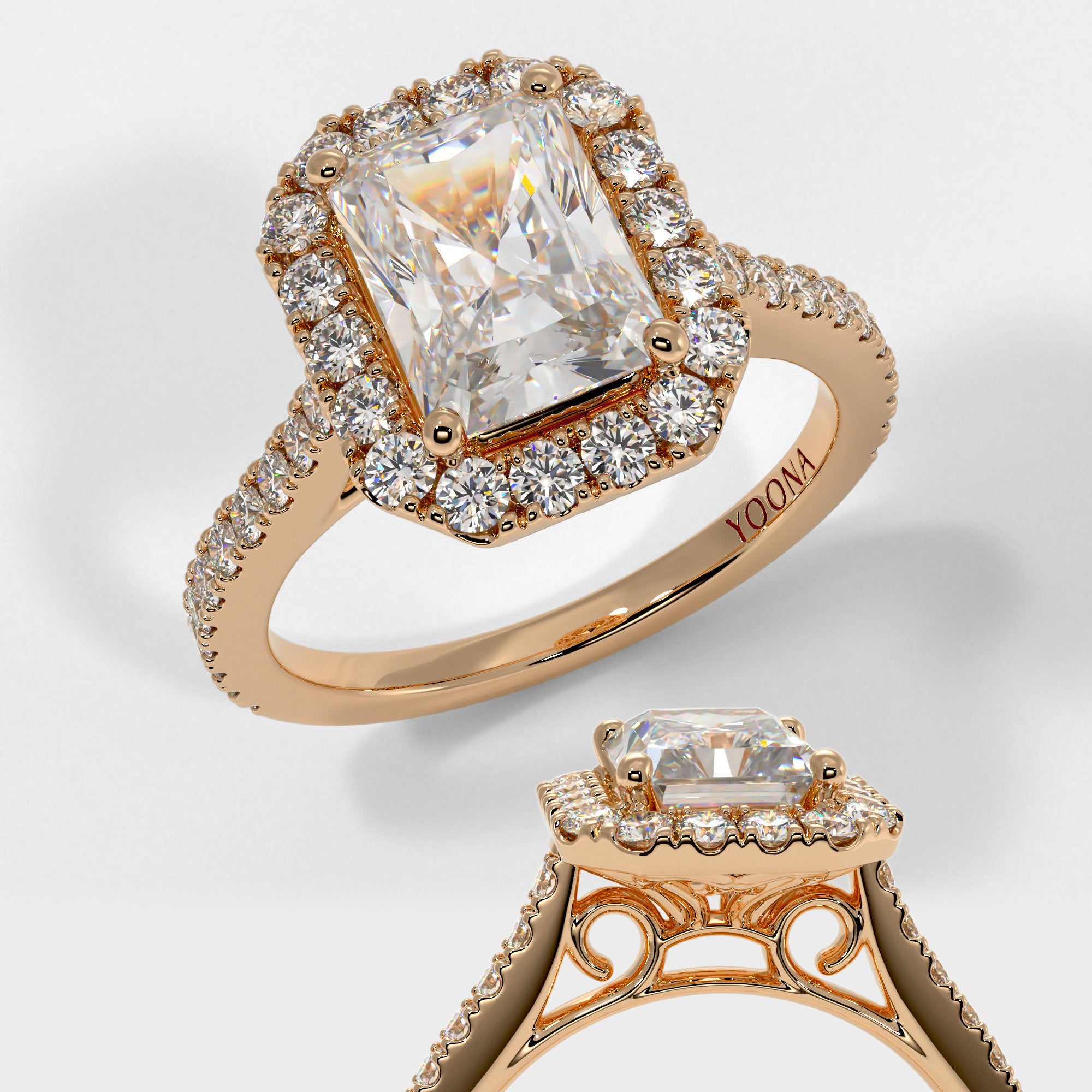
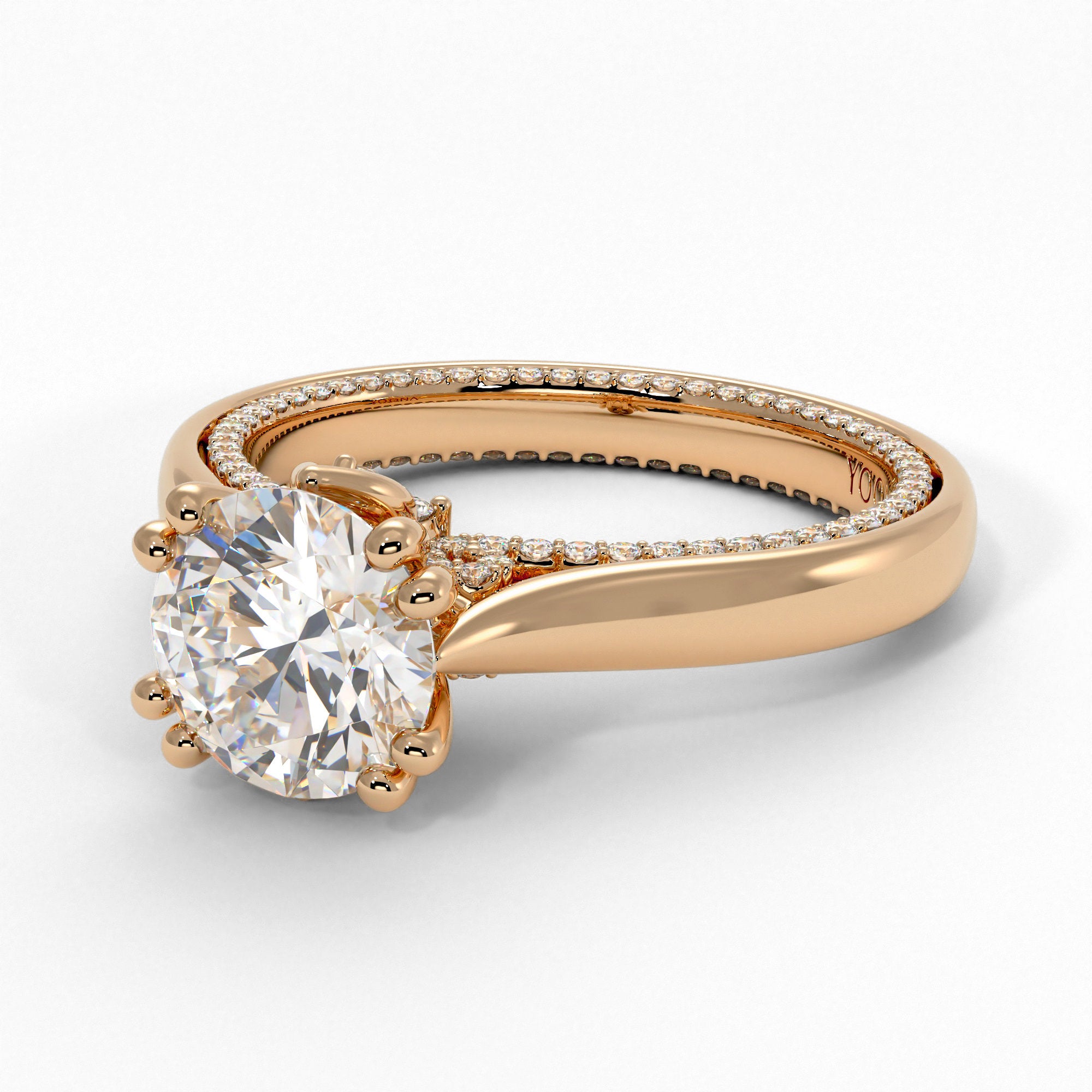
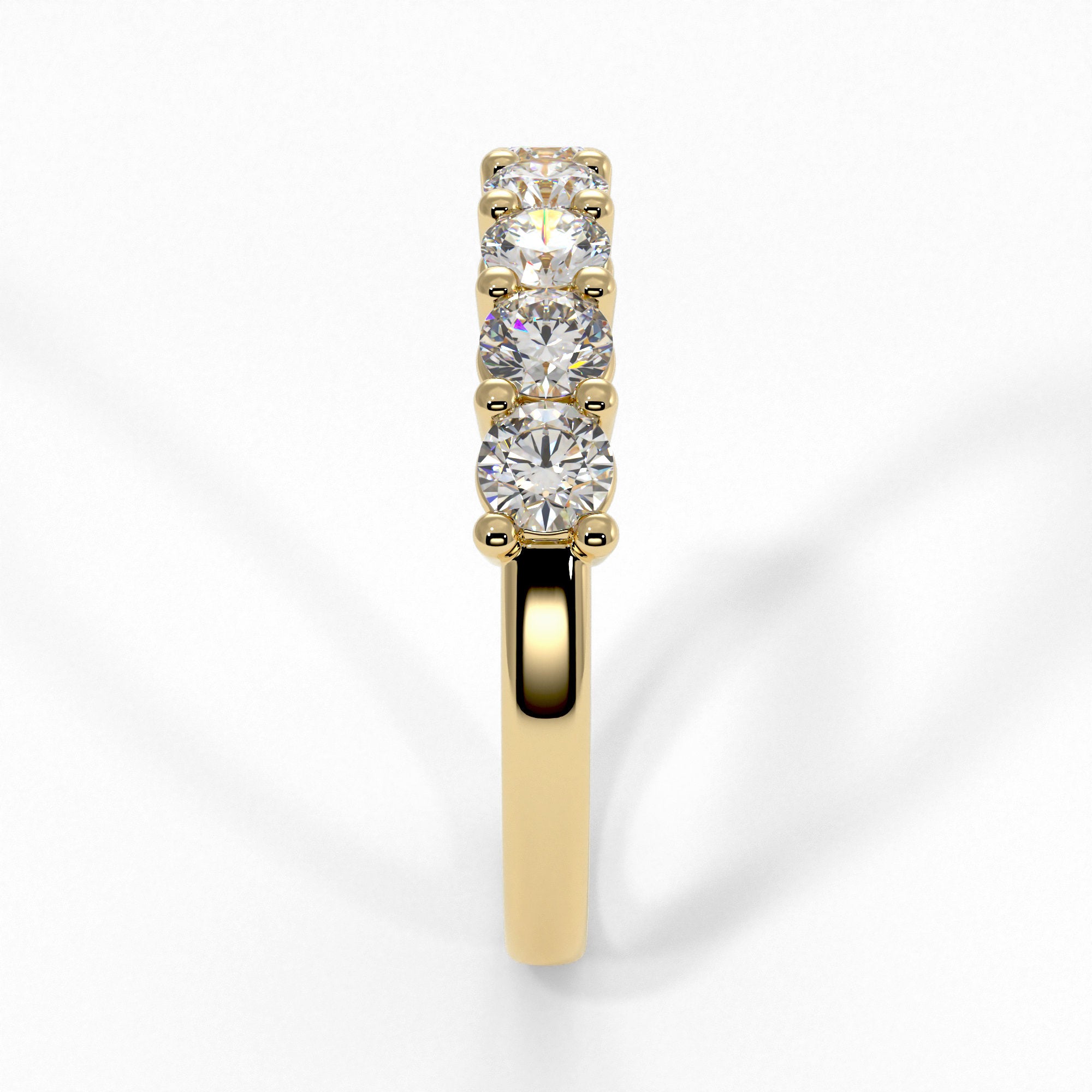
- Shape: Elongated shapes, oval, marquise, pear, and emerald, spread more surface area across your finger for the same carat weight as a round, since a round concentrates weight toward the center rather than the edges.
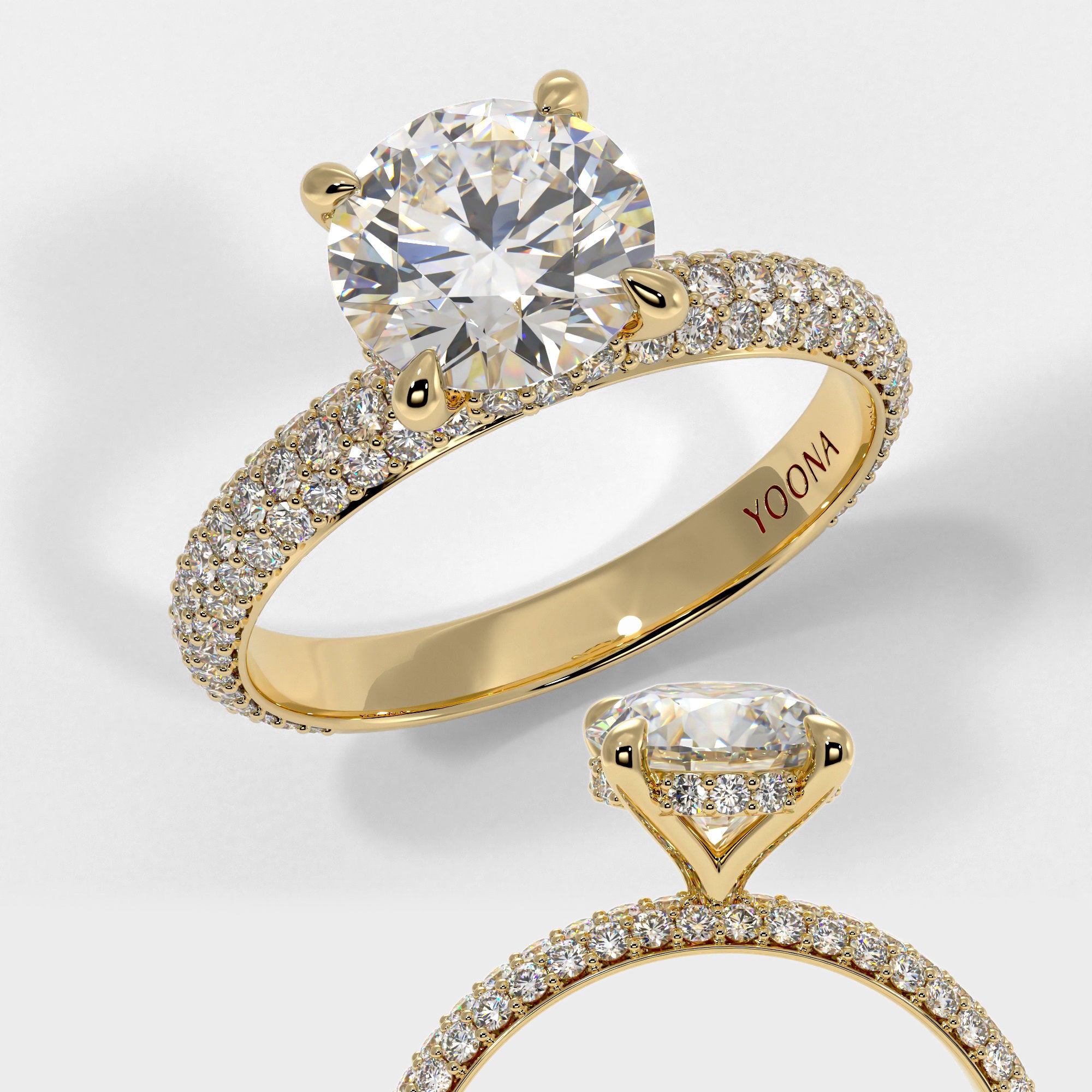
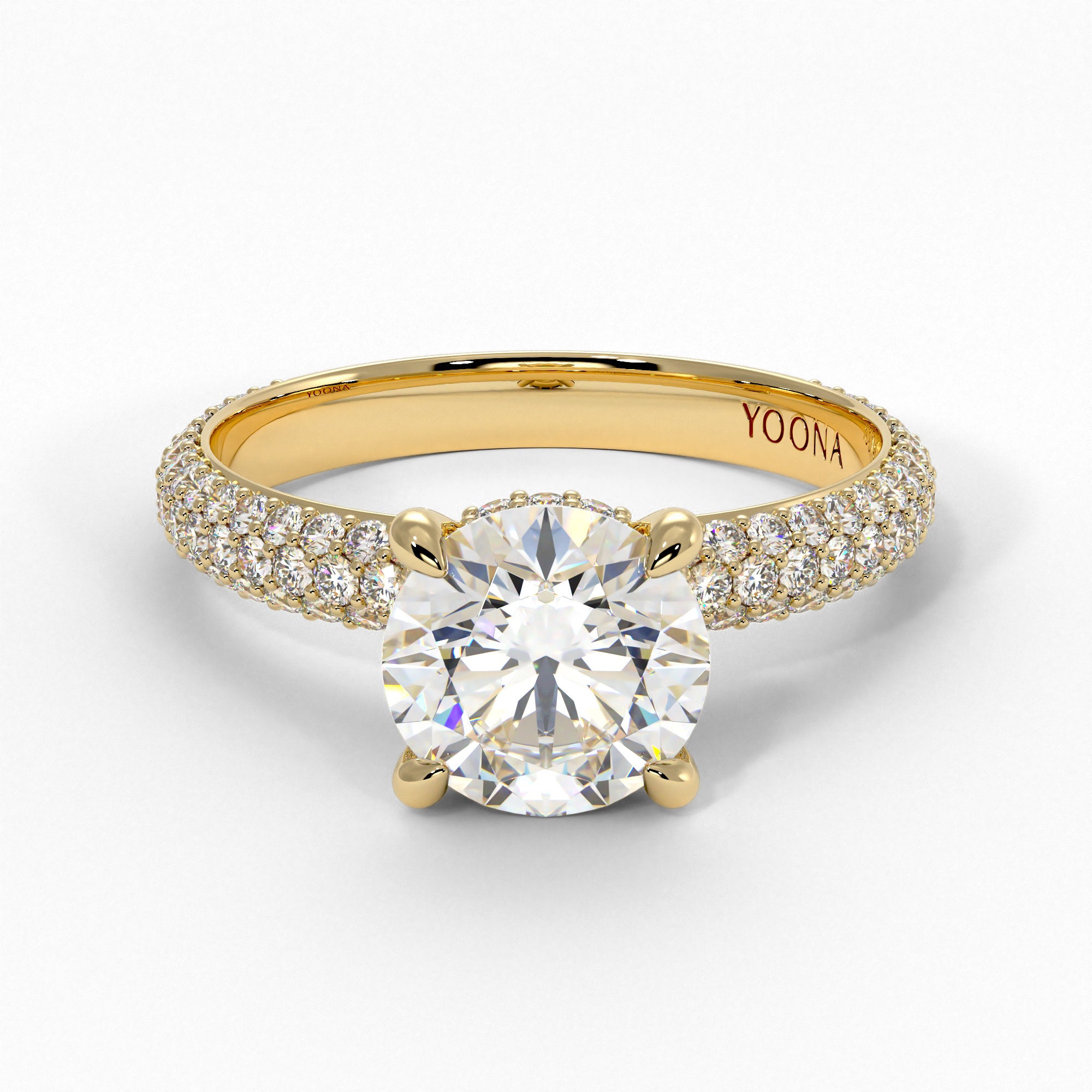
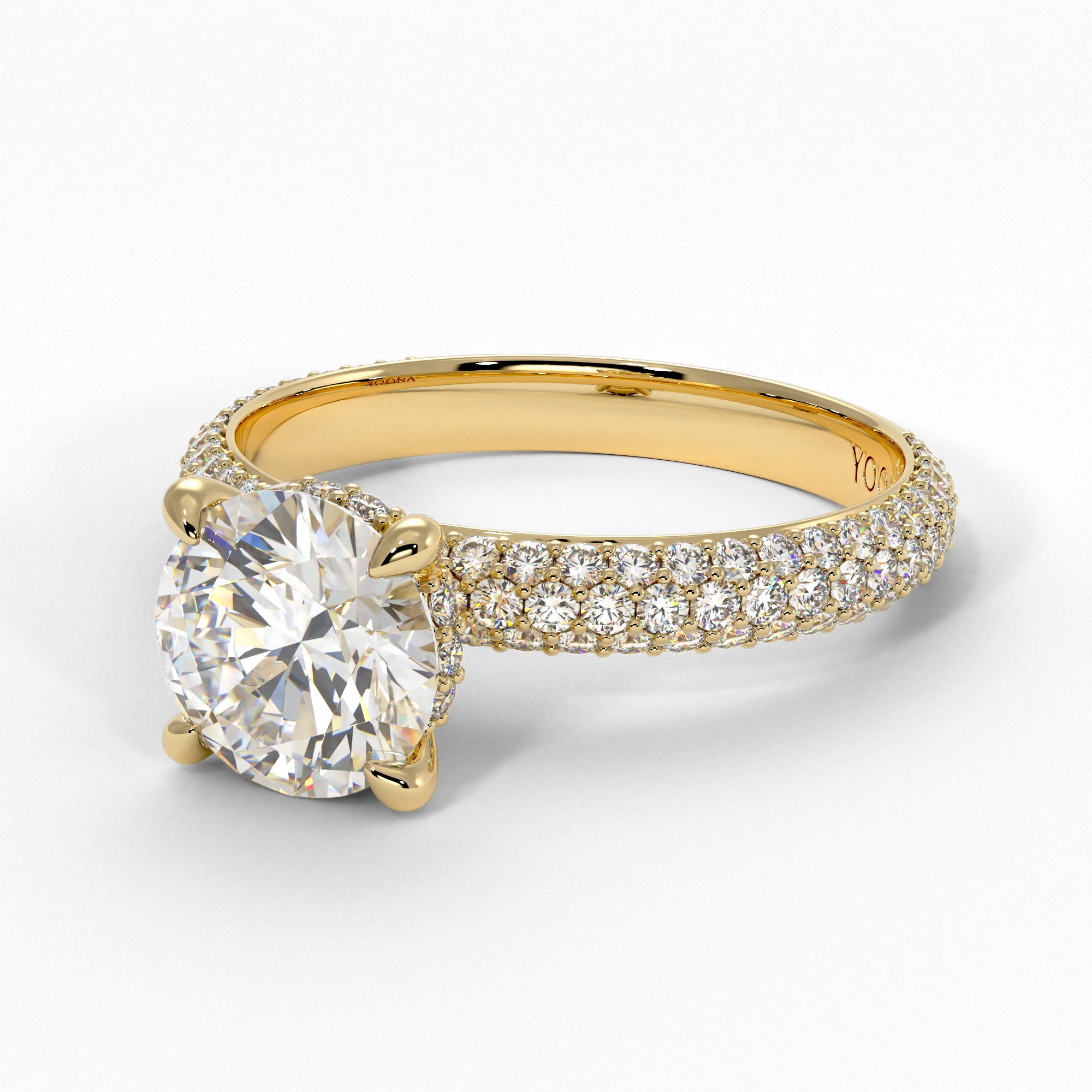
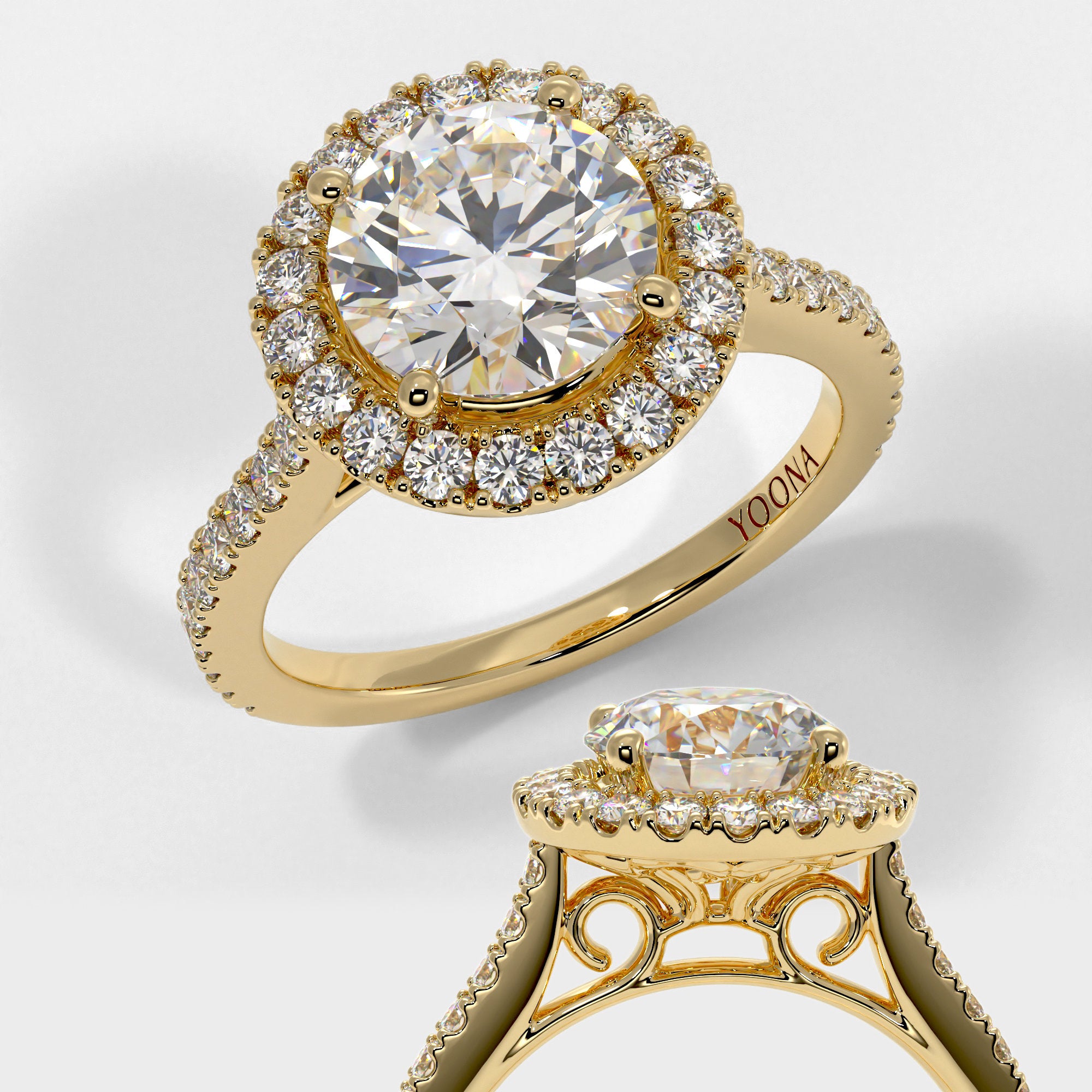
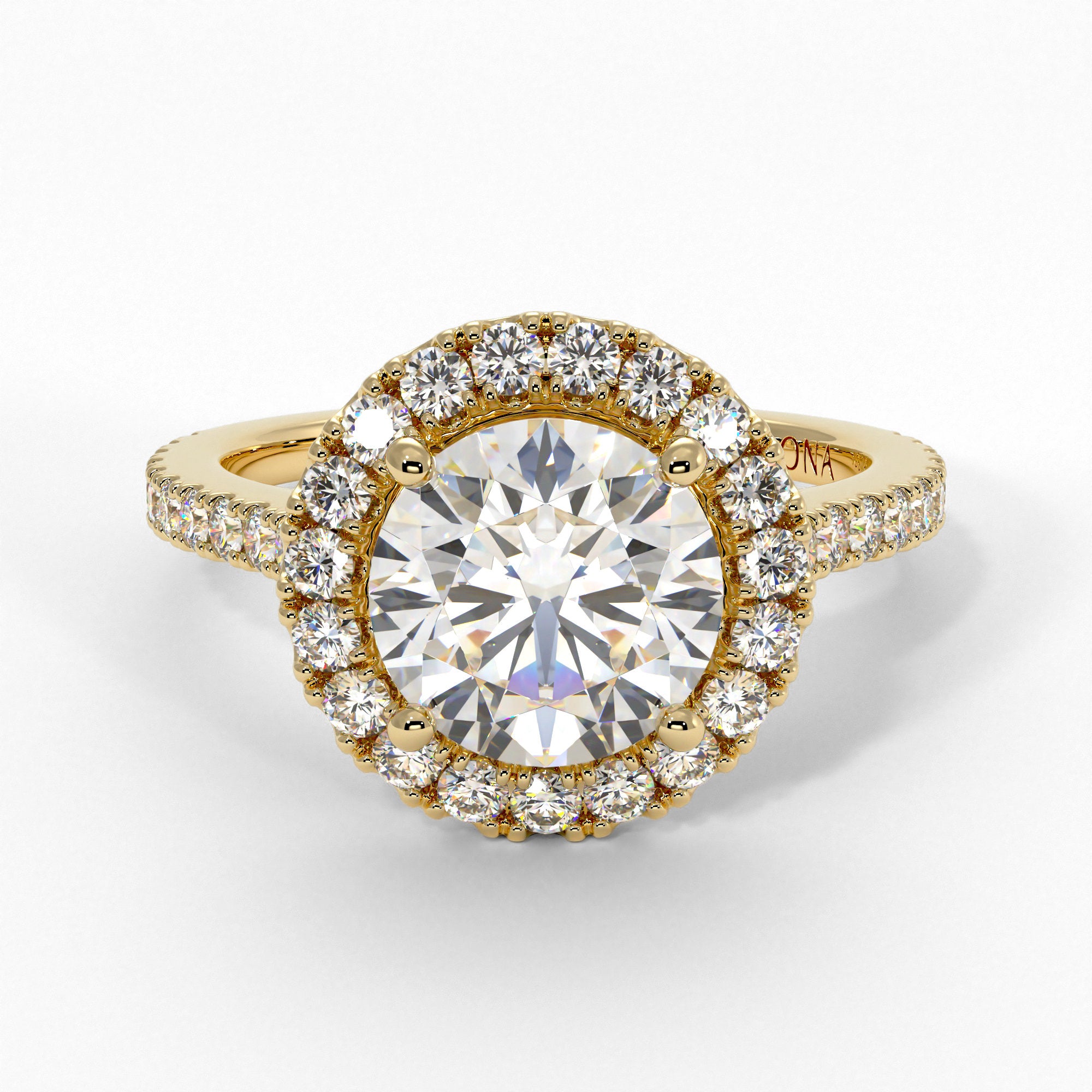
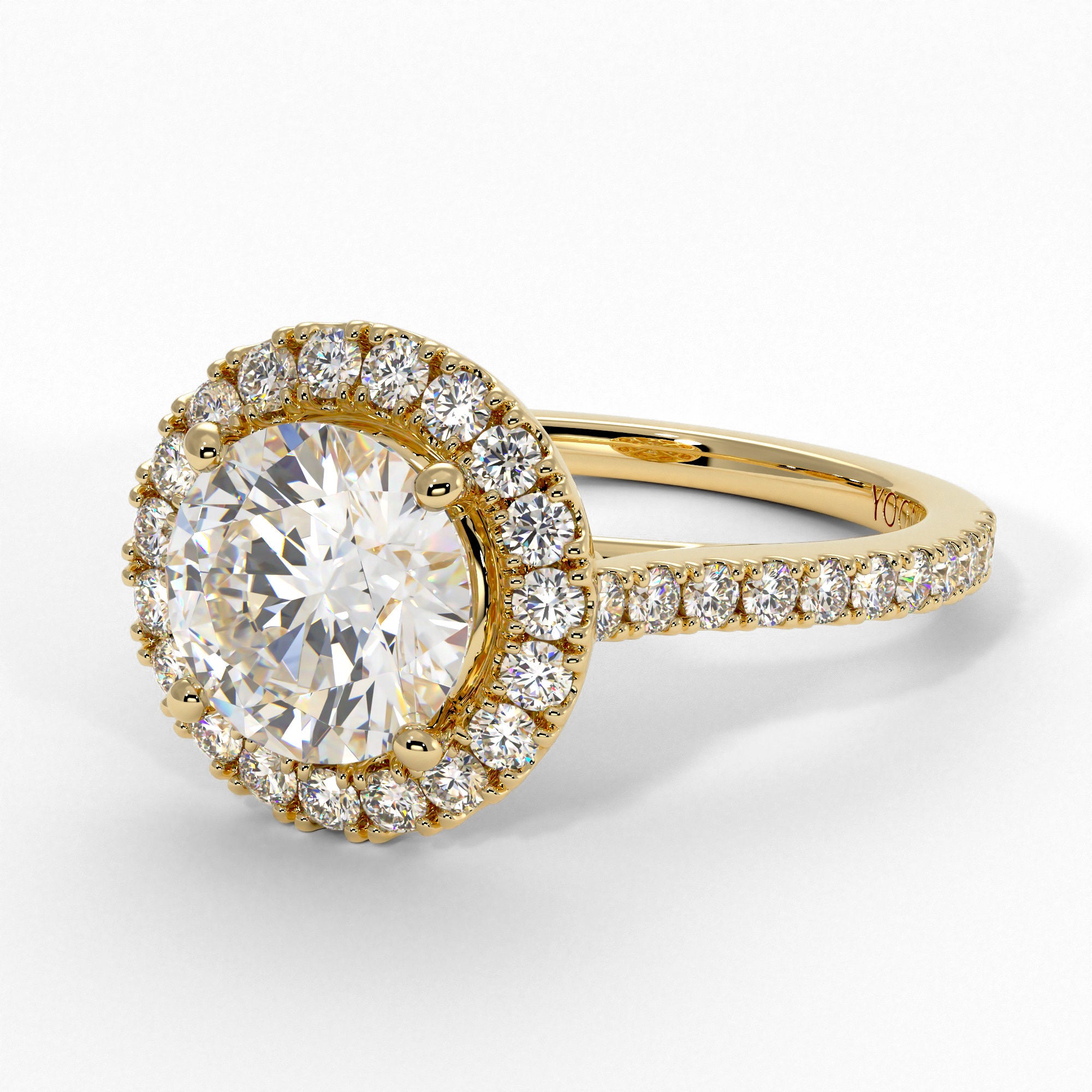
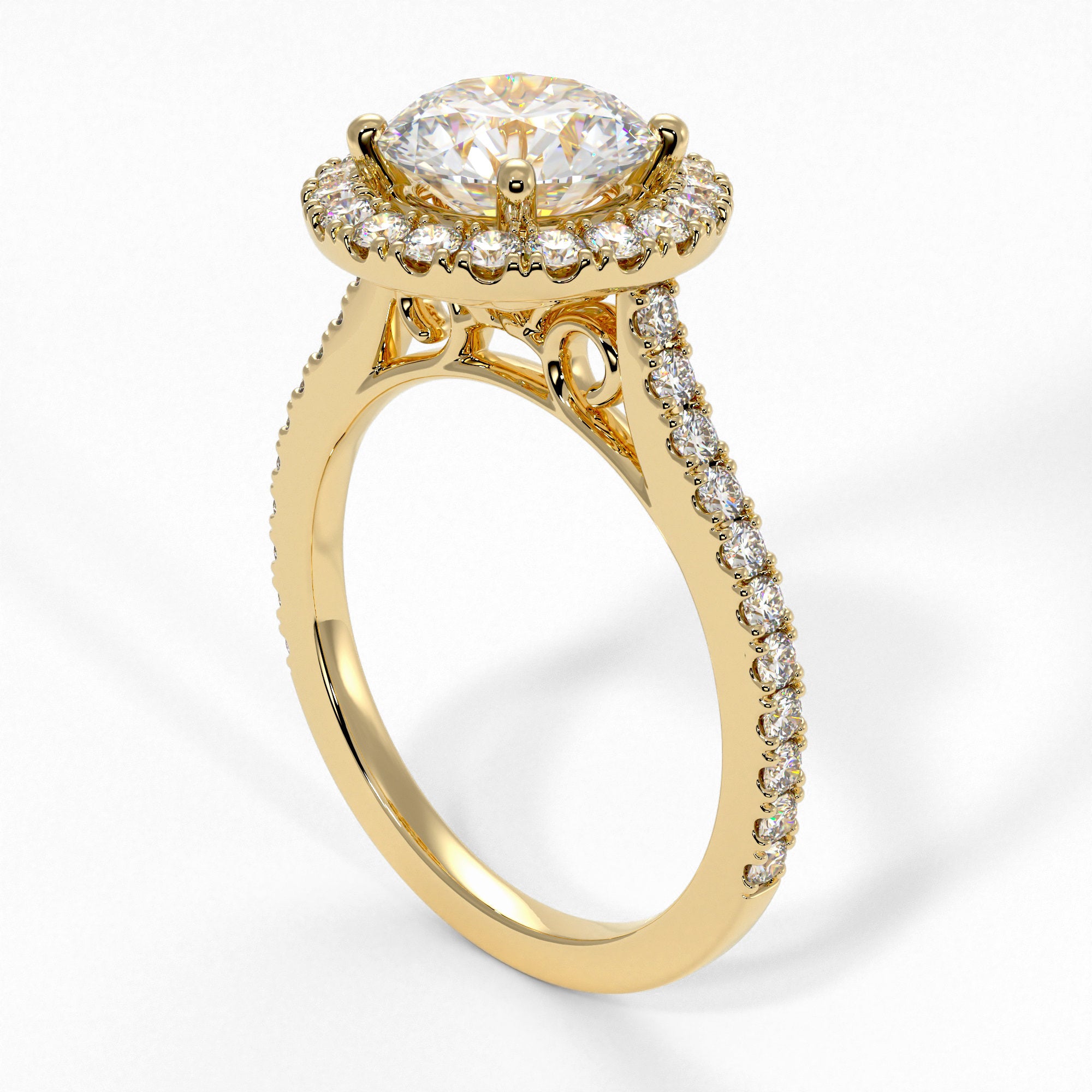
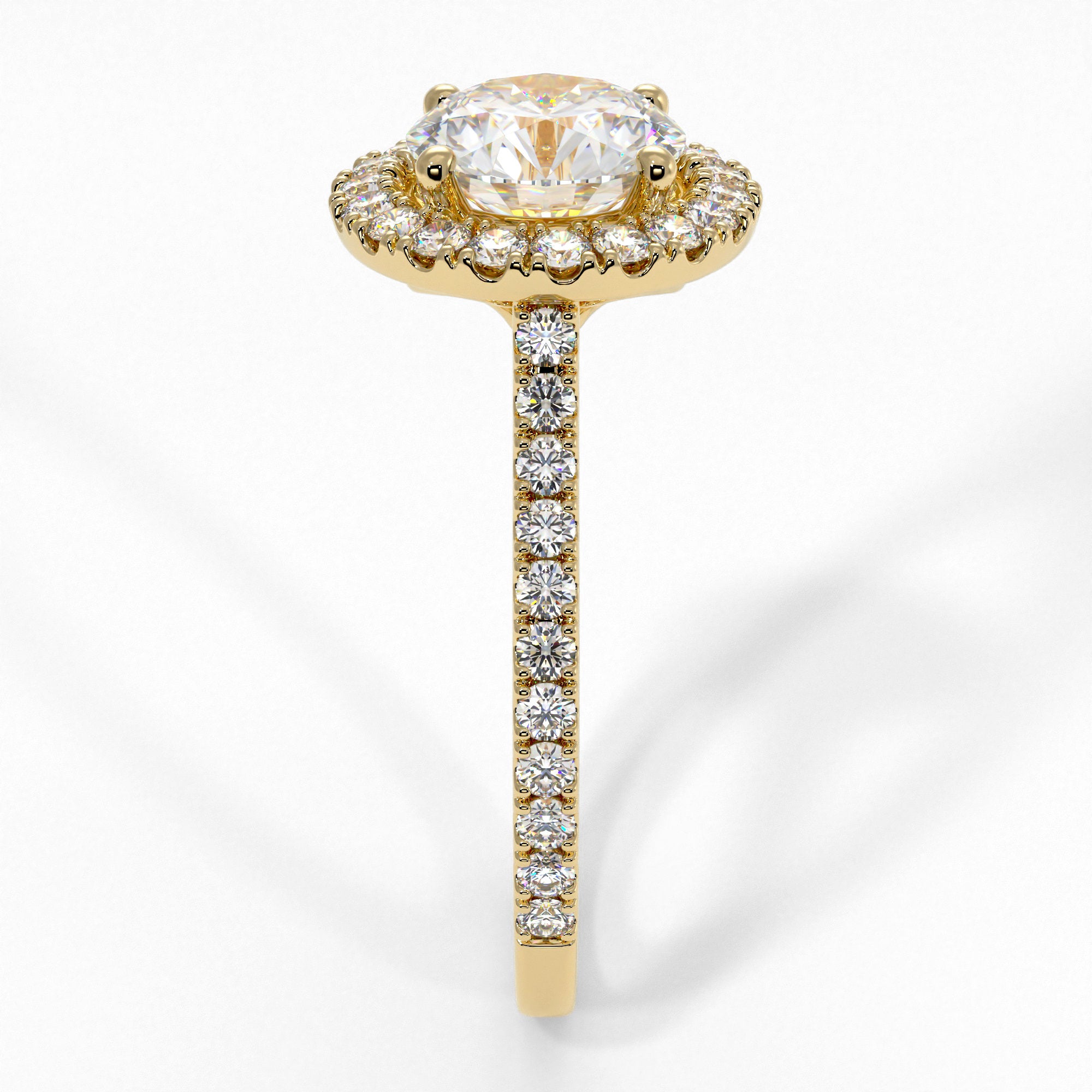
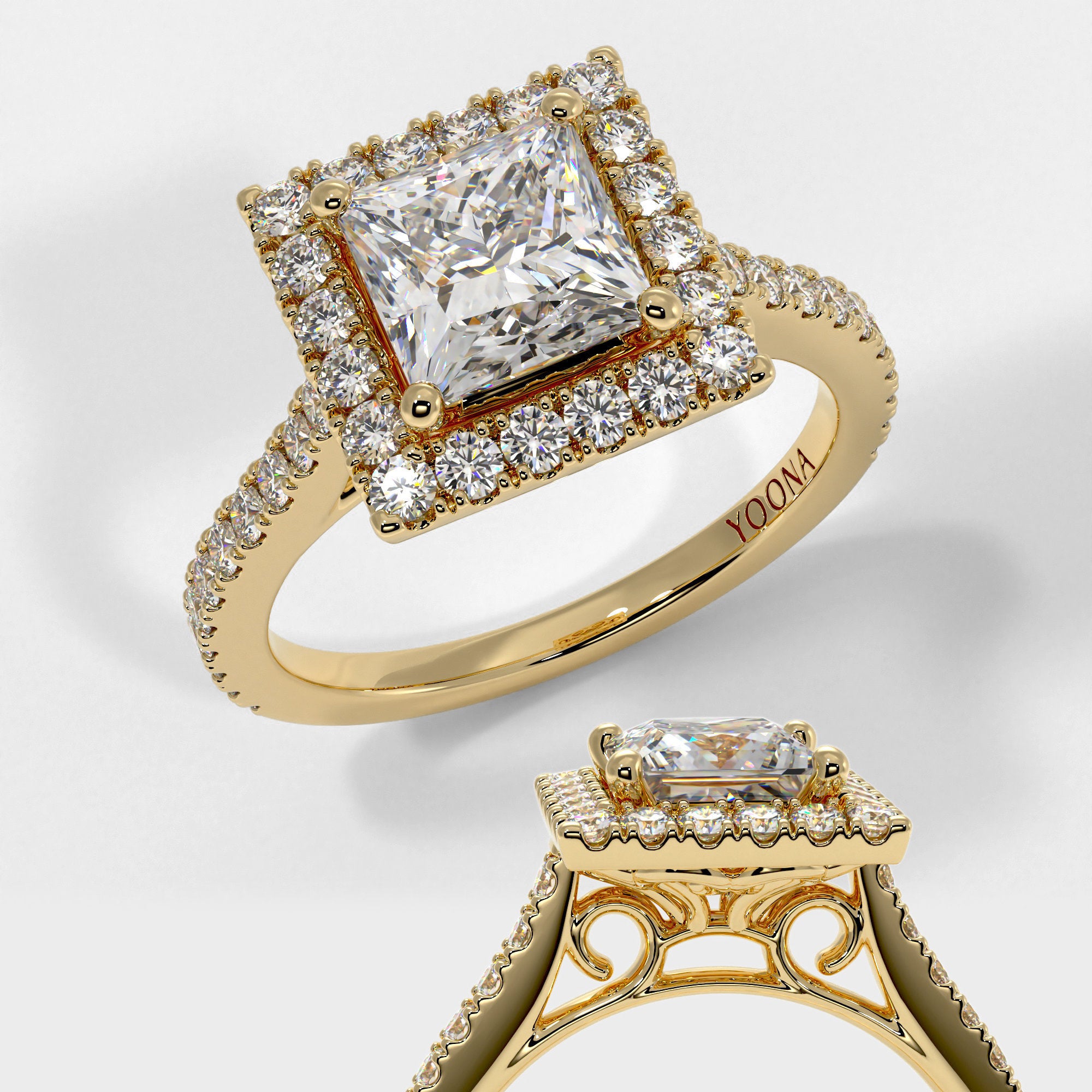
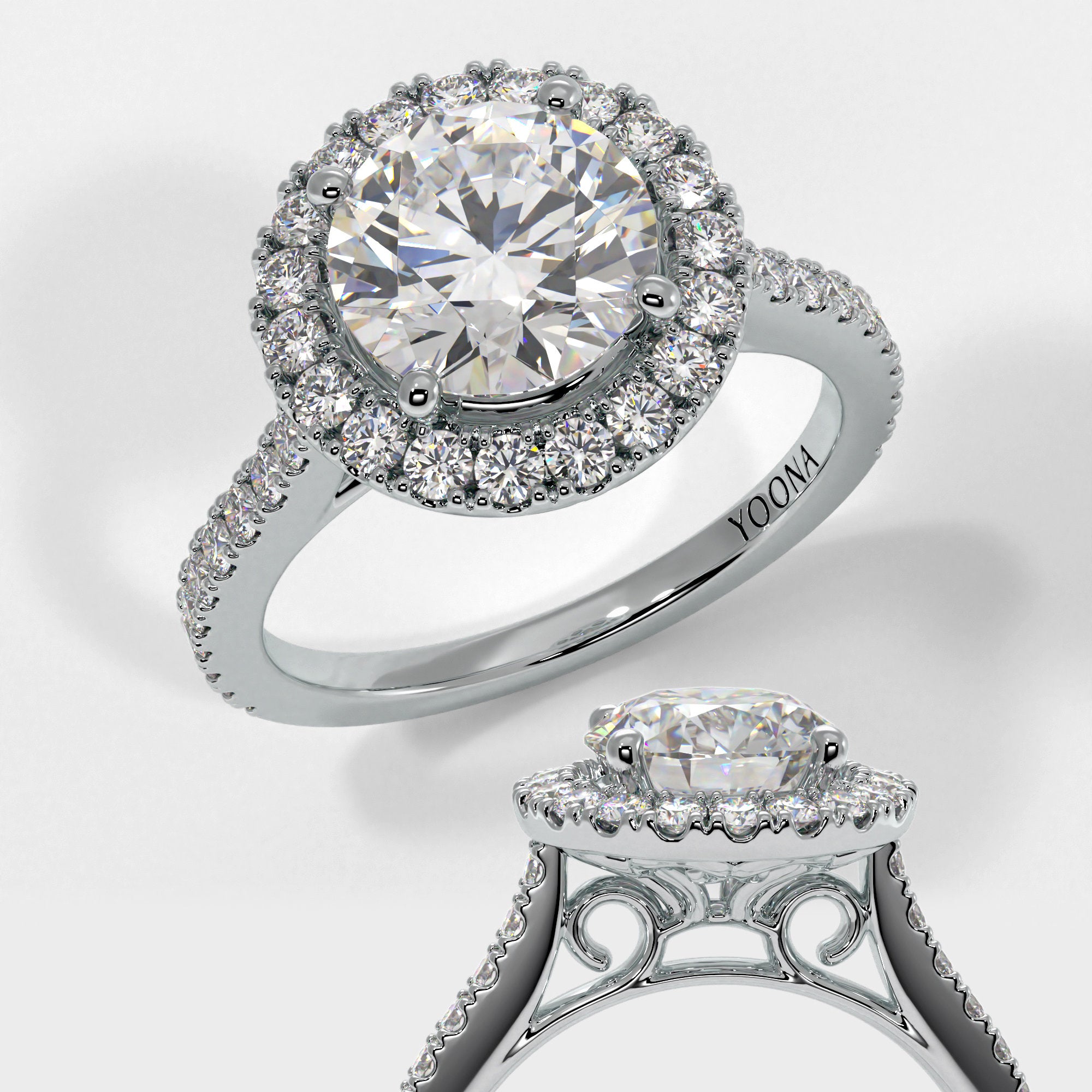
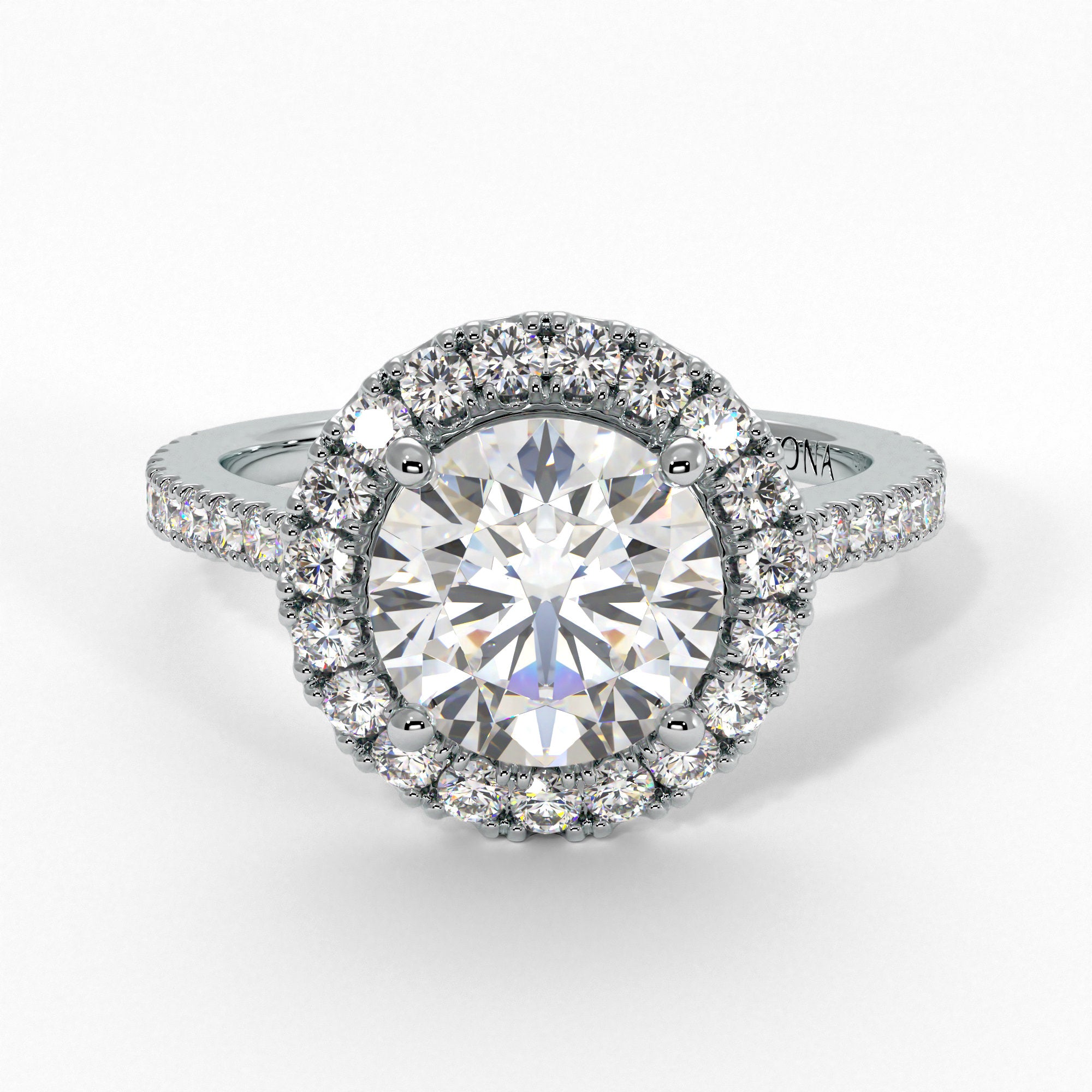
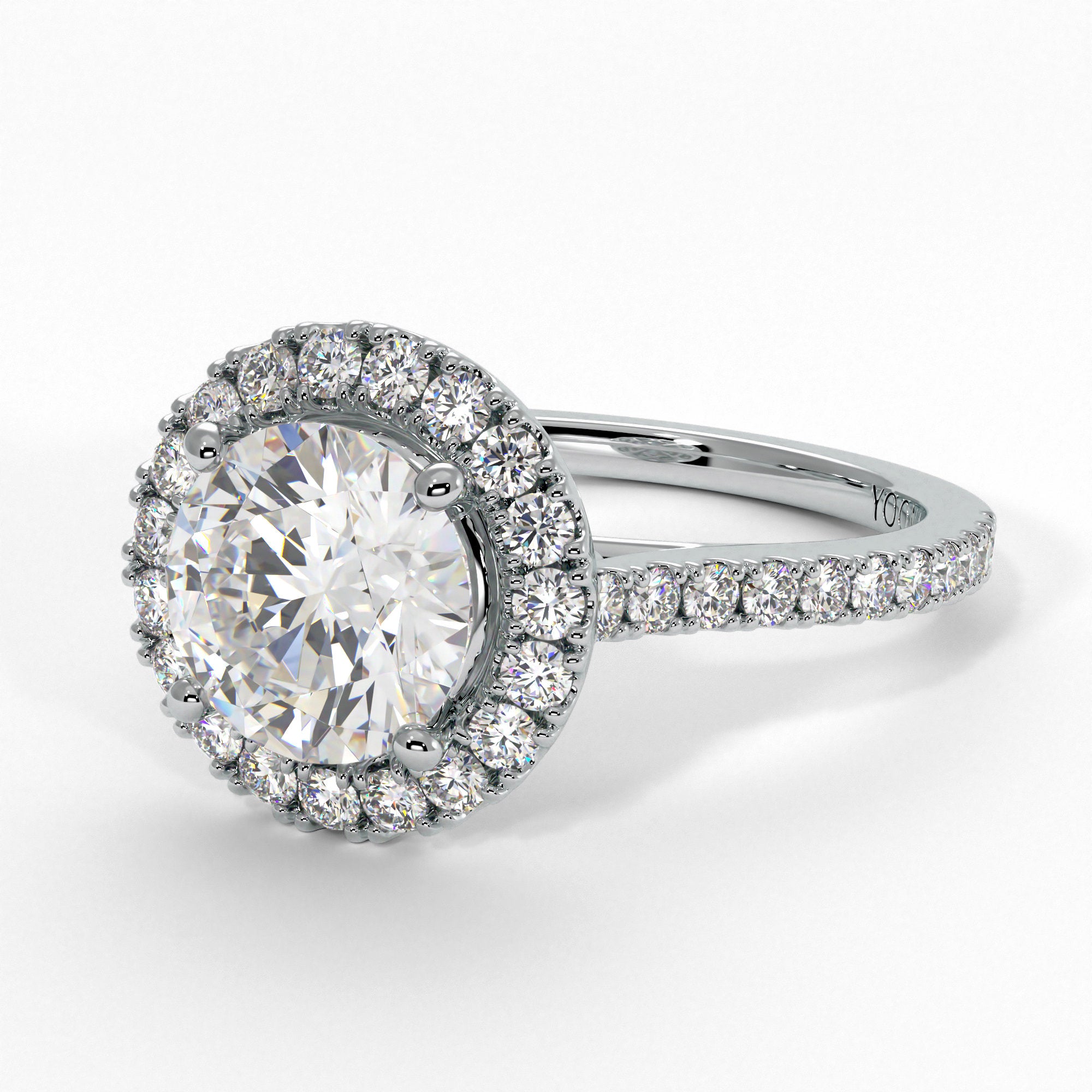
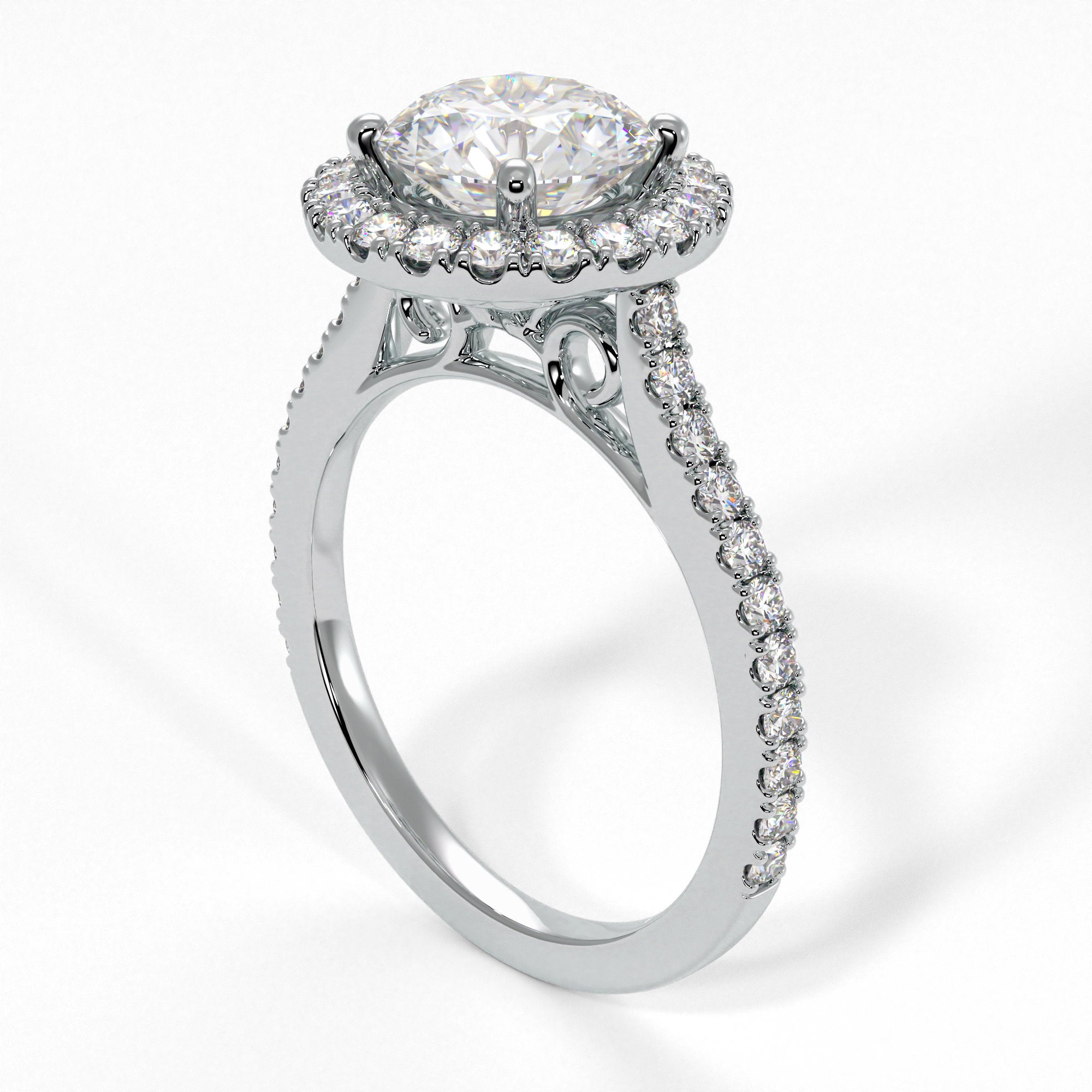
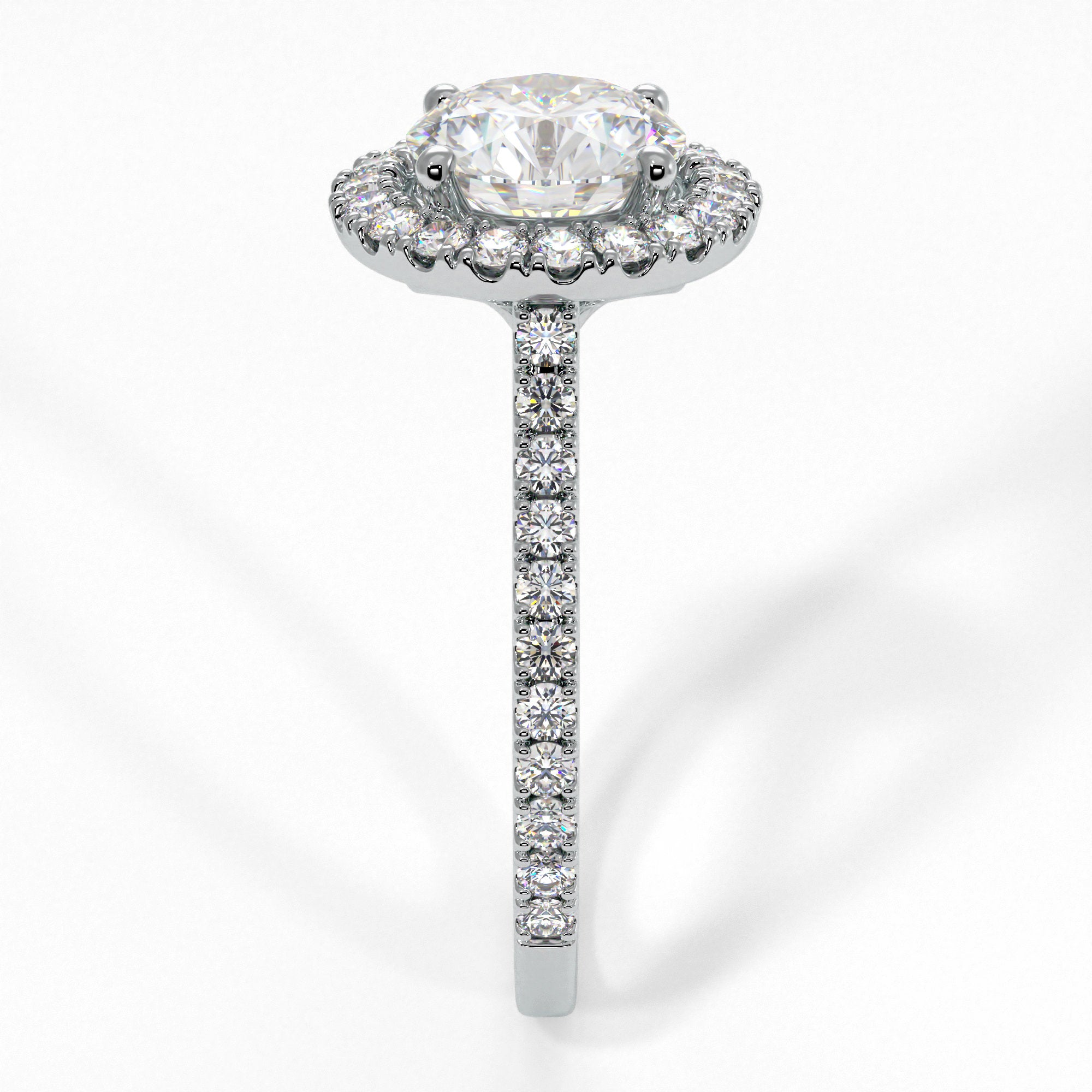
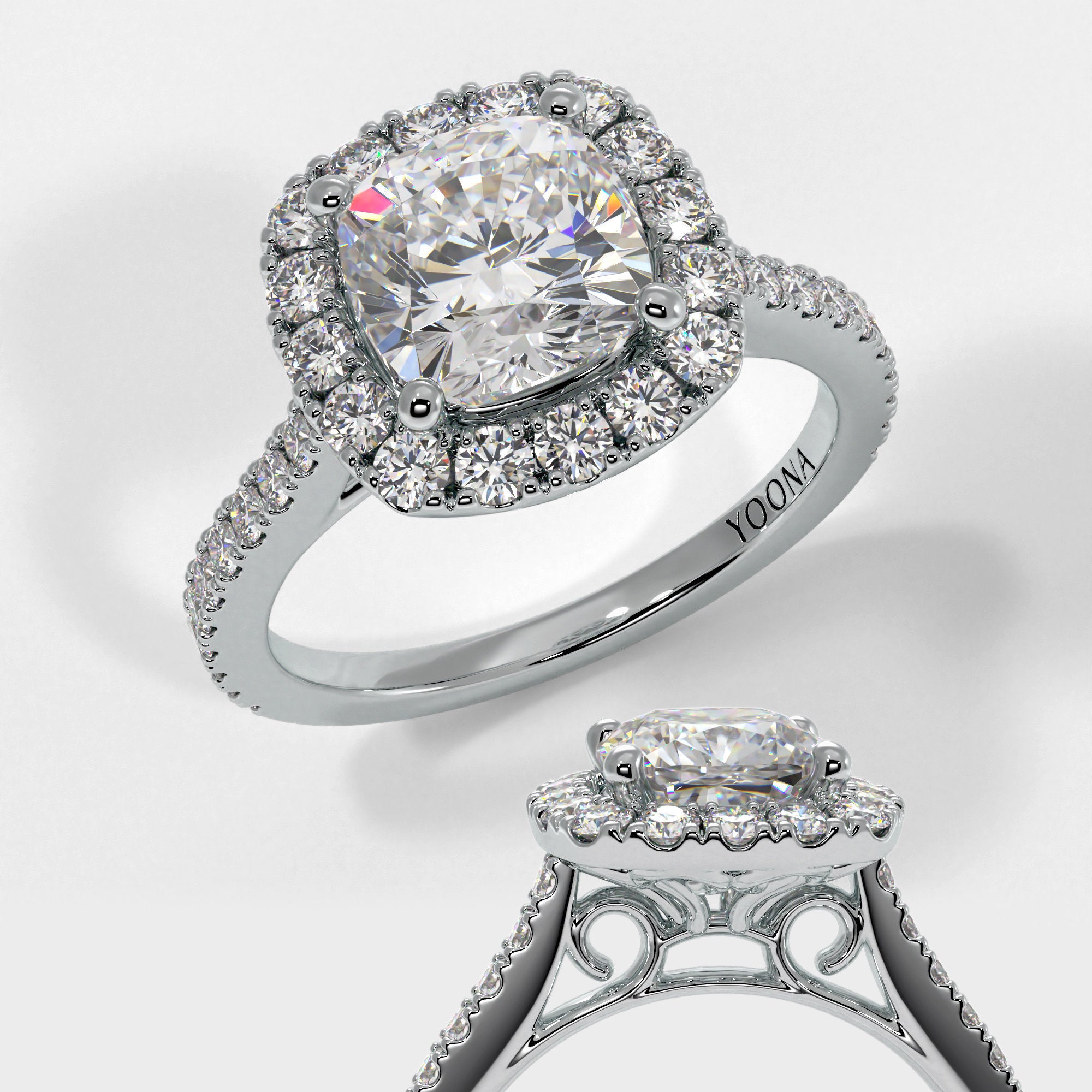
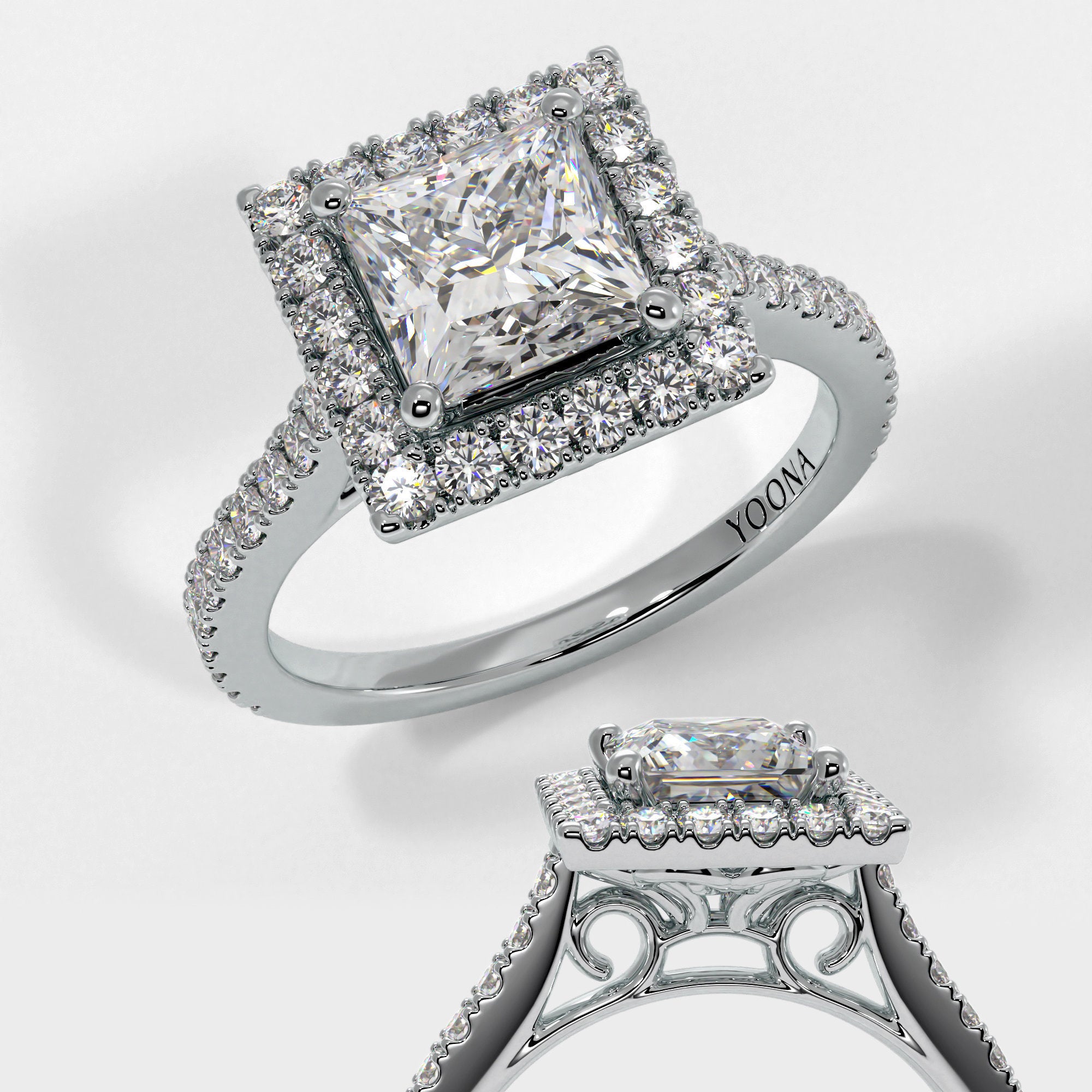
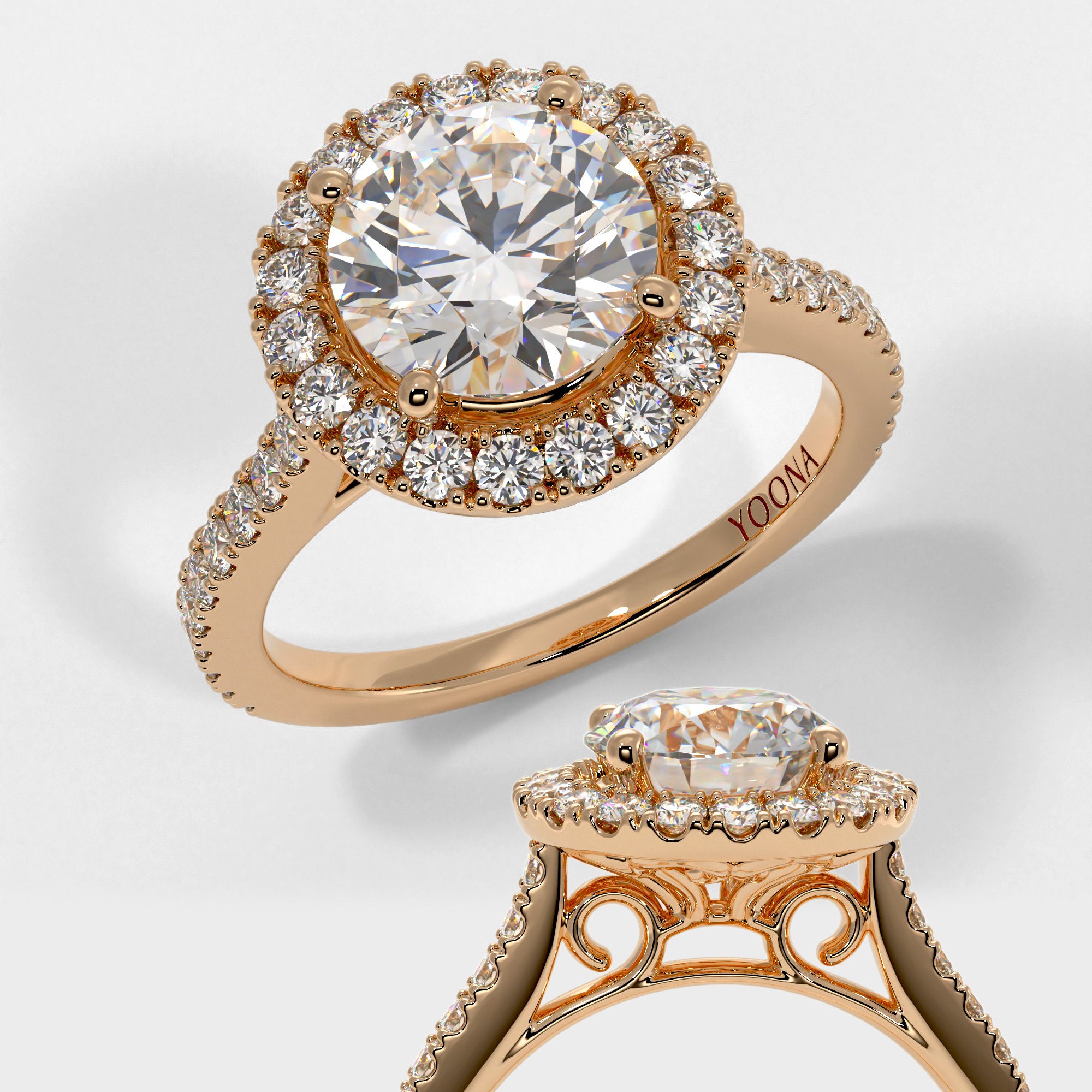
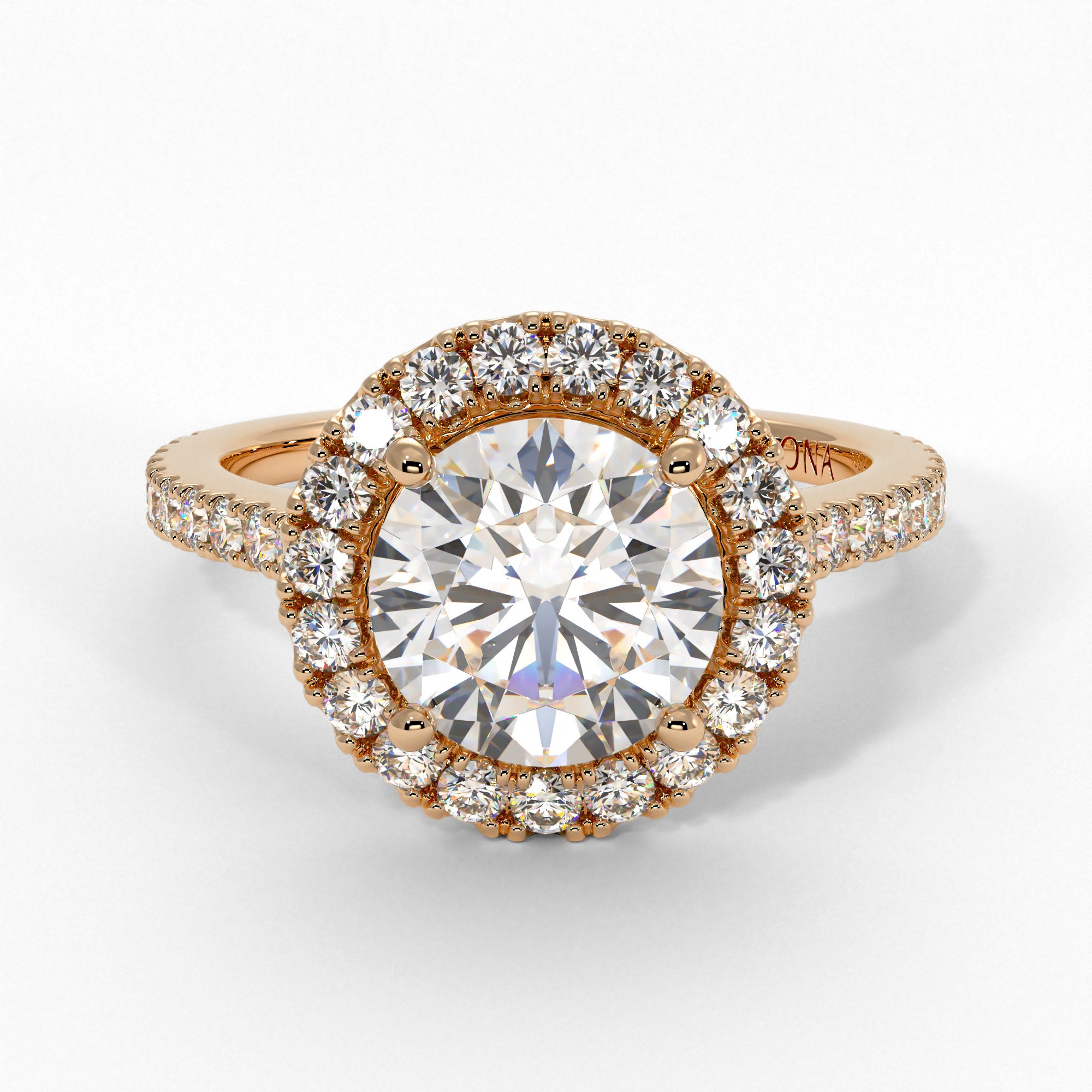
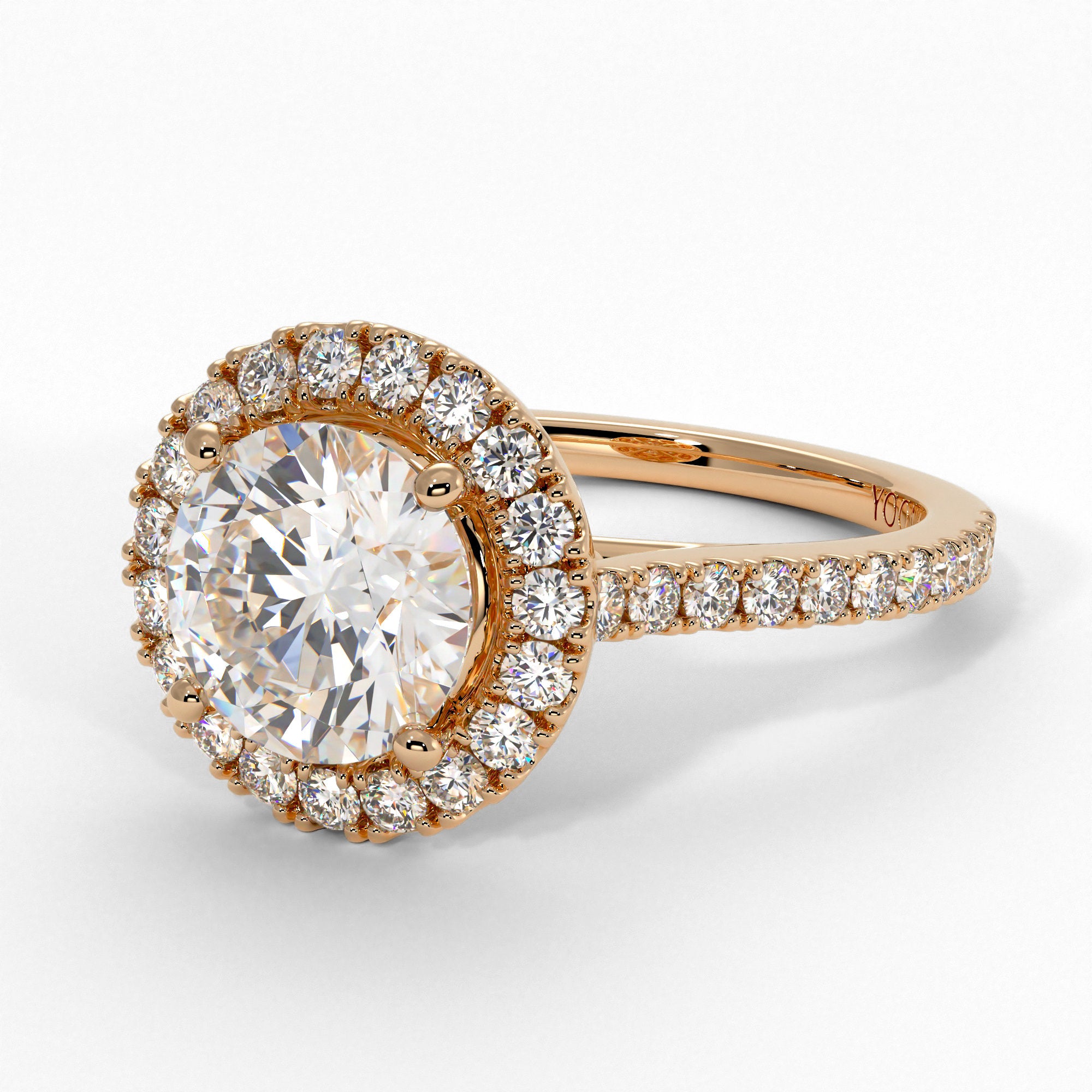
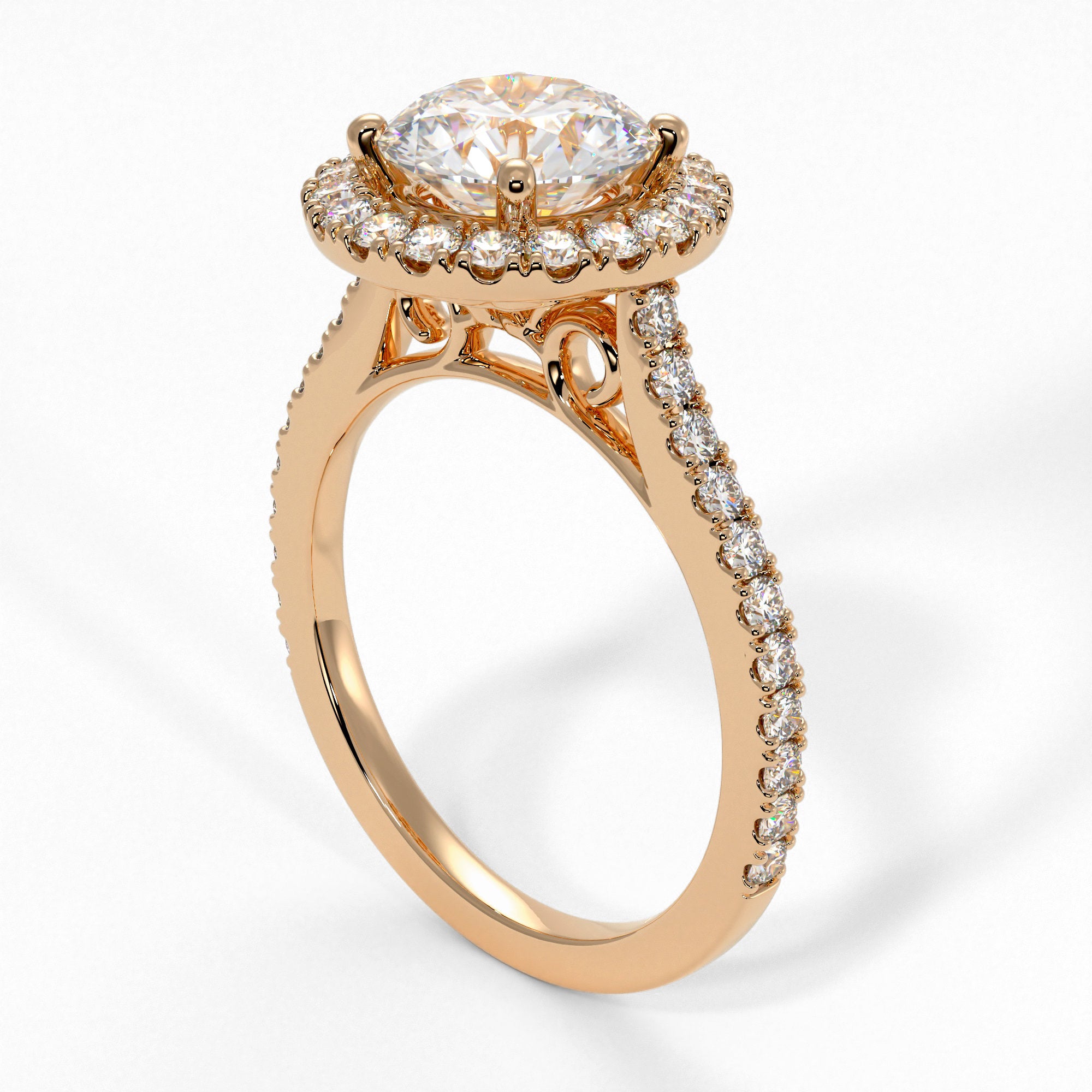
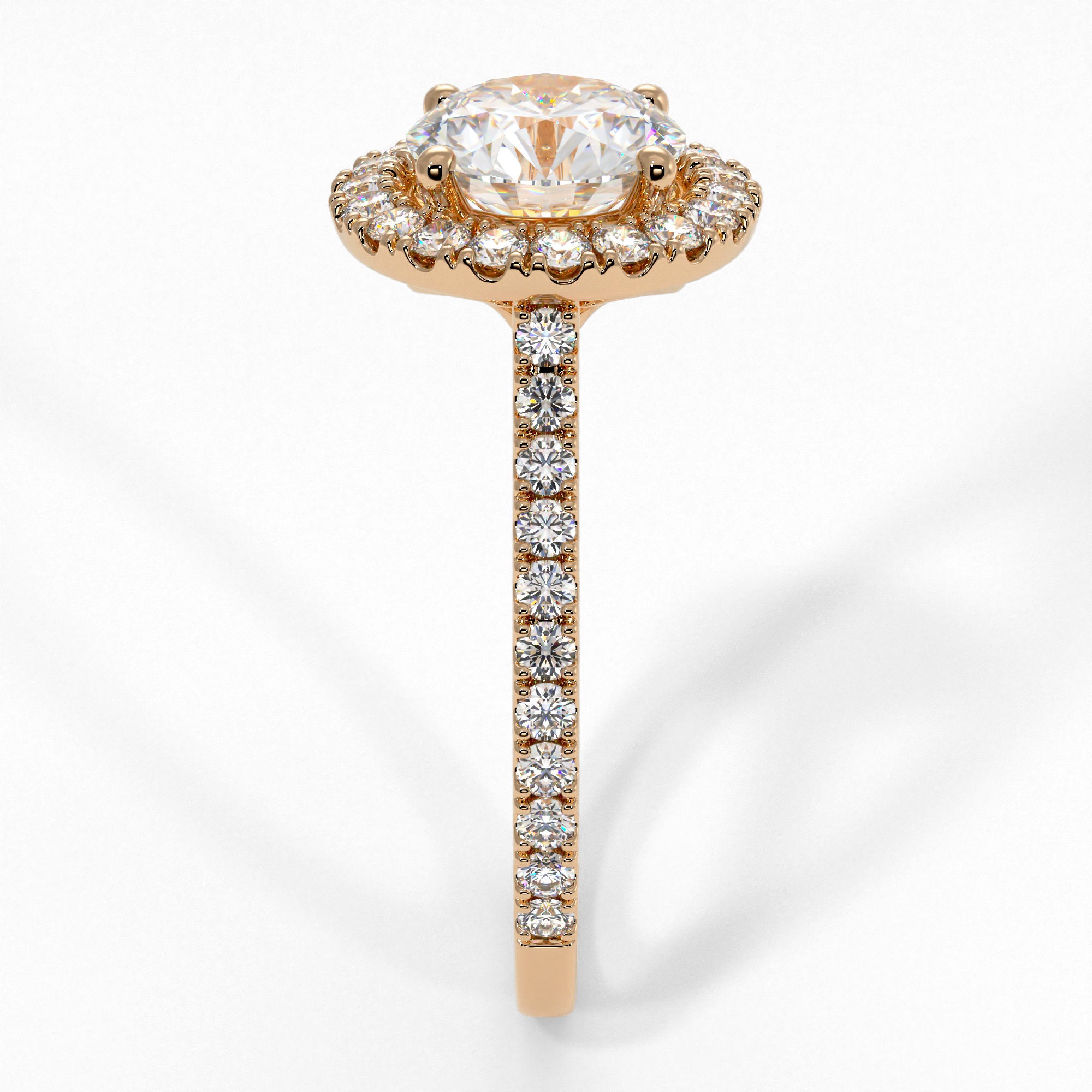
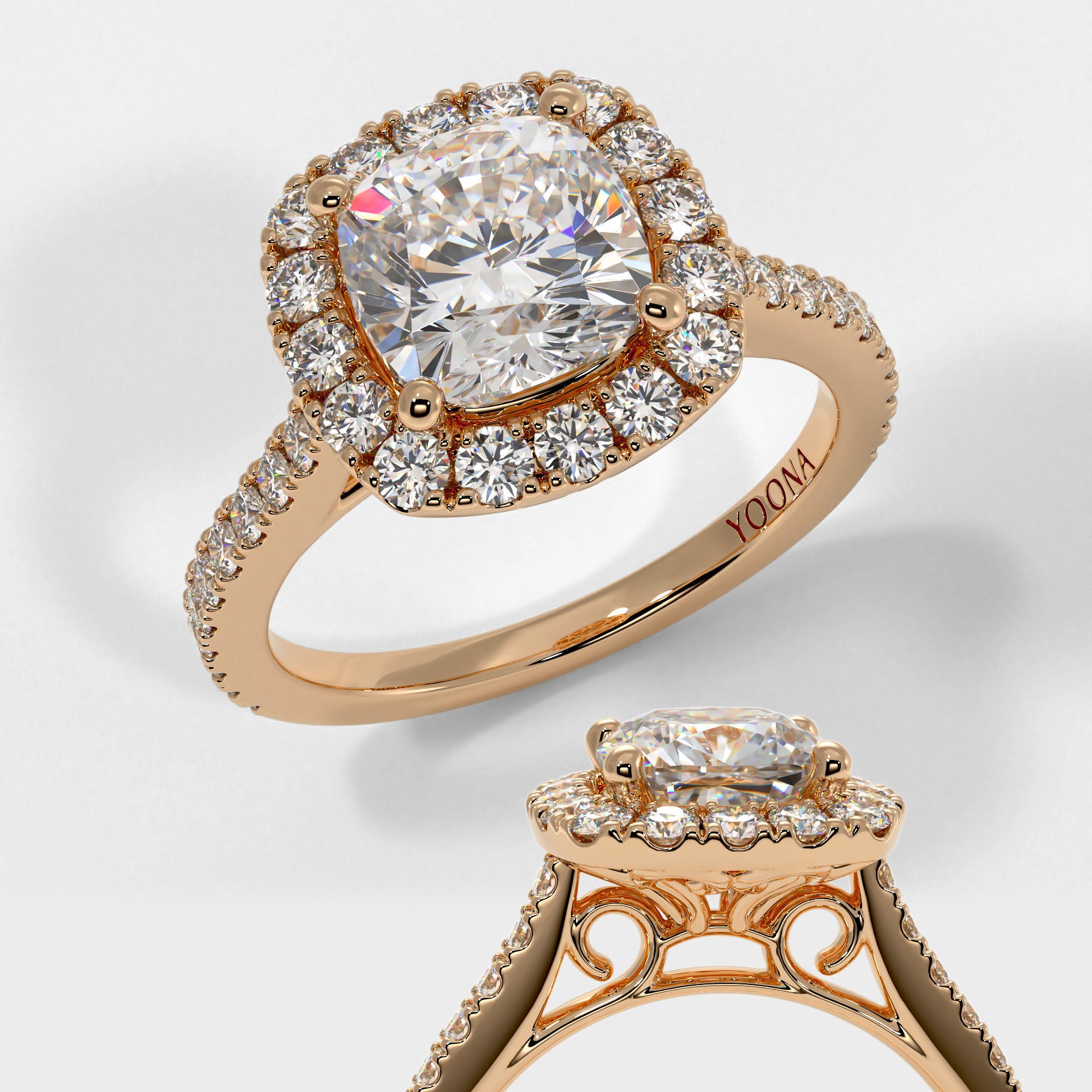
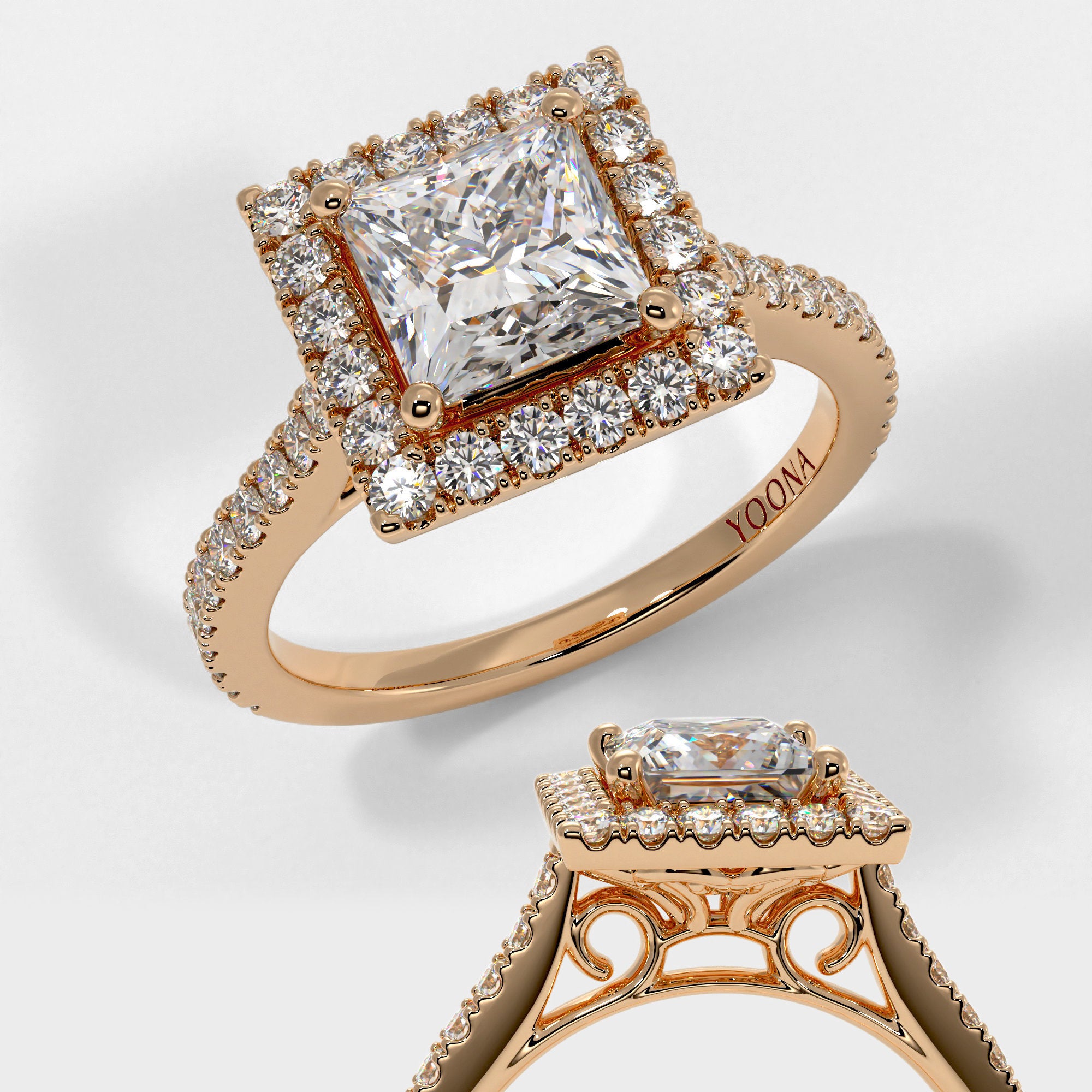
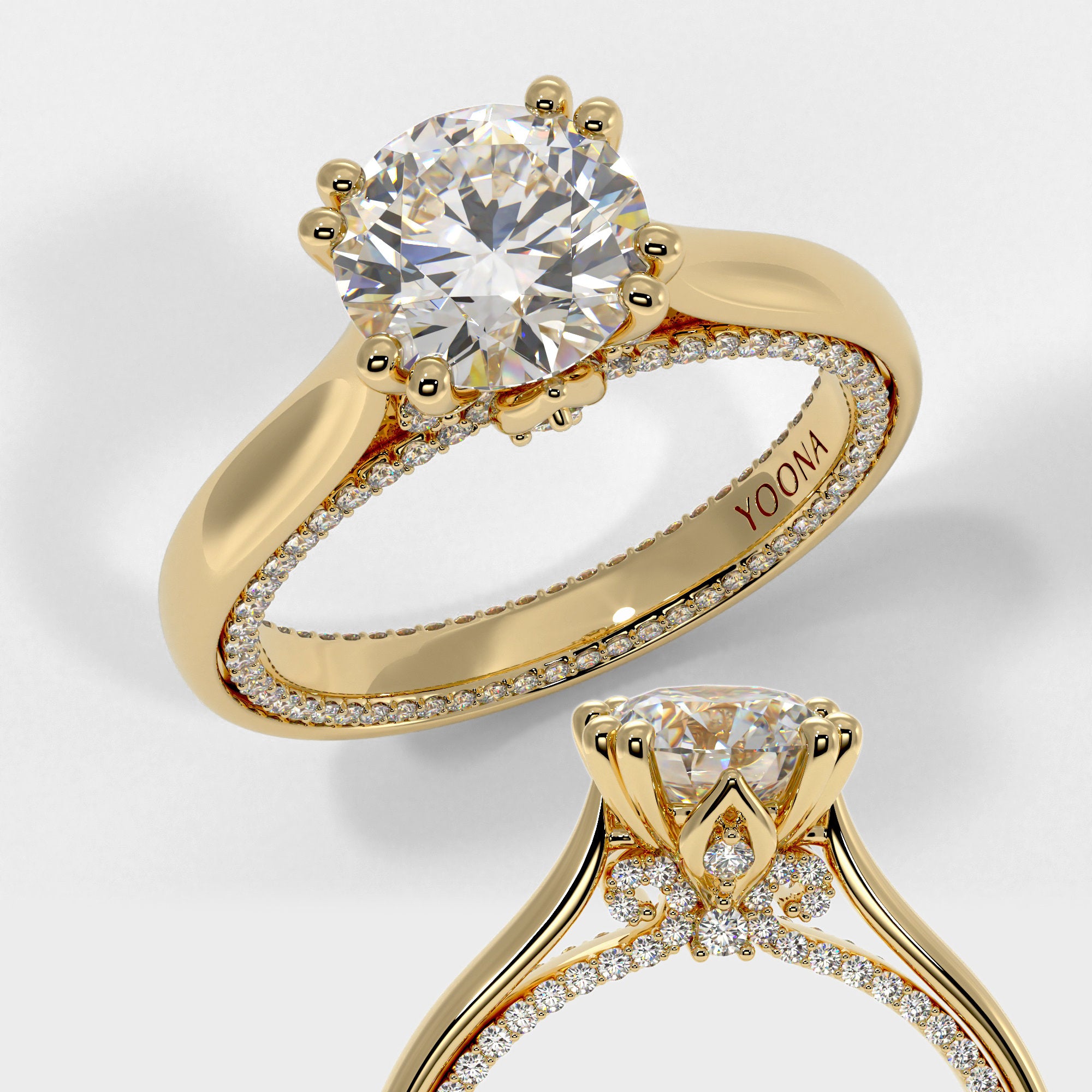
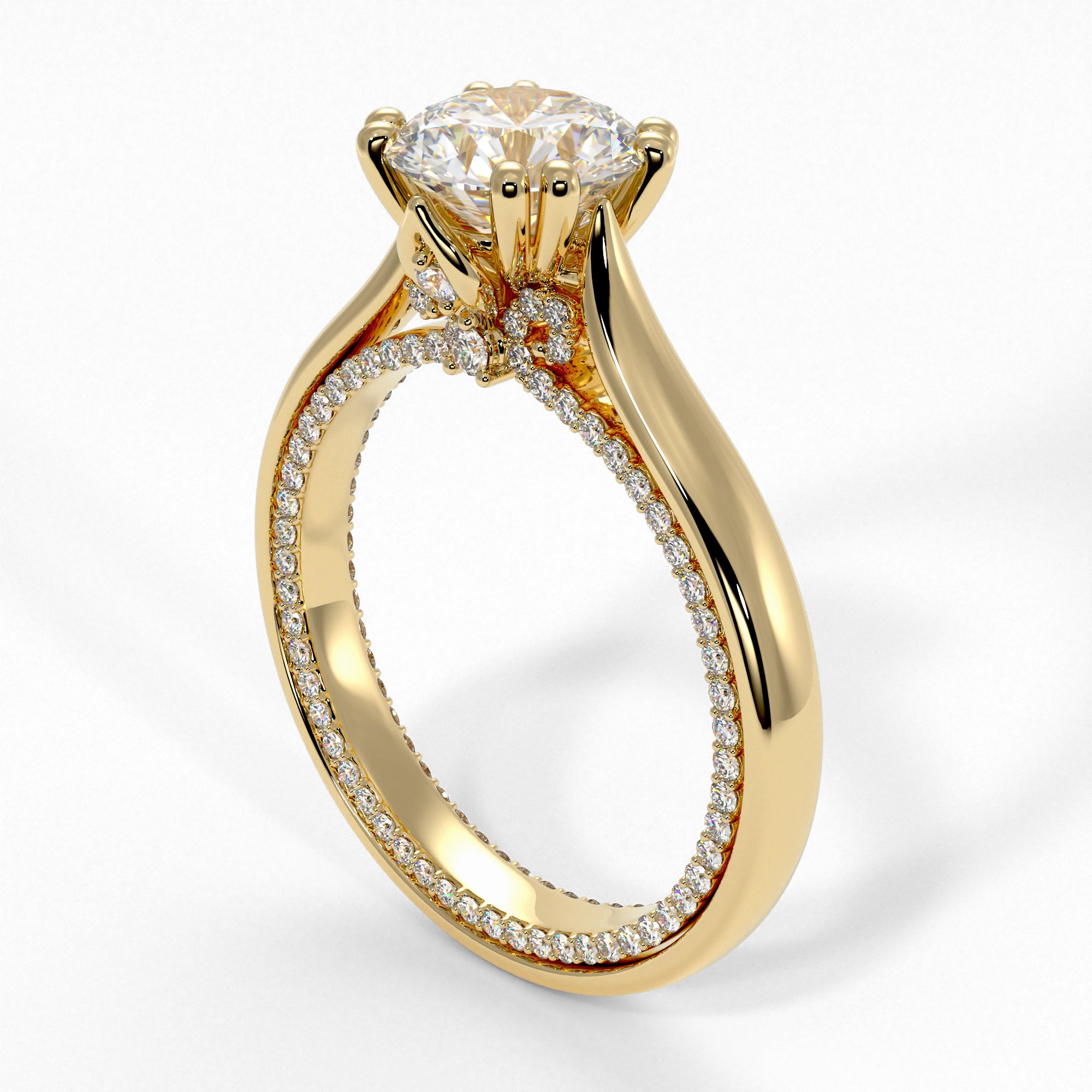
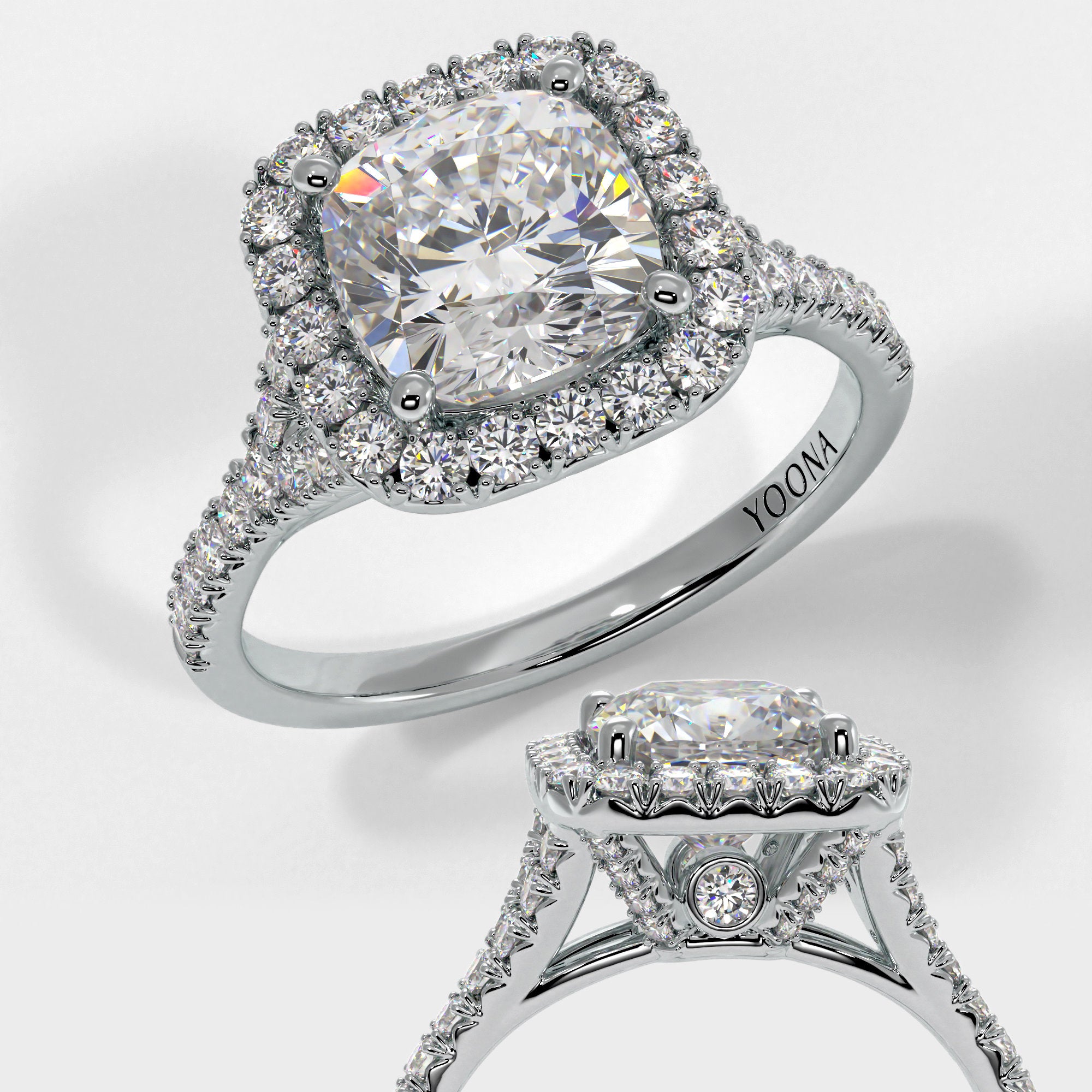
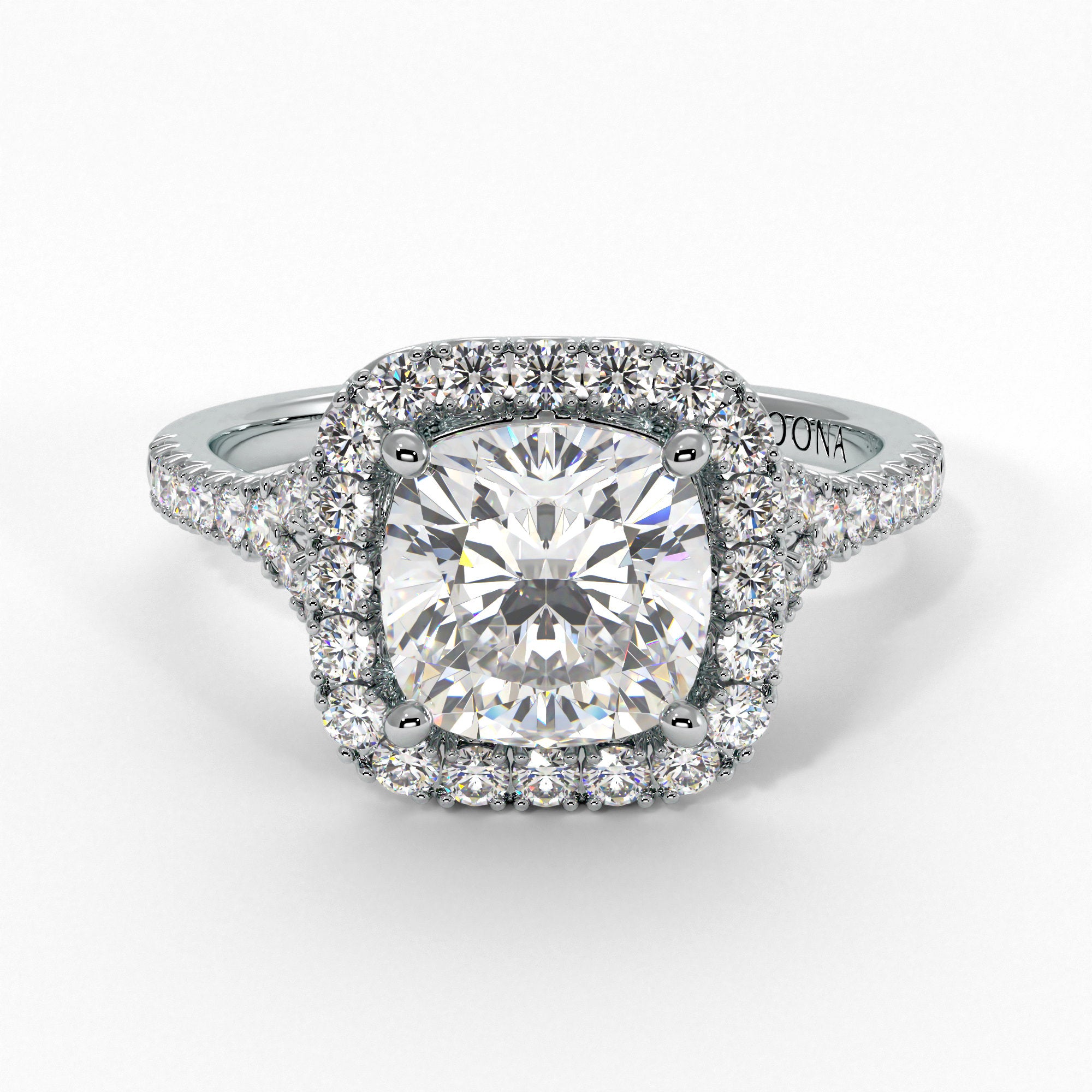
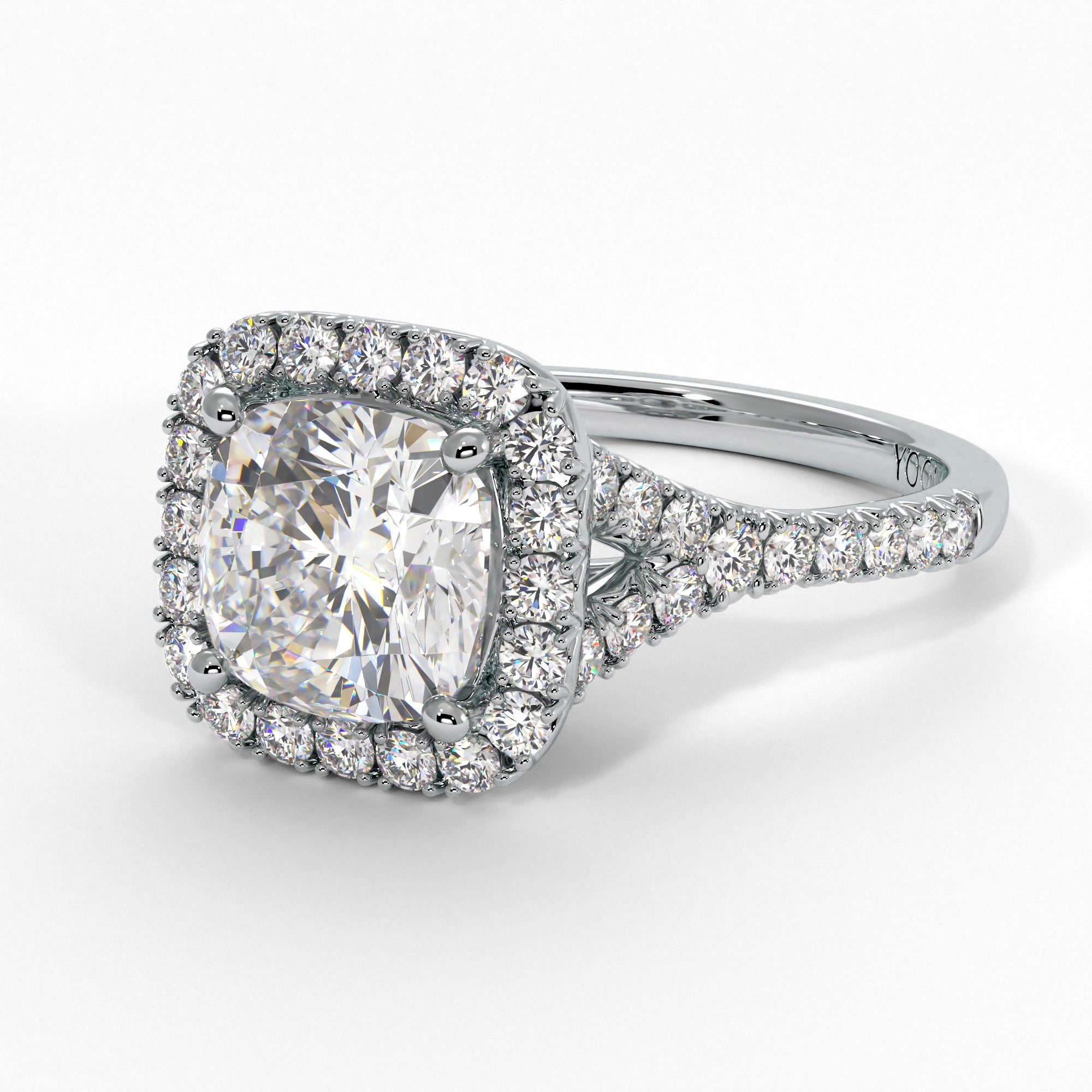
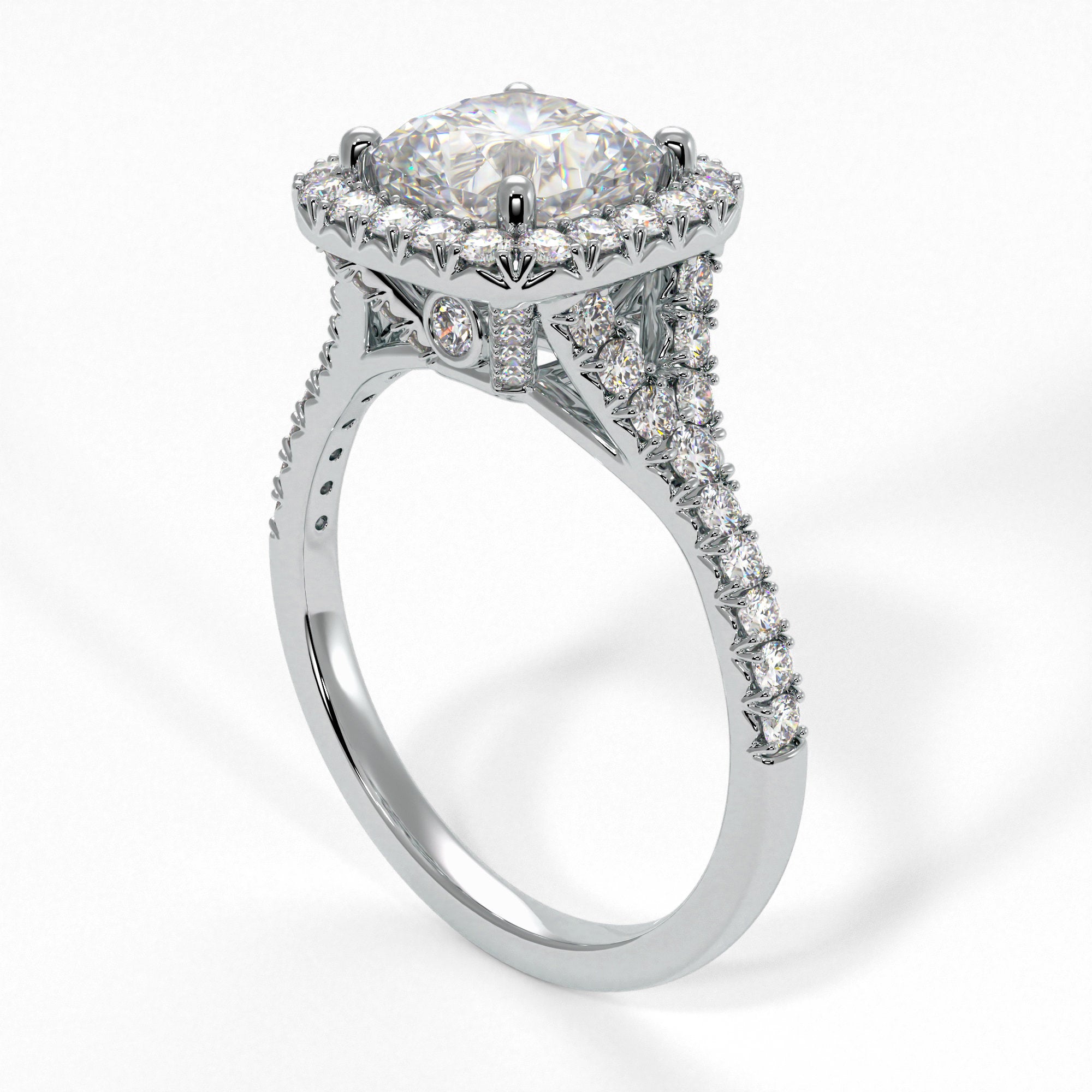
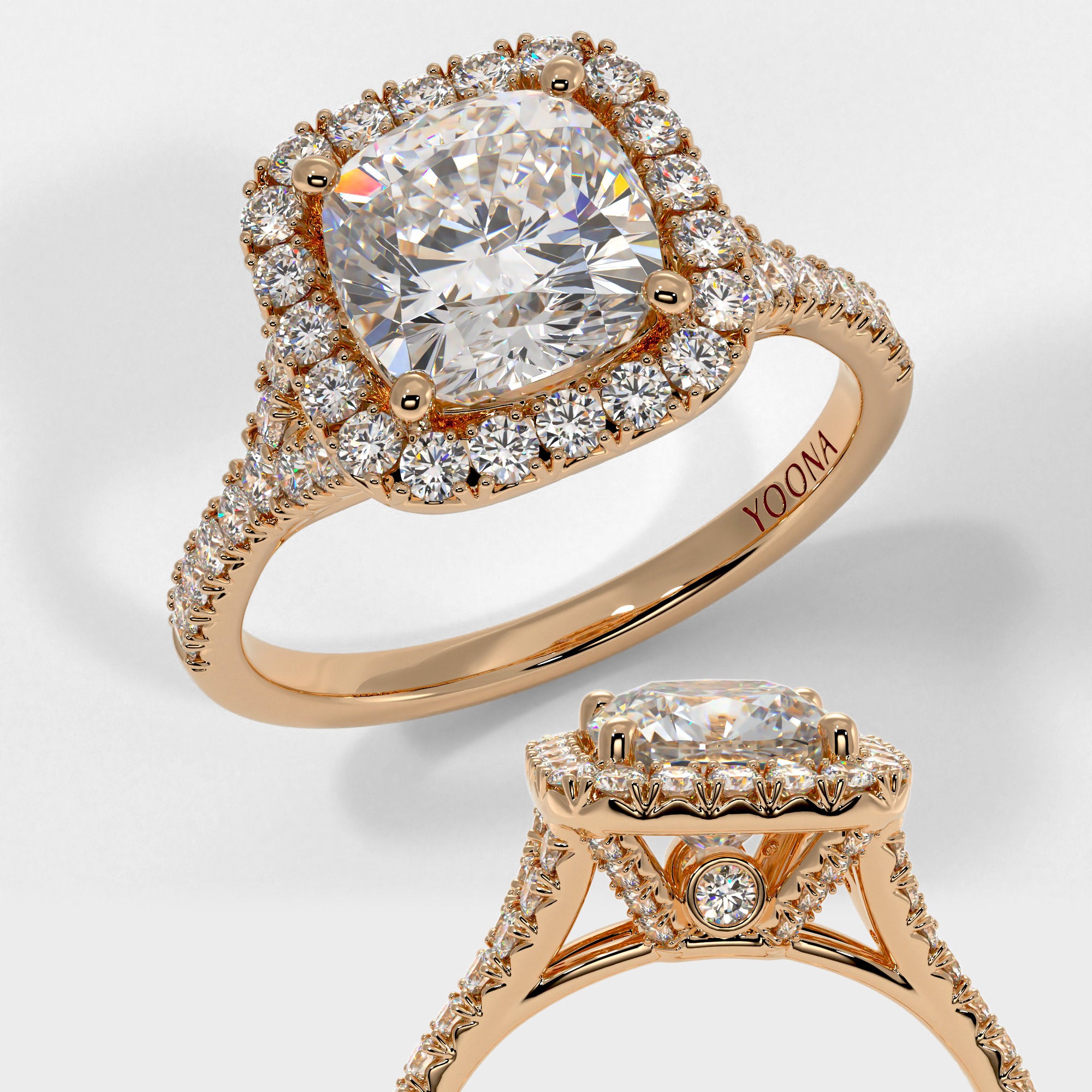
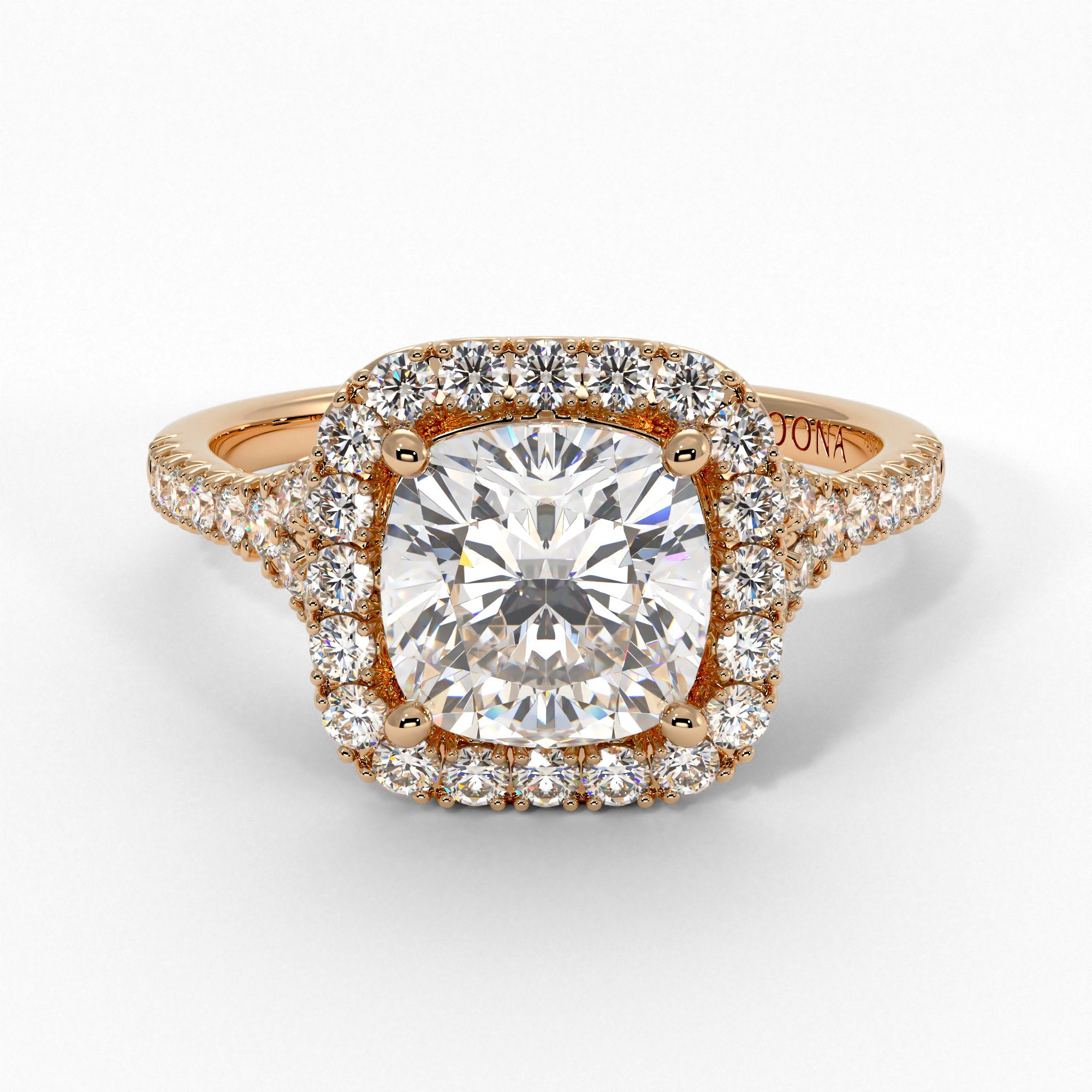
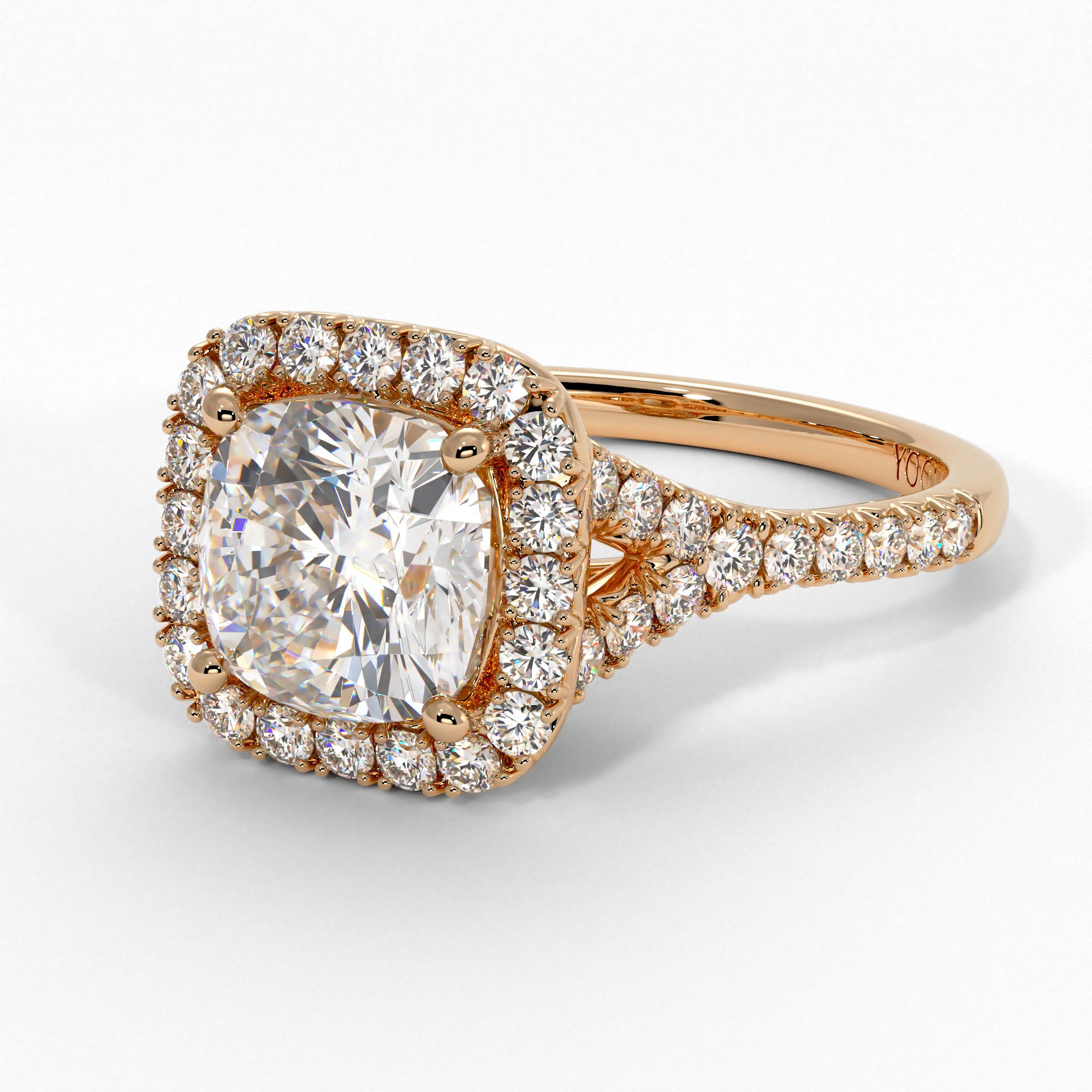
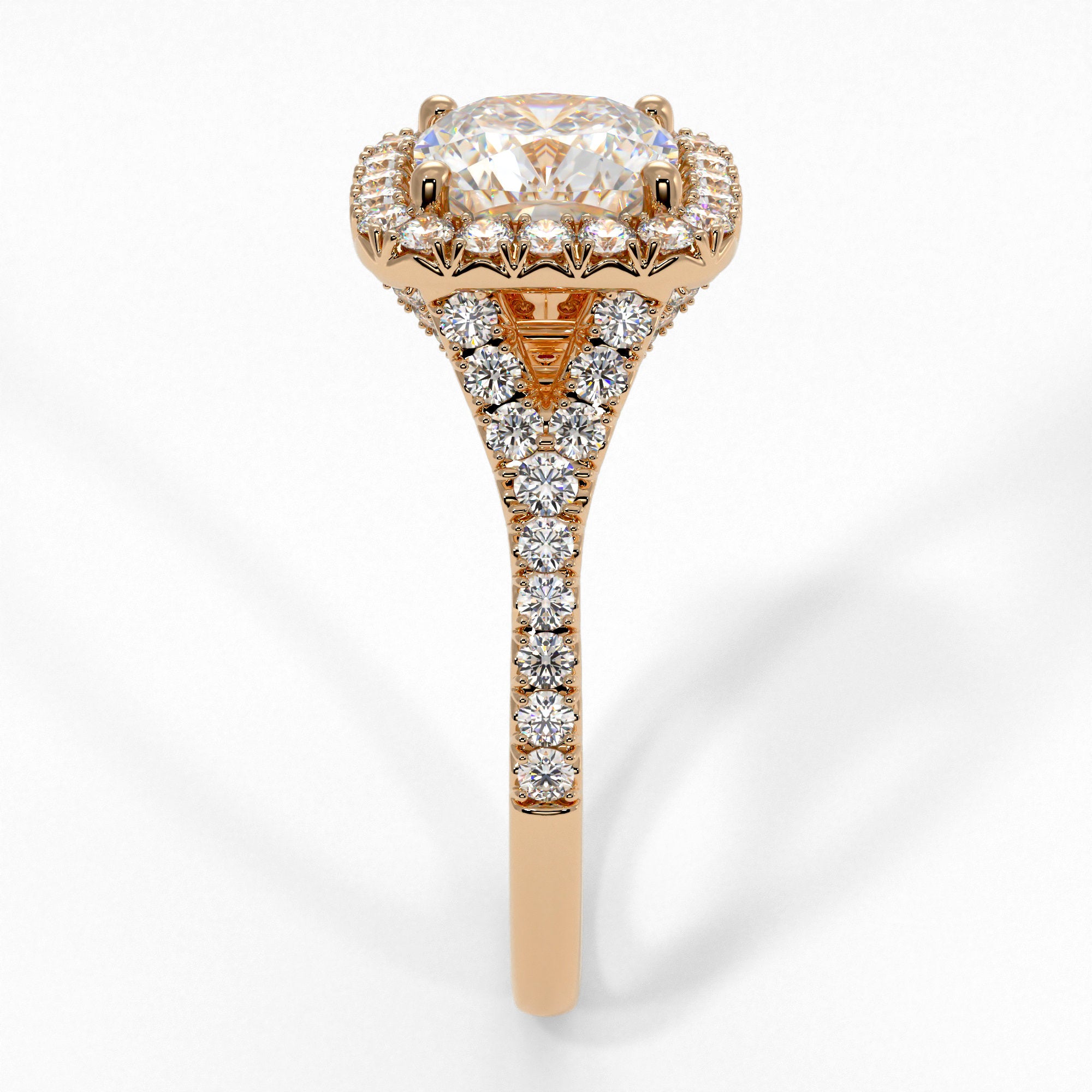
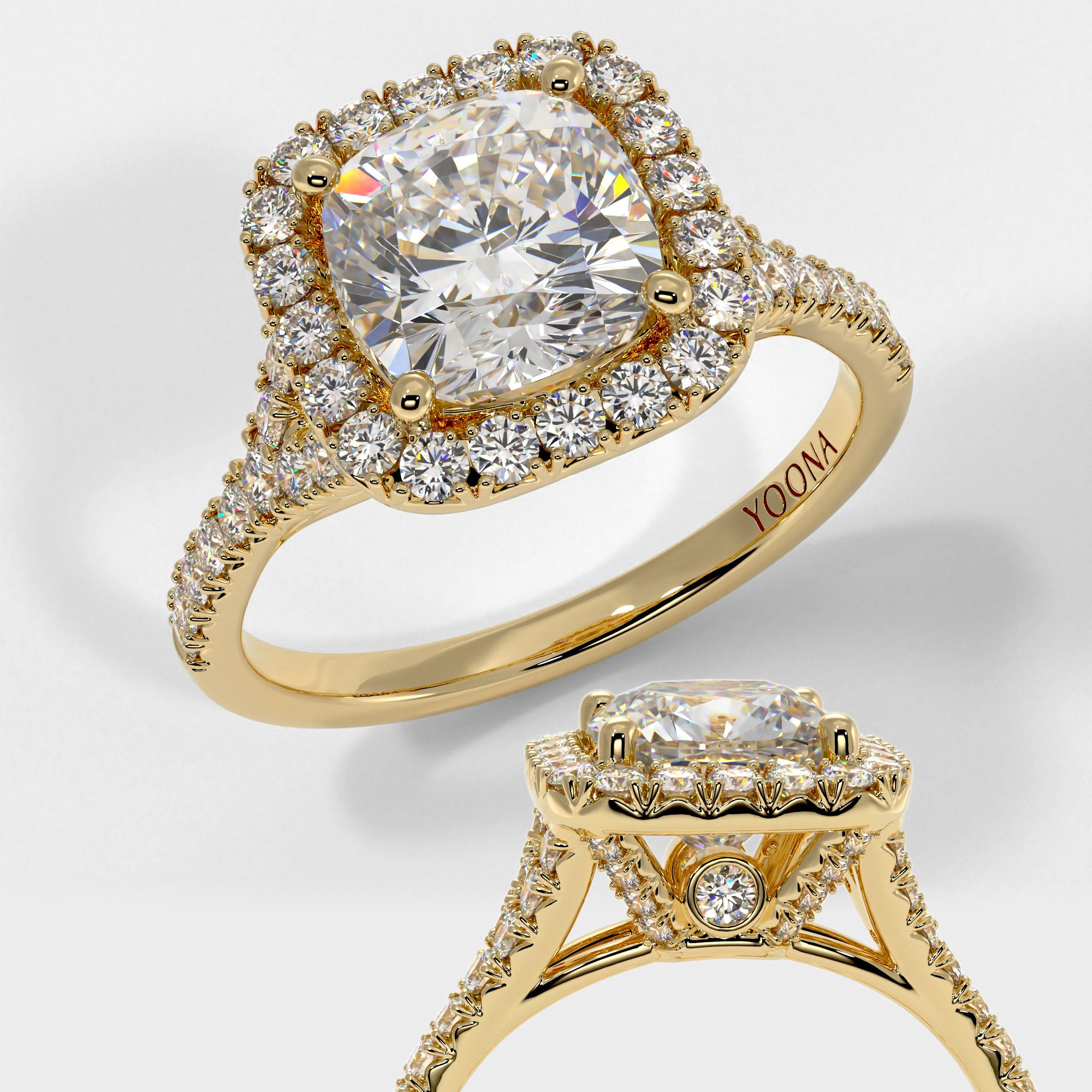
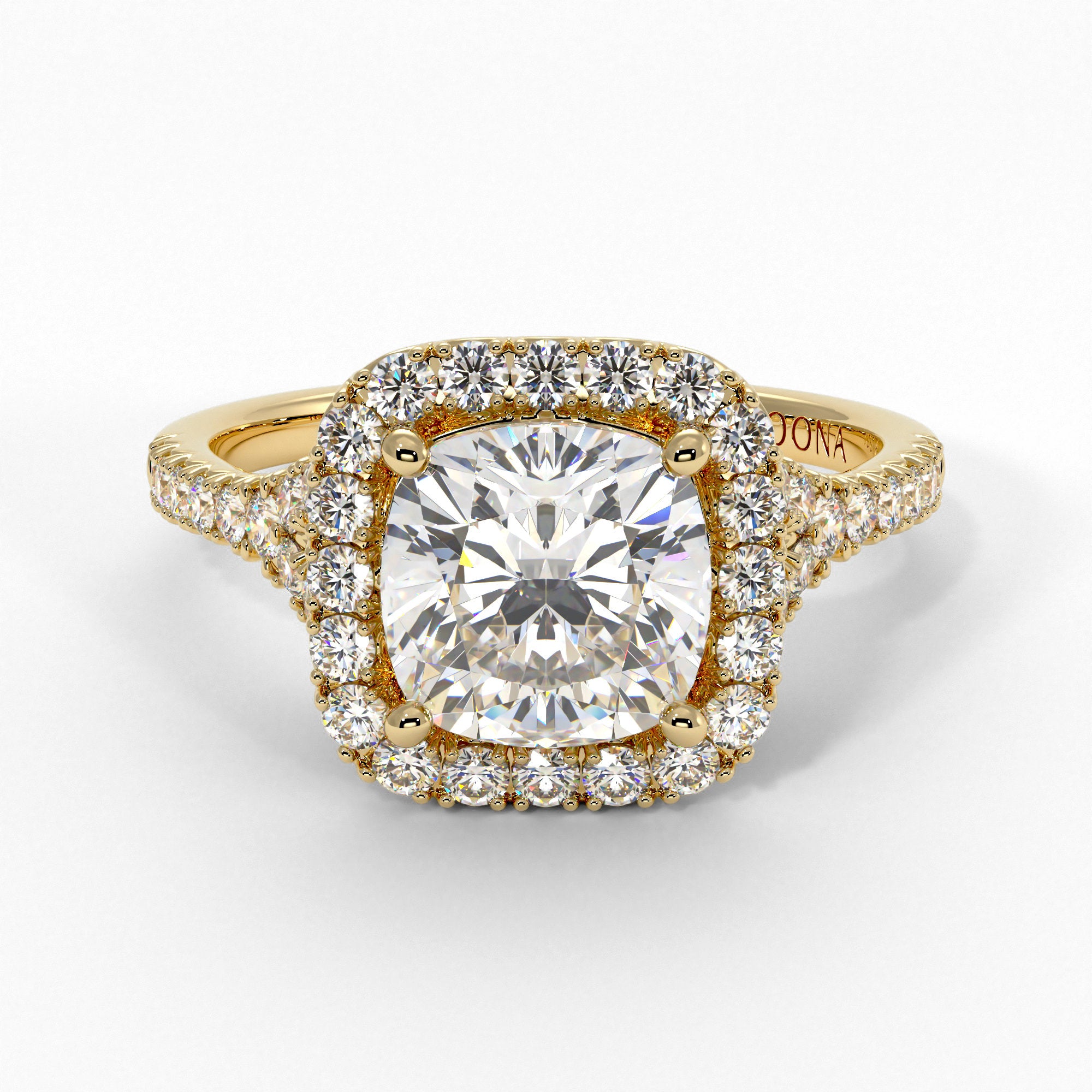
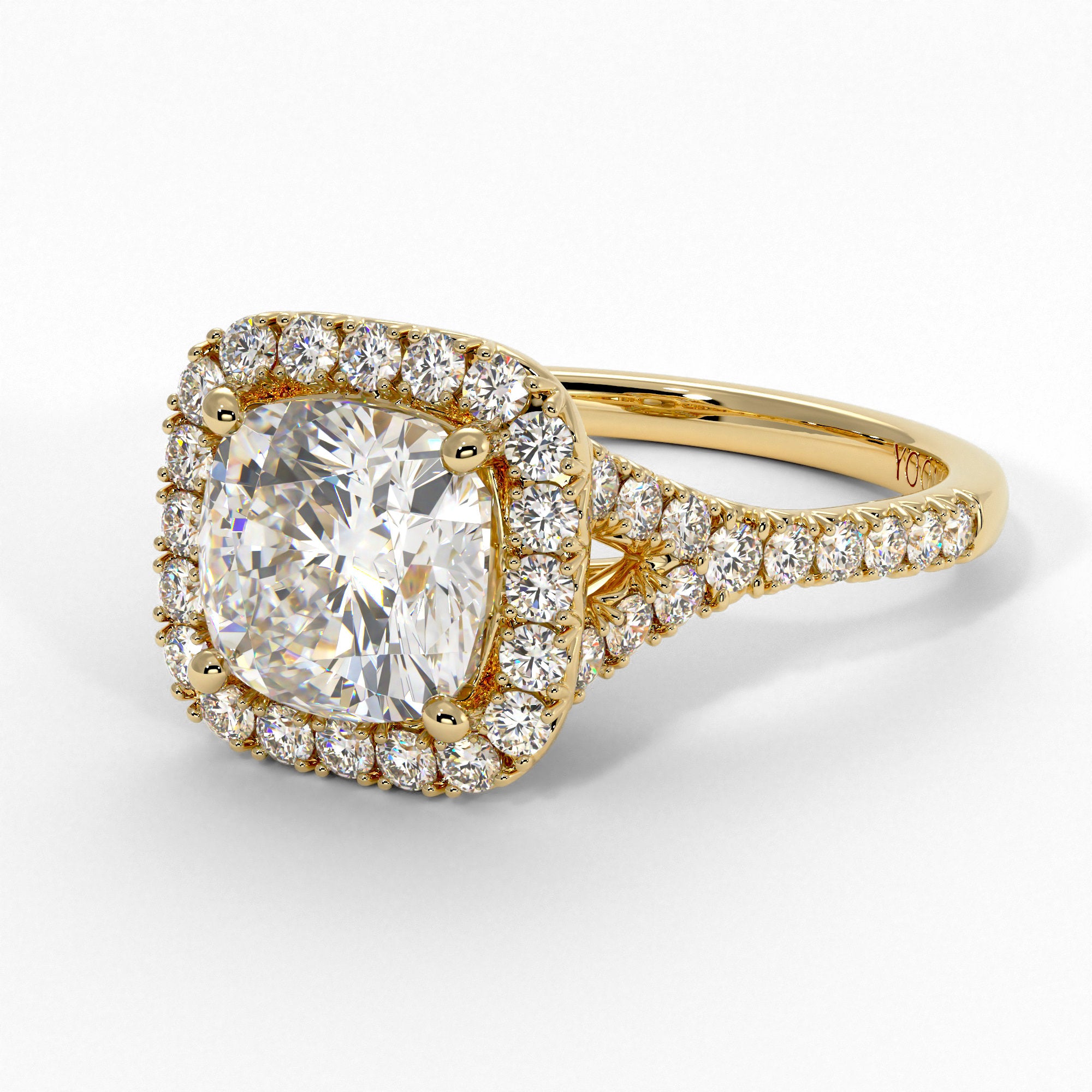
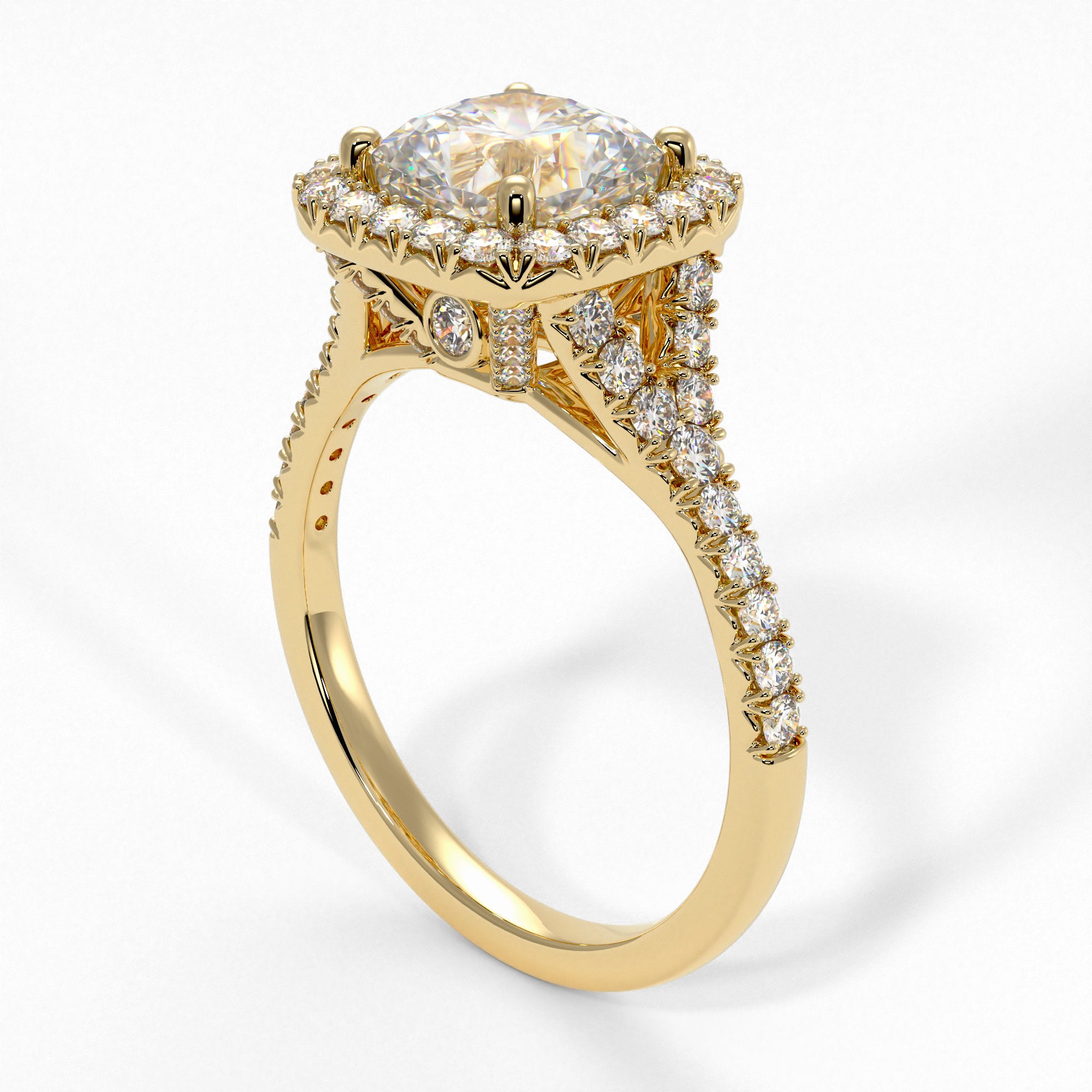
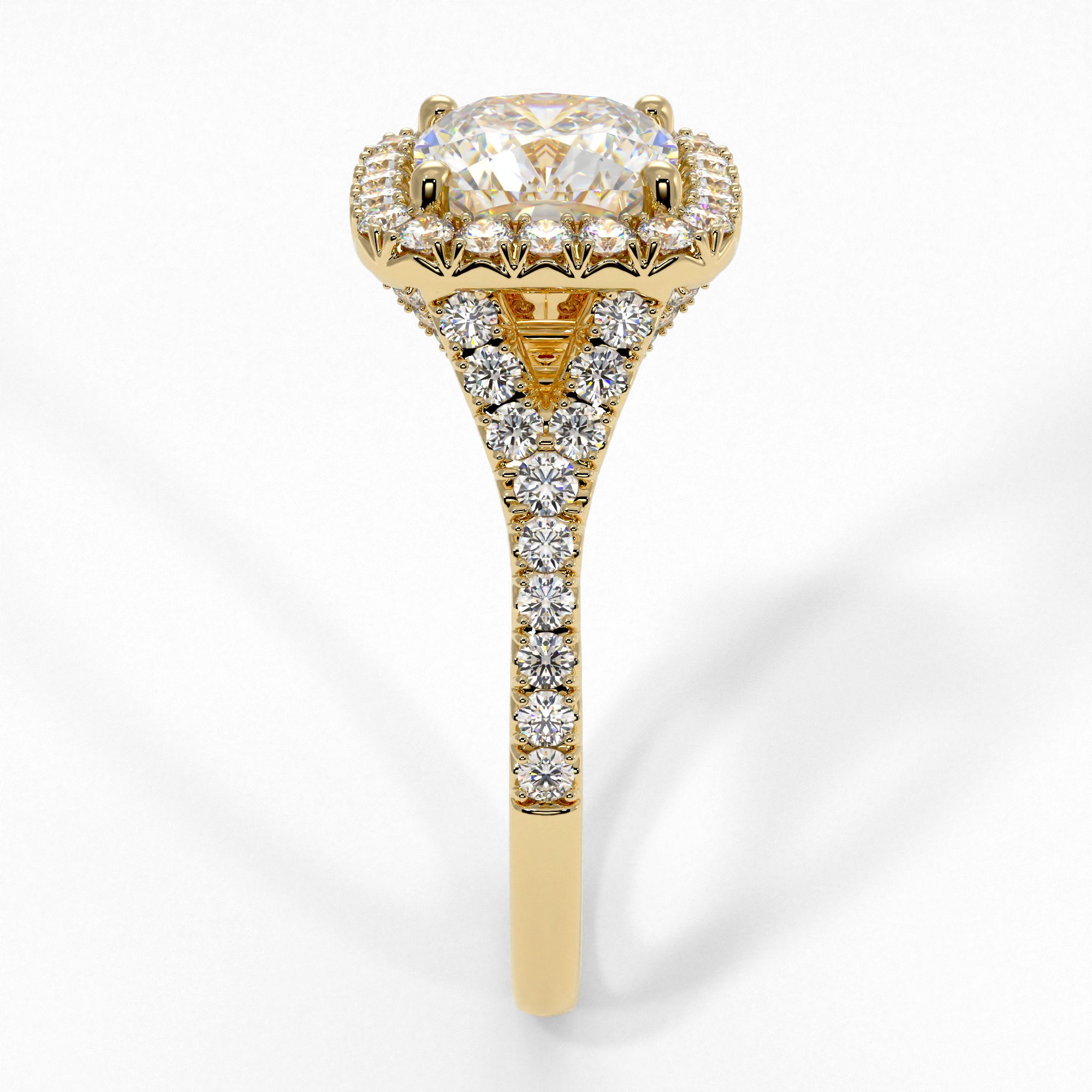
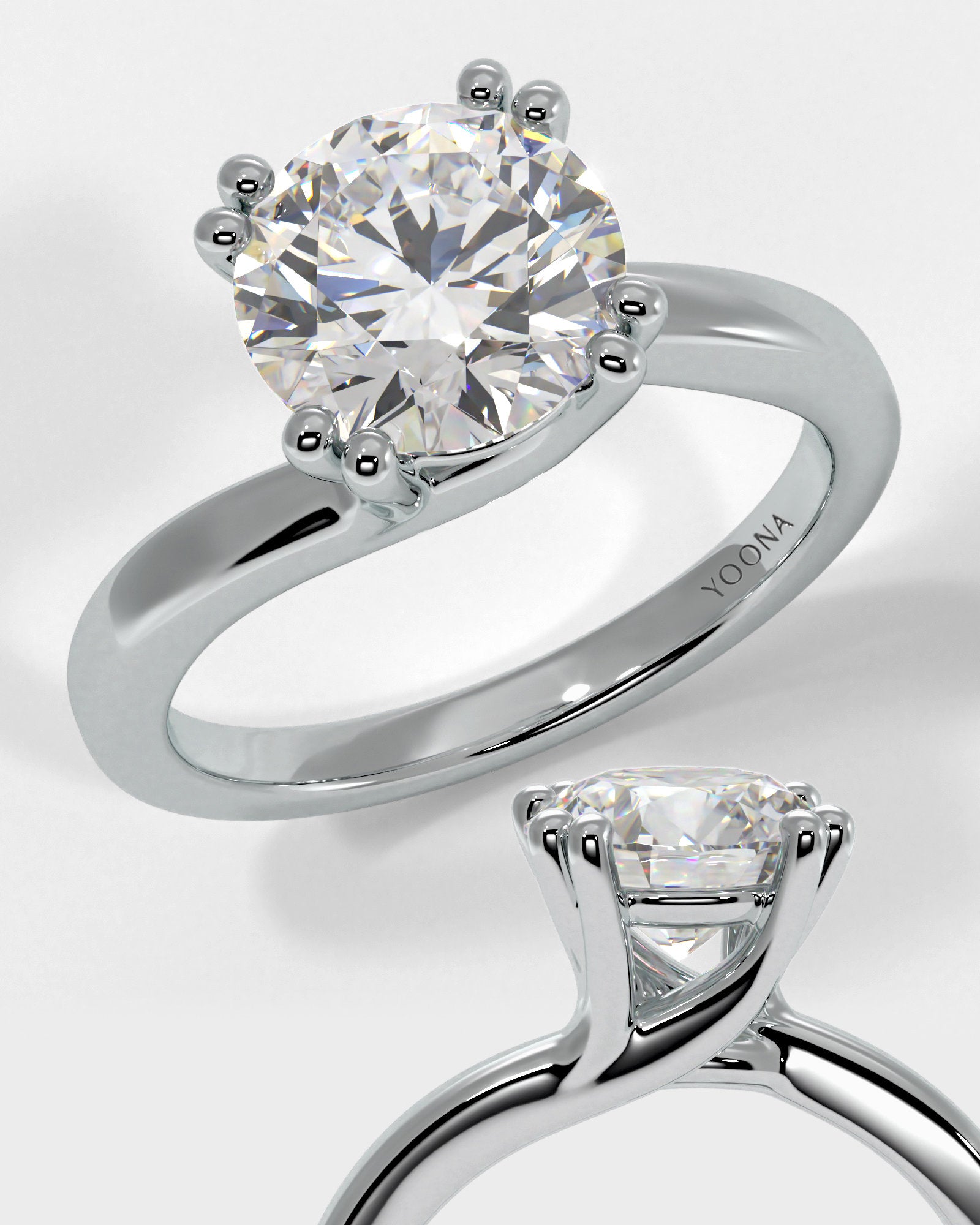
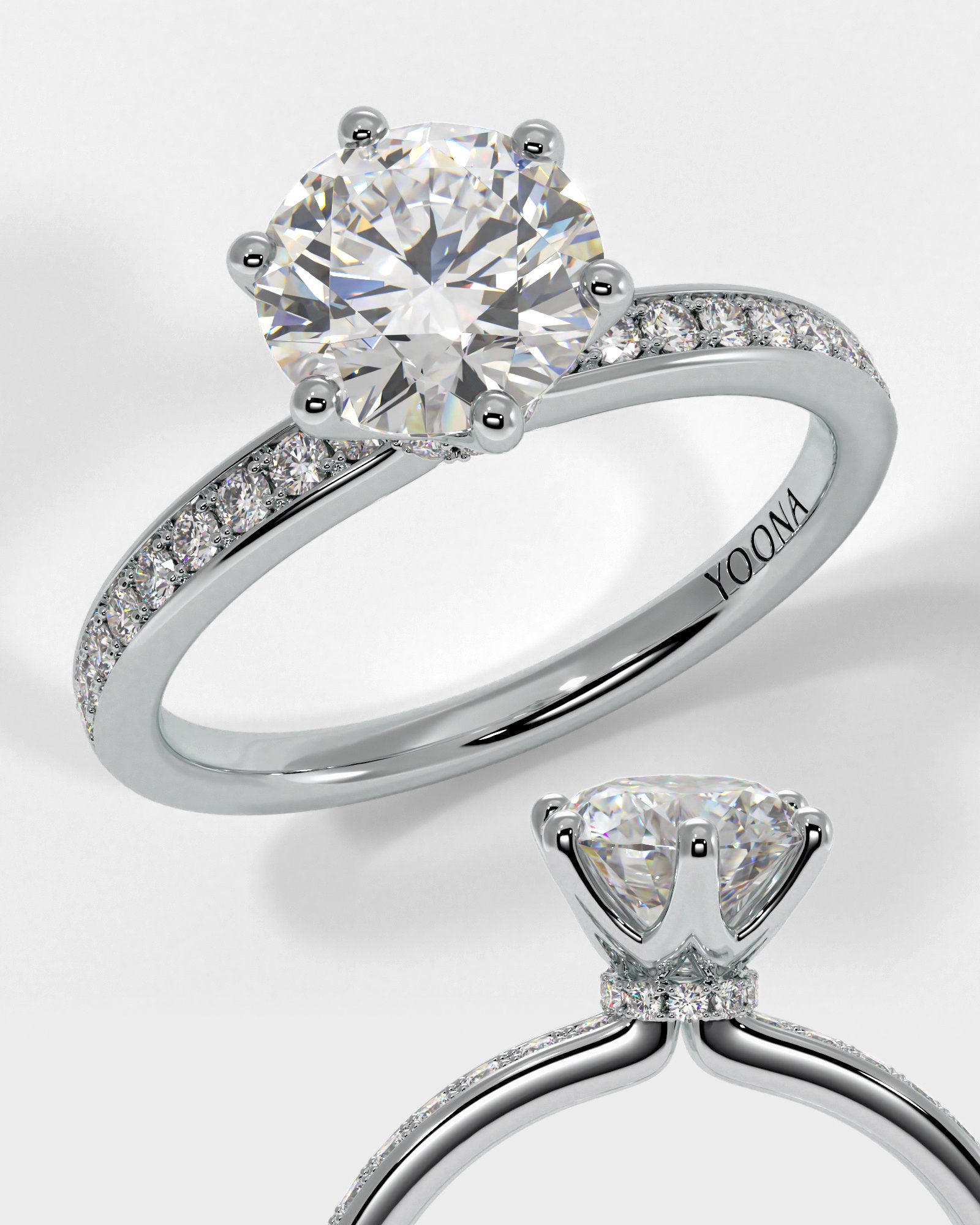
- Setting style: A halo setting surrounds the center stone with smaller accent diamonds, which visually expands the overall look without adding carat weight to the center stone itself.
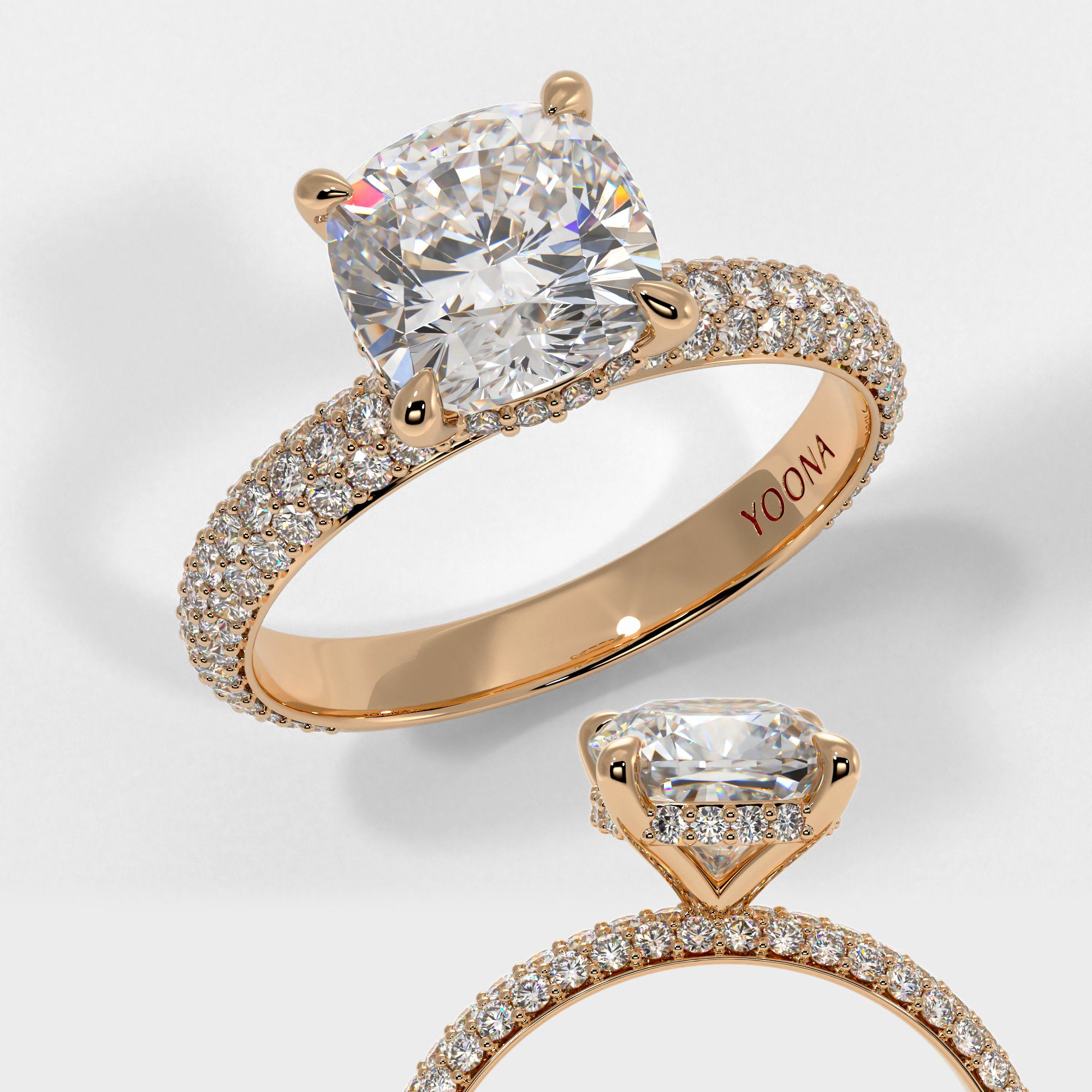
Carat Weight and Diameter by Shape
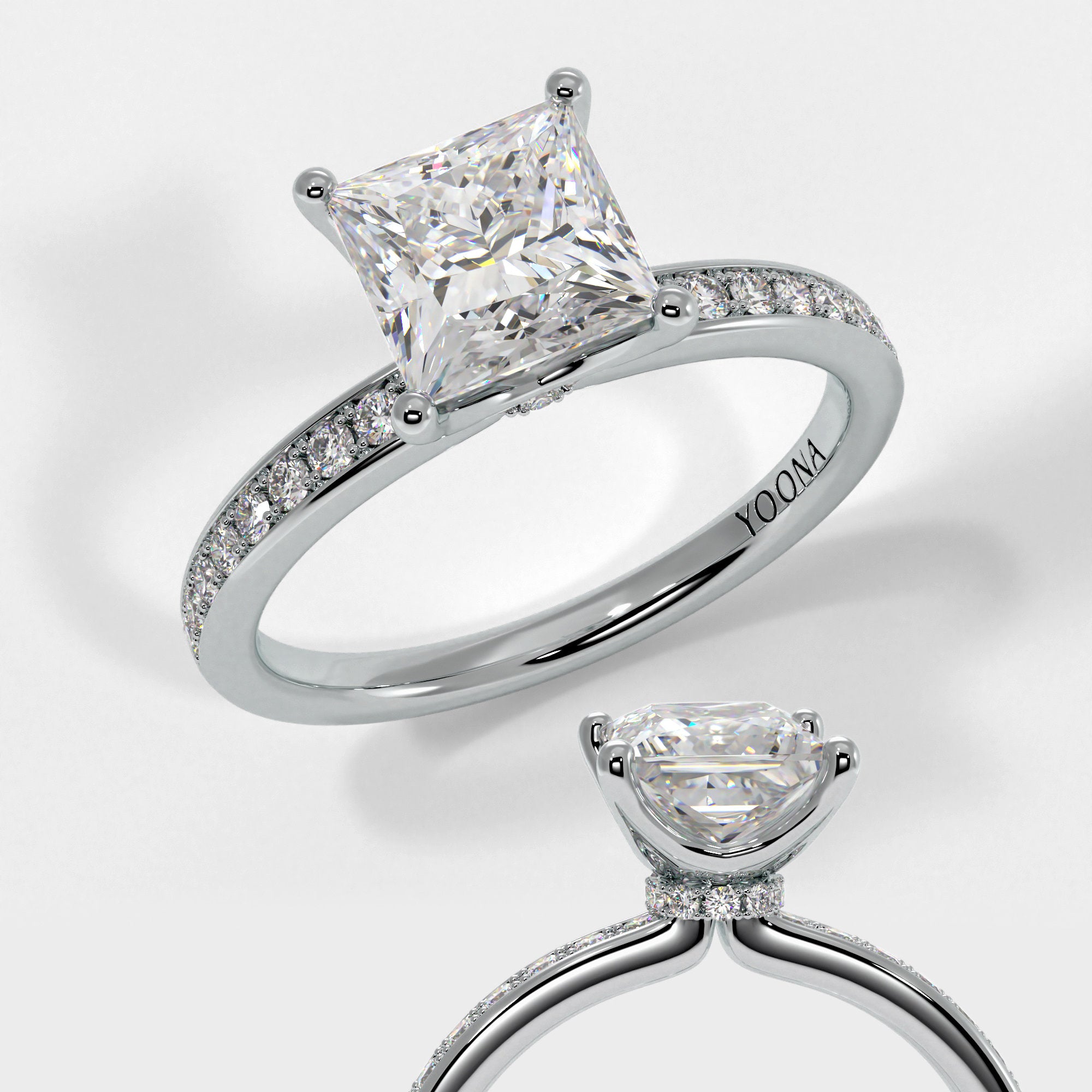
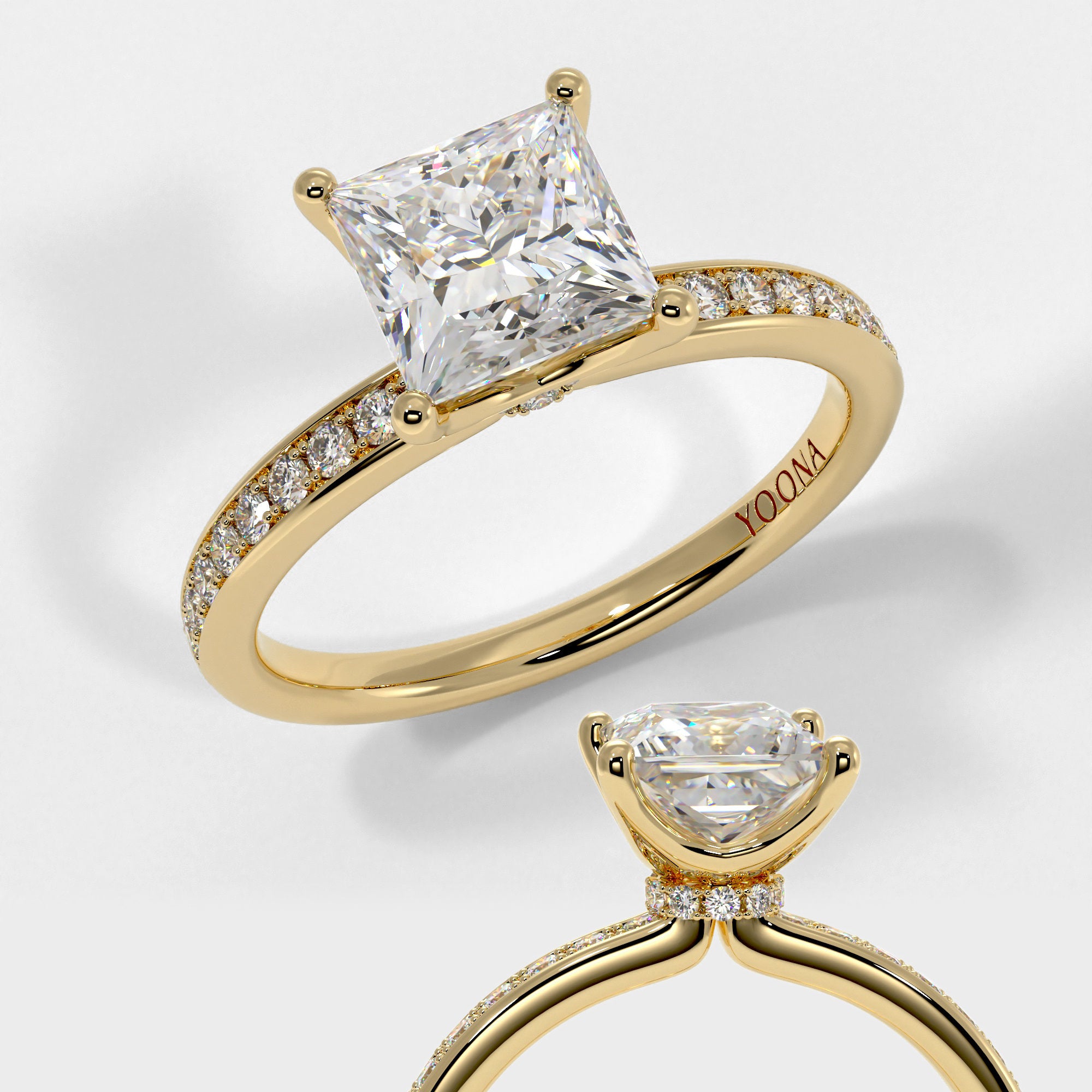
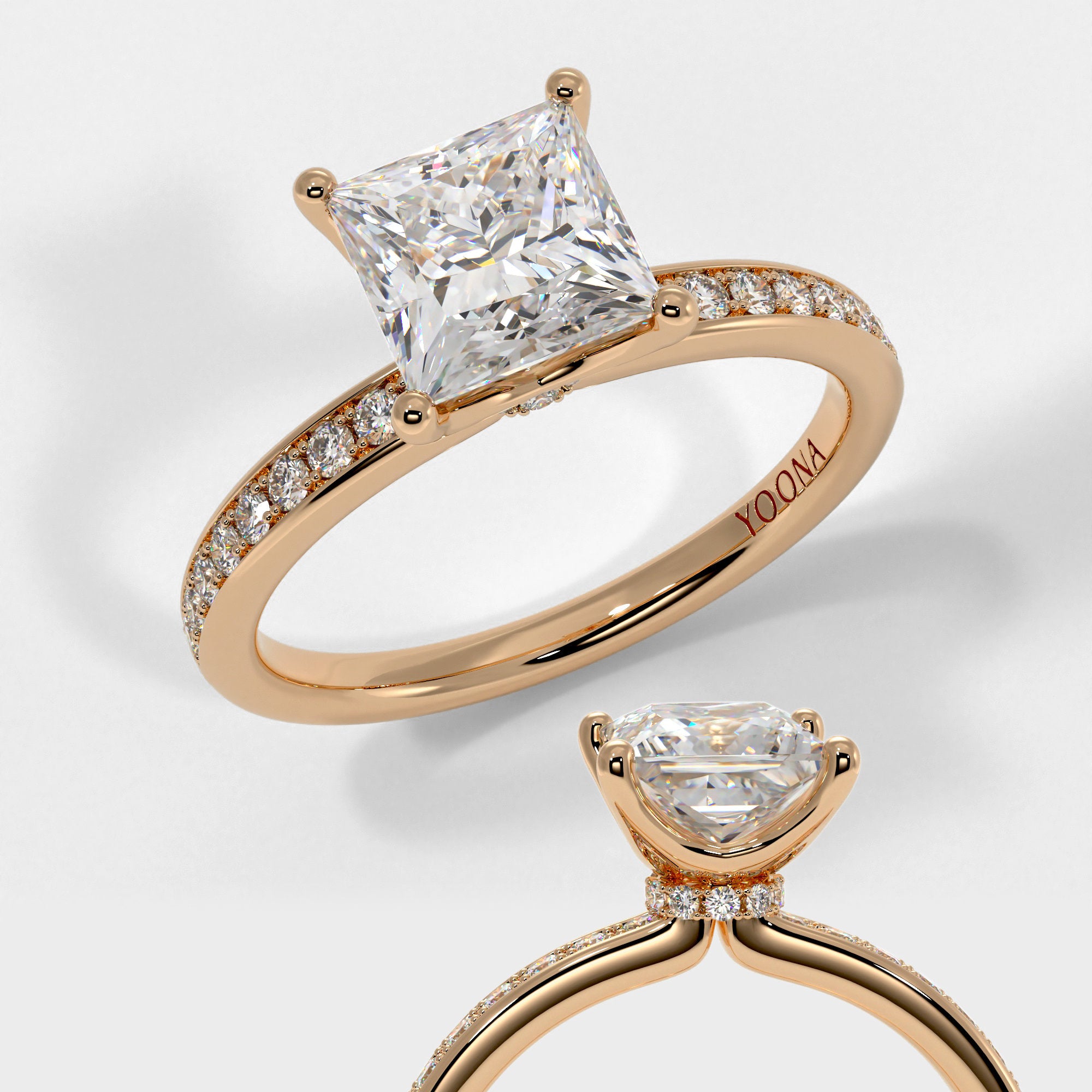
Quick answer: At the same carat weight, elongated shapes measure a larger visible diameter than a round. A 1-carat oval, for example, reads noticeably longer than a 1-carat round even though both weigh exactly the same.
| Shape | Approx. Size at 1 Carat |
|---|---|
| Round | ~6.5mm diameter |
| Oval | ~9.0mm x 6.5mm |
| Marquise | ~11.0mm x 5.5mm |
| Pear | ~9.0mm x 6.0mm |
| Emerald | ~7.0mm x 5.0mm |
These are approximate ranges, actual measurements vary by depth and cut proportions, but the pattern holds consistently: shapes that stretch in one direction read larger than a round of the same weight, simply because more of that weight is visible from above rather than concentrated straight down.
Does a Bigger Number Always Cost Proportionally More?
Quick answer: No. Diamond pricing jumps disproportionately at round carat numbers, 0.50, 1.00, 1.50, 2.00, so a stone just under one of those thresholds can look identical but cost noticeably less.
This pricing pattern exists because of how diamonds are categorized and sold in bulk, not because a 1.00 carat diamond is inherently more valuable per carat than a 0.97. A 0.97 carat diamond is visually indistinguishable from a 1.00 carat to everyone except an appraiser with a scale.
For the full breakdown of how carat trades off against cut, clarity, and color, see The 4Cs of Diamonds, Explained Properly.
Carat and Lab-Grown Diamonds
Quick answer: Because lab-grown diamonds typically cost 60 to 85 percent less than mined diamonds at the same grade, the same budget often buys meaningfully more carat weight without sacrificing cut, clarity, or color.
This is where lab-grown diamonds change the math most directly. A buyer who might stretch to a 1.00 carat mined diamond at a given quality level could often reach 1.50 or even 1.75 carats in lab-grown at the same price point and same quality standard, meaningfully more visual size for the same spend.
Carat Weight vs. Total Carat Weight (TCW)
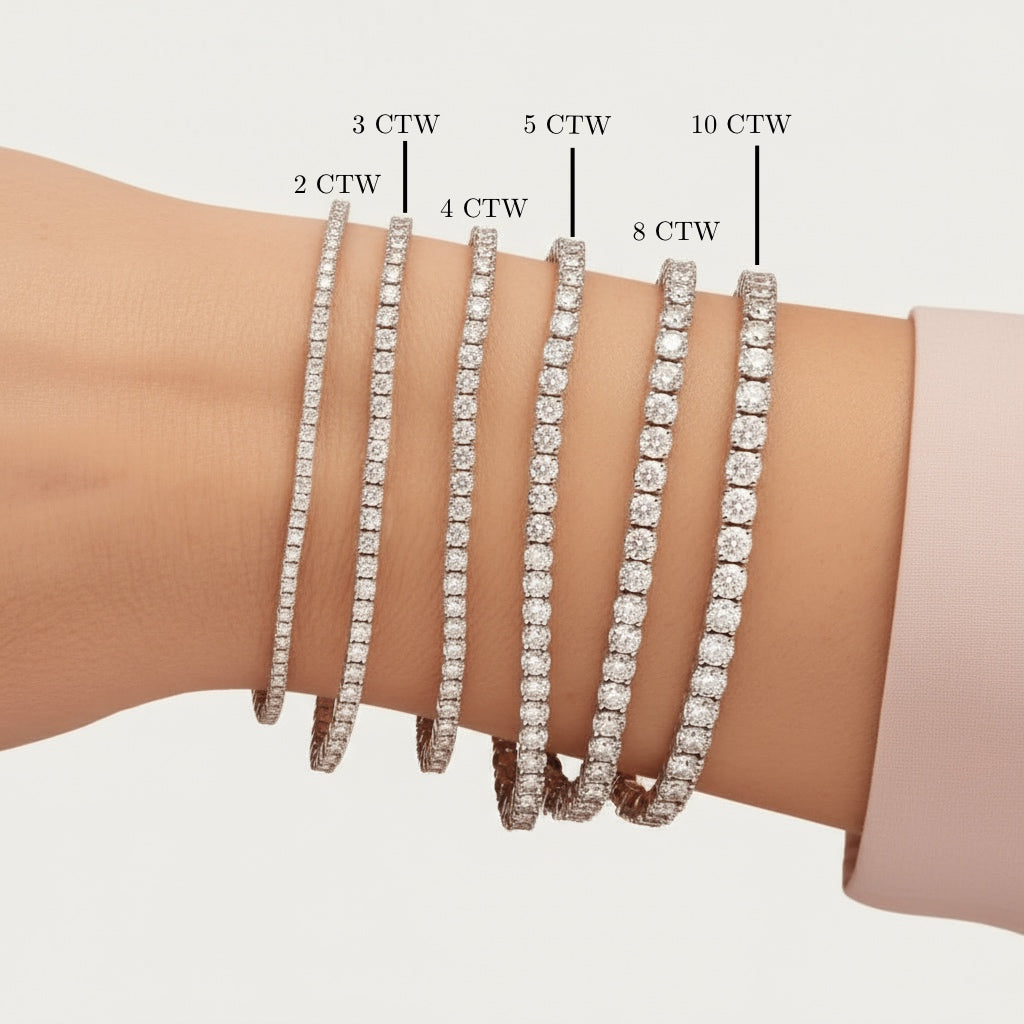
Quick answer: Carat weight refers to a single stone. Total carat weight (TCW) adds up every diamond in the piece, center stone plus any halo or accent stones. A "1.50 TCW" ring might have a 1.00ct center stone with 0.50ct spread across a halo, not a single 1.50ct diamond.
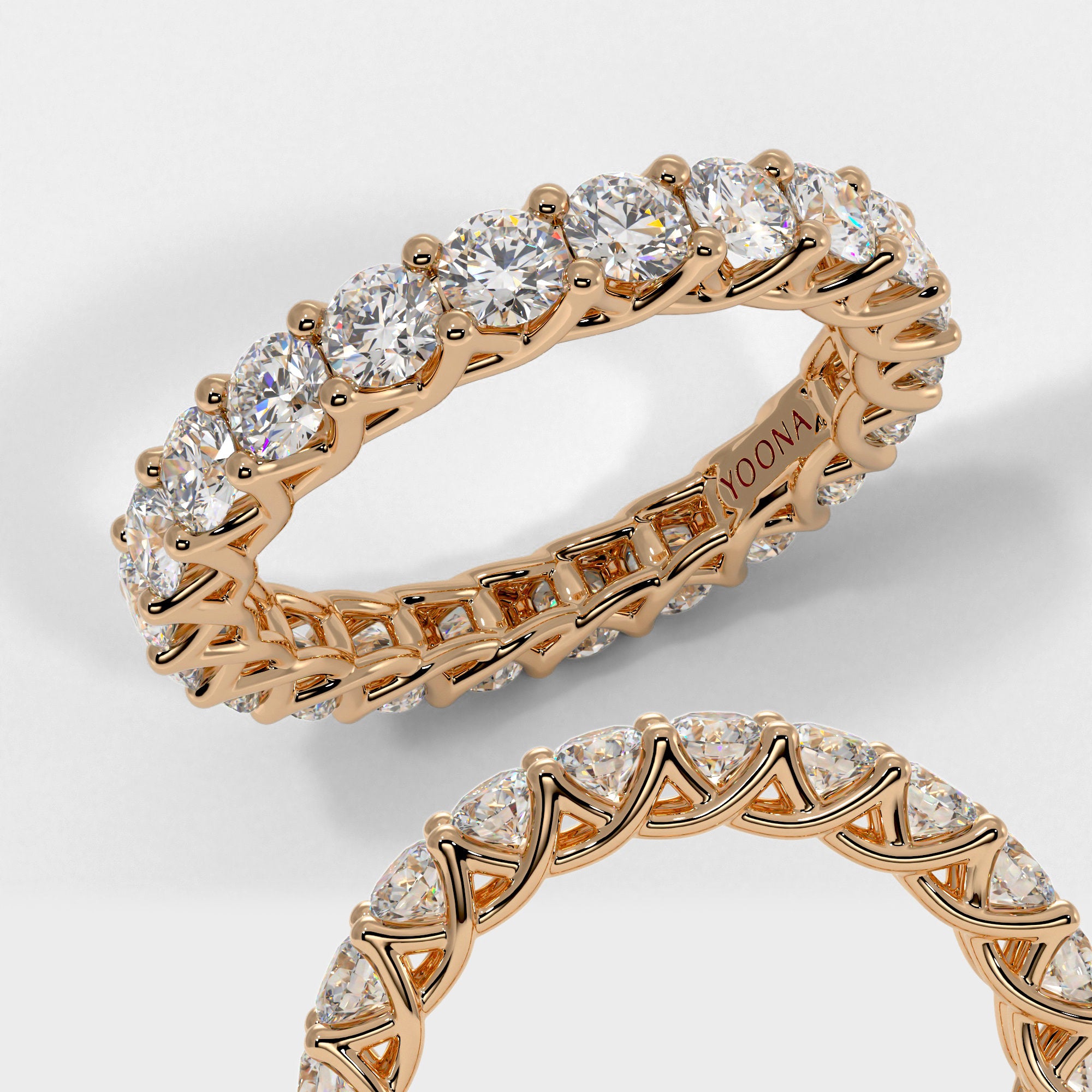
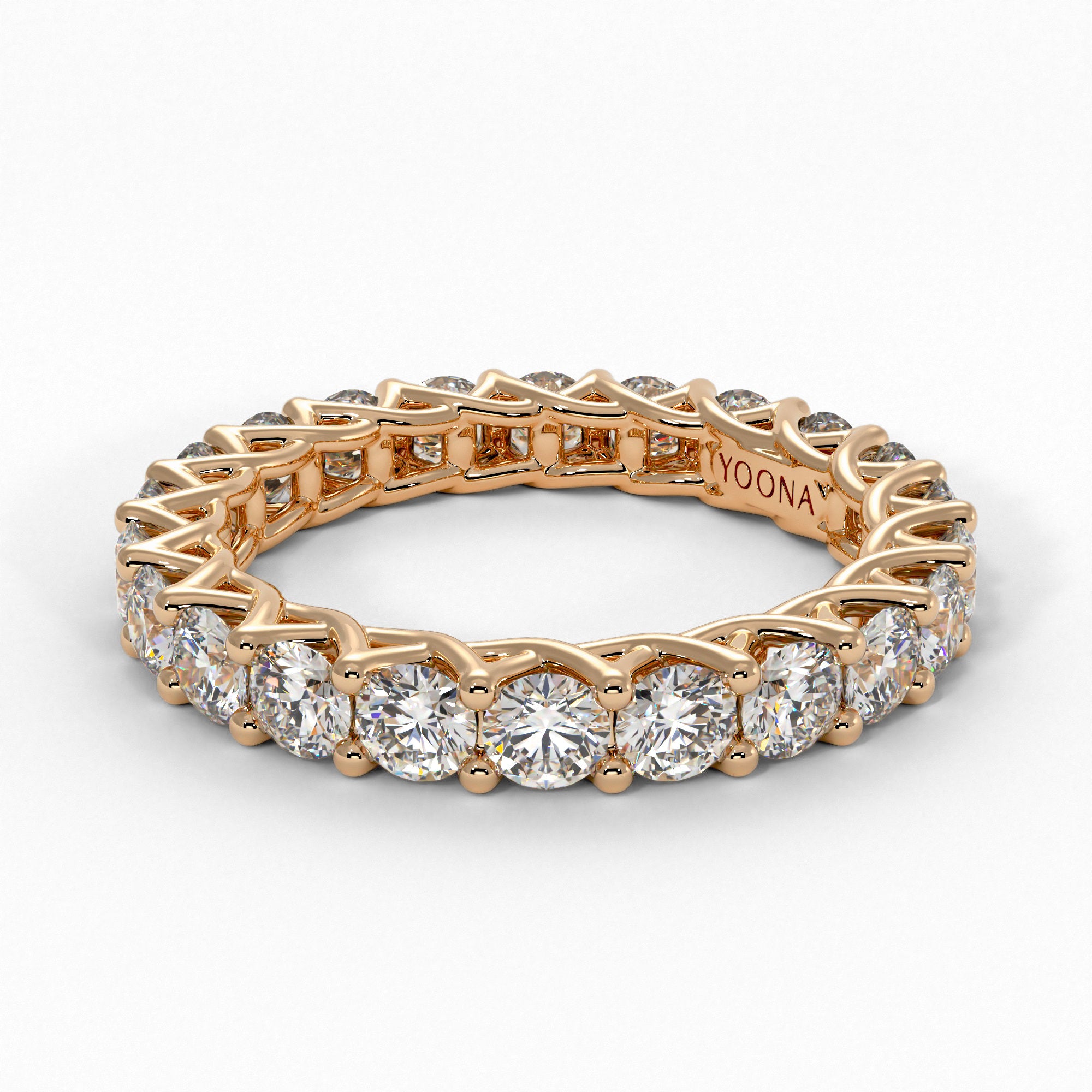
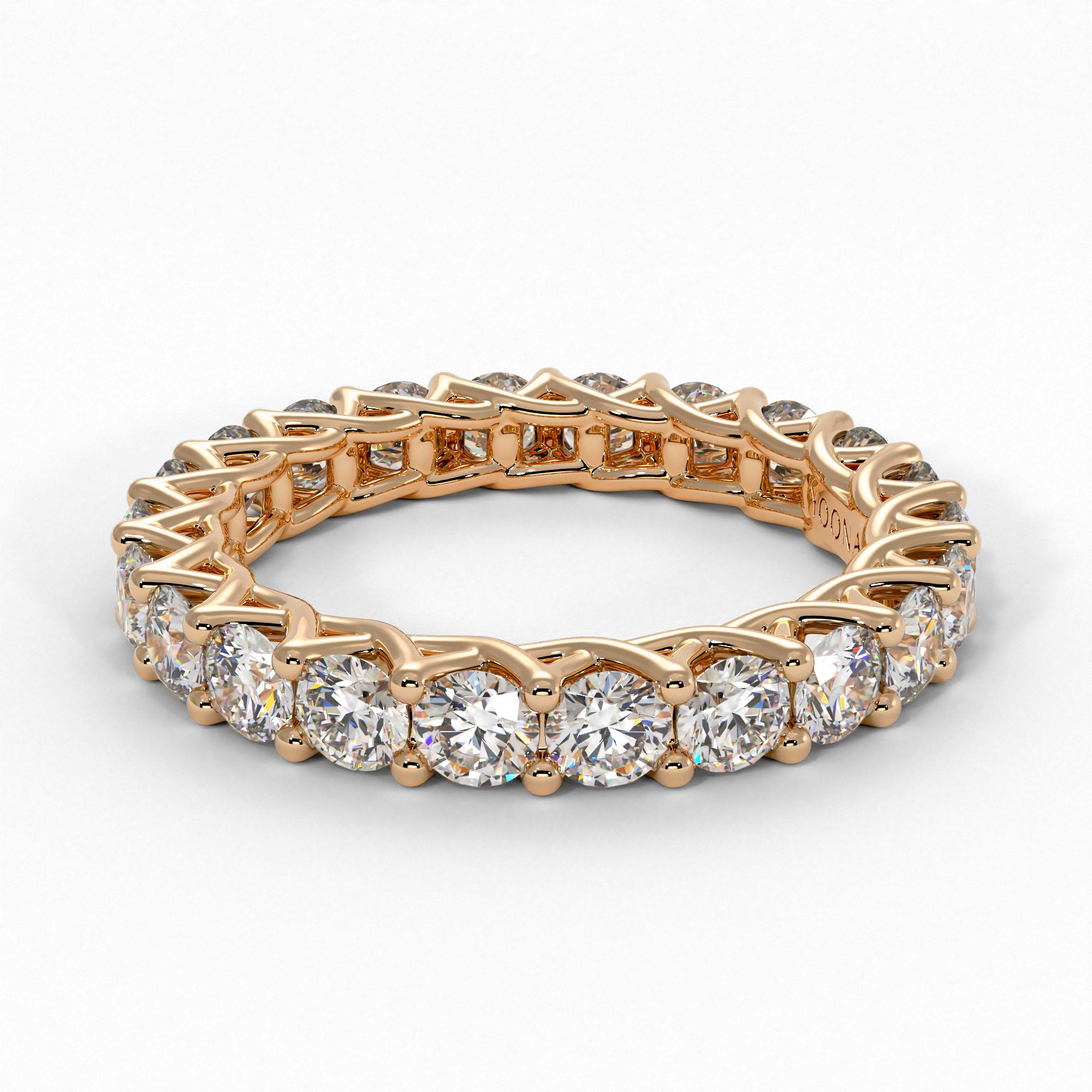
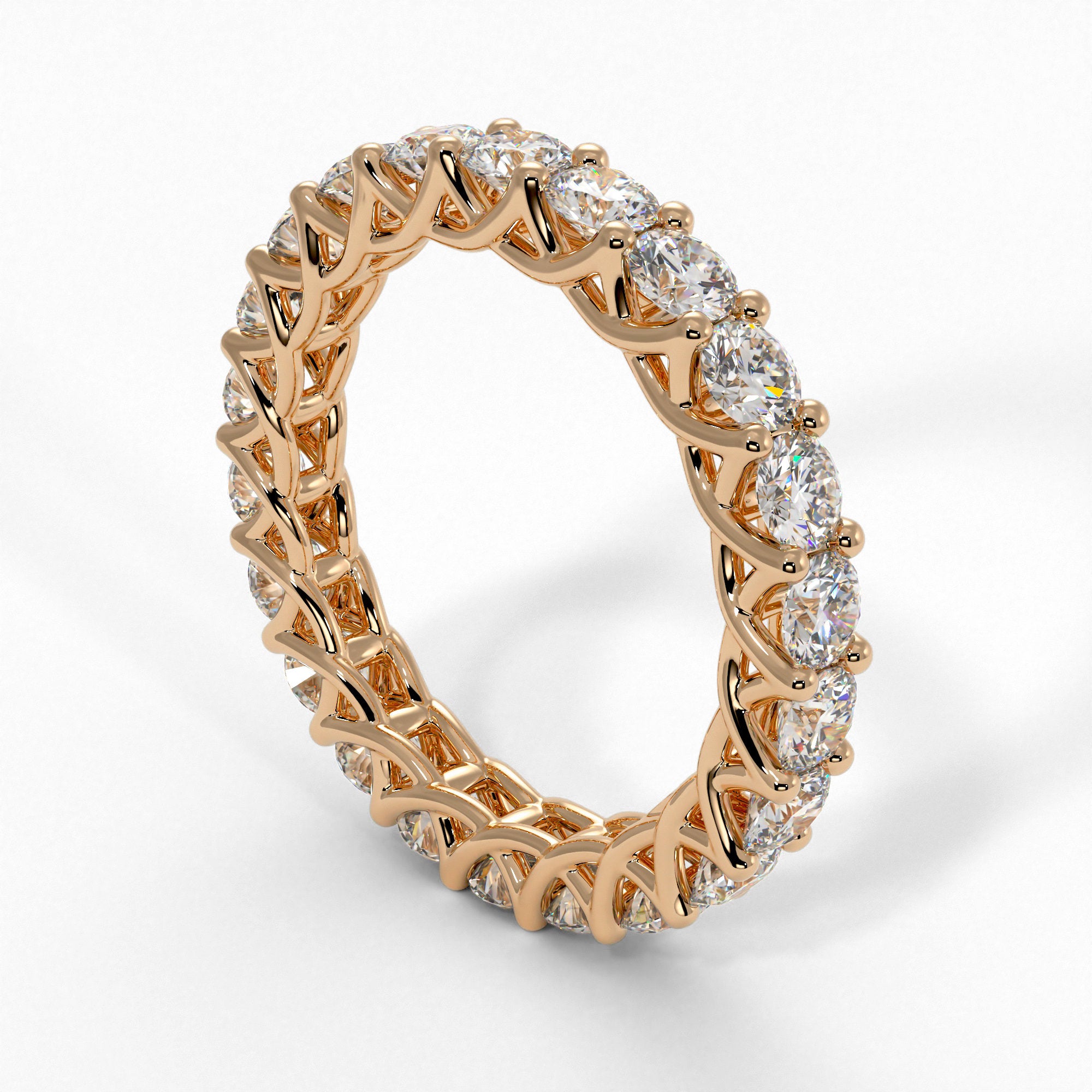
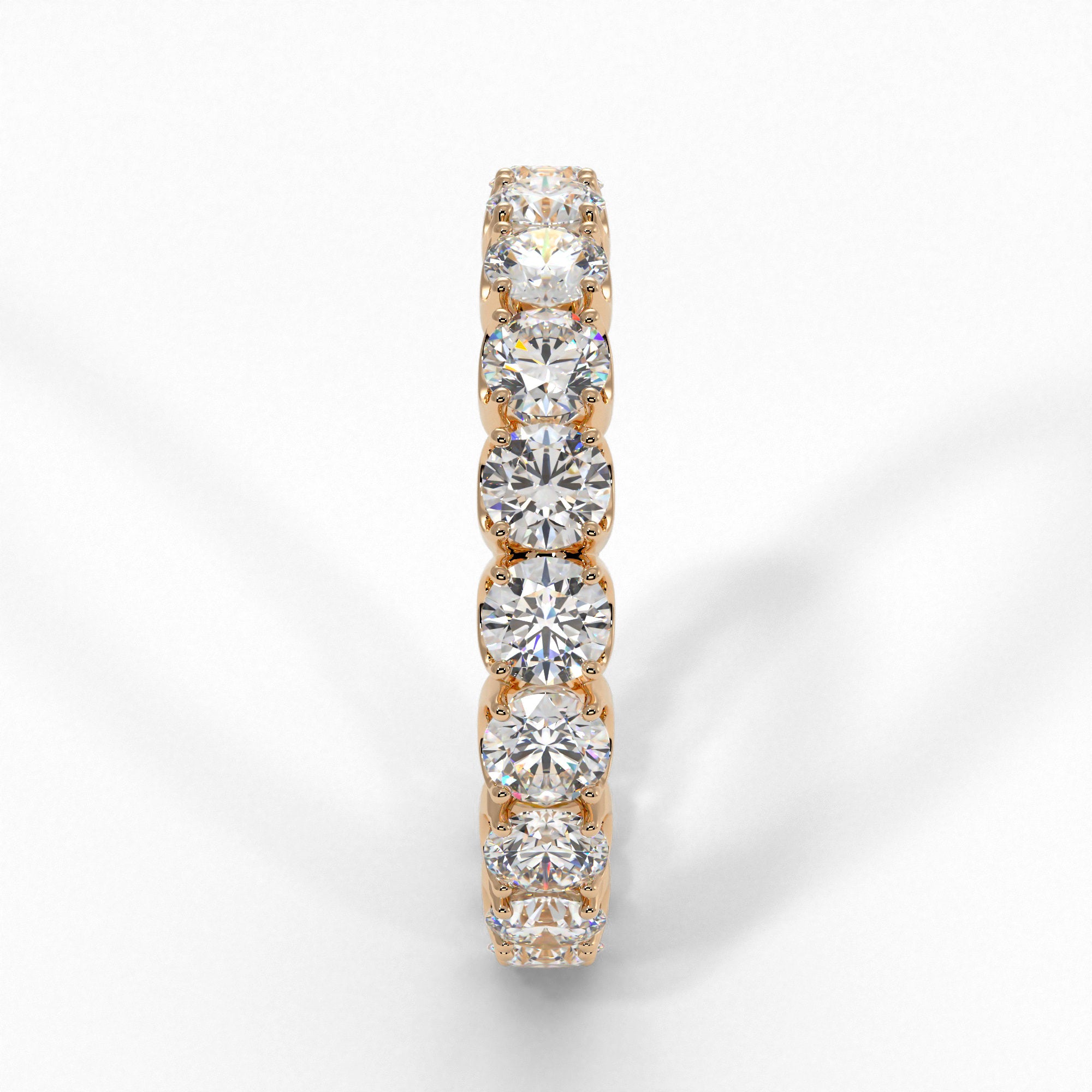
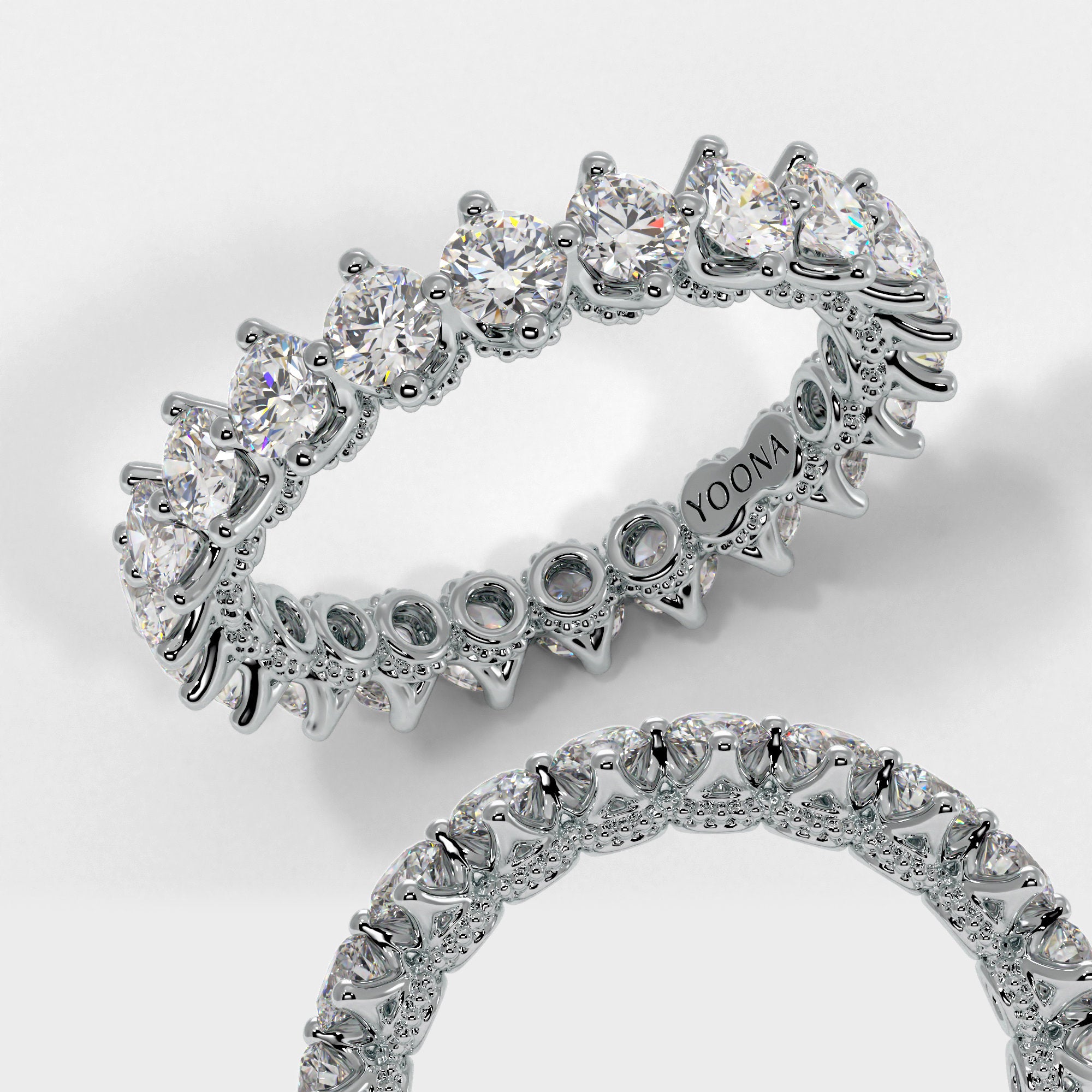
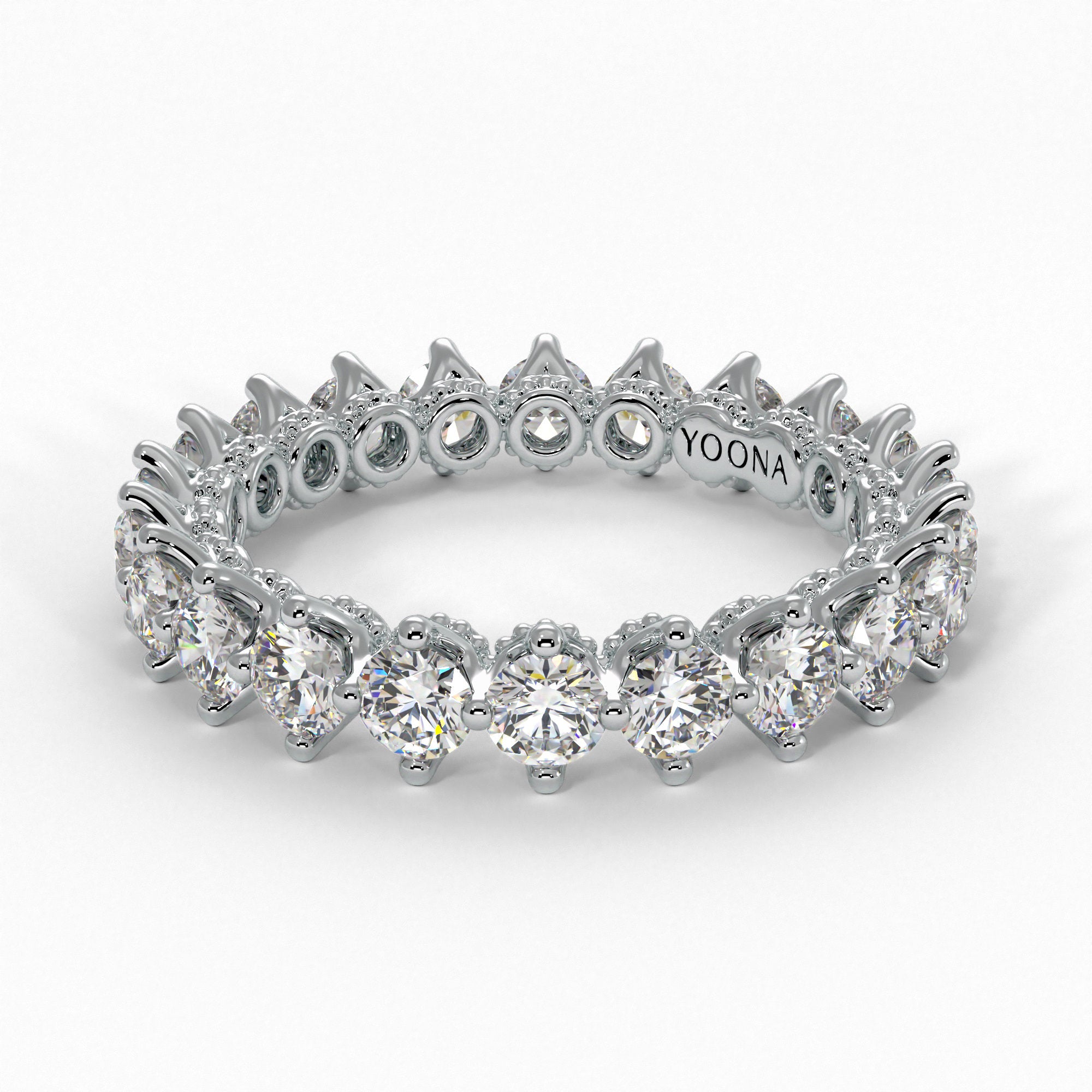
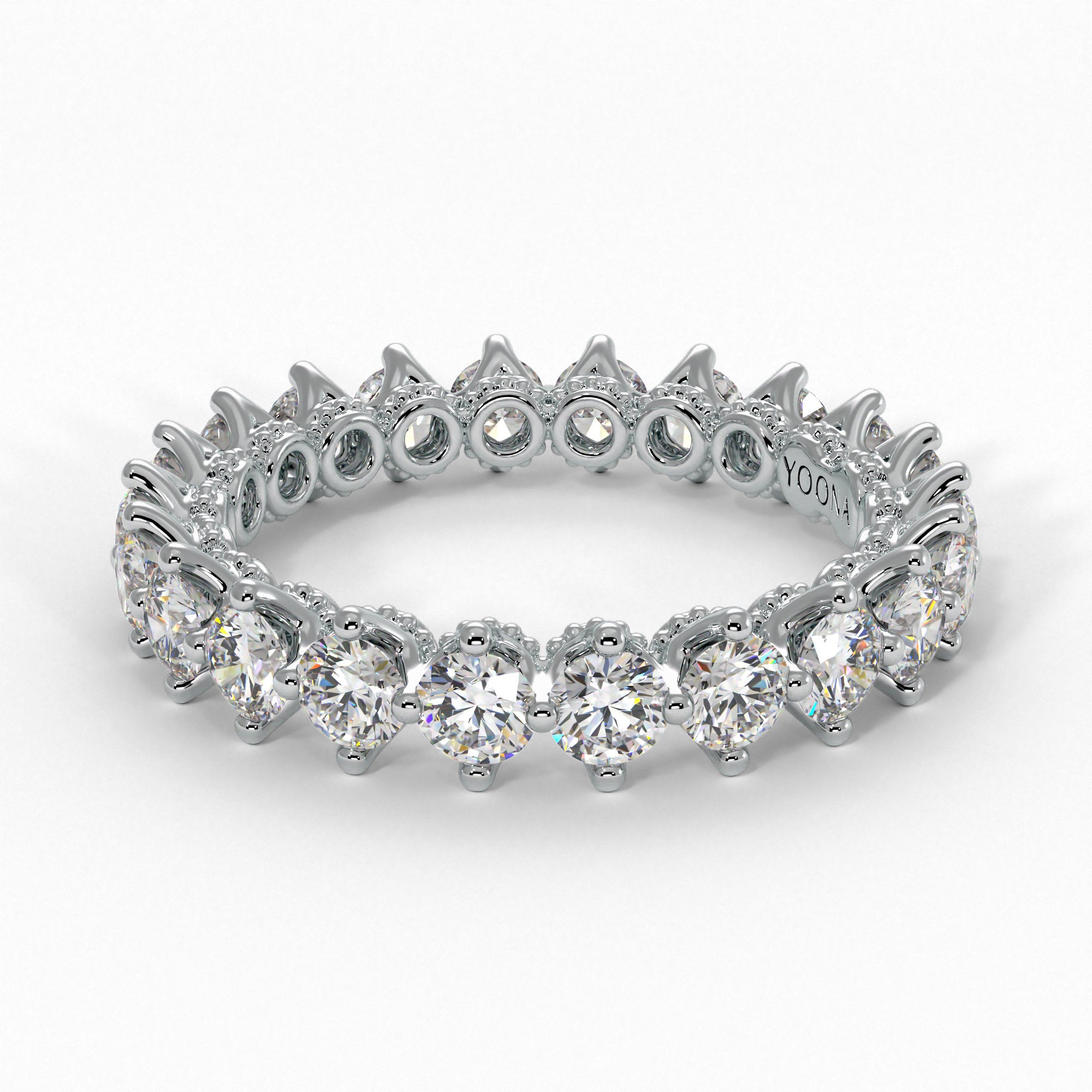
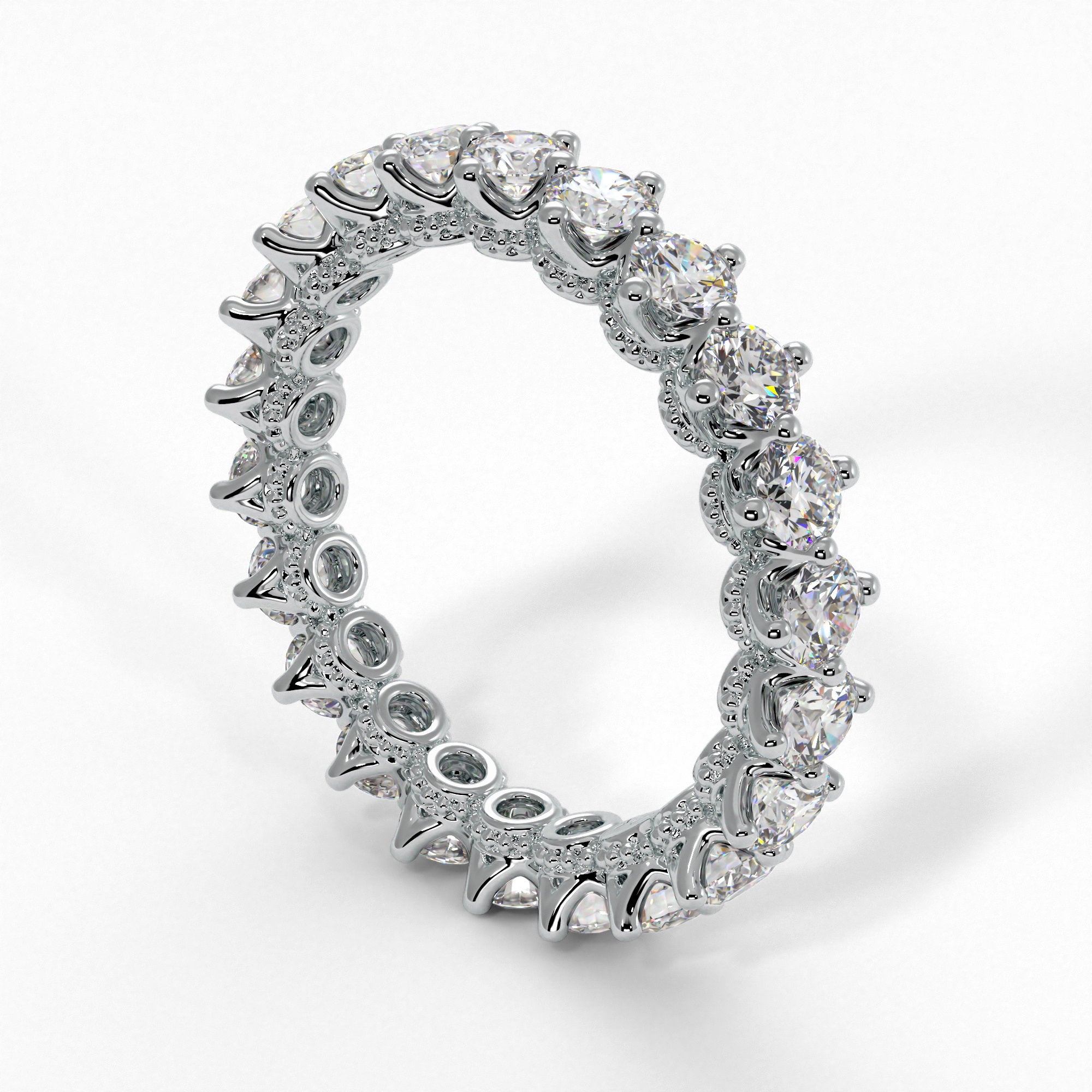
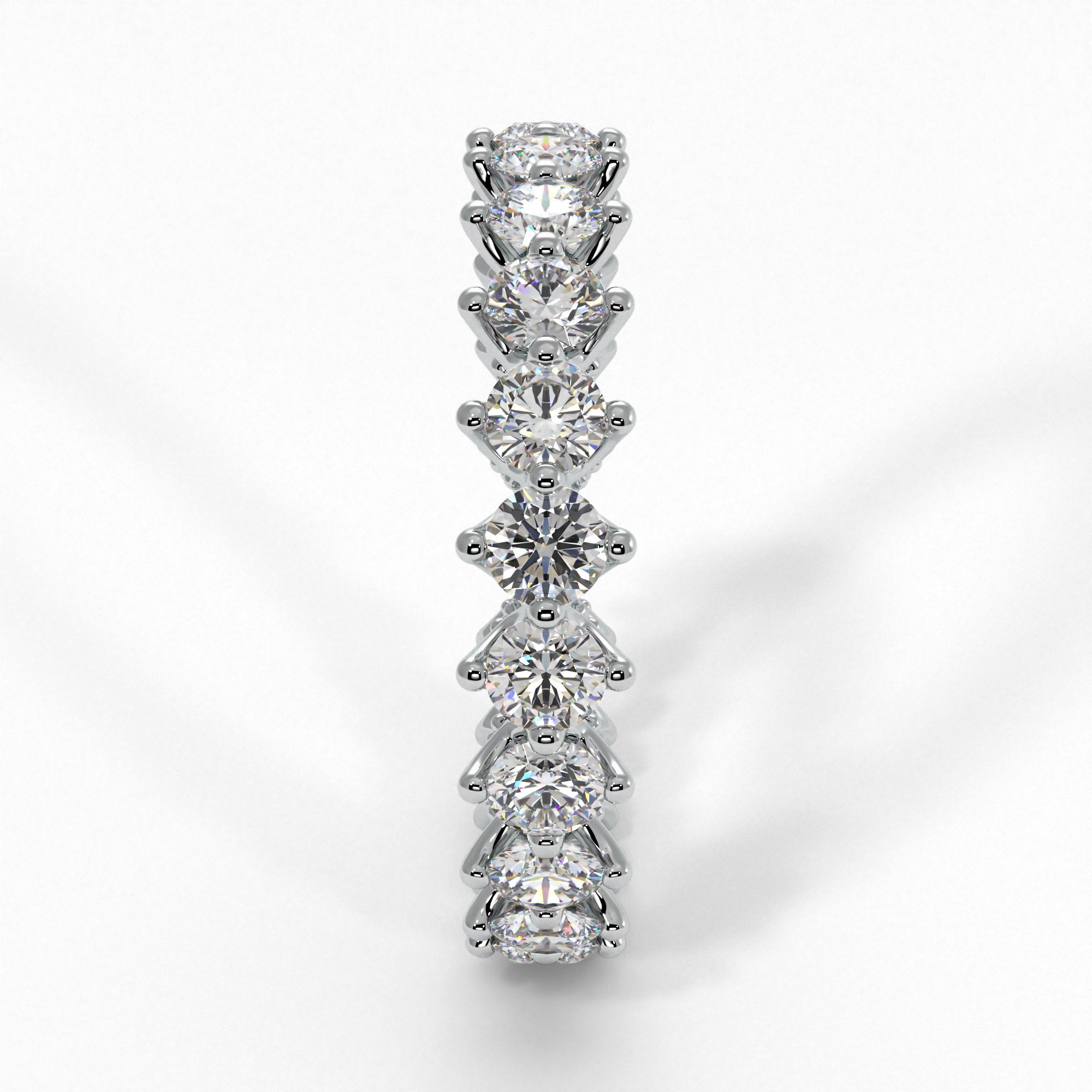
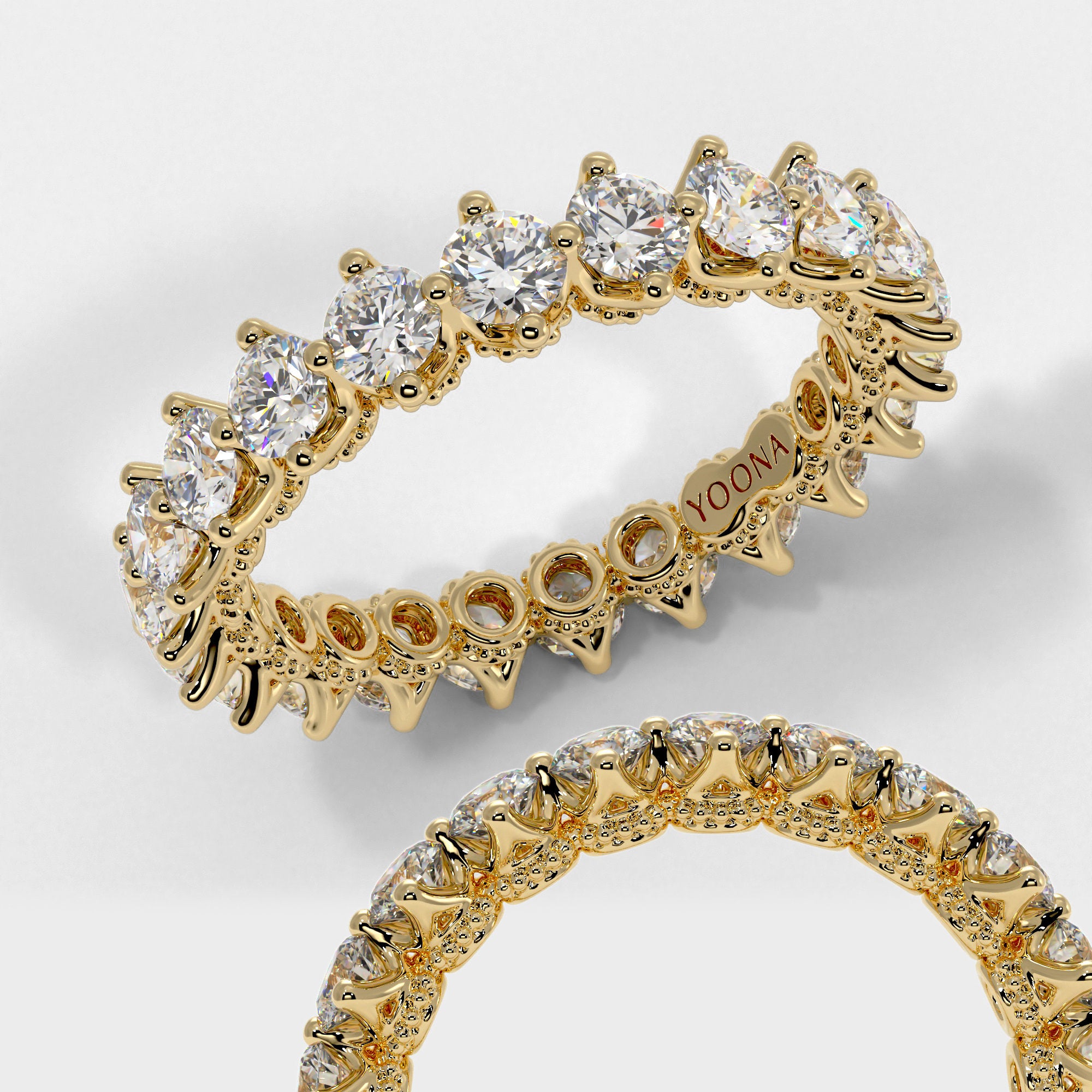
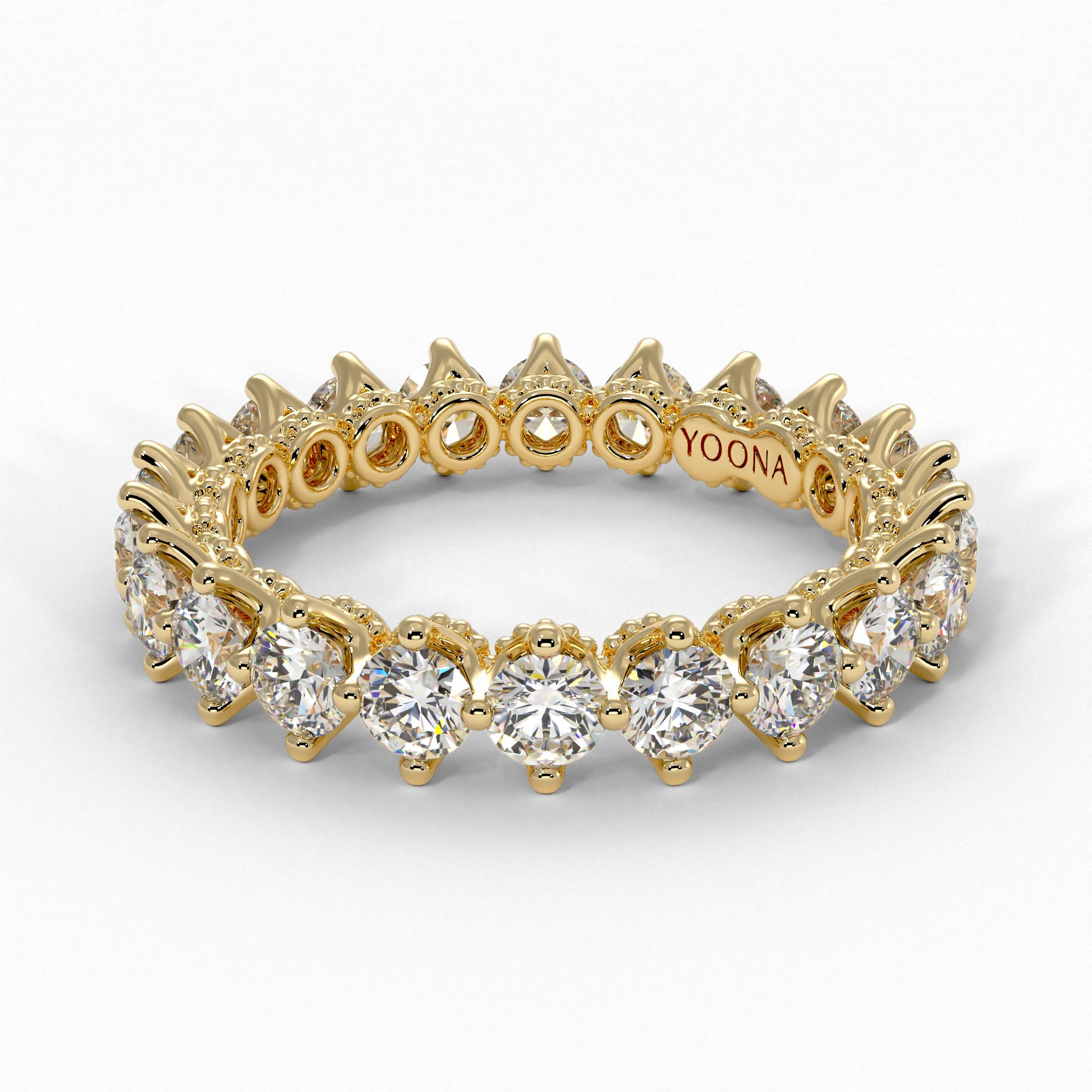
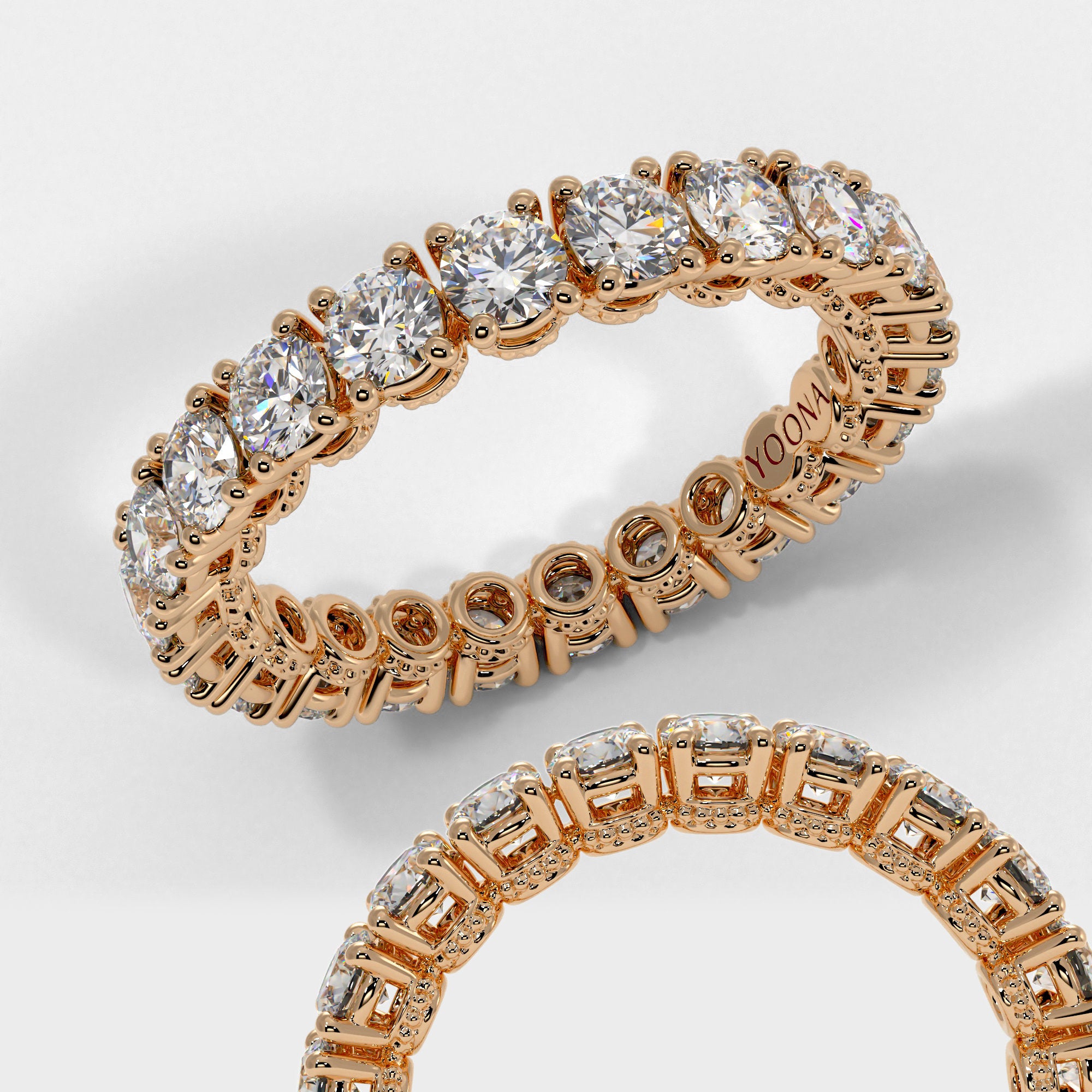
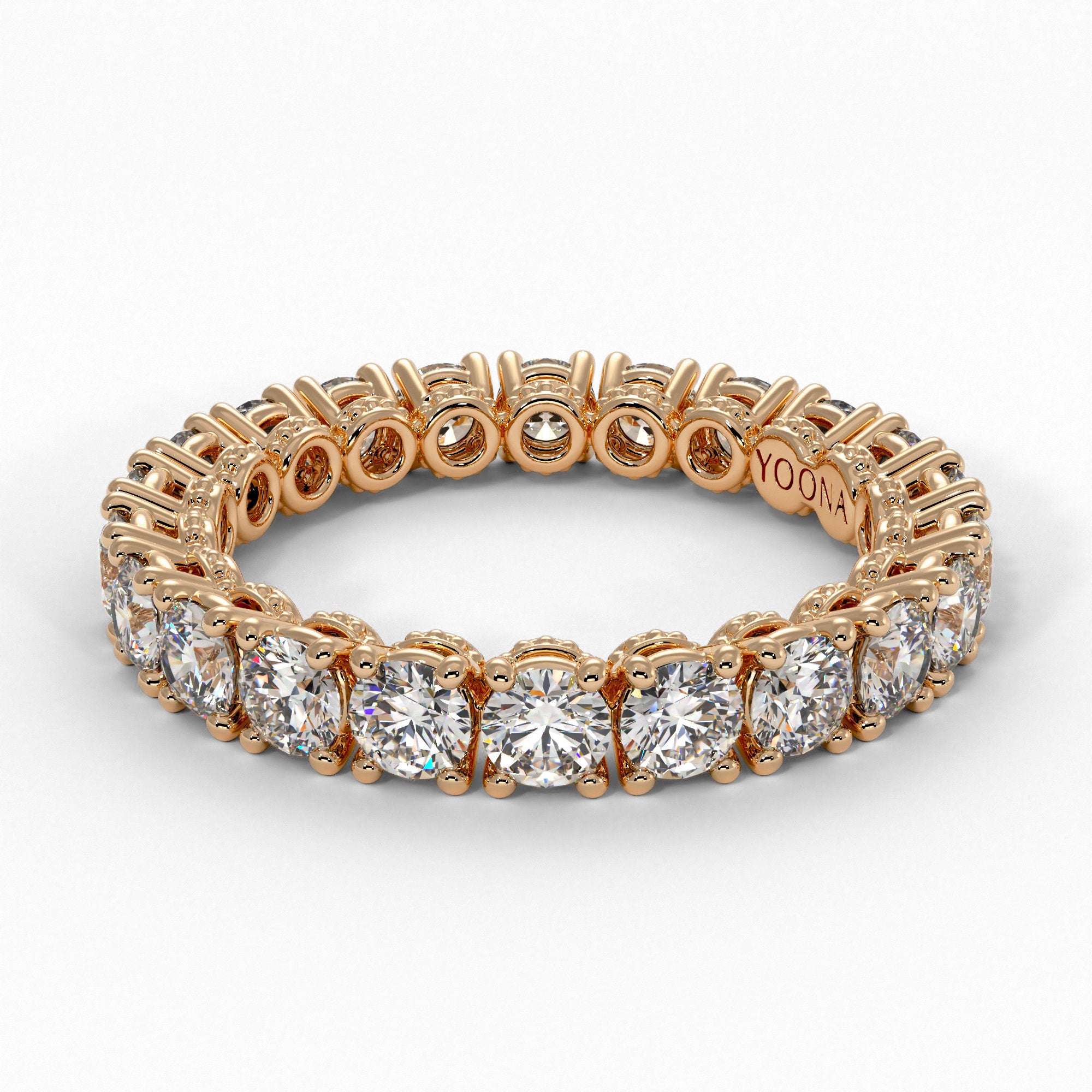
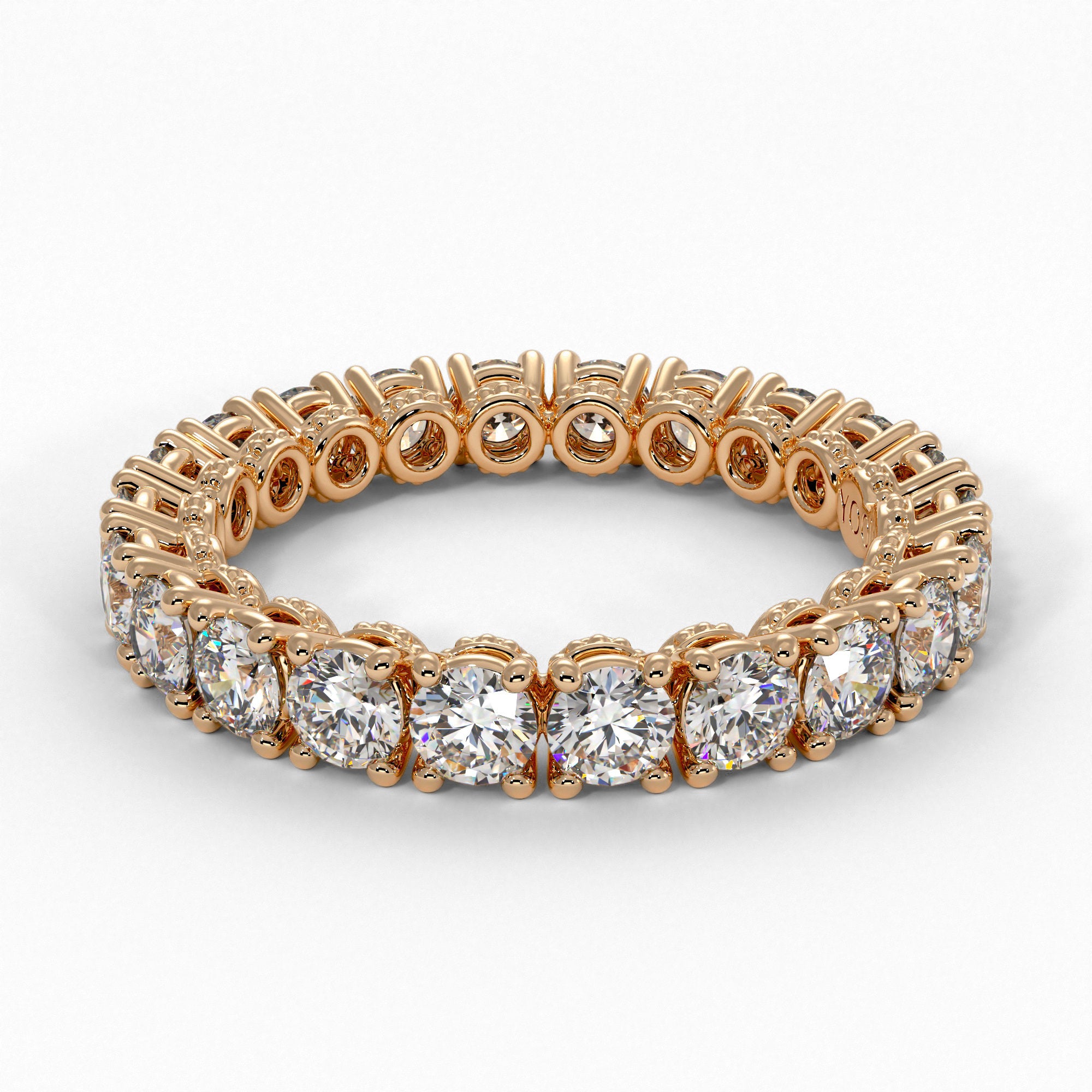
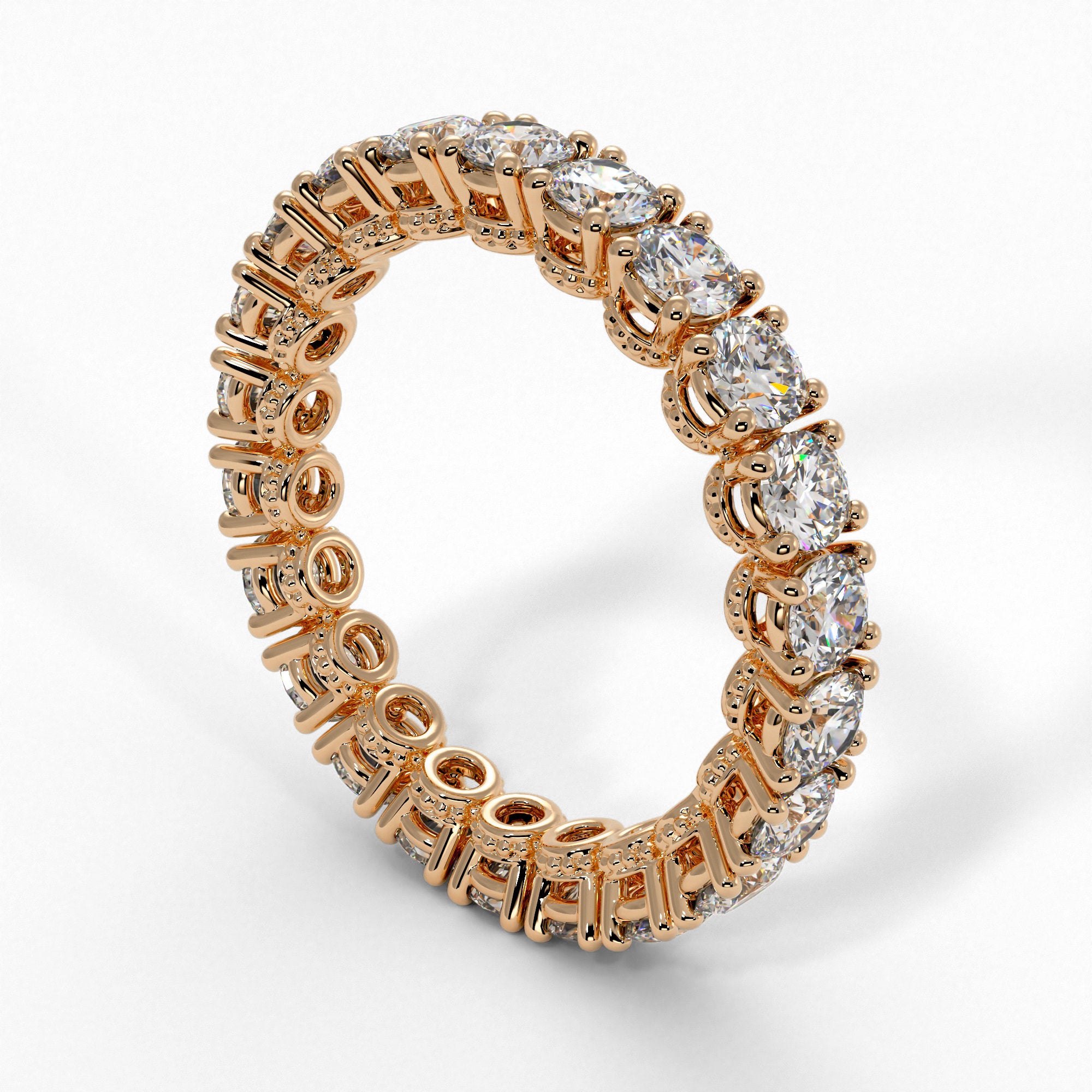
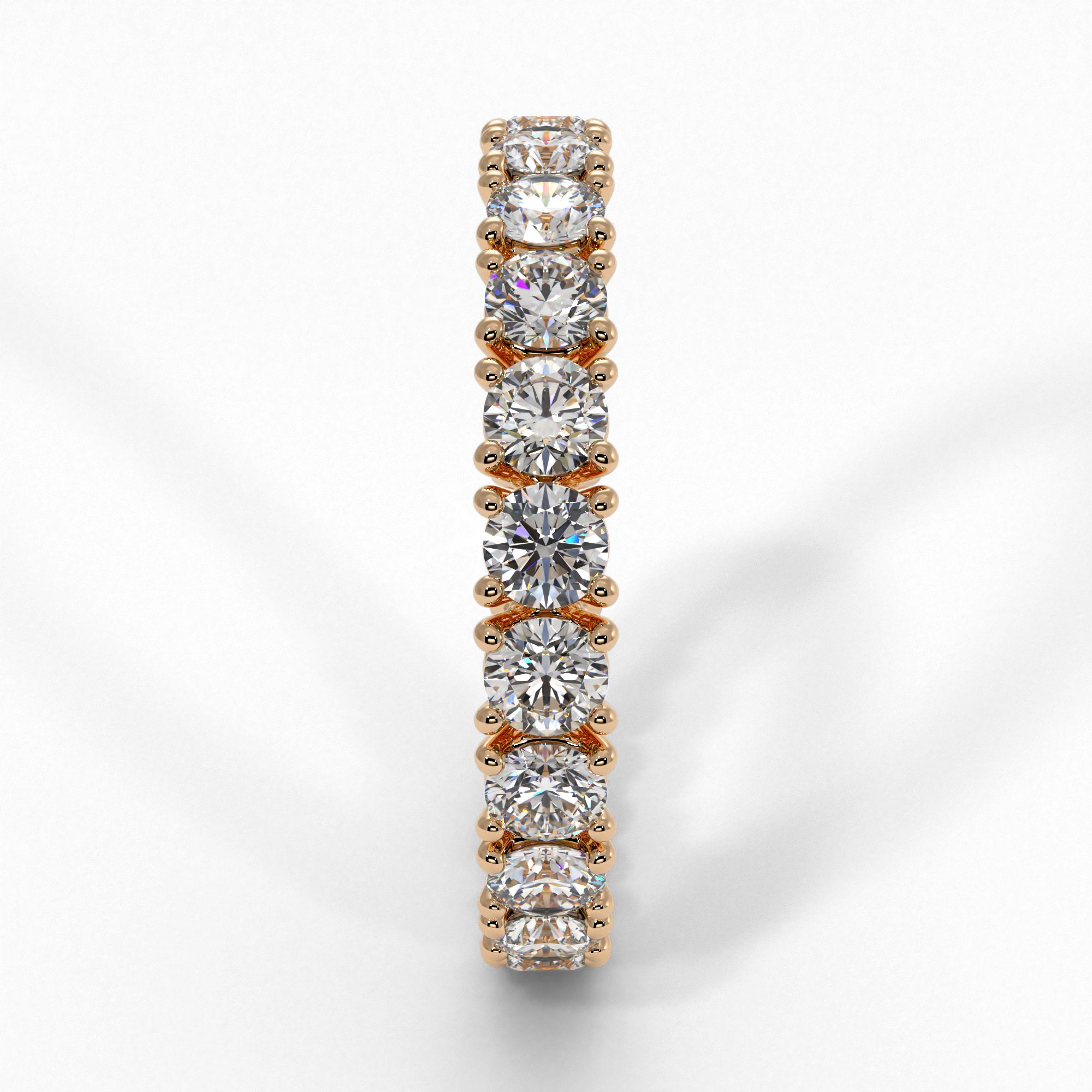
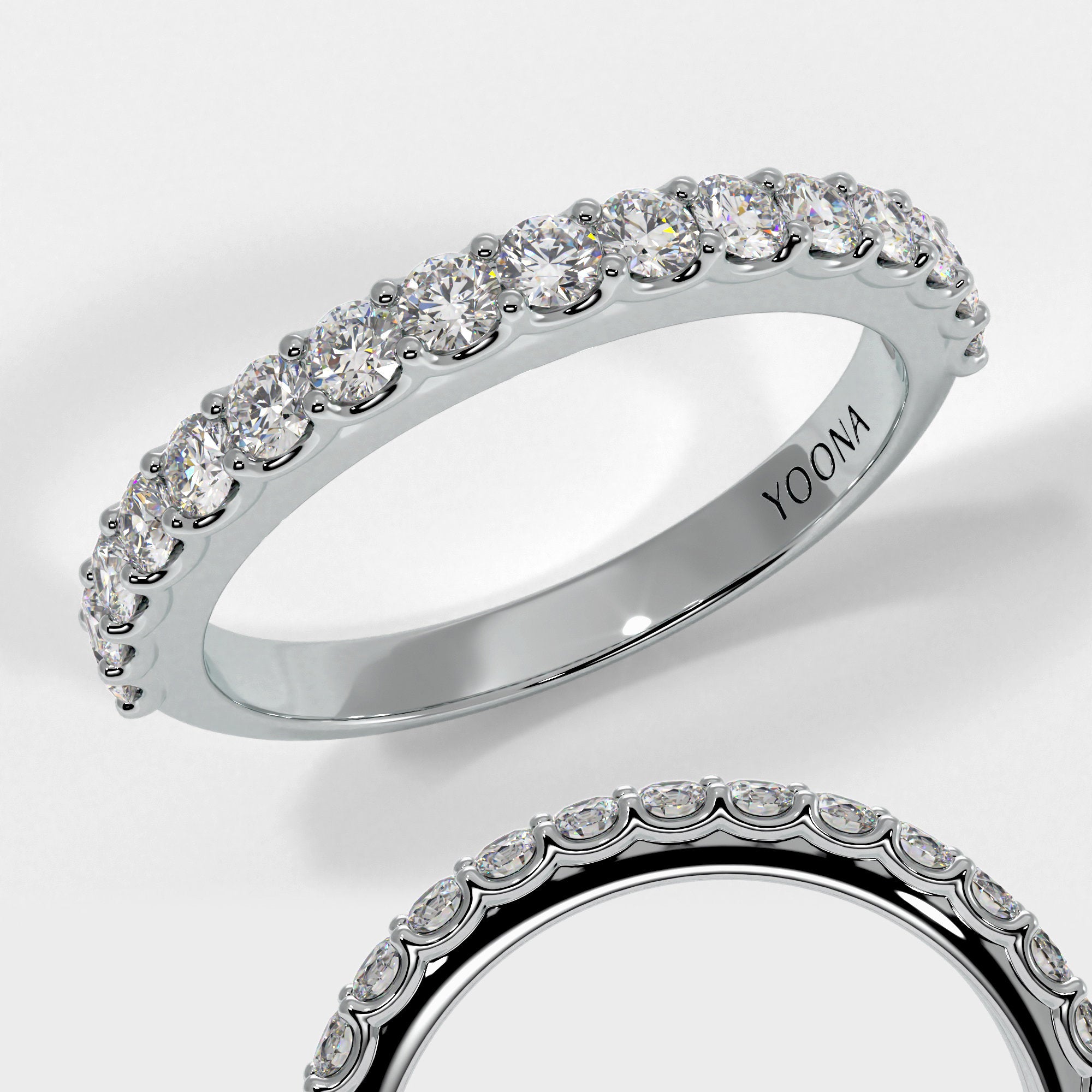
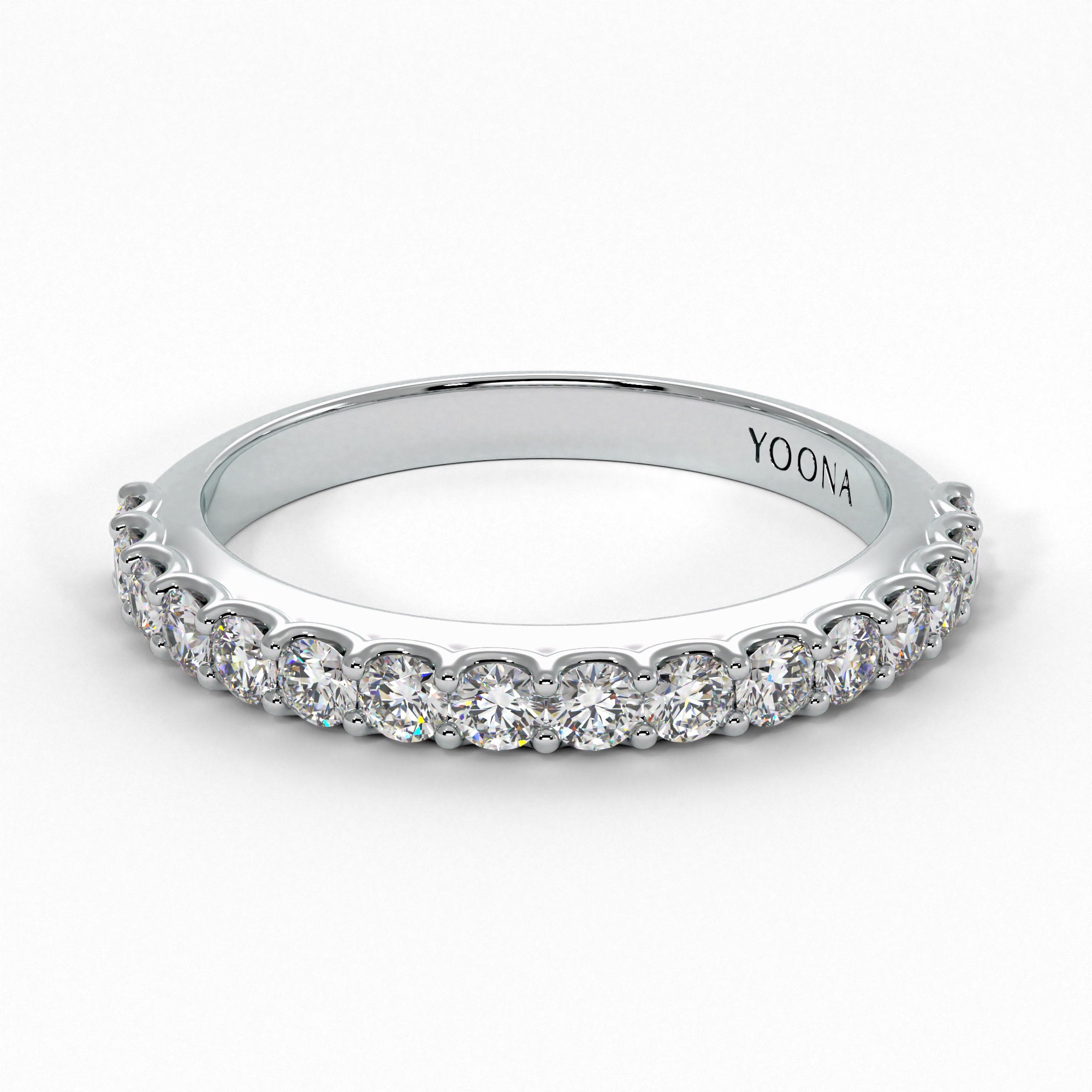
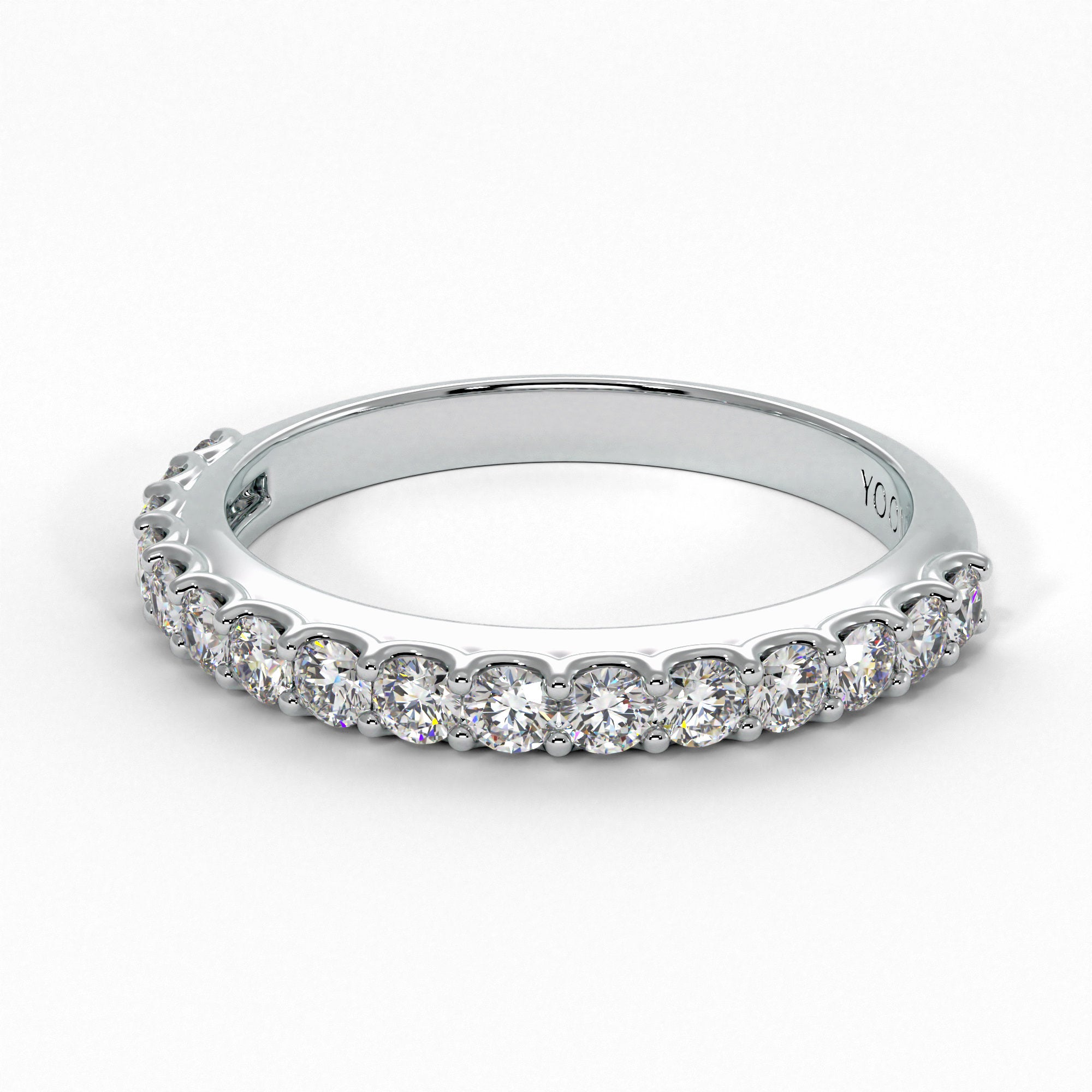
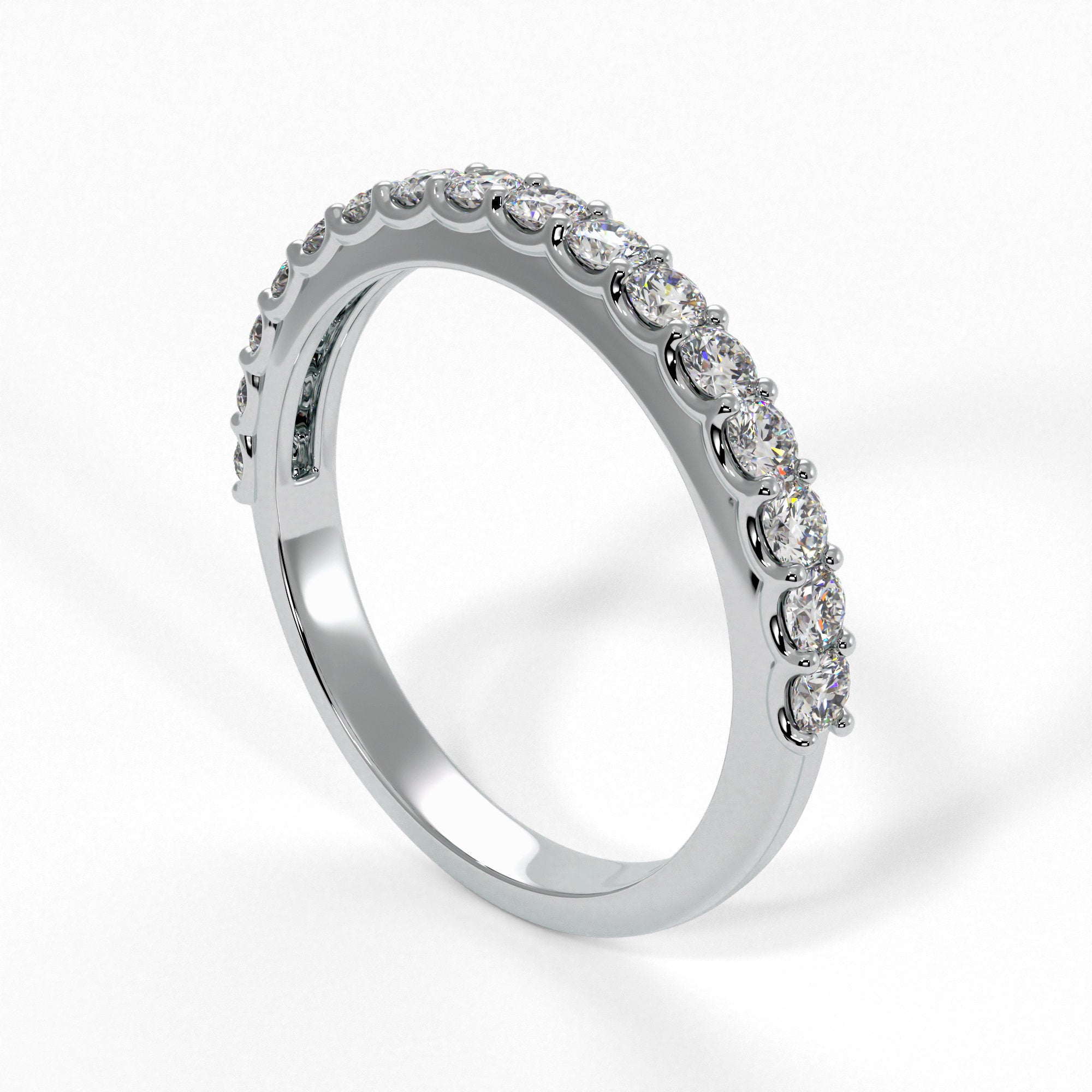
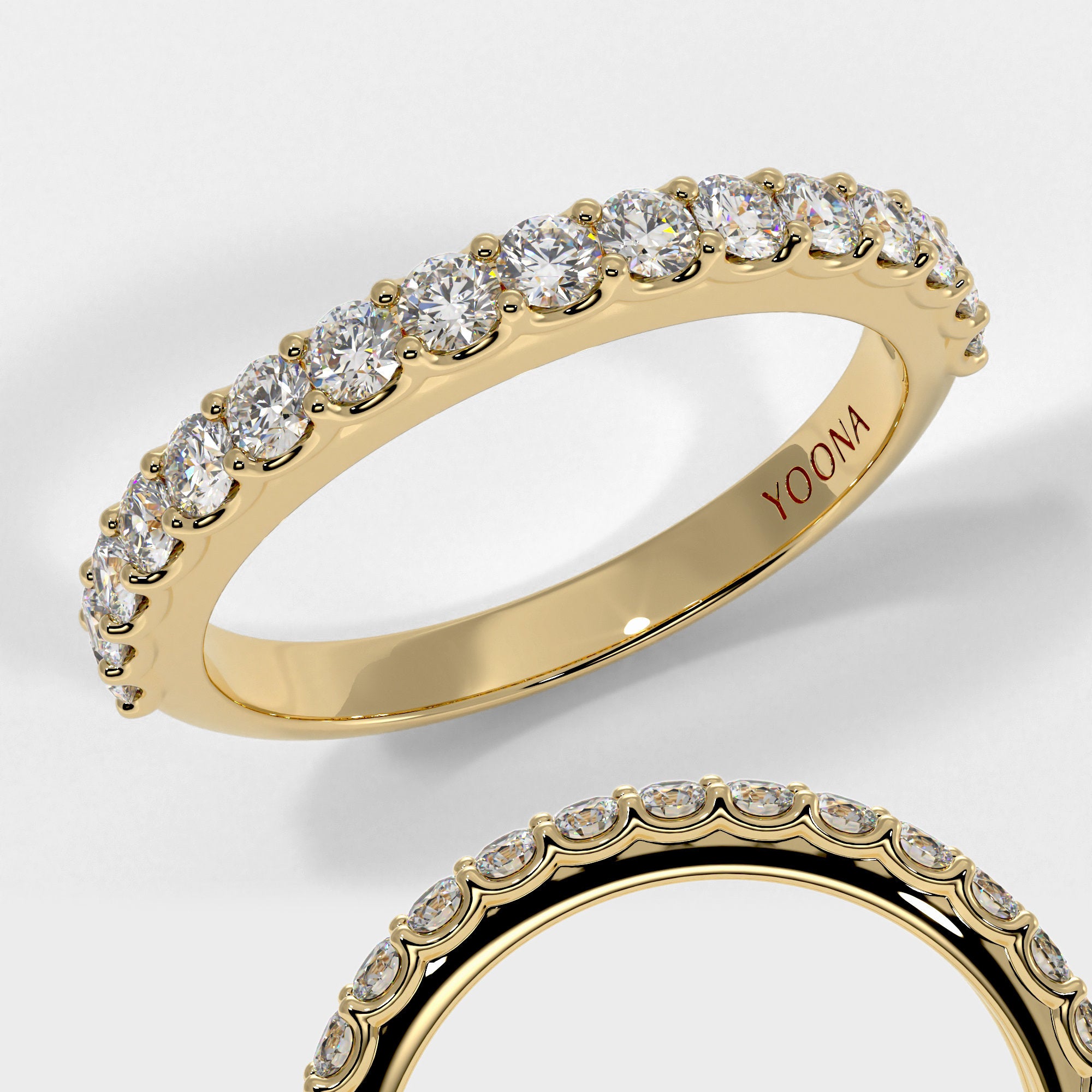
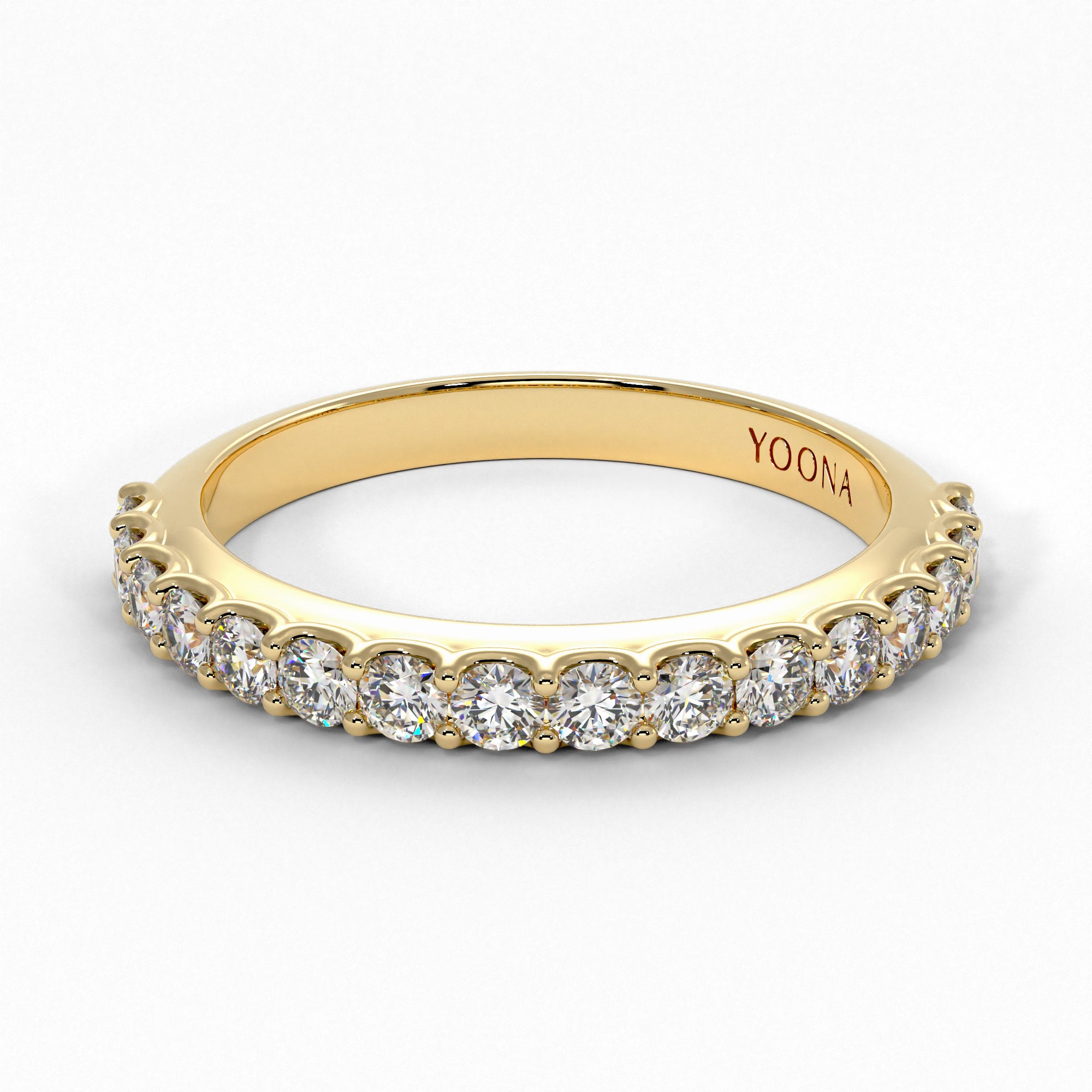
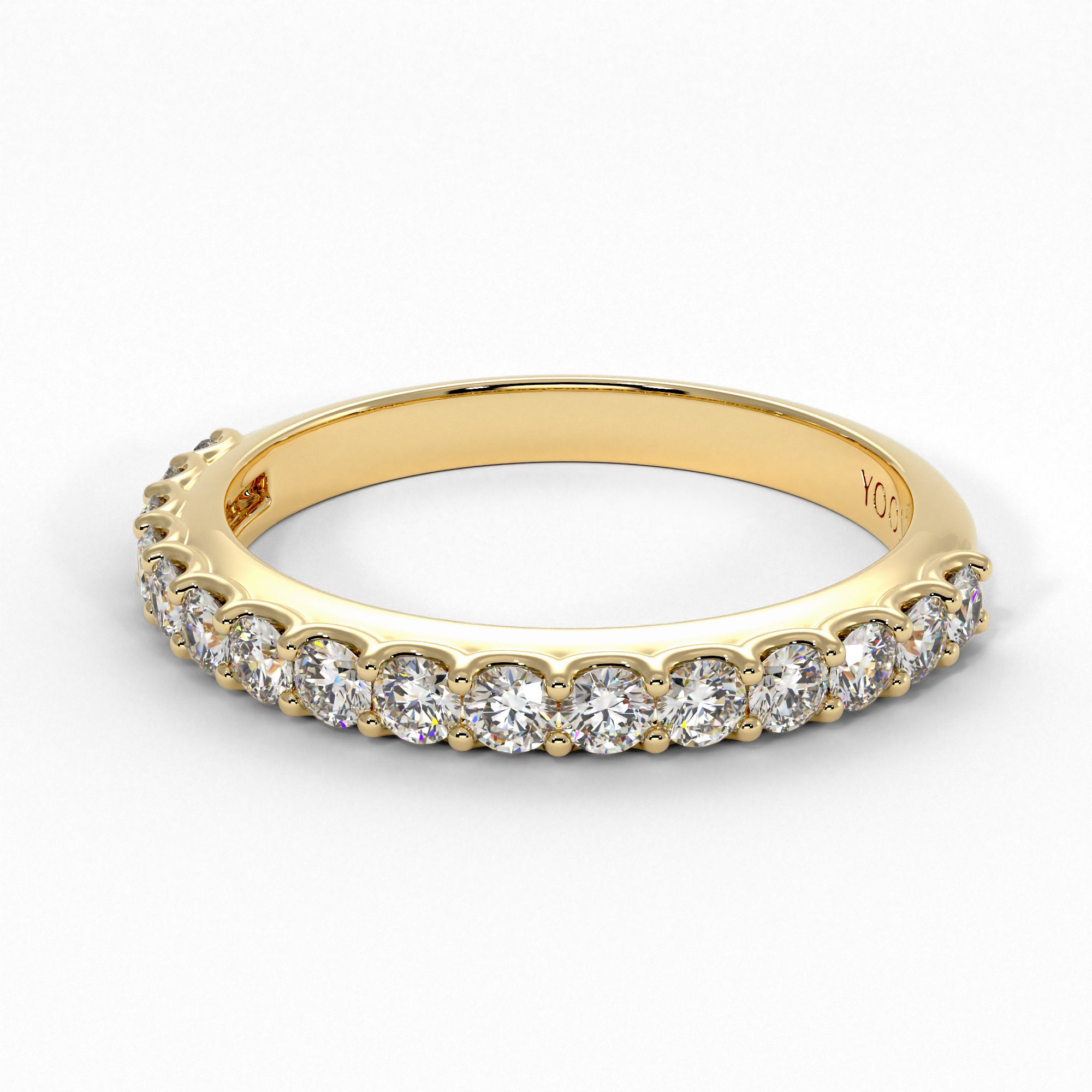
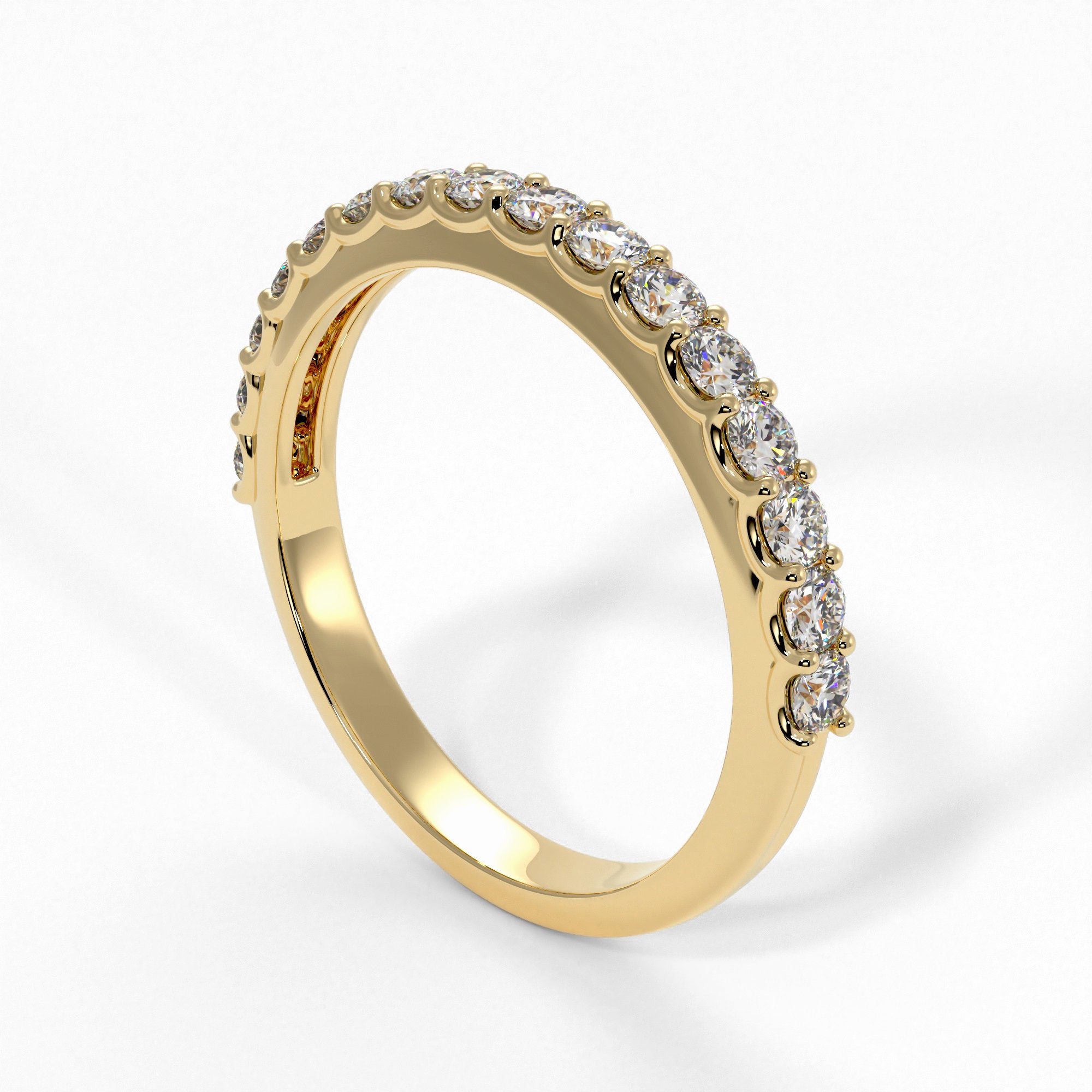
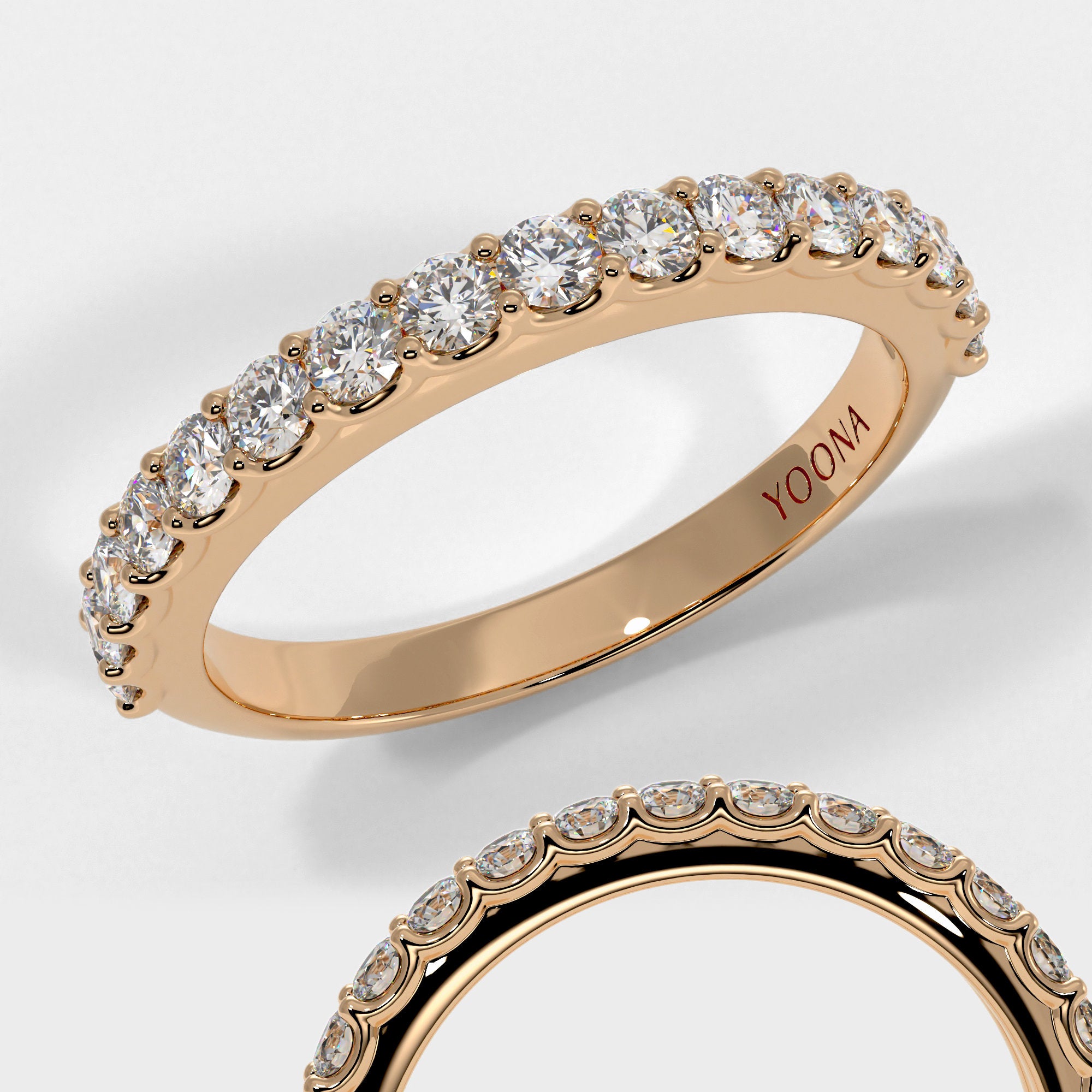
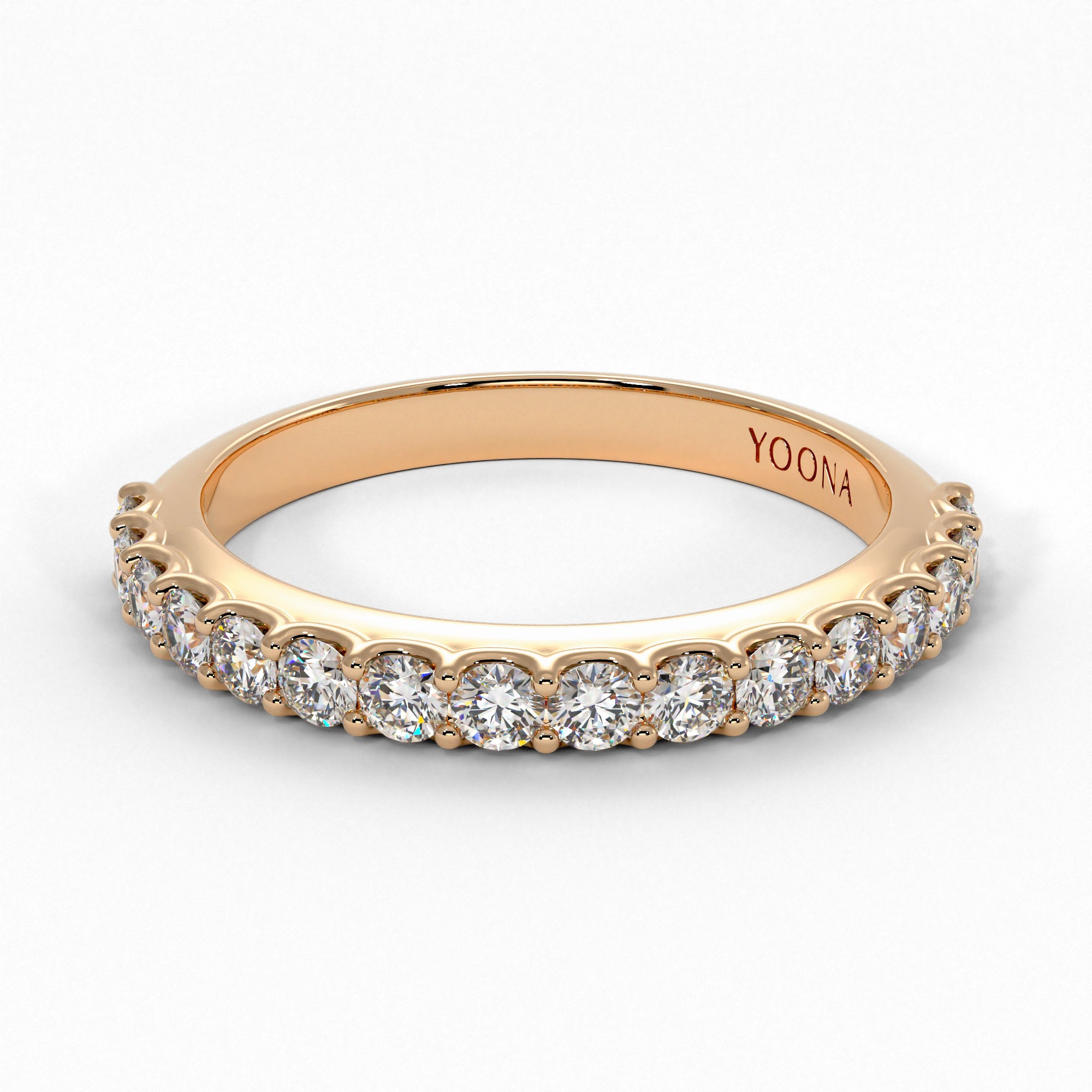
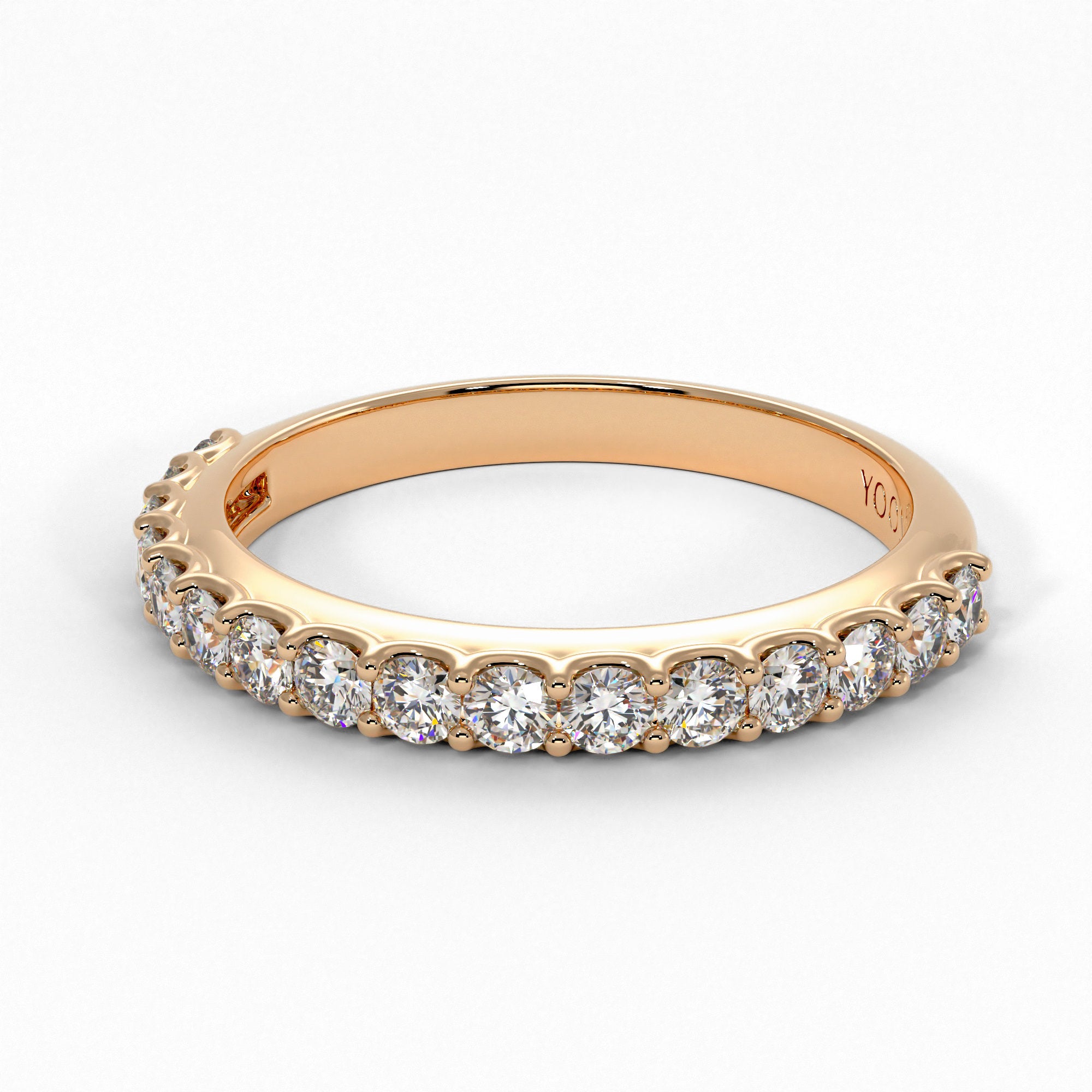
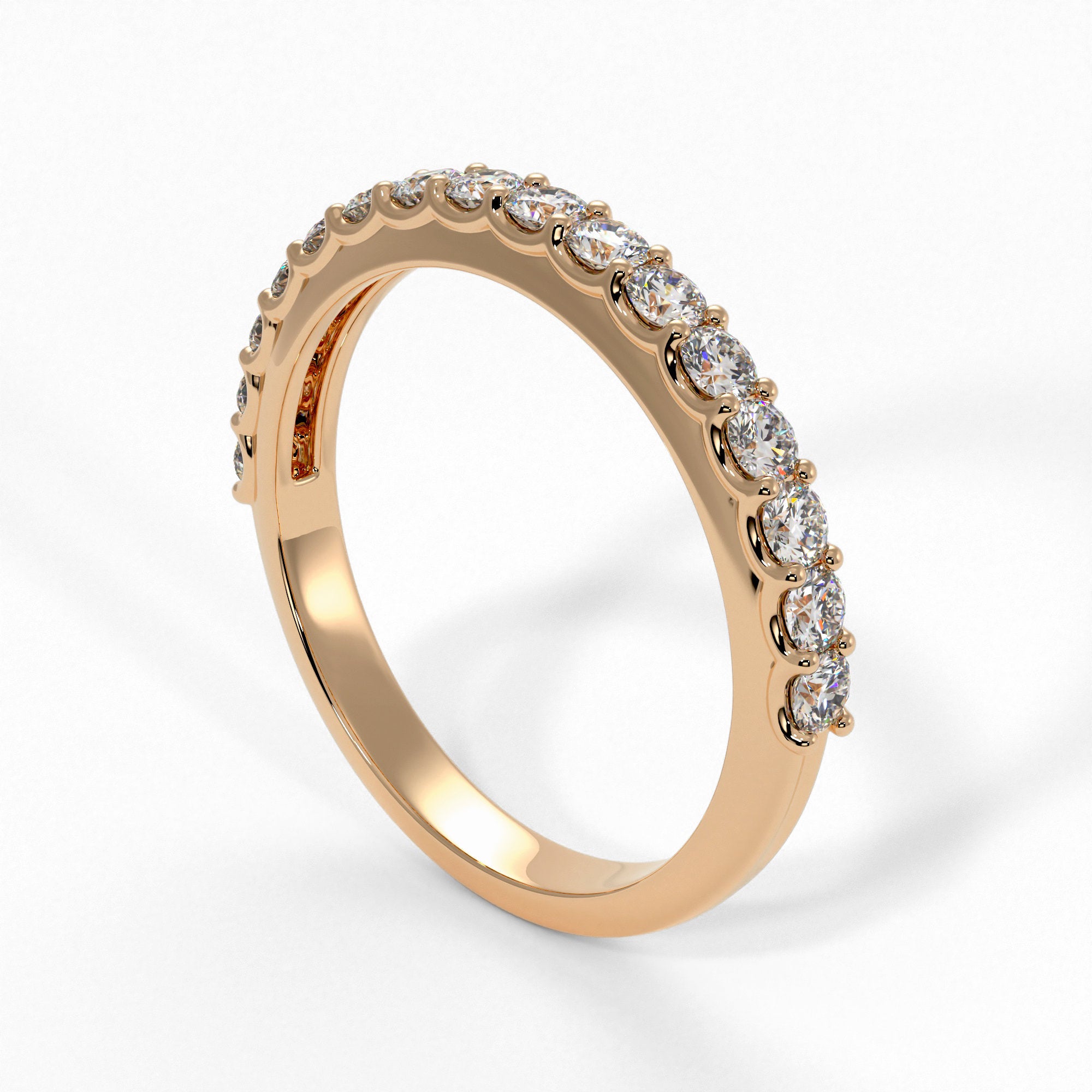
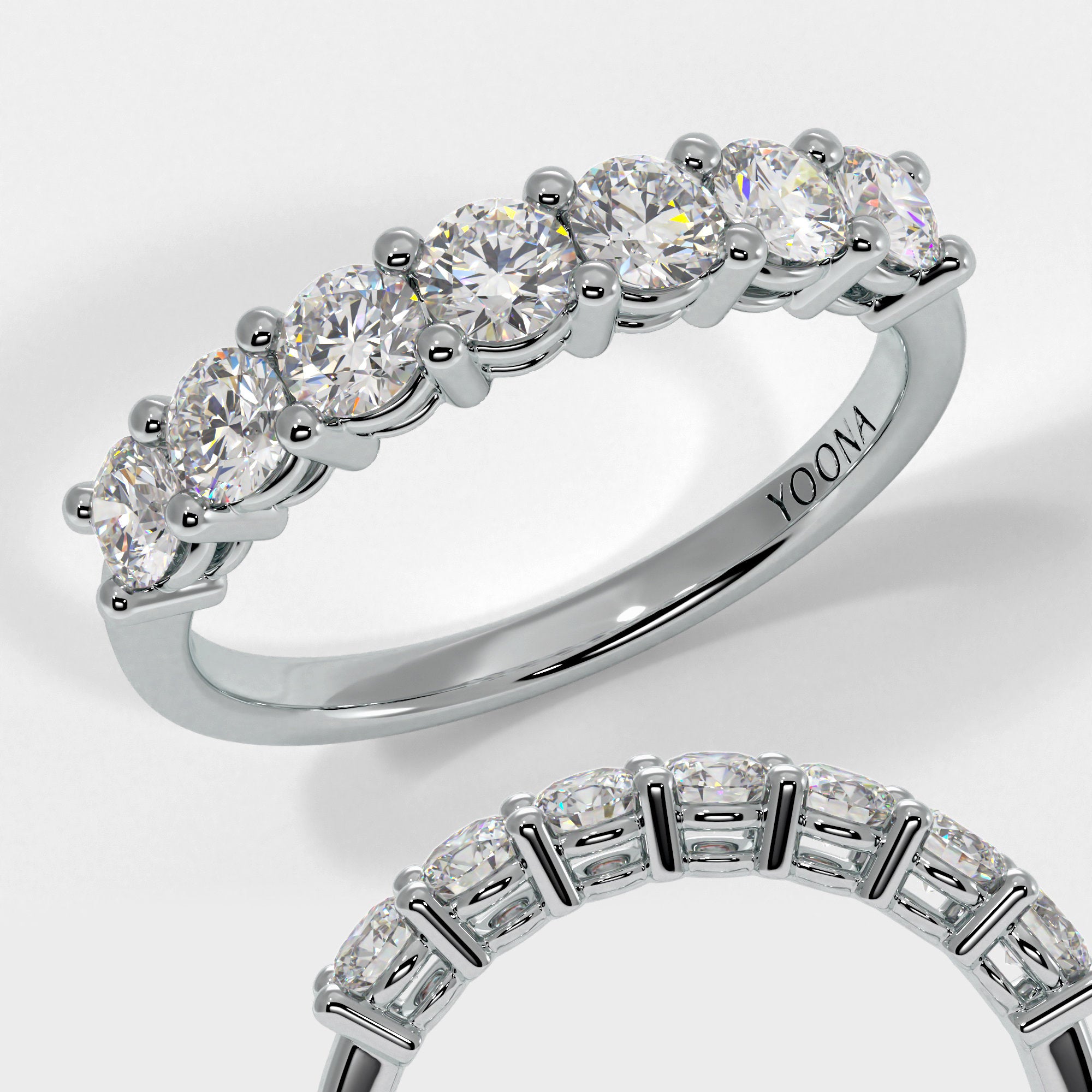
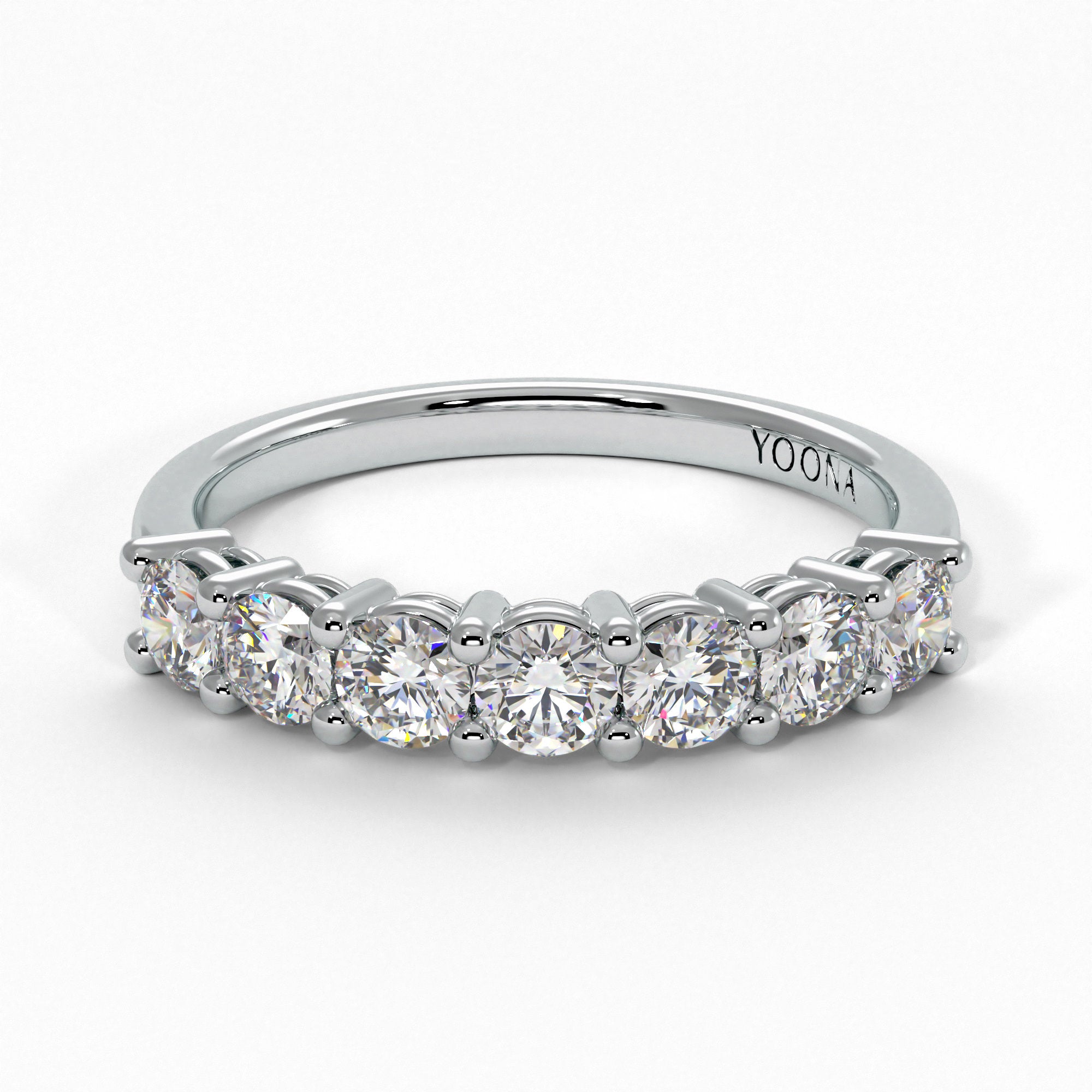
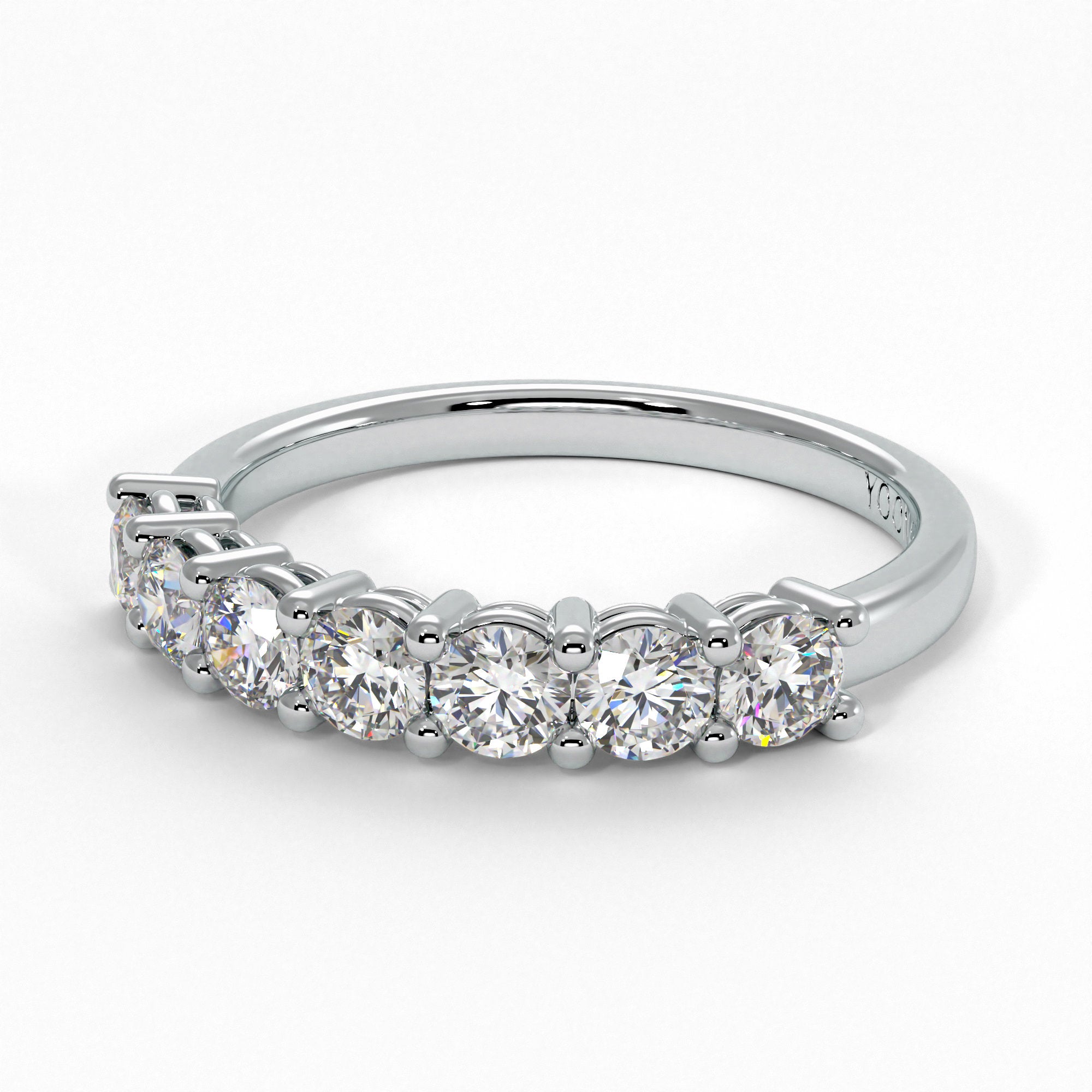
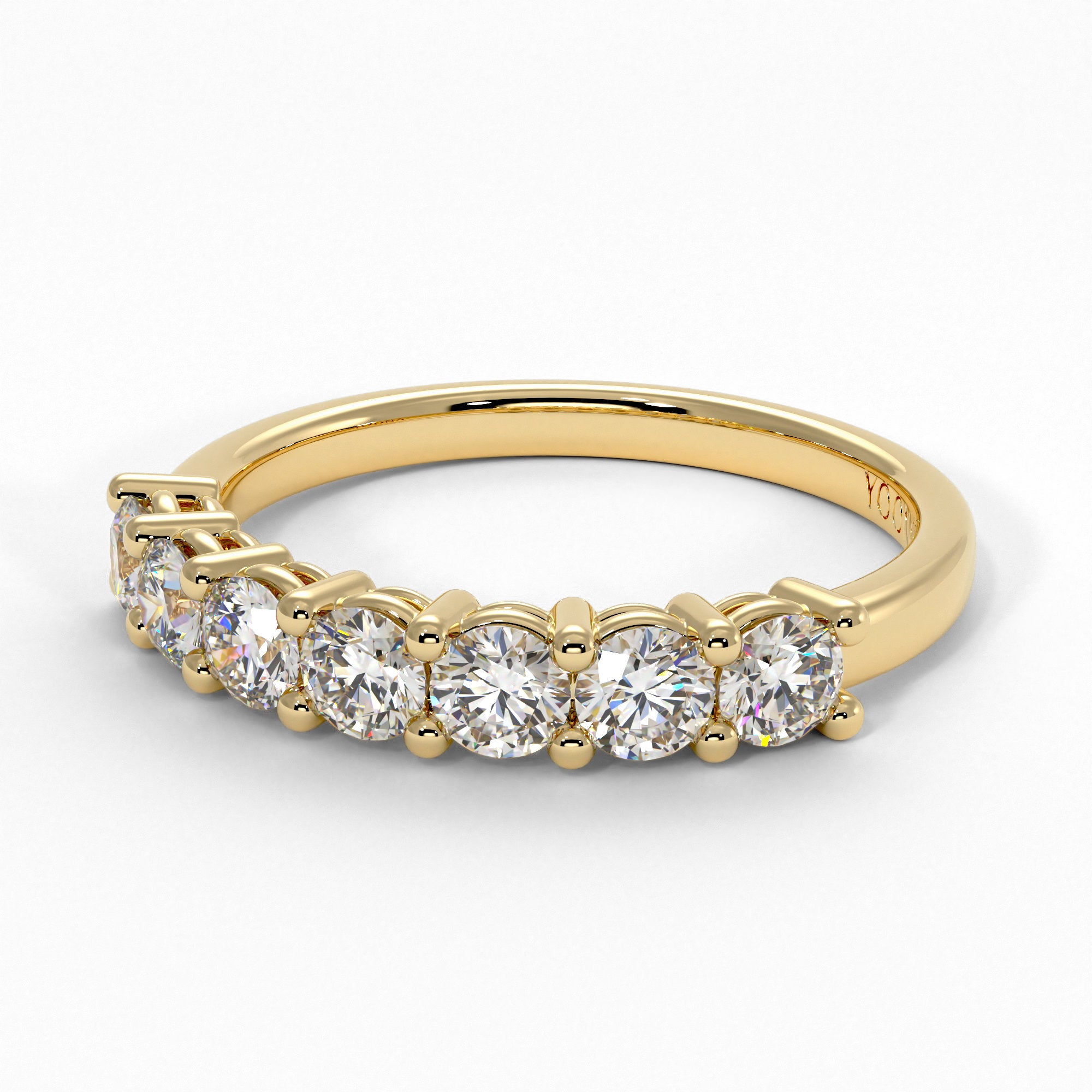
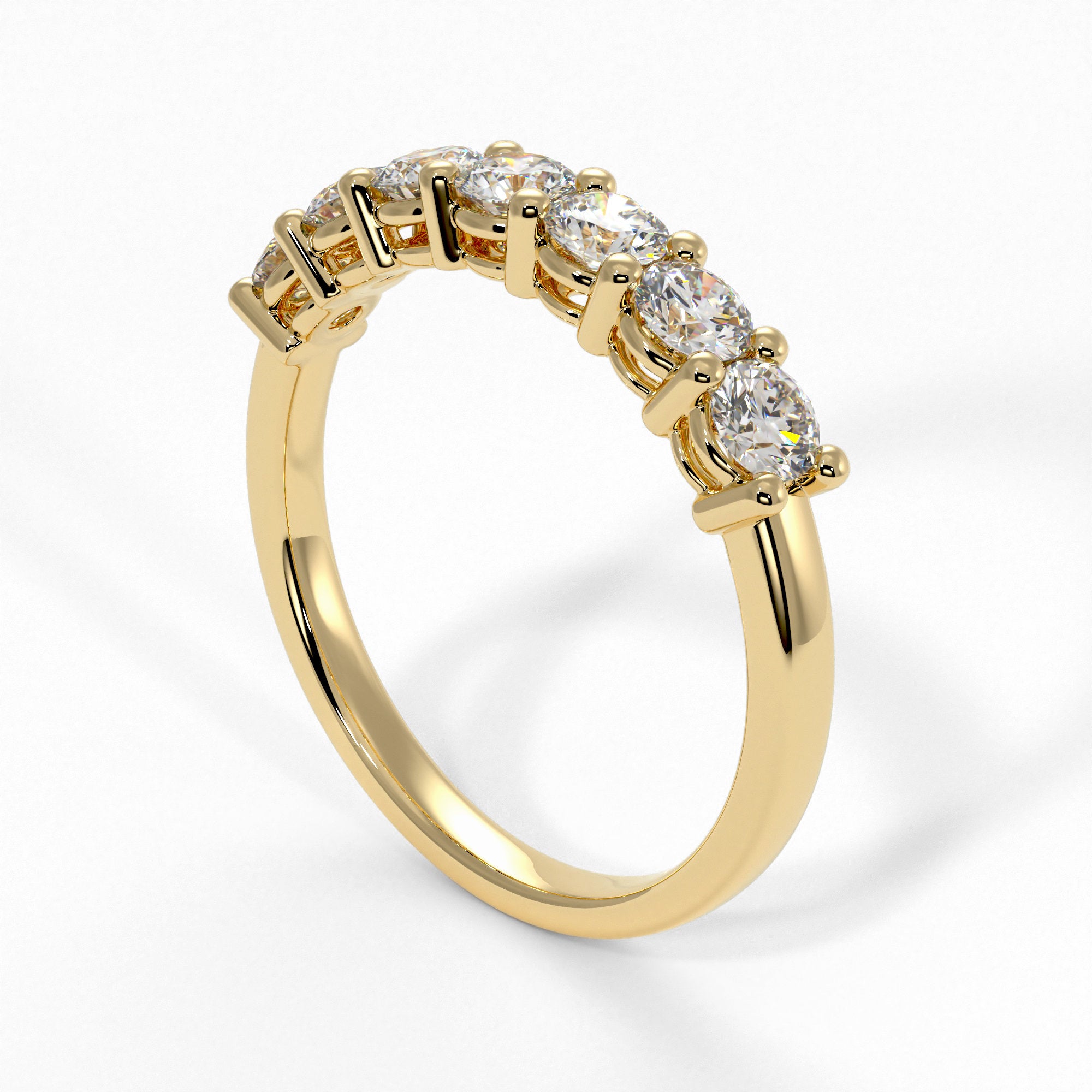
This distinction matters most on halo, three-stone, and pave-style rings, where the listing often quotes TCW rather than center stone weight alone. It's not a misleading practice, but it's easy to misread if you're comparing two rings and assuming the number refers to the same thing. Always check whether a carat figure refers to the center stone specifically or the total across the piece before comparing two rings by size alone.
Frequently Asked Questions
Does a bigger carat weight always look bigger?
Not necessarily. Shape, cut proportions, and setting all affect perceived size as much as, or more than, the raw carat number.
What's the best way to maximize visual size on a budget?
Choose an elongated shape, avoid diamonds cut too deep, and consider a halo setting, all of which increase visible size without requiring a heavier stone.
Is carat weight the most important of the 4Cs?
No. Cut affects how a diamond sparkles far more than carat affects how big it looks. Most buyers get more visible impact from prioritizing cut than from chasing a bigger carat number.
Why We Leave Carat Up to You
The Yoona Eternal Diamond™ standard fixes cut, color, and clarity, but deliberately leaves carat as your choice. It's the one variable that's genuinely personal, tied to your budget and your style, not a quality threshold. Whatever size you choose, it's held to the same colorless, eye-clean, precisely cut standard as every other Eternal Diamond.