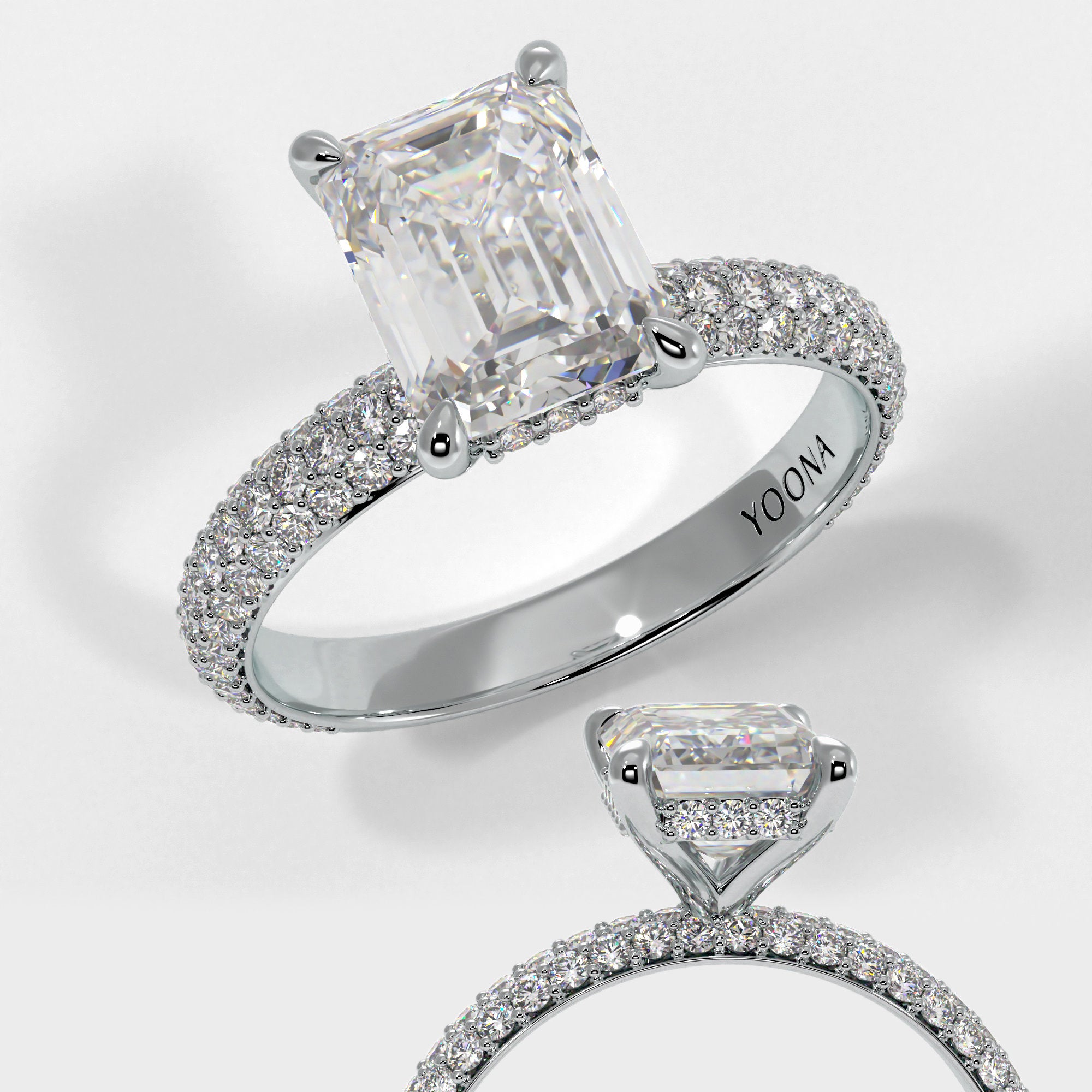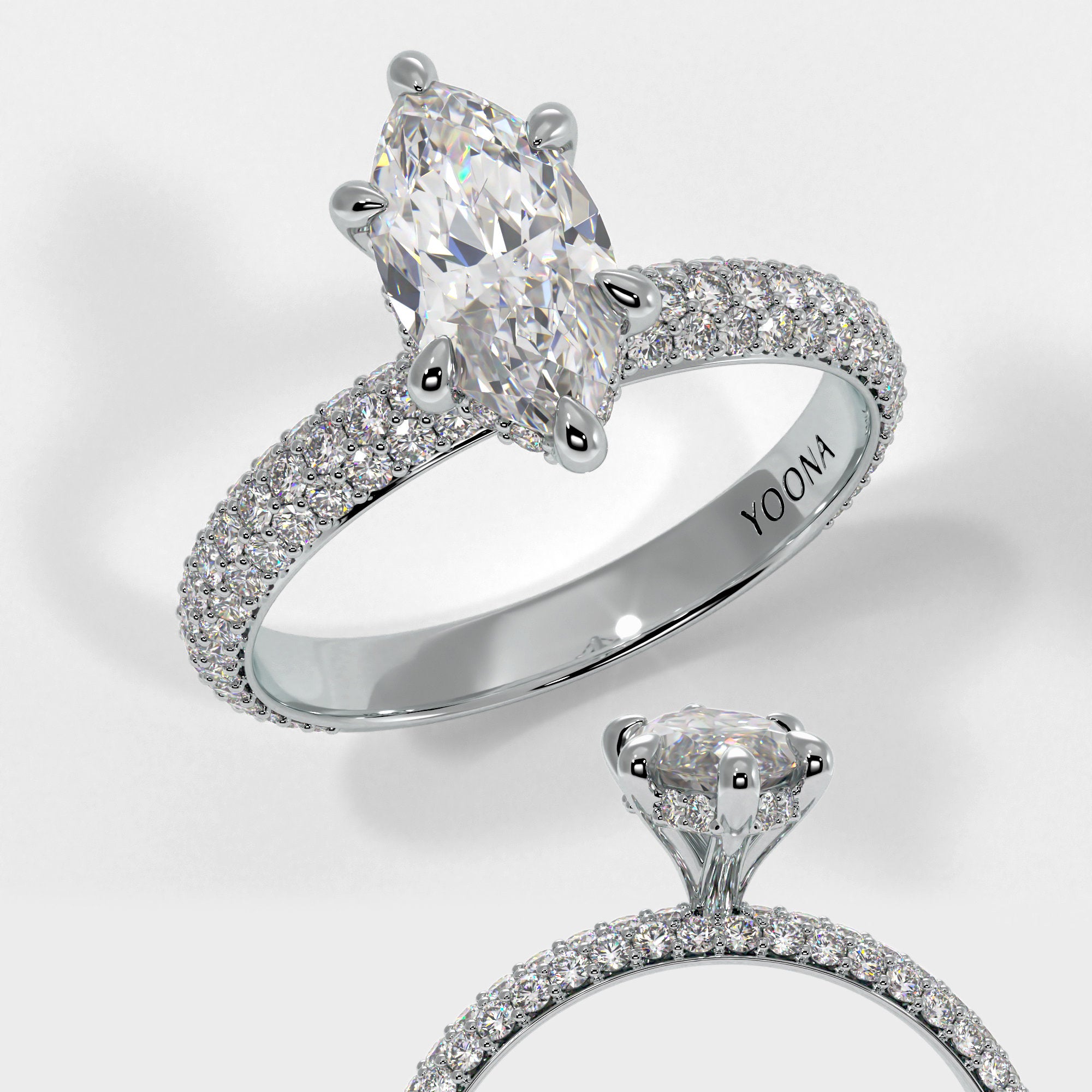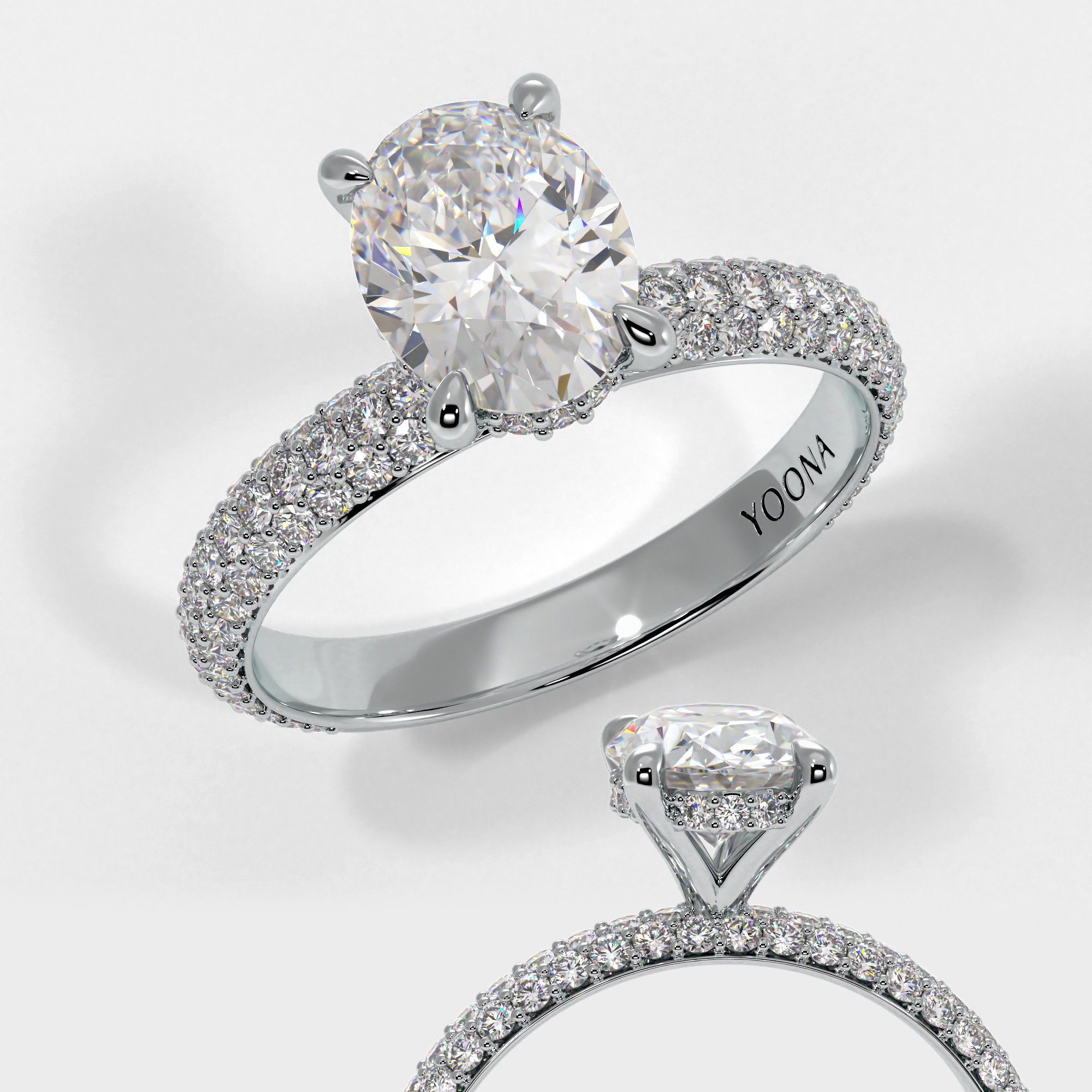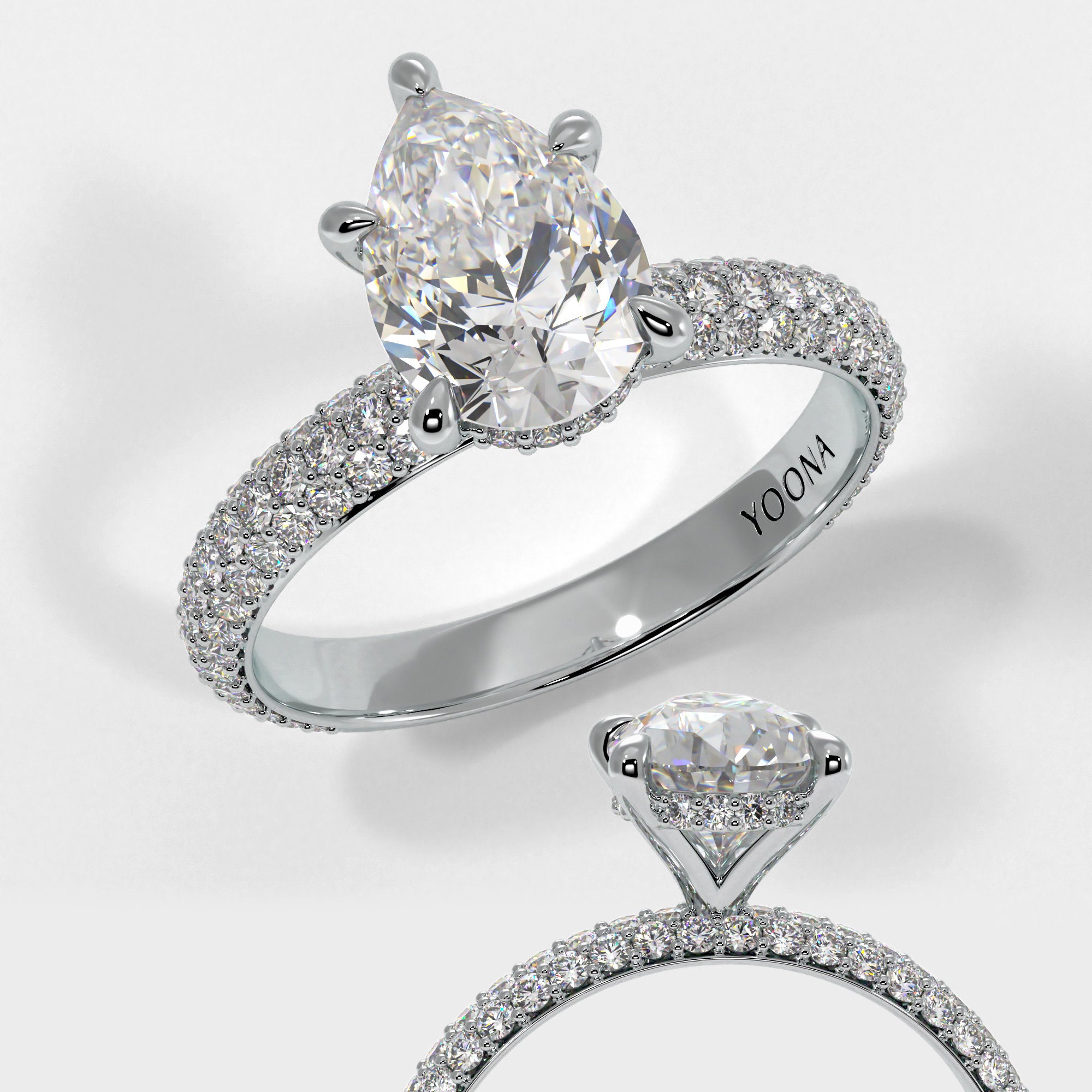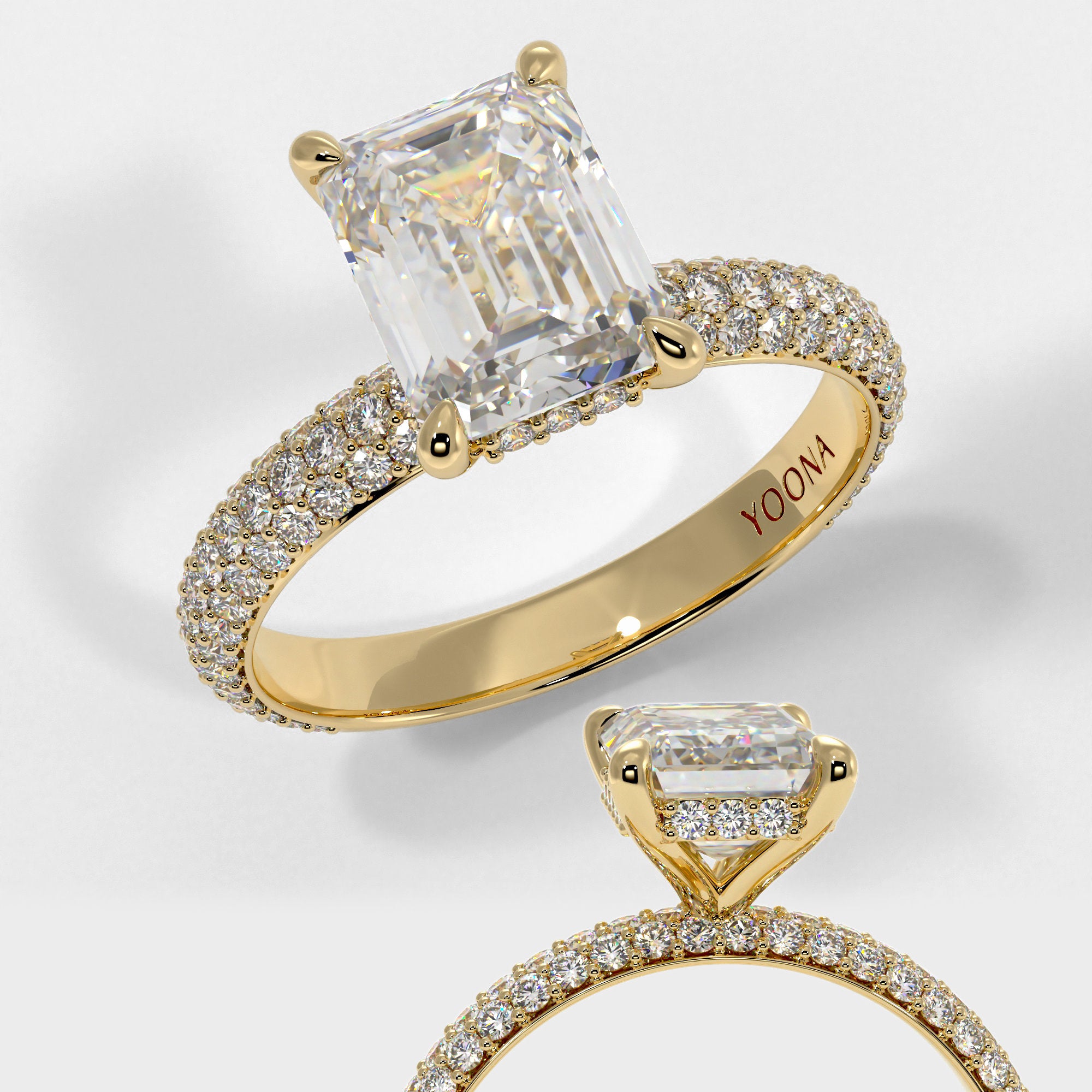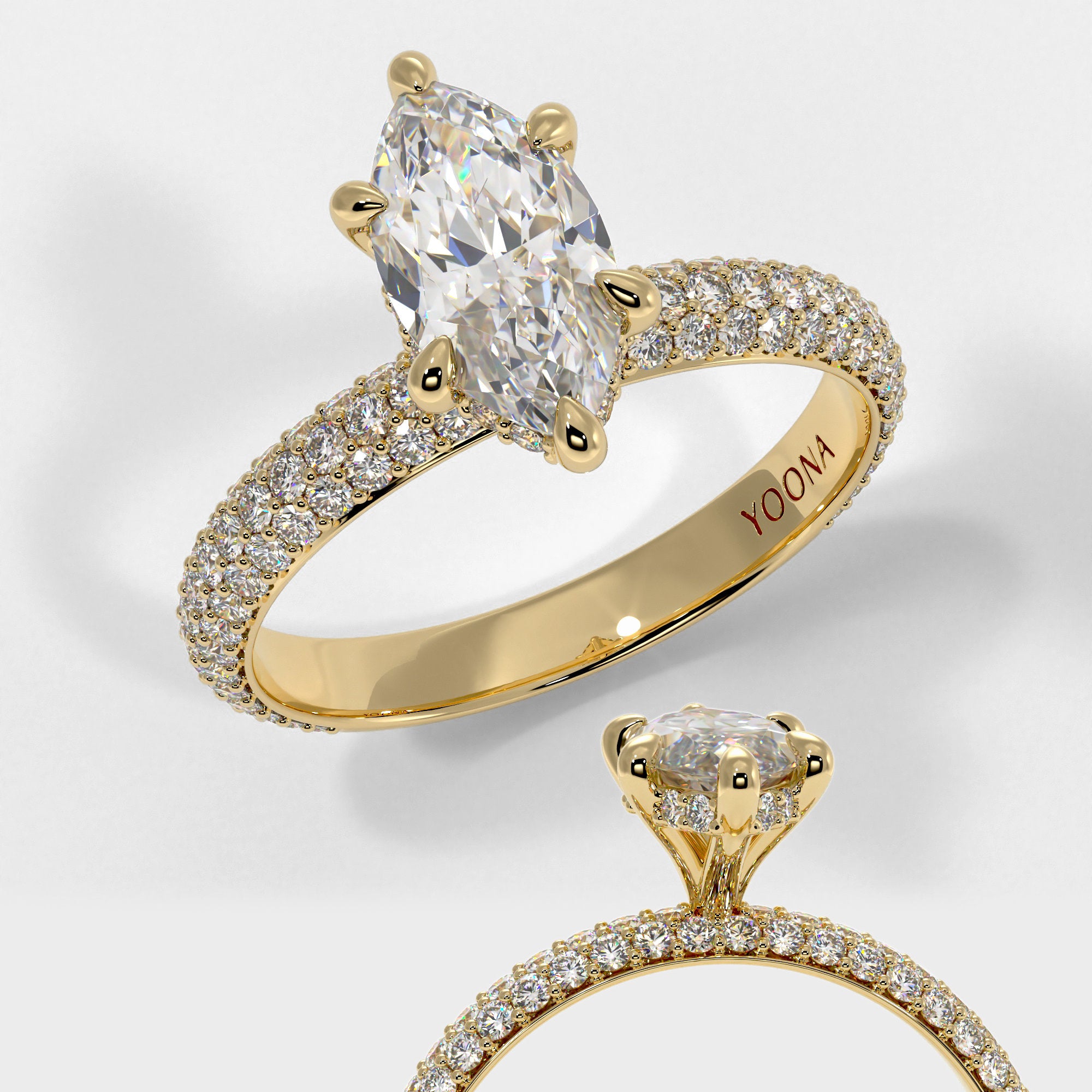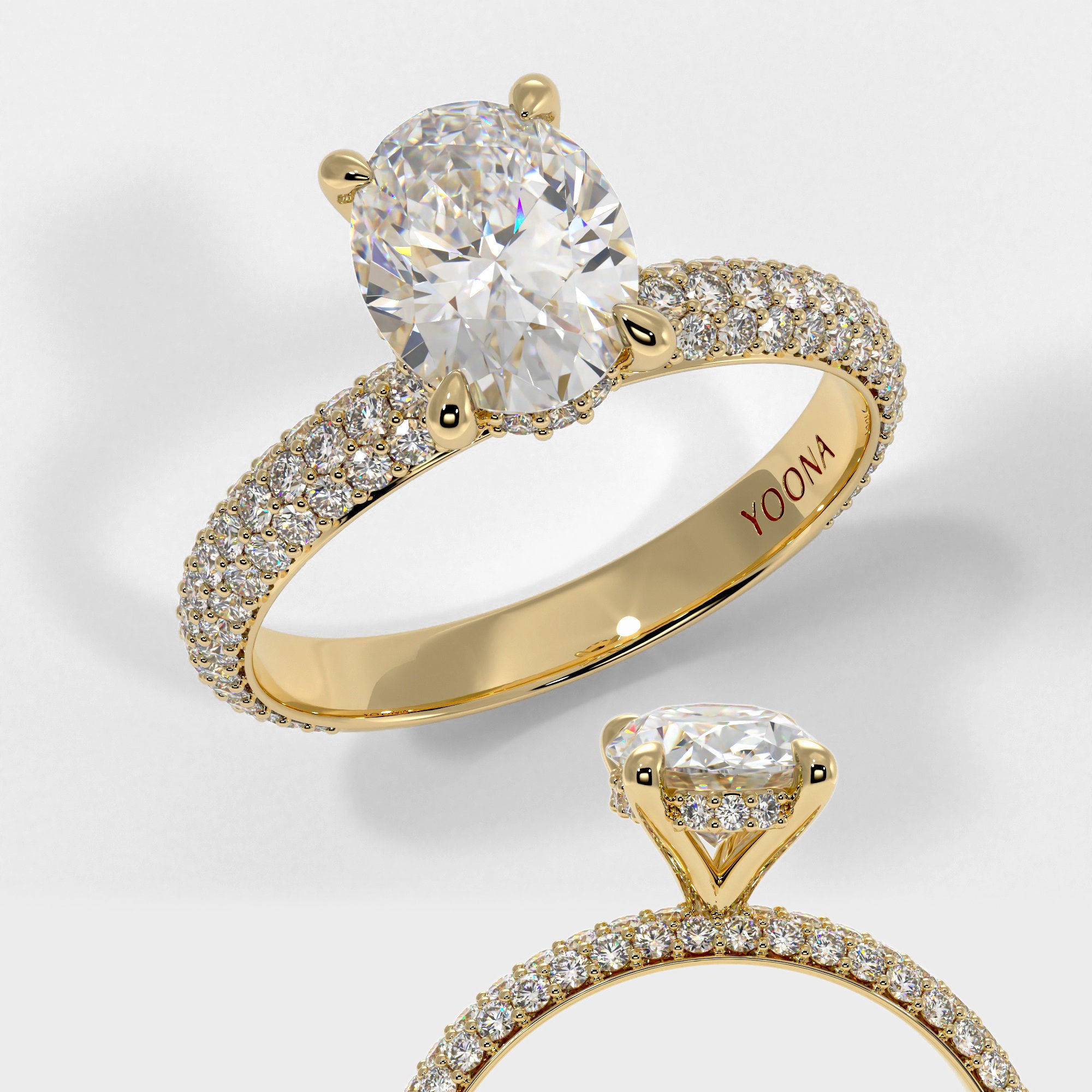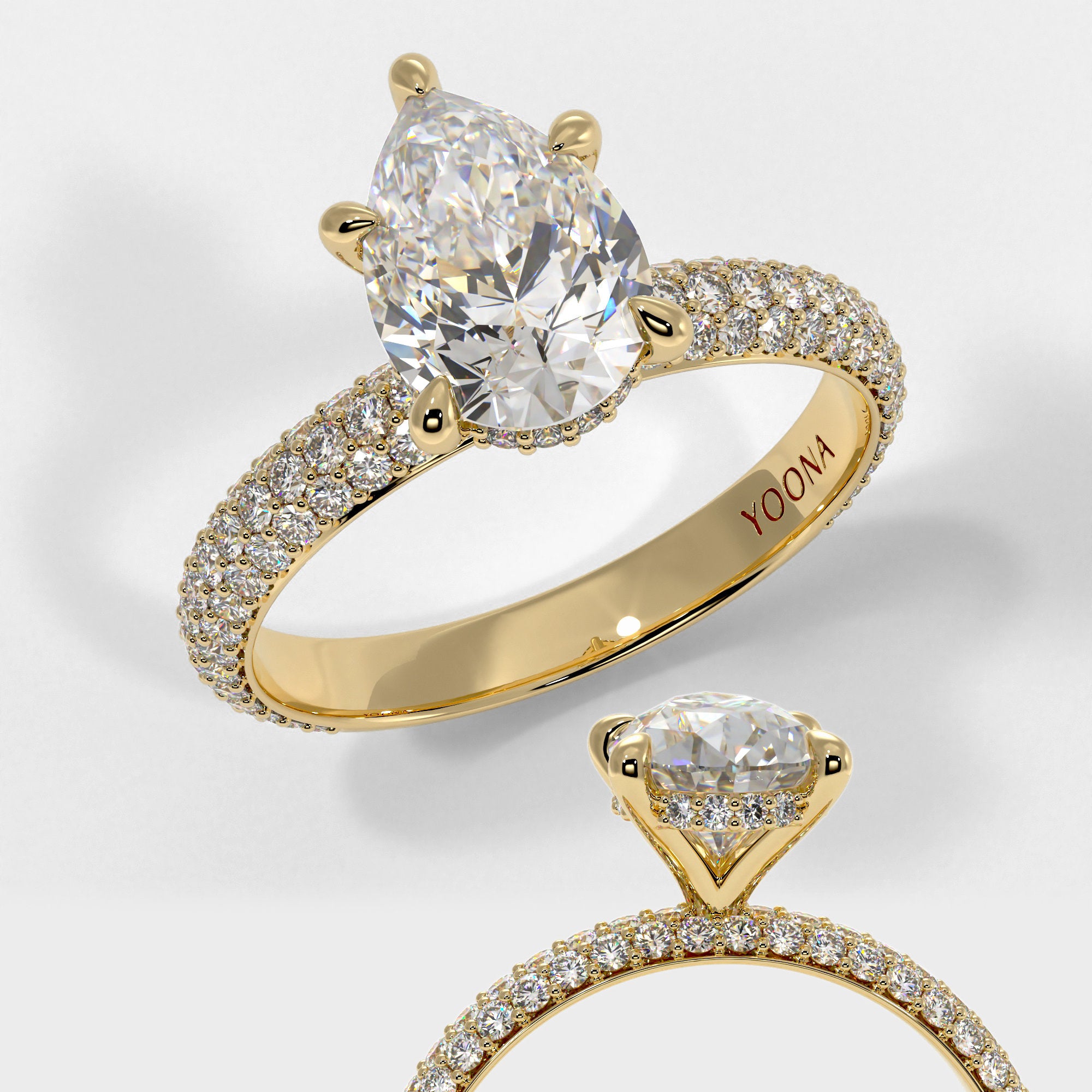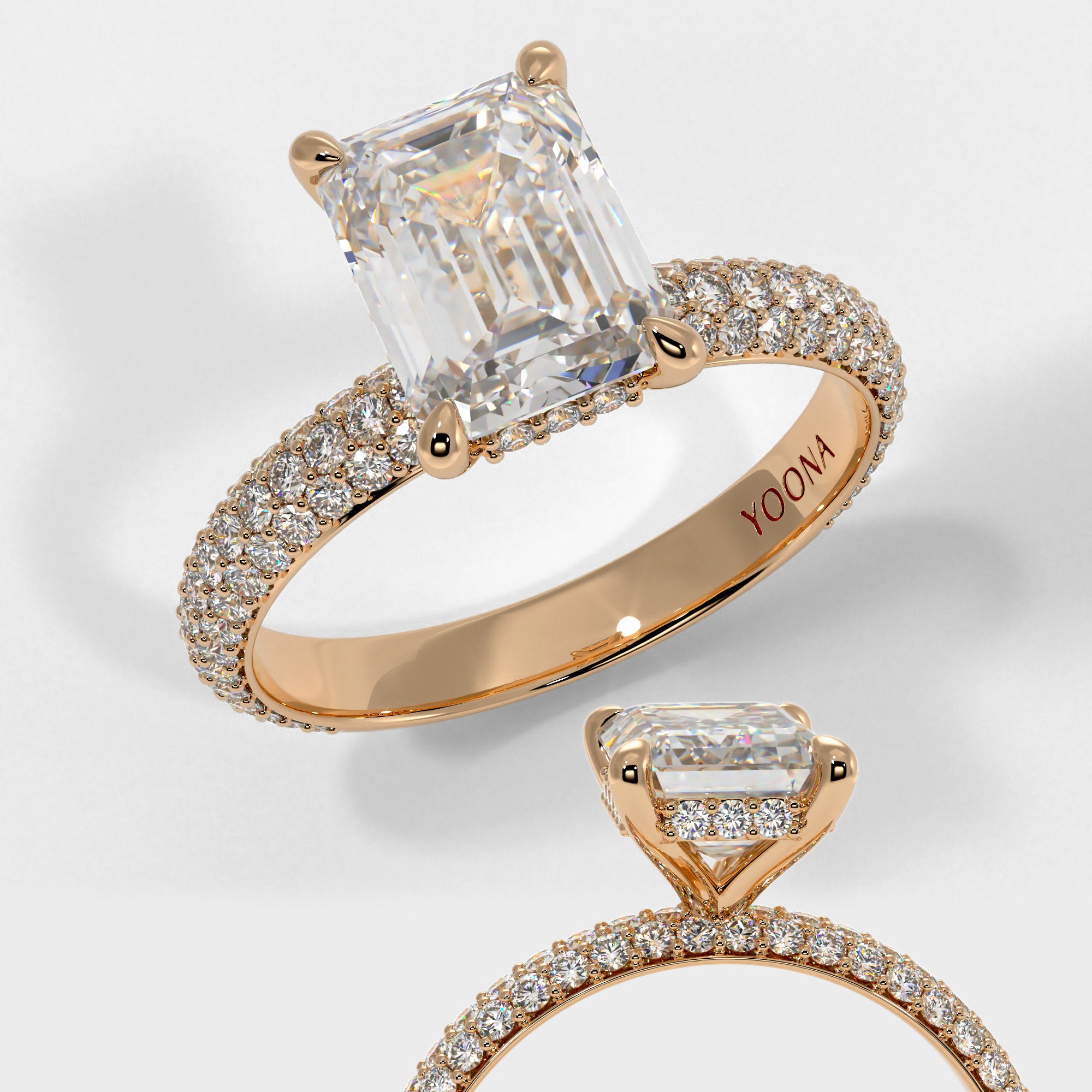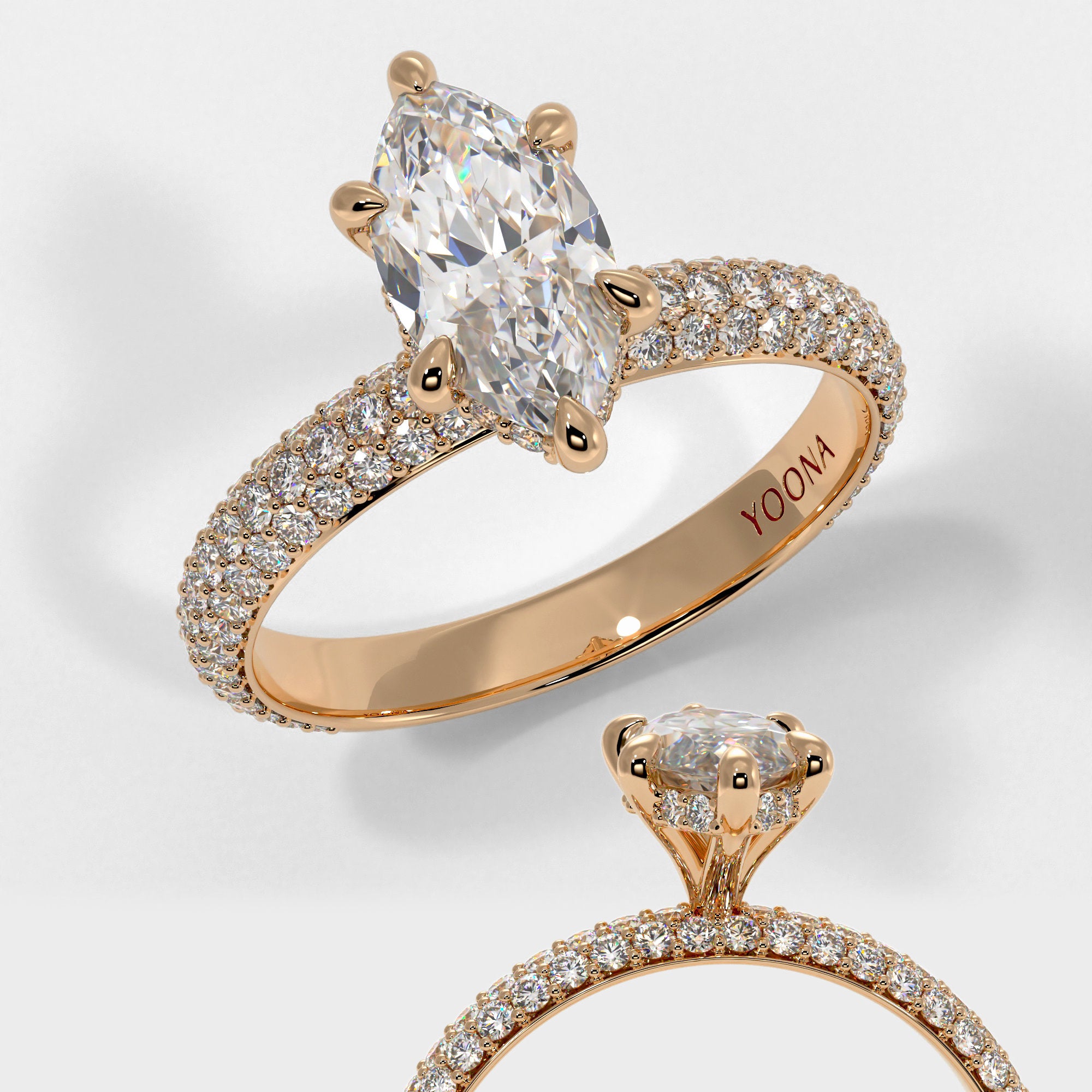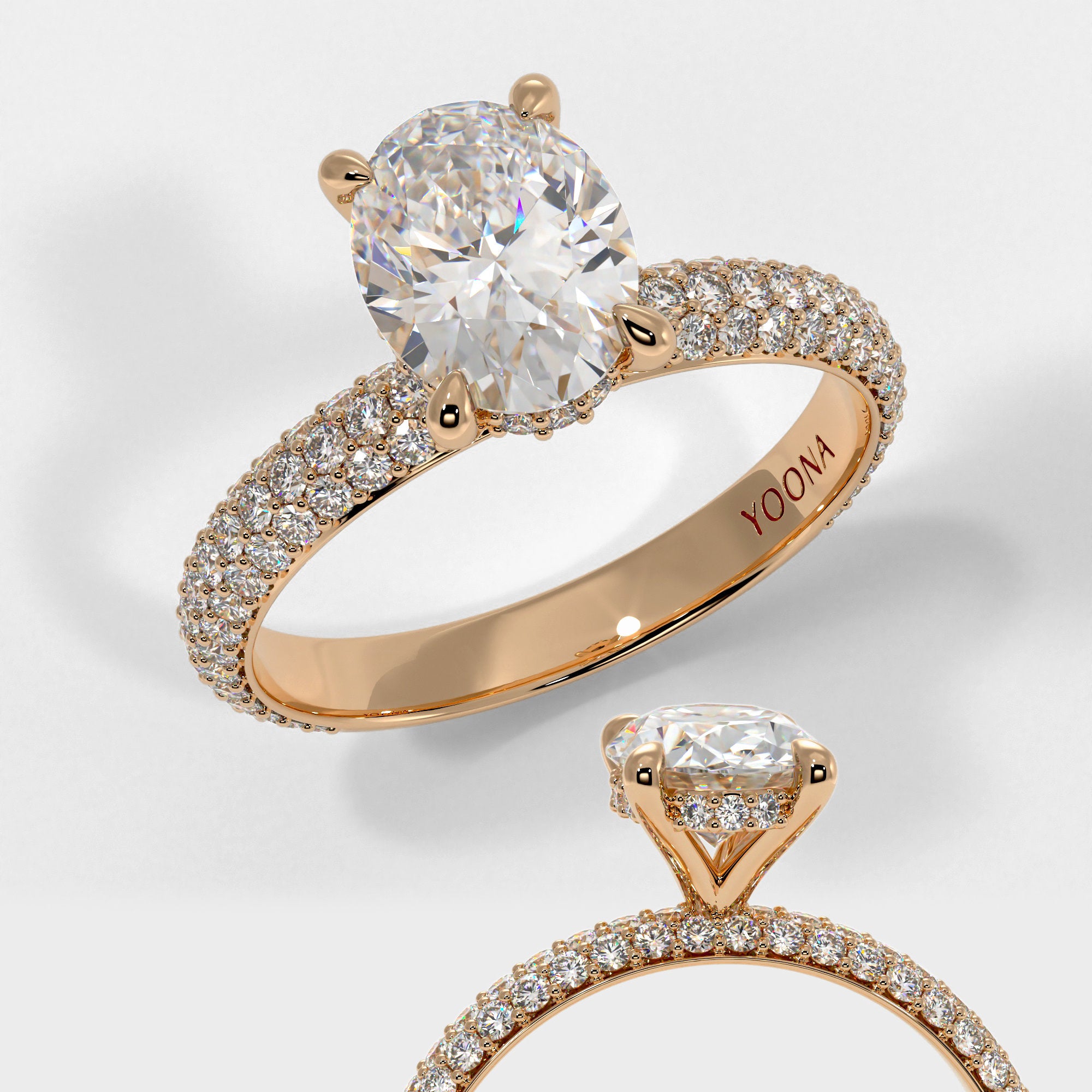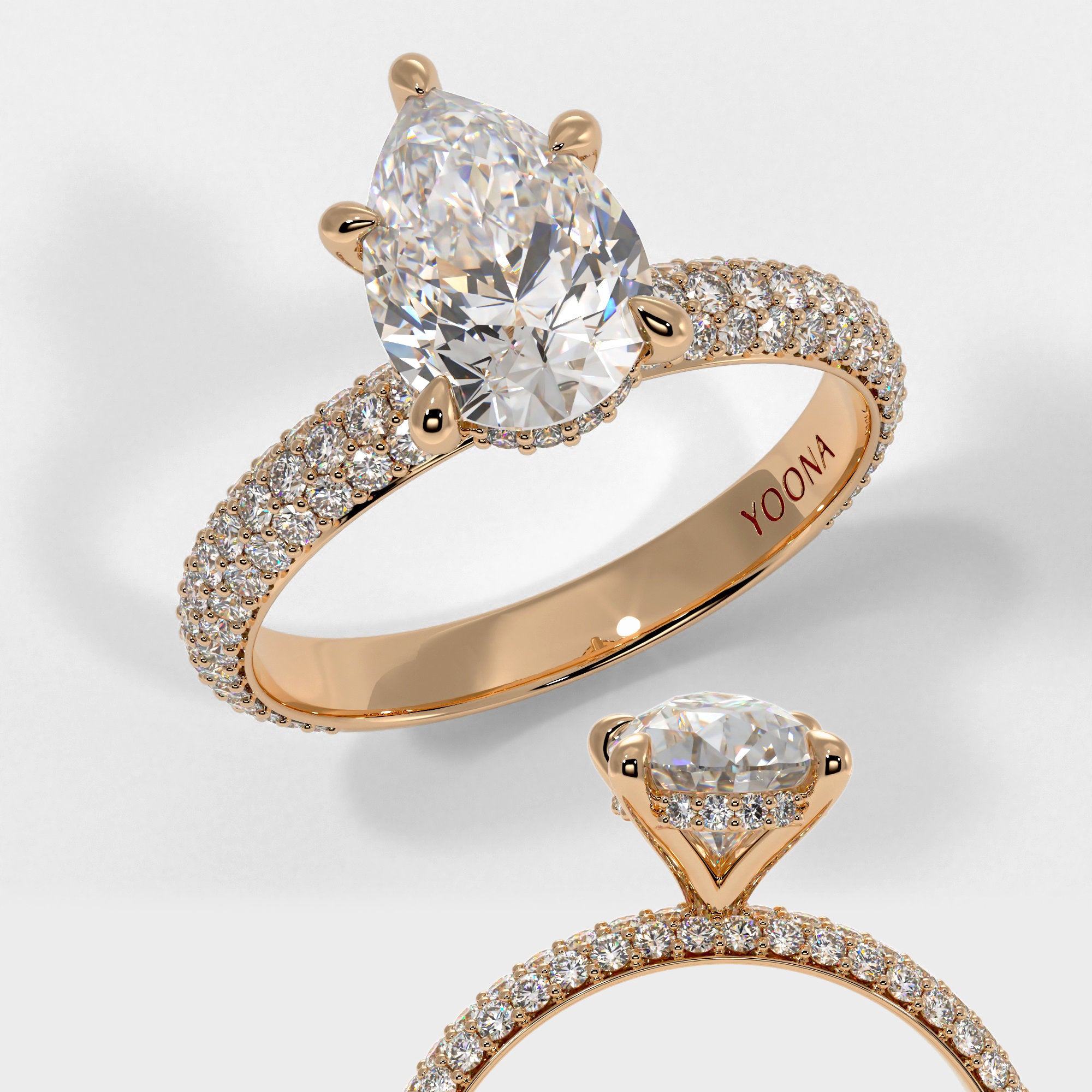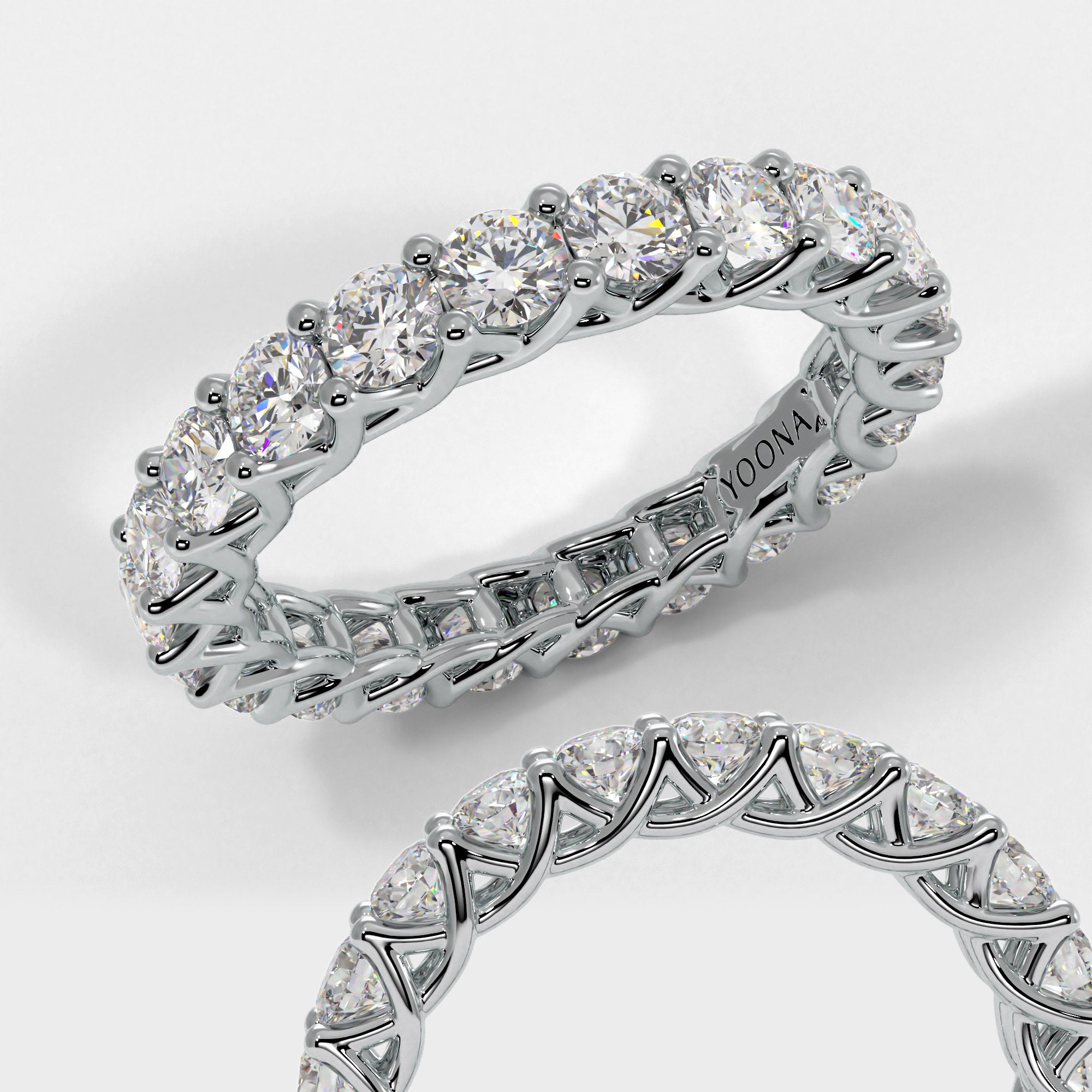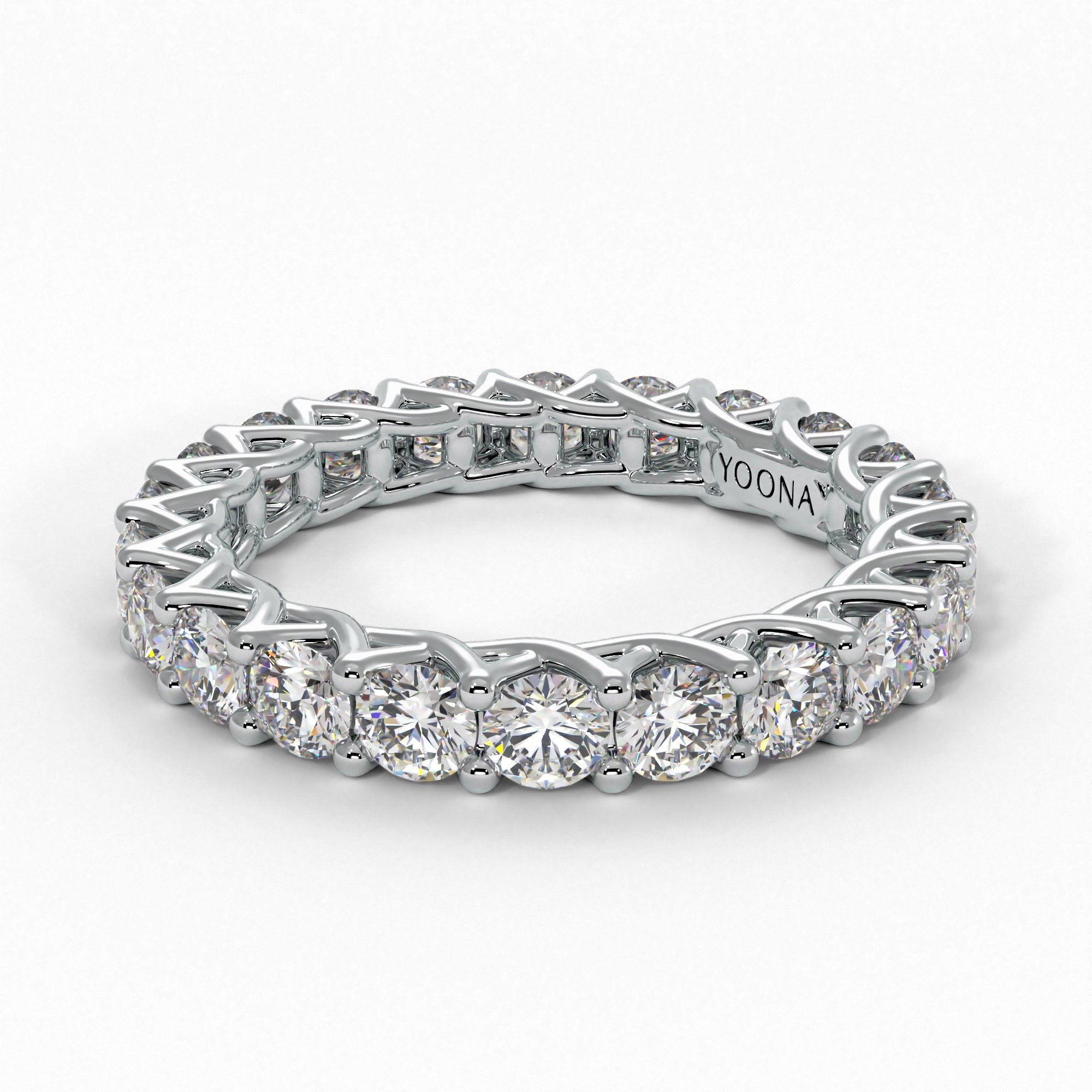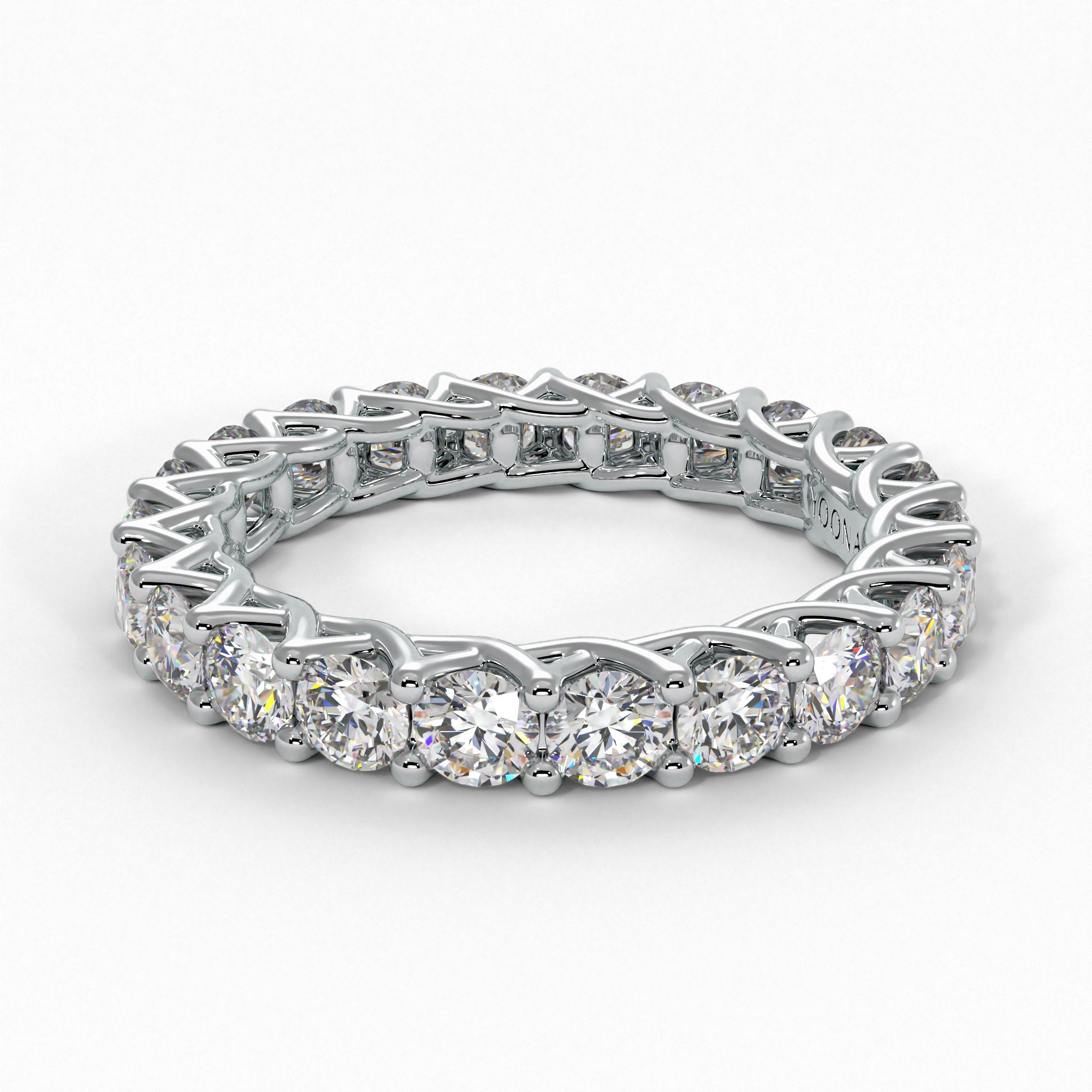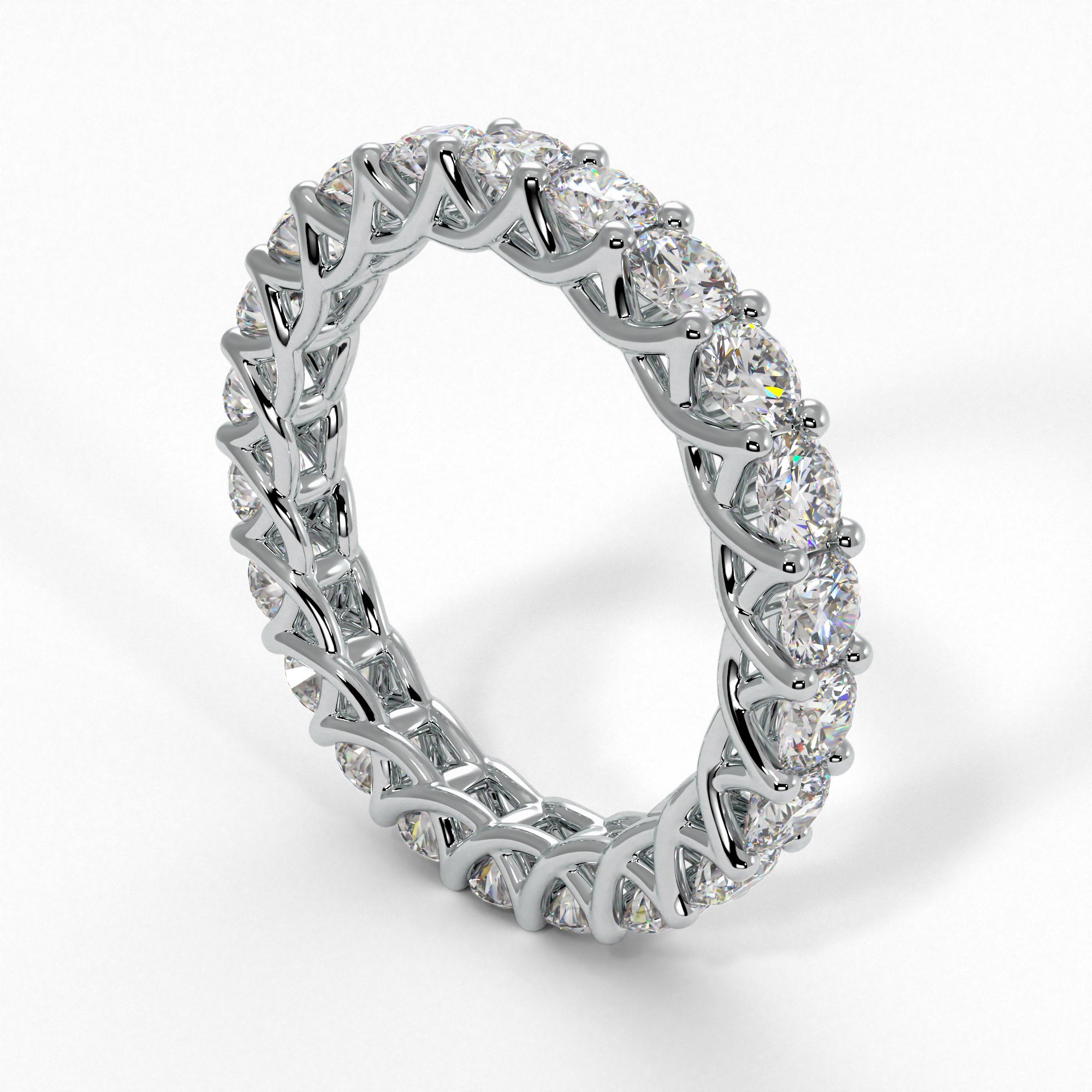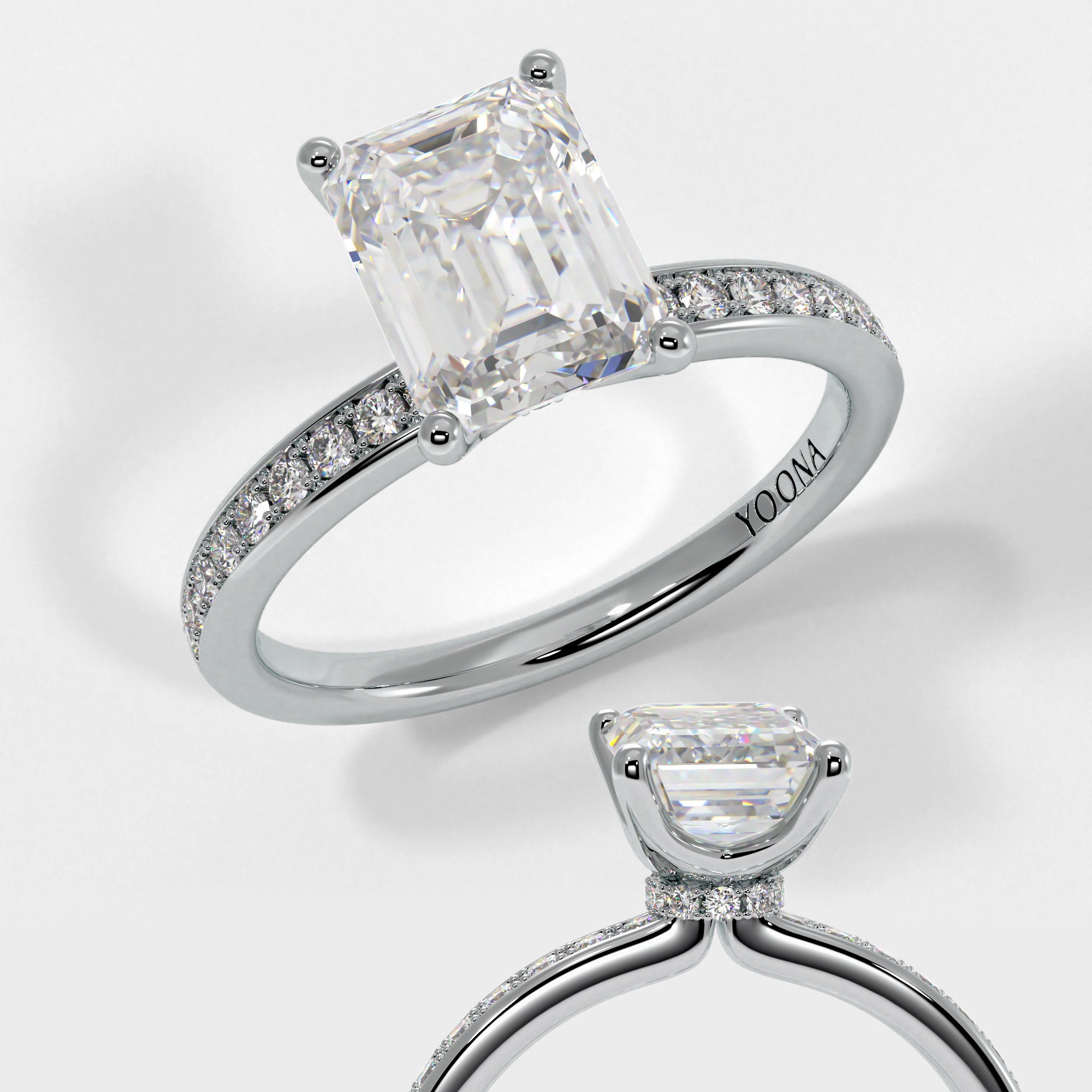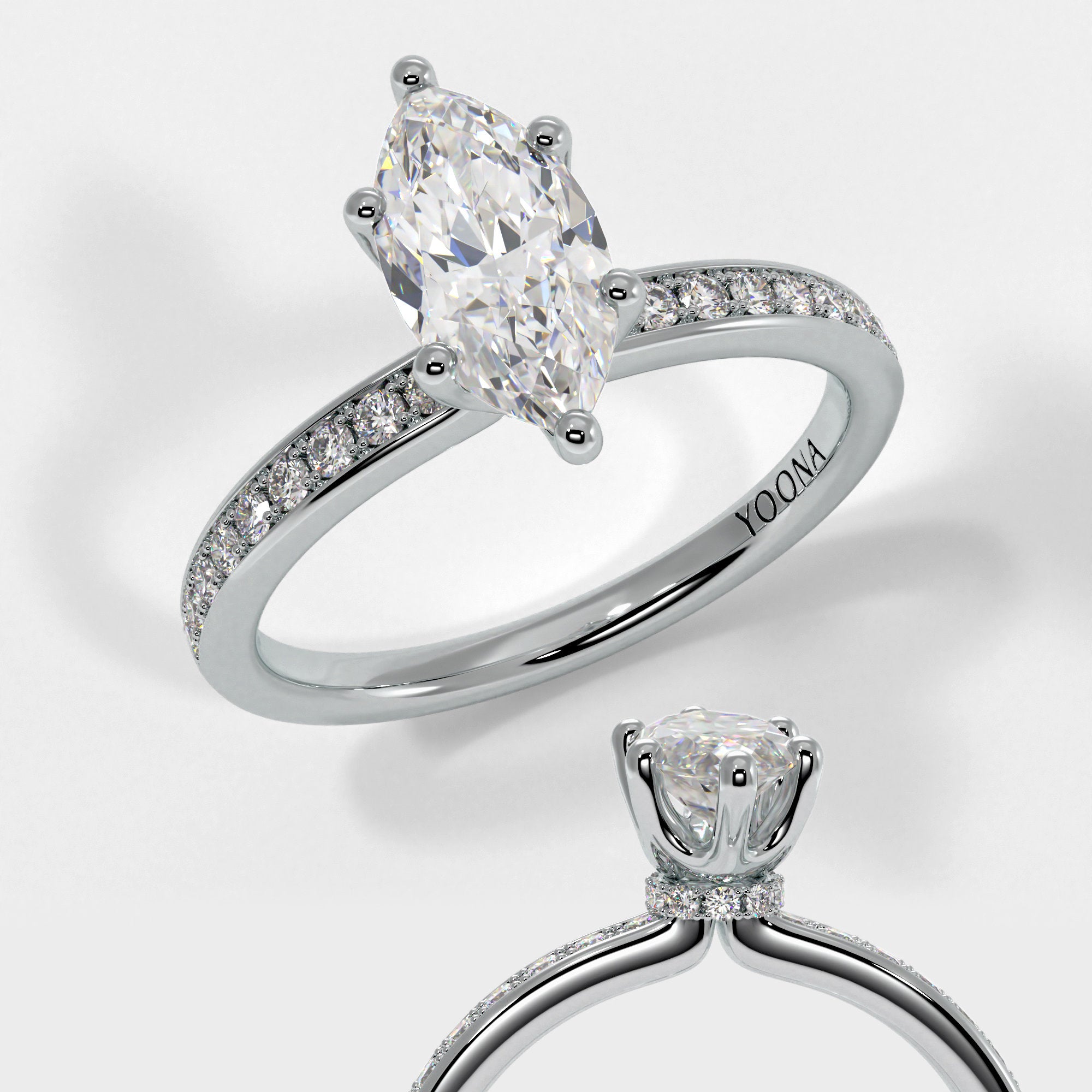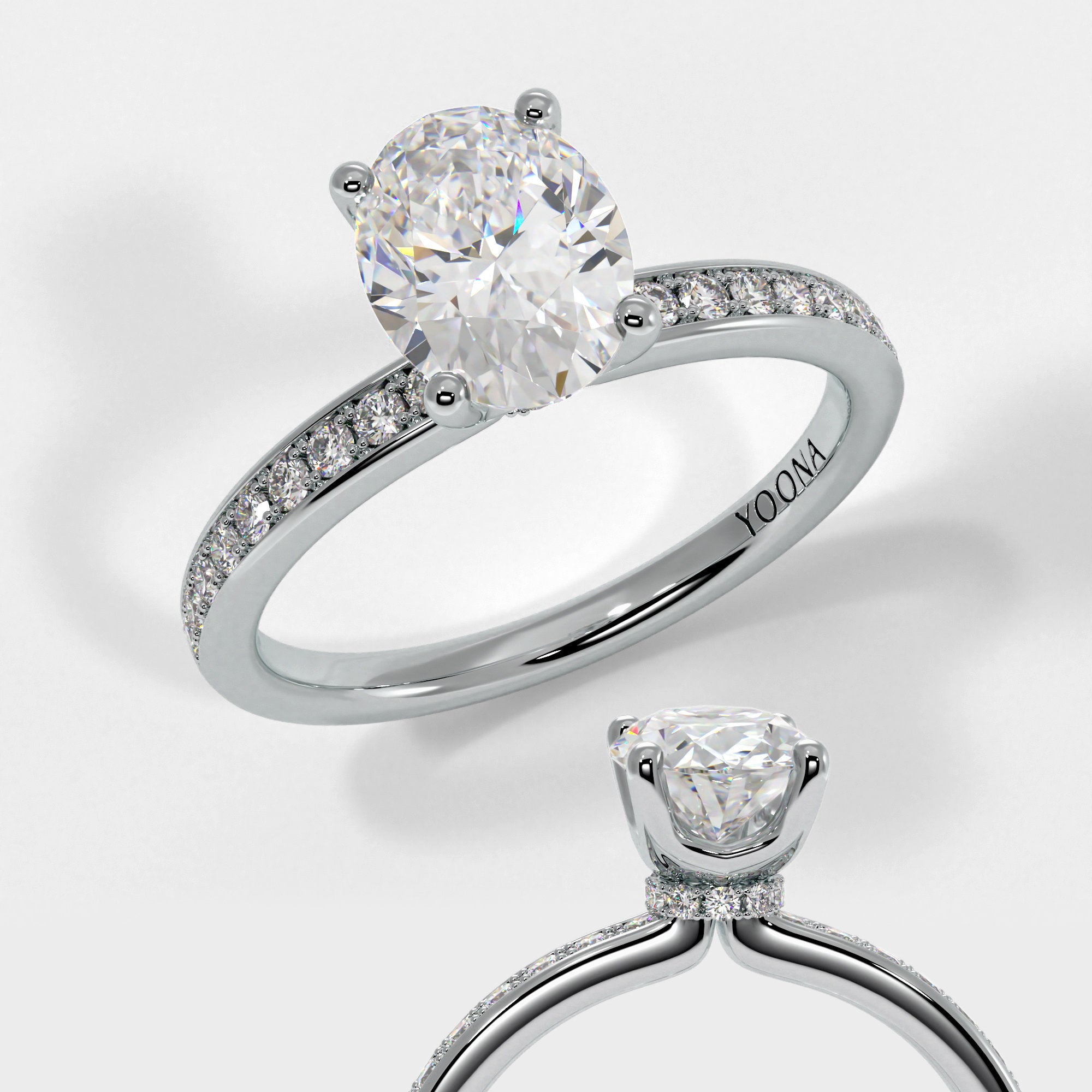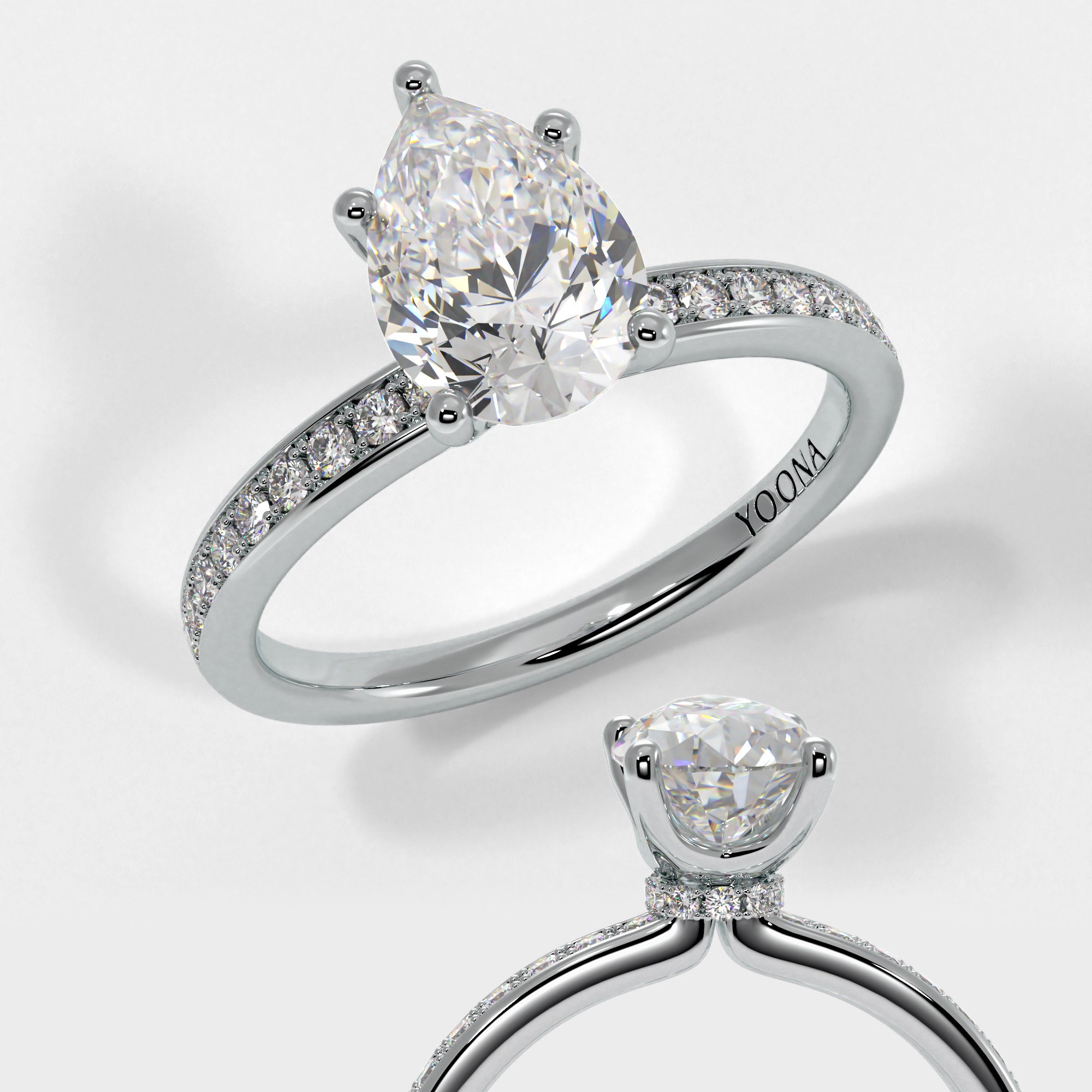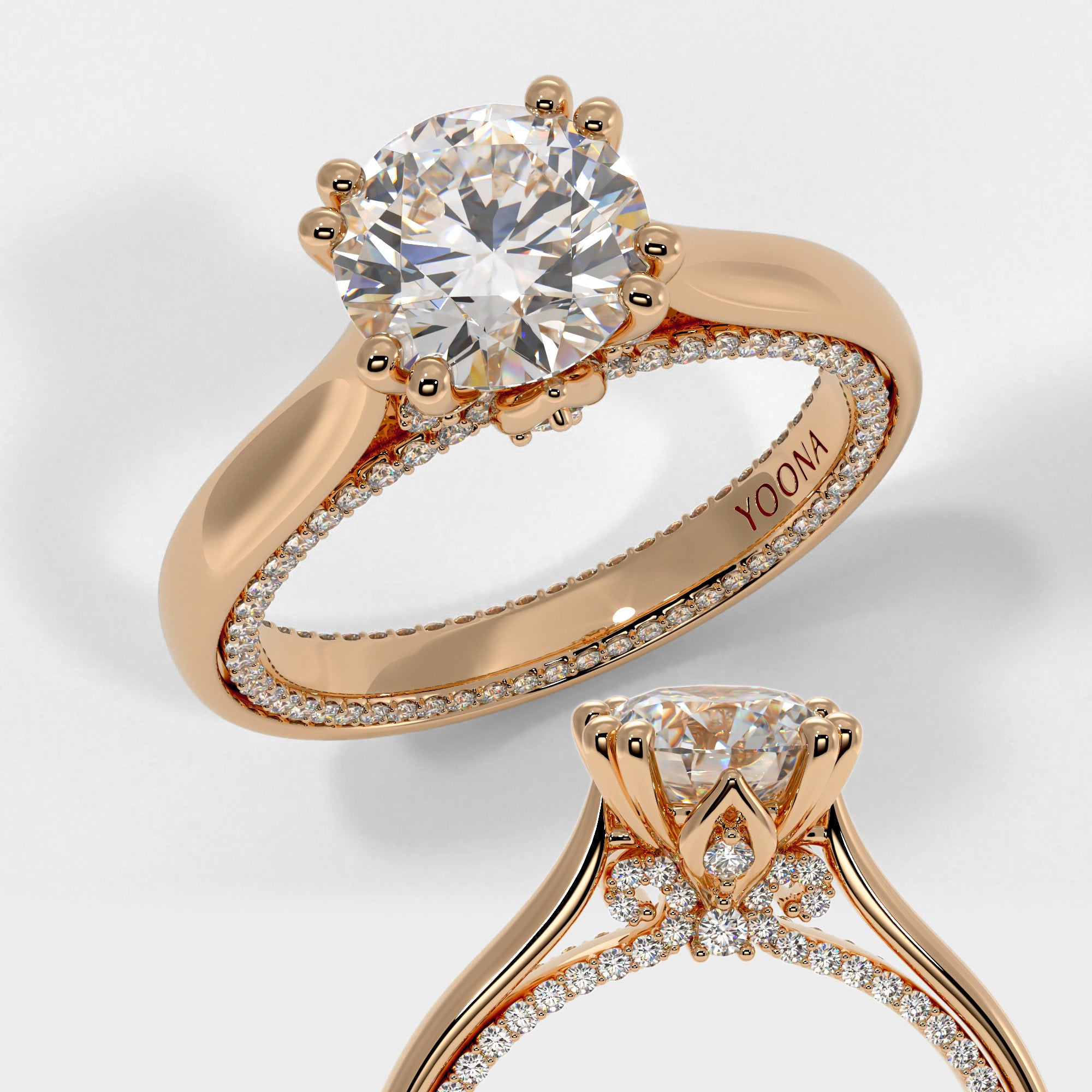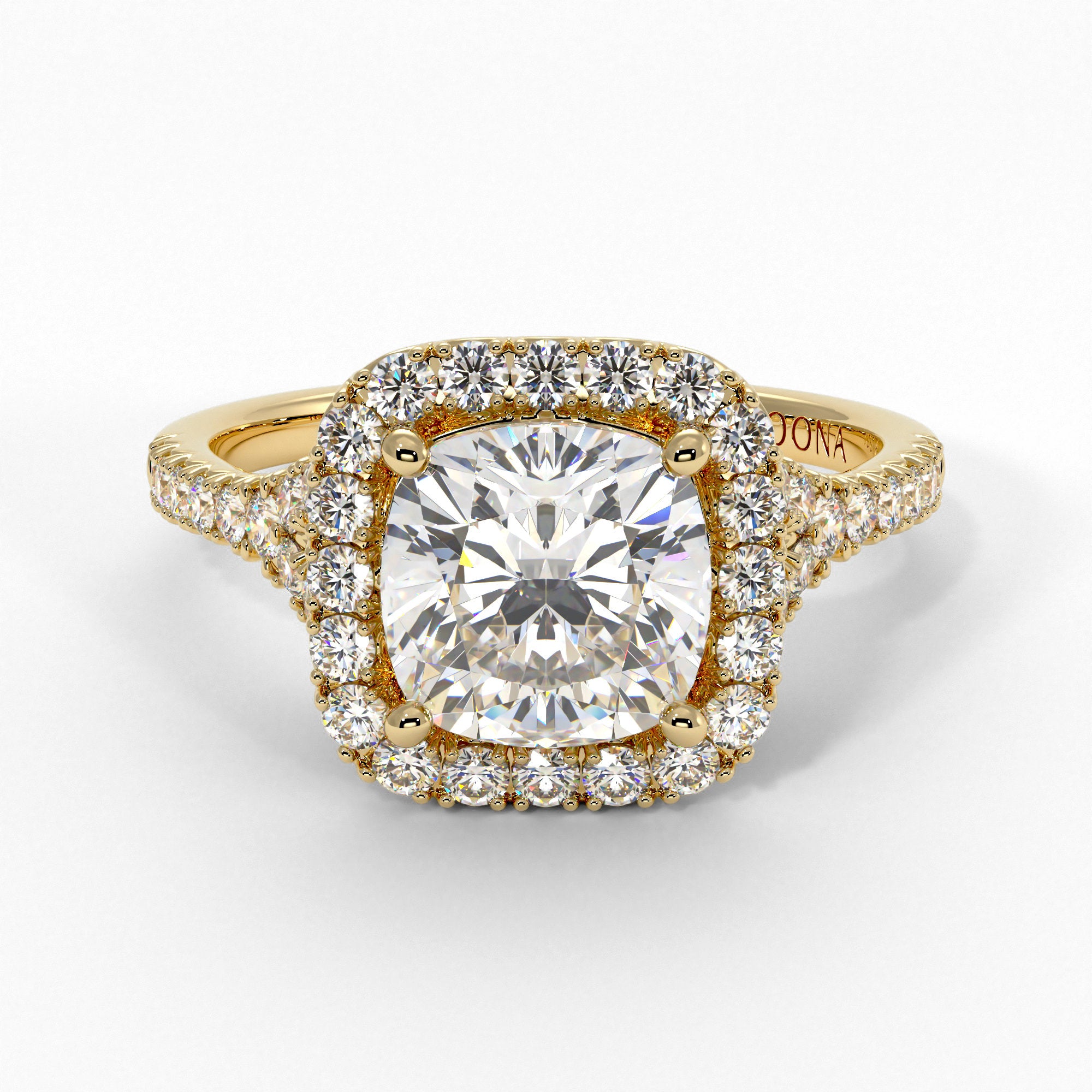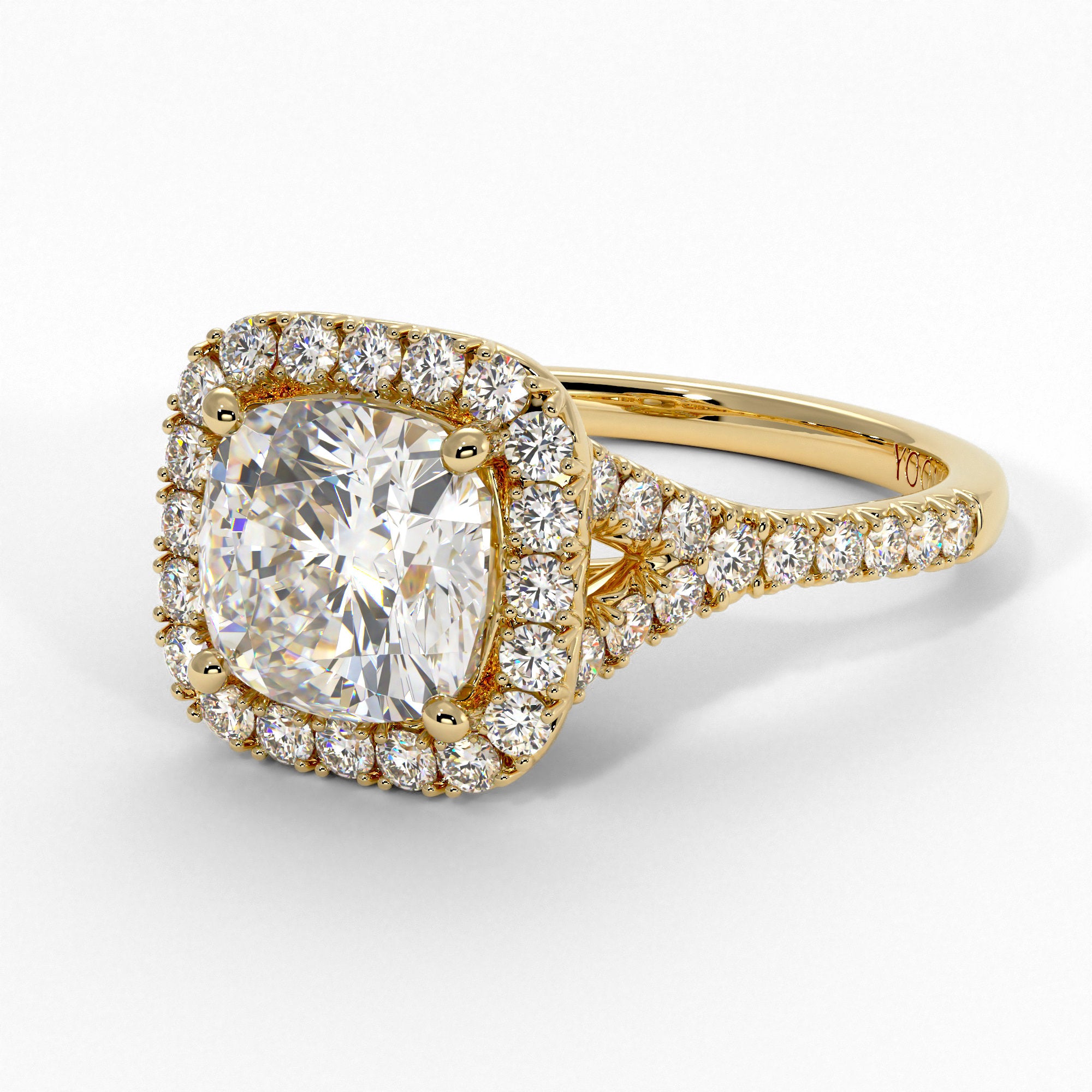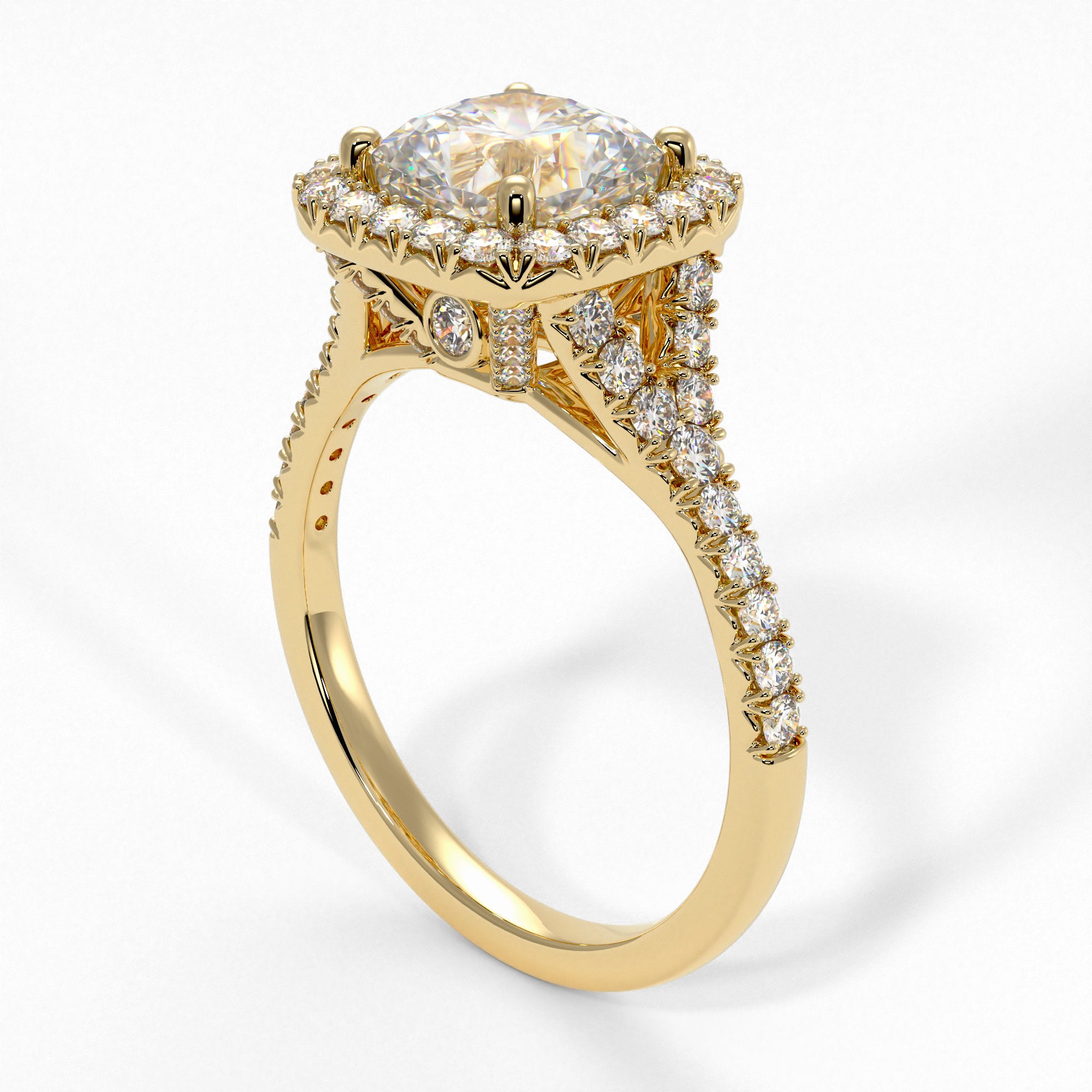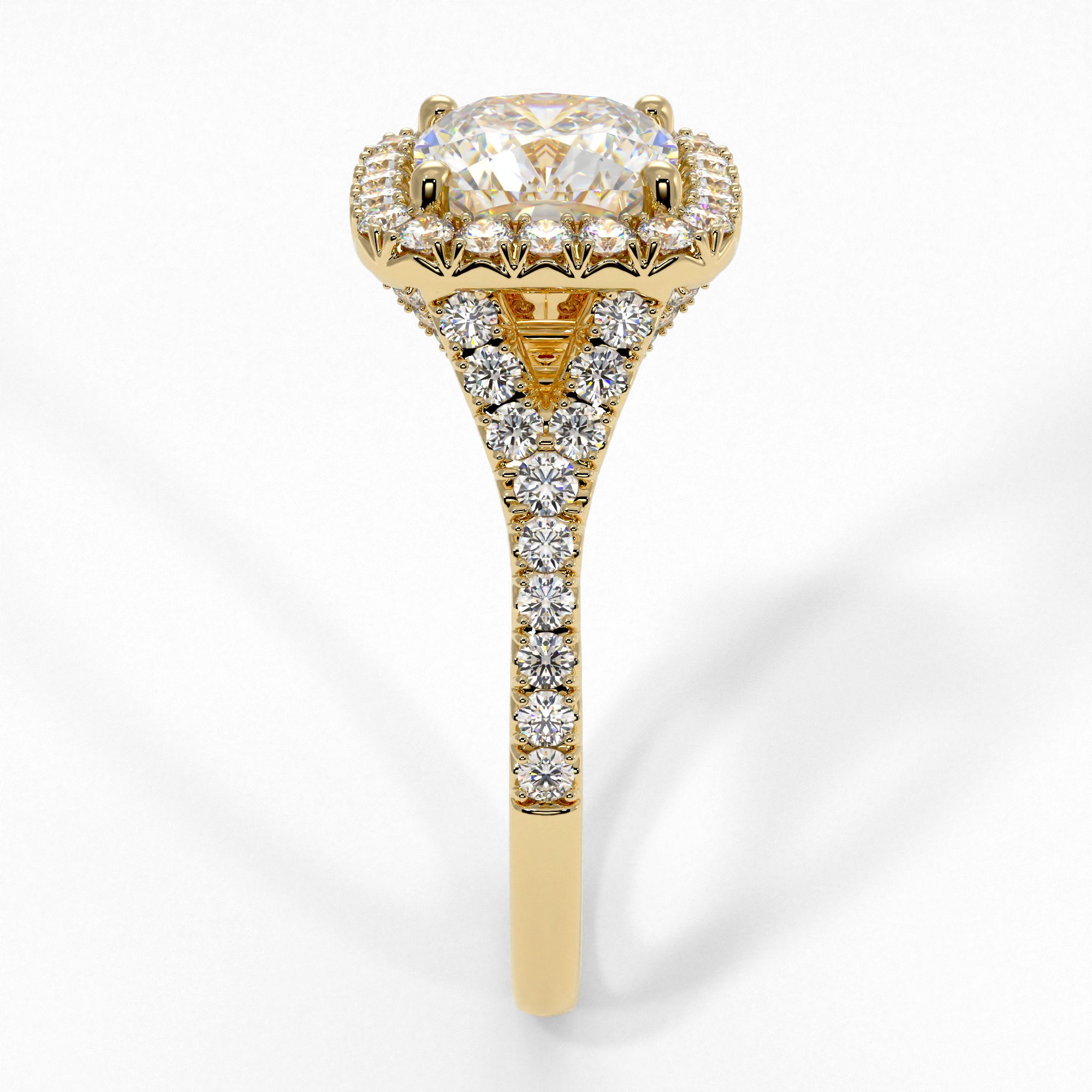
Reviewed by Yoona's in-house jewelry experts
Short answer: HPHT (High Pressure, High Temperature) and CVD (Chemical Vapor Deposition) are the two methods used to grow diamonds in a lab. Both produce real, chemically identical diamonds, they just get there through different physical processes, and each tends to produce a slightly different starting point for color and clarity before cutting.
HPHT: Recreating the Earth's Own Recipe
Quick answer: HPHT compresses a carbon source under enormous heat and pressure, essentially recreating the same conditions that form diamonds naturally underground, just in weeks instead of a billion years.
A tiny diamond seed is placed in a chamber alongside a carbon source. The chamber is heated past 1,500°C and pressurized above 1.5 million pounds per square inch. Under those conditions, the carbon melts and crystallizes onto the seed, growing outward into a rough diamond.
HPHT was the original lab-growing method and is still widely used today. Diamonds grown this way are sometimes Type Ib, meaning they can carry trace nitrogen that gives an untreated stone a faint yellow or brown tint, which is why HPHT diamonds intended for colorless jewelry usually go through a post-growth treatment step.

CVD: Building a Diamond Layer by Layer
Quick answer: CVD grows a diamond from carbon-rich gas in a vacuum chamber, adding pure carbon one atomic layer at a time. It's slower than HPHT but tends to produce purer, more colorless starting material.
A diamond seed sits inside a sealed, low-pressure chamber filled with a carbon-rich gas, typically methane. Microwave energy breaks the gas down into its component atoms, and pure carbon settles onto the seed layer by layer until a full rough diamond has formed.
Because the process builds up slowly and under more controlled conditions, CVD diamonds are more often Type IIa, the rarest and chemically purest diamond classification, with fewer trace elements and a lower risk of metallic inclusions than HPHT stones.

HPHT vs. CVD: Side-by-Side
| Feature | HPHT | CVD |
|---|---|---|
| Process | Extreme heat and pressure, mimics the earth | Carbon-rich gas breaks down in a vacuum chamber |
| Typical purity | Type Ib, may carry trace nitrogen | Often Type IIa, ultra-pure |
| Growth speed | Faster | Slower, more controlled |
| Common starting color | May need color treatment for colorless grades | Often near-colorless as grown |
| Inclusion risk | Slightly higher metallic inclusion risk | Generally lower |
Does the Growth Method Affect Quality, Price, or Value?
Quick answer: Not once the diamond is graded. The 4Cs, not the growth method, determine a diamond's quality and price. A well-cut HPHT diamond and a well-cut CVD diamond at the same grade are priced and valued the same way.
This is the question underneath most of the interest in HPHT vs. CVD, and the honest answer is that it matters far less than people expect. Growth method affects the raw material a cutter starts with, not the finished diamond's grade. Once a stone is cut, polished, and certified, its cut, color, clarity, and carat weight are what set its price and appearance, exactly as with a mined diamond.
Where growth method shows up indirectly: CVD's tendency toward higher starting purity means a slightly higher proportion of CVD rough ends up graded as colorless or near-colorless without treatment. That's a production tendency, not a guarantee, plenty of excellent HPHT diamonds reach the same grades.
Can You Tell Which Method Grew Your Diamond?
Quick answer: Not by looking at it, and not through a standard jeweler's loupe. Specialized lab equipment can identify growth-pattern traces, and a diamond's certificate will note the method used.
Visually and structurally, HPHT and CVD diamonds are indistinguishable from each other and from mined diamonds without specialized detection equipment. Your grading report will state the growth method as a matter of transparency, but it has no bearing on how the diamond looks on your hand or how it's insured and appraised.
Frequently Asked Questions
Is HPHT or CVD better?
Neither is universally better, they're different processes that can both produce excellent, gem-quality diamonds. The grading report tells you far more about quality than the growth method does.
Are CVD diamonds more expensive than HPHT?
Not inherently. Price follows the 4Cs. A CVD diamond and an HPHT diamond with identical cut, color, clarity, and carat grades are priced comparably.
Do all lab-grown diamonds need color treatment?
No. Many CVD diamonds and a good share of HPHT diamonds grade as colorless or near-colorless without any treatment. Treatment is more common, not universal, for HPHT stones with detectable tint.
Does the growth method affect durability?
No. Both methods produce diamonds with the same 10/10 Mohs hardness and the same everyday durability as mined diamonds.
Which Method Does Yoona Use?
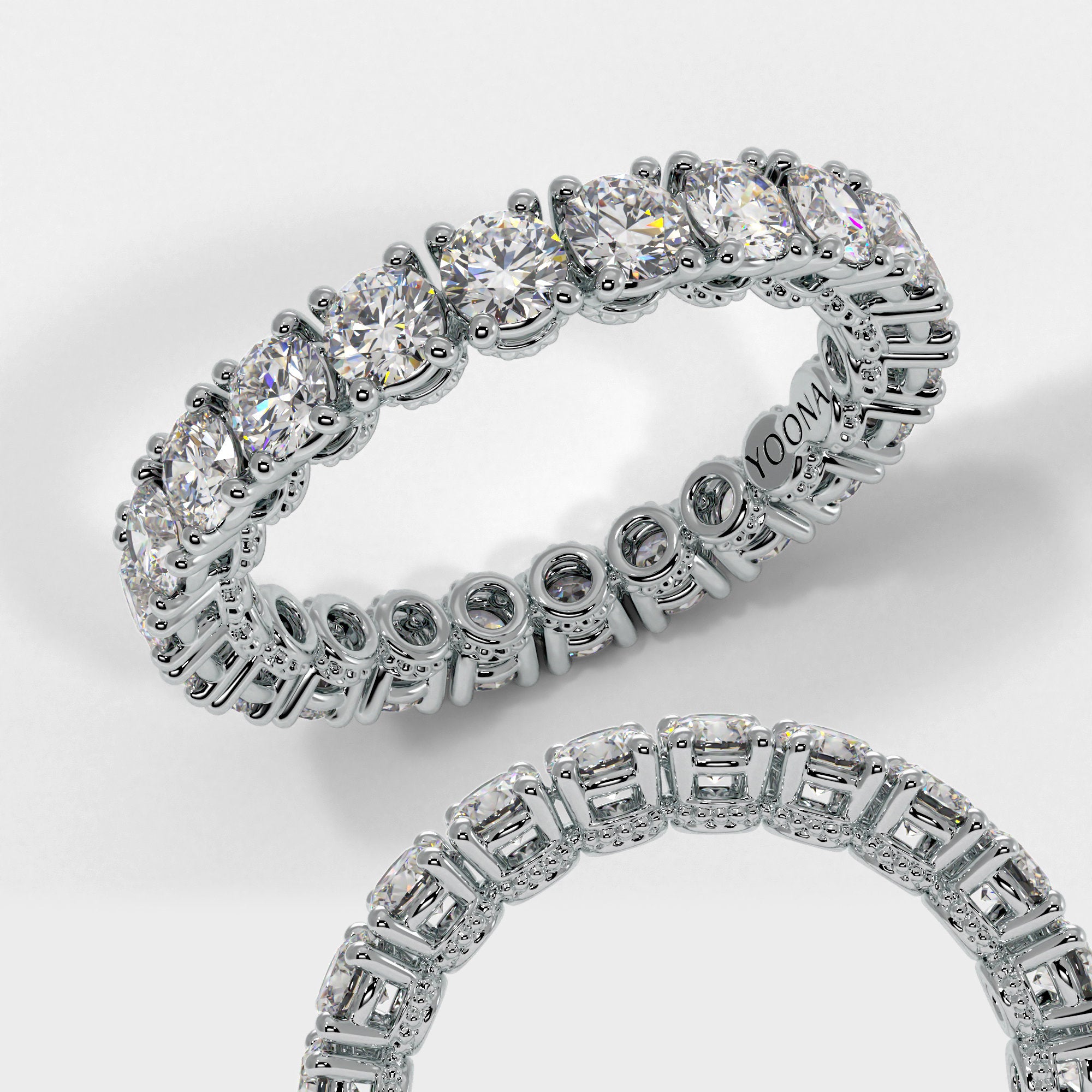
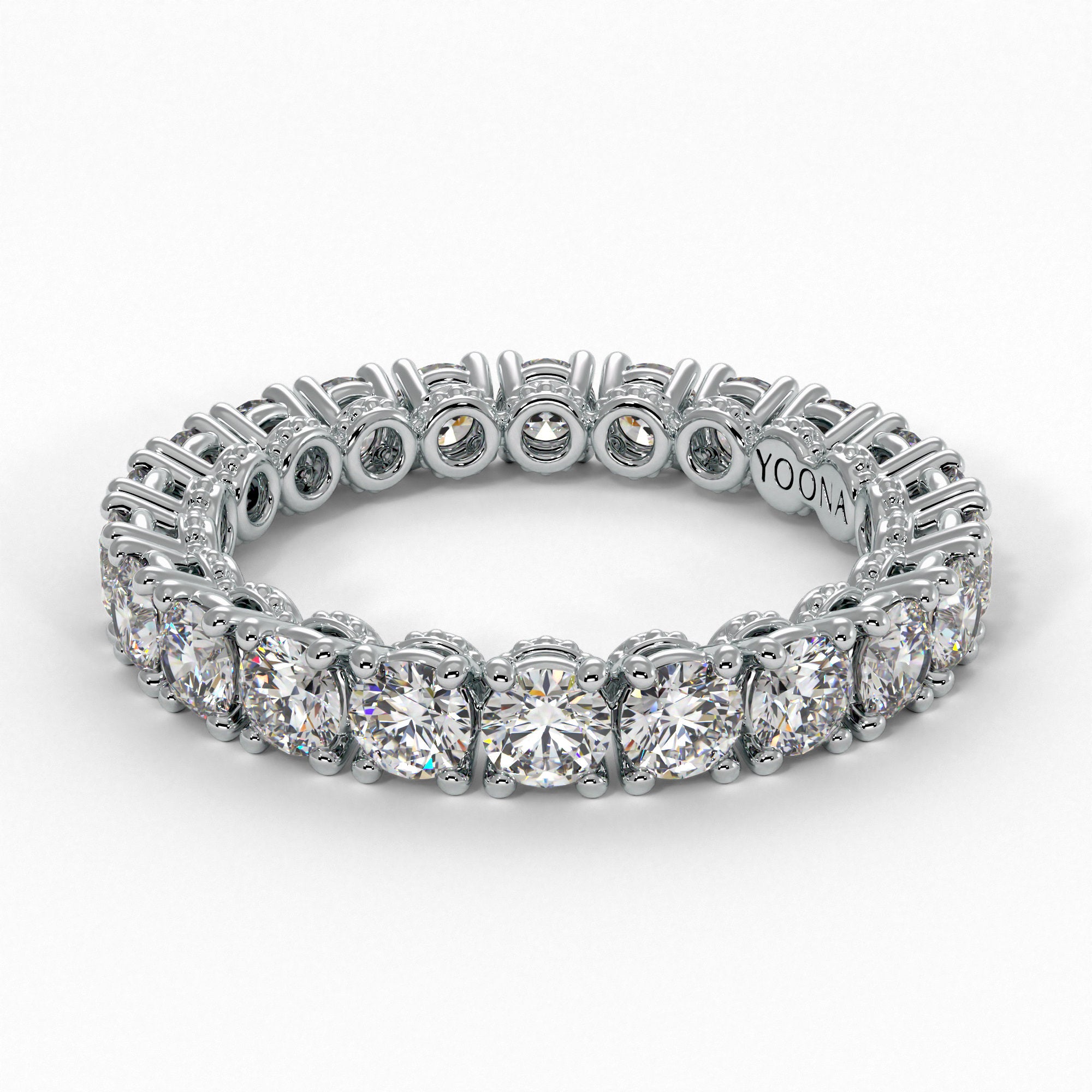
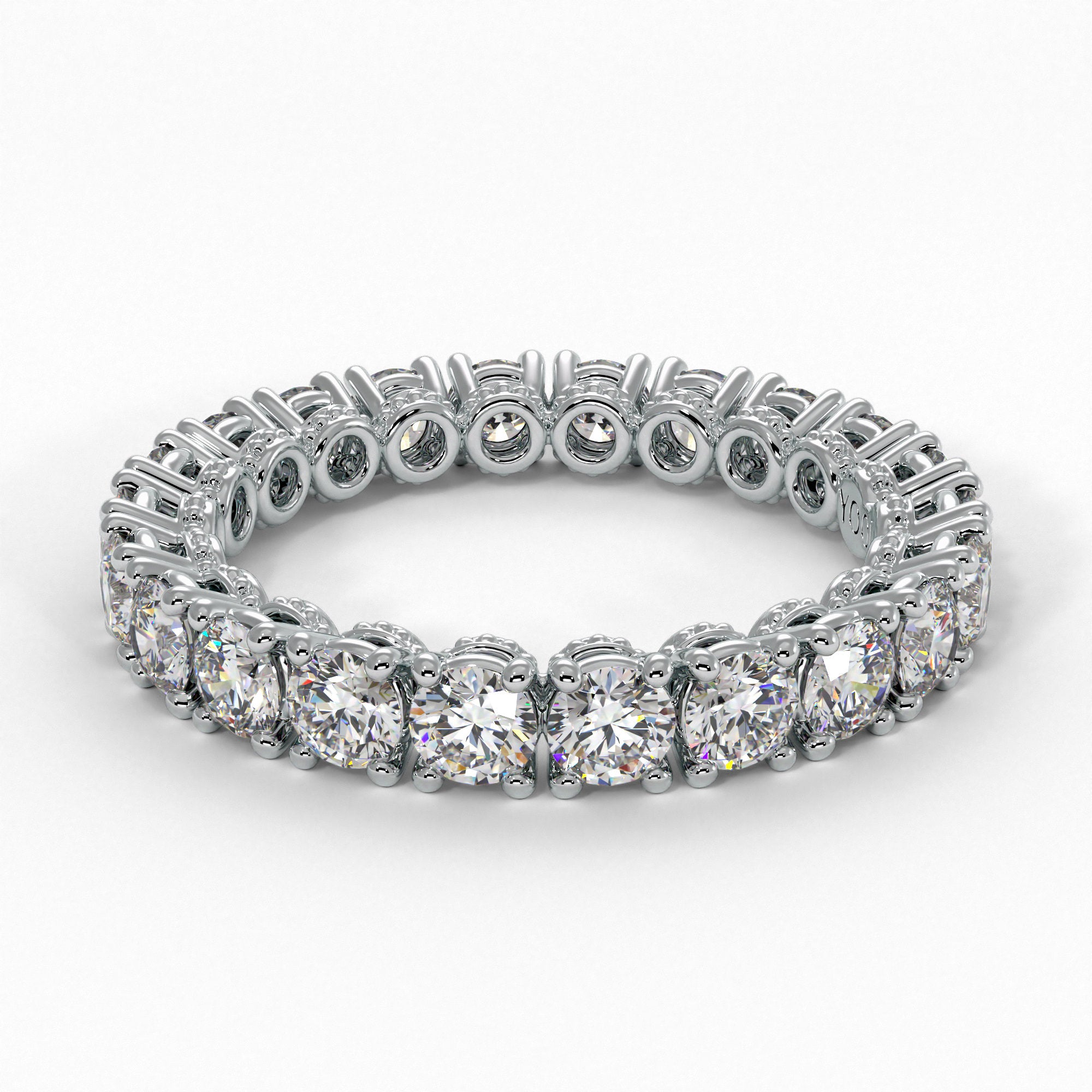
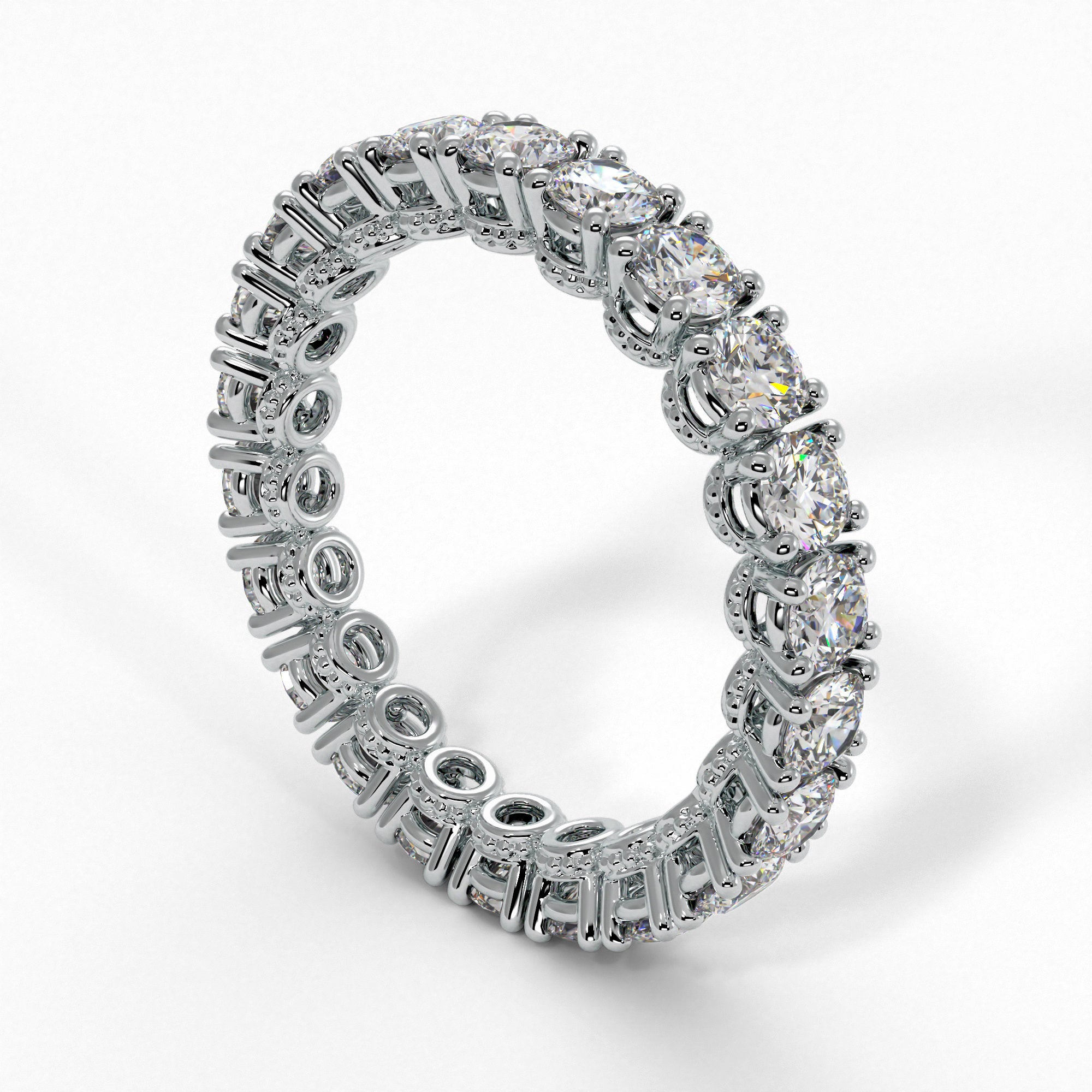
We don't limit ourselves to one growth method. Every diamond, whether HPHT or CVD, goes through the same filter before it qualifies as a Yoona Eternal Diamond™: D–F color, VVS1–VS1 clarity, and Excellent to Very Good cut. The growth method tells you how the rough diamond came to exist. Our standard tells you whether it was good enough to keep.