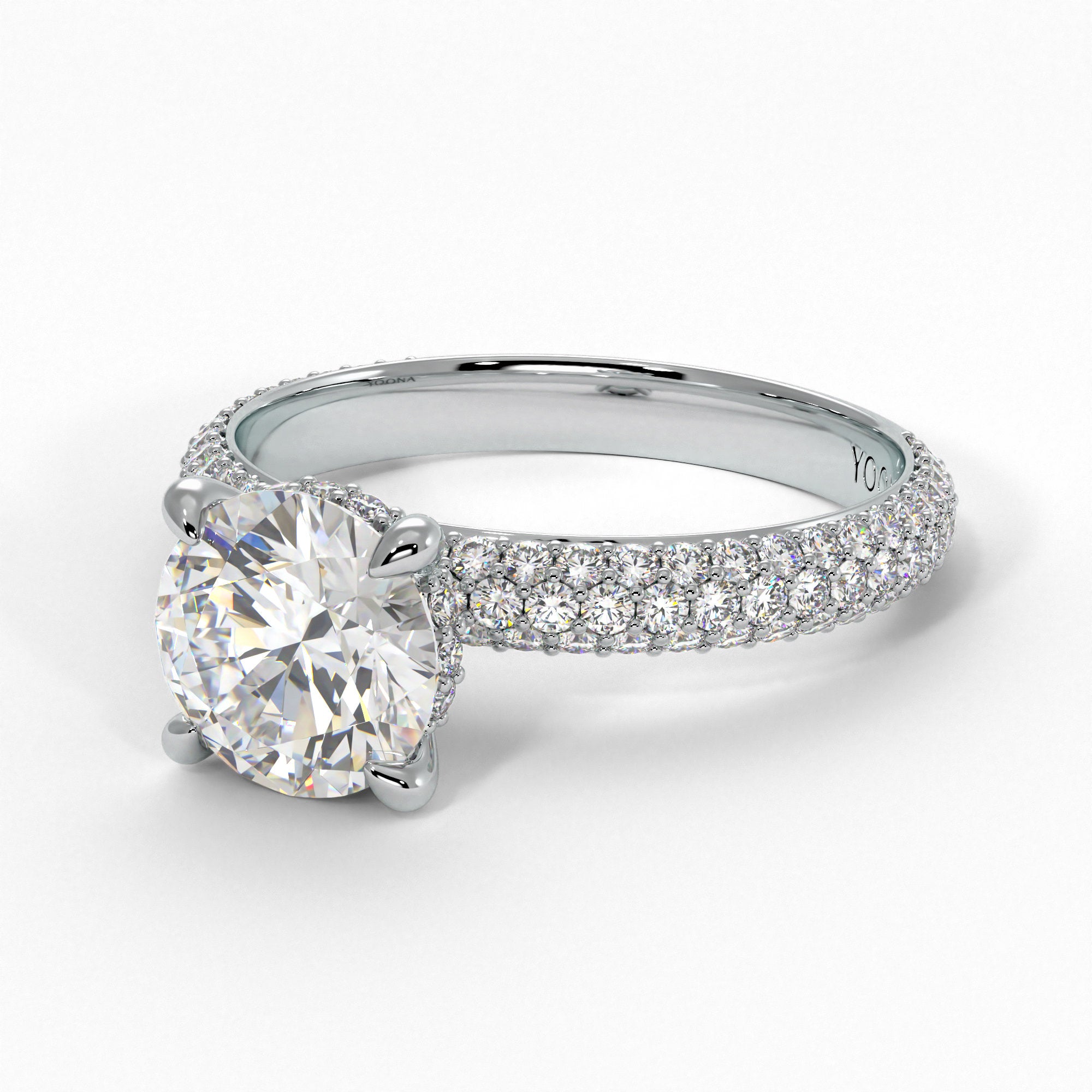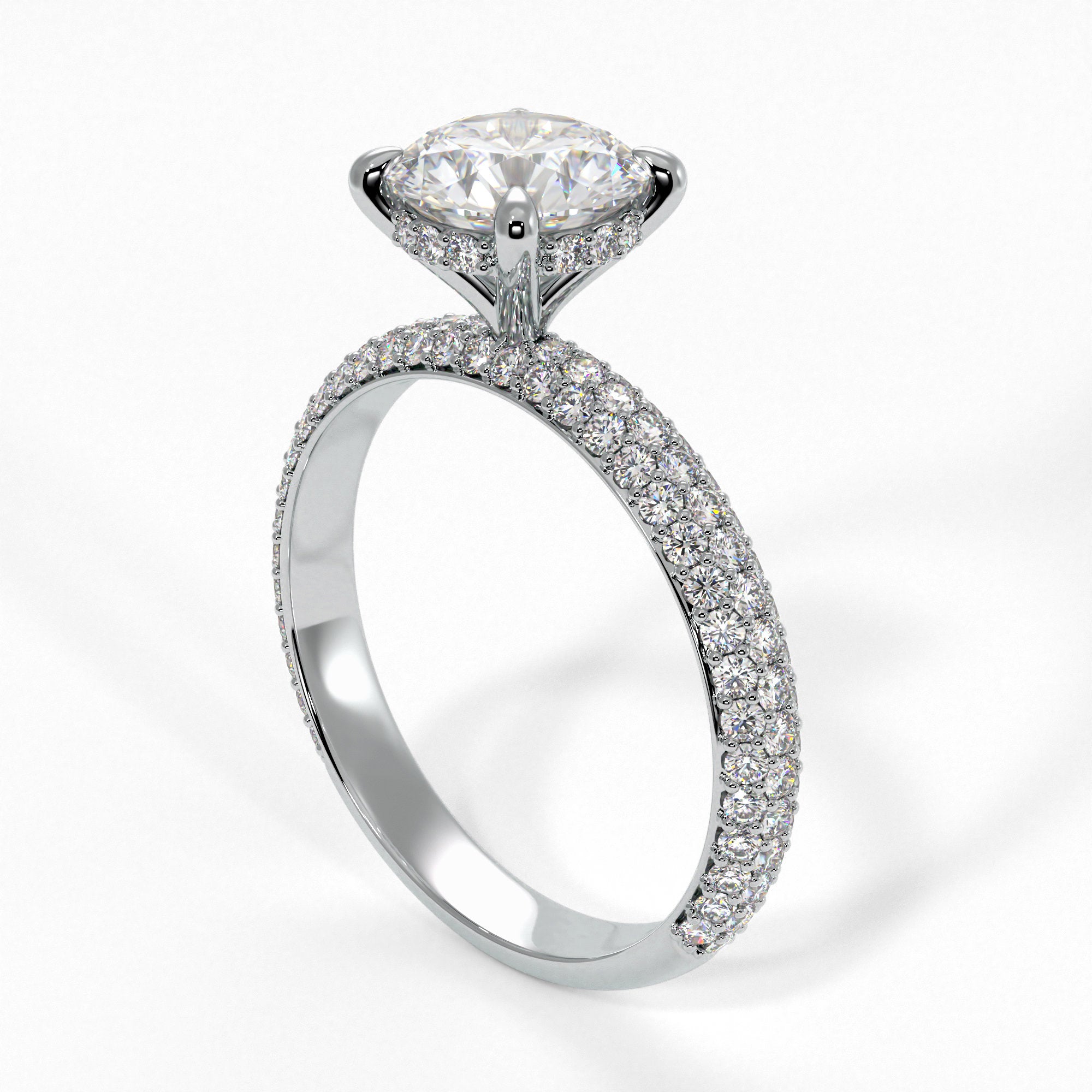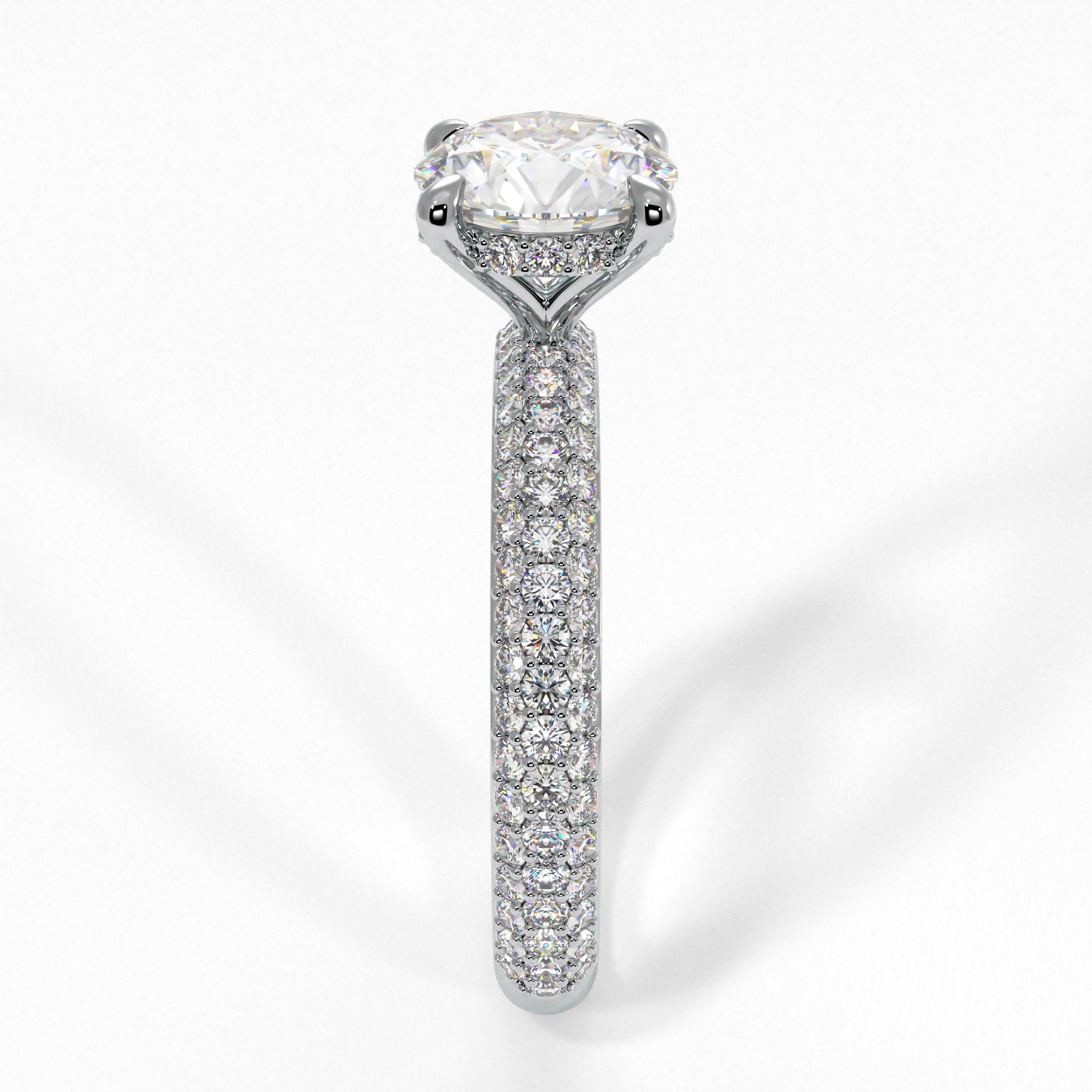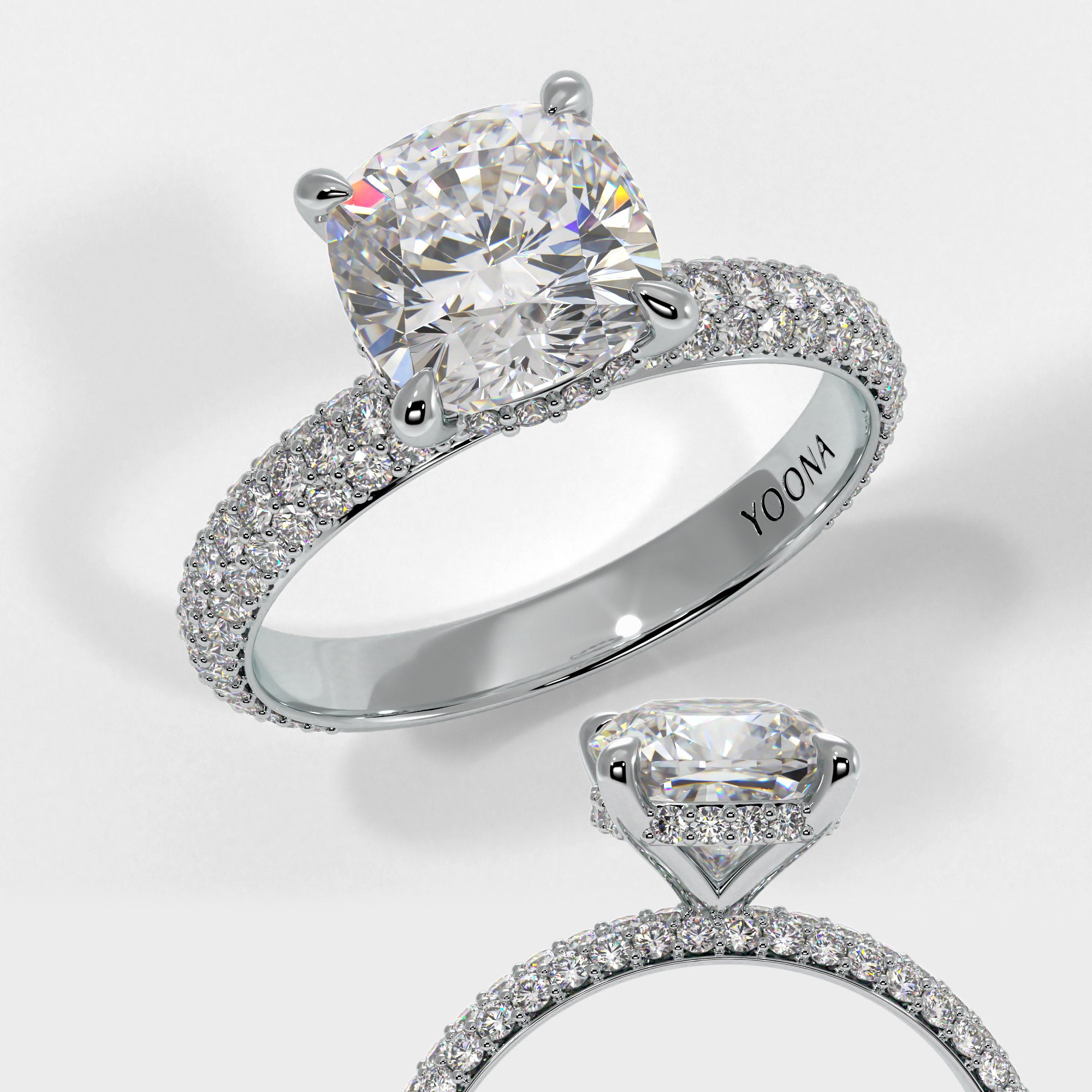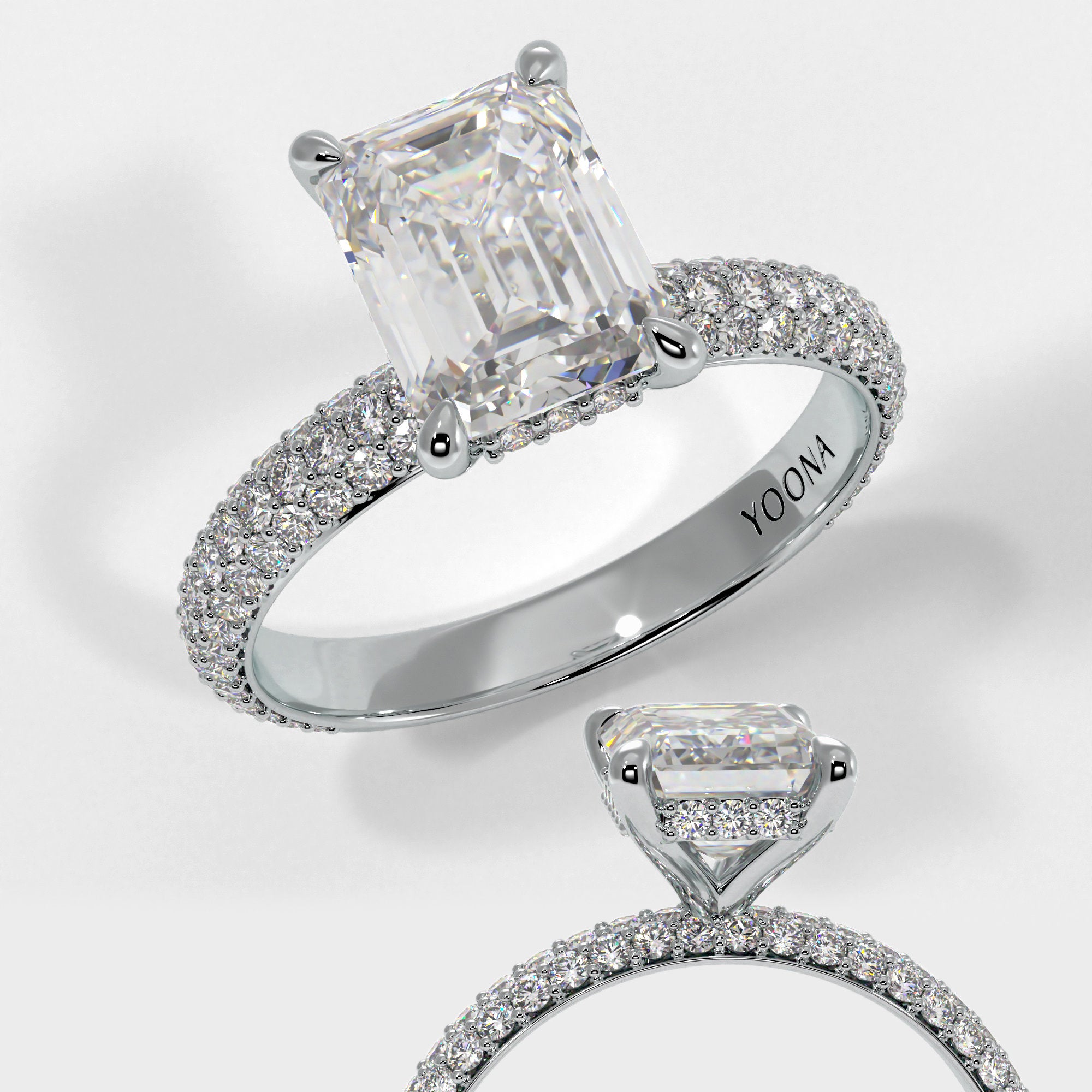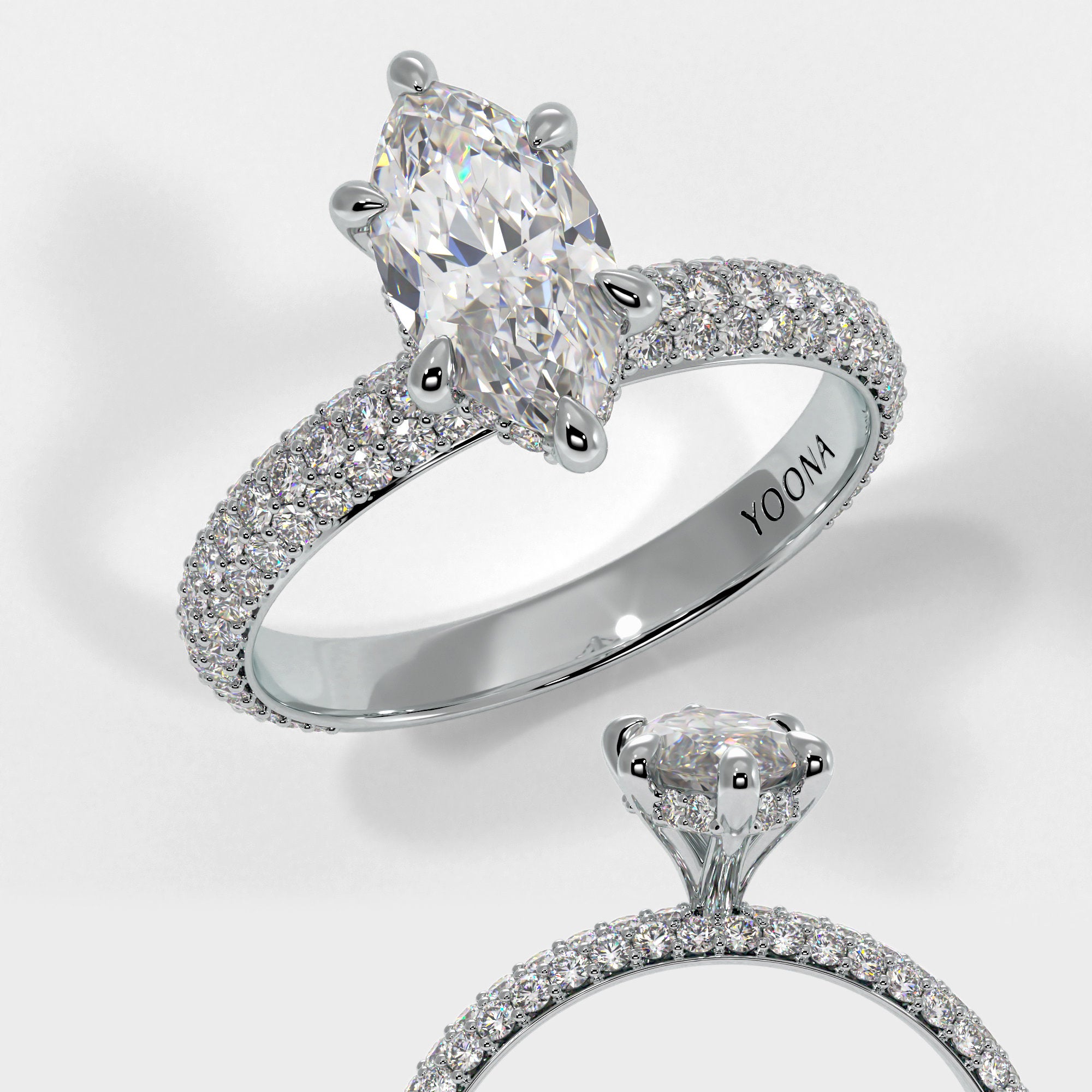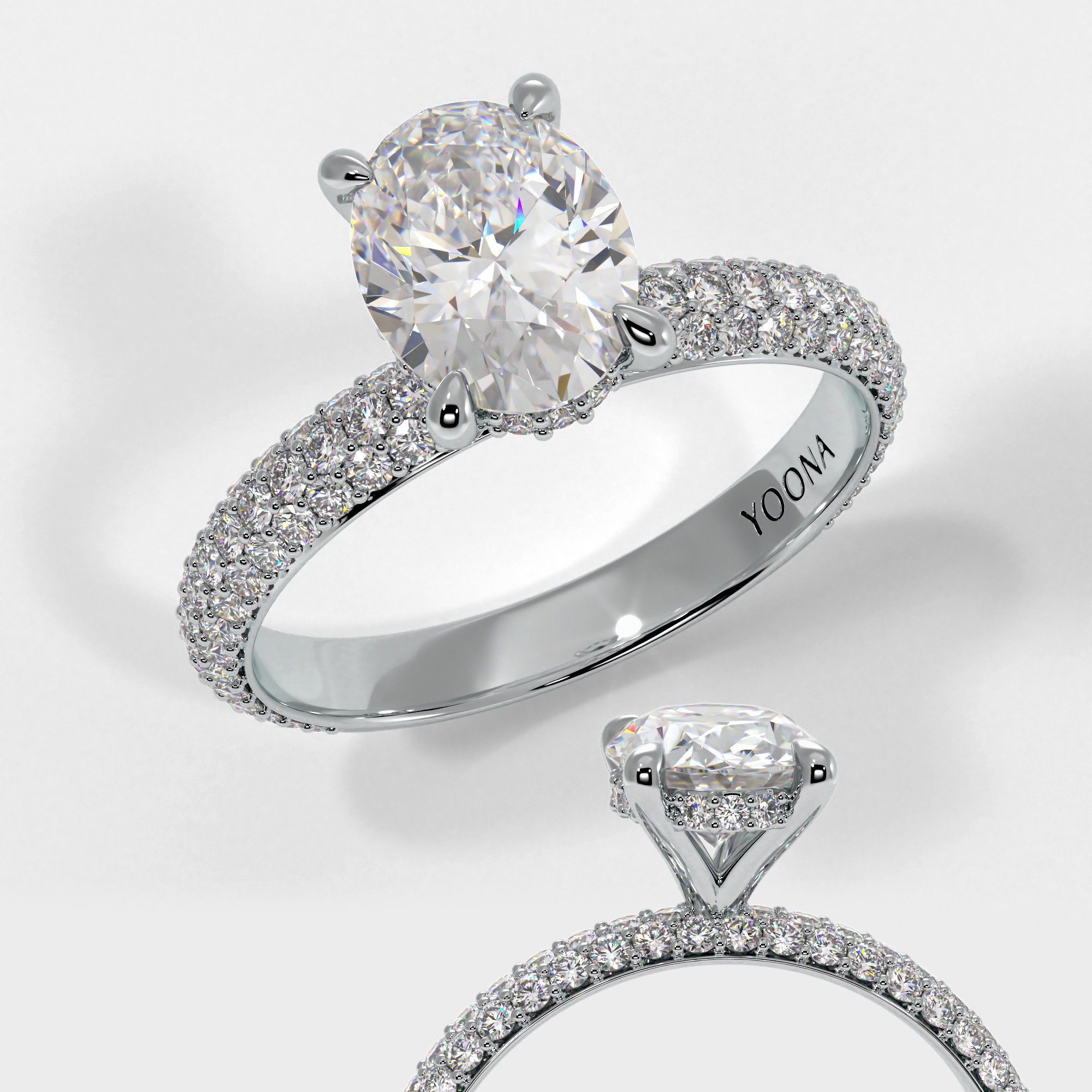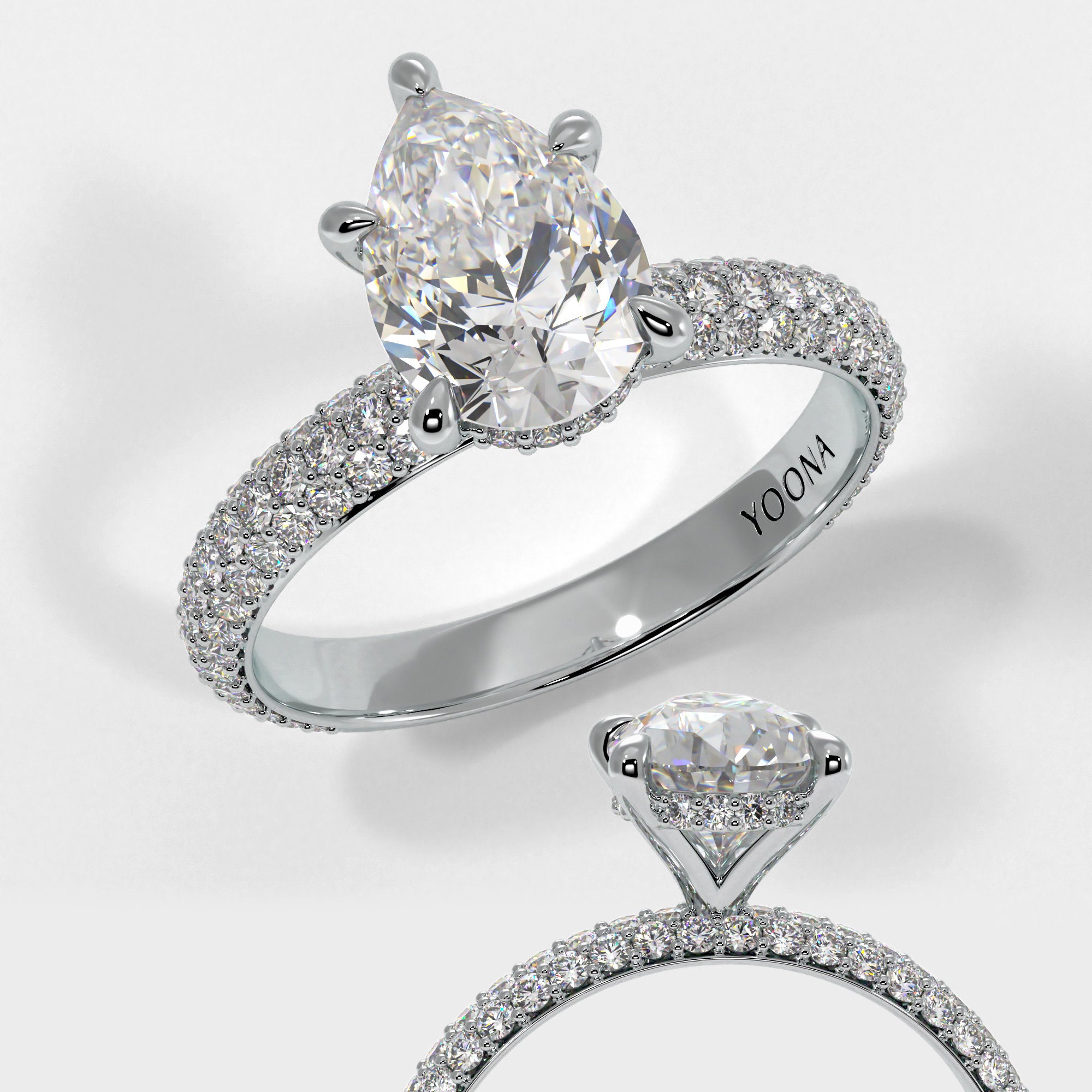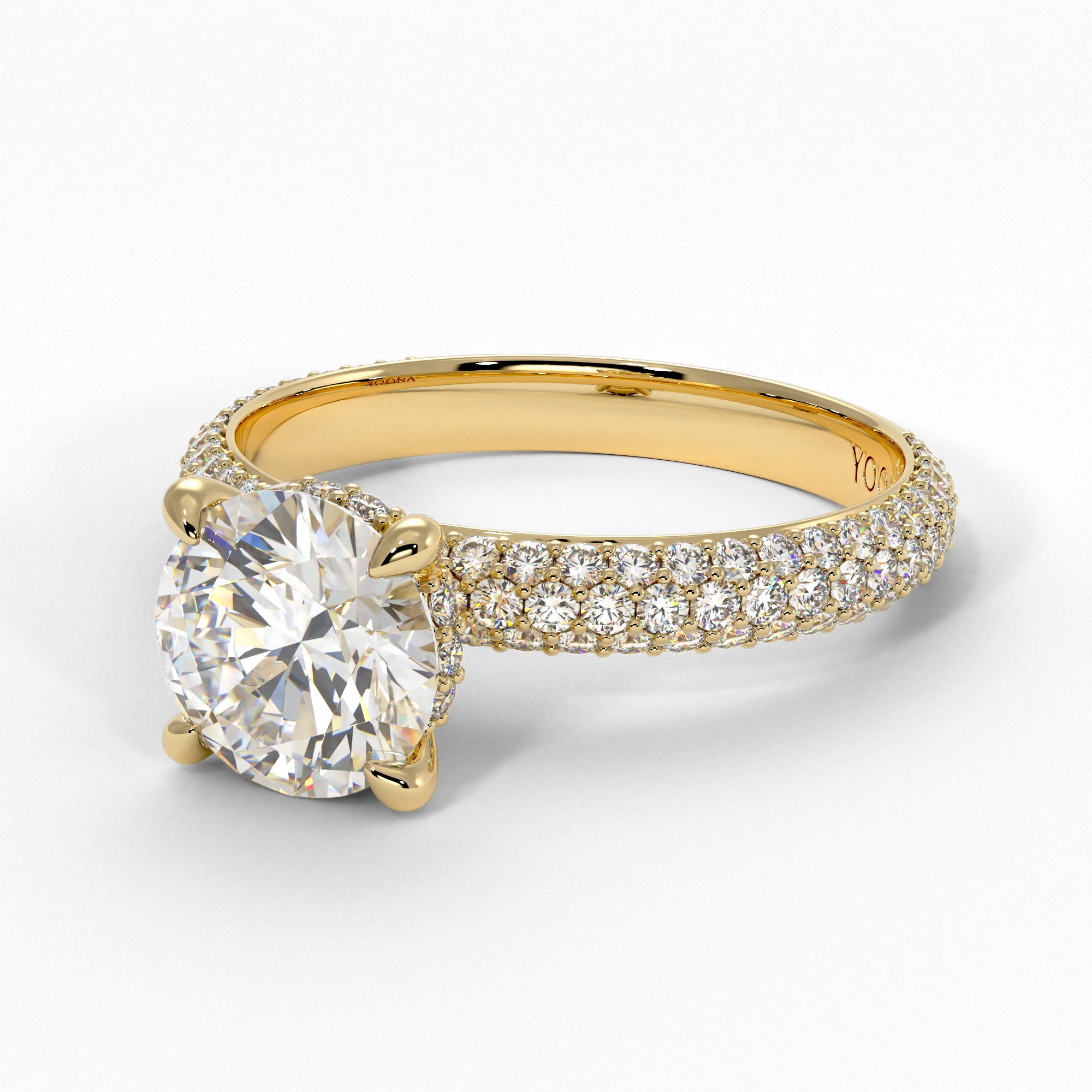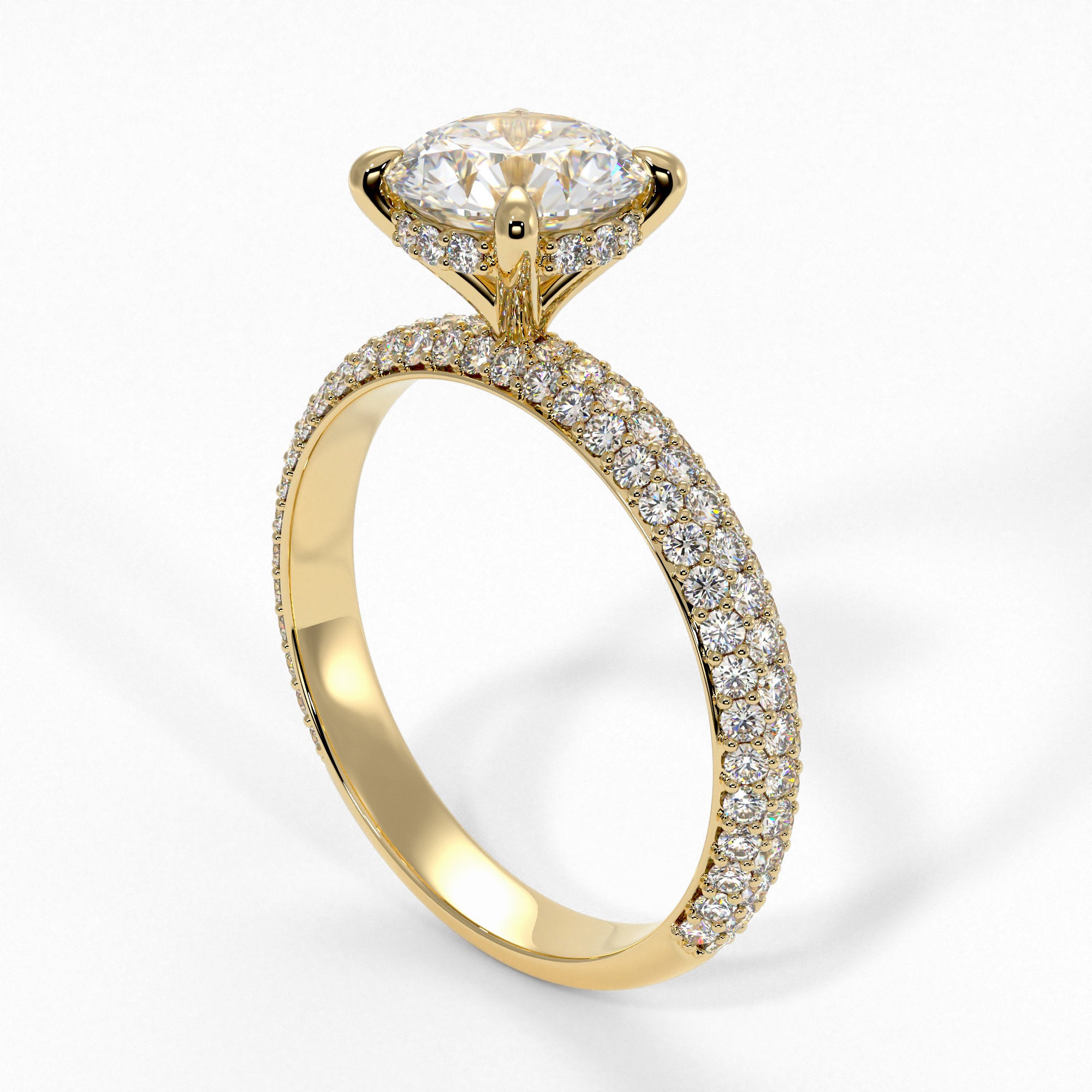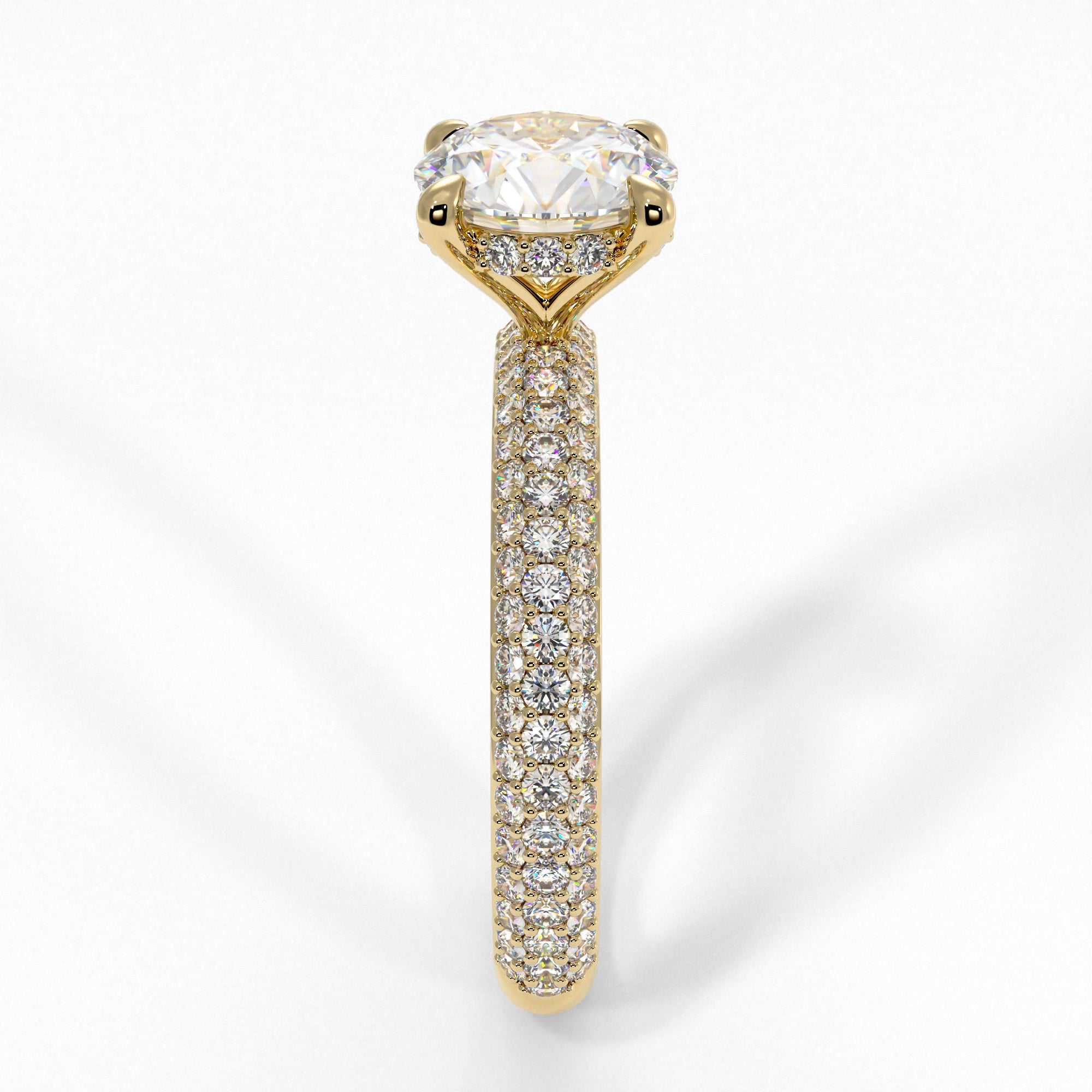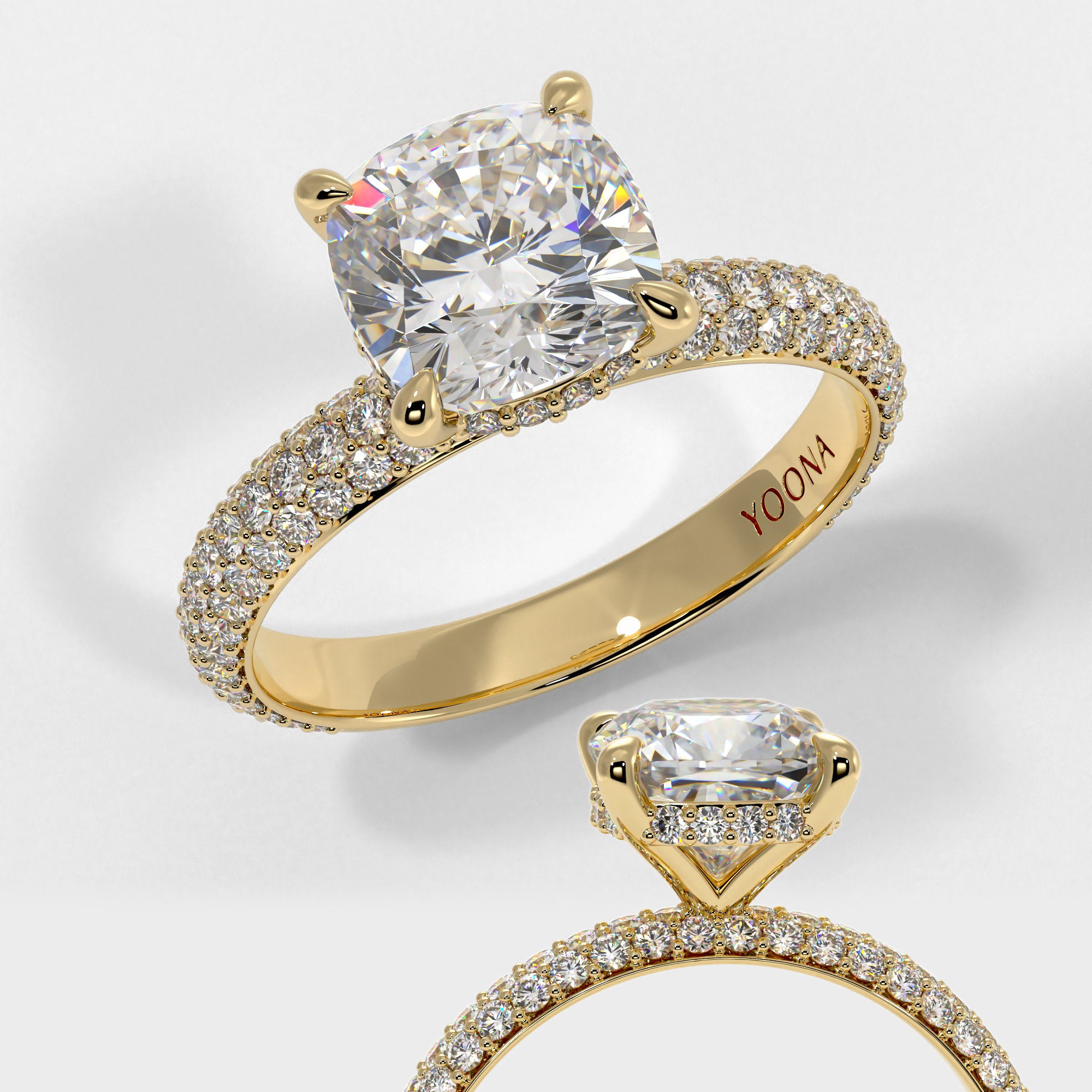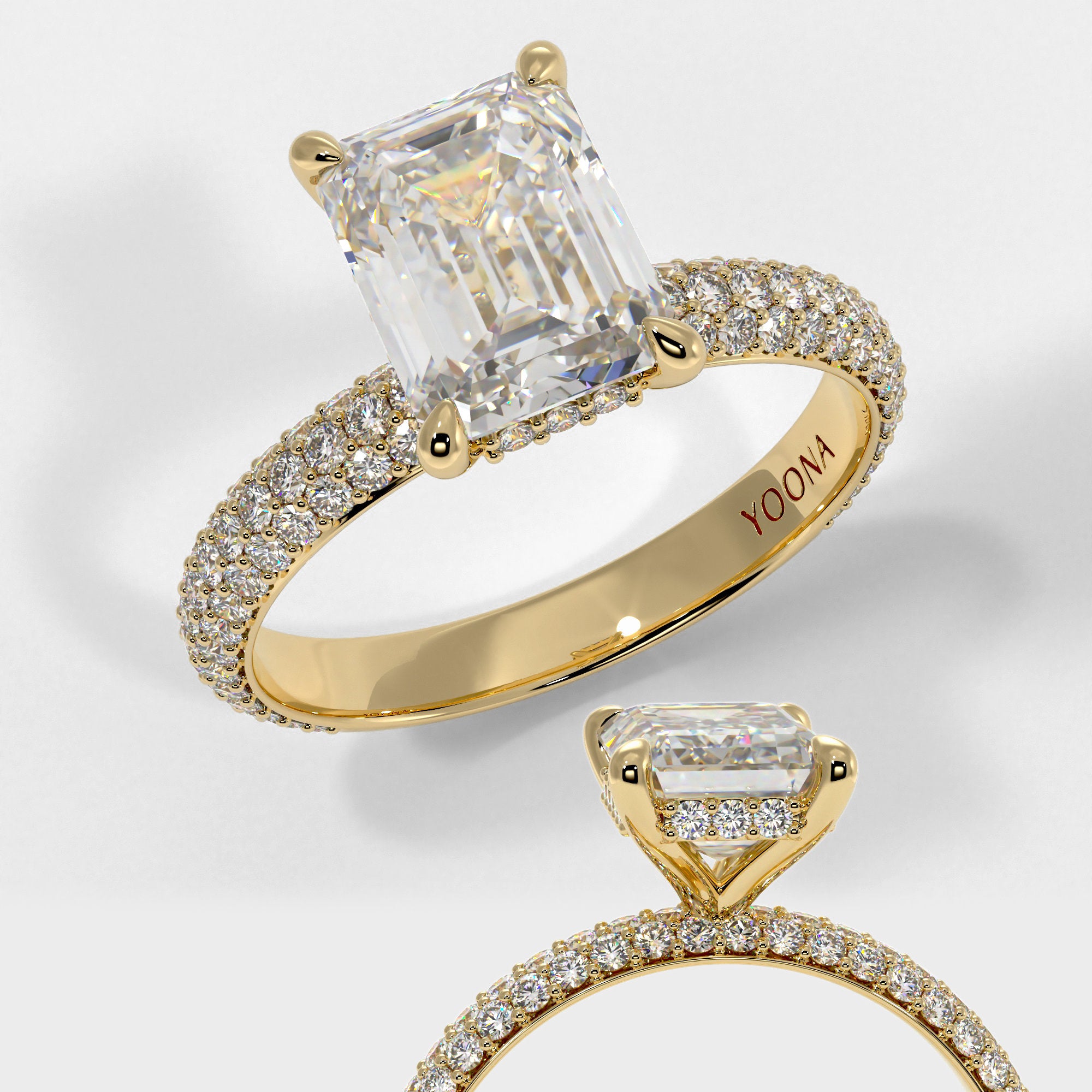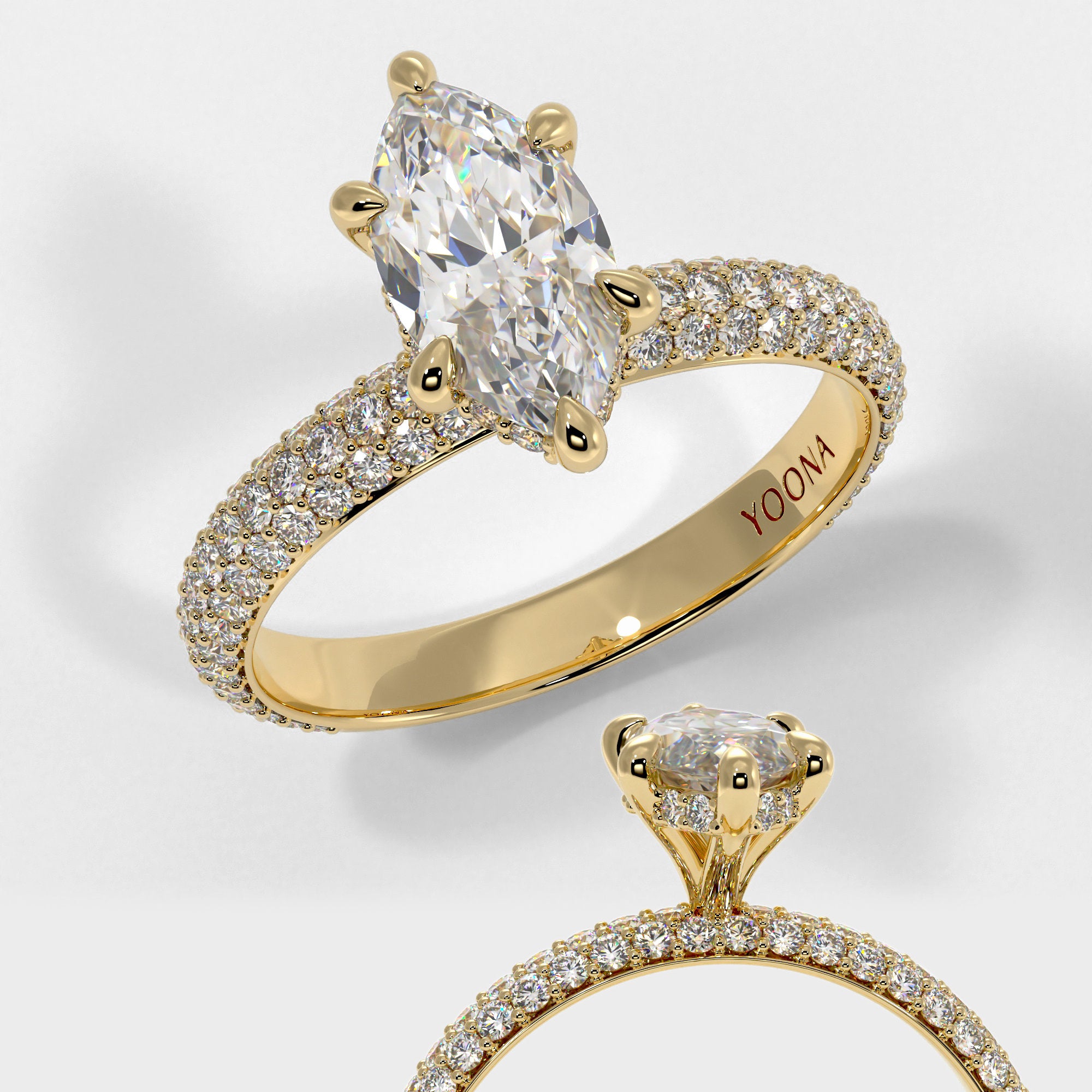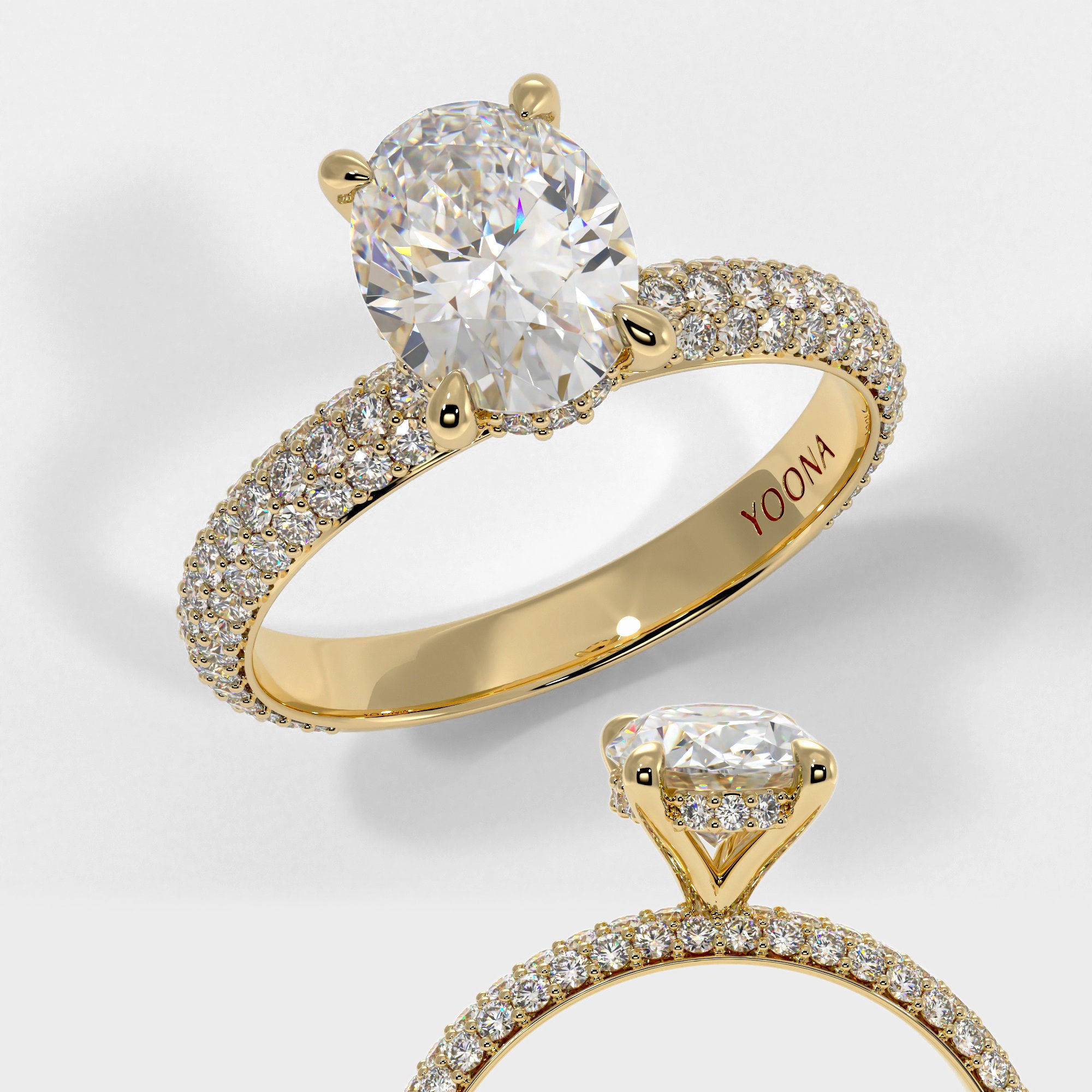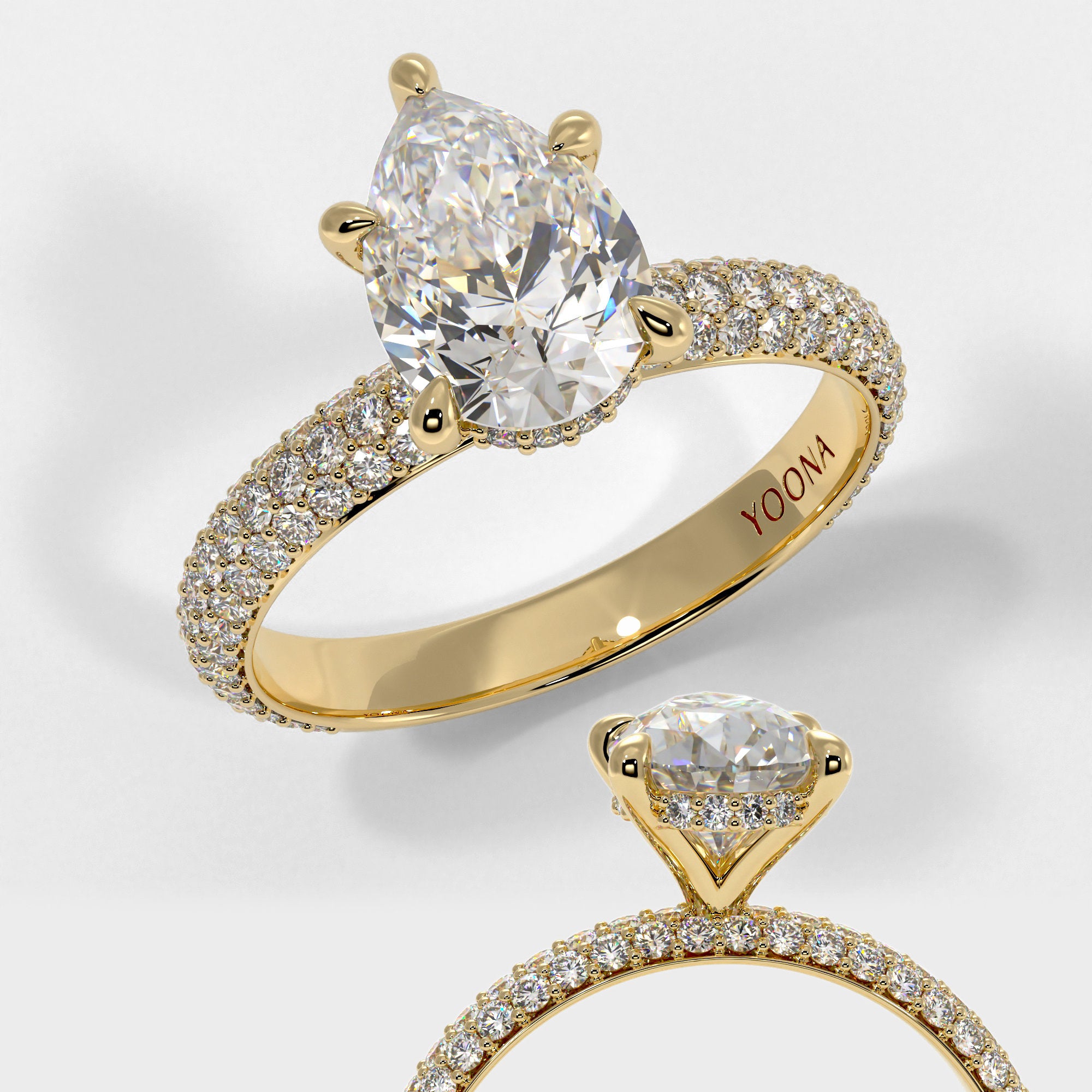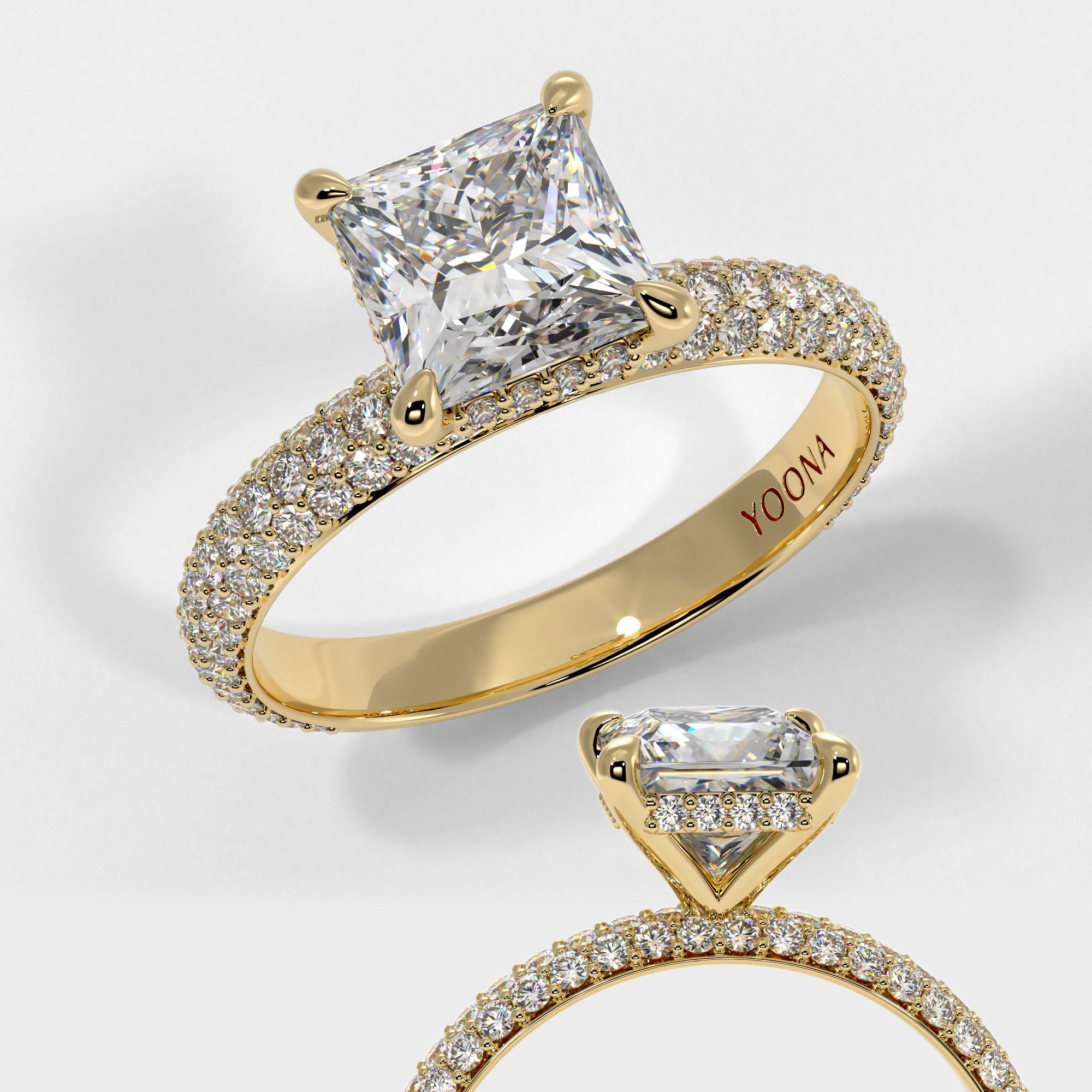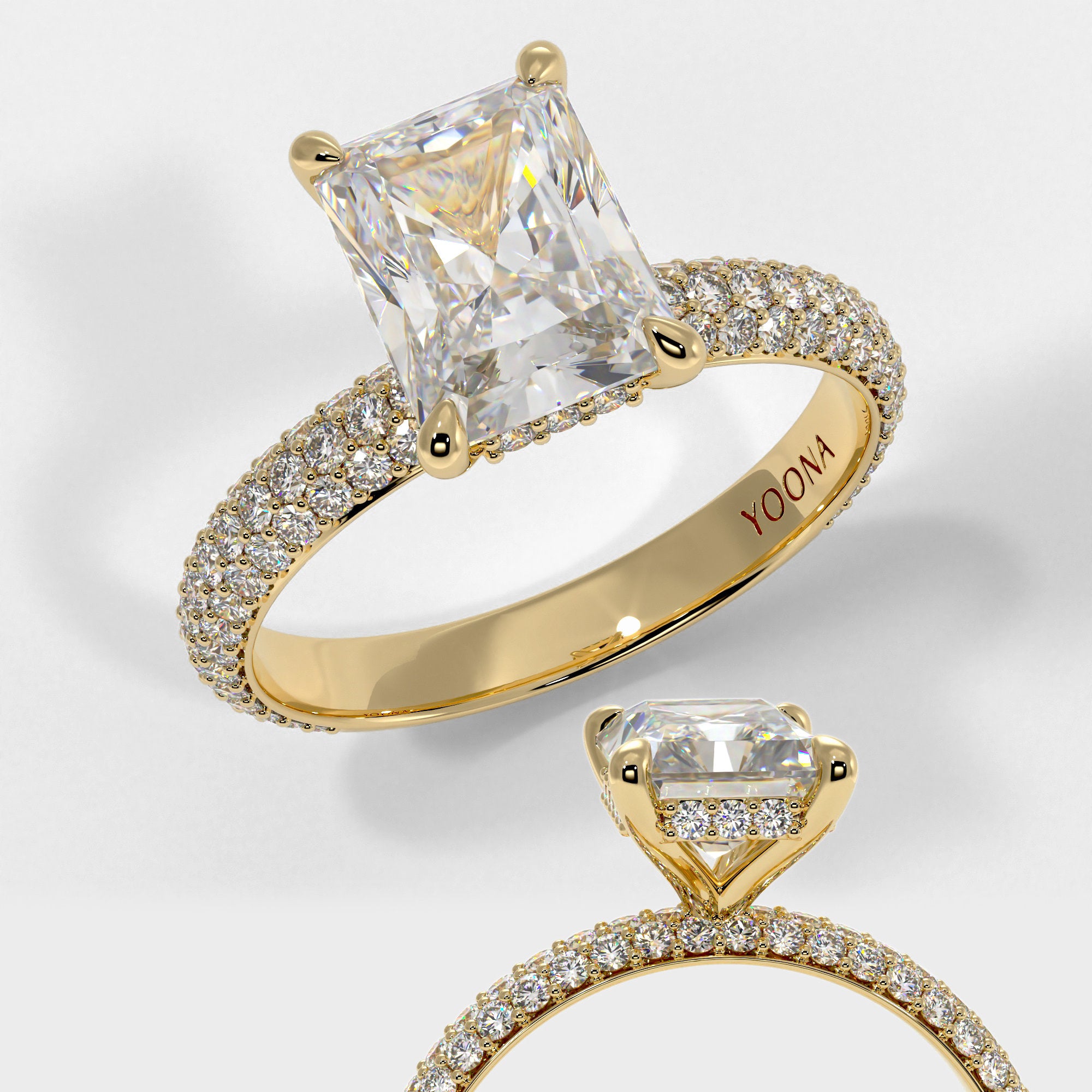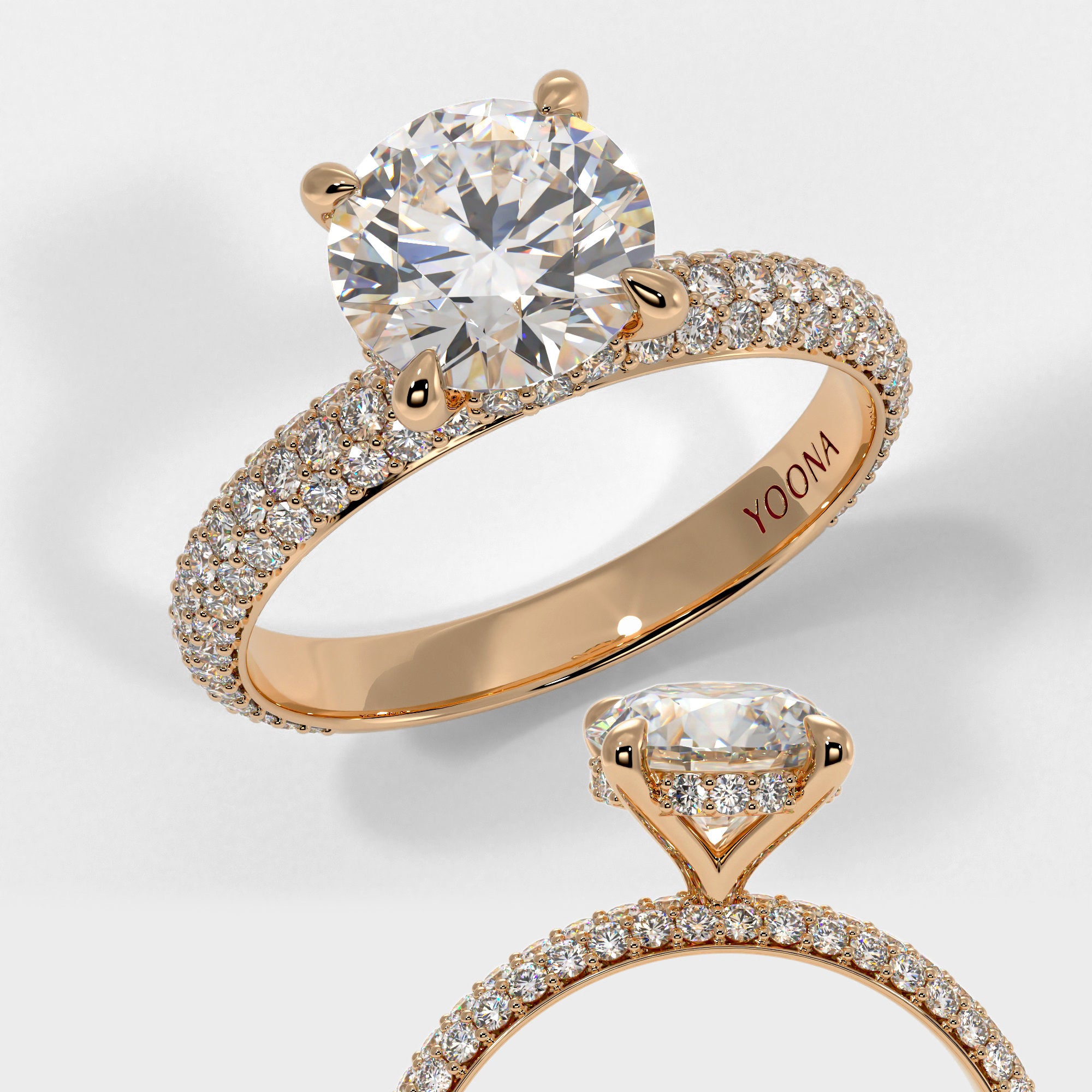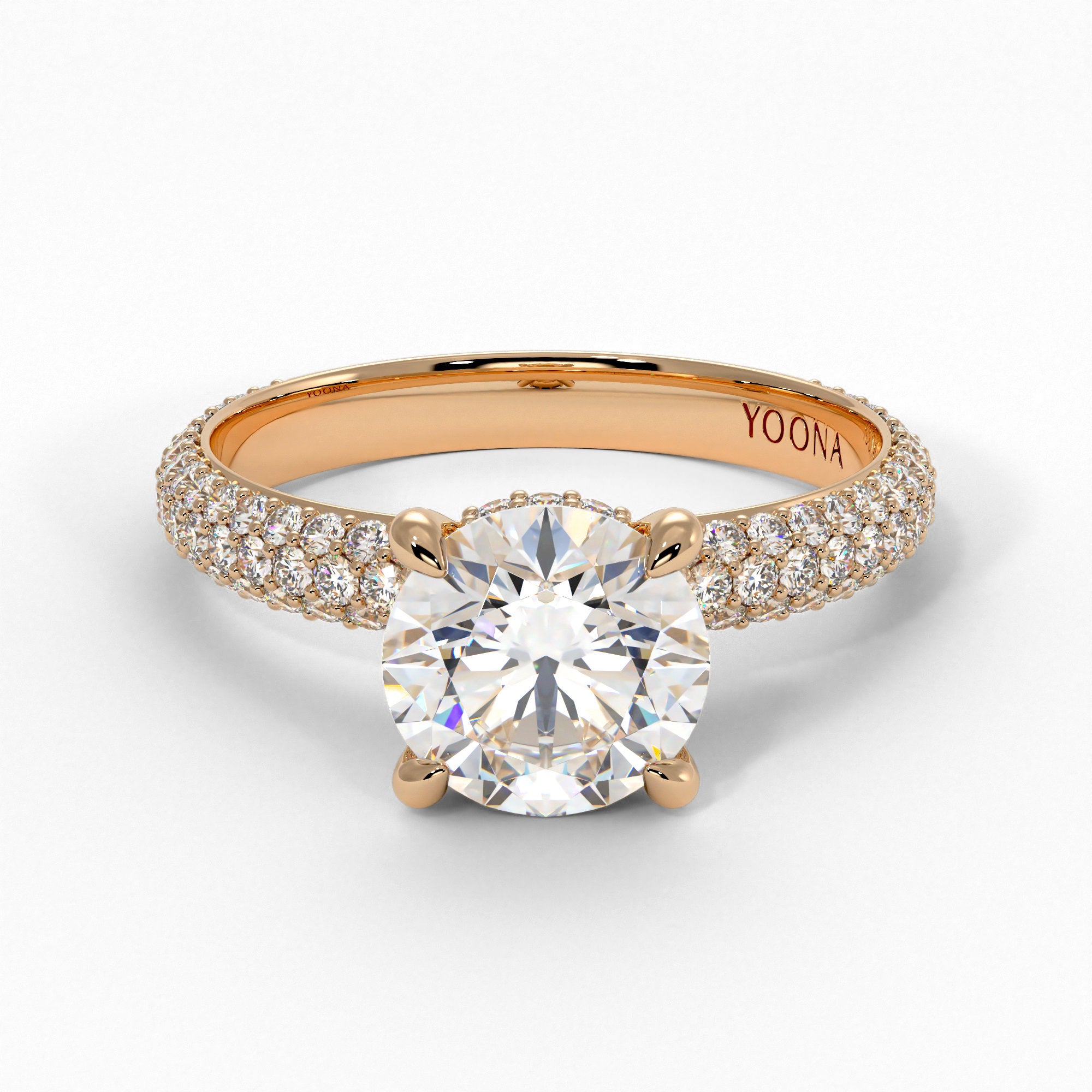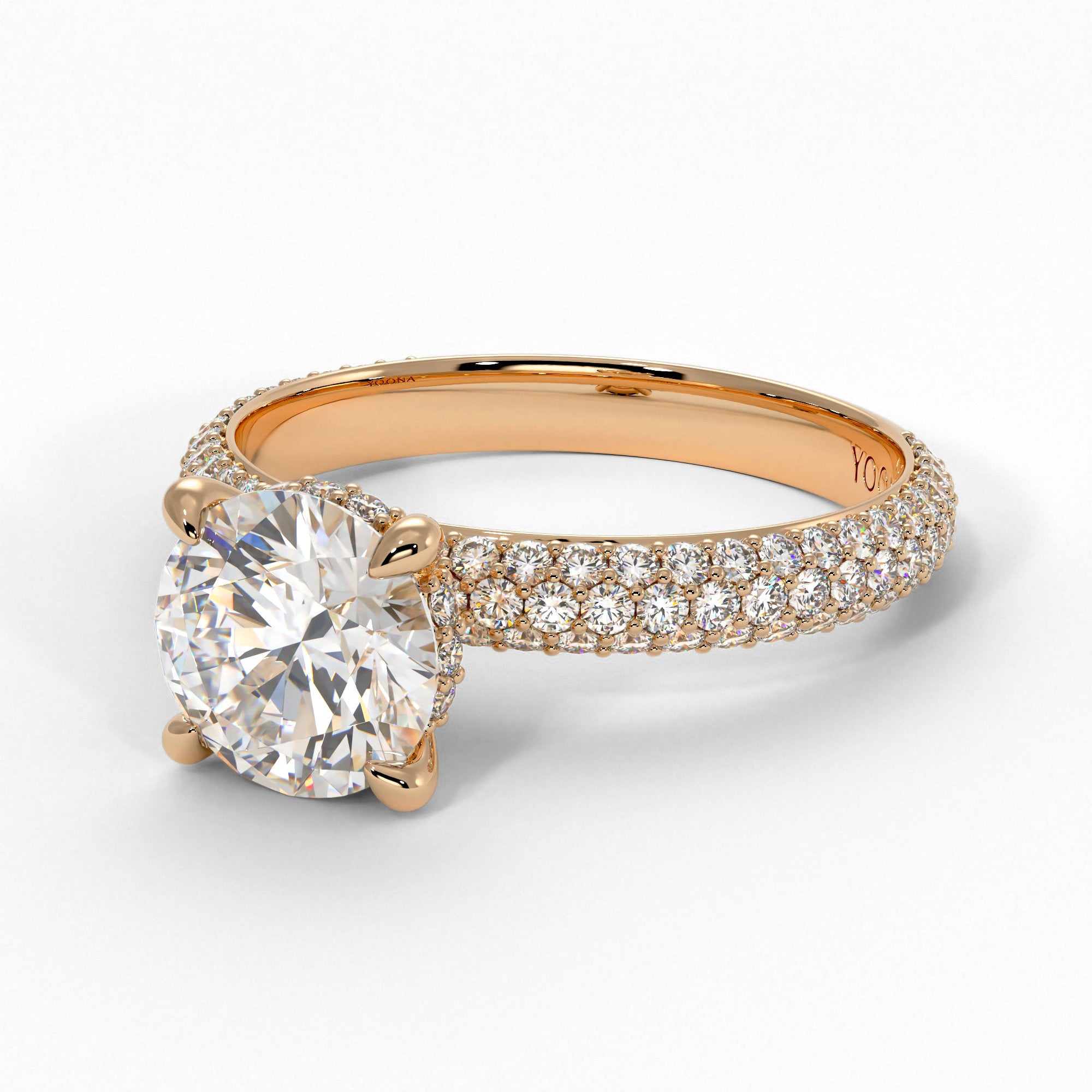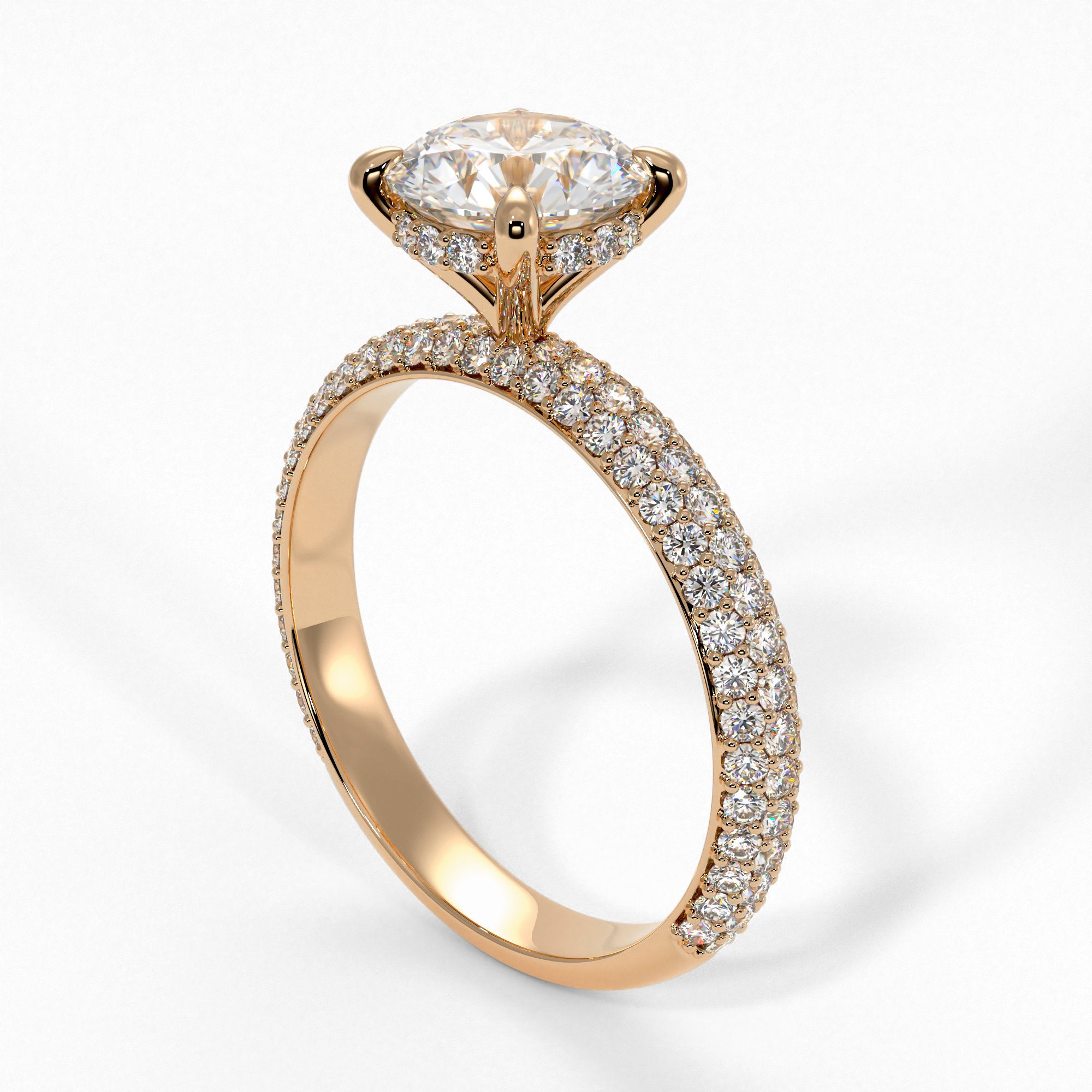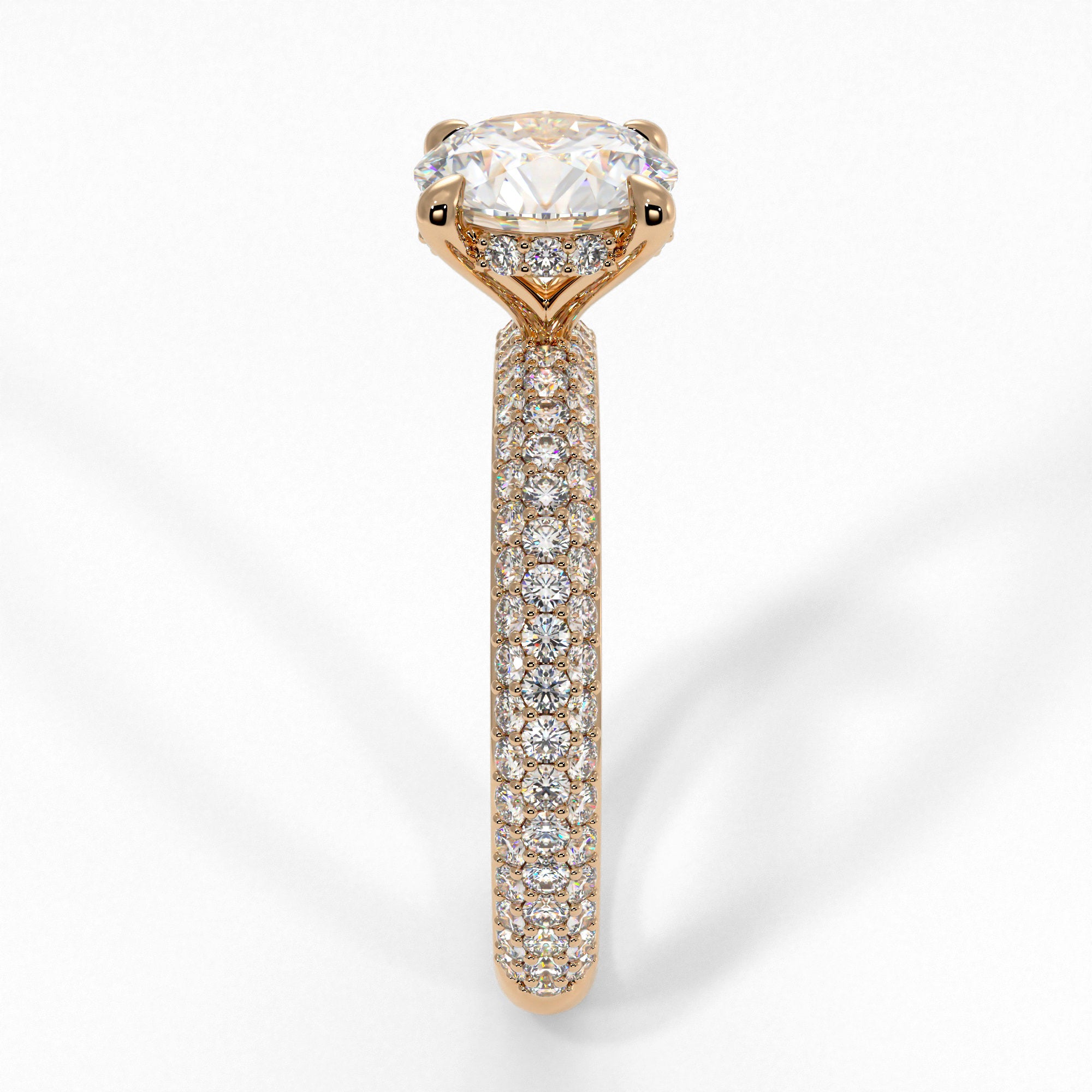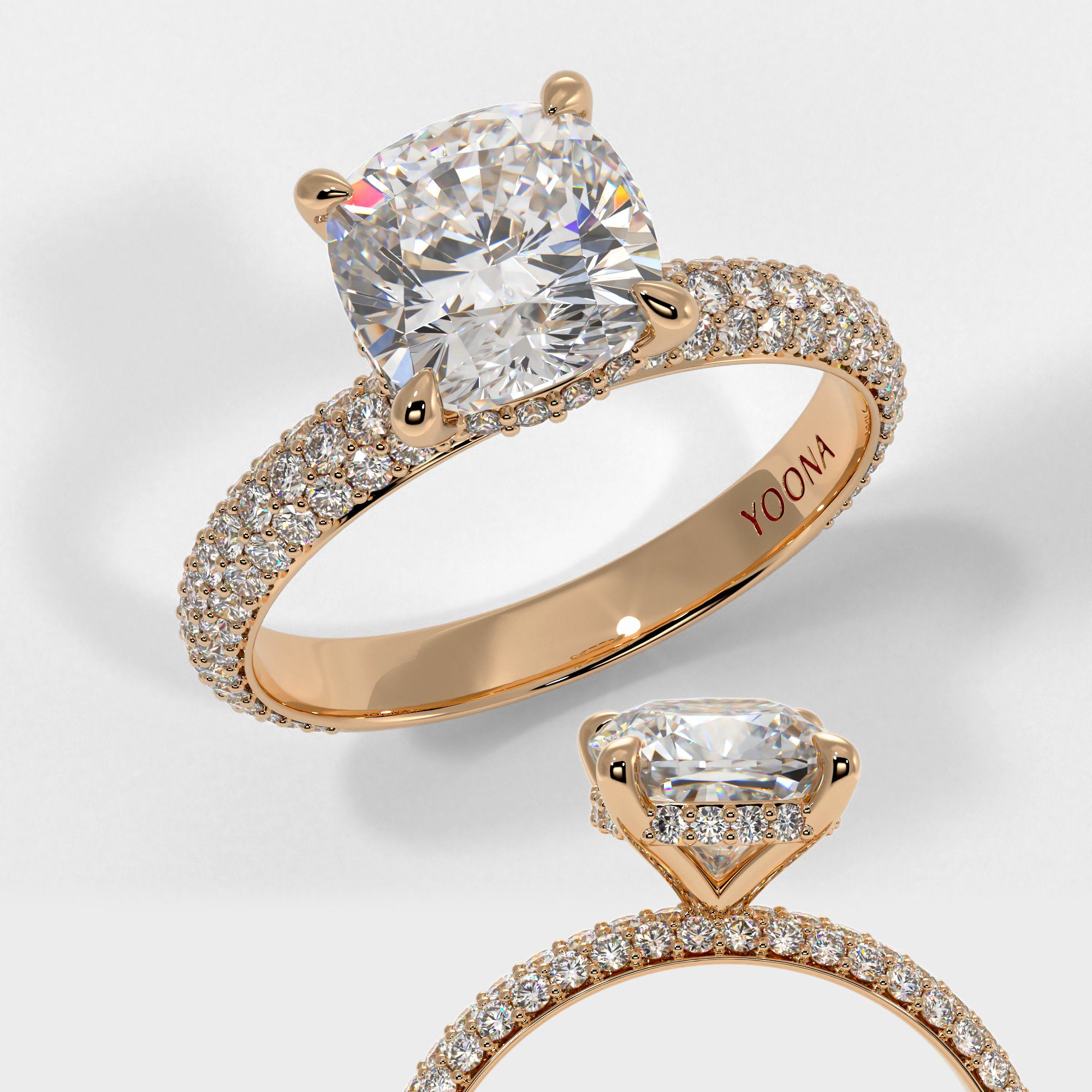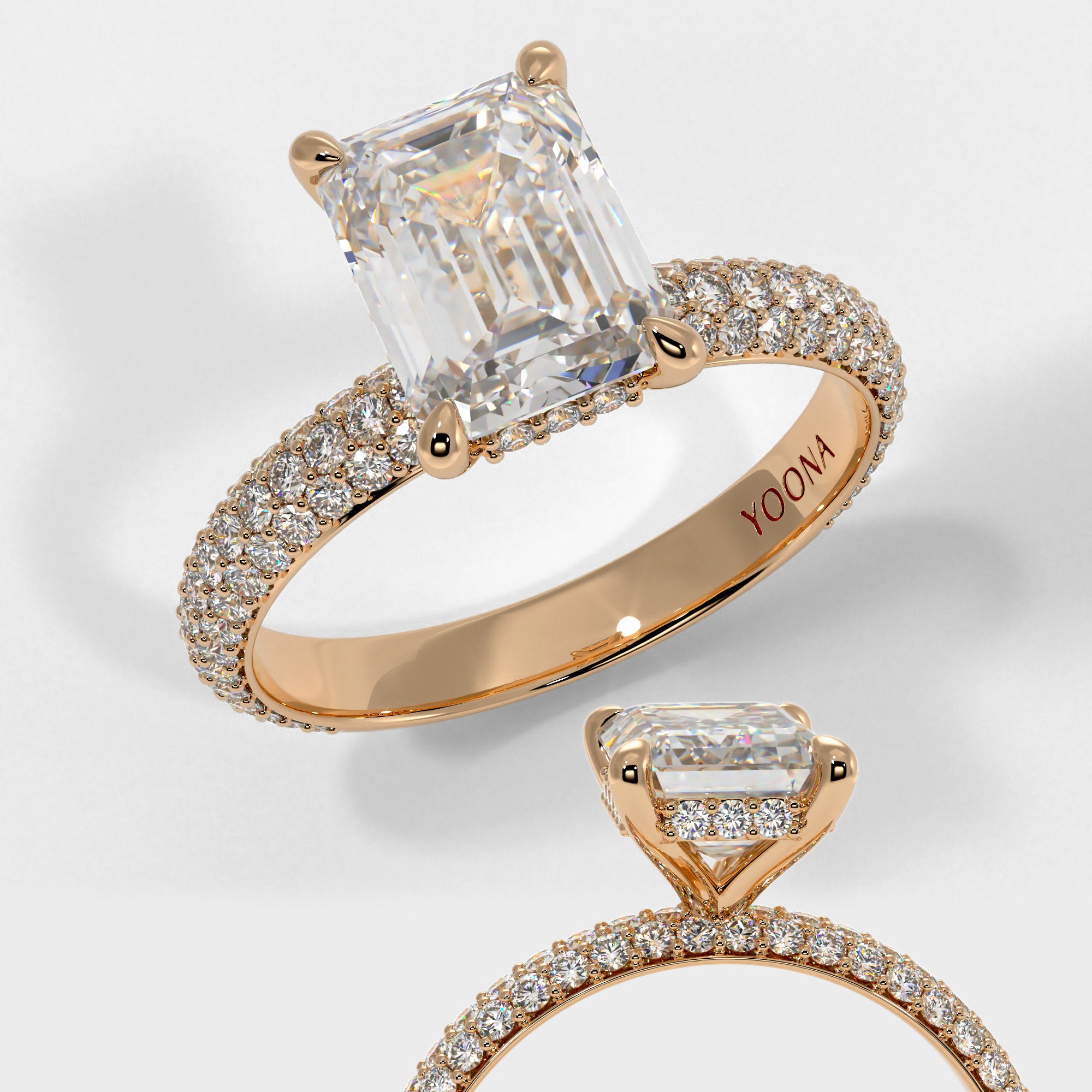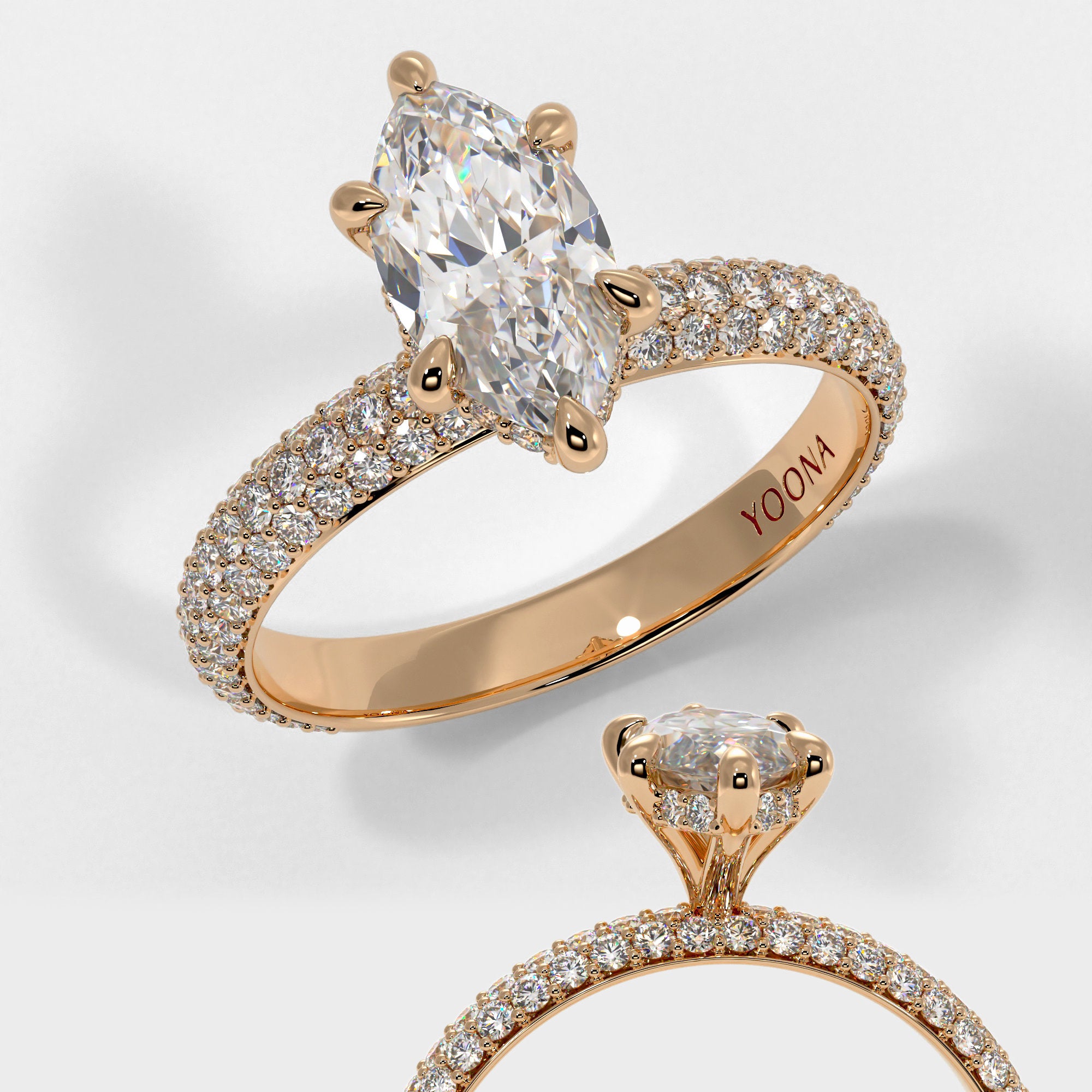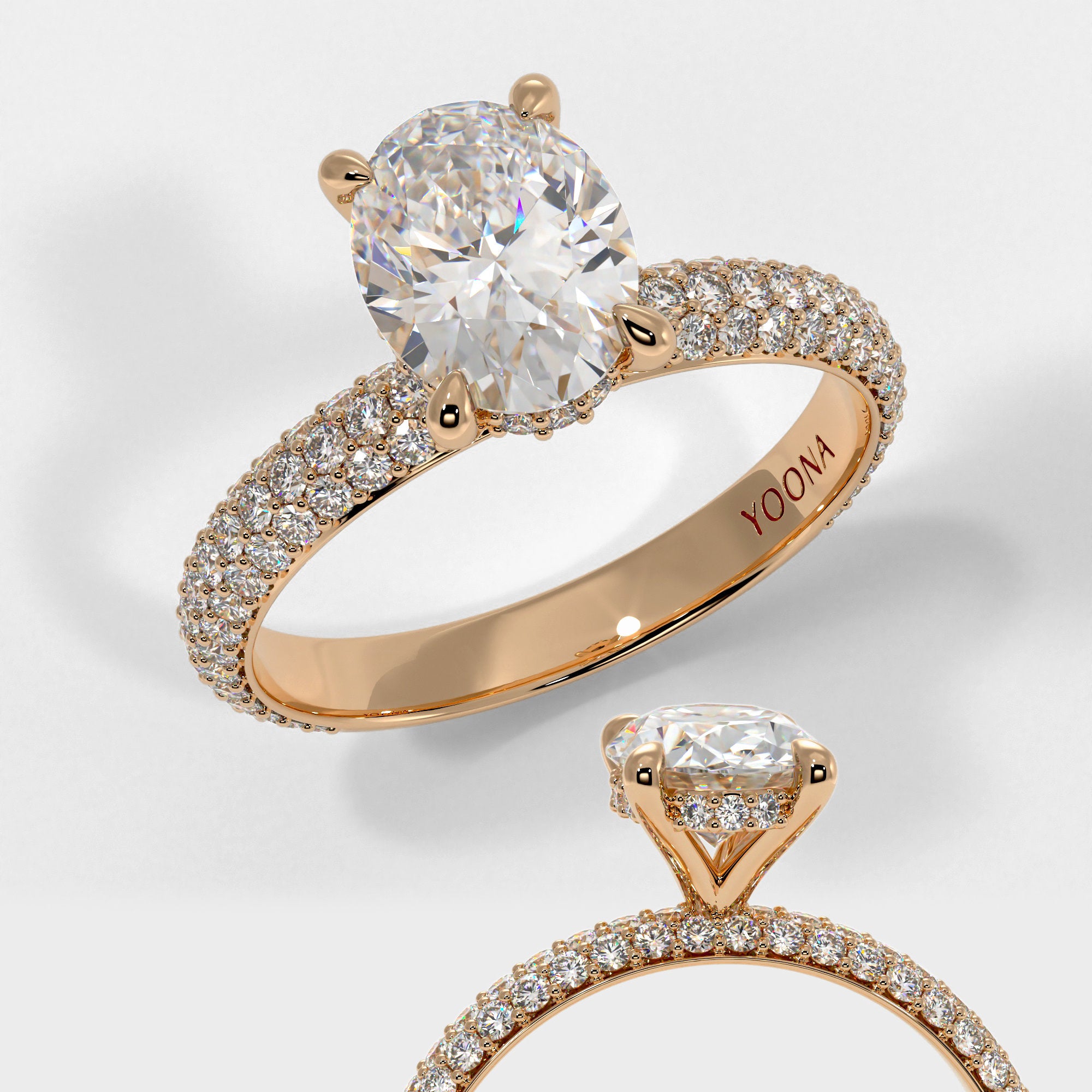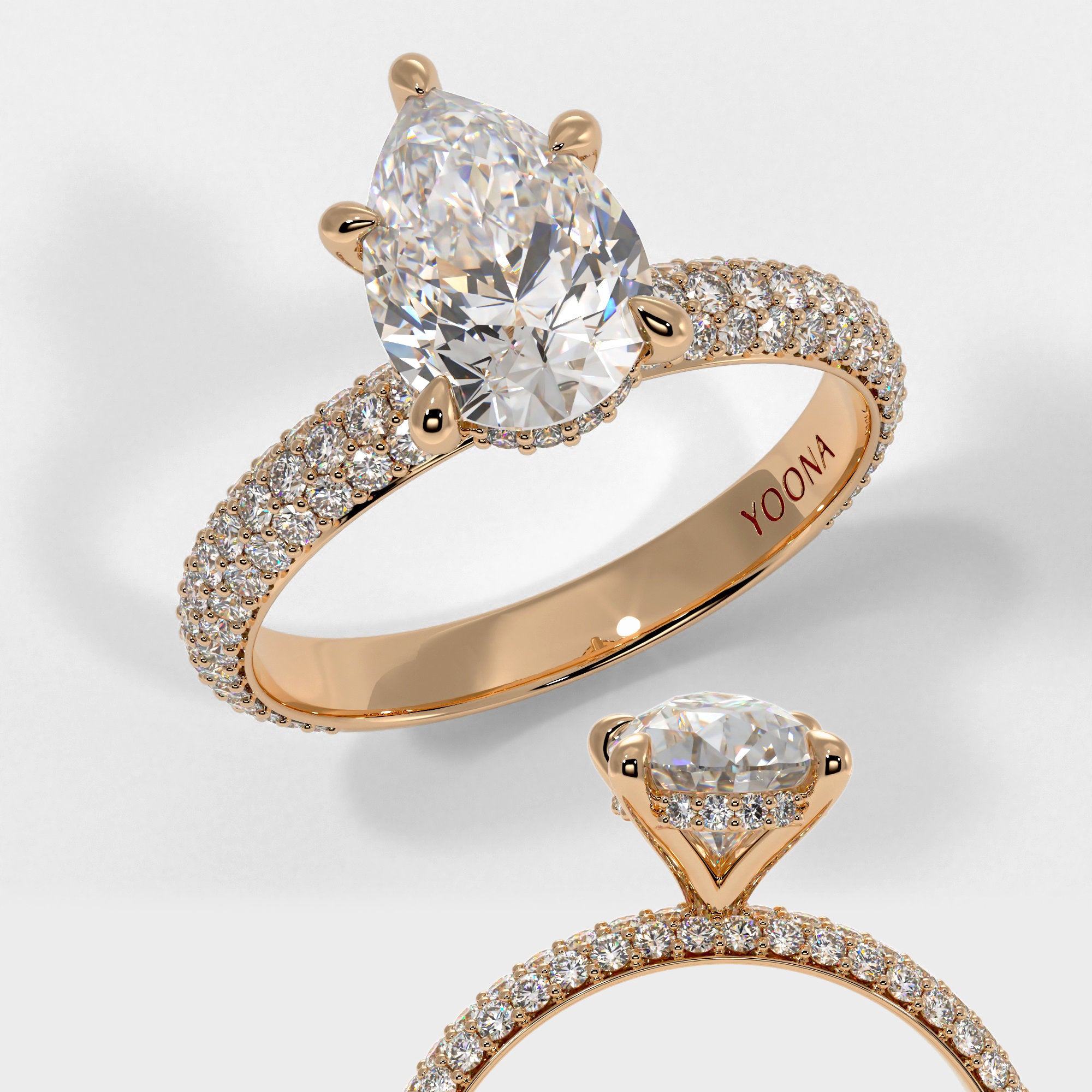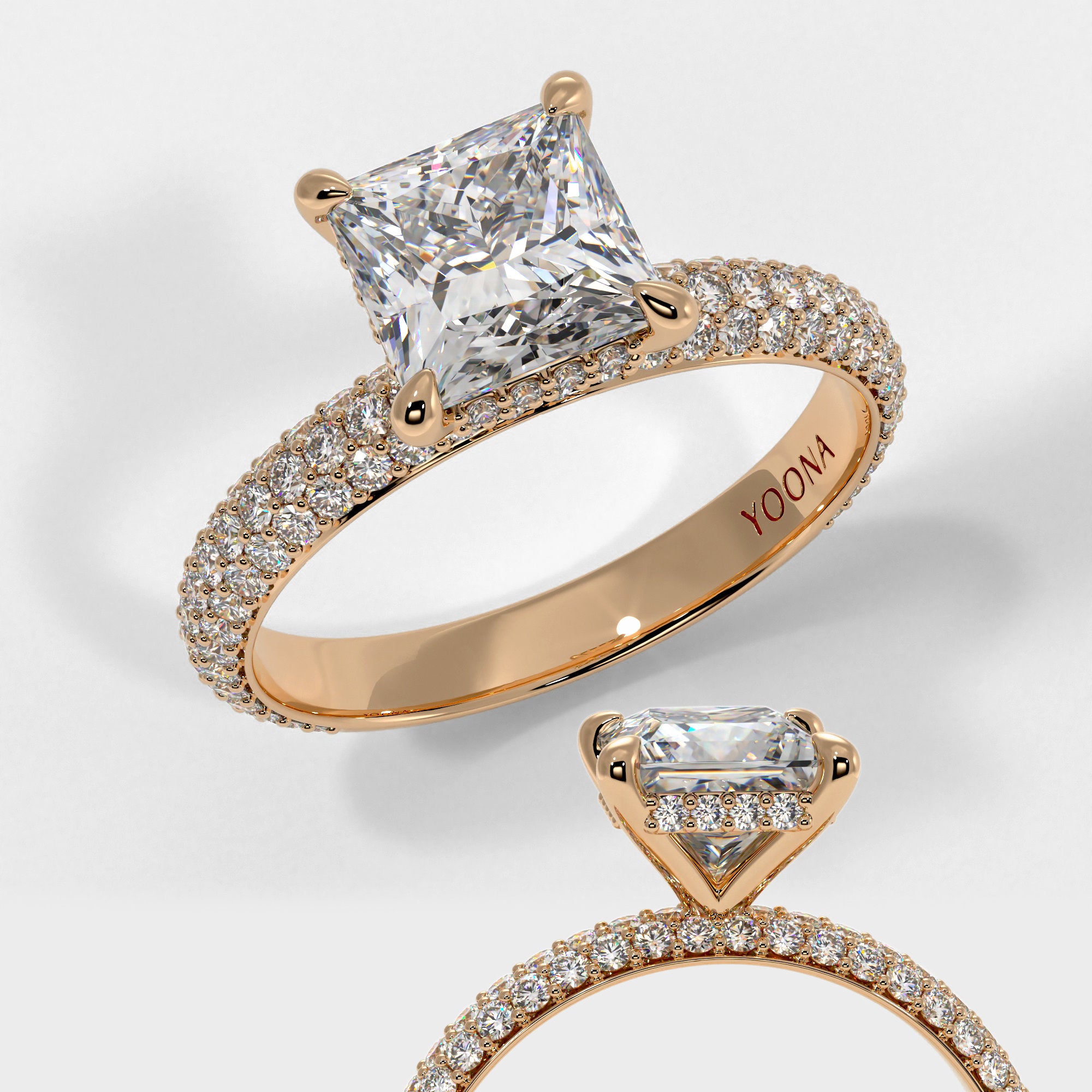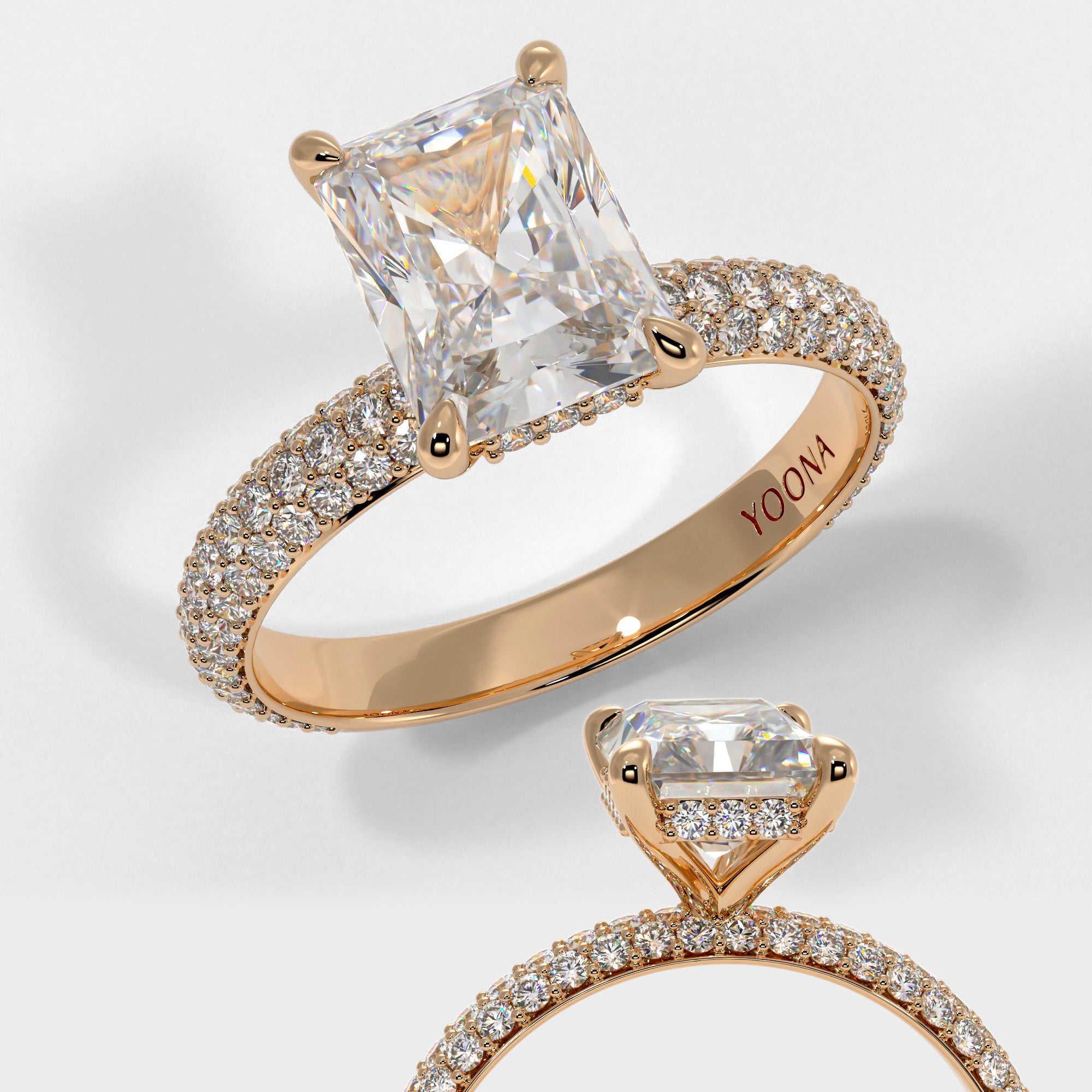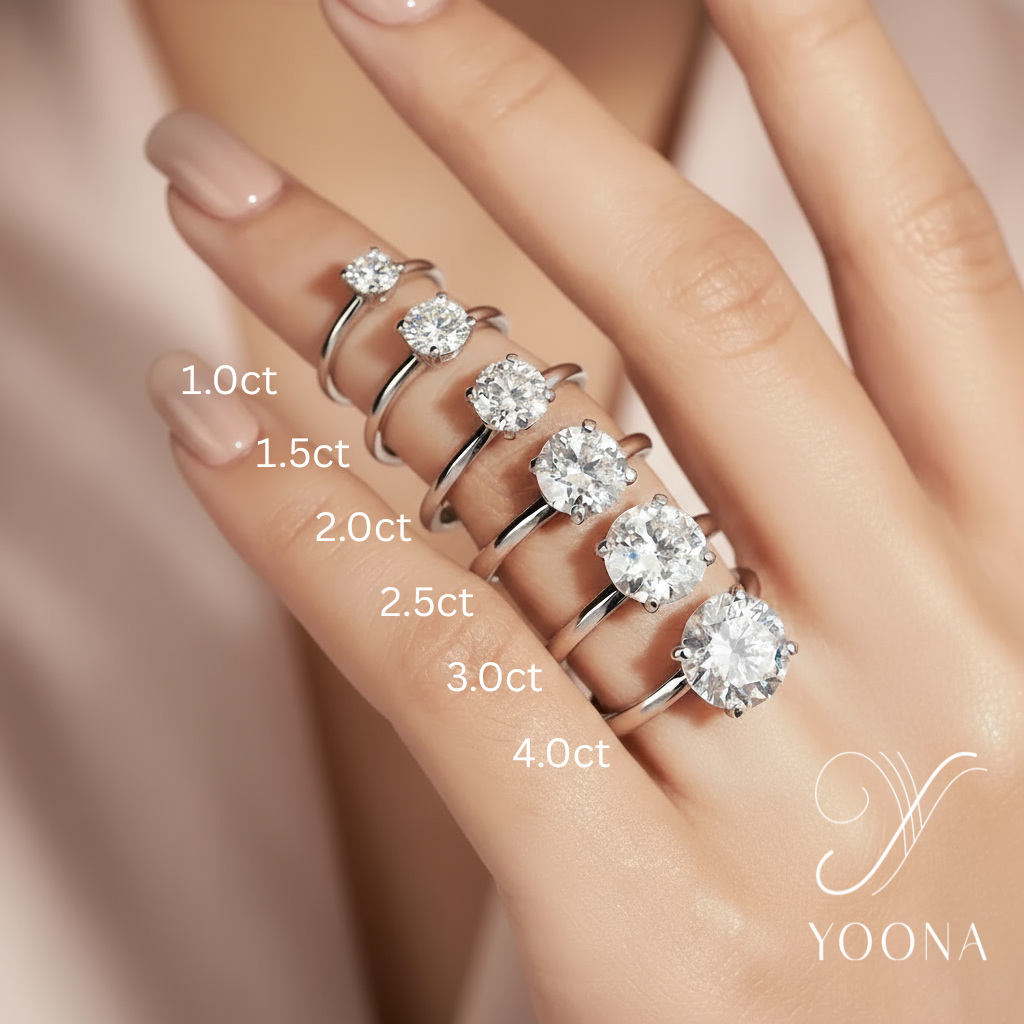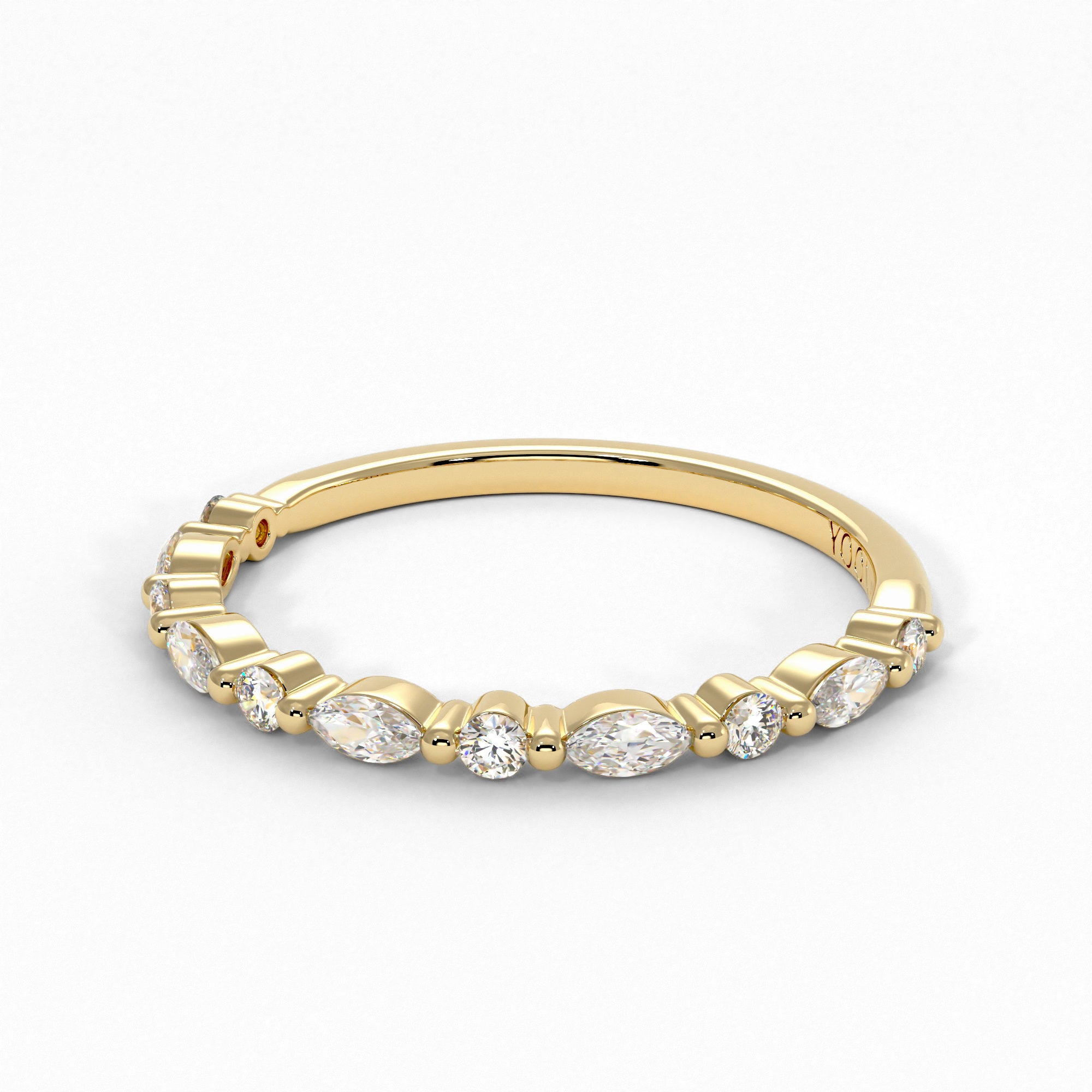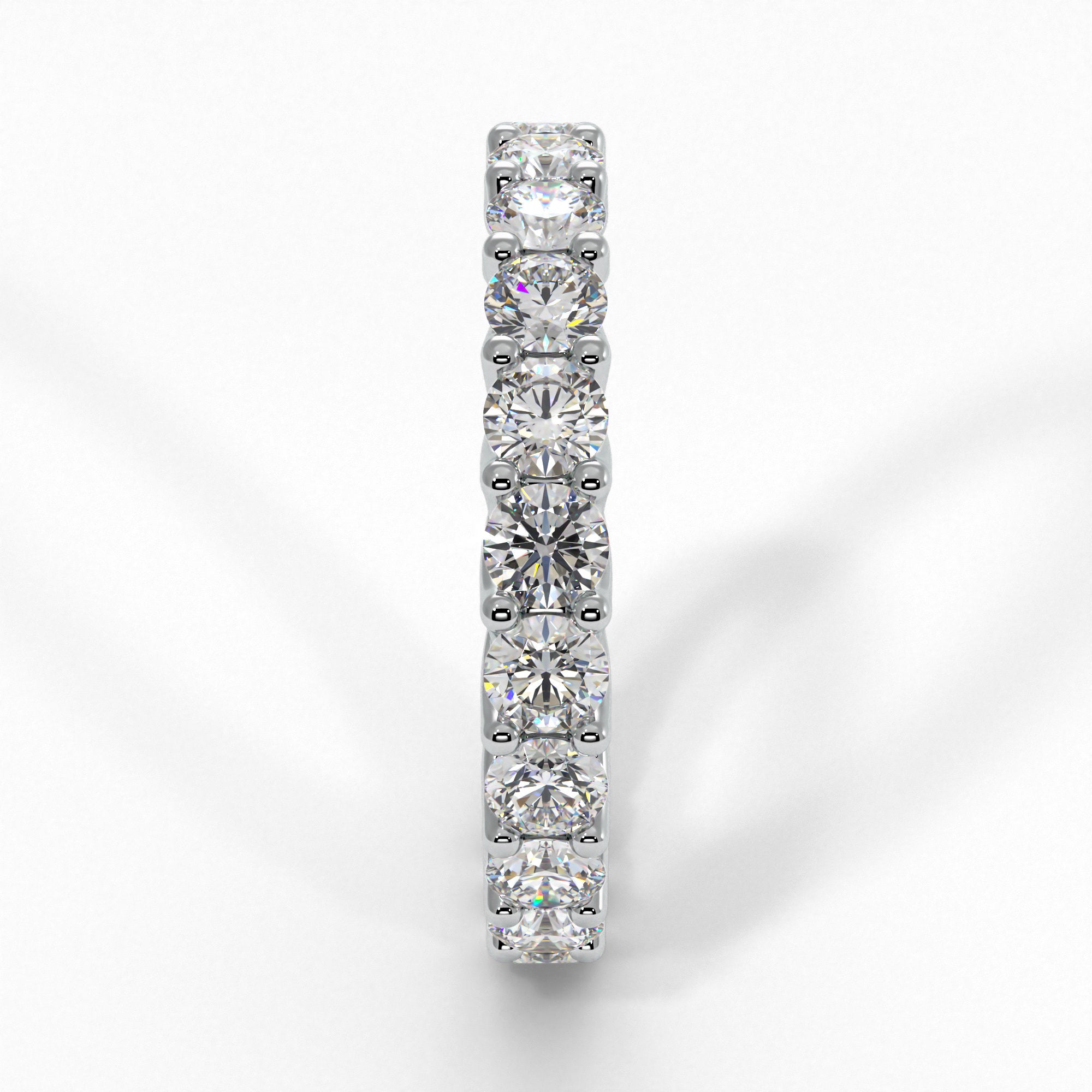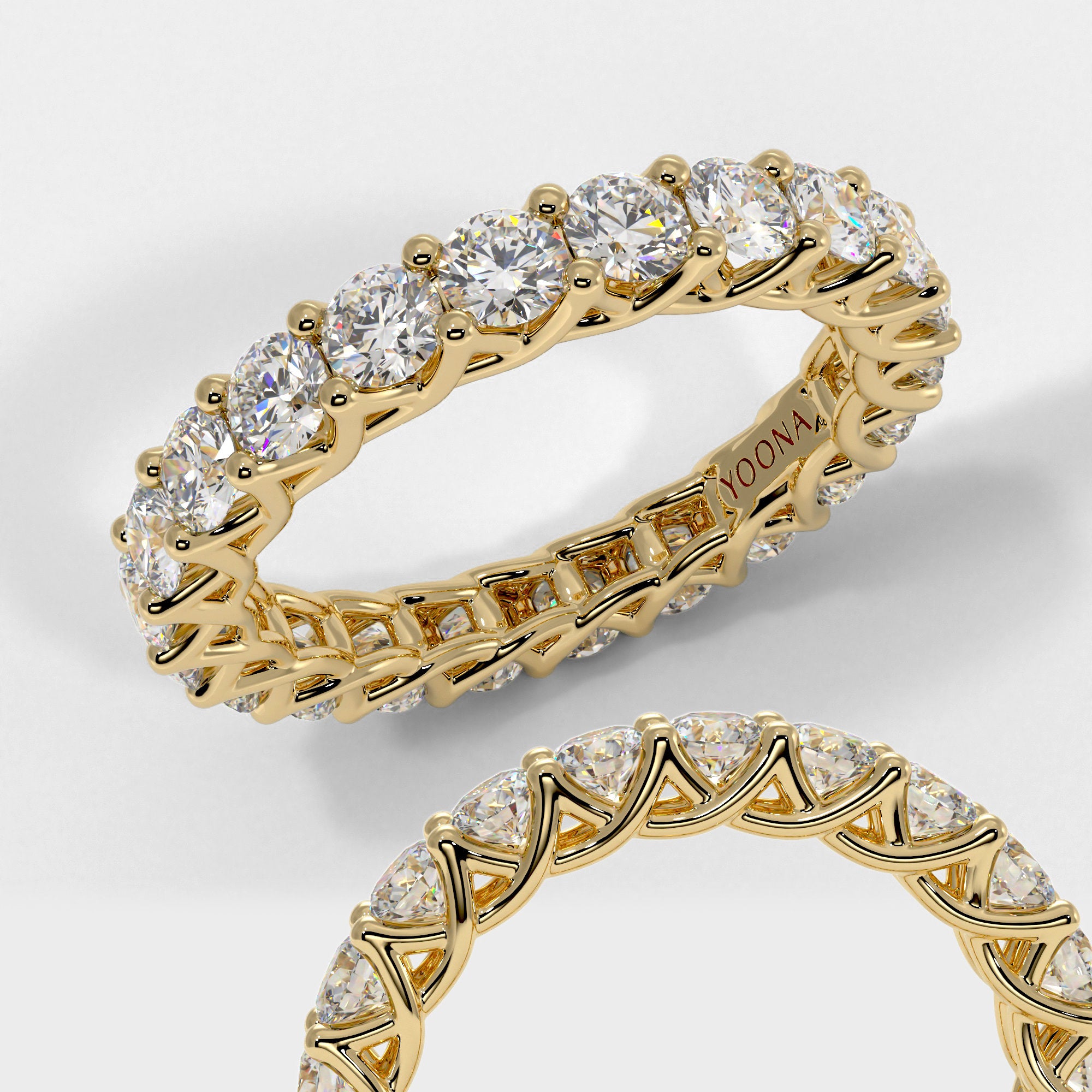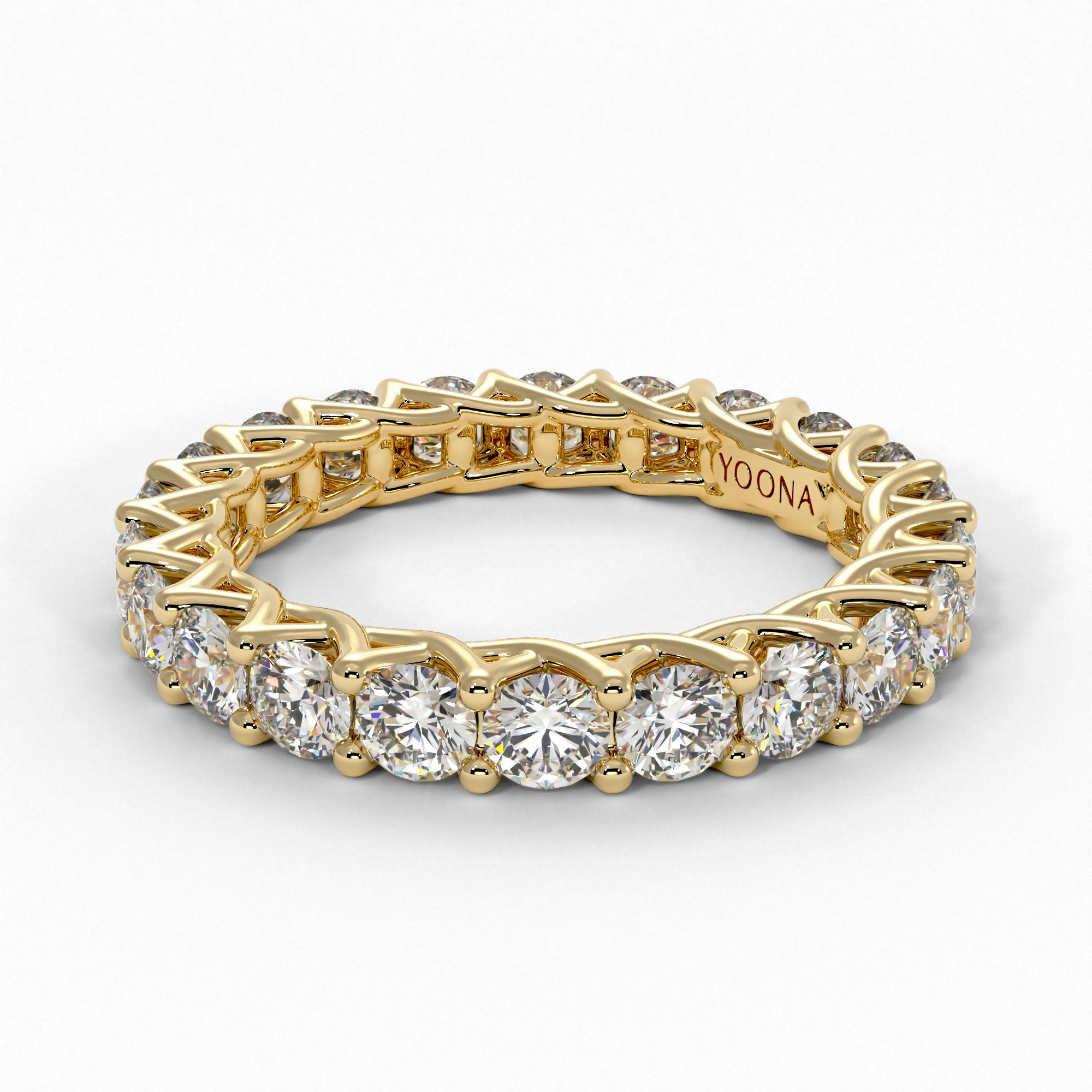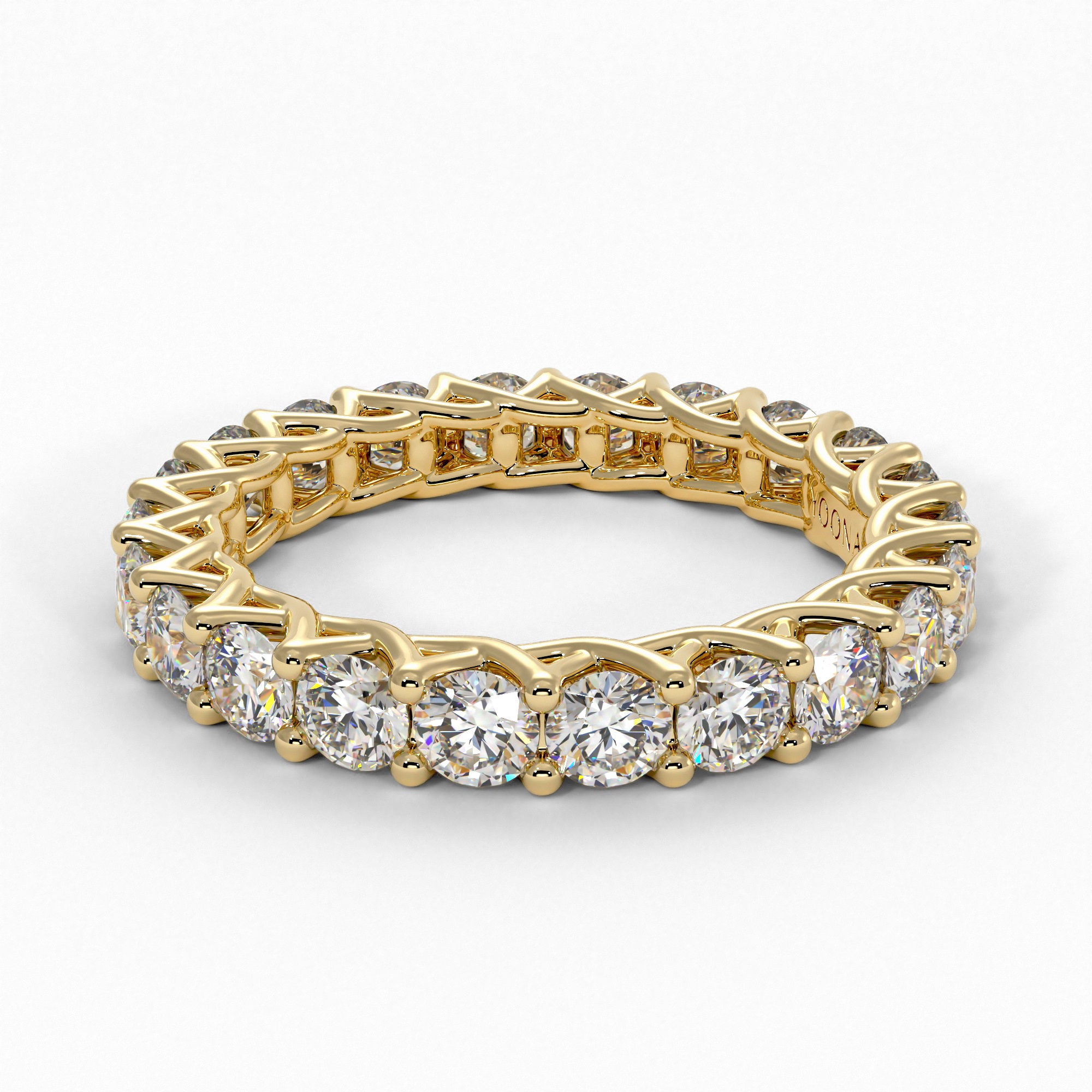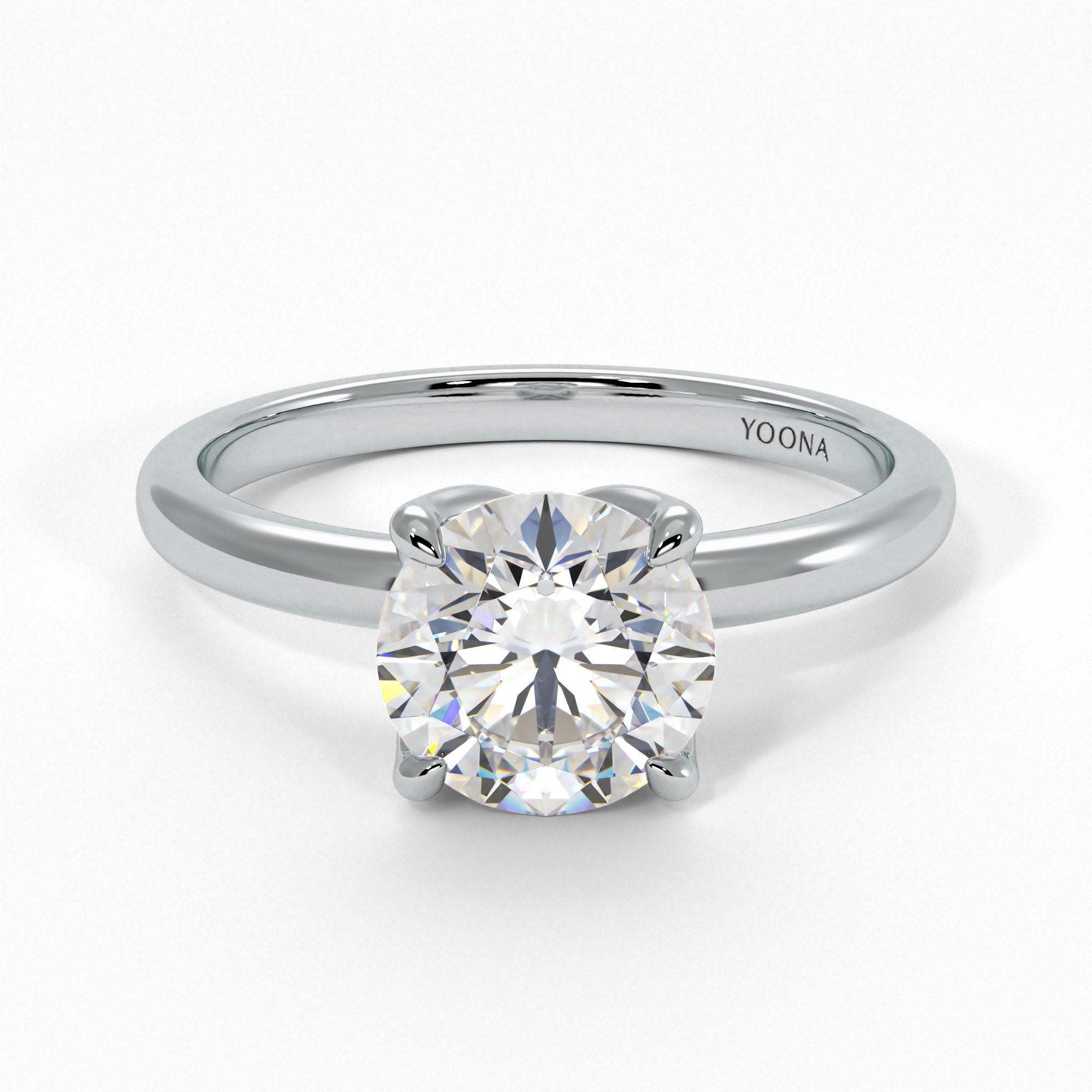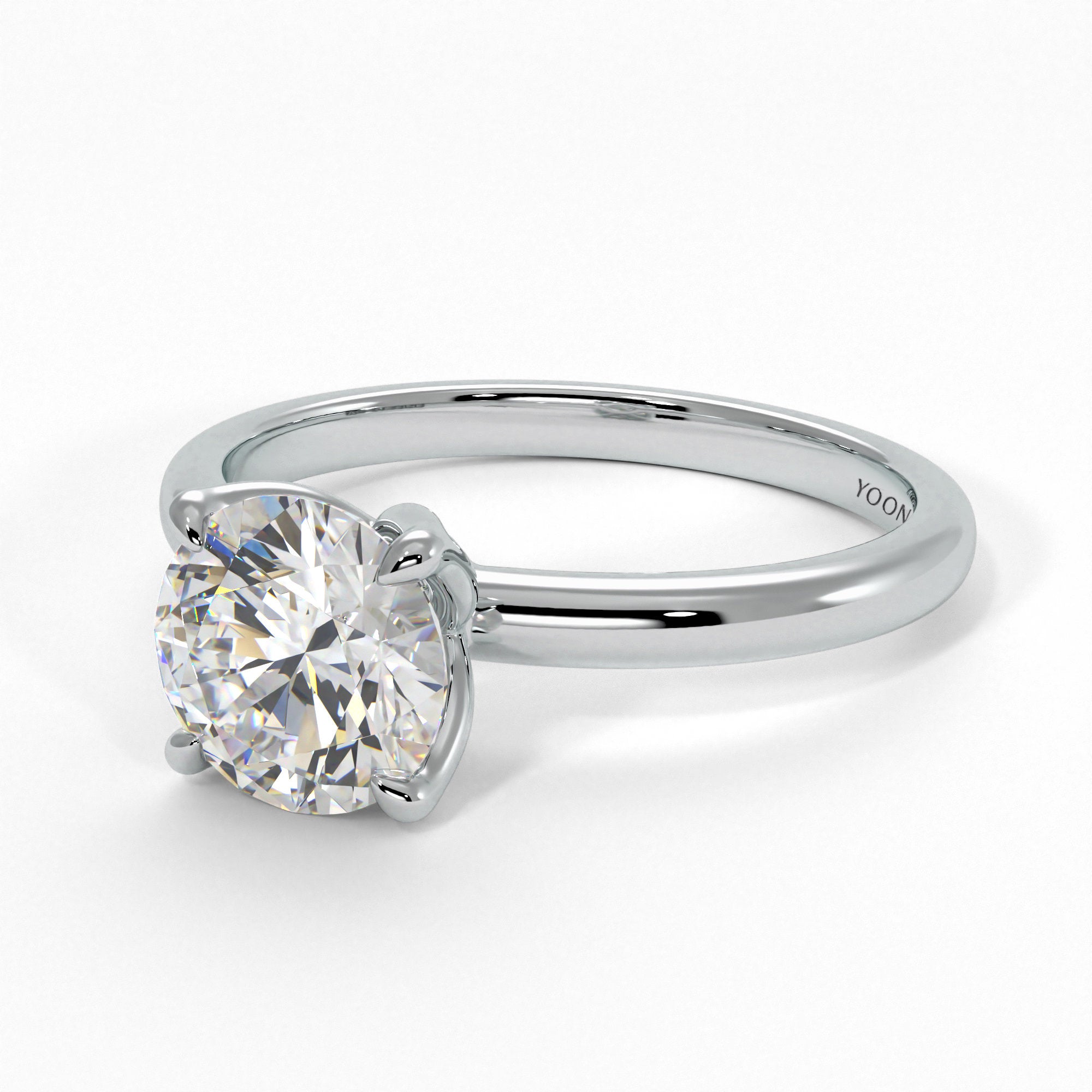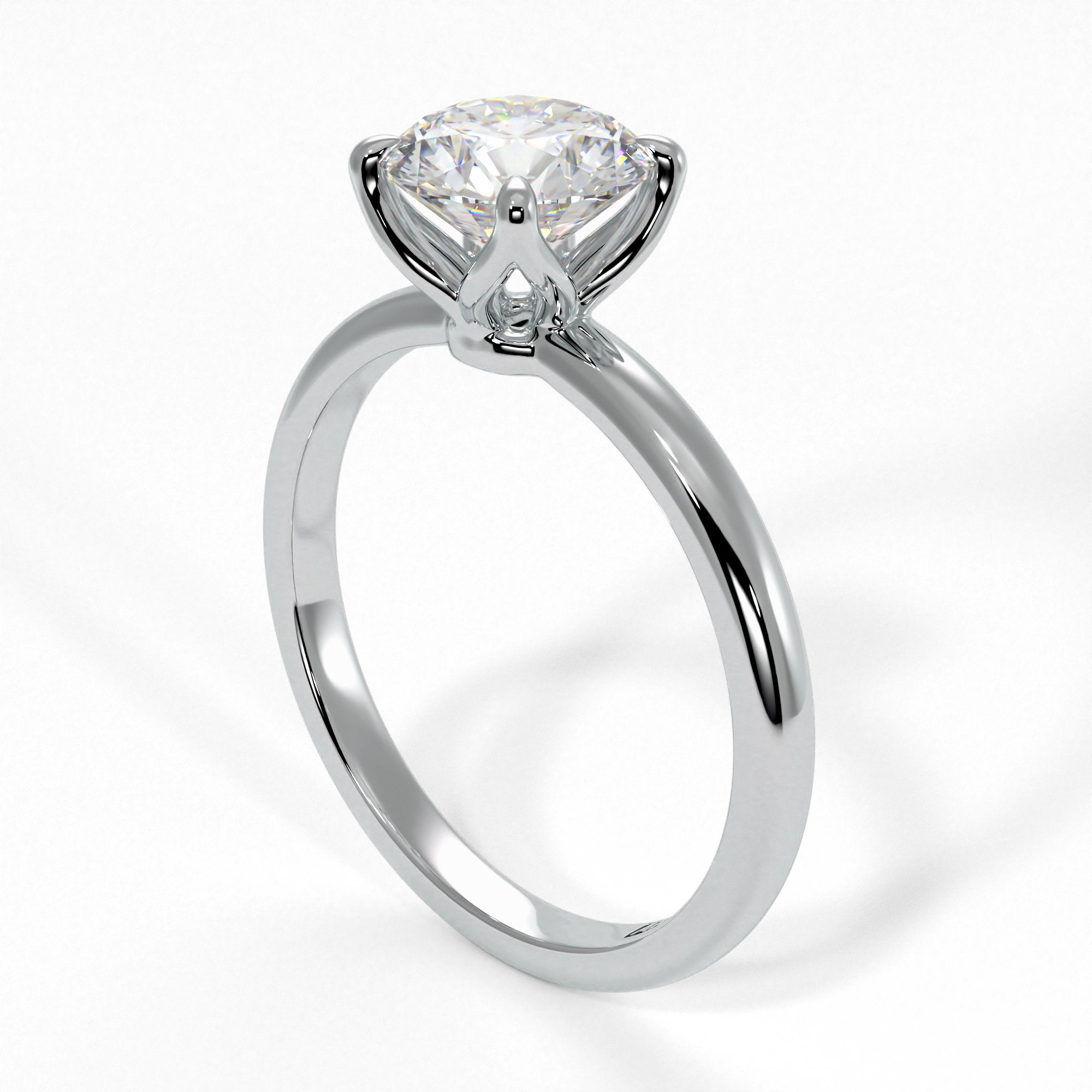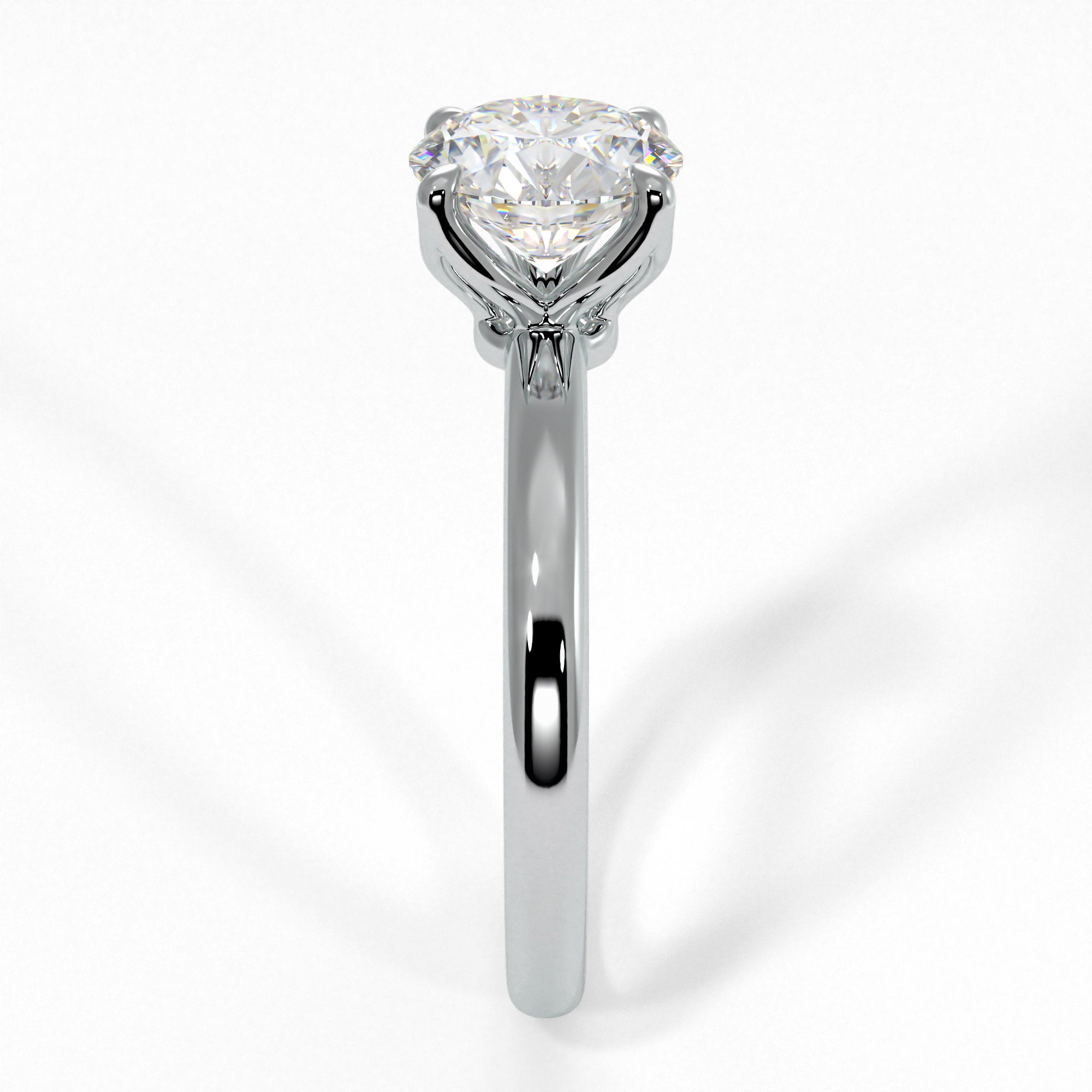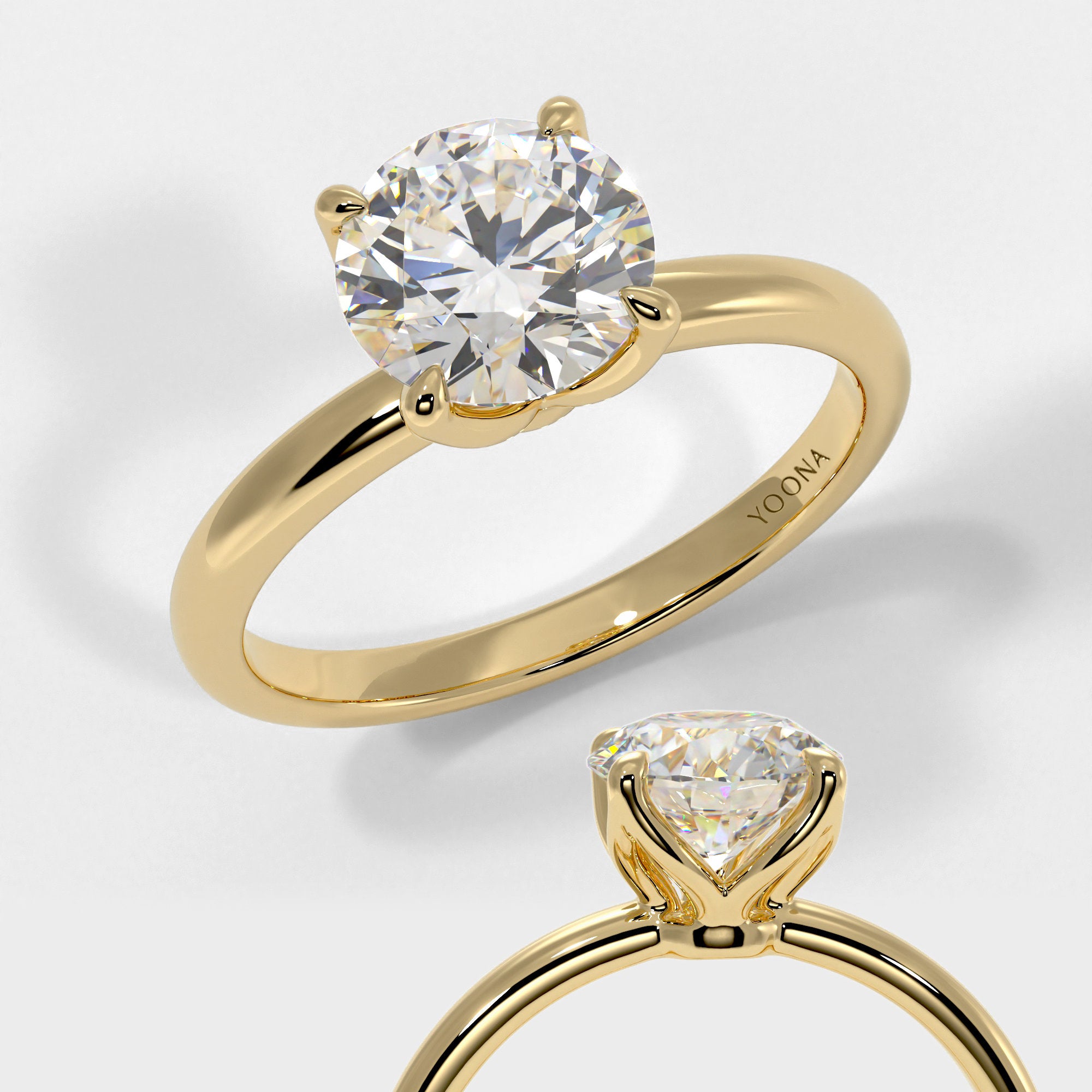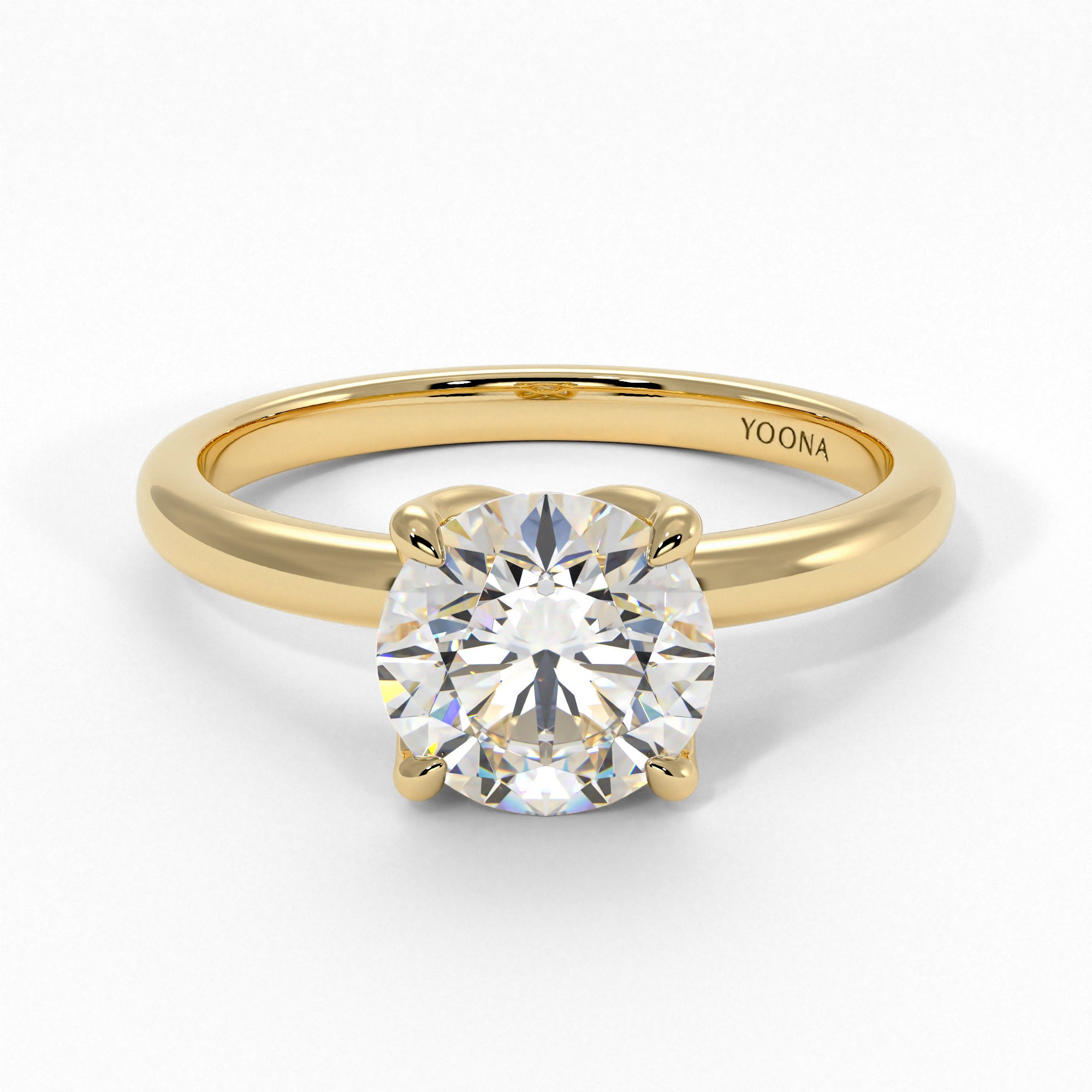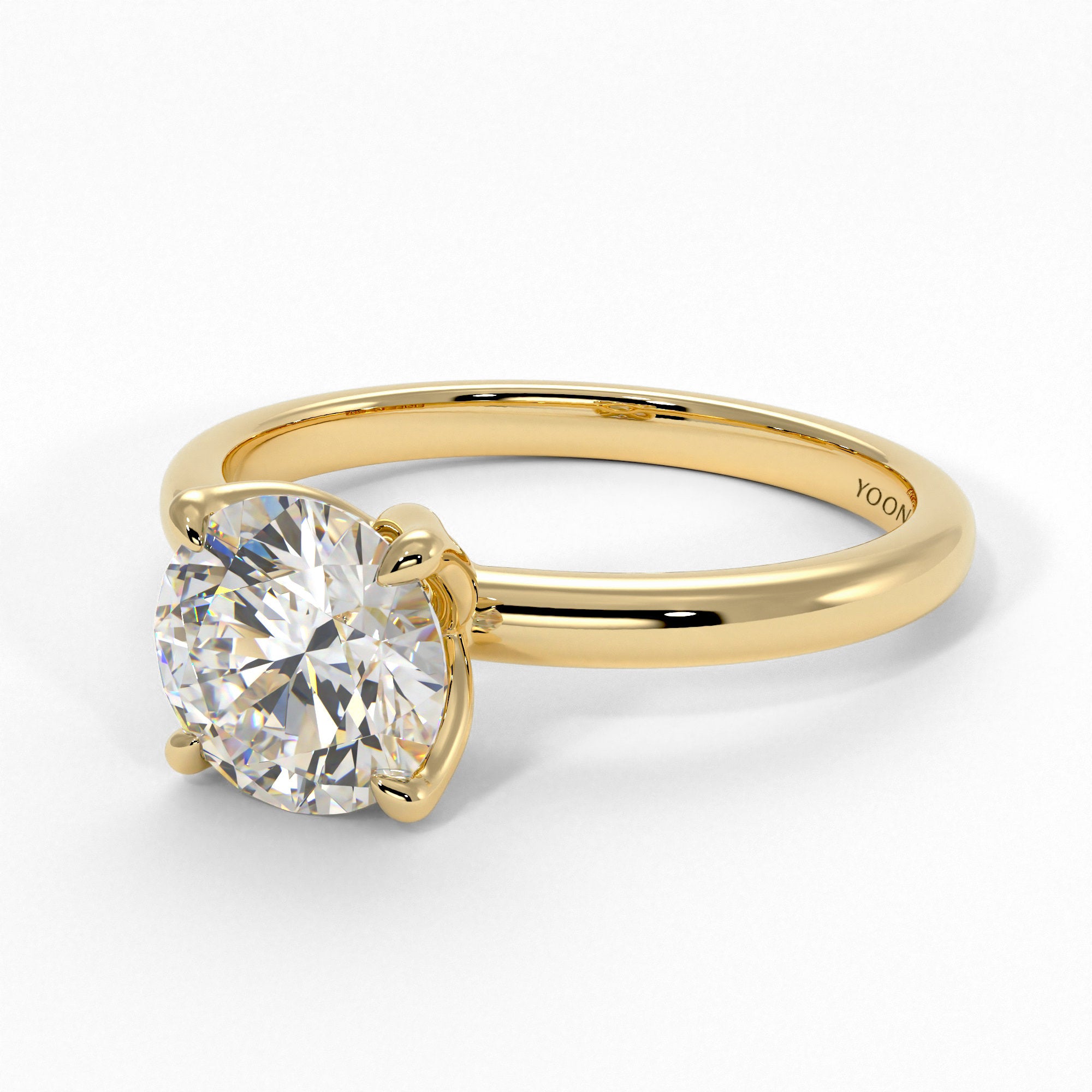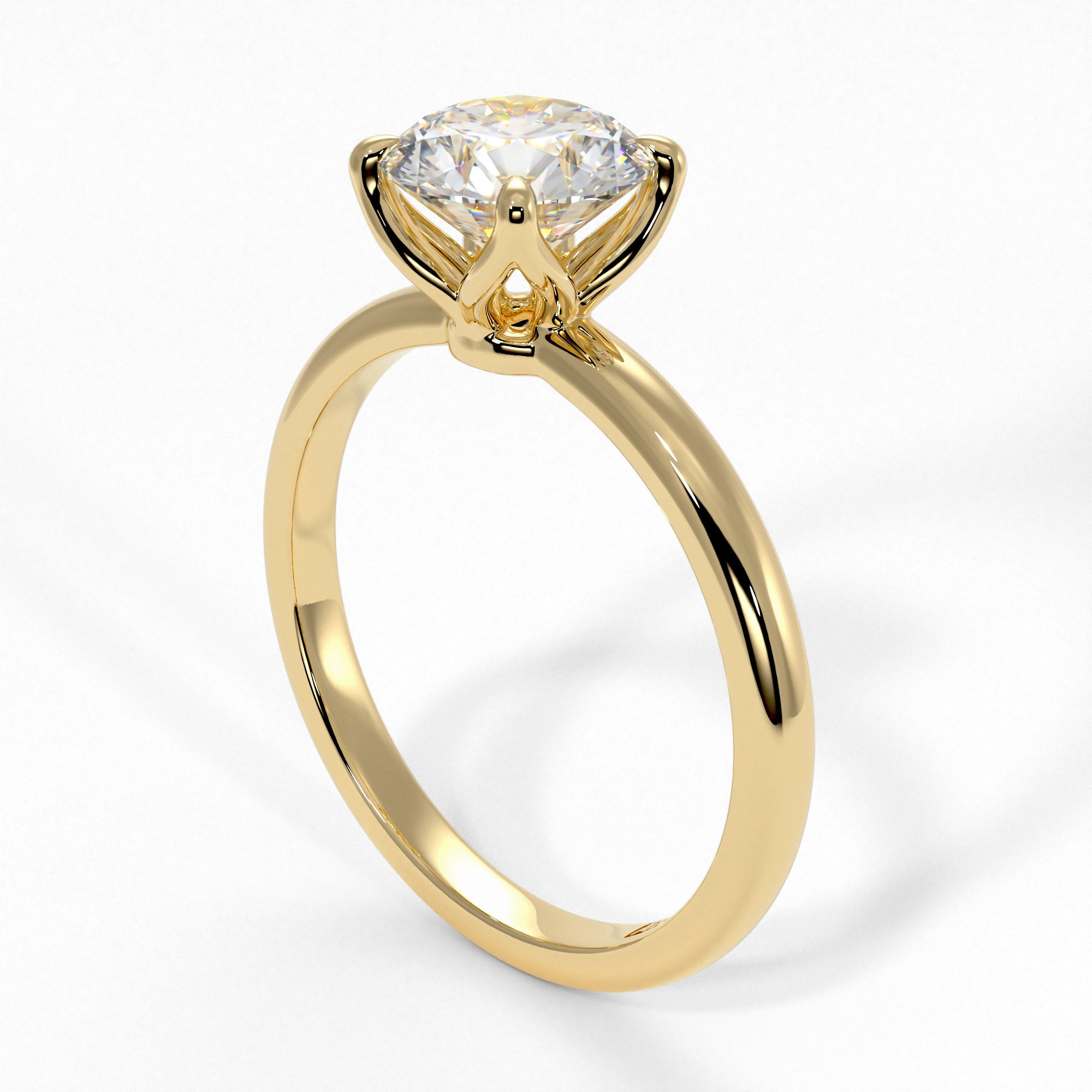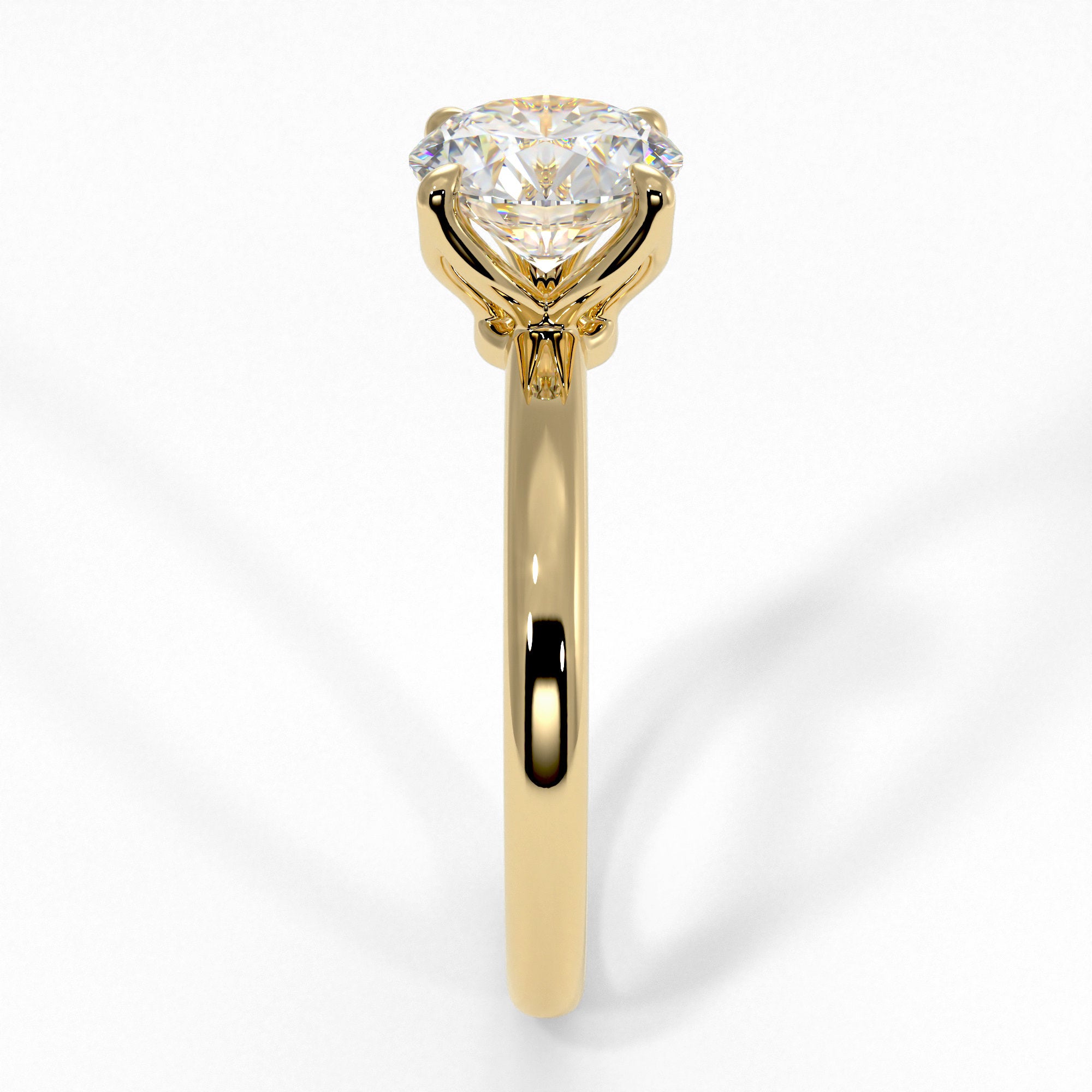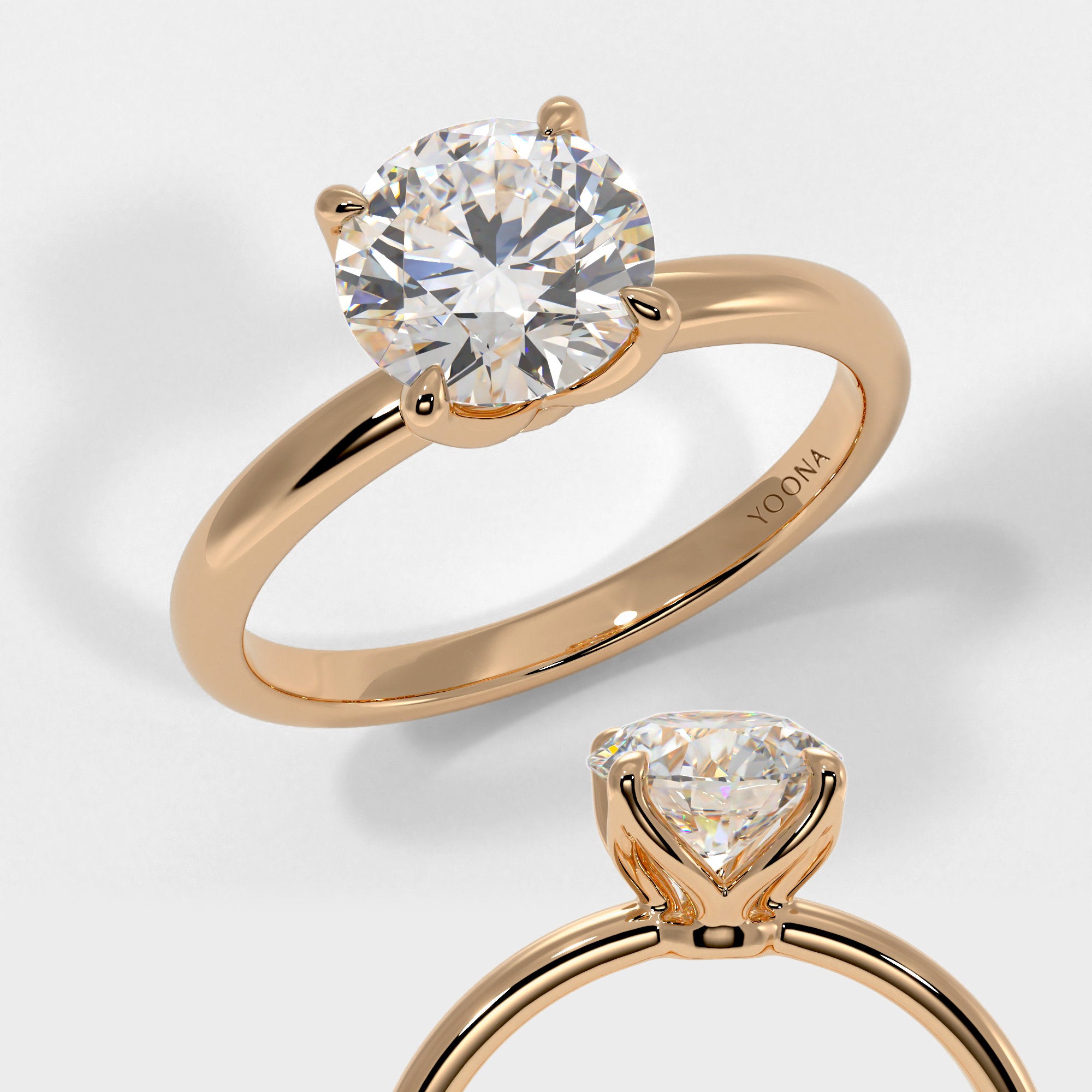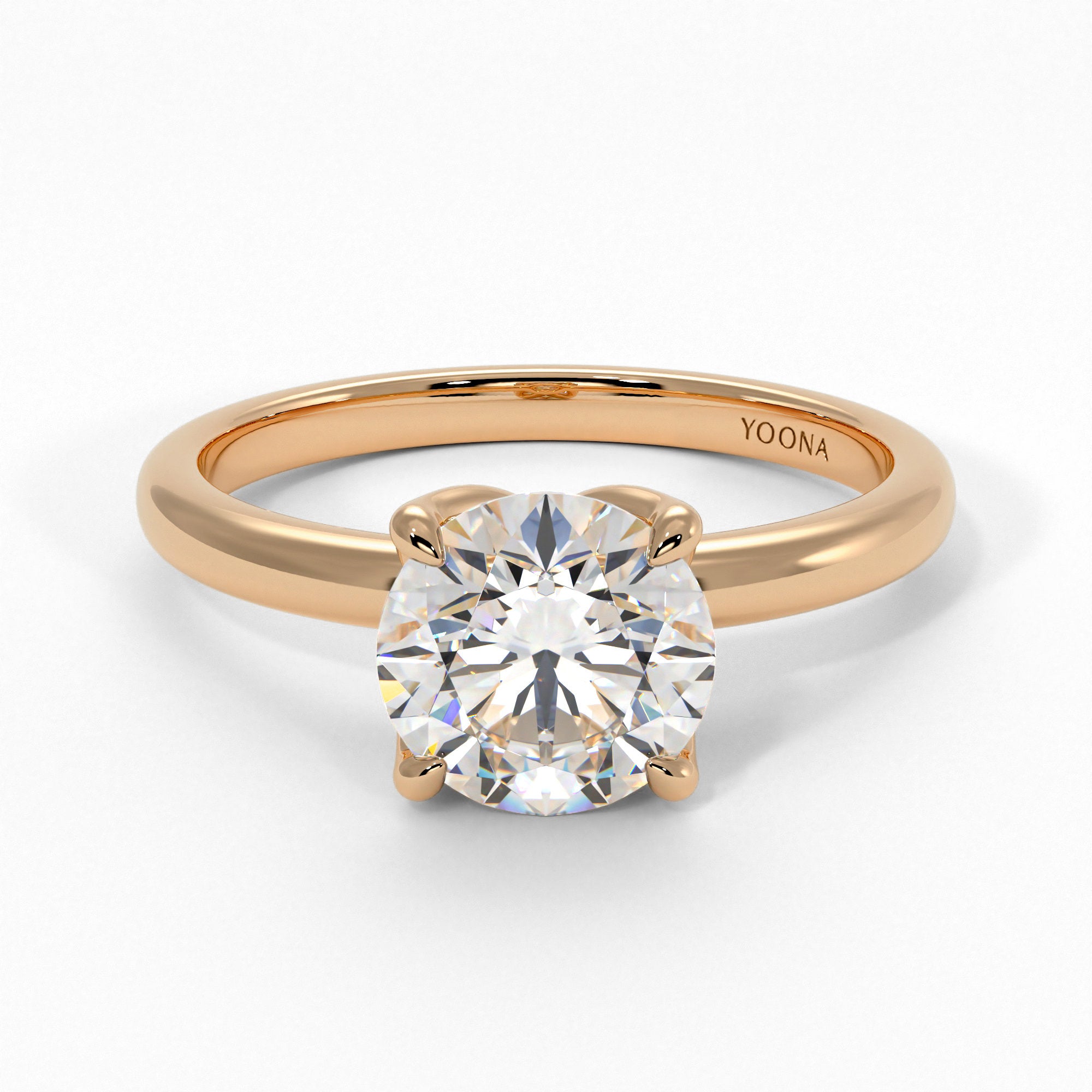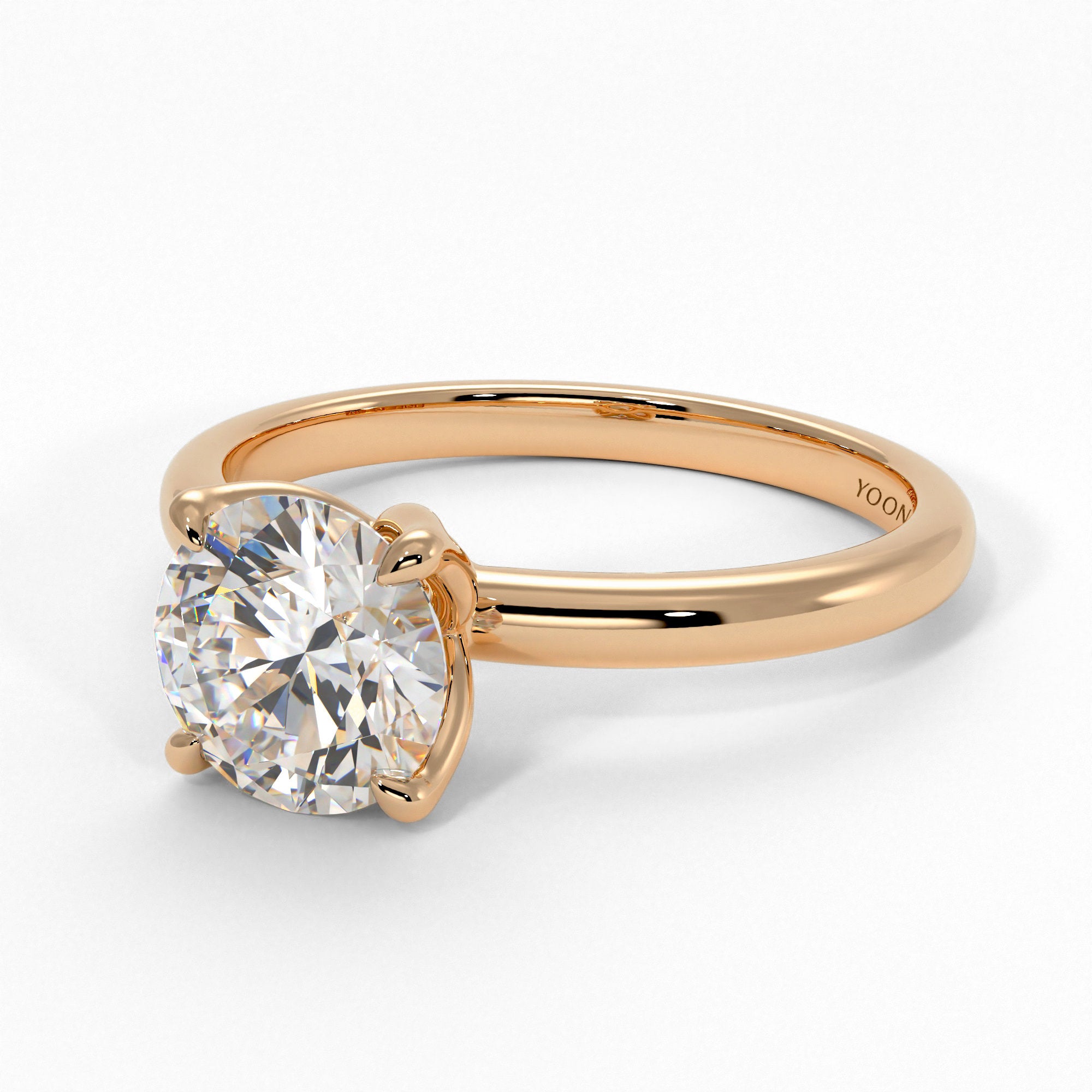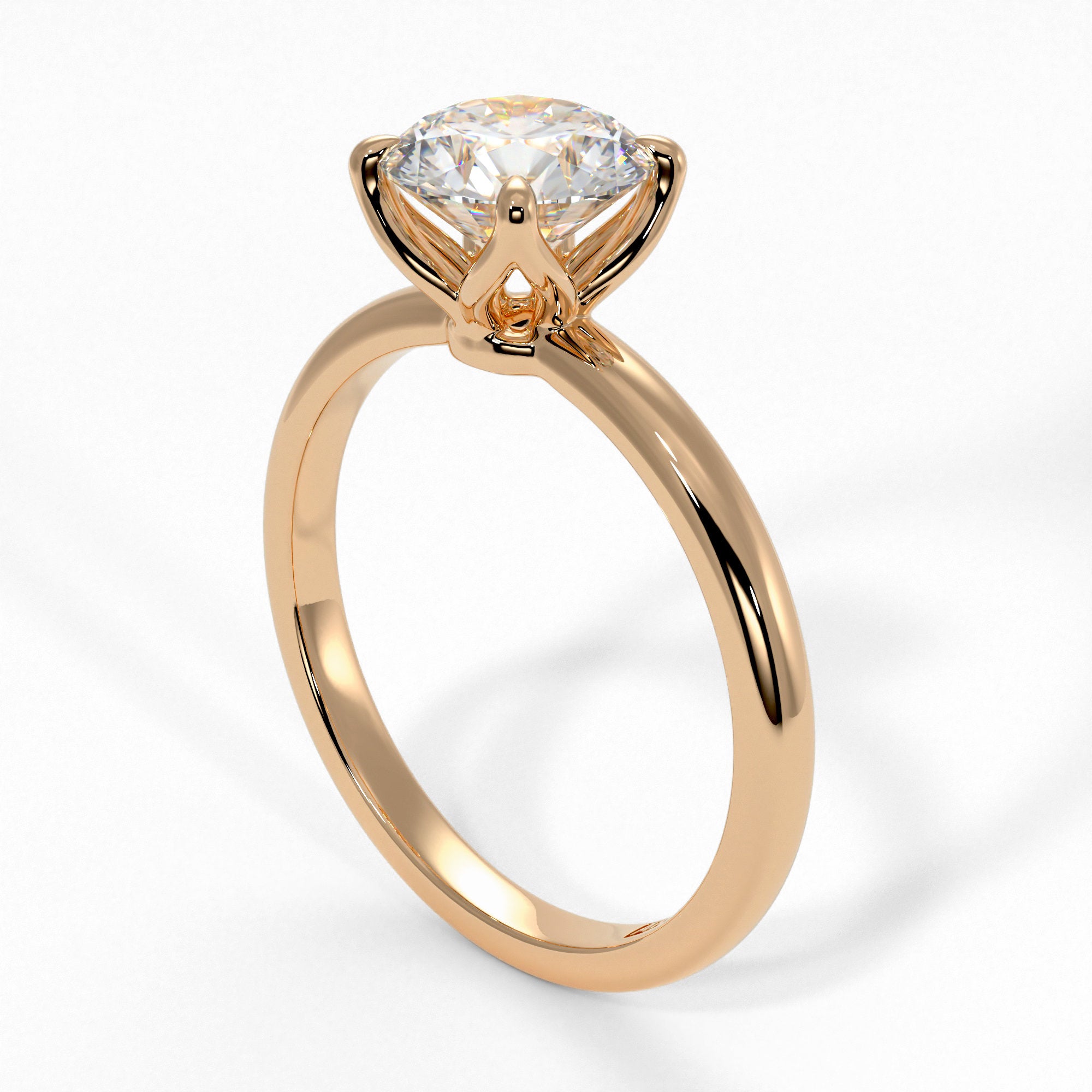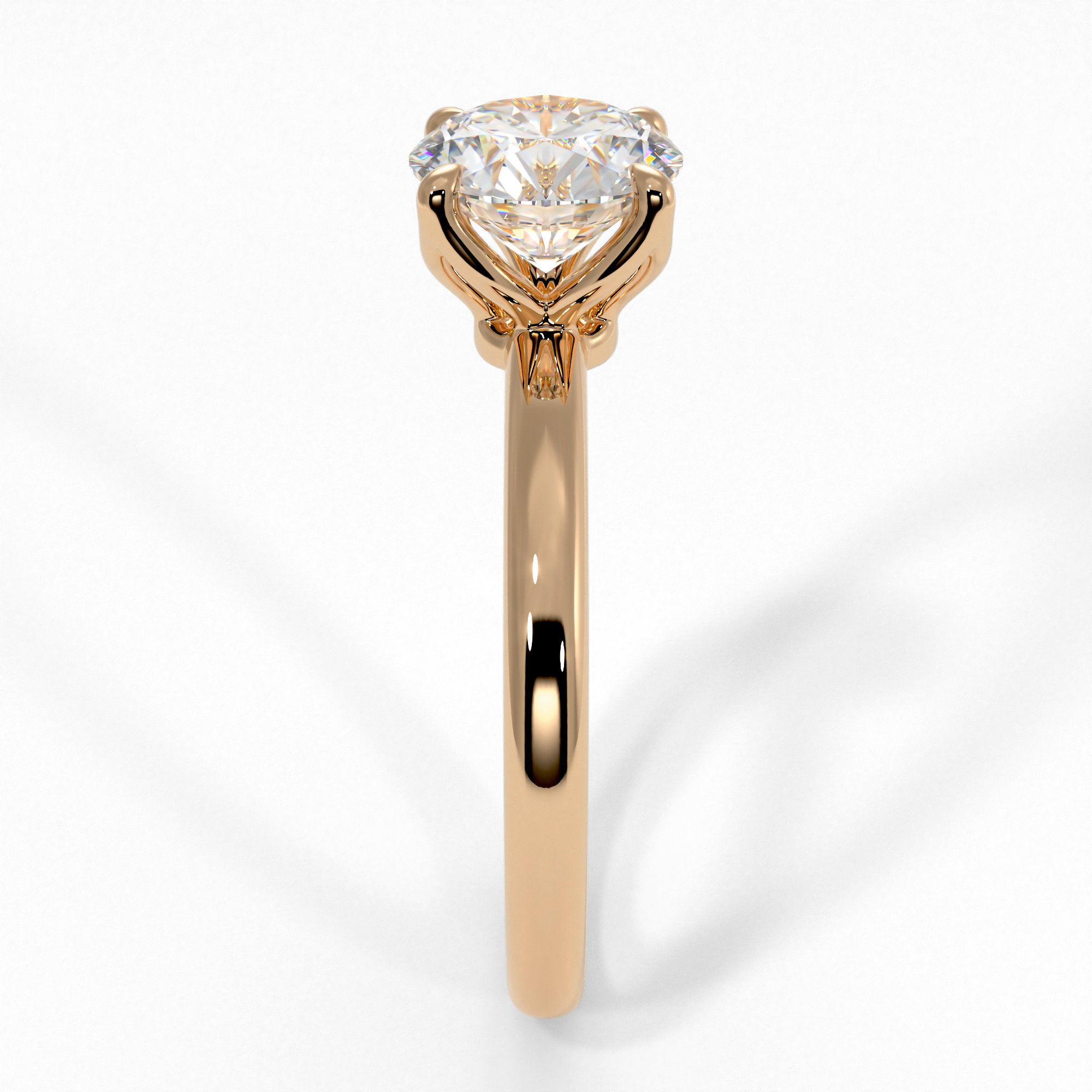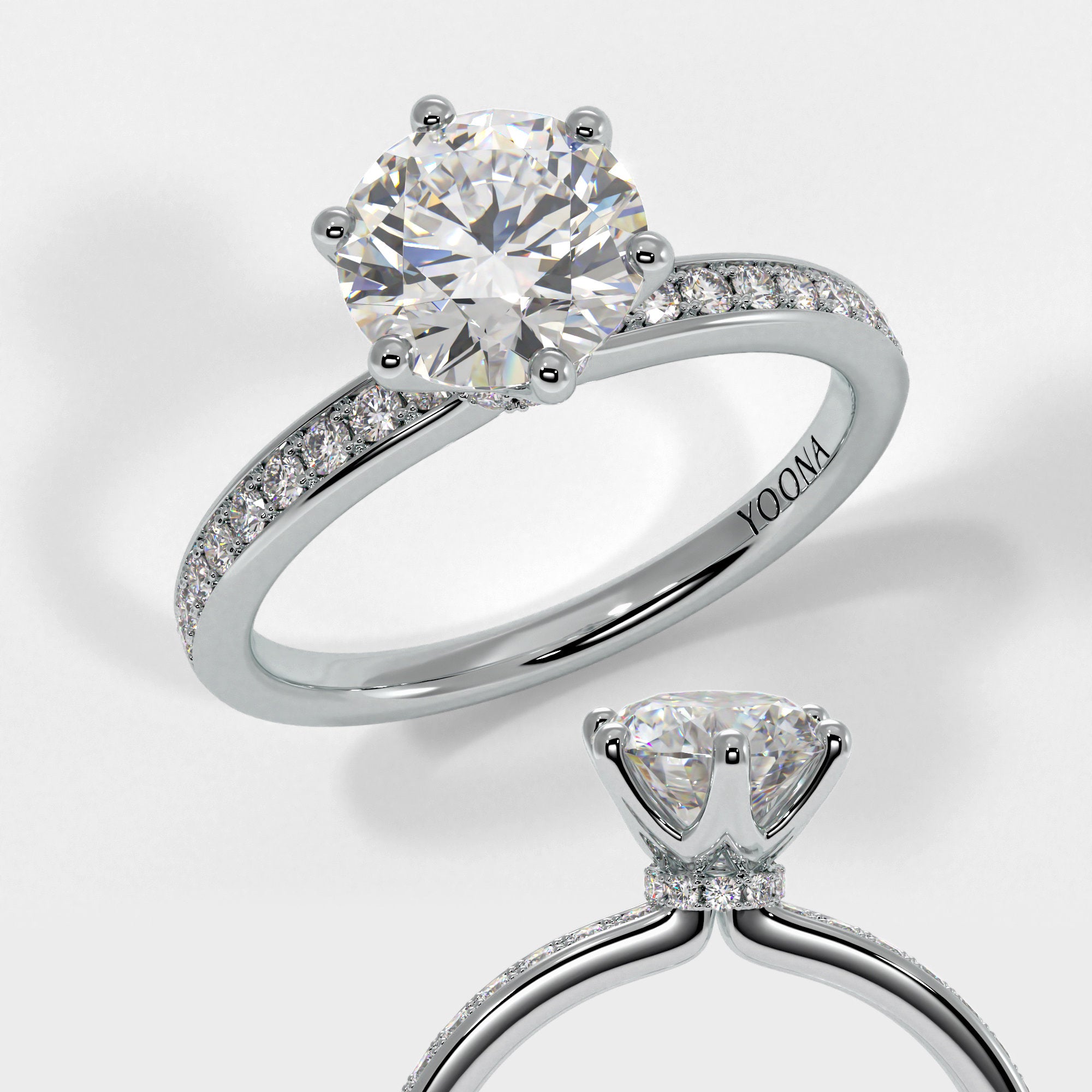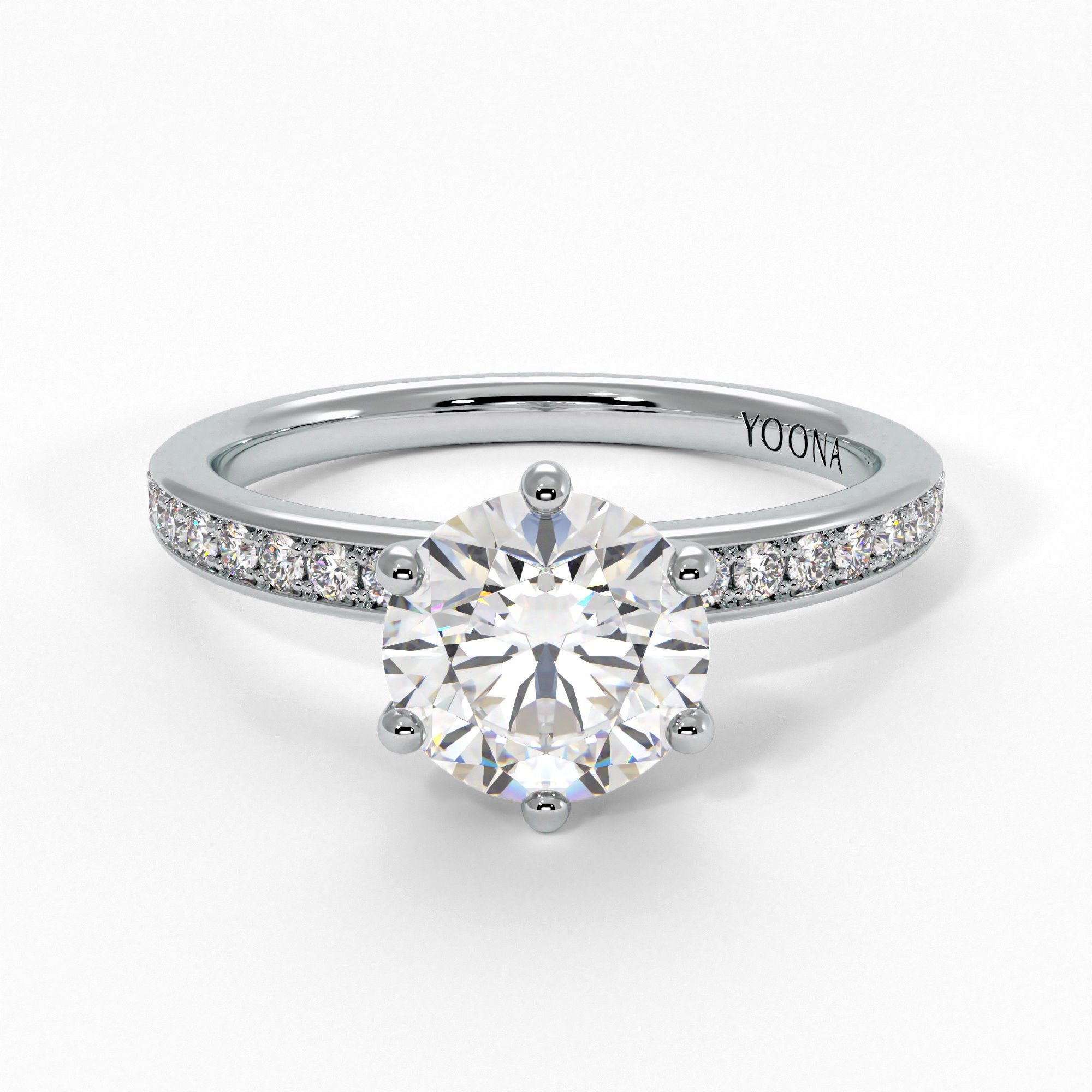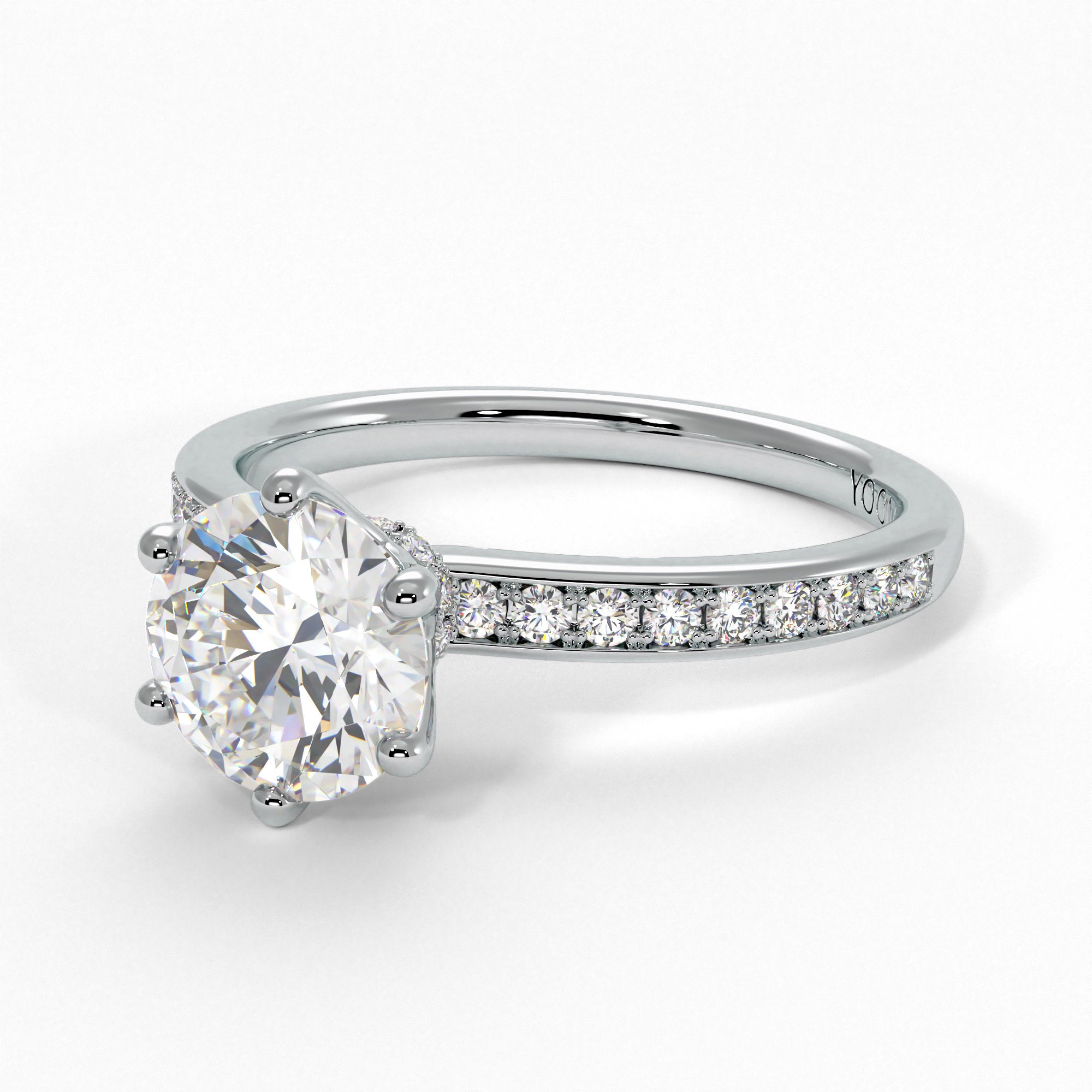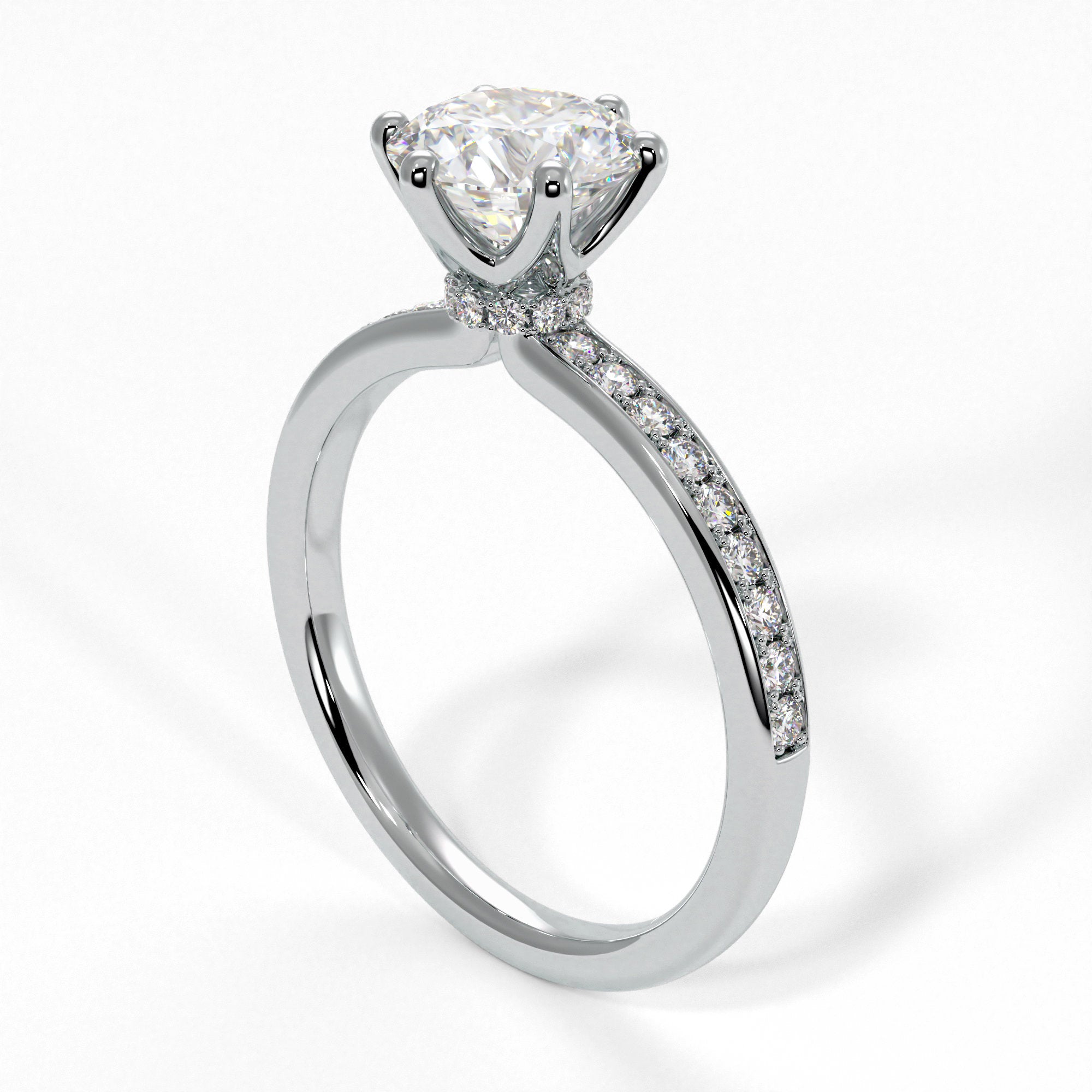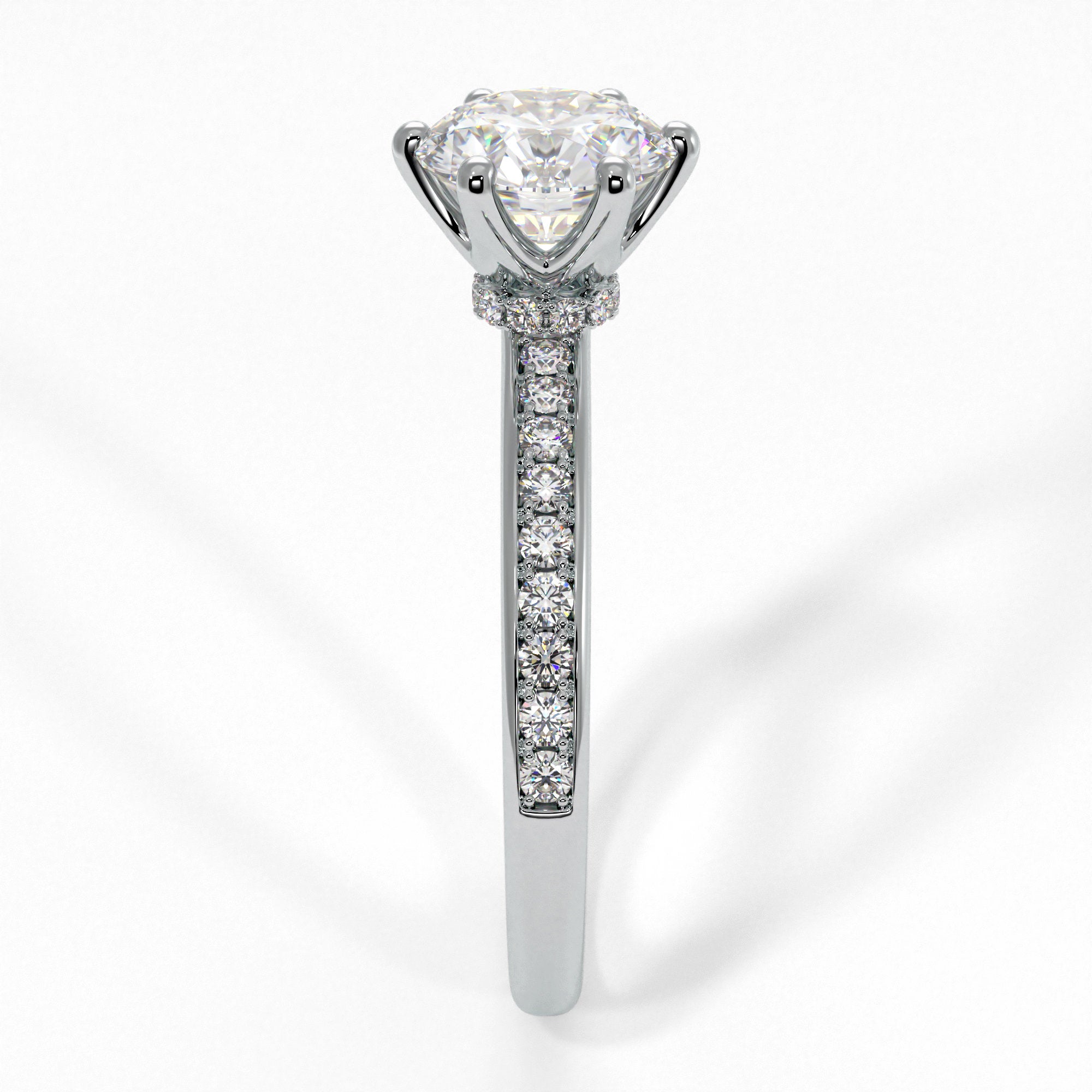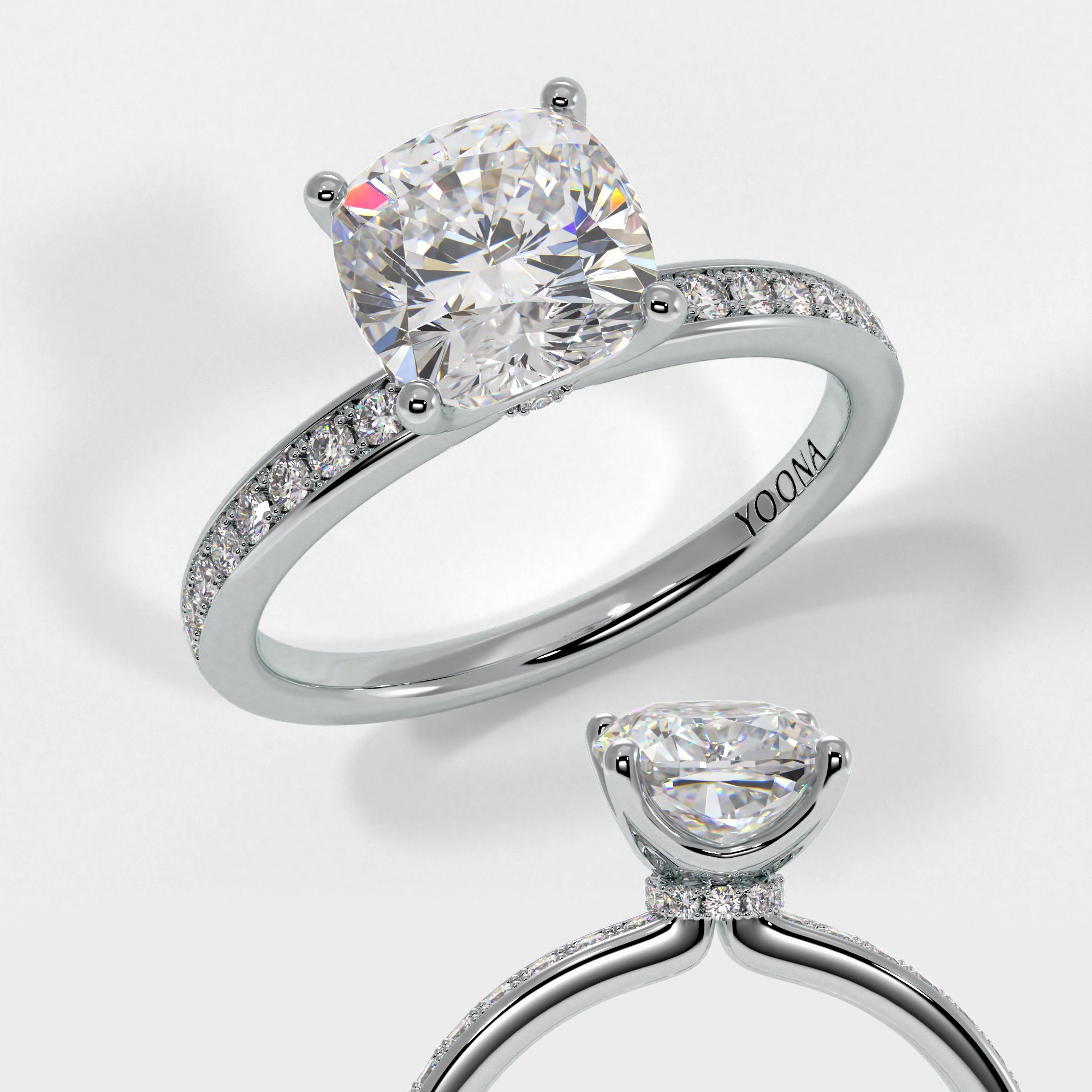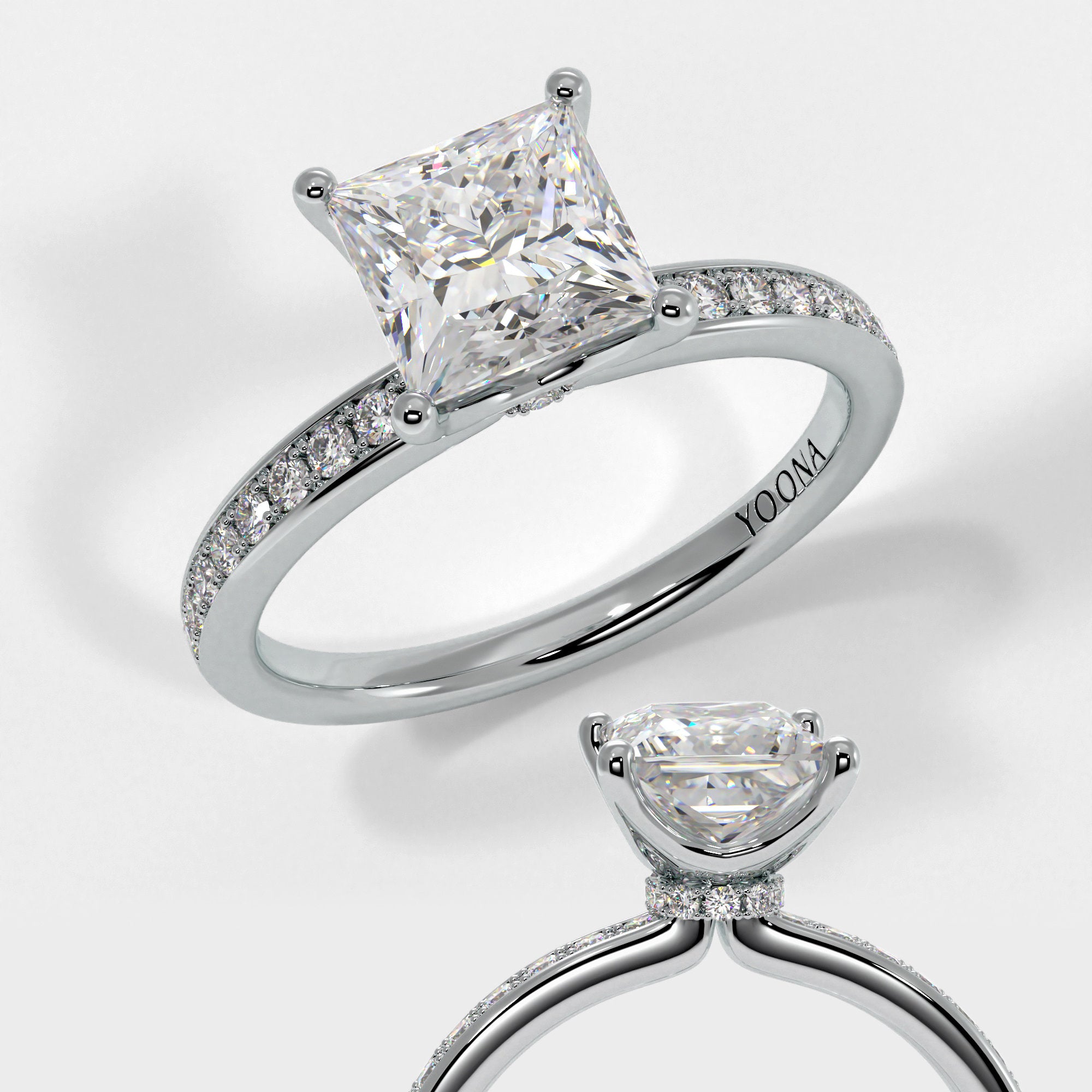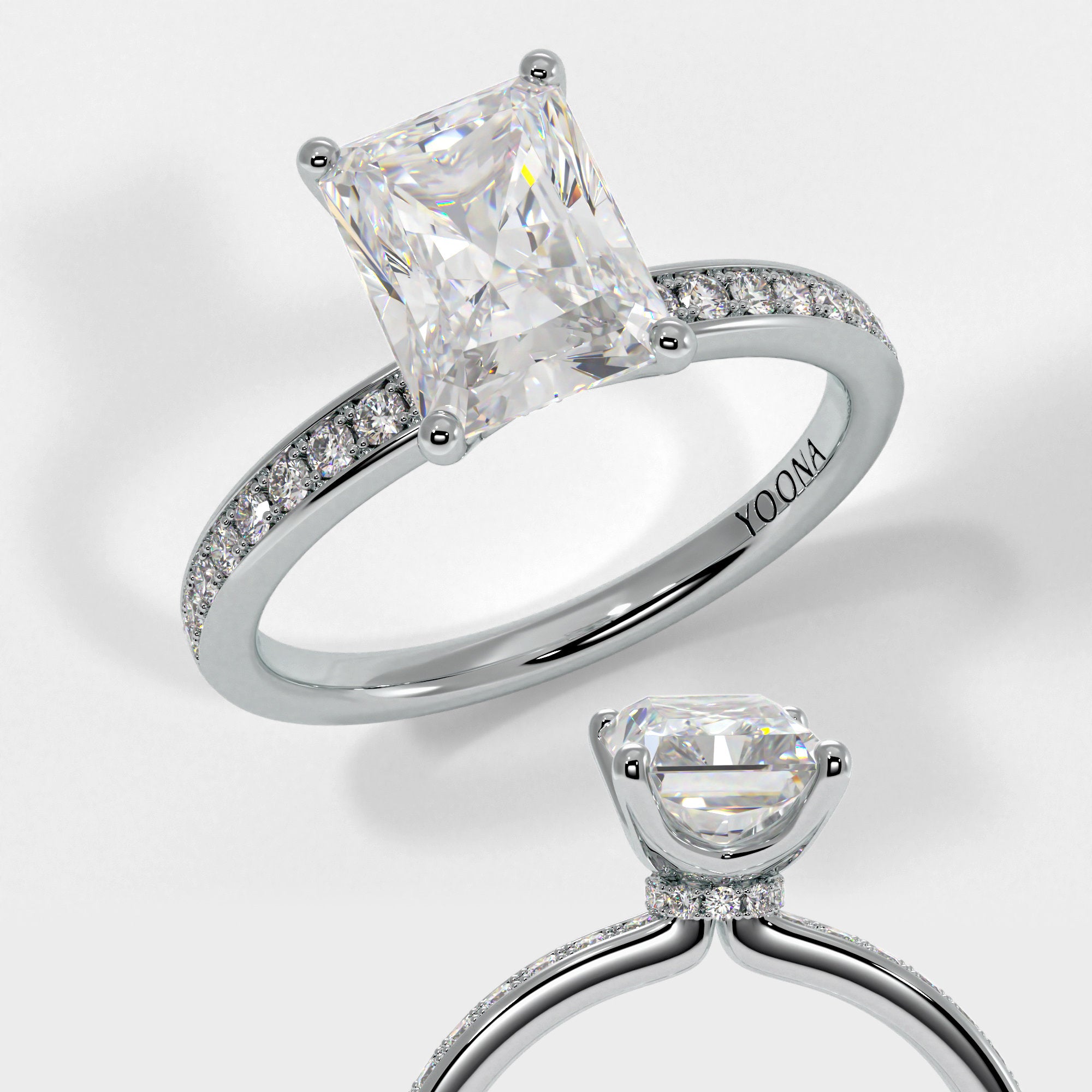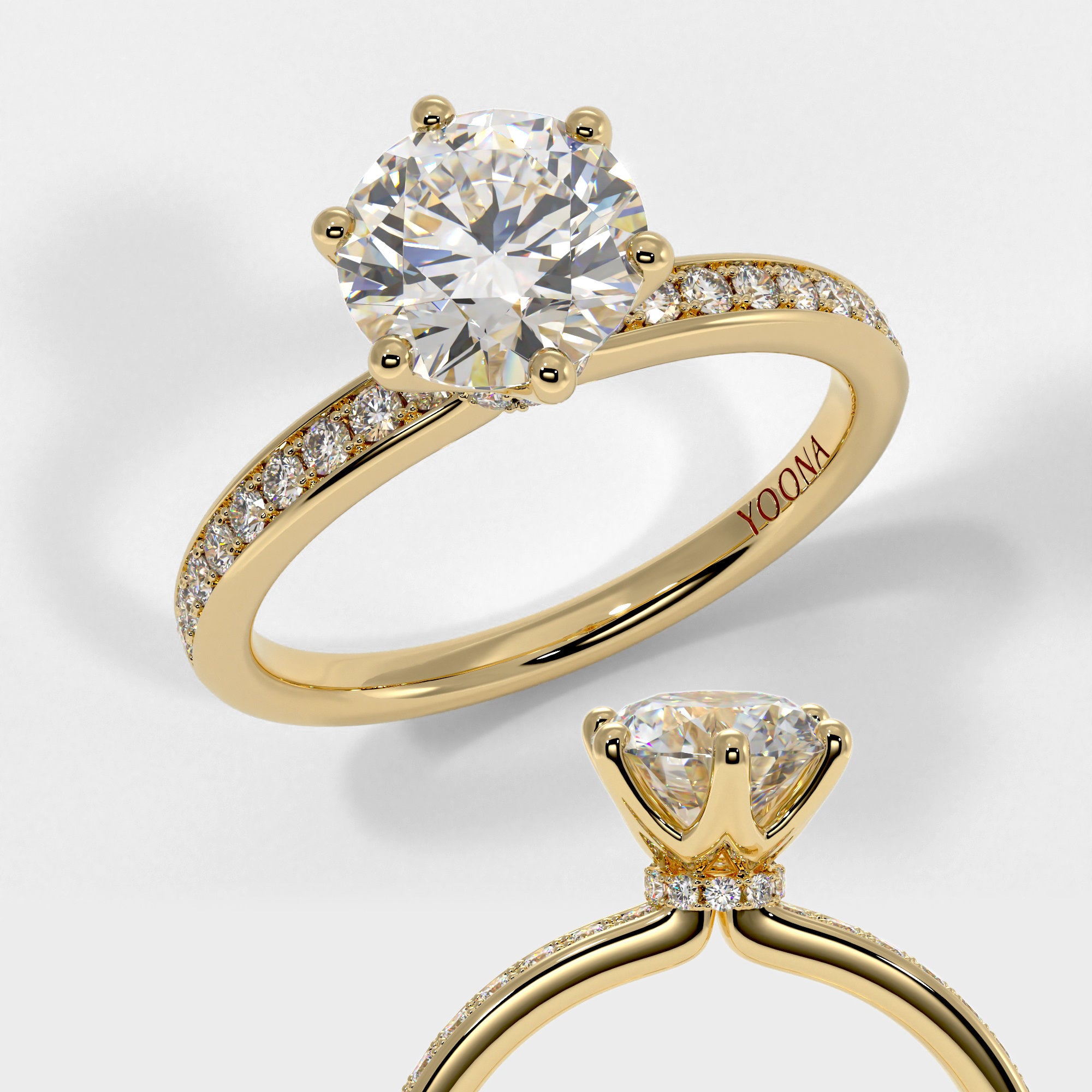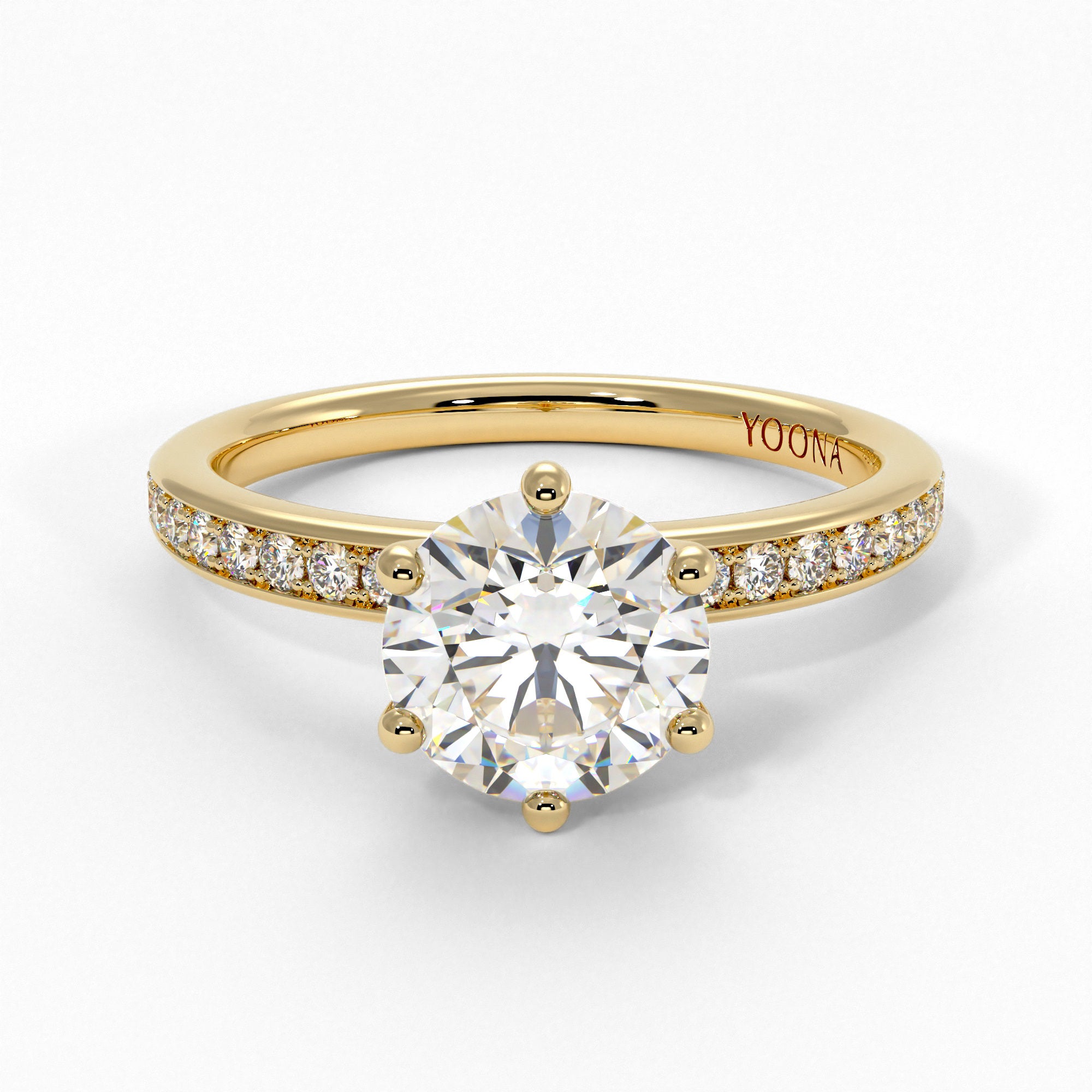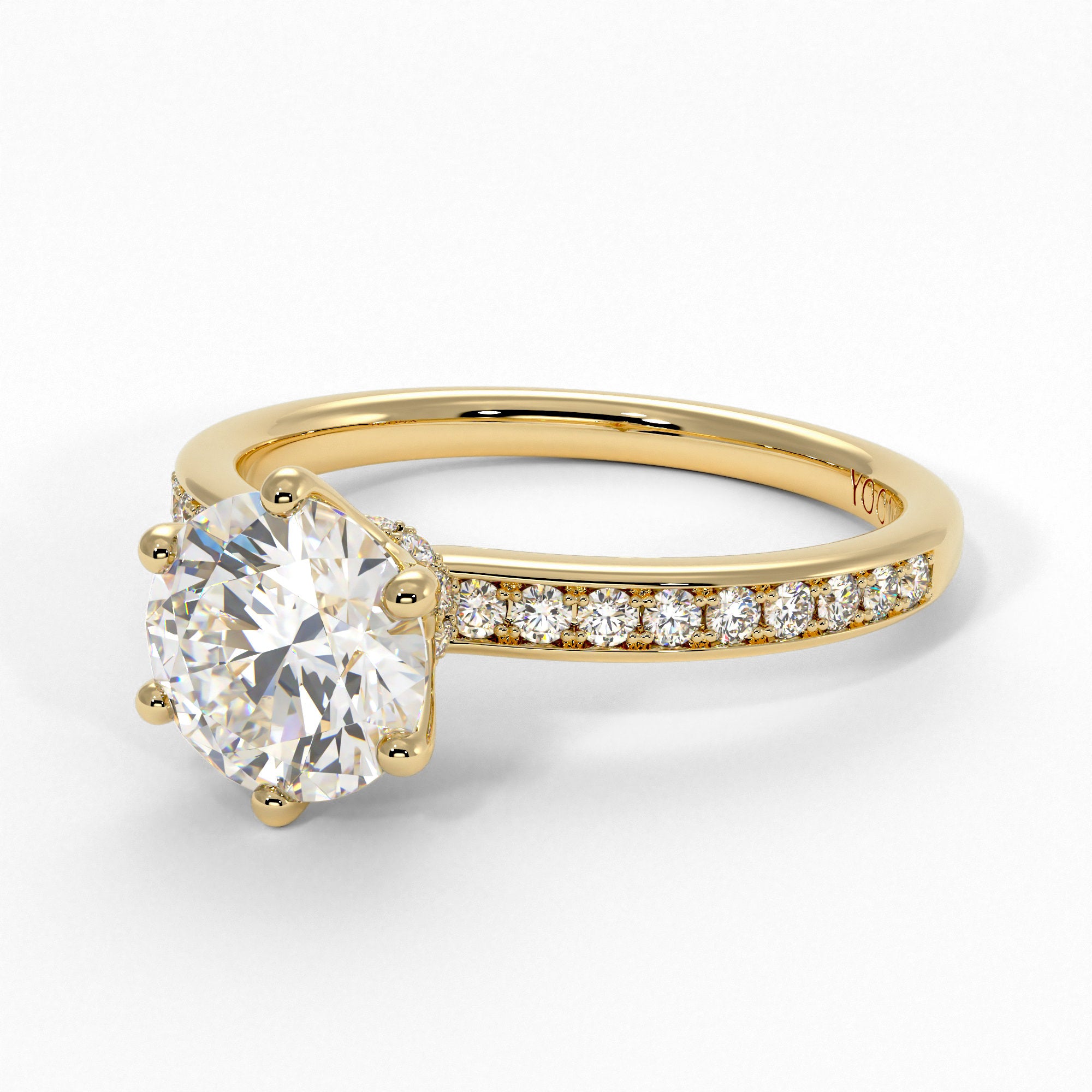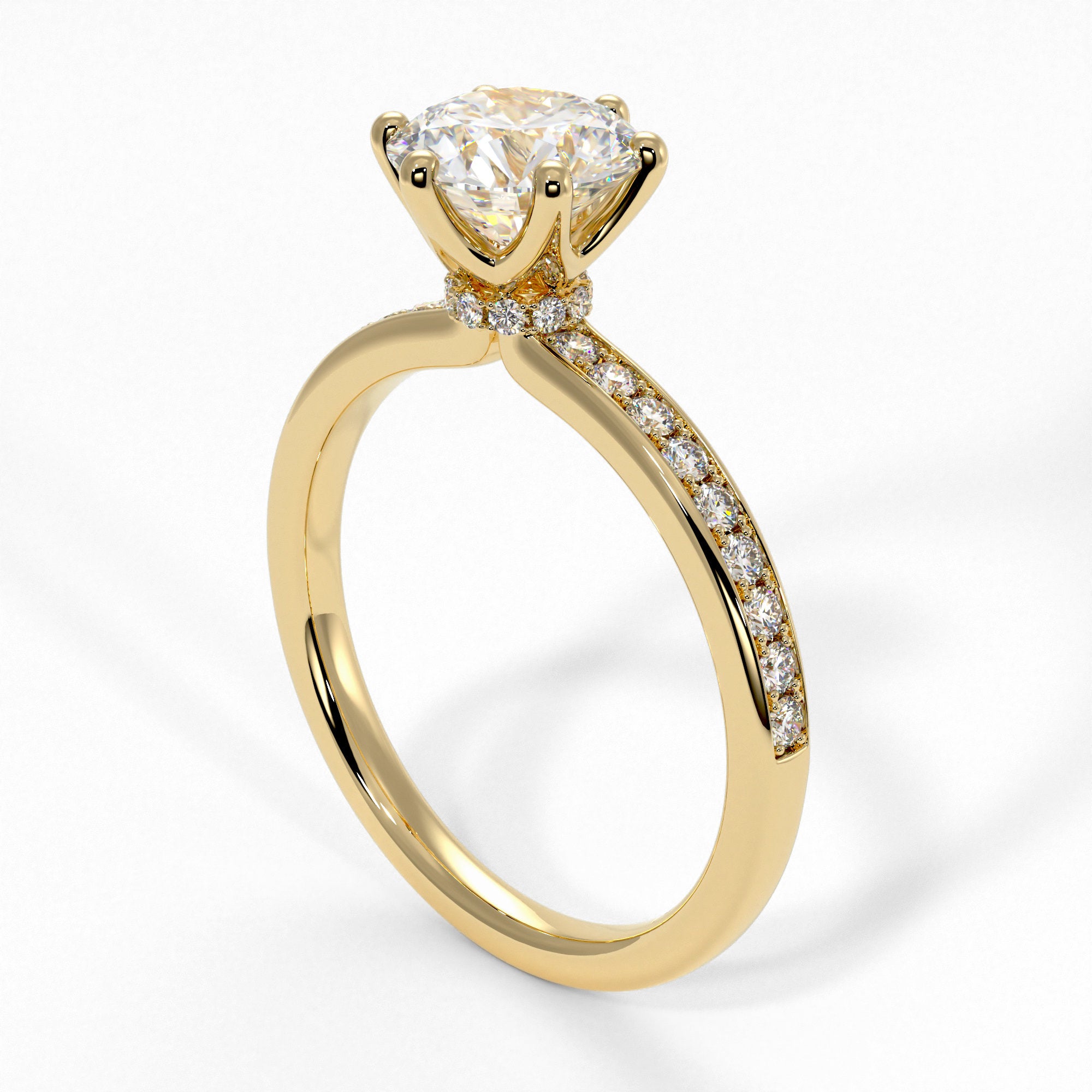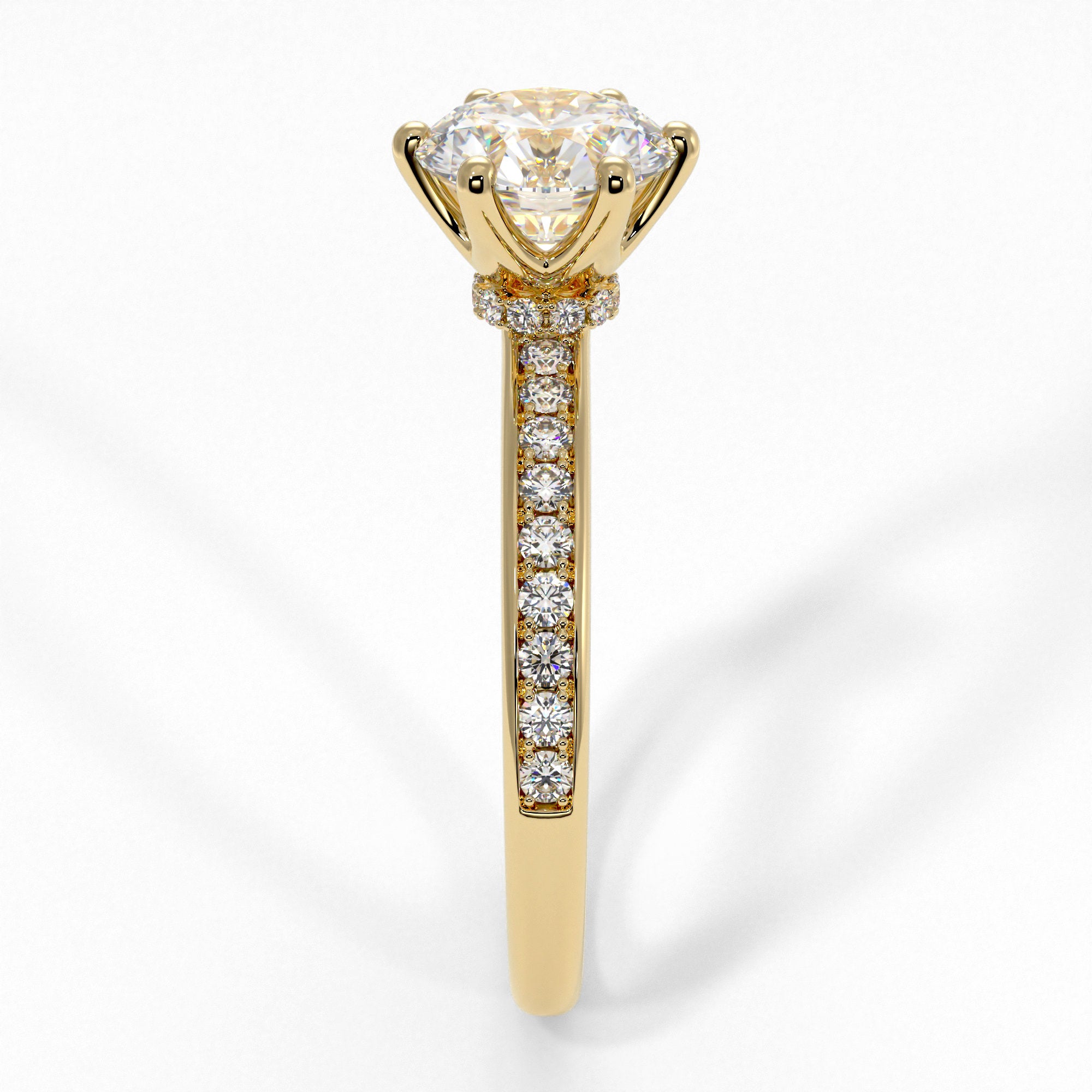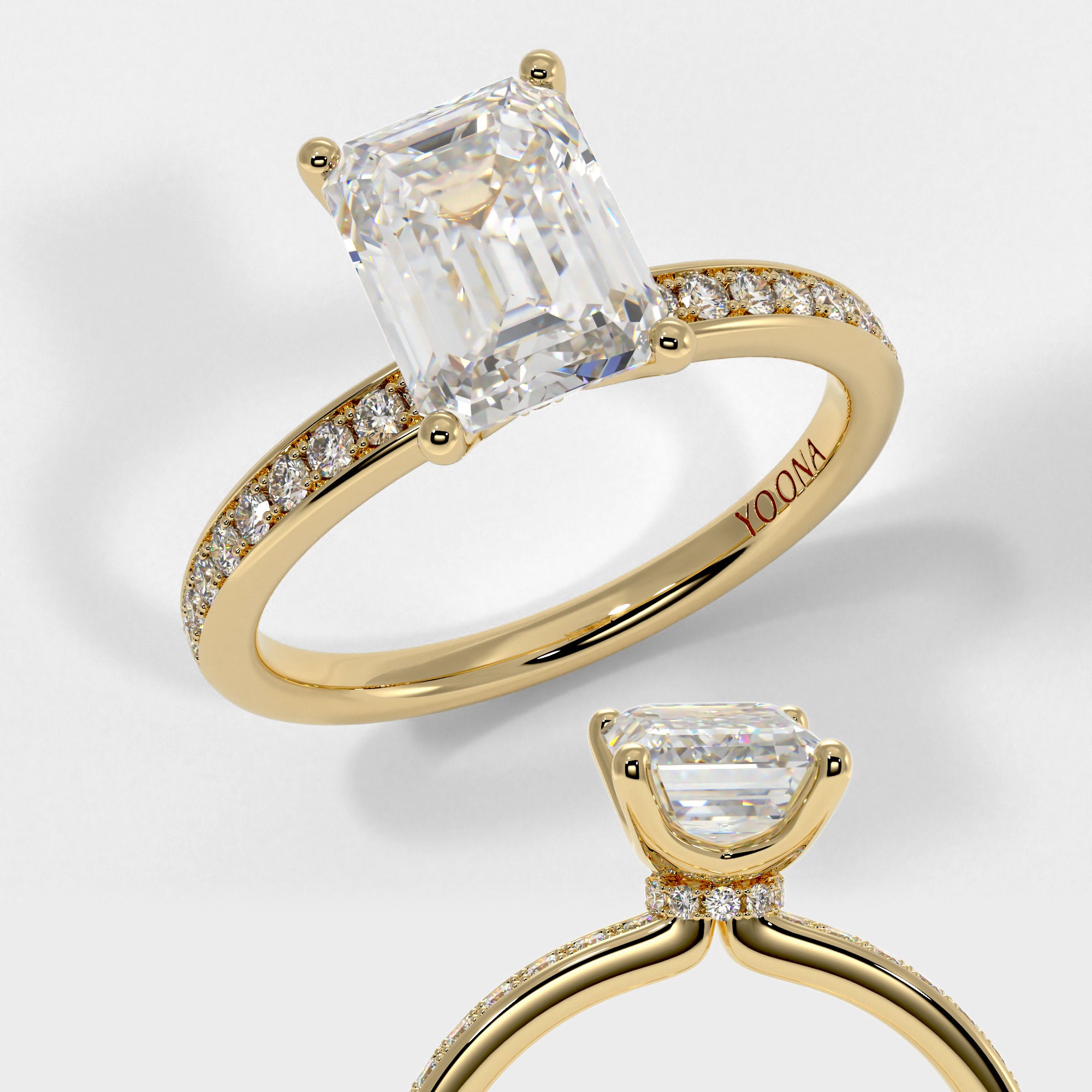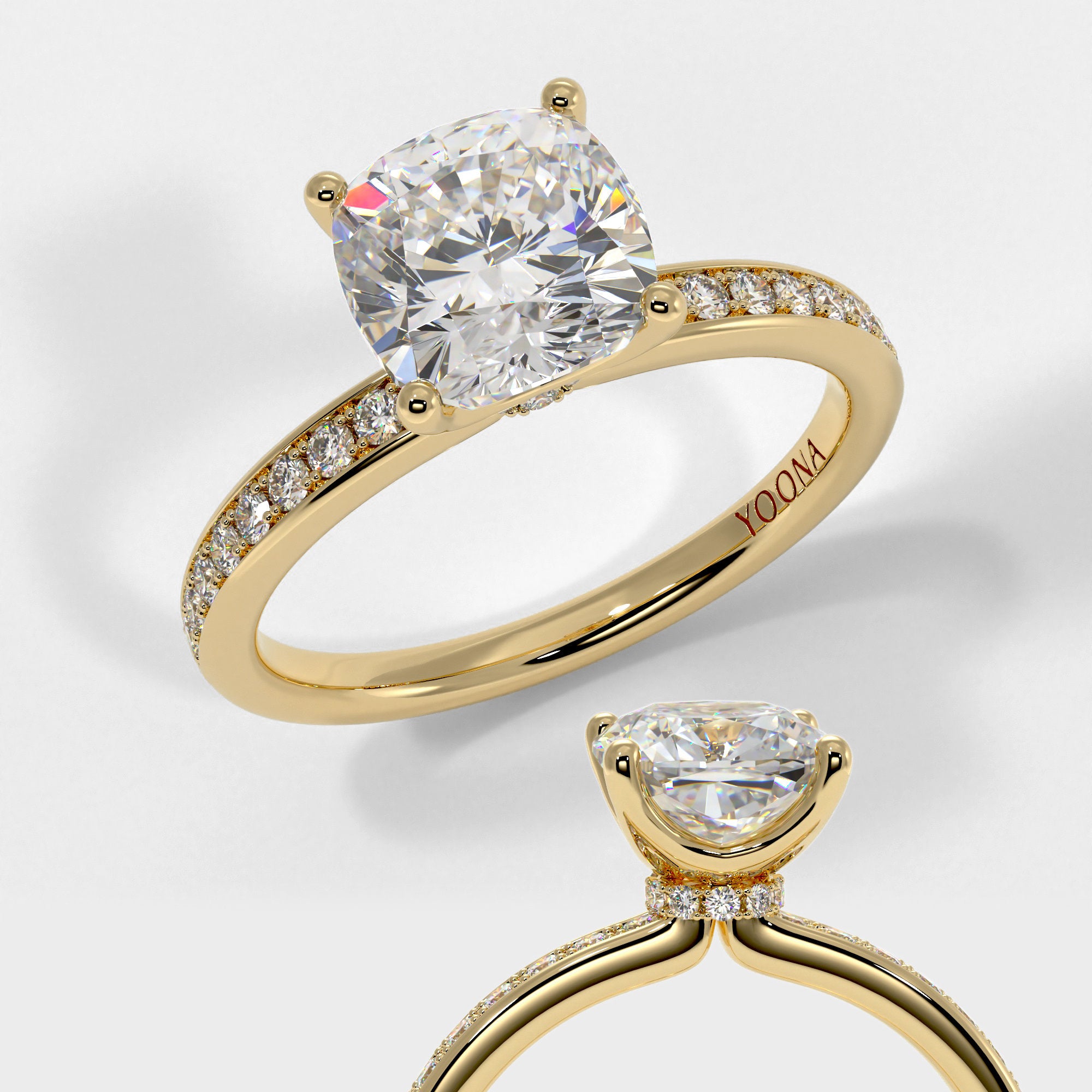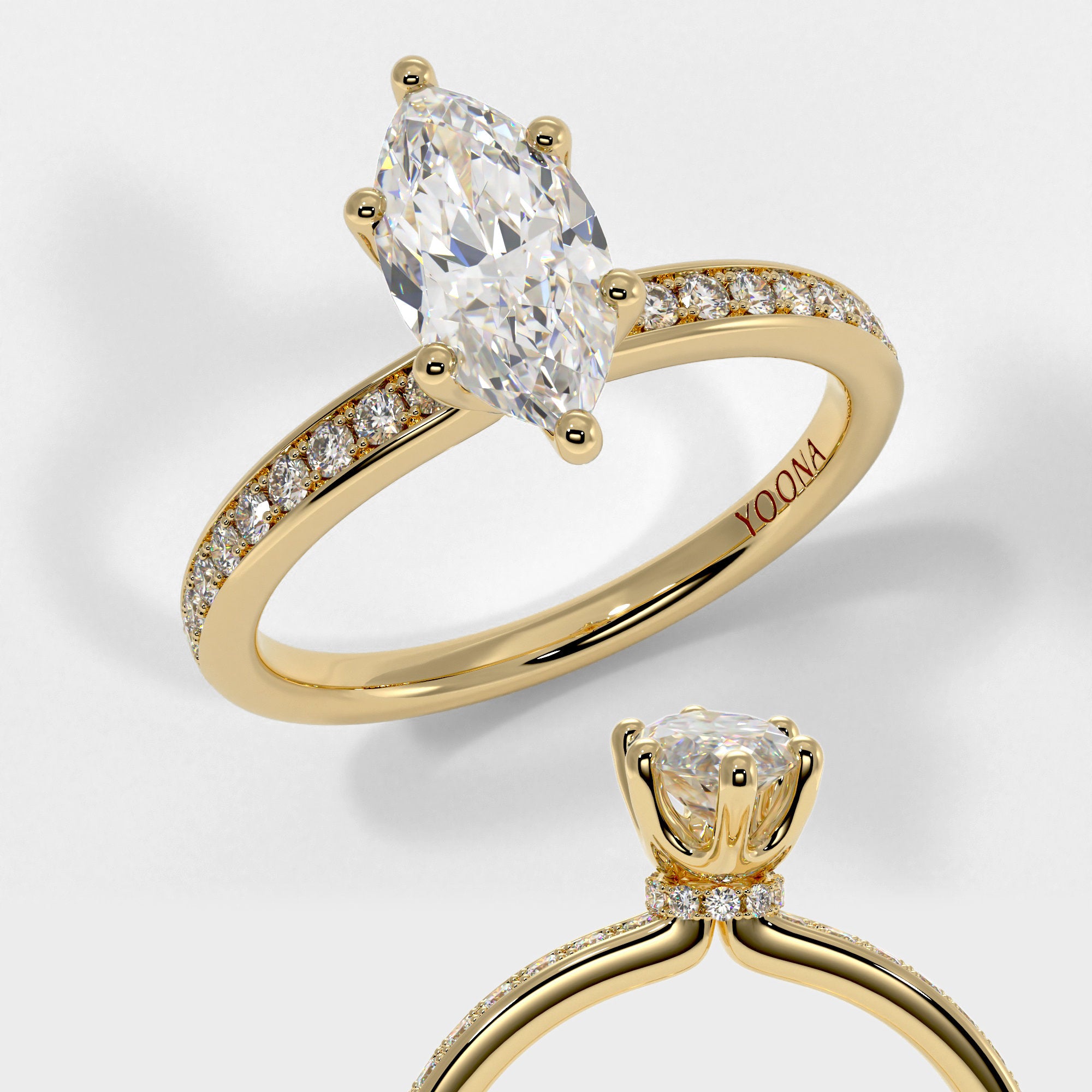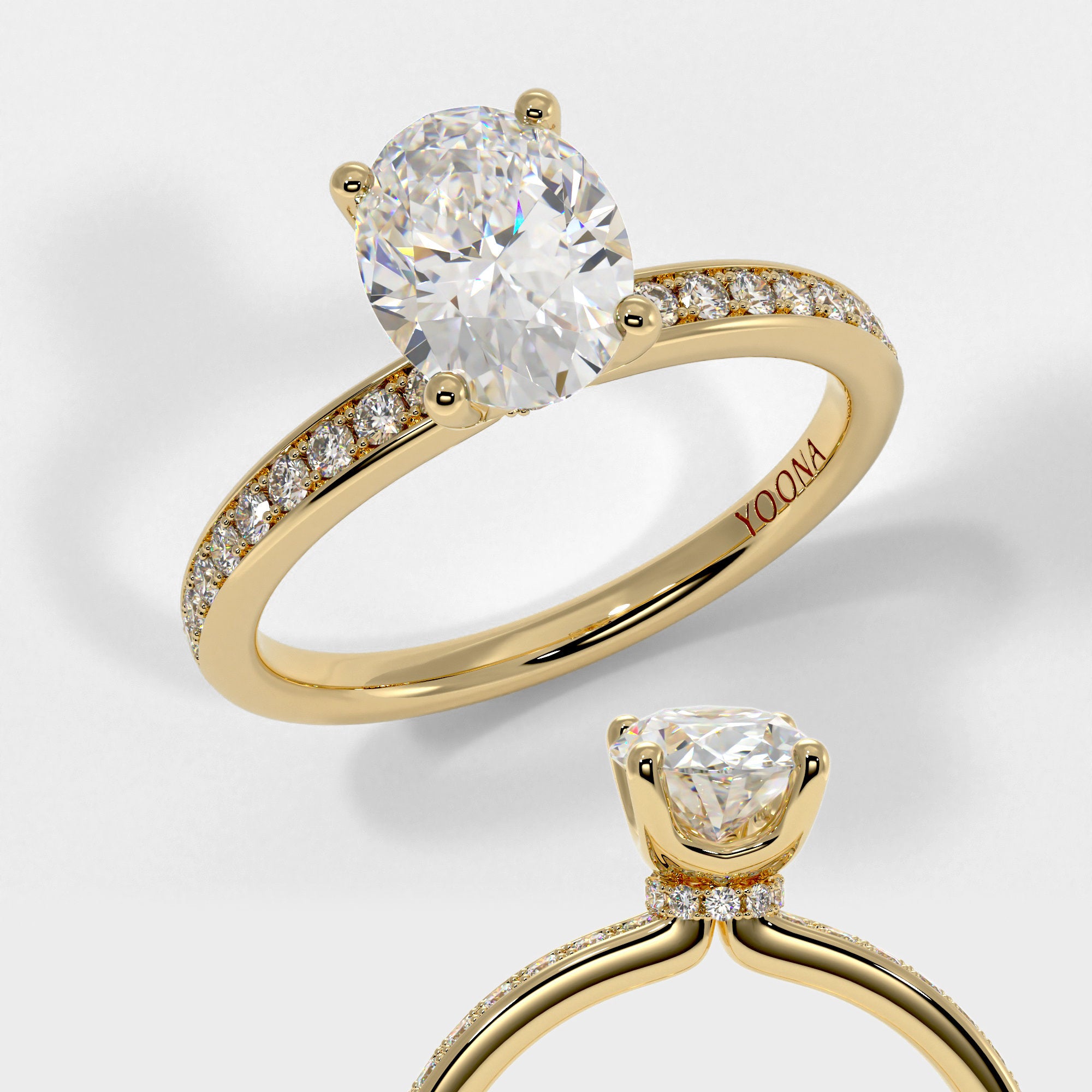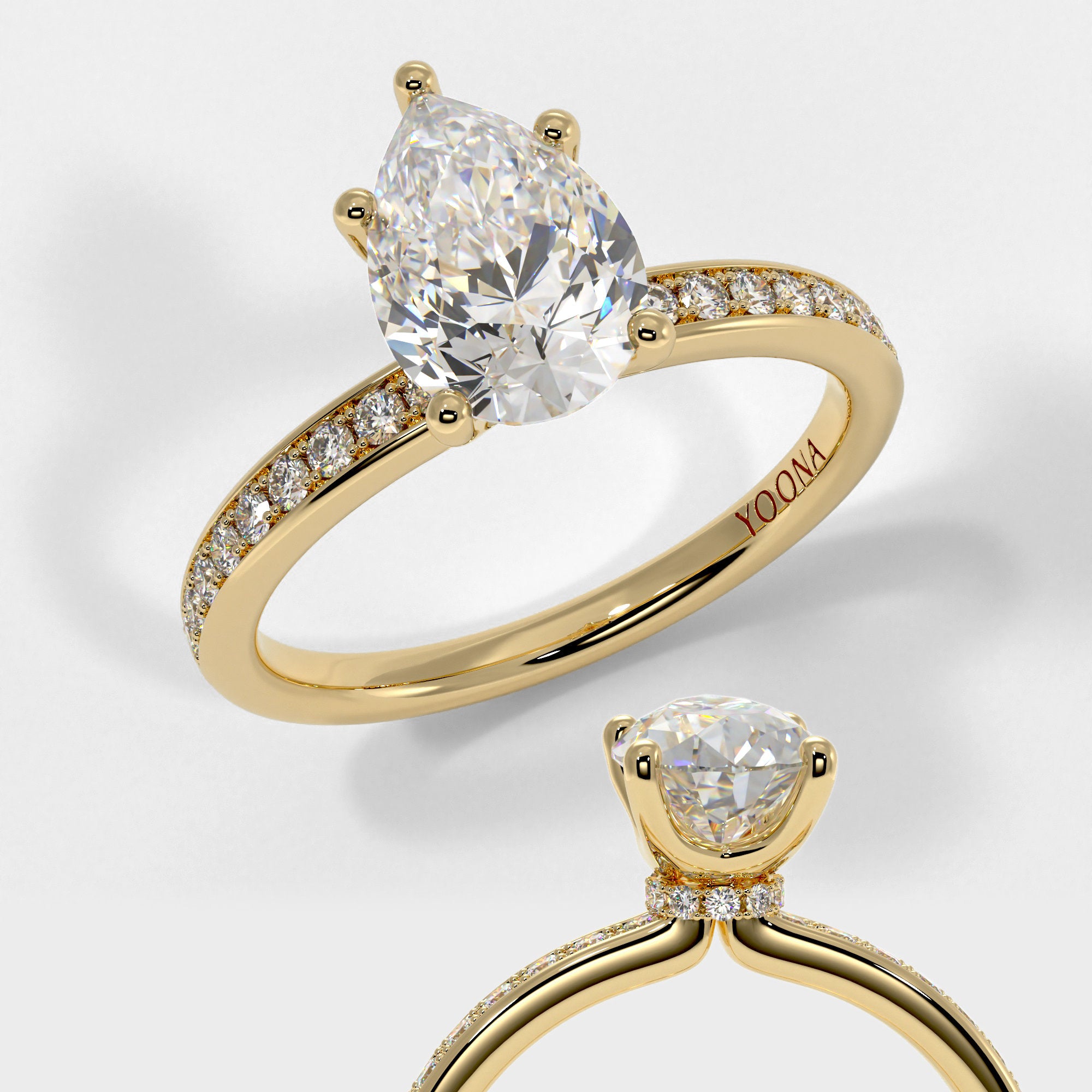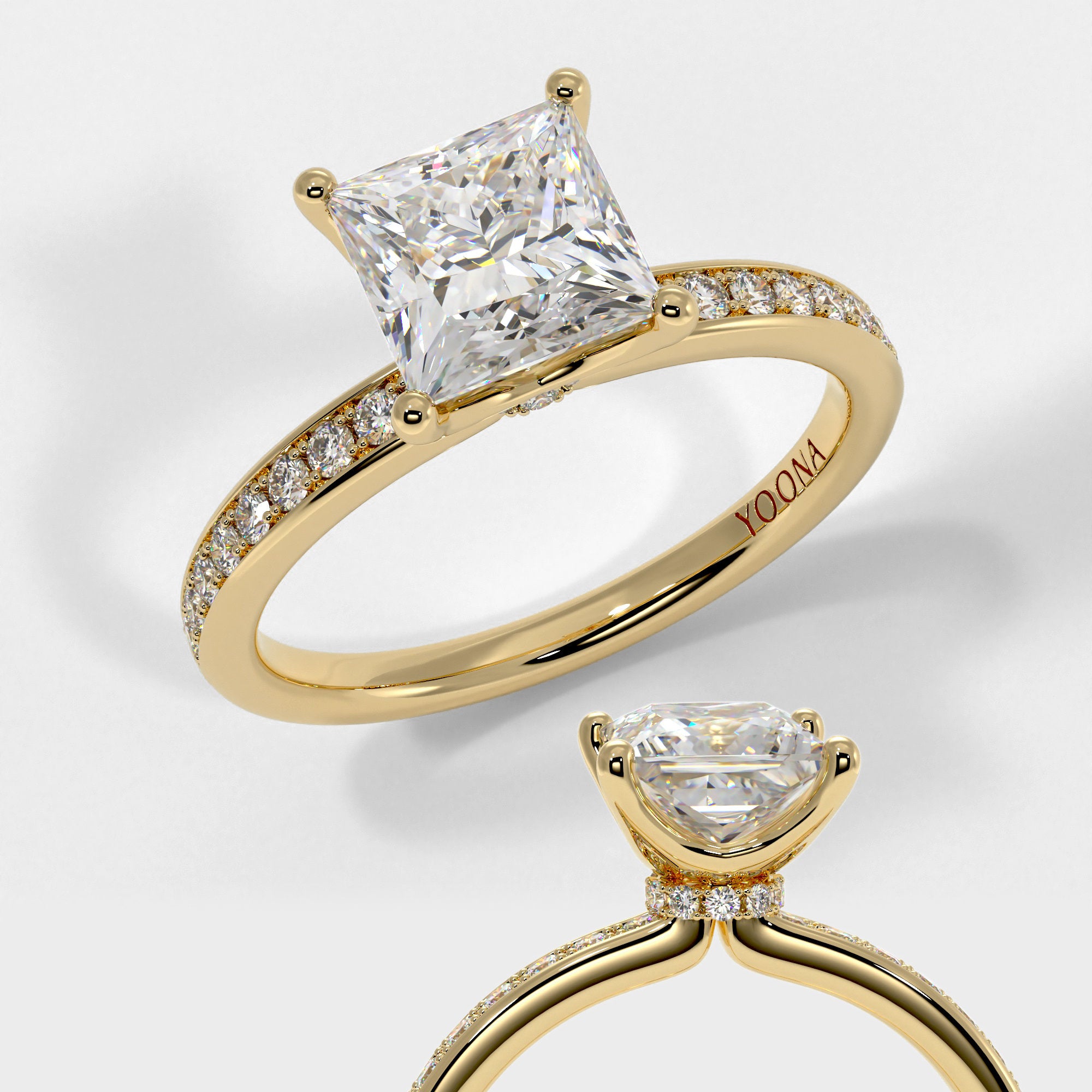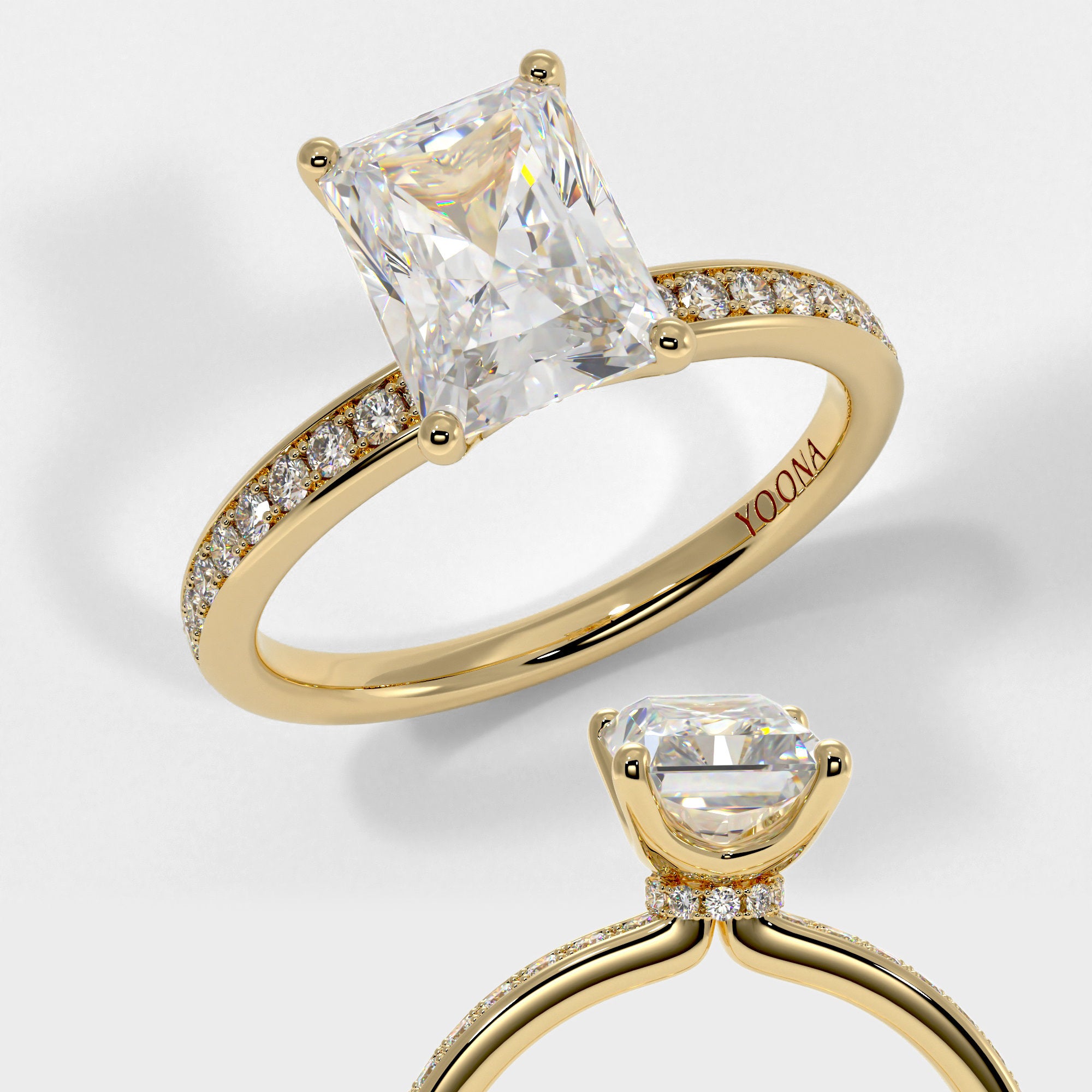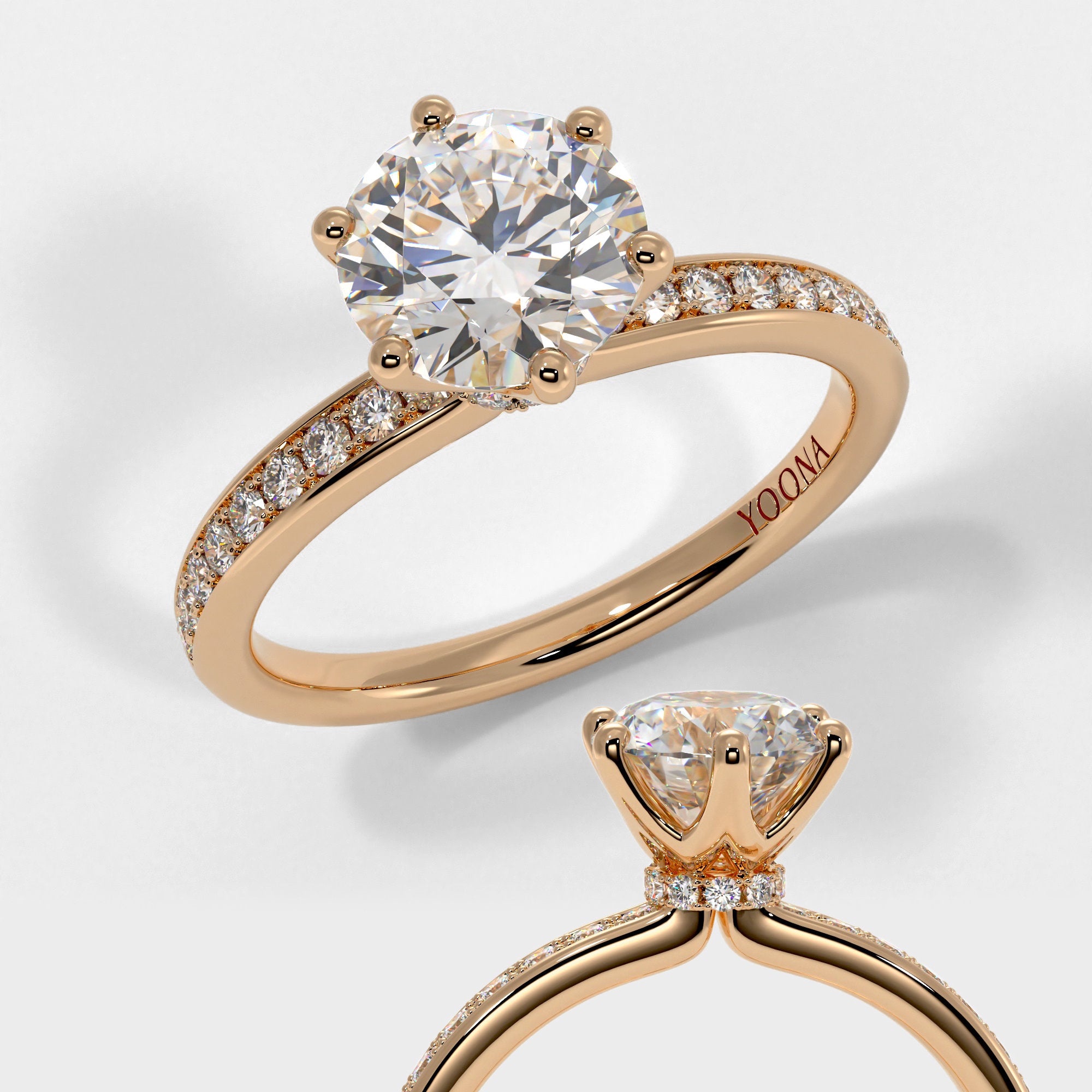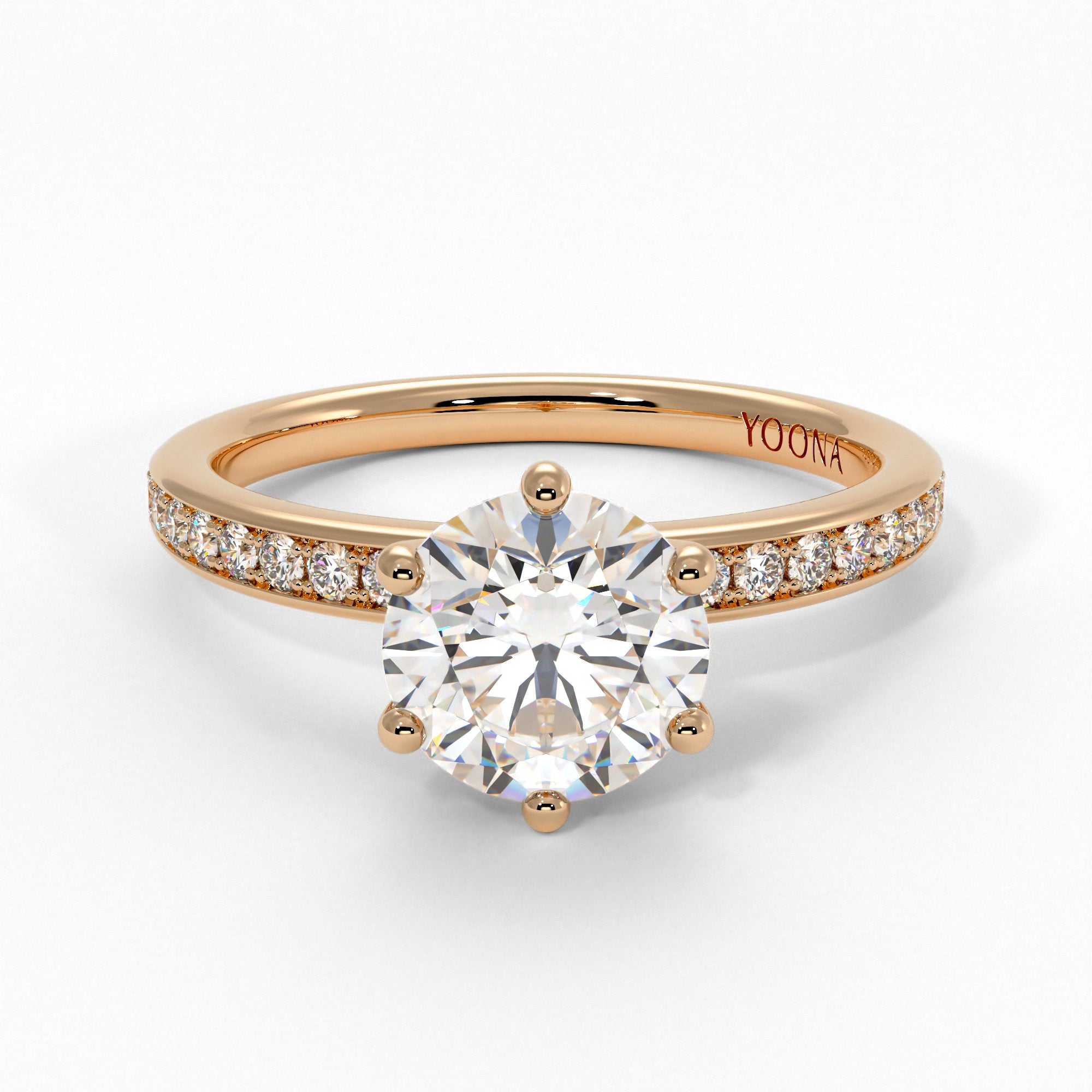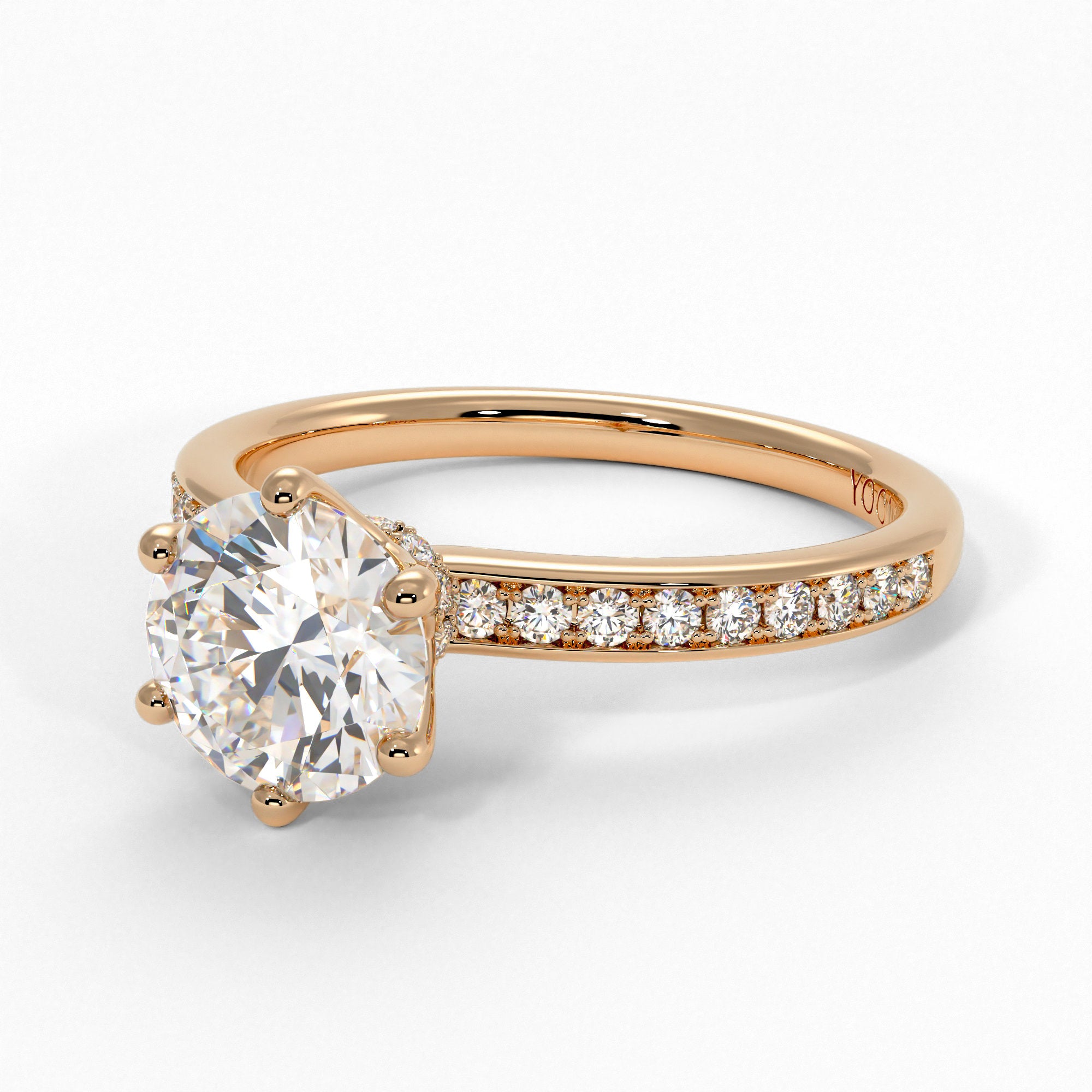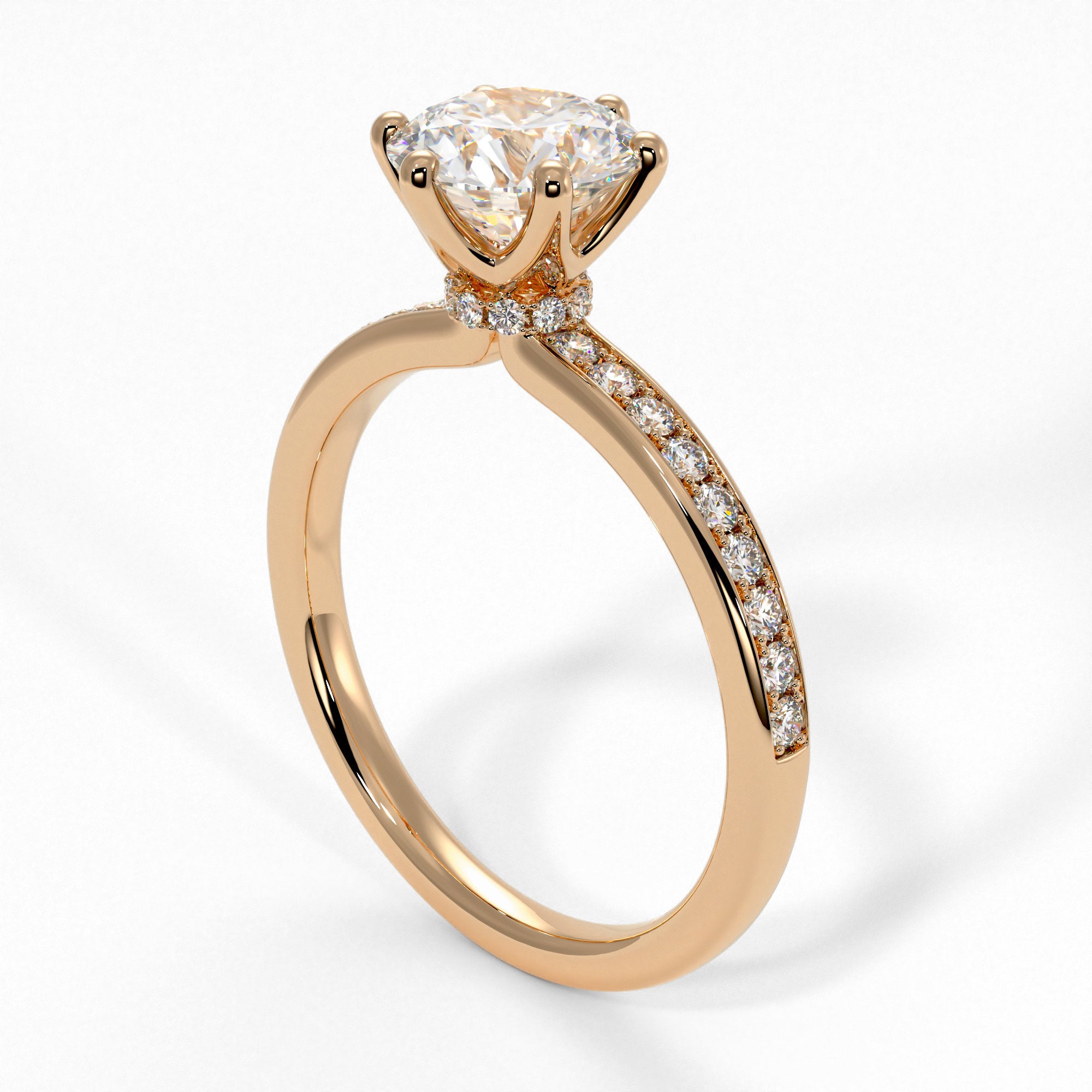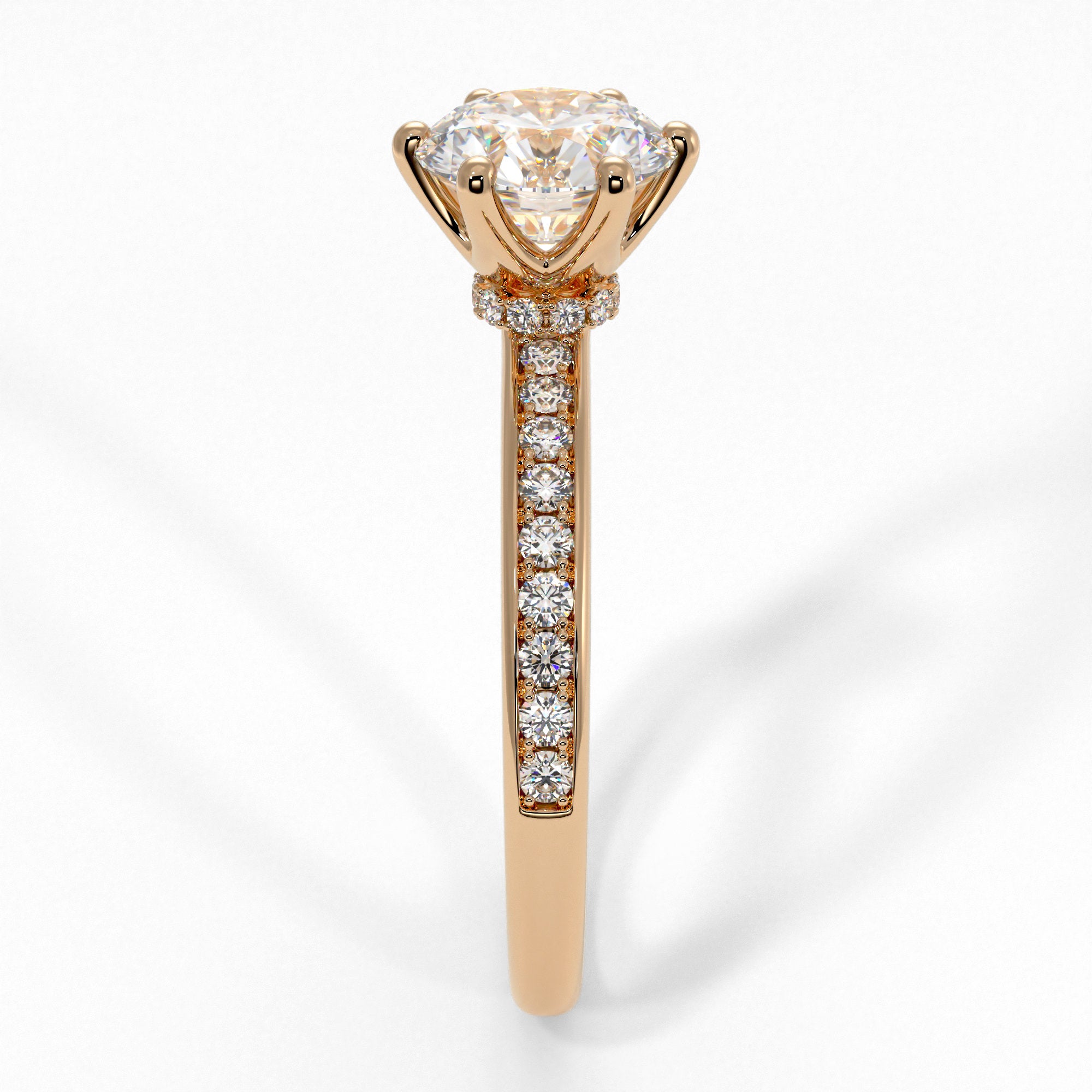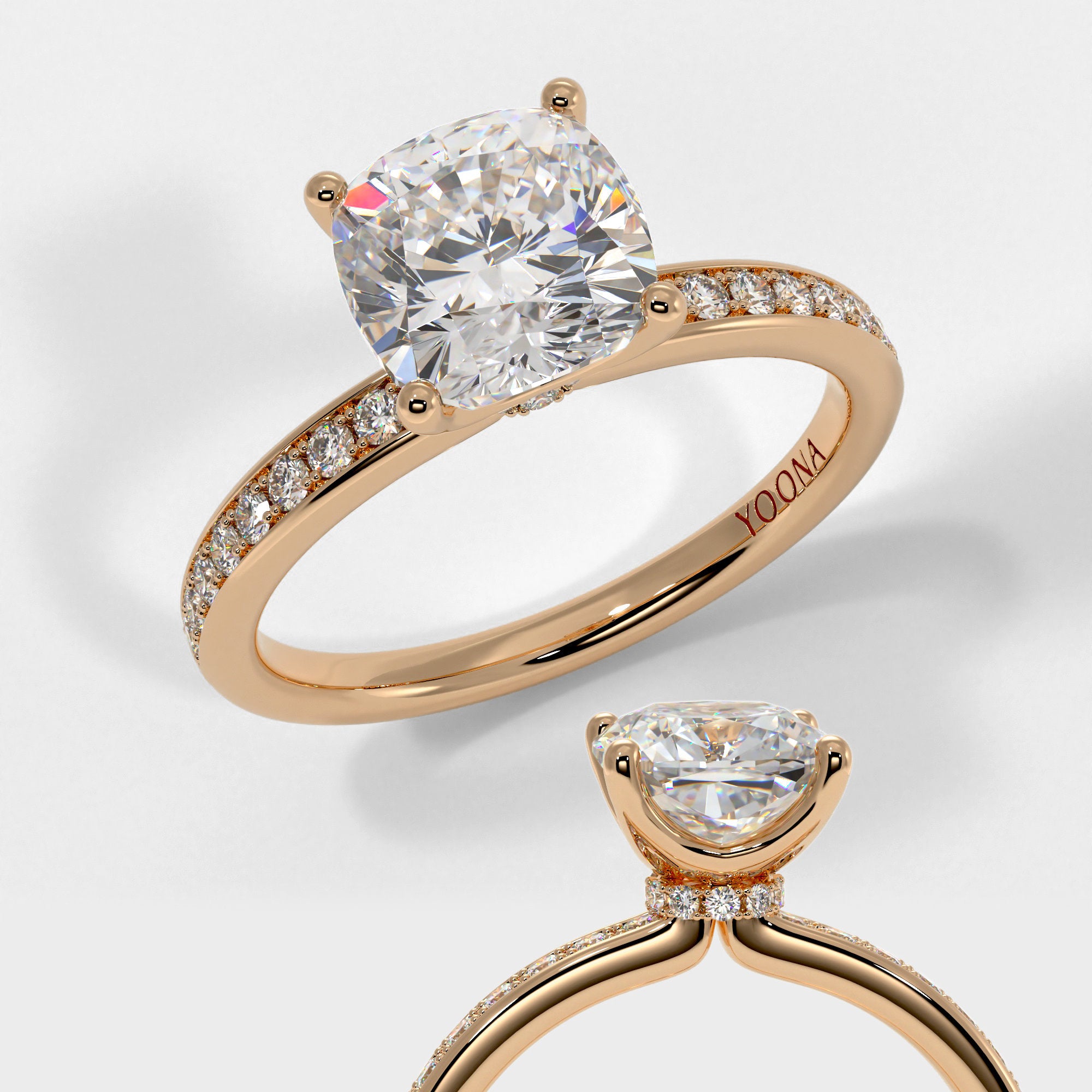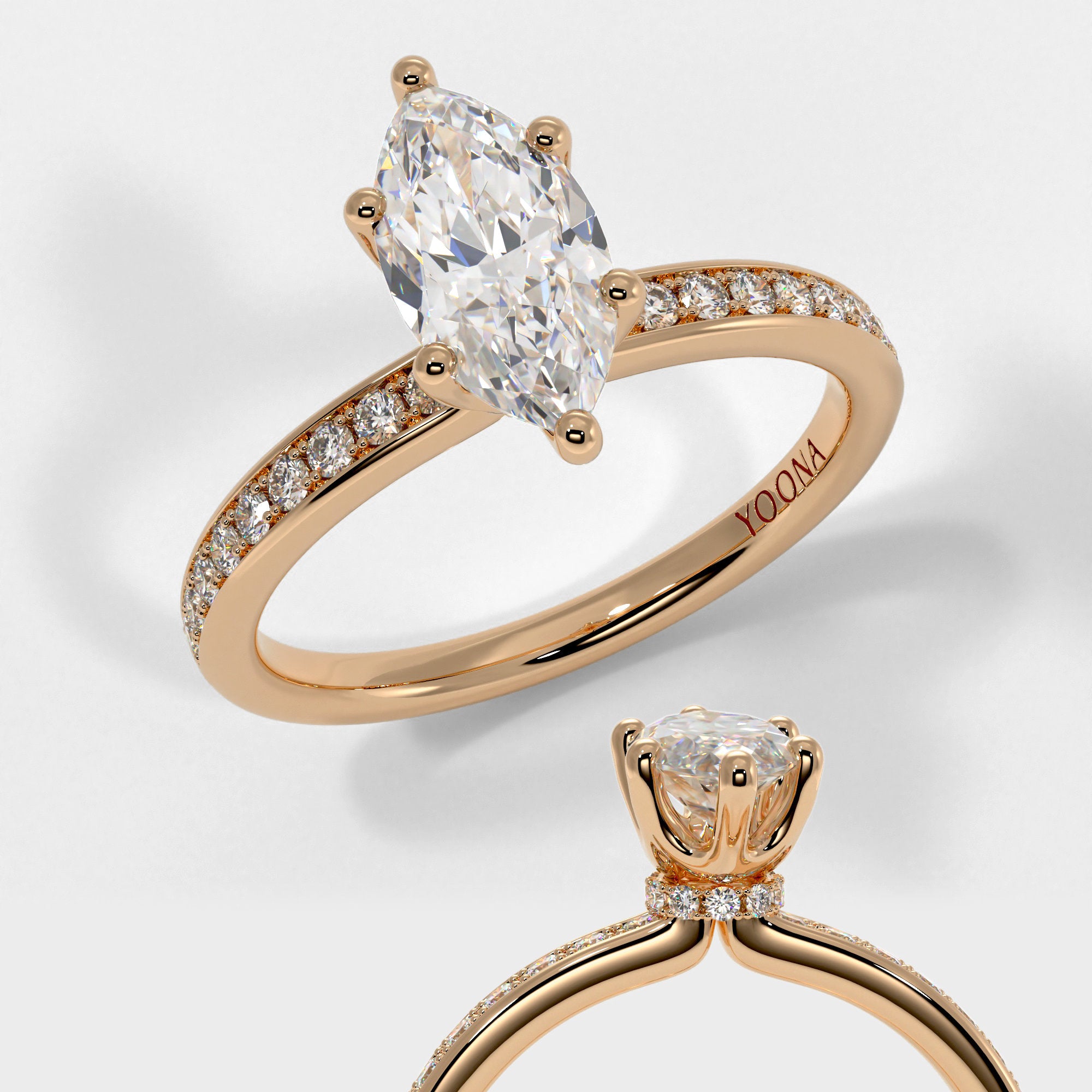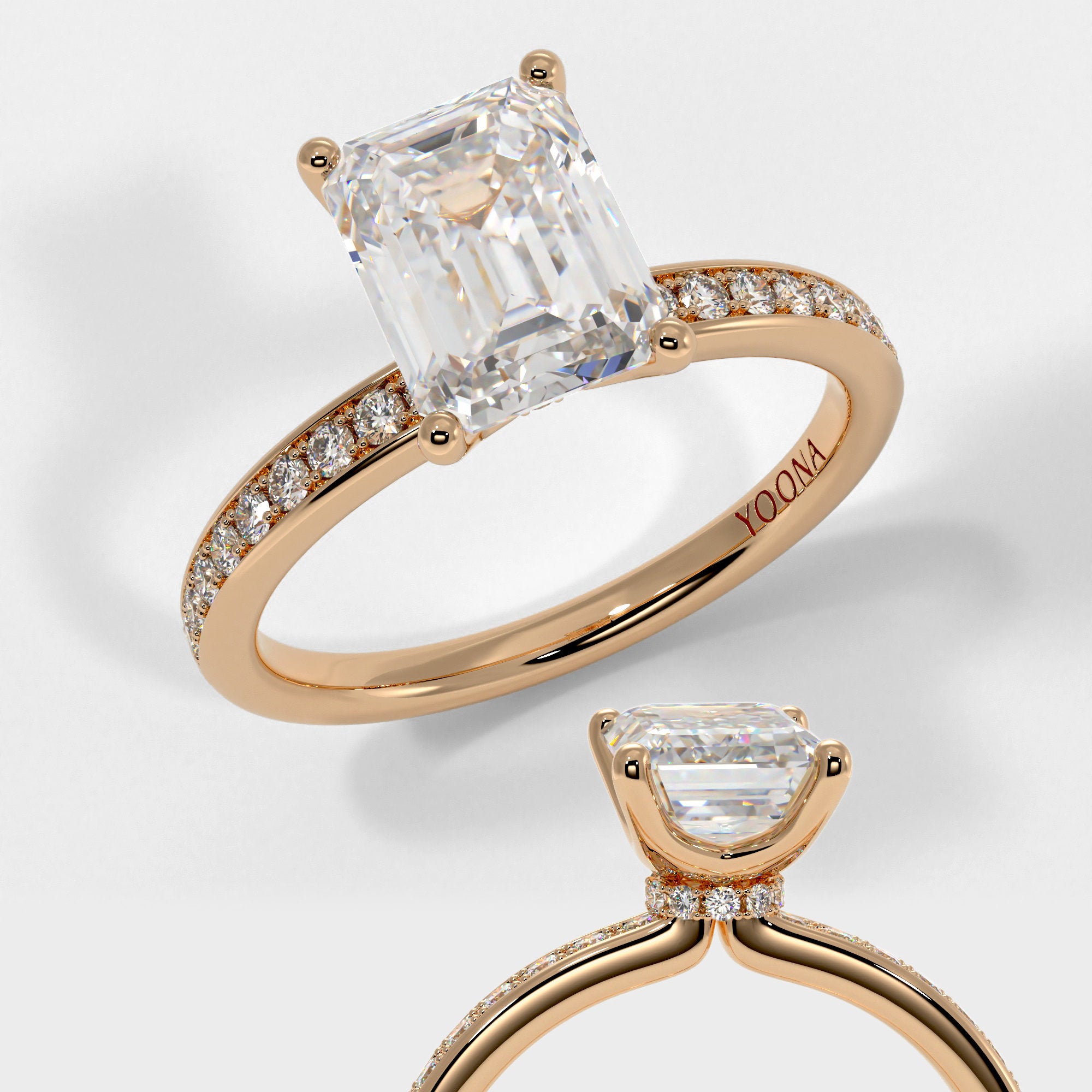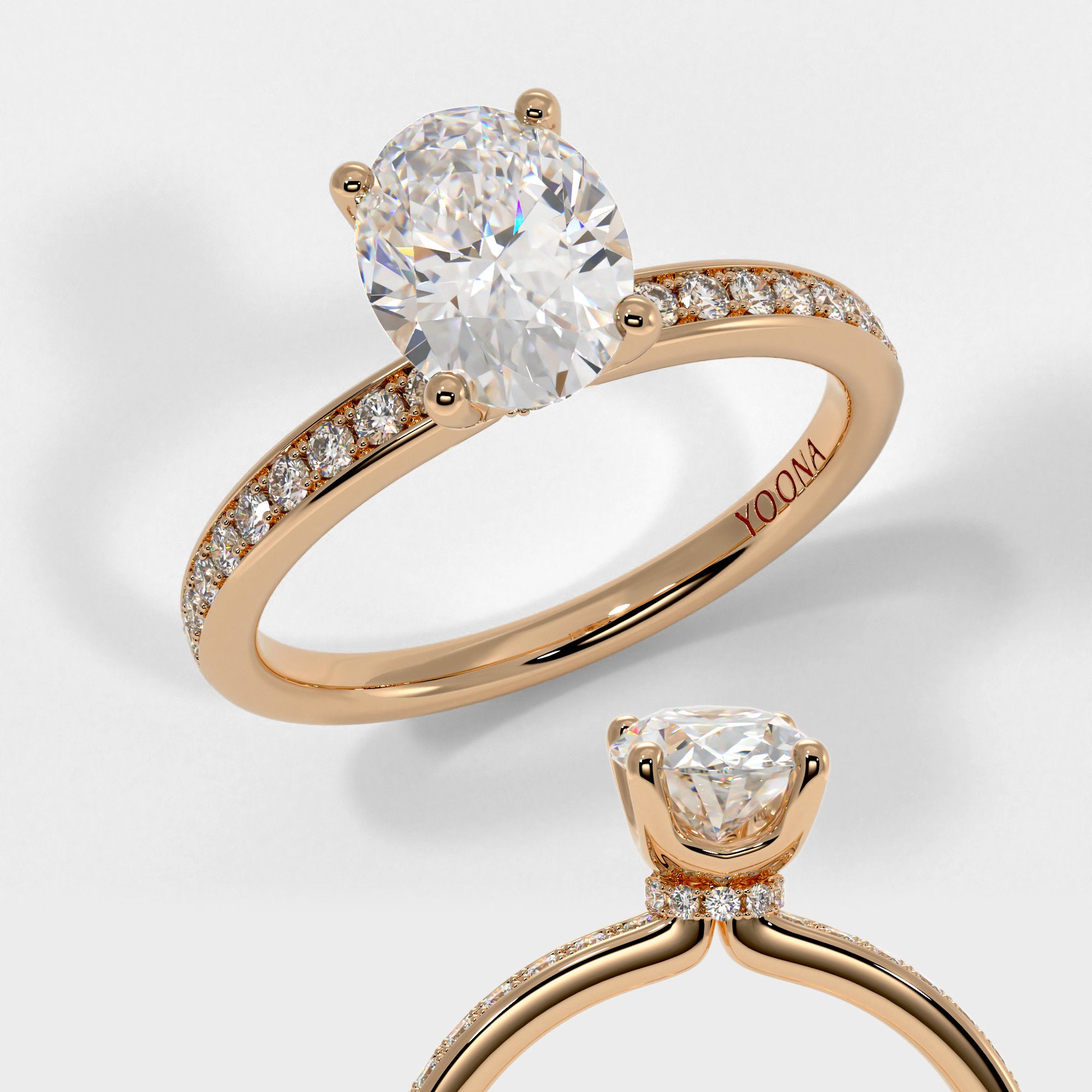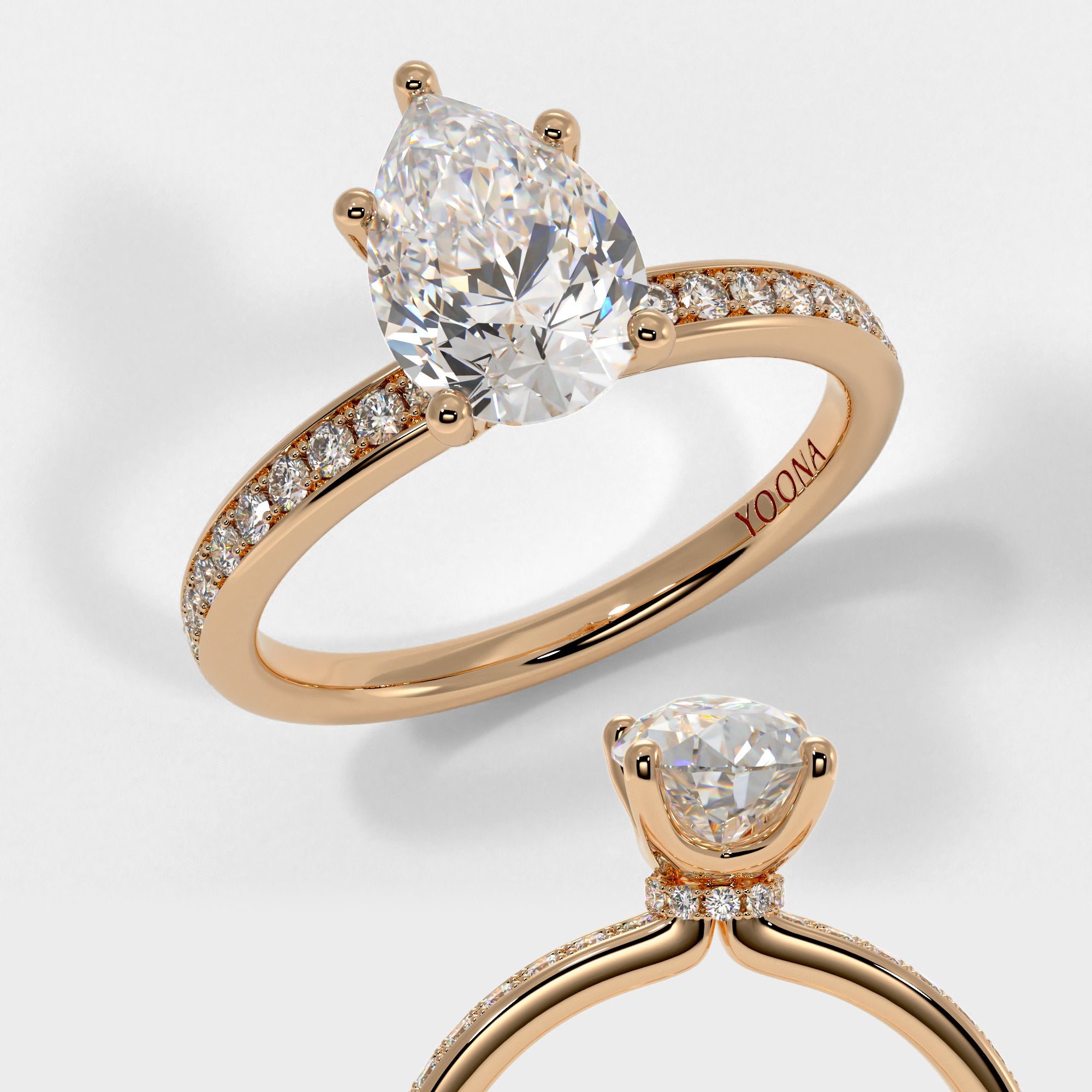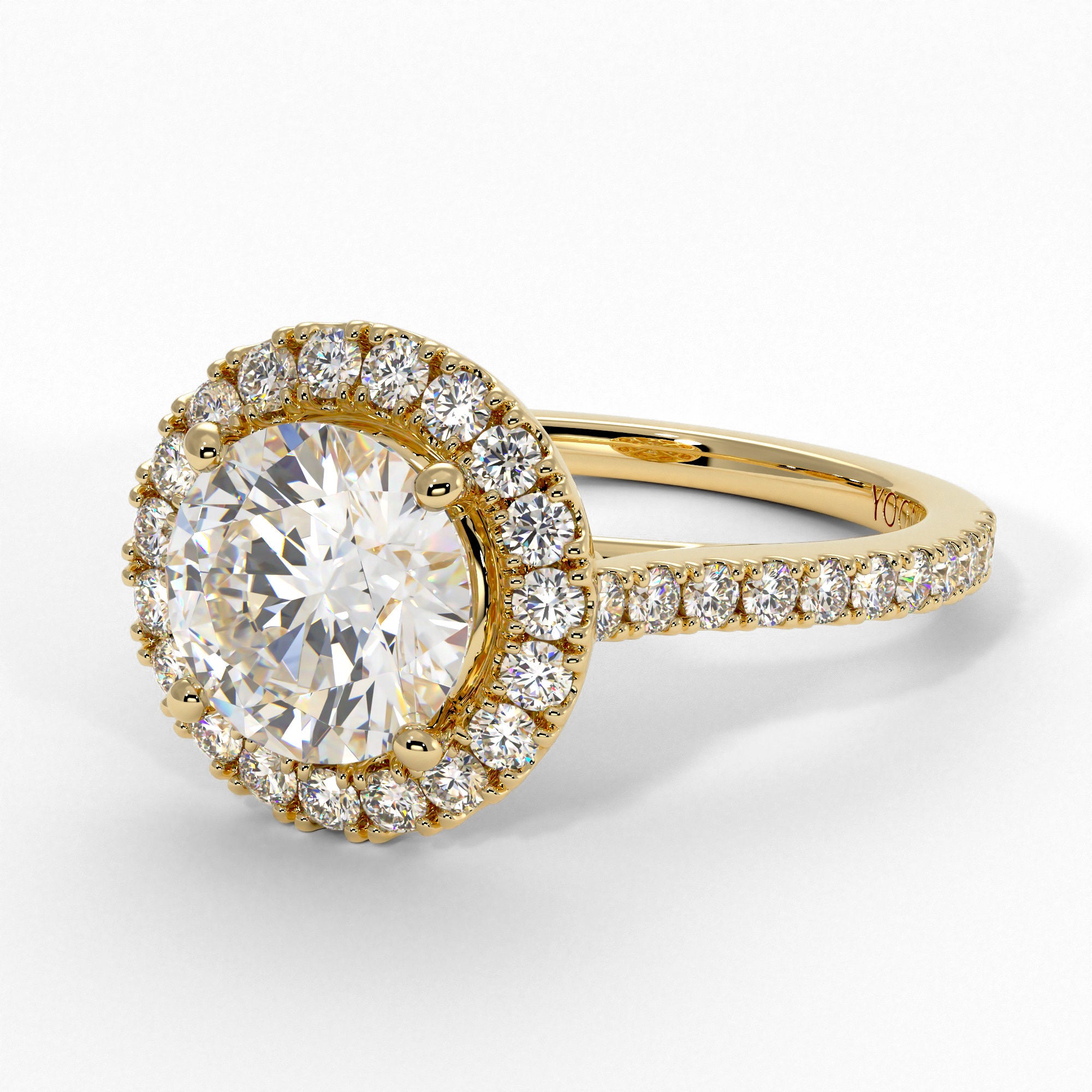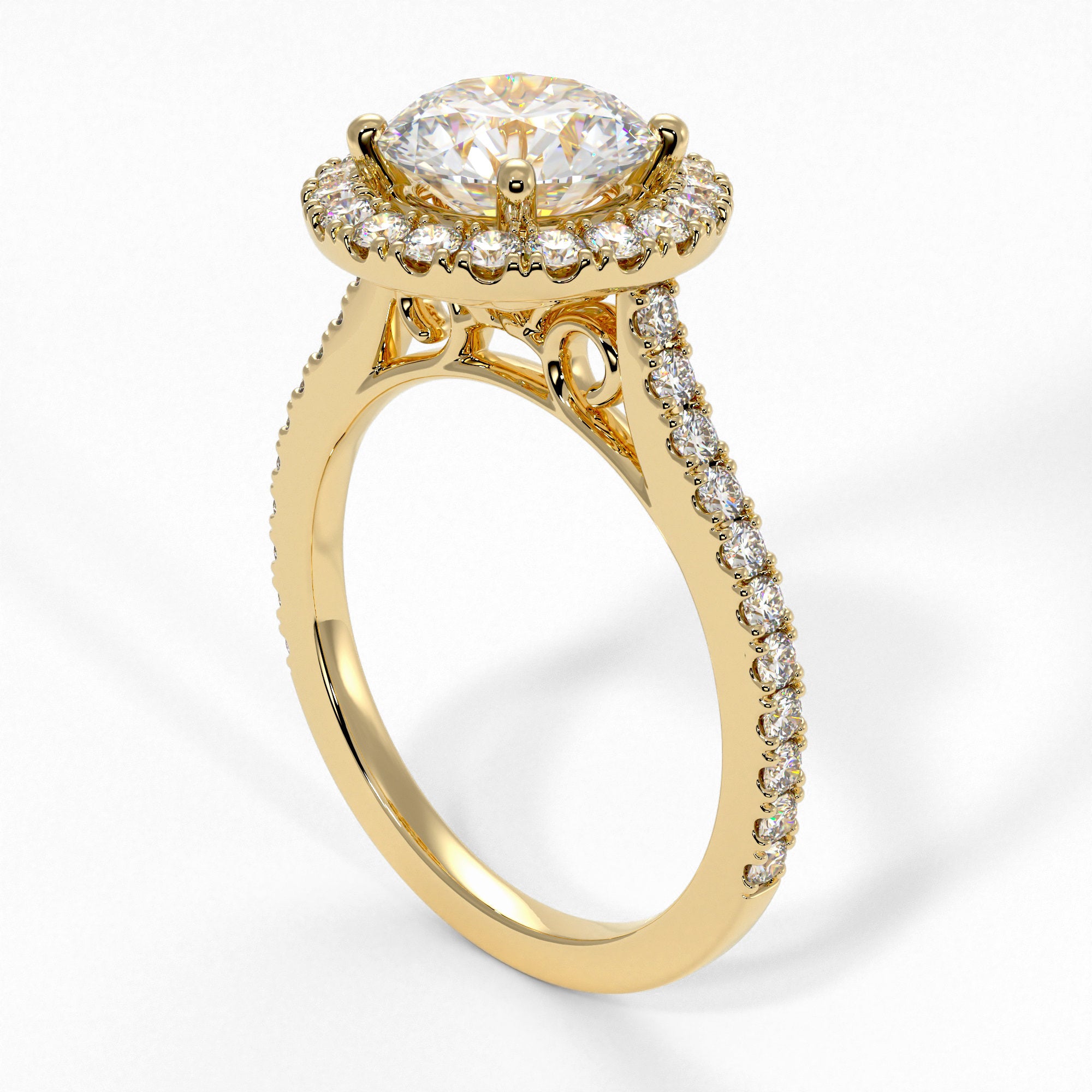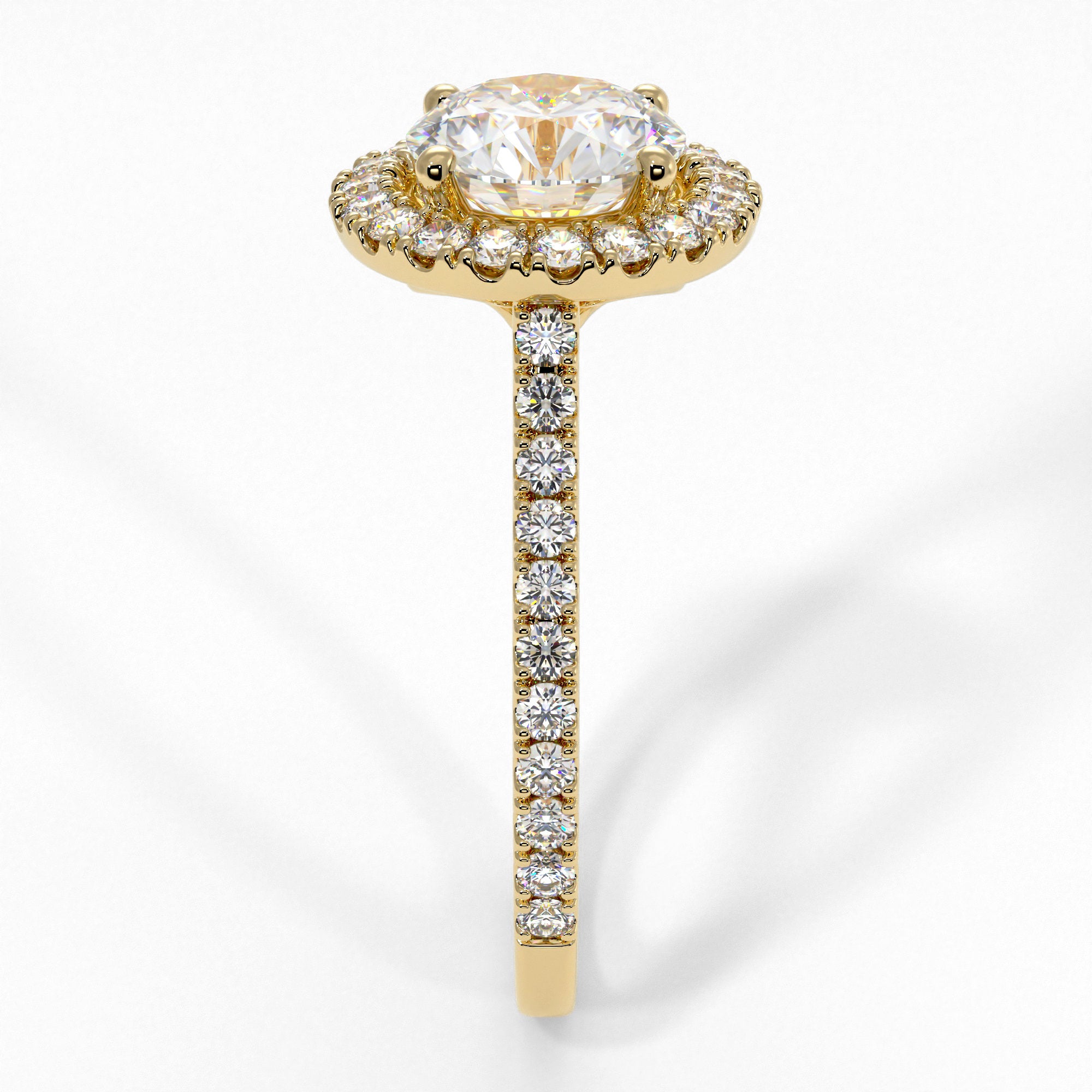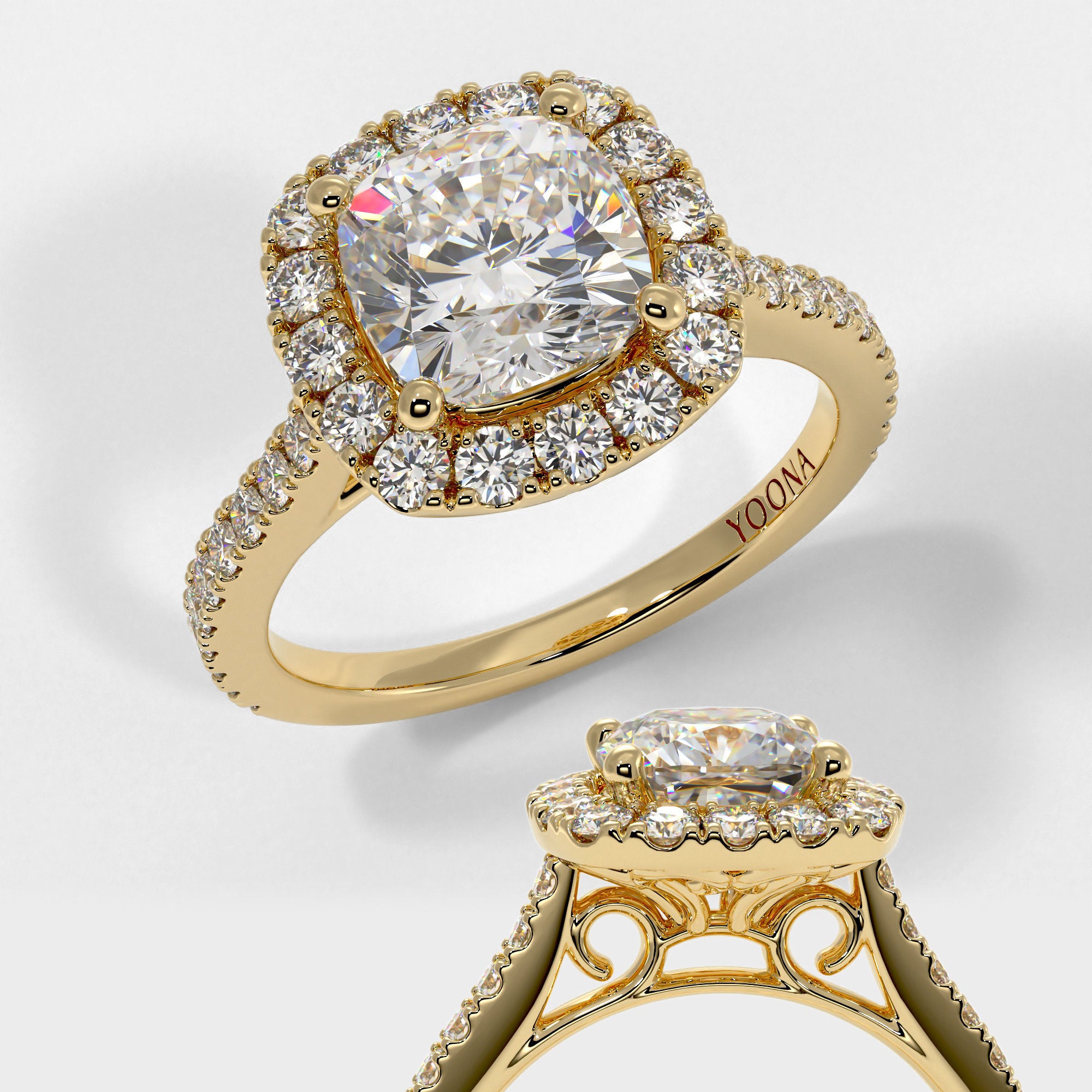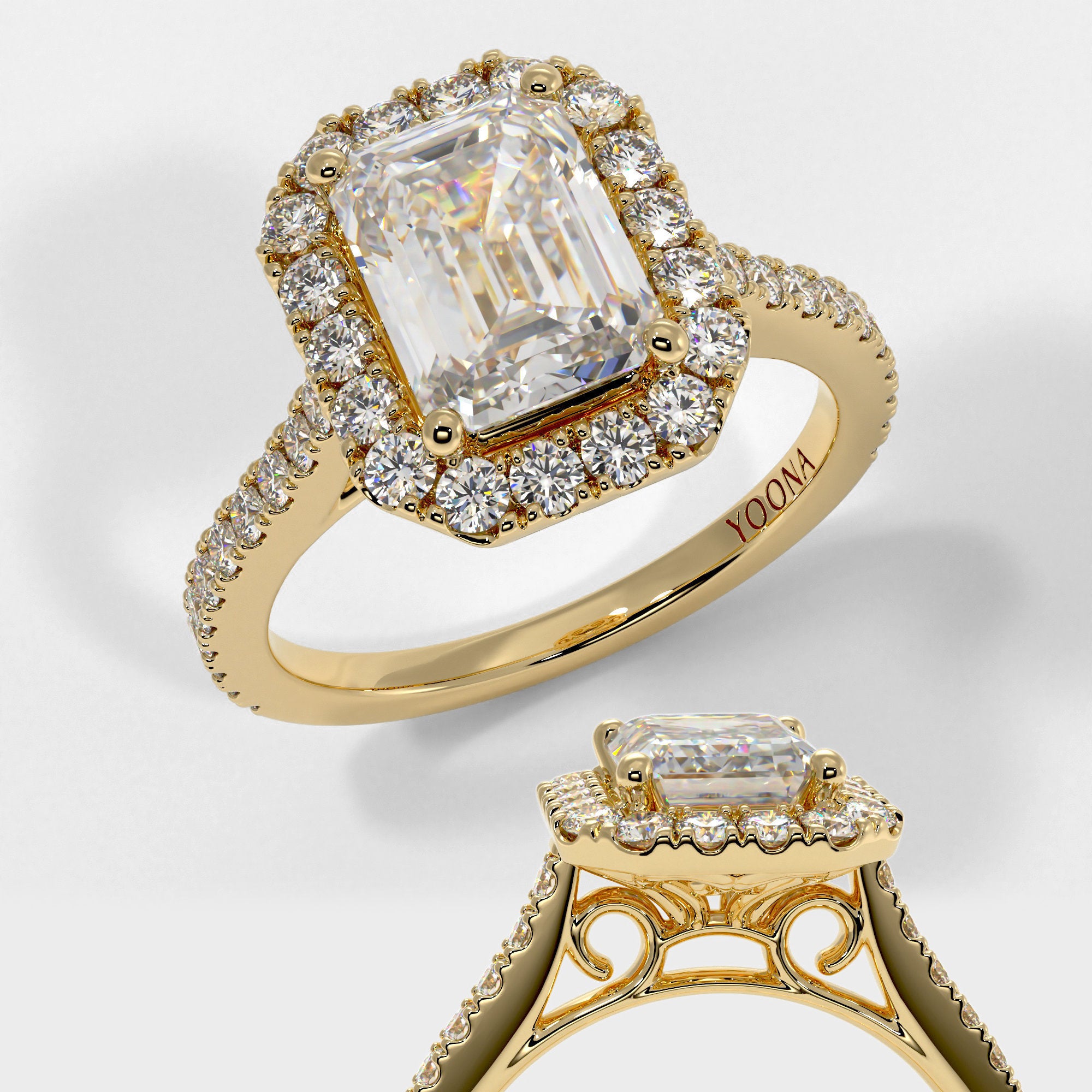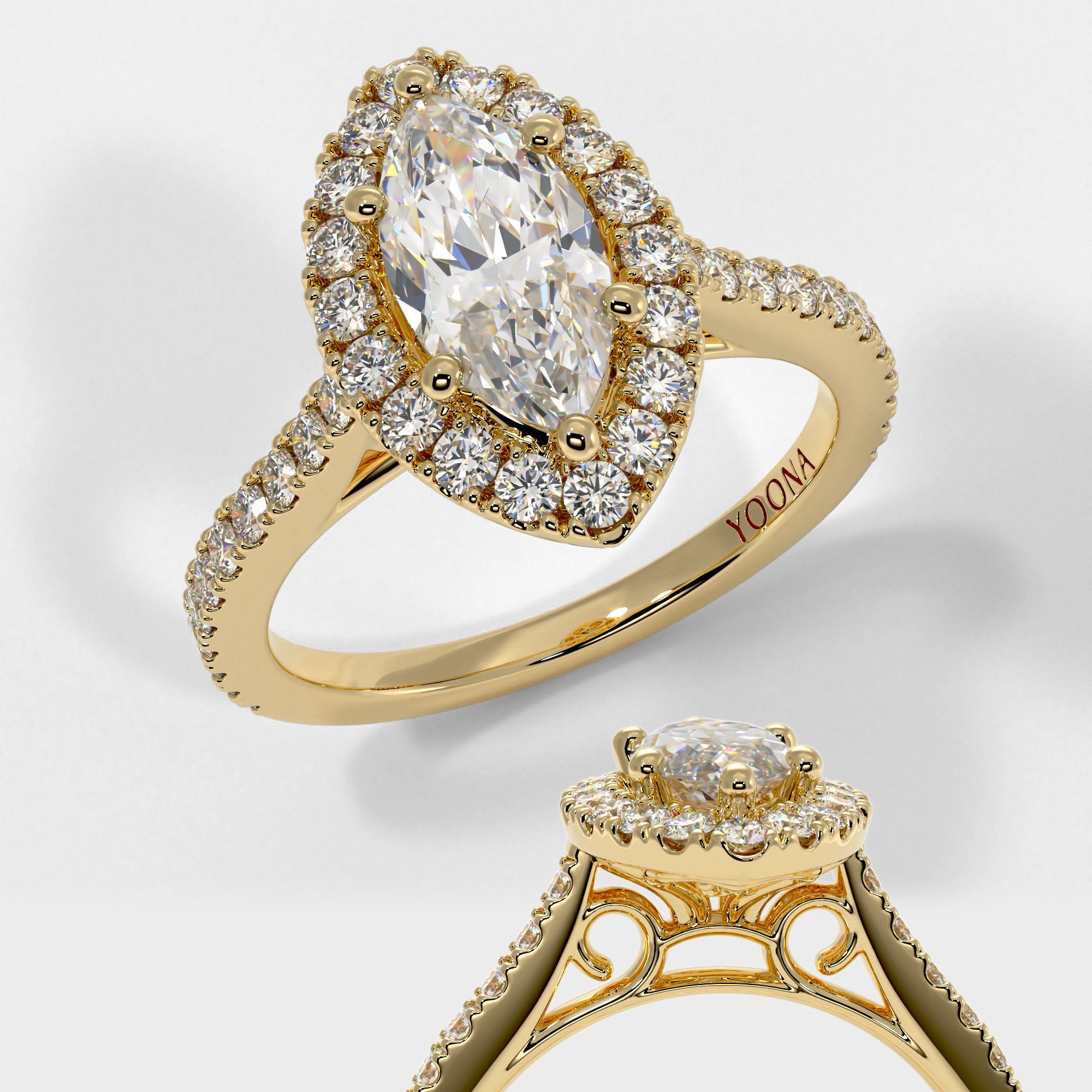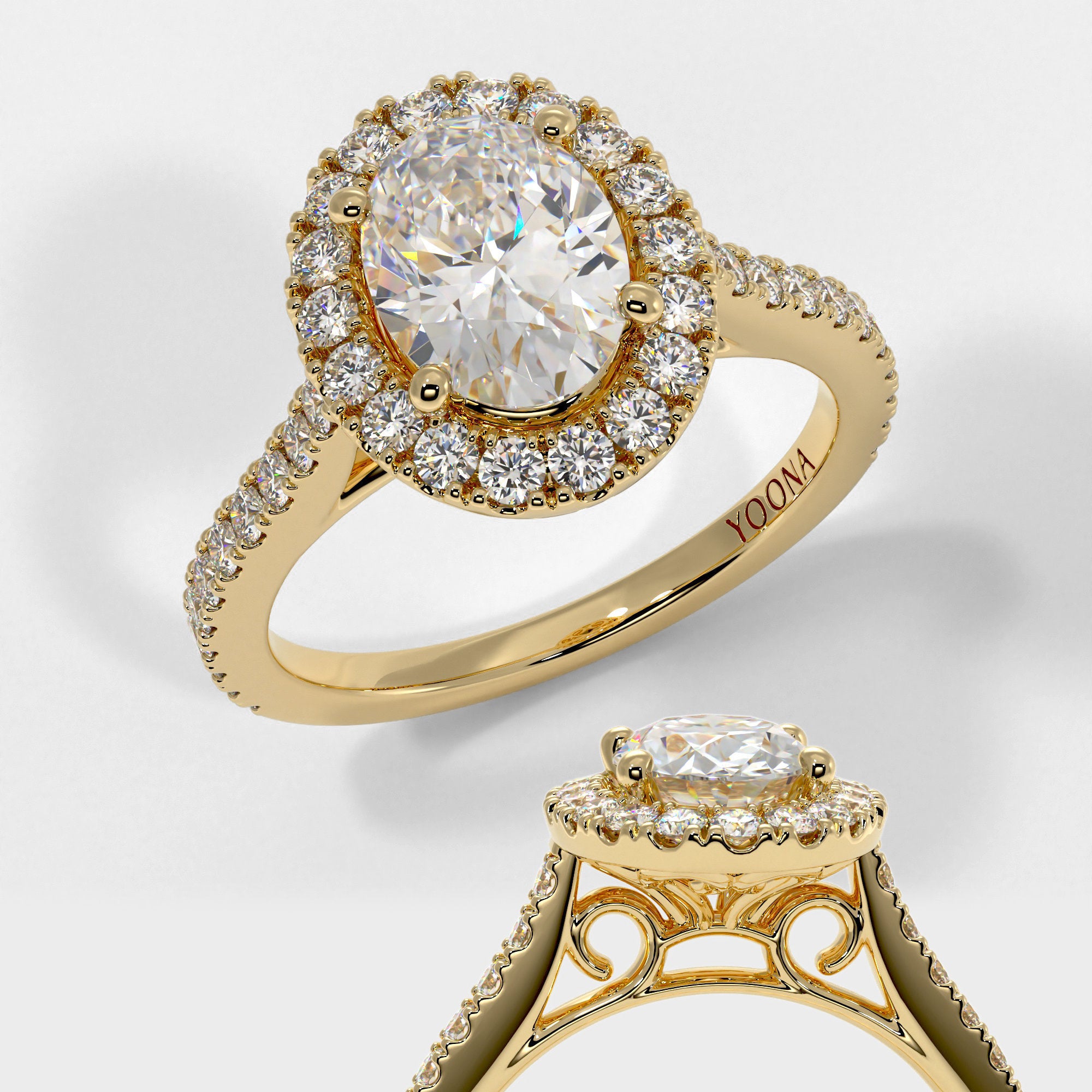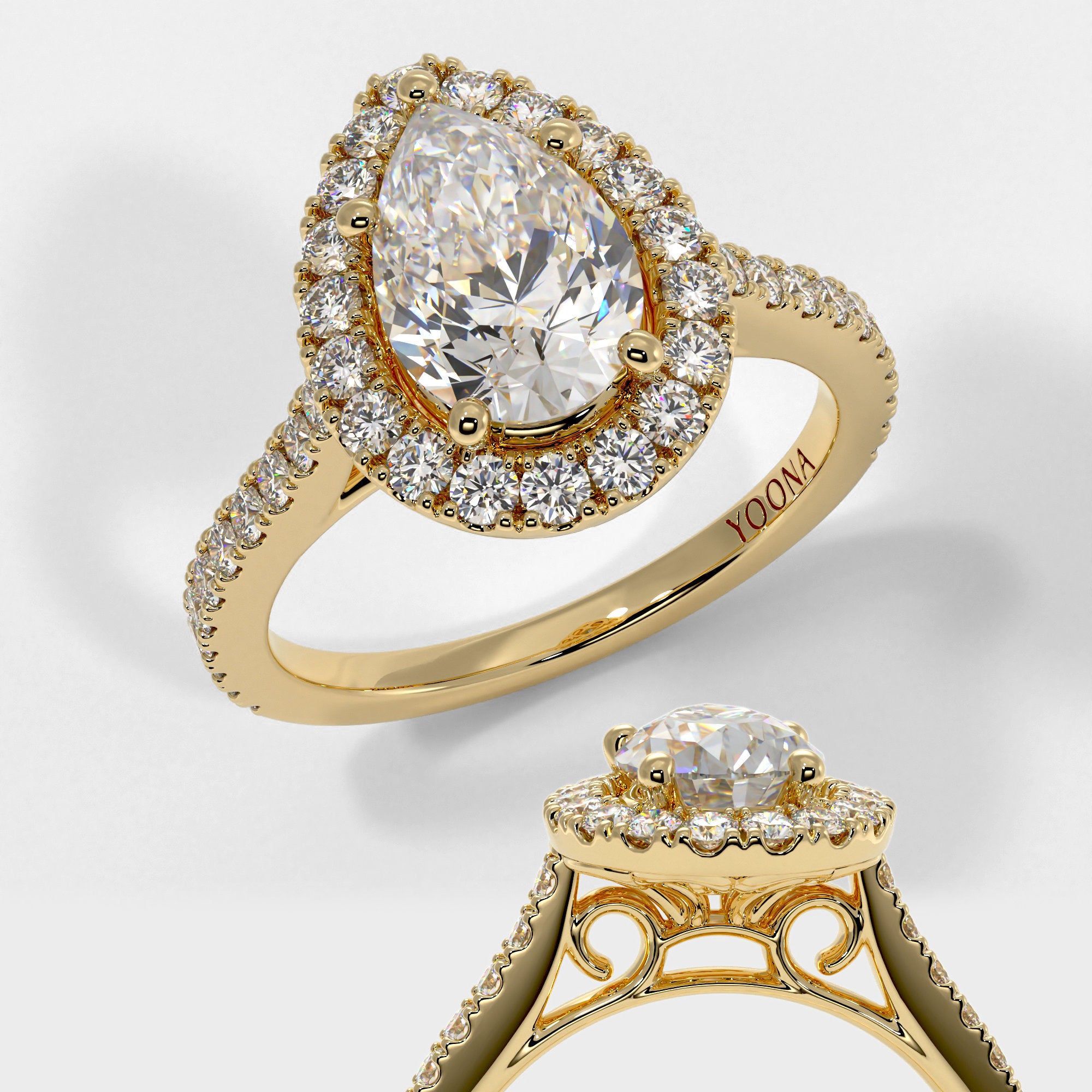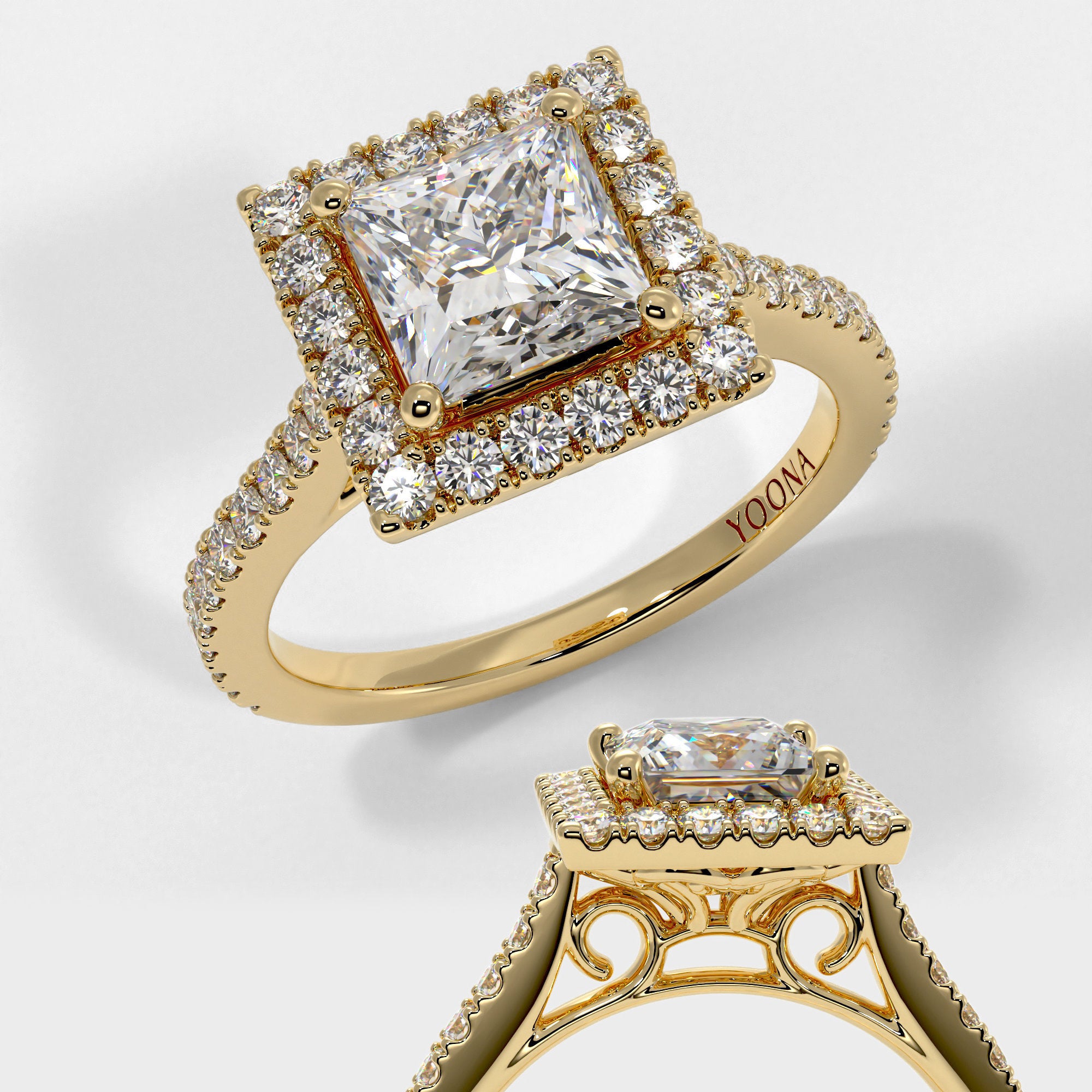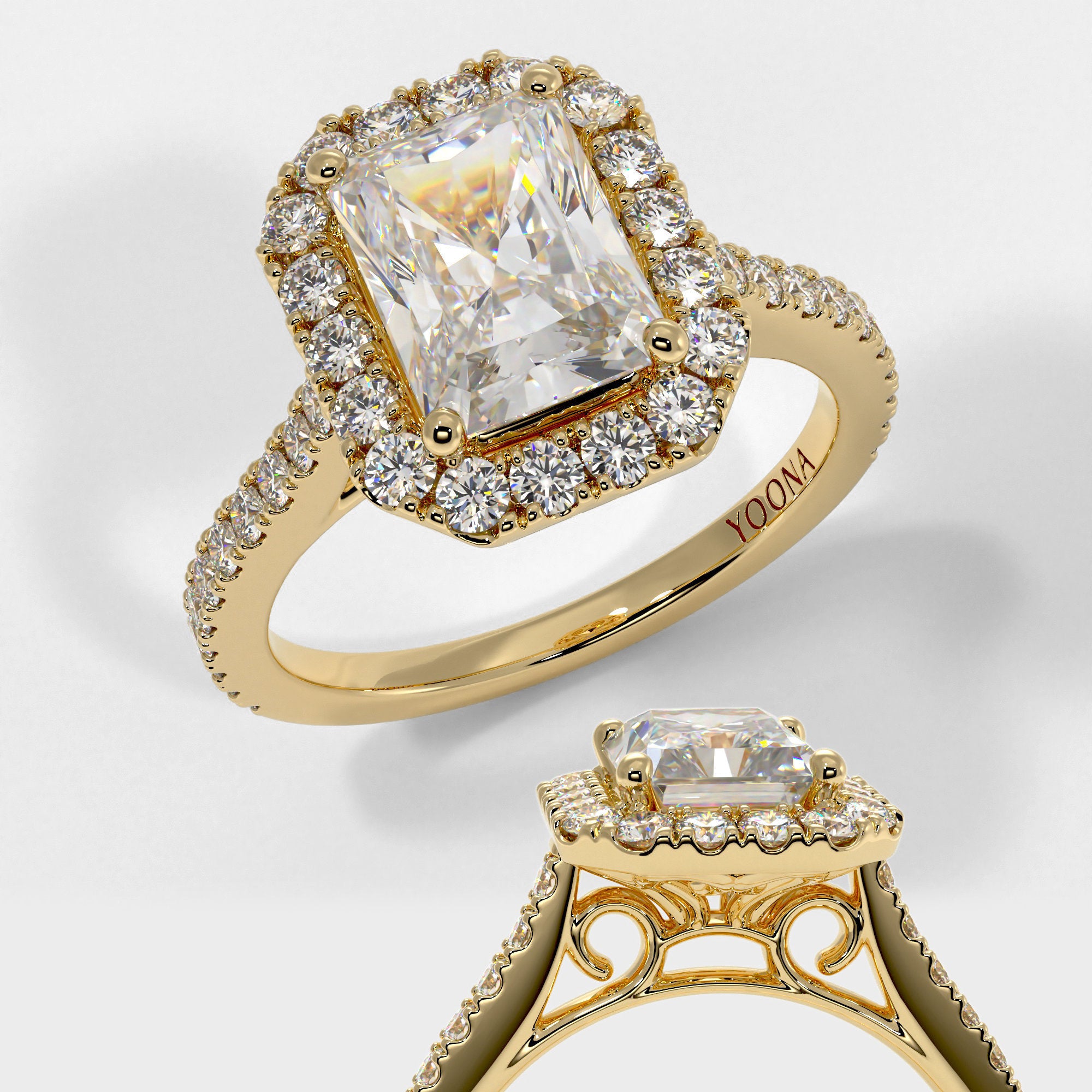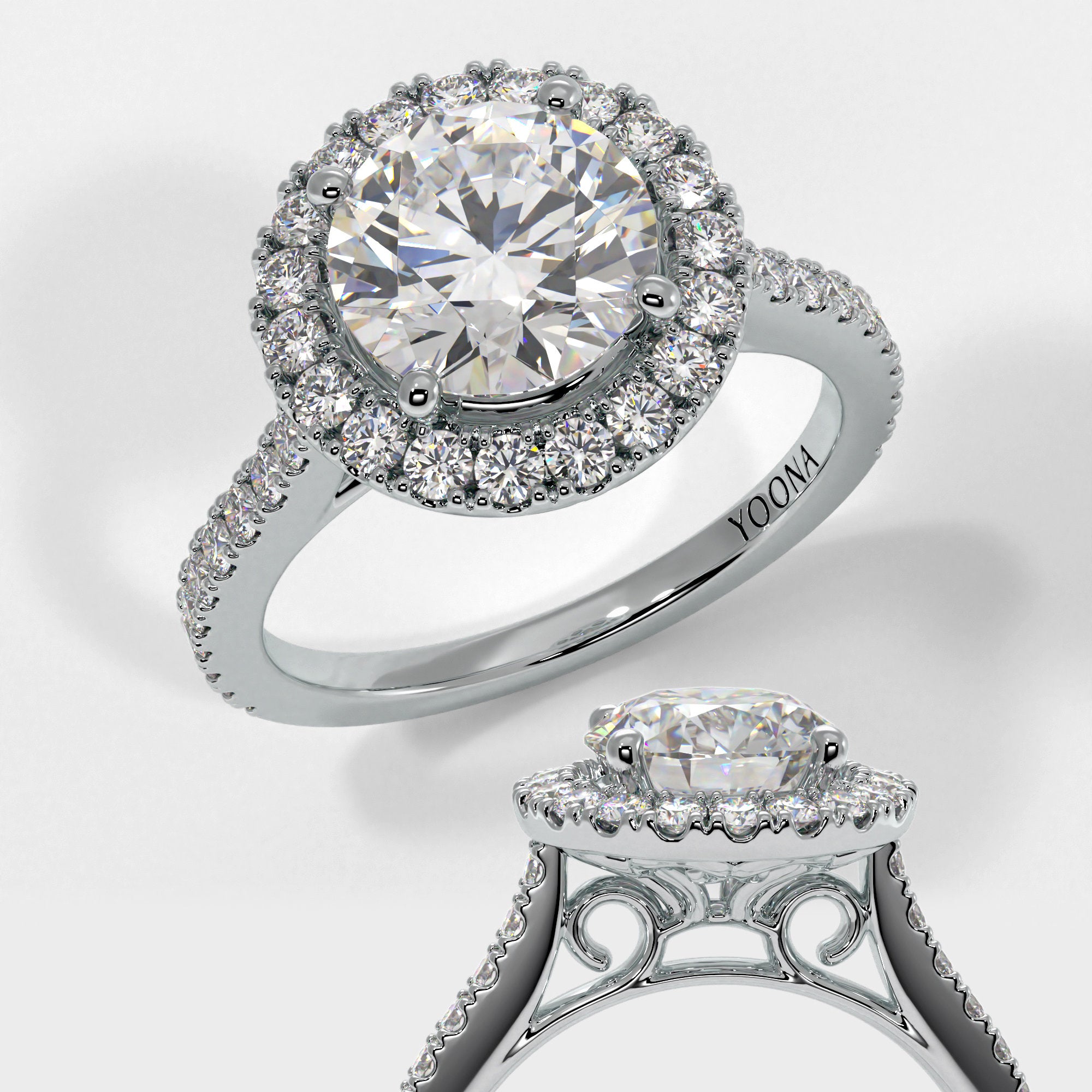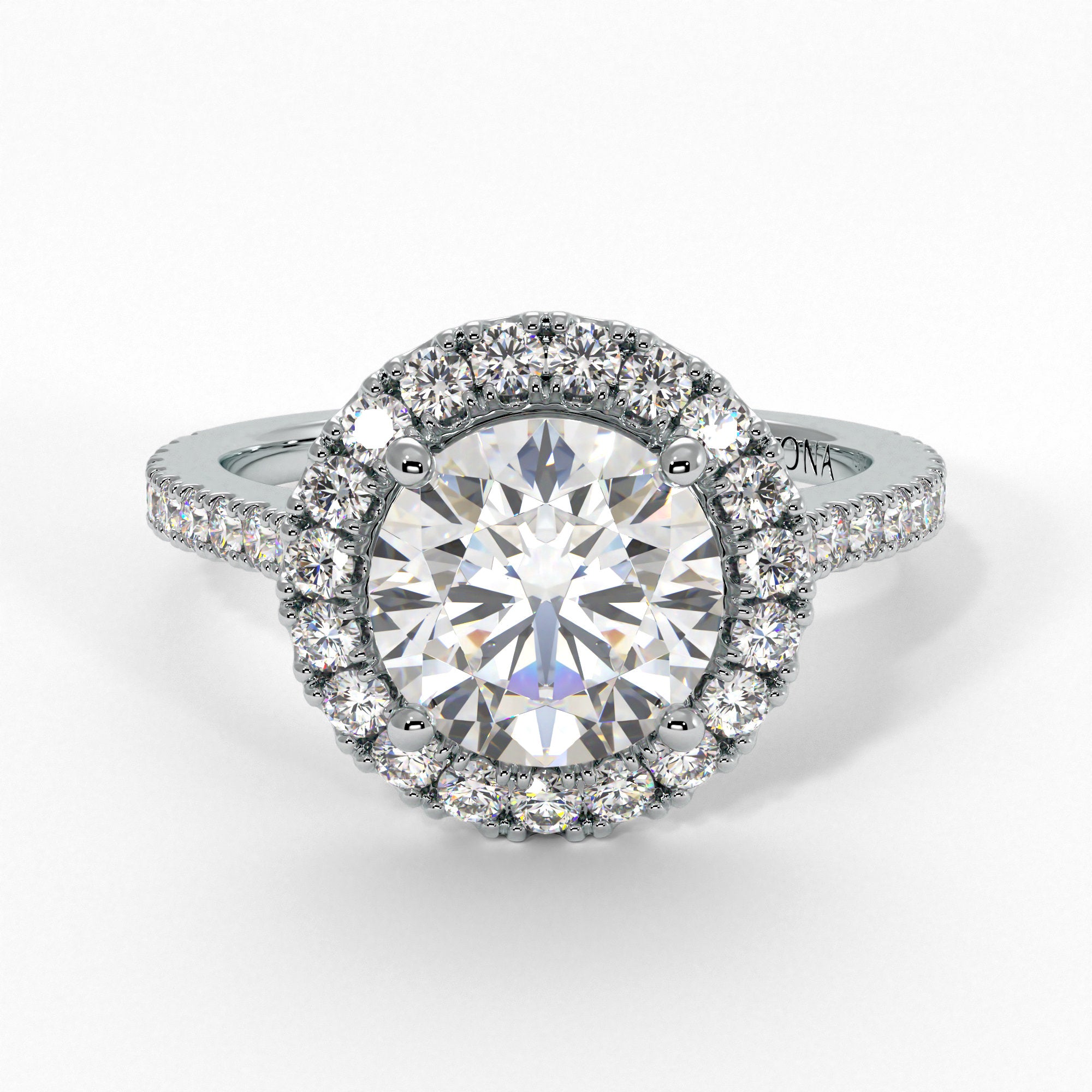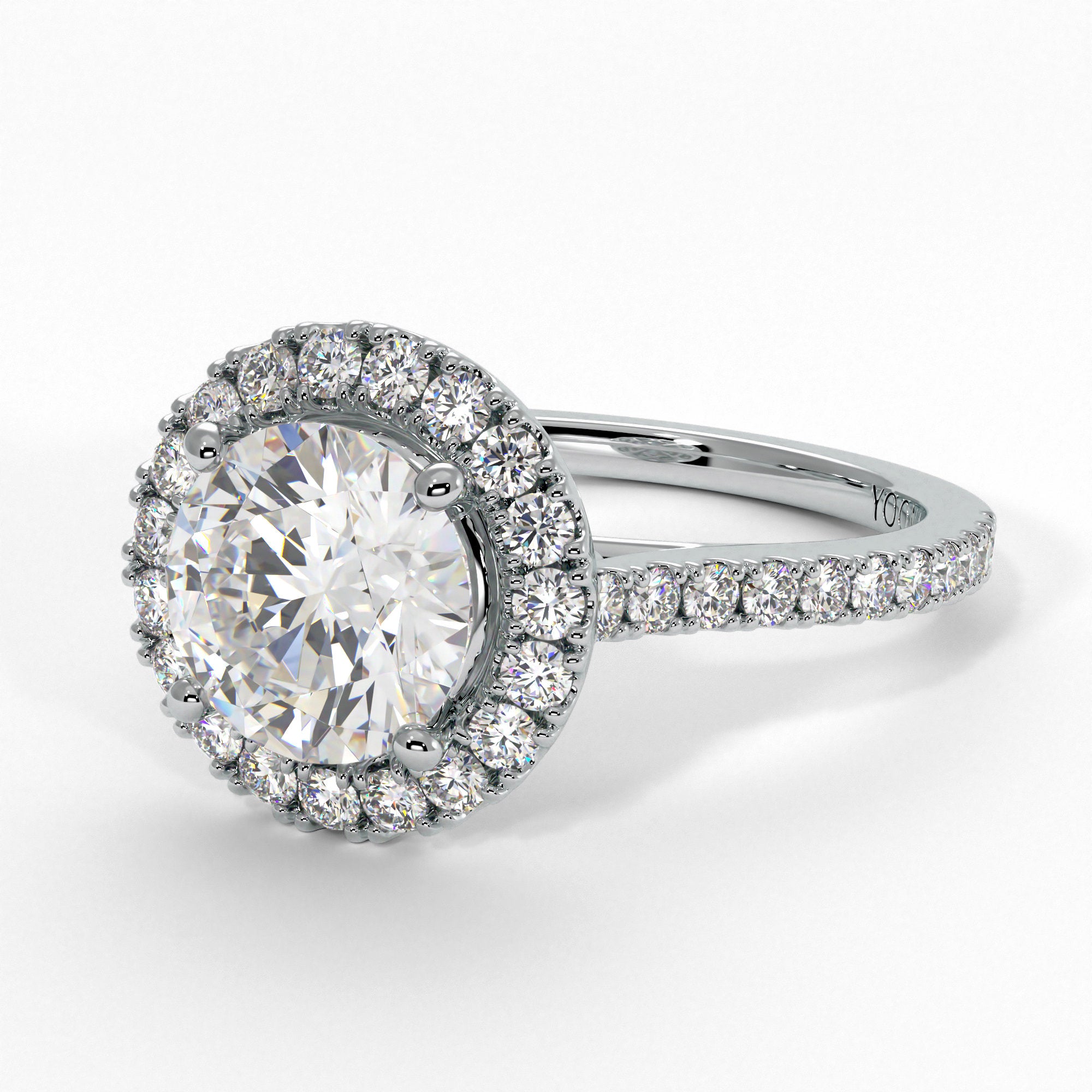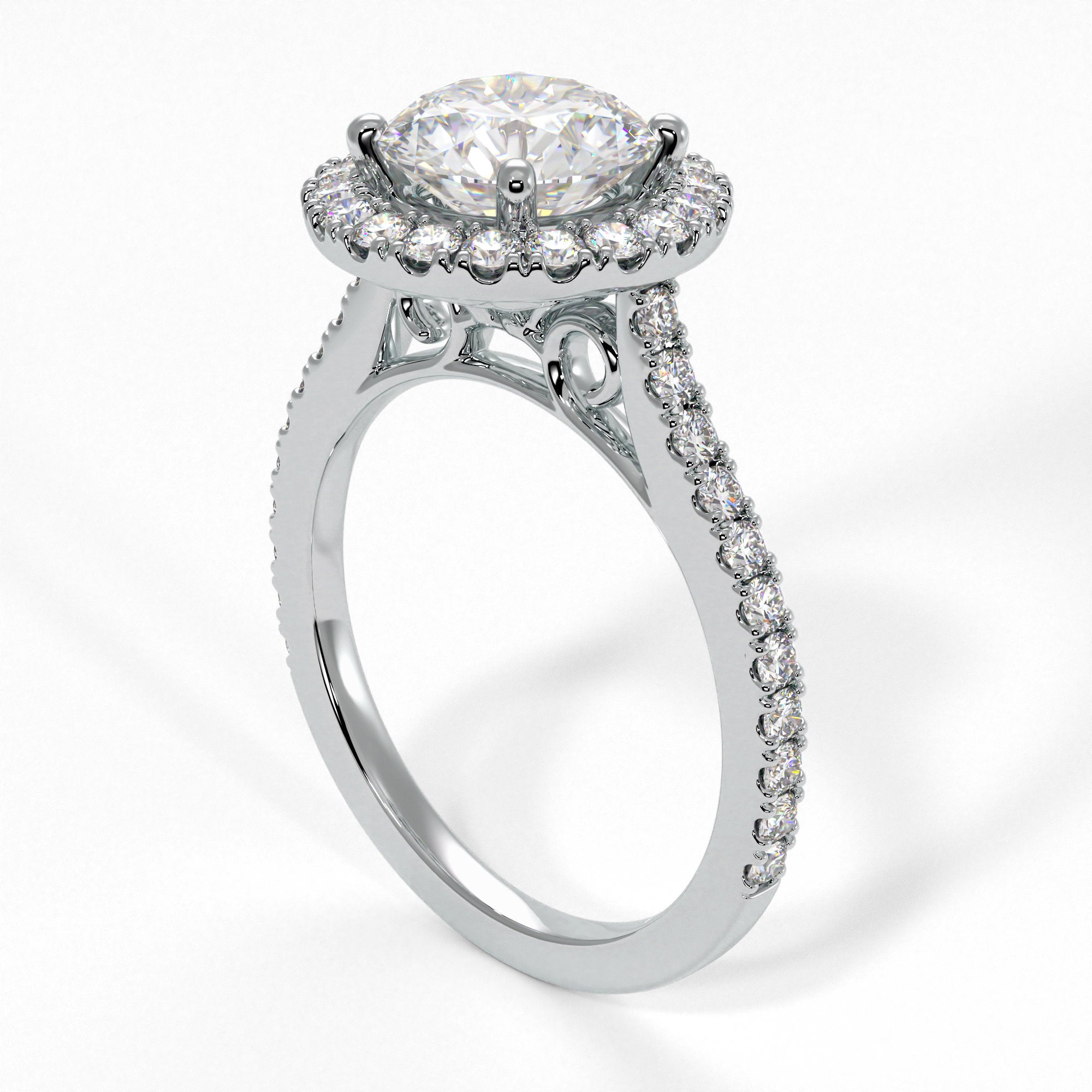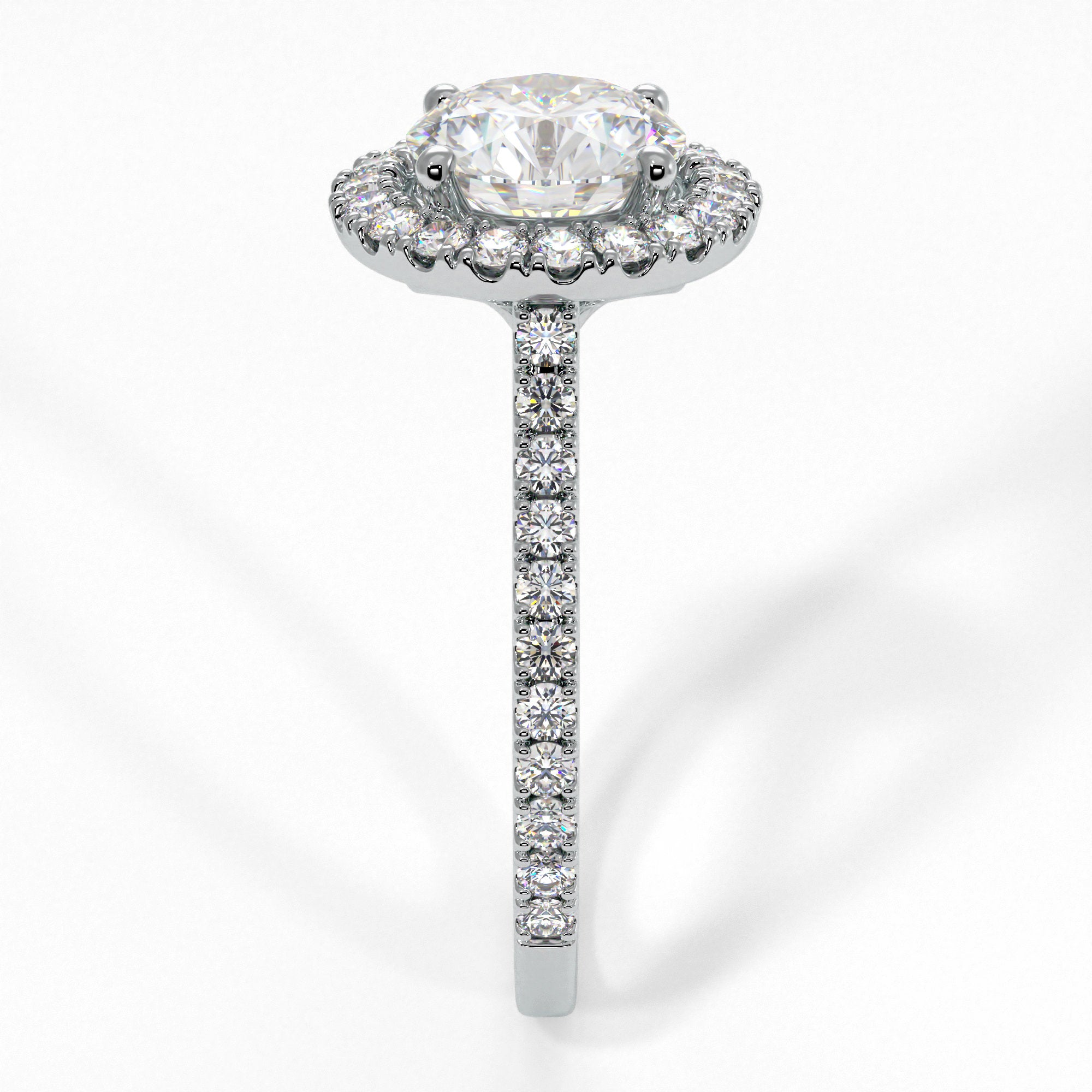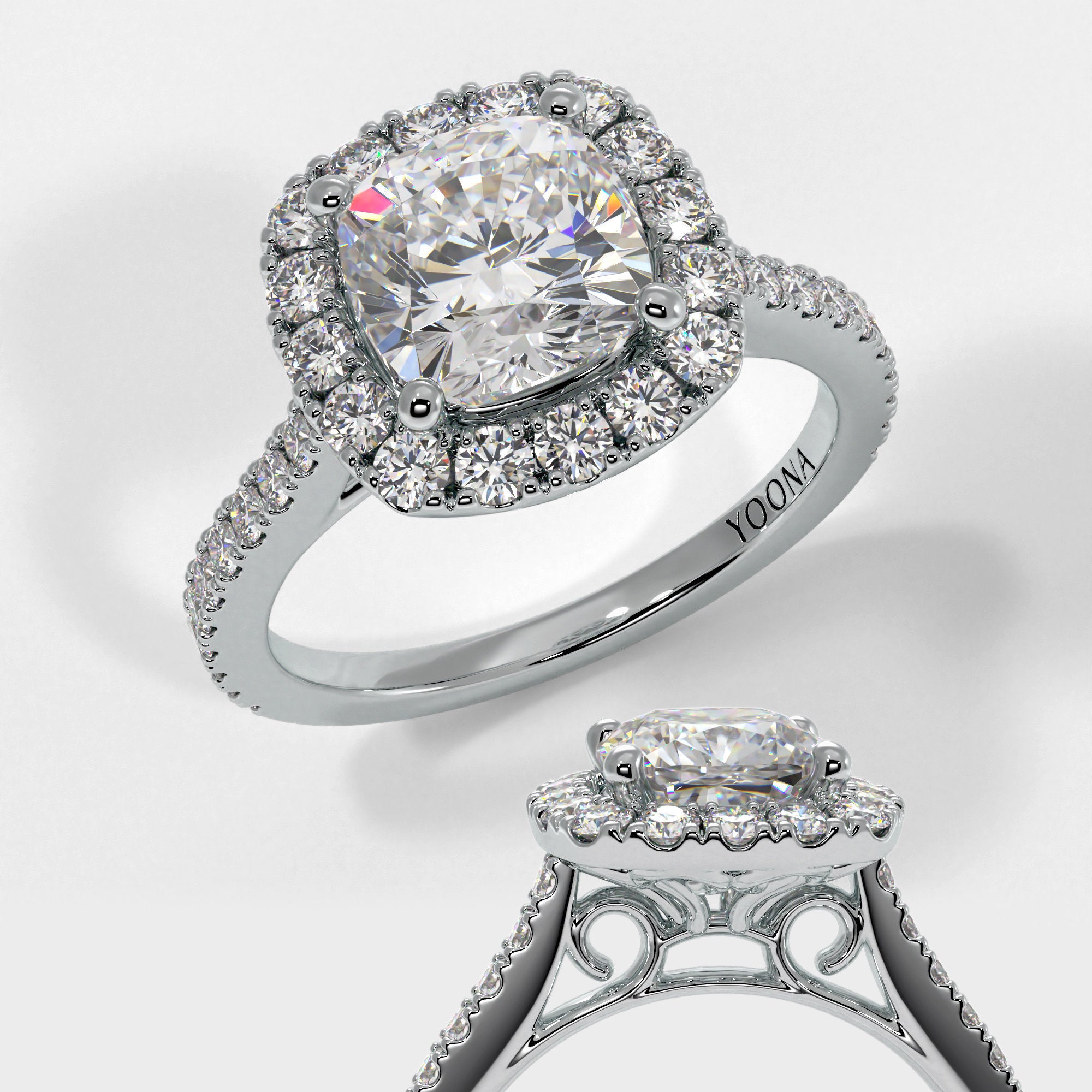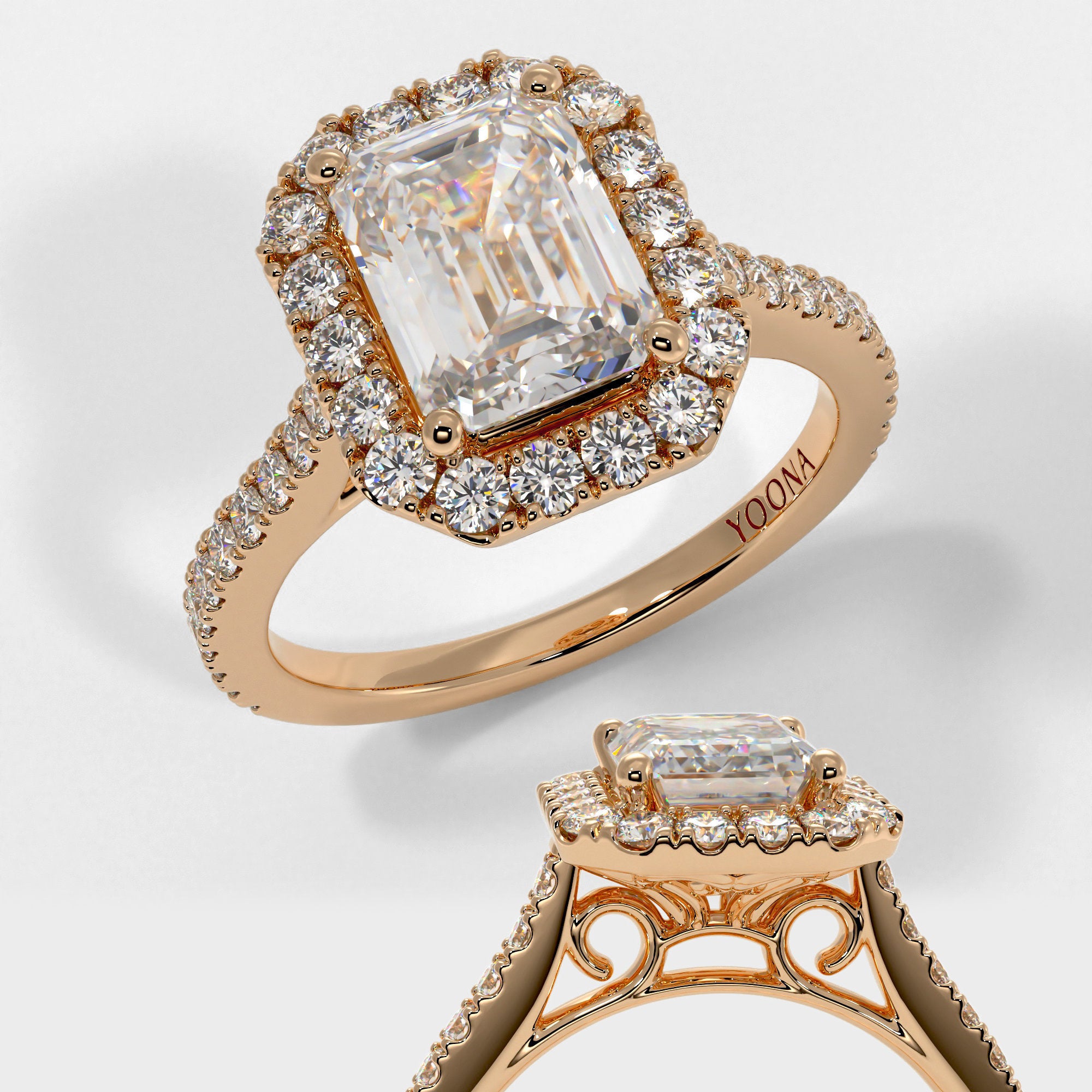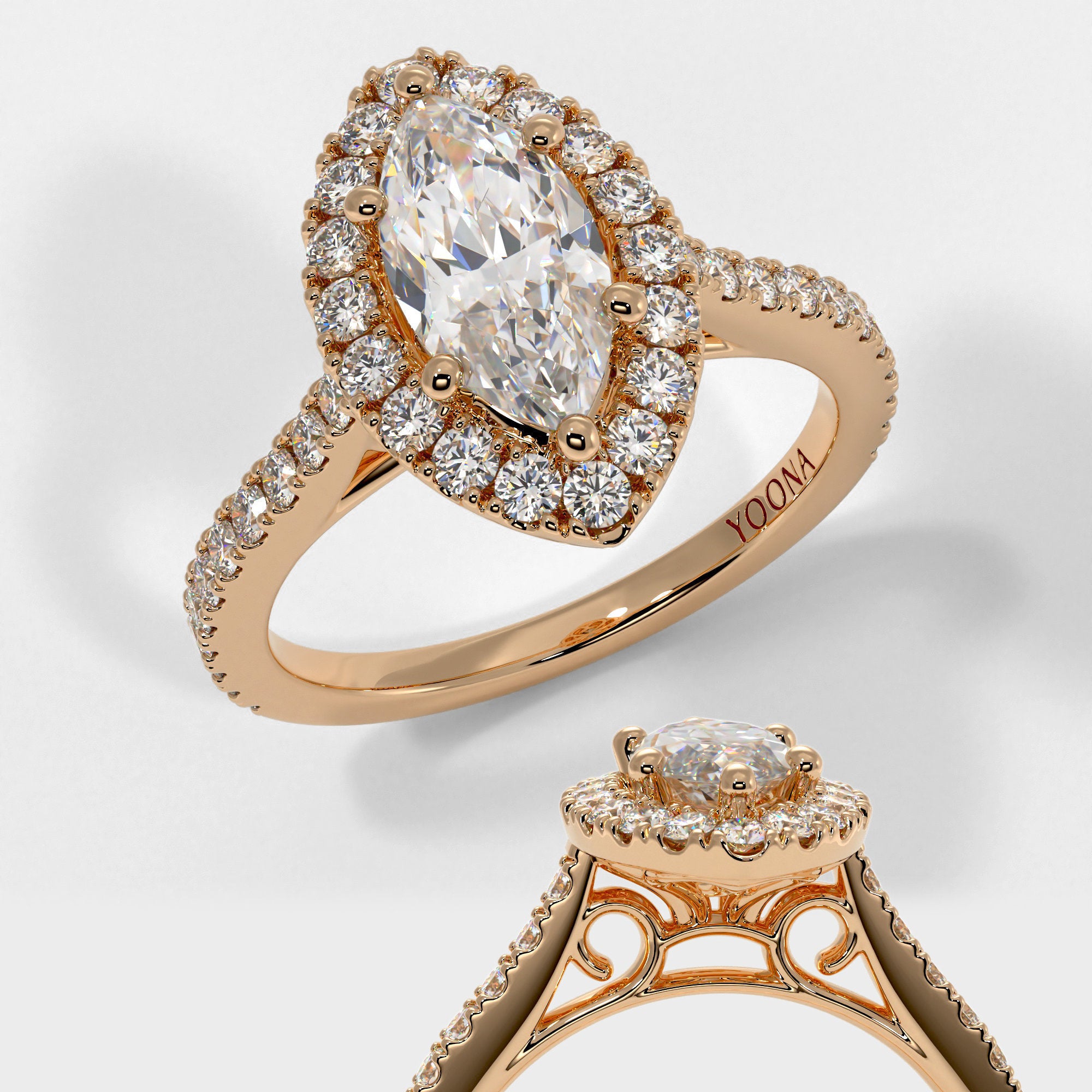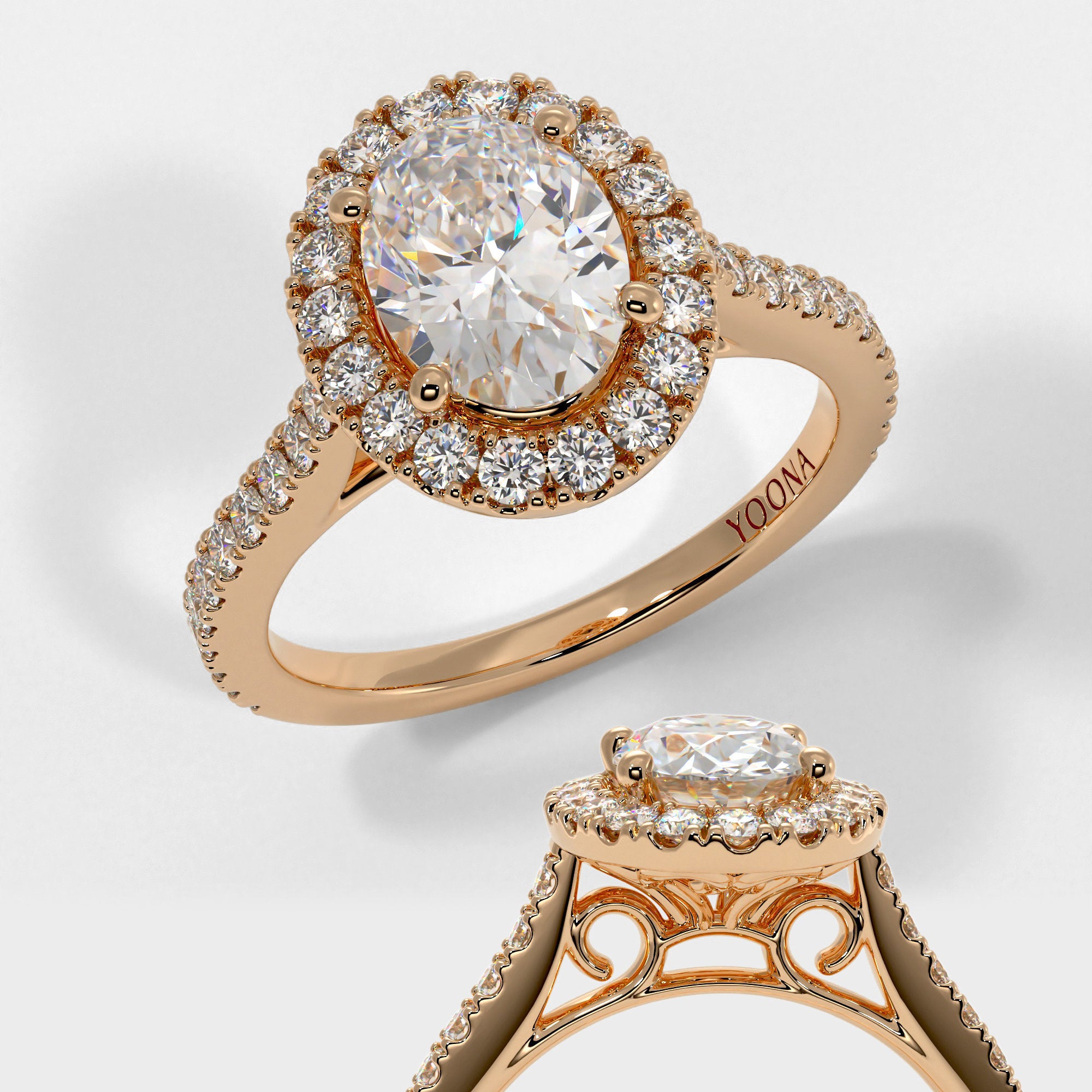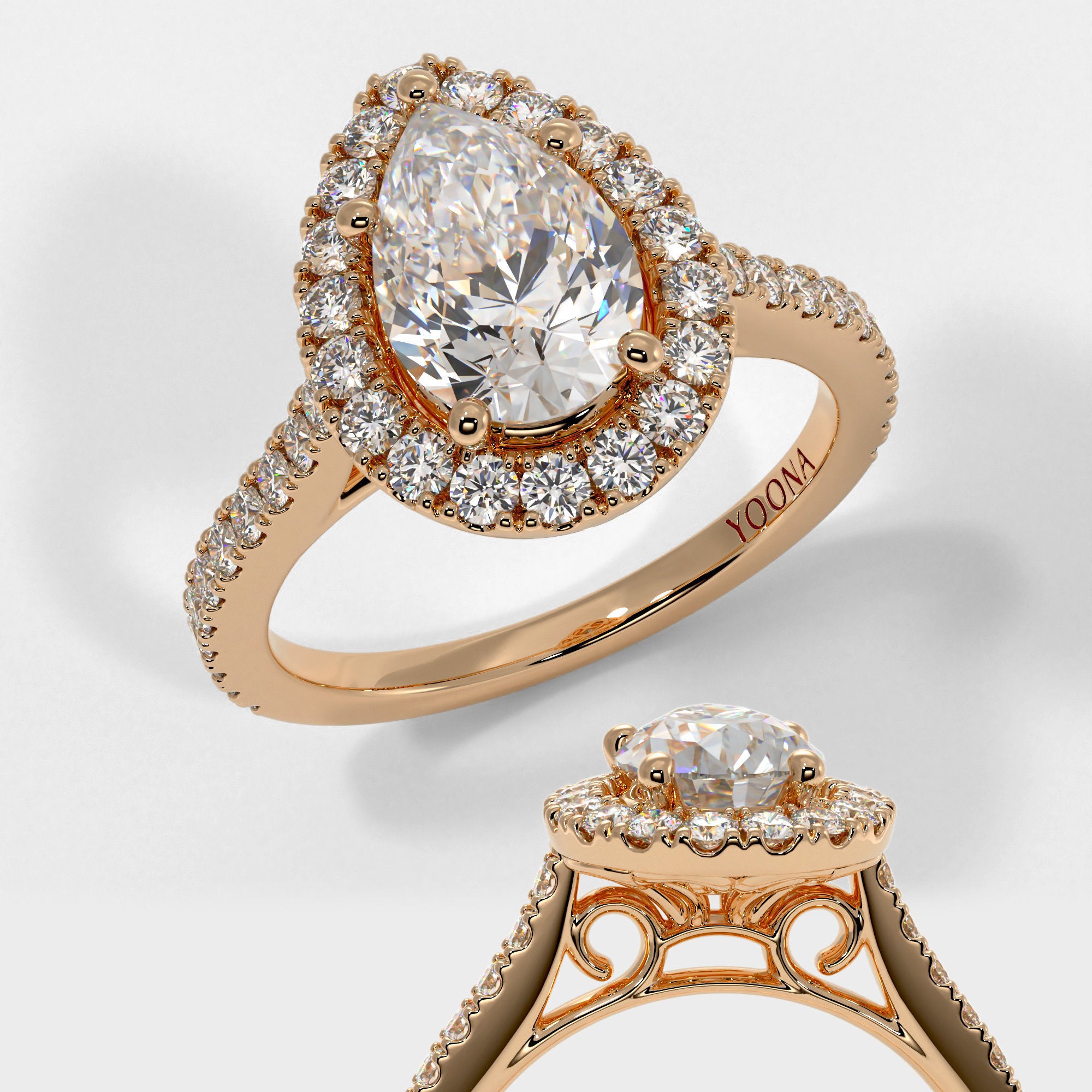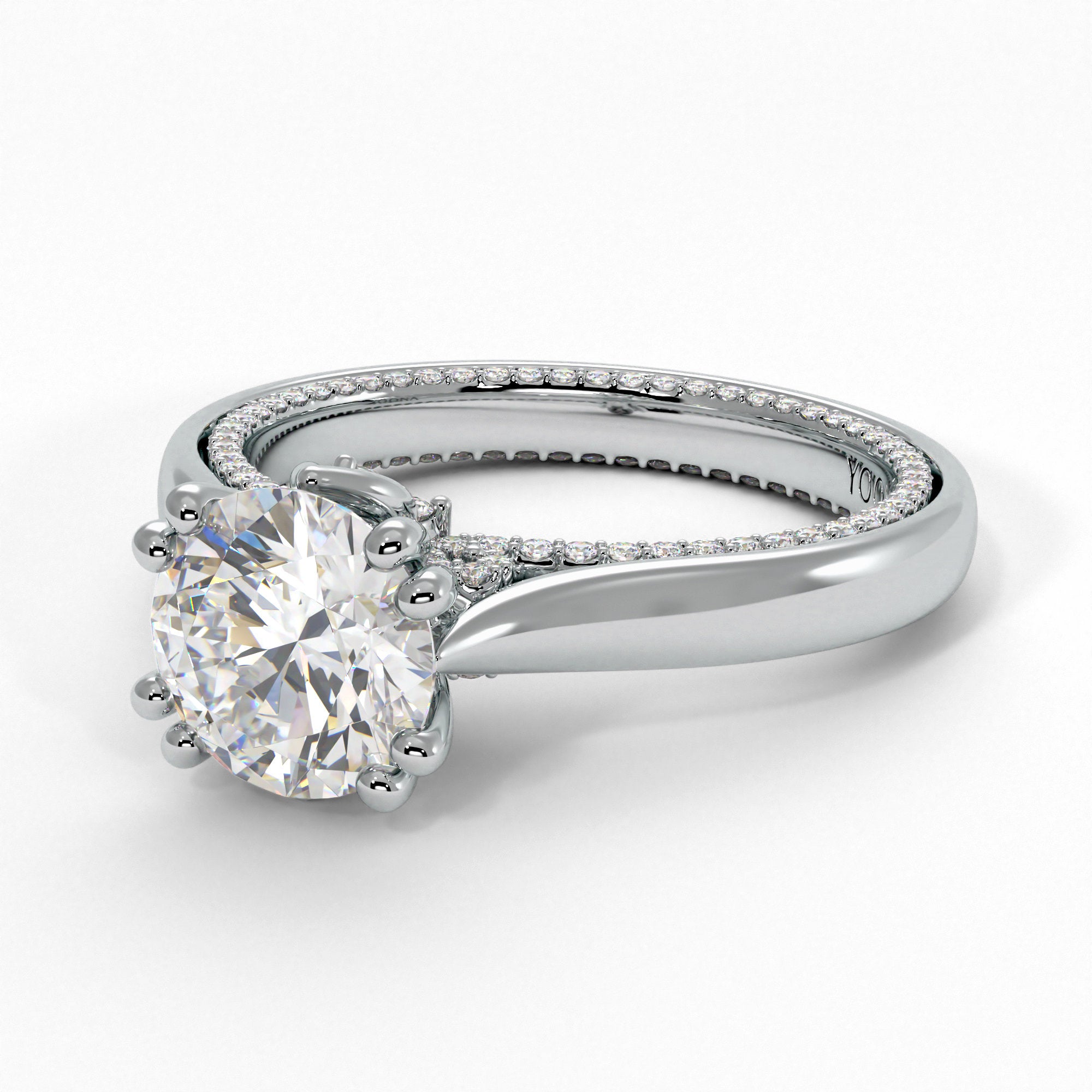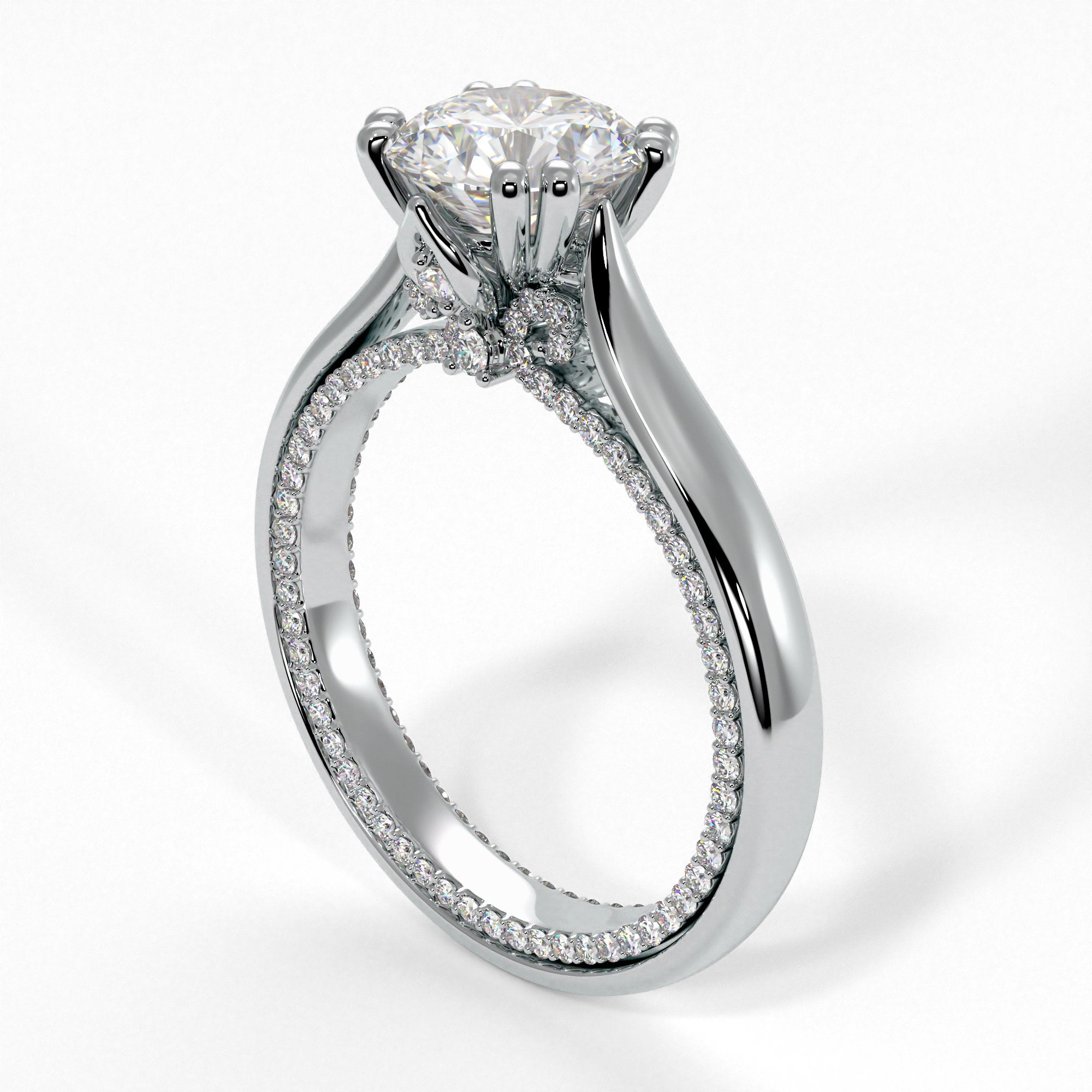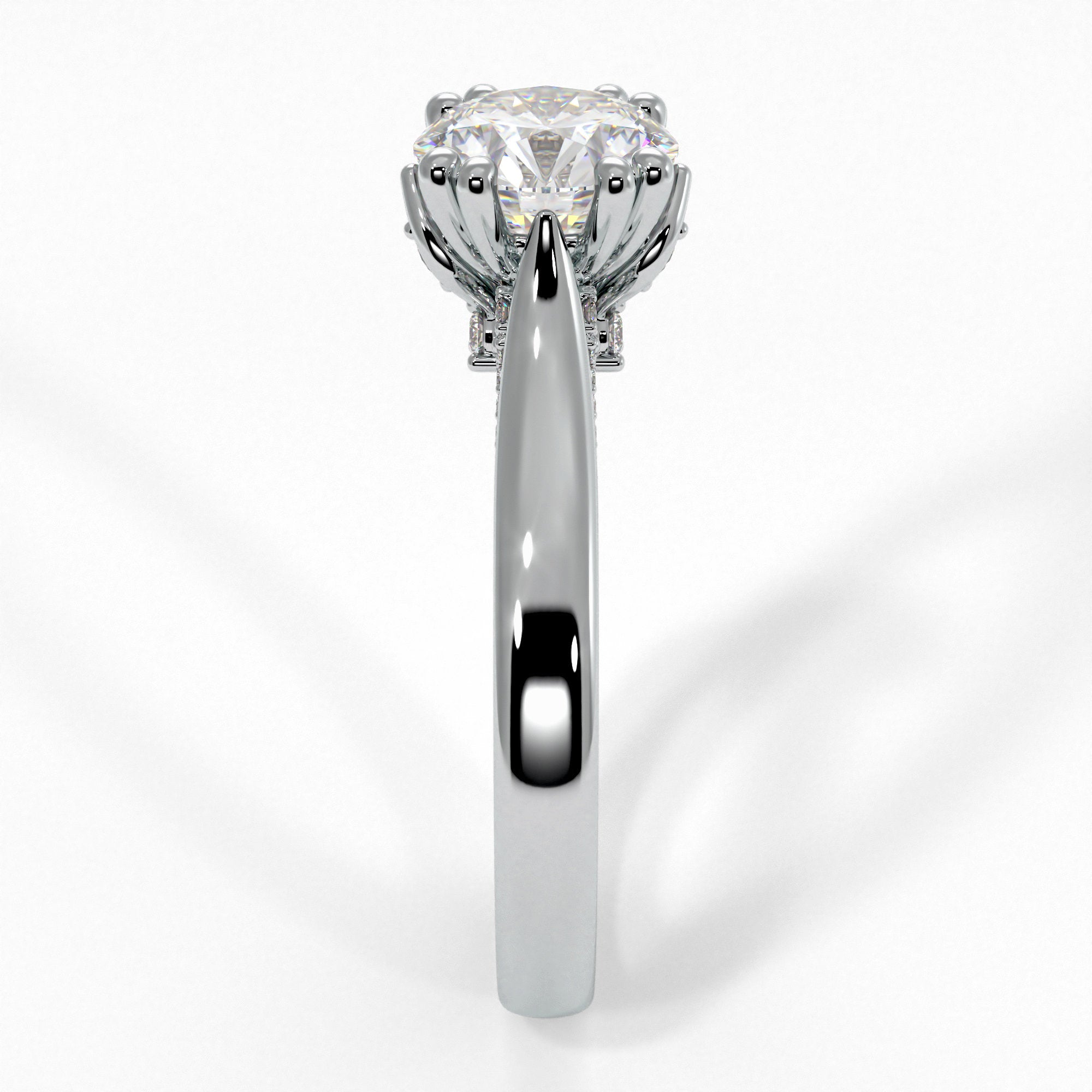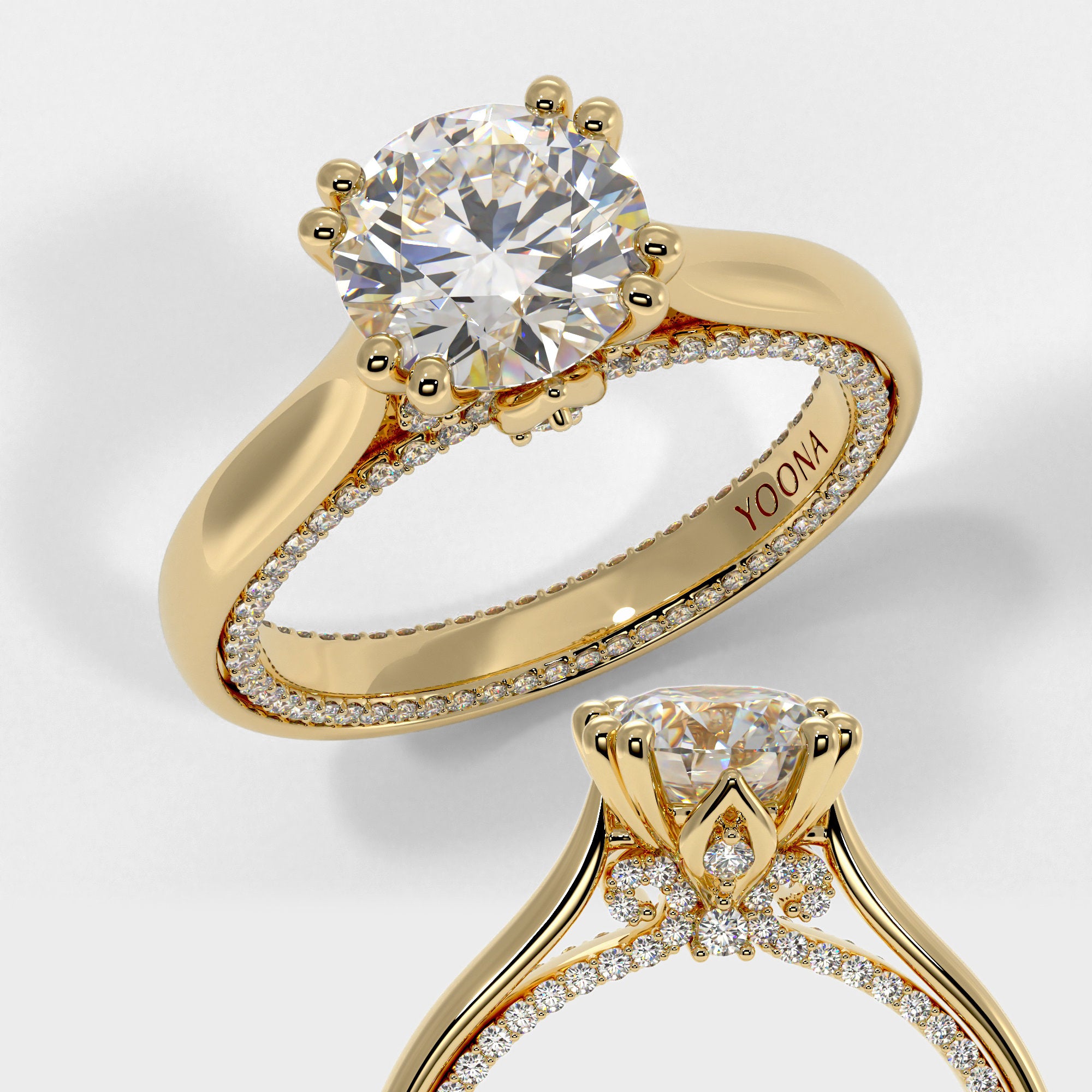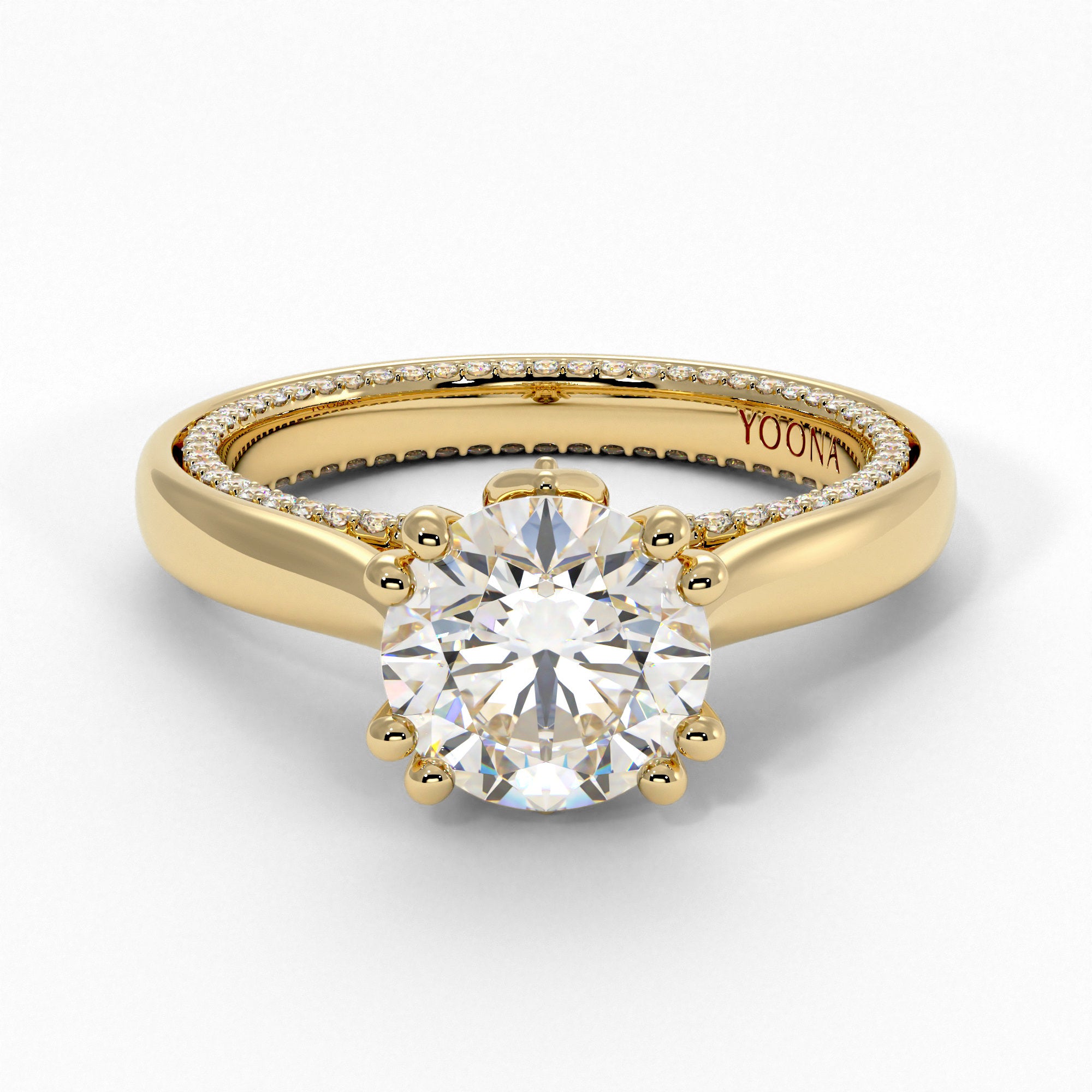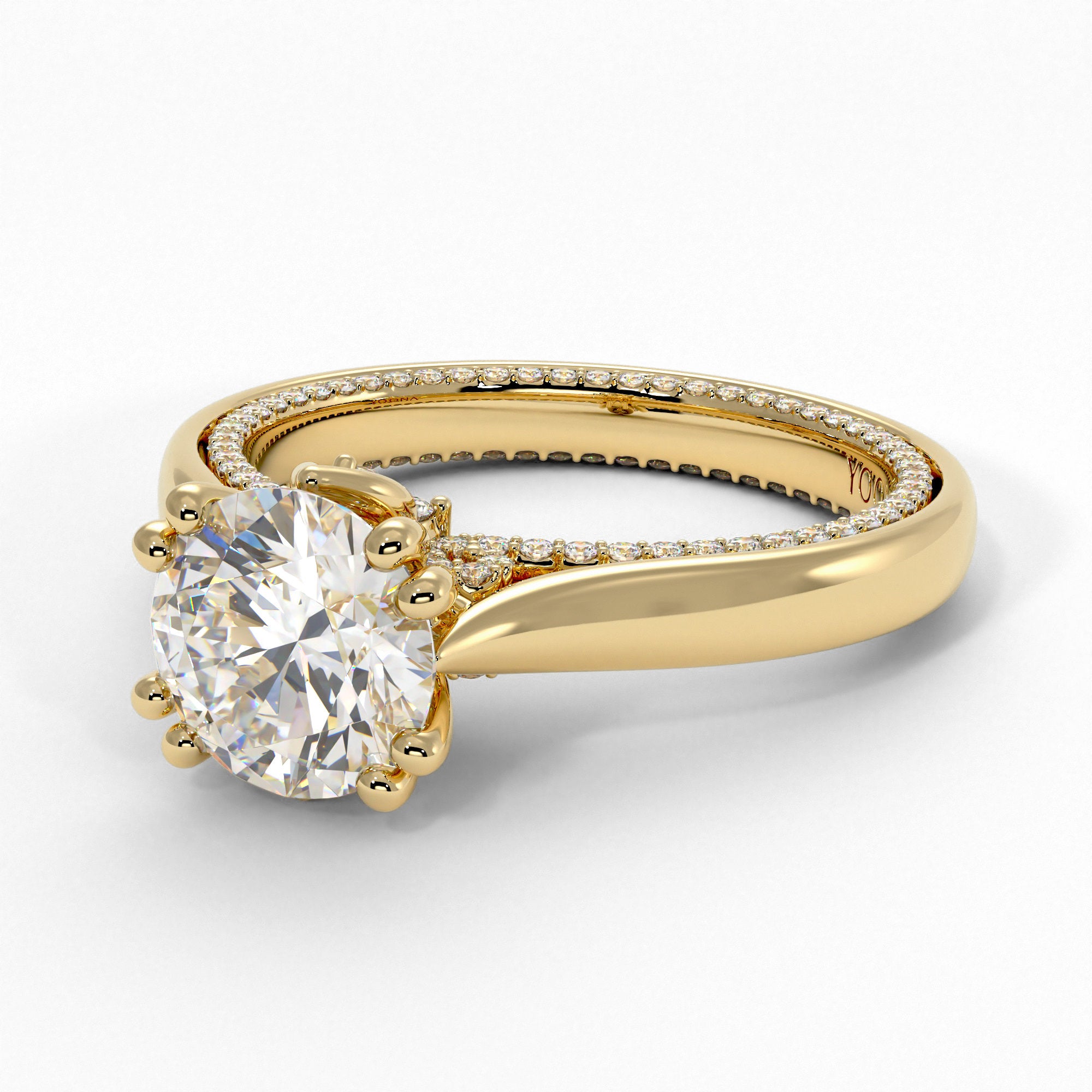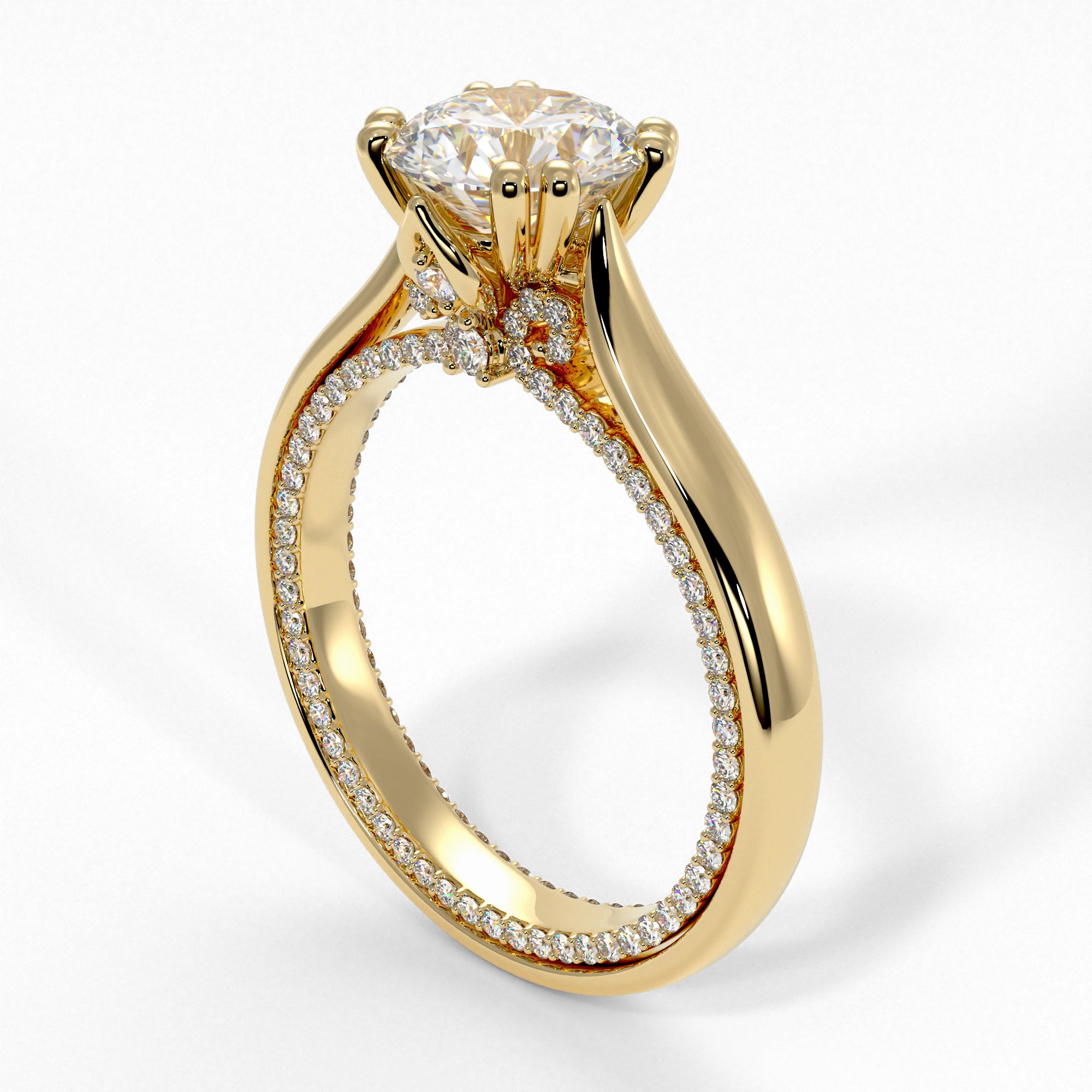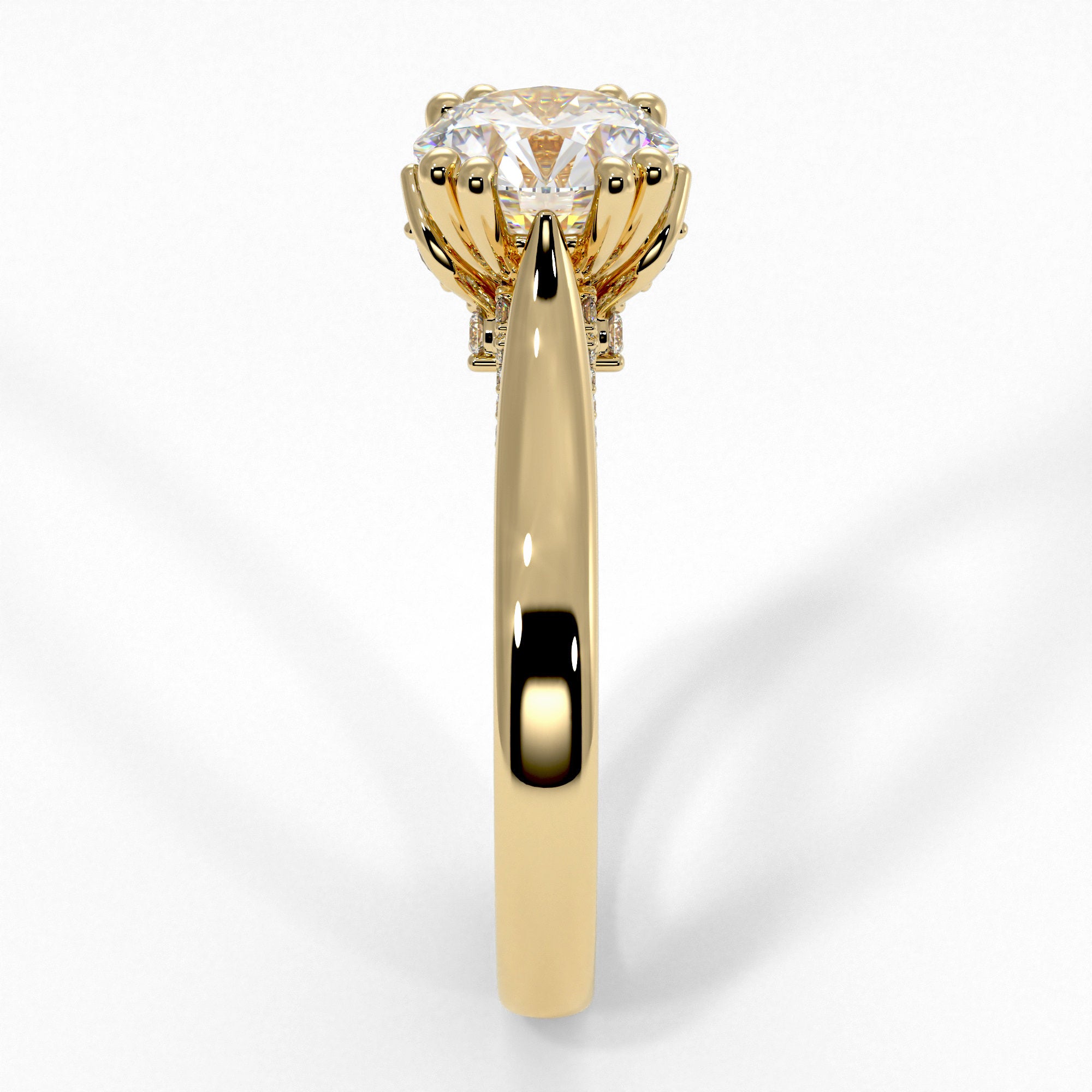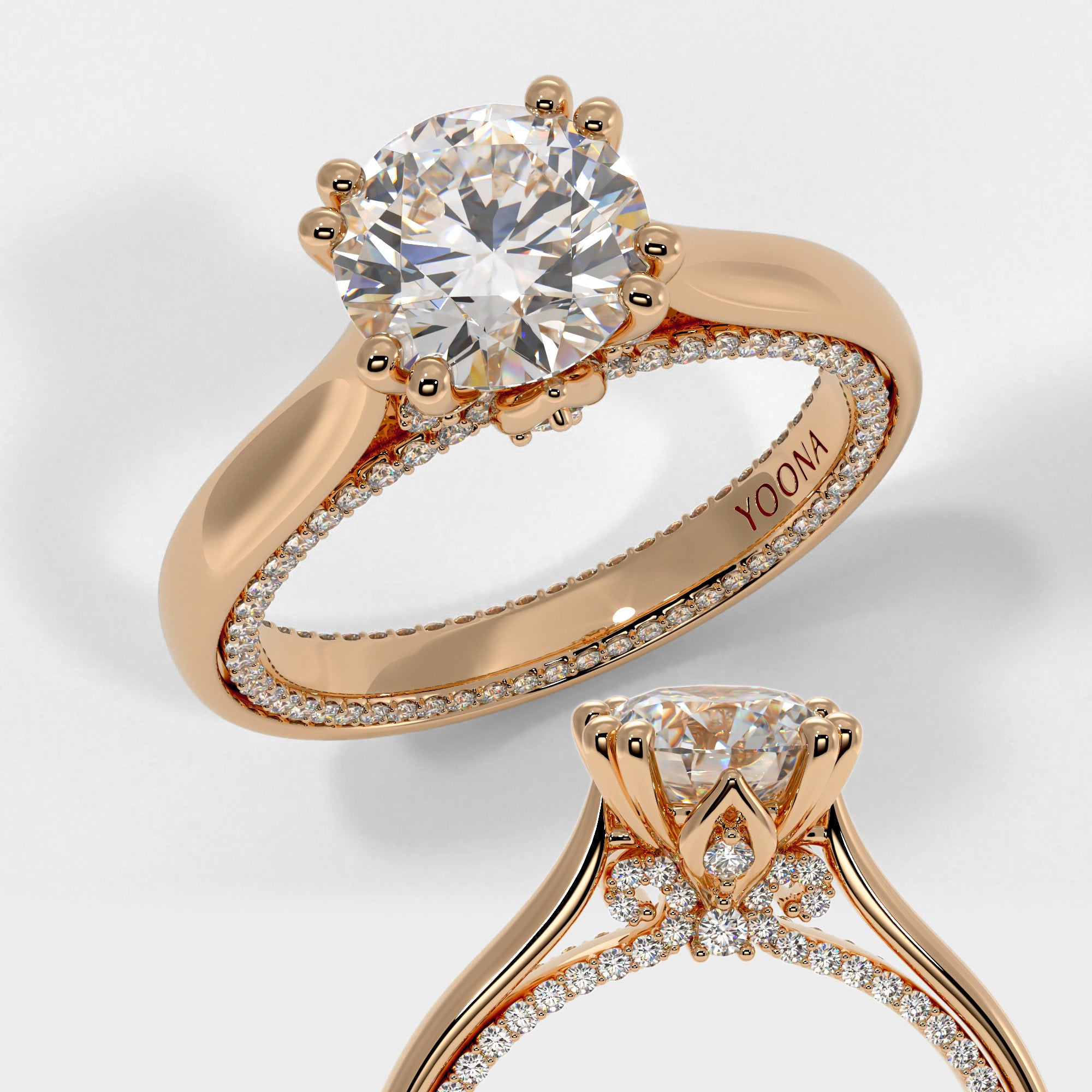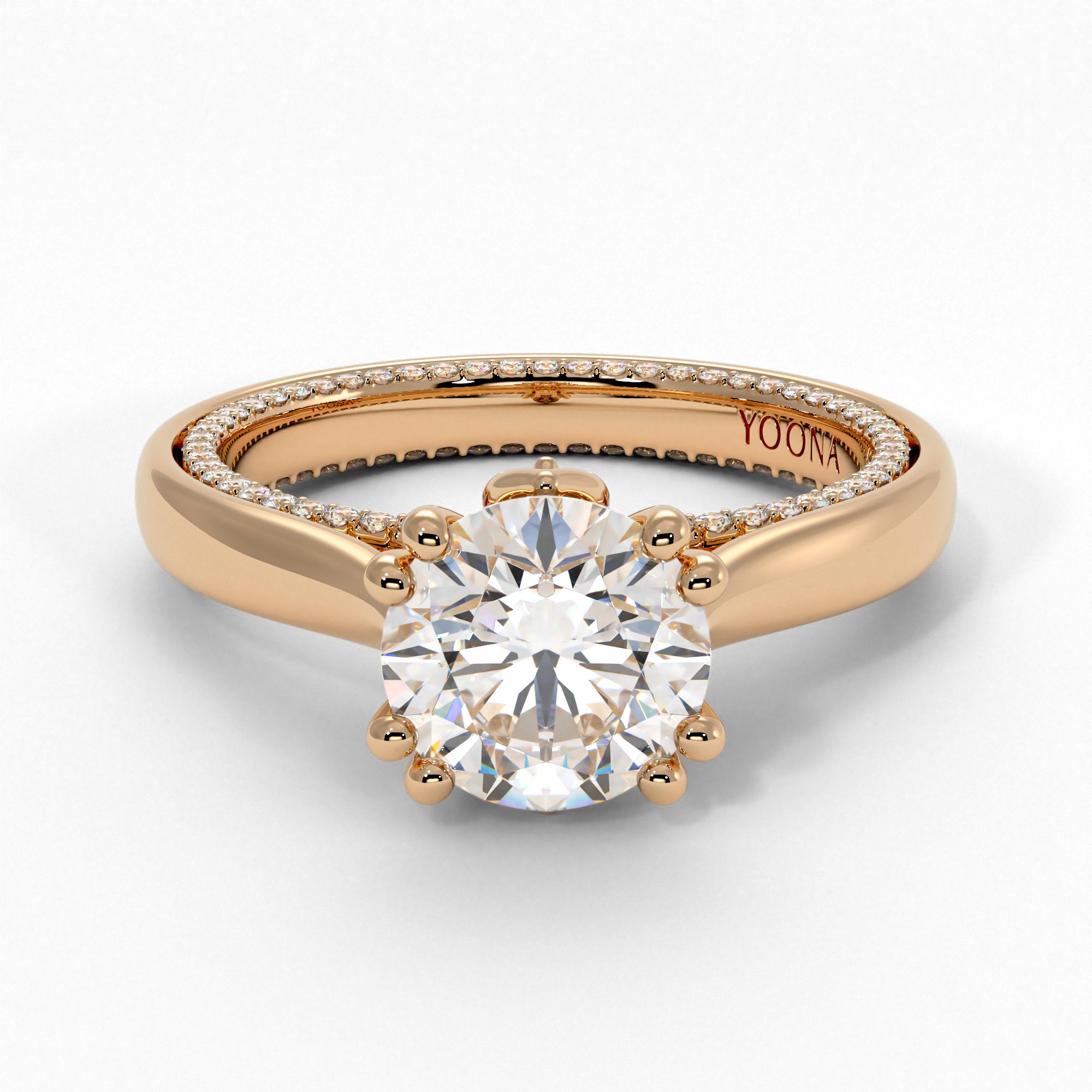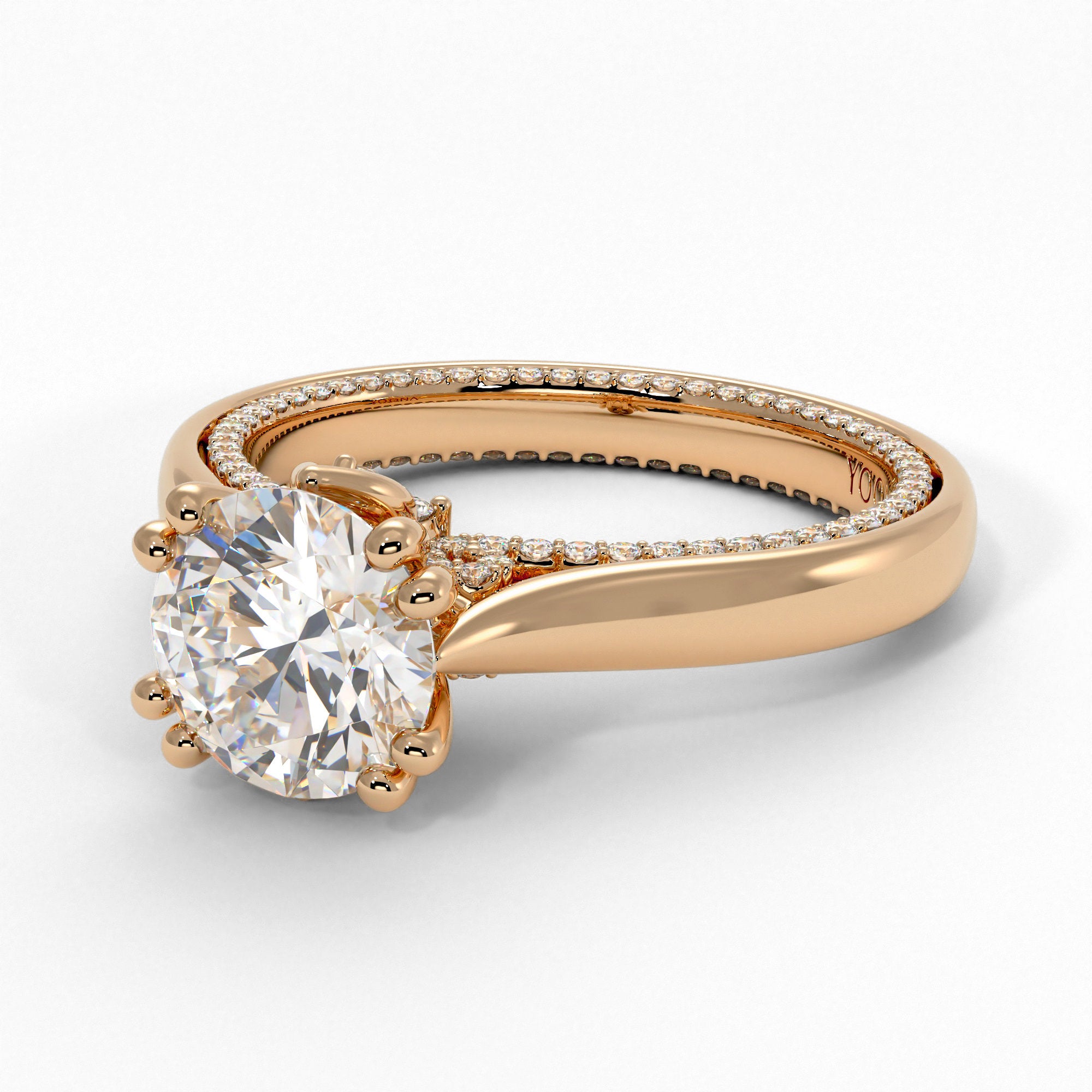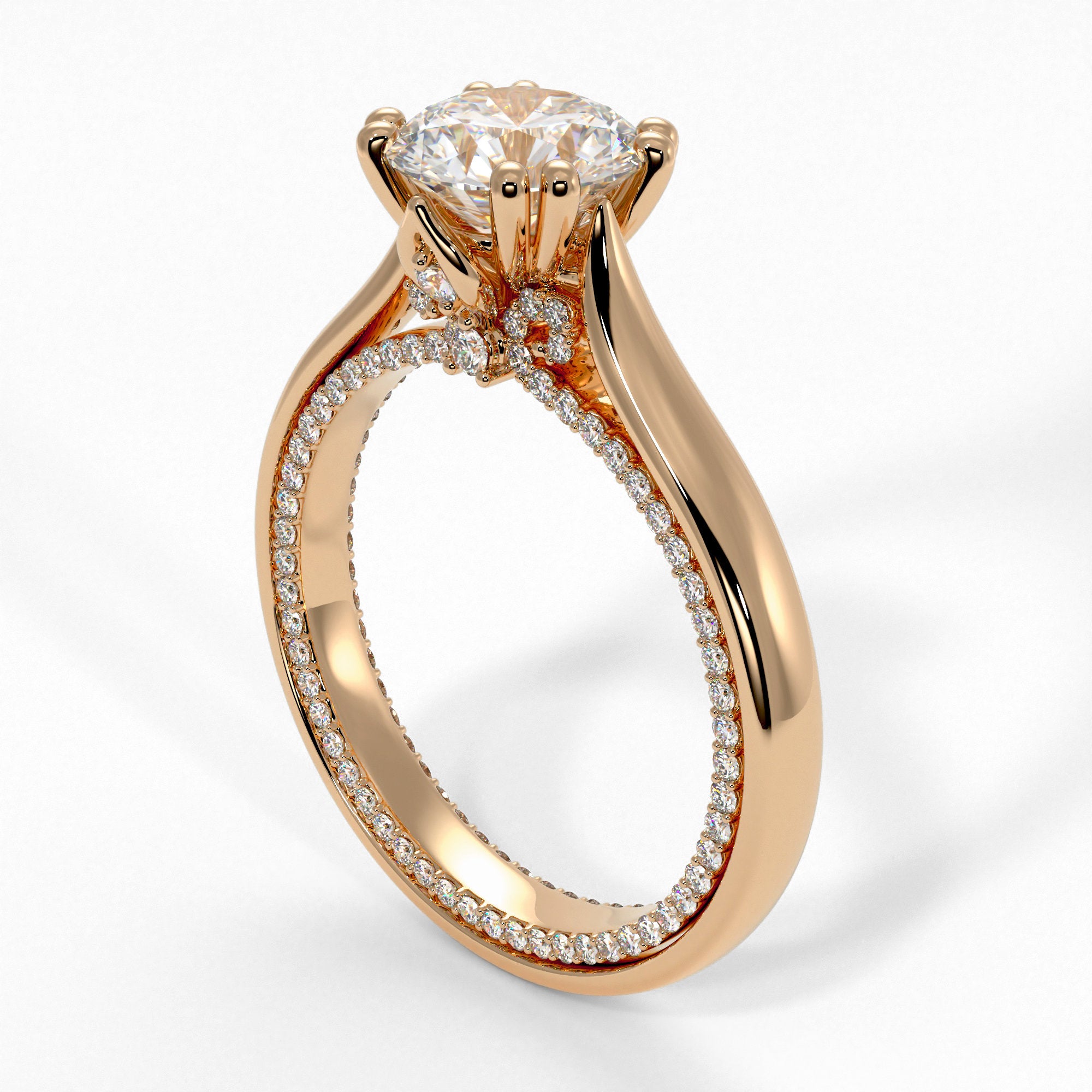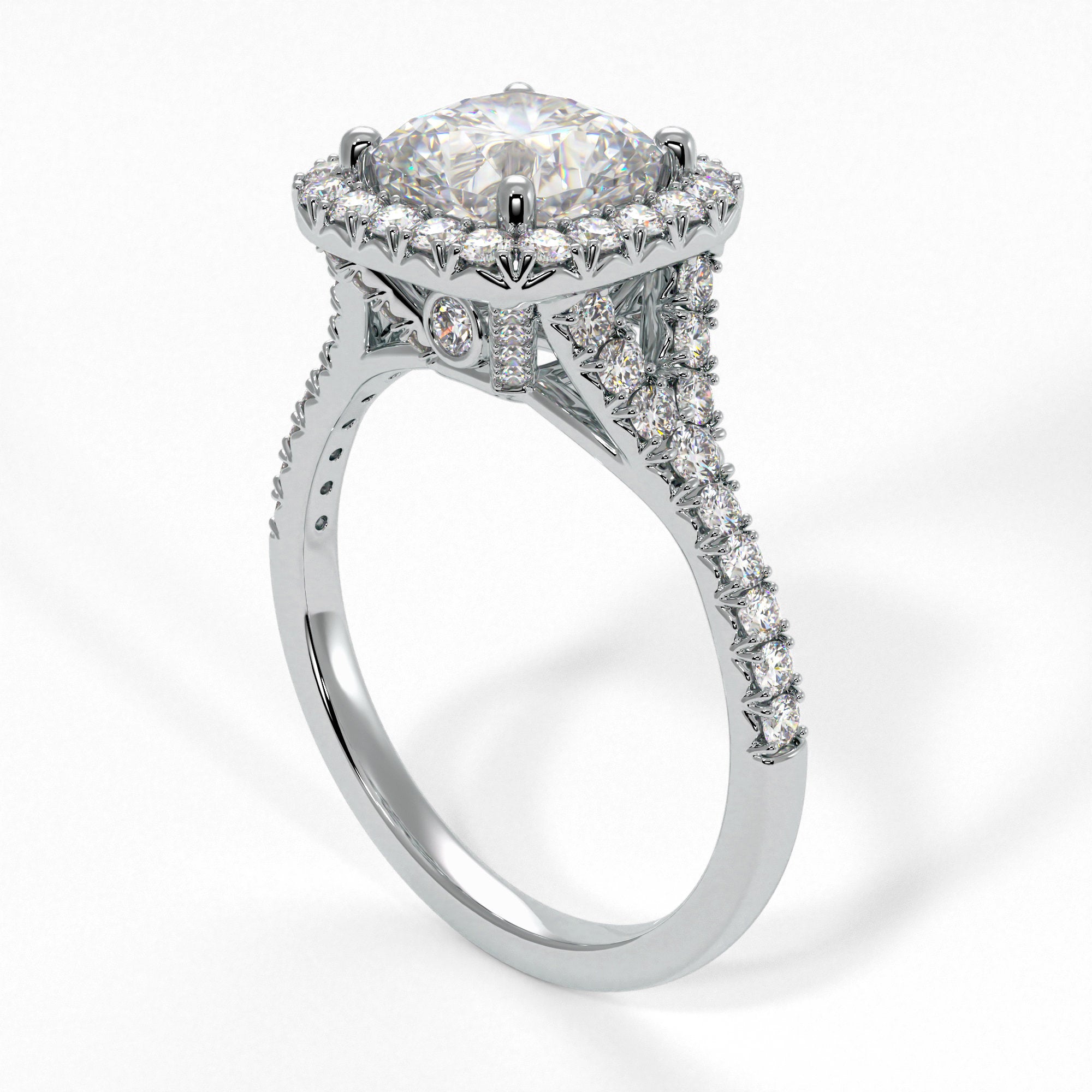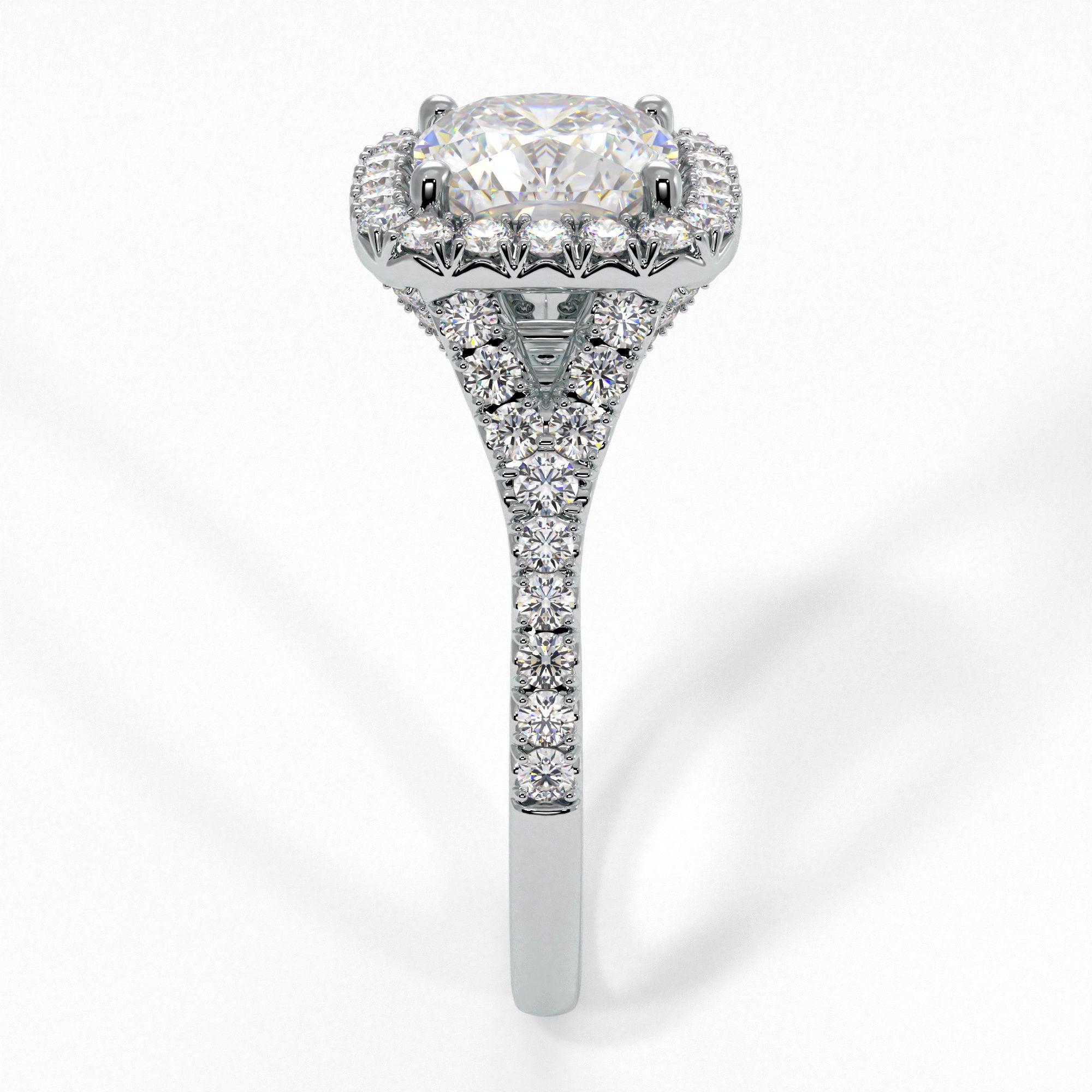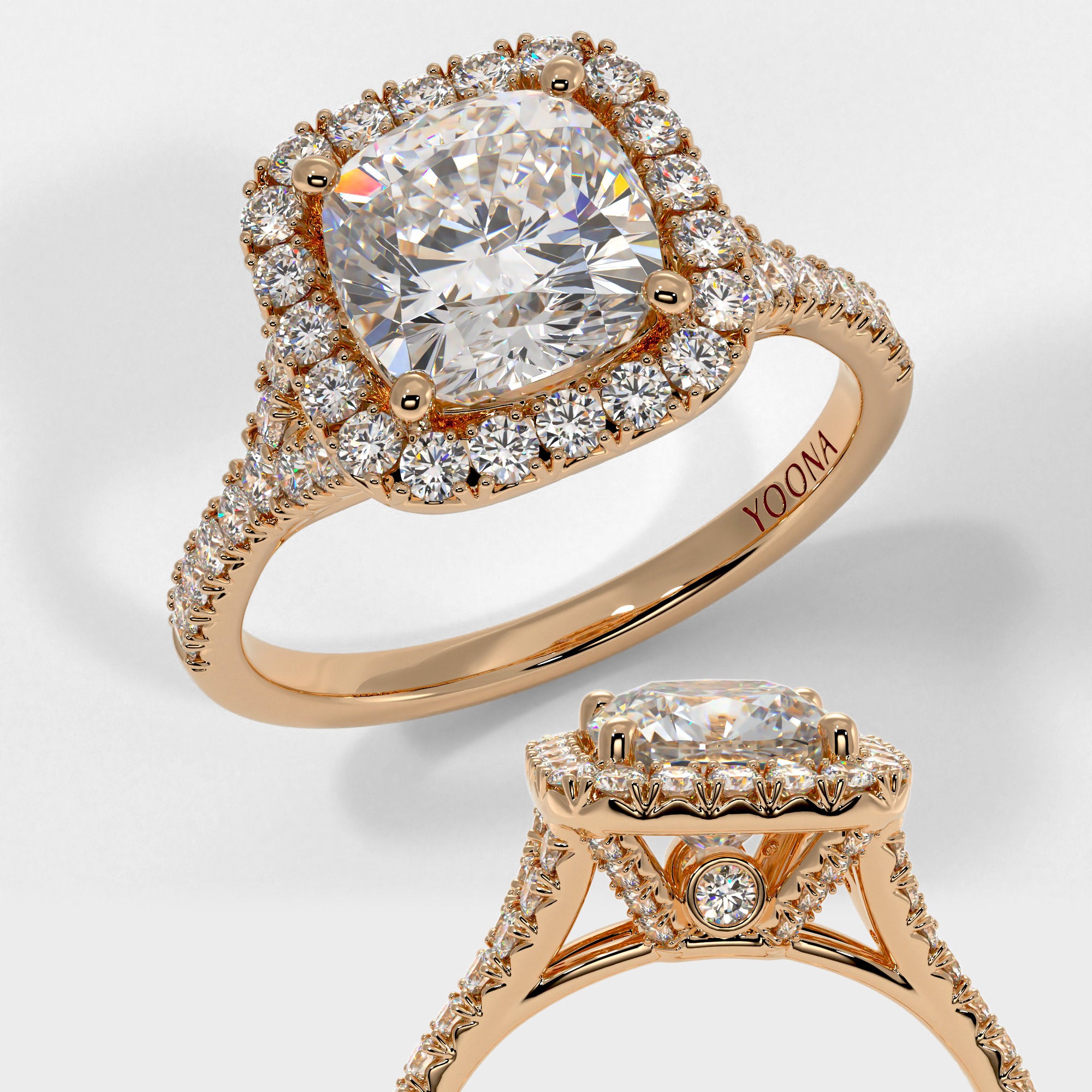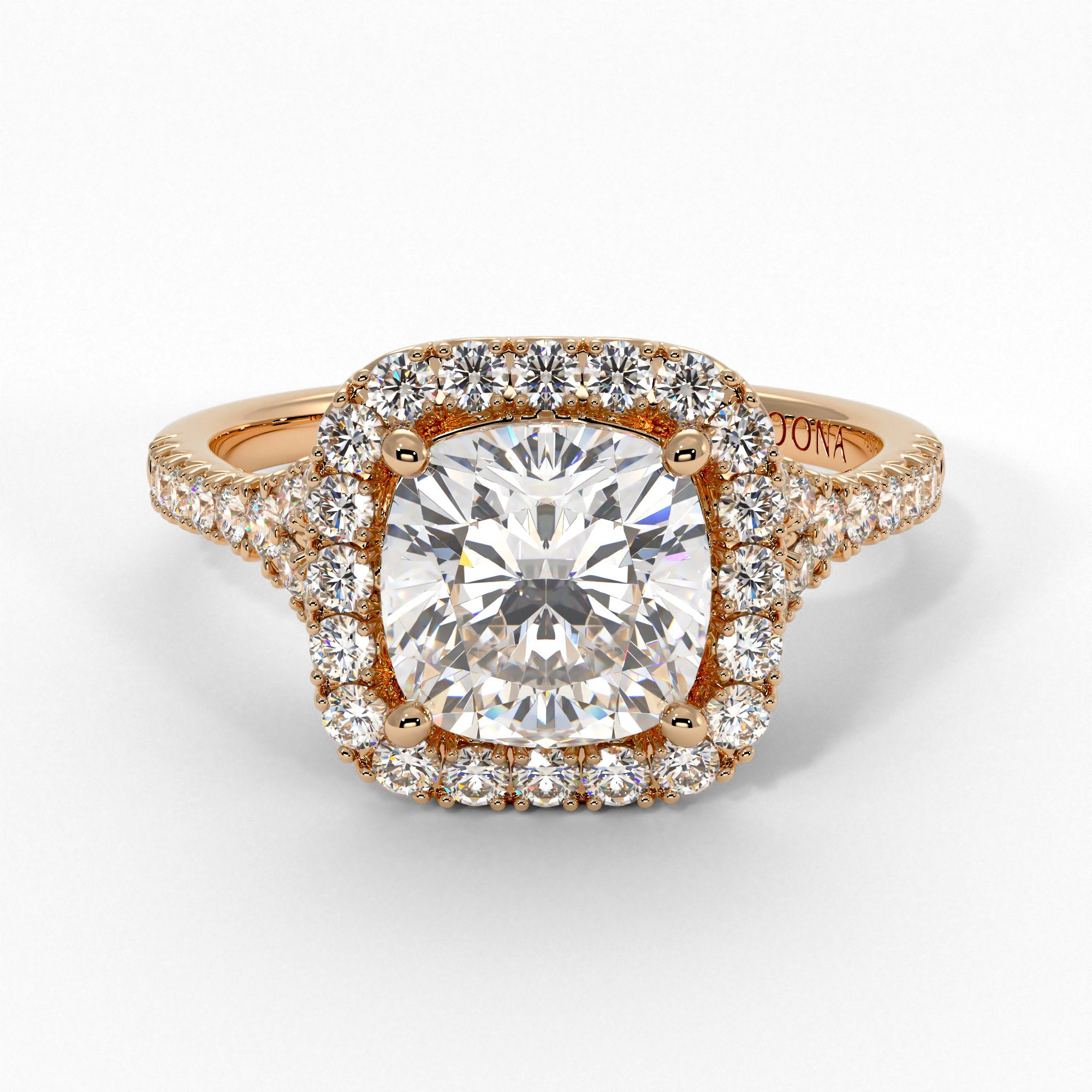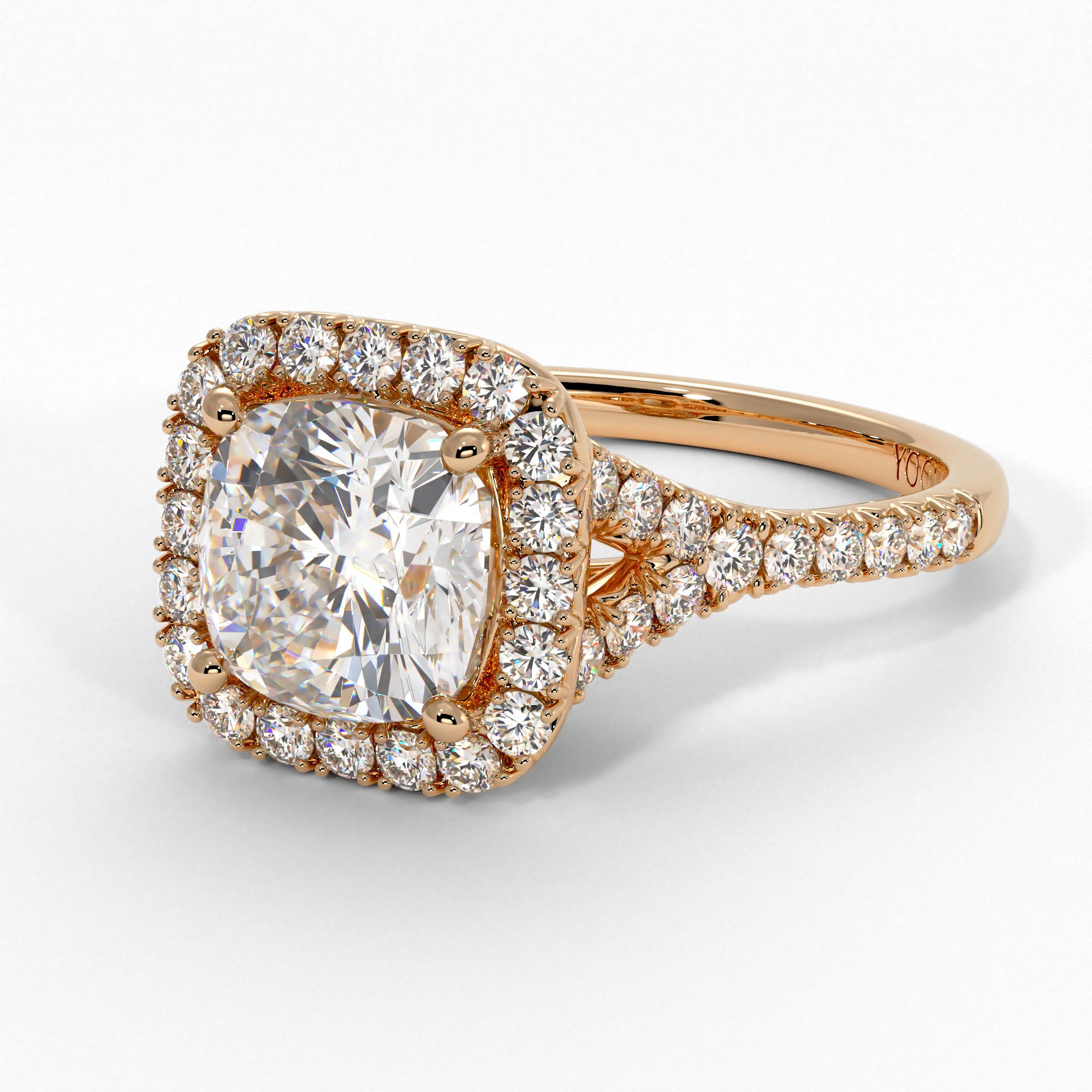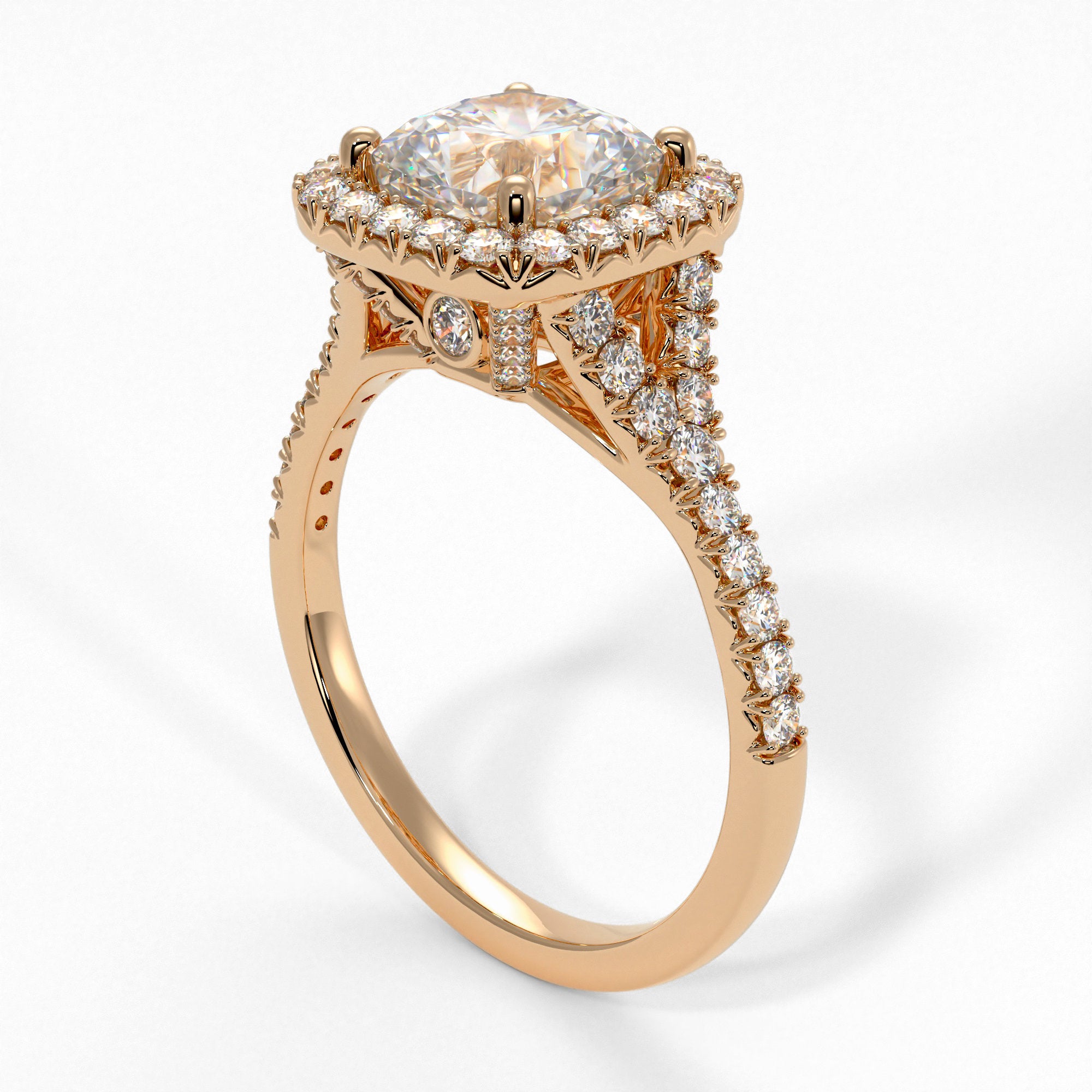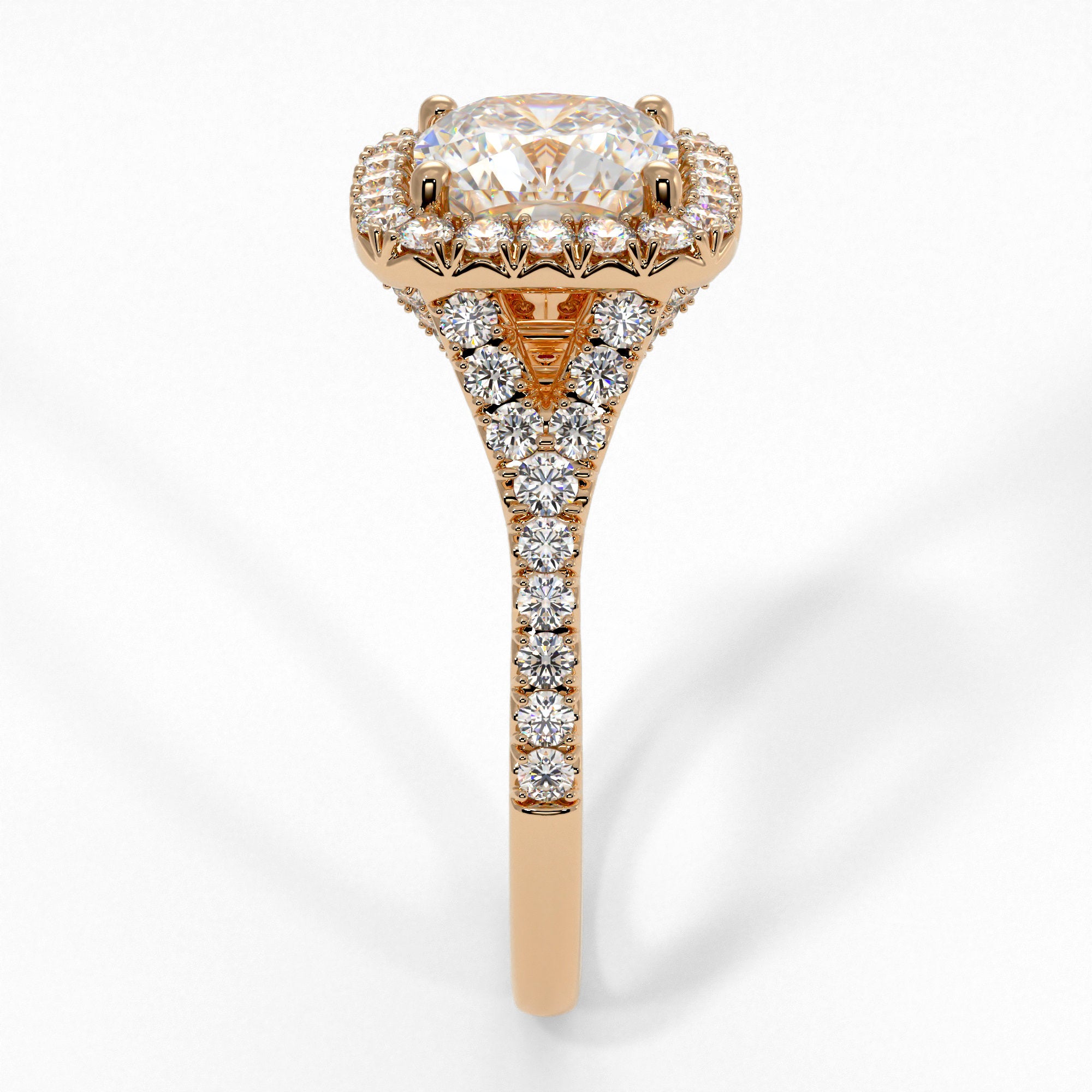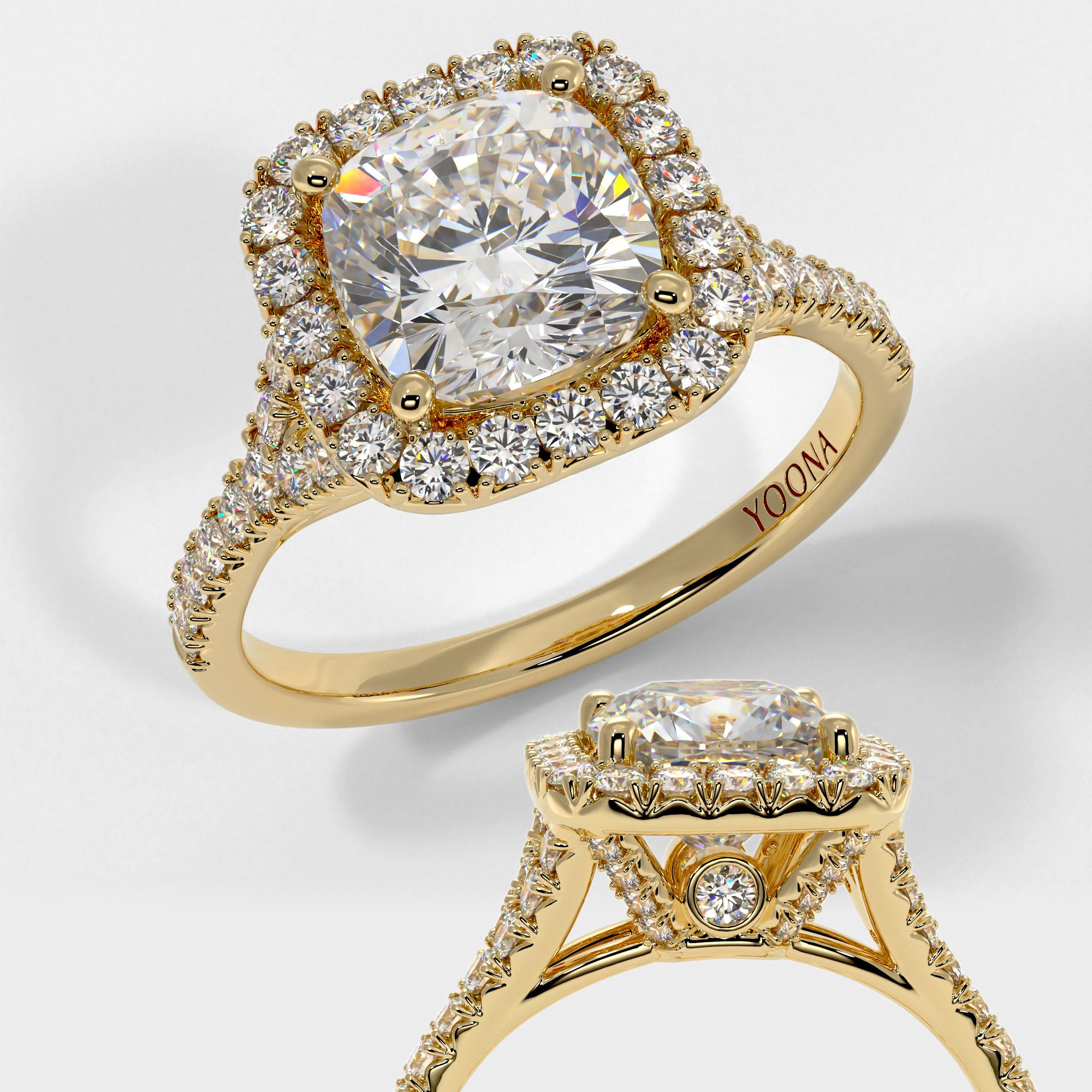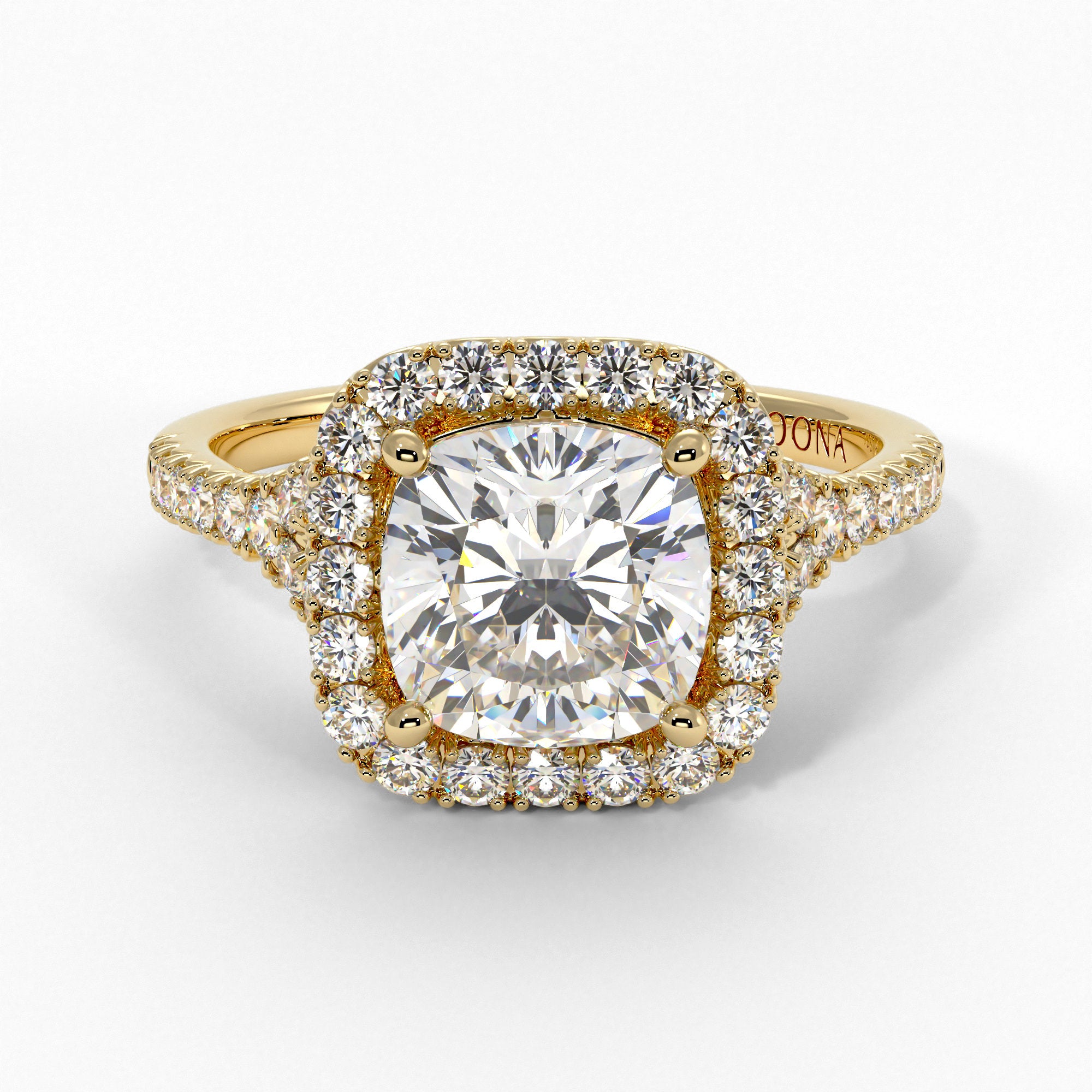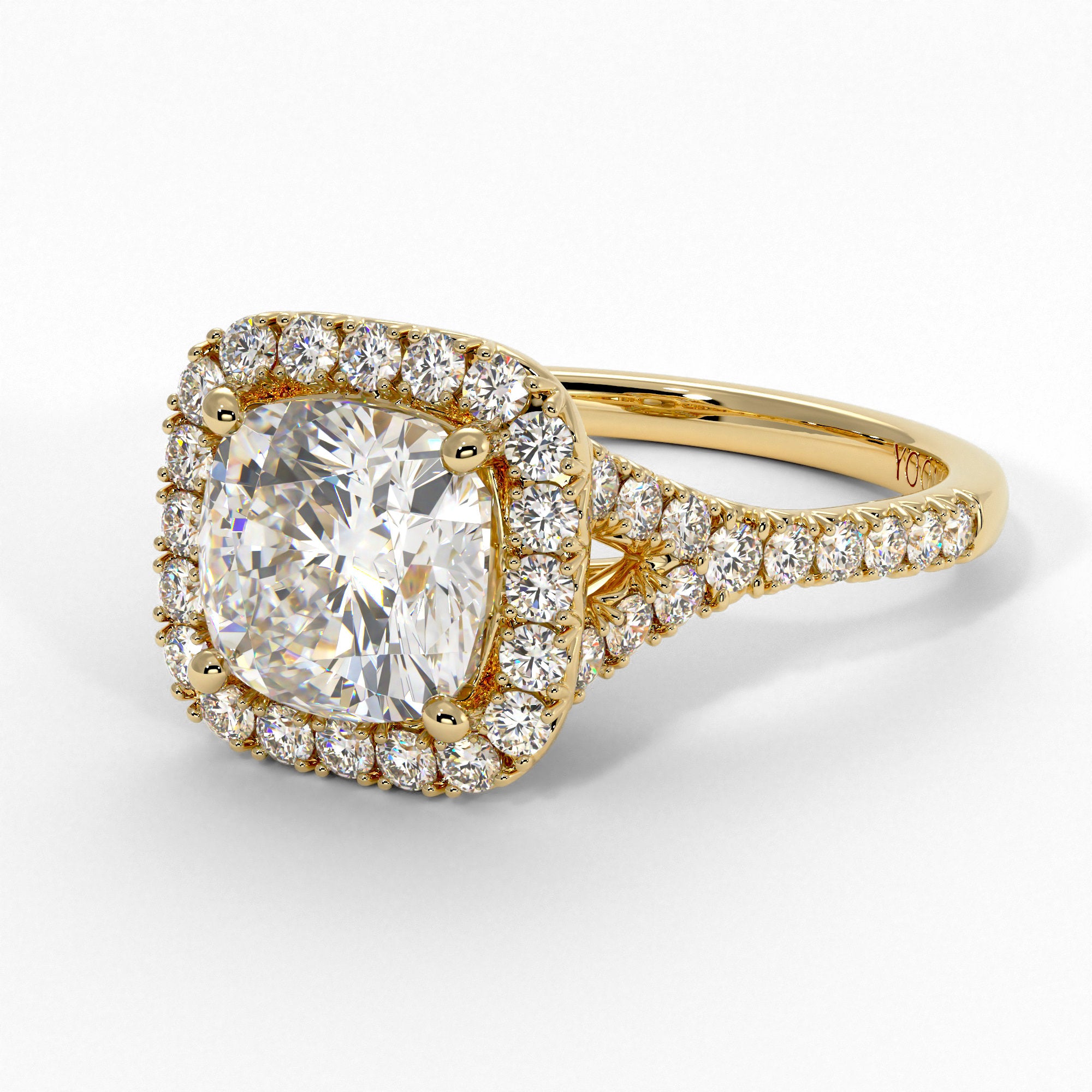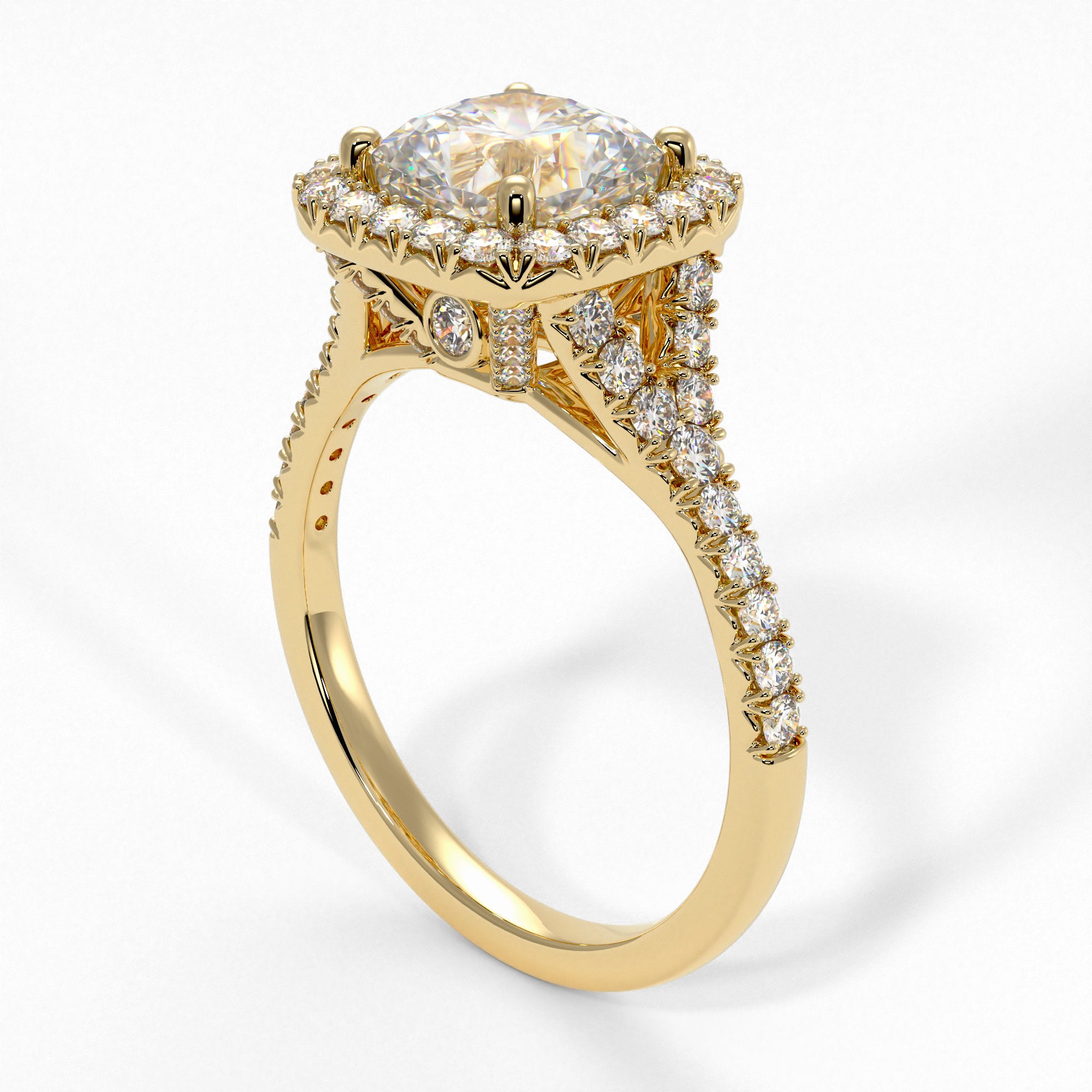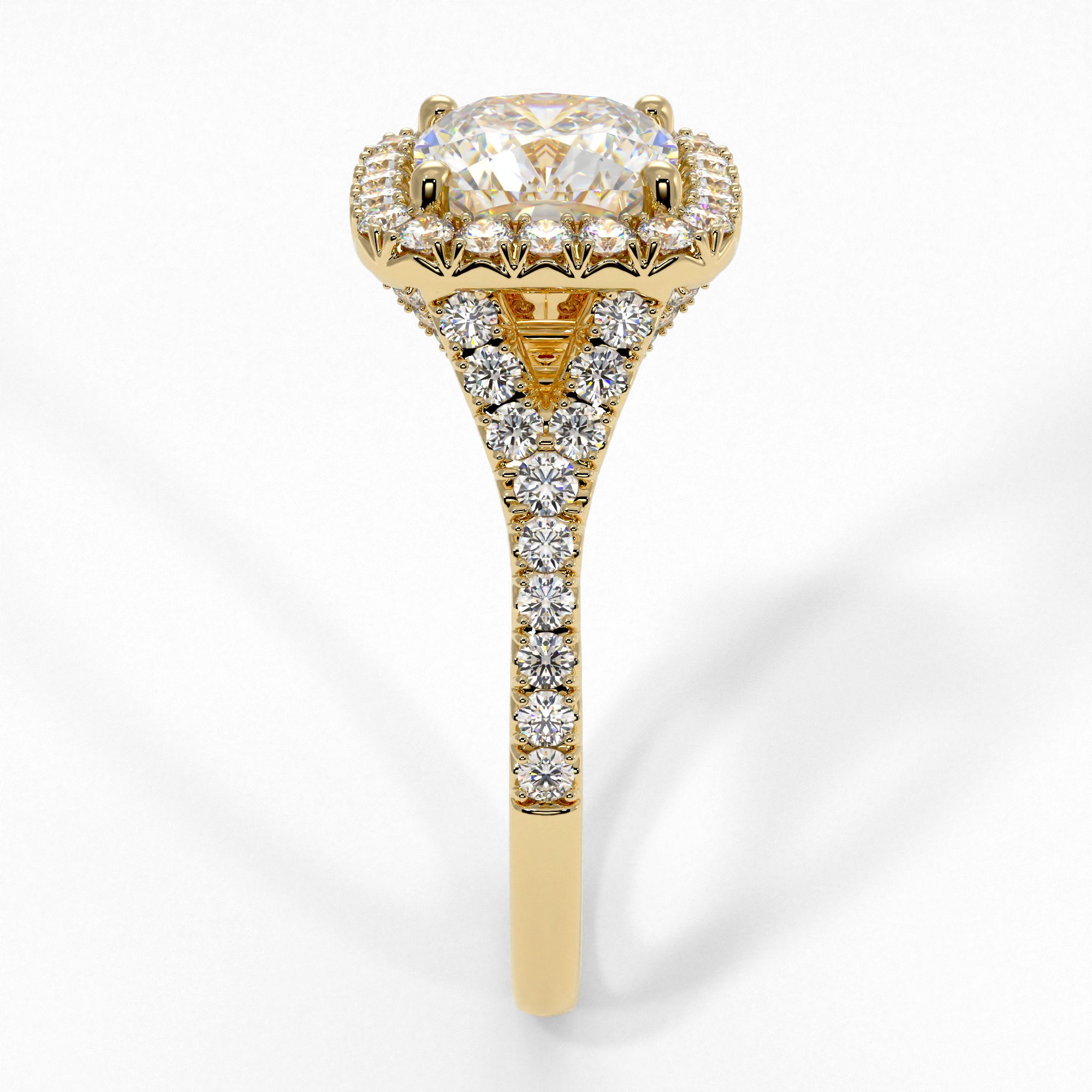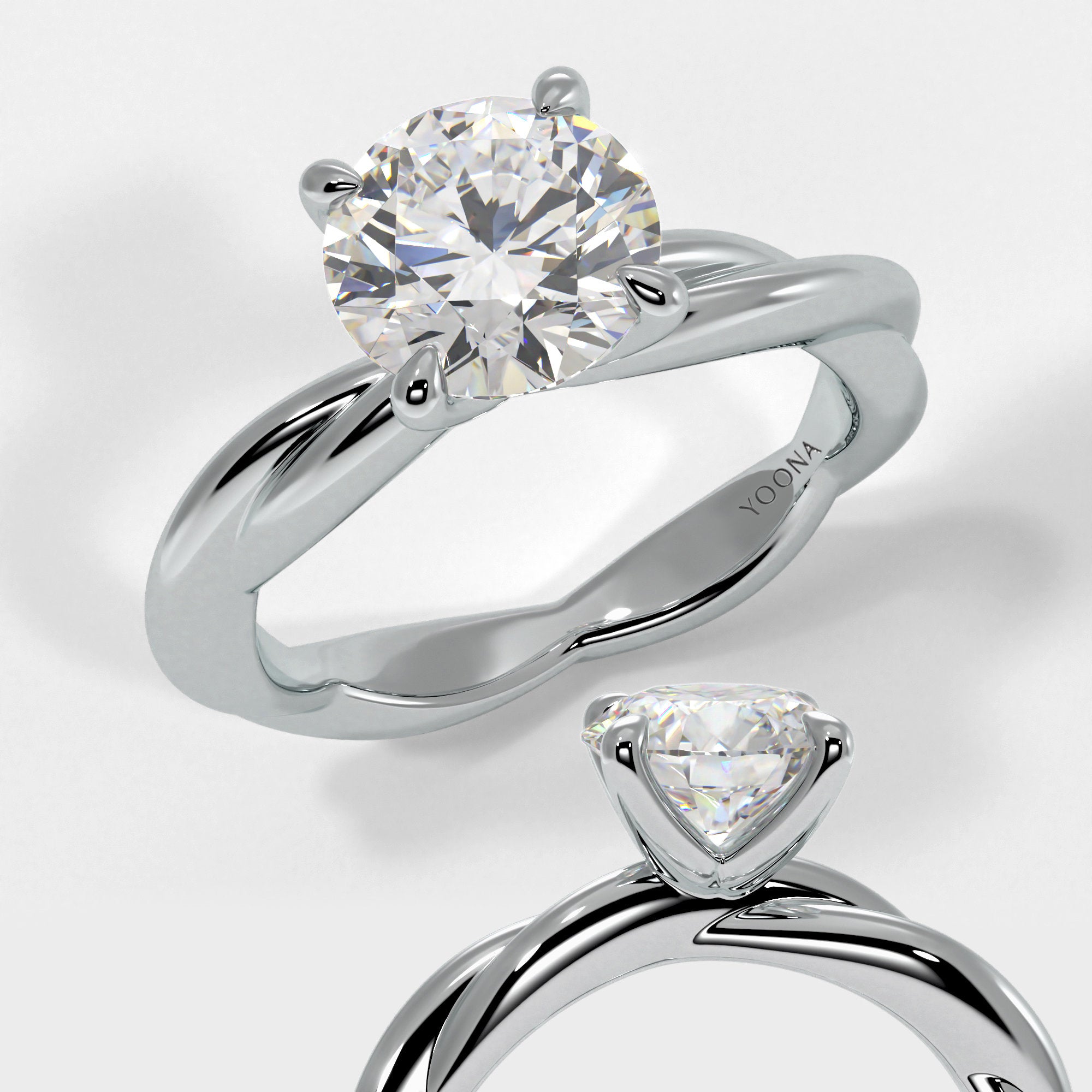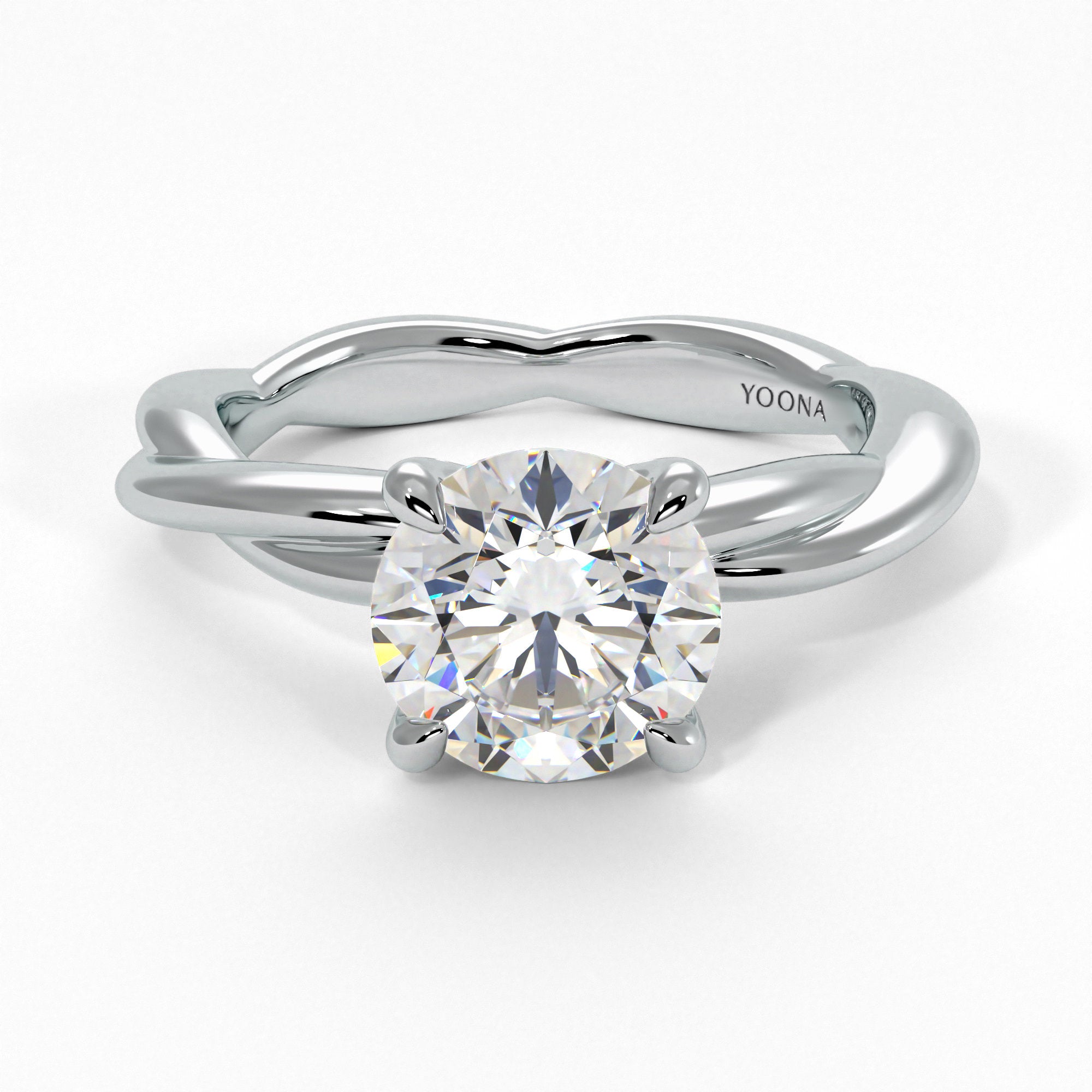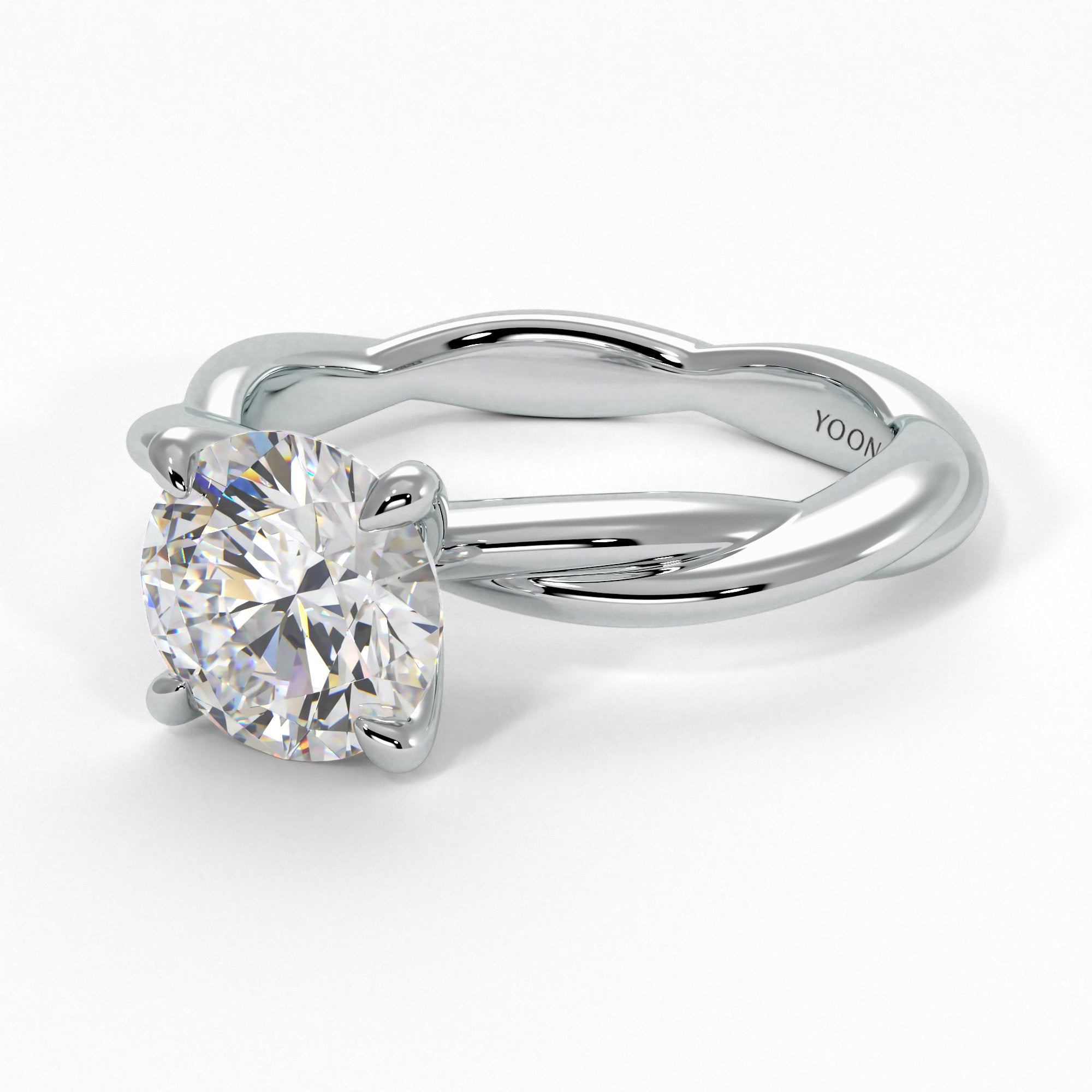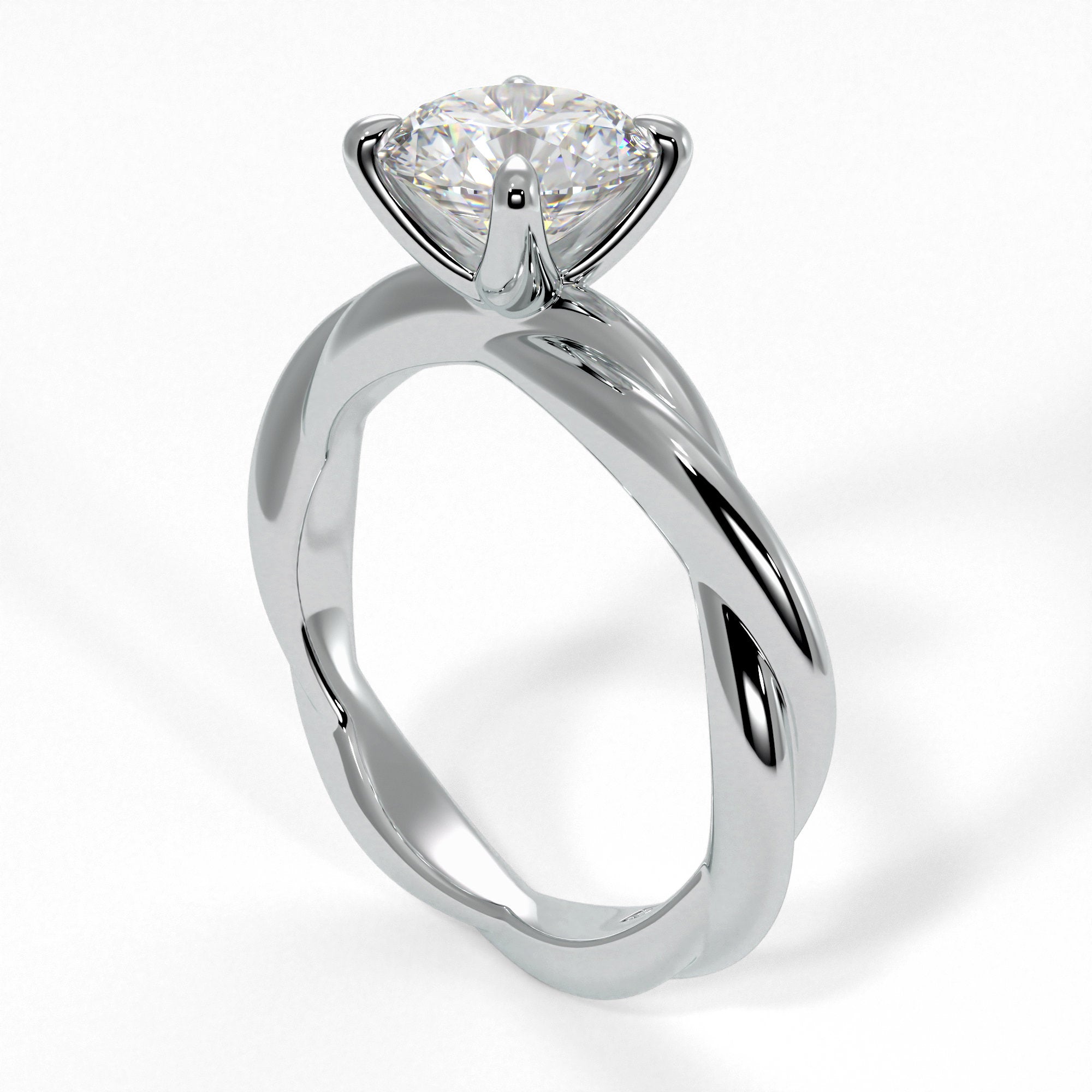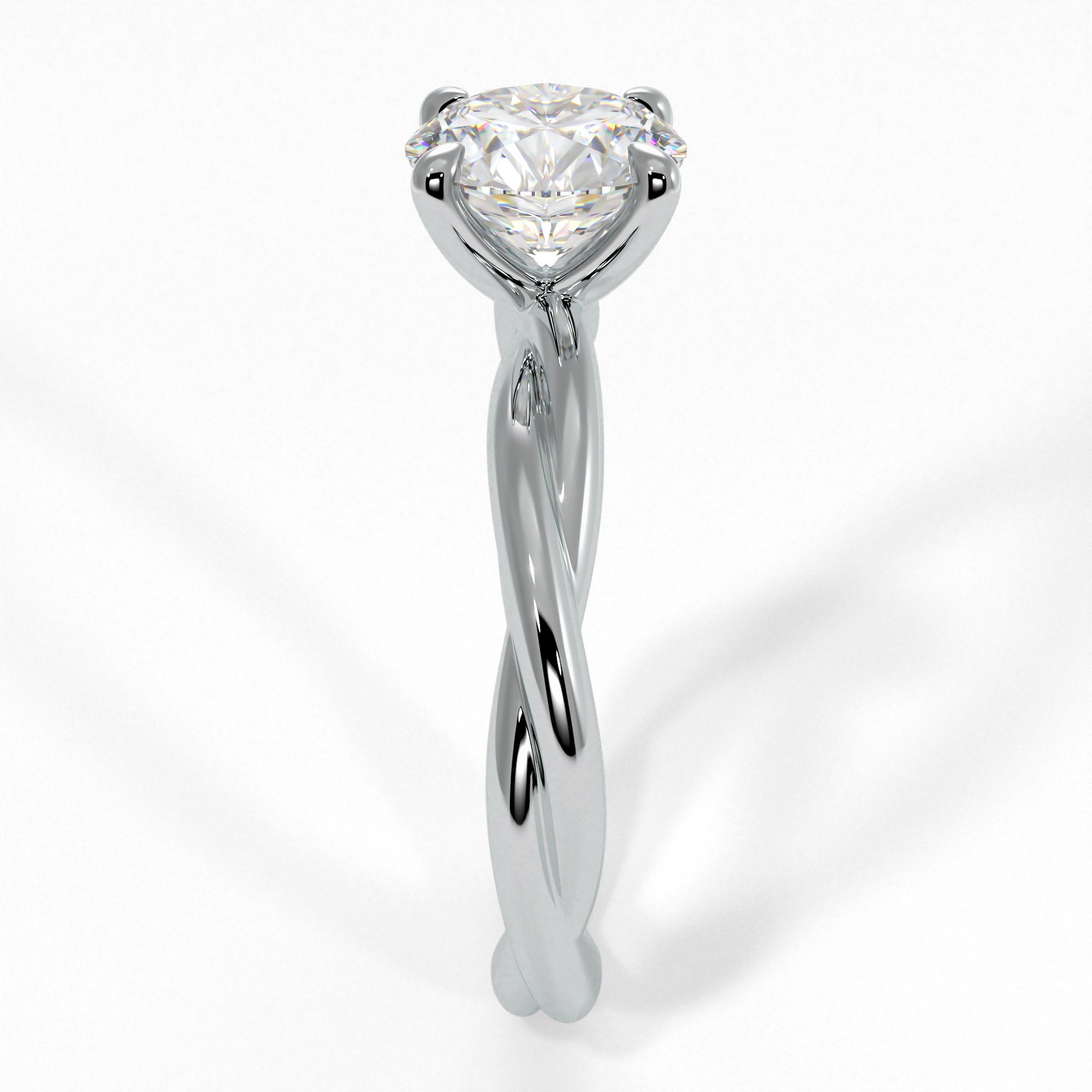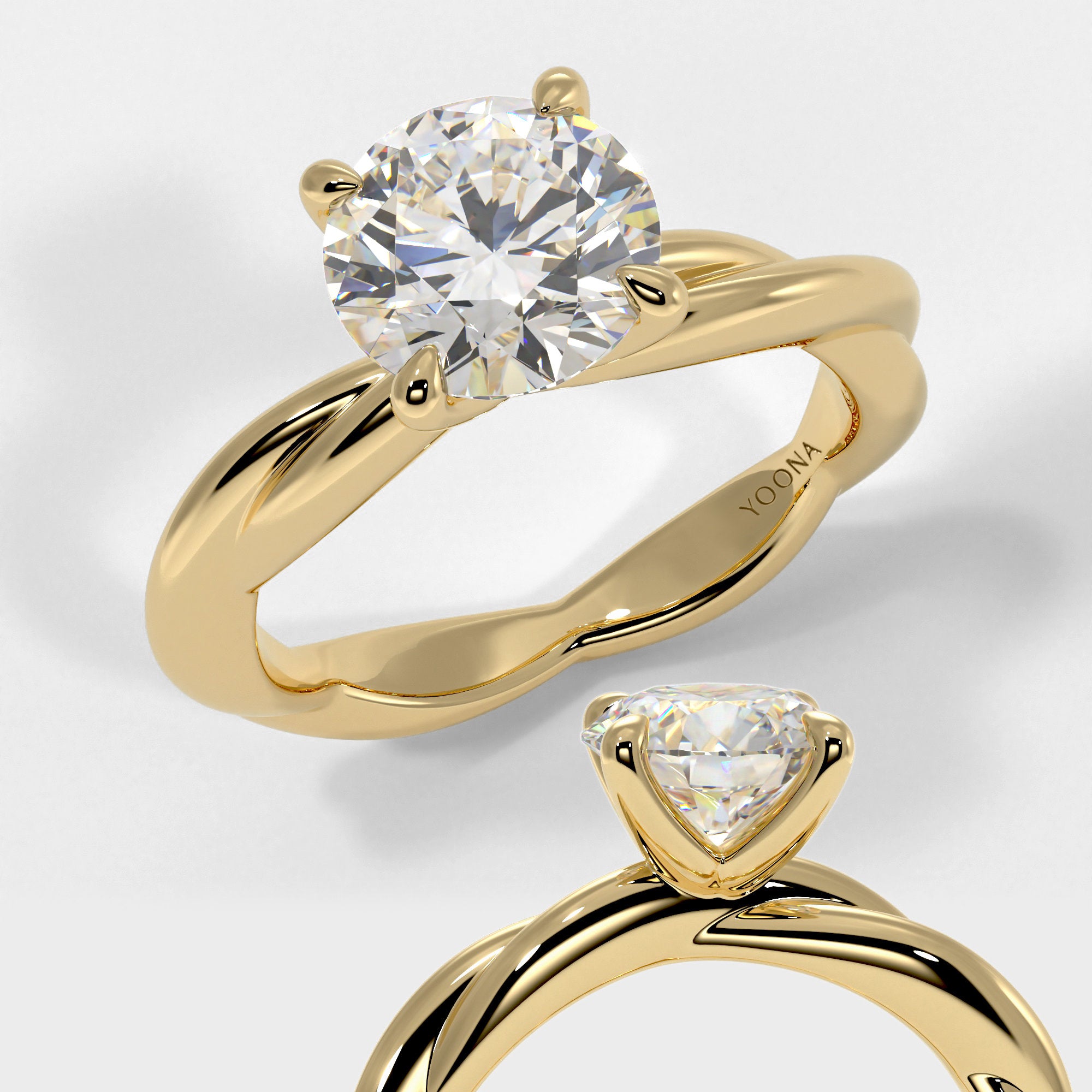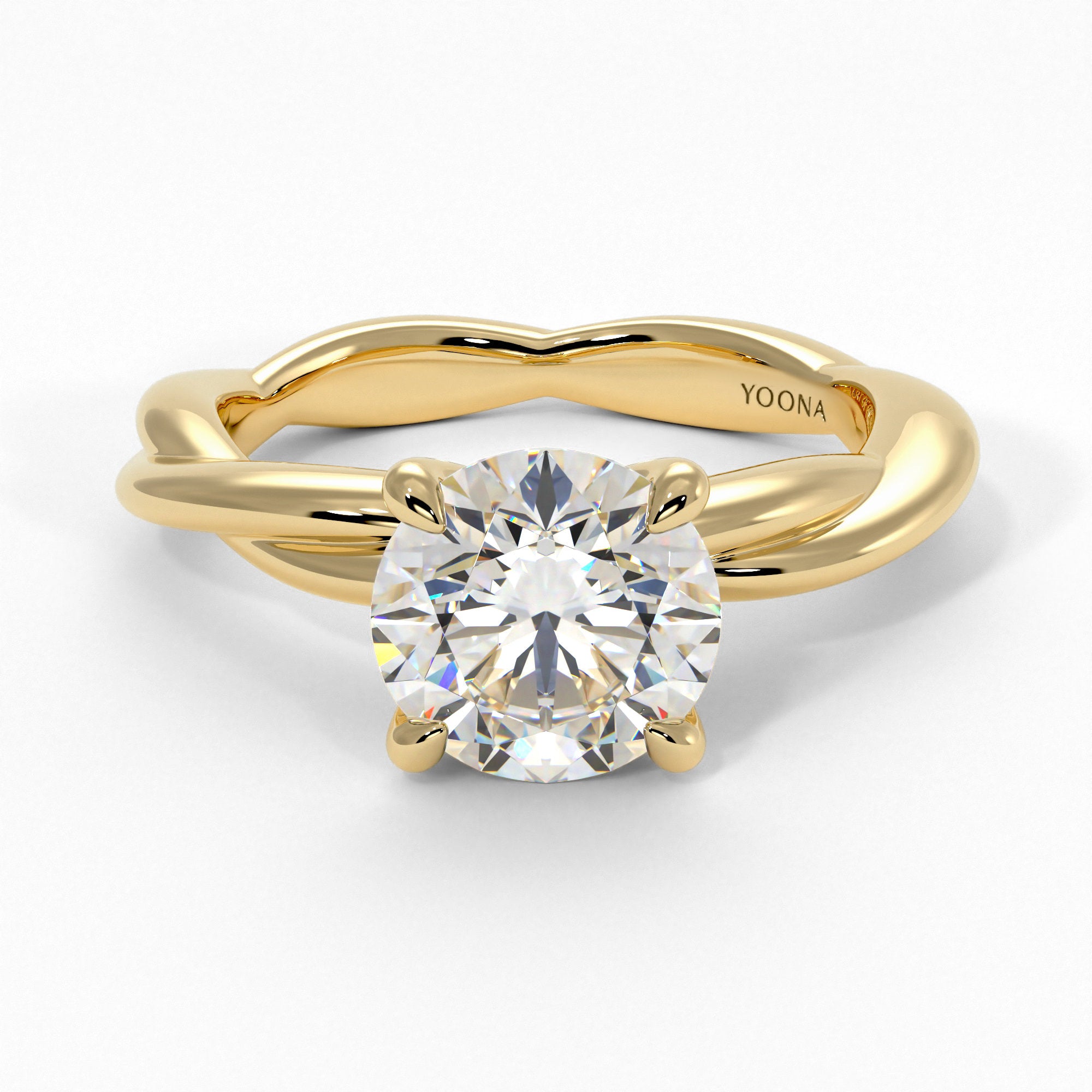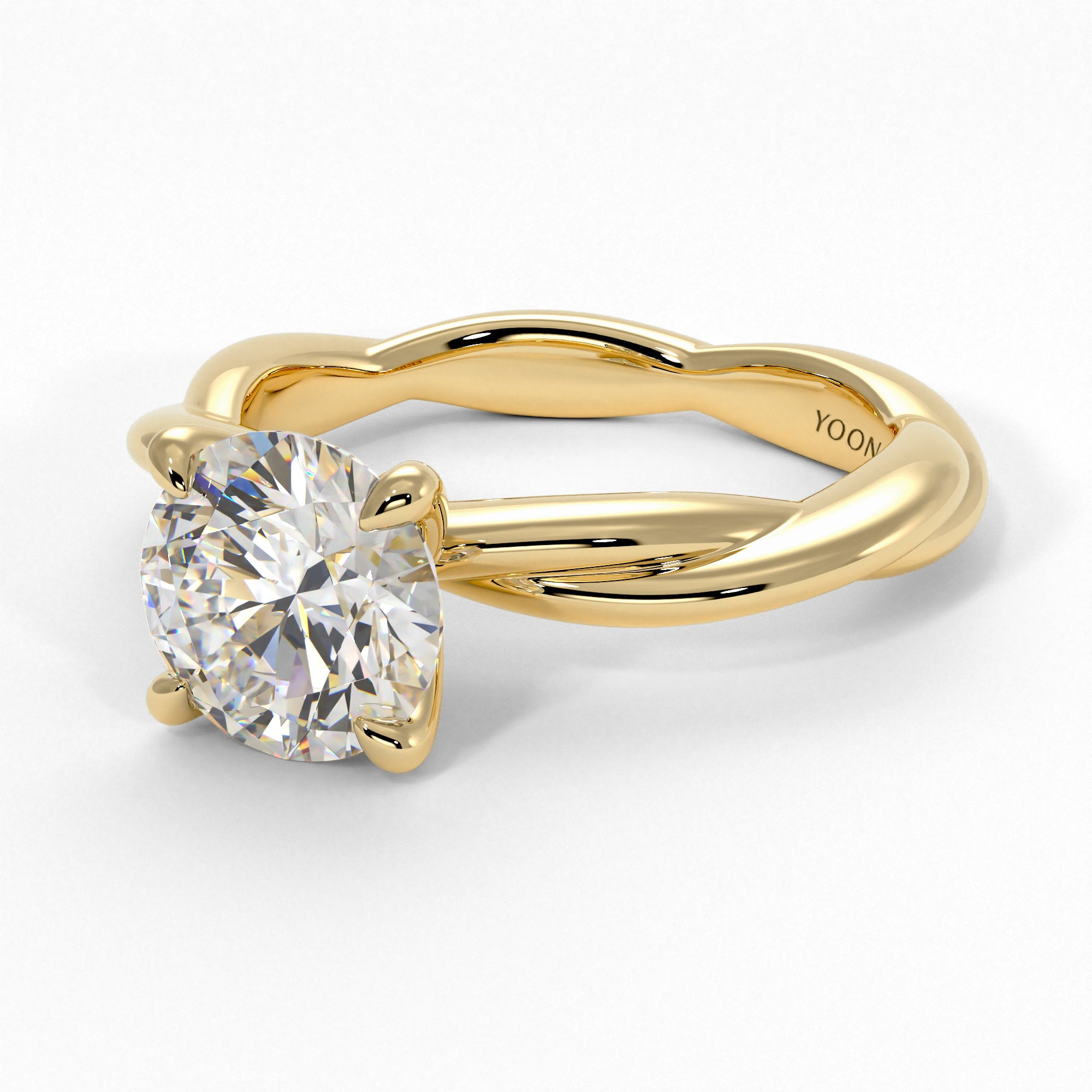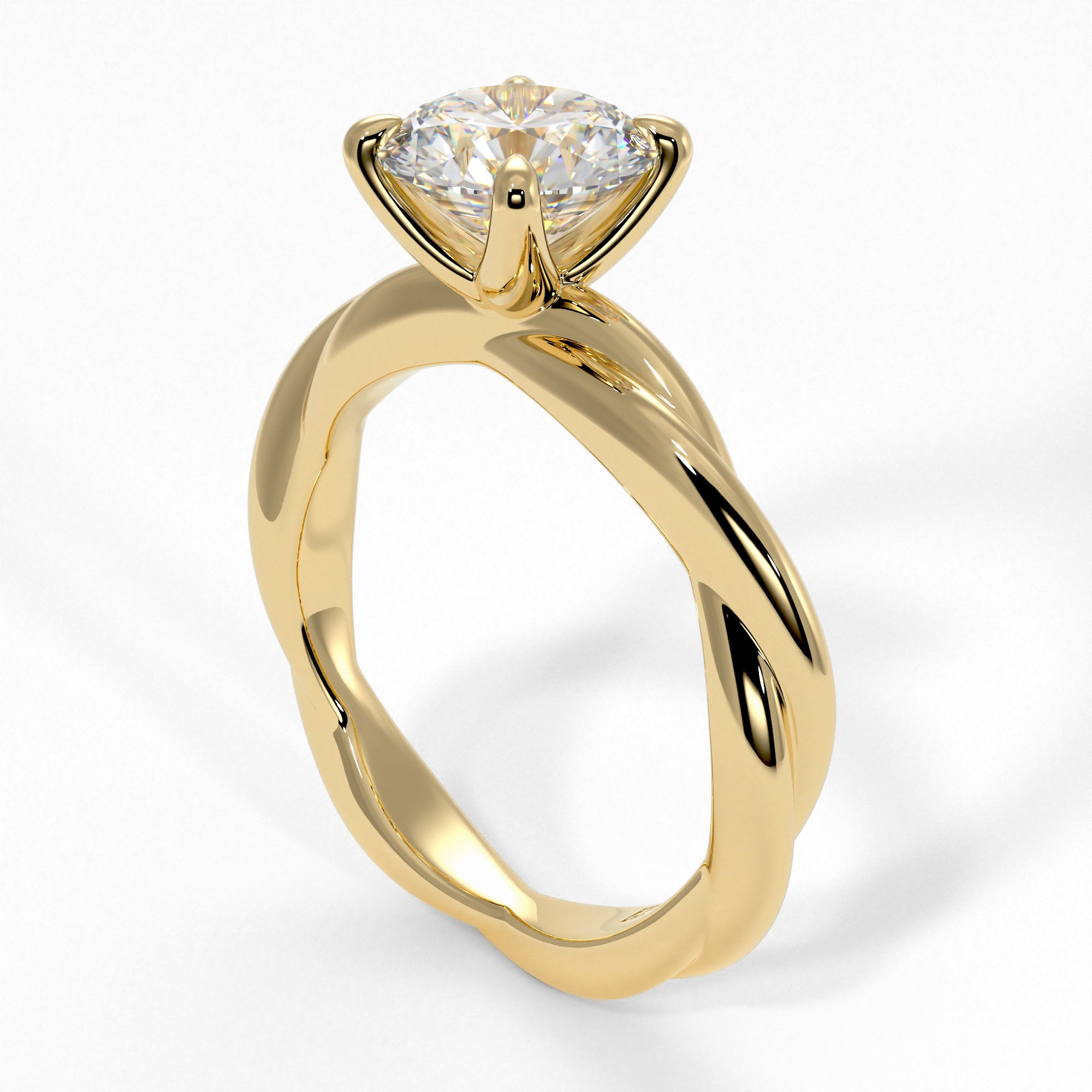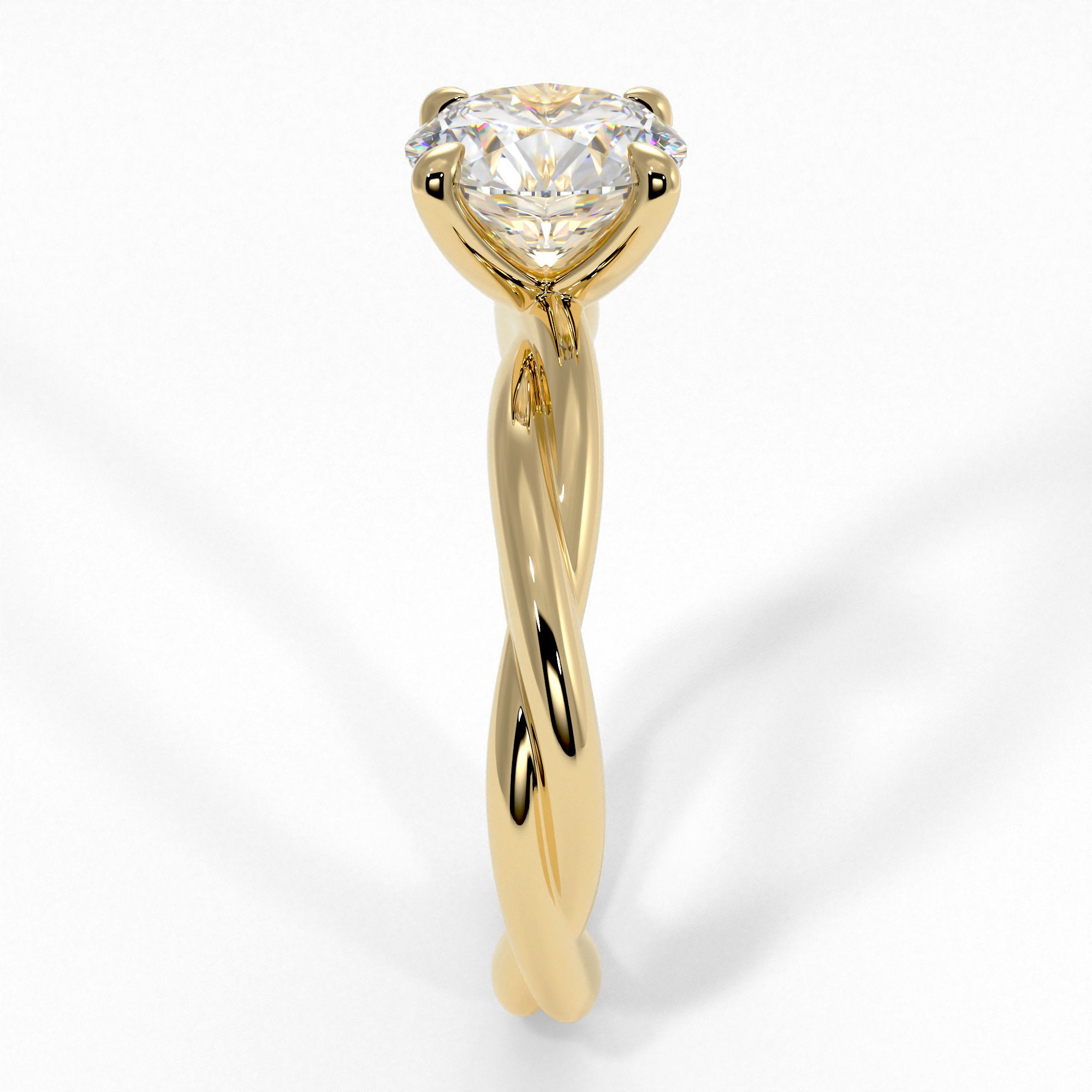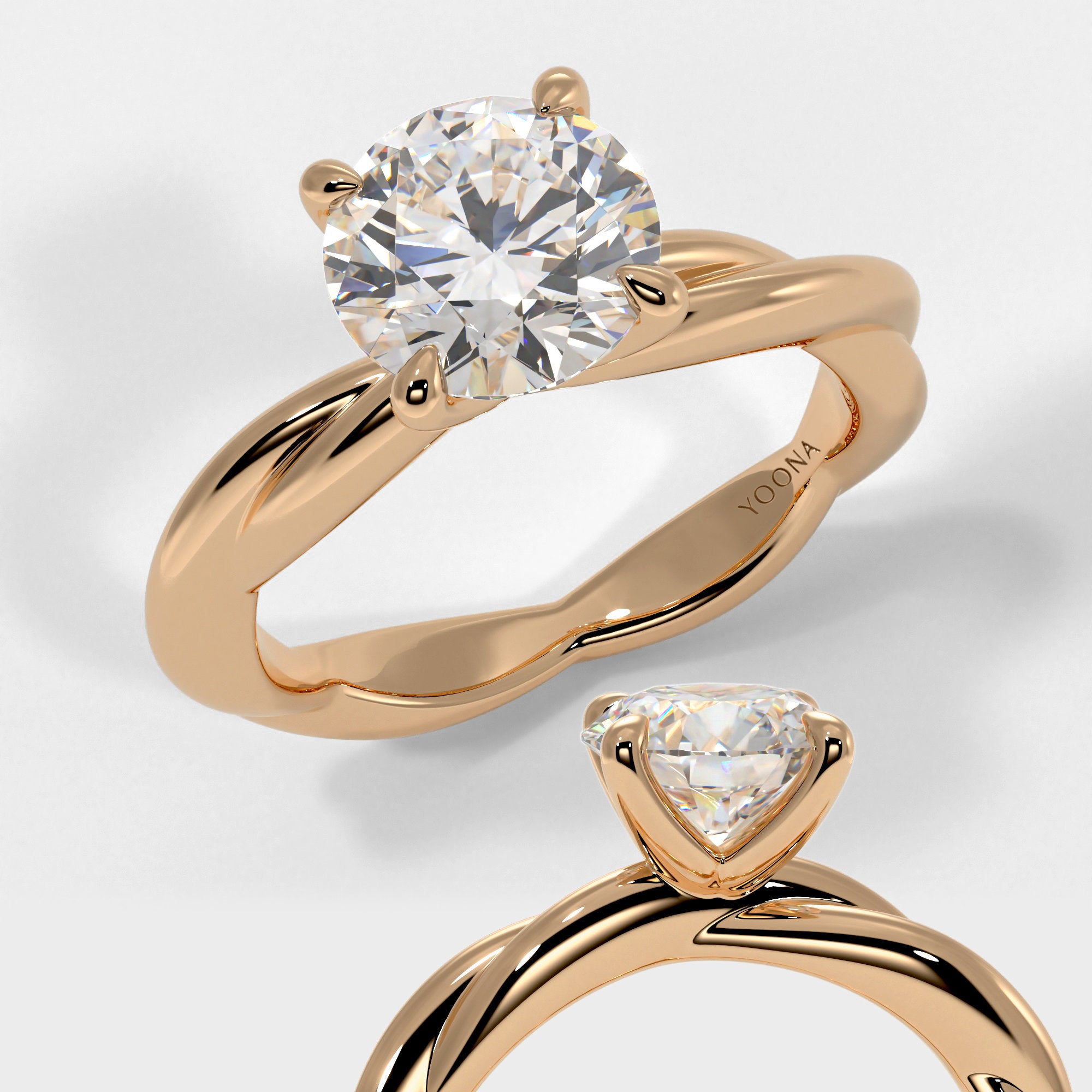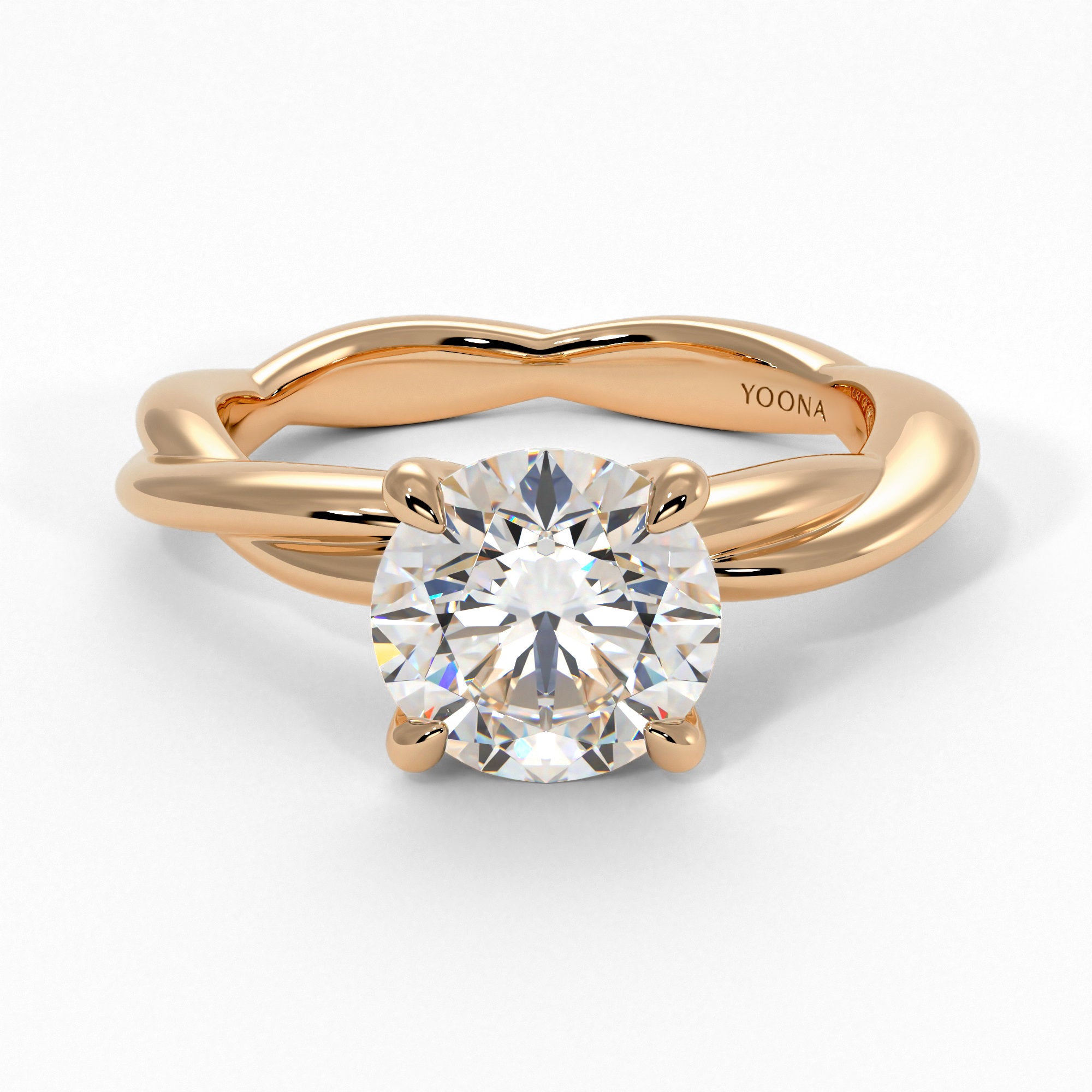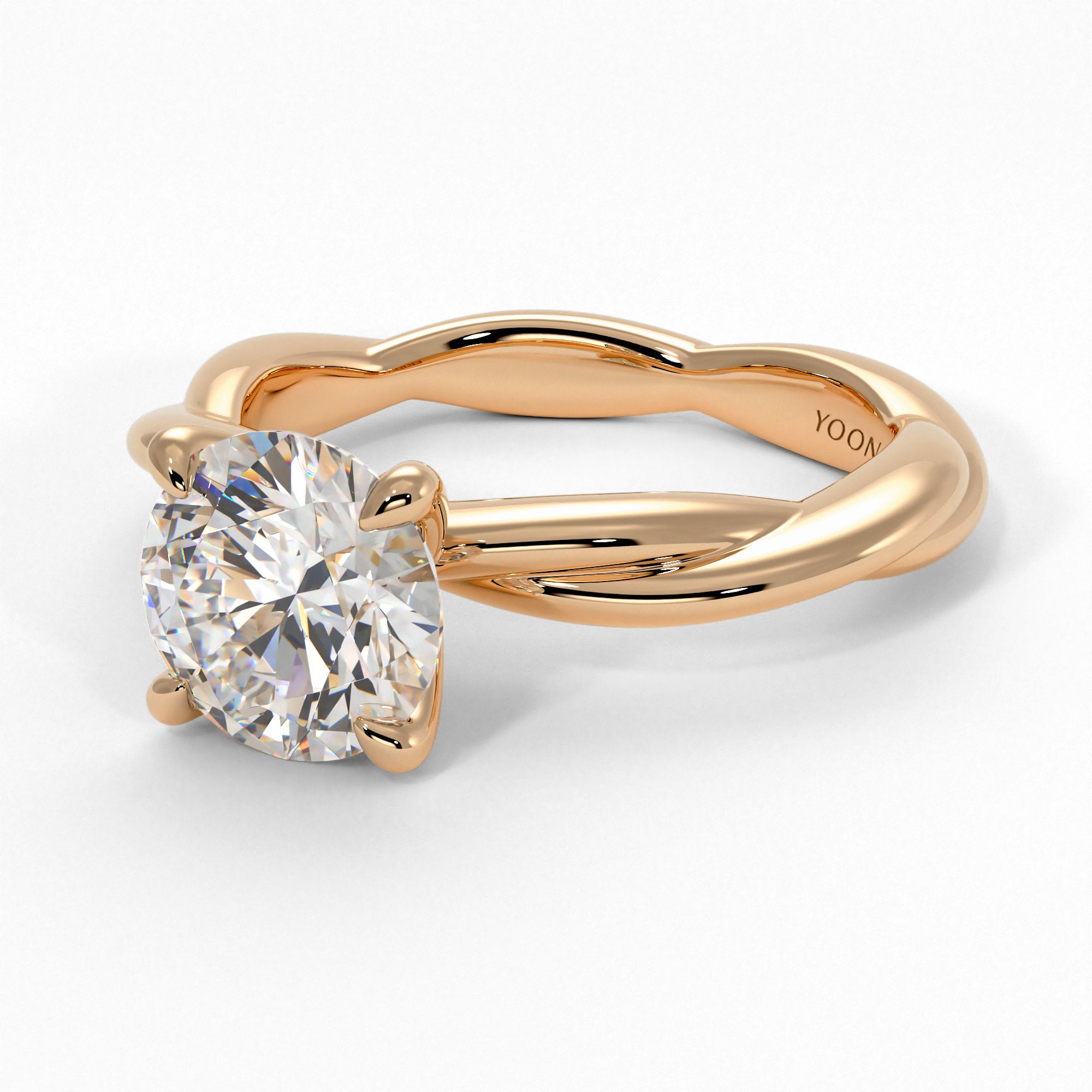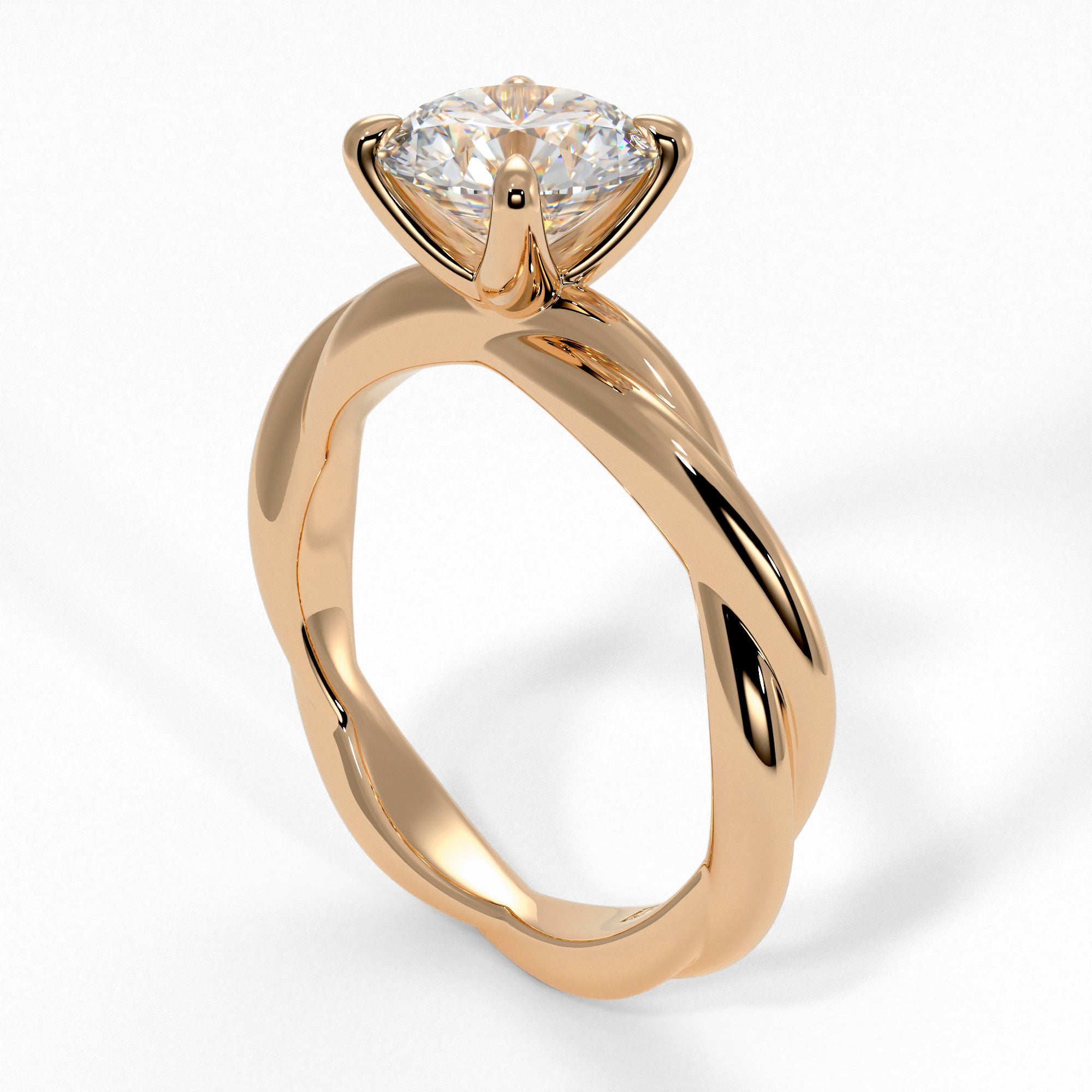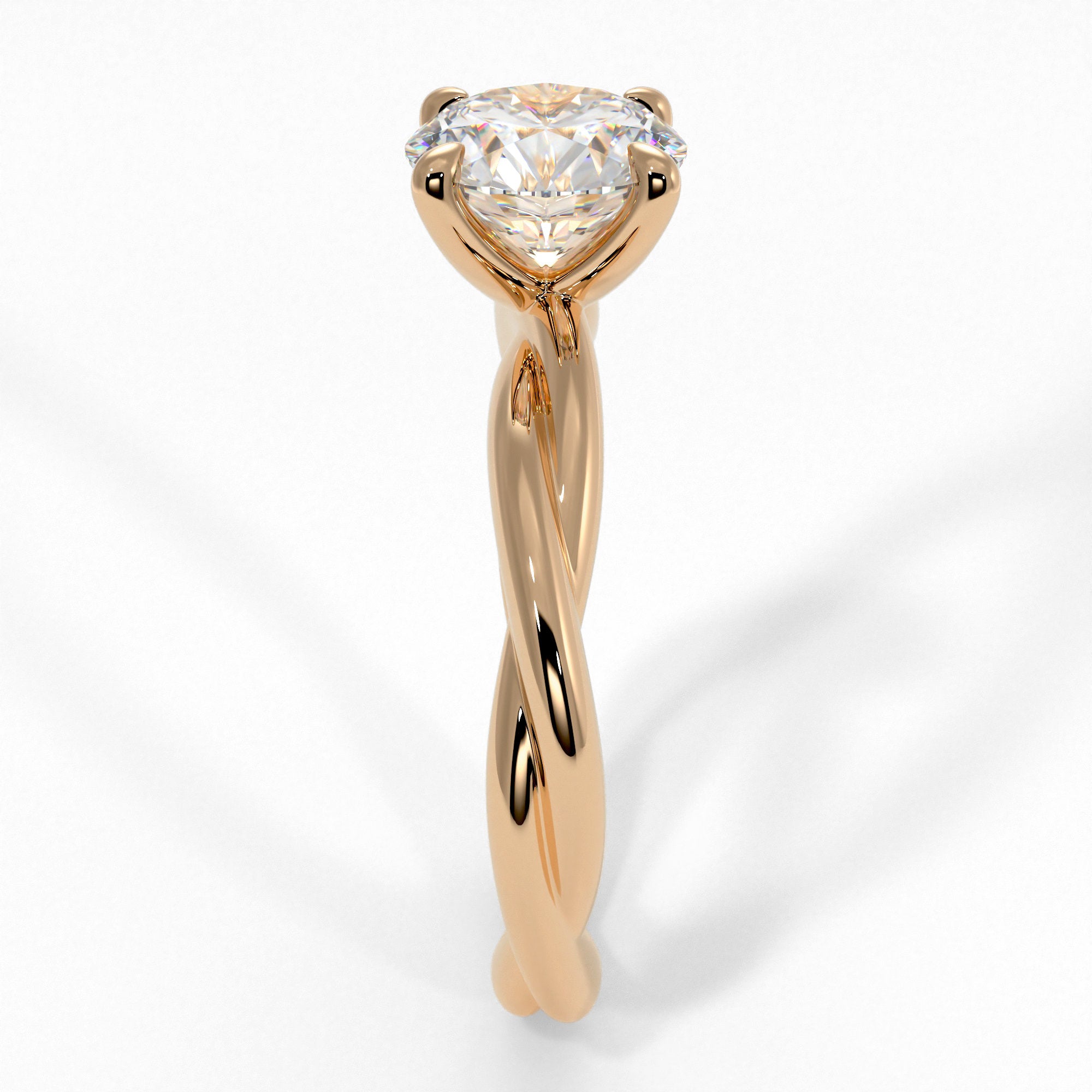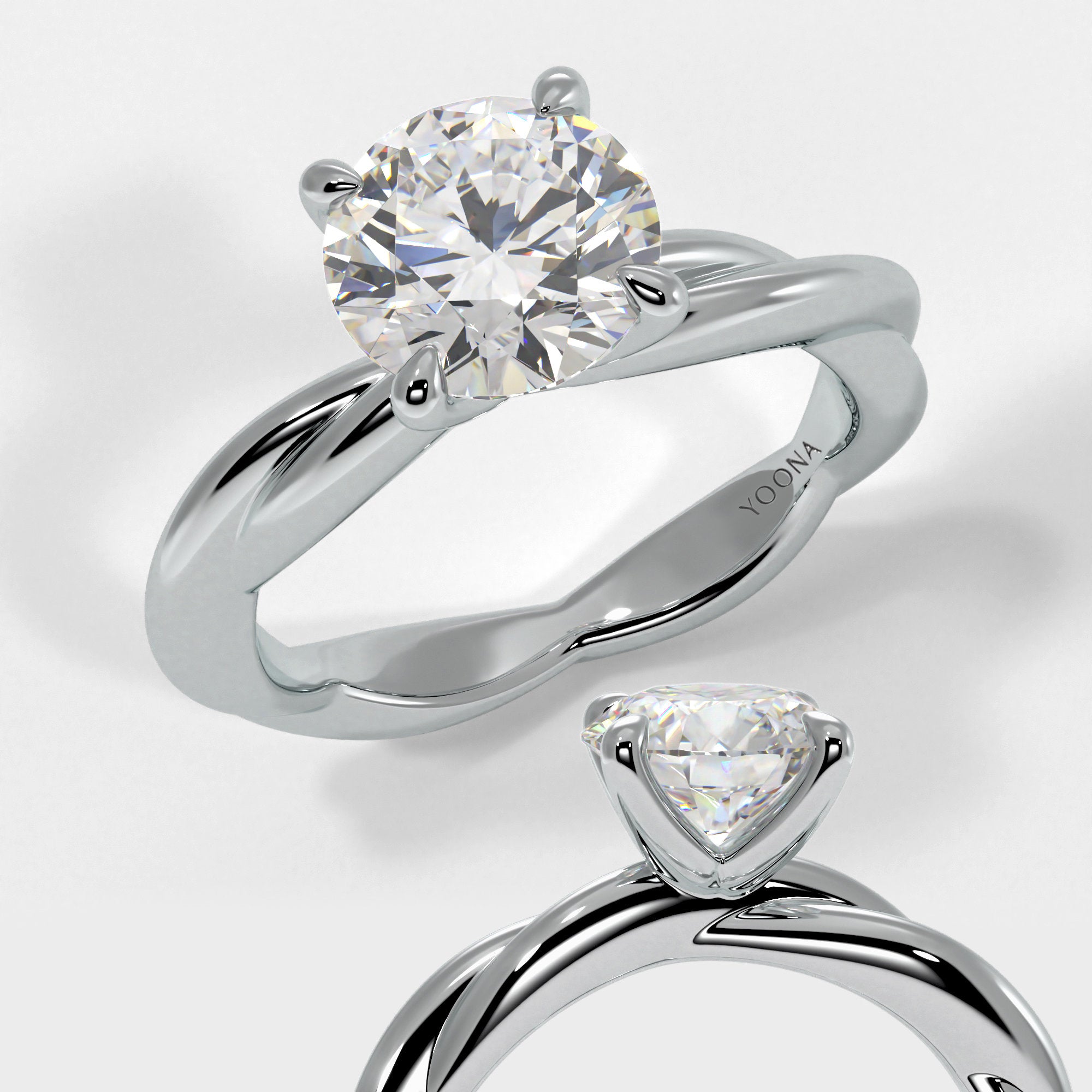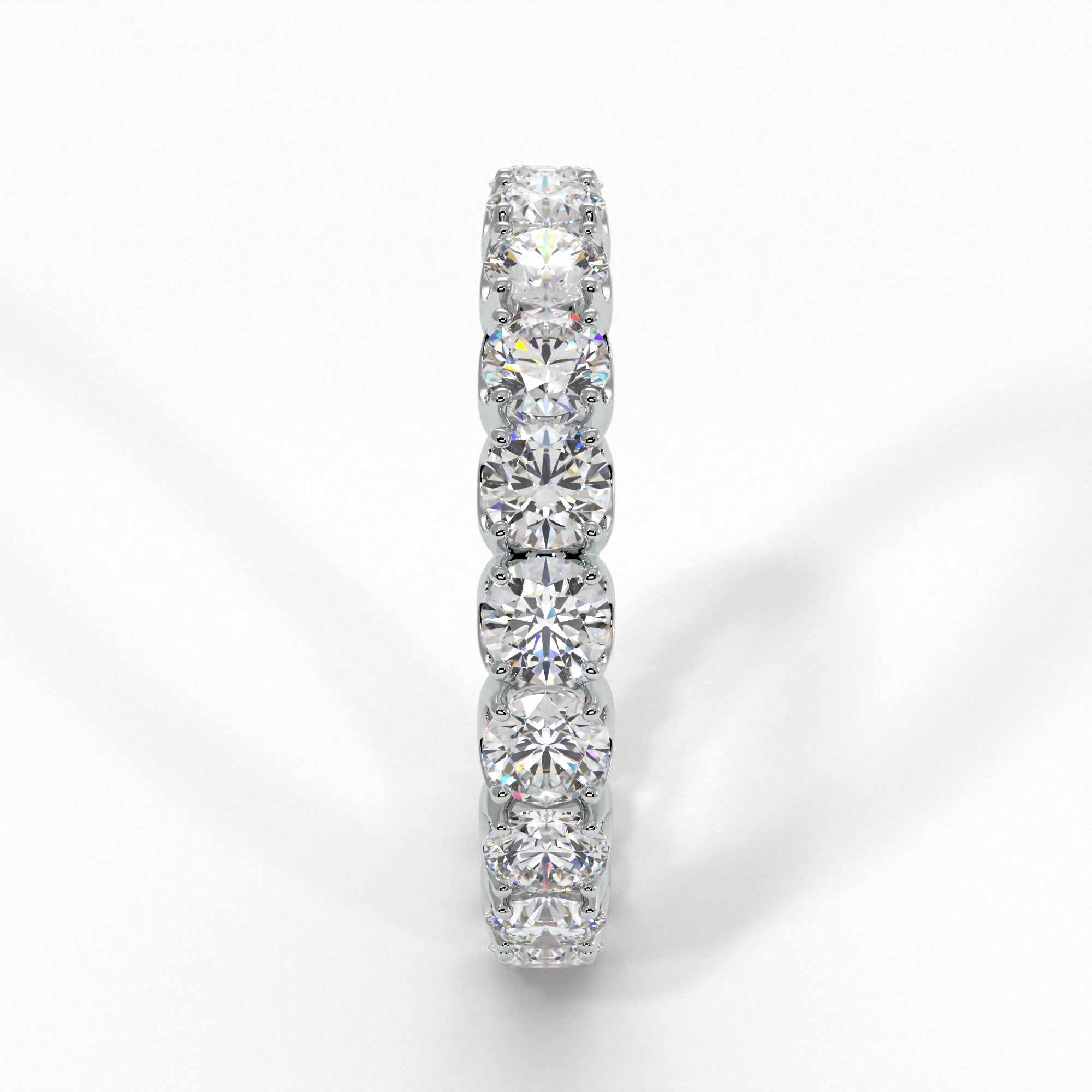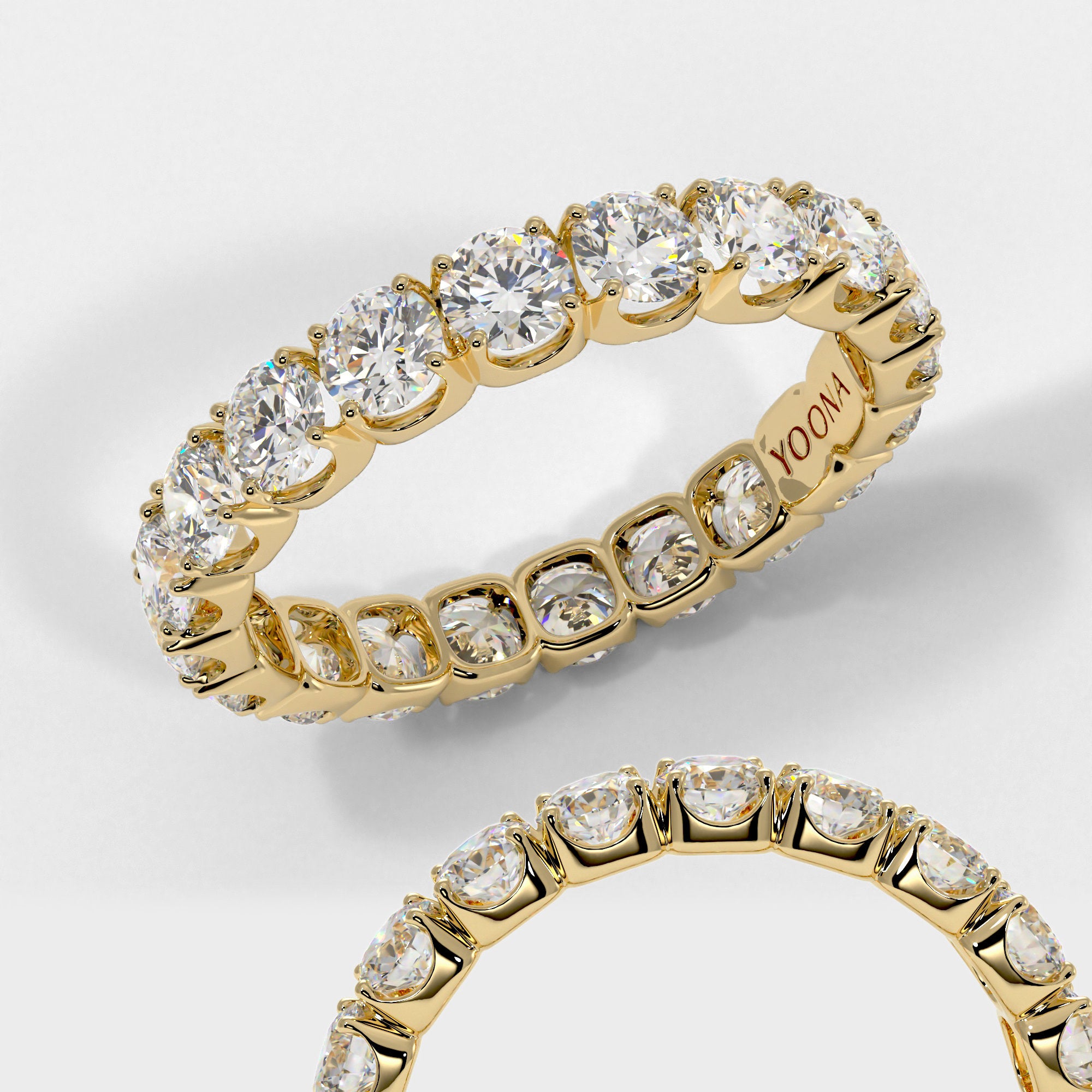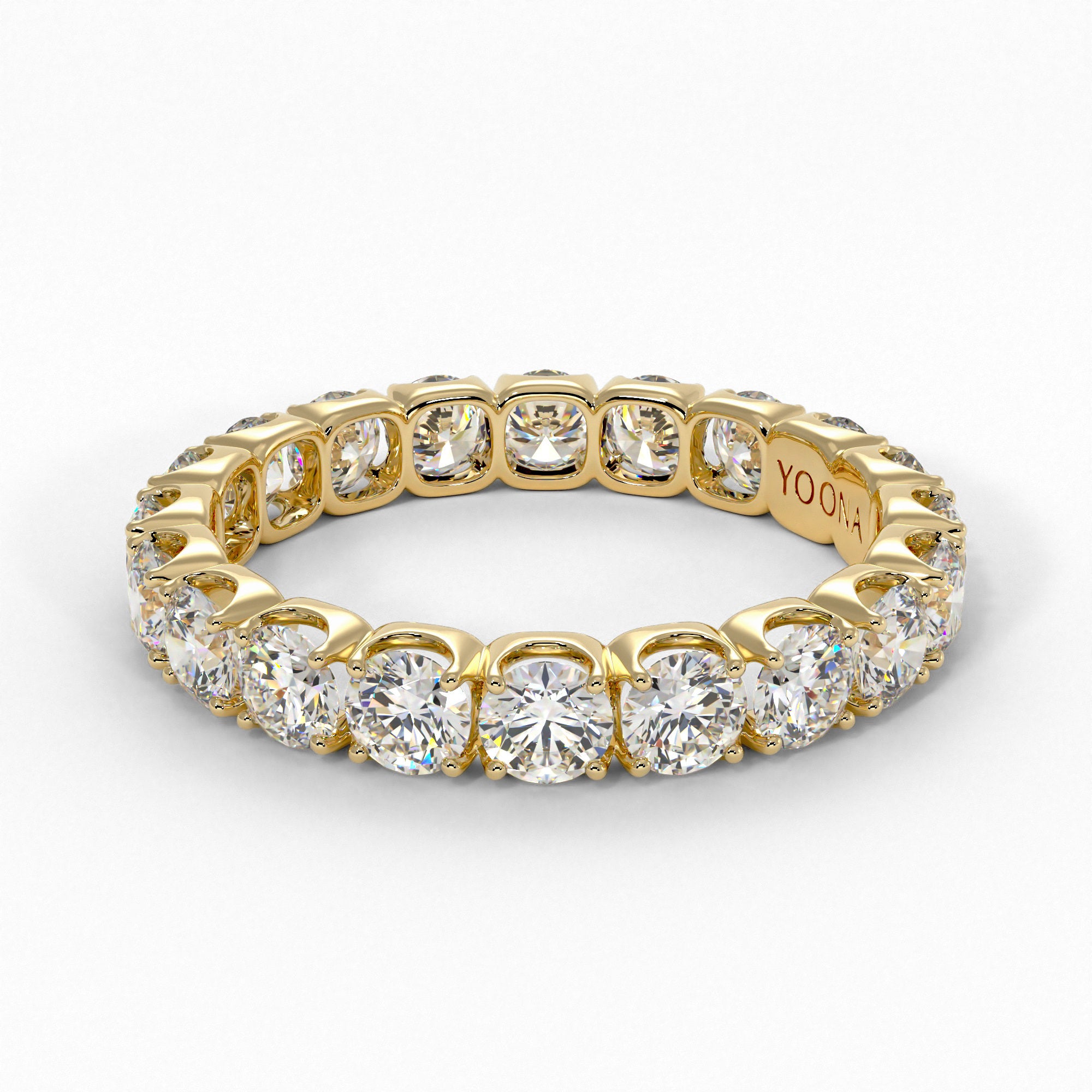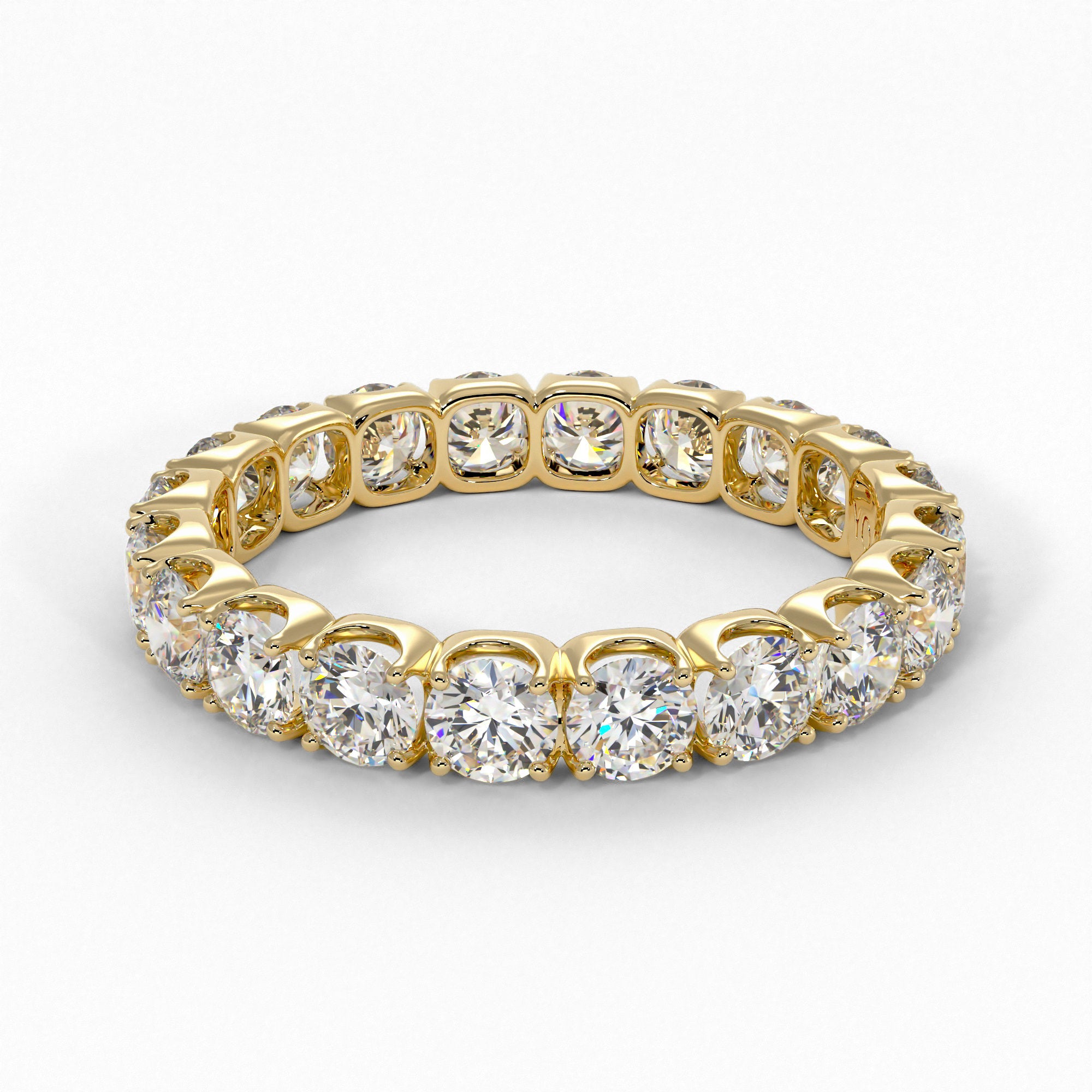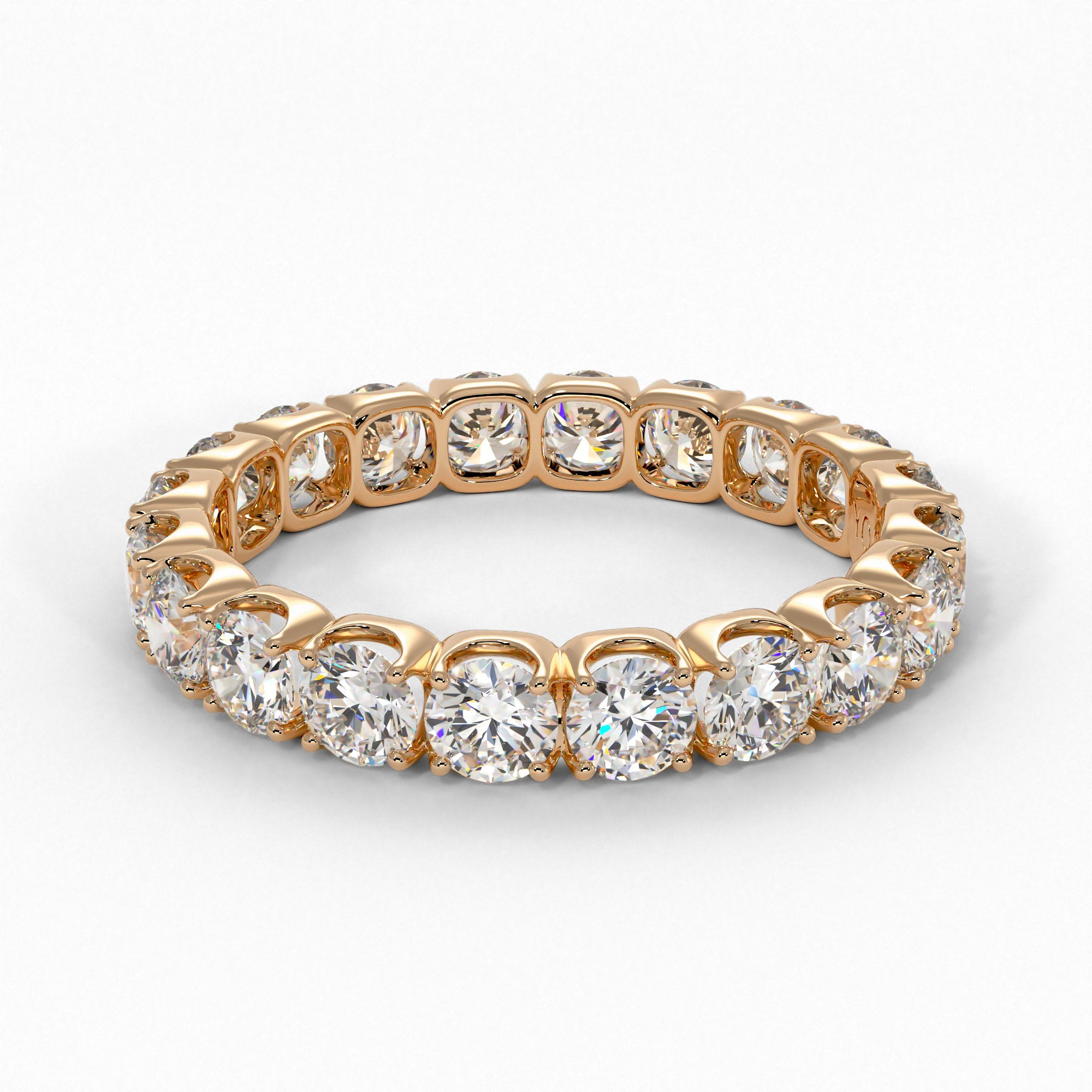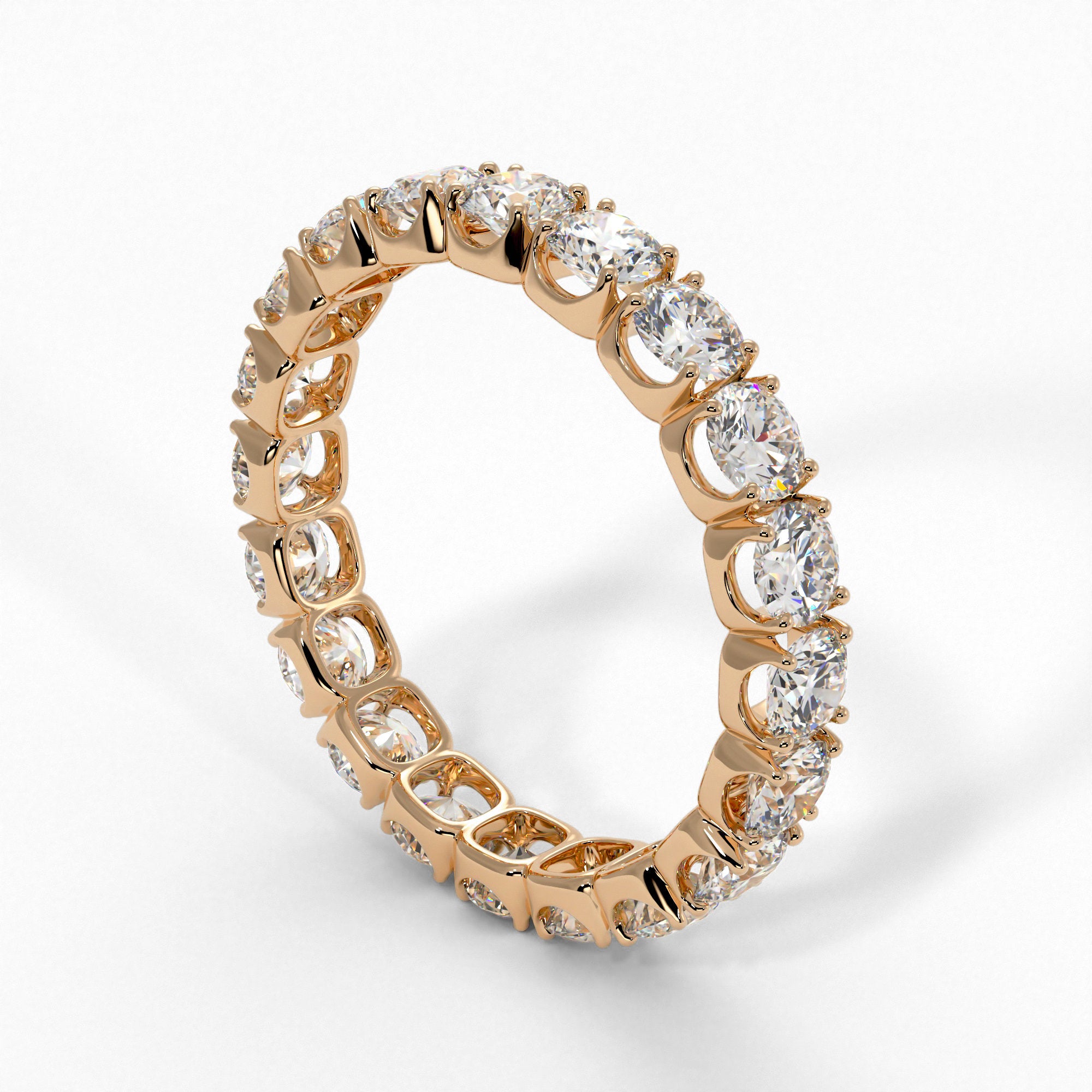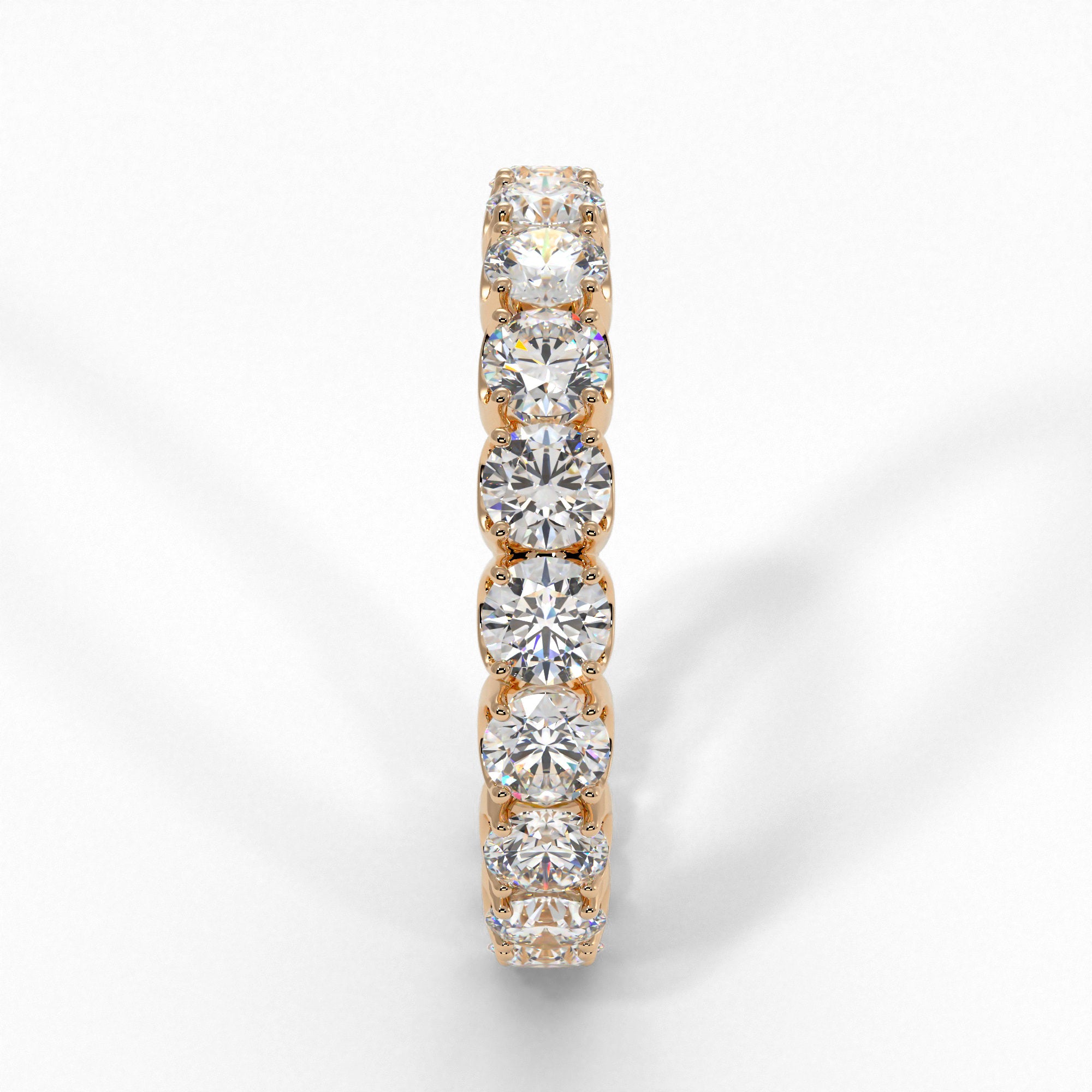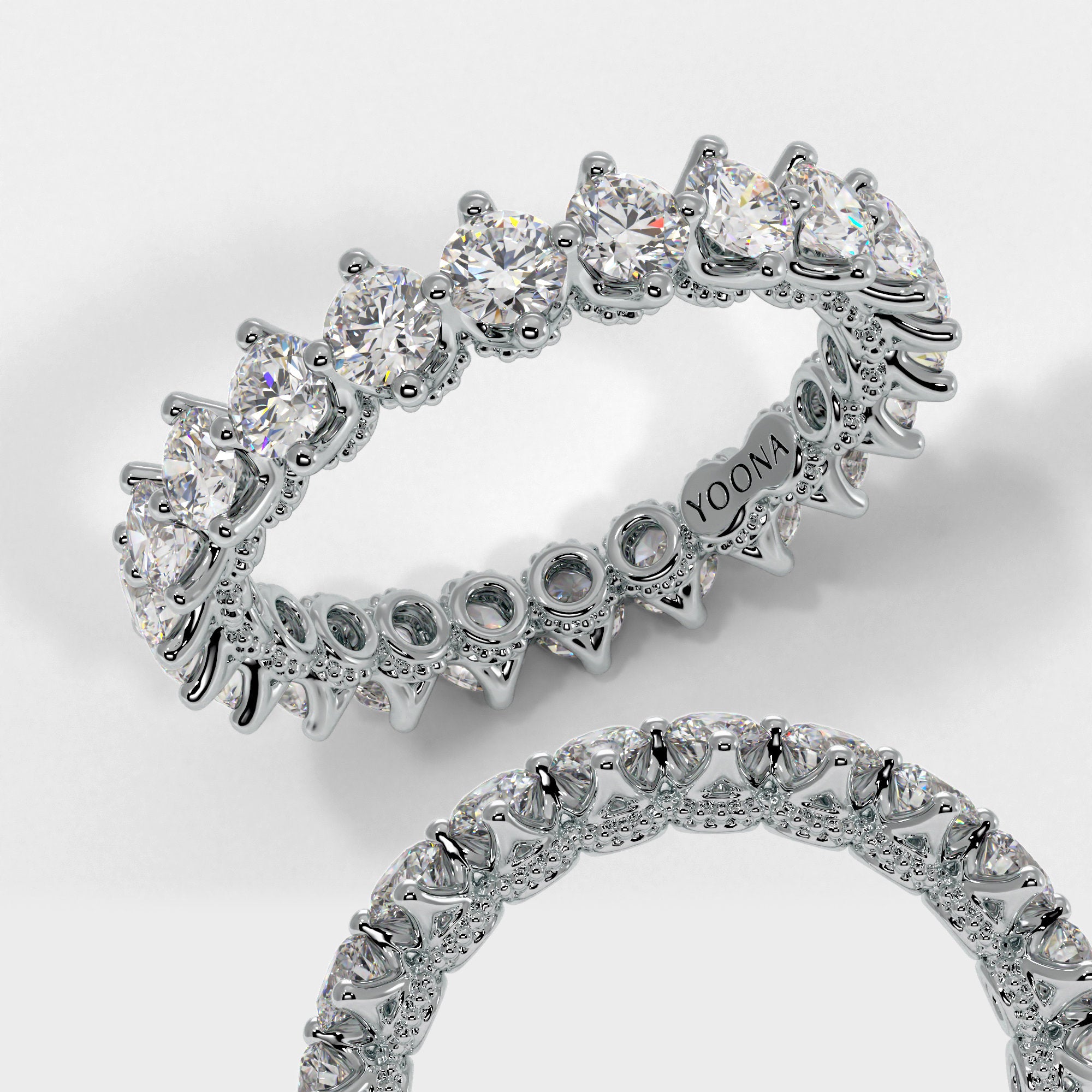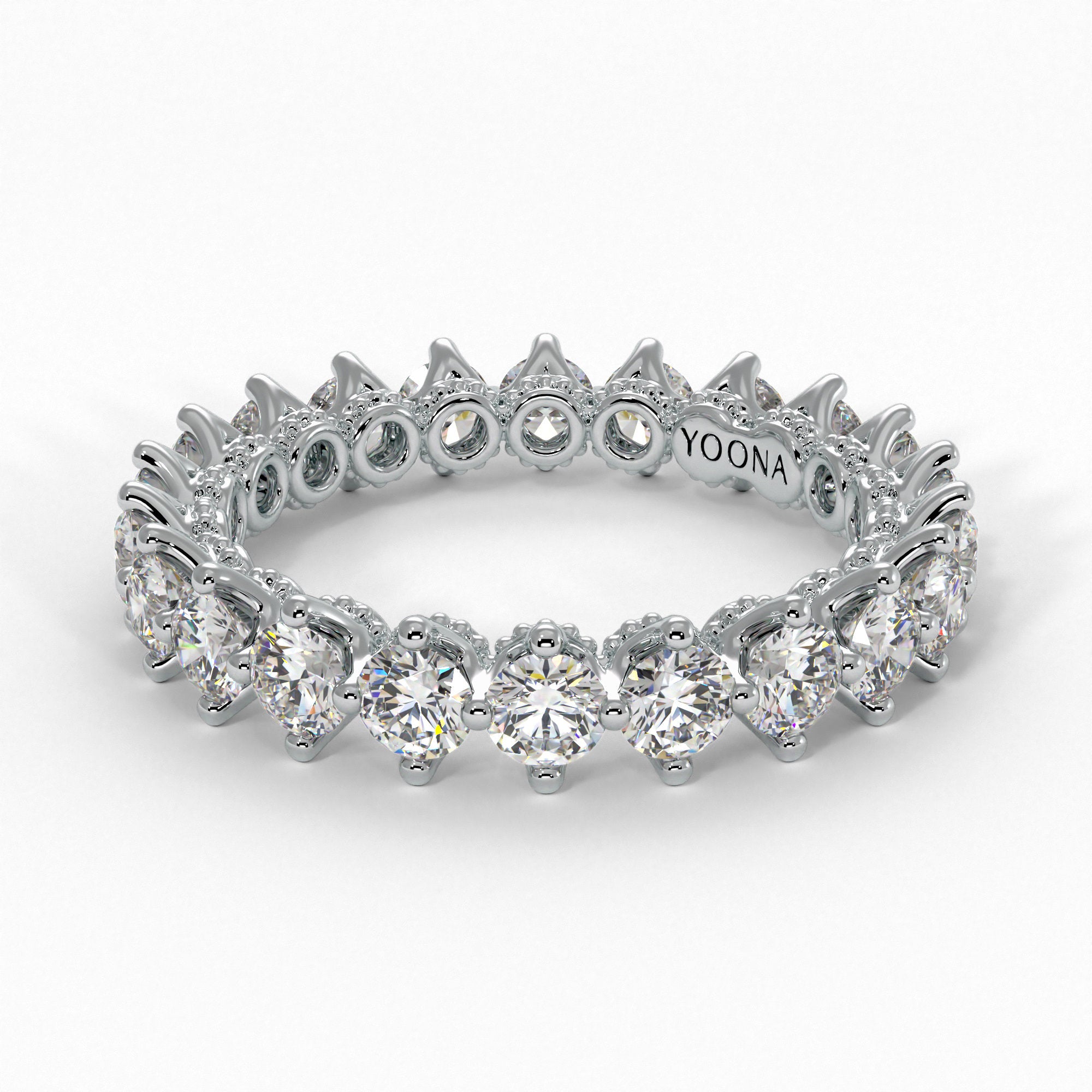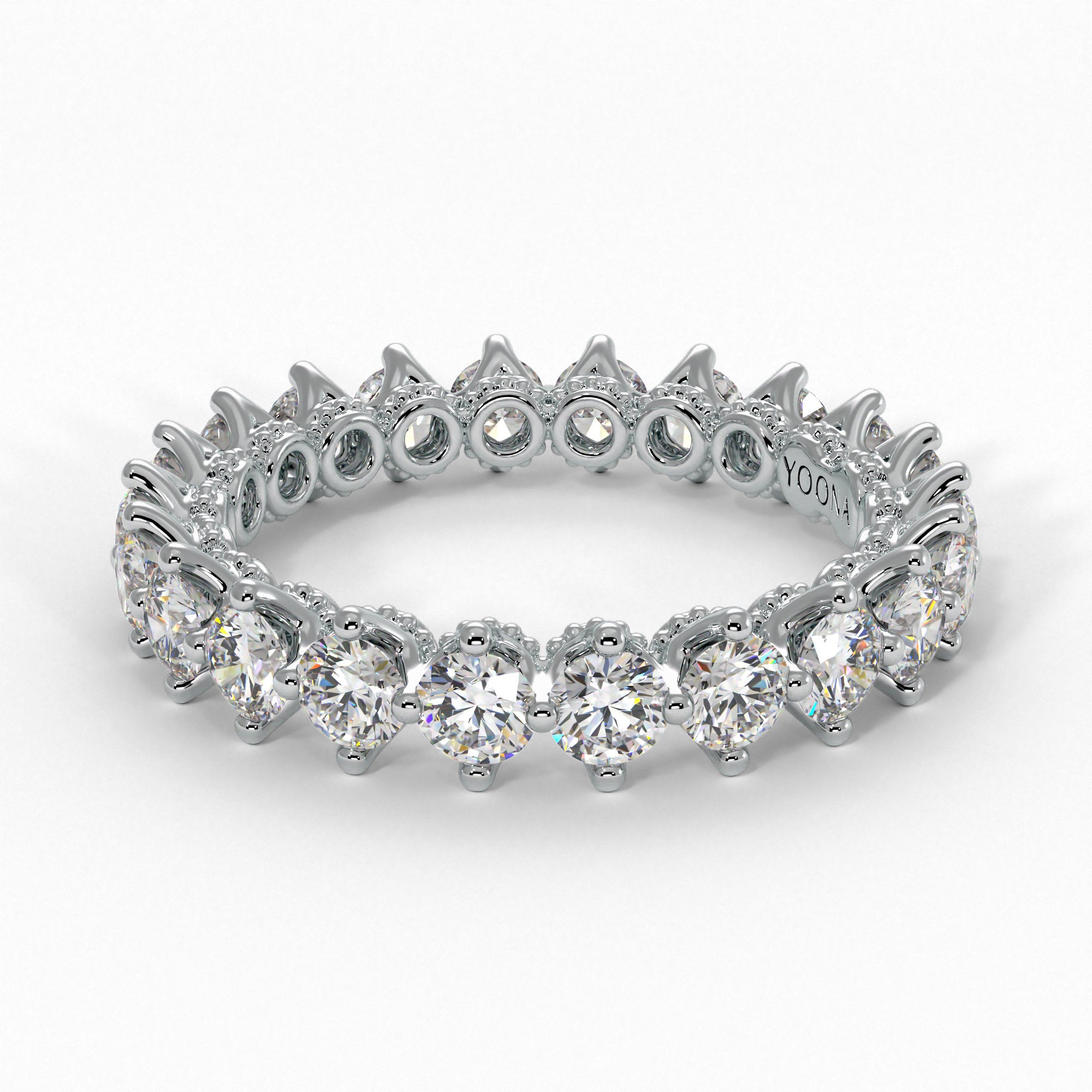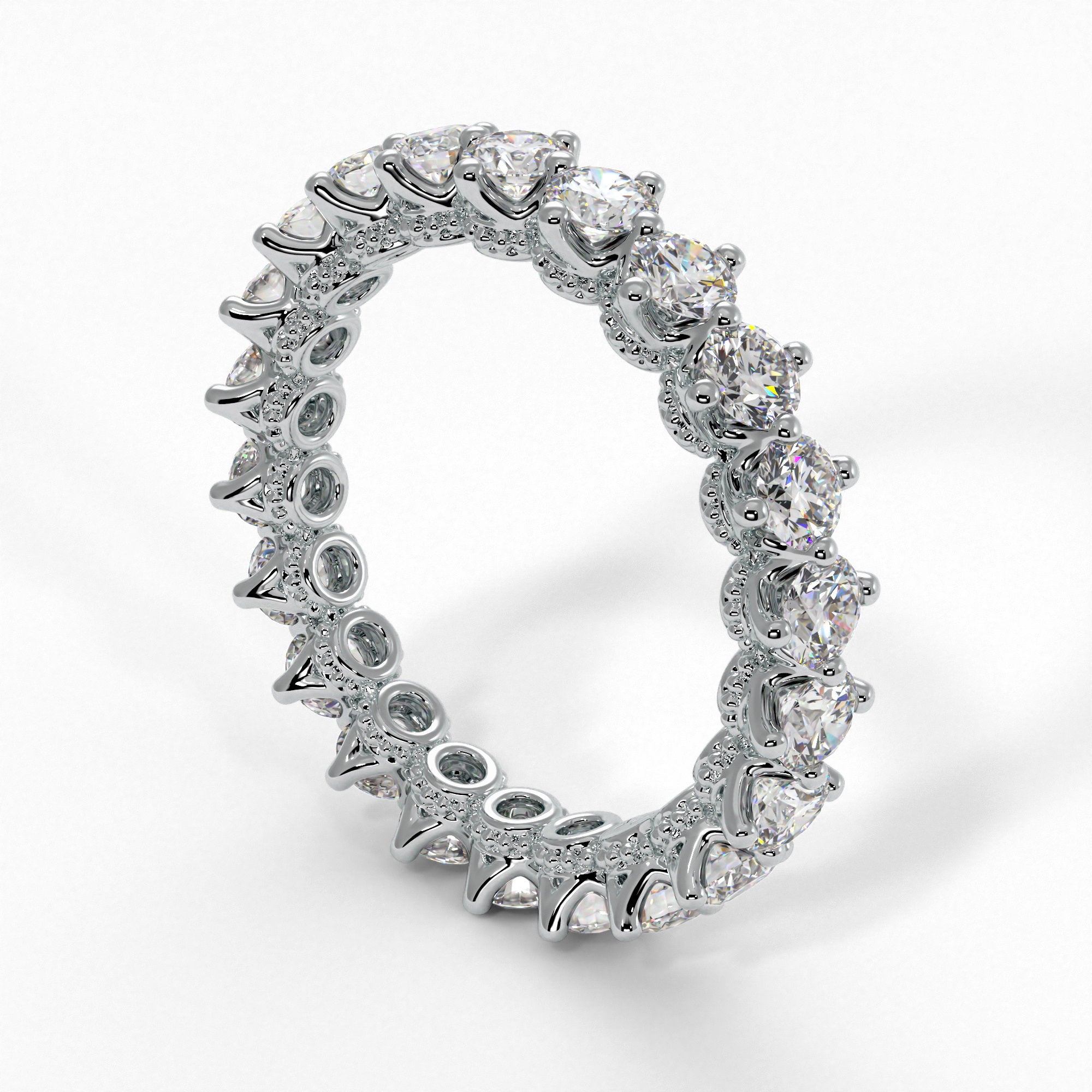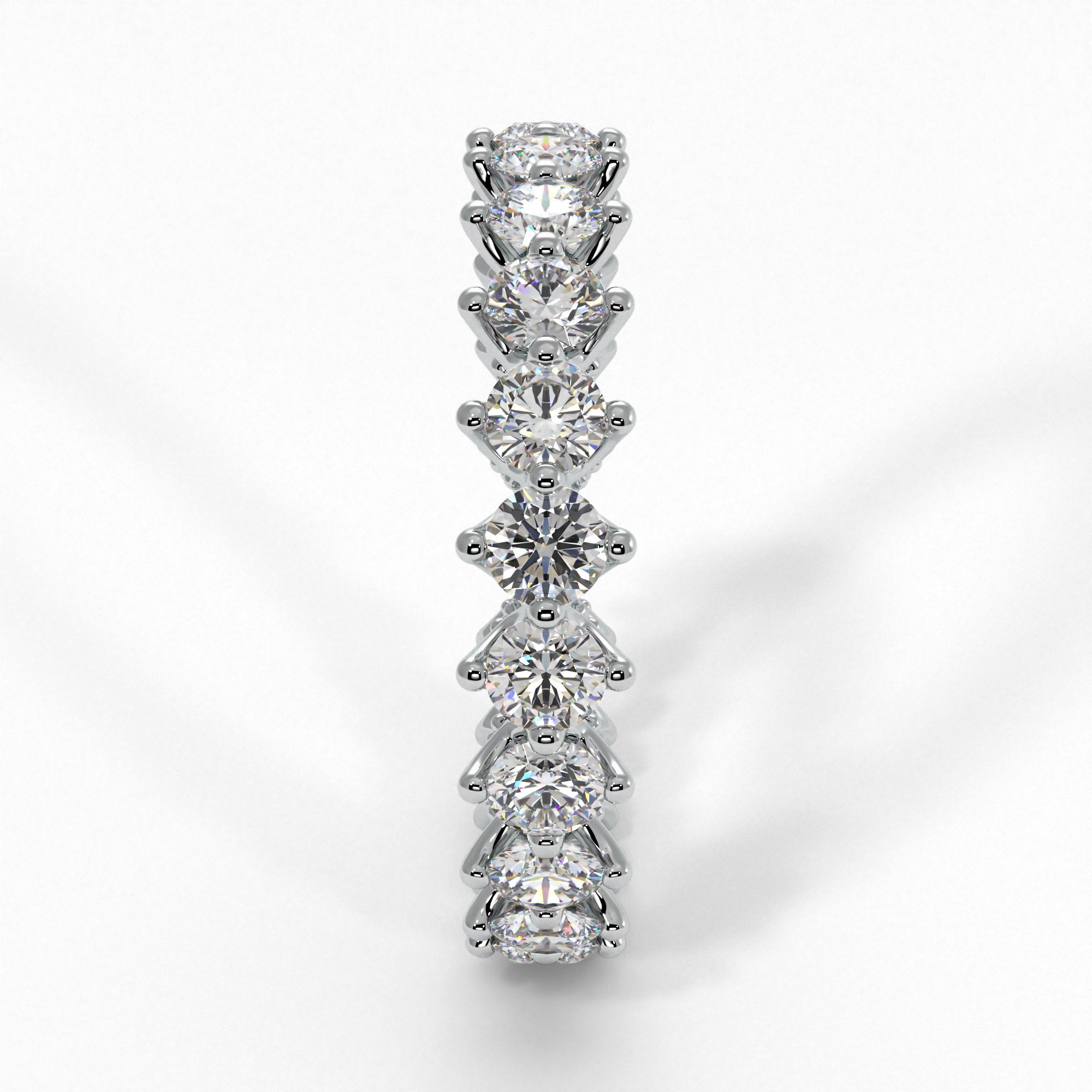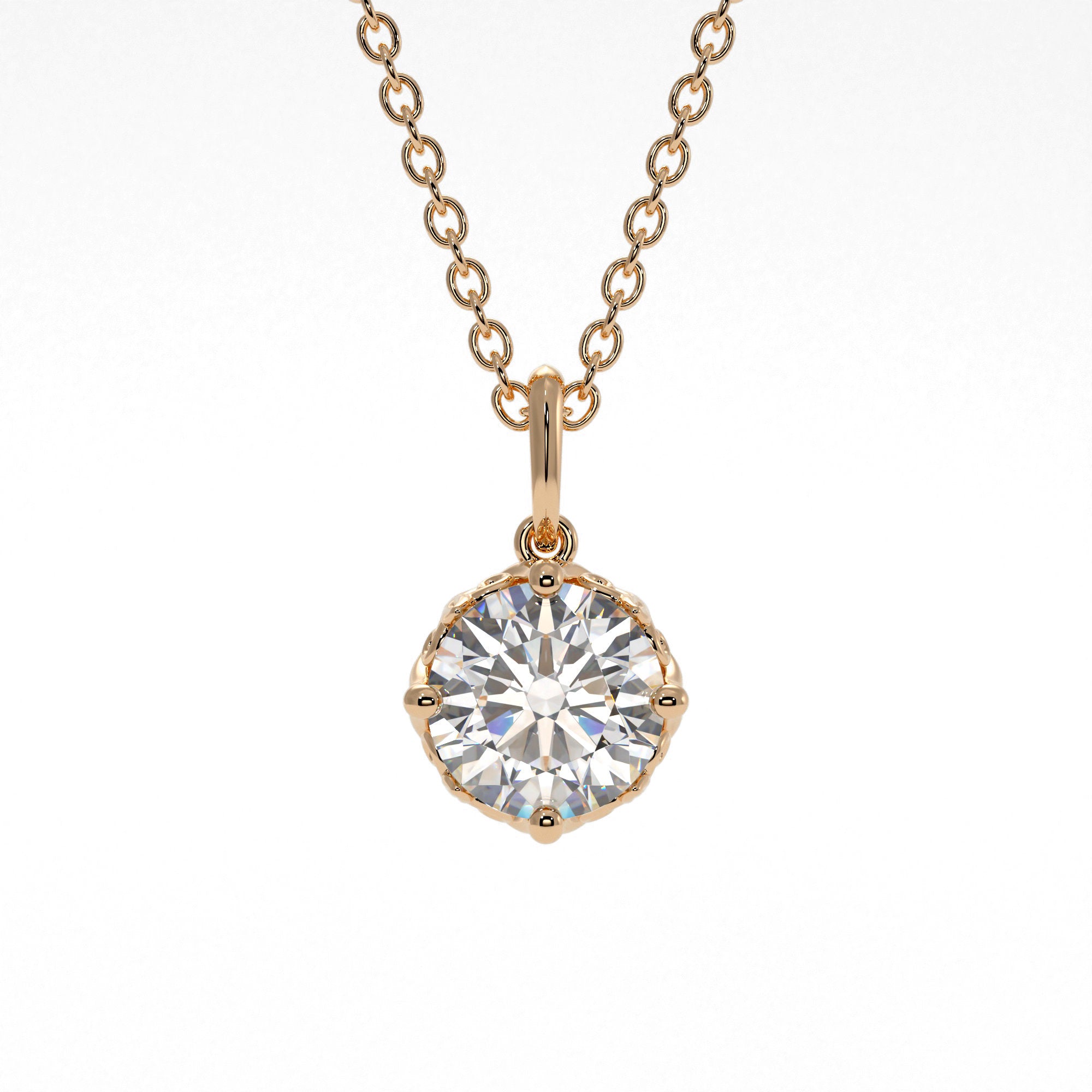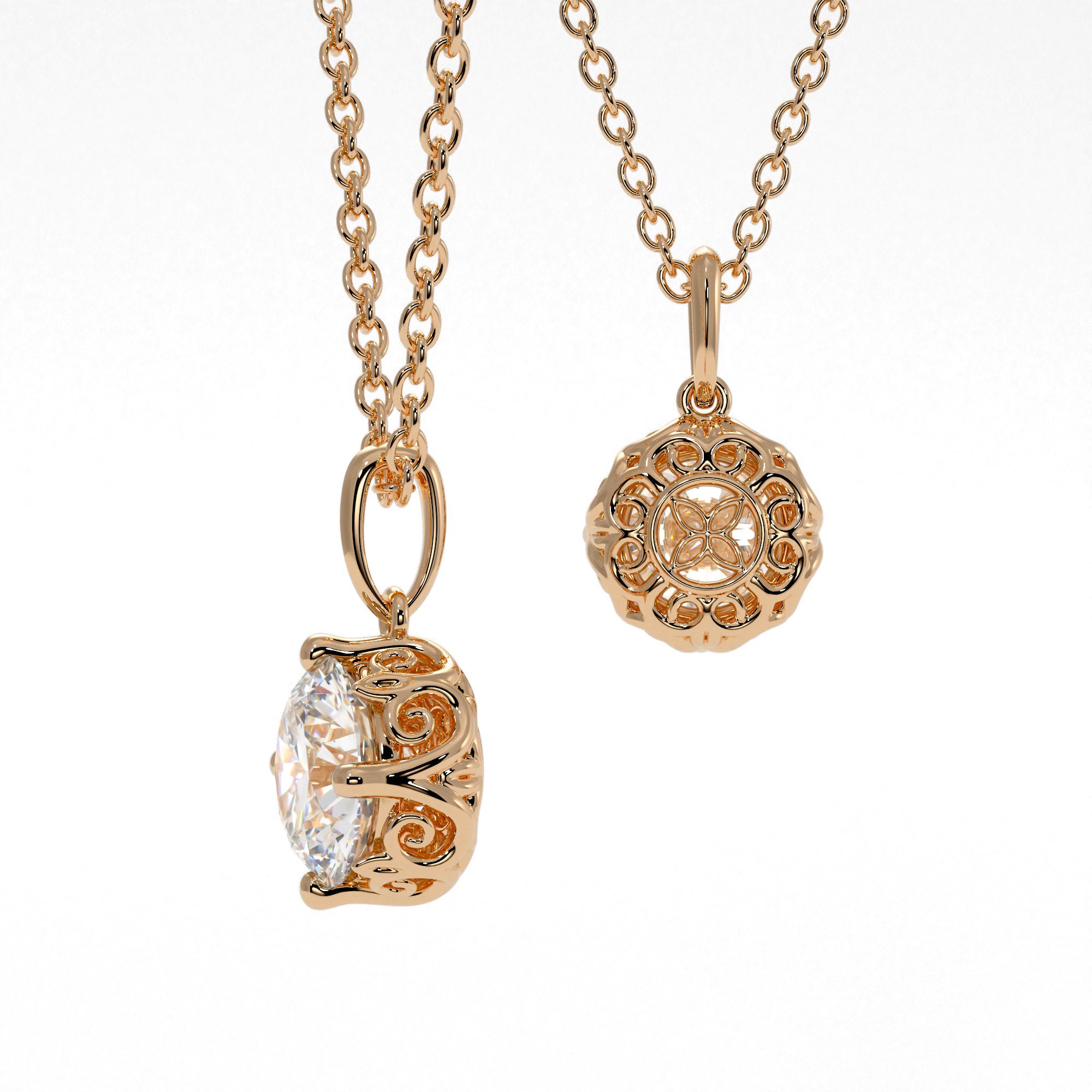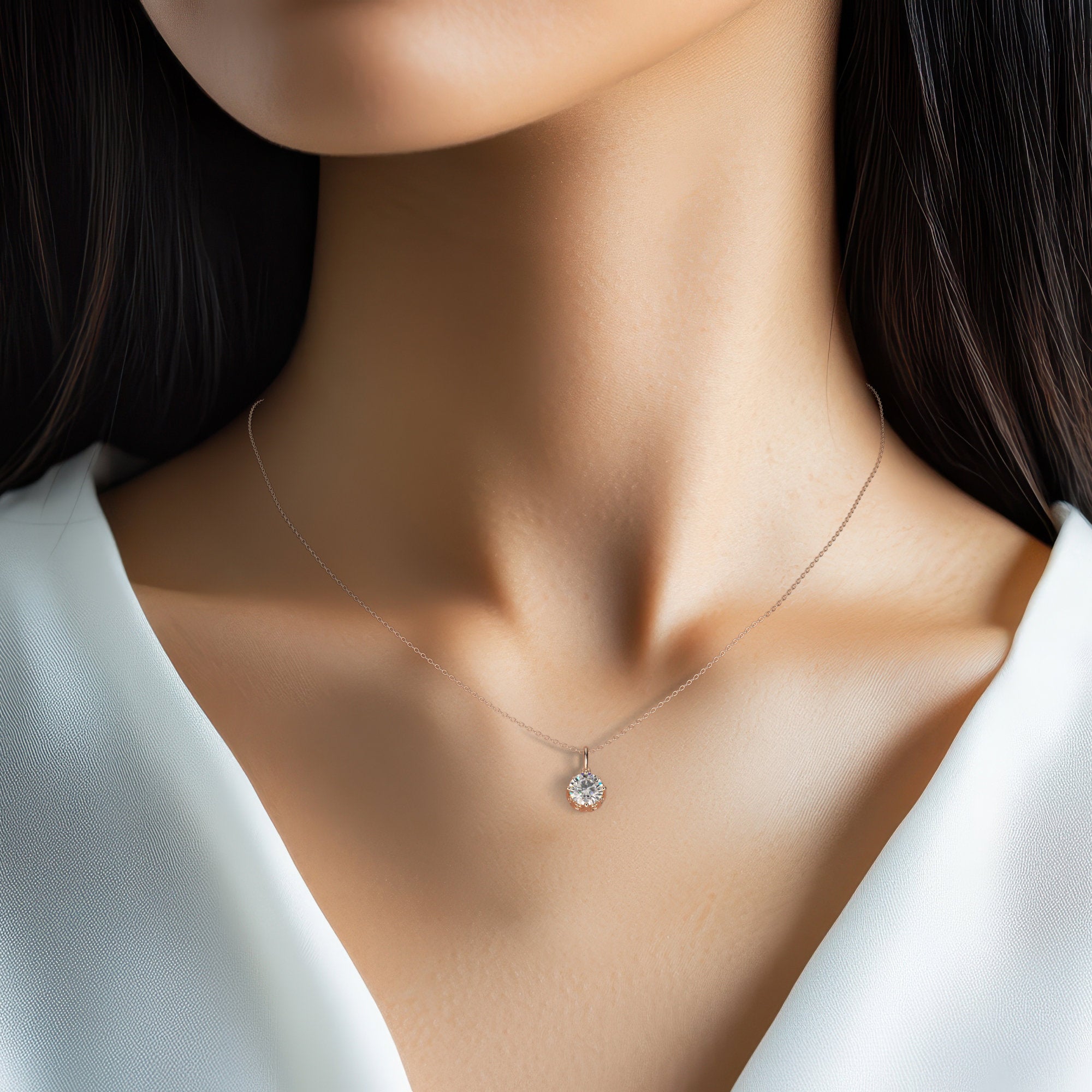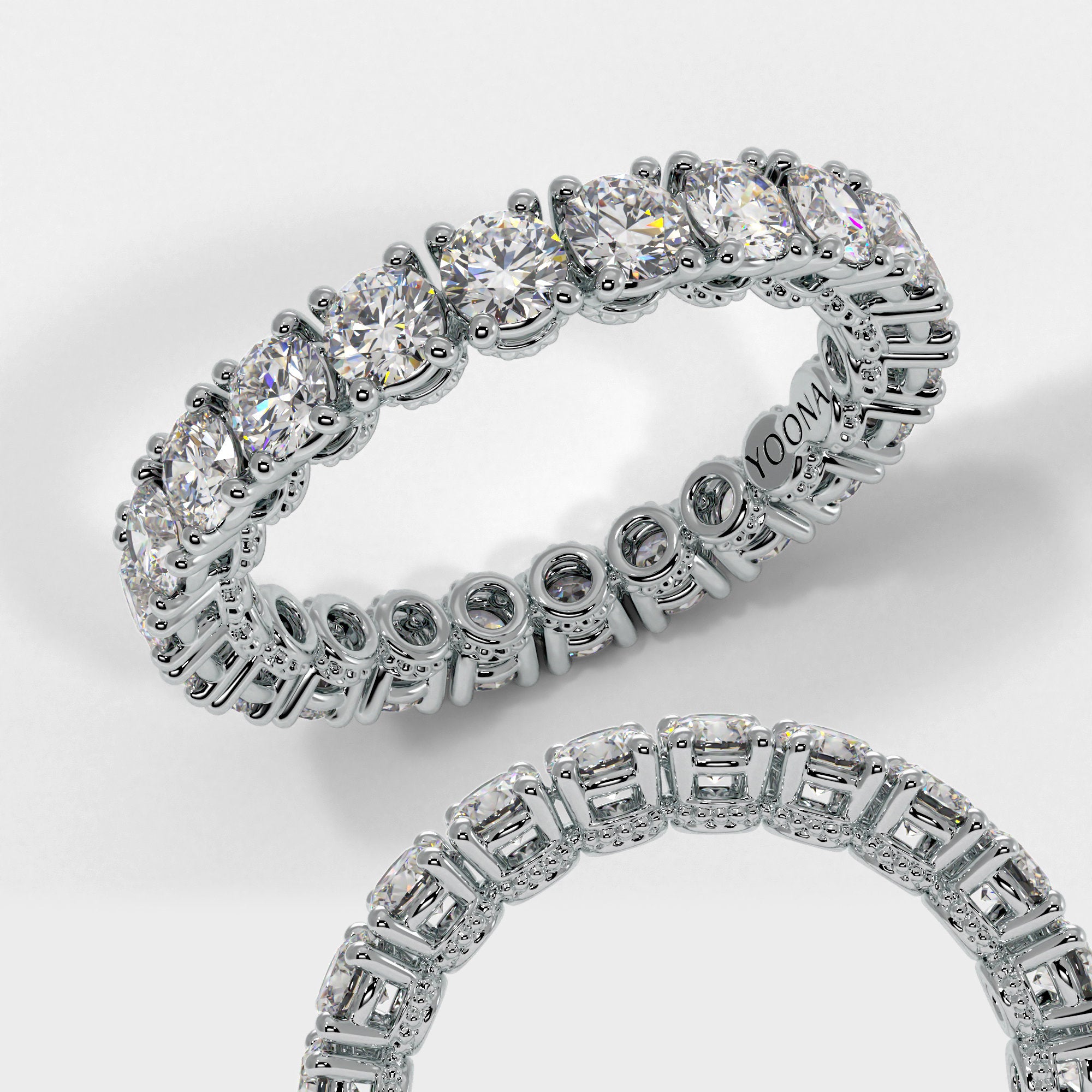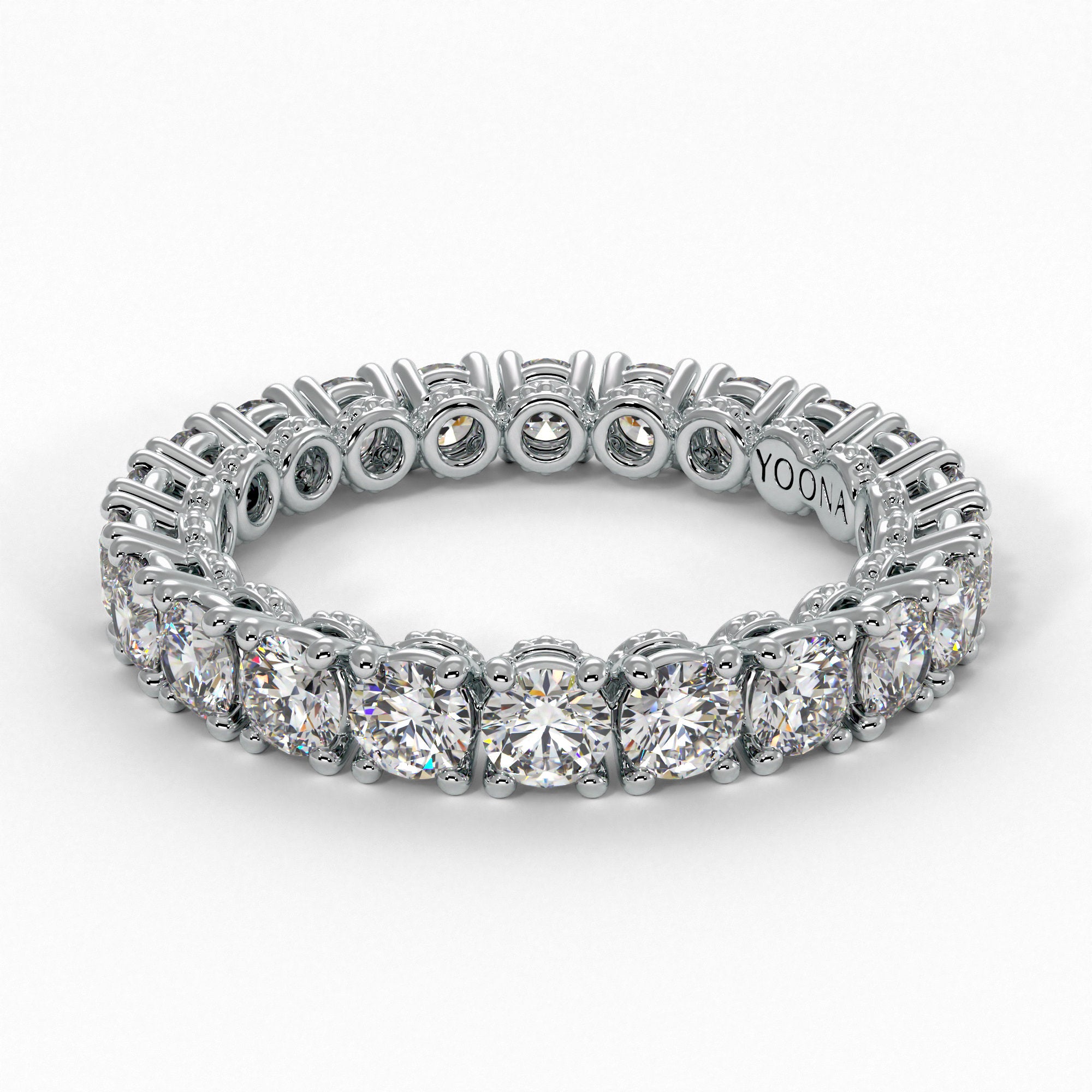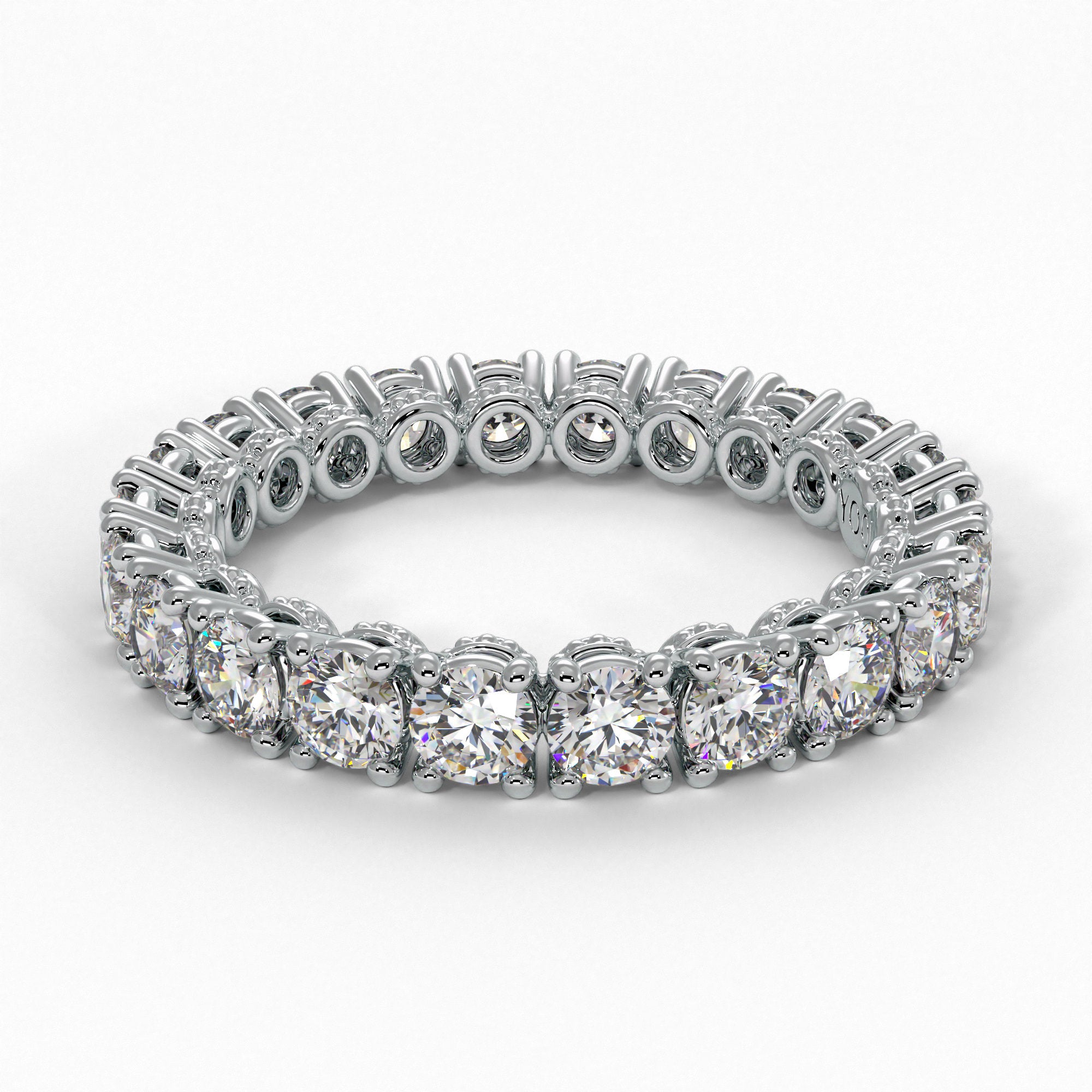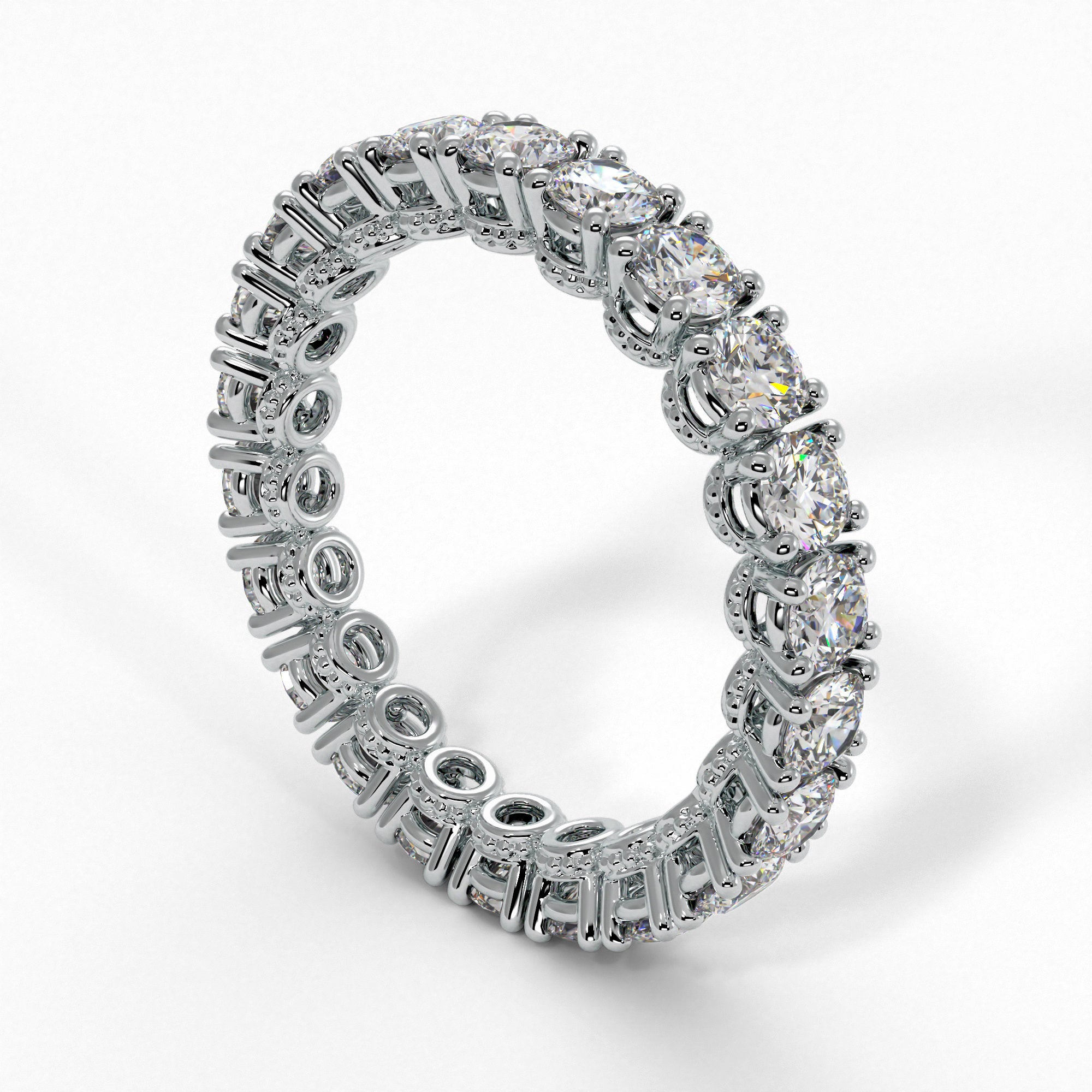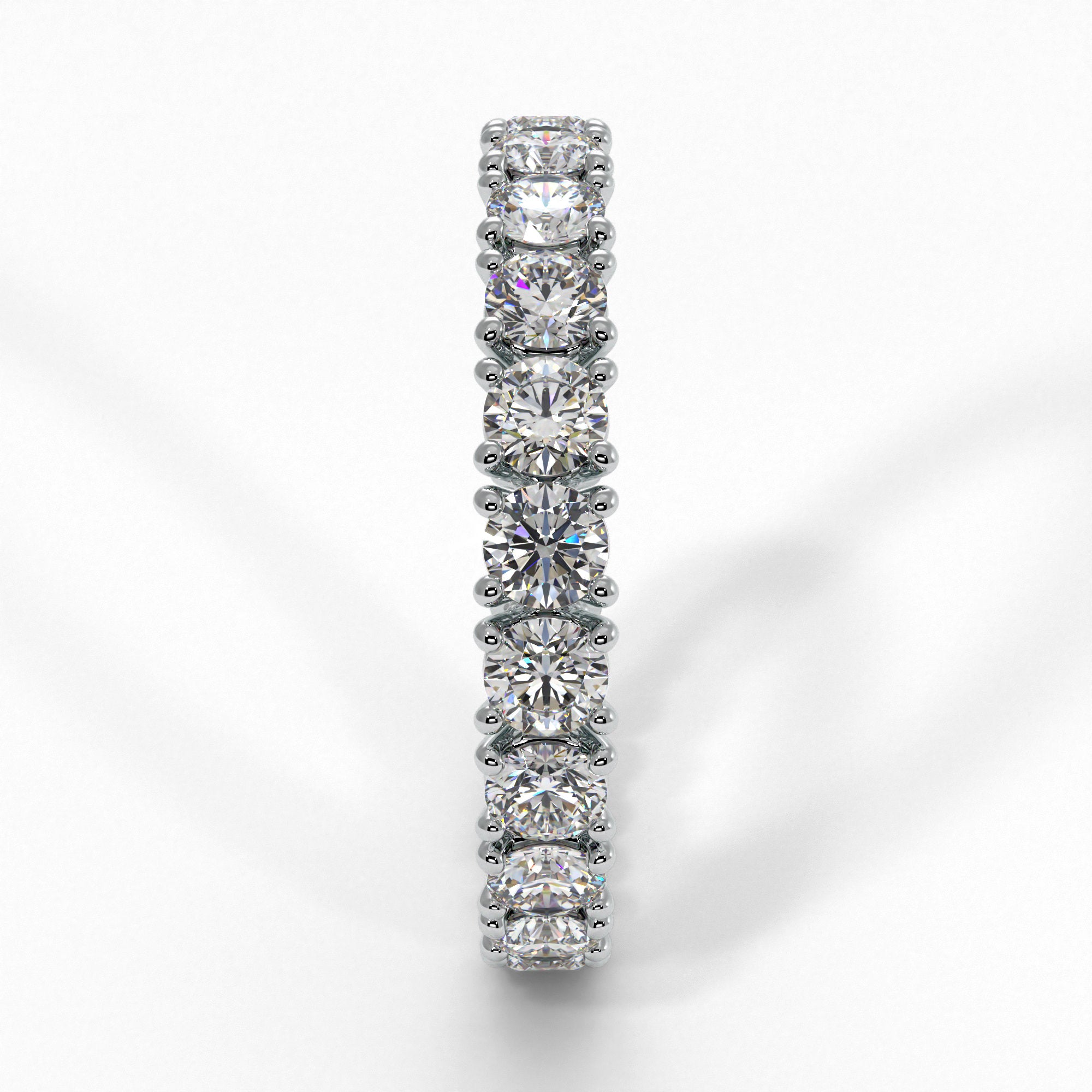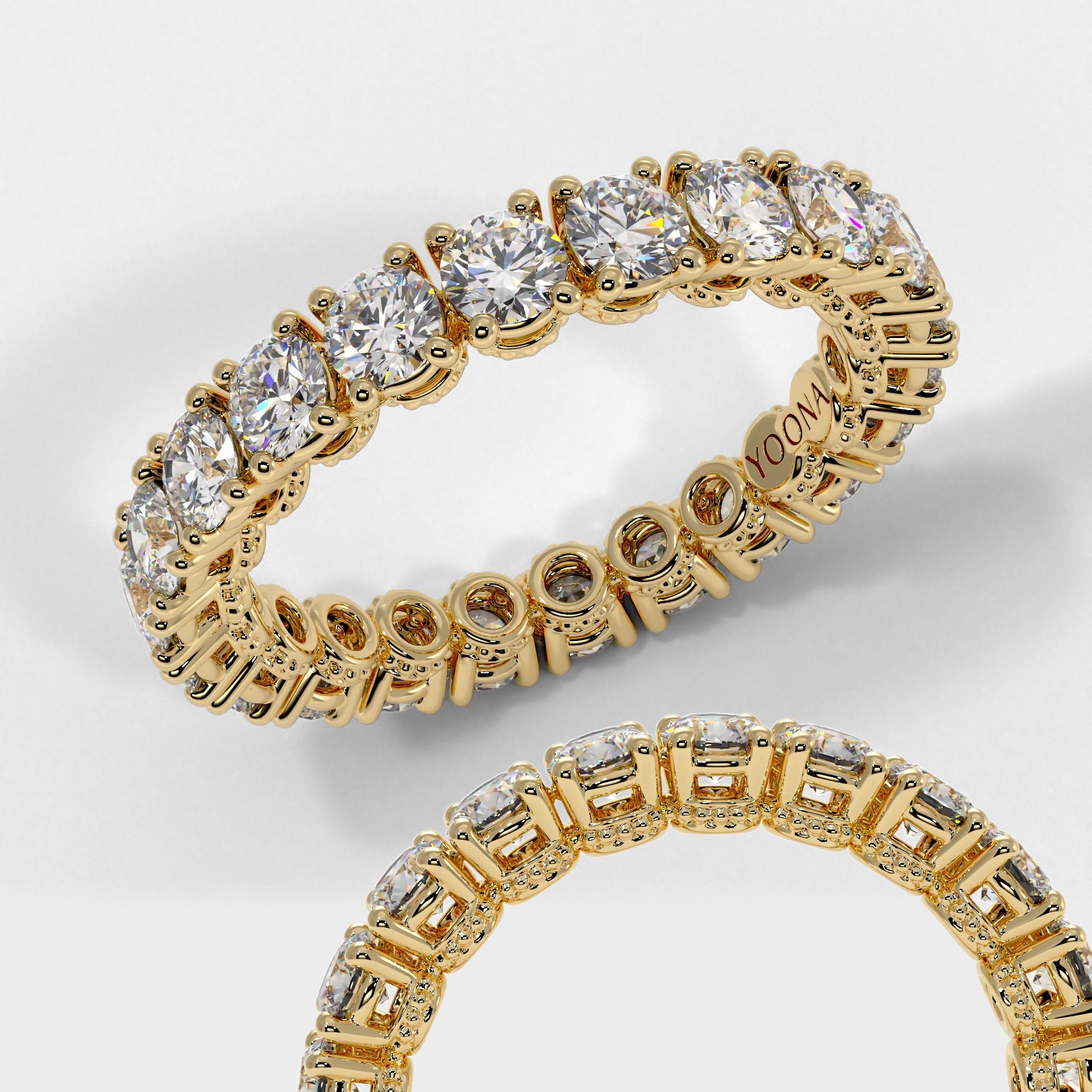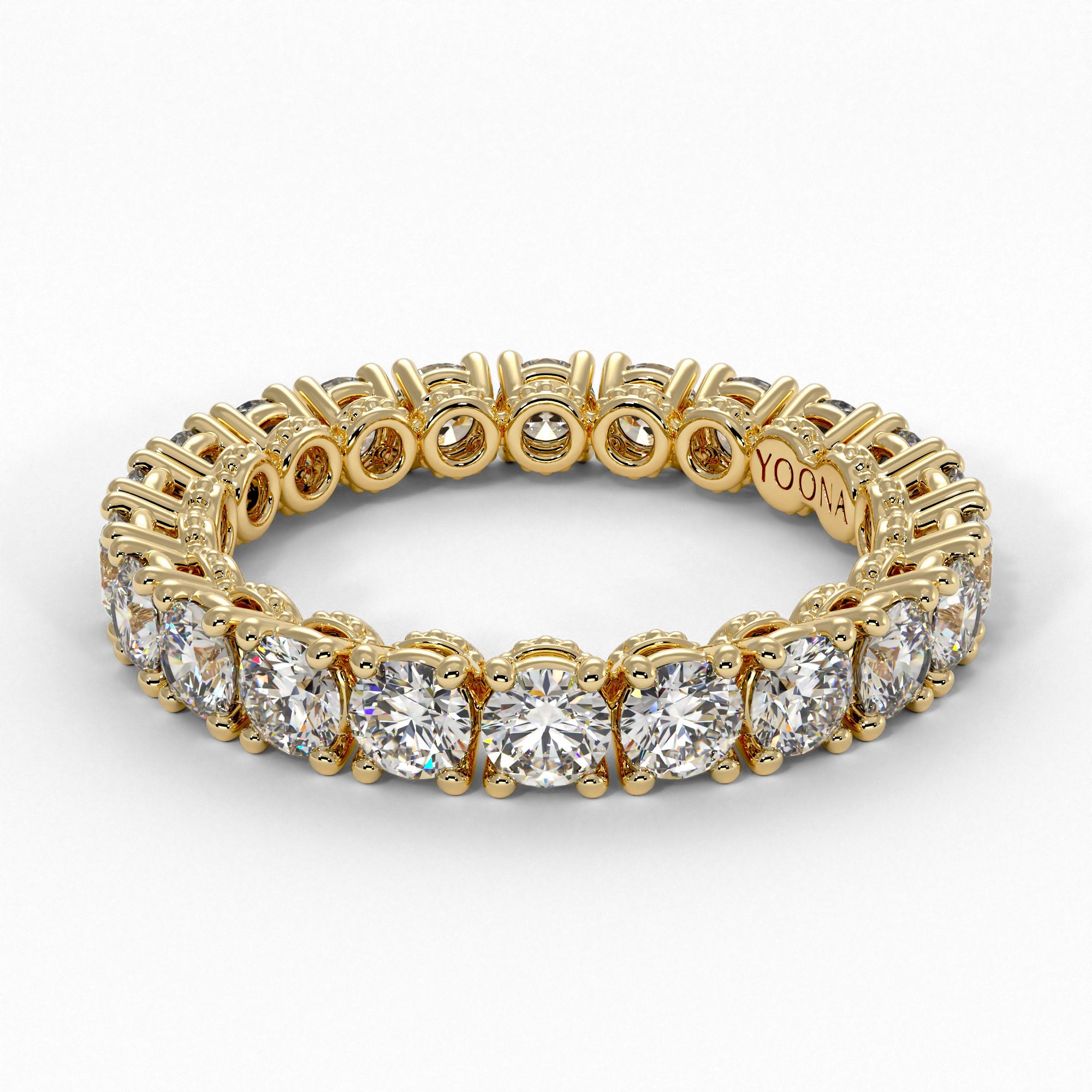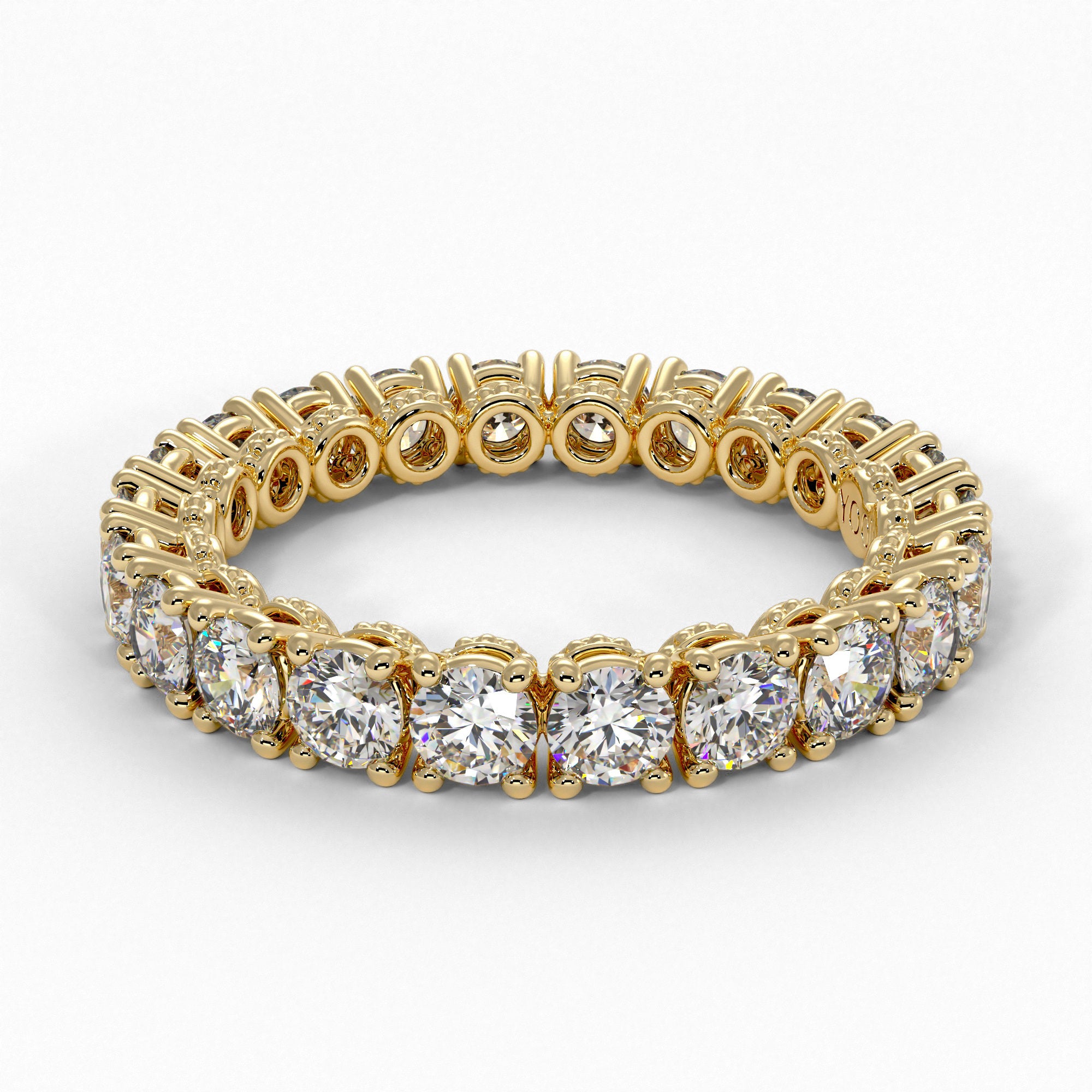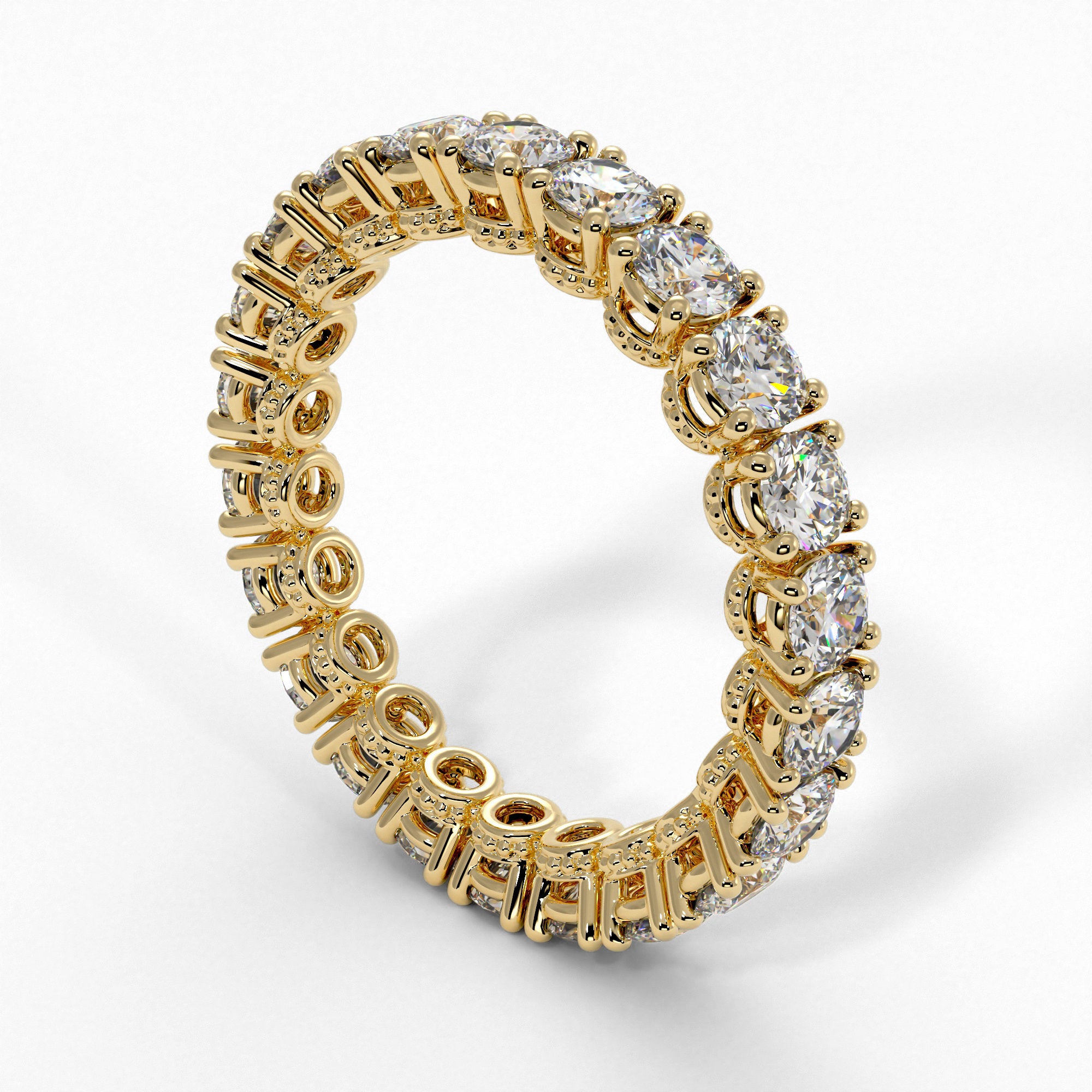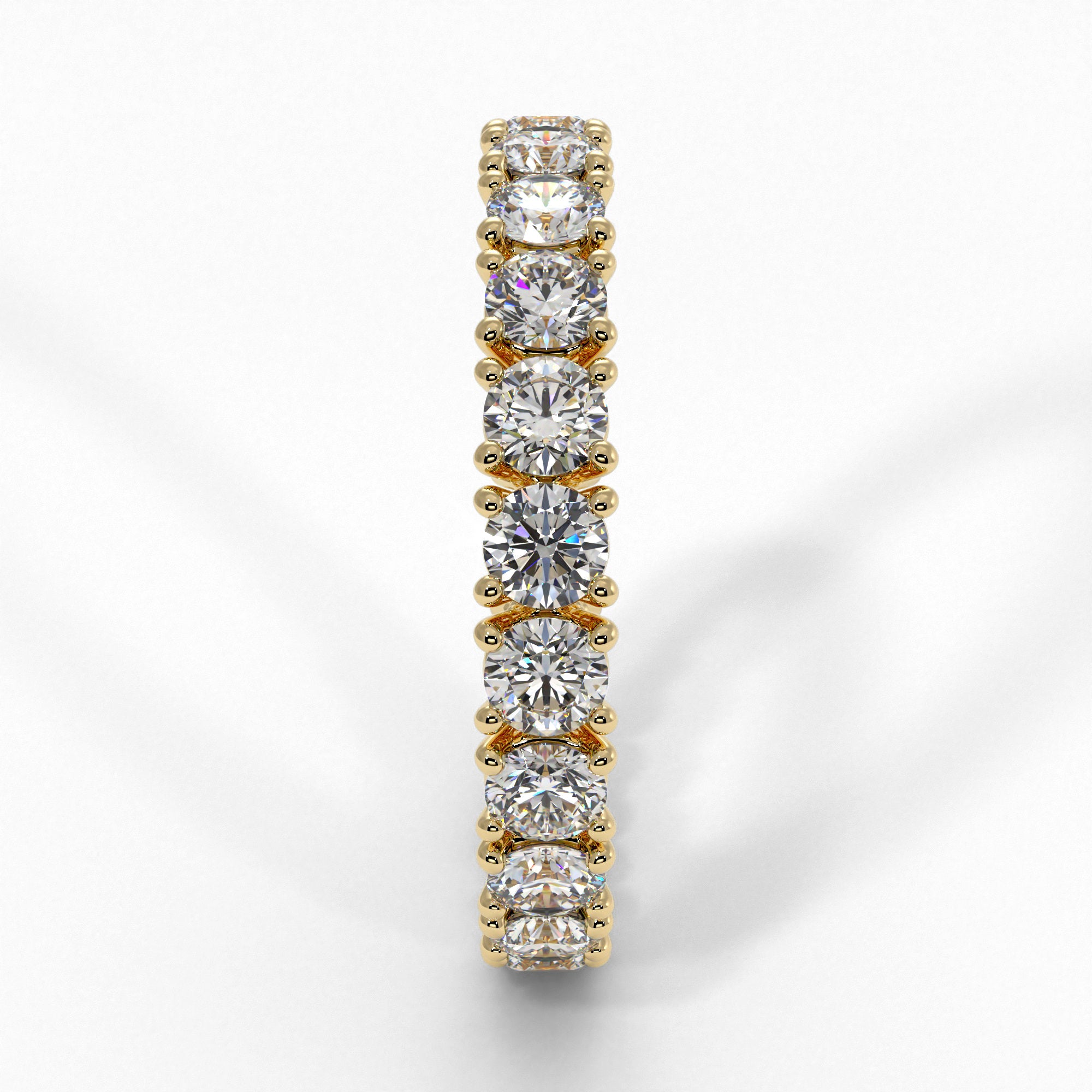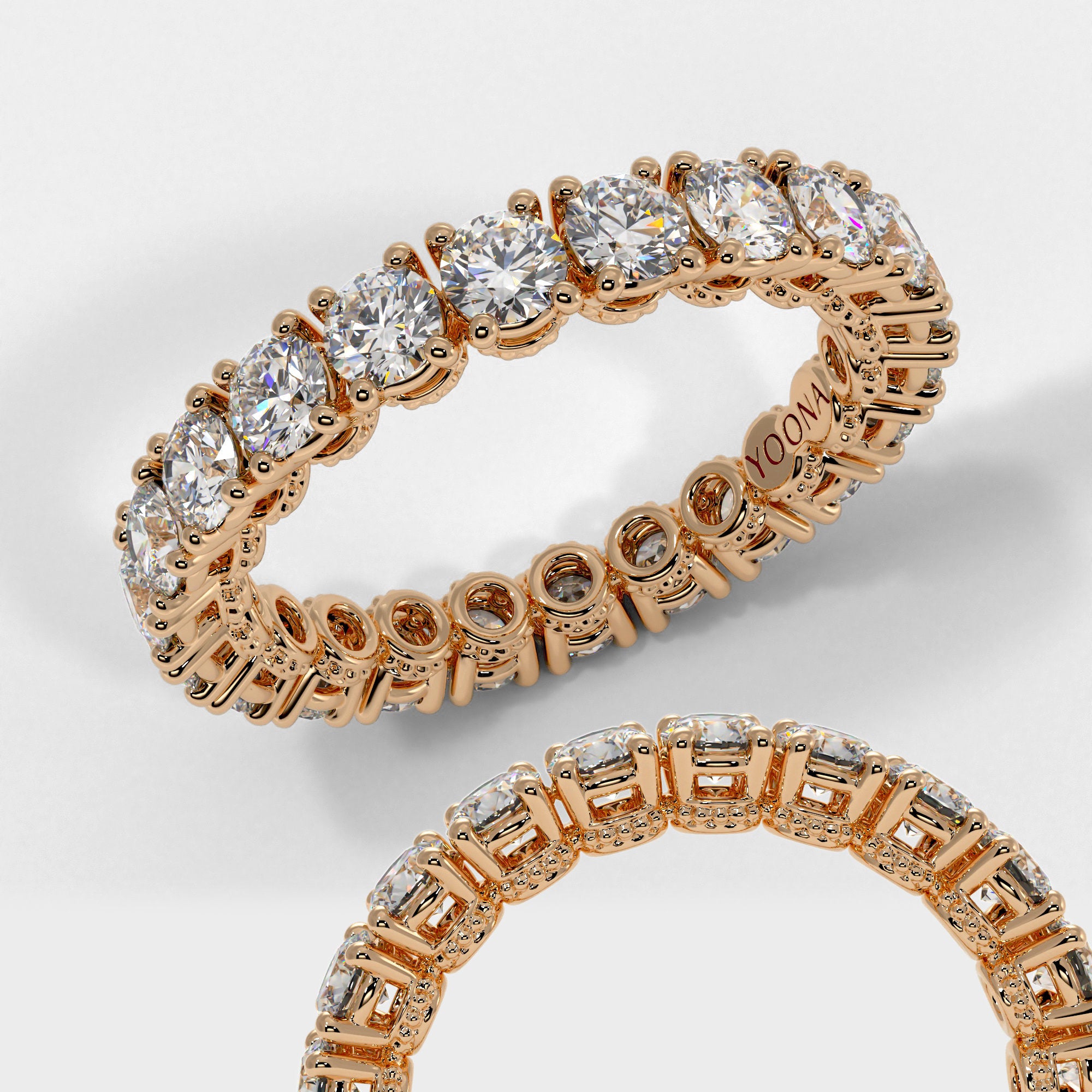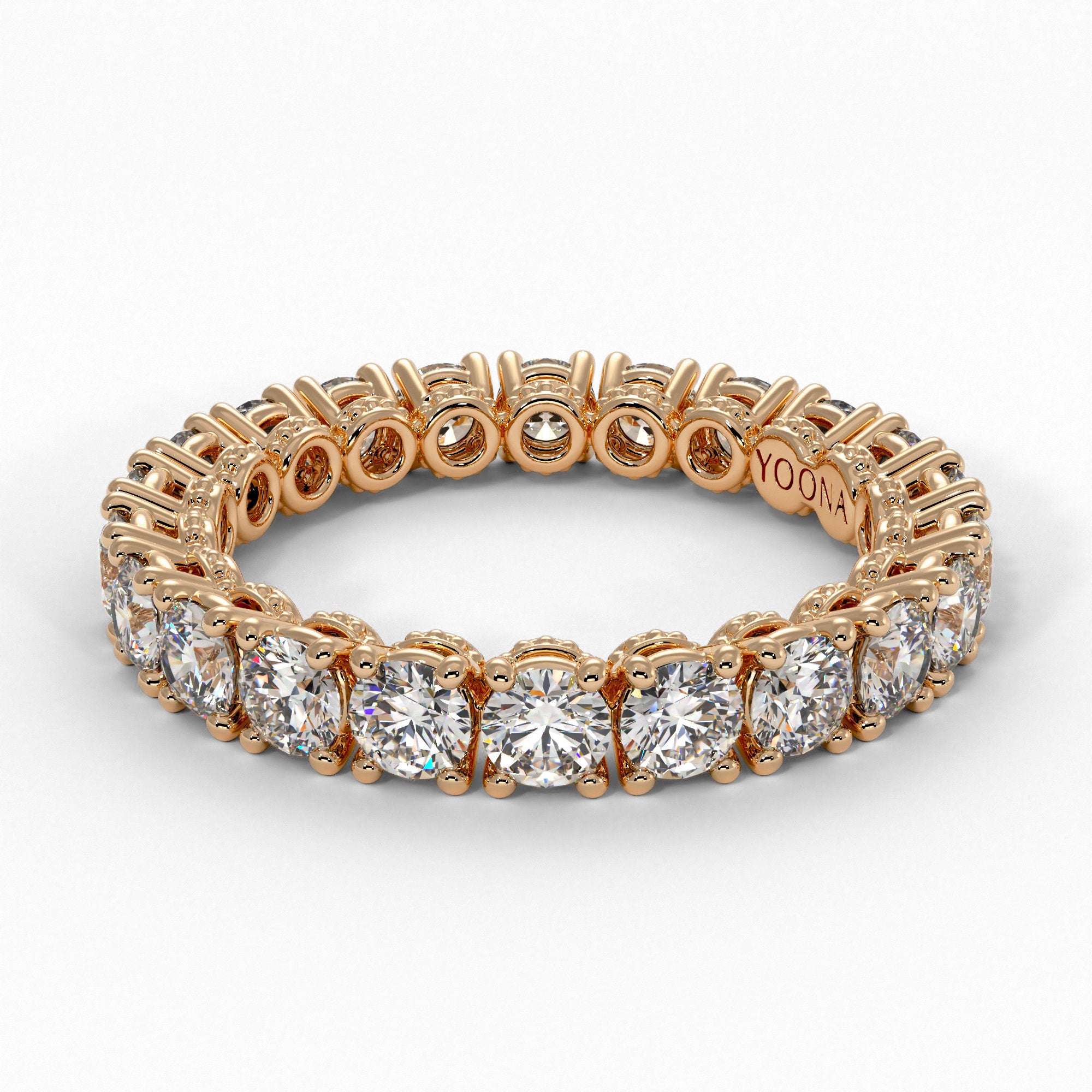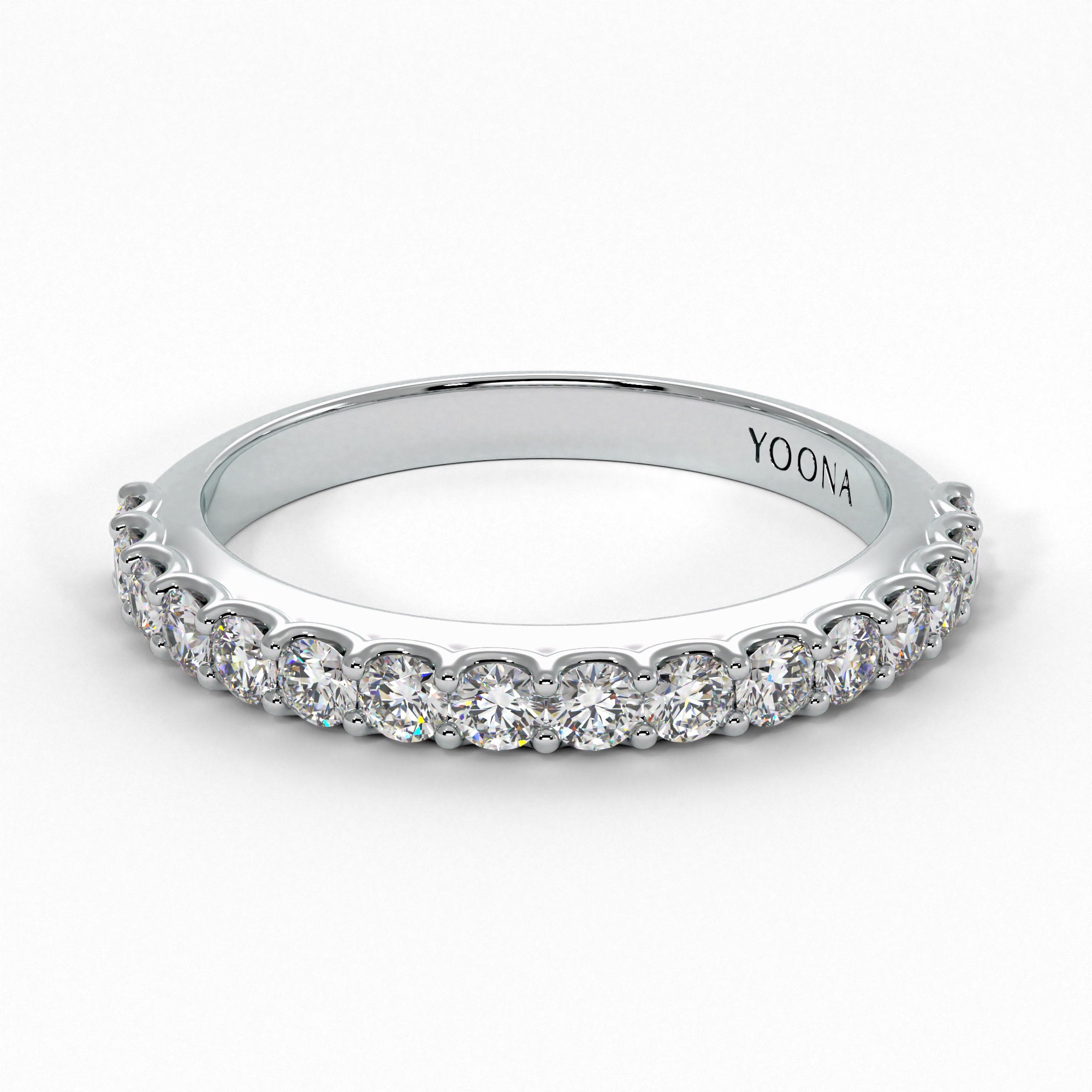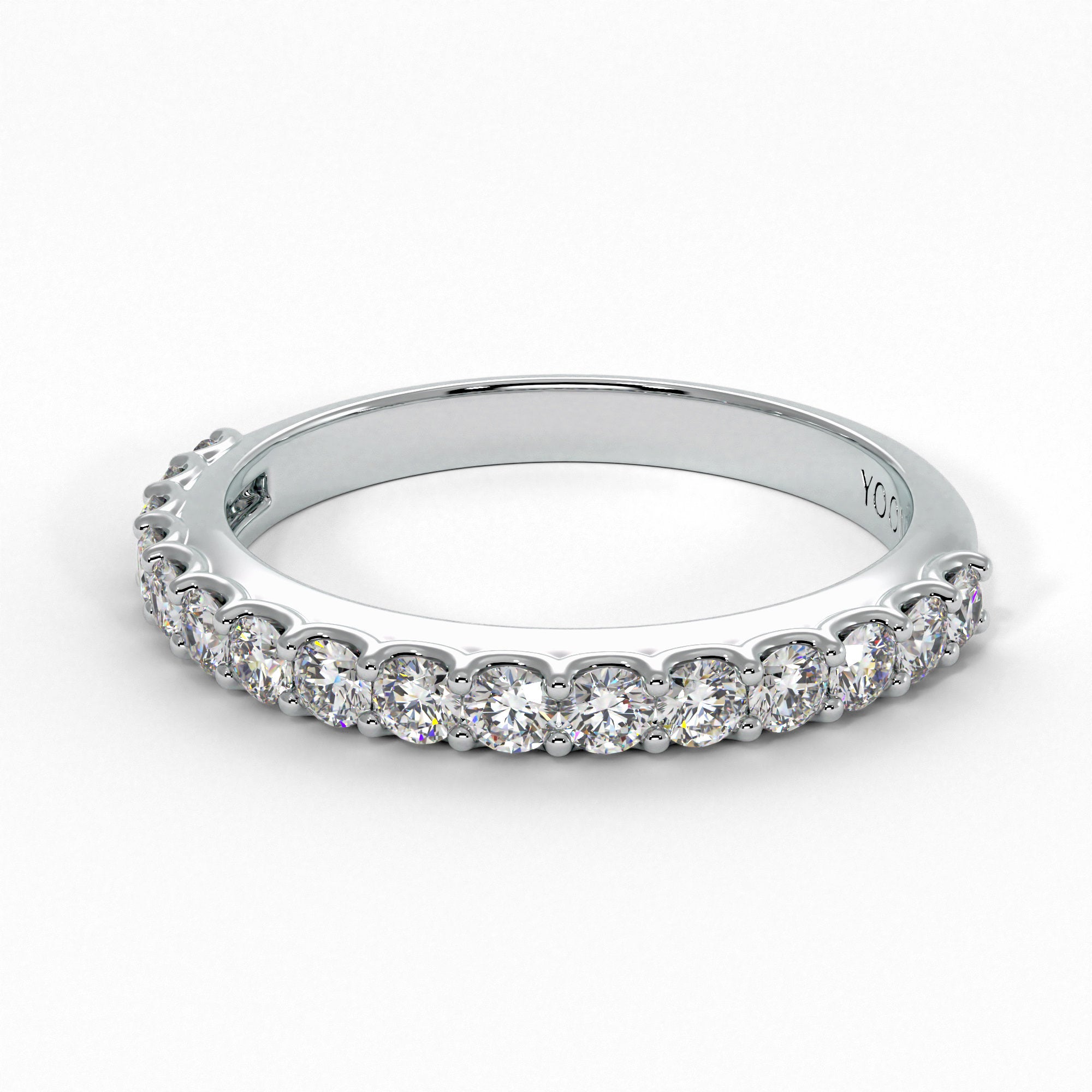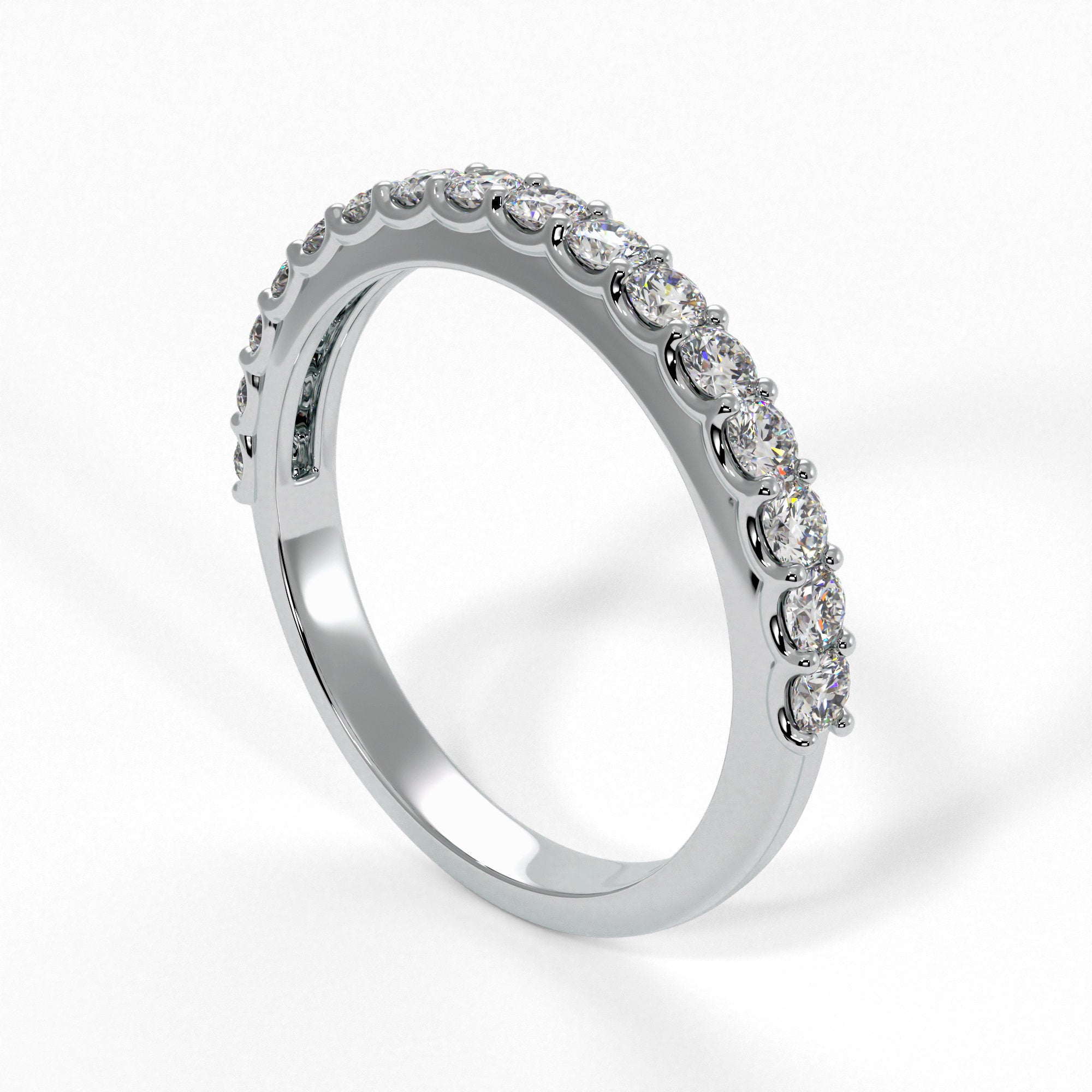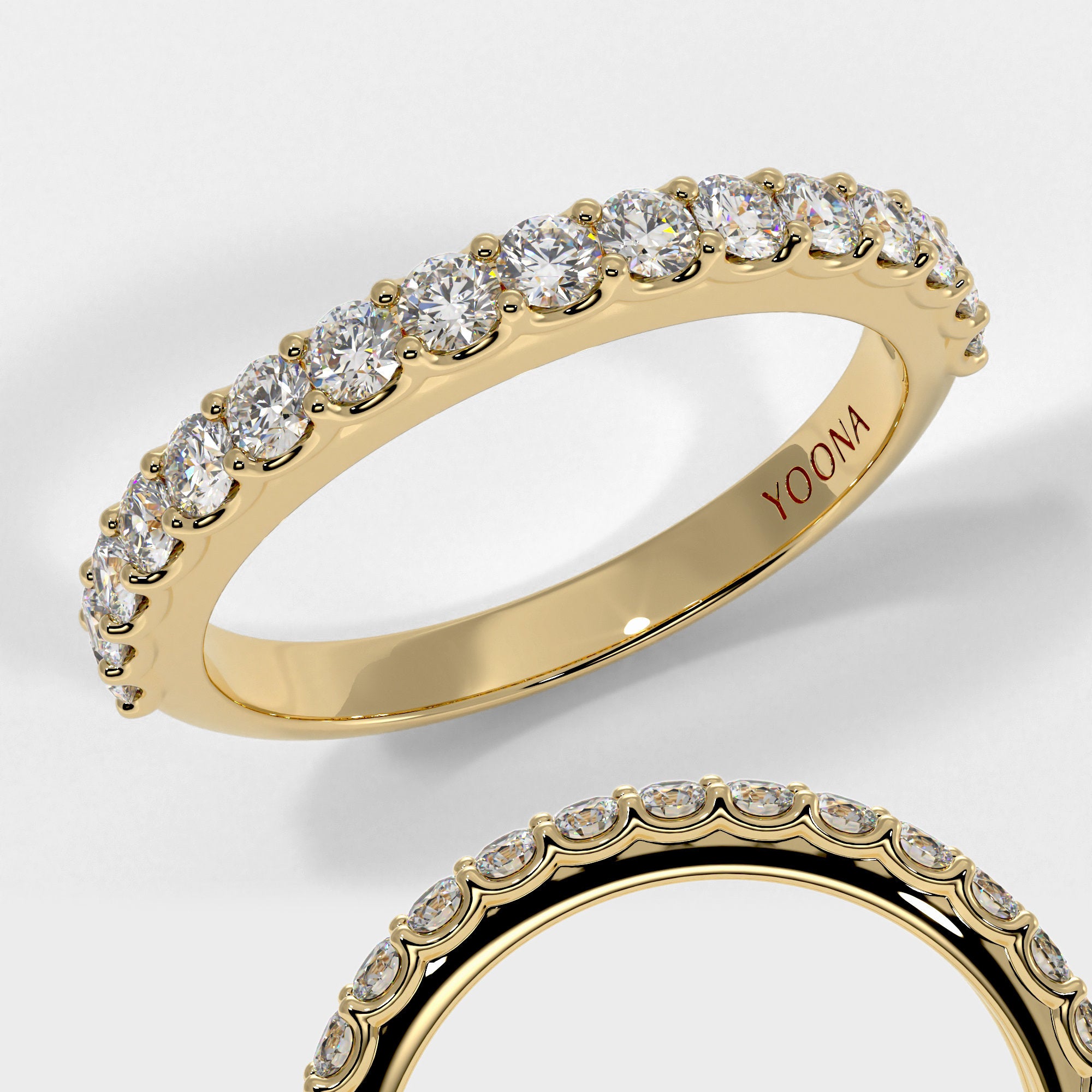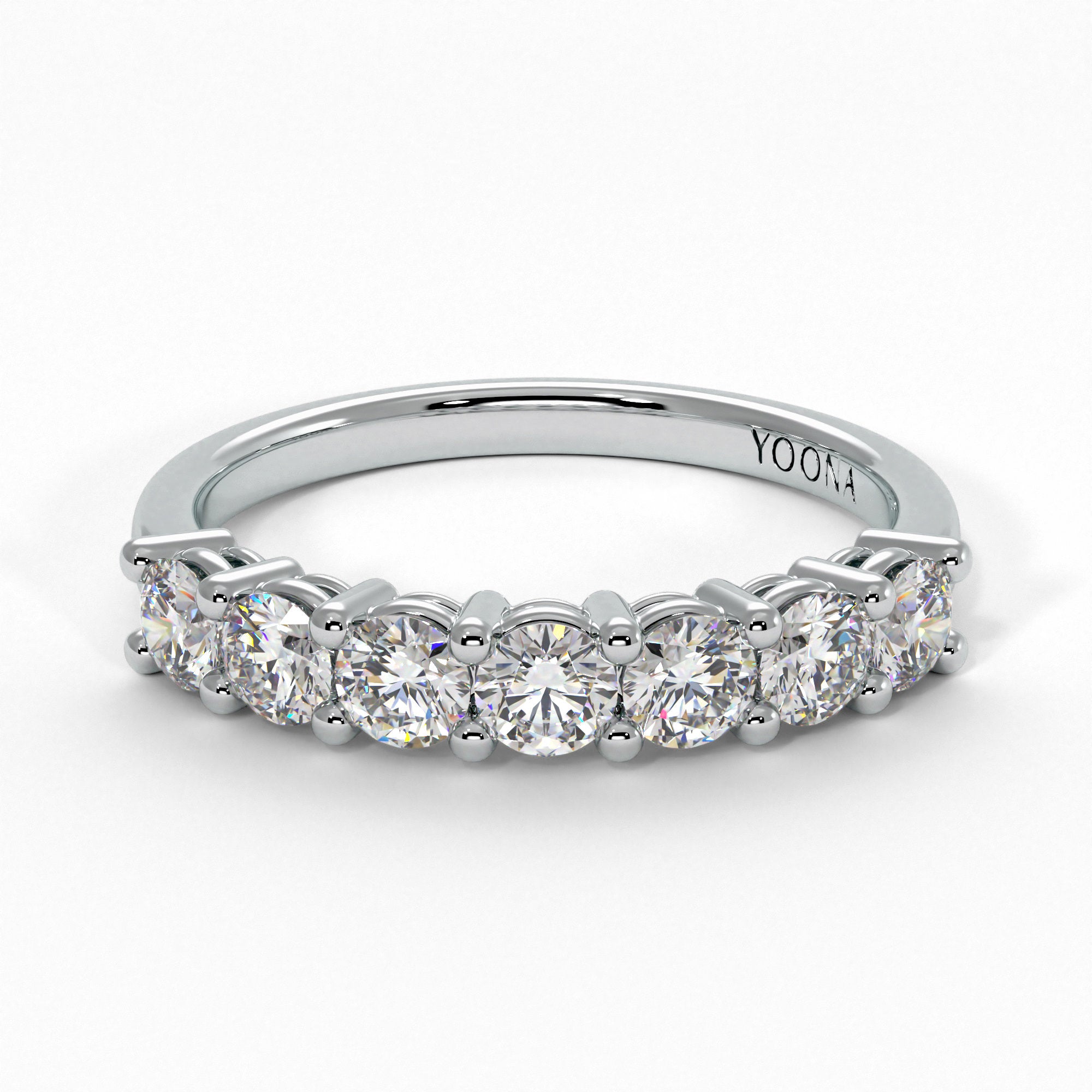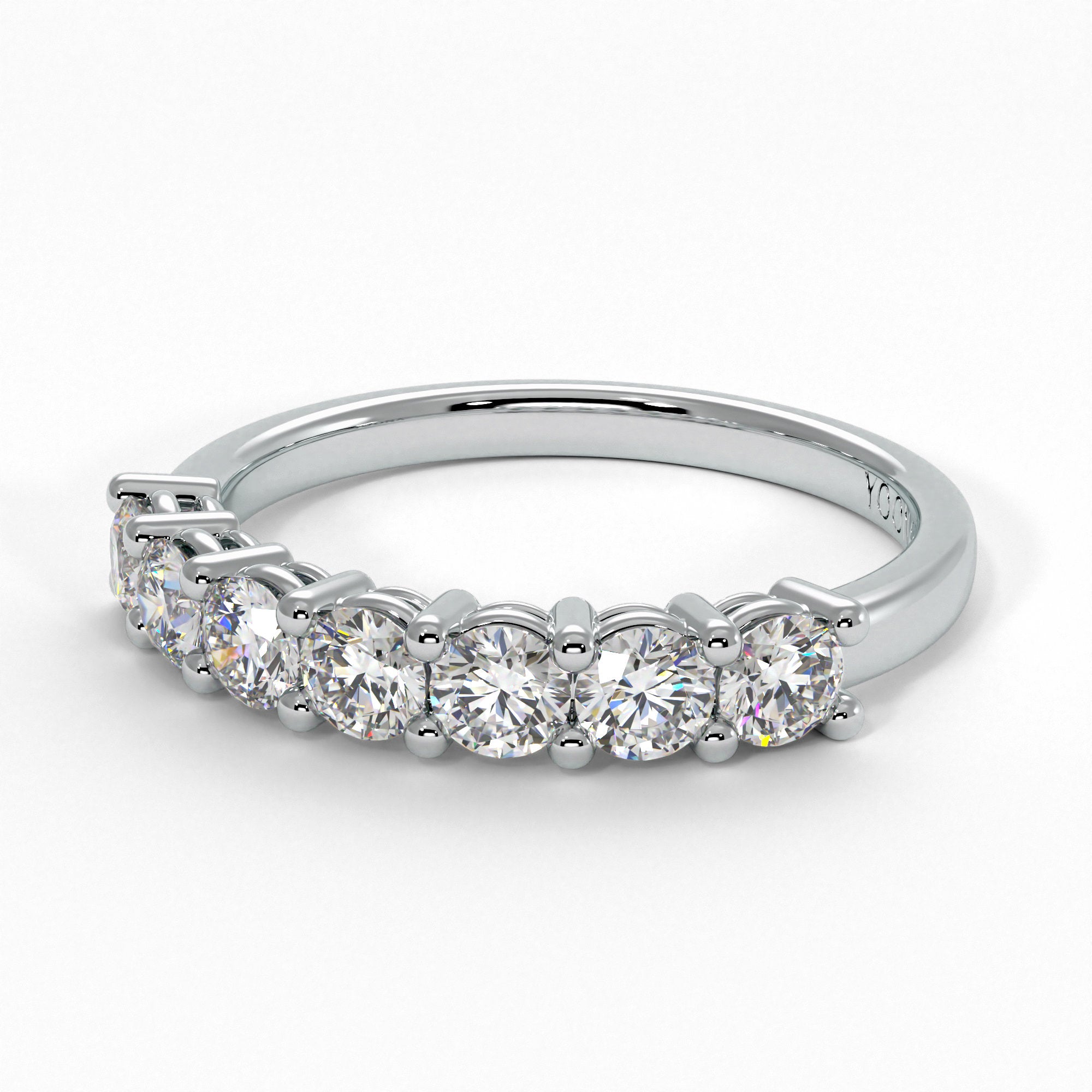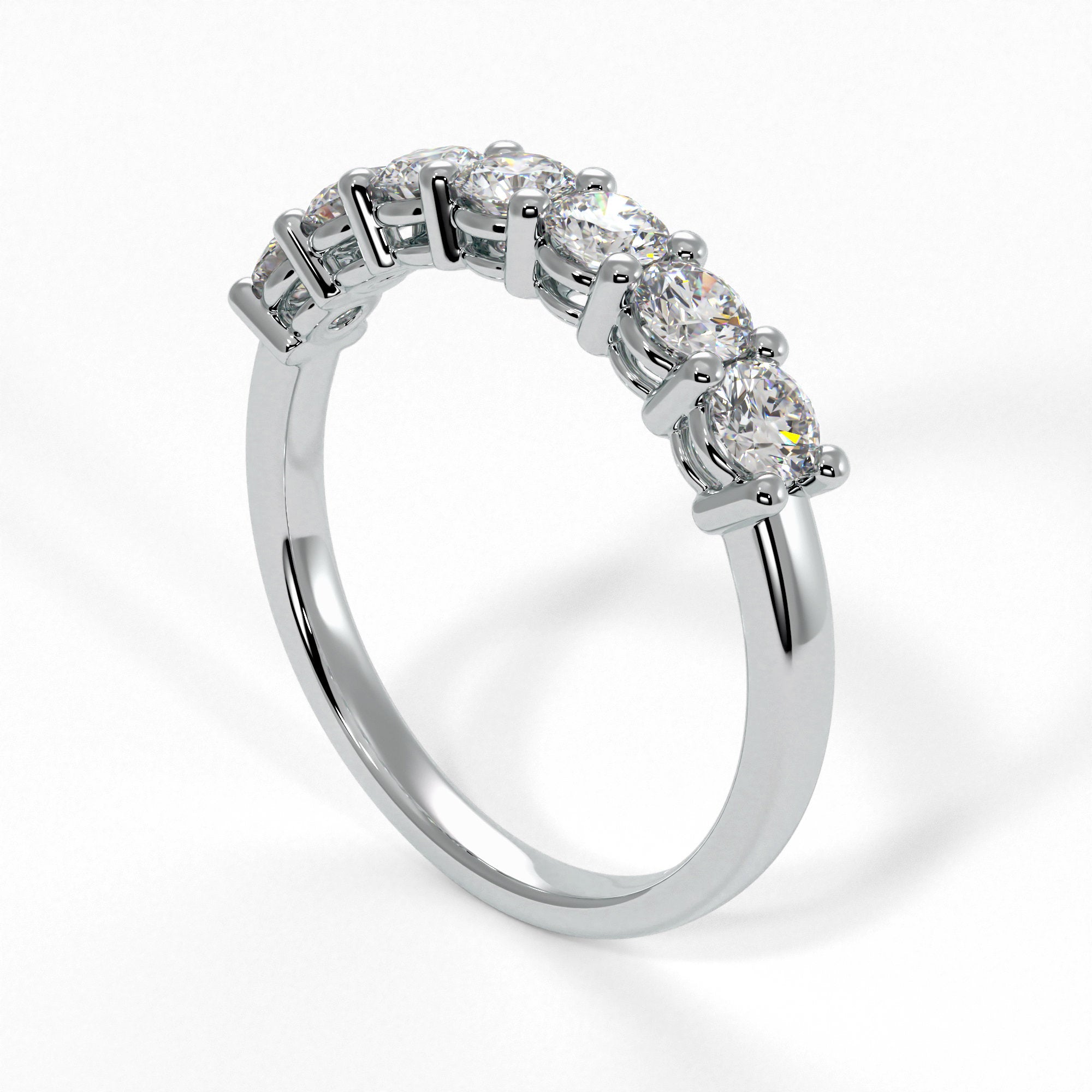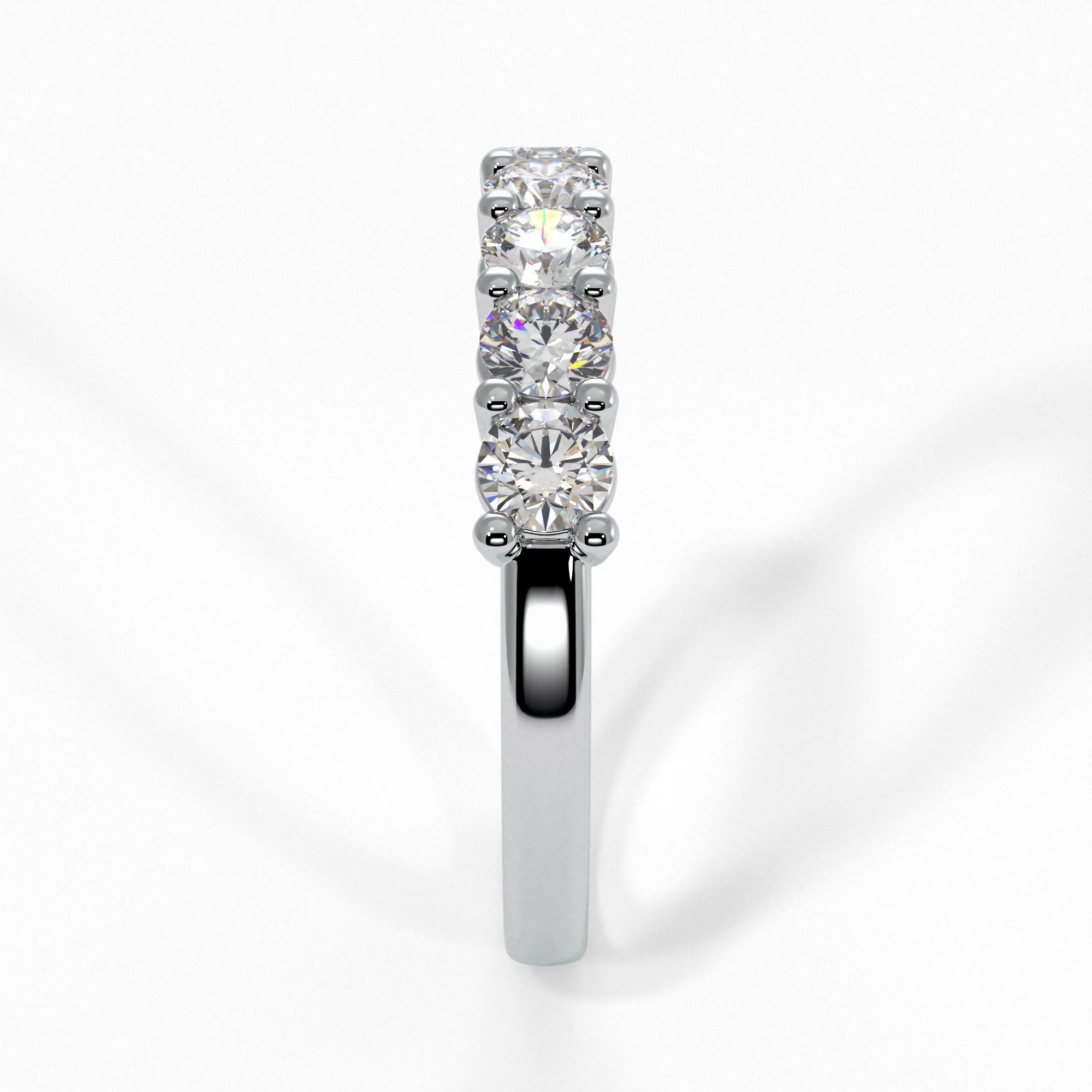
Reviewed by Yoona's in-house jewelry experts
Short answer: lab-grown diamonds and moissanite are both genuine, legitimate gemstones, not one real and one fake. They're chemically different materials with different sparkle, hardness, and price, and choosing between them comes down to personal preference and budget, not quality.
What Is Moissanite, Actually?
Quick answer: Moissanite is silicon carbide, a naturally occurring mineral first discovered in a meteorite crater and now created in labs for jewelry use. It's a genuine gemstone in its own right, not an imitation of anything.
Moissanite is often mistakenly grouped with cubic zirconia as a "diamond substitute," but that framing undersells what it actually is. It's its own distinct mineral, with its own crystal structure and optical properties, not a synthetic stand-in built to mimic a diamond. Today's moissanite is lab-created, the same way lab-grown diamonds are, just from a different material entirely.
How Moissanite and Lab-Grown Diamonds Actually Differ
Quick answer: Diamonds score 10 on the Mohs hardness scale, moissanite scores 9.25, both excellent for daily wear. Moissanite has a higher refractive index, meaning it throws more visible rainbow flashes of color, where a diamond's brilliance leans whiter and more subdued.
- Hardness: Diamond is the hardest natural material at 10 Mohs. Moissanite, at 9.25, is still exceptionally hard, more than capable of standing up to everyday wear, rings included.
- Sparkle character: Diamonds produce a balanced mix of white brilliance and colored fire. Moissanite's higher refractive index means more pronounced flashes of rainbow color, some people love this, others prefer a diamond's more restrained sparkle.
- Price: Moissanite typically costs significantly less than a lab-grown diamond of comparable size, making it a genuinely different value proposition, not a downgrade.
- Weight: Moissanite is less dense than diamond, so a moissanite stone of the same physical size weighs less in carat terms.
Does Moissanite Cloud, Scratch, or Fade Over Time?
Quick answer: No. At 9.25 on the Mohs scale, moissanite resists scratching and clouding extremely well under normal daily wear. This concern is more accurately associated with cubic zirconia, a much softer material, not moissanite.
This is a genuinely common point of confusion worth clearing up directly: cubic zirconia sits around 8 to 8.5 on the Mohs scale and can show wear over years of daily use. Moissanite, at 9.25, is far closer to diamond hardness and doesn't share that durability concern. Lumping the two together does moissanite a real disservice.
How Certification Works for Each
Quick answer: Yoona's lab-grown diamonds are IGI certified. Moissanite isn't graded on the diamond 4Cs scale, since it's a different mineral, and comes with its own authentication rather than a GIA or IGI diamond grading report.
Diamond grading labs like IGI evaluate cut, color, clarity, and carat specifically for diamonds, criteria that don't map directly onto moissanite's different optical properties. This isn't a gap in legitimacy, it just means moissanite is authenticated differently than a diamond is graded, and shouldn't be judged against a diamond certificate as if it were missing something.
Which One Should You Choose?
Quick answer: Choose based on the look and budget that suit you, not a hierarchy. If you want maximum size for your budget and don't mind more visible rainbow flashes, moissanite is a strong choice. If you want a diamond's specific brilliance and traditional grading, lab-grown diamond is the better fit.
Neither is the "smarter" or "better" choice in the abstract, they're different stones for different priorities. Someone maximizing size and value per dollar, or drawn to moissanite's brighter fire, is making just as legitimate a choice as someone who wants a diamond specifically. This is a preference decision, not a compromise.
A Note on Resale Value
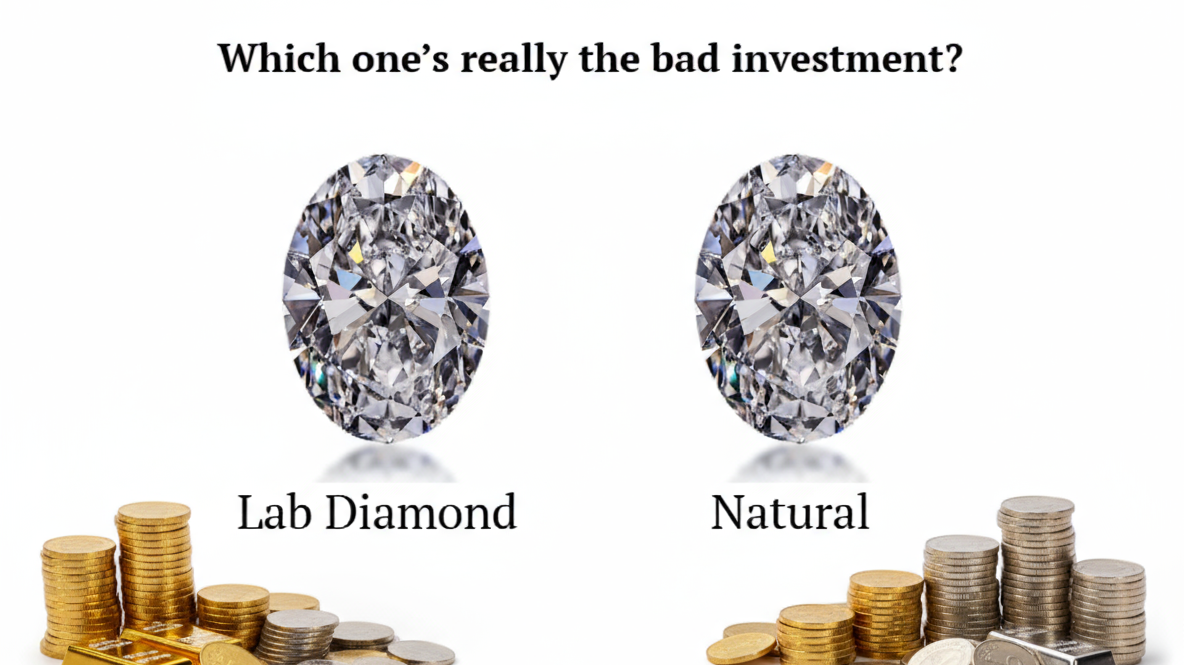
Quick answer: Moissanite, like lab-grown and mined diamonds, doesn't hold strong resale value against its original purchase price. This isn't unique to moissanite, it's true of gemstone jewelry generally once retail markup is factored in.
We'd rather apply the same honesty here that we do everywhere else: no gemstone, moissanite included, should be purchased primarily as a resale investment. Choose it for what it offers you directly, size, brilliance, and value for your budget, not as a store of value you expect to recoup later.
Frequently Asked Questions
Is moissanite a fake diamond?
No. It's a genuine, distinct gemstone with its own chemical identity, not an imitation built to pass as a diamond.
Will moissanite scratch easily?
No, at 9.25 Mohs it holds up very well to daily wear. This concern is more accurately tied to cubic zirconia, a much softer material.
Can I tell moissanite and diamond apart by eye?
Often yes, under certain lighting, due to moissanite's more pronounced rainbow flashes, though this varies by stone and lighting condition, and many people find the difference appealing rather than a drawback.
What Yoona Offers
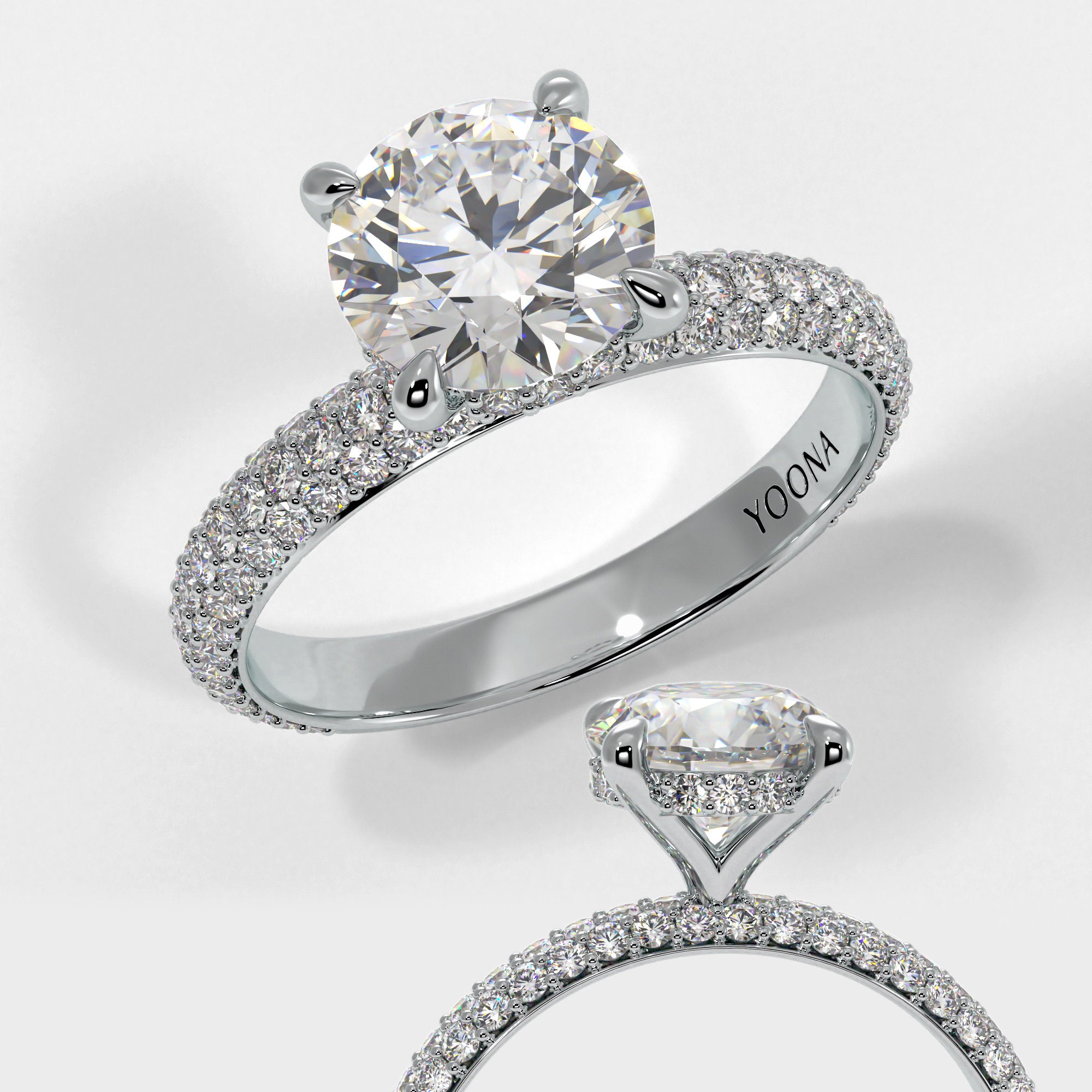
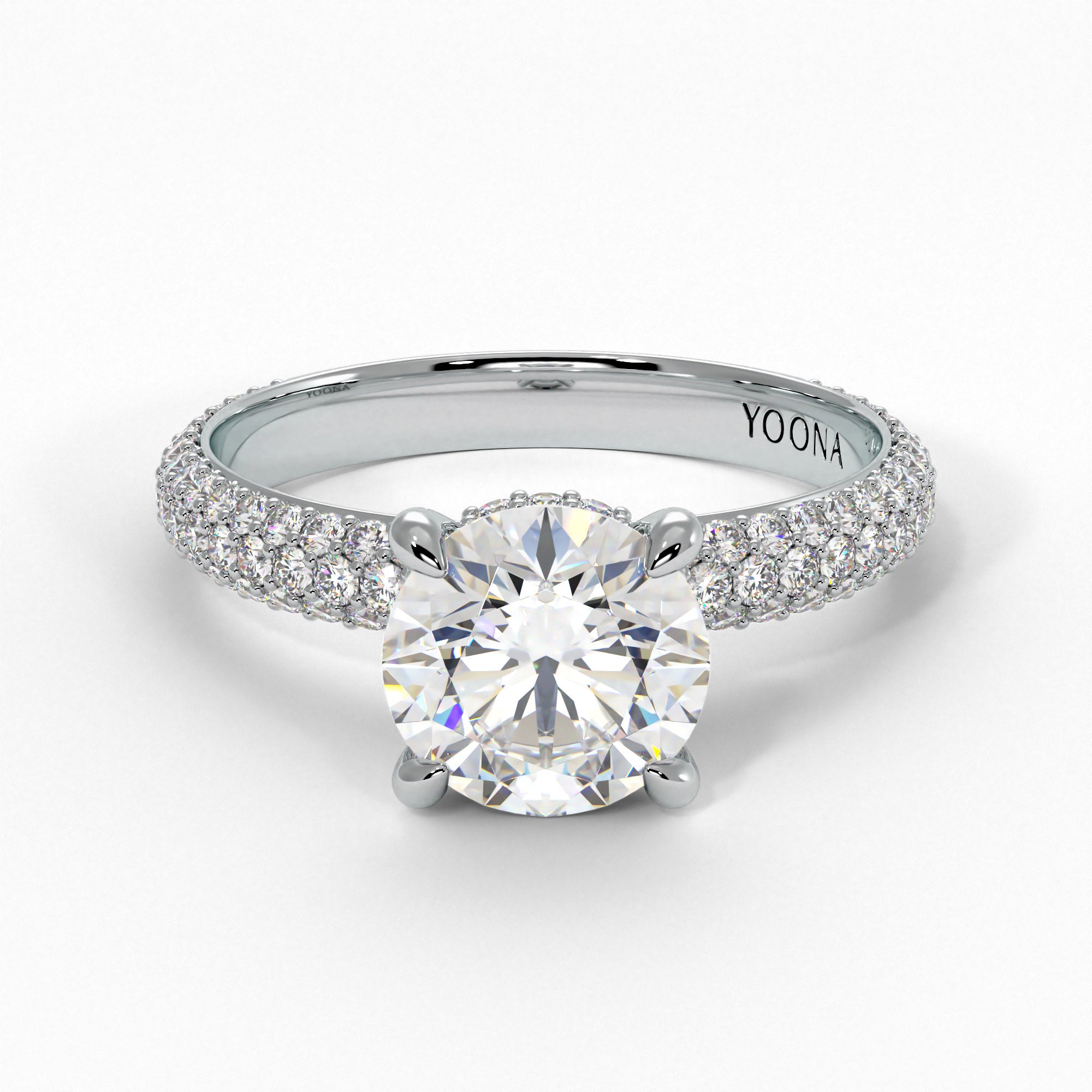
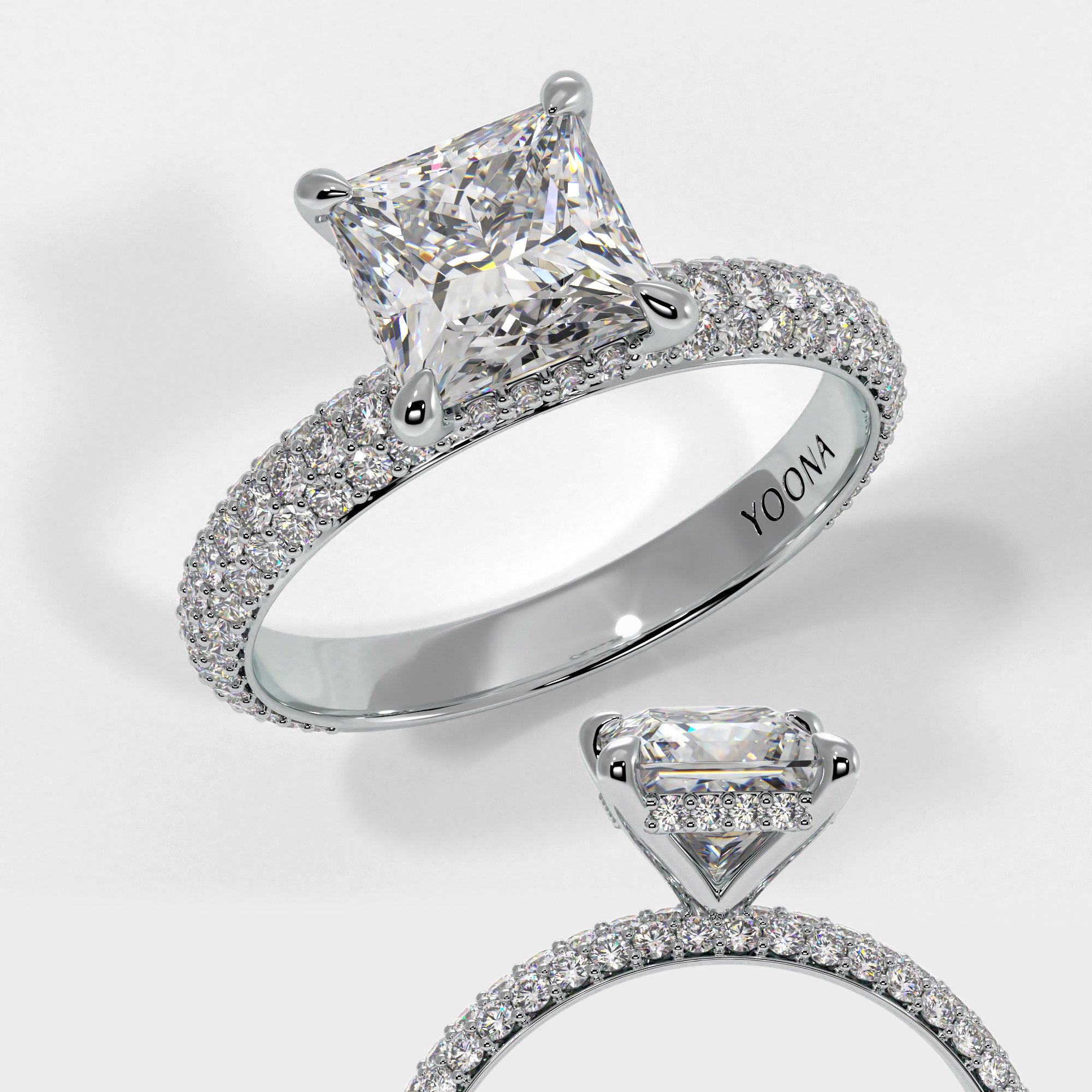
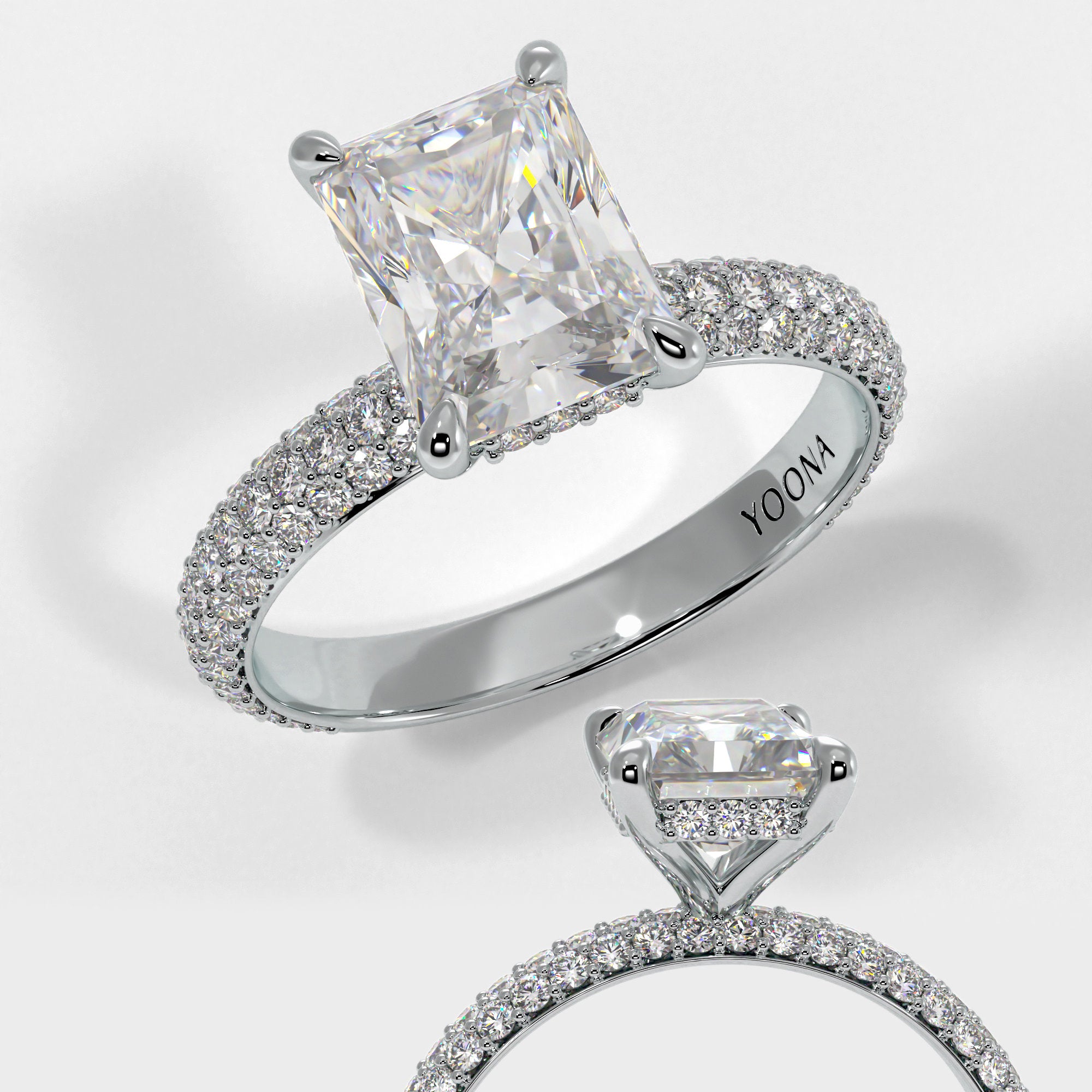
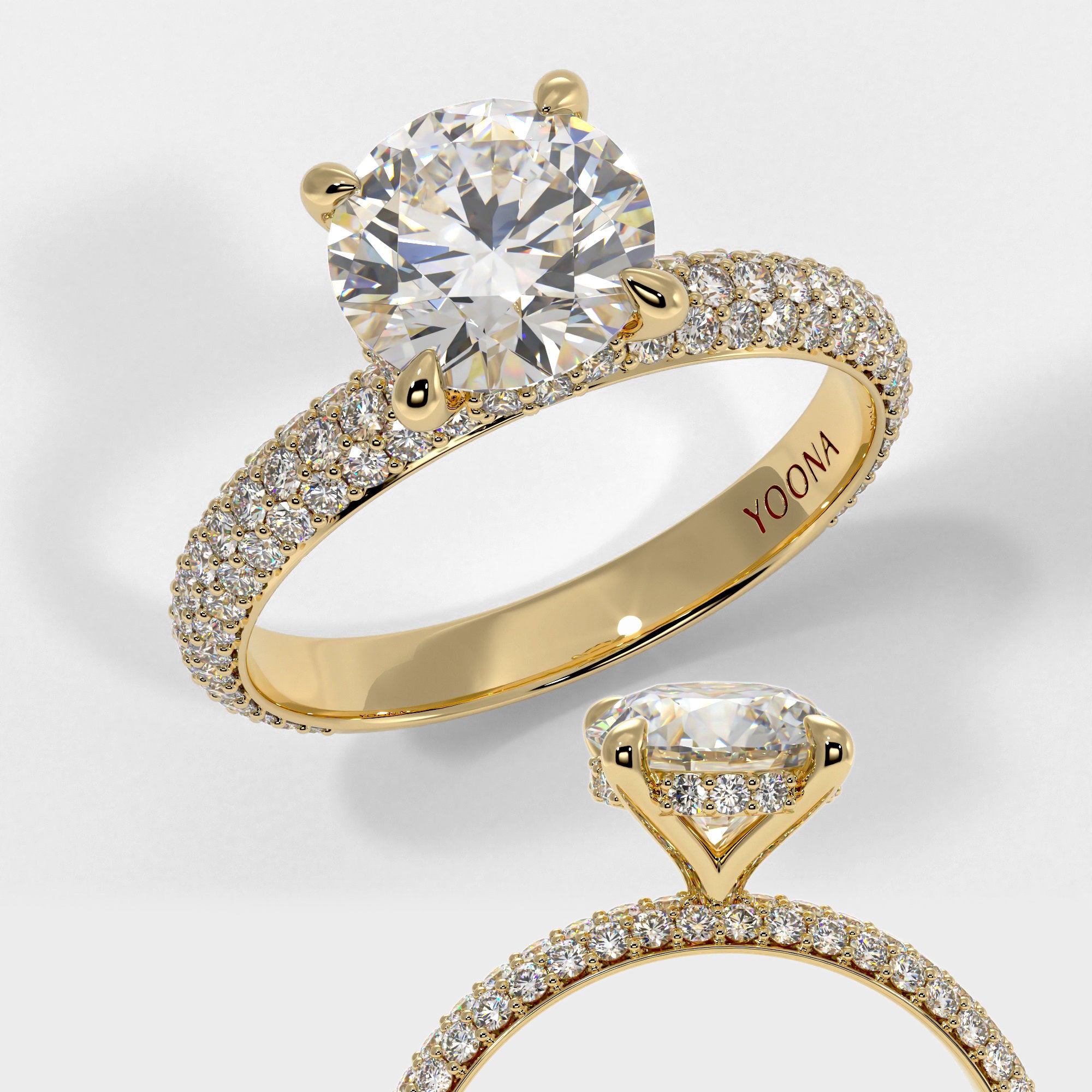
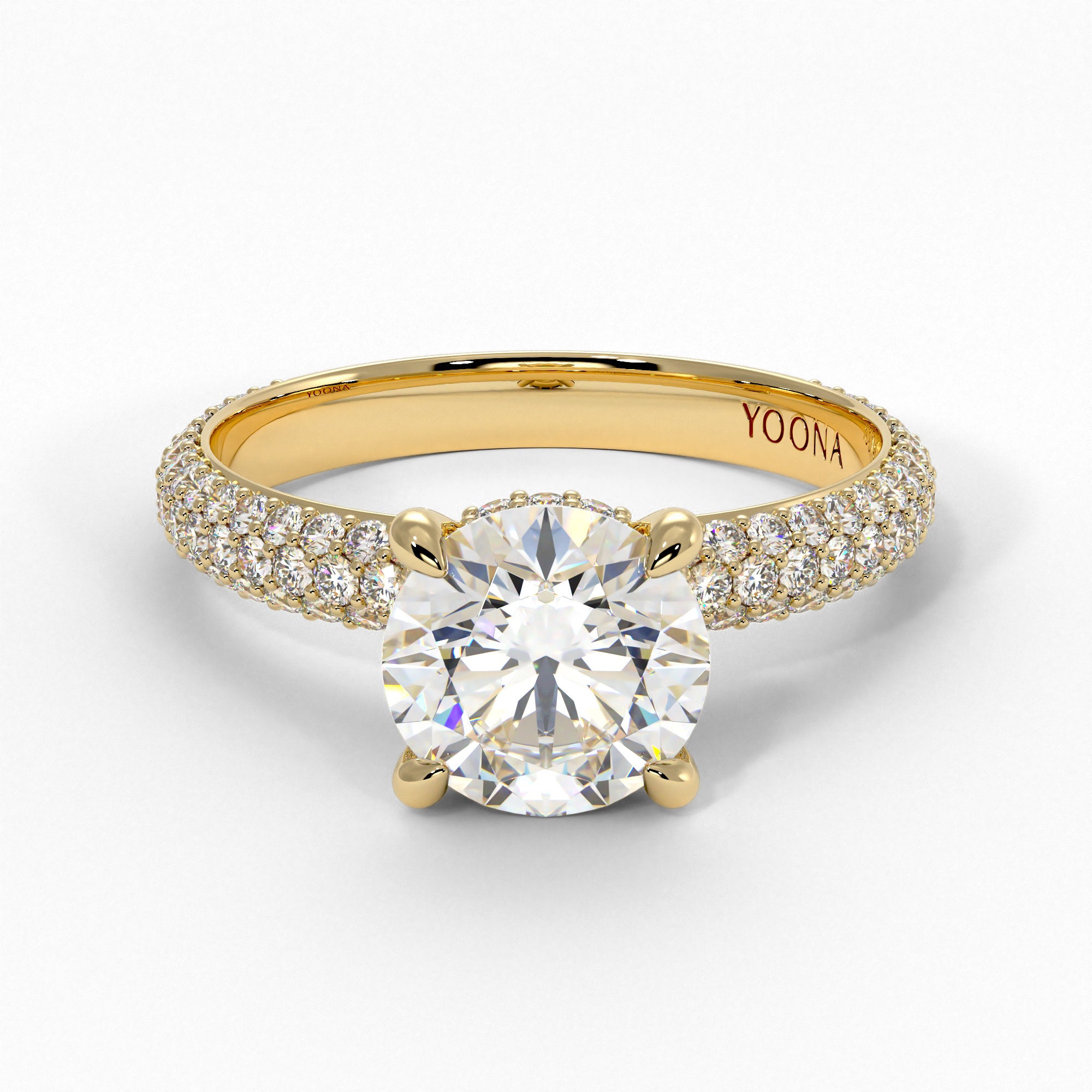
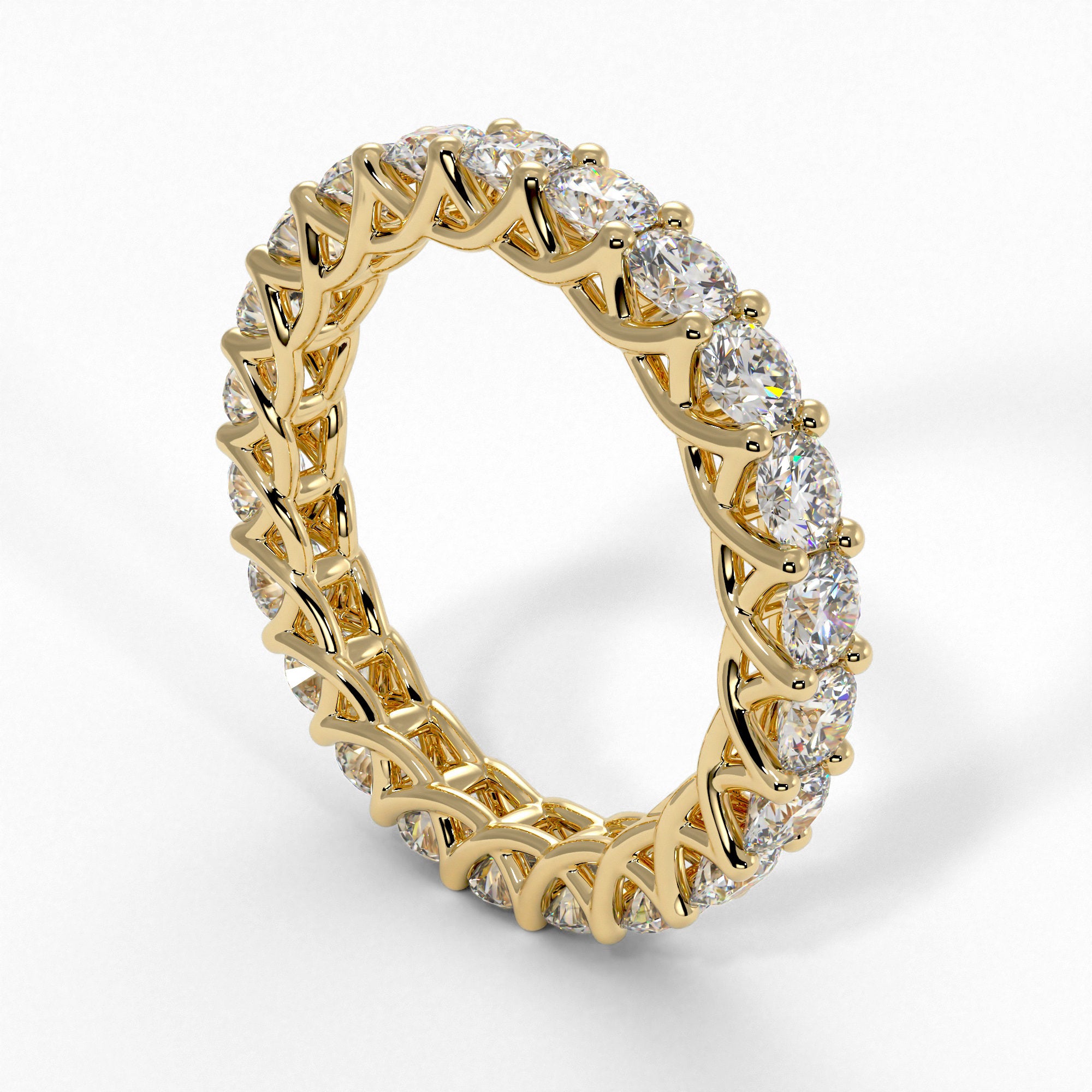
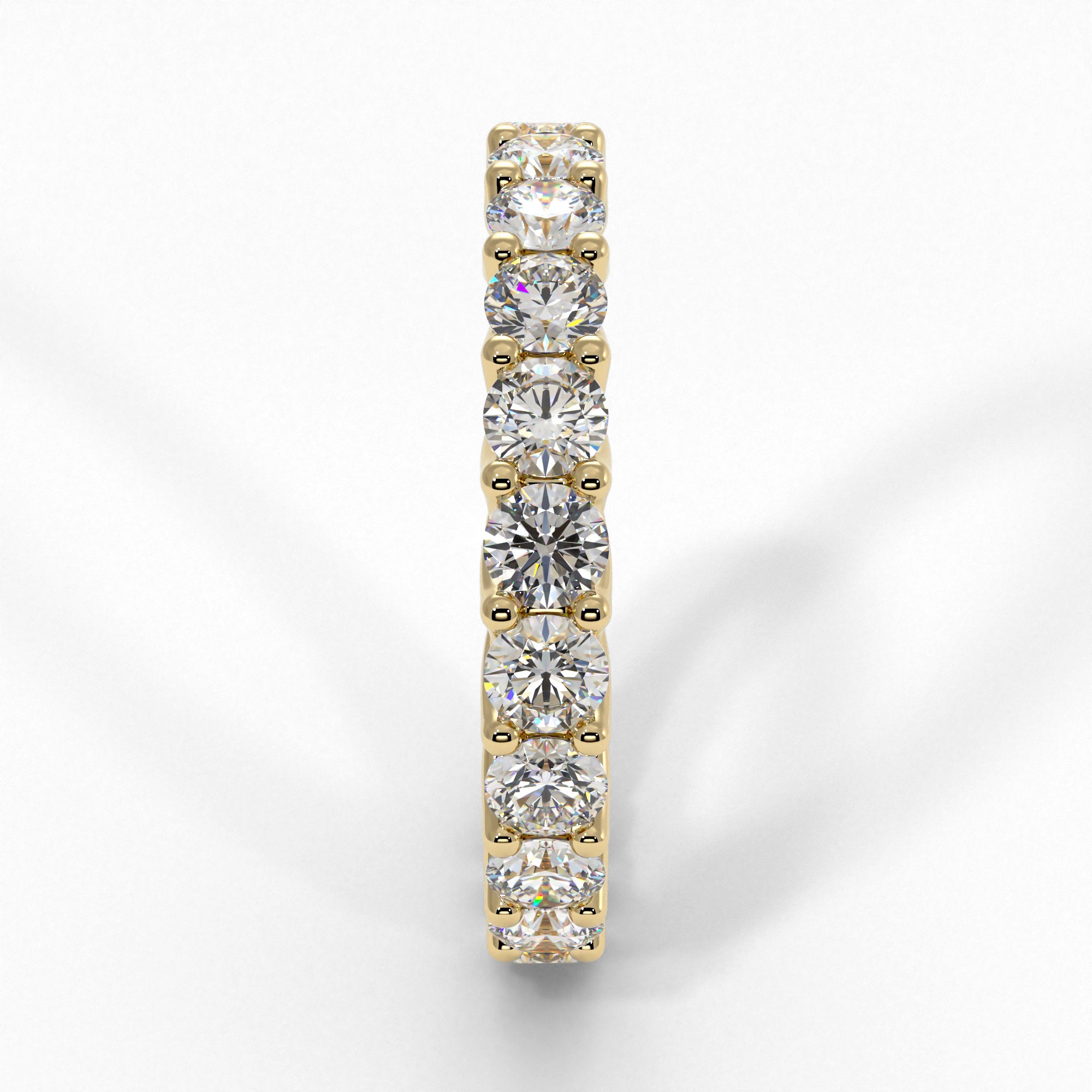
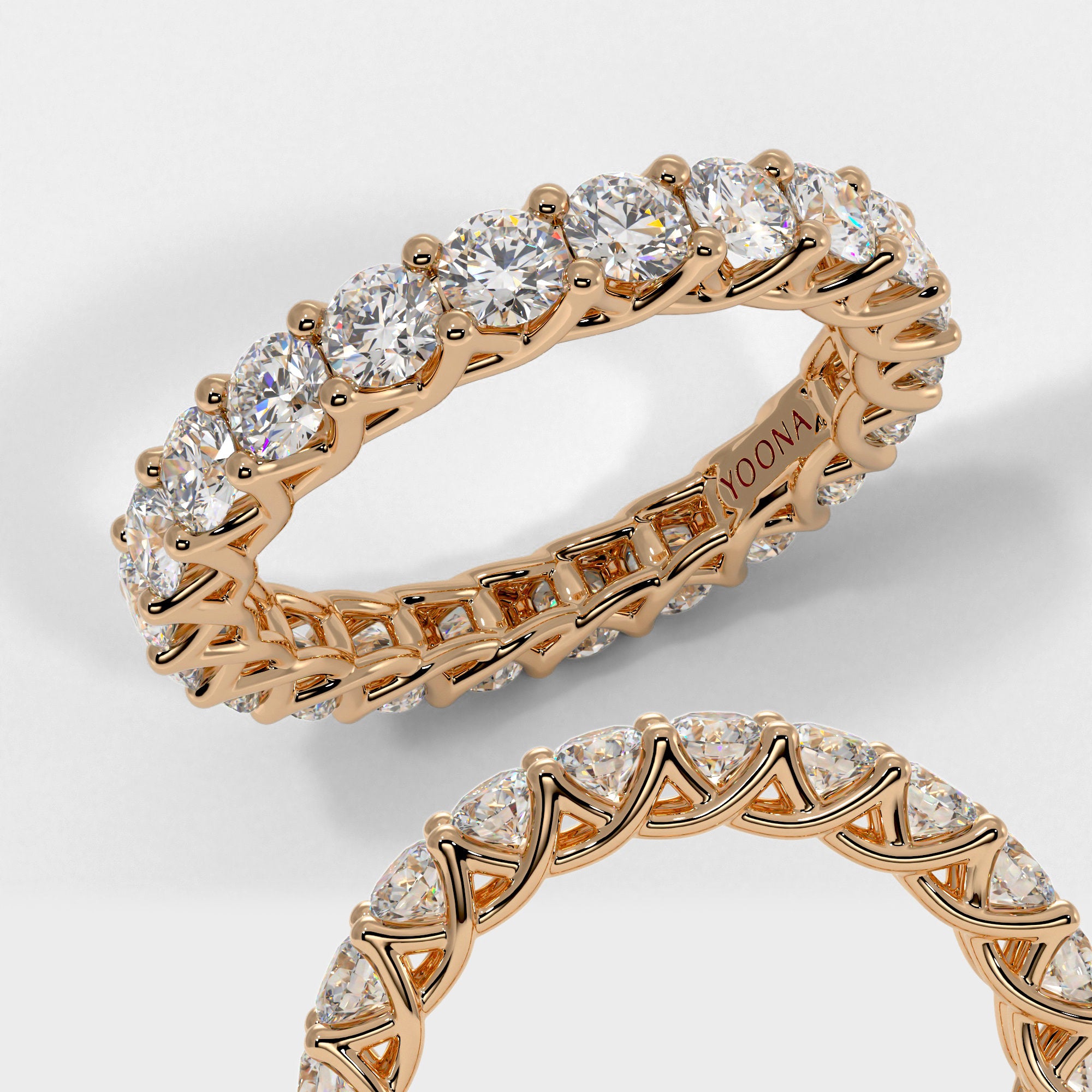
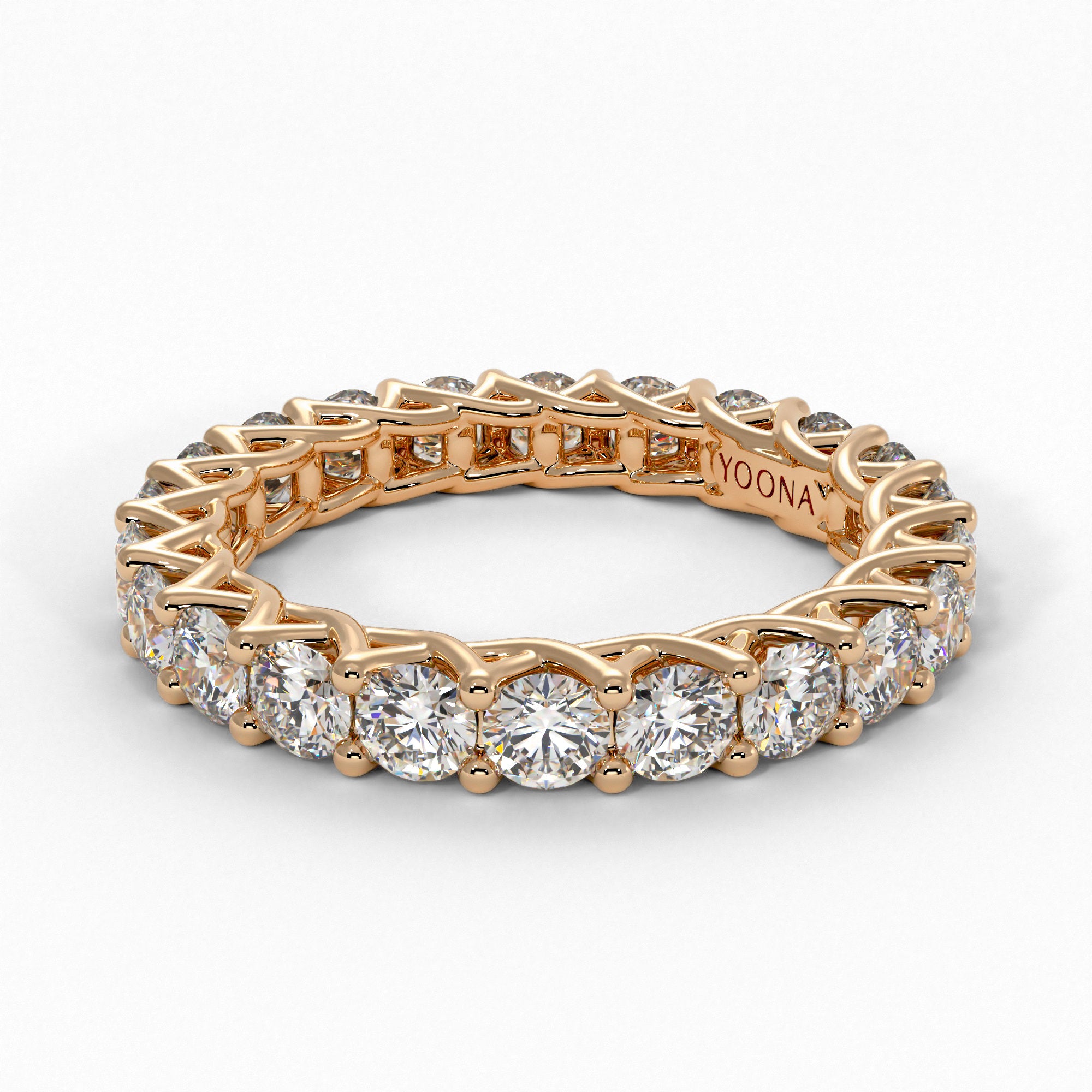
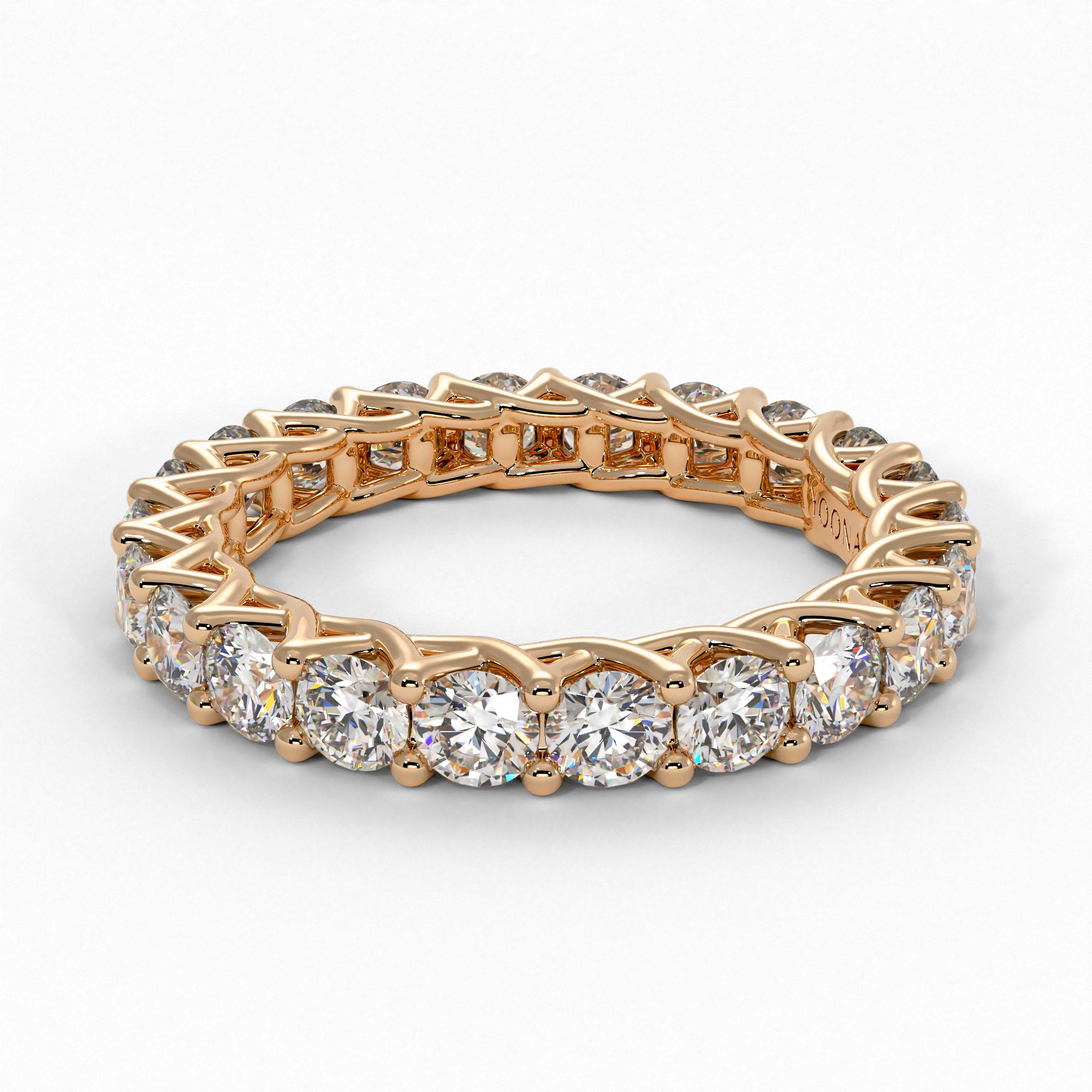
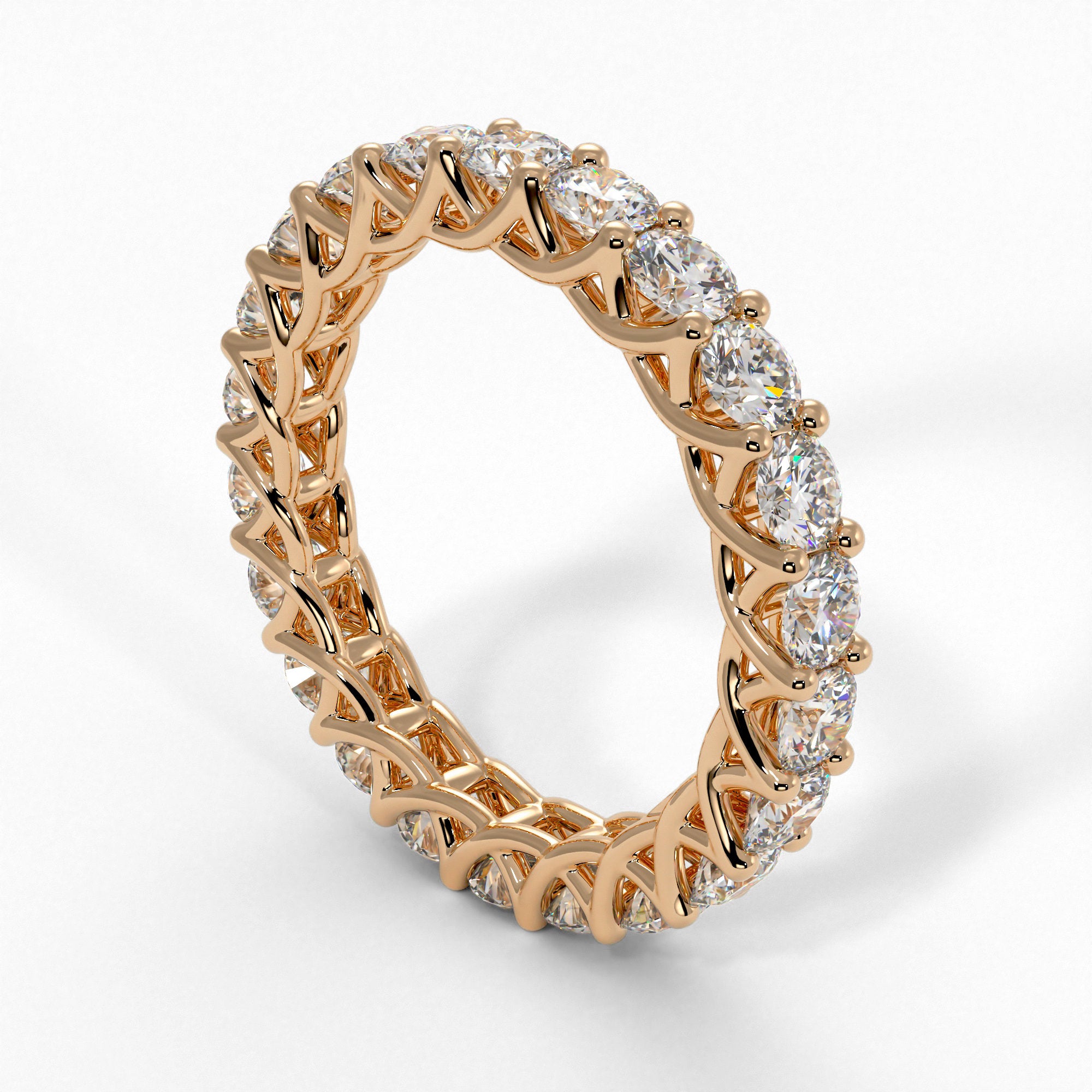
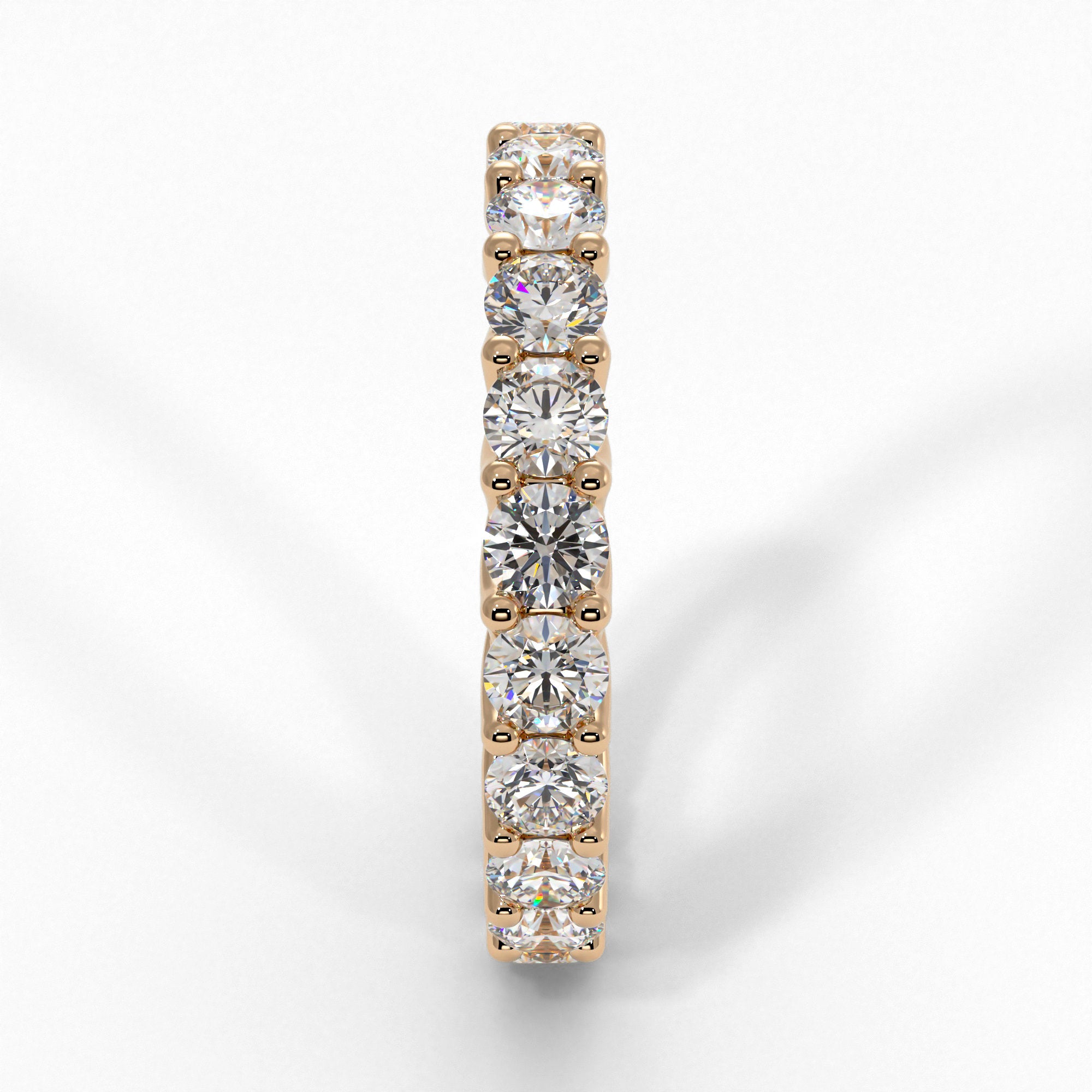
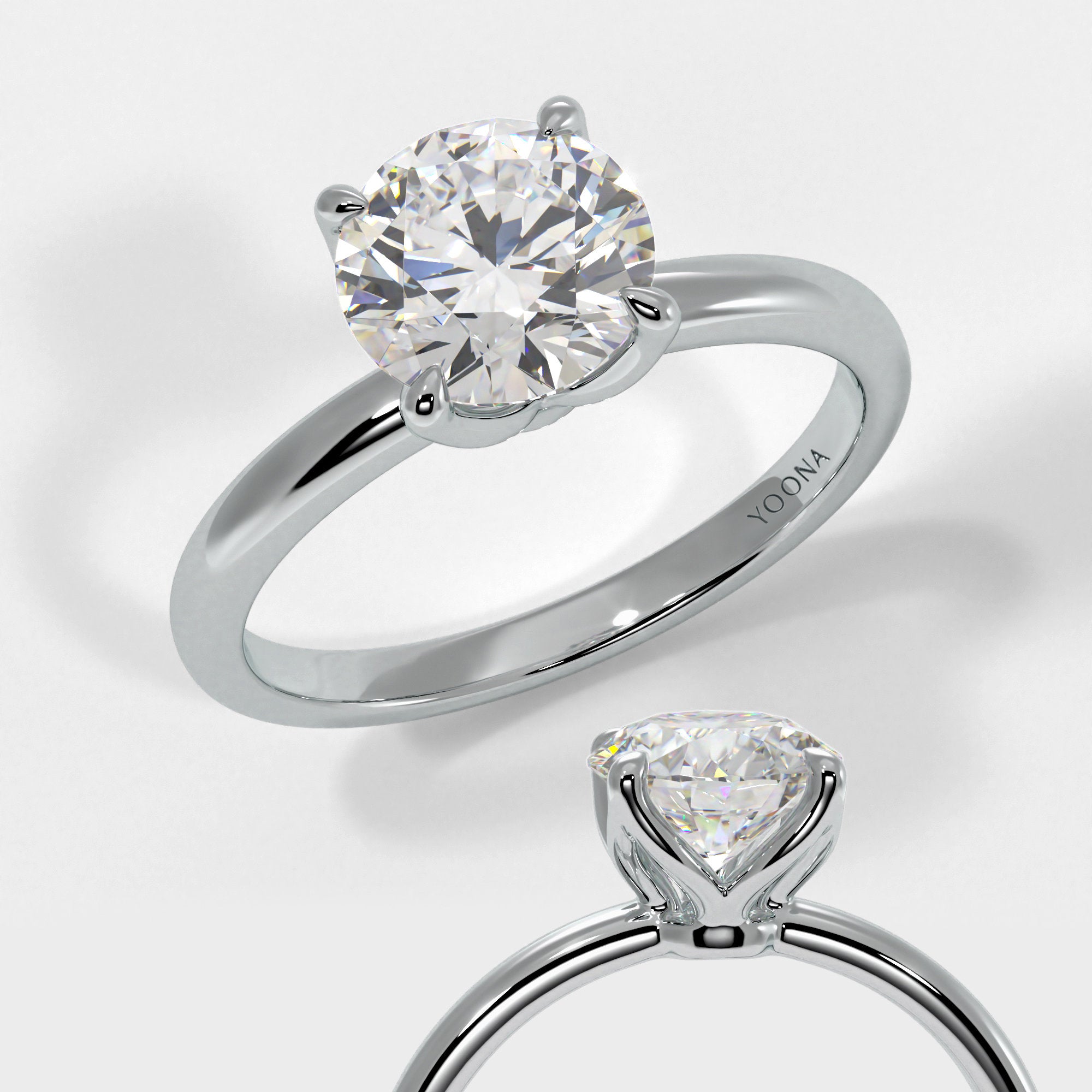
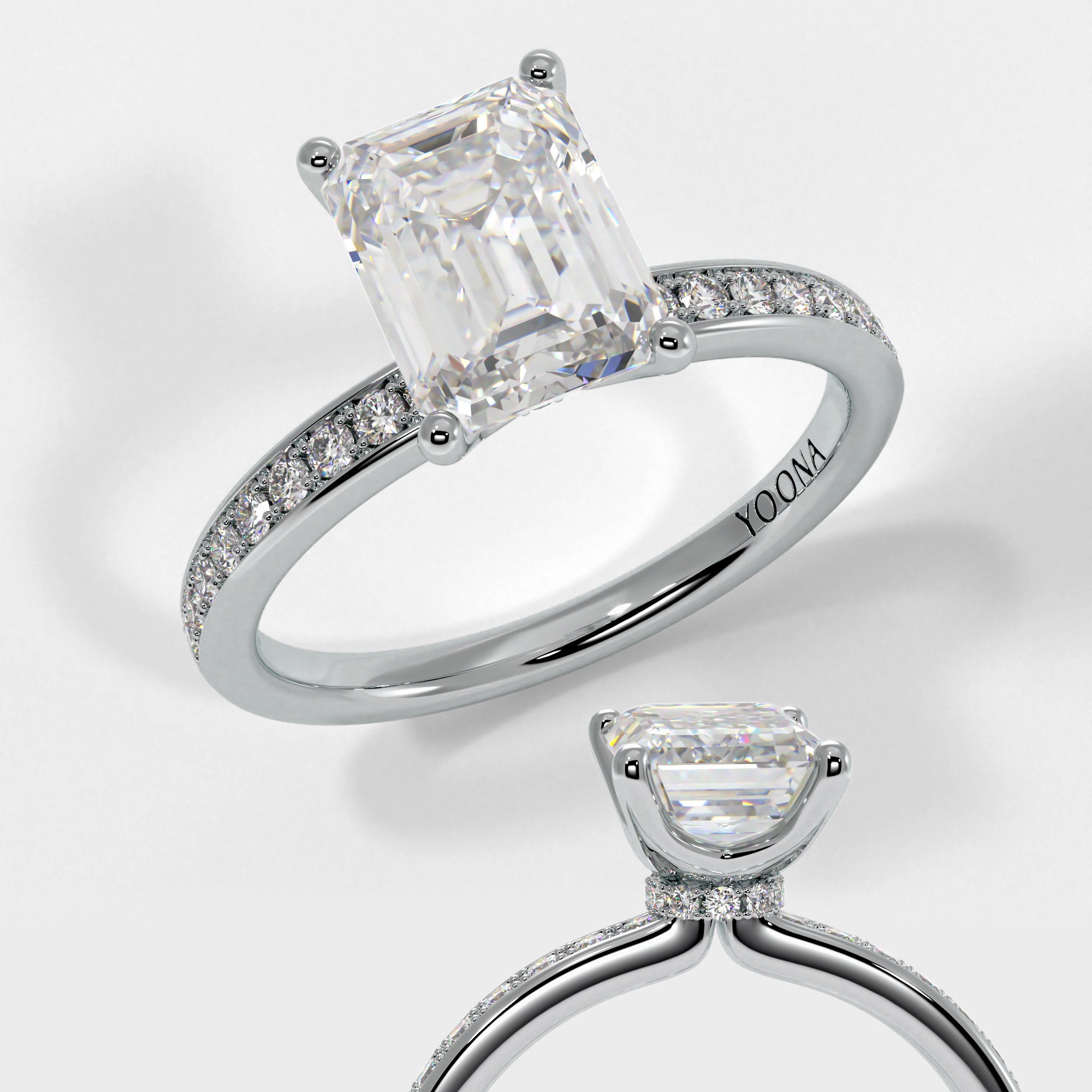
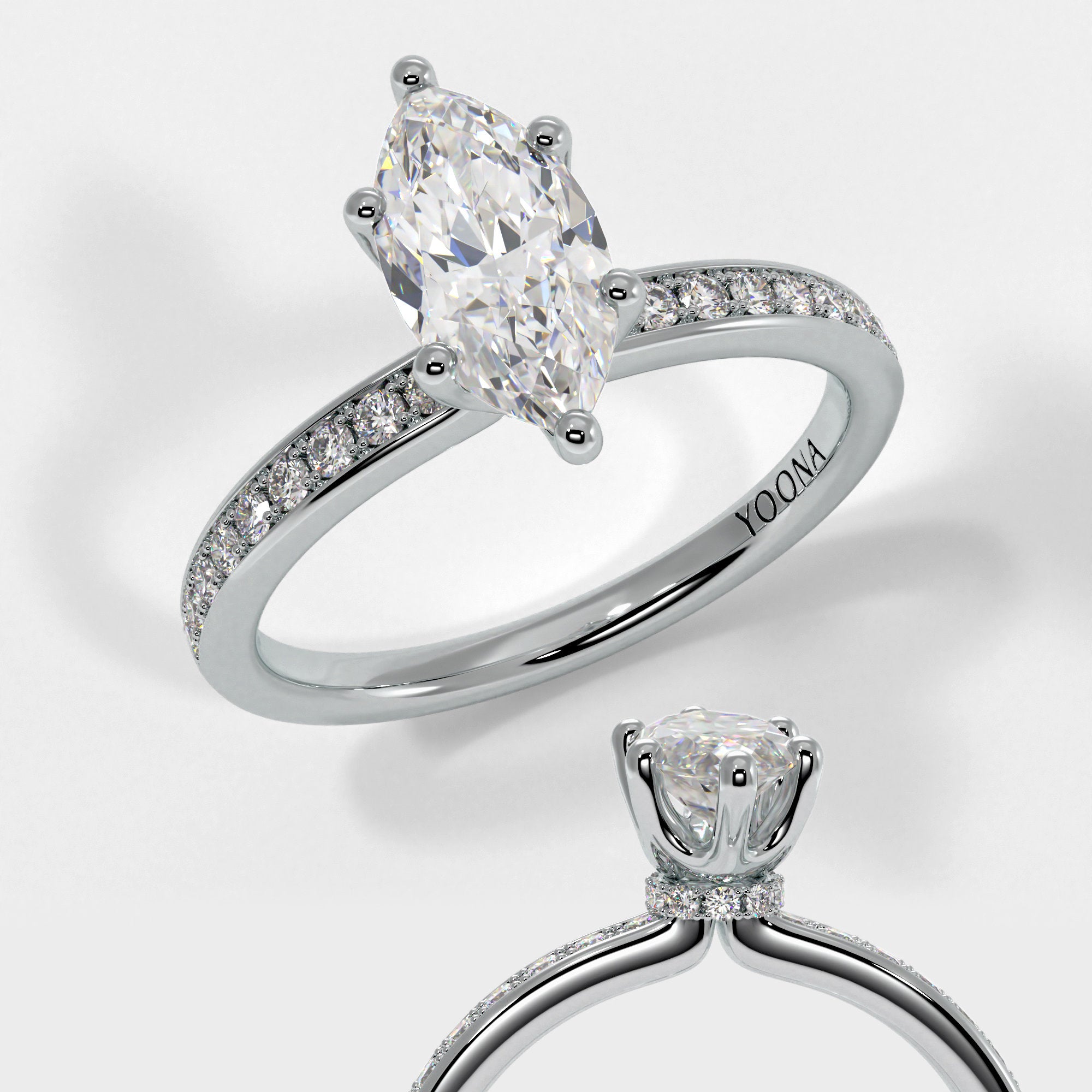
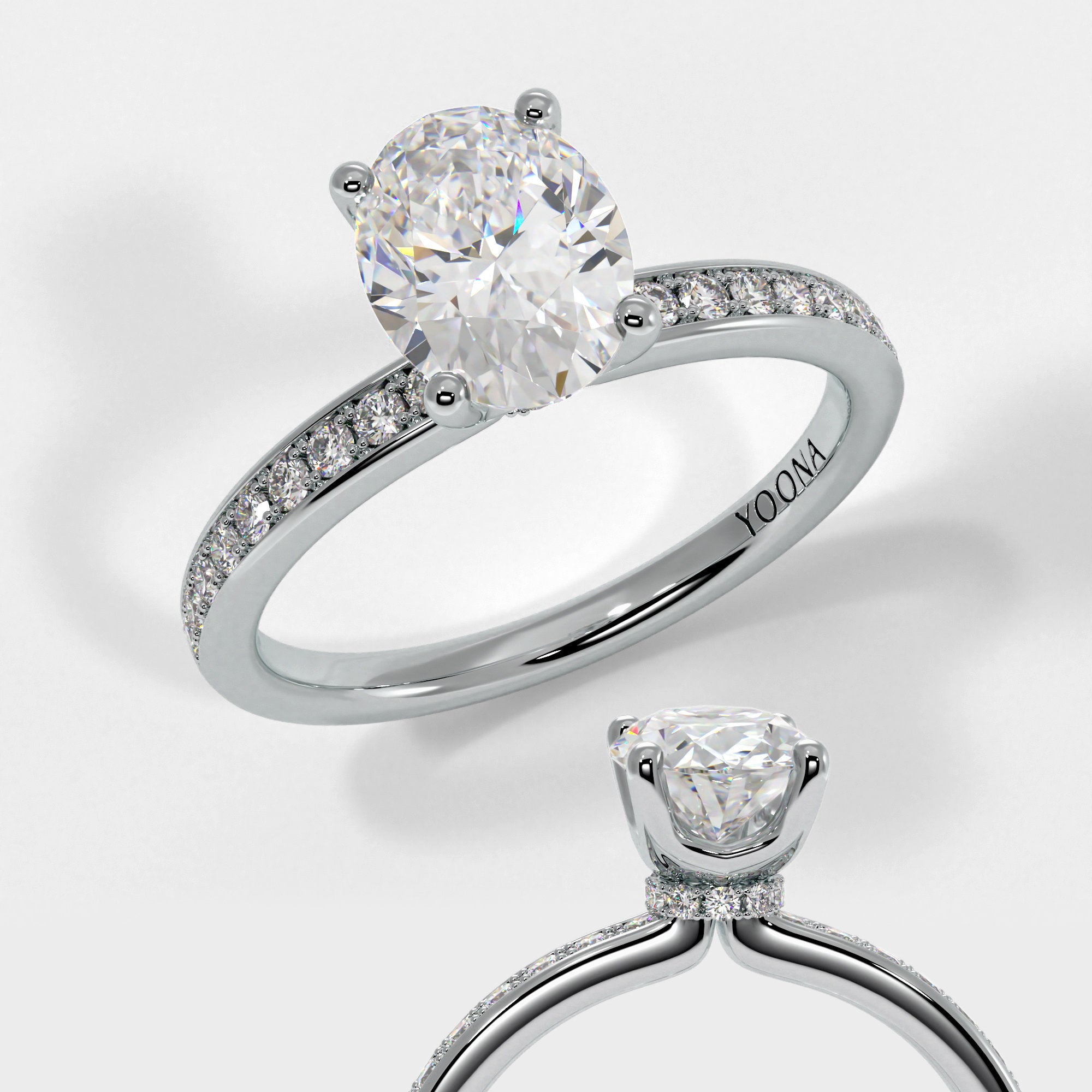
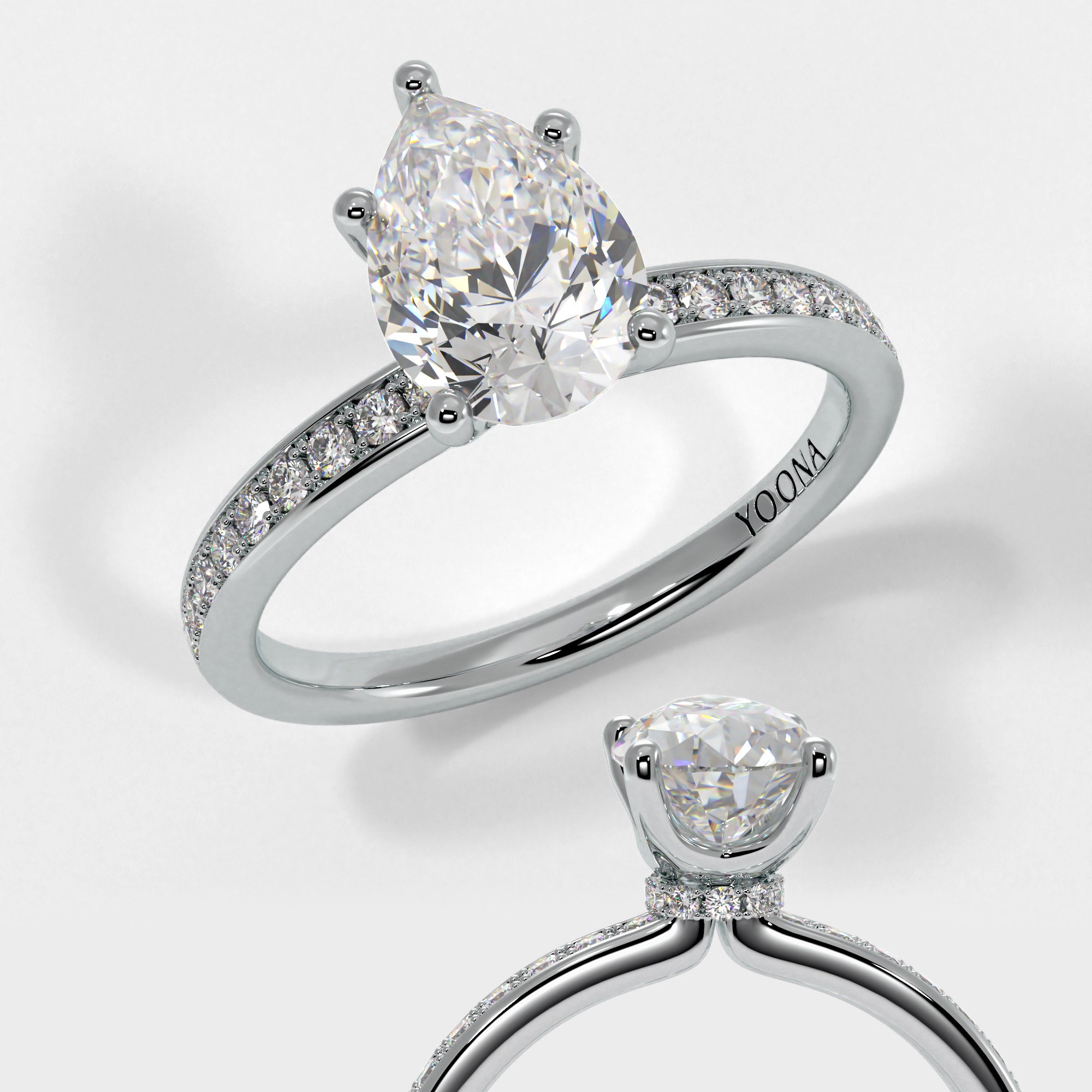
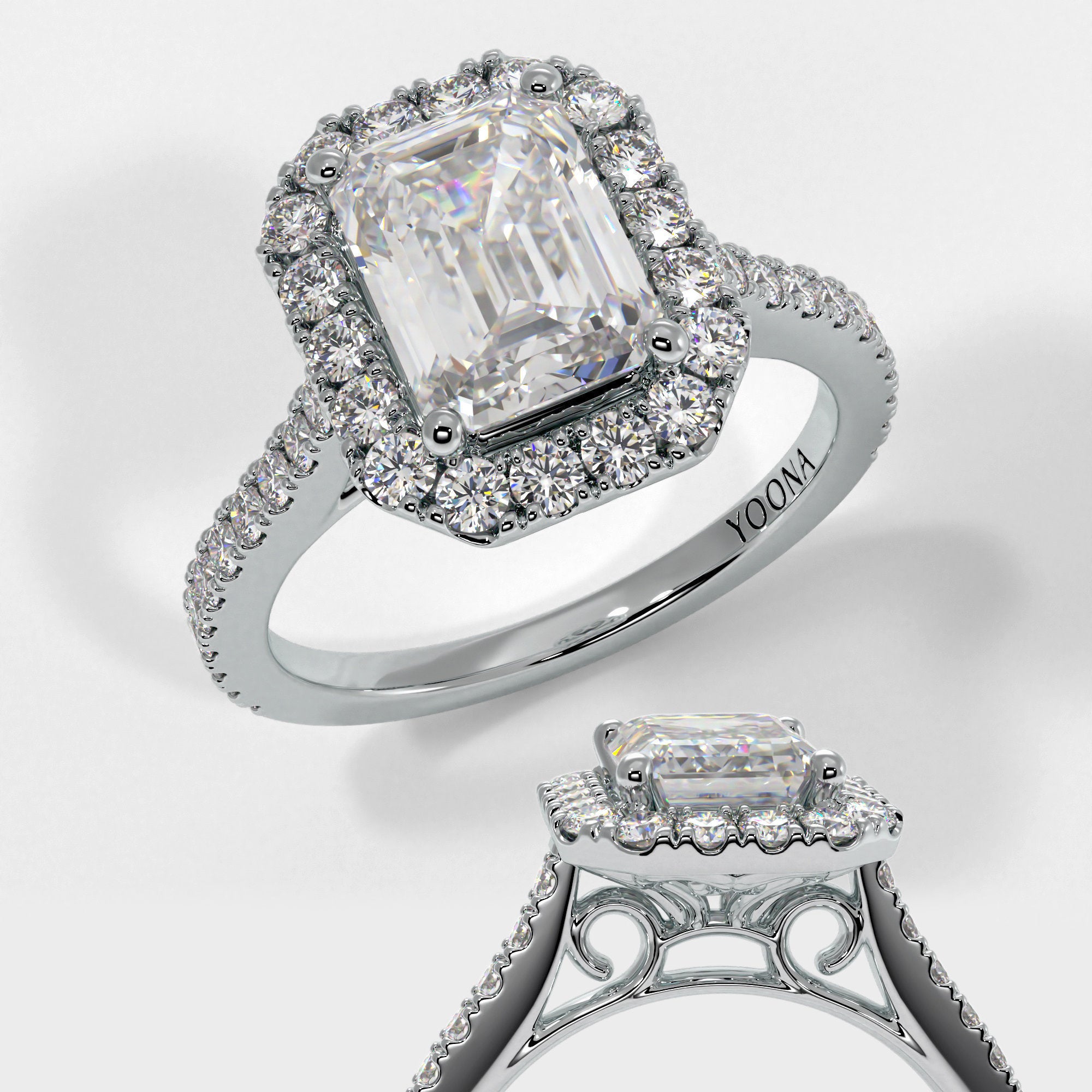
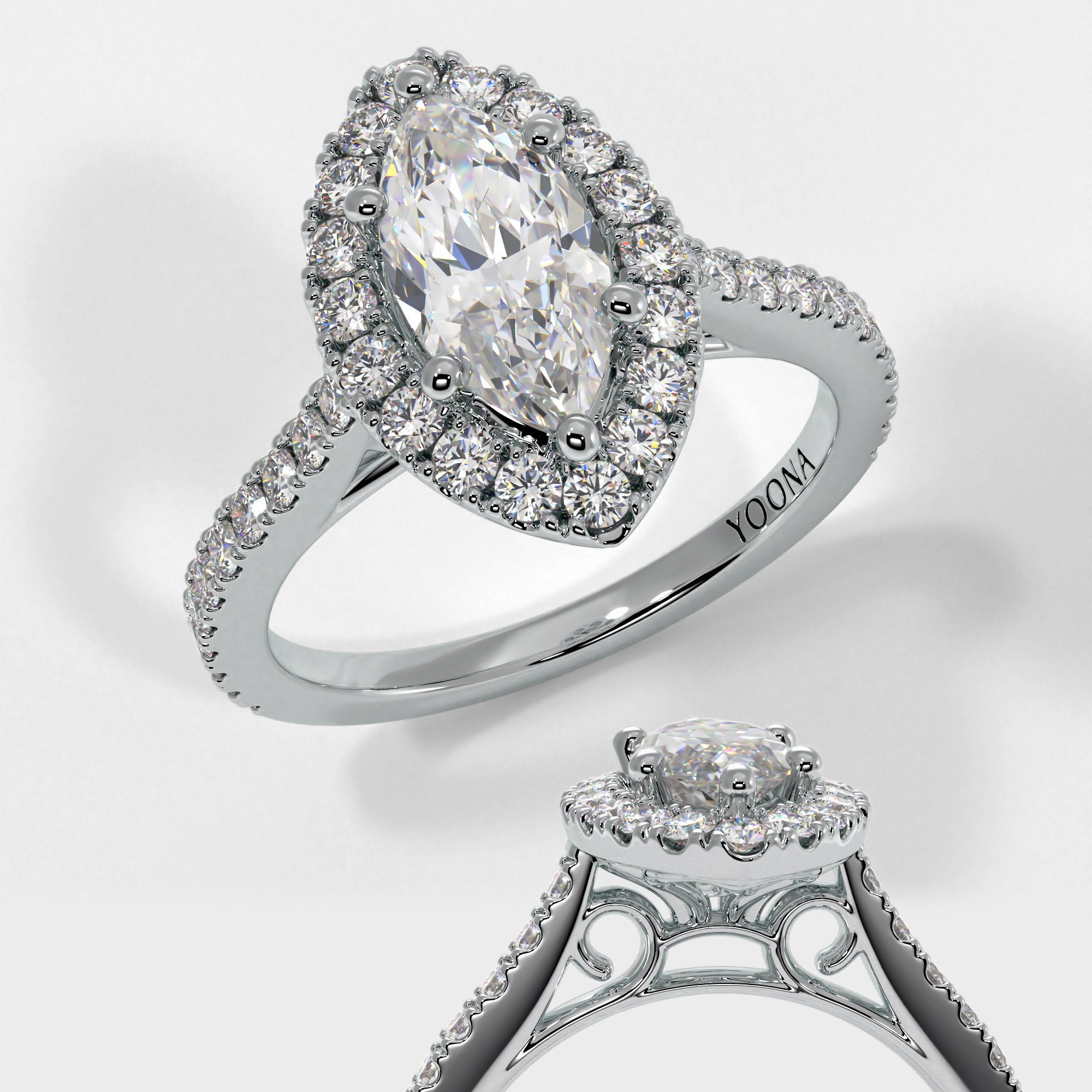
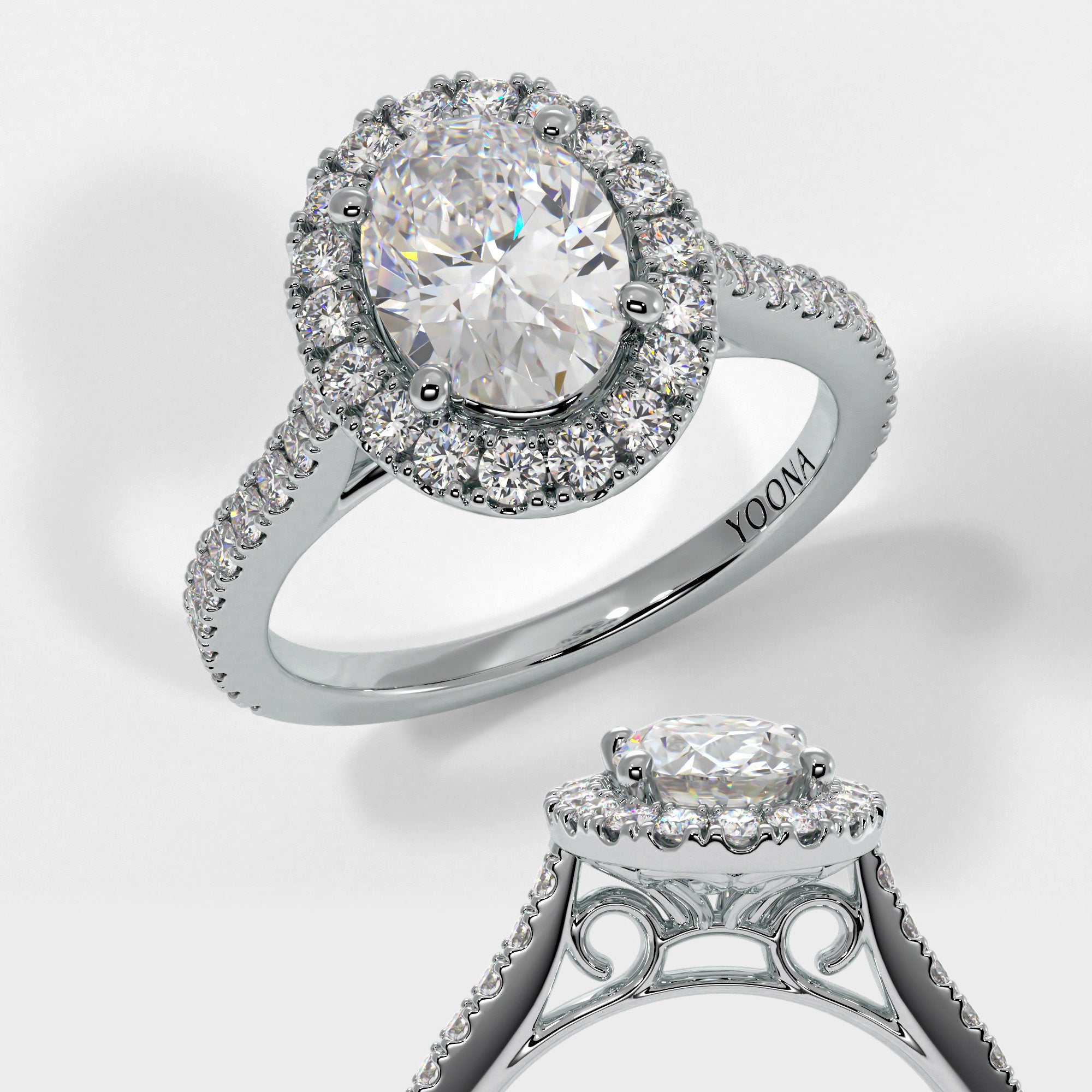
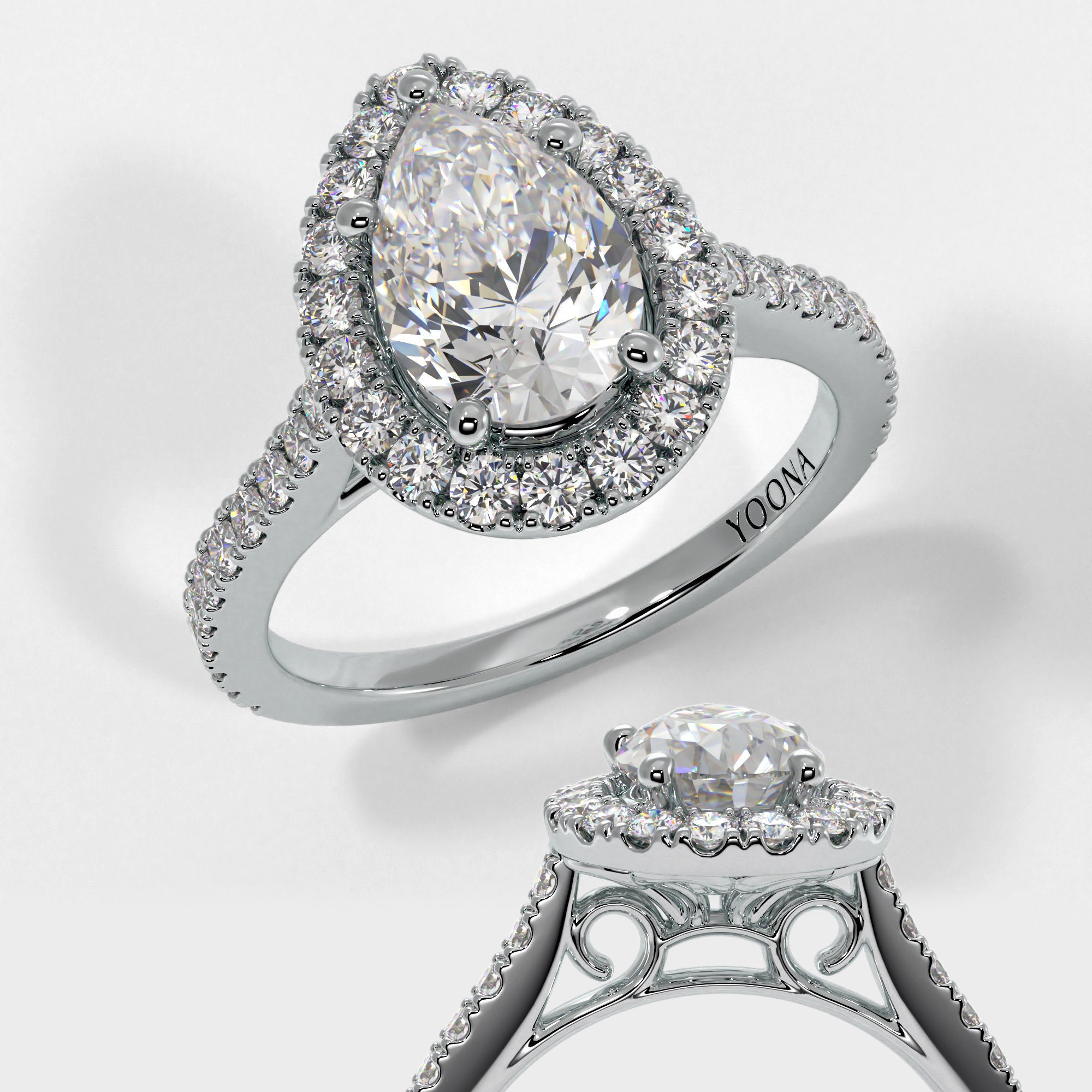
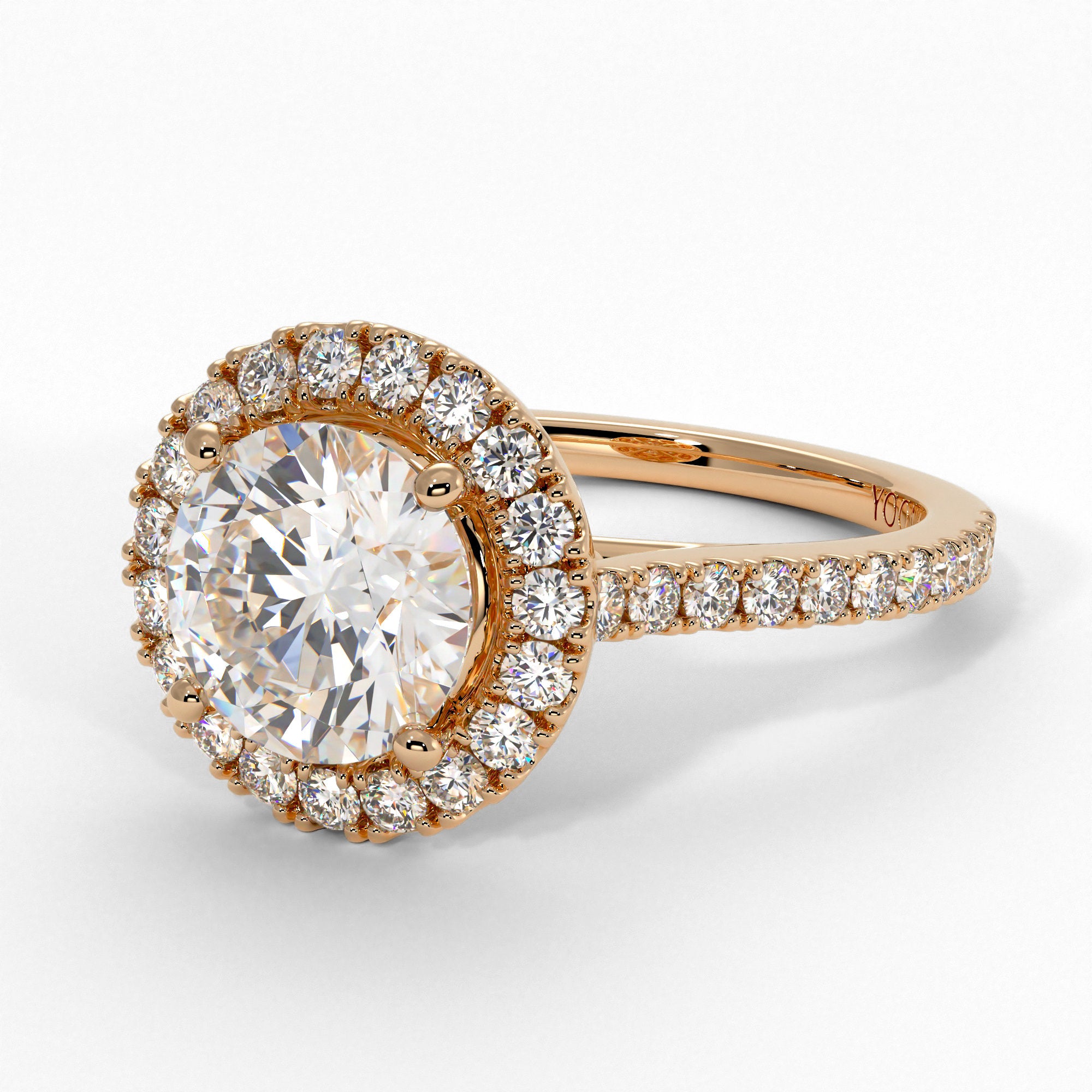
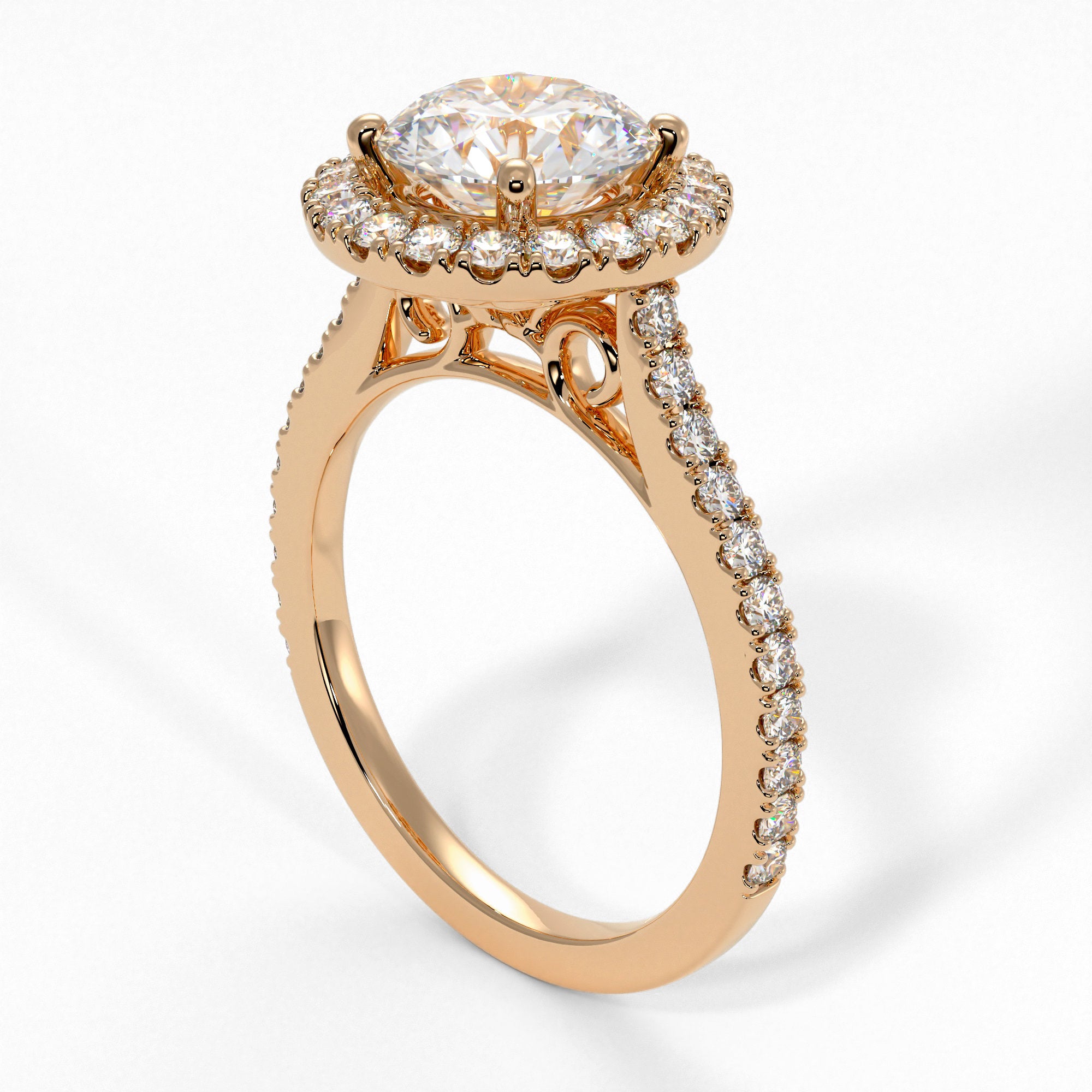
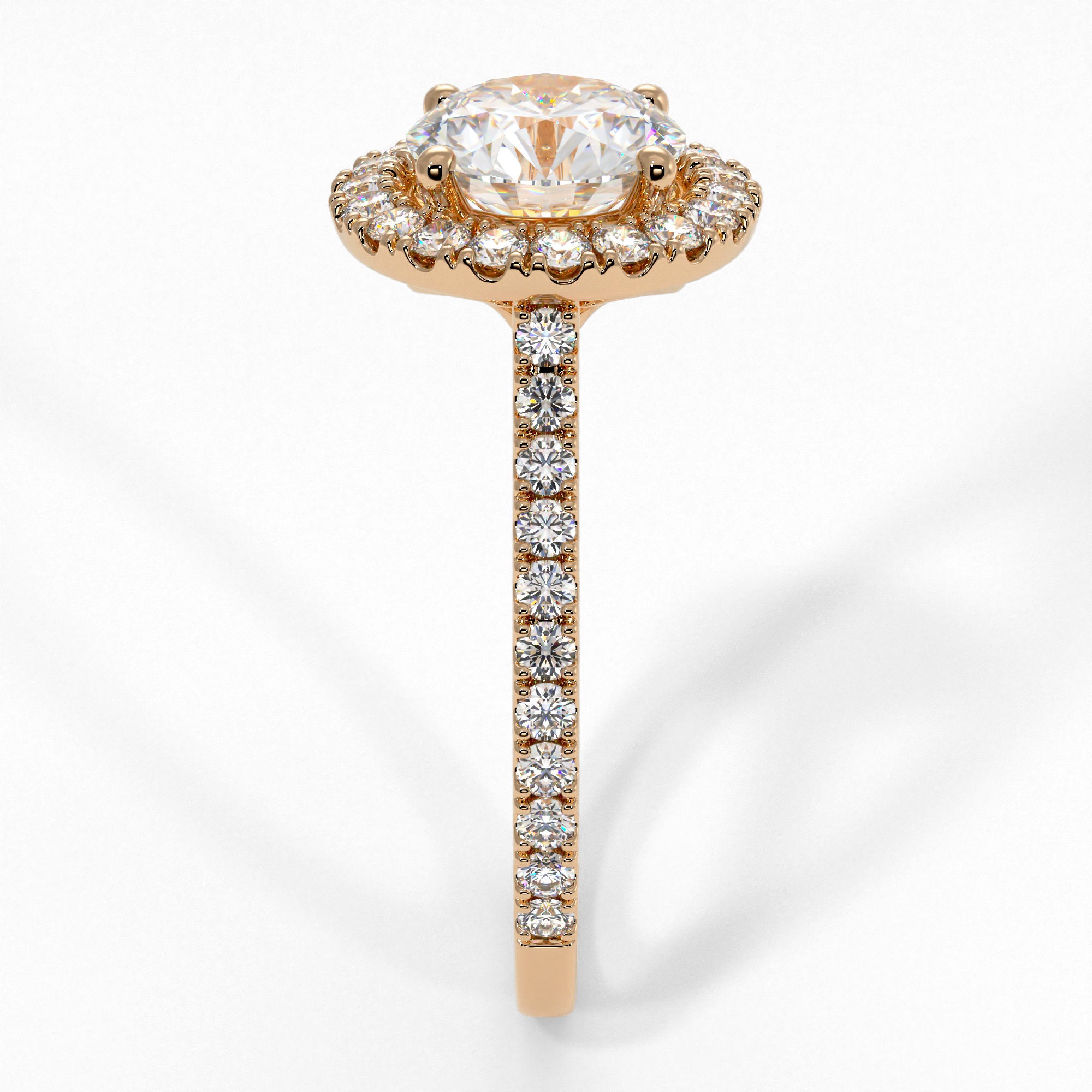
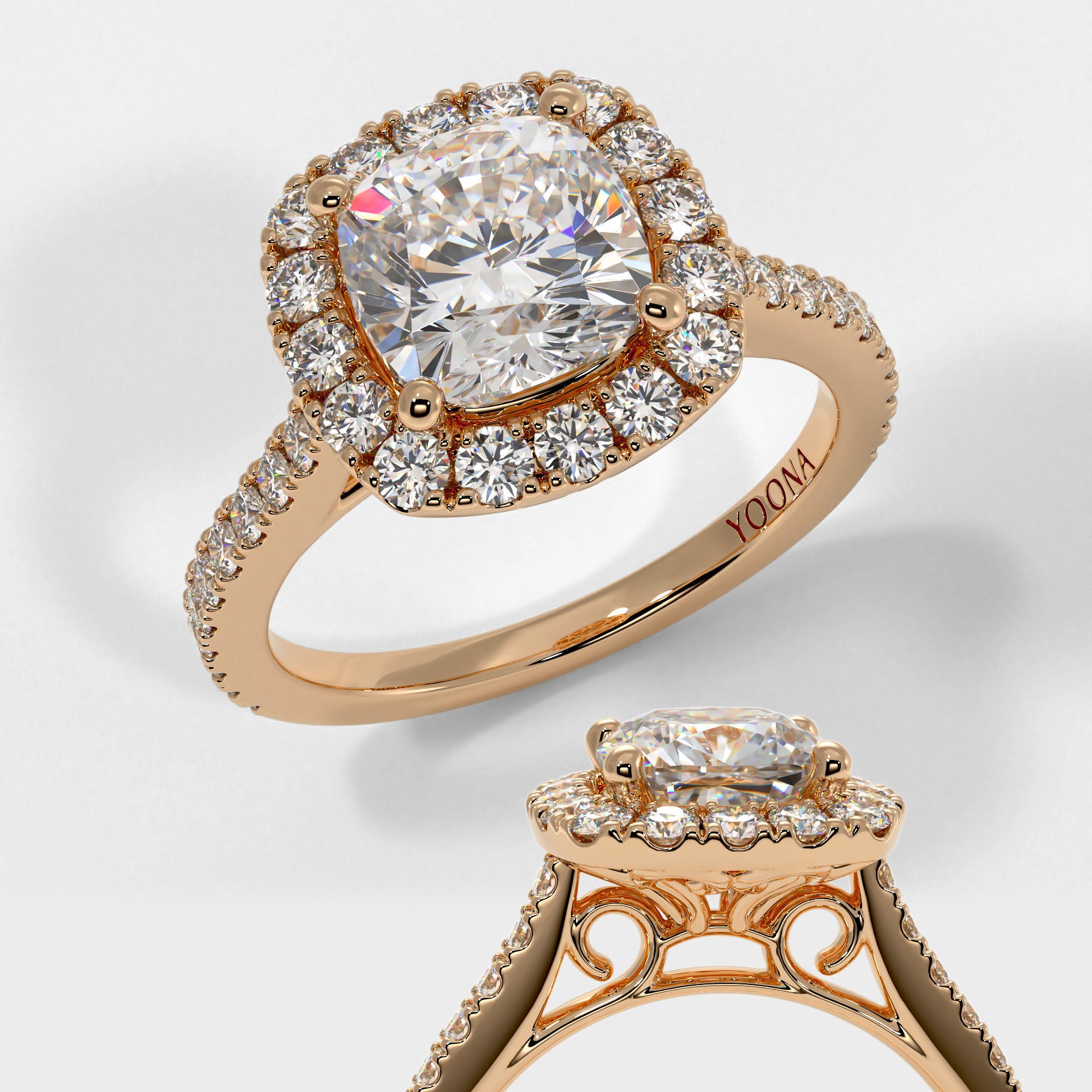
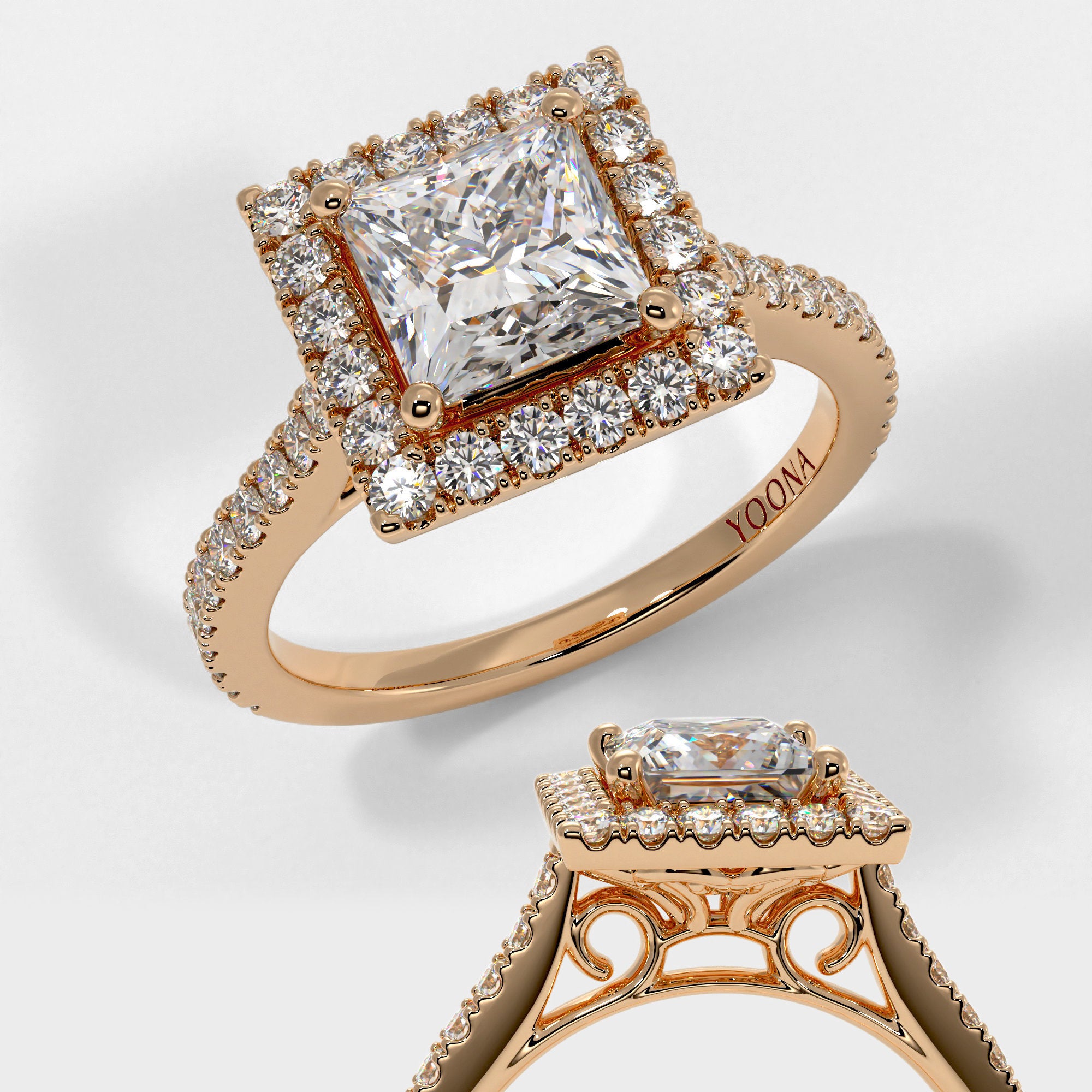
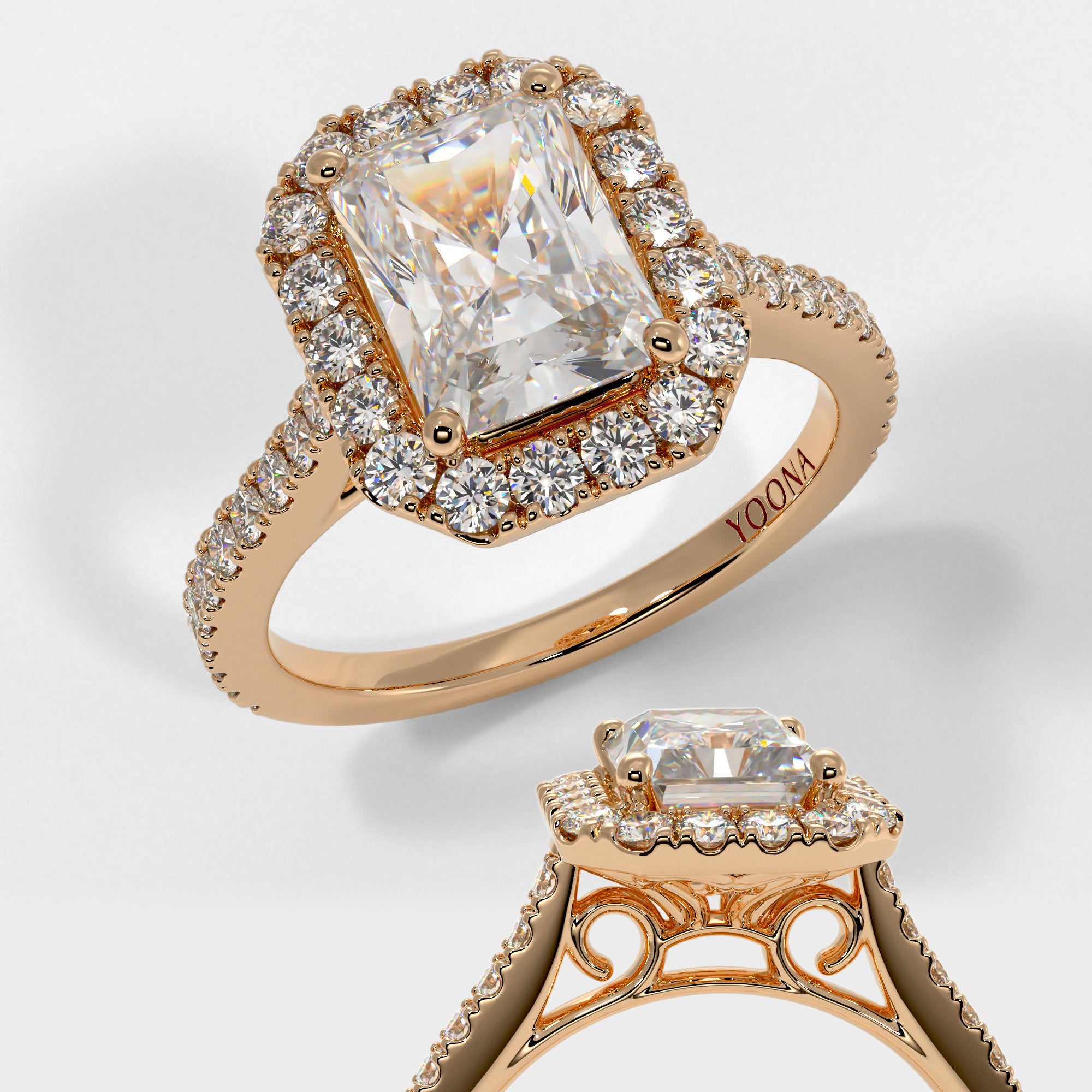
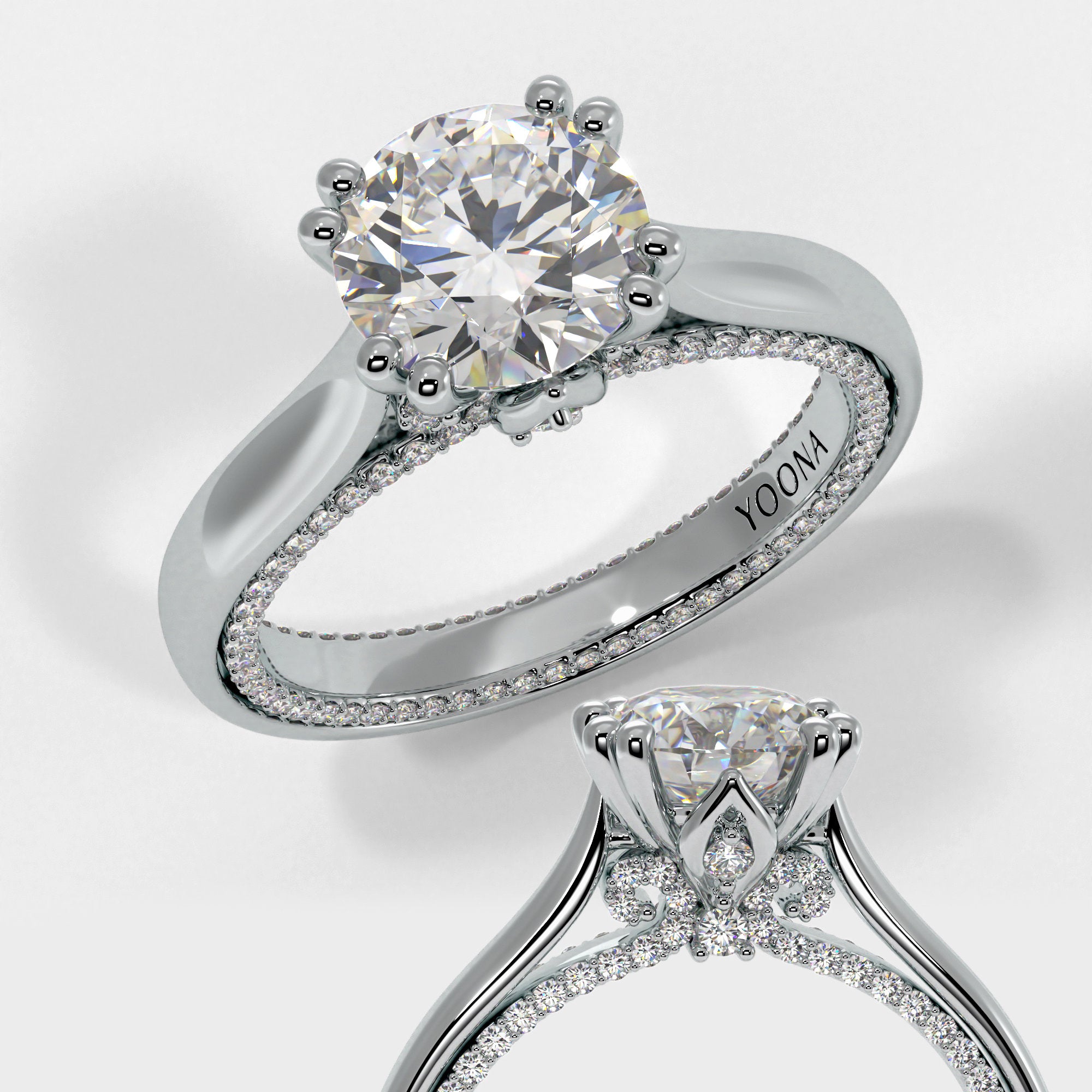
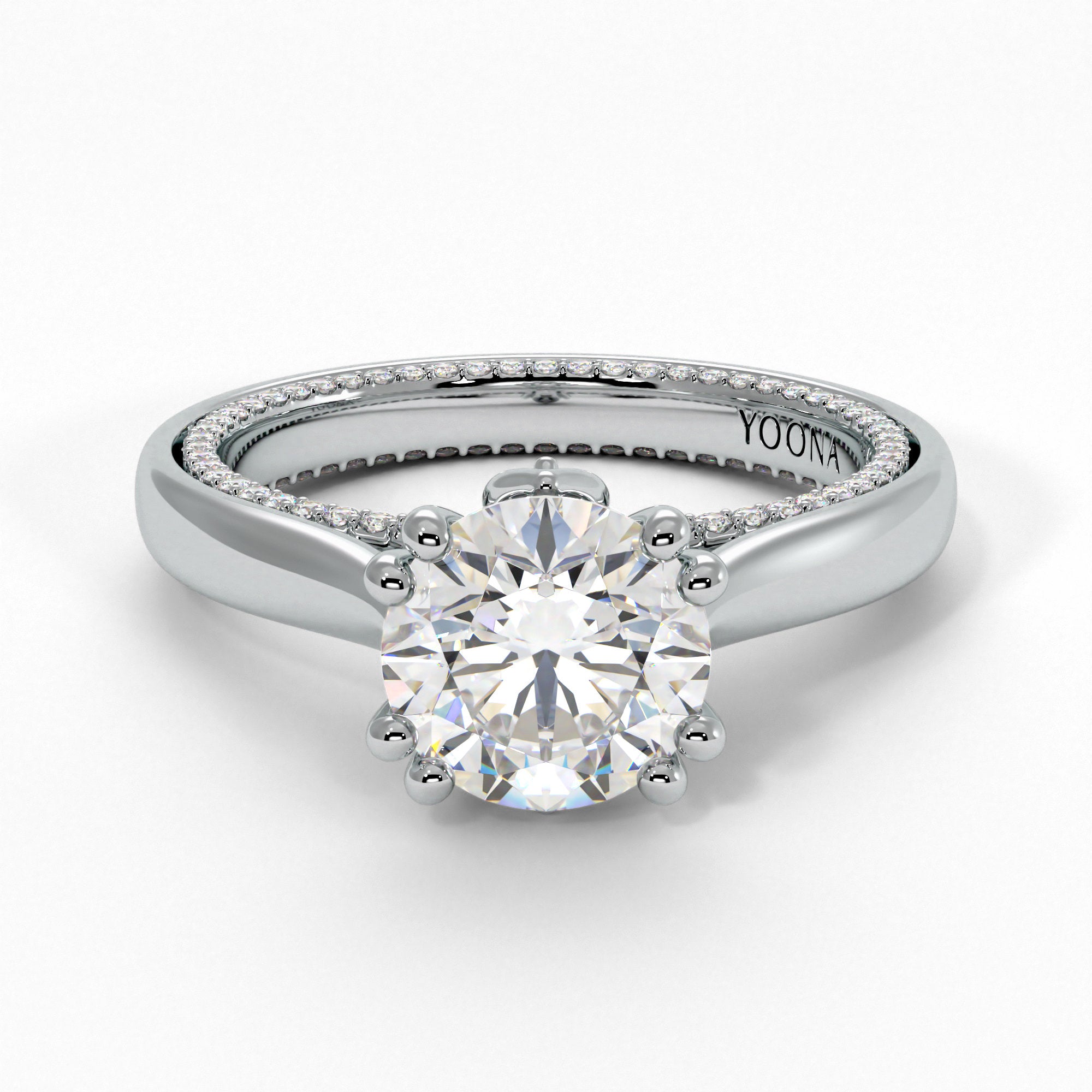
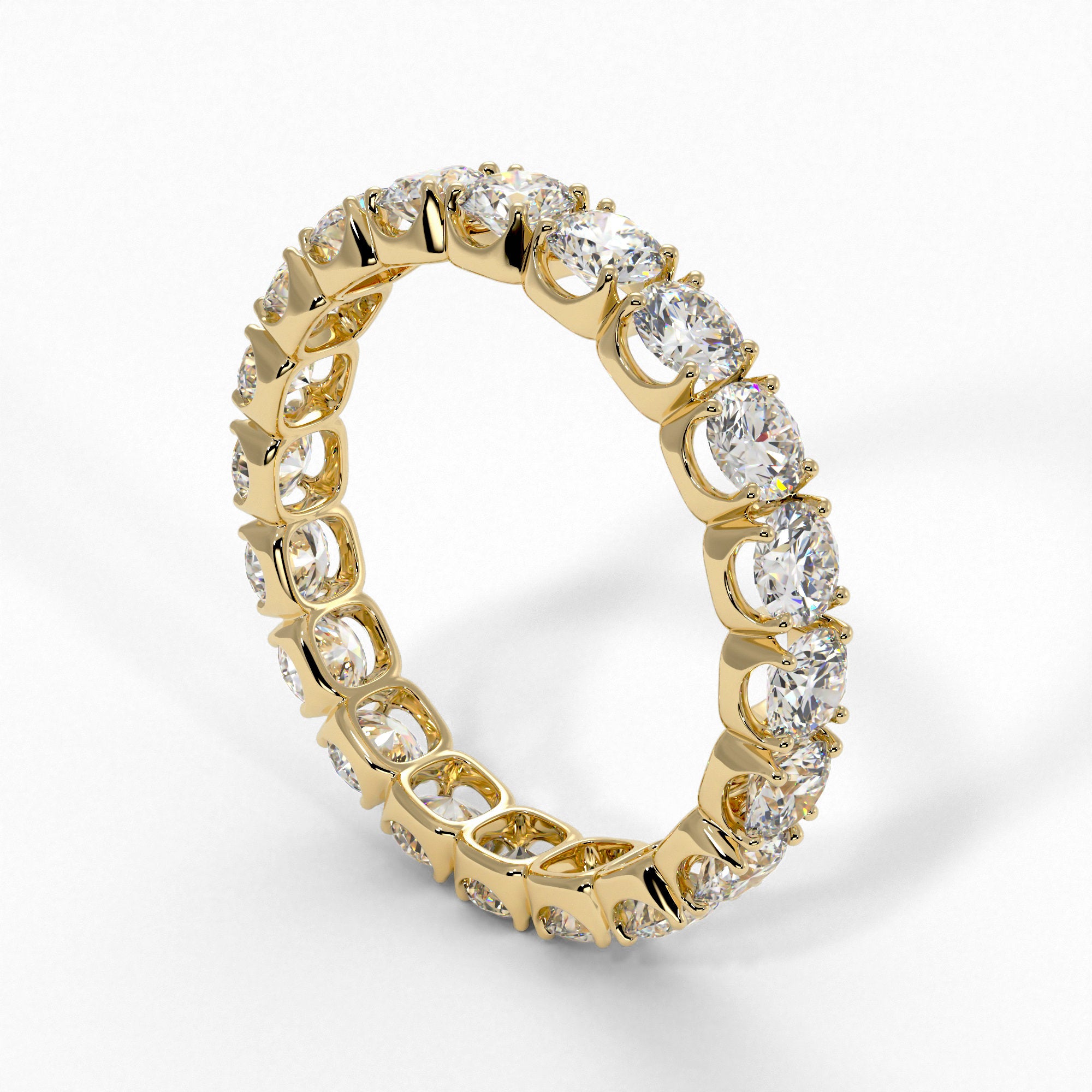
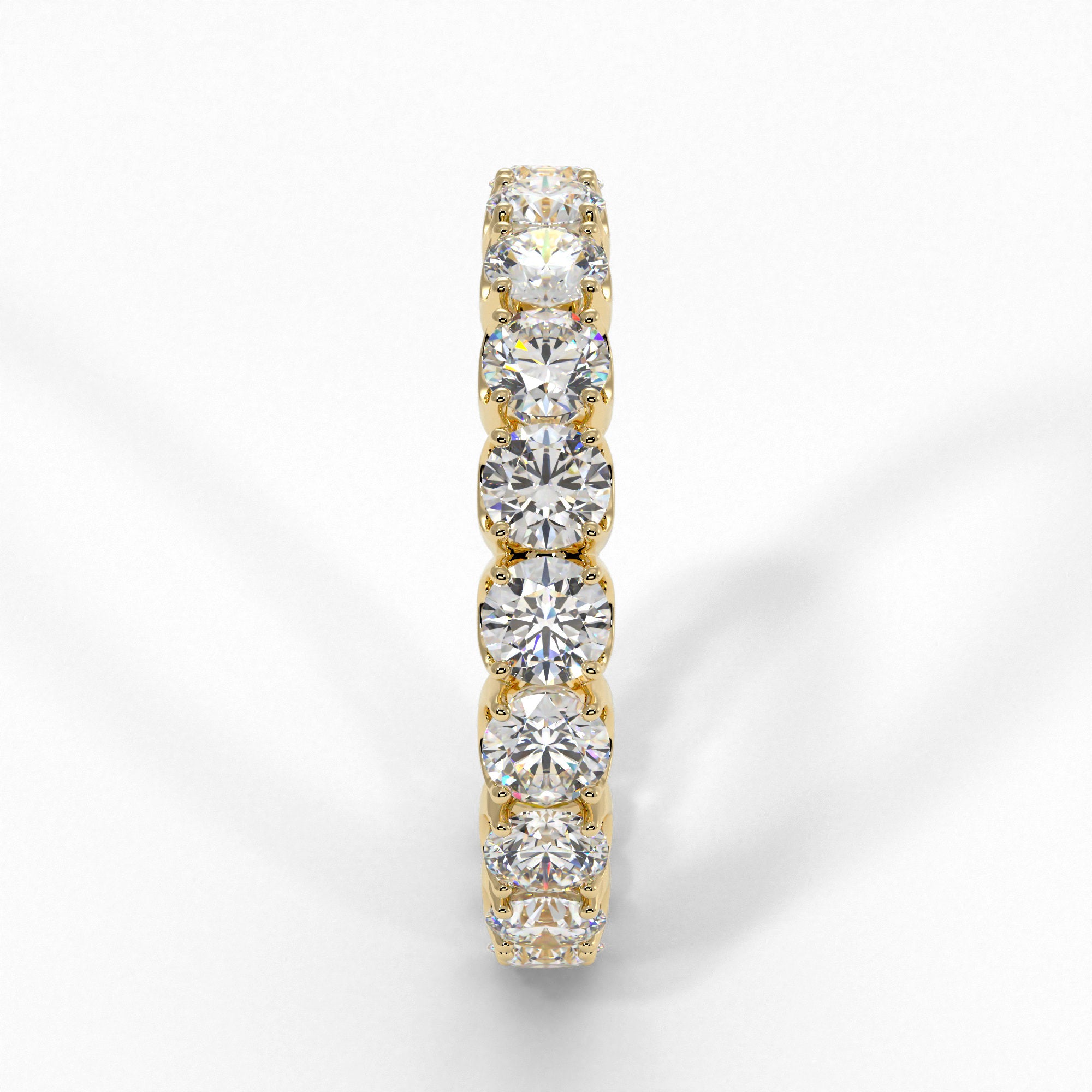
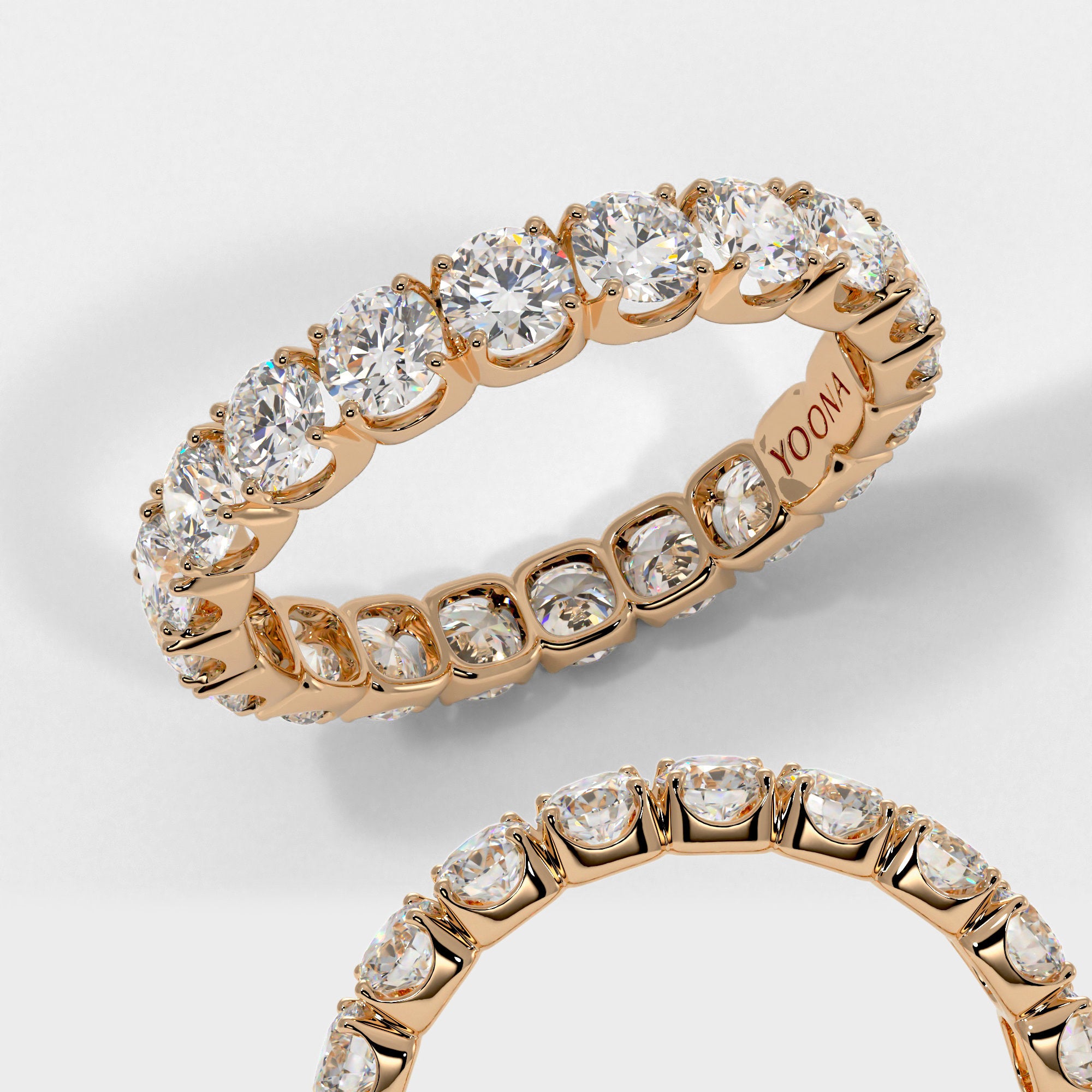
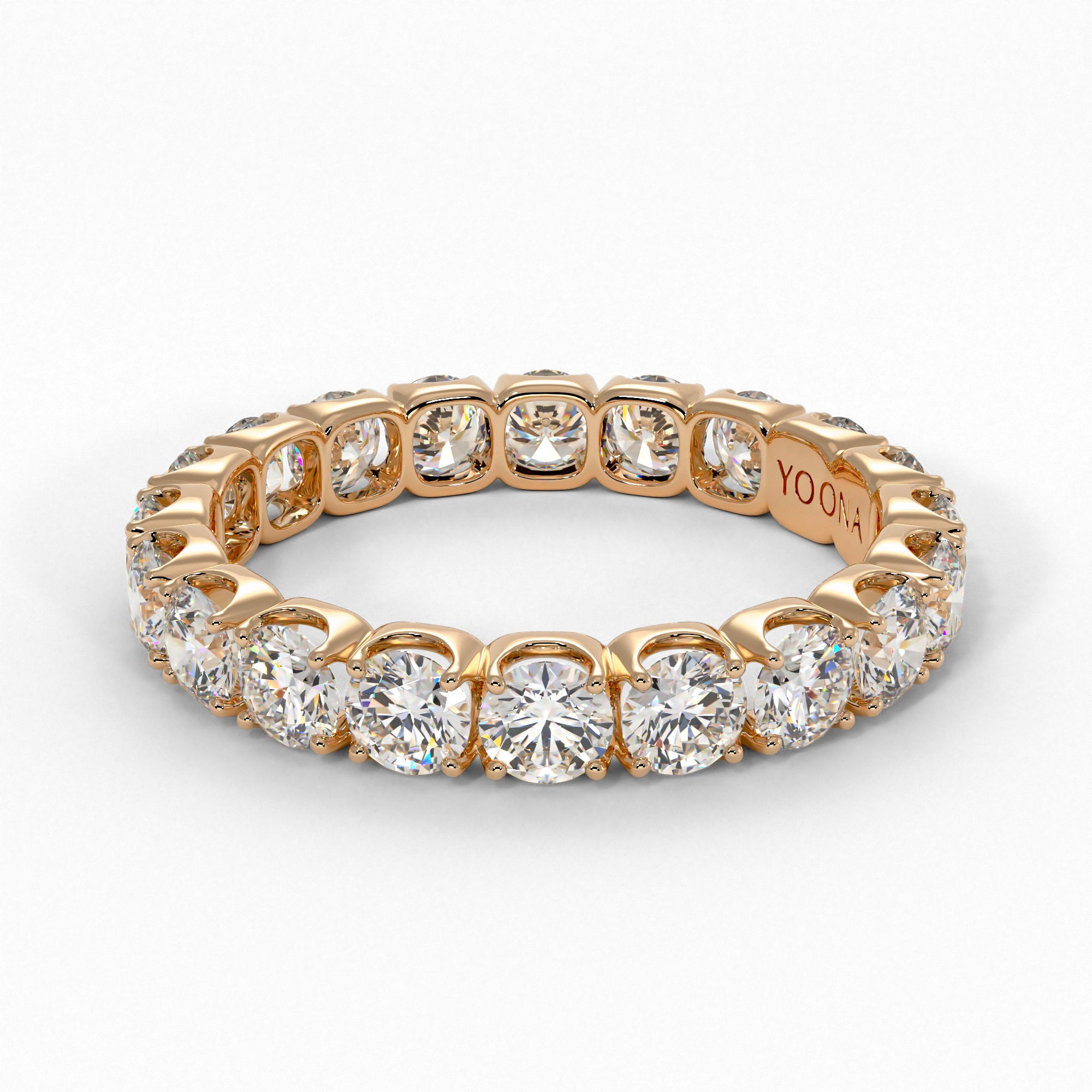
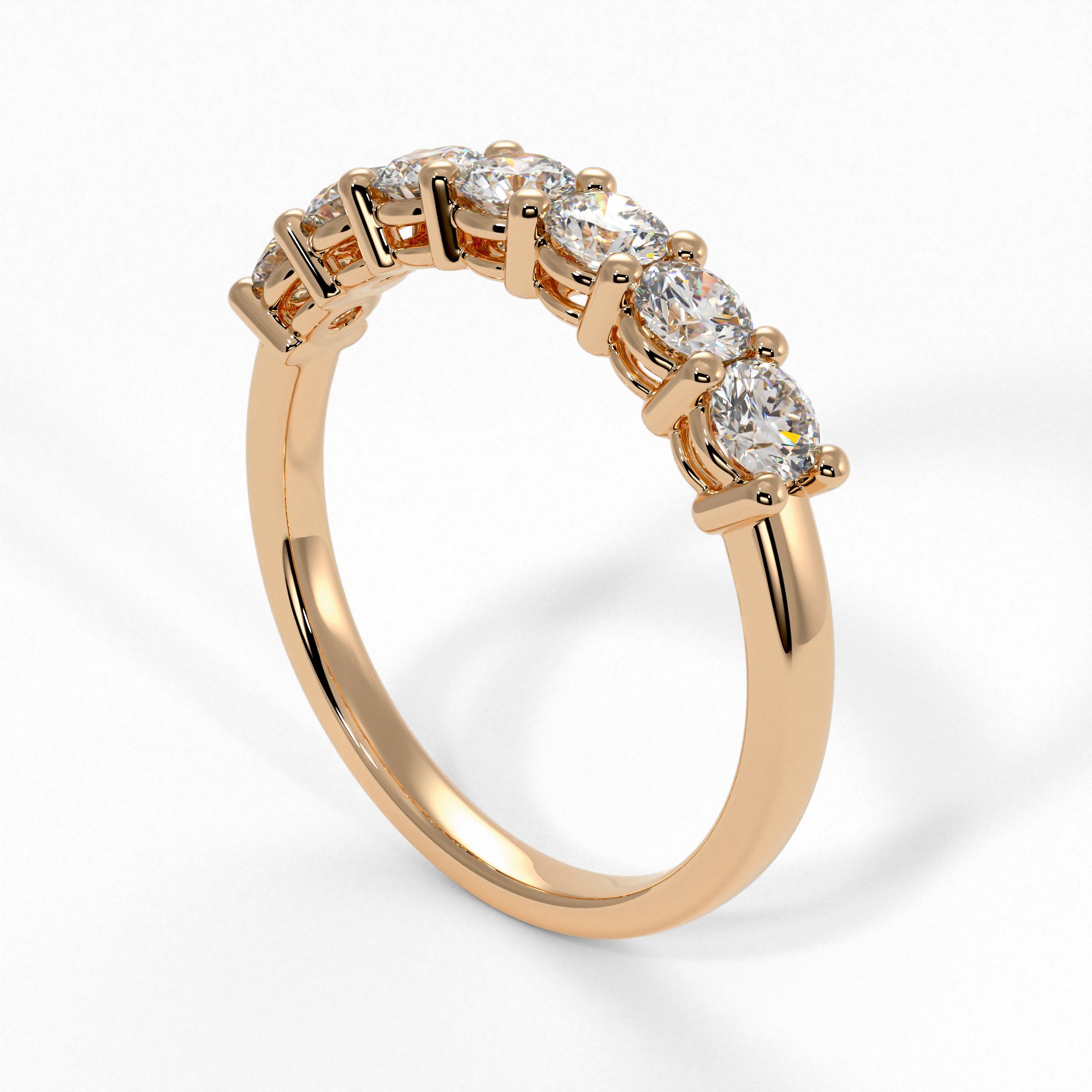
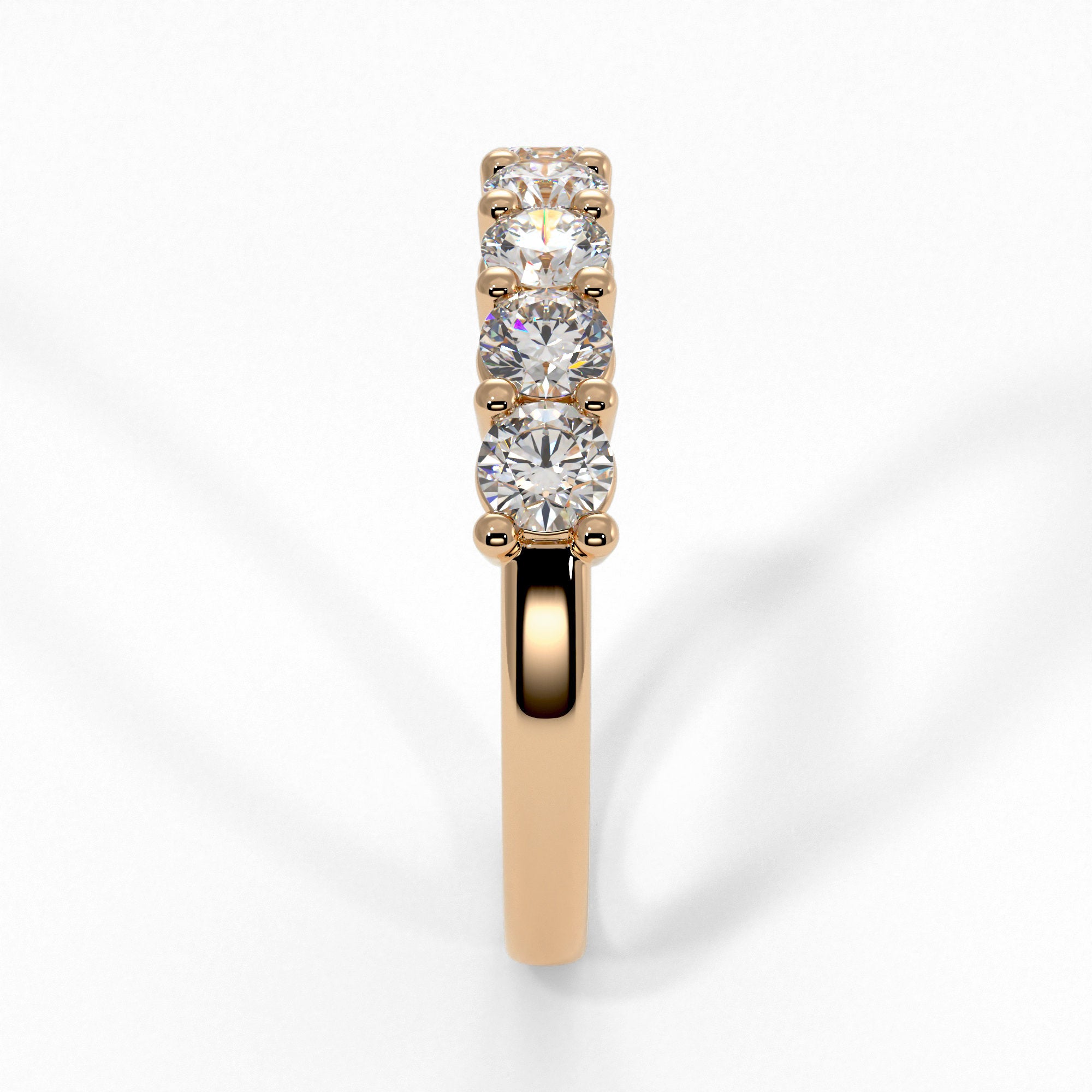
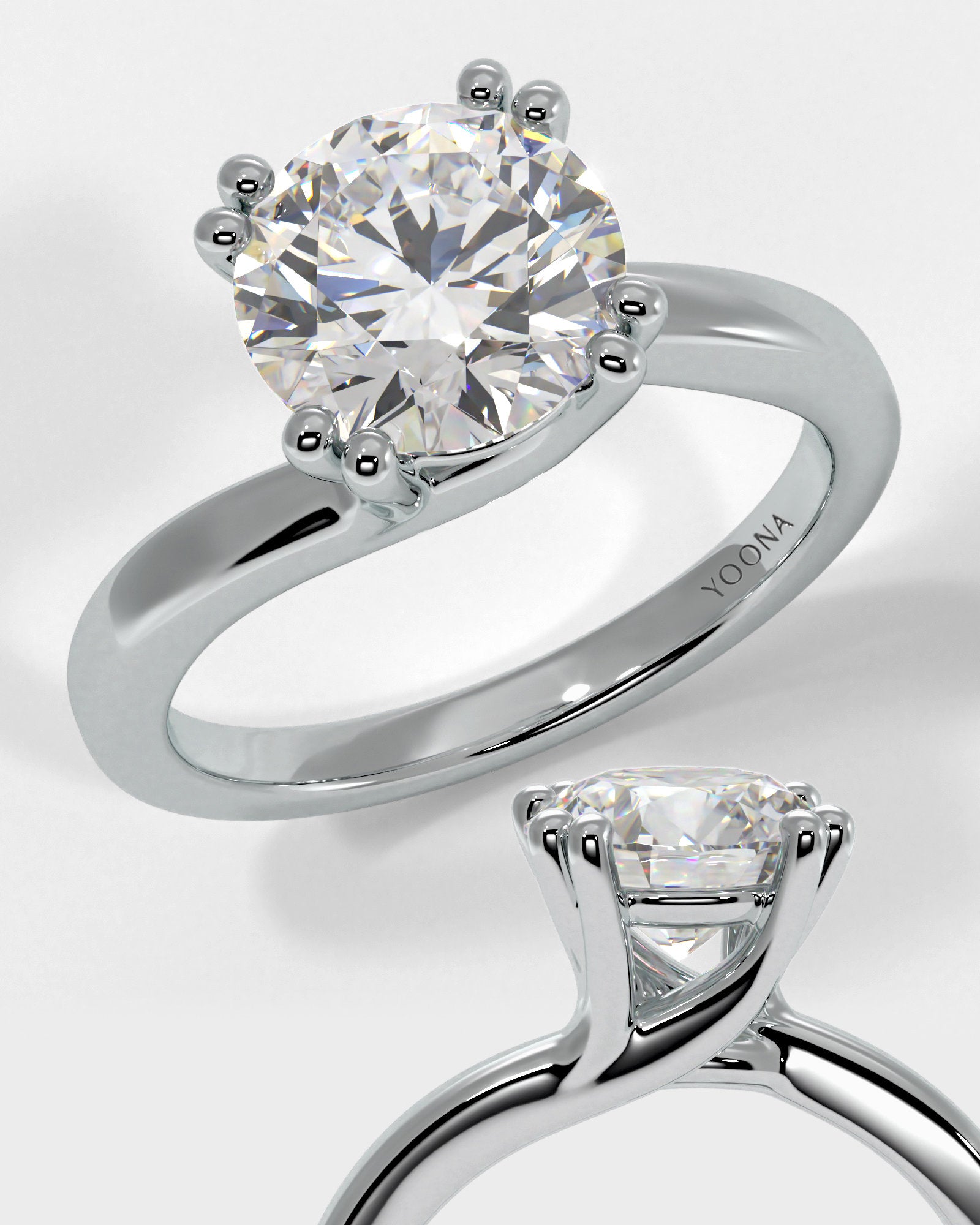
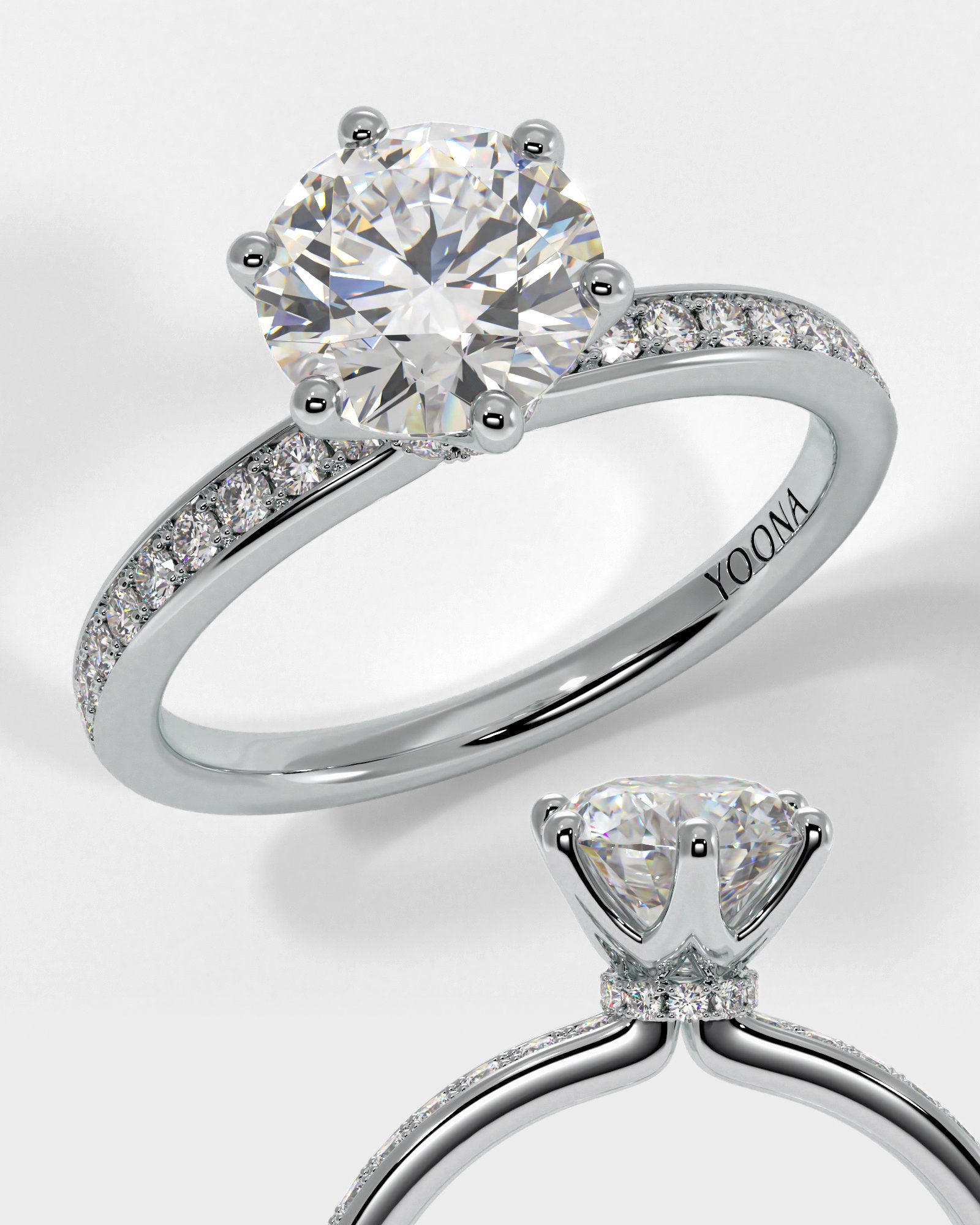
We carry both lab-grown diamonds, held to the Eternal Diamond™ standard and IGI certified, and moissanite, for buyers who want a different look, a different price point, or both. Neither is positioned as a fallback, they're two genuine options built to the same standard of honesty about what each actually is.