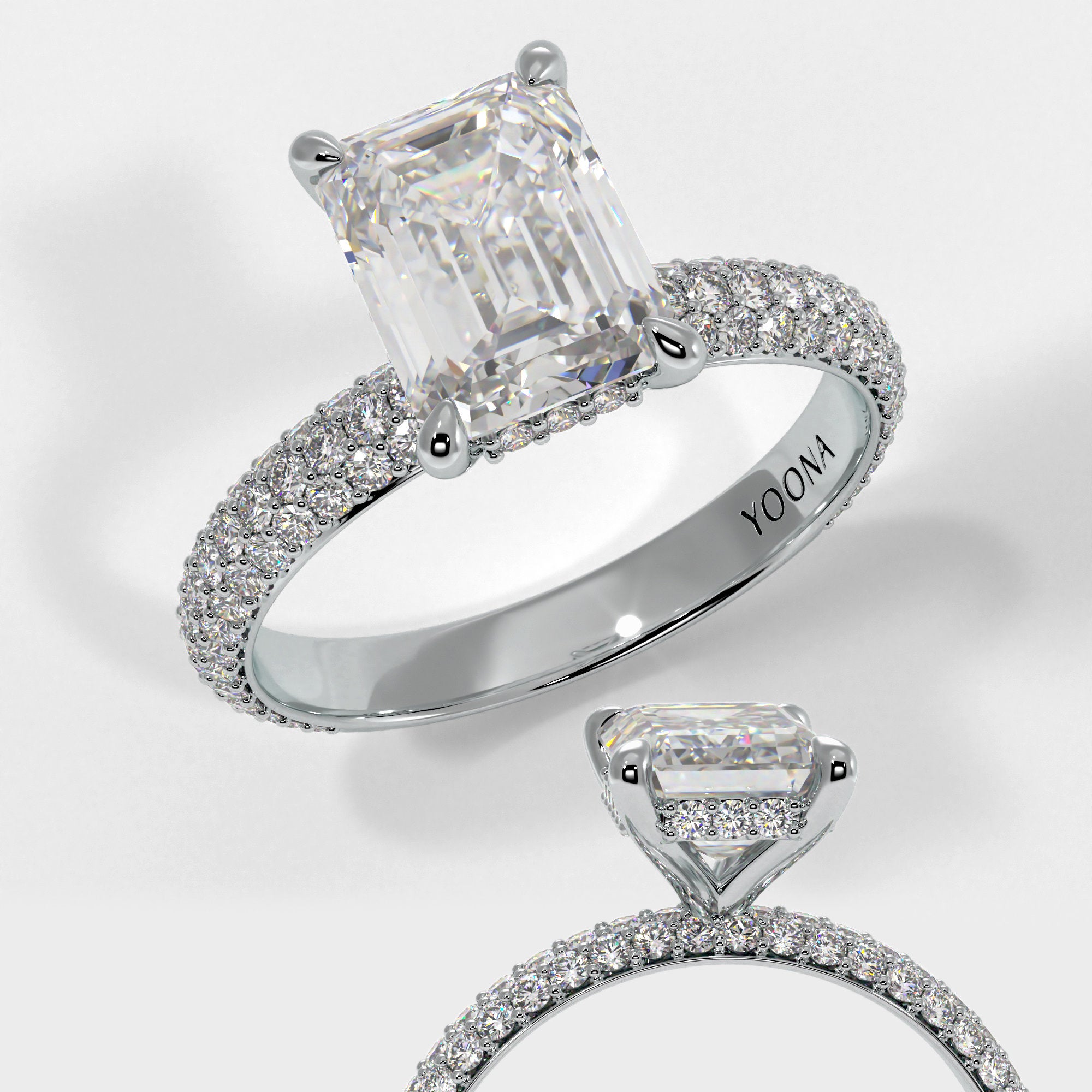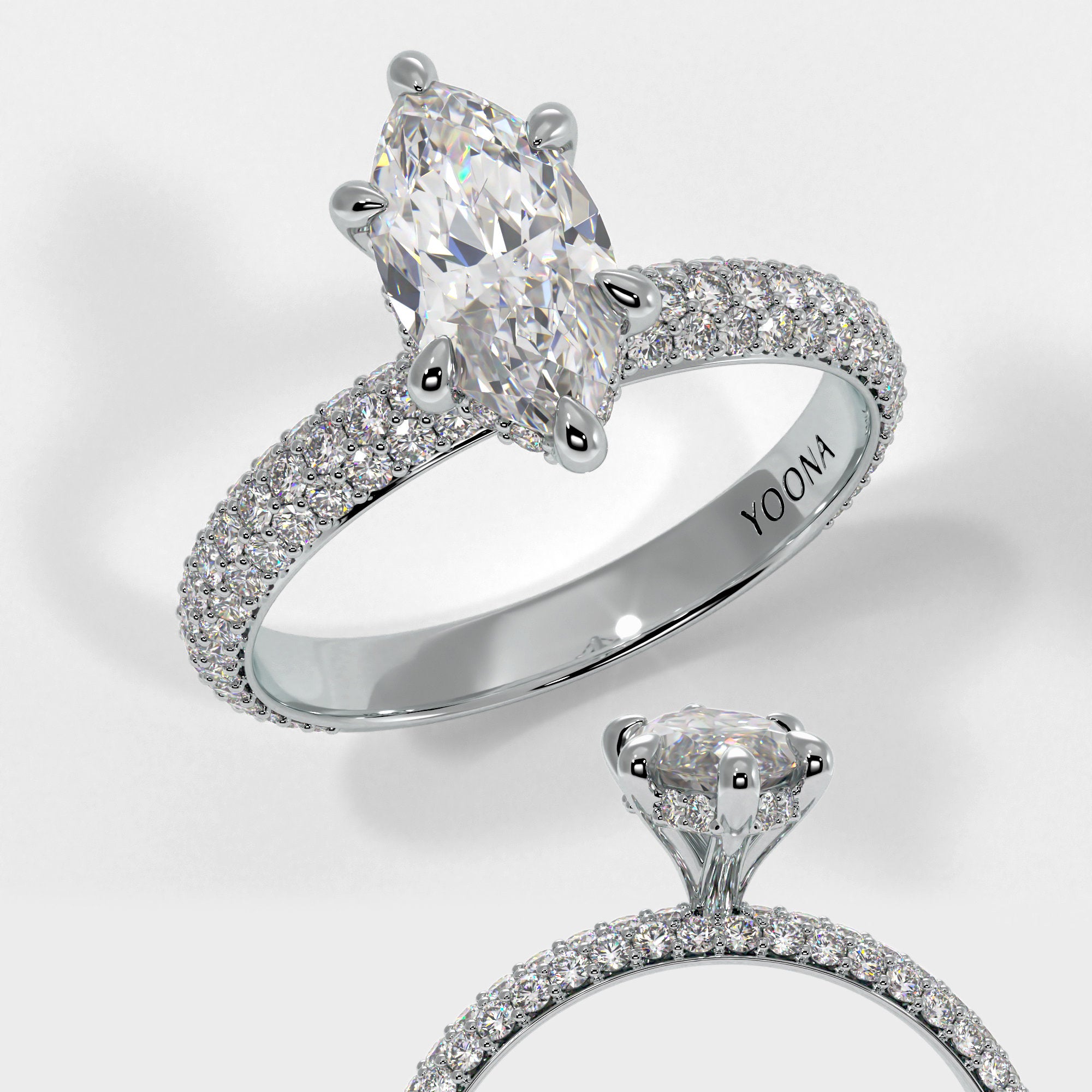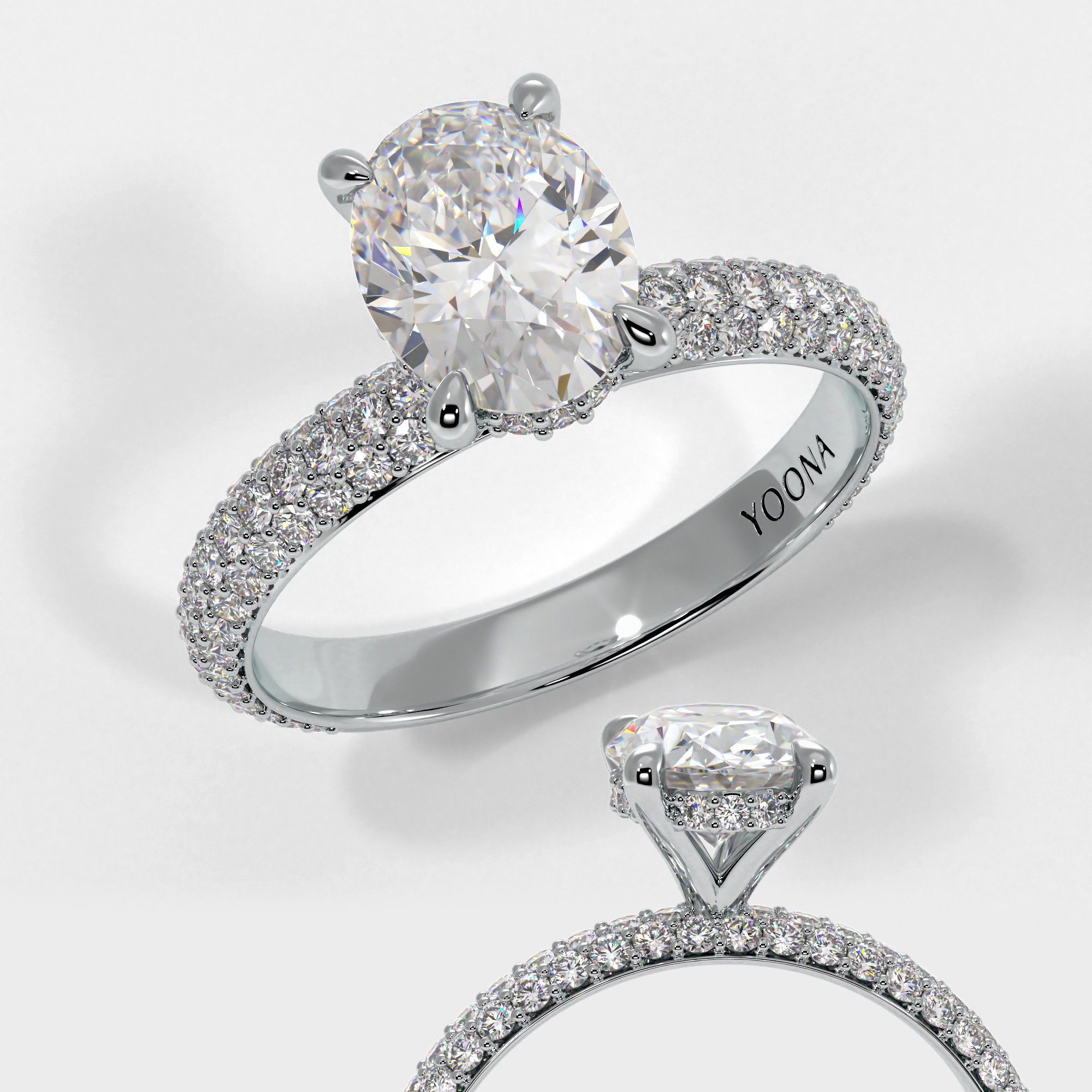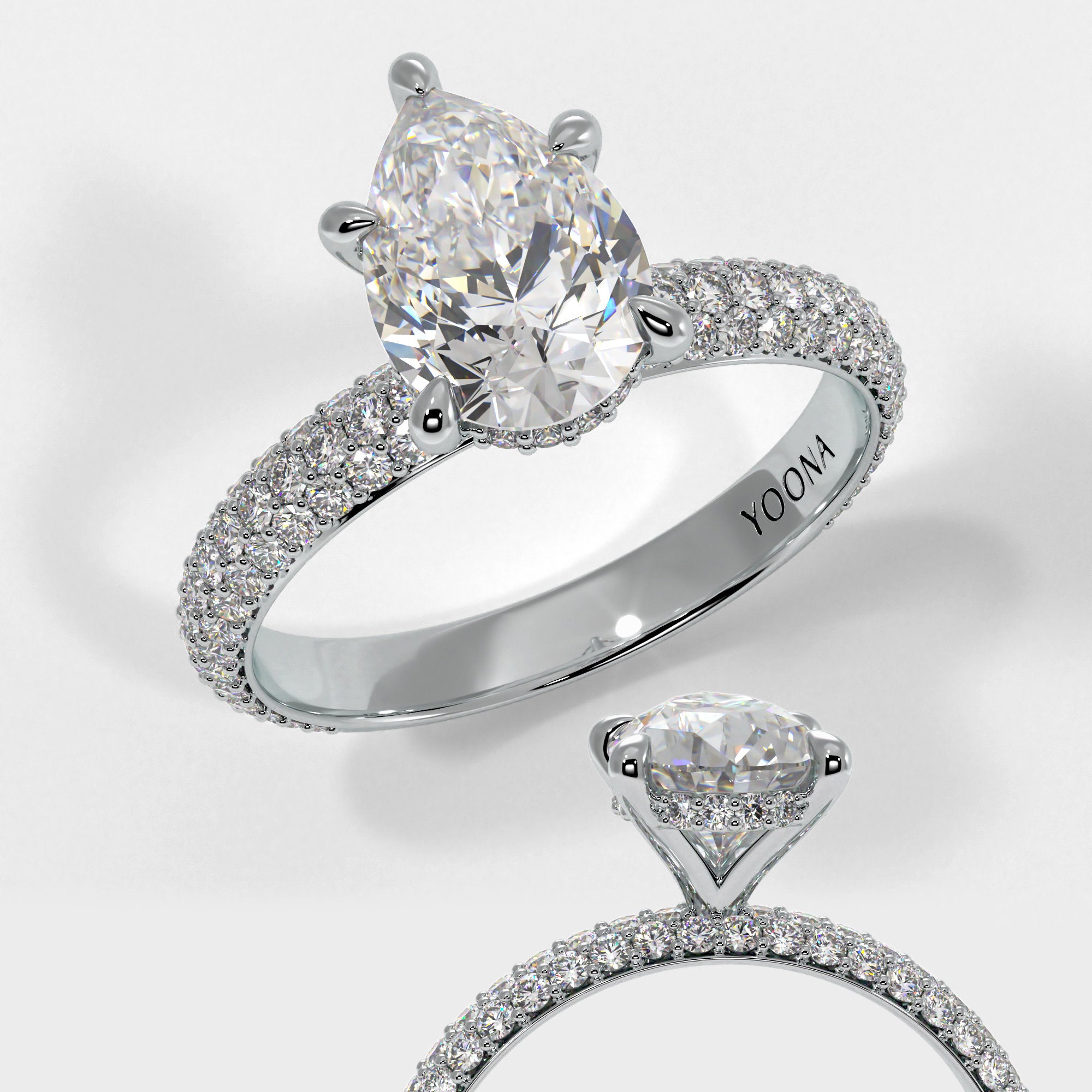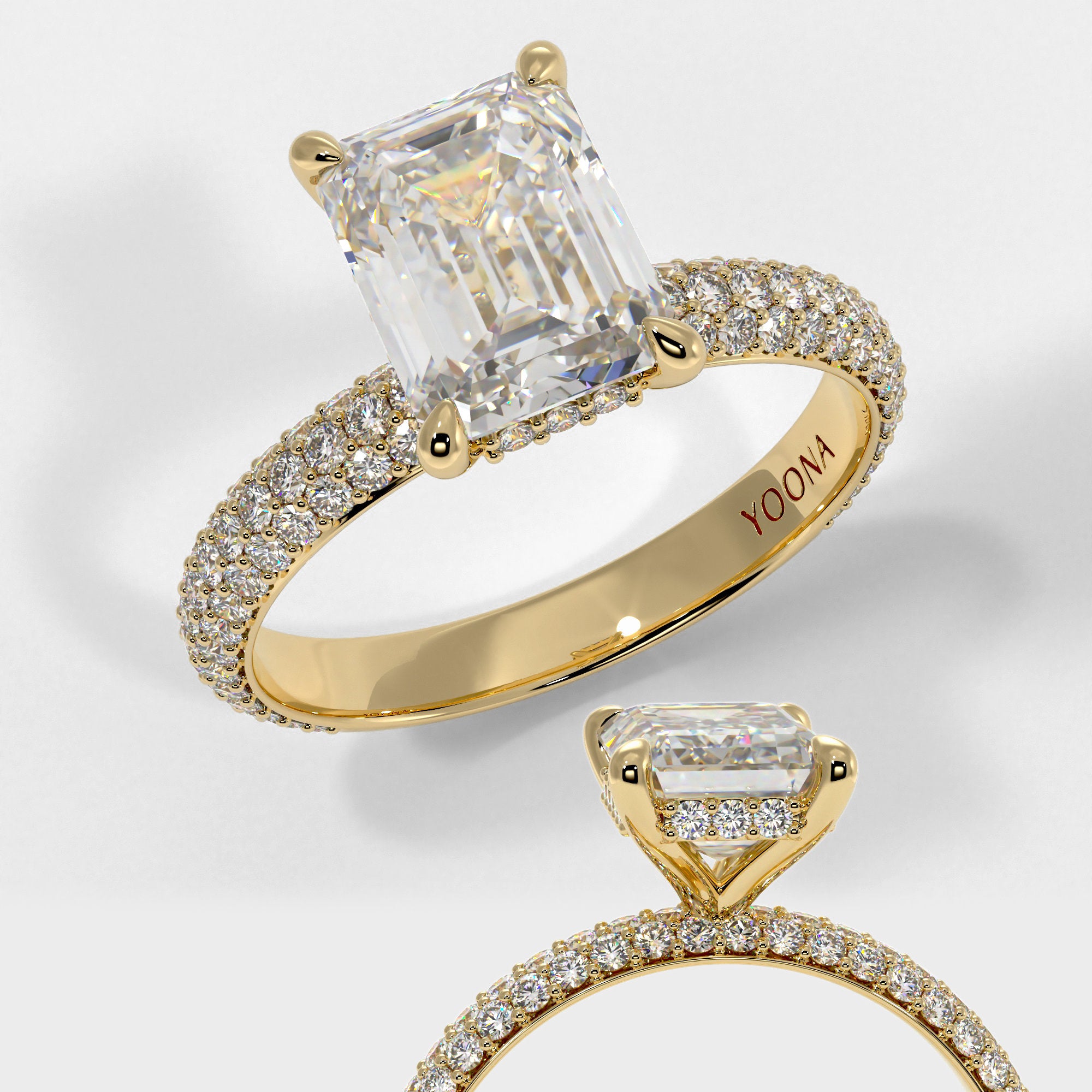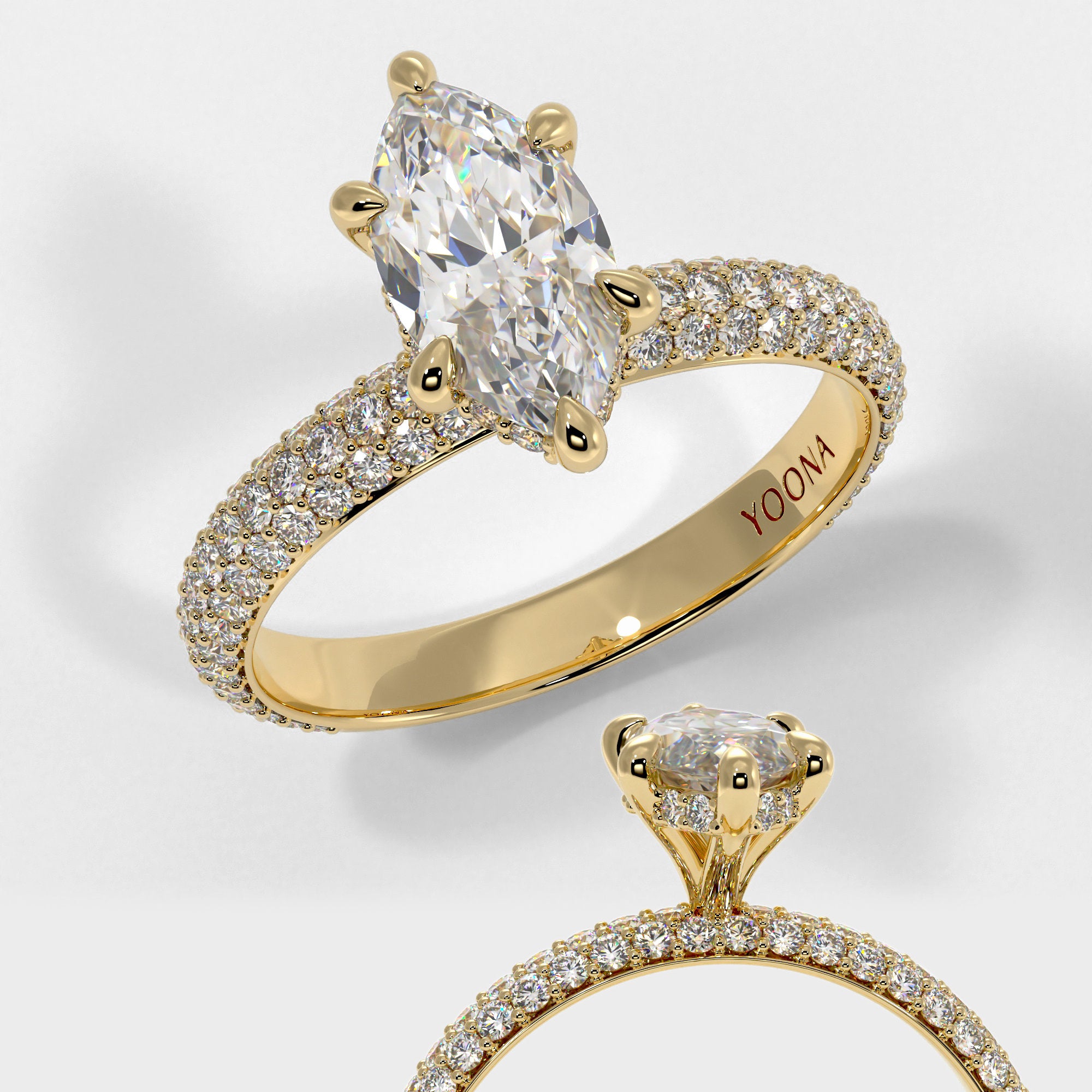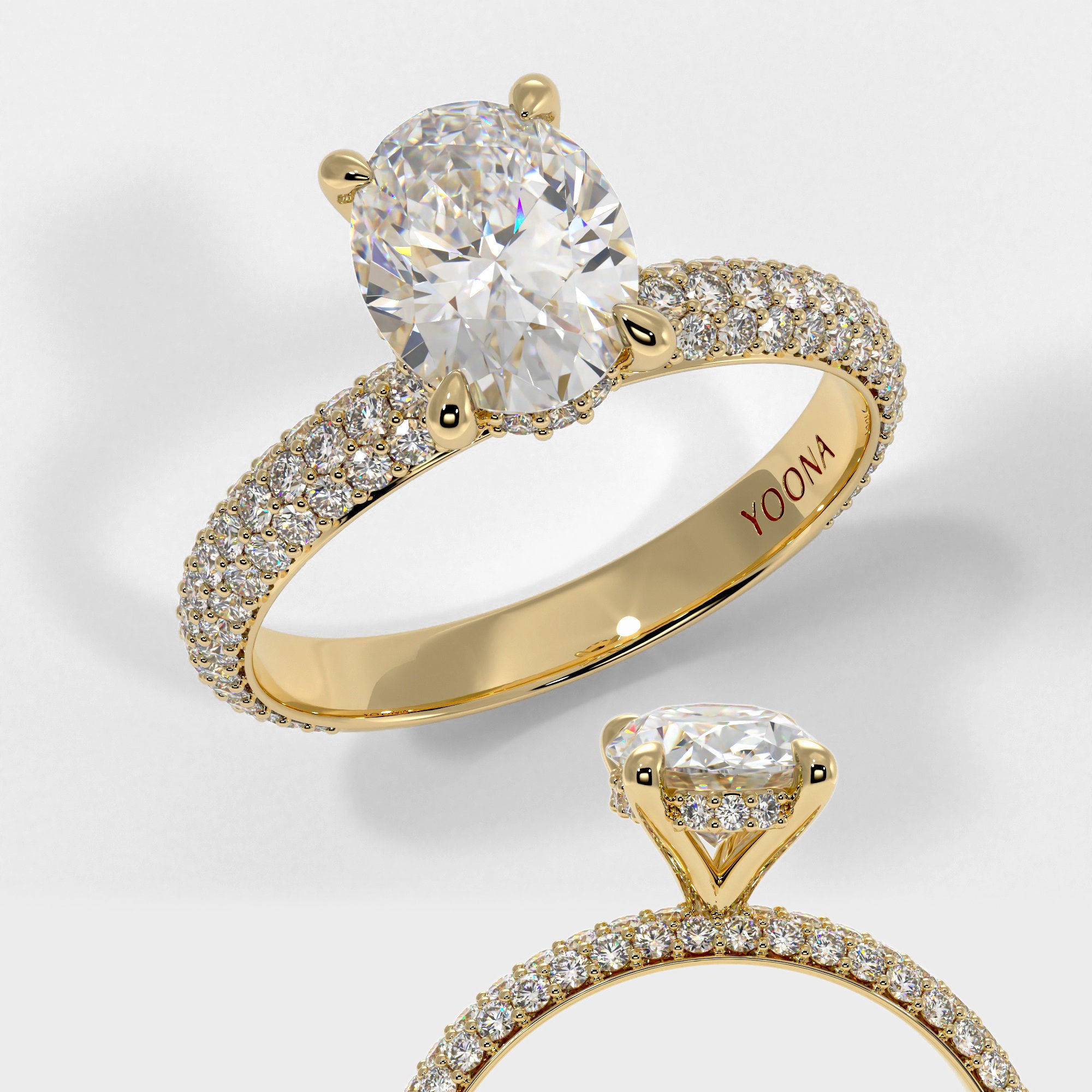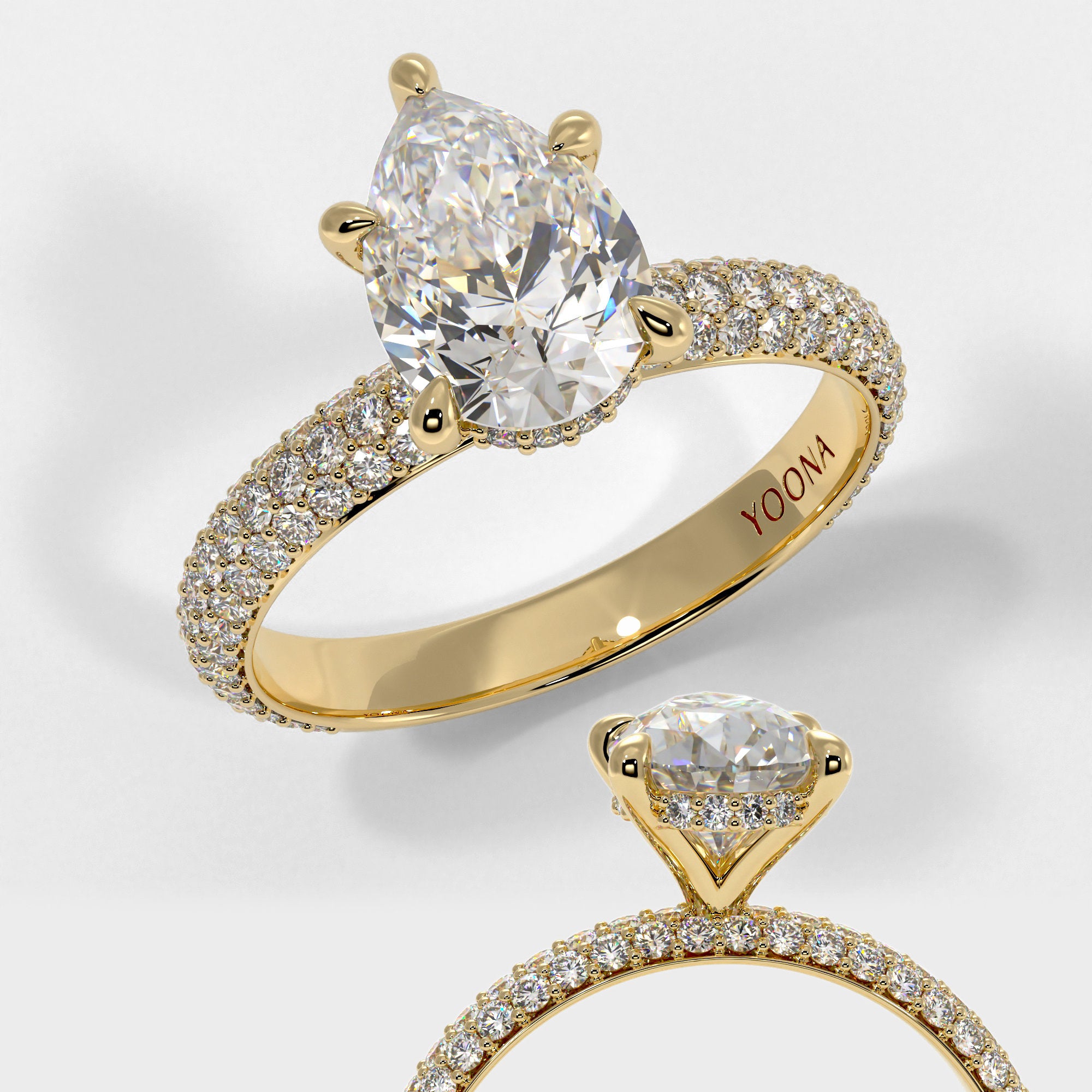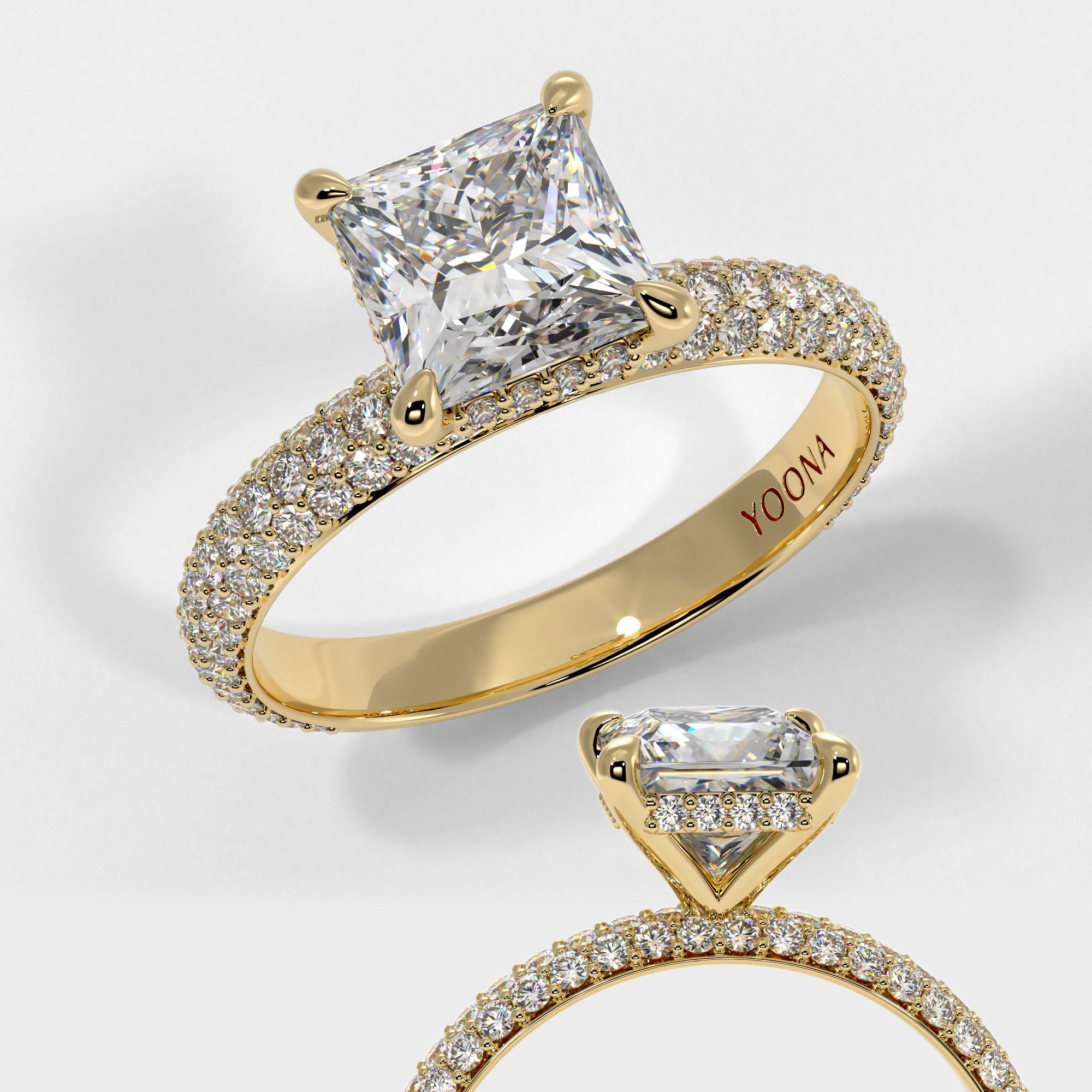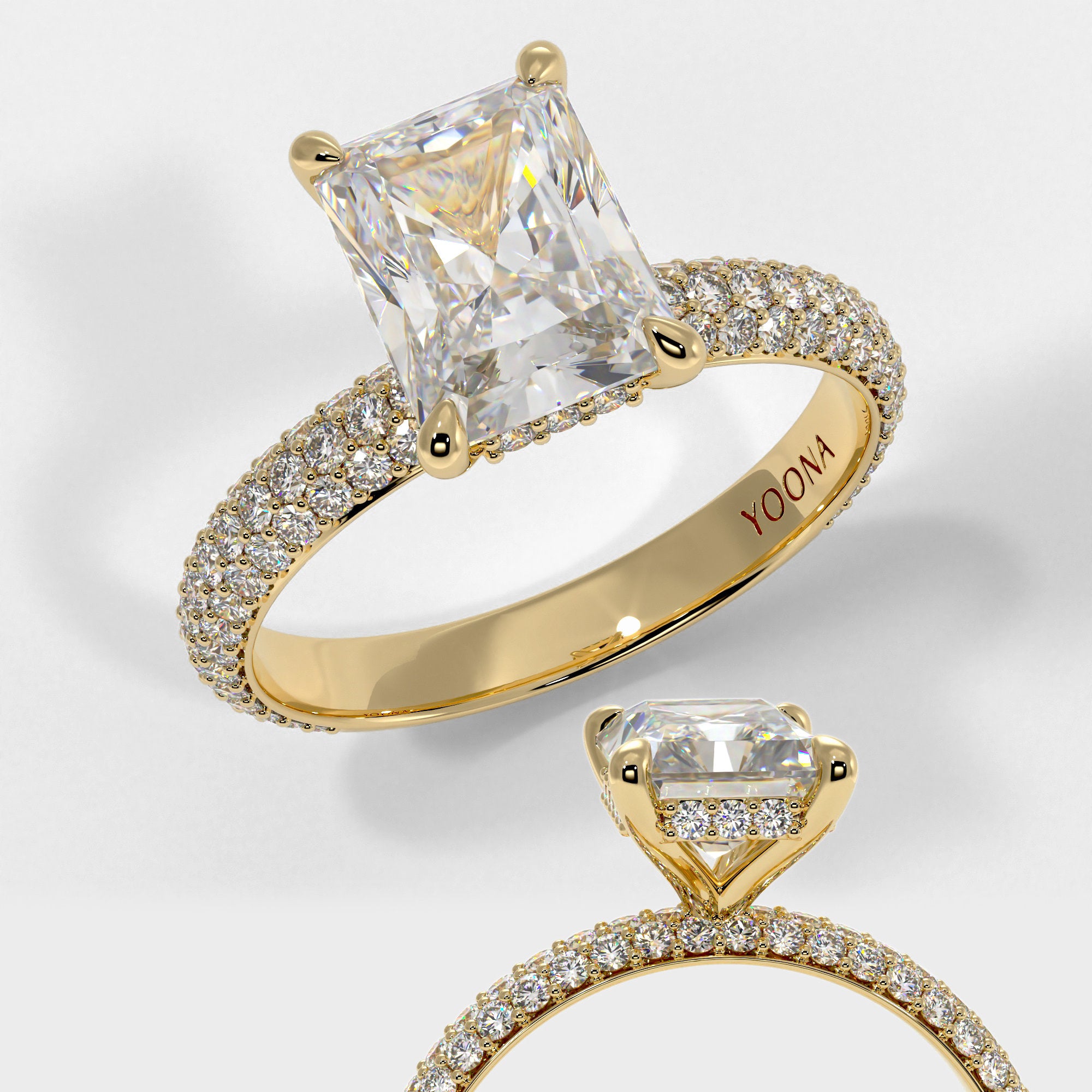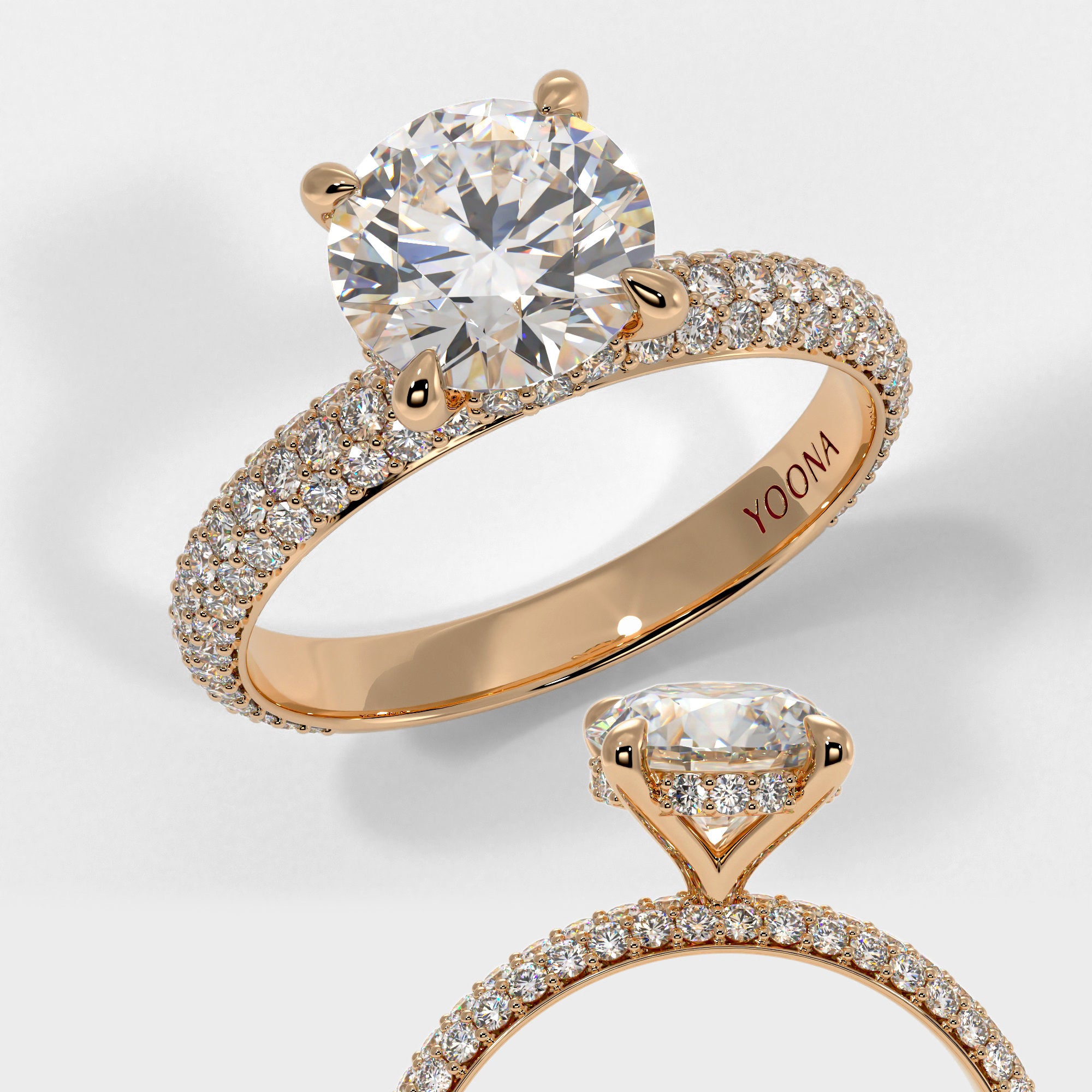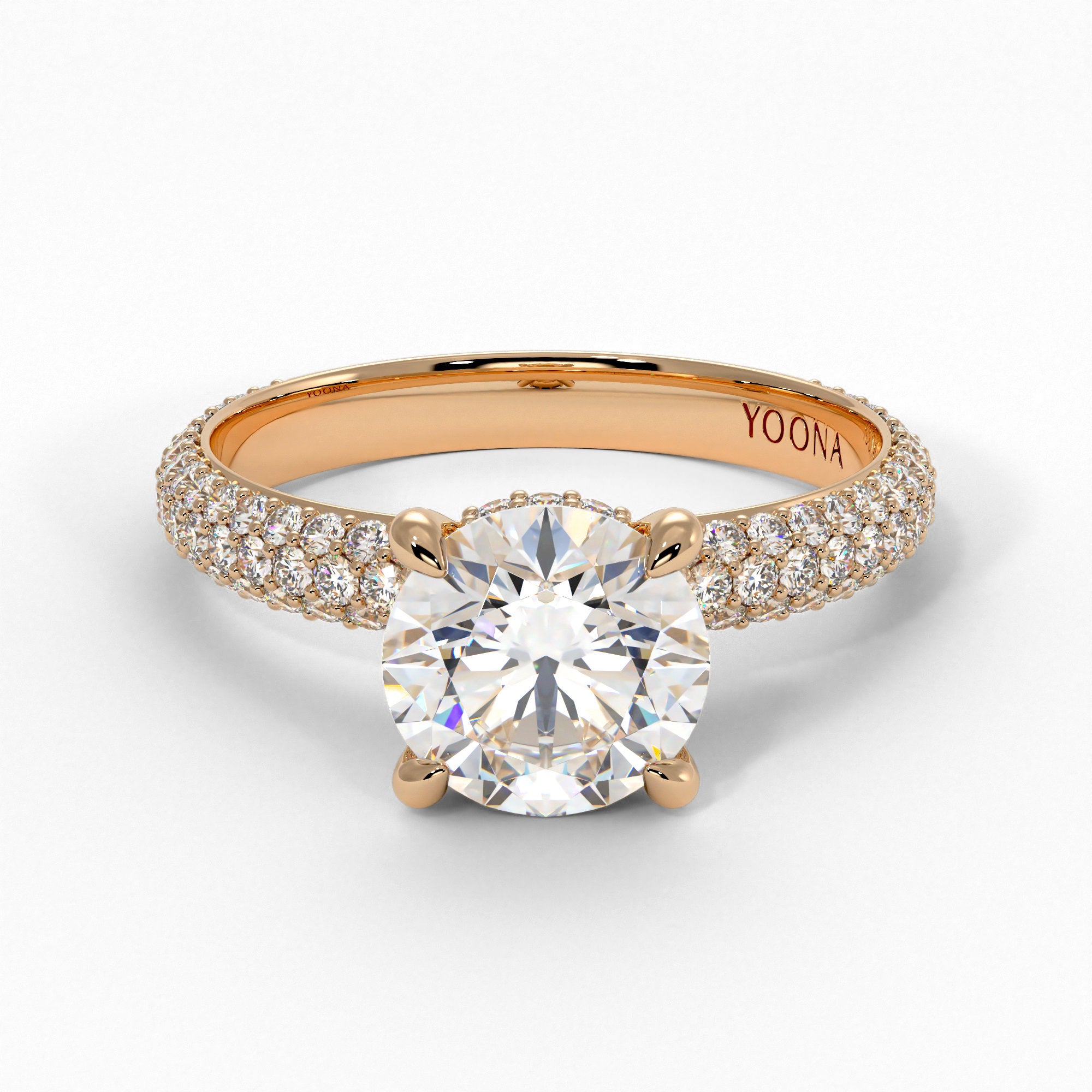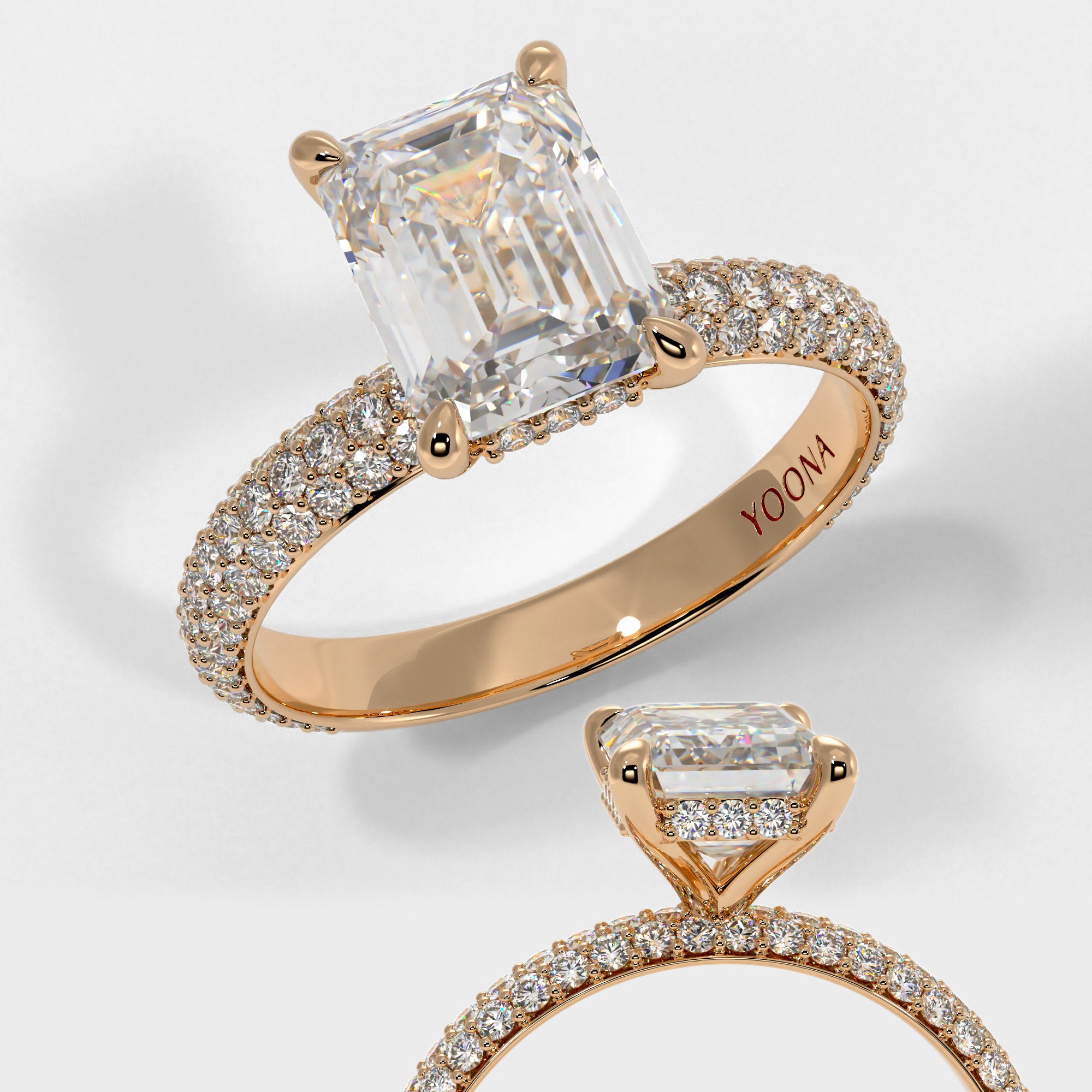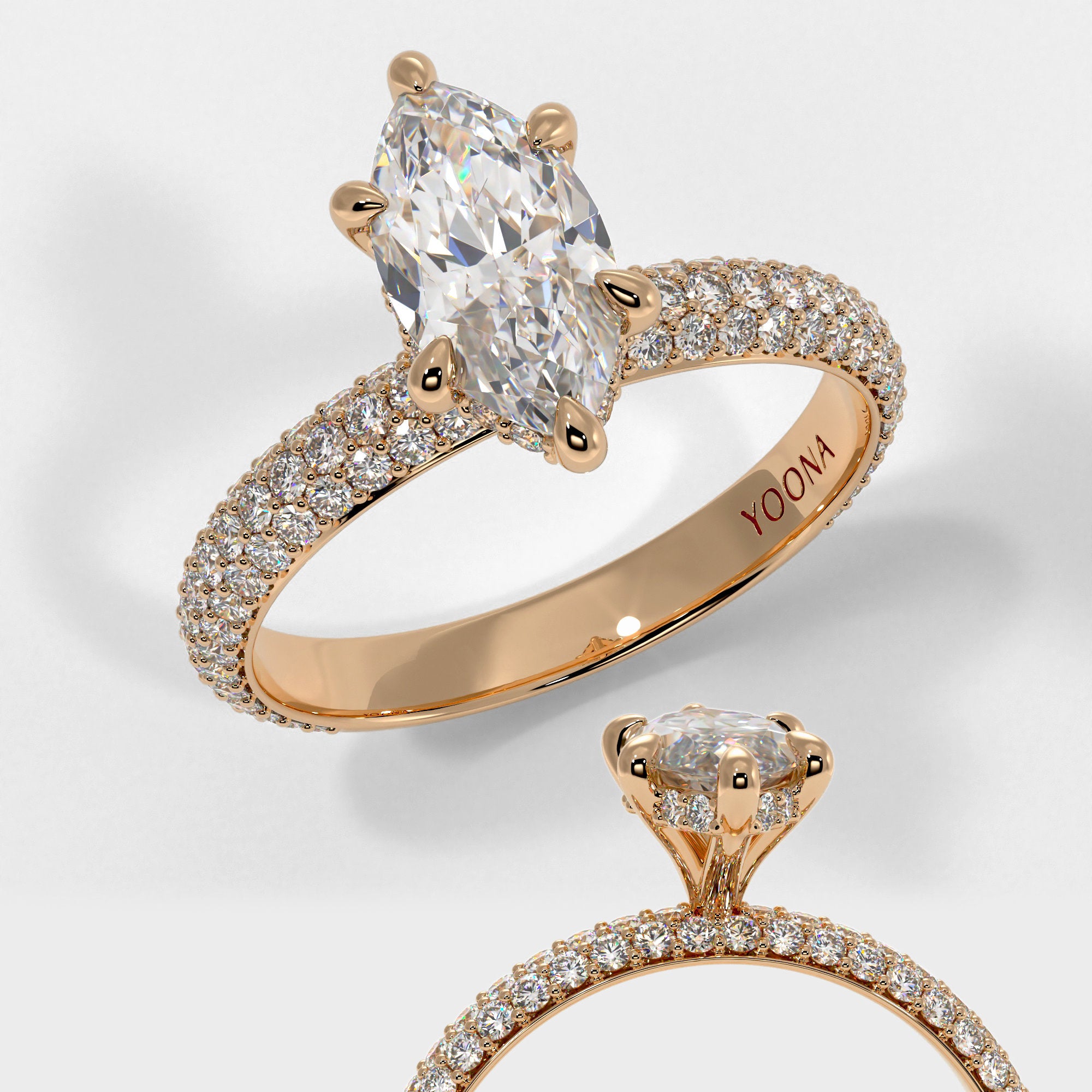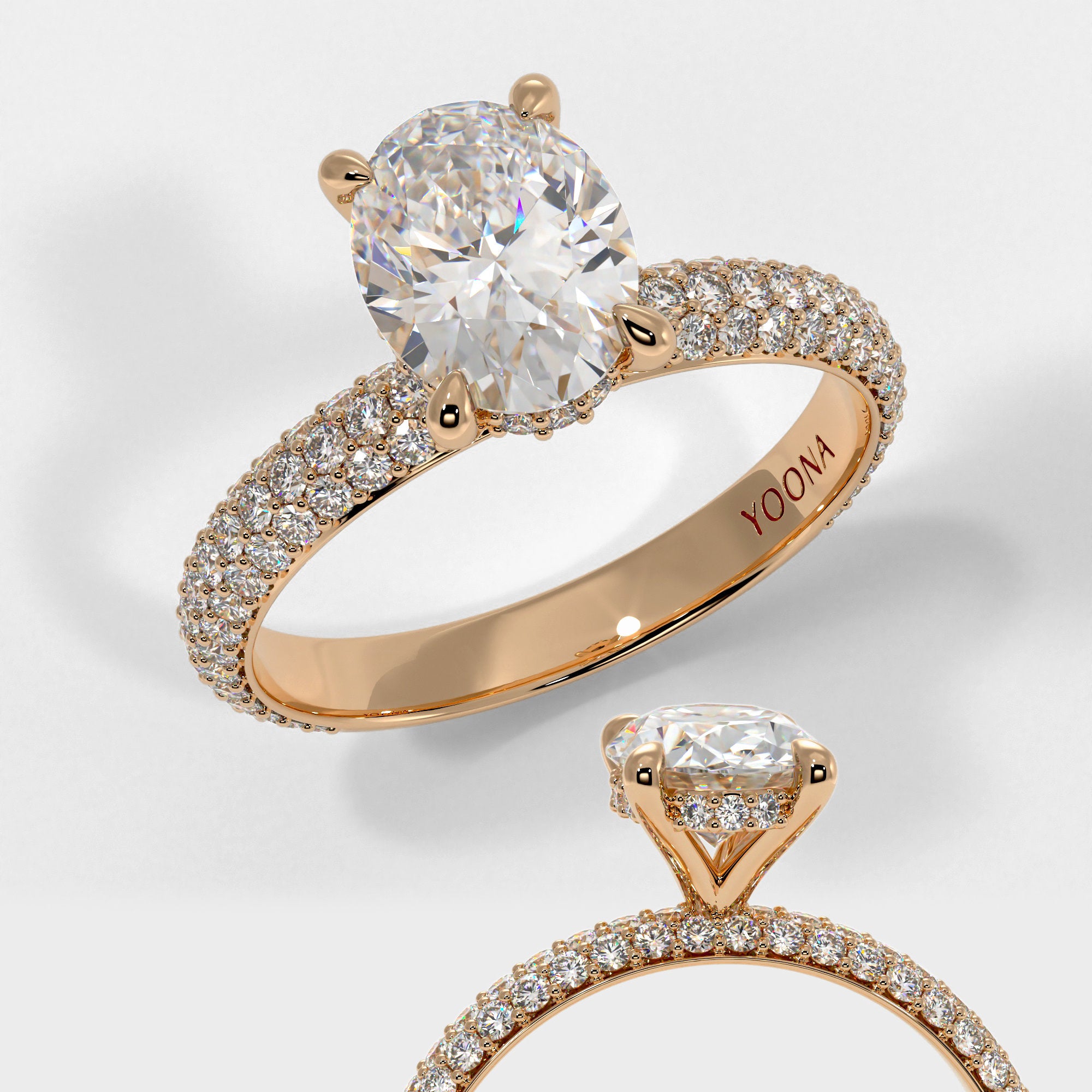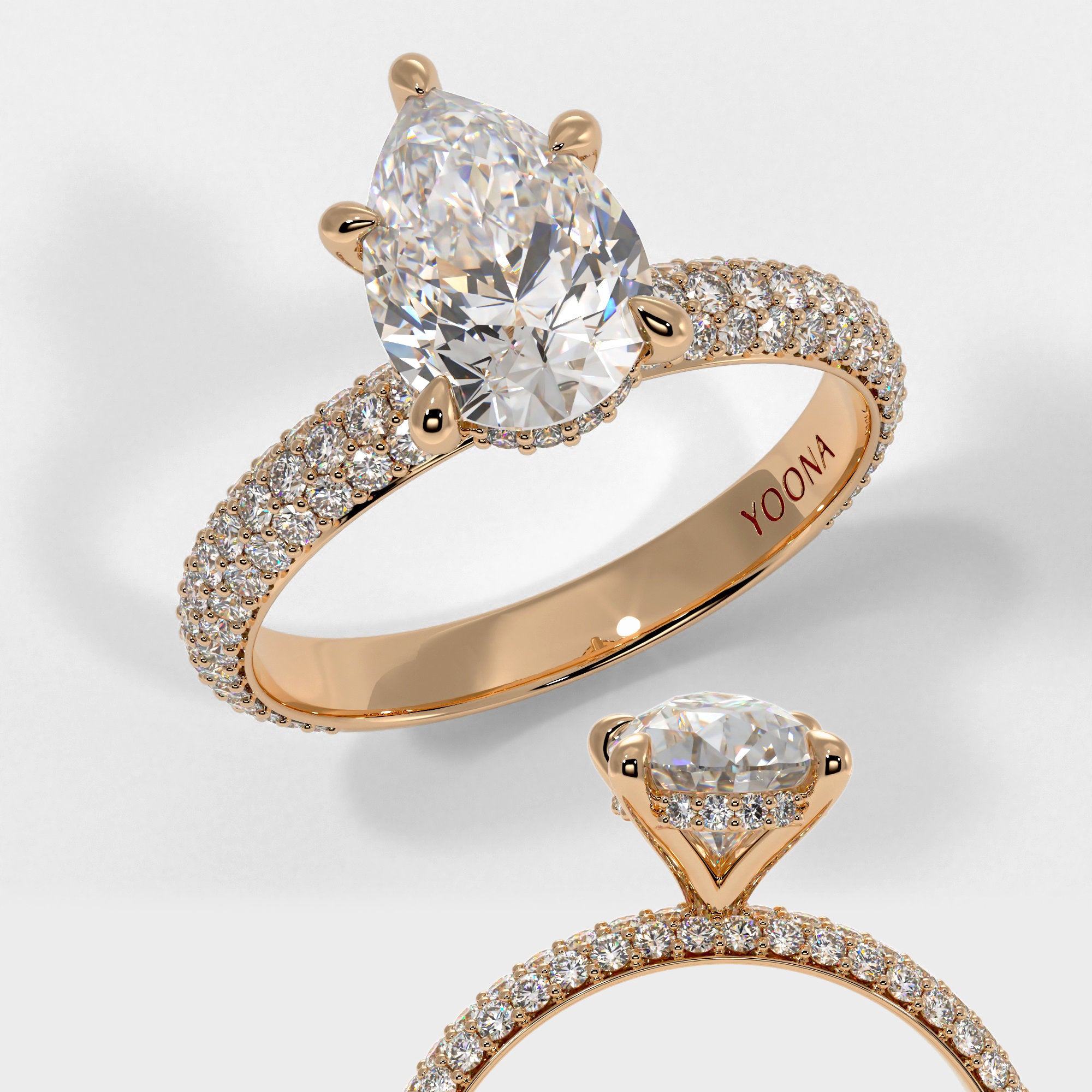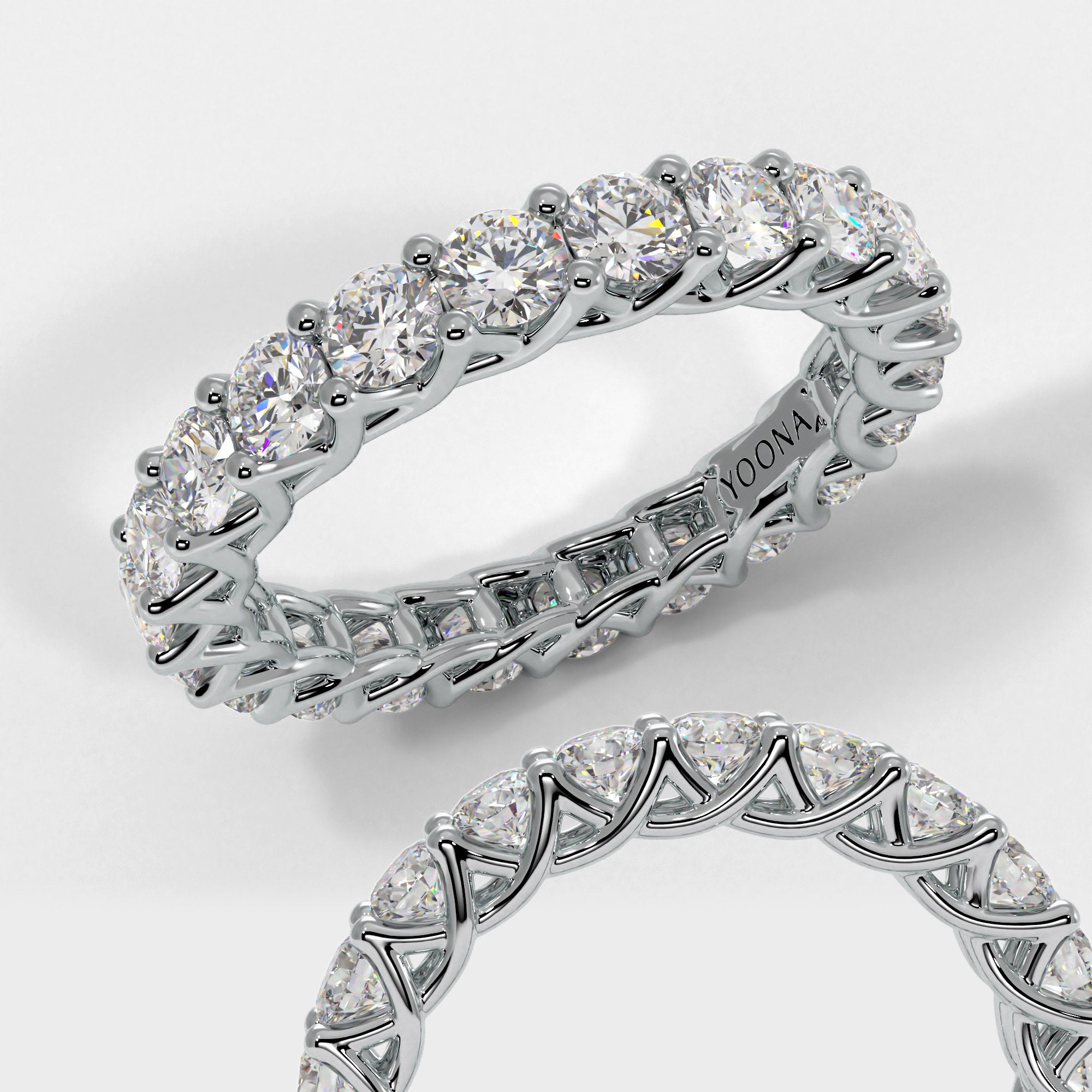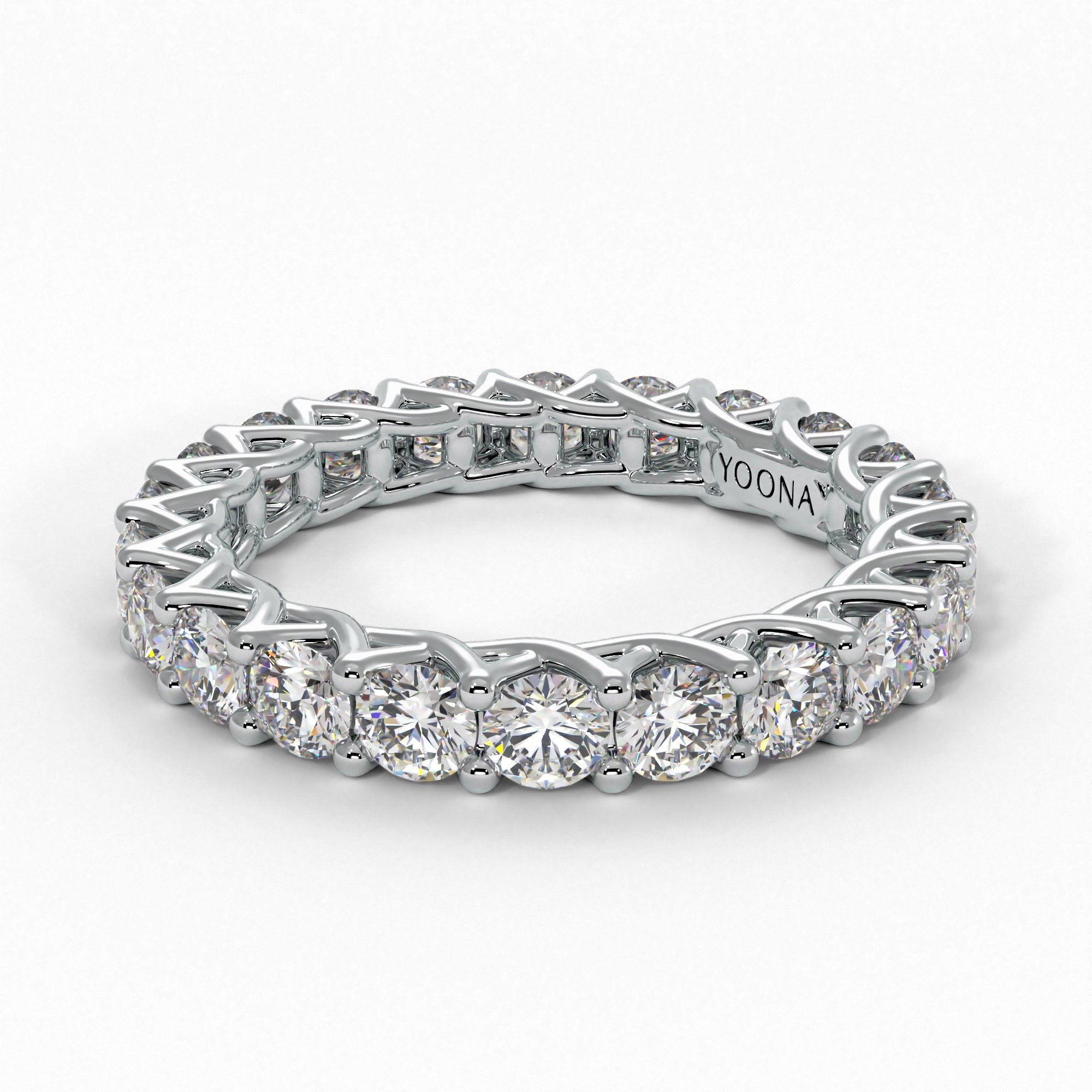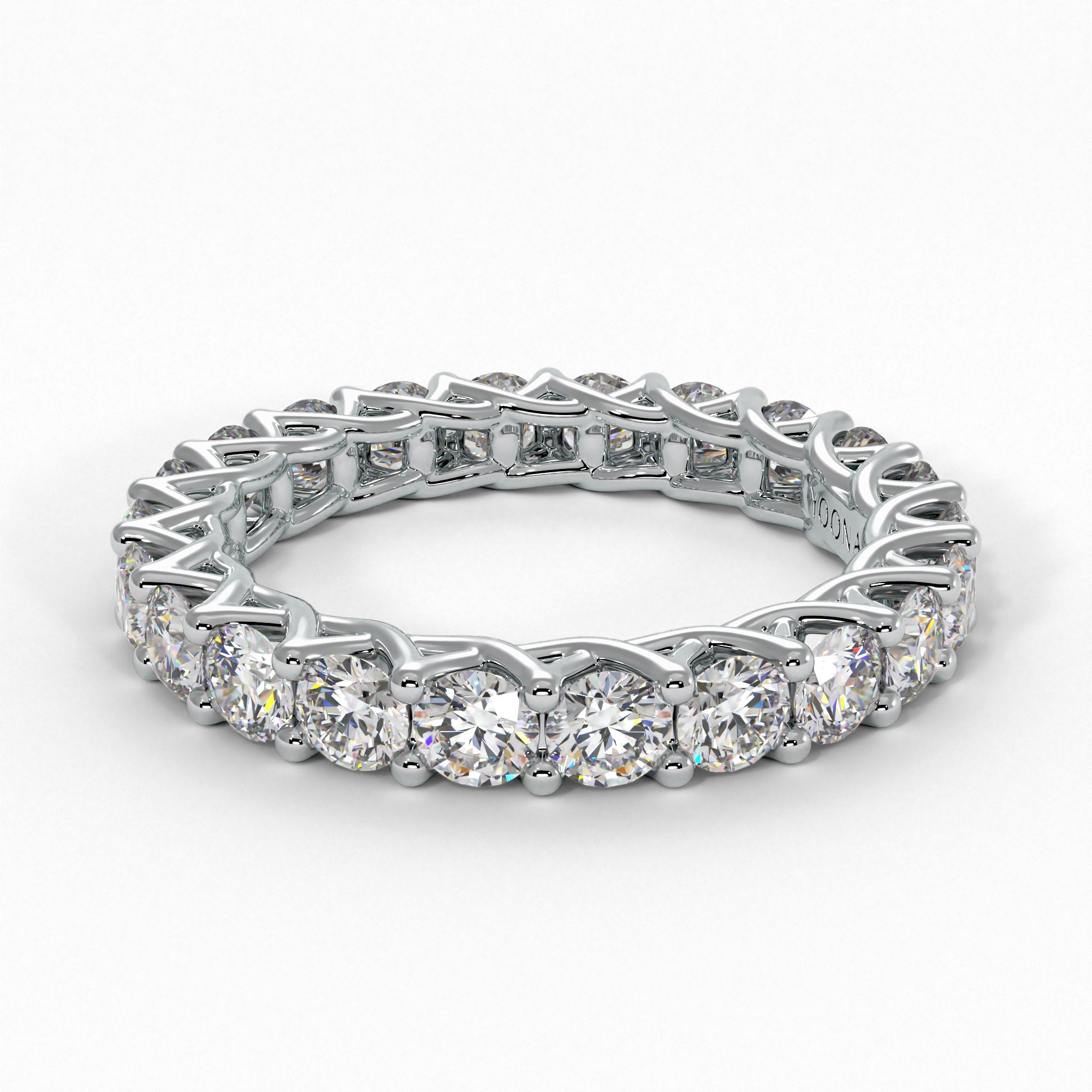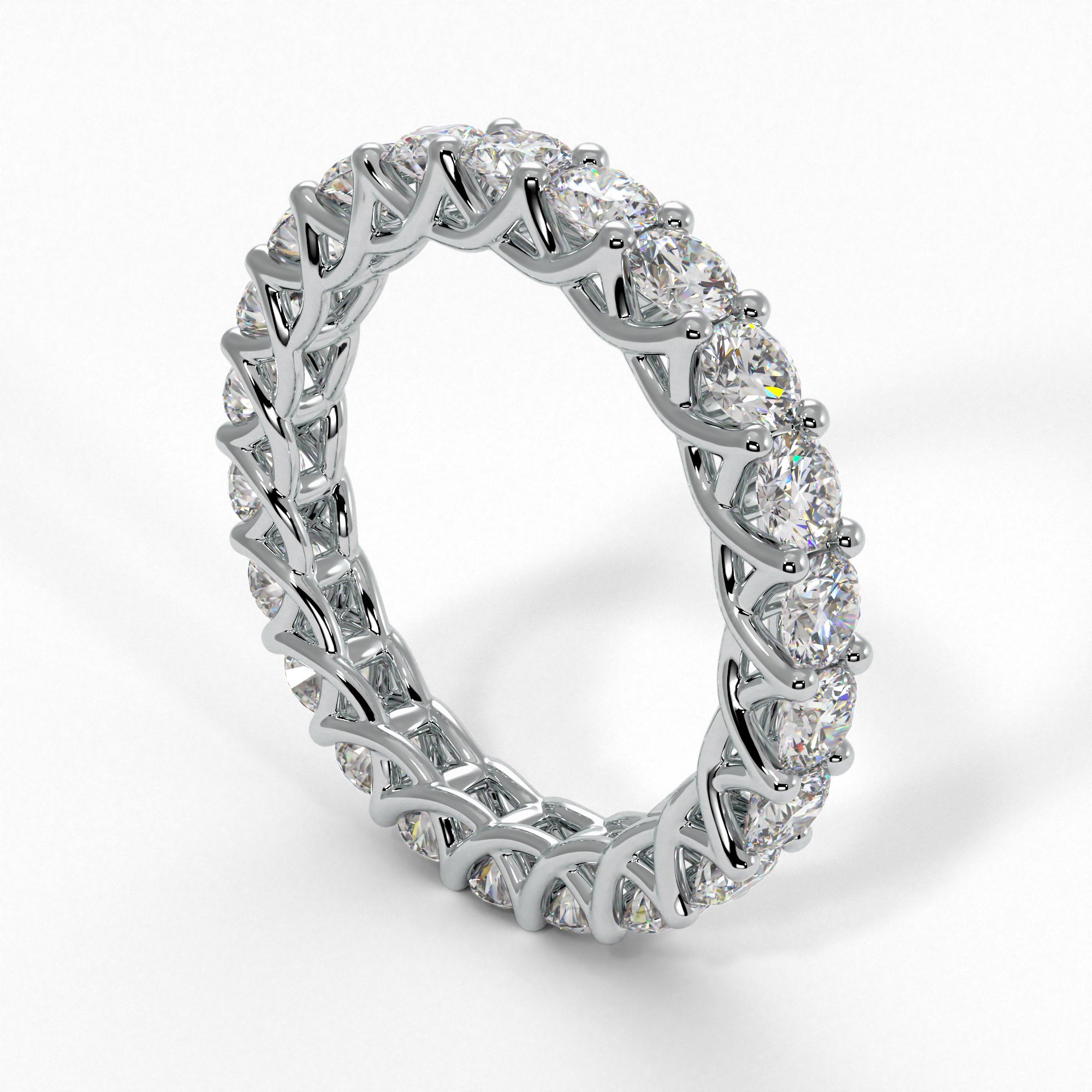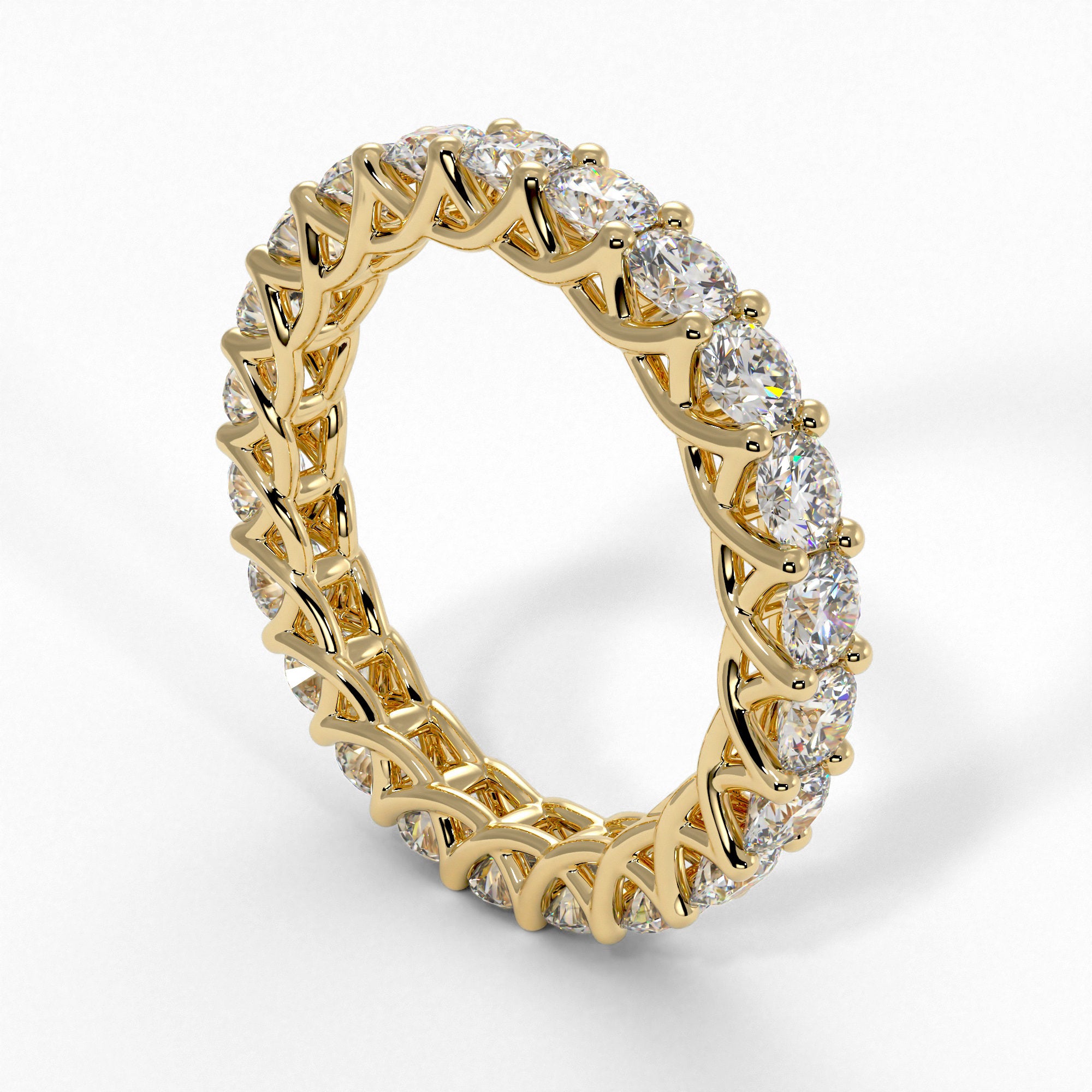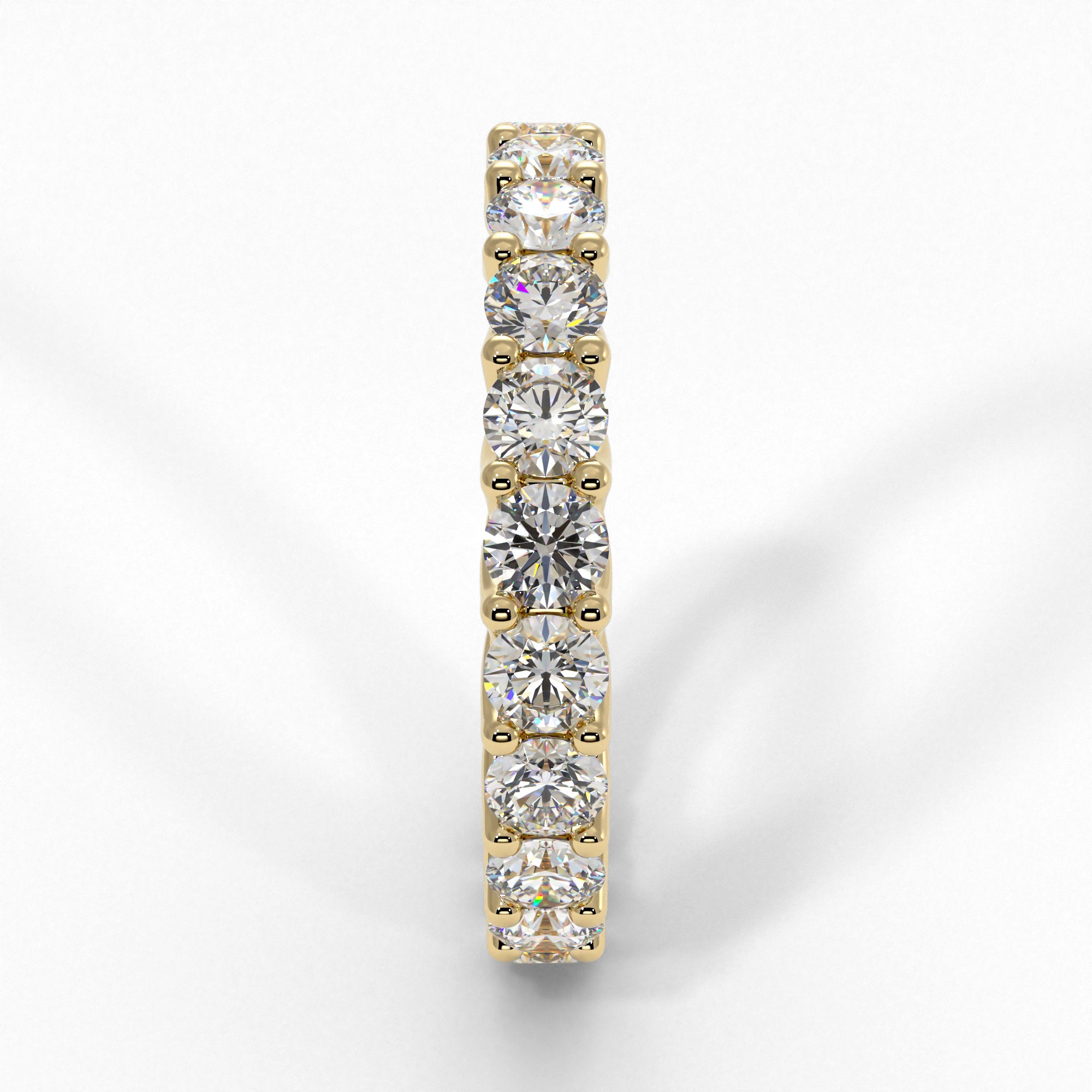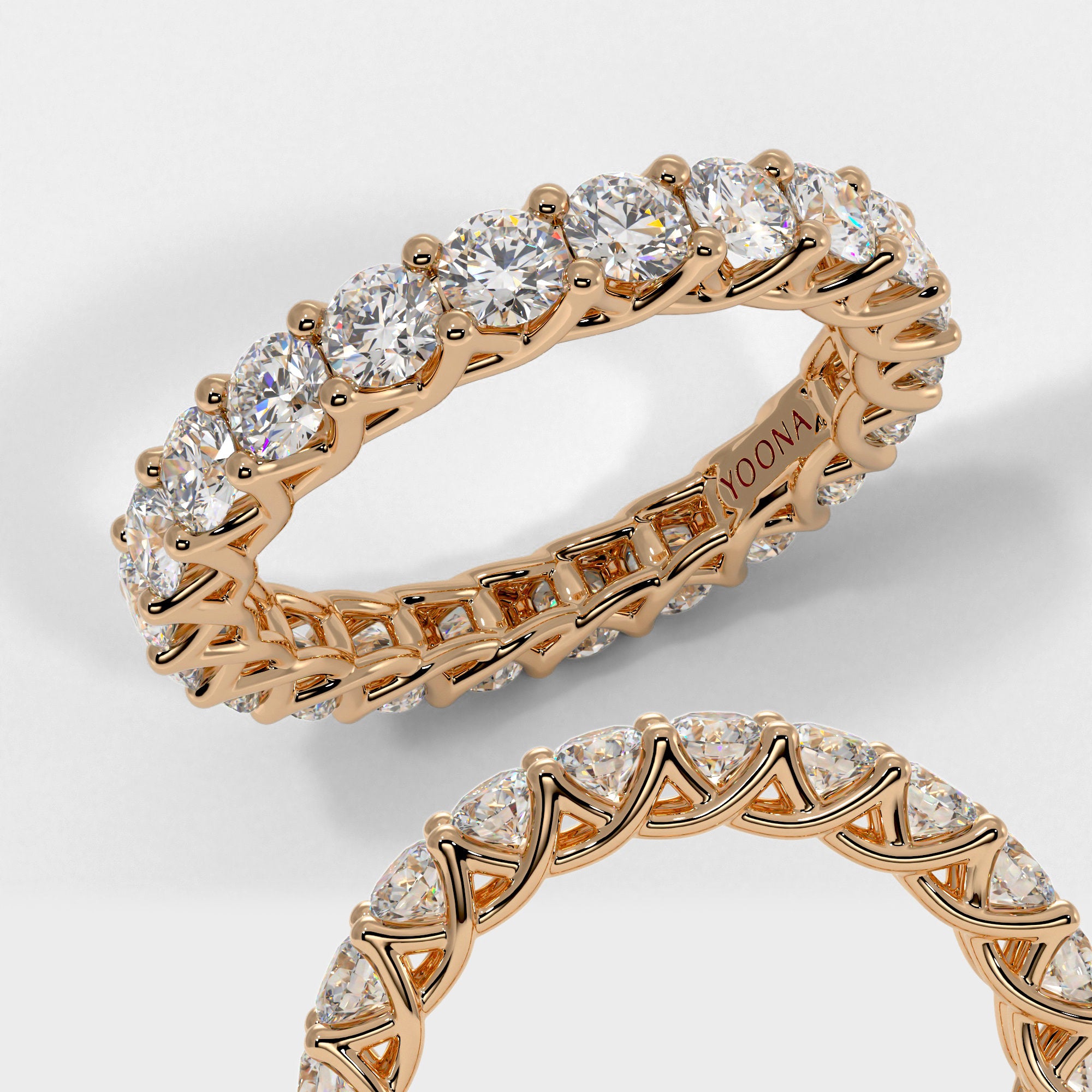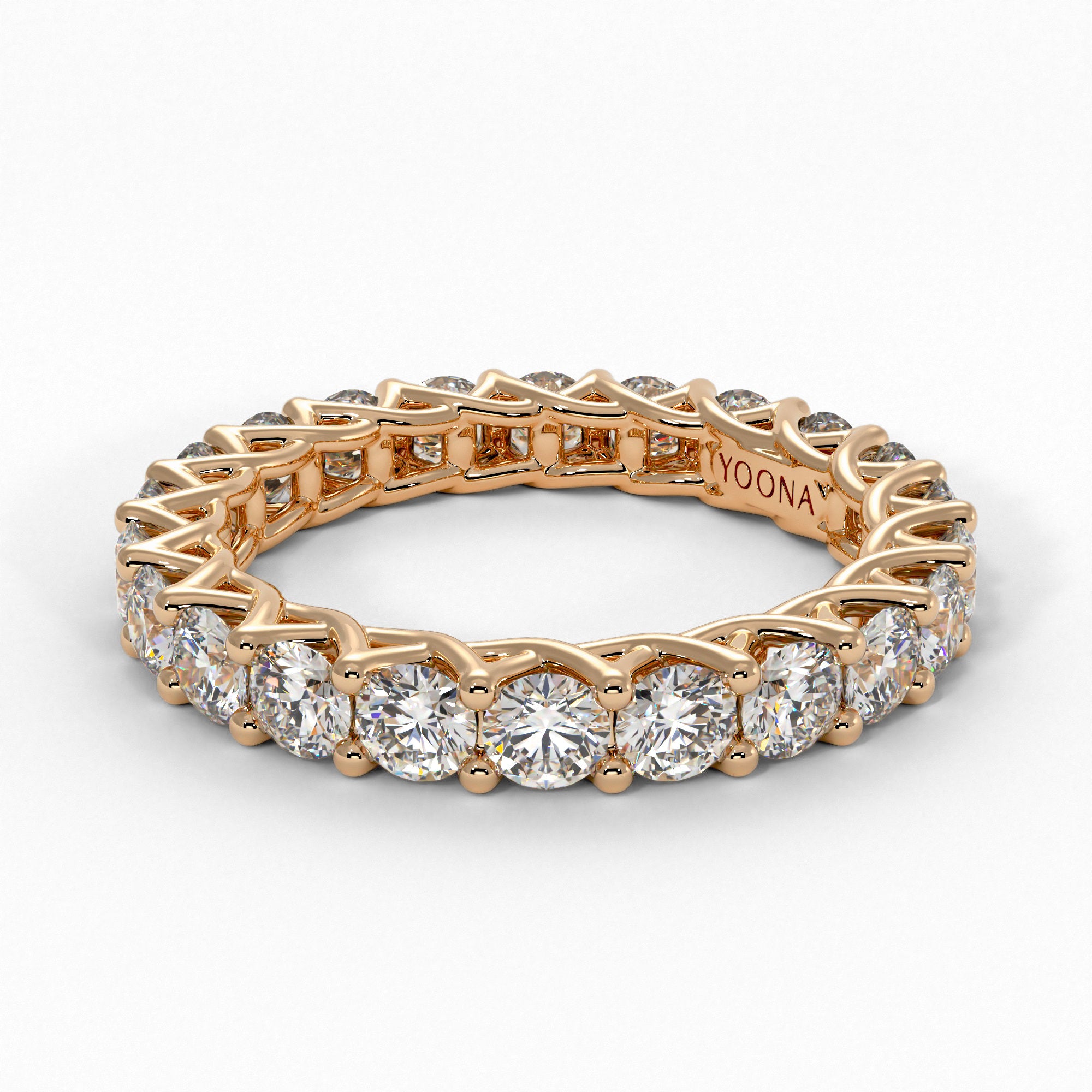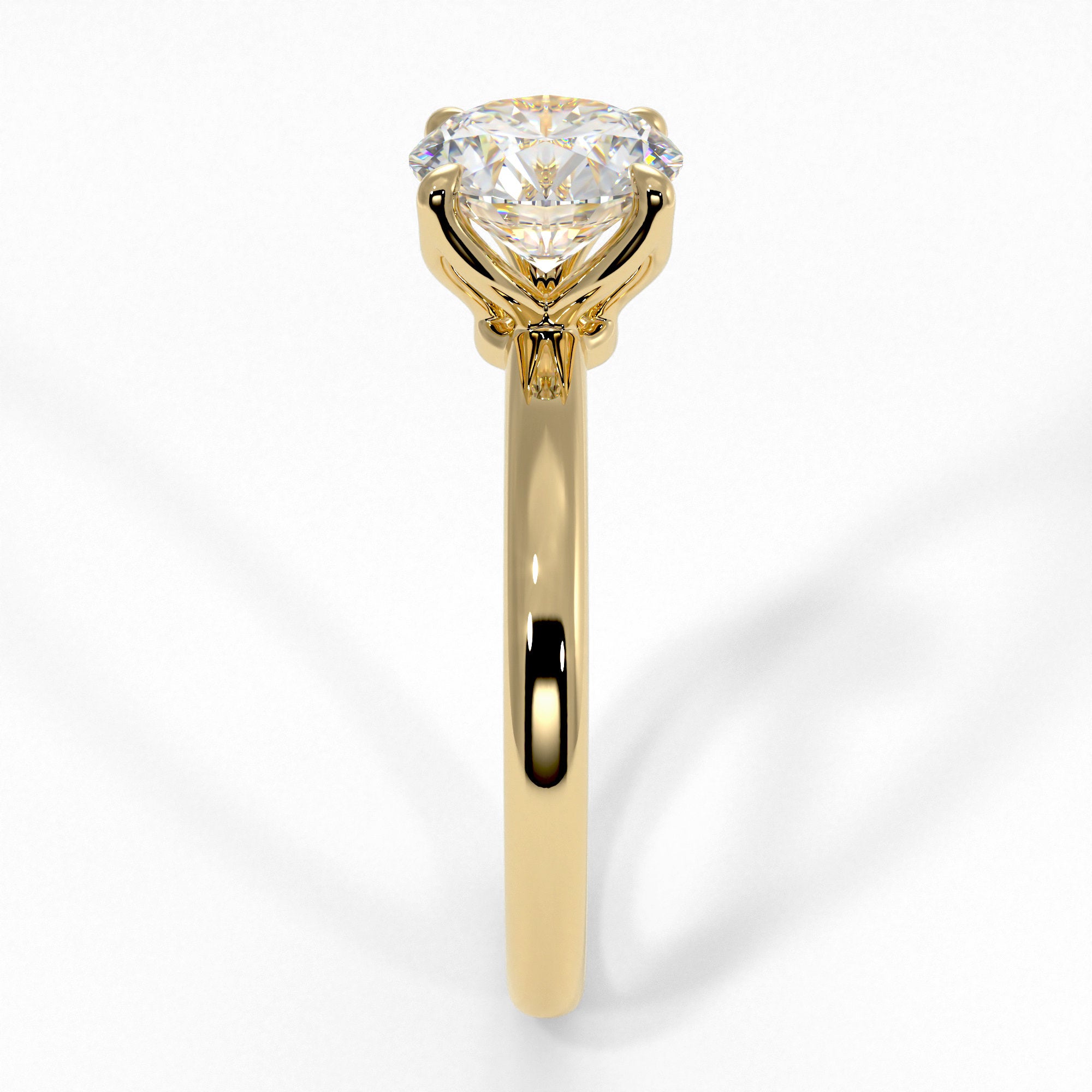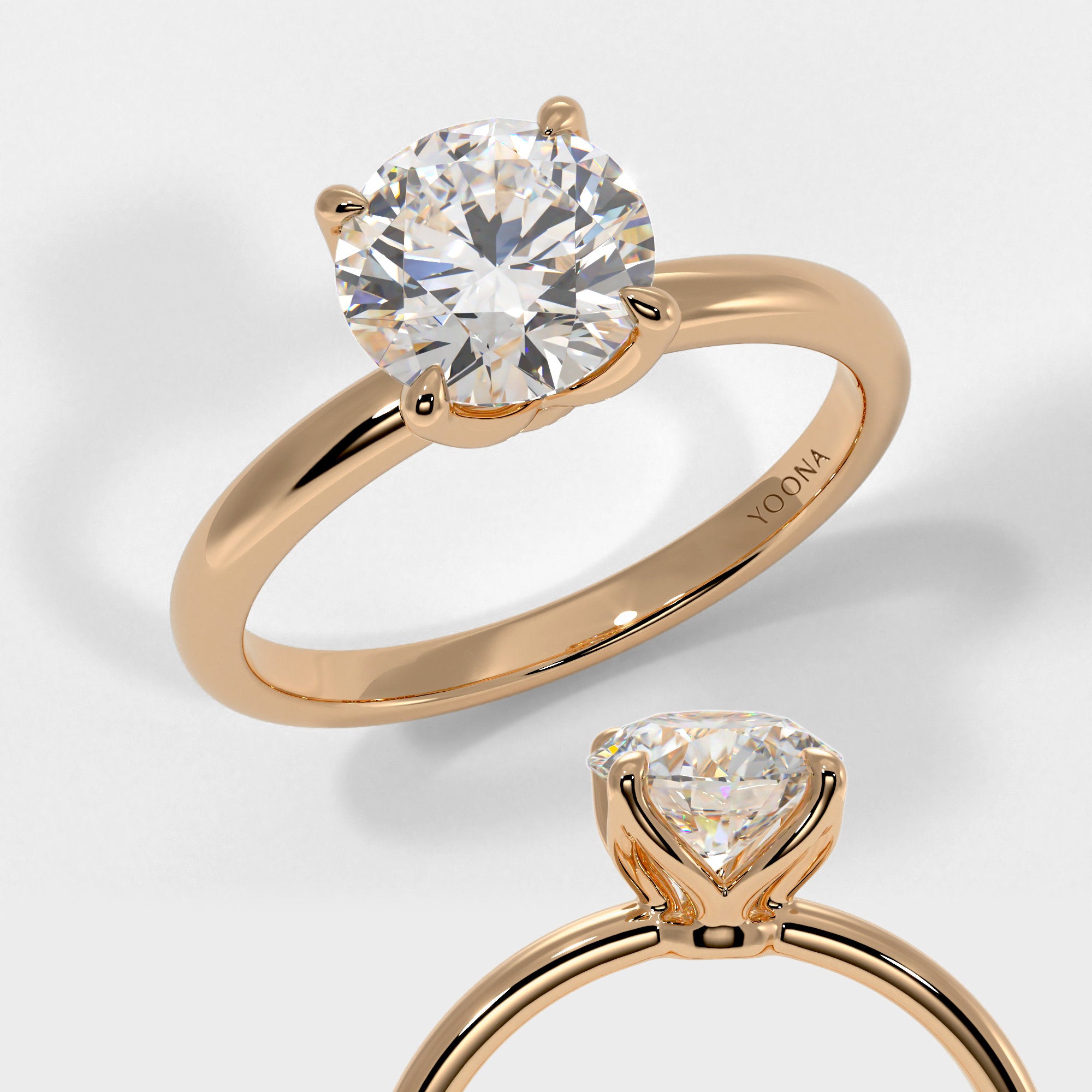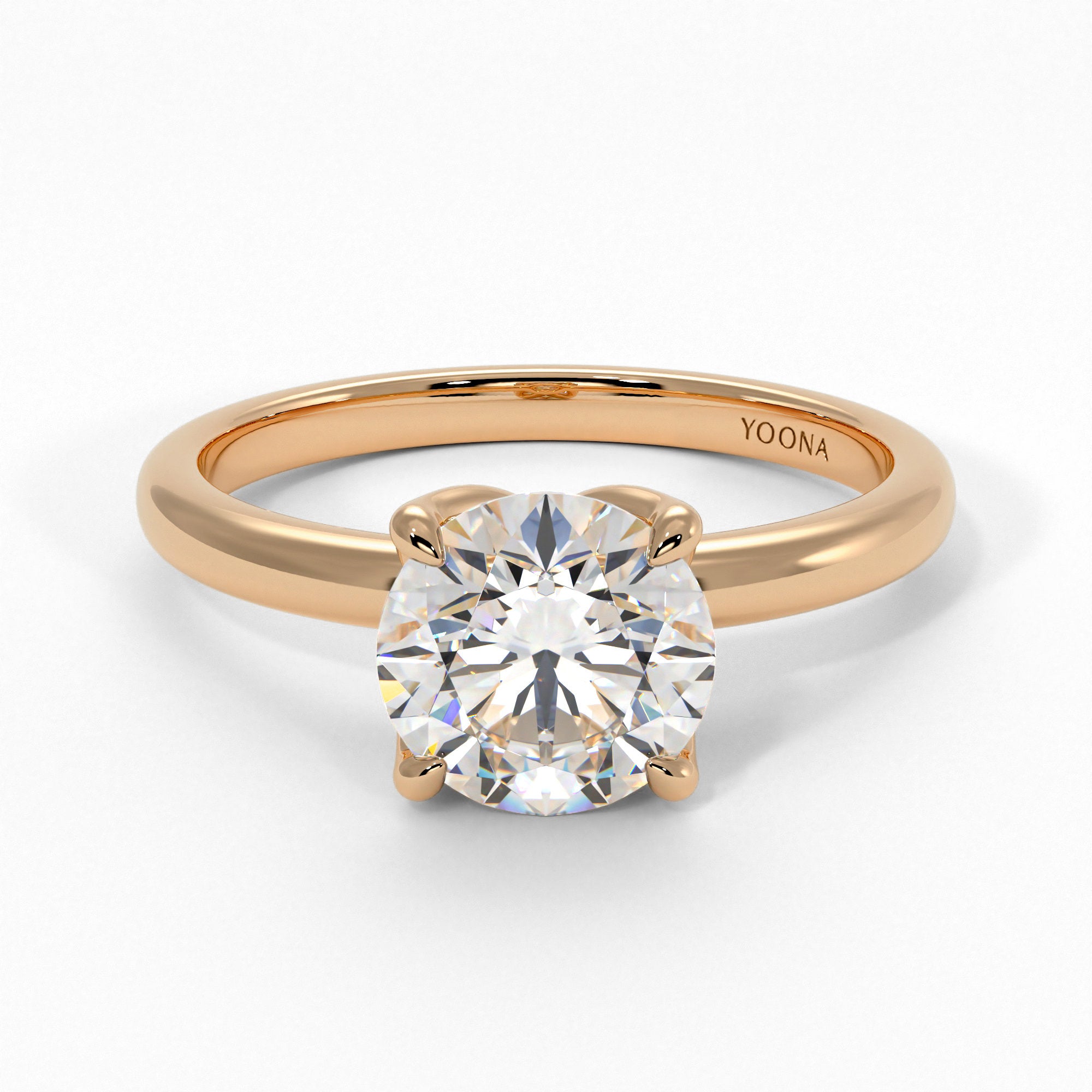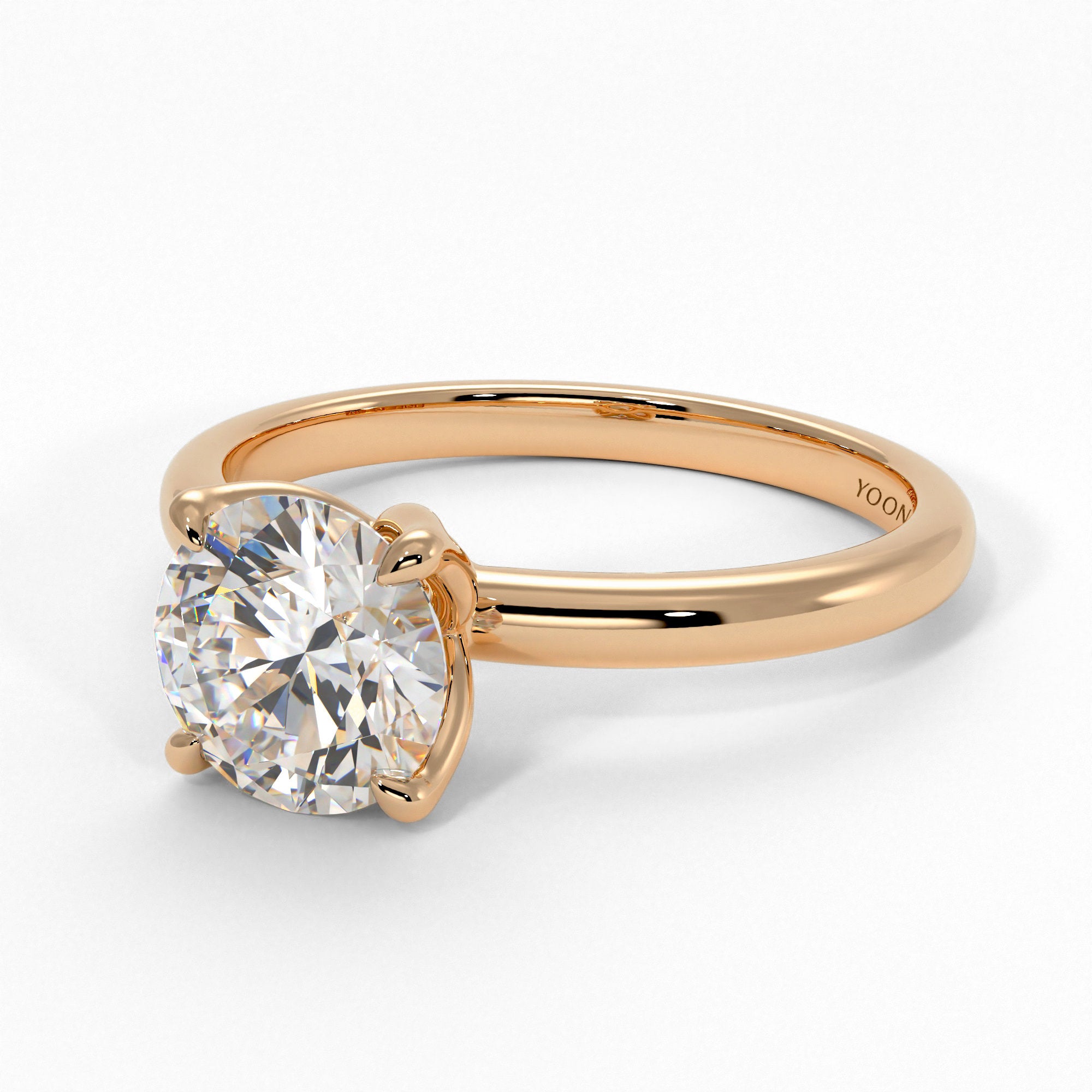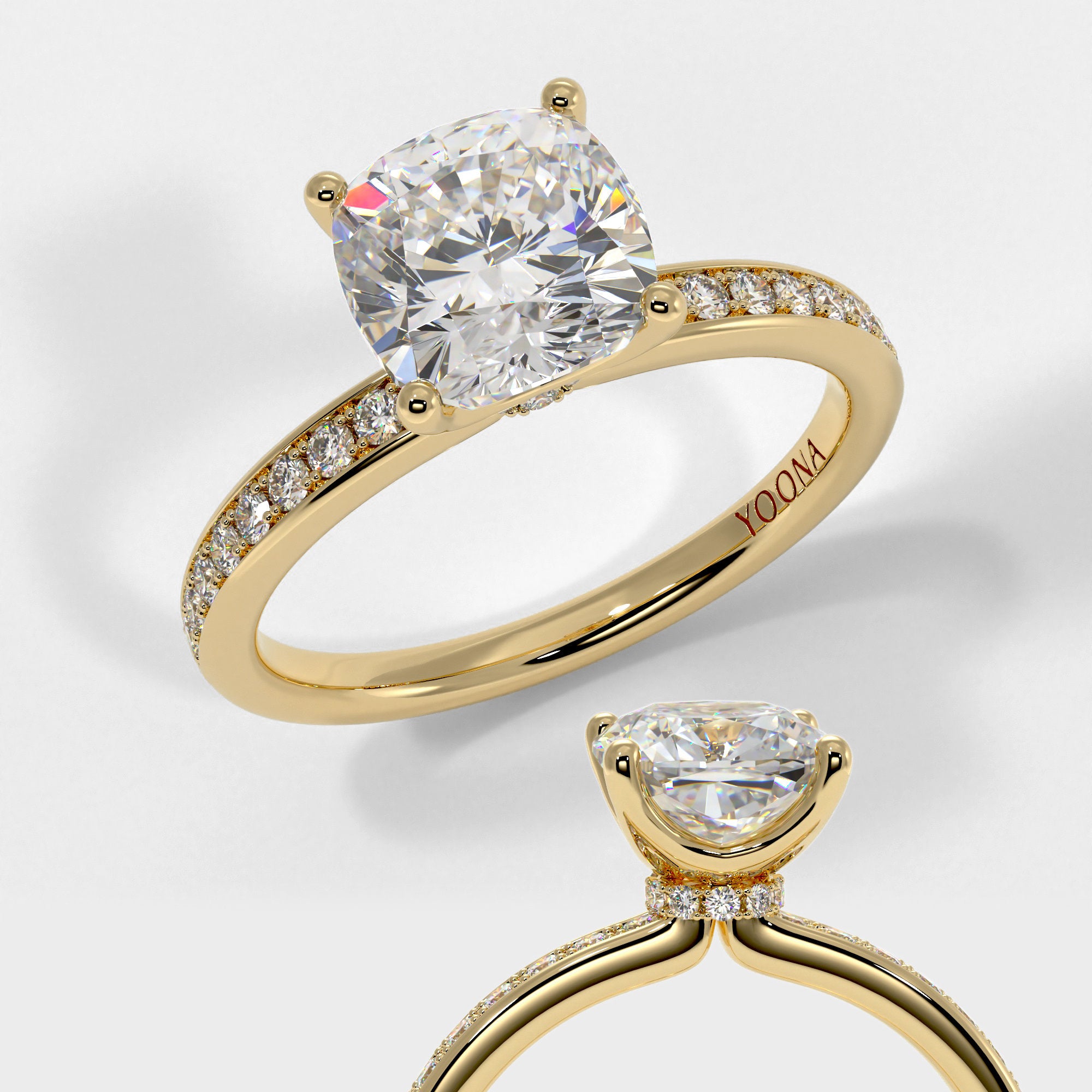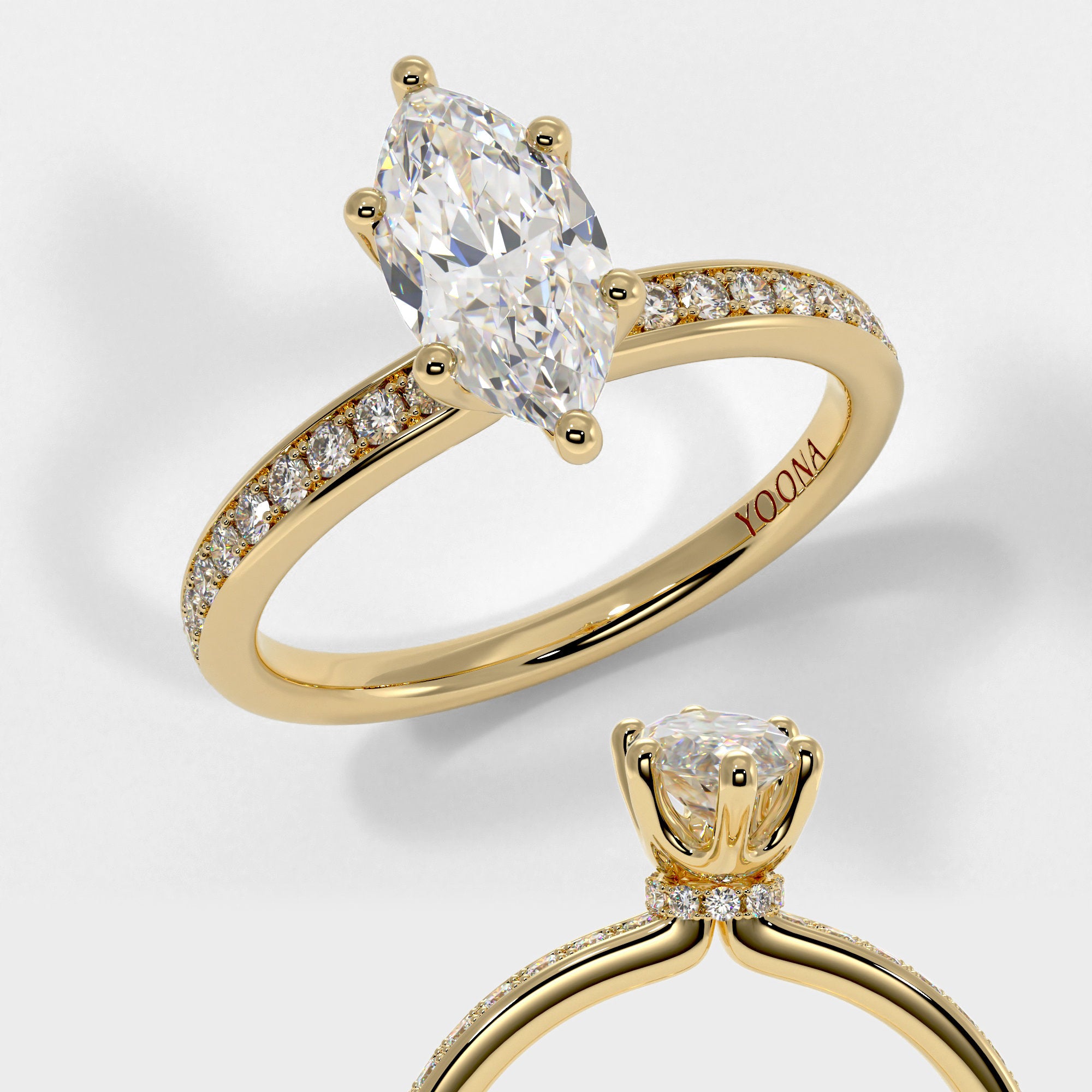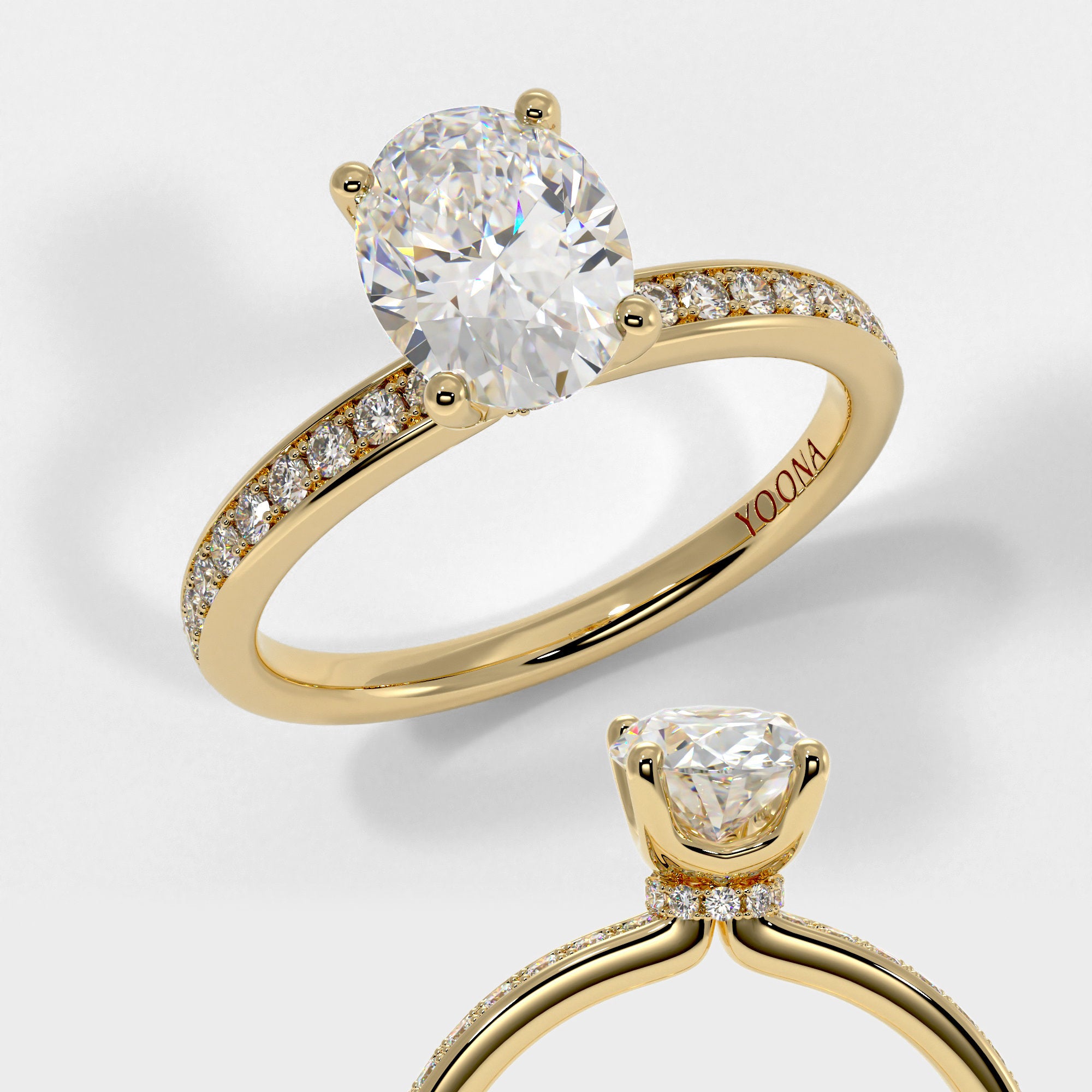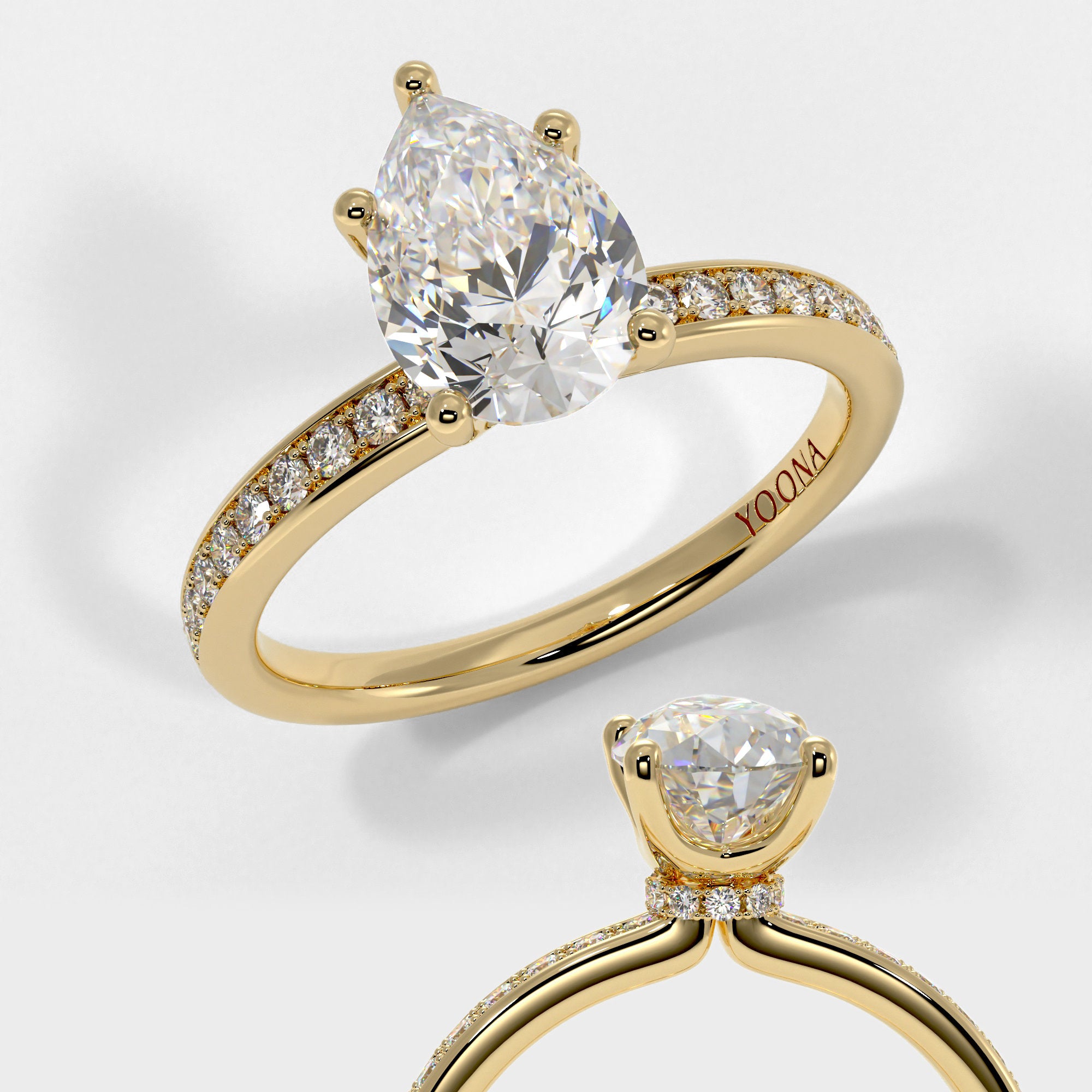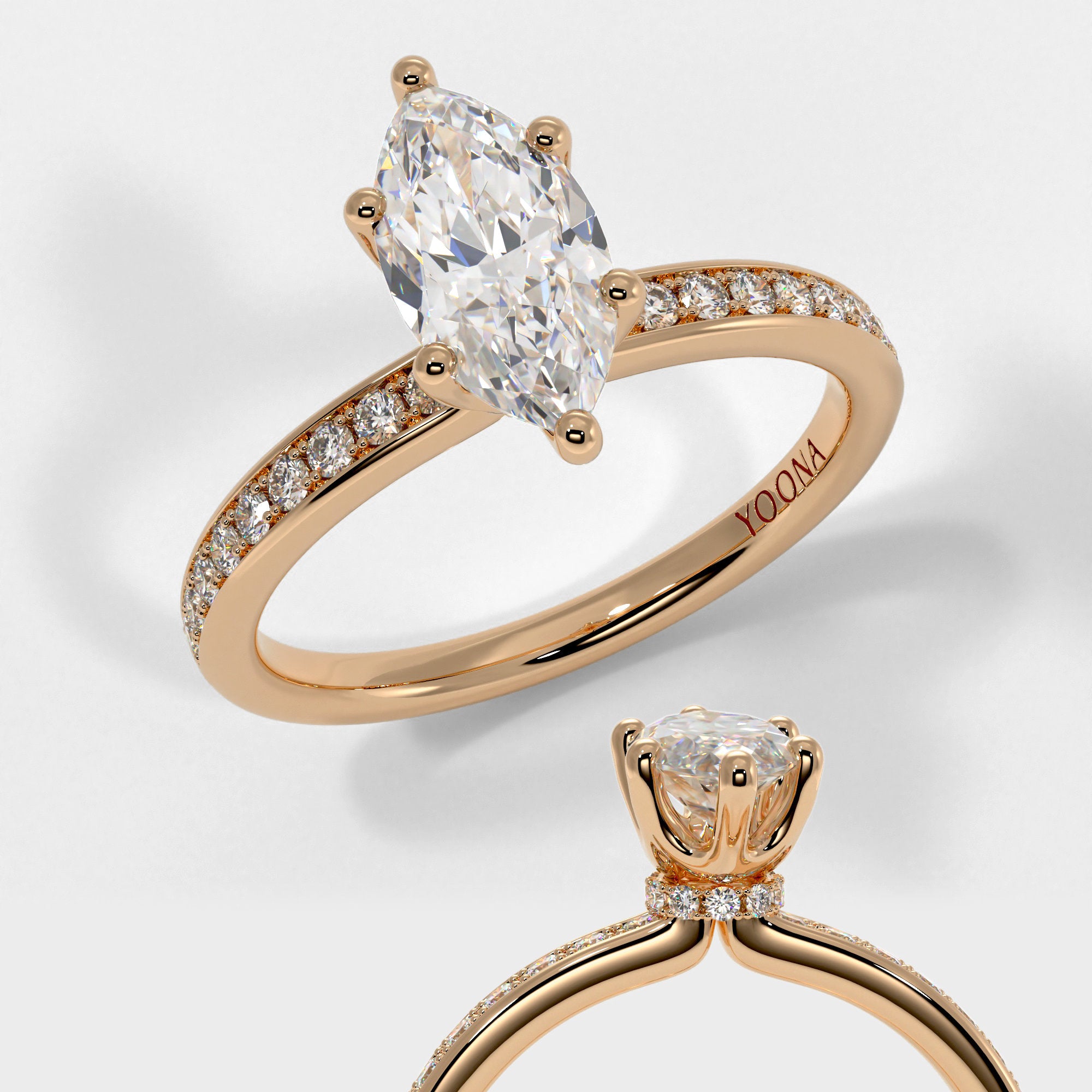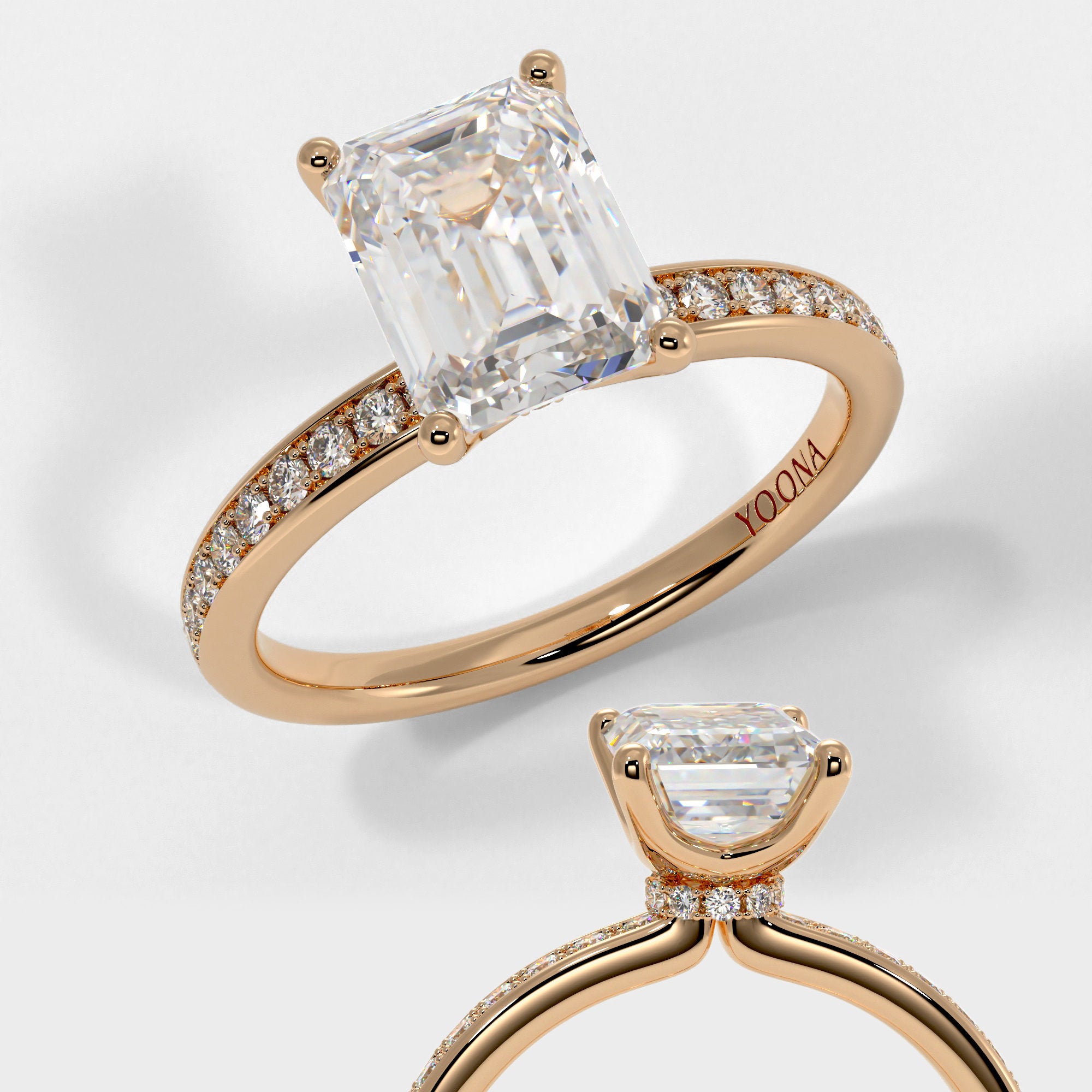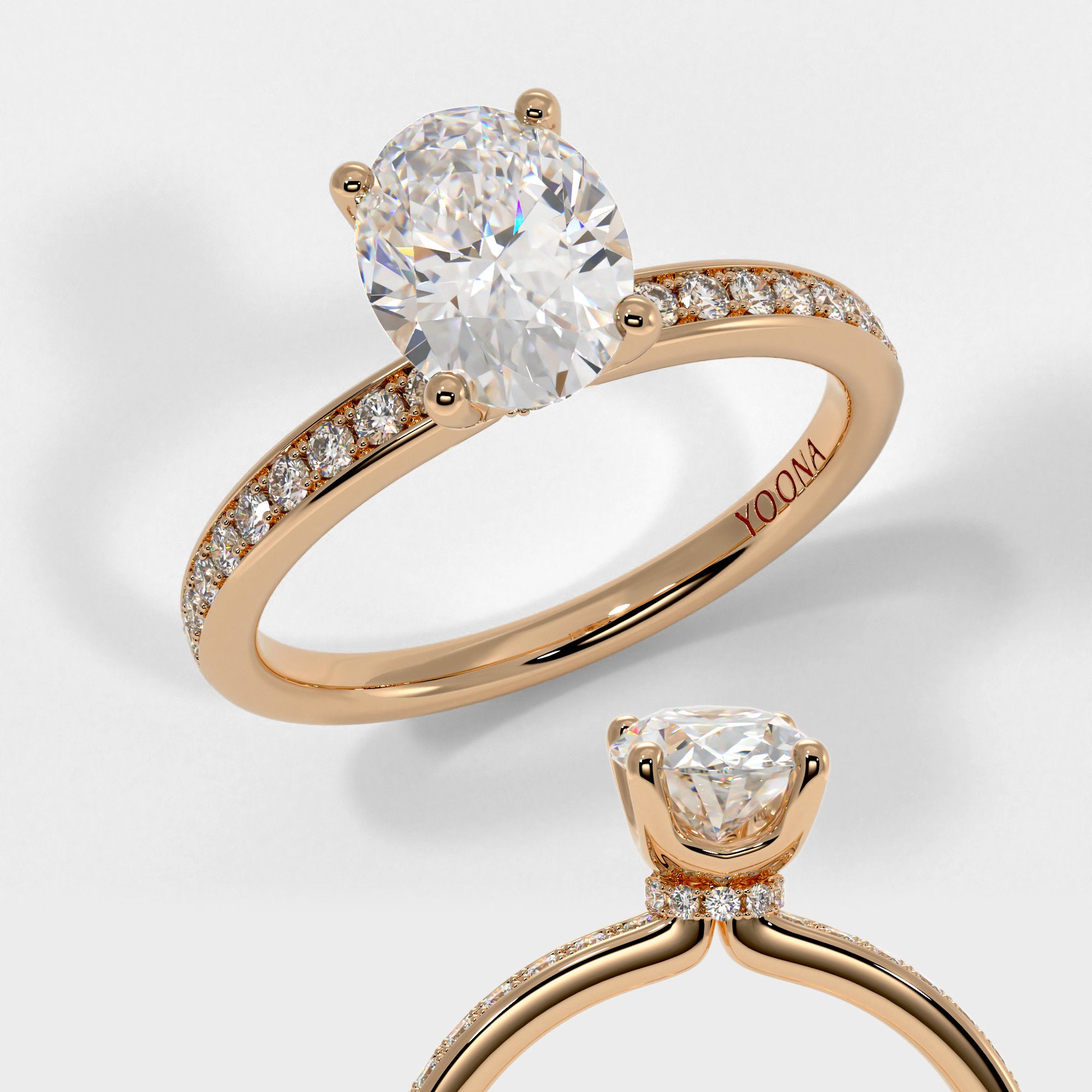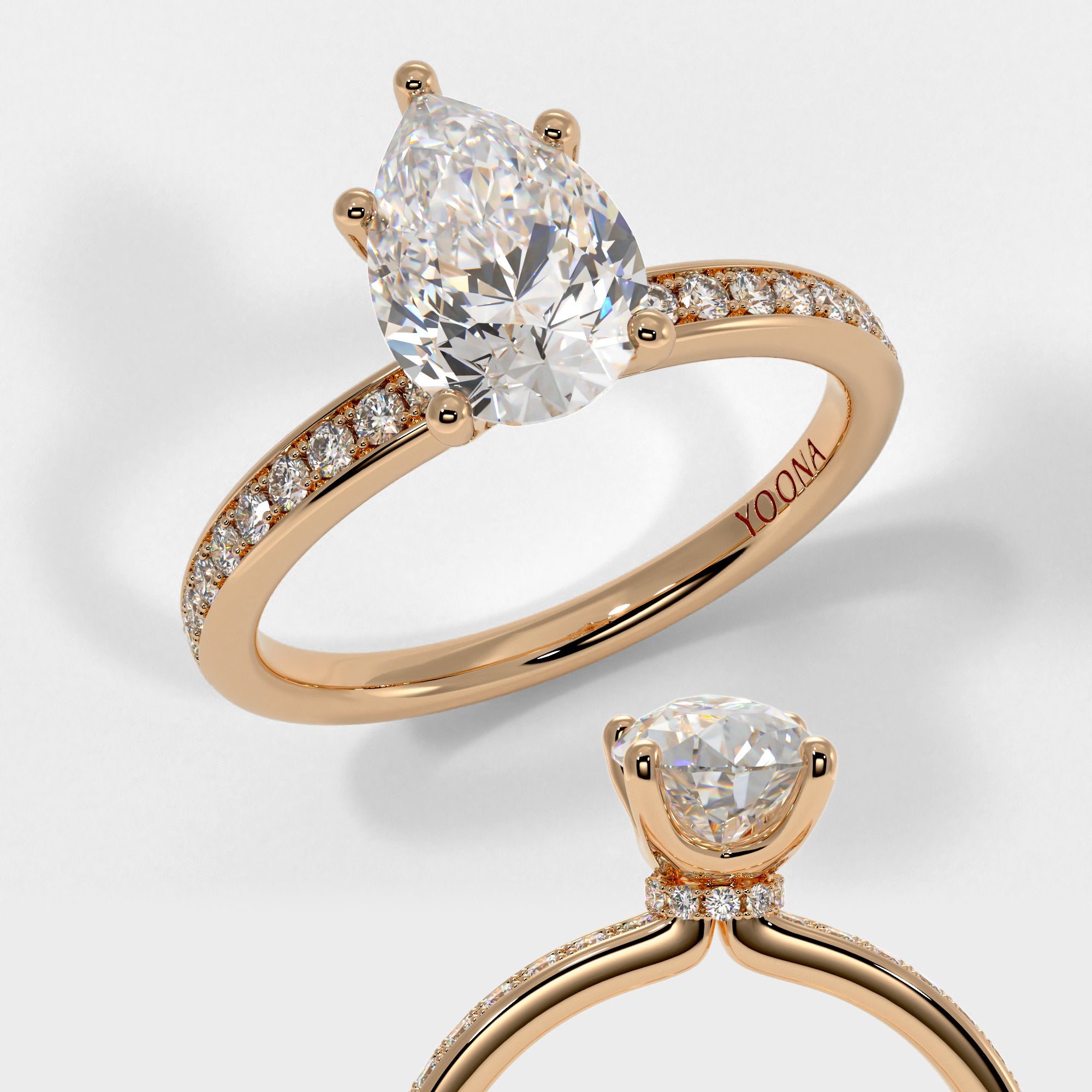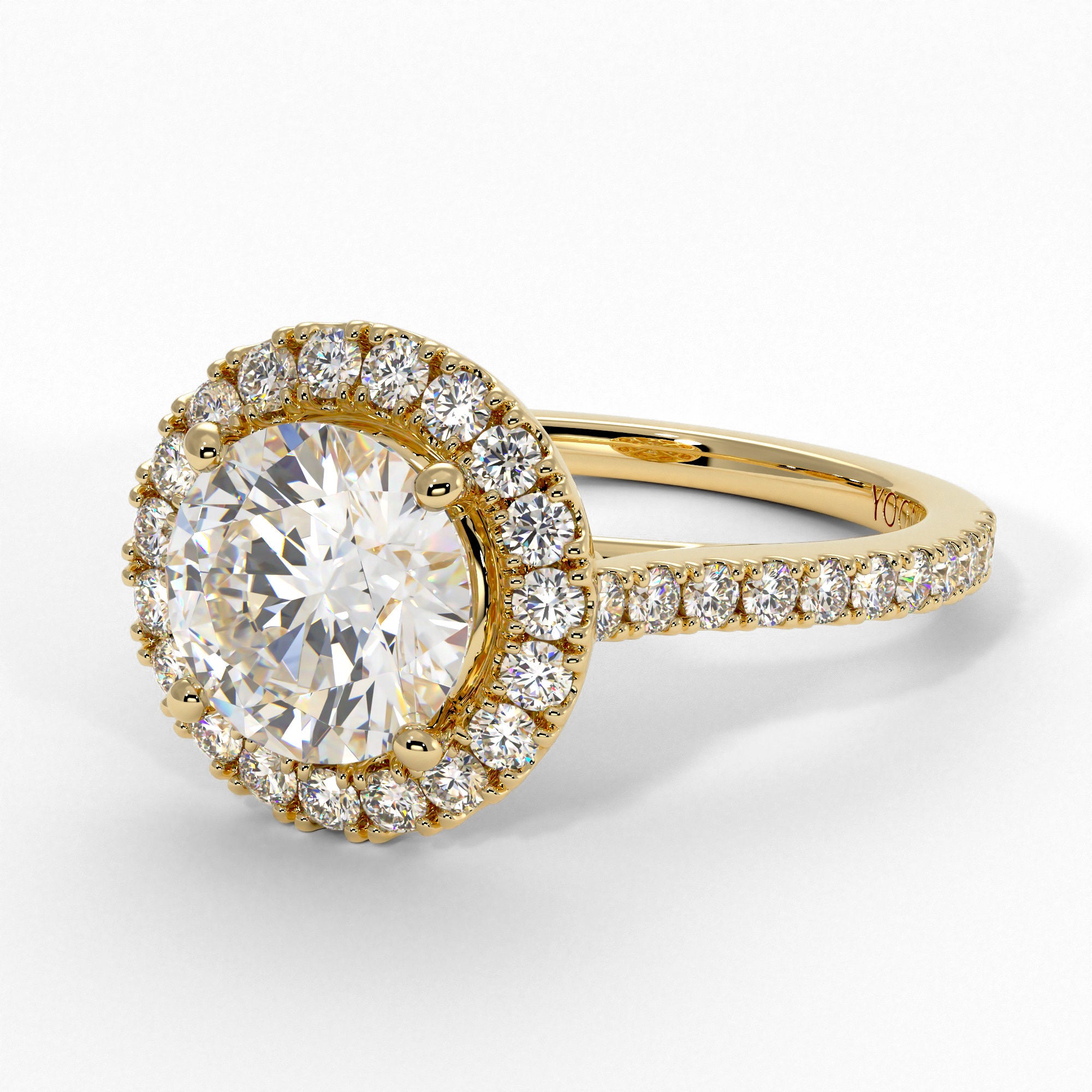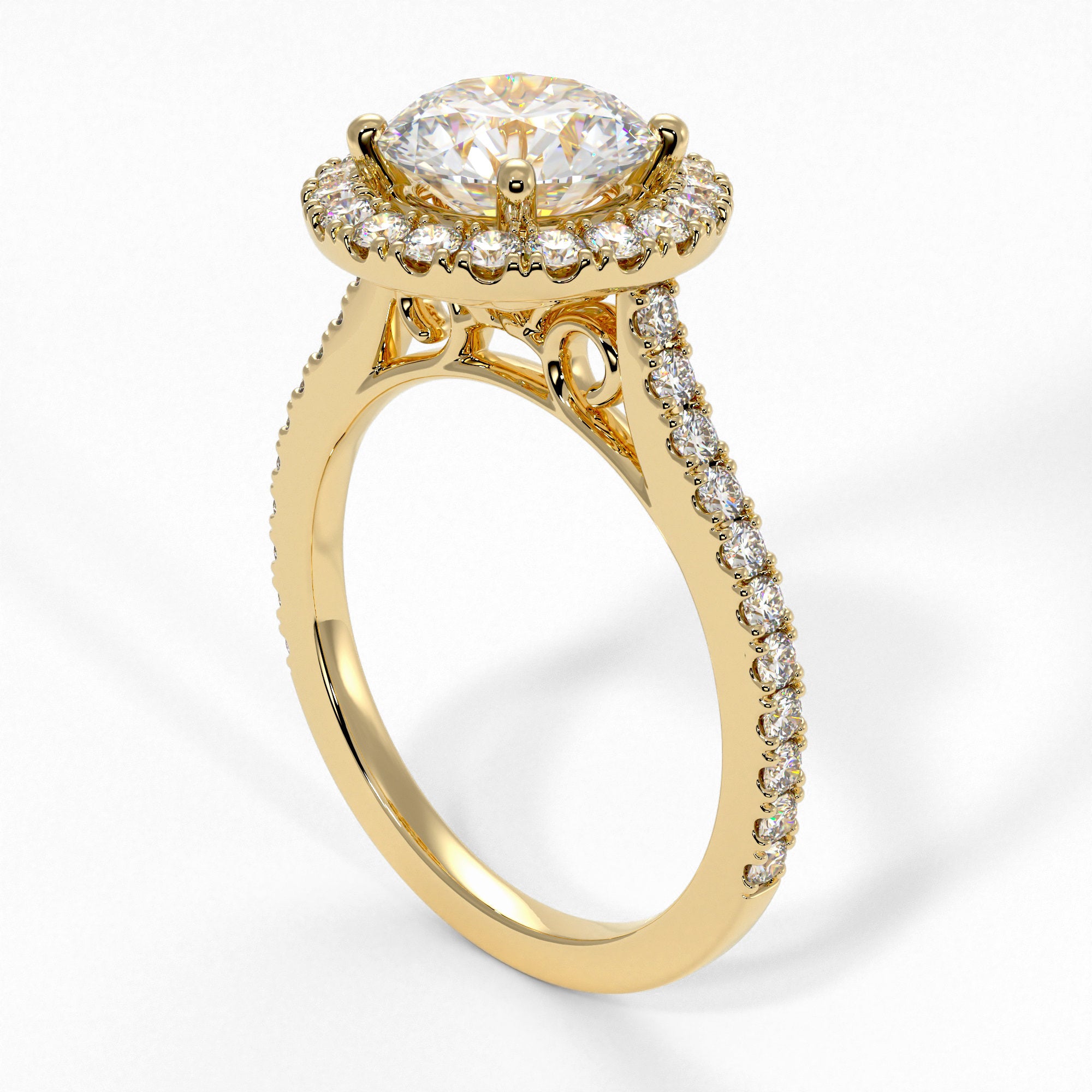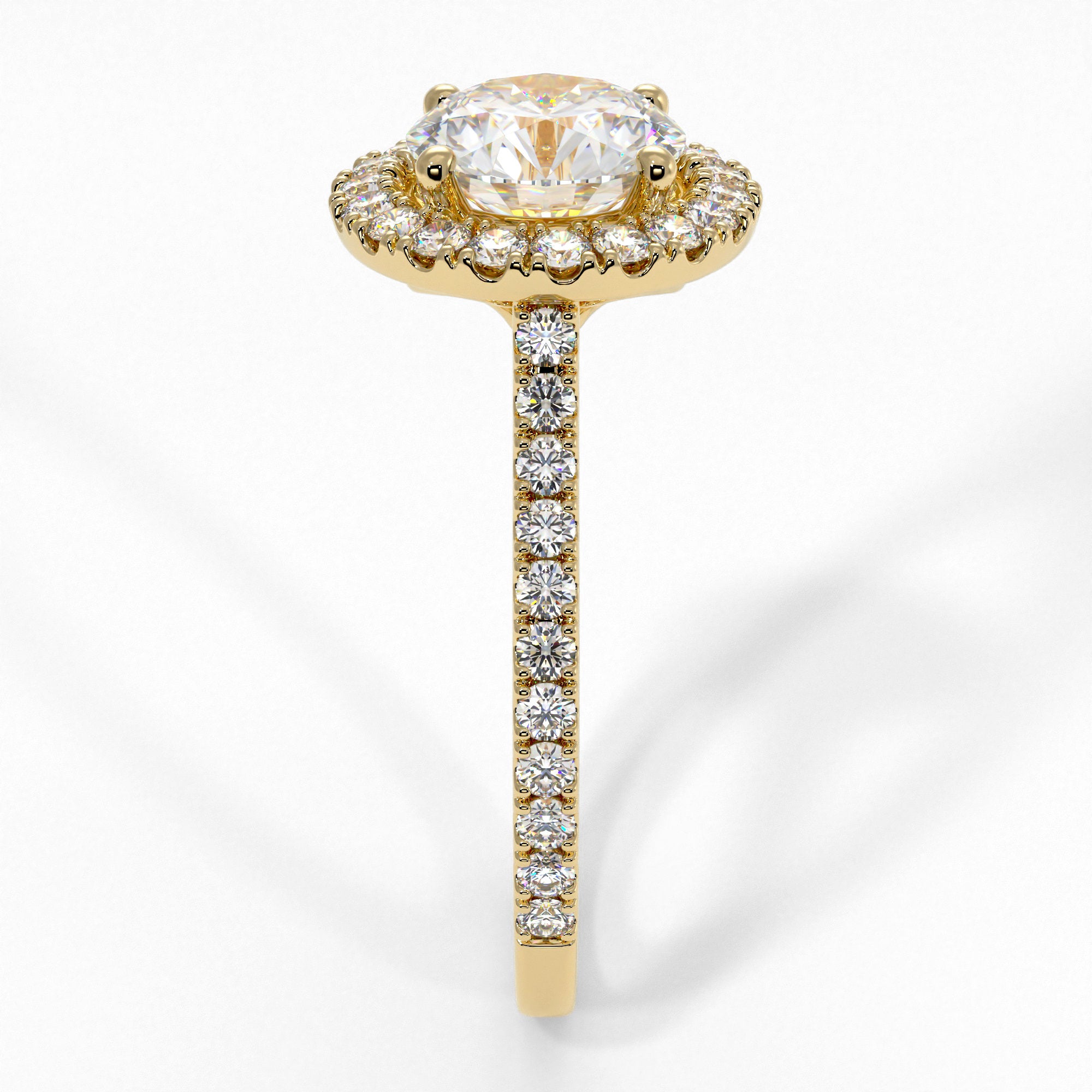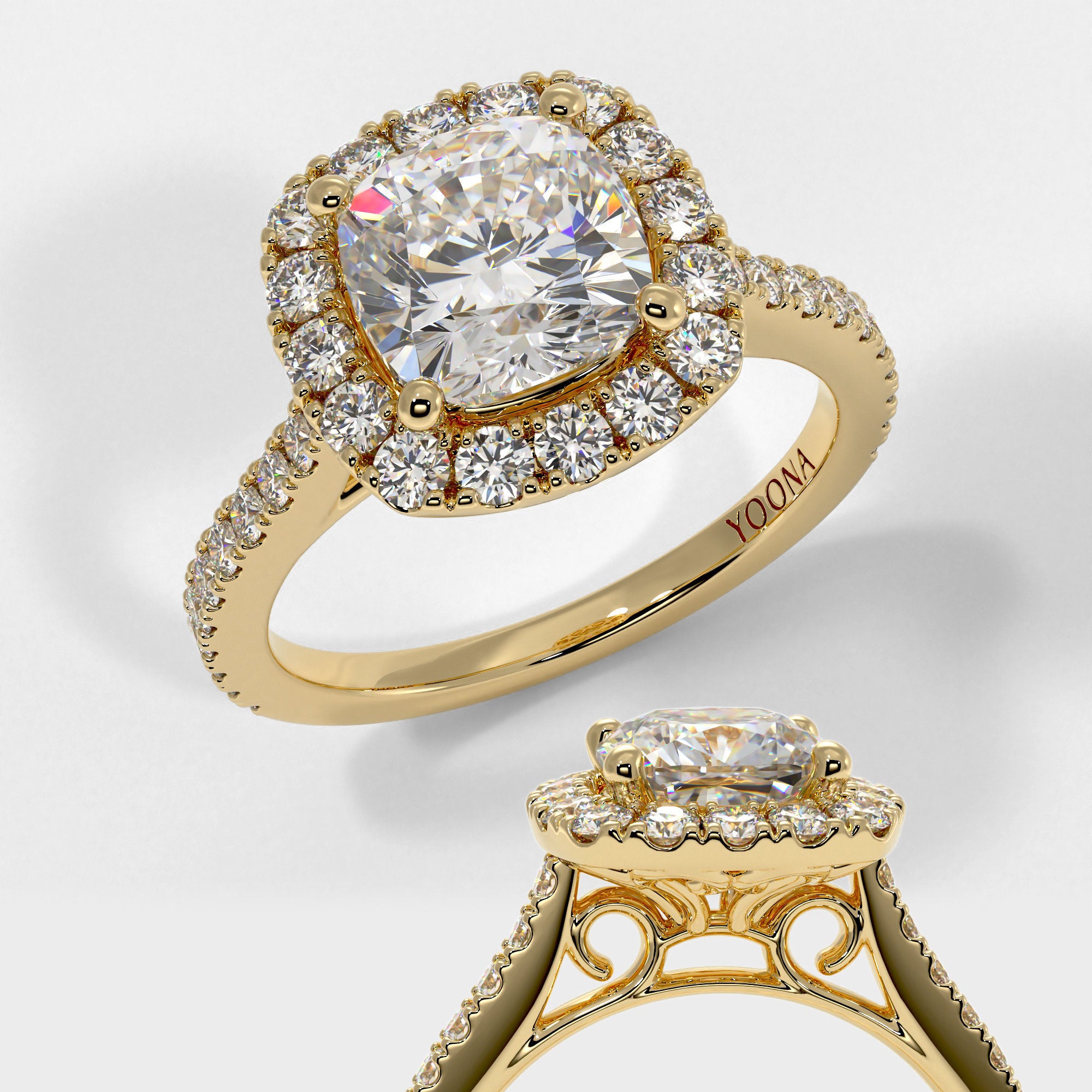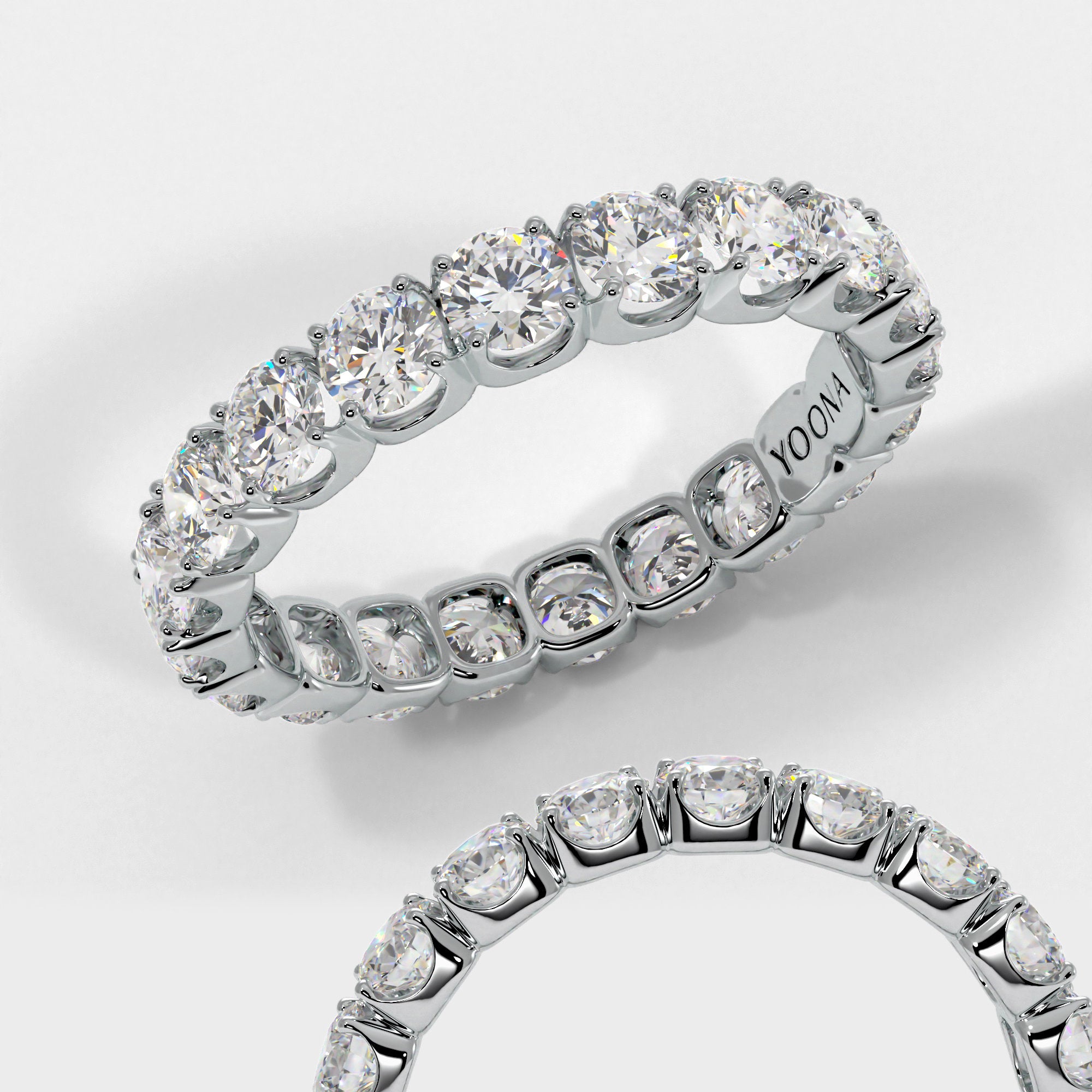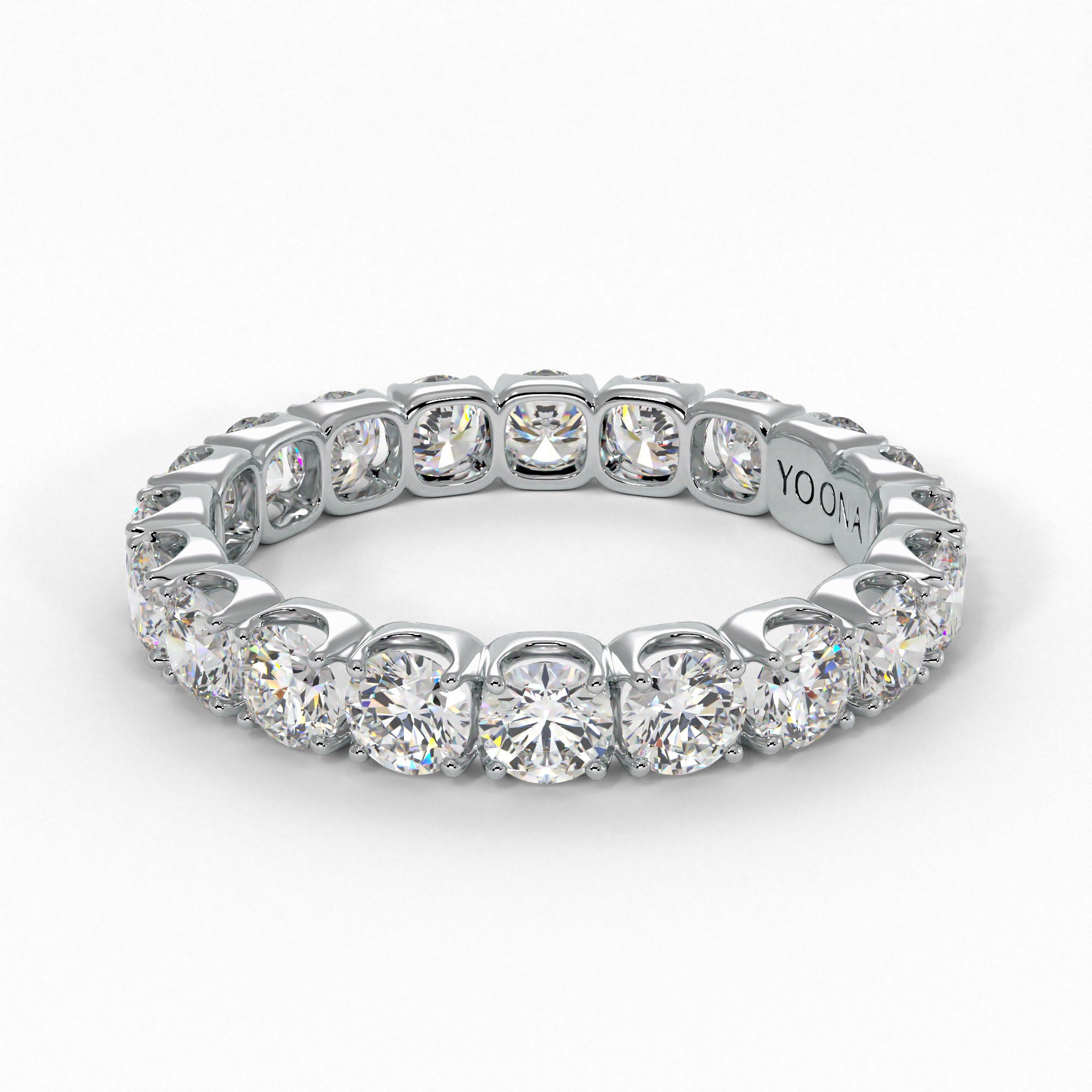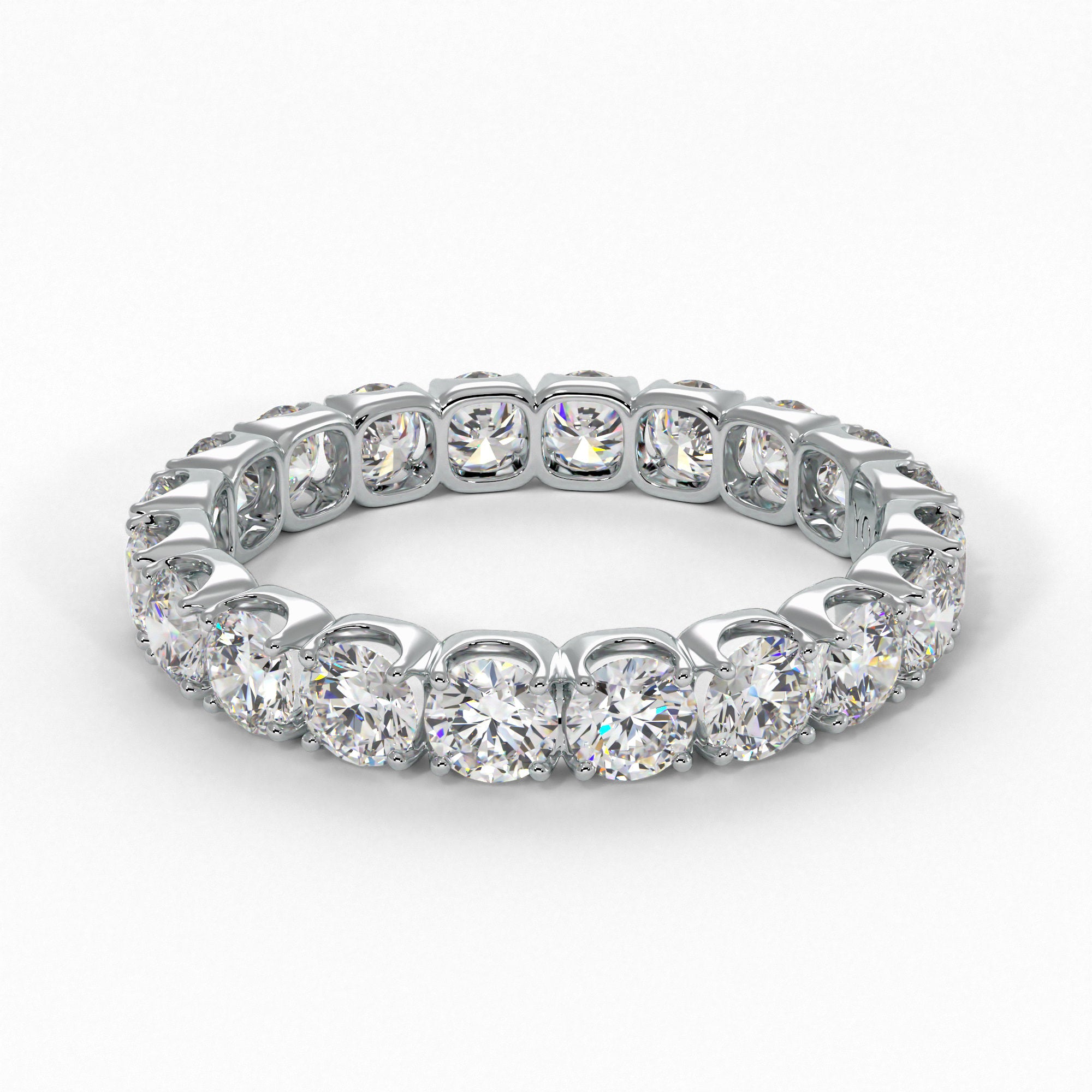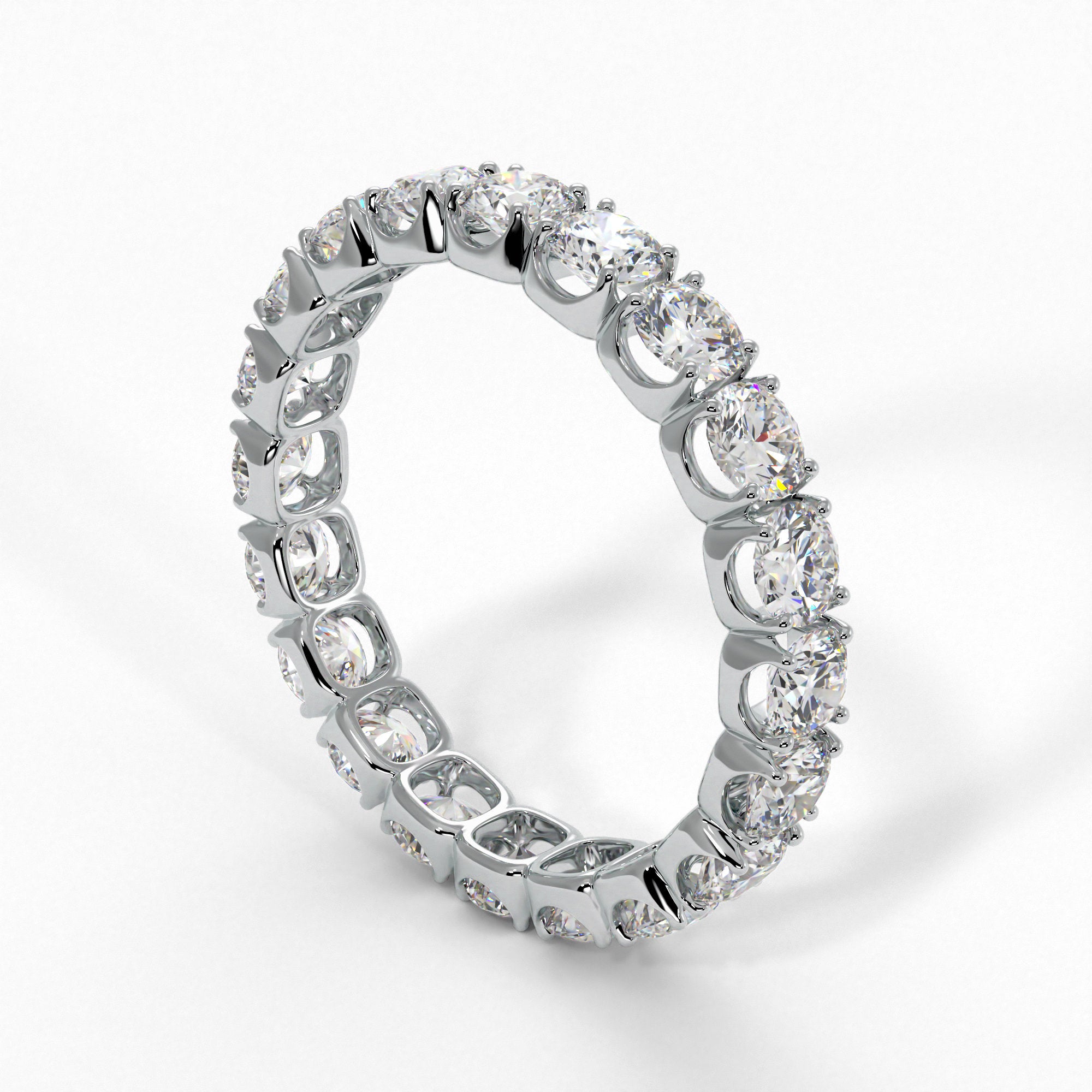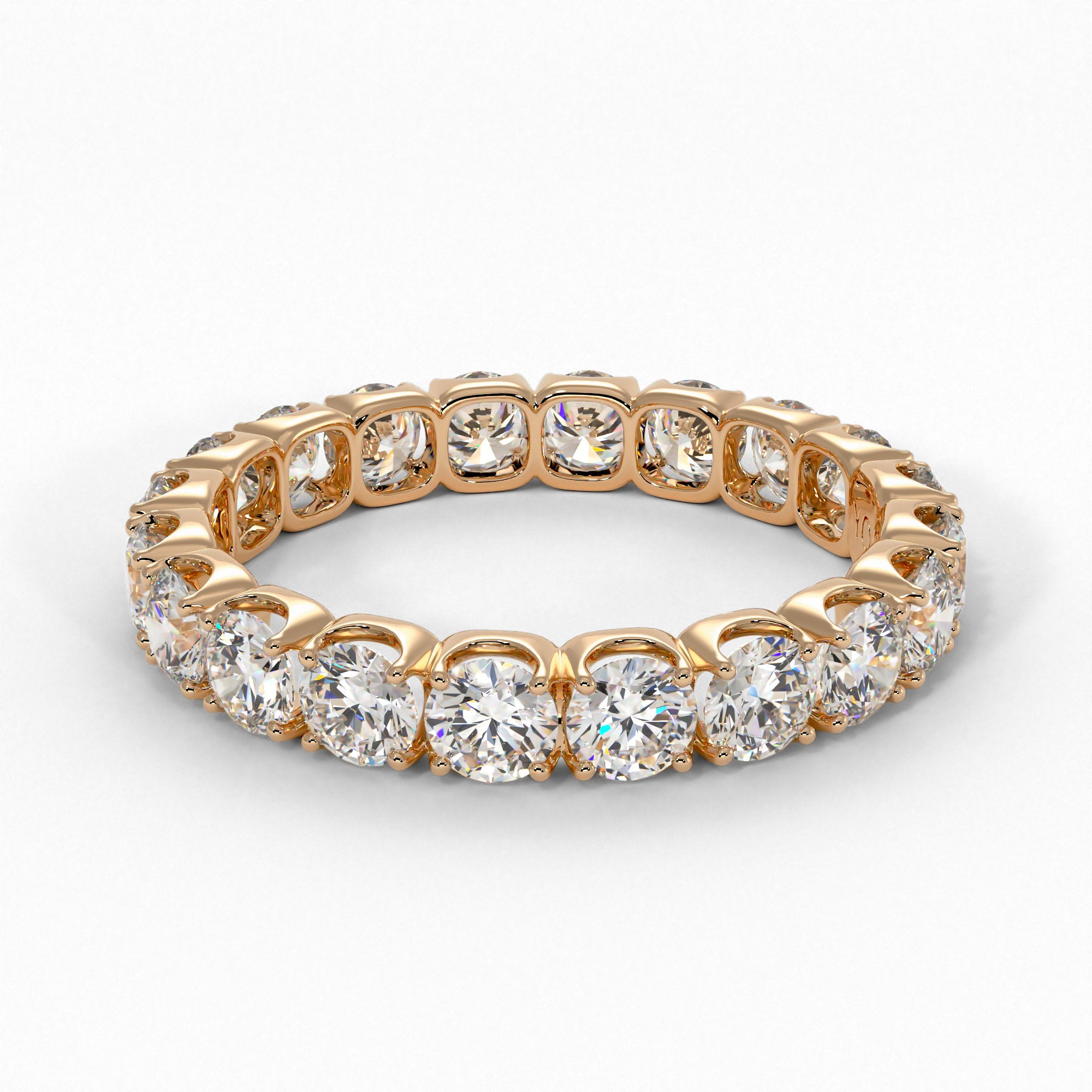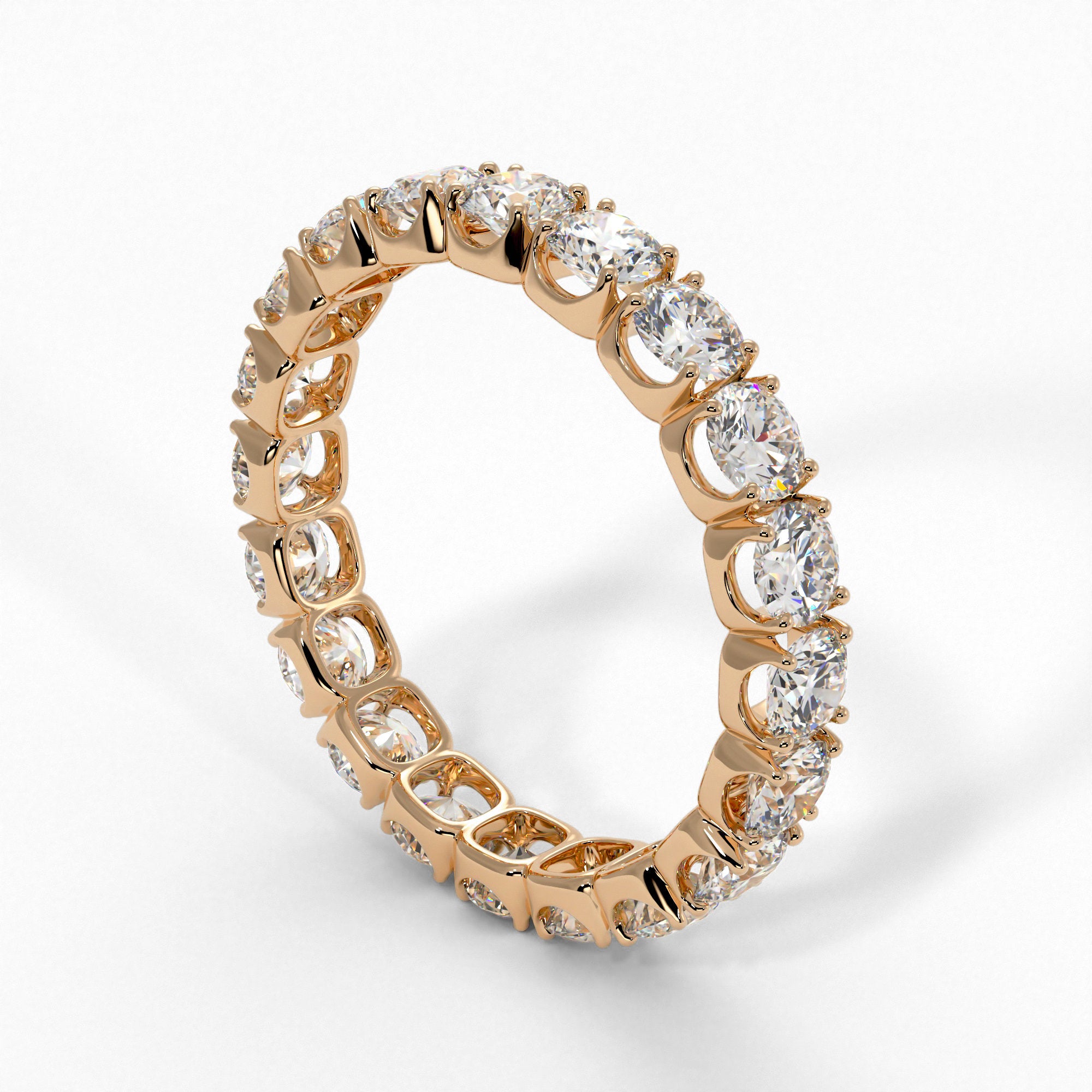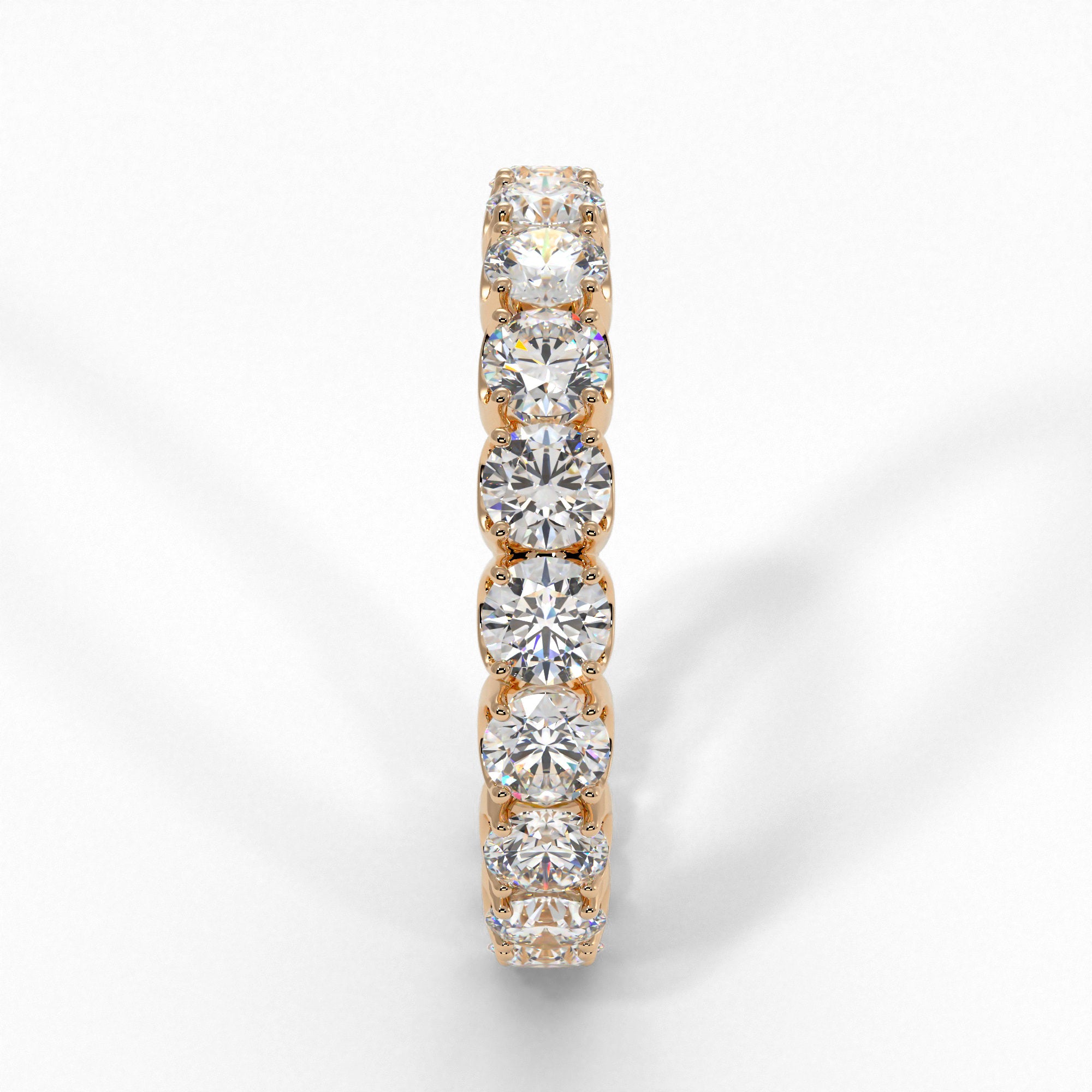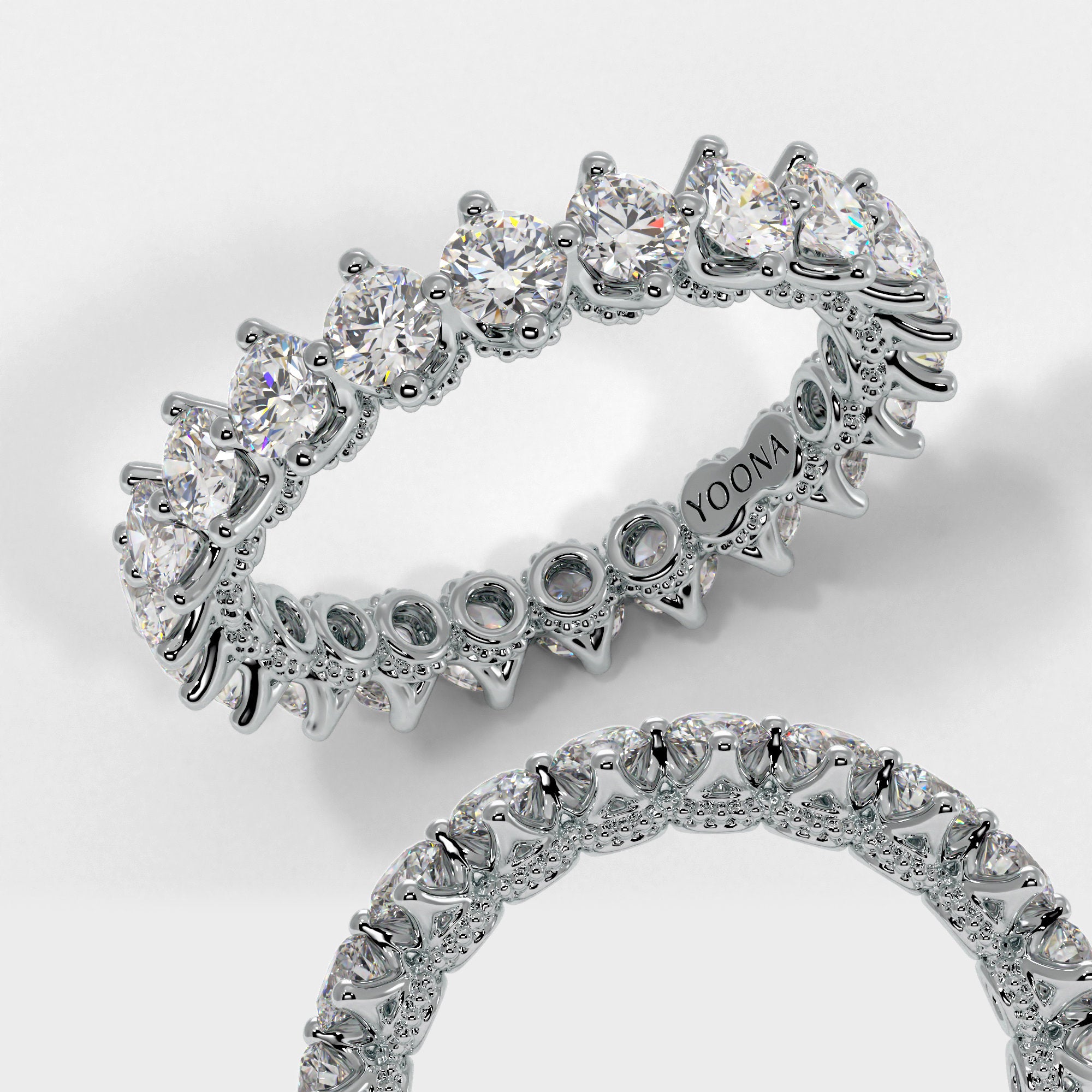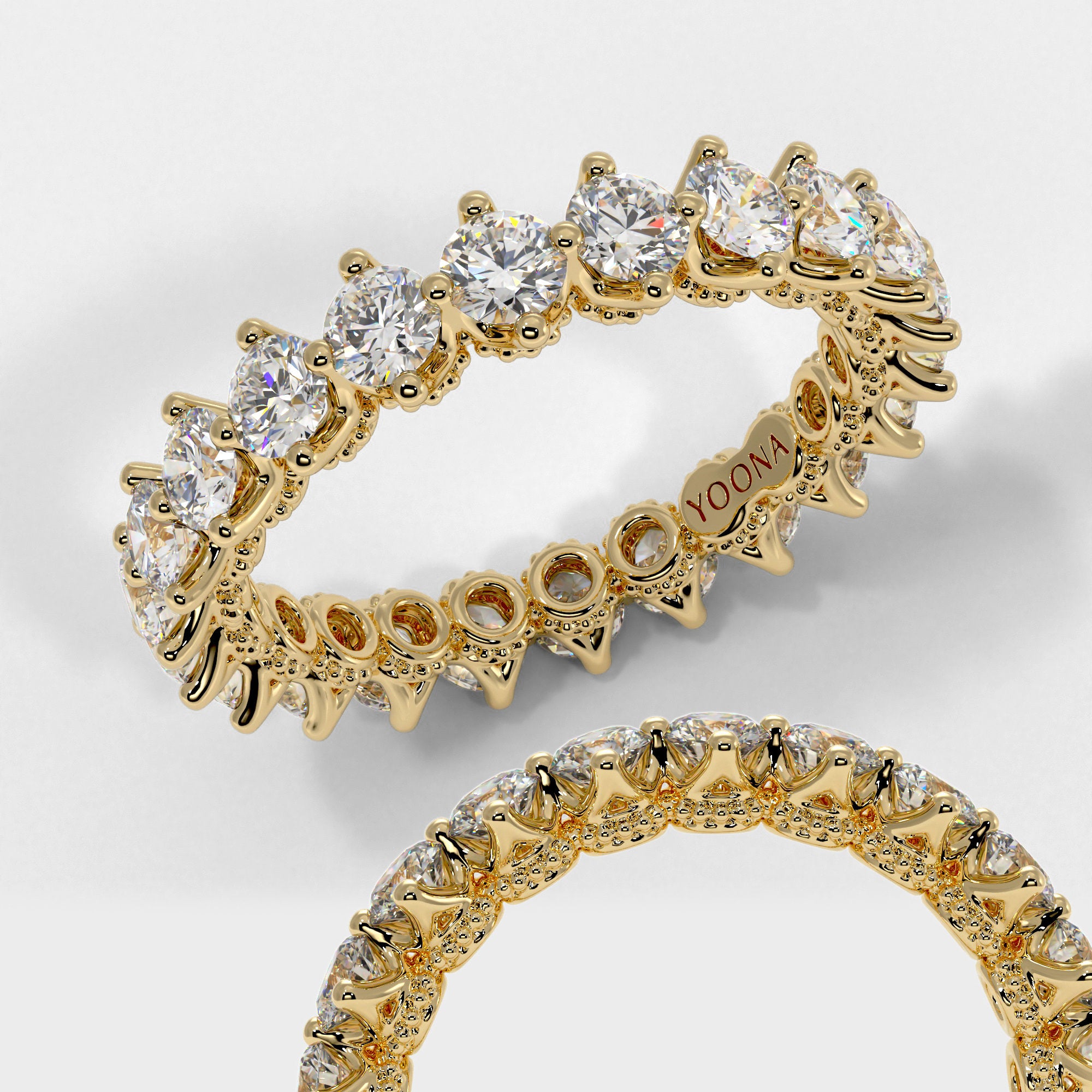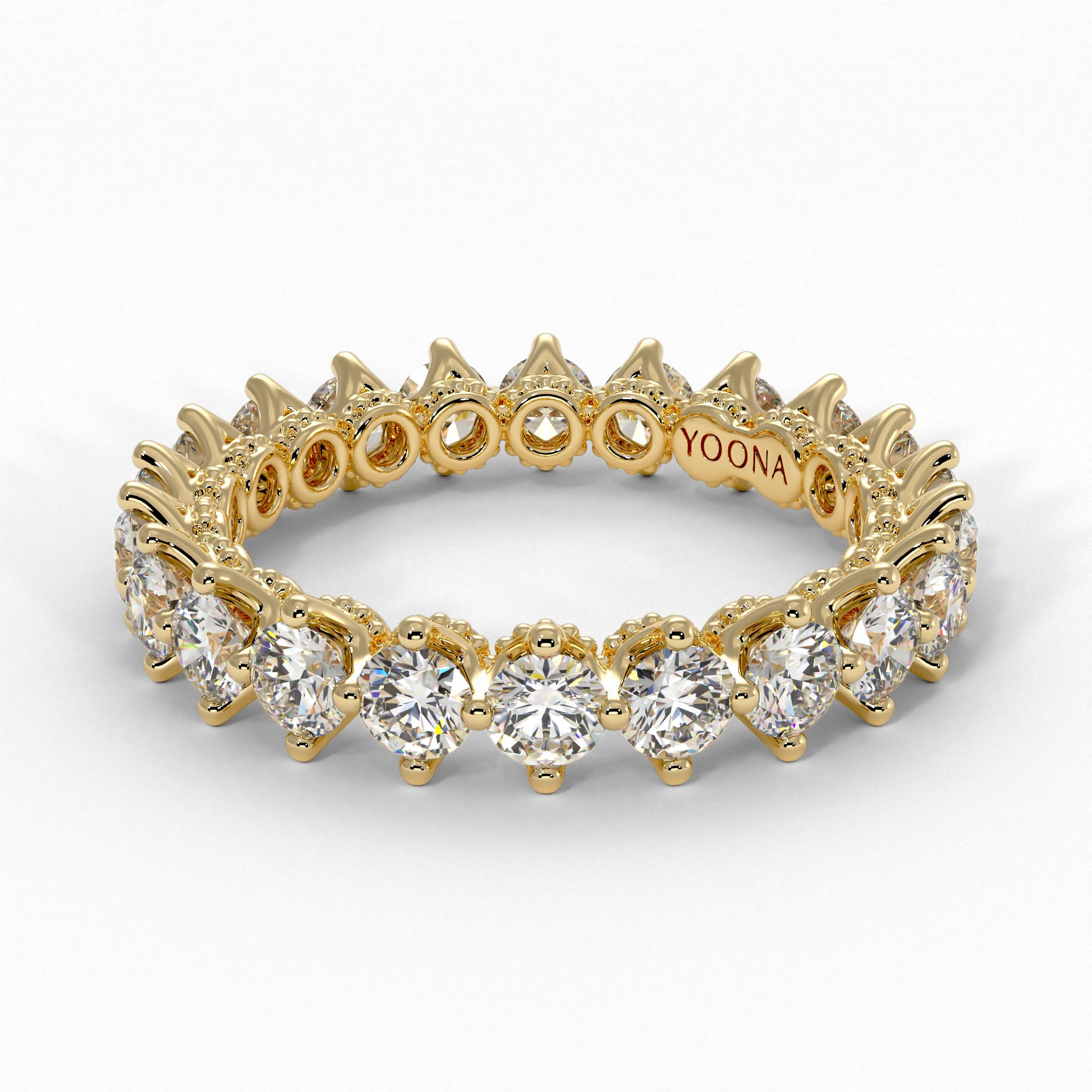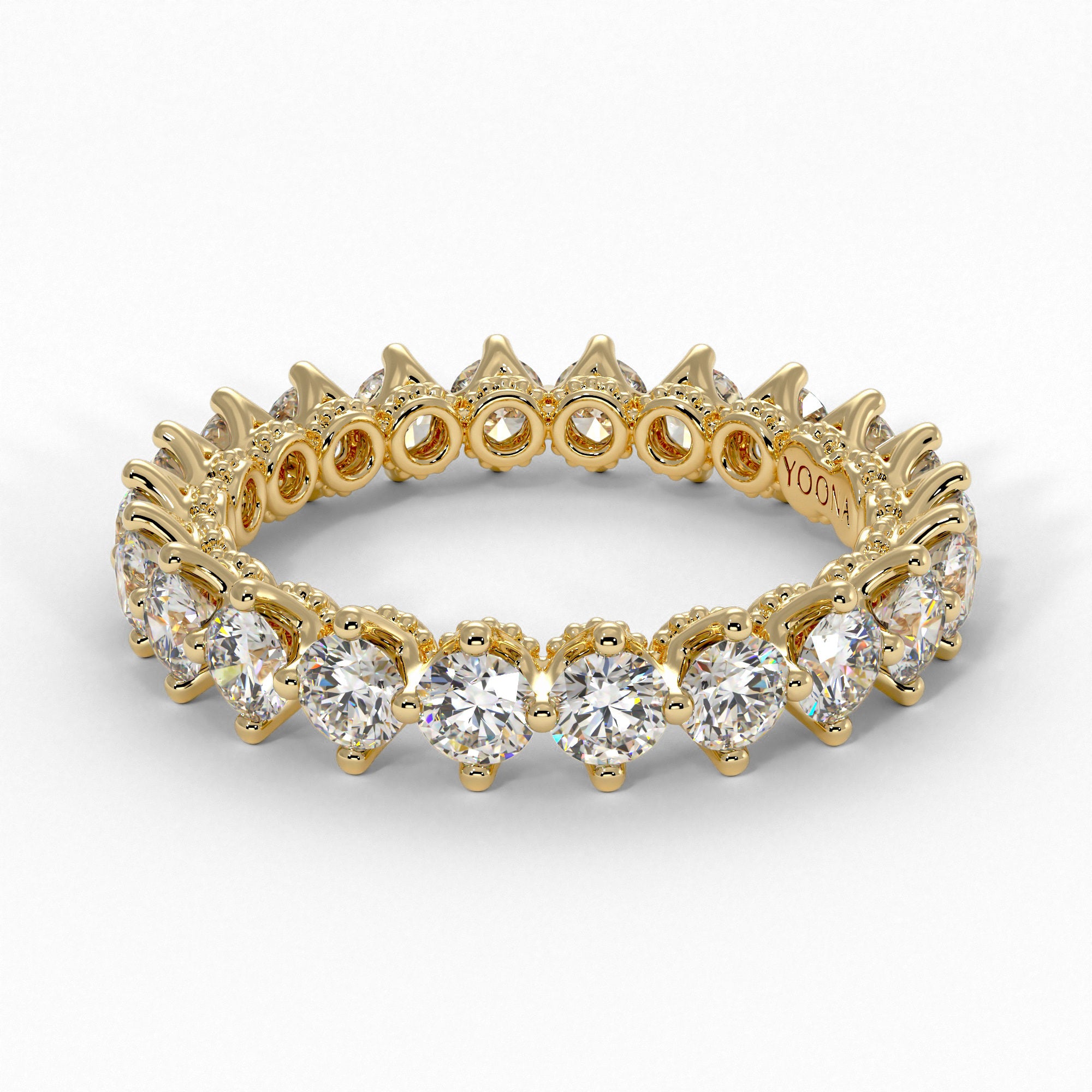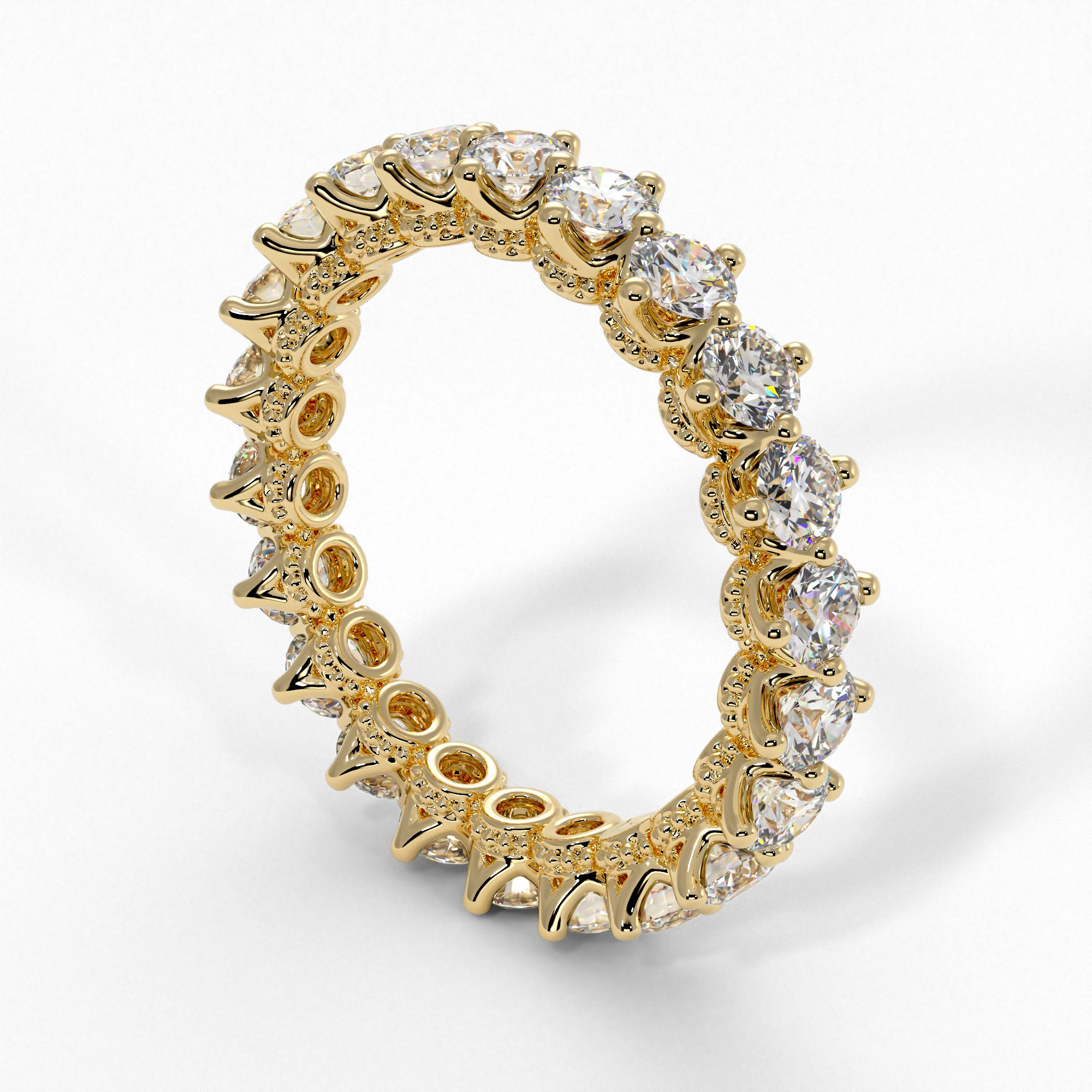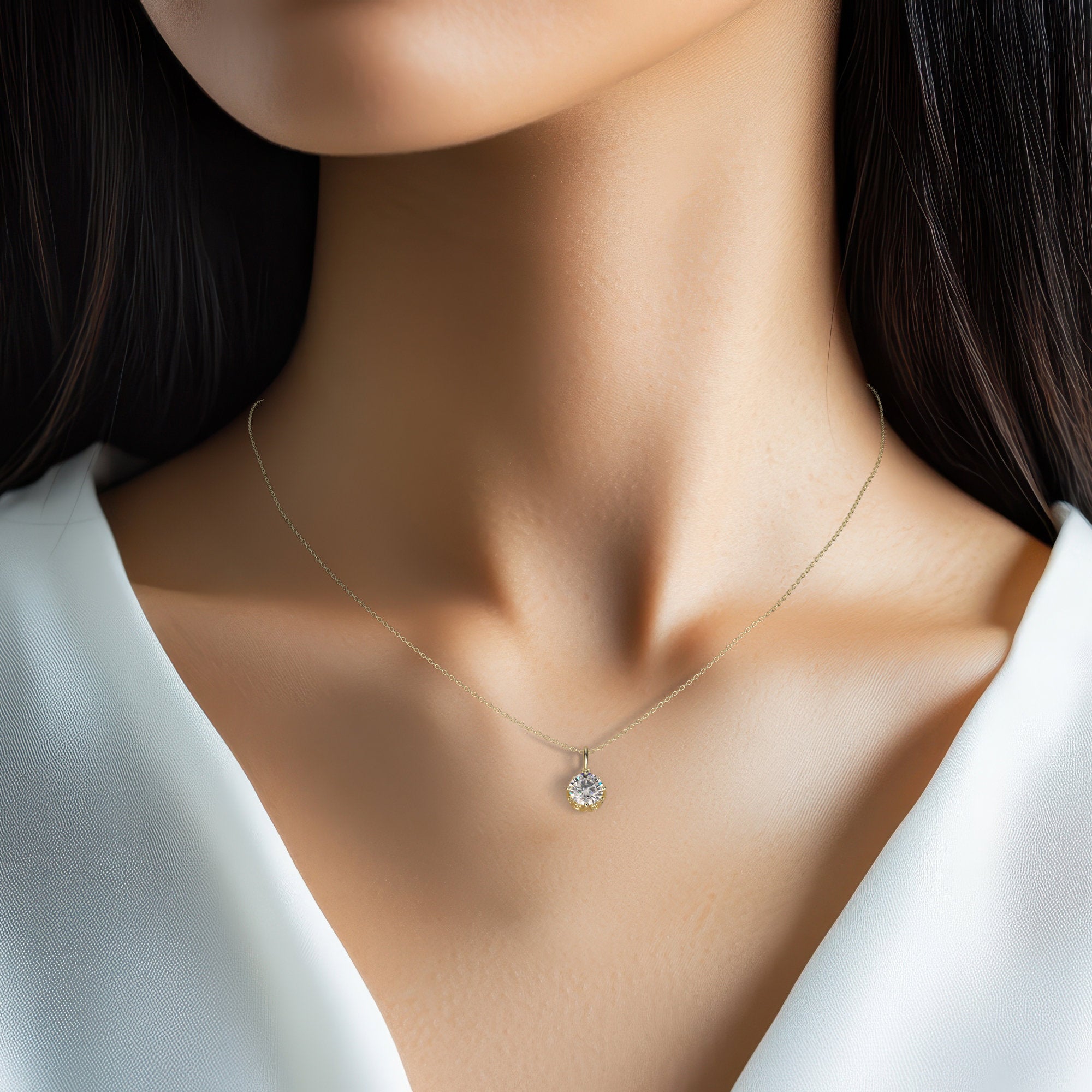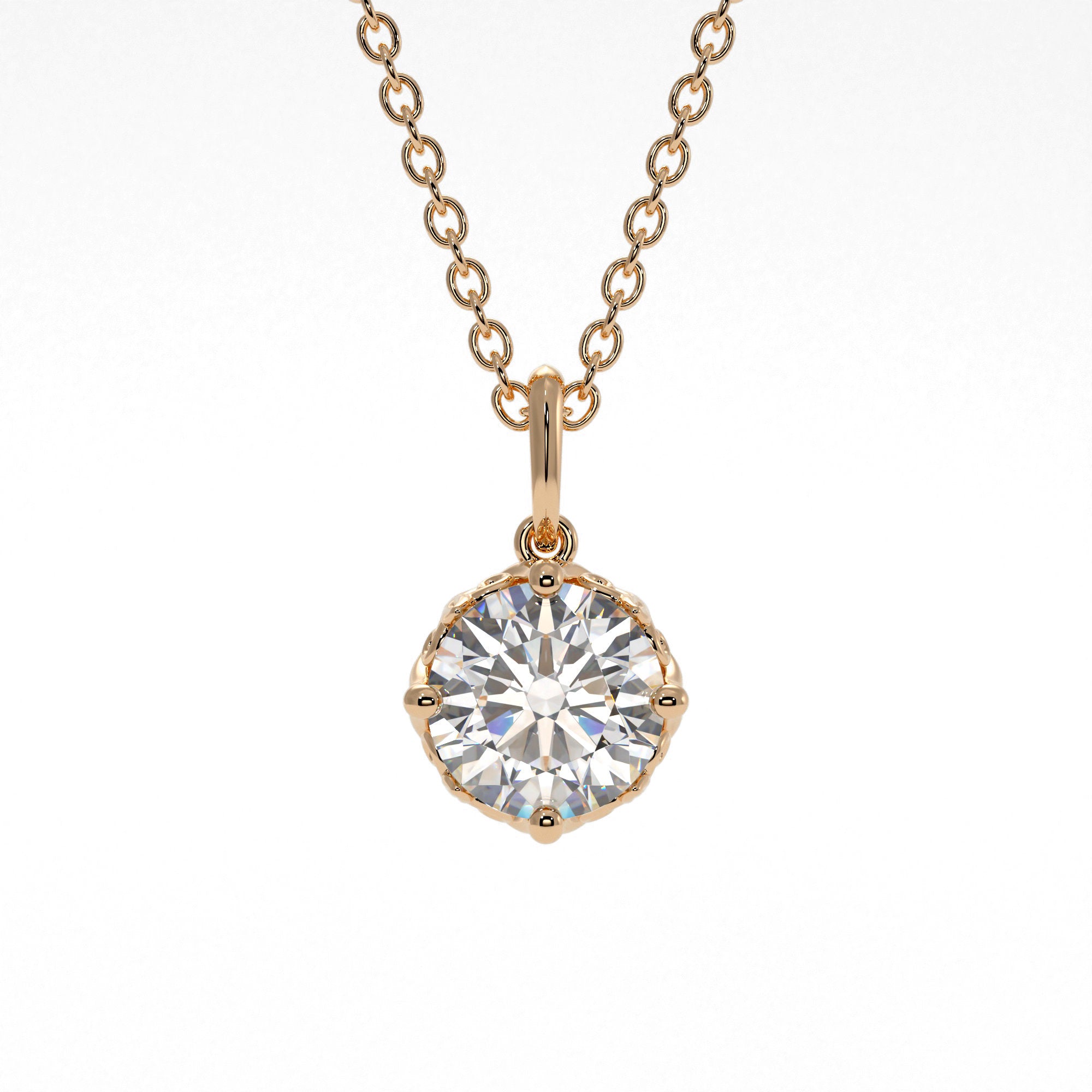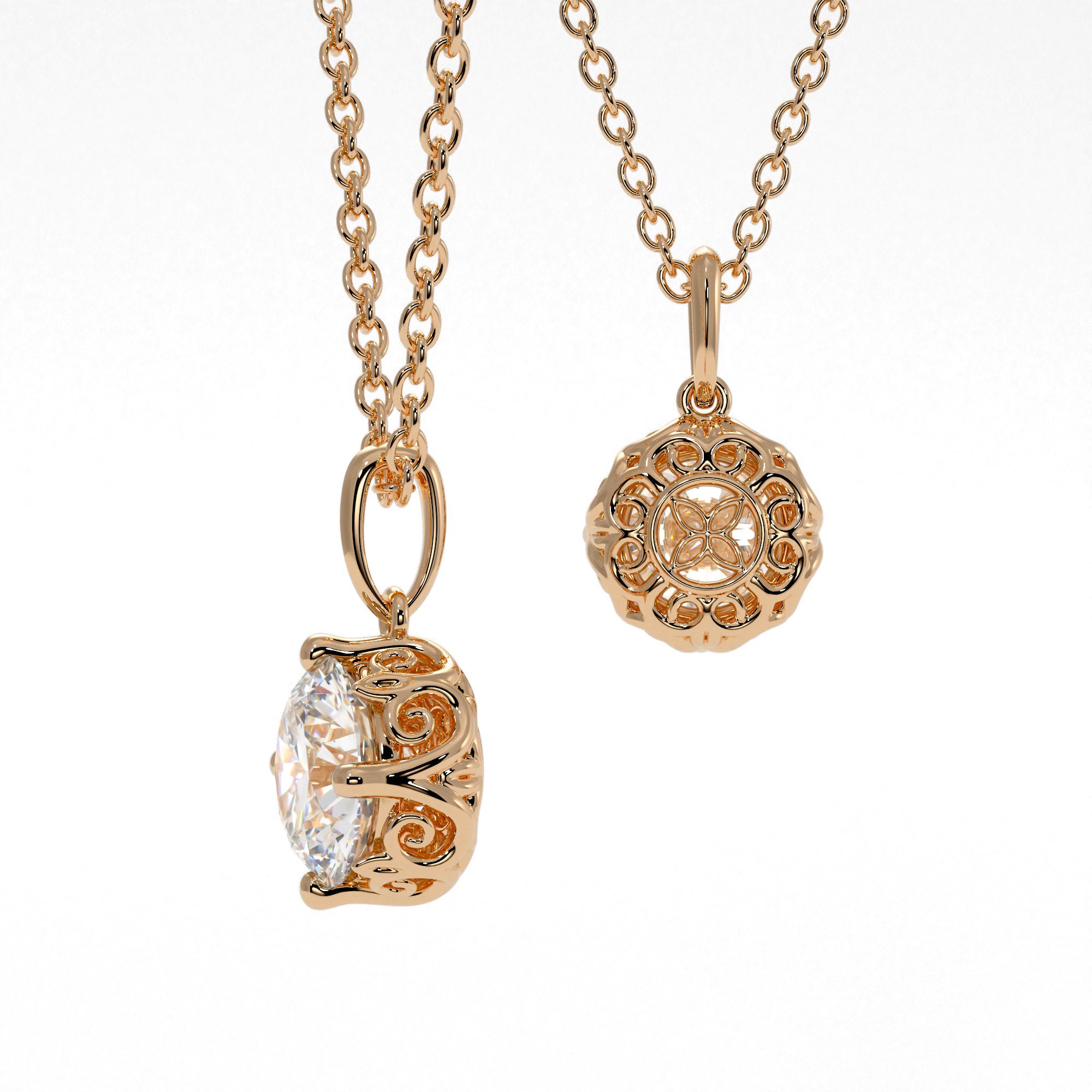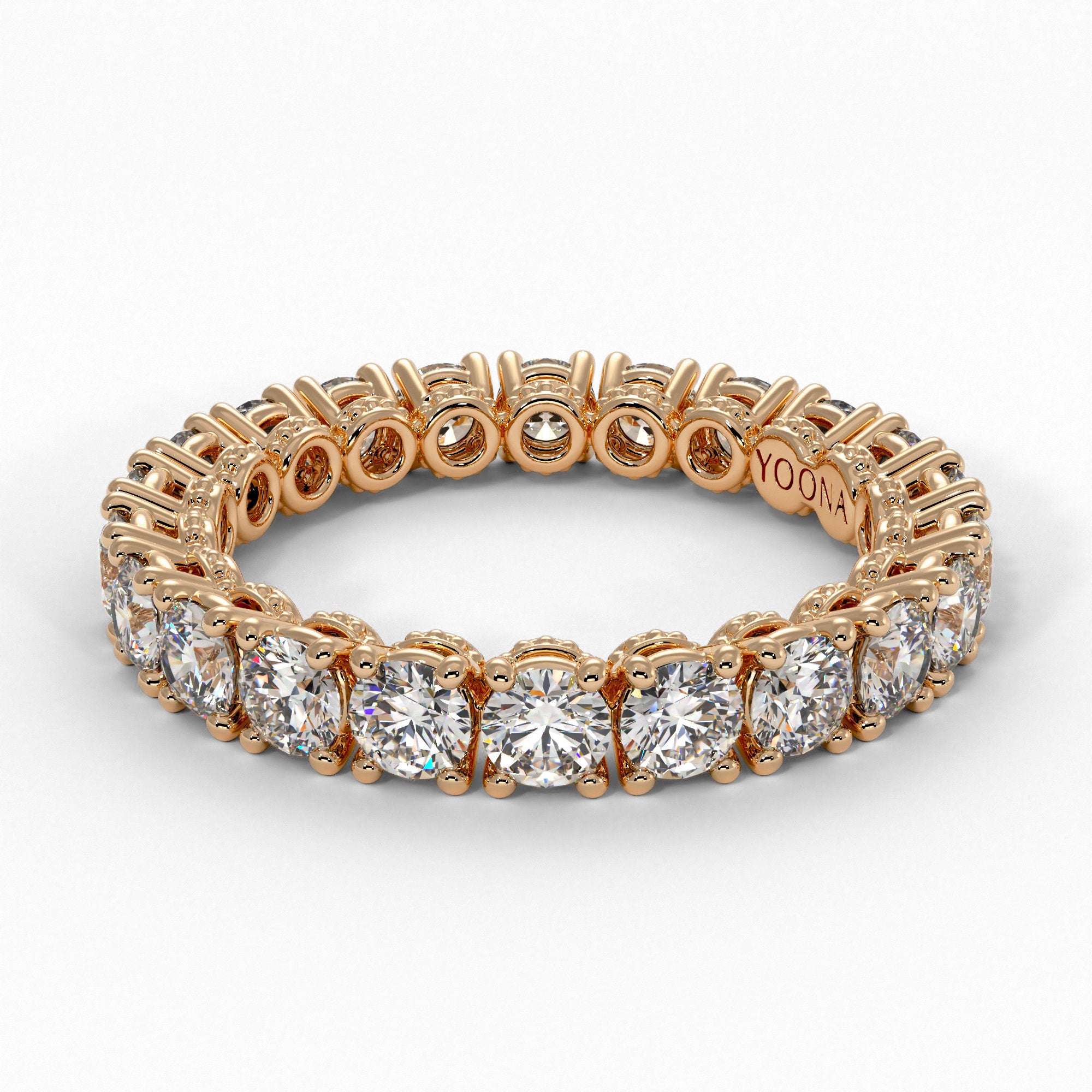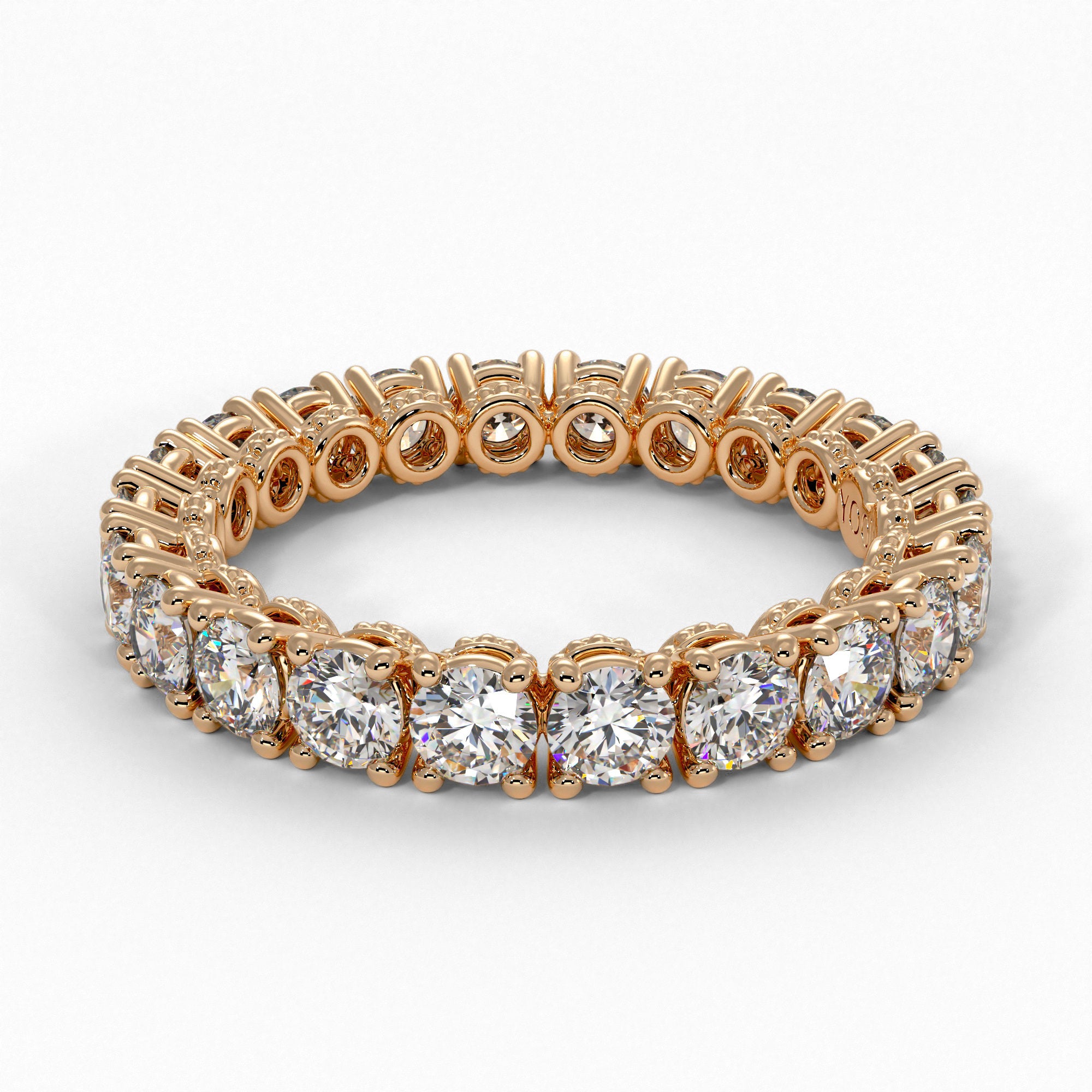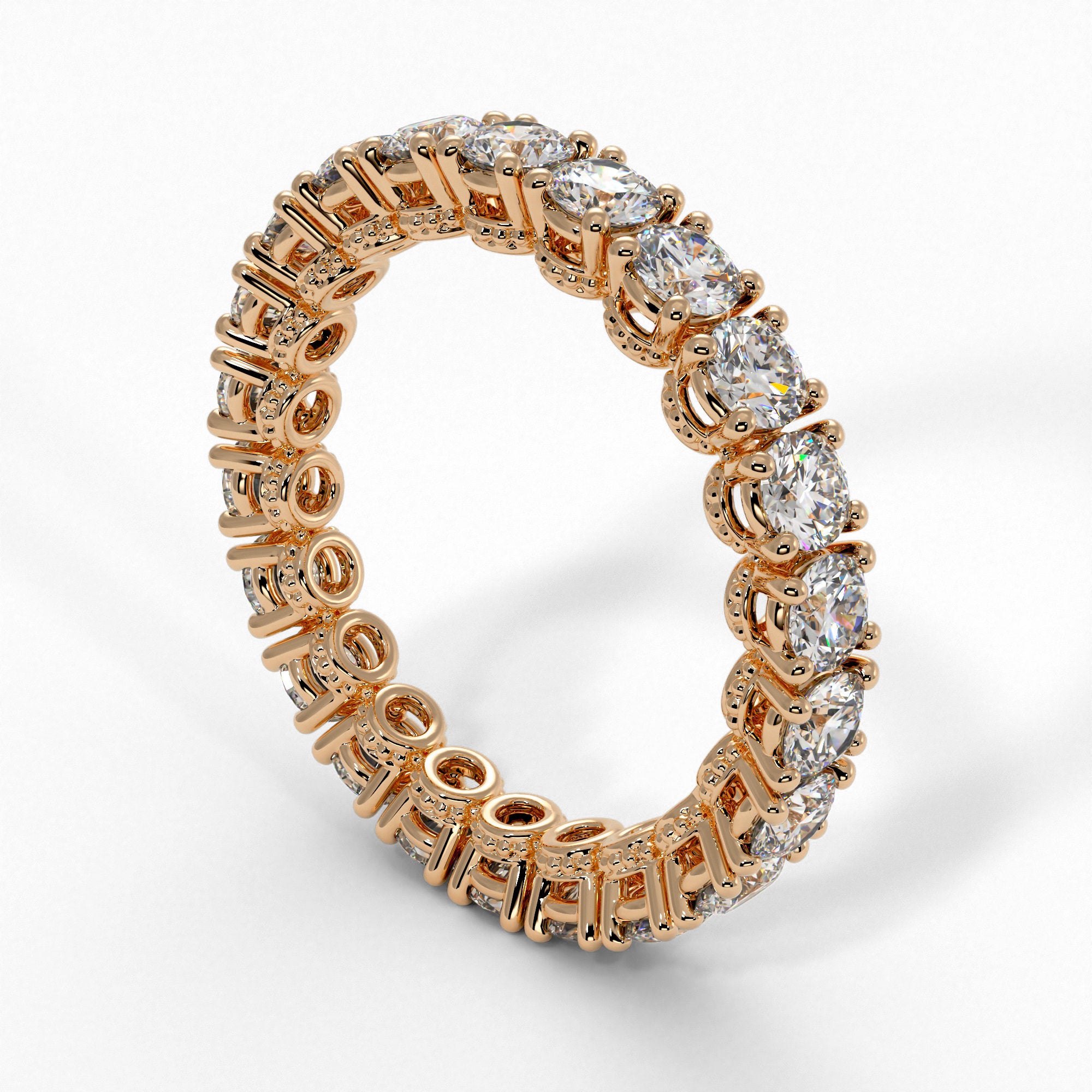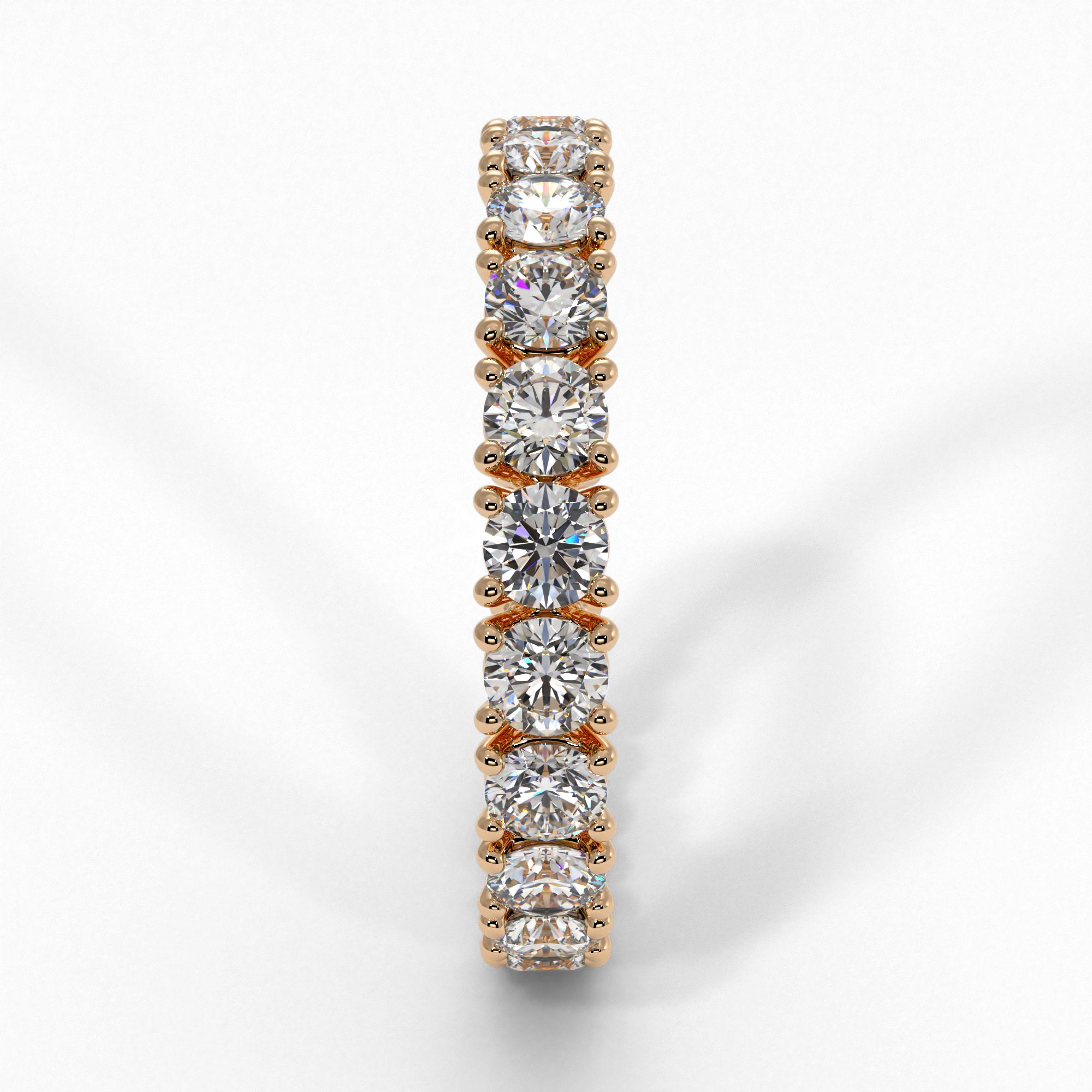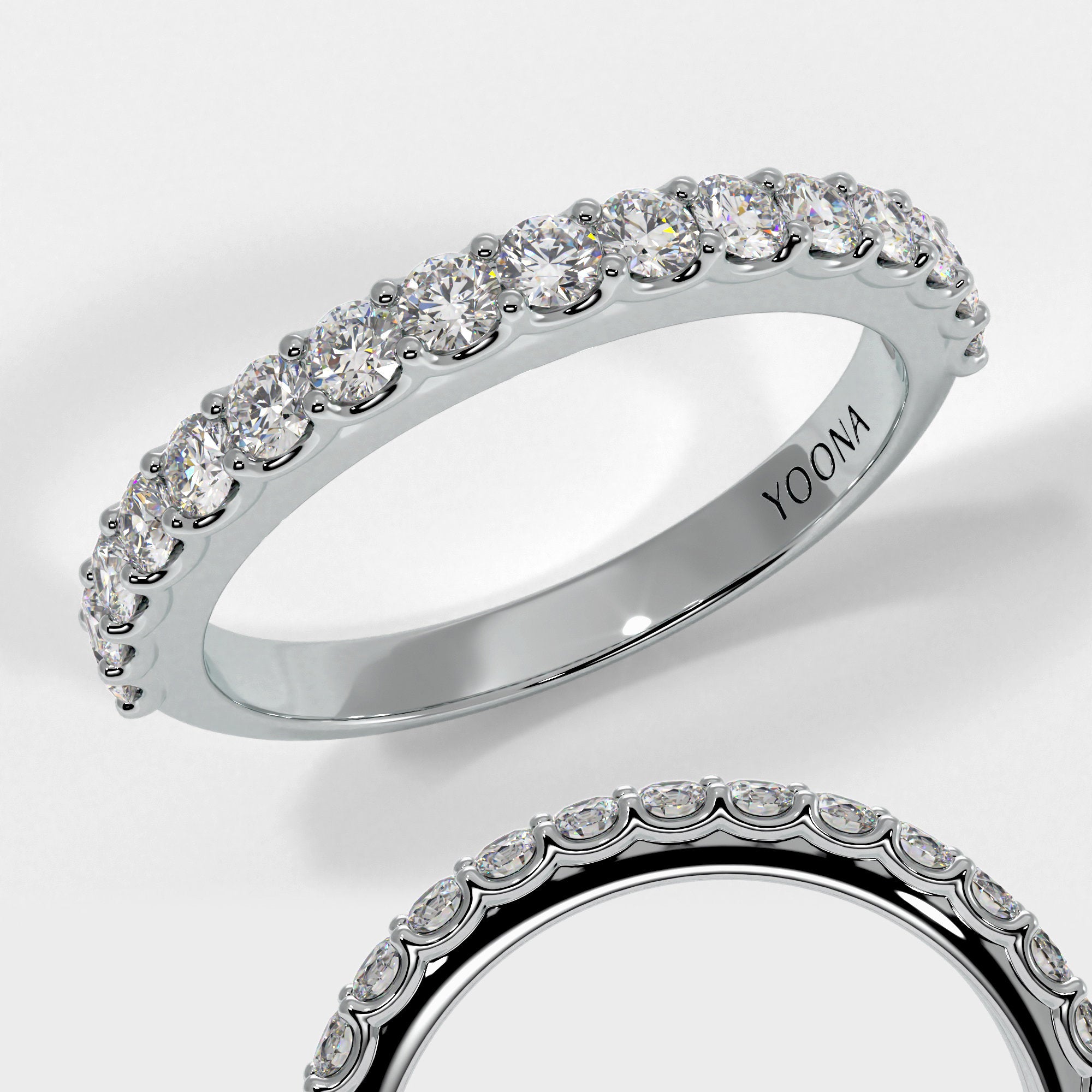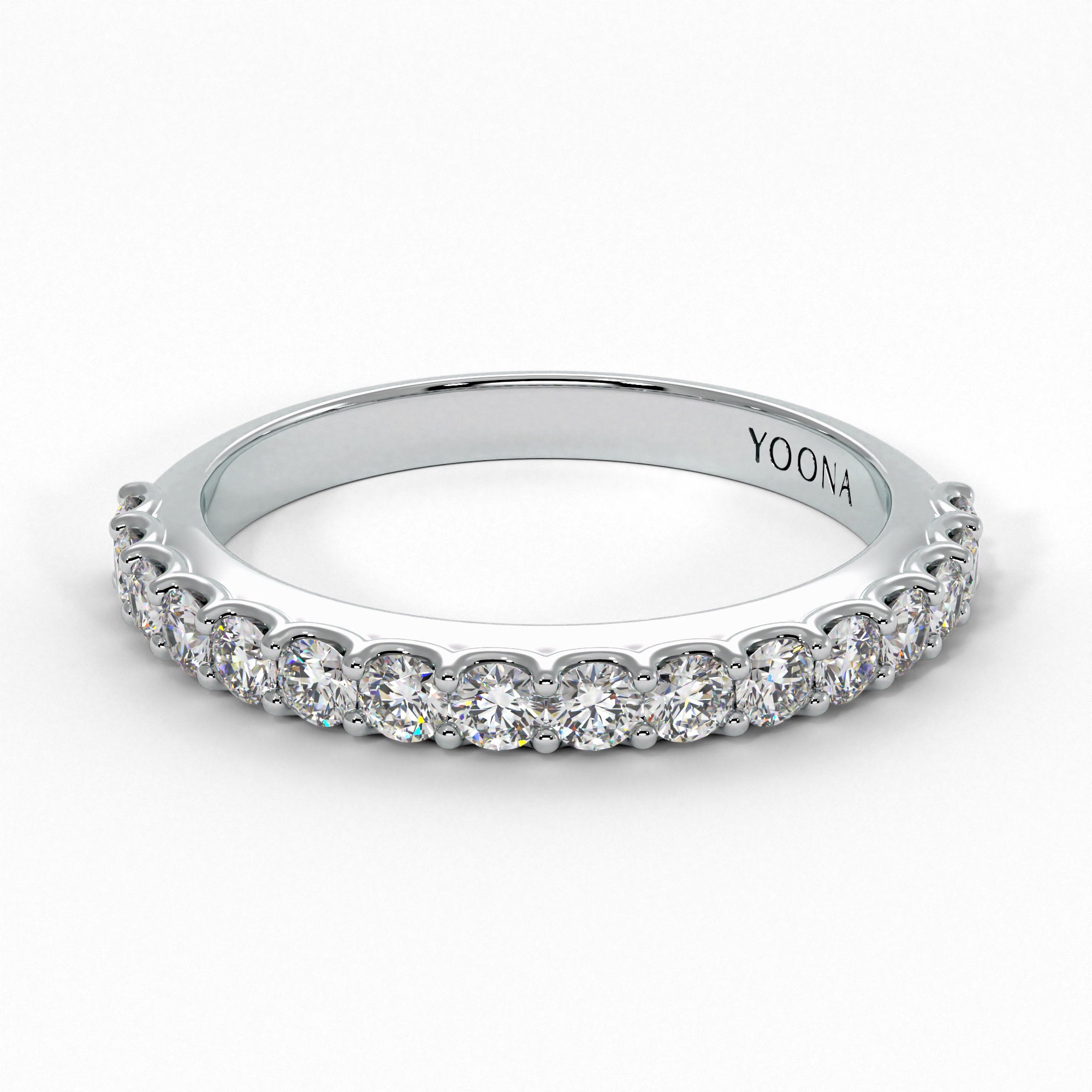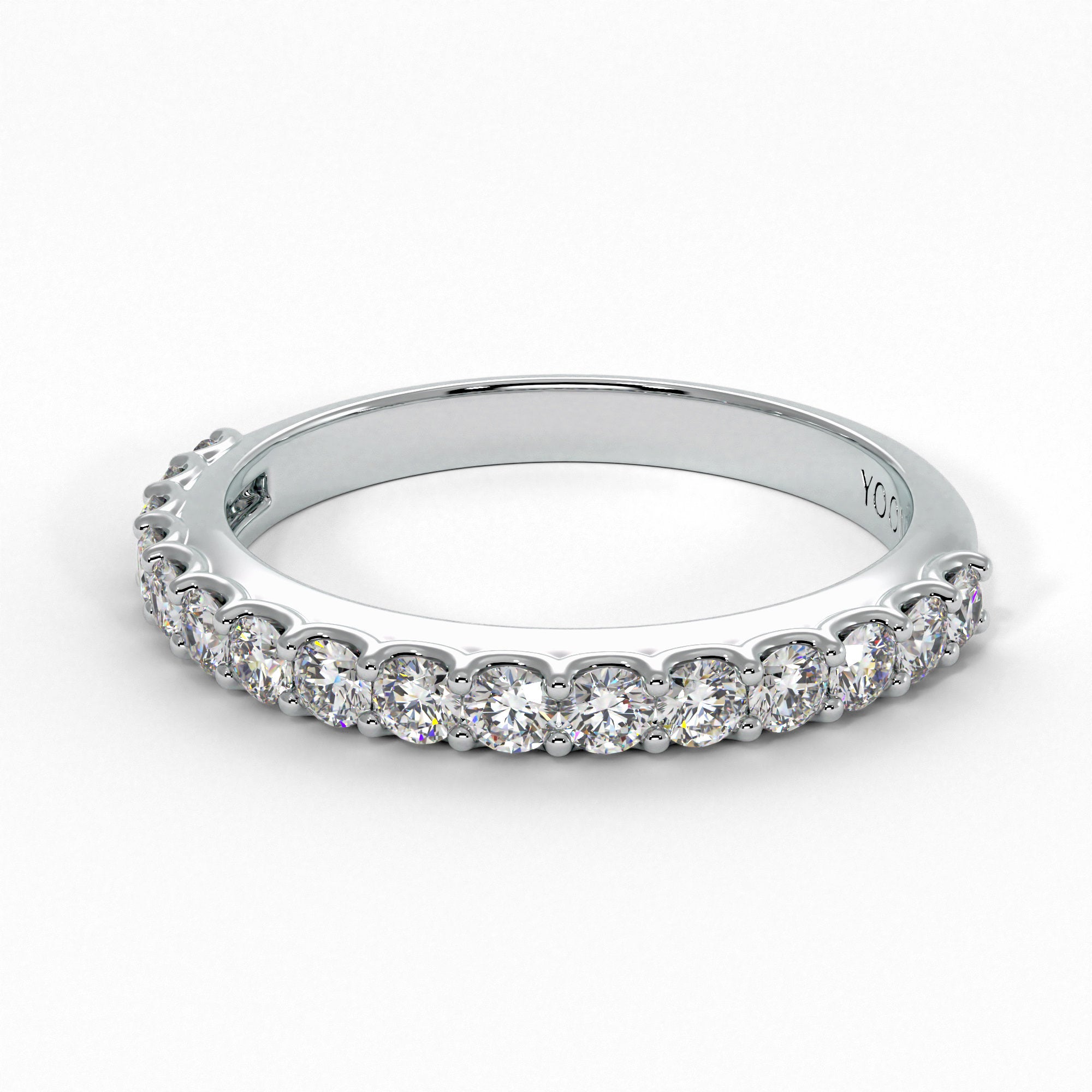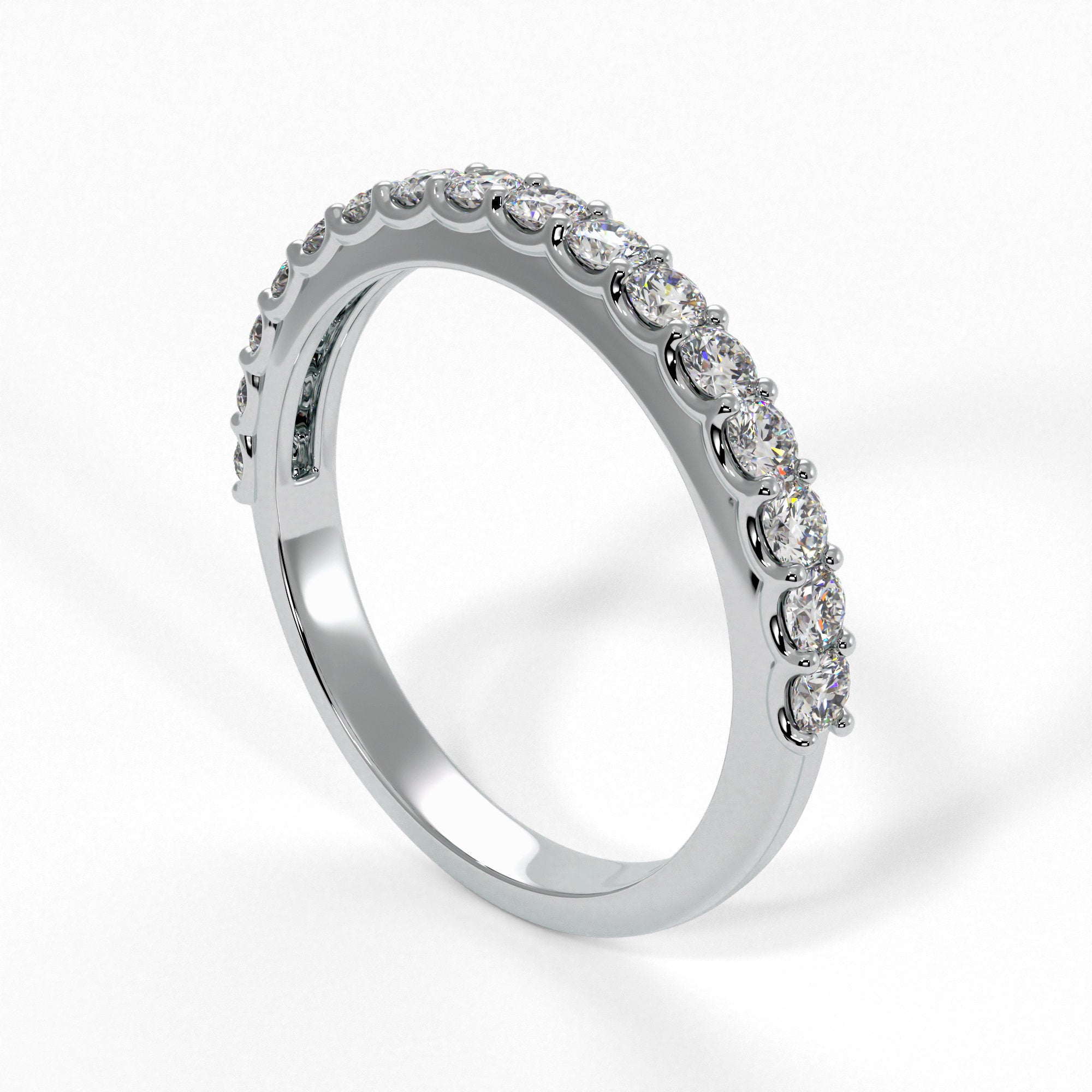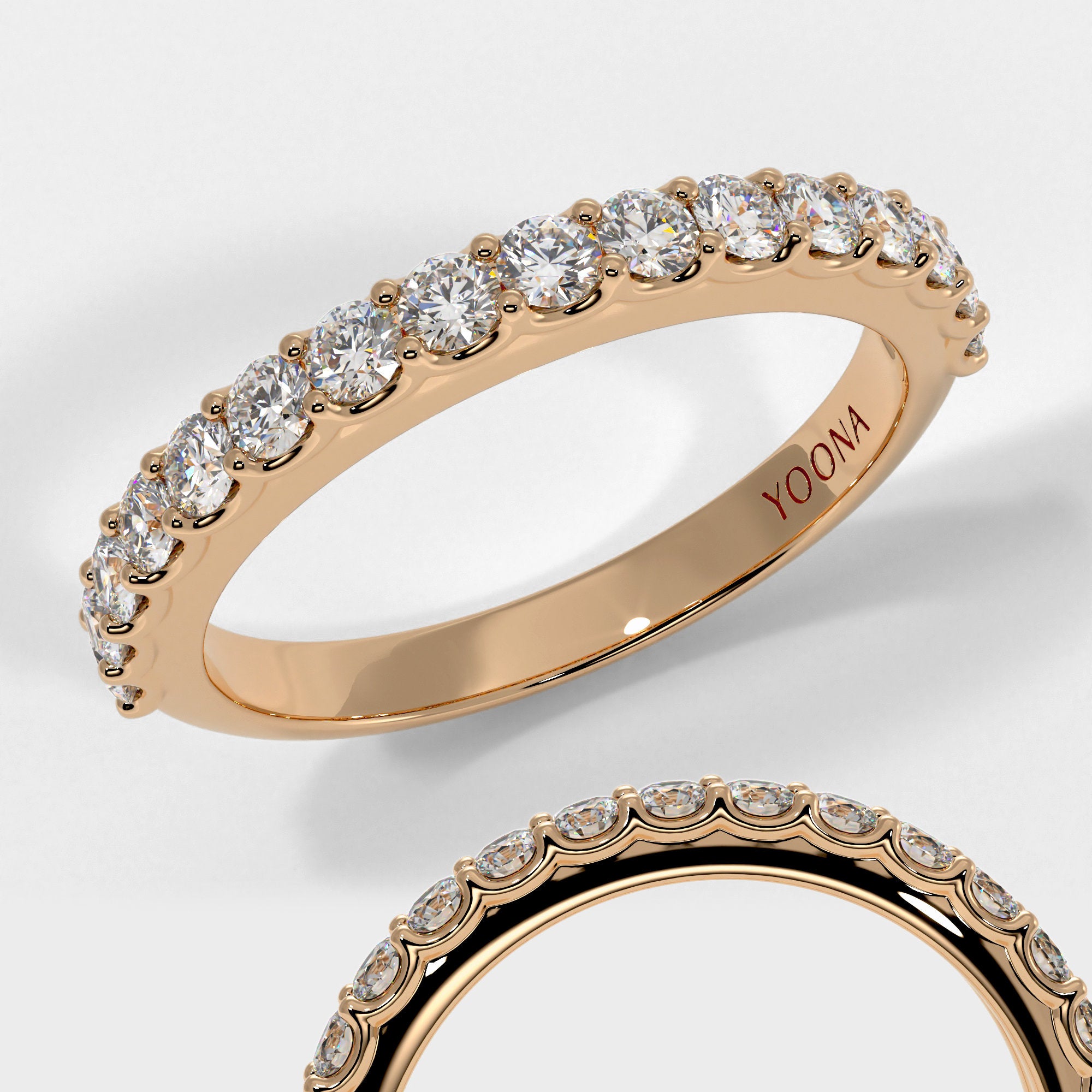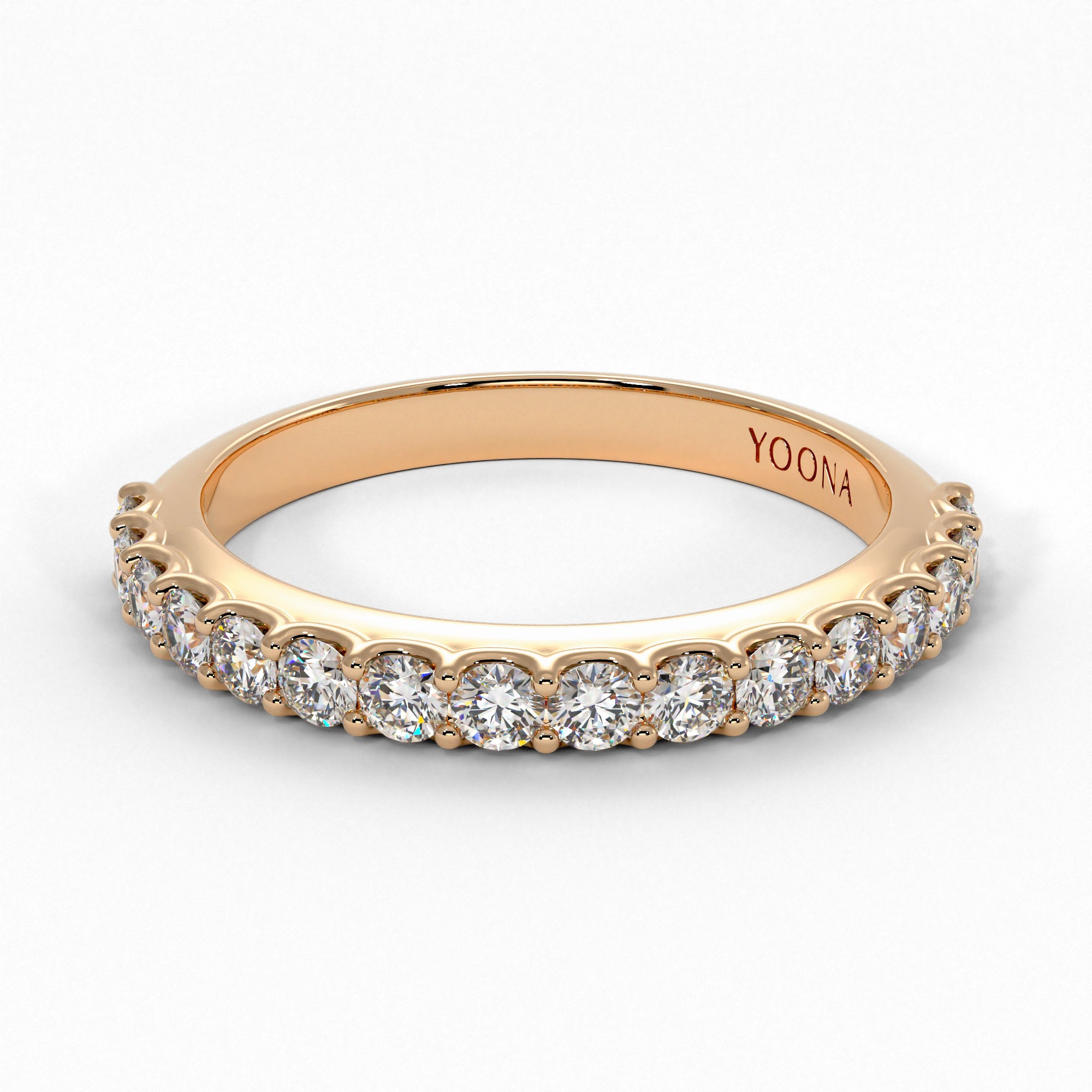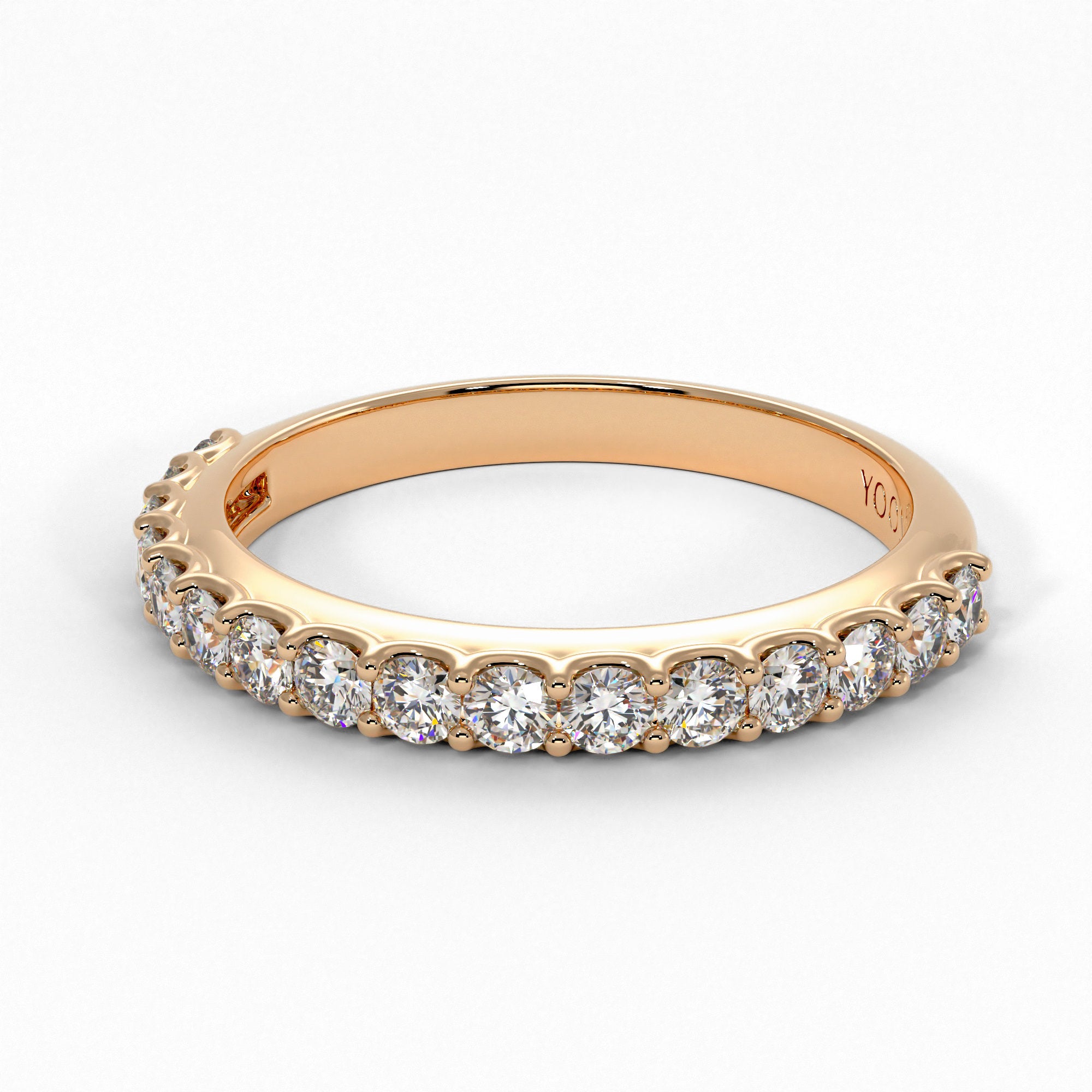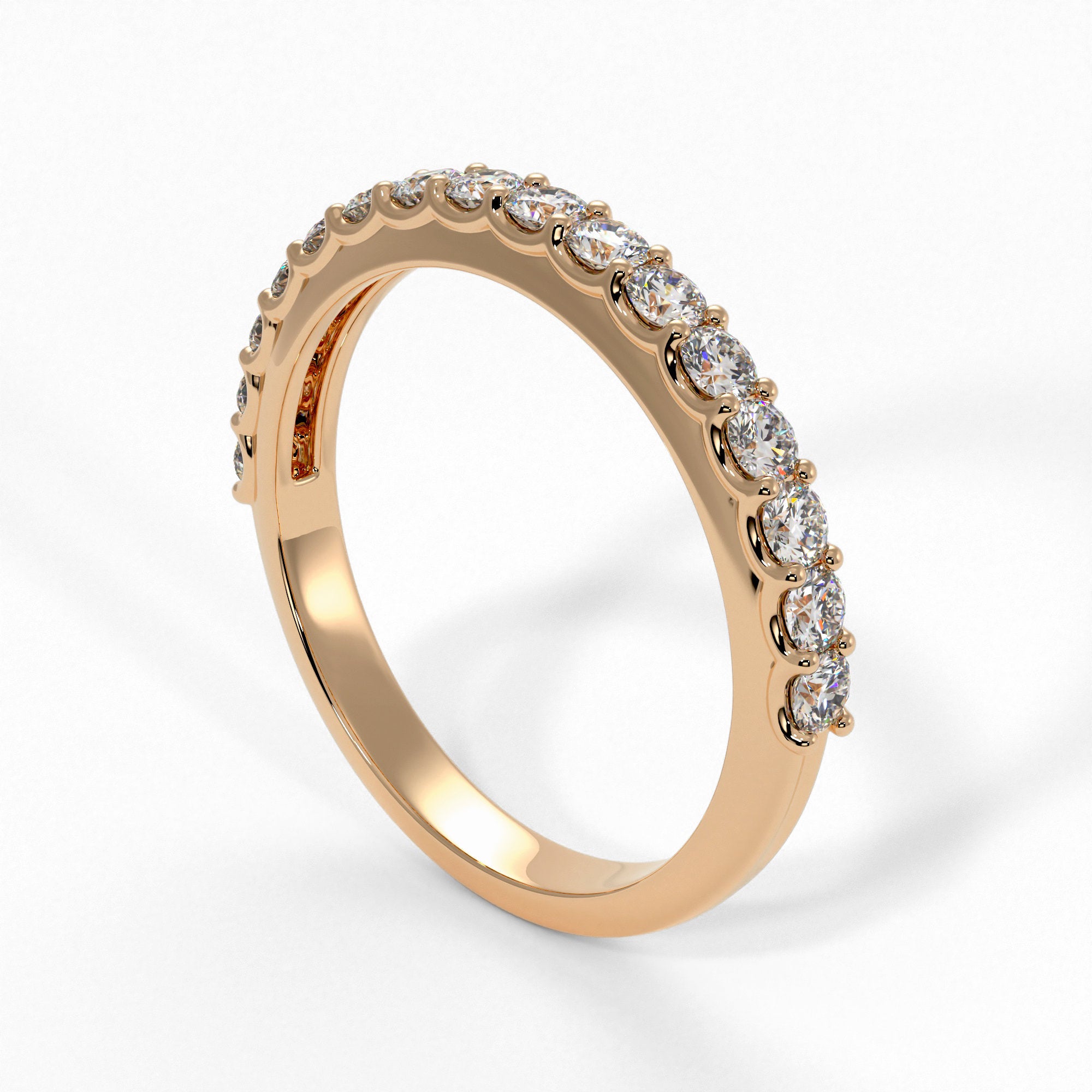
Reviewed by Yoona's in-house jewelry experts
Short answer: the biggest myths about lab-grown diamonds, that they're fake, spottable, worthless, low quality, or less durable, don't hold up against what the science and the grading reports actually show. Here's the real answer behind each one.
Myth: Lab-Grown Diamonds Are Fake
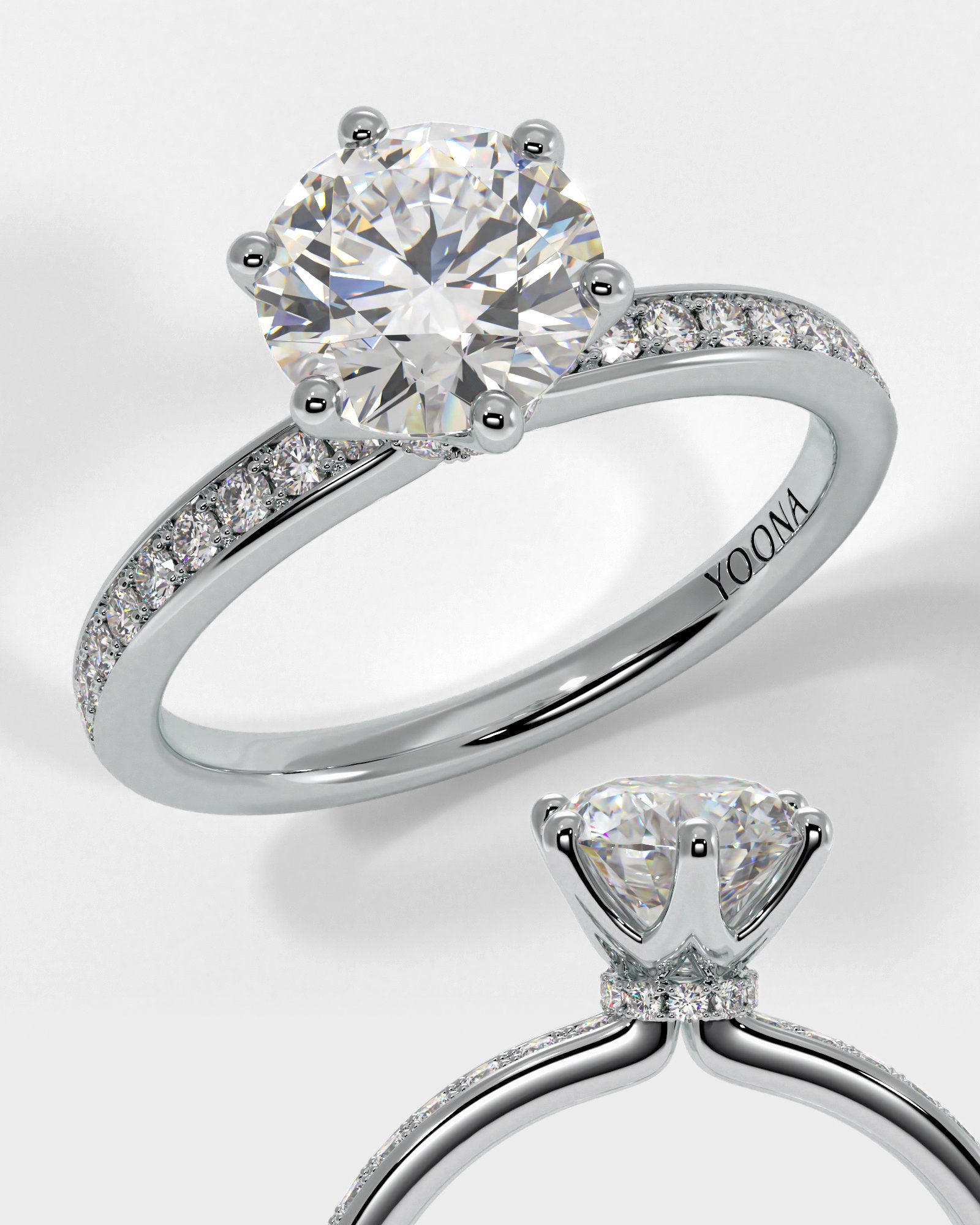
Quick answer: False. A lab-grown diamond is pure carbon crystallized in the same structure as a mined diamond. "Lab-grown" describes where it was made, not whether it's real.
This myth comes from confusing "lab-grown" with "simulant." A simulant, like cubic zirconia or moissanite, is a different material built to resemble a diamond. A lab-grown diamond isn't imitating anything, it's carbon, grown under heat and pressure or from carbon-rich gas, that ends up chemically and structurally identical to a diamond pulled from the ground. The U.S. Federal Trade Commission has classified lab-grown stones as genuine diamonds since 2018.
Myth: You Can Tell the Difference by Looking
Quick answer: False. Lab-grown and mined diamonds are visually and structurally identical. Only specialized lab equipment, not a jeweler's loupe or the naked eye, can detect growth-pattern traces.
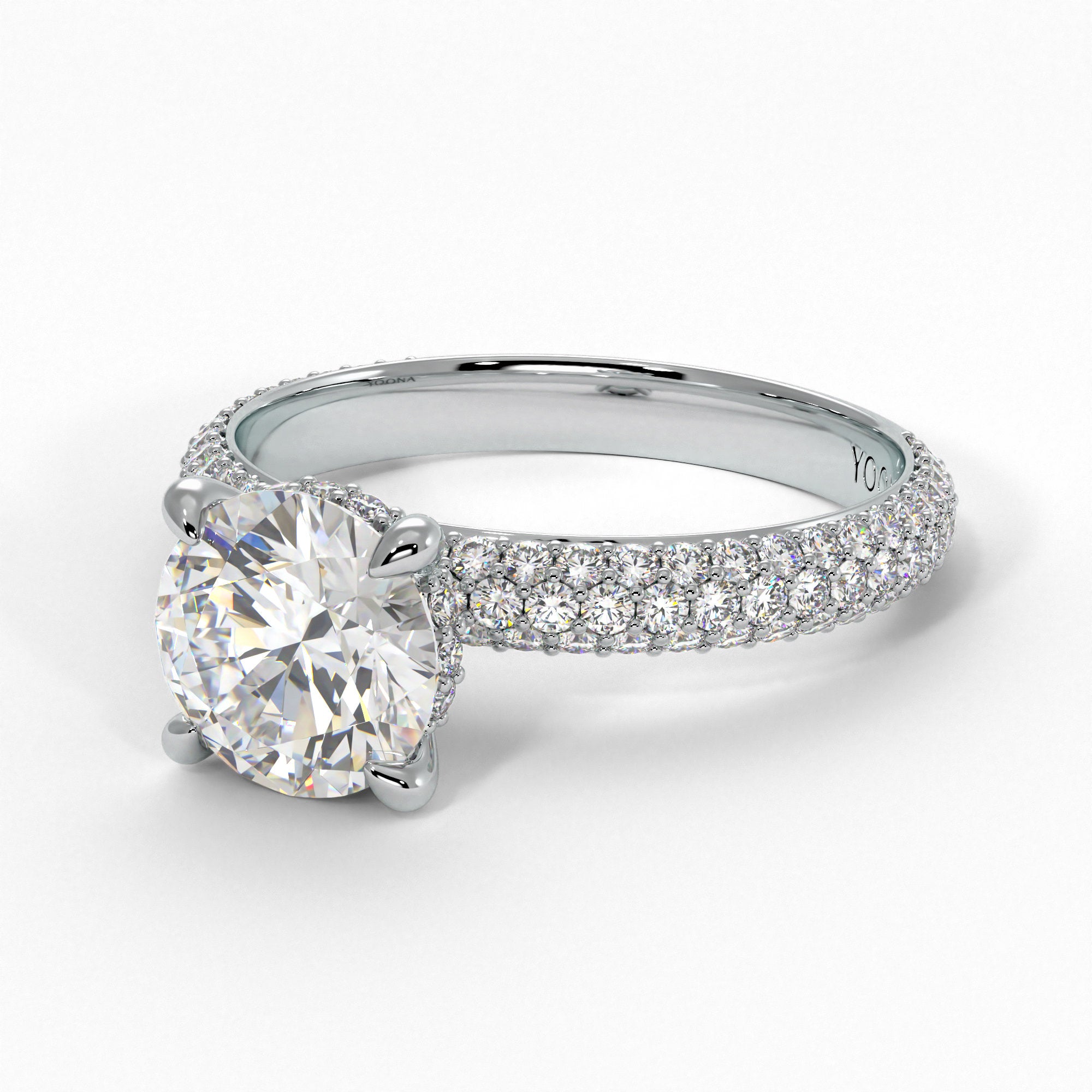
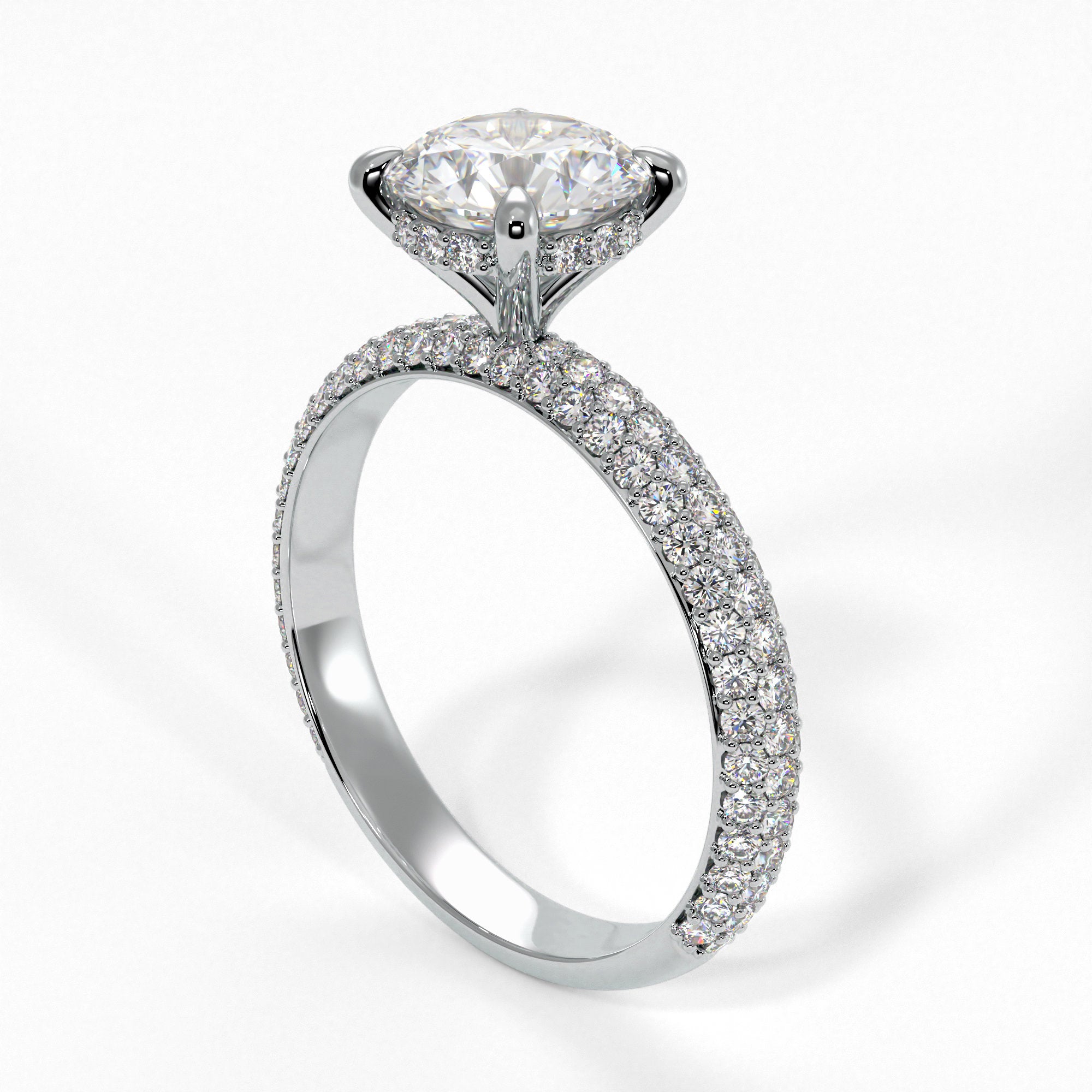
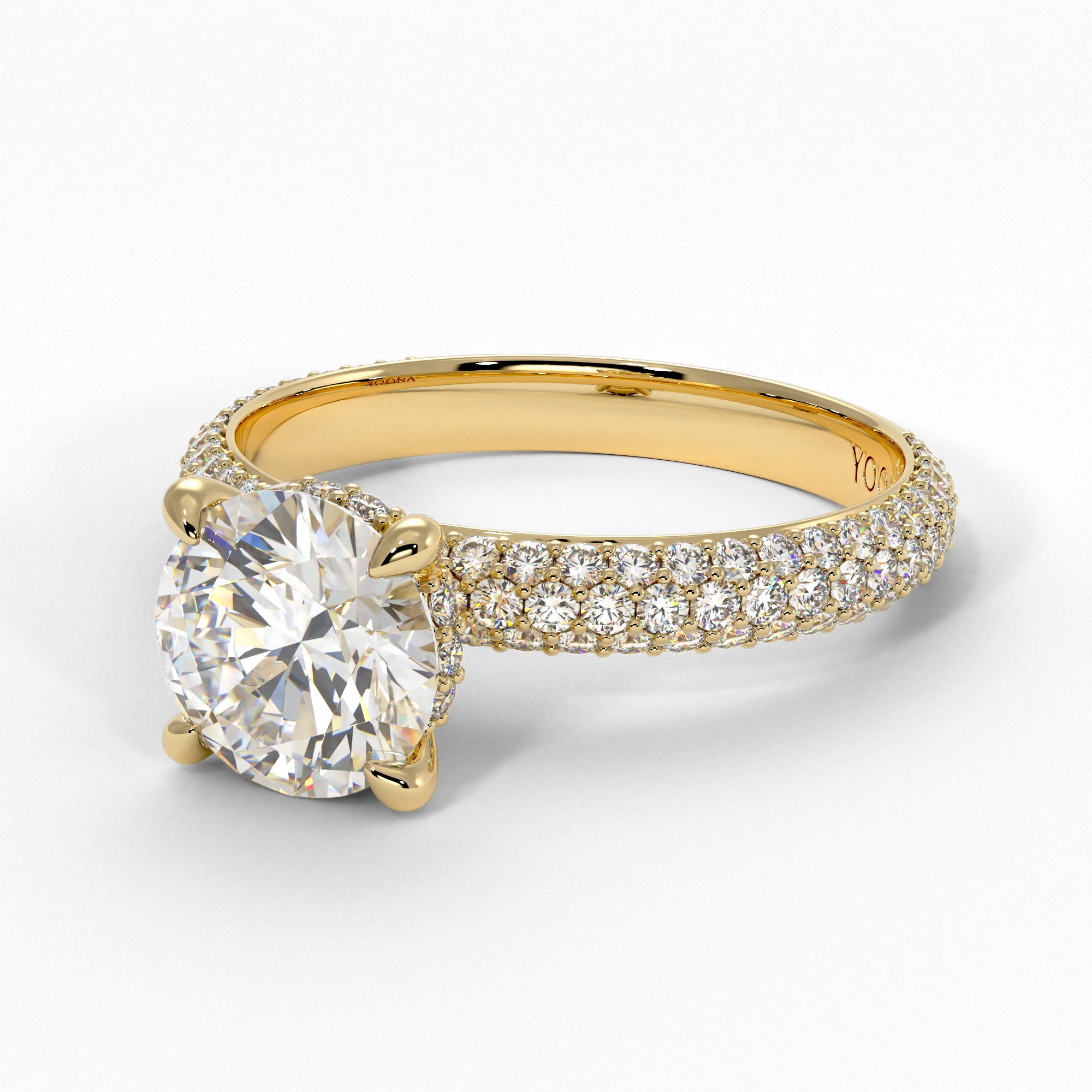
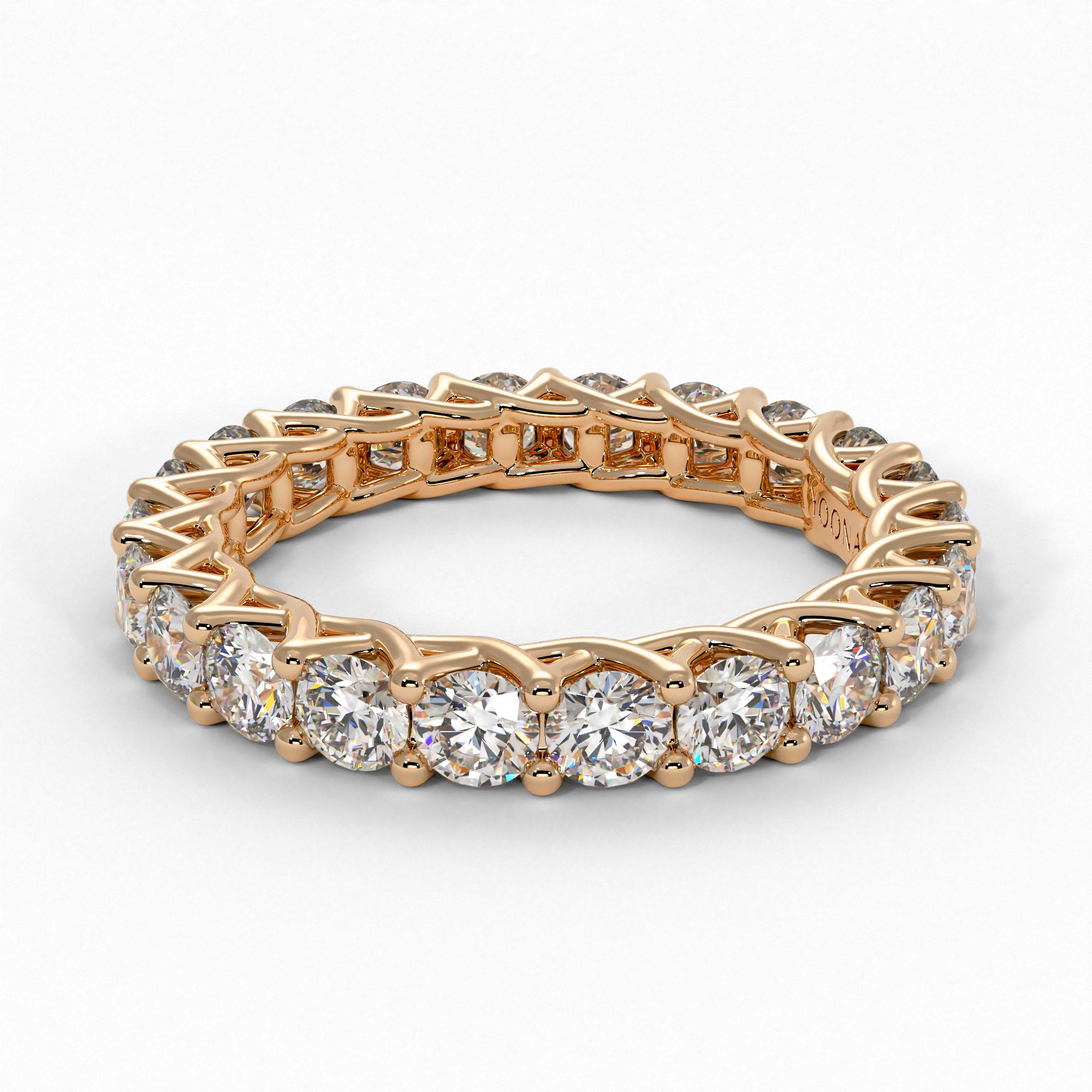
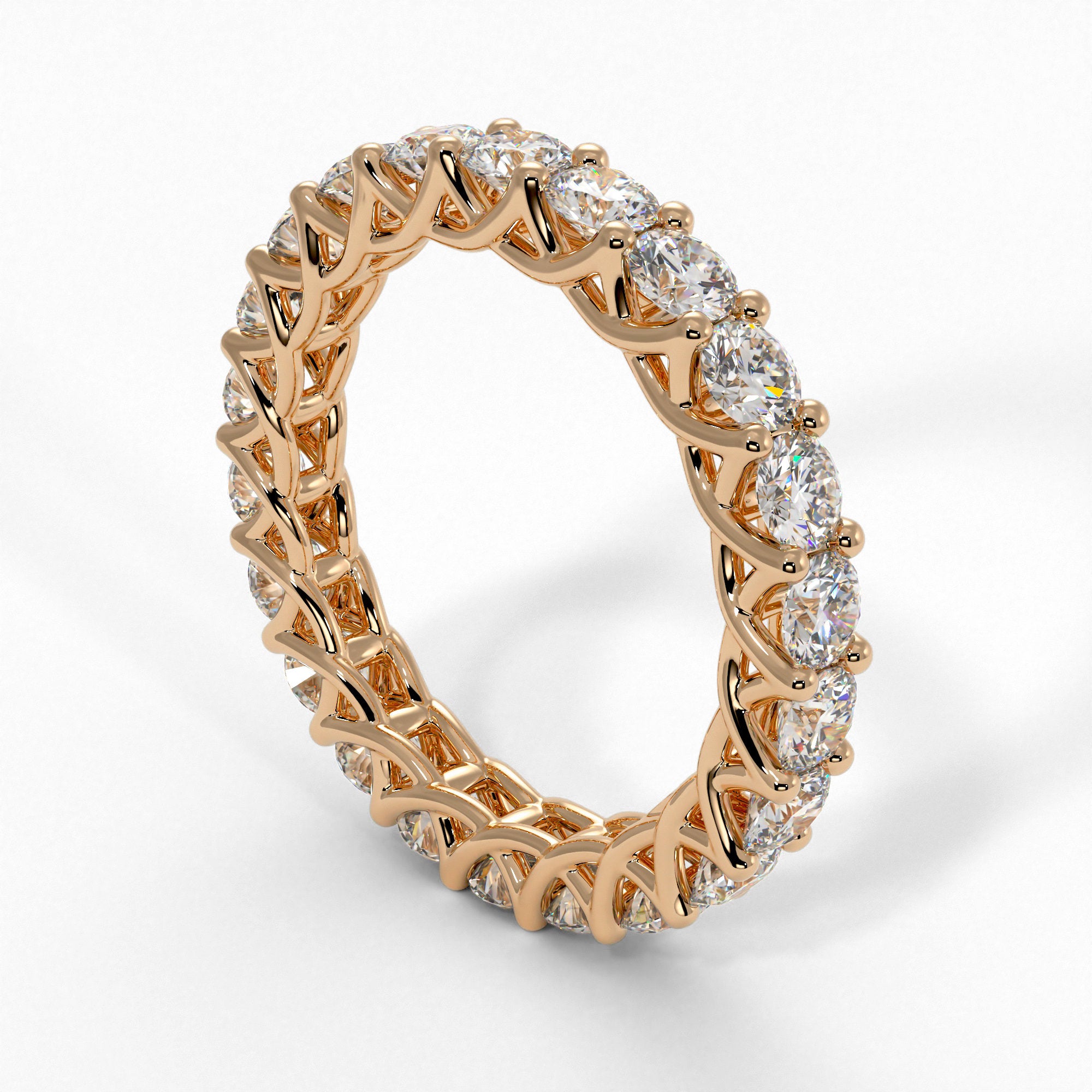
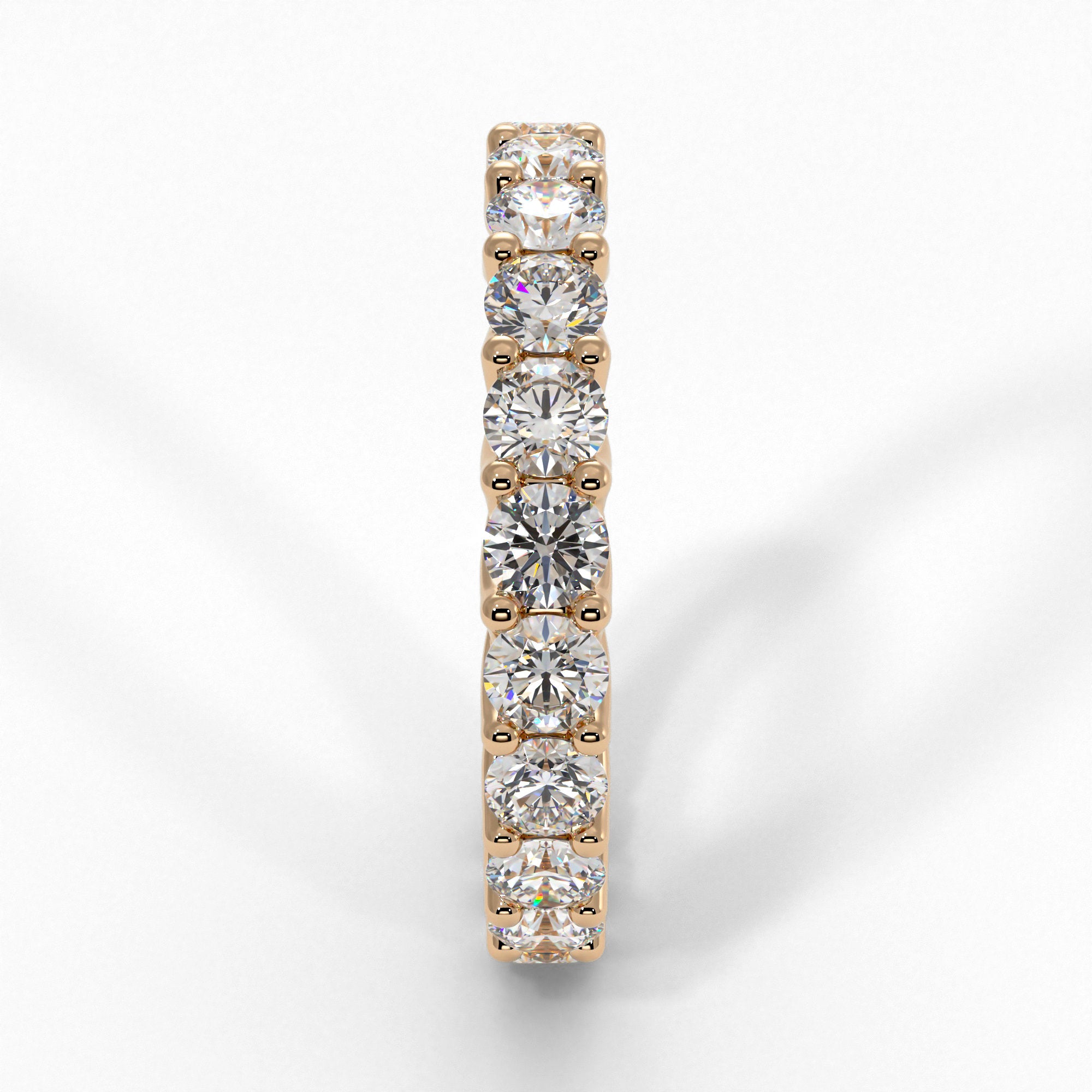
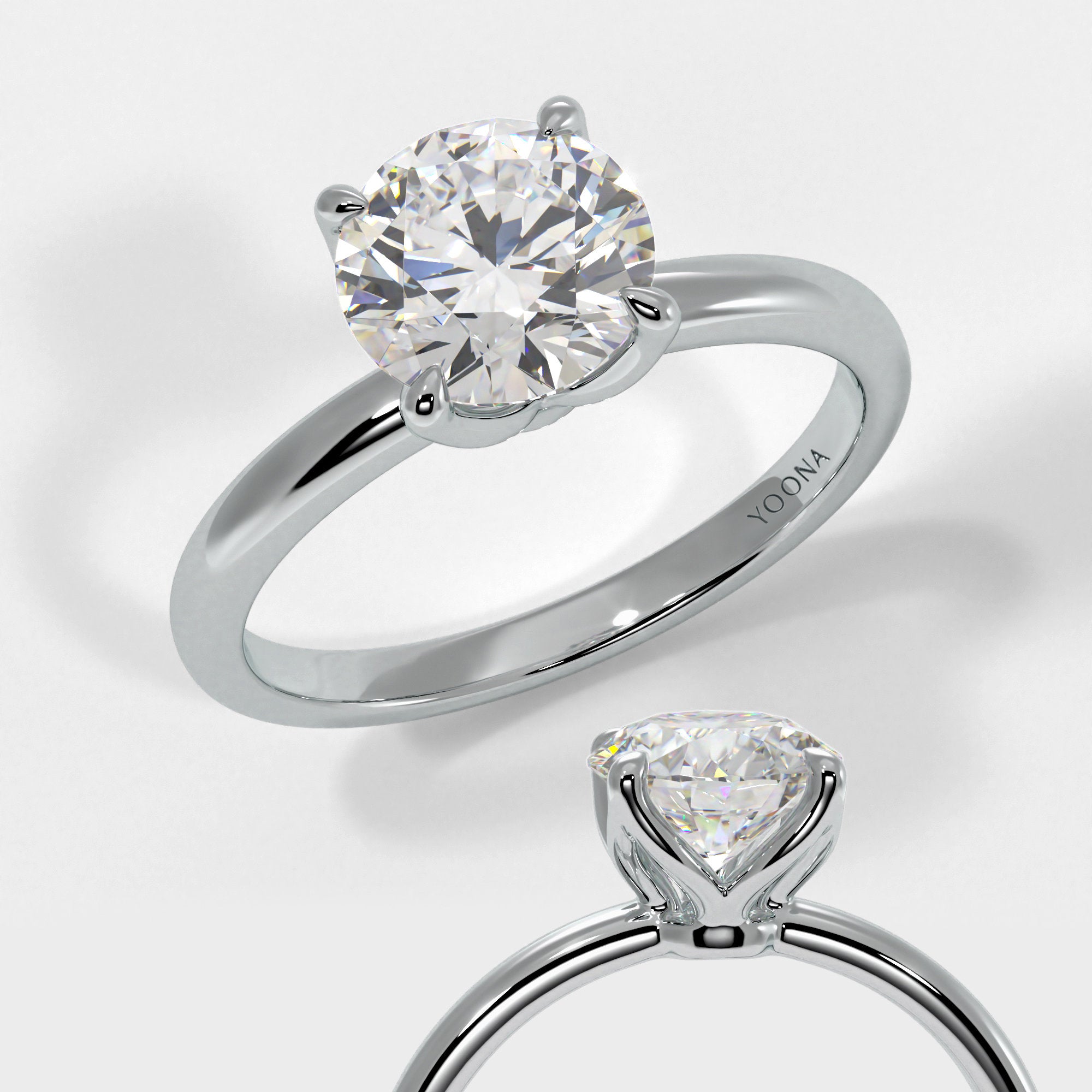
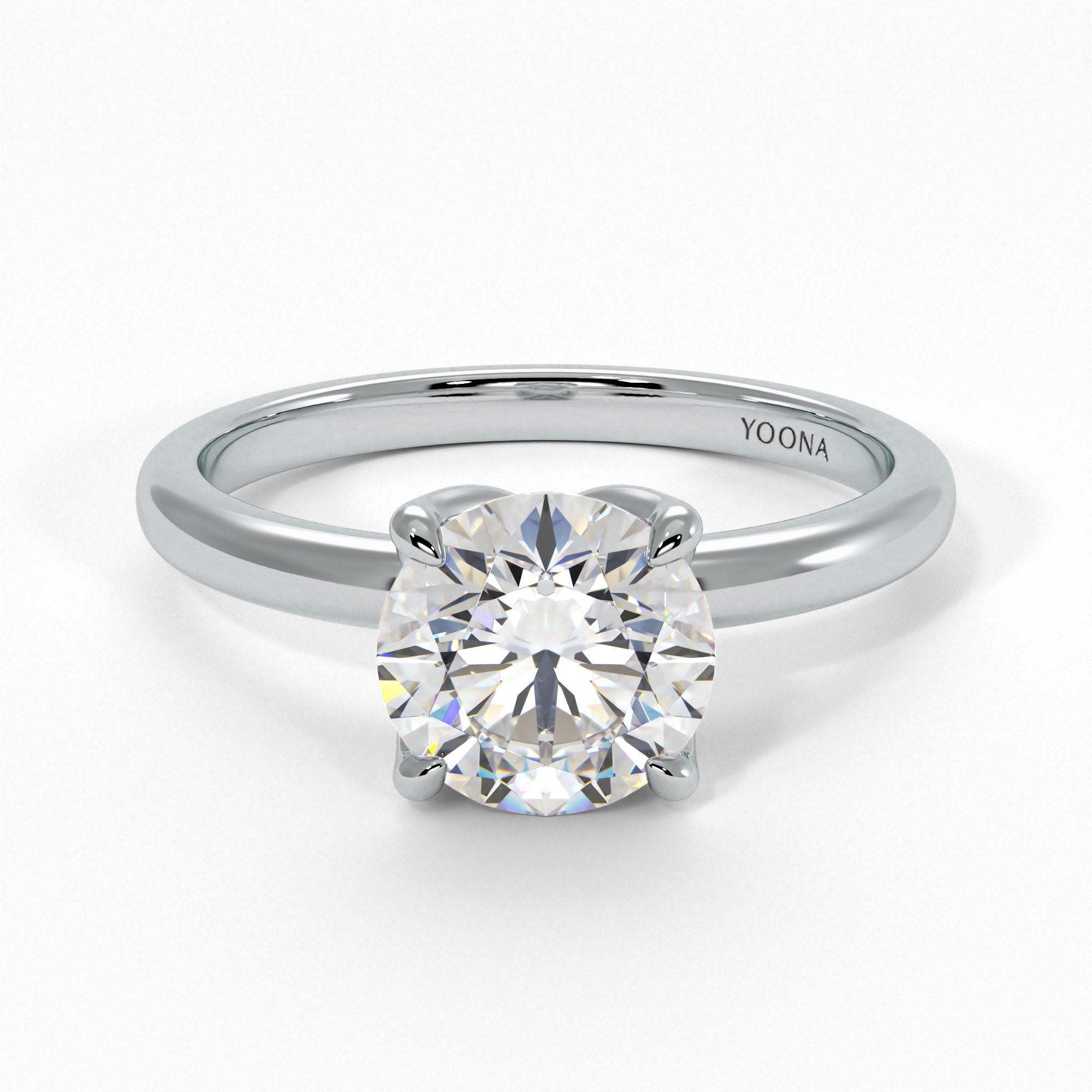
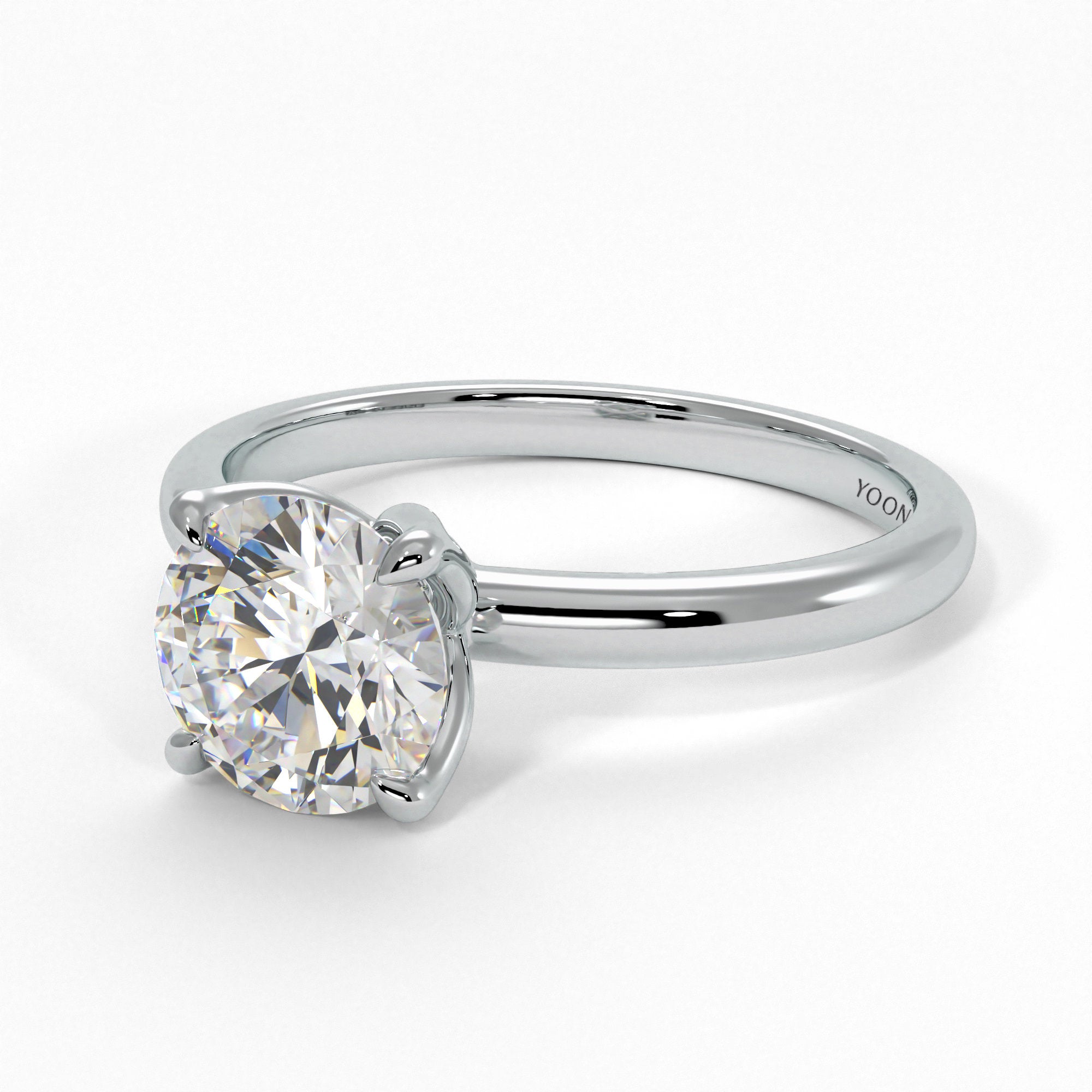
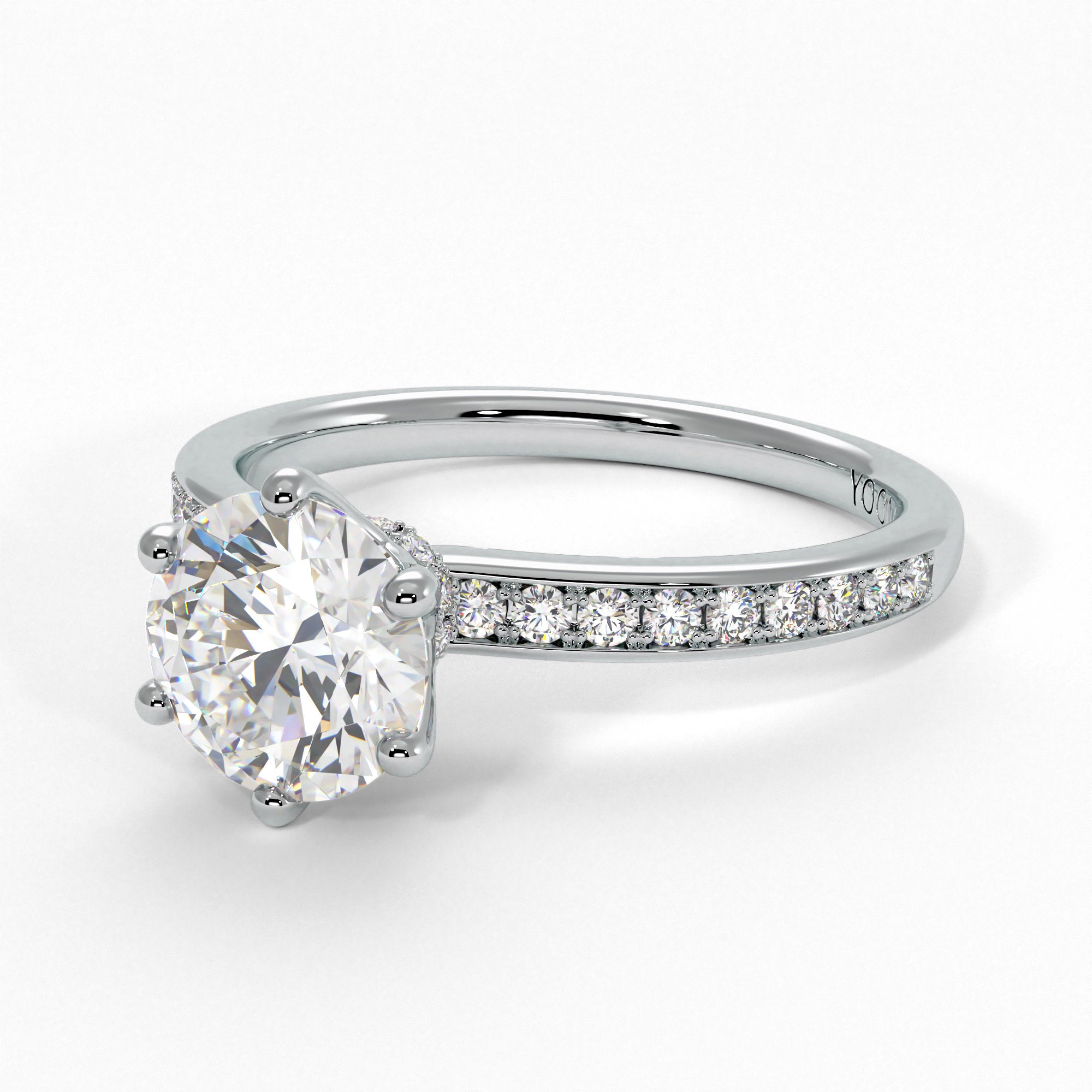
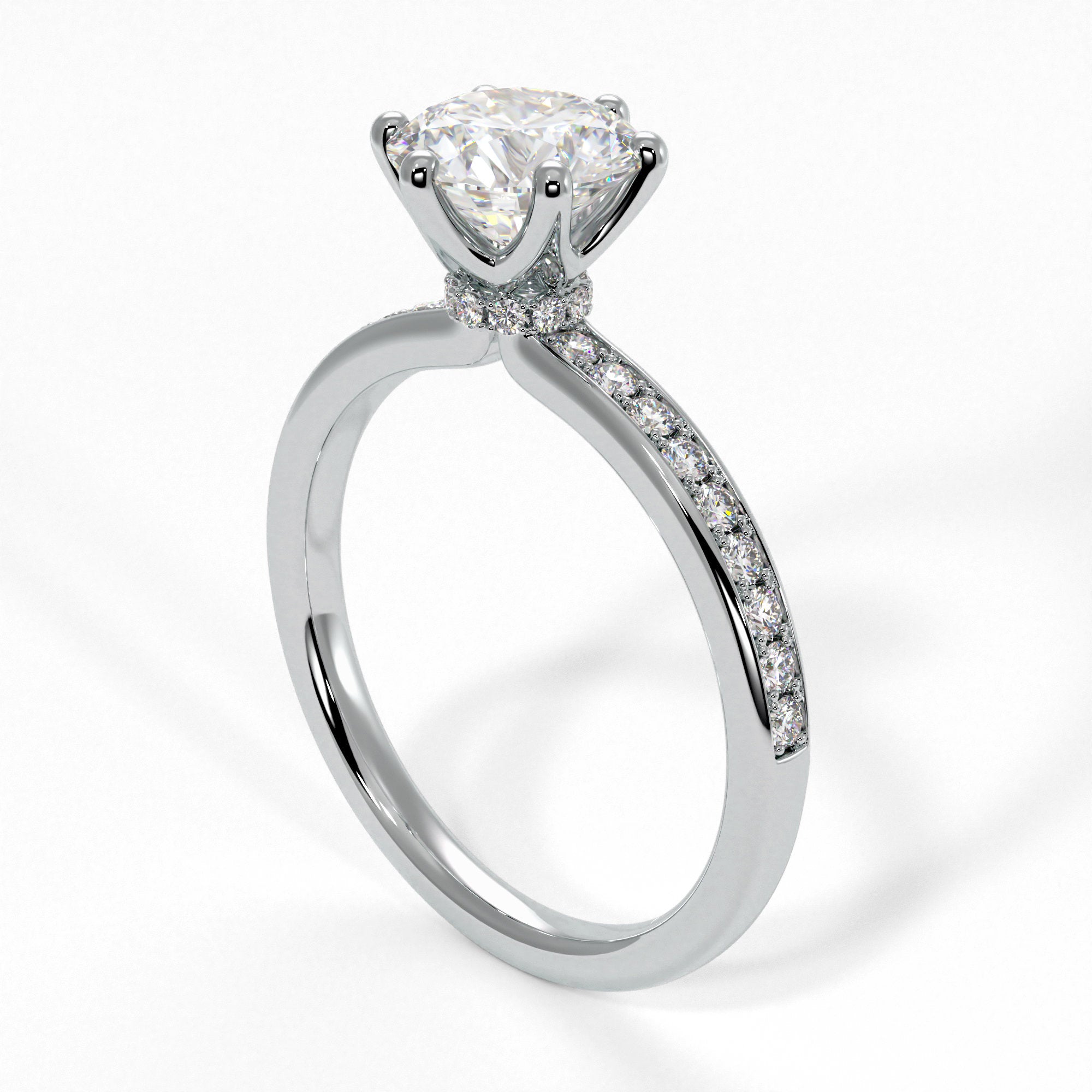
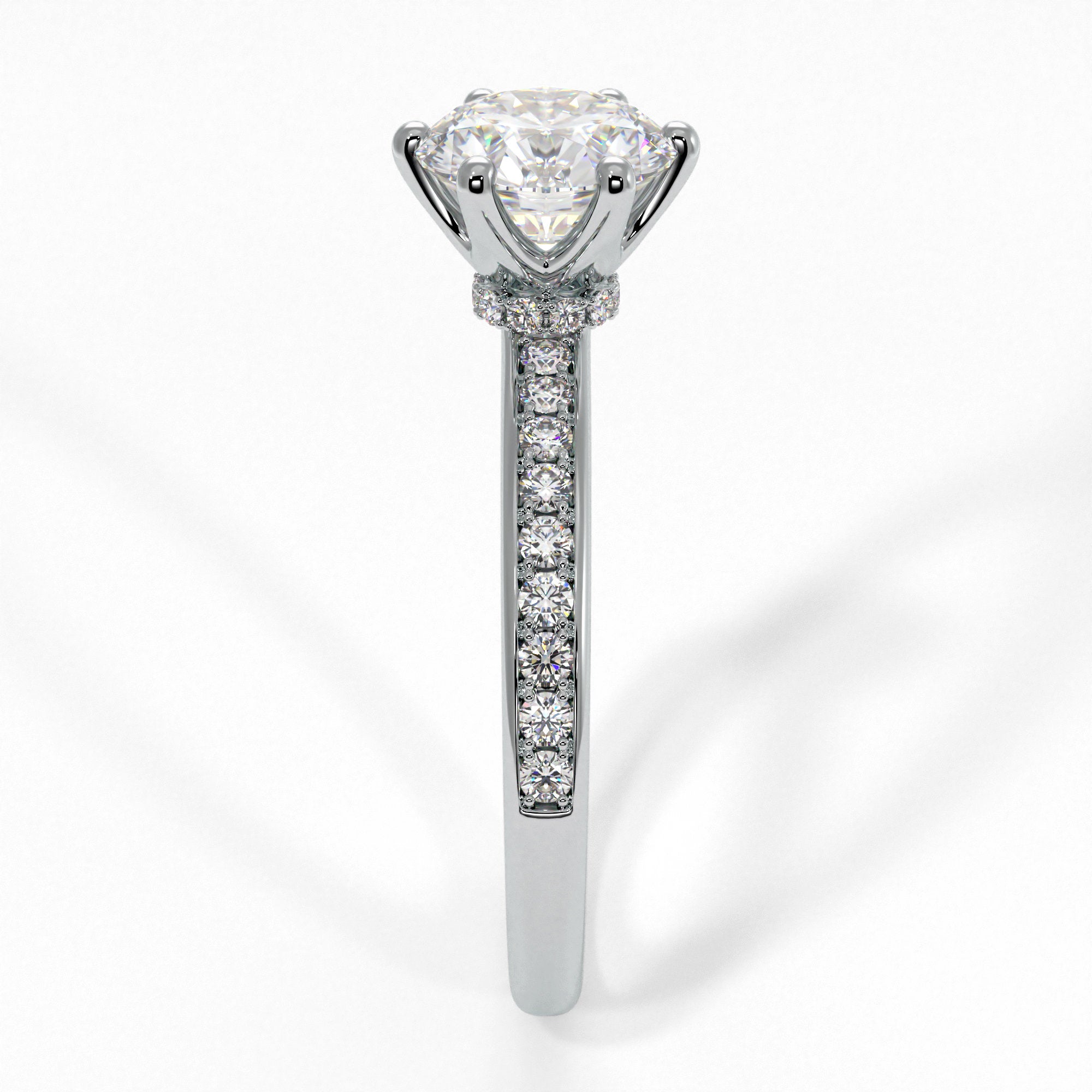
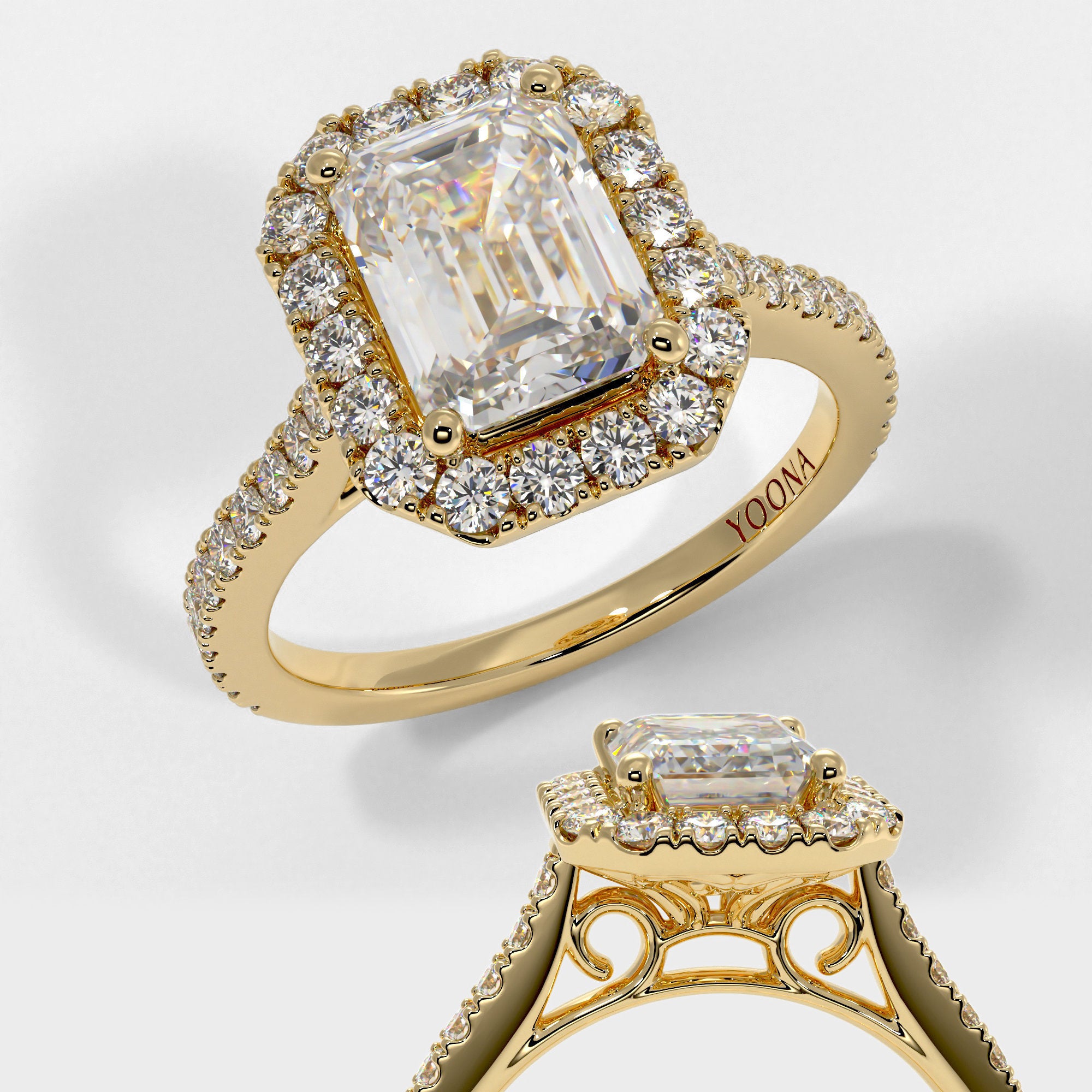
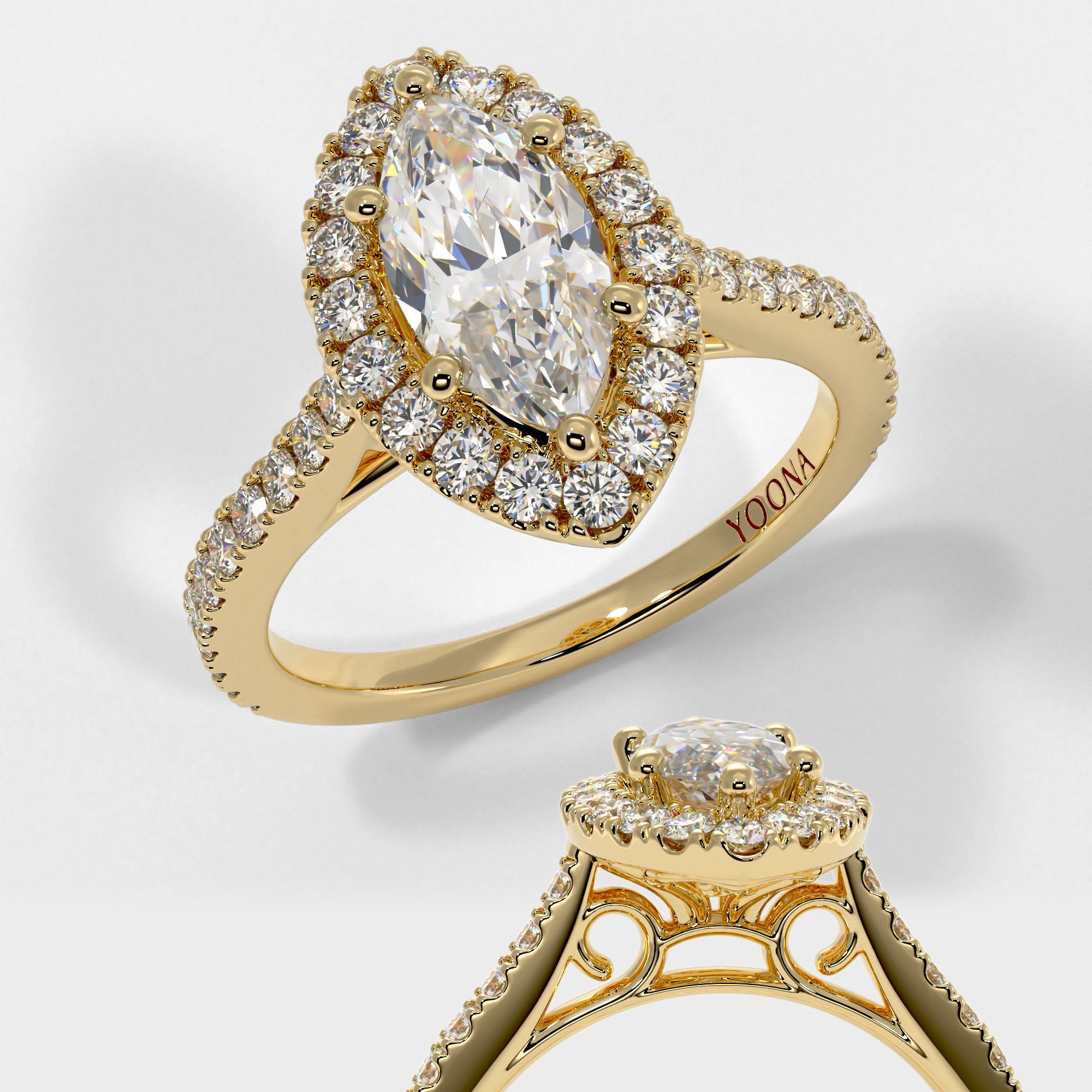
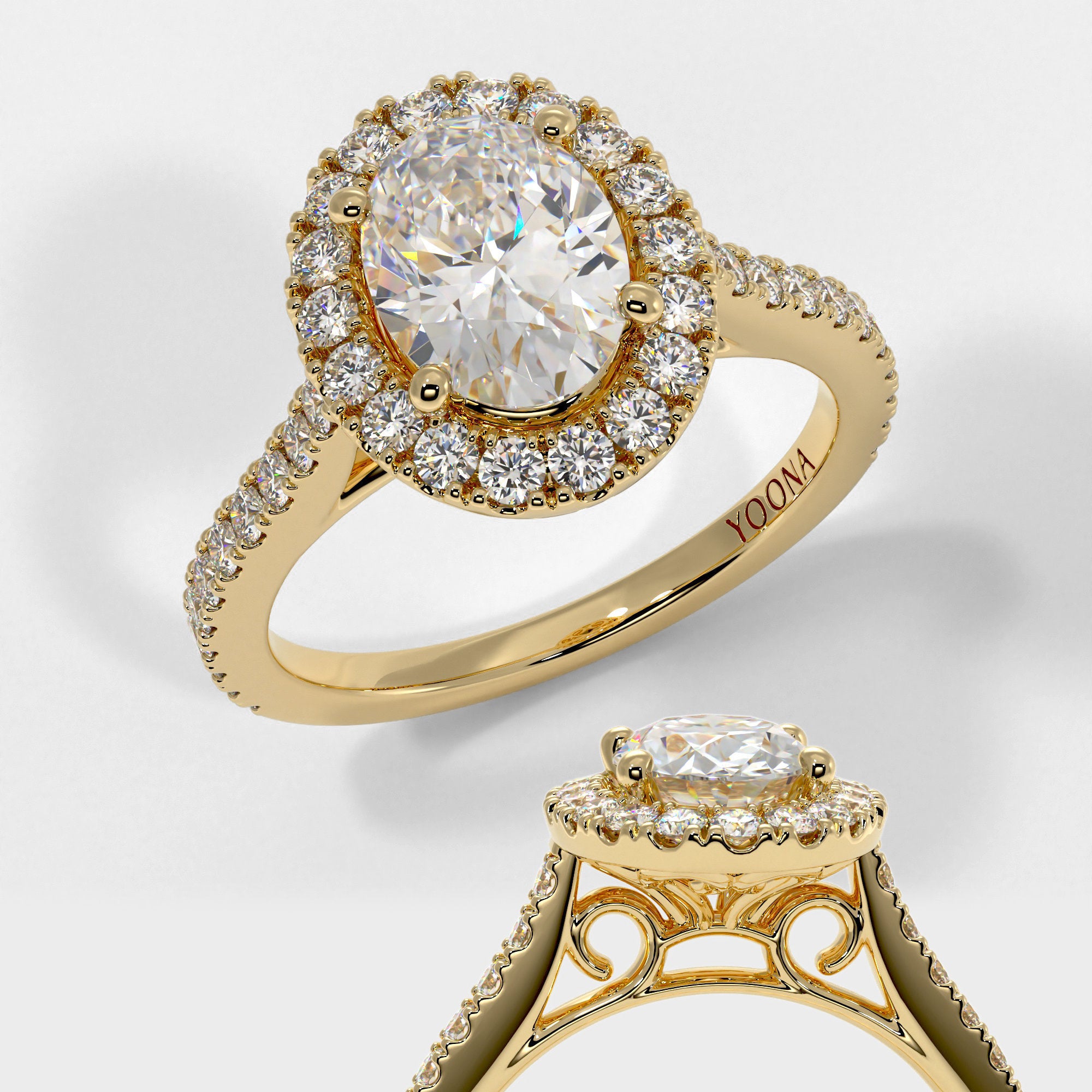
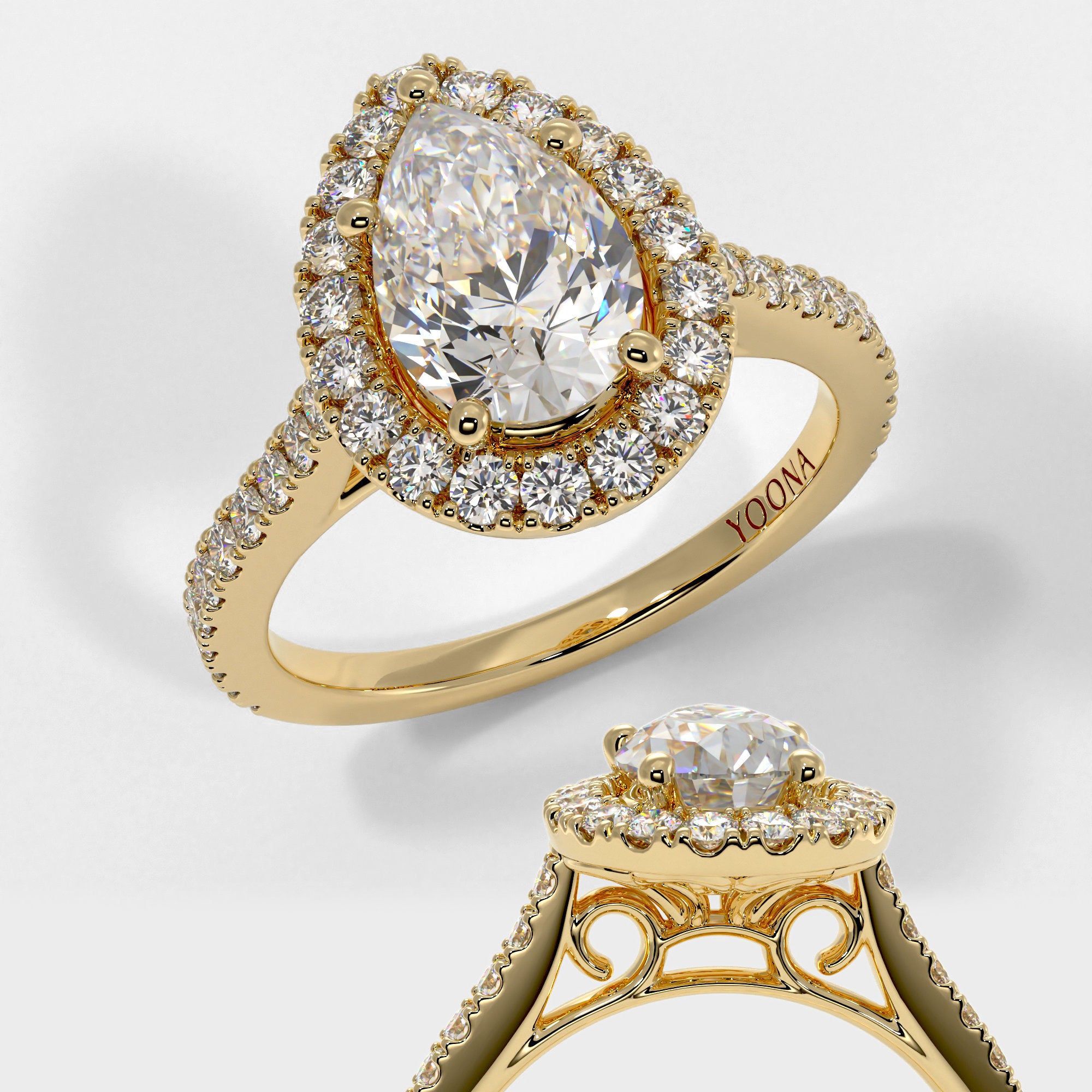
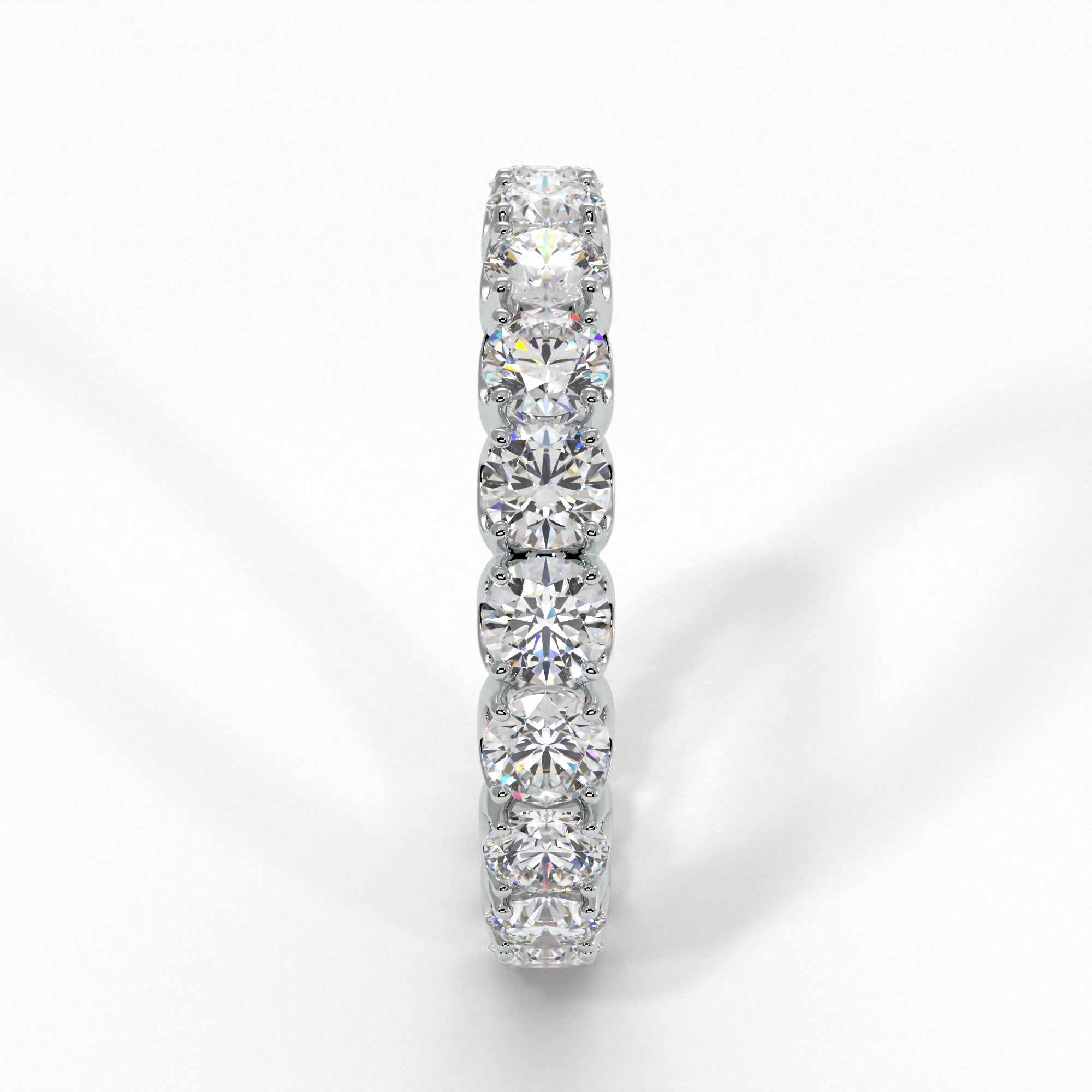
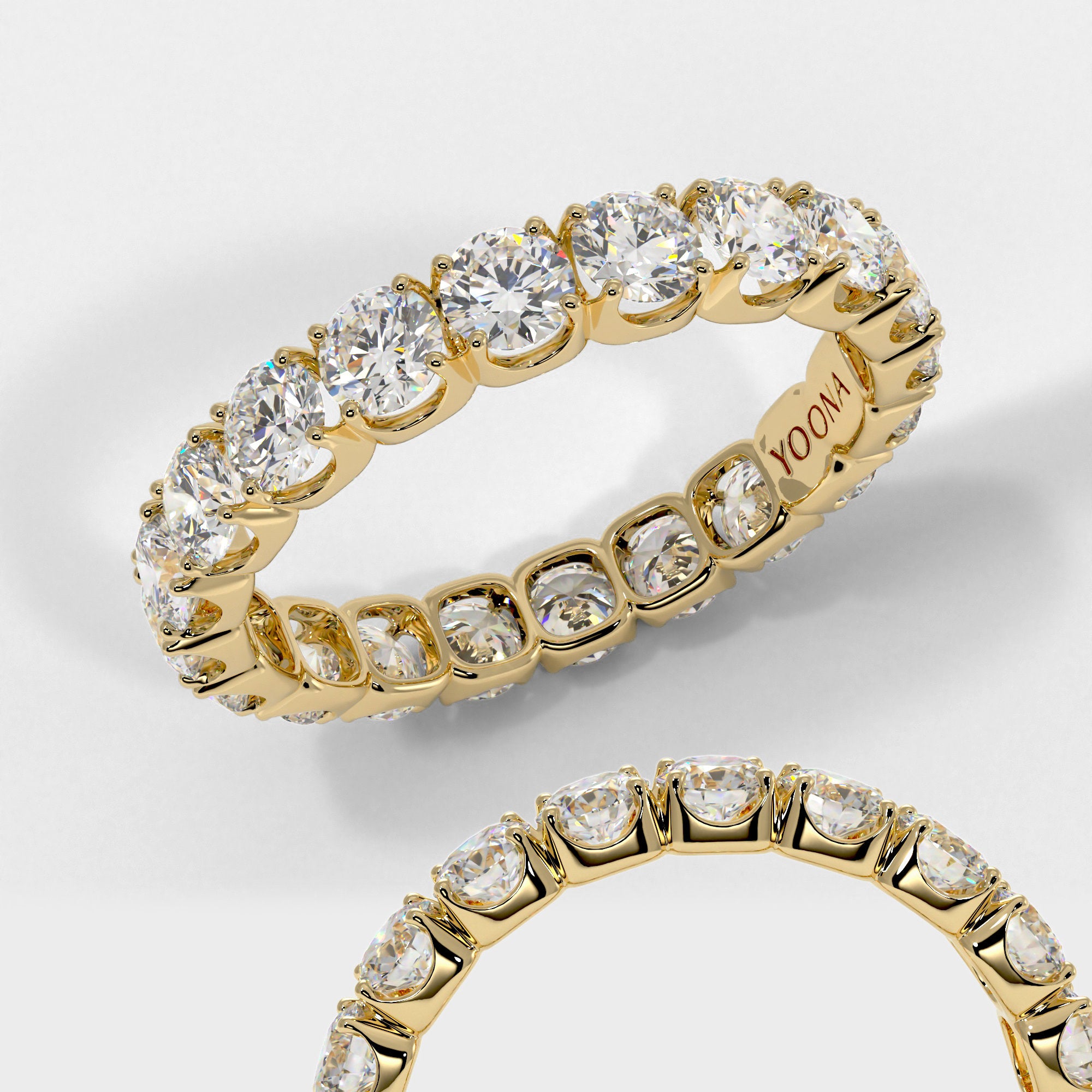
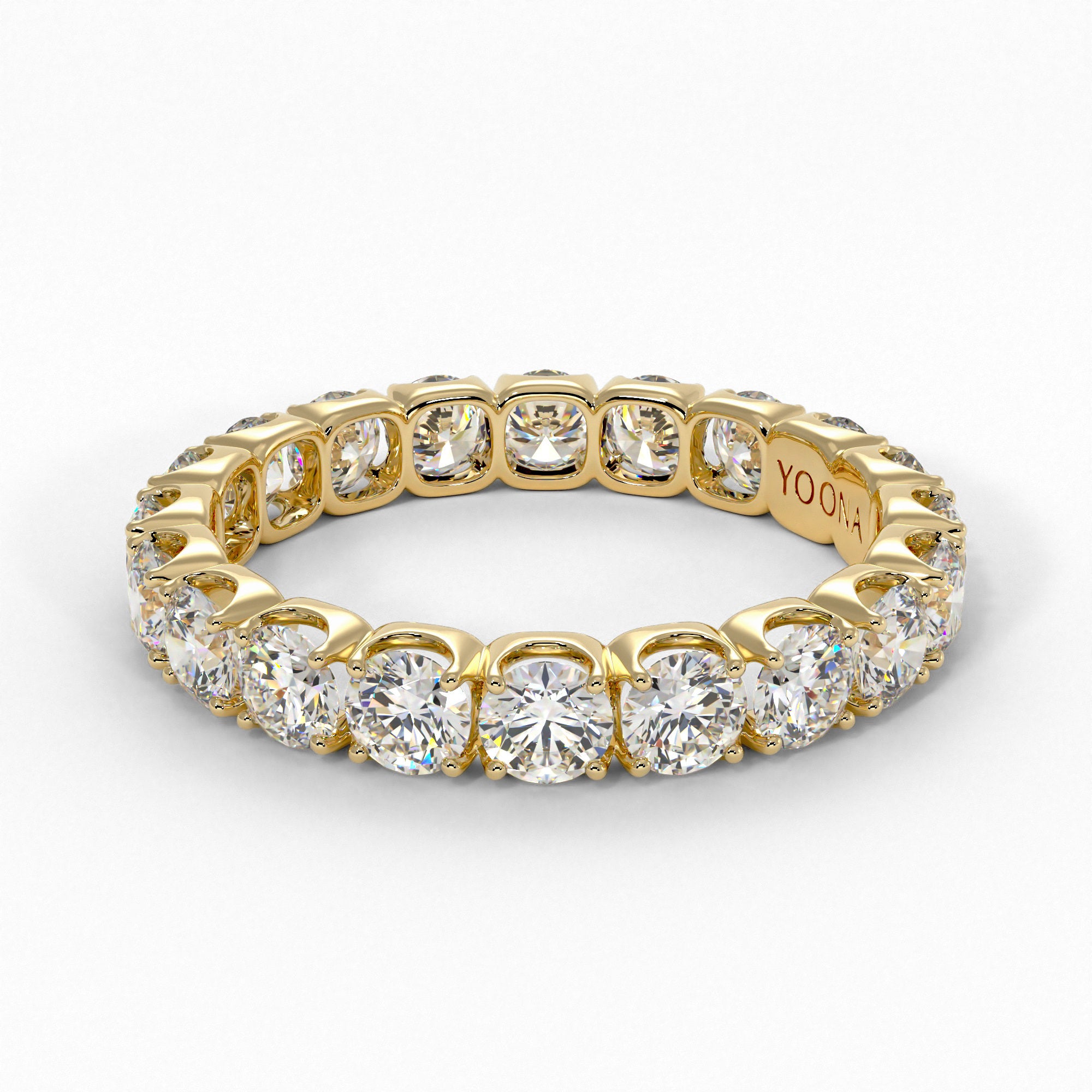
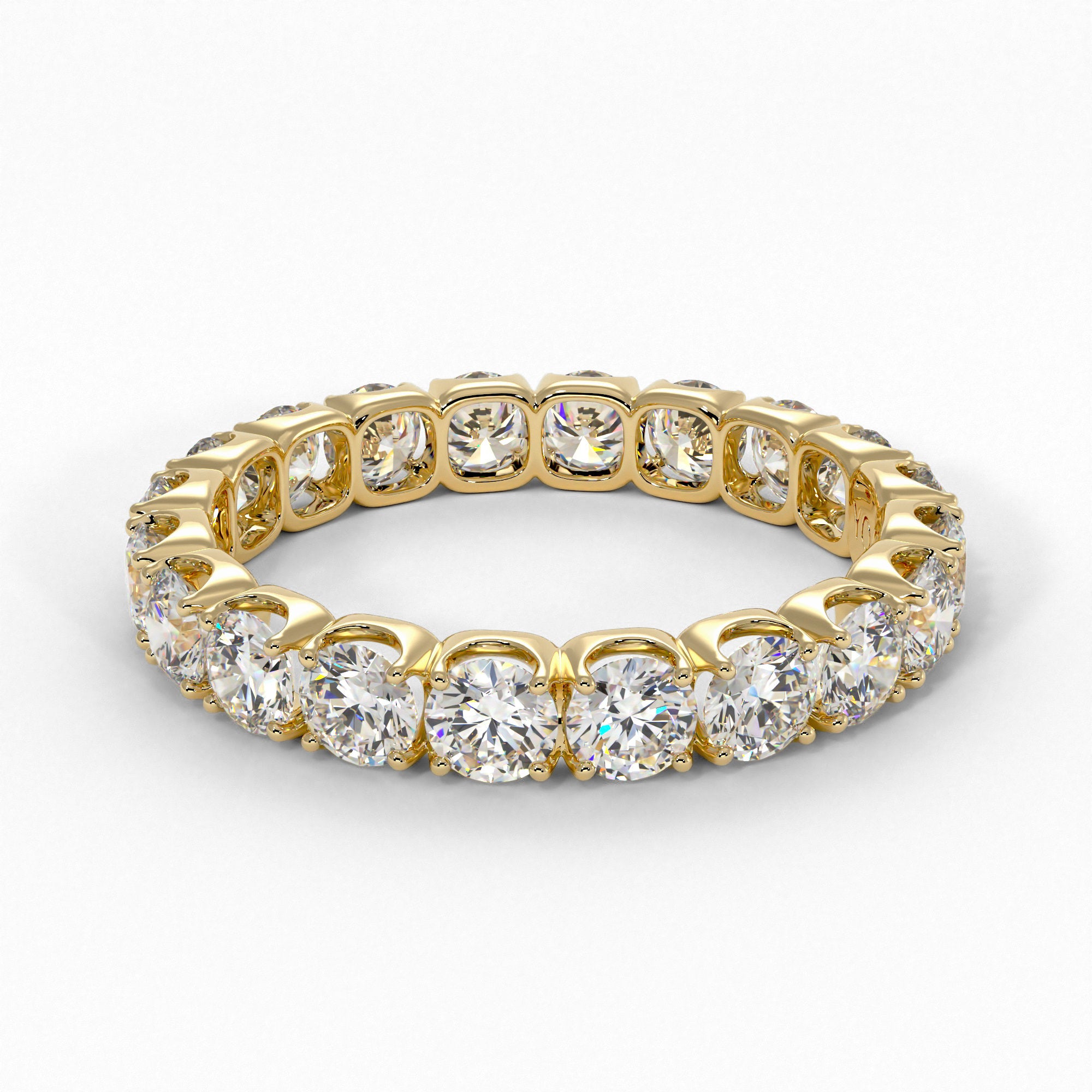
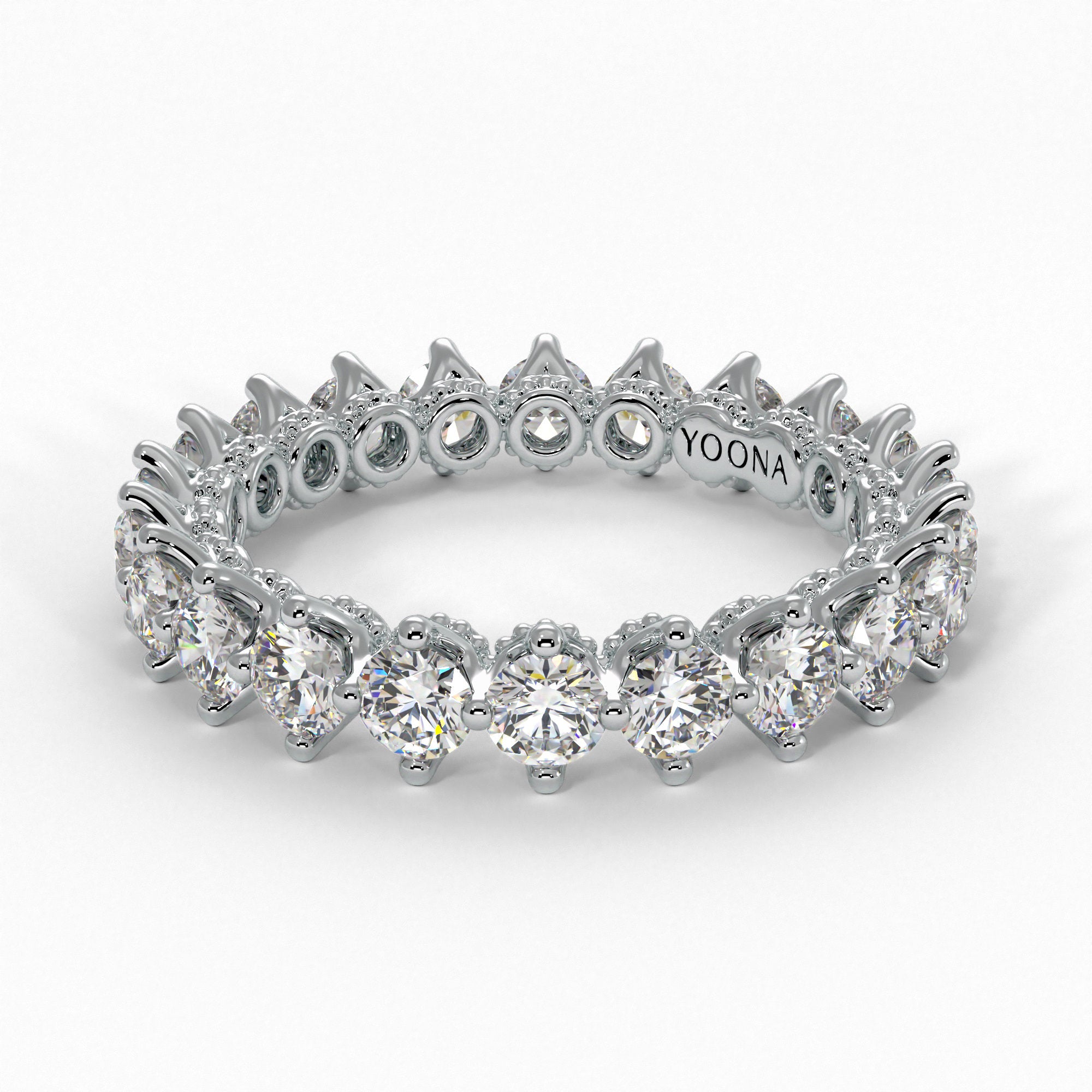
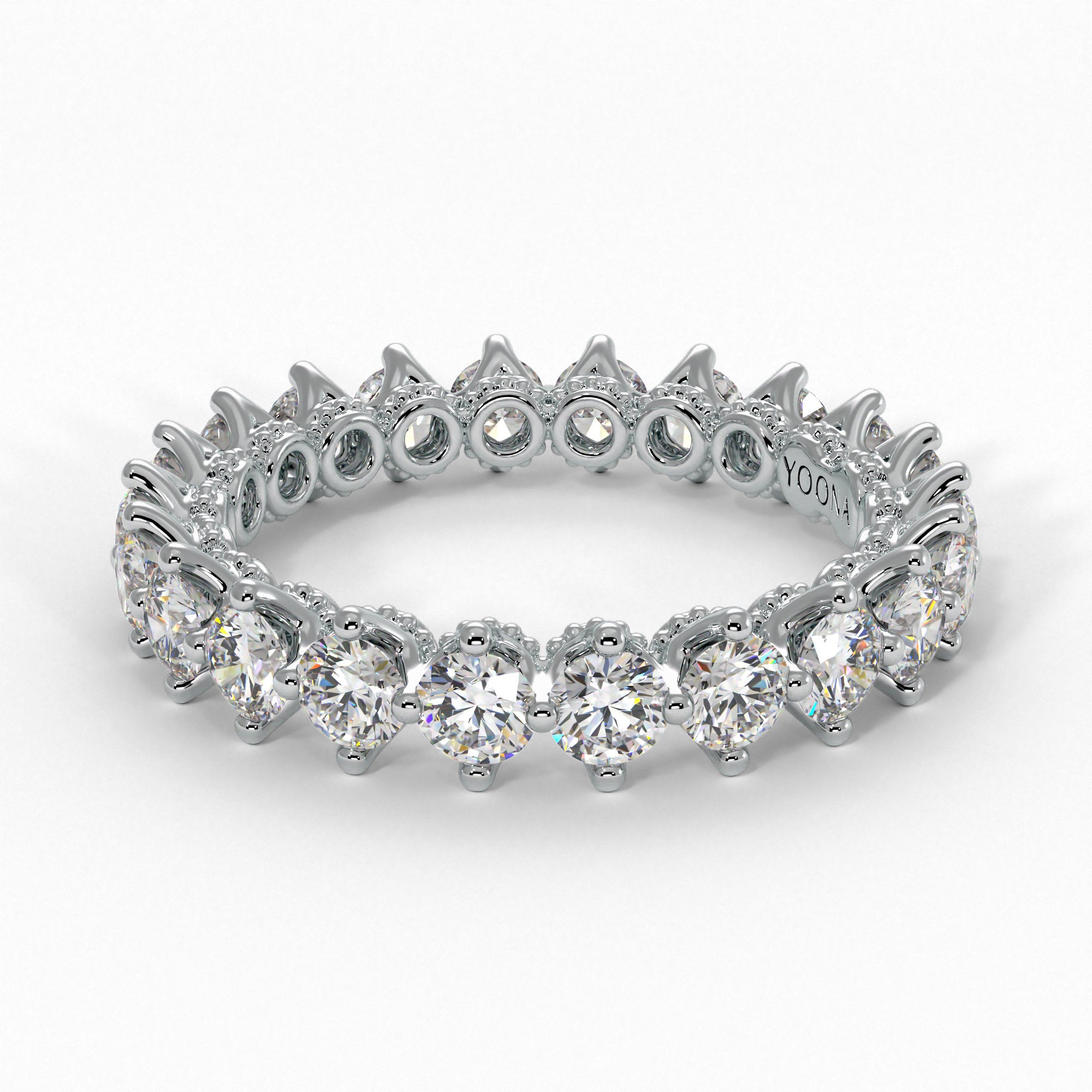
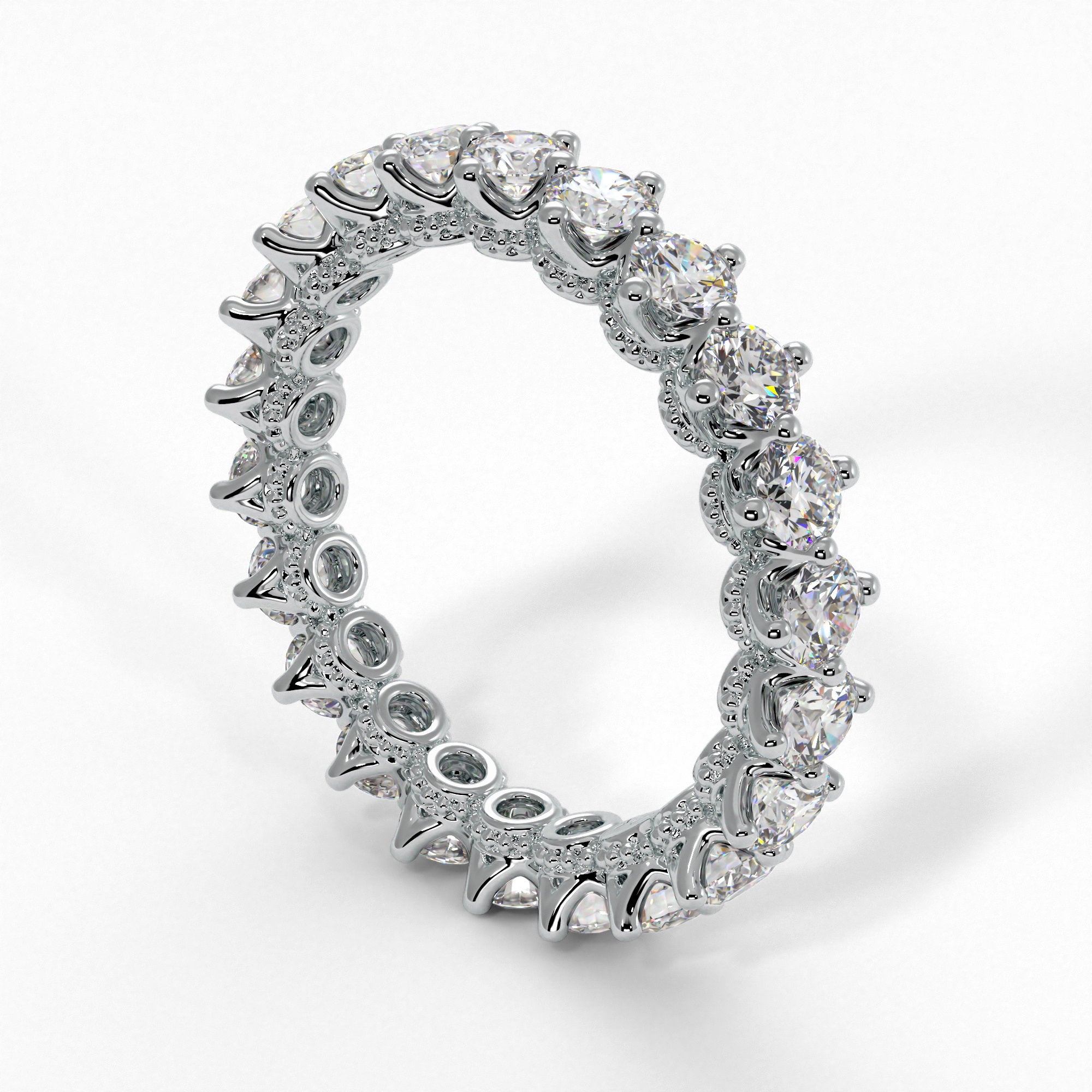
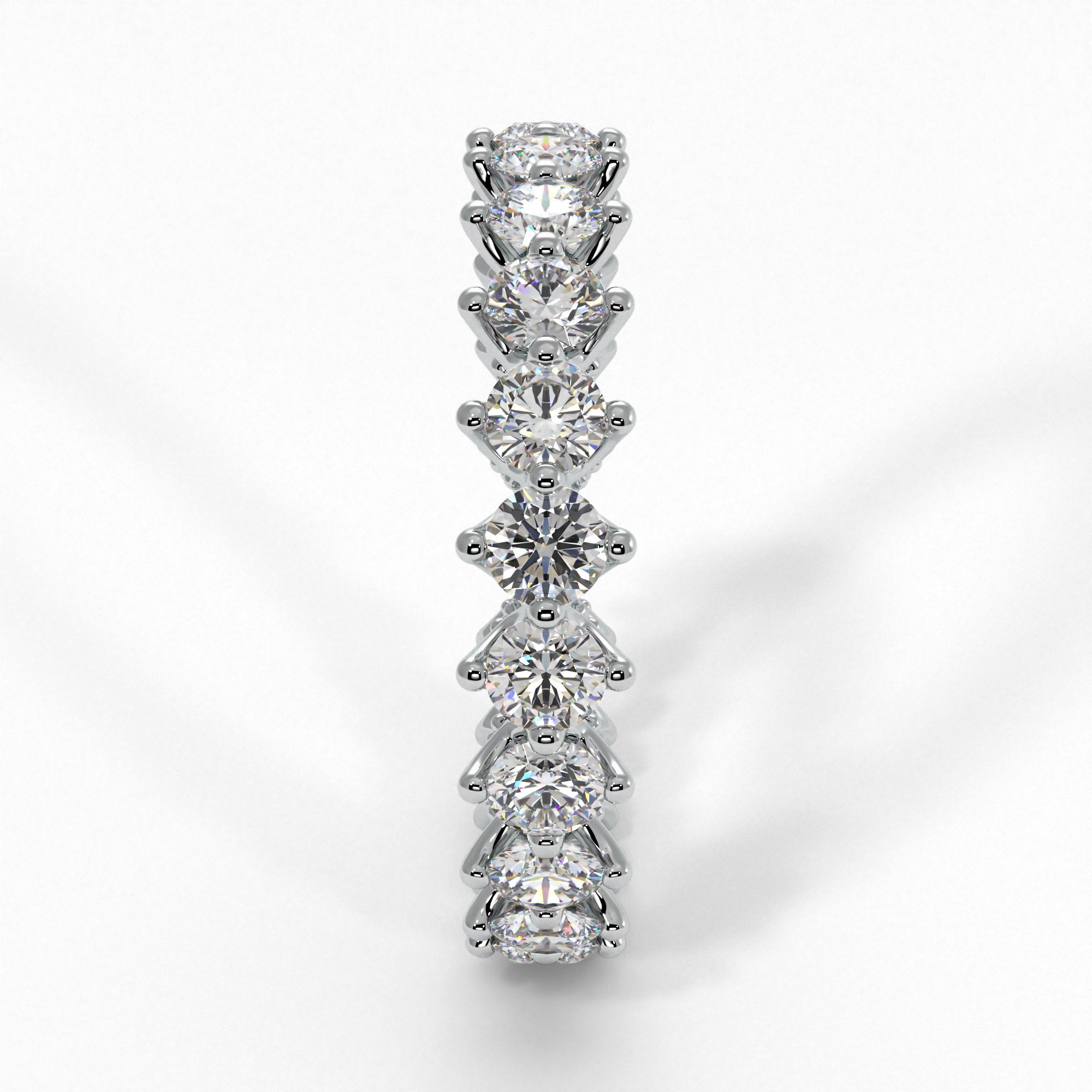
Even trained gemologists can't reliably separate a lab-grown diamond from a mined one without machines built specifically to detect trace growth signatures. Sparkle, fire, and brilliance all come down to the 4Cs, cut, color, clarity, and carat, not origin. A well-cut lab-grown diamond and a well-cut mined diamond of the same grade look the same because they're built the same.
Myth: Lab-Grown Diamonds Aren't Valuable
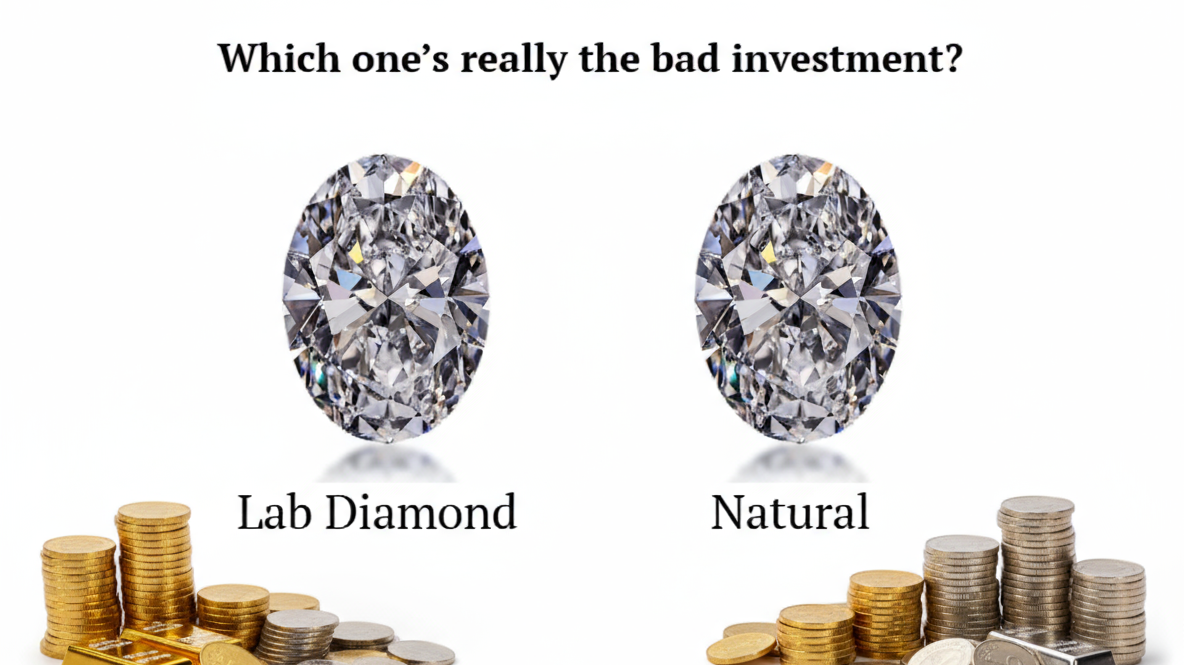
Quick answer: Misleading. Lab-grown diamonds hold real value, they're just priced differently than mined diamonds, and neither category holds strong resale value against its original purchase price.
This myth usually means "lab-grown diamonds don't resell well," and the honest answer is more nuanced than that framing suggests: retail markup affects resale on any diamond, lab-grown or mined. What lab-grown actually offers is more diamond for the money, a meaningfully larger, higher-clarity, or better-color stone for the same budget compared to a mined equivalent.
For the full breakdown of resale value, appraisals, and how lab-grown diamonds hold up as a long-term purchase, see Do Lab-Grown Diamonds Hold Value?
Myth: They're All the Same Quality
Quick answer: False. Lab-grown diamonds vary in cut, color, and clarity exactly like mined diamonds. Quality comes from the grading, not the growth method.
"Lab-grown" is not a quality tier, it's a category. Within that category, the same range of cut grades, color grades, and clarity grades exists as with mined stones, from included and poorly cut to flawless and ideal. This is exactly why certification matters more than the lab-grown label itself: two lab-grown diamonds can be worlds apart in quality depending on where they land on the 4Cs.
Myth: Lab-Grown Diamonds Are Bad for the Environment
Quick answer: Overstated. Lab-grown diamonds generally use less land and cause less ecosystem disruption than mining, though growing them still requires meaningful energy, so their footprint depends heavily on the producer's energy source.
Mining a diamond disturbs significant land and displaces large volumes of earth per carat. Growing one in a lab avoids that land disruption entirely, but the process runs on electricity, often for weeks per stone, so the real environmental comparison depends on how that electricity is generated. This is why sourcing from producers with transparent, responsibly powered facilities matters more than the blanket claim that lab-grown is automatically "green."
Myth: Lab-Grown Diamonds Don't Last as Long
Quick answer: False. Lab-grown diamonds score 10 on the Mohs hardness scale, identical to mined diamonds. Durability is a function of the material, not where it was grown.
A diamond's hardness comes from its carbon crystal structure, which is identical whether the stone formed underground over a billion years or in a lab over a few weeks. A lab-grown diamond resists scratching, chipping, and everyday wear exactly as well as a mined one, there's no durability trade-off to worry about.
Frequently Asked Questions
Will a jeweler or appraiser know my diamond is lab-grown?
Yes, it's disclosed on the certification report, and reputable jewelers and appraisers work from that report rather than guesswork. There's no attempt at concealment, and none is needed.
Is "lab-grown" the same as "synthetic"?
Functionally yes, though "synthetic" sometimes gets mistaken for "fake" in casual use. In gemological terms, synthetic means lab-created, not artificial or imitation.
Do all sellers disclose lab-grown origin?
Reputable sellers do, and it's required on the certification. Always confirm a diamond is IGI certified before buying, the standard for lab-grown diamond certification.
Why Yoona Only Uses Certified Lab-Grown Diamonds
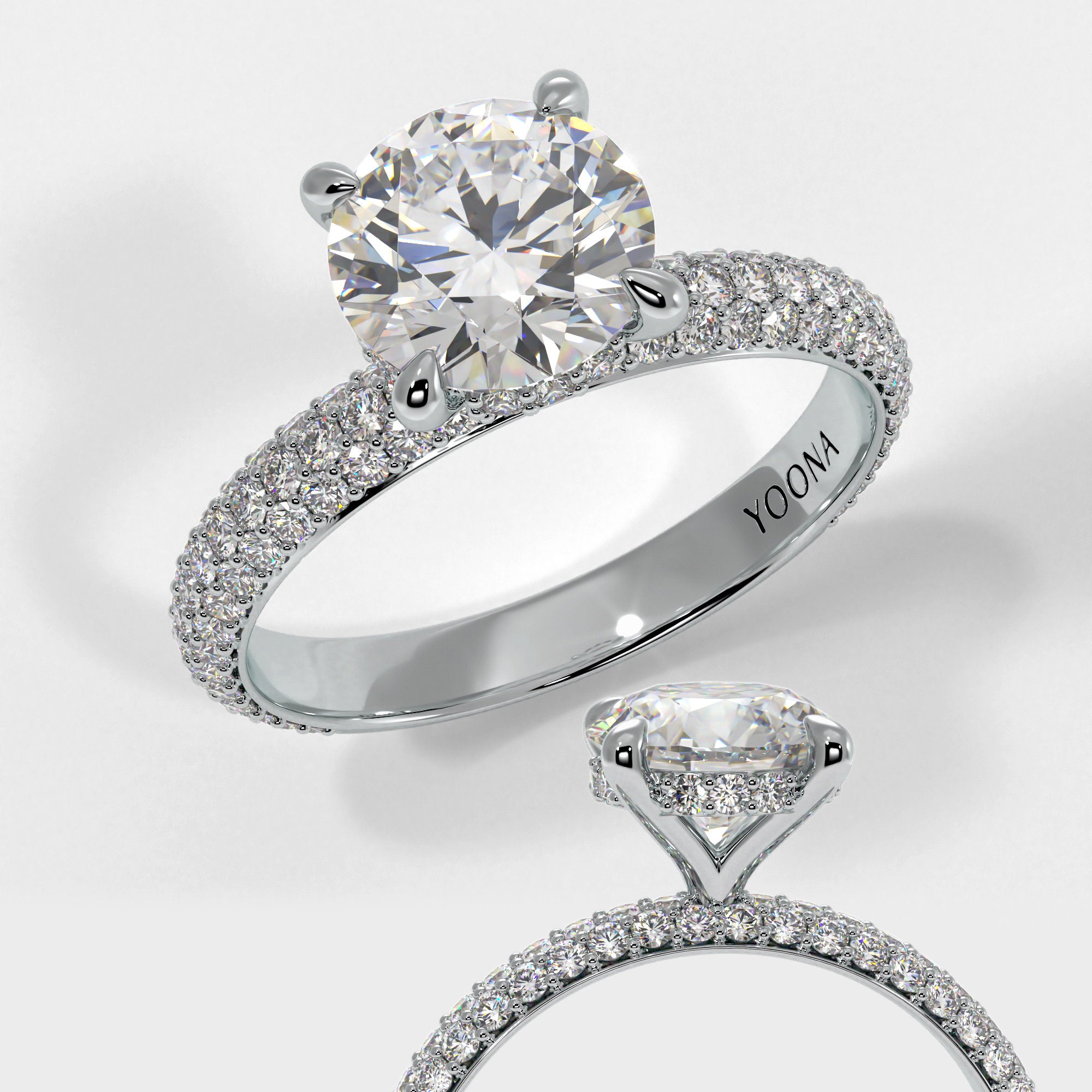
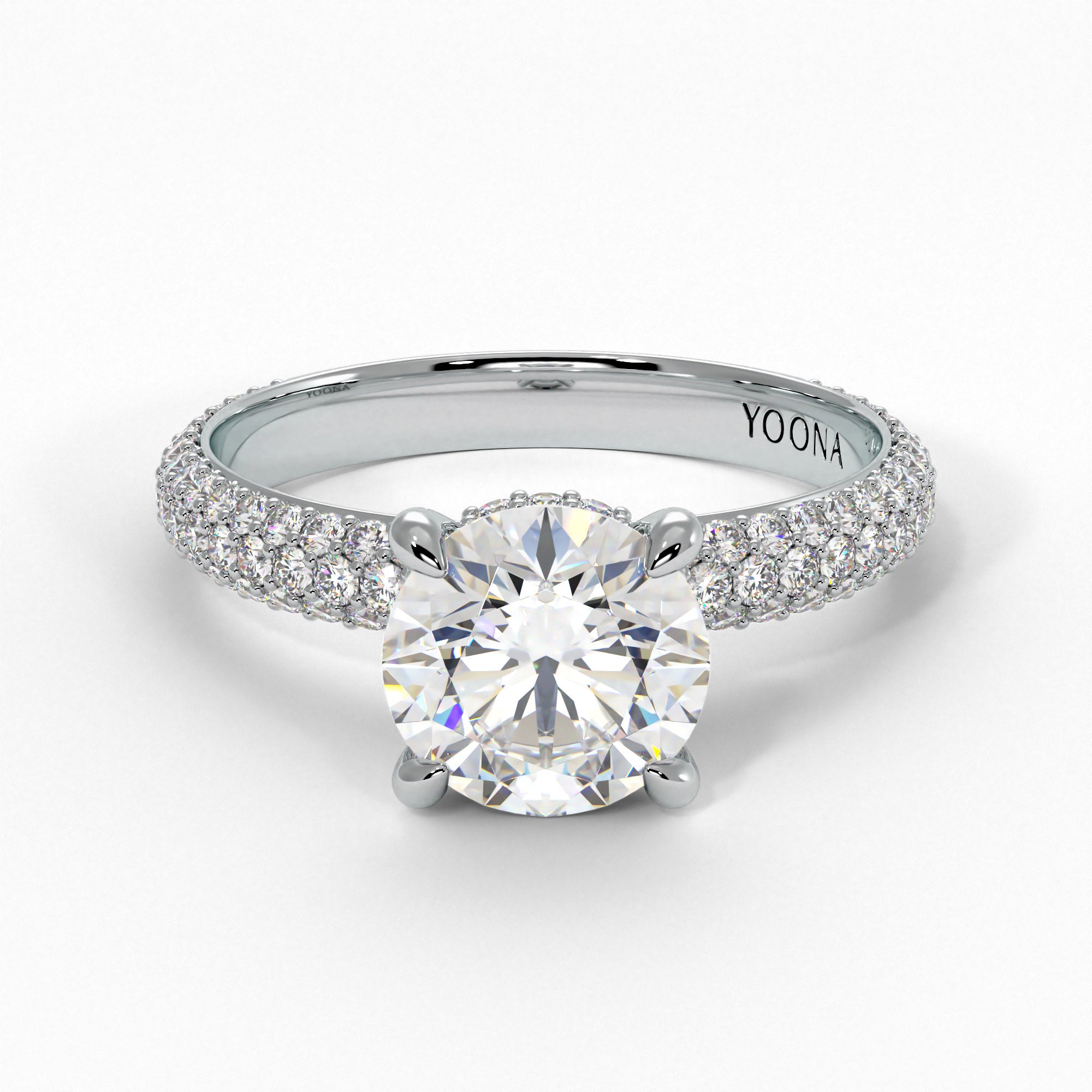
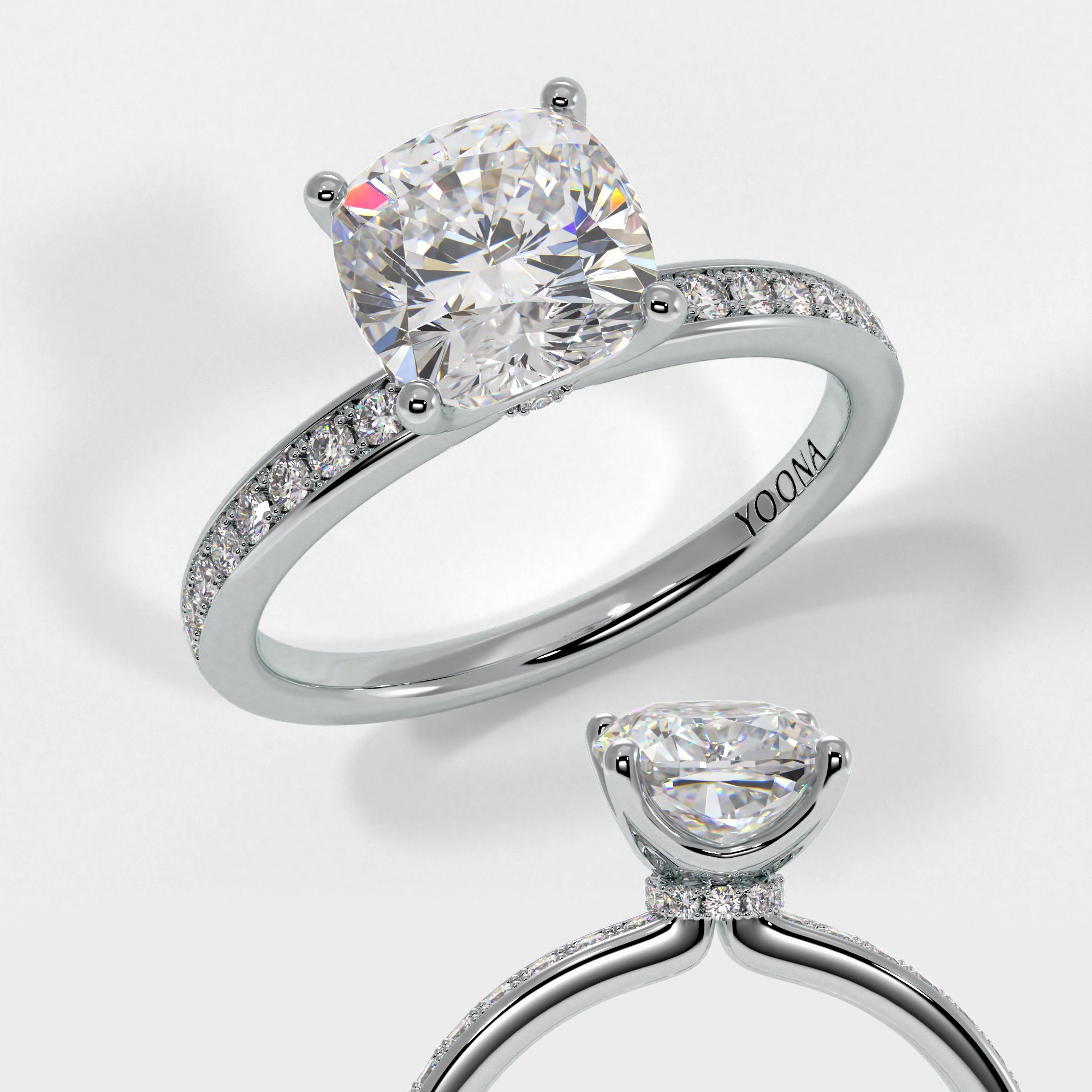
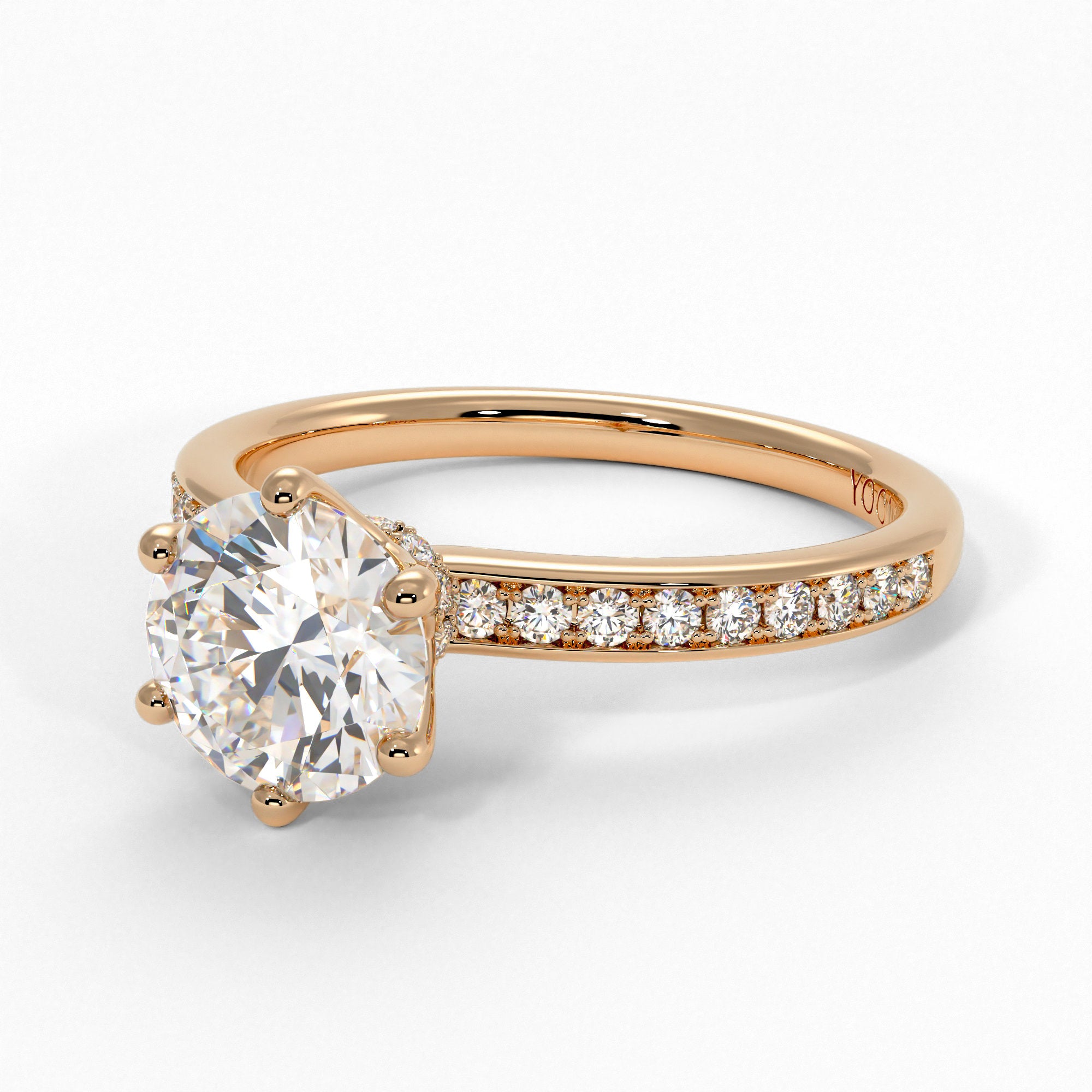
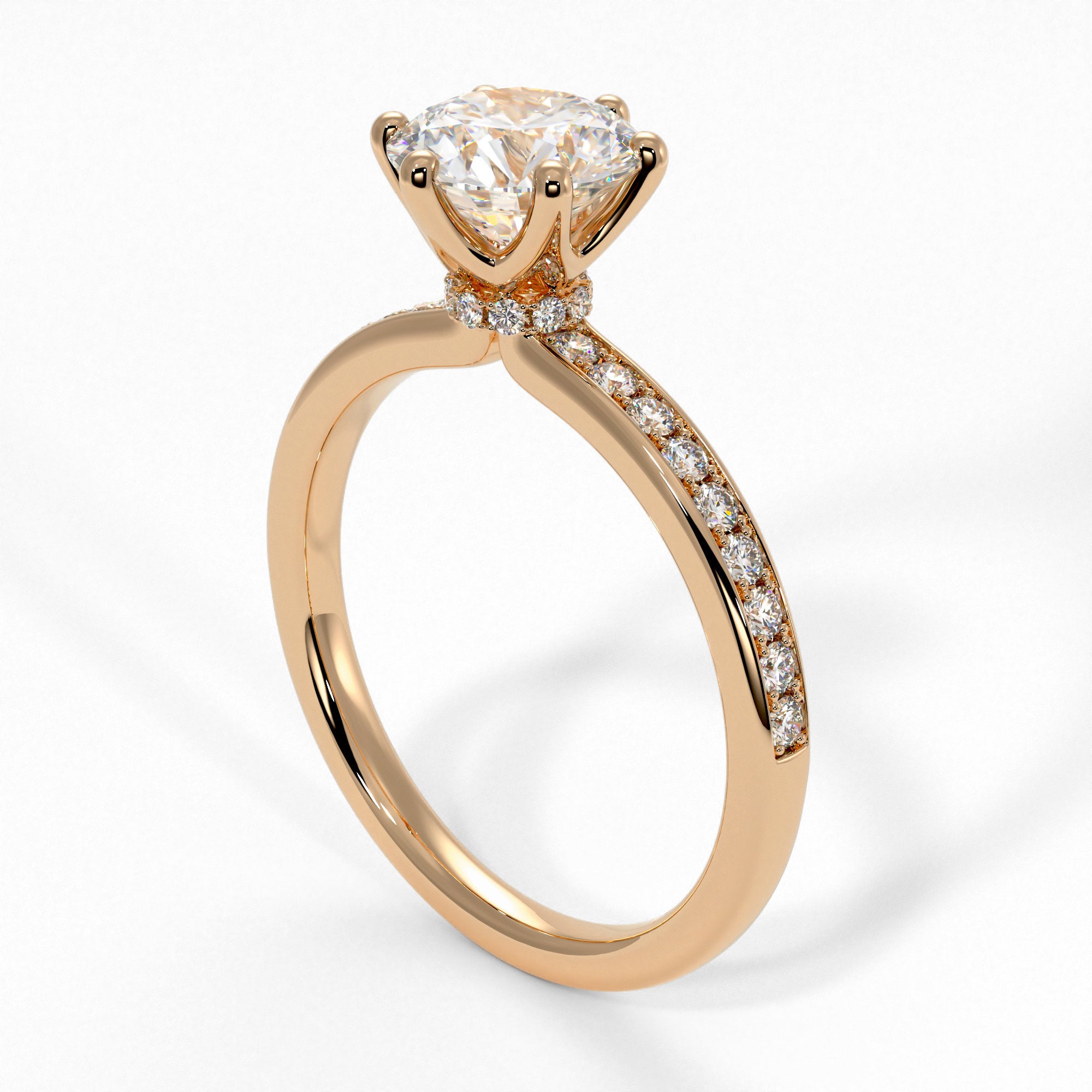
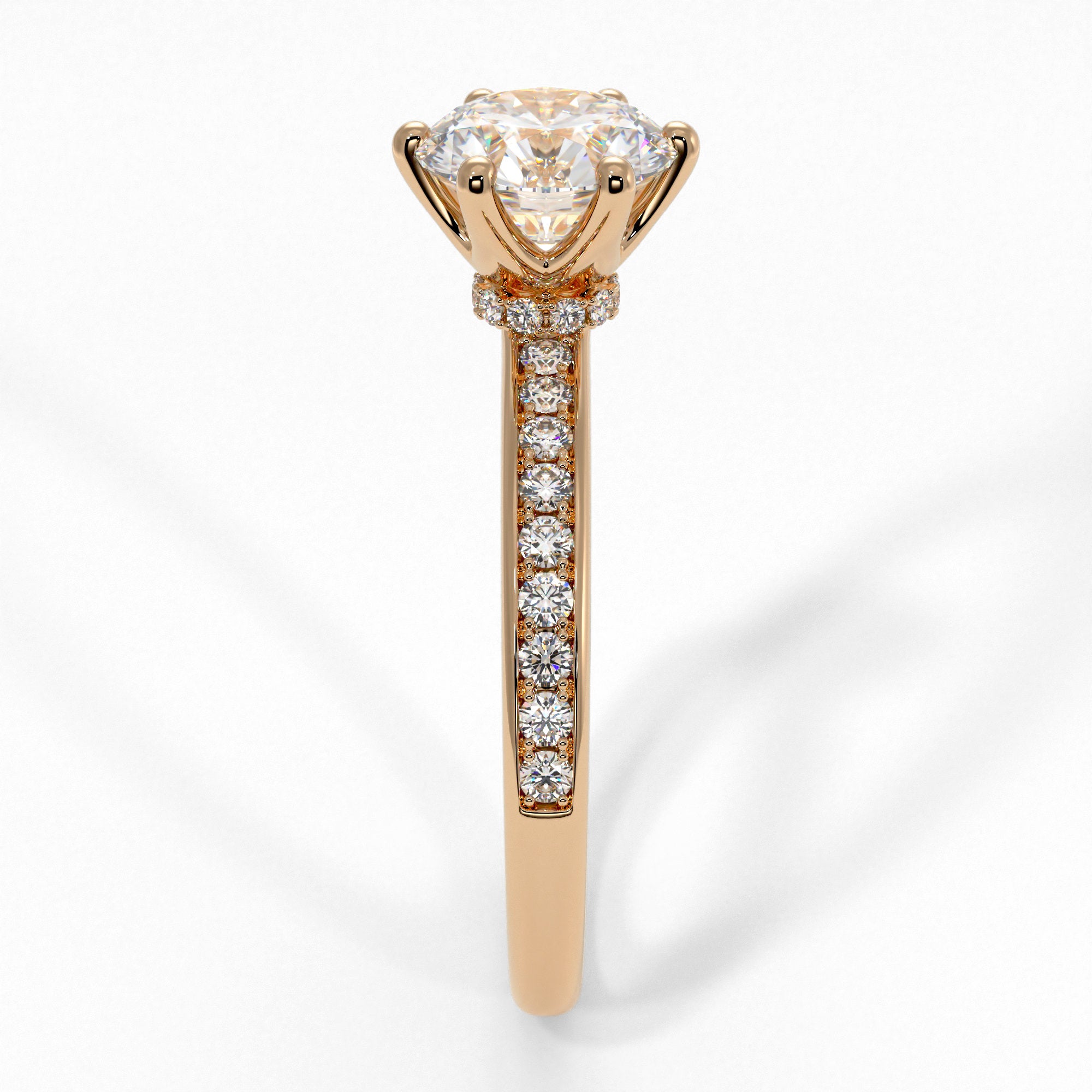
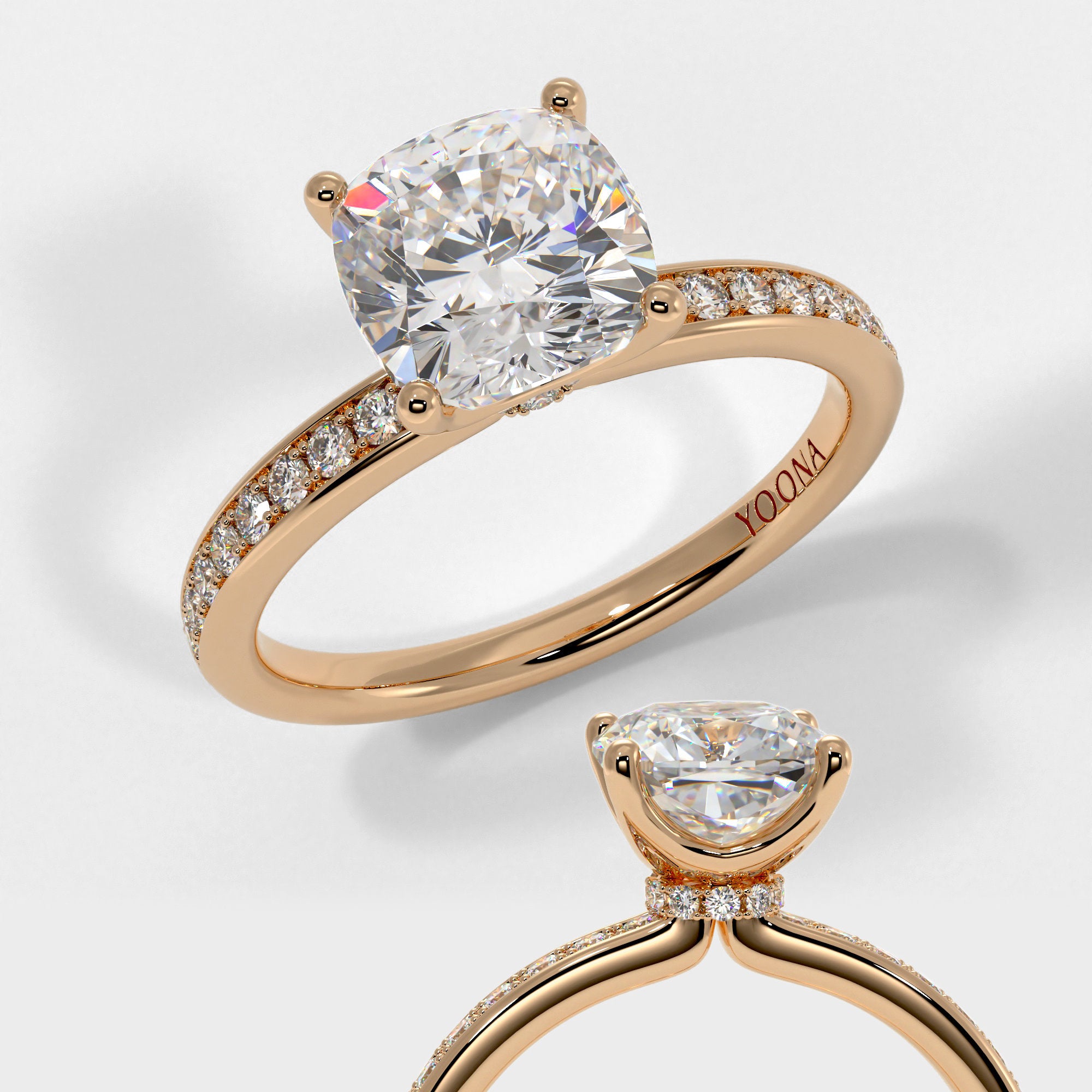
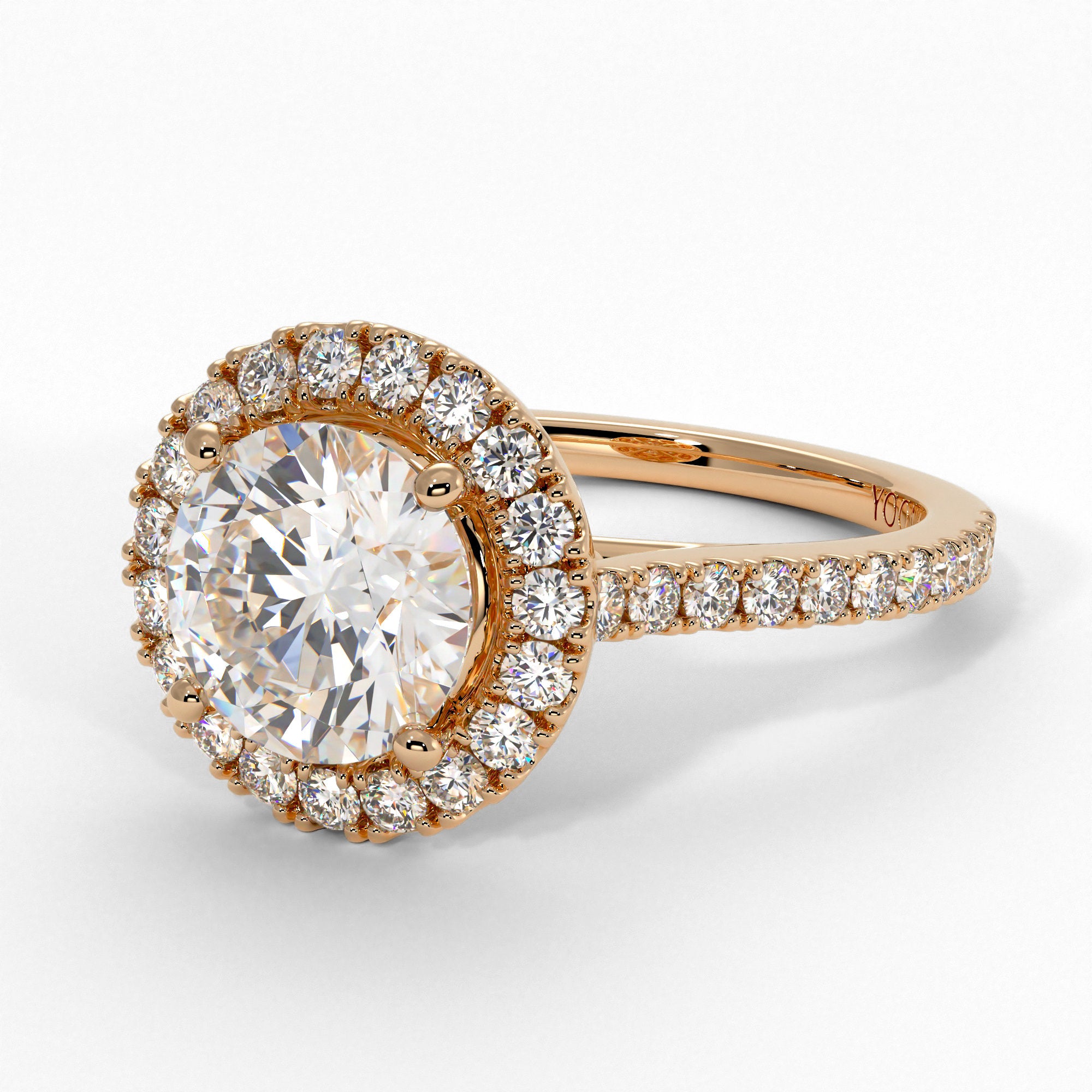
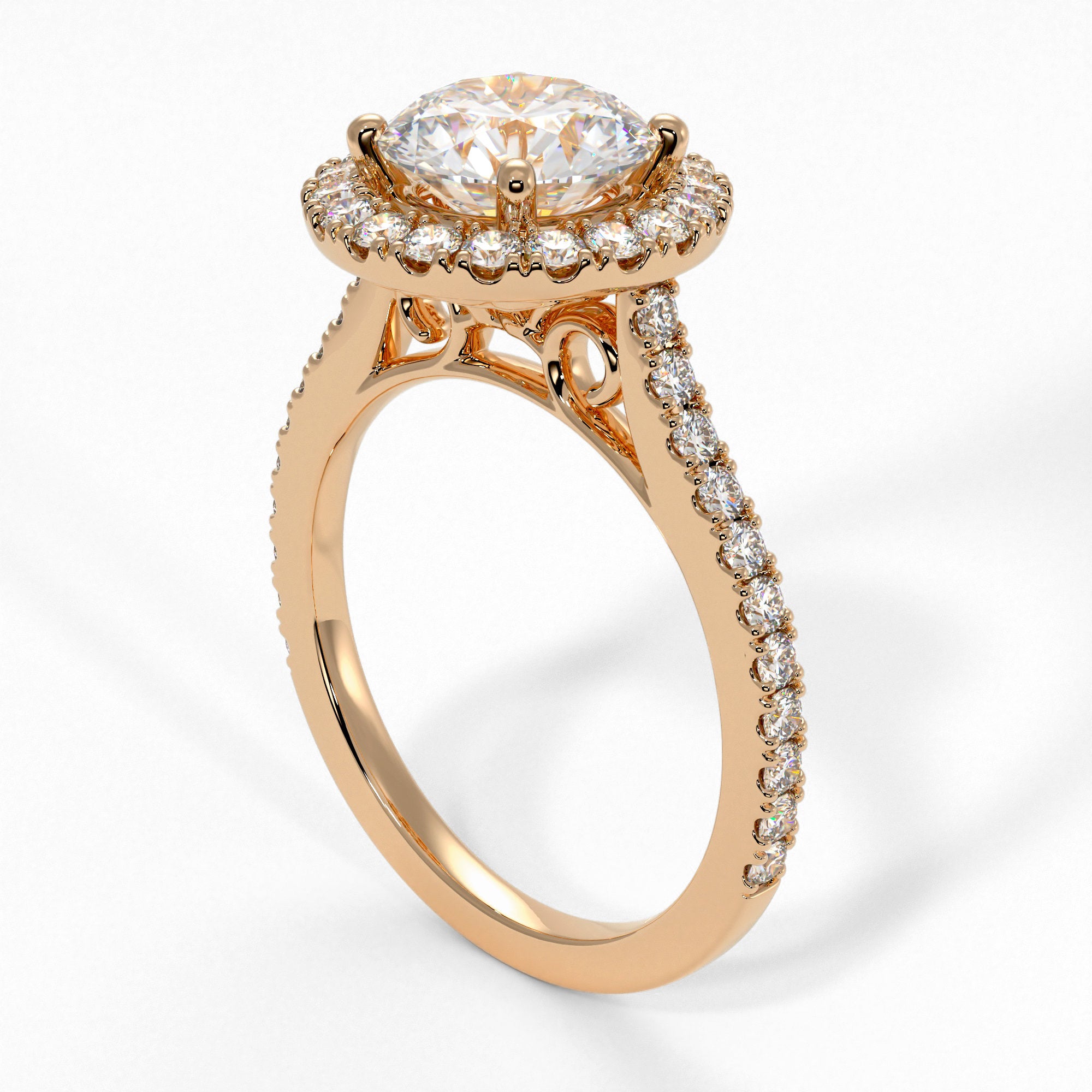
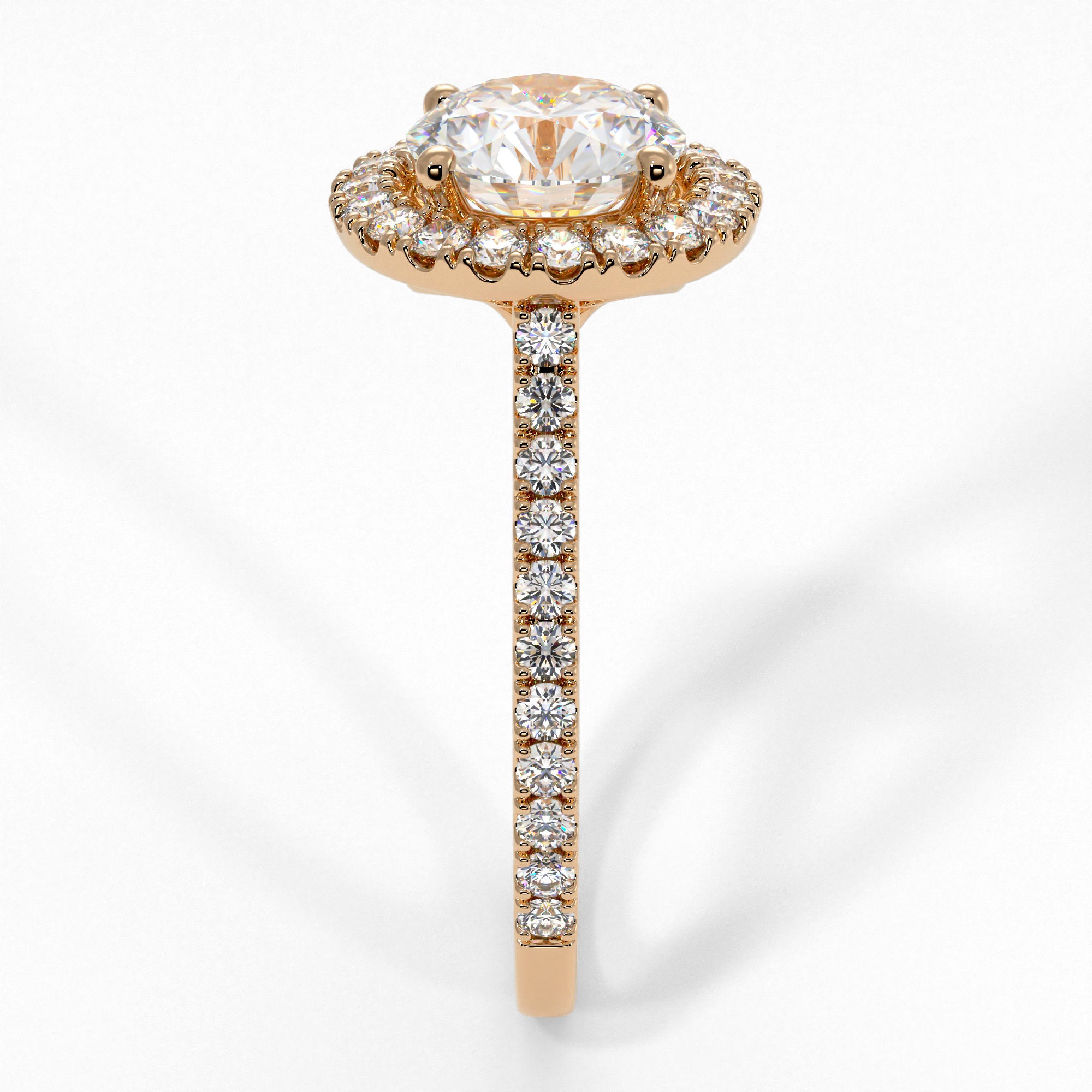
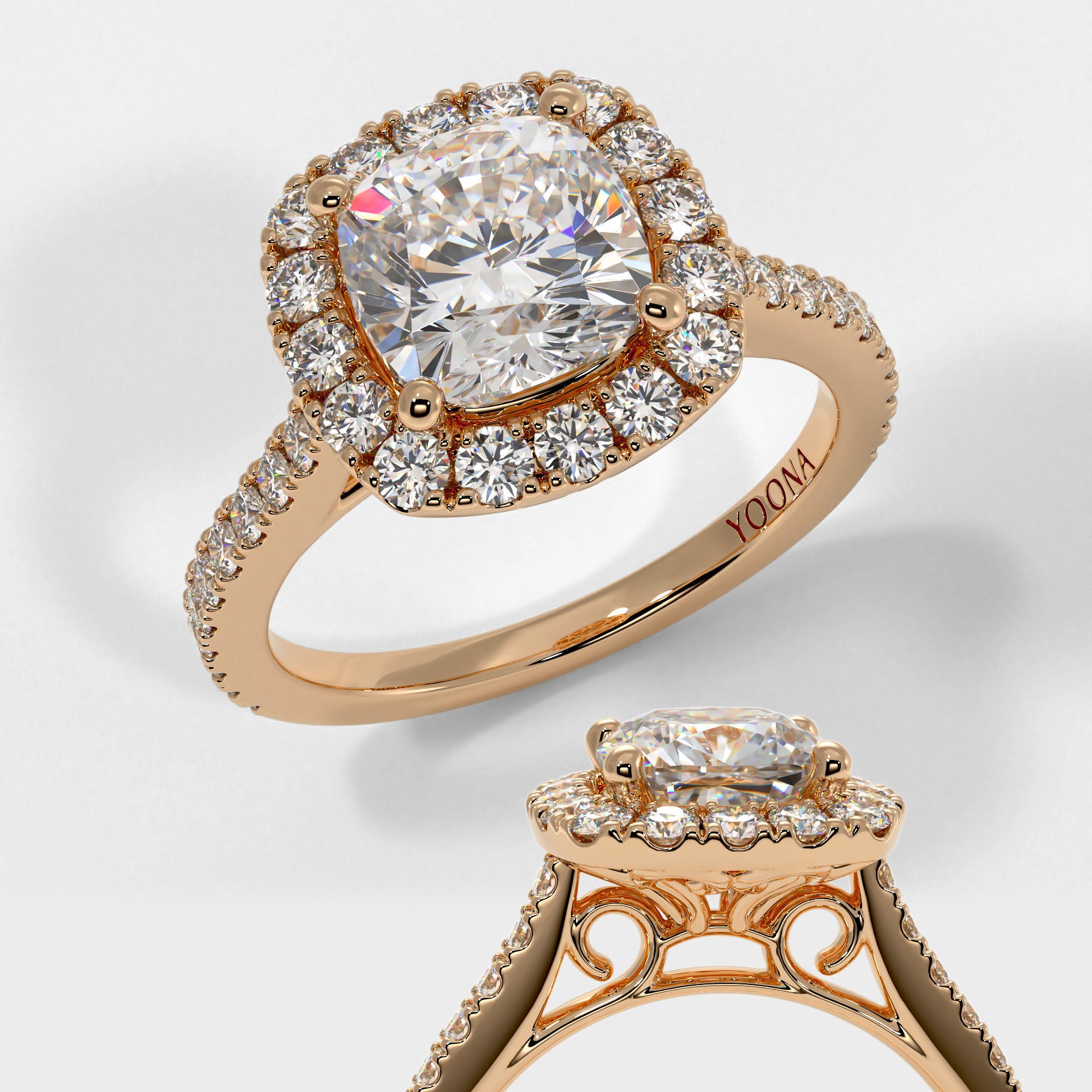
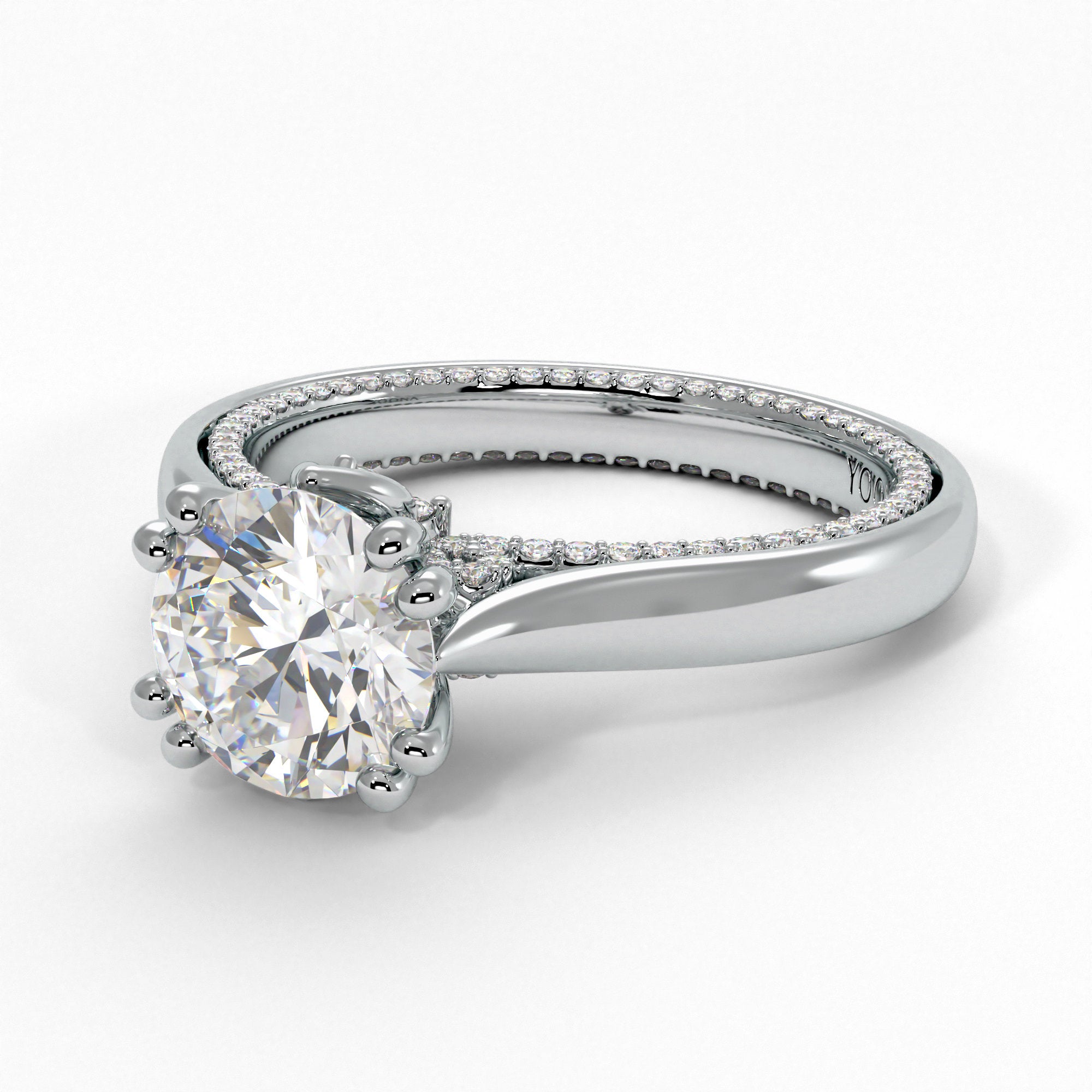
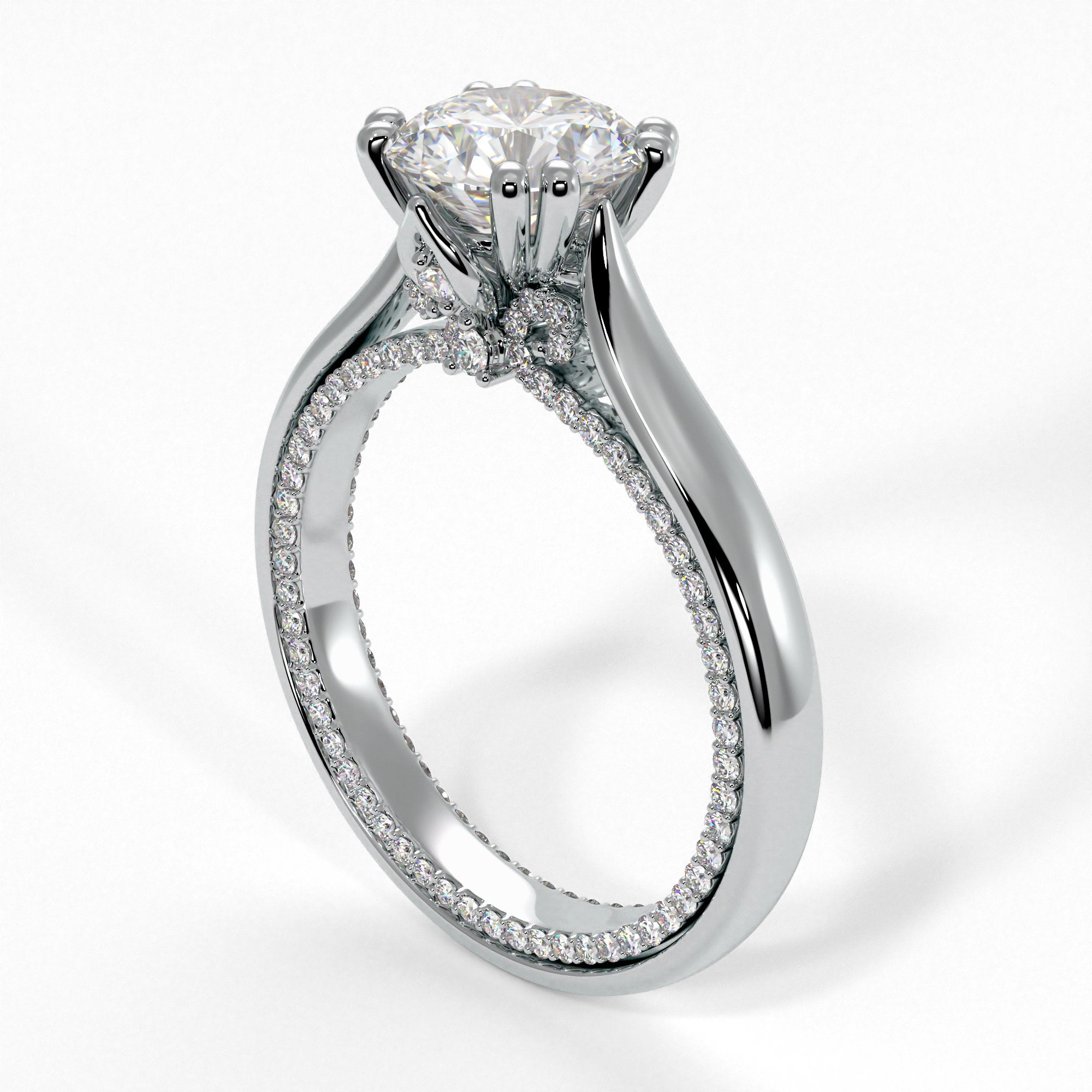
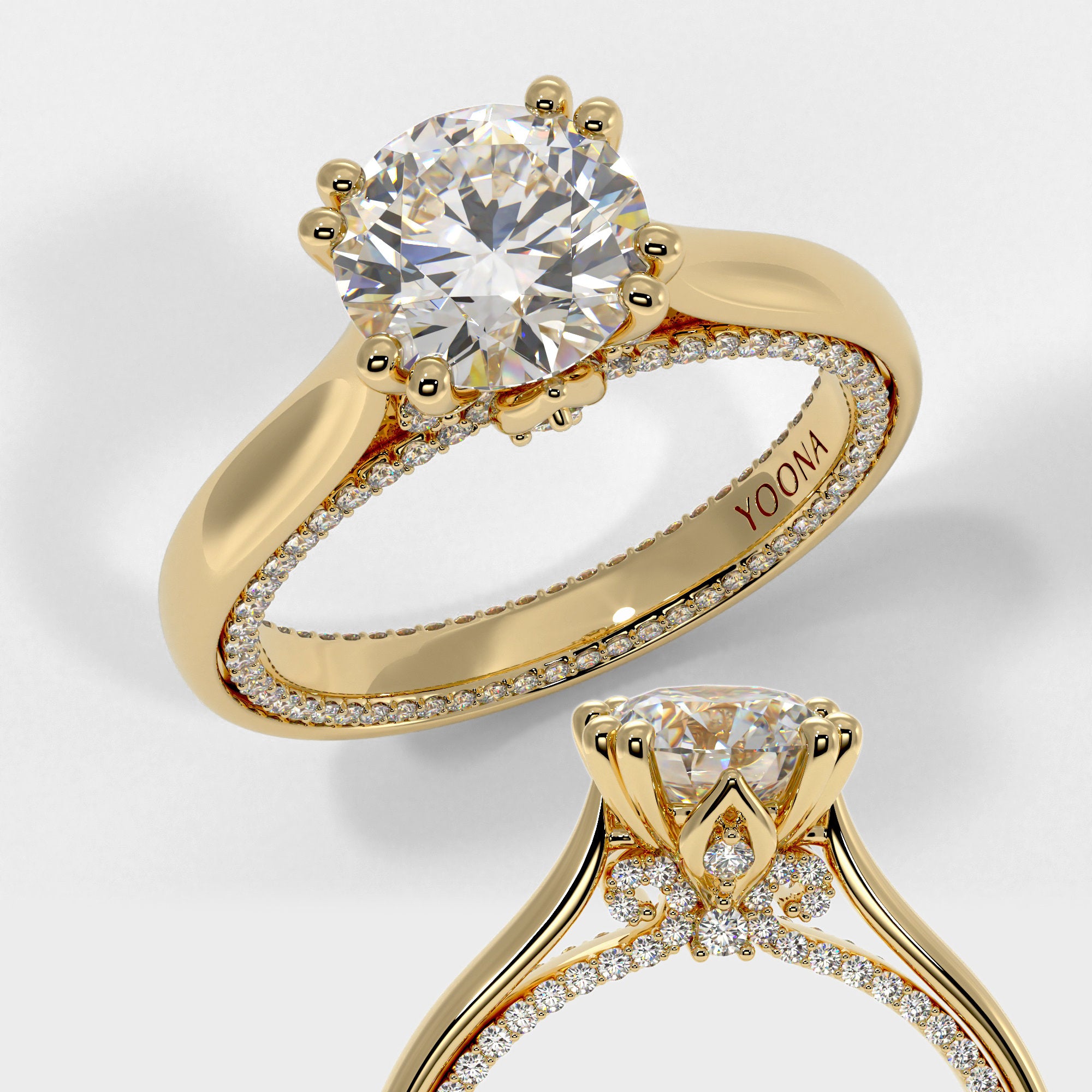
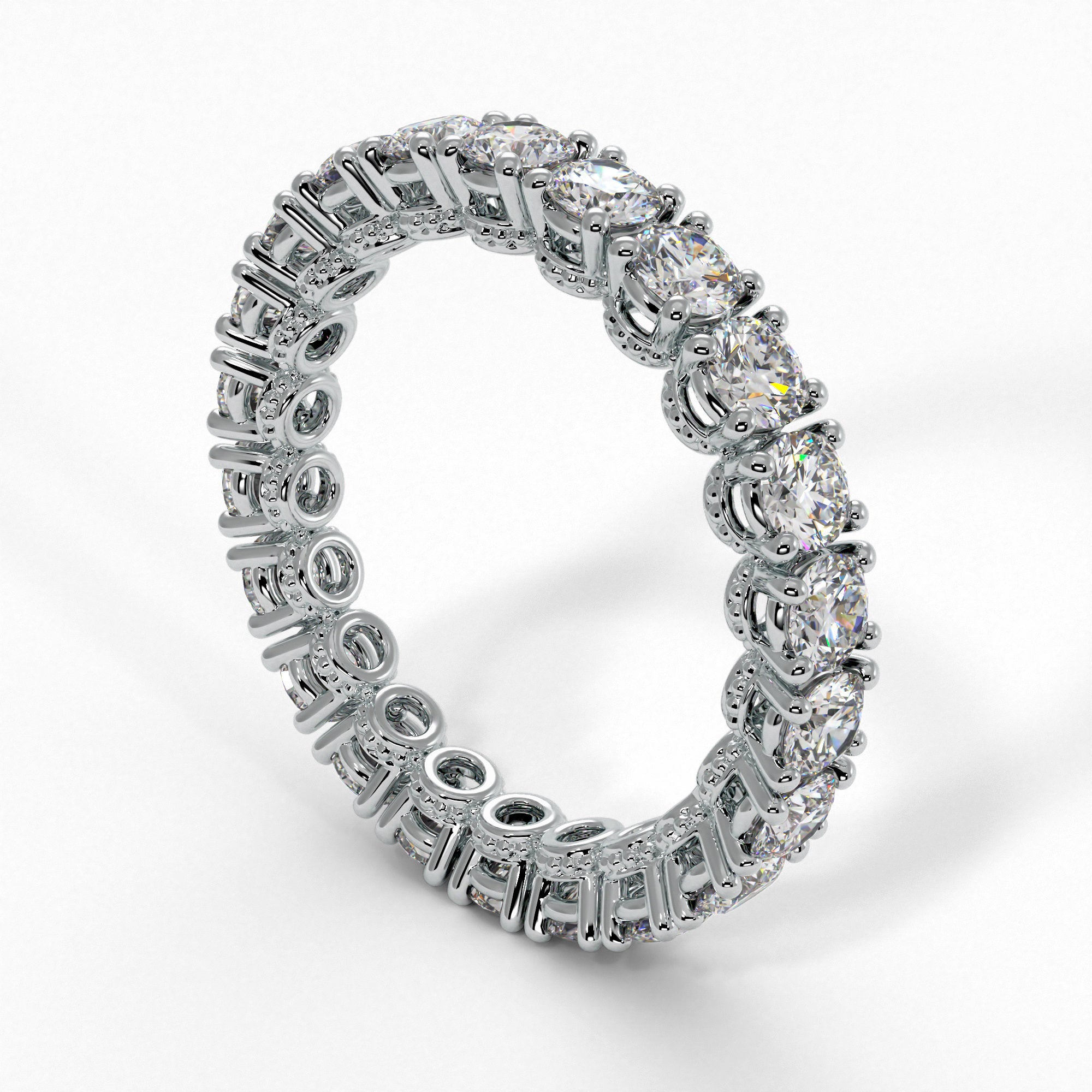
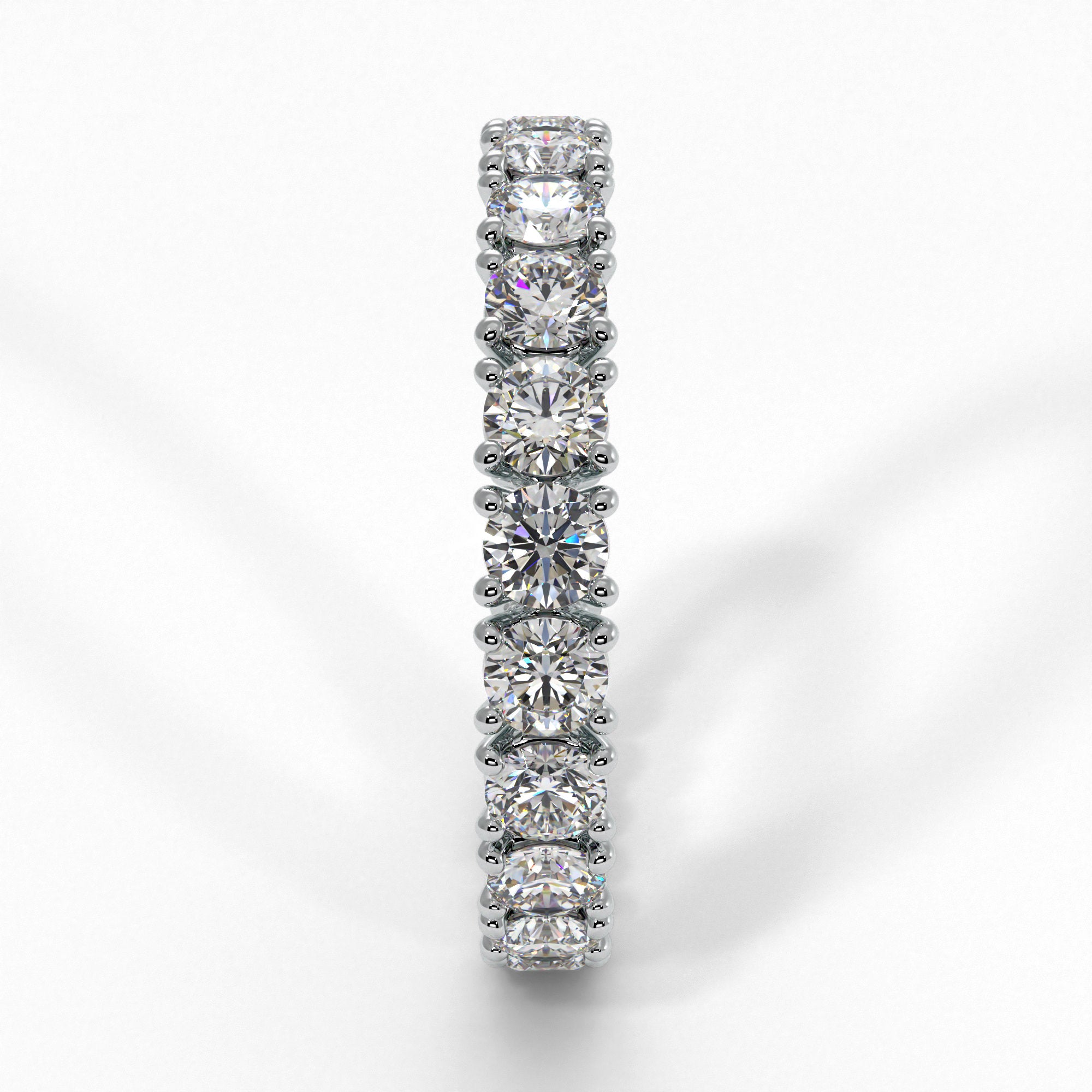
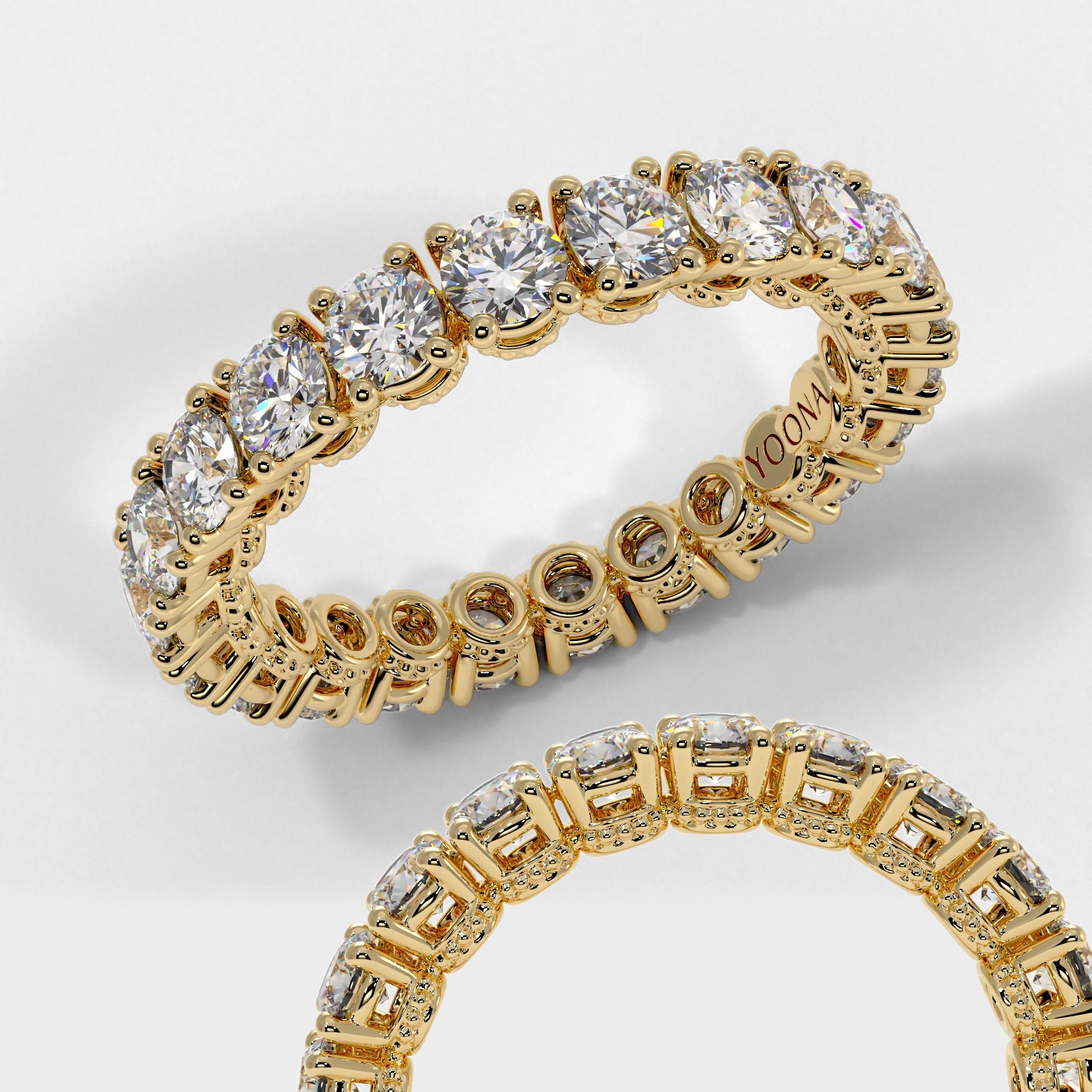
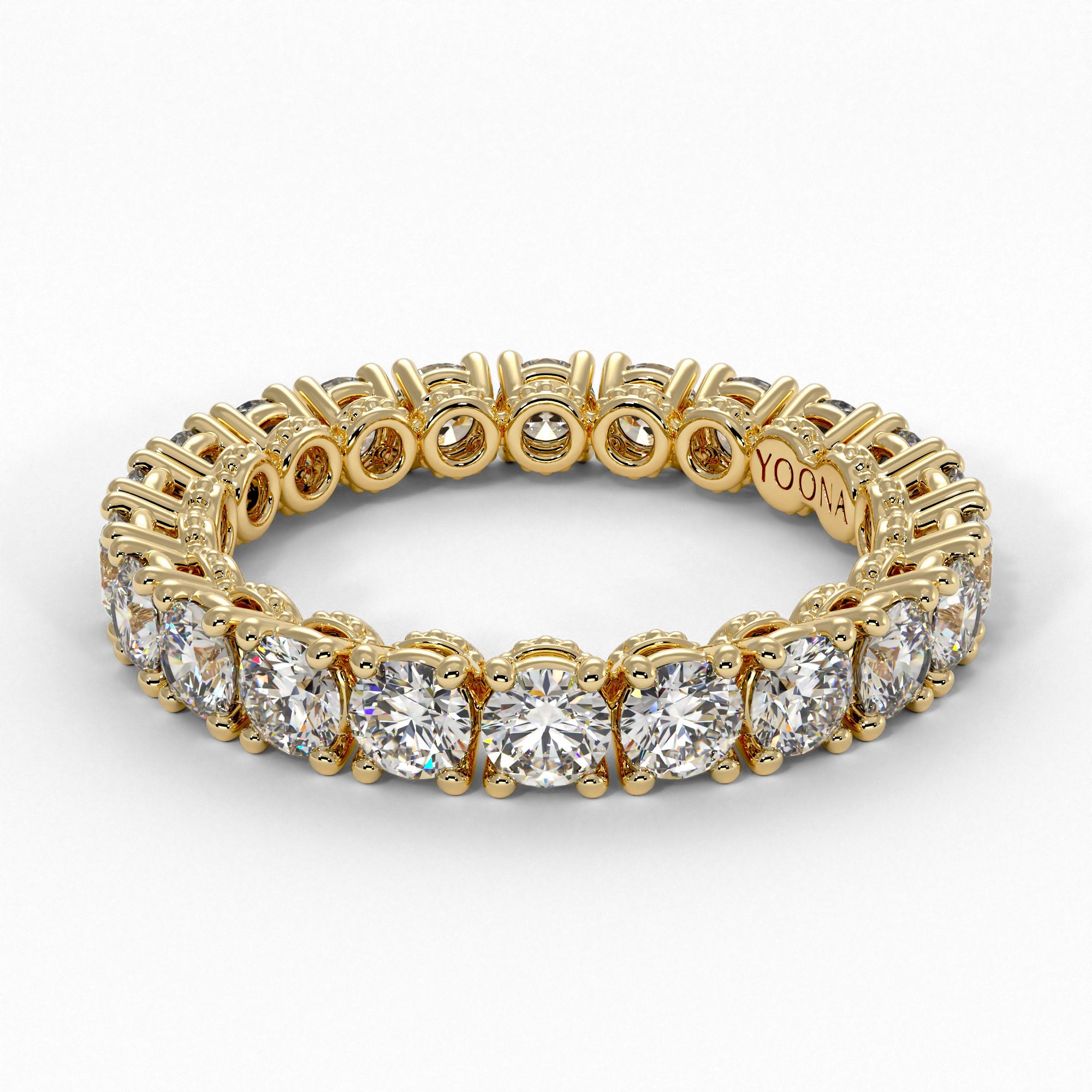
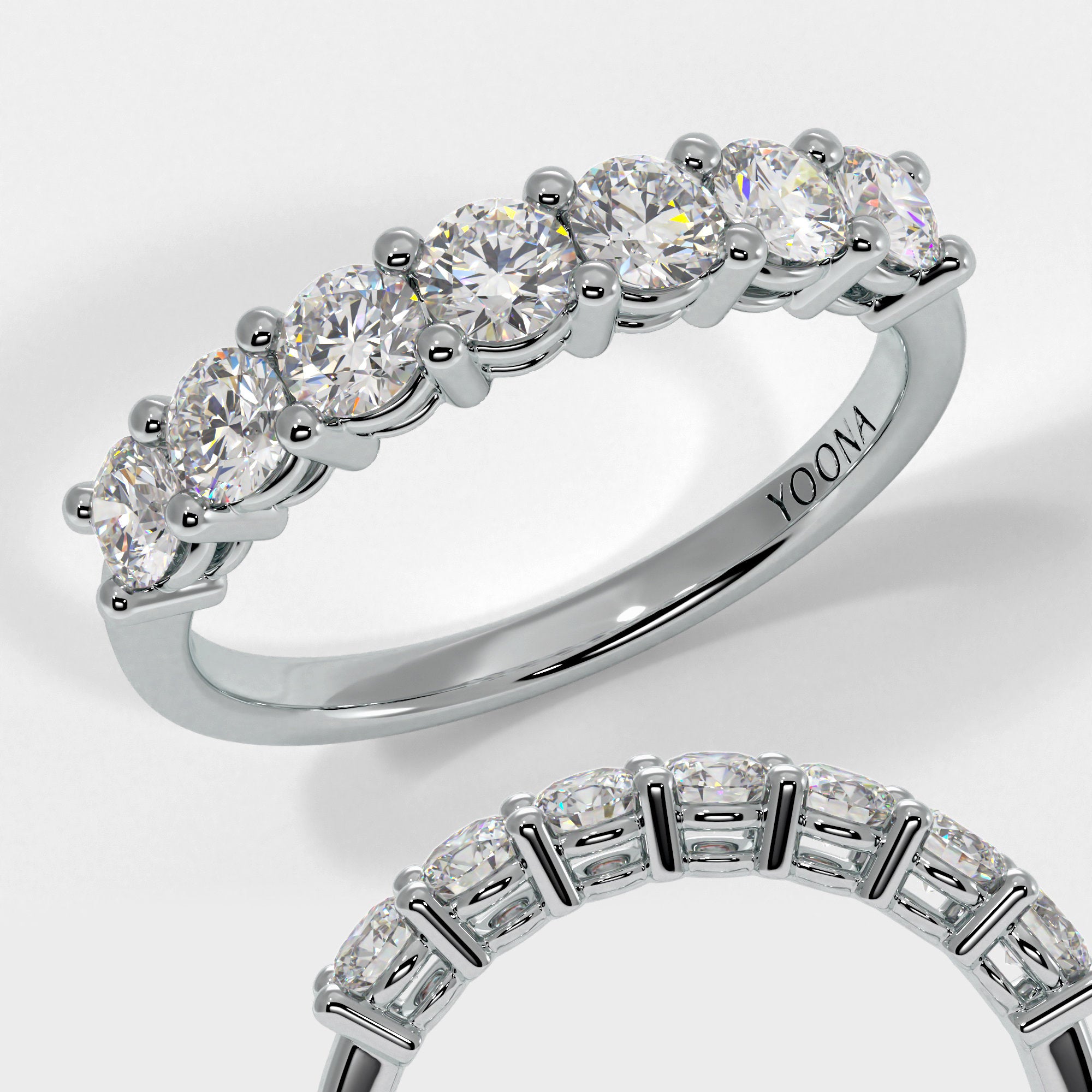
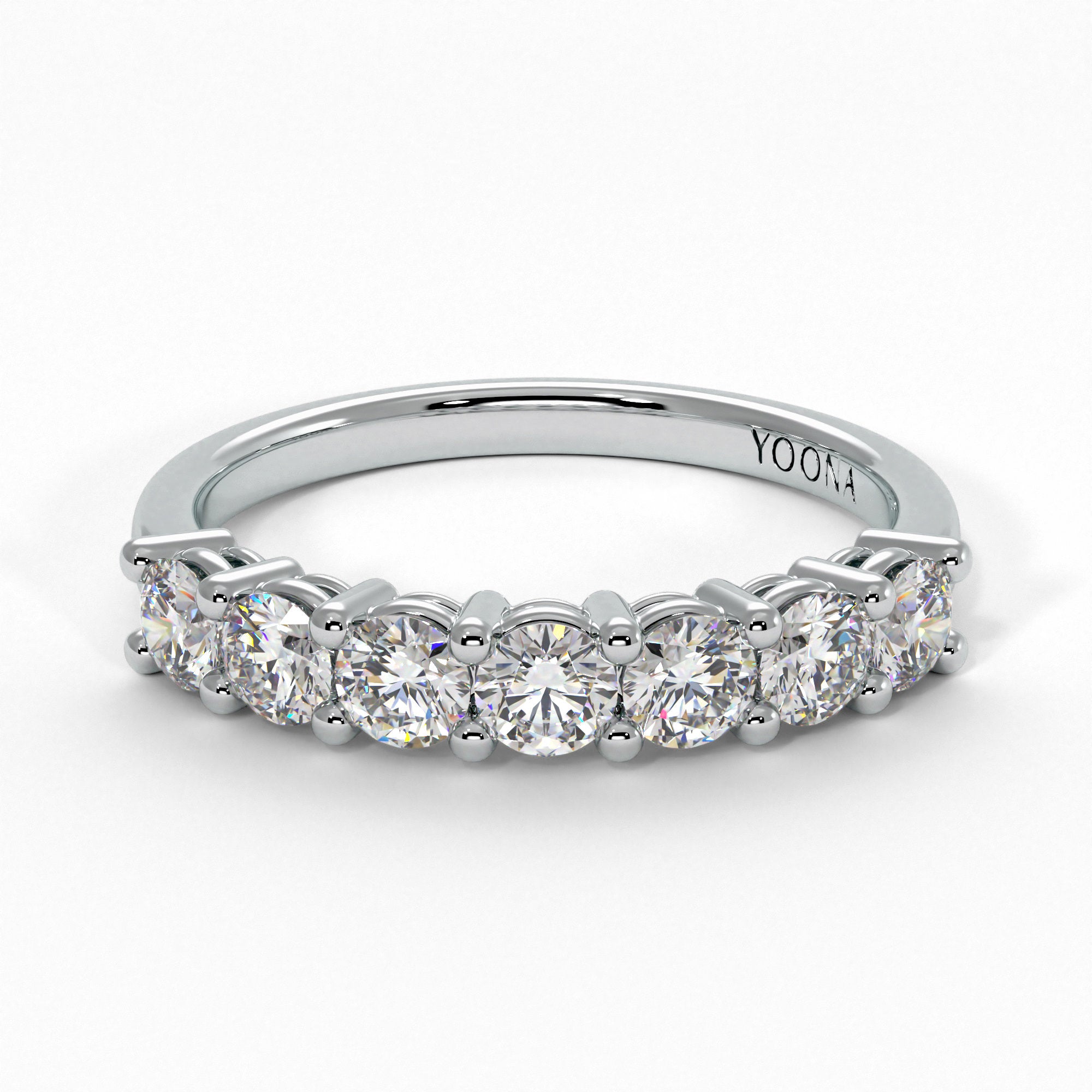
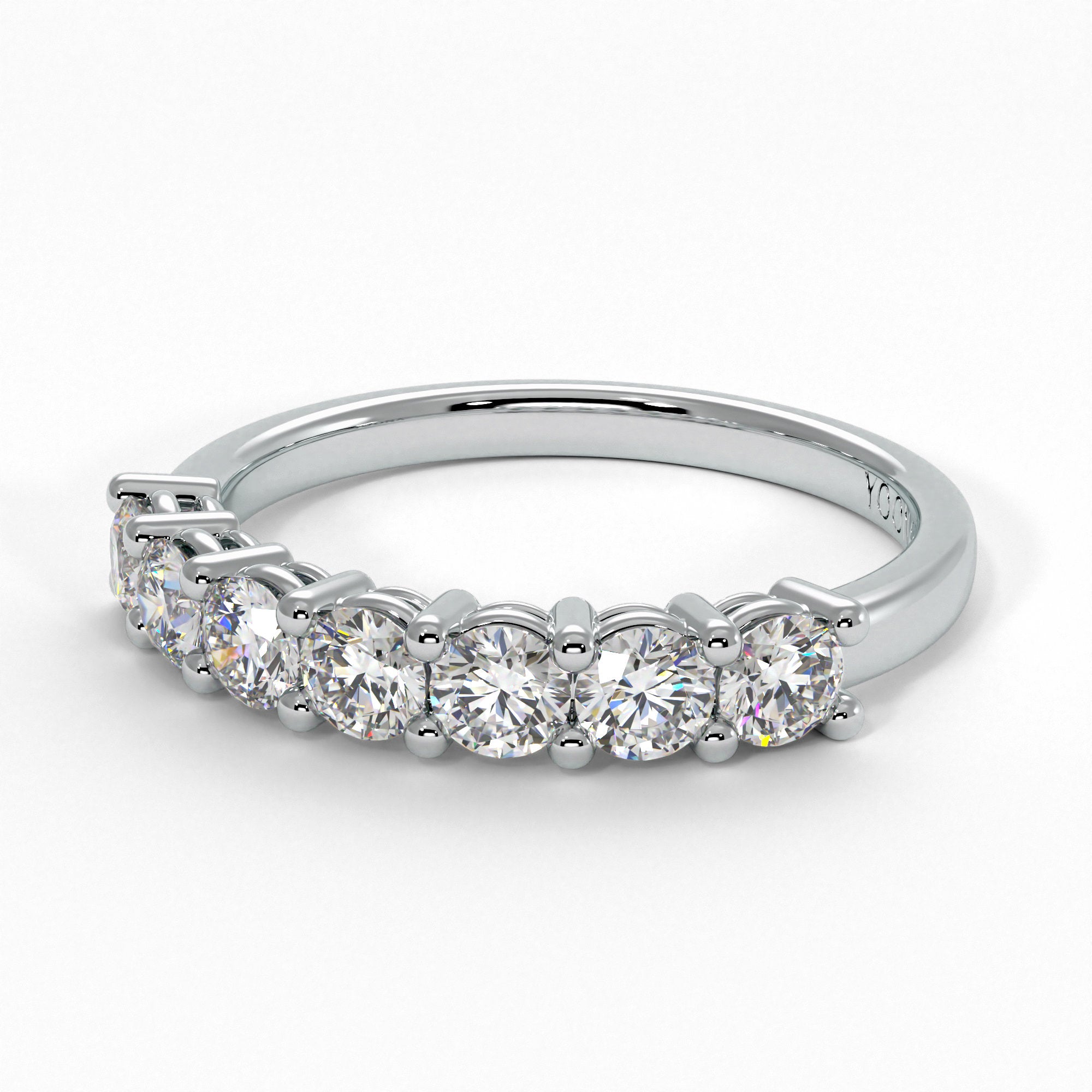
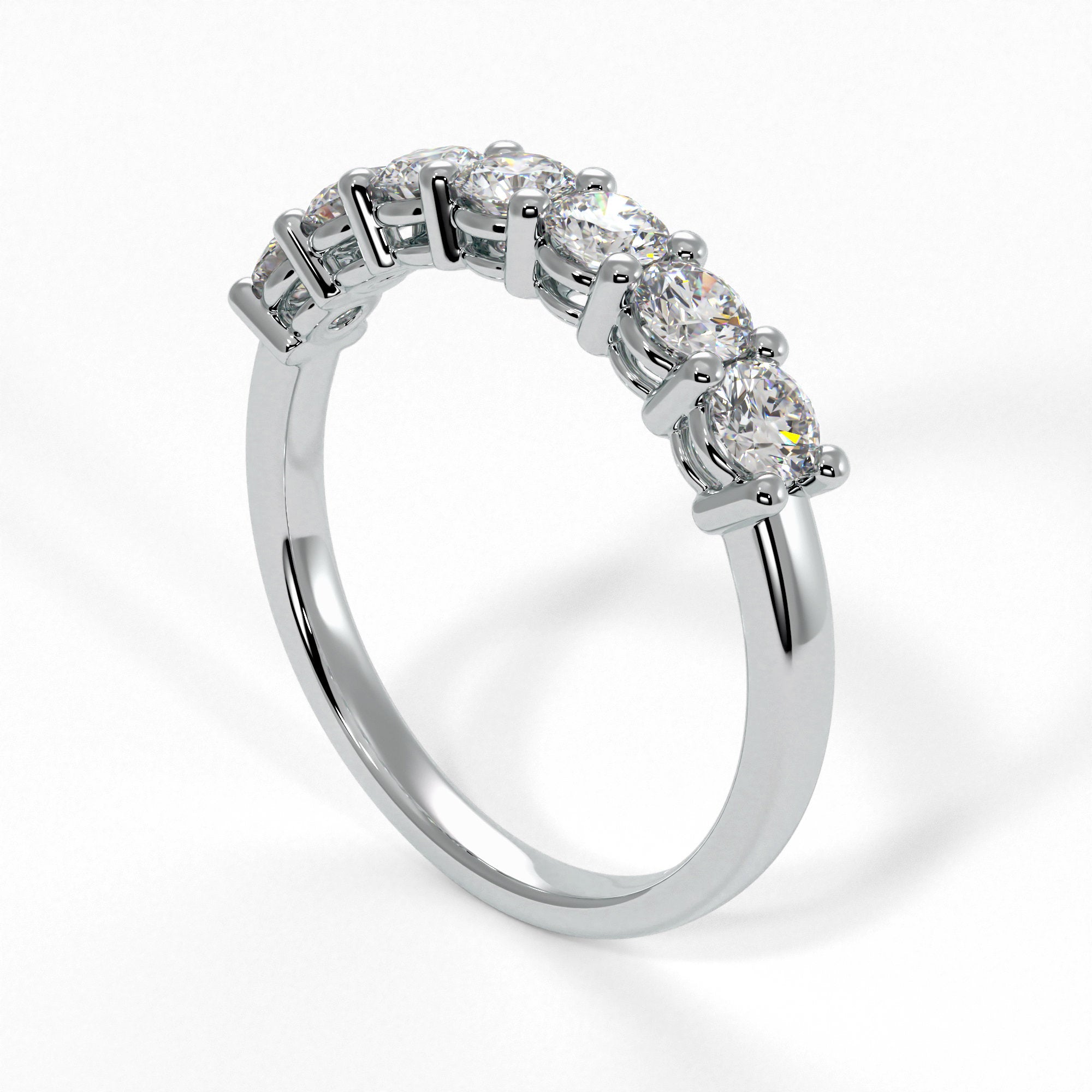
Every myth above traces back to the same root cause: treating "lab-grown" as a red flag instead of a fact about origin. Once you separate origin from quality, the real question becomes which grades are worth buying, which is exactly why the Yoona Eternal Diamond™ standard exists, D–F color, VVS1–VS1 clarity, Excellent to Very Good cut, verified by IGI on every stone.