Reviewed by Yoona's in-house jewelry experts
Short answer: prong settings use metal claws to grip the diamond and maximize light exposure, while bezel settings encircle the stone in a smooth rim of metal for a secure, low-profile look. The right choice depends on your lifestyle as much as your style.
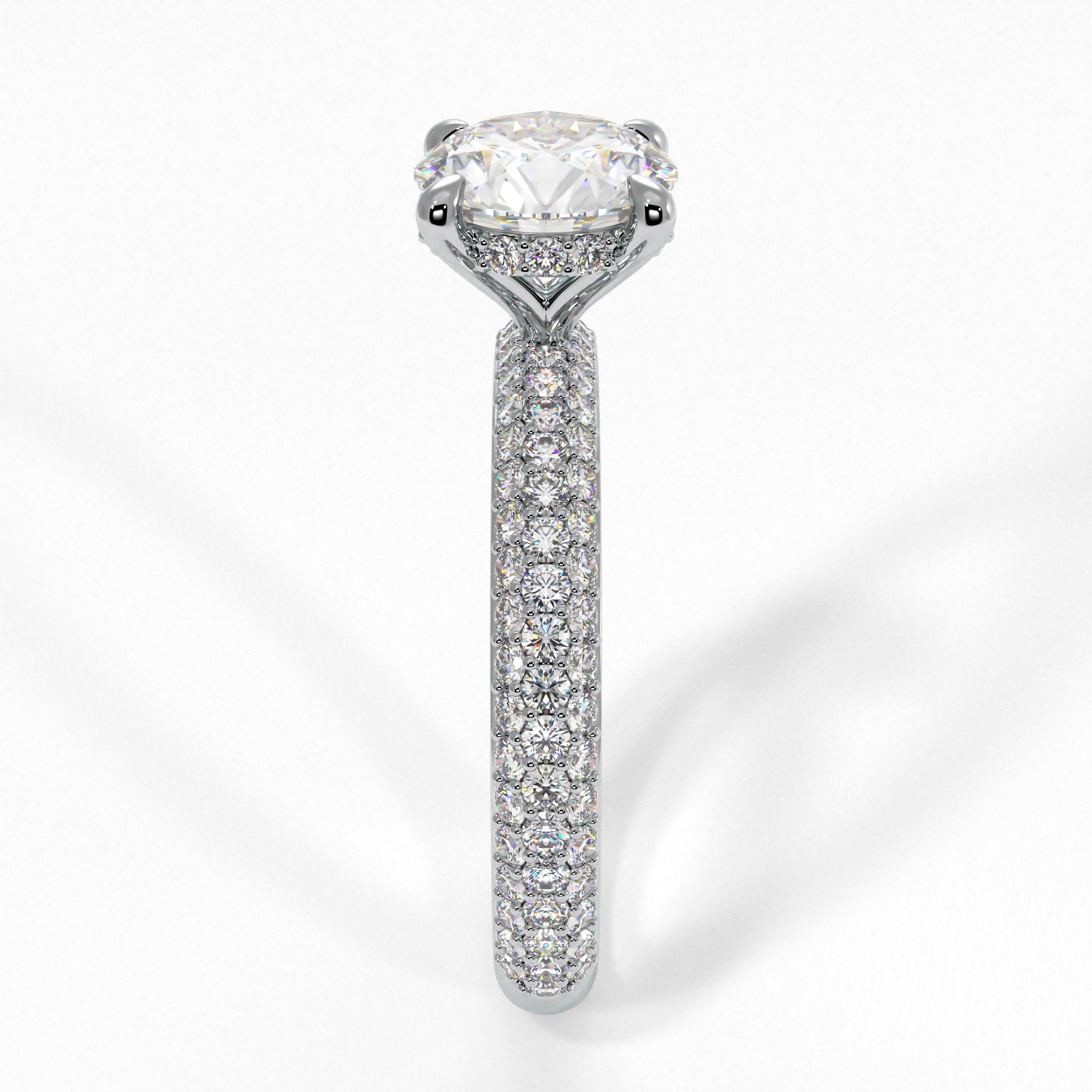
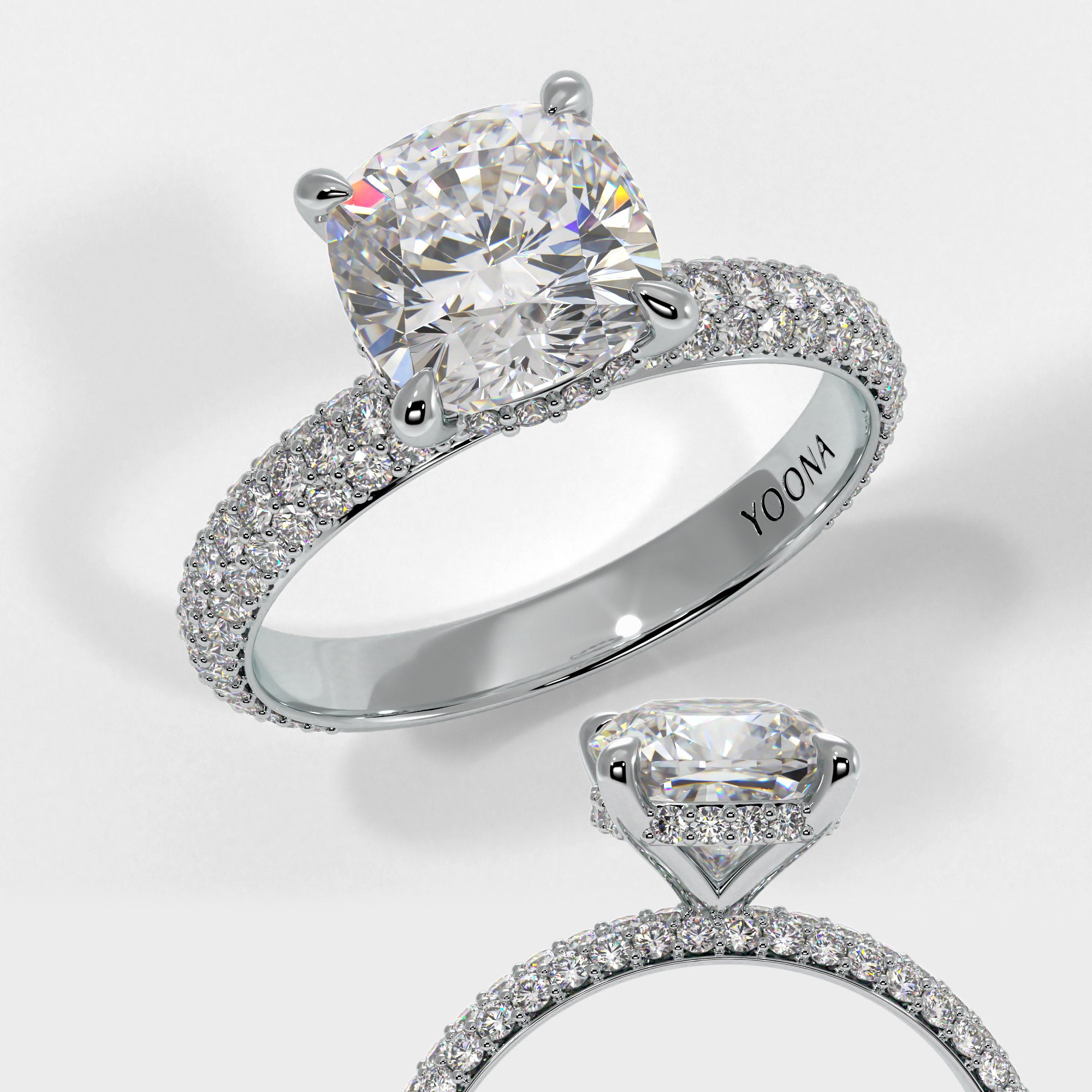
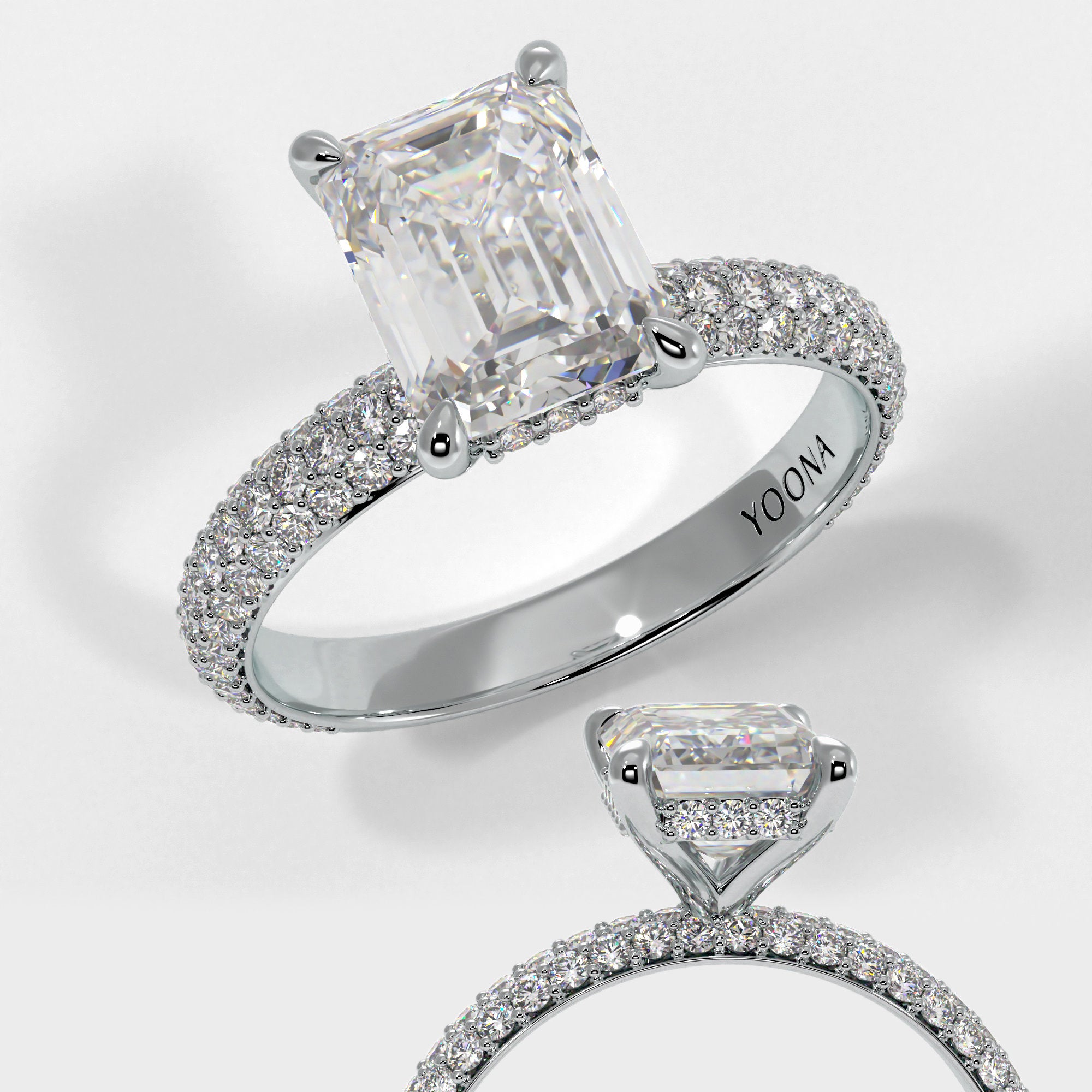
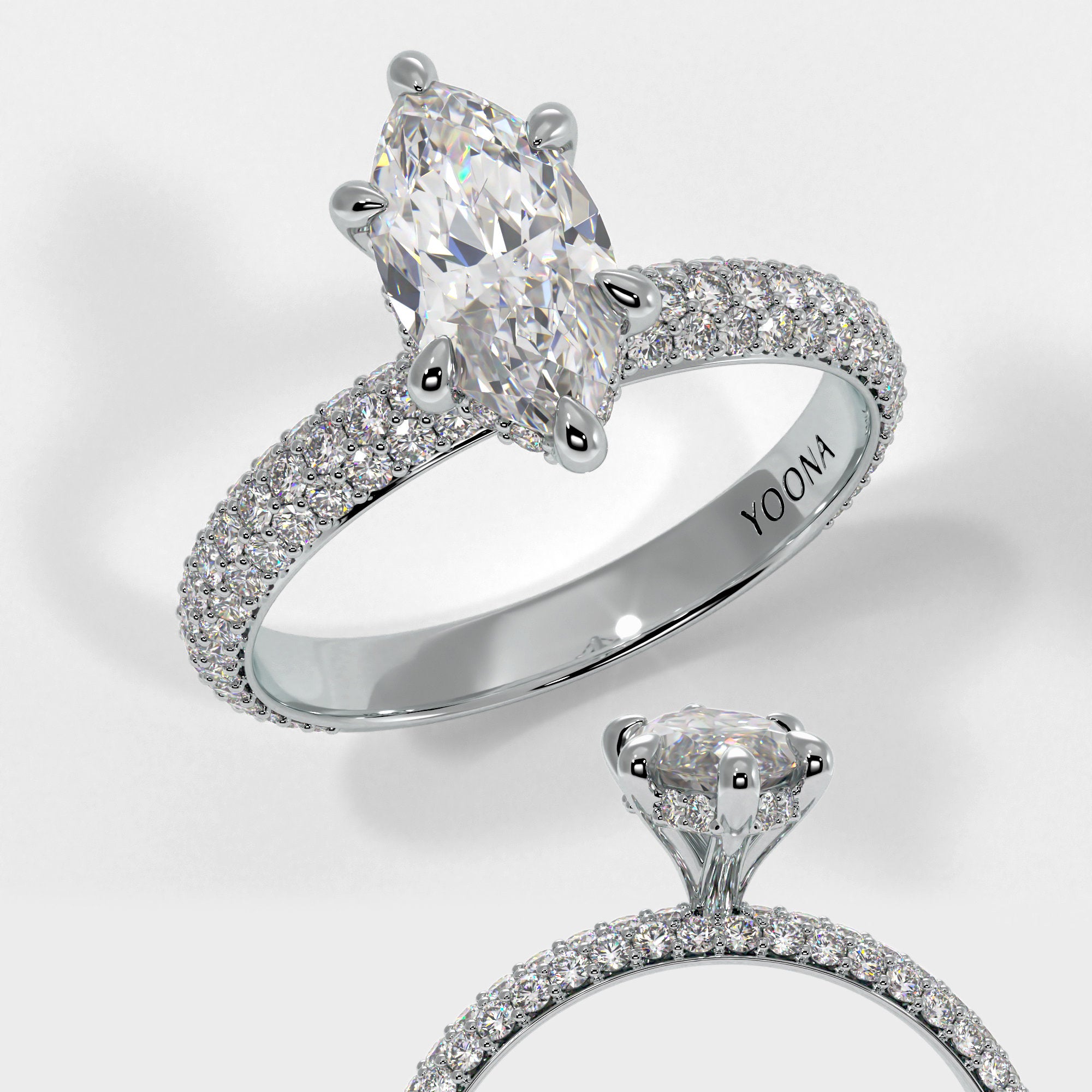
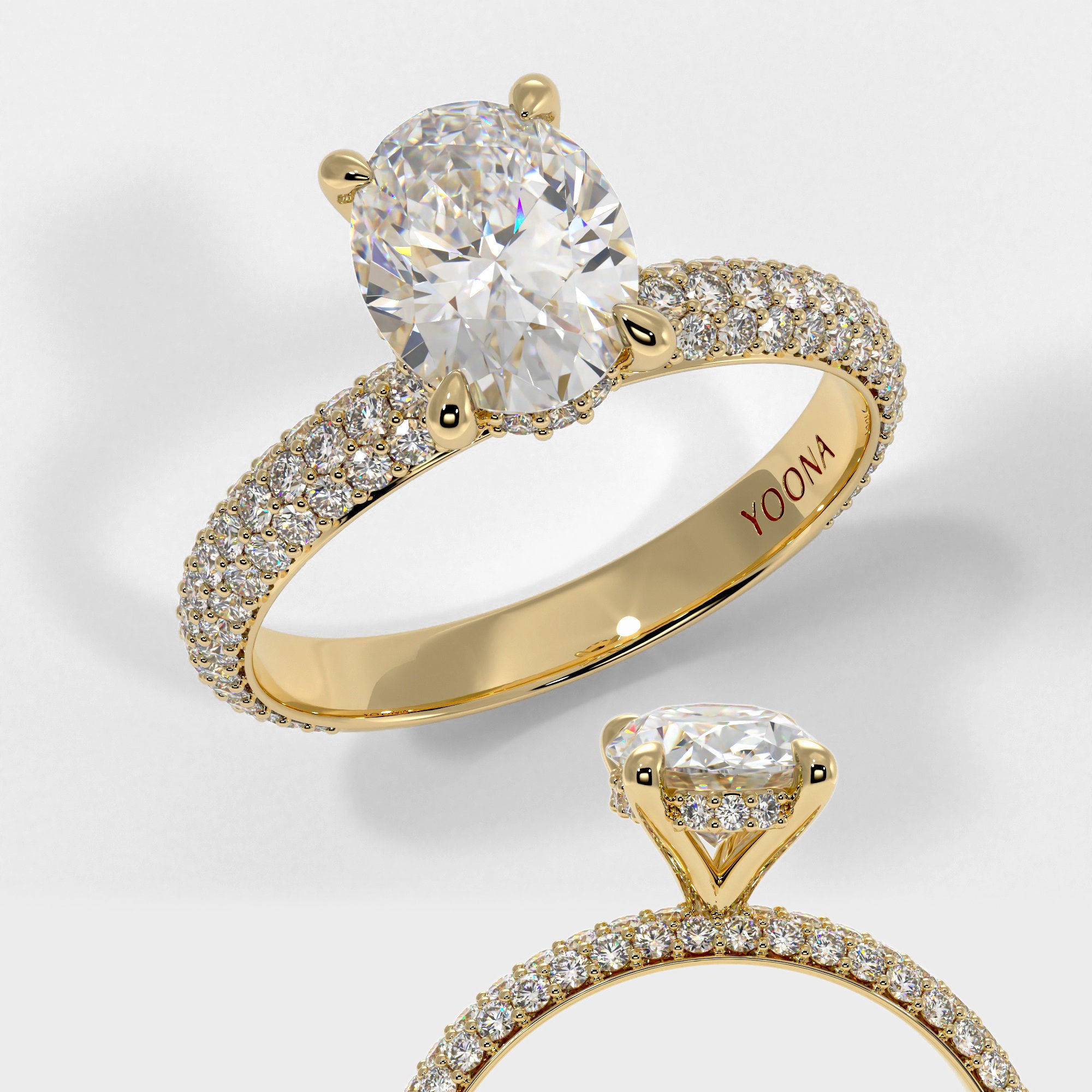
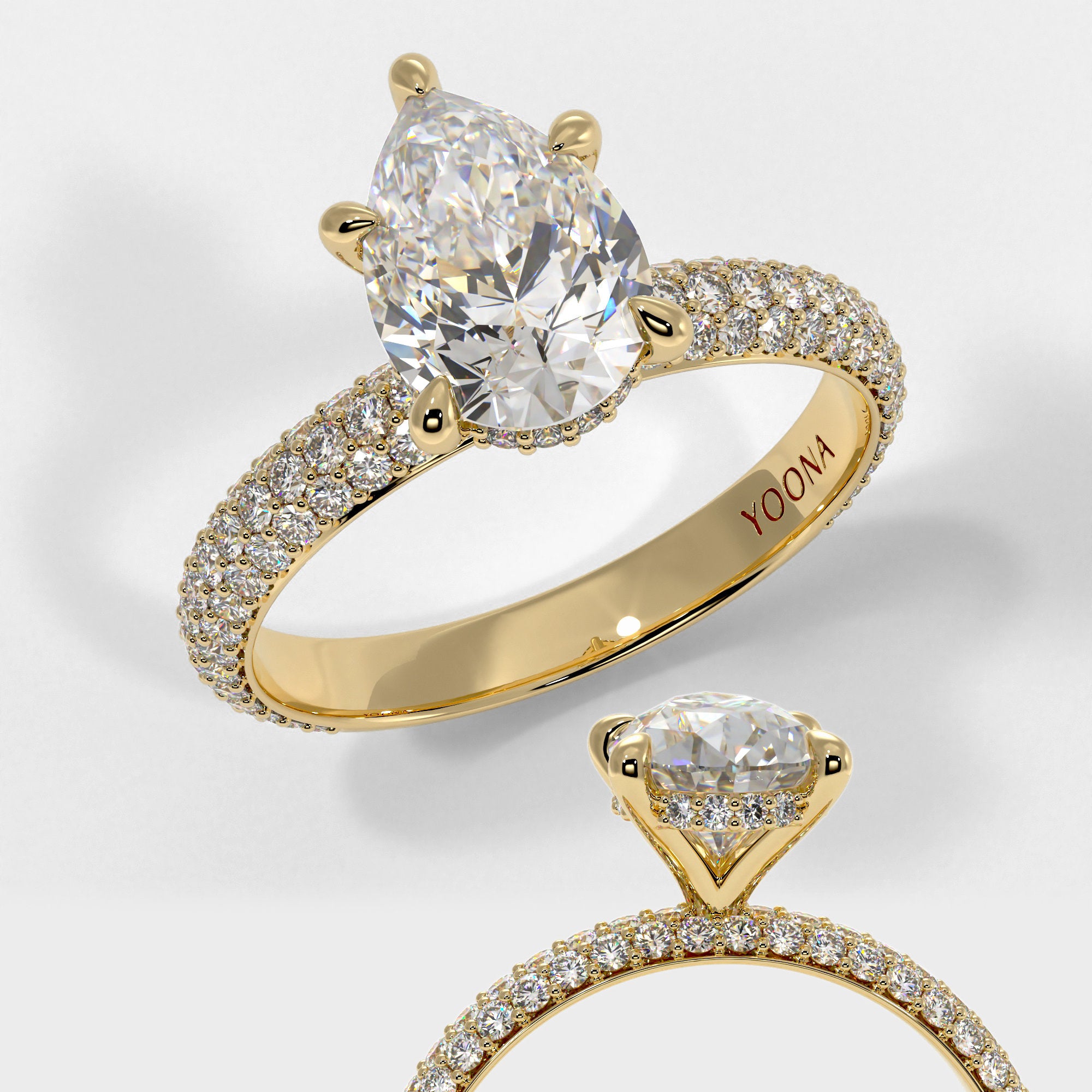
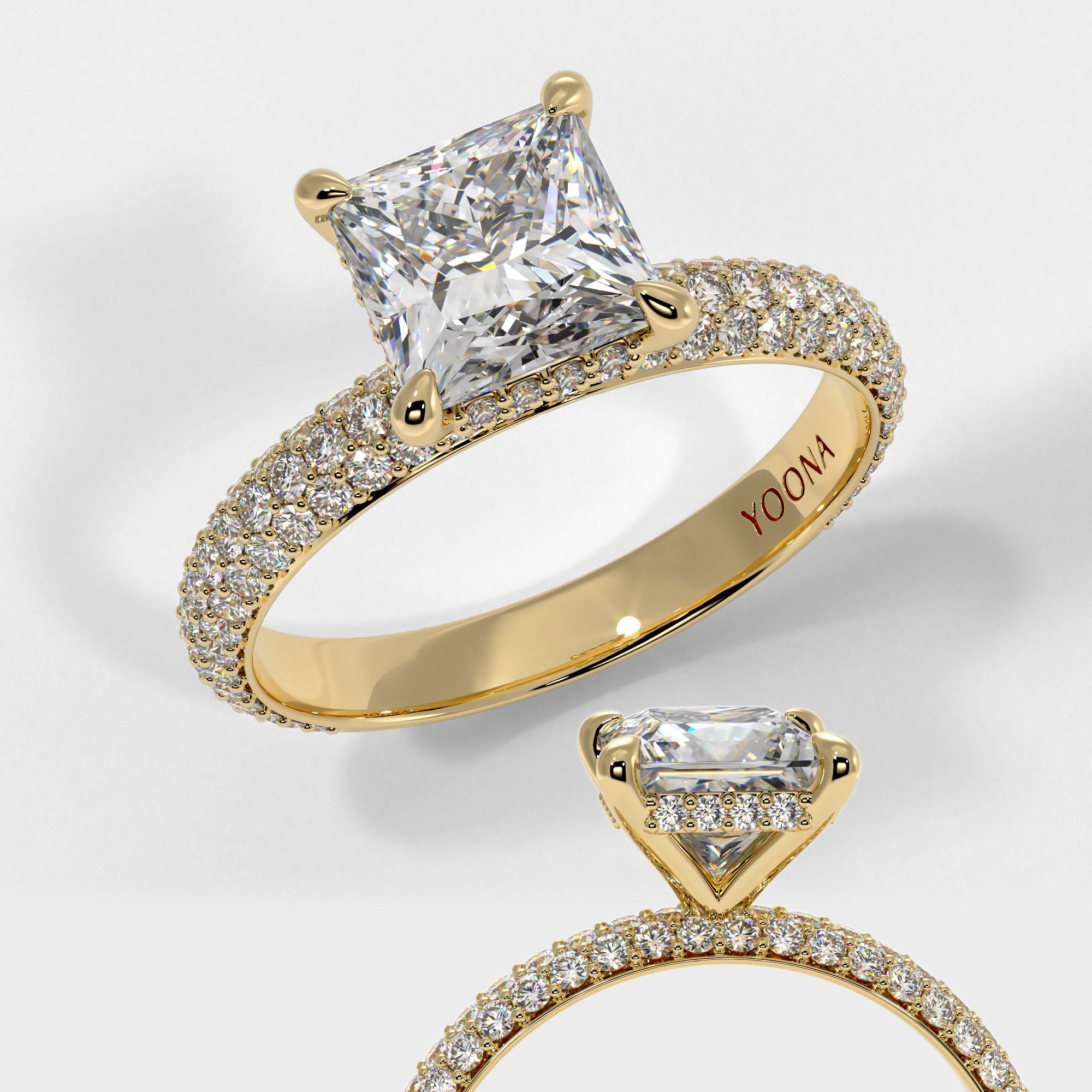
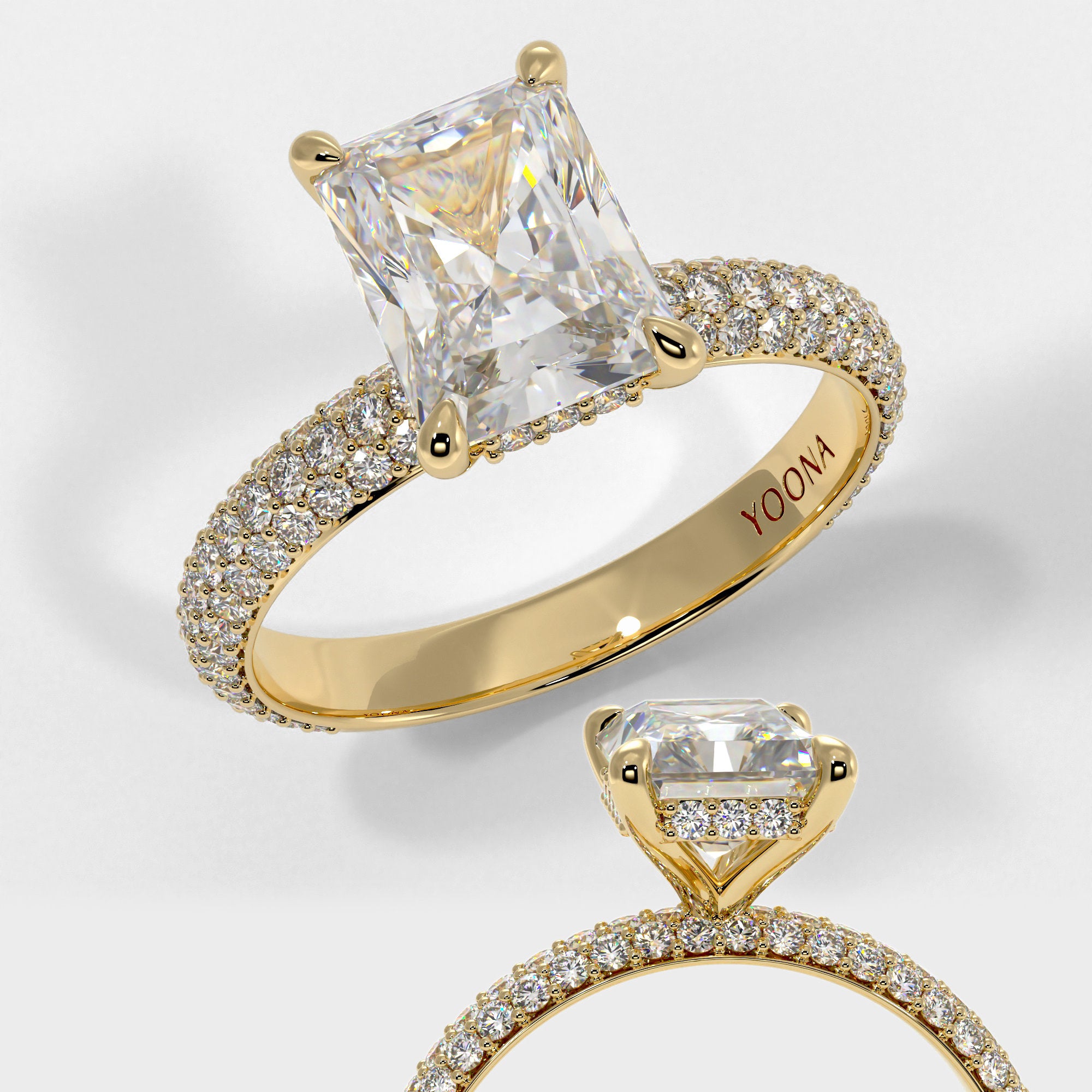
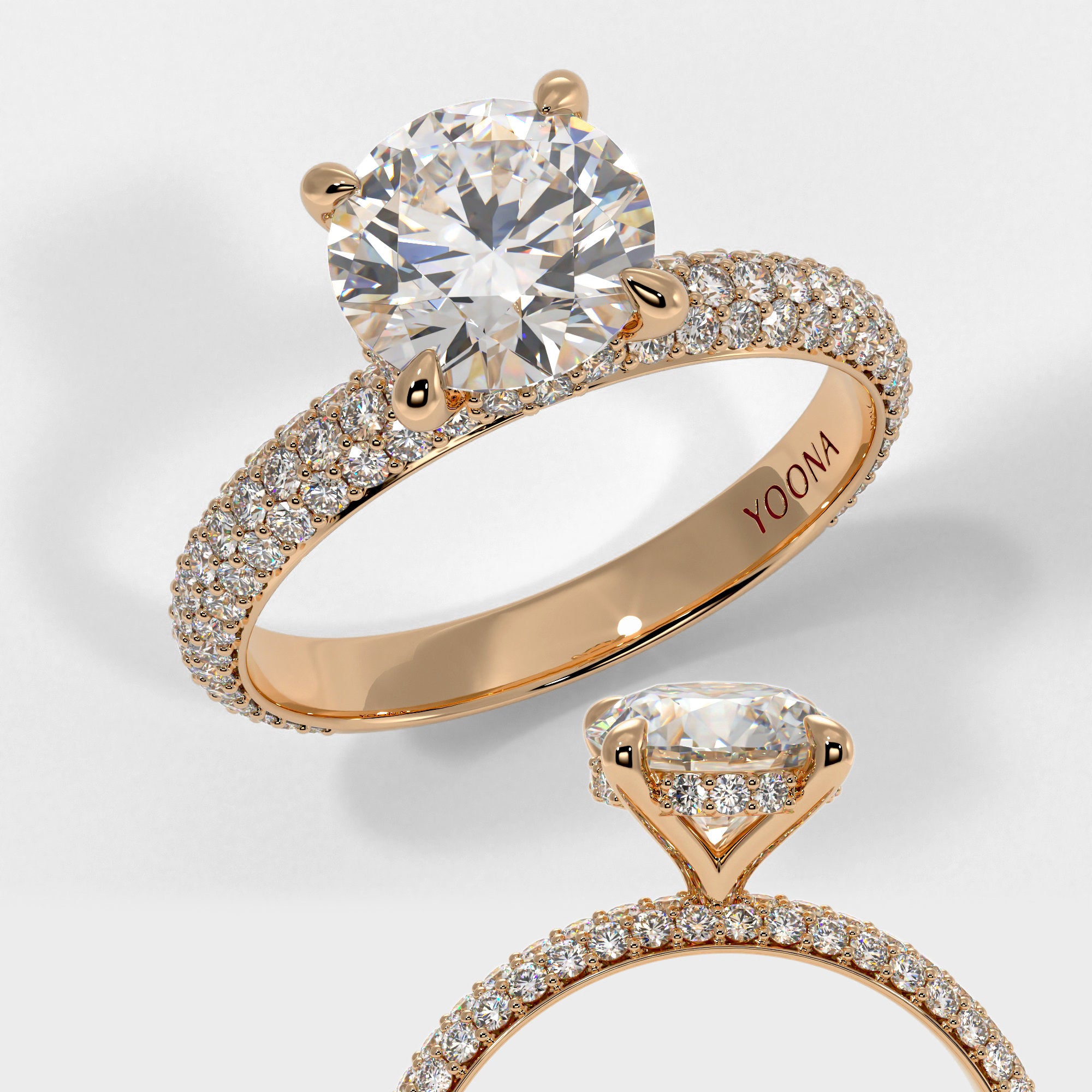
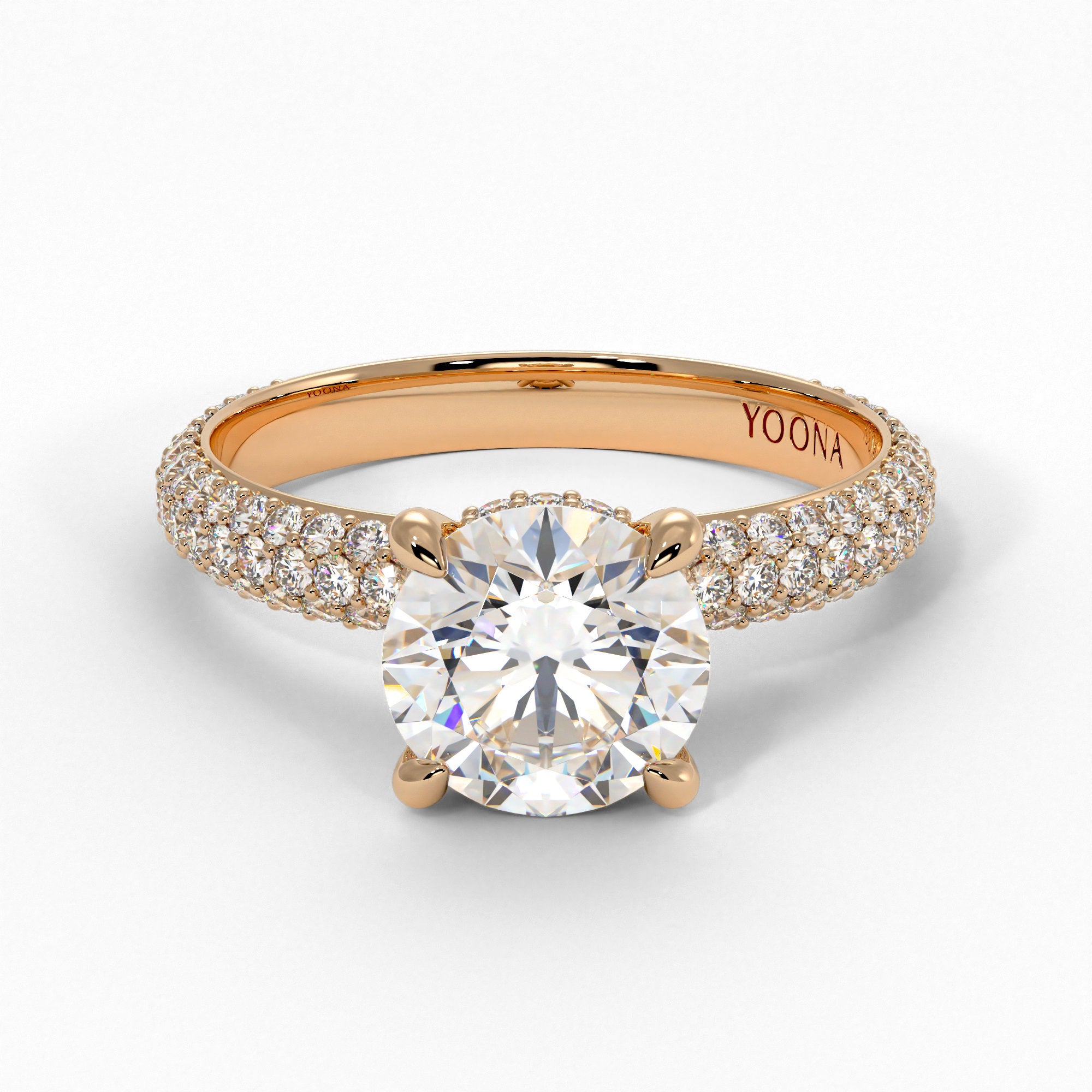
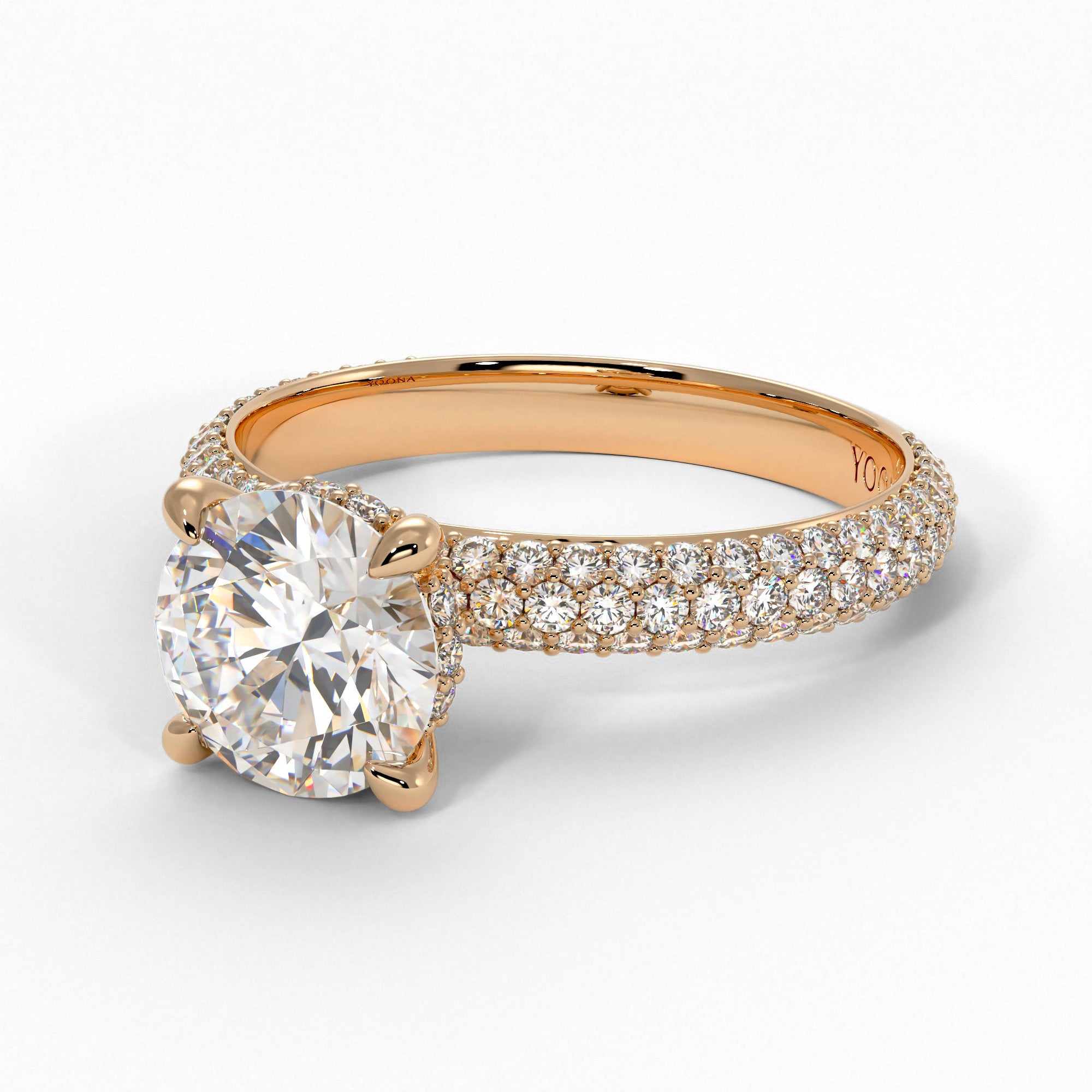
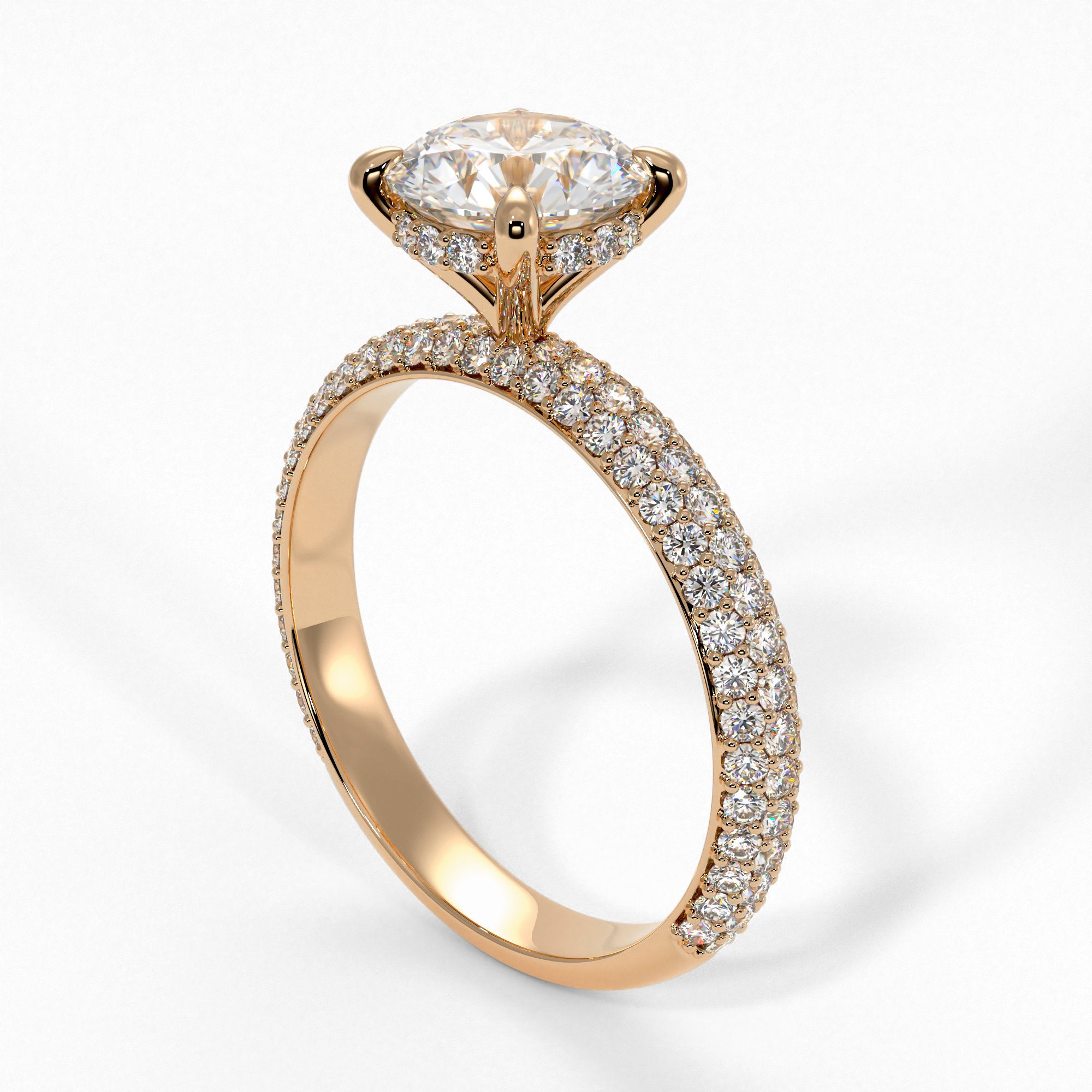
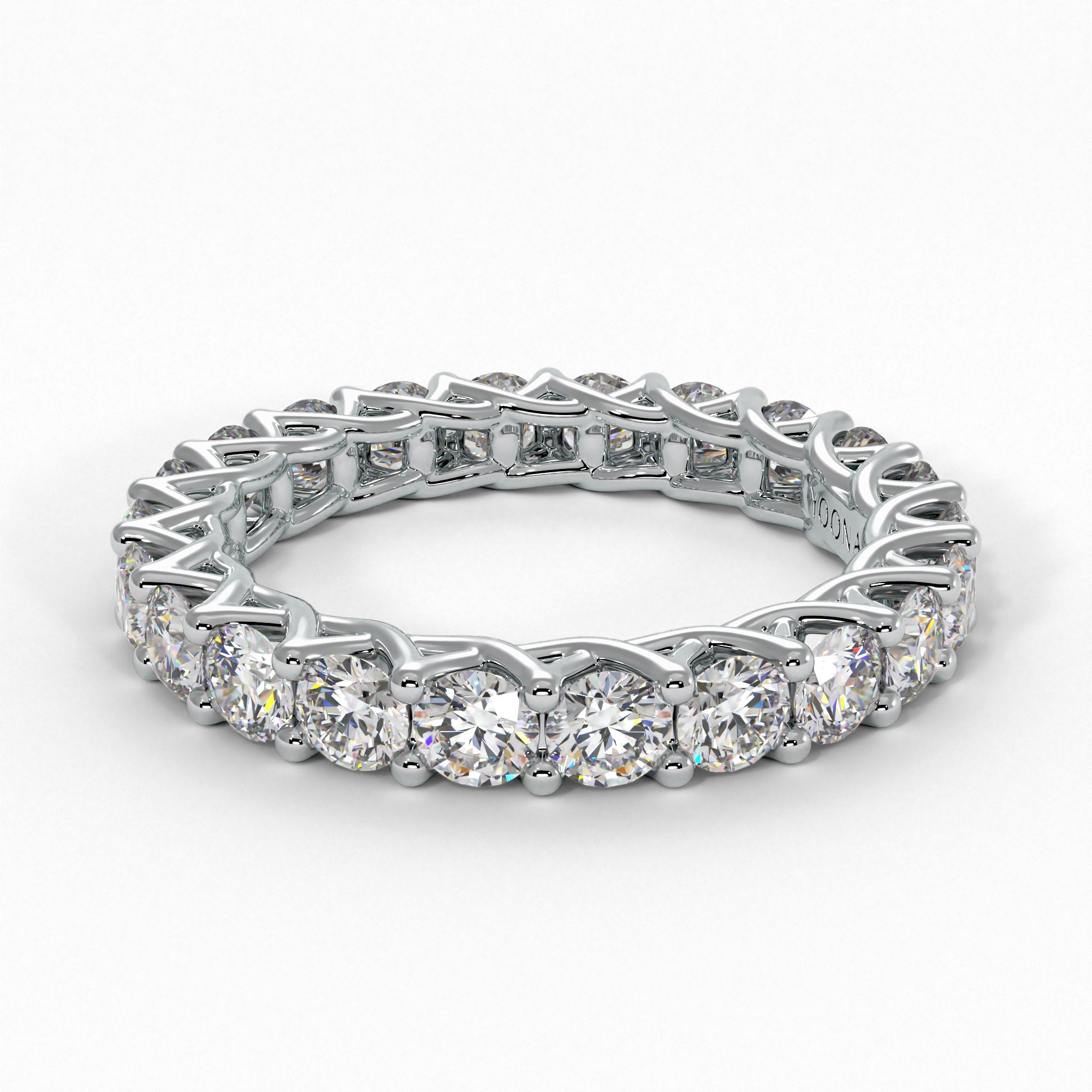
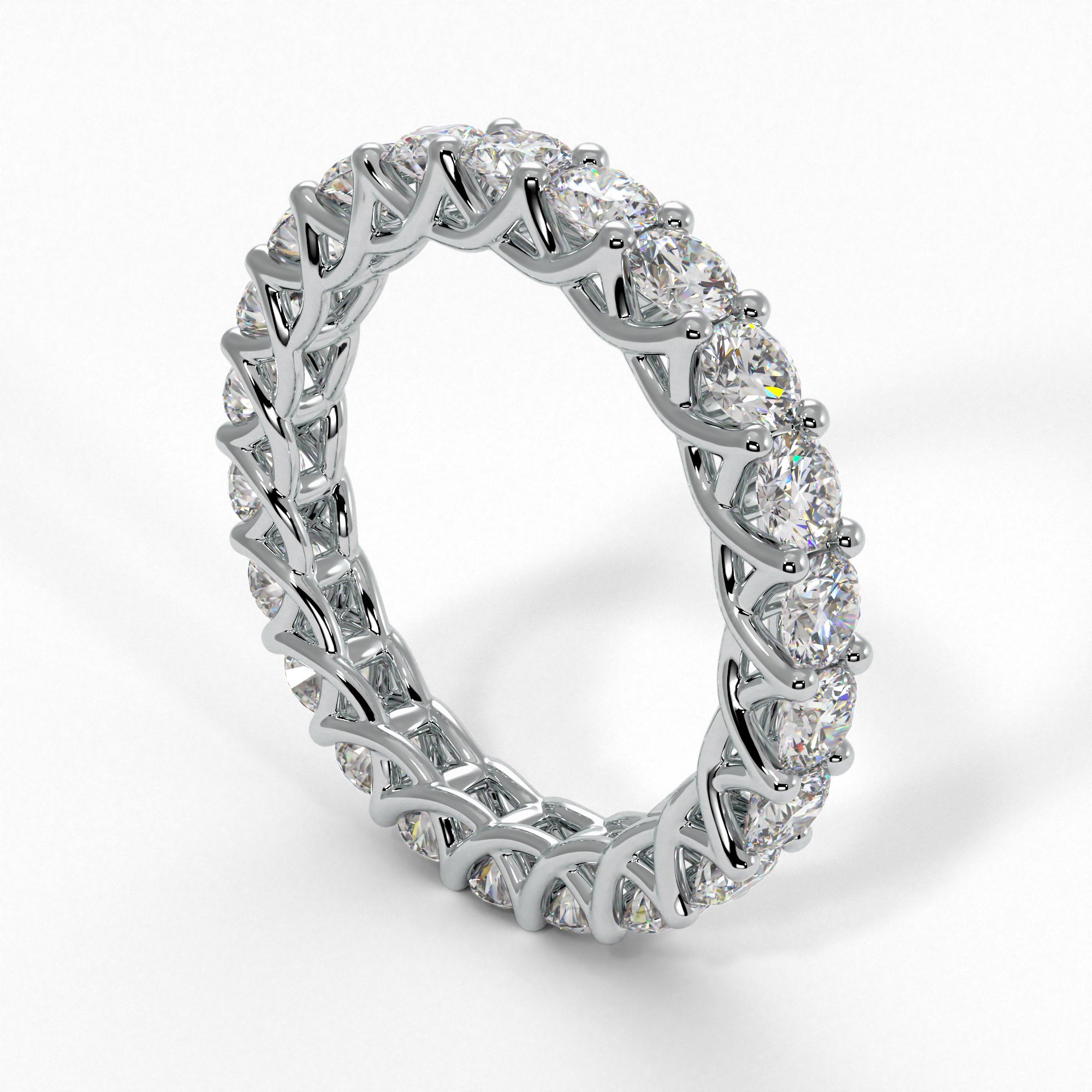
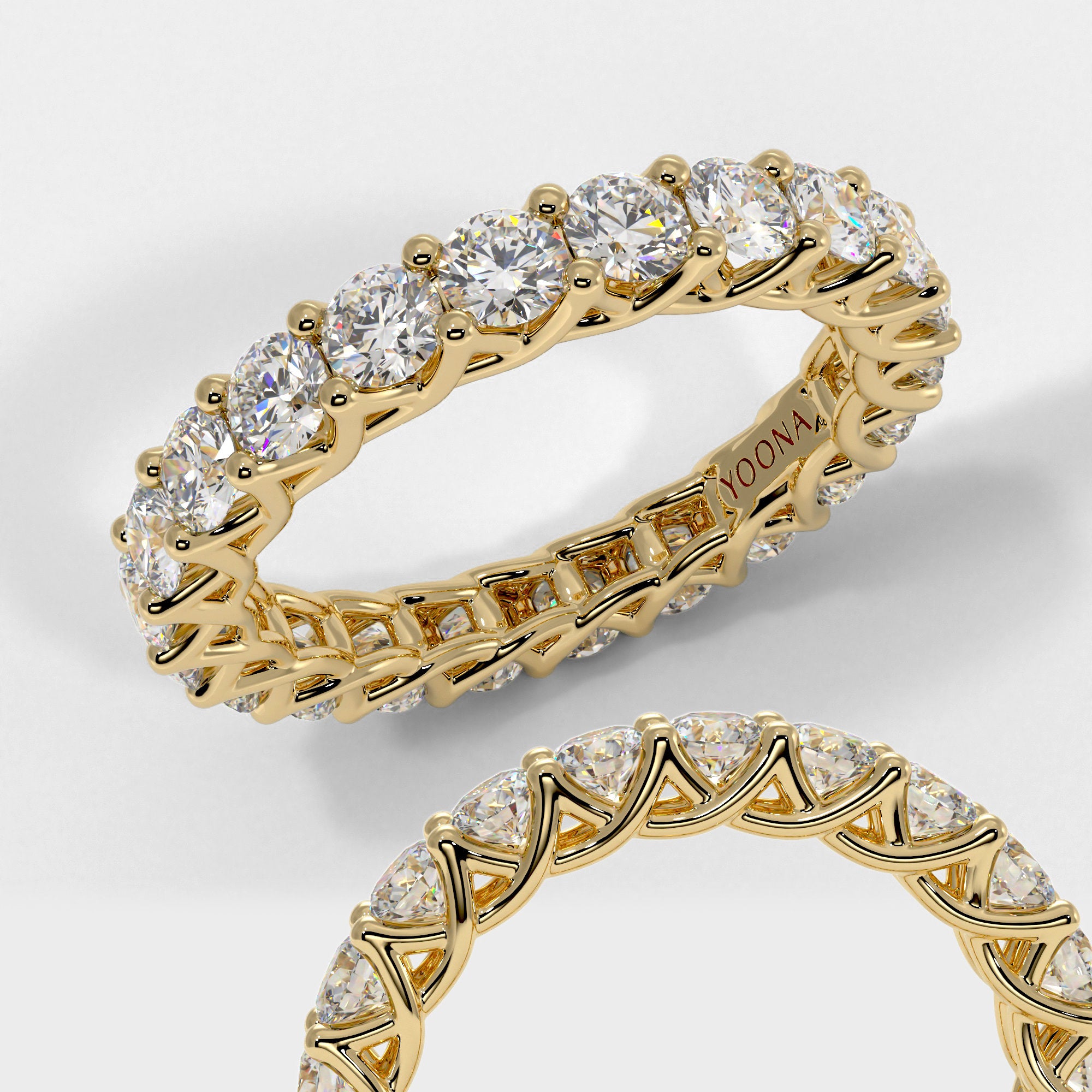
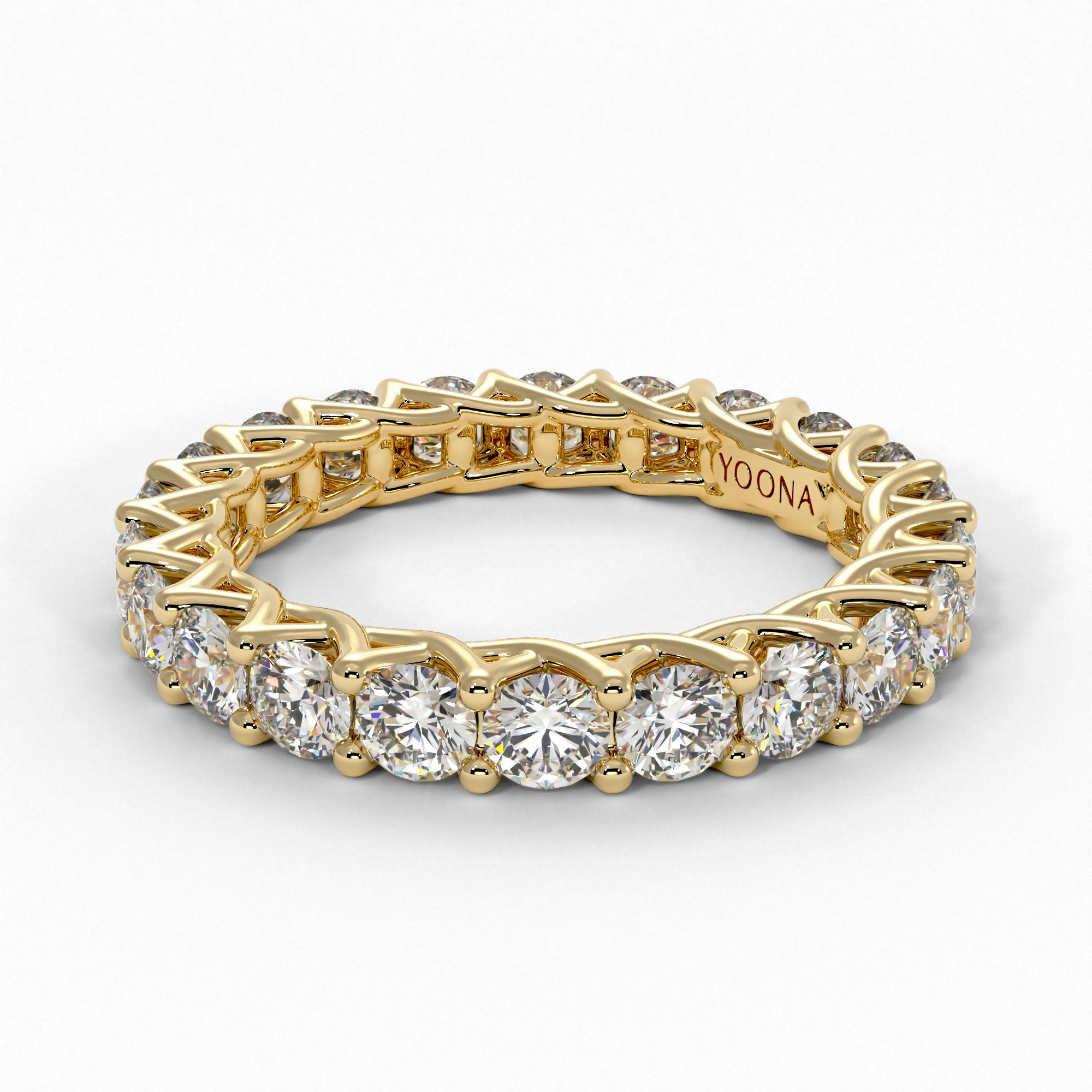
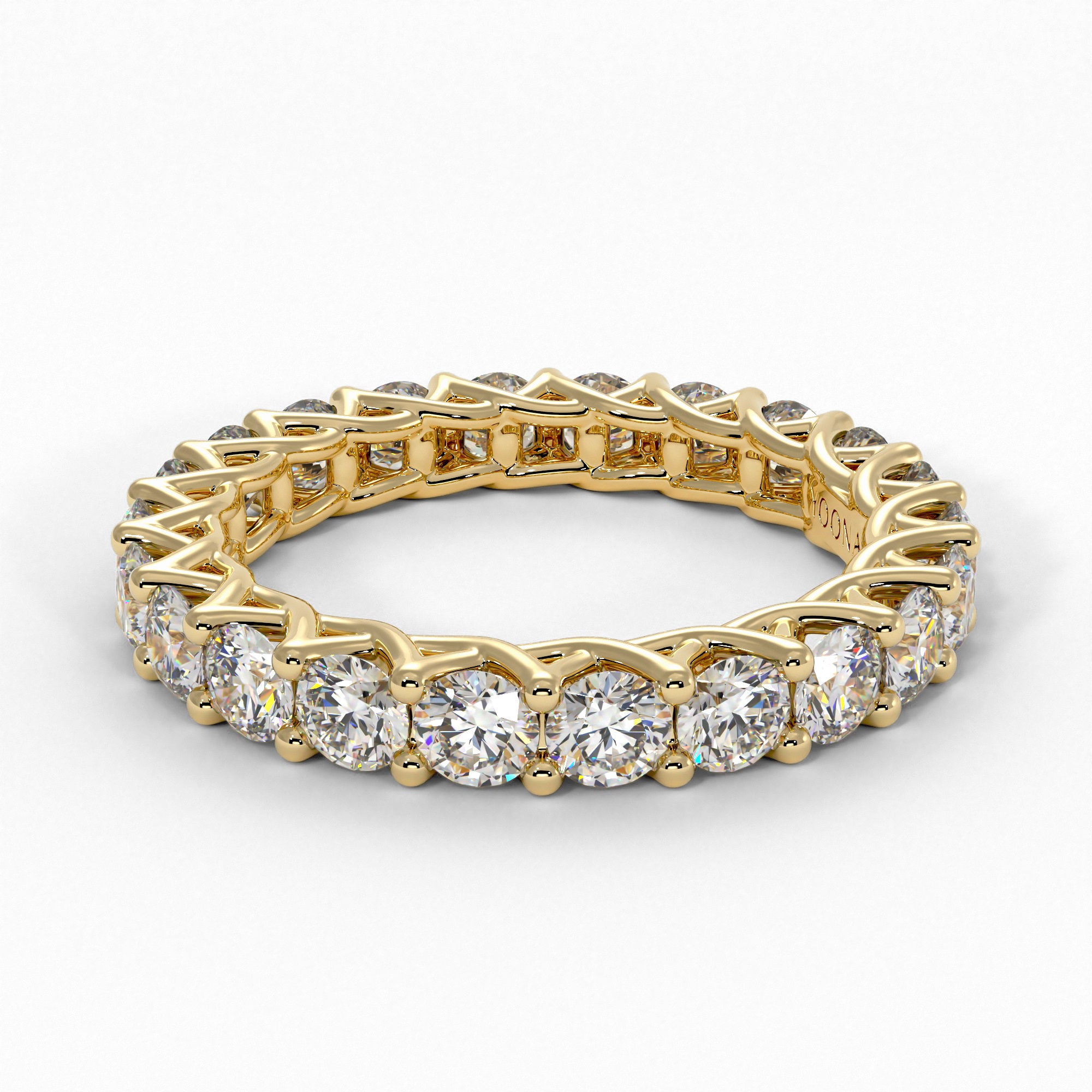
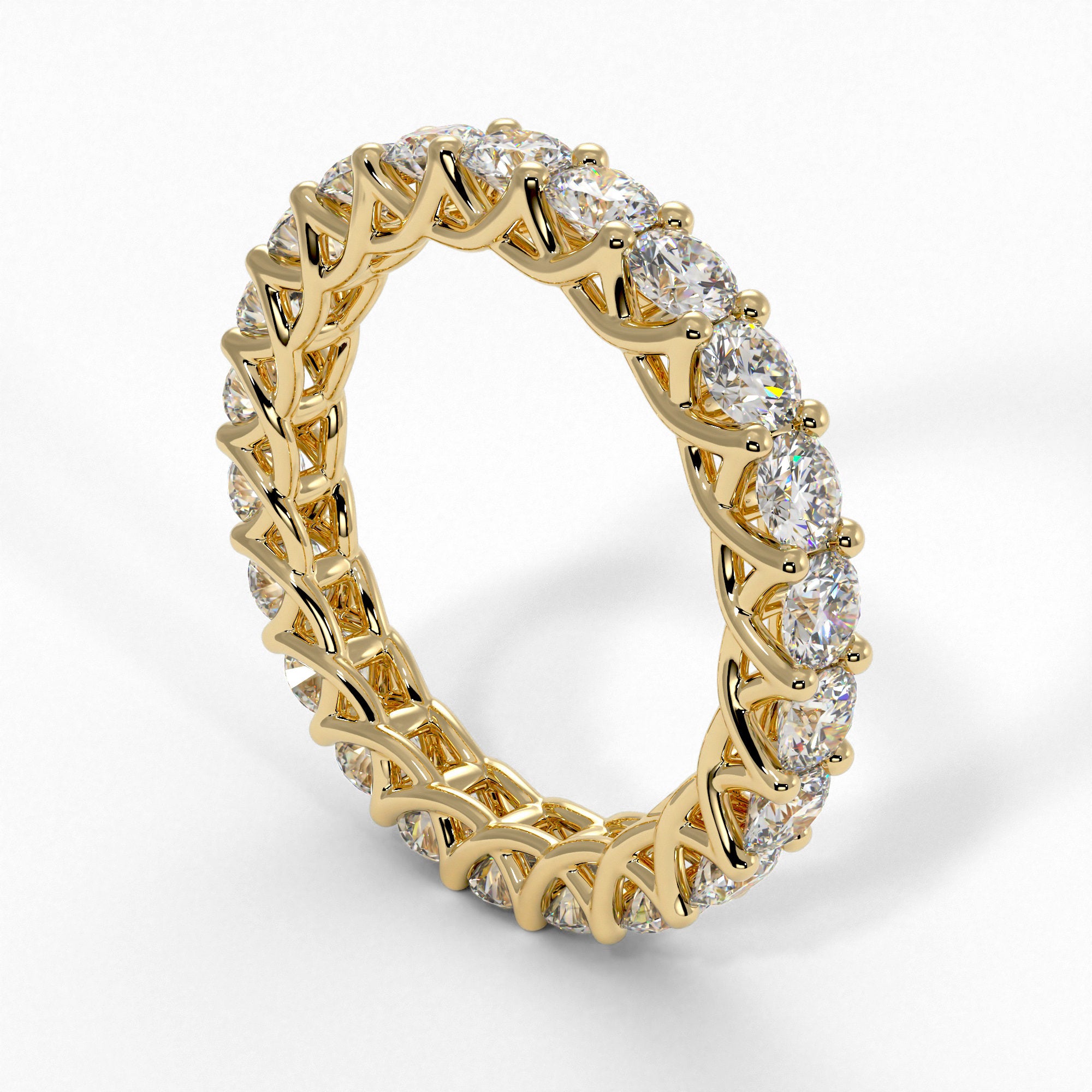
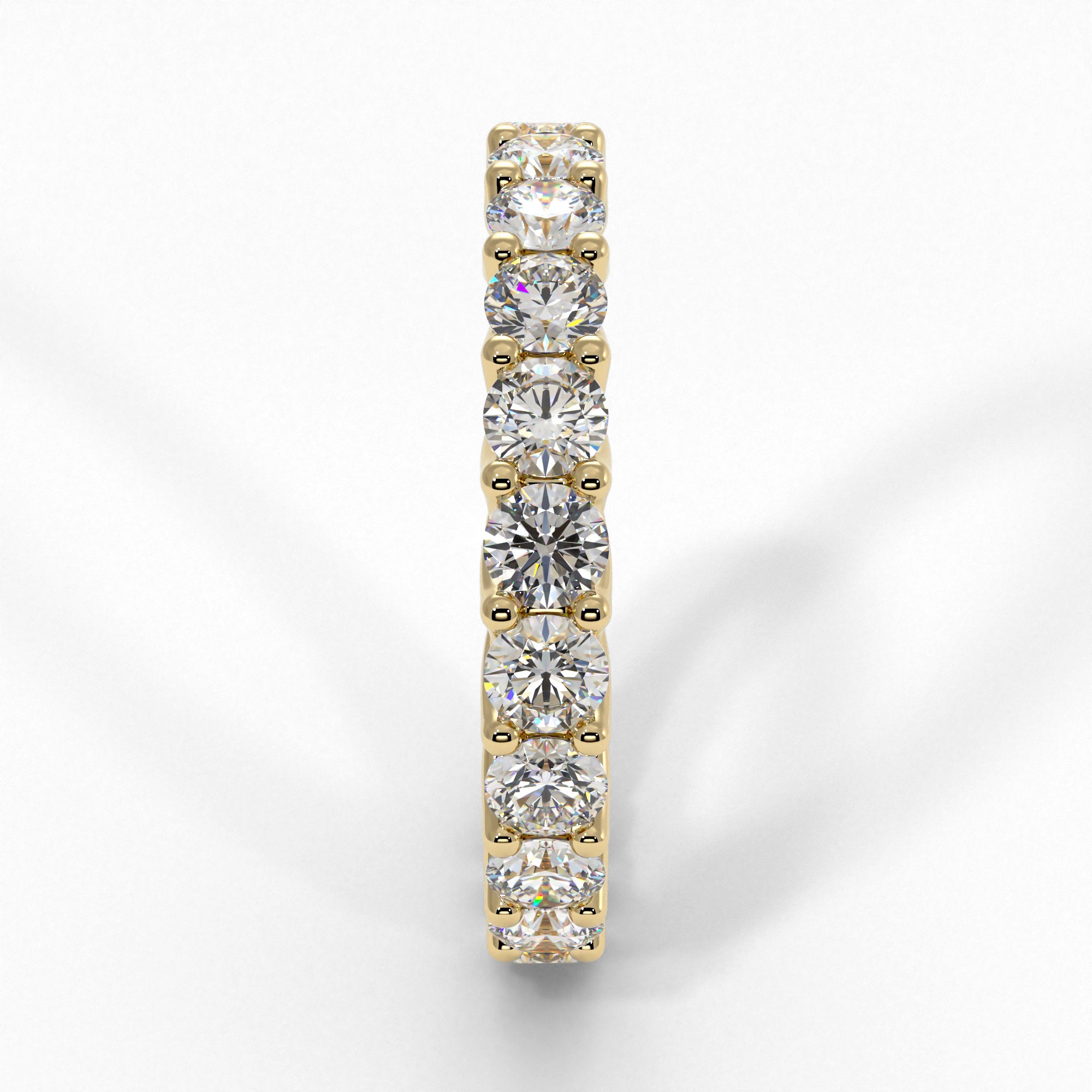
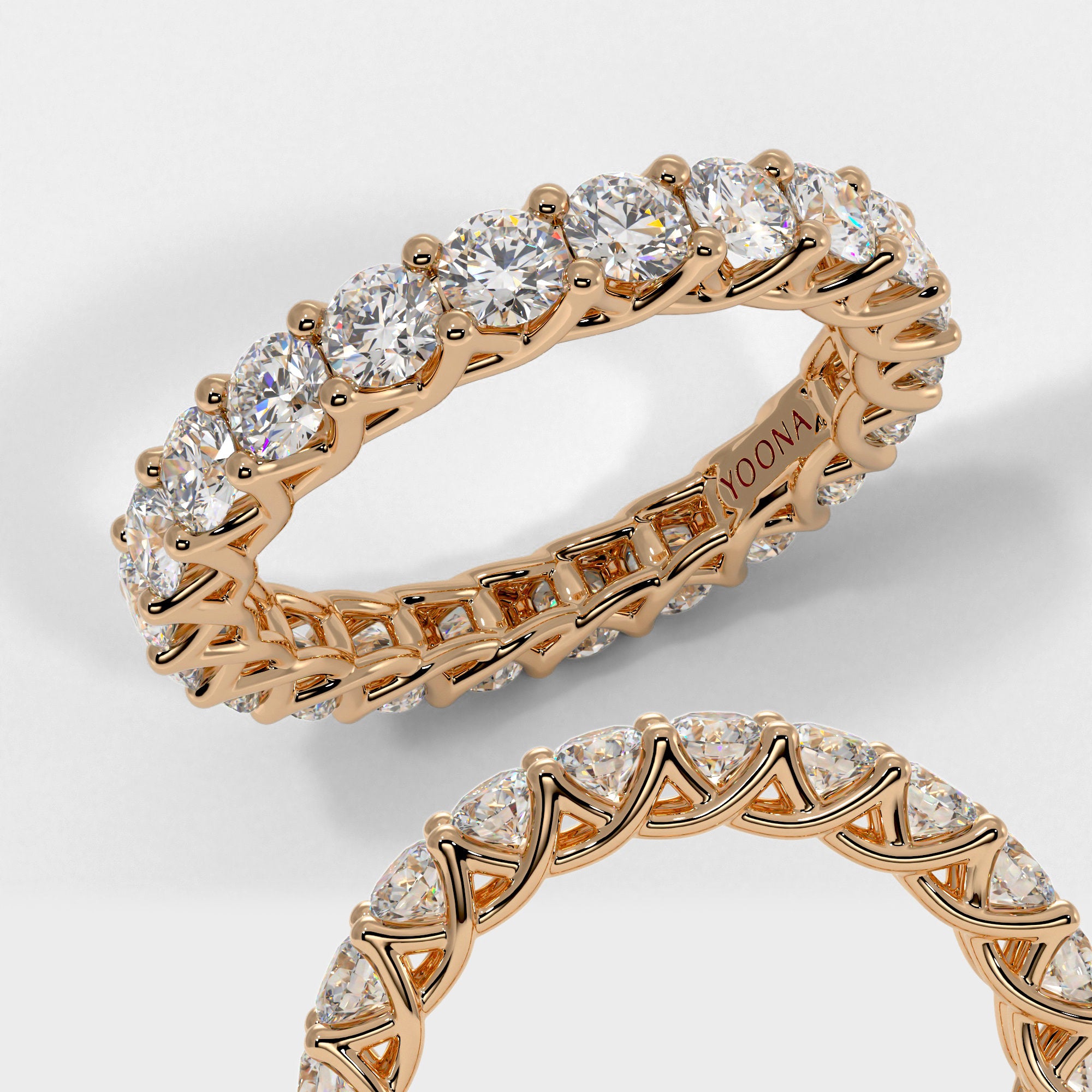
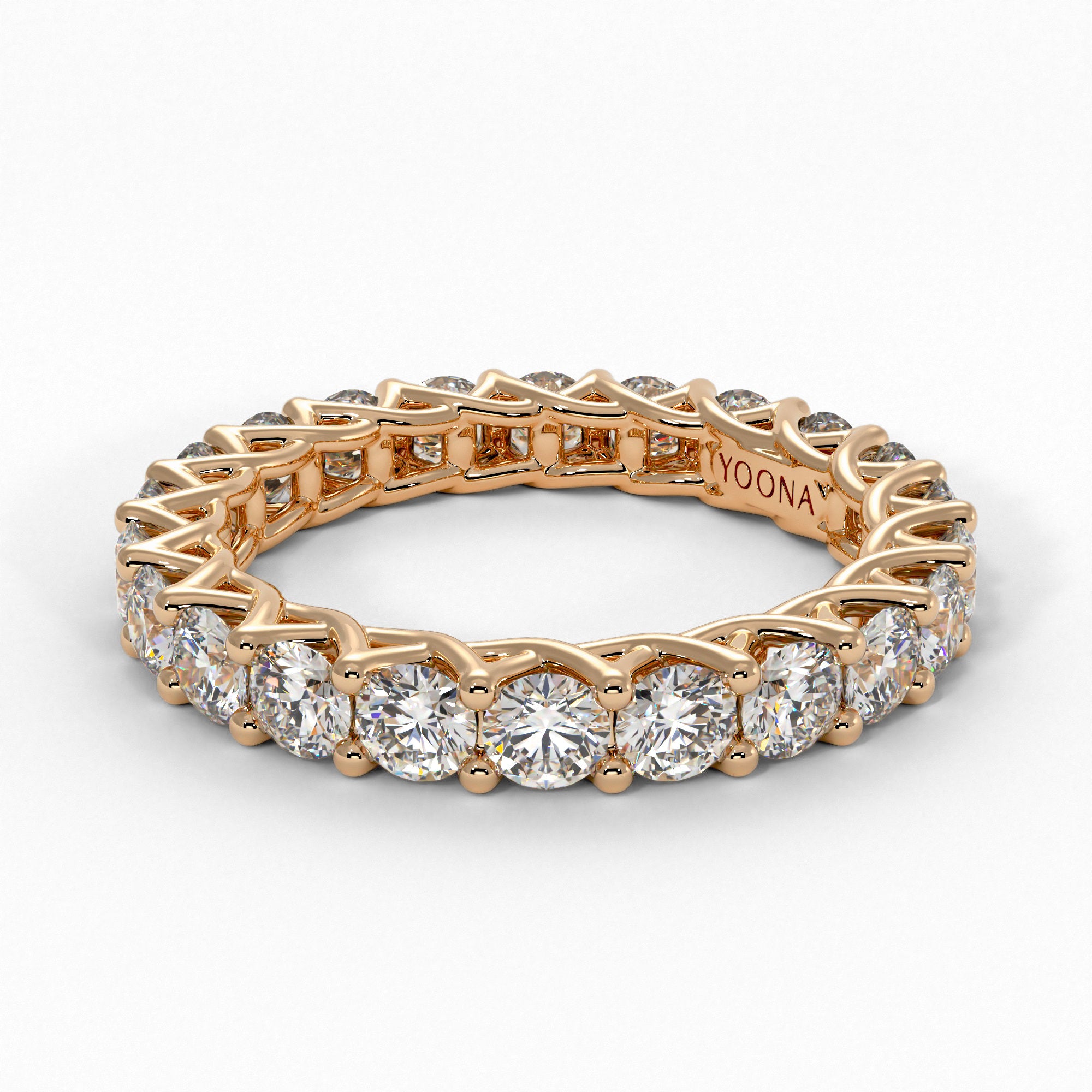
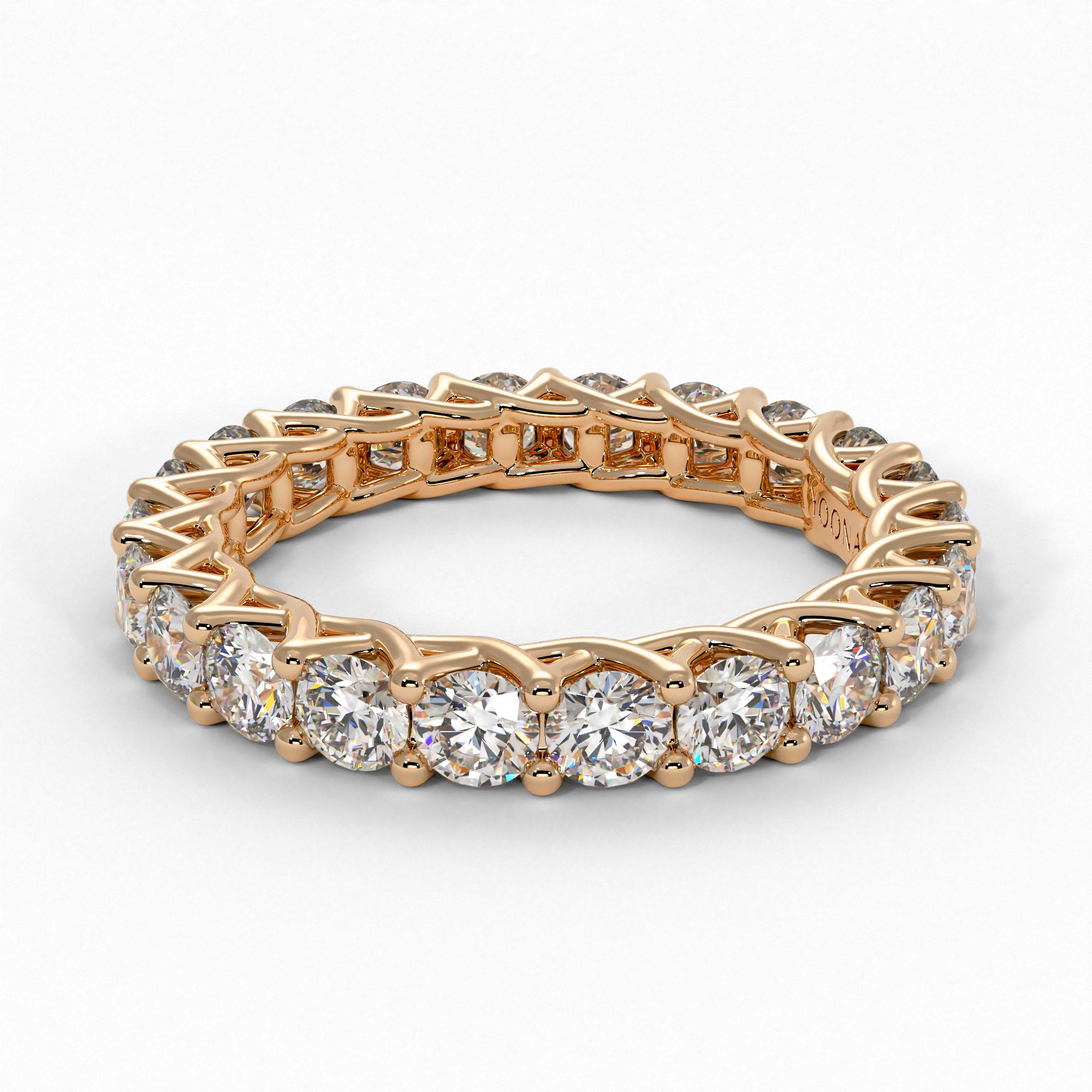
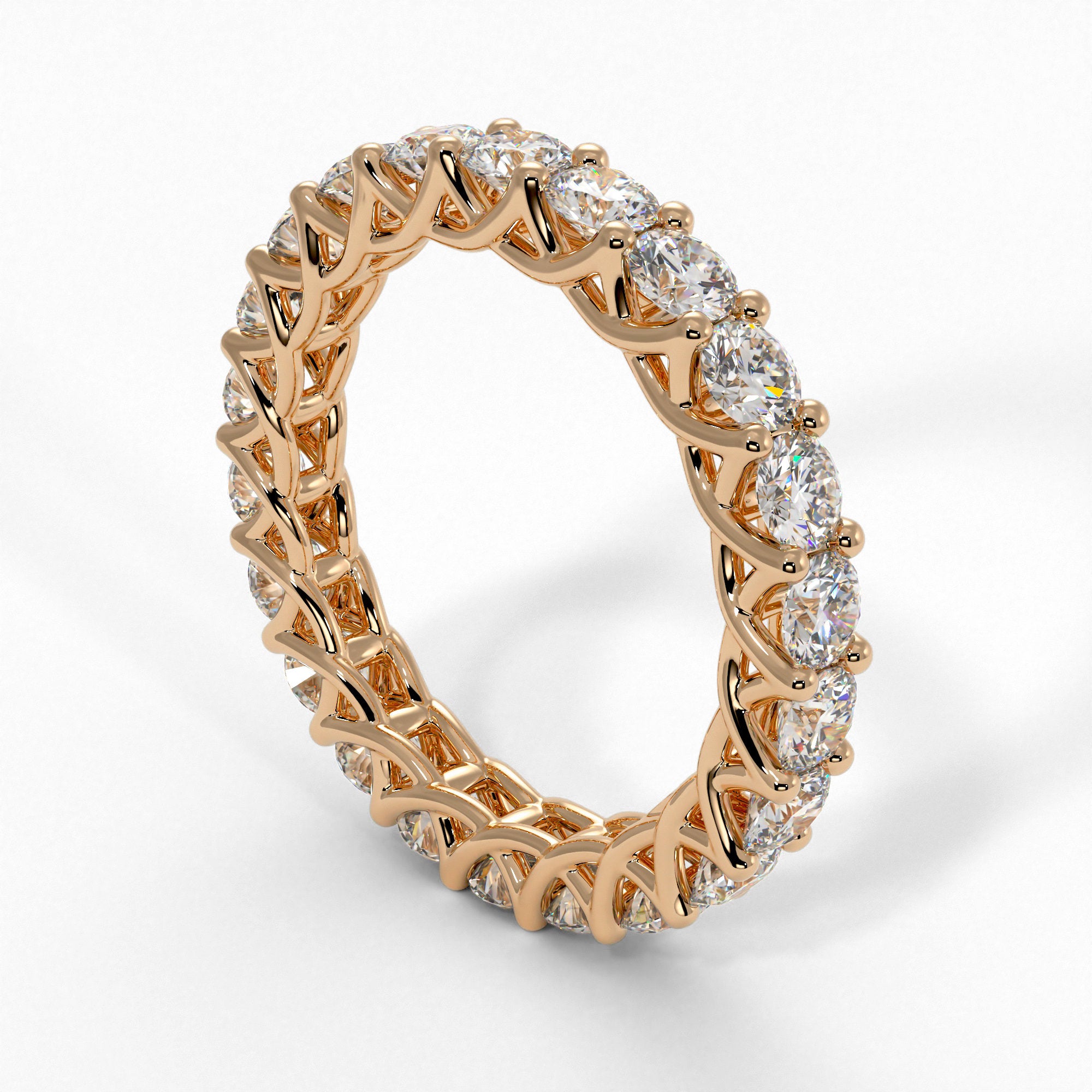
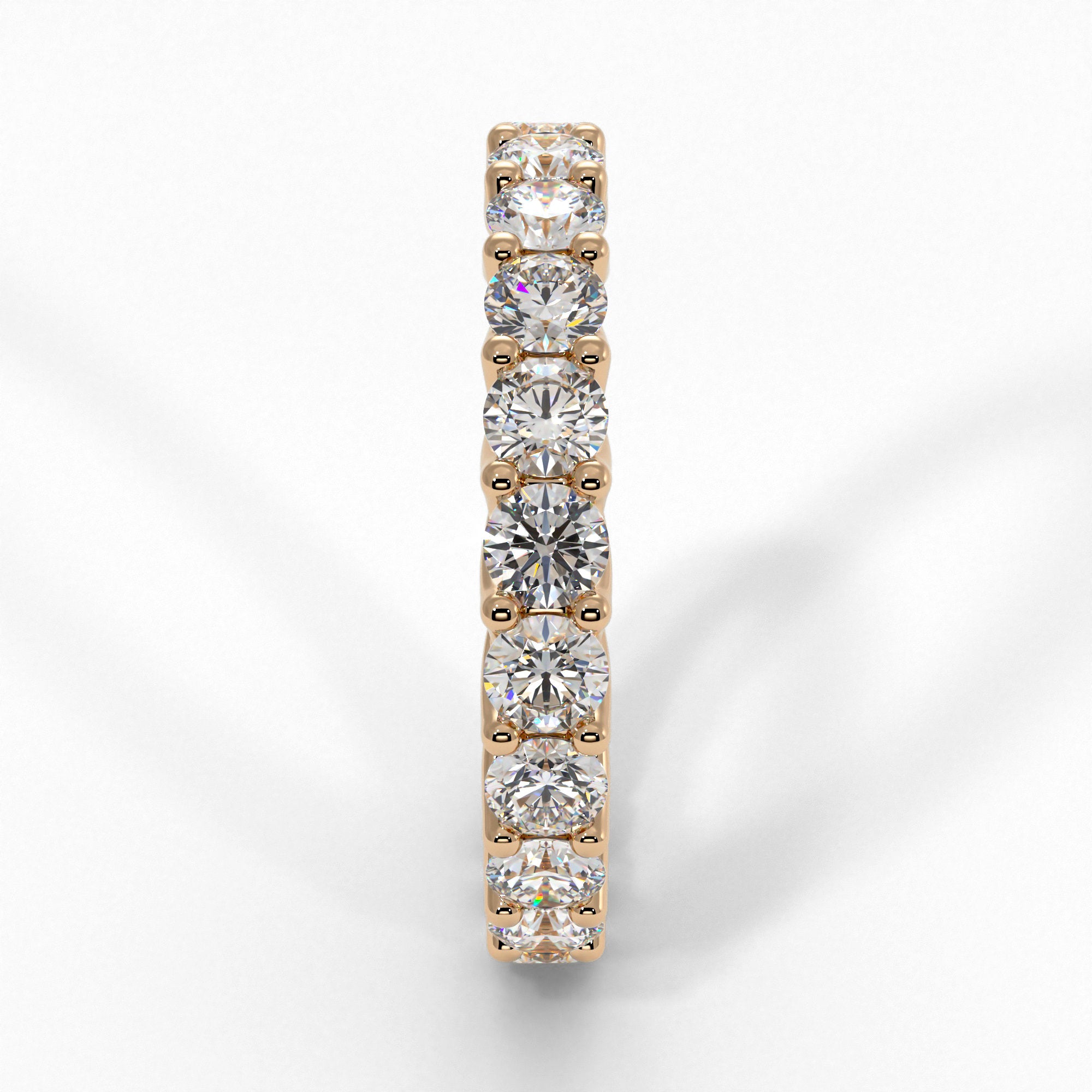
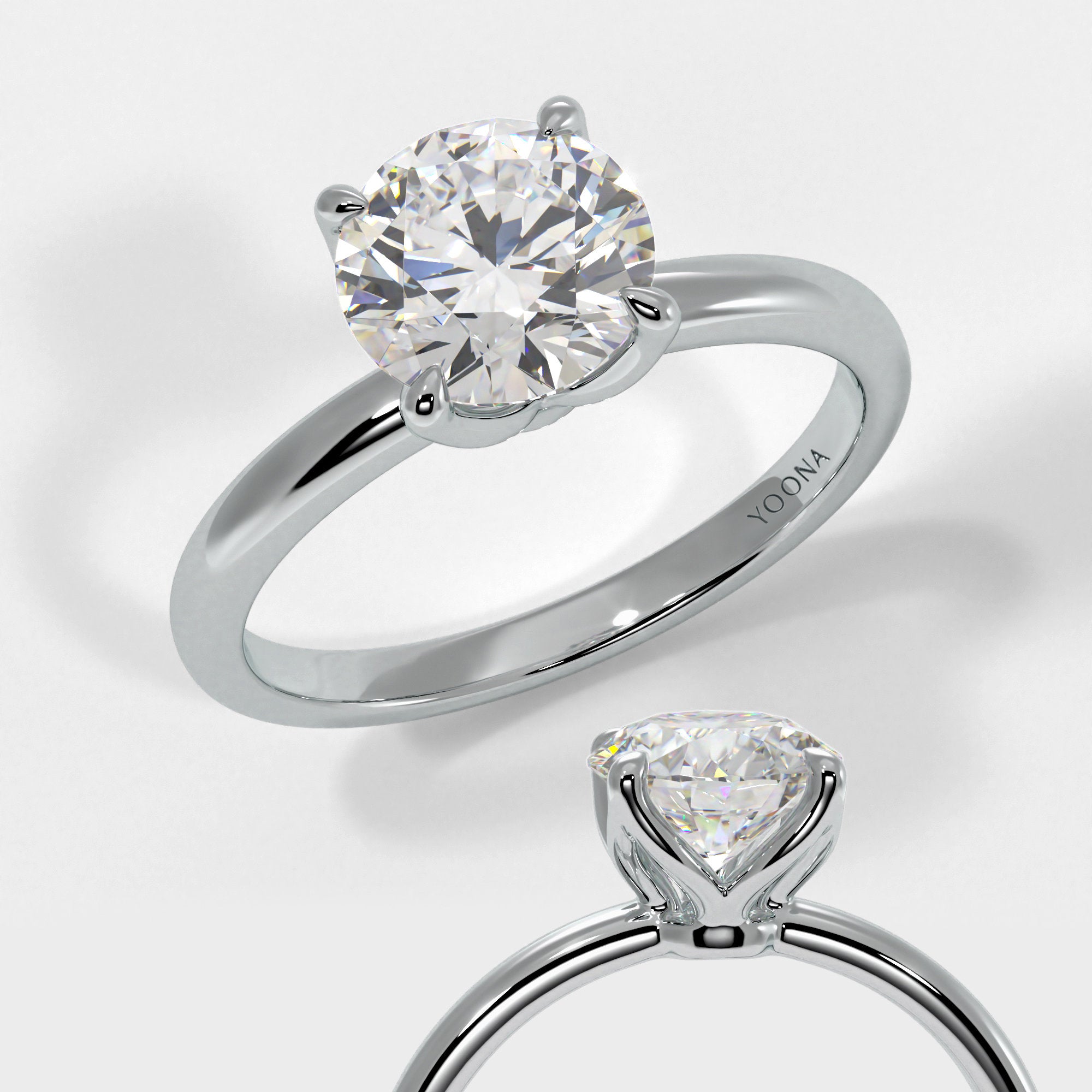
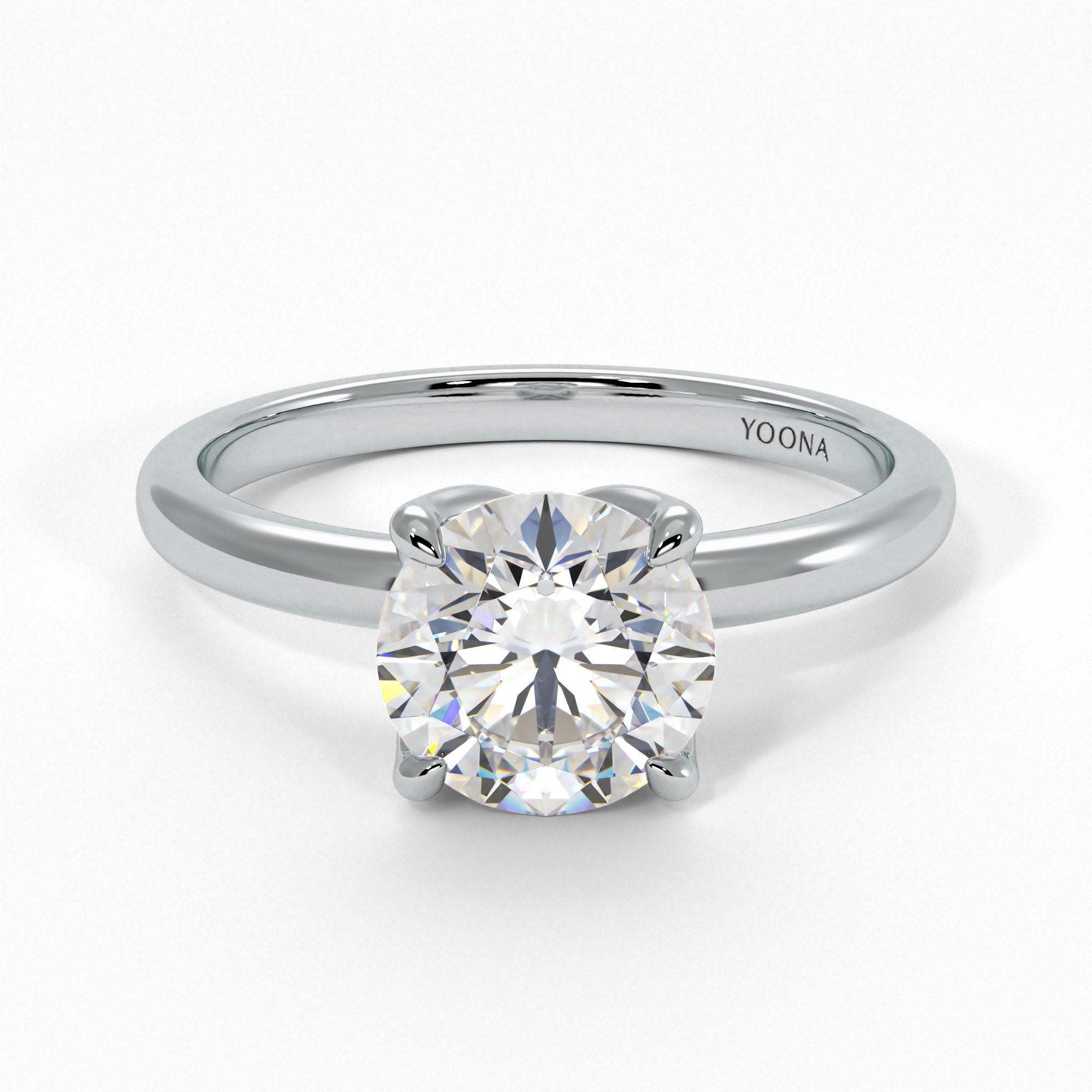
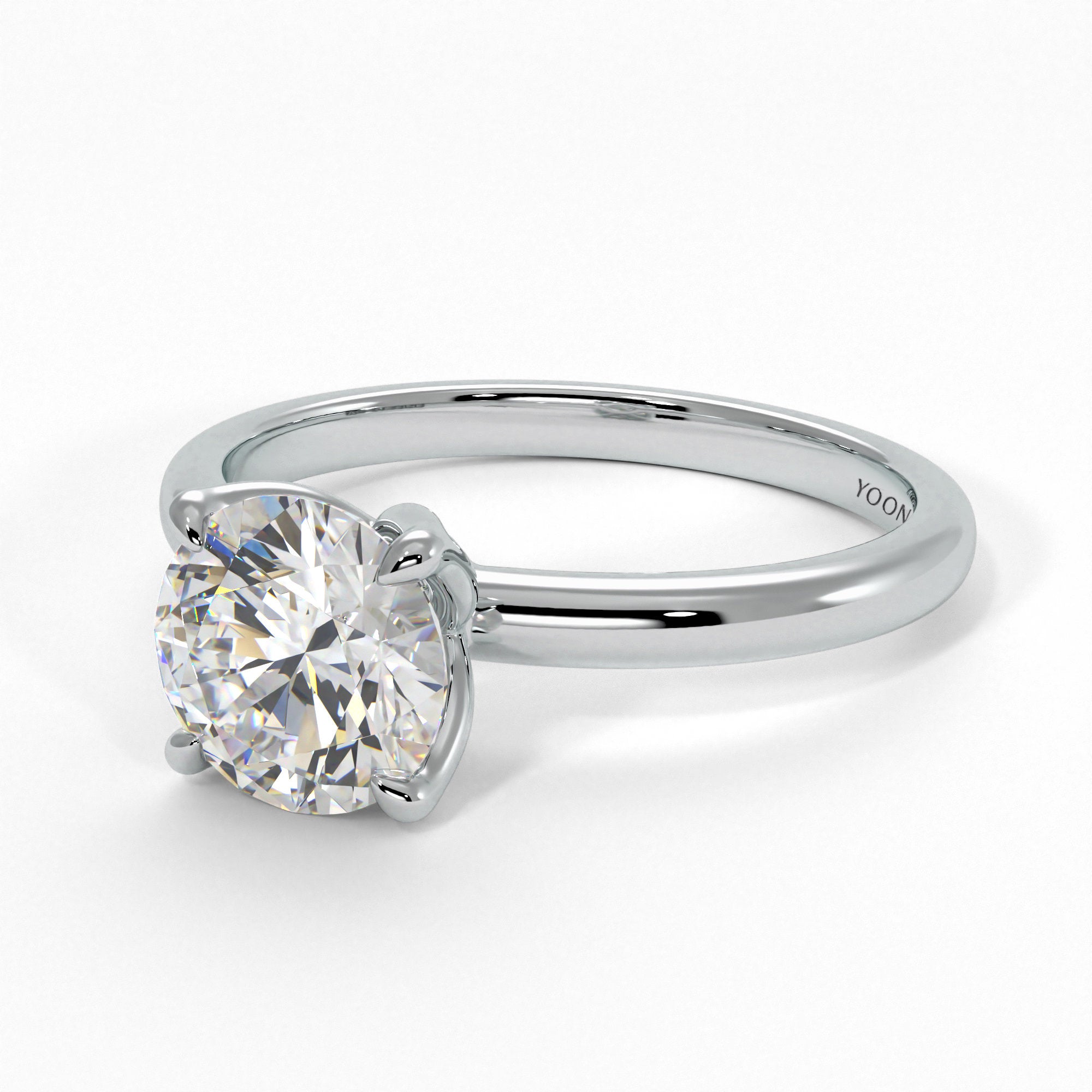
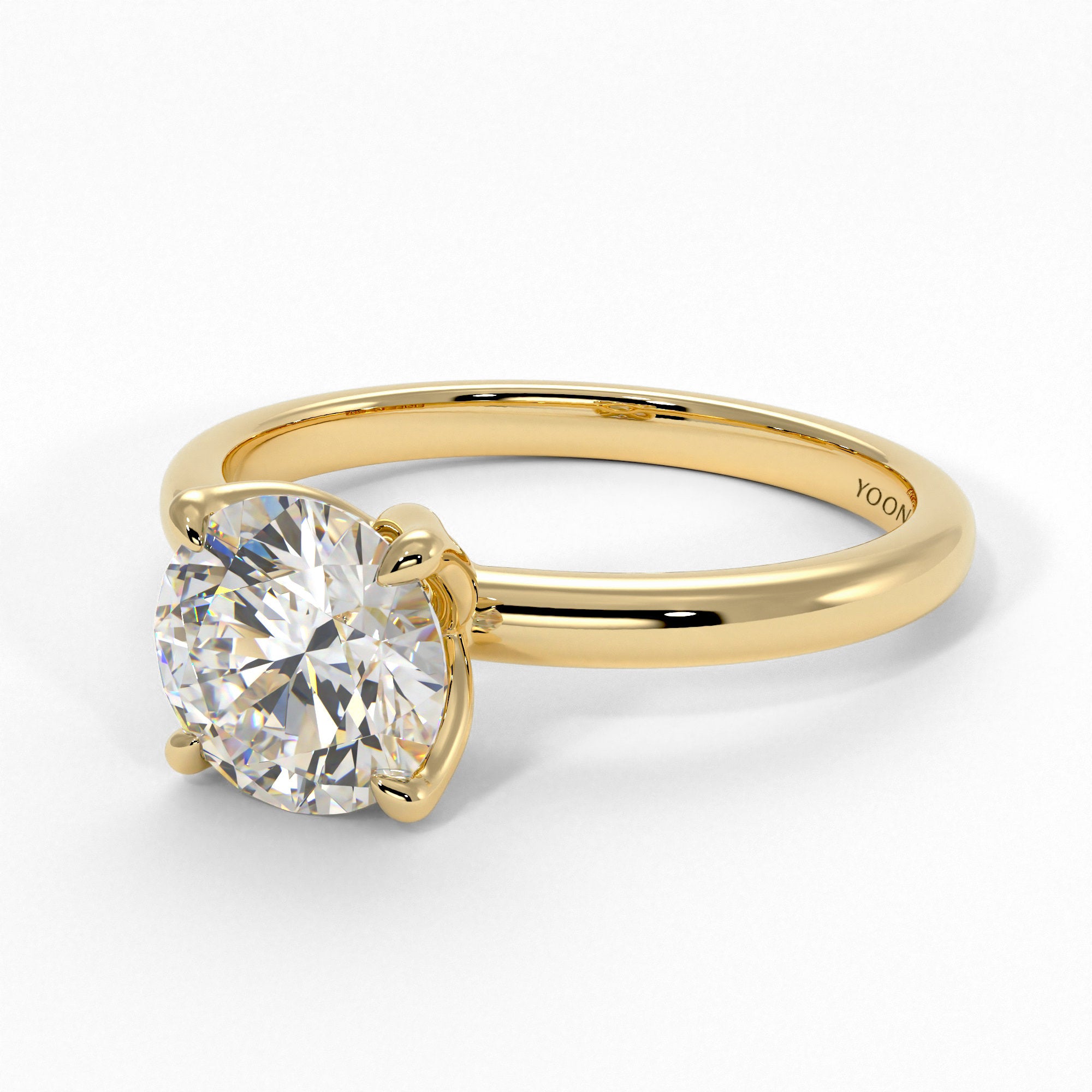
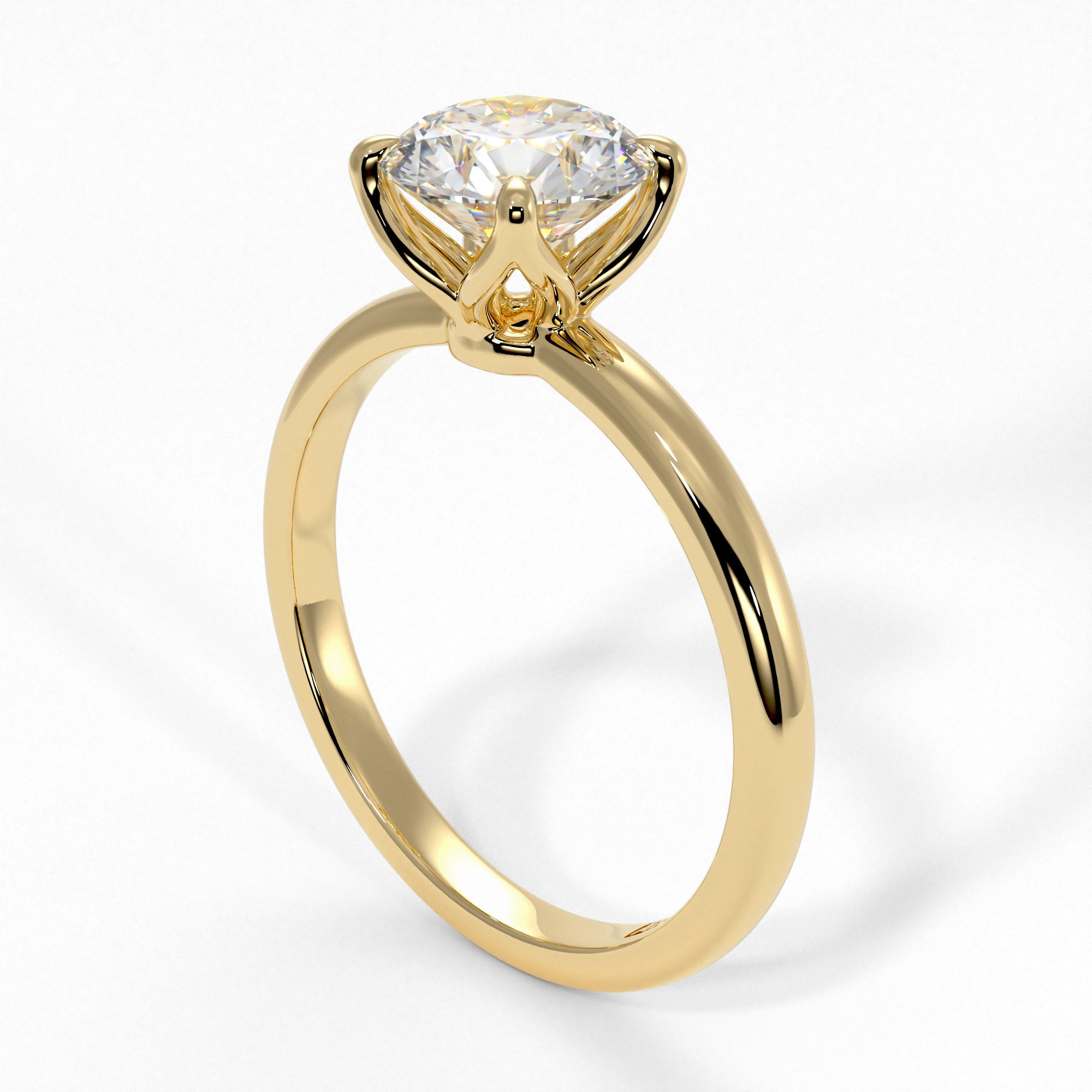
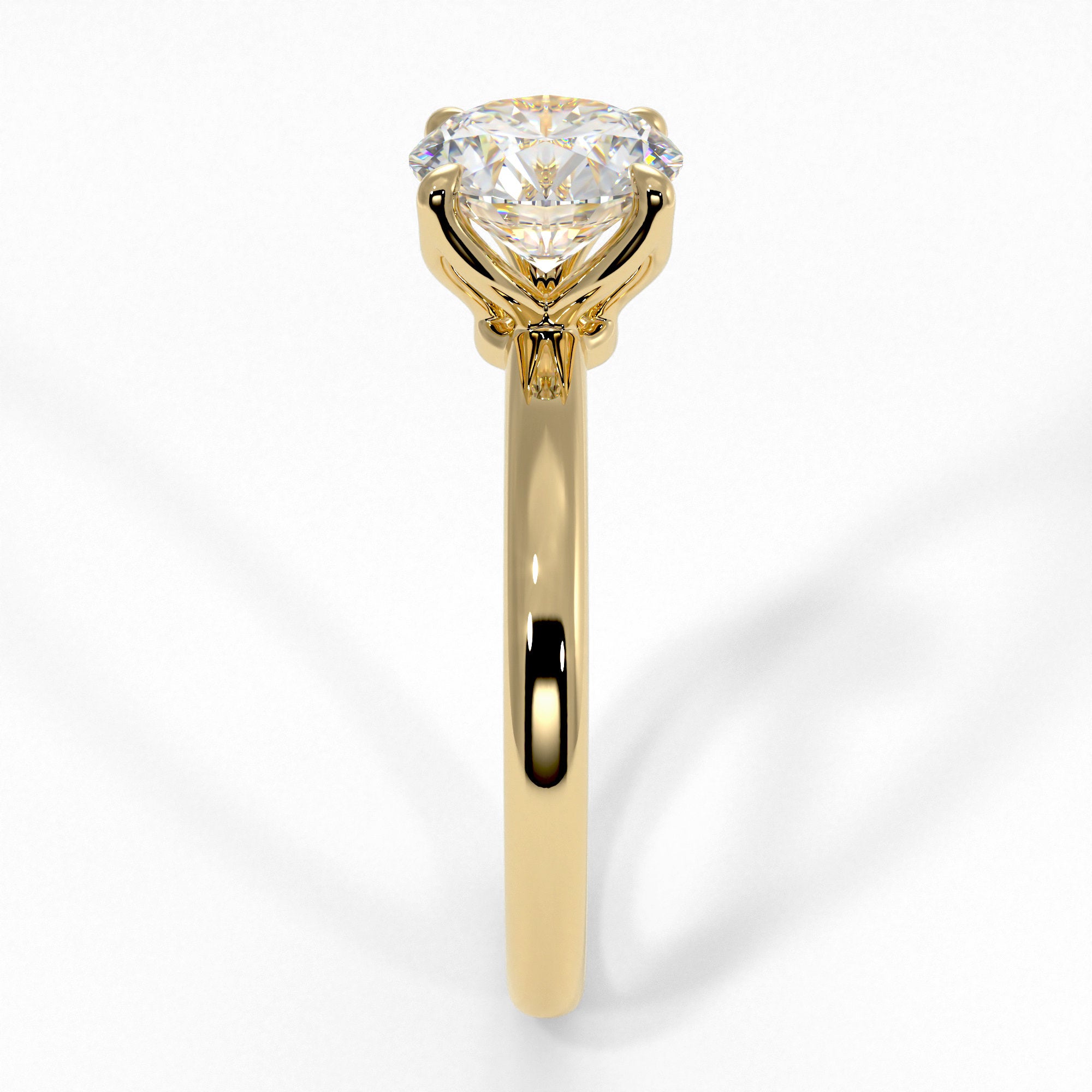
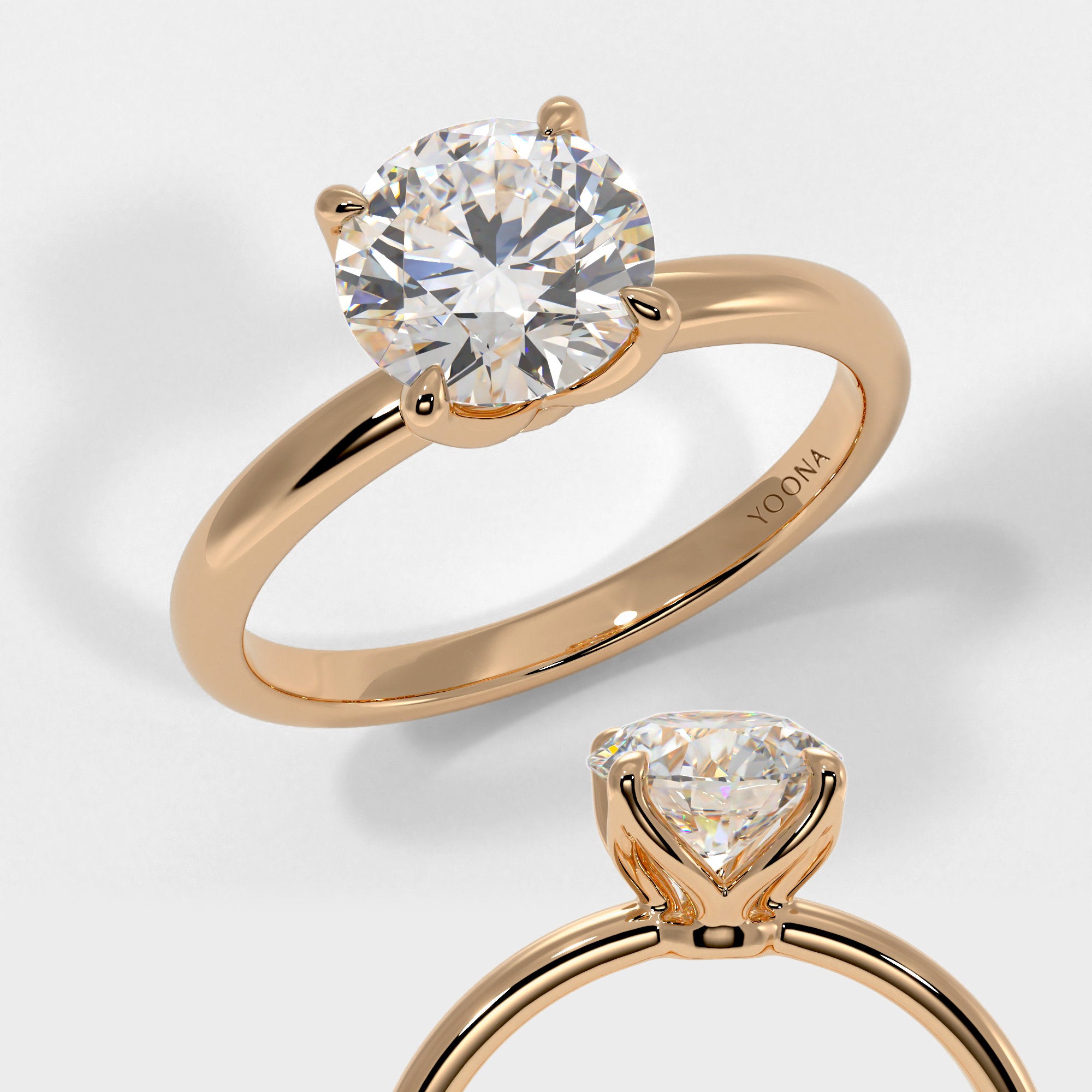
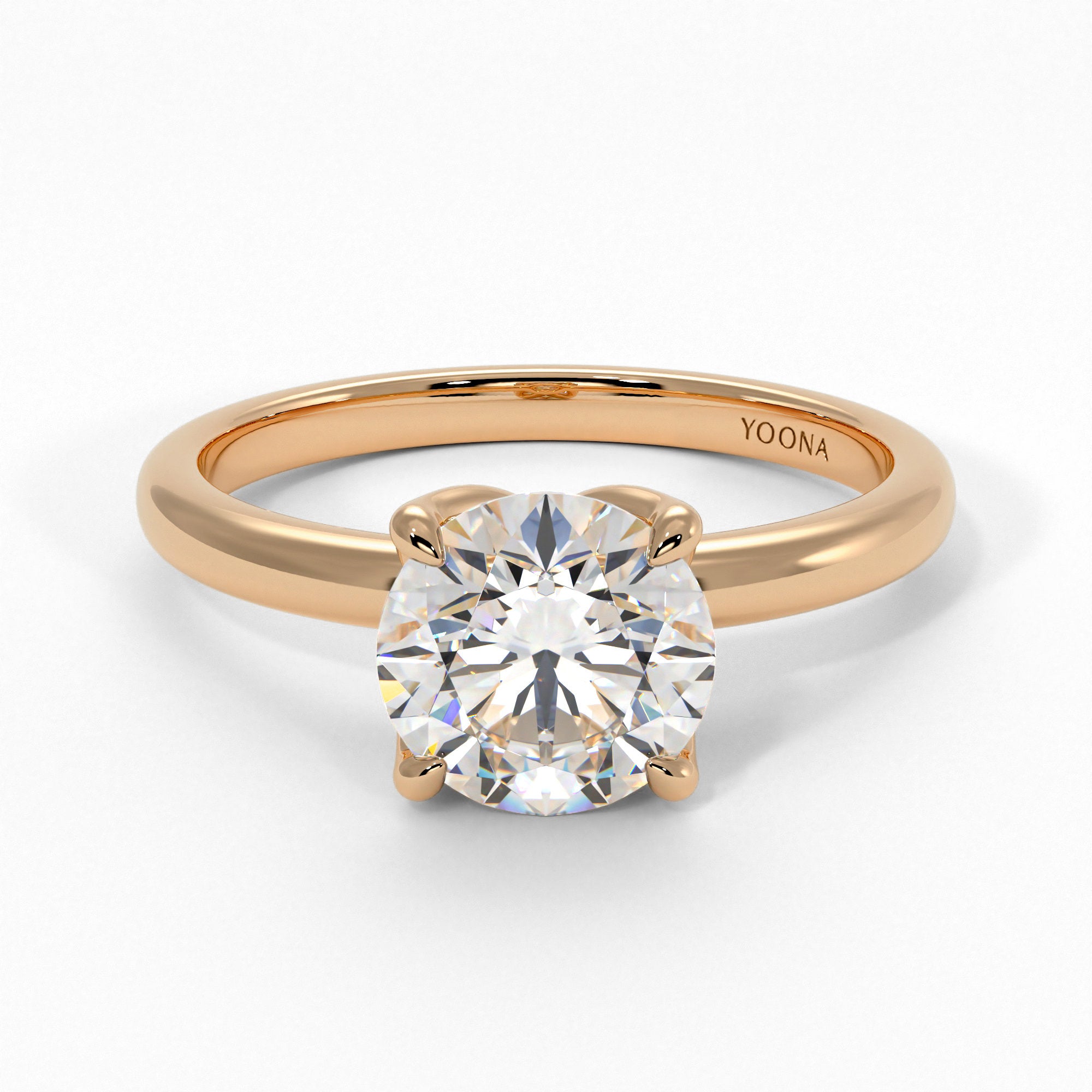
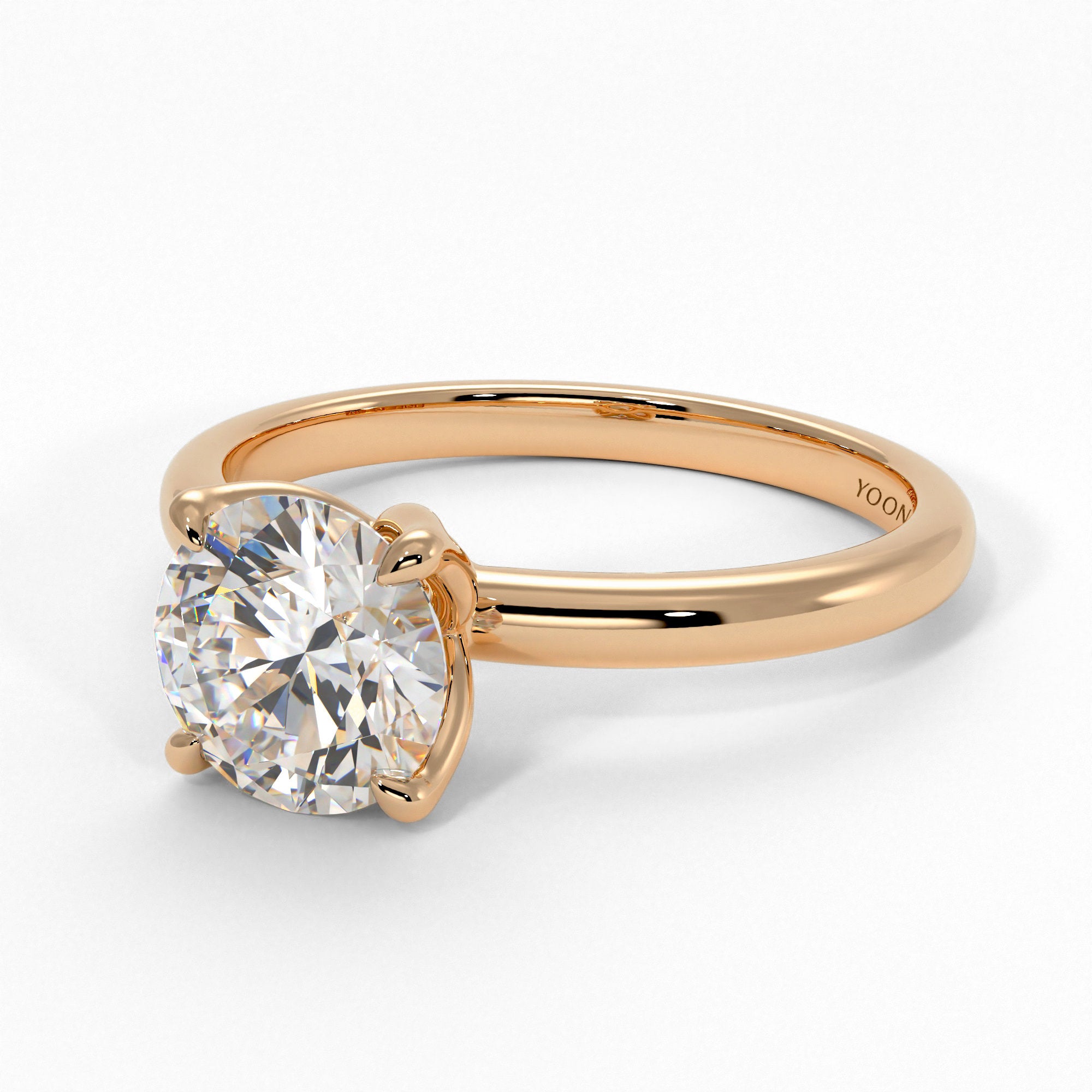
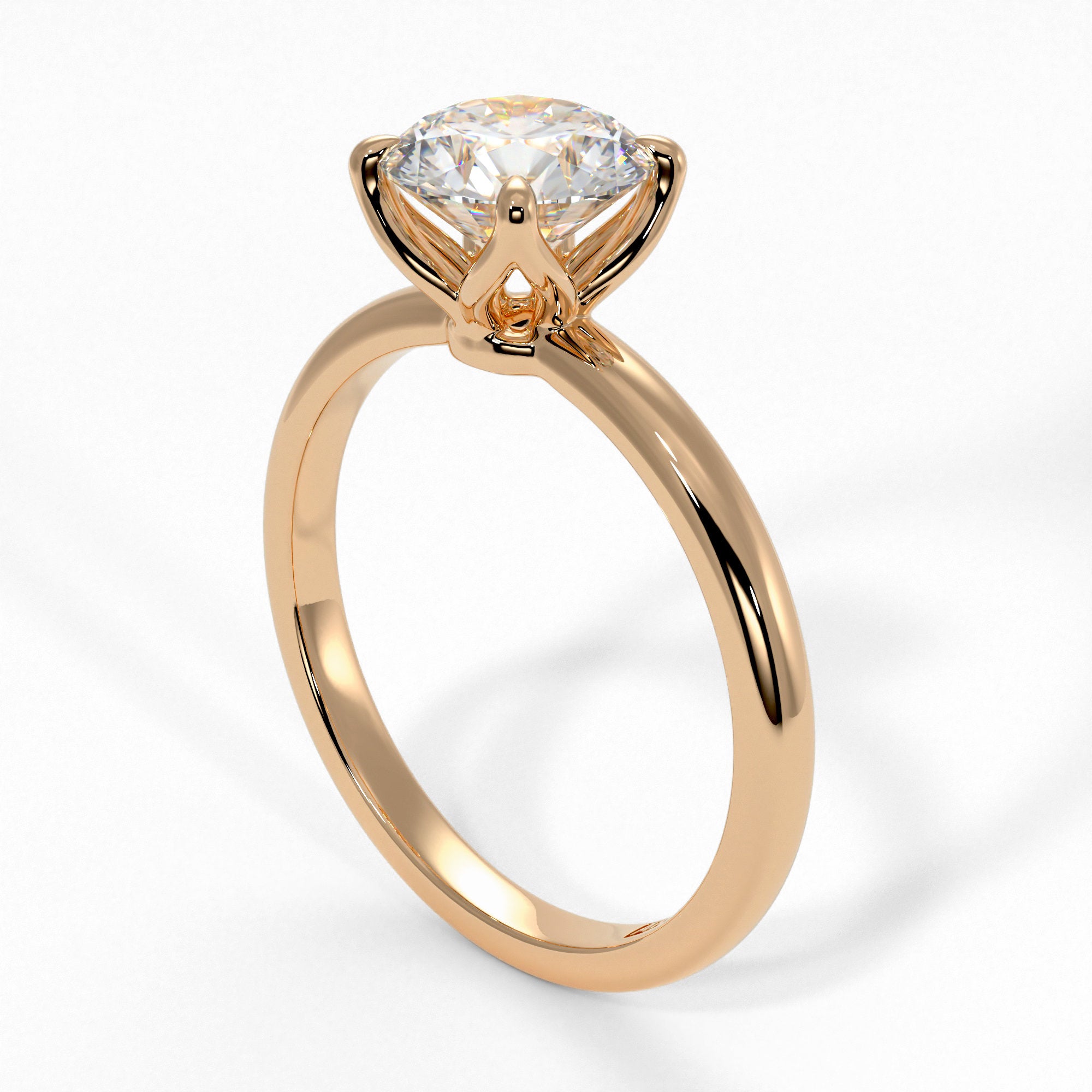
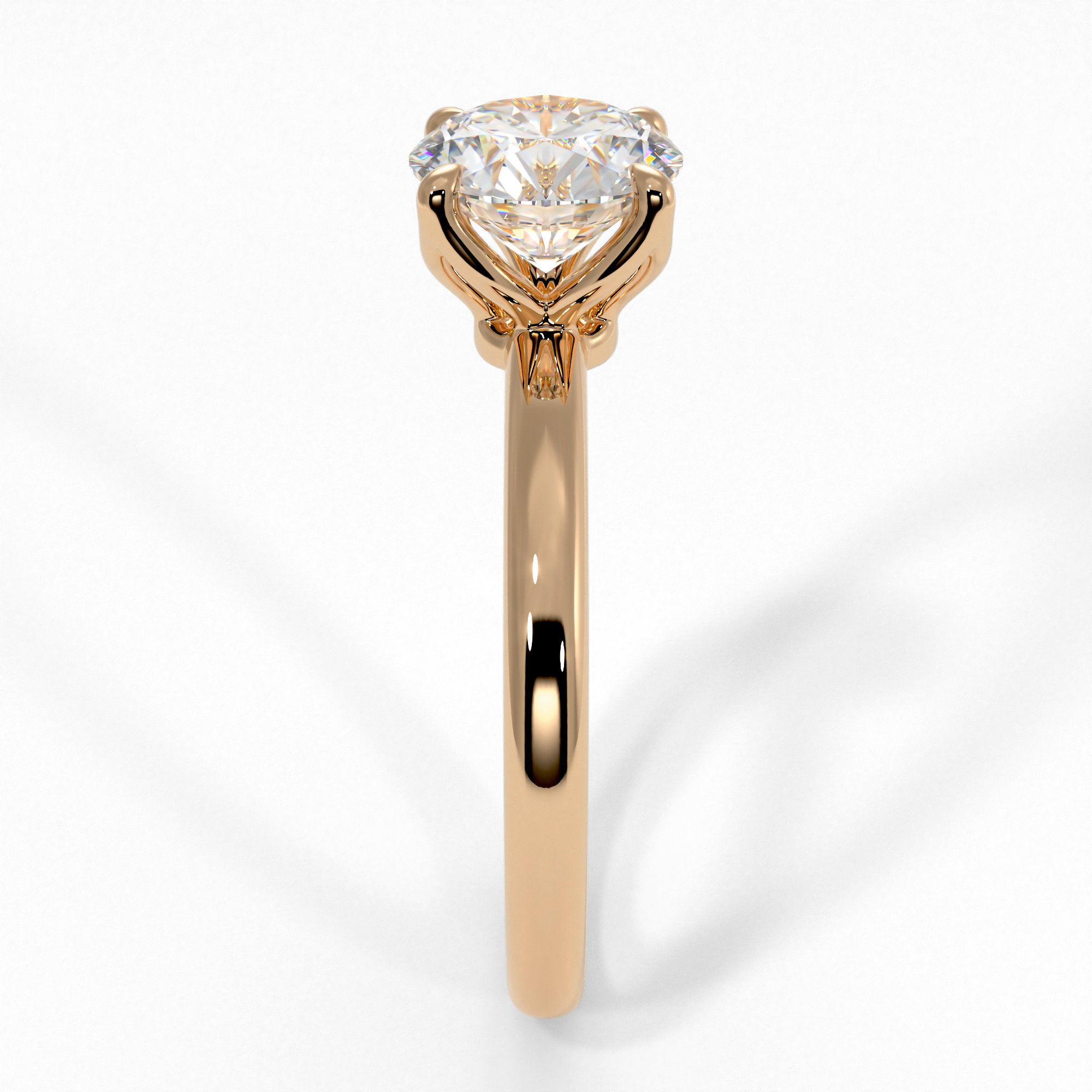
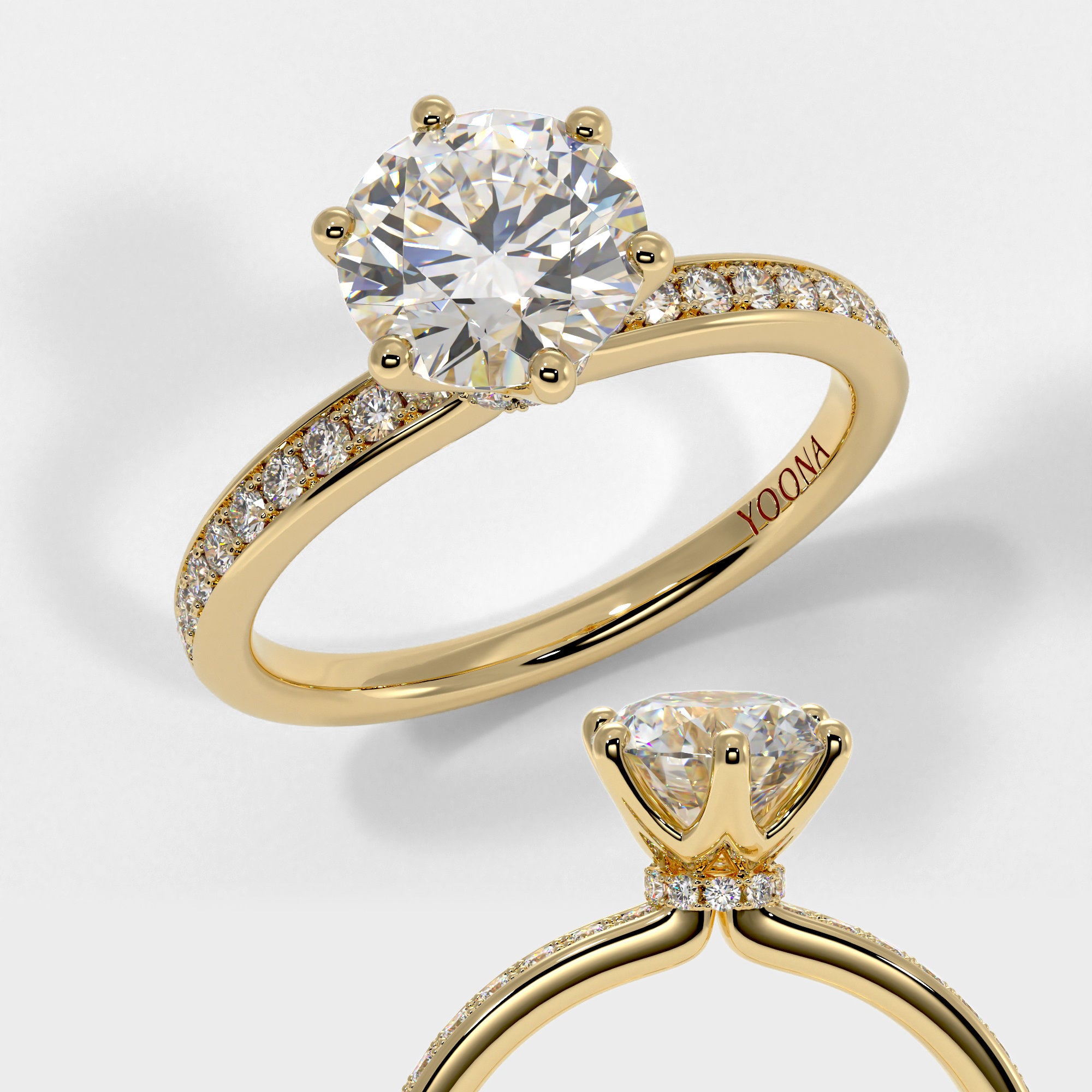
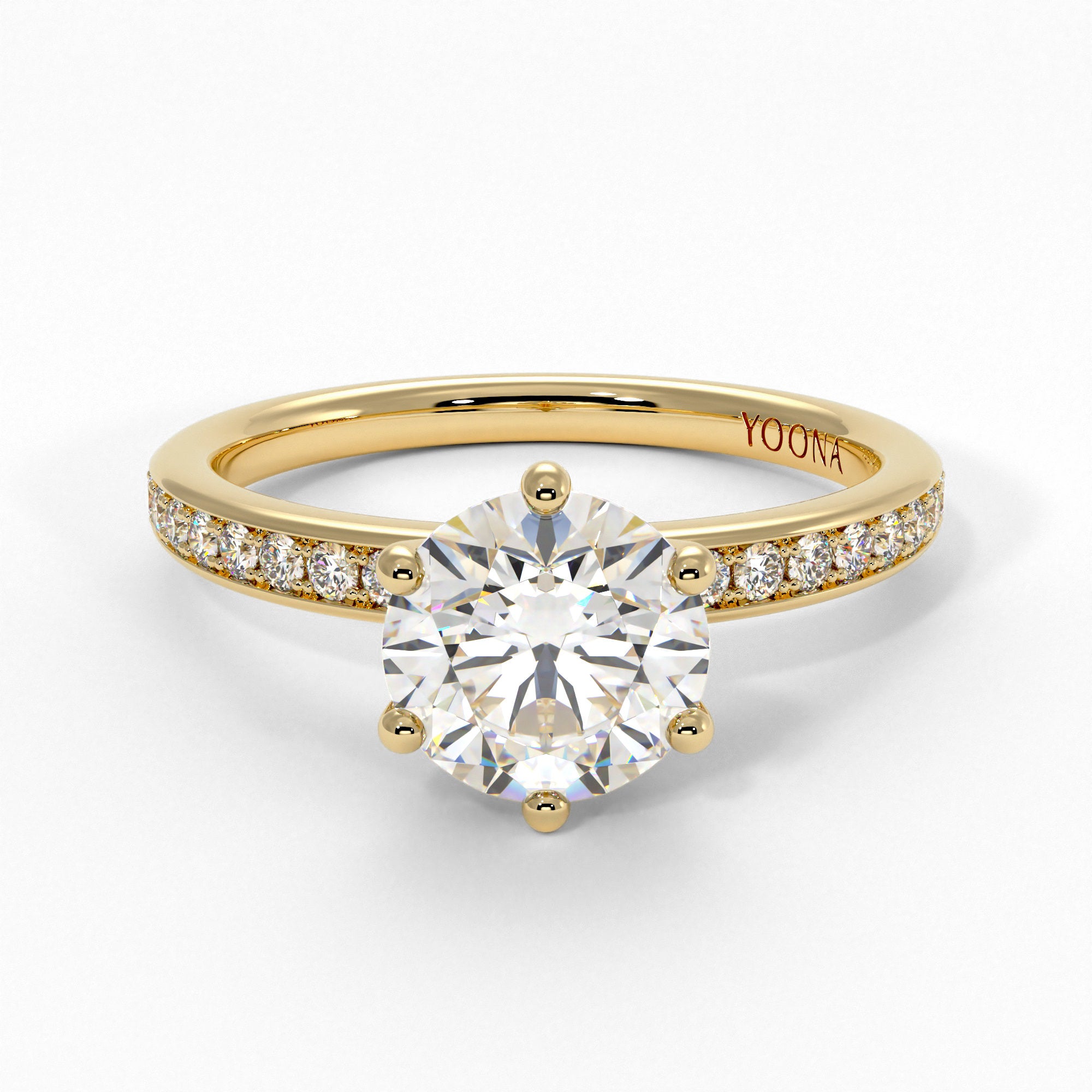
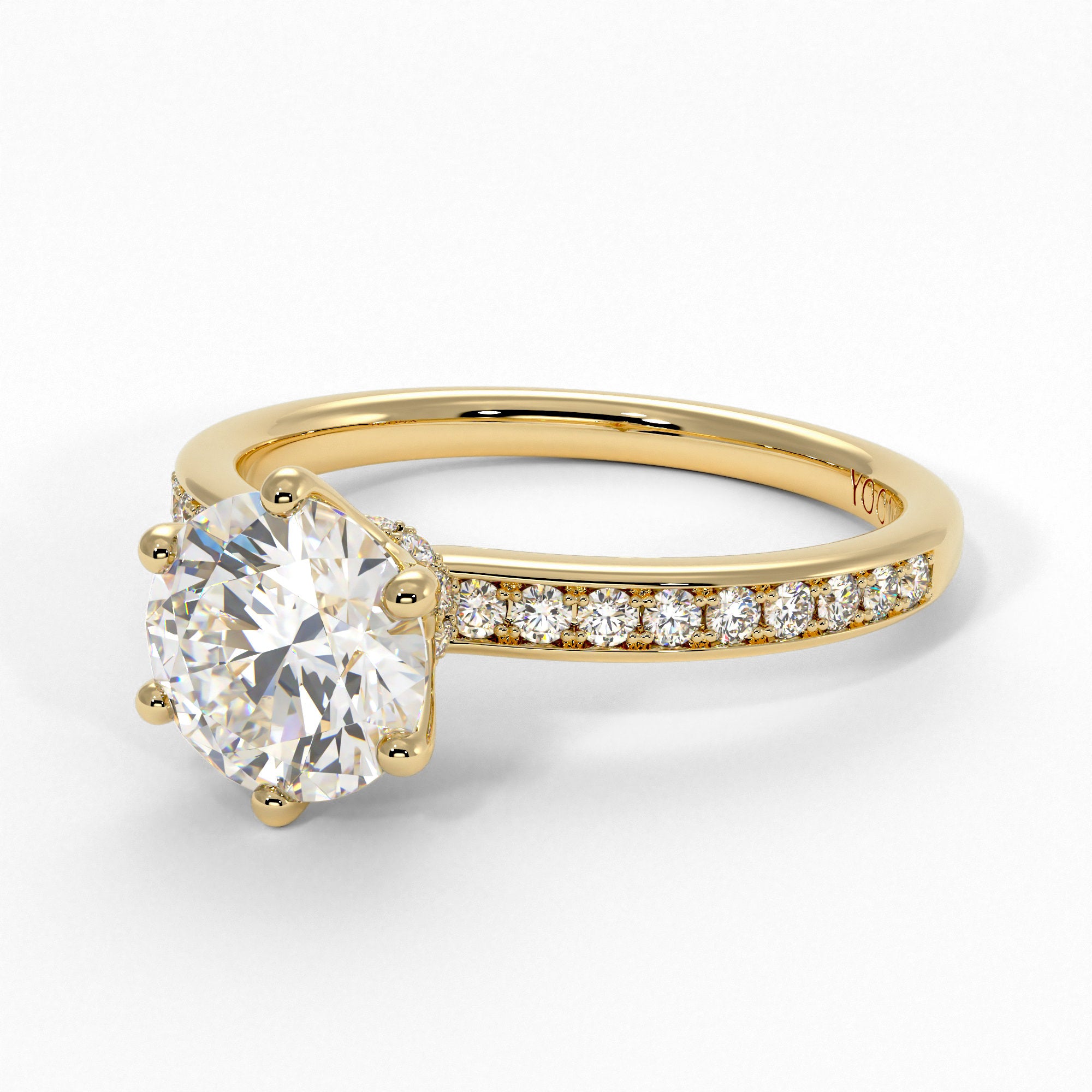
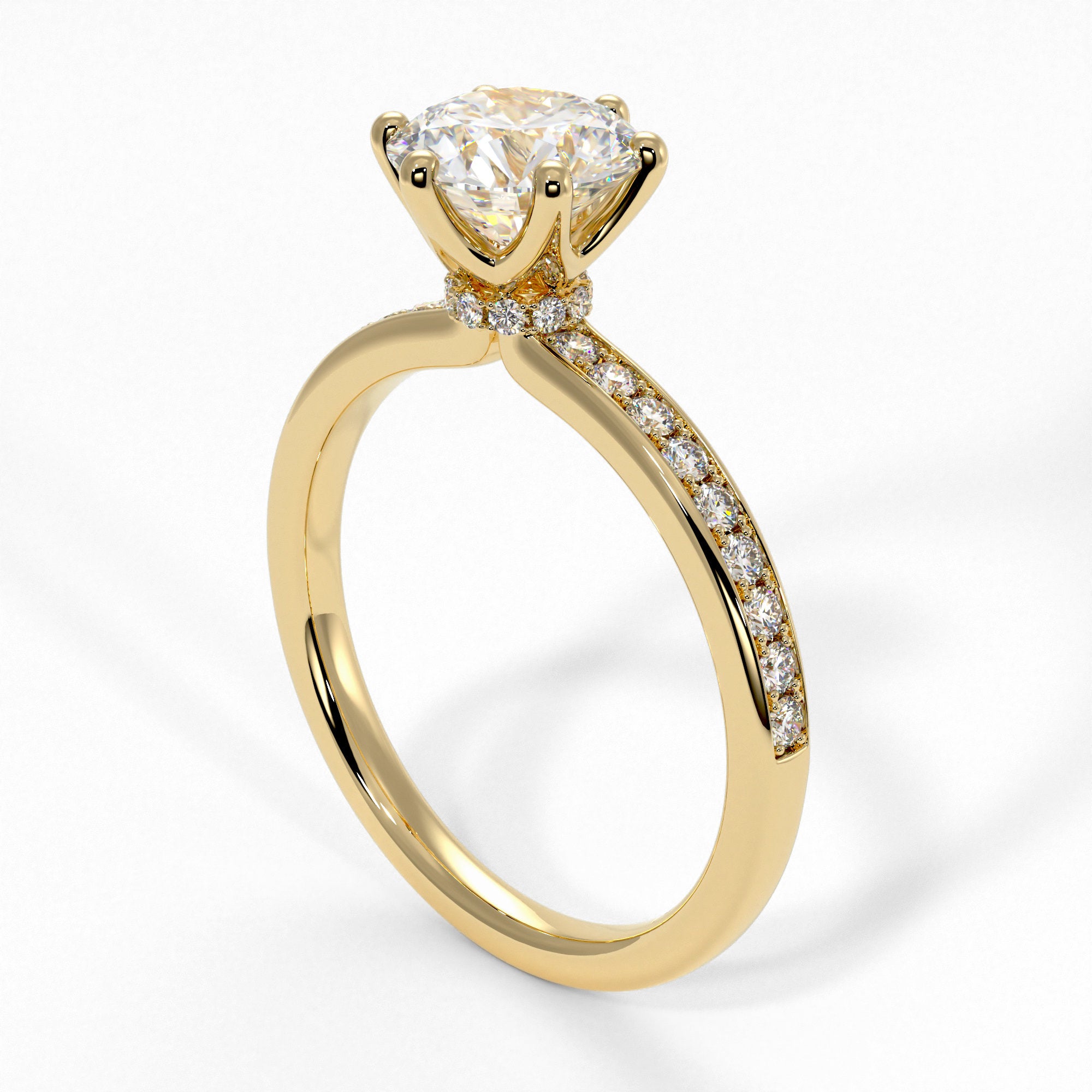
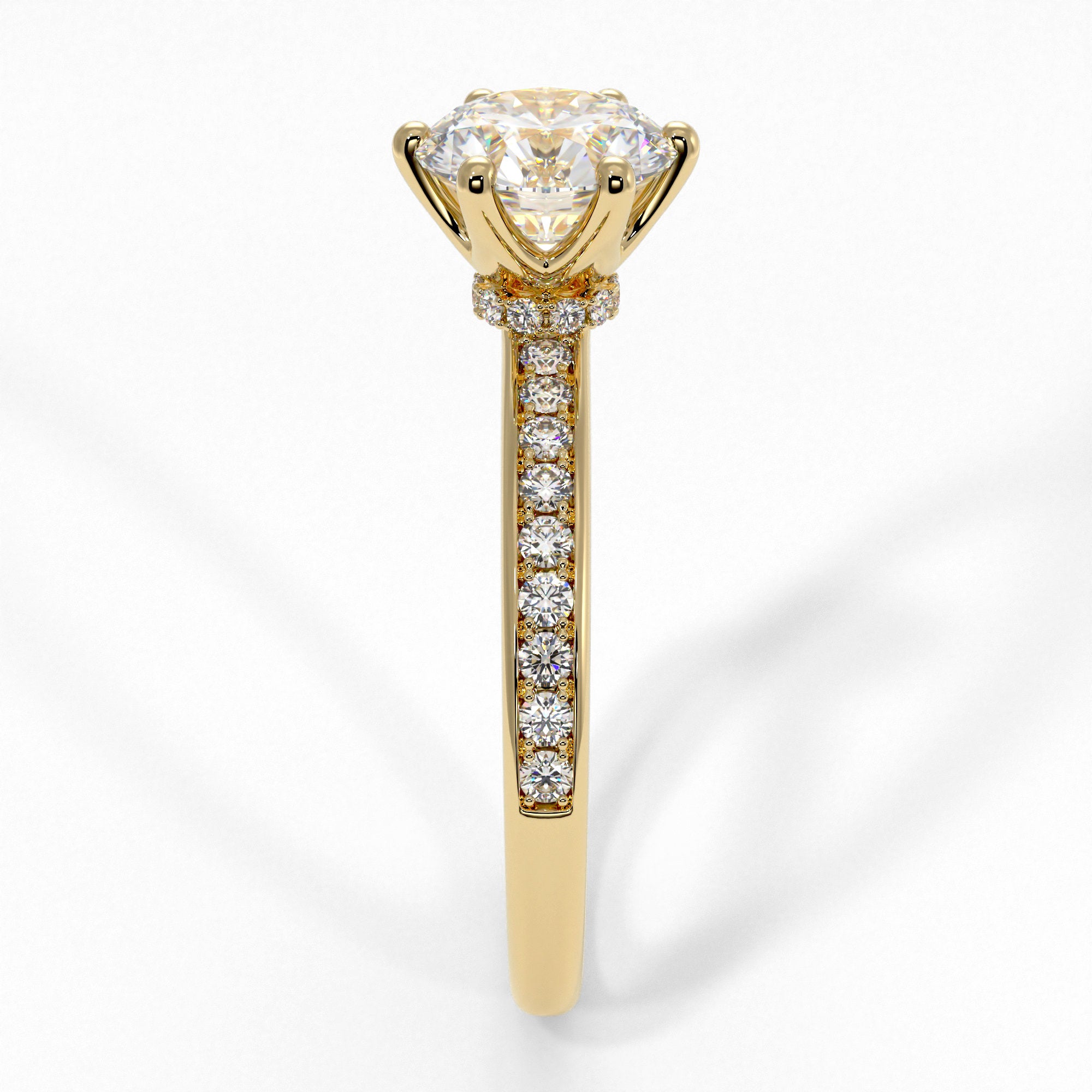
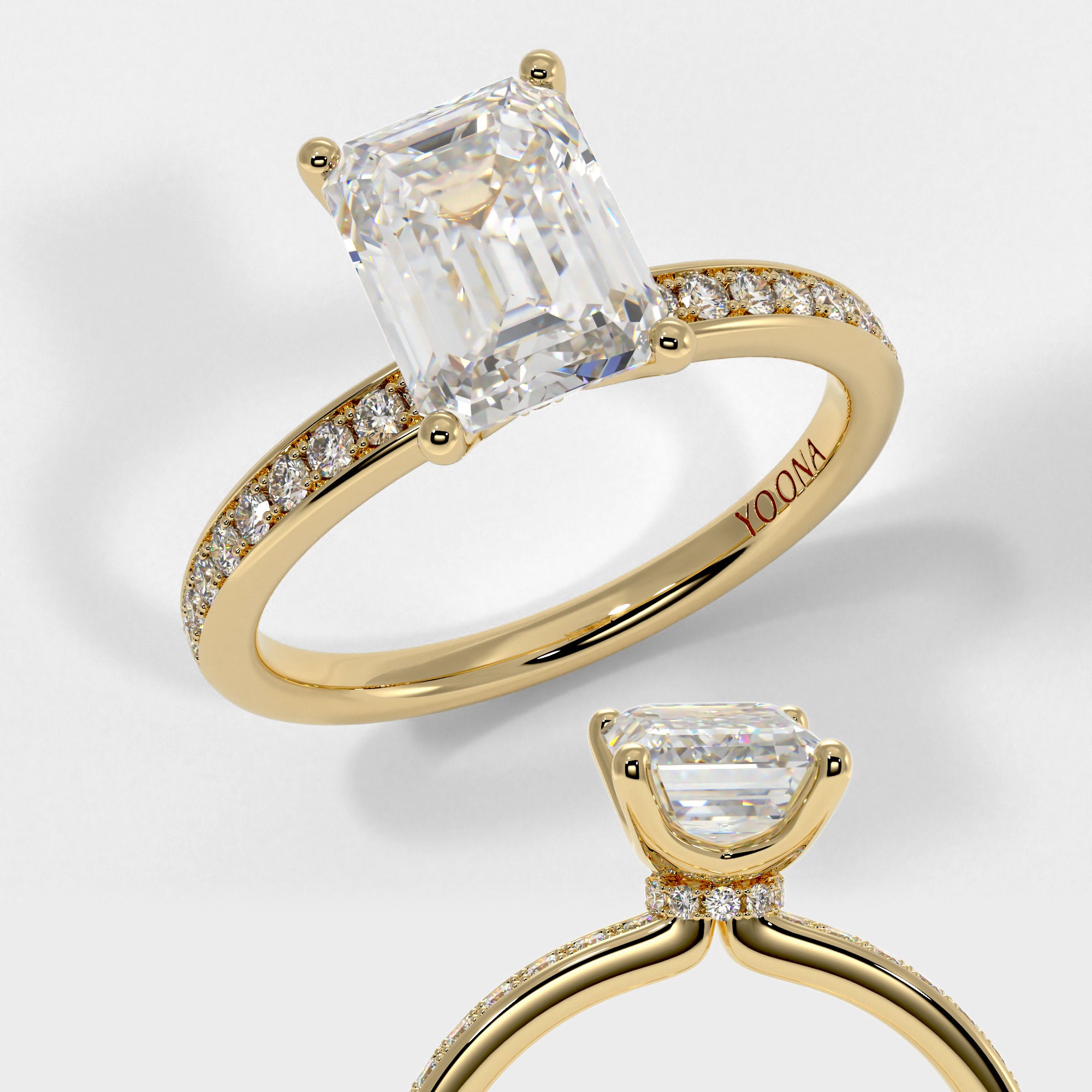
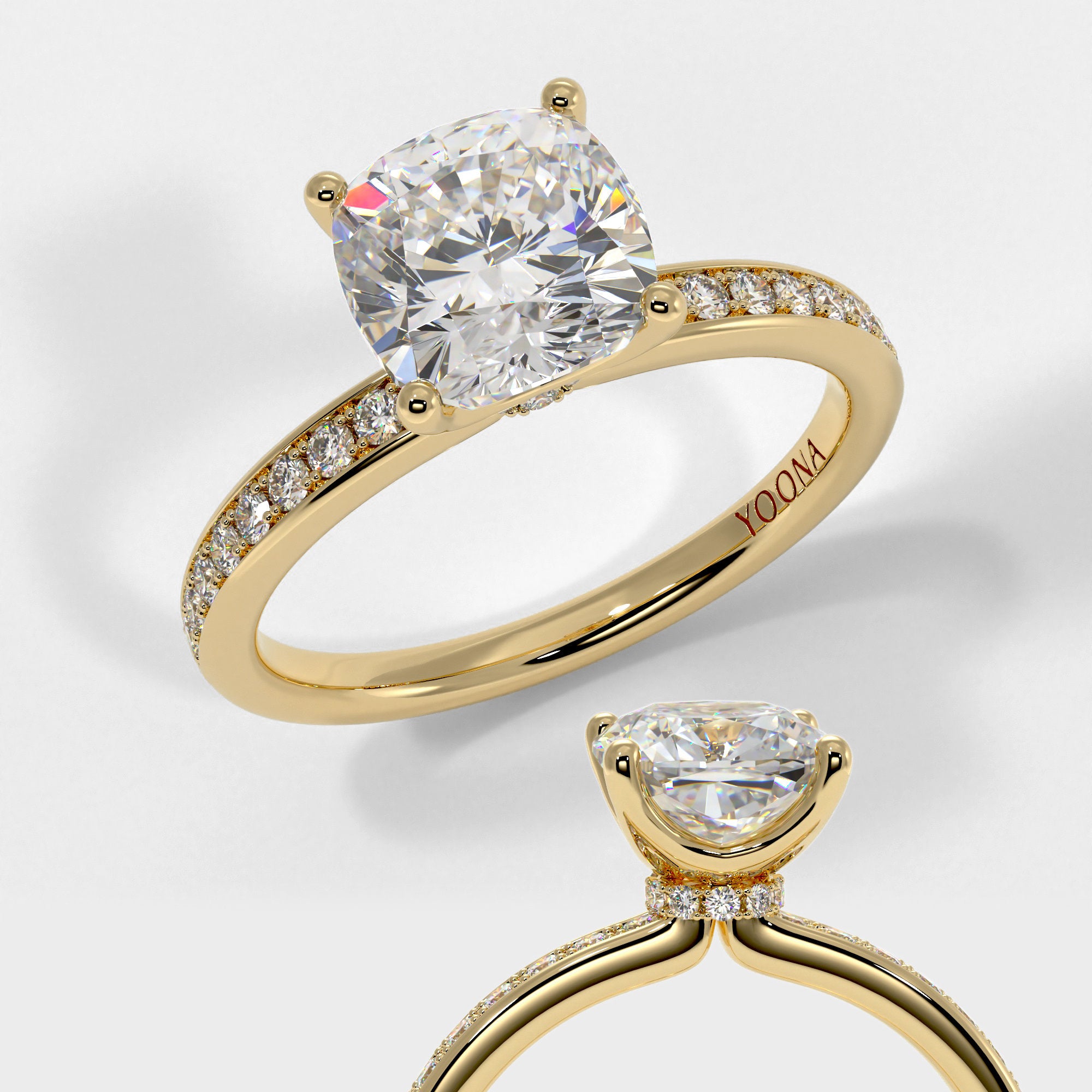
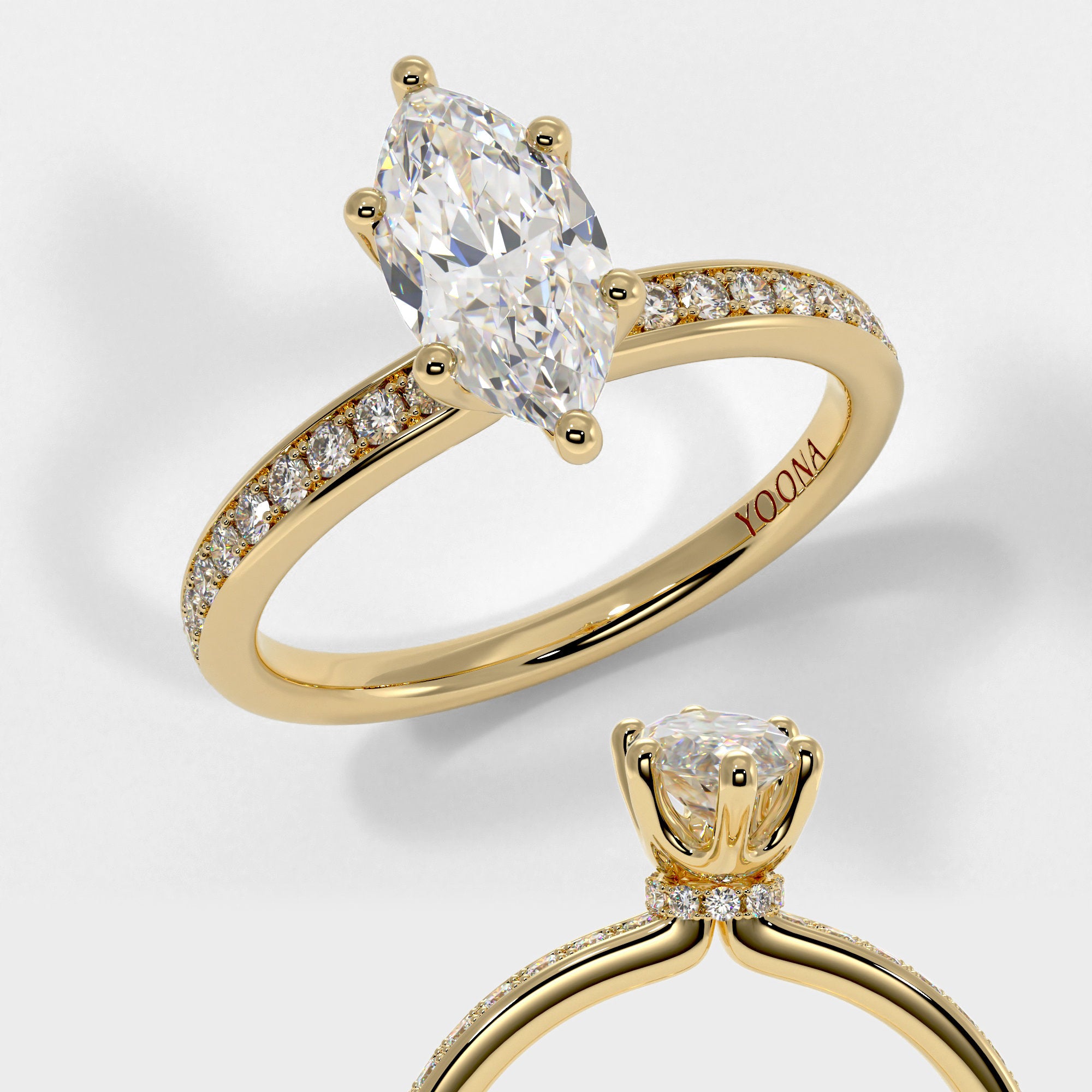
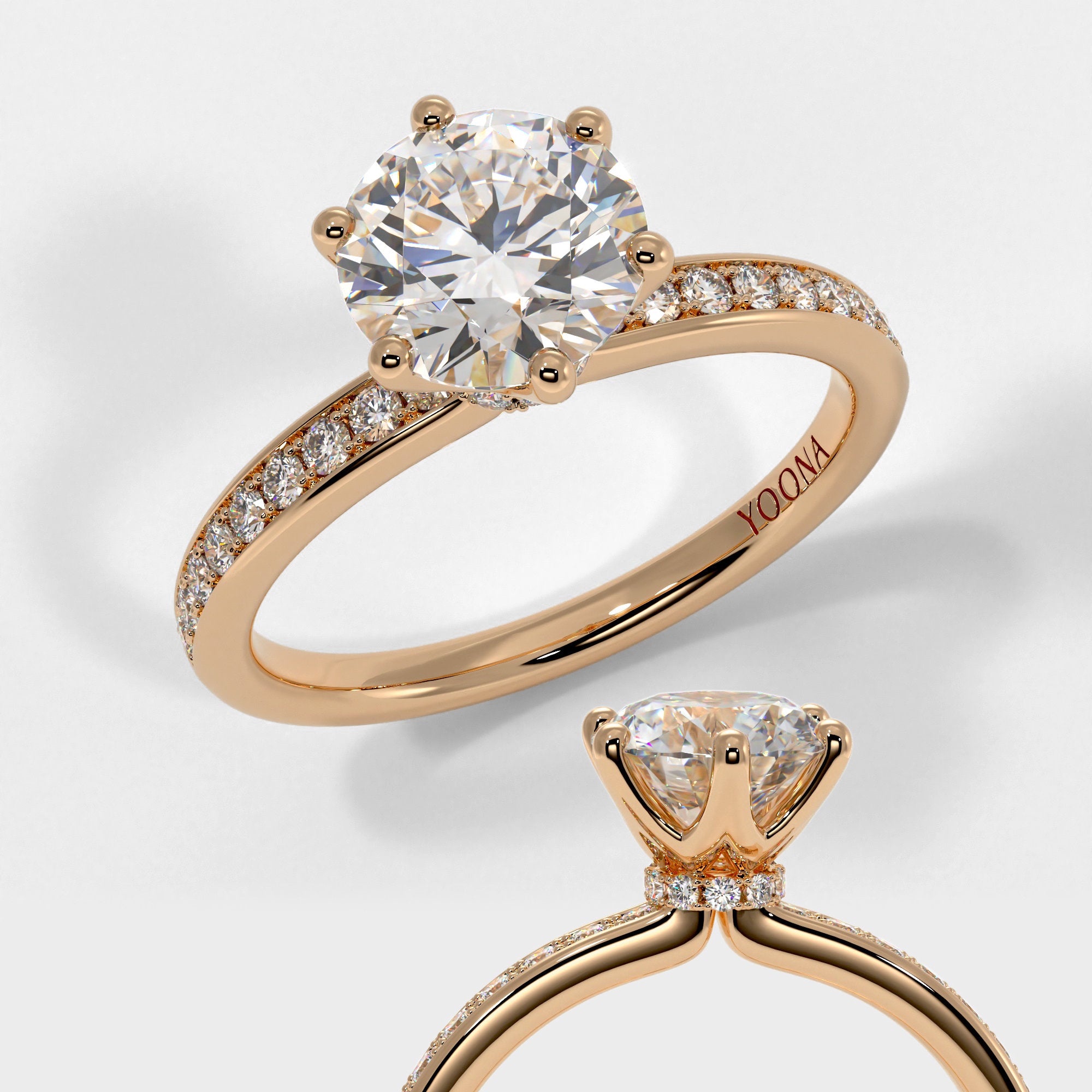
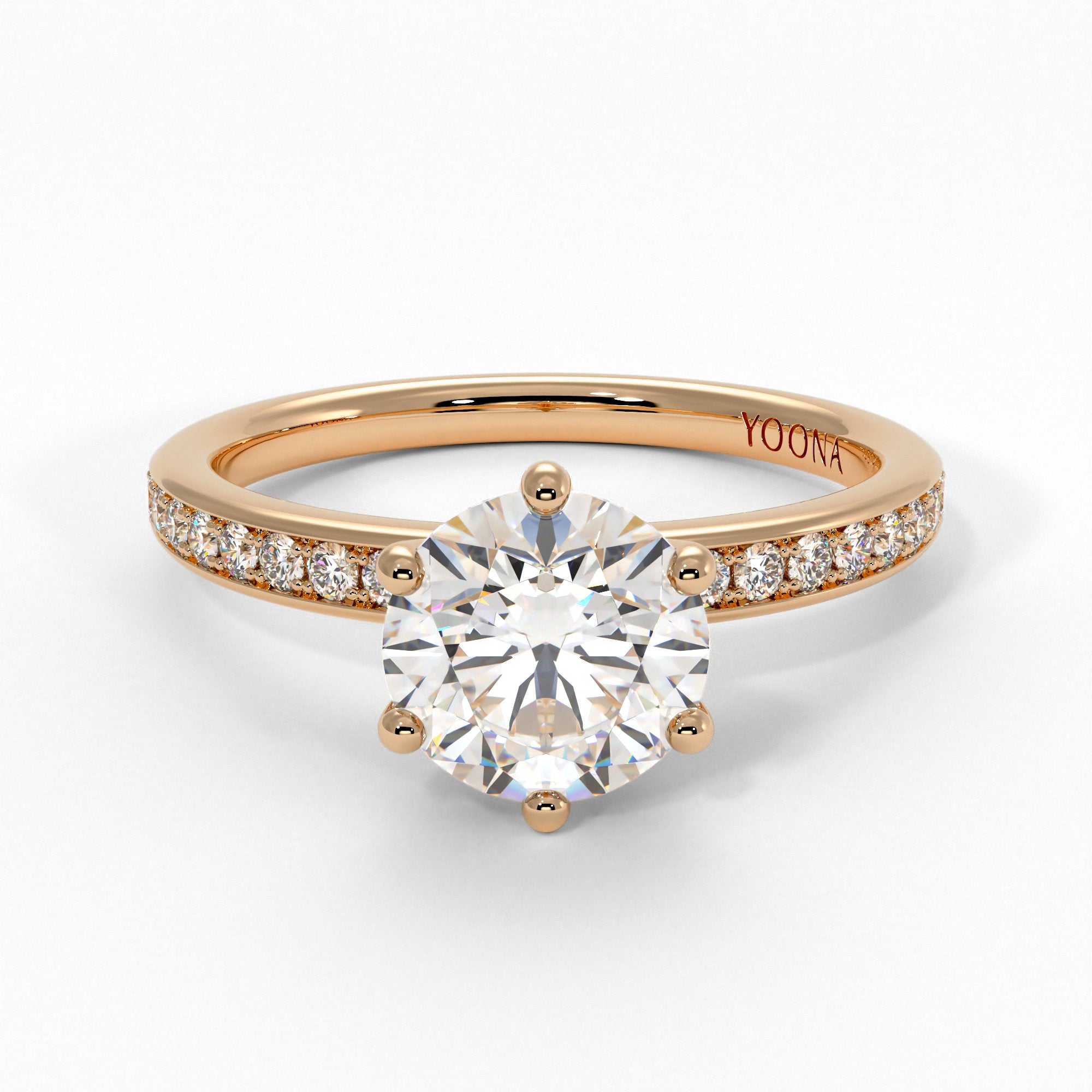
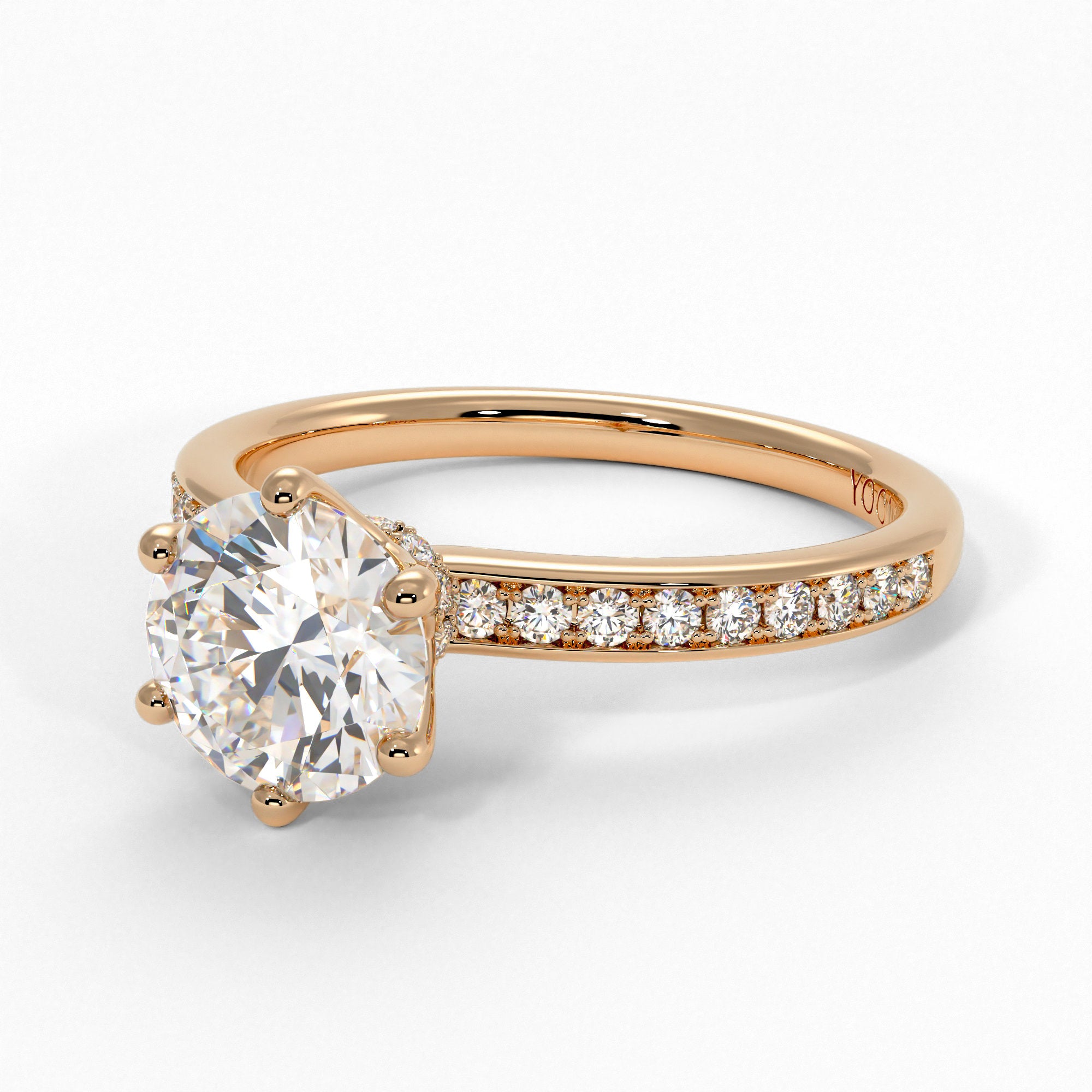
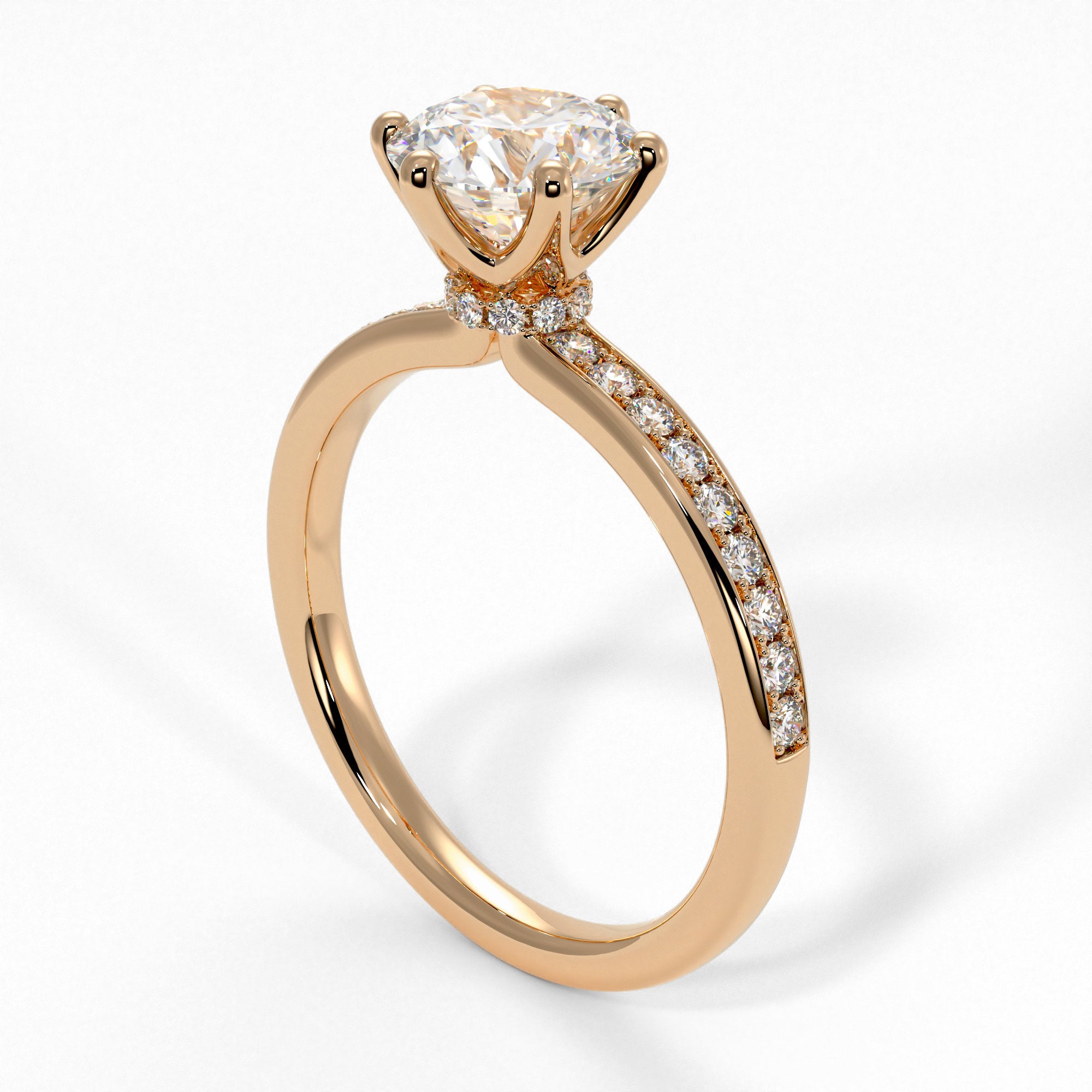
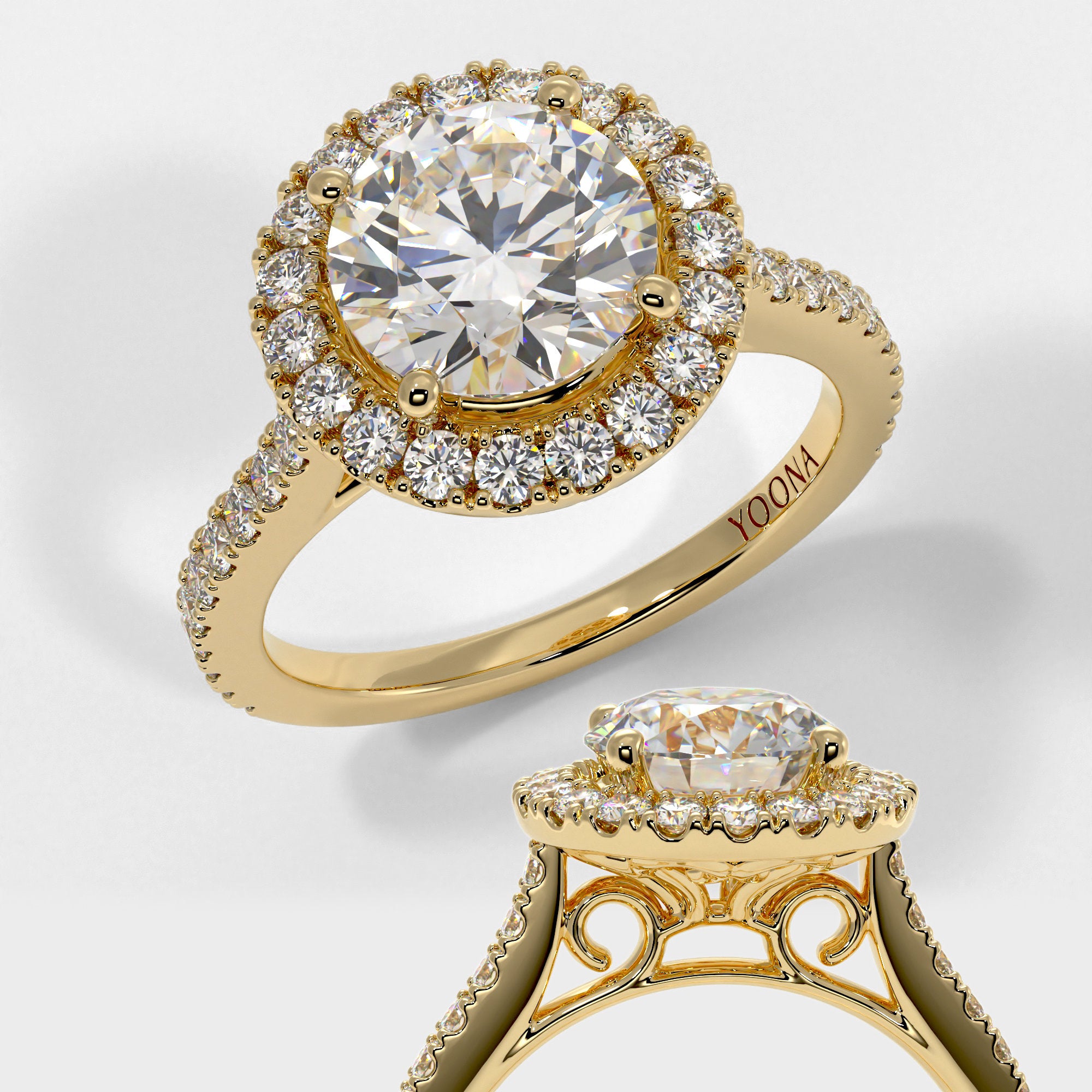
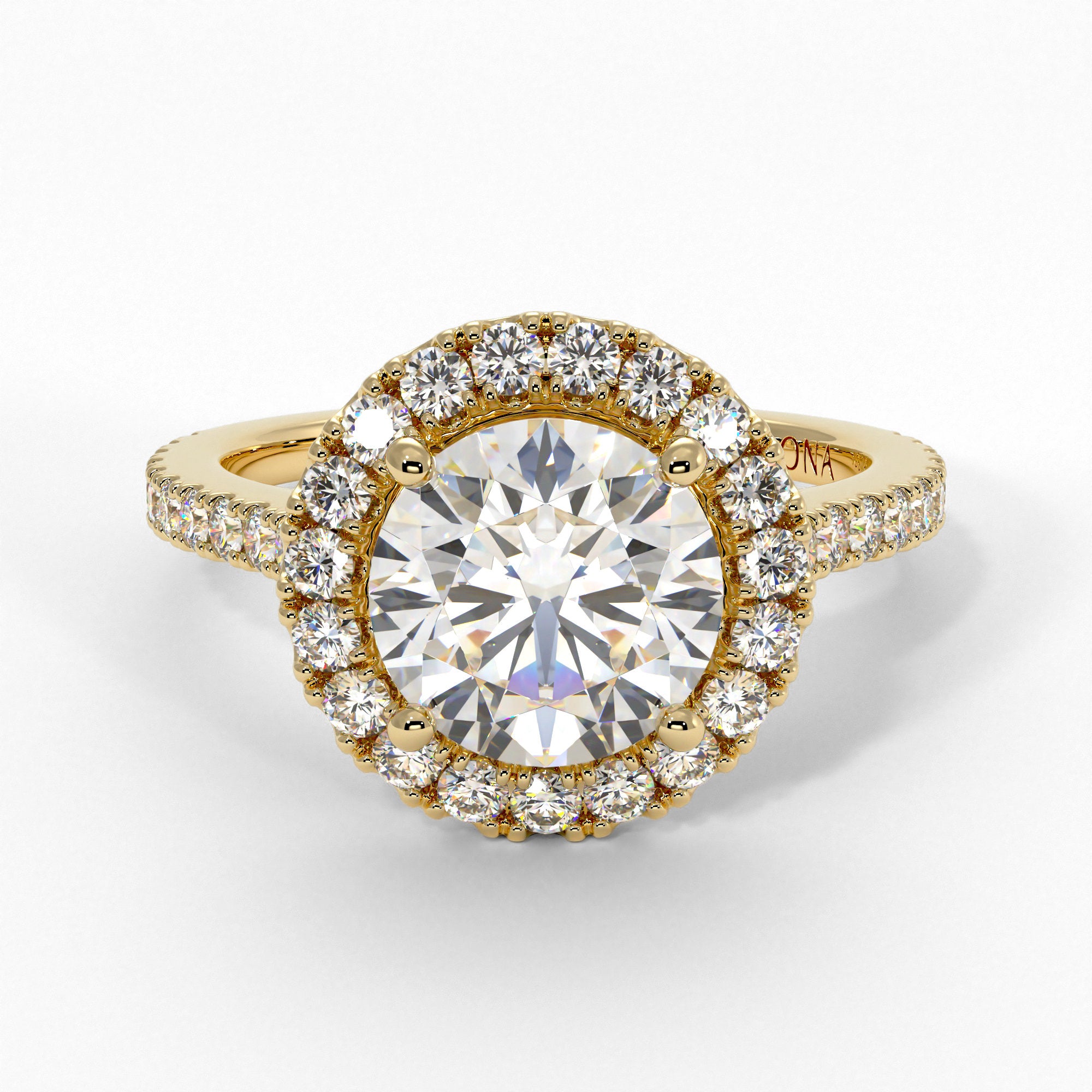
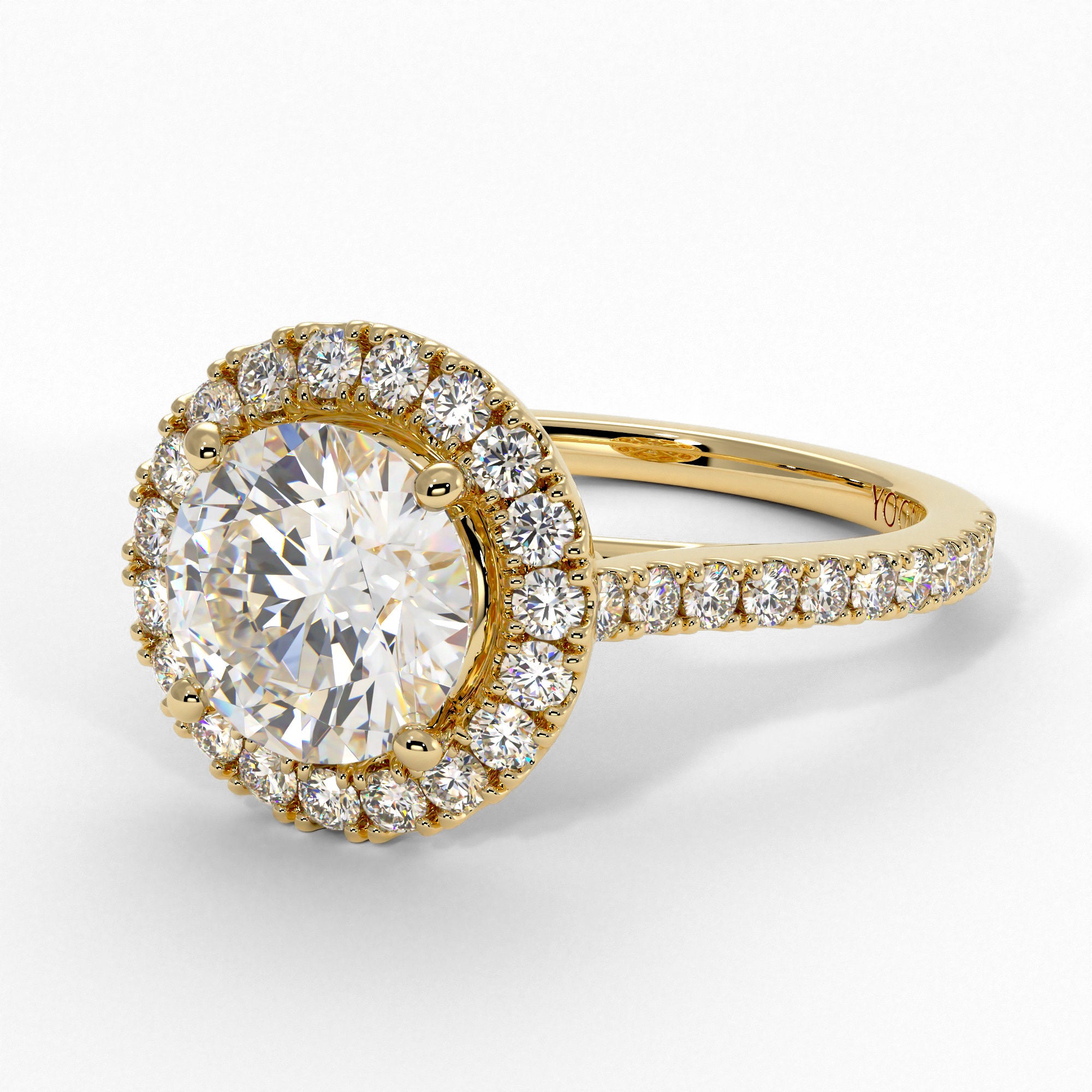
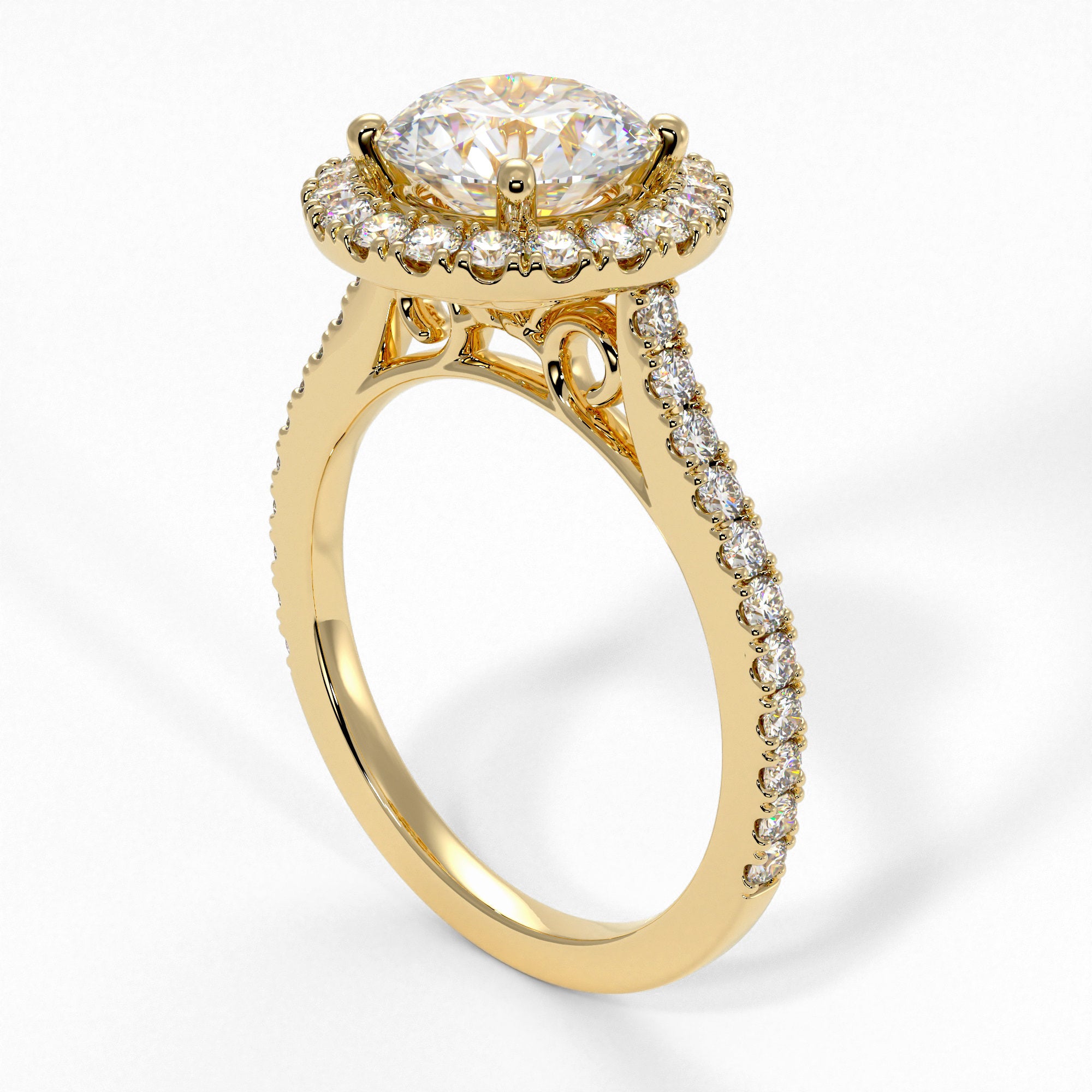
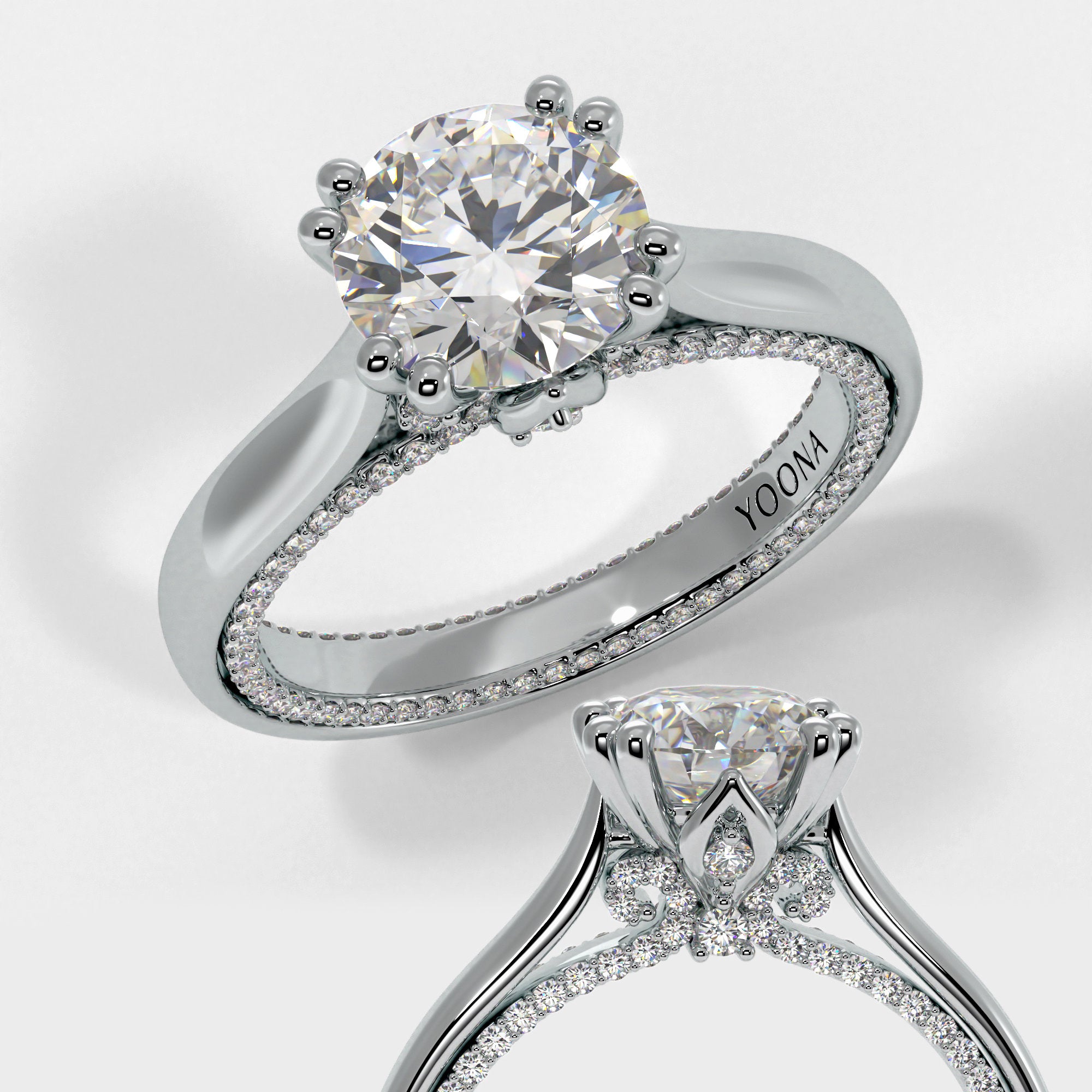
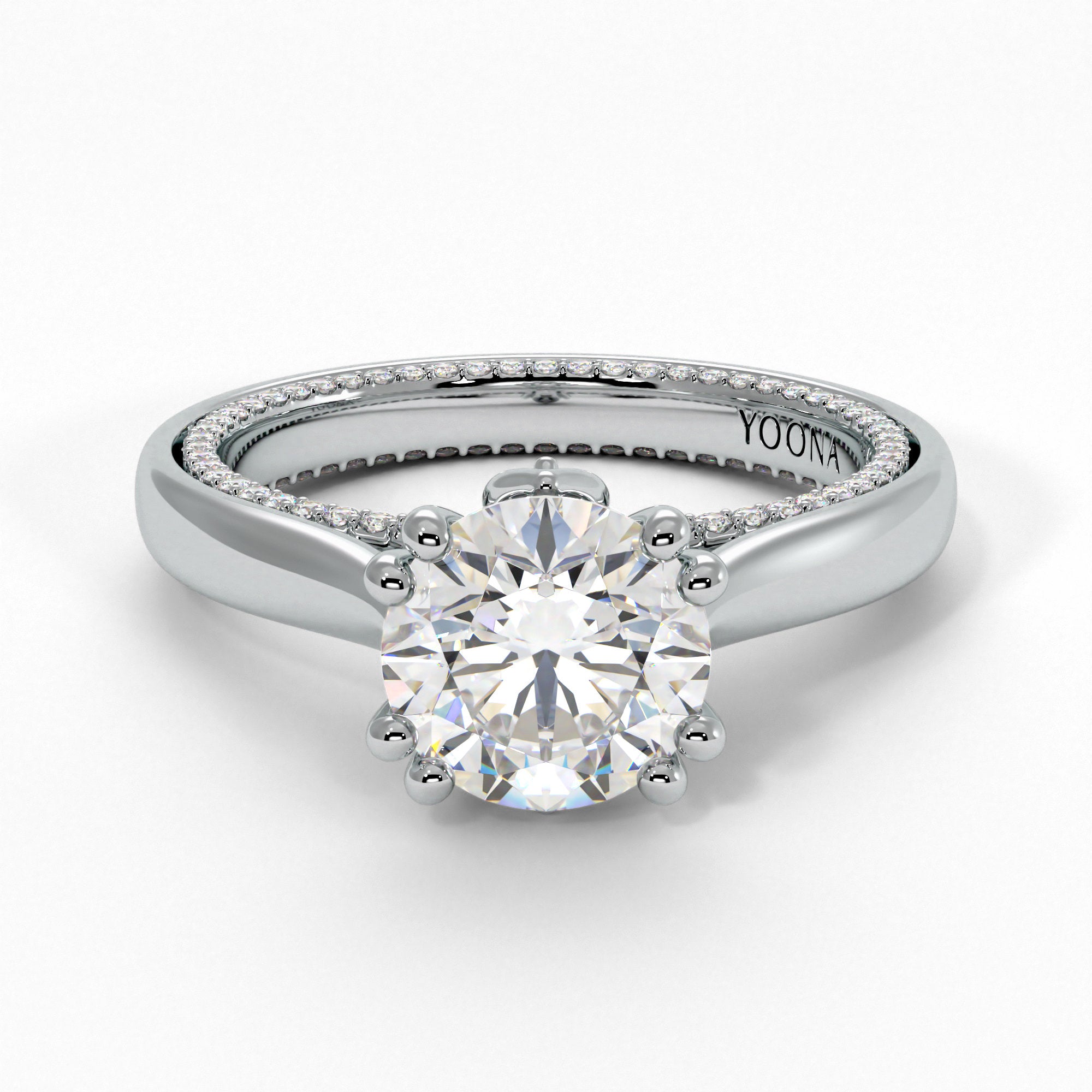
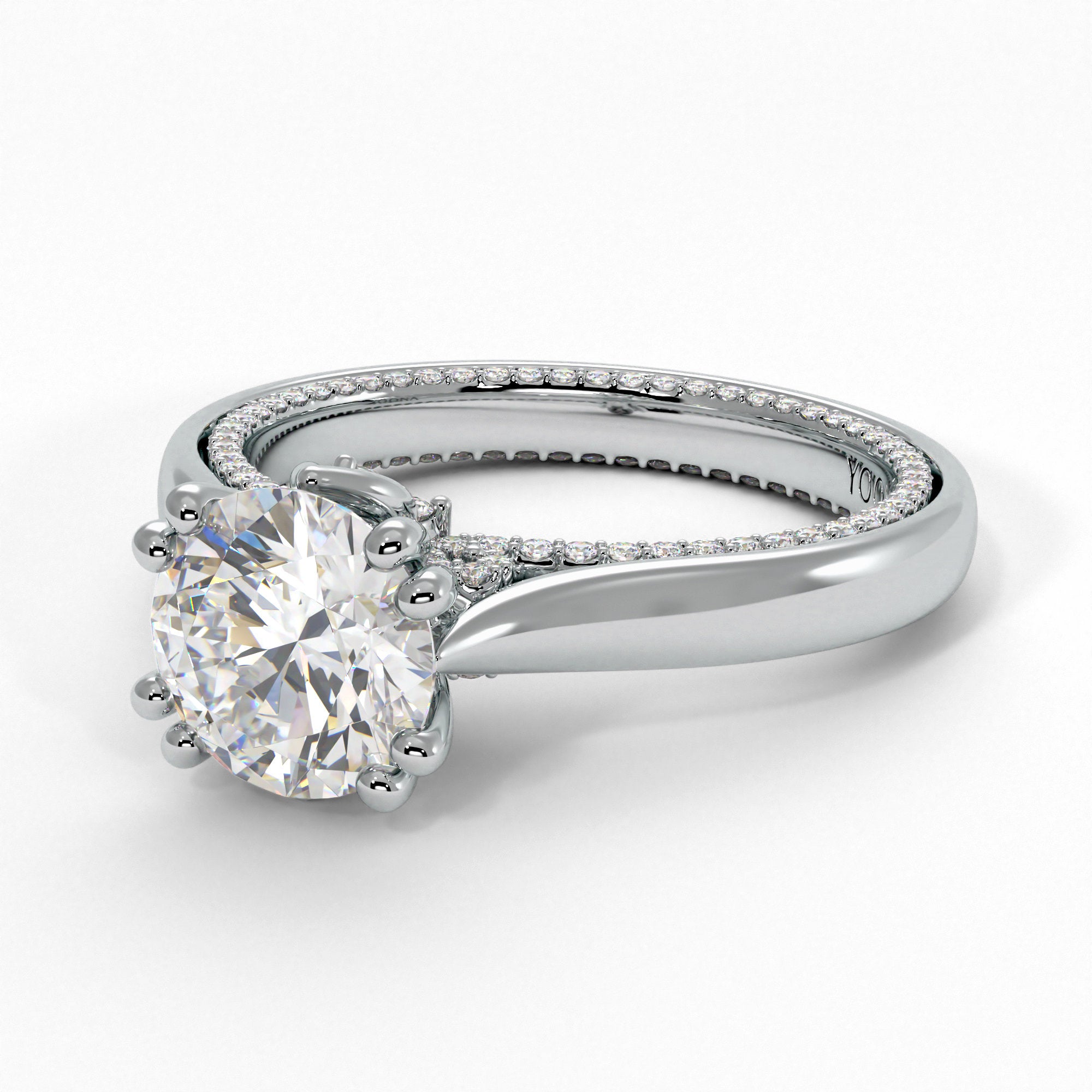
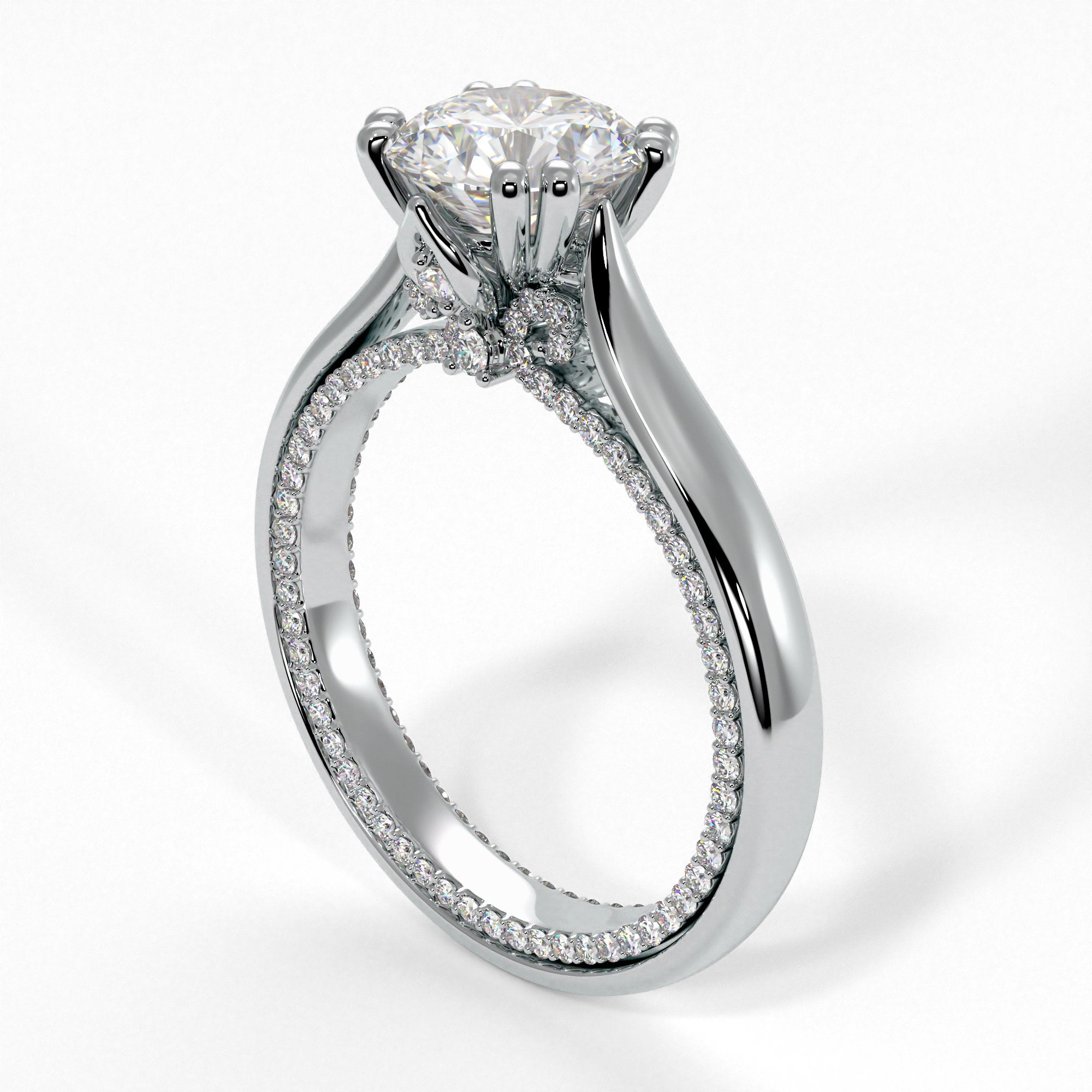
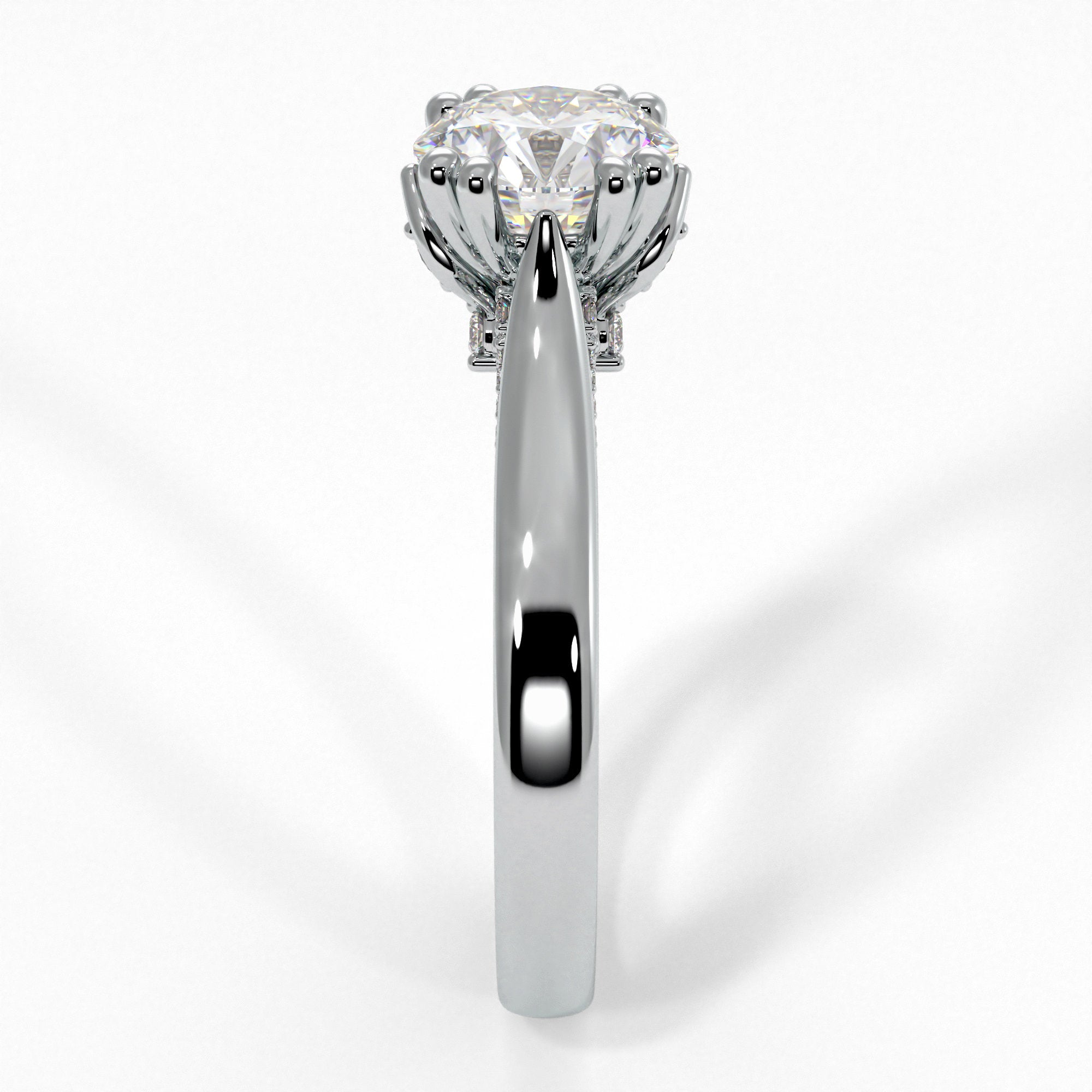
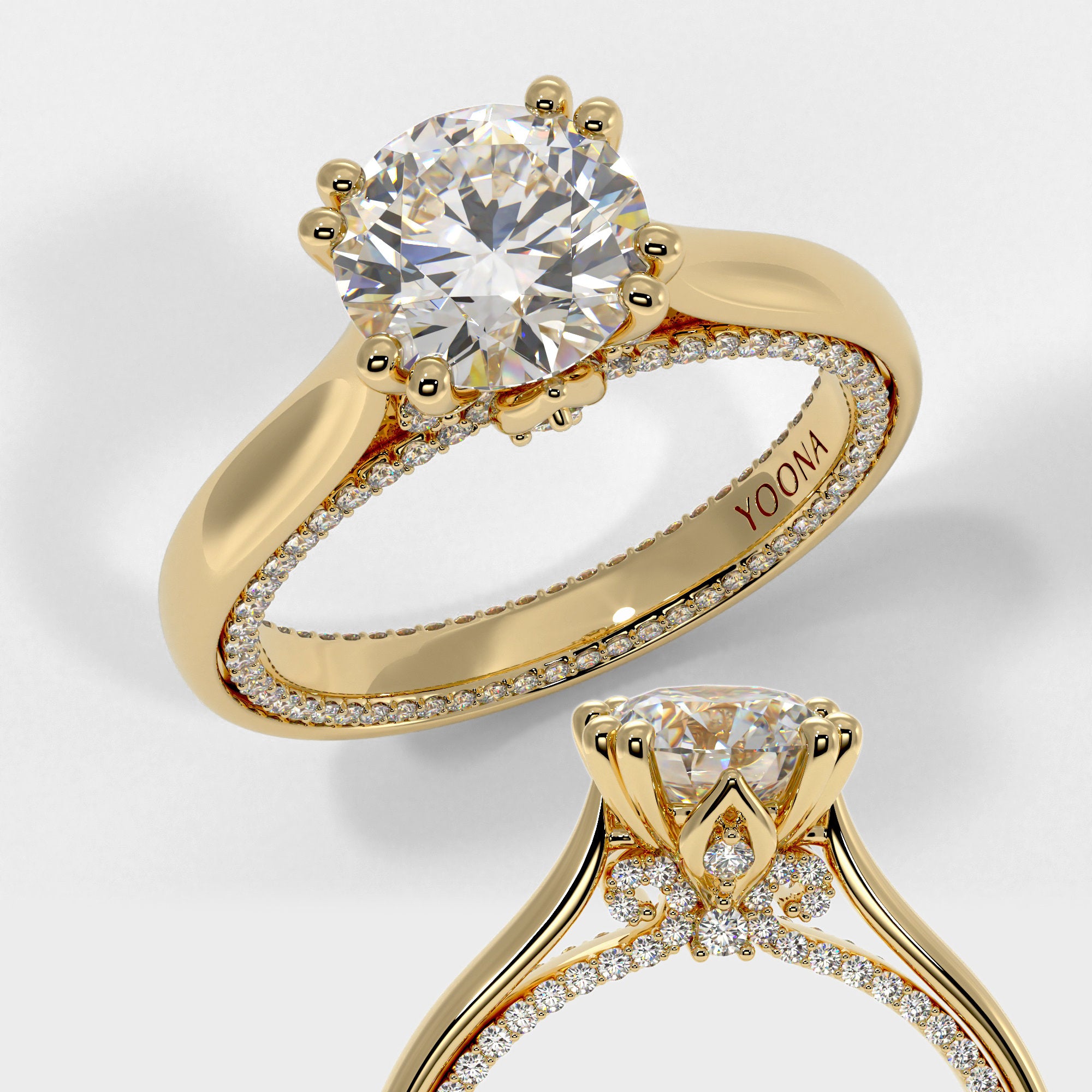
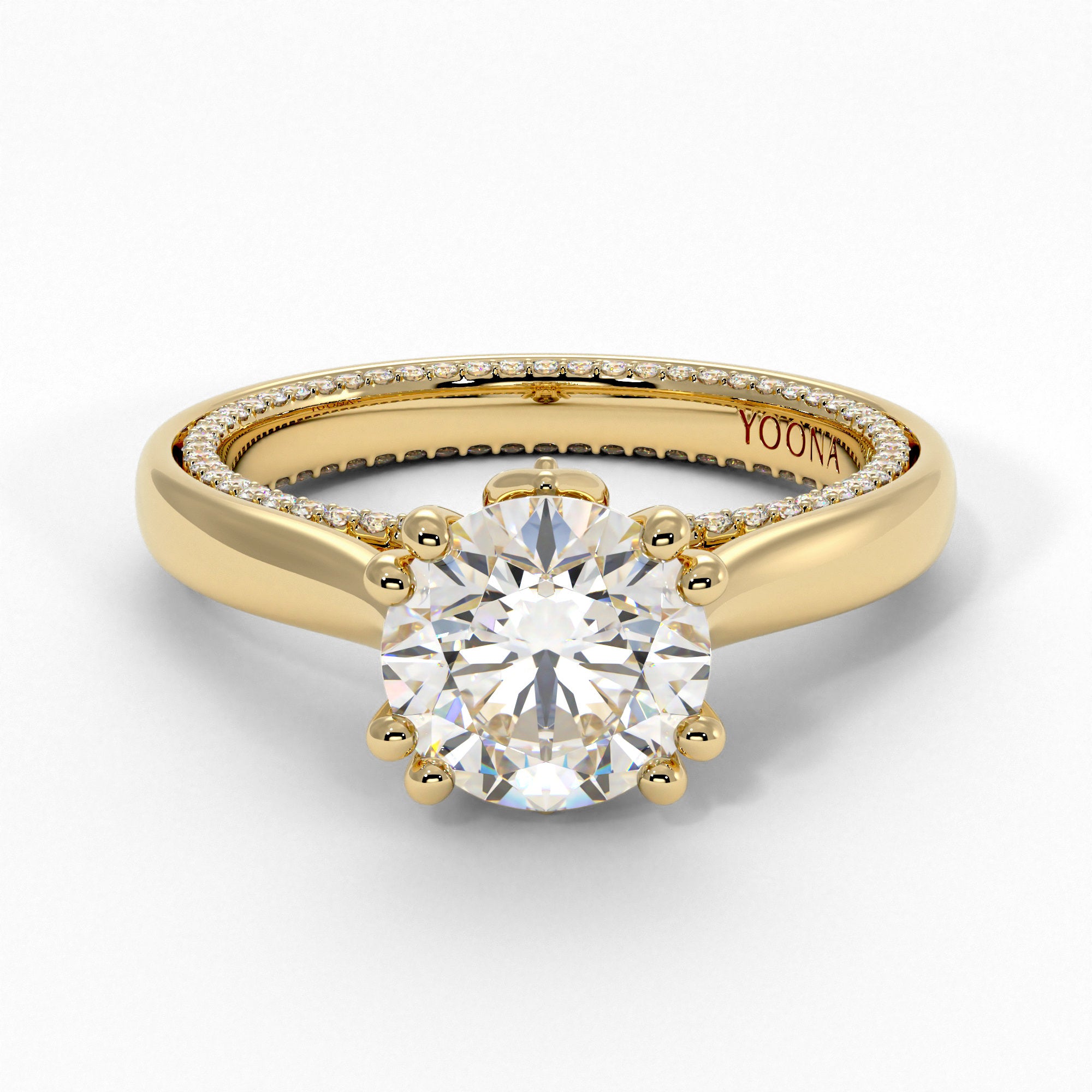
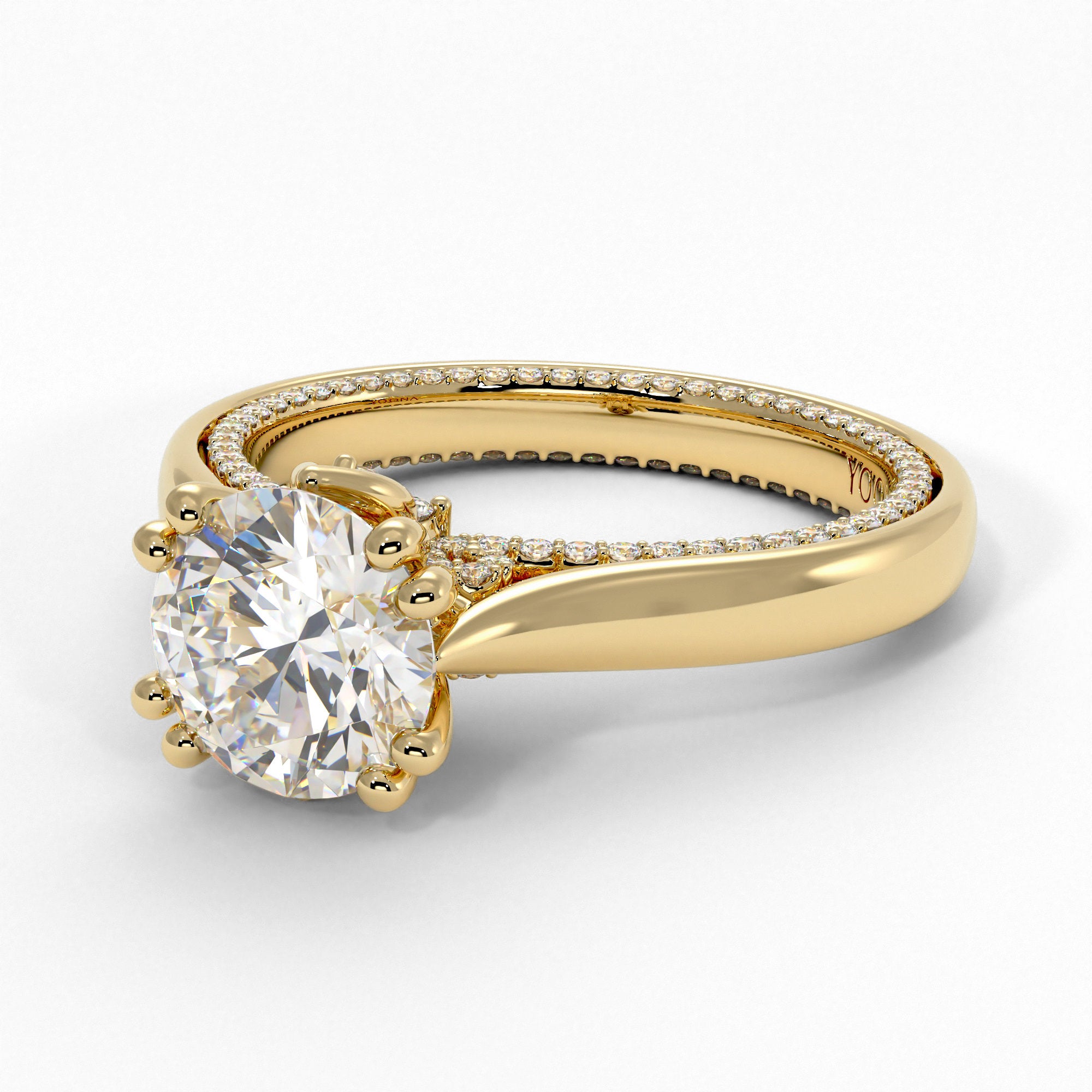
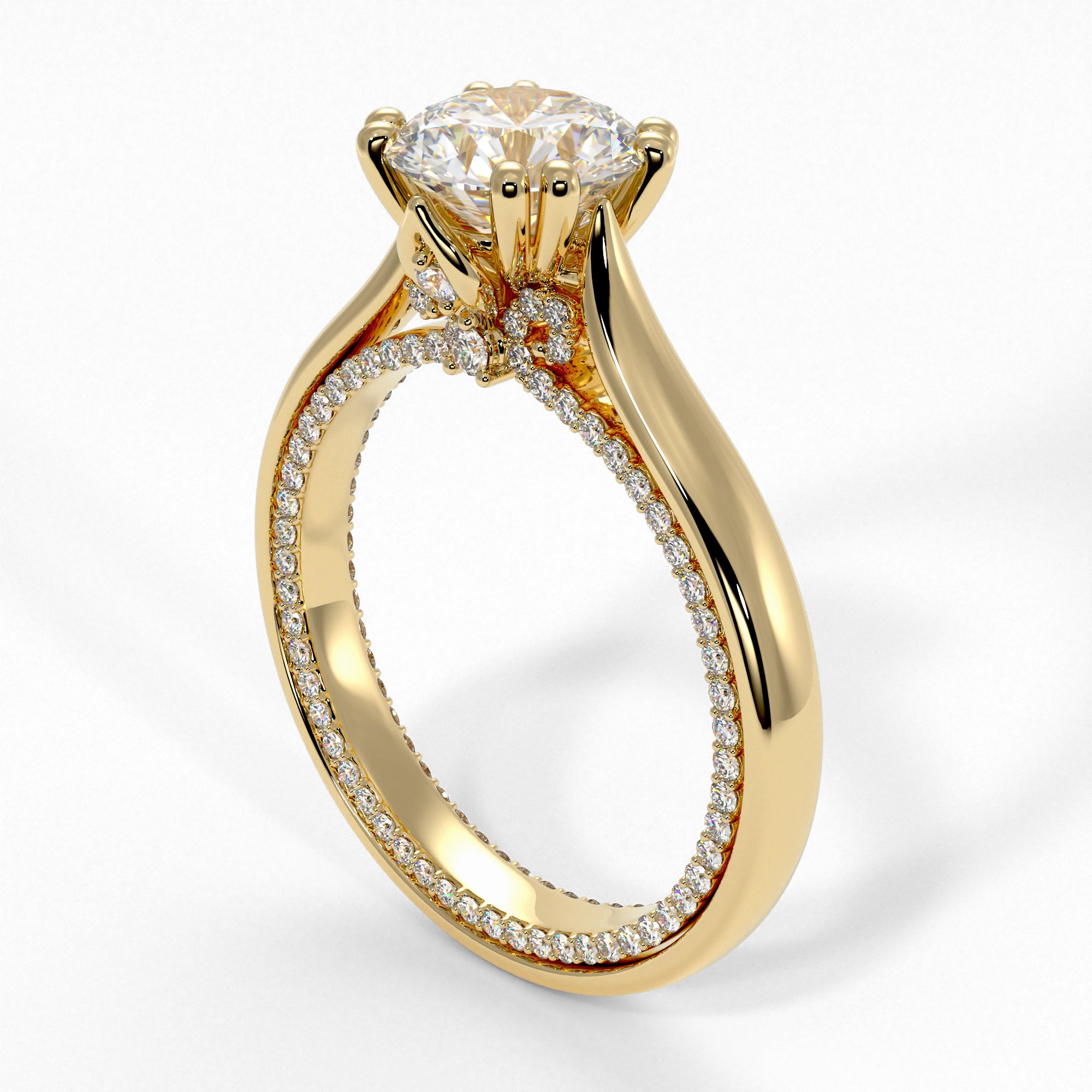
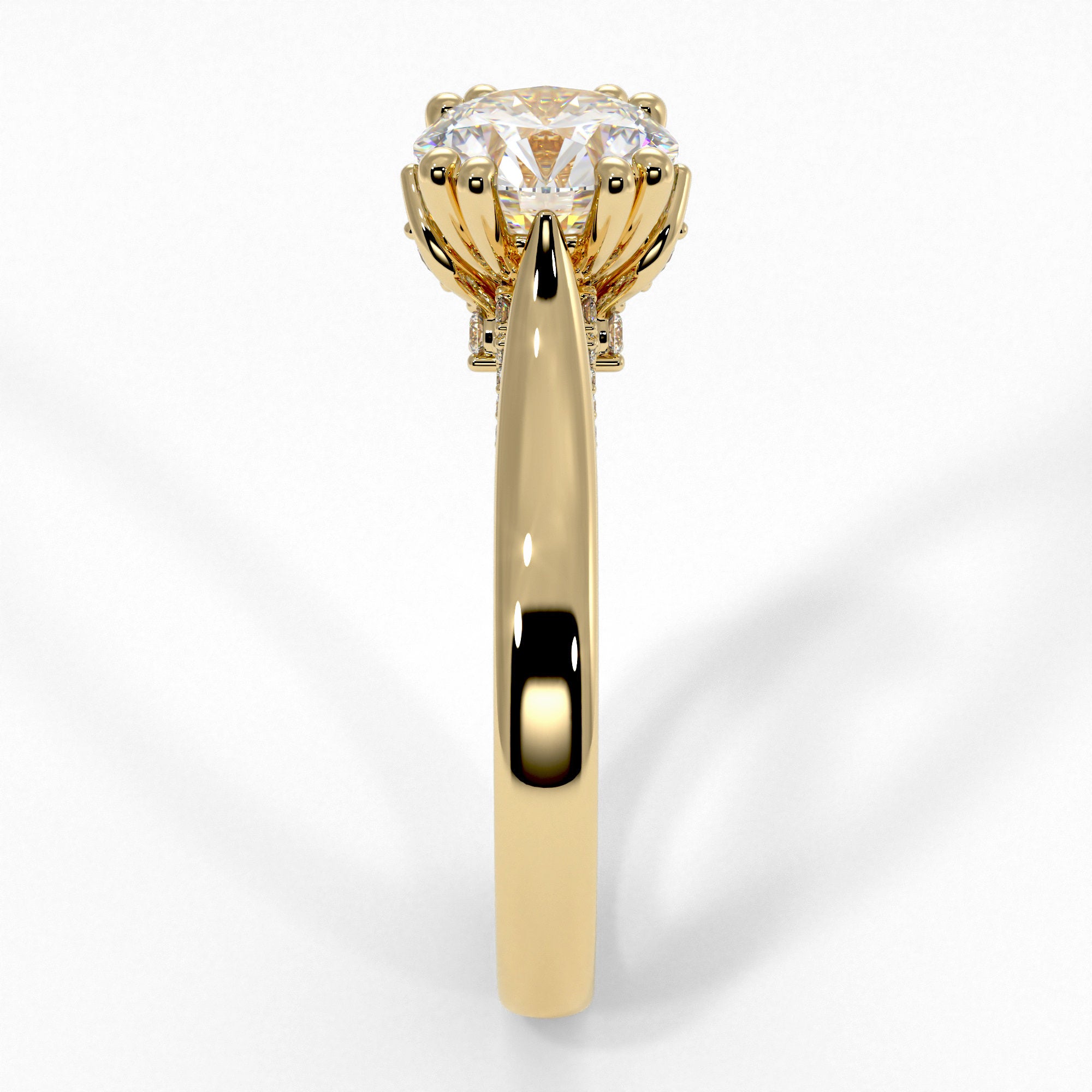
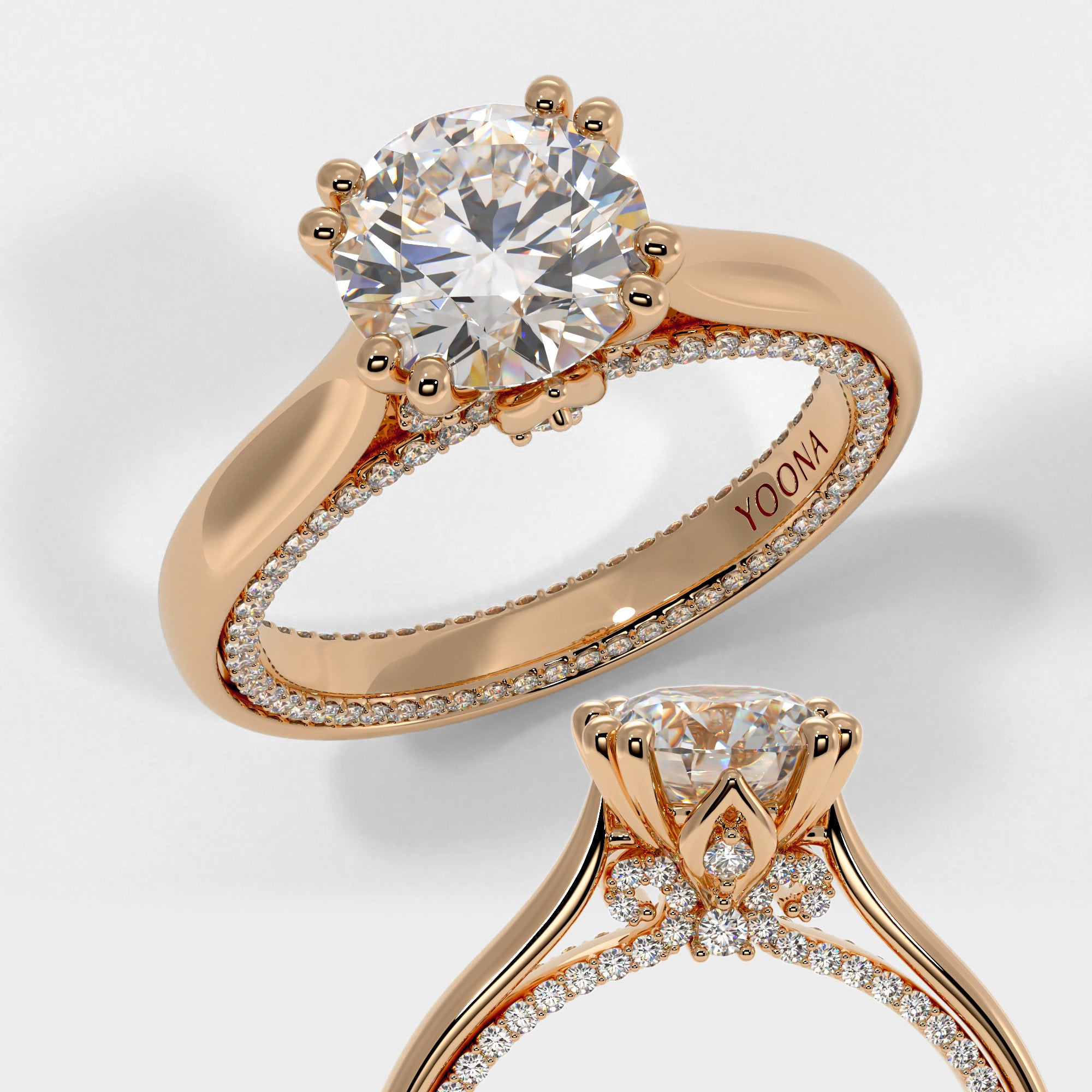
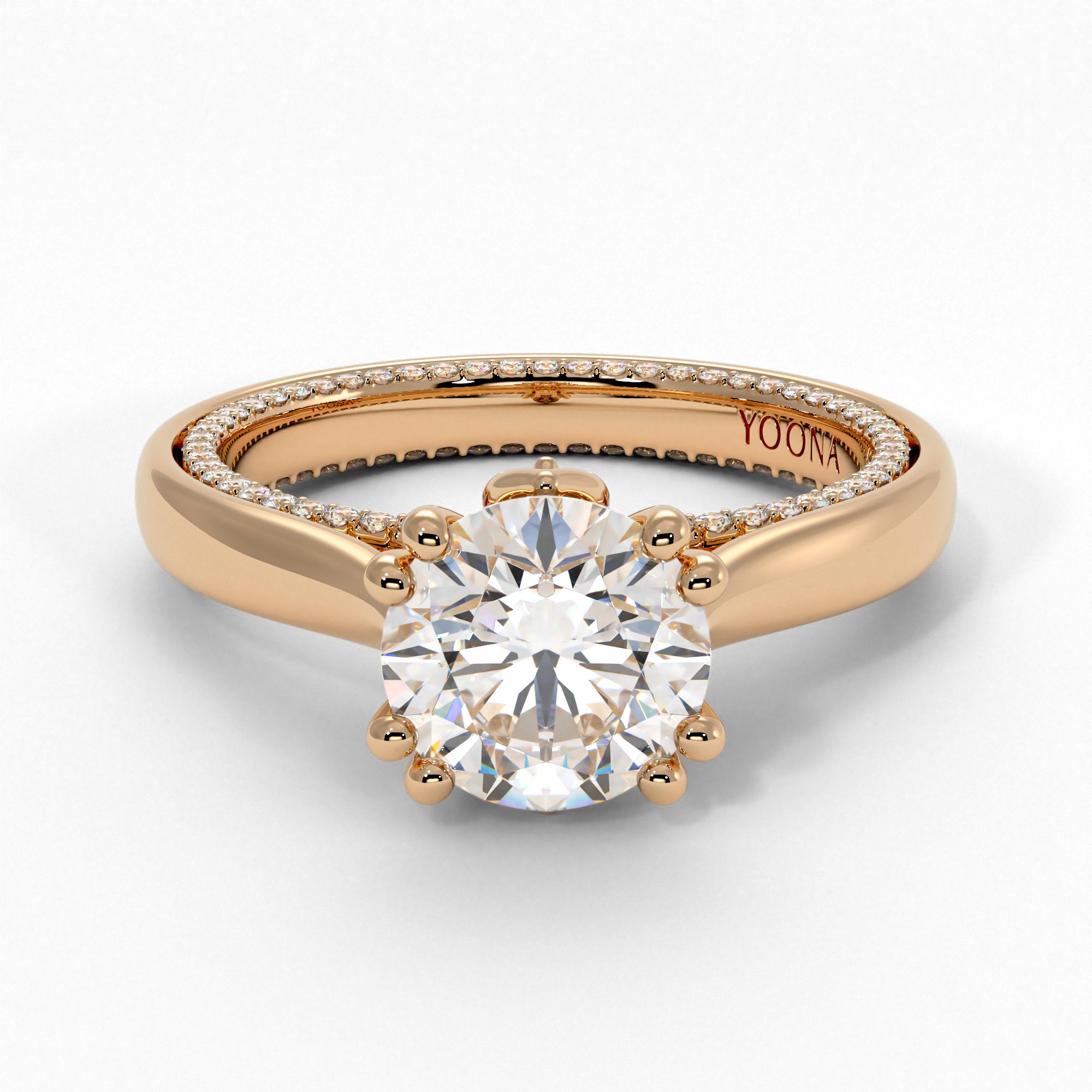
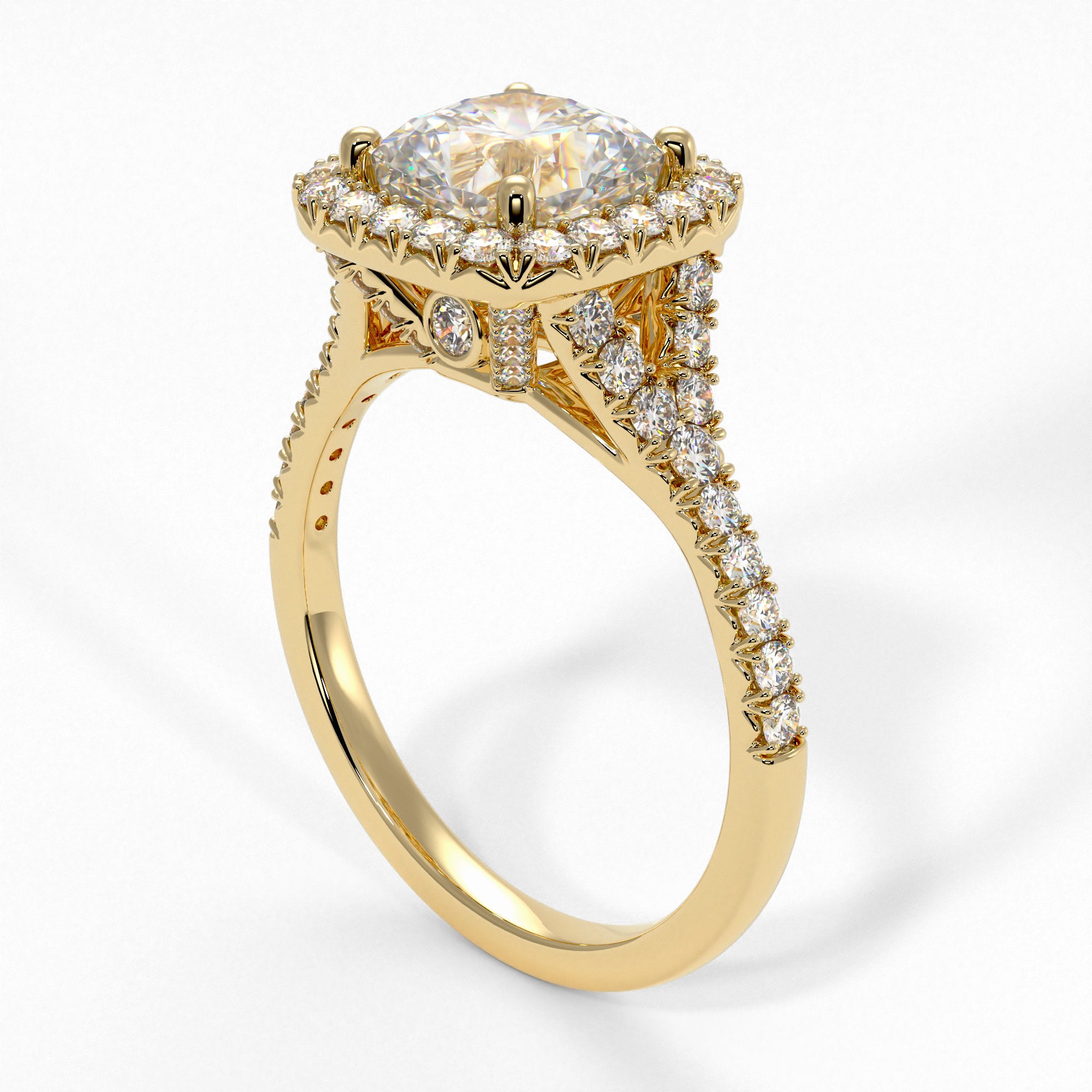
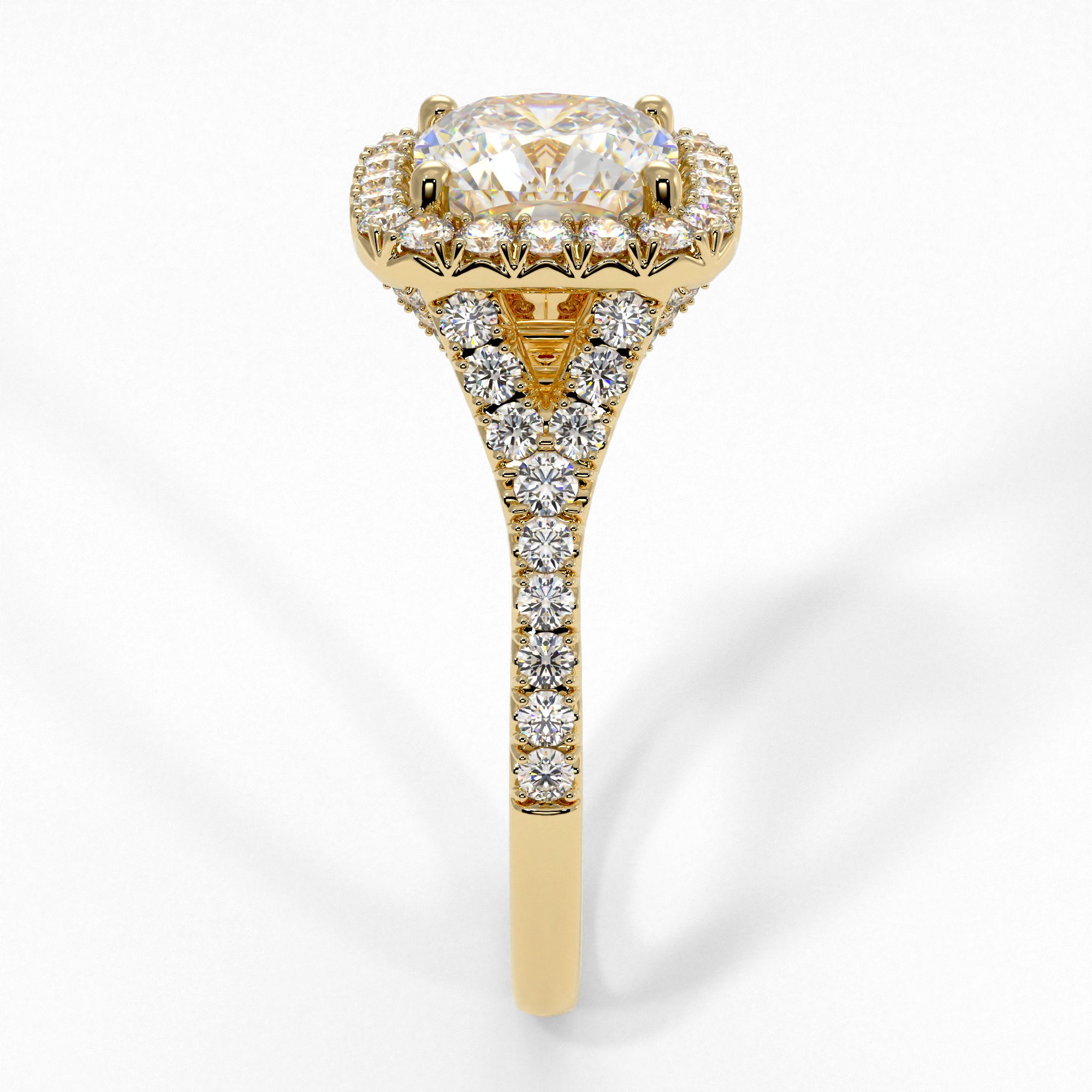
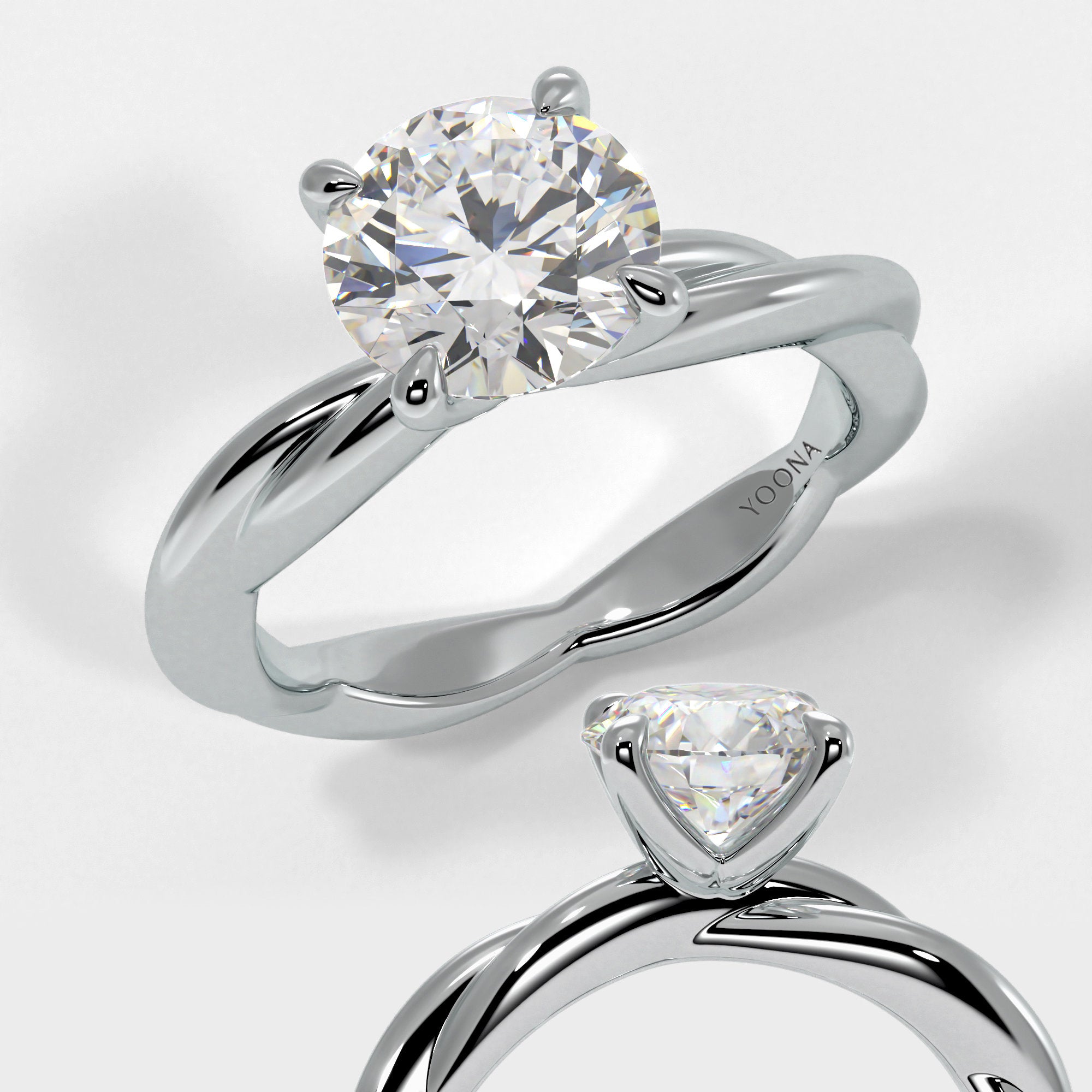
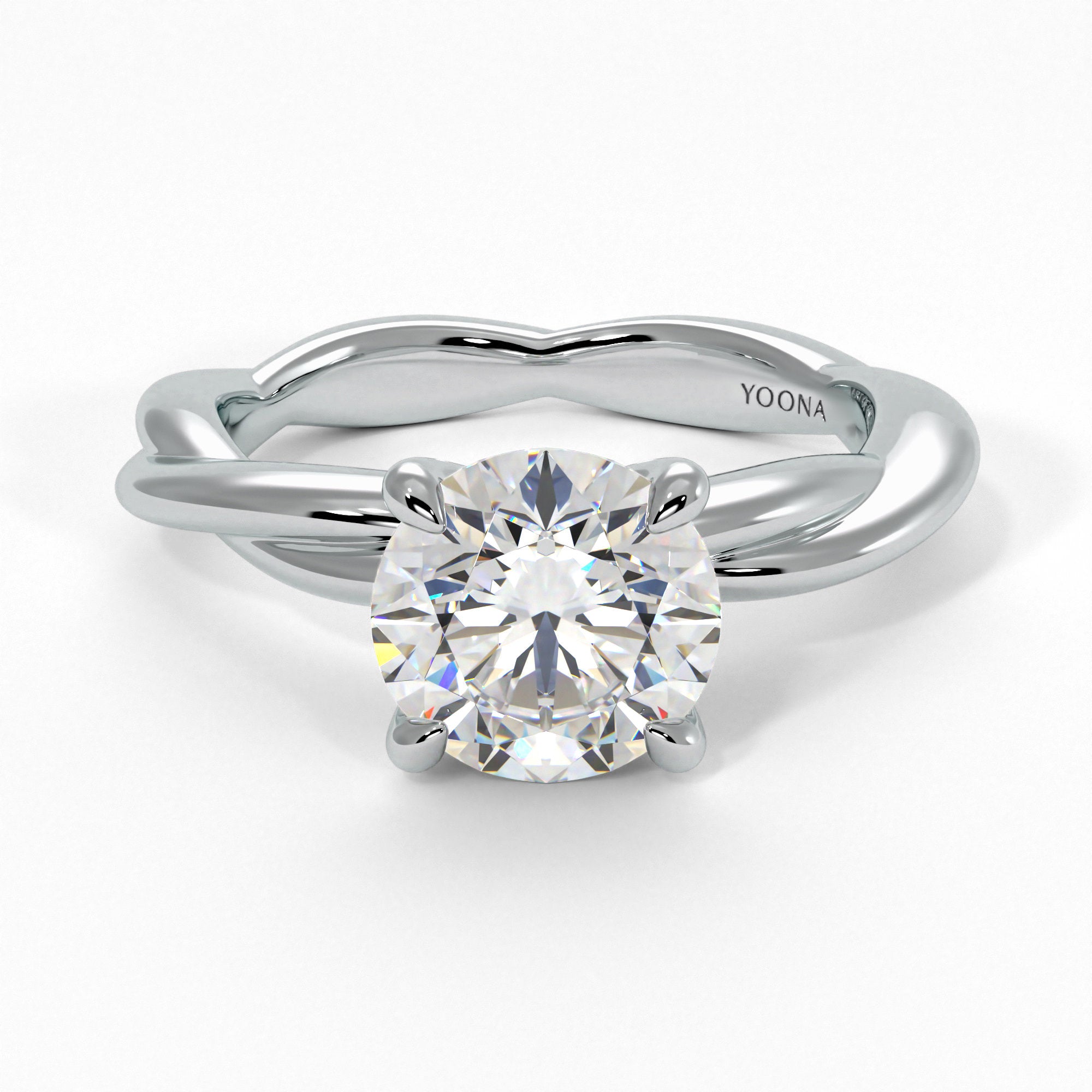
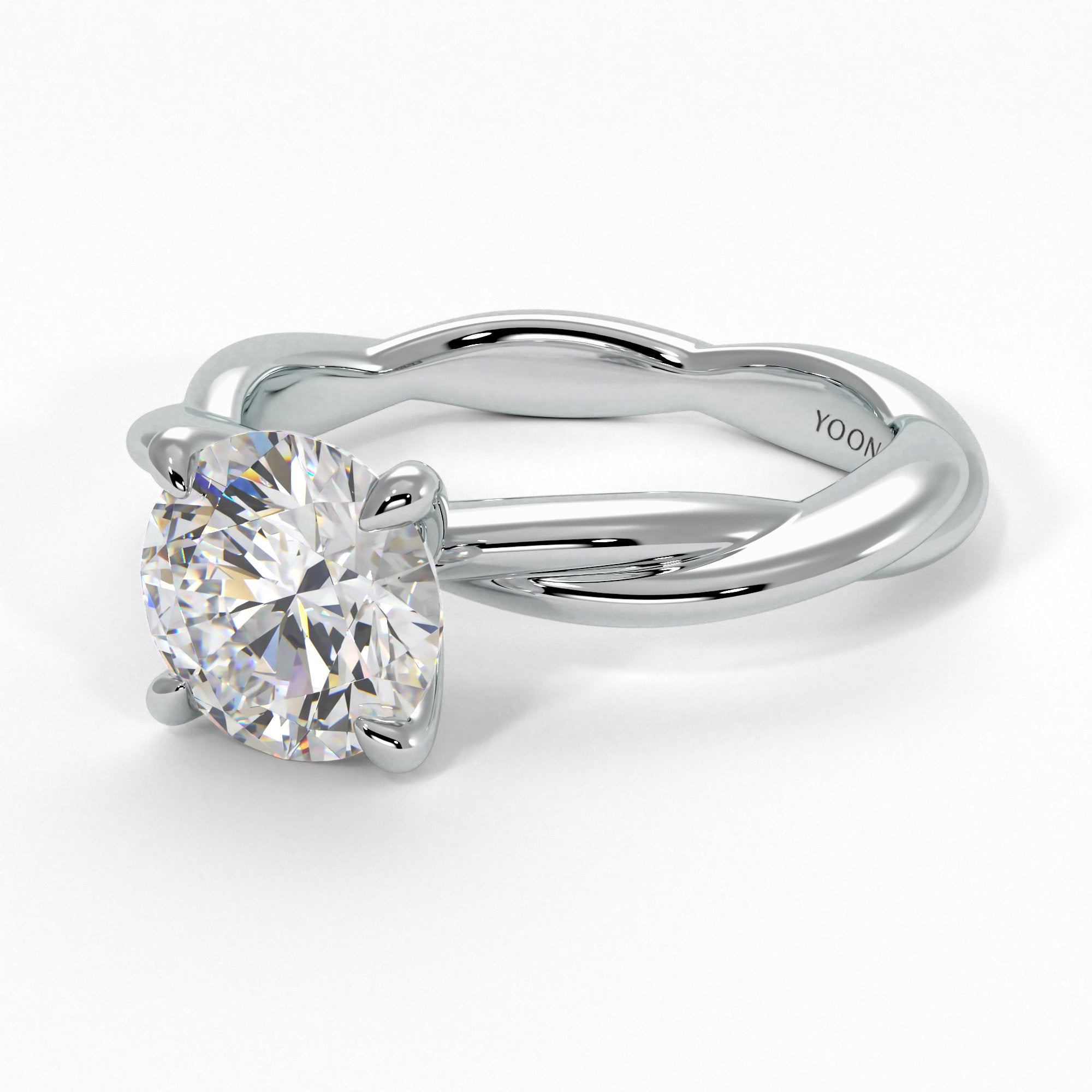
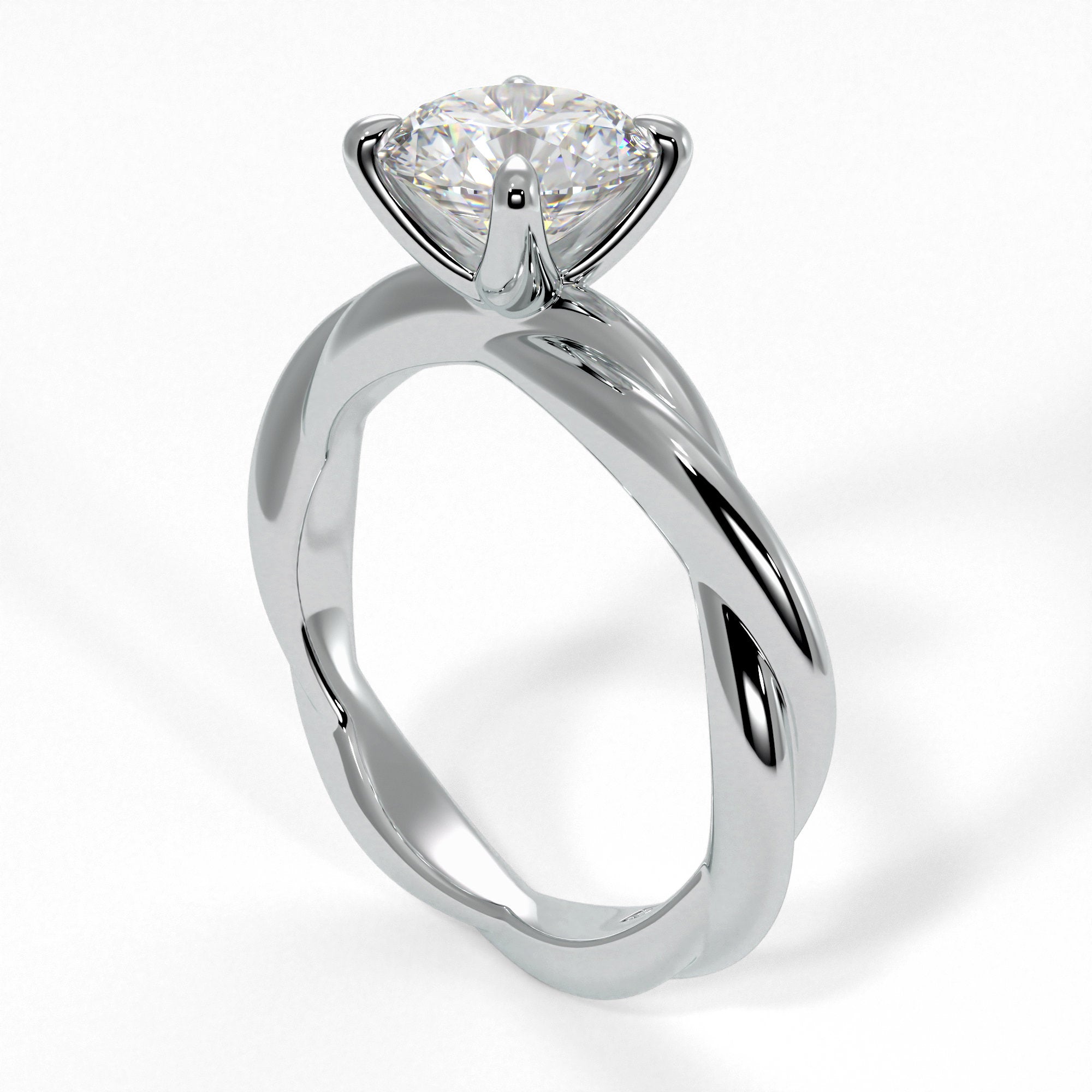
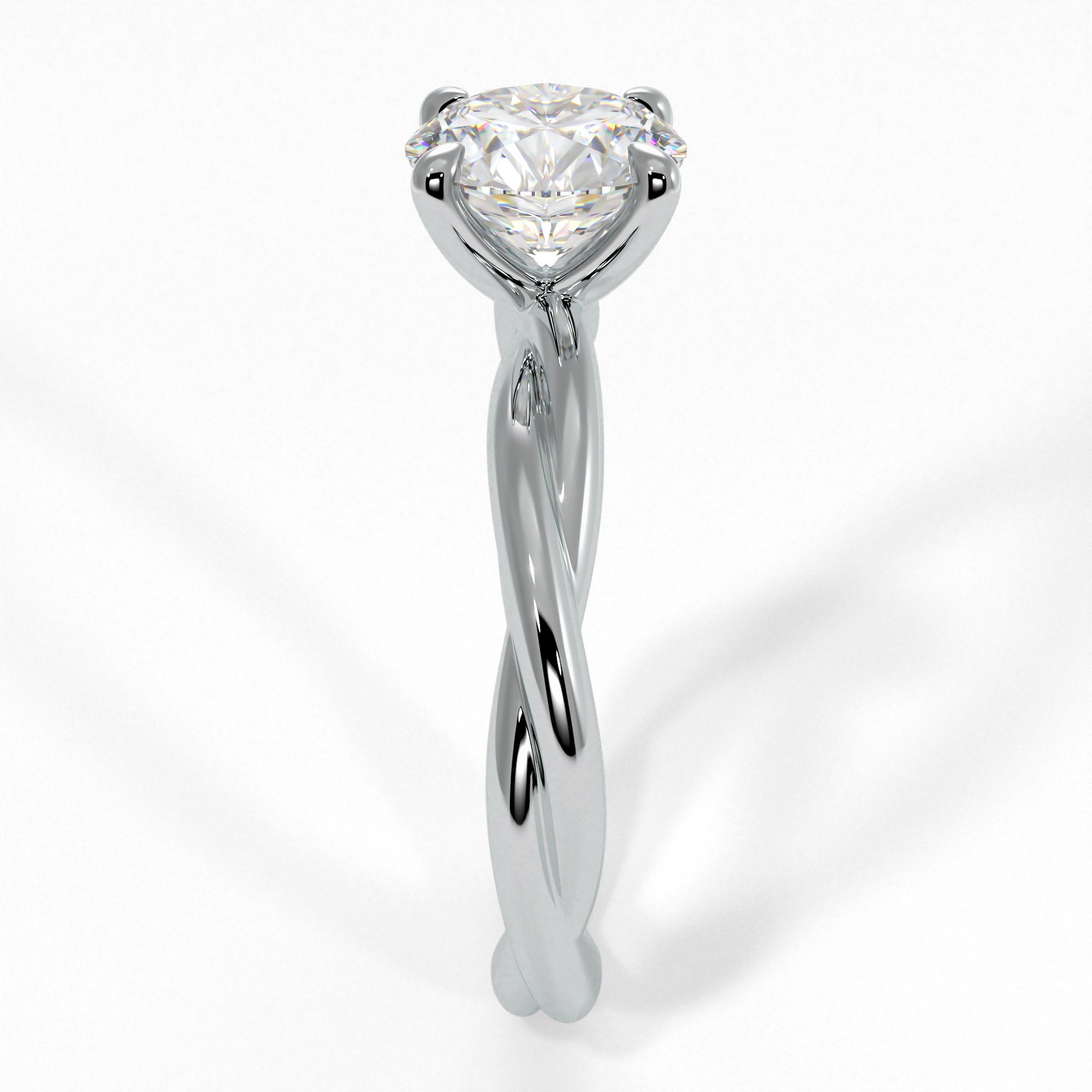
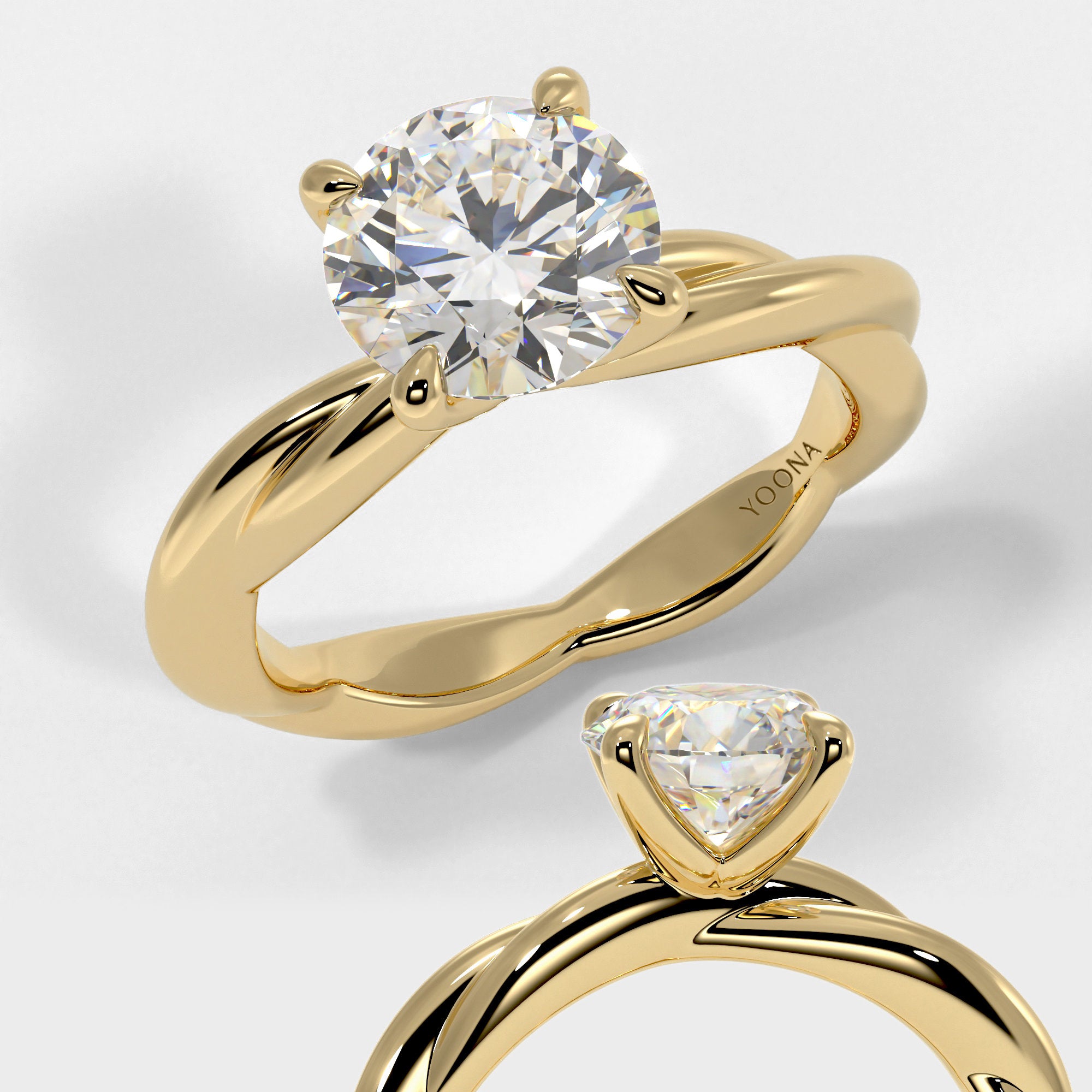
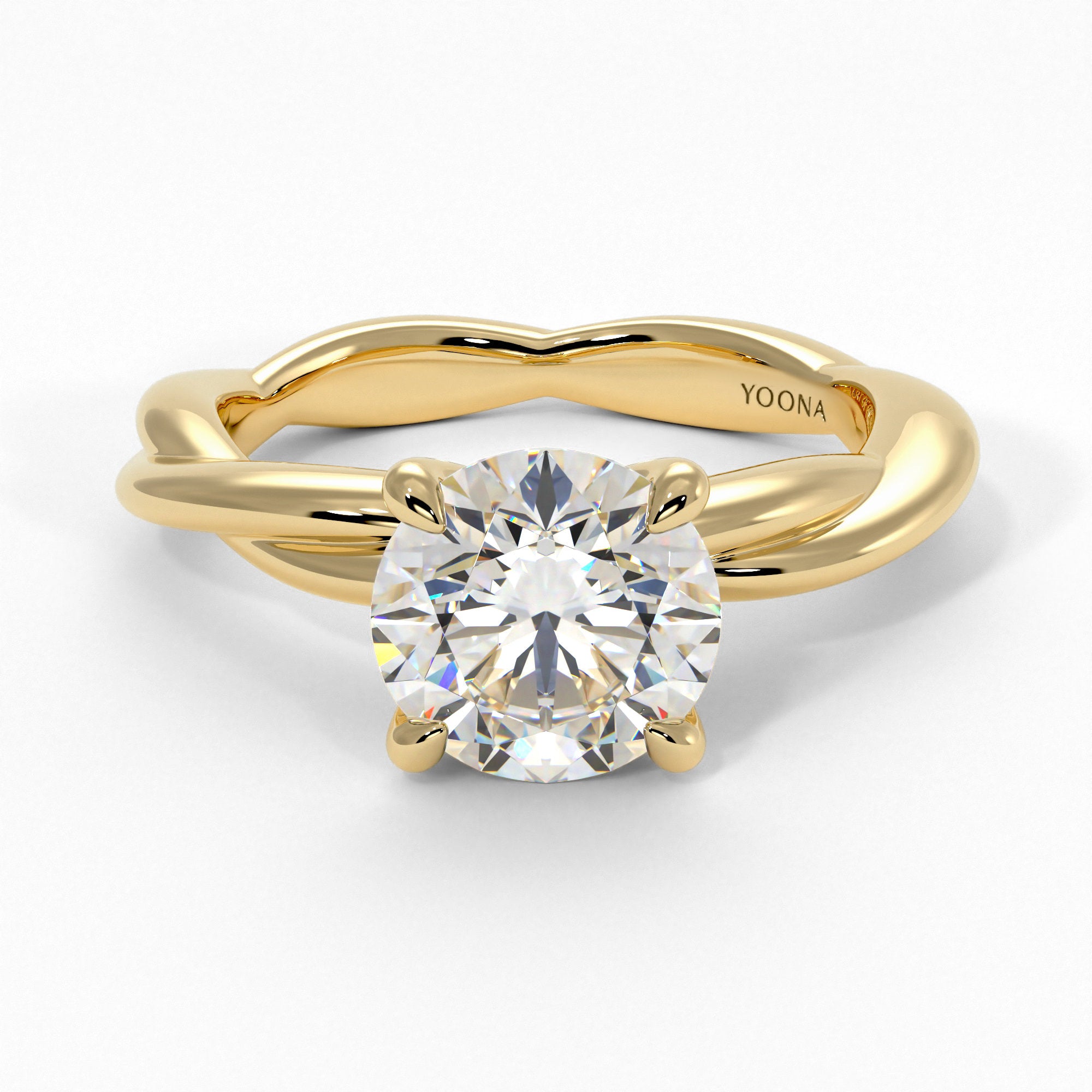
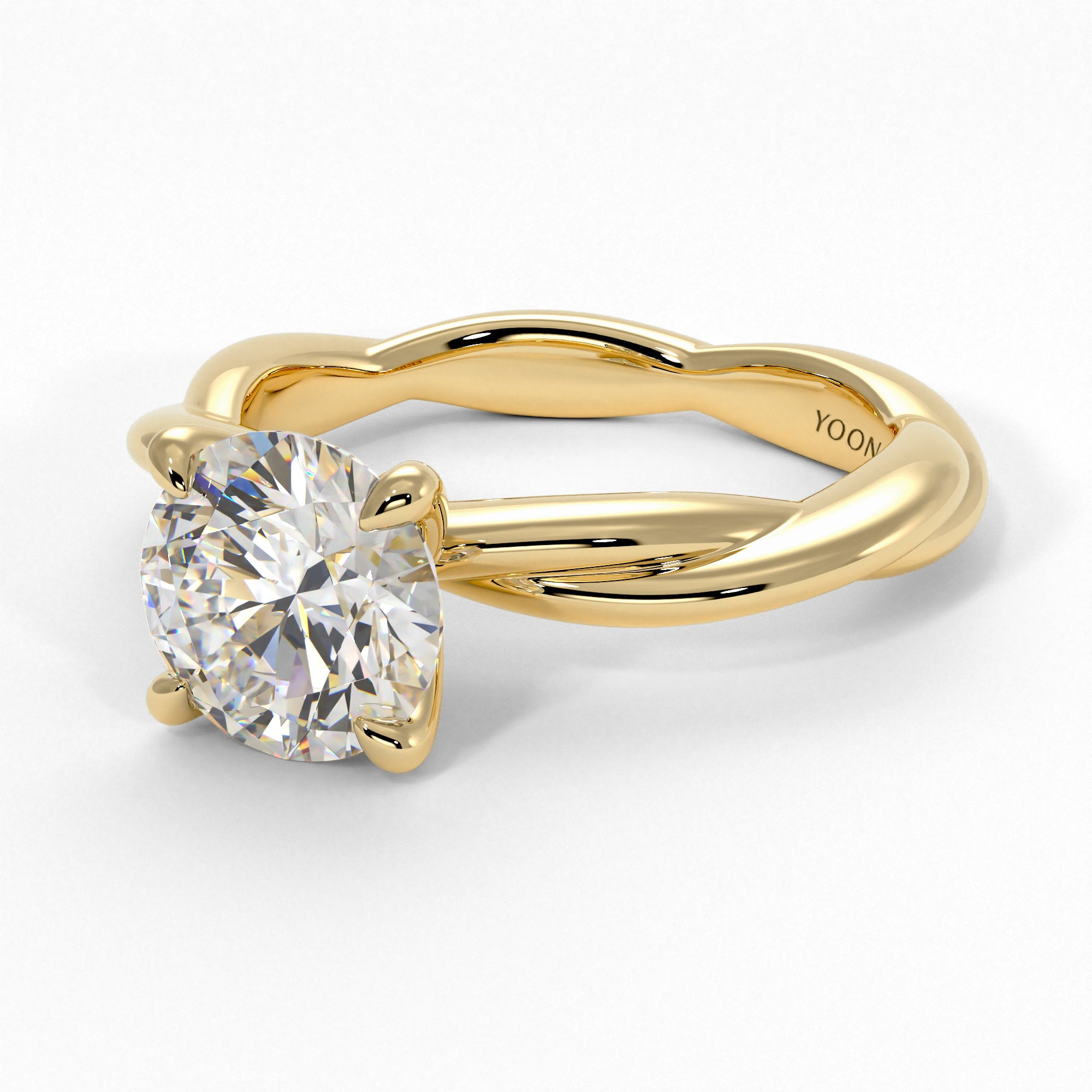
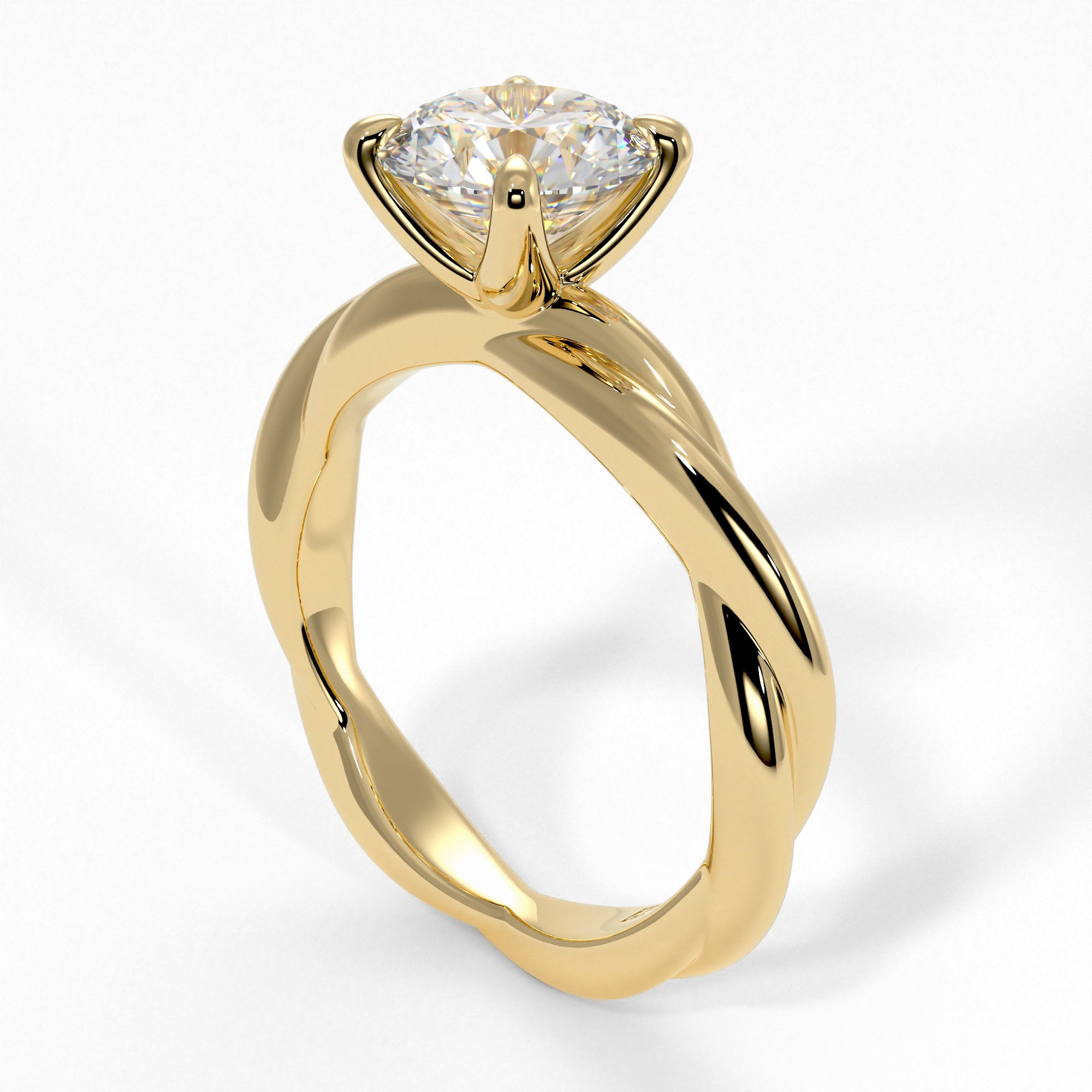
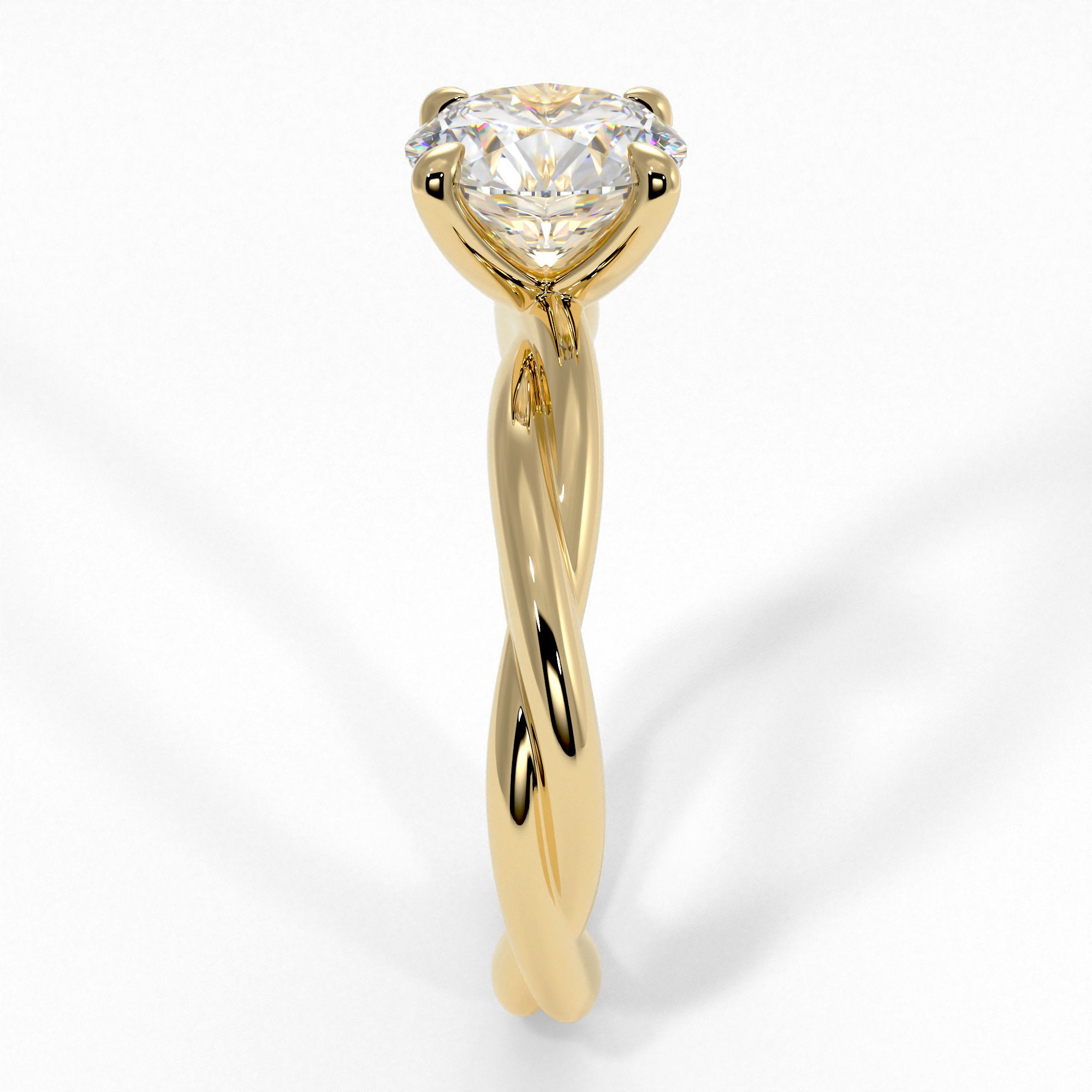
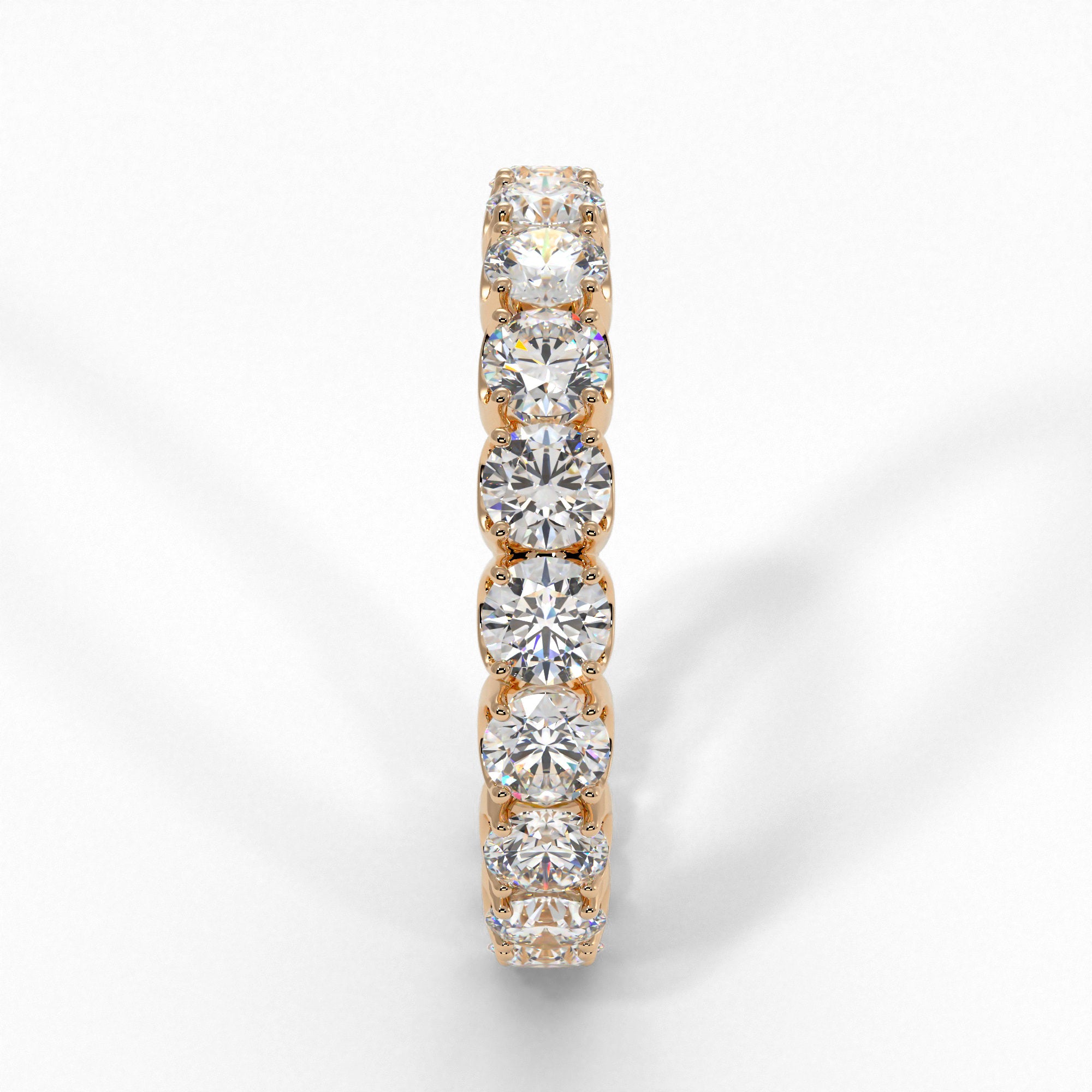
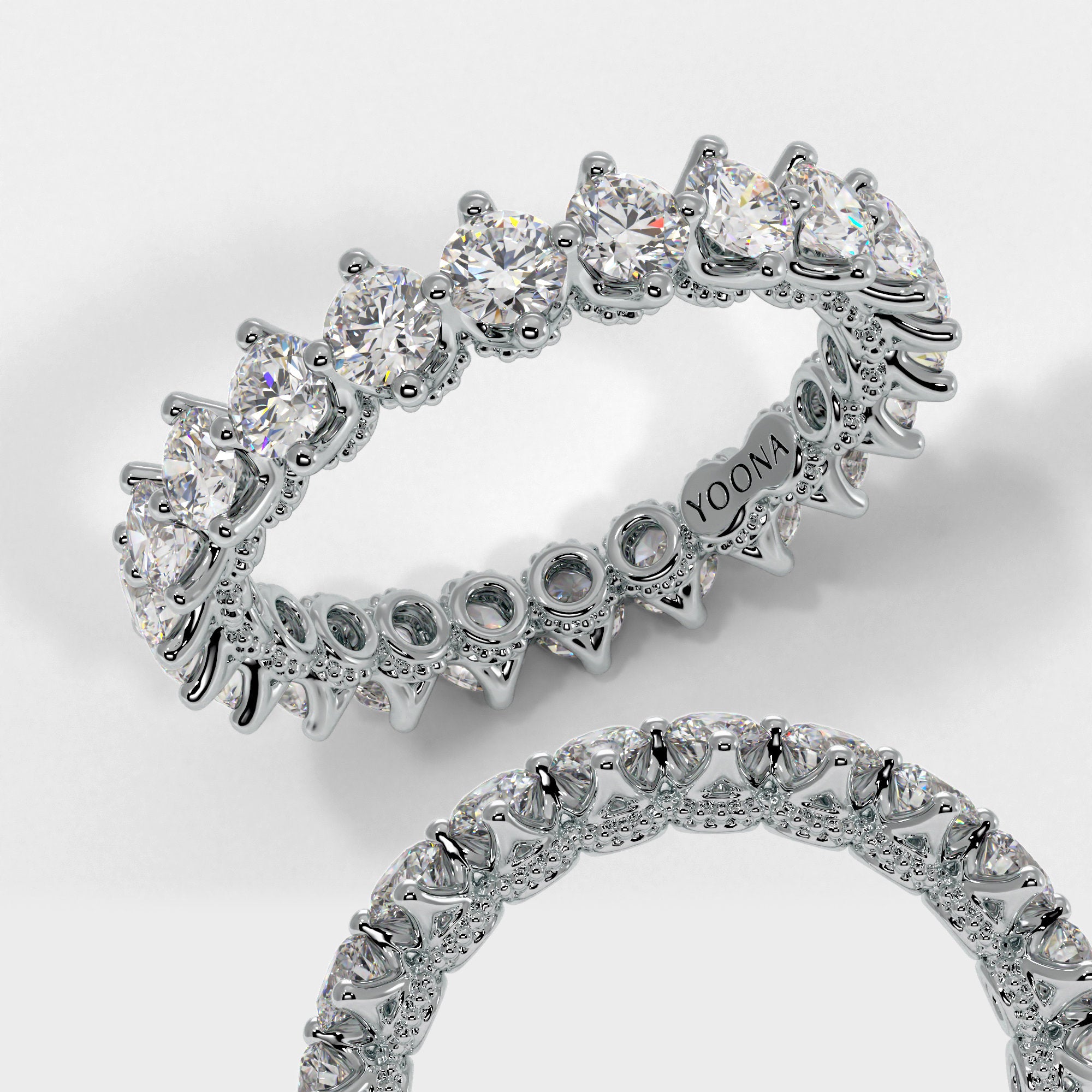
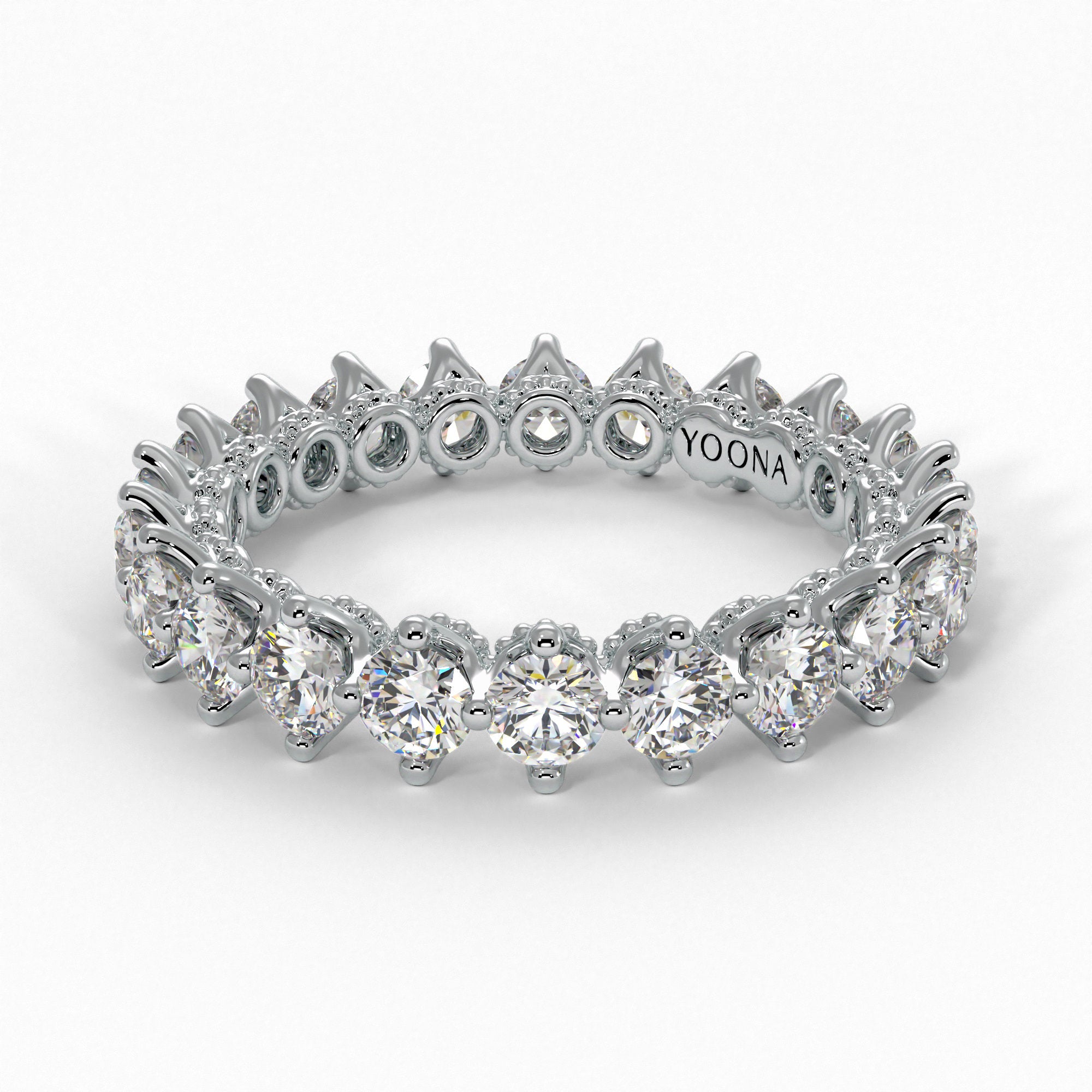
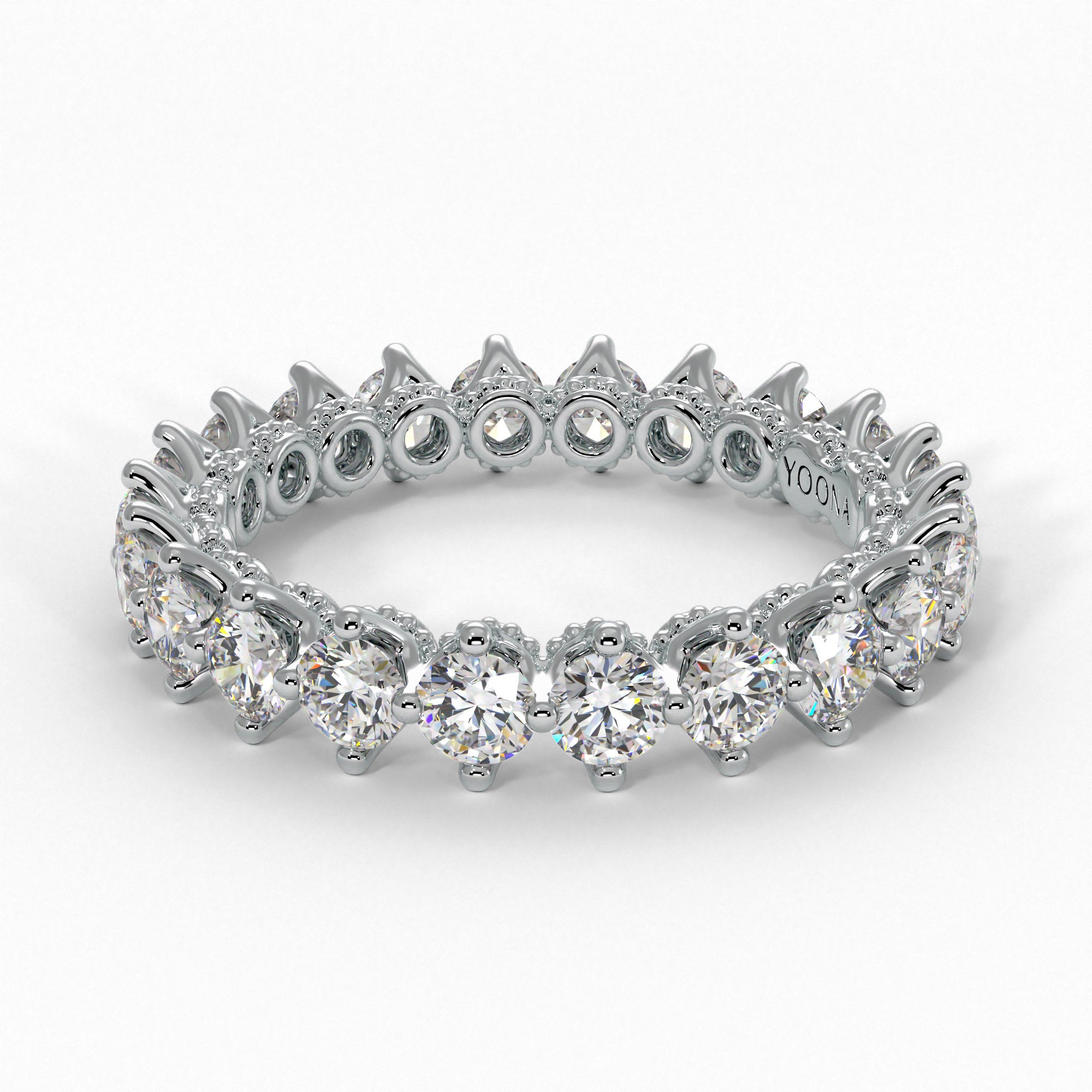
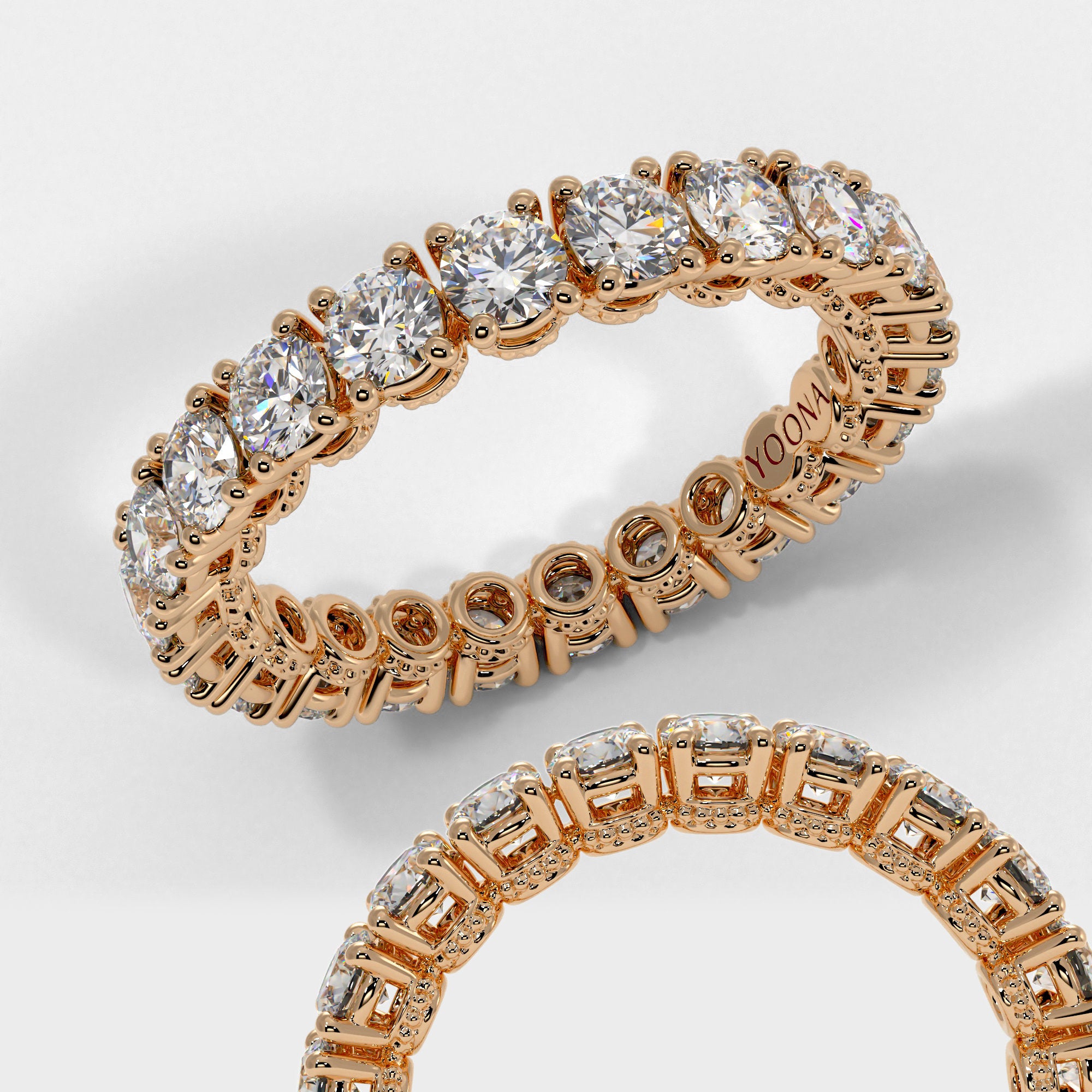
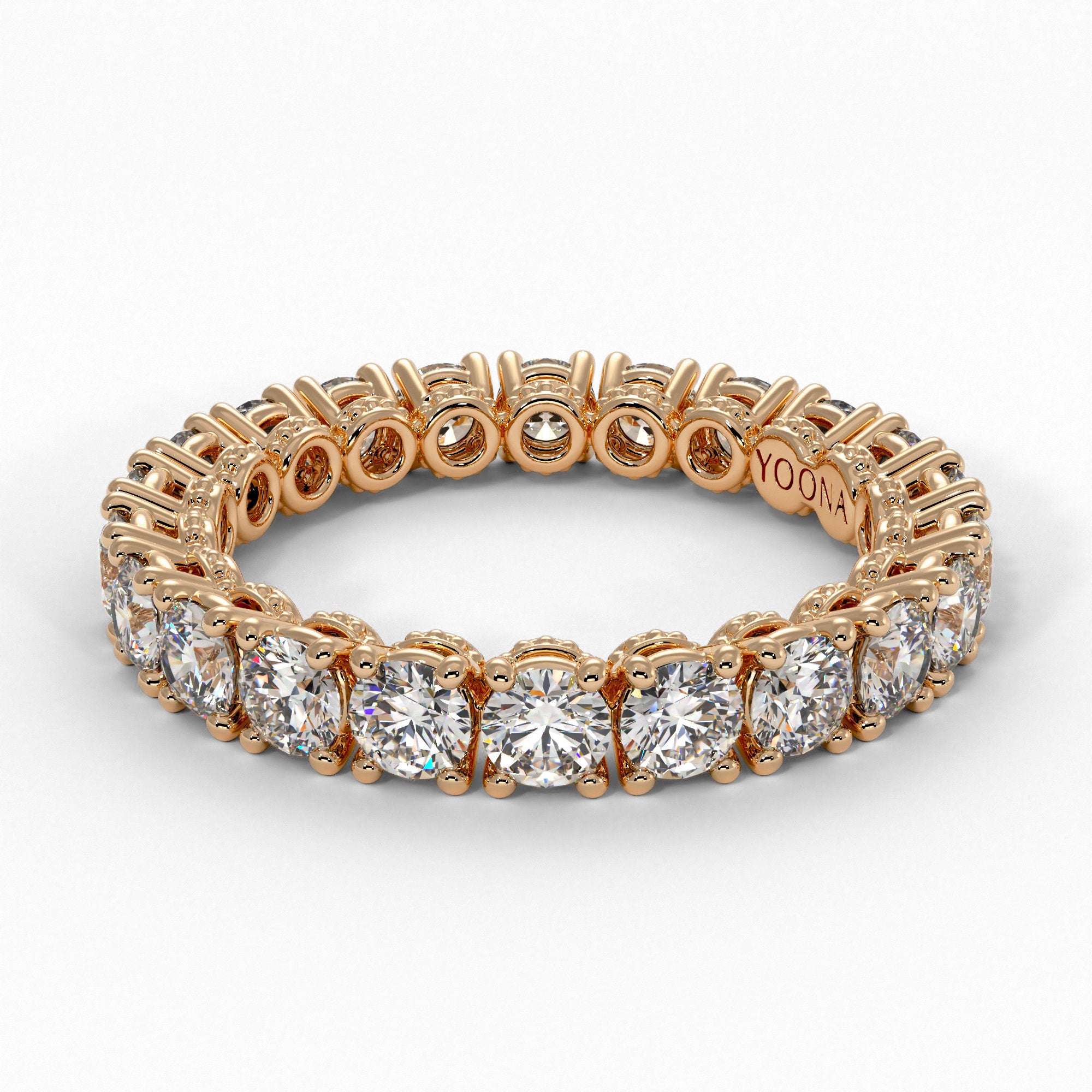
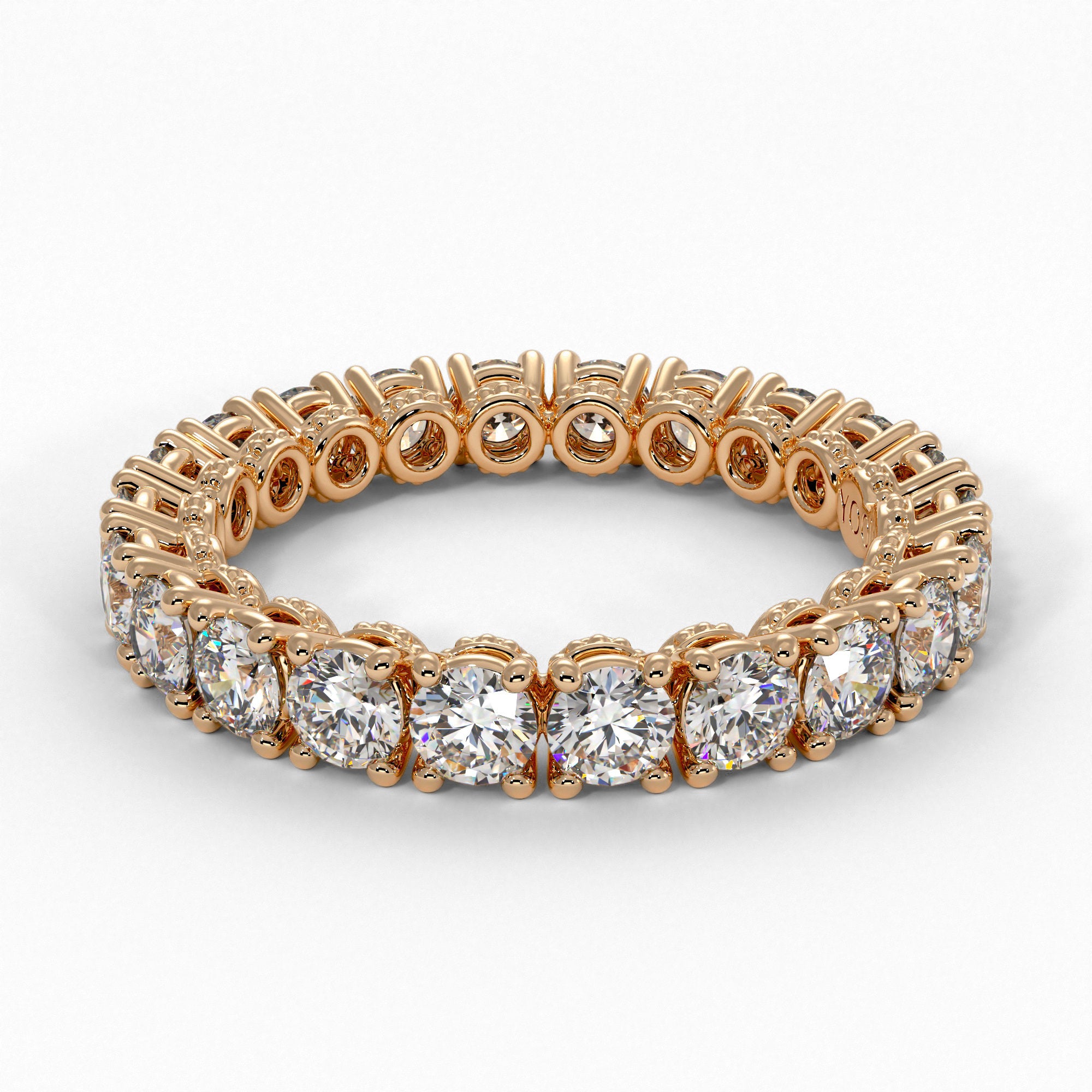
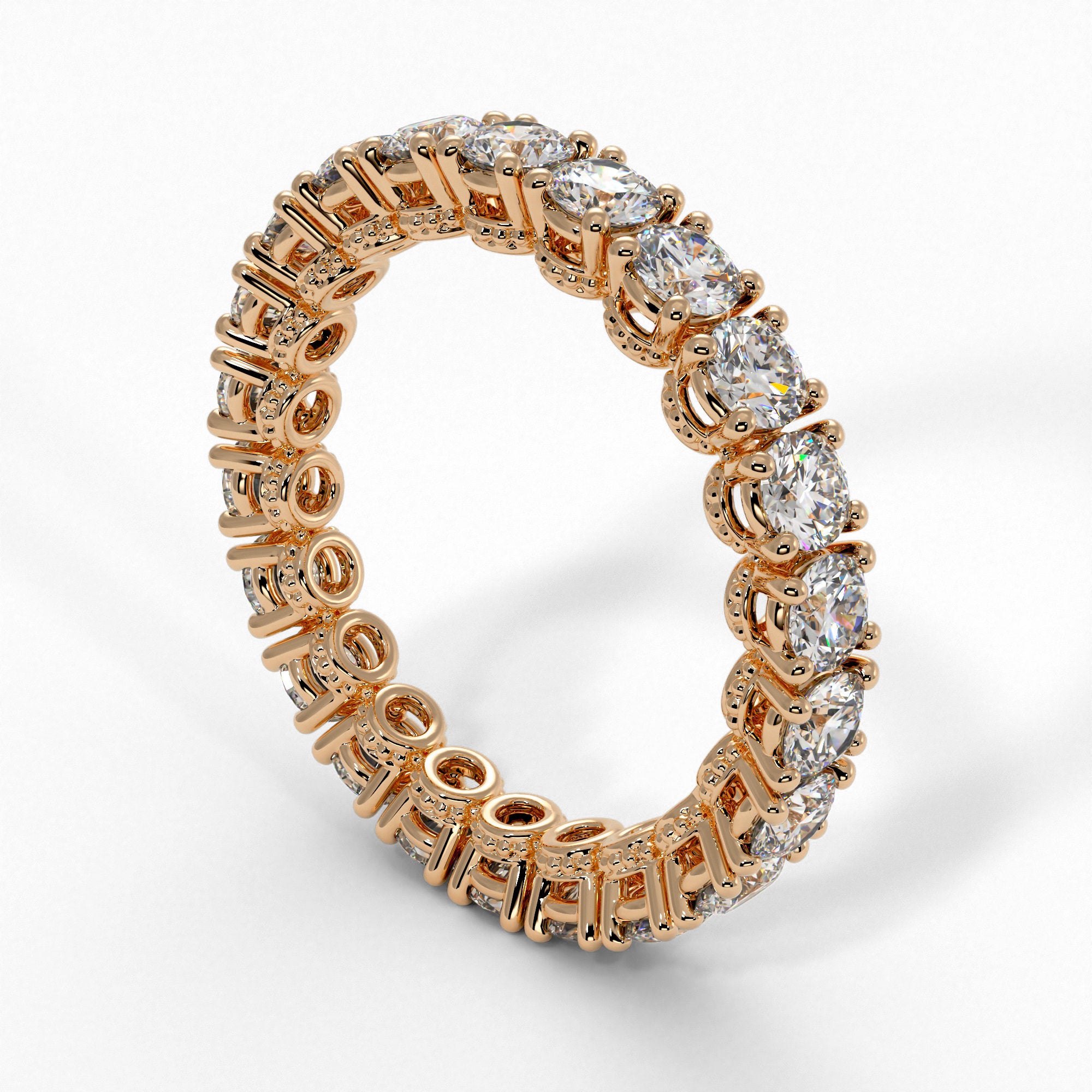
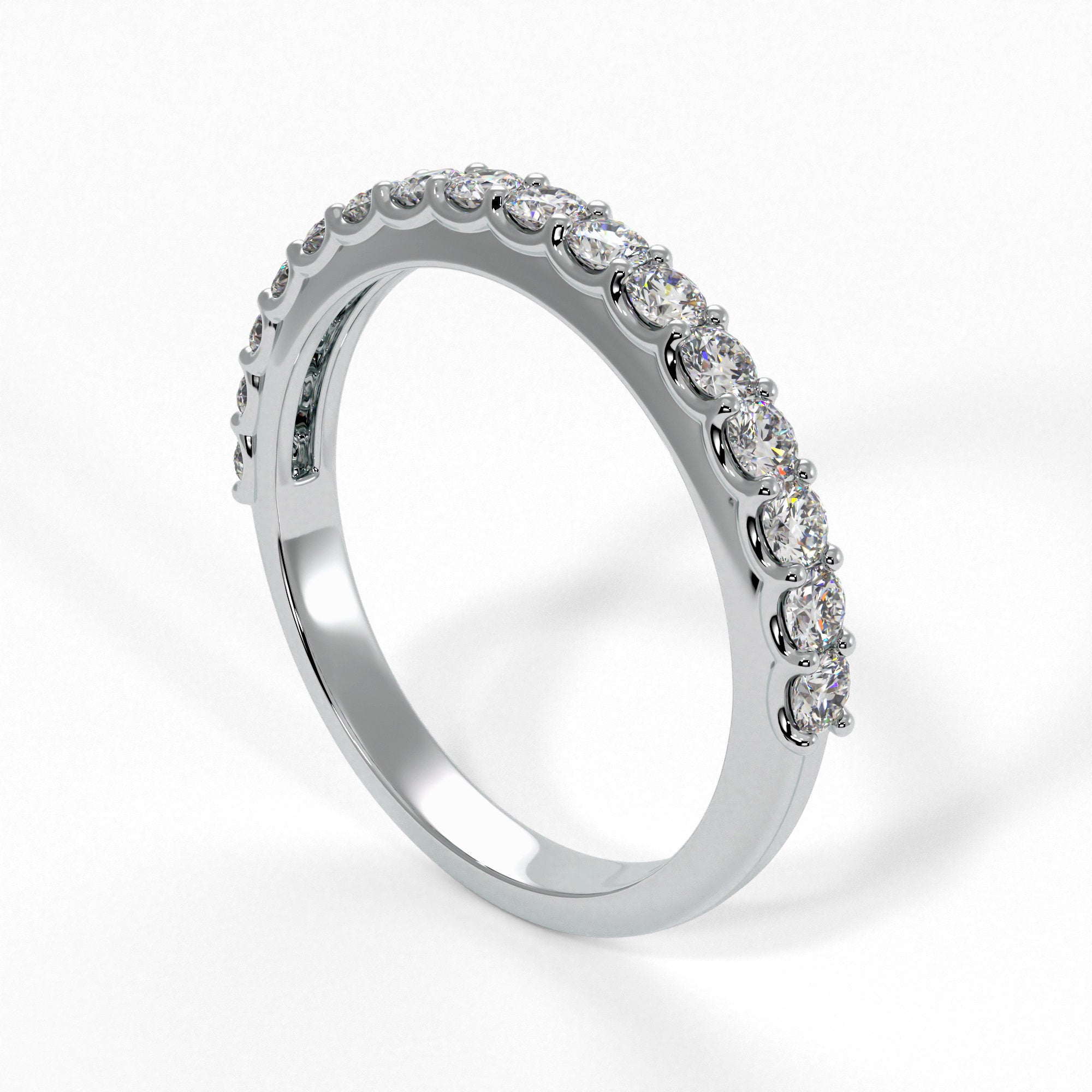
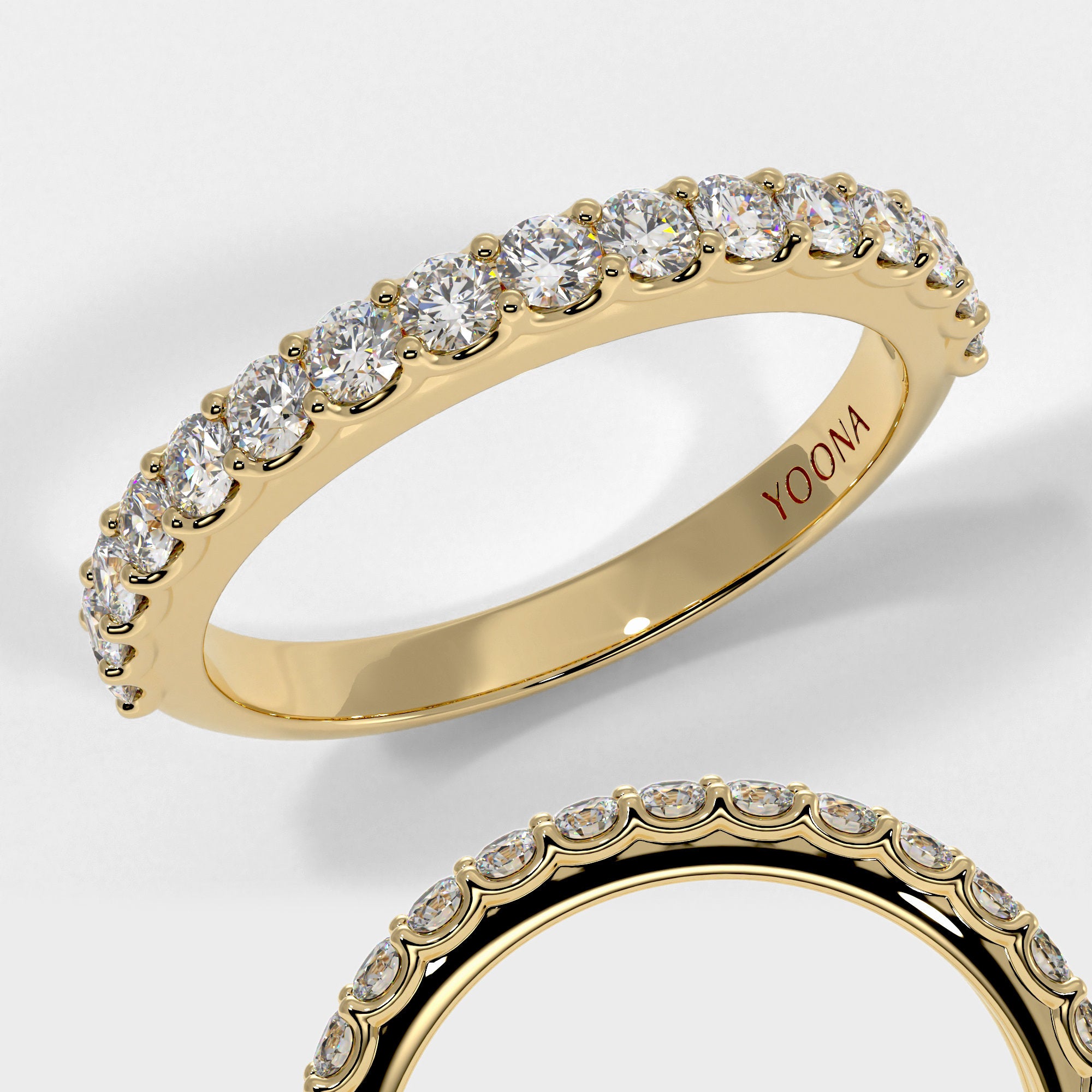
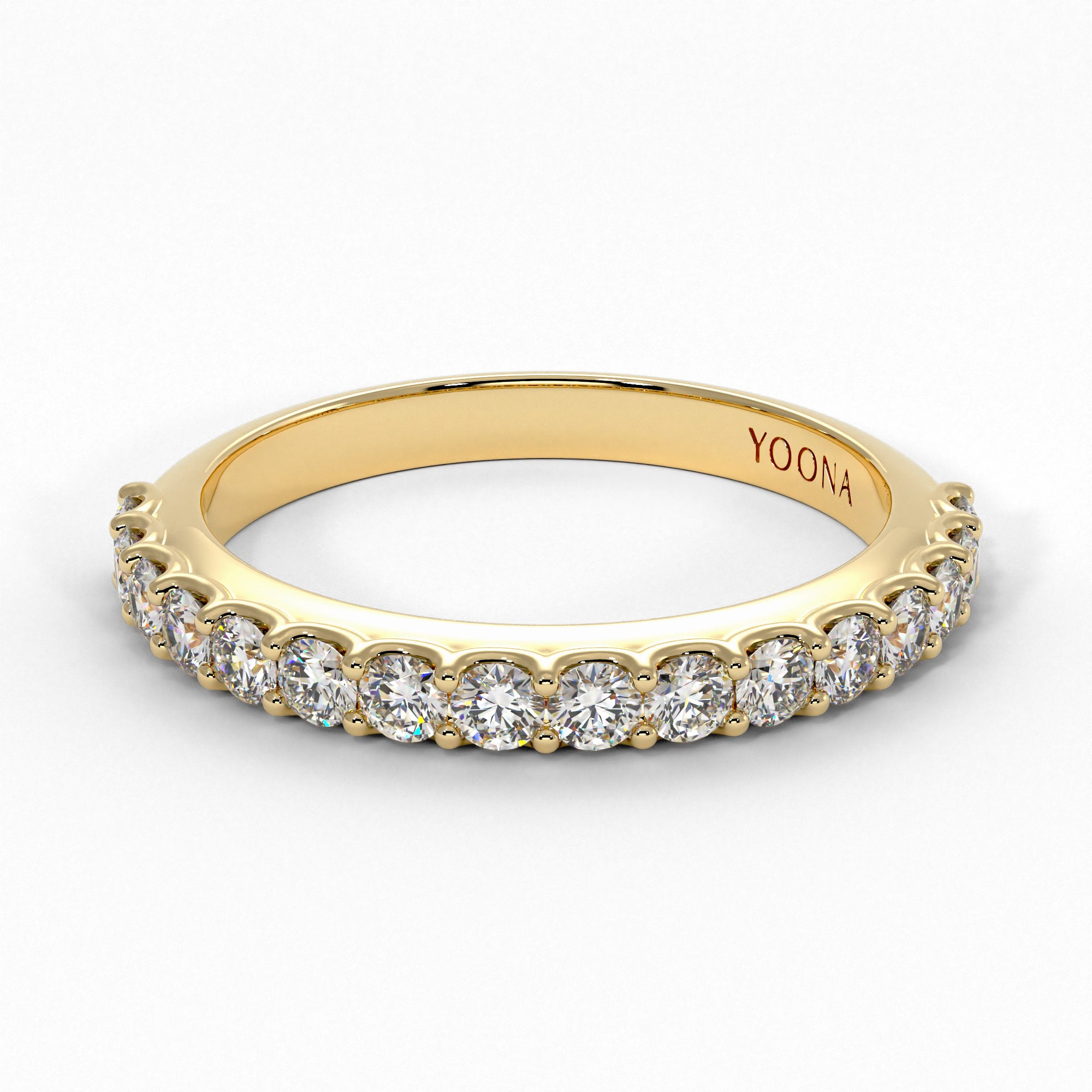
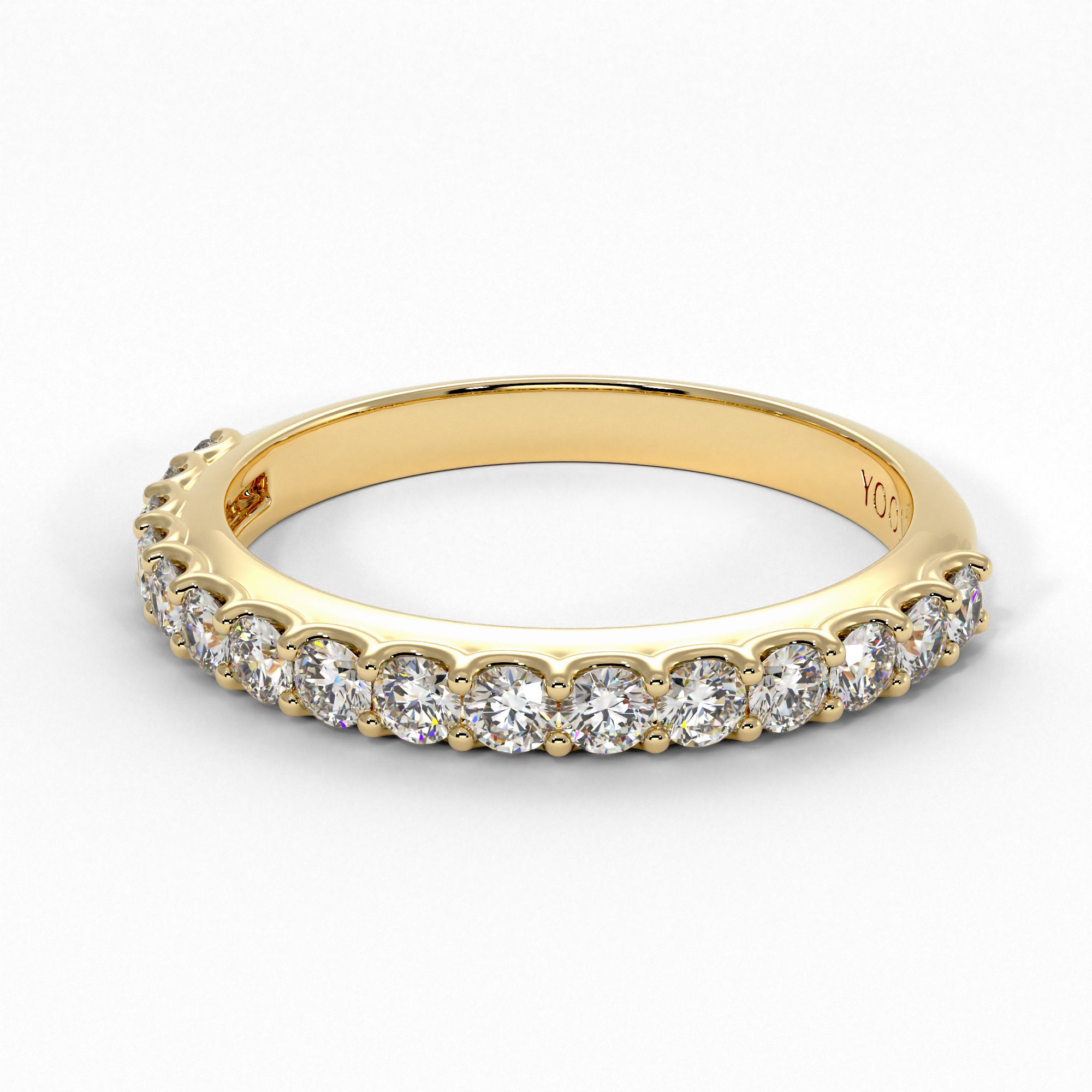
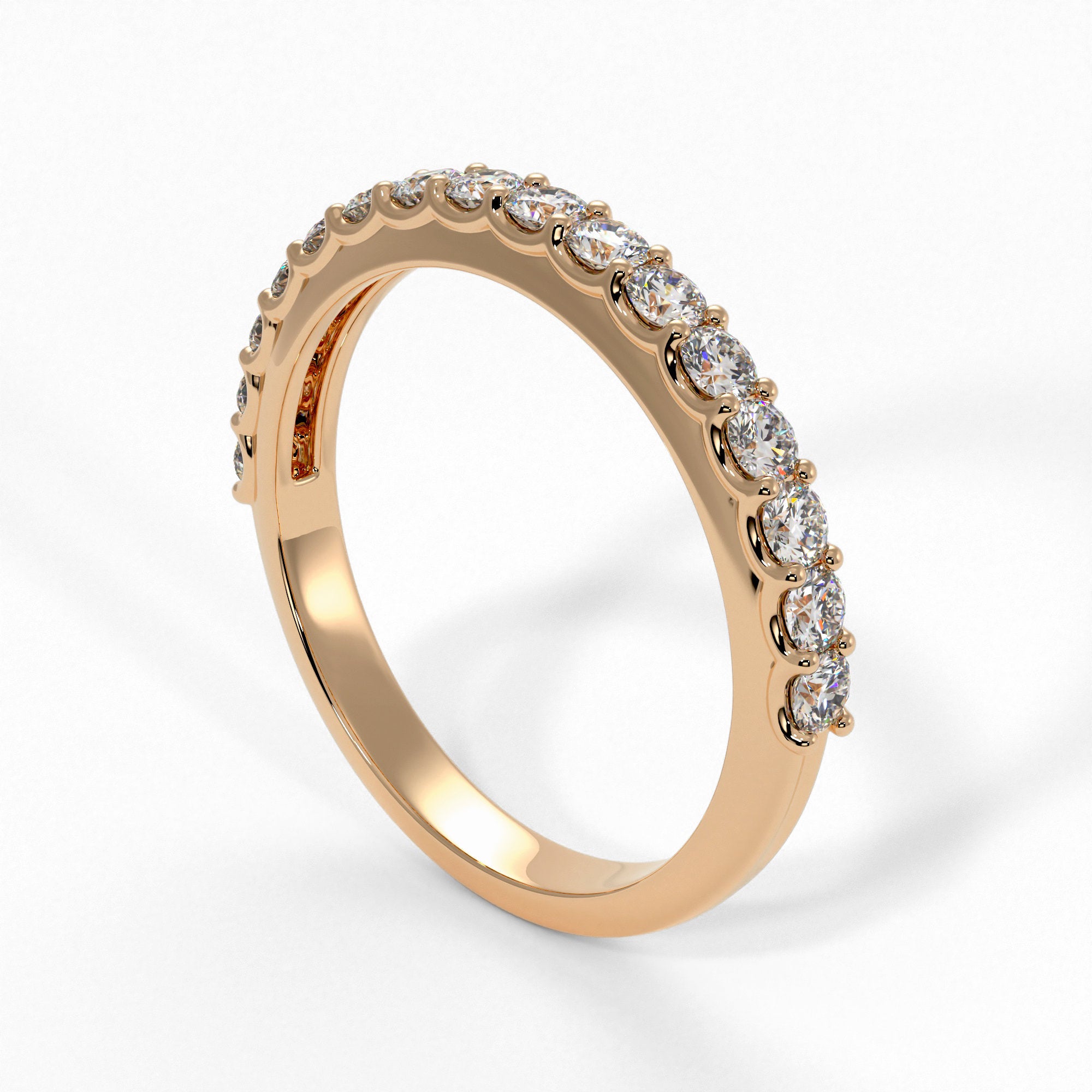
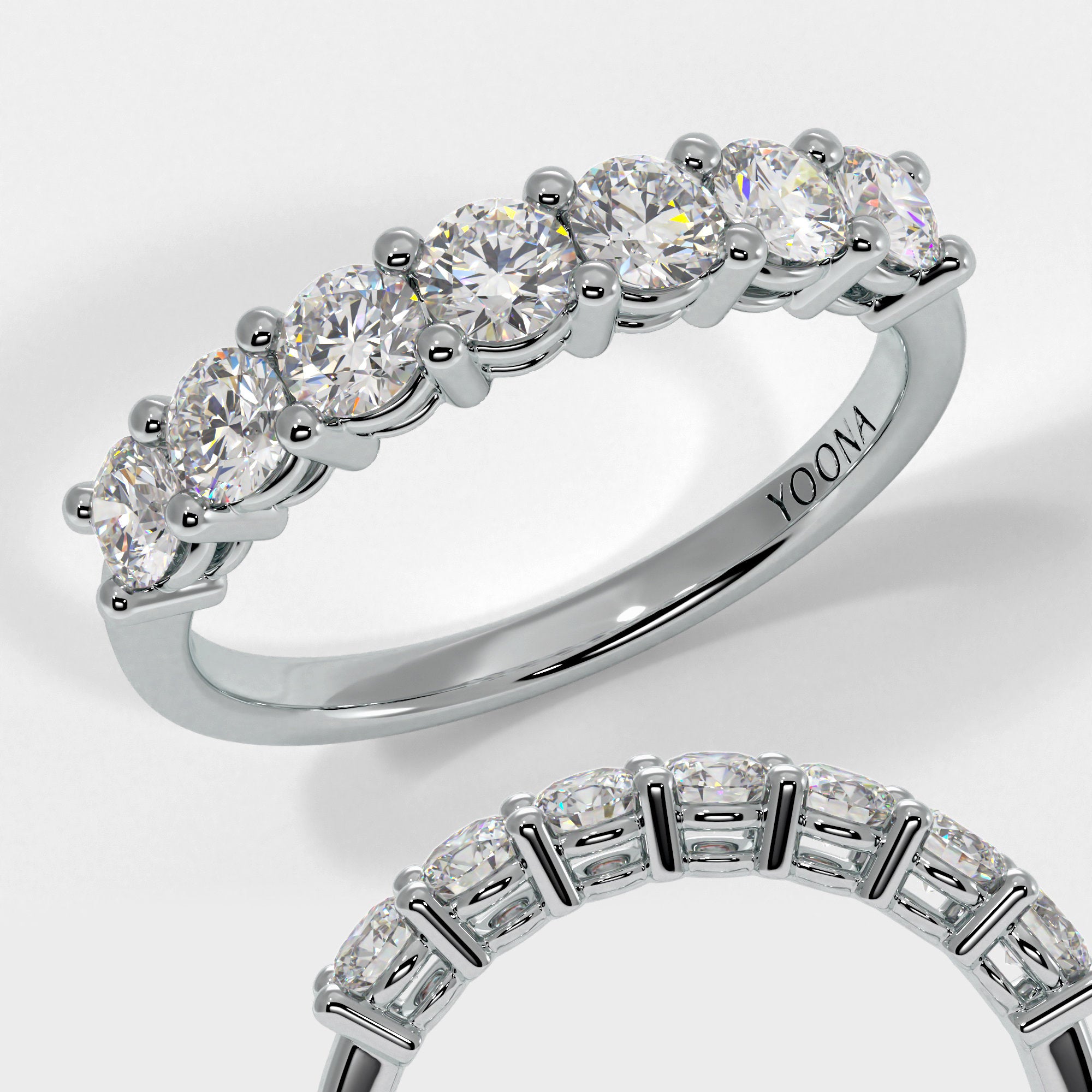
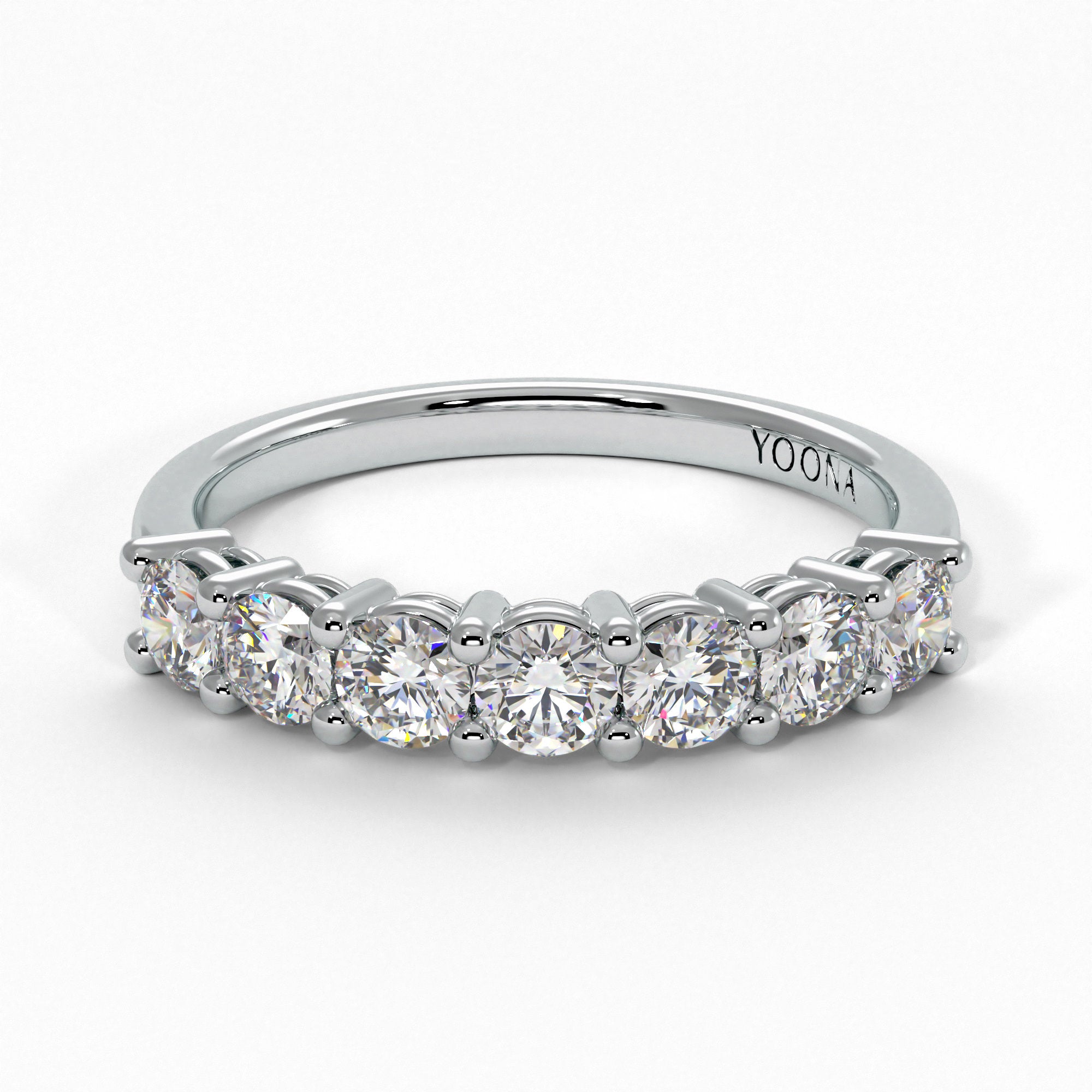
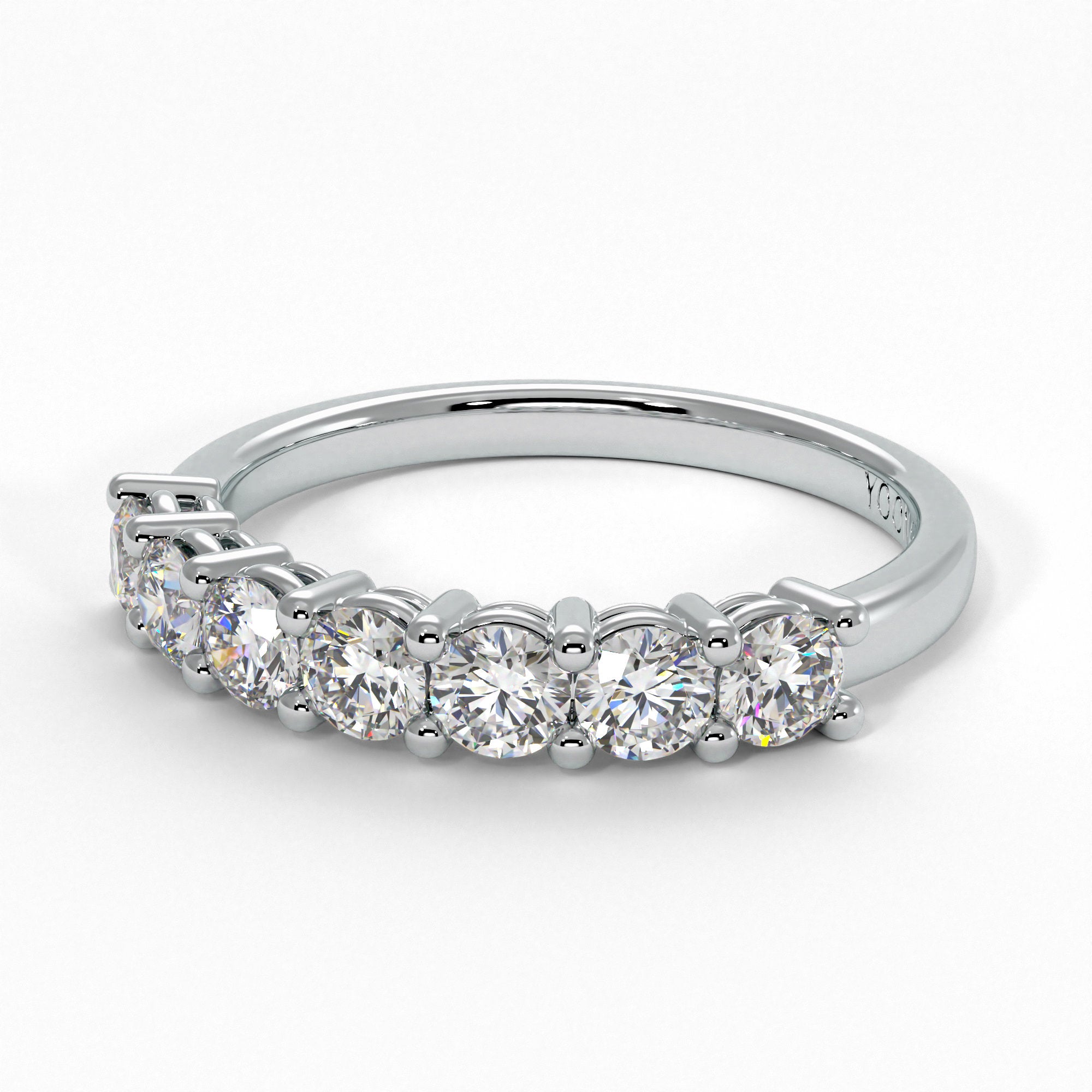
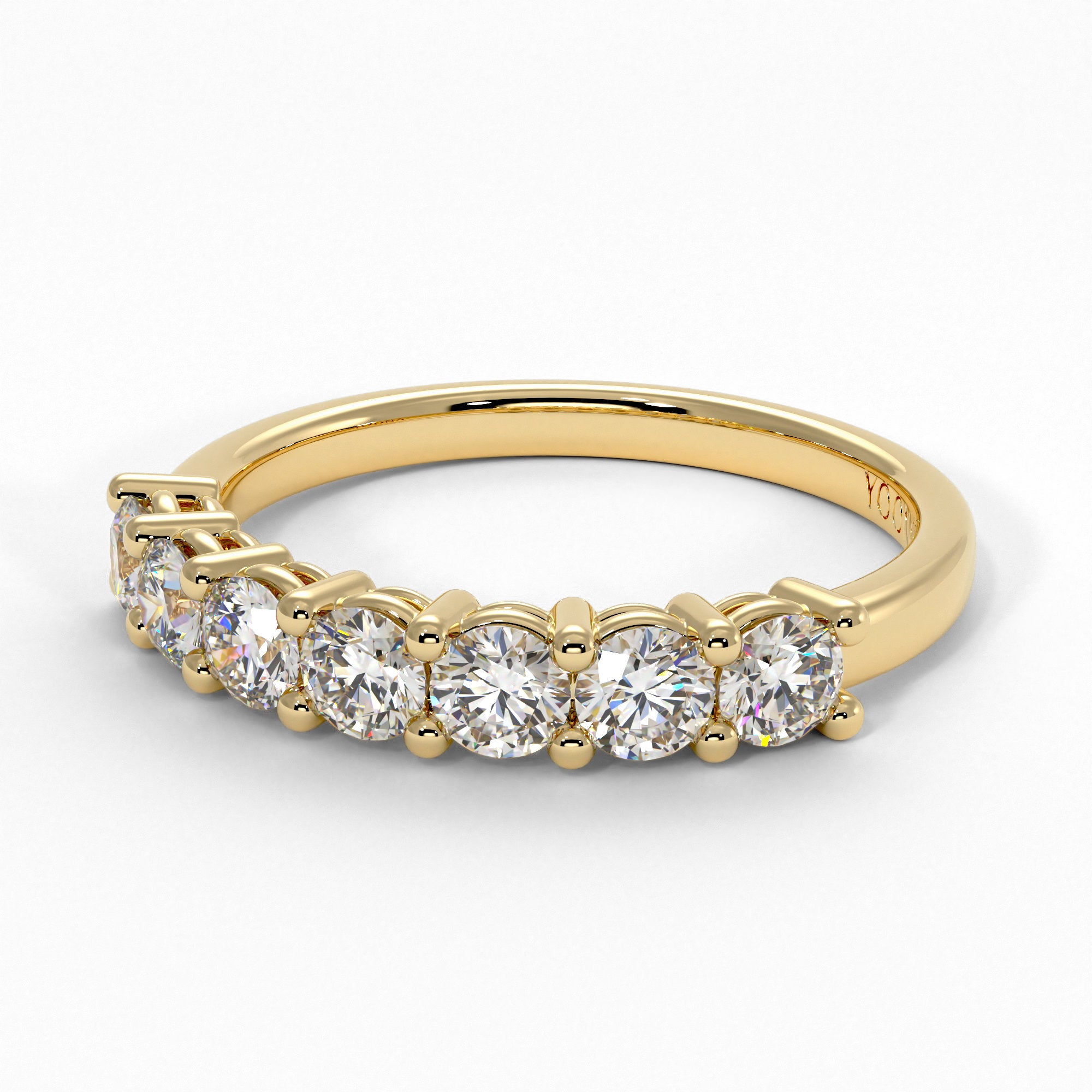
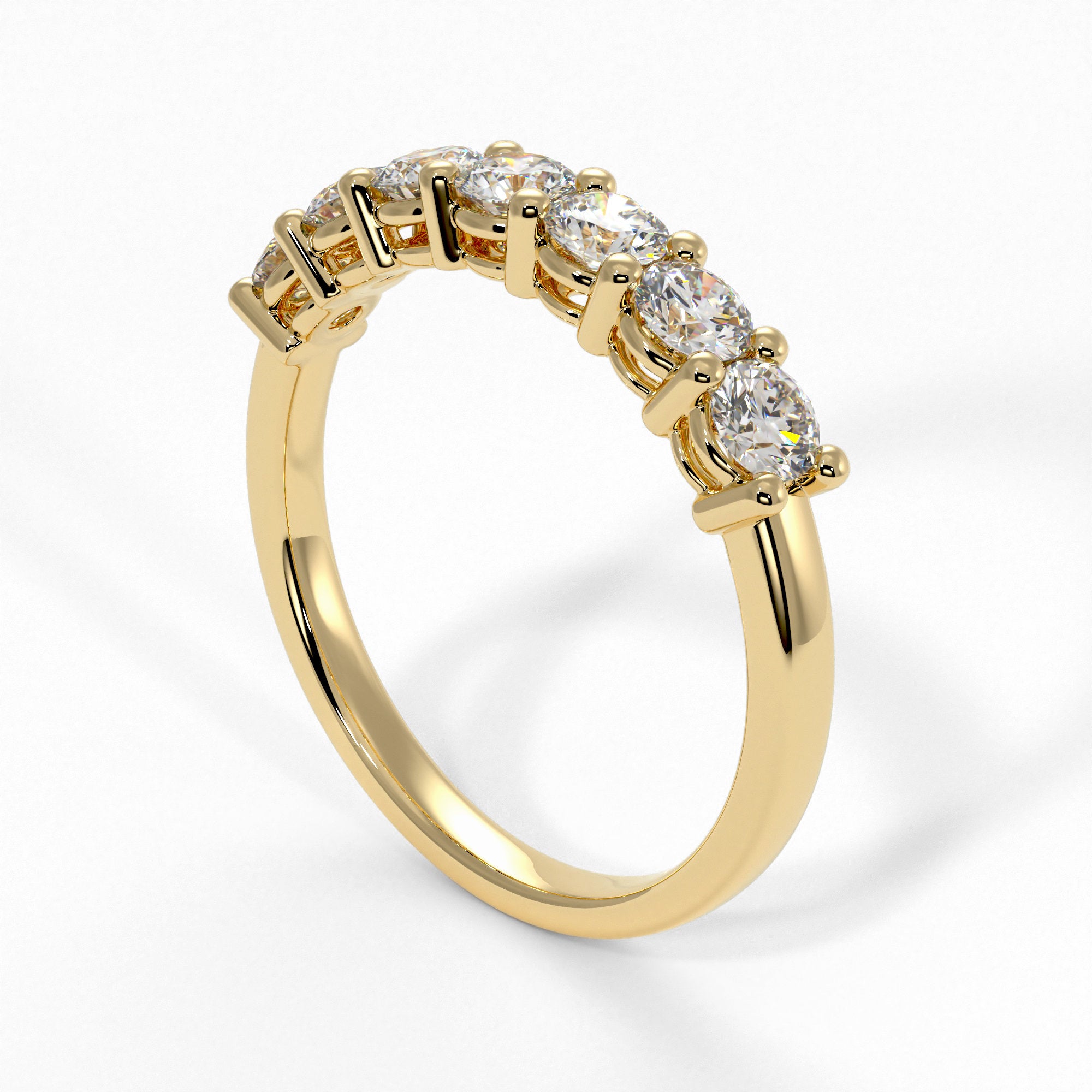
Prong Setting: The Classic Choice
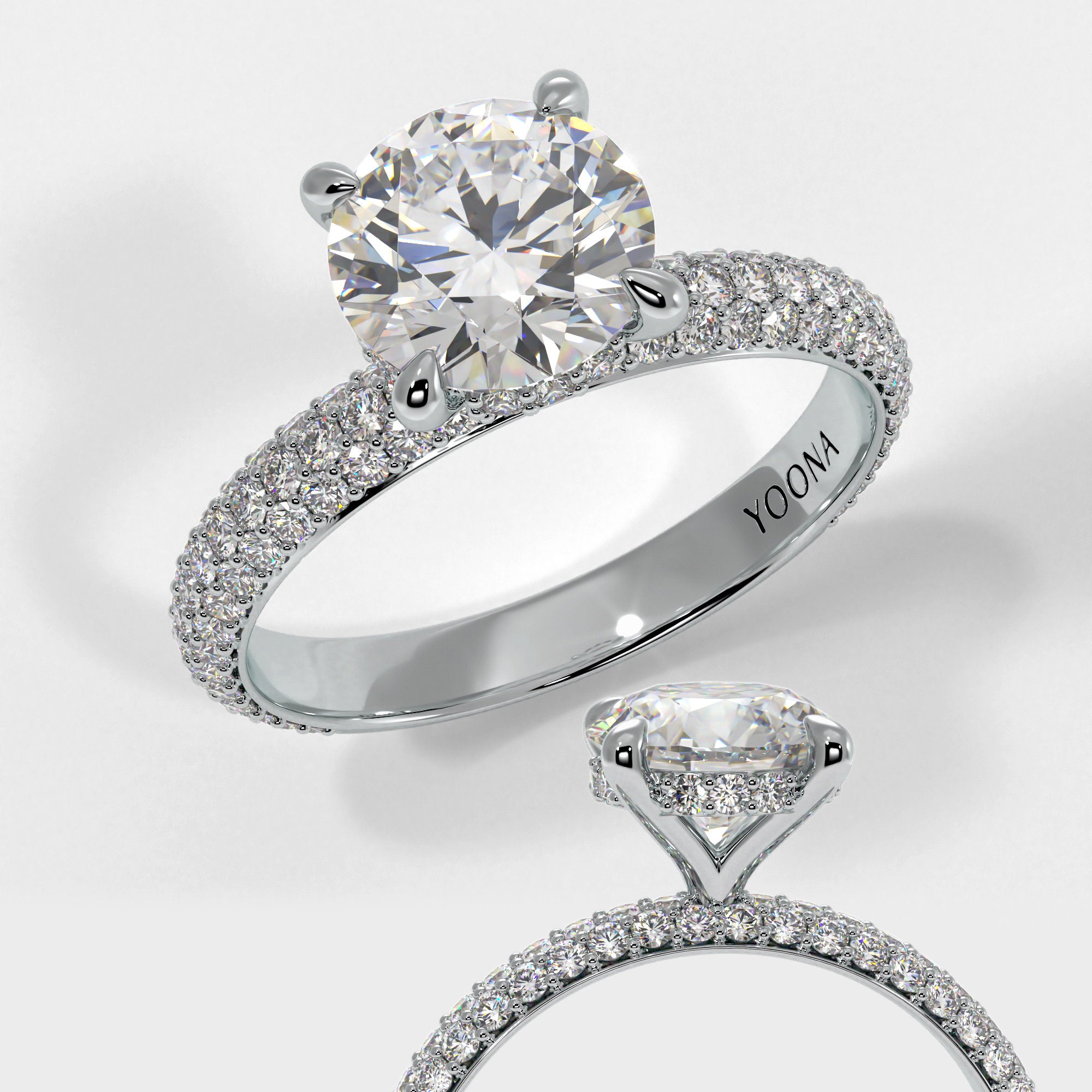
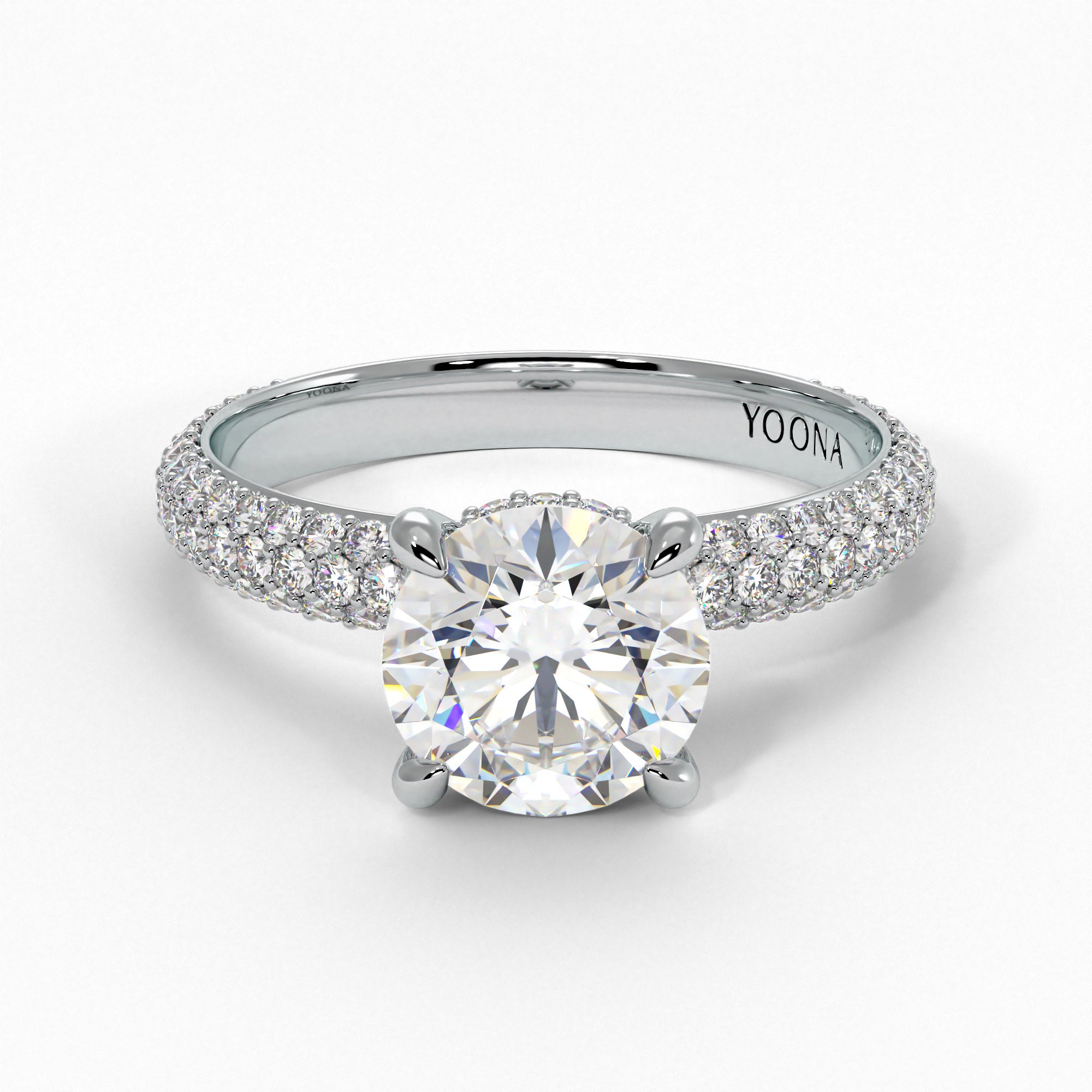
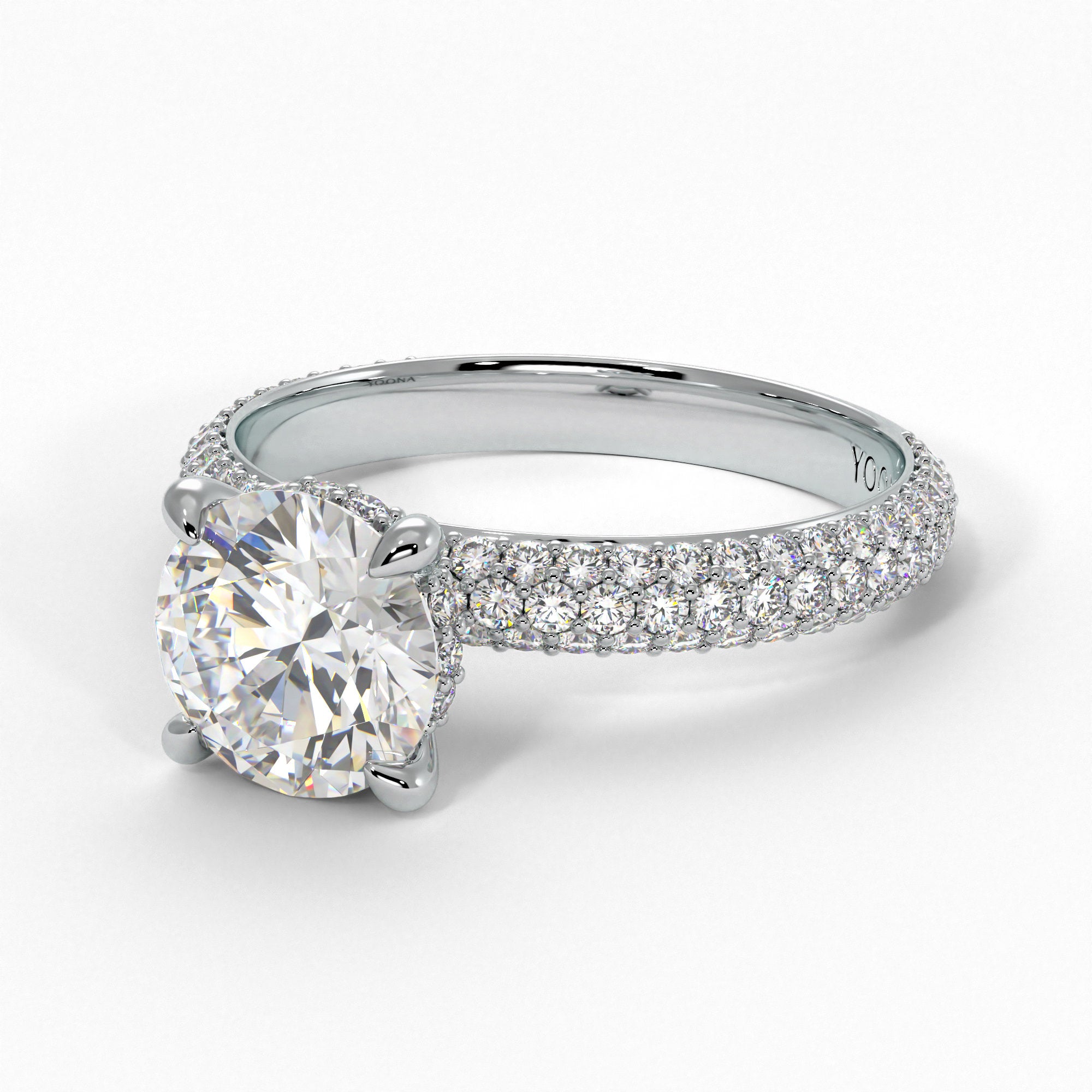
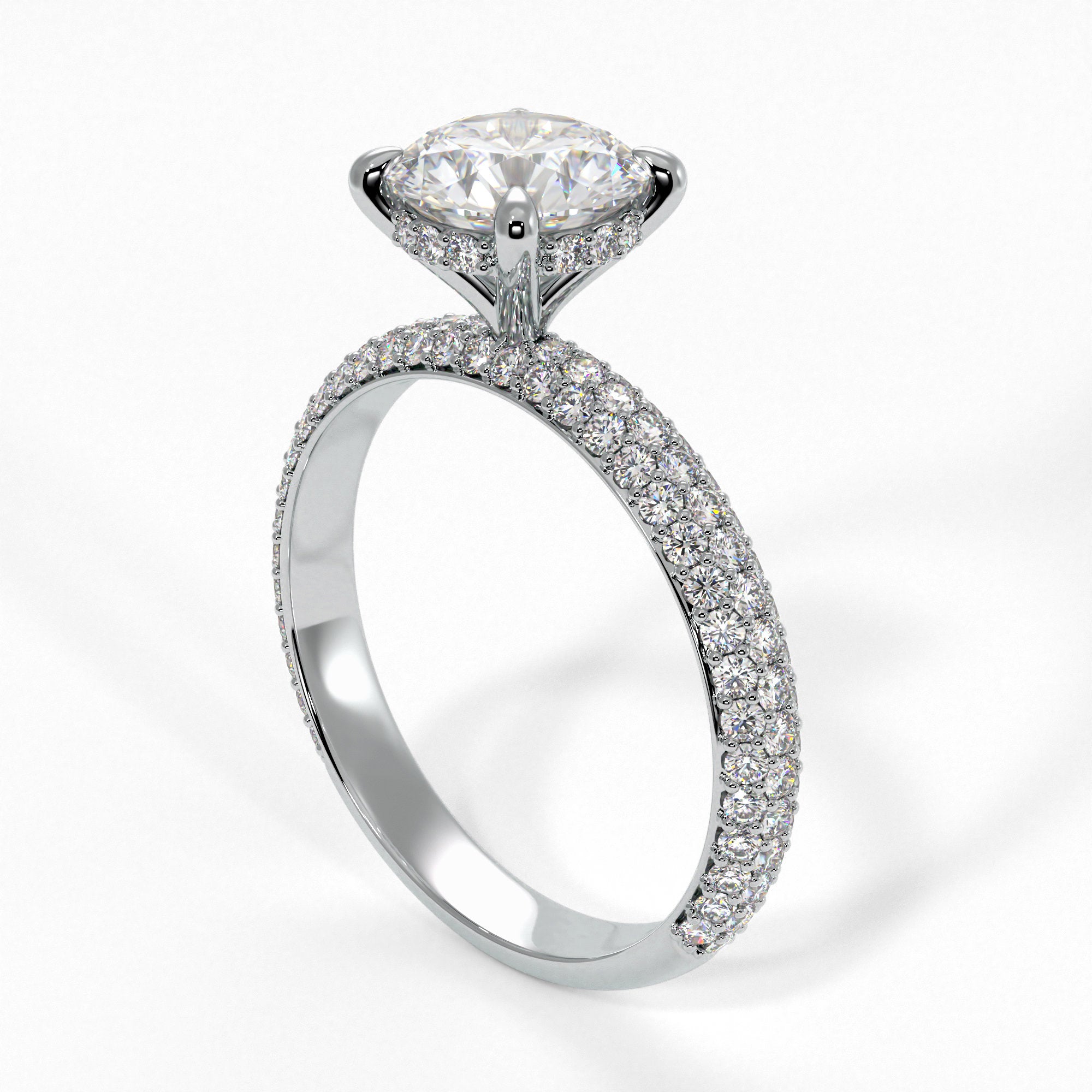
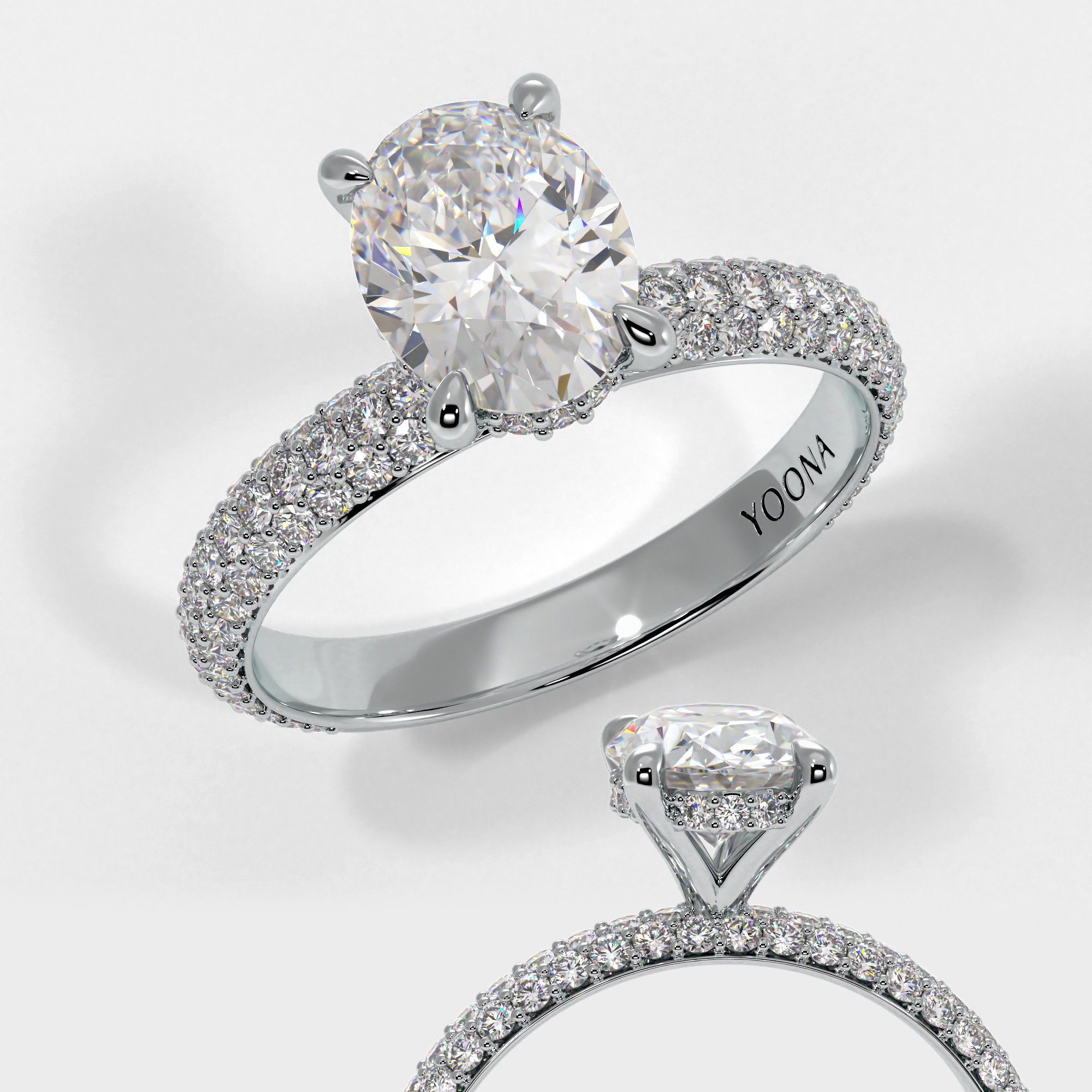
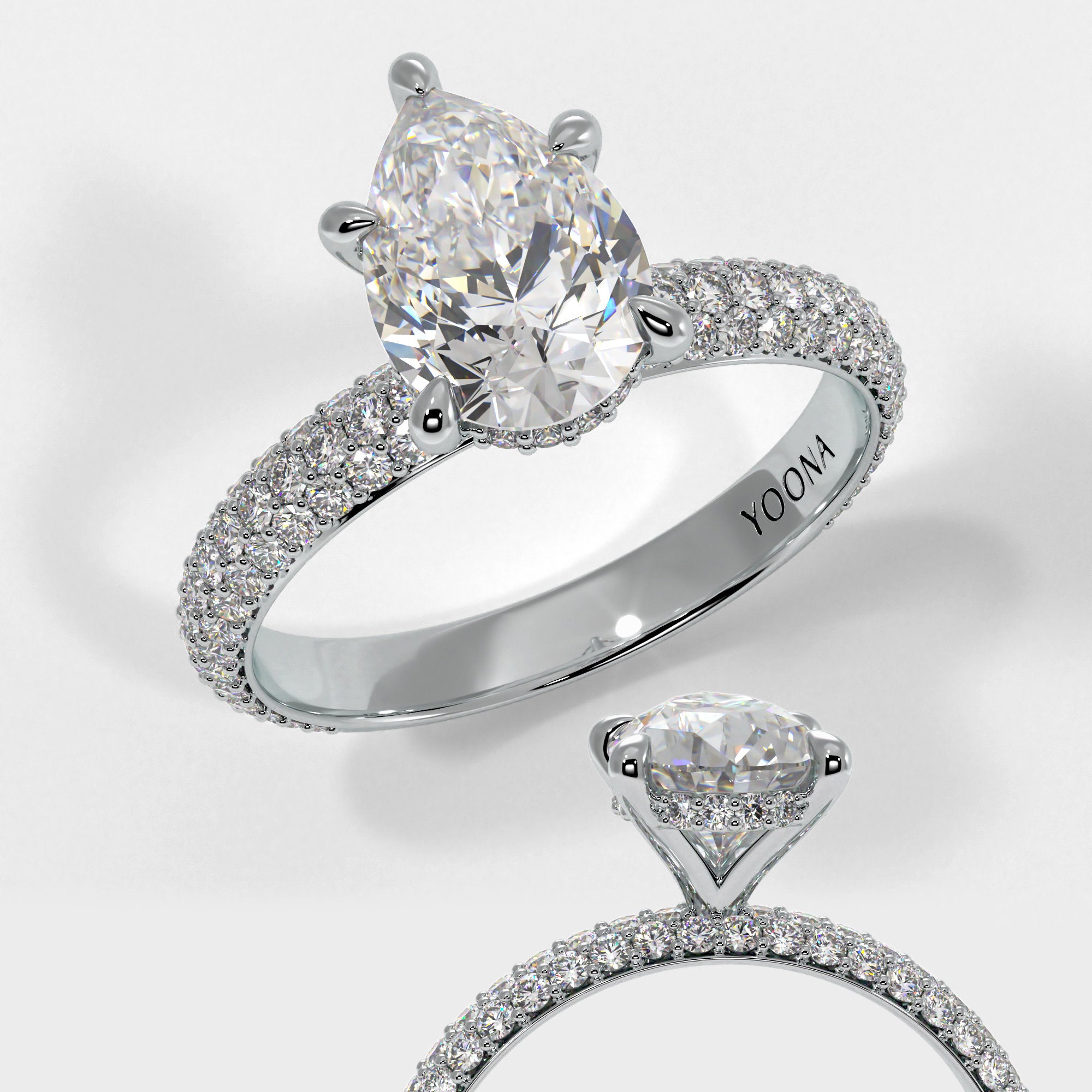
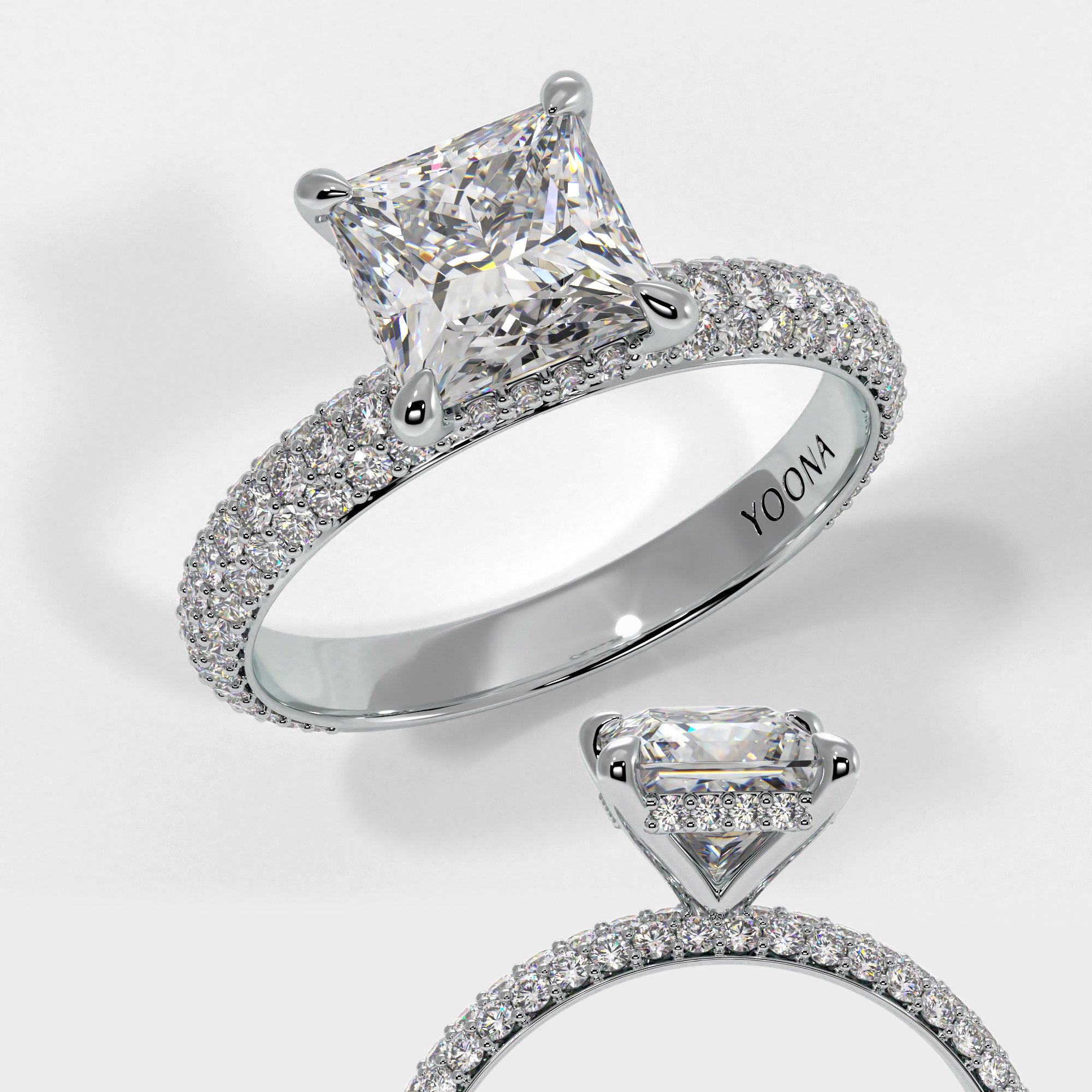
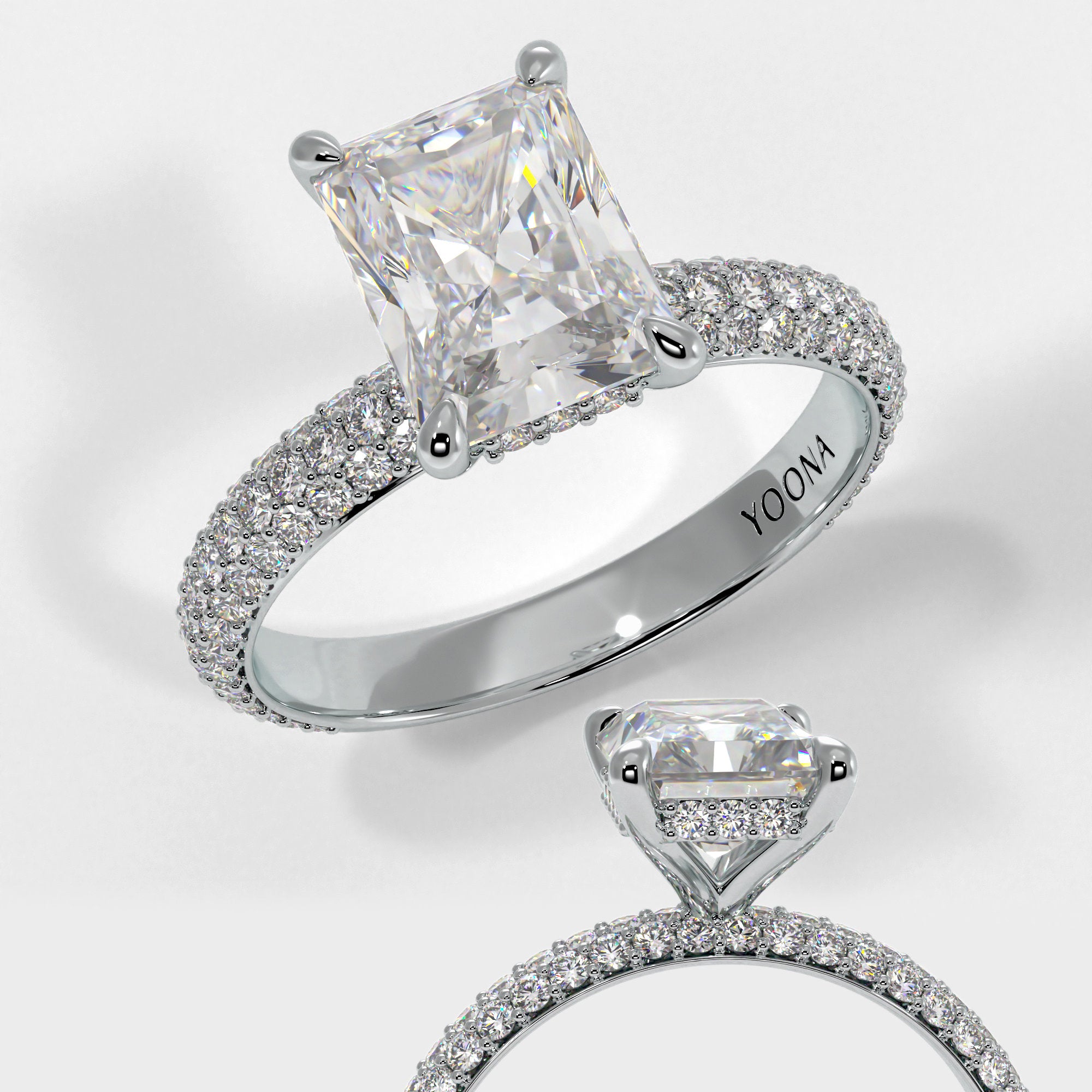
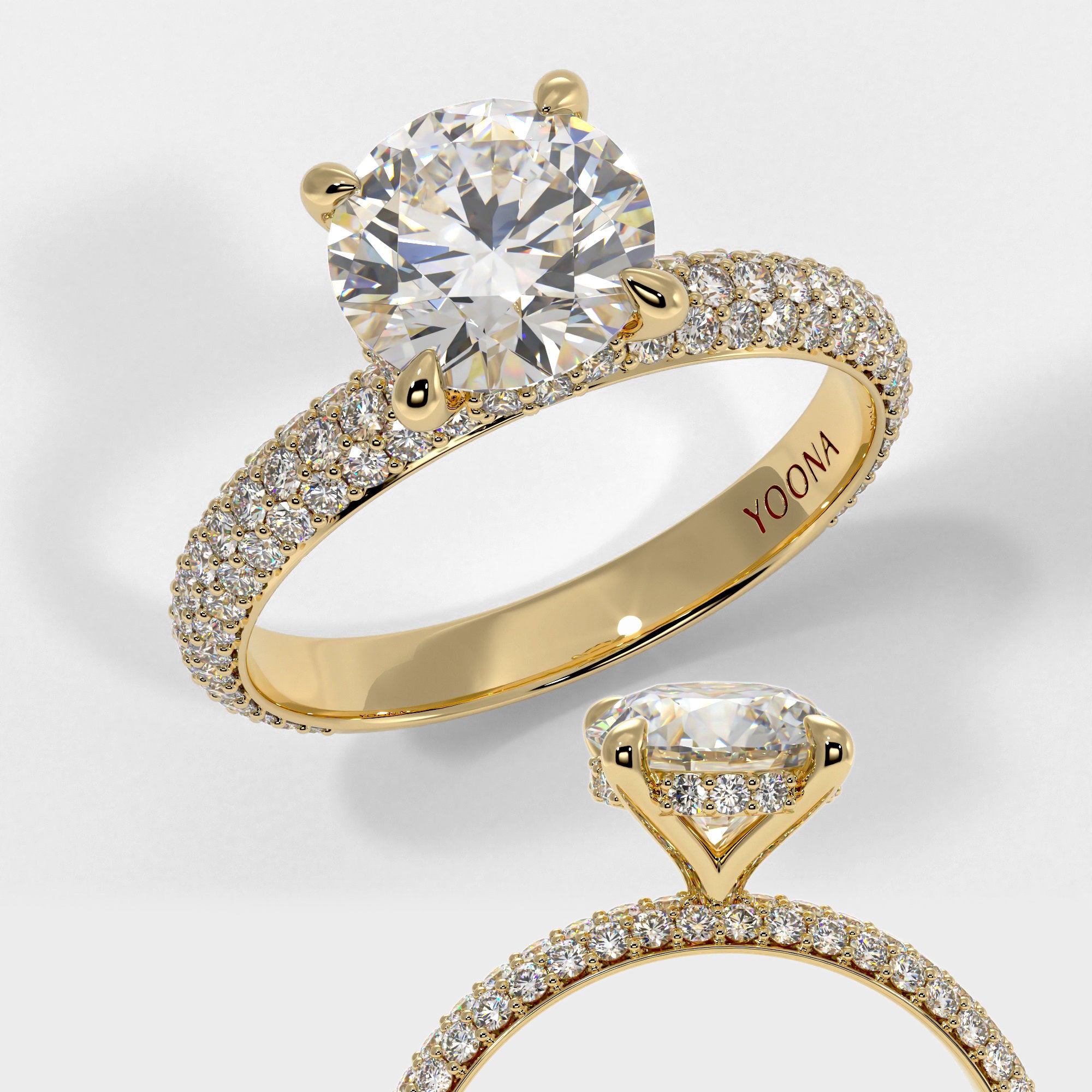
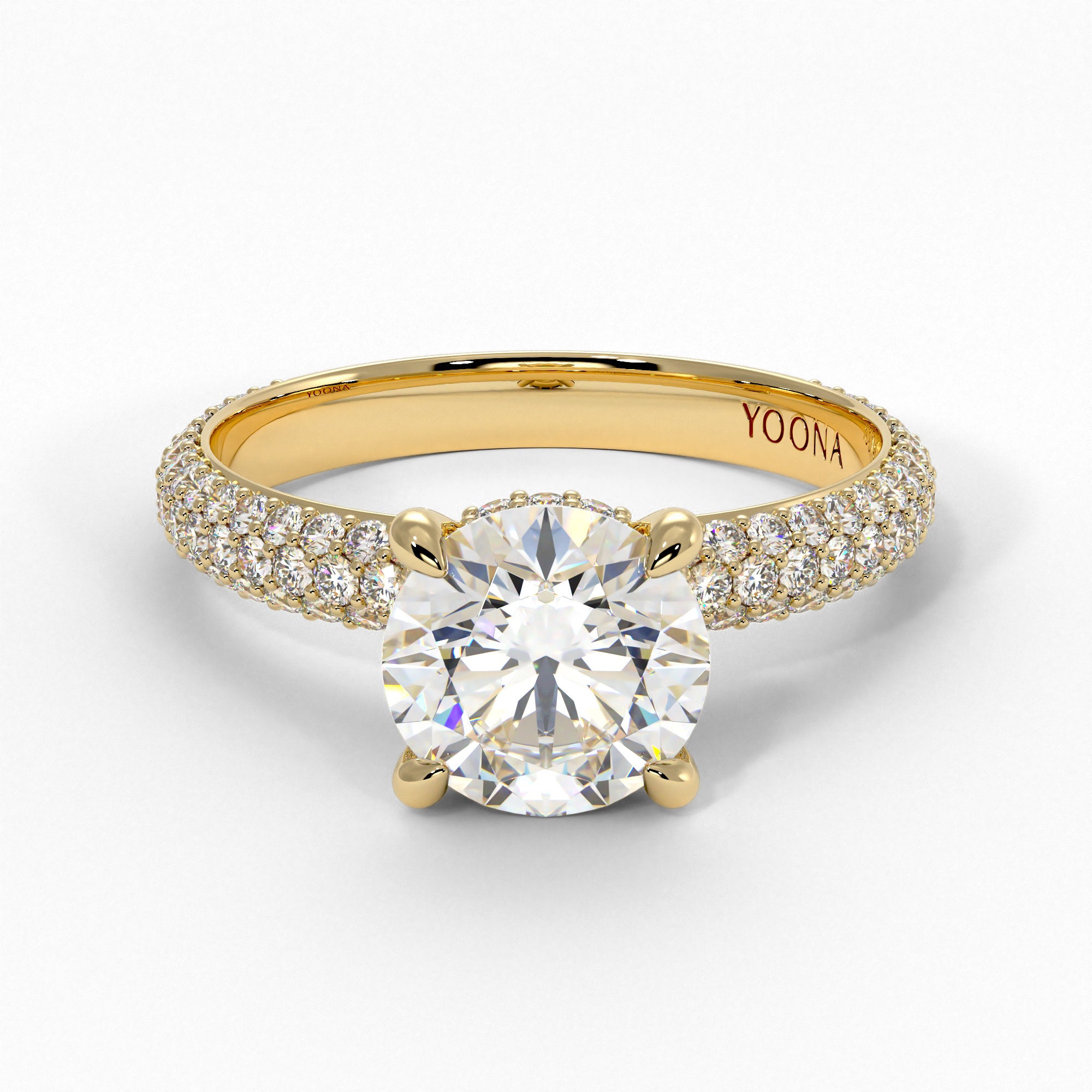
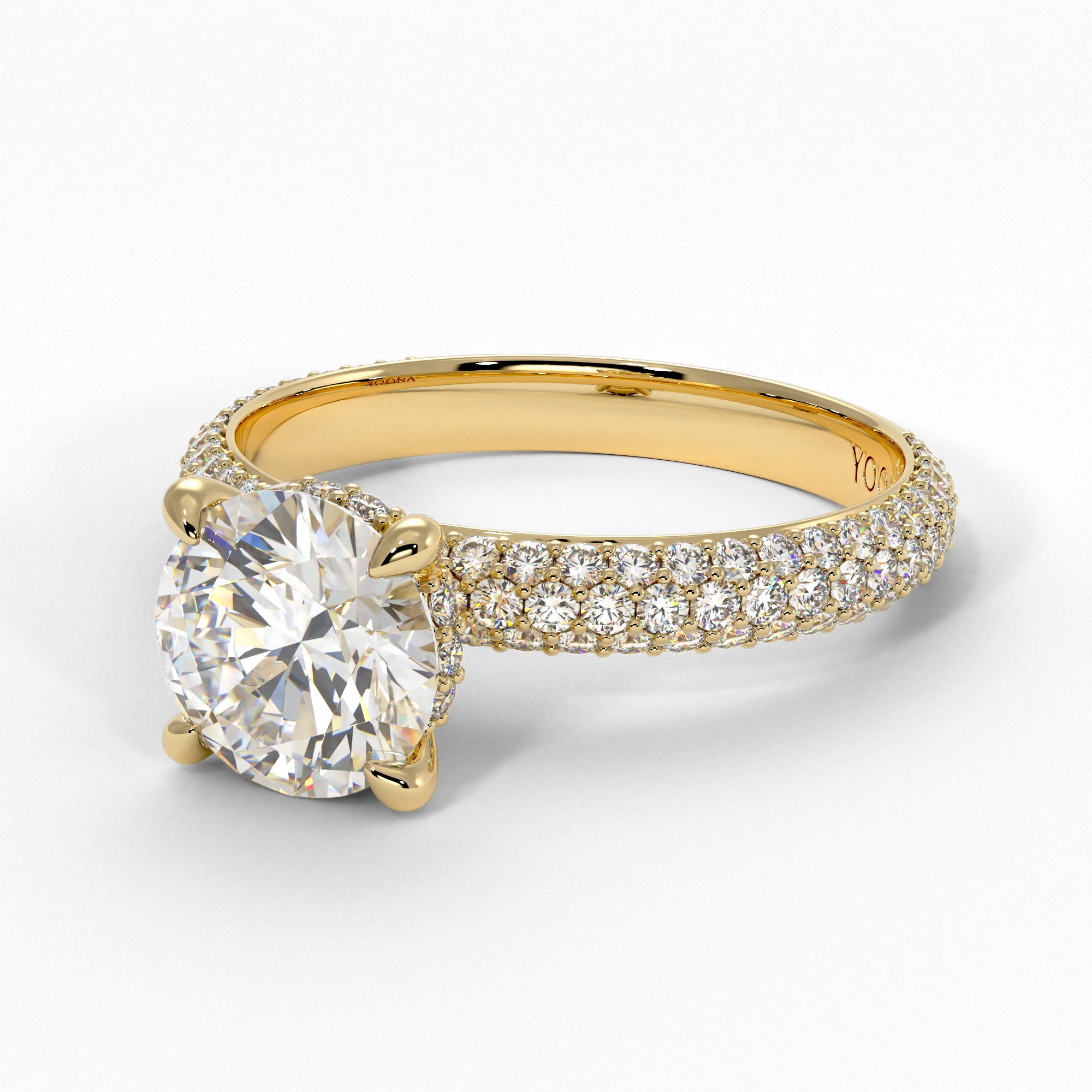
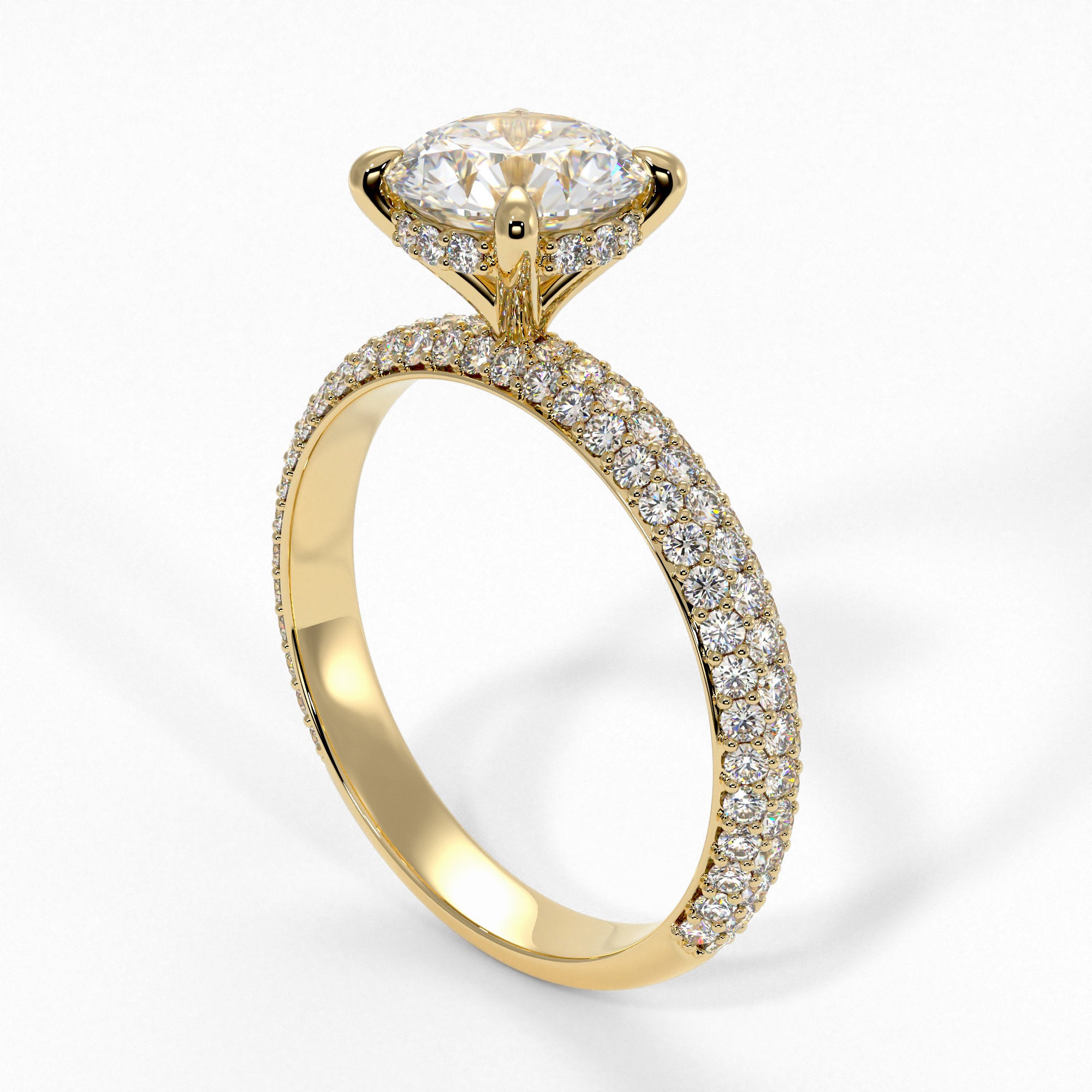
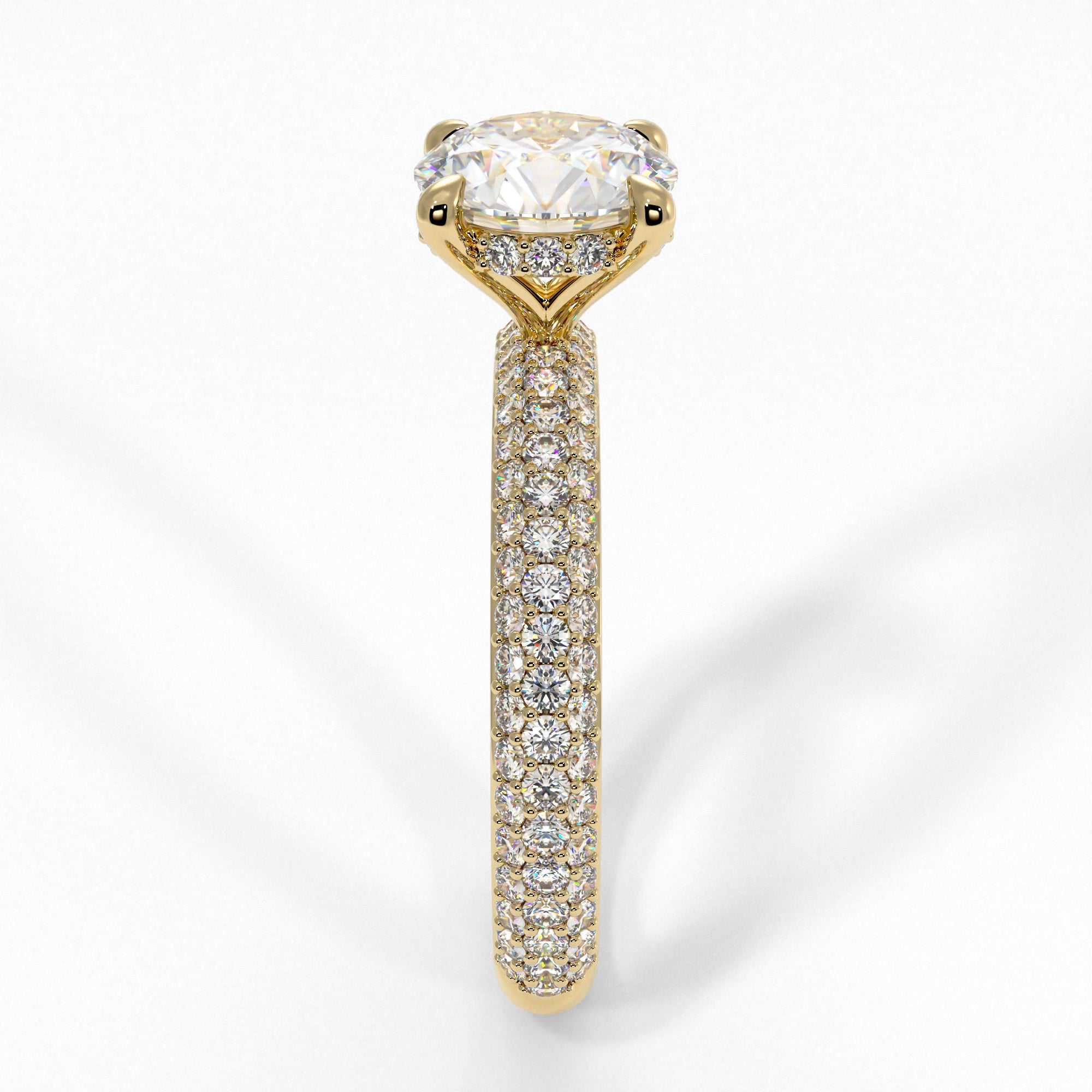
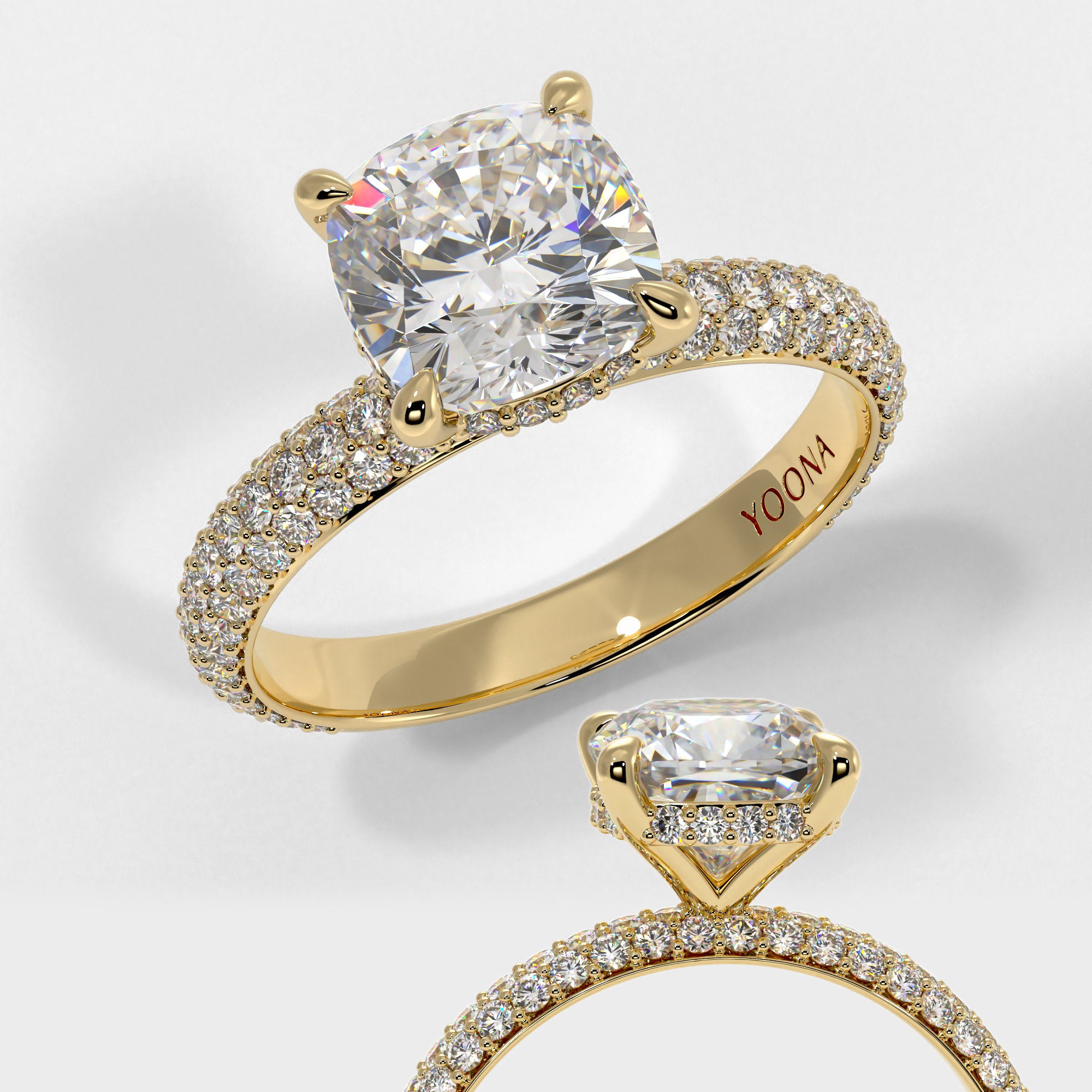
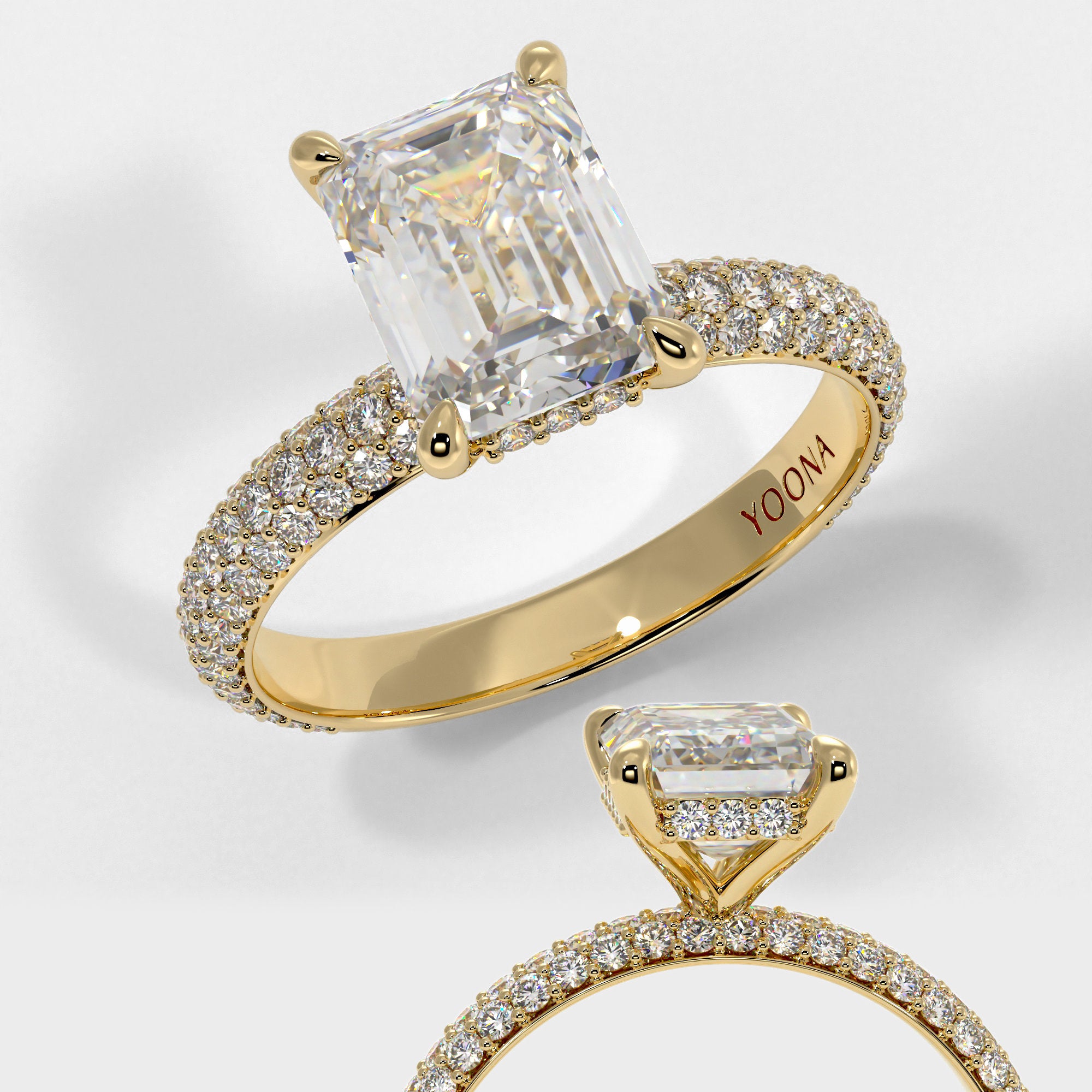
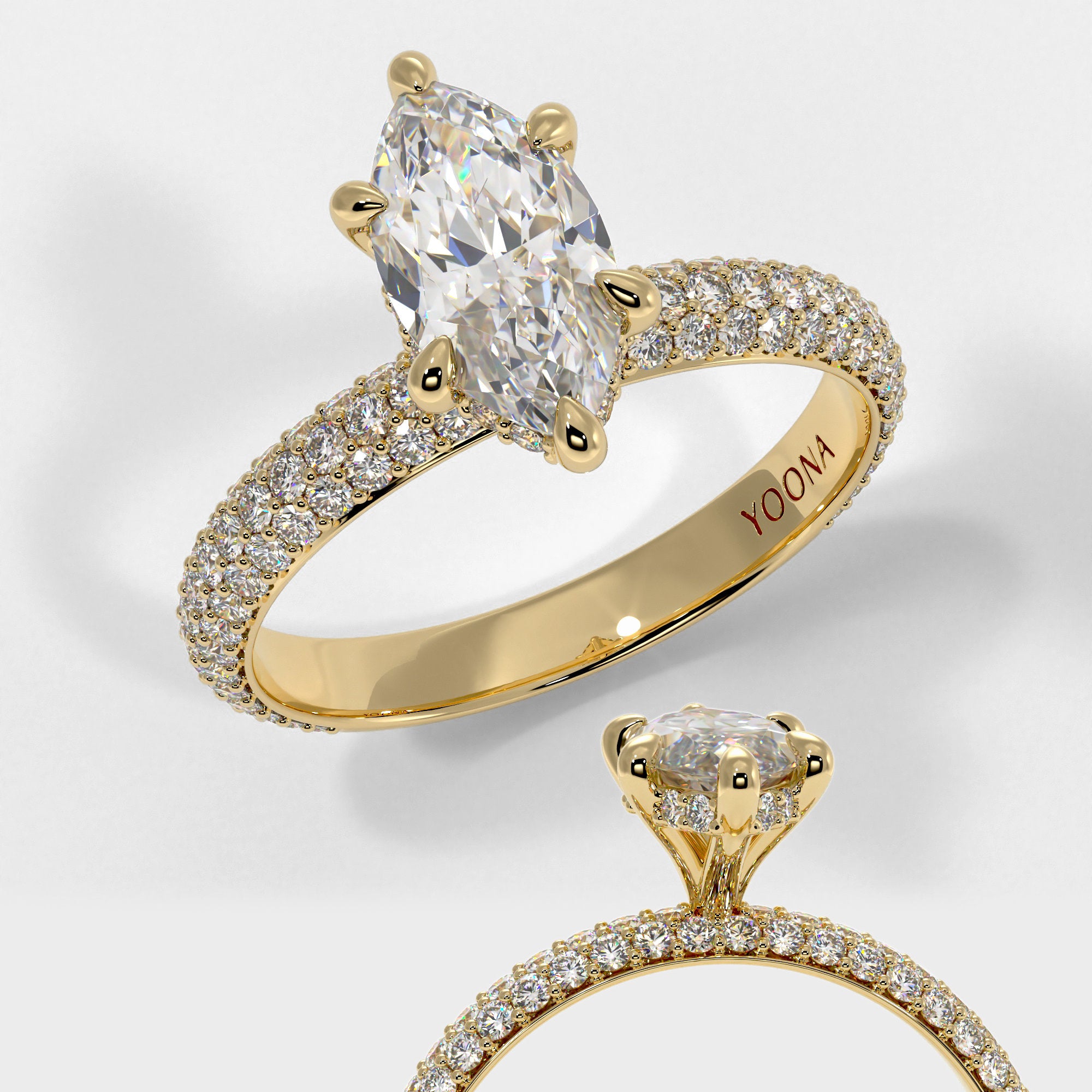
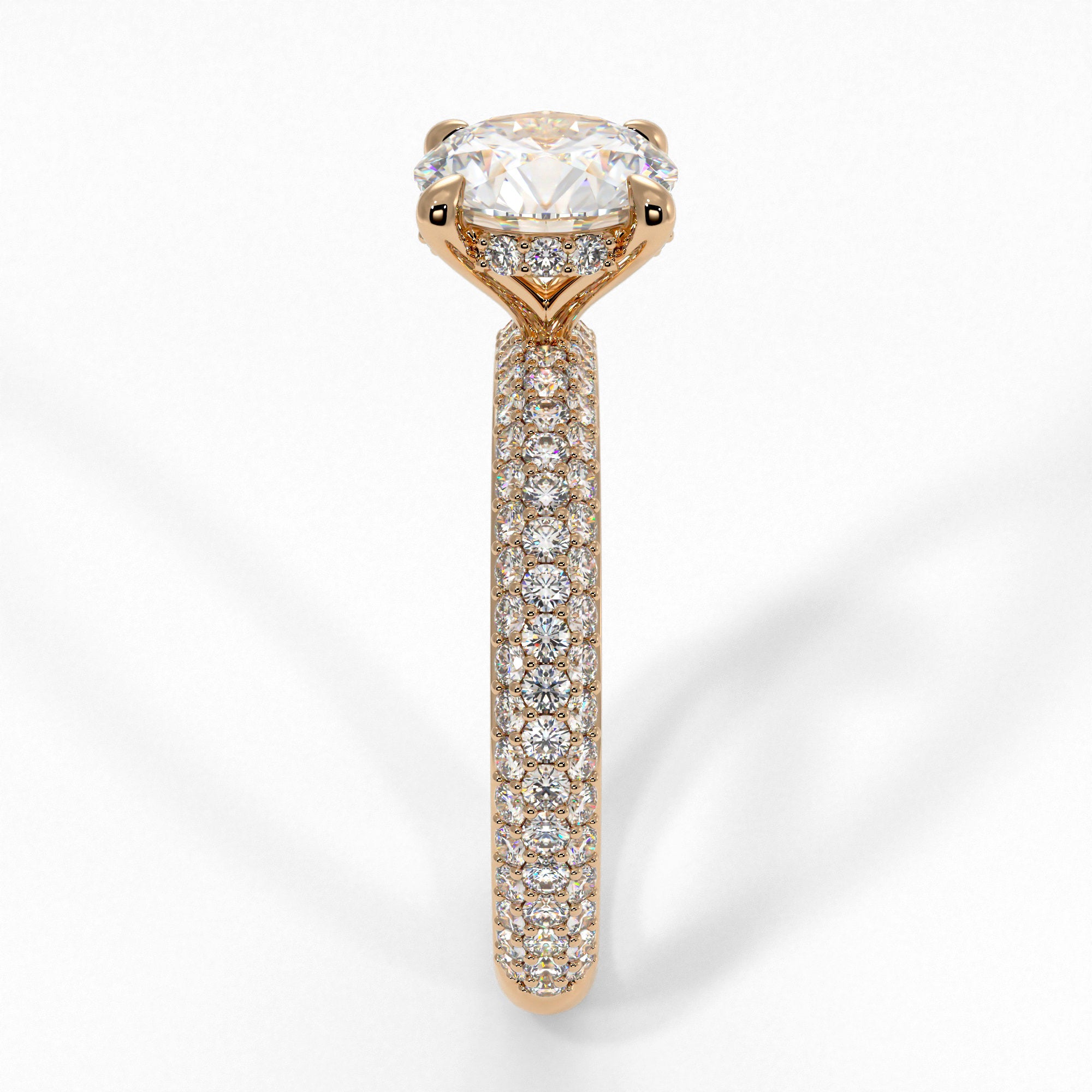
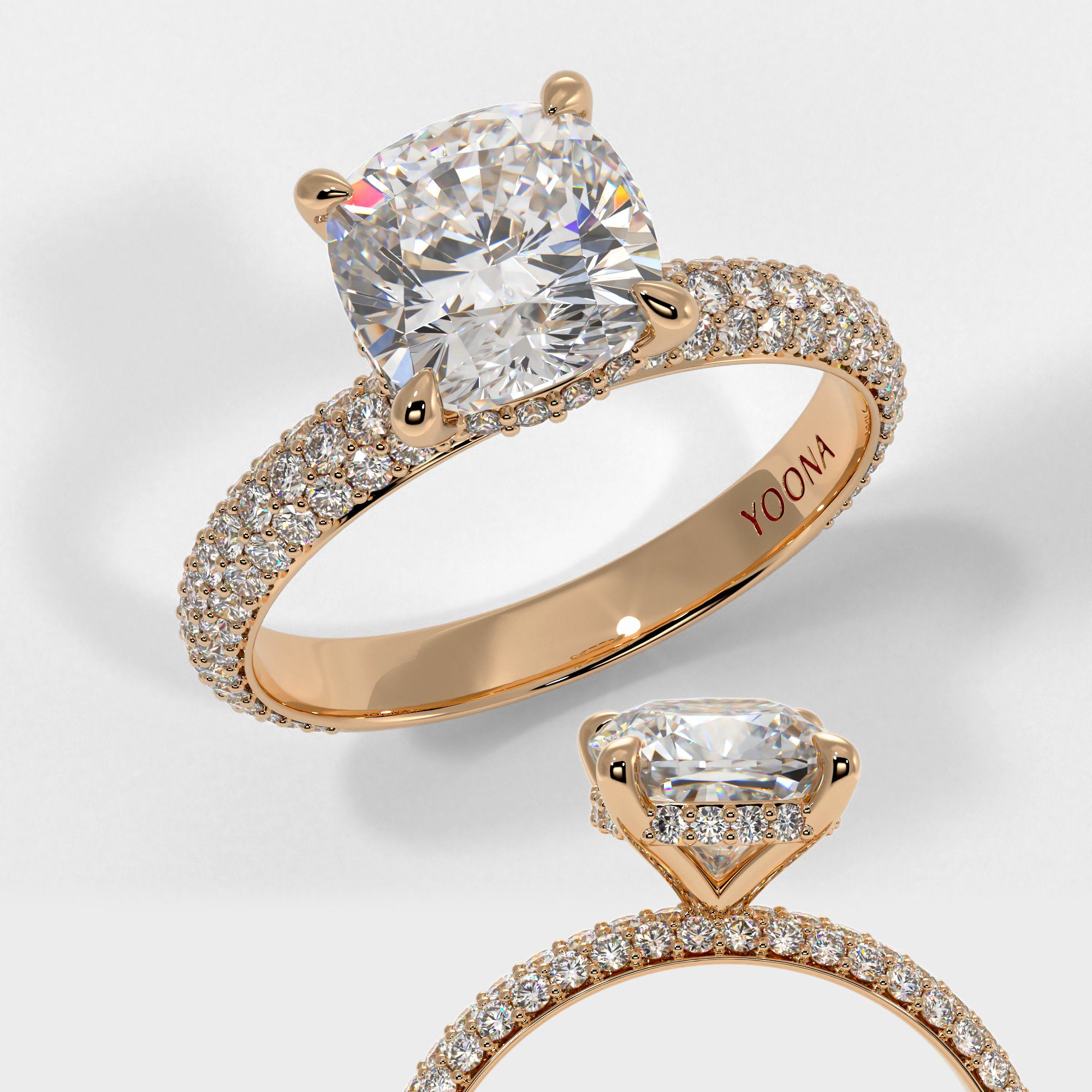
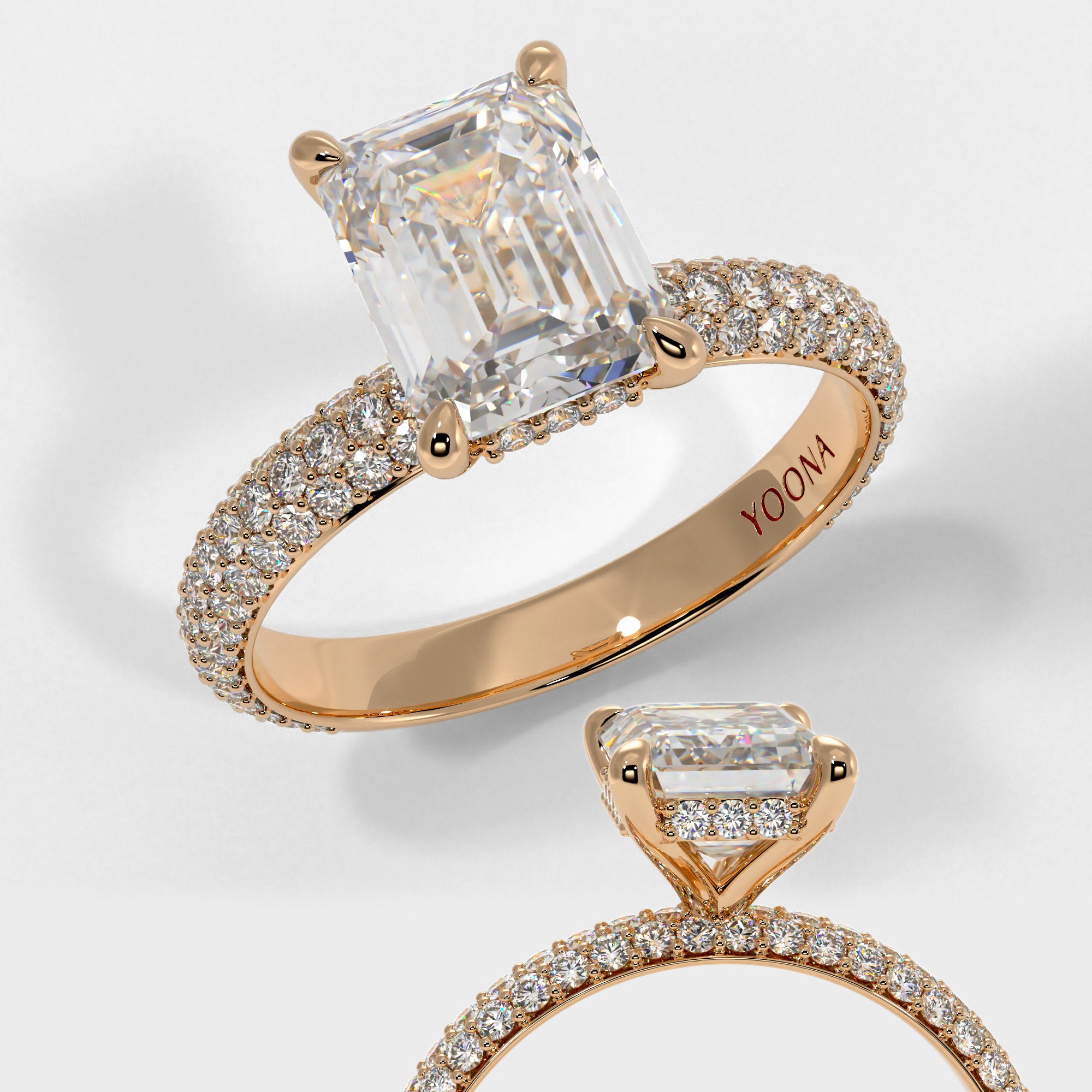
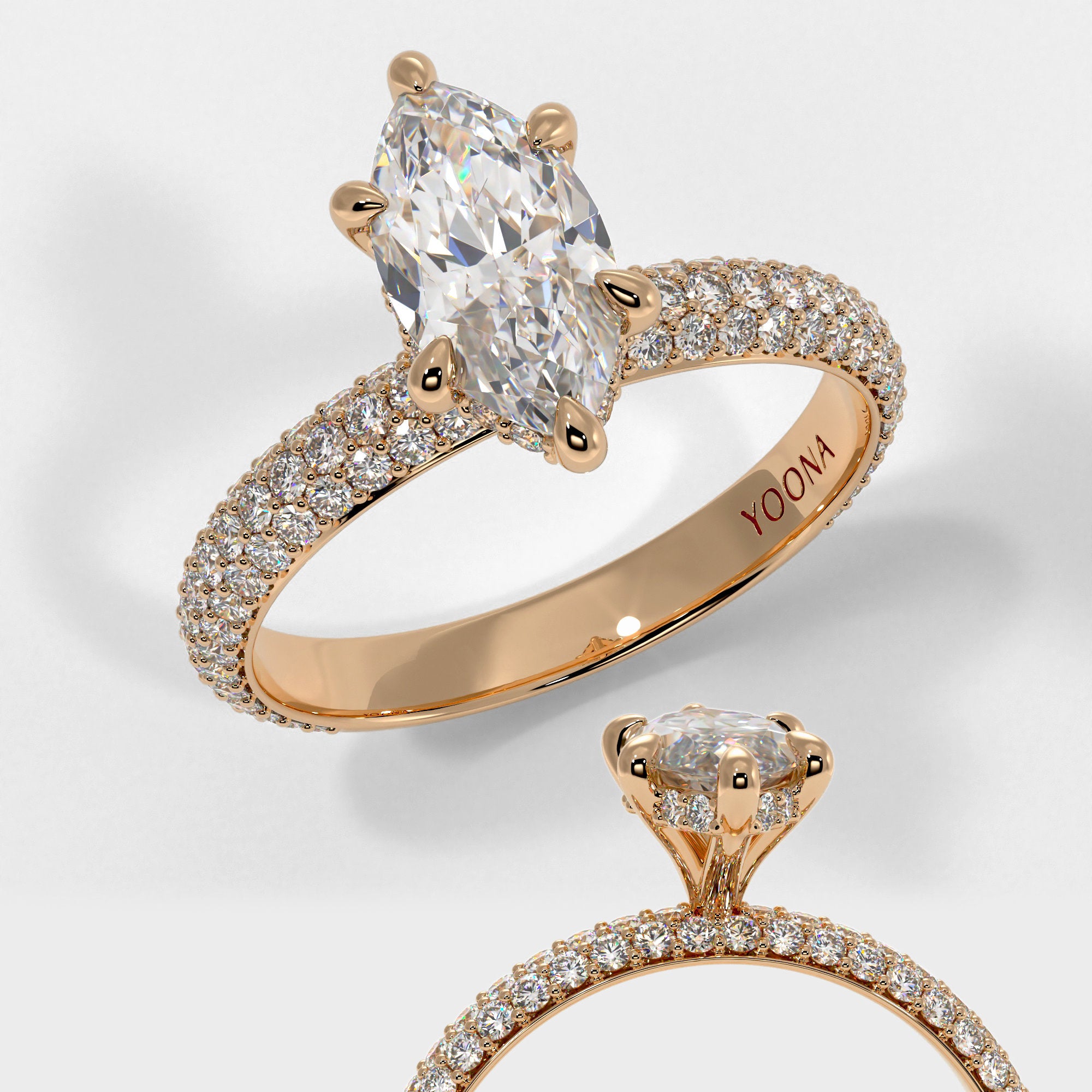
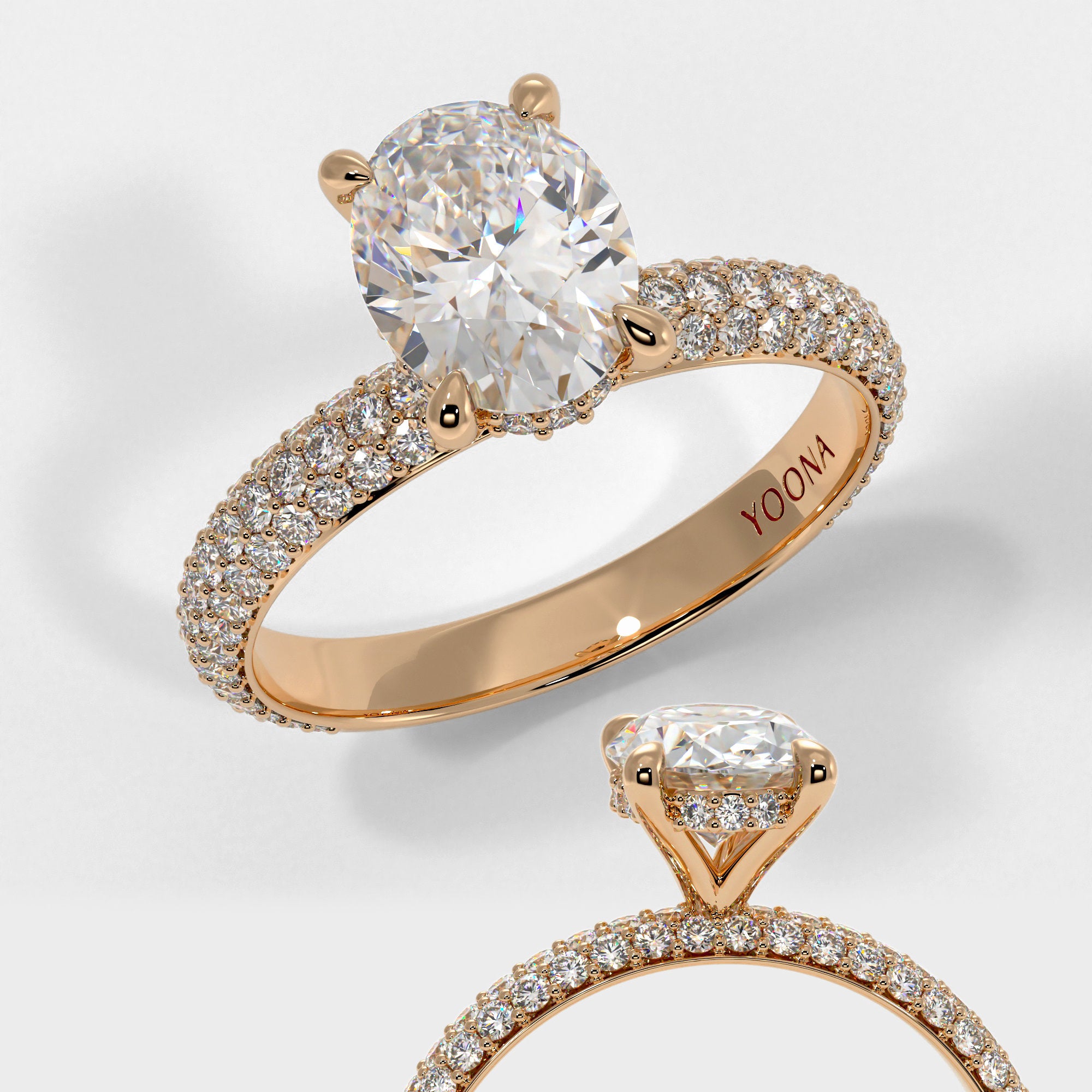
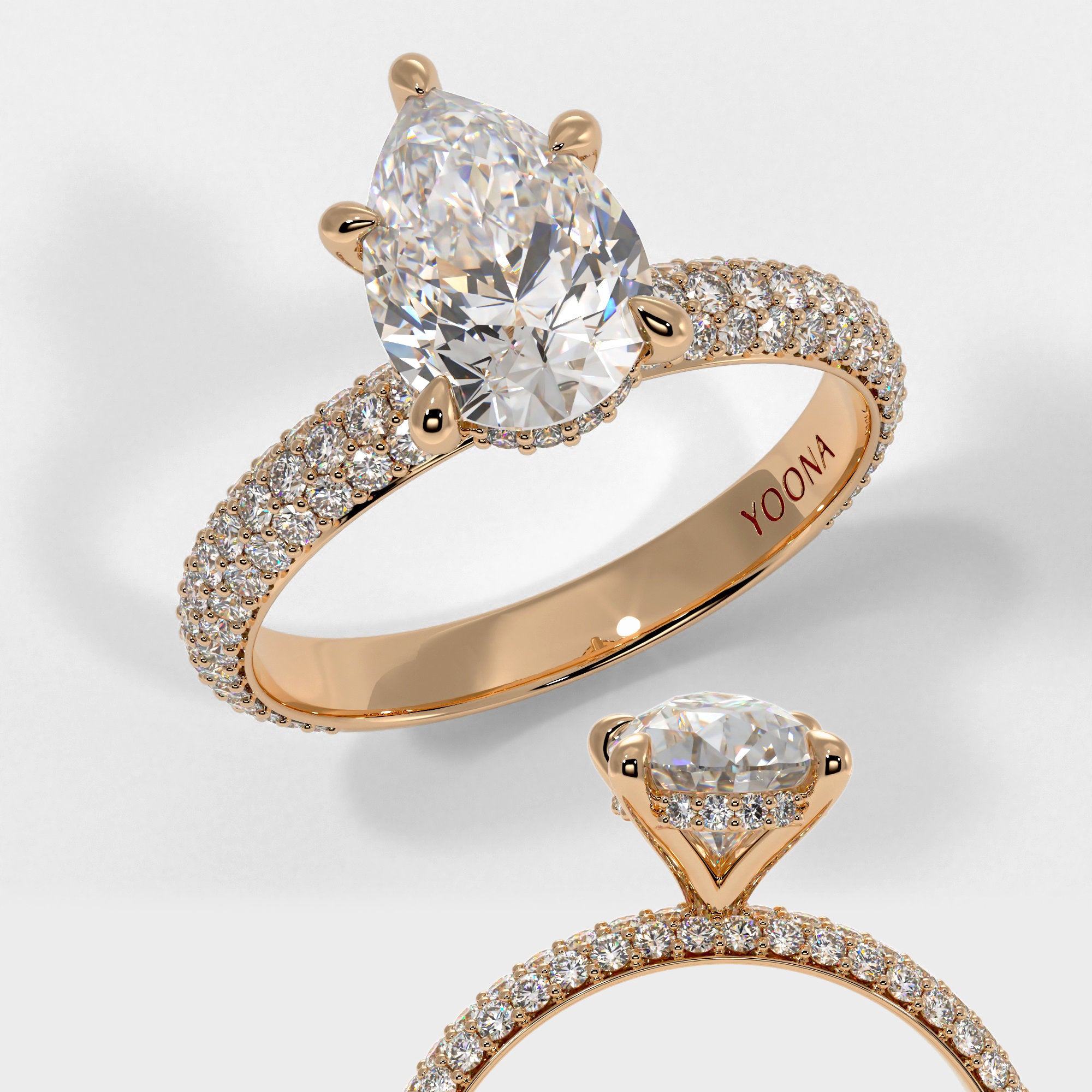
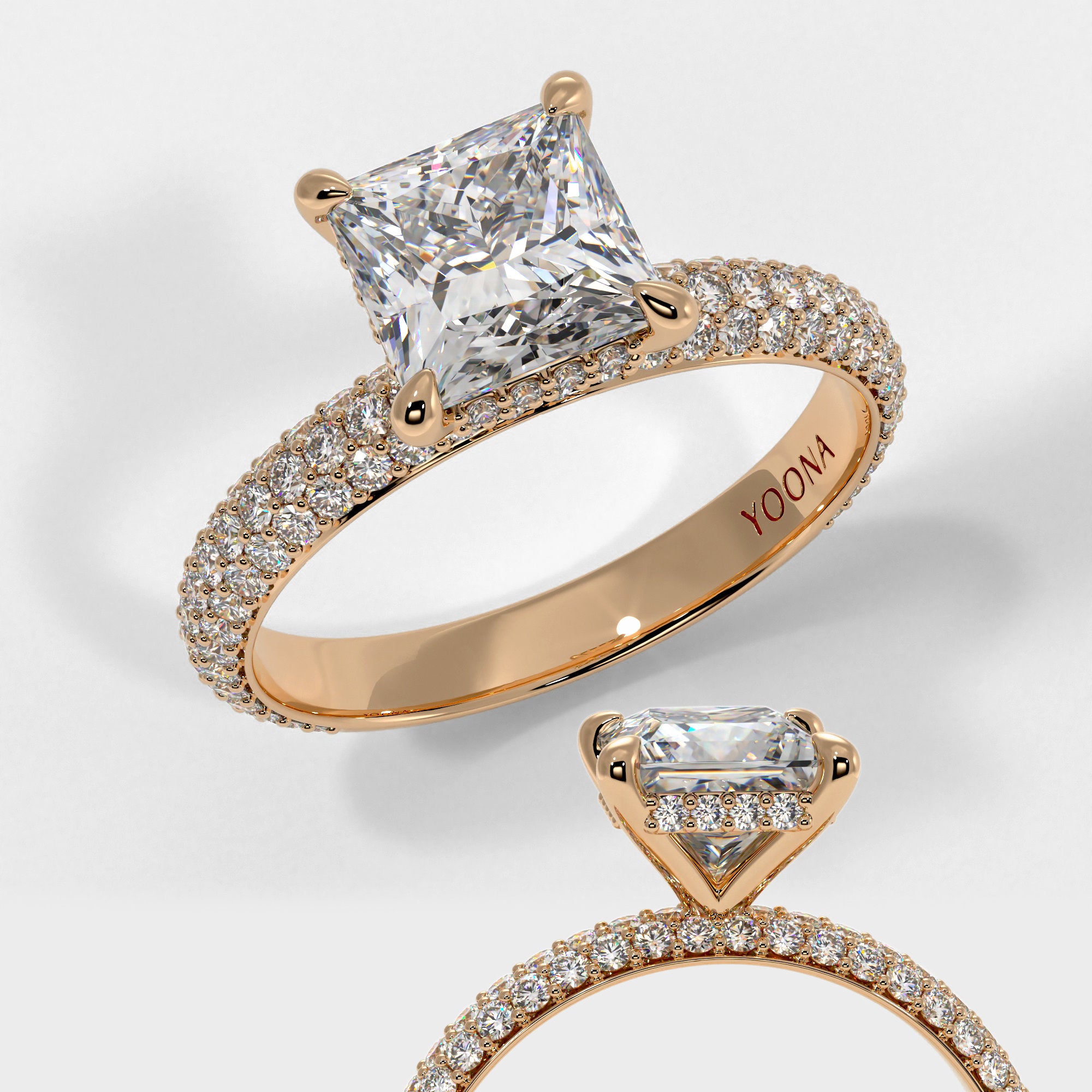
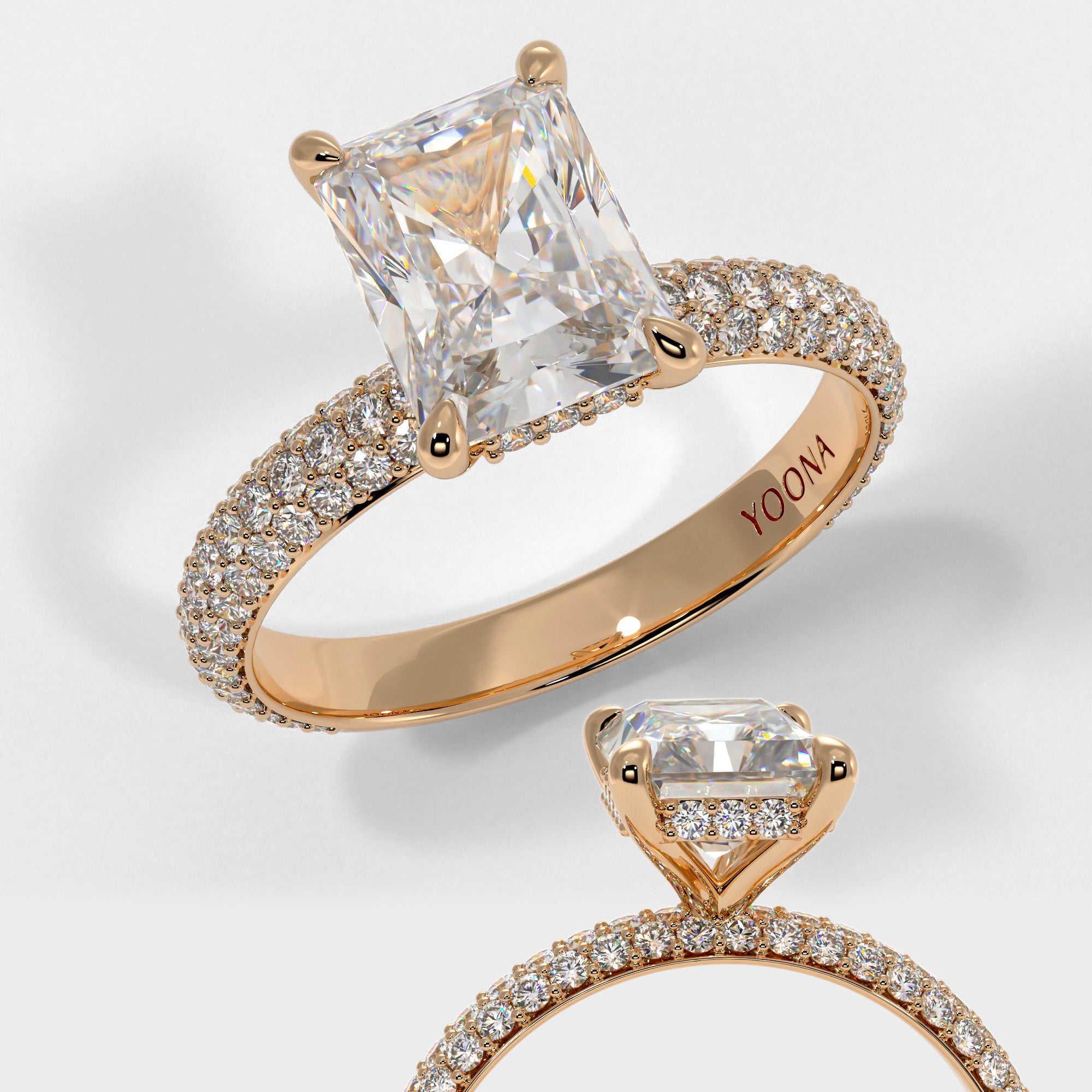
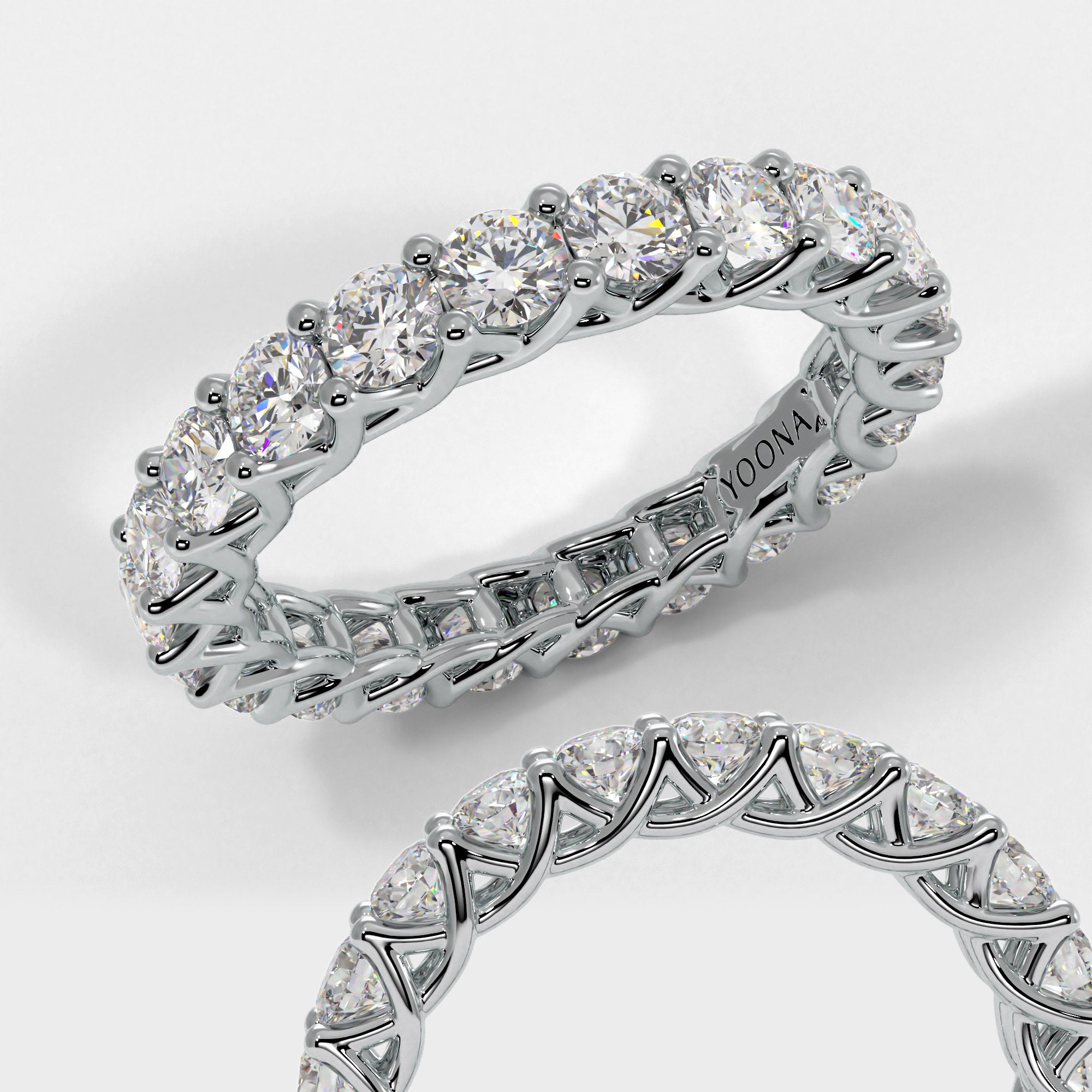
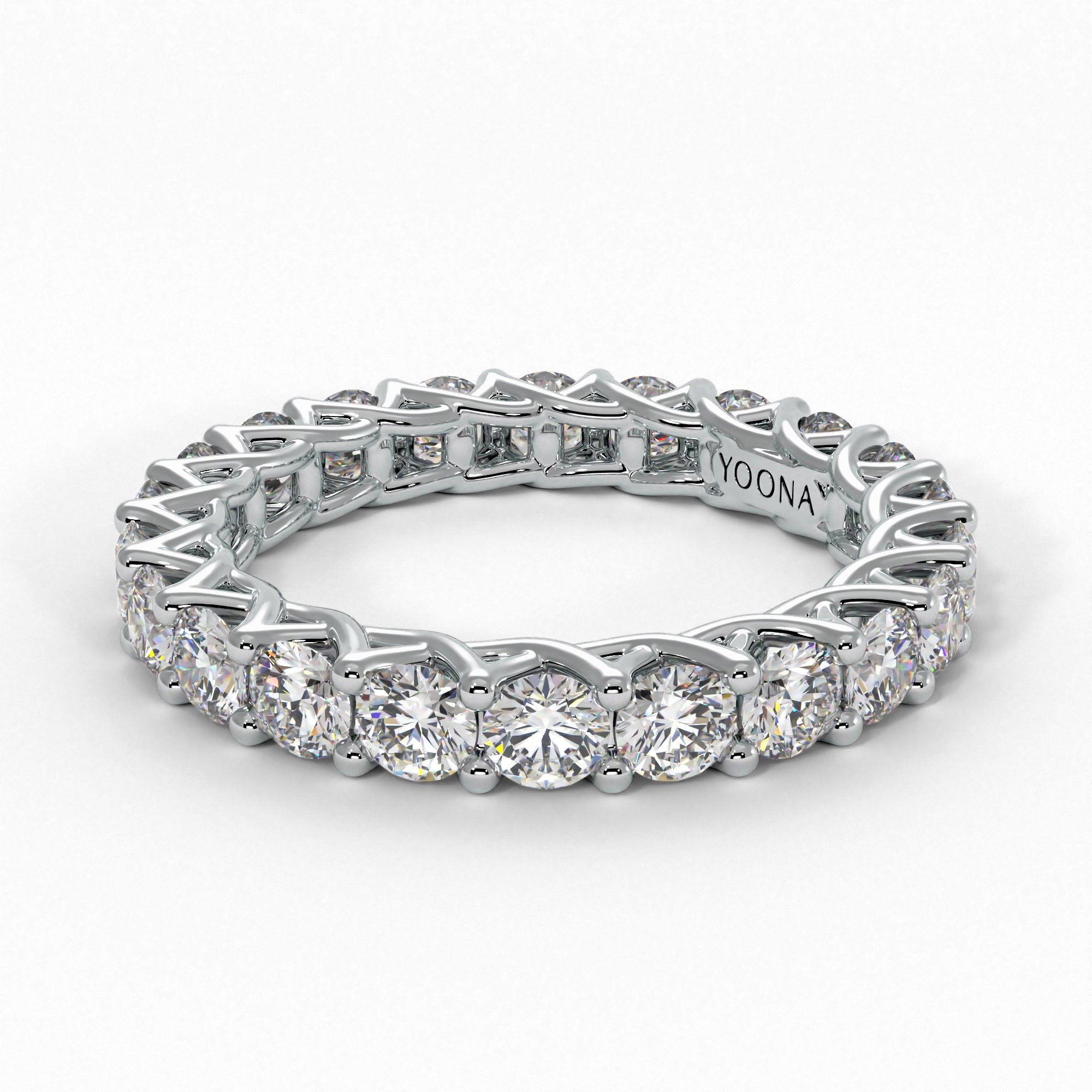
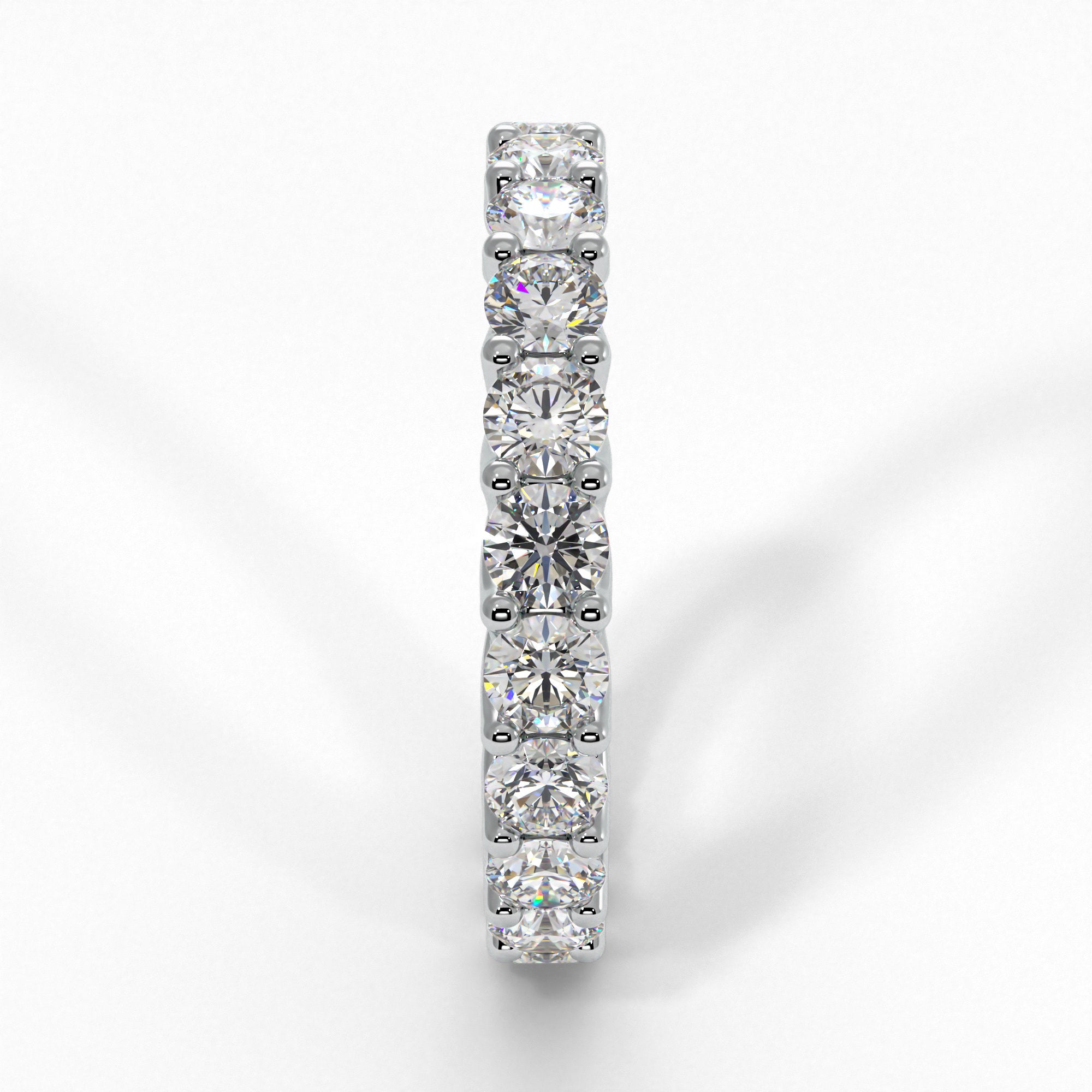
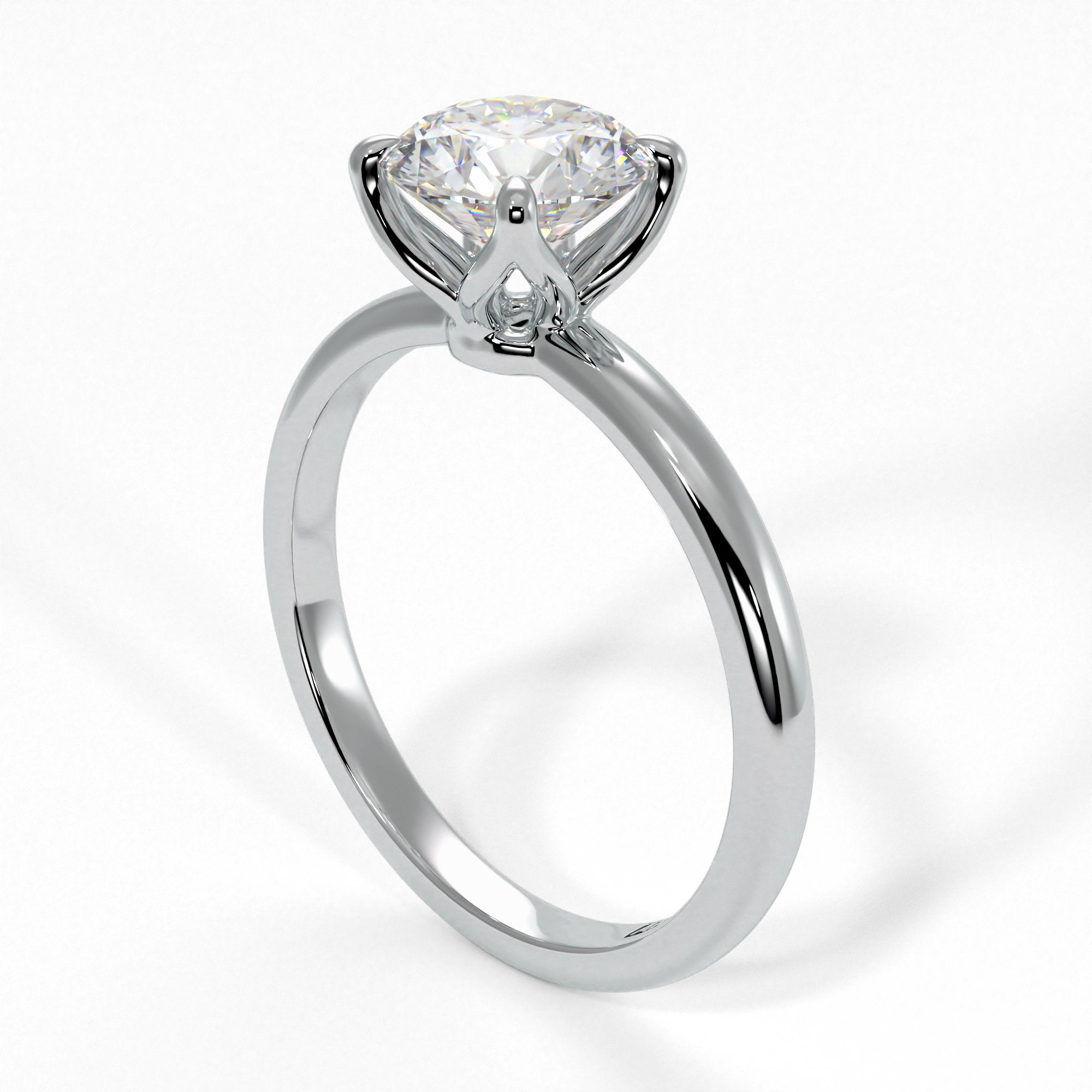
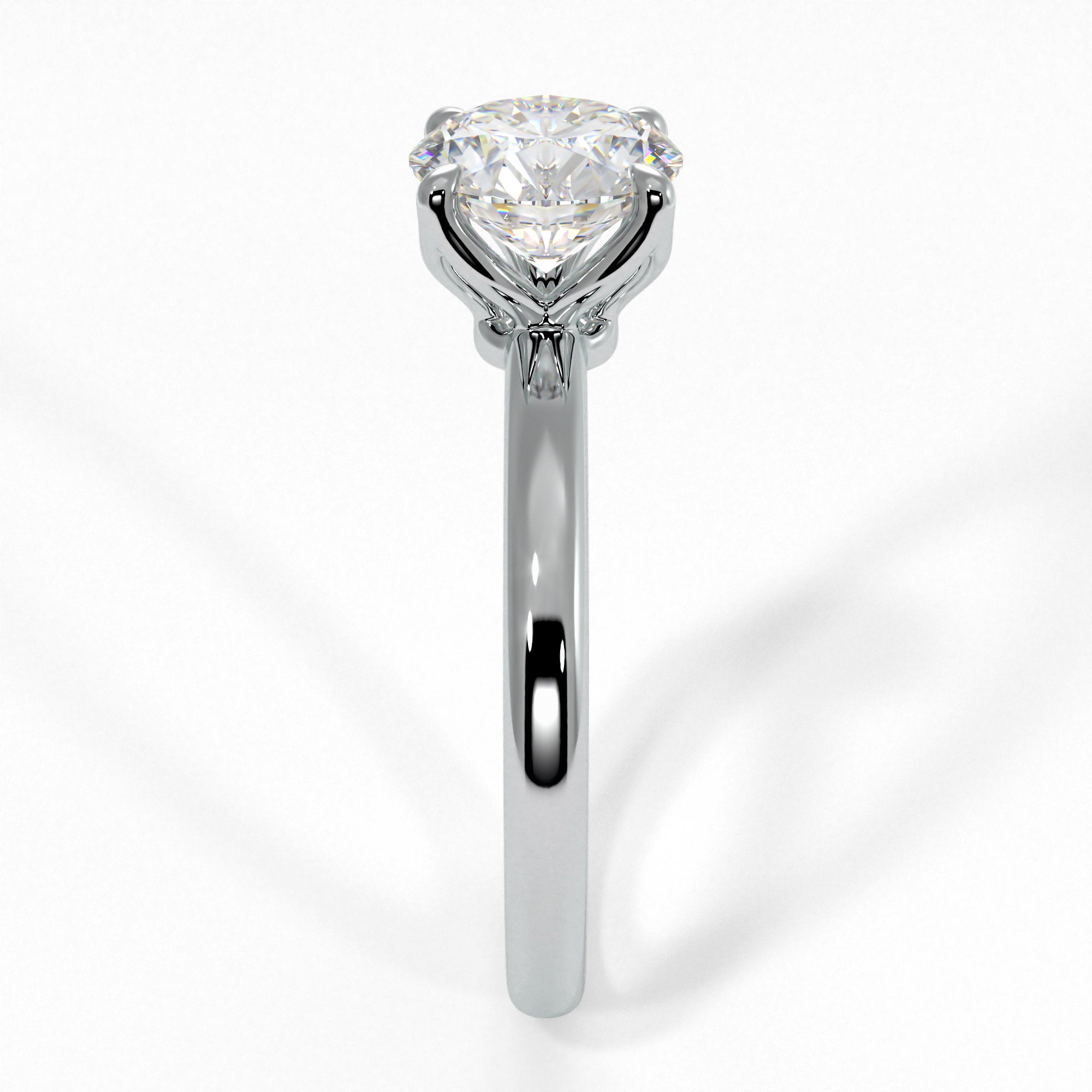
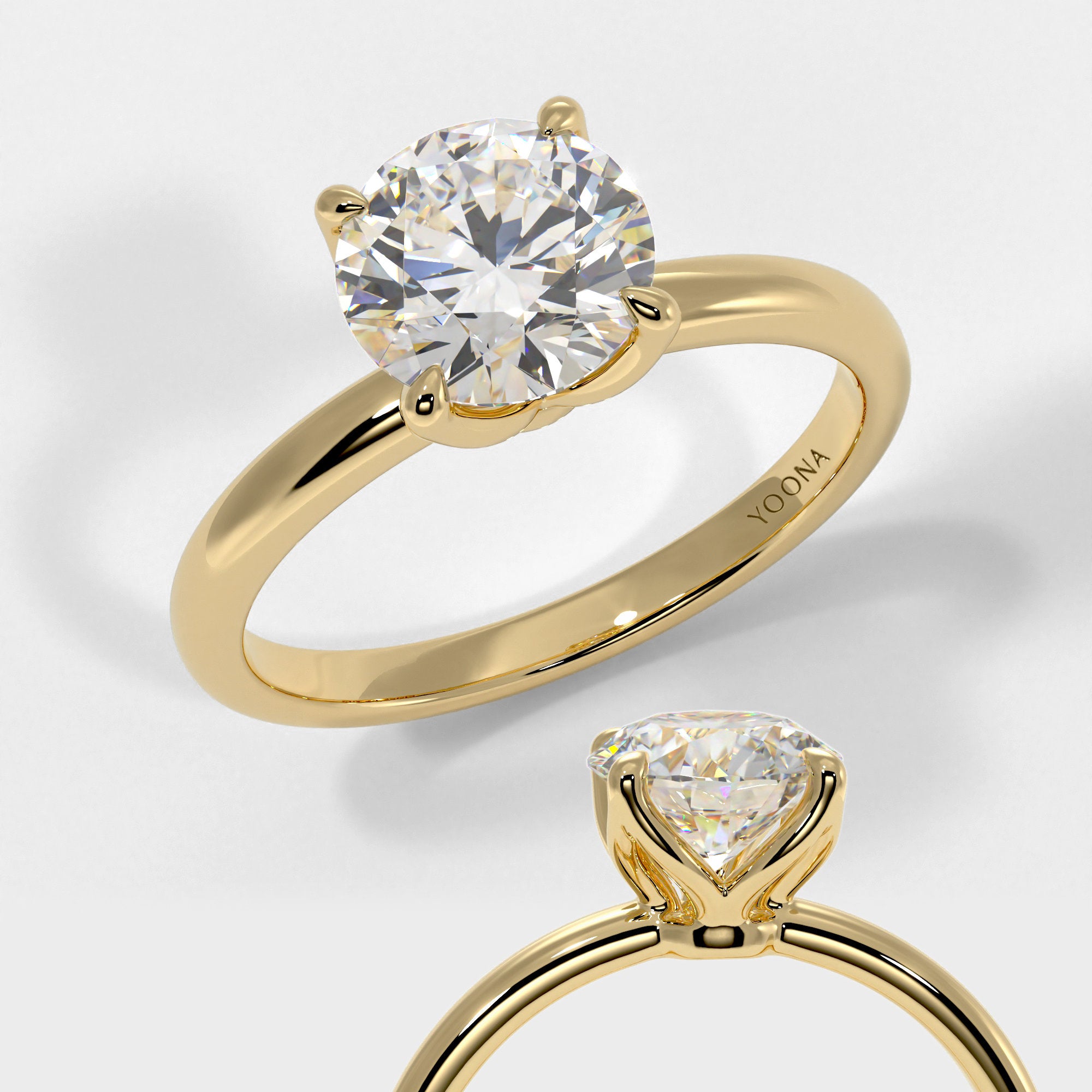
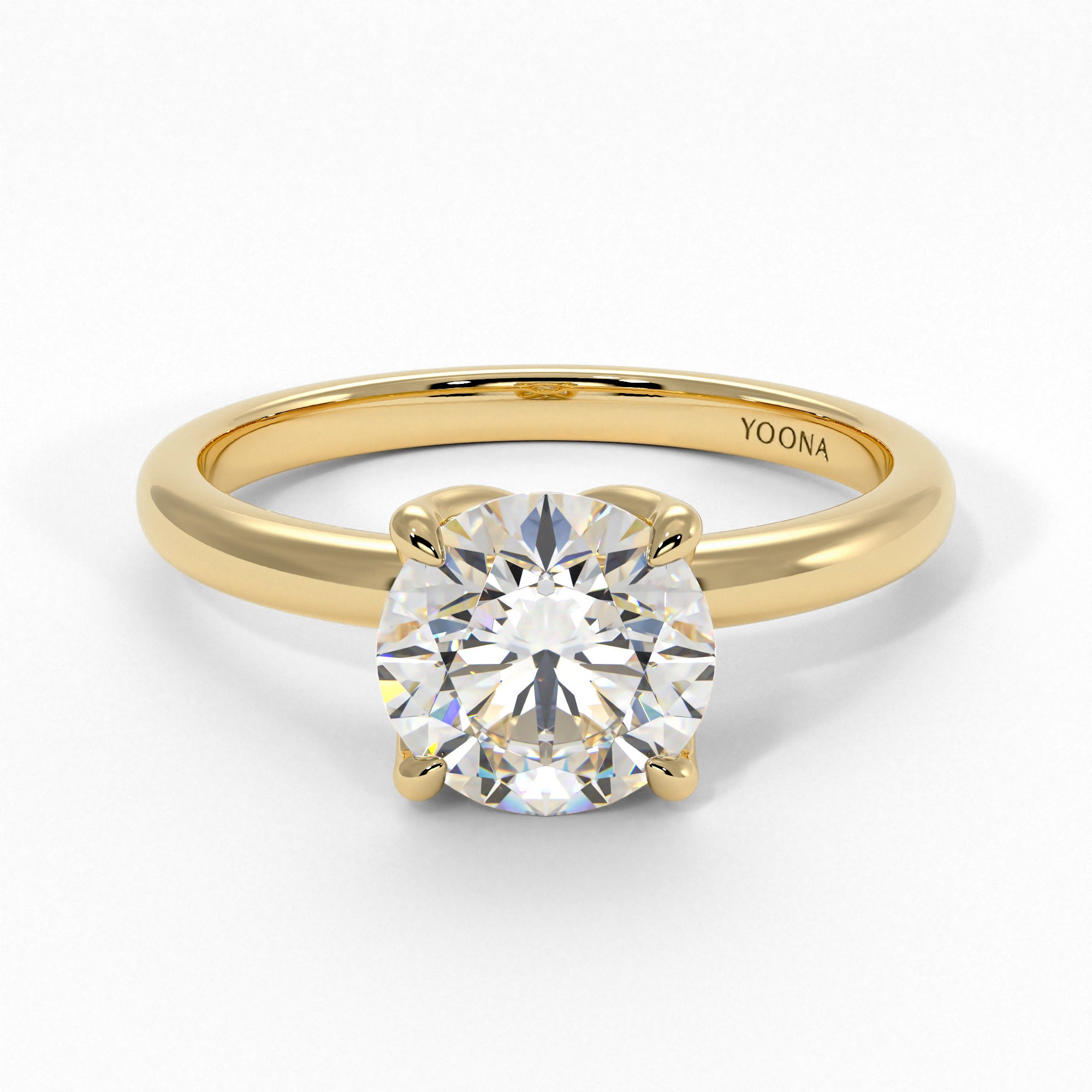
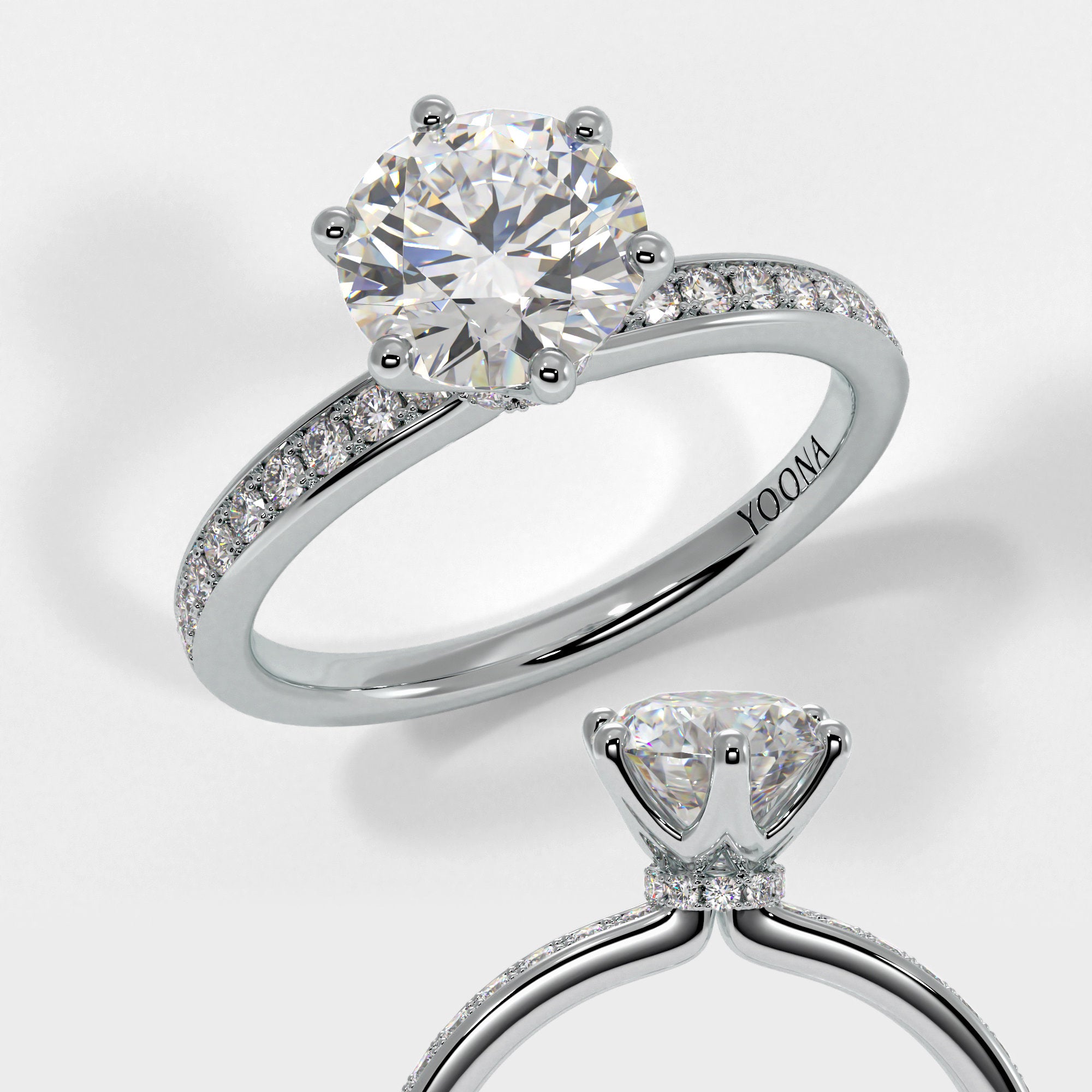
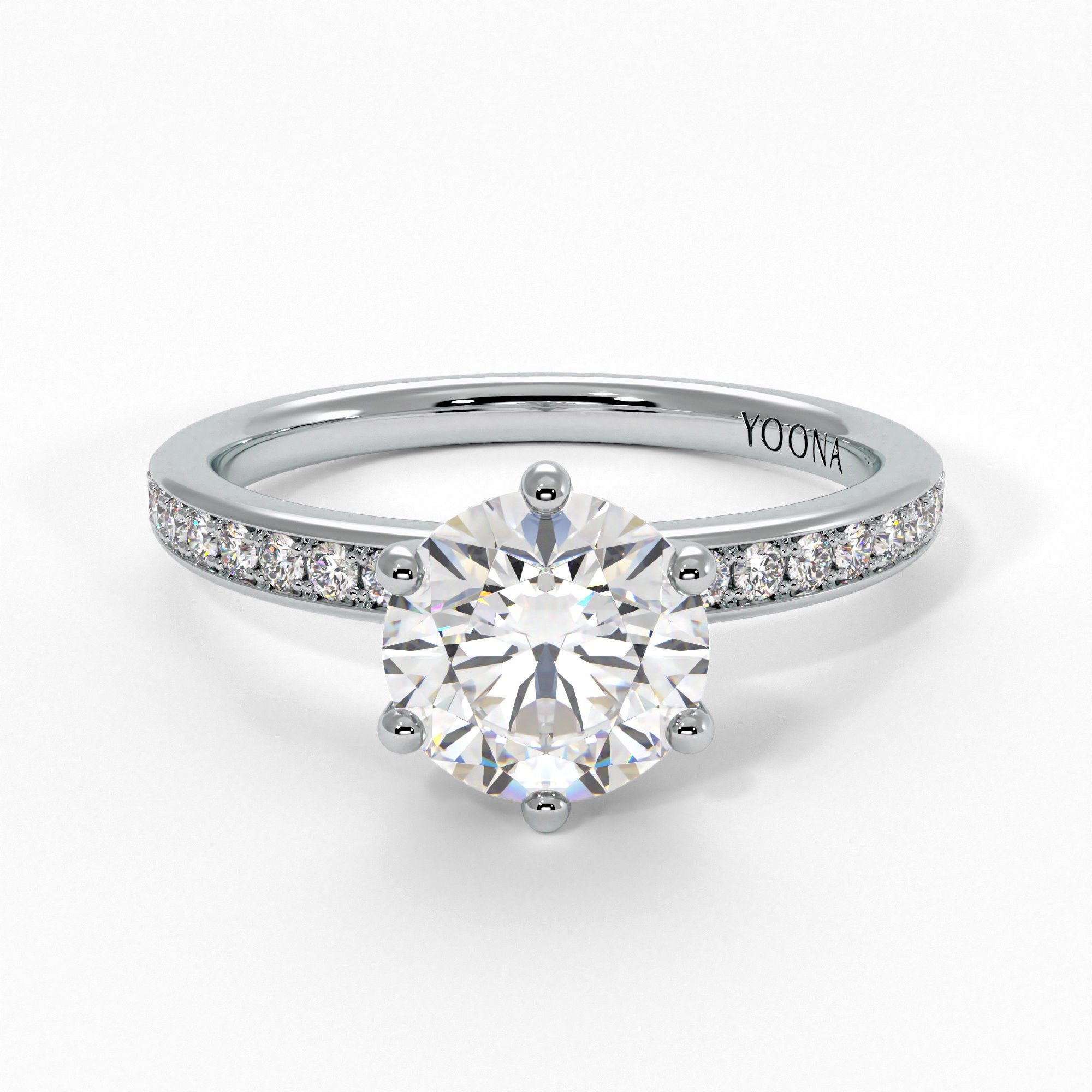
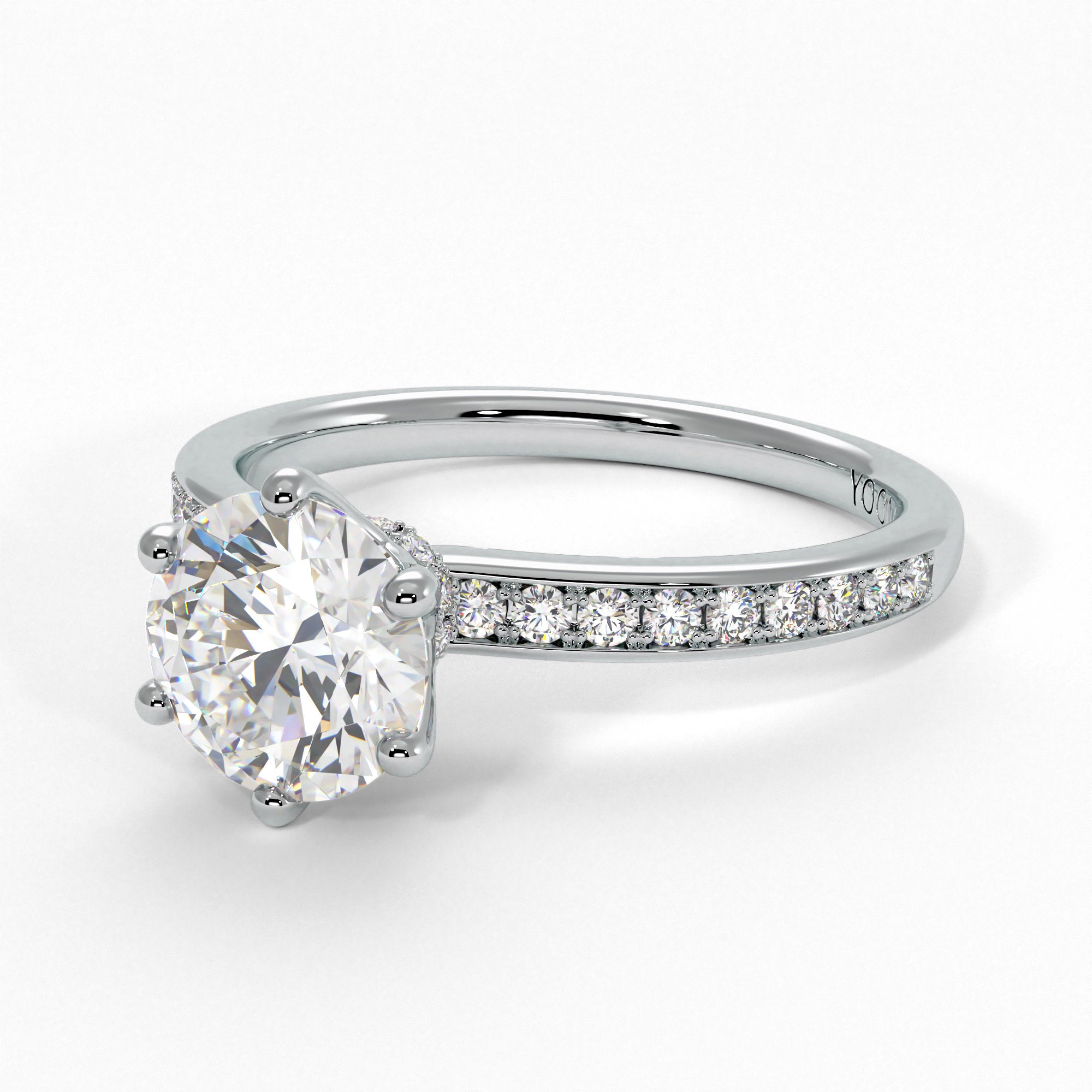
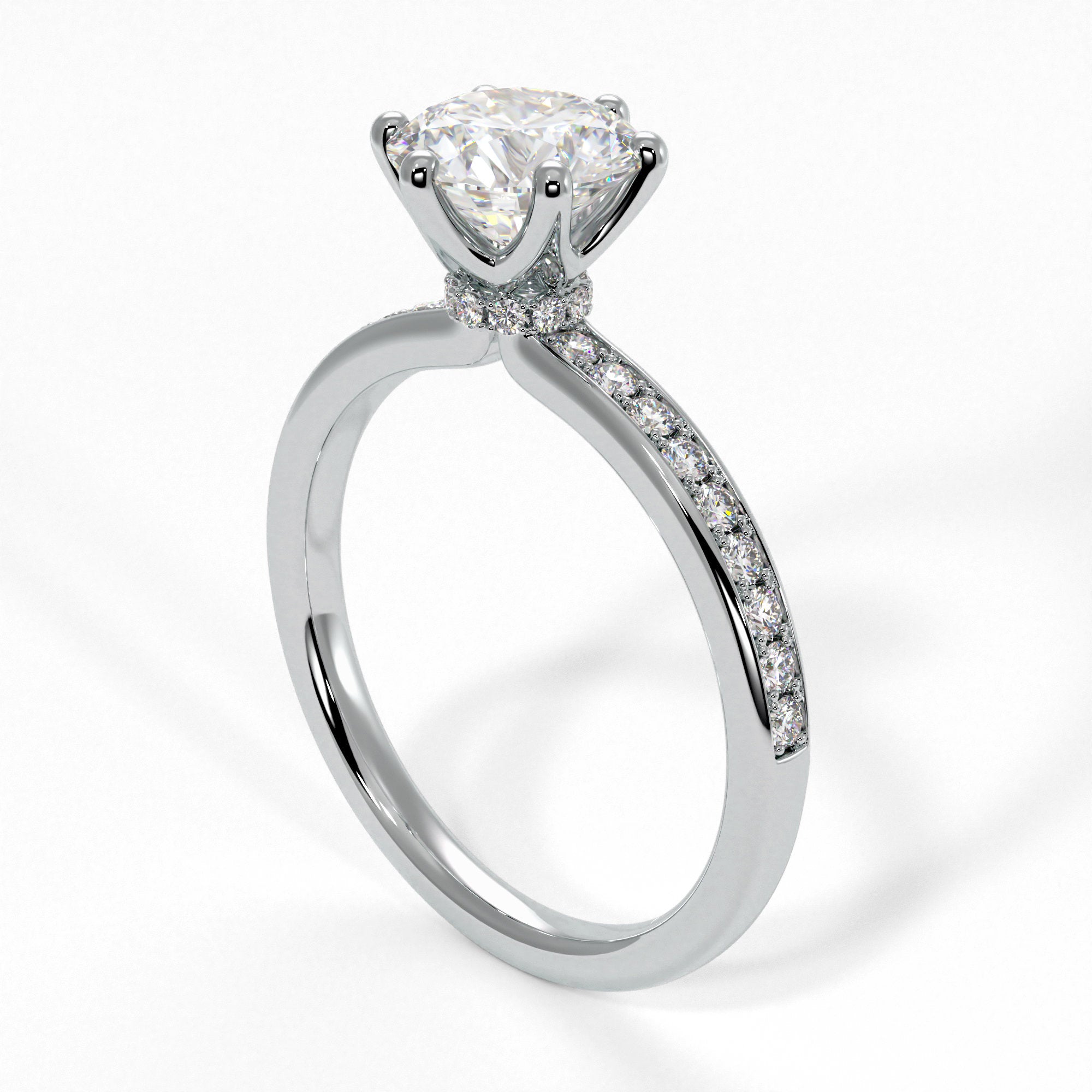
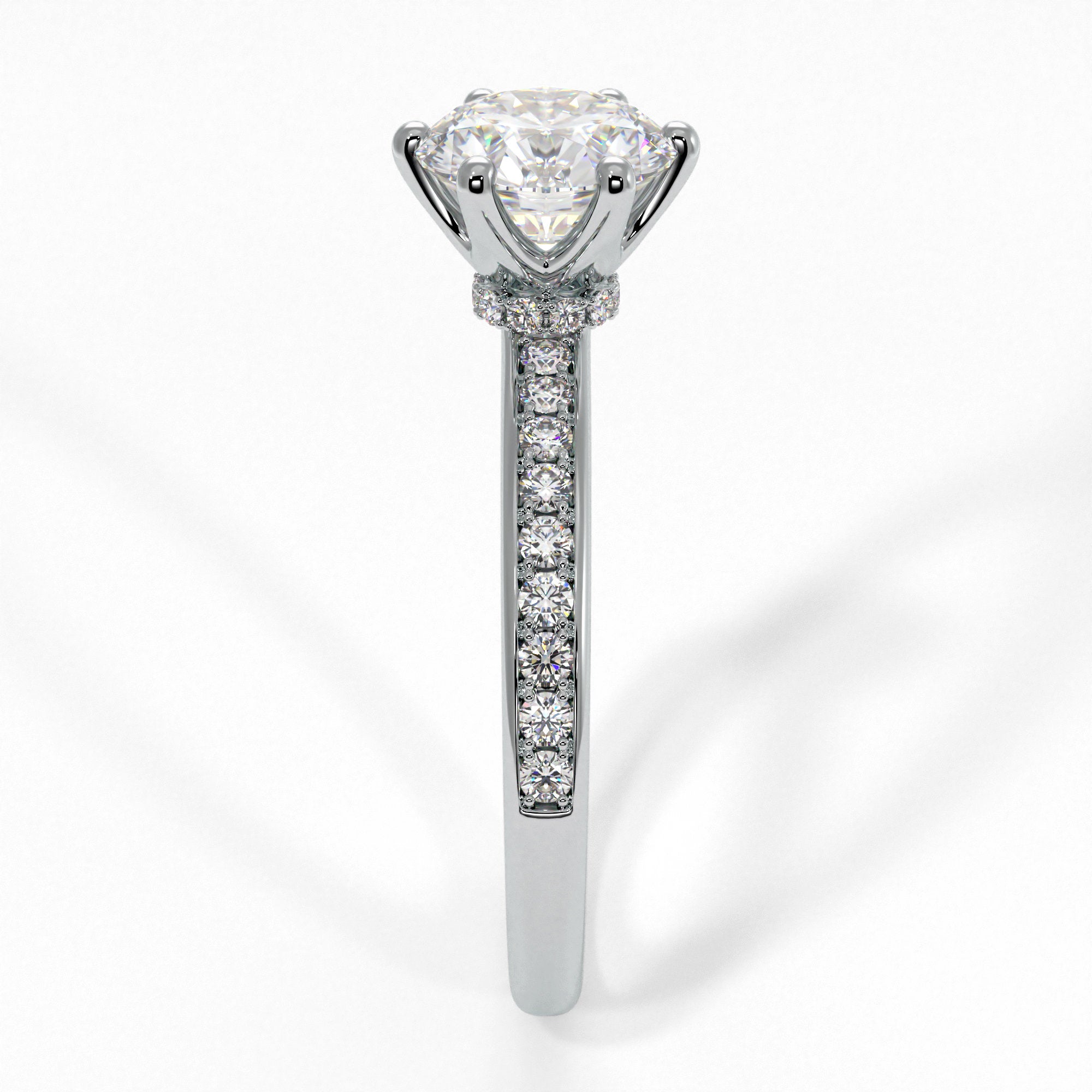
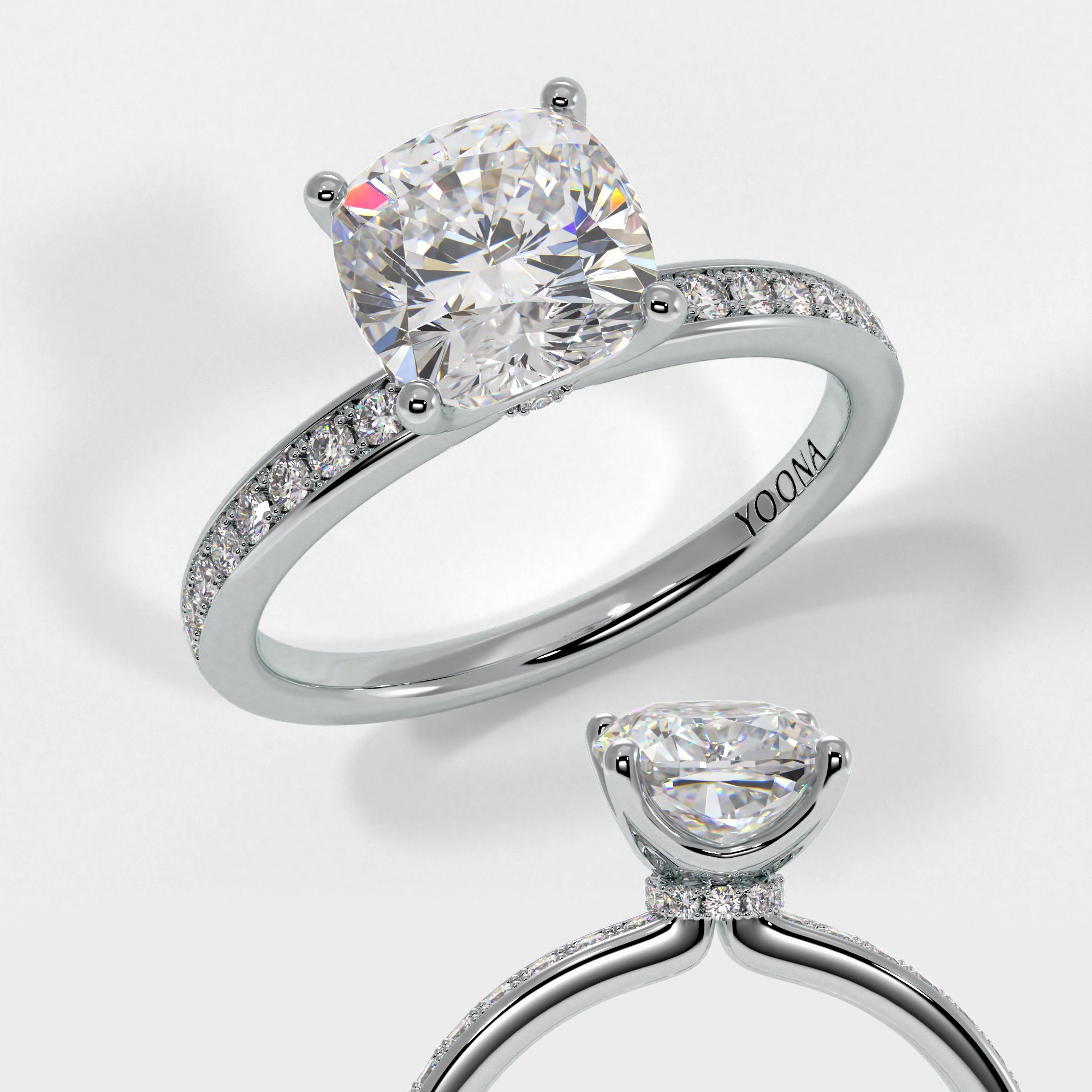
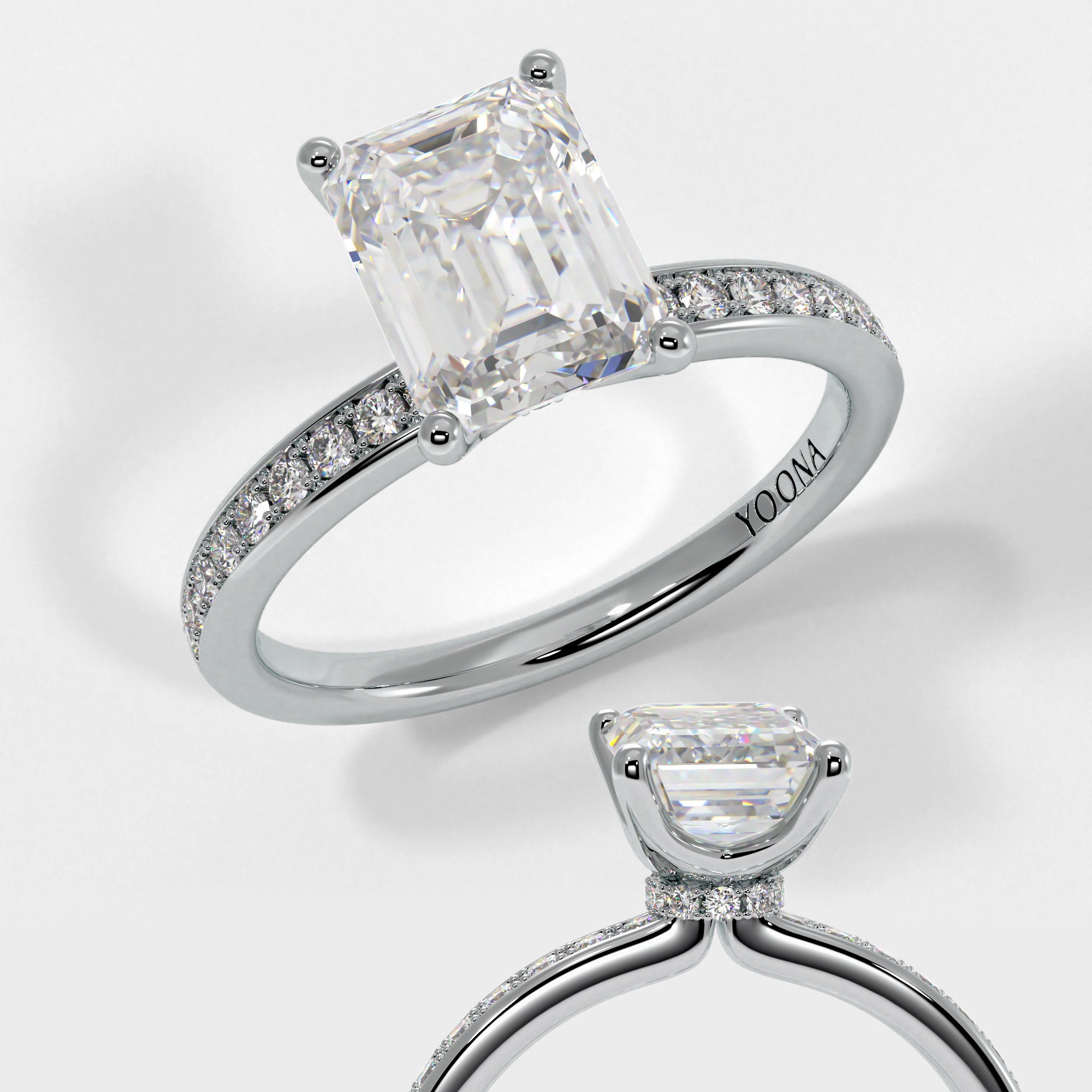
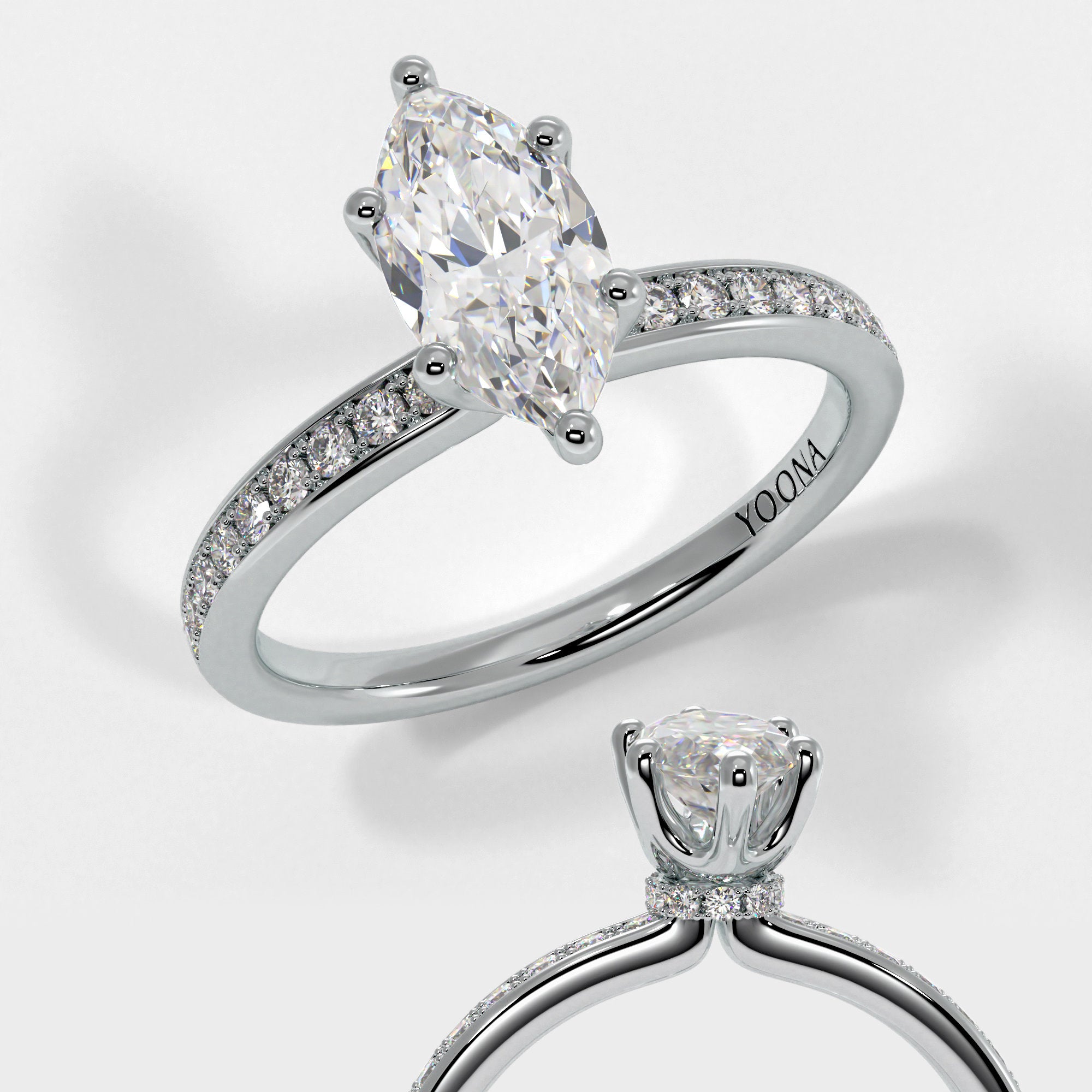
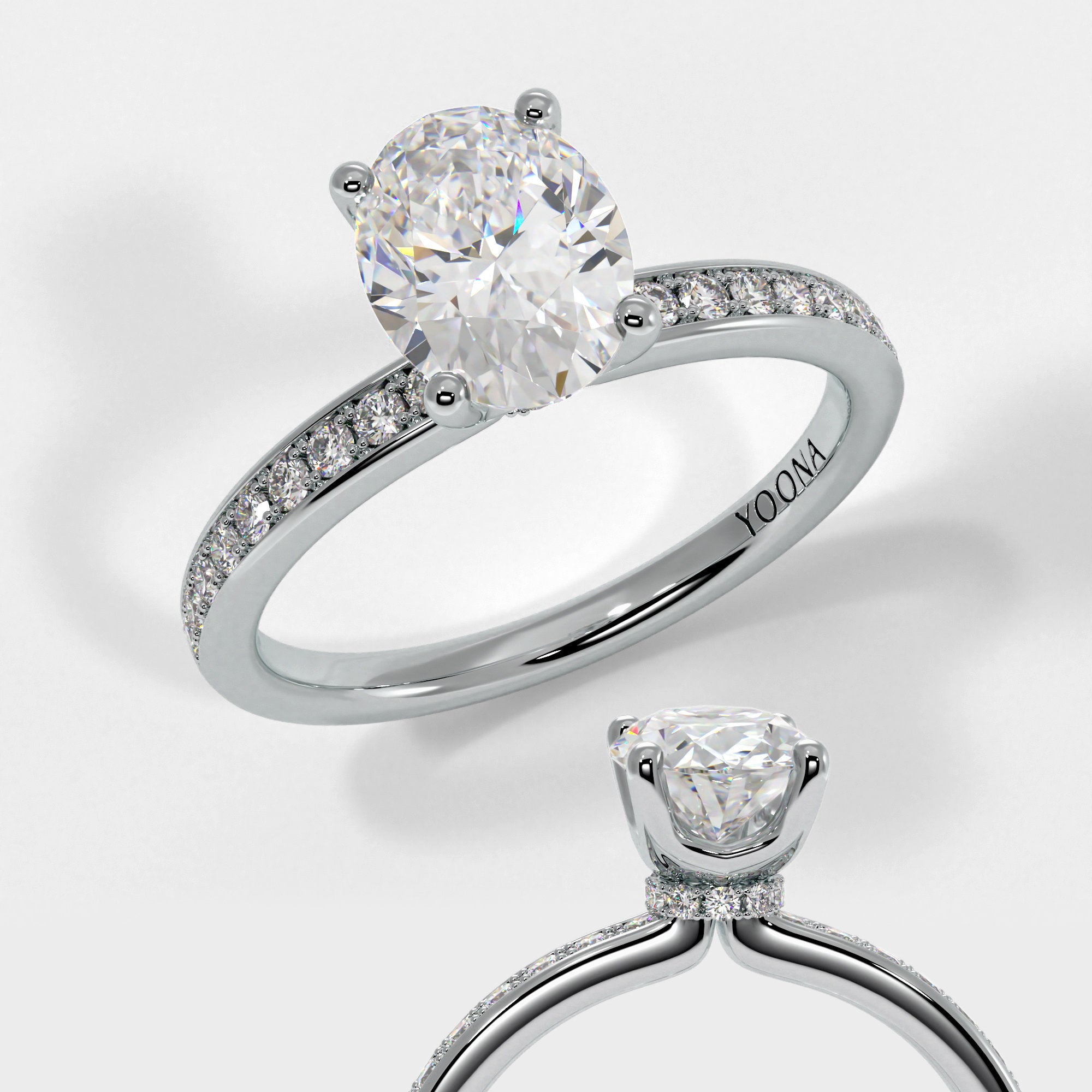
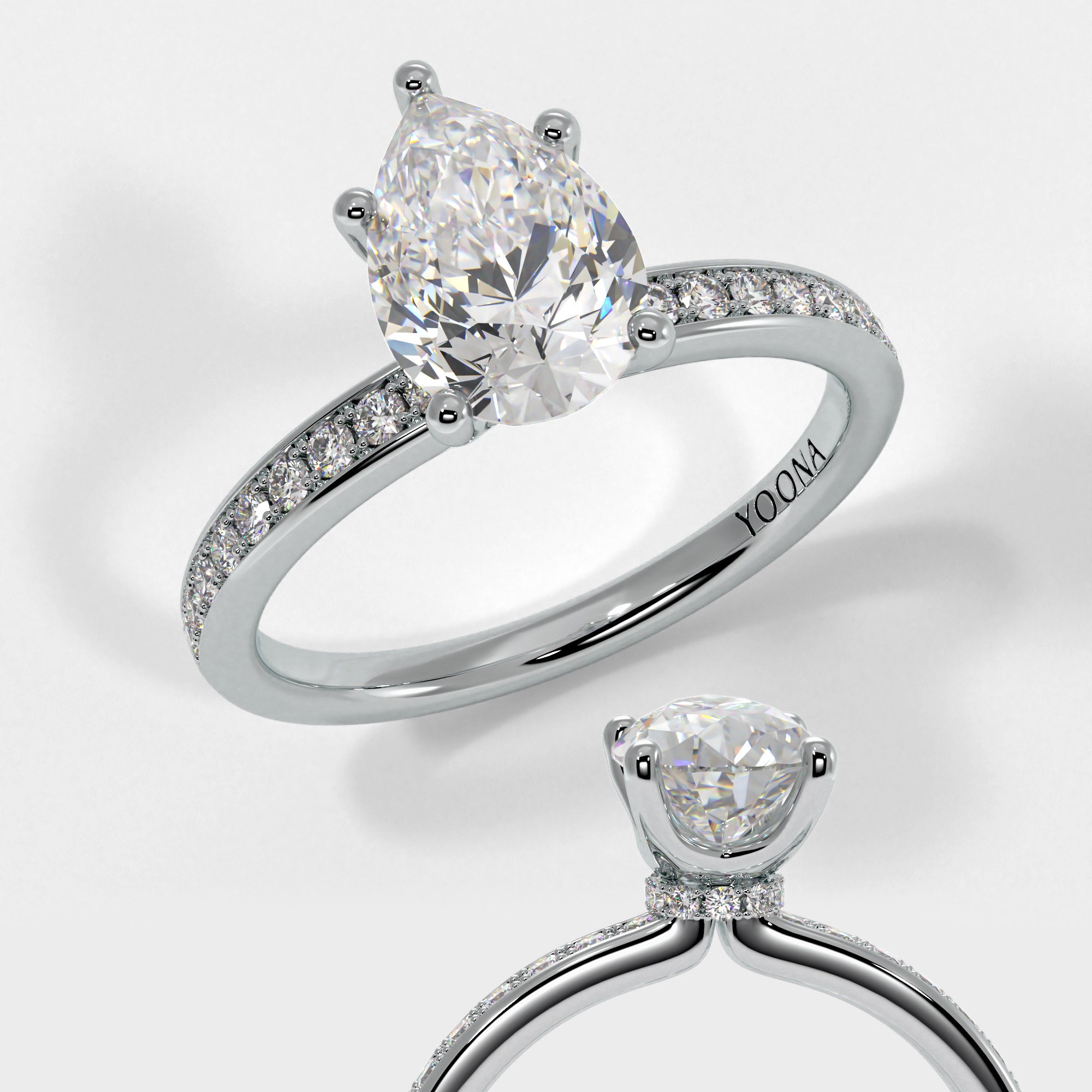
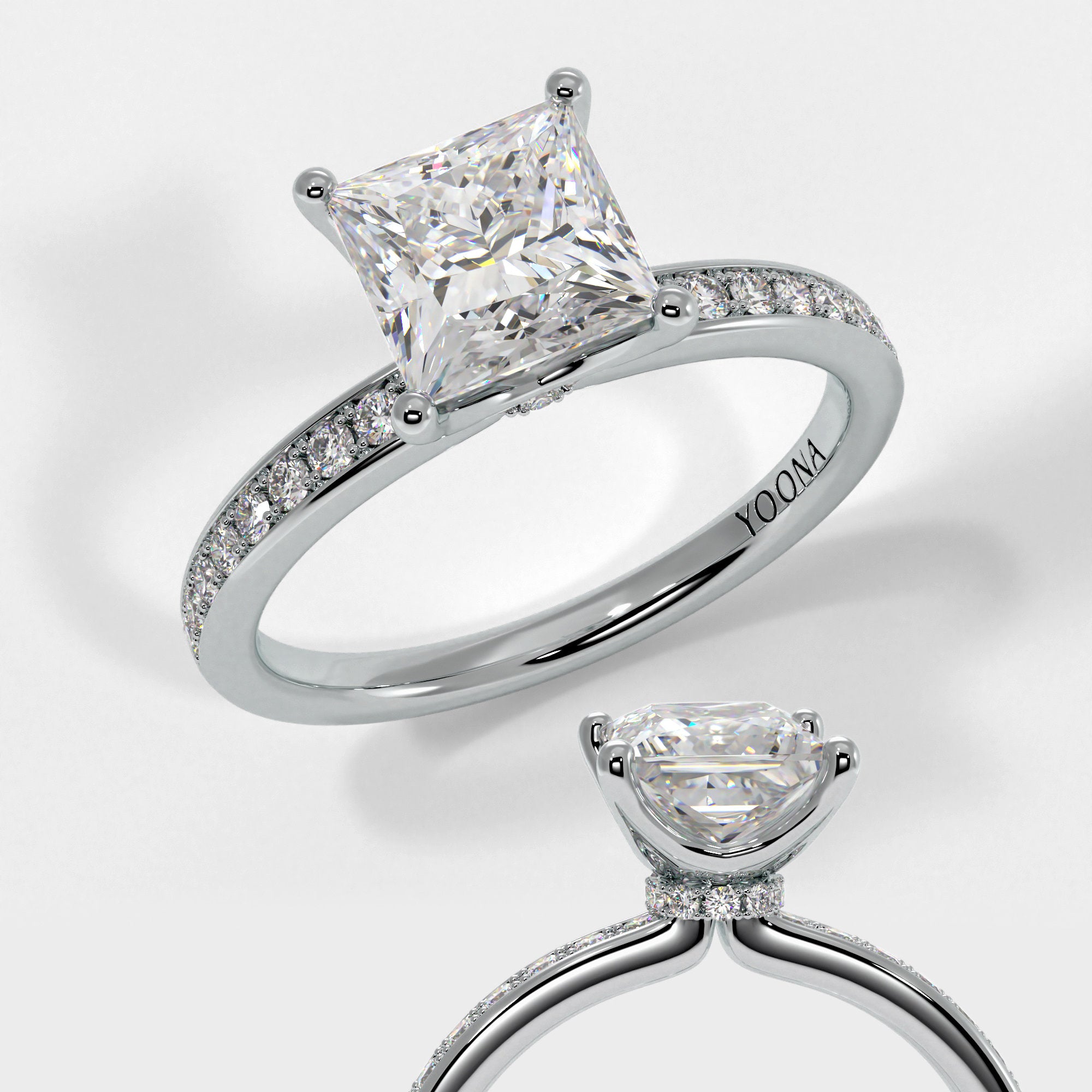
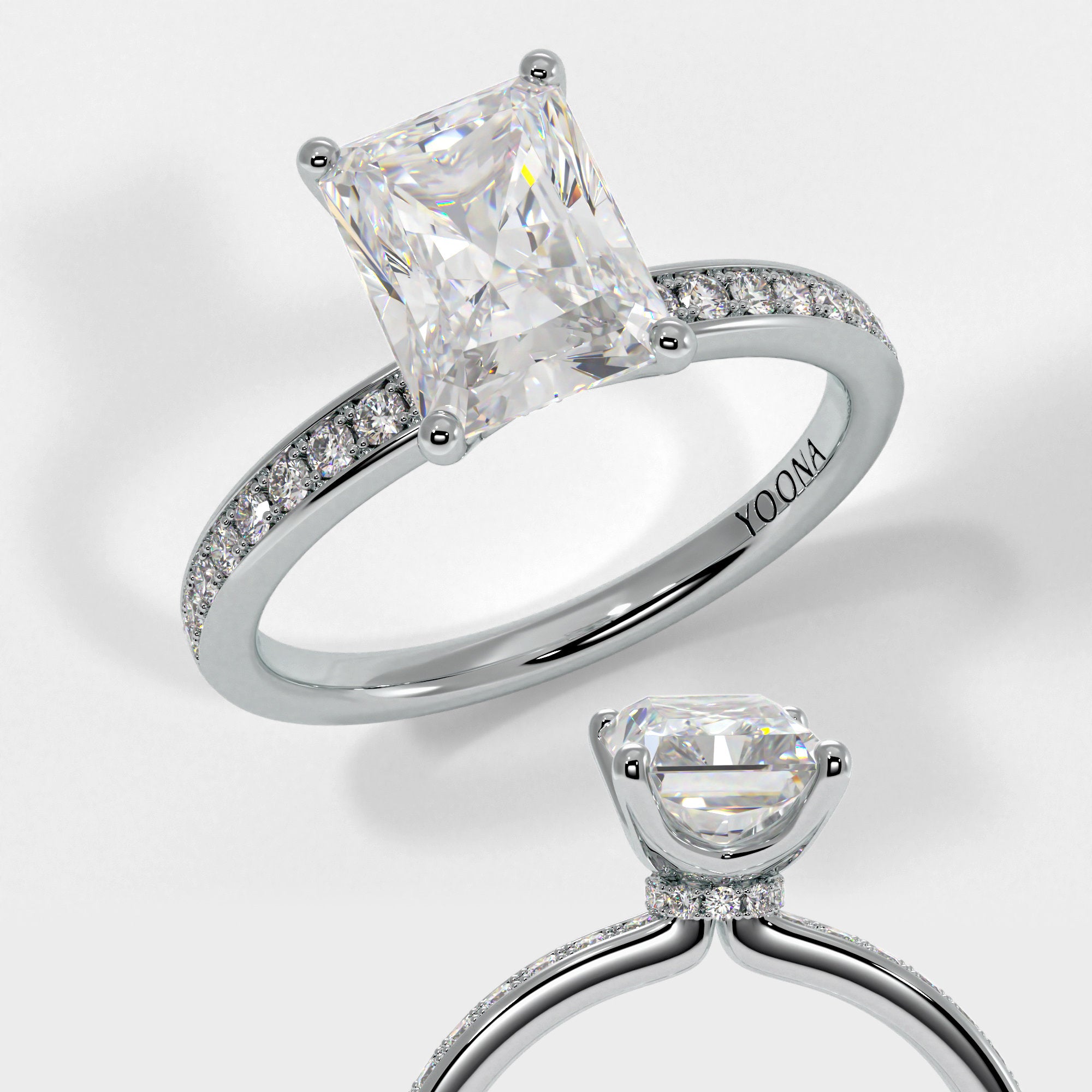
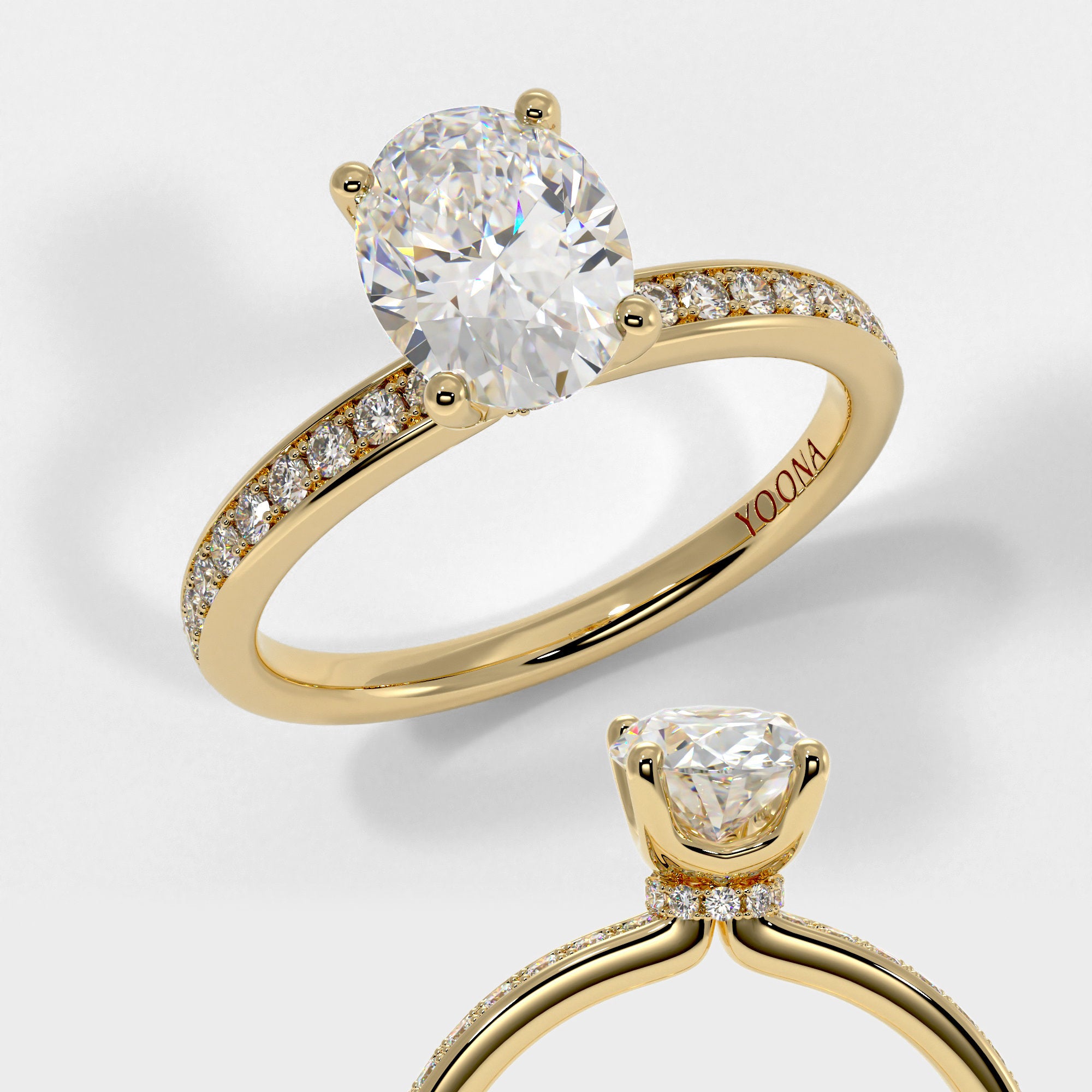
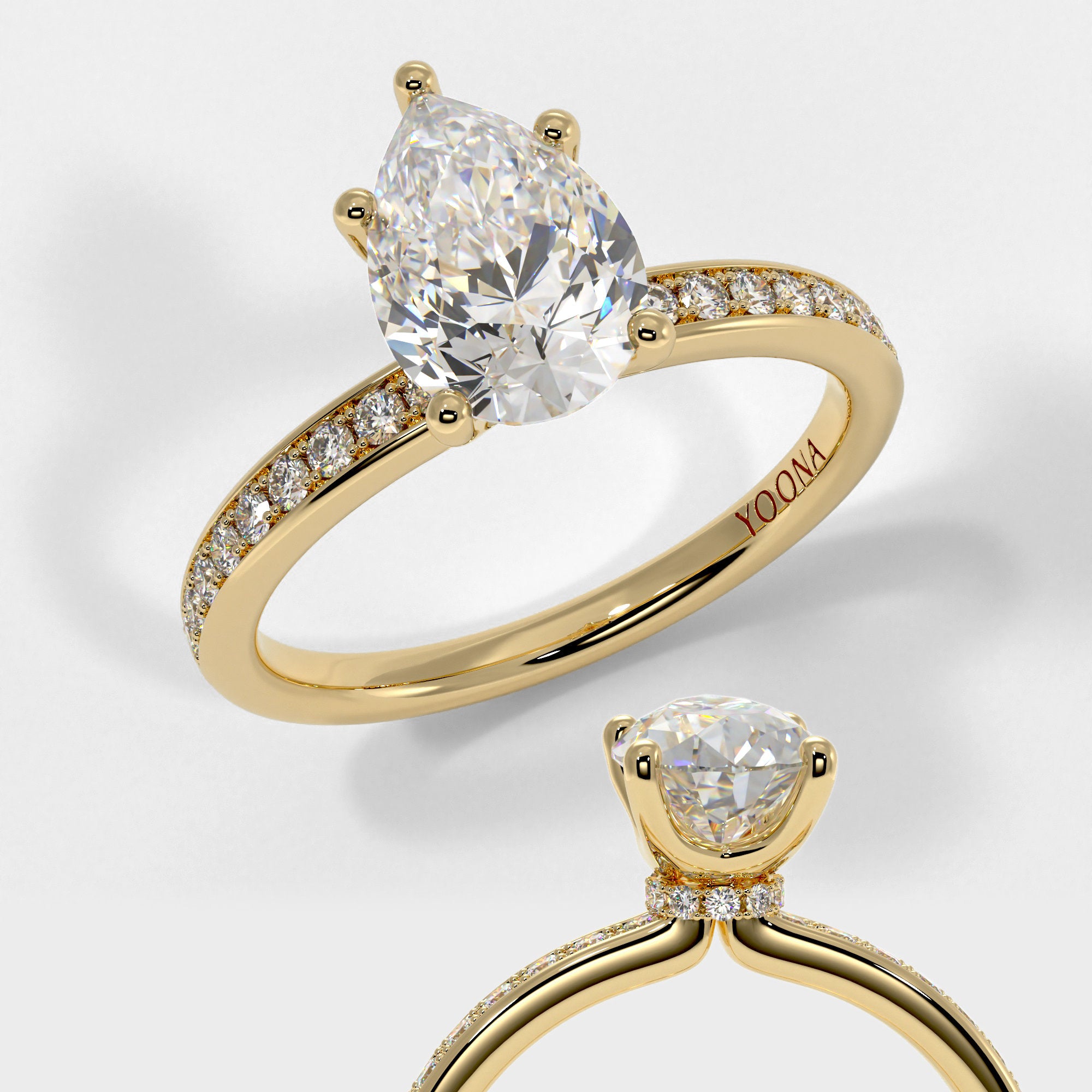
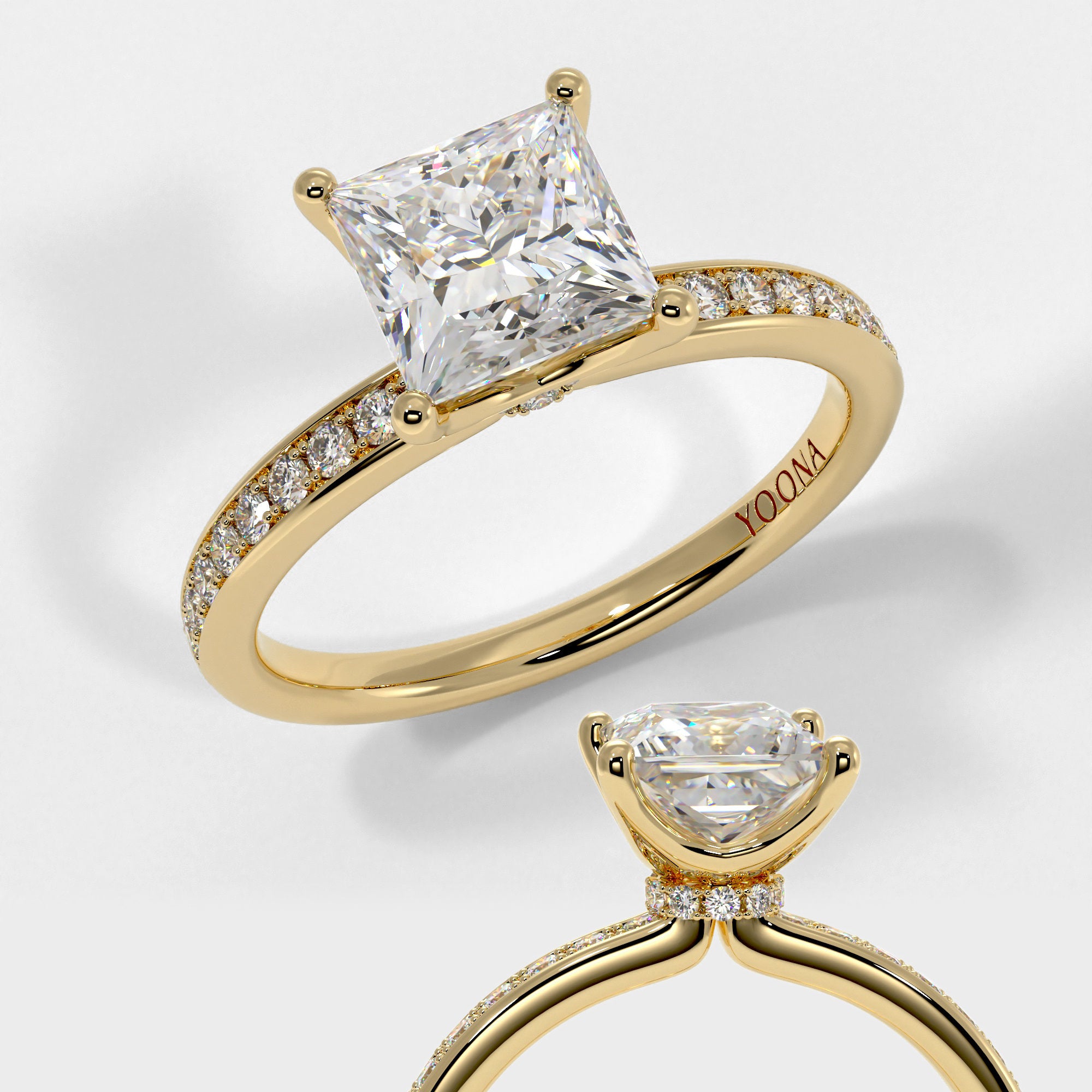
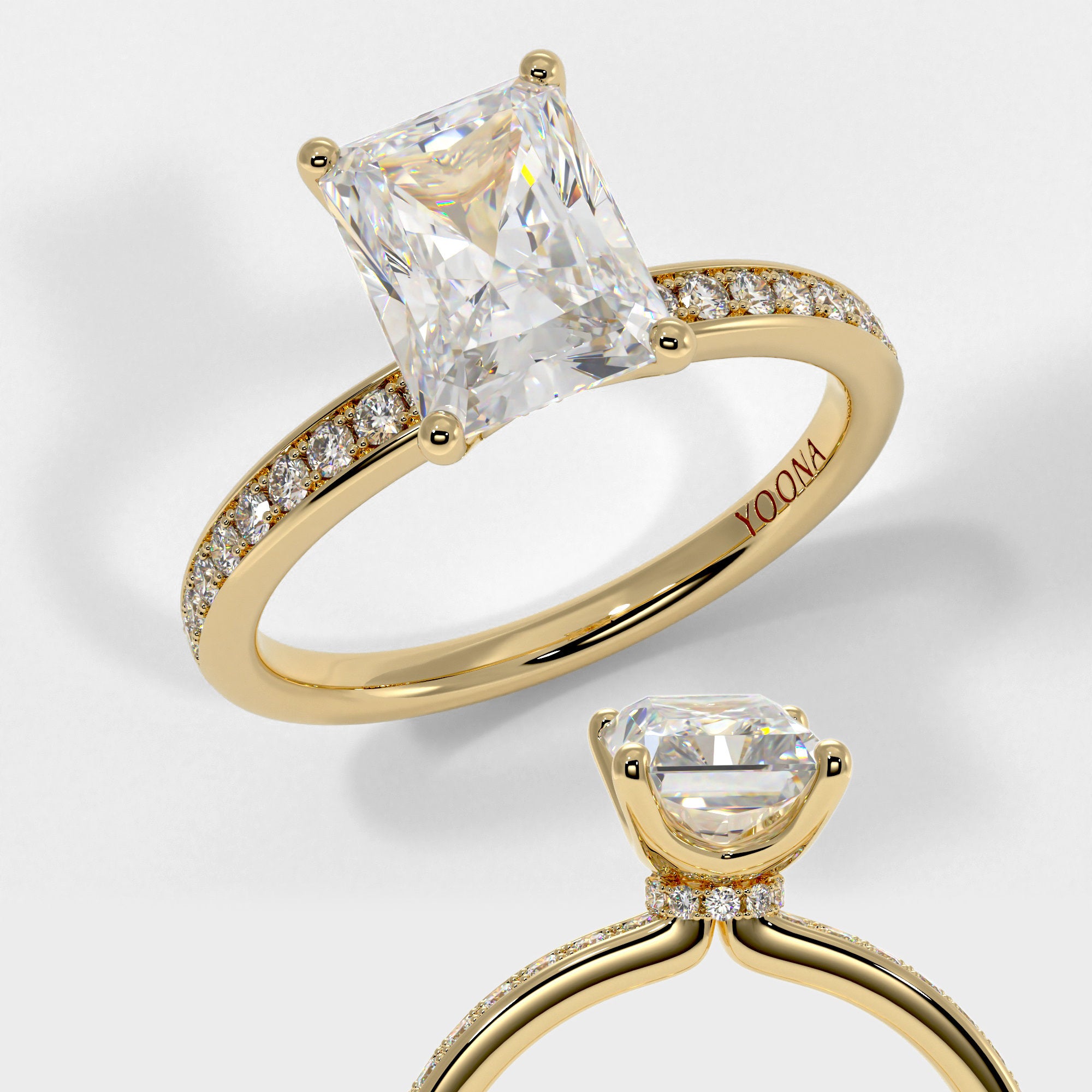
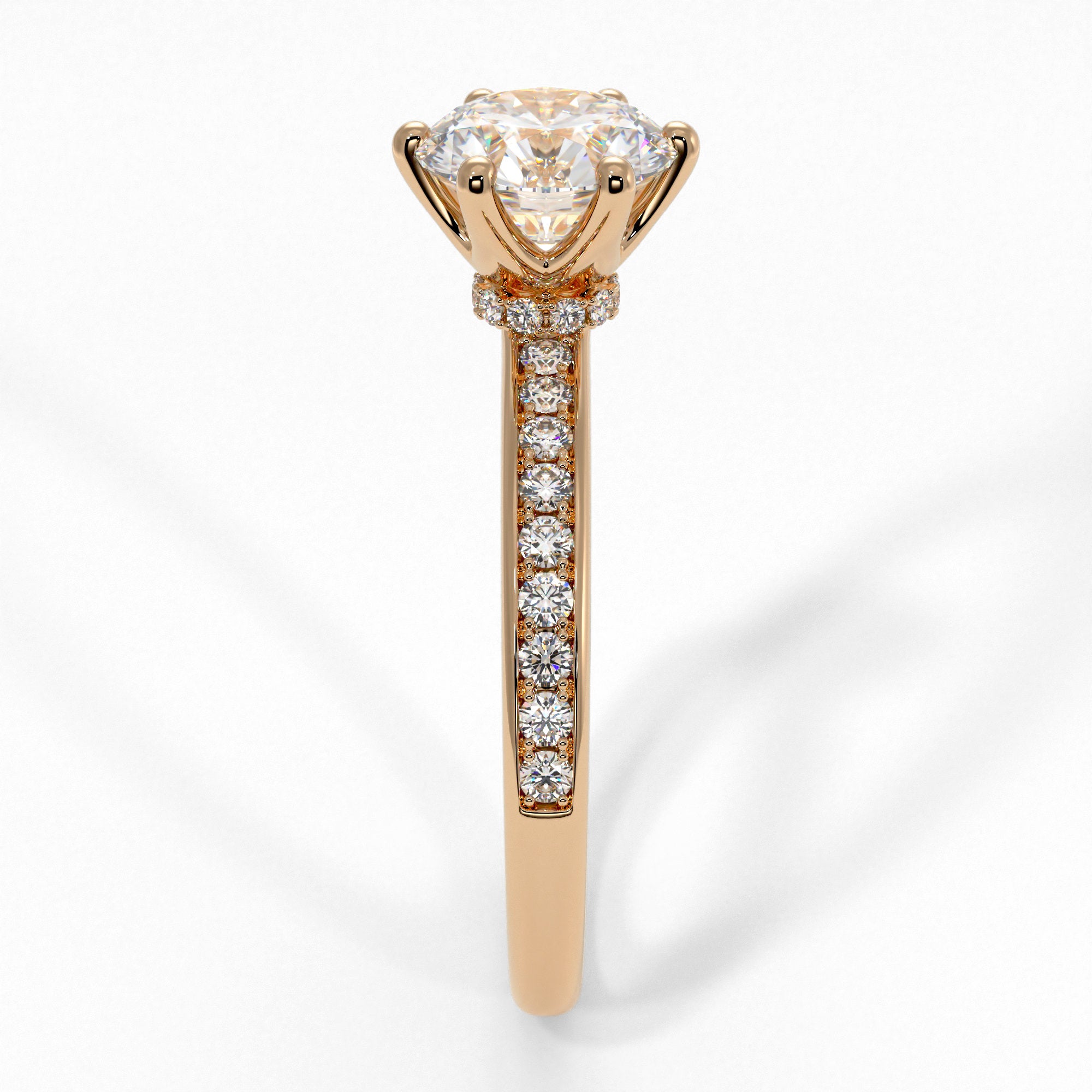
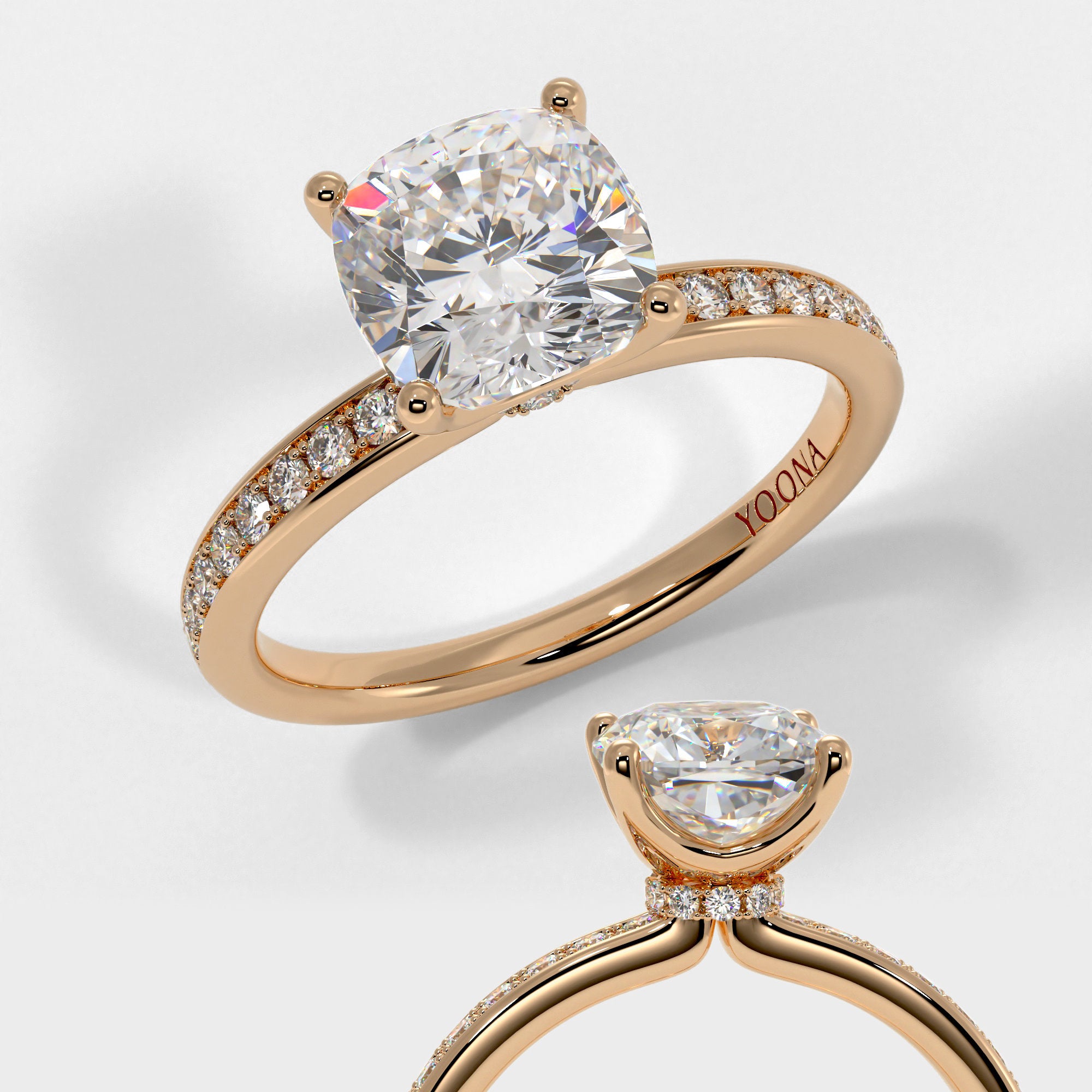
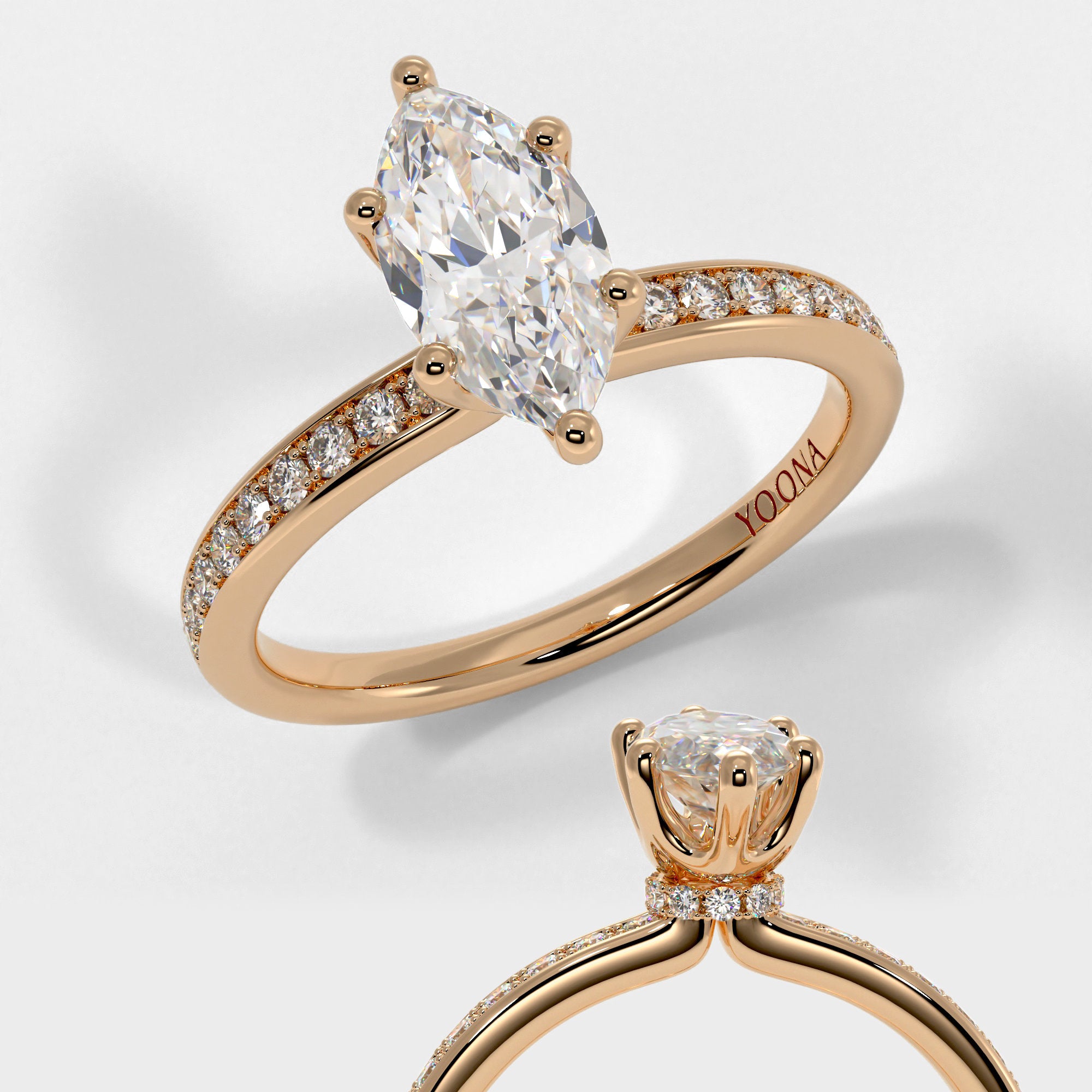
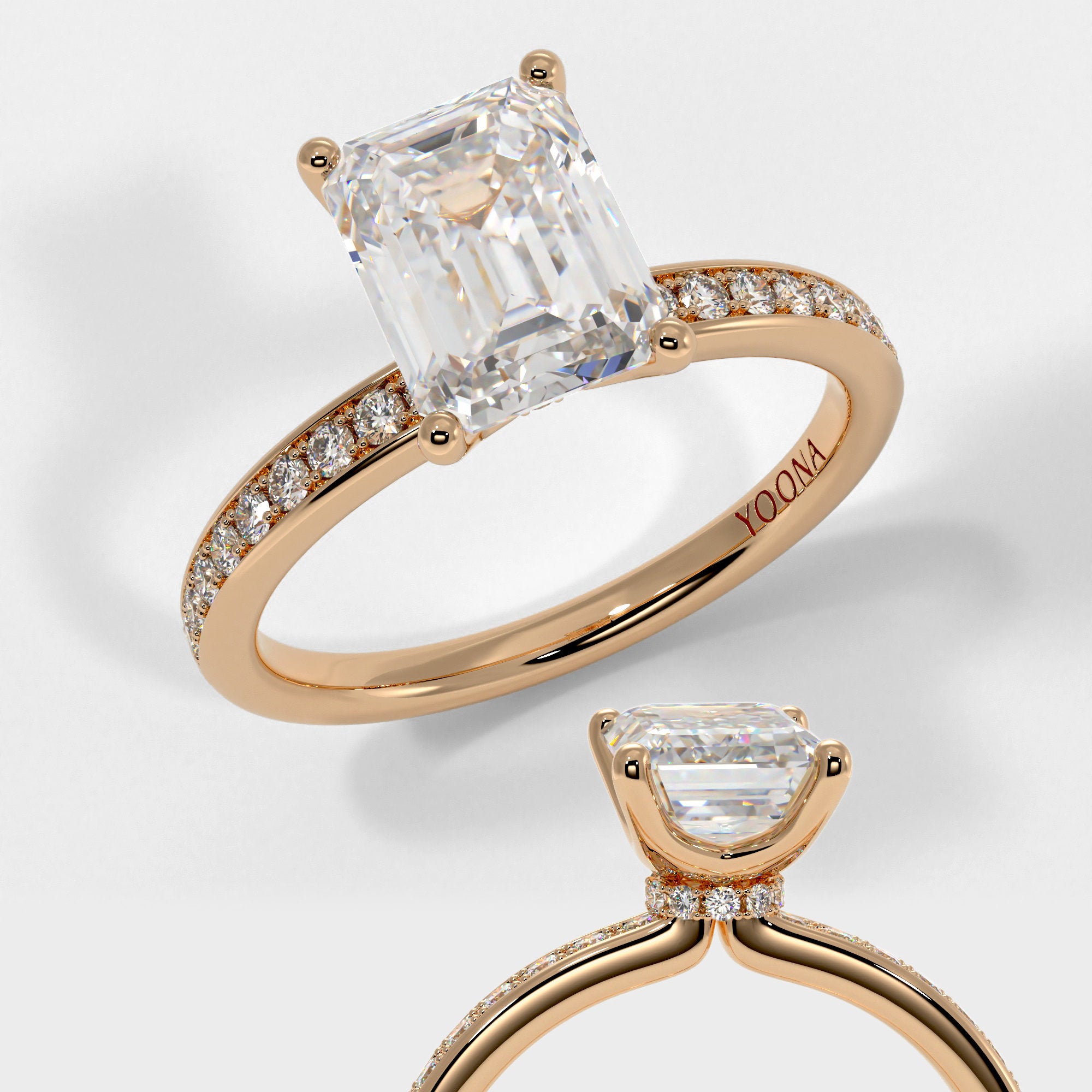
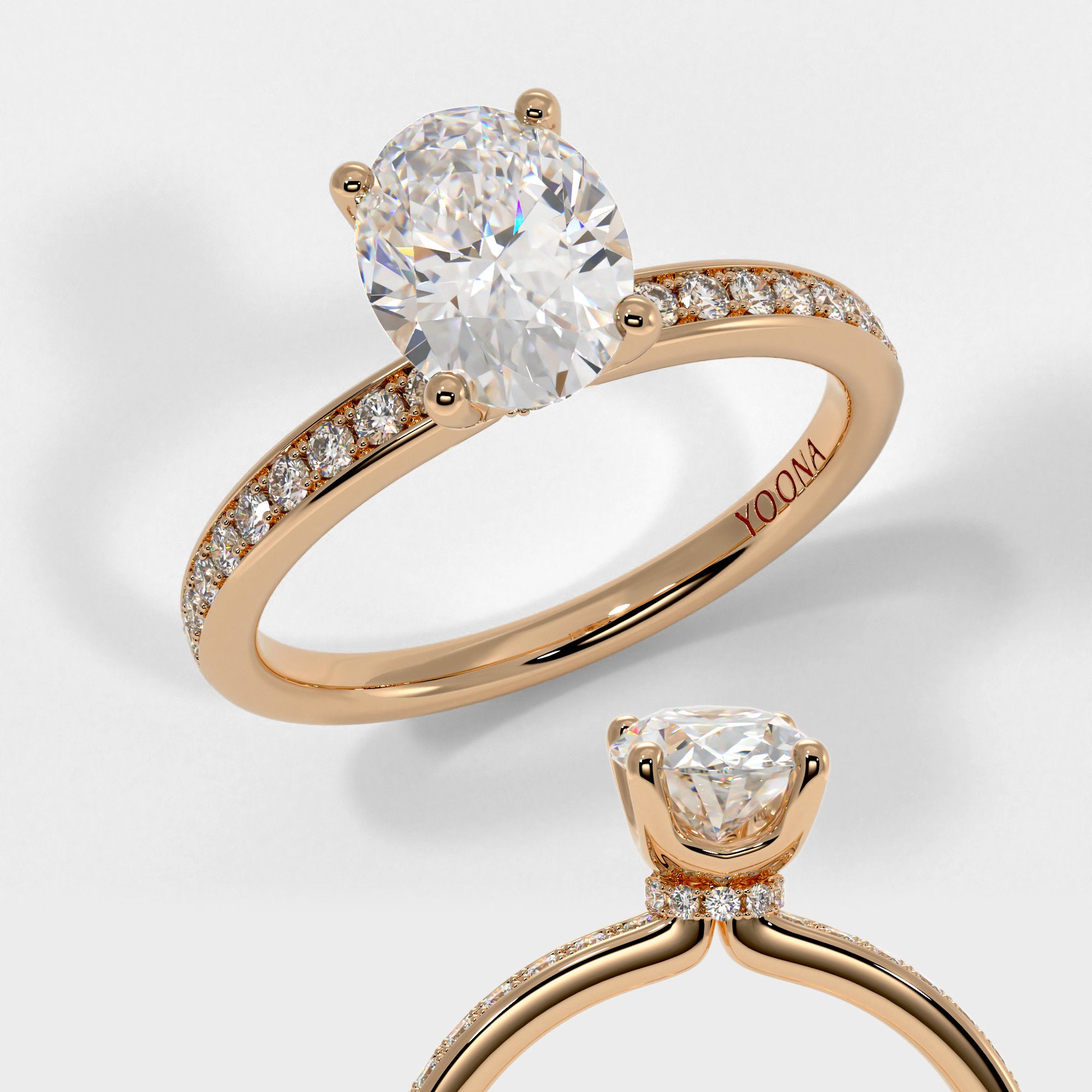
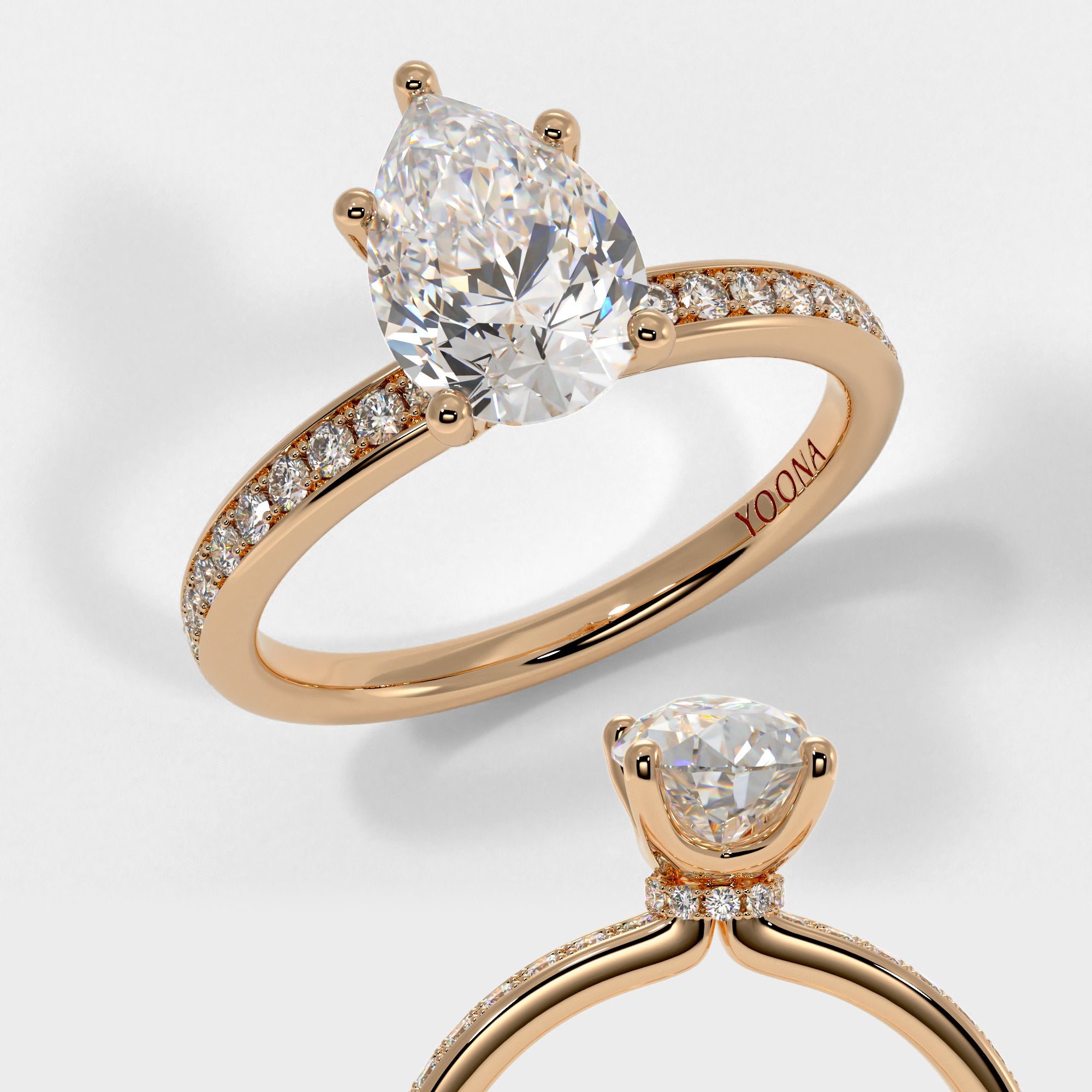
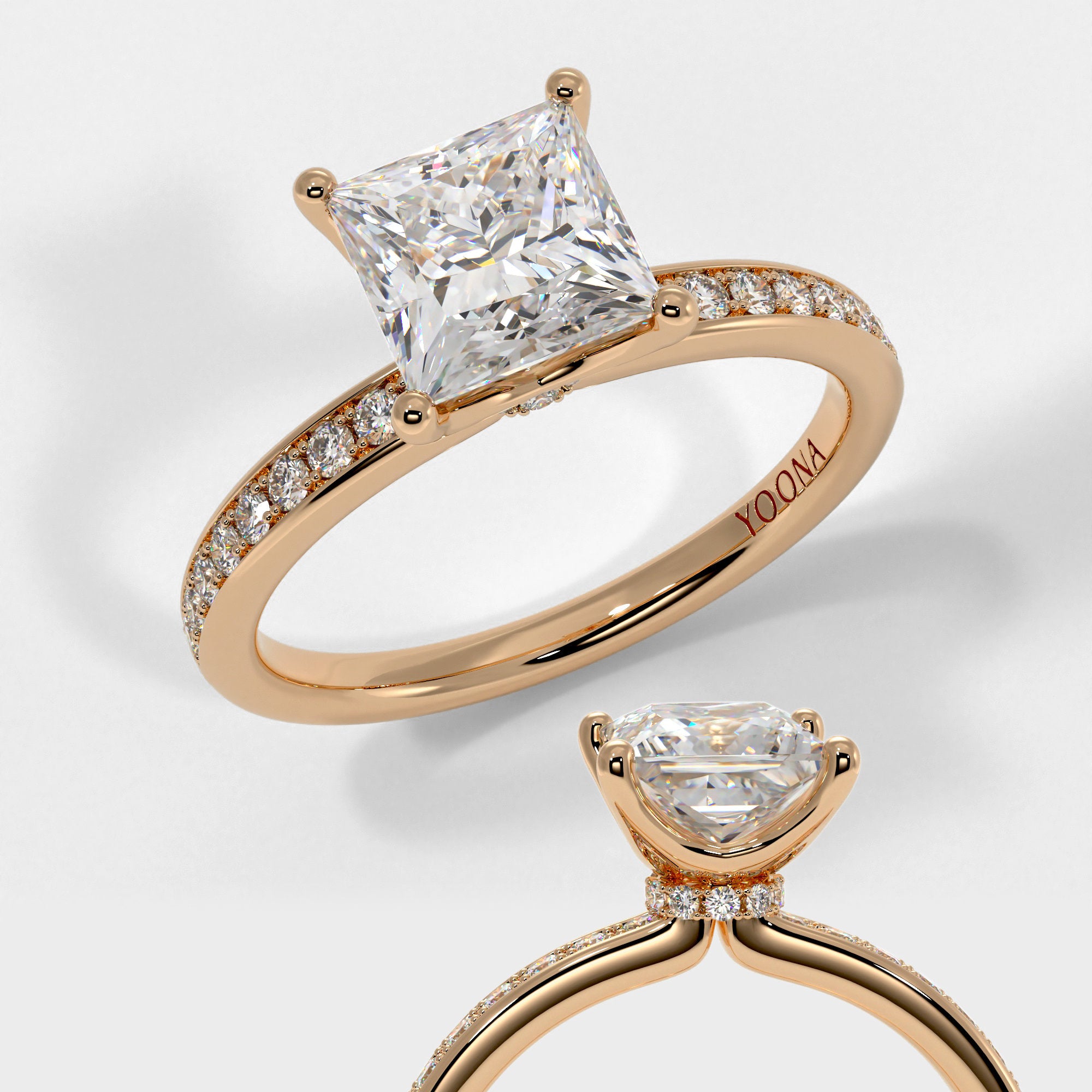
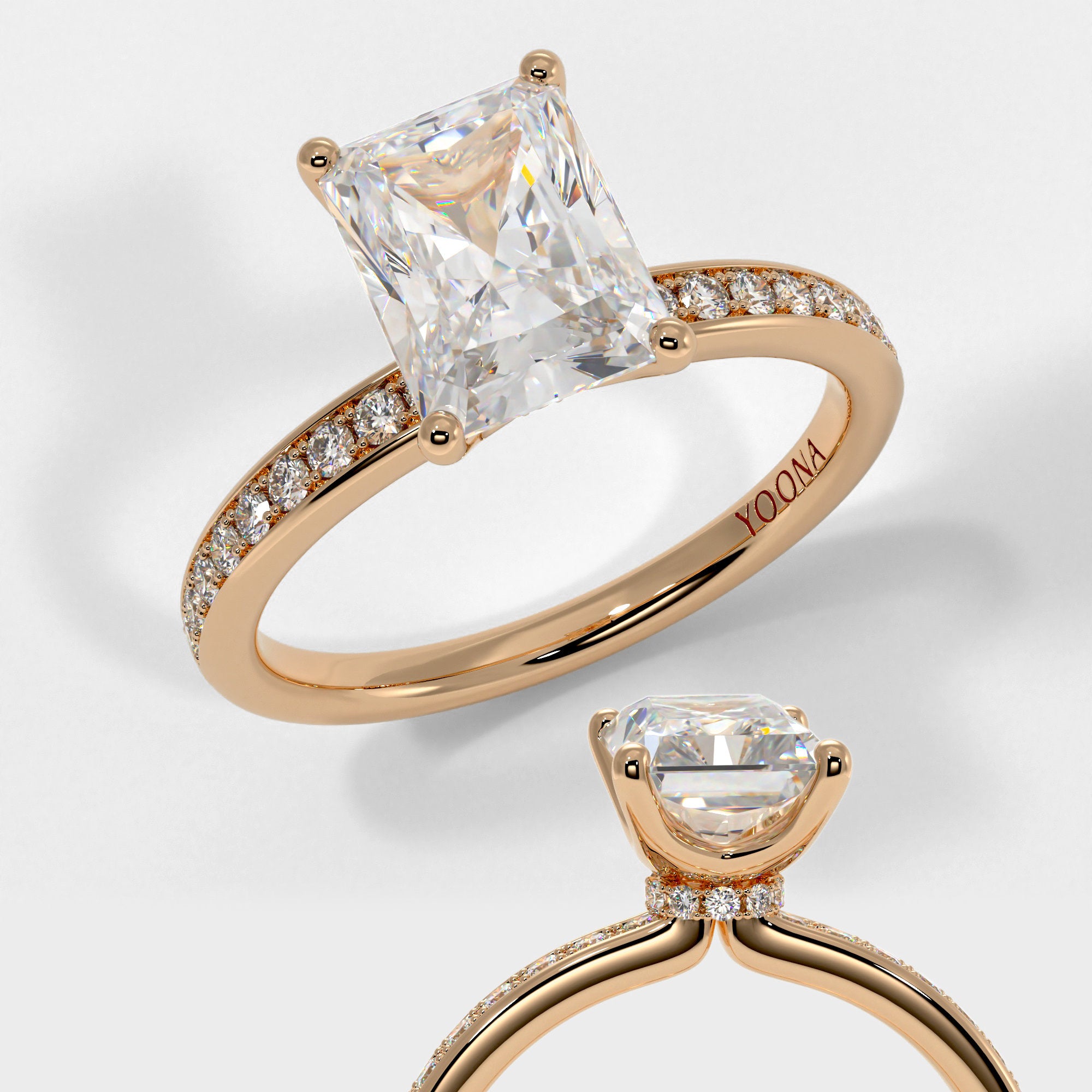
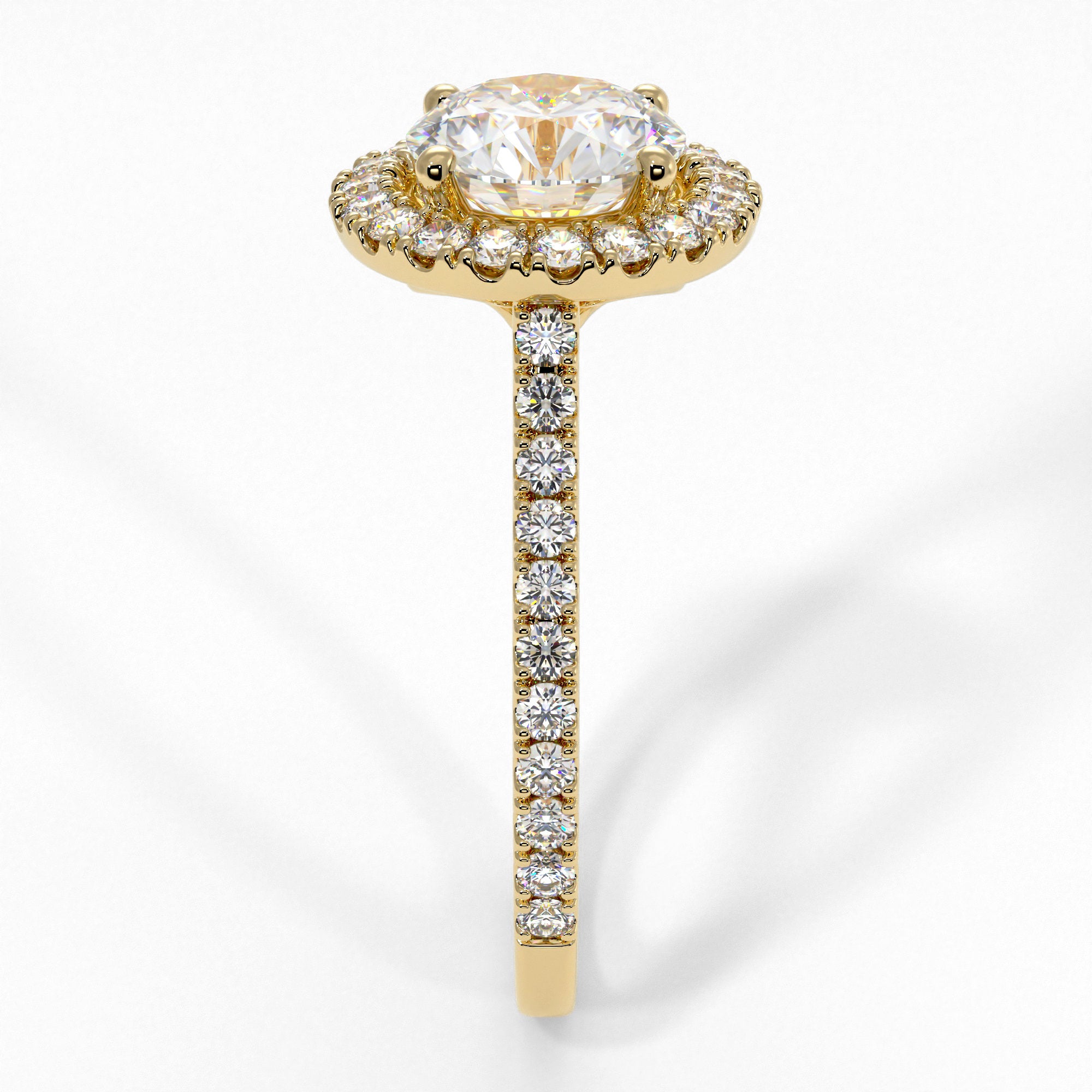
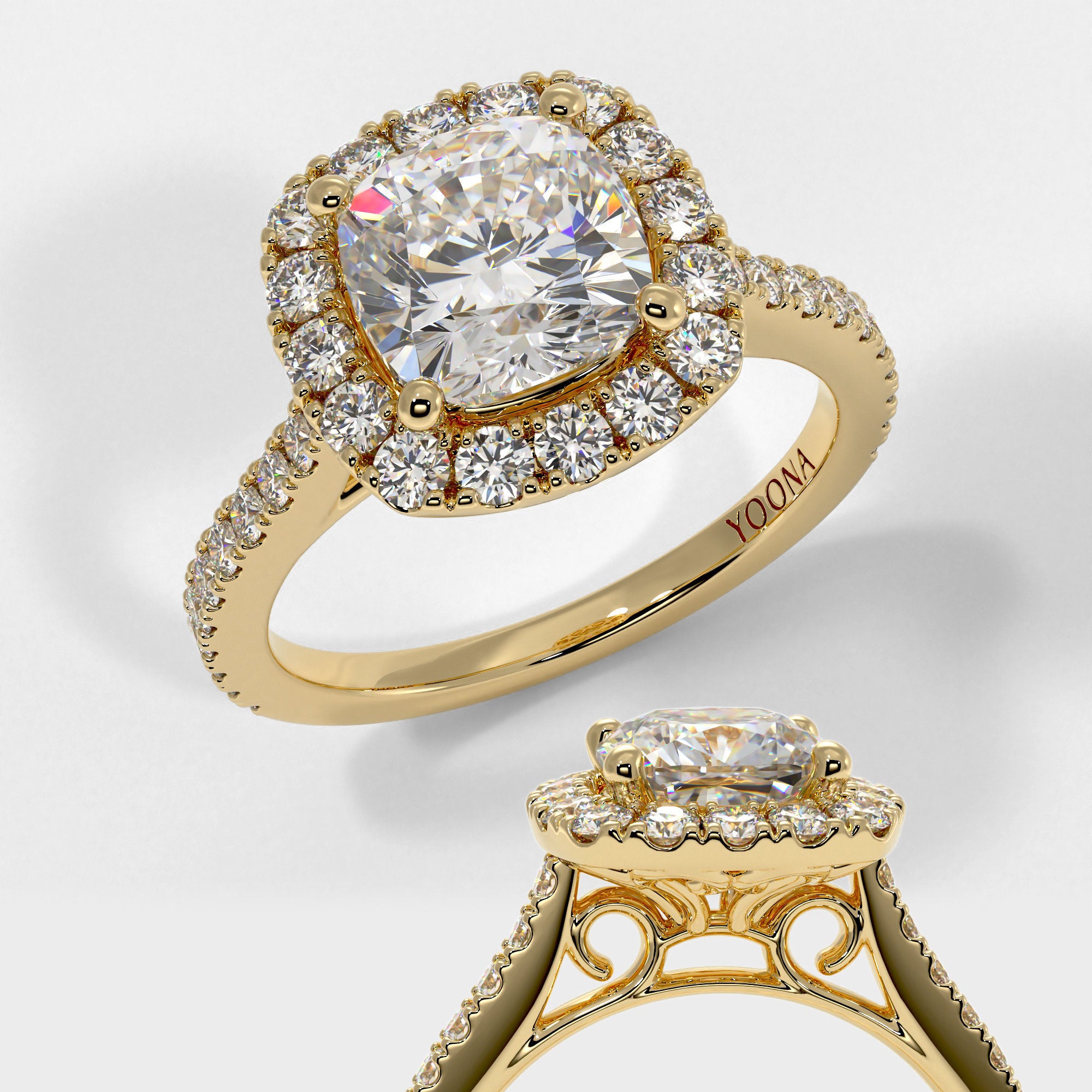
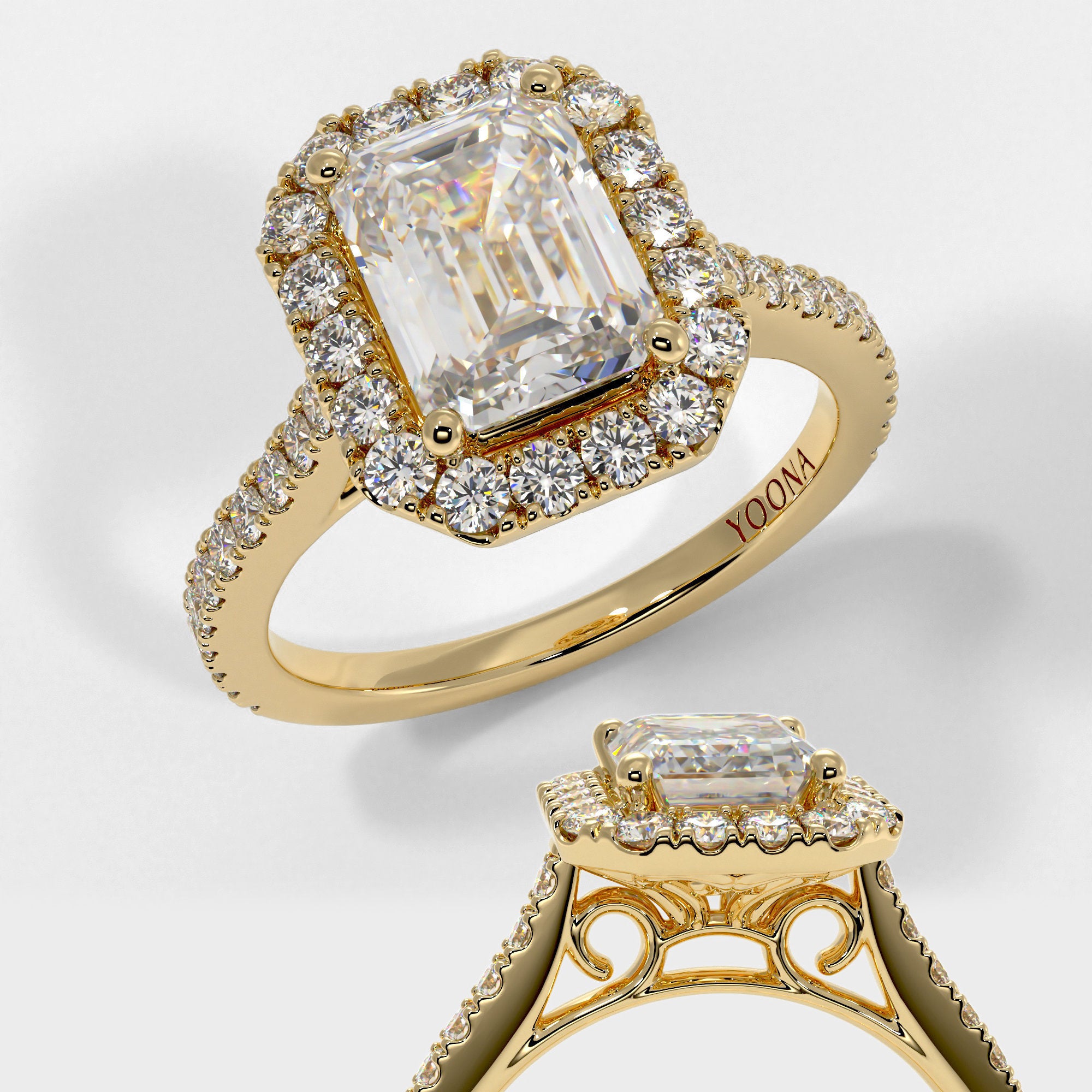
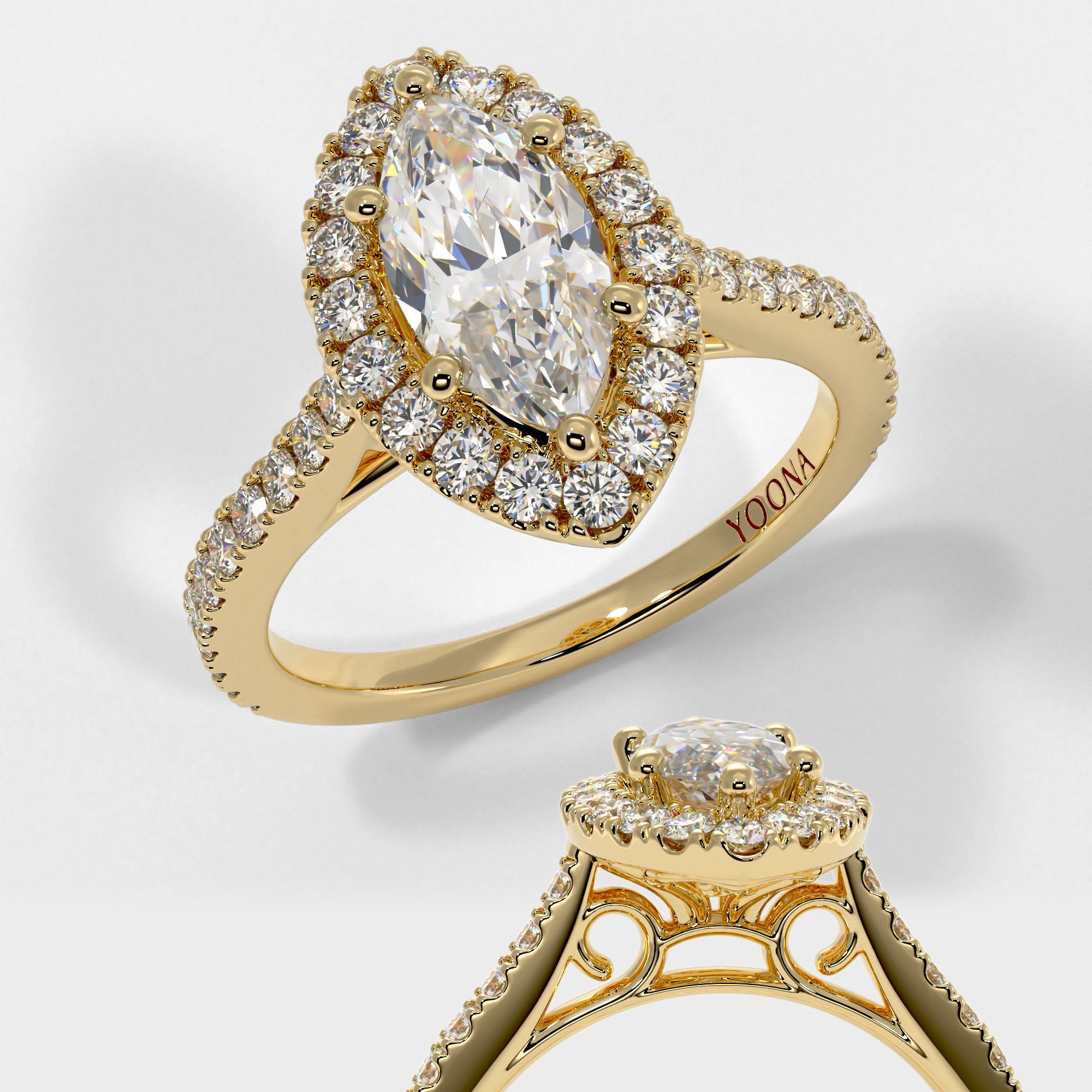
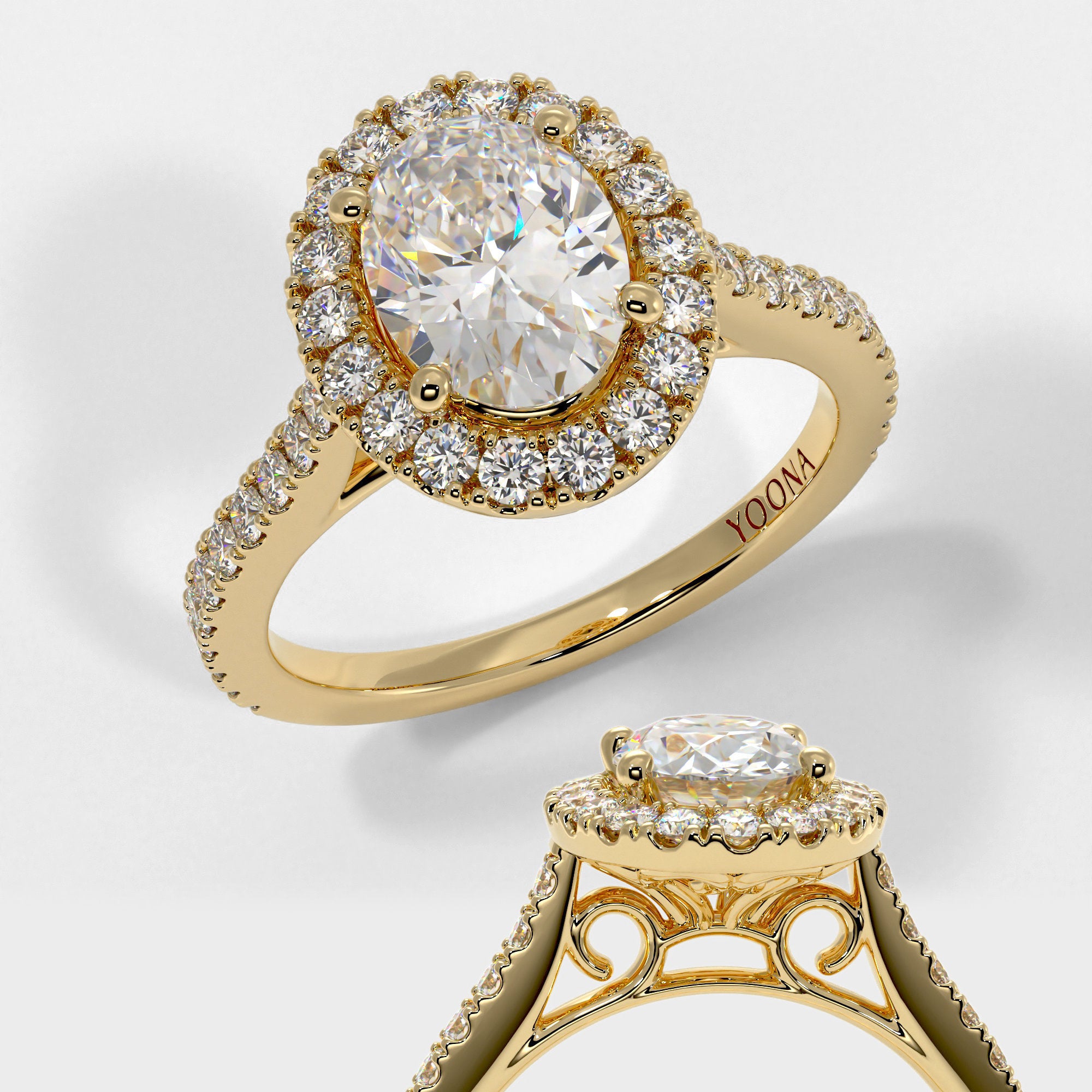
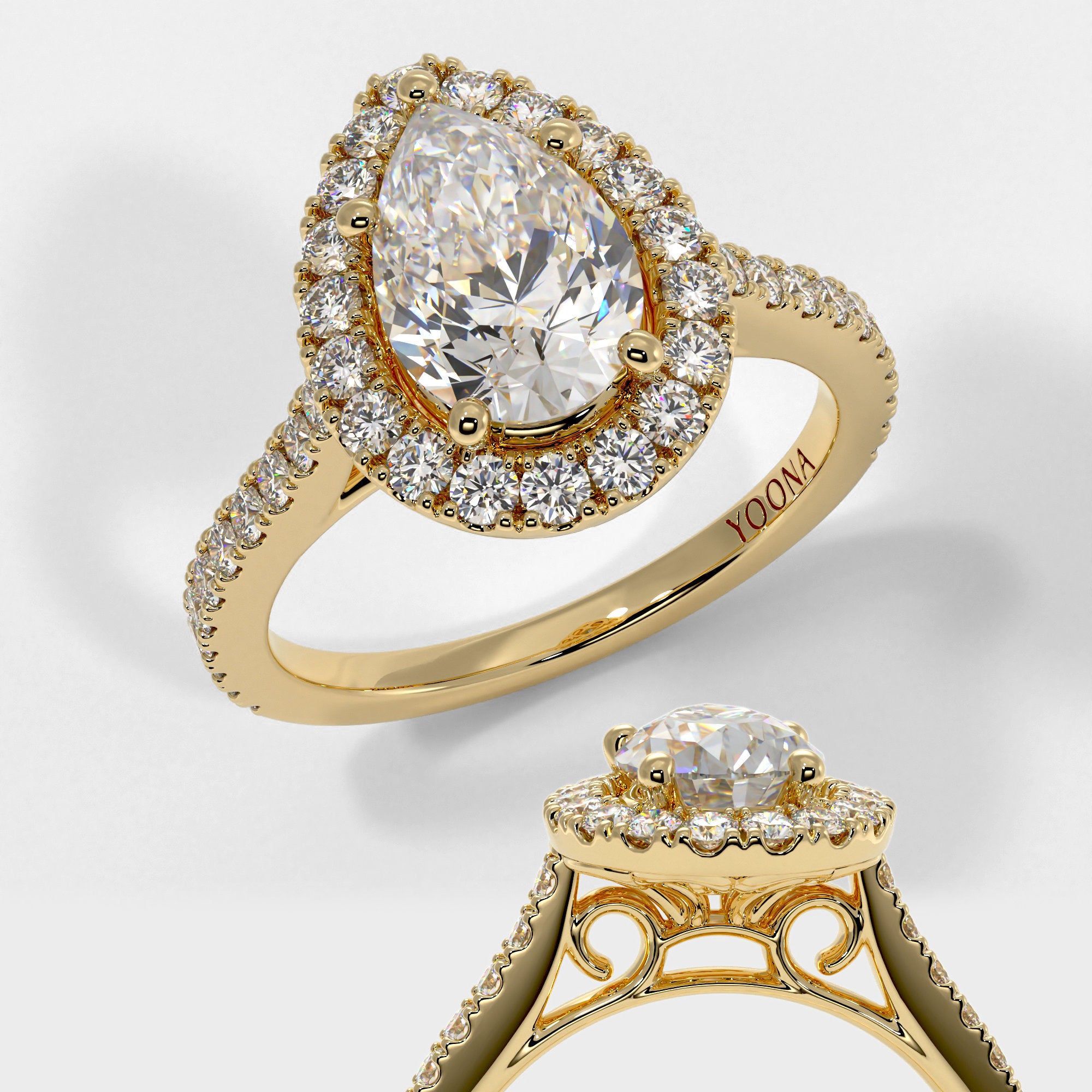
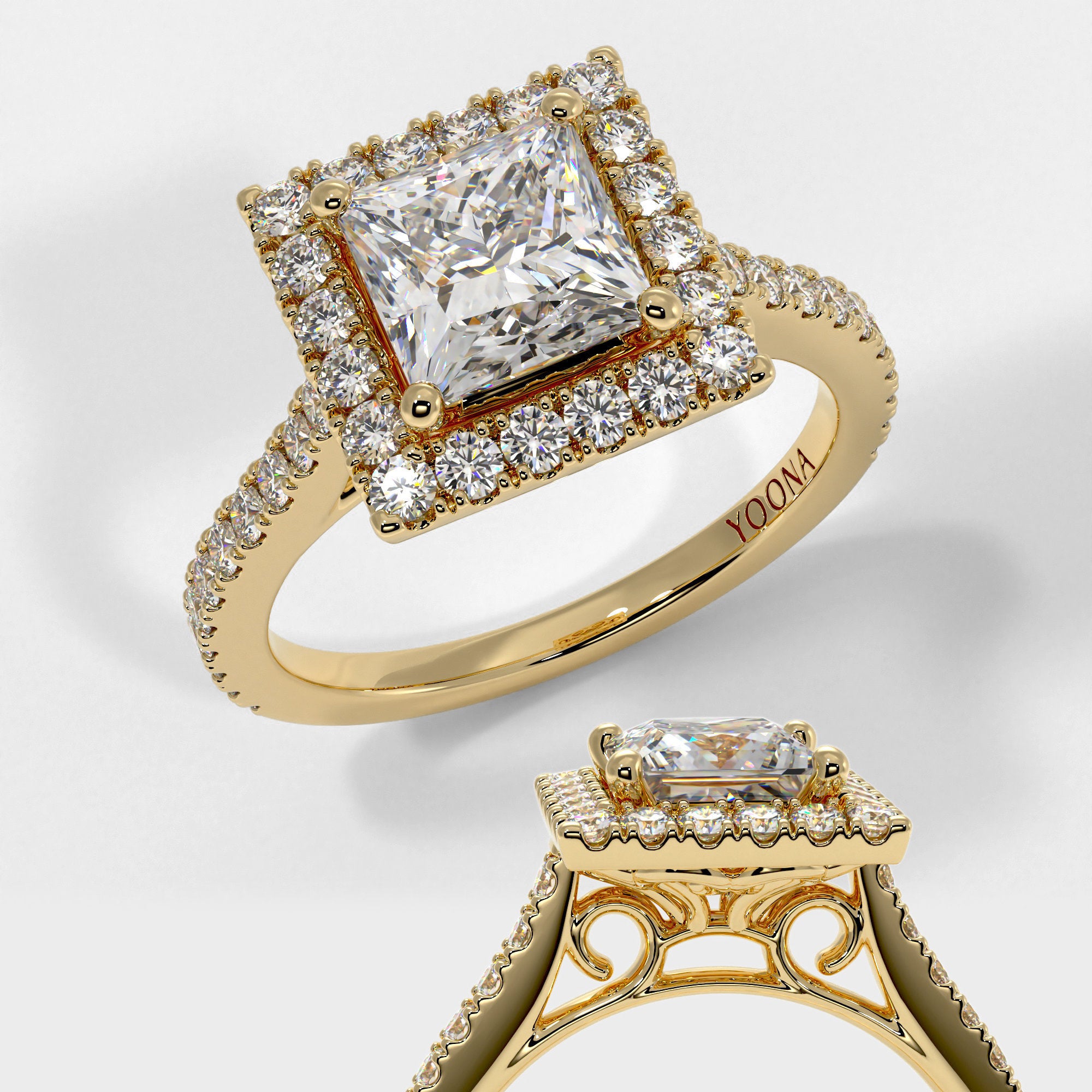
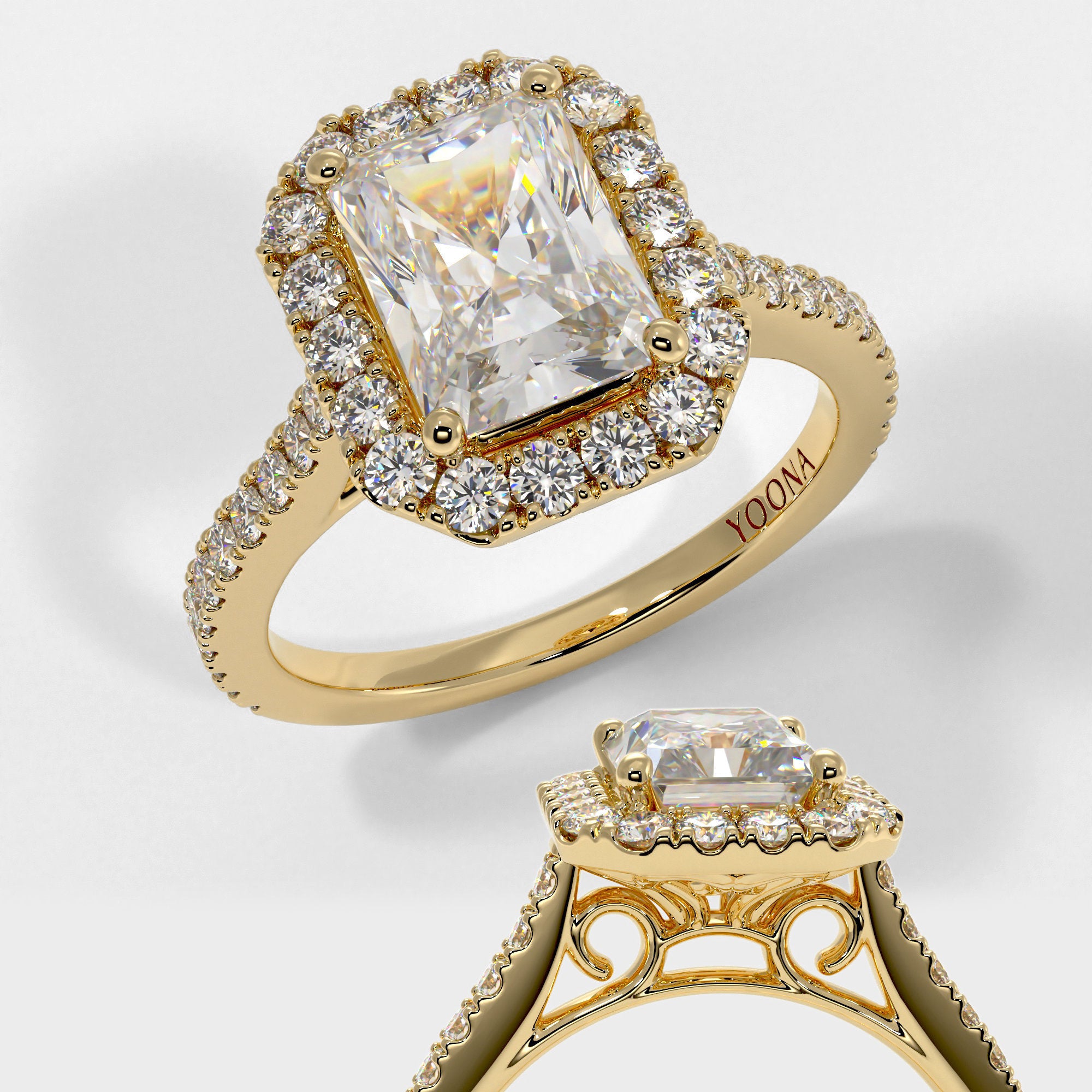
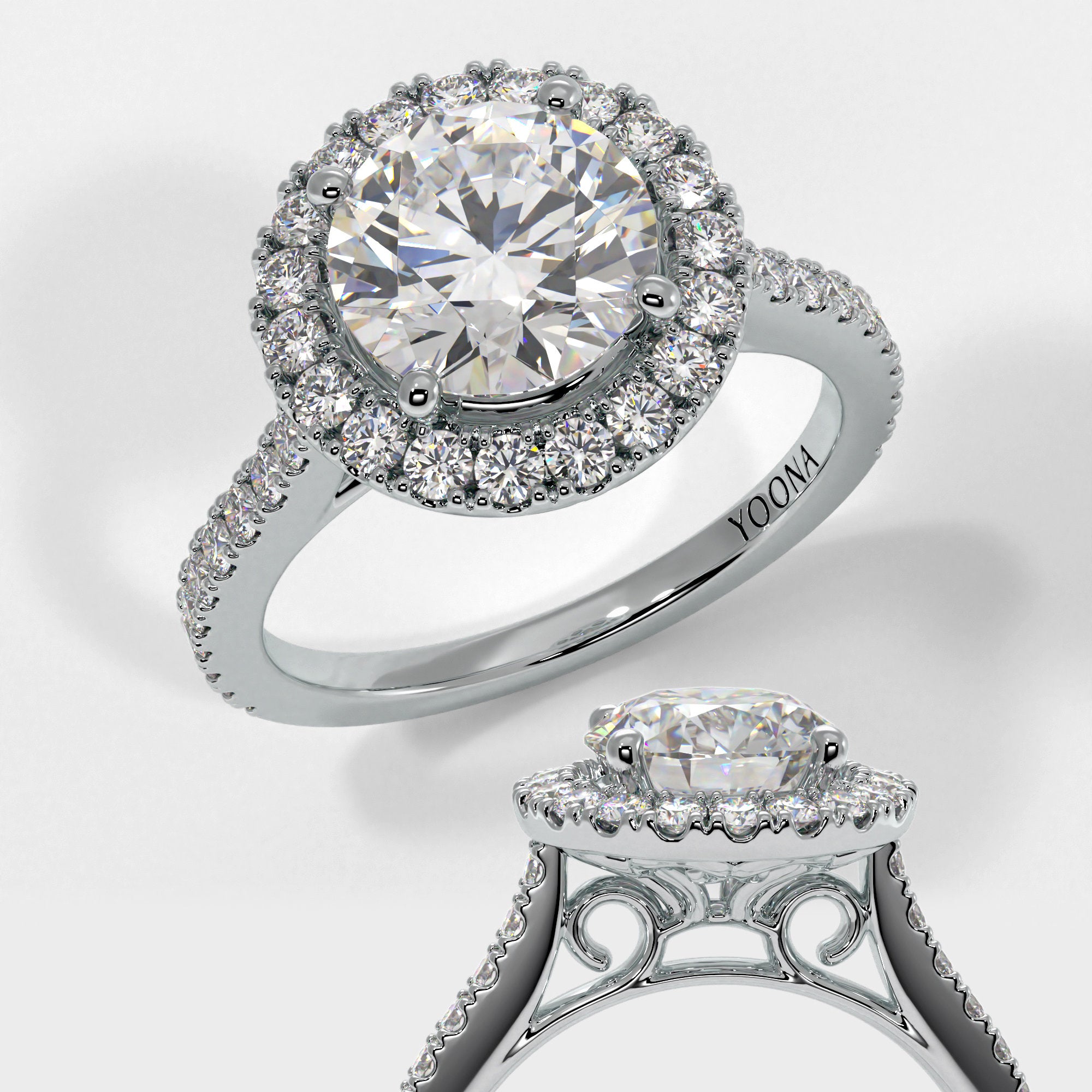
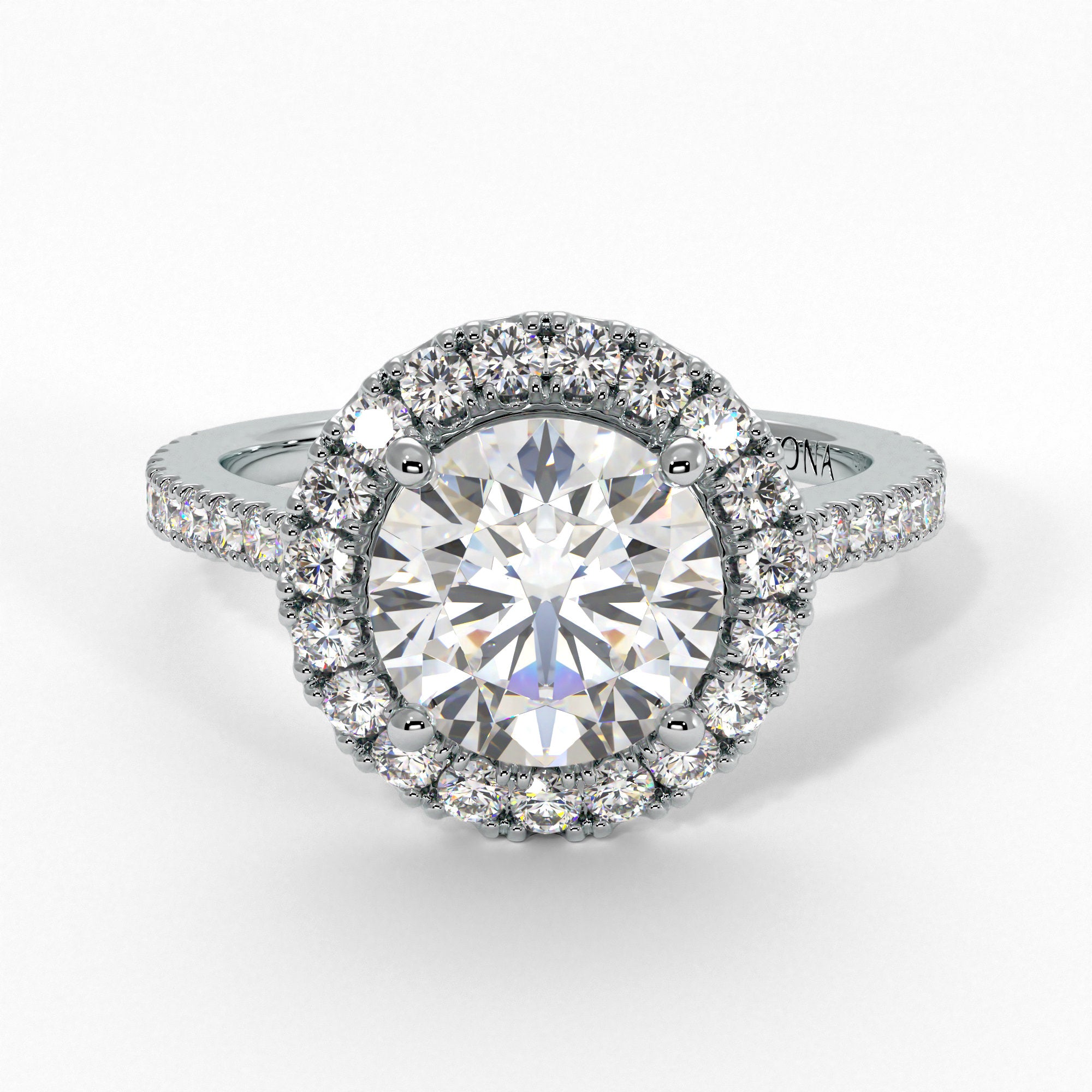
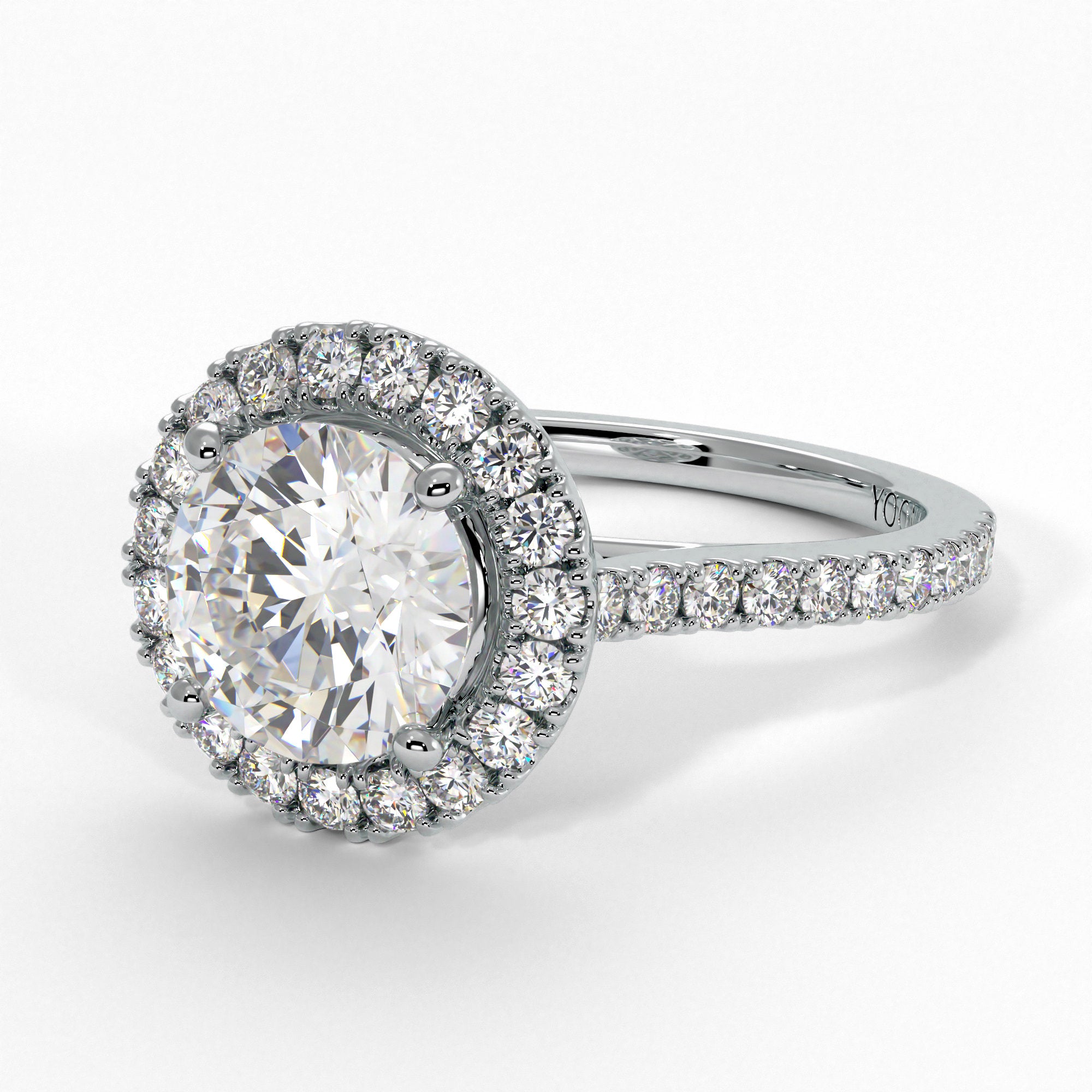
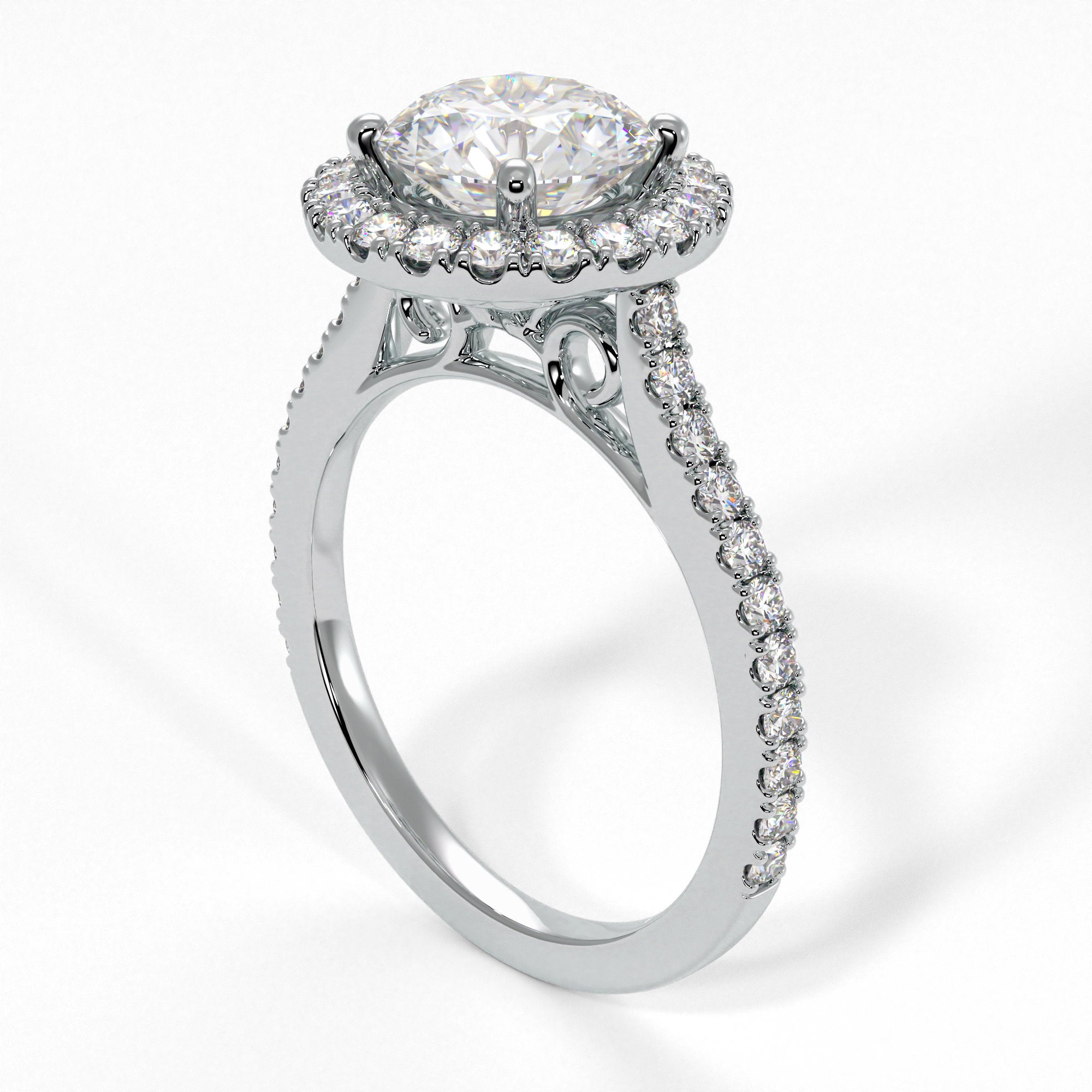
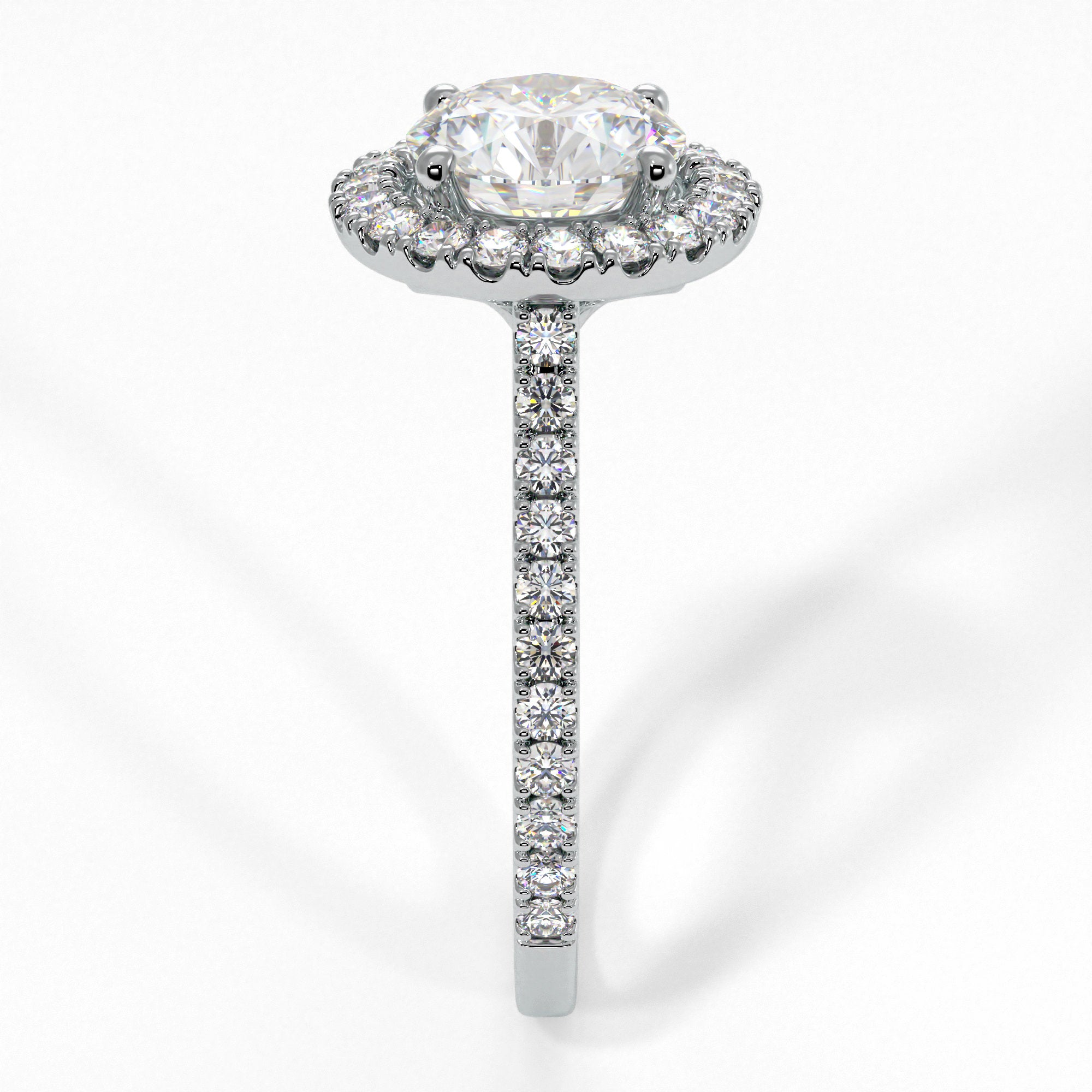
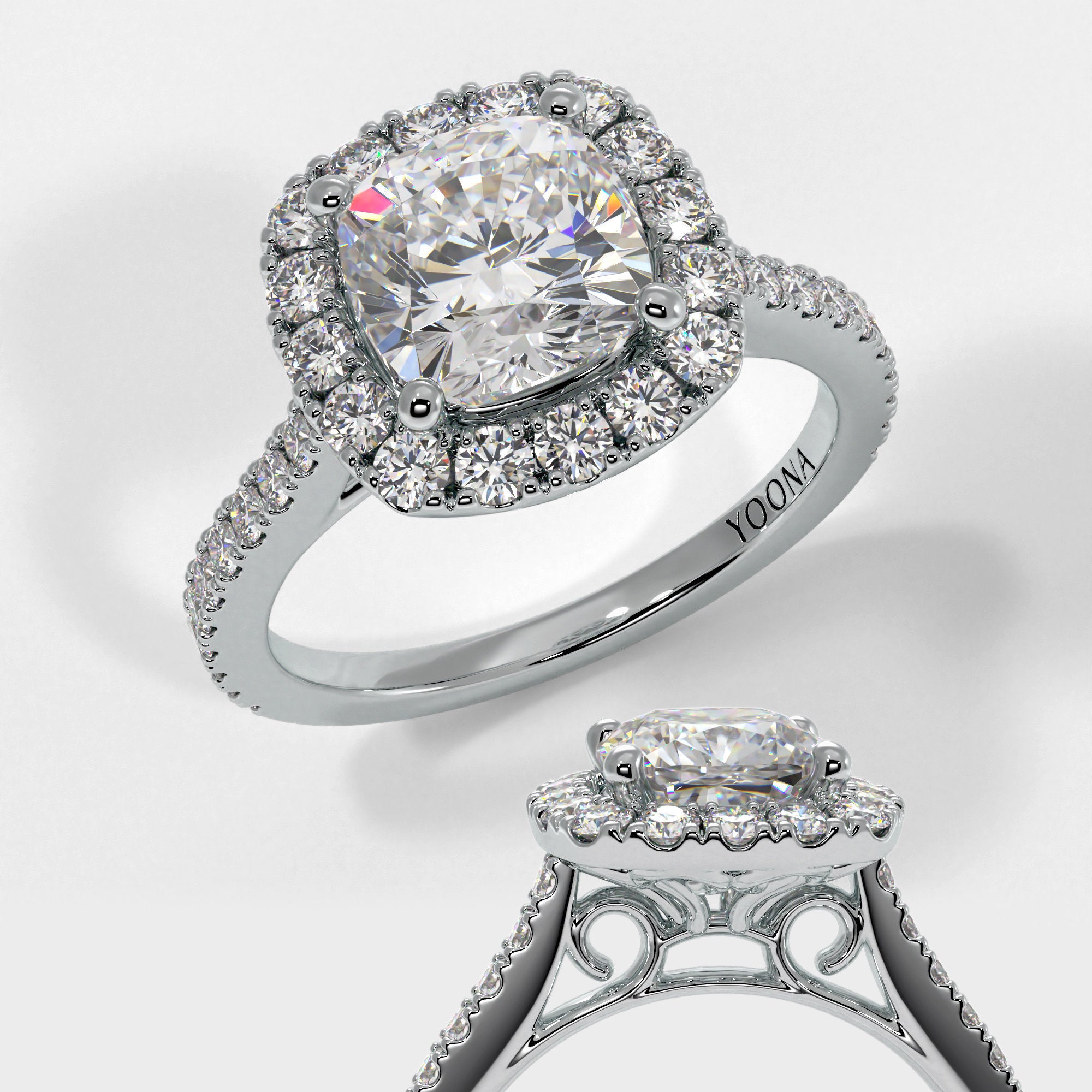
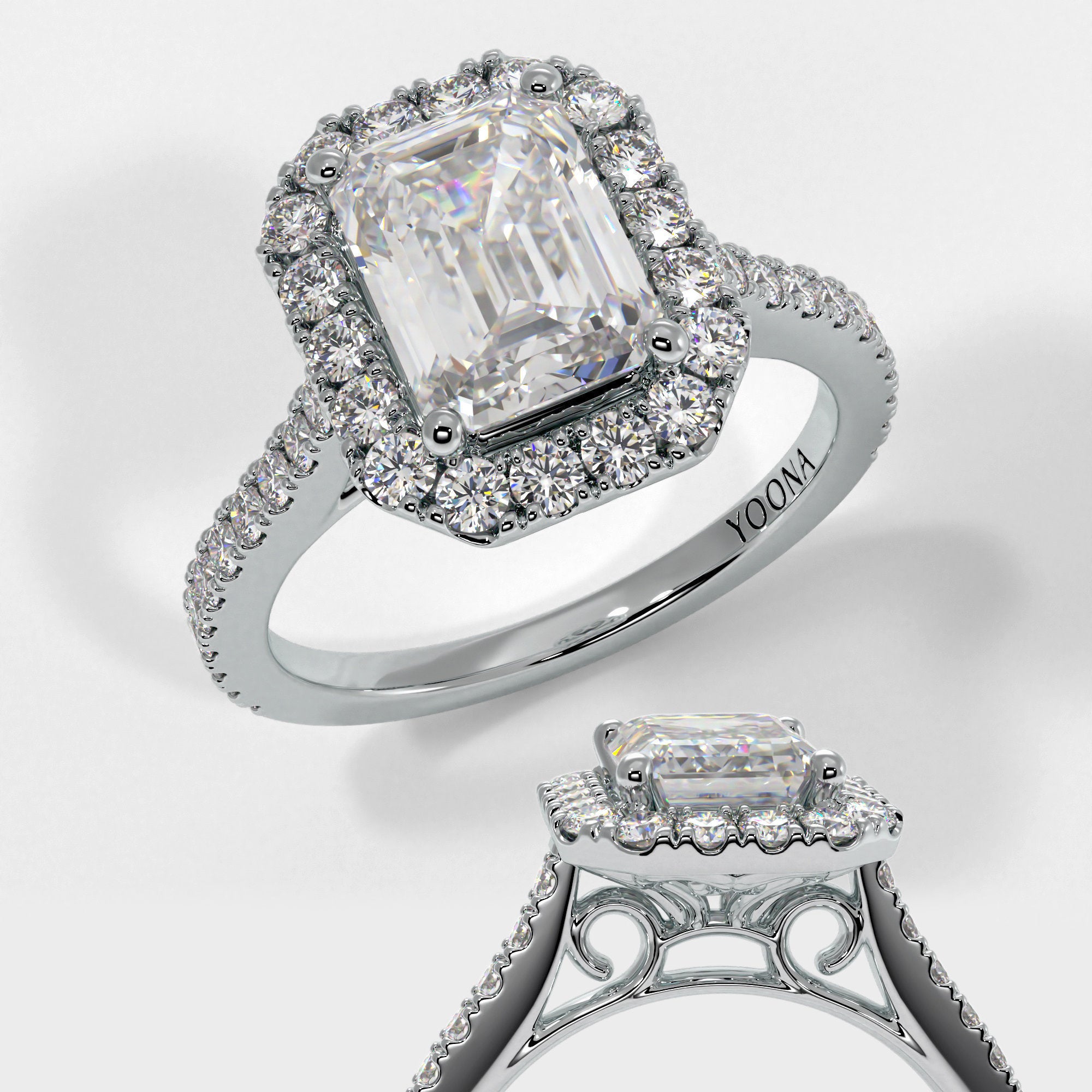
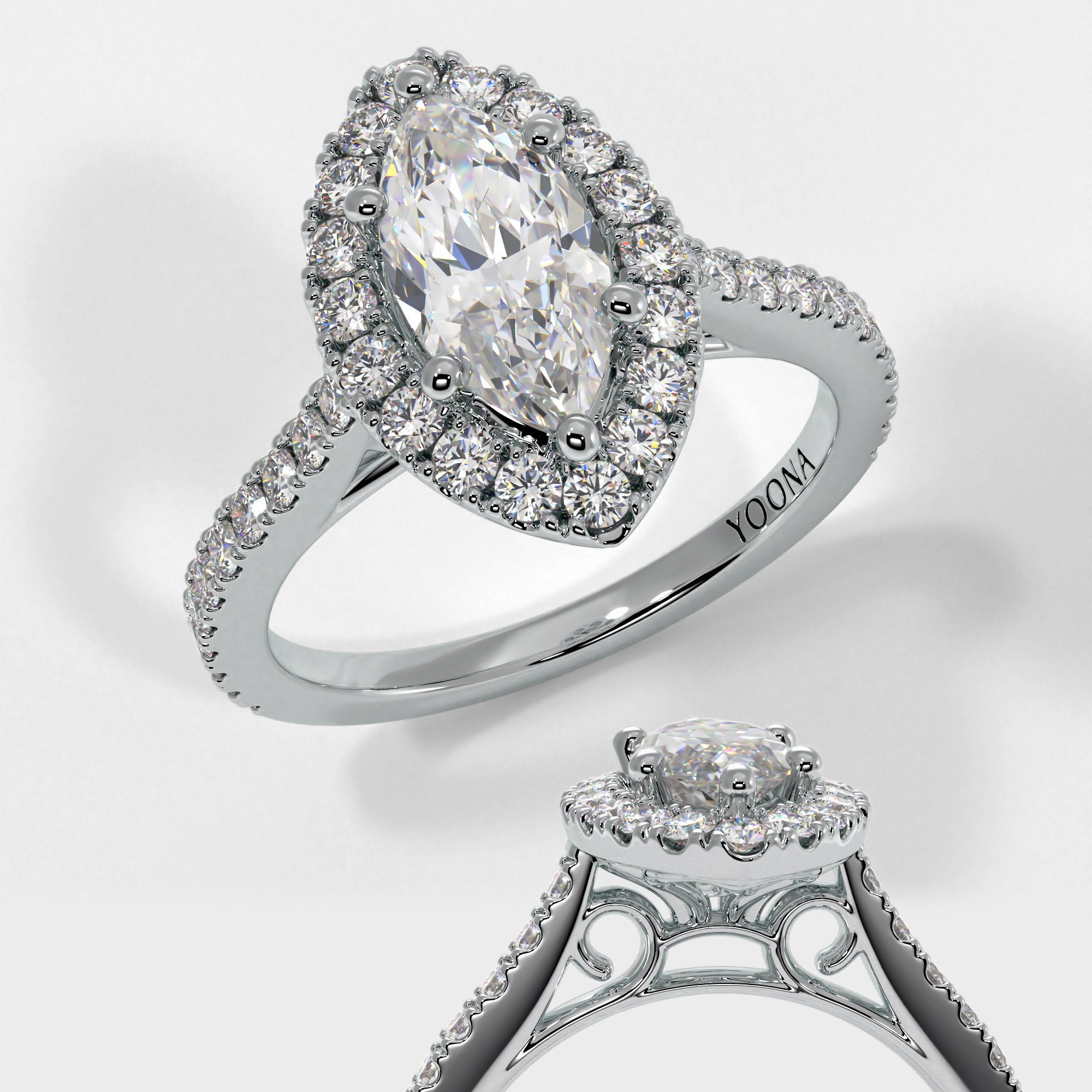
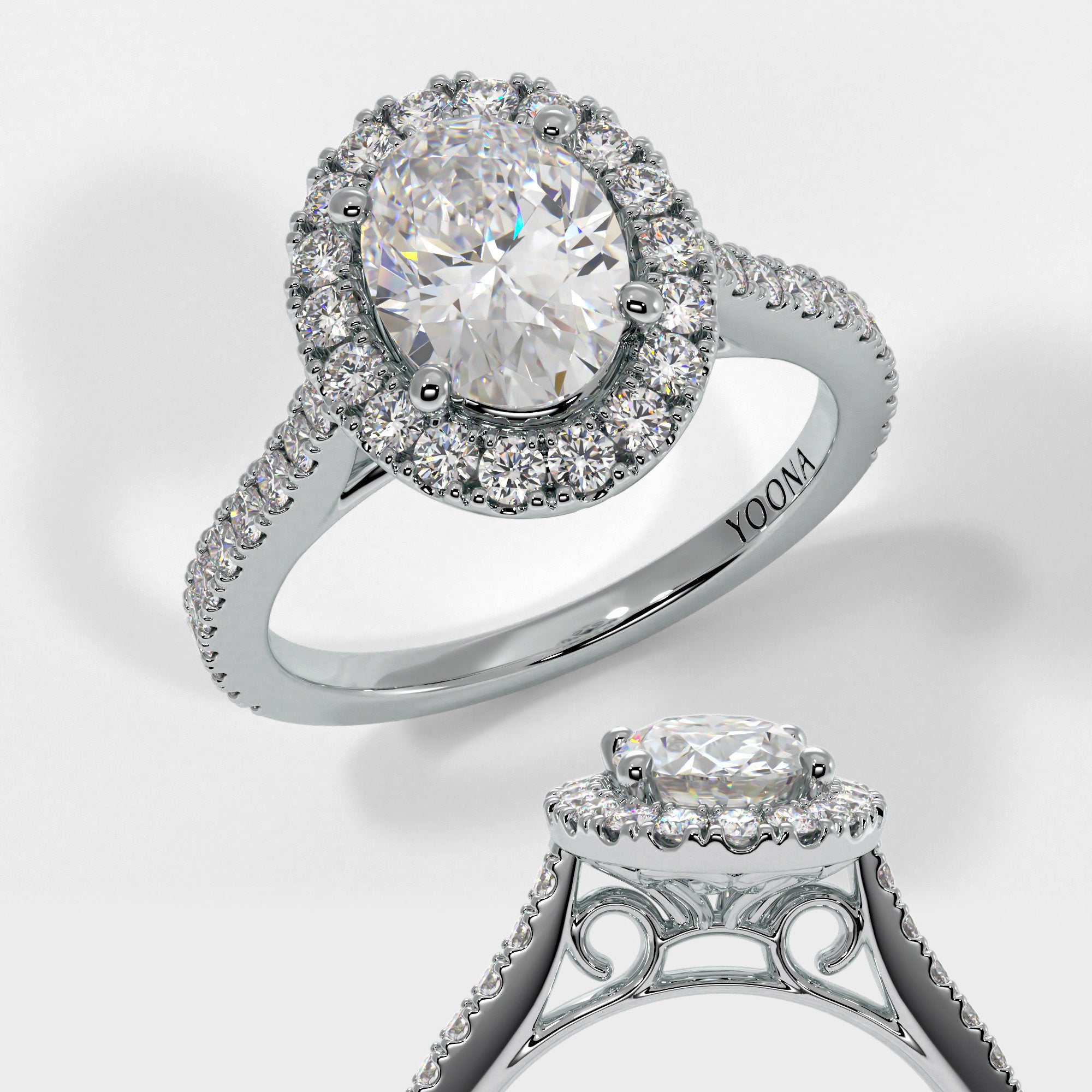
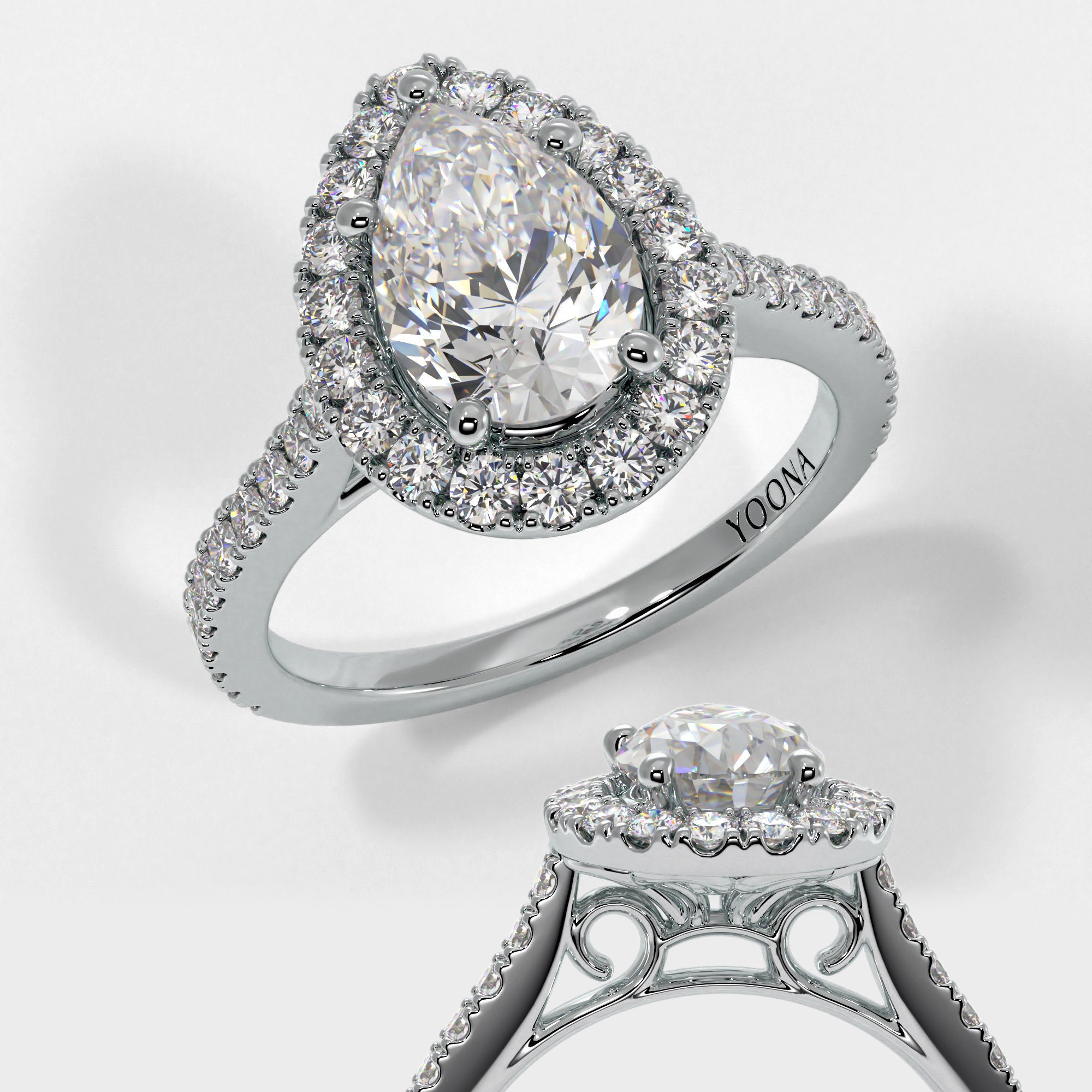
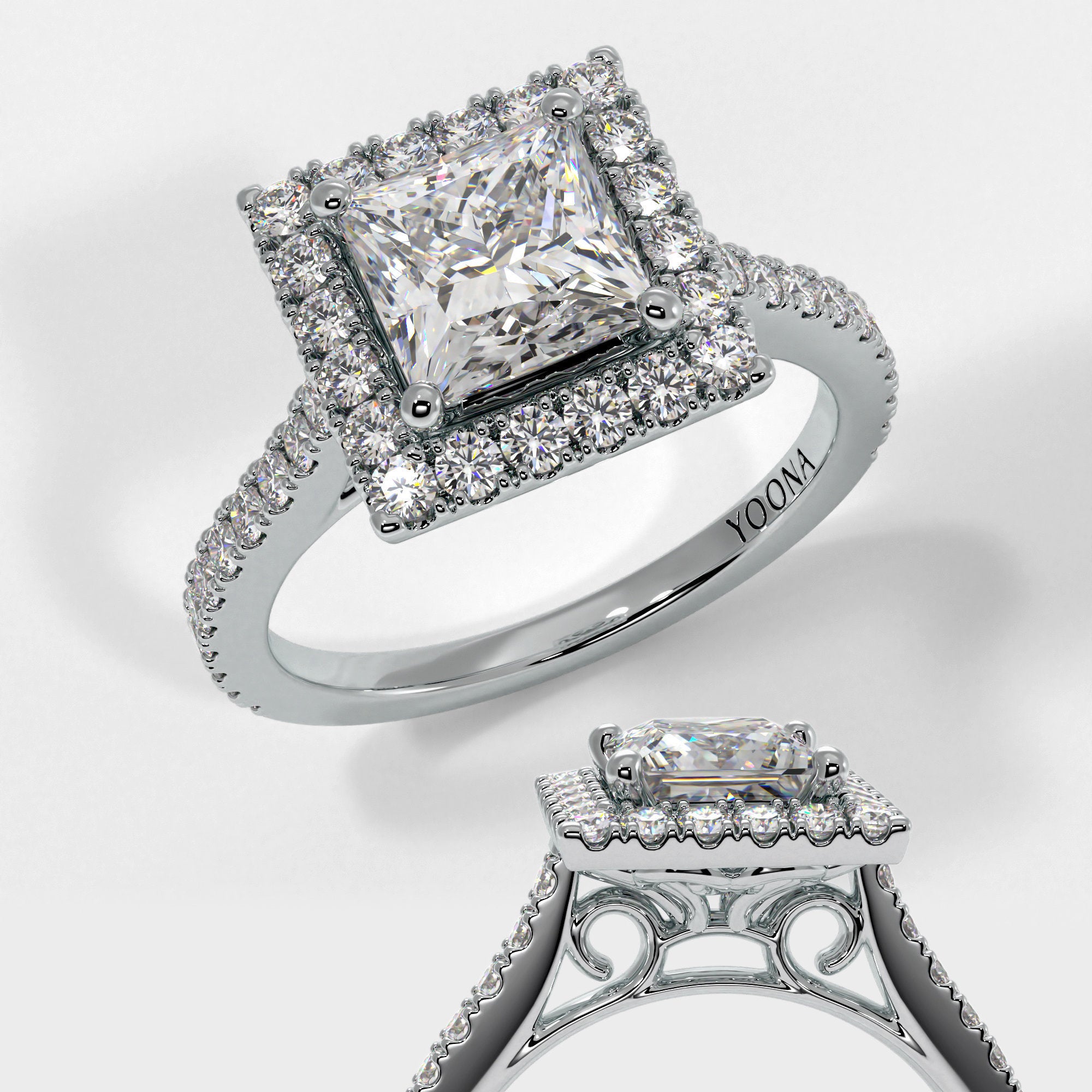
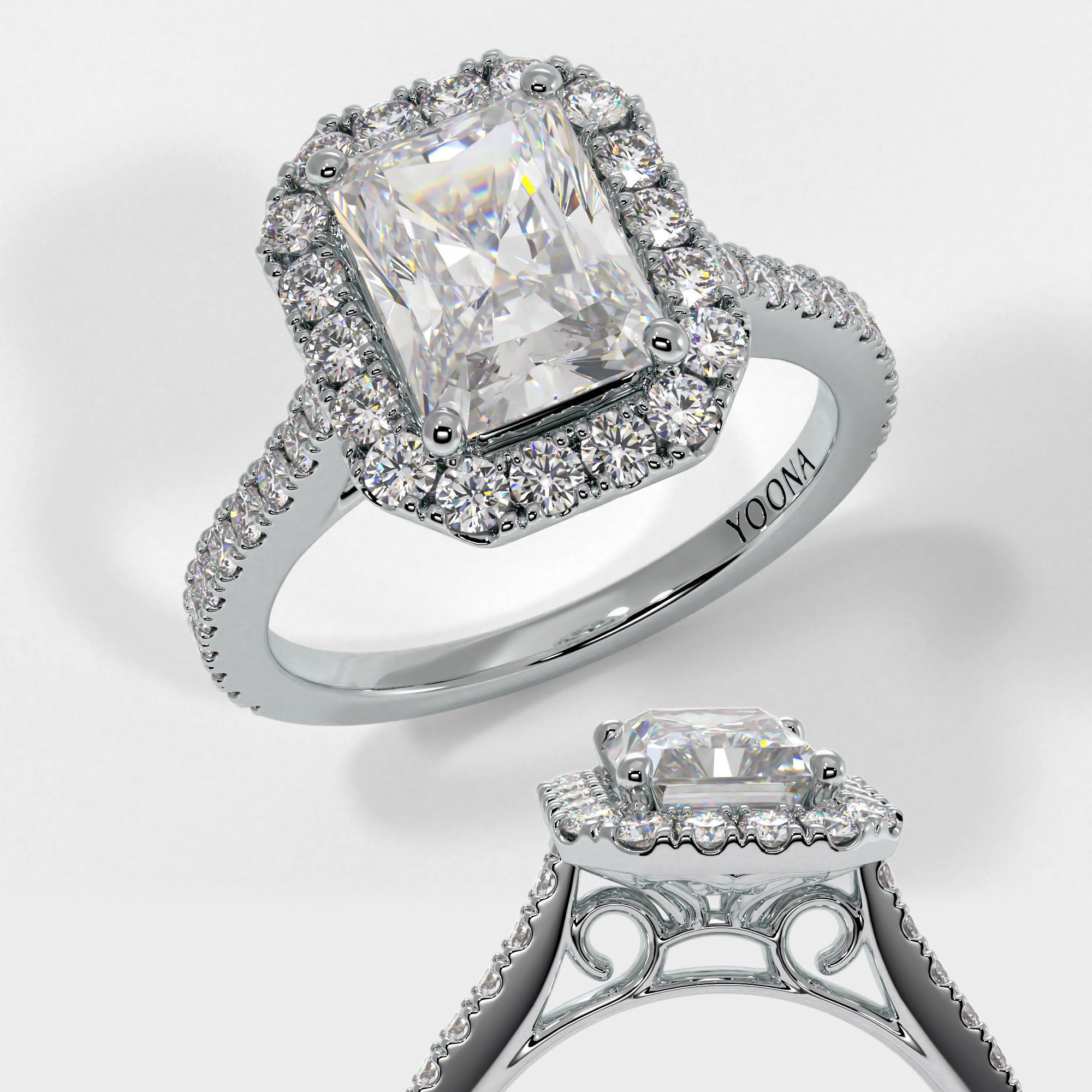
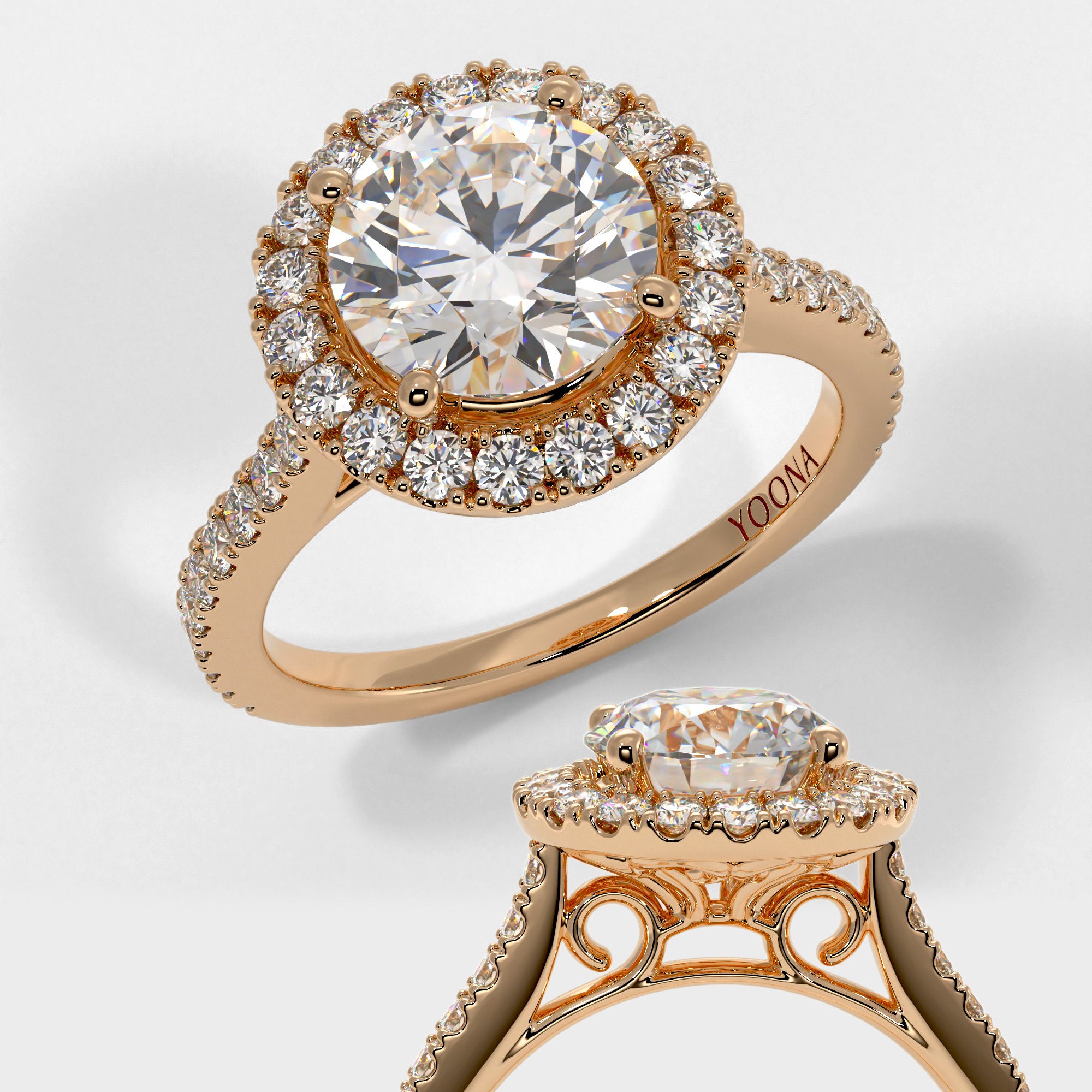
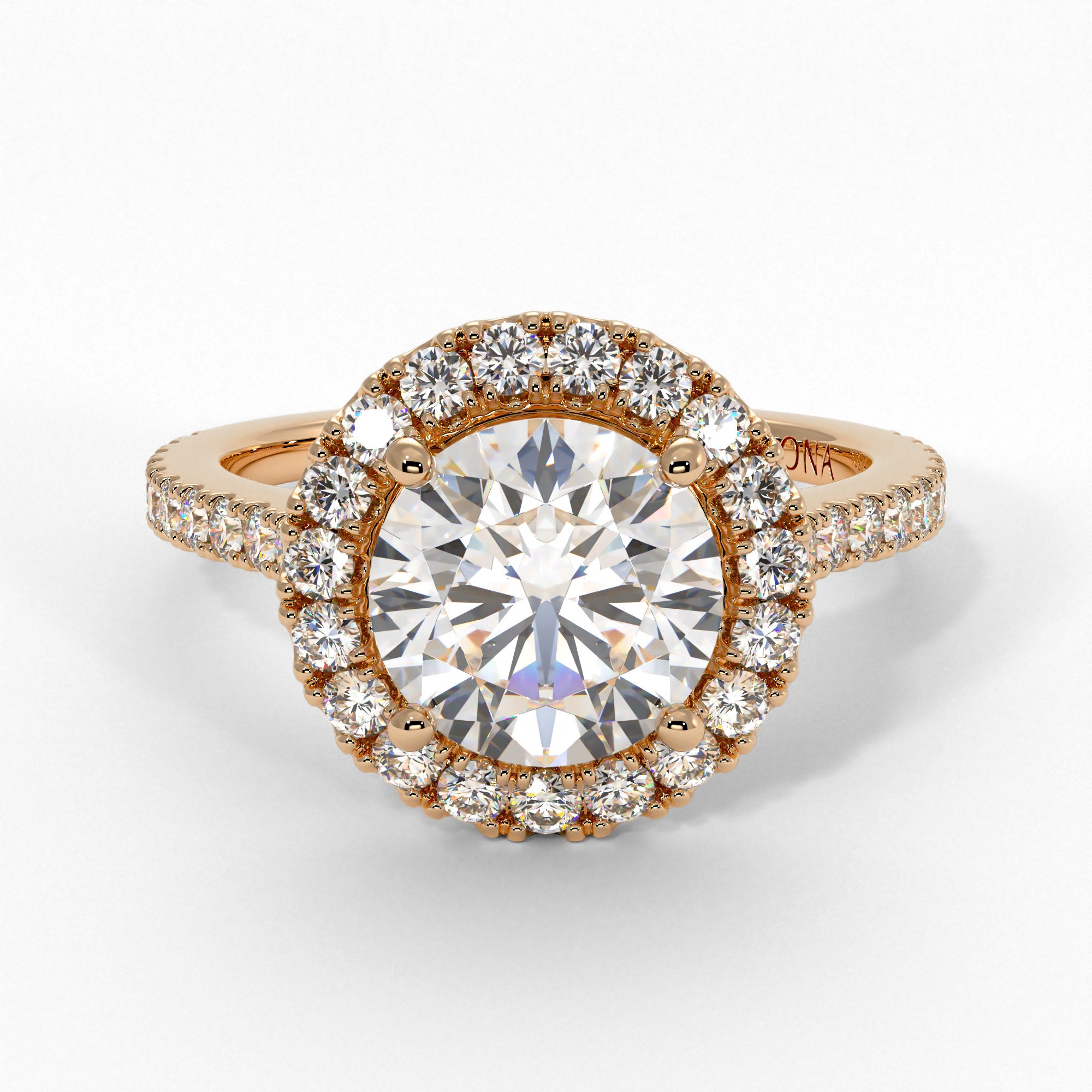
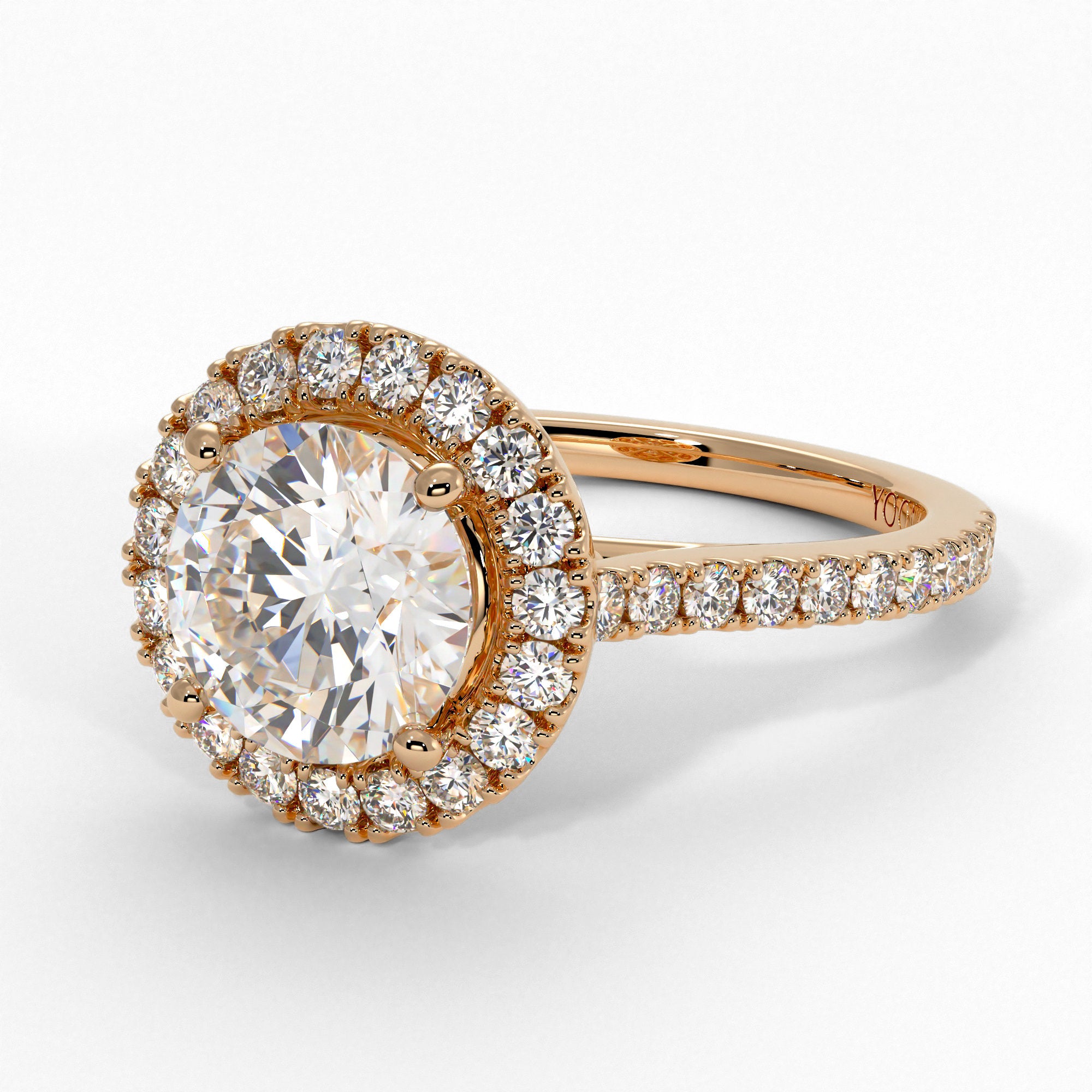
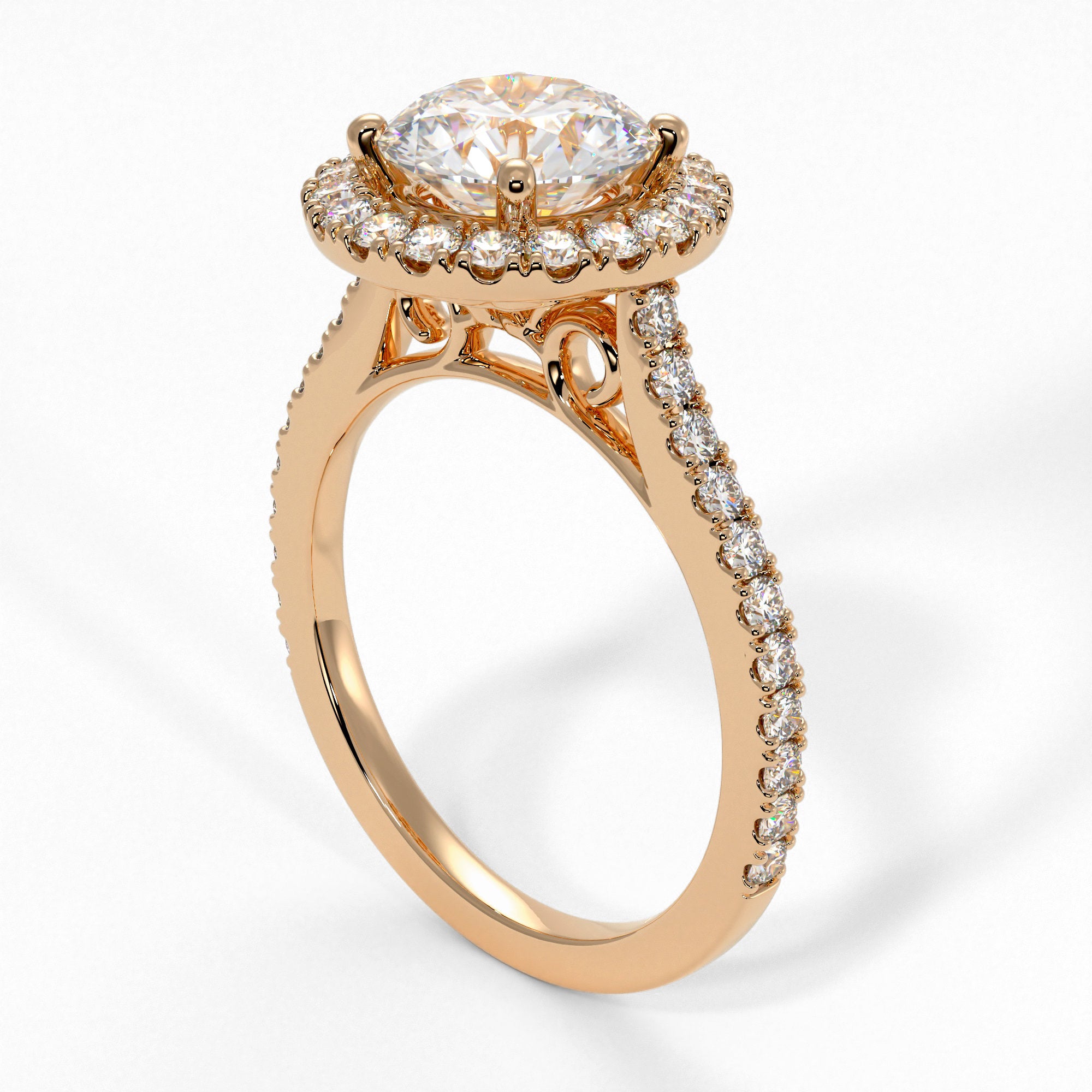
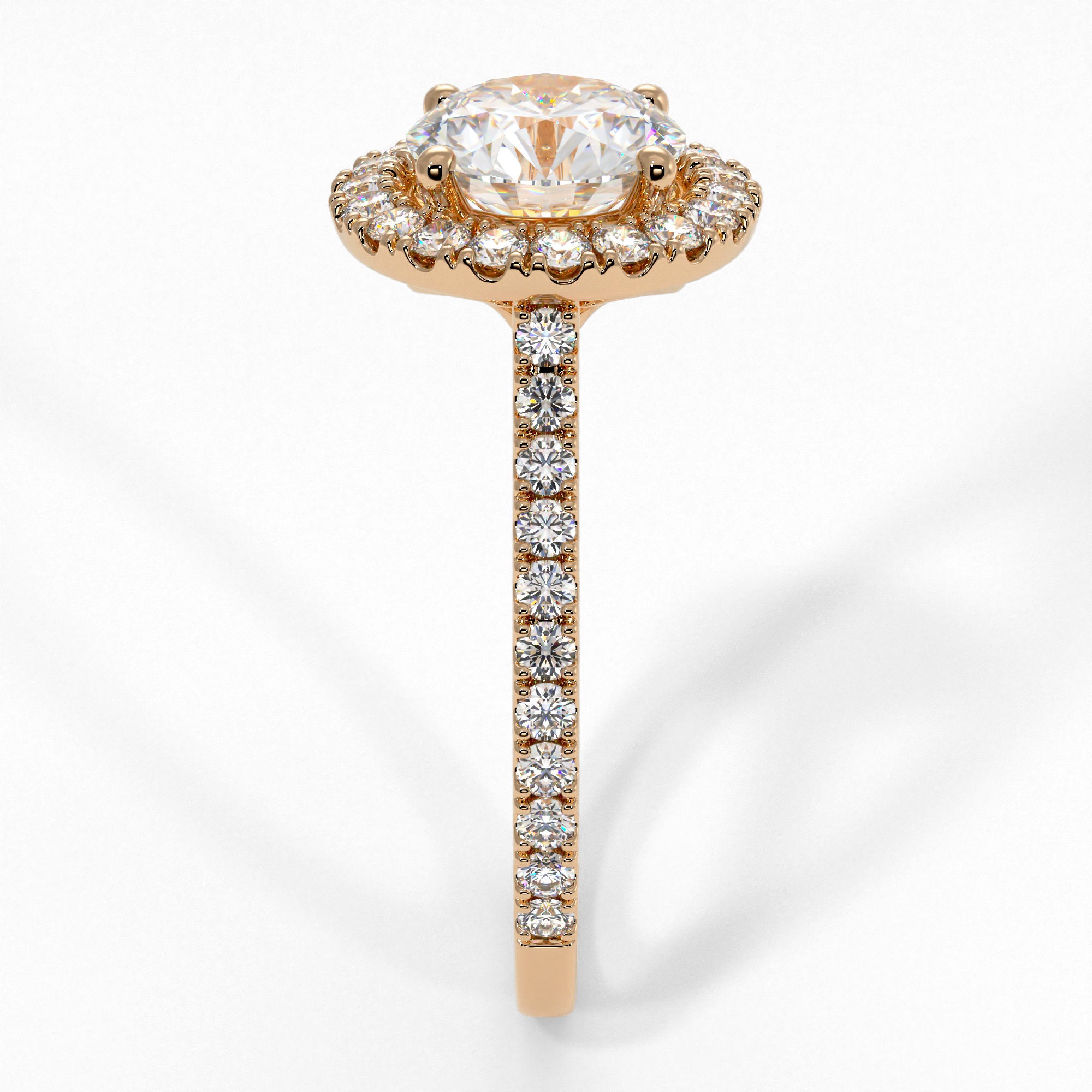
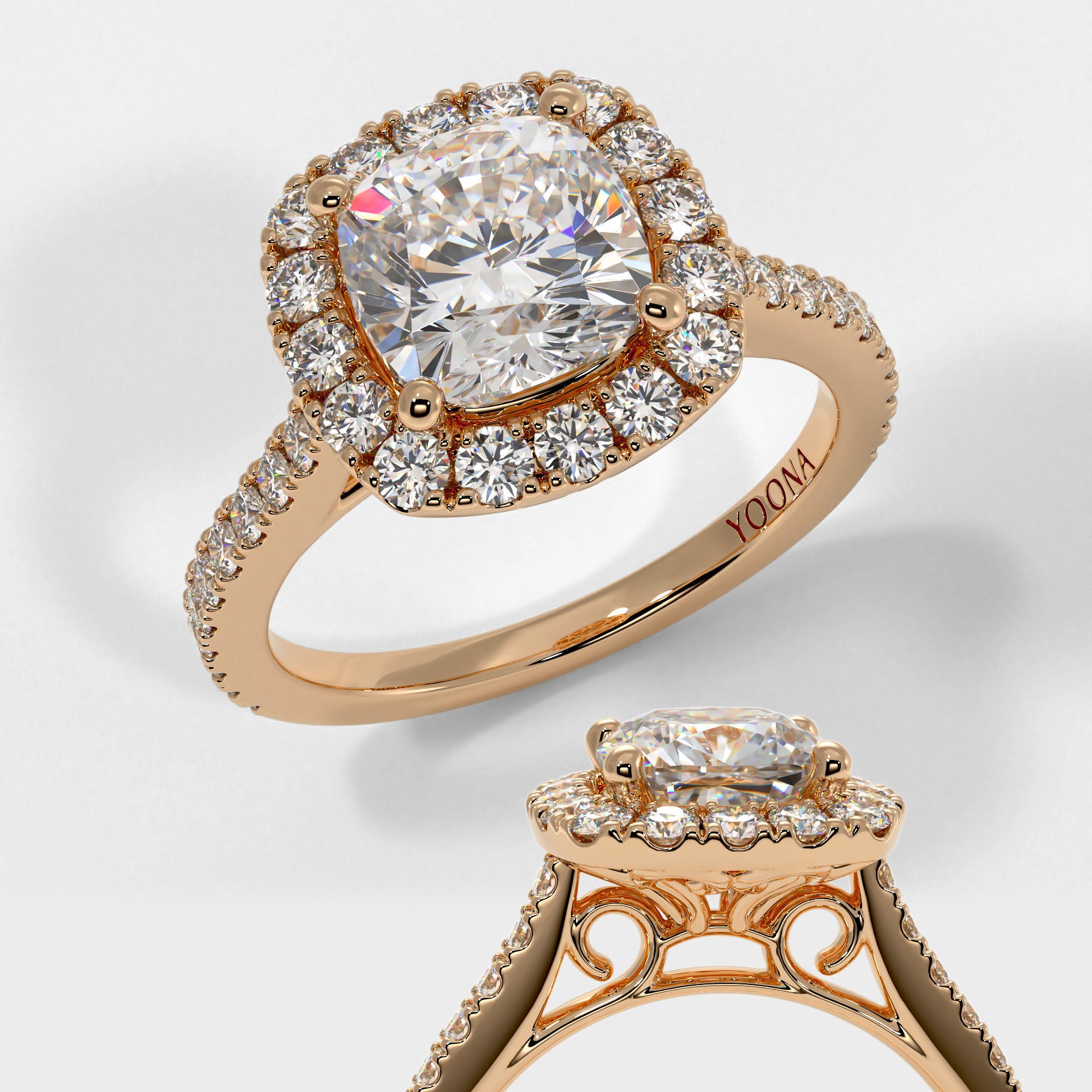
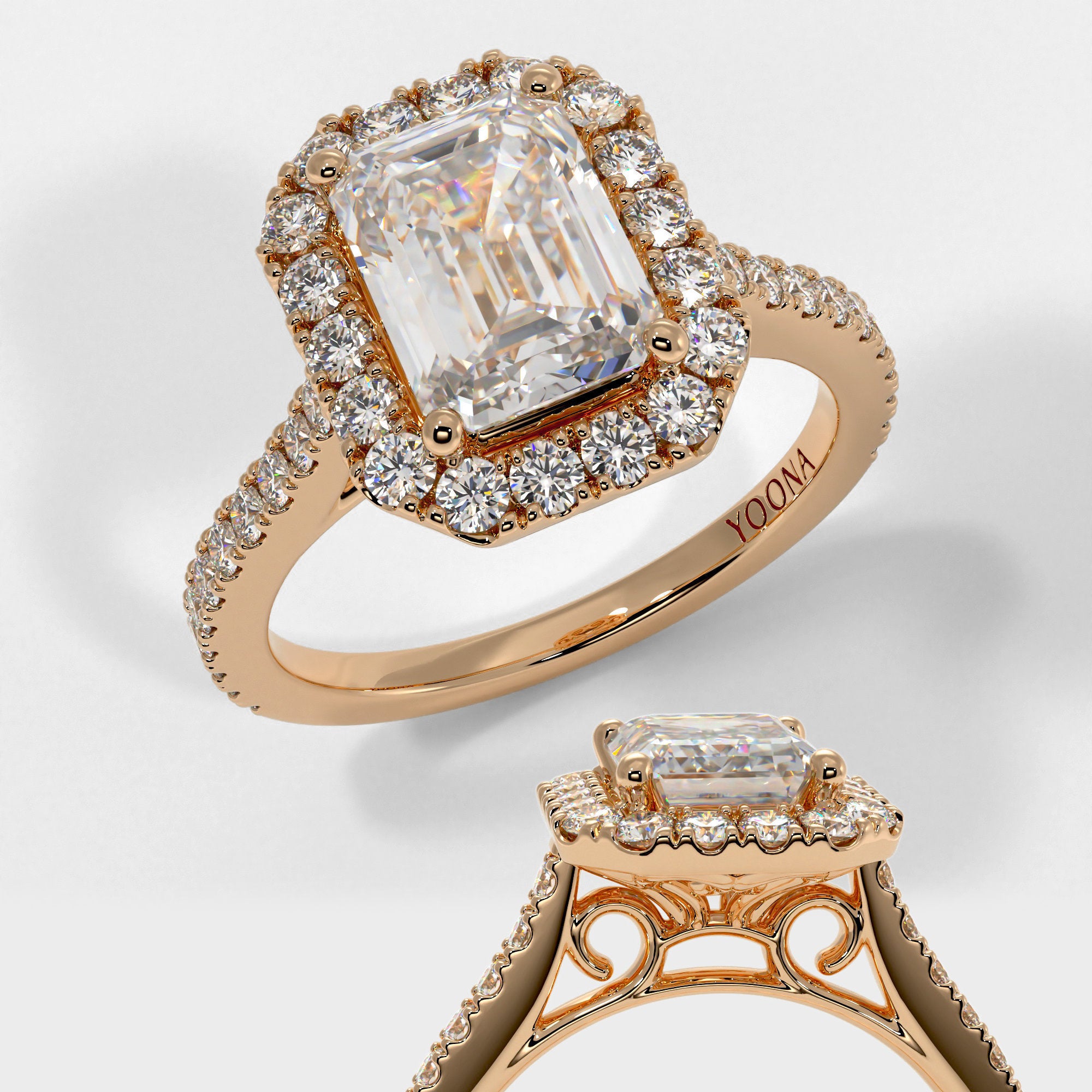
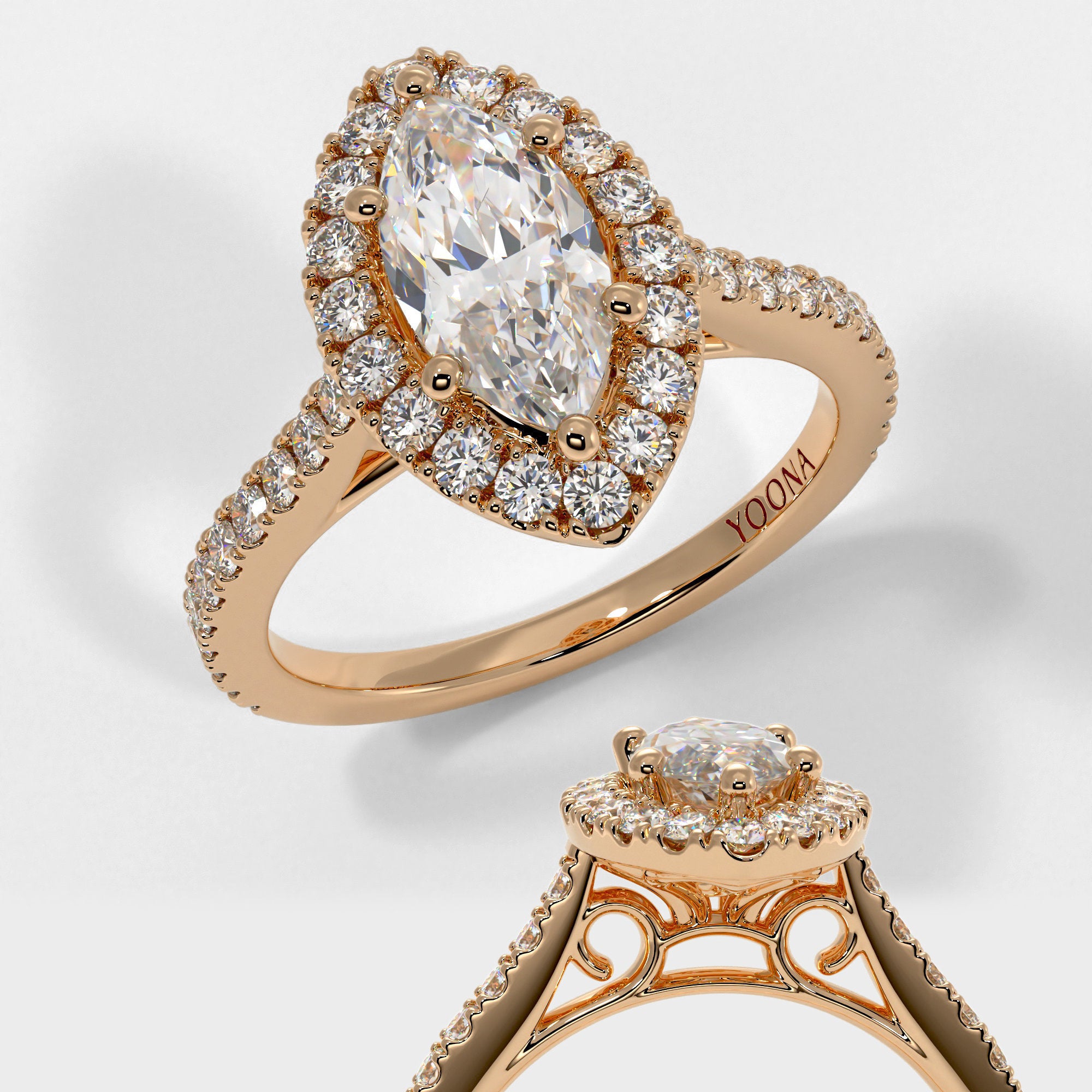
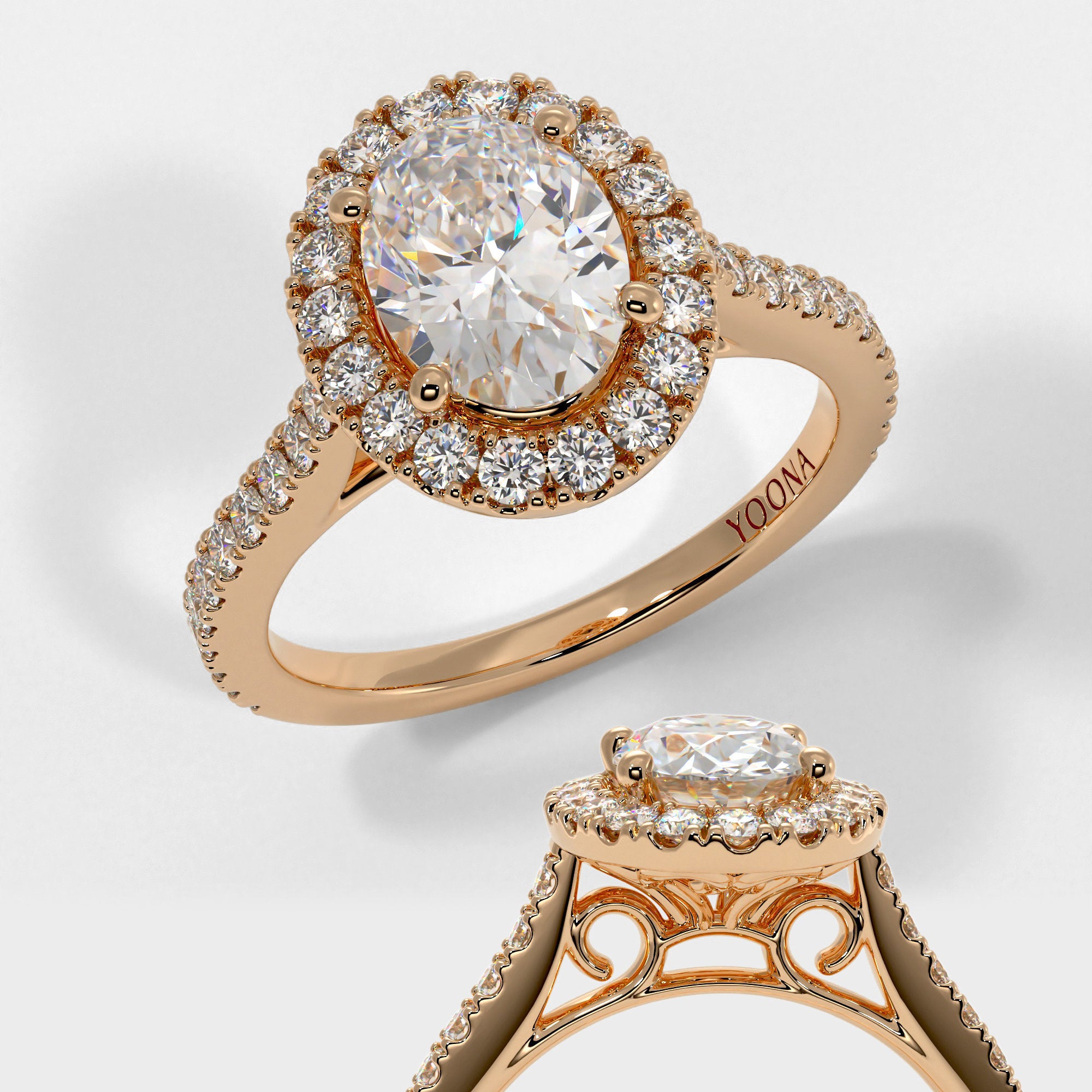
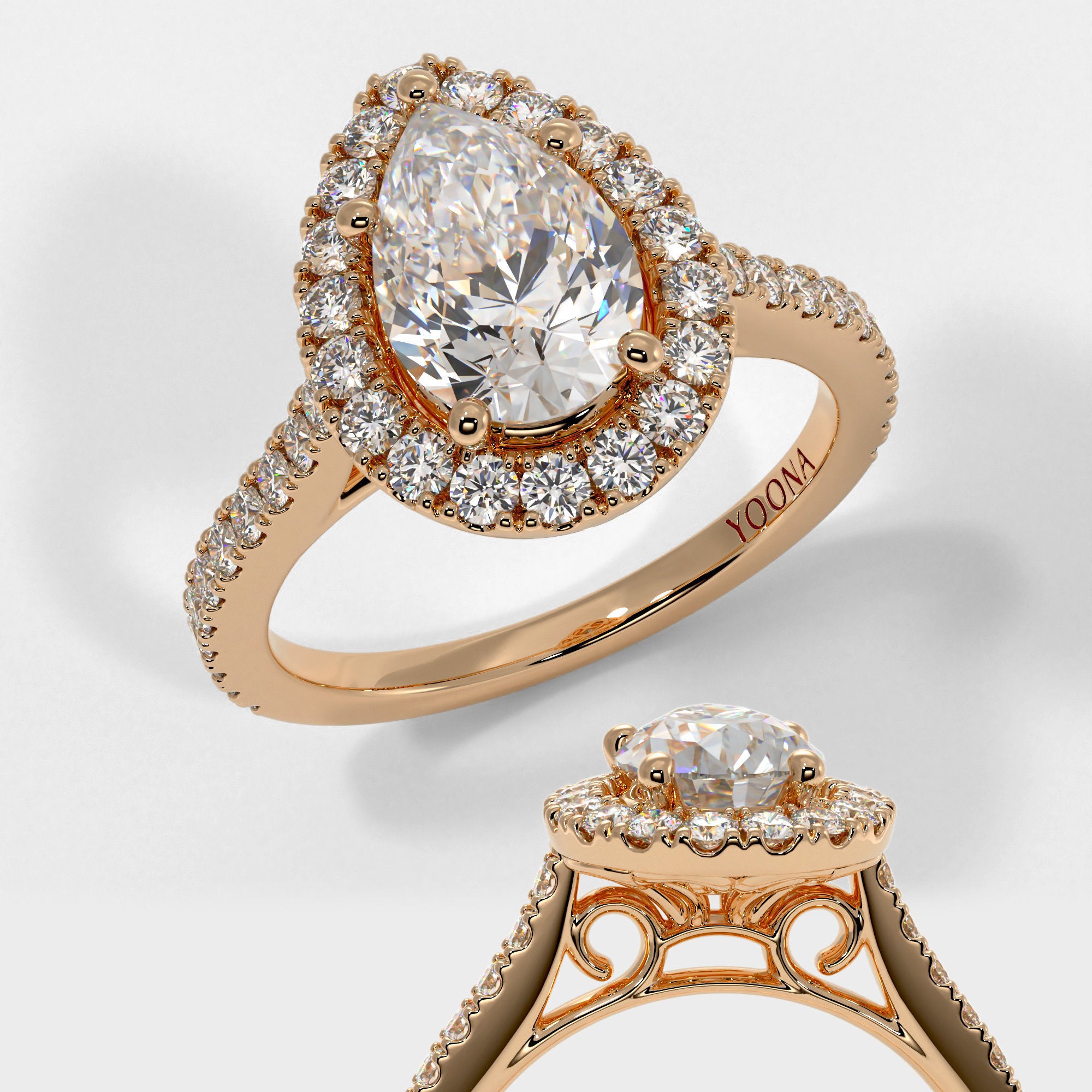
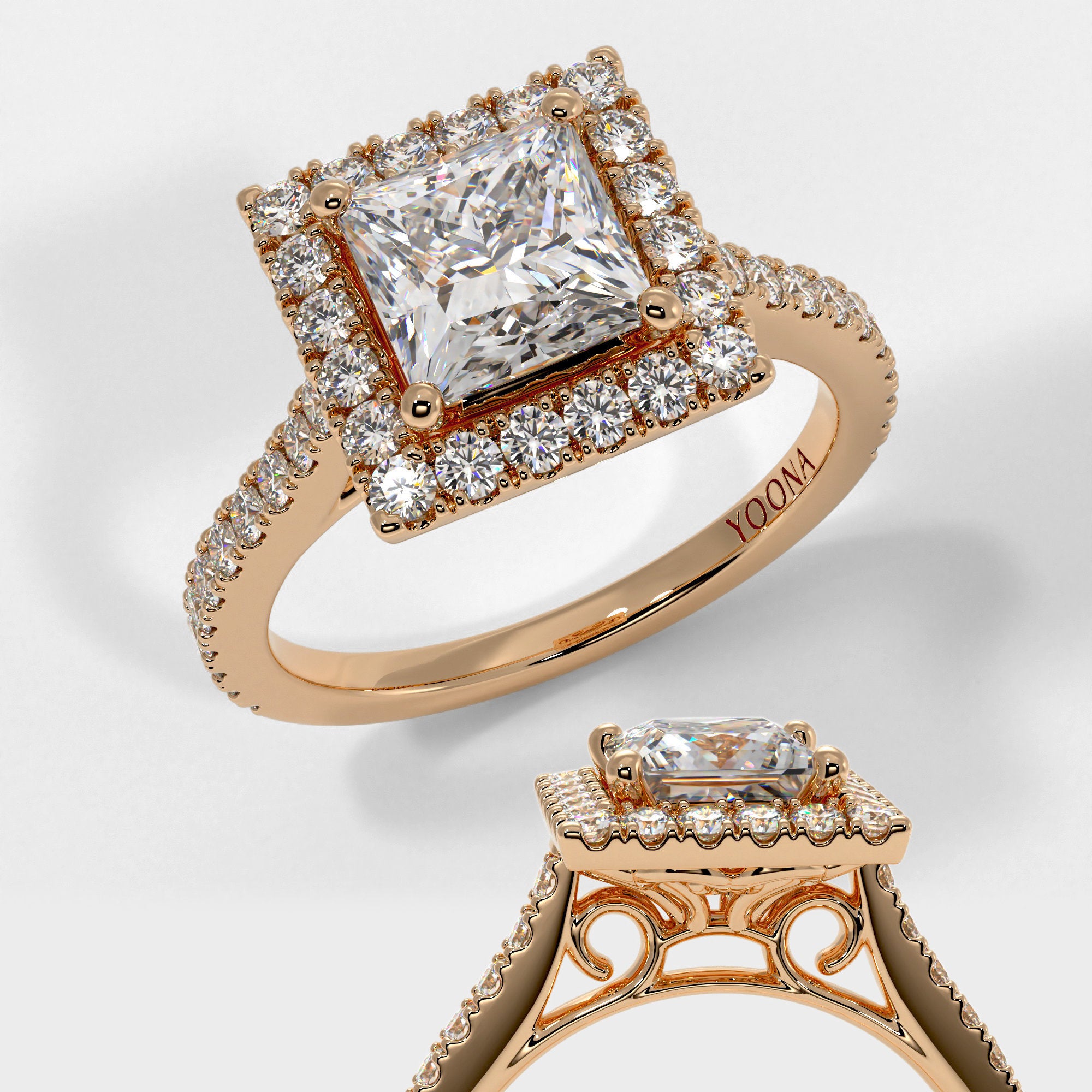
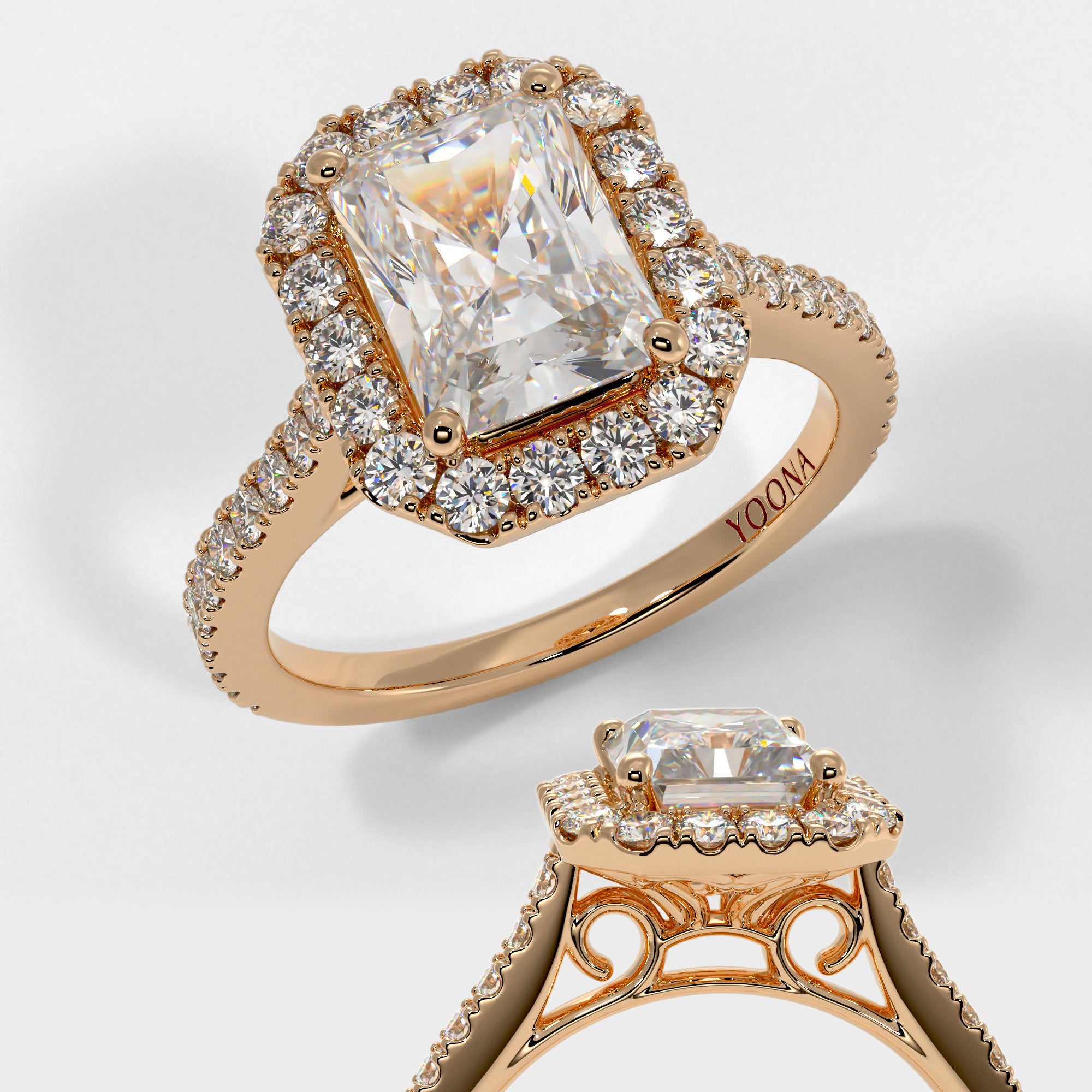
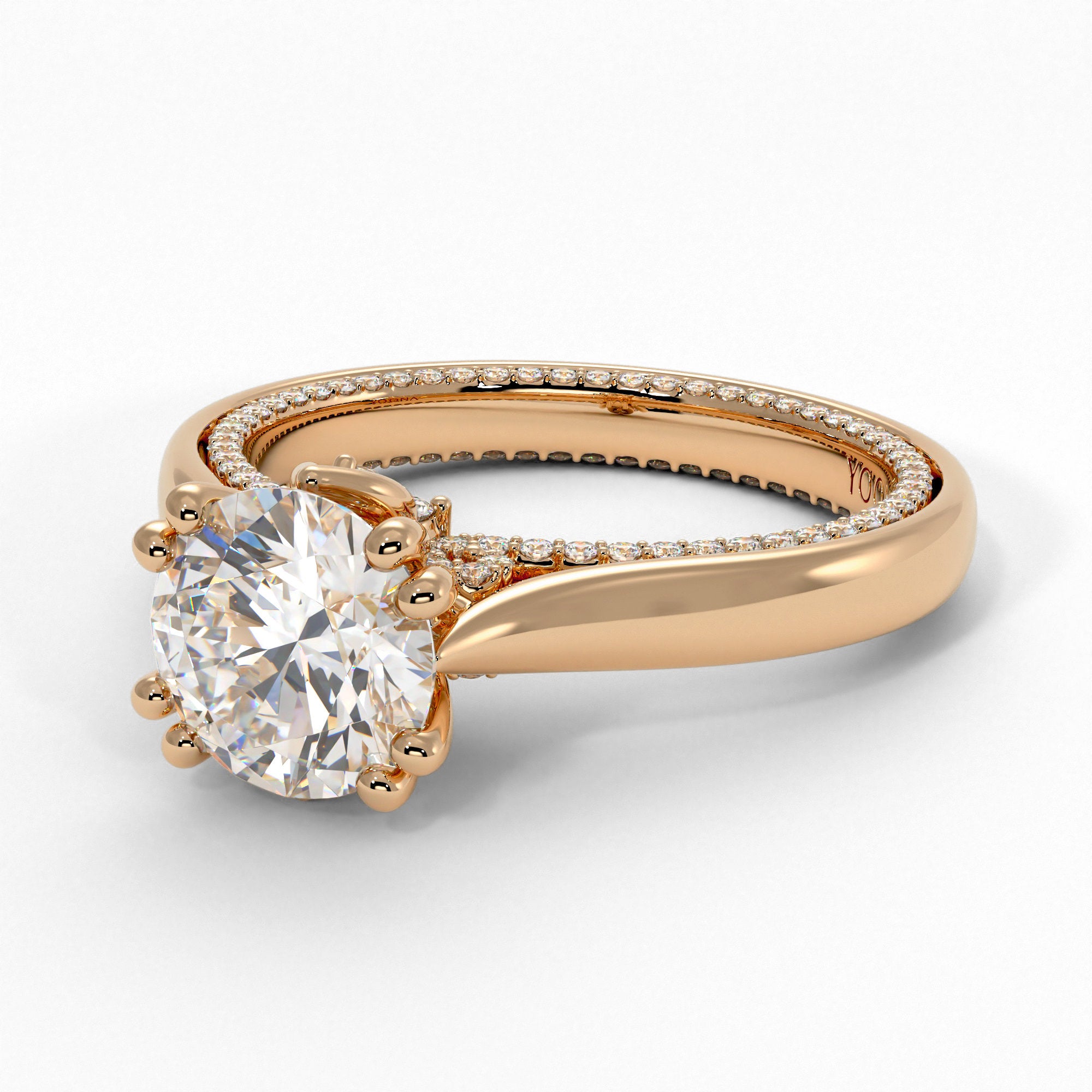
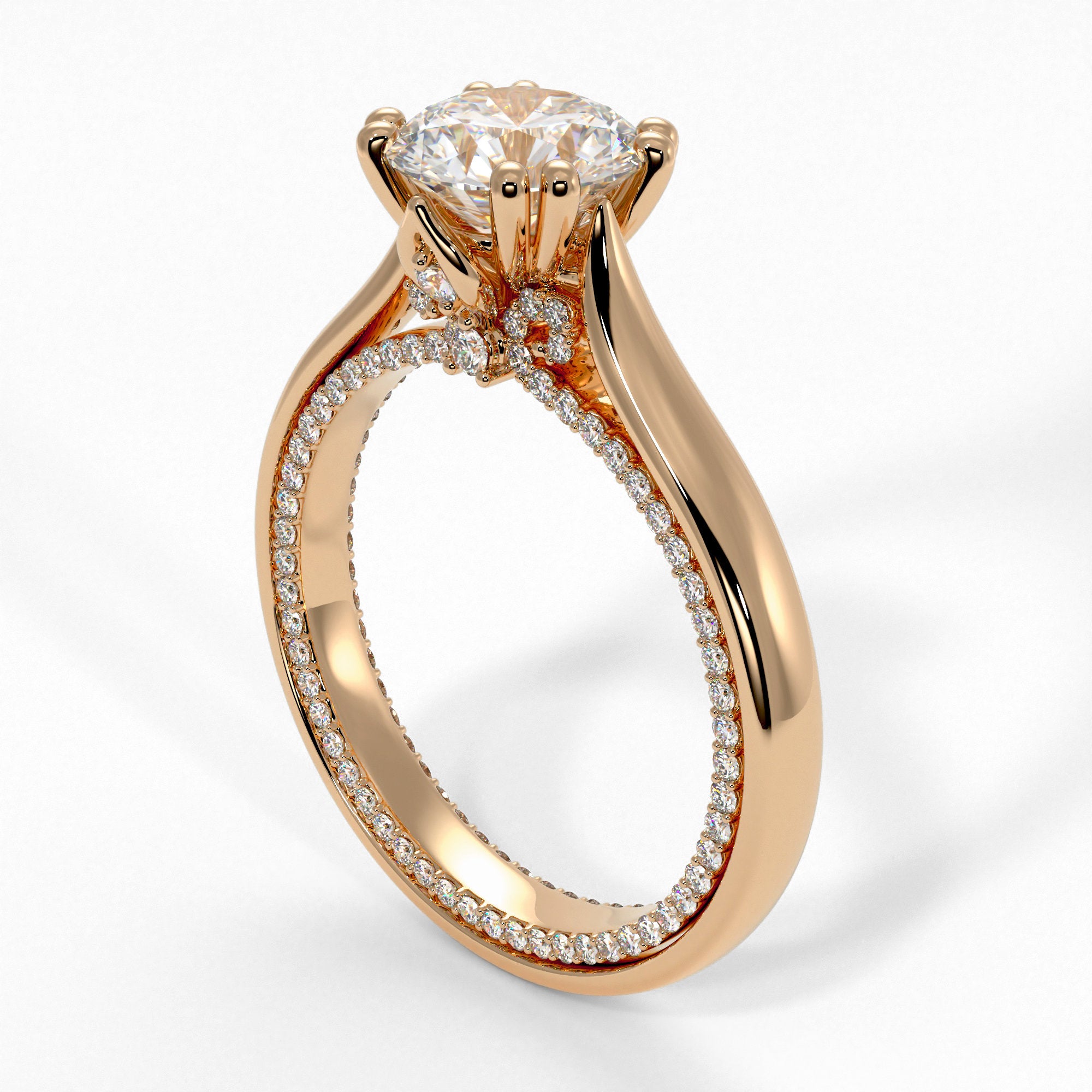
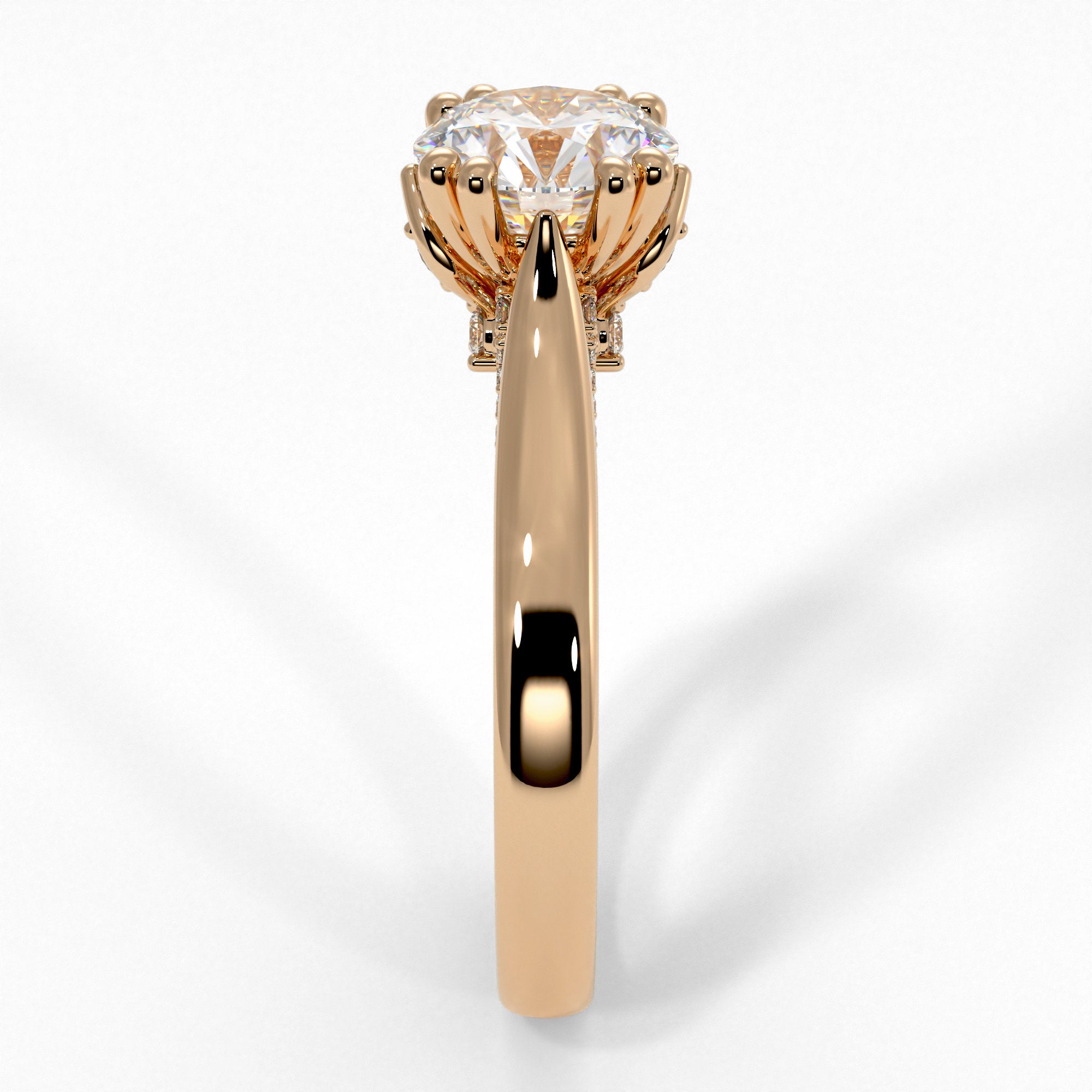
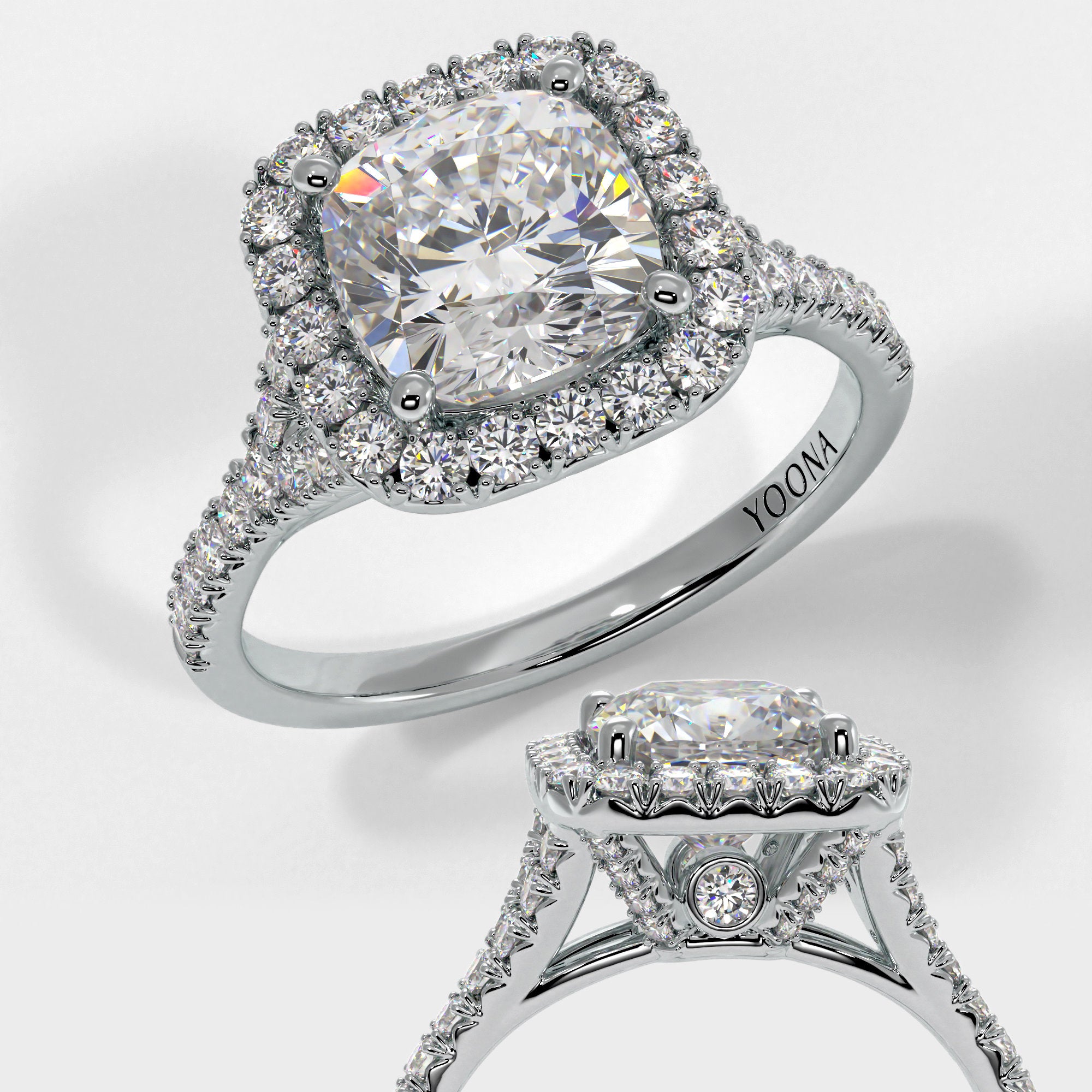
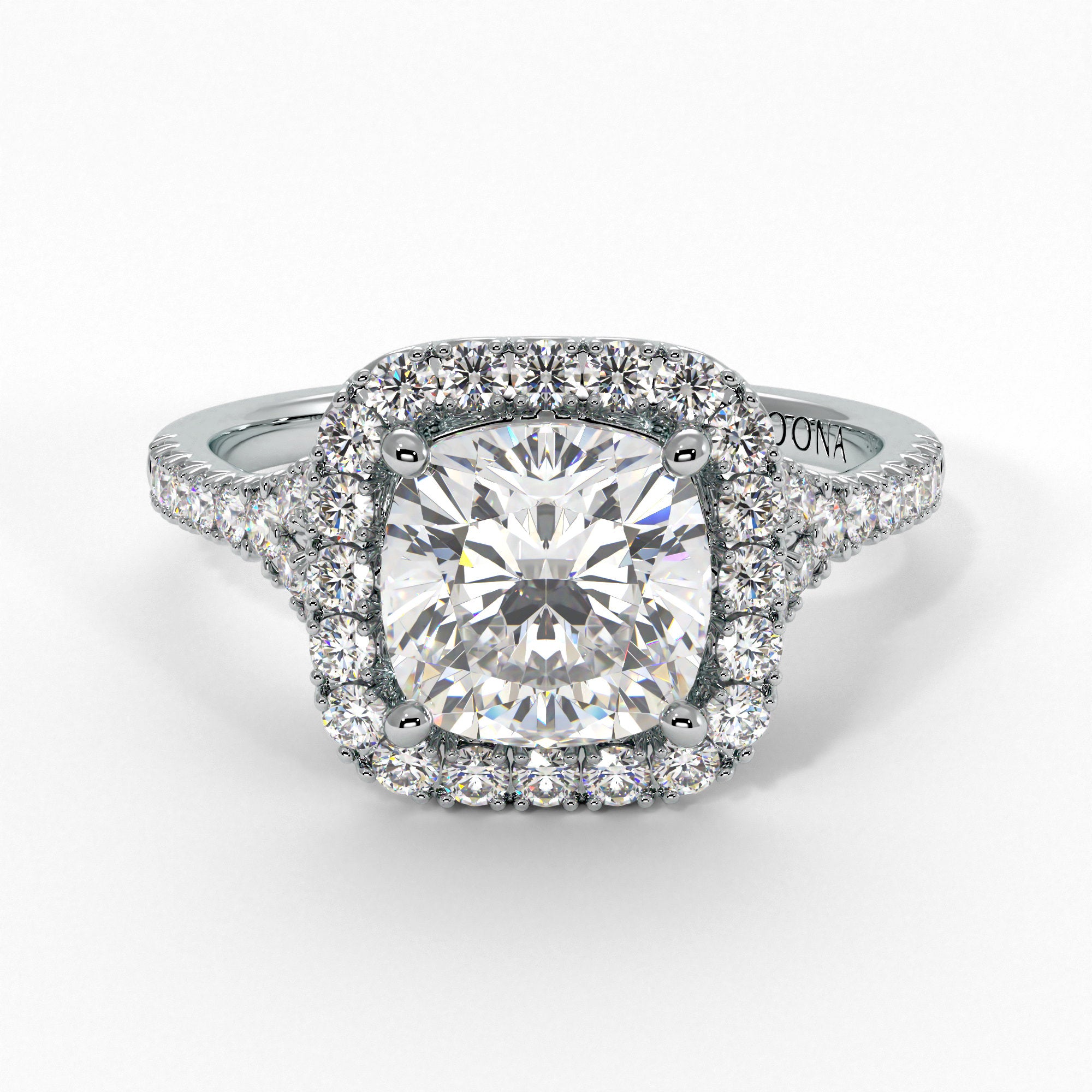
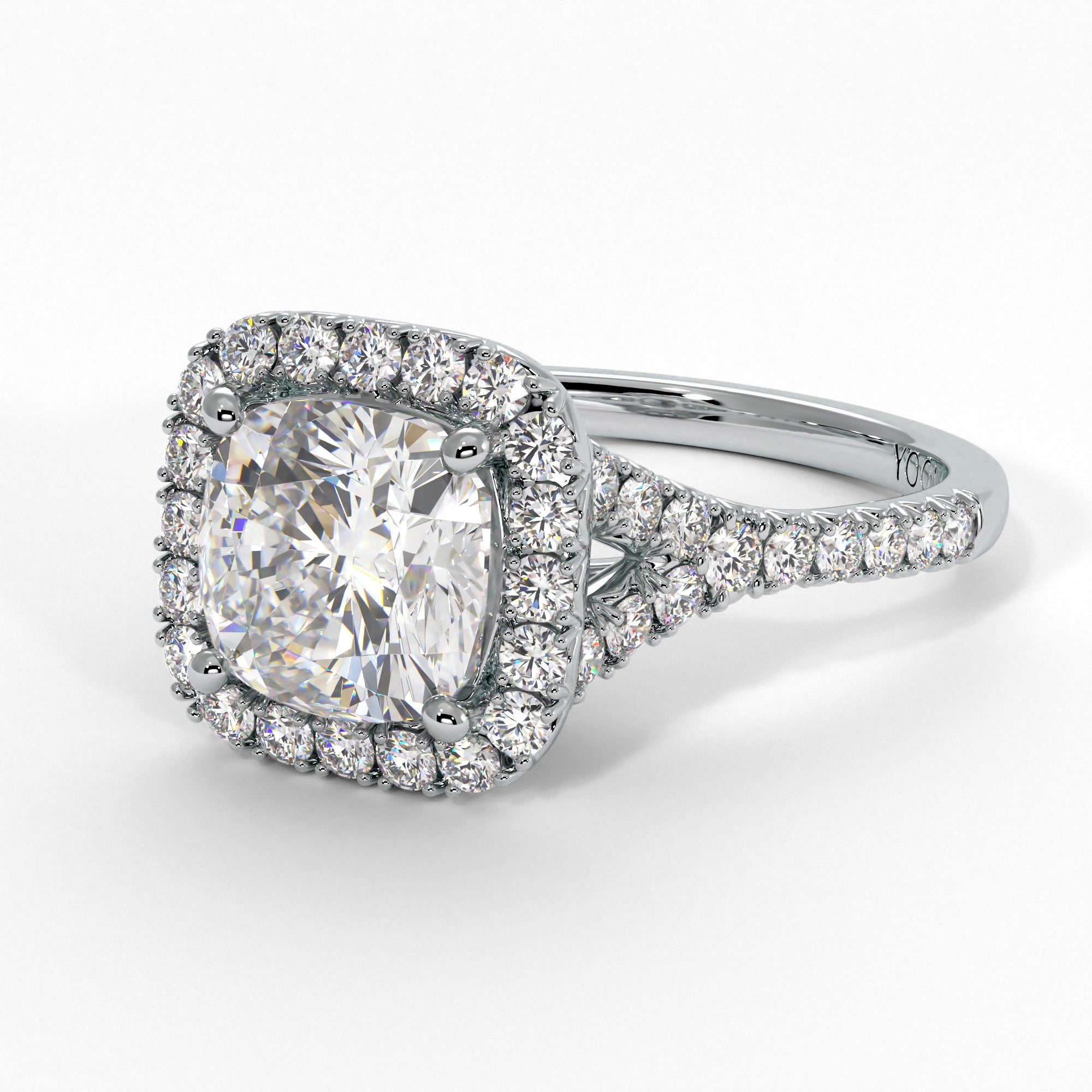
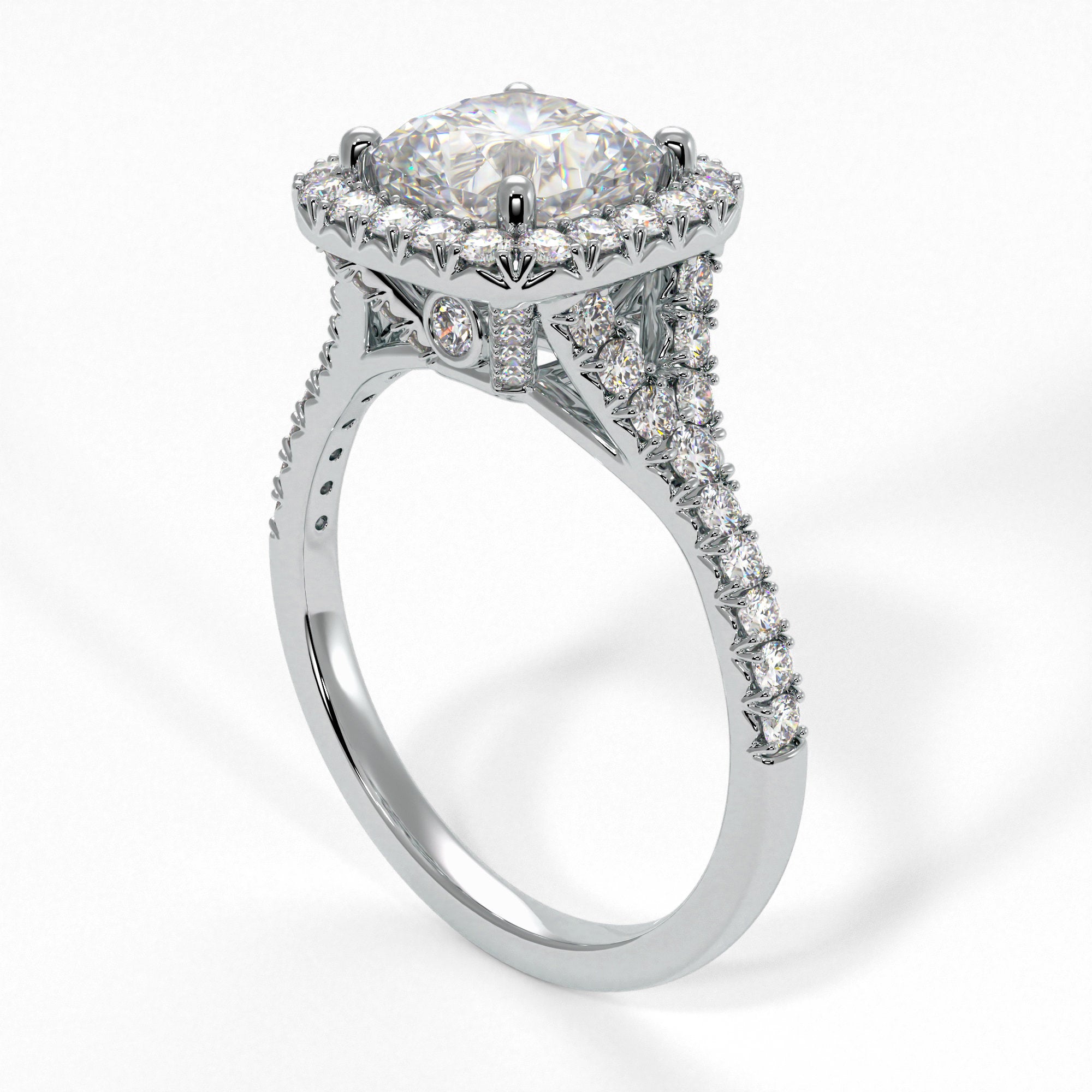
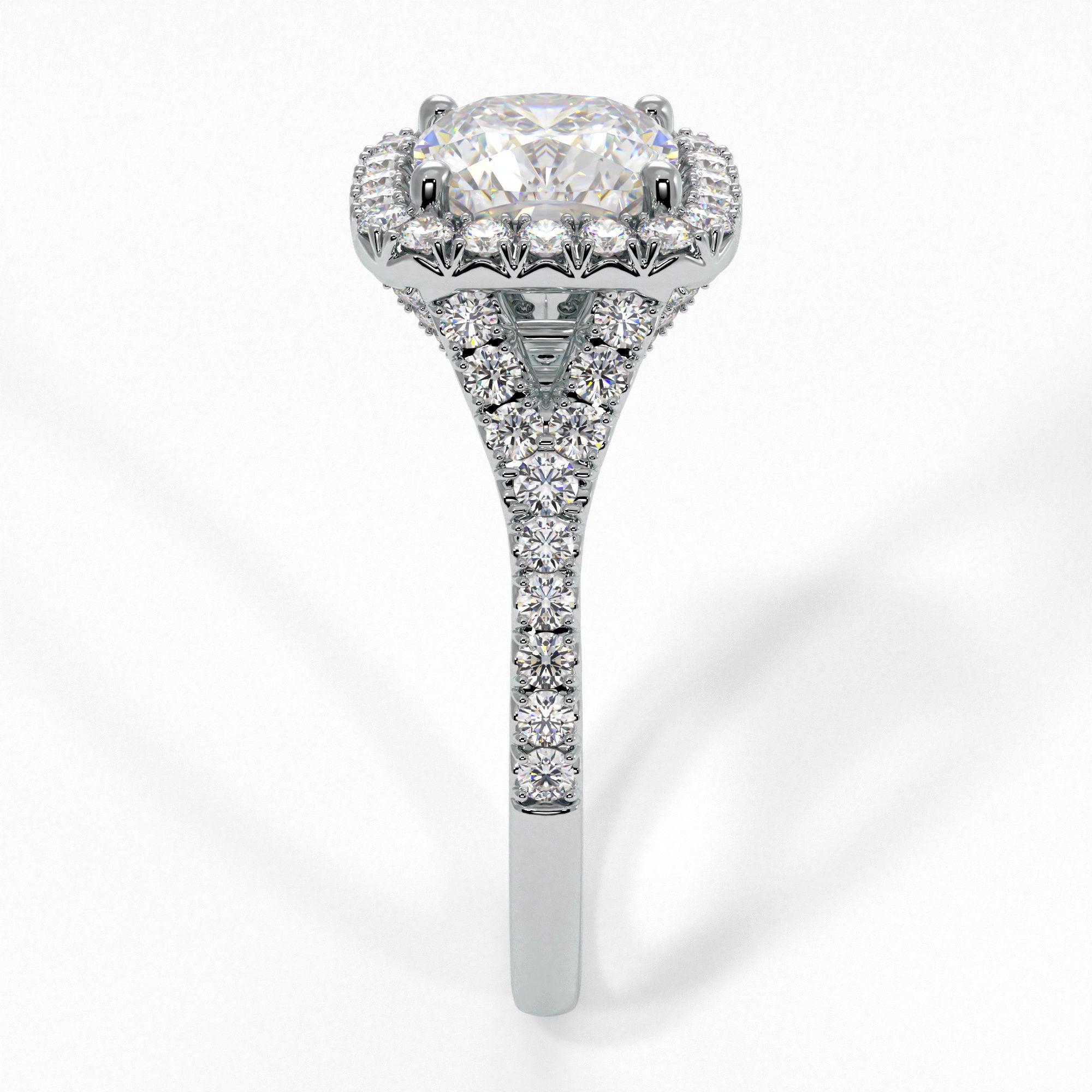
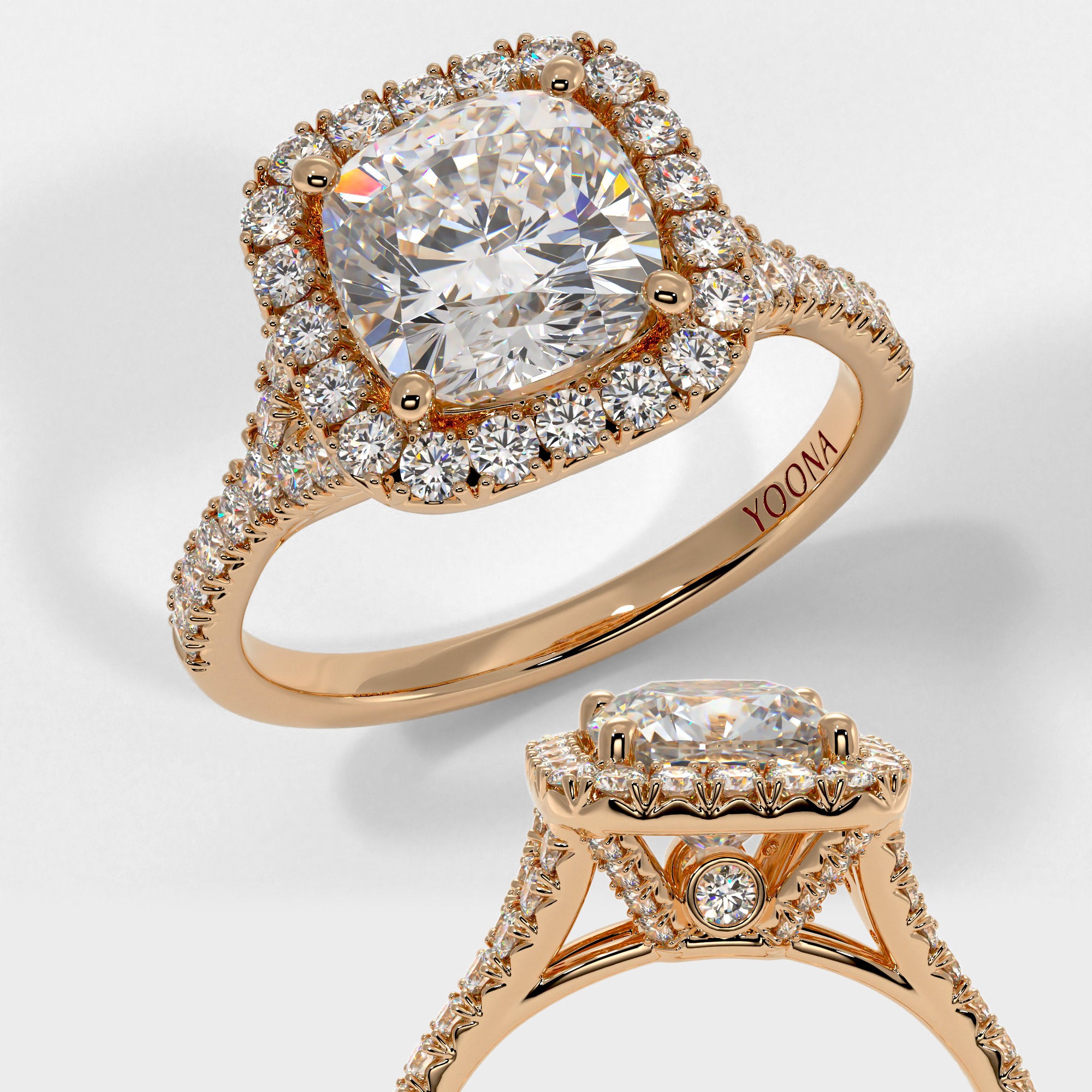
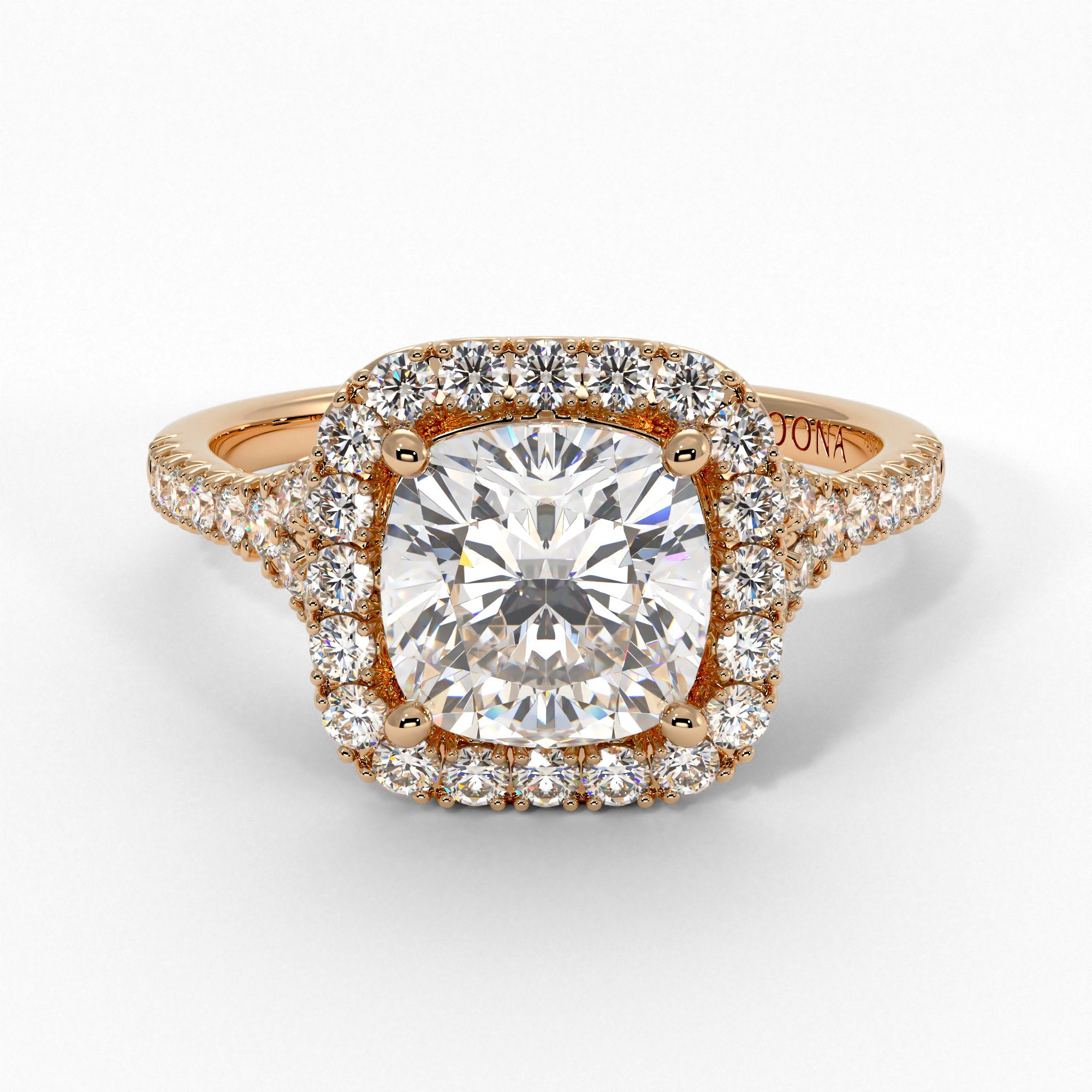
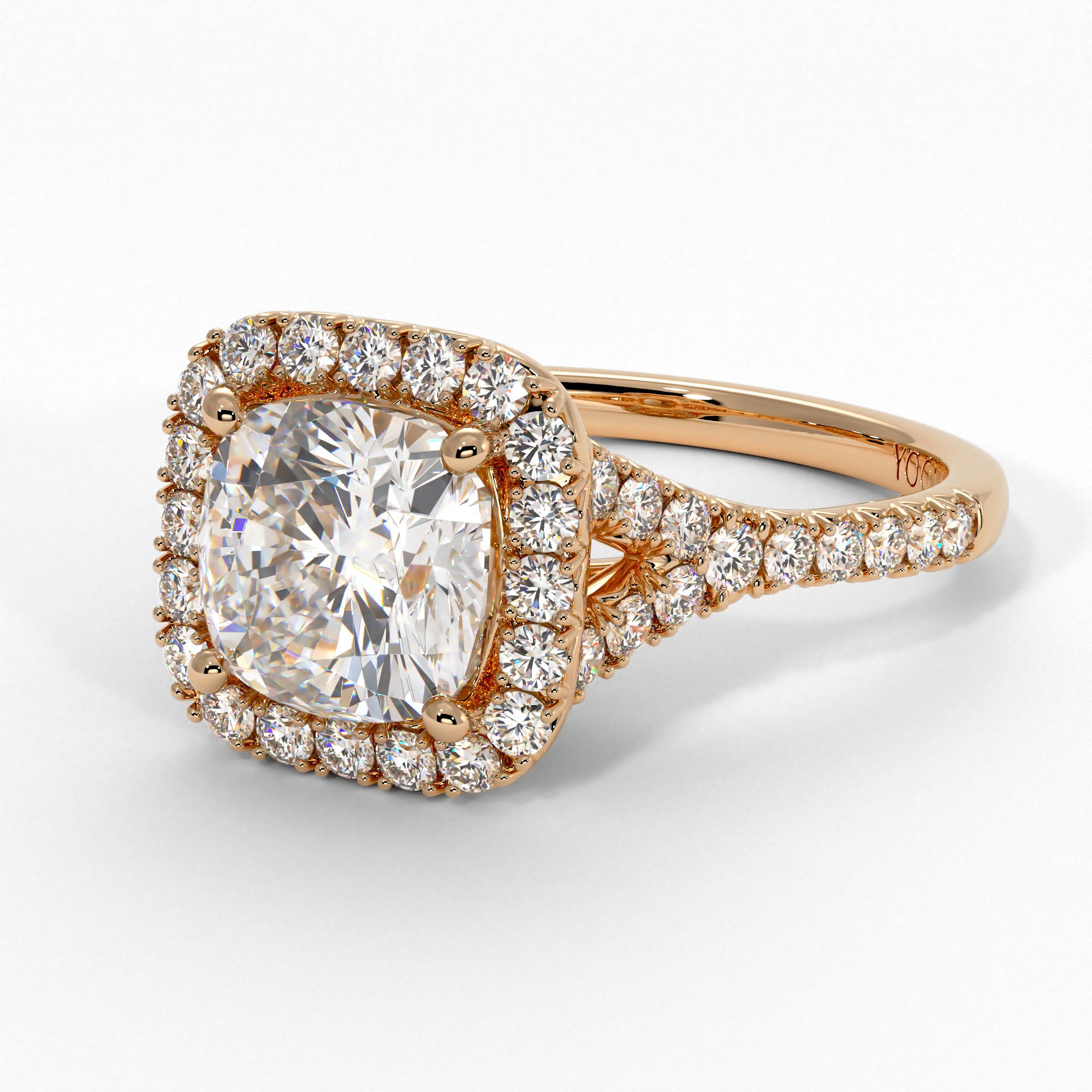
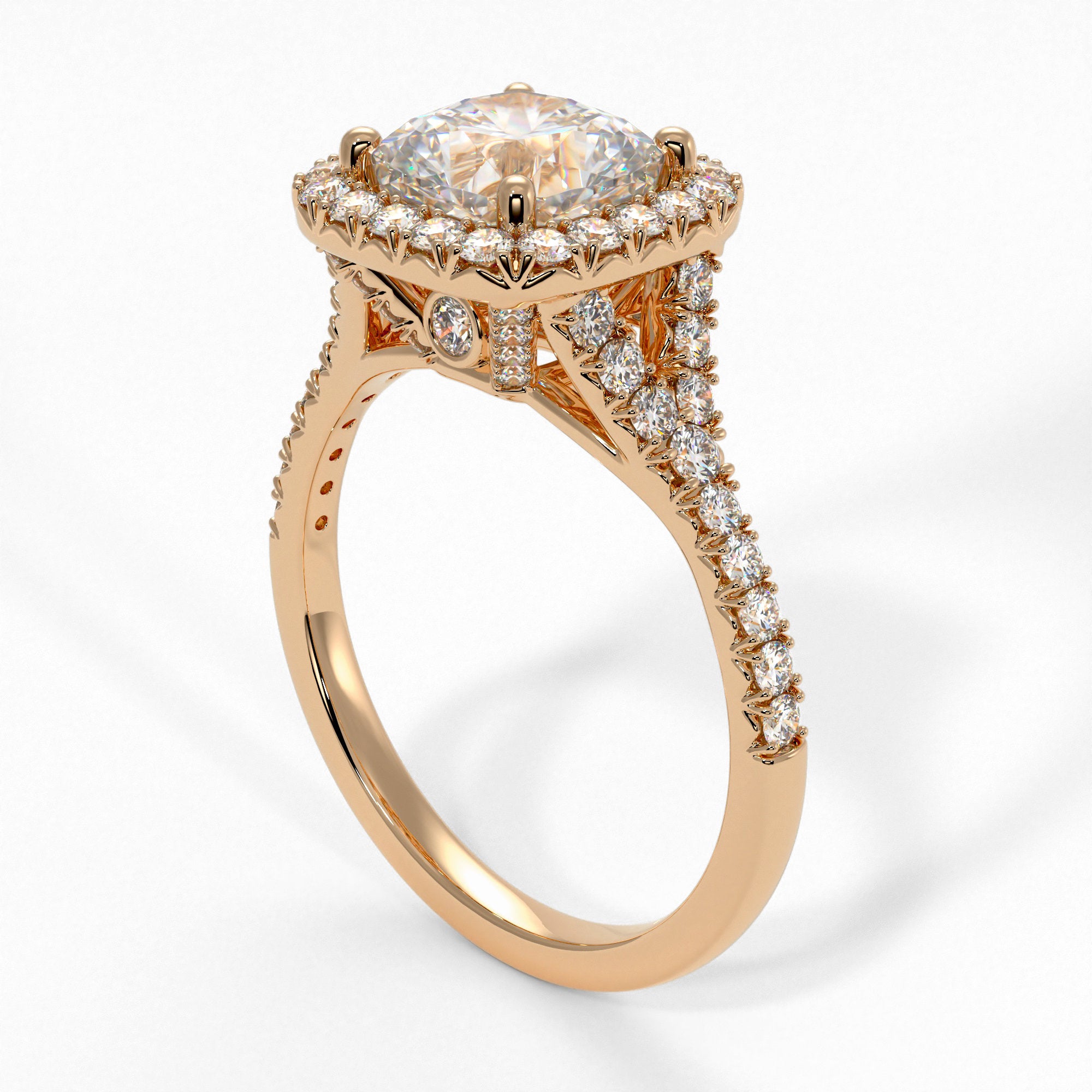
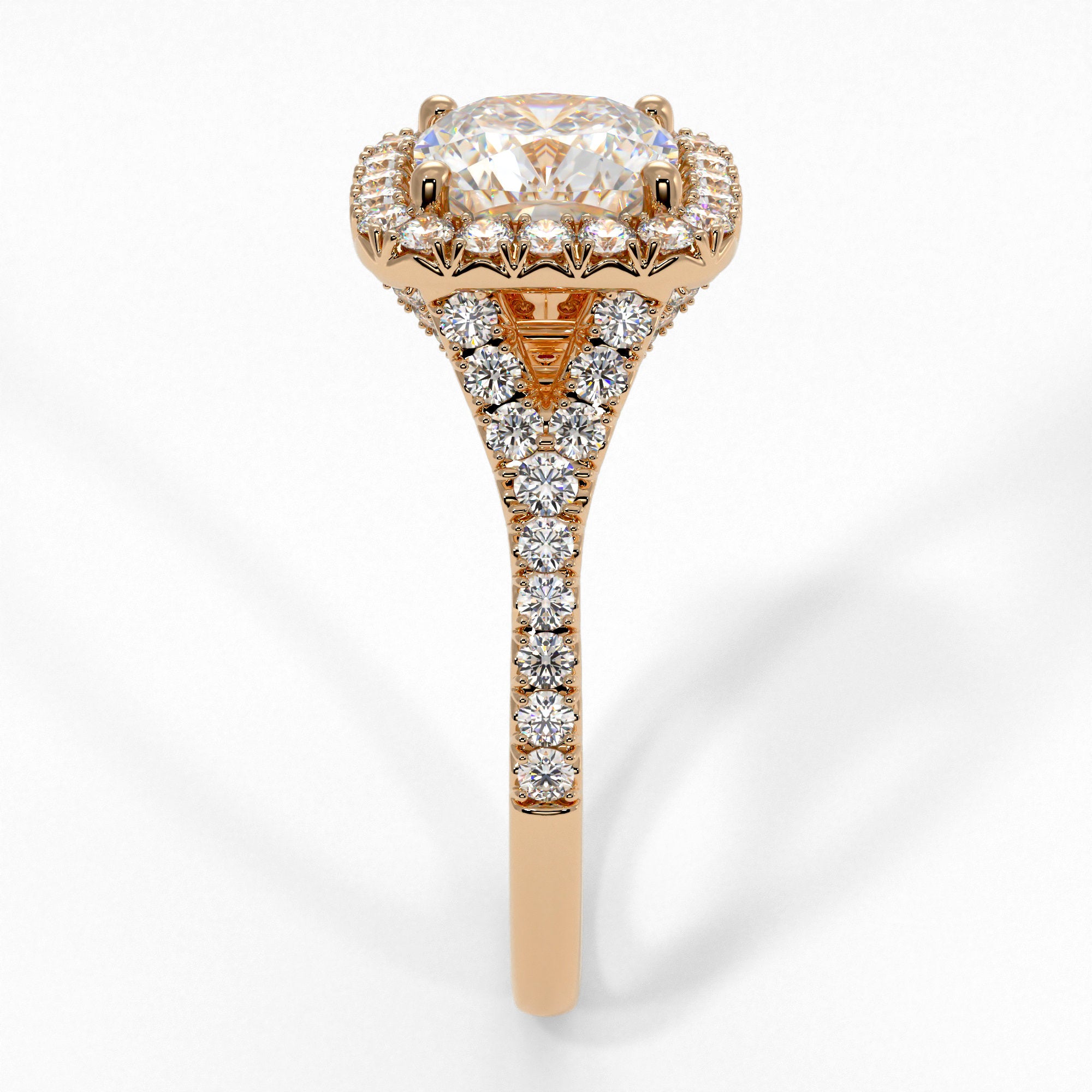
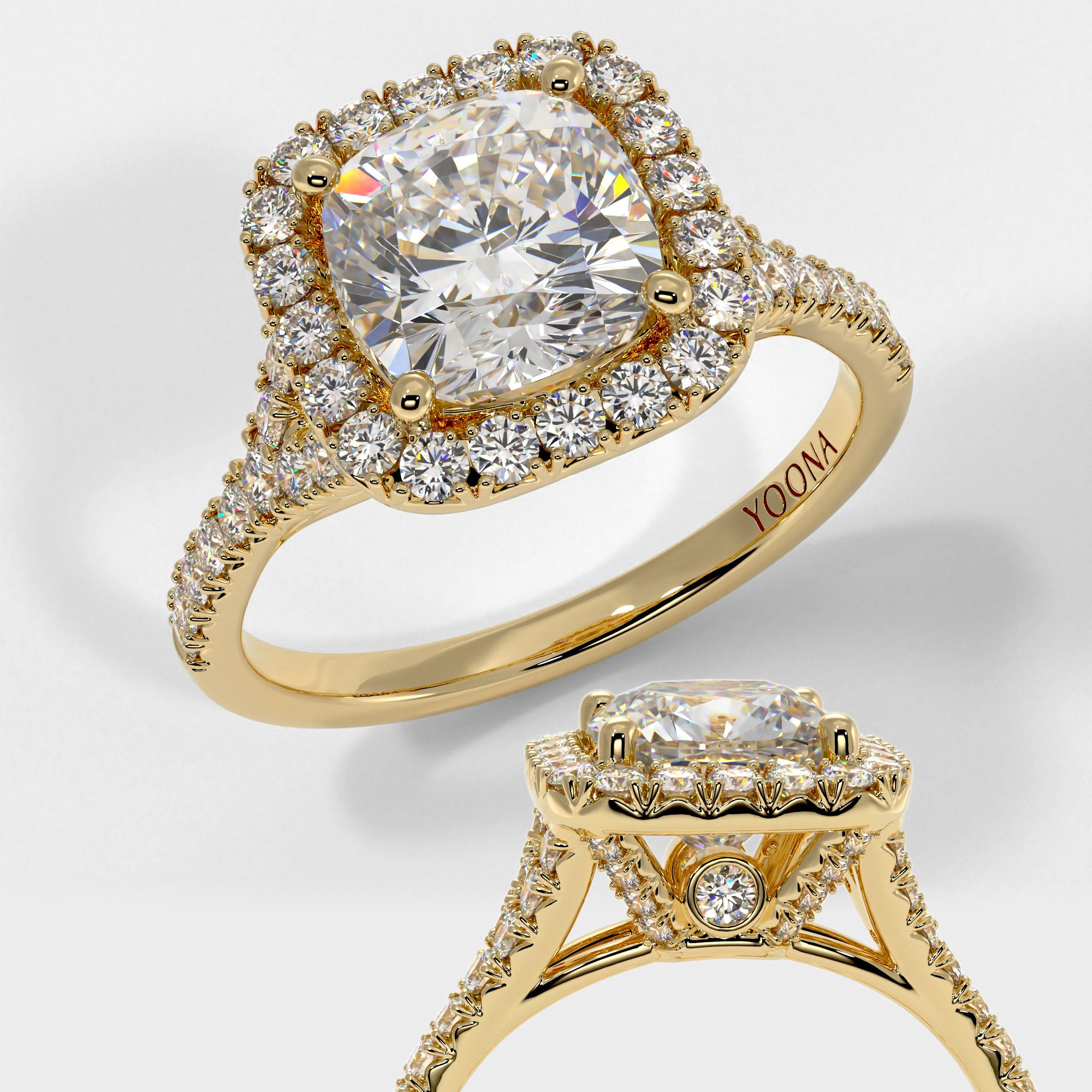
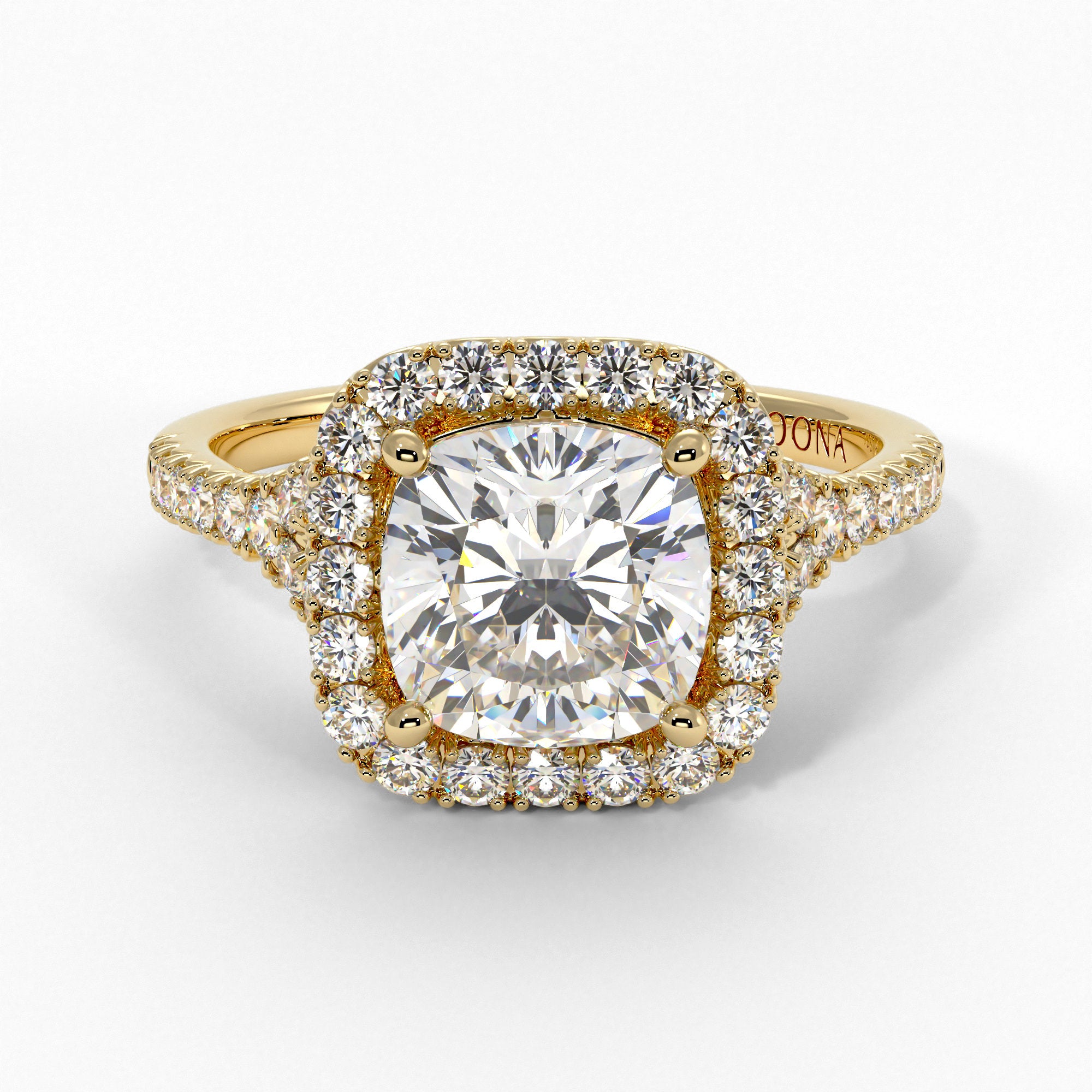
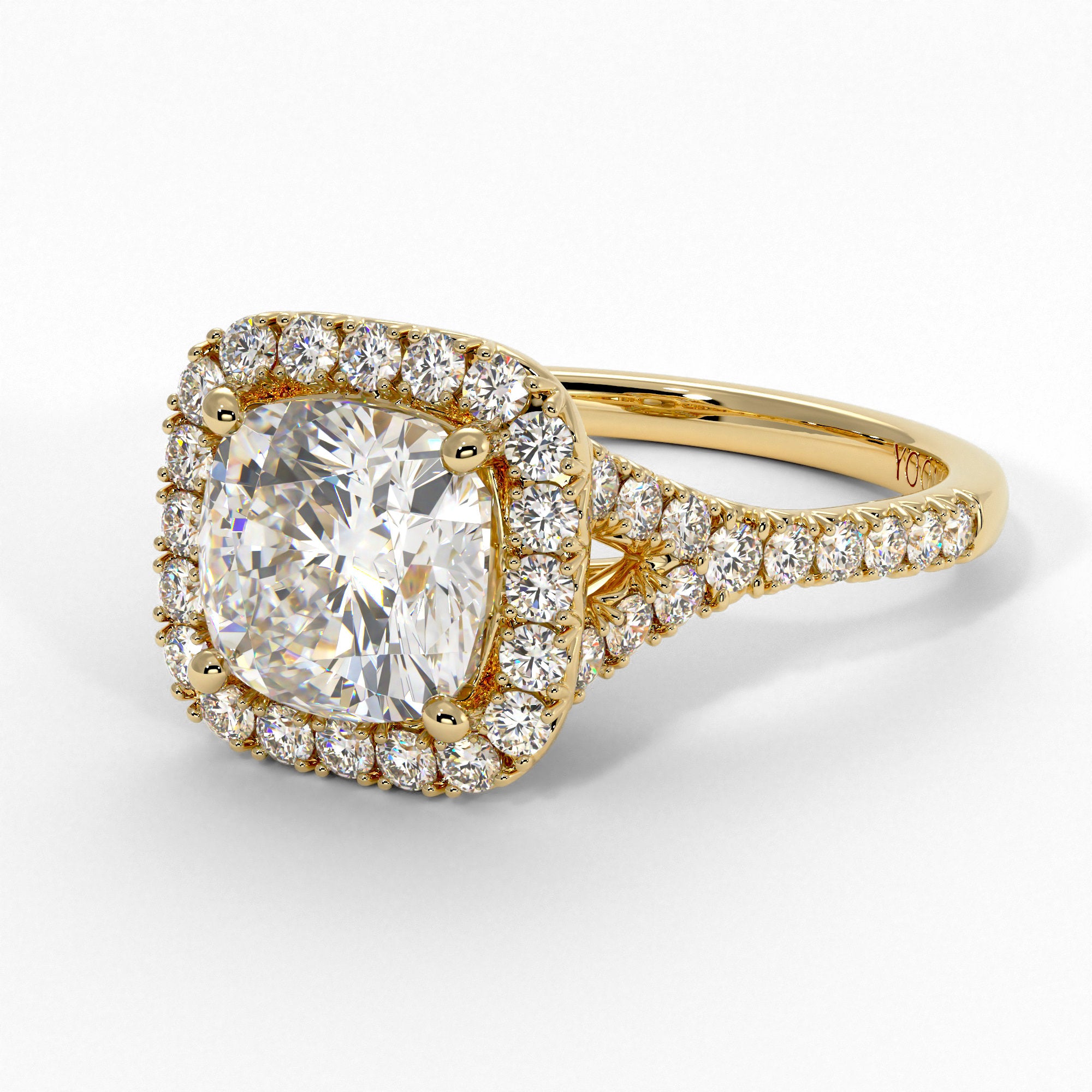
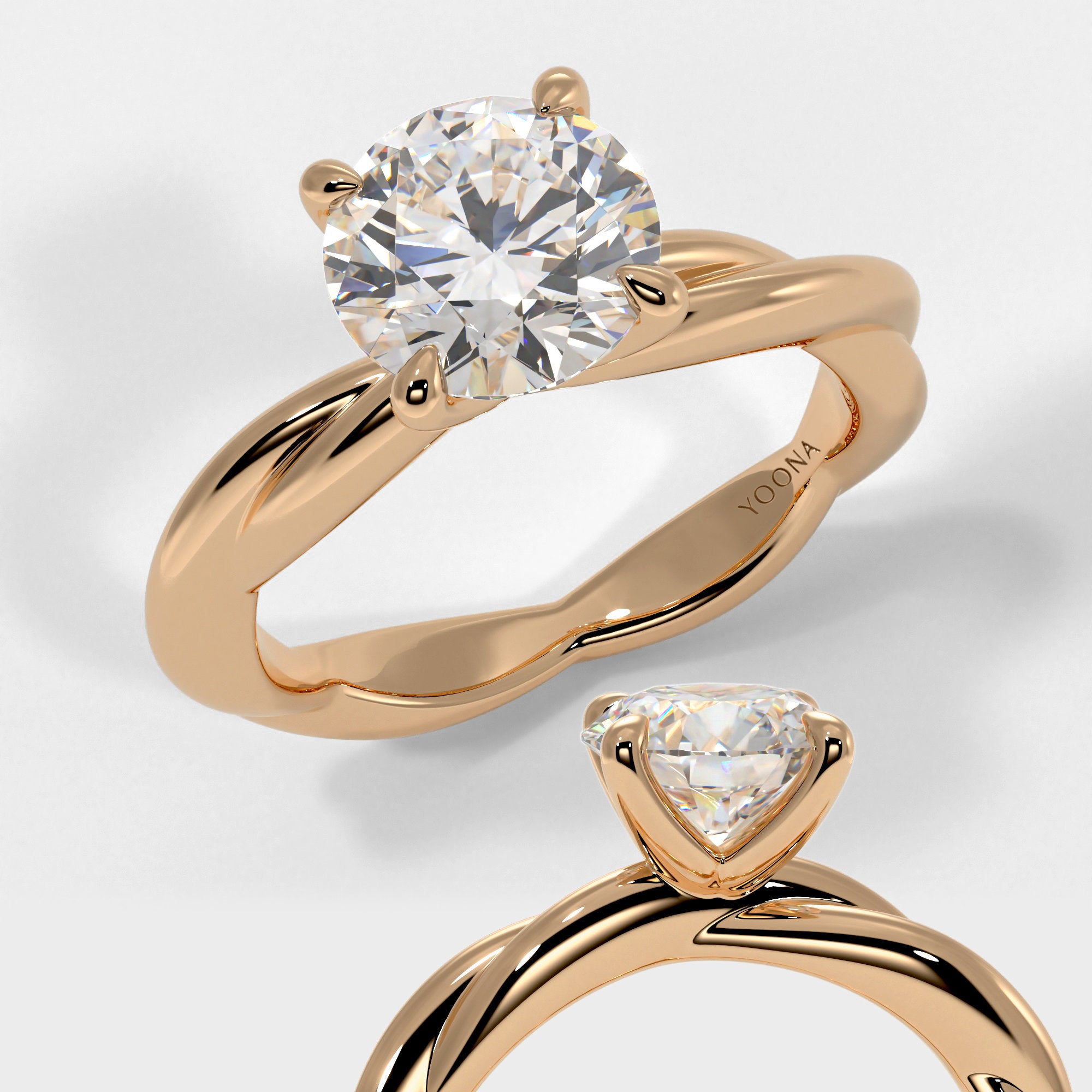
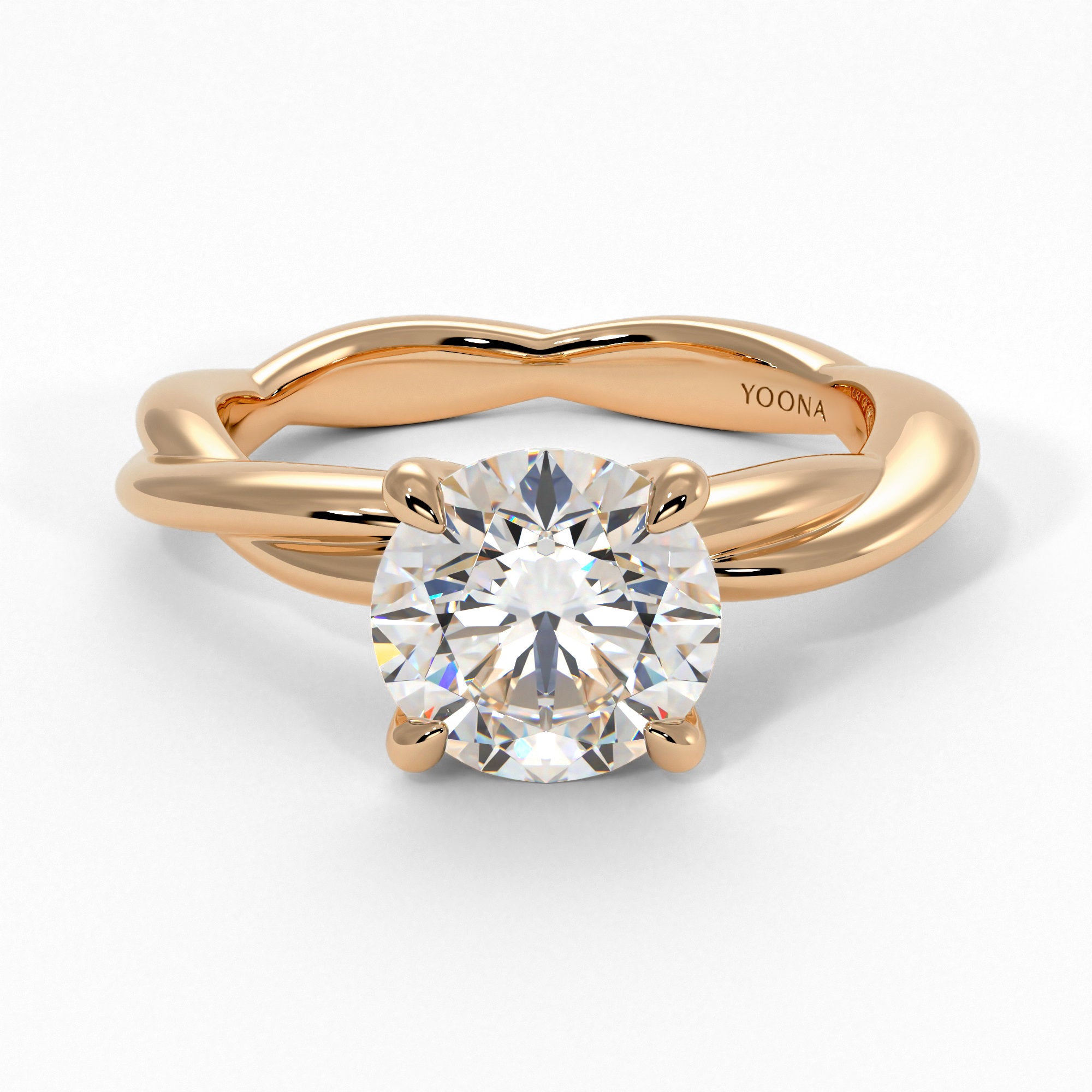
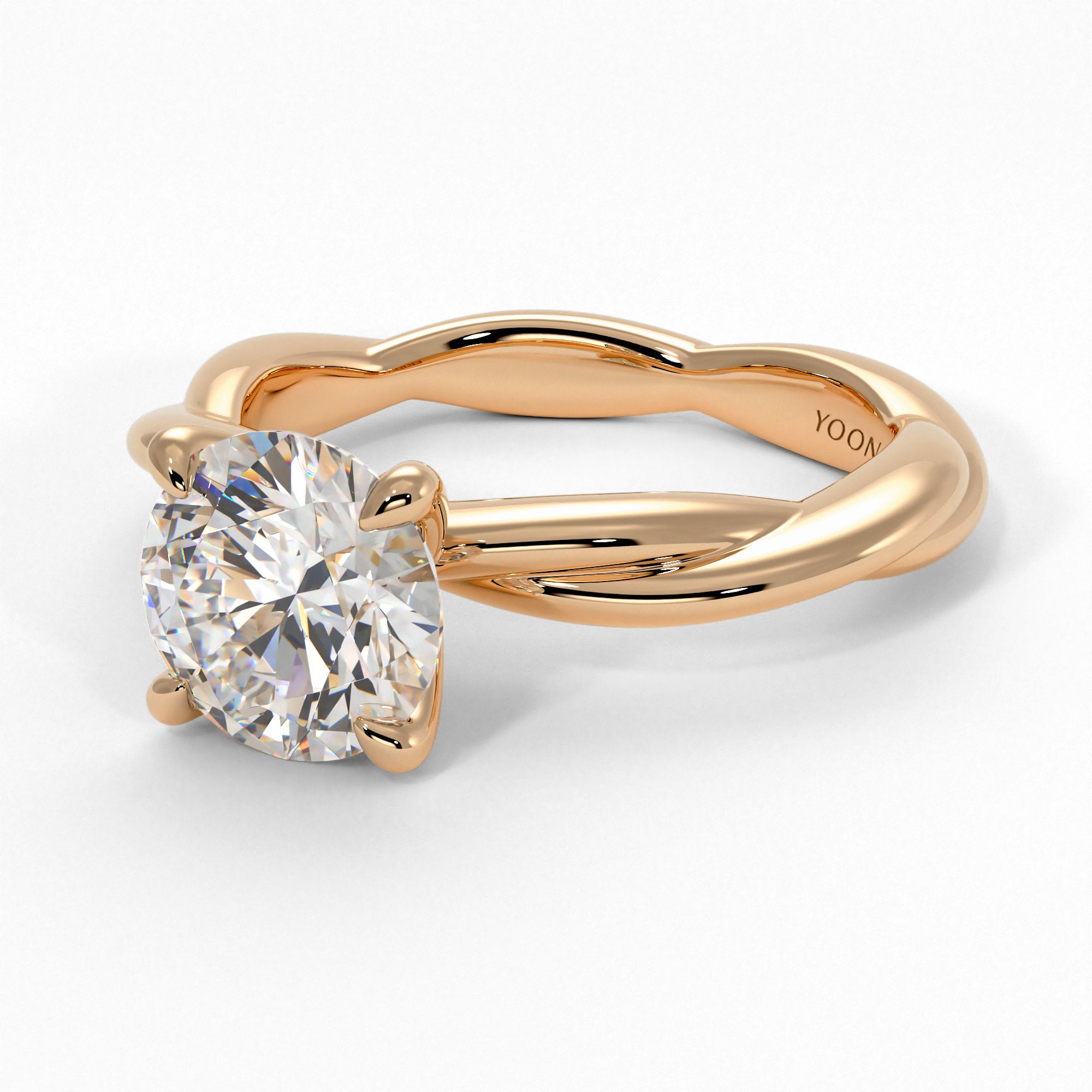
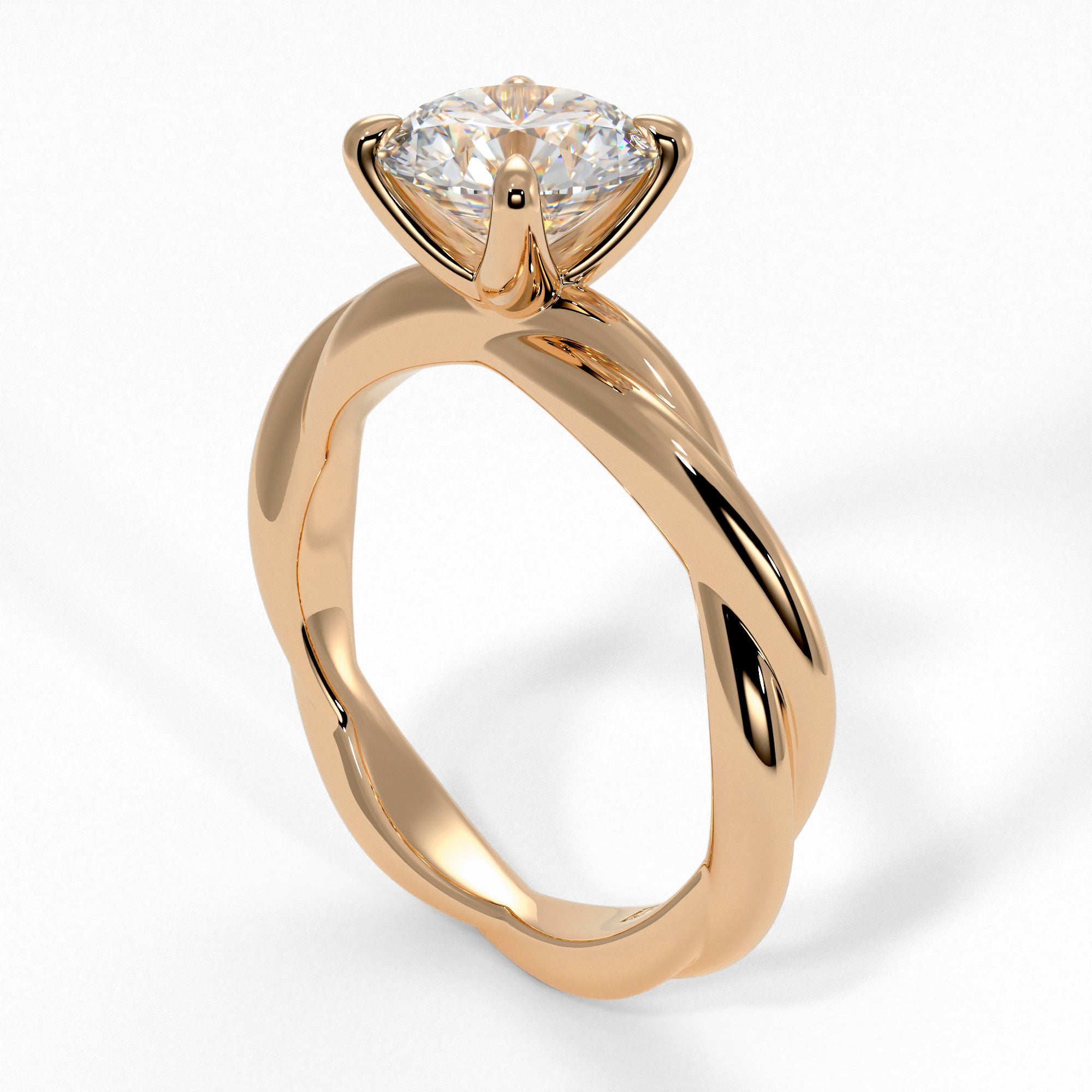
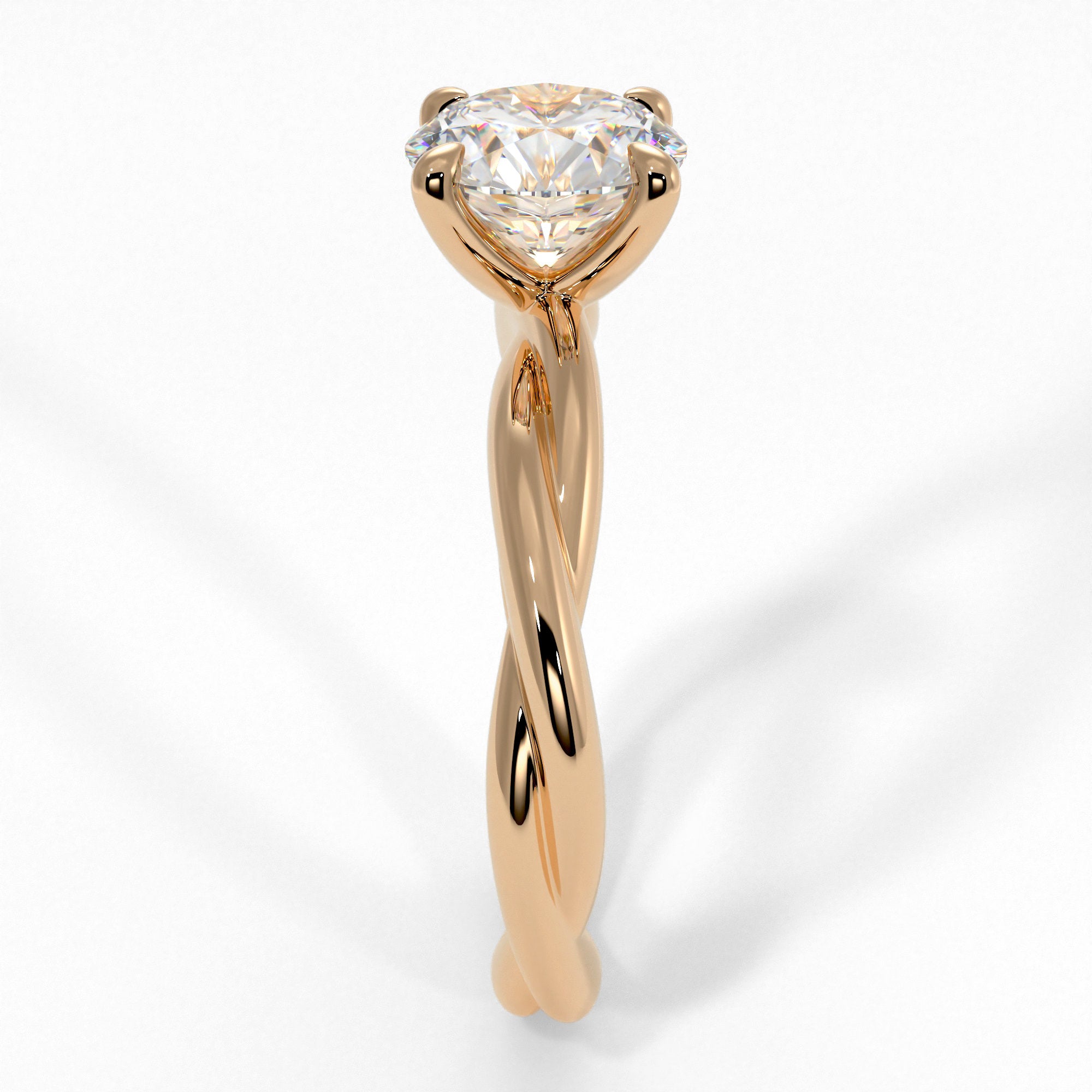
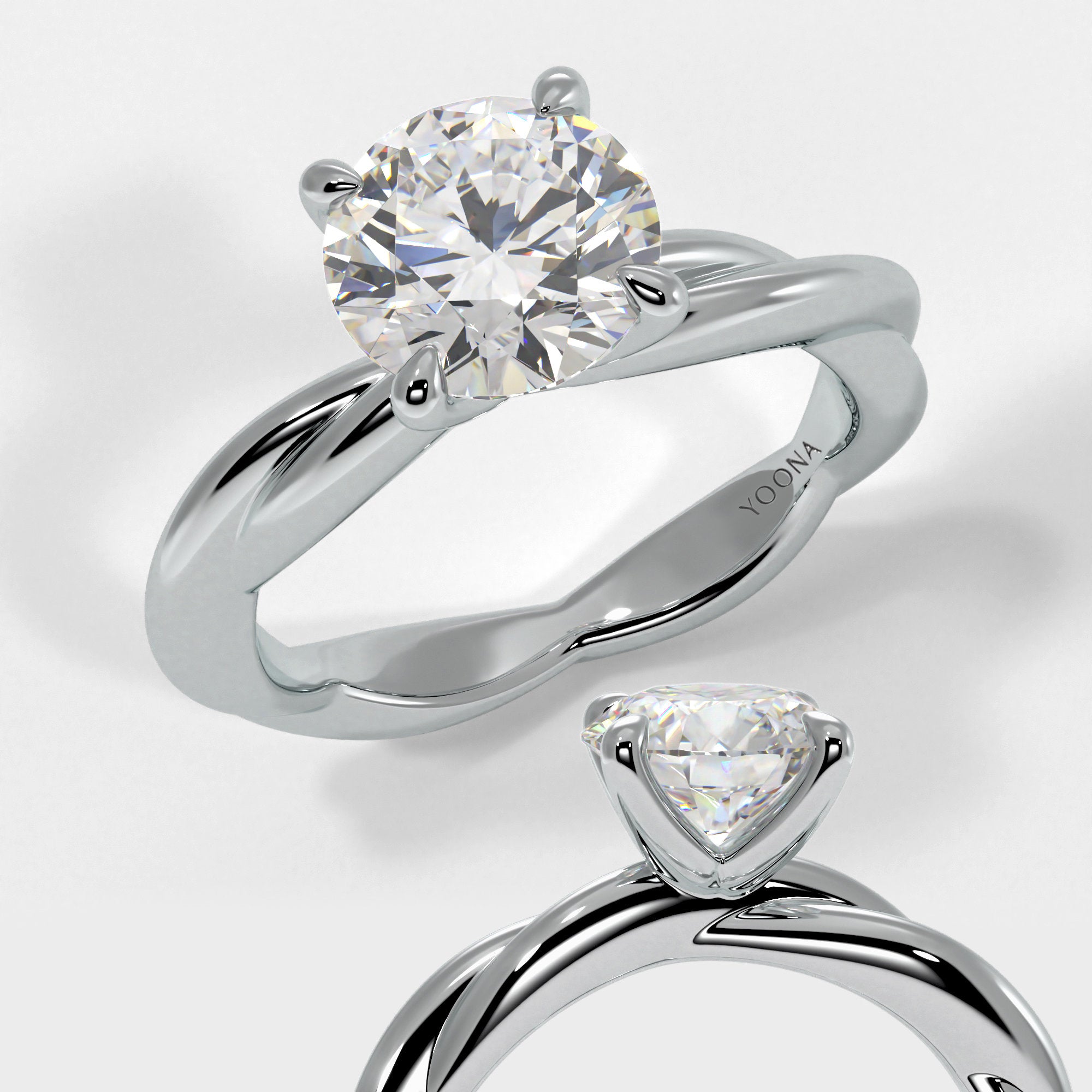
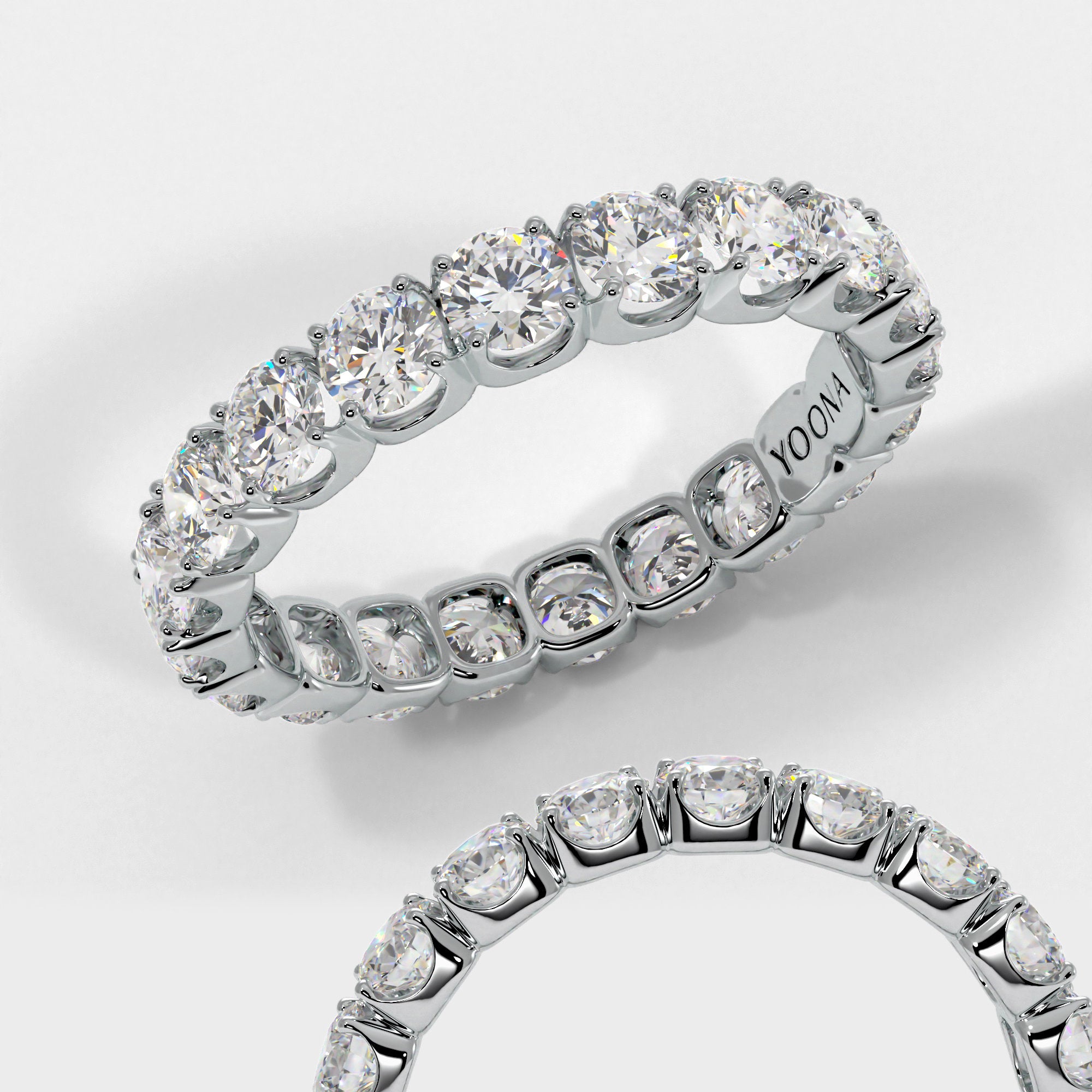
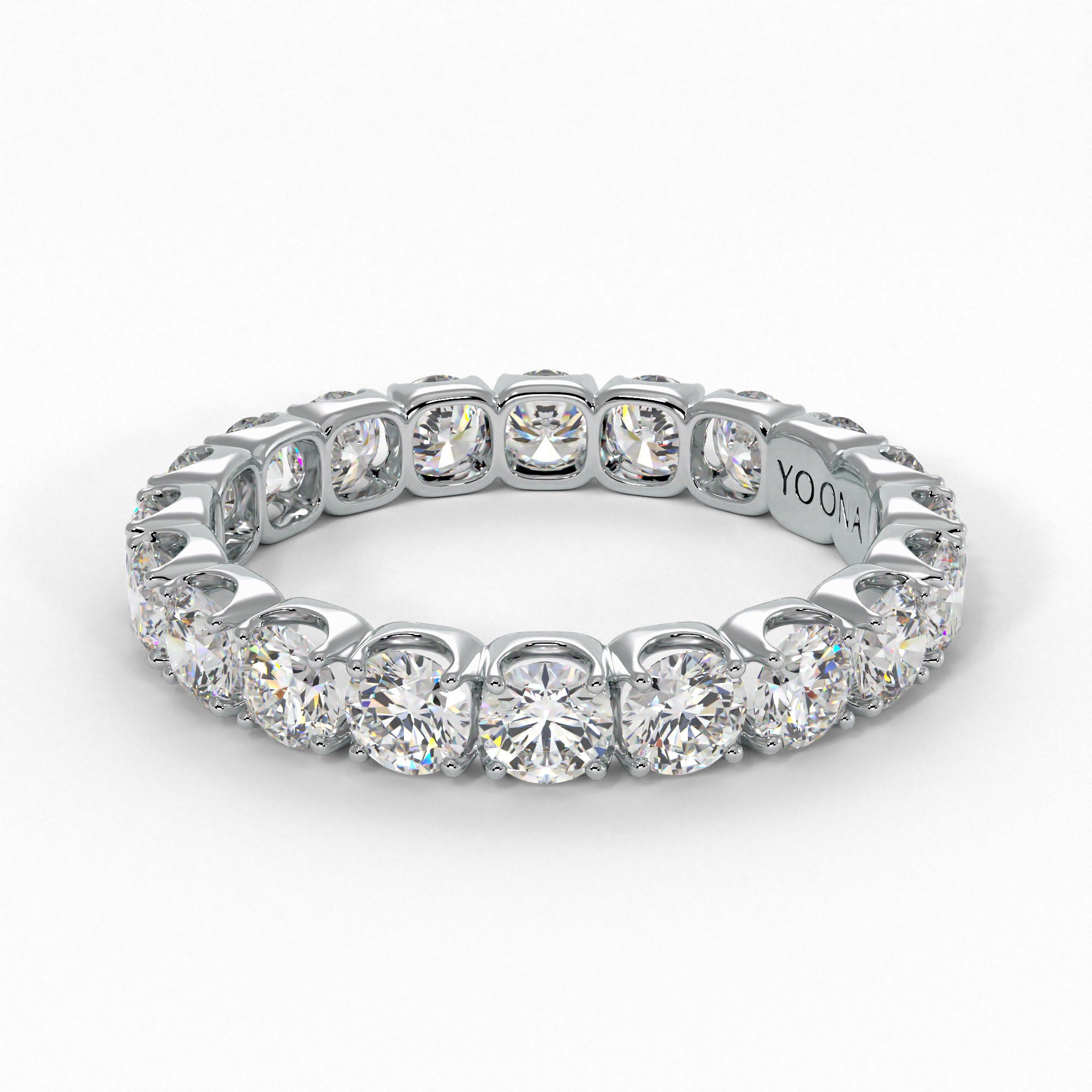
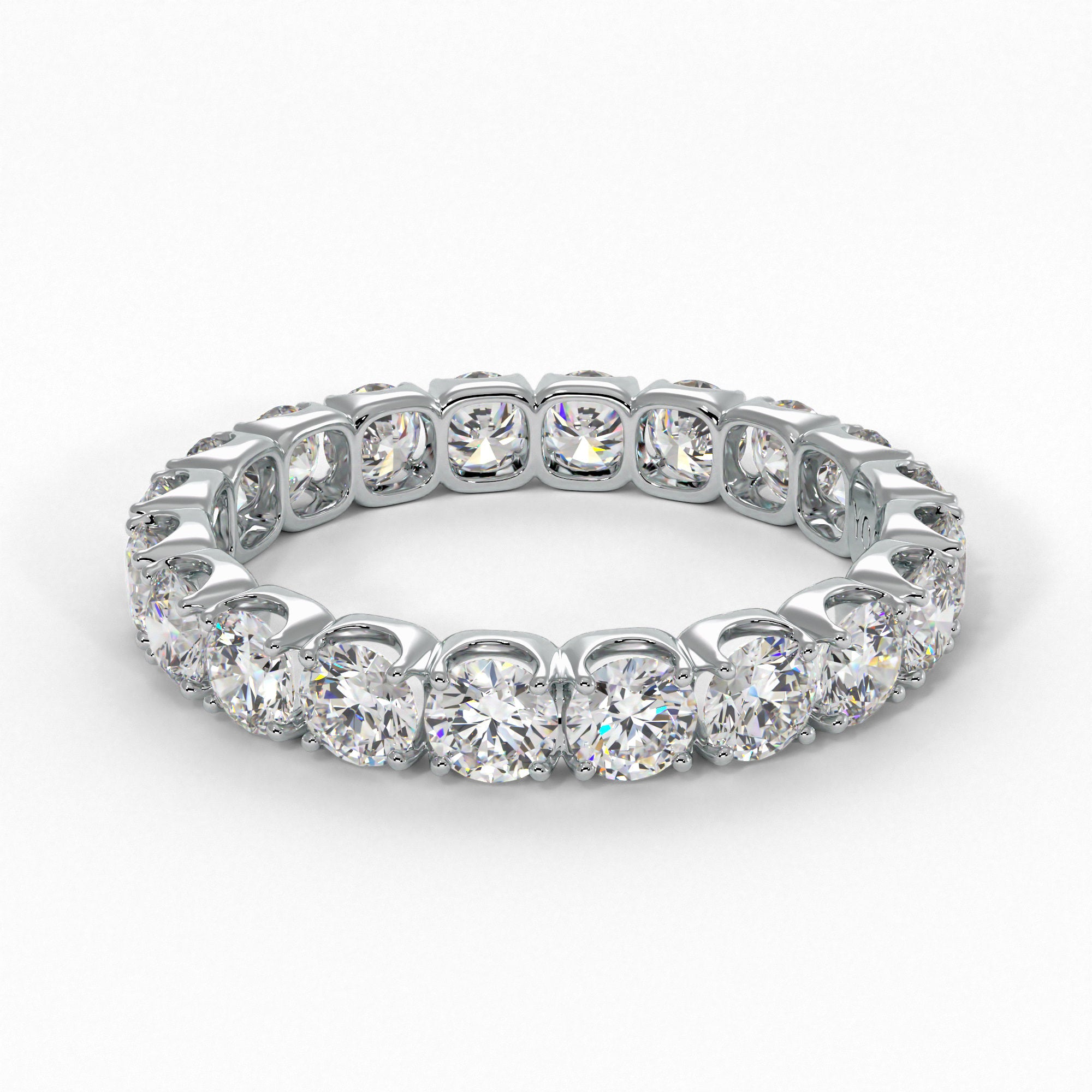
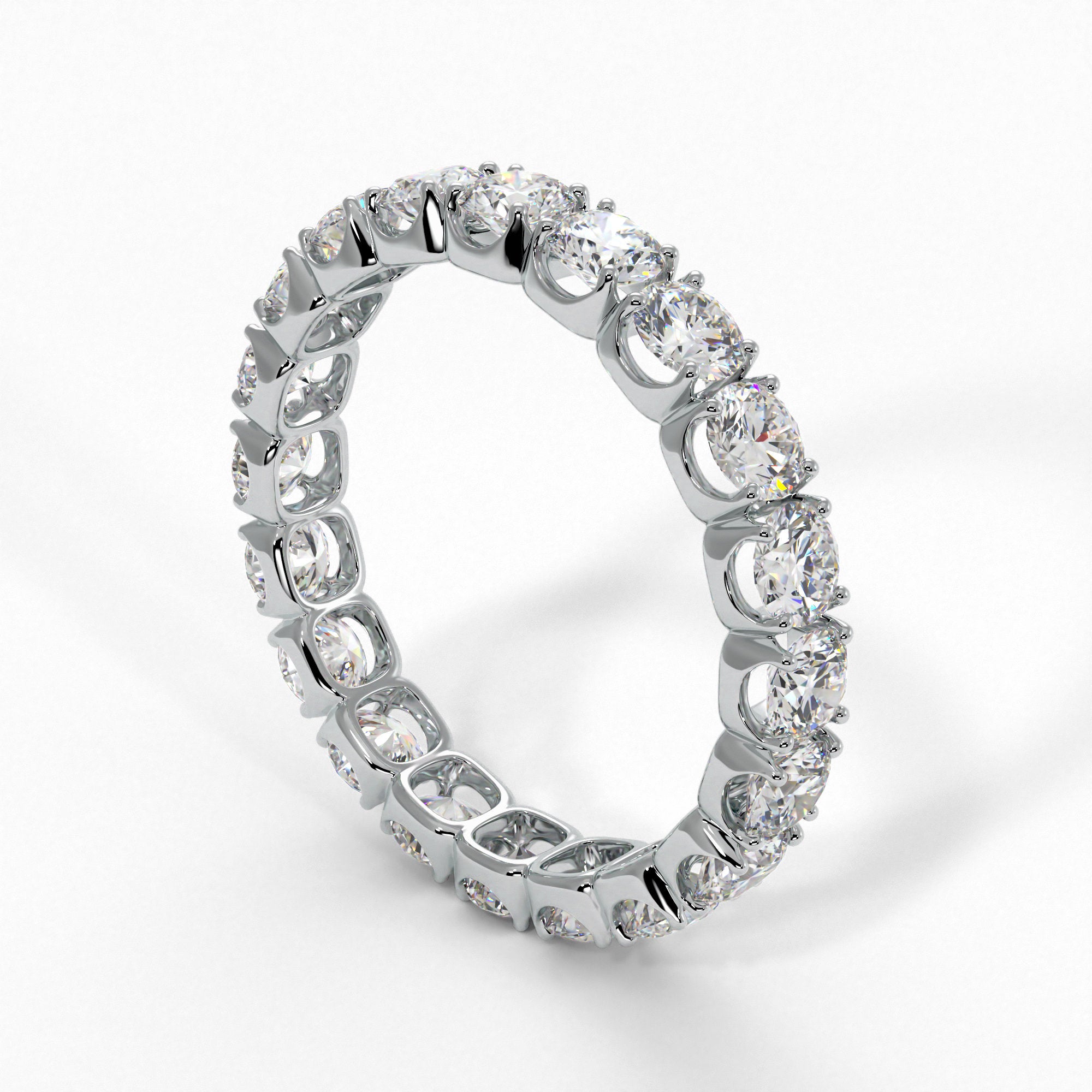
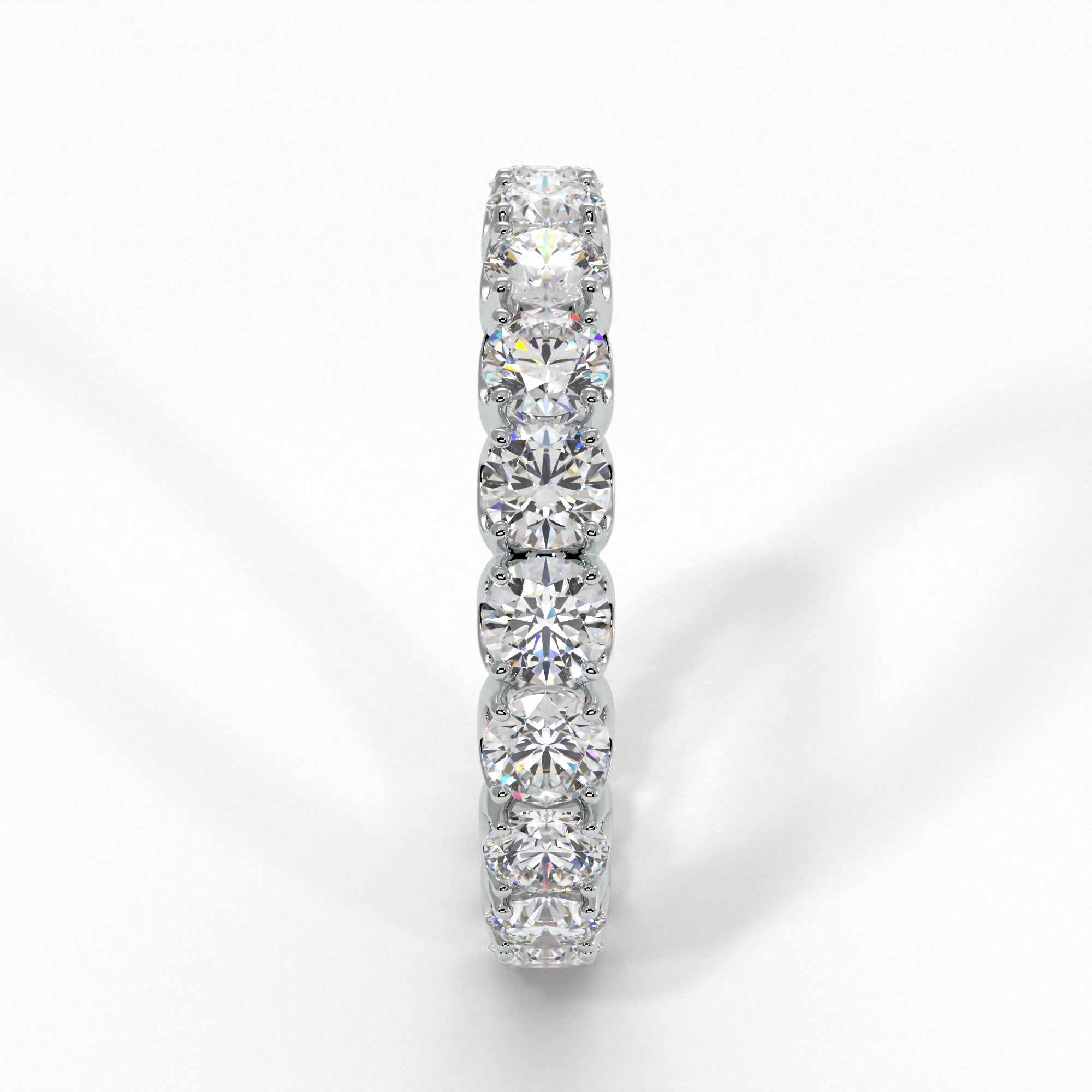
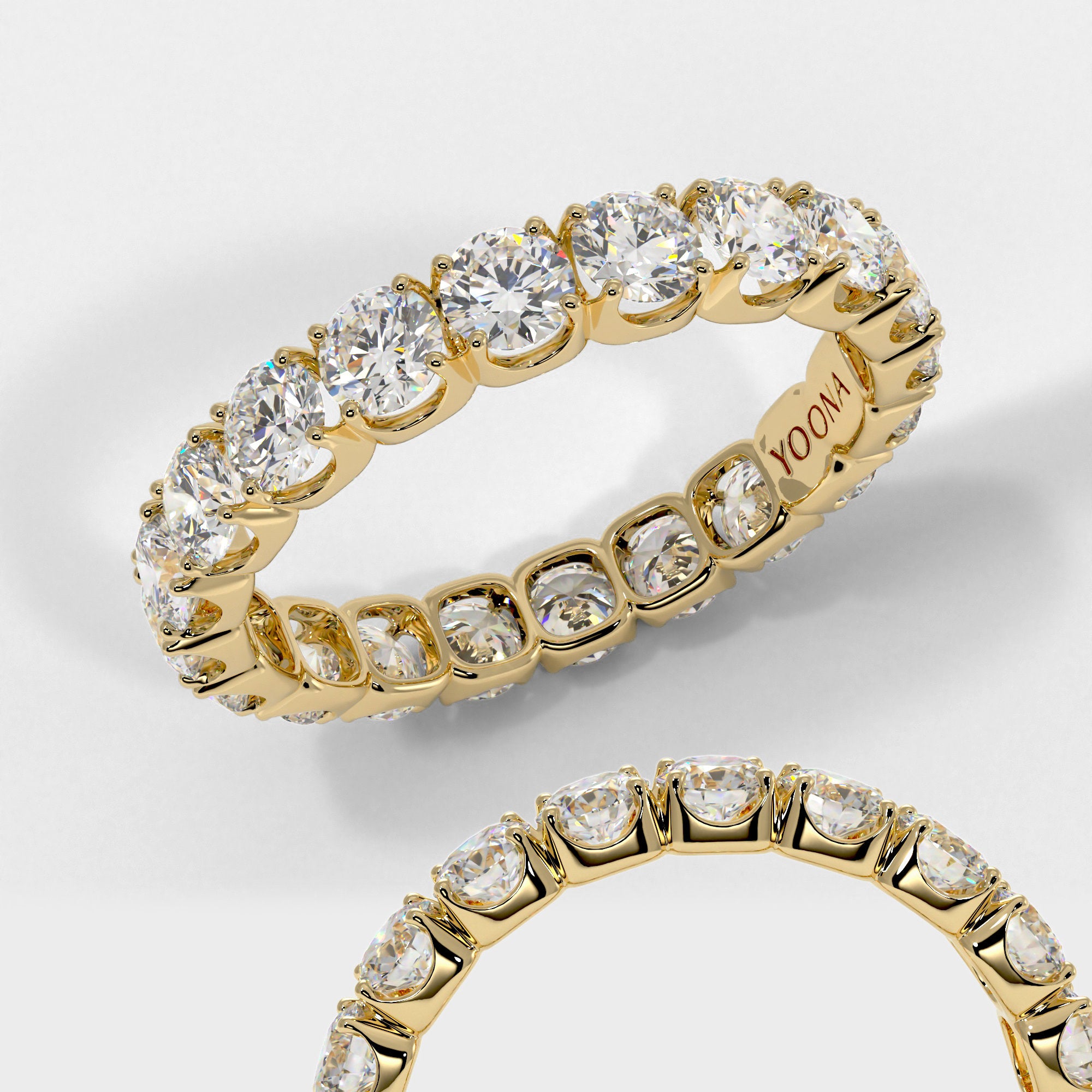
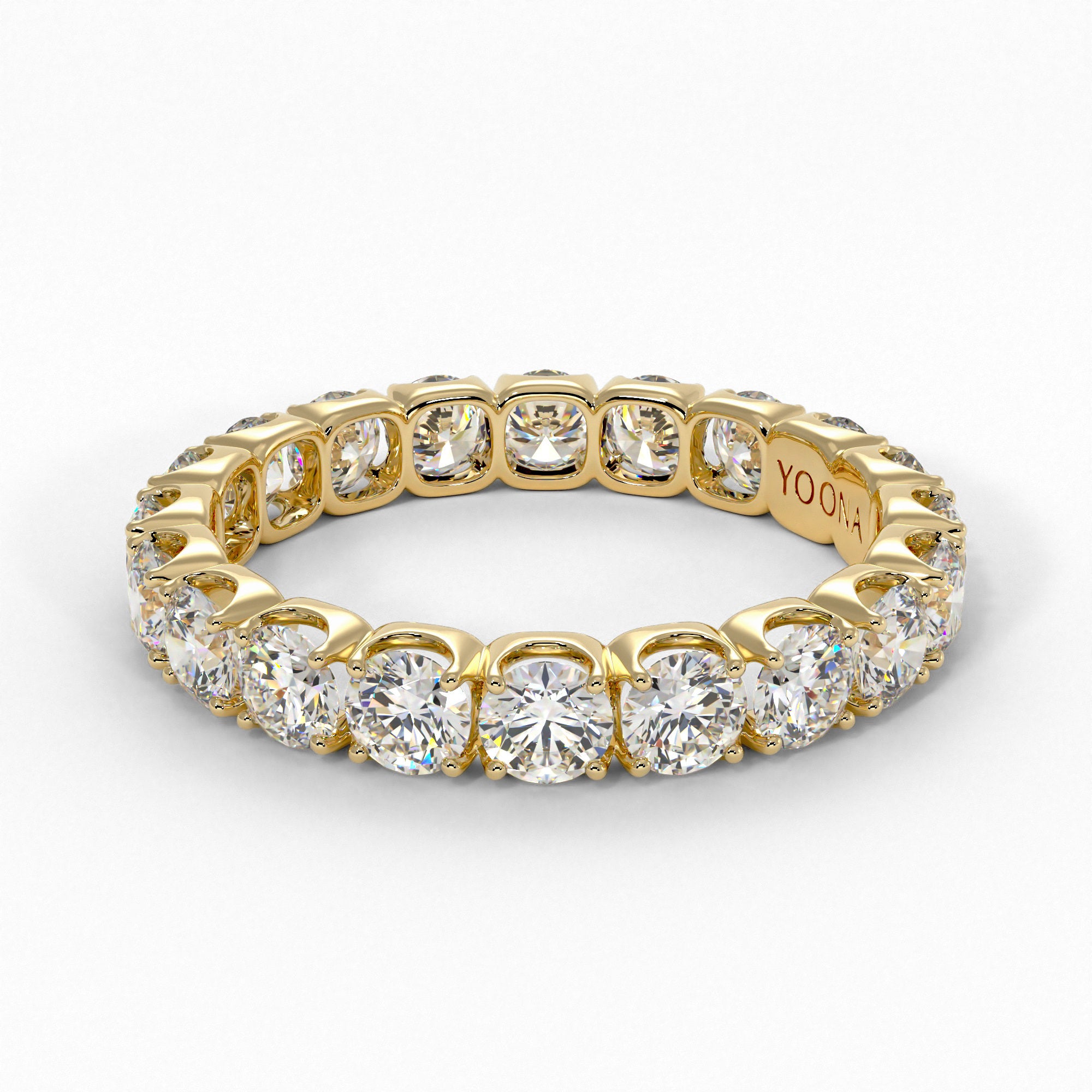
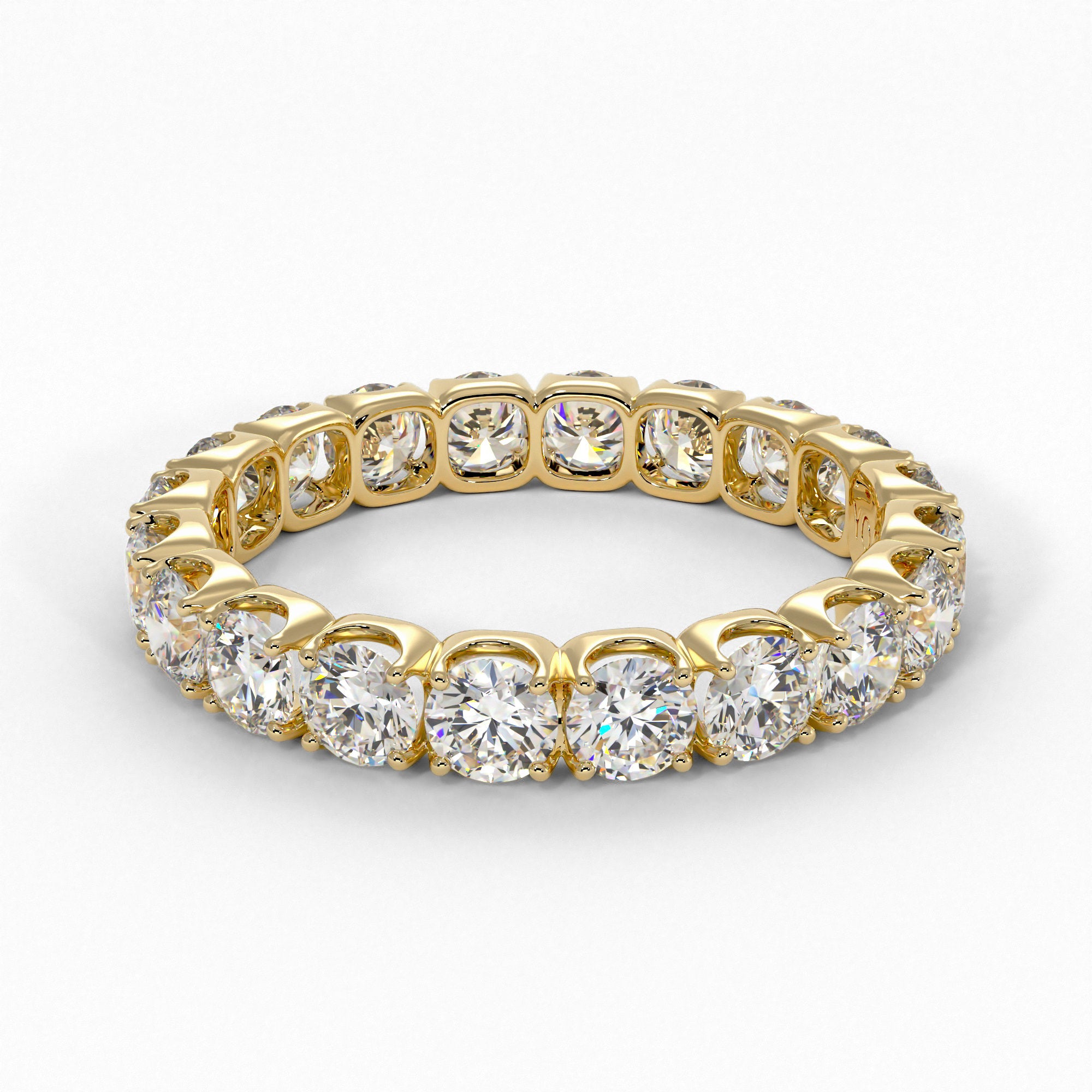
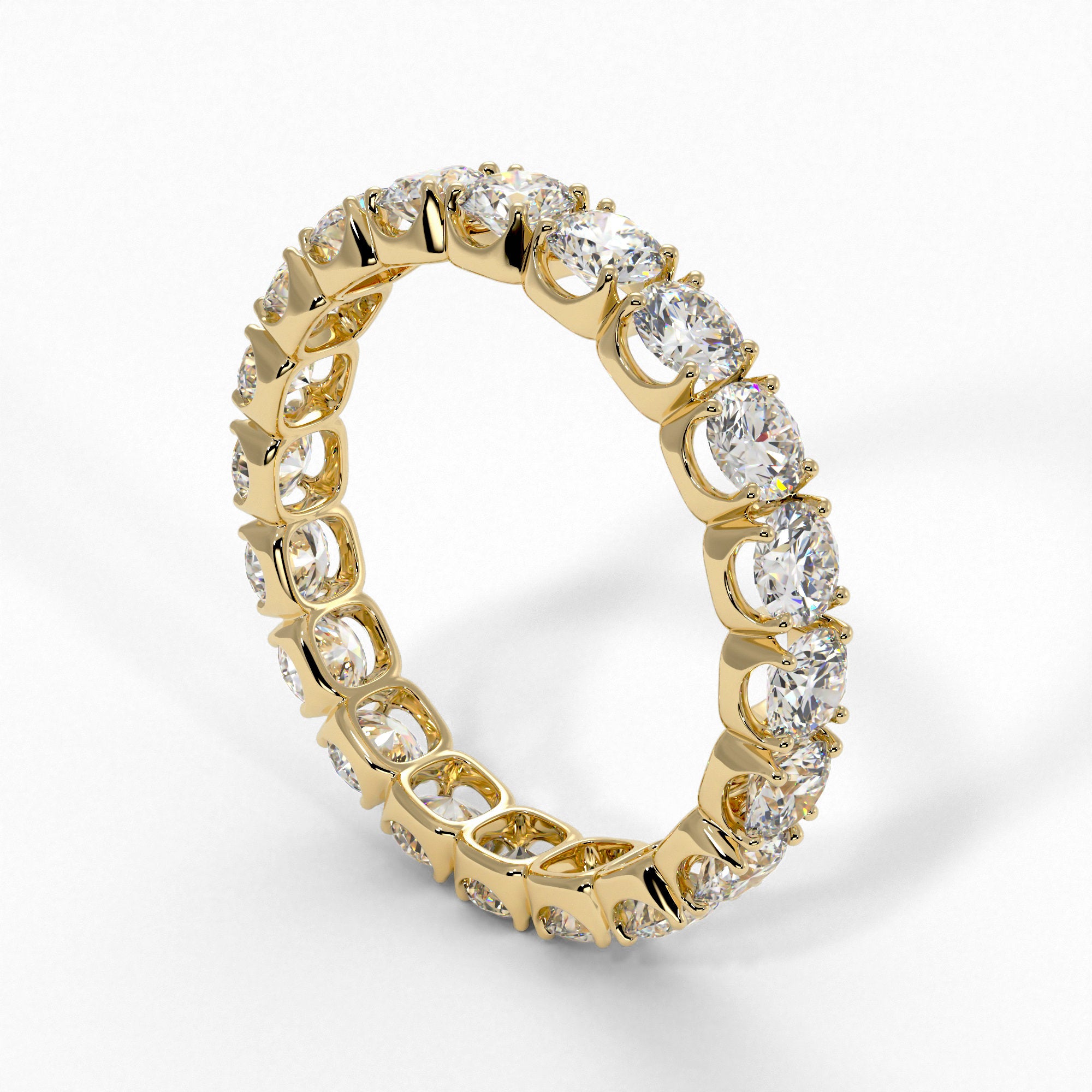
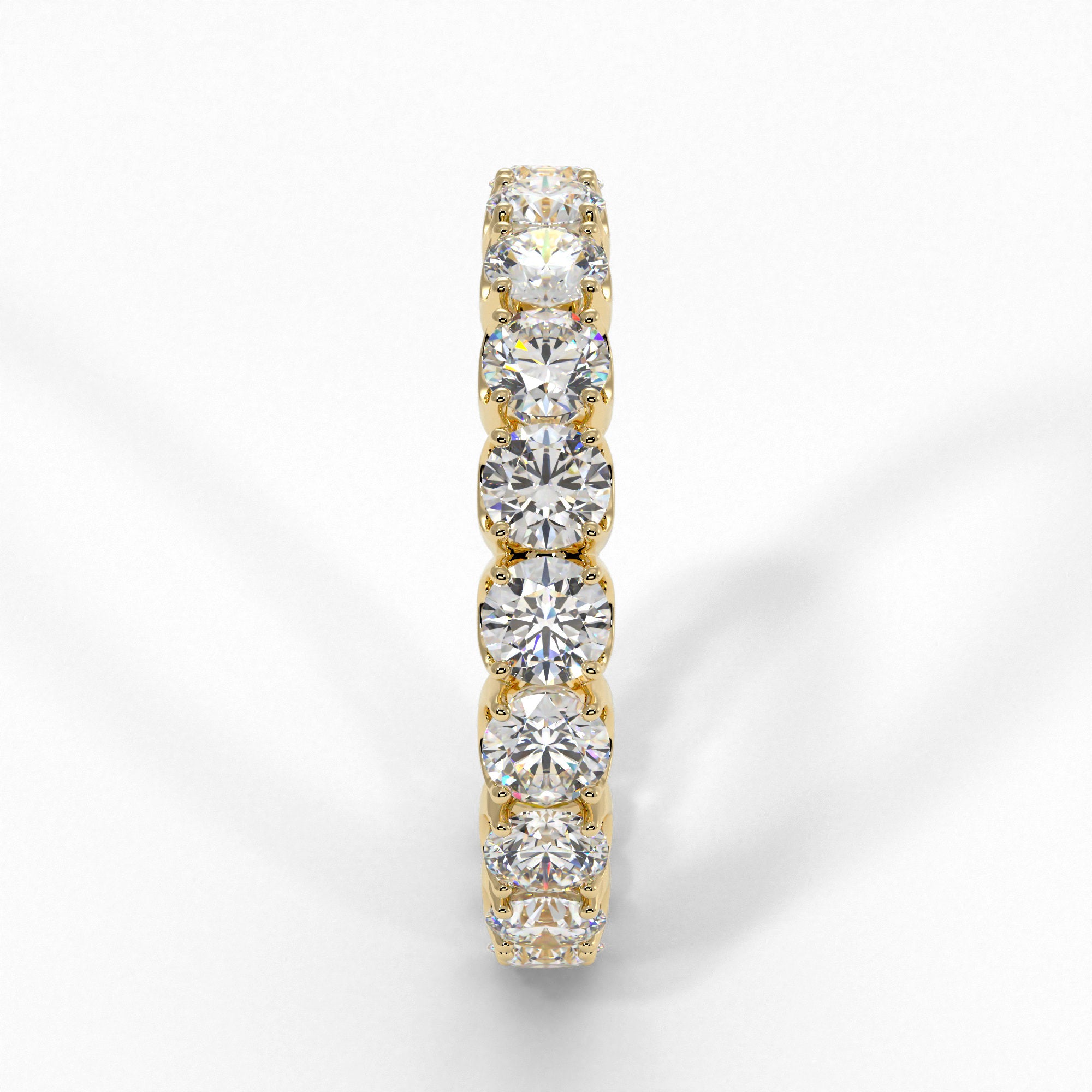
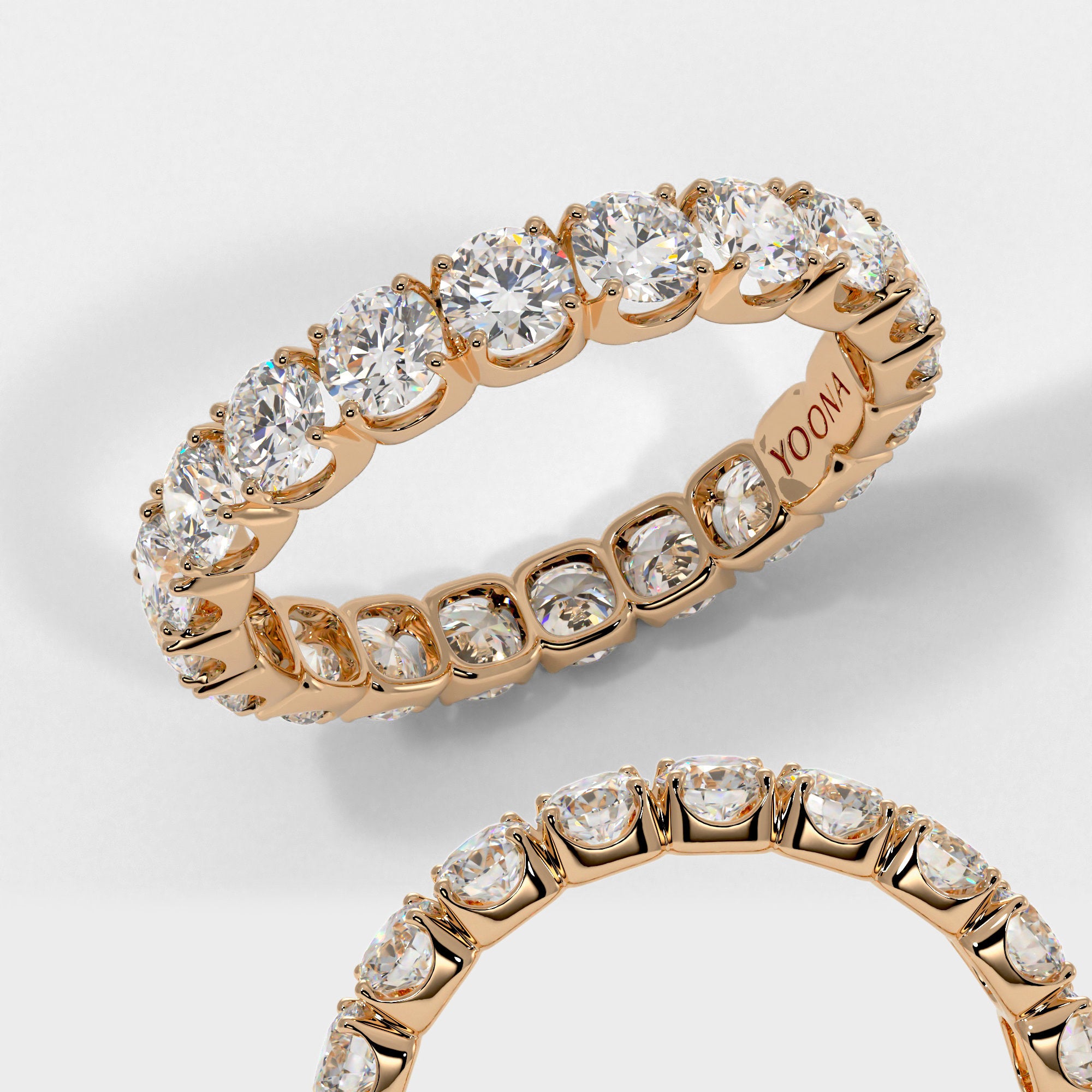
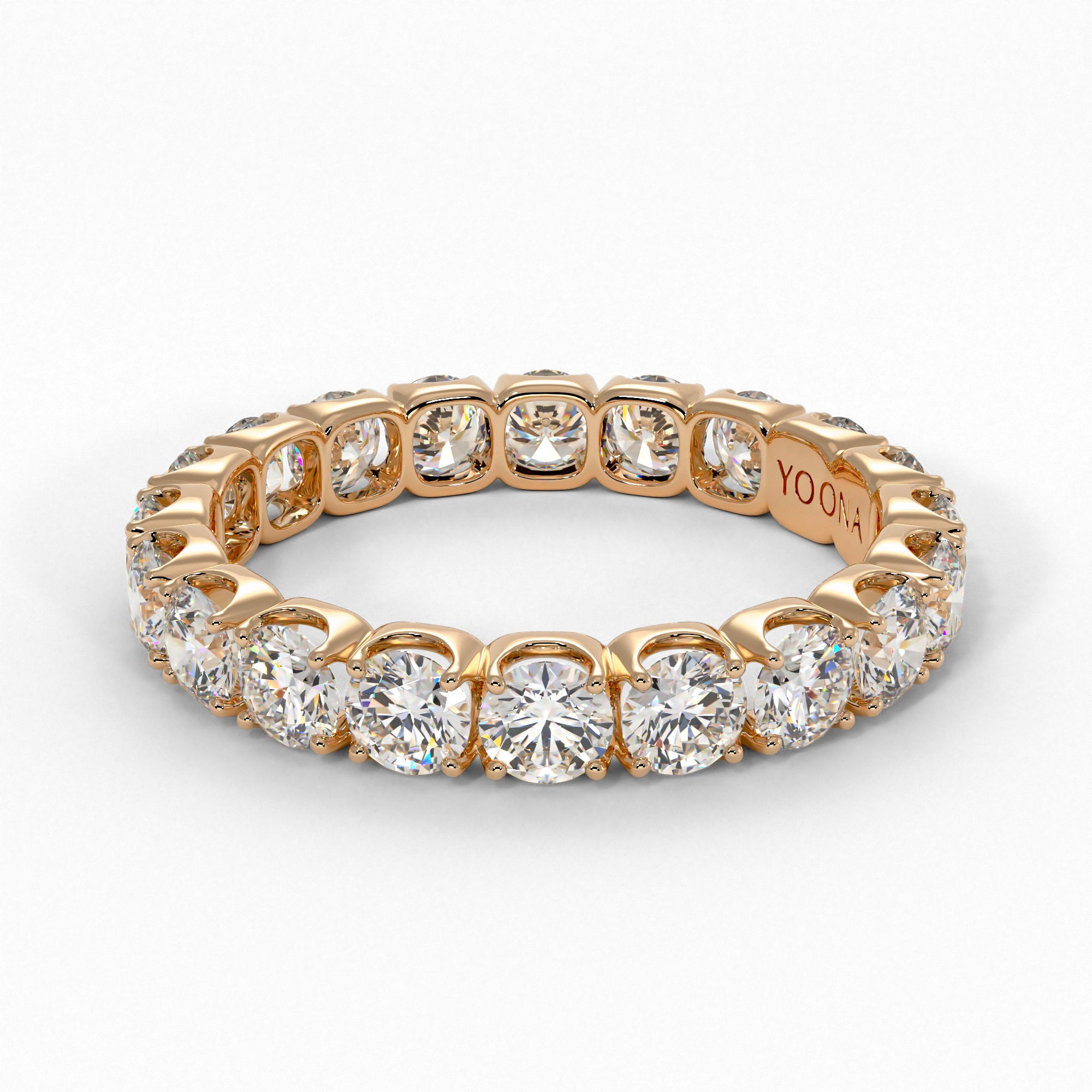
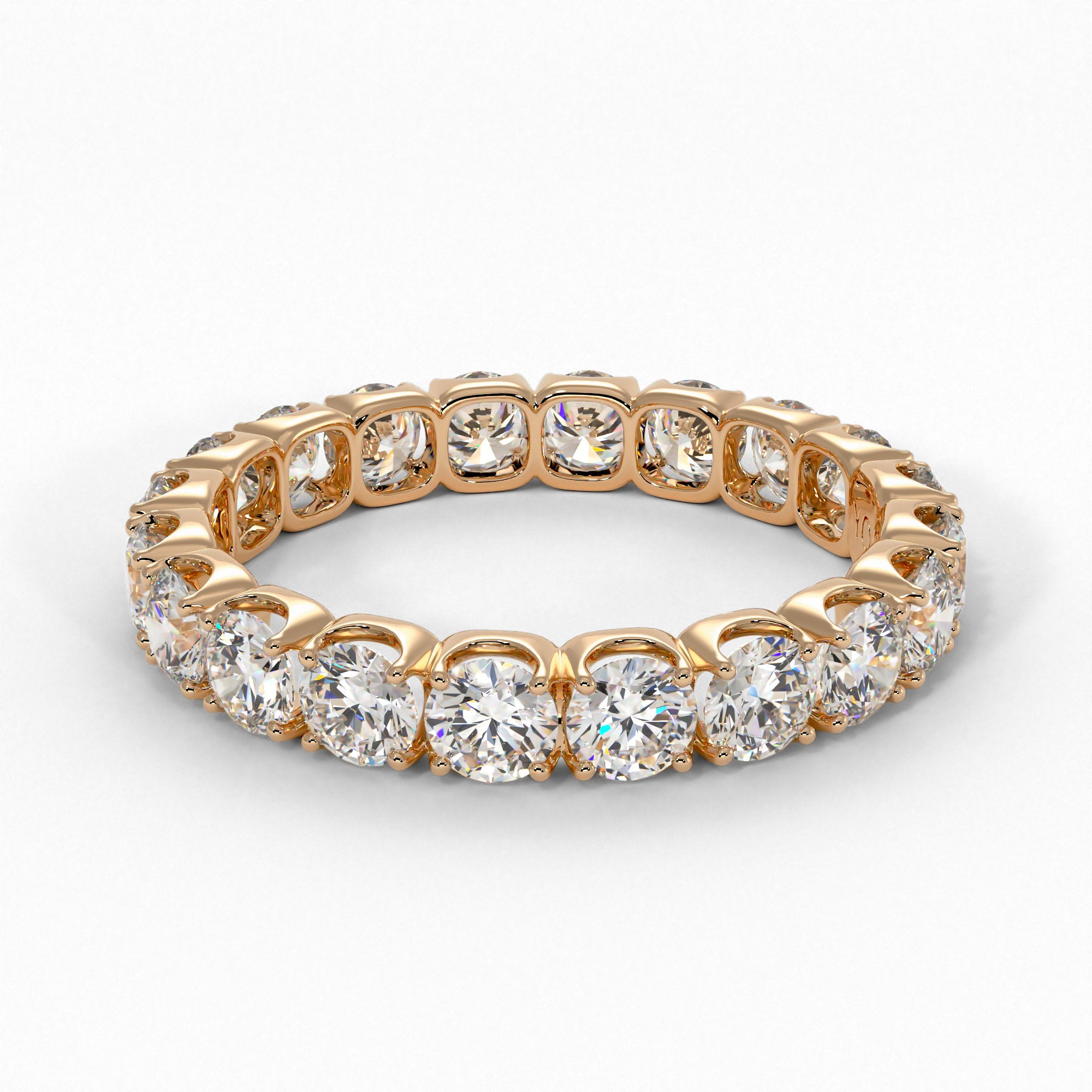
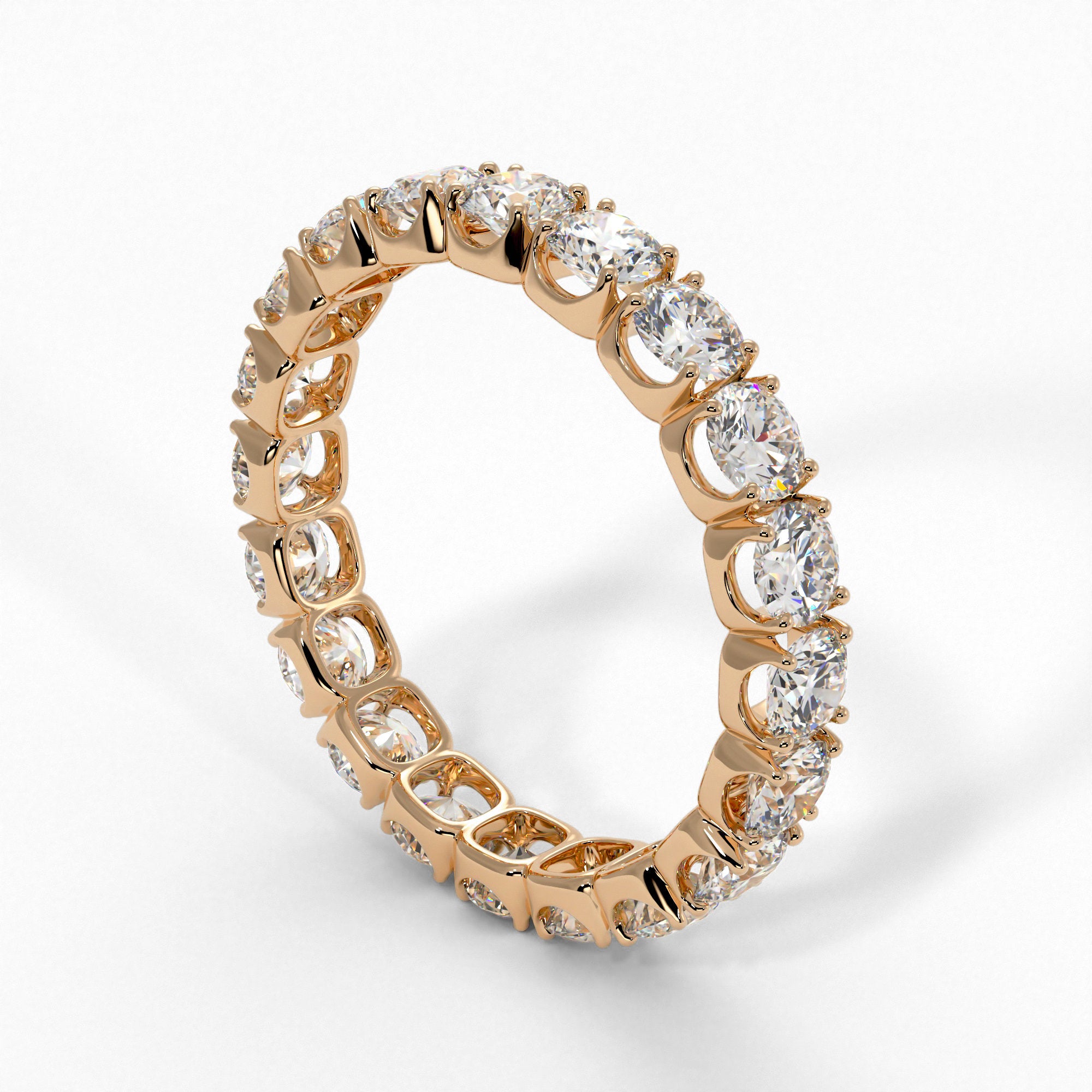
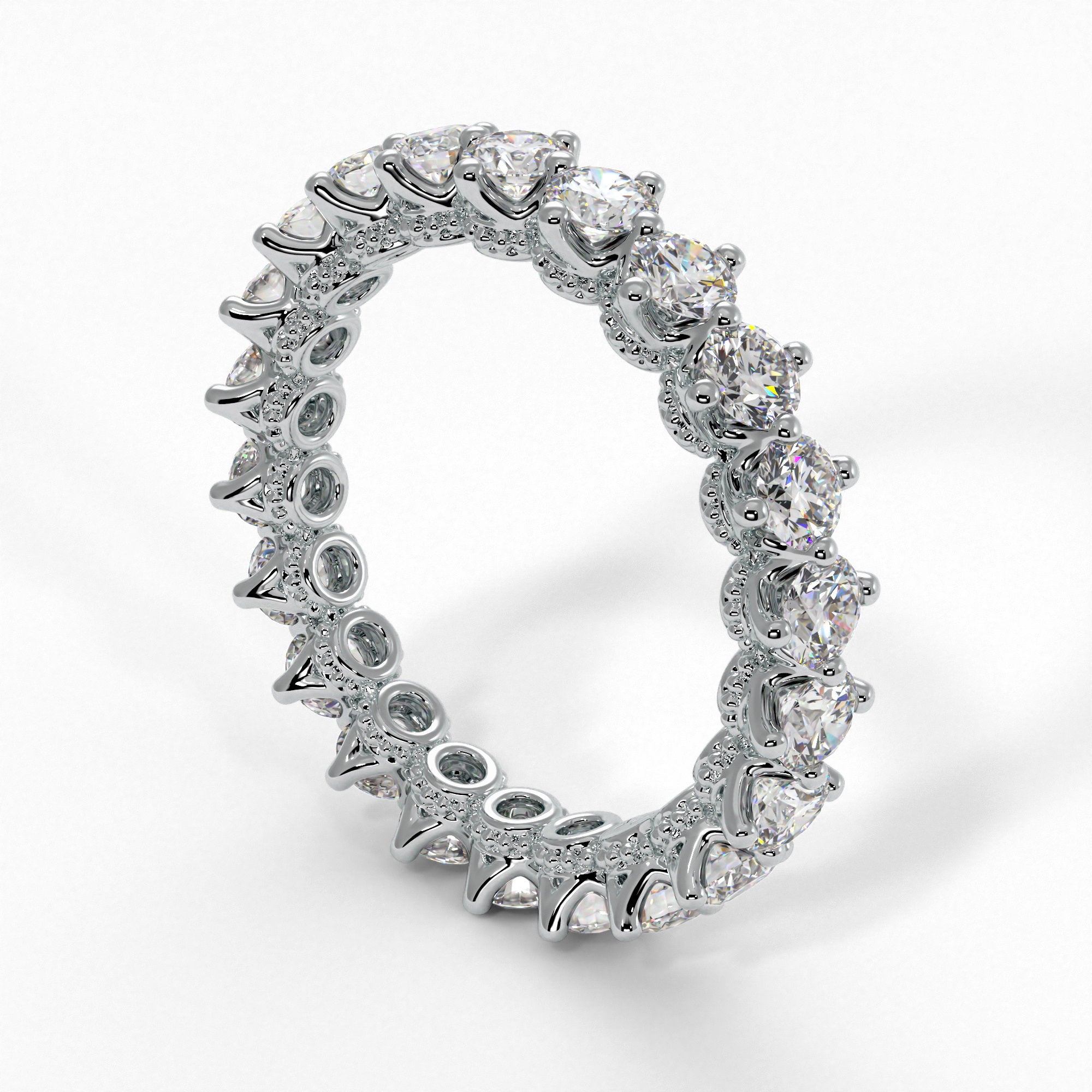
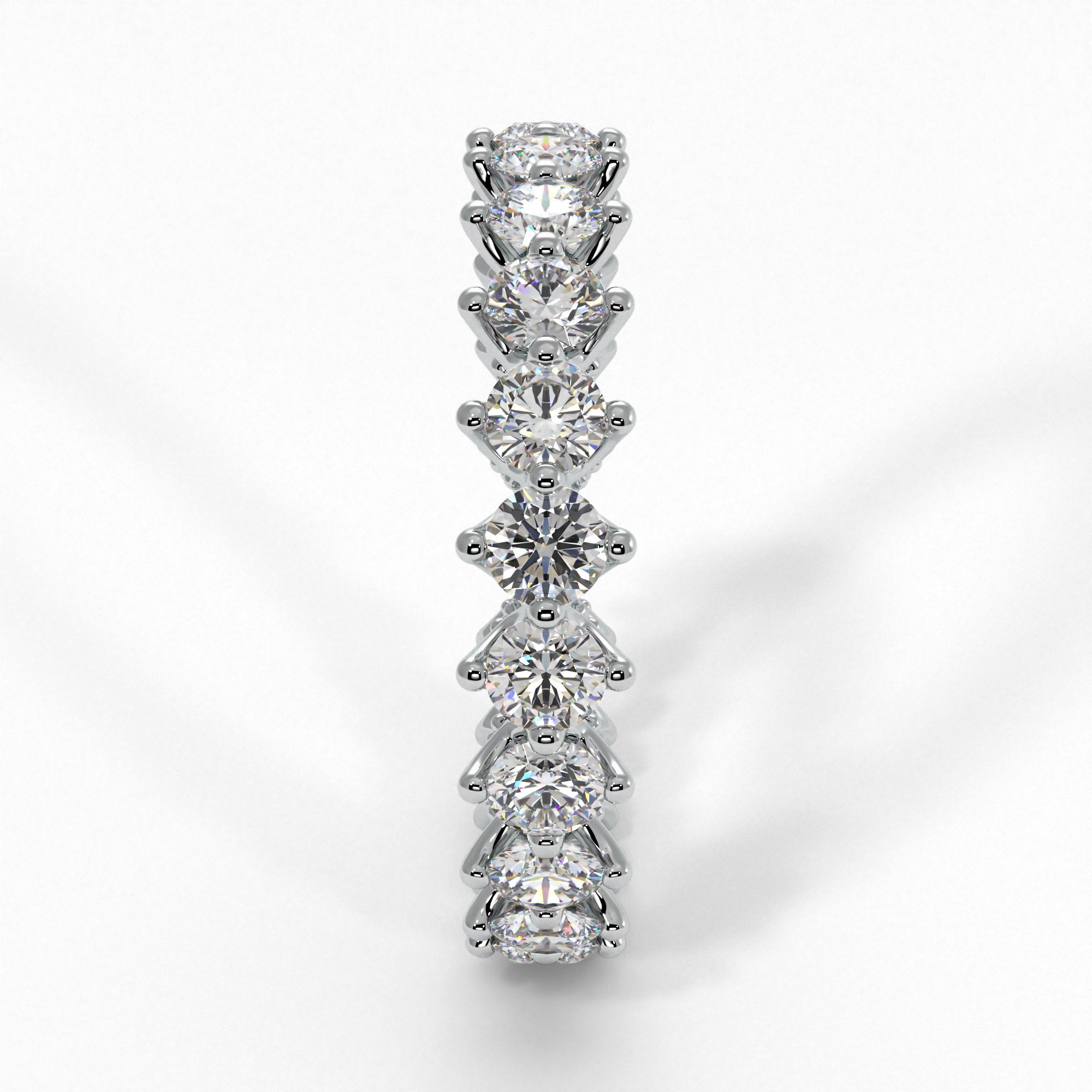
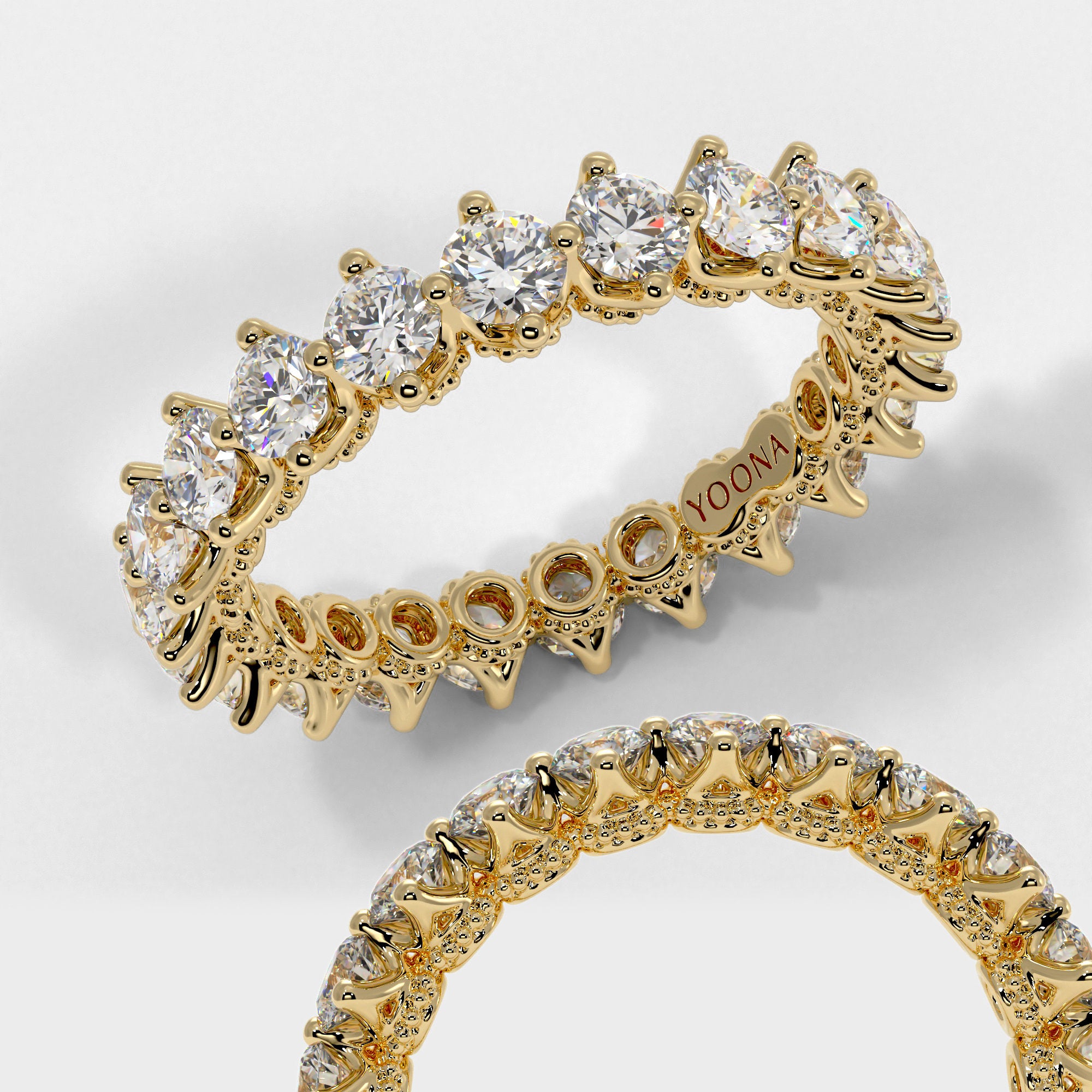
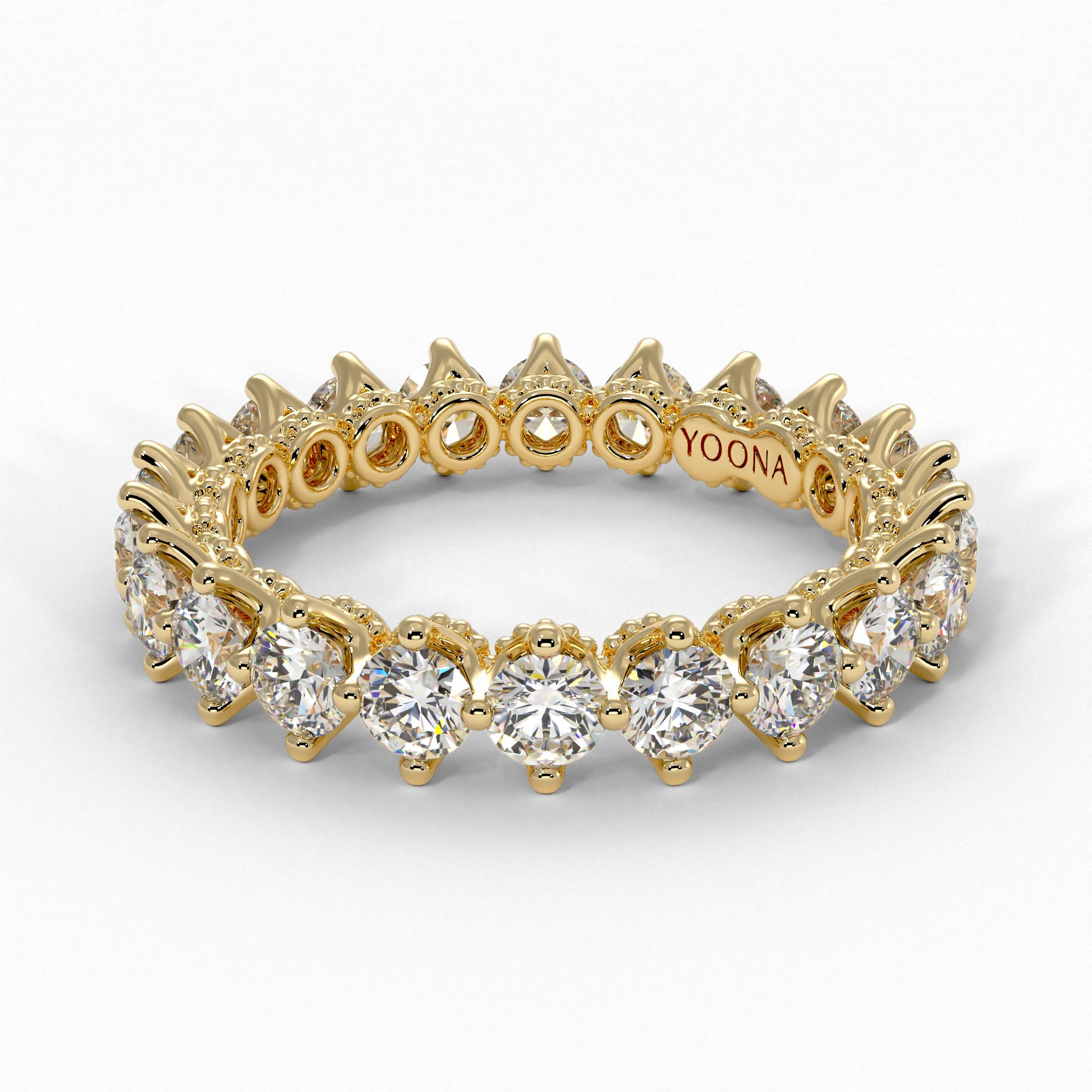
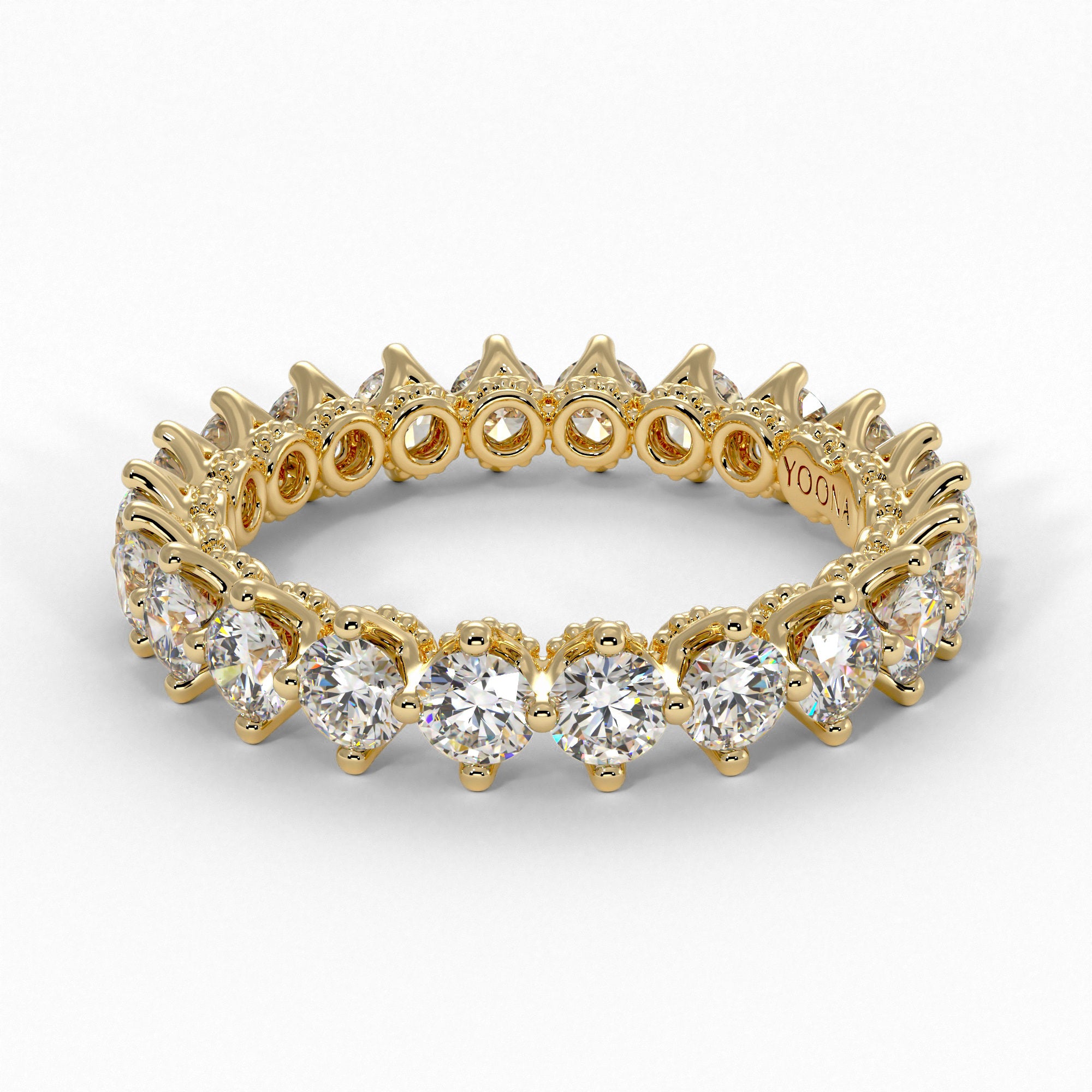
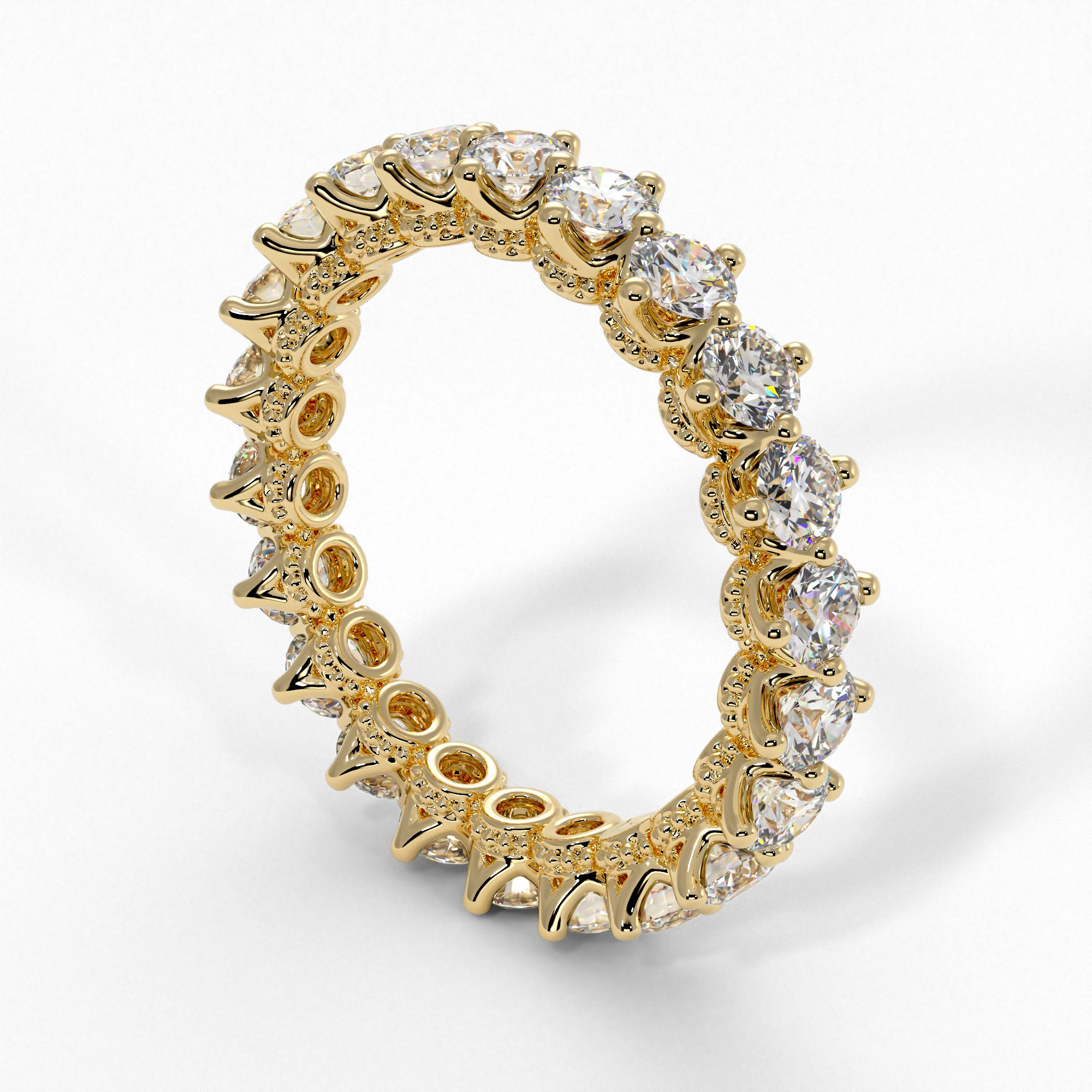
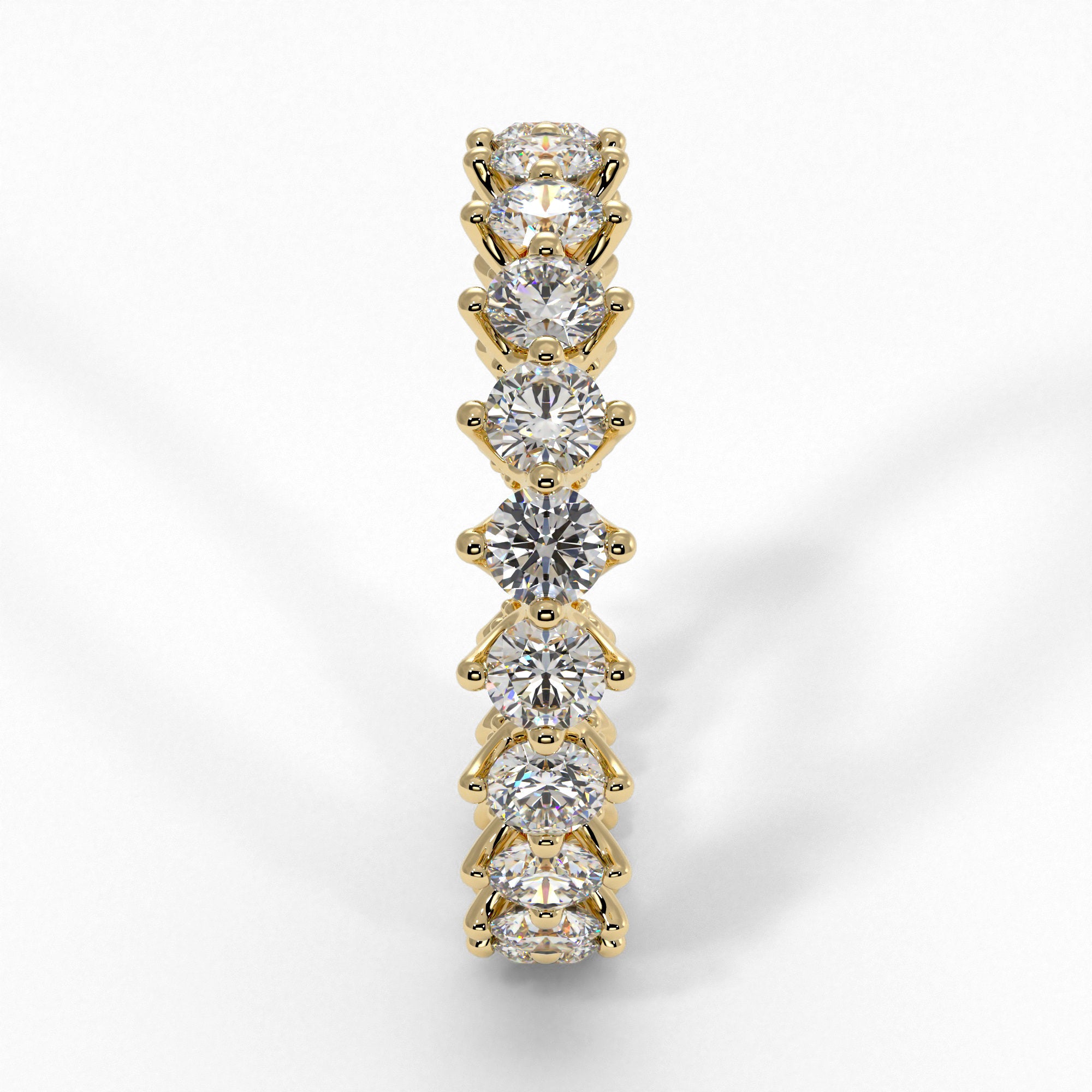
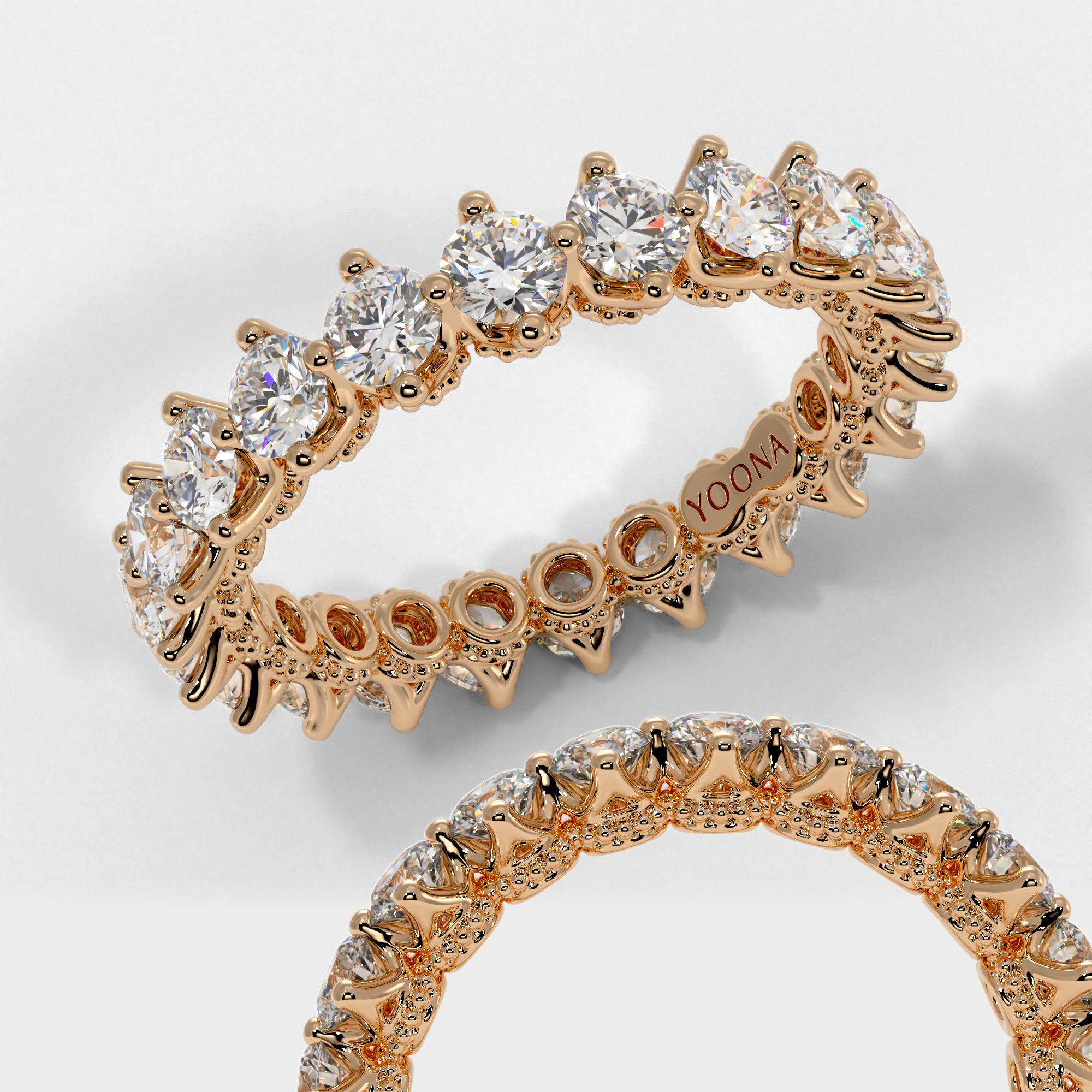
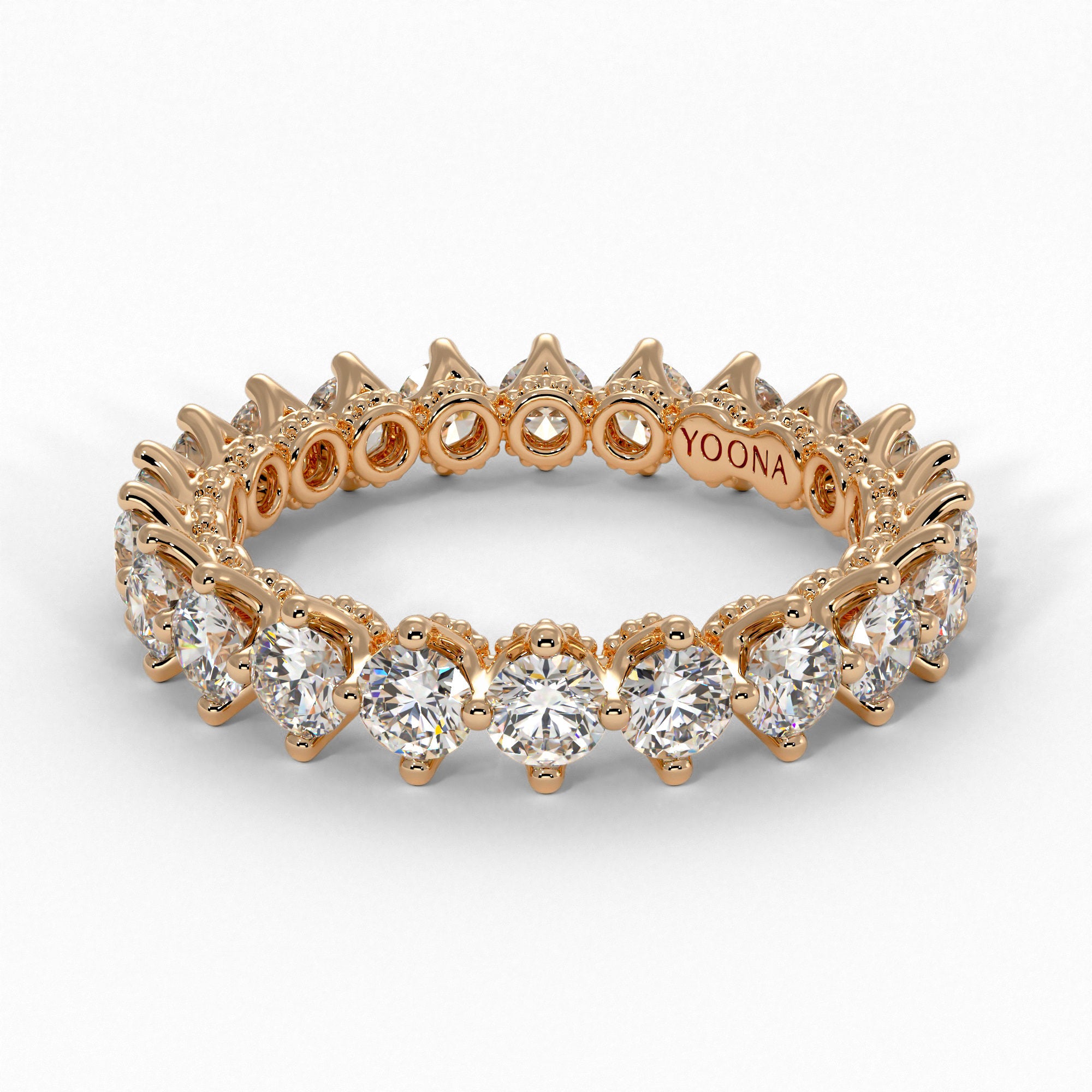
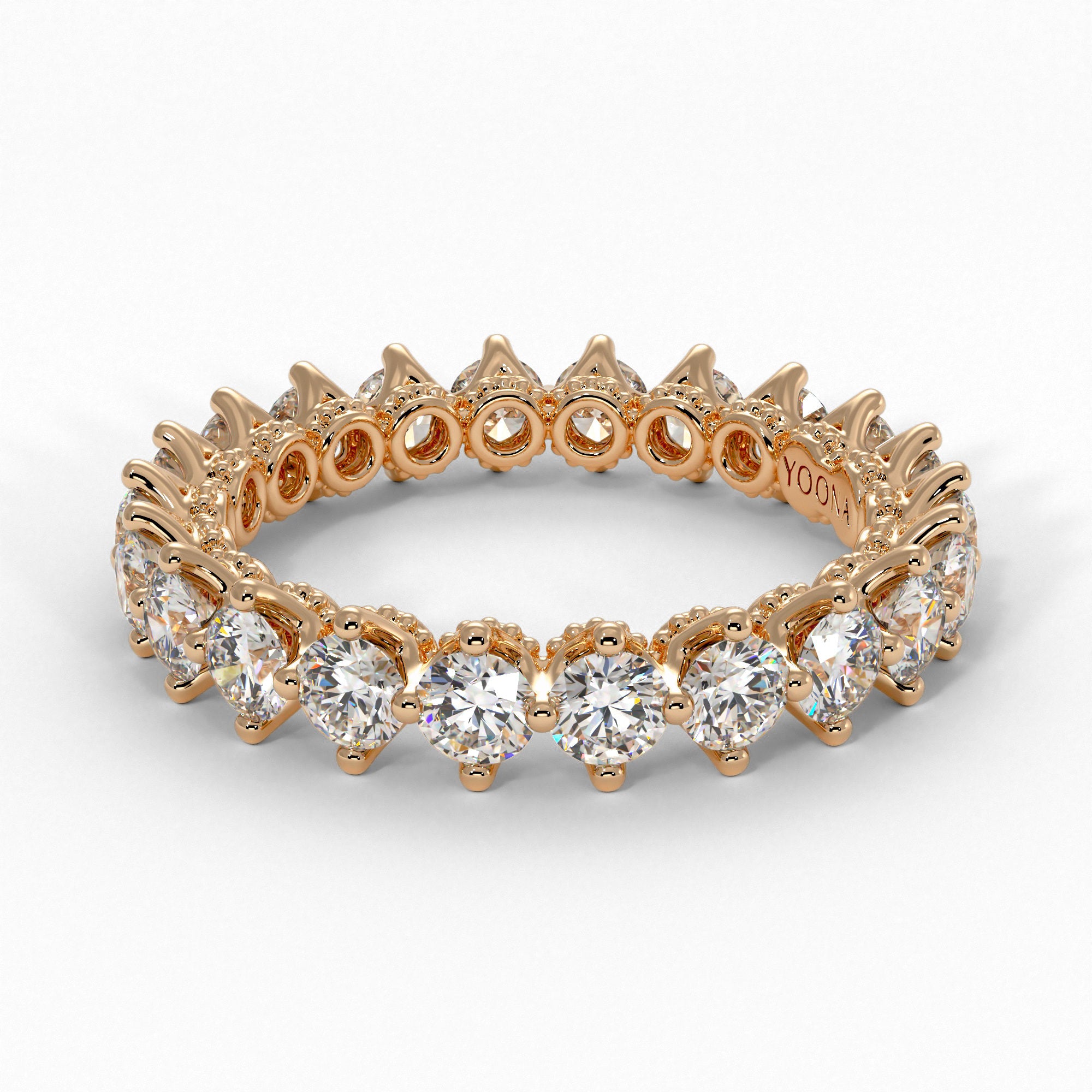
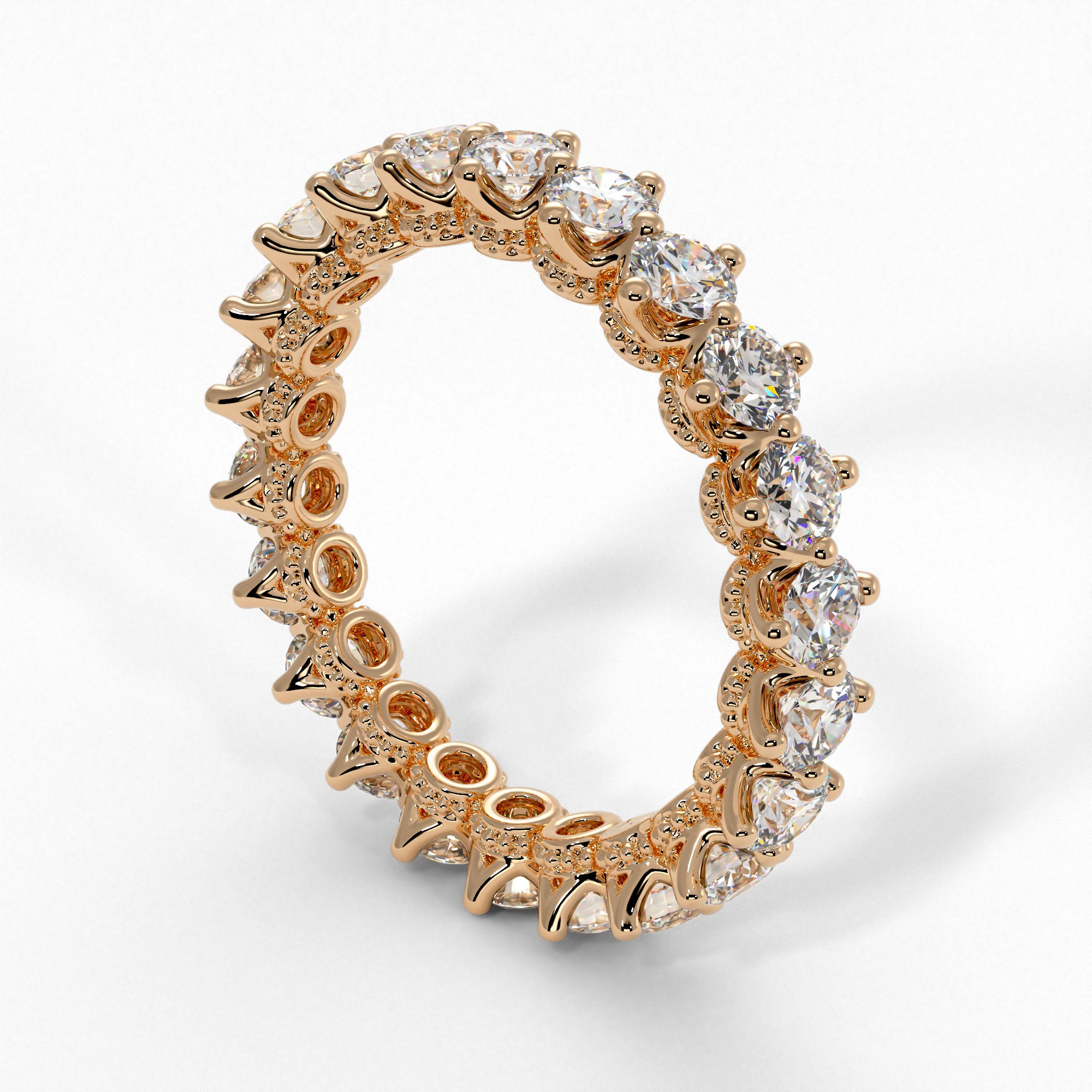
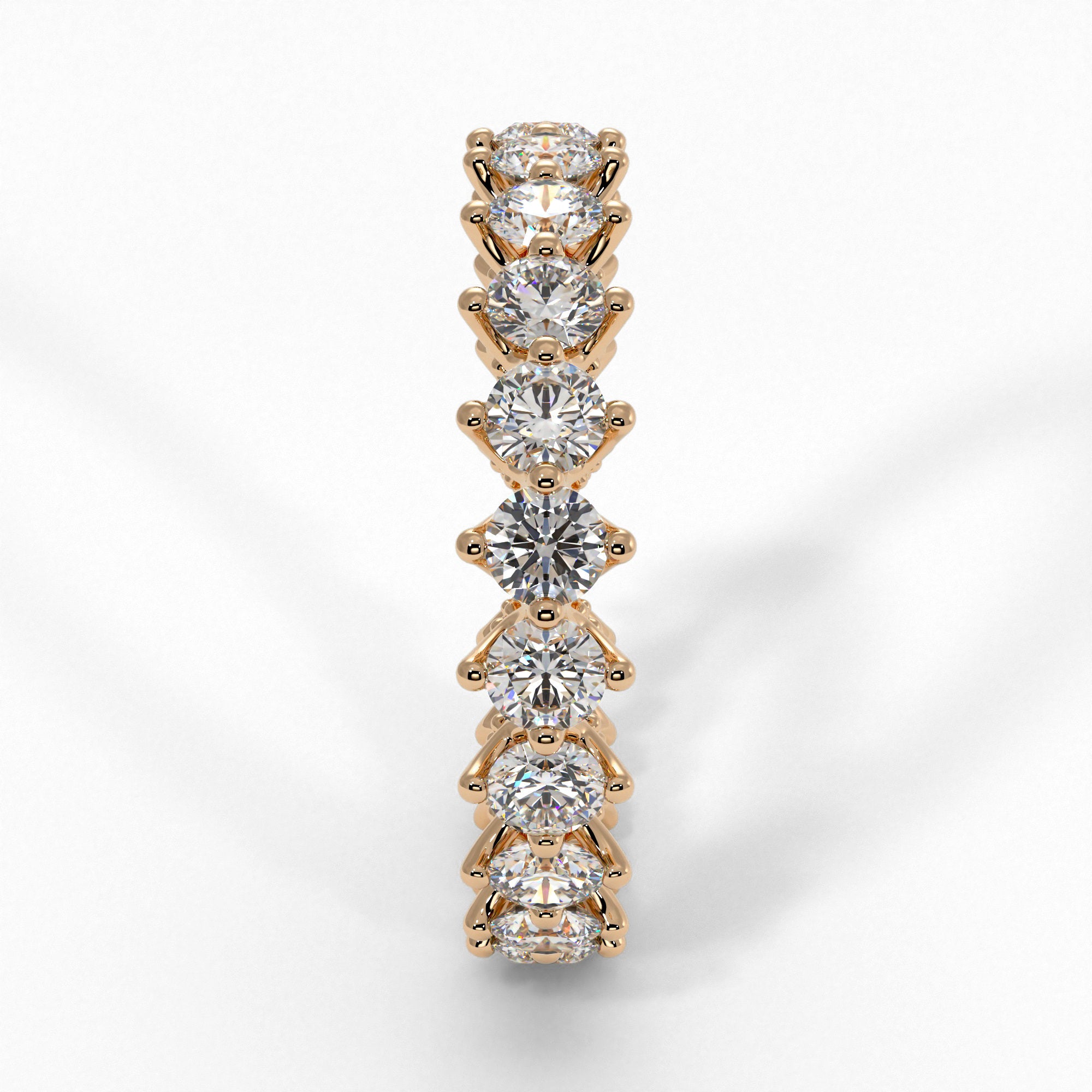
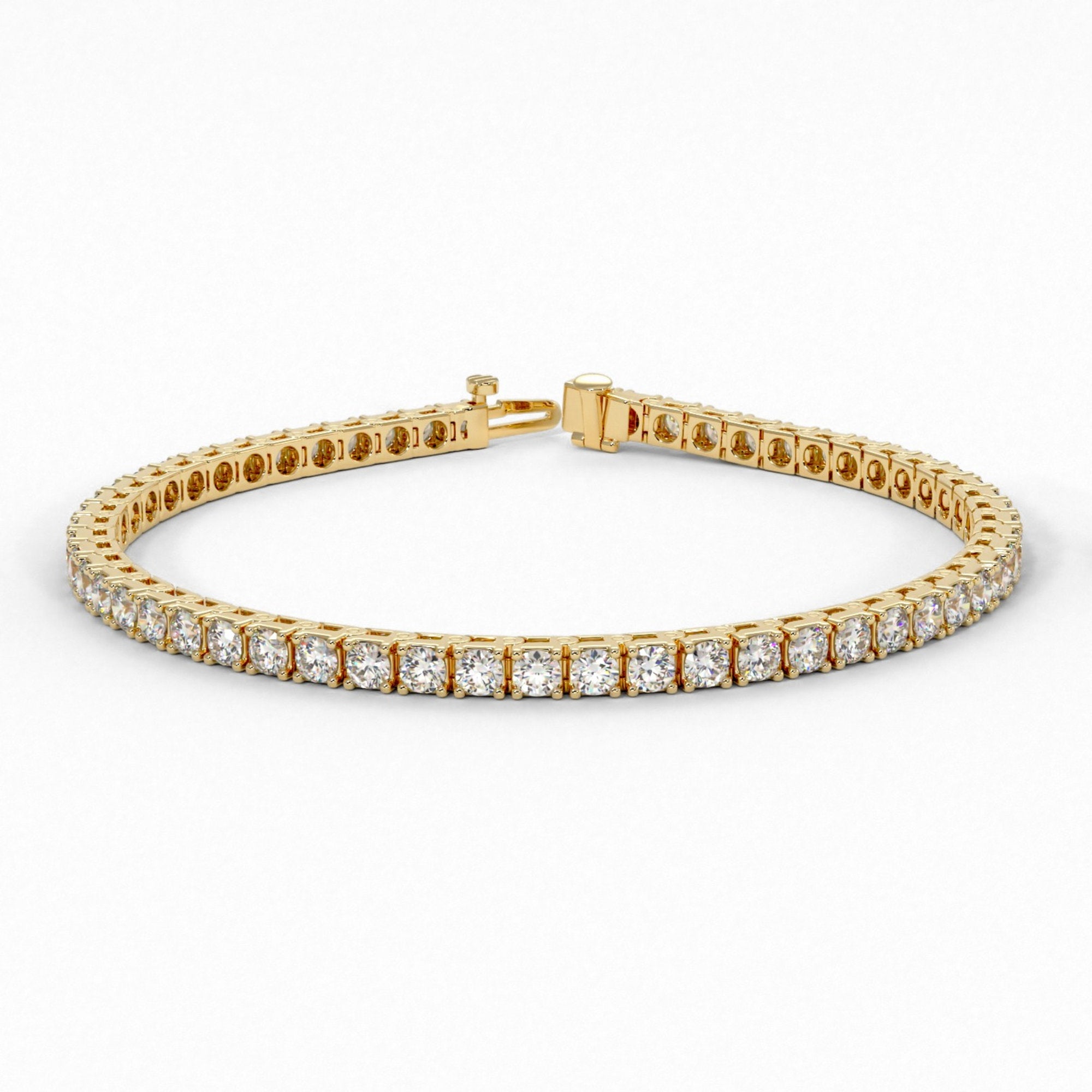
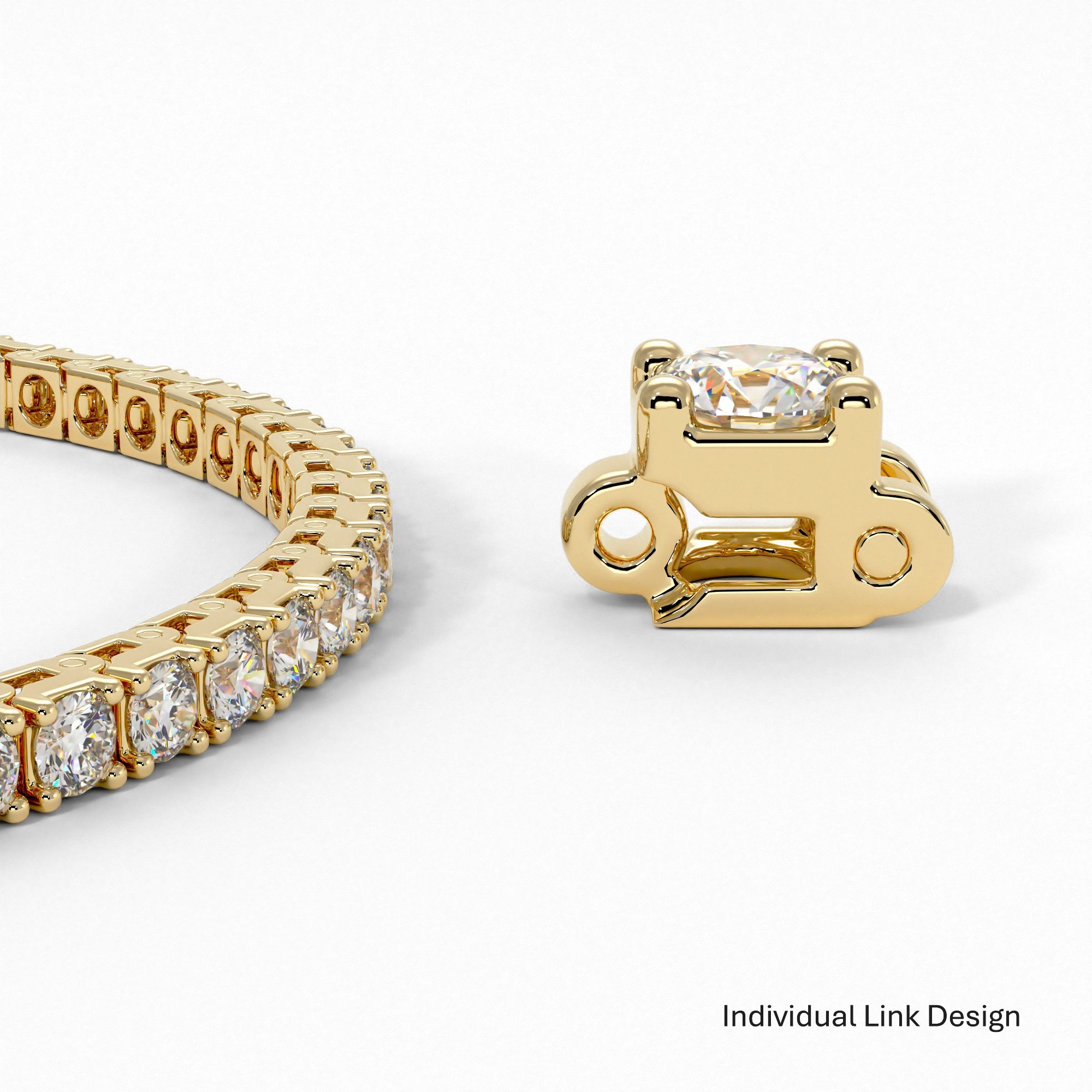
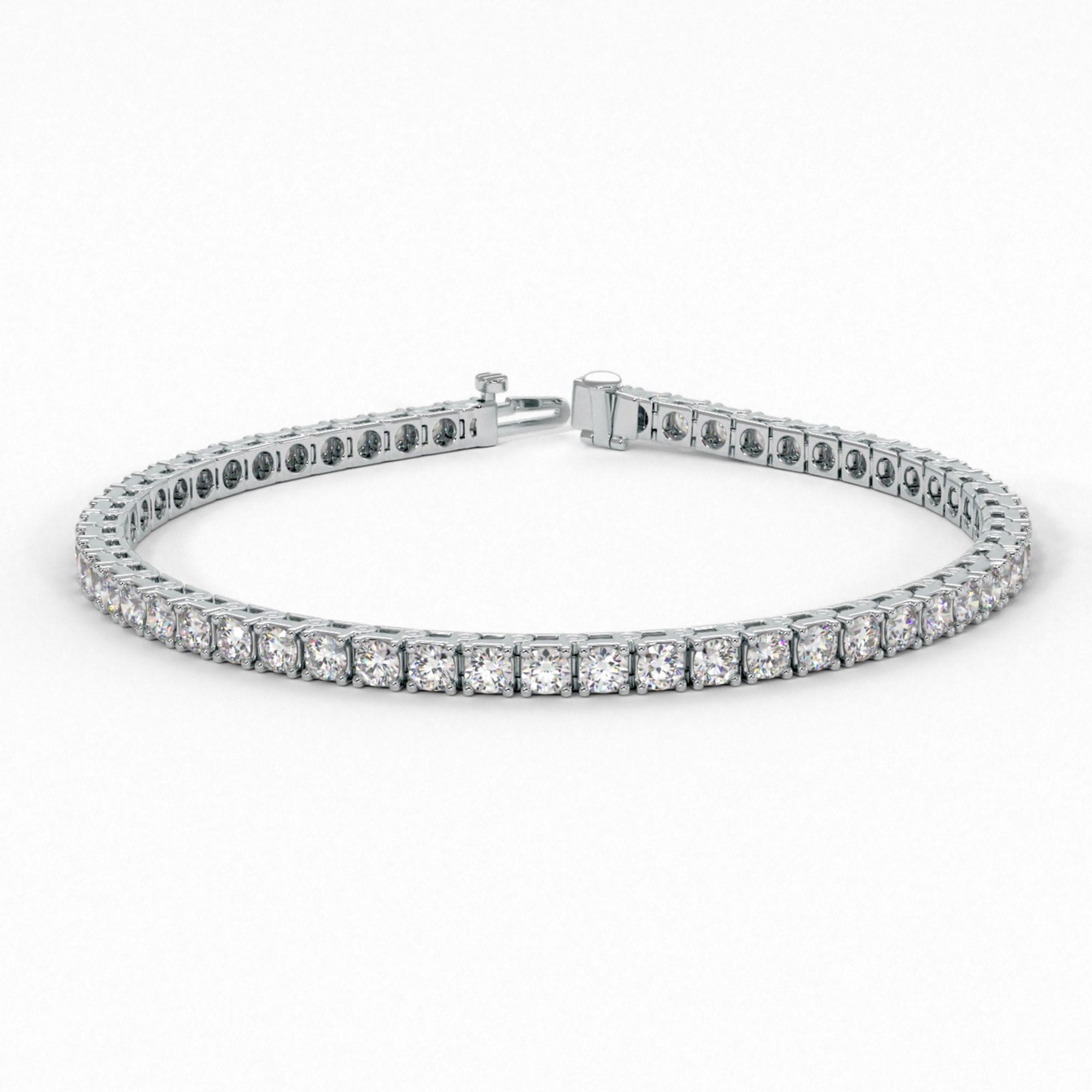
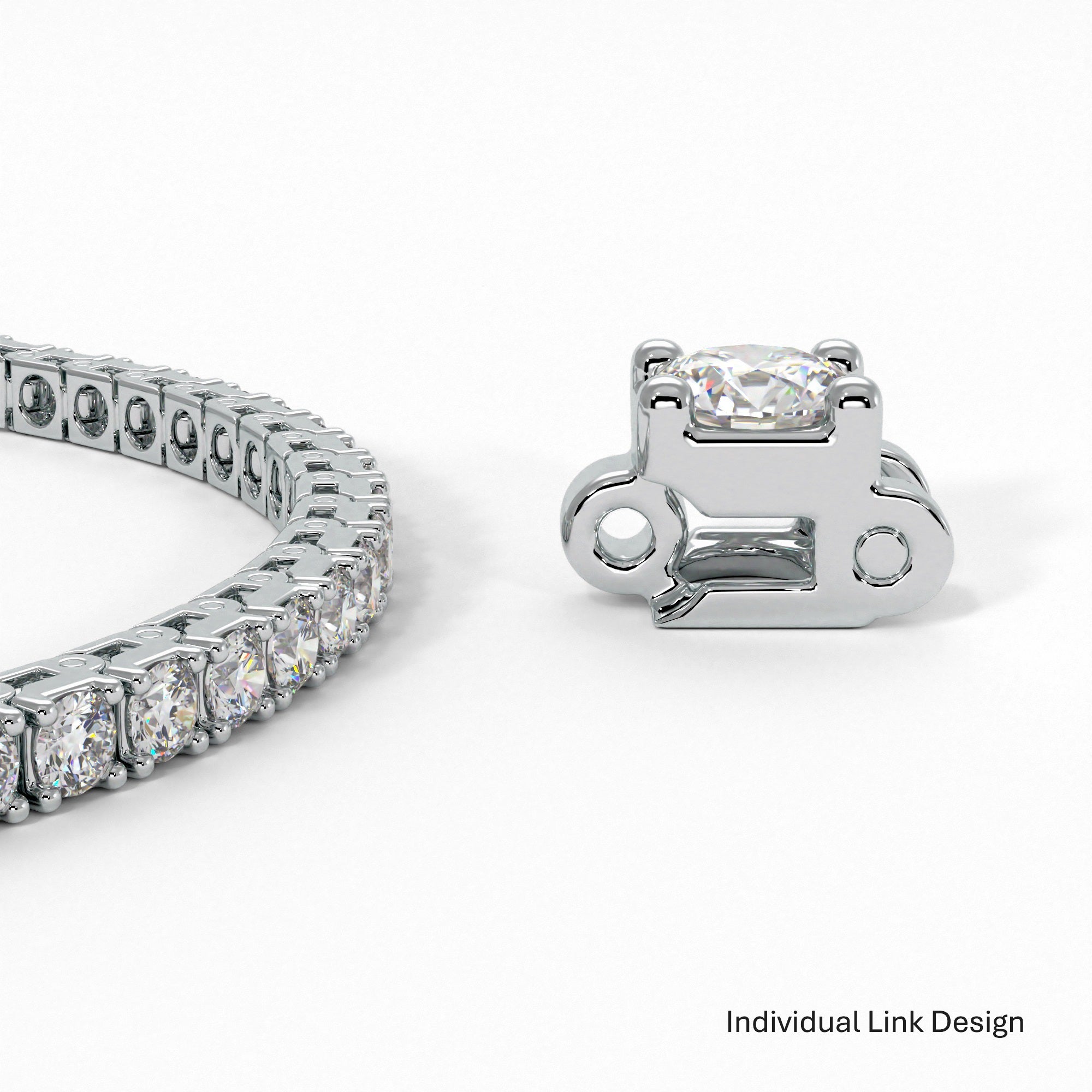
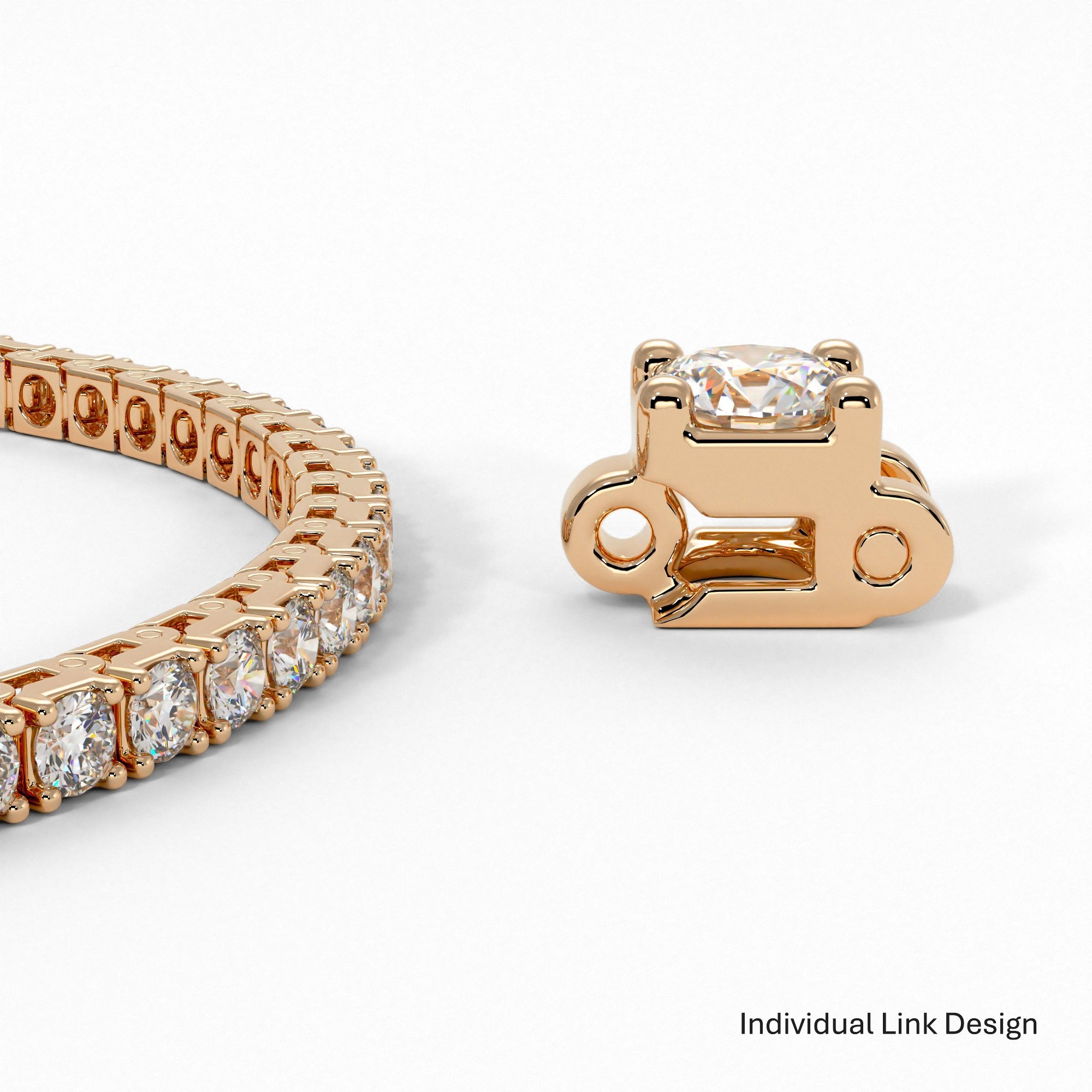
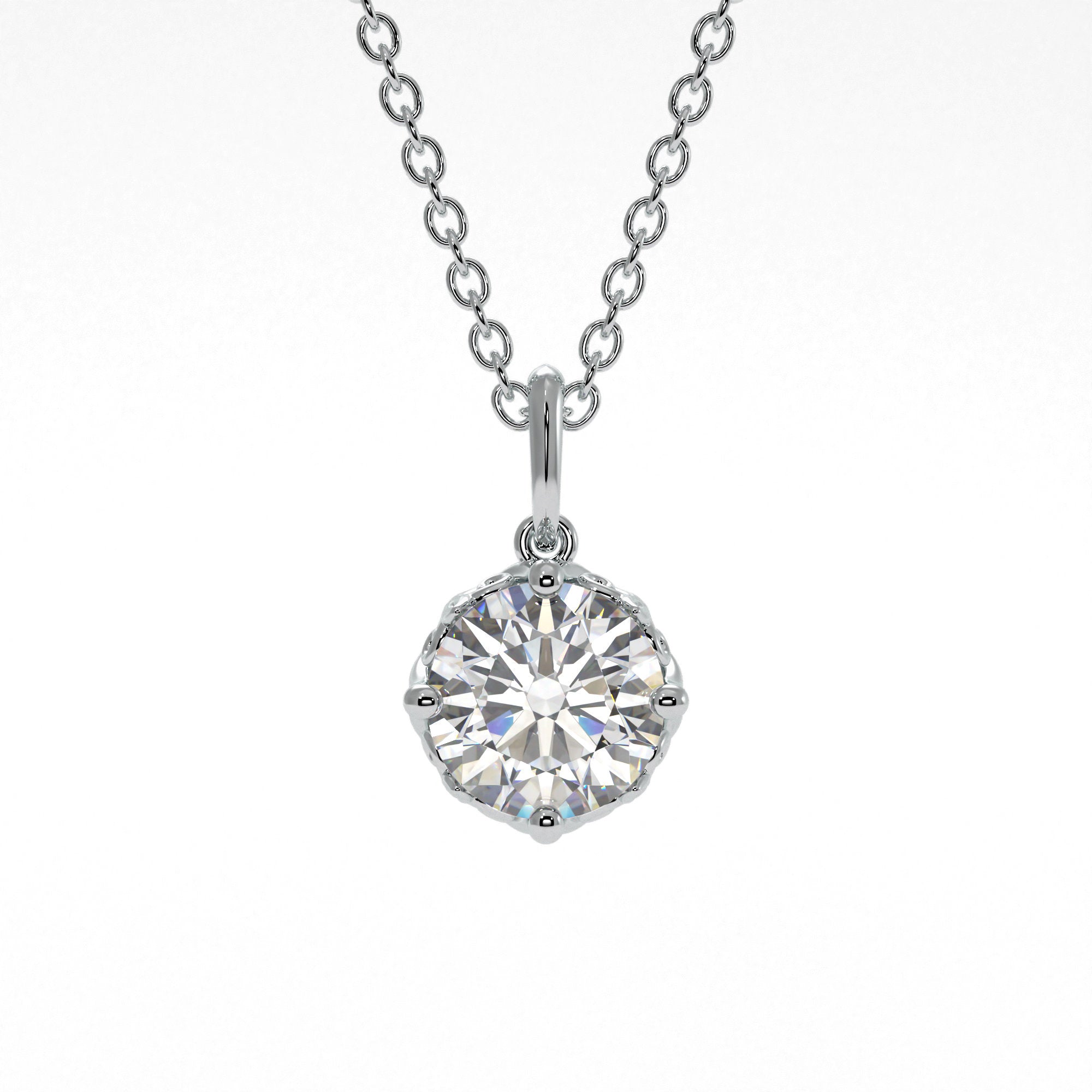
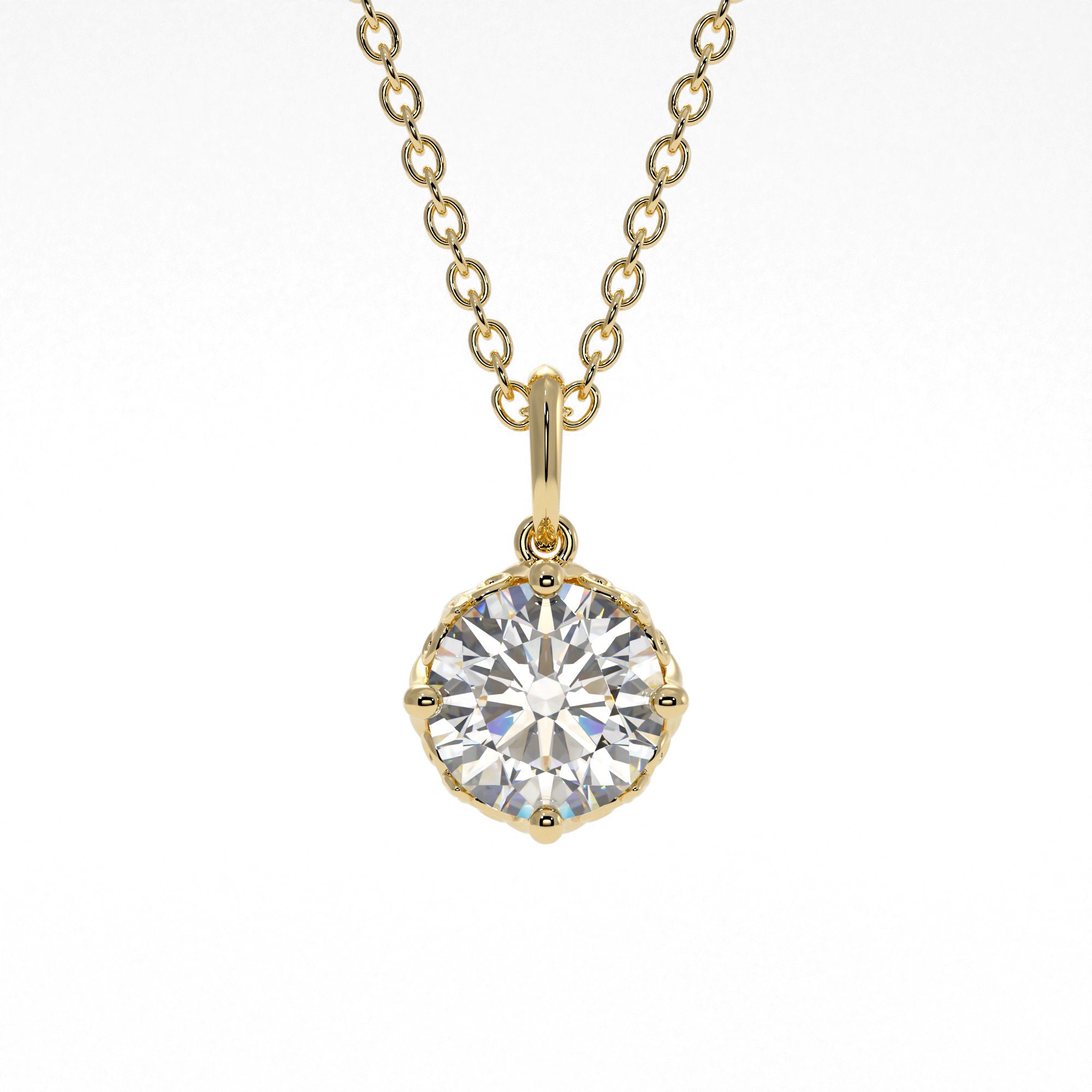
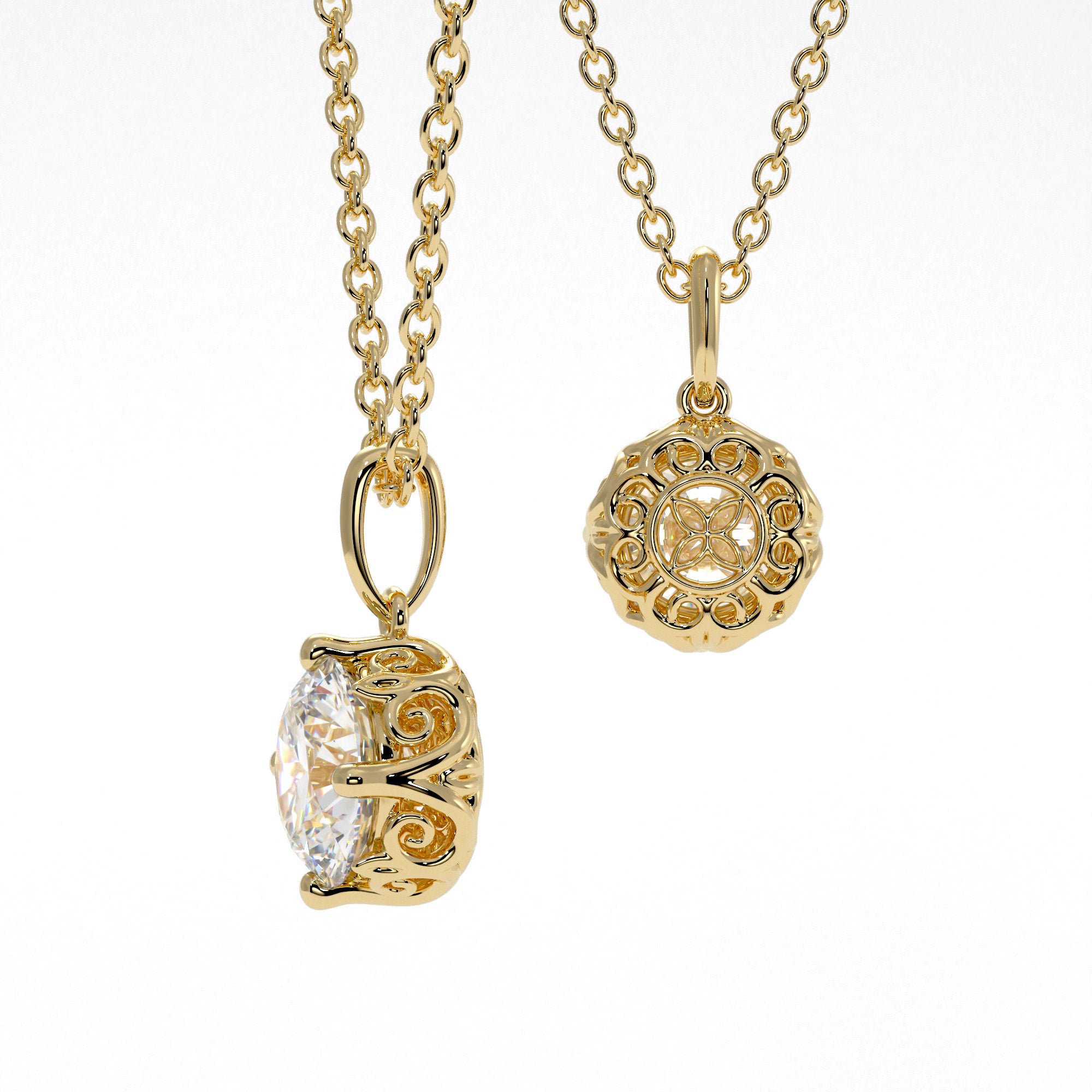
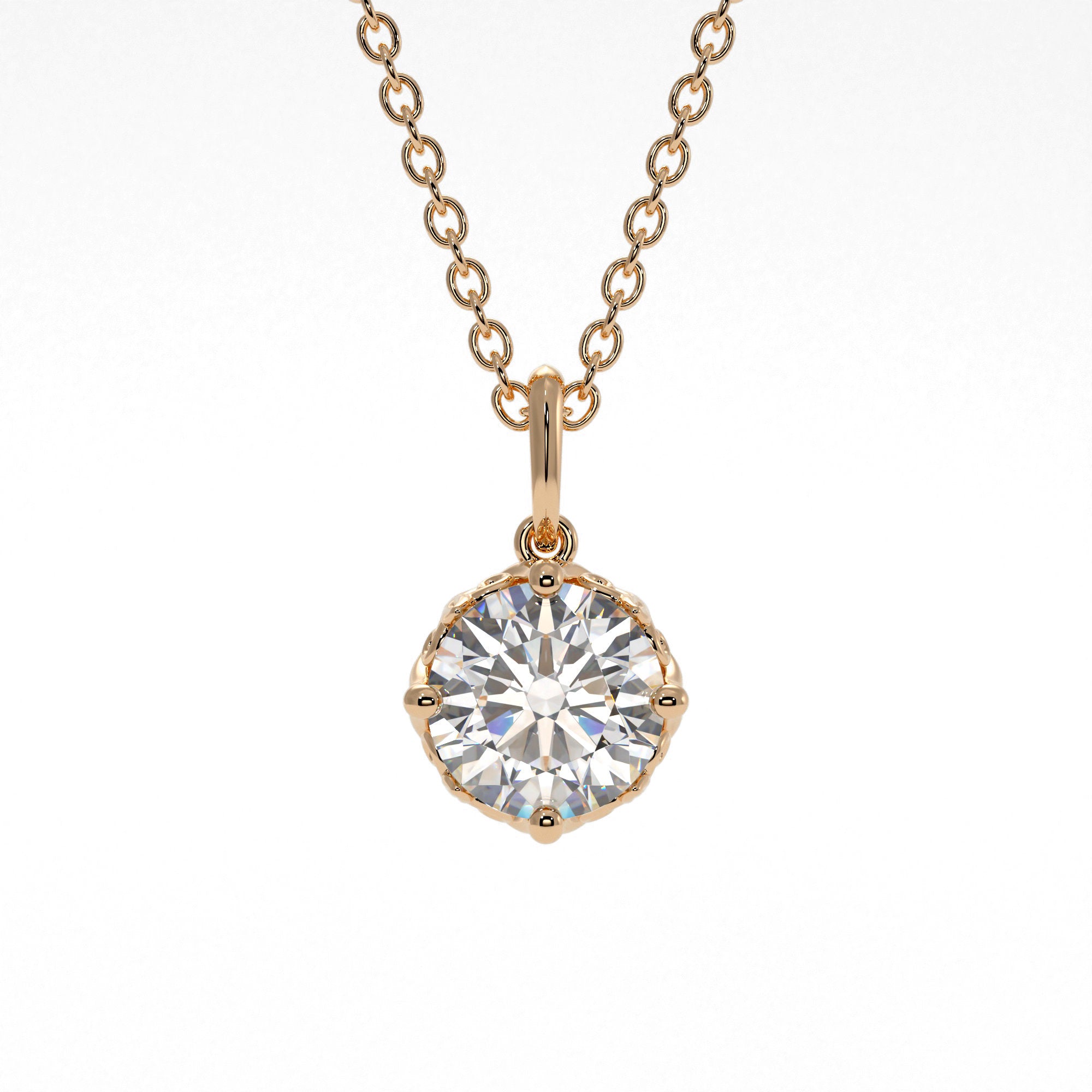
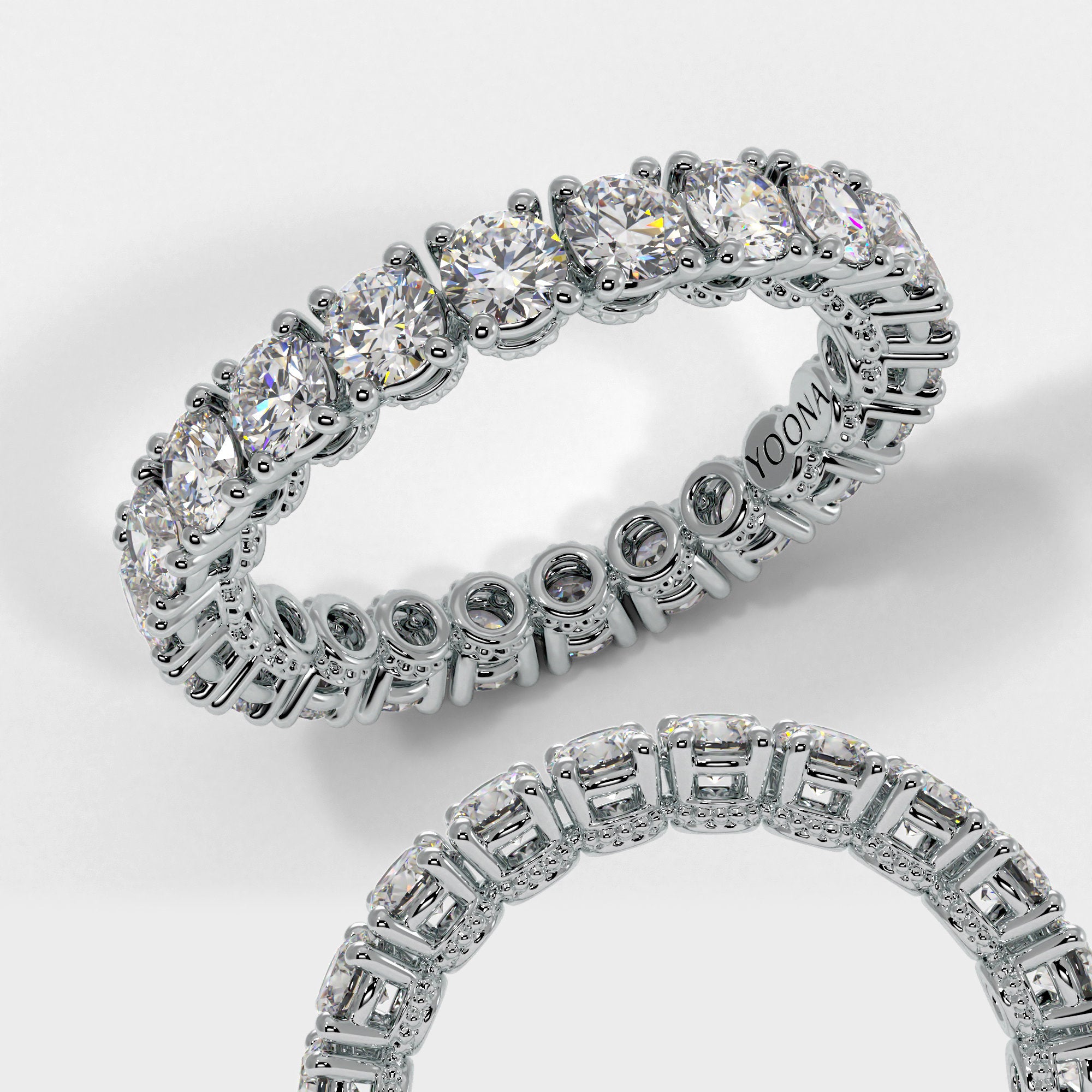
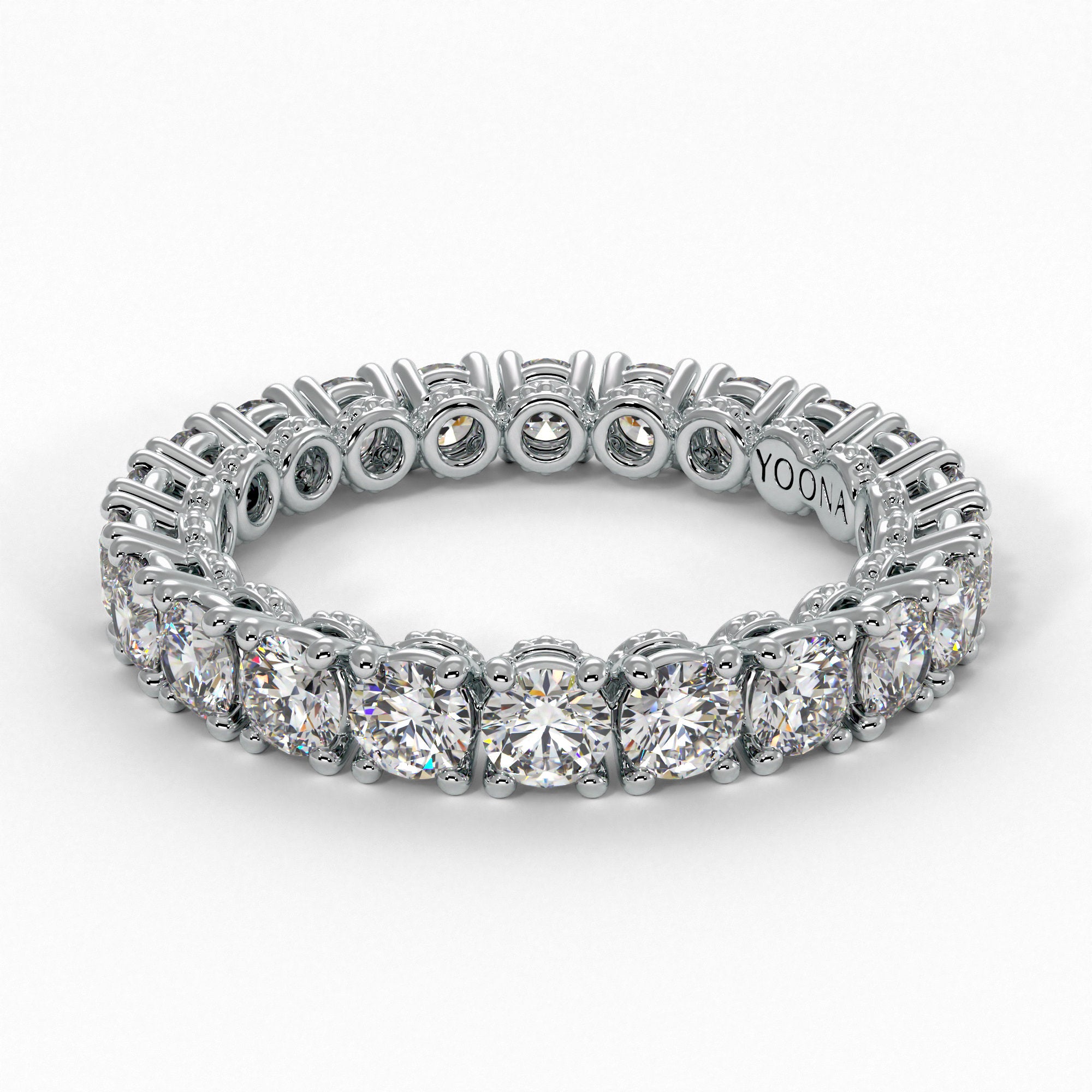
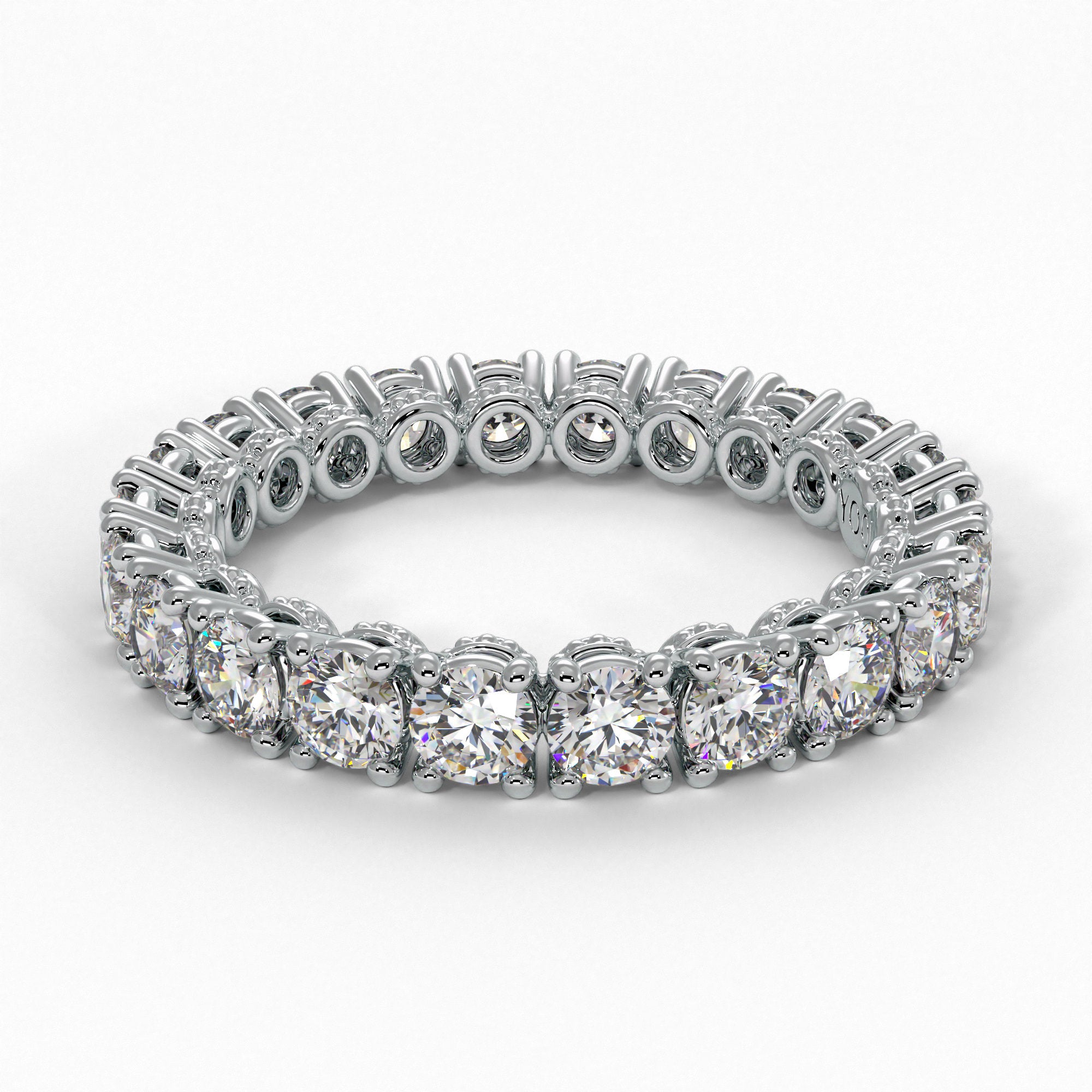
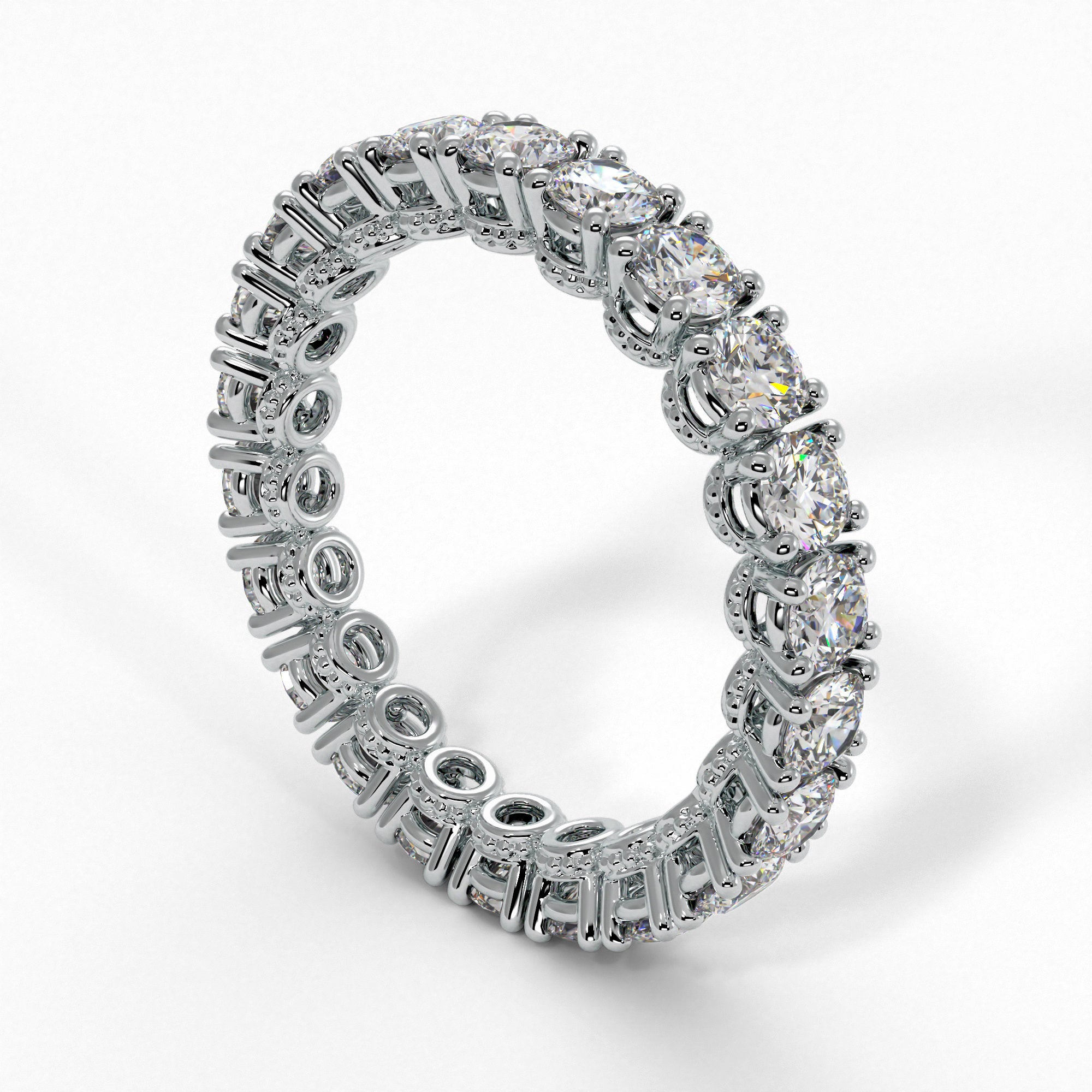
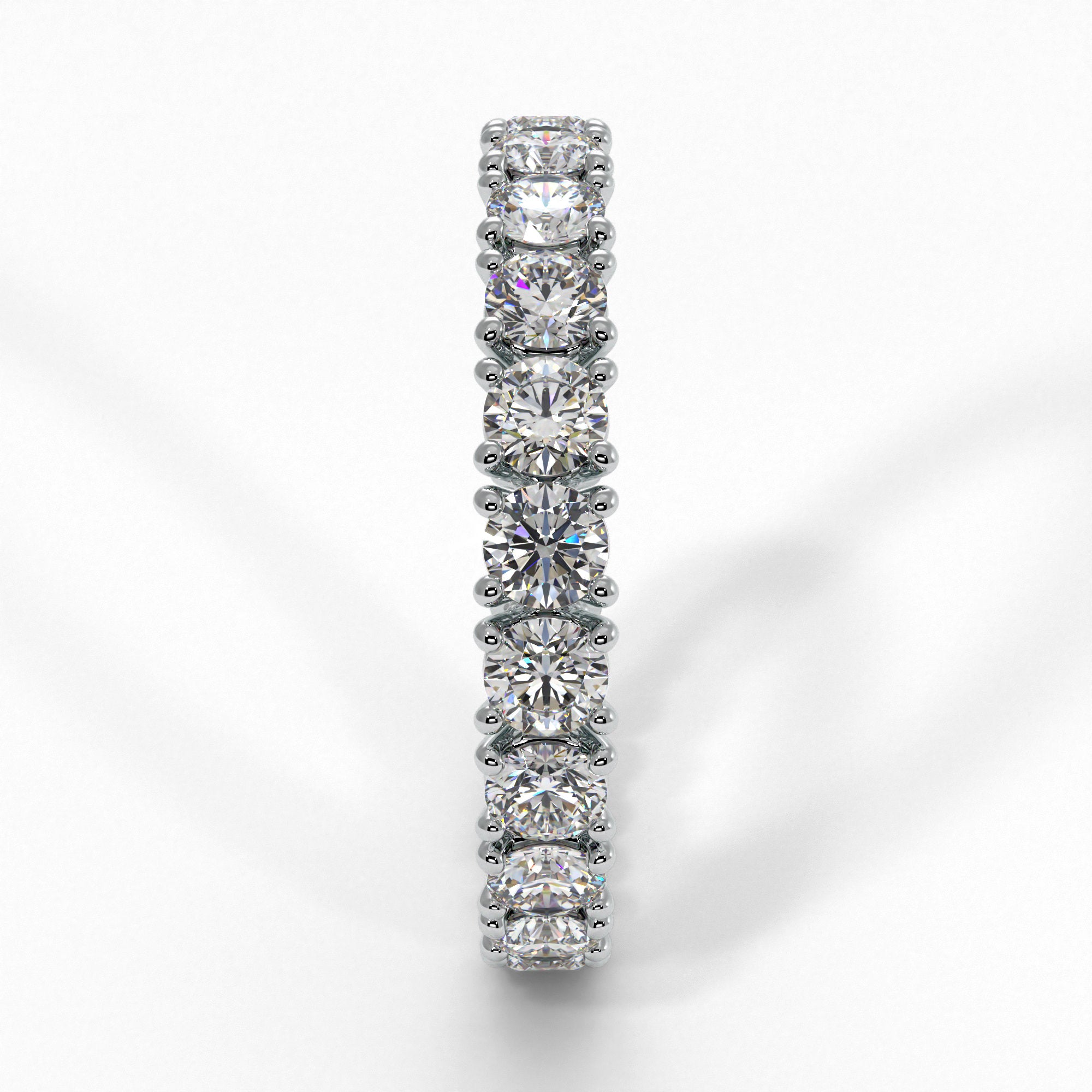
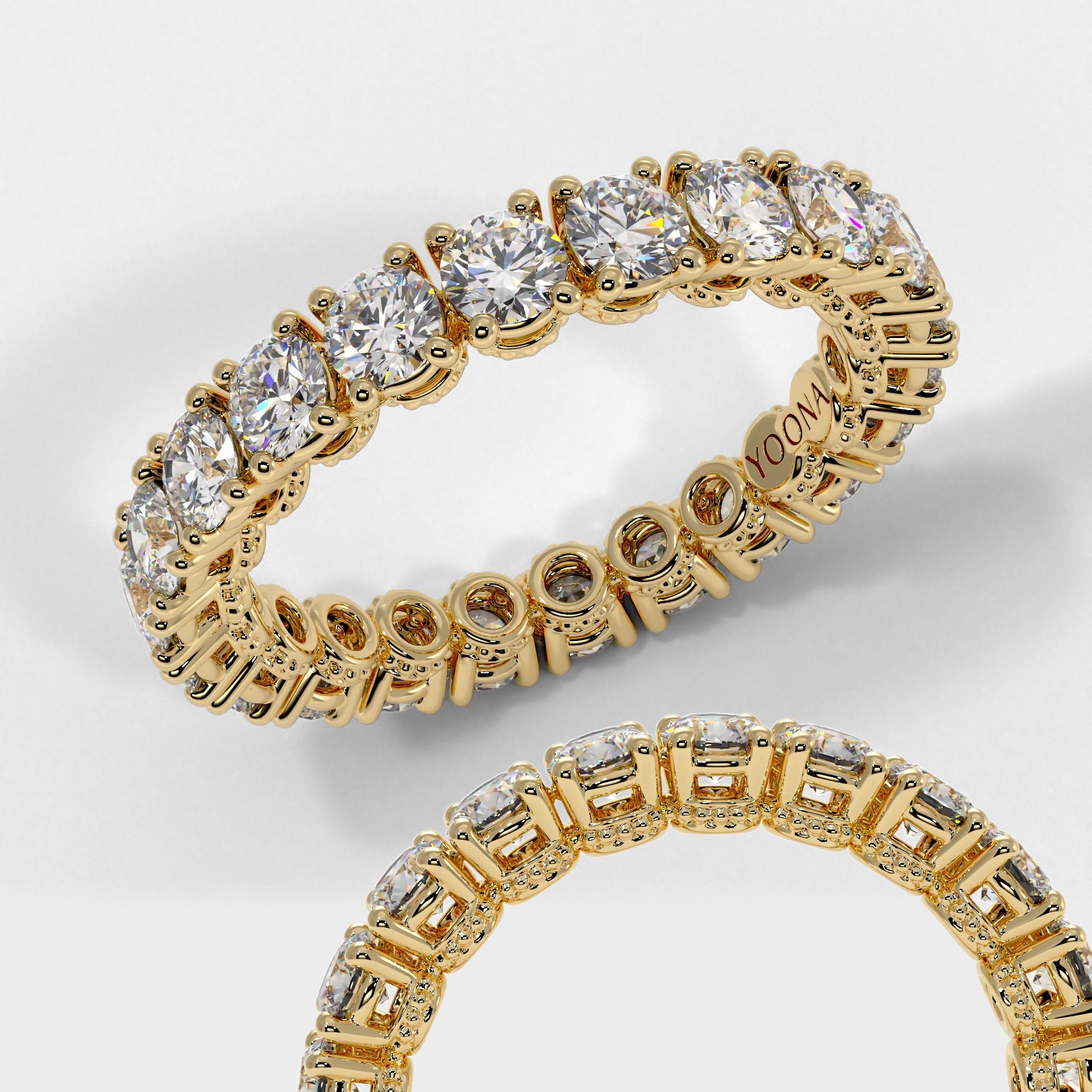
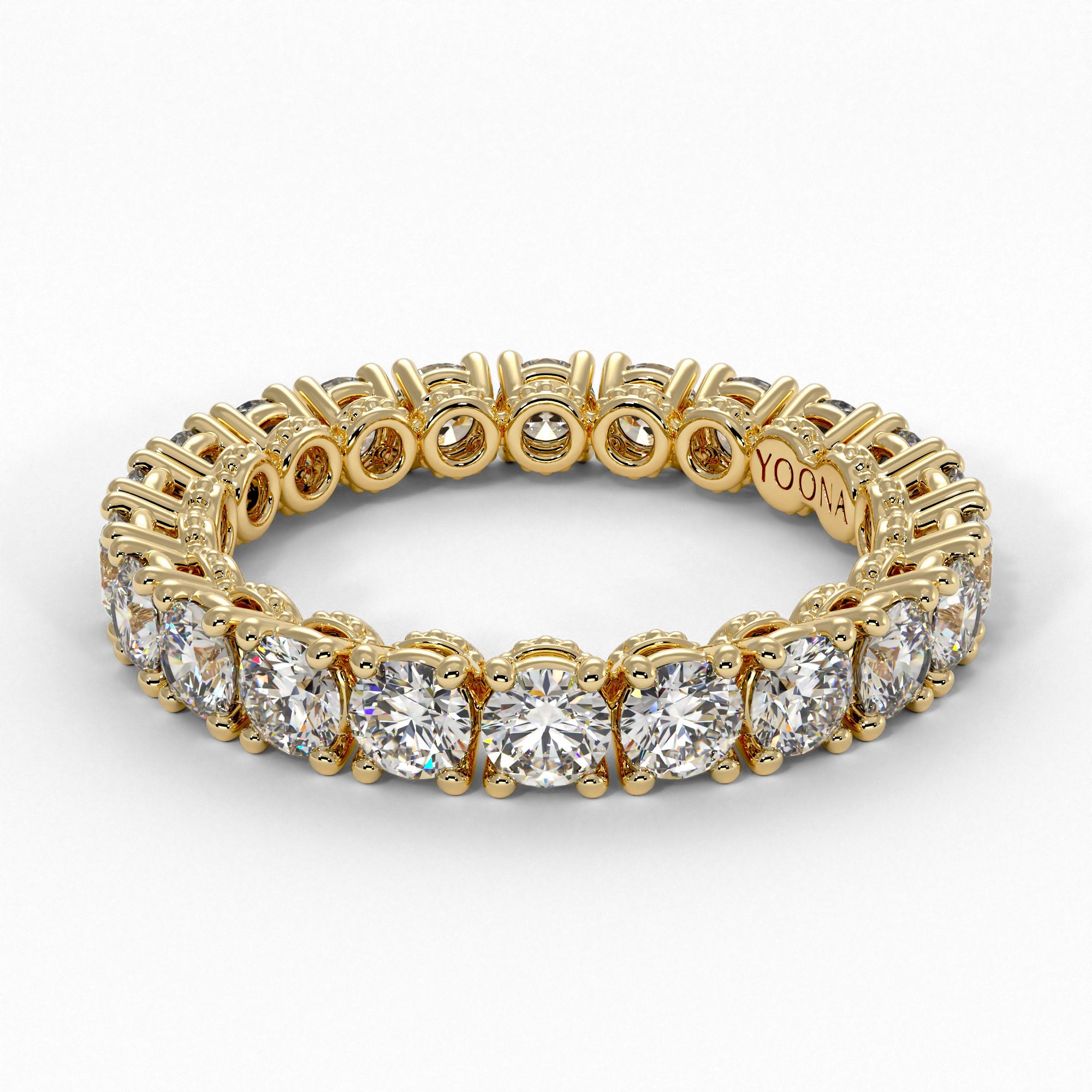
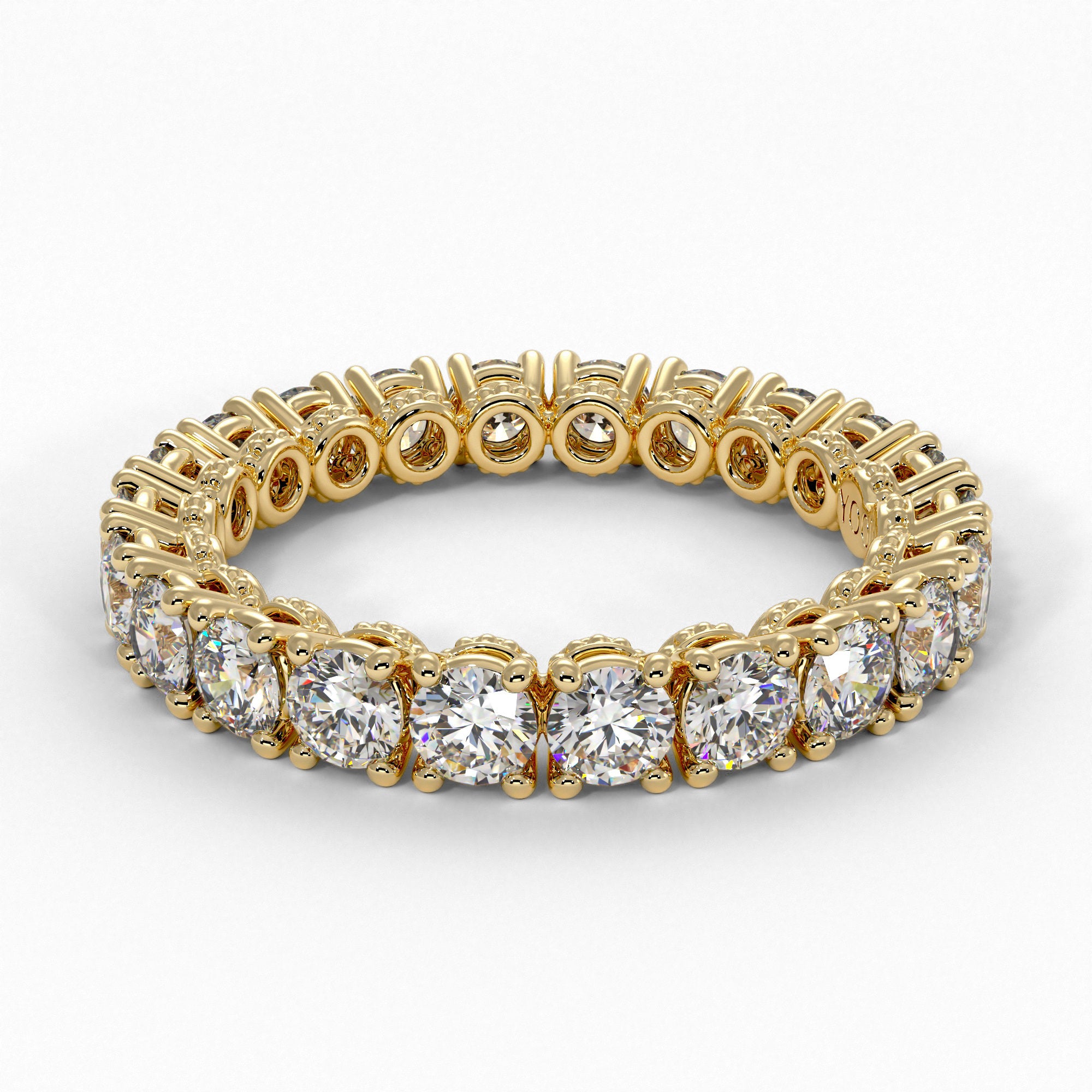
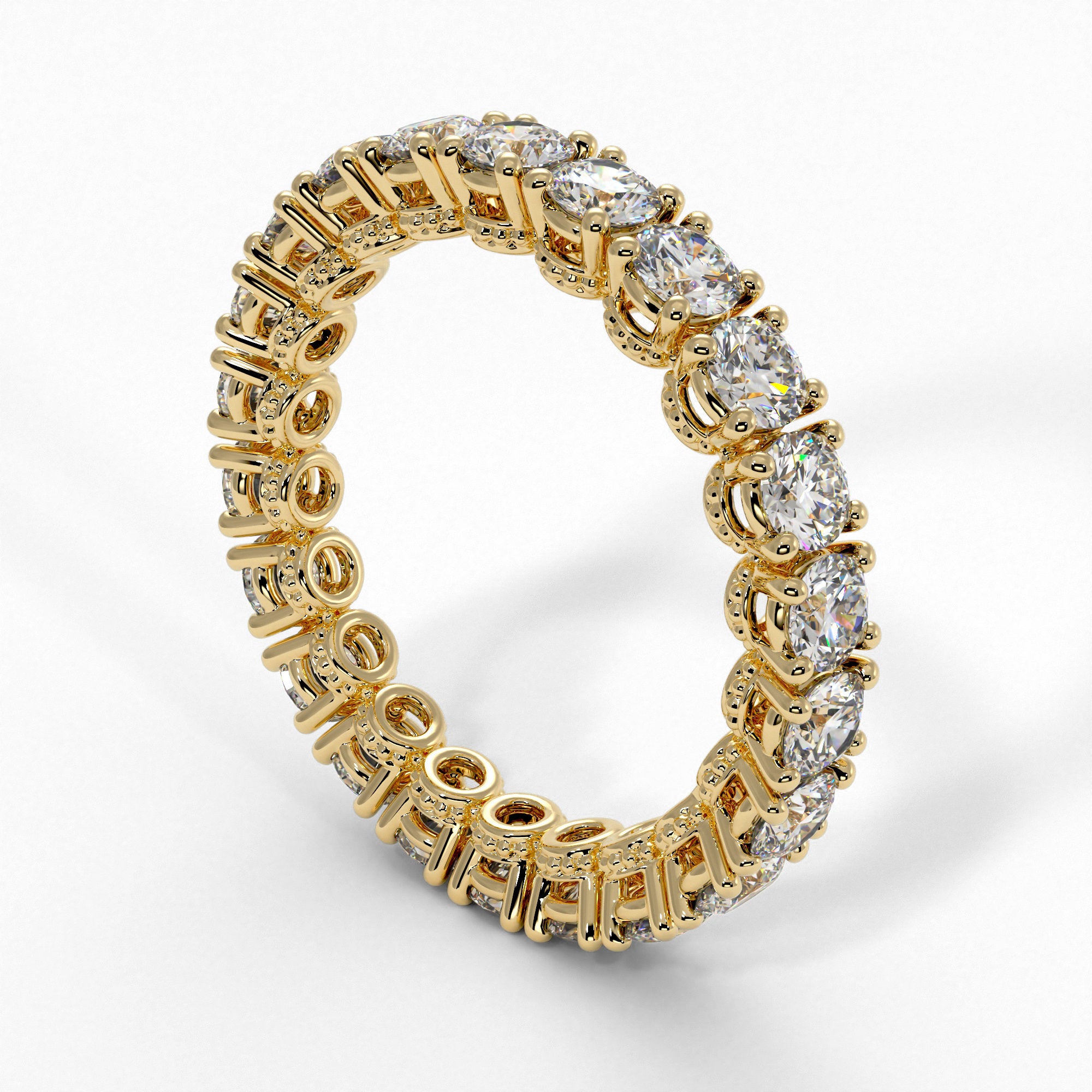
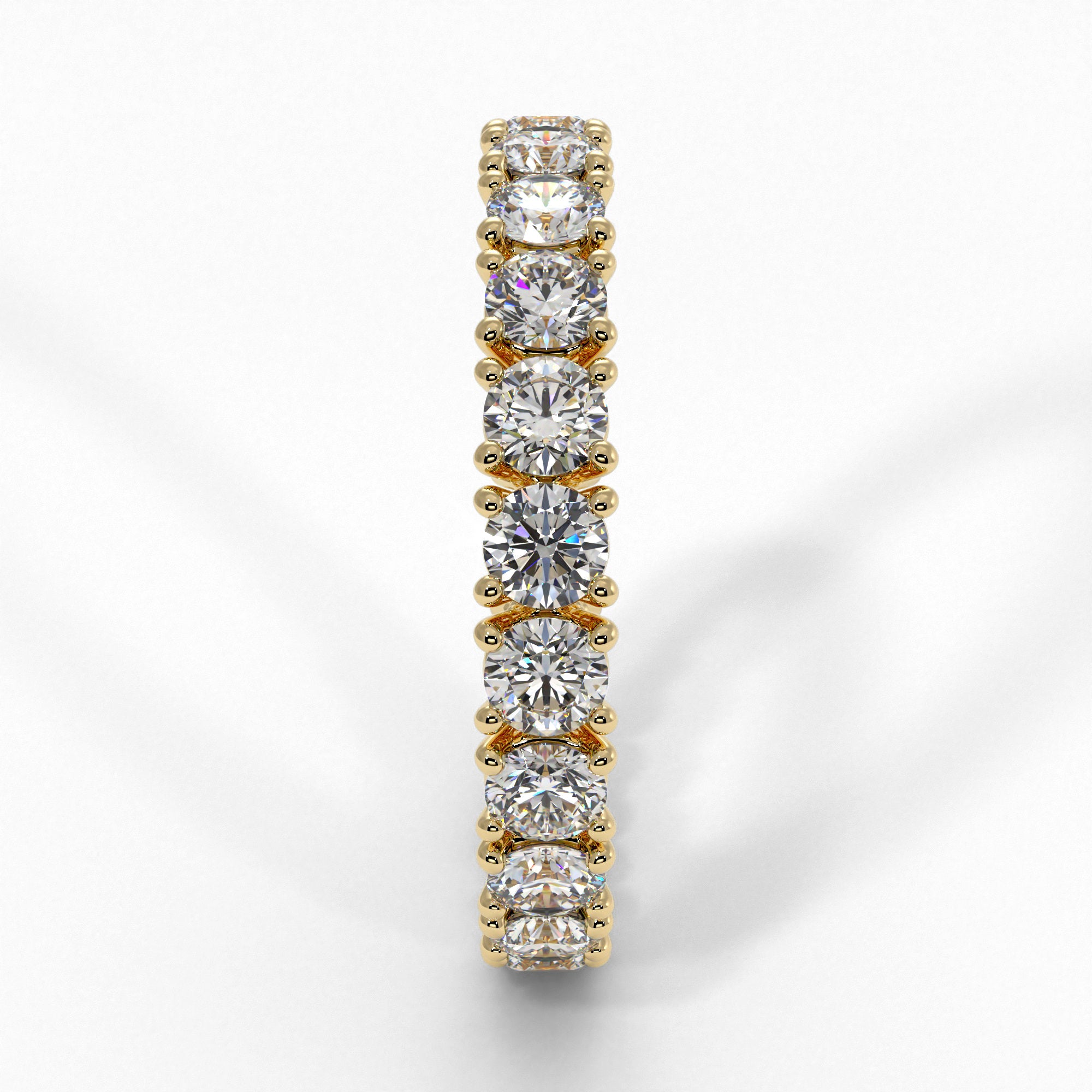
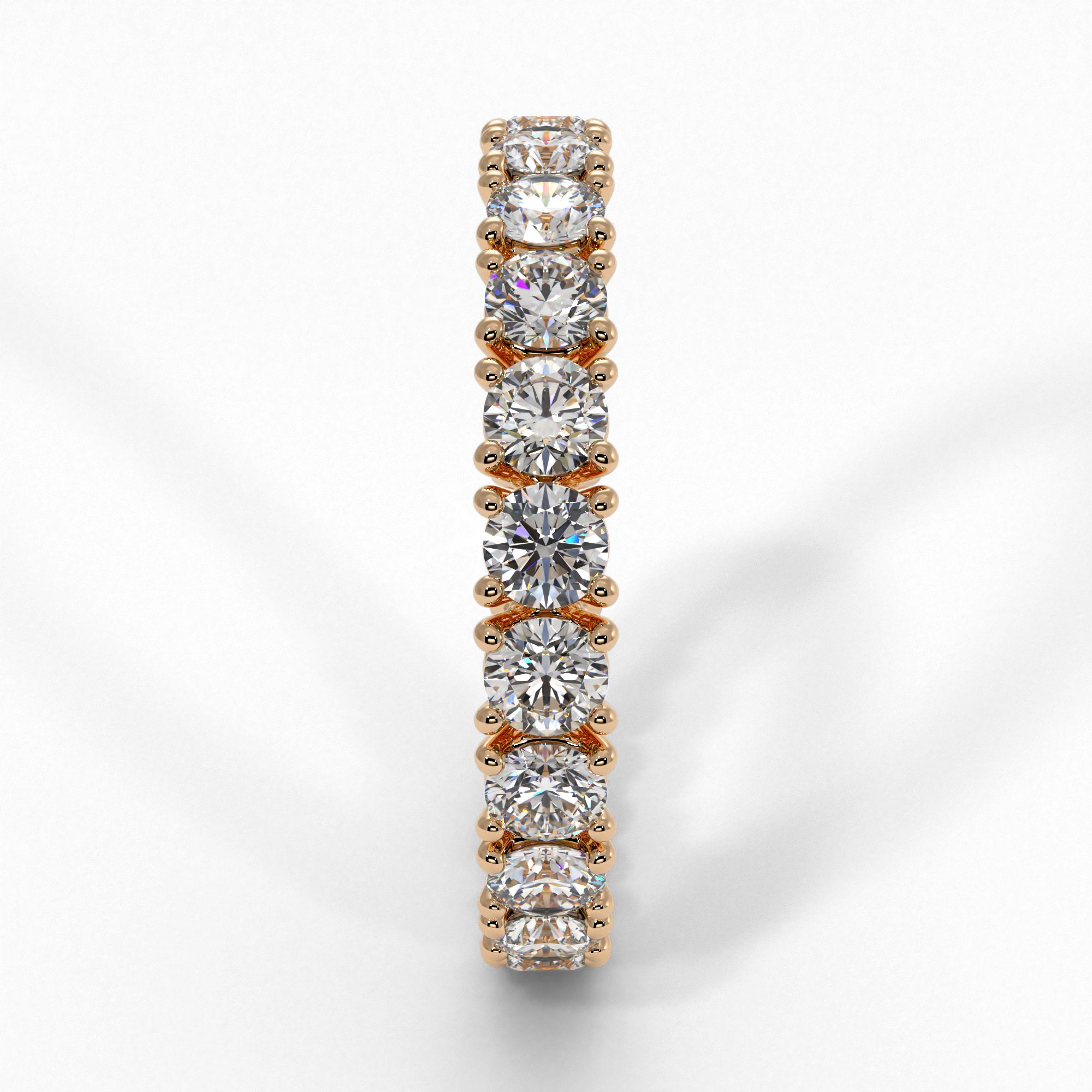
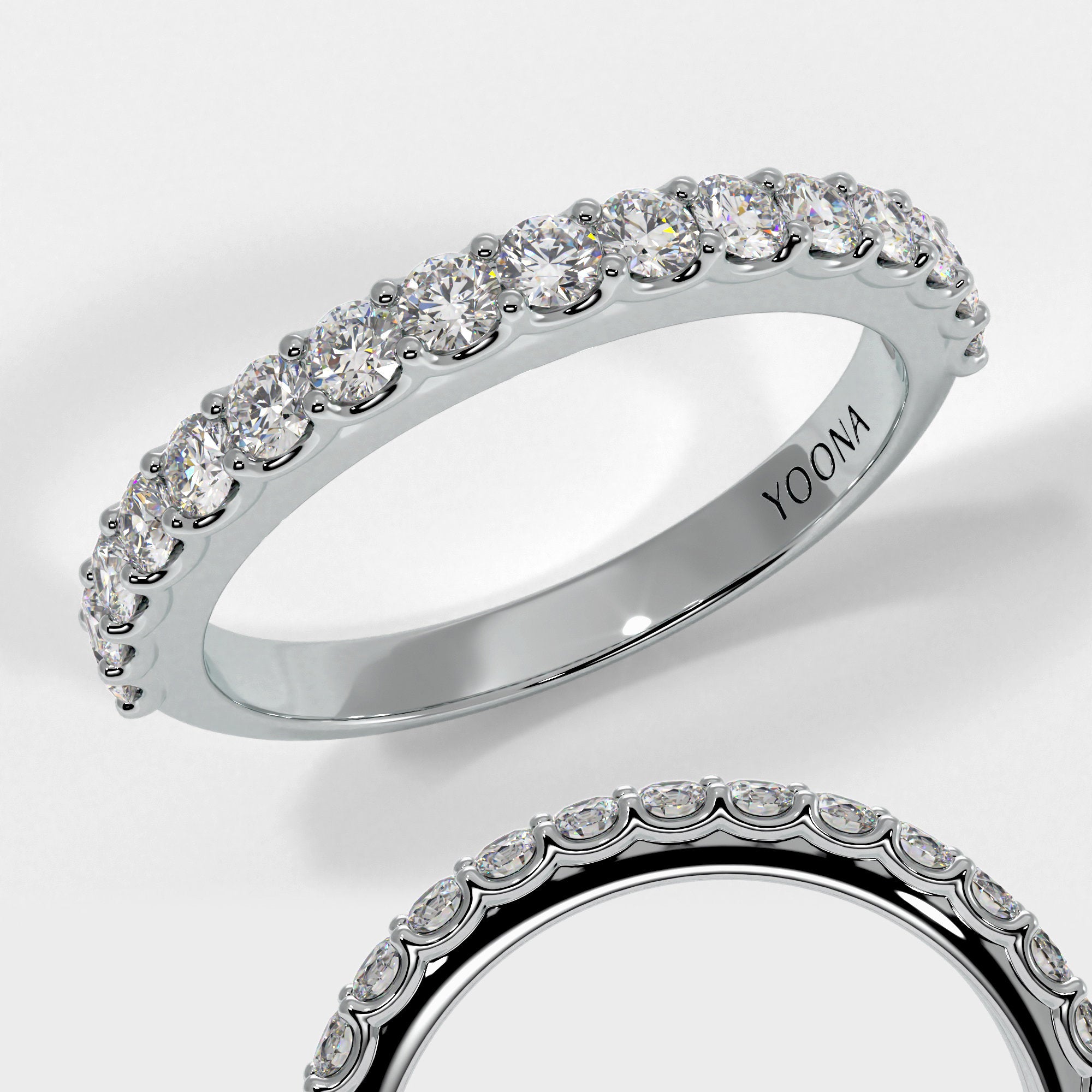
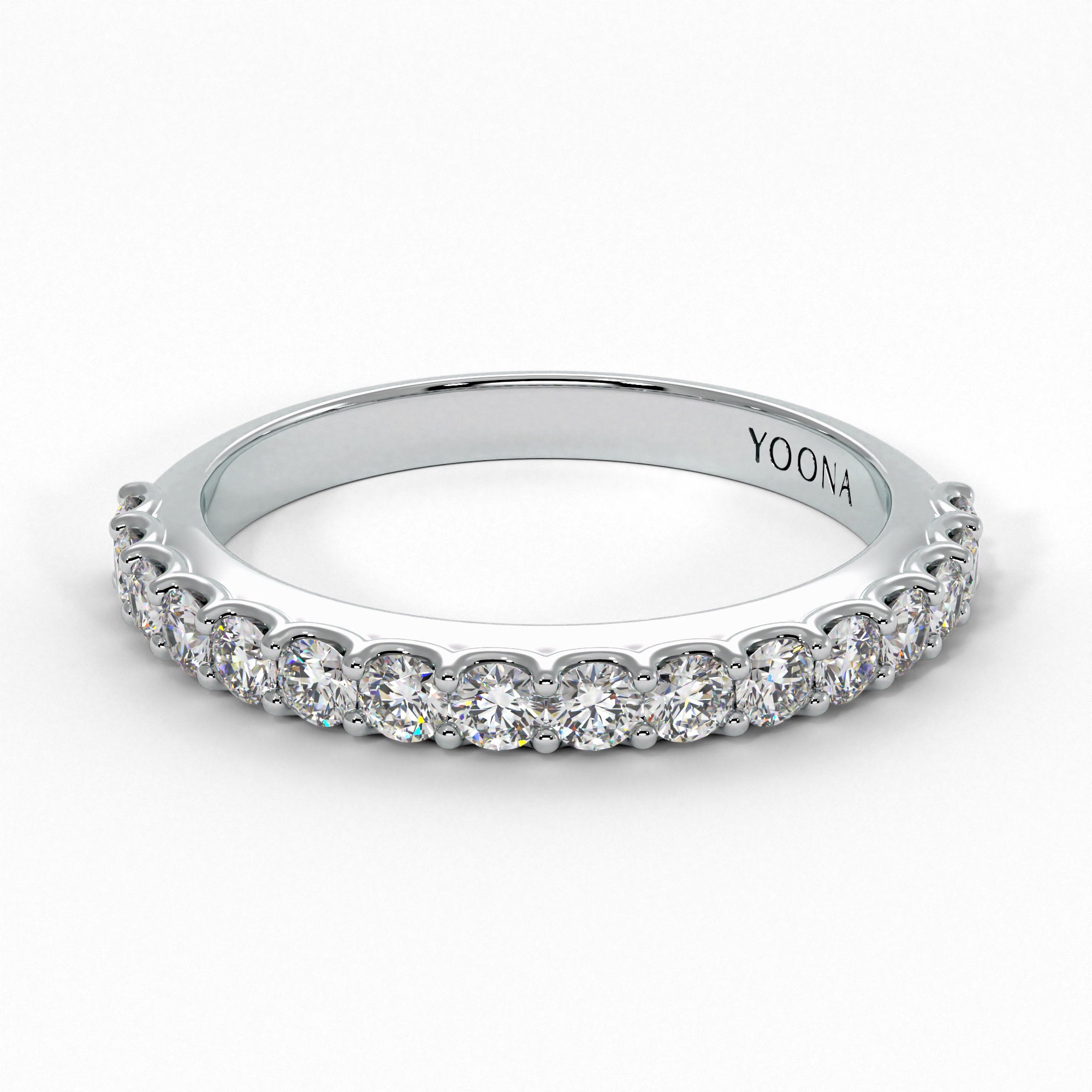
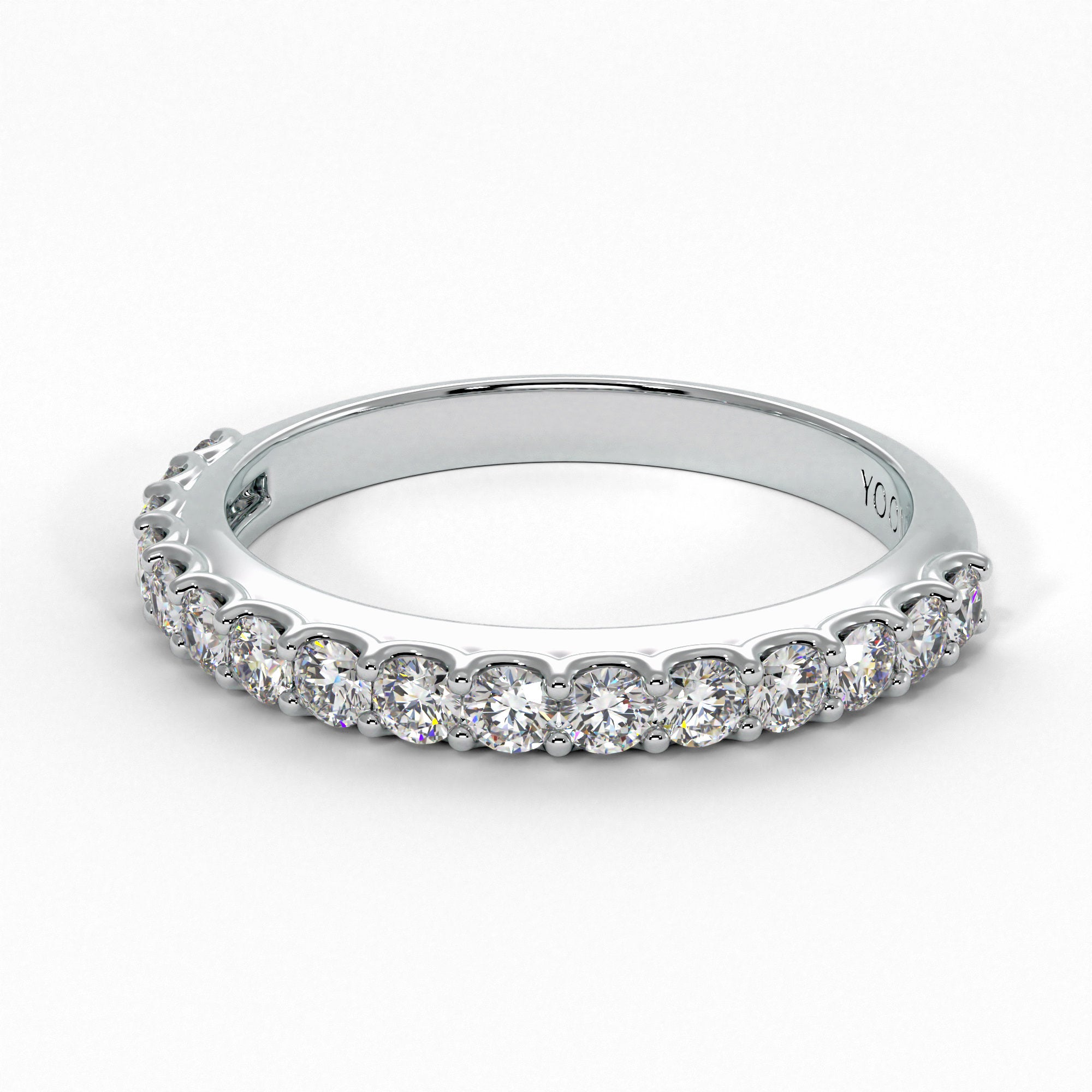
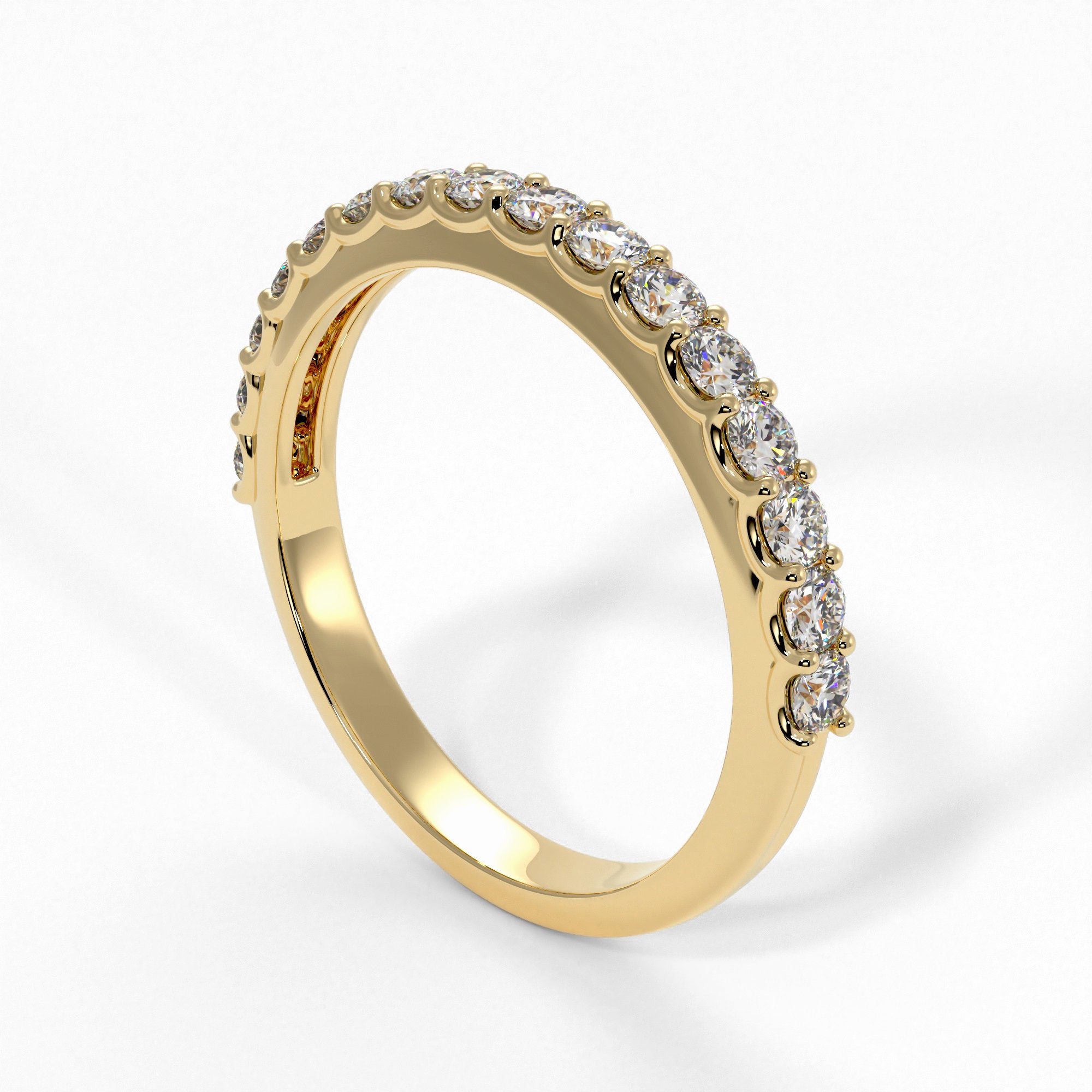
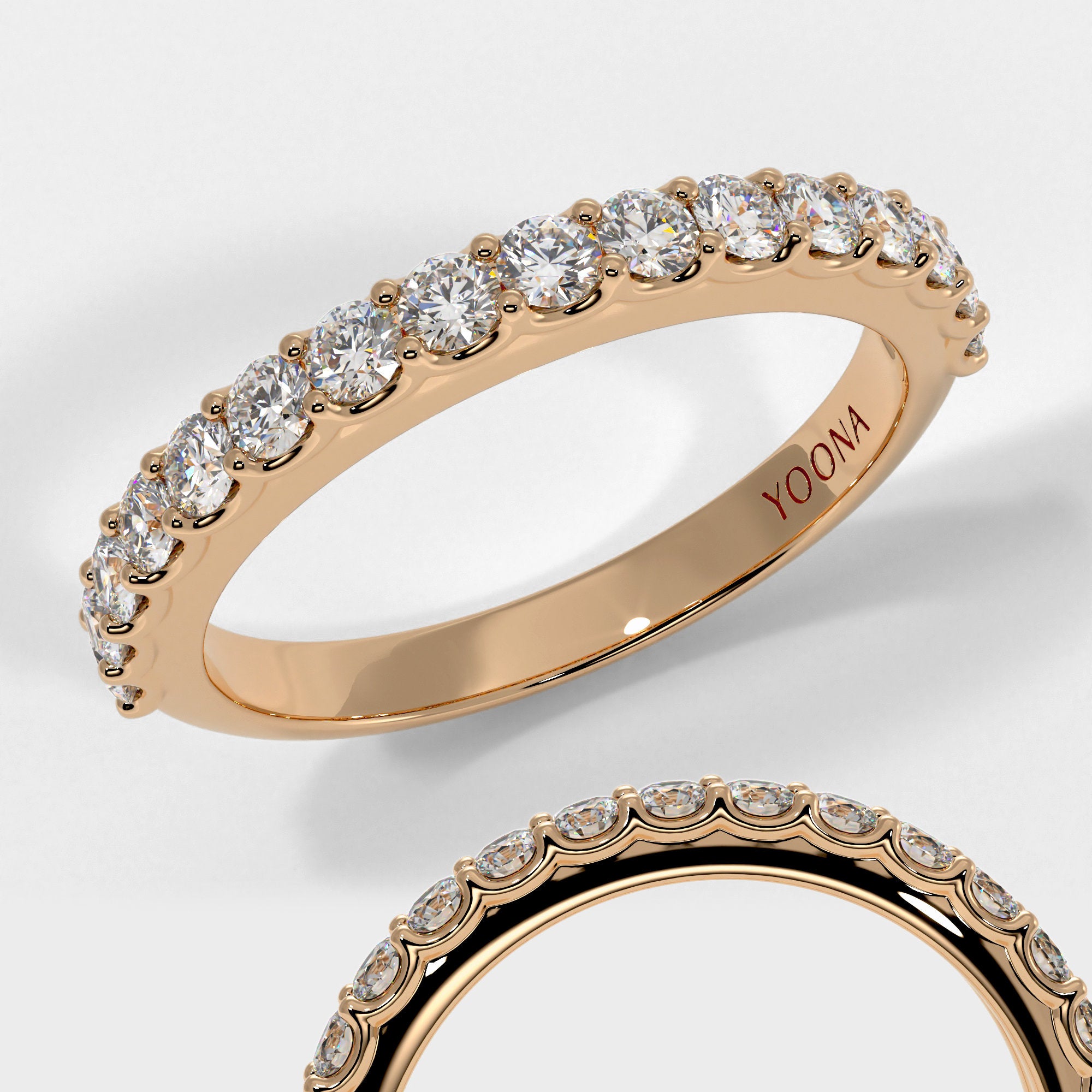
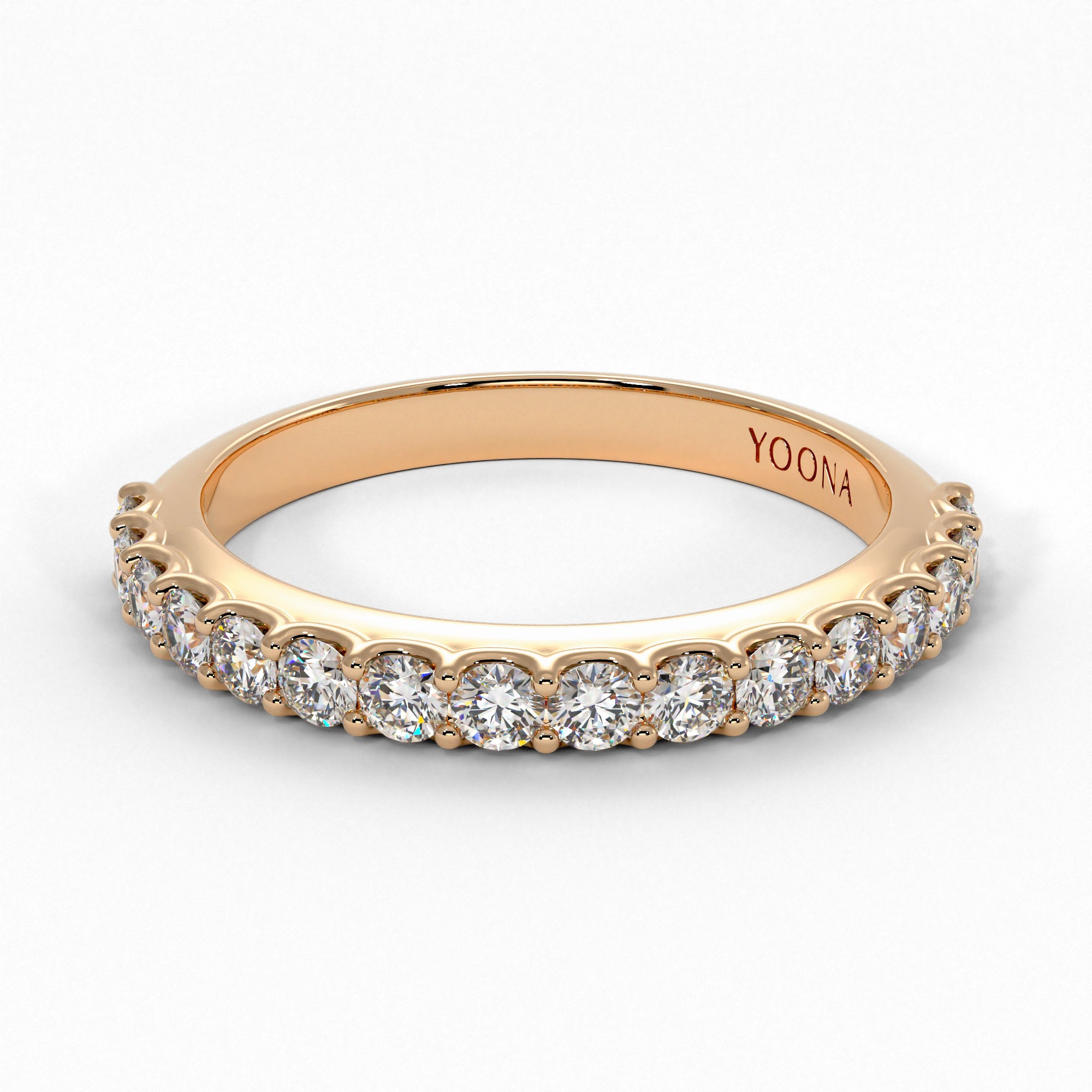
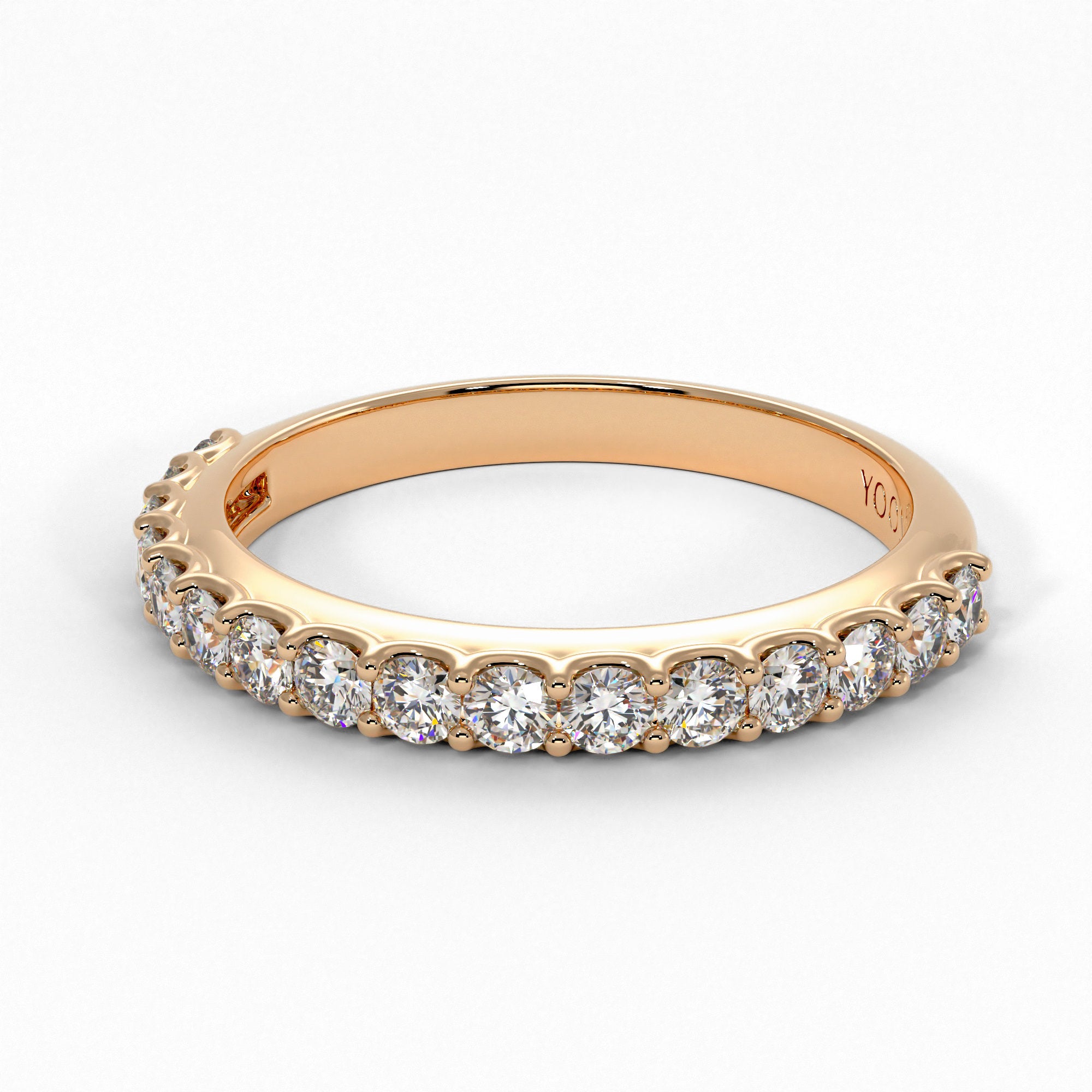
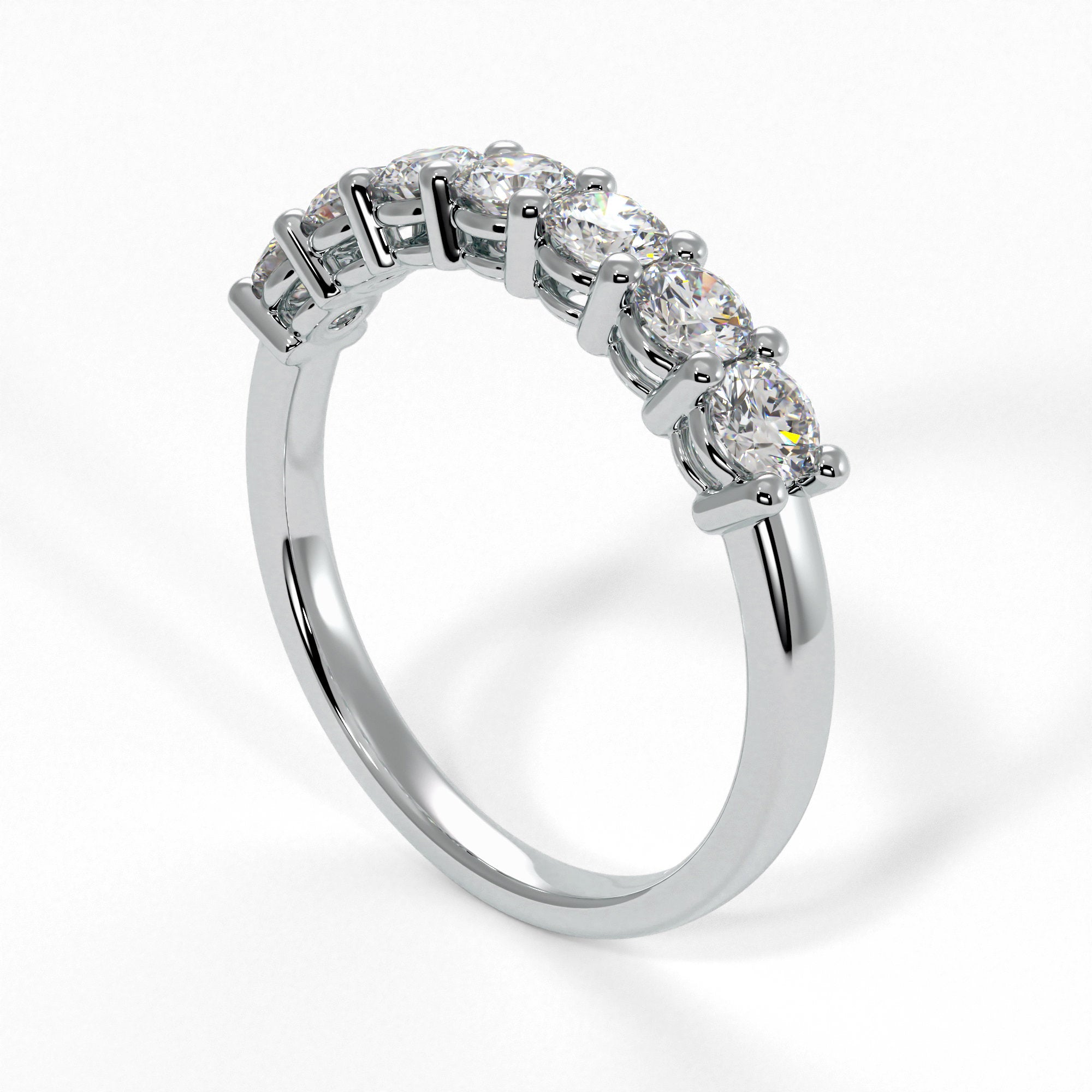
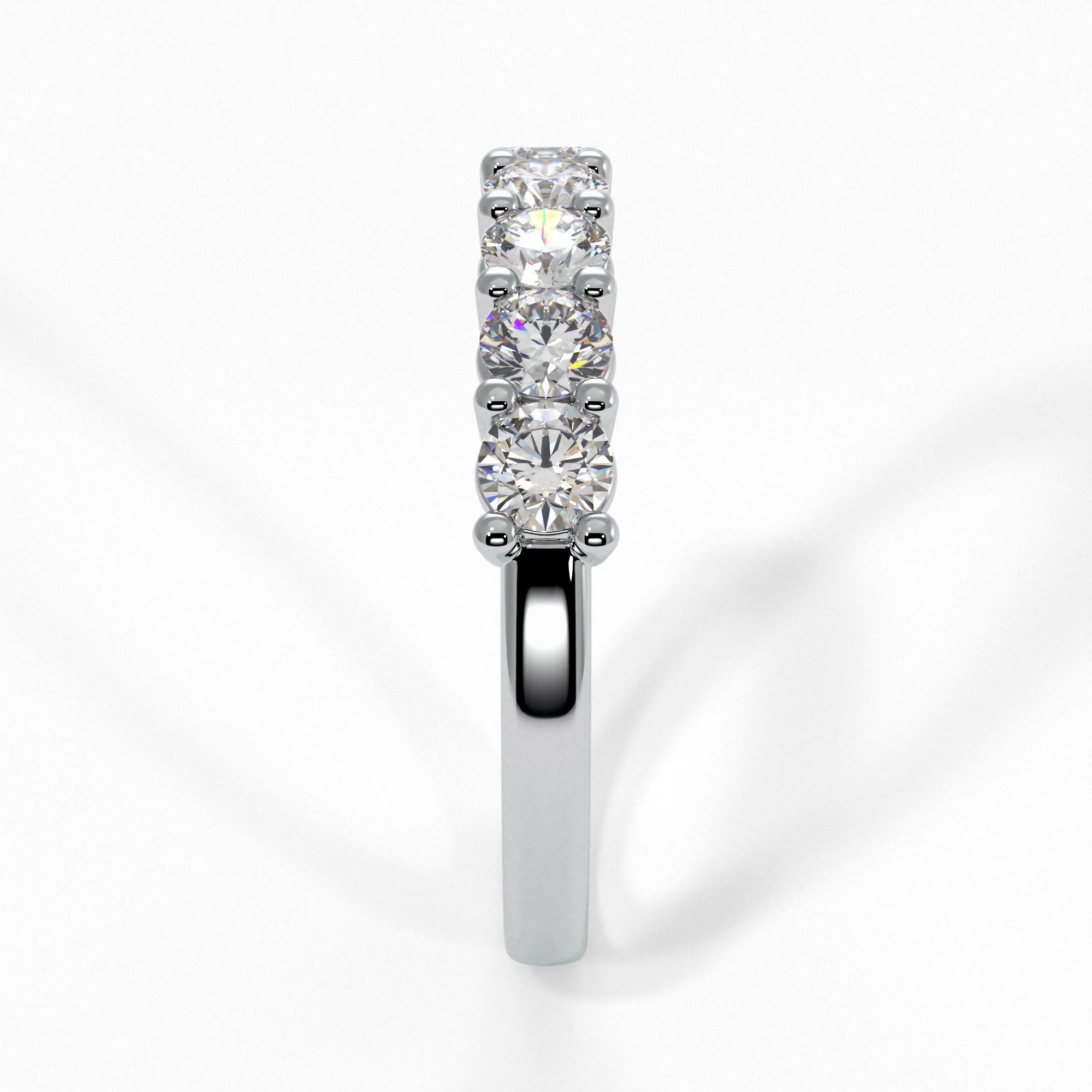
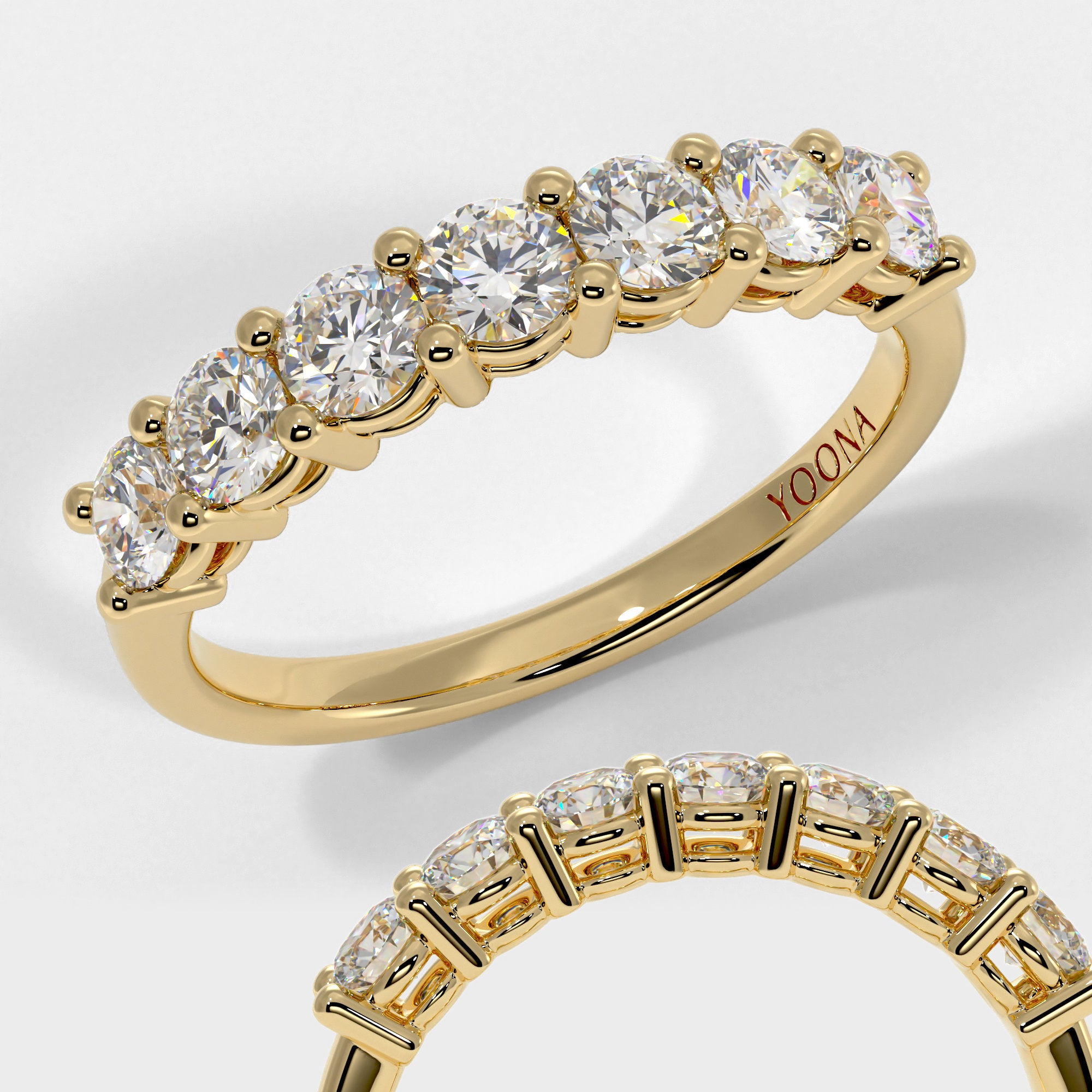
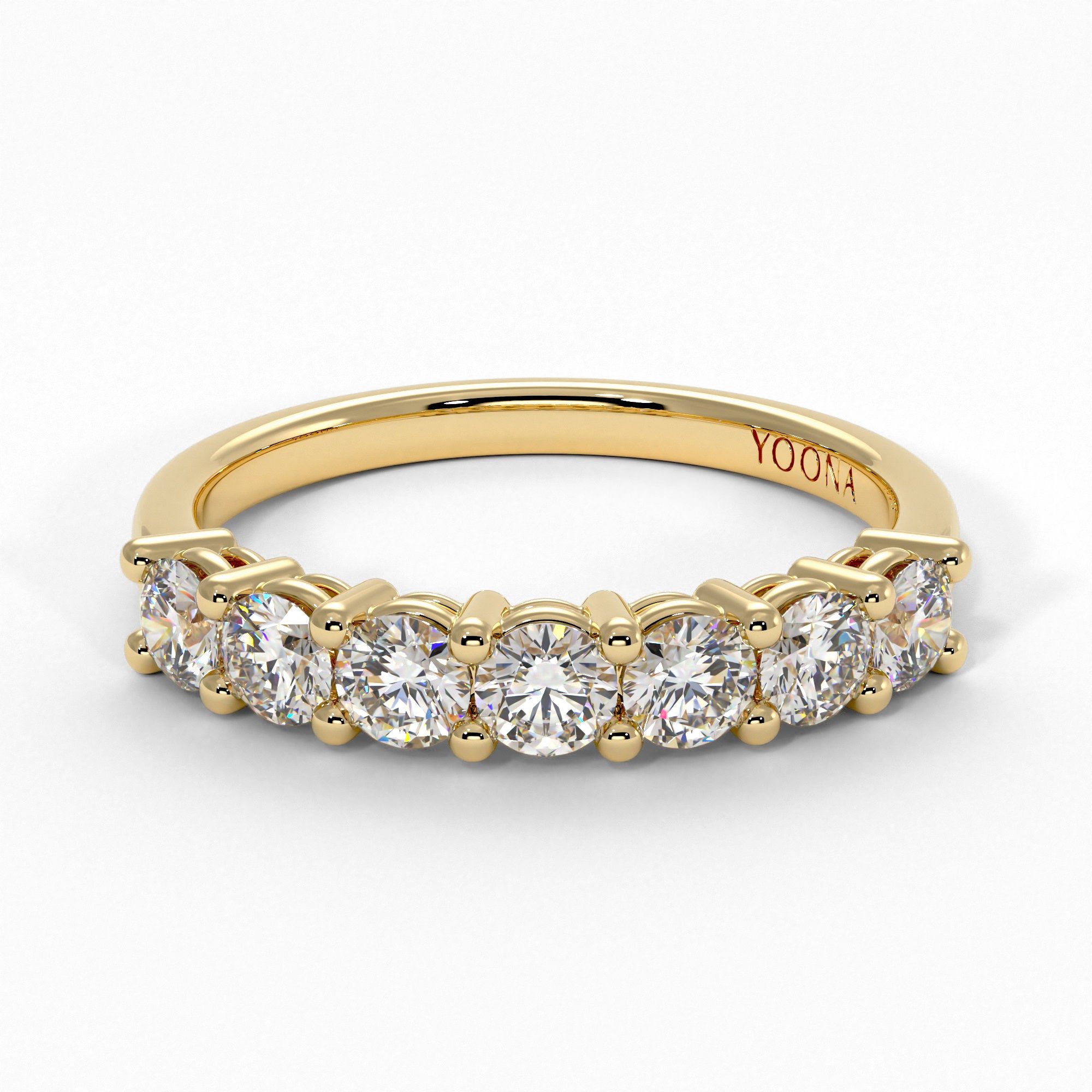
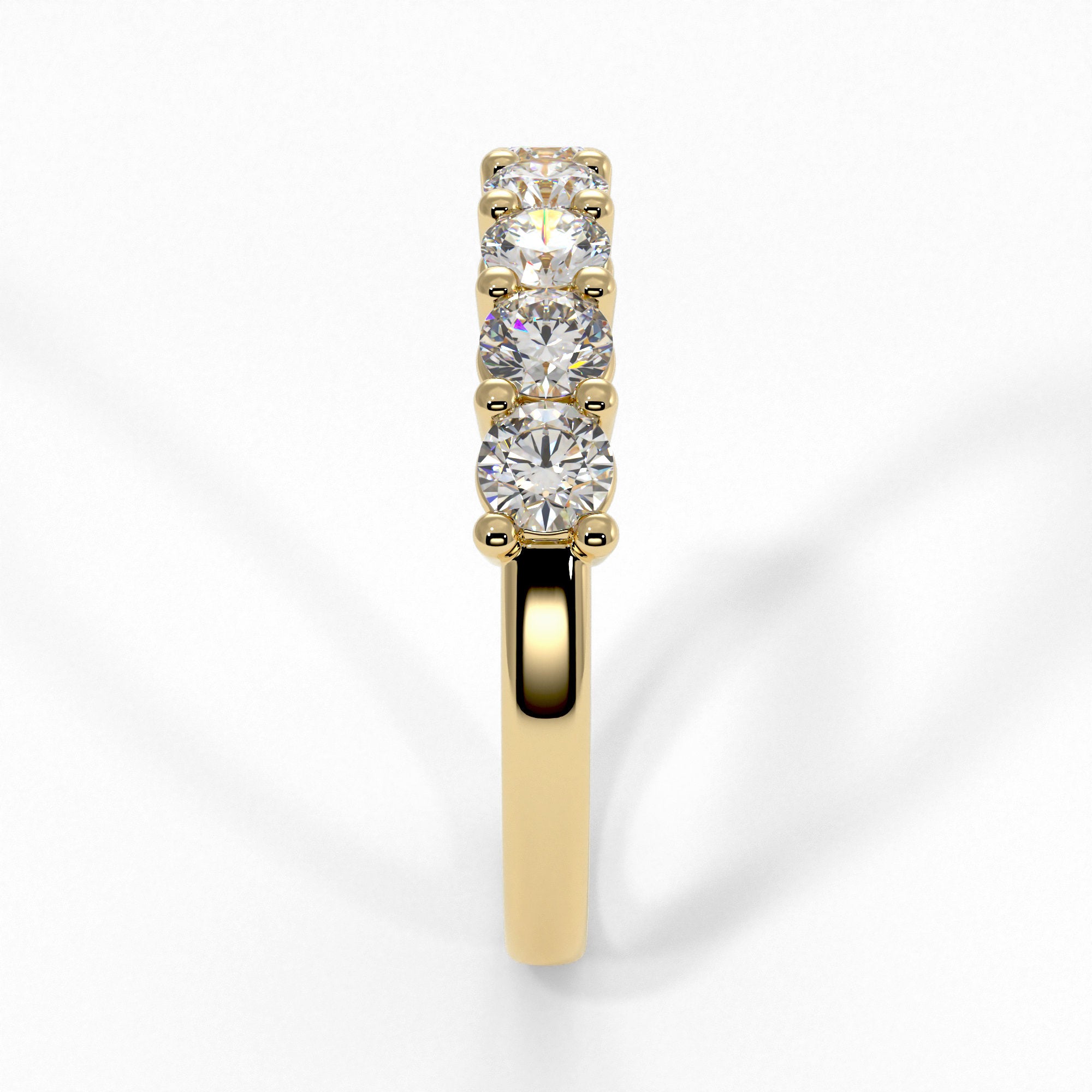
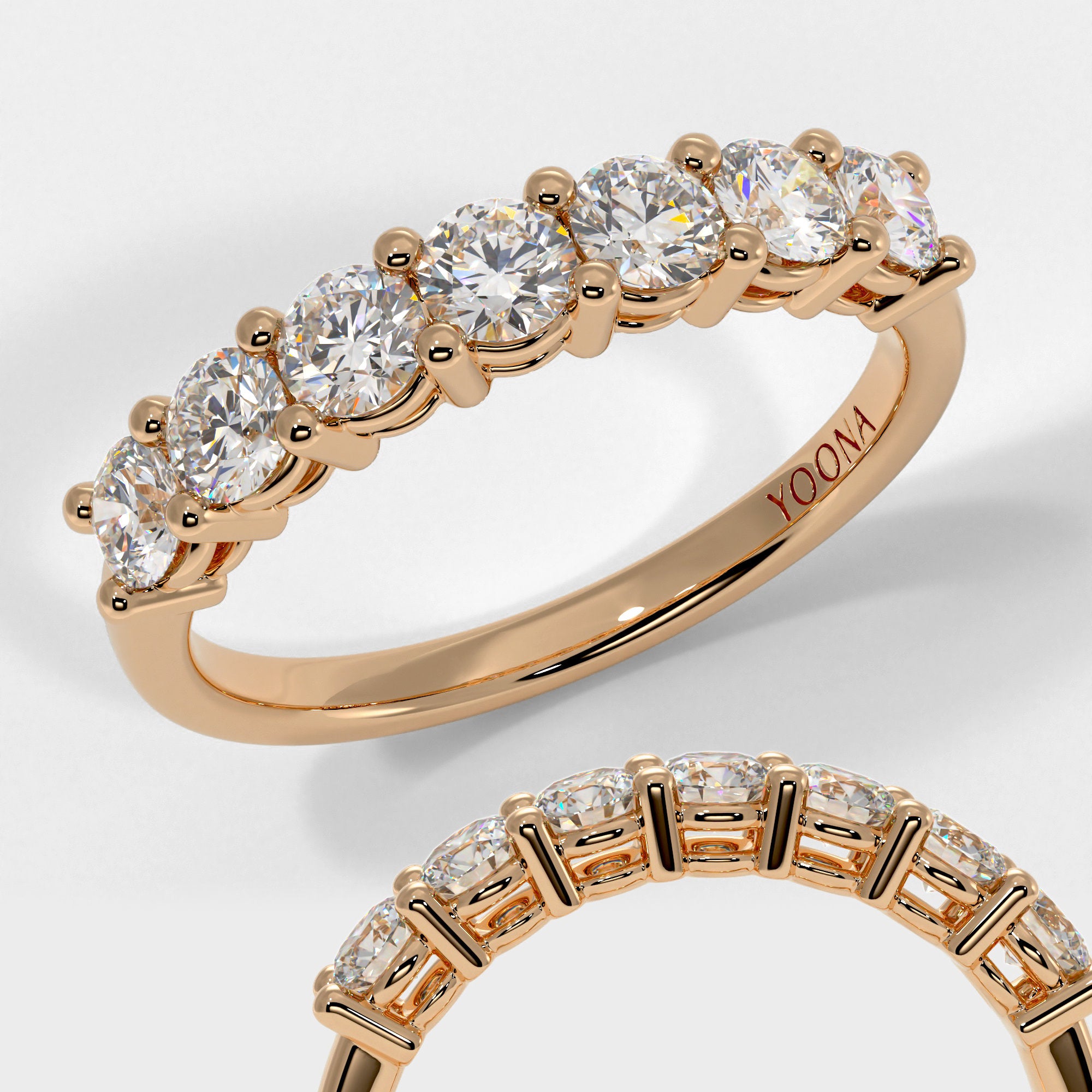
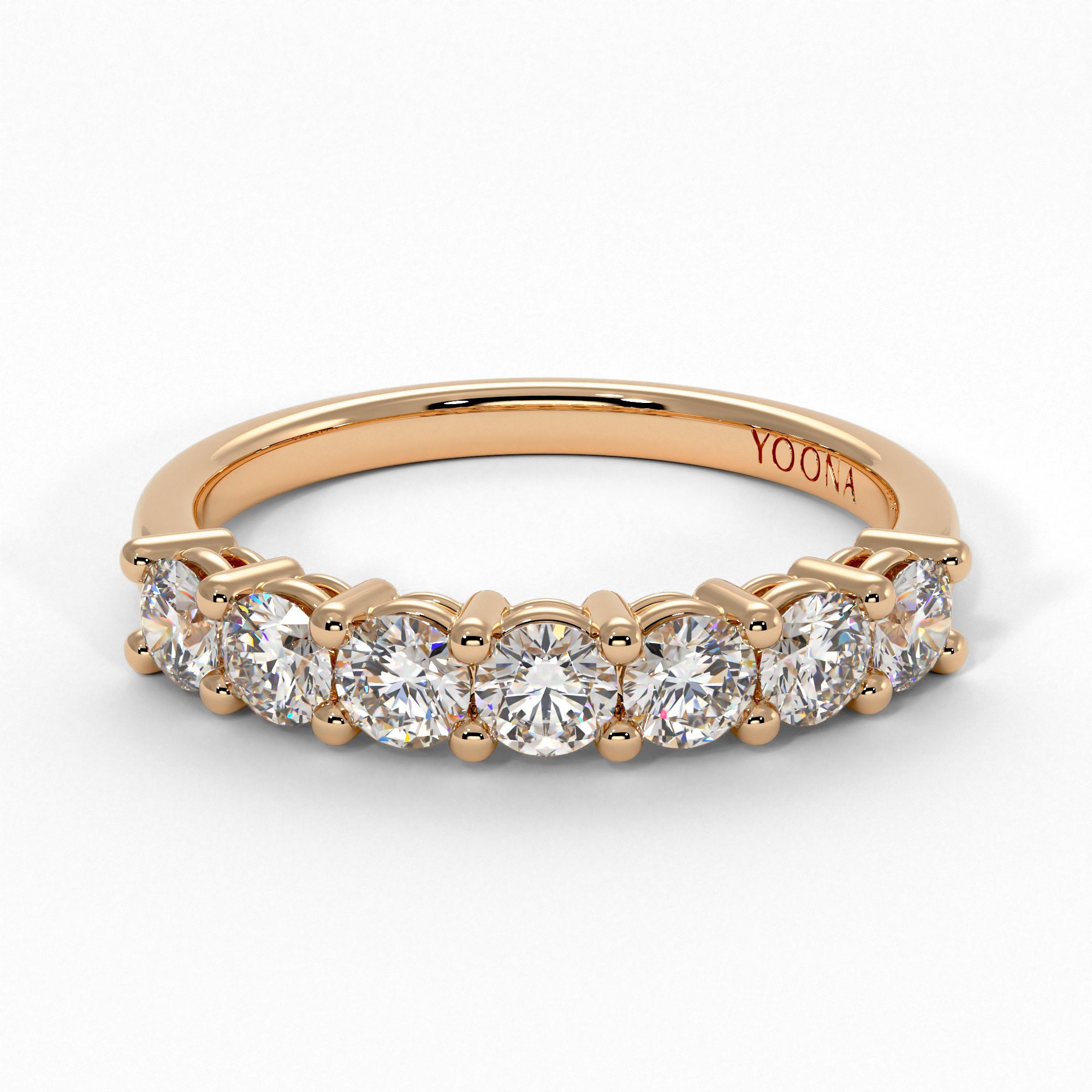
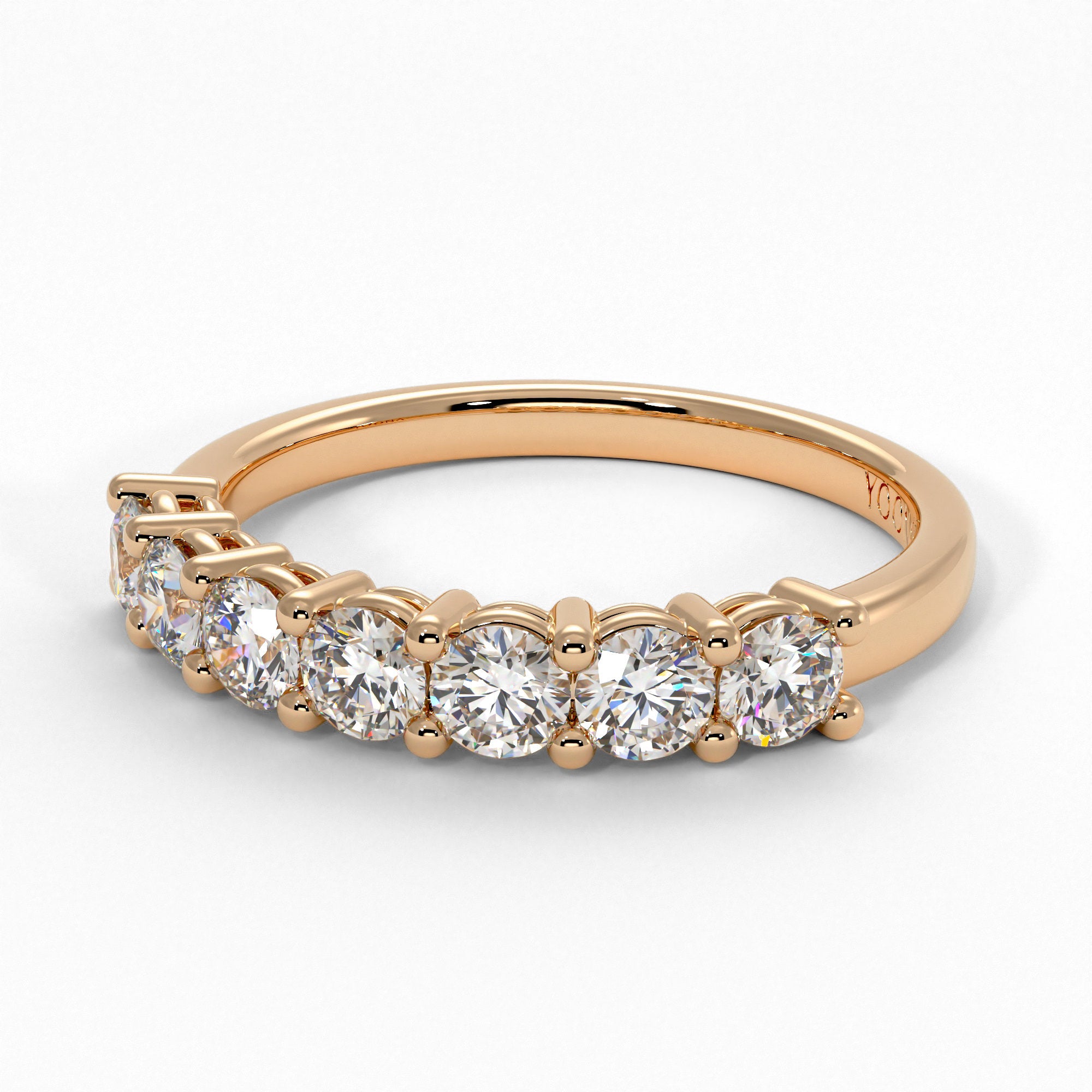
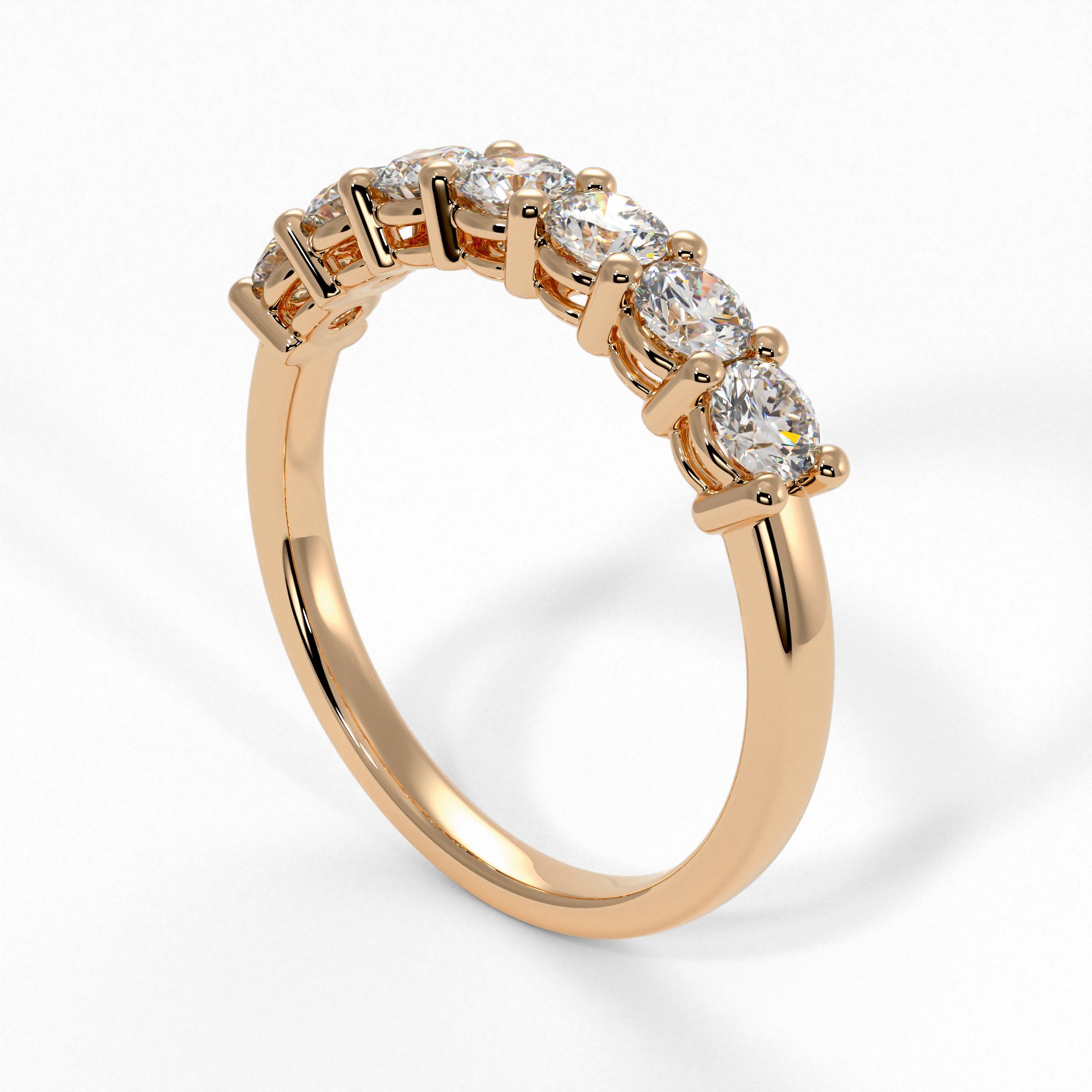
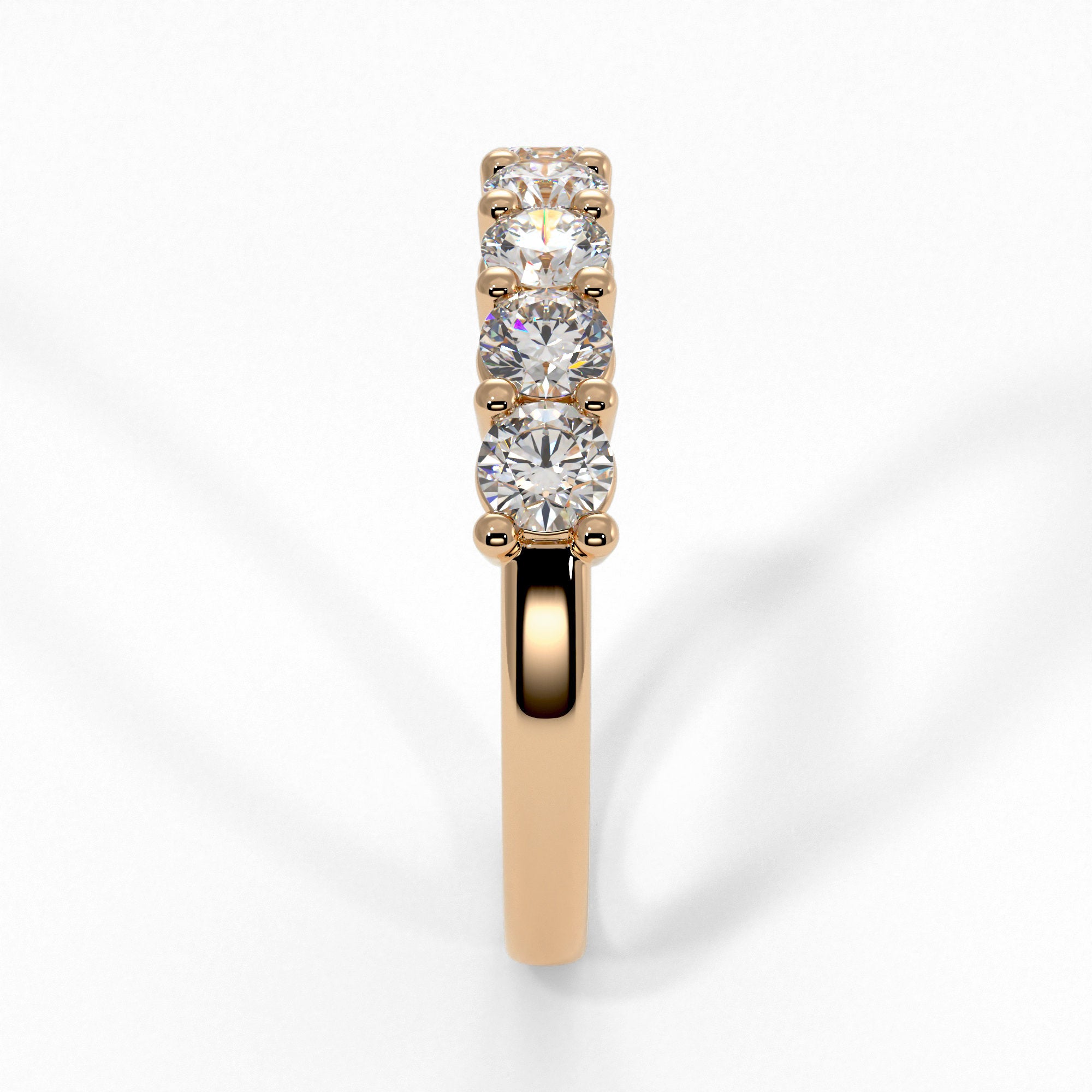
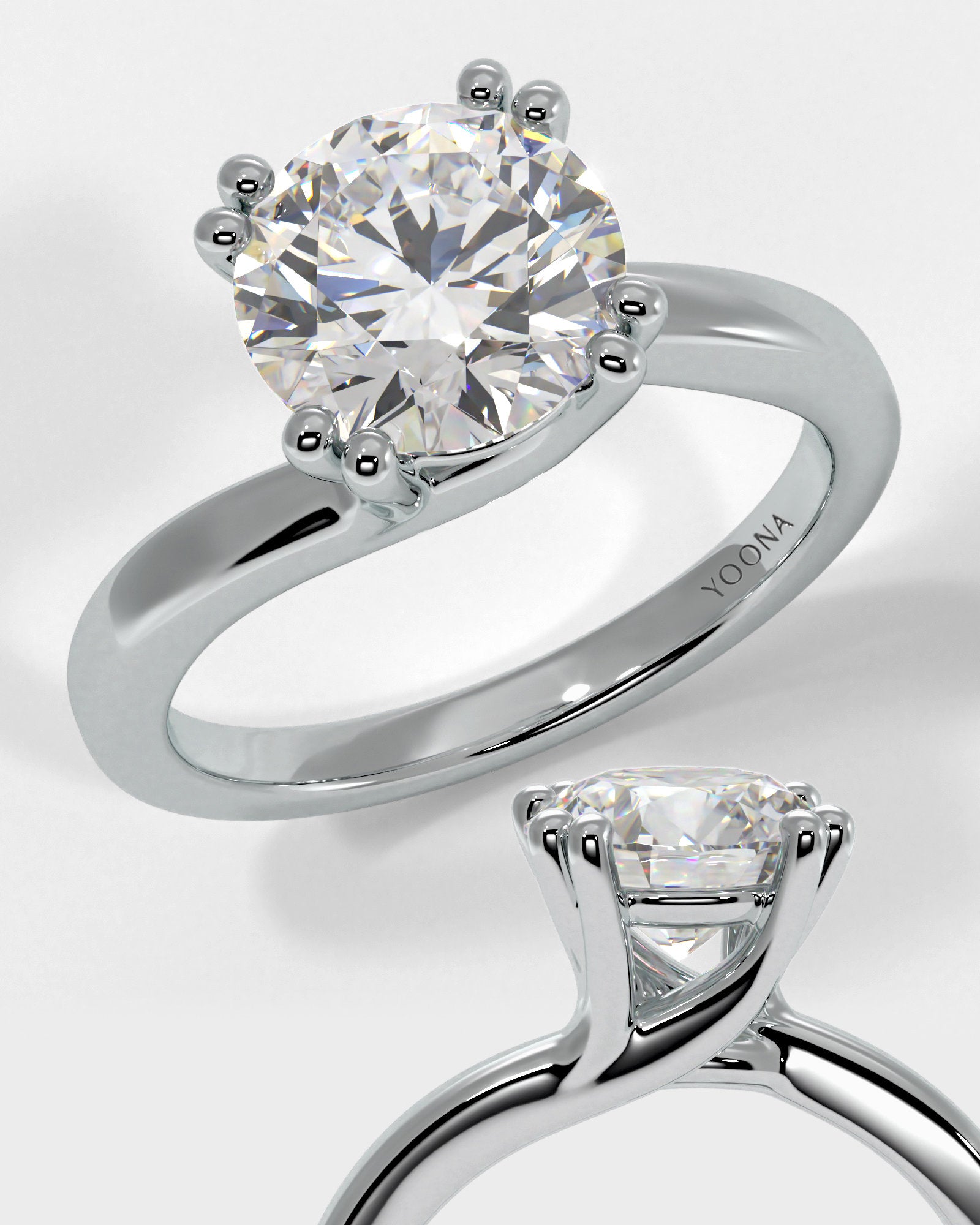
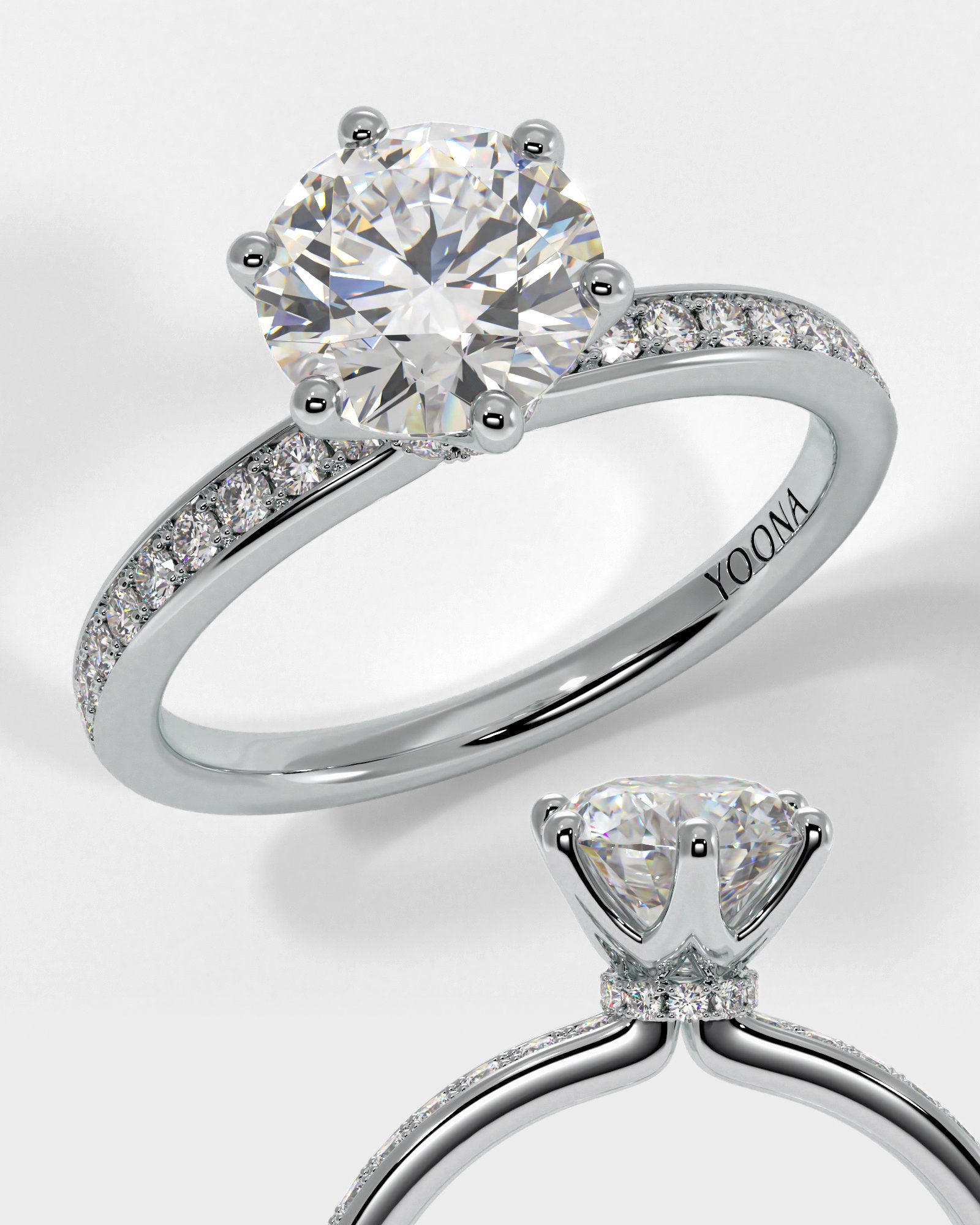
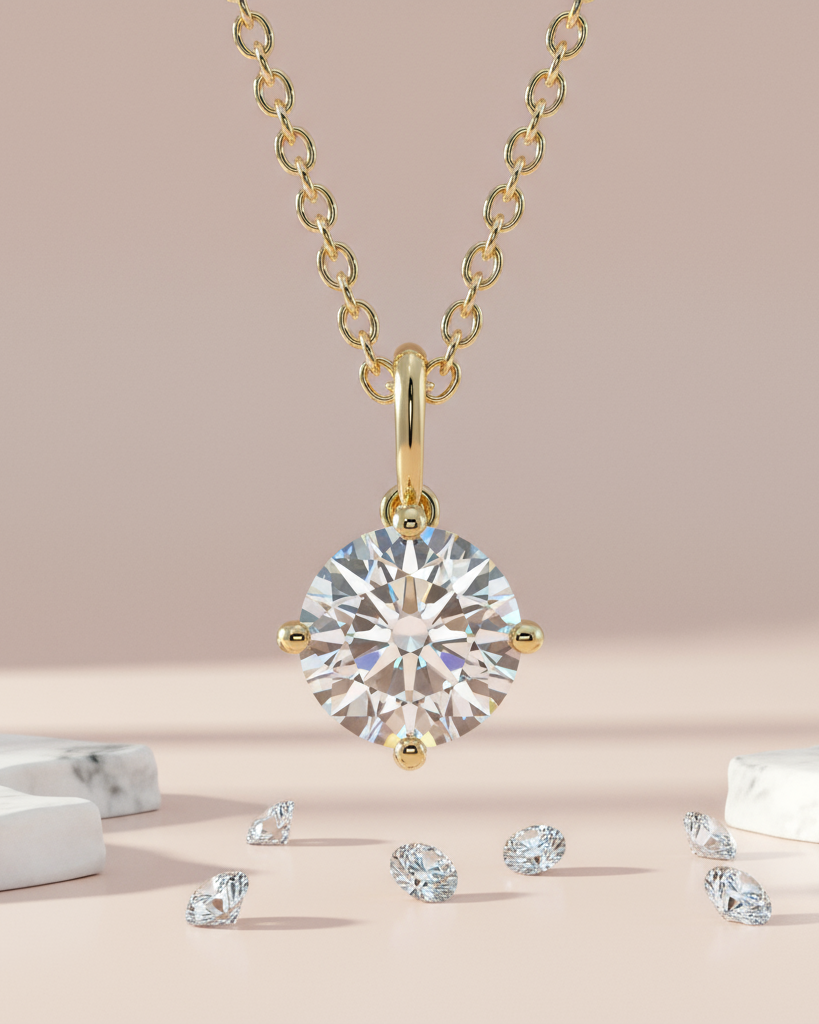
Quick answer: A prong setting uses four to six metal claws to hold the diamond, maximizing light exposure and making the stone look as large as possible with minimal metal in the way.
Prong settings are the most common style for good reason, they show off a diamond's brilliance better than almost any other setting, since so little metal blocks light from entering the stone. The trade-off is that prongs can occasionally snag on fabric or hair, and they benefit from periodic inspection to make sure they haven't loosened over years of wear.
Bezel Setting: Secure and Modern
Quick answer: A bezel setting surrounds the diamond with a continuous rim of metal, offering excellent security and a smooth, snag-free profile ideal for active lifestyles.
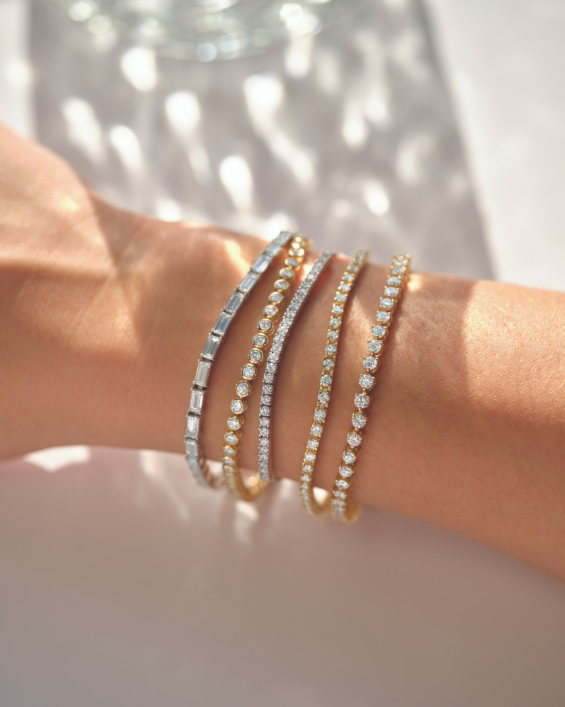
A bezel setting is the practical choice for anyone who works with their hands often, plays sports, or simply wants the lowest-maintenance option available. The metal rim protects the diamond's edges completely, and there's nothing to snag or loosen the way a prong occasionally can. The trade-off is that the metal rim blocks slightly more light, which can make the stone appear marginally smaller than the same diamond in a prong setting.
Half-Bezel: A Middle Ground Worth Knowing About
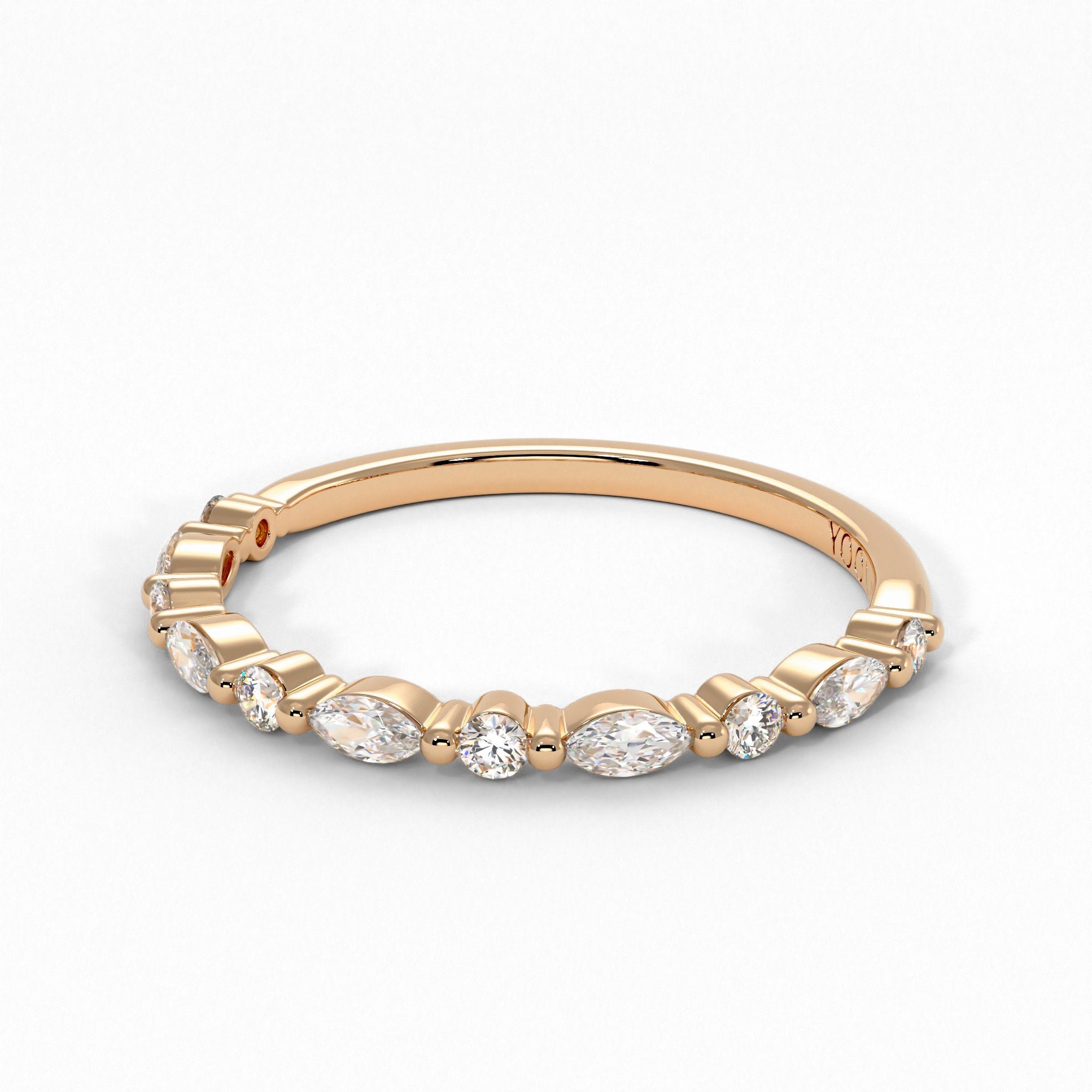
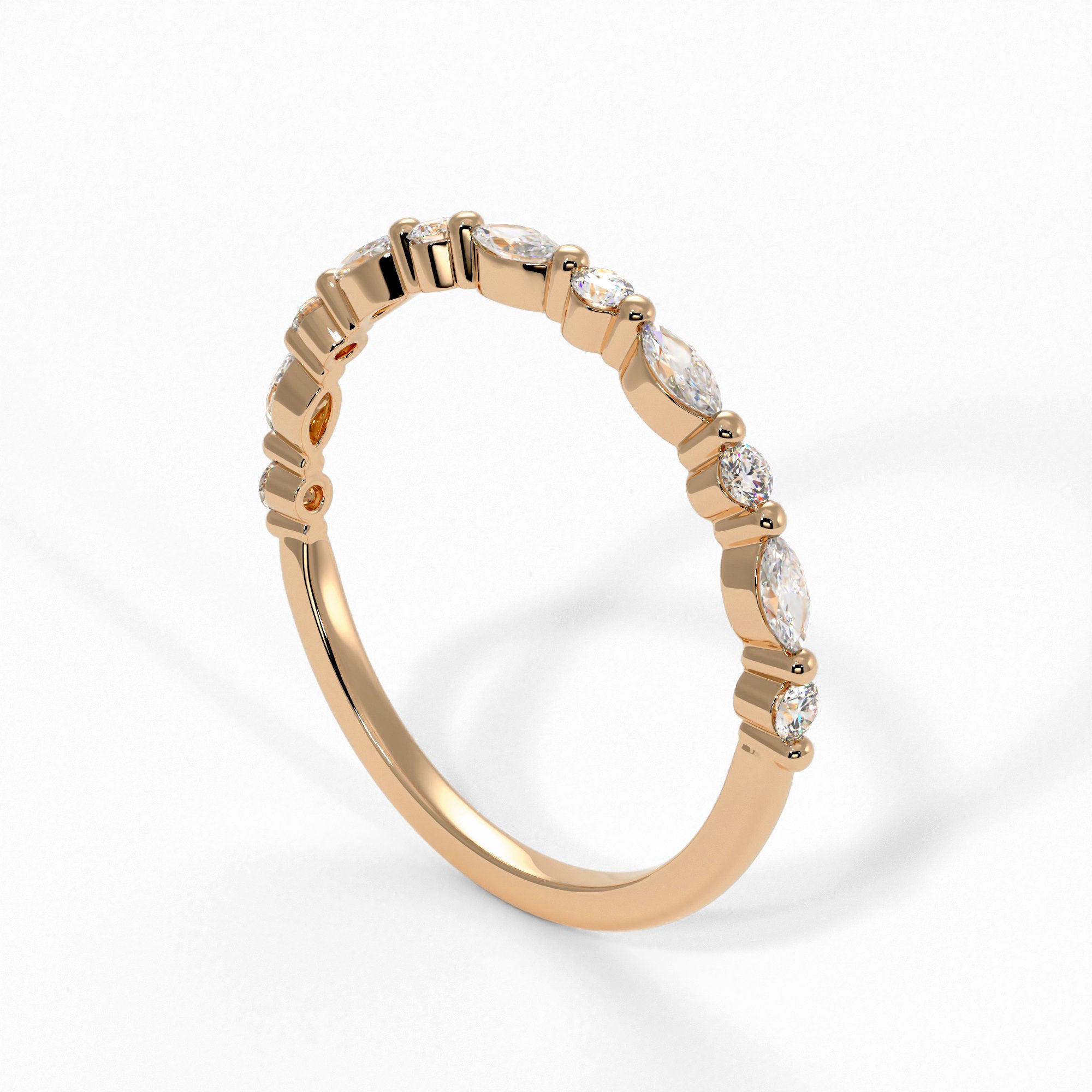
Quick answer: A half-bezel covers only the sides of the diamond in metal, leaving the top and bottom open, combining much of a full bezel's edge protection with more light exposure than a full bezel allows.
This is a genuine third option, not just a compromise, worth knowing before assuming full prong or full bezel are the only choices. A half-bezel protects the most vulnerable sides of the stone from knocks and snags while still letting light enter from the open top and bottom, landing closer to a prong's brilliance than a full bezel does. It's particularly worth considering for elongated shapes like oval, marquise, or pear, where the pointed or narrow ends benefit most from extra protection.
Side-by-Side Comparison
| Feature | Prong | Bezel |
|---|---|---|
| Light exposure | Maximum | Slightly reduced |
| Security | Good, requires periodic checks | Excellent, very low snag risk |
| Everyday wear | Fine for most lifestyles | Ideal for active or hands-on work |
| Visual style | Classic, traditional | Sleek, modern |
What About Tension Settings?
Quick answer: Tension settings hold a diamond in place using pressure from the band itself, giving a "floating" appearance. Yoona doesn't currently offer this setting style.
You may come across tension settings while researching ring styles elsewhere, they create a striking, futuristic look with an unobstructed side view of the stone. We're noting it here for completeness since it's a real and recognized setting type, but it's not part of our current collection, so we won't go deeper into its specific trade-offs than that.
How to Decide Between Prong and Bezel
Quick answer: Choose prong if maximum sparkle and a classic look matter most to you. Choose bezel if durability, low maintenance, and a modern silhouette matter more, especially for hands-on daily life. Consider half-bezel if you want a middle ground between the two.
Think honestly about how the ring will actually be worn day to day. Someone who works with their hands constantly, in healthcare, skilled trades, or an active gym routine, tends to appreciate a bezel's protection more than they miss the extra sparkle a prong setting offers. If you can't decide between the two, half-bezel is worth asking about specifically.
Does Setting Choice Matter More for Certain Shapes?
Quick answer: Yes. Pointed shapes like pear and marquise are more vulnerable to chipping at the tip, and a bezel or protective prong design at that point specifically adds real durability. Round and oval shapes have no vulnerable points, so the choice is purely aesthetic and lifestyle-driven for those shapes.
This is worth factoring in alongside your shape decision, not just as a separate style choice. A pear or marquise diamond has a genuinely fragile point that benefits from extra metal protection, whether that's a full bezel, half-bezel, or a reinforced prong at that specific spot. For rounds, ovals, cushions, and most other shapes without sharp points, the prong versus bezel decision is entirely about look and daily wear, not structural risk.
For more on how shape affects other buying decisions, see Diamond Cut vs. Shape: What's the Difference?.
Frequently Asked Questions
Is a bezel setting less sparkly than a prong?
Slightly, since more metal surrounds the stone, but the difference is often subtle rather than dramatic, particularly with a well-cut diamond.
Do prong settings need regular maintenance?
Yes, periodic prong checks are worth doing, especially for daily-wear rings, to catch any loosening before it becomes a real risk to the stone.
Is bezel a good choice for someone who's never had jewelry before?
Often yes, its low-maintenance, snag-free design makes it forgiving for someone still adjusting to wearing a ring daily.
Is half-bezel a good compromise for an active lifestyle?
Often yes, it offers meaningfully more protection than a full prong setting while keeping more brilliance than a full bezel, a genuine middle ground rather than a lesser version of either.
Yoona's Take
Both settings meet the same standard: every stone, in a prong or bezel setting, is IGI certified and held to the Eternal Diamond™ standard. The choice between them comes down to how you actually live, not a difference in quality.