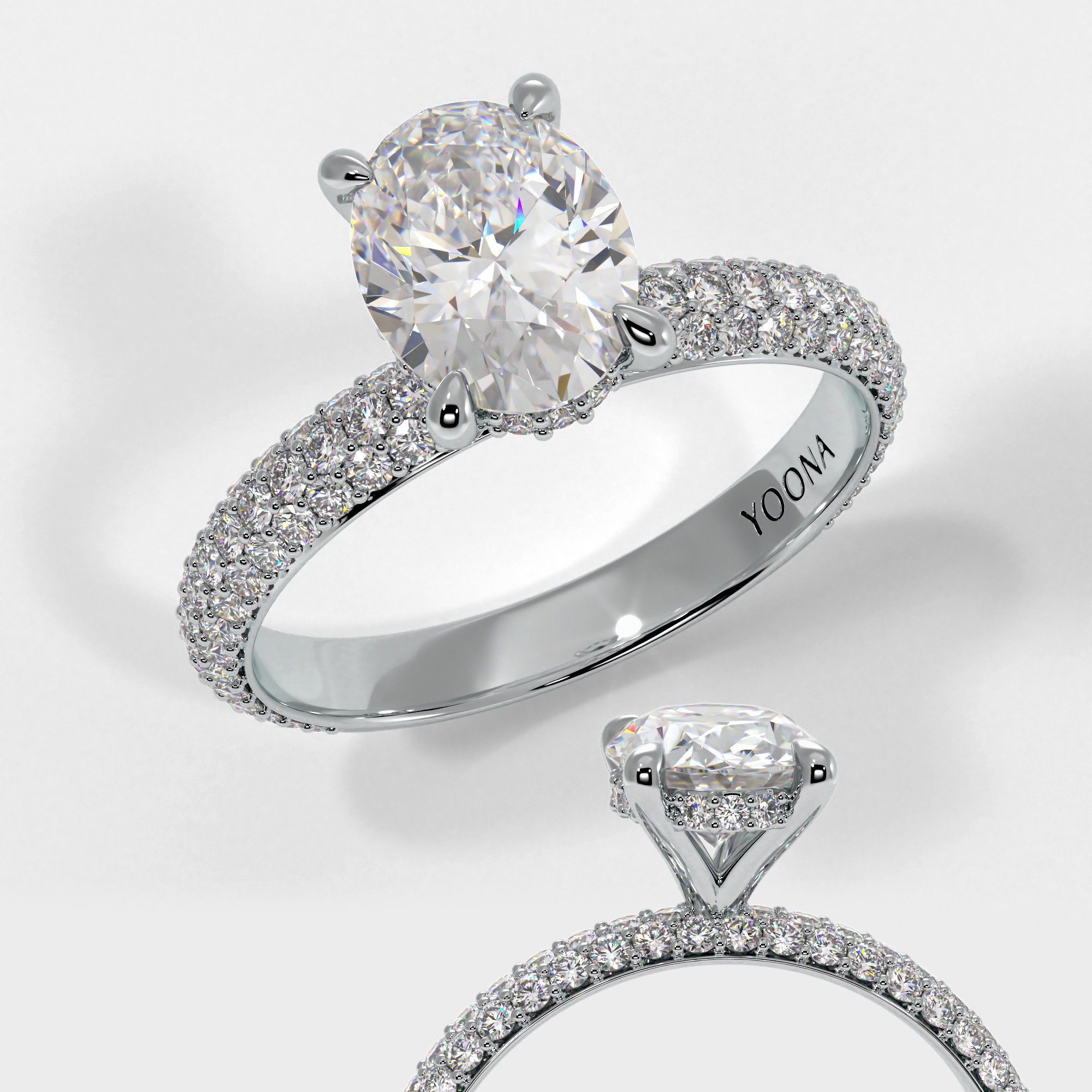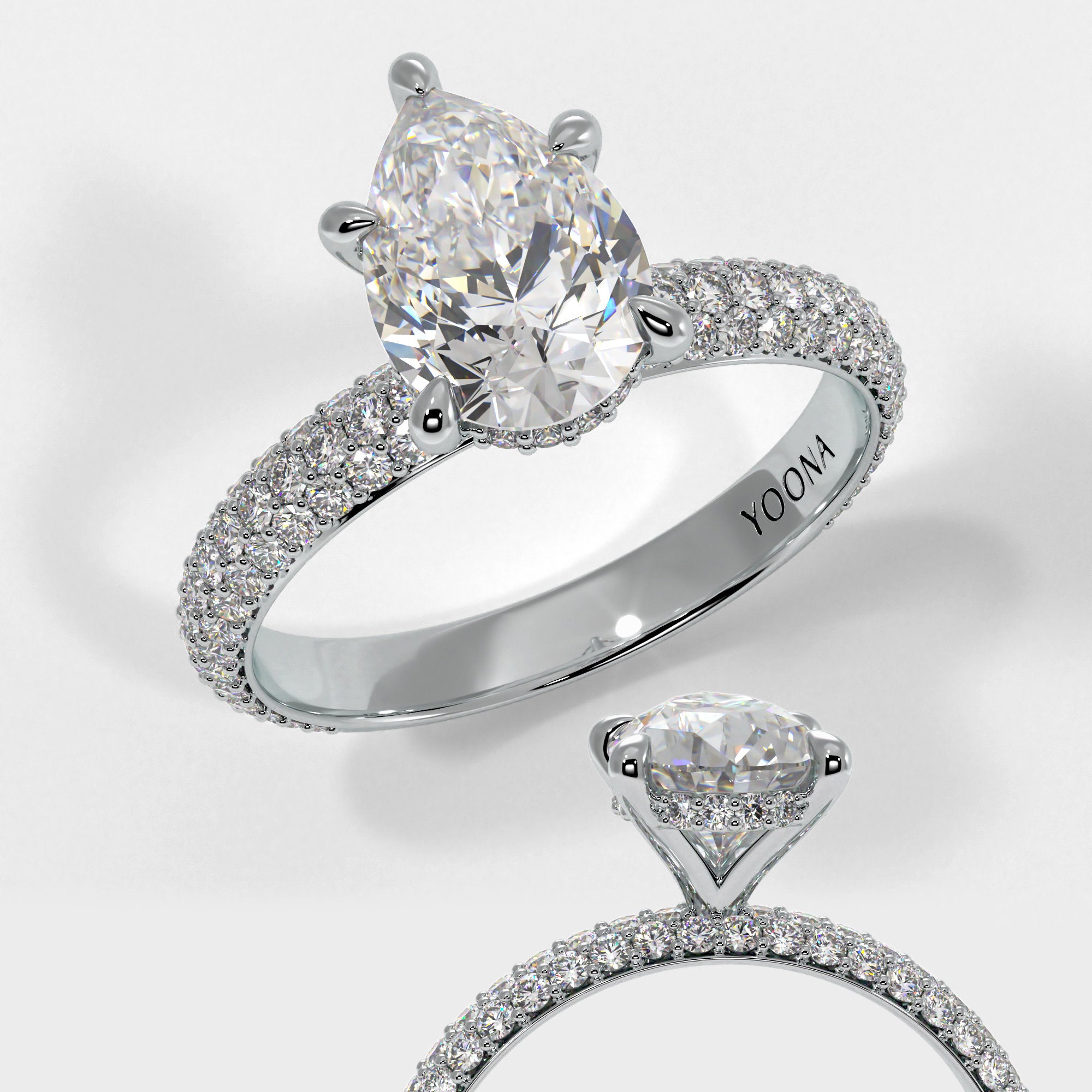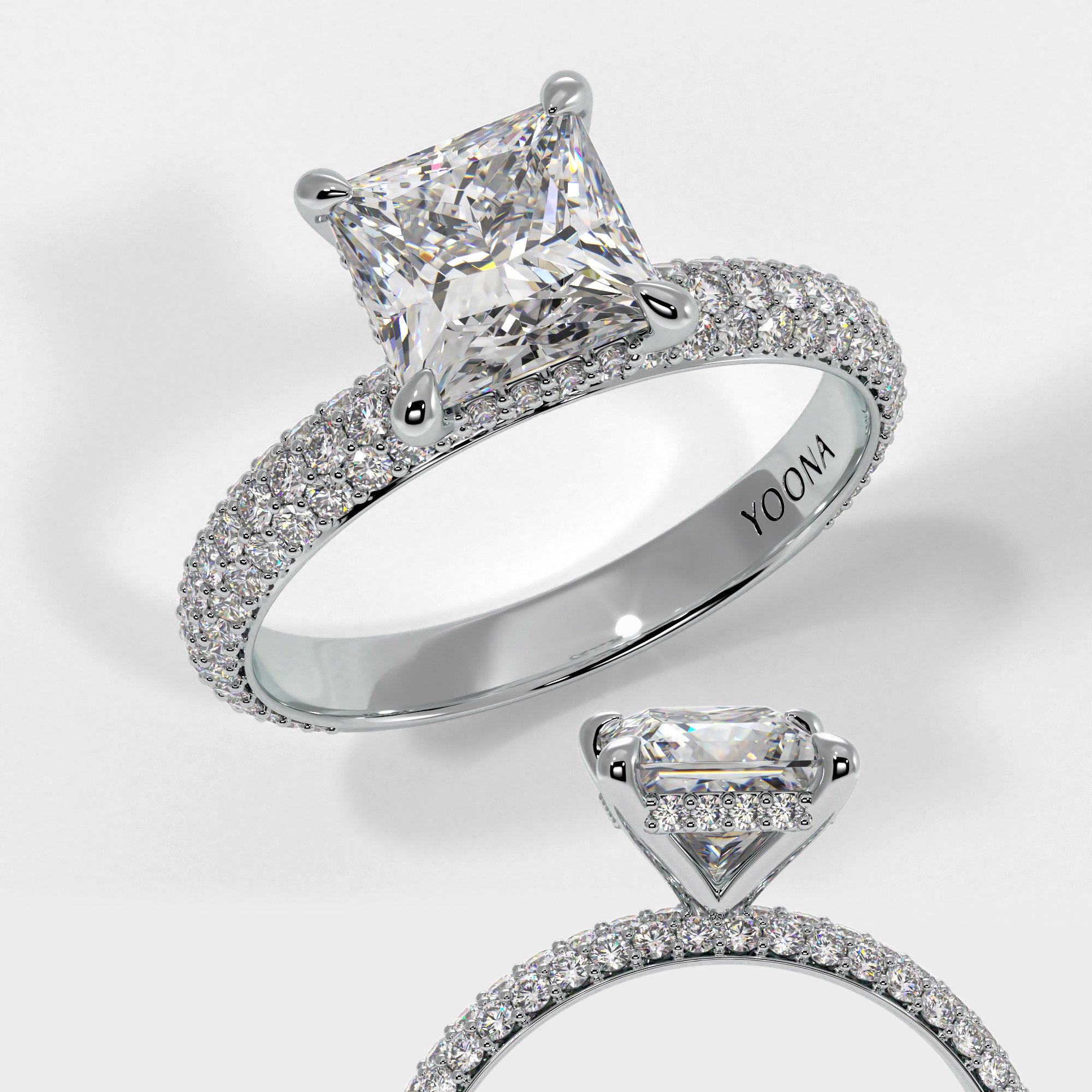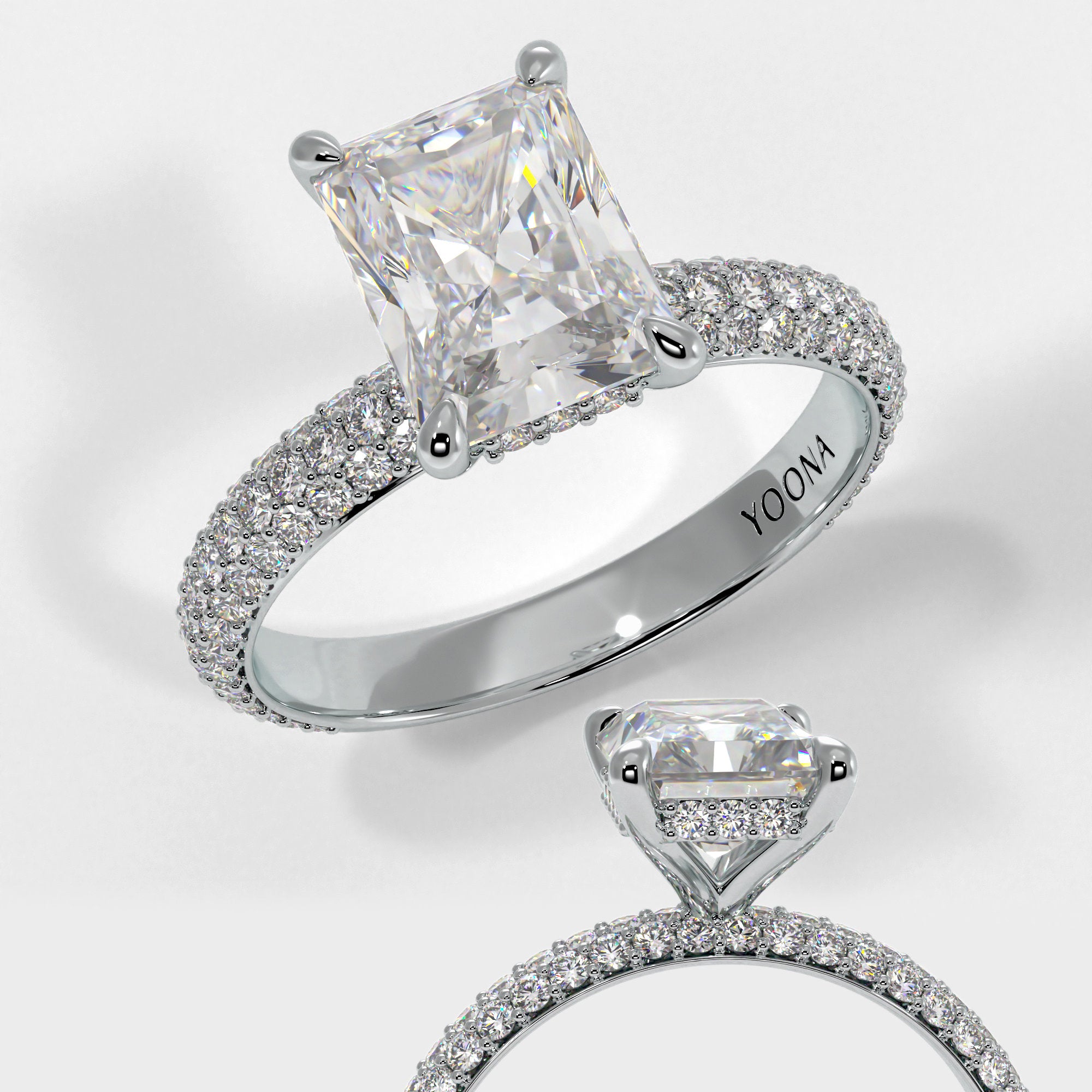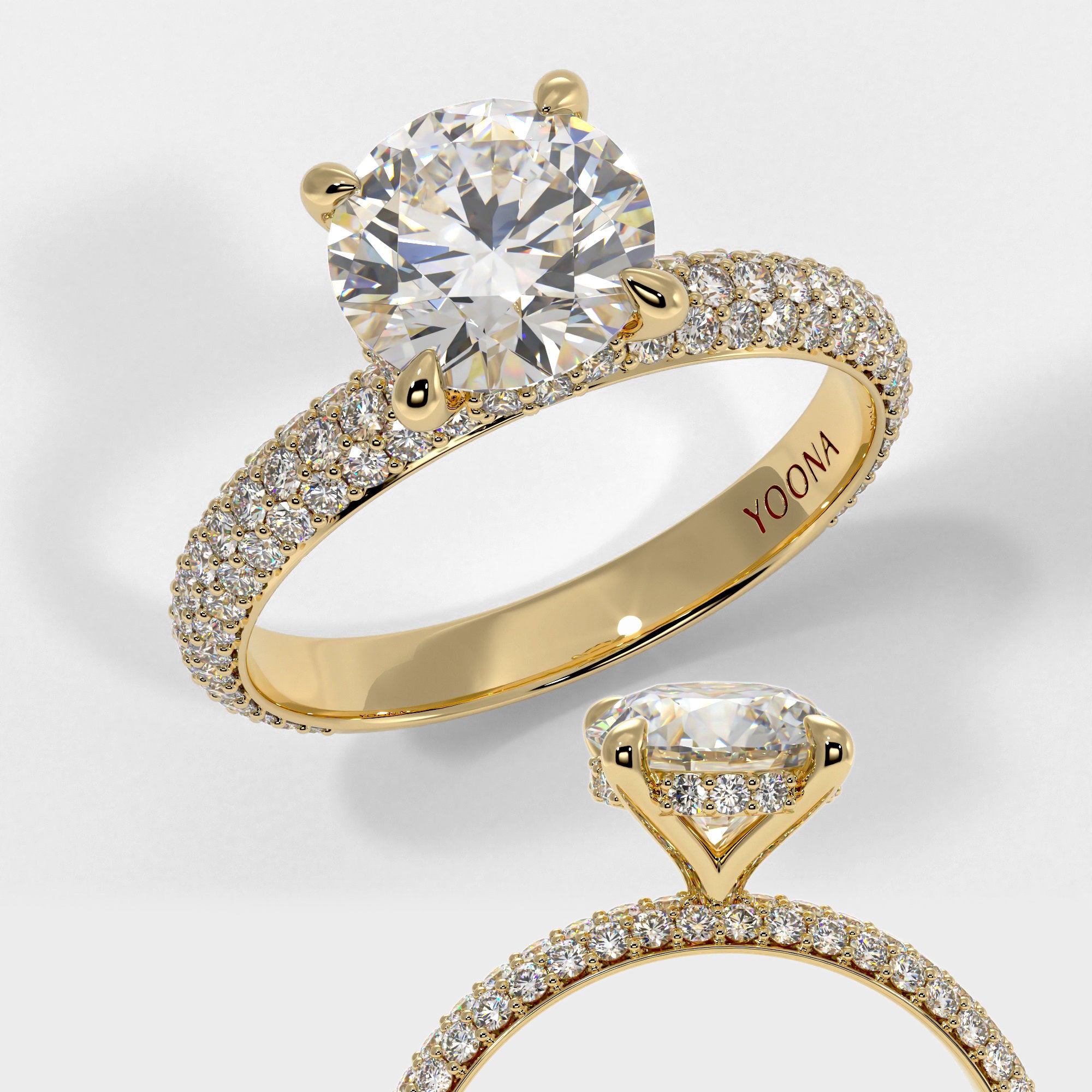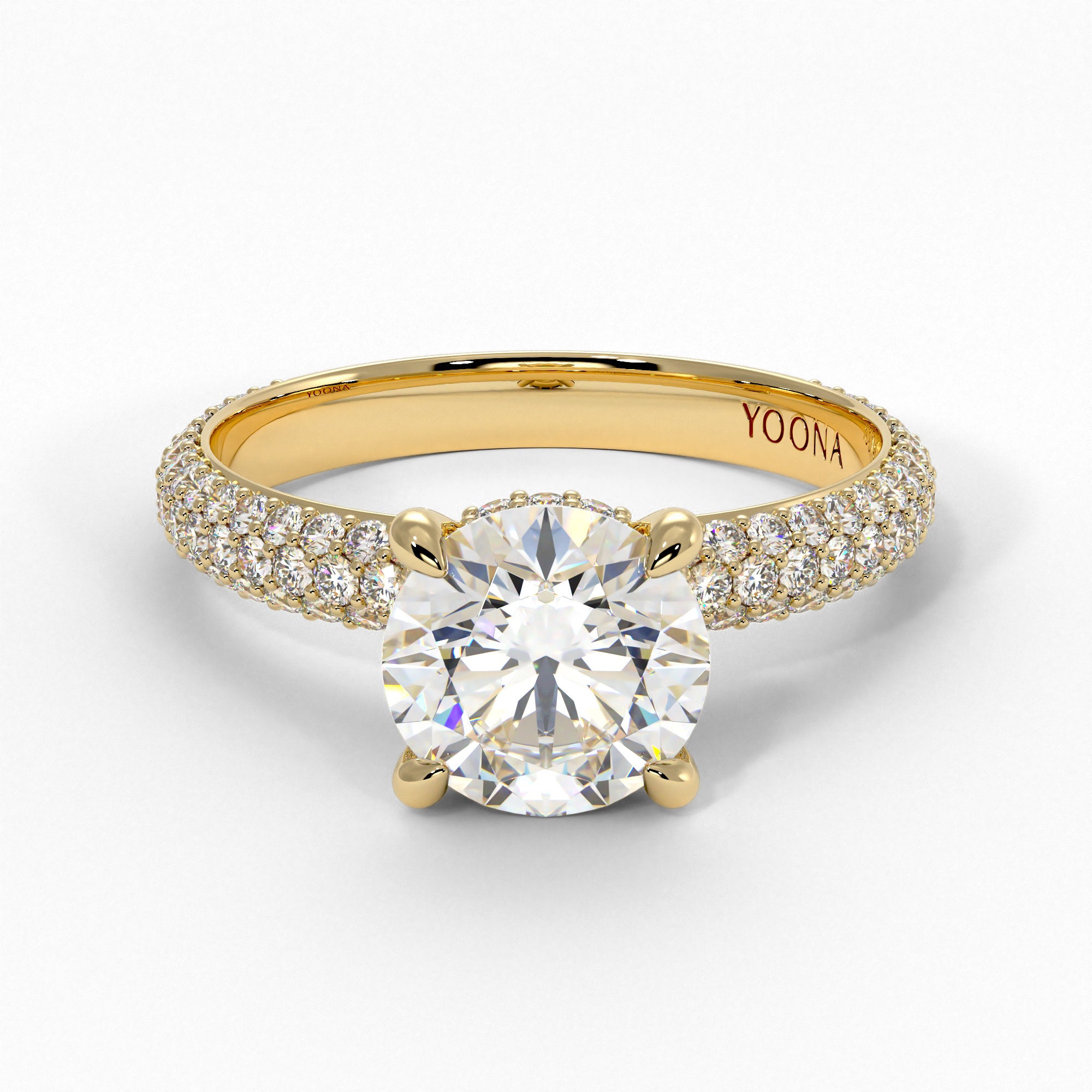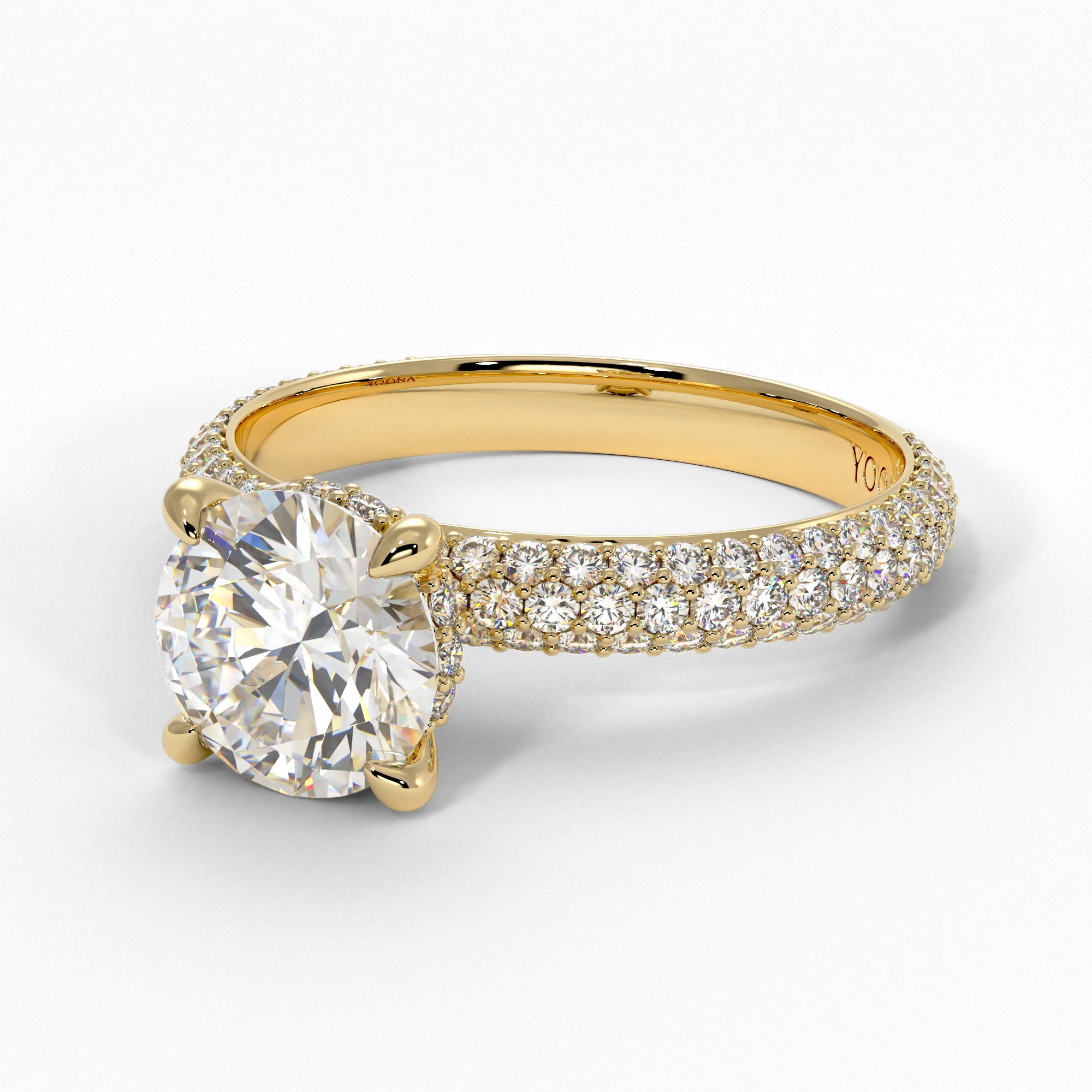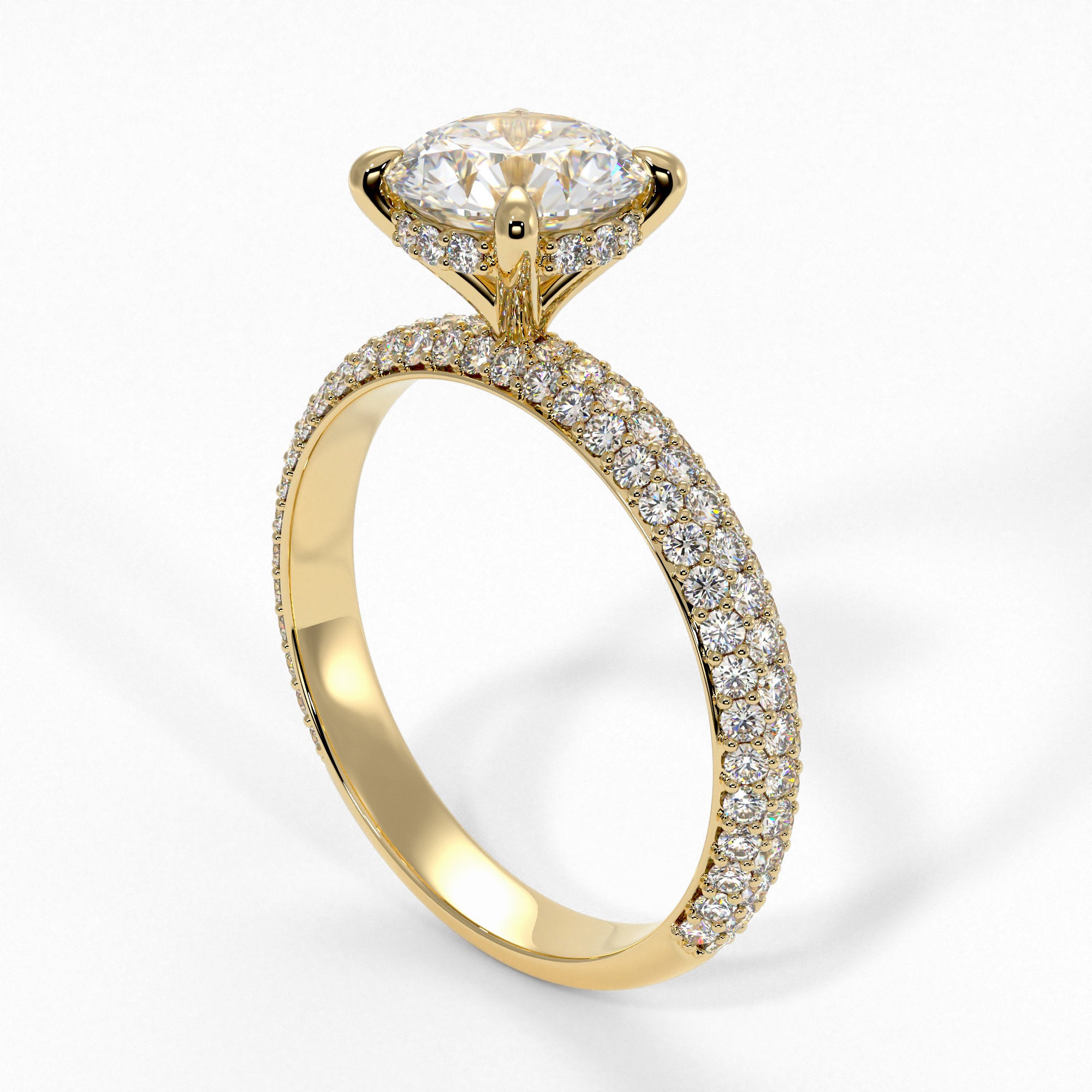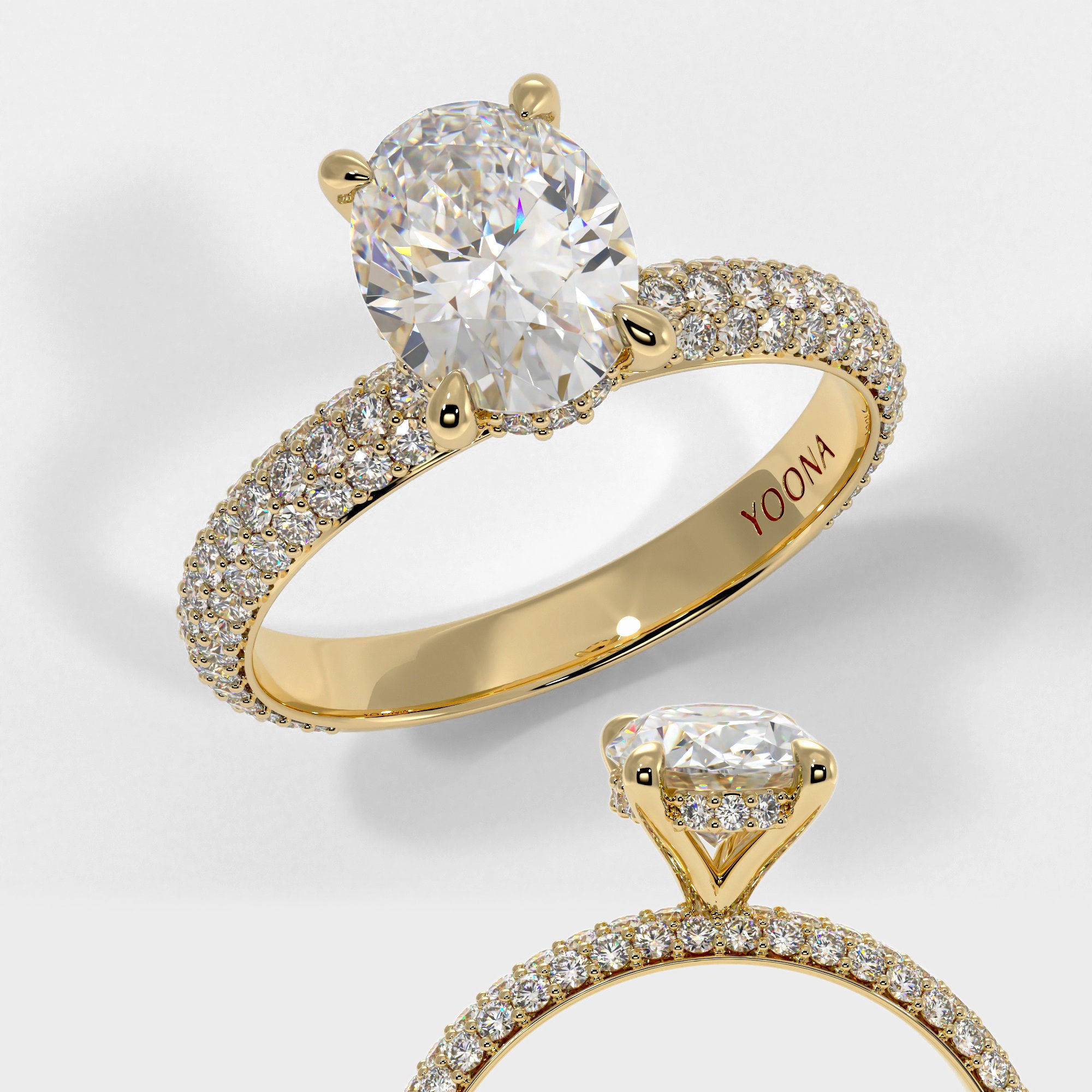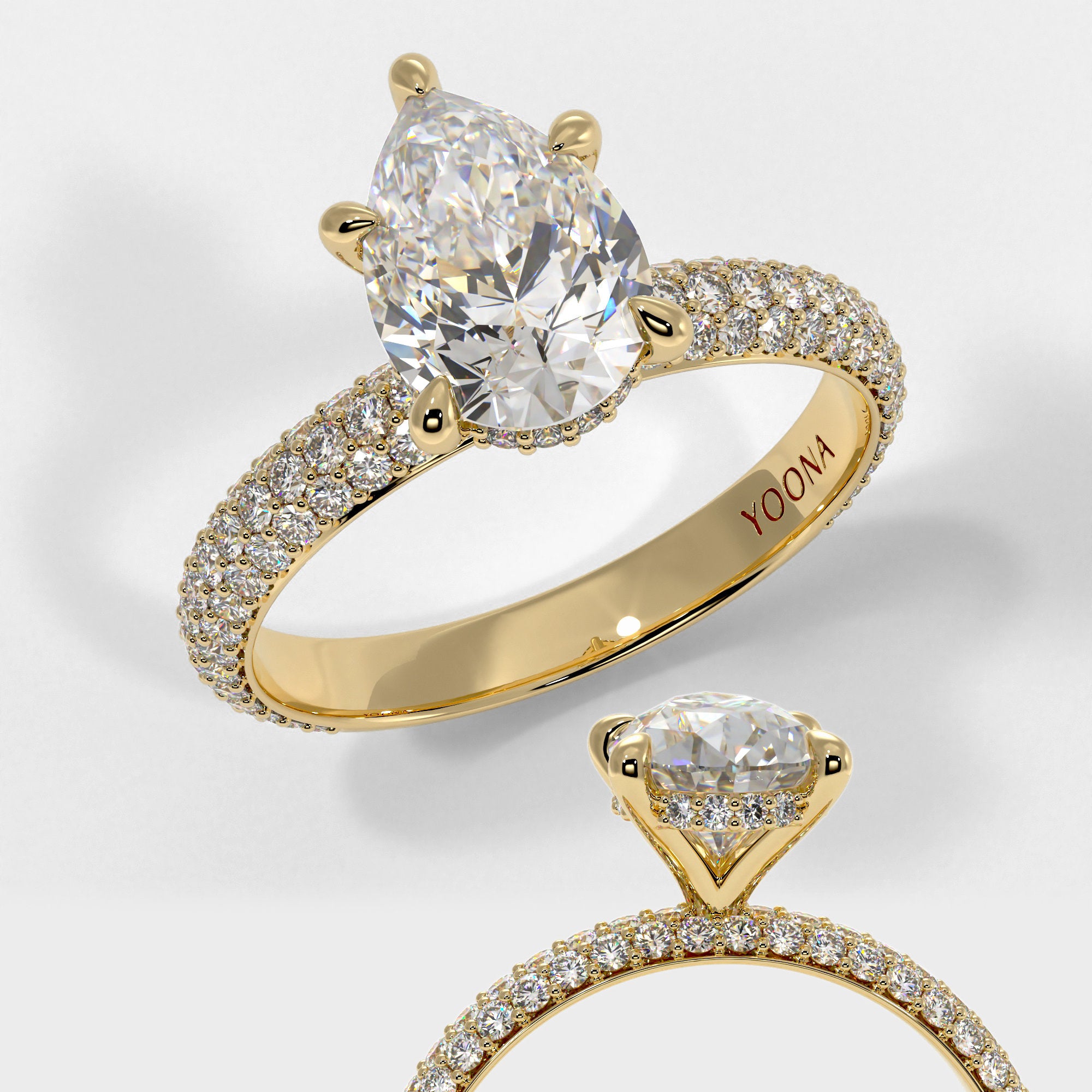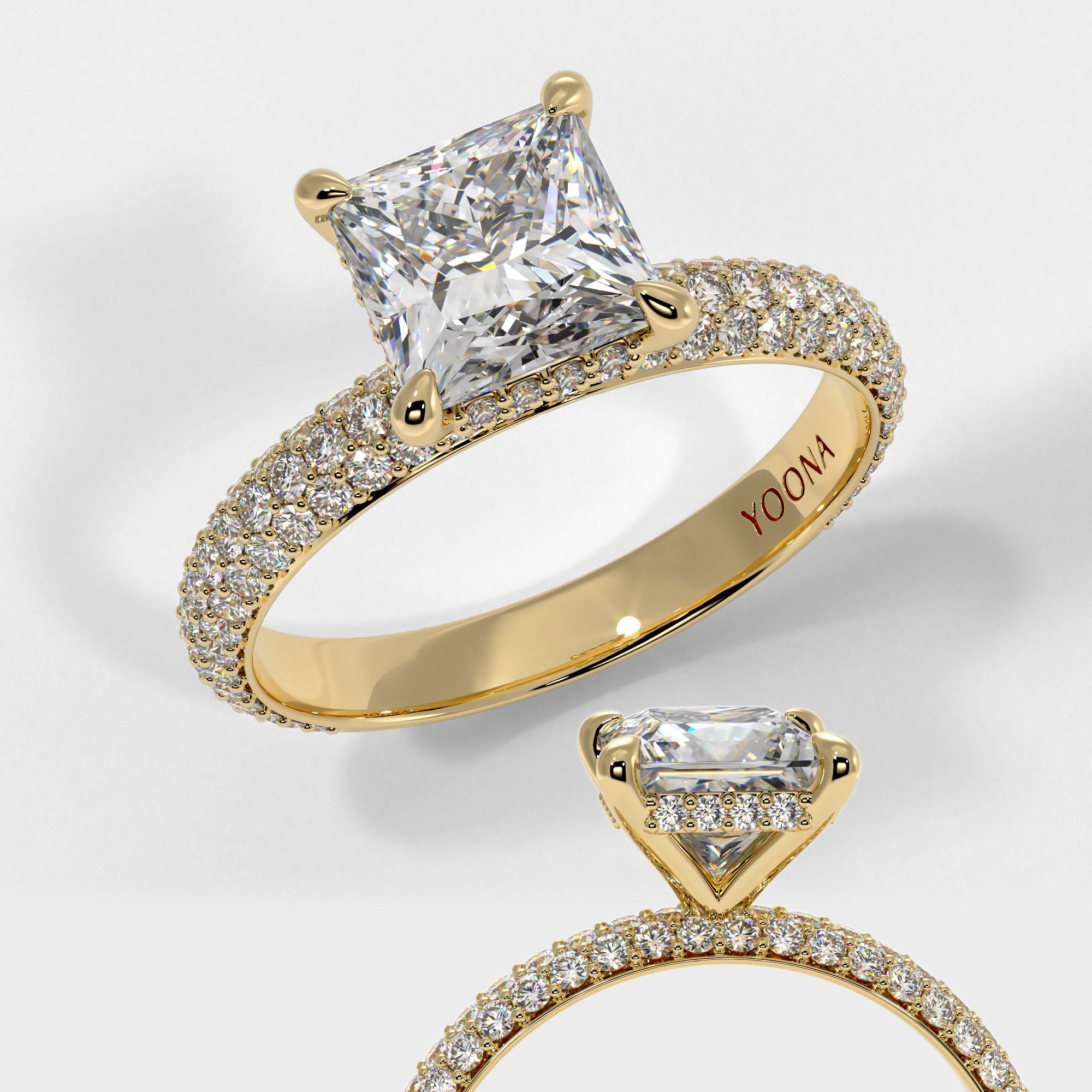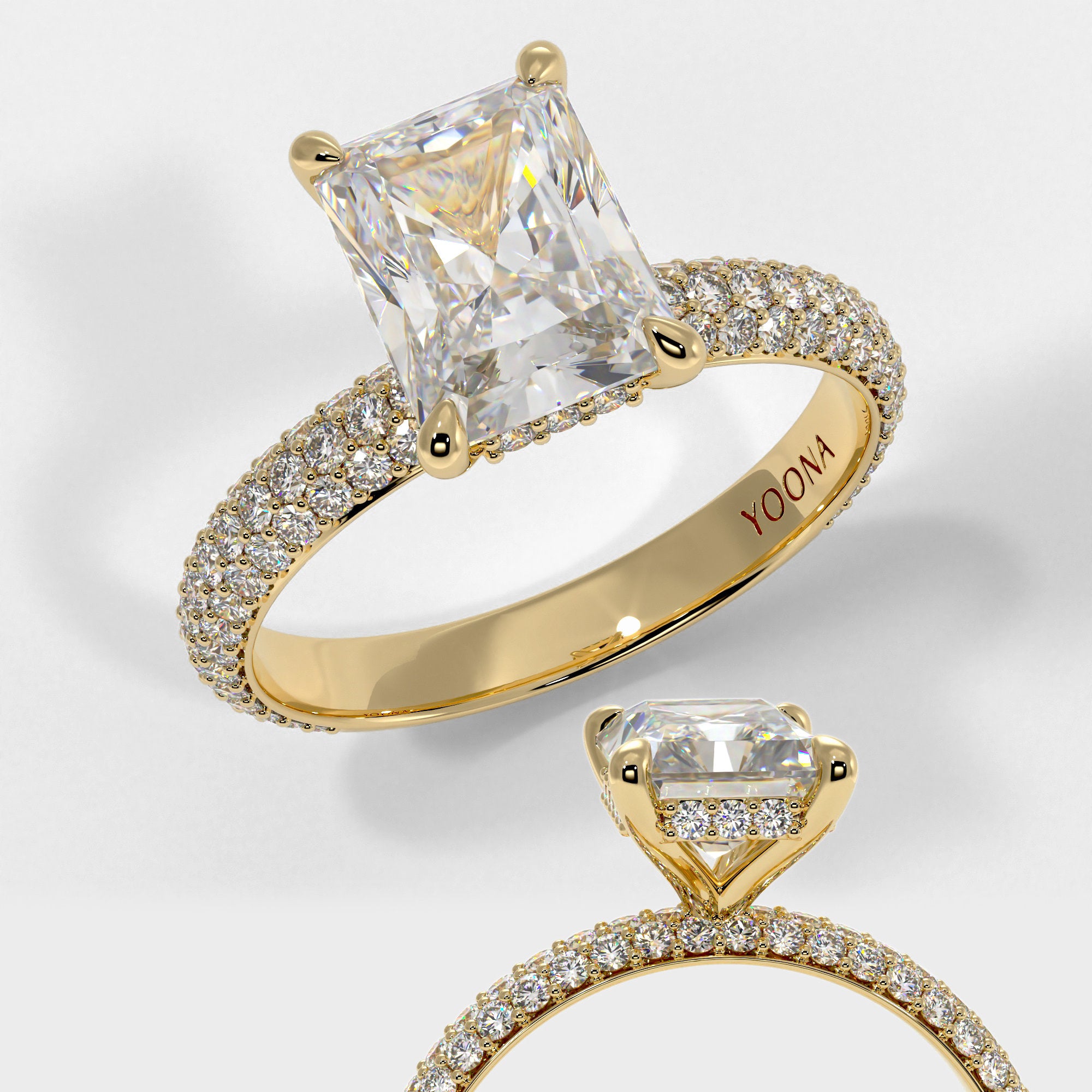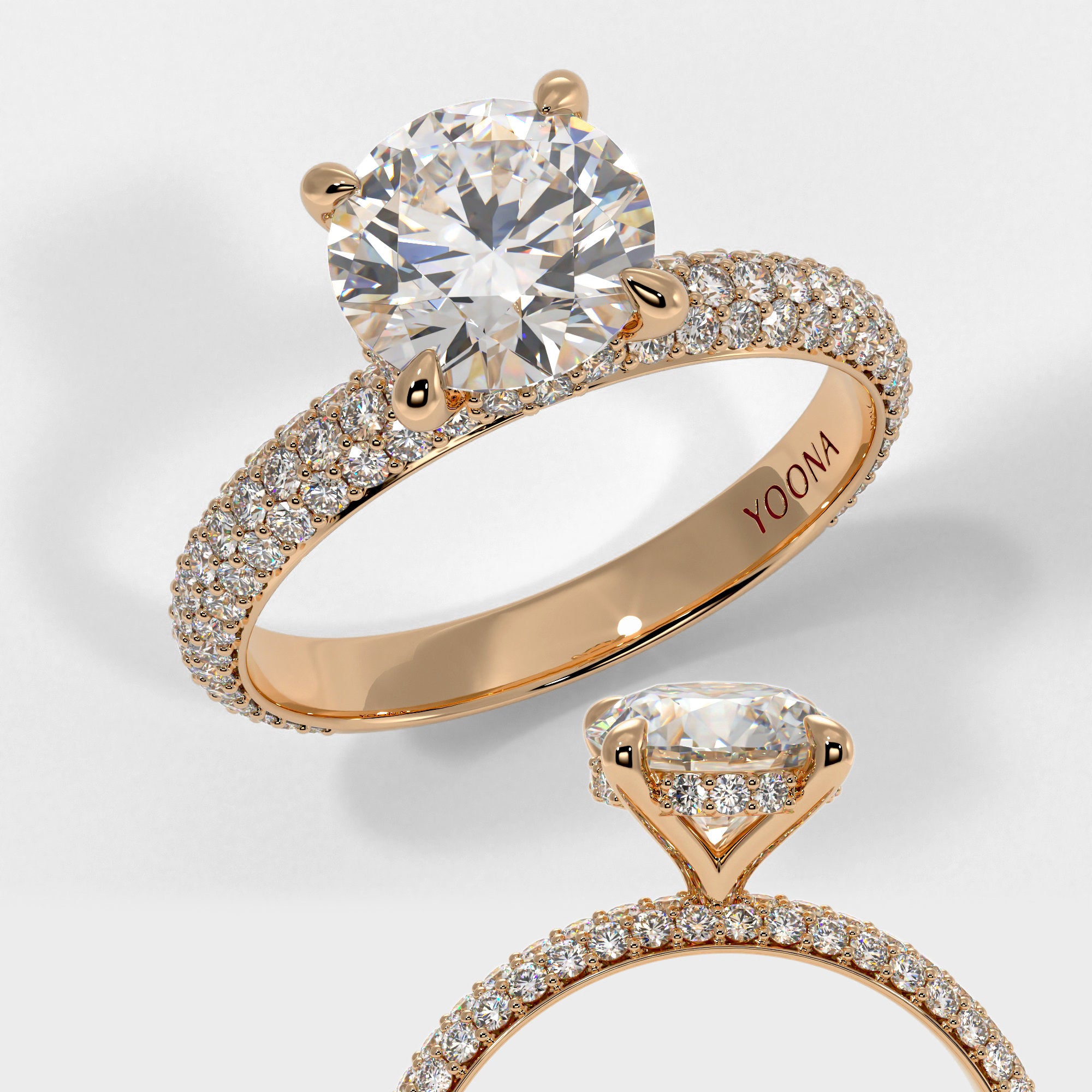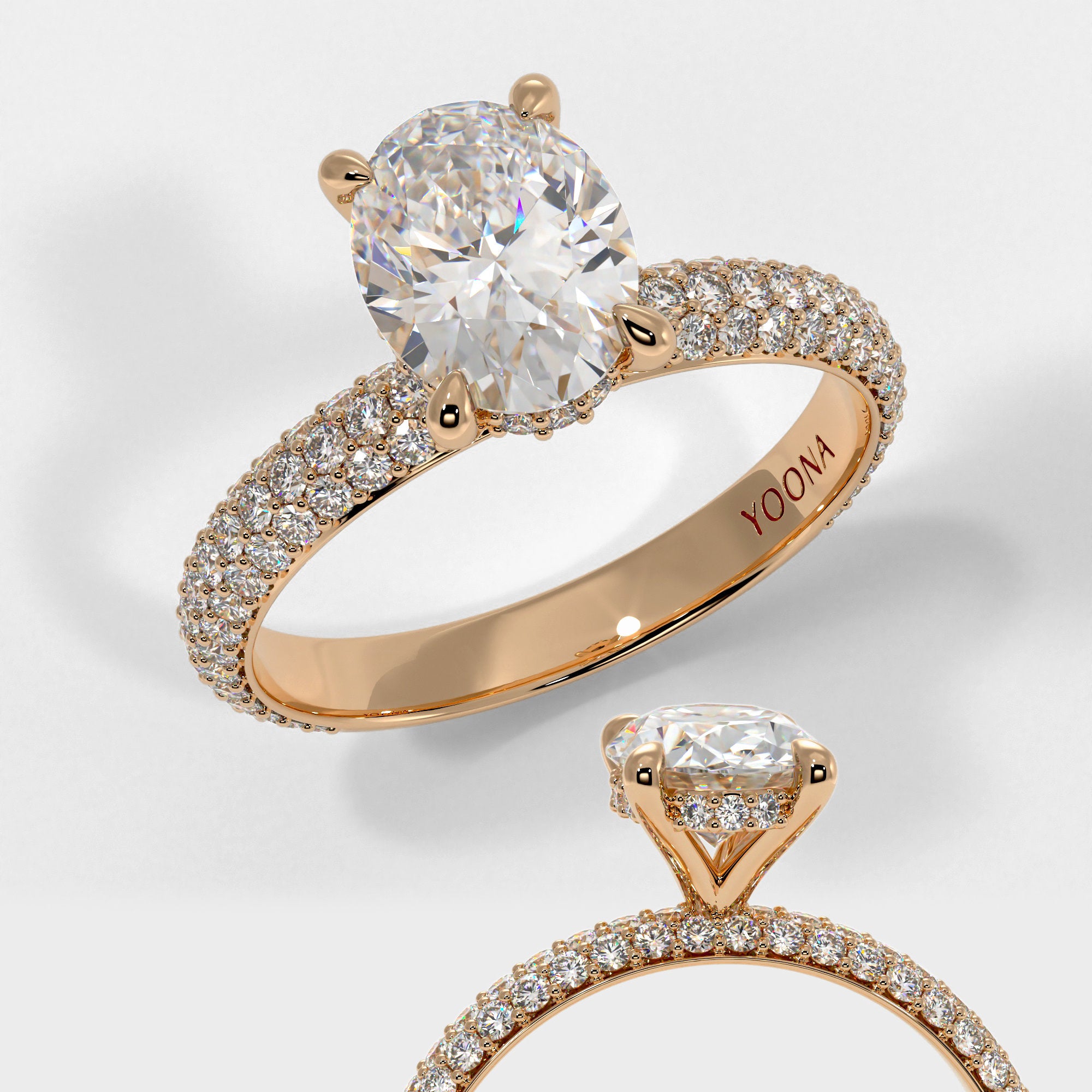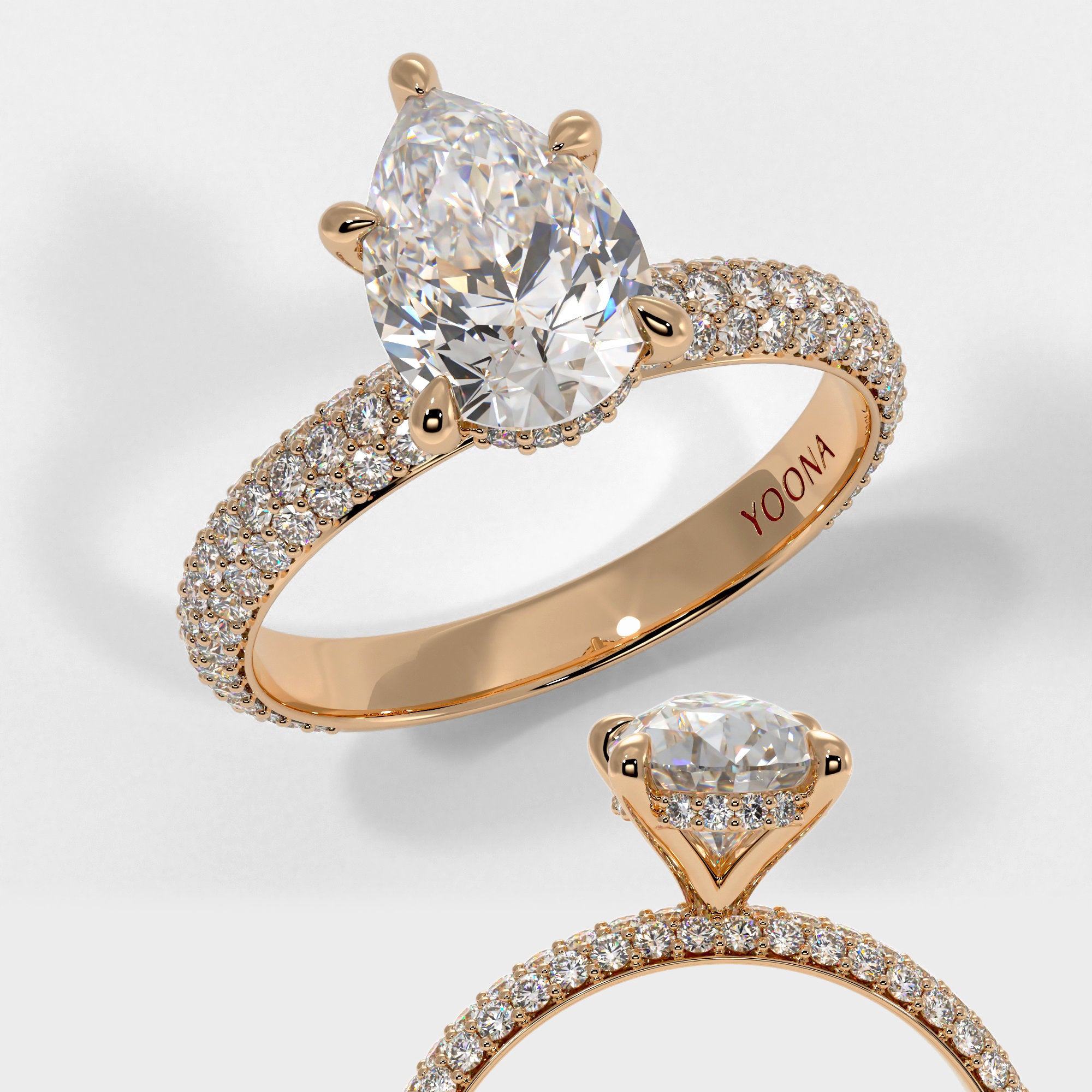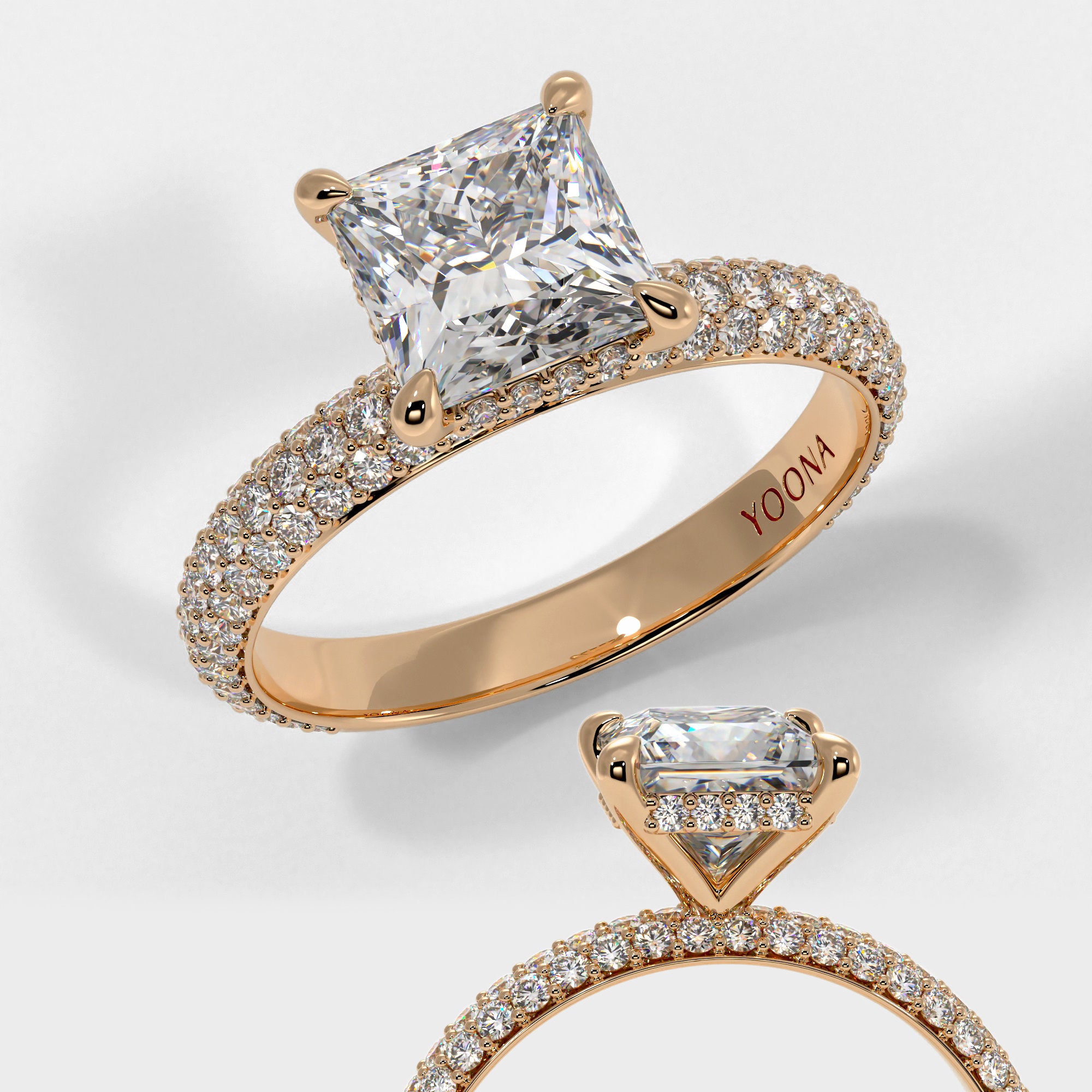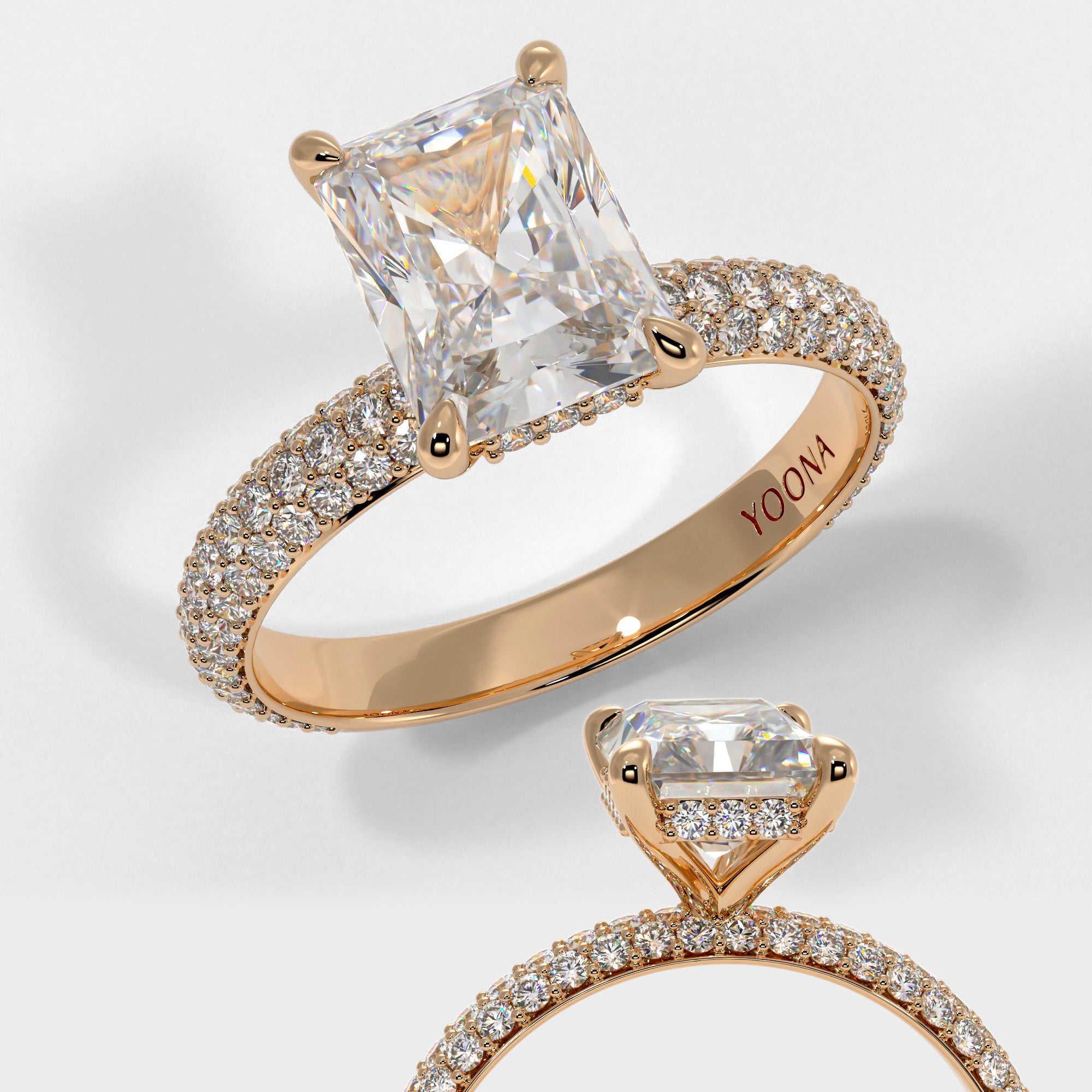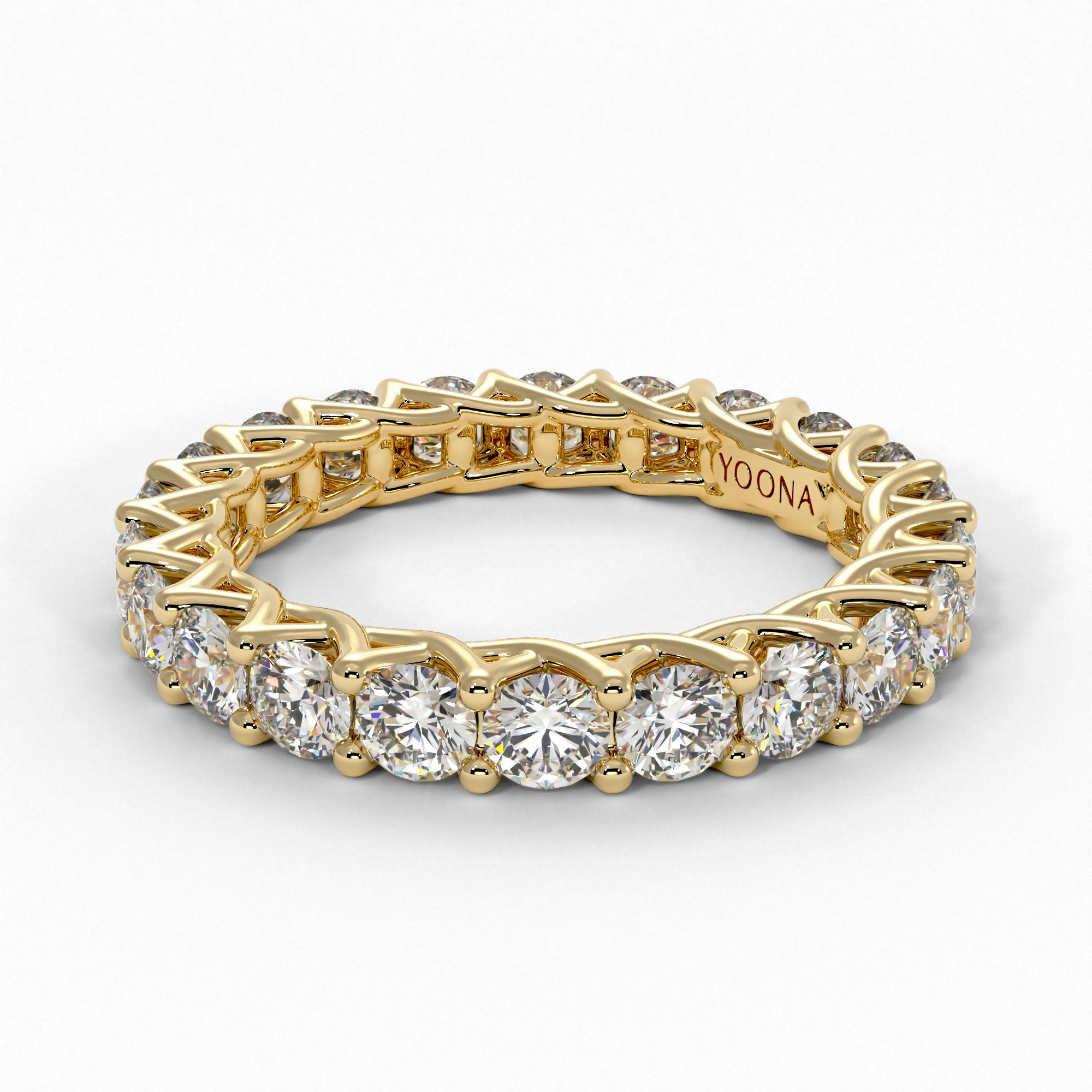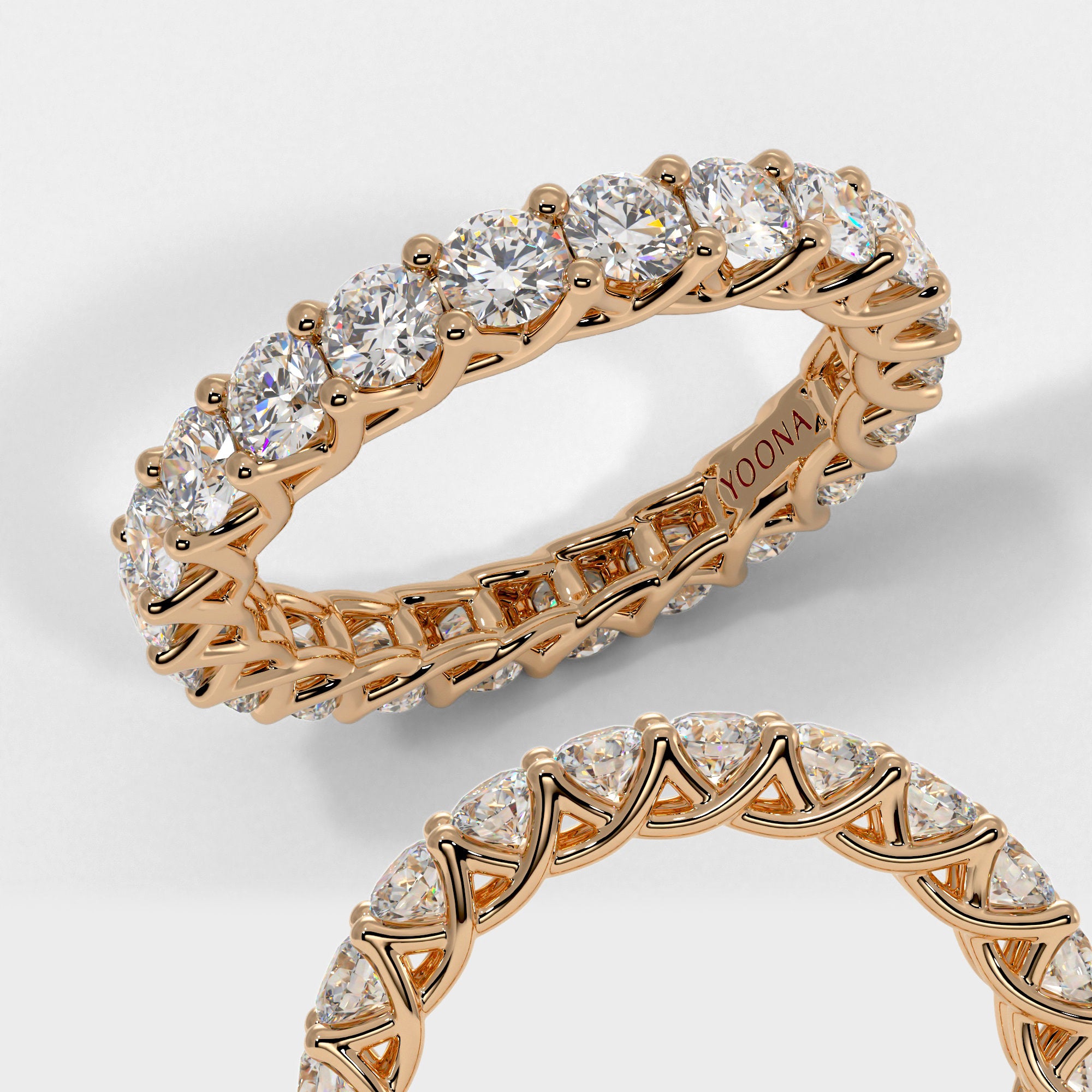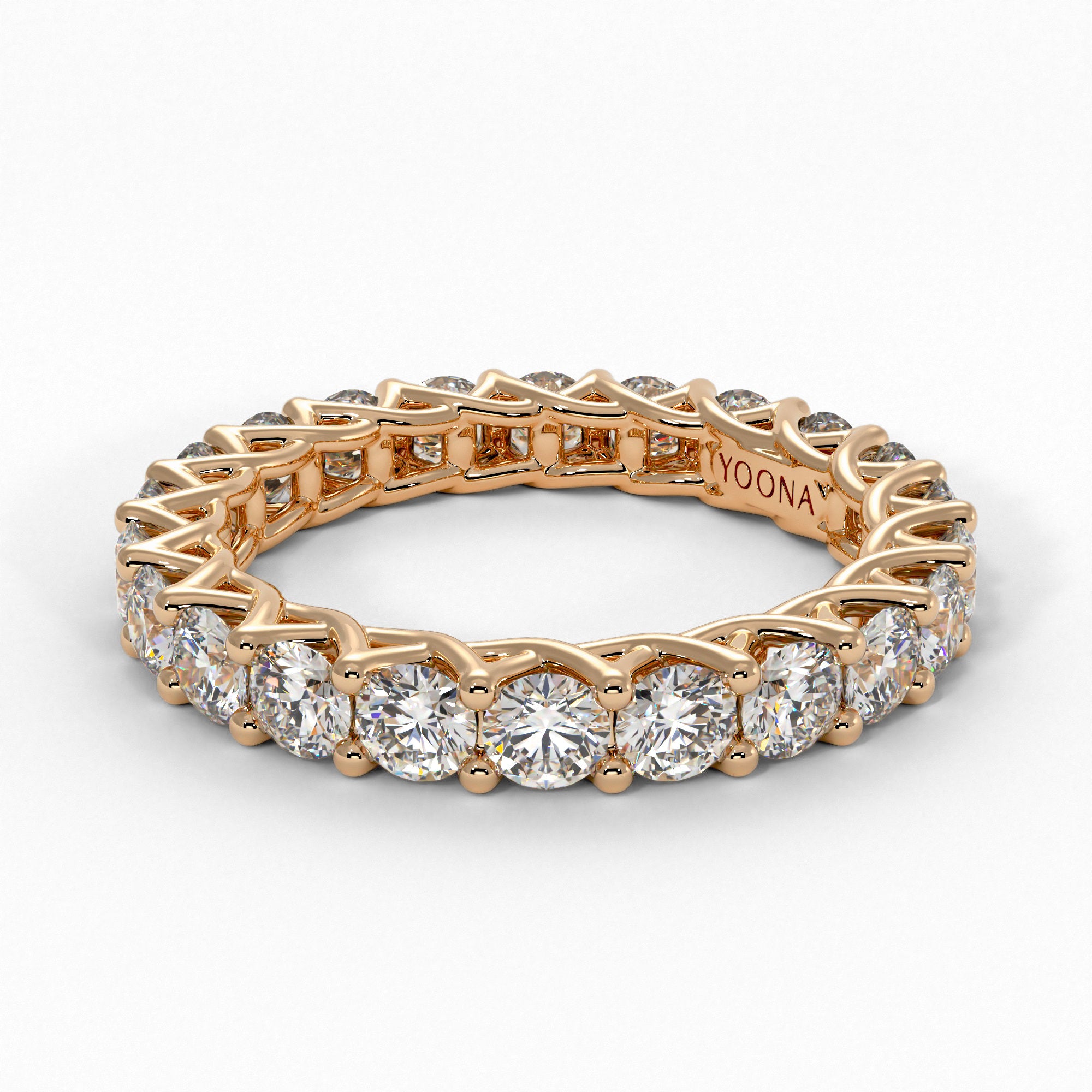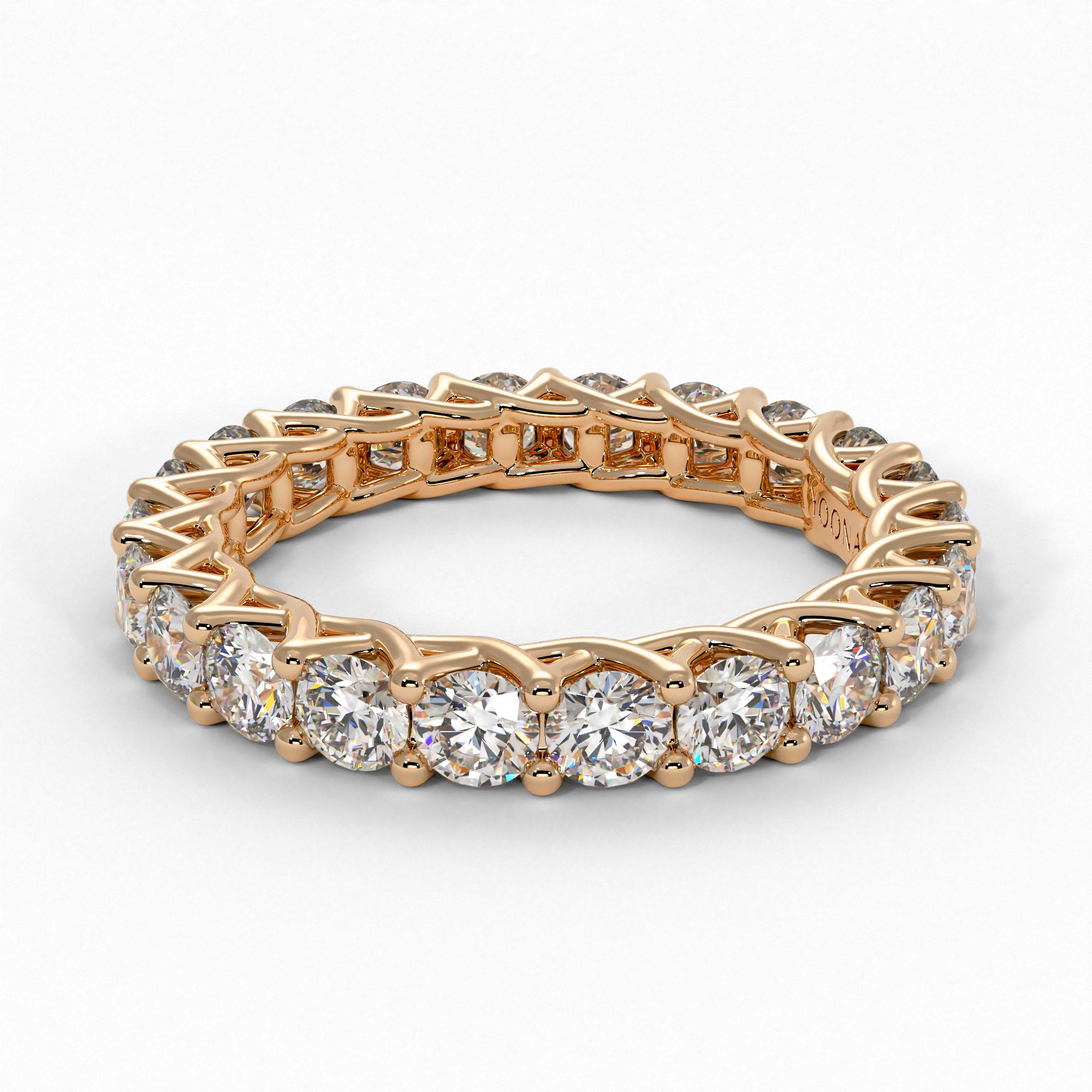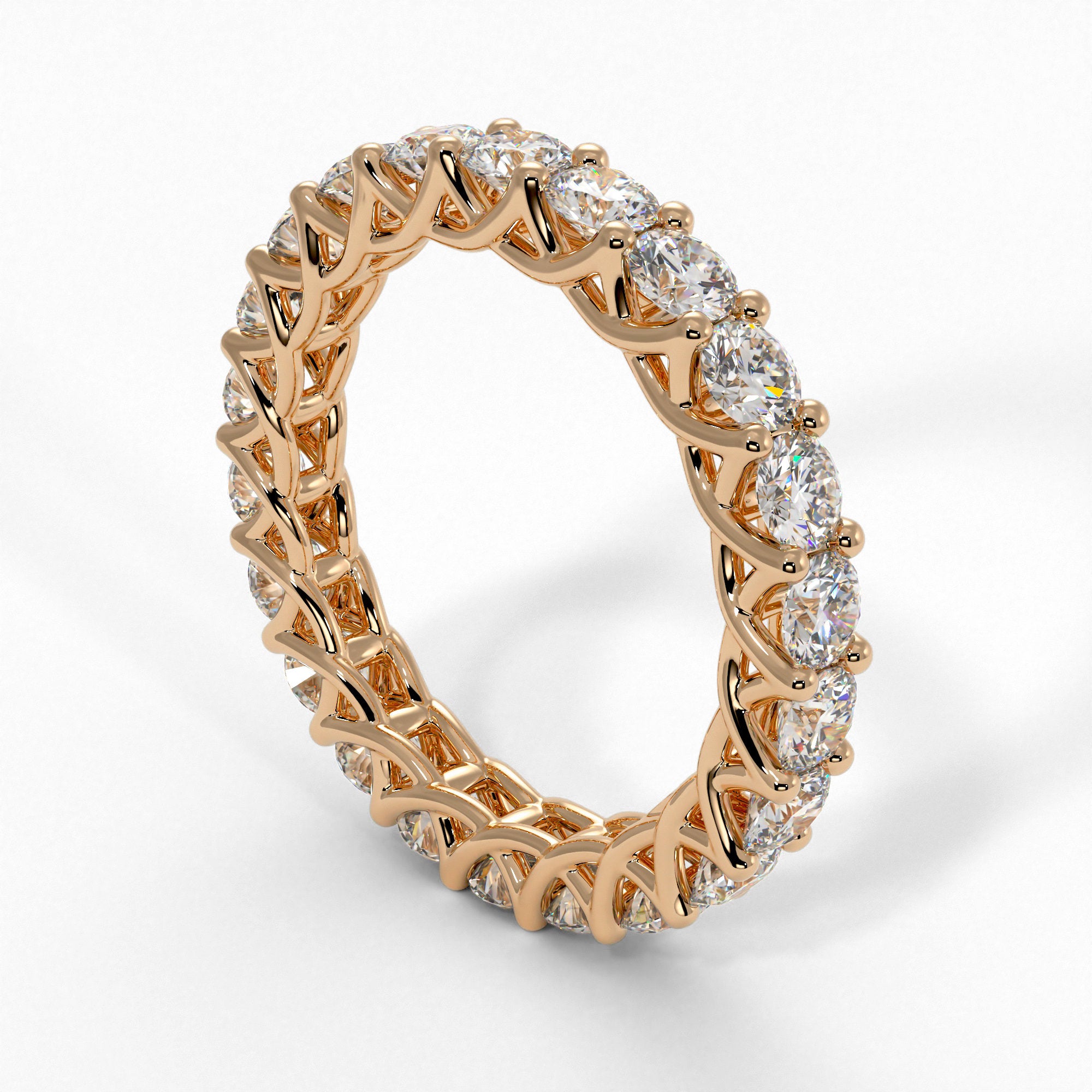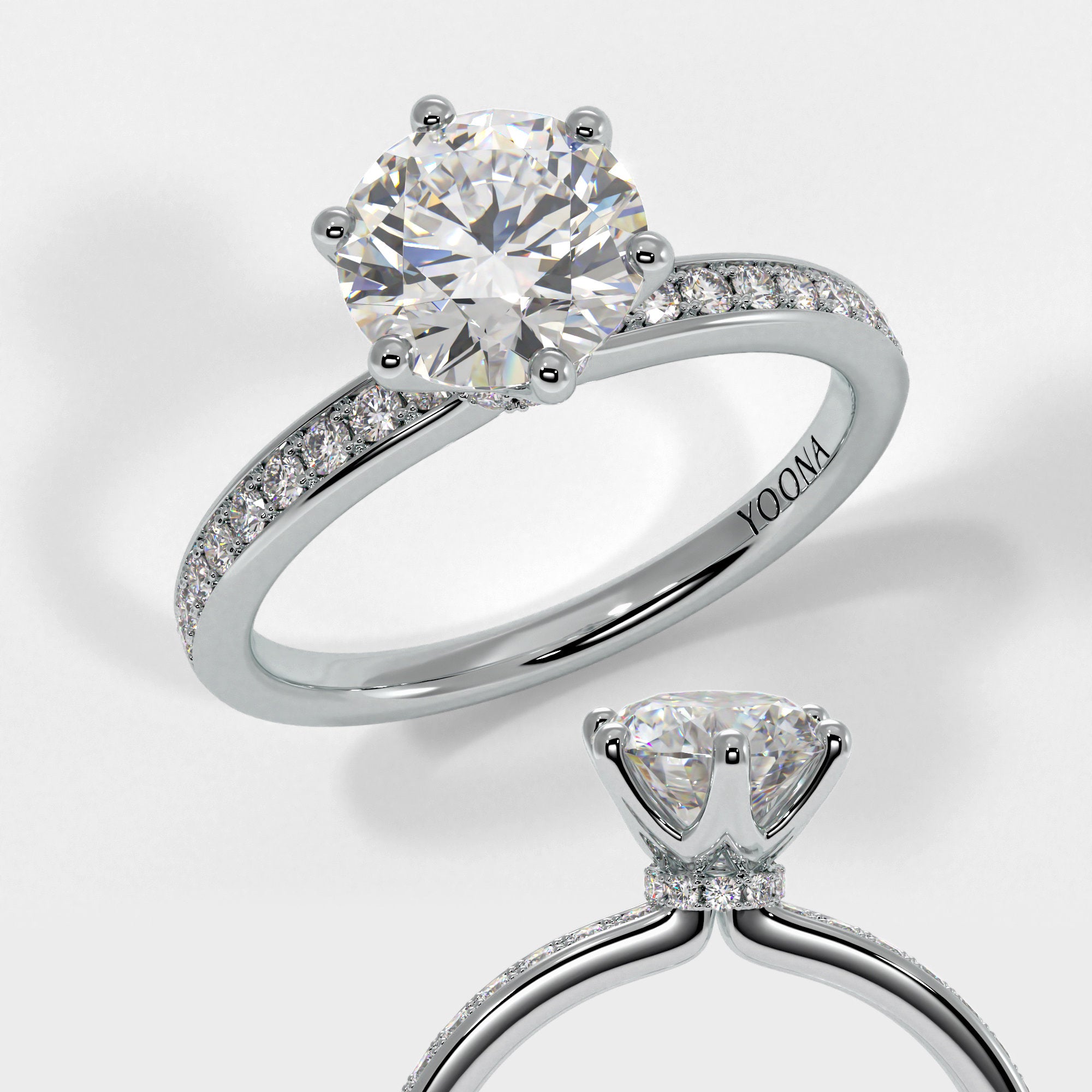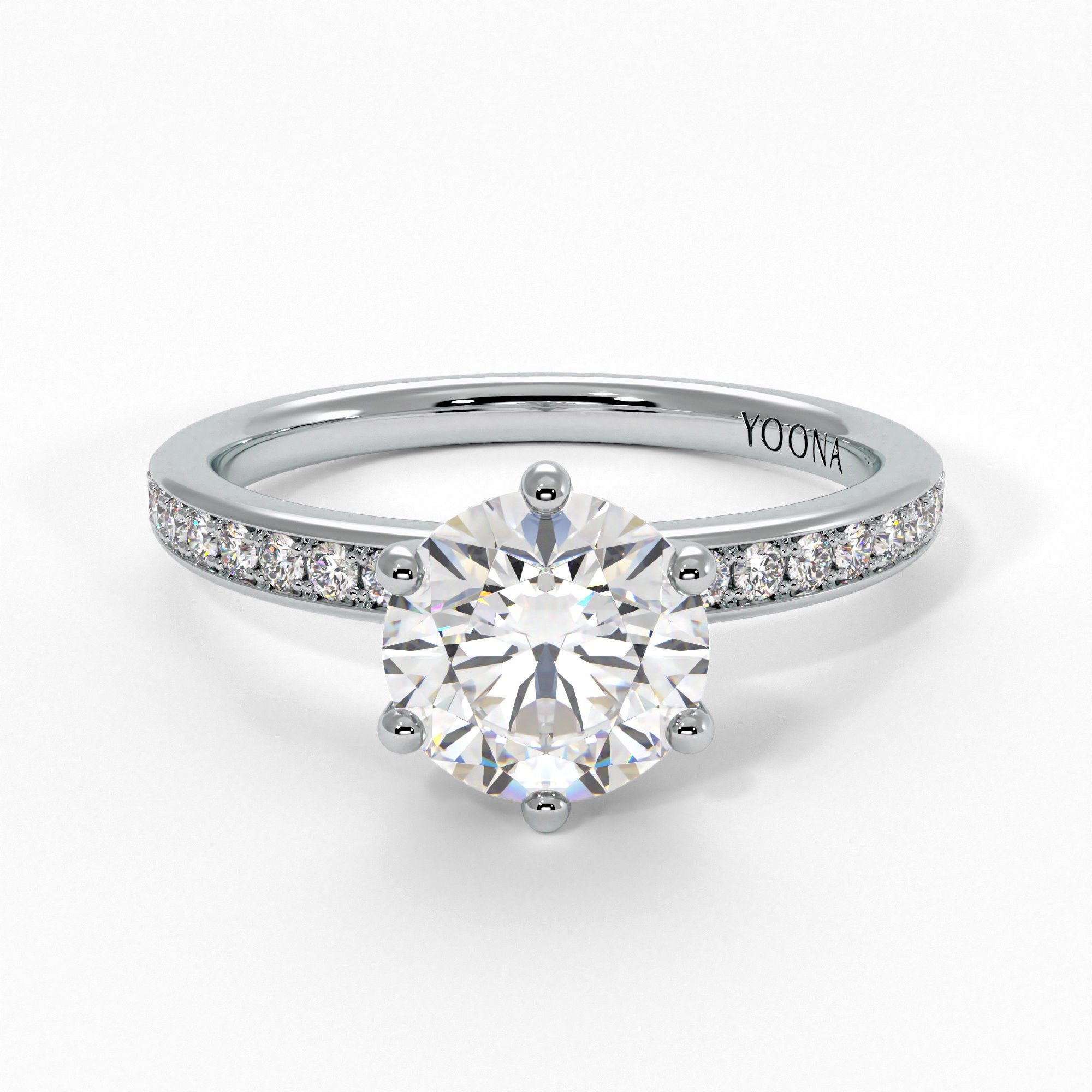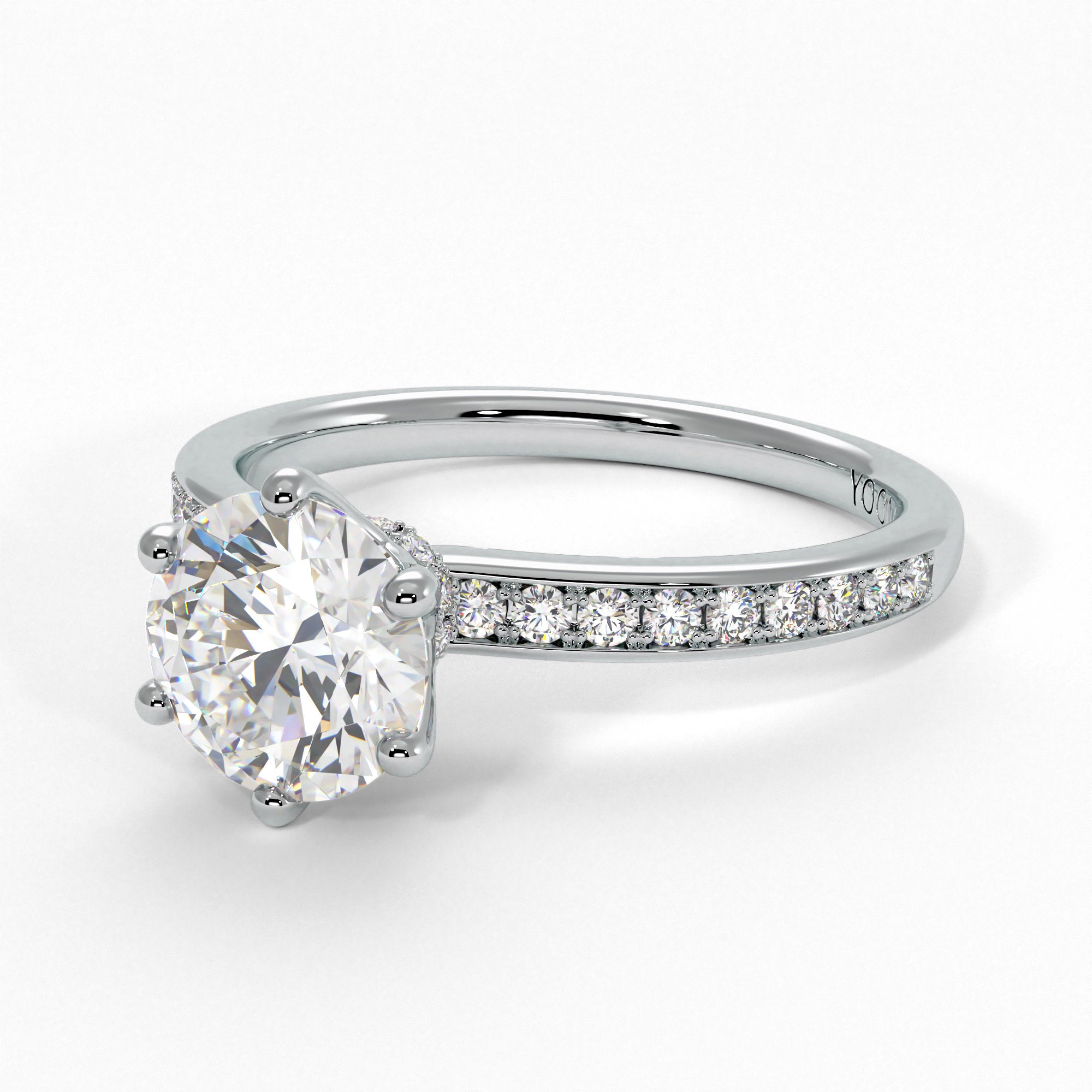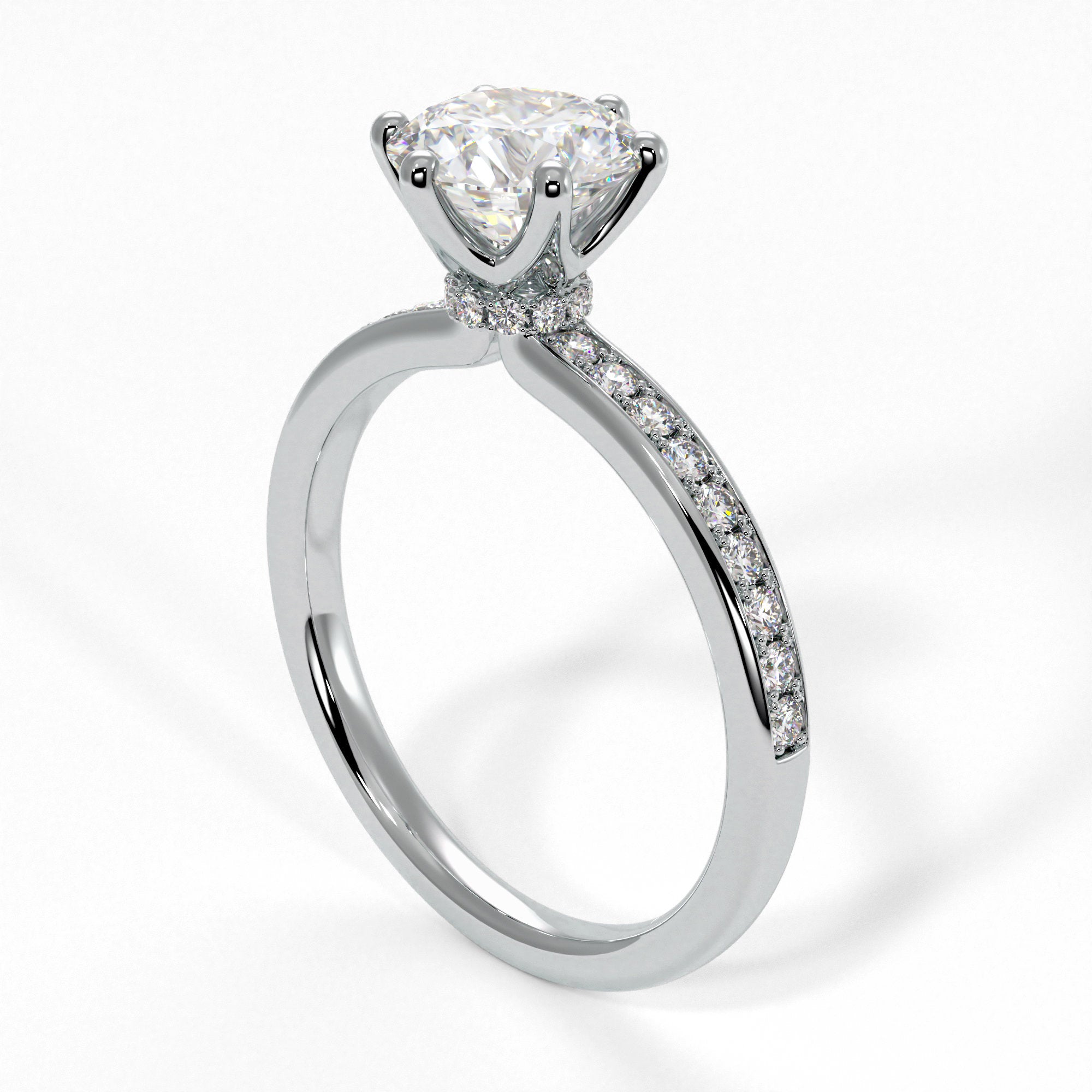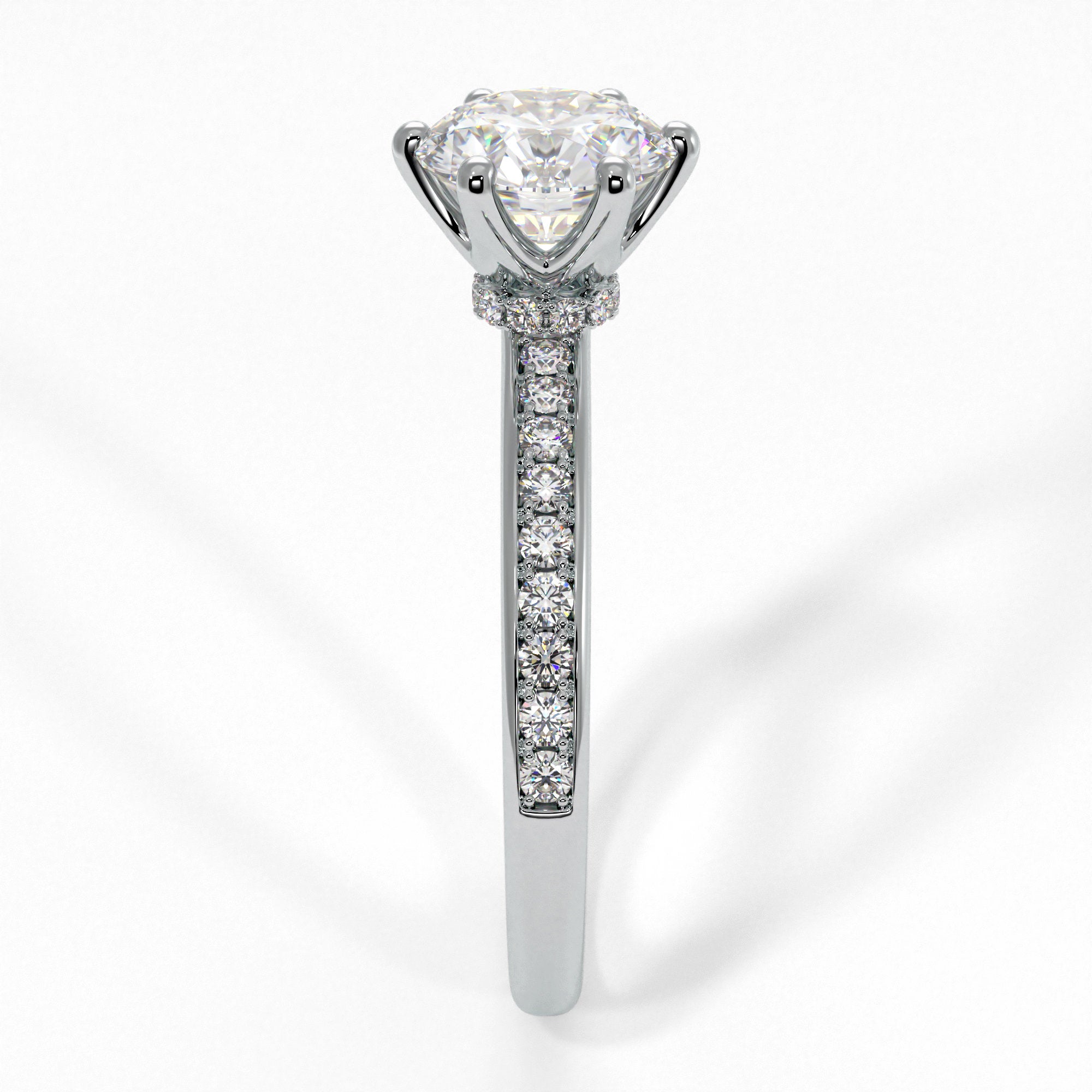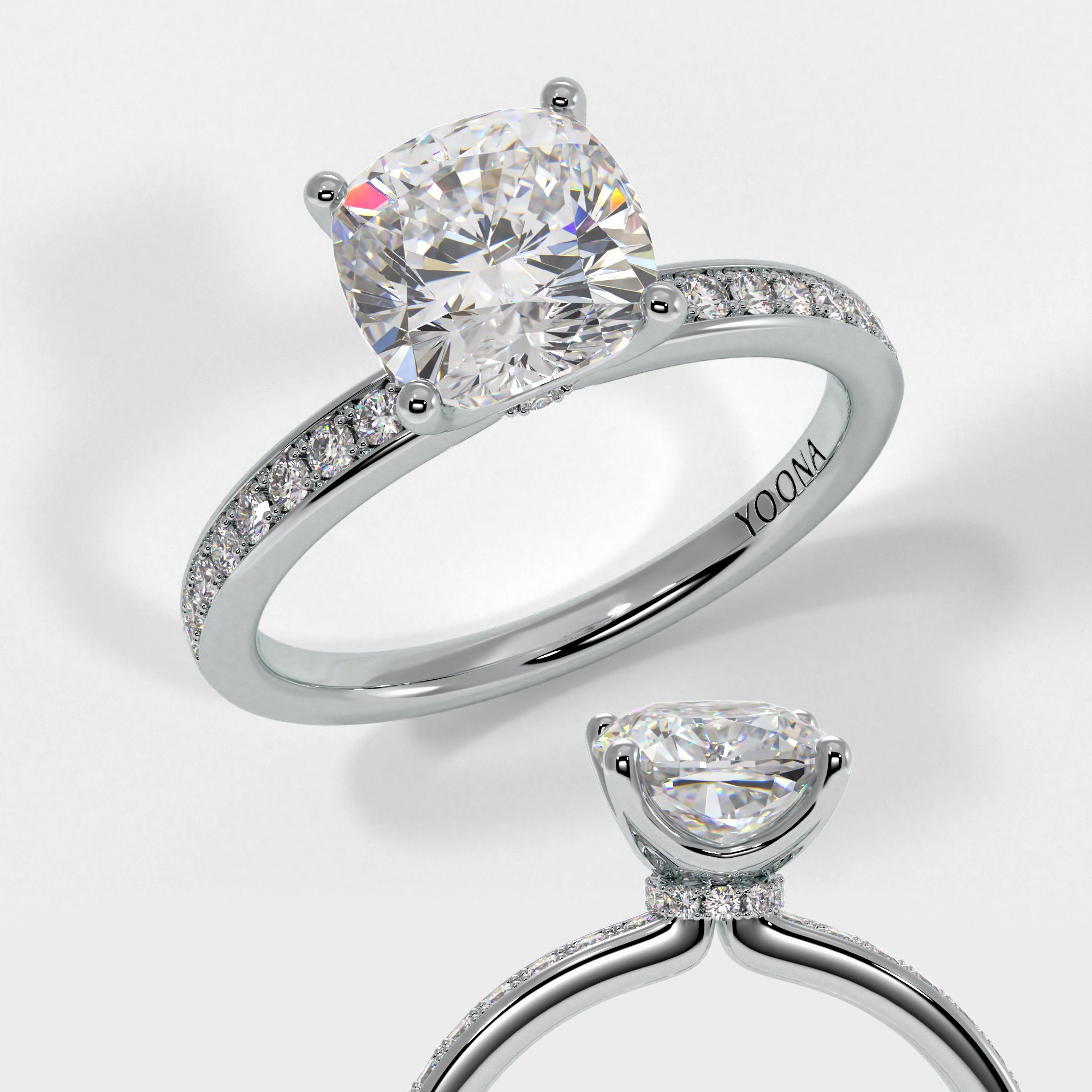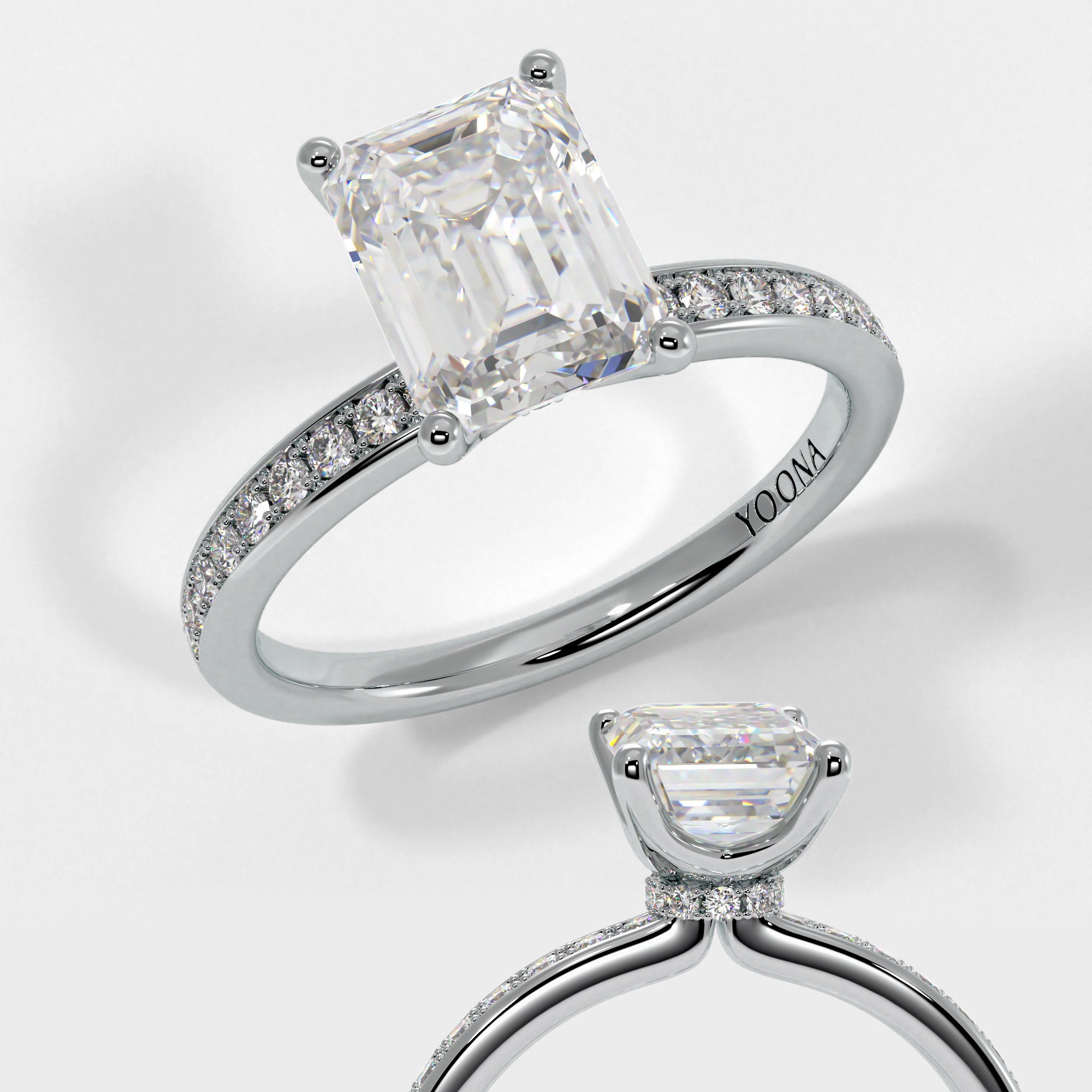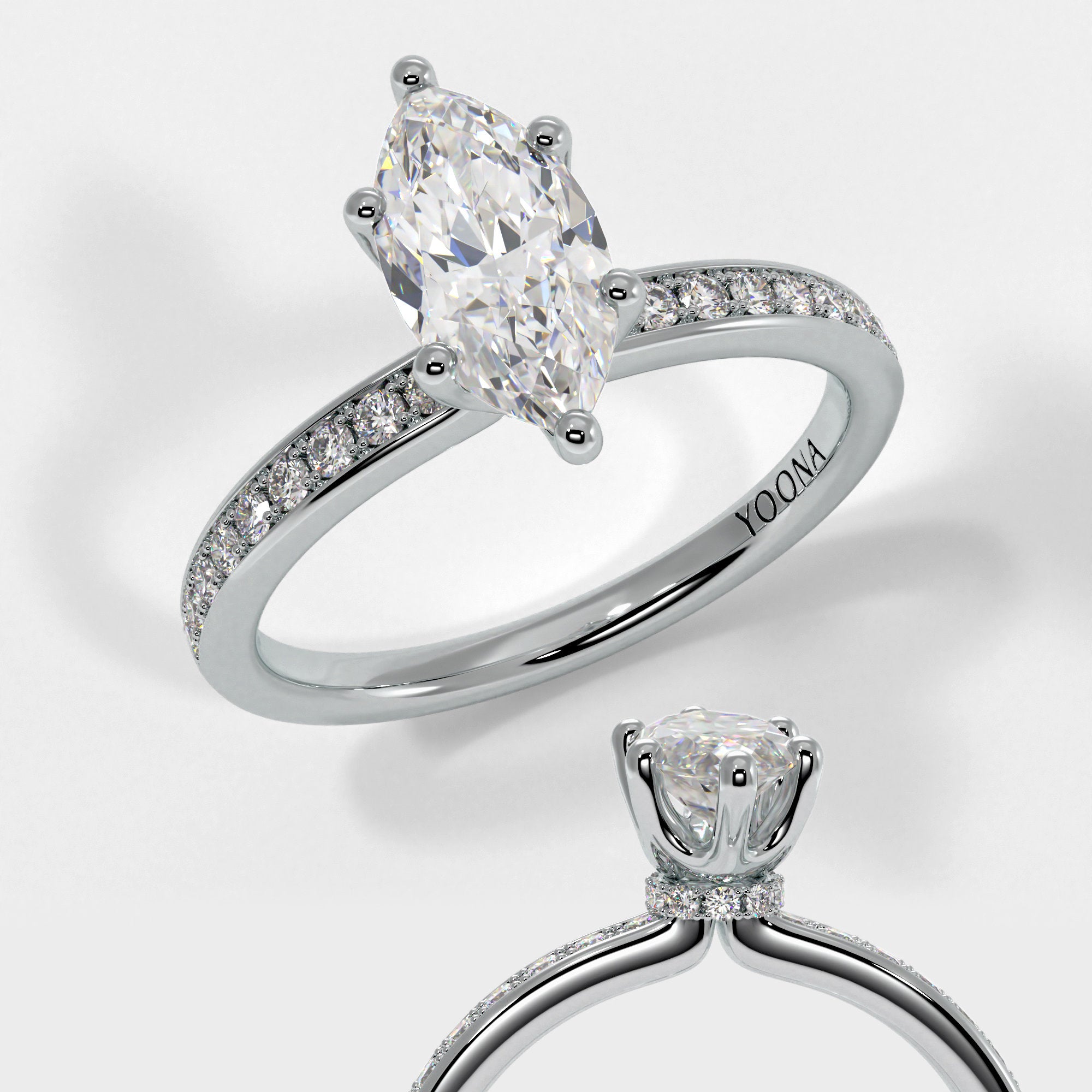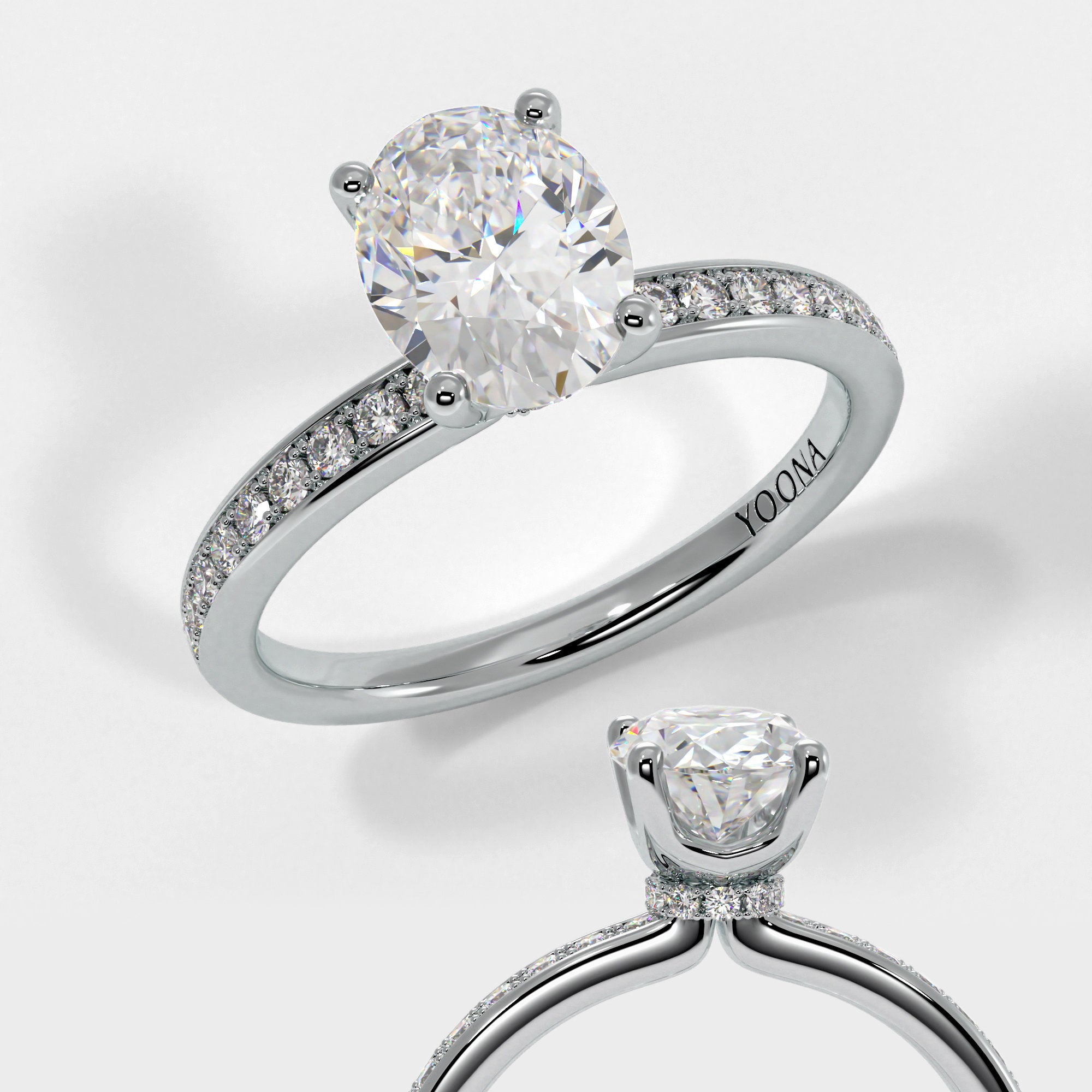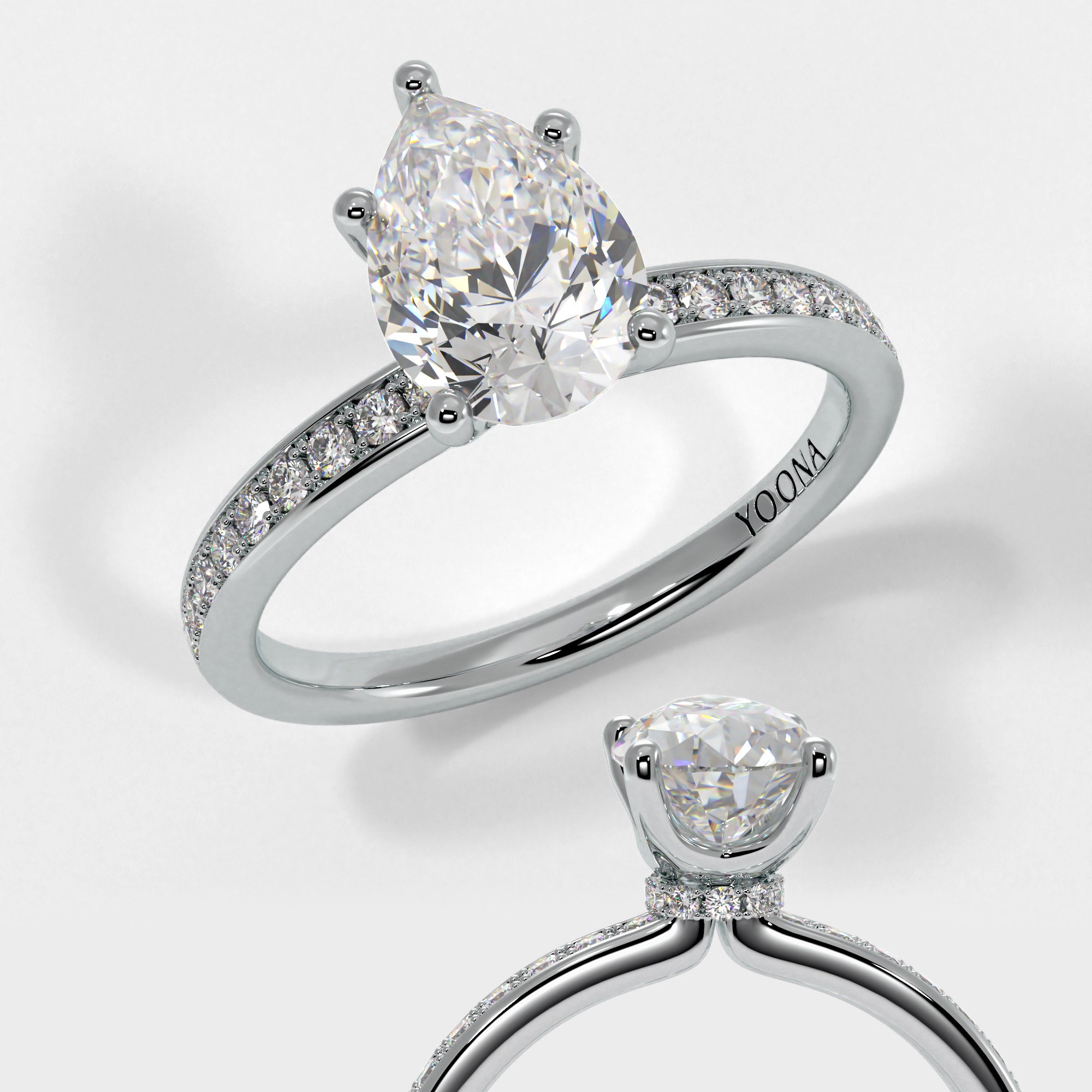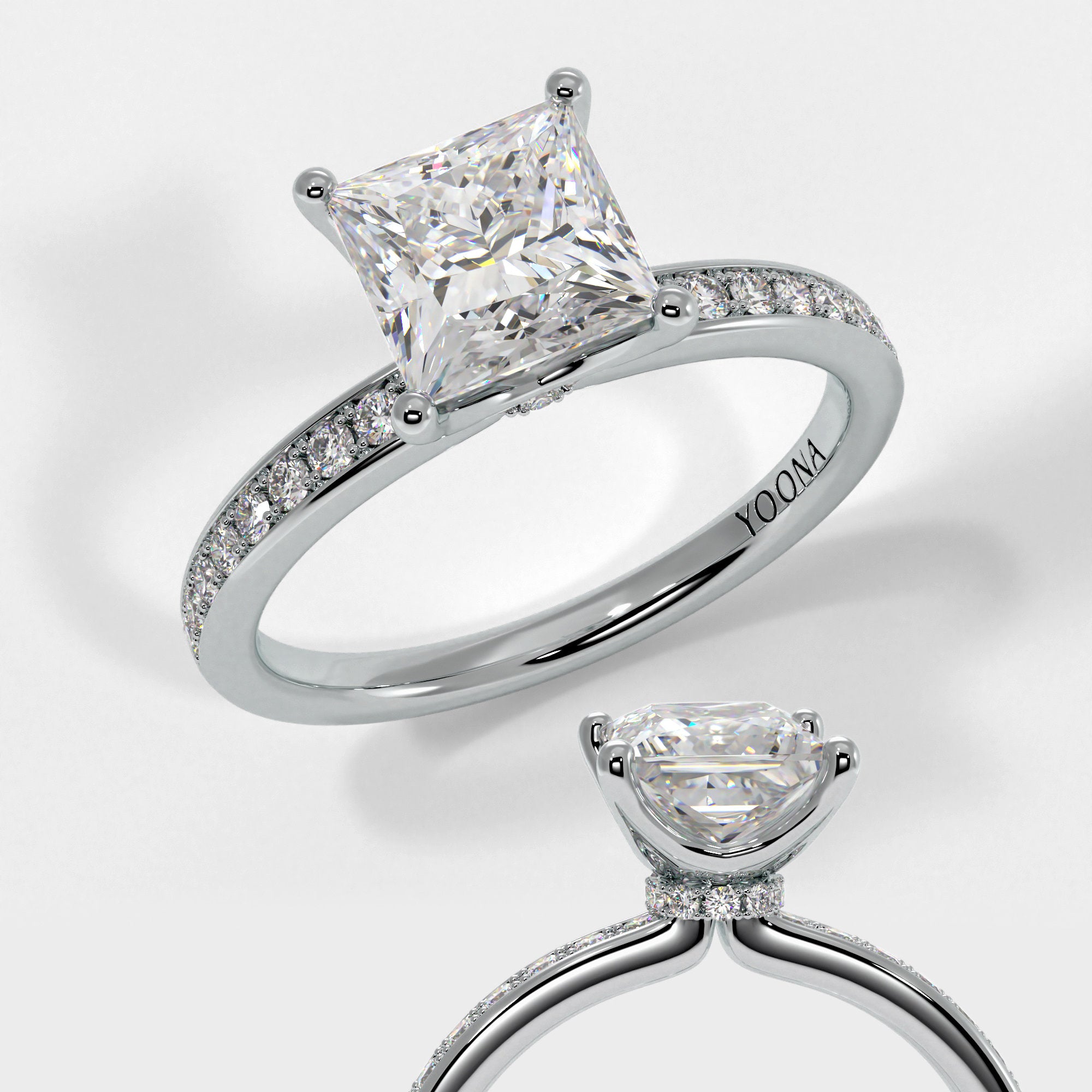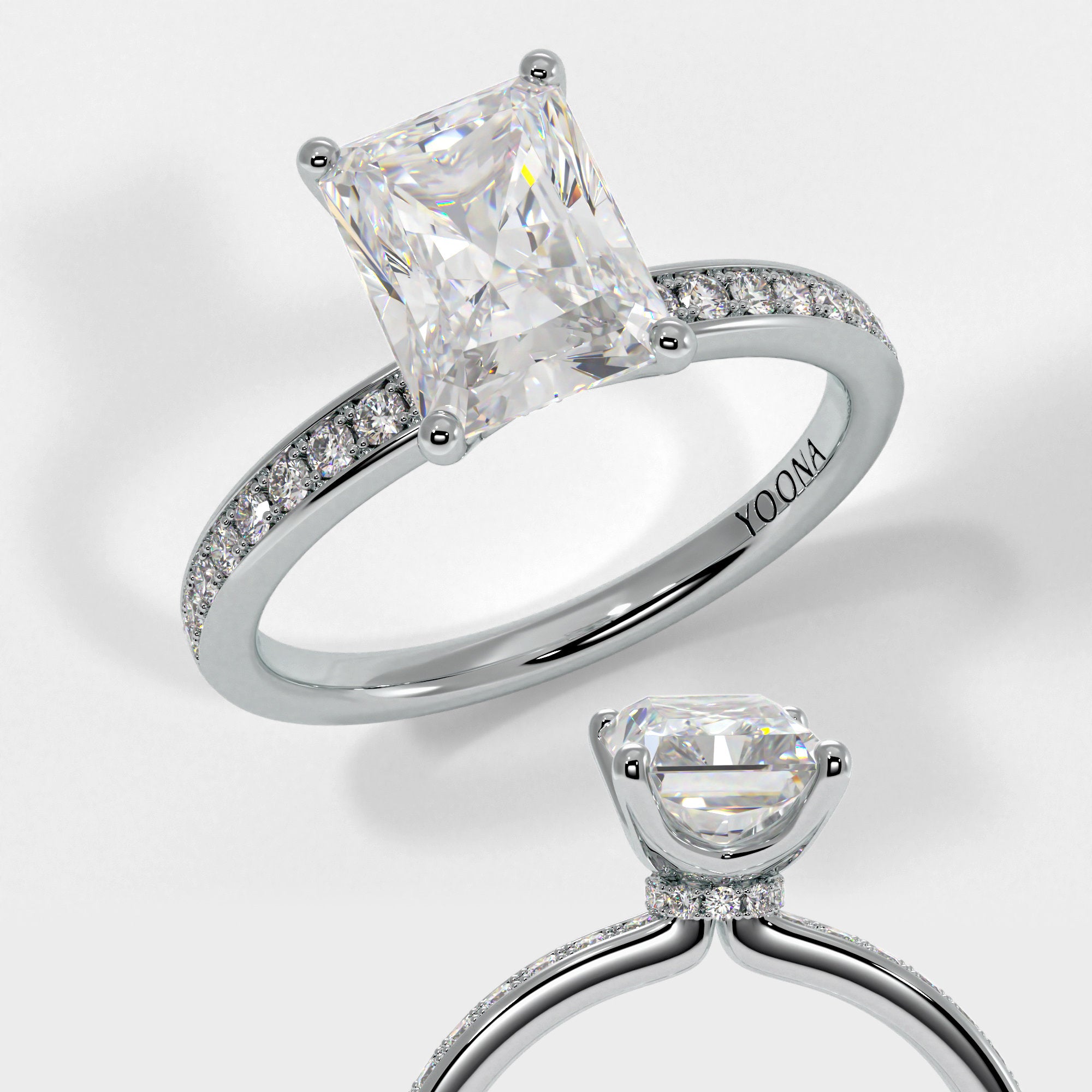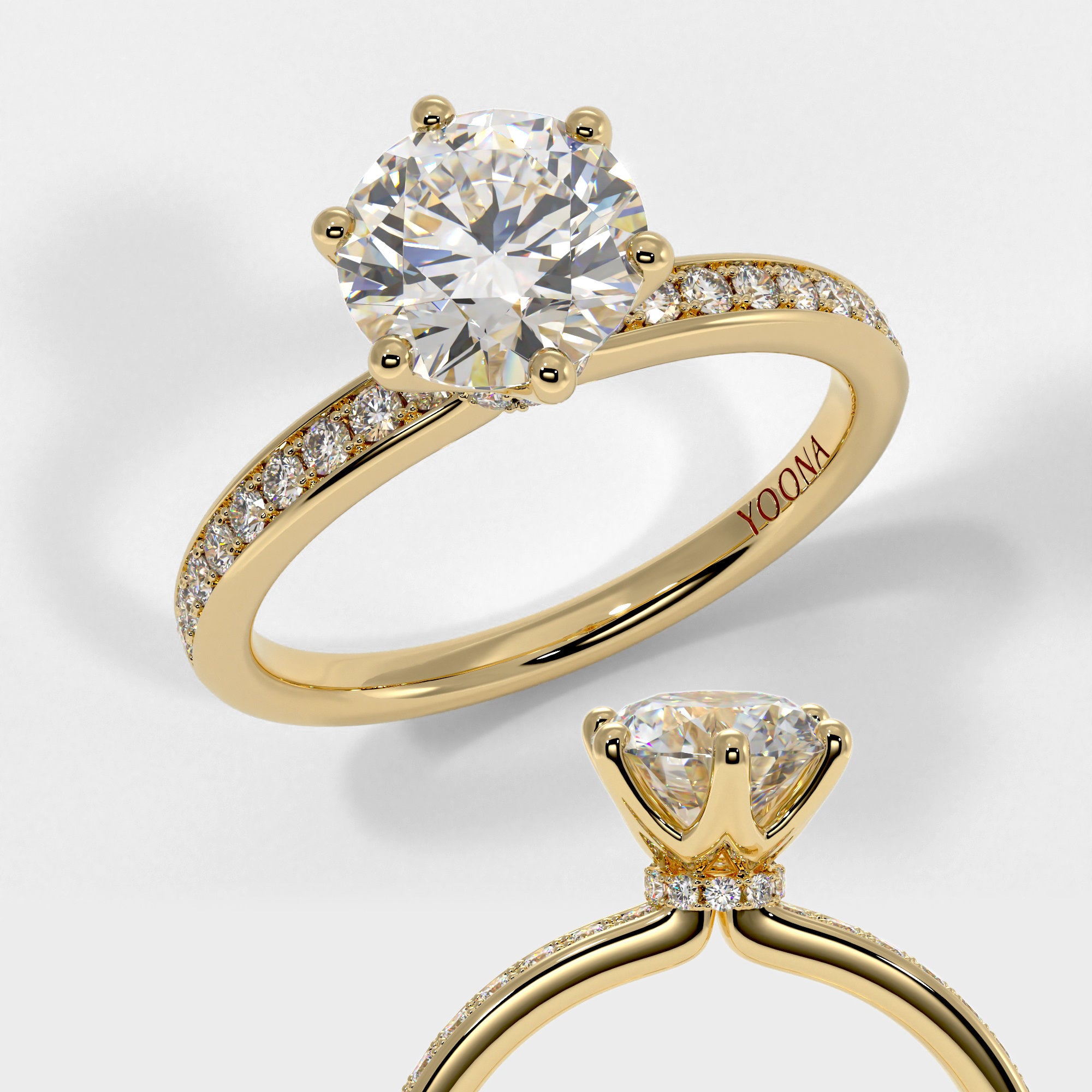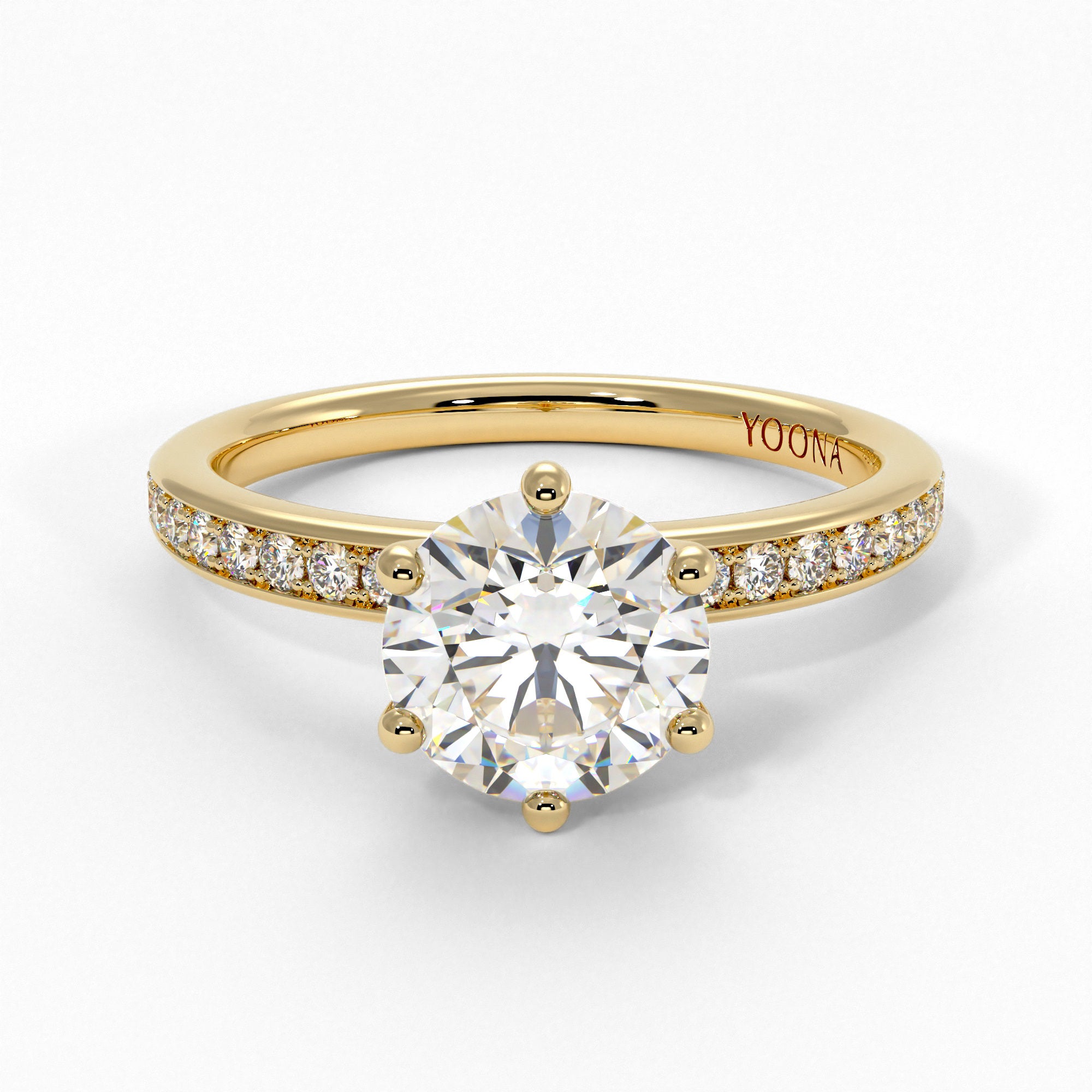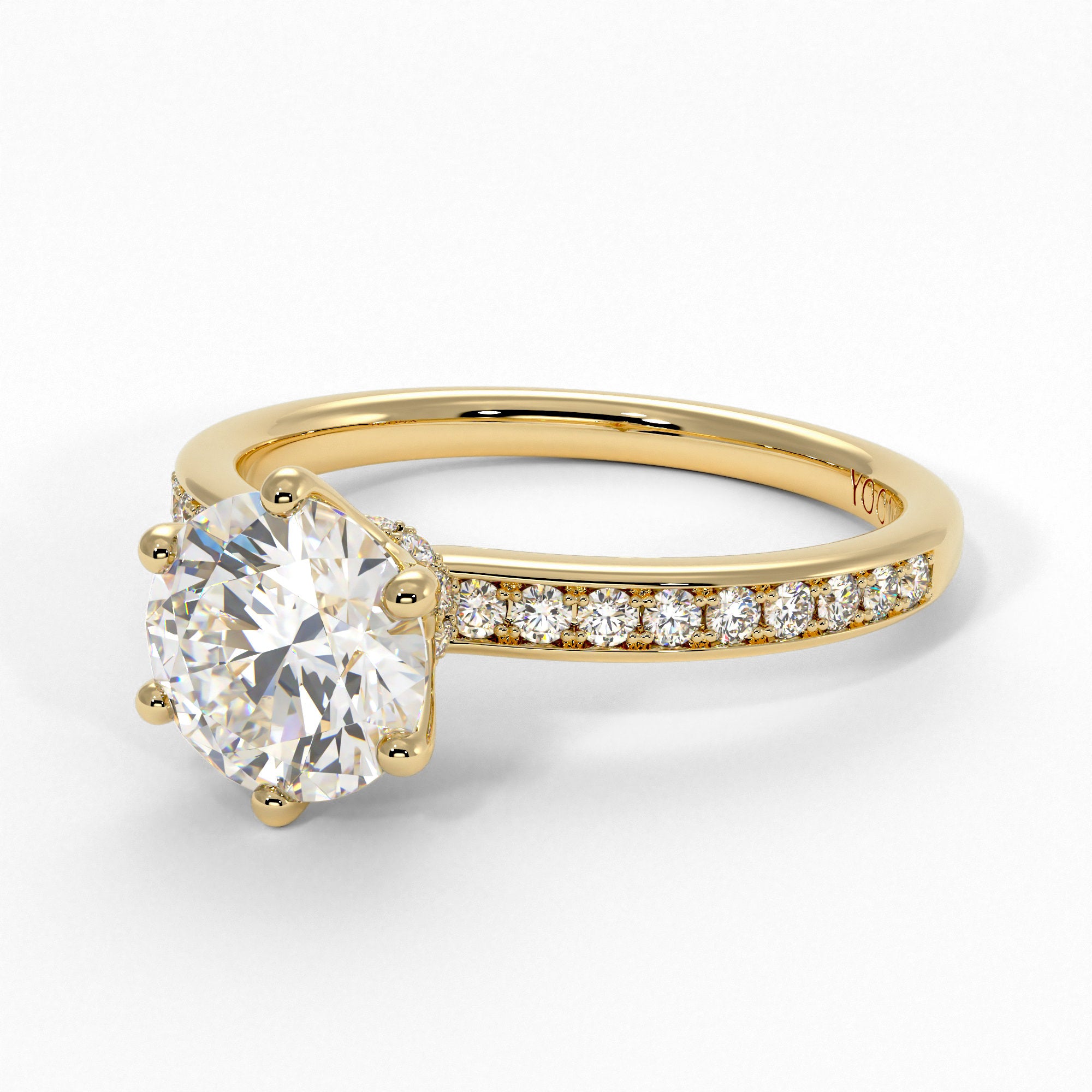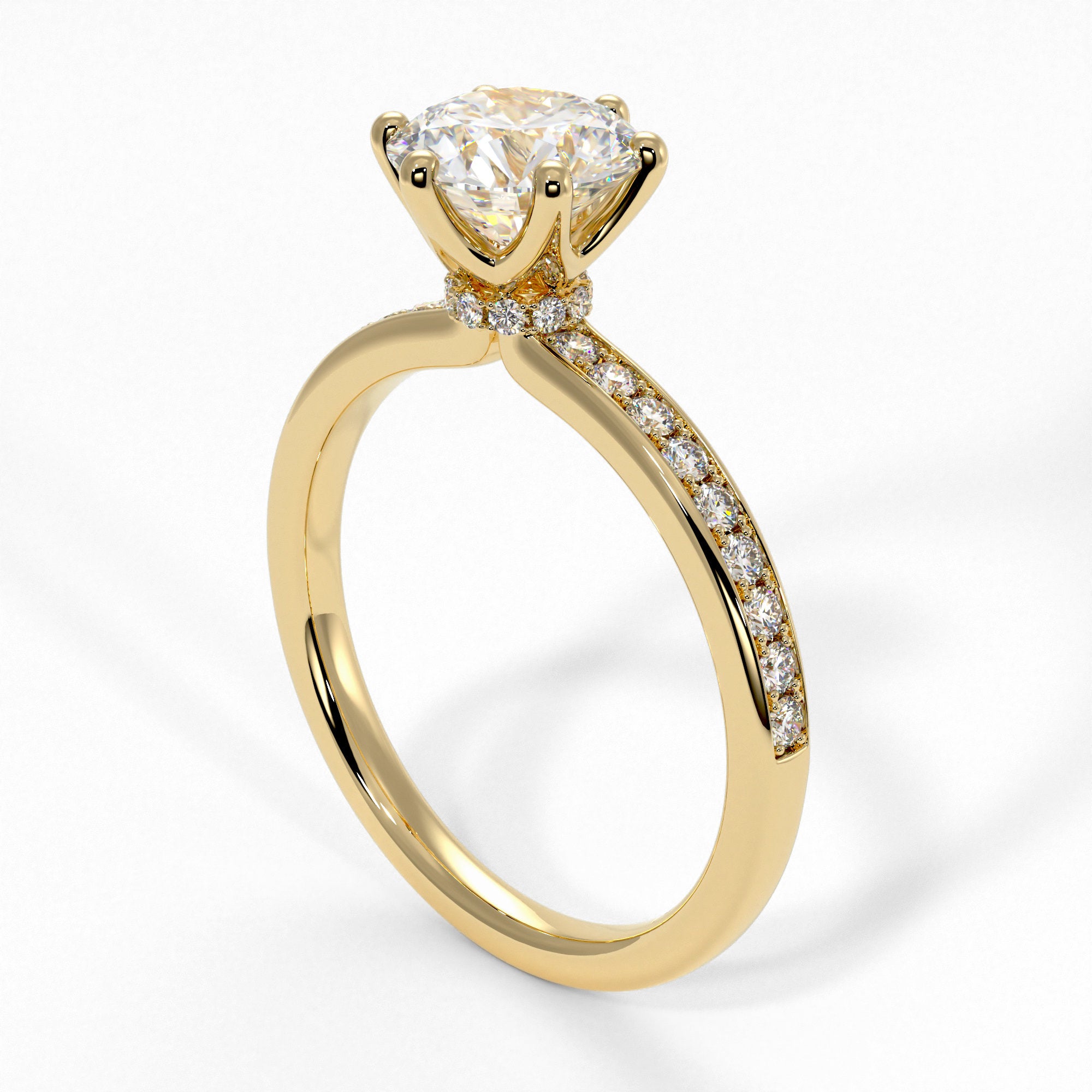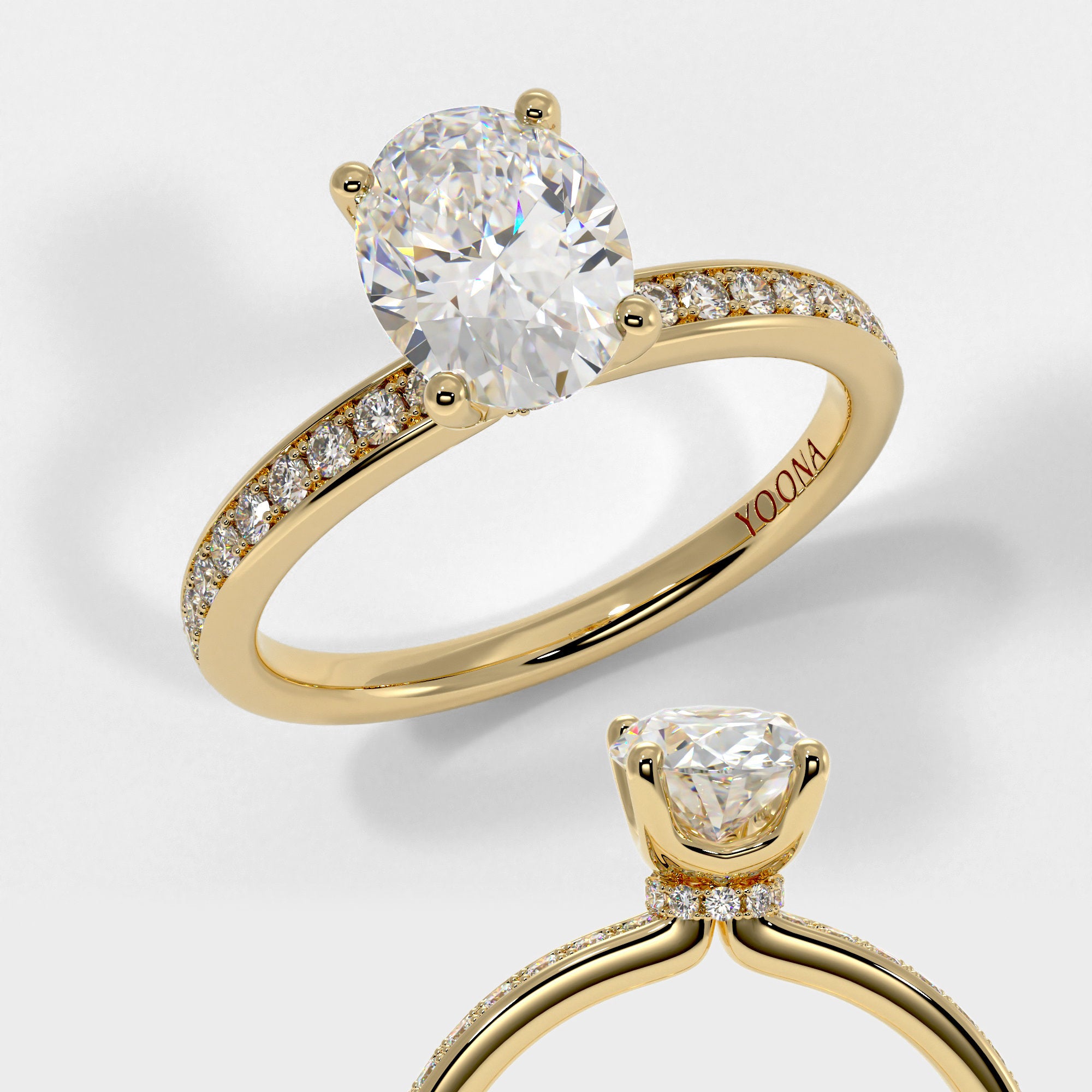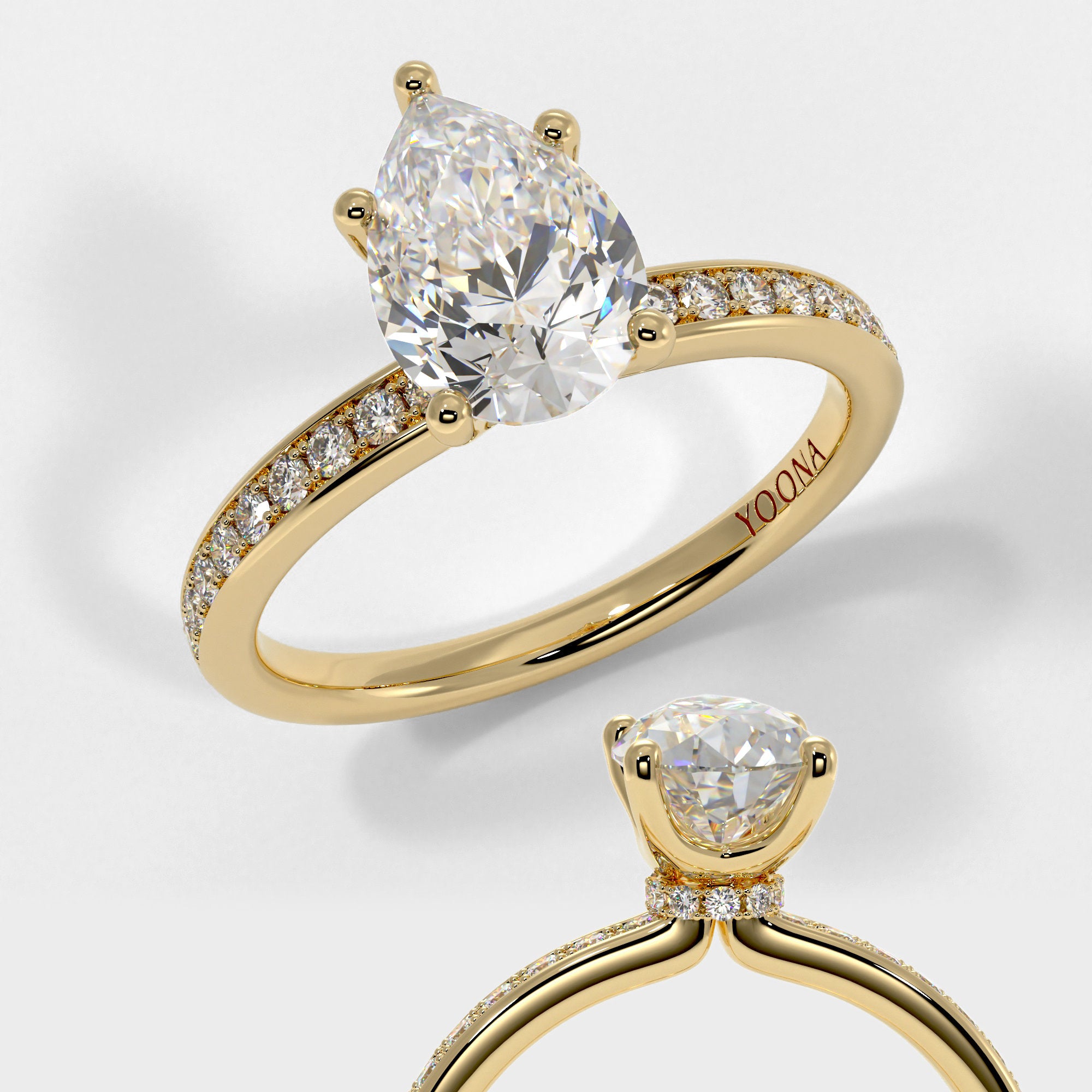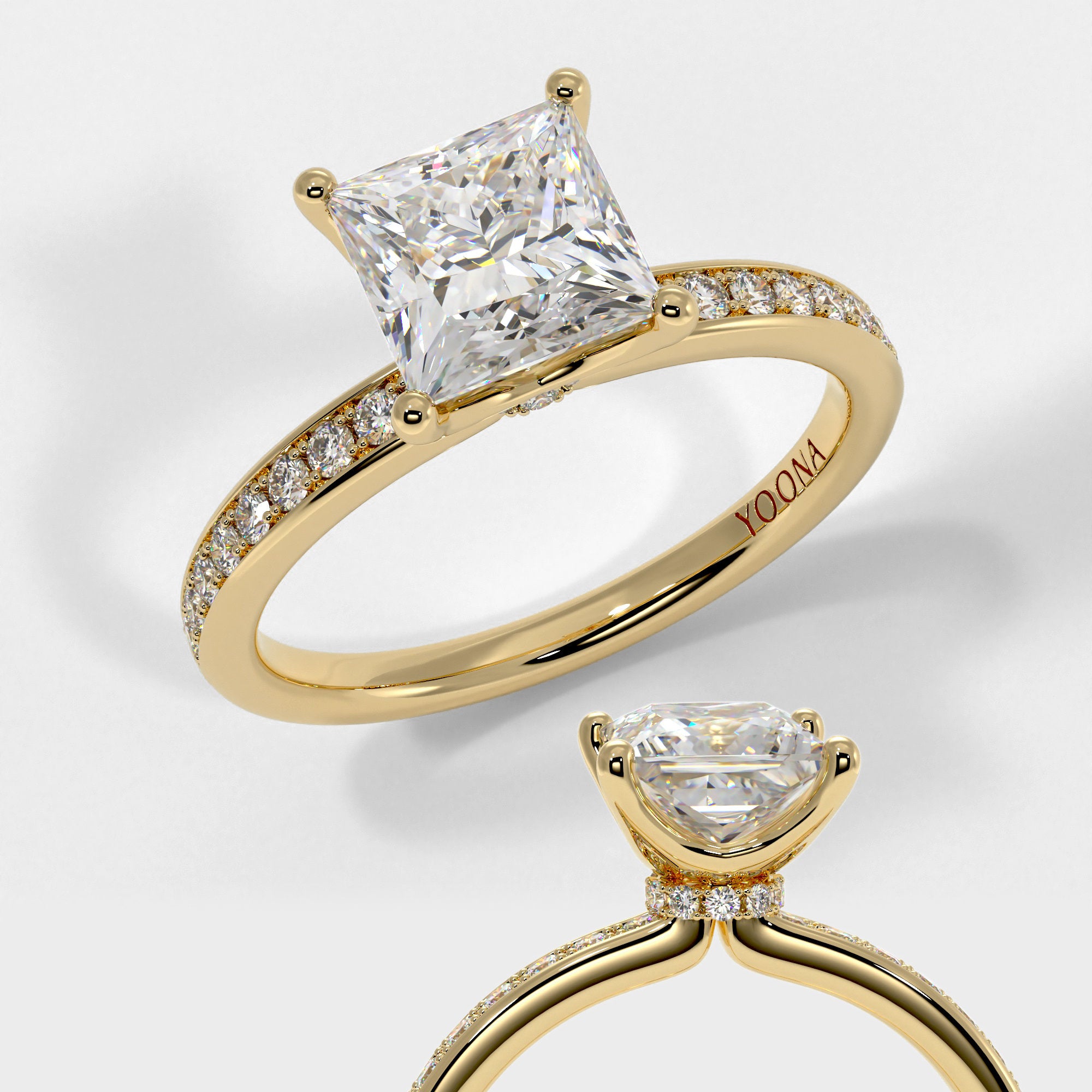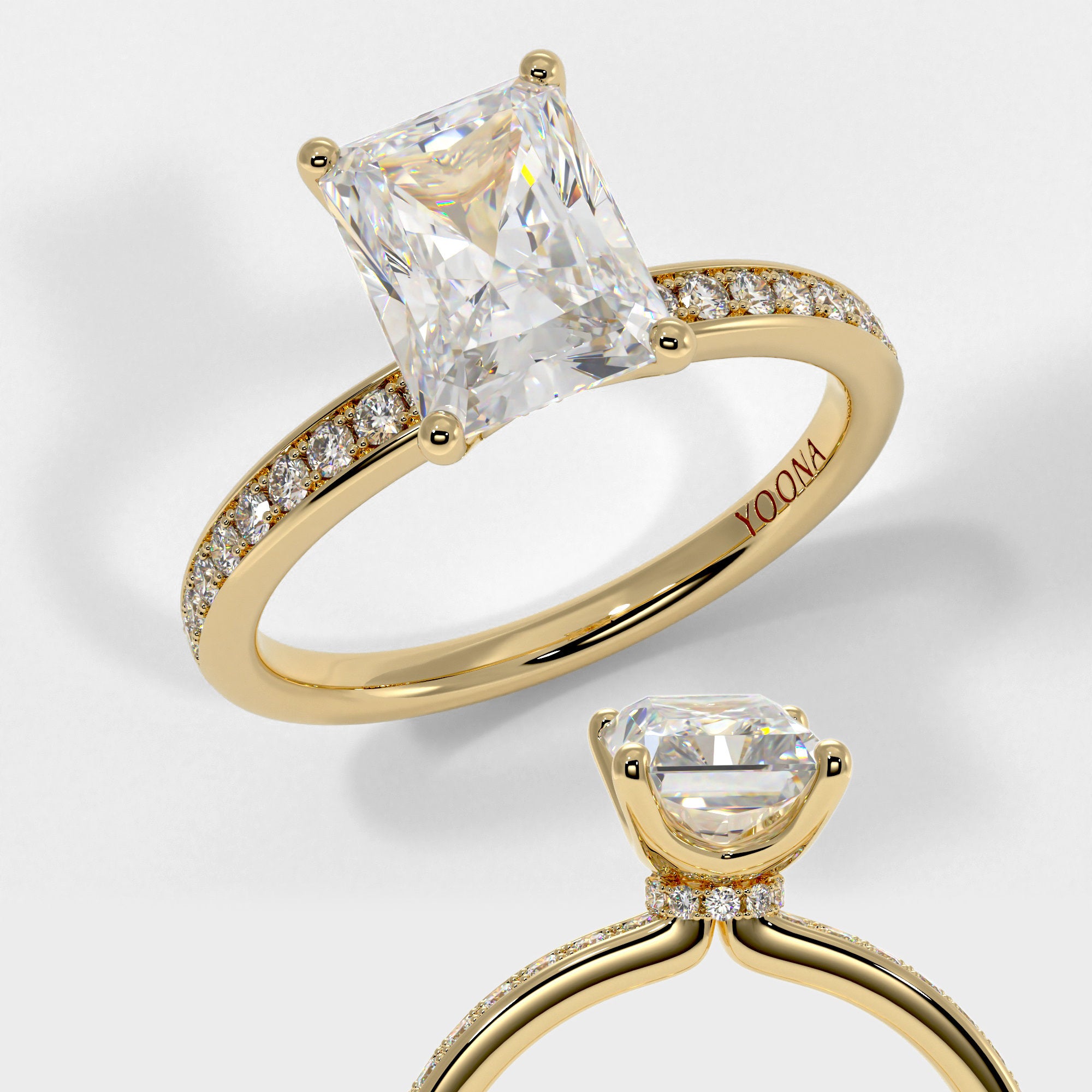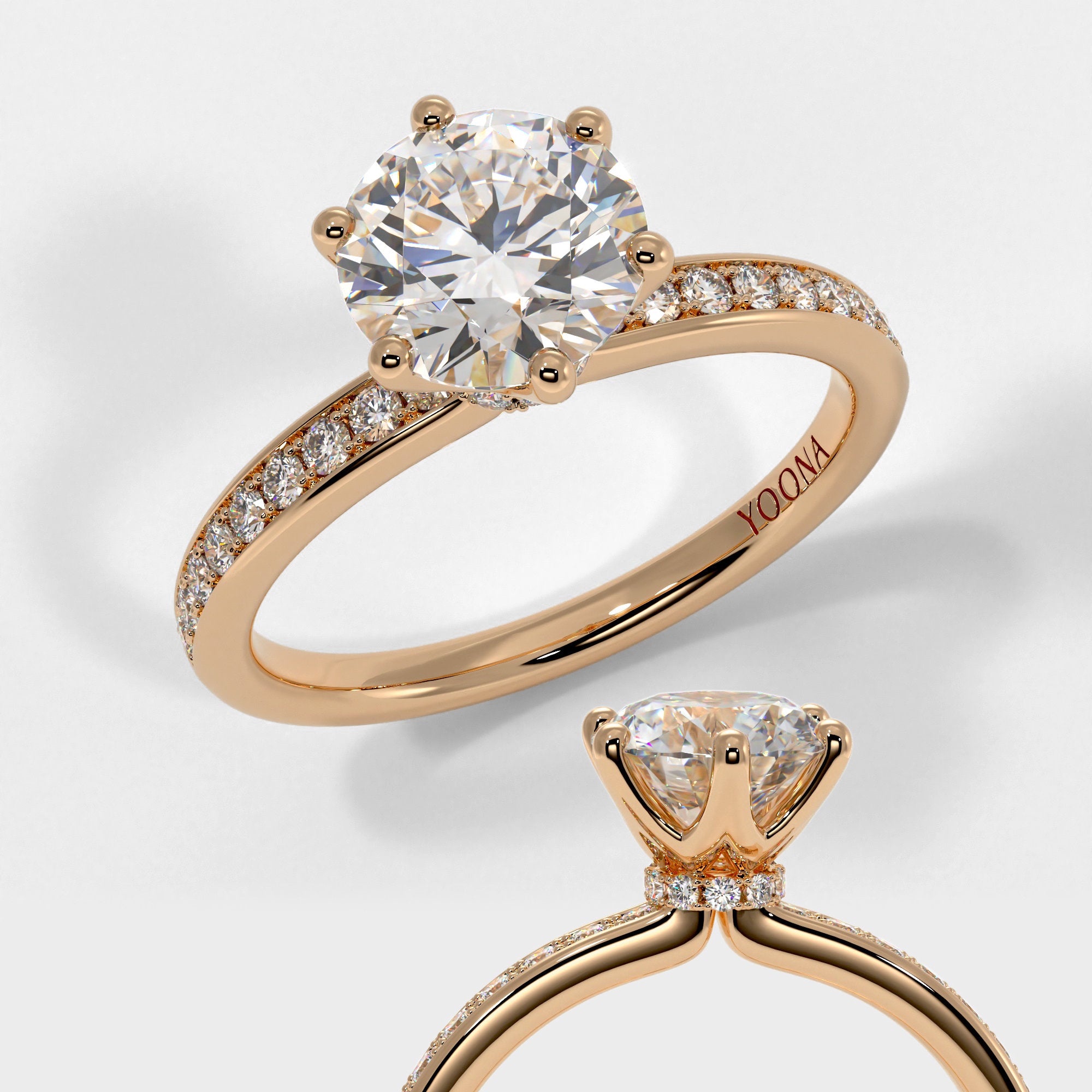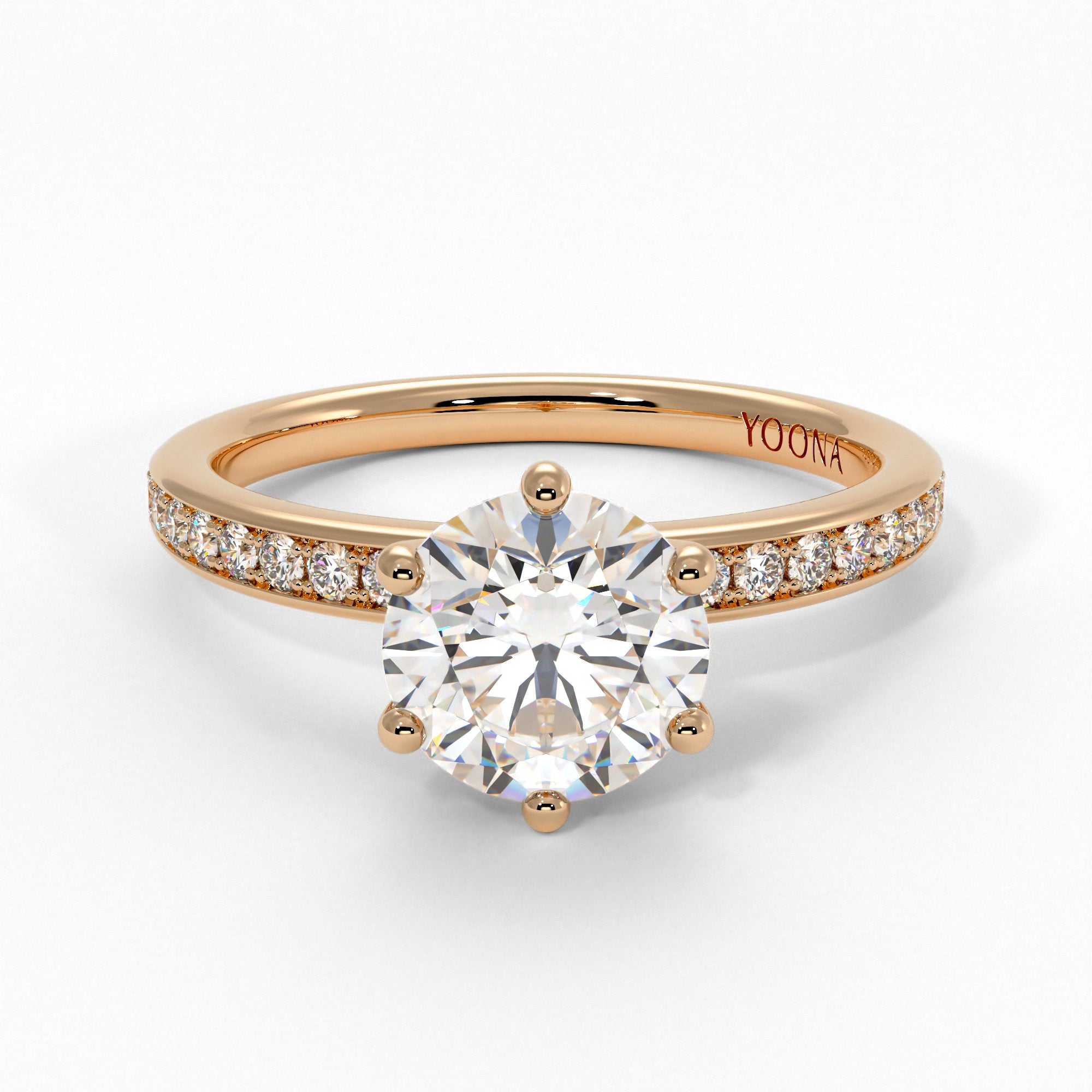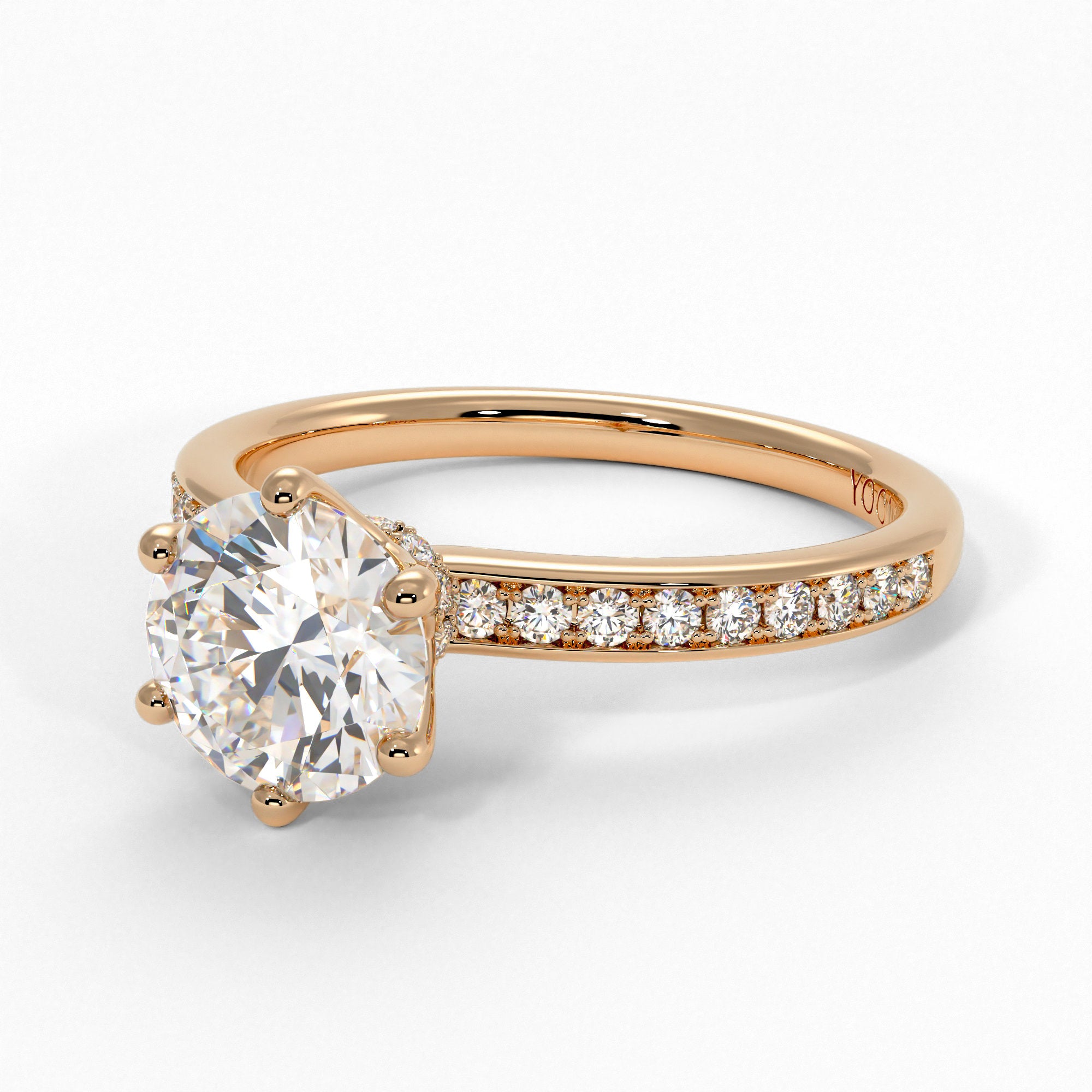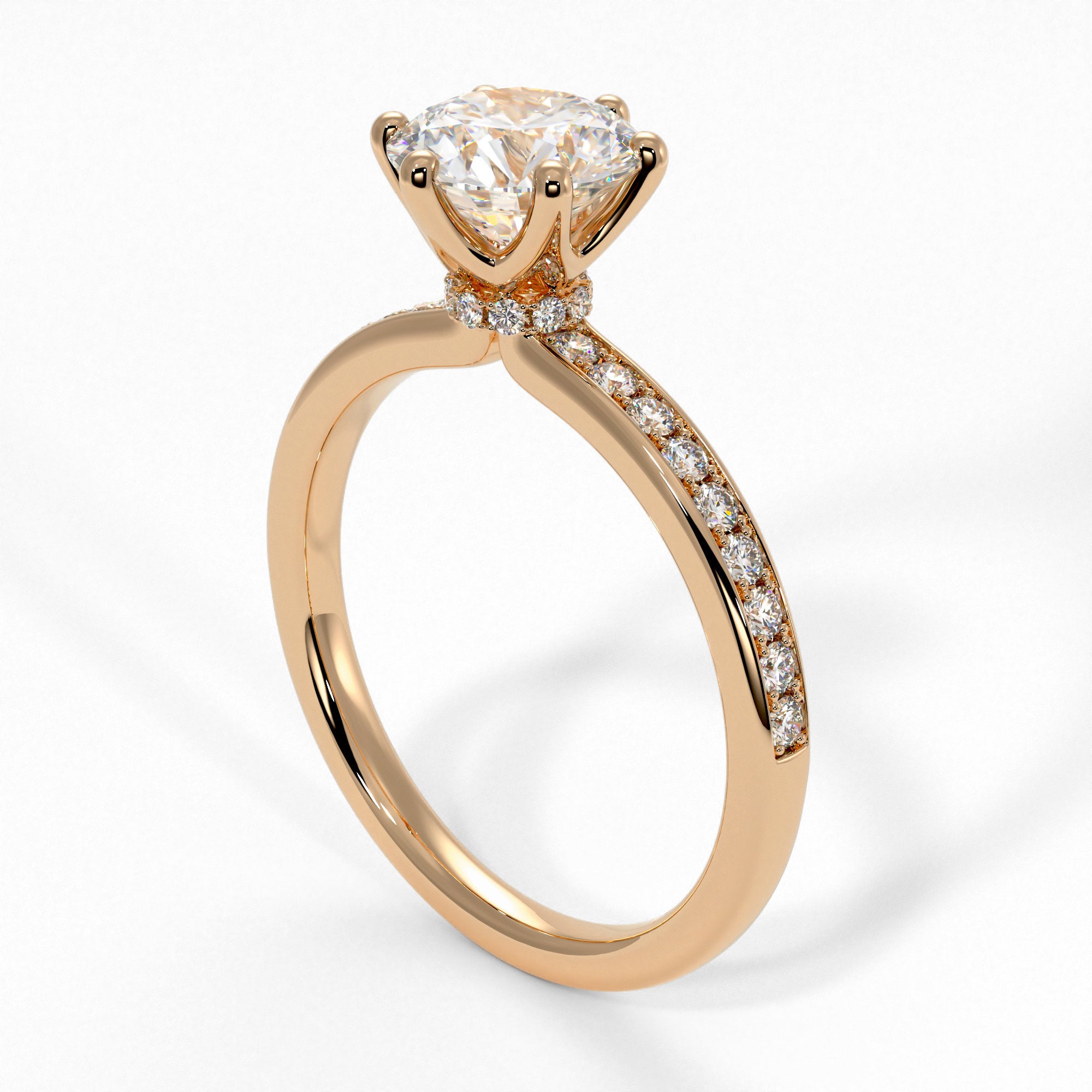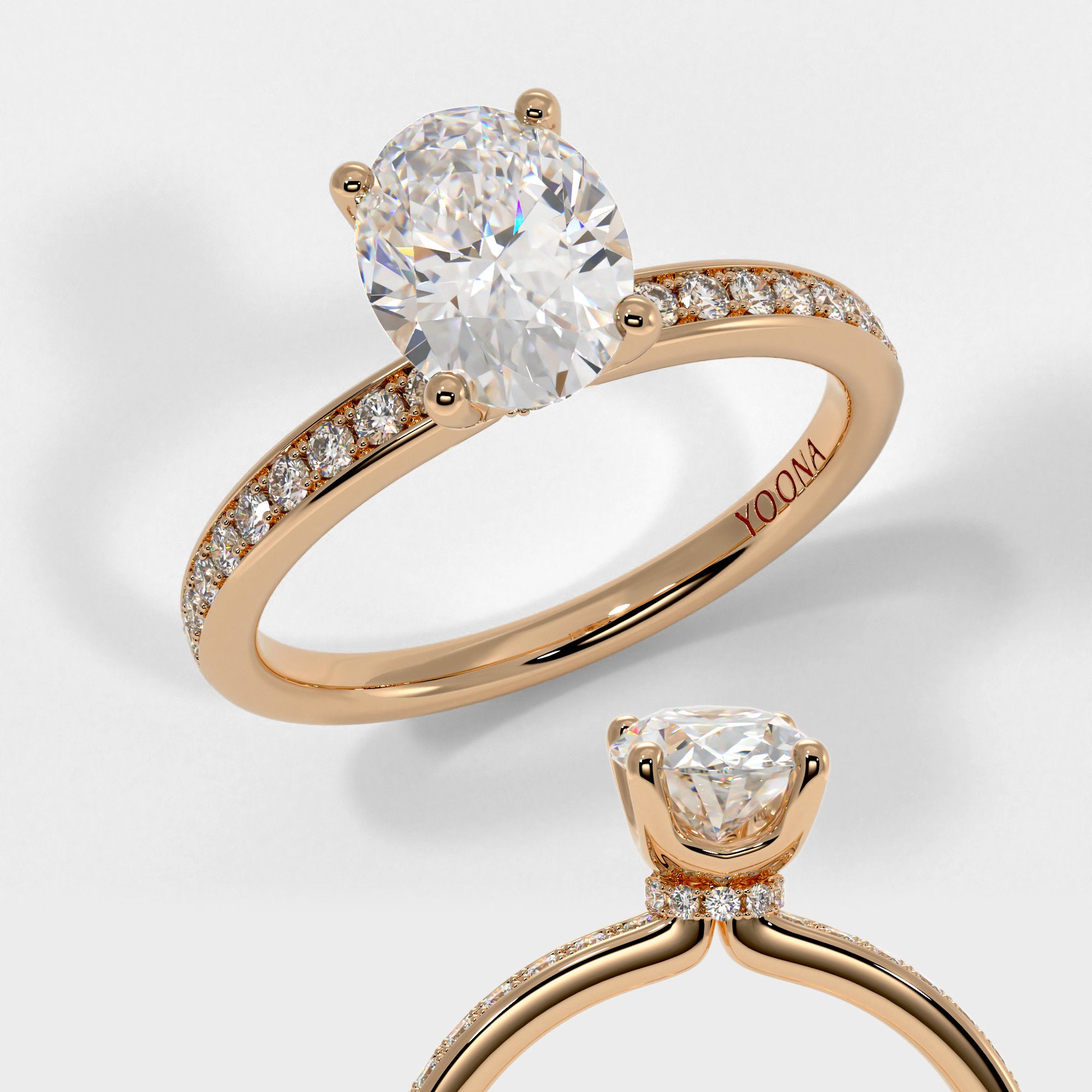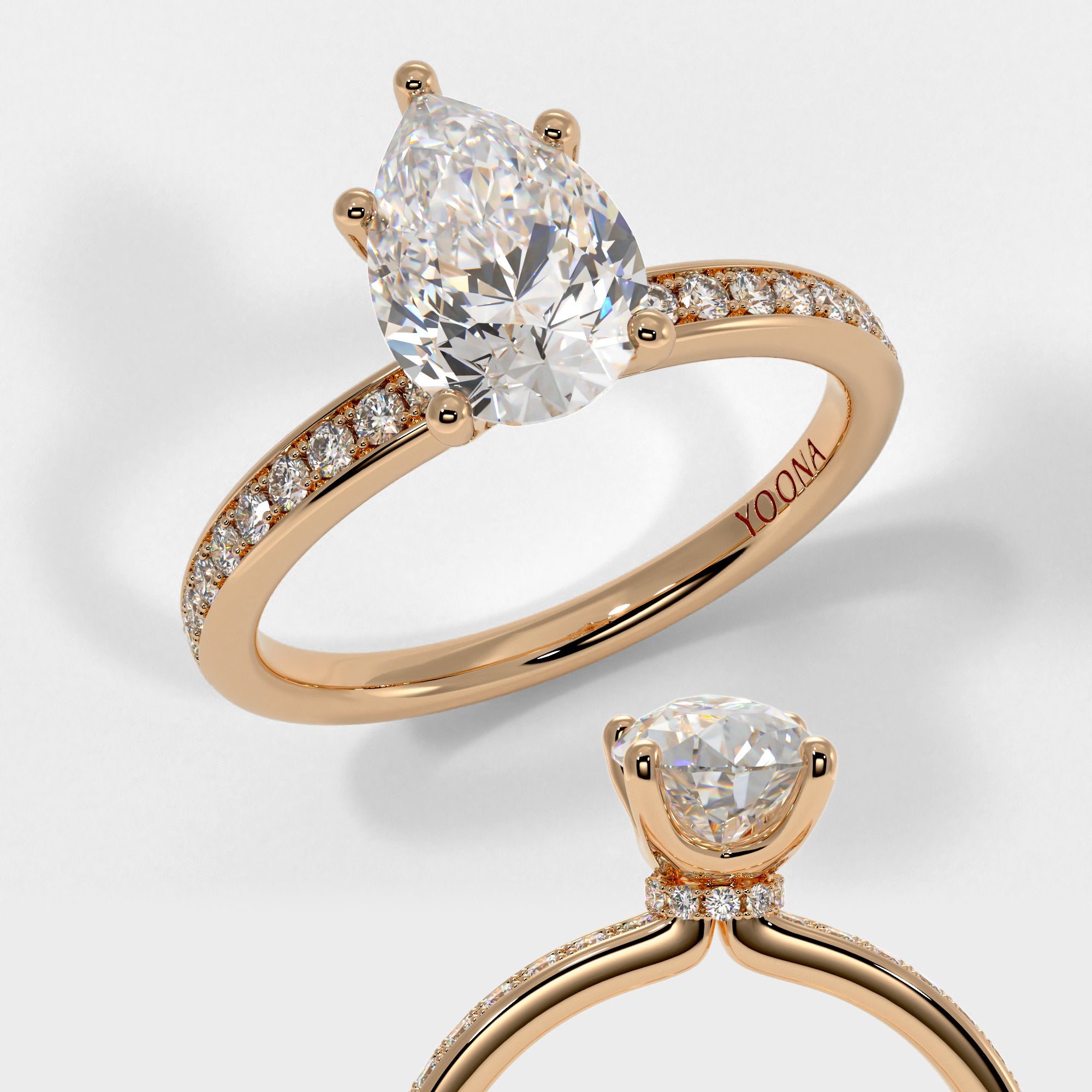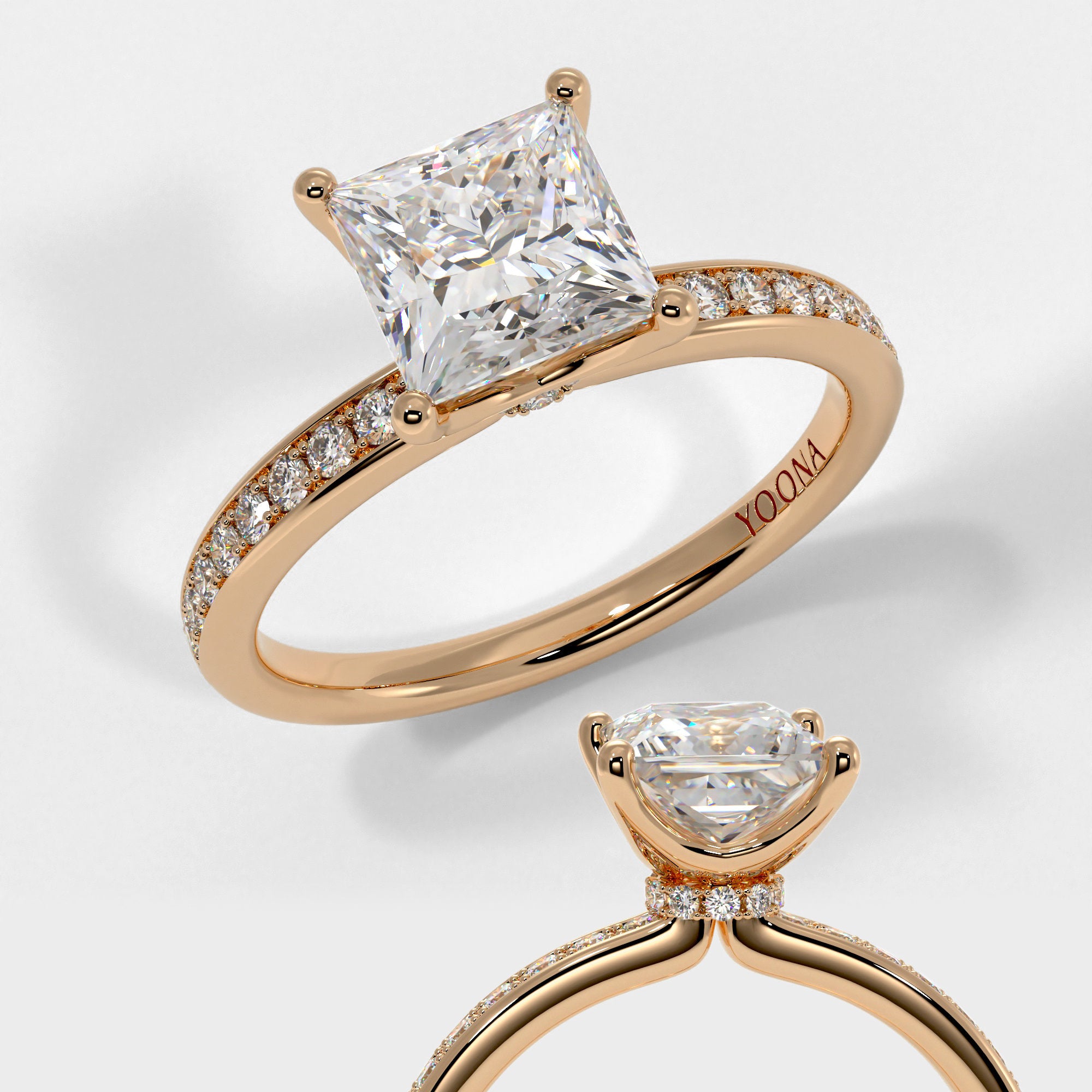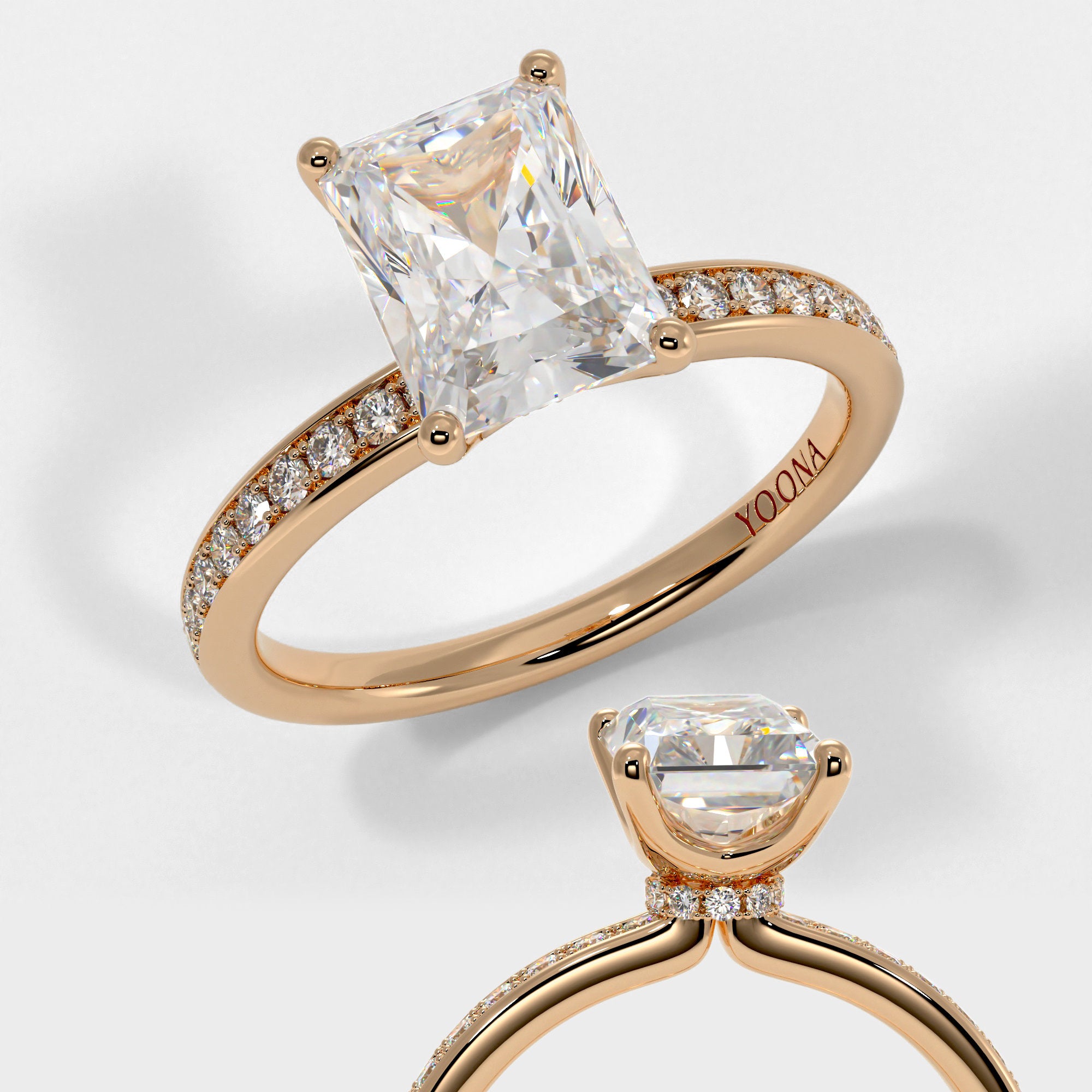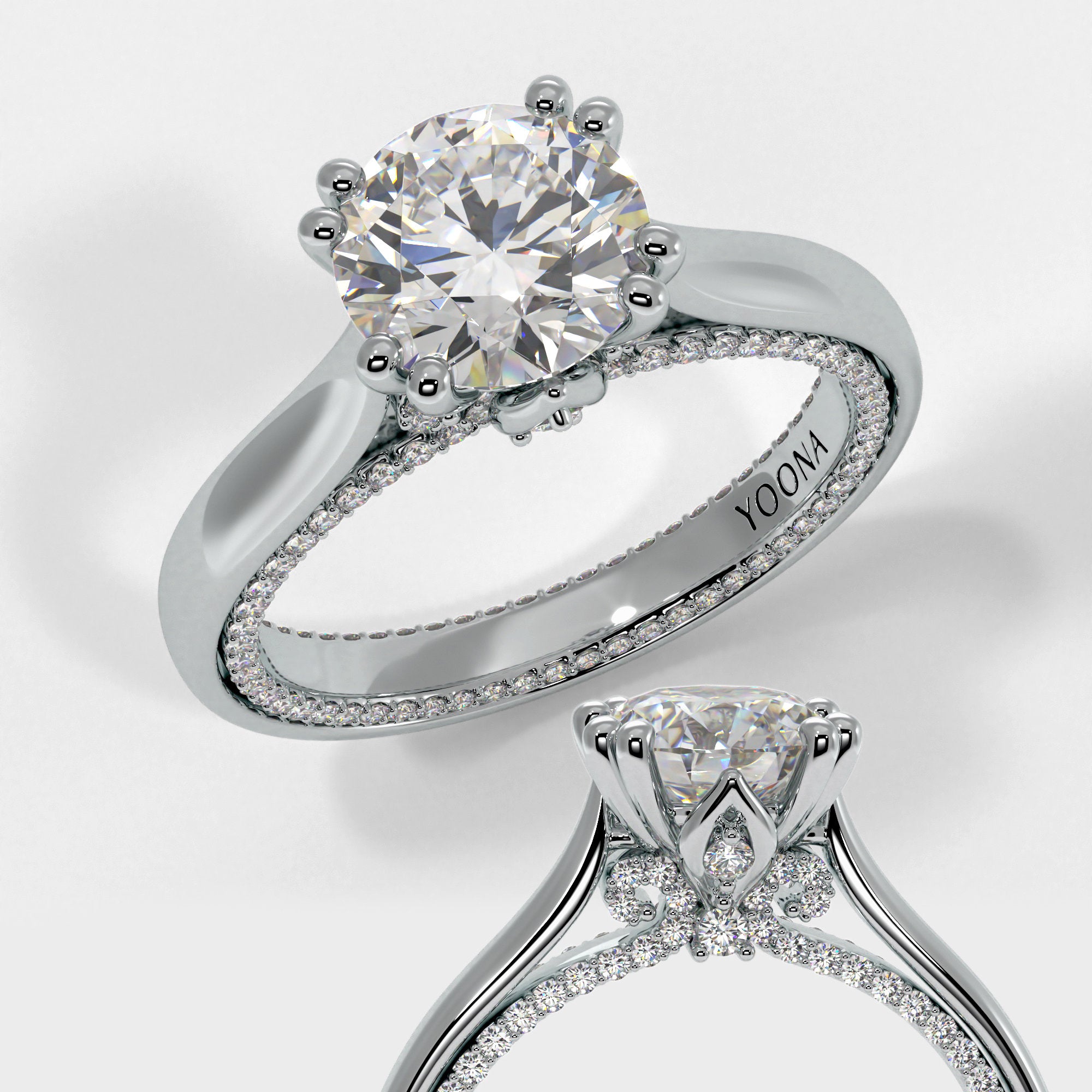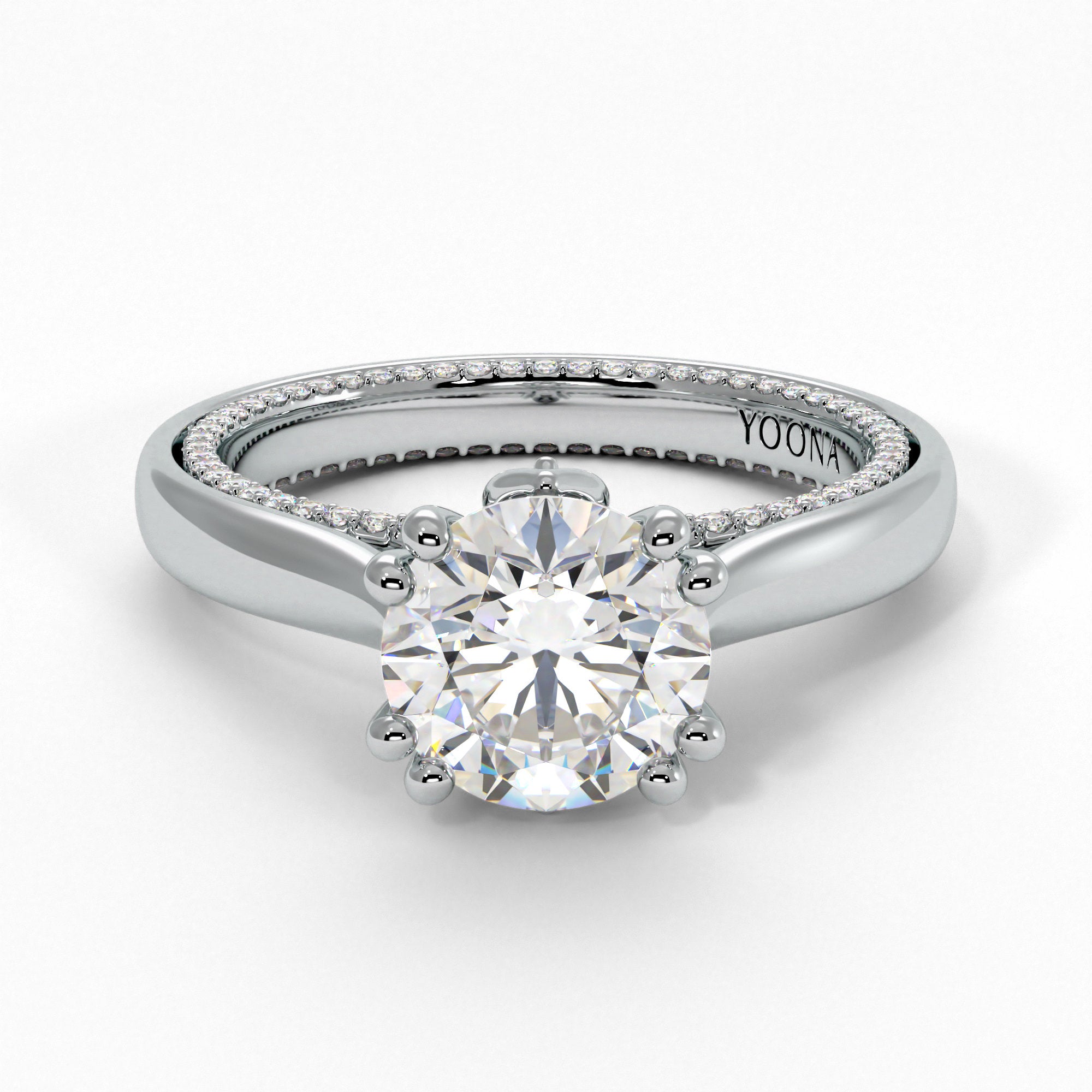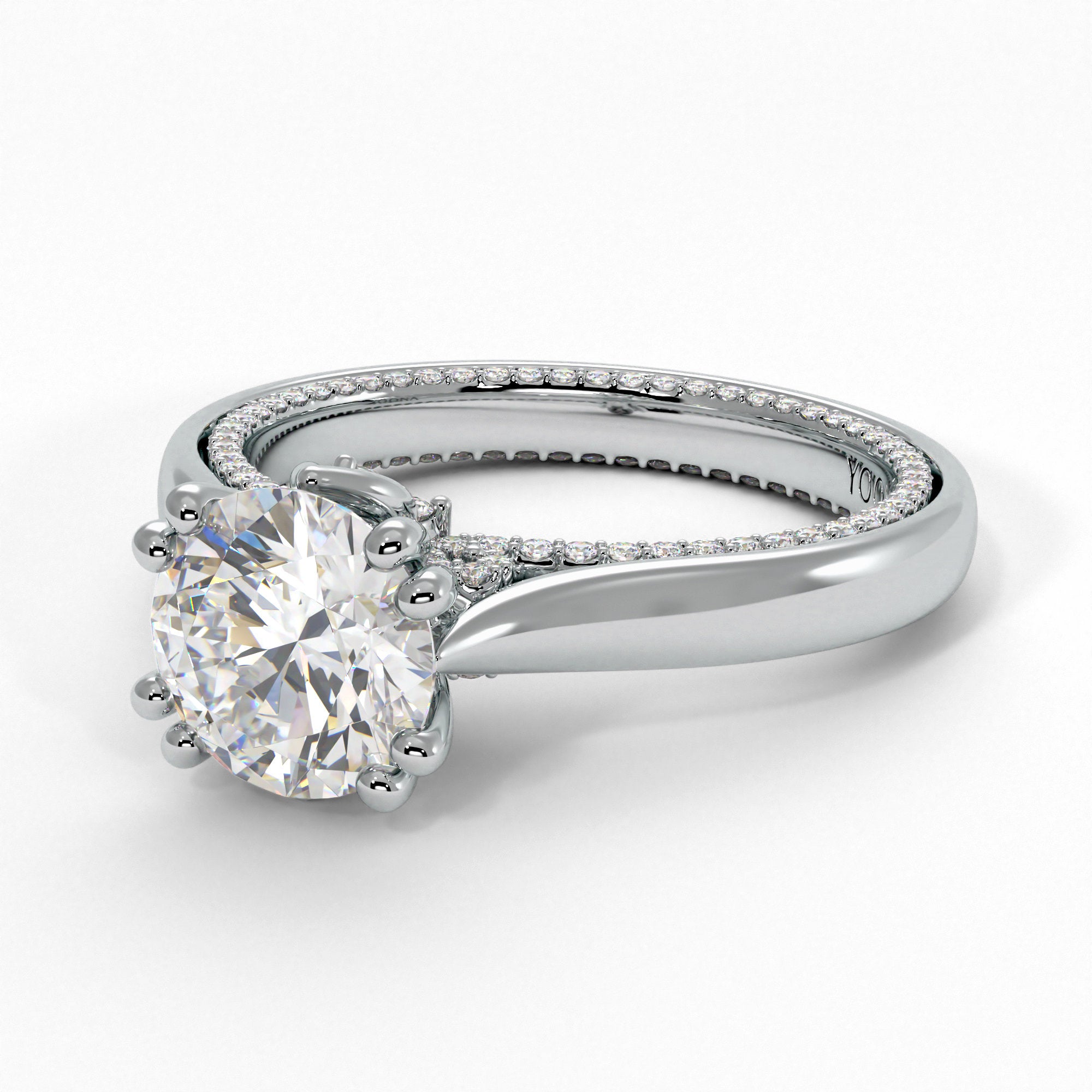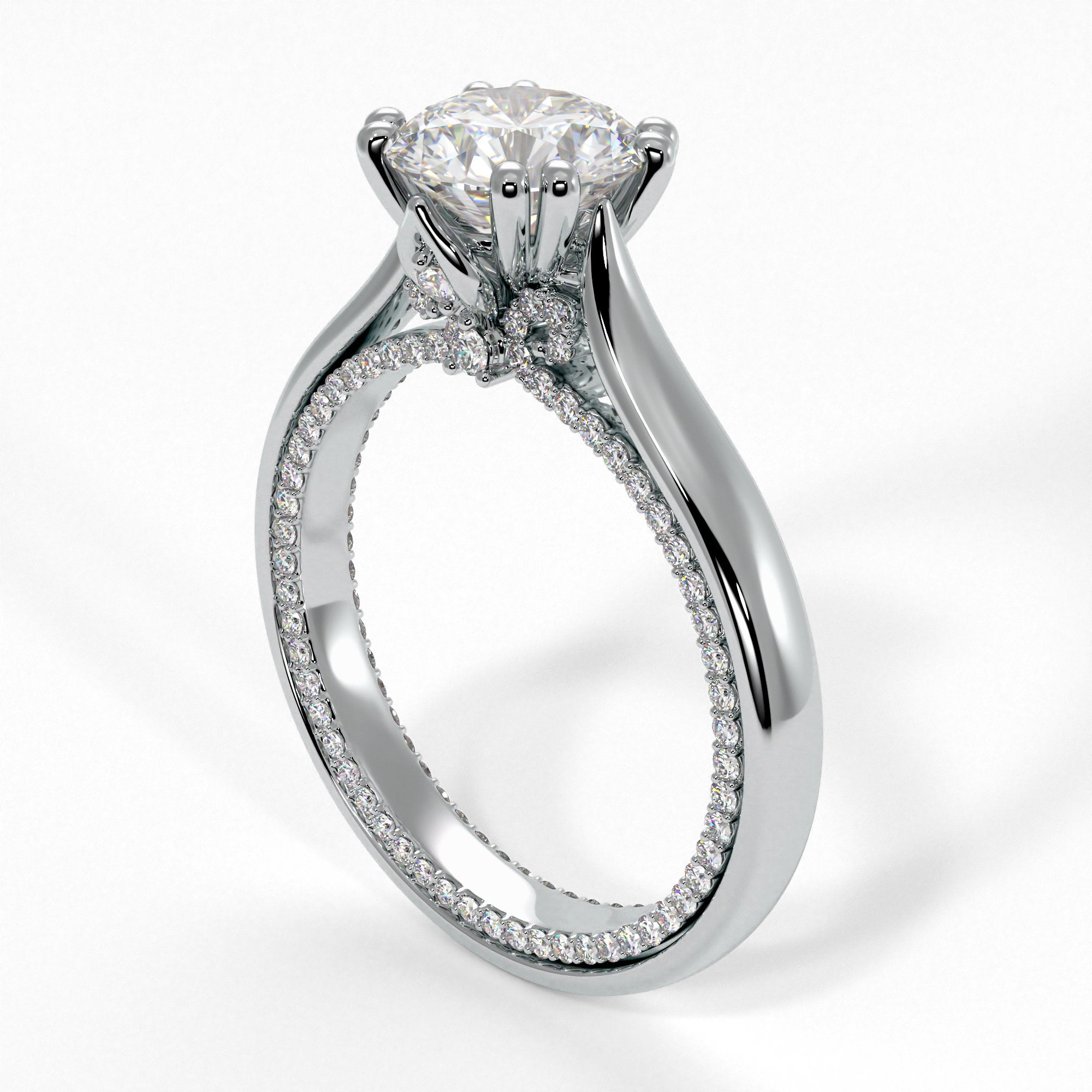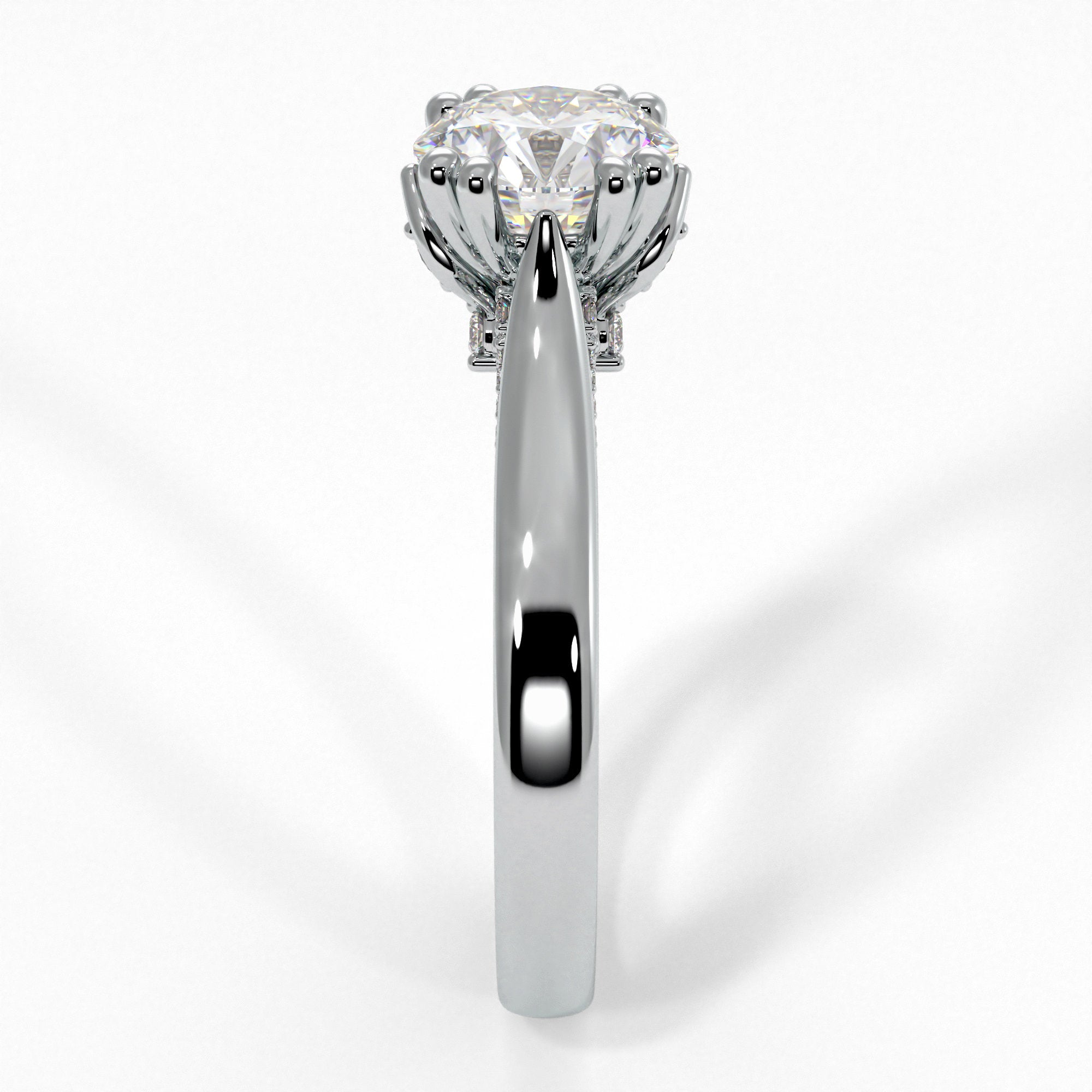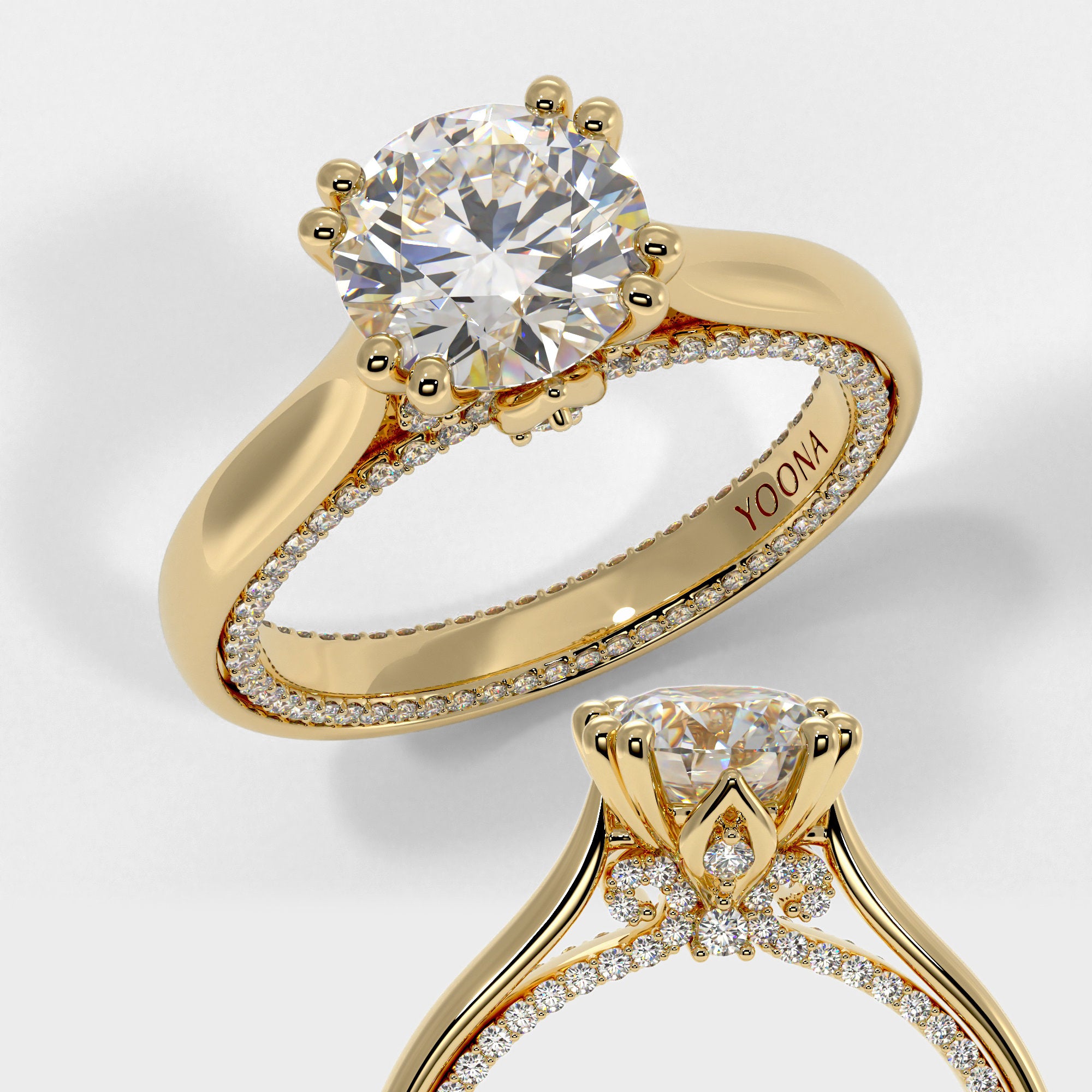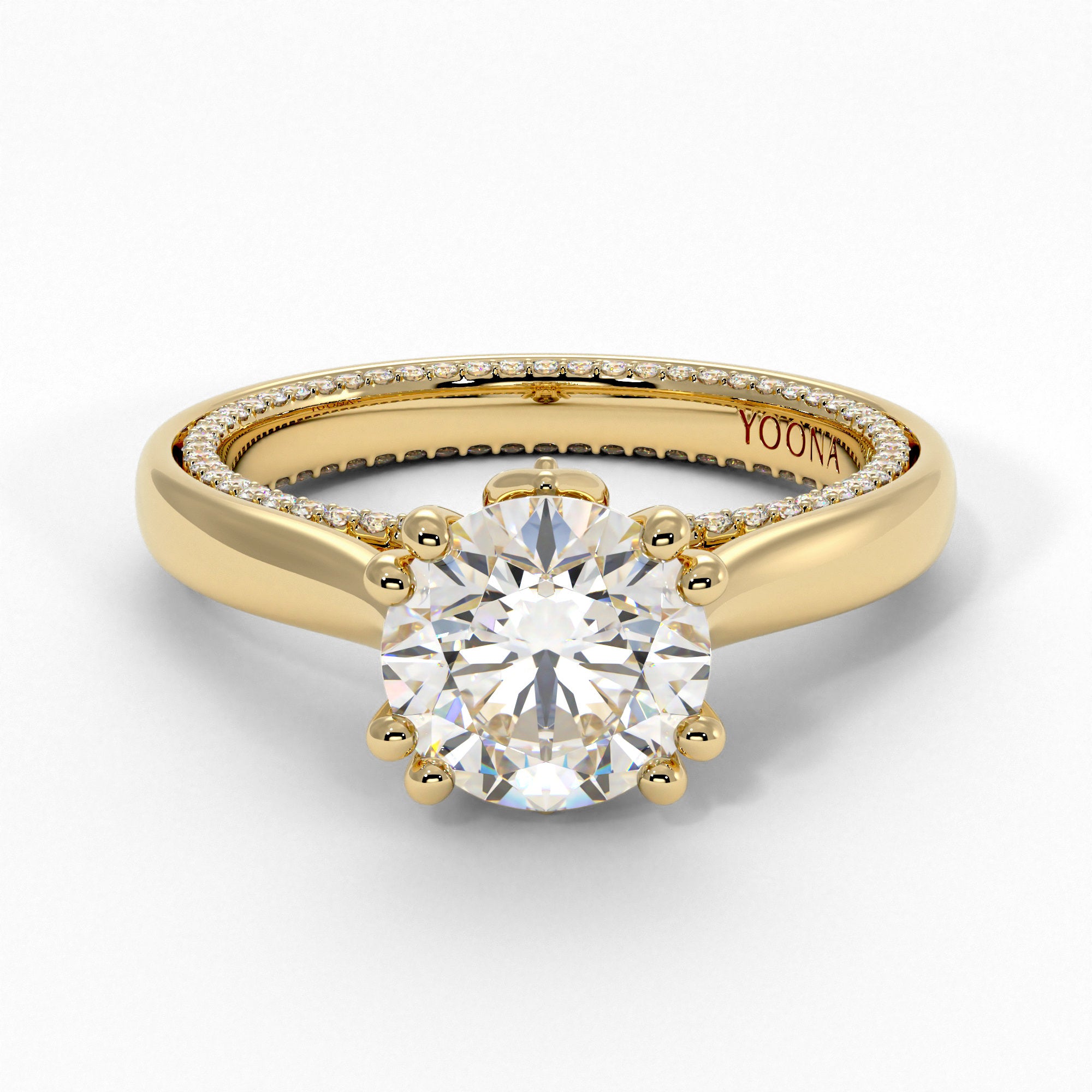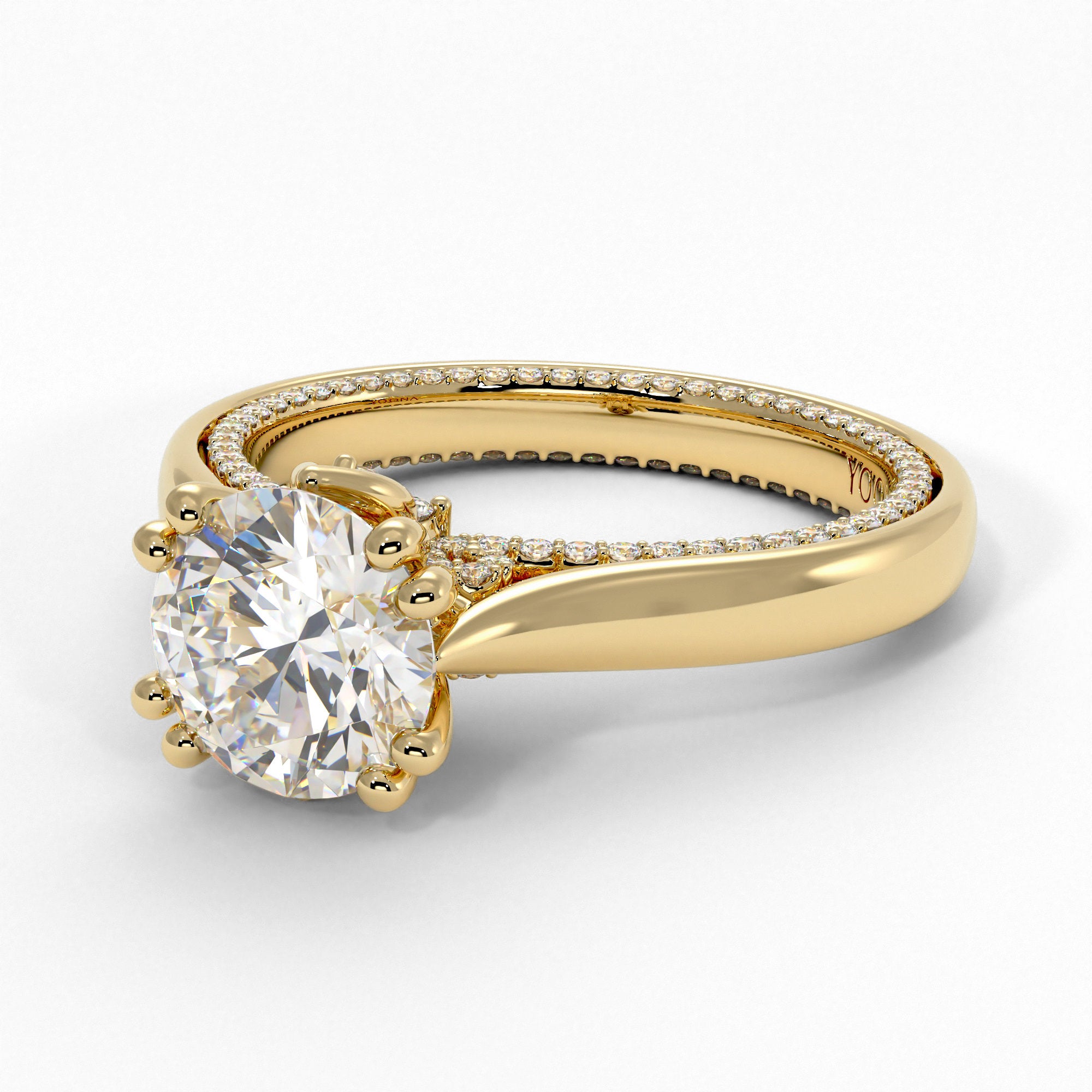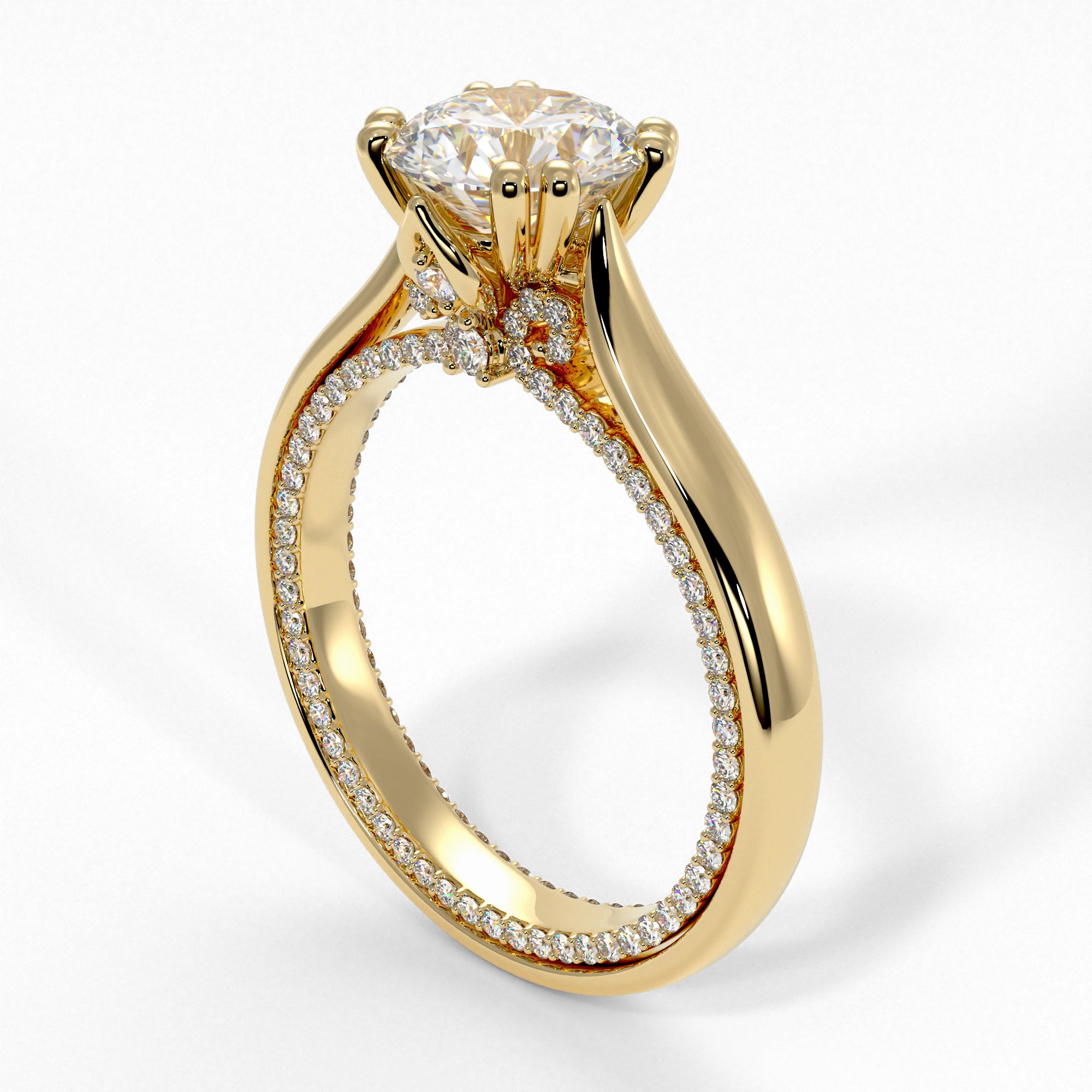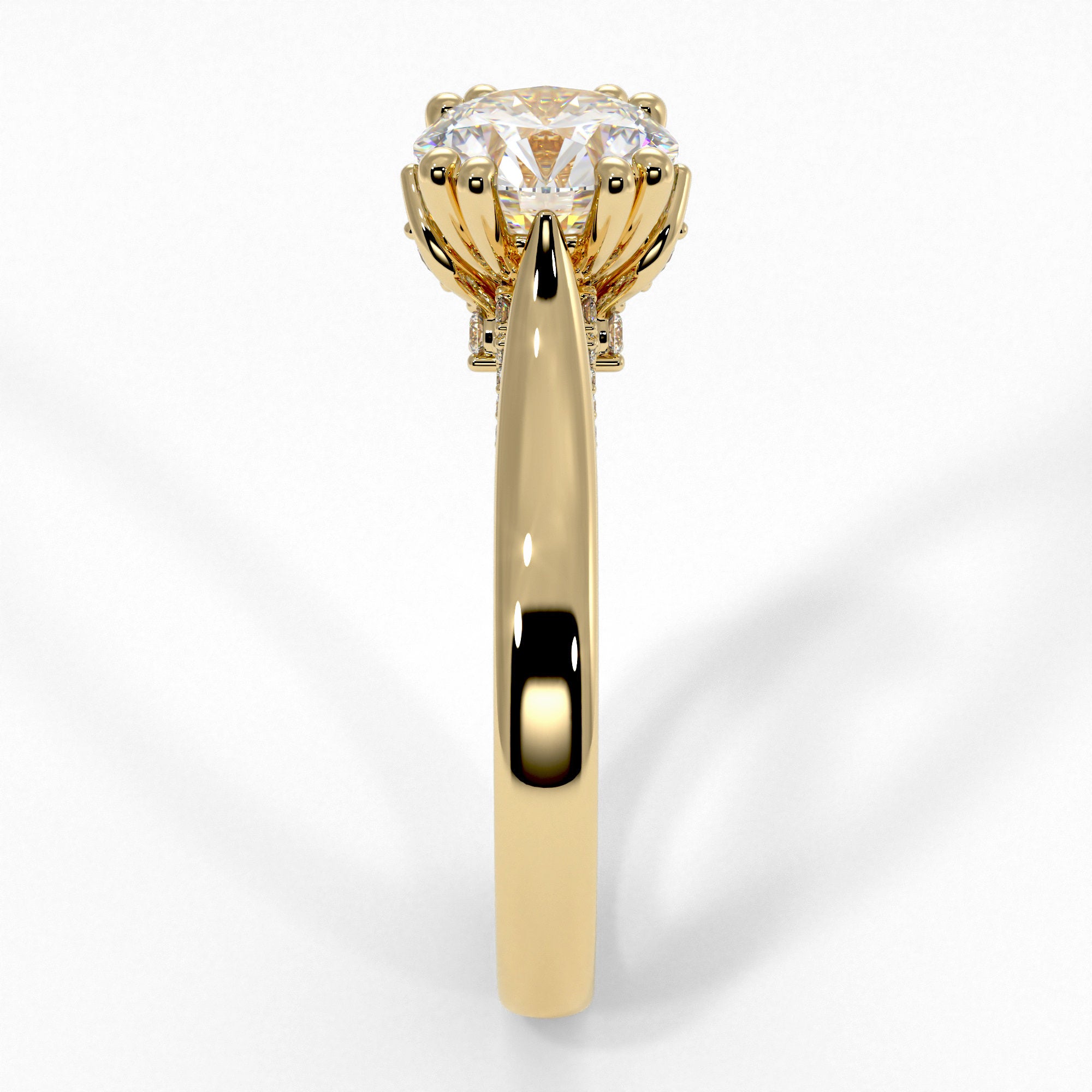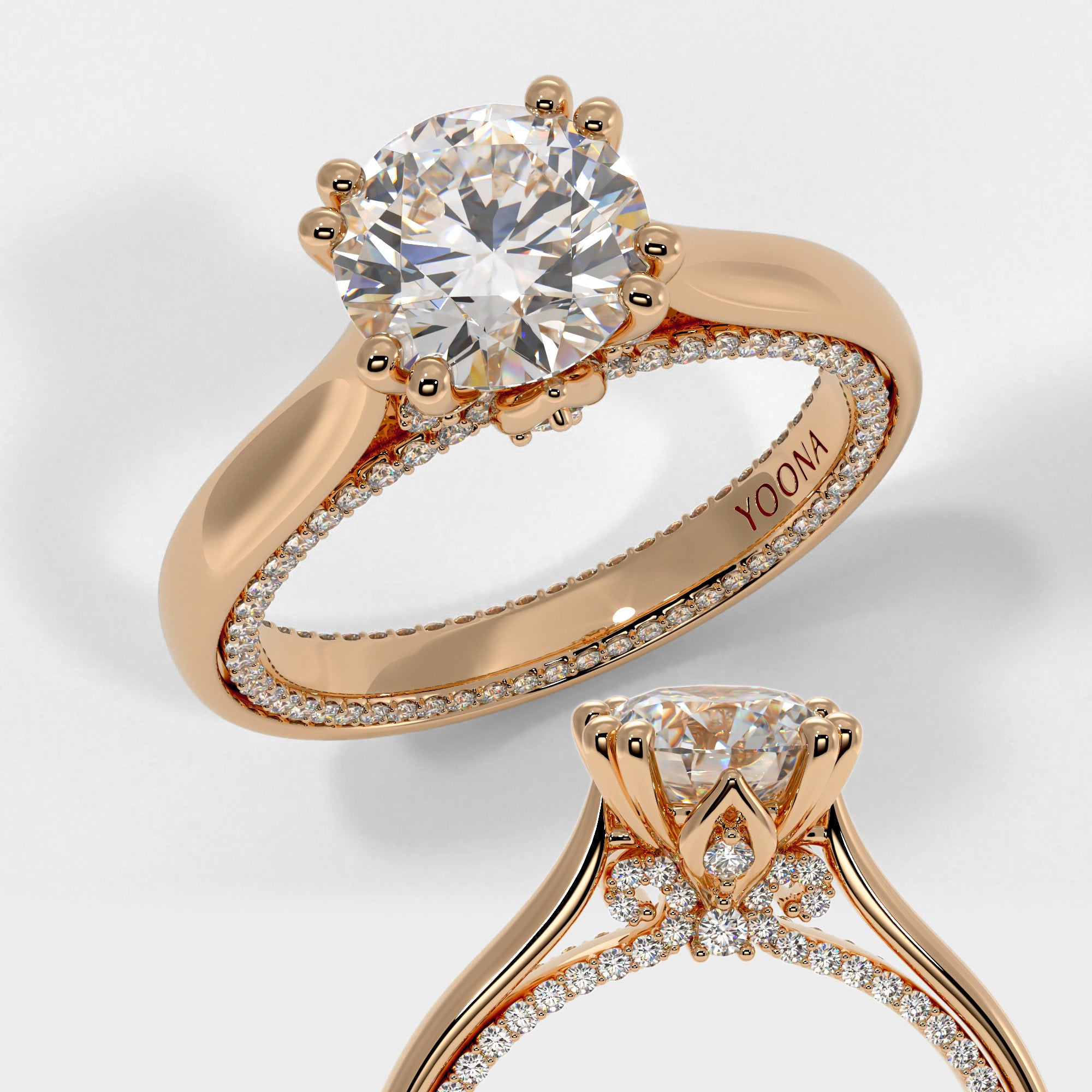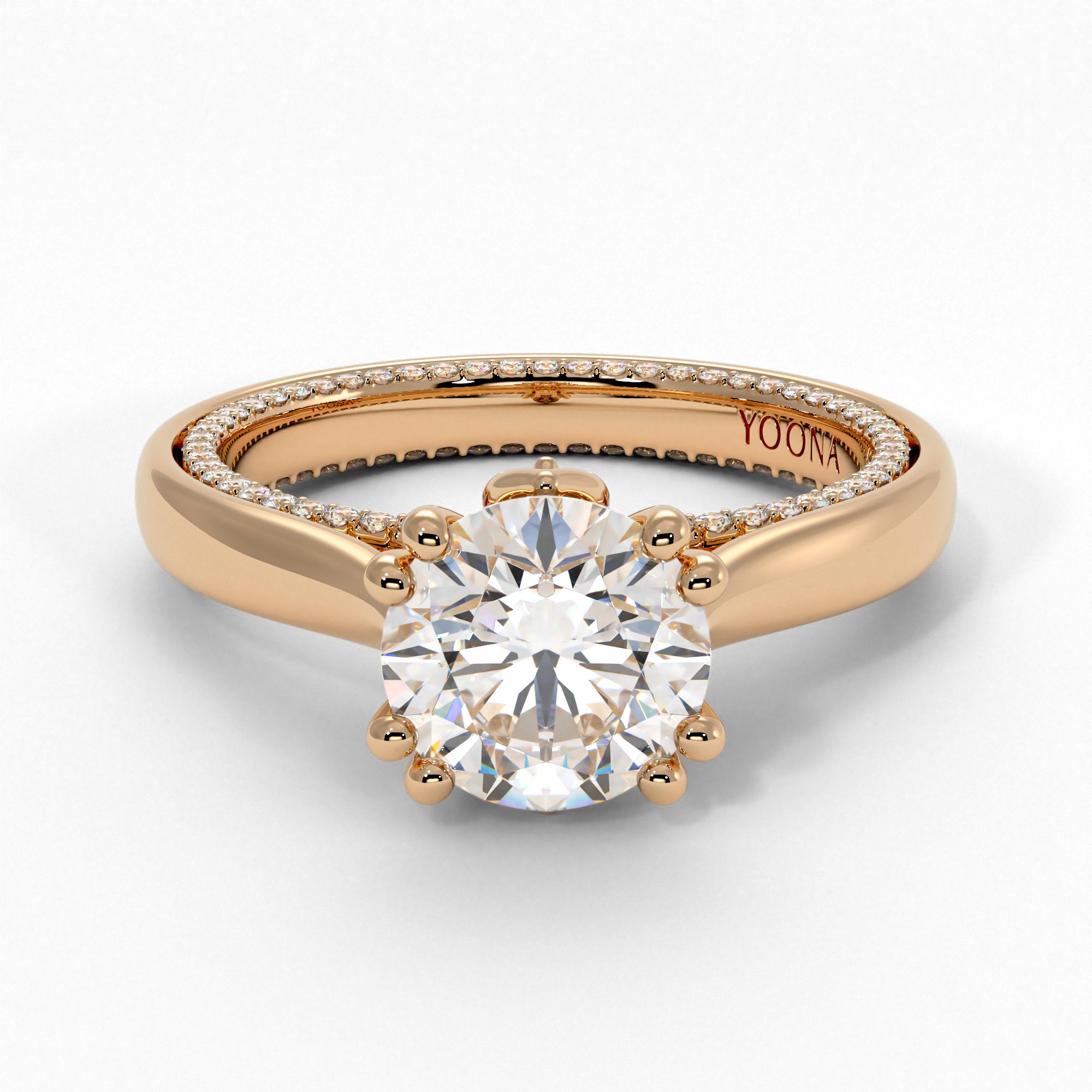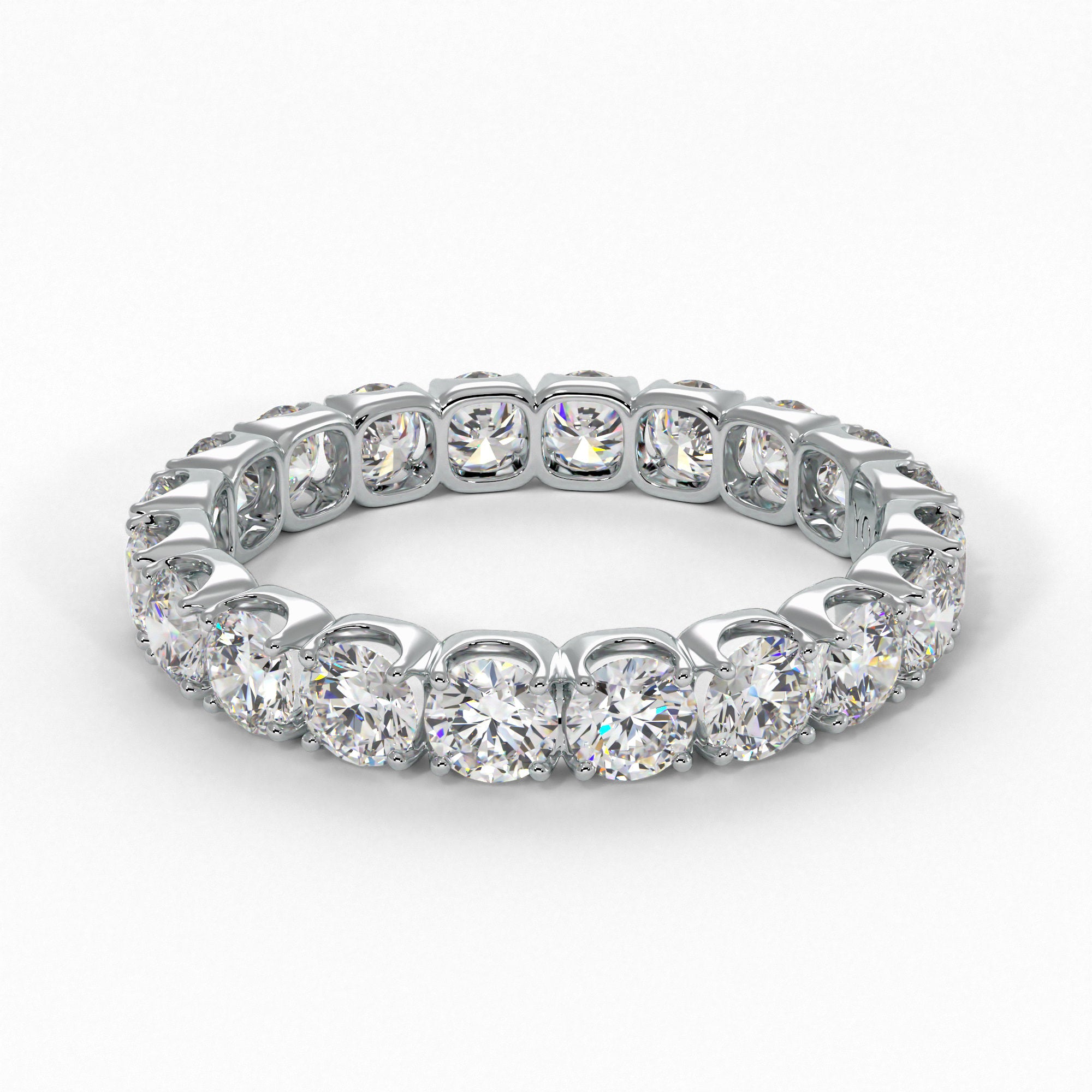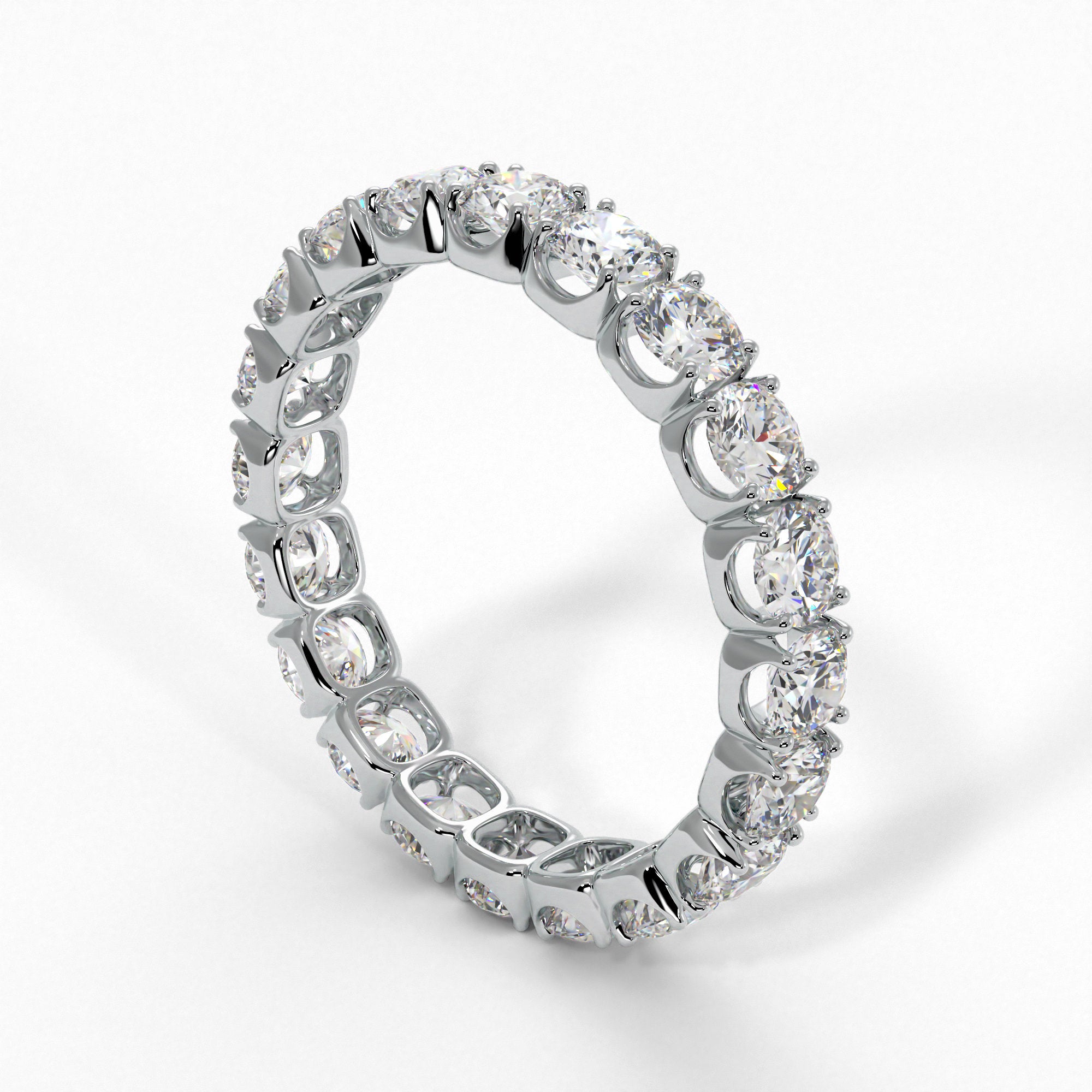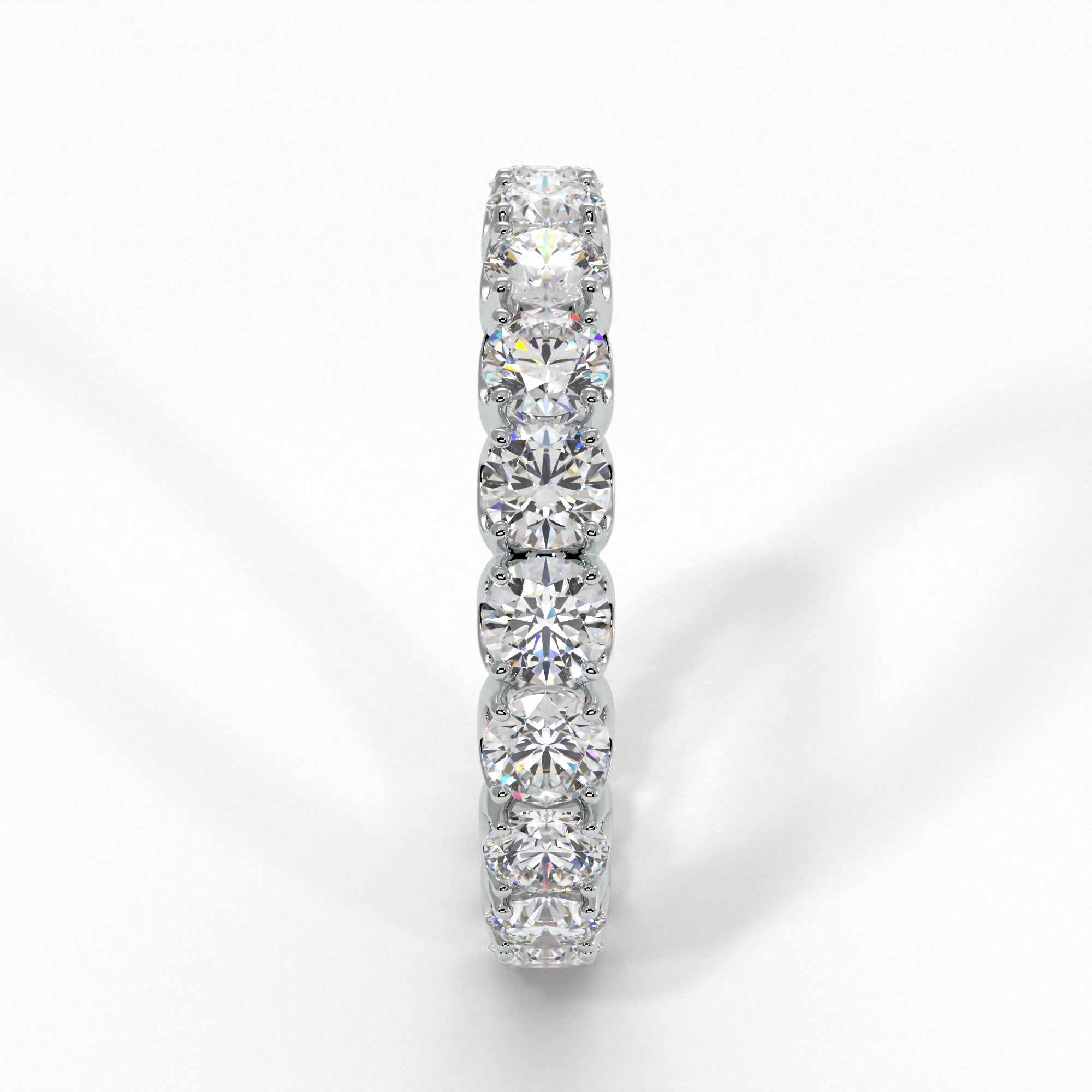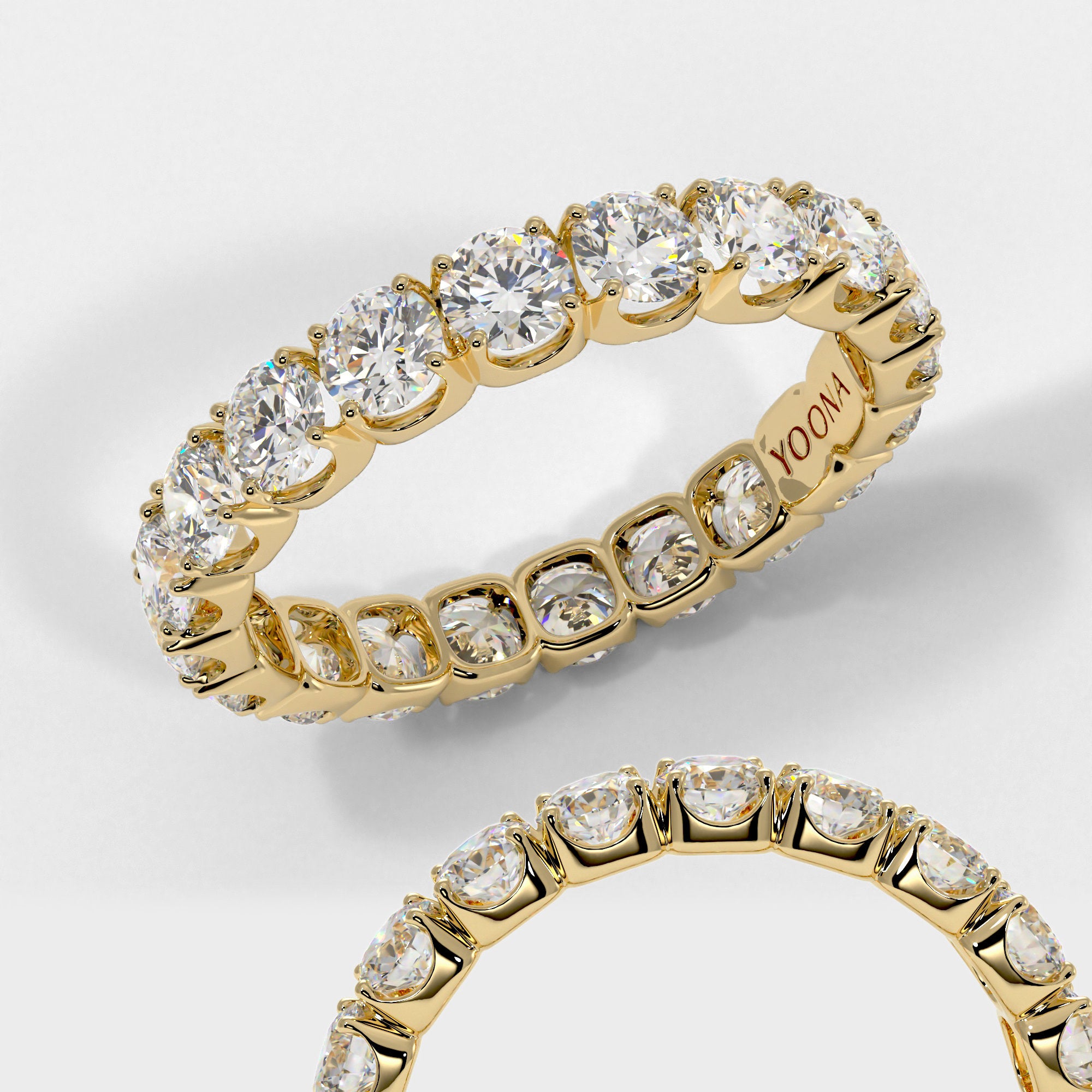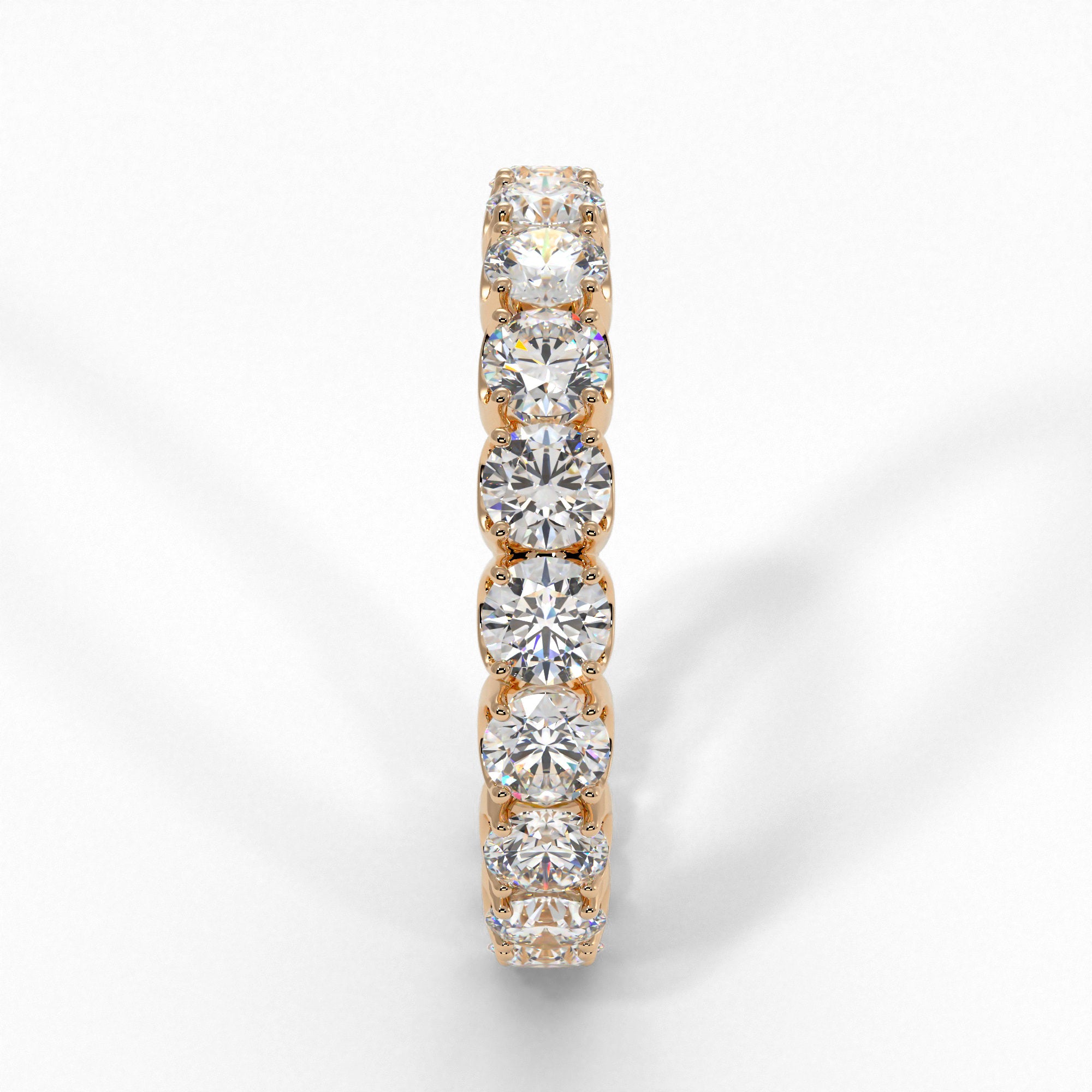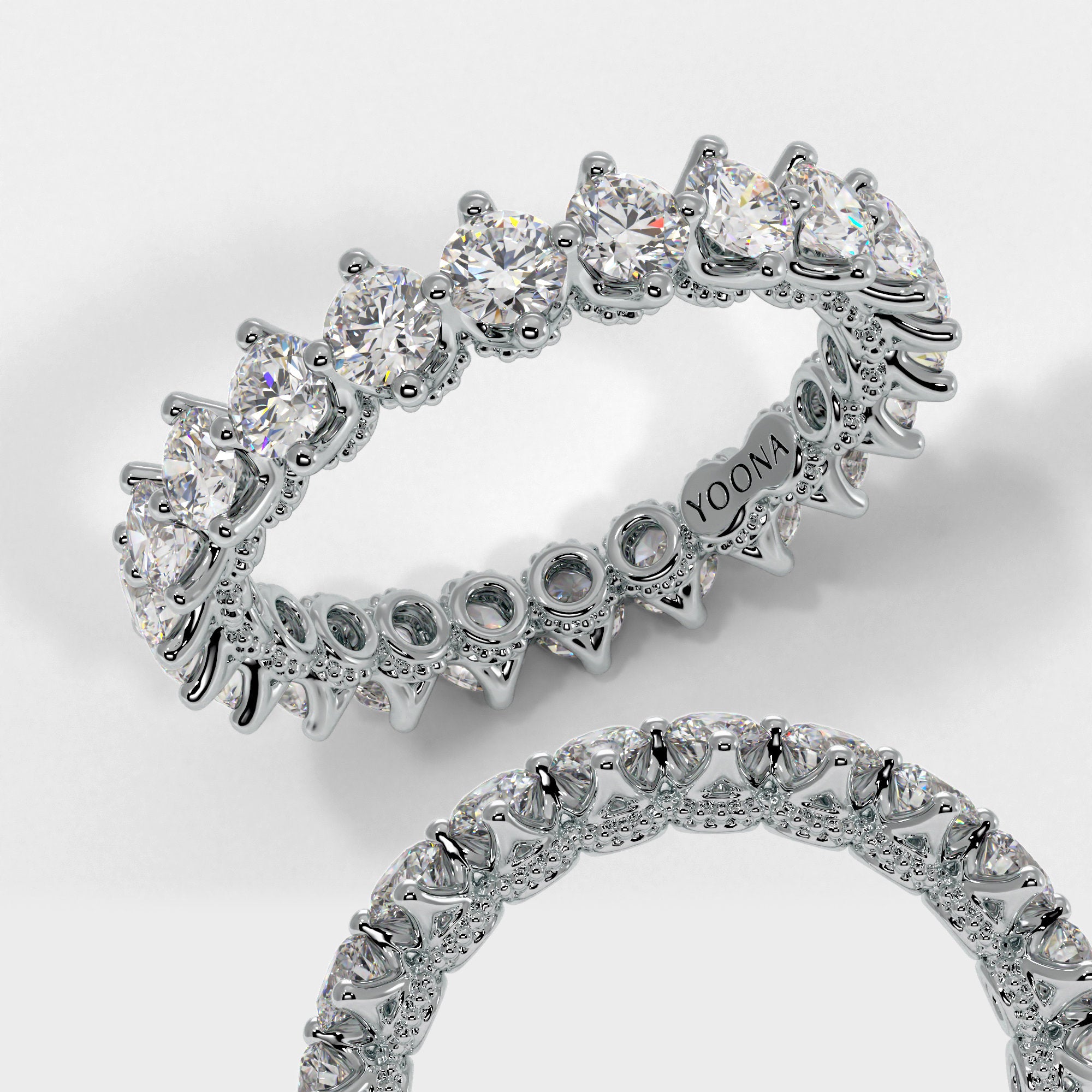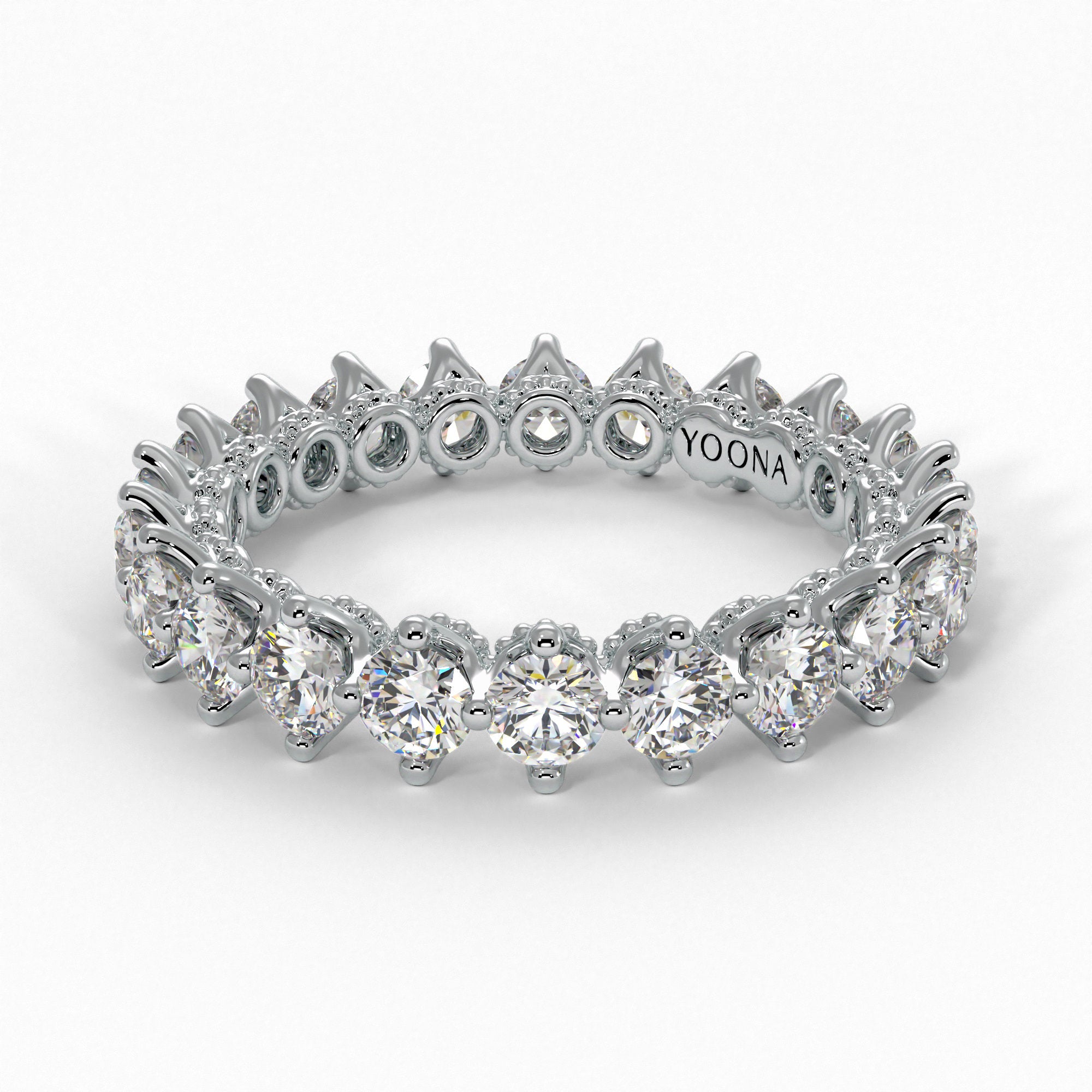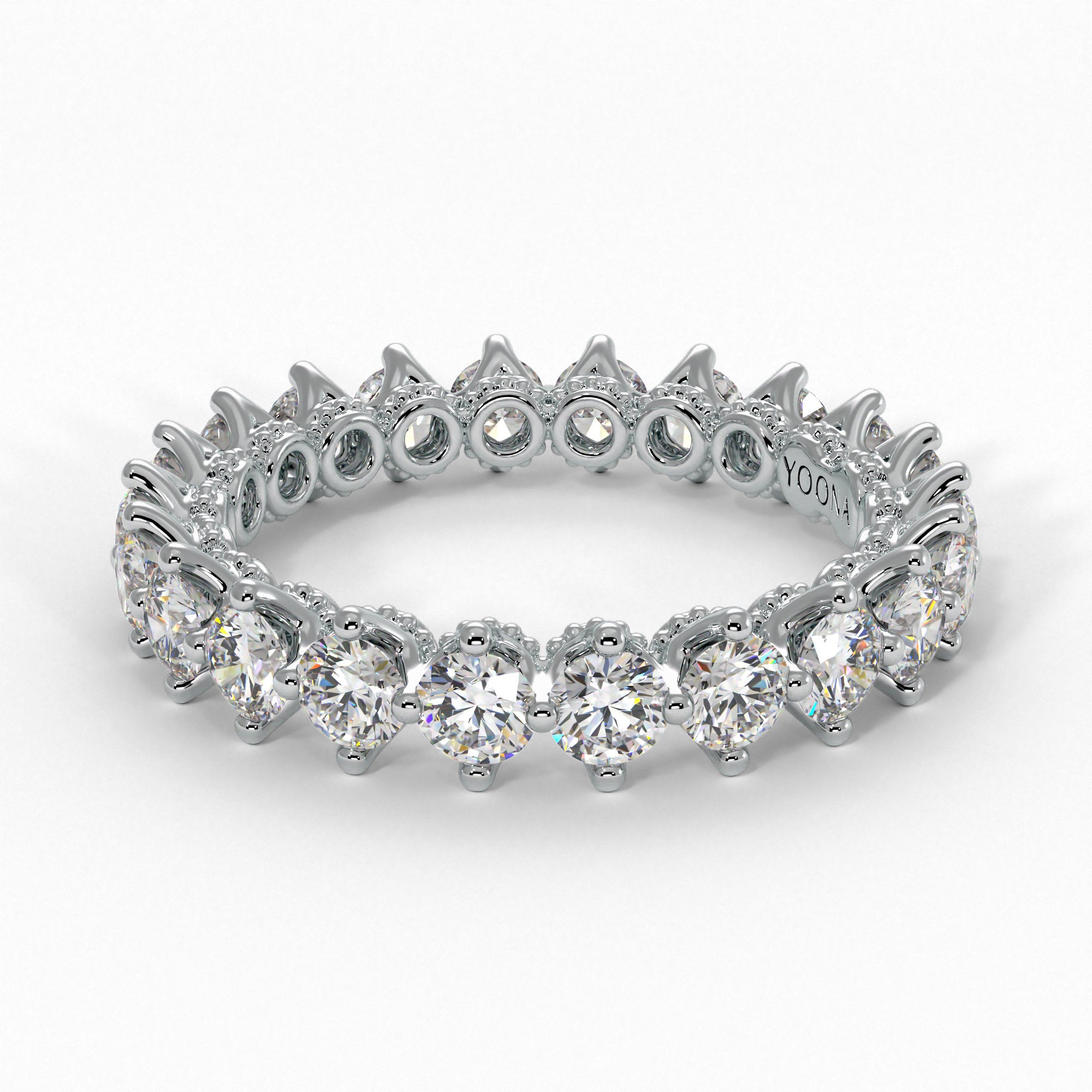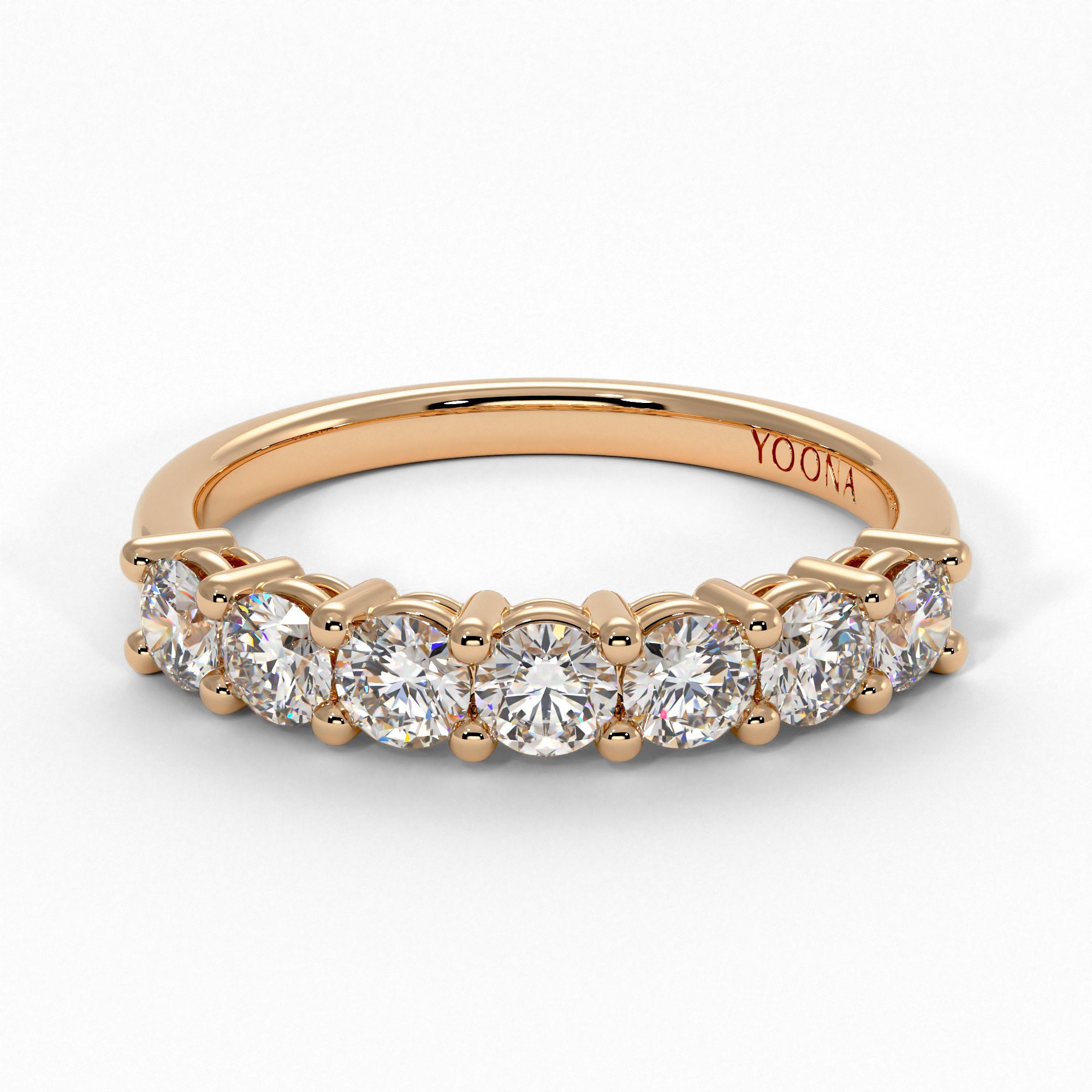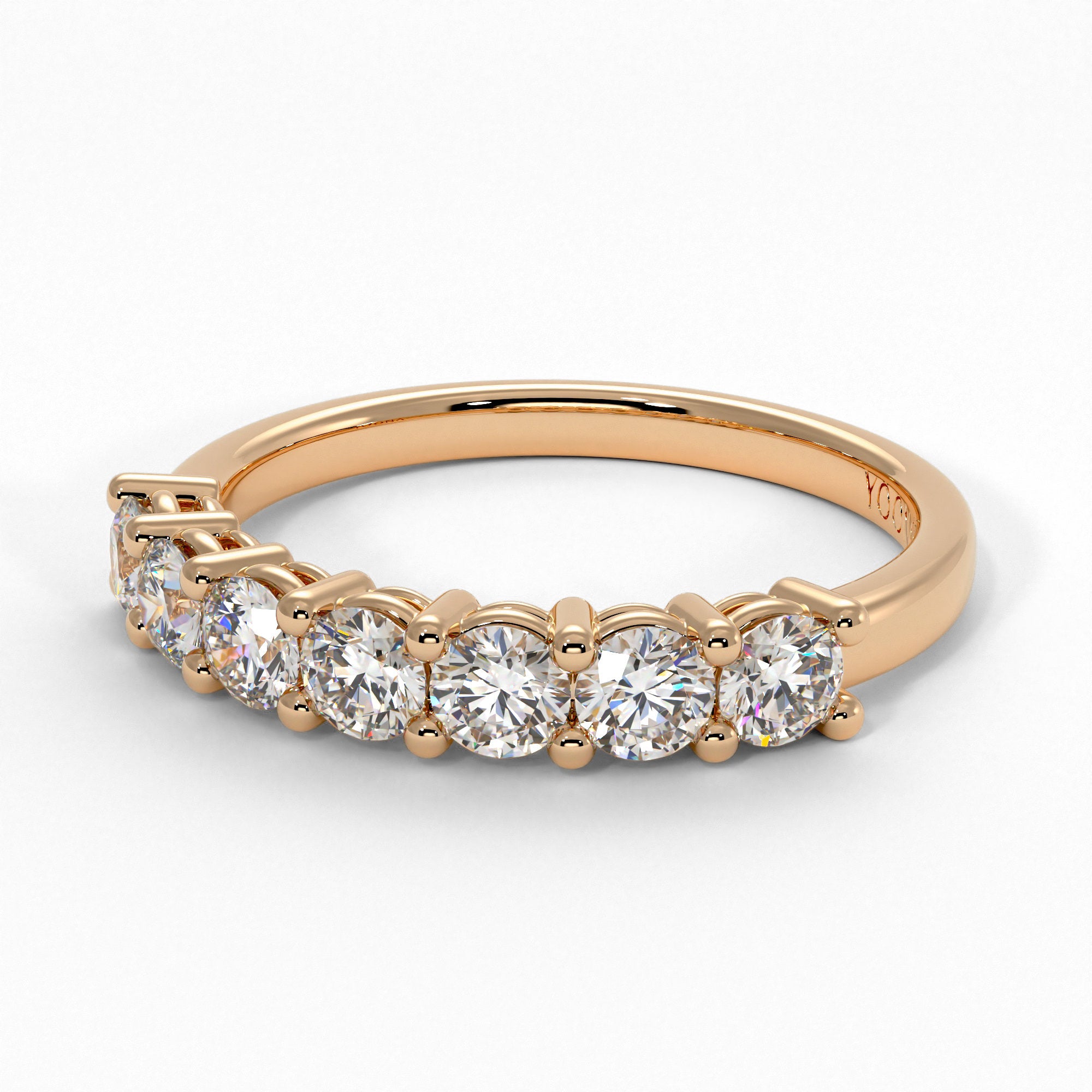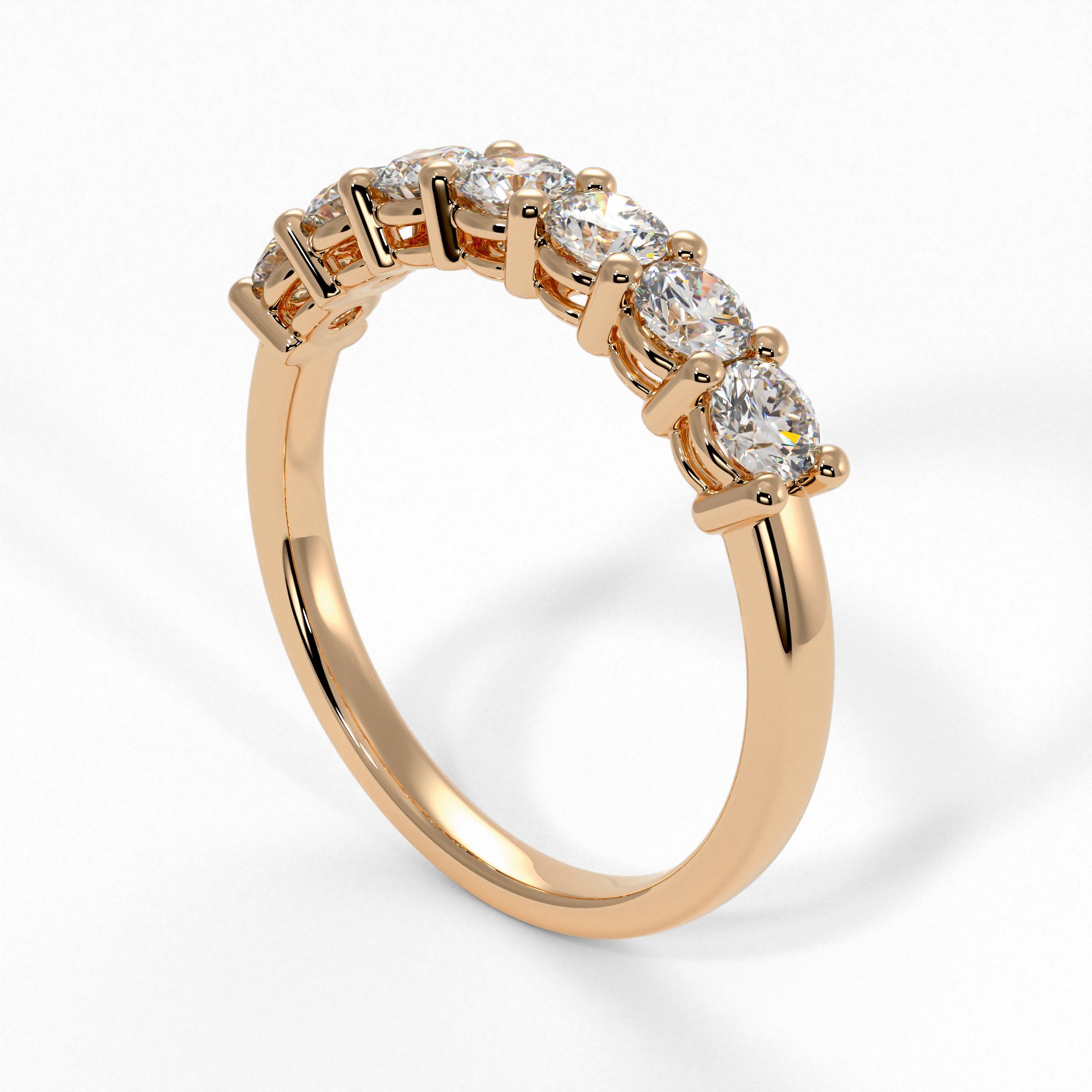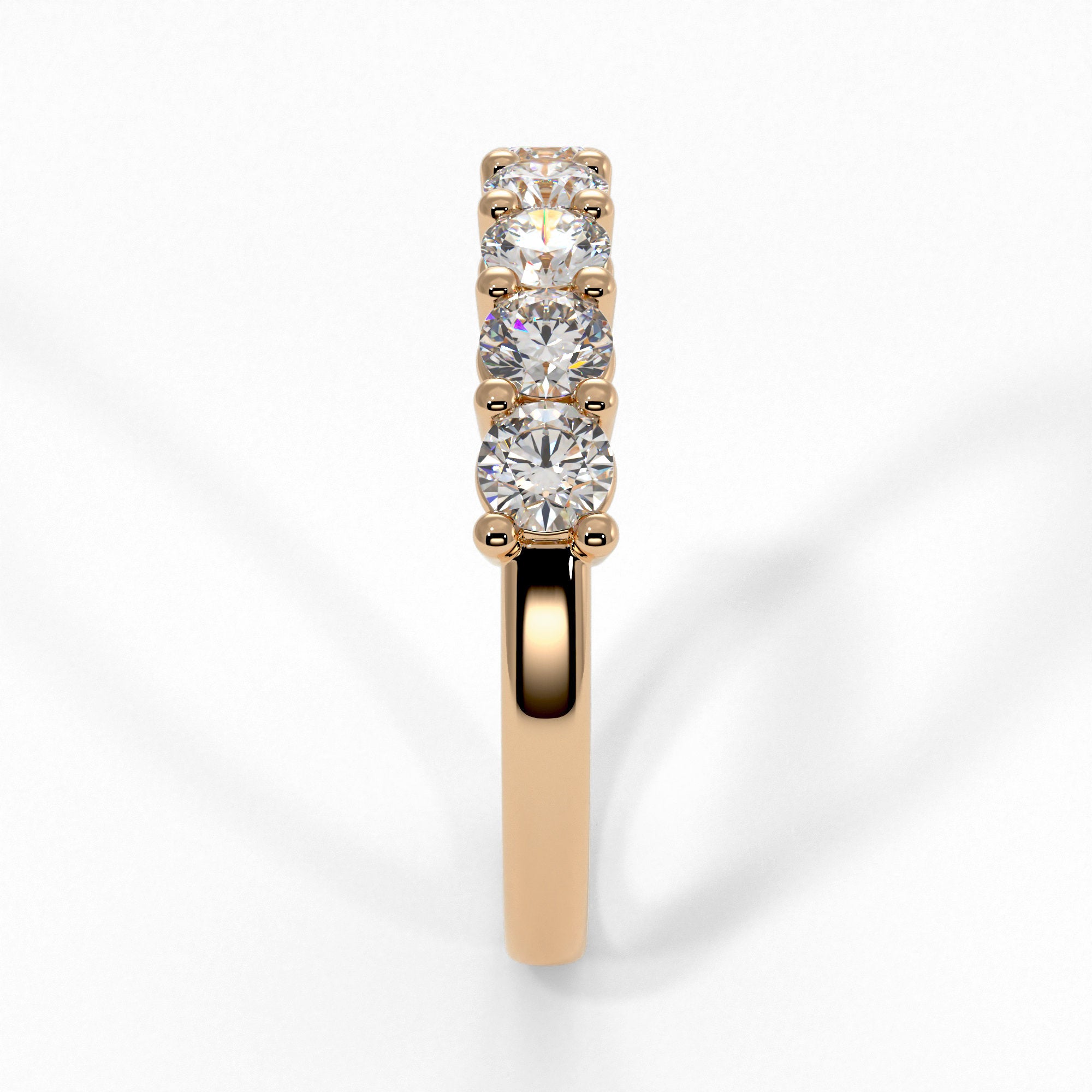
Reviewed by Yoona's in-house jewelry experts
Short answer: an engagement ring's style refers to its overall design, solitaire, halo, three-stone, vintage, and its setting refers to how the diamond is physically held, prong, bezel, and others. Neither is a quality decision, both are personal choices that shape how the ring looks and wears.
The Main Engagement Ring Styles
Quick answer: Solitaire, halo, three-stone, side stone, and vintage-inspired are the five most common engagement ring styles, each built around a different visual priority, from clean minimalism to maximum sparkle to symbolic meaning.
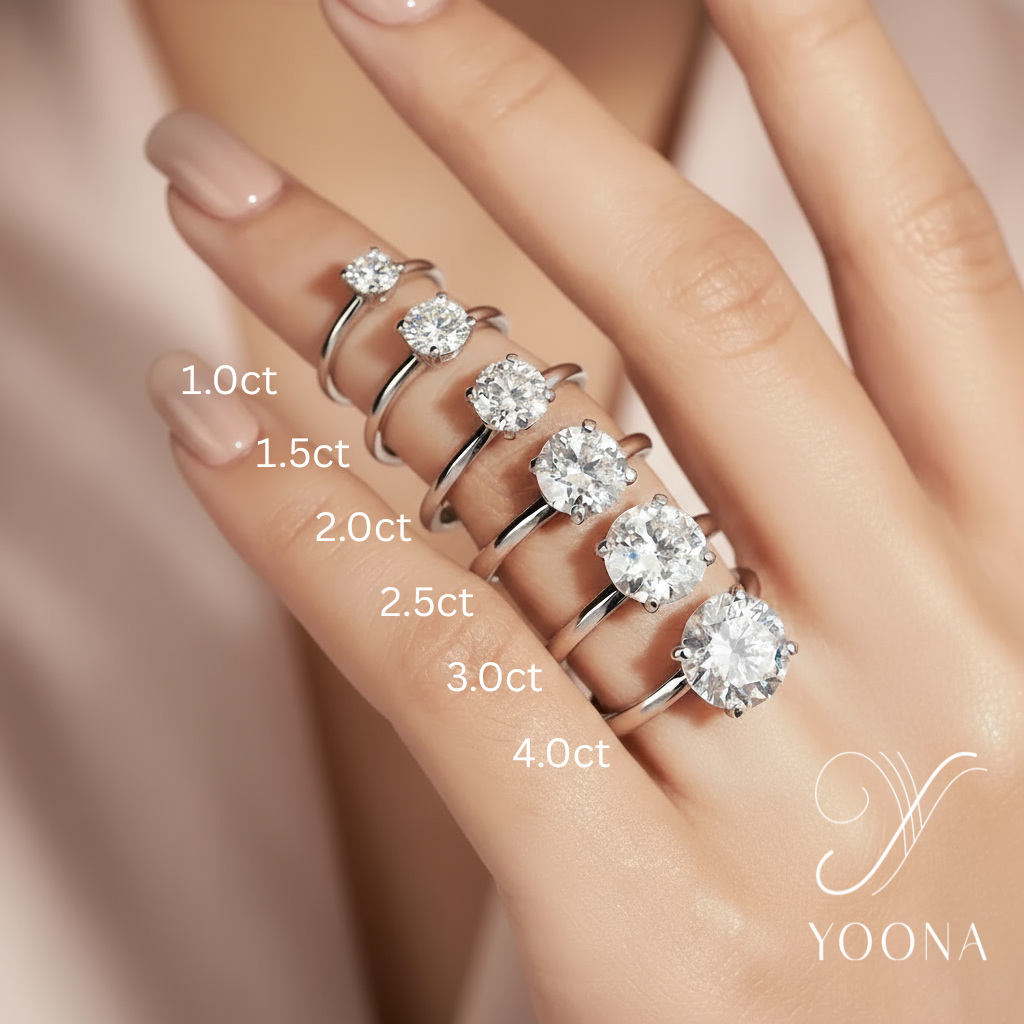
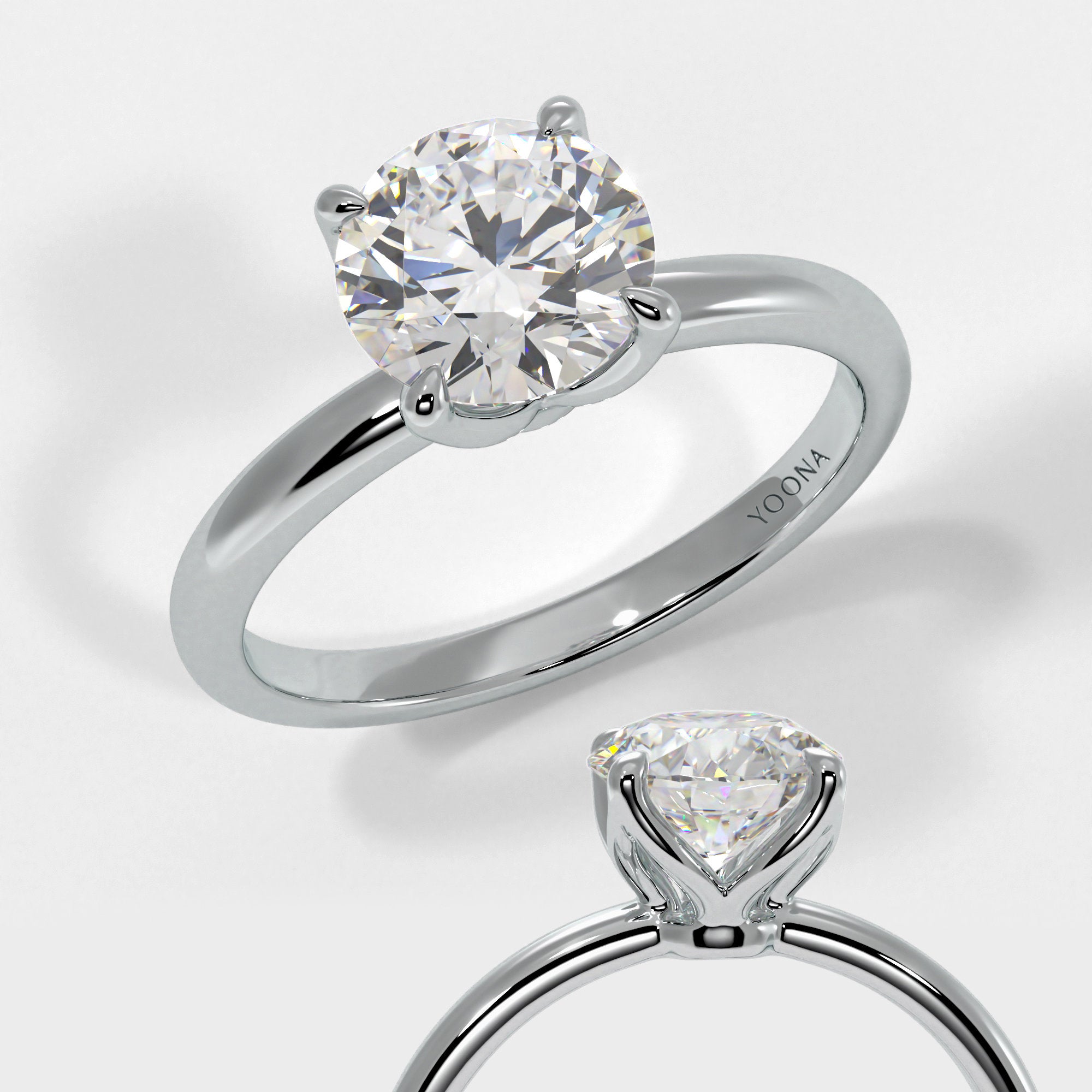
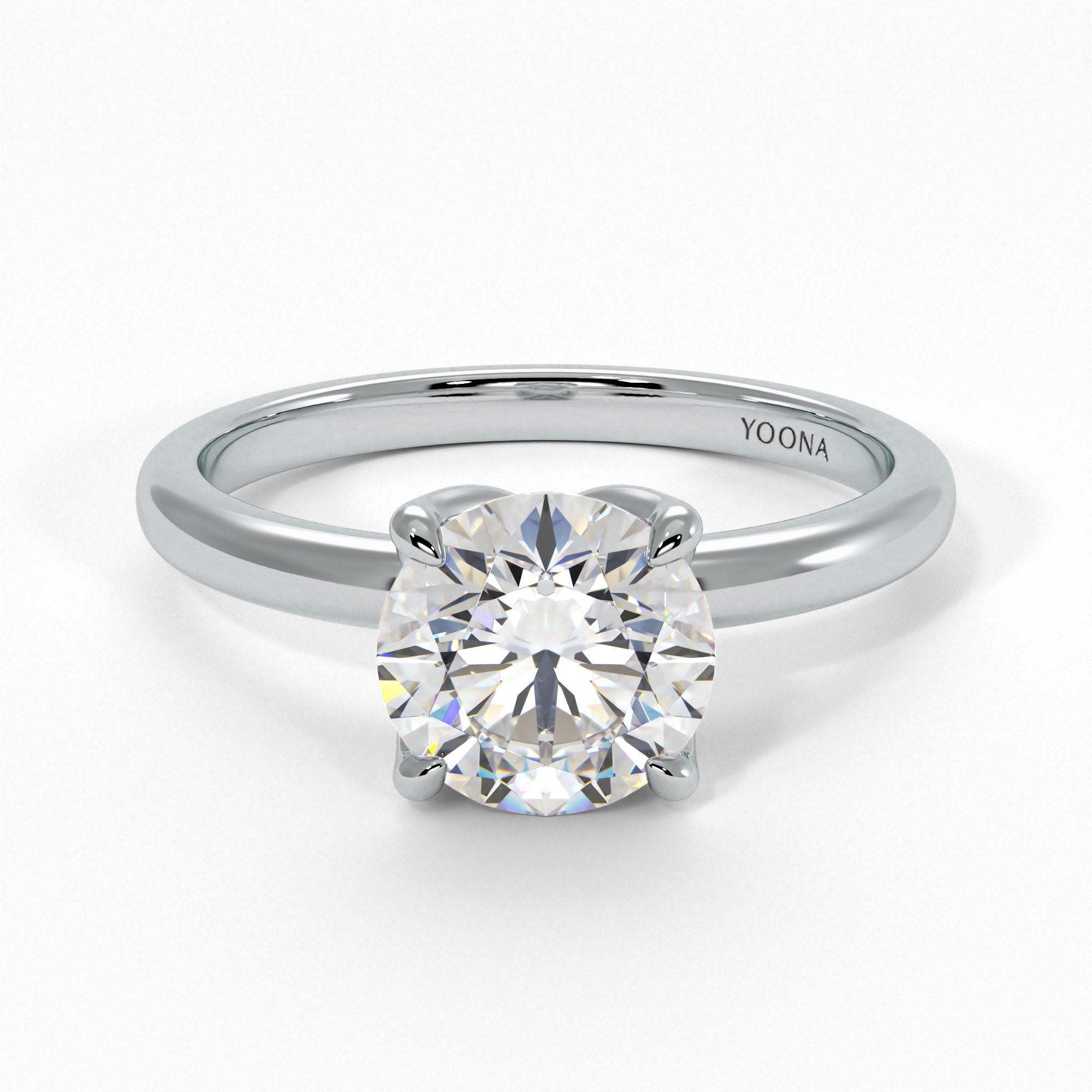
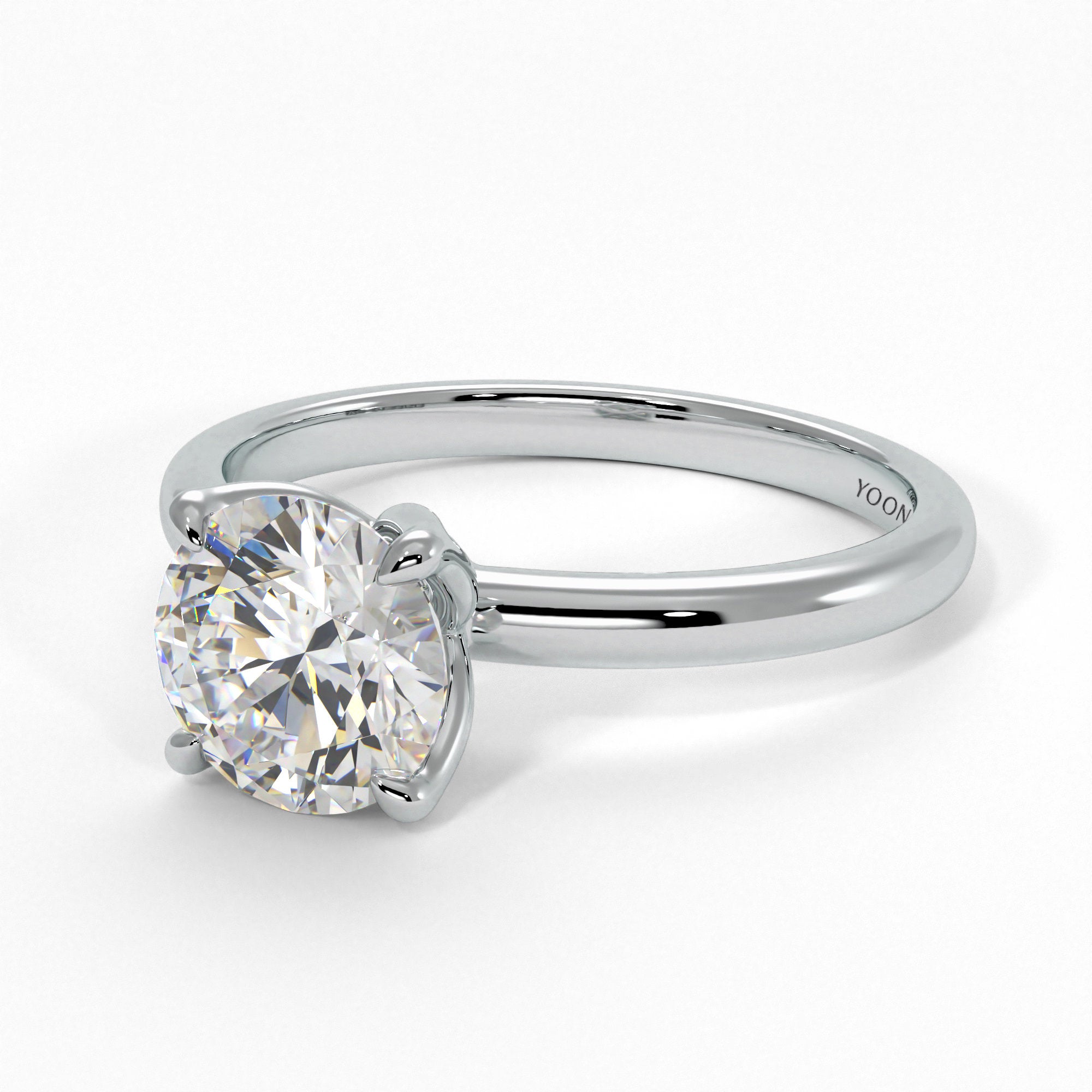
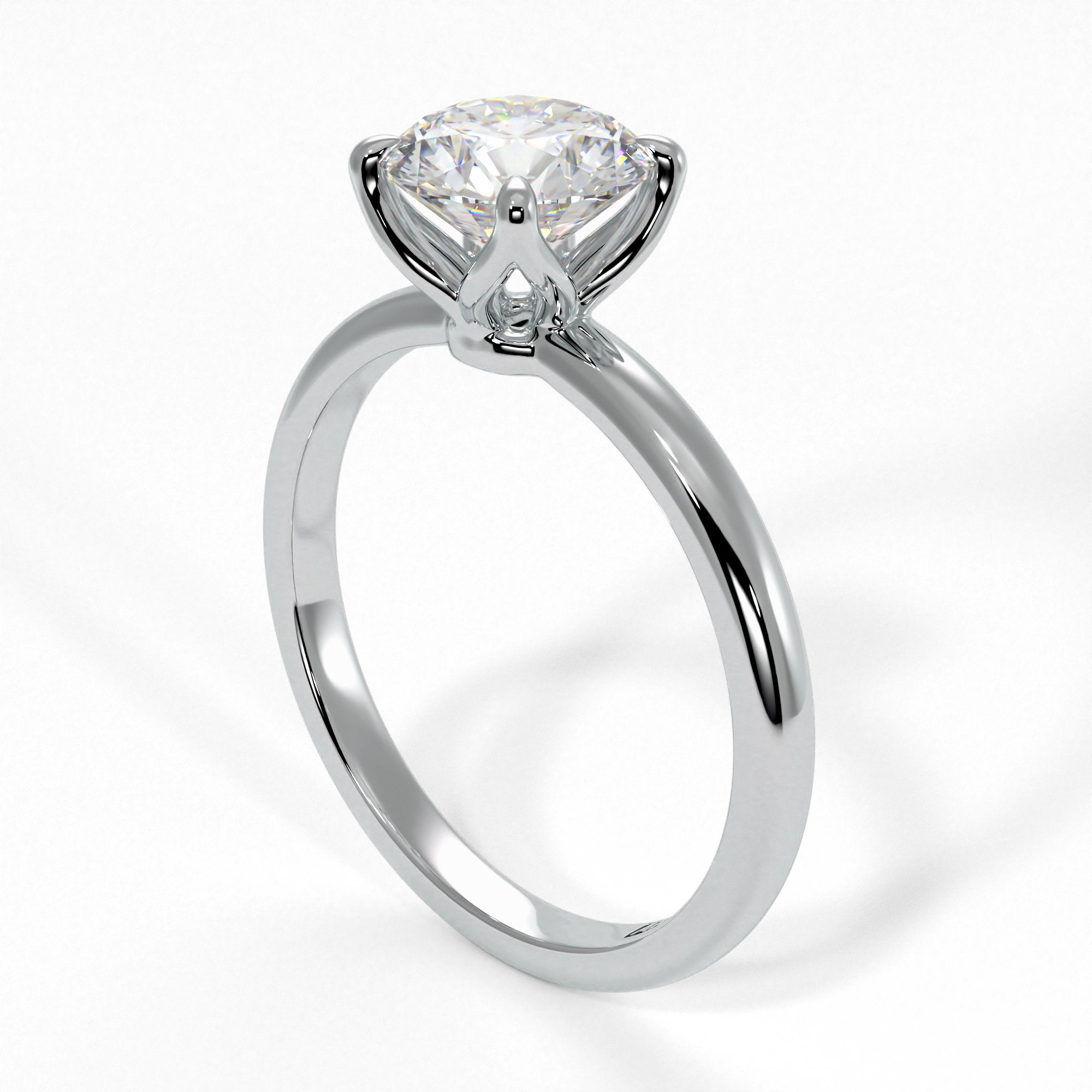
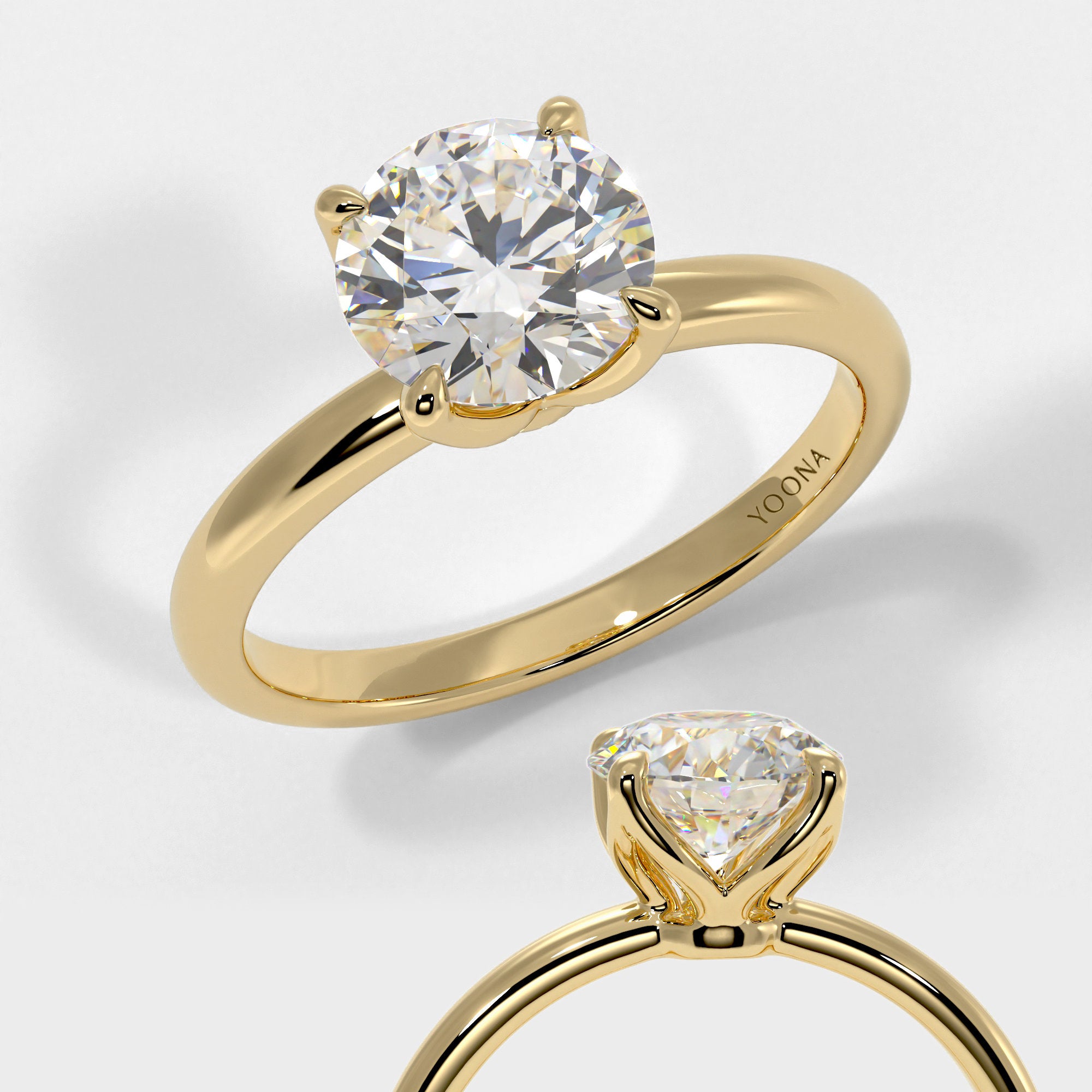
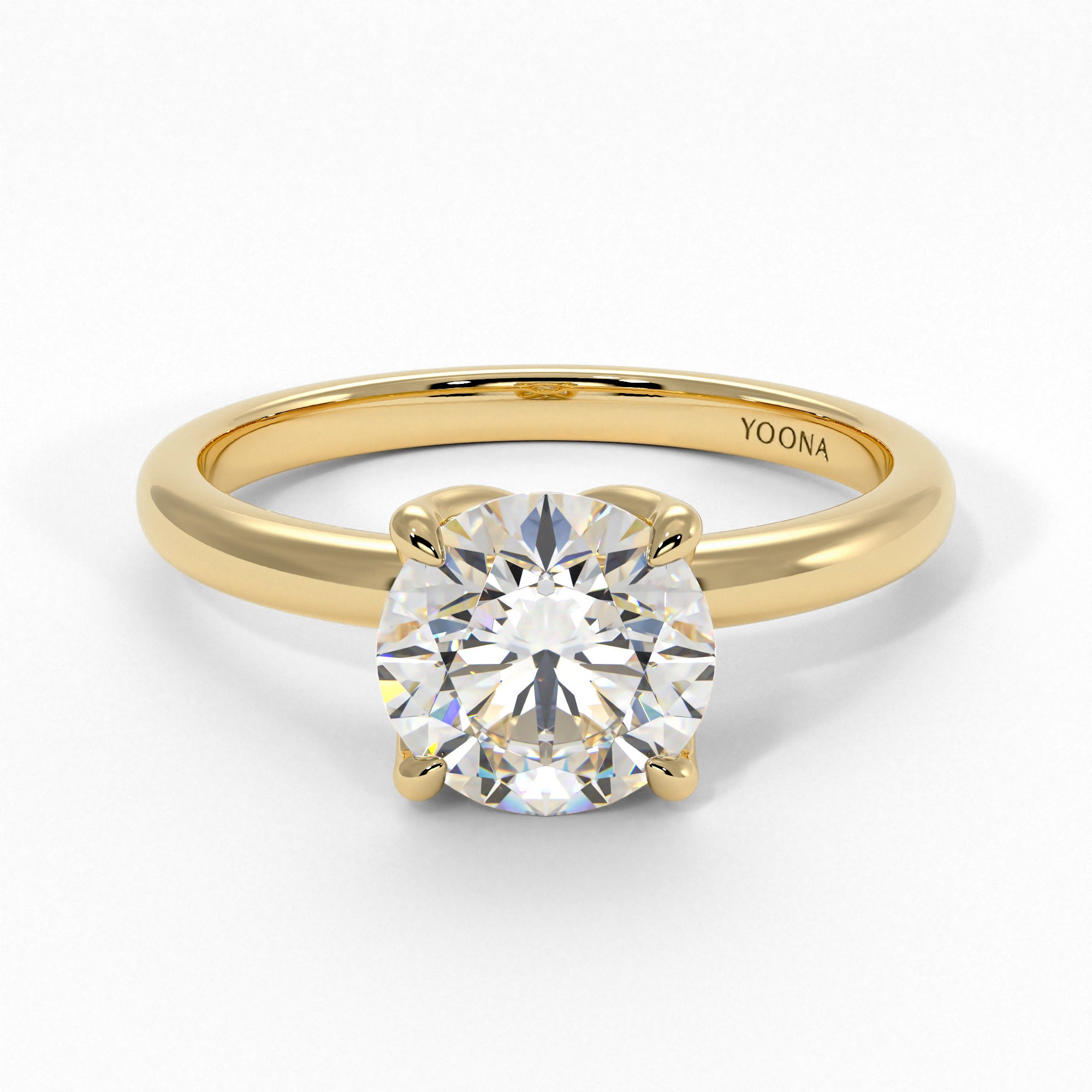
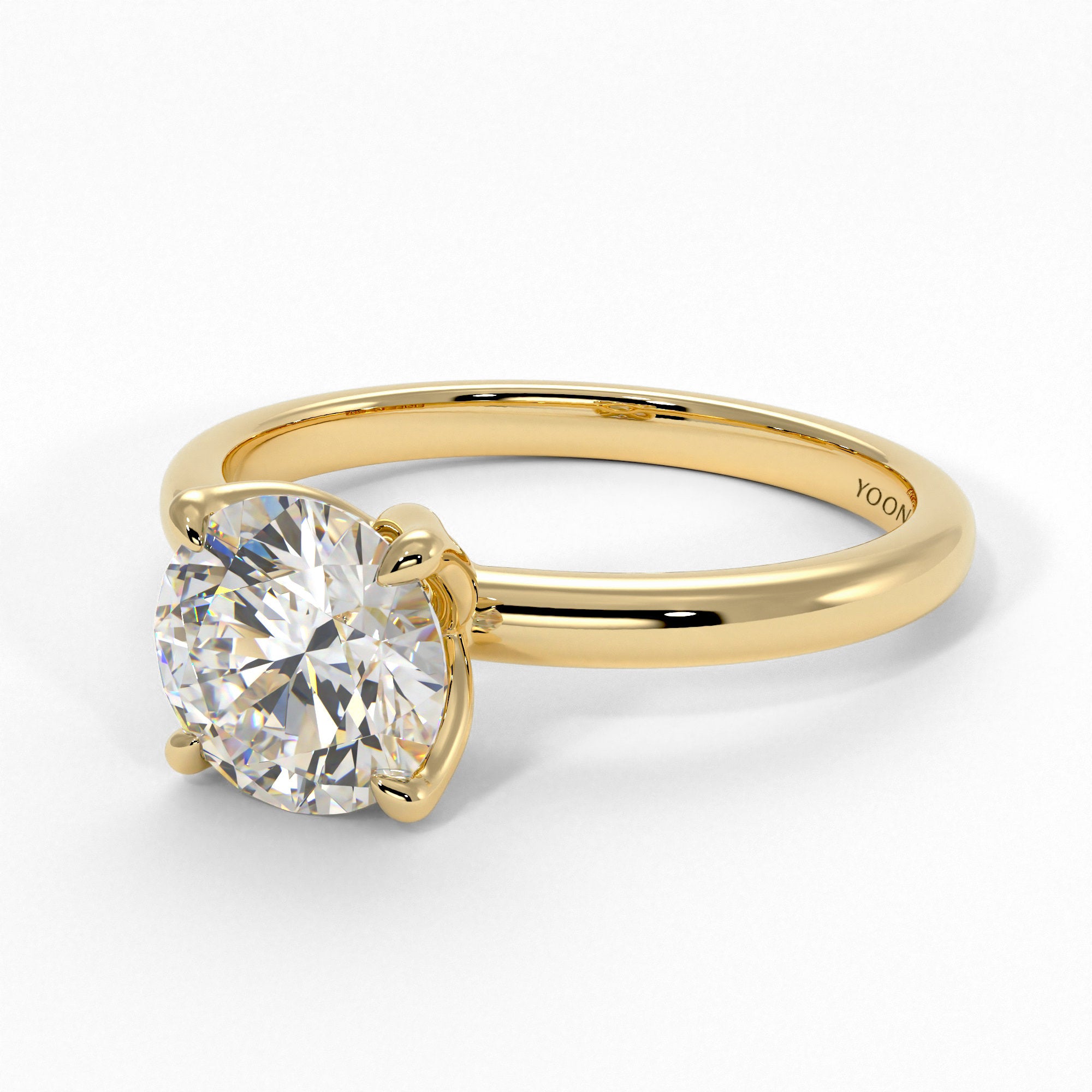
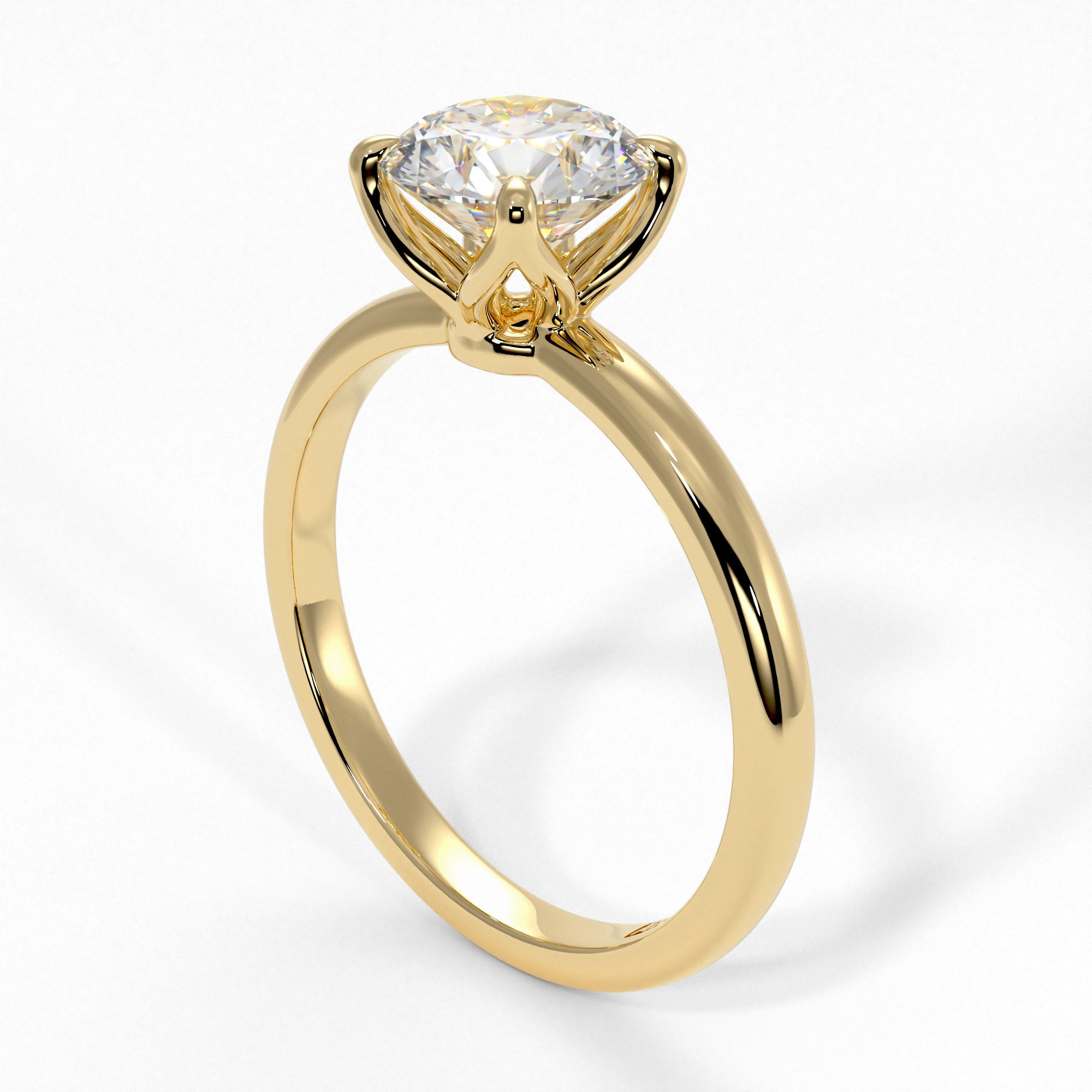
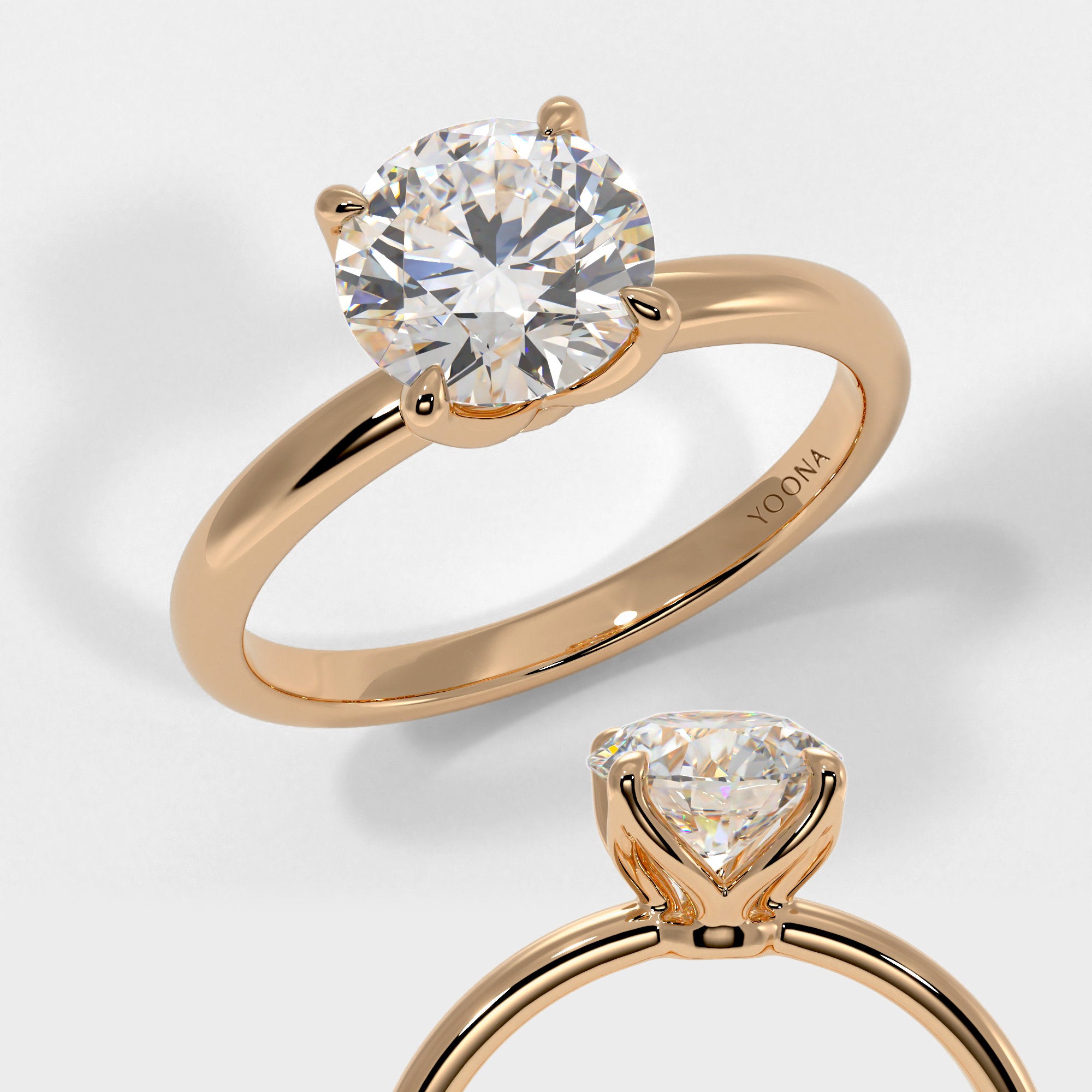
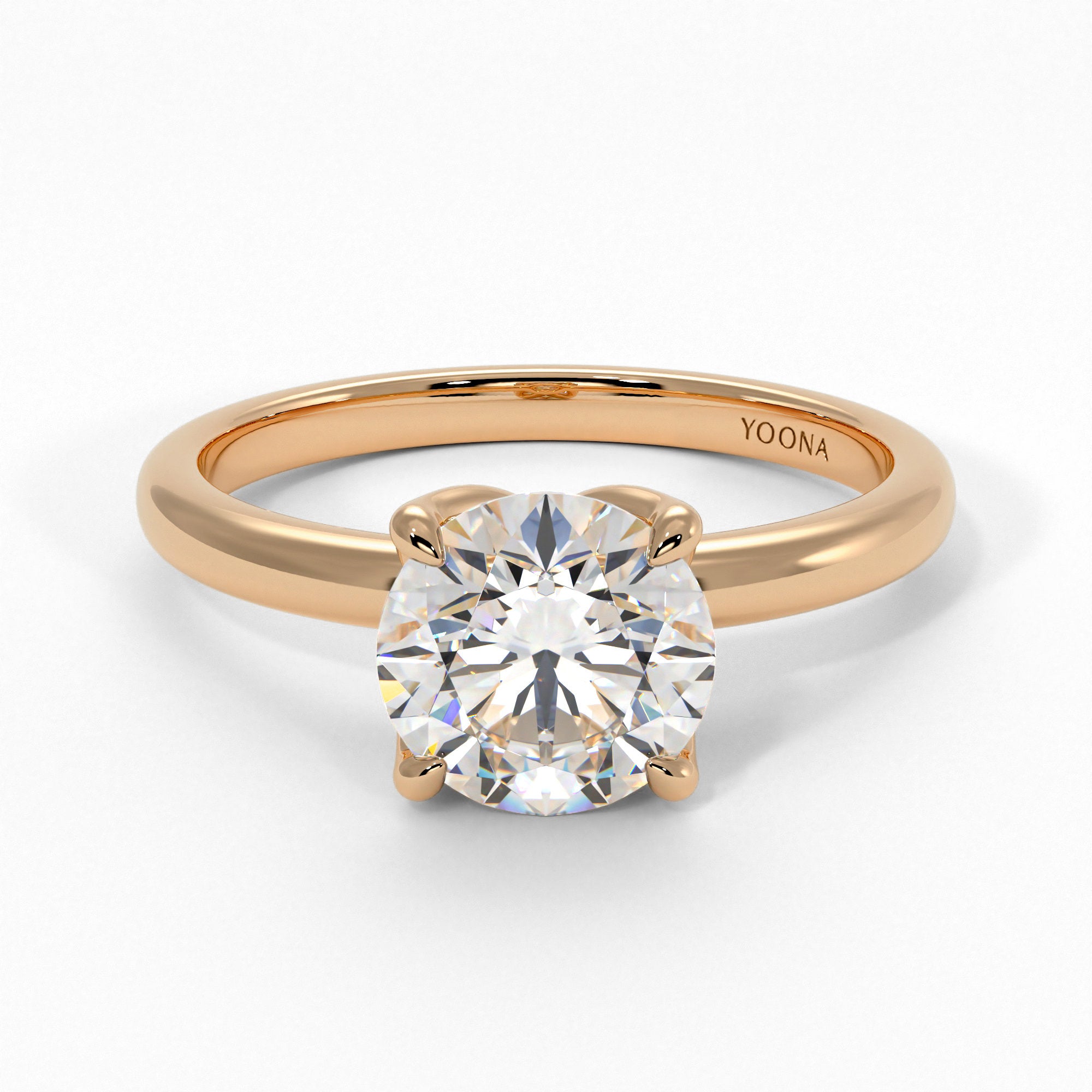
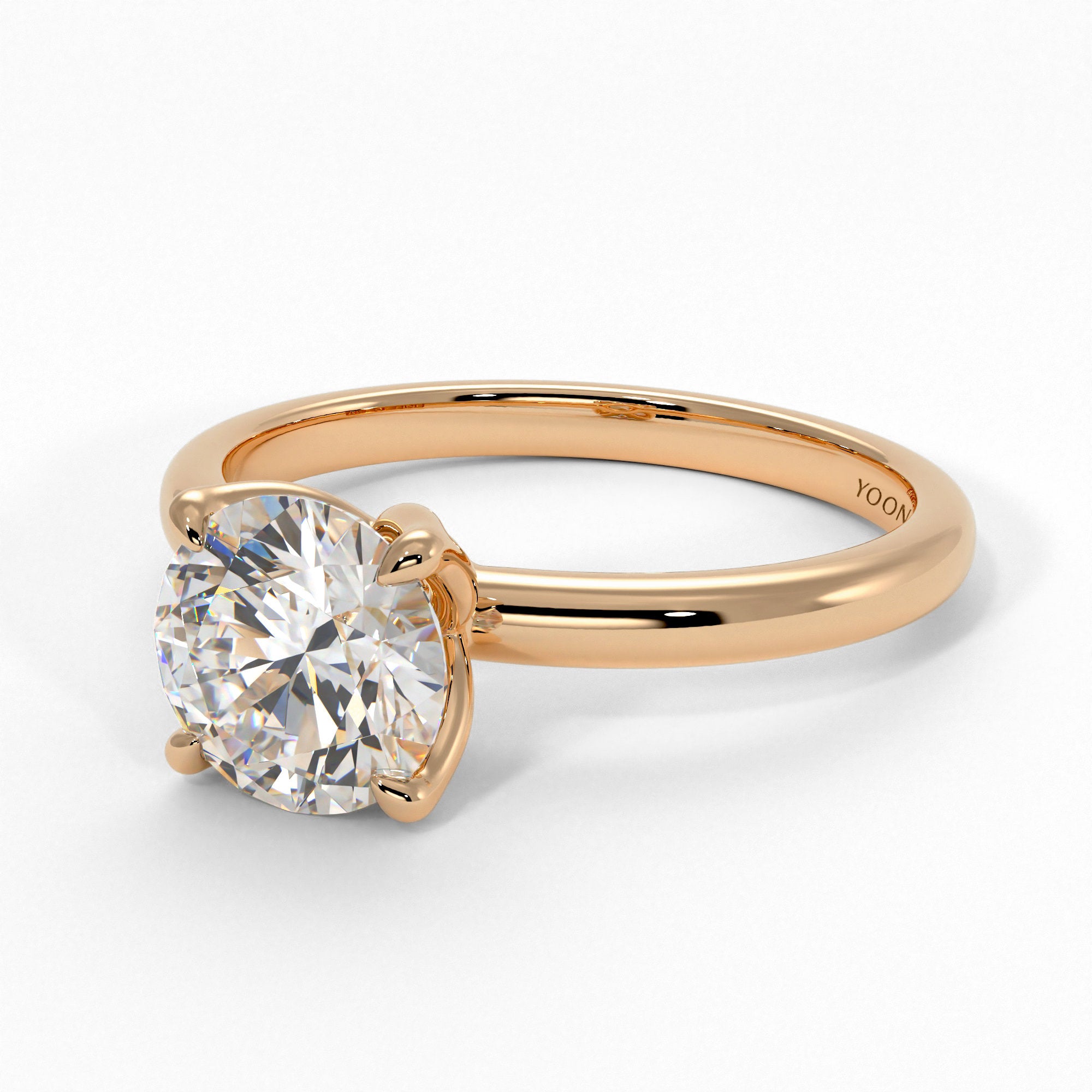
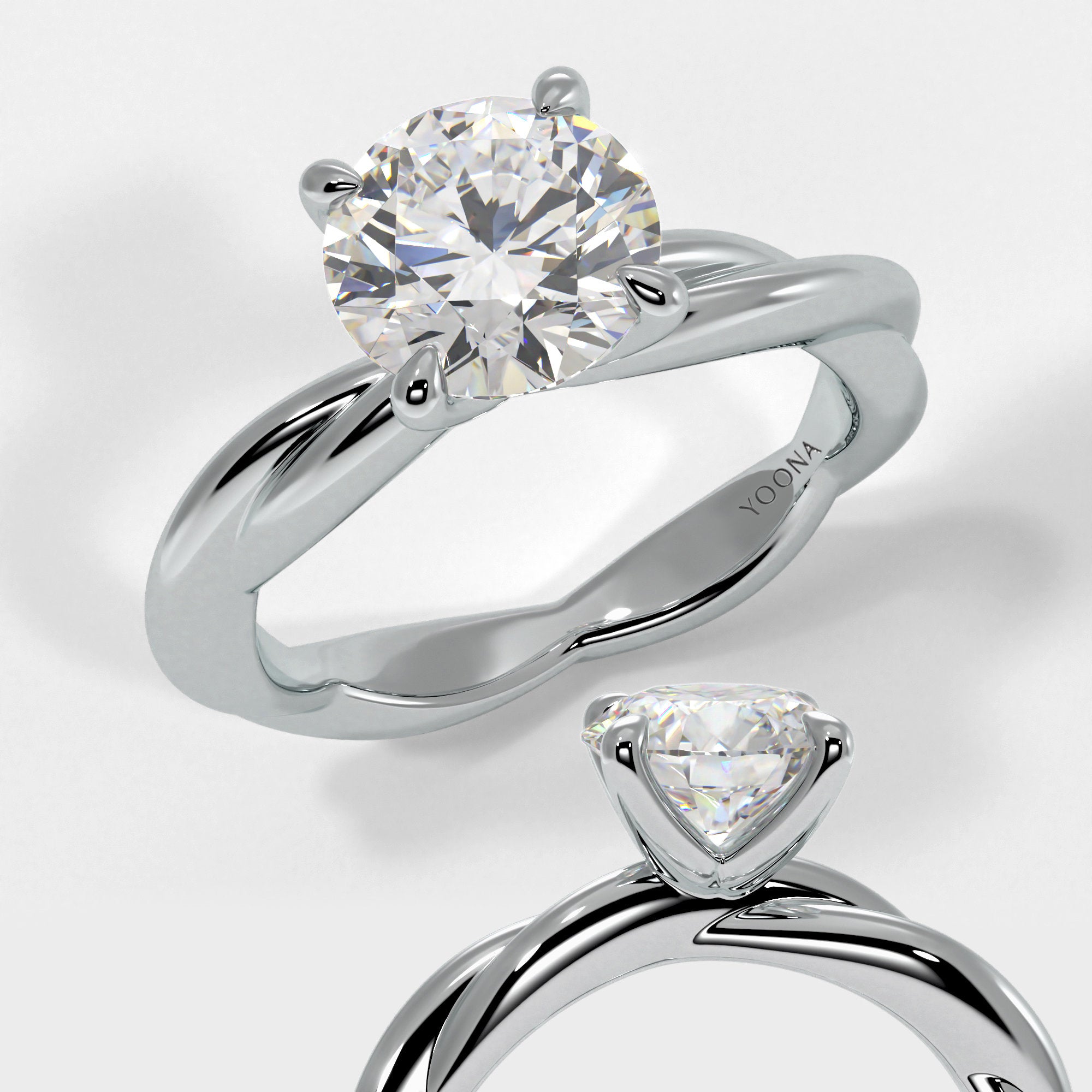
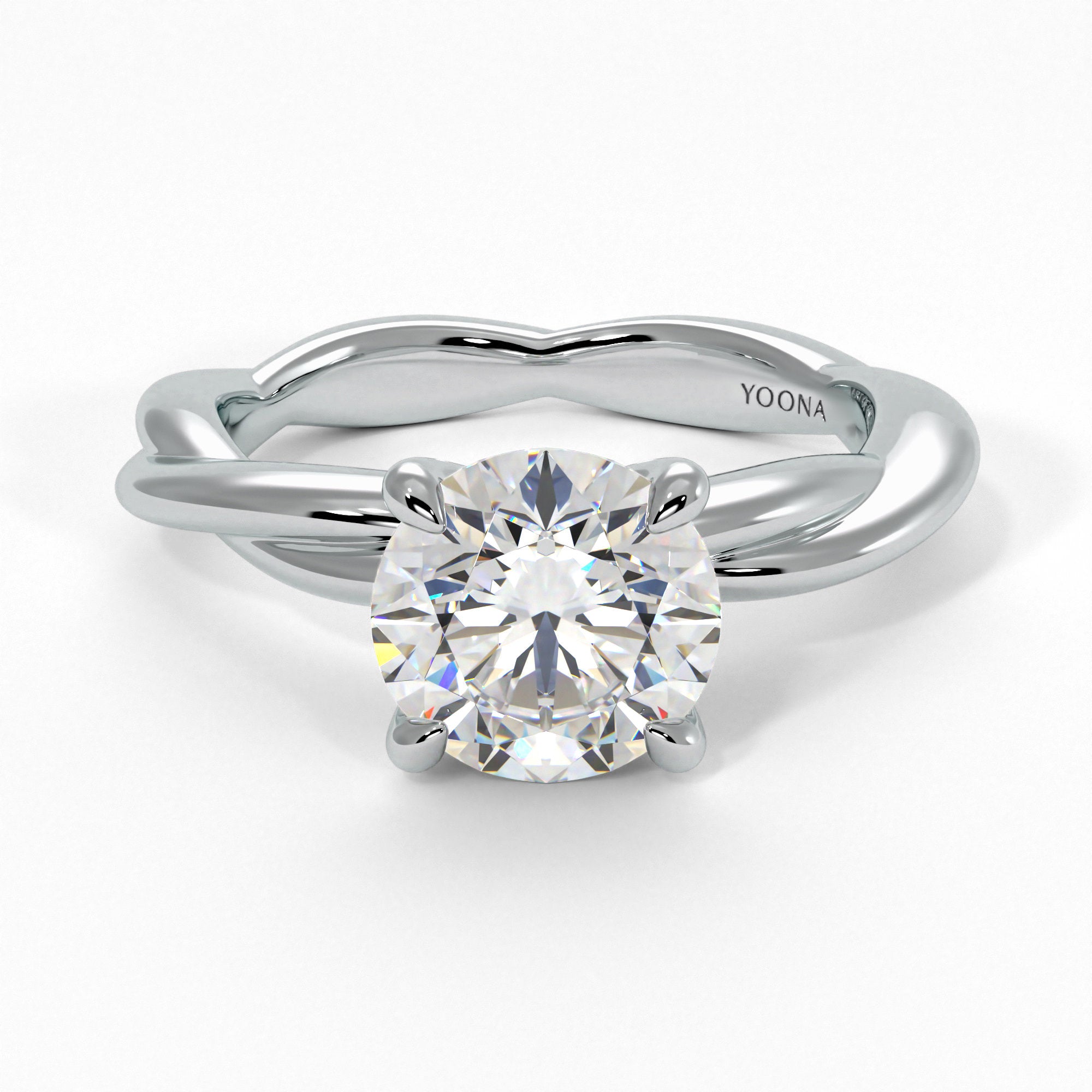
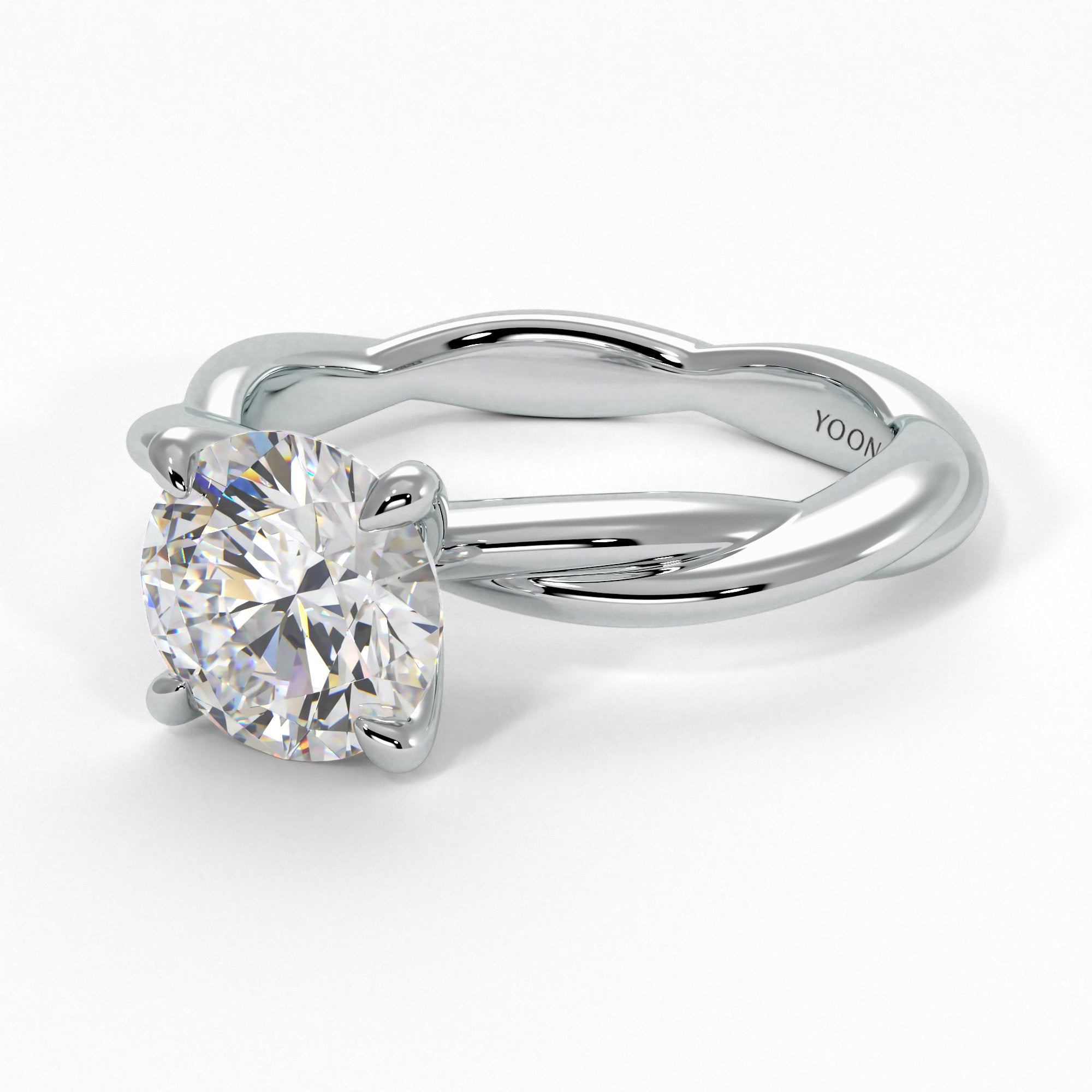
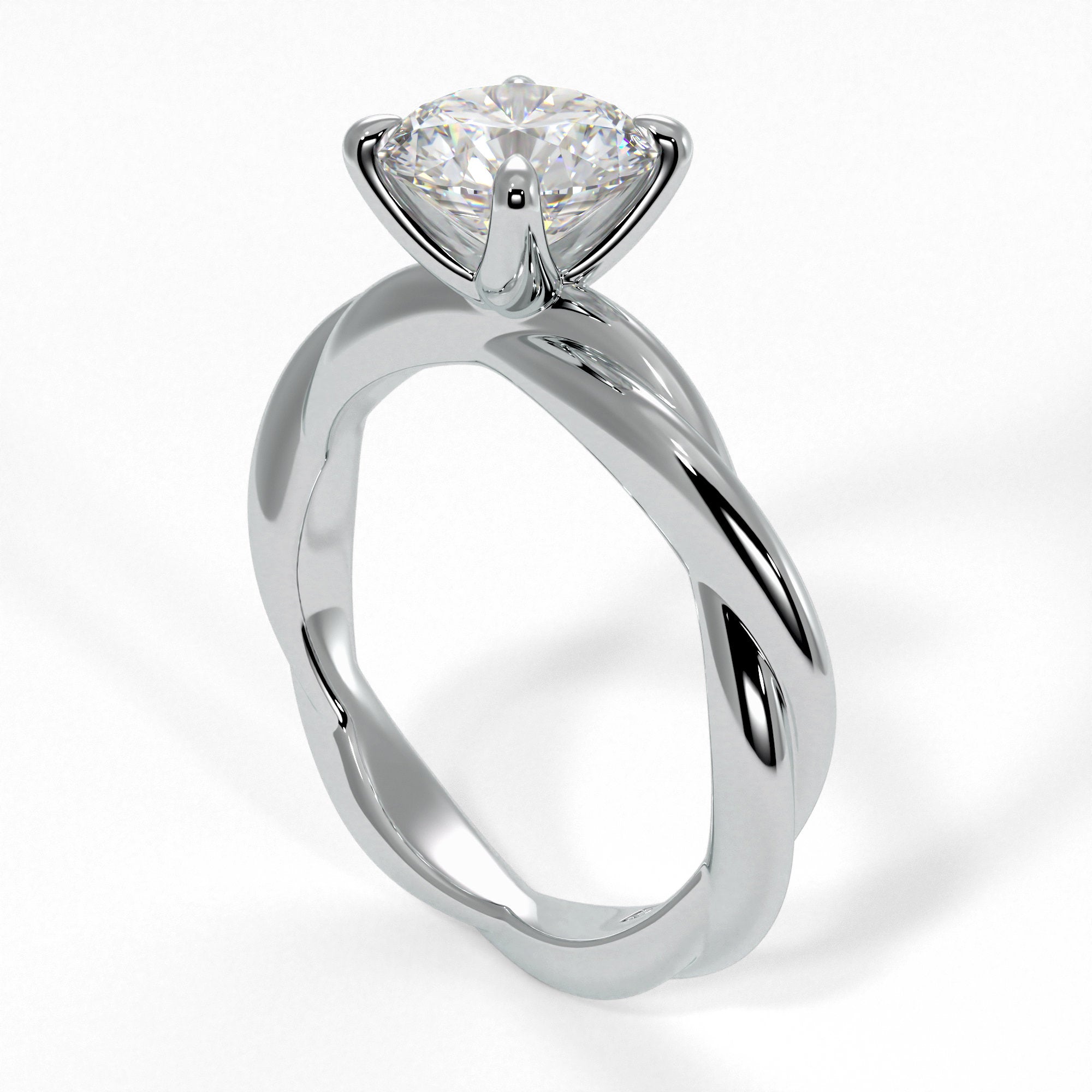
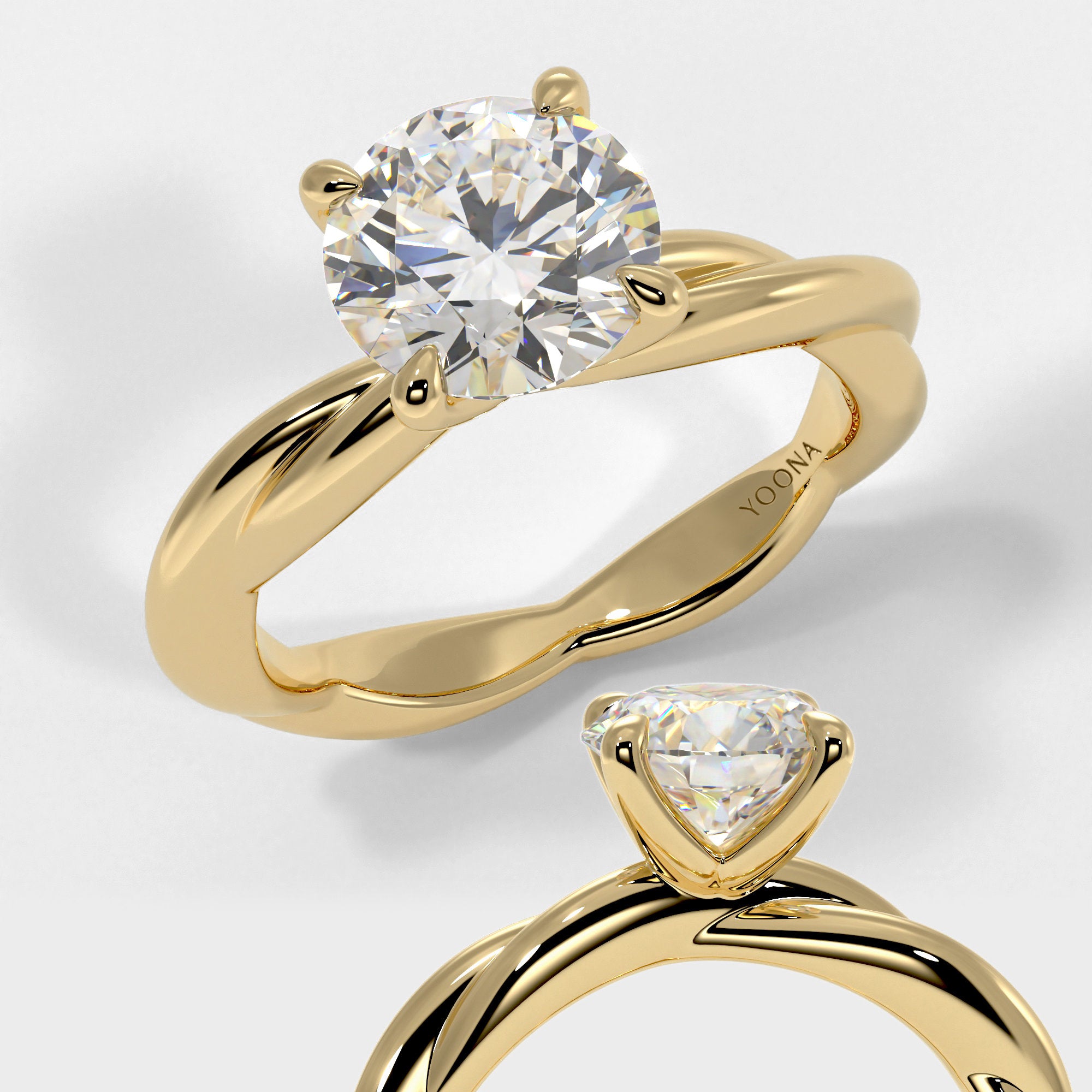
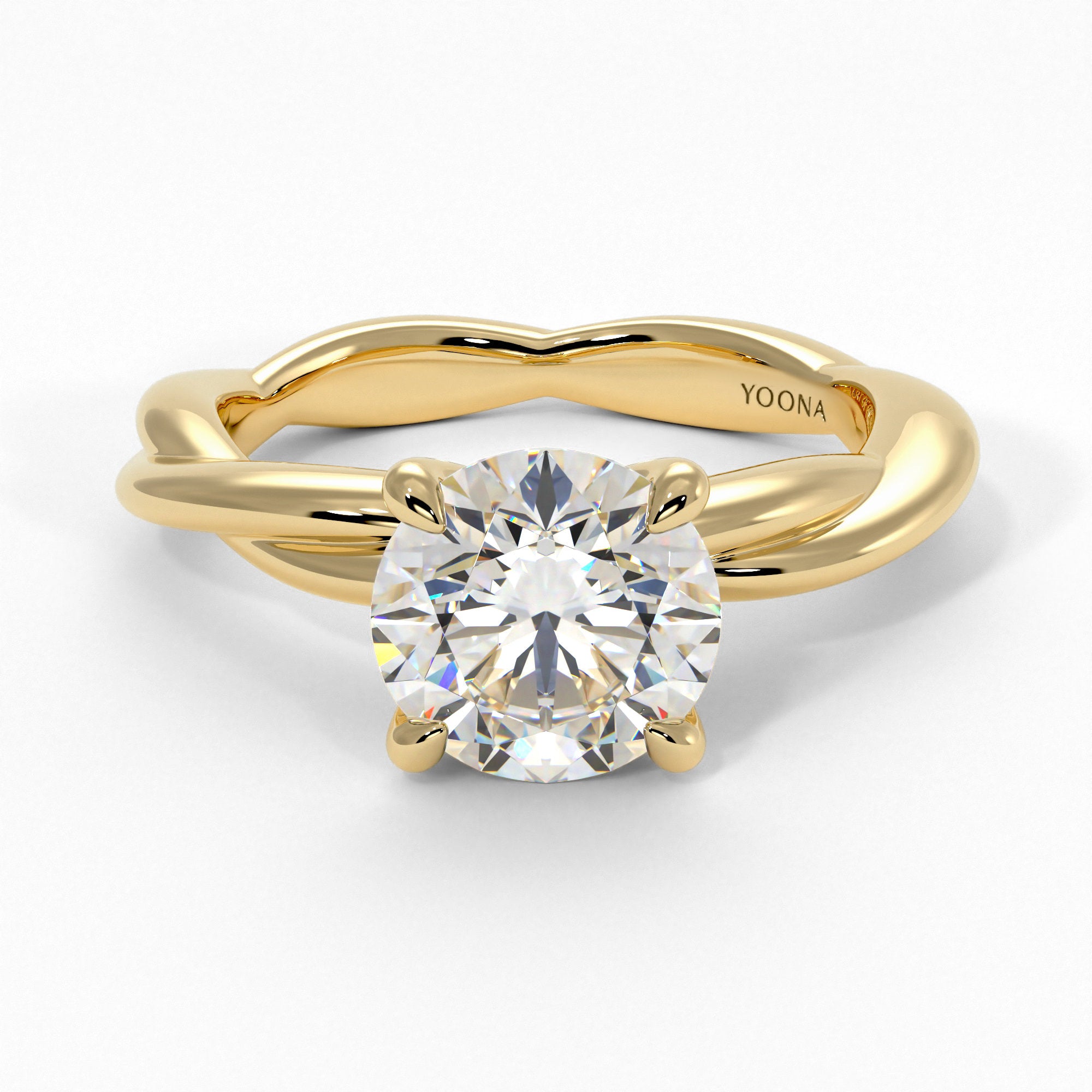
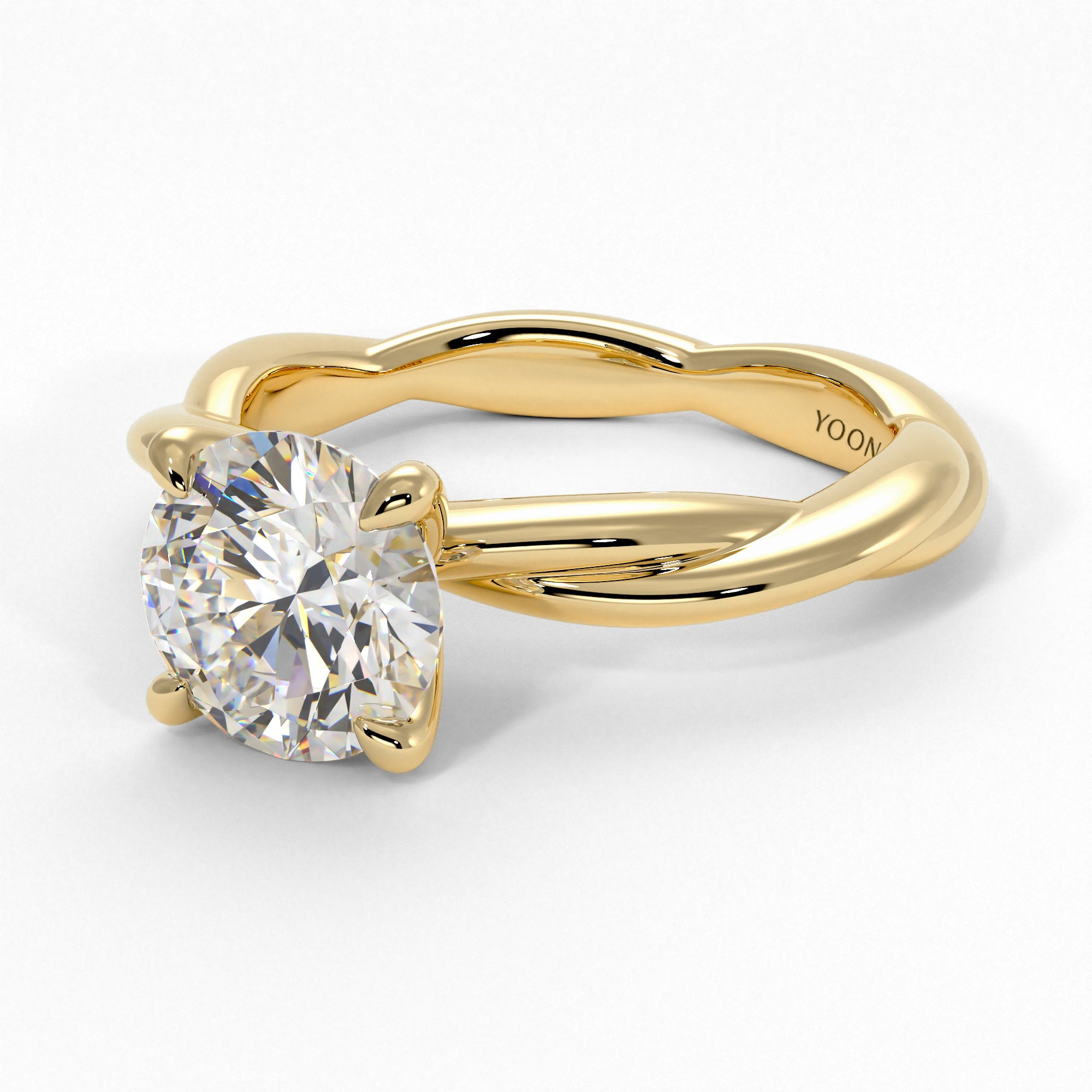
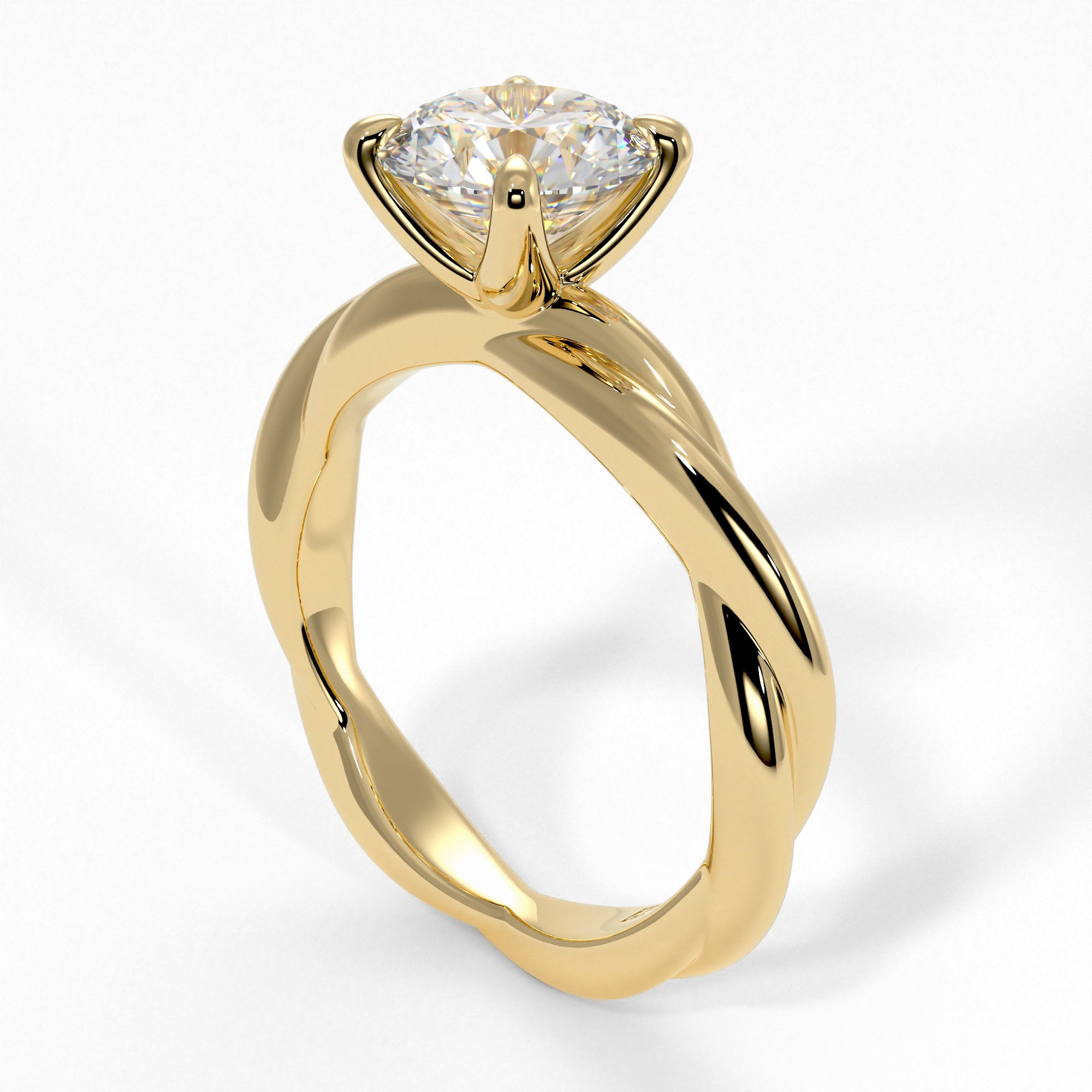
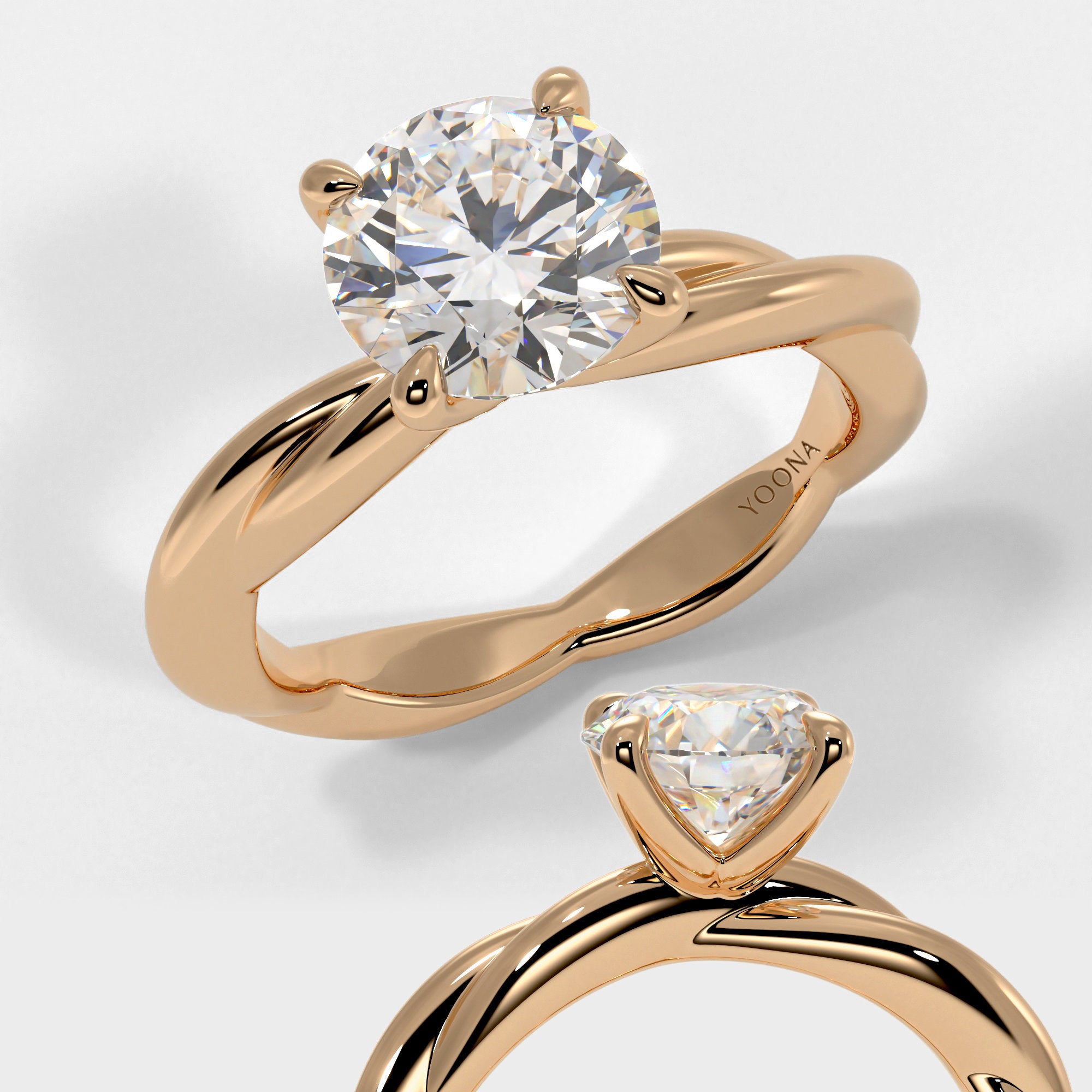
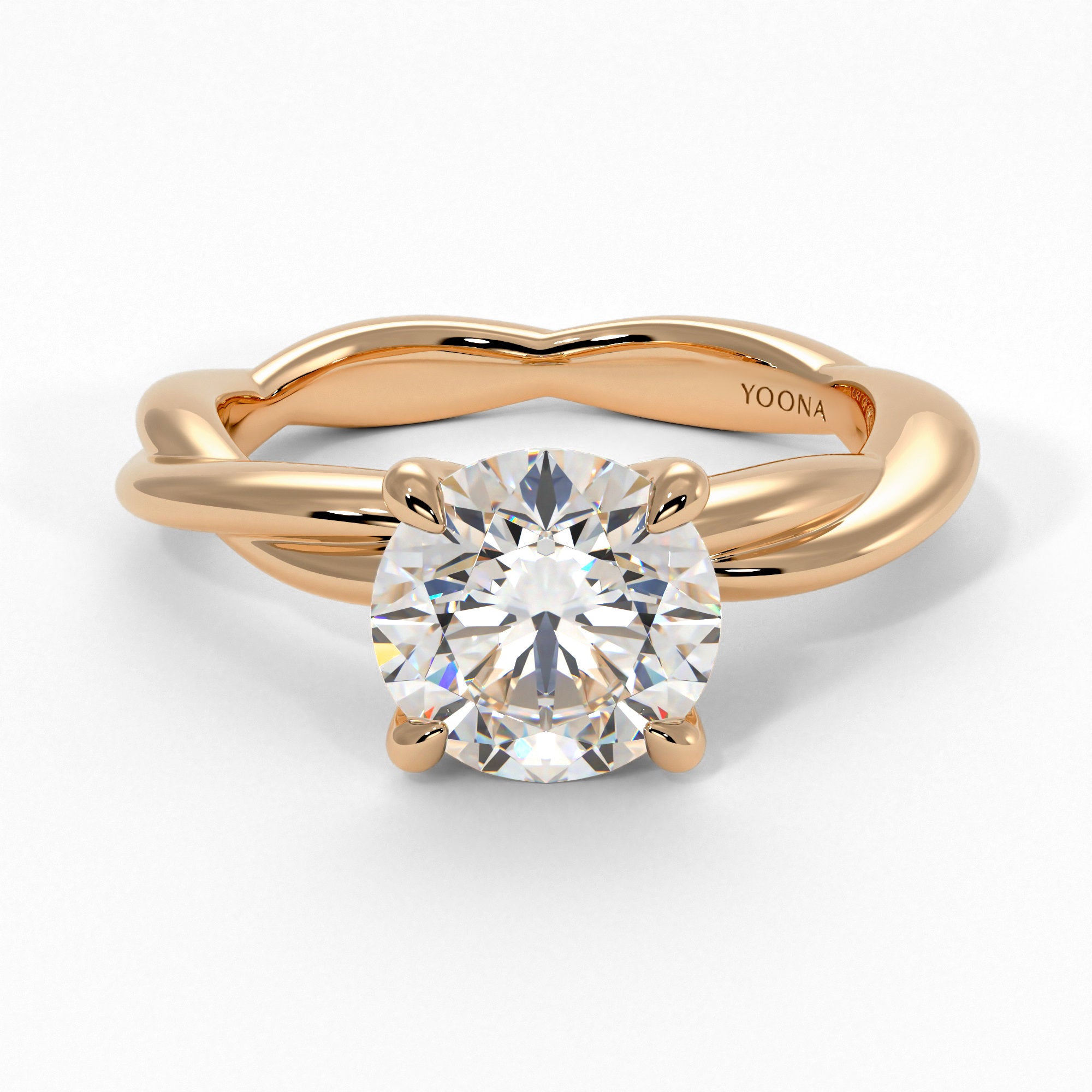
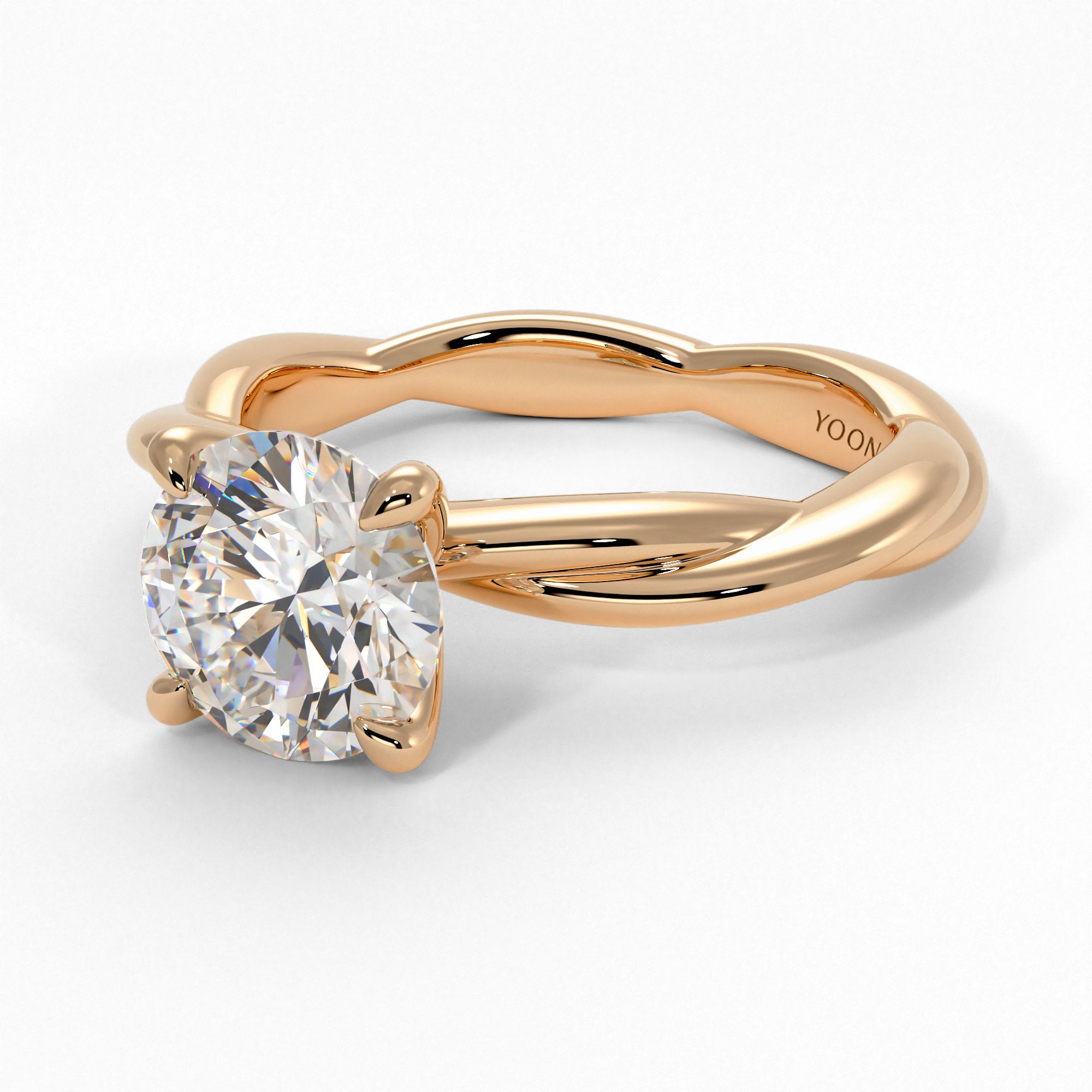
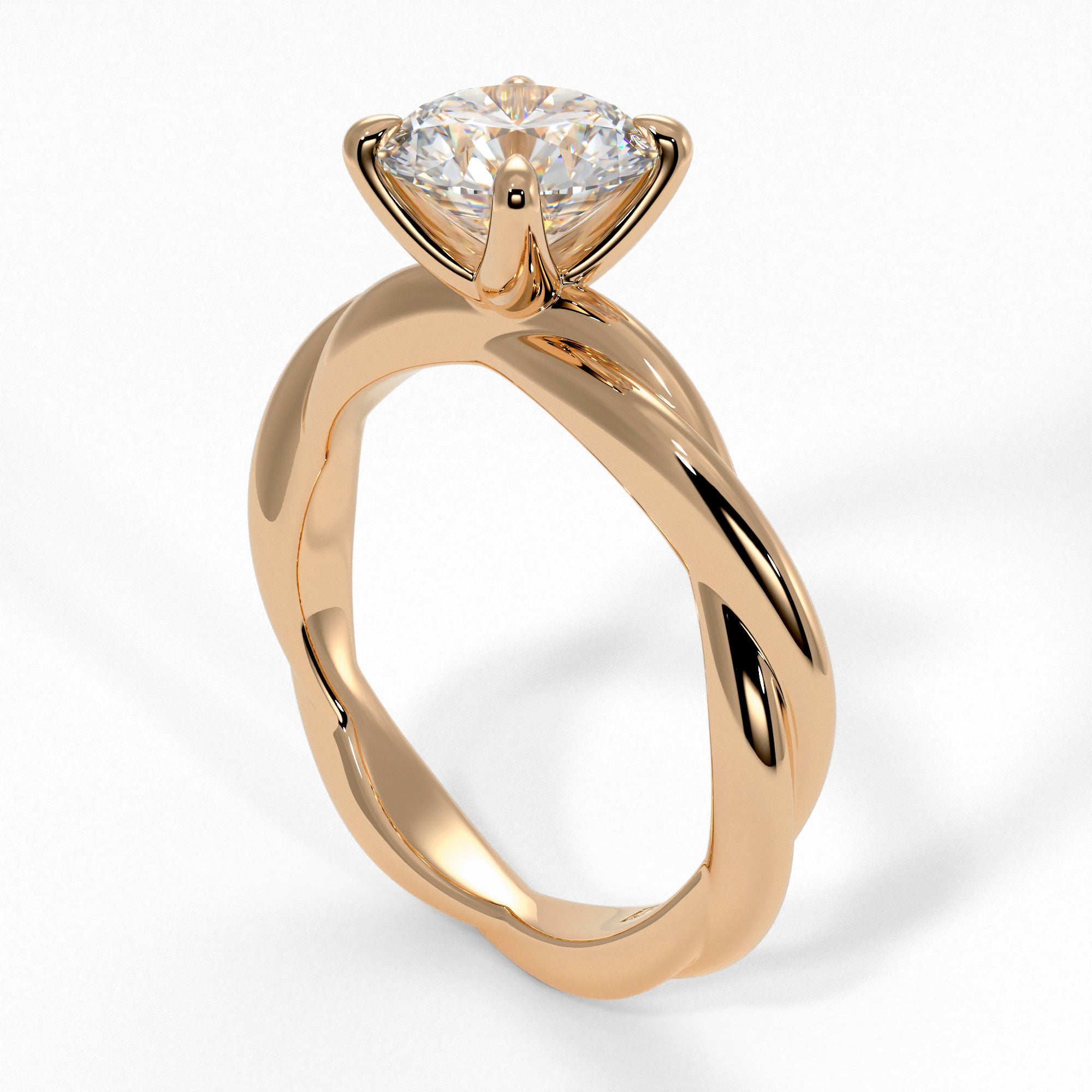
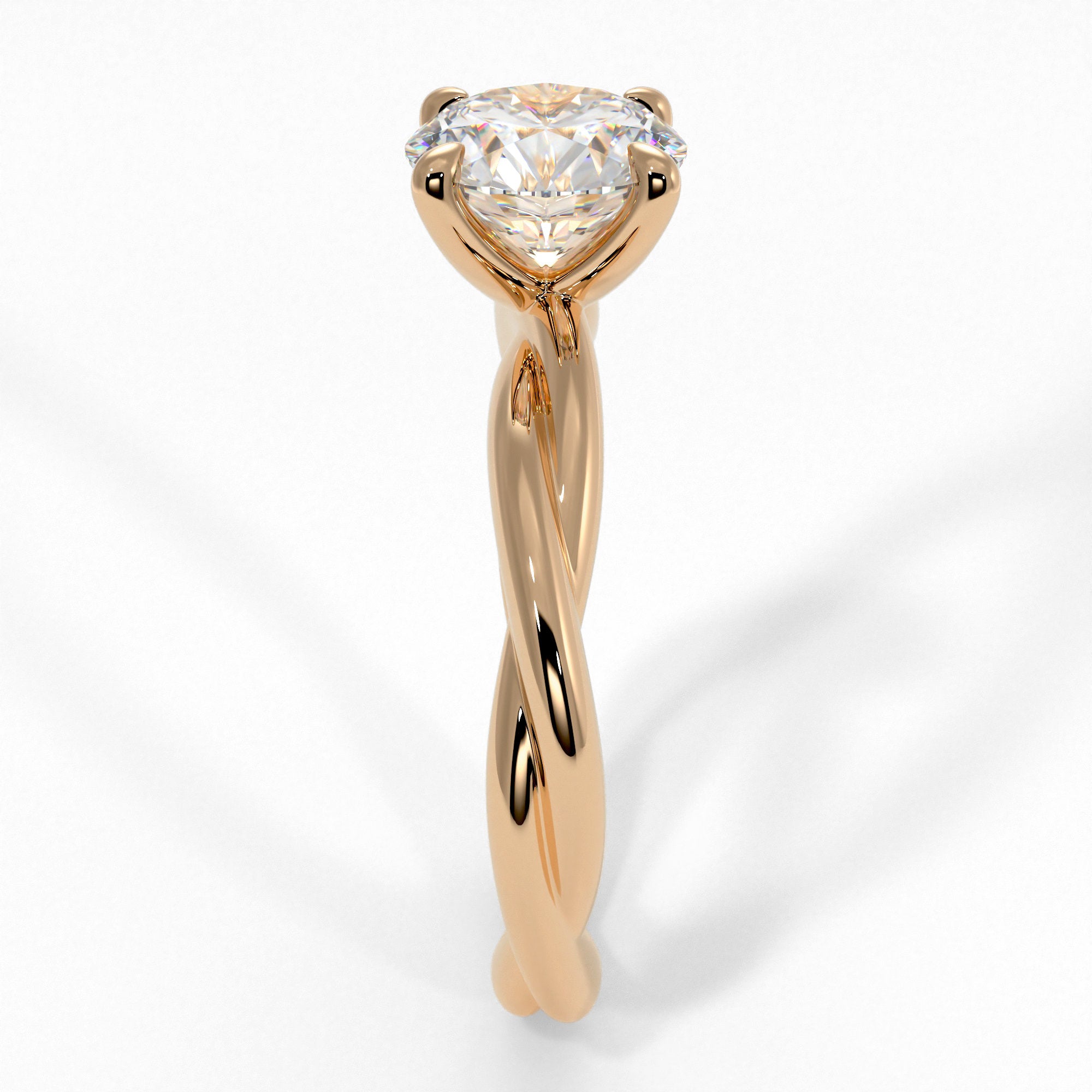
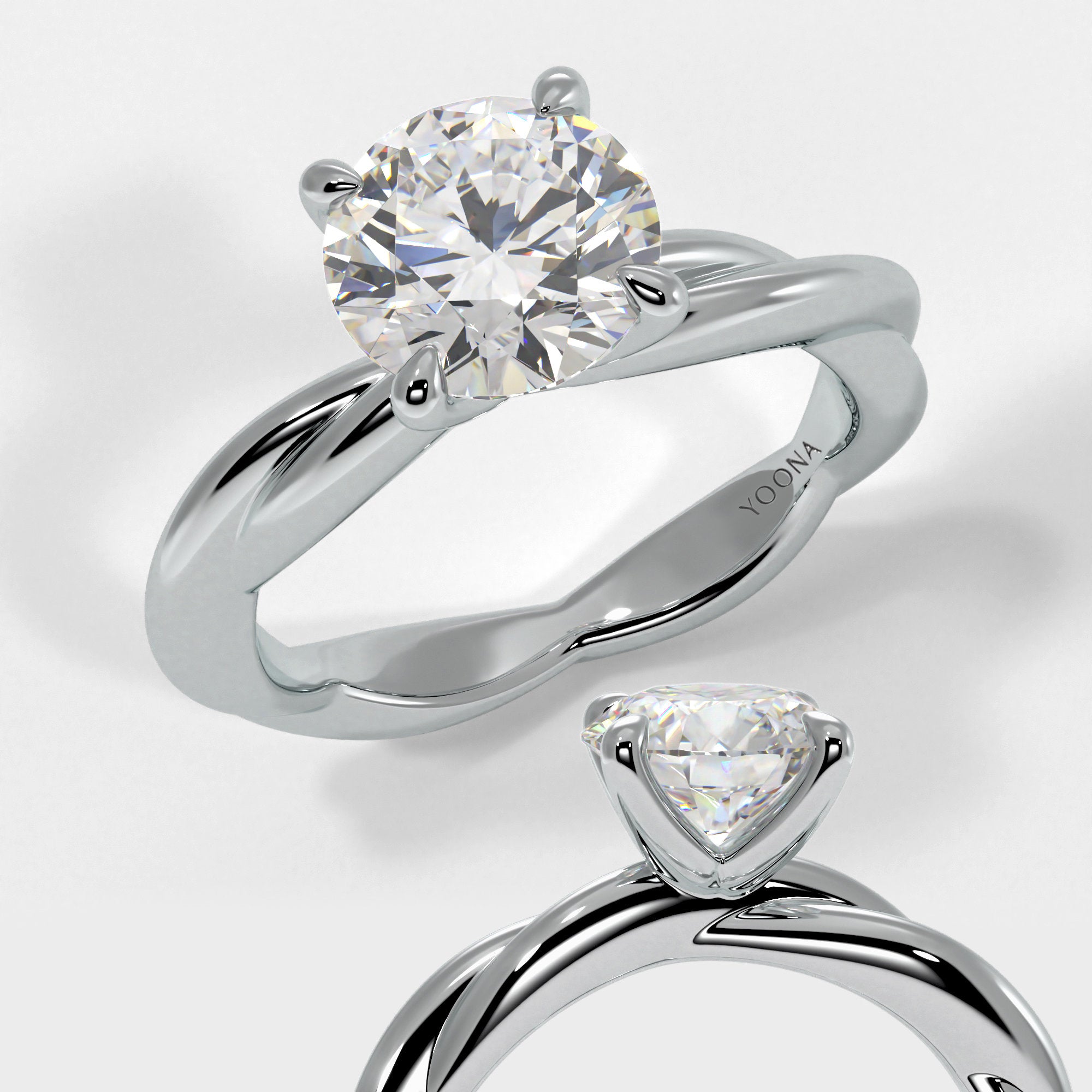
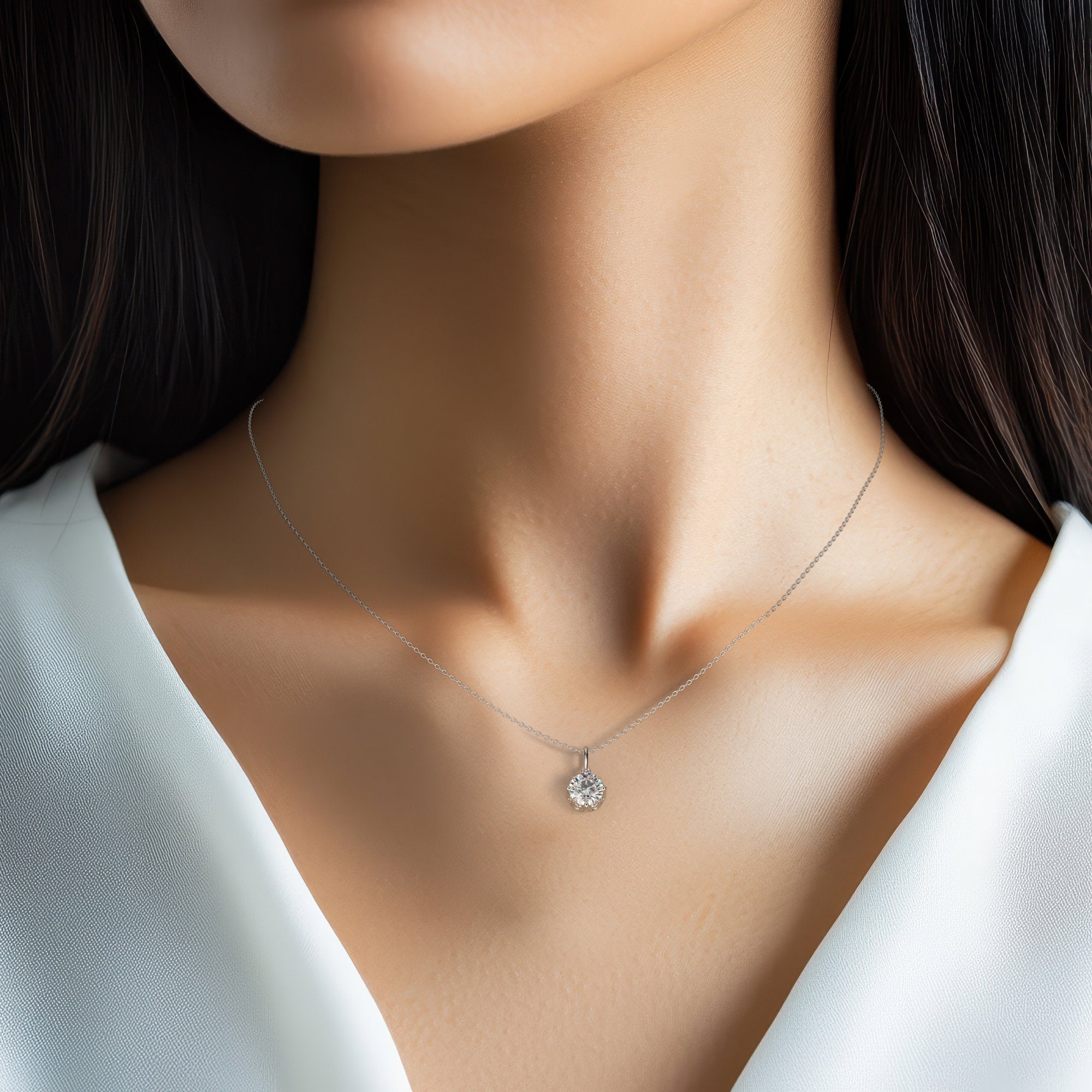
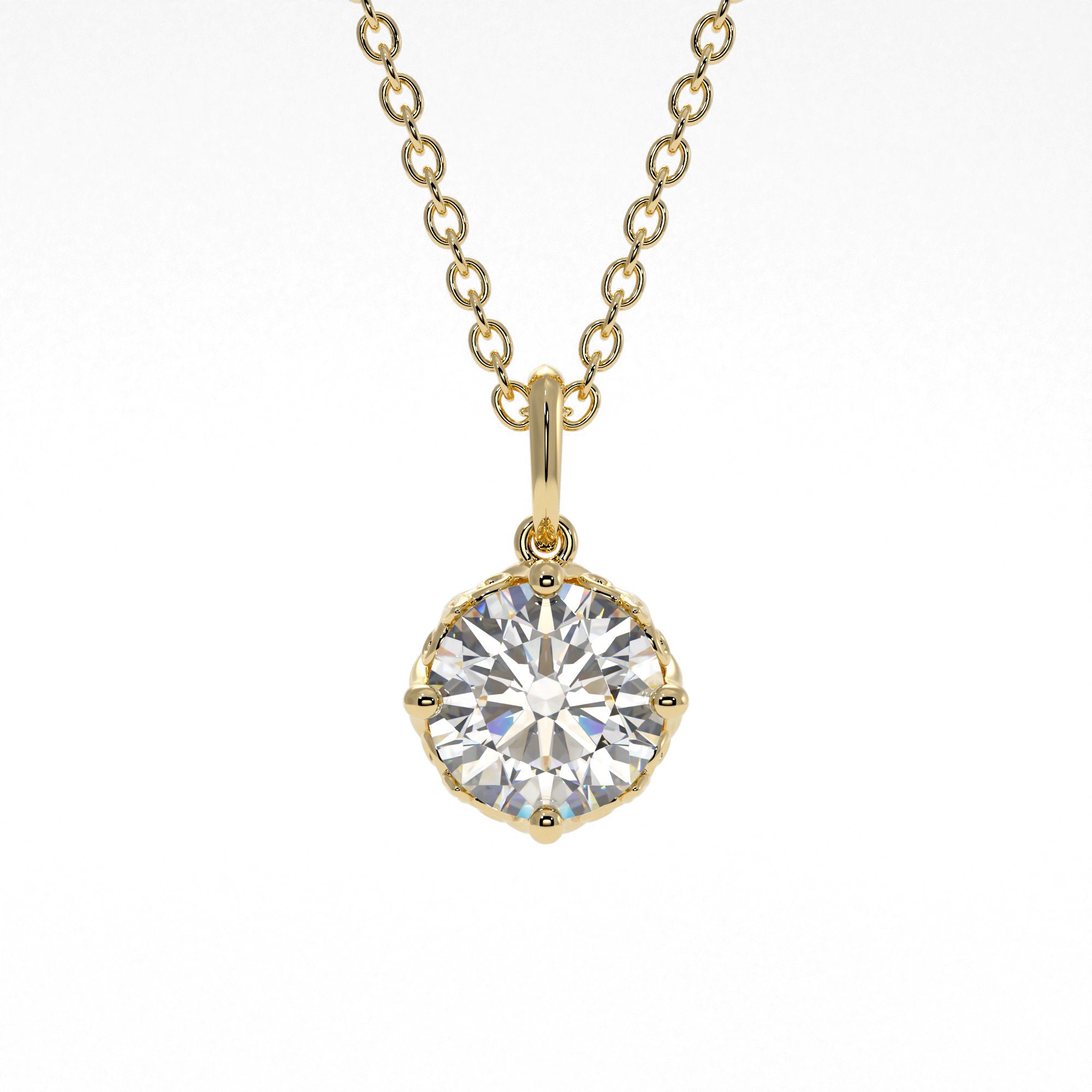
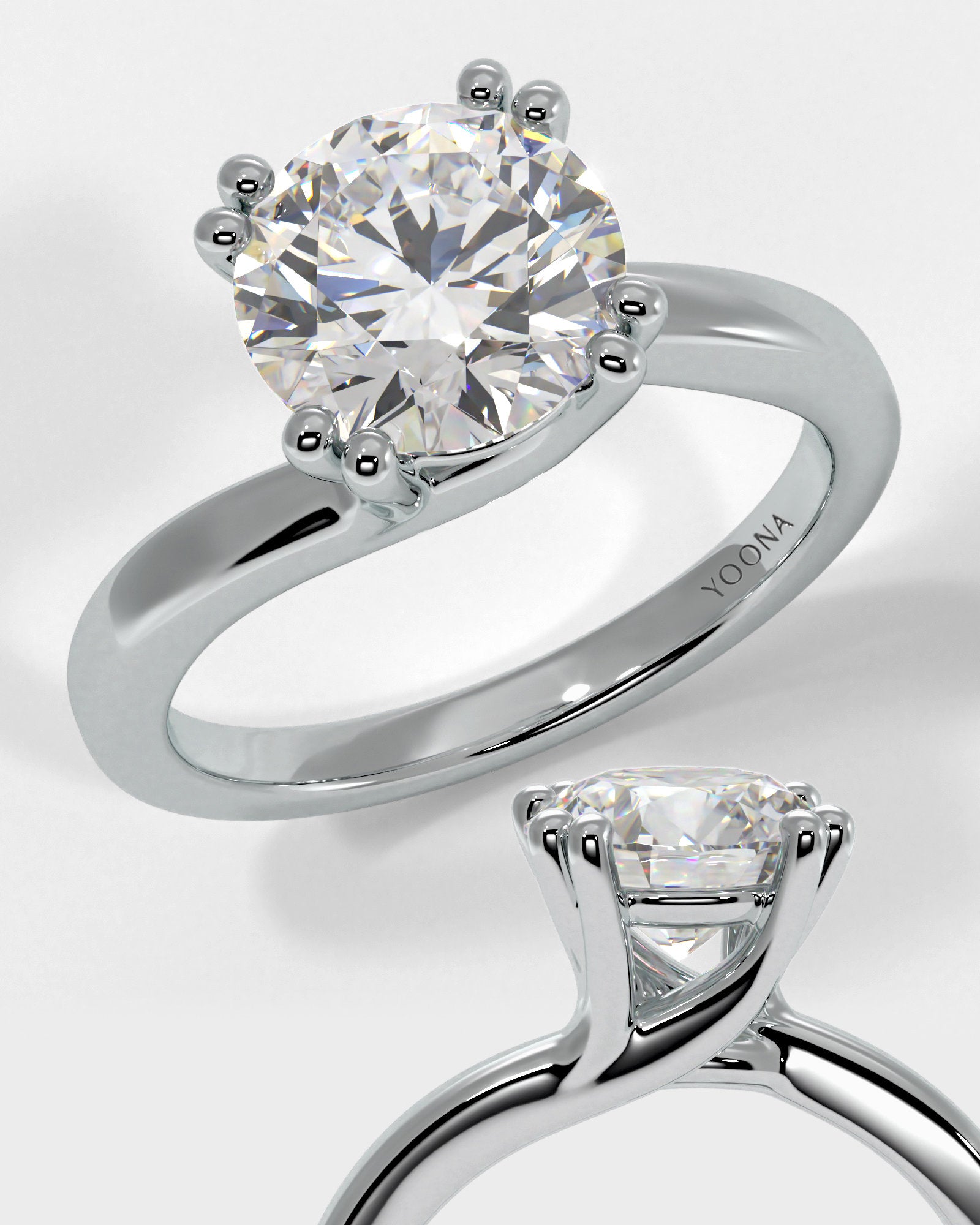
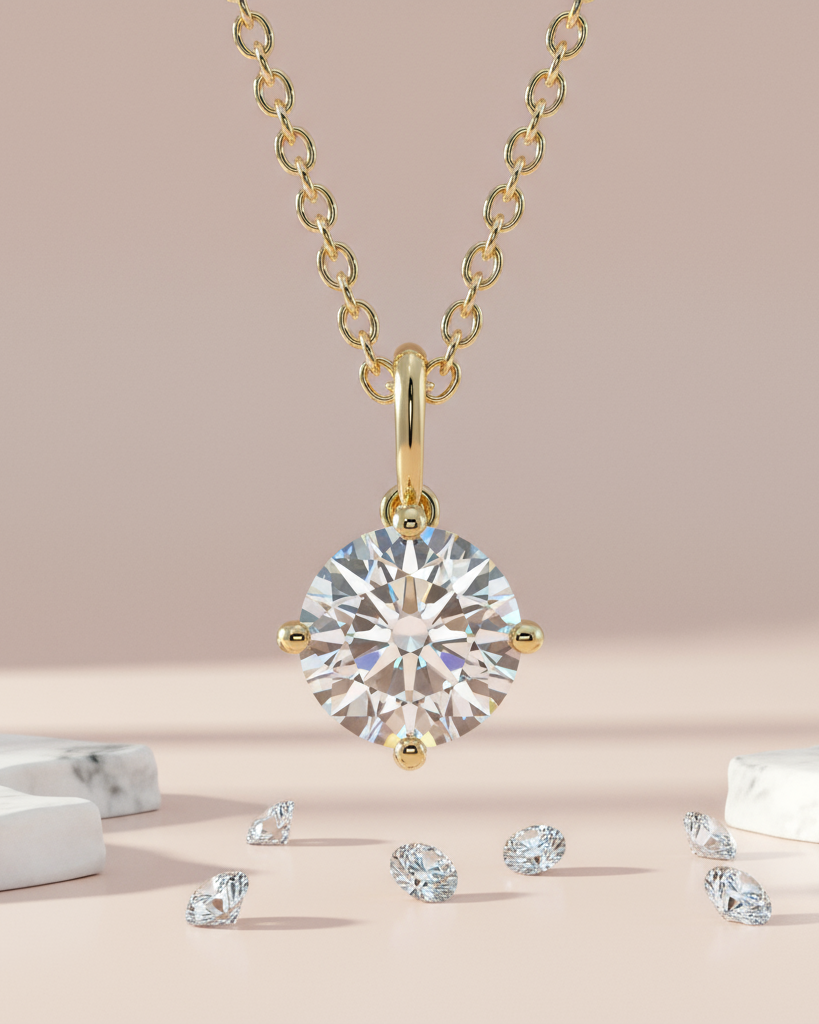
- Solitaire: A single center stone with no accent diamonds, timeless and understated.
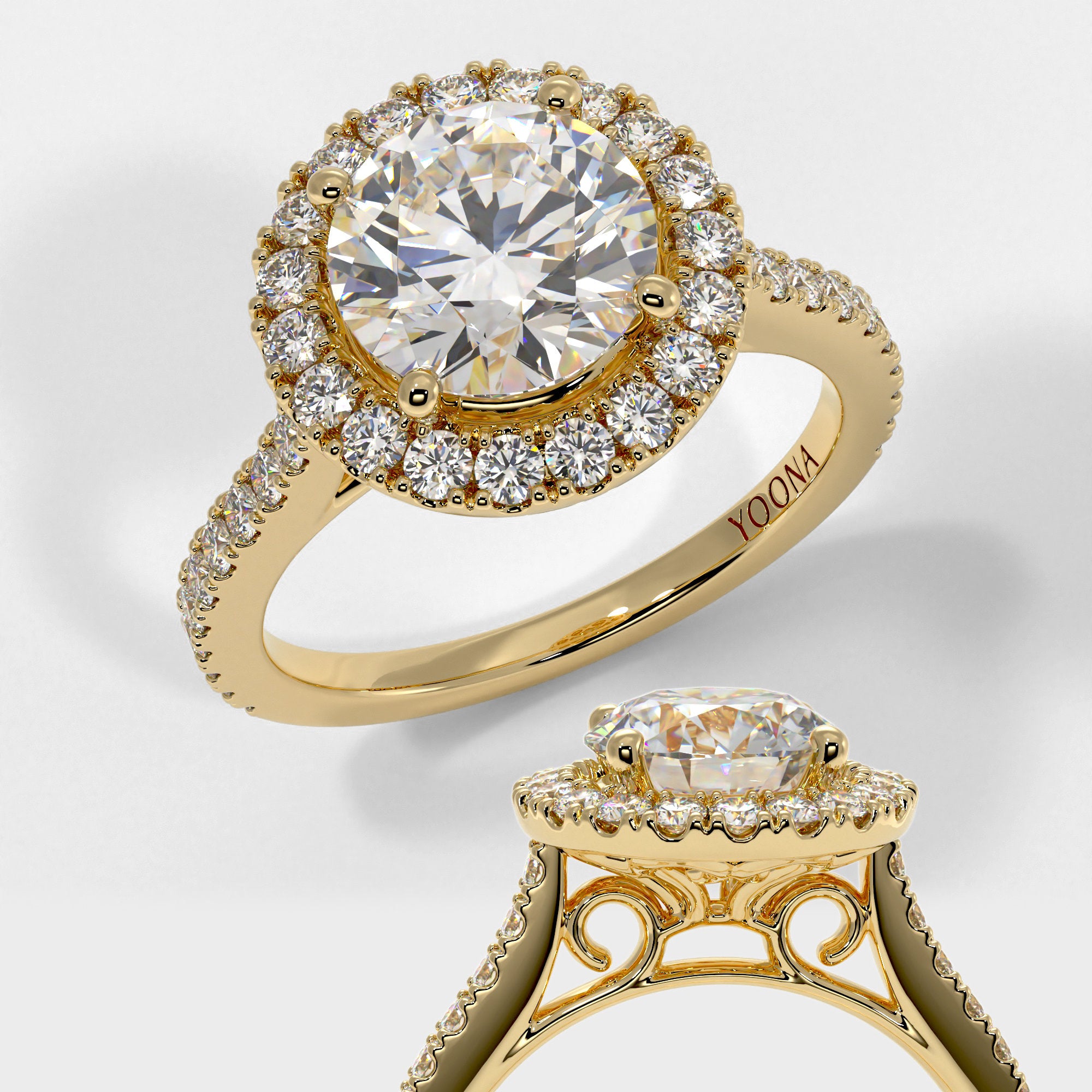
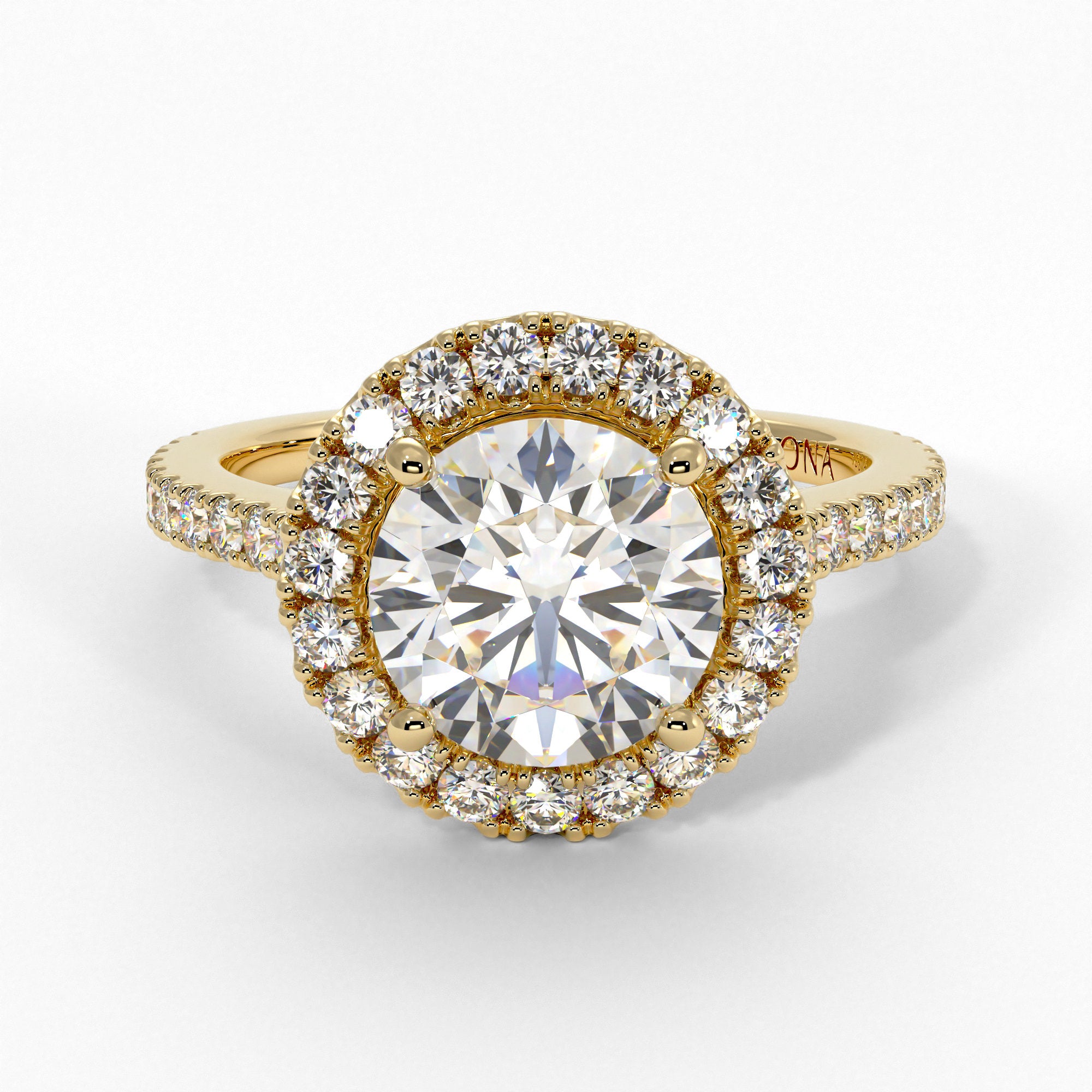
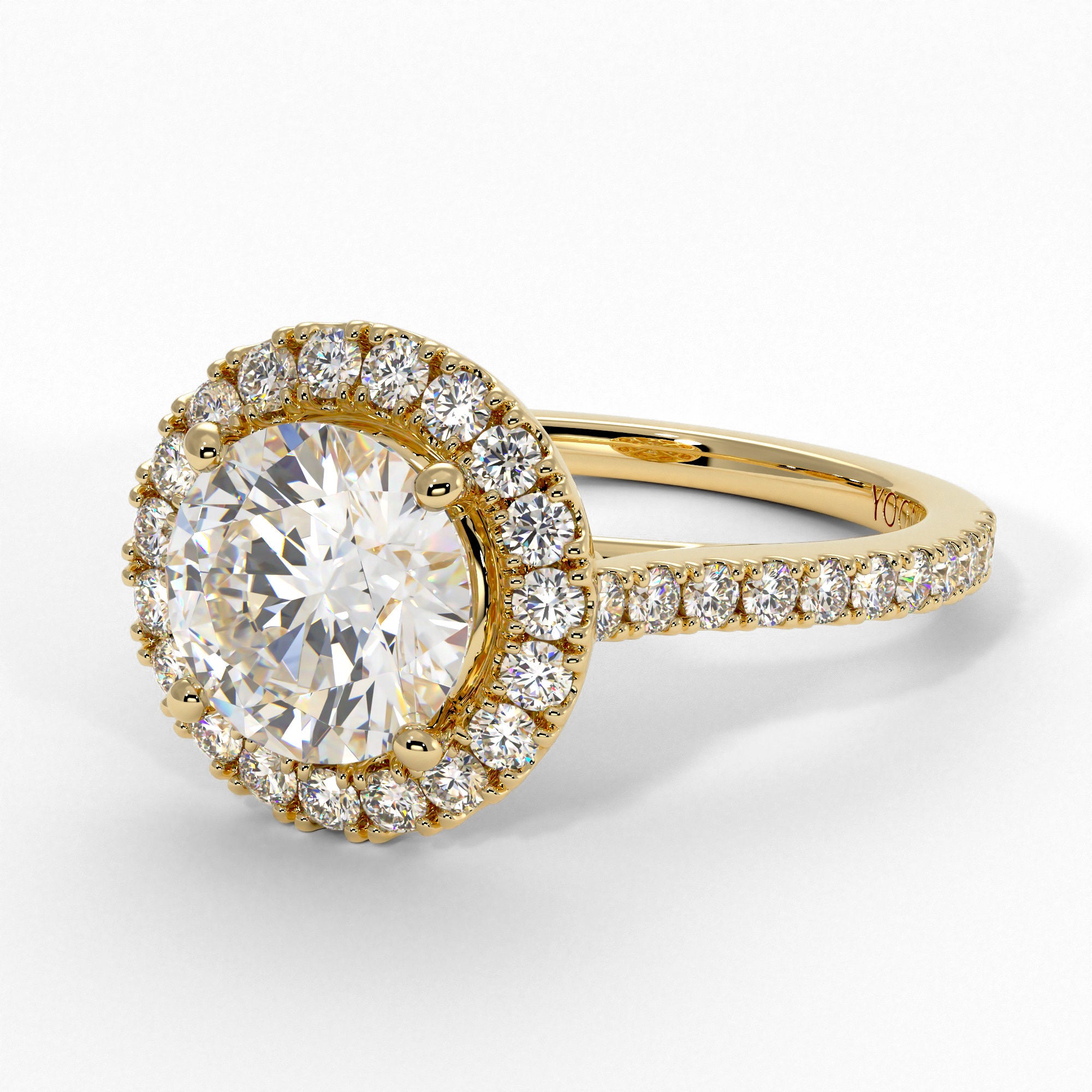
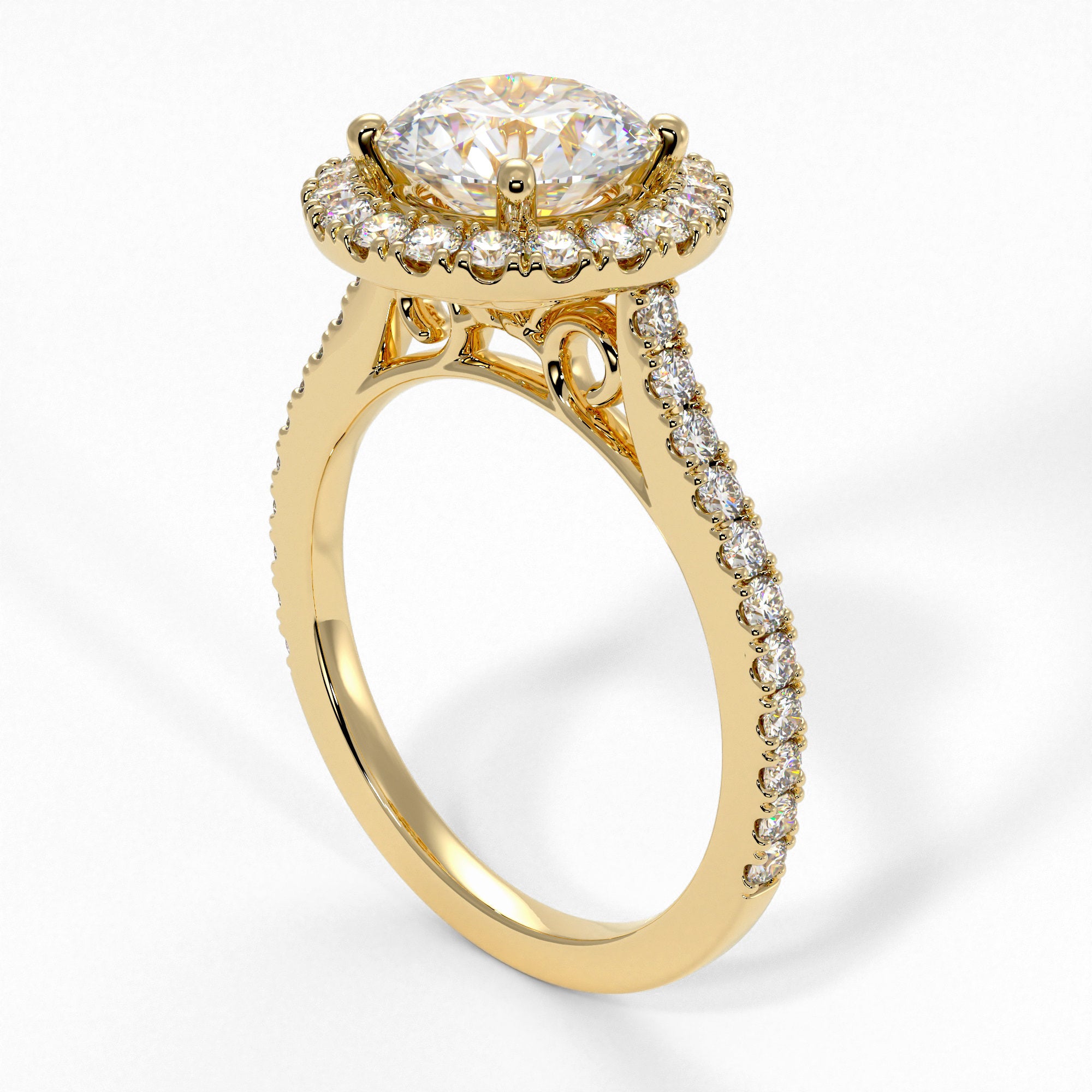
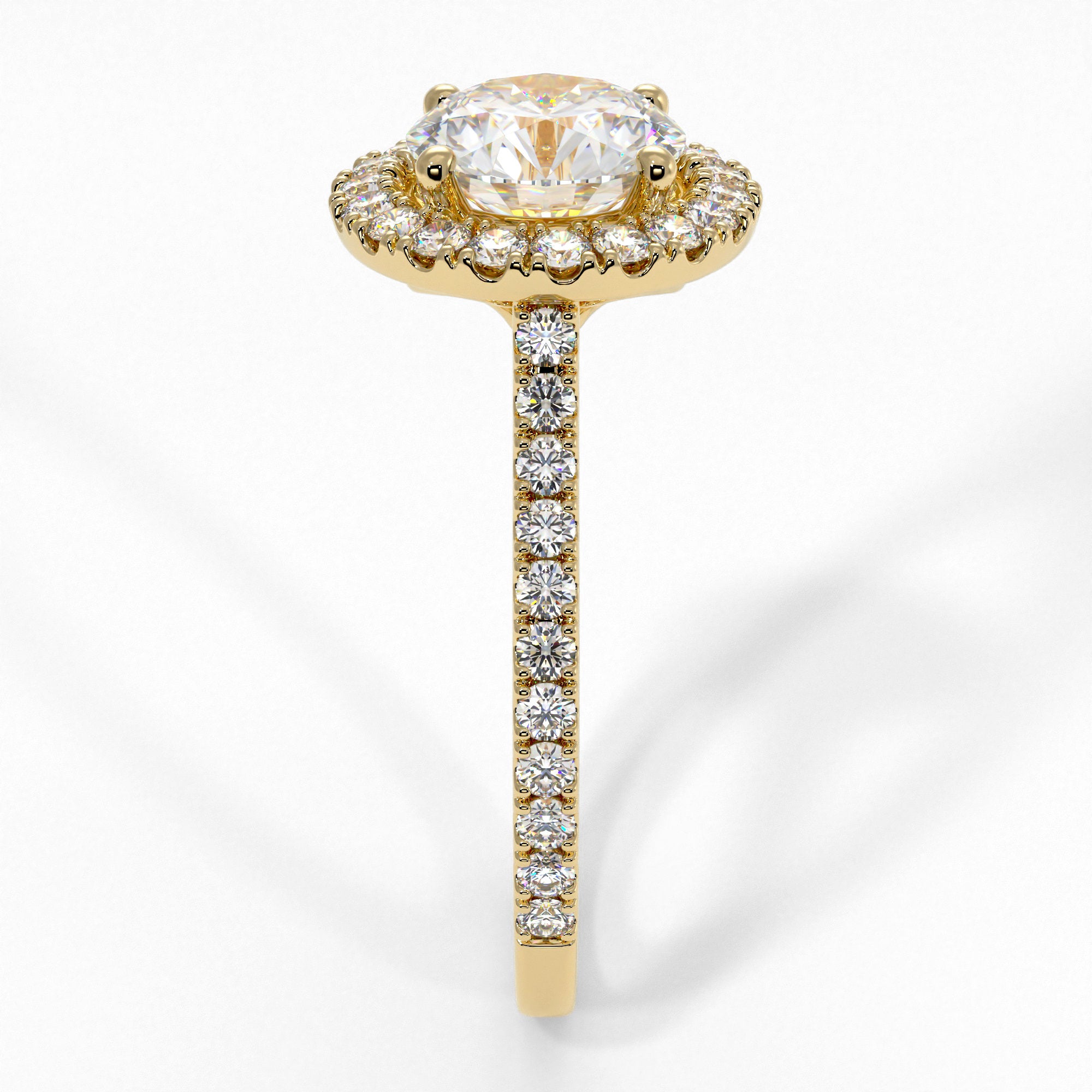
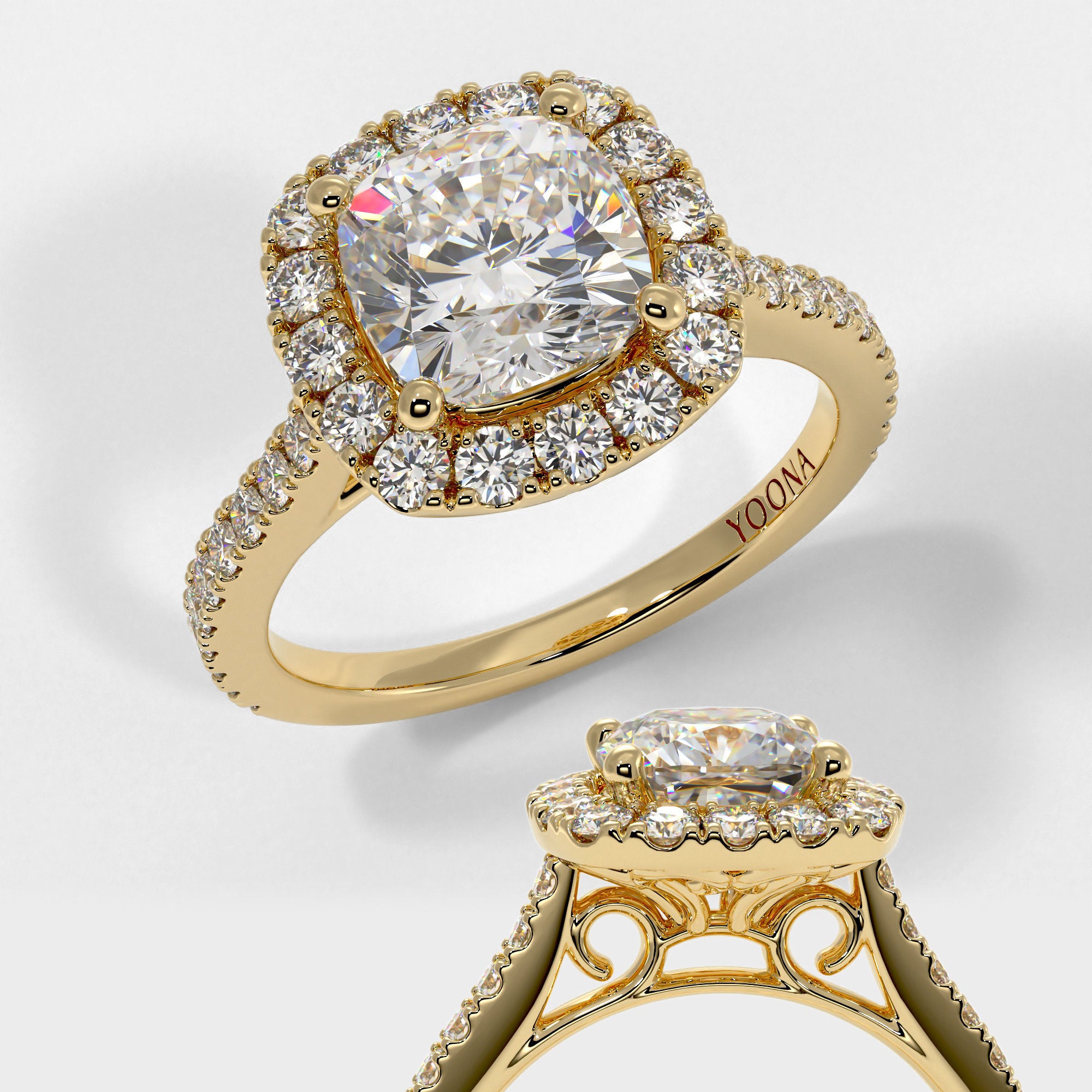
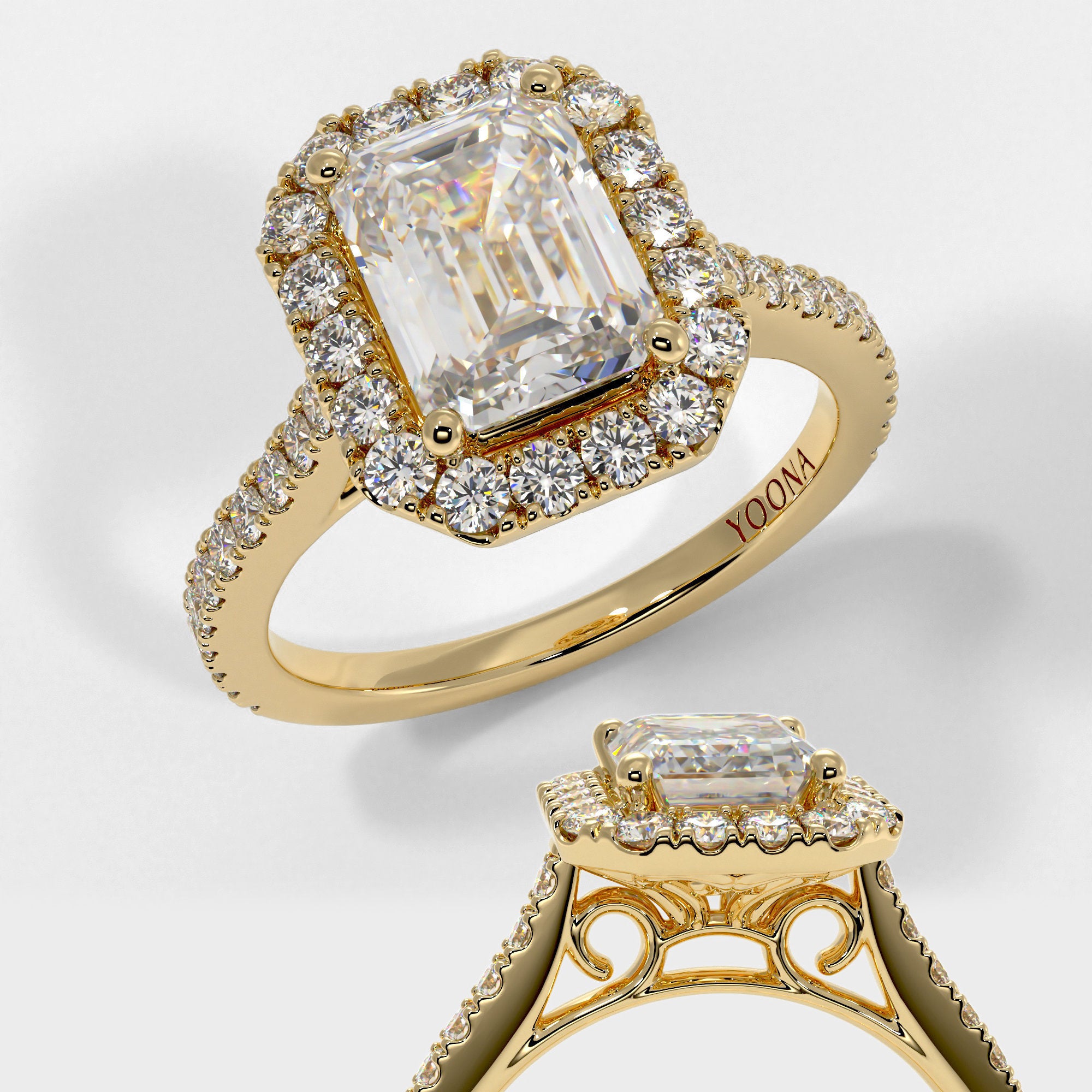
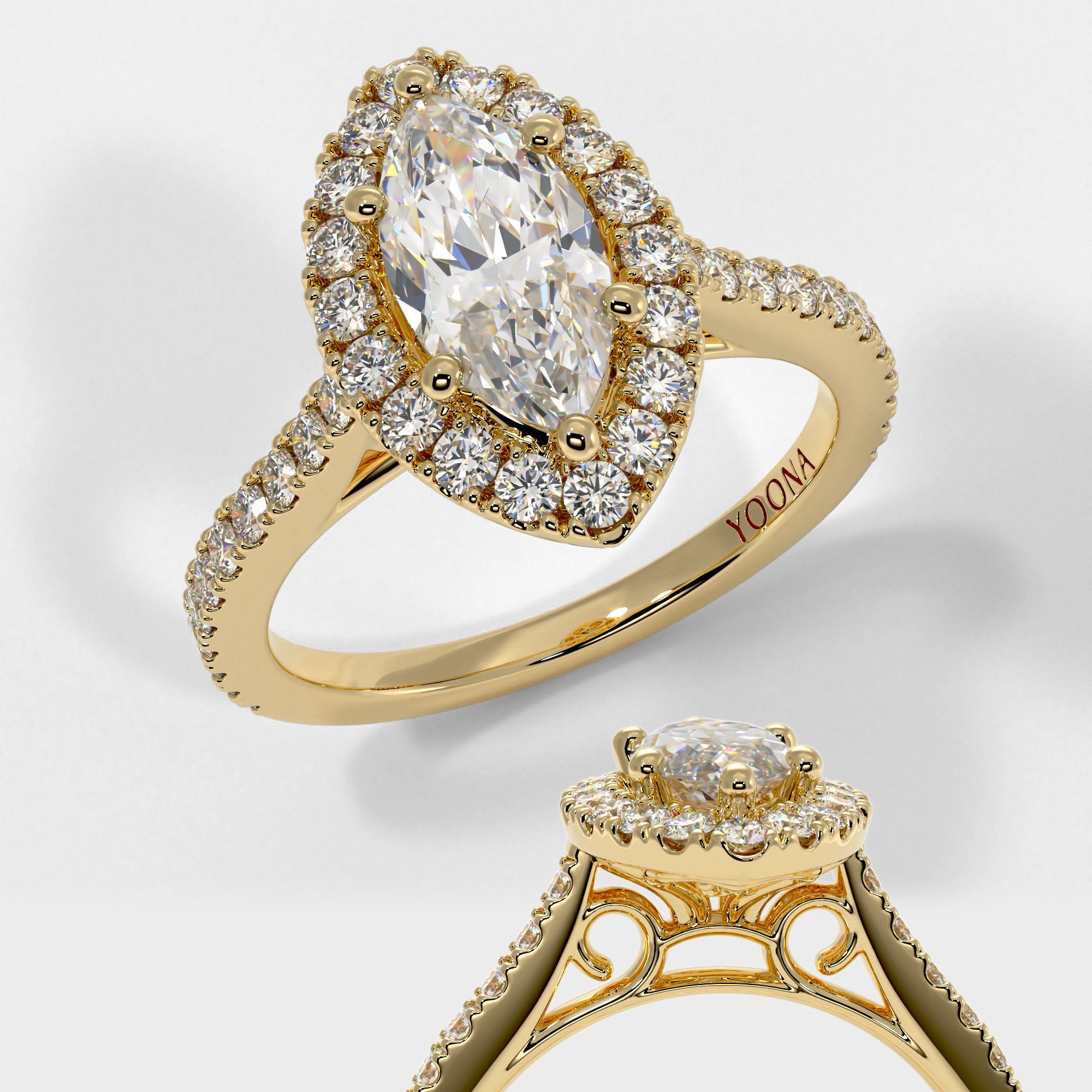
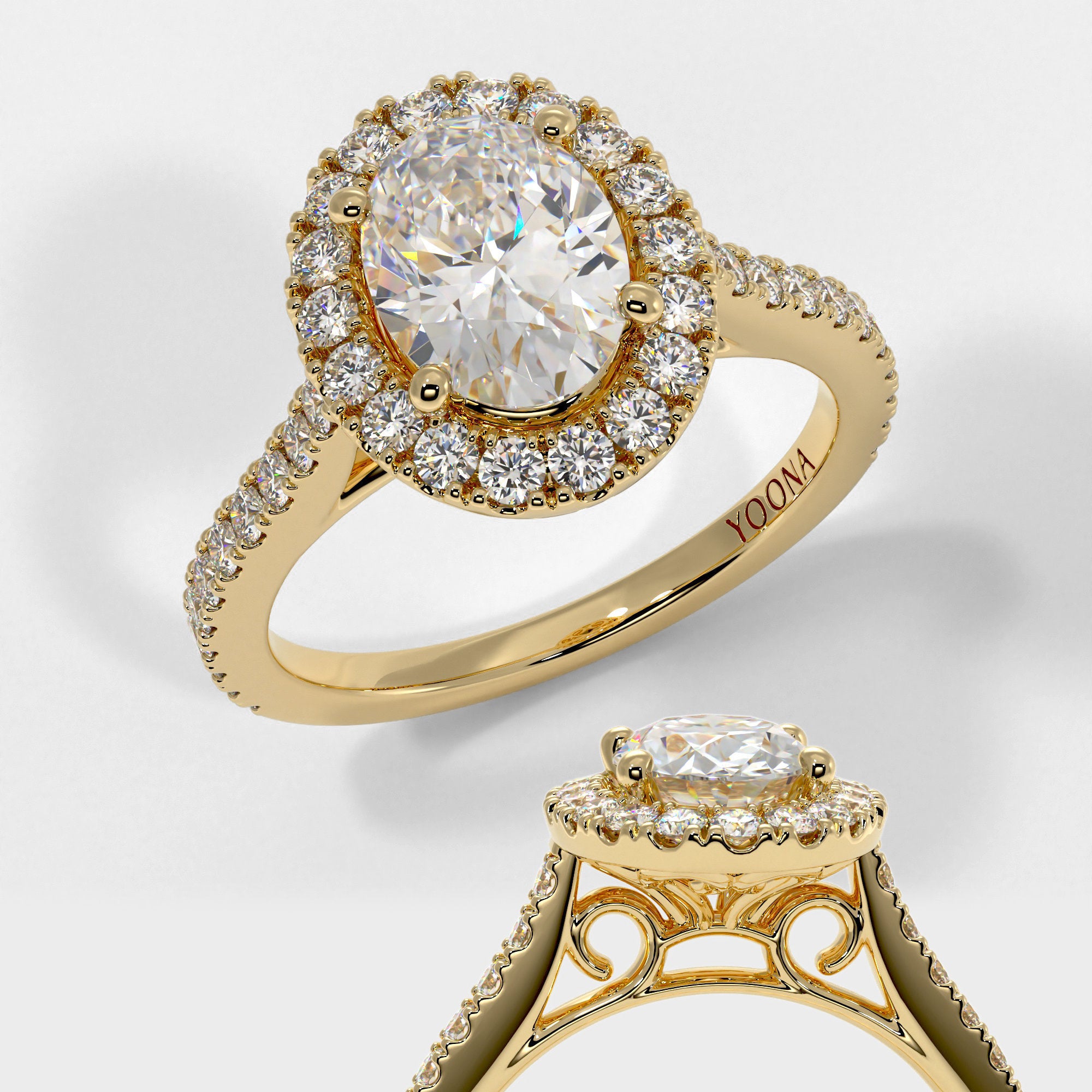
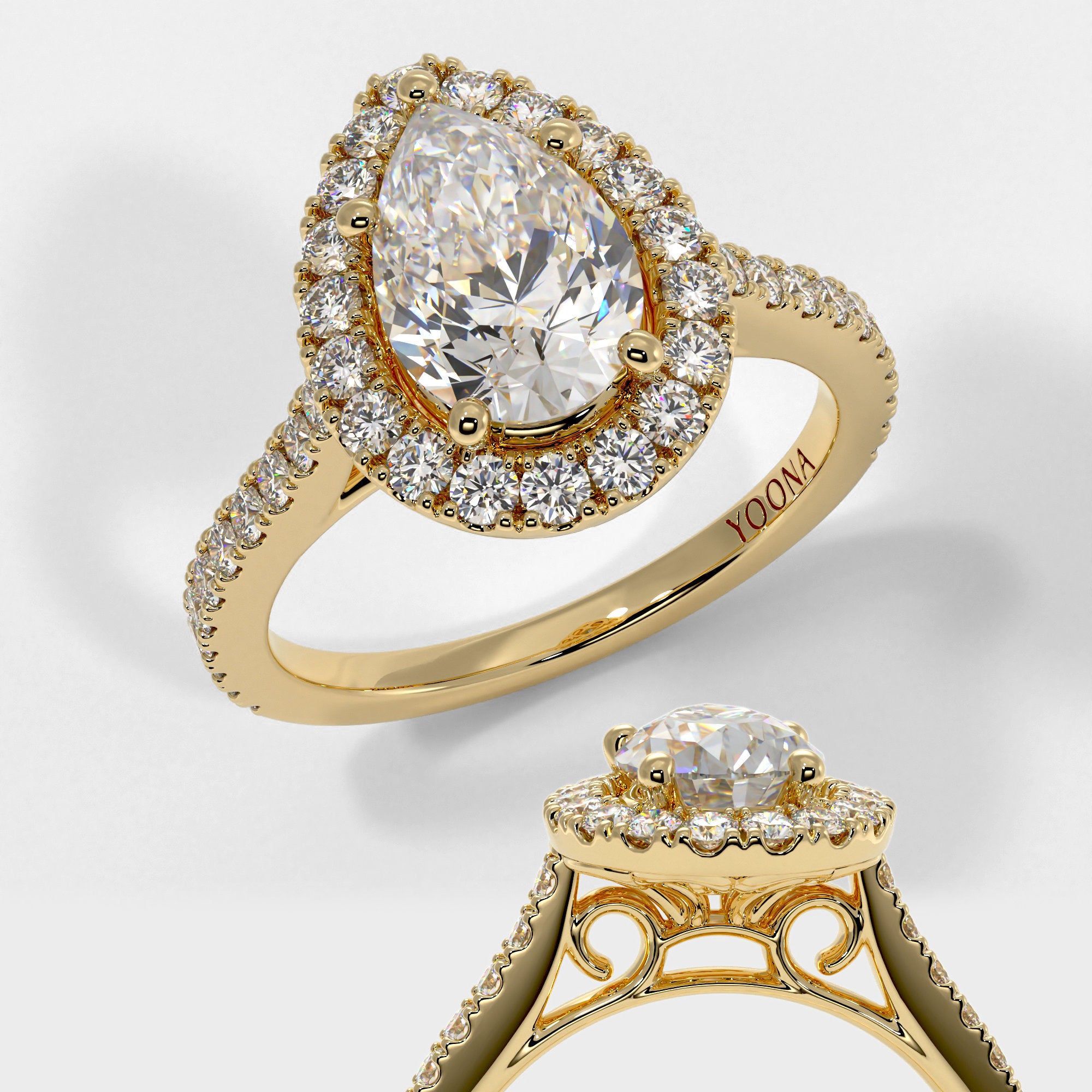
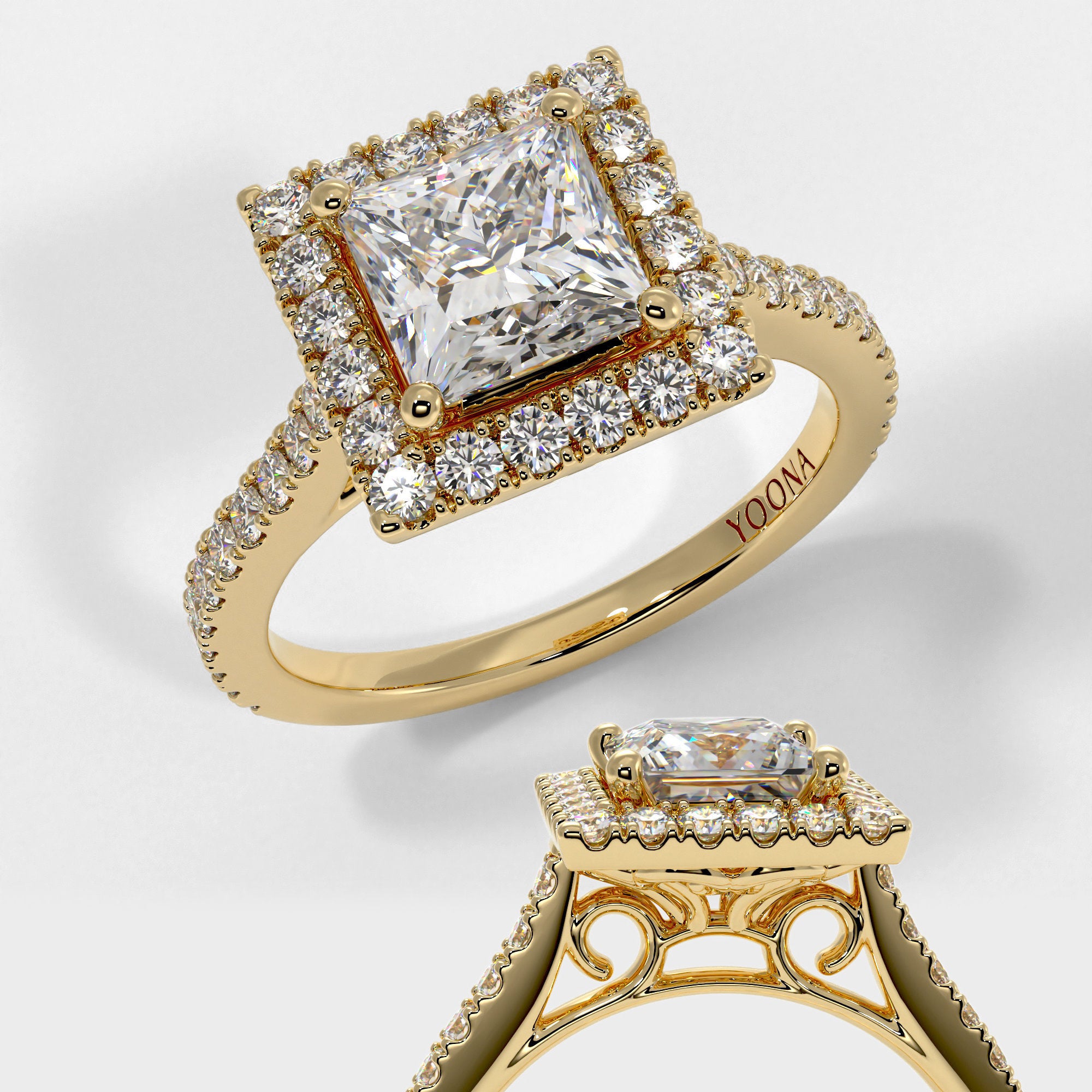
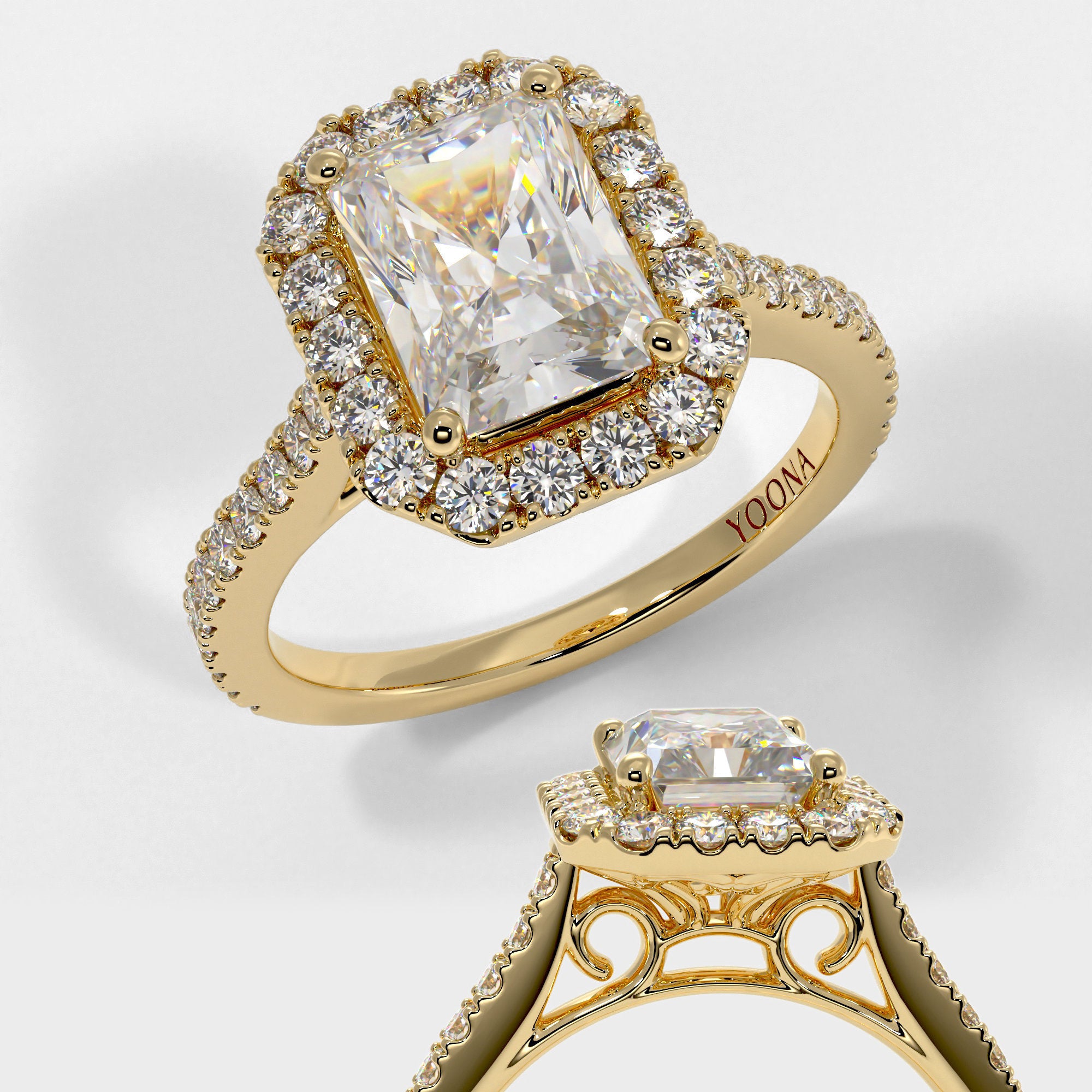
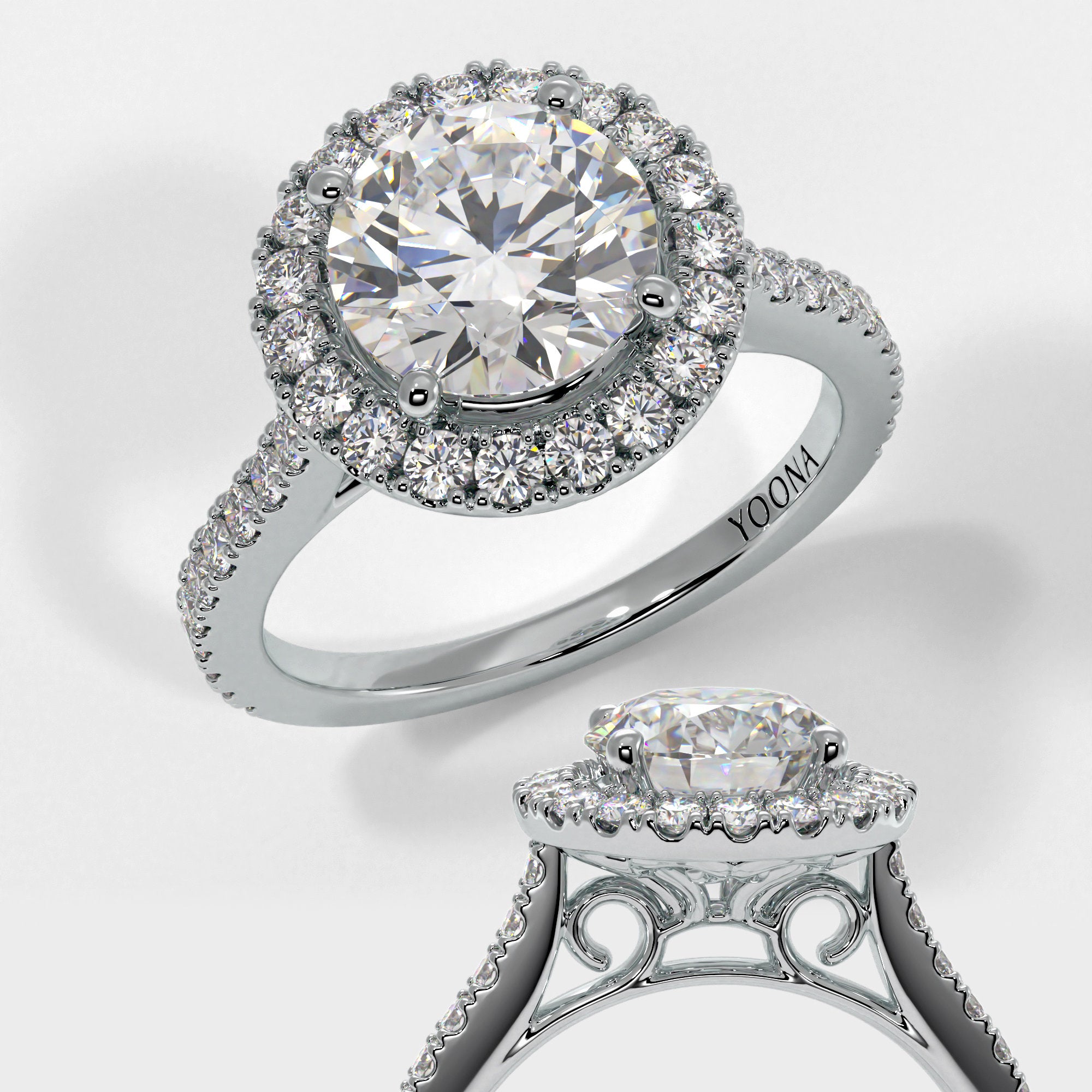
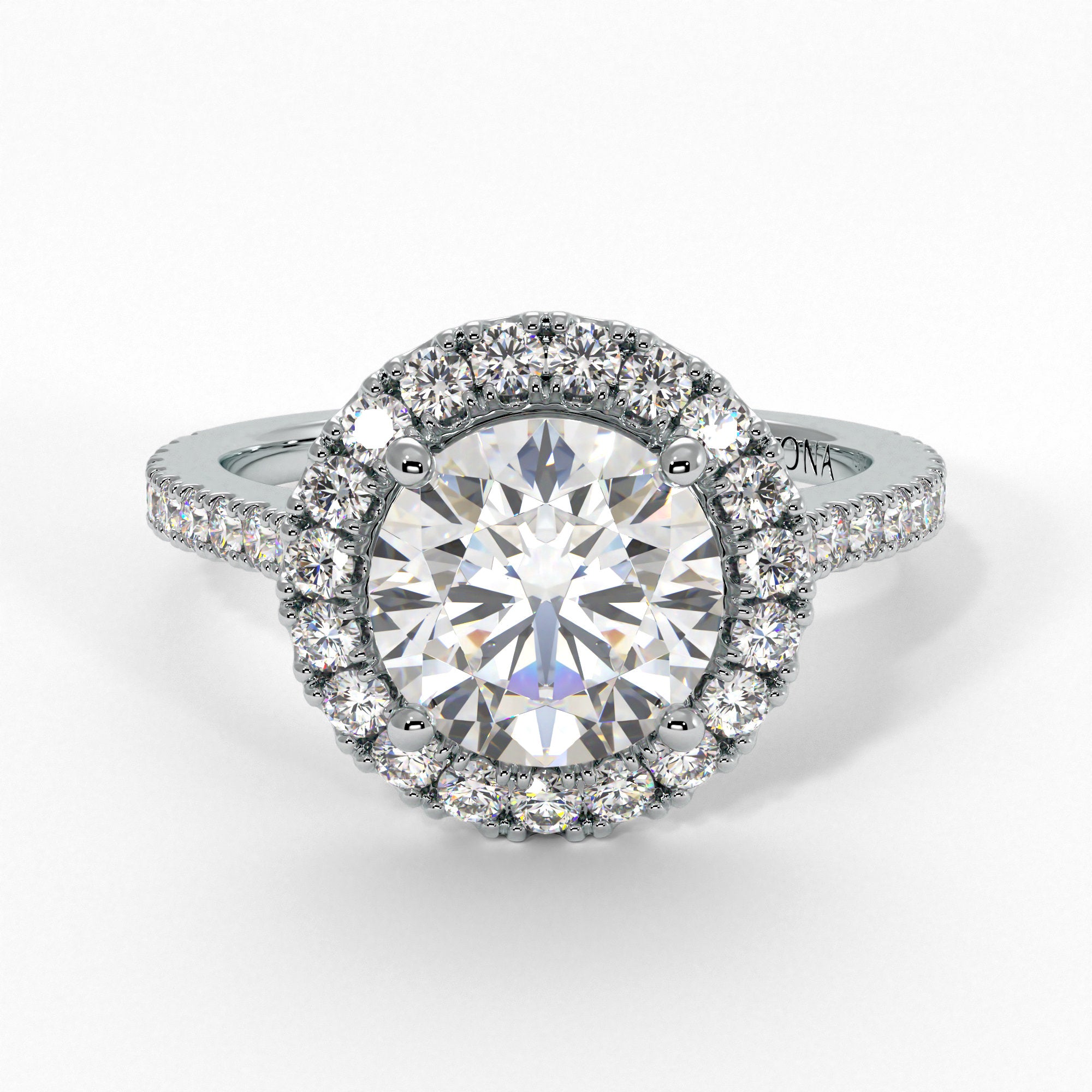
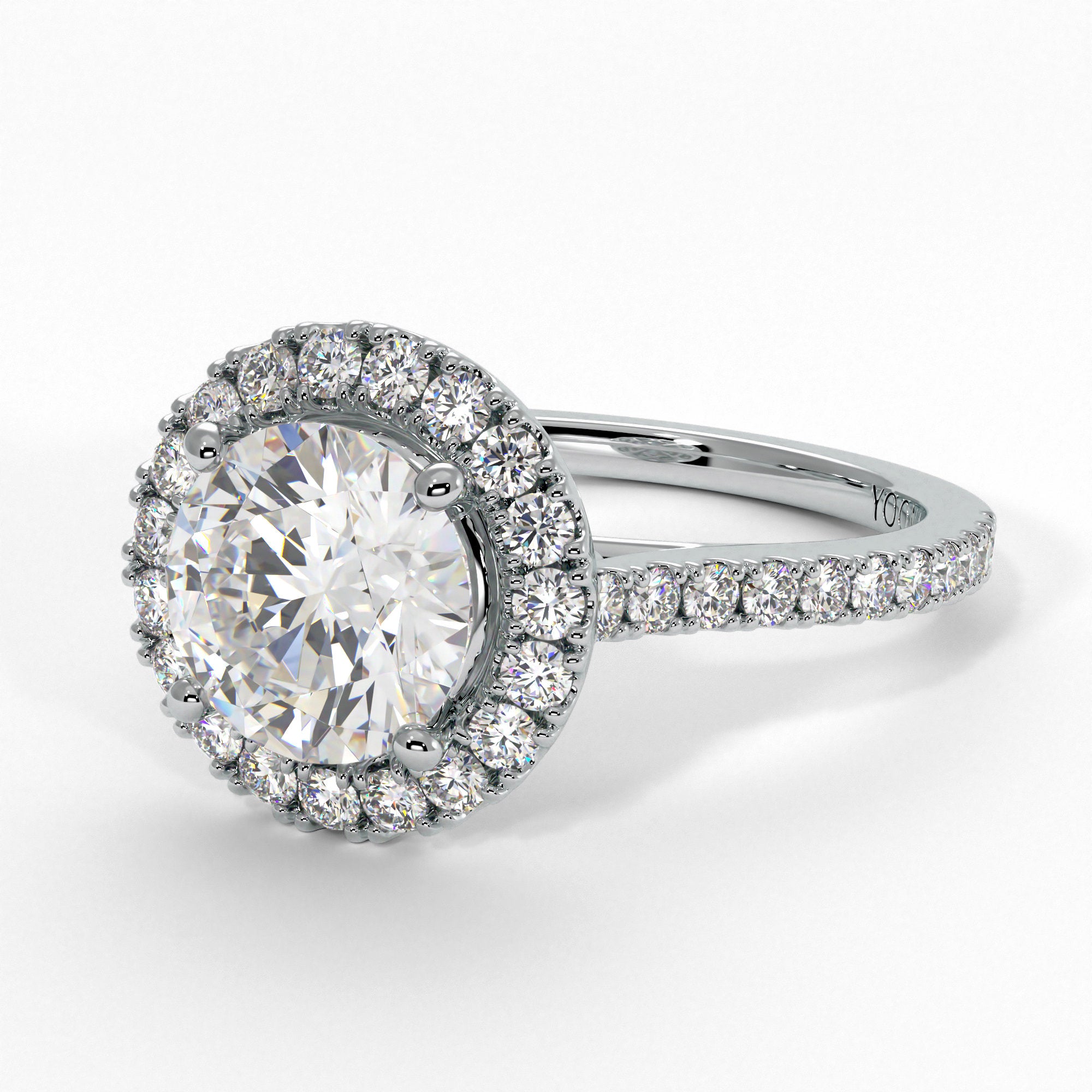
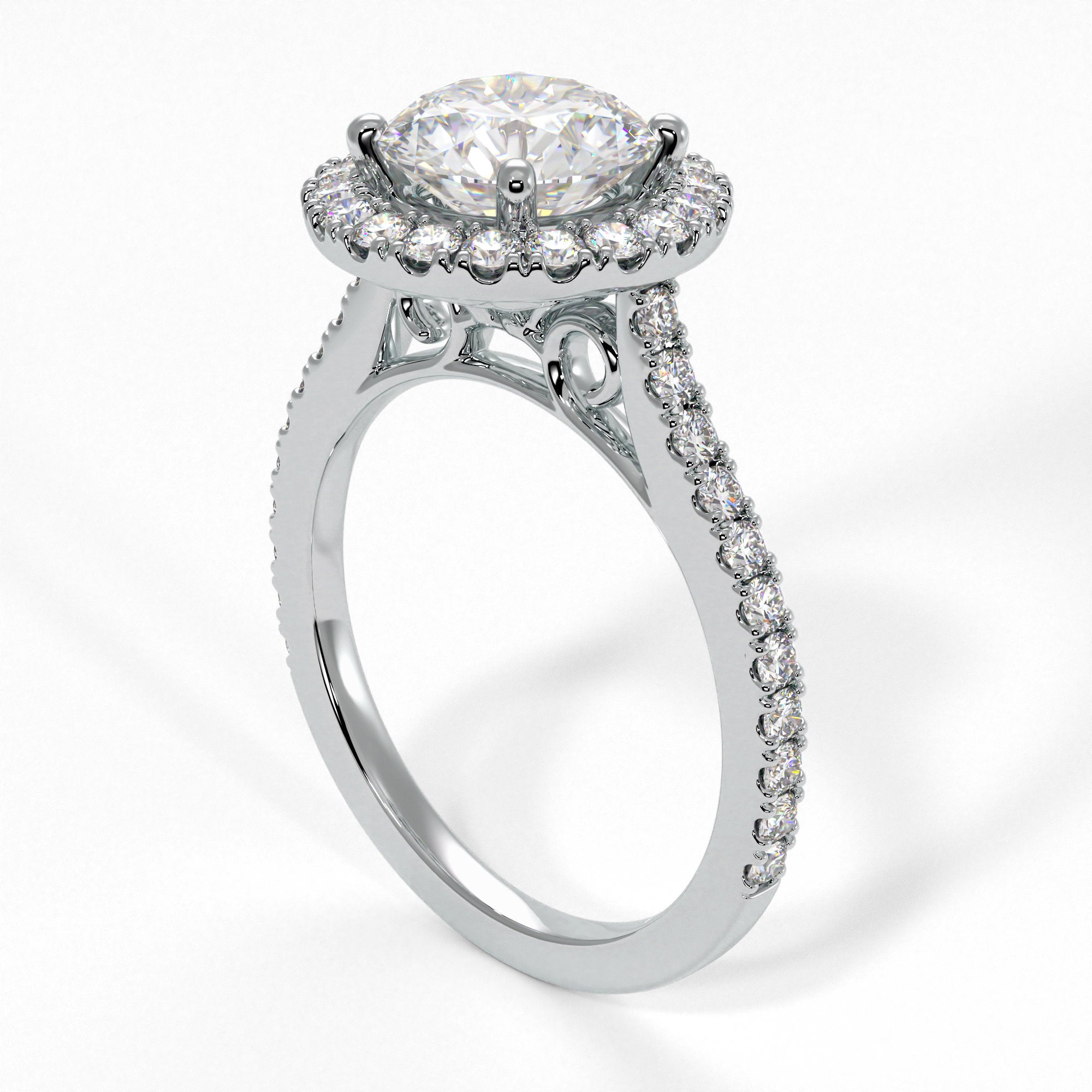
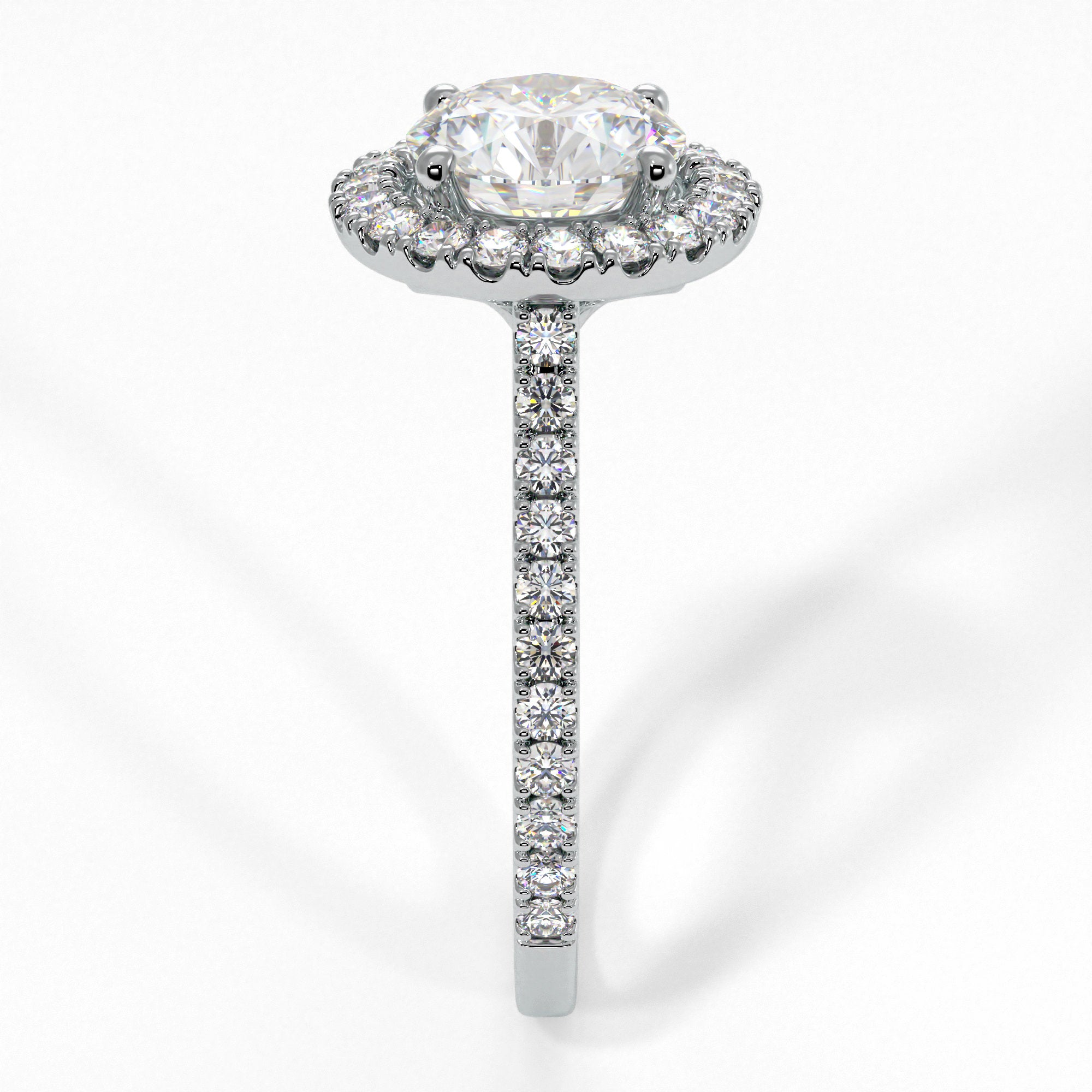
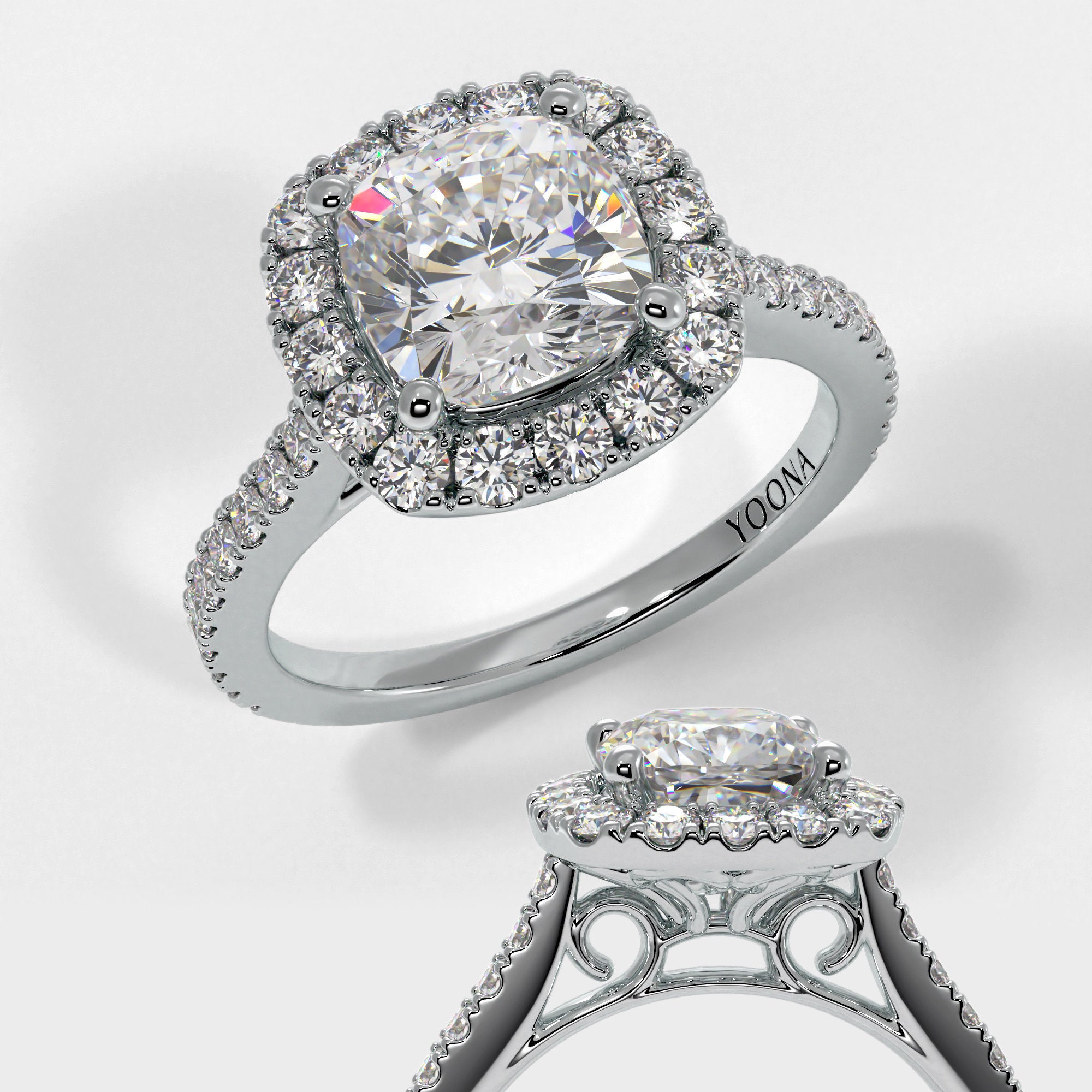
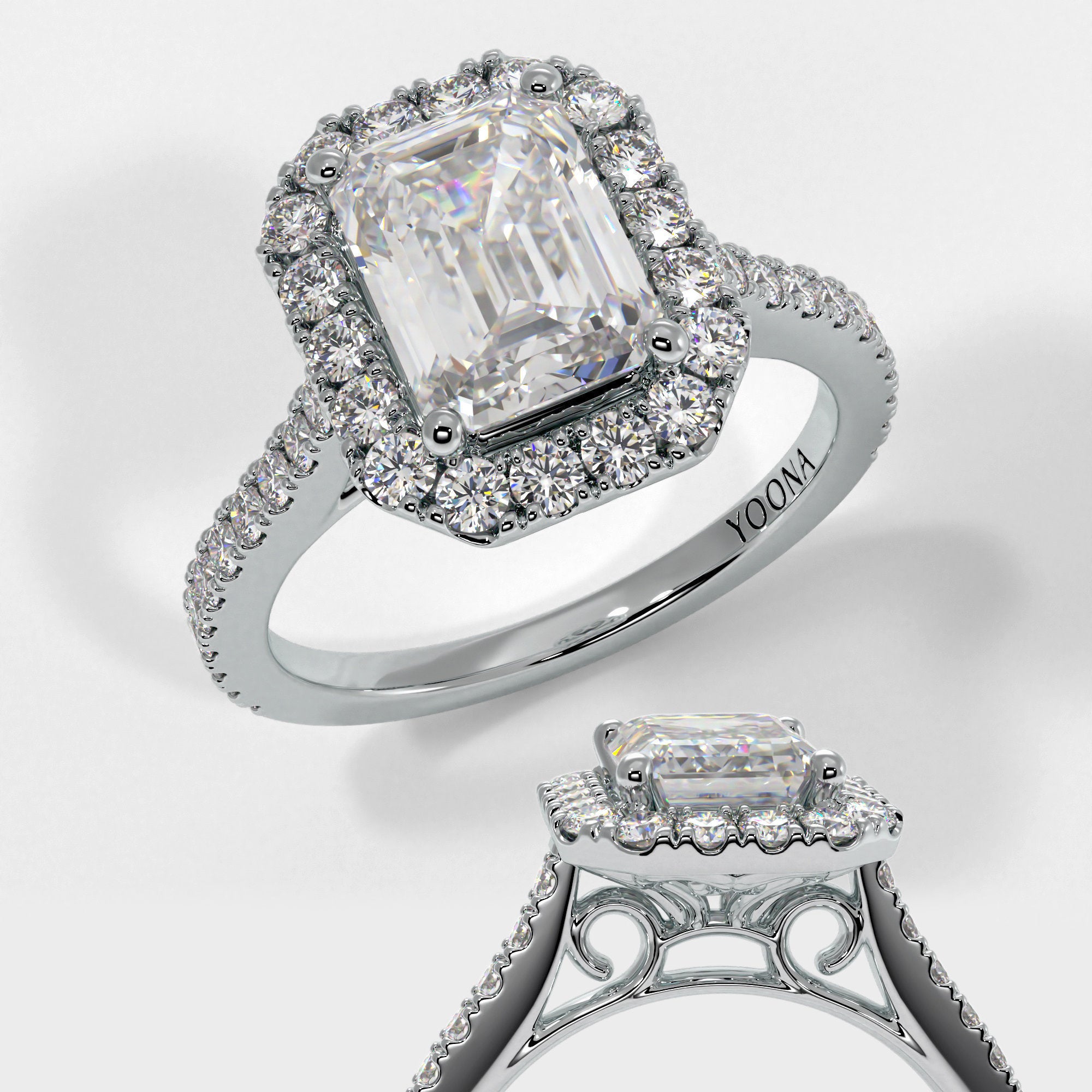
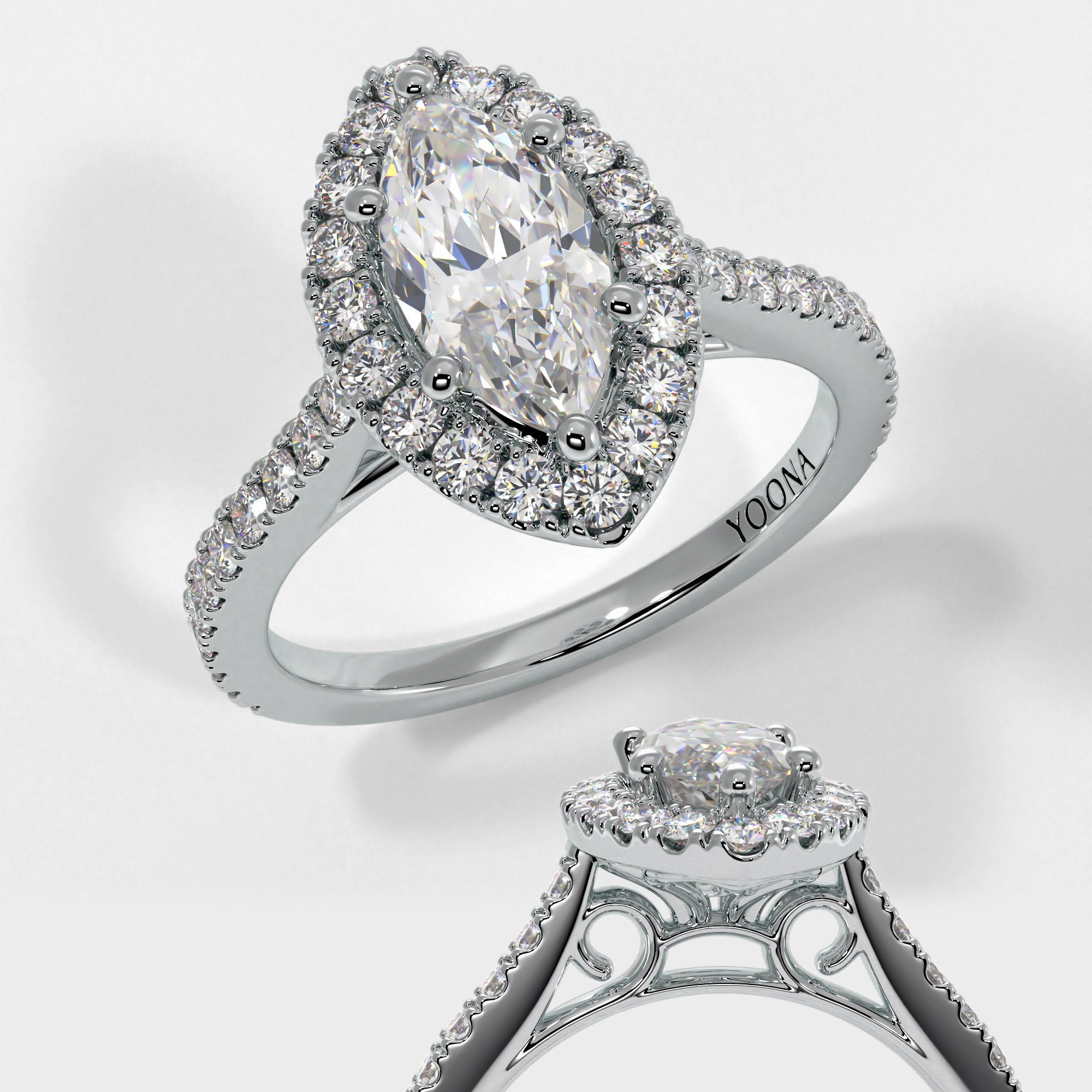
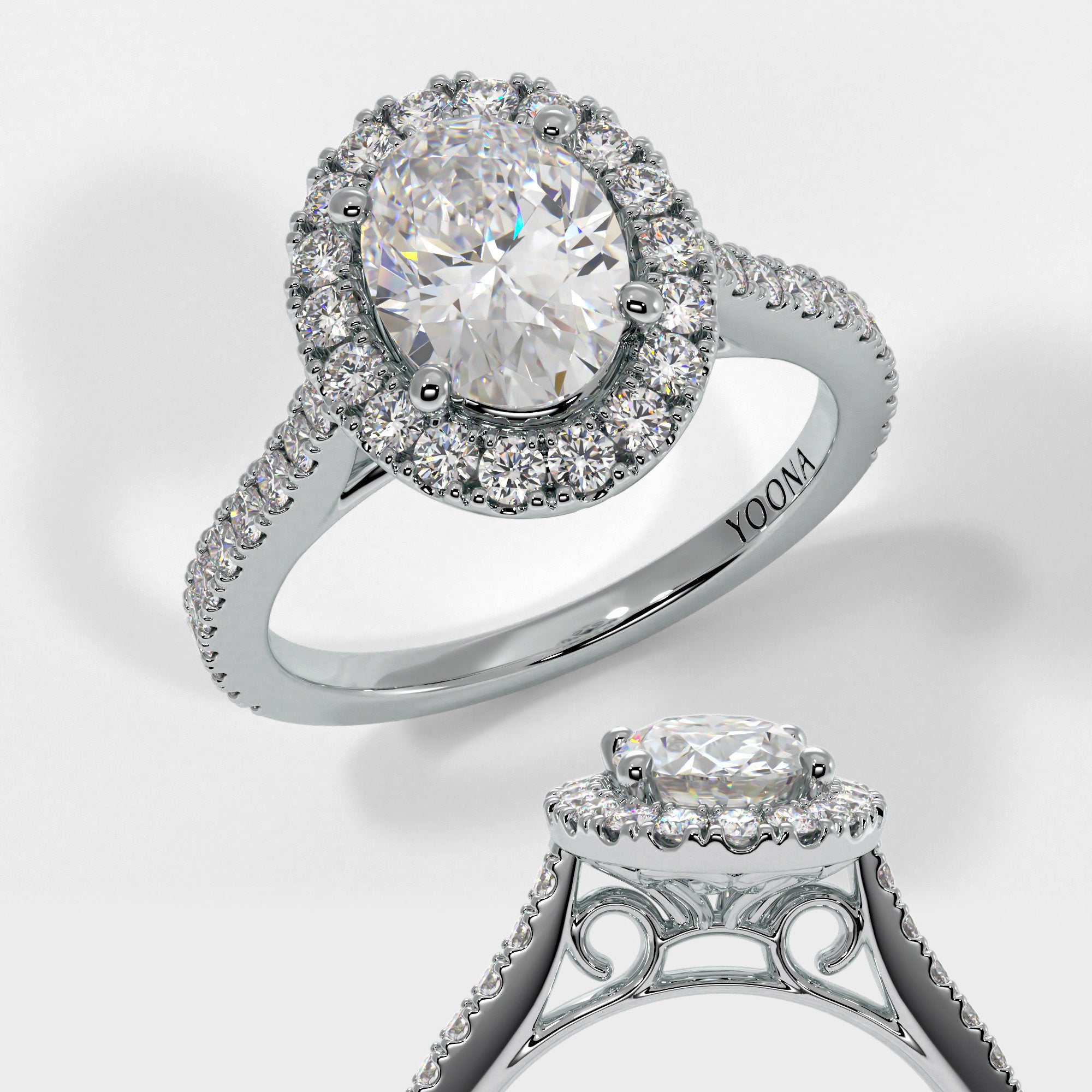
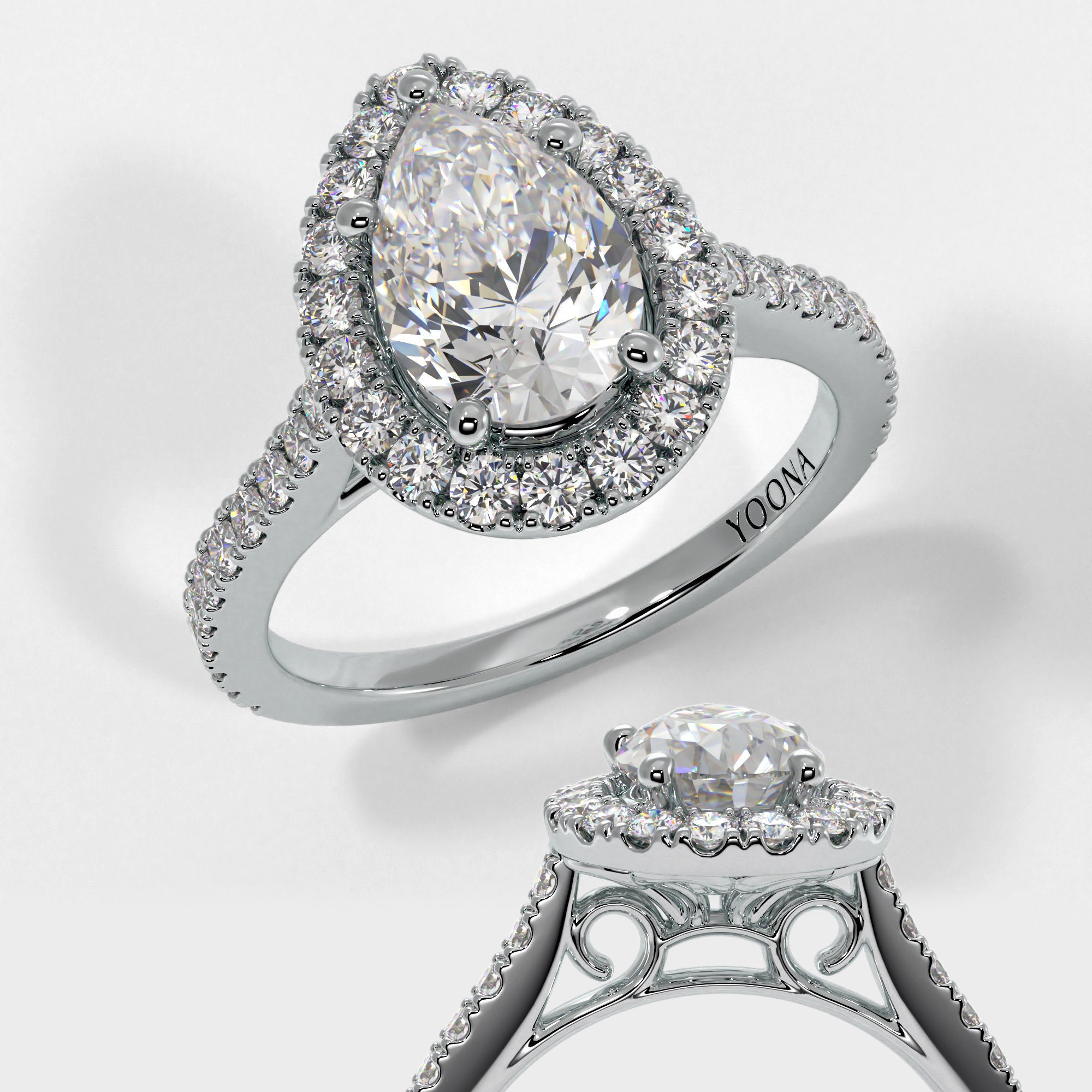
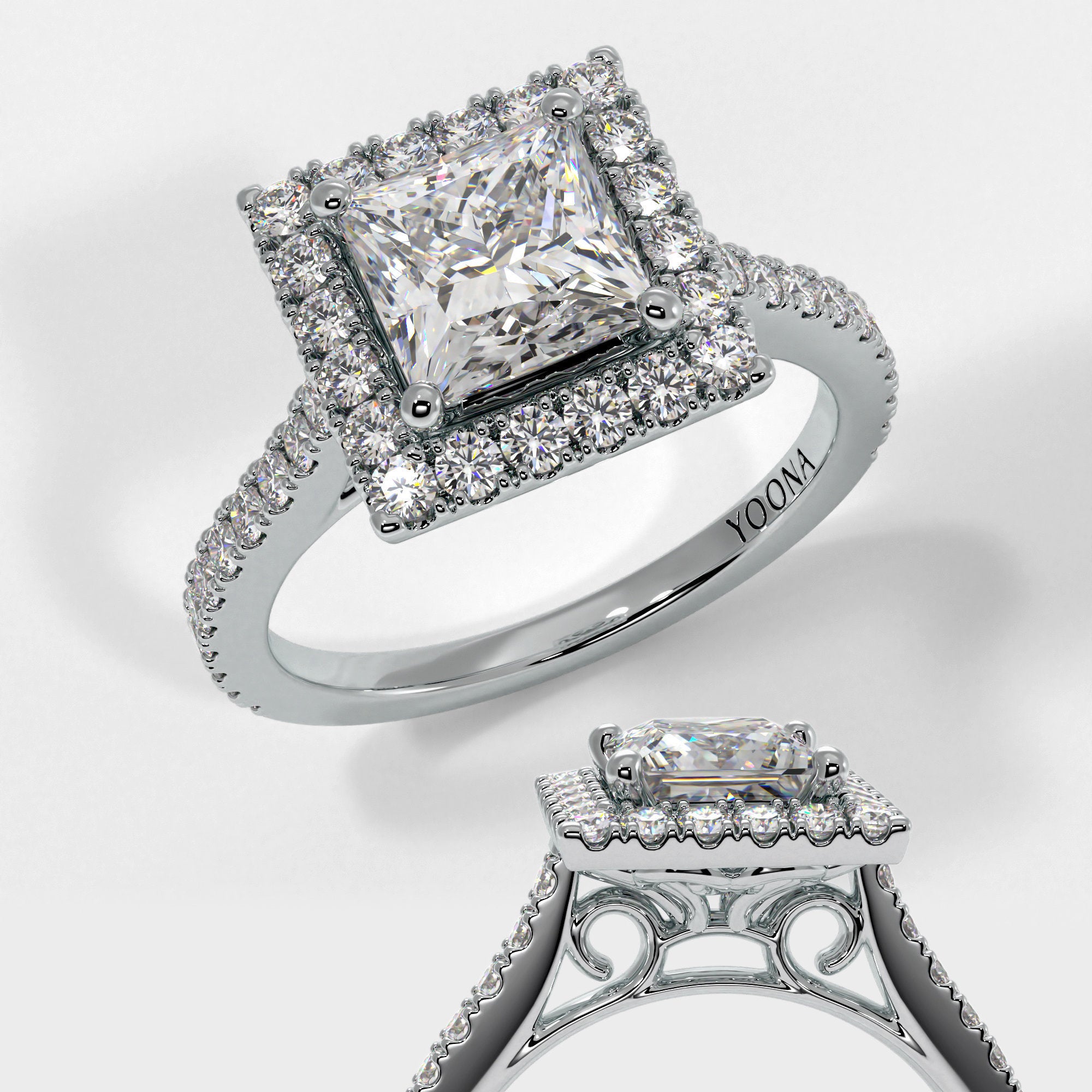
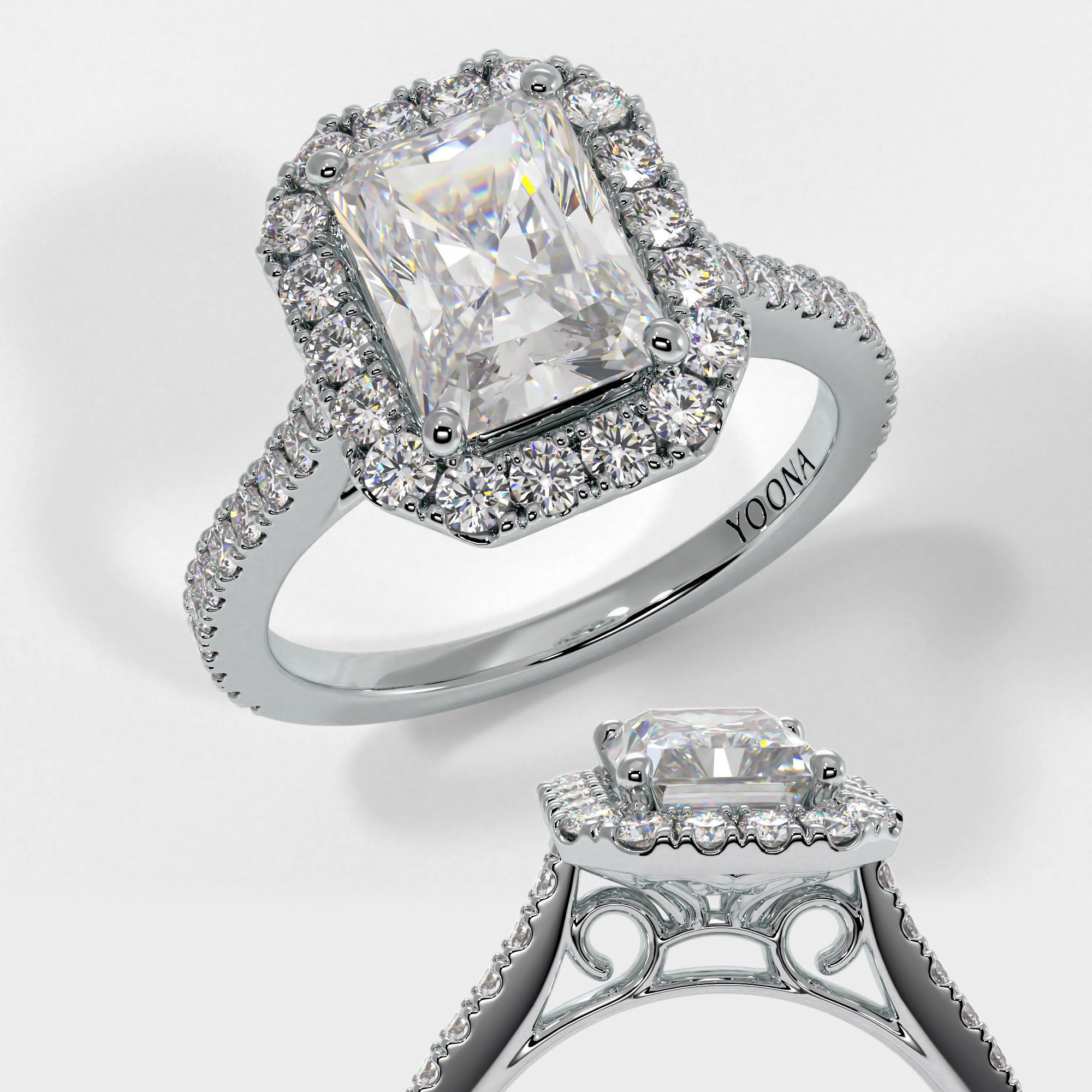
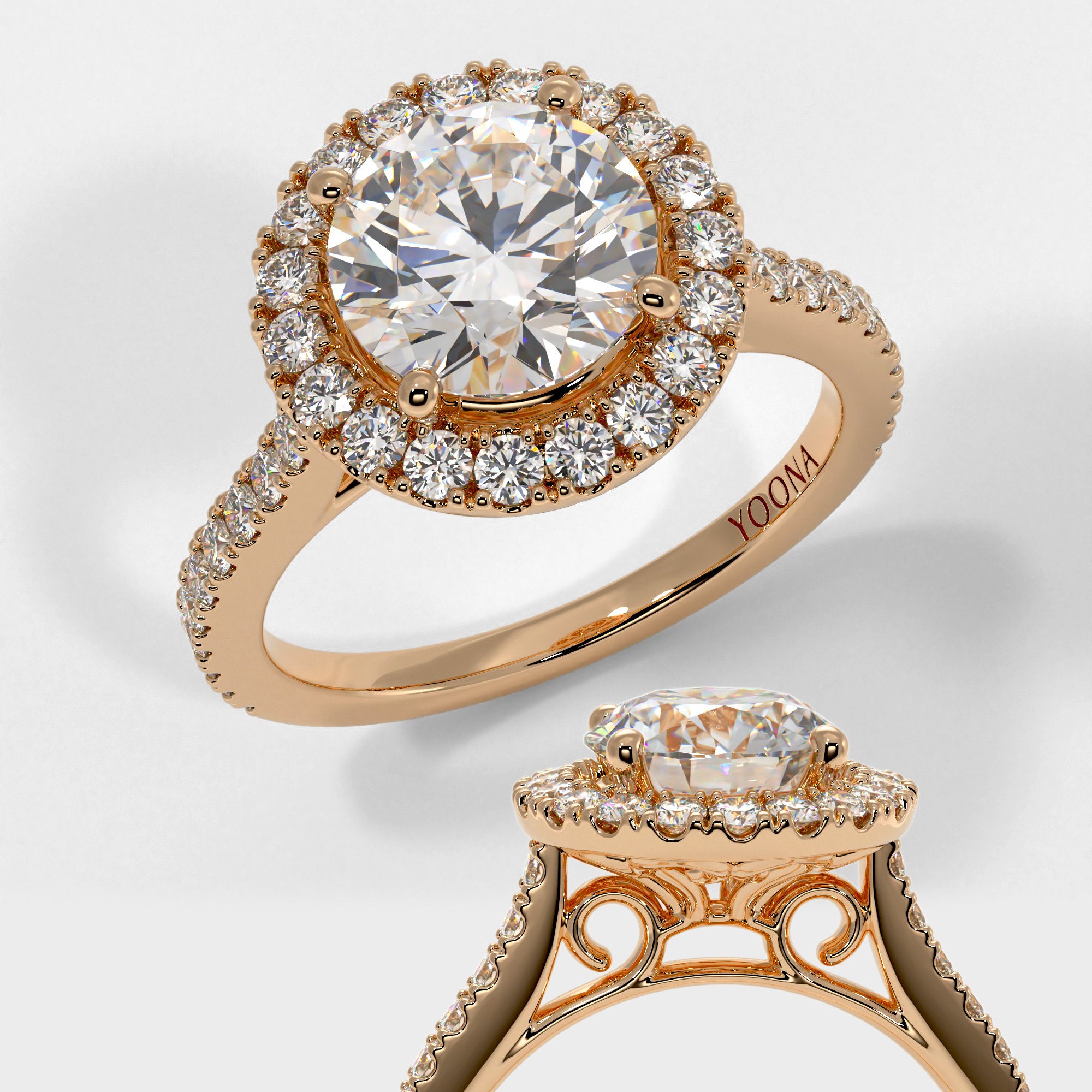
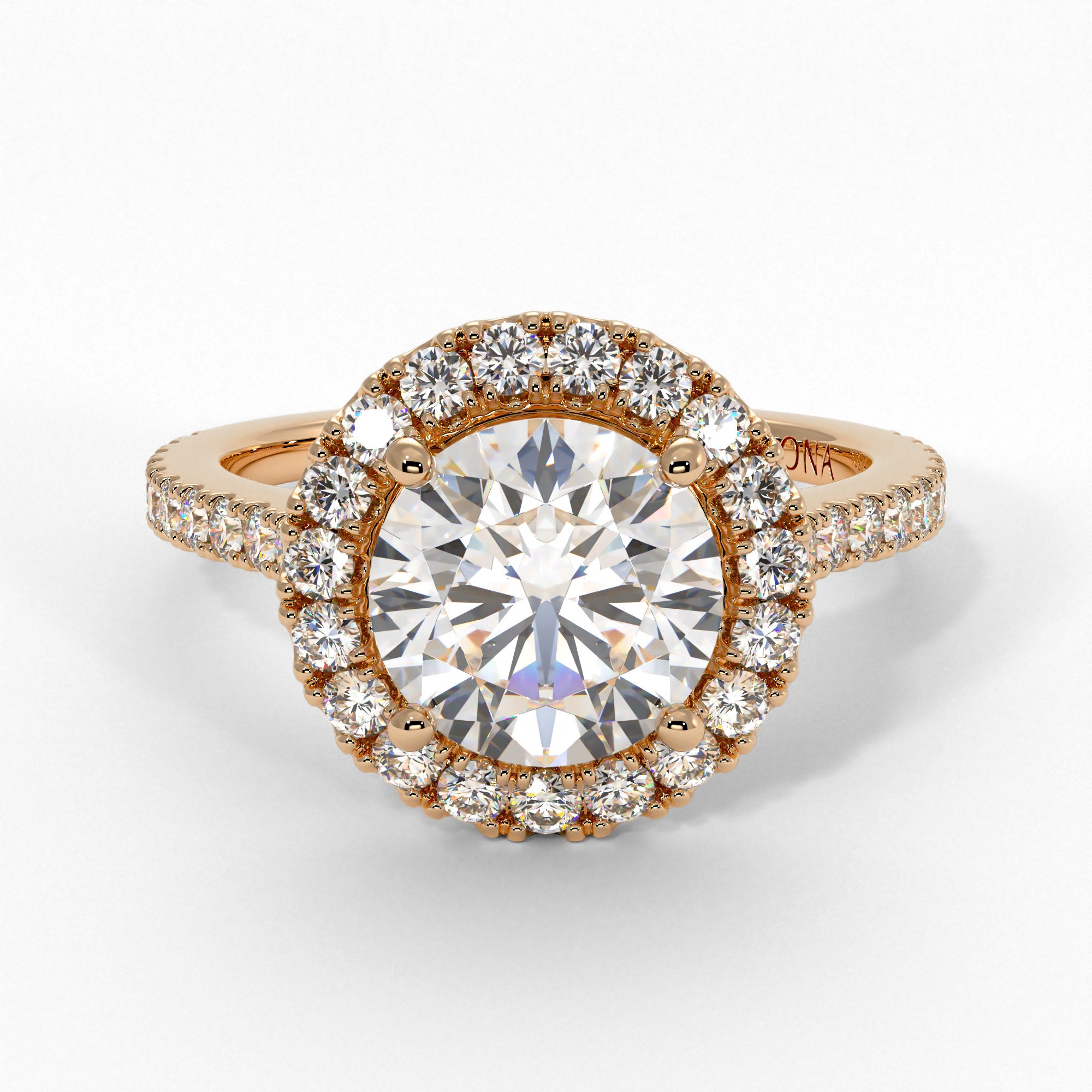
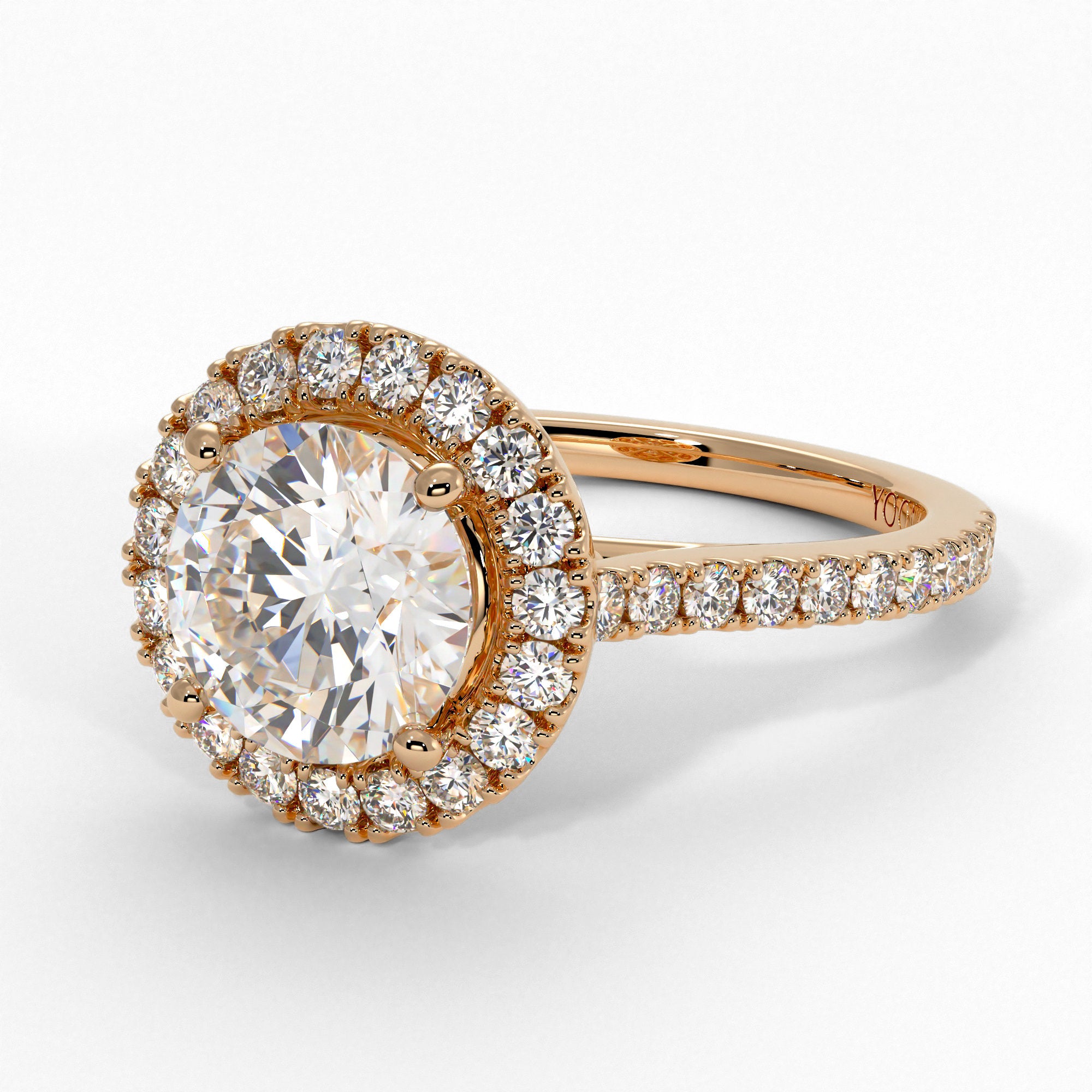
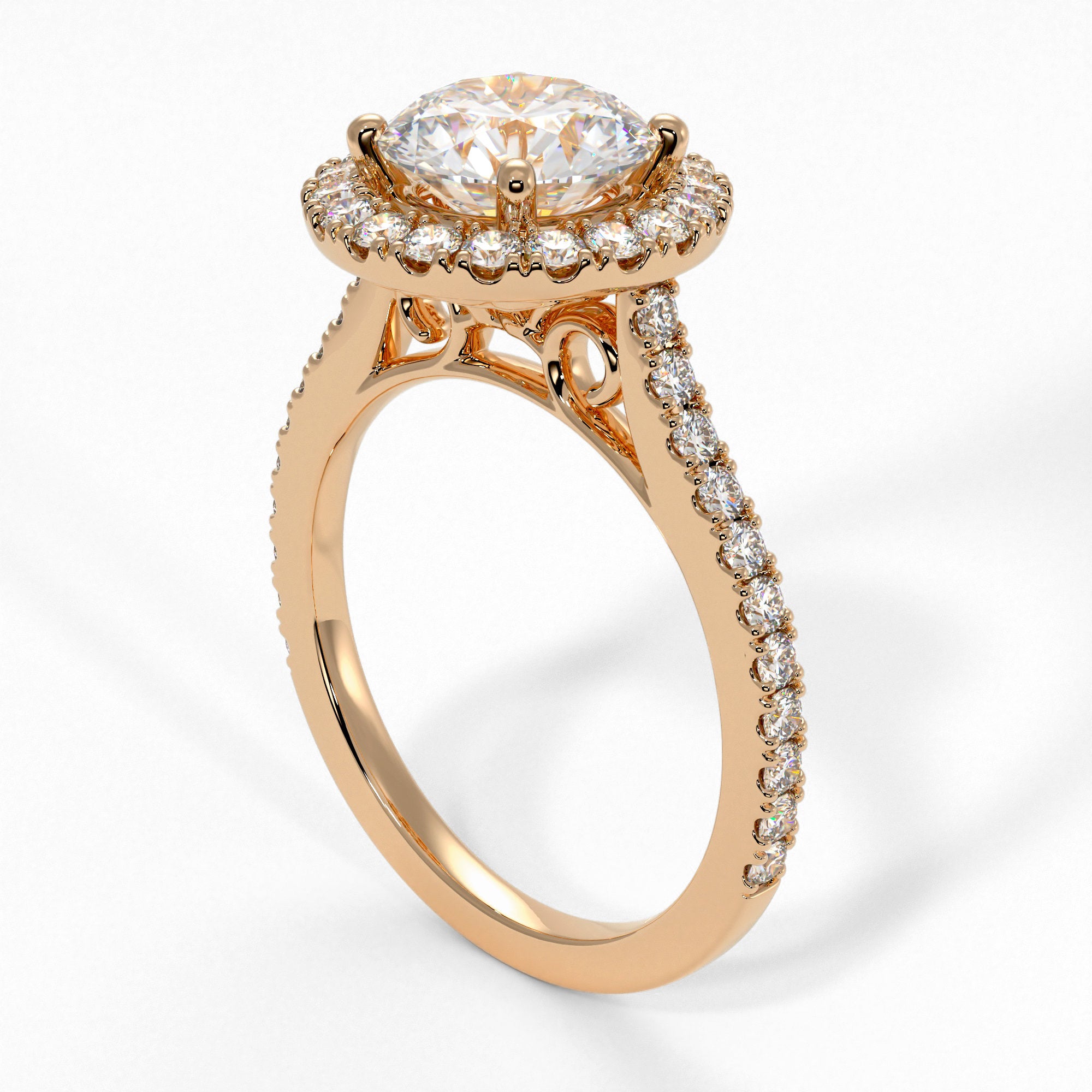
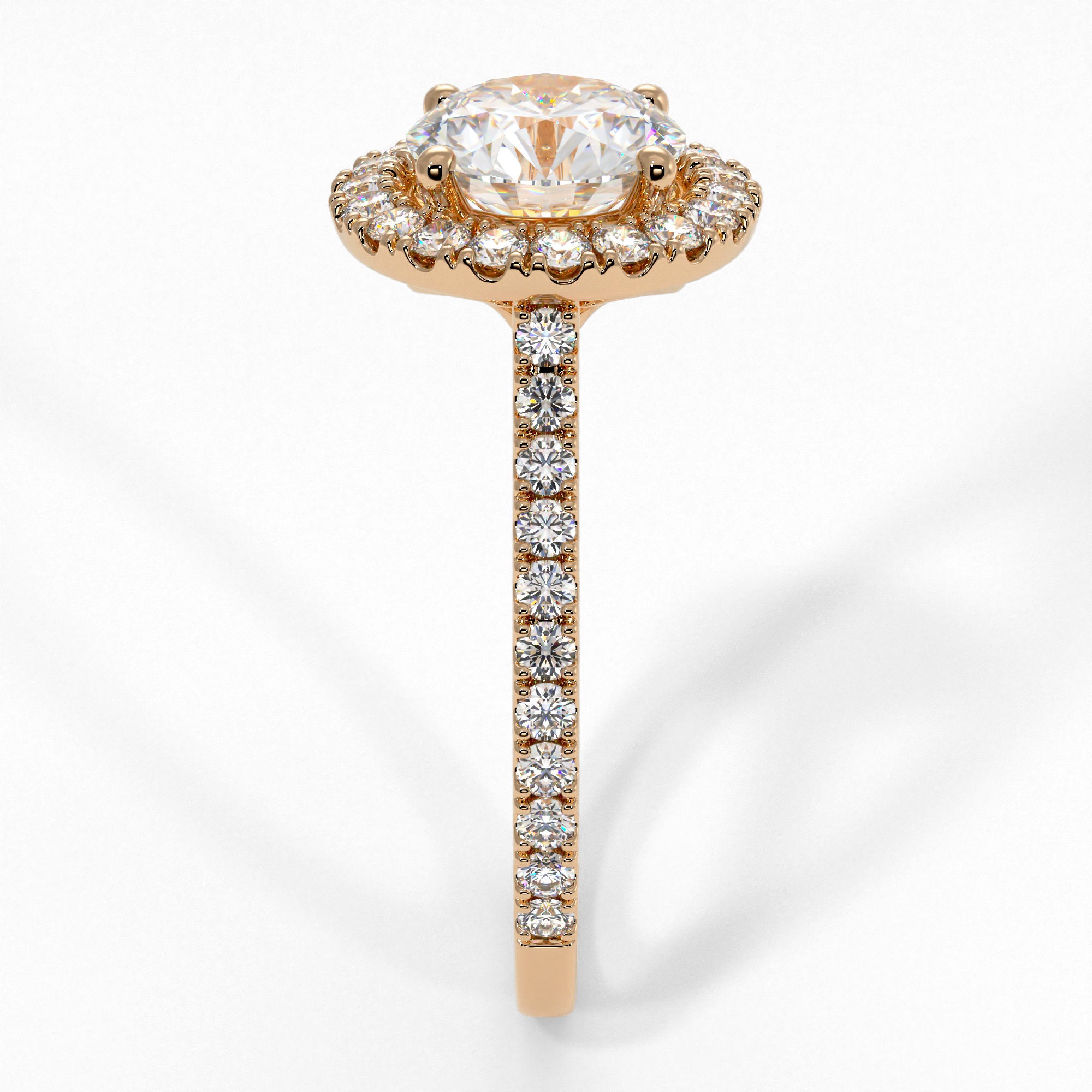
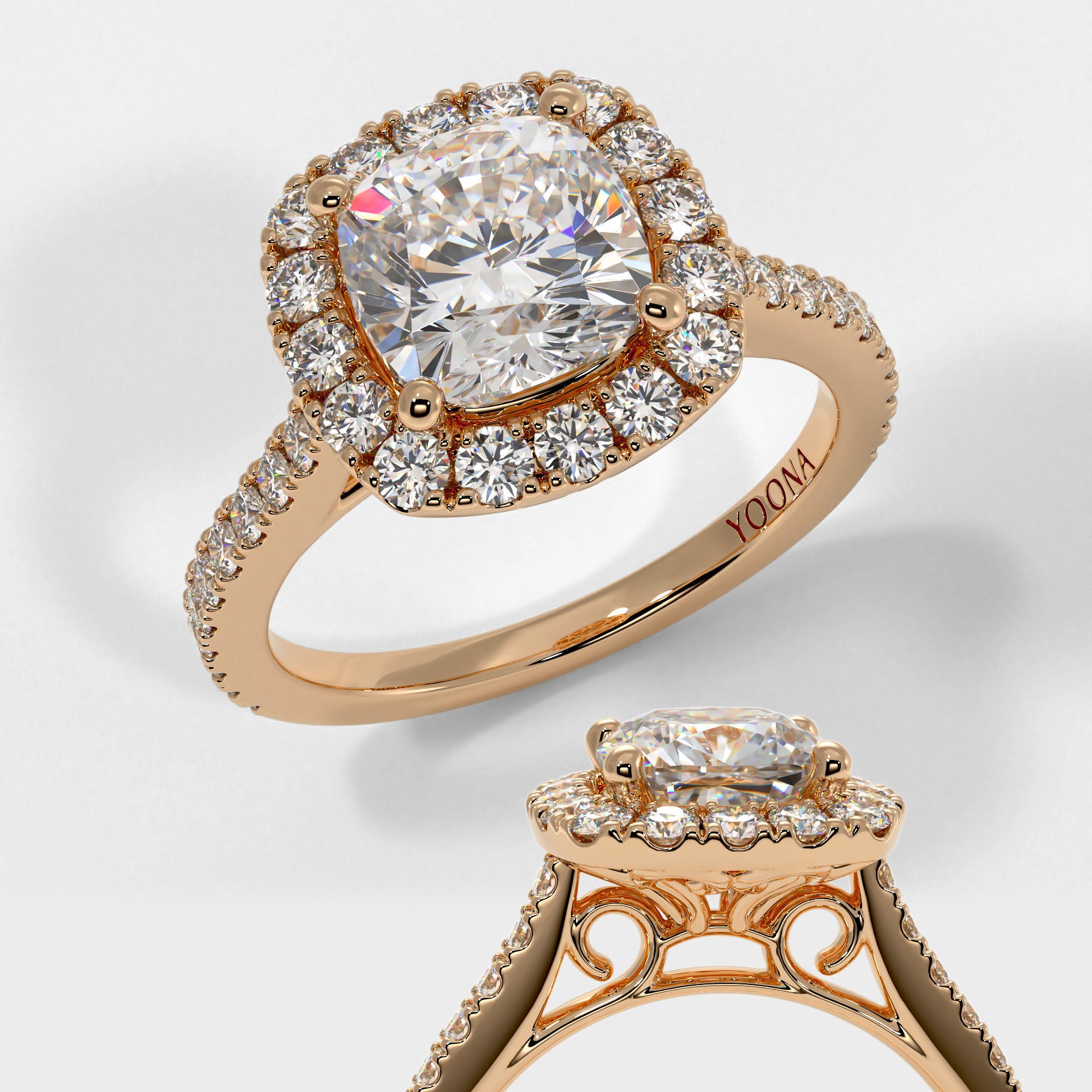
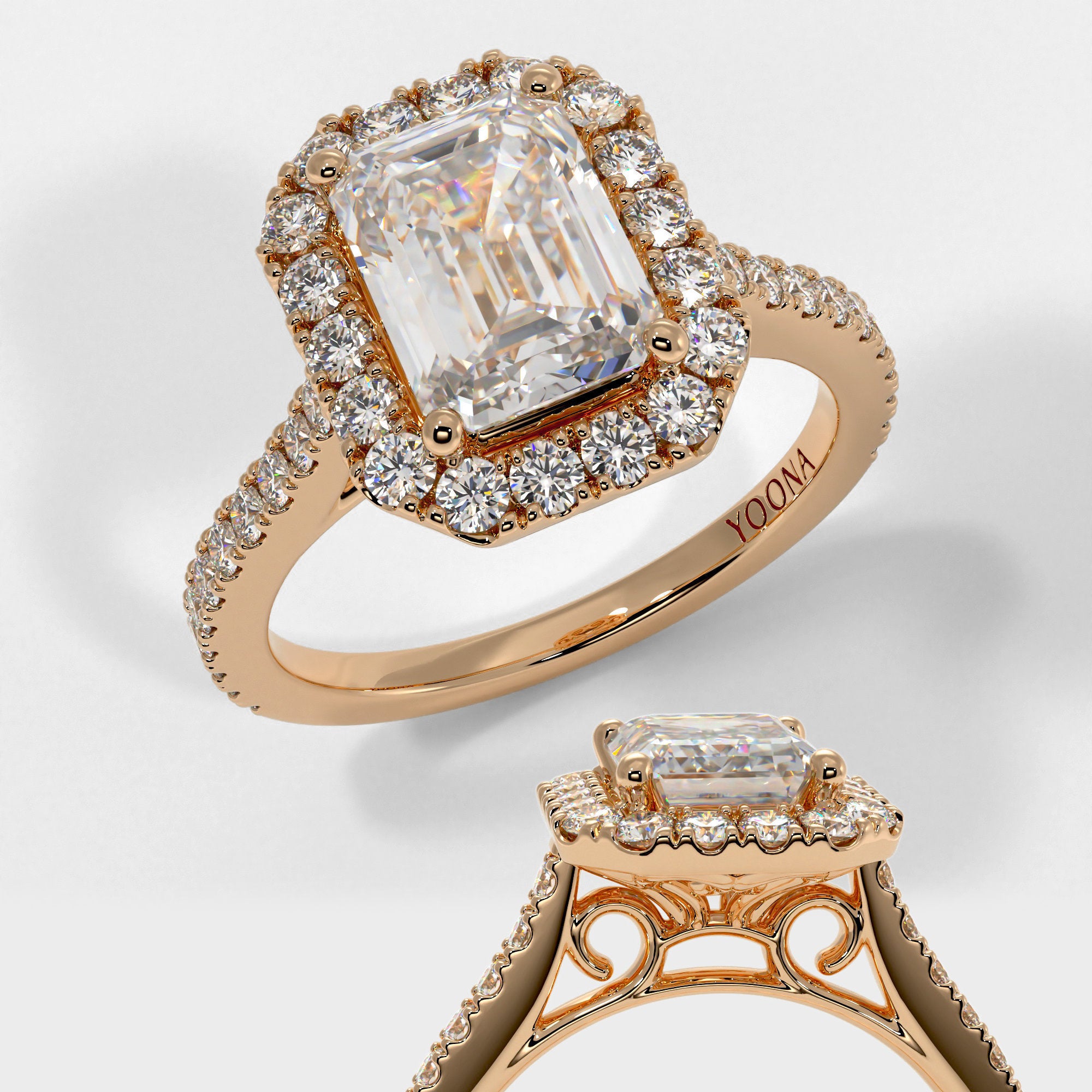
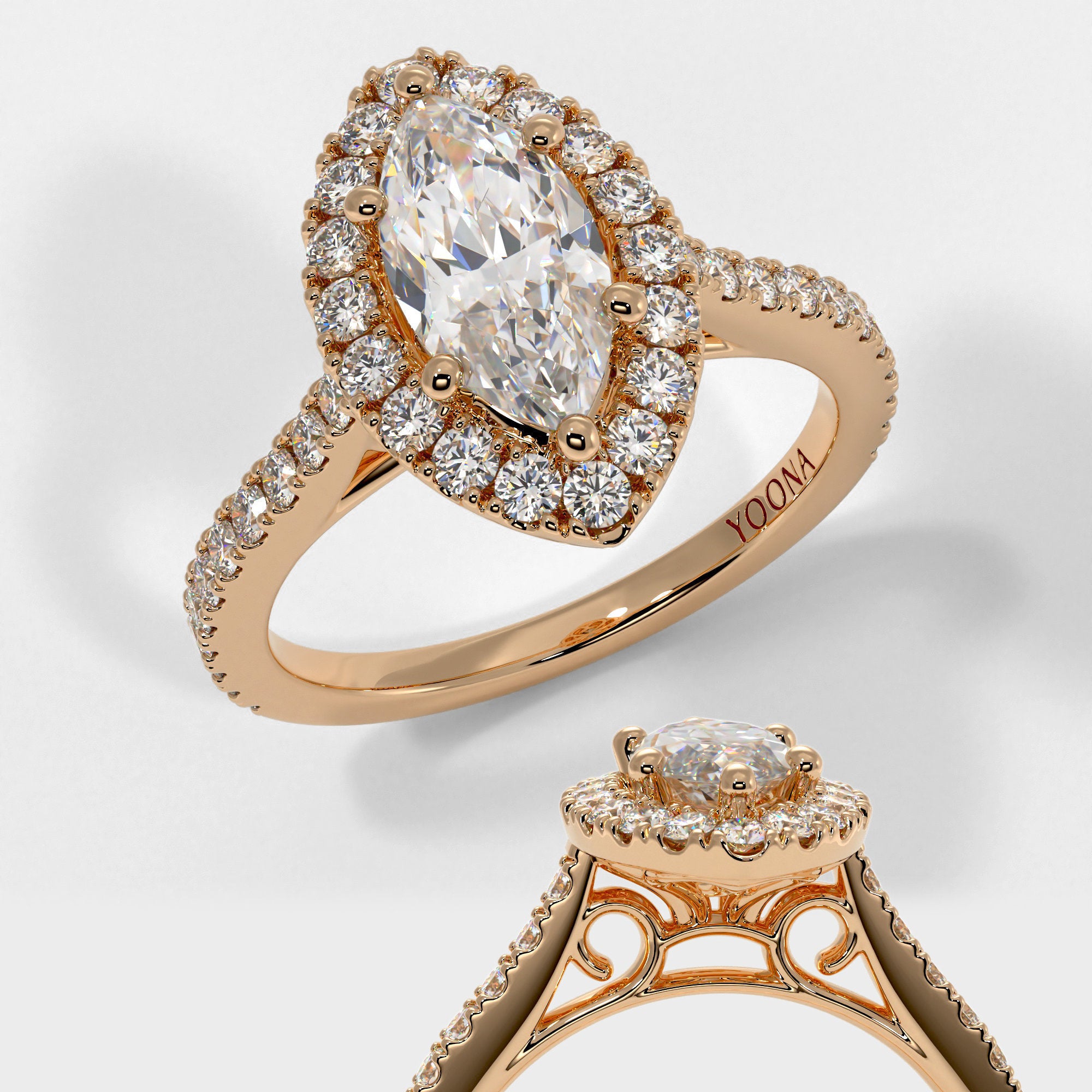
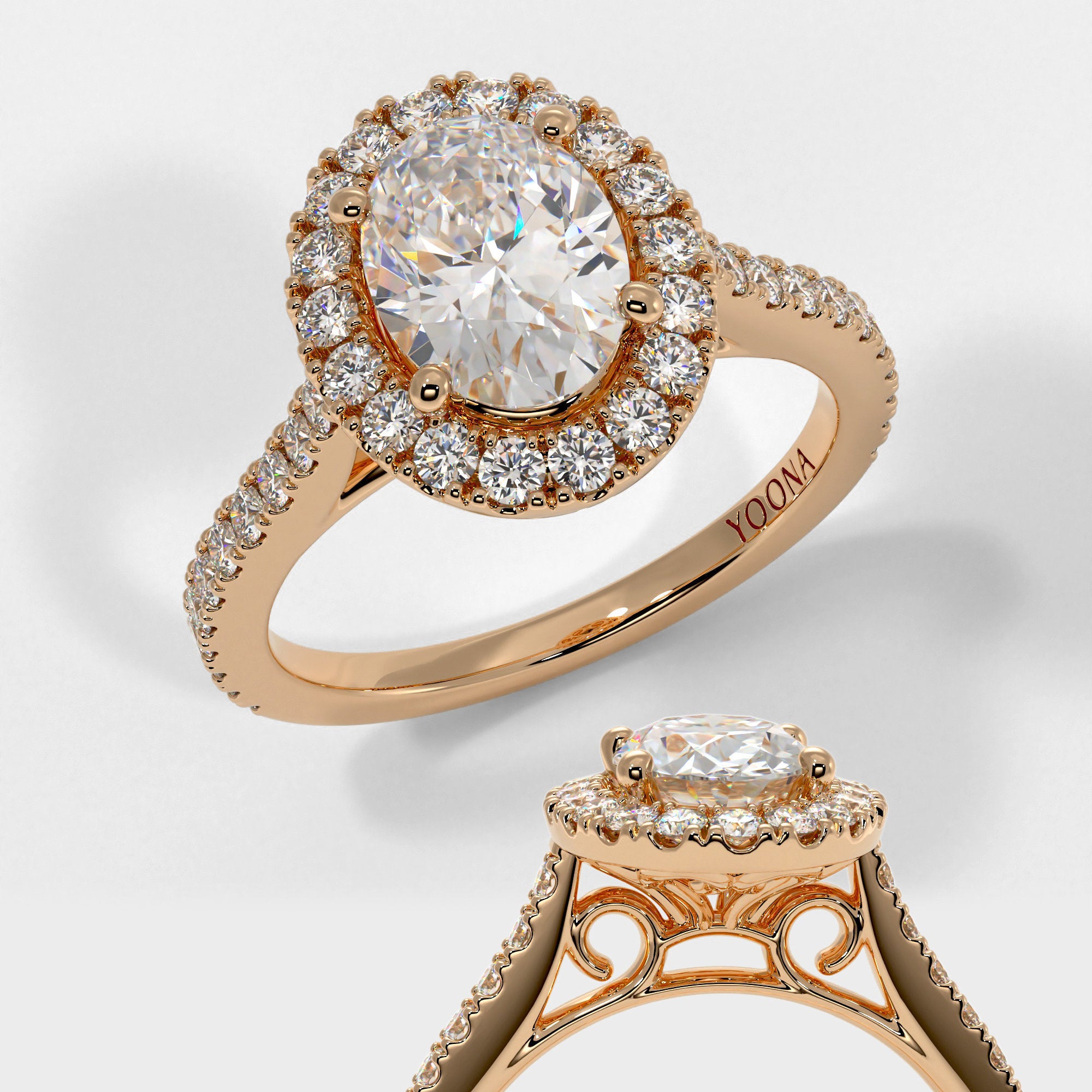
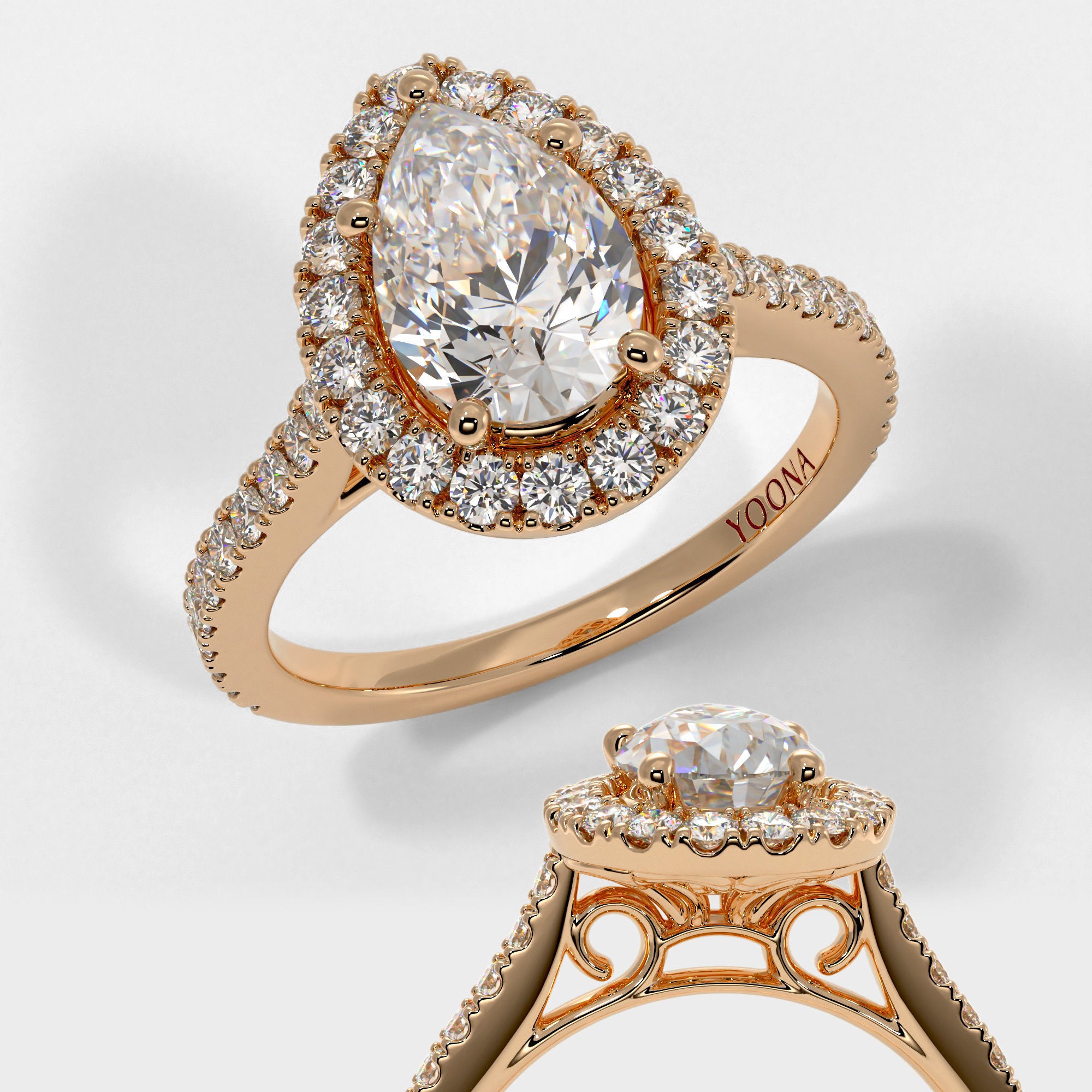
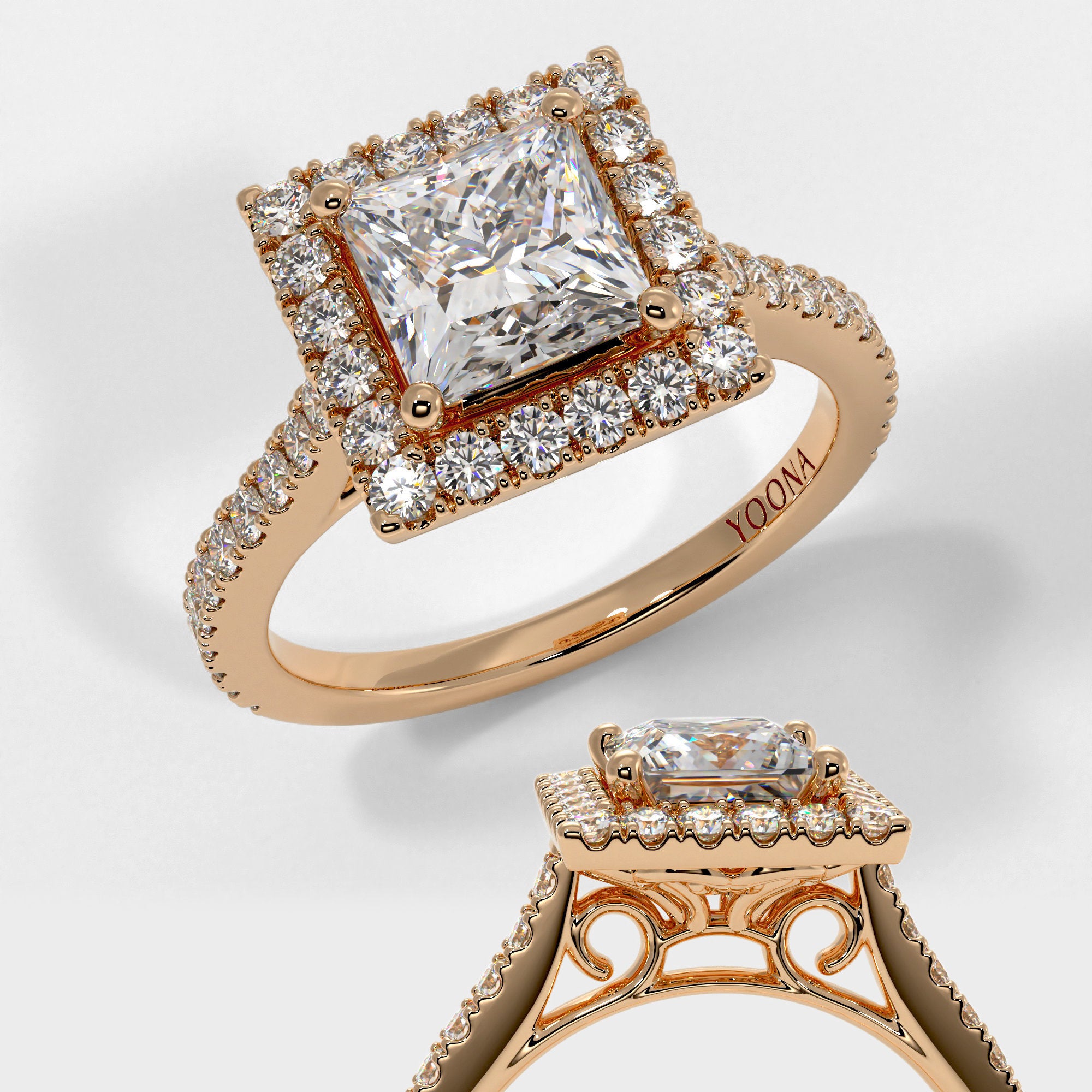
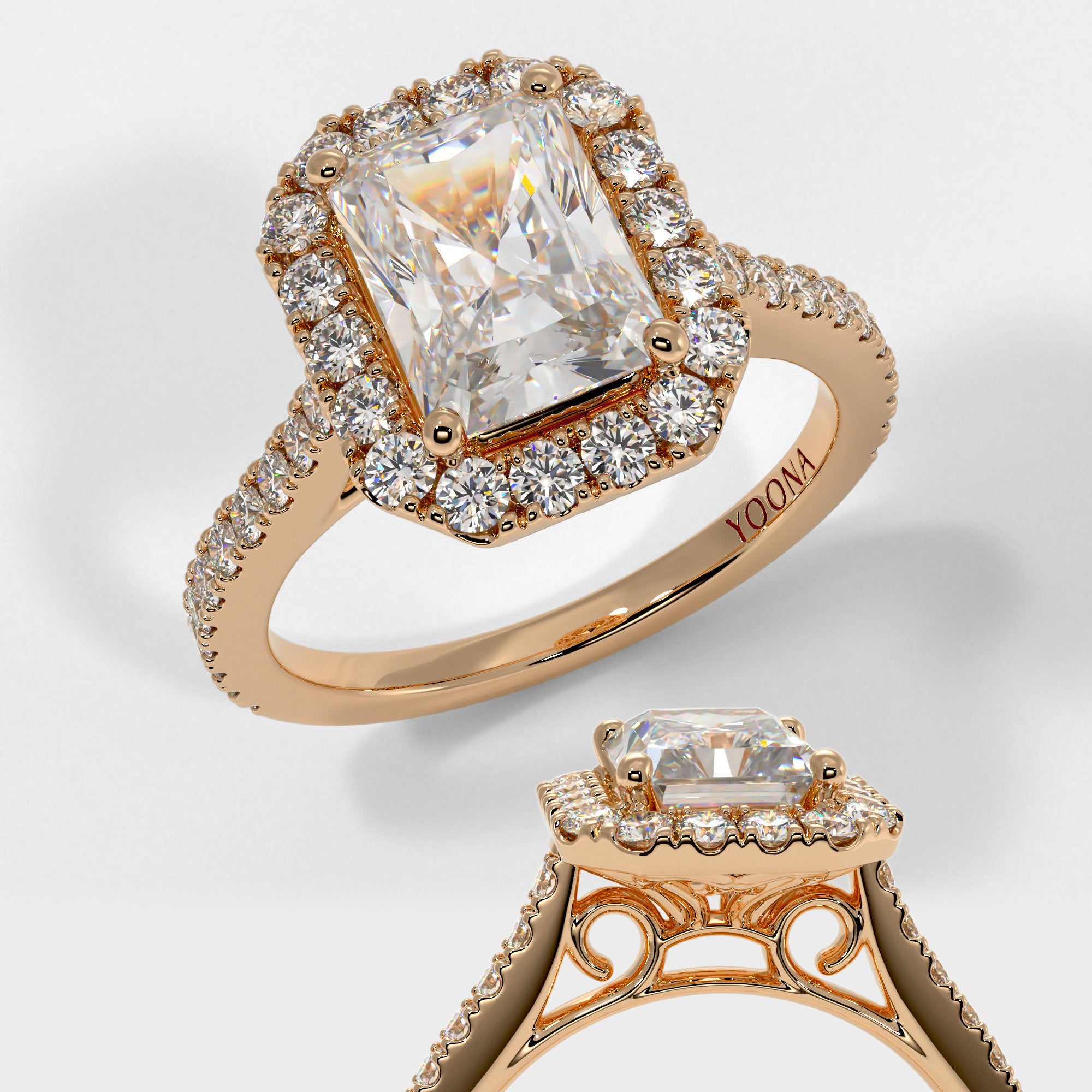
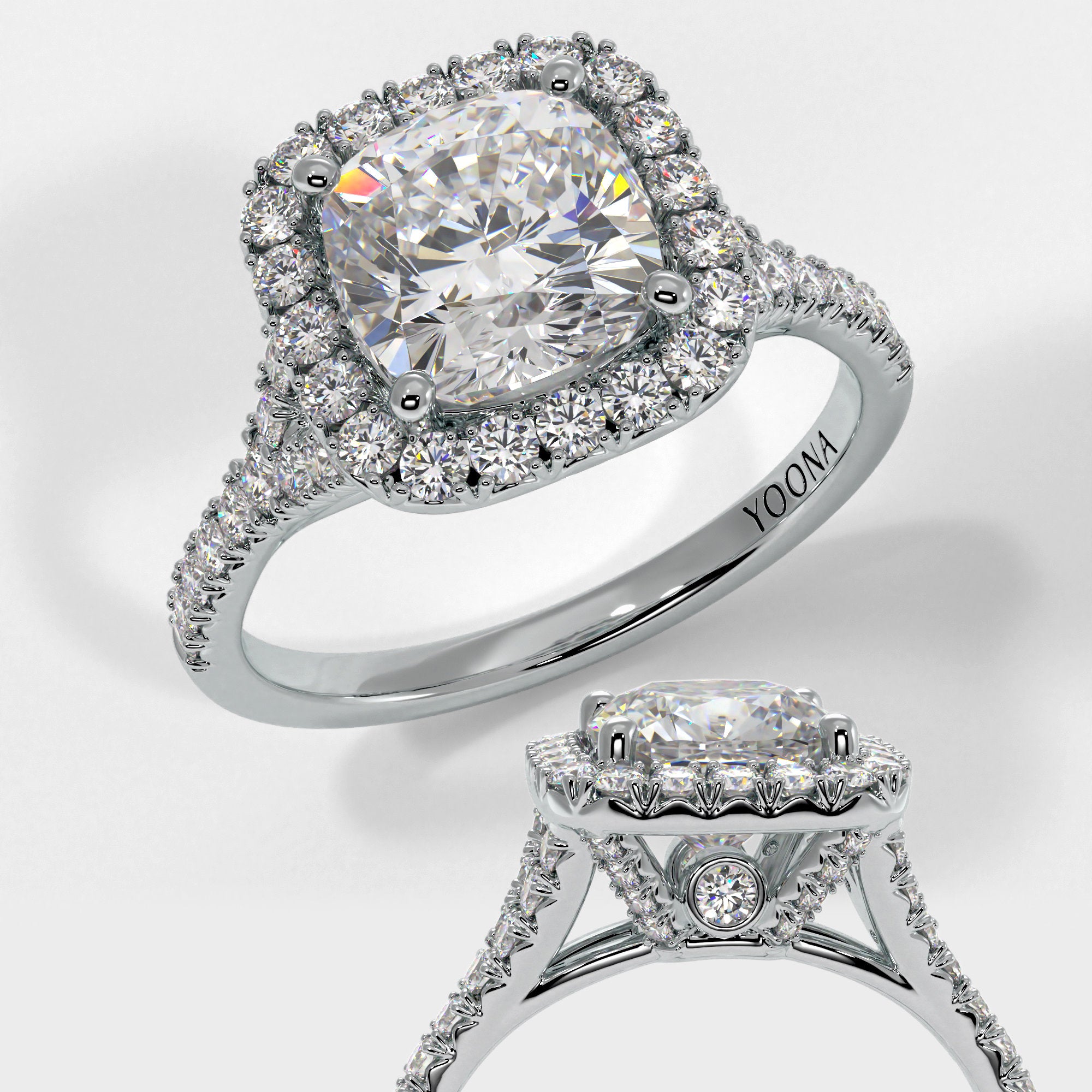
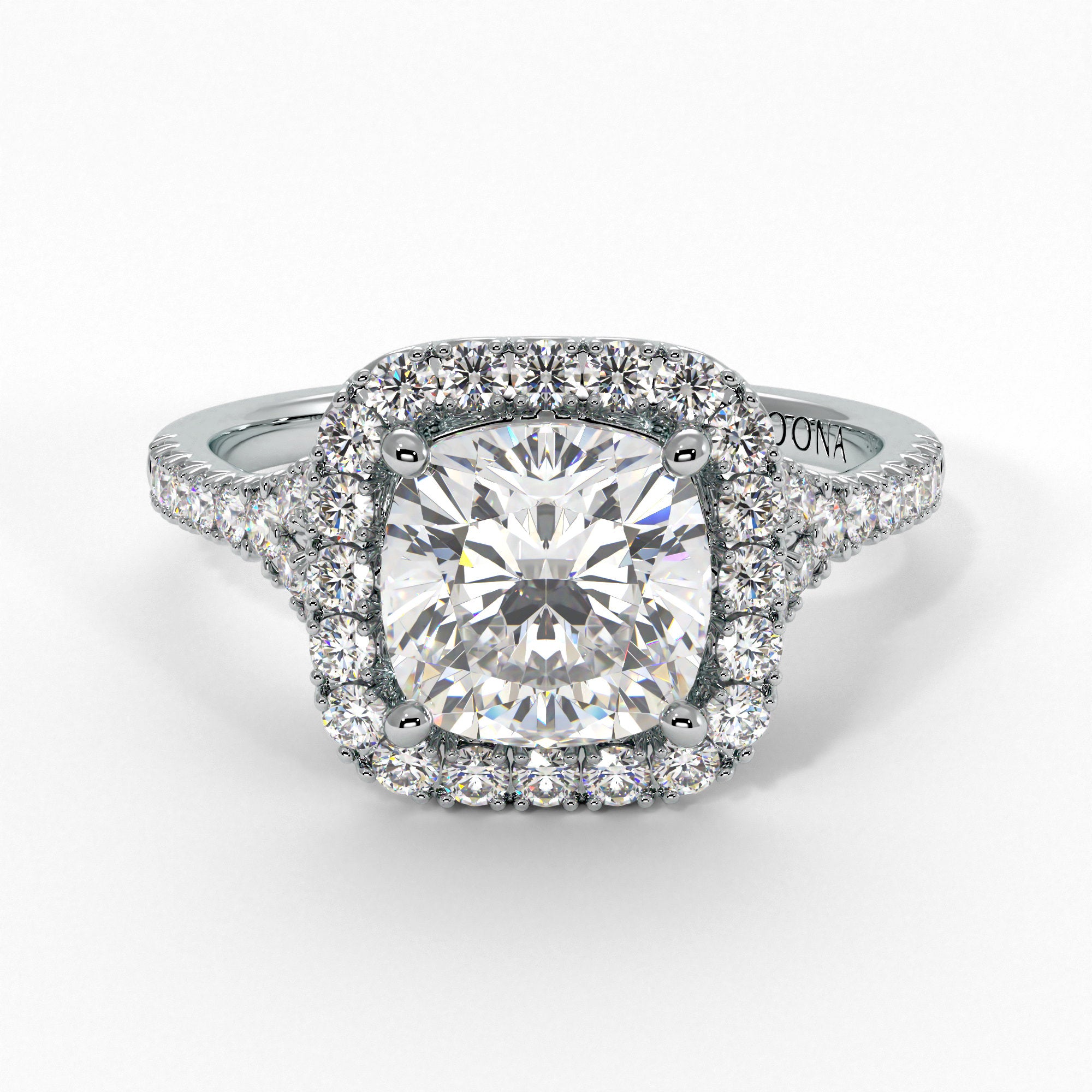
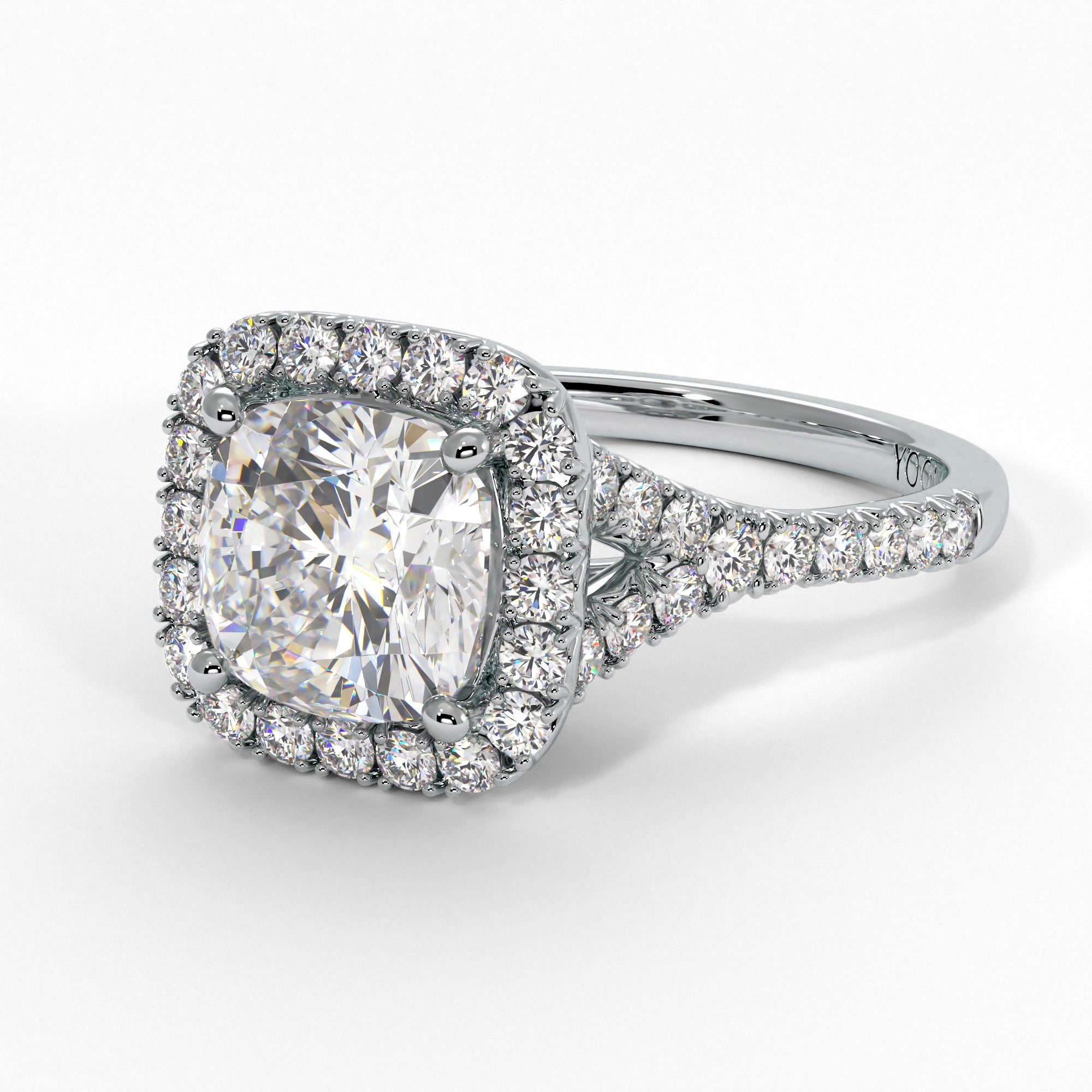
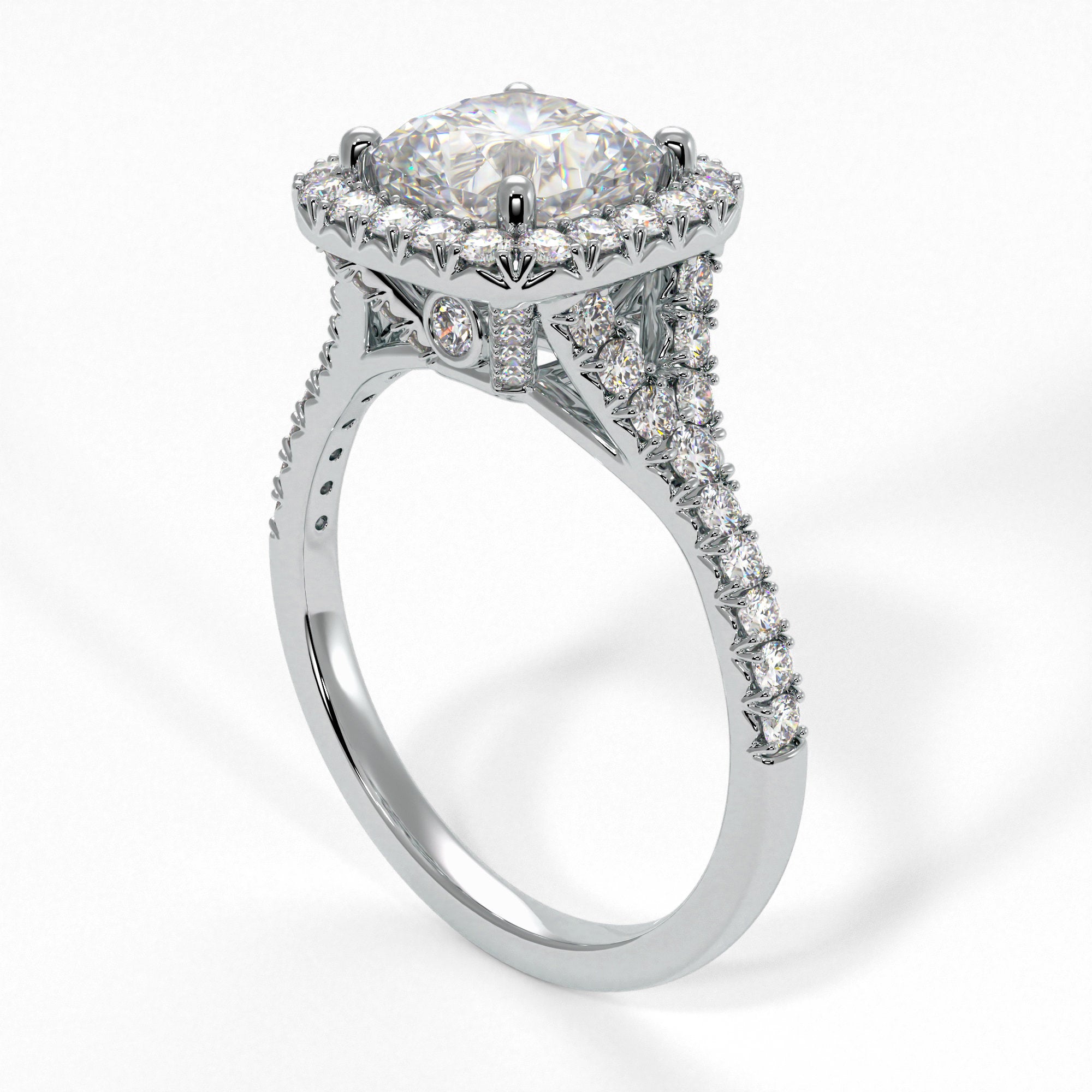
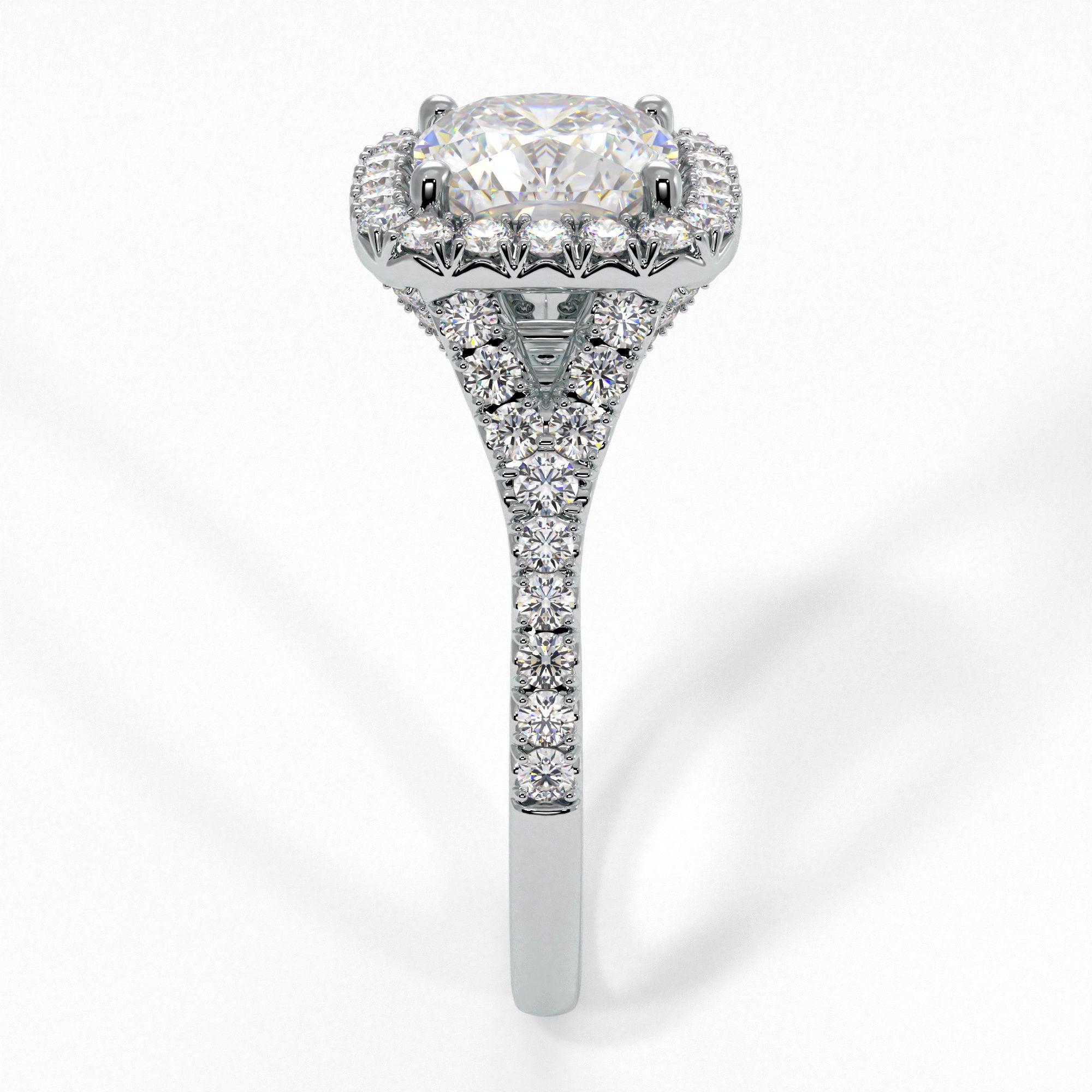
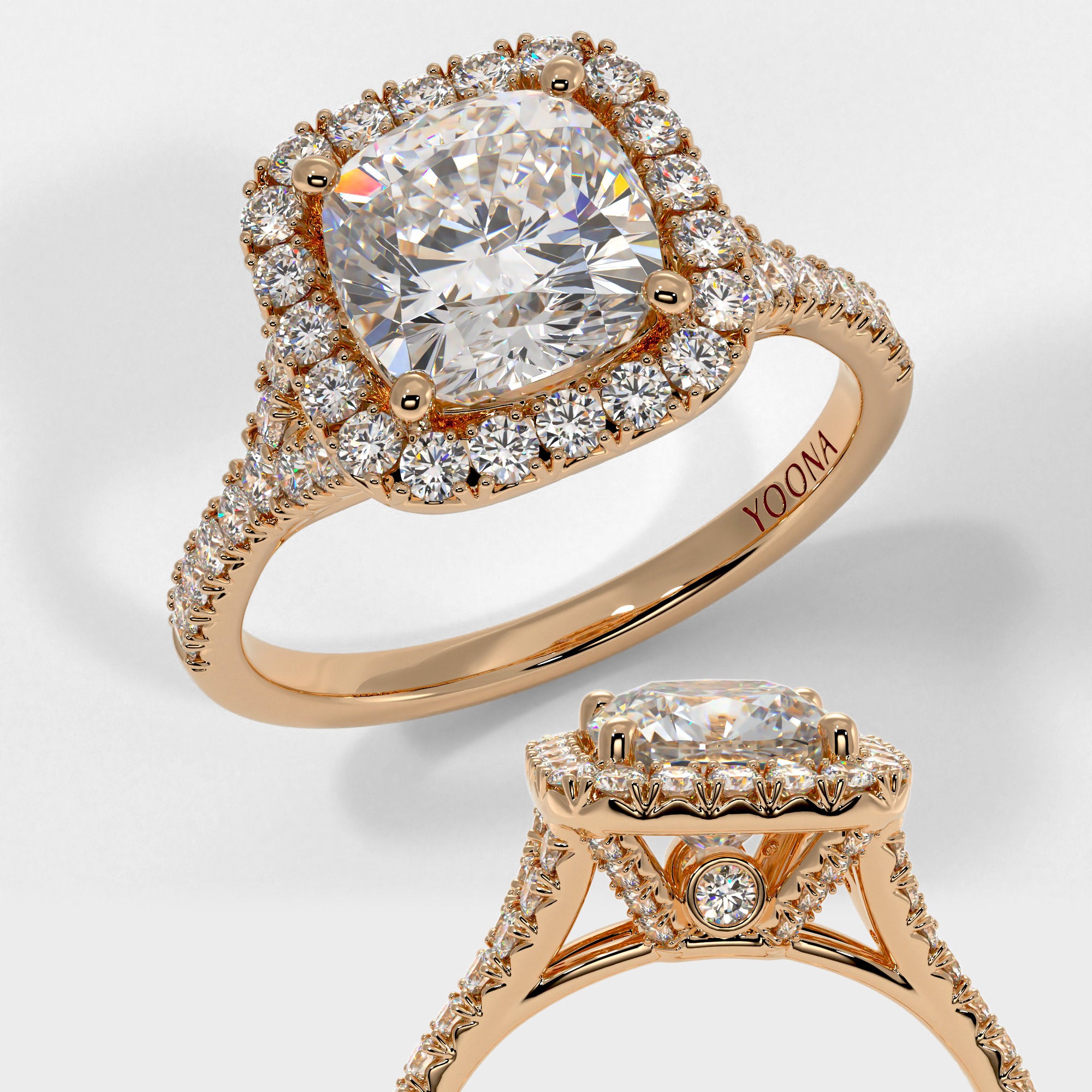
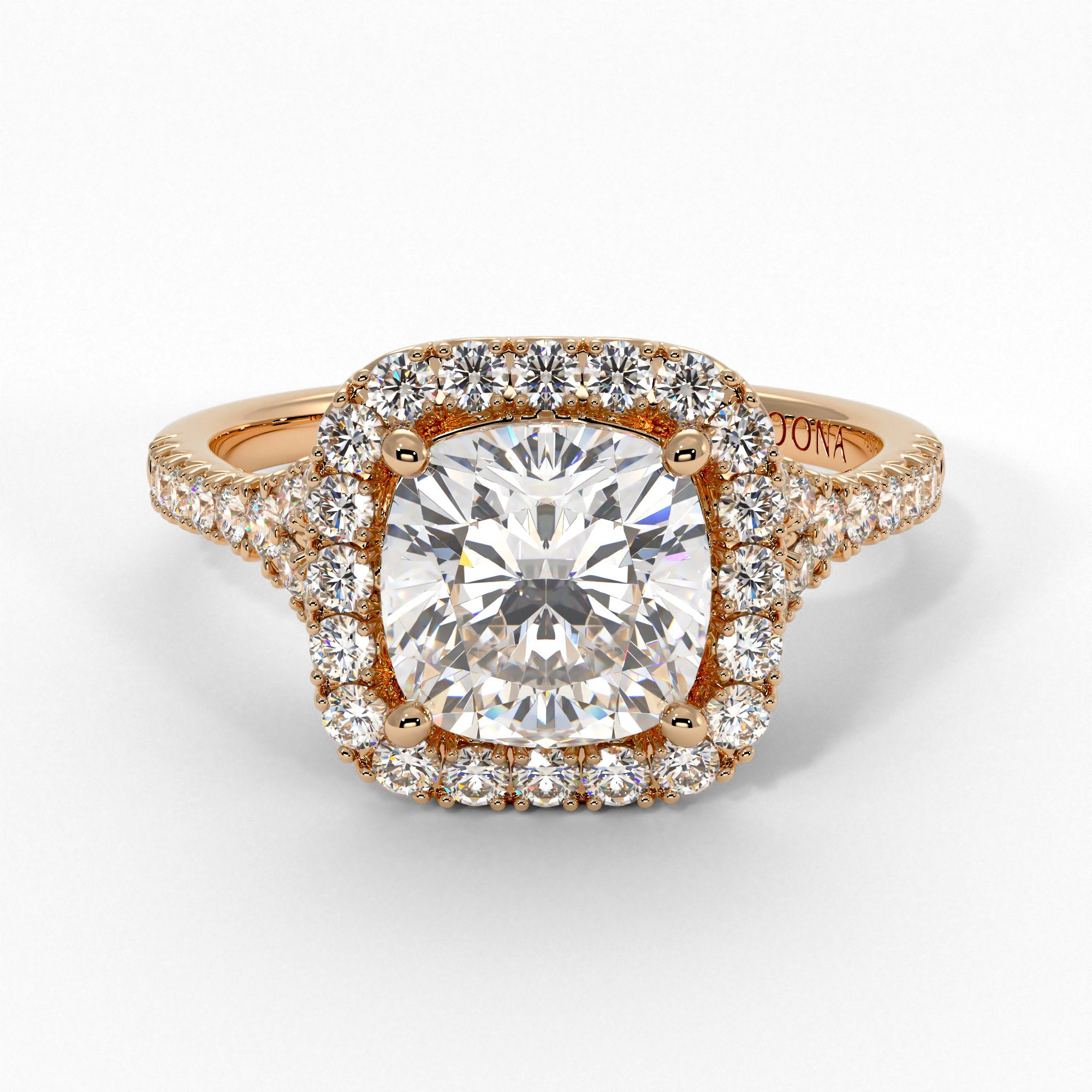
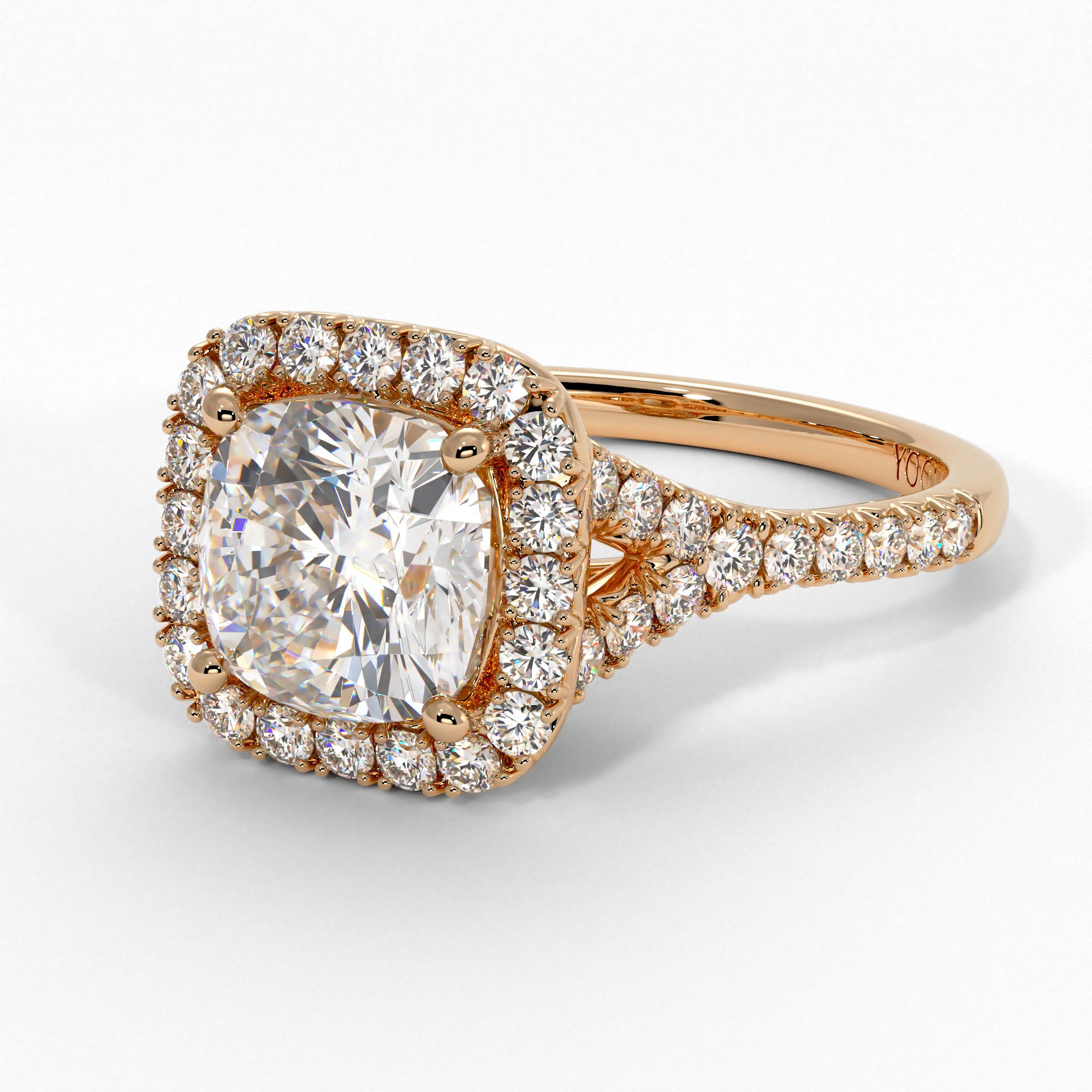
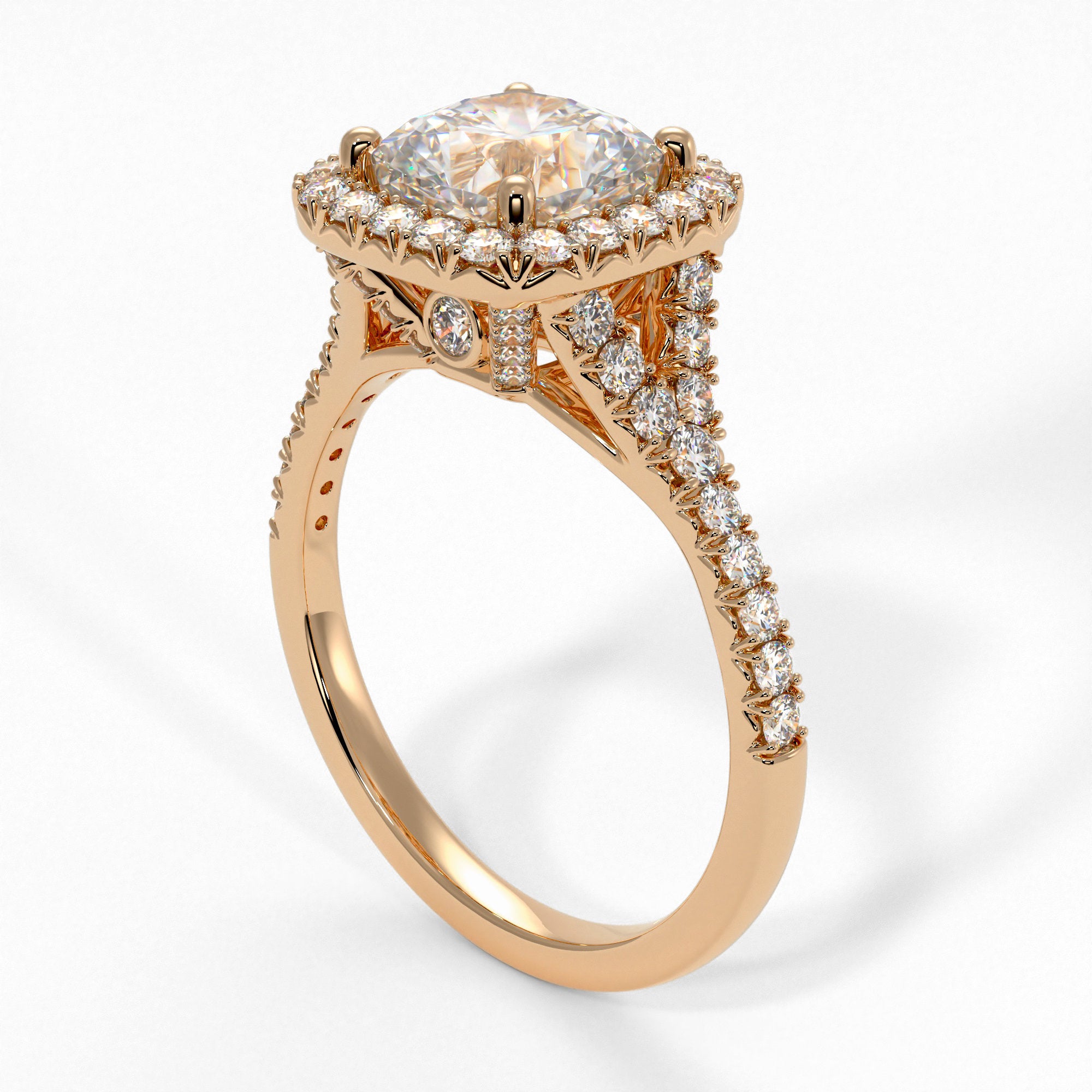
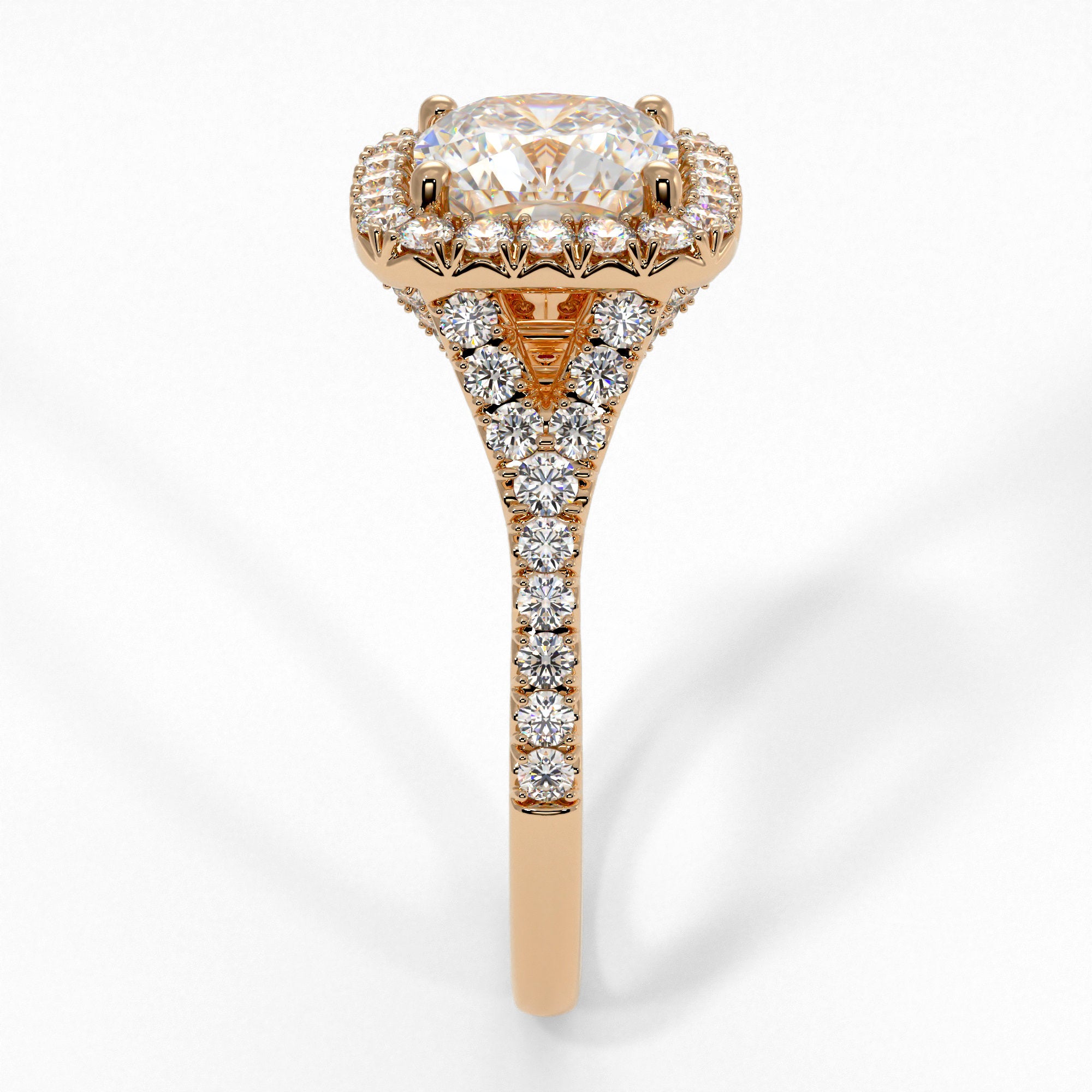
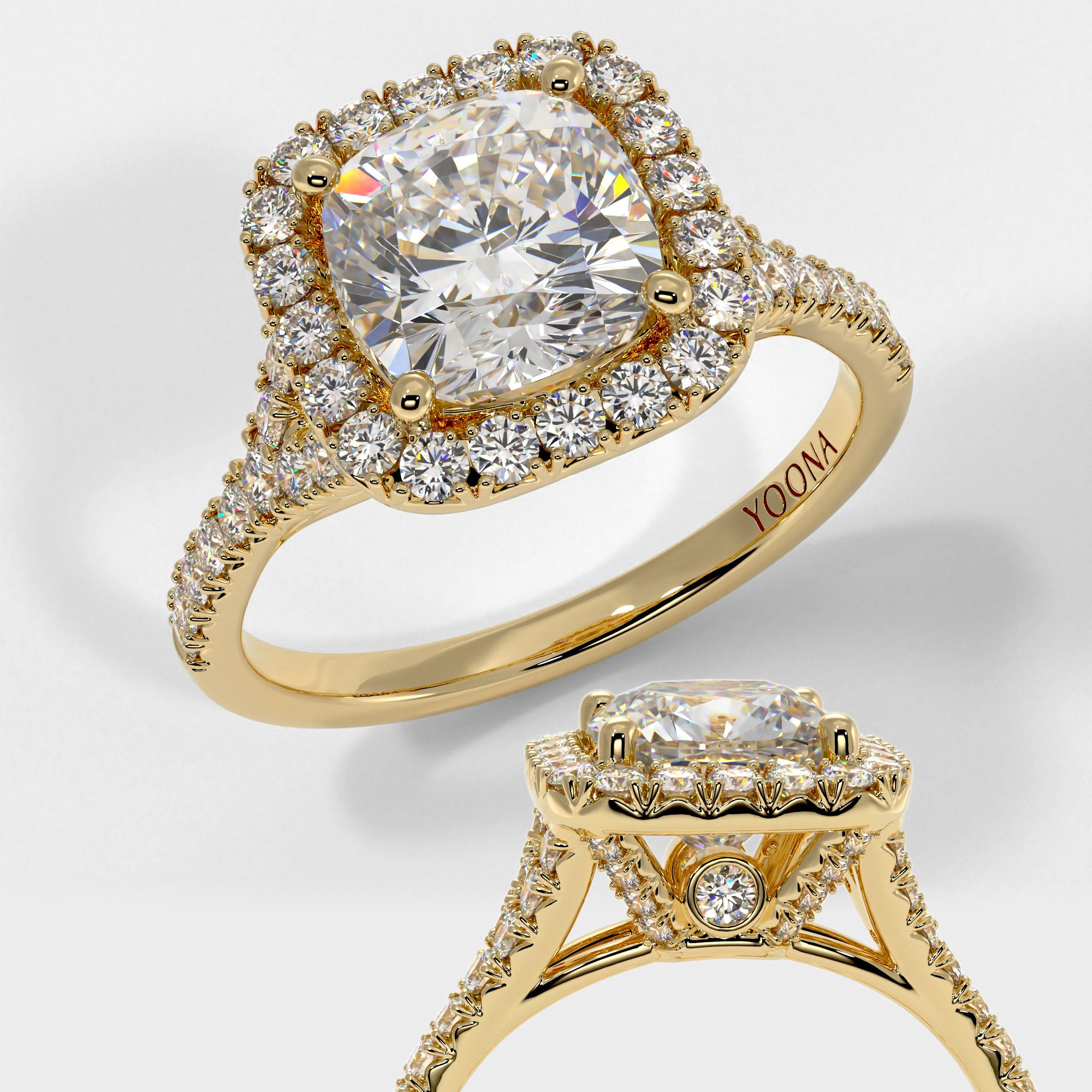
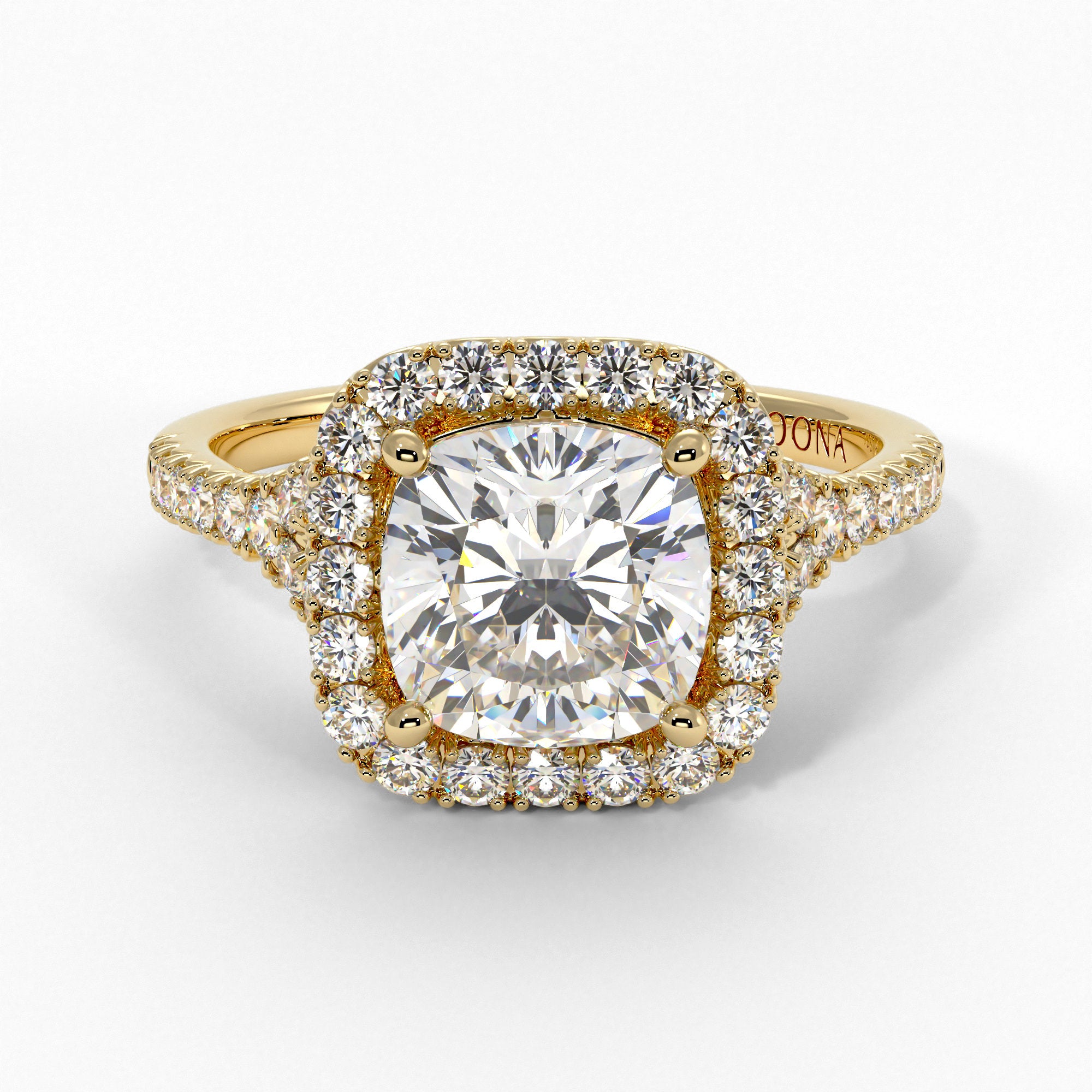
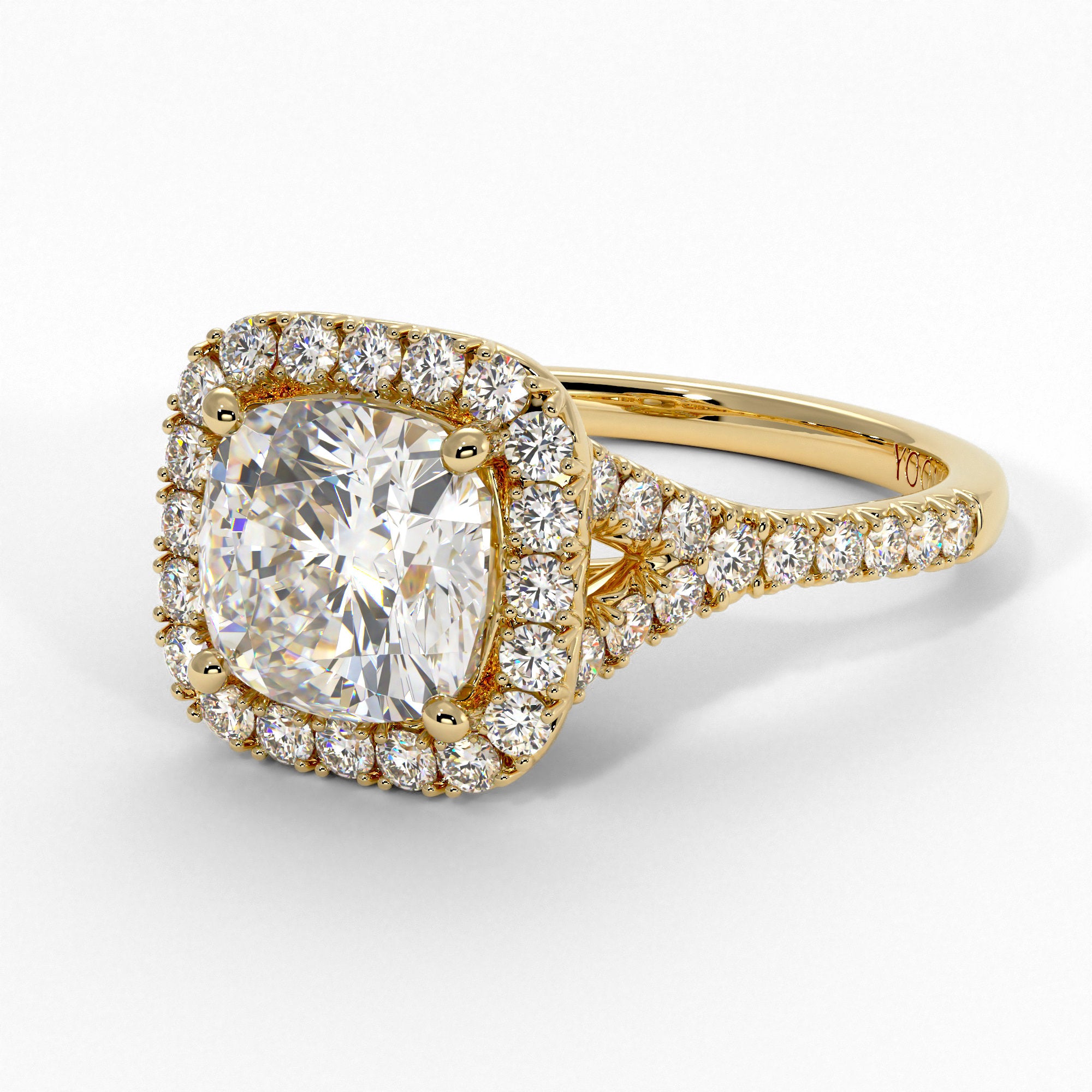
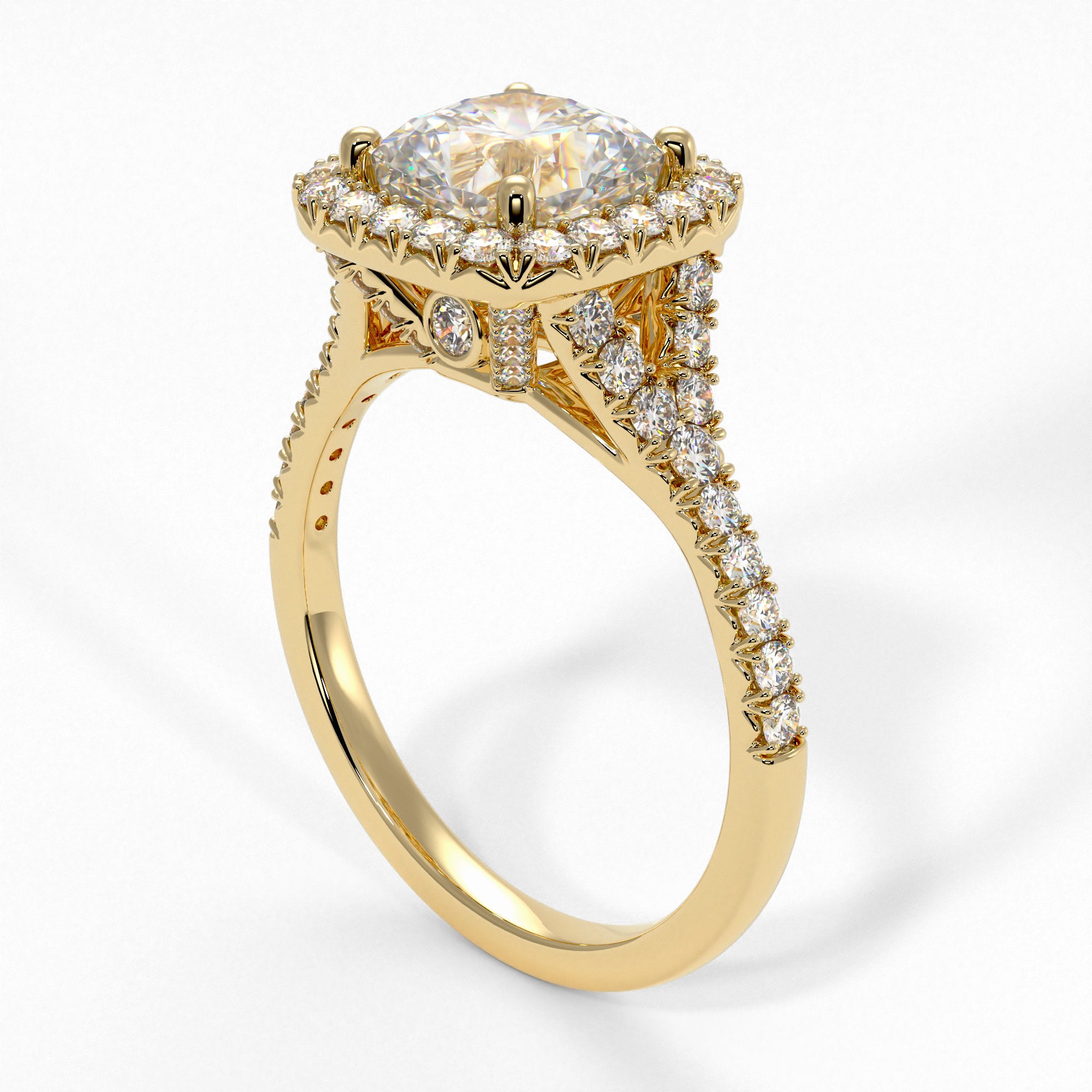
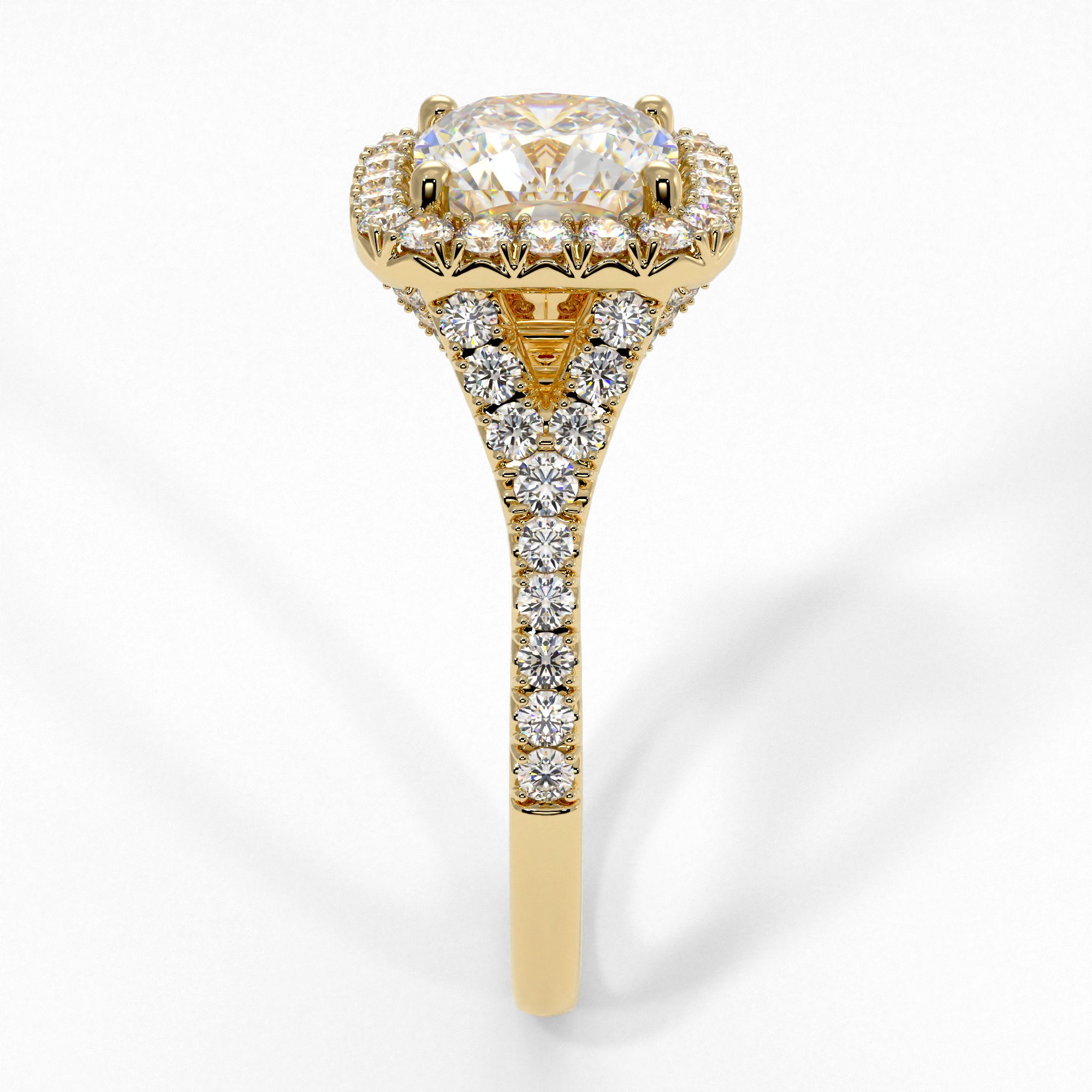
- Halo: Smaller diamonds surround the center stone, adding visual size and sparkle.
- Three-stone: A center diamond flanked by two side stones, often read as past, present, and future.
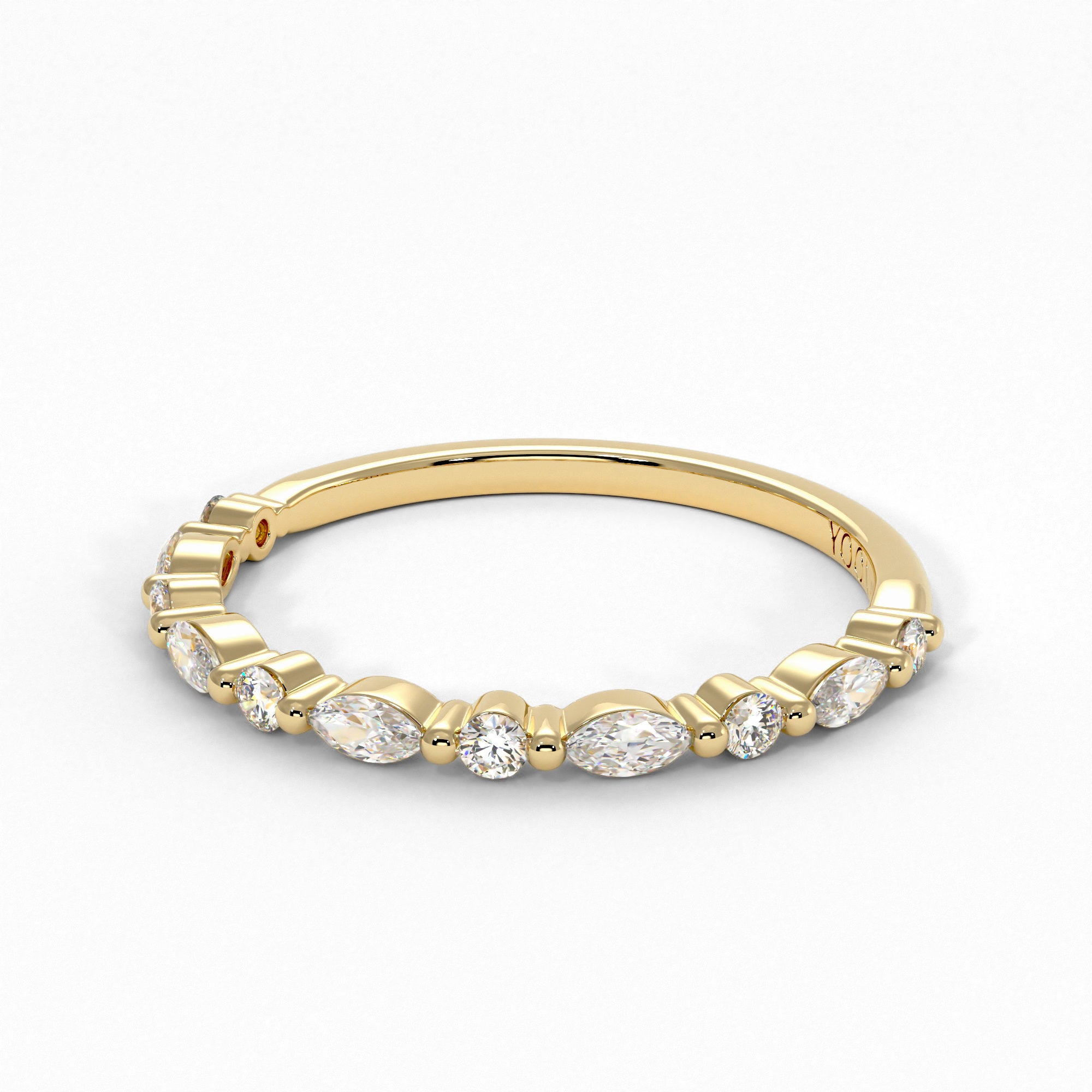
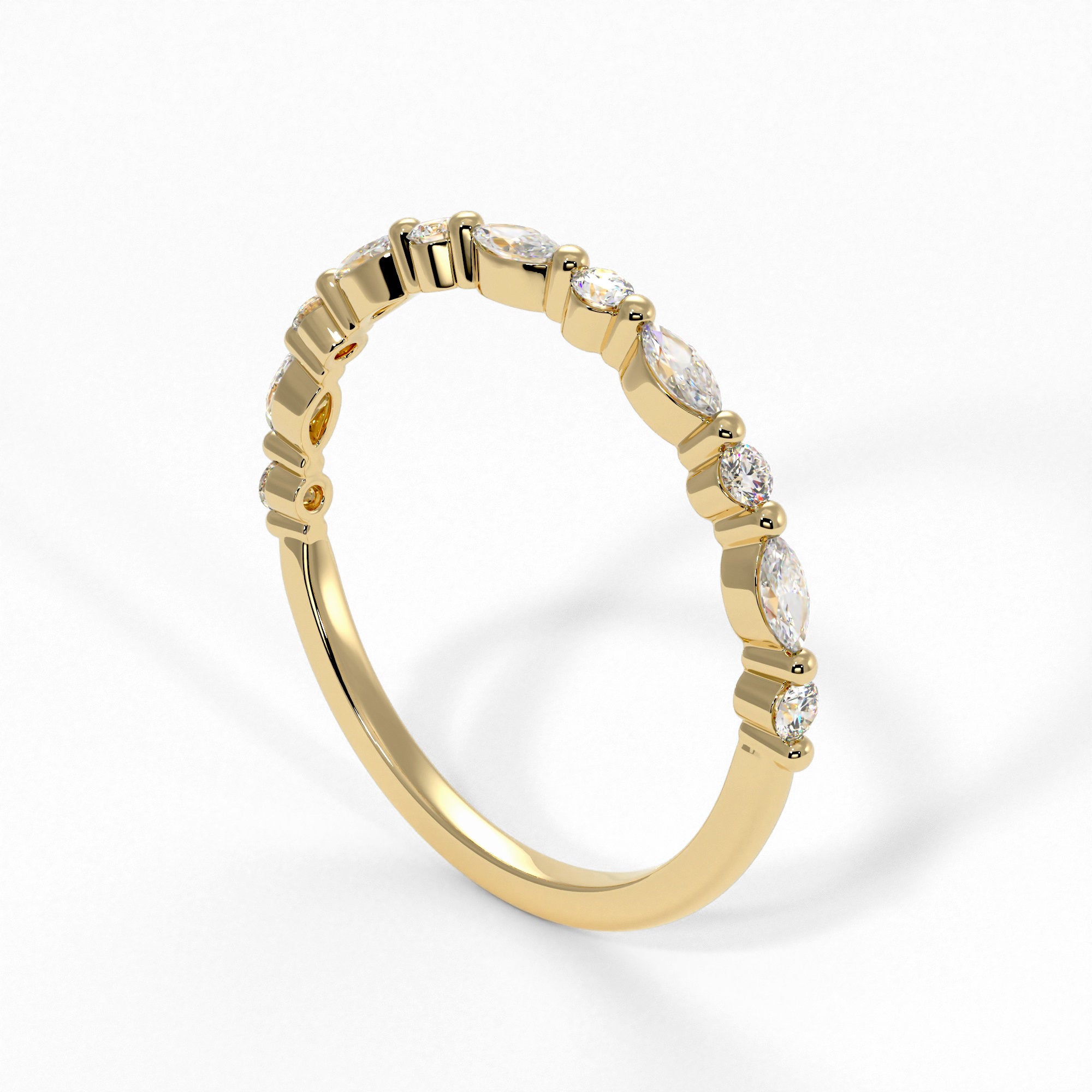
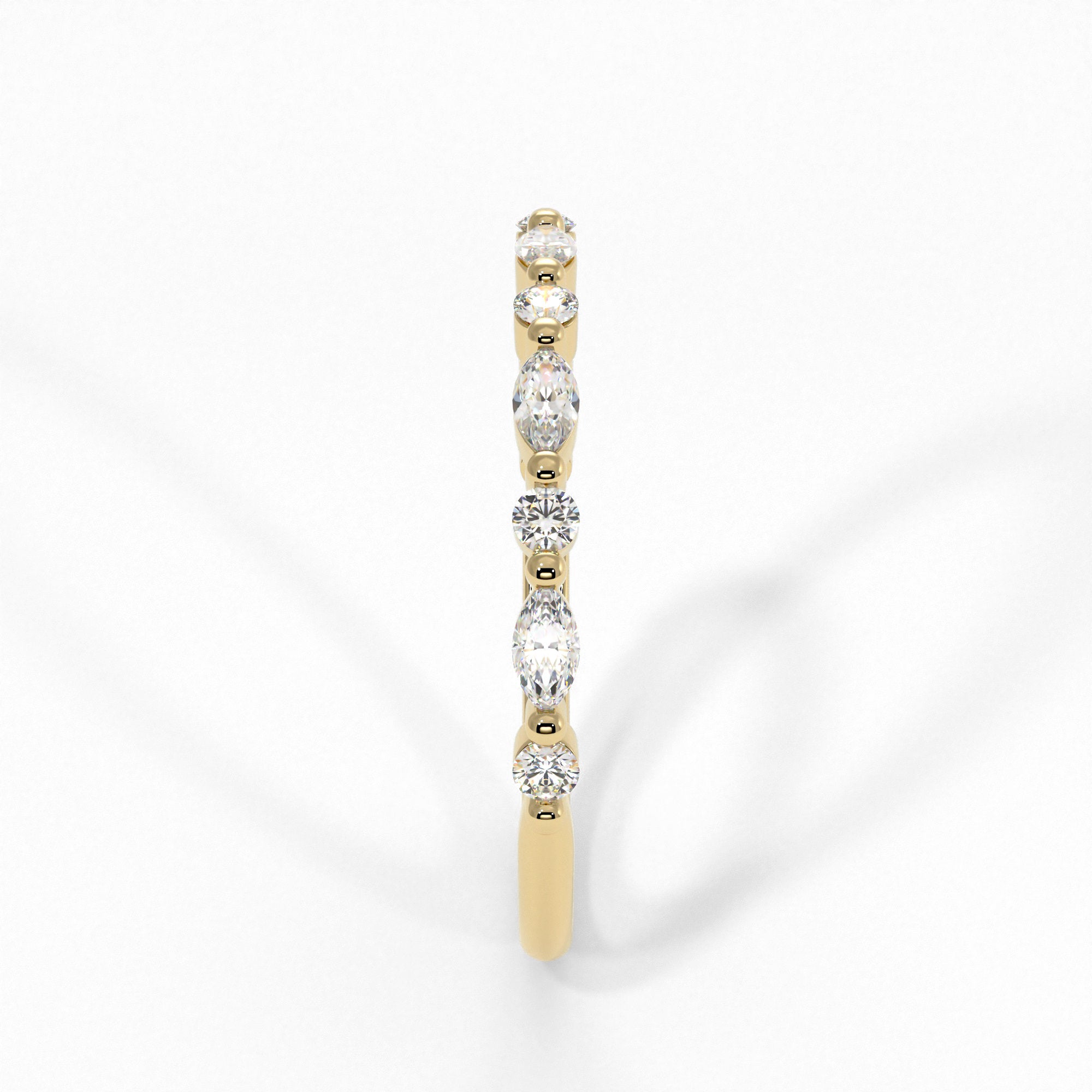
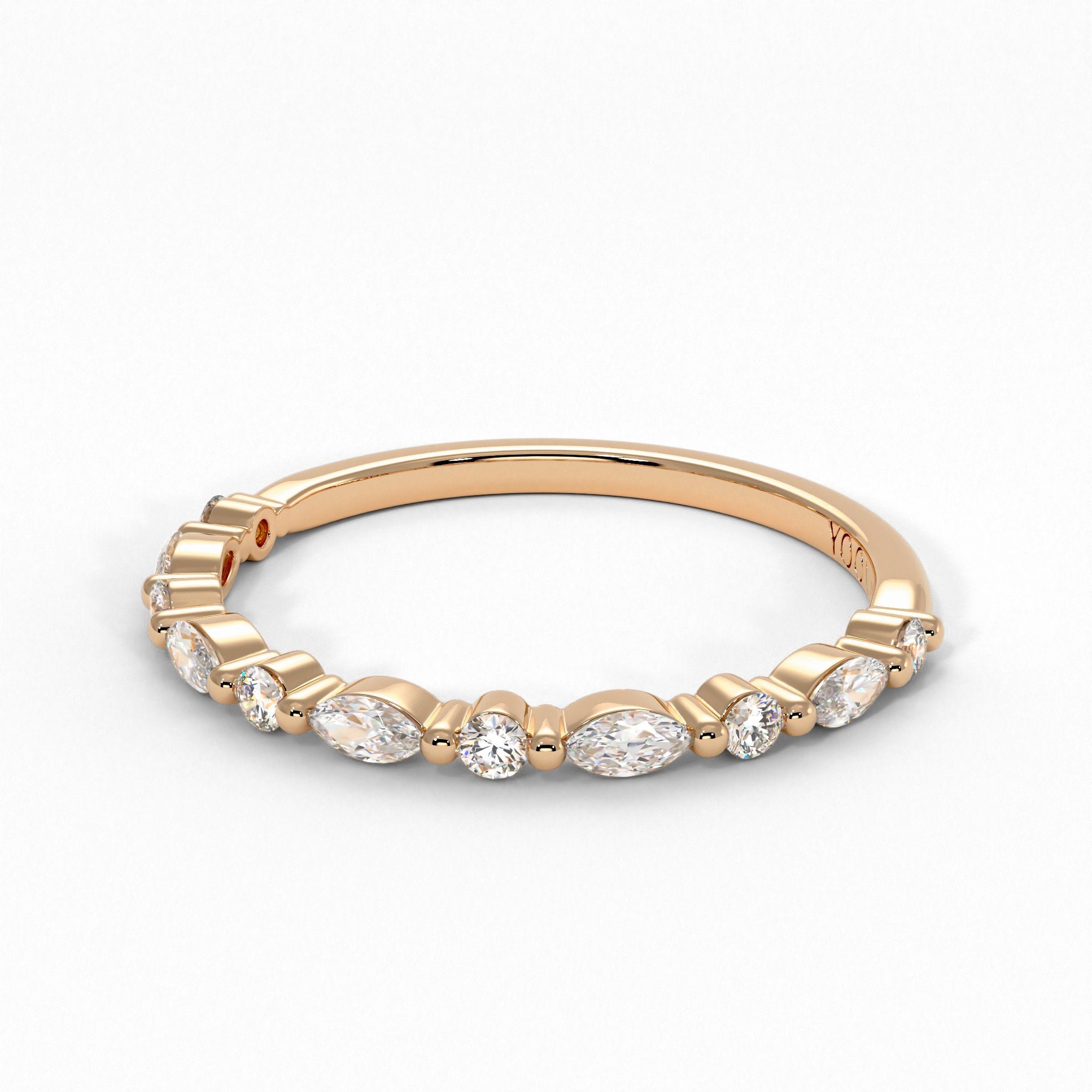
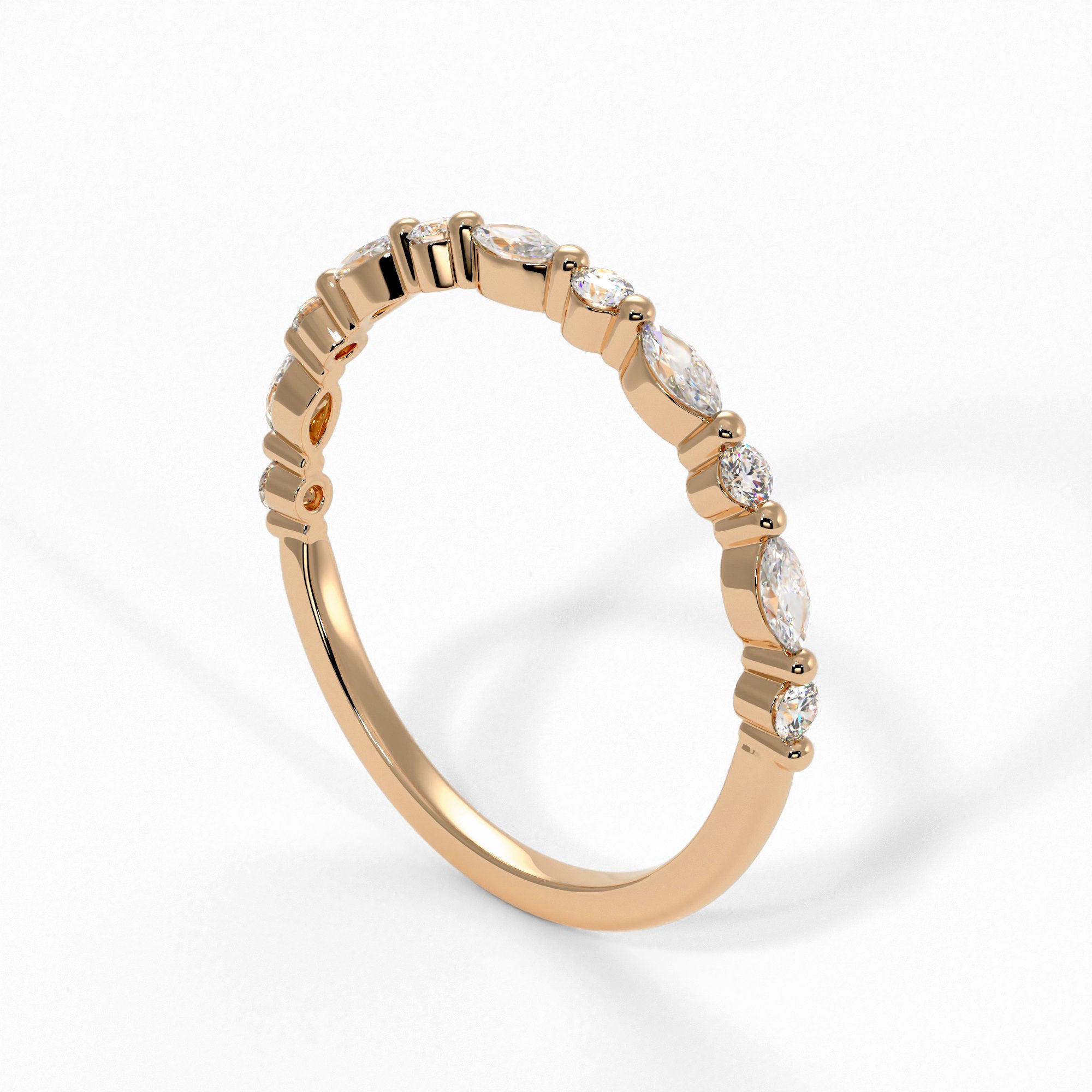
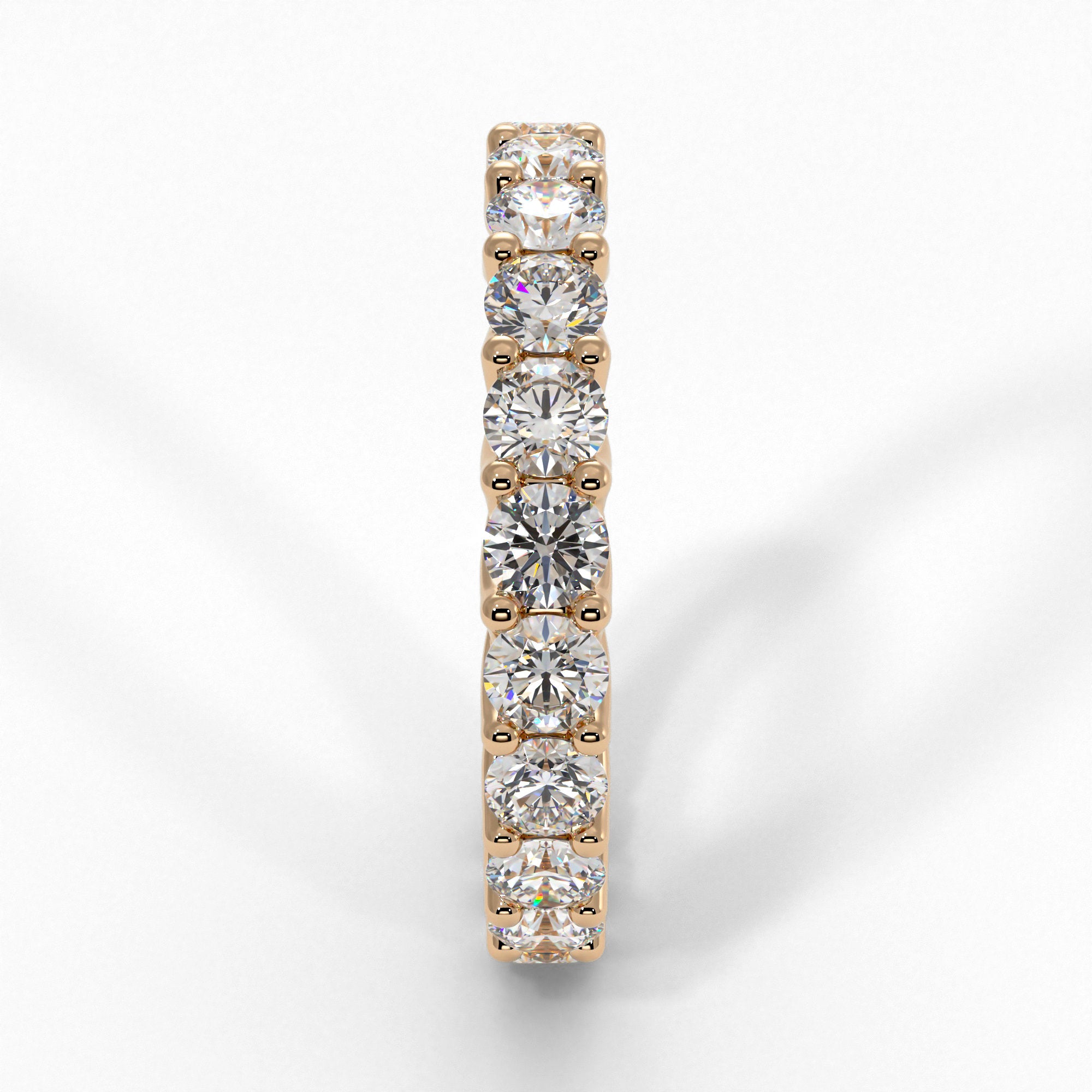
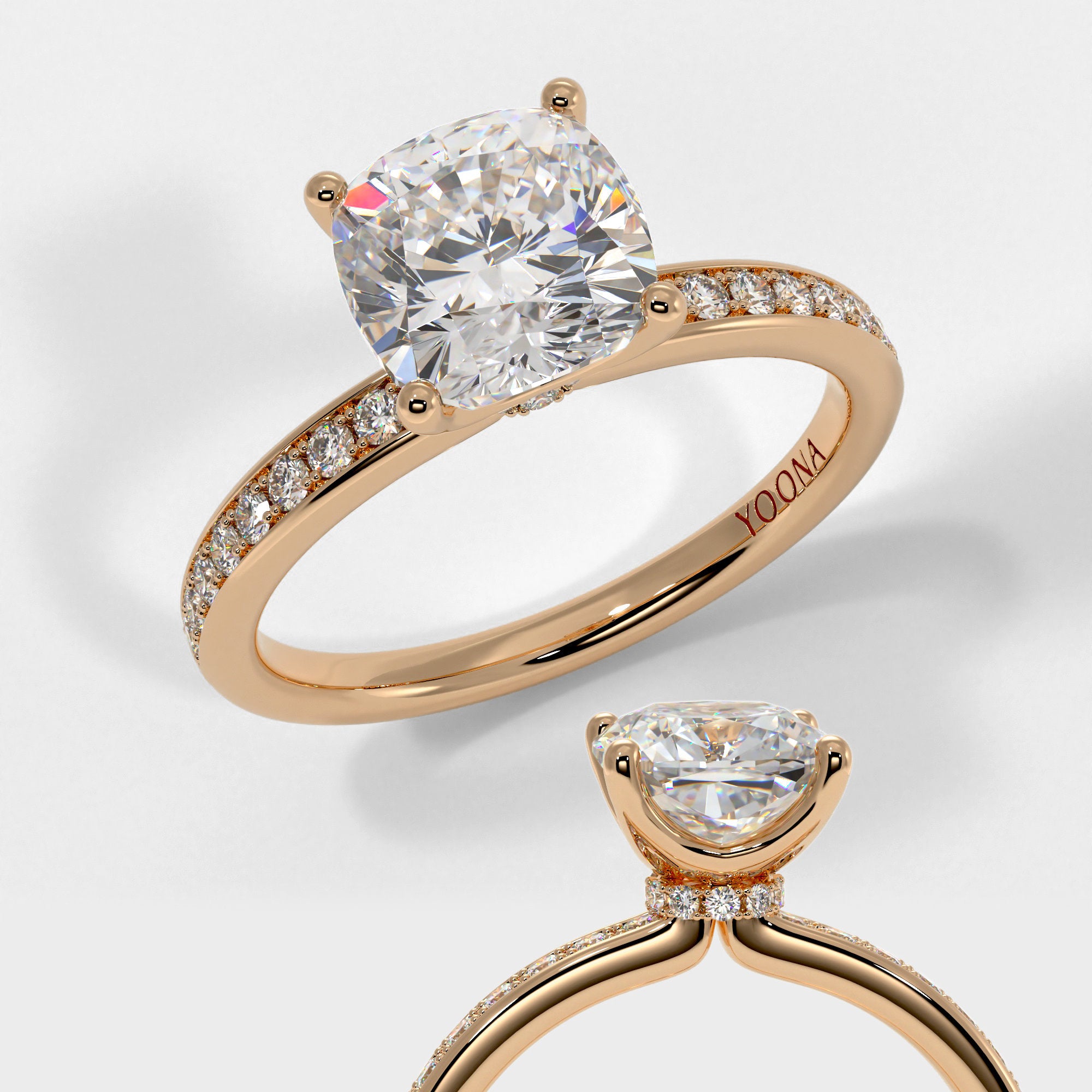
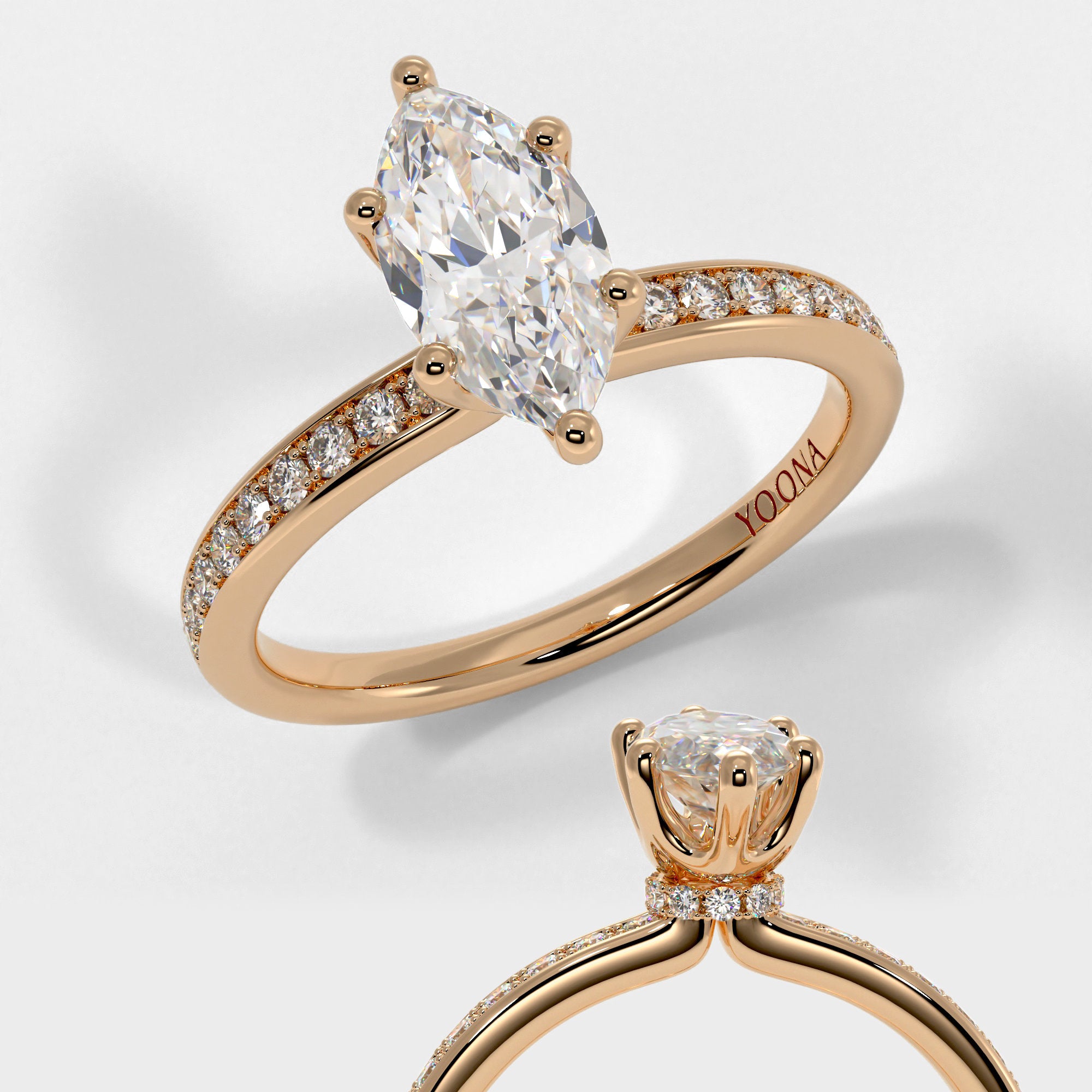
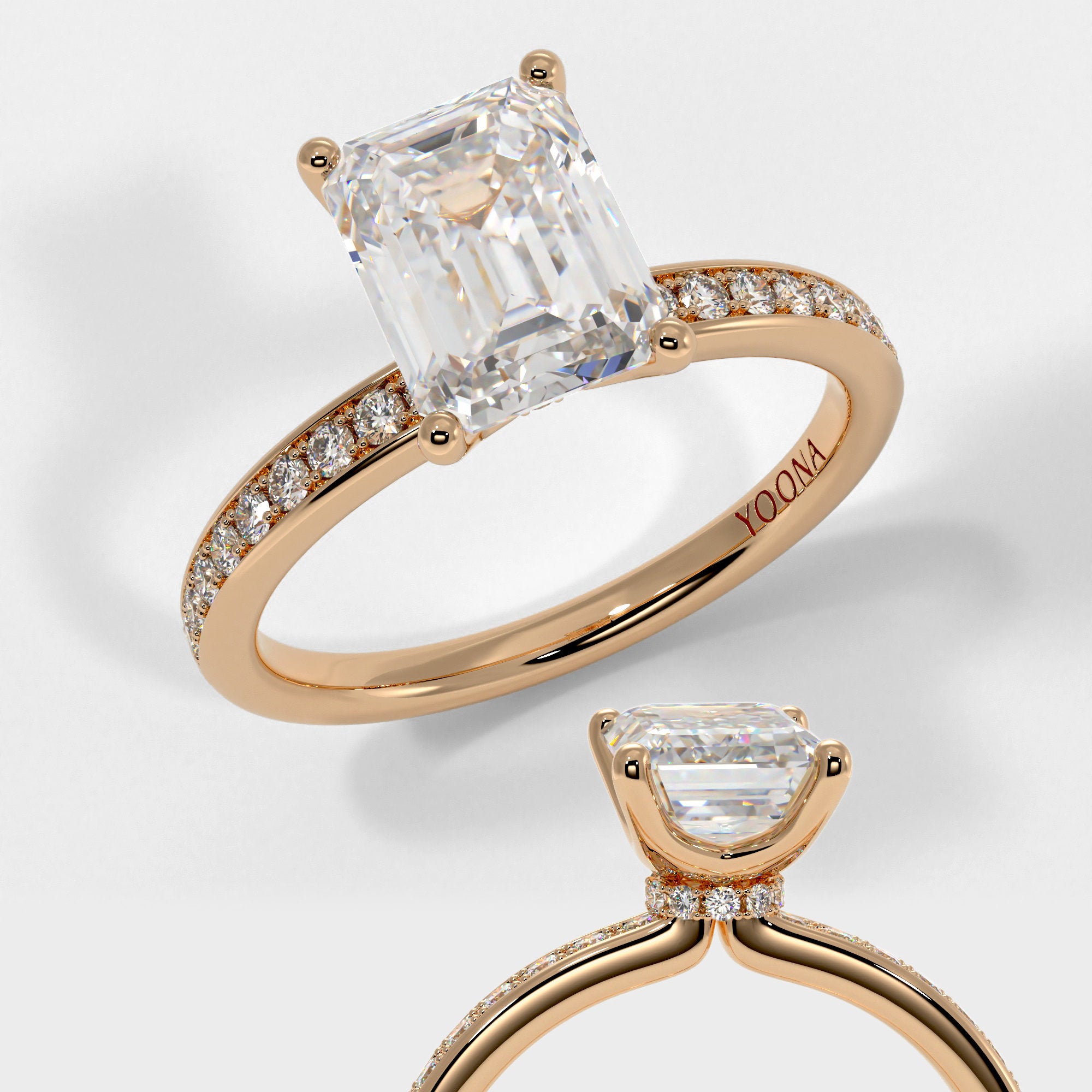
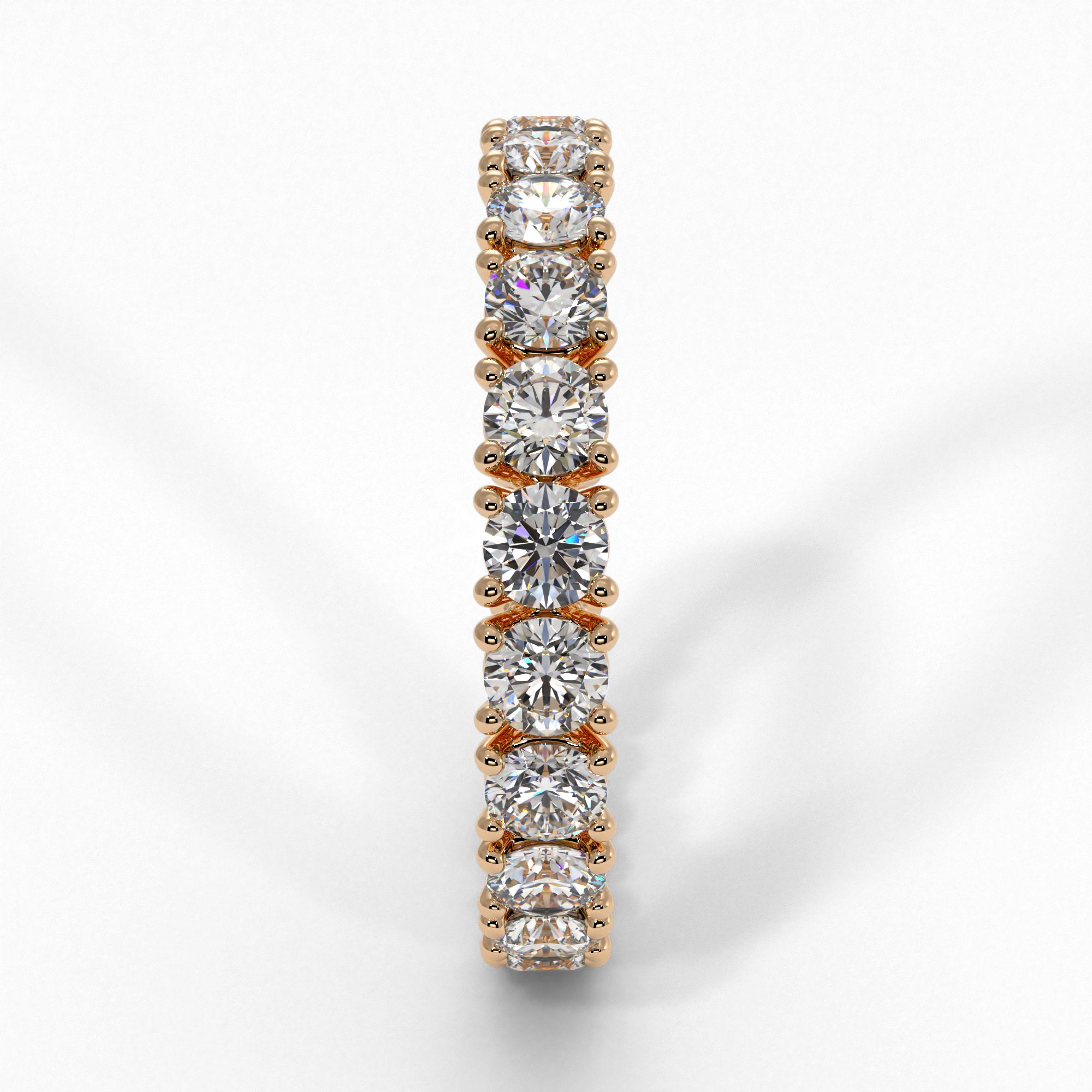
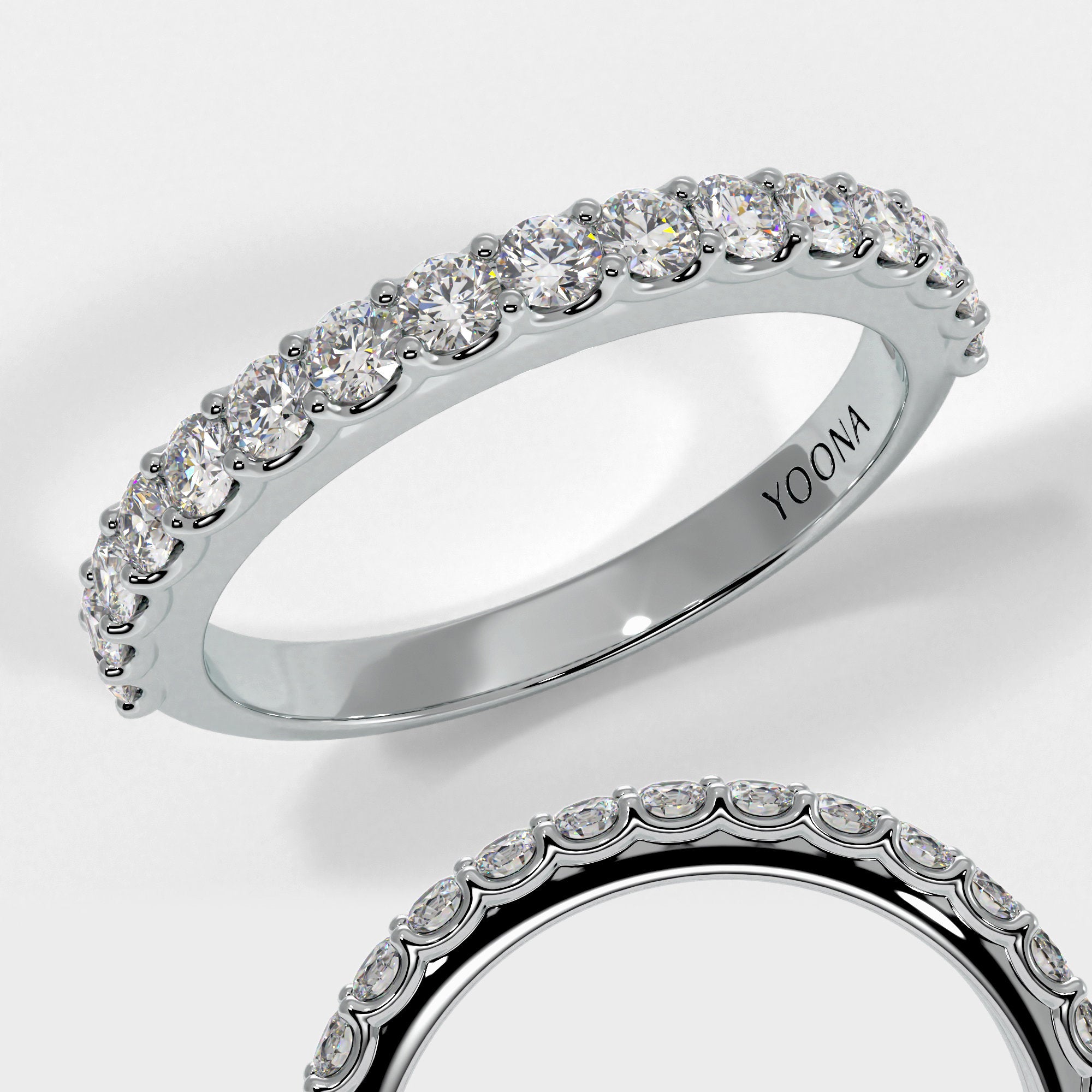
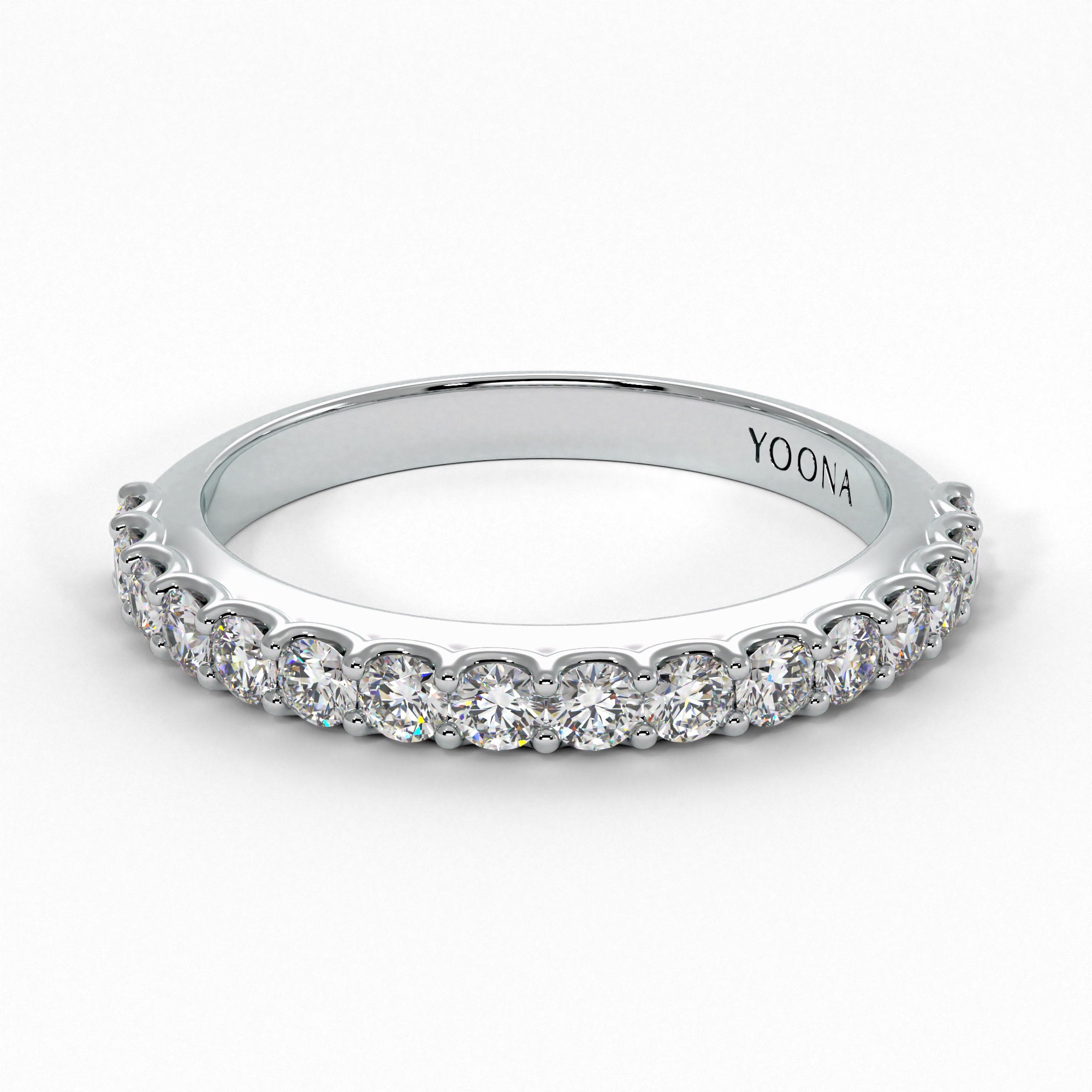
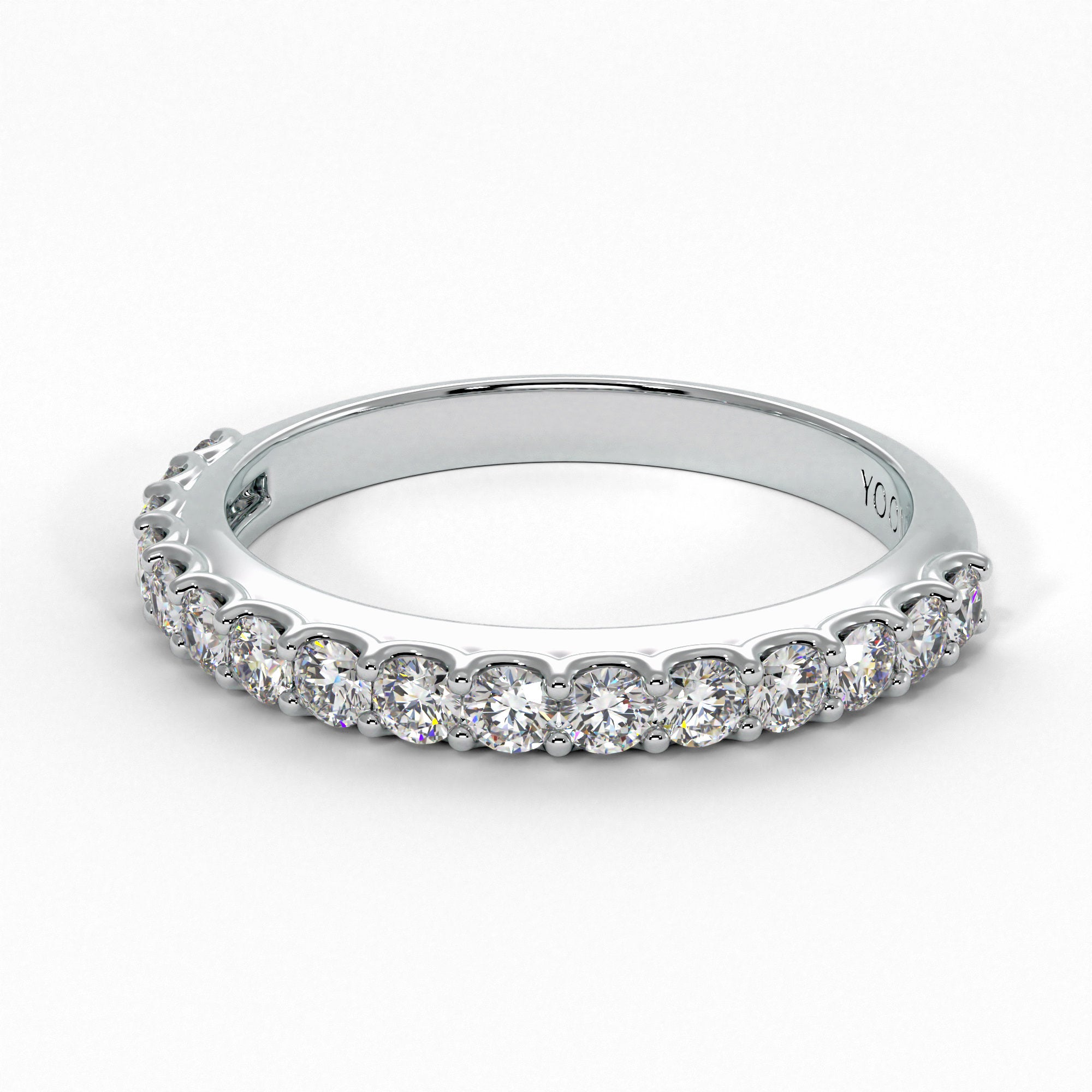
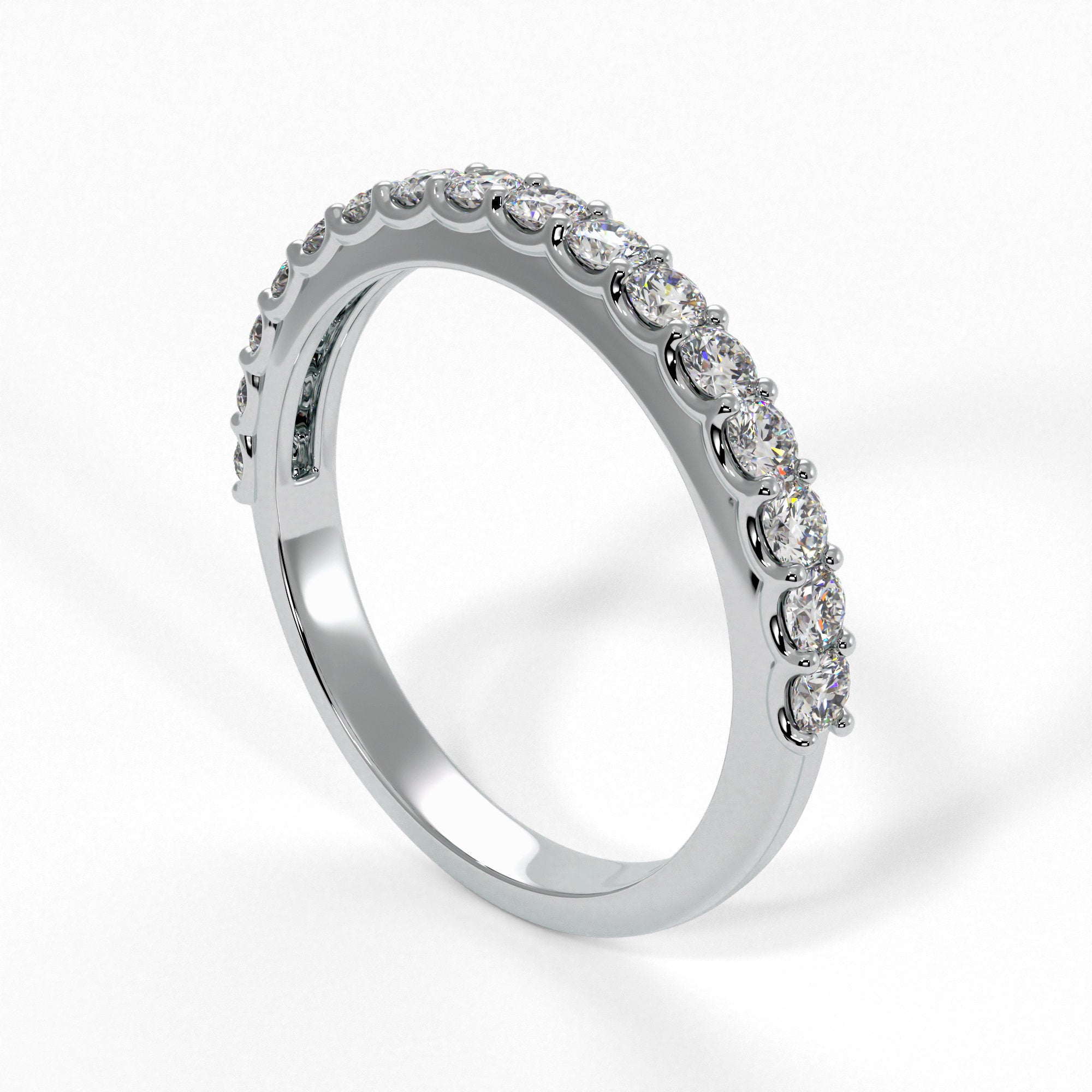
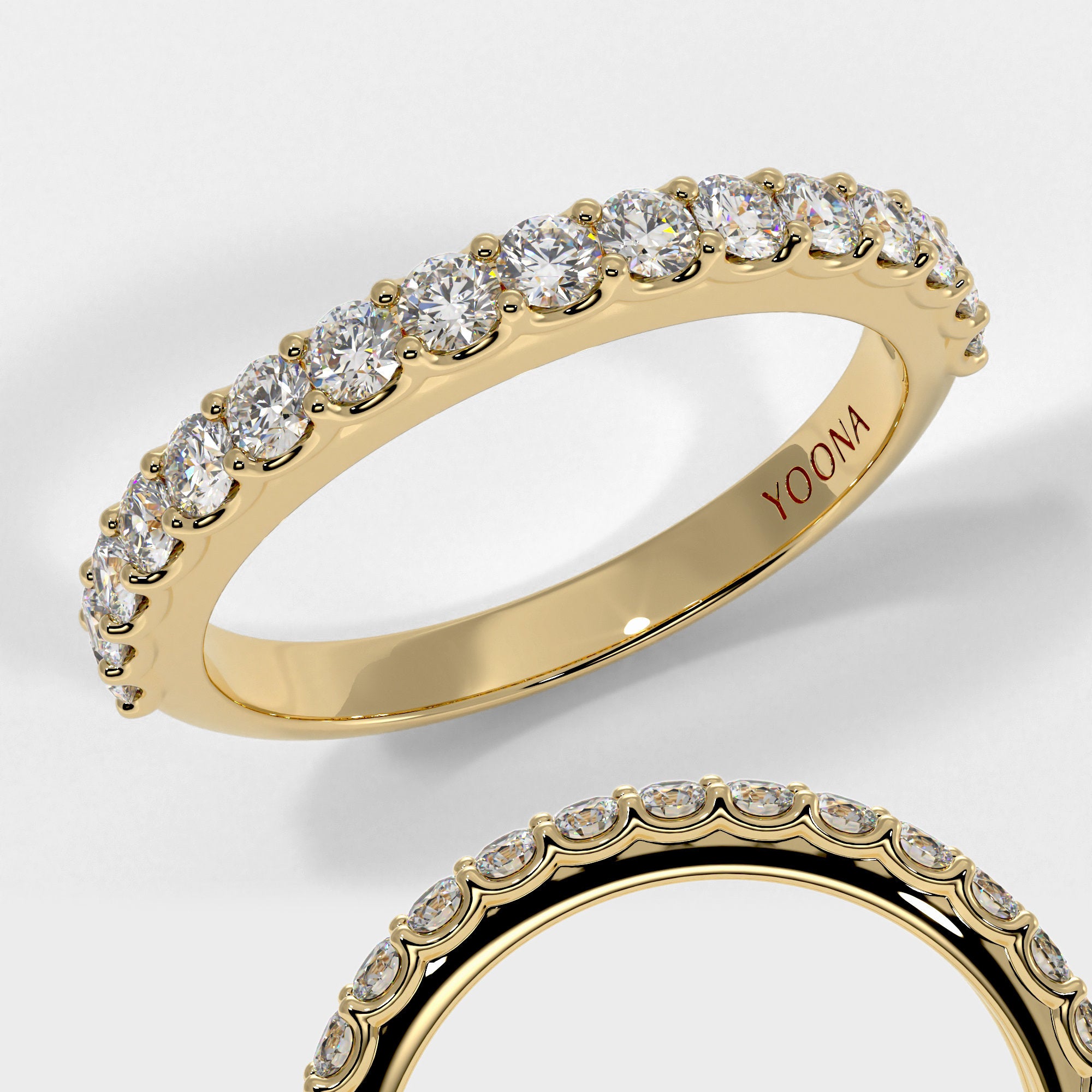
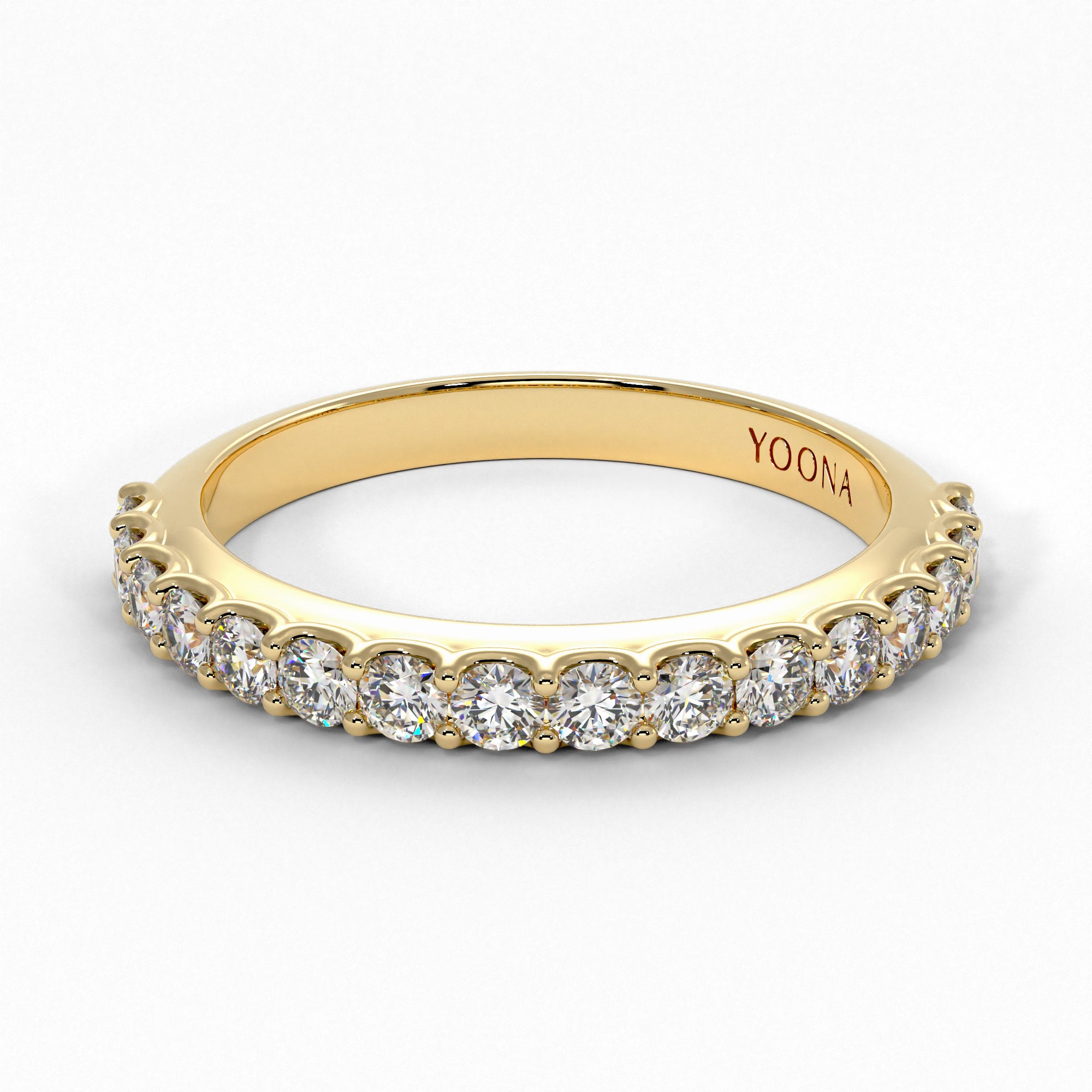
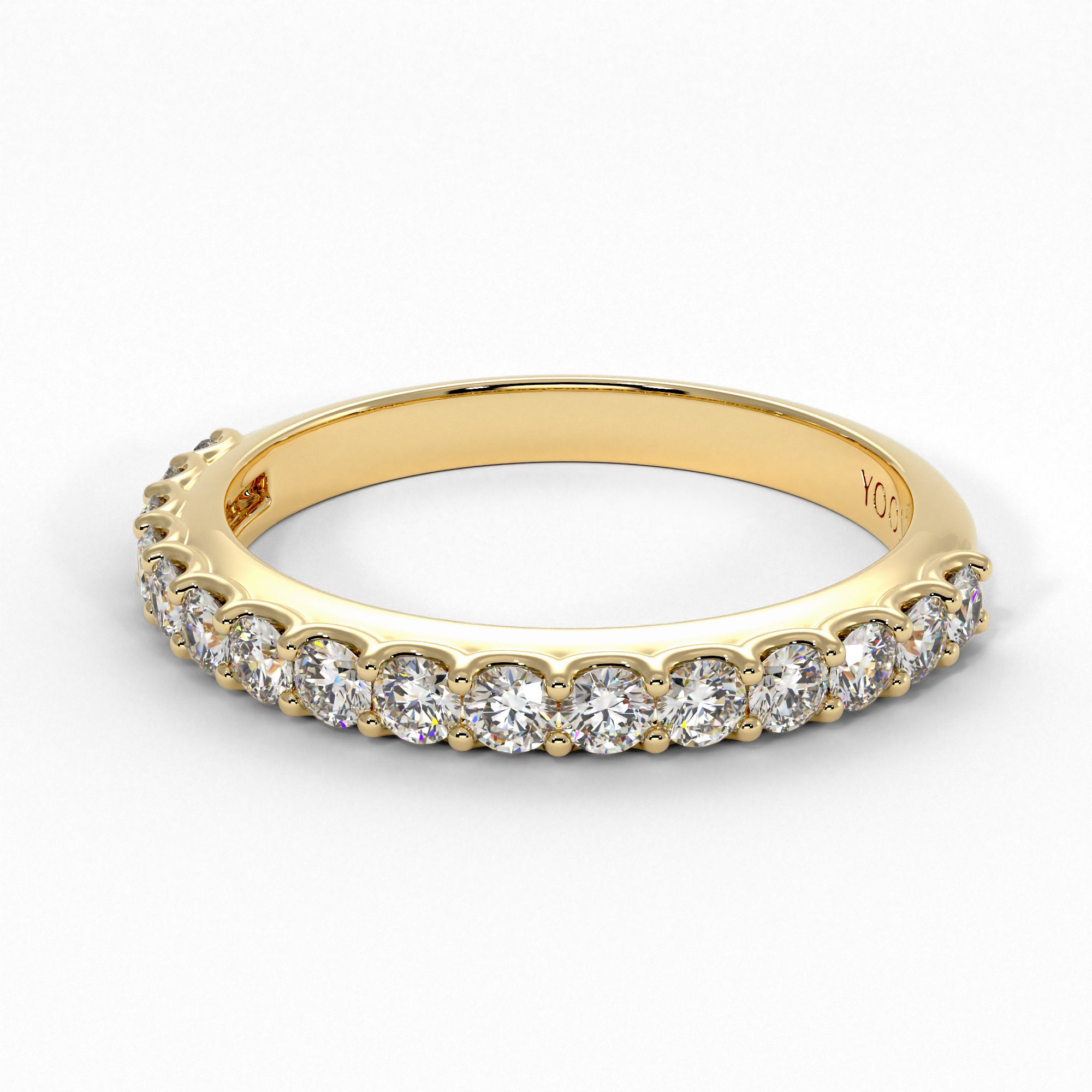
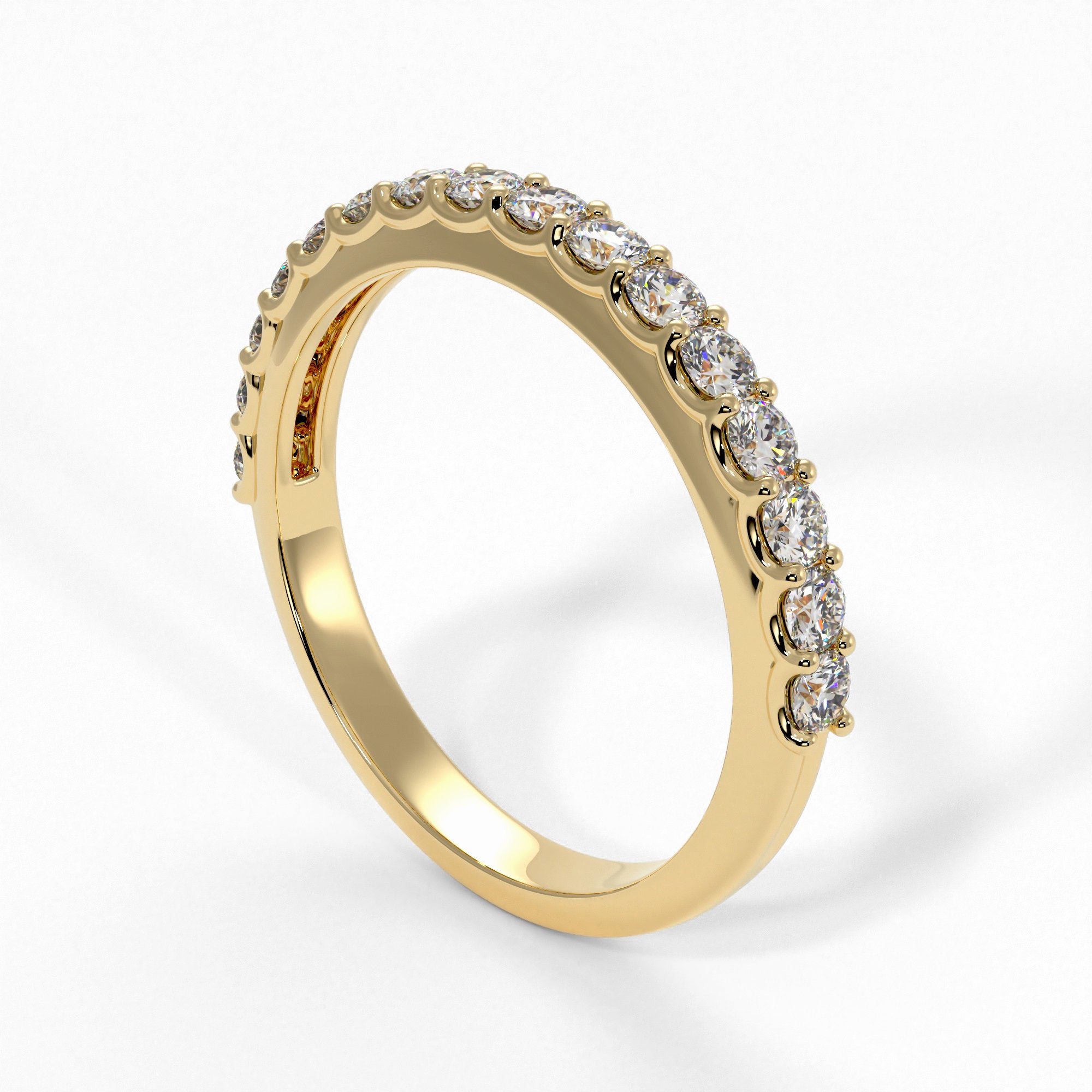
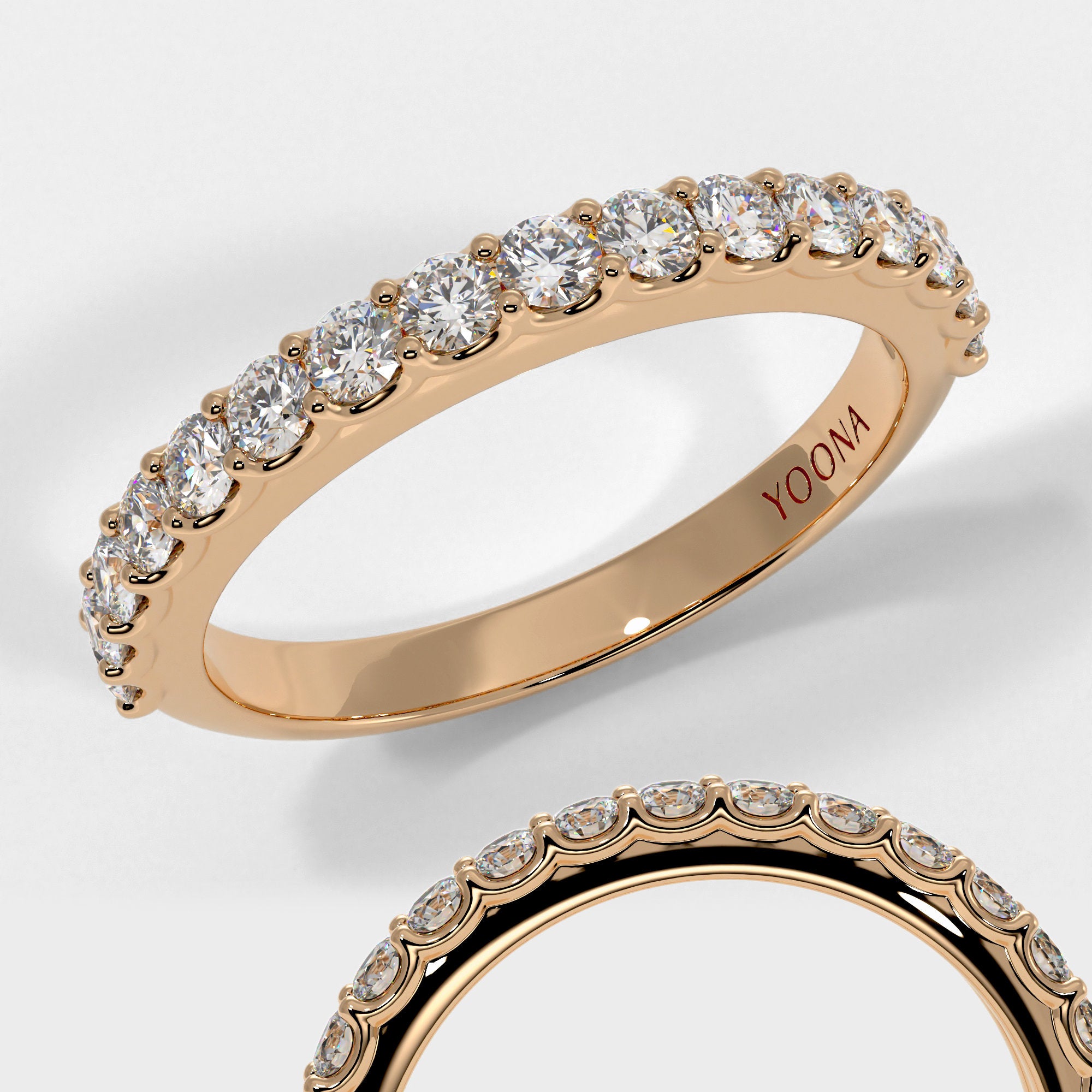
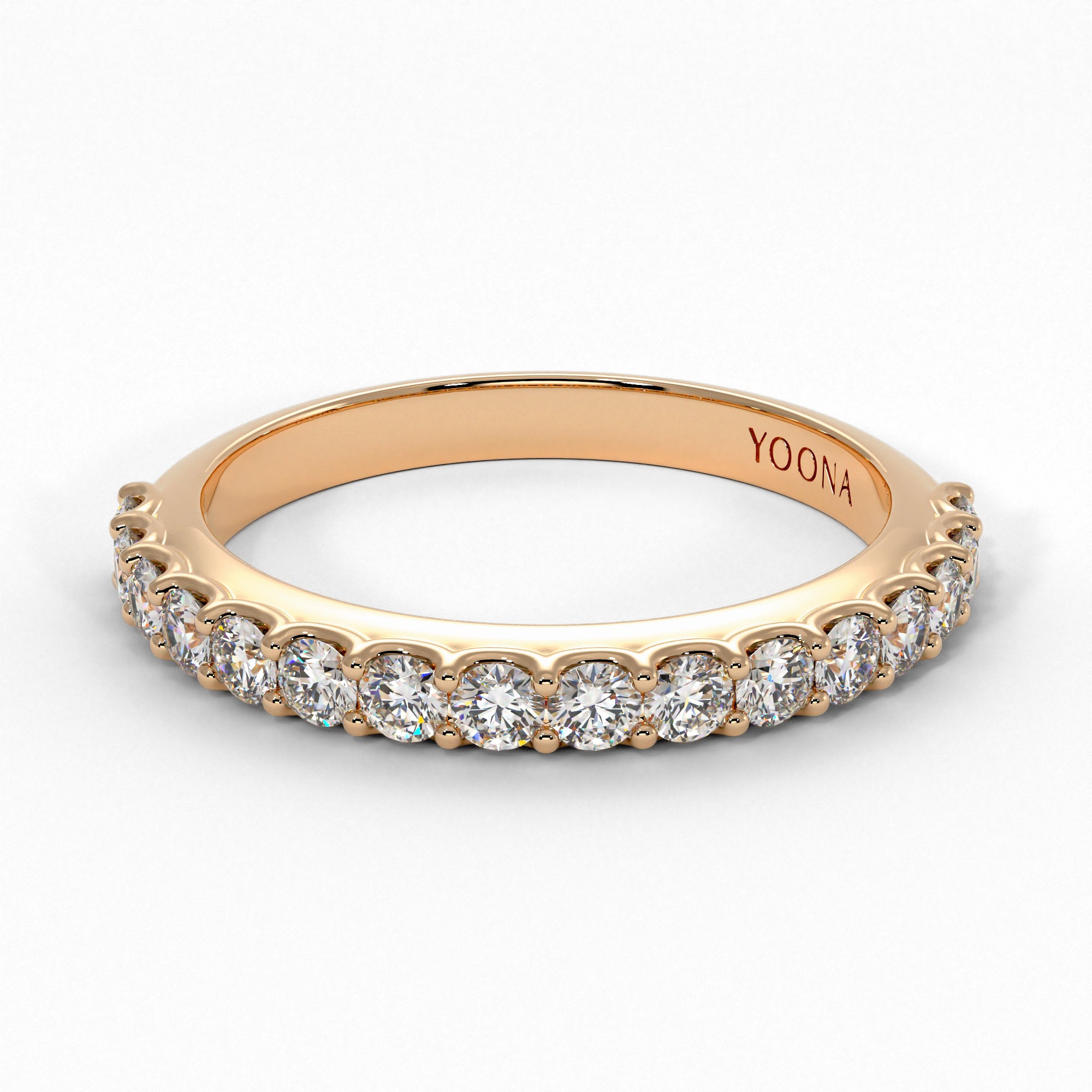
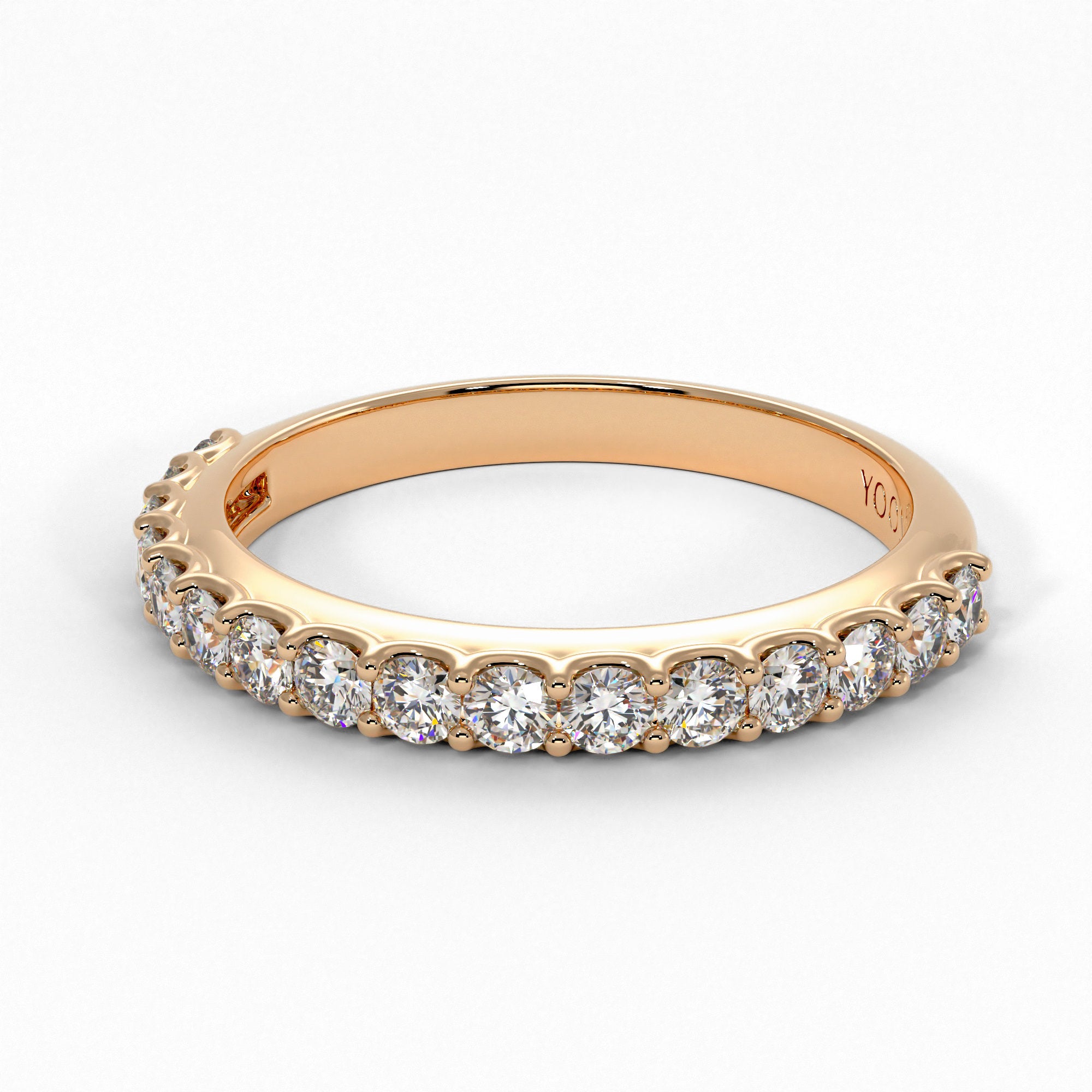
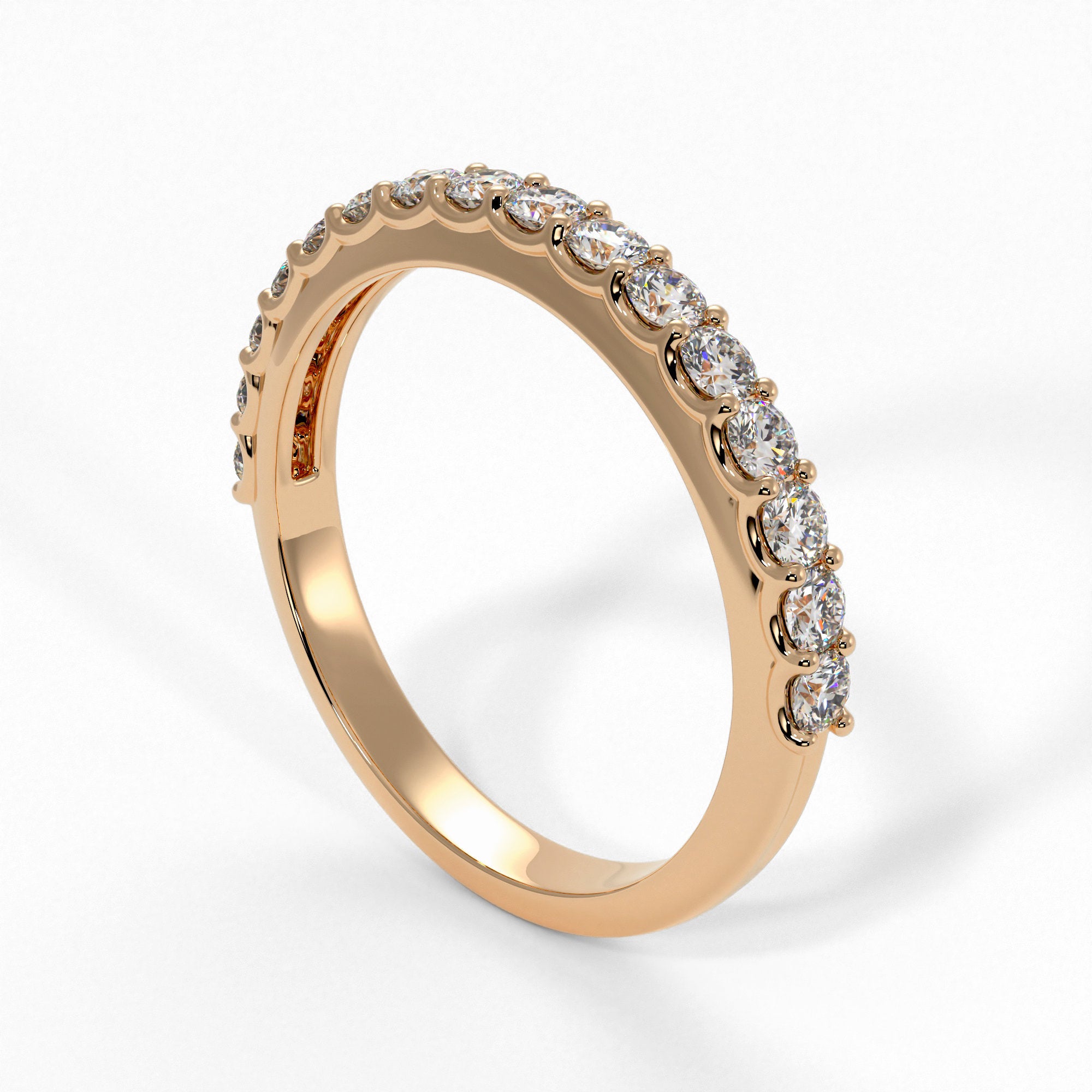
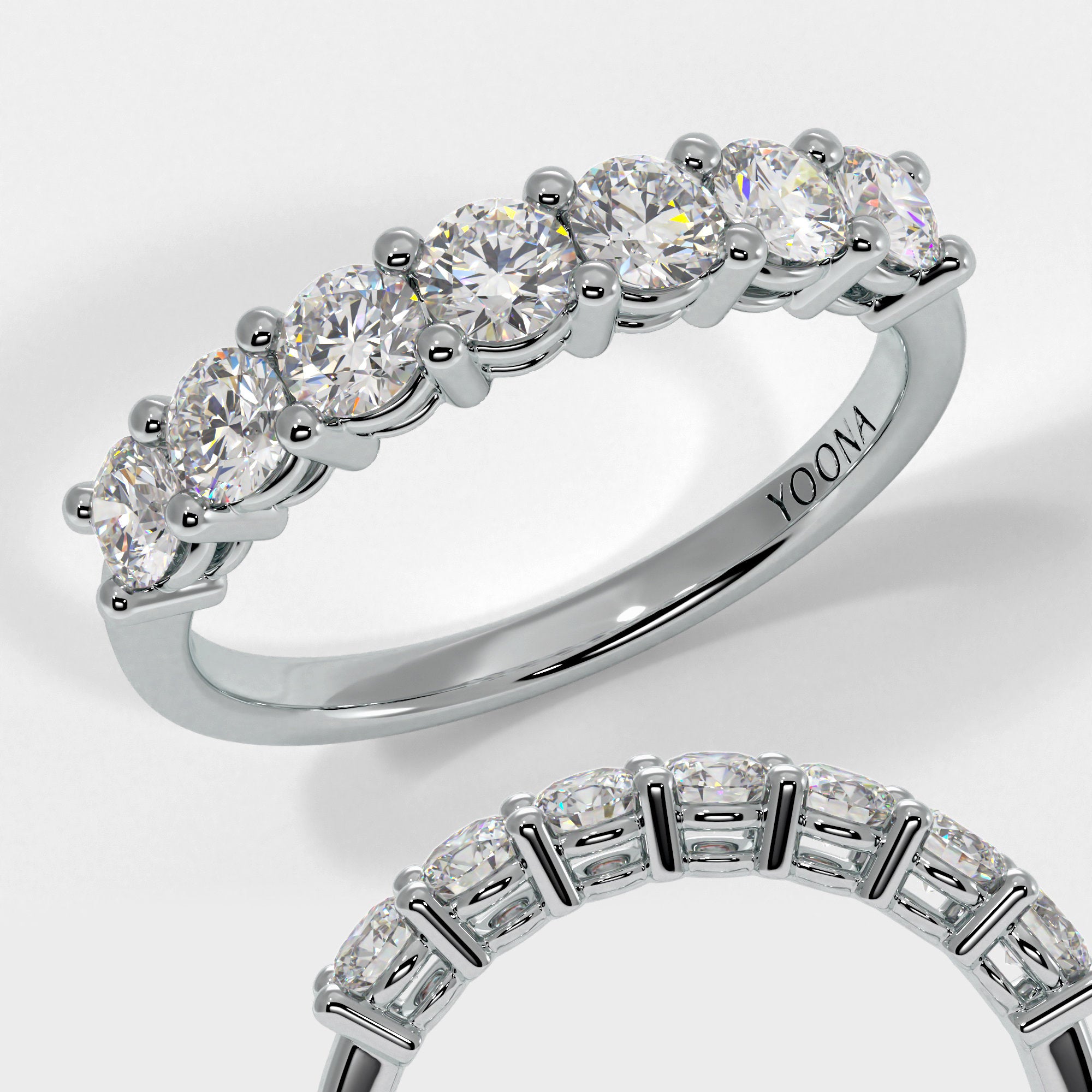
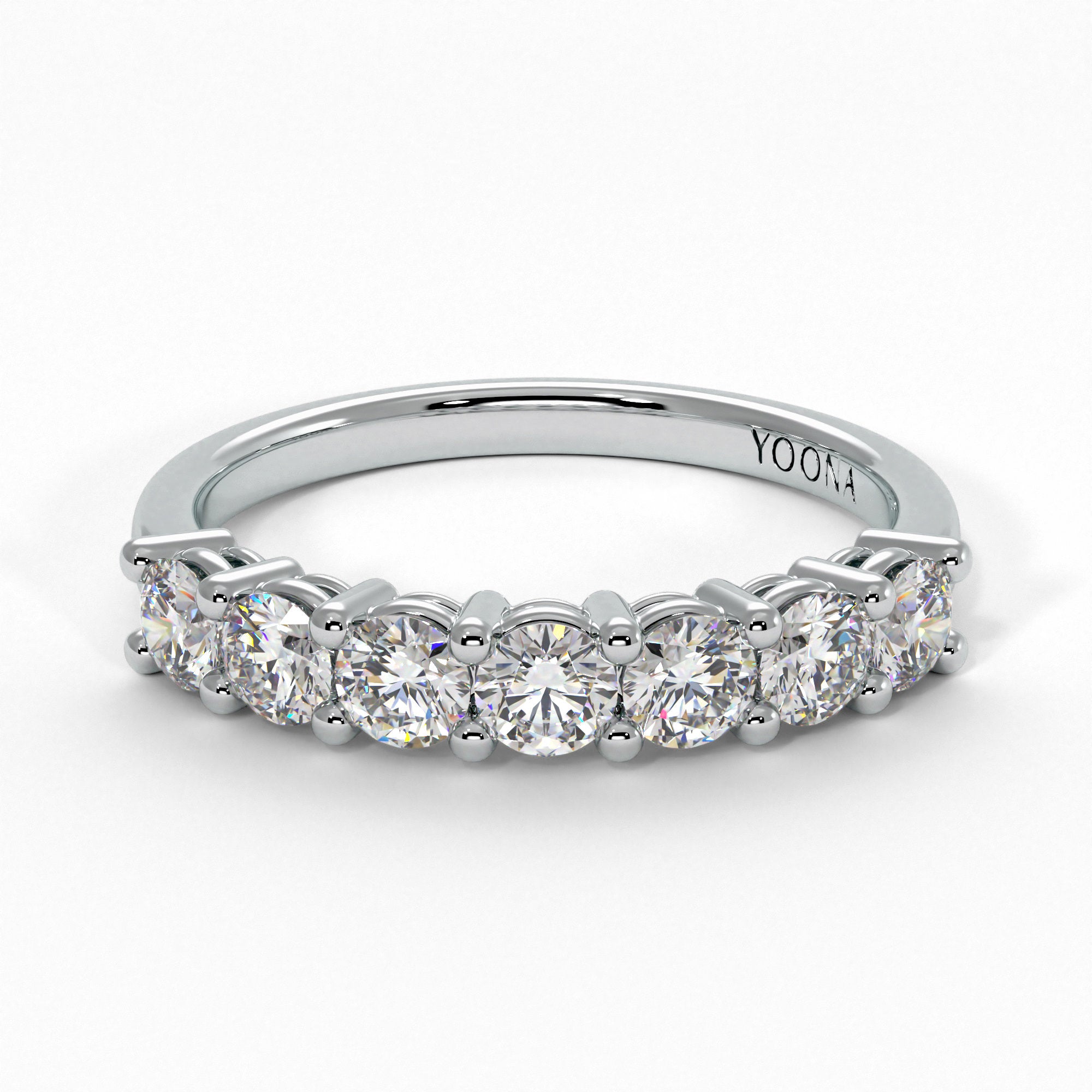
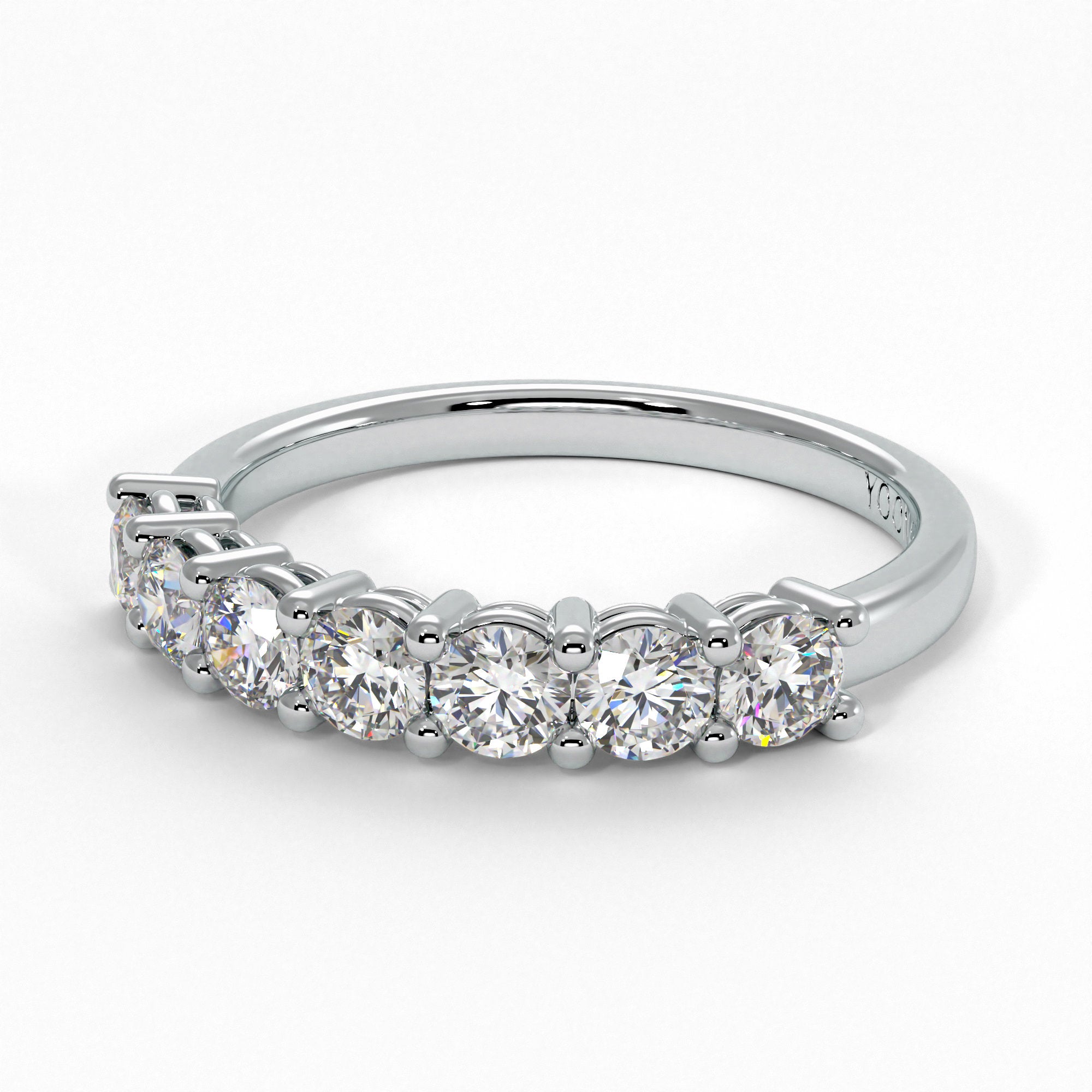
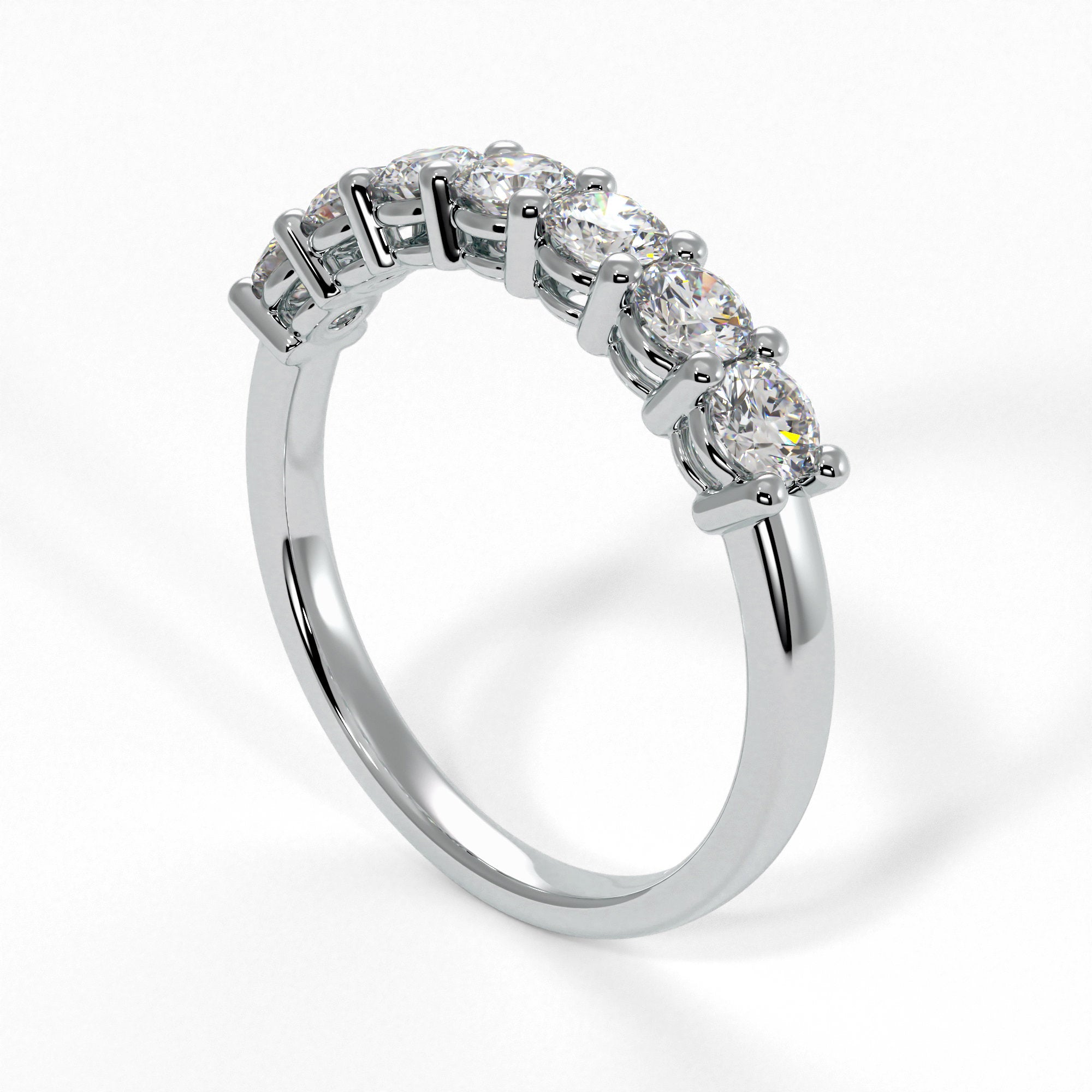
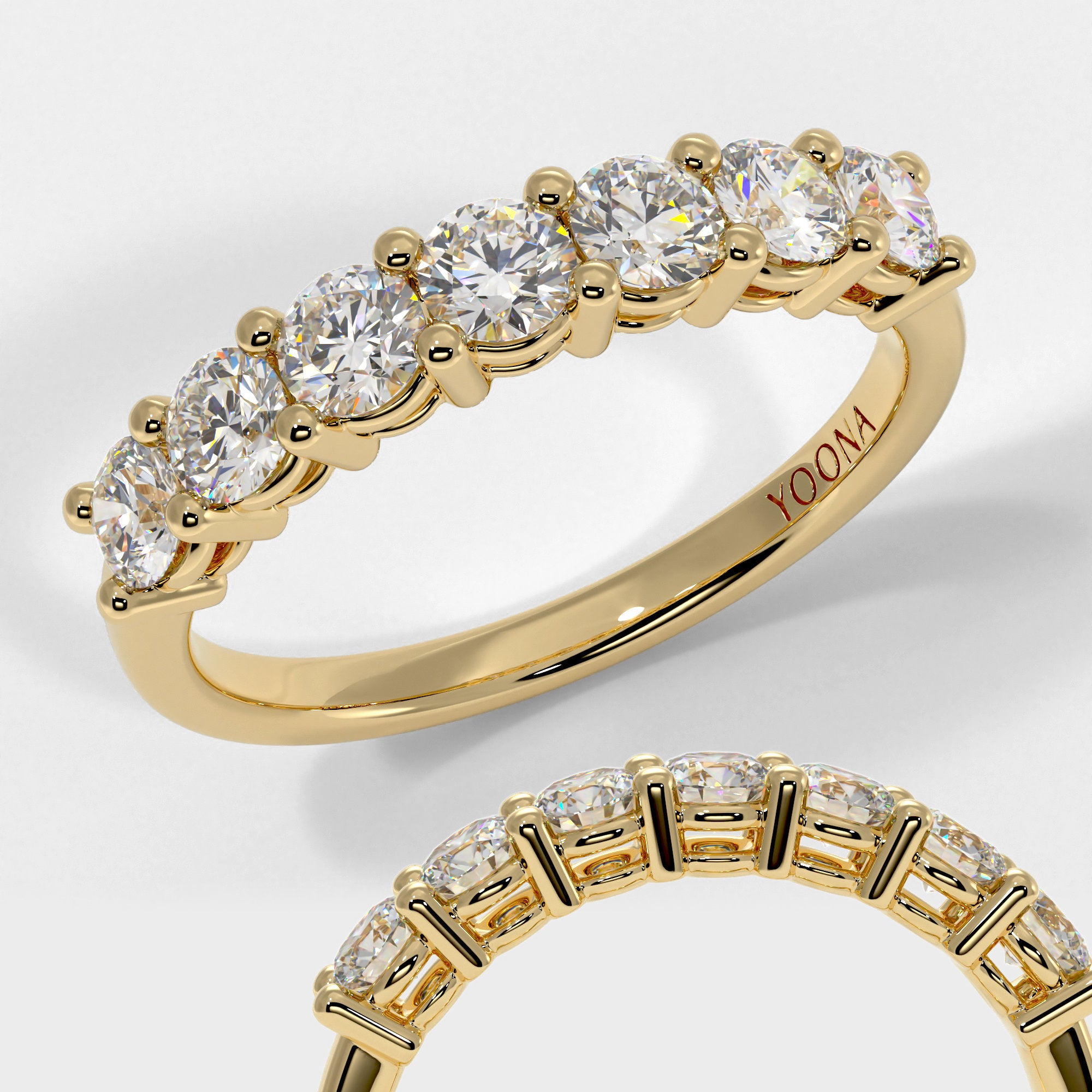
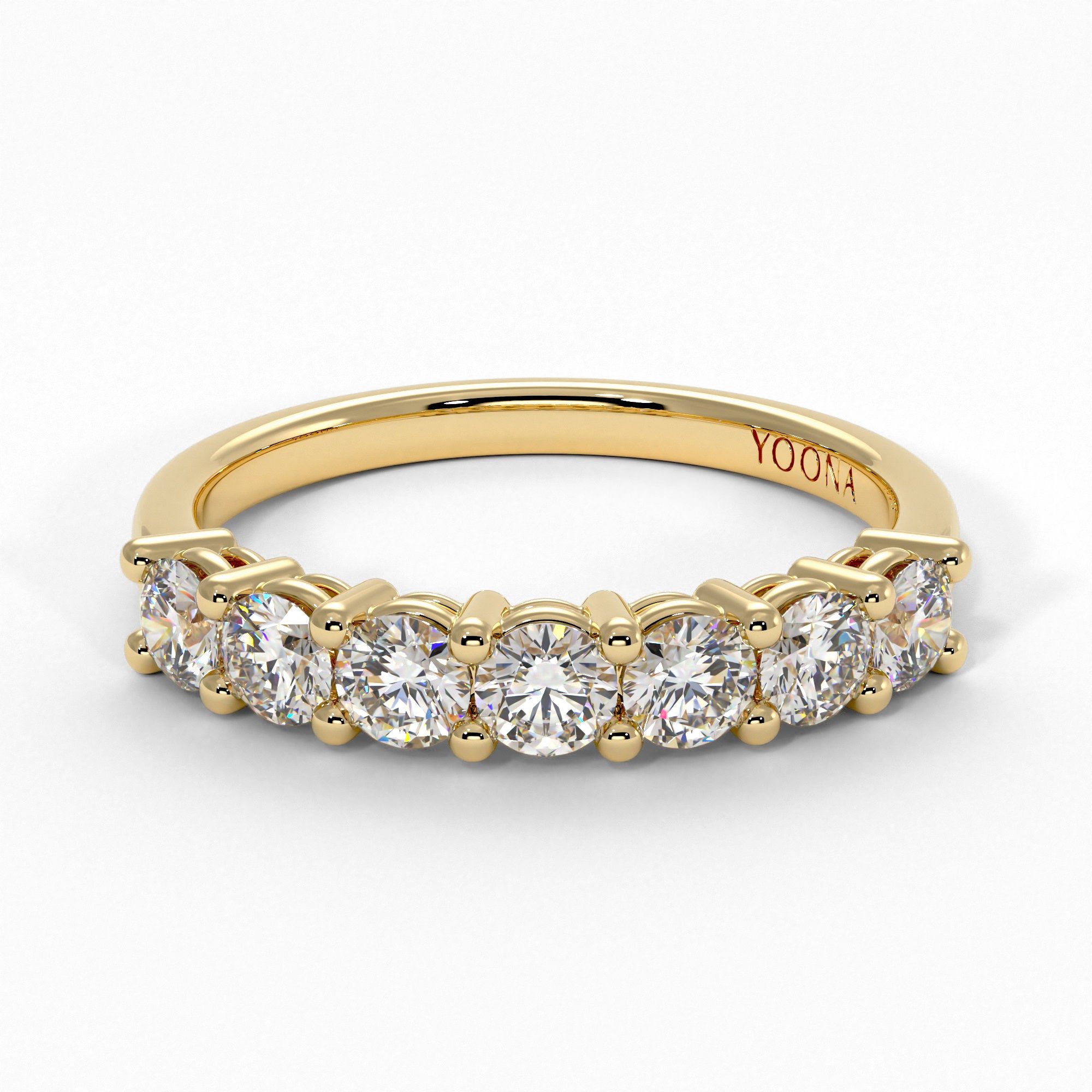
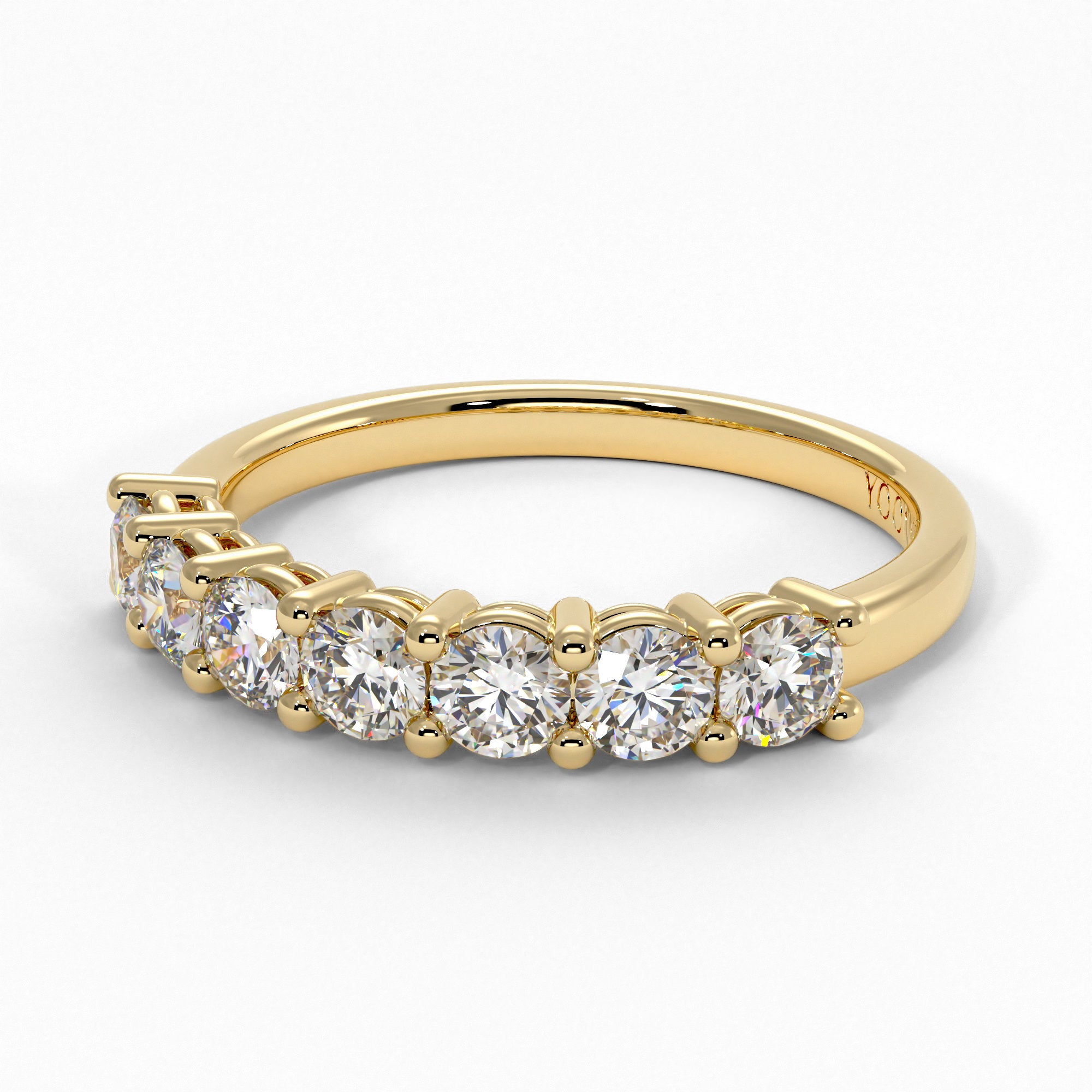
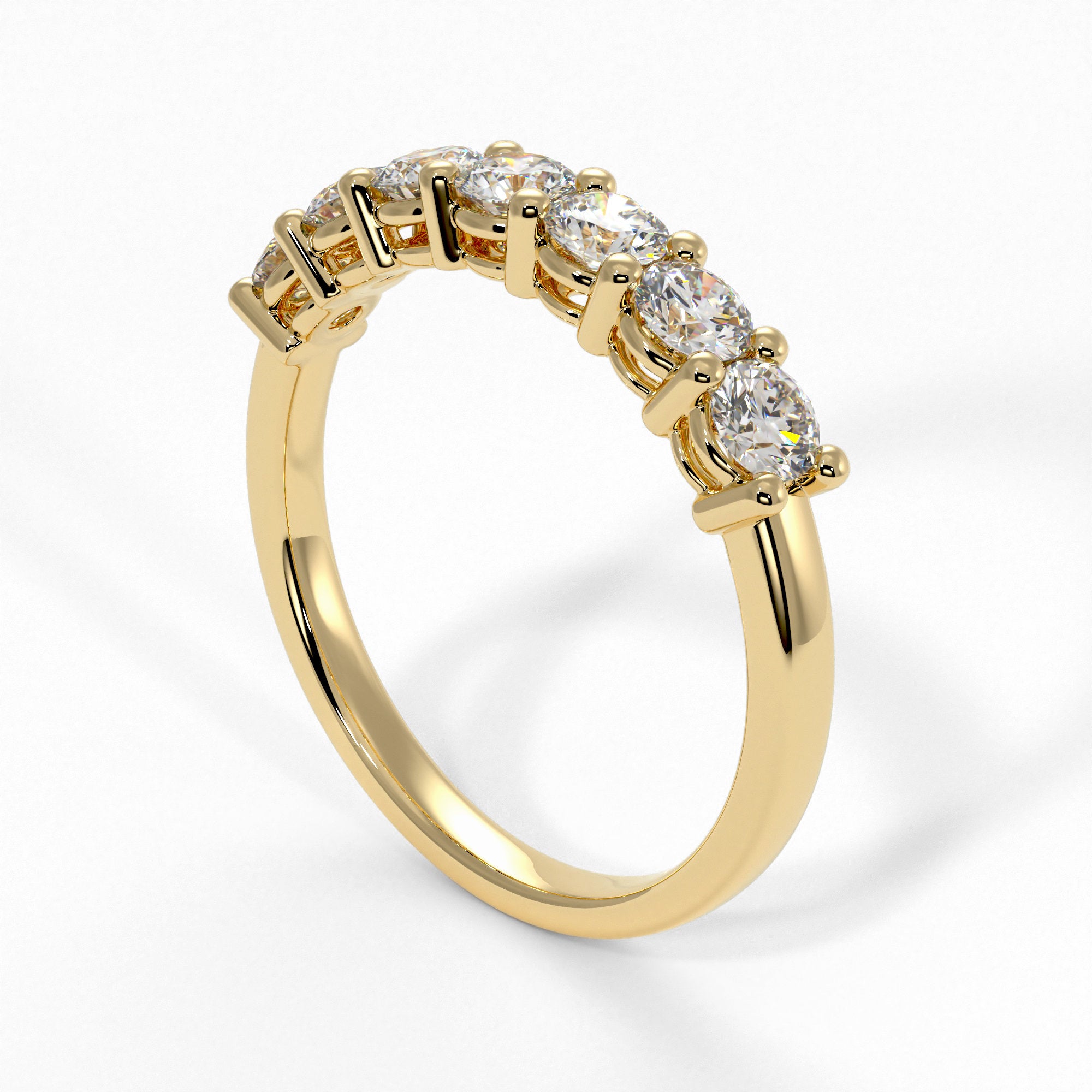
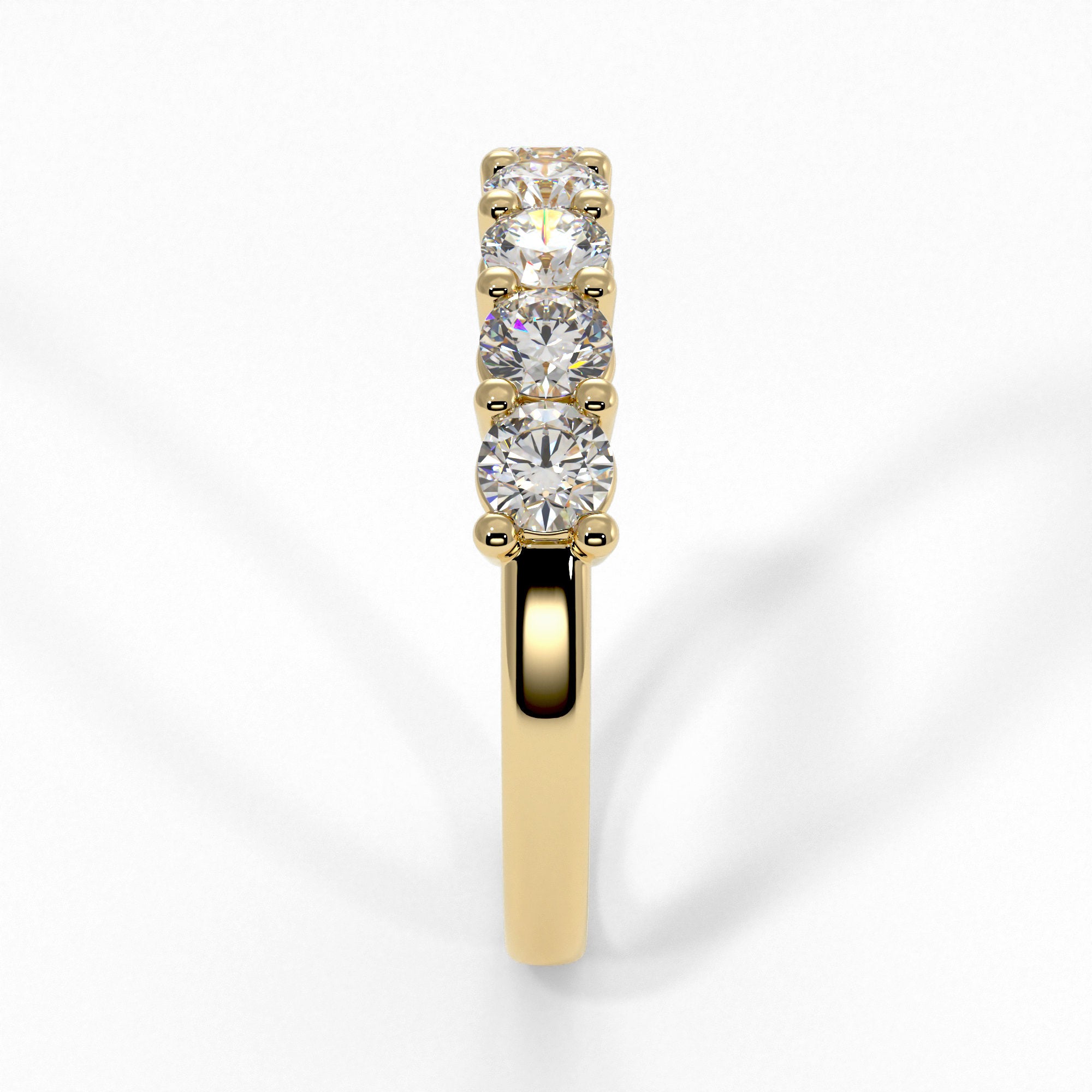
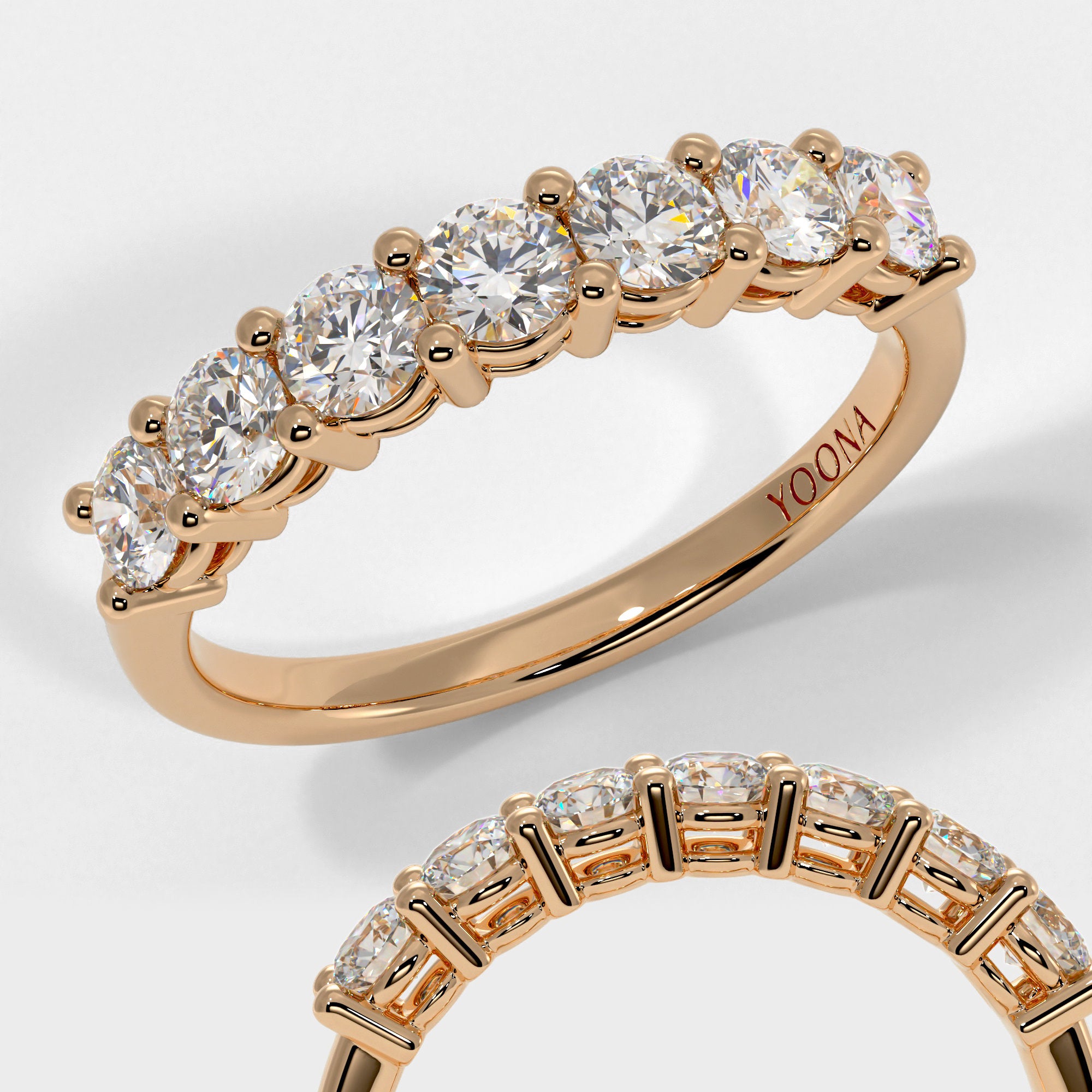
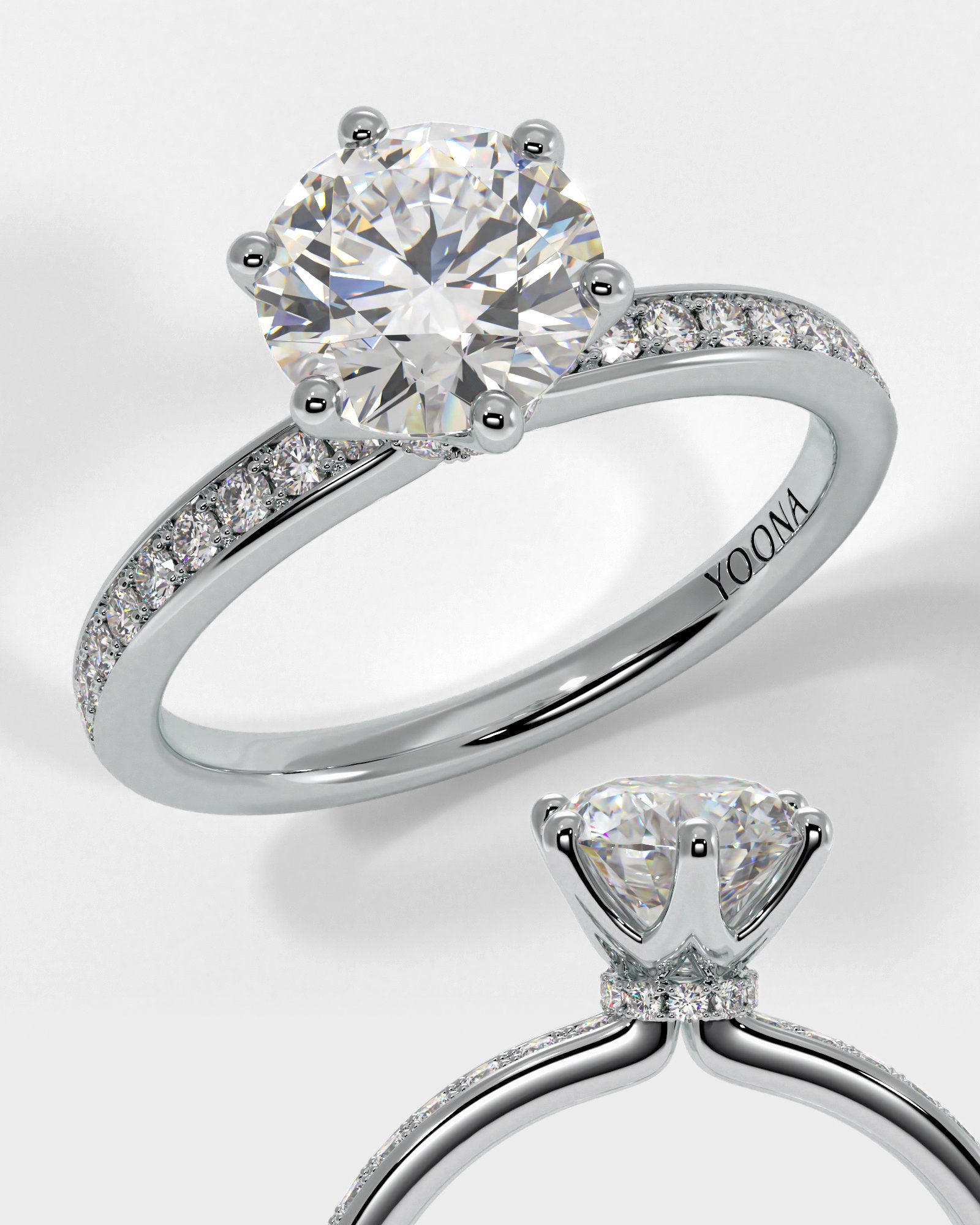
- Side stone: Accent diamonds set along the band, adding shimmer without a full halo.
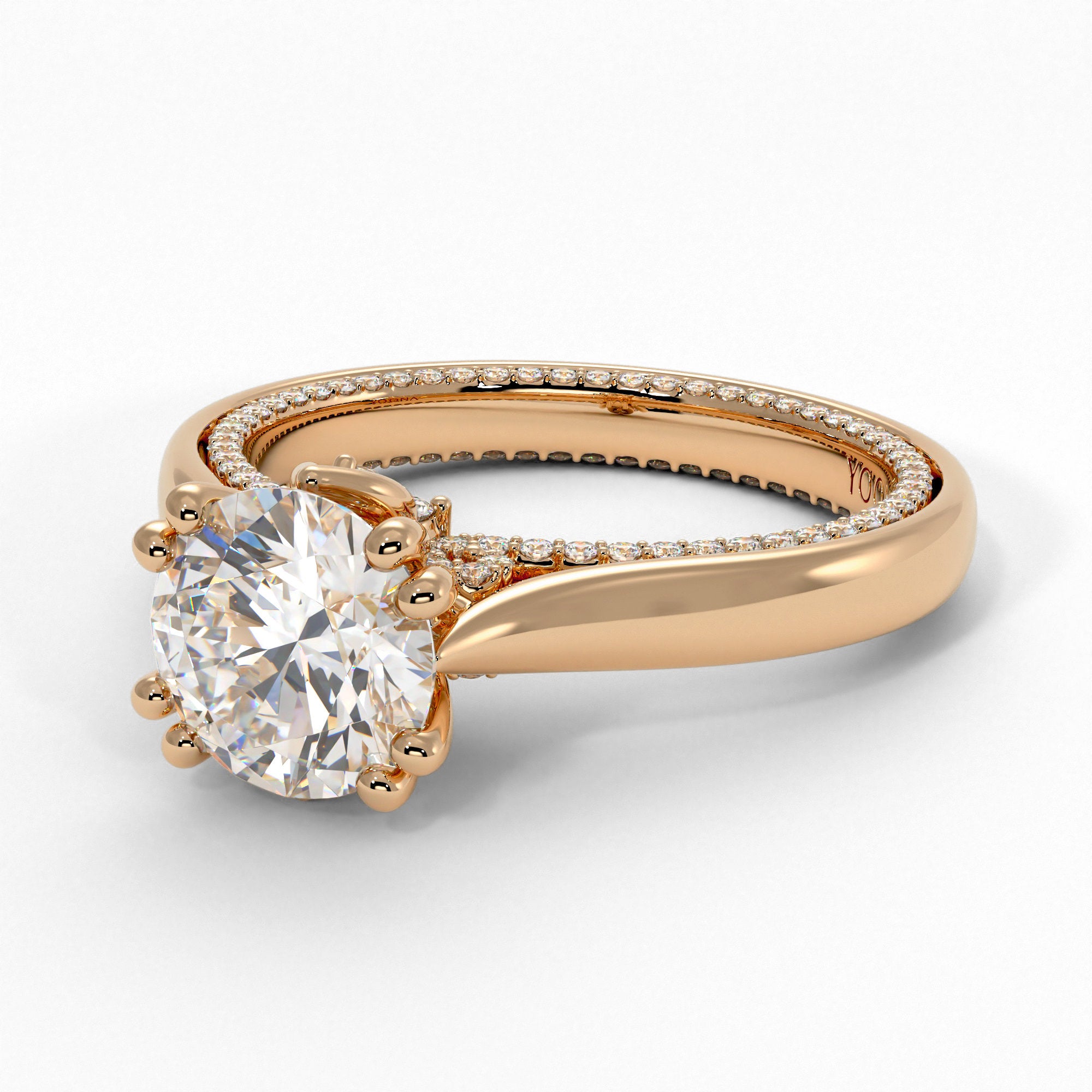
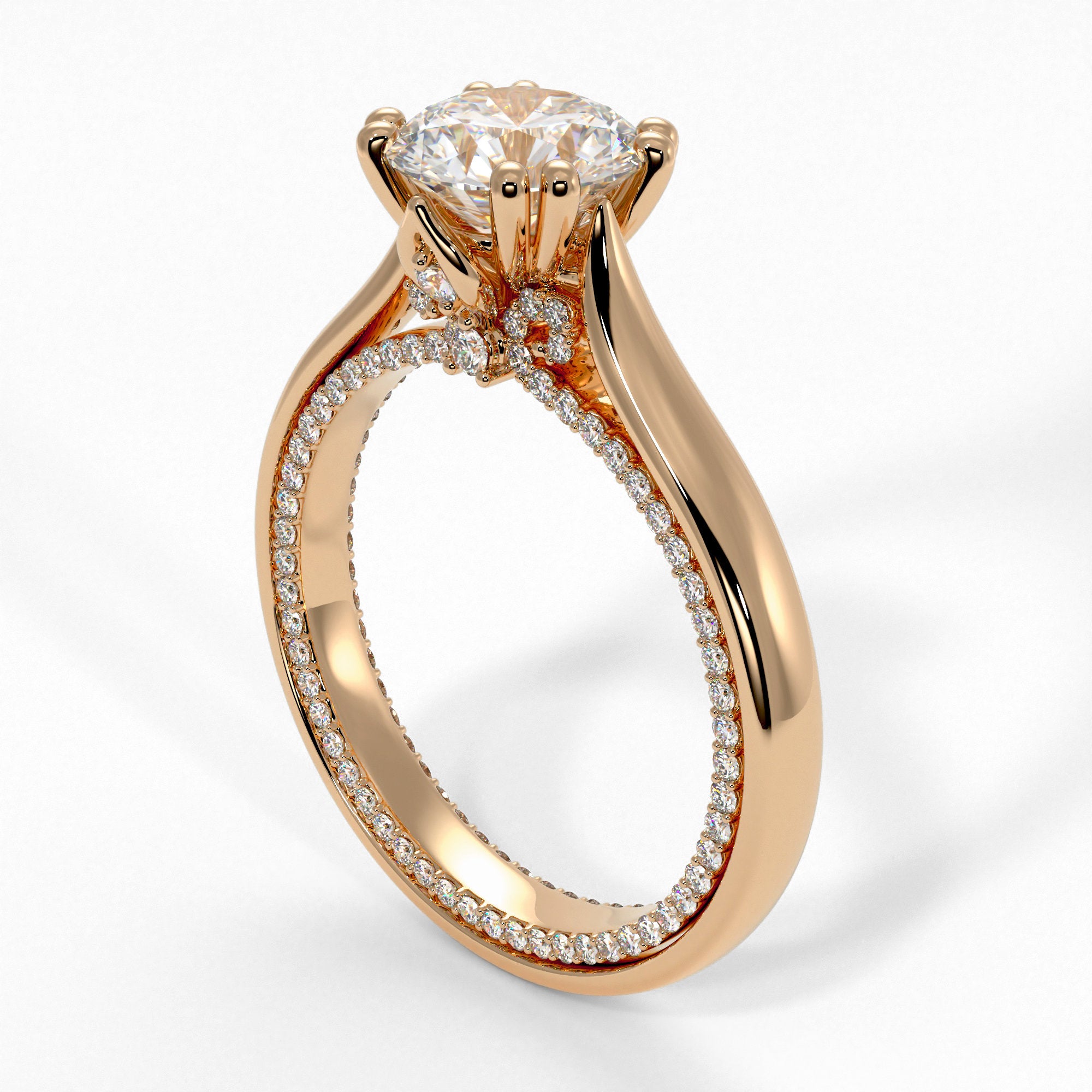
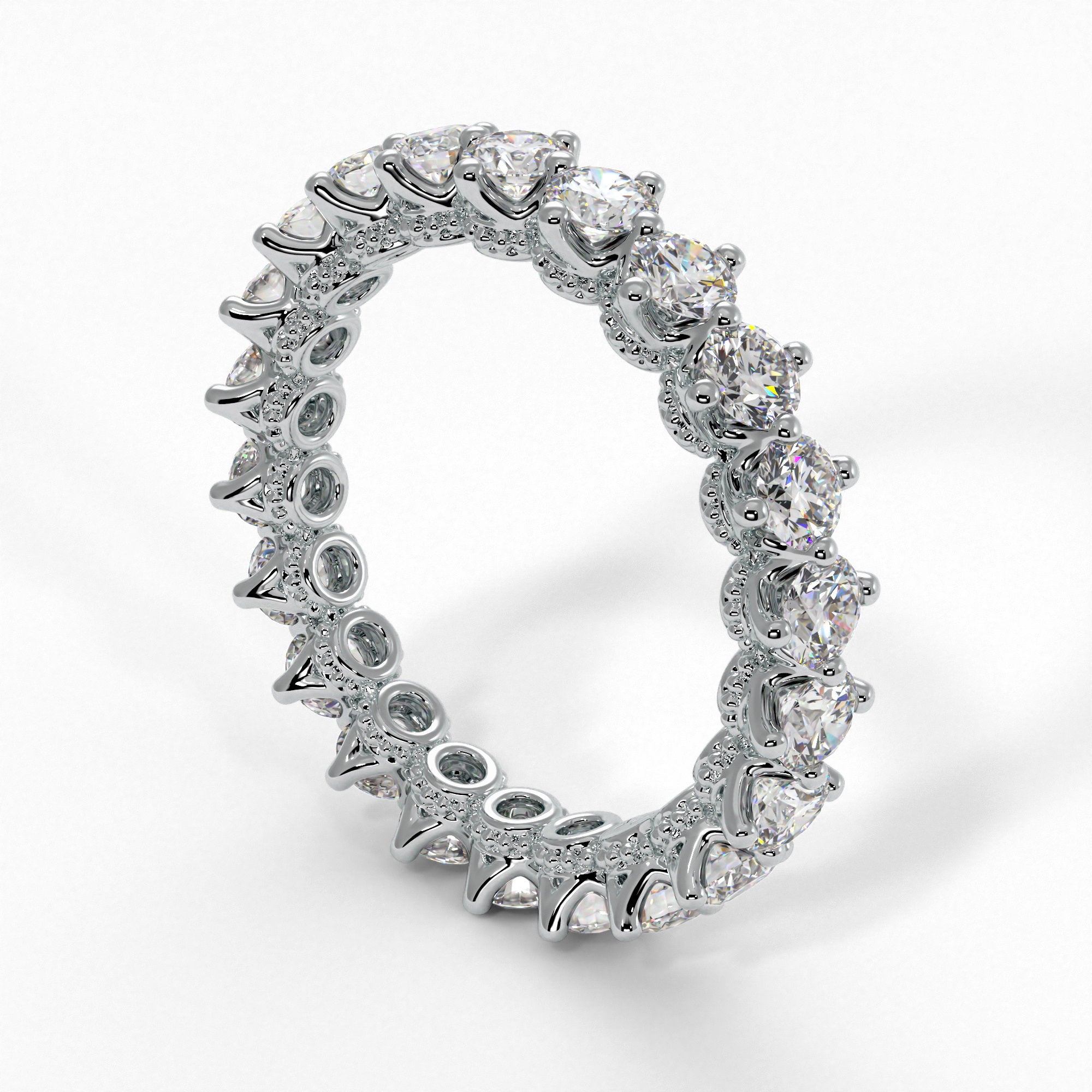
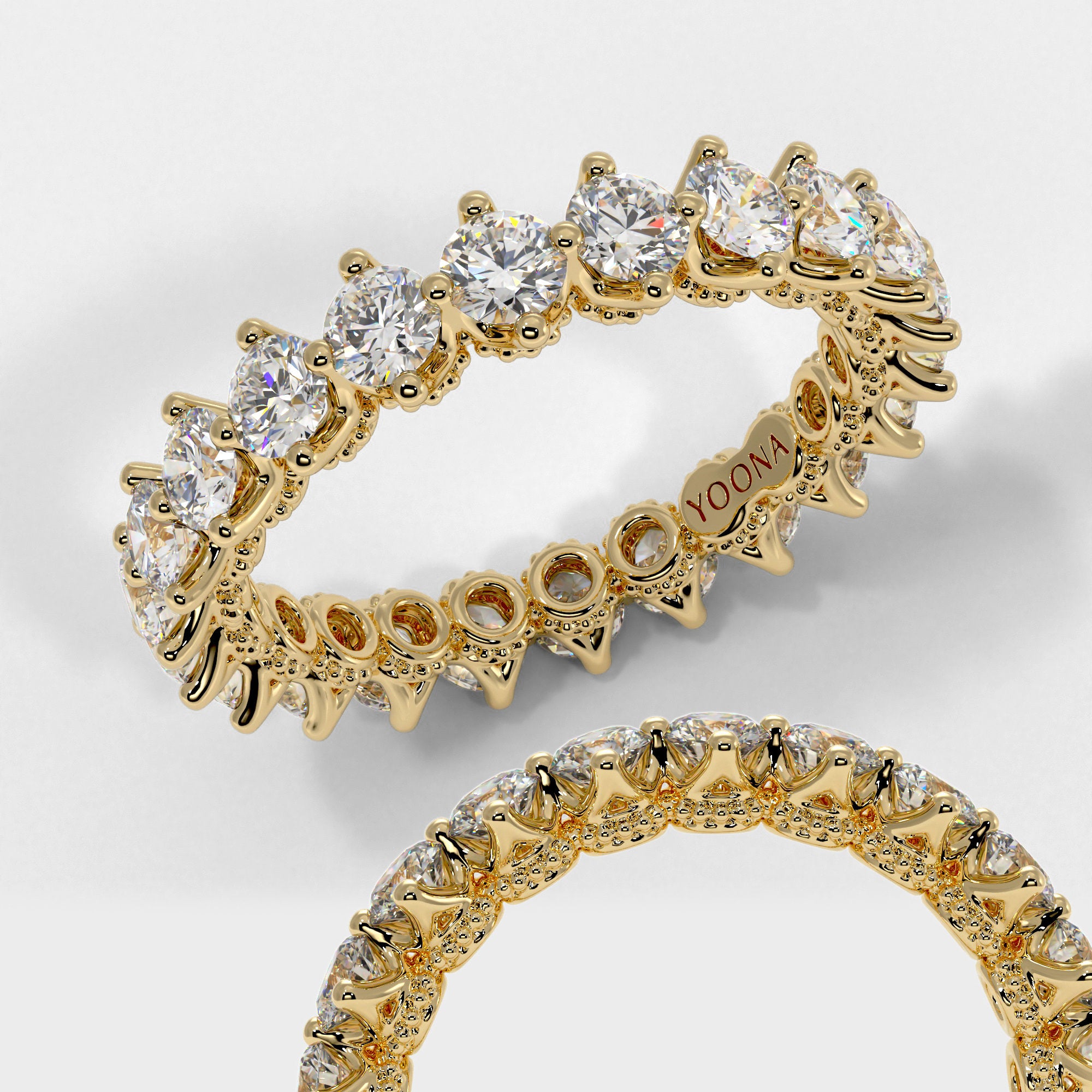
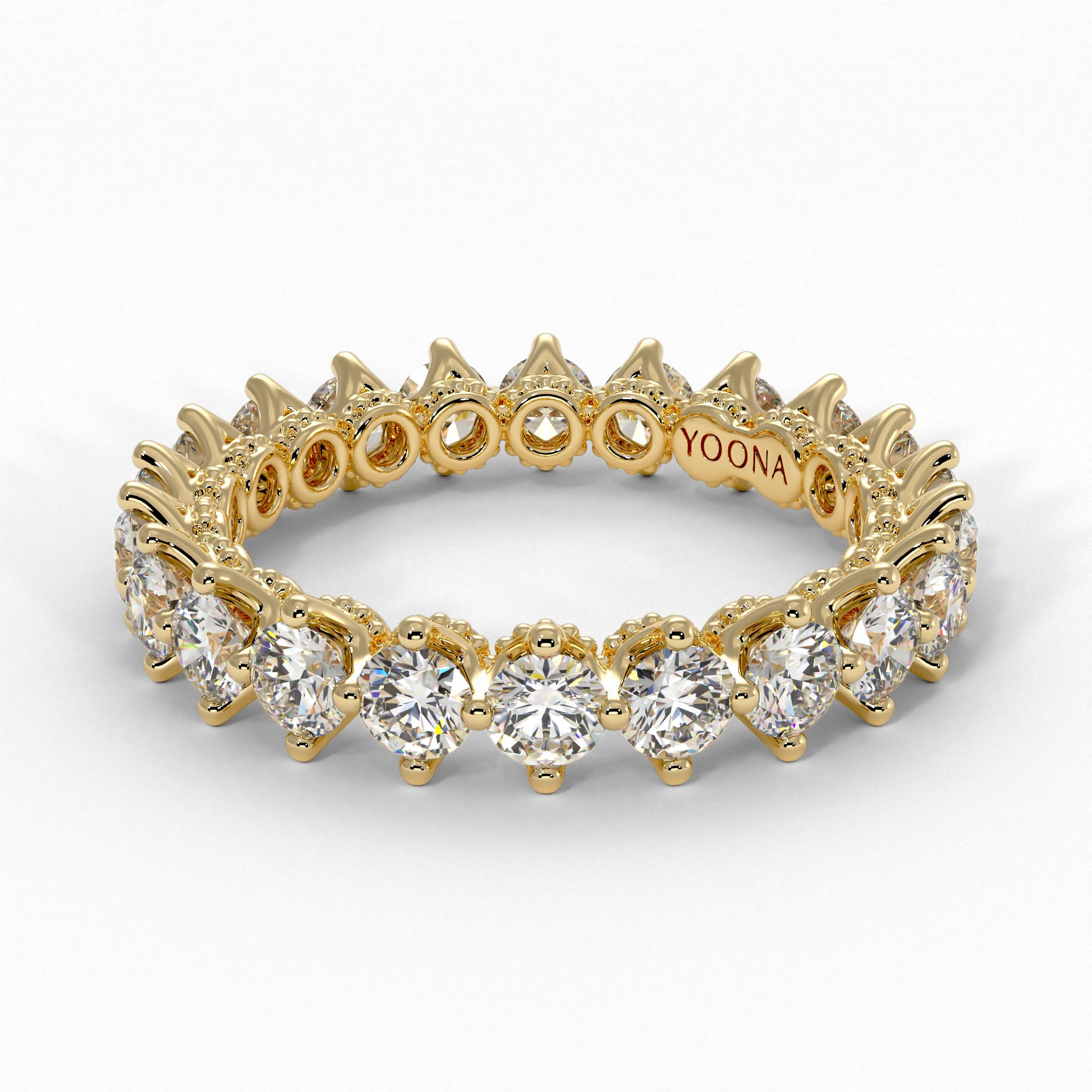
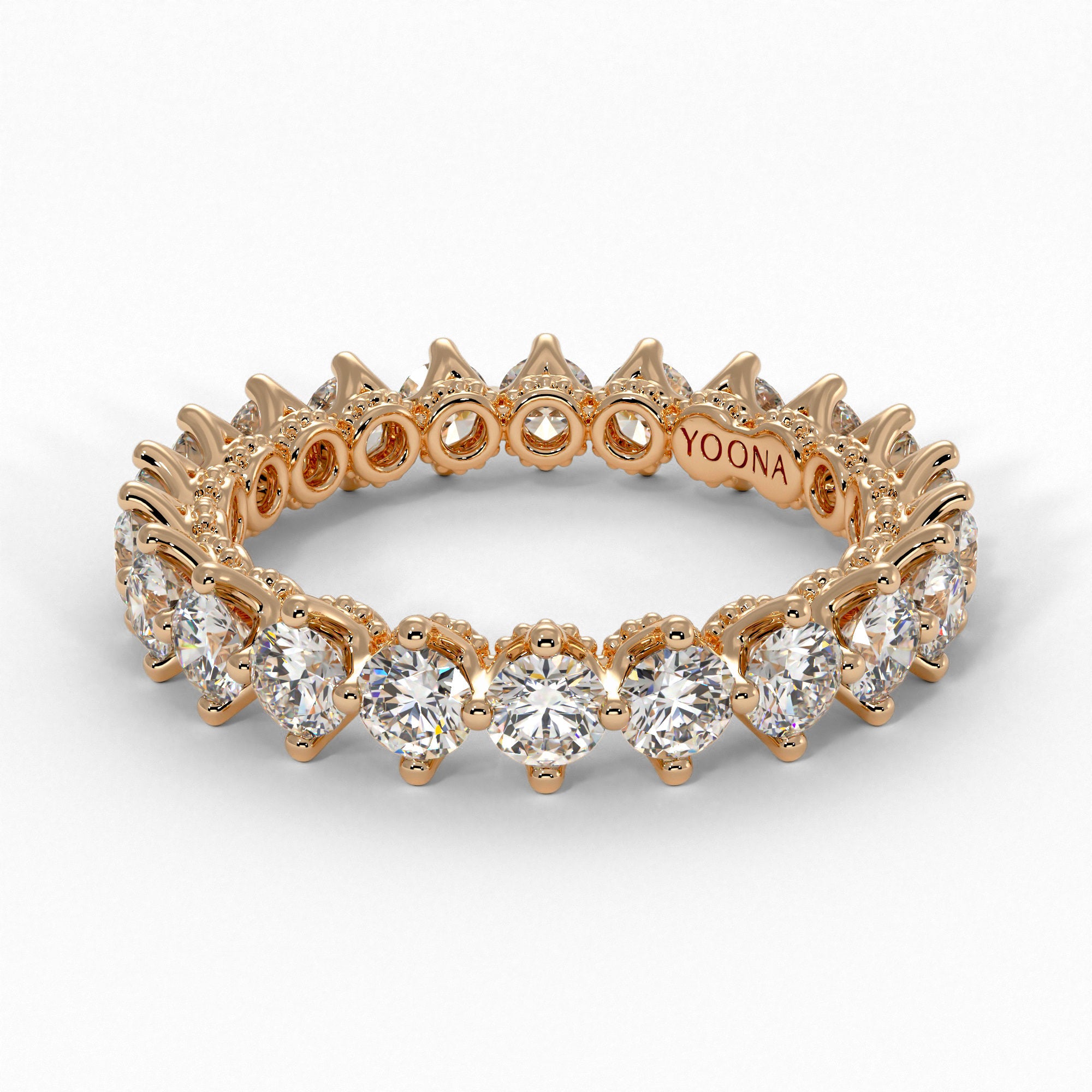
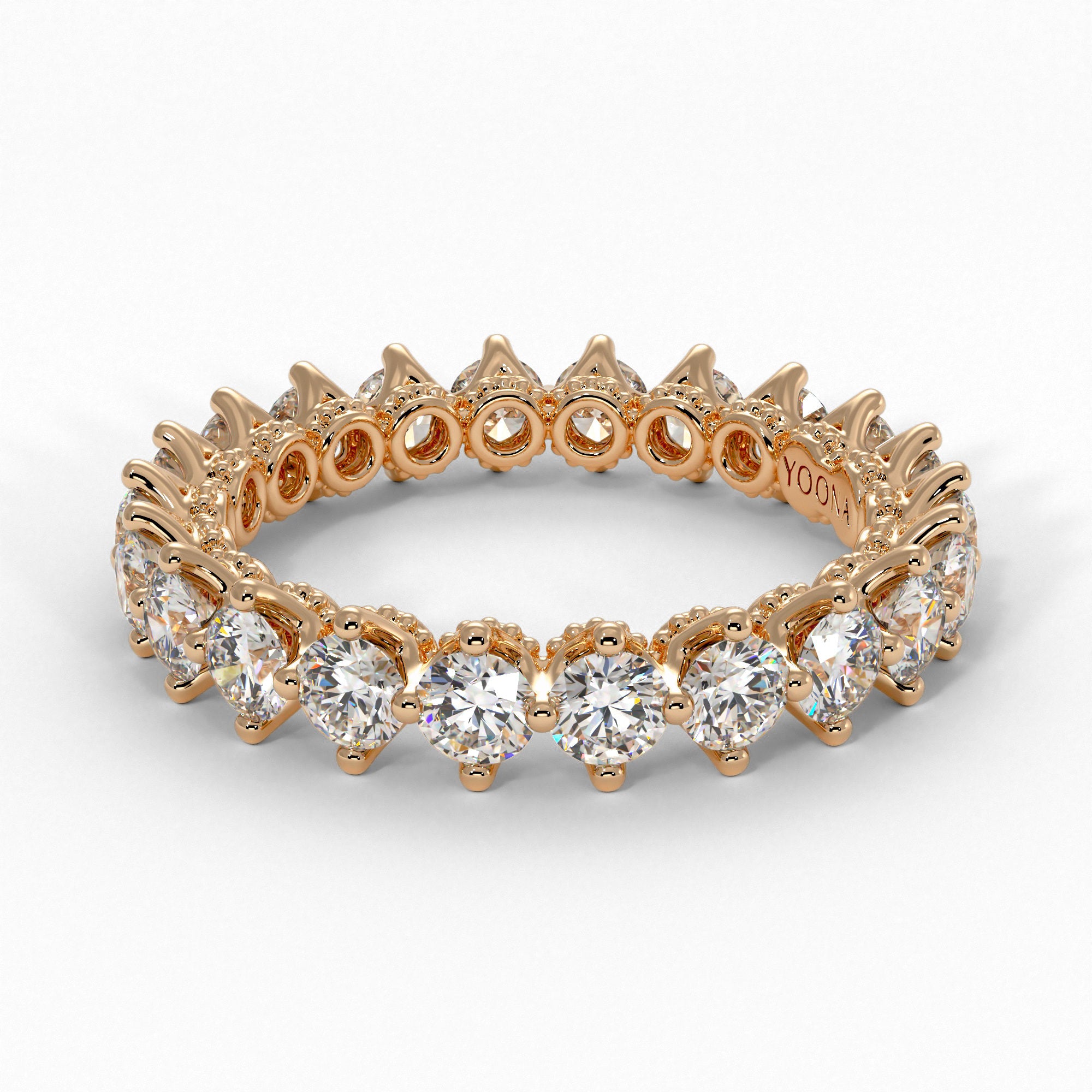
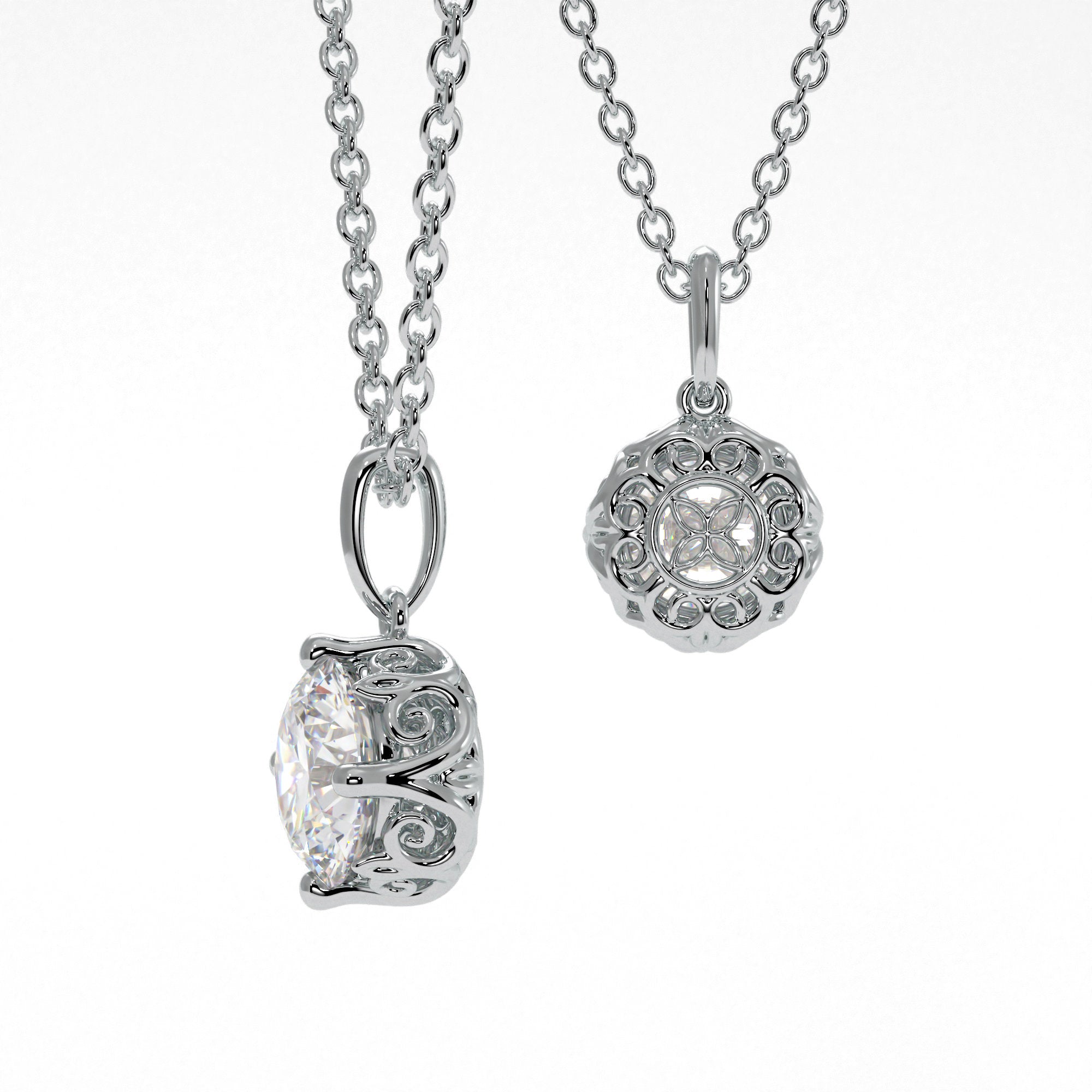
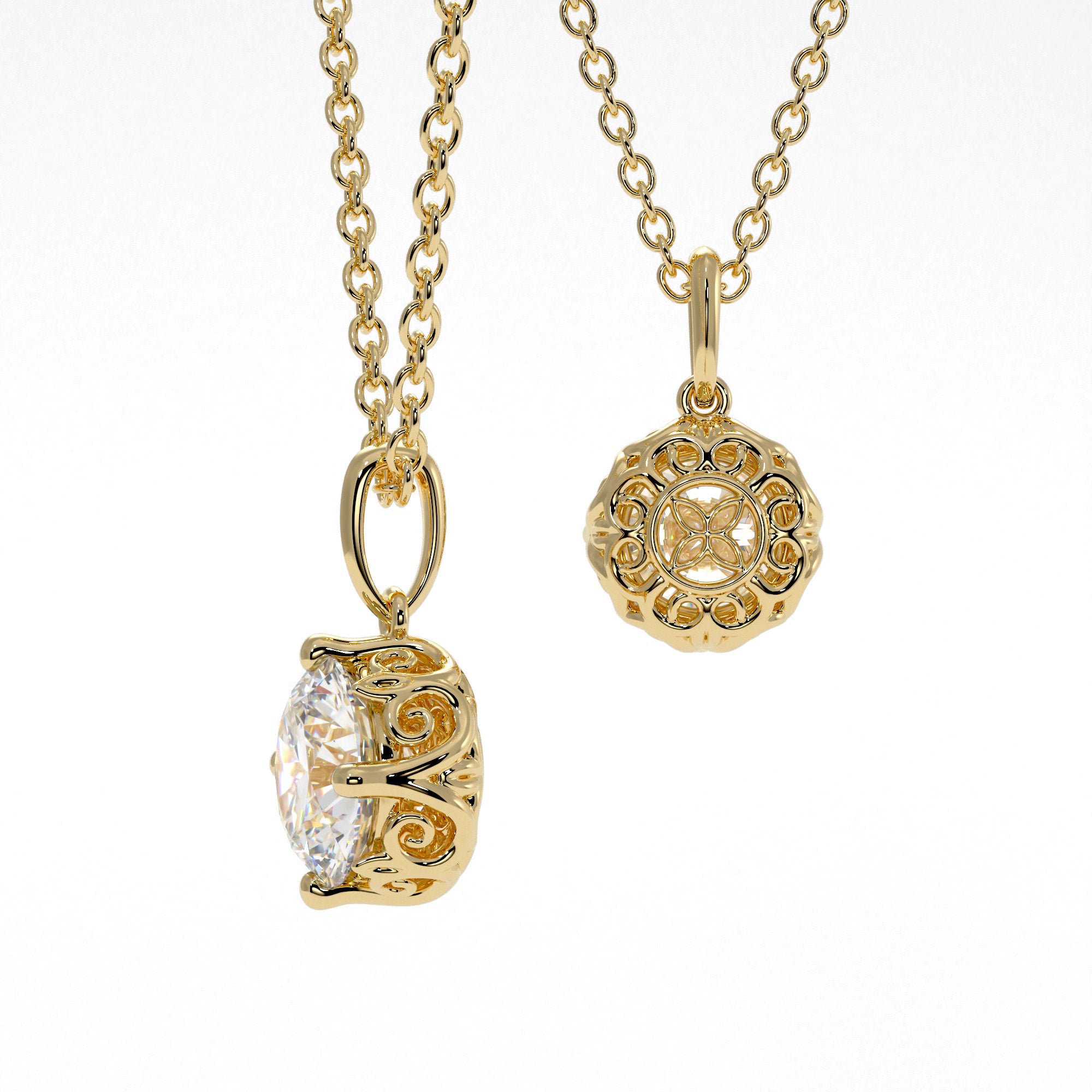
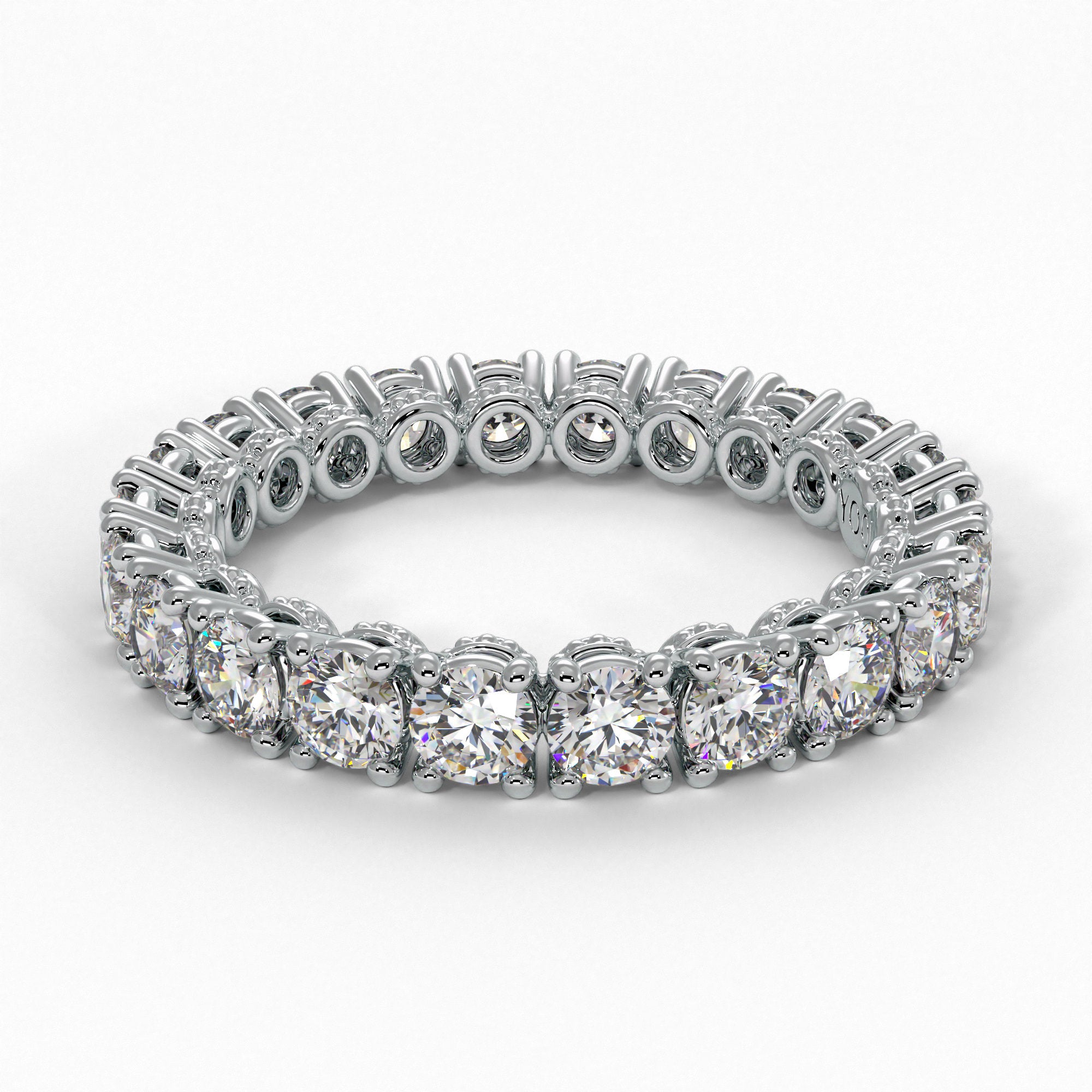
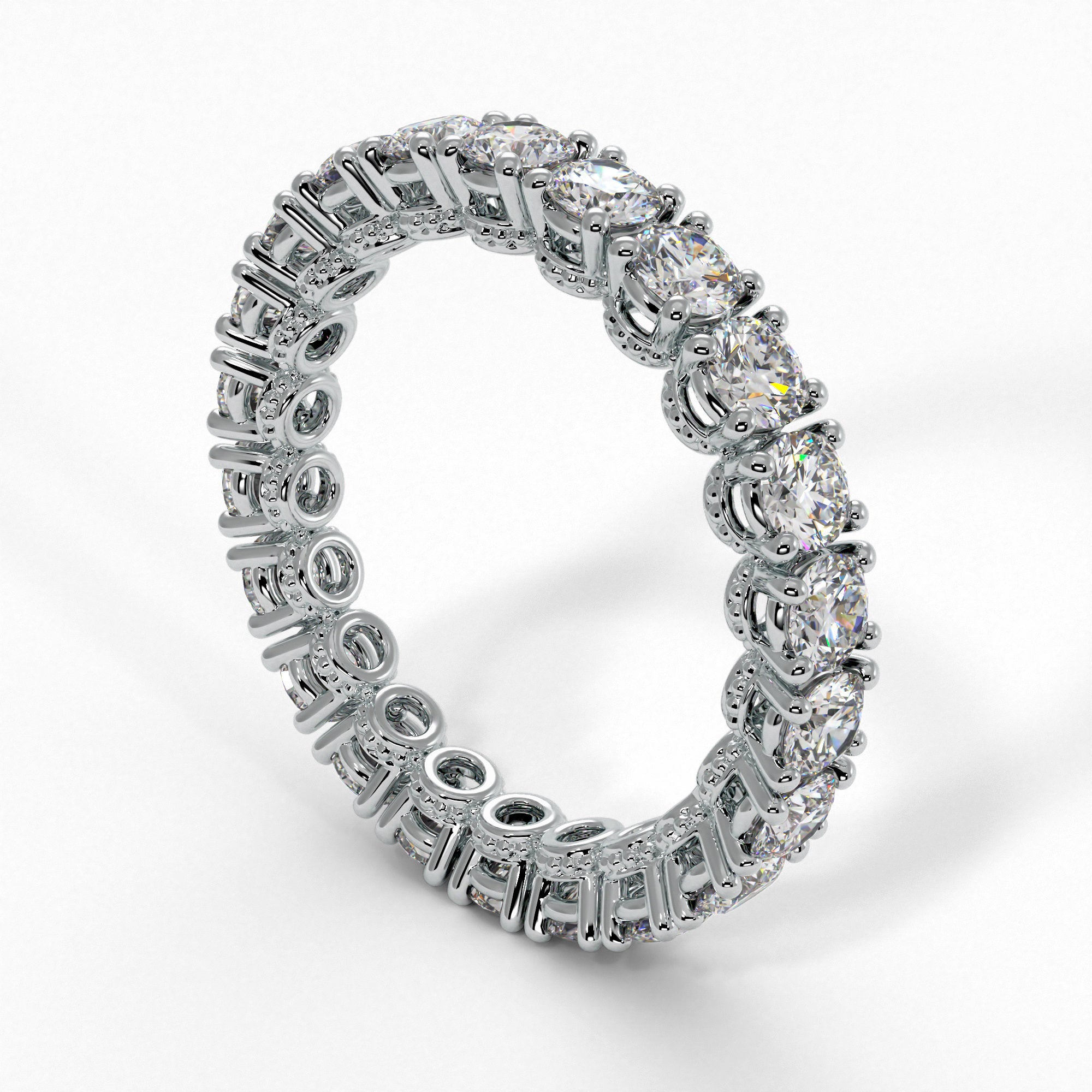
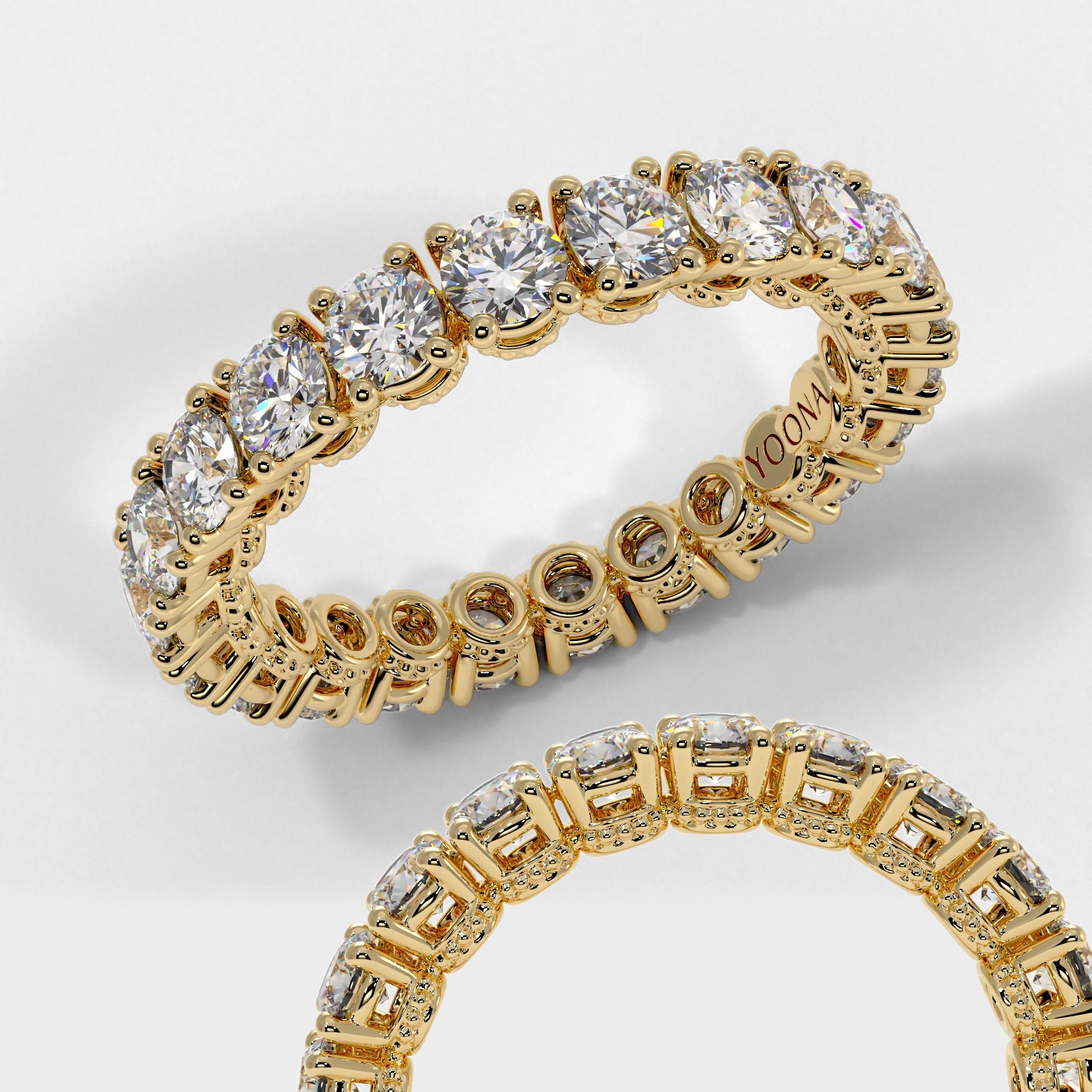
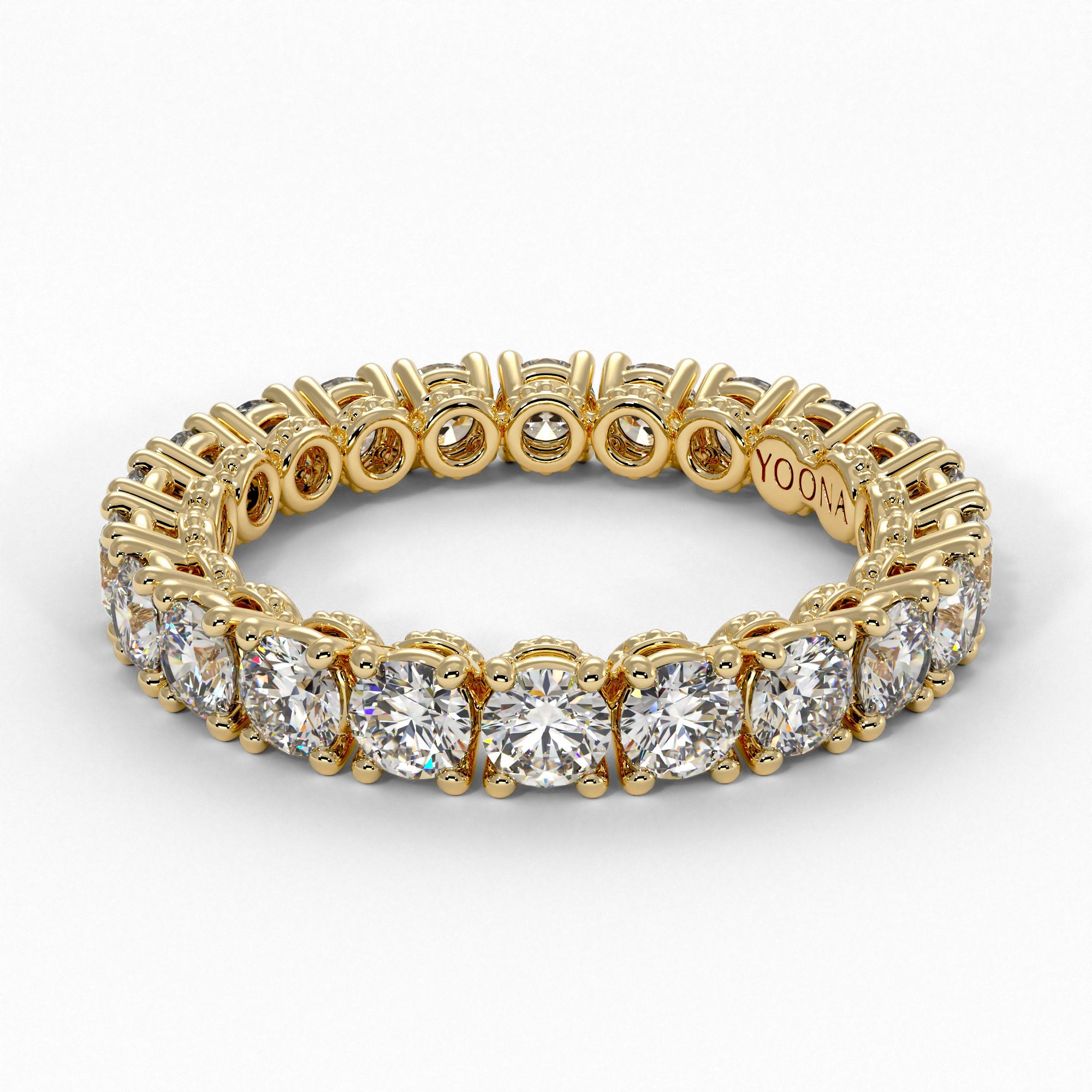
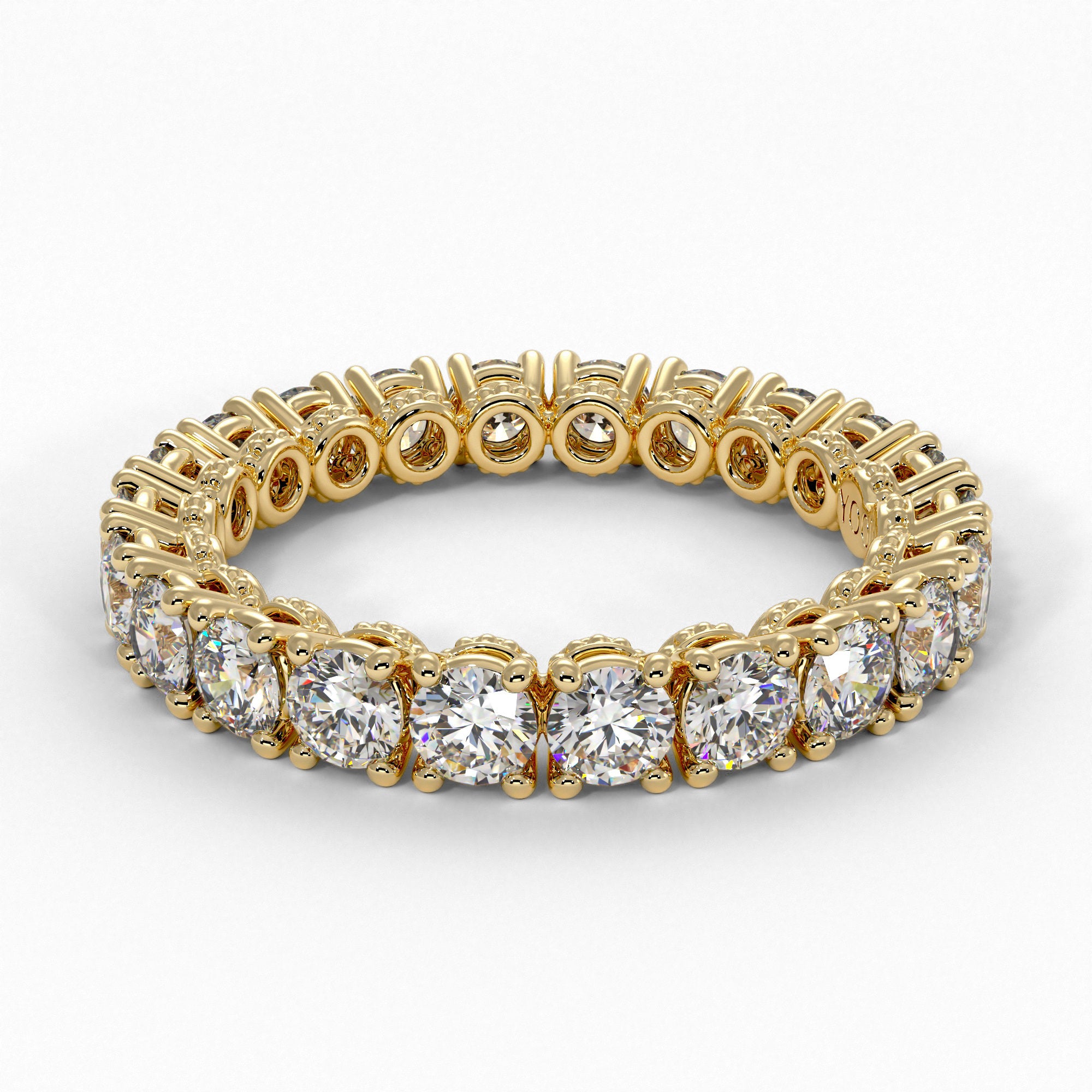
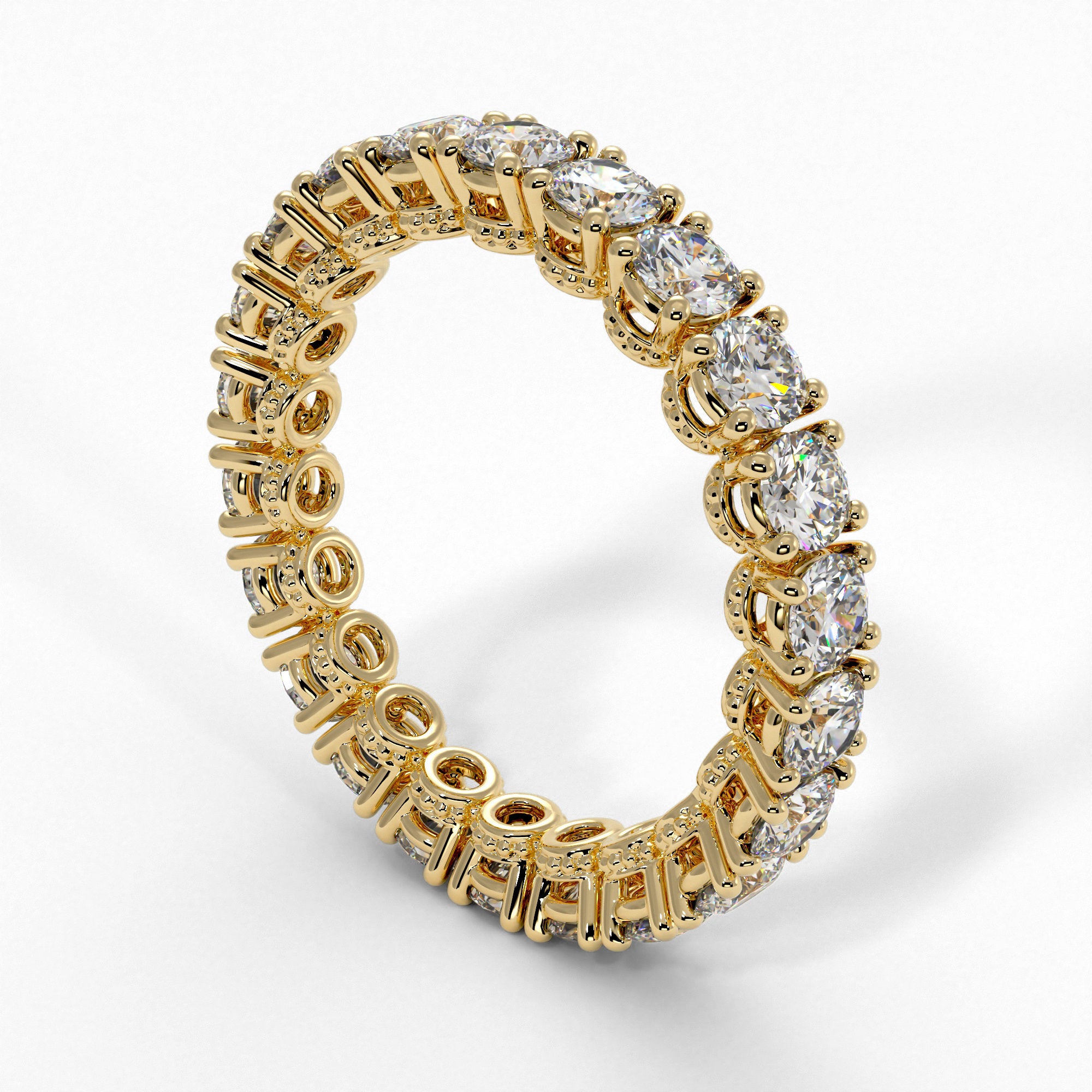
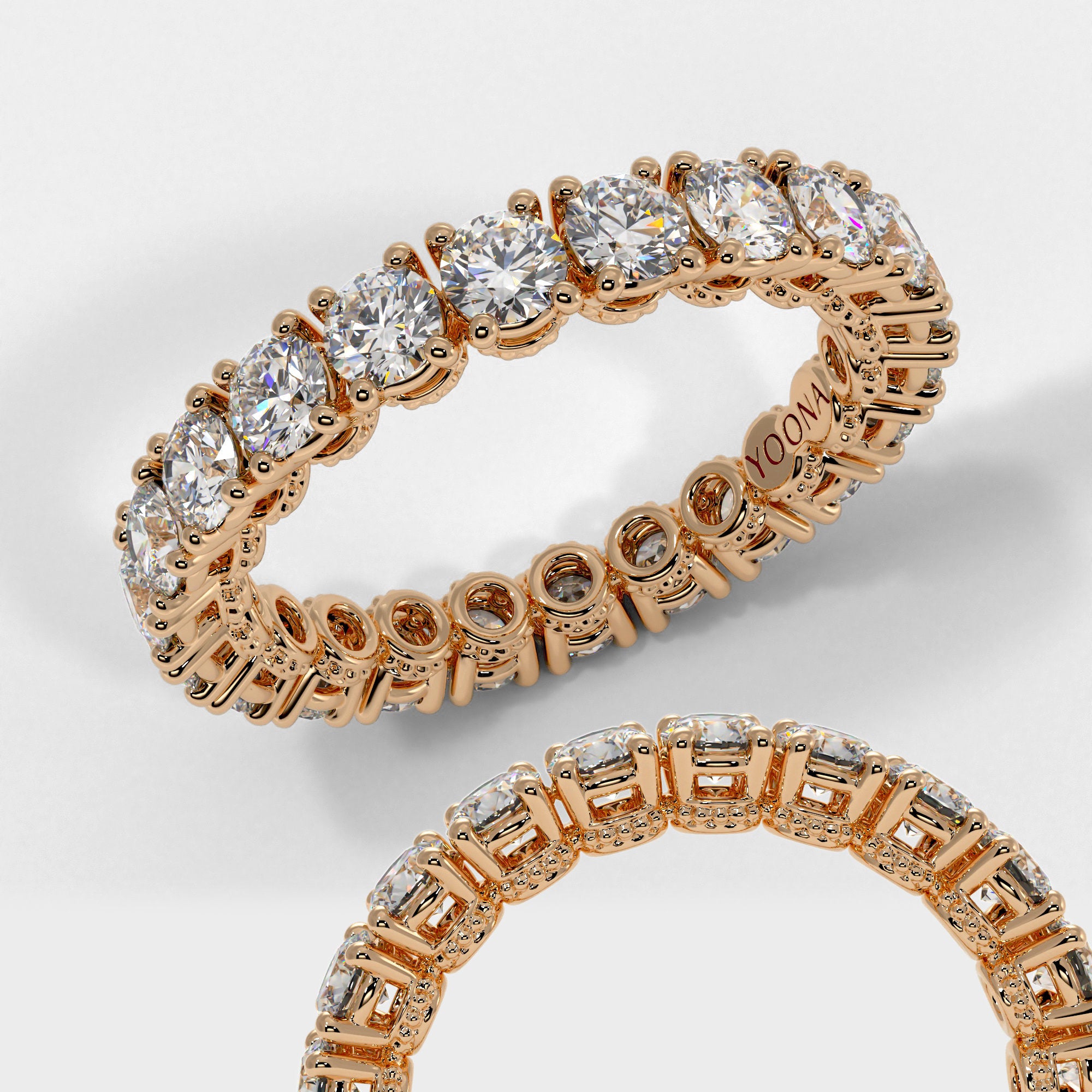
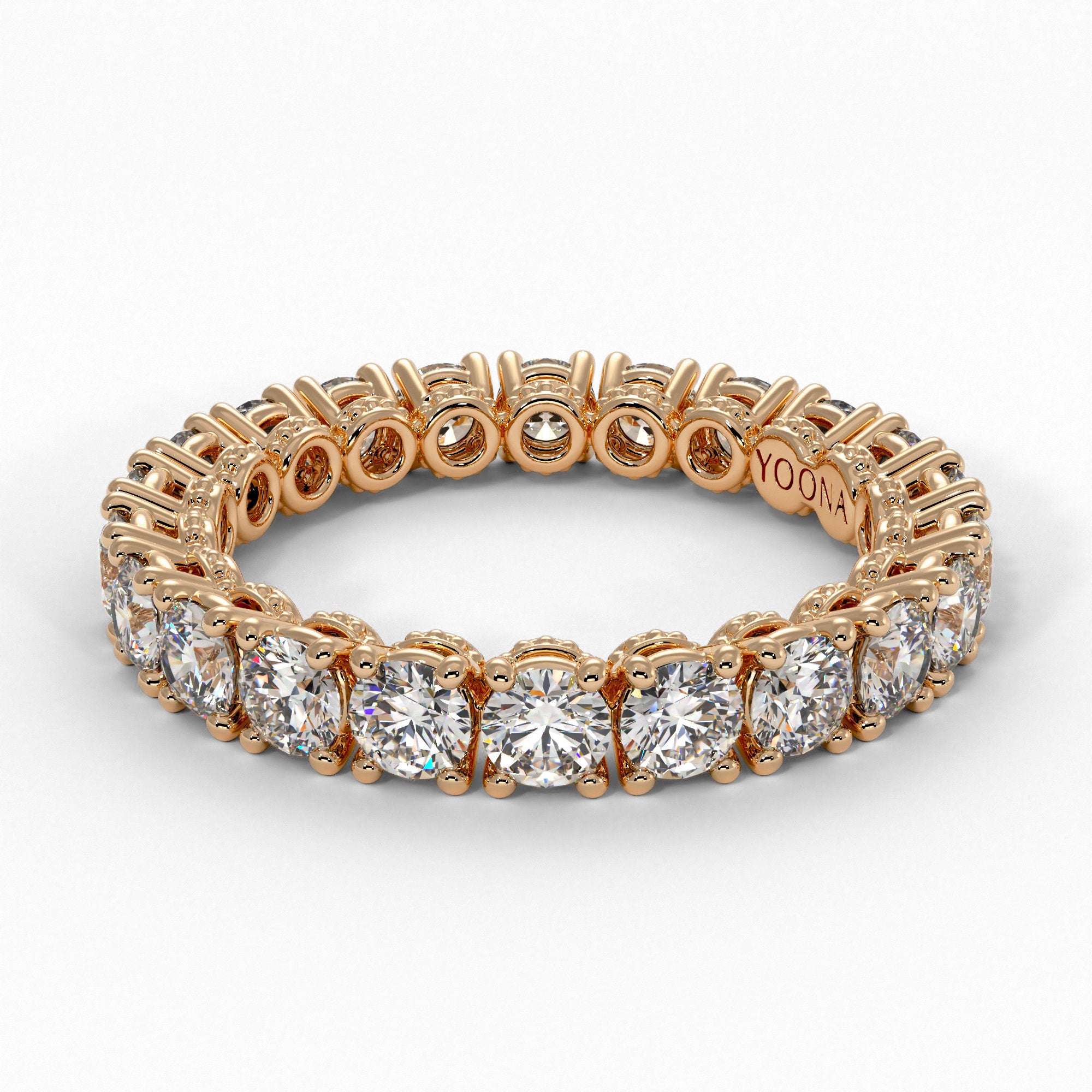
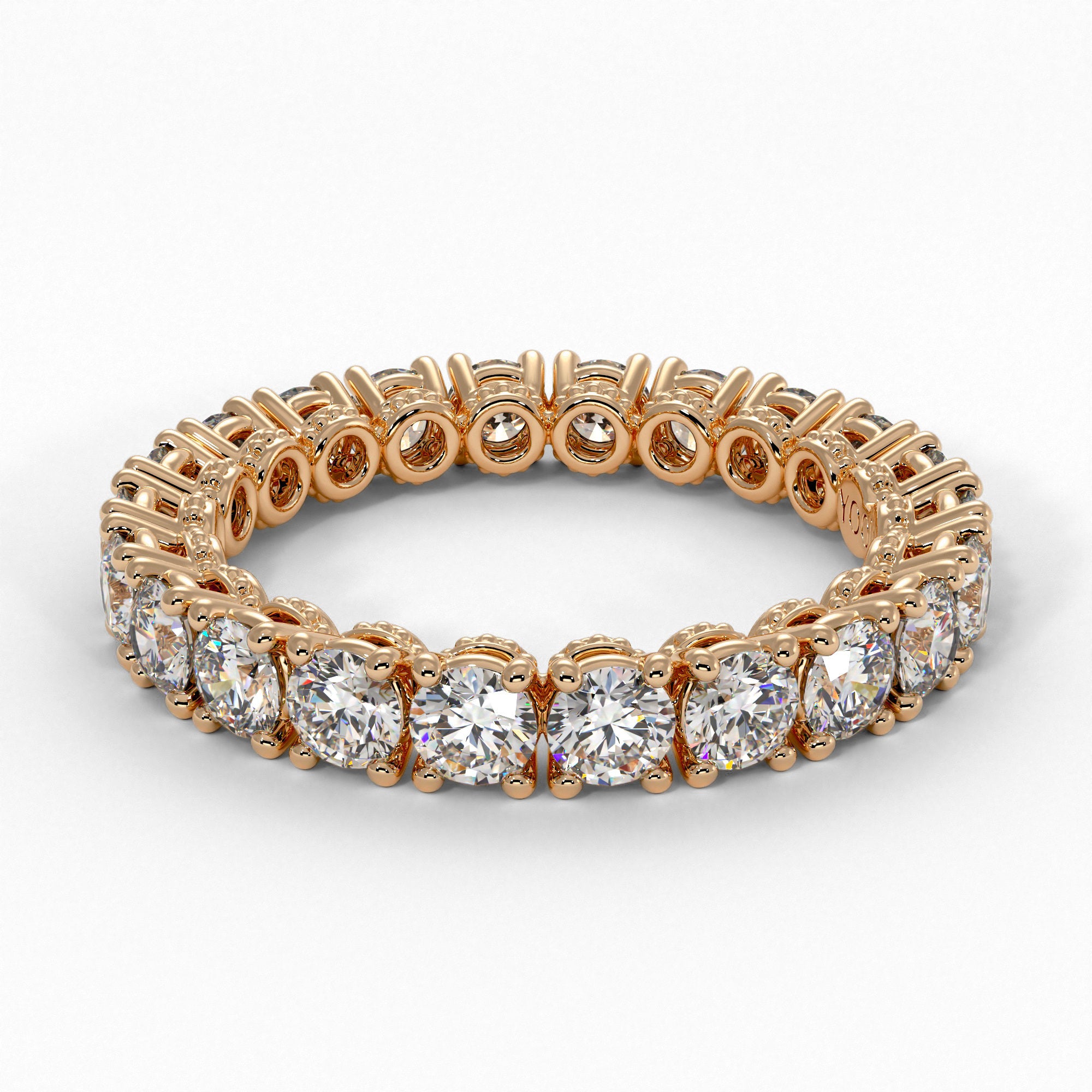
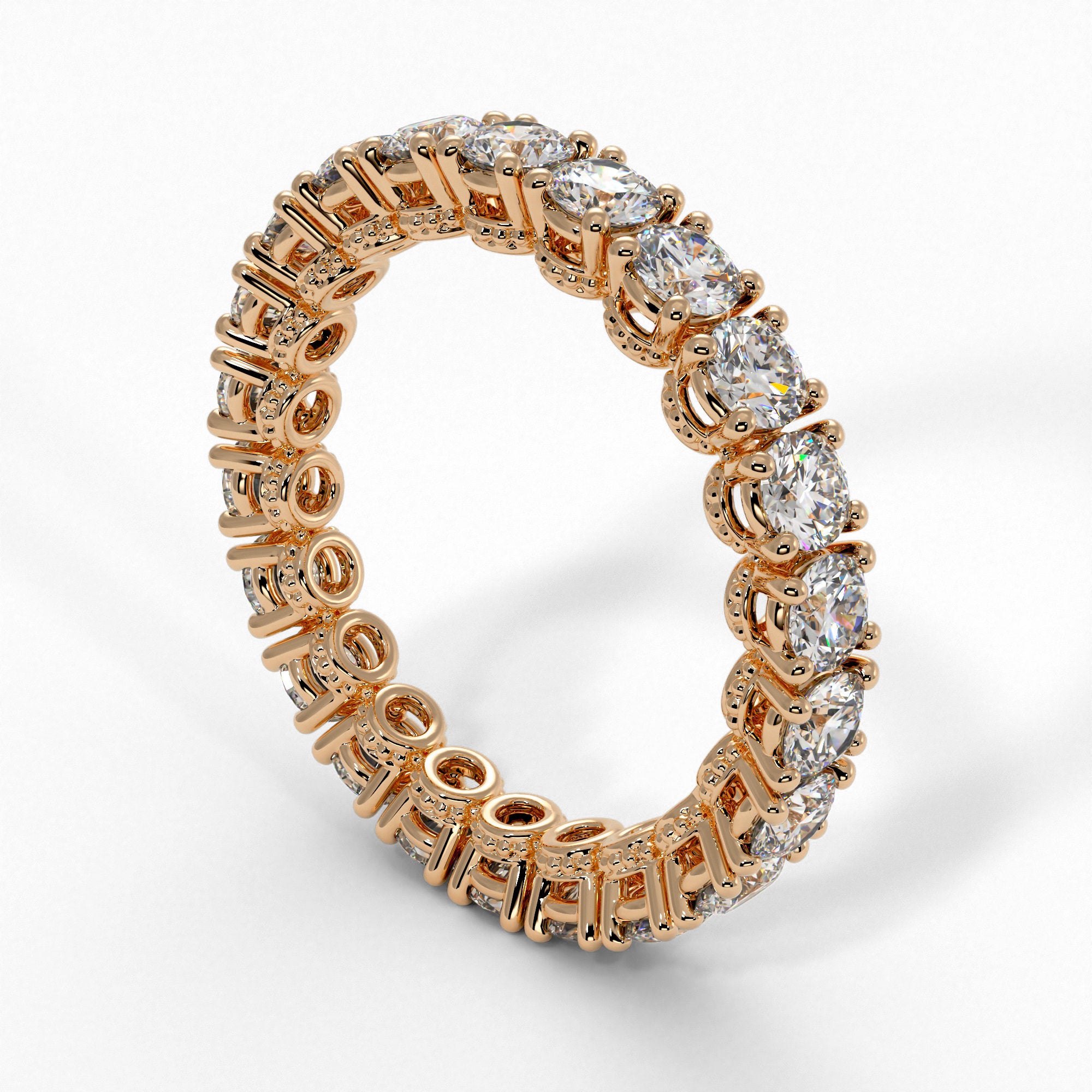
- Vintage-inspired: Intricate detailing, milgrain edges, and filigree for an heirloom feel.
For a full comparison of solitaire and halo specifically, see Solitaire vs. Halo: Which One Reflects Your Style?. For hidden halo, side stone, and three-stone styles in depth, see Hidden Halos, Side Stones & 3-Stone Rings Explained.
Vintage-Inspired Style, in More Depth
Quick answer: Vintage-inspired rings borrow design details from earlier eras, milgrain edging, filigree metalwork, and intricate engraving, built with modern manufacturing and a lab-grown center stone rather than an actual antique piece.
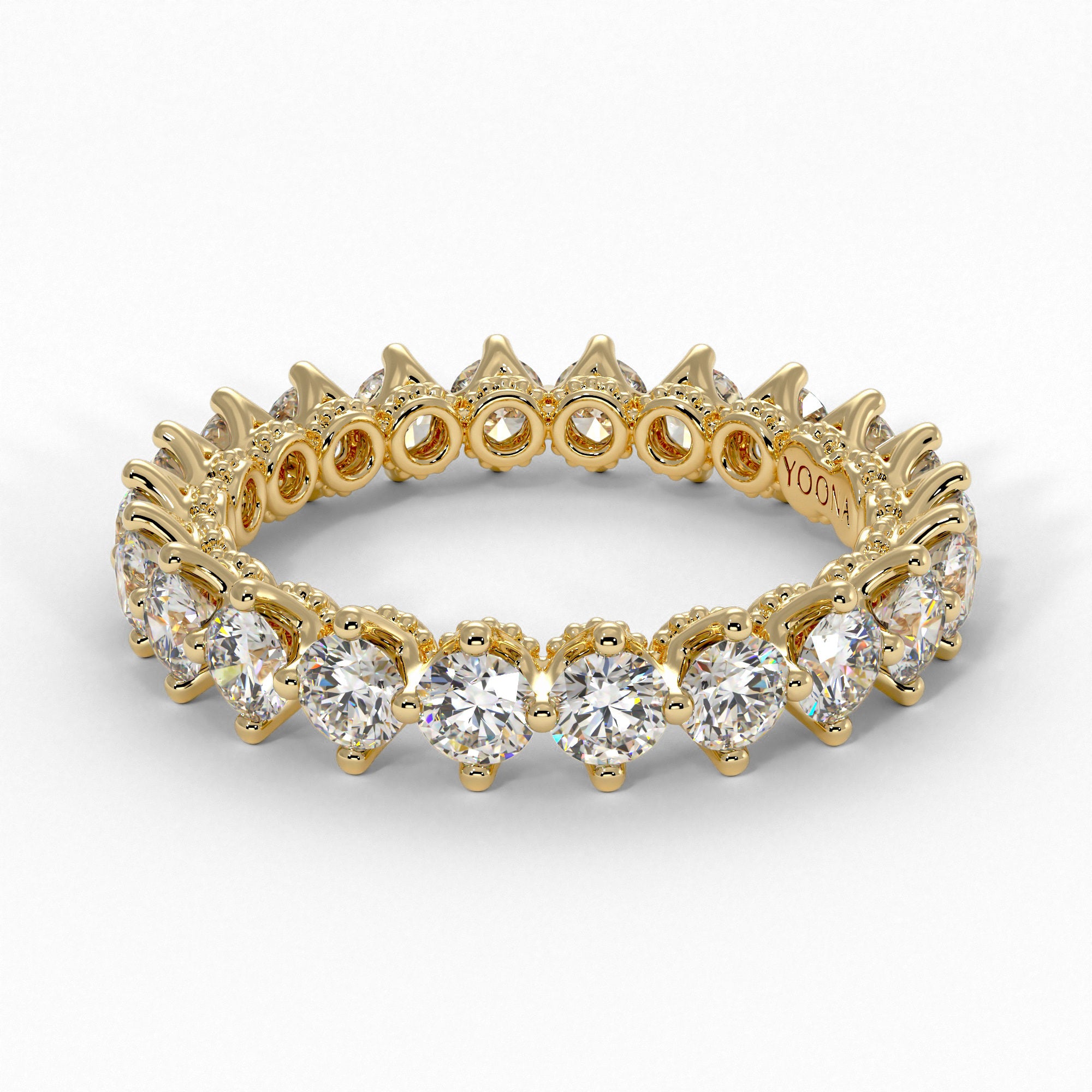
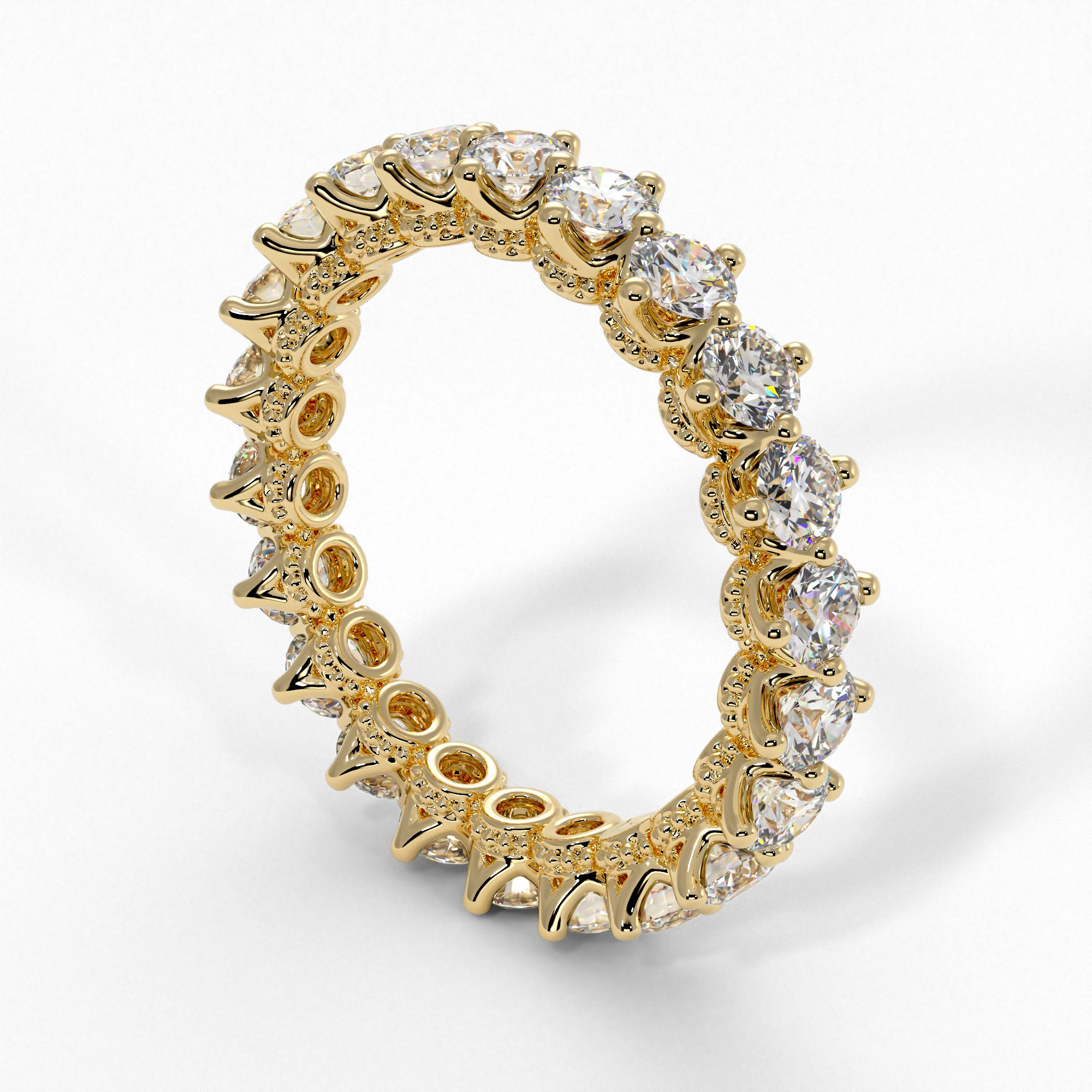
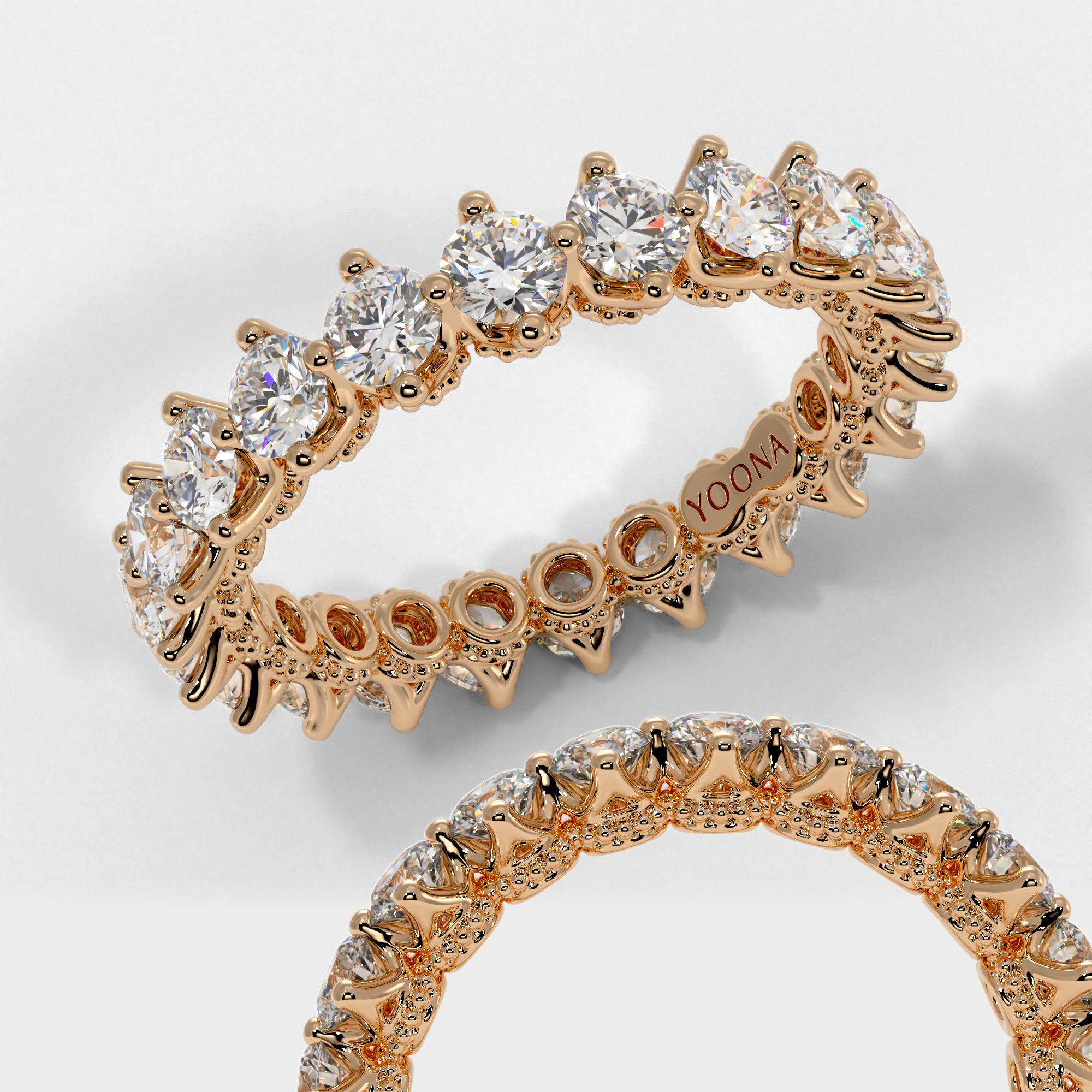
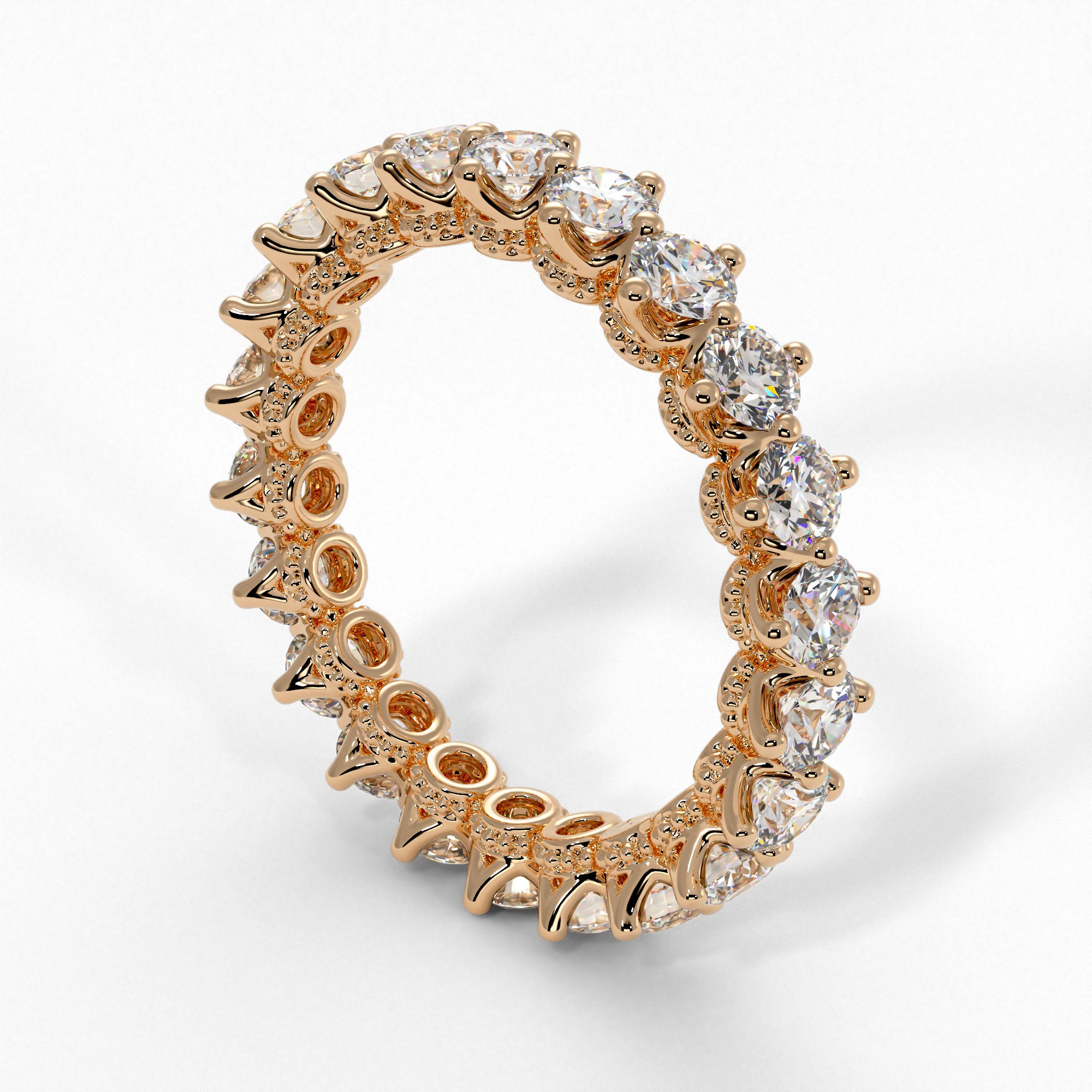
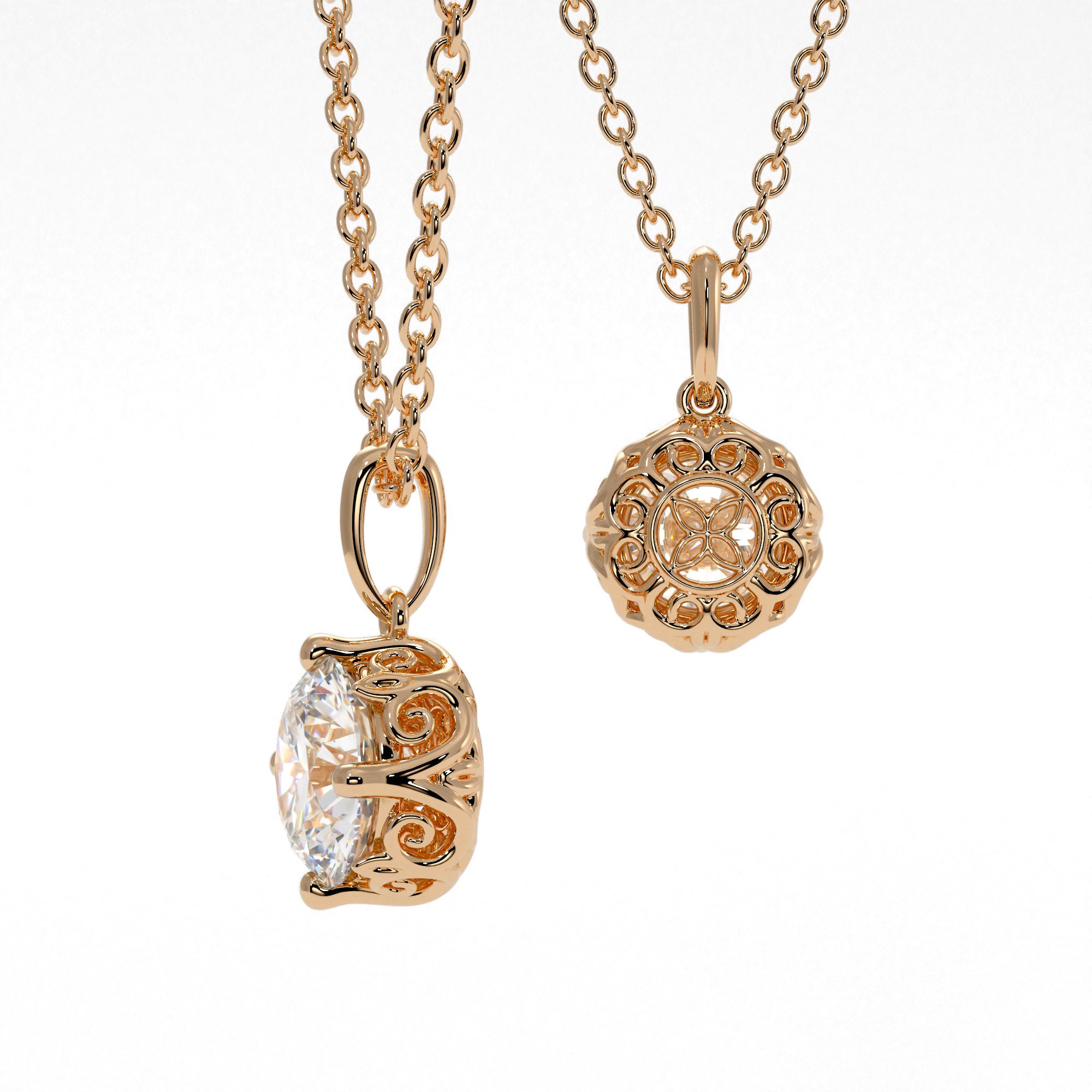
This style is worth its own explanation since it's genuinely different from the others: it's defined by craftsmanship detail rather than stone placement. Milgrain adds a beaded texture along metal edges. Filigree uses delicate, twisted metalwork, often in floral or scroll patterns. These details take more hands-on manufacturing time than a clean modern setting, which is part of why vintage-inspired pieces read as more elaborate and heirloom-like, even when built entirely new.
The Main Setting Types
Quick answer: Prong and bezel are the two most common setting types, prong maximizes sparkle and light exposure, bezel maximizes security and durability for active lifestyles.
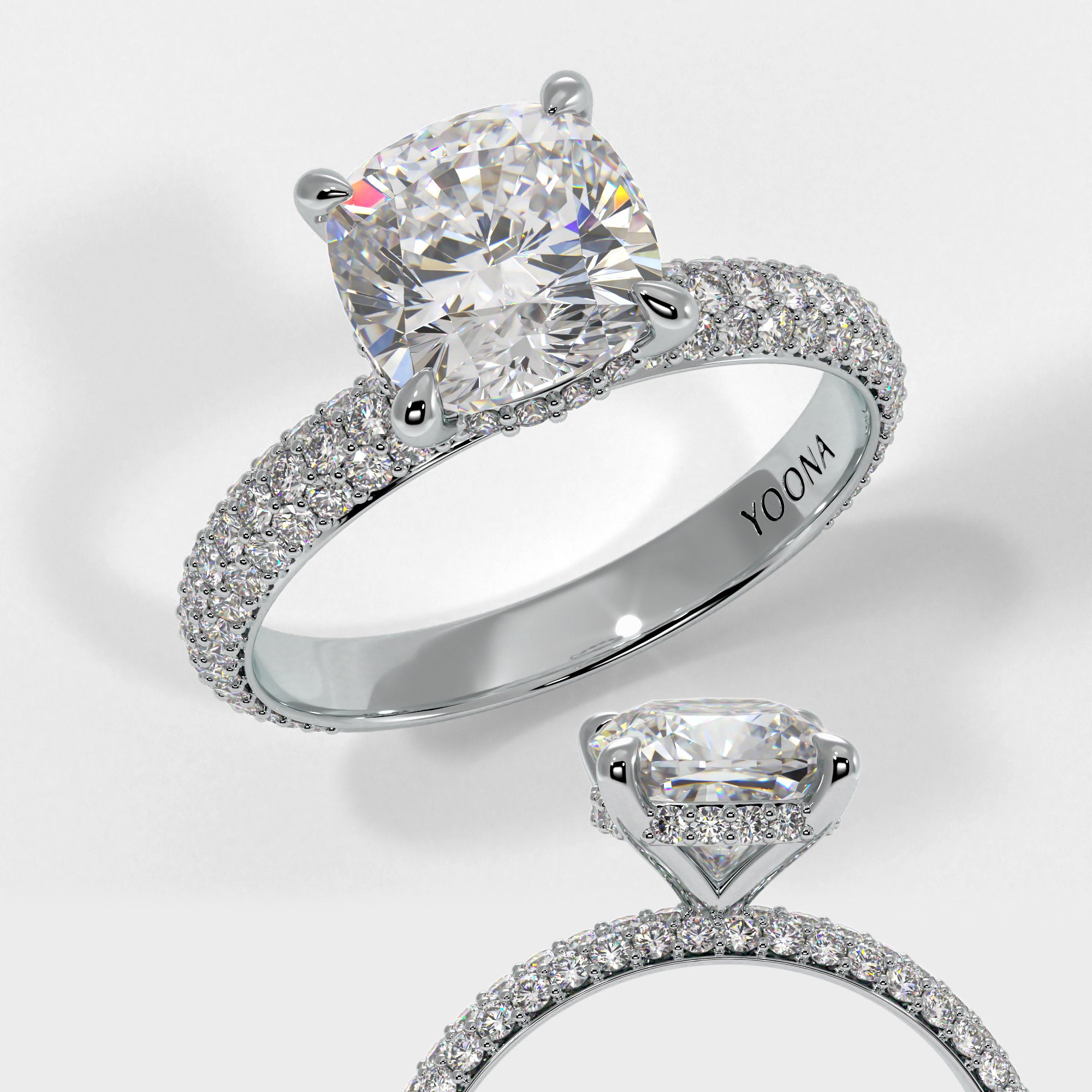
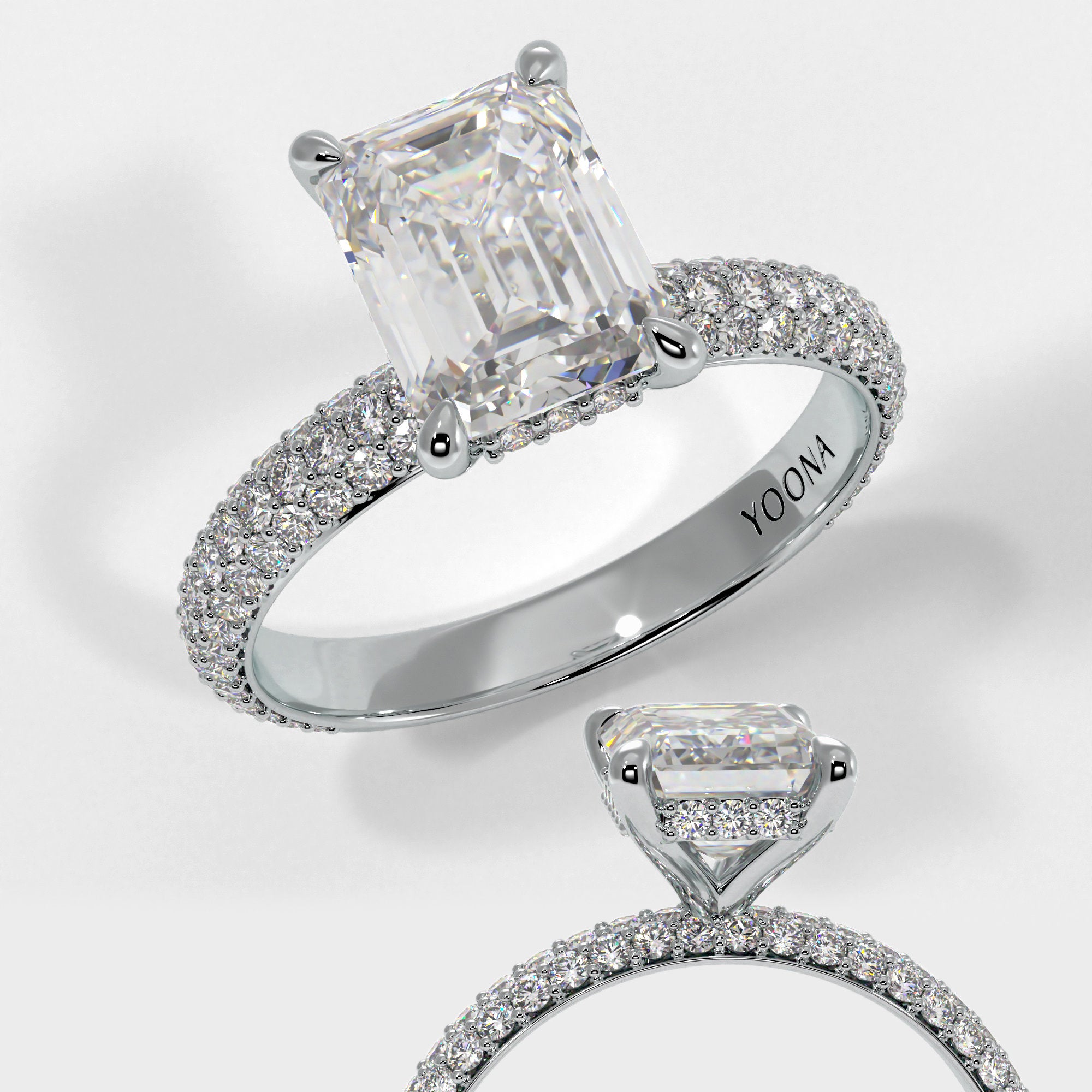
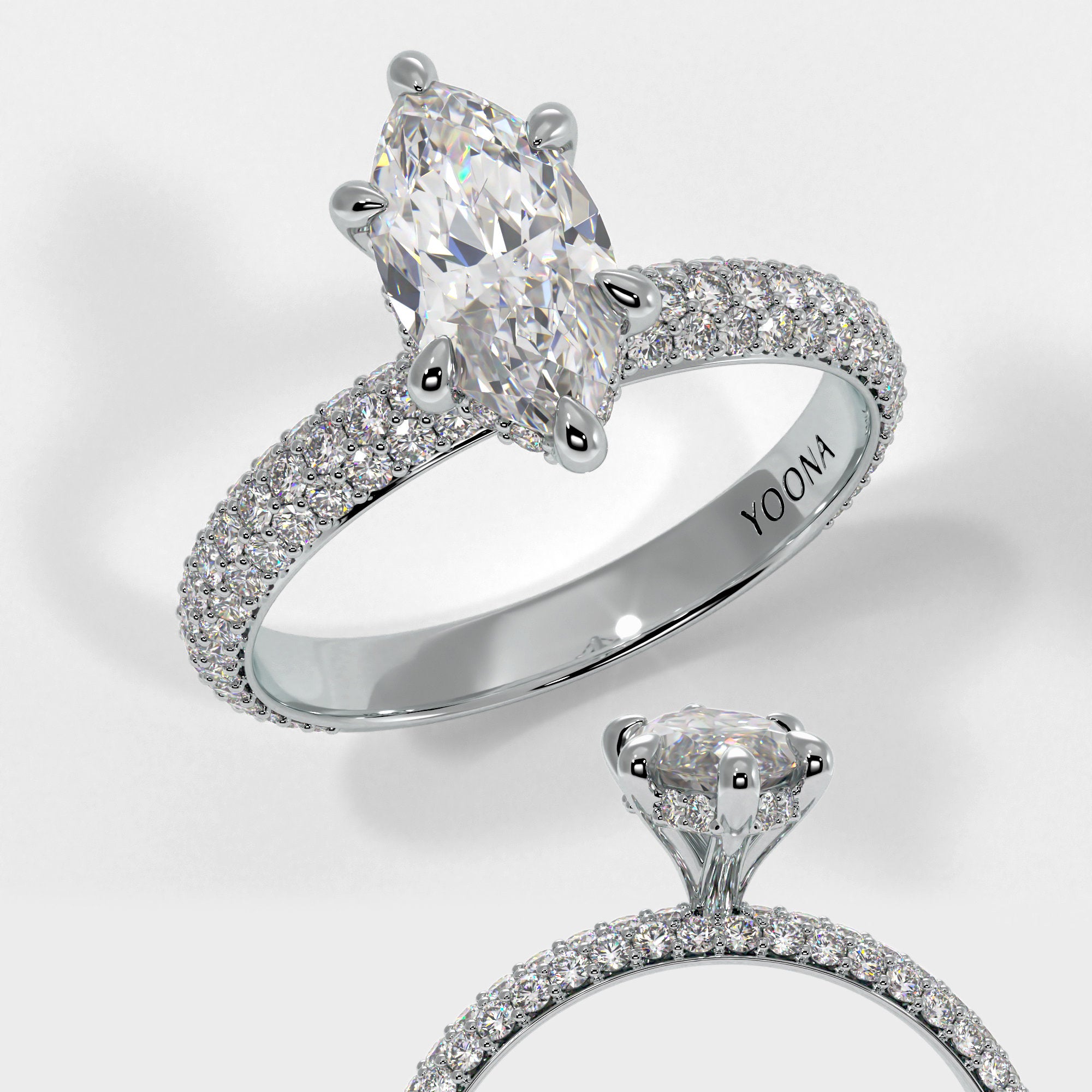
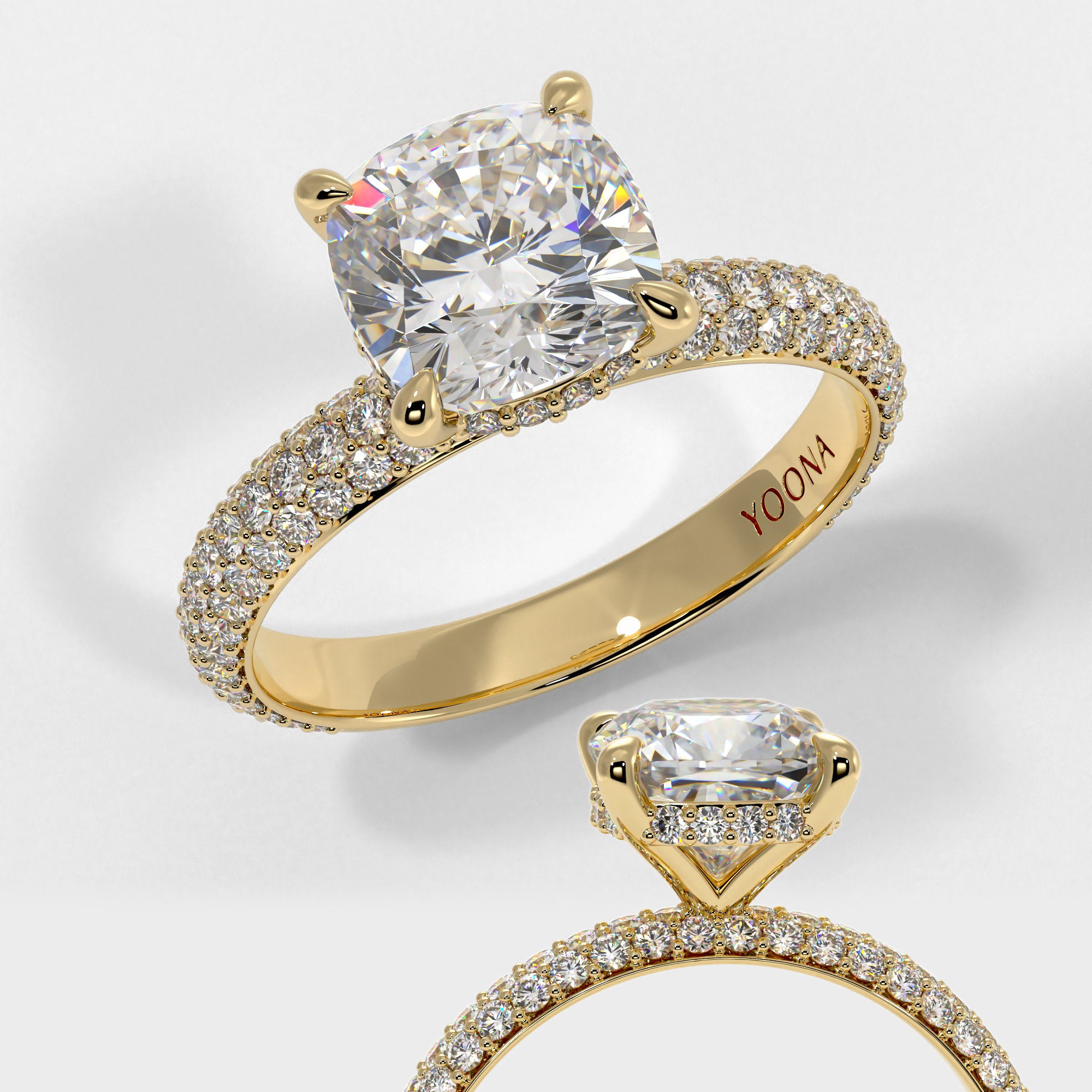
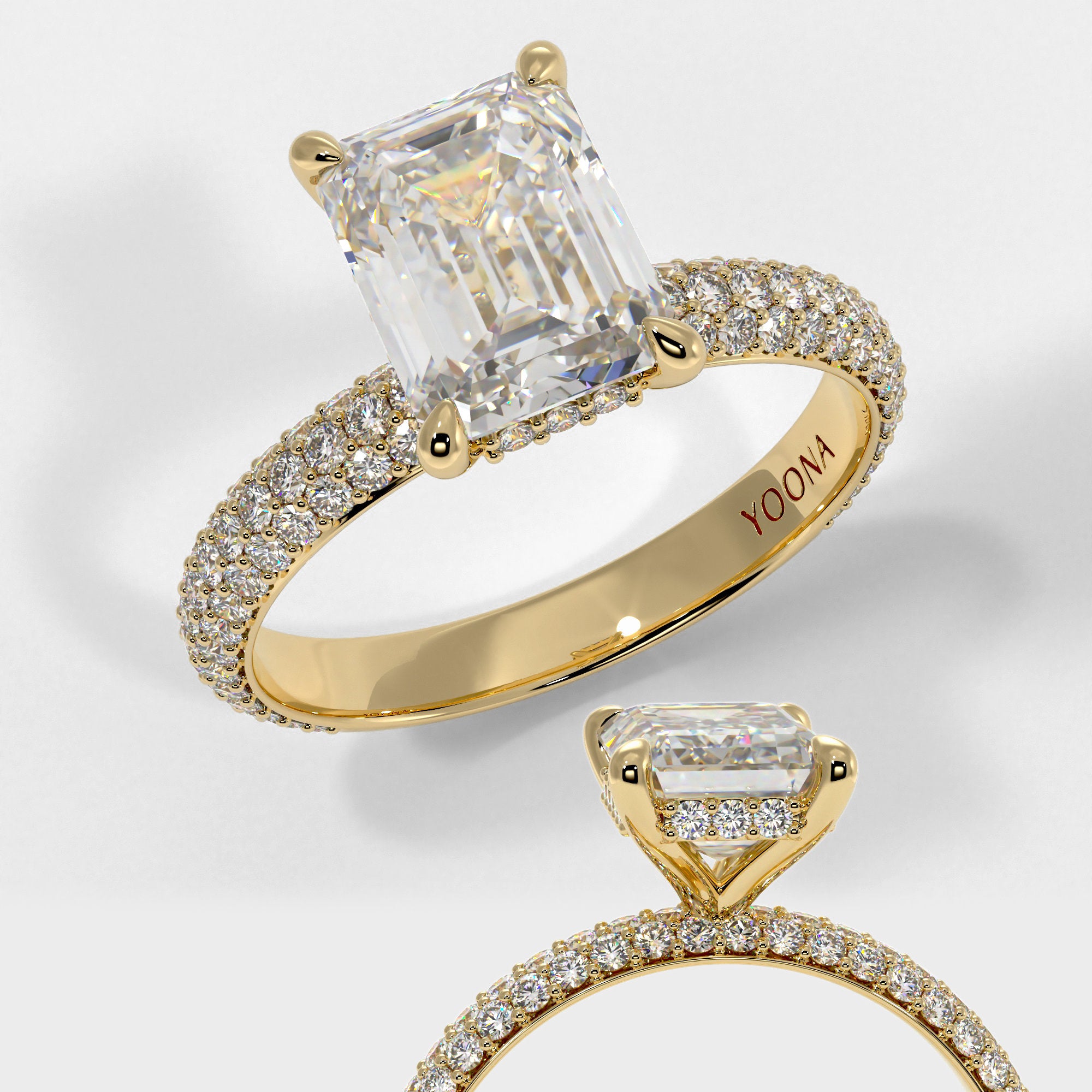
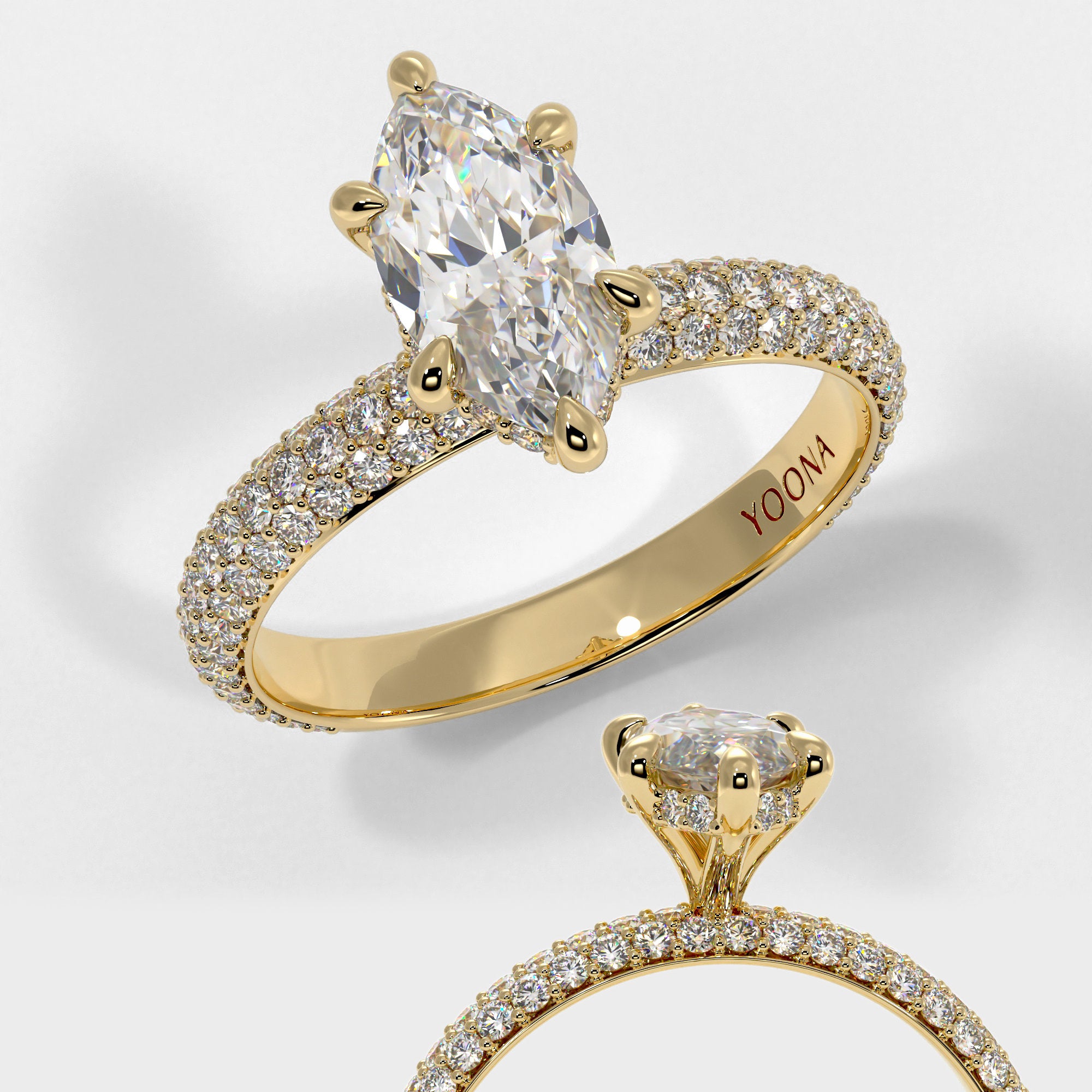
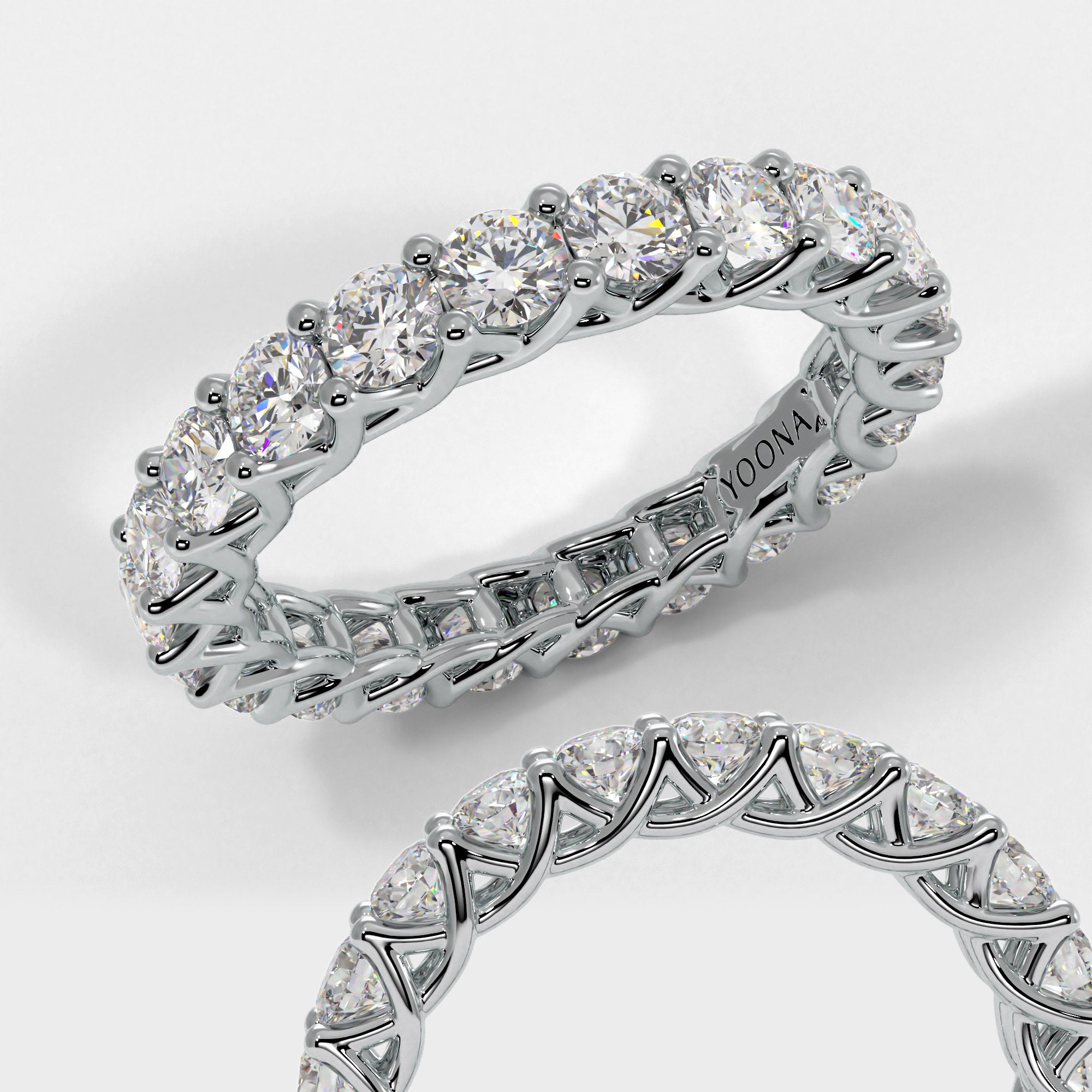
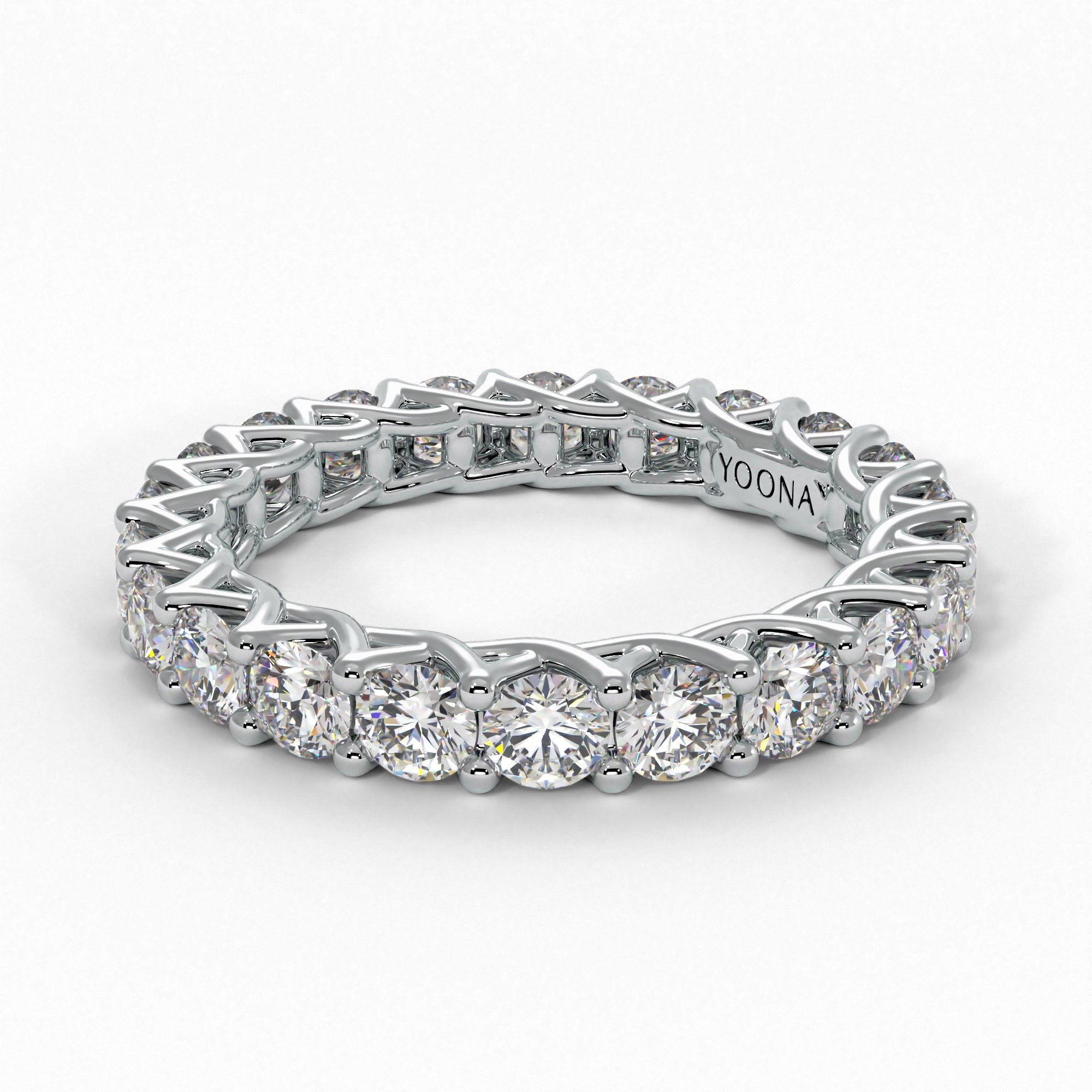
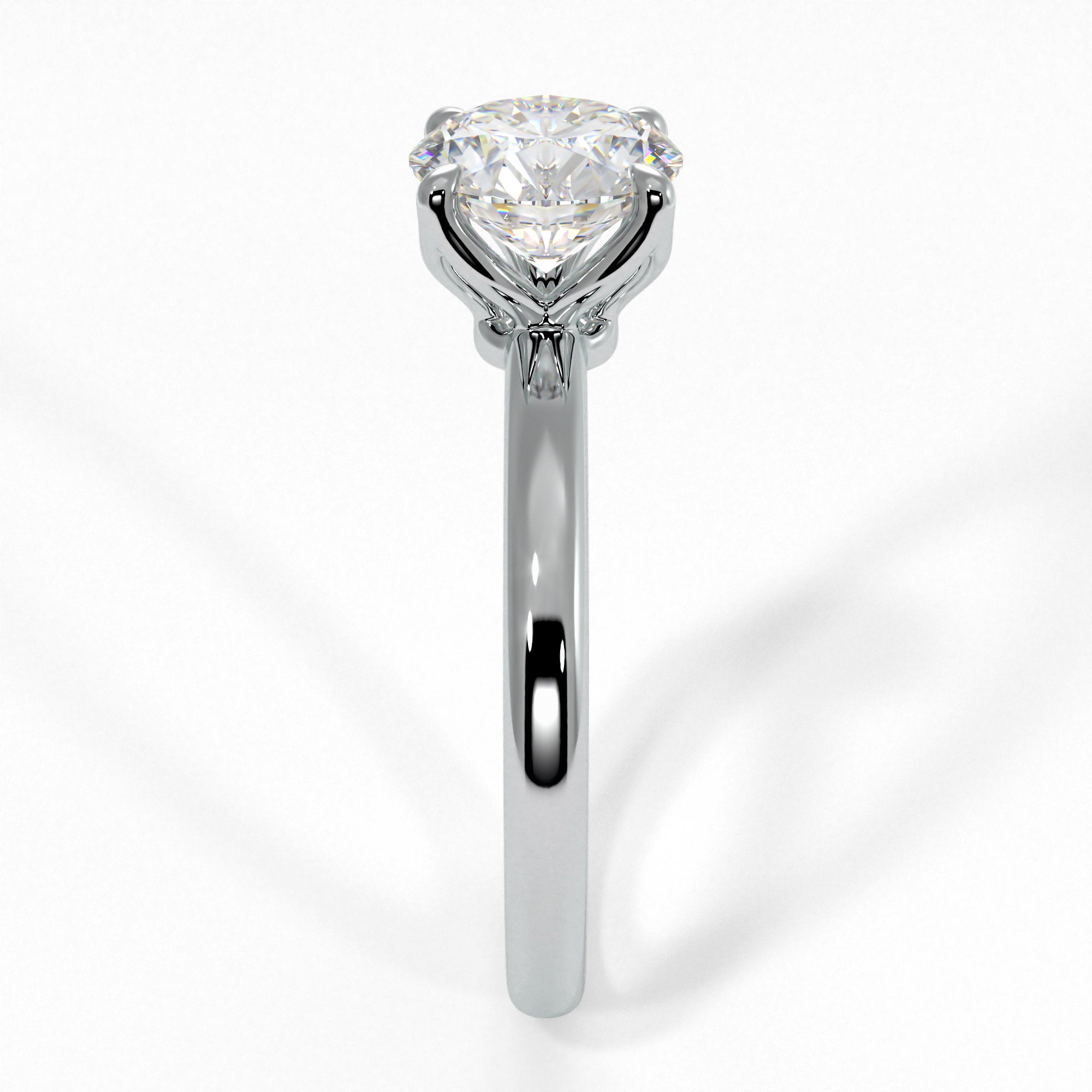
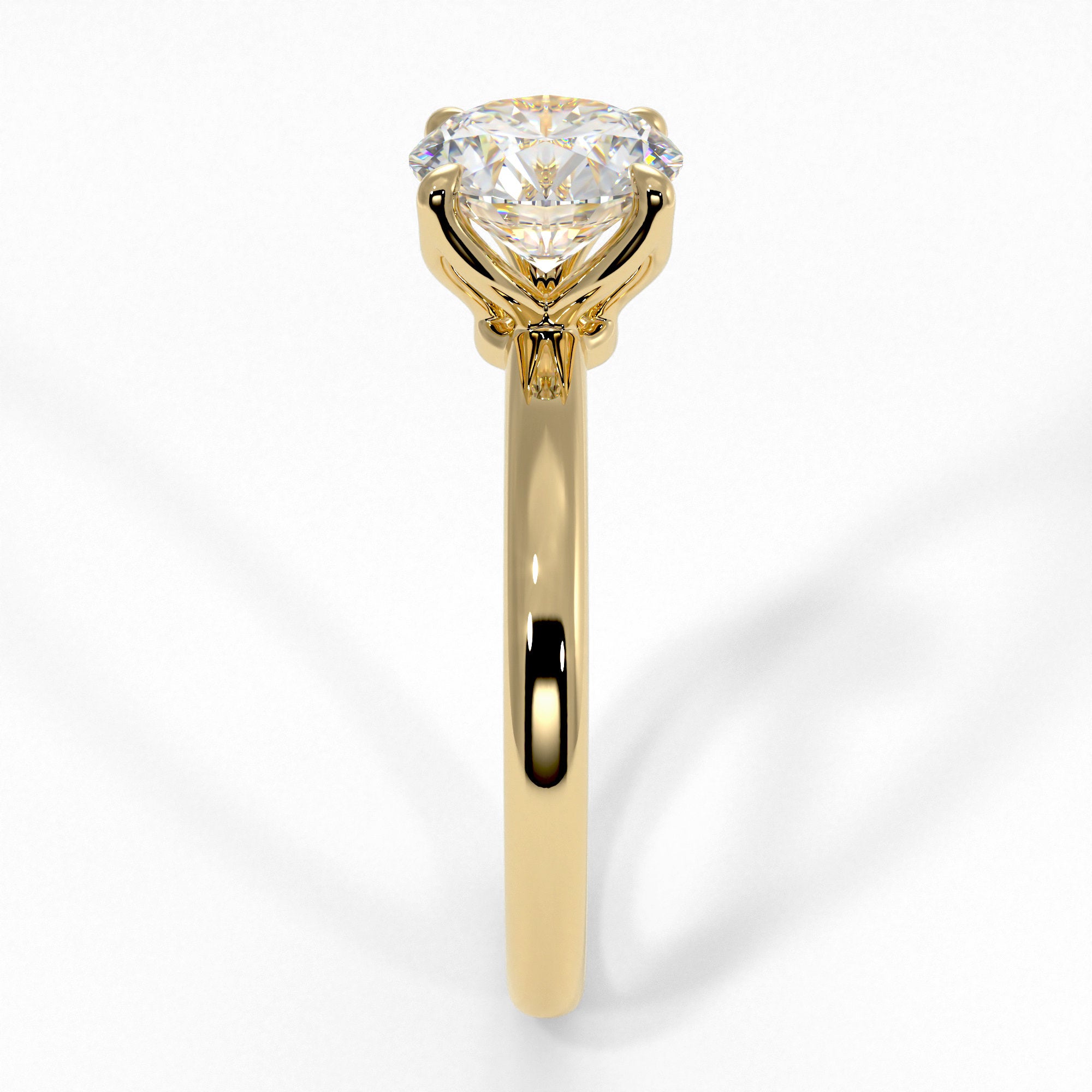
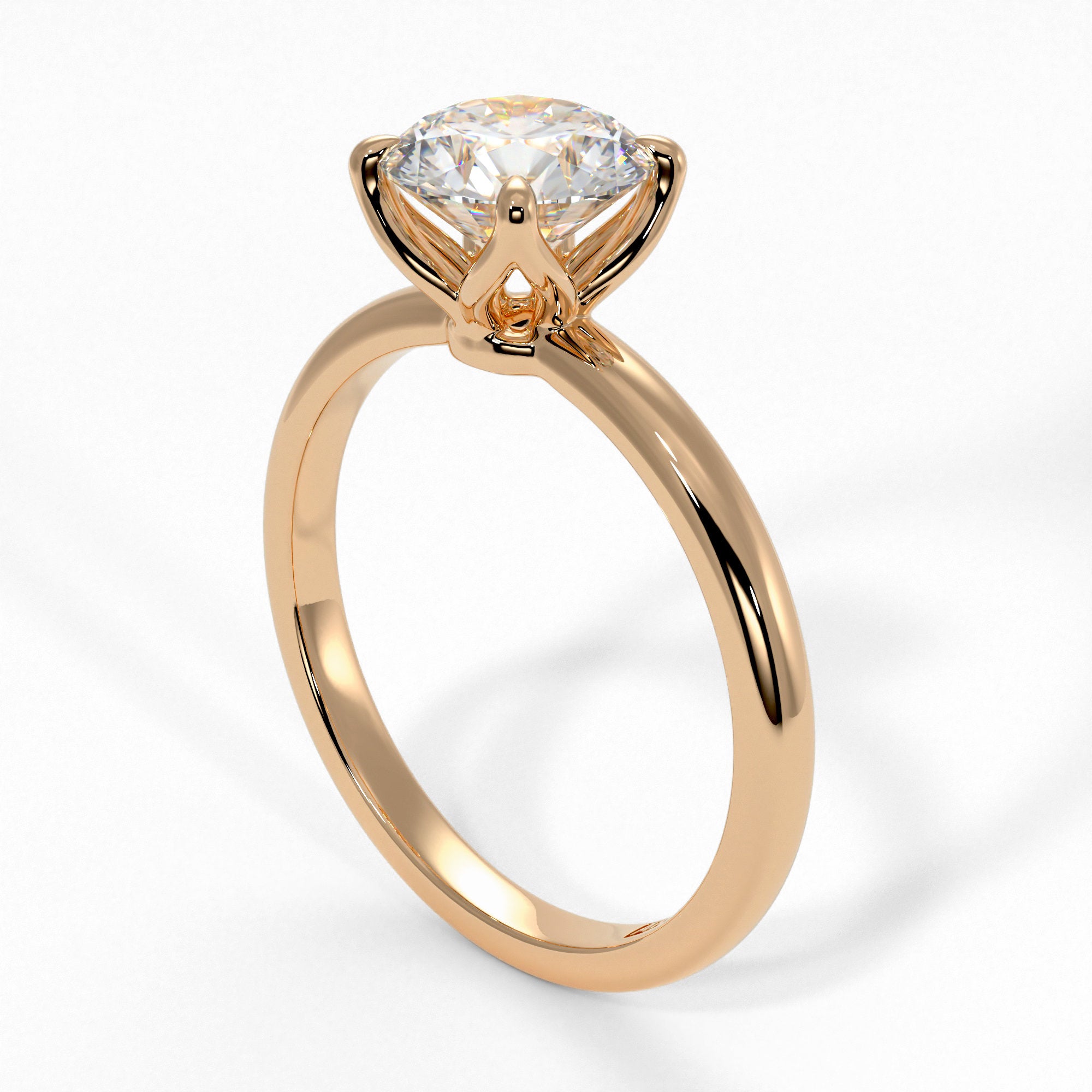
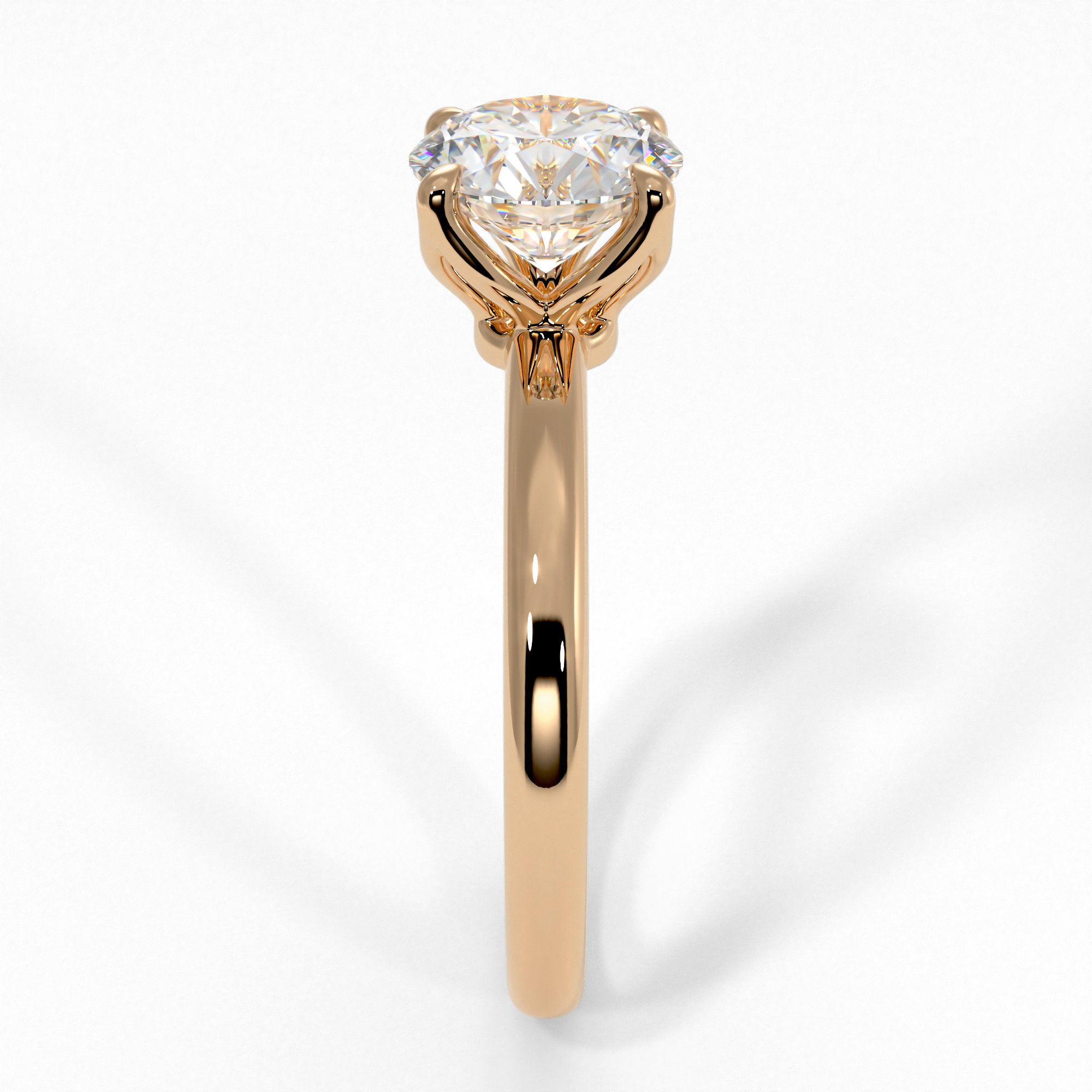
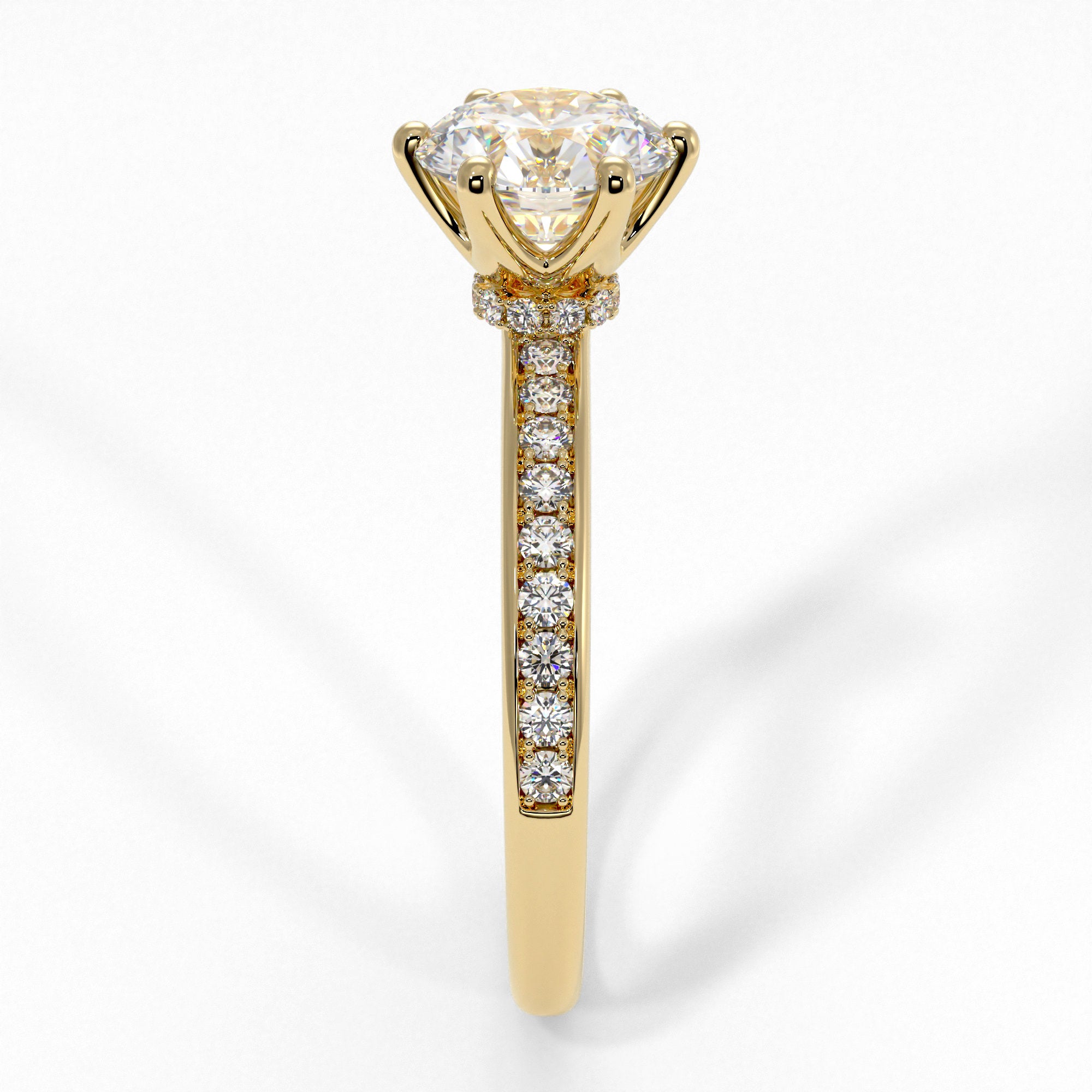
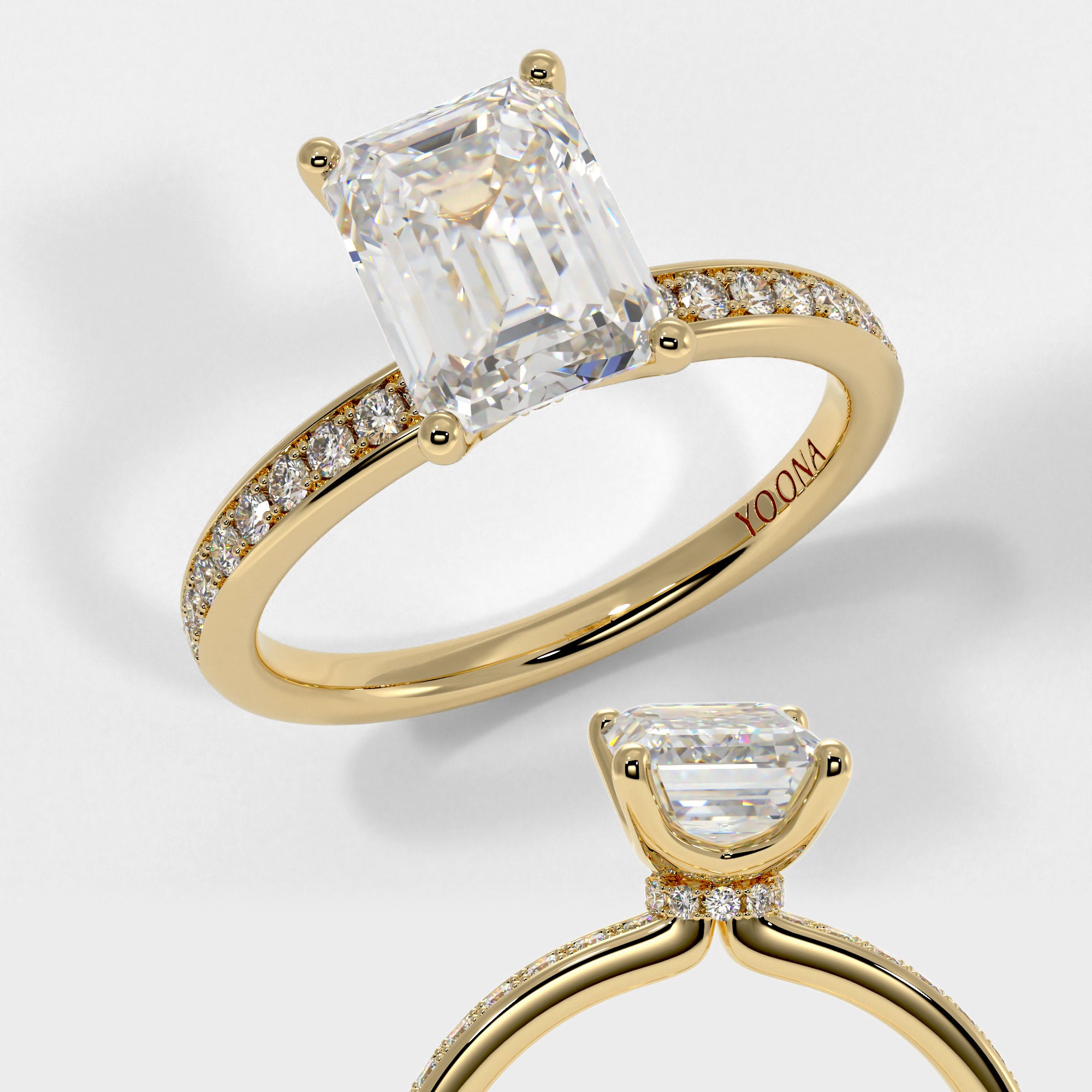
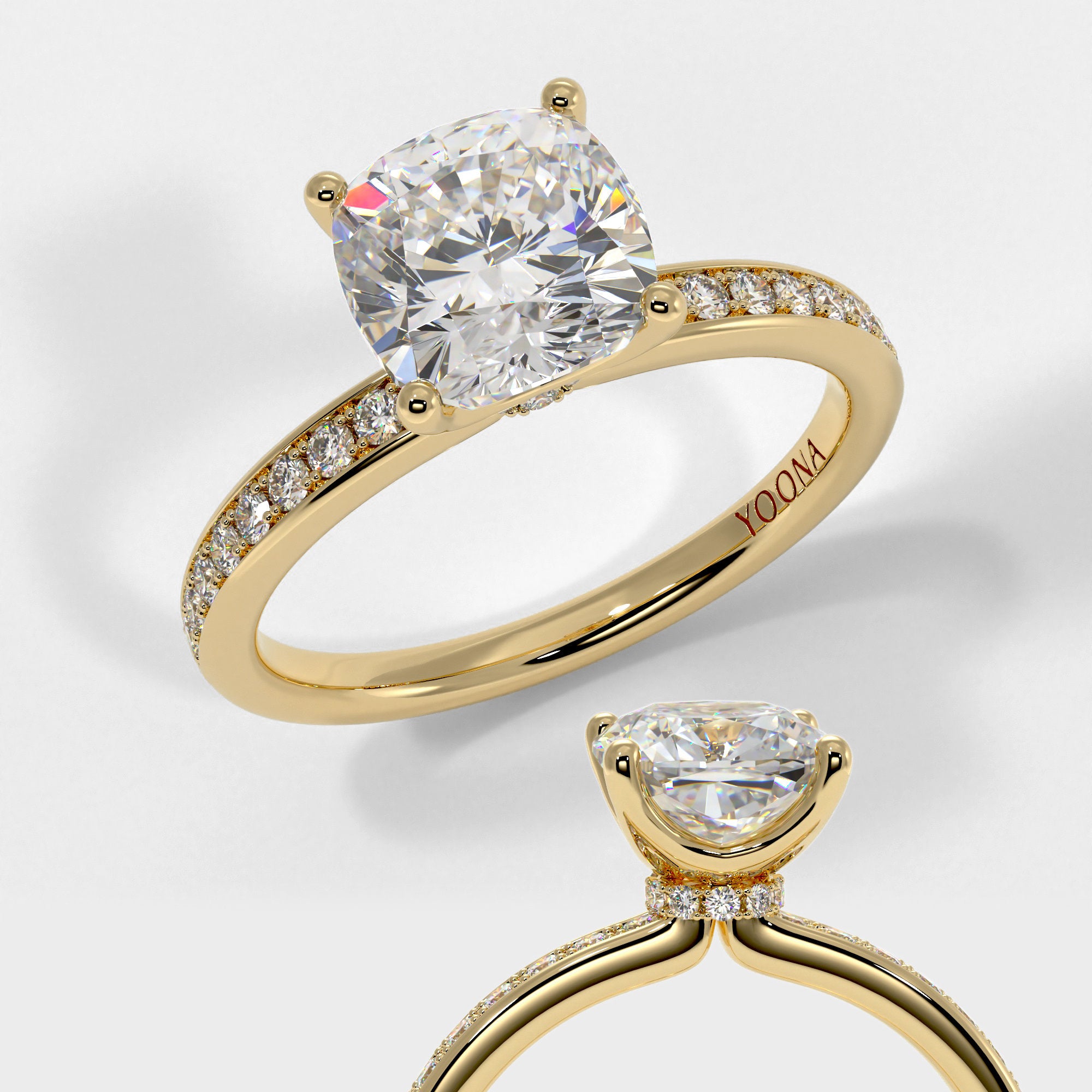
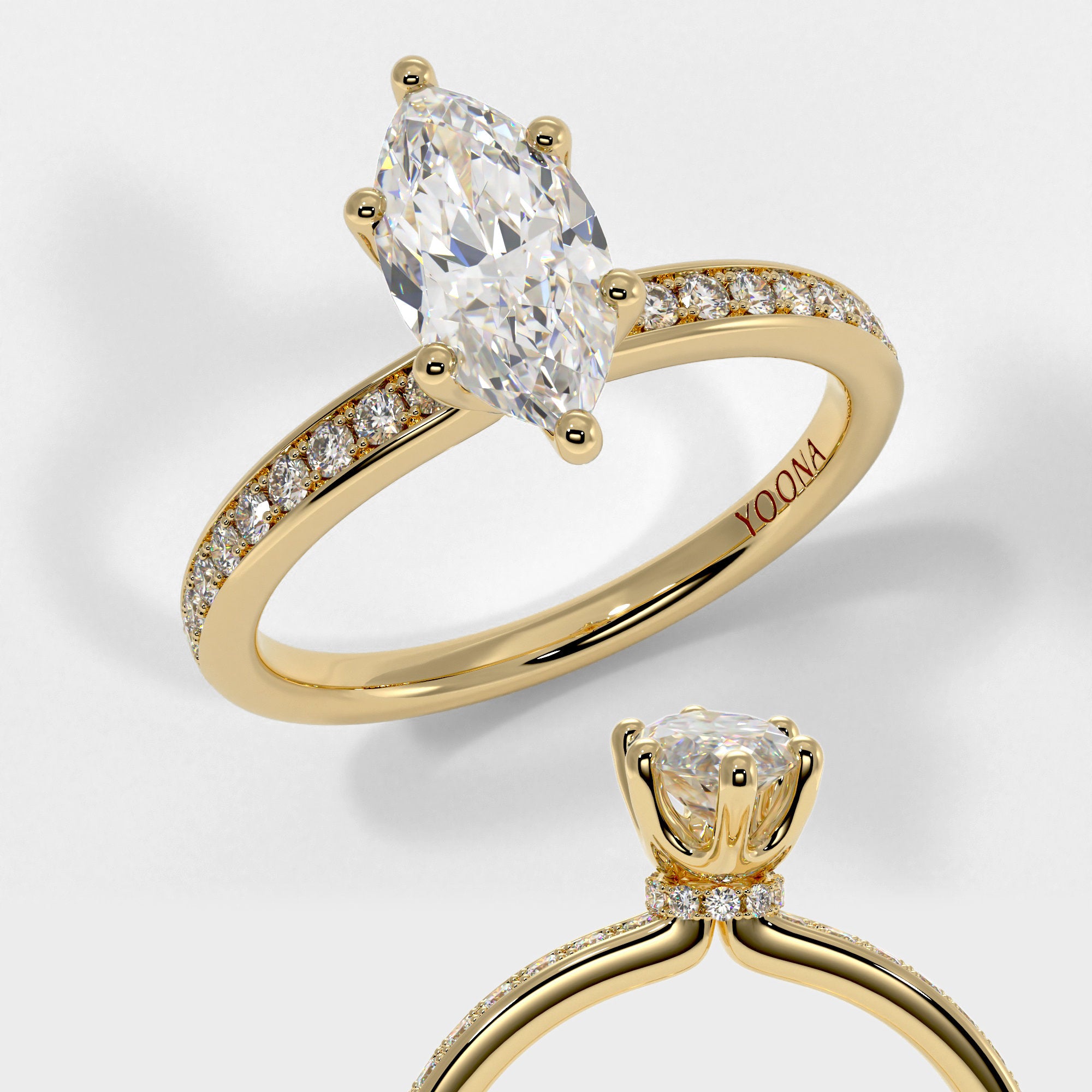
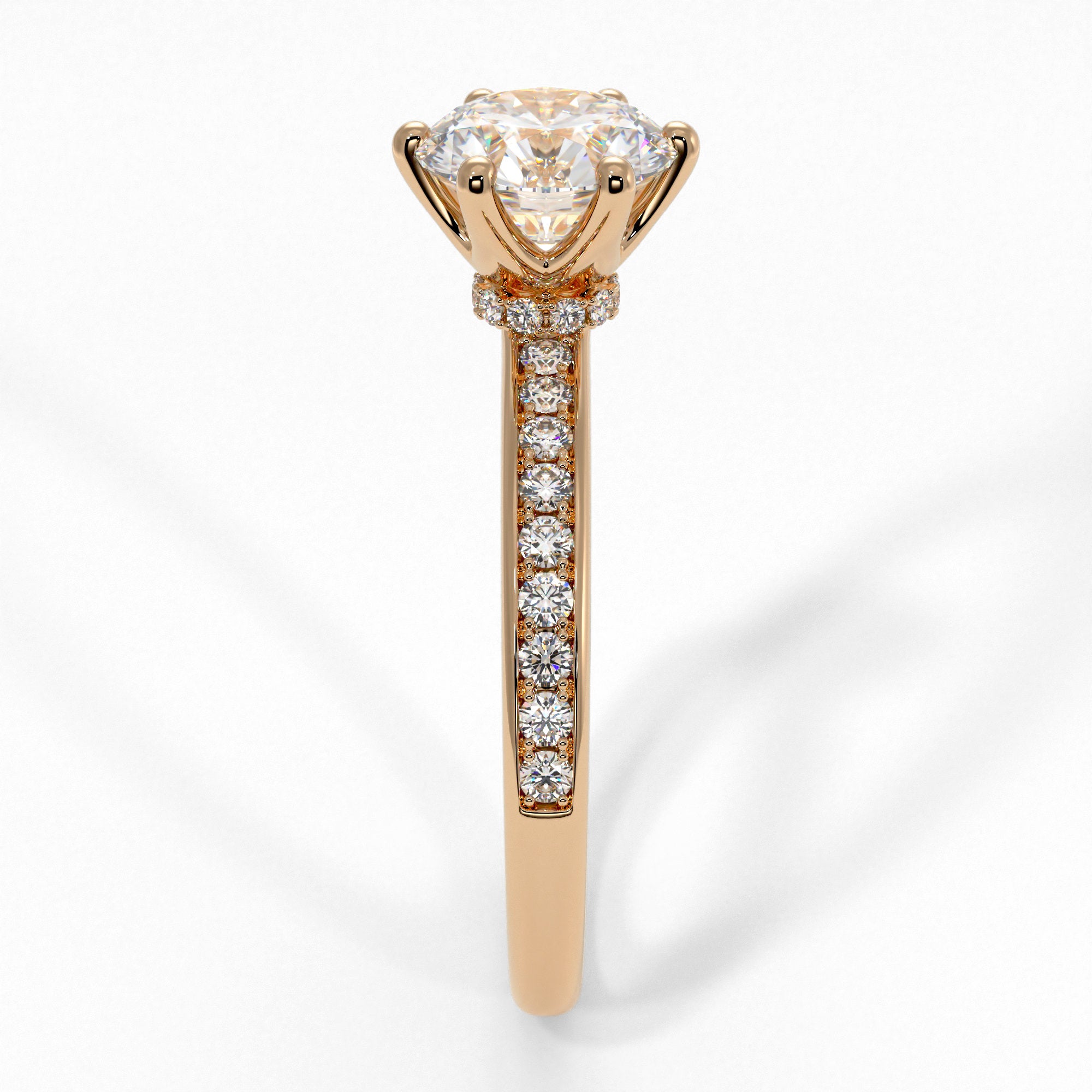
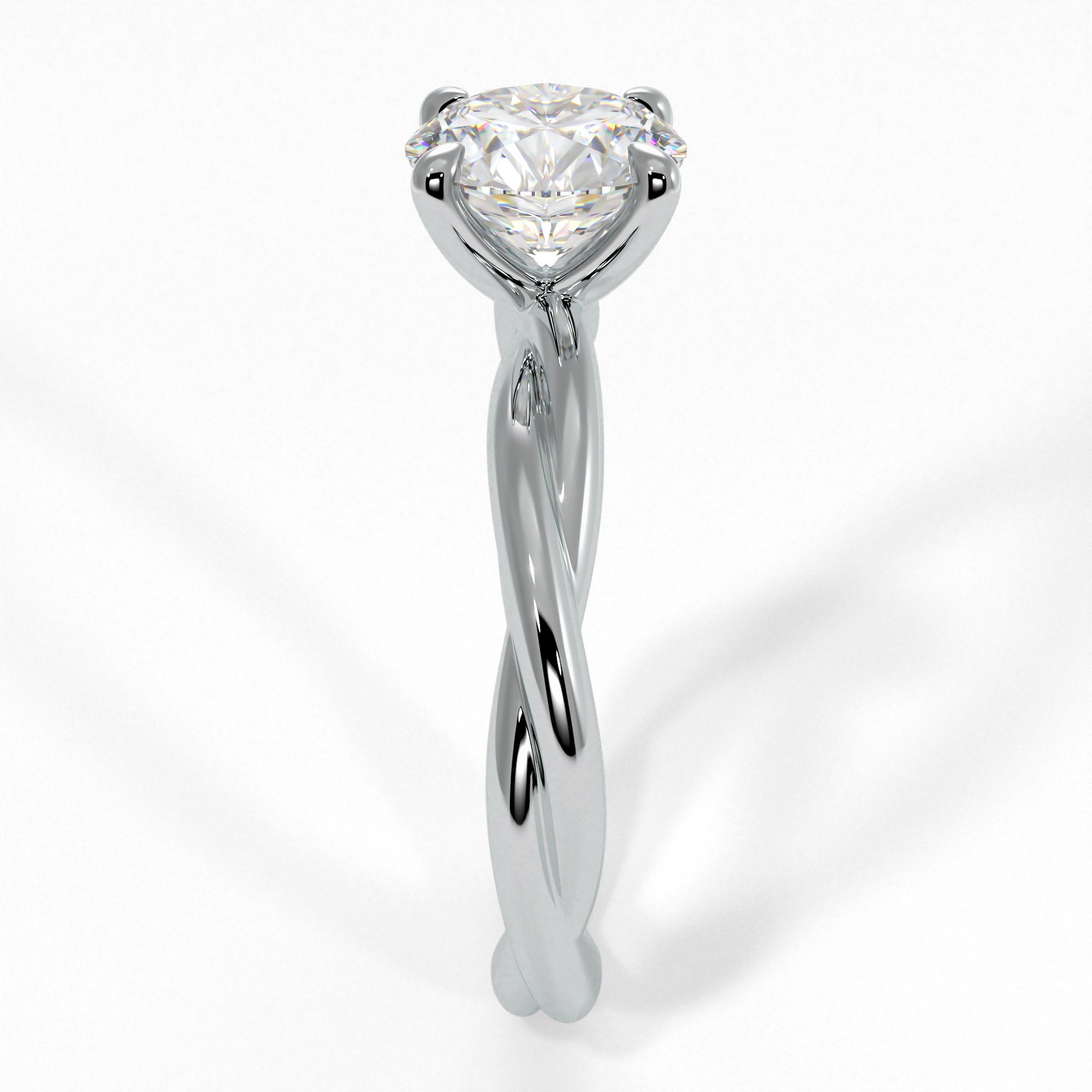
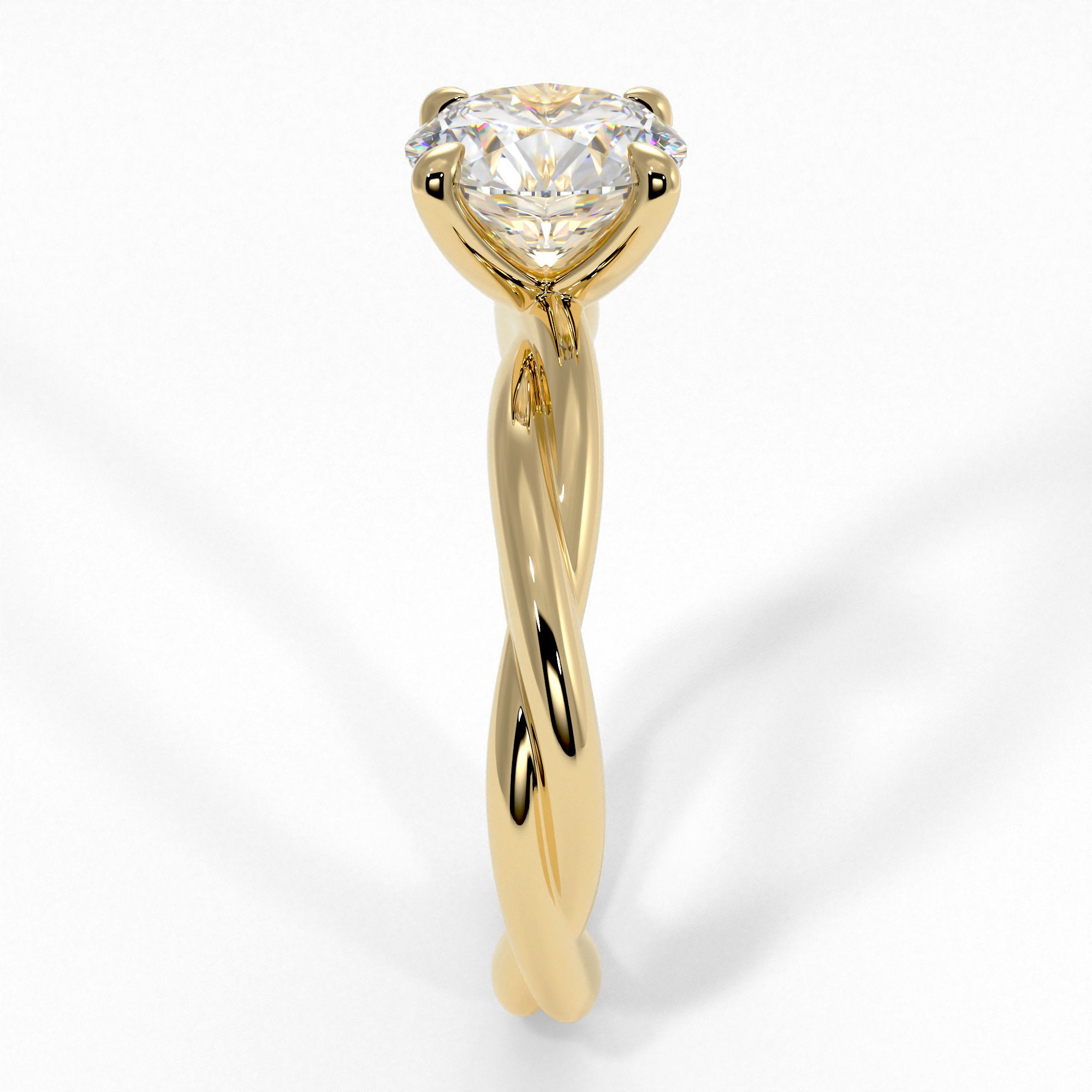
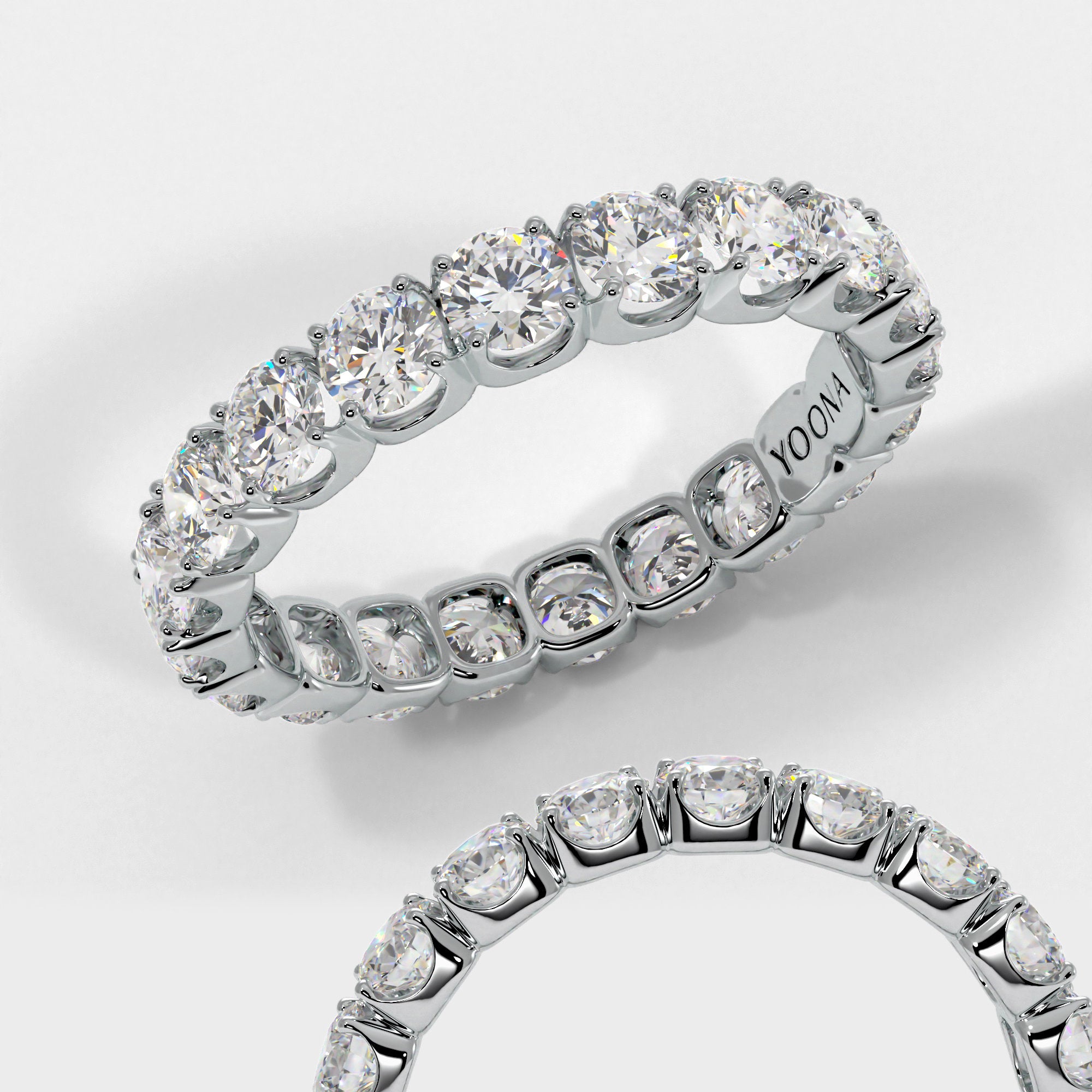
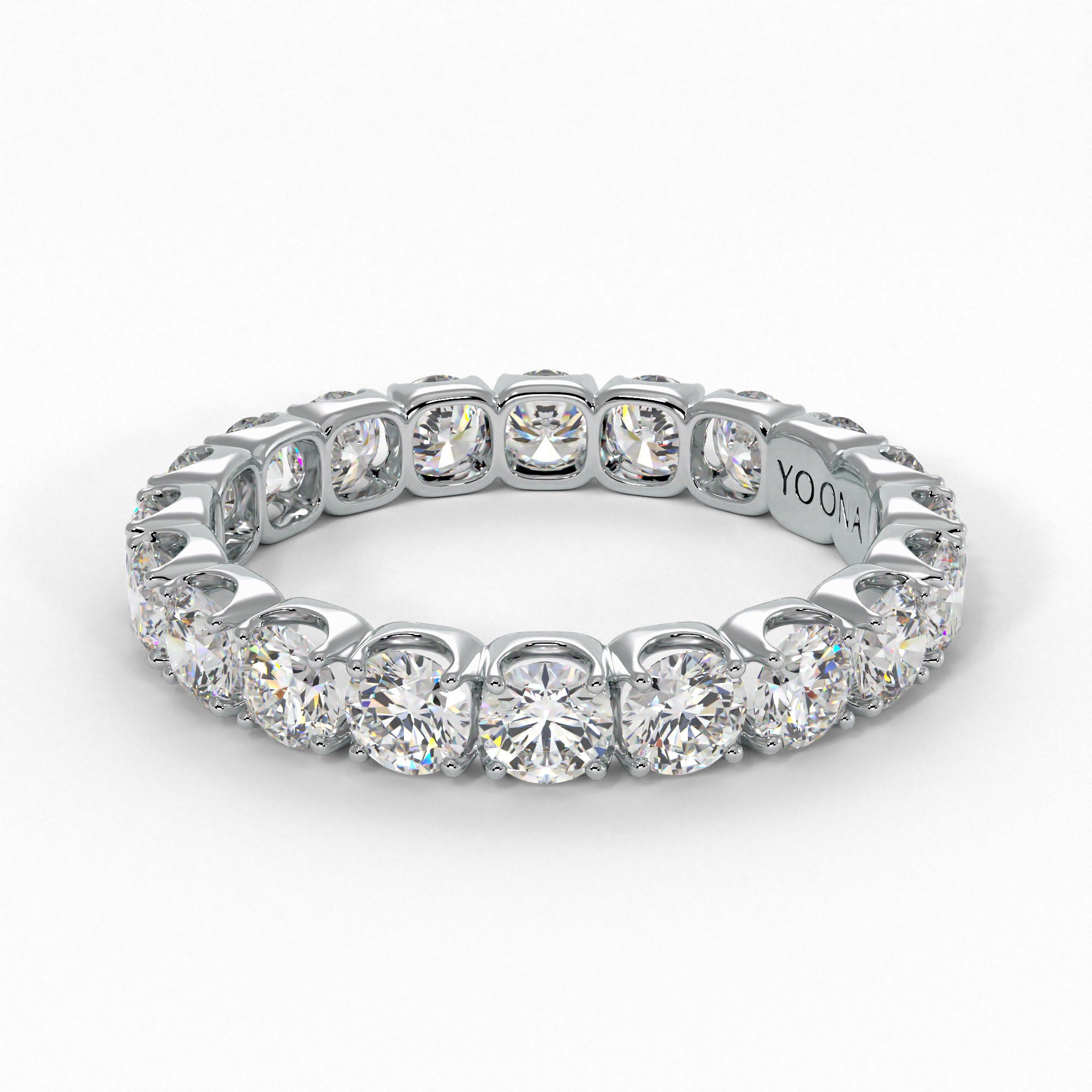
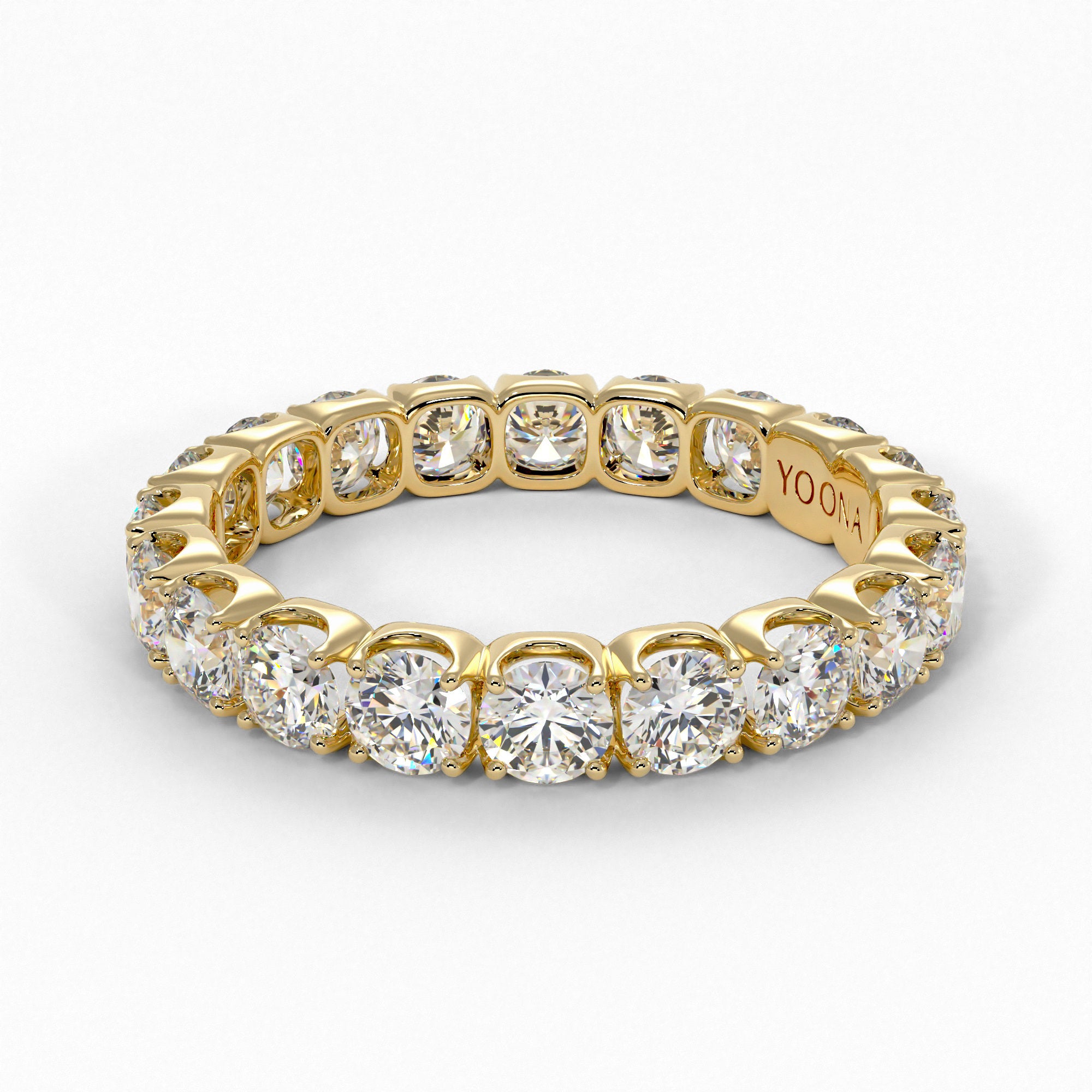
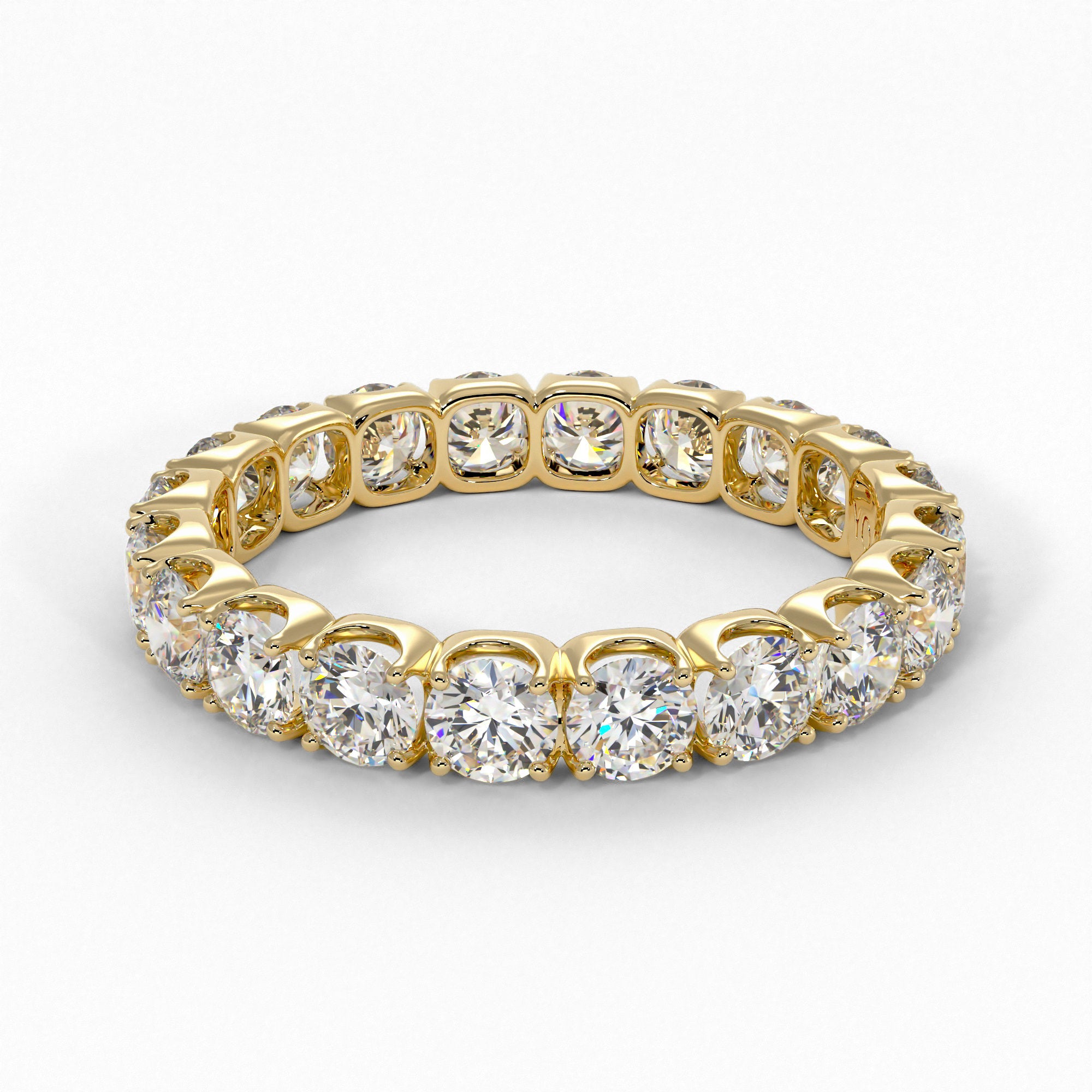
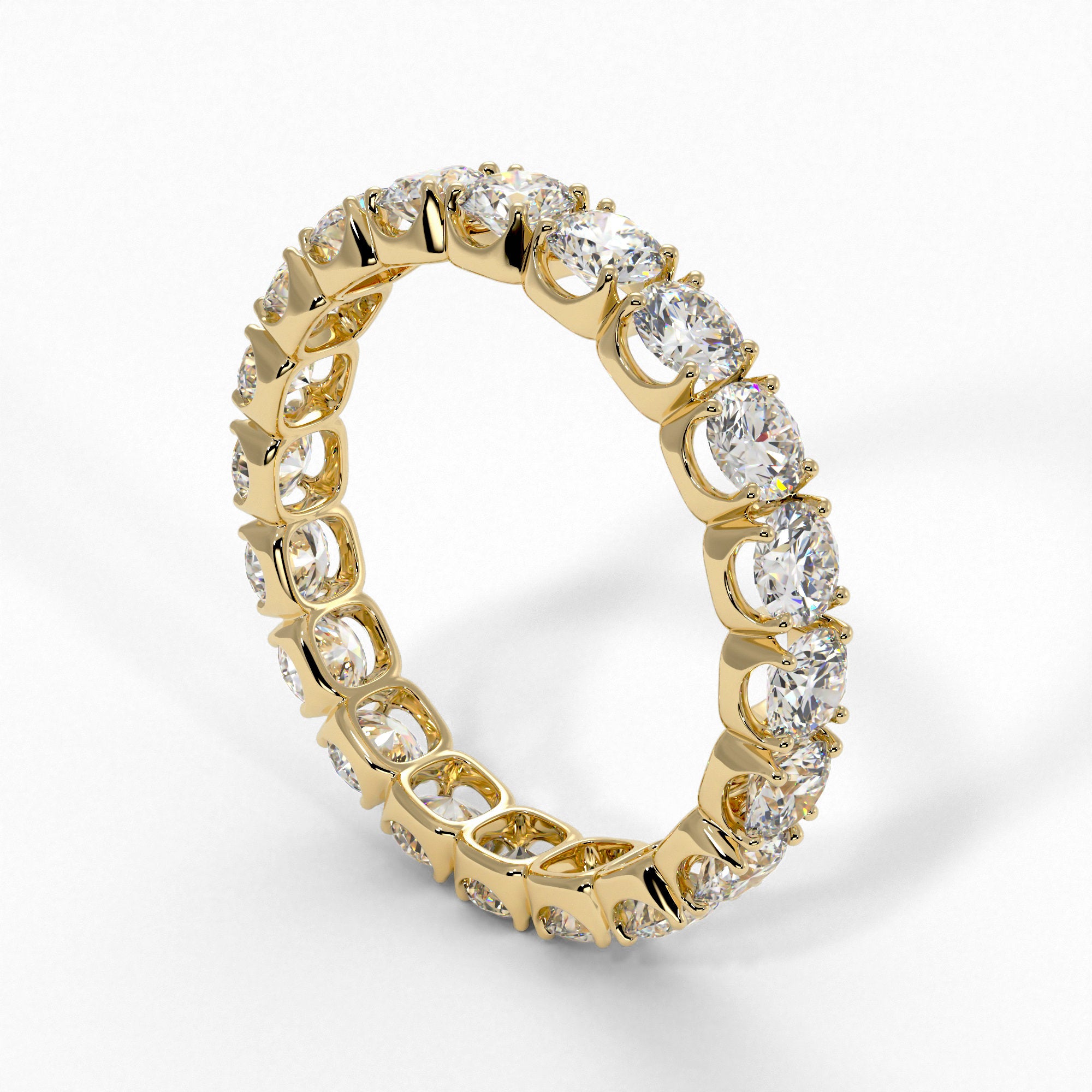
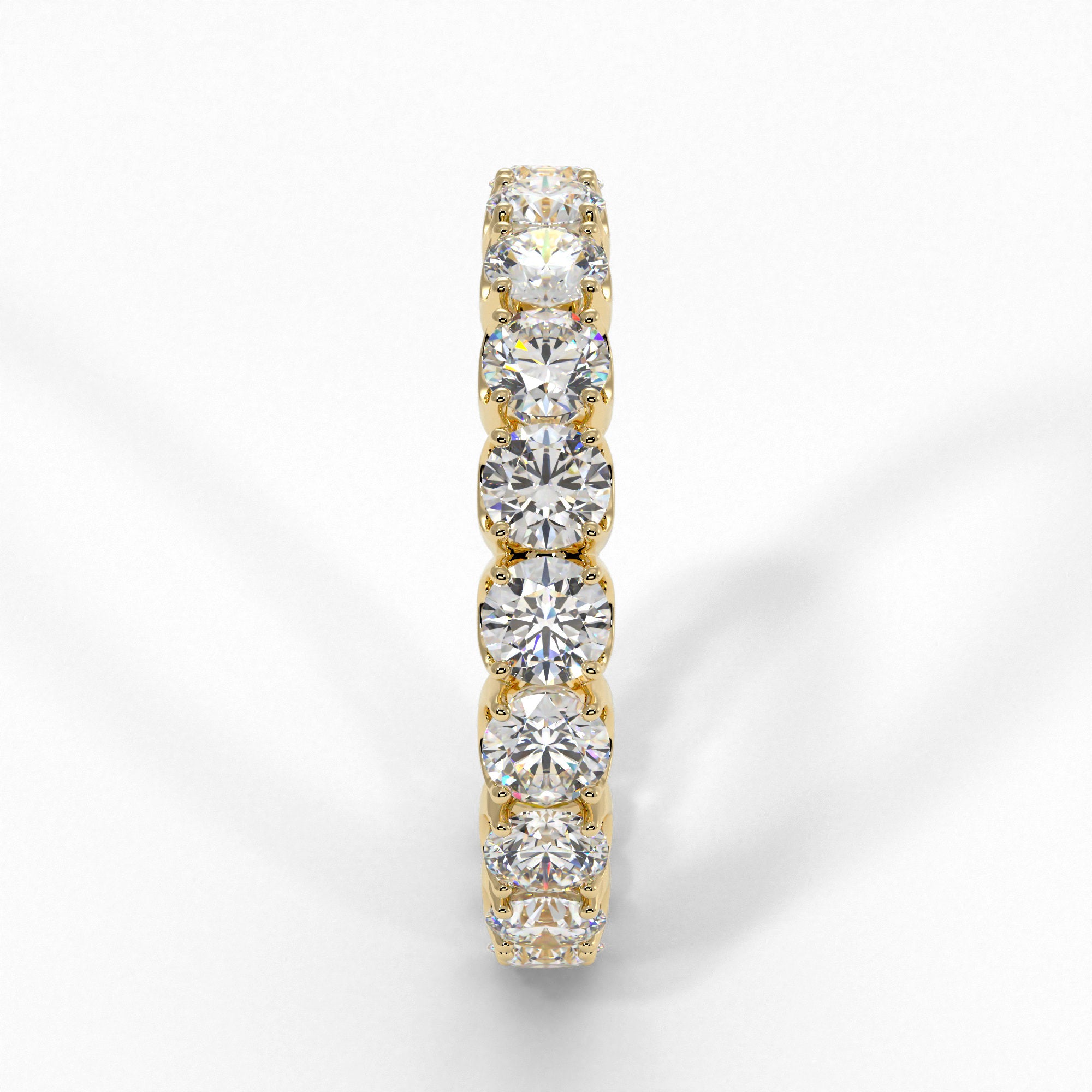
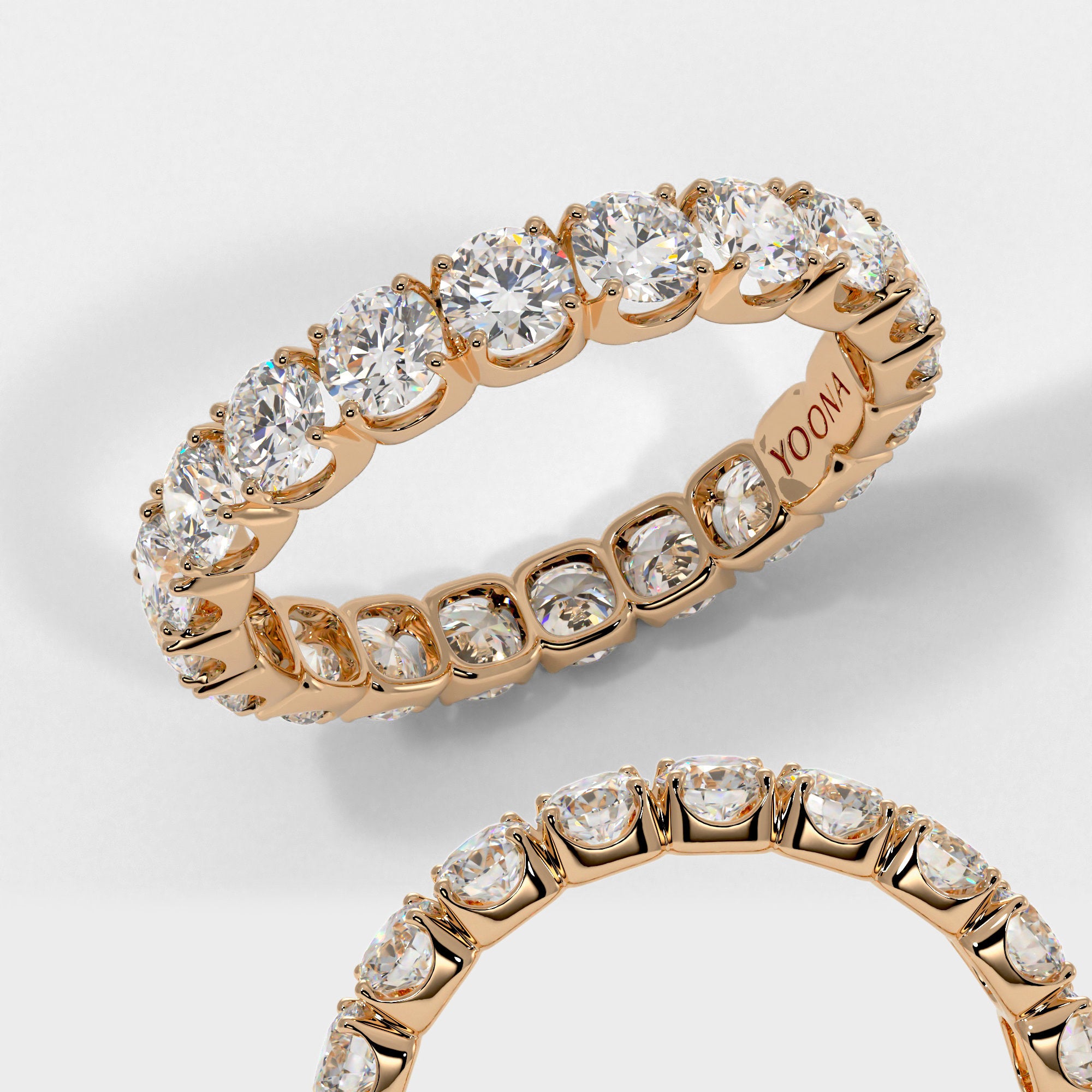
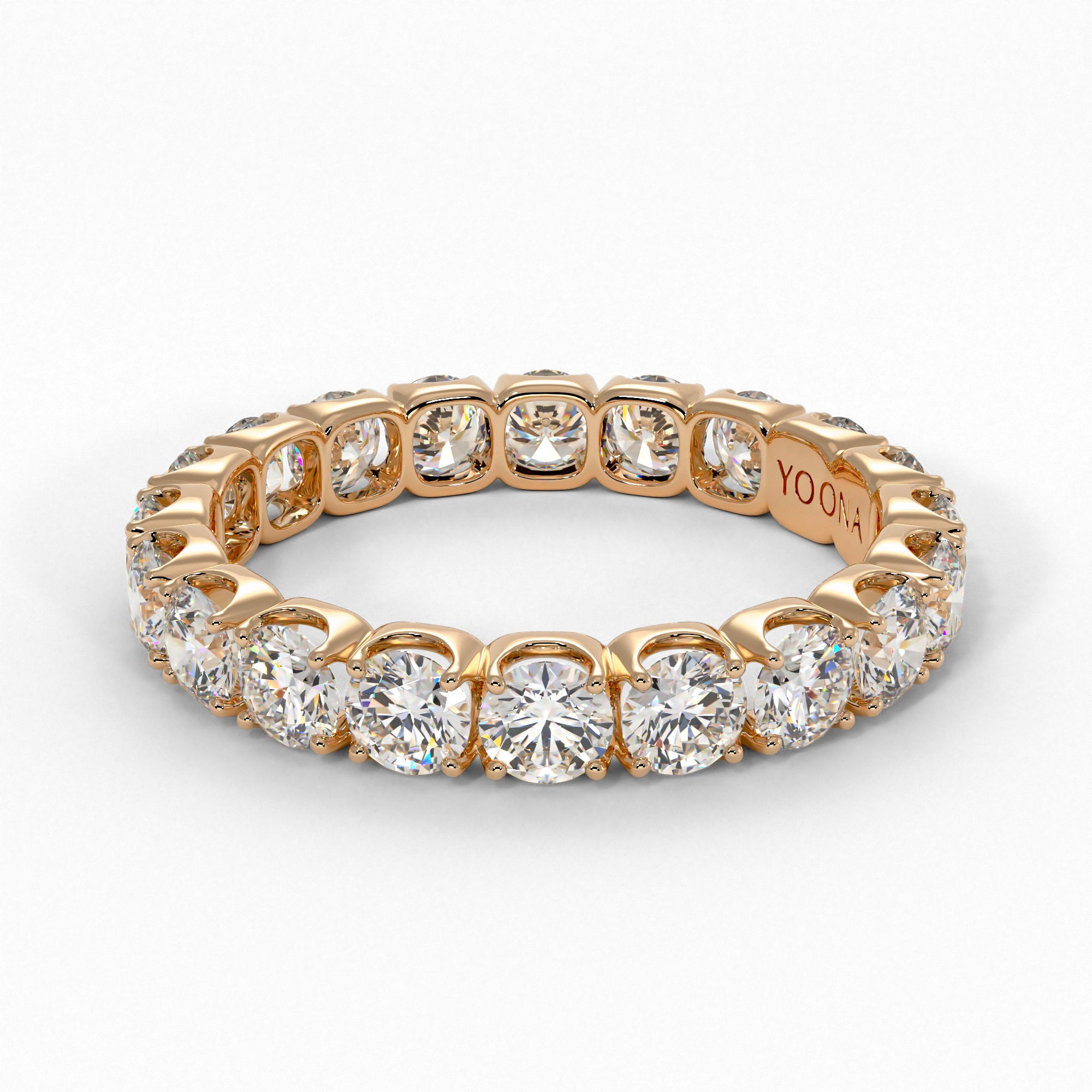
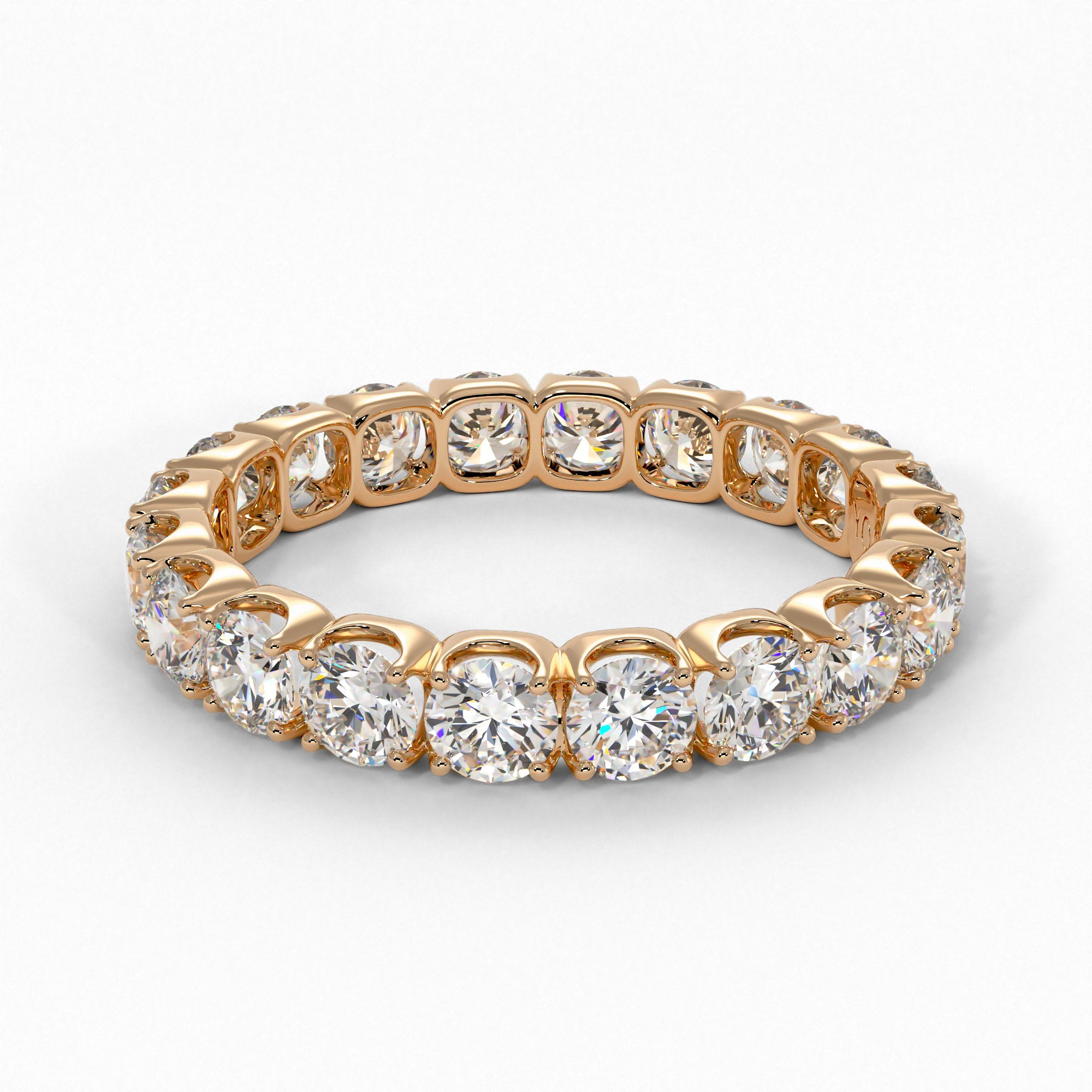
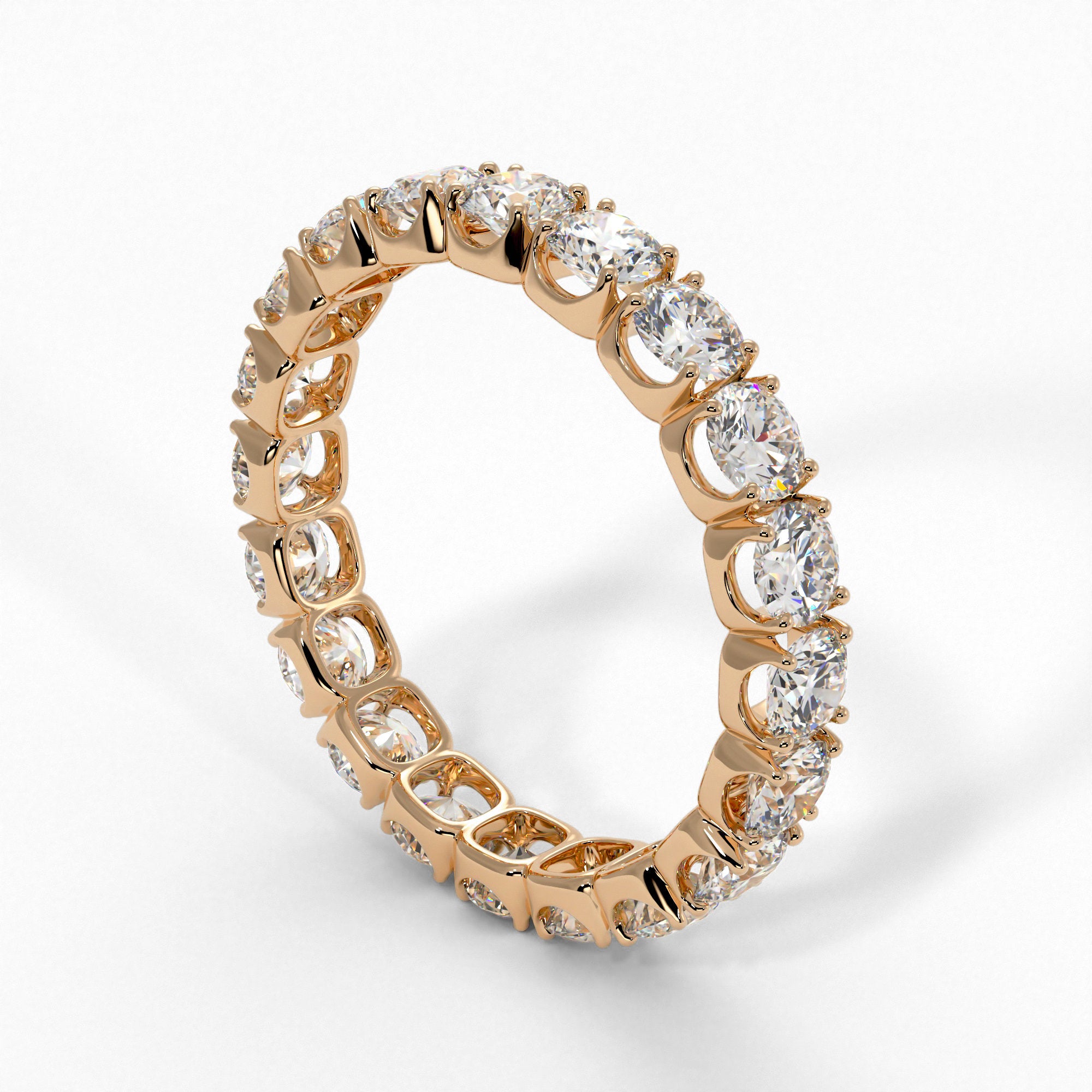
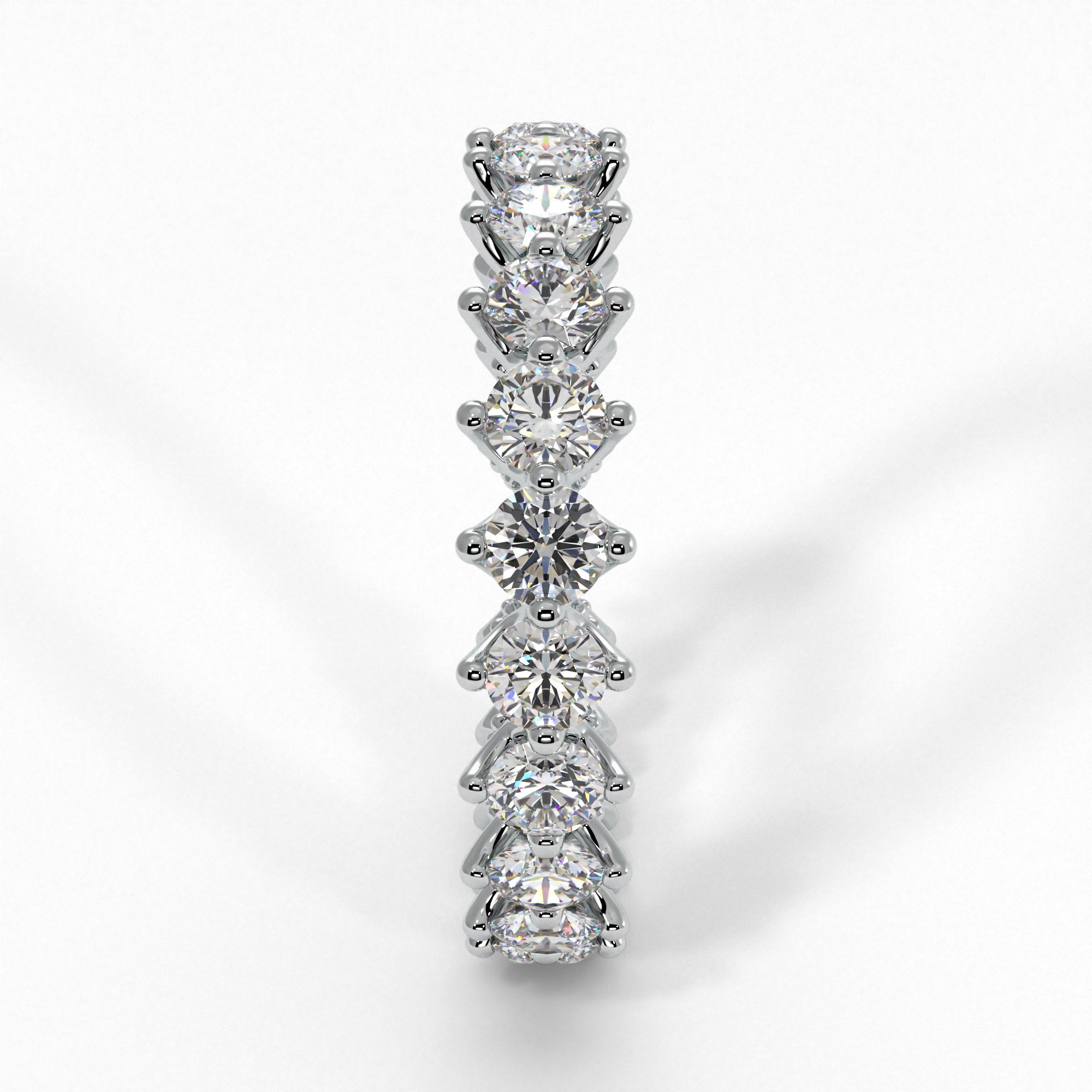
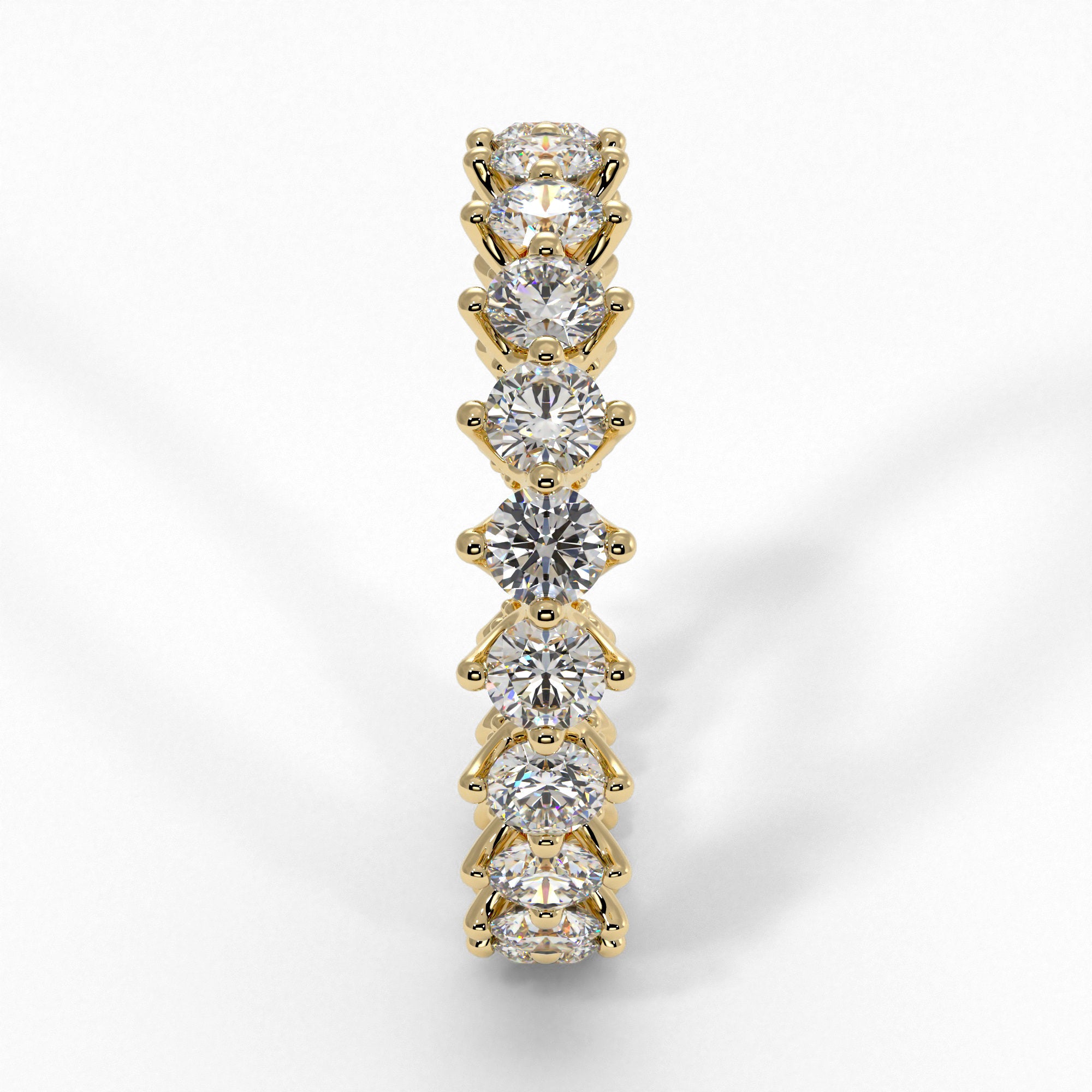
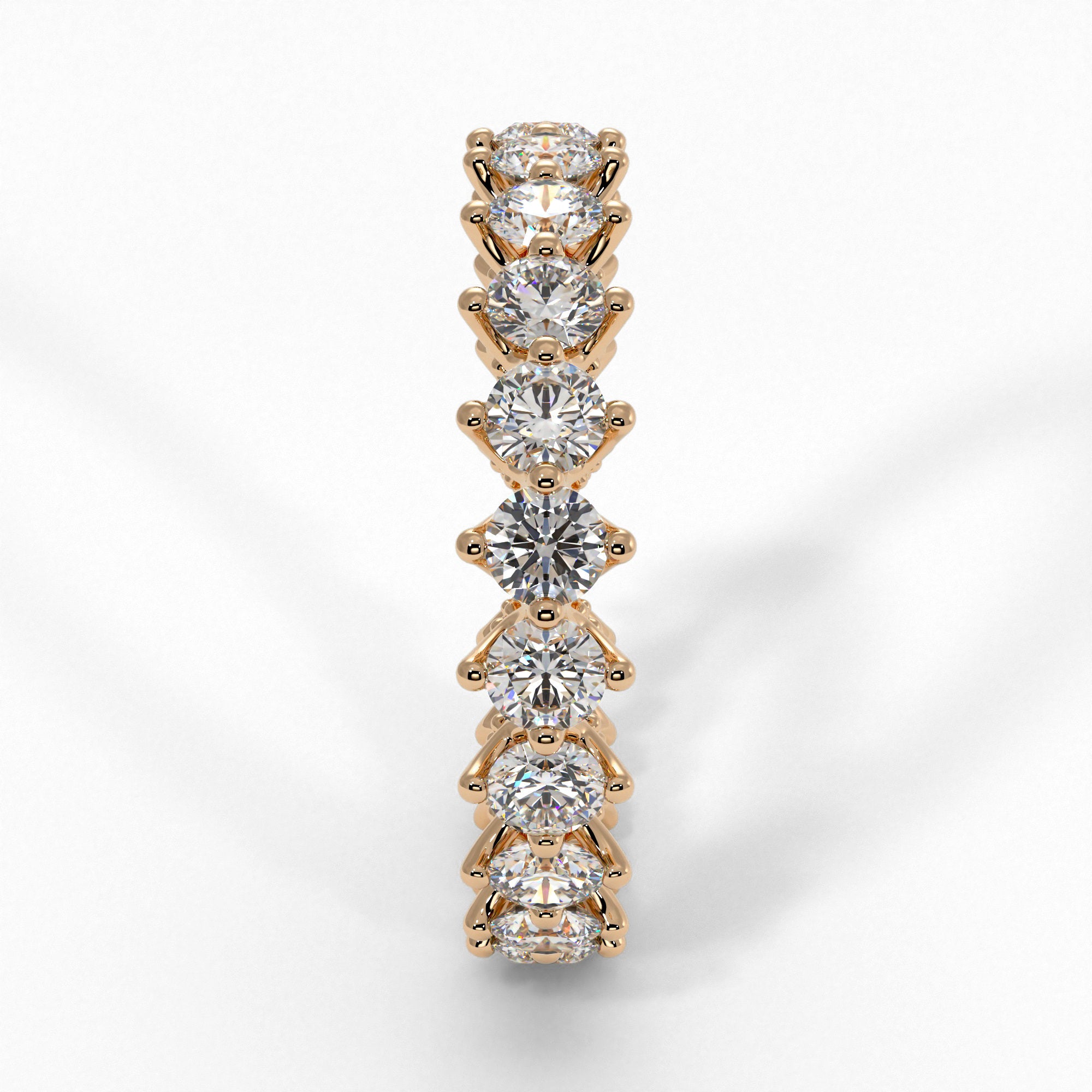
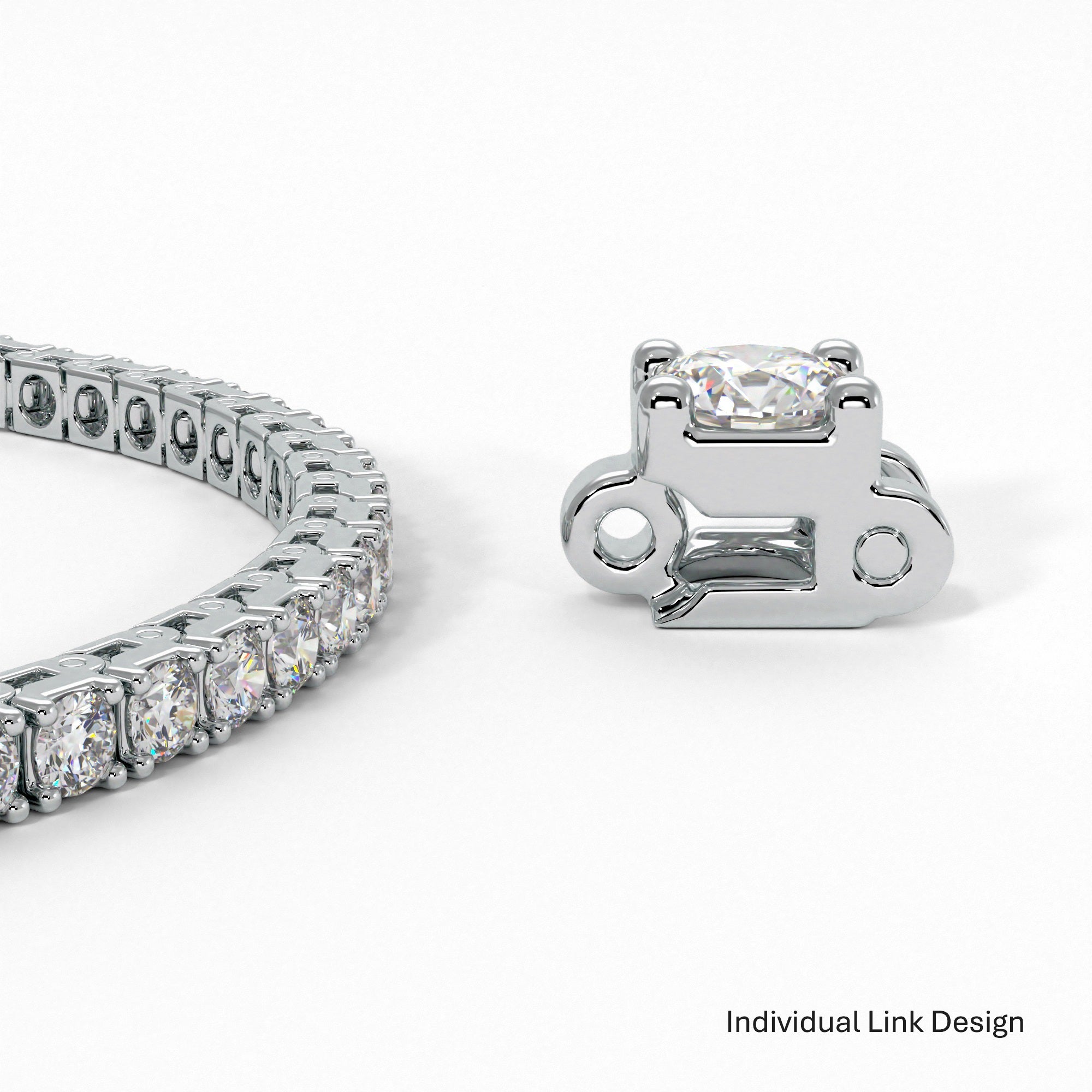
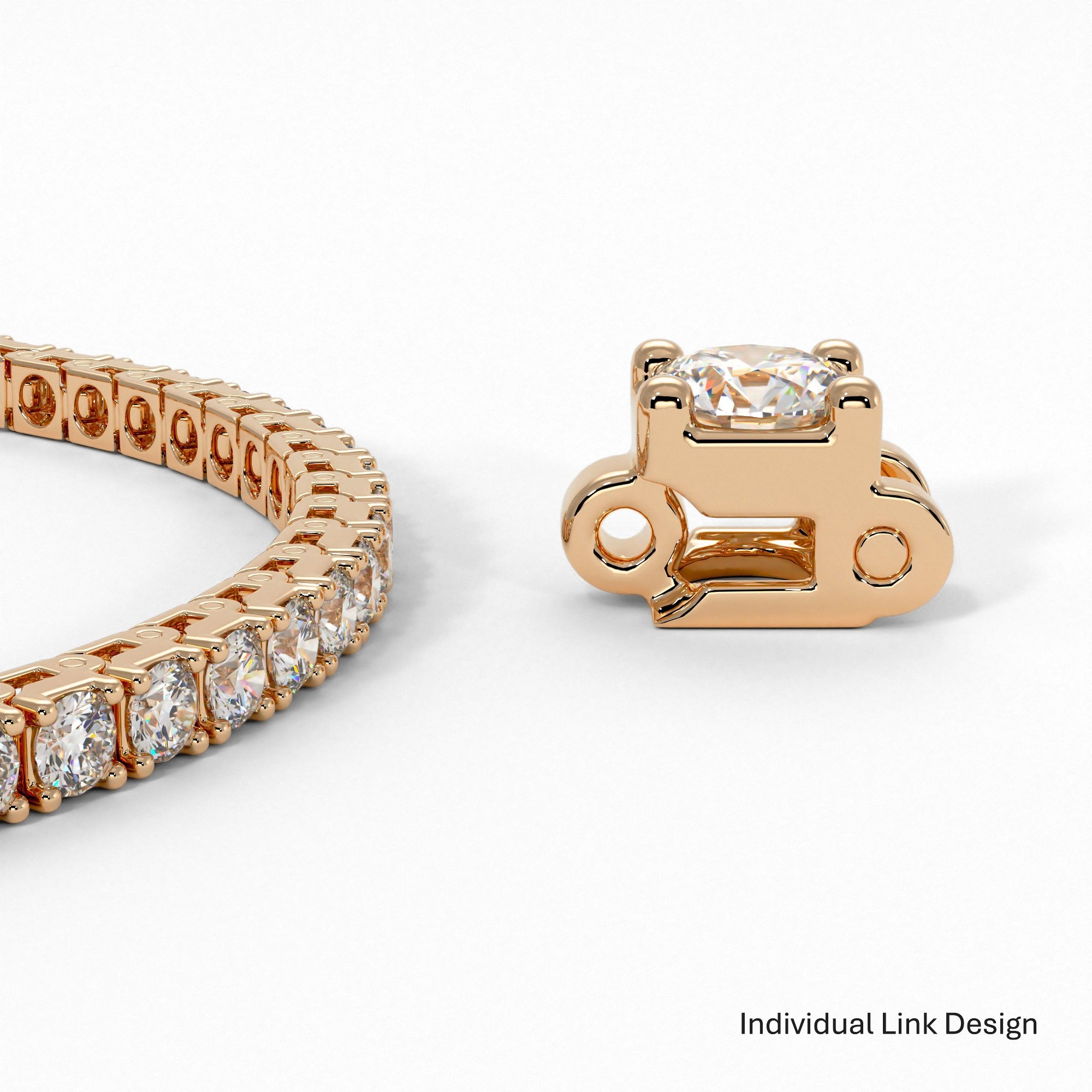
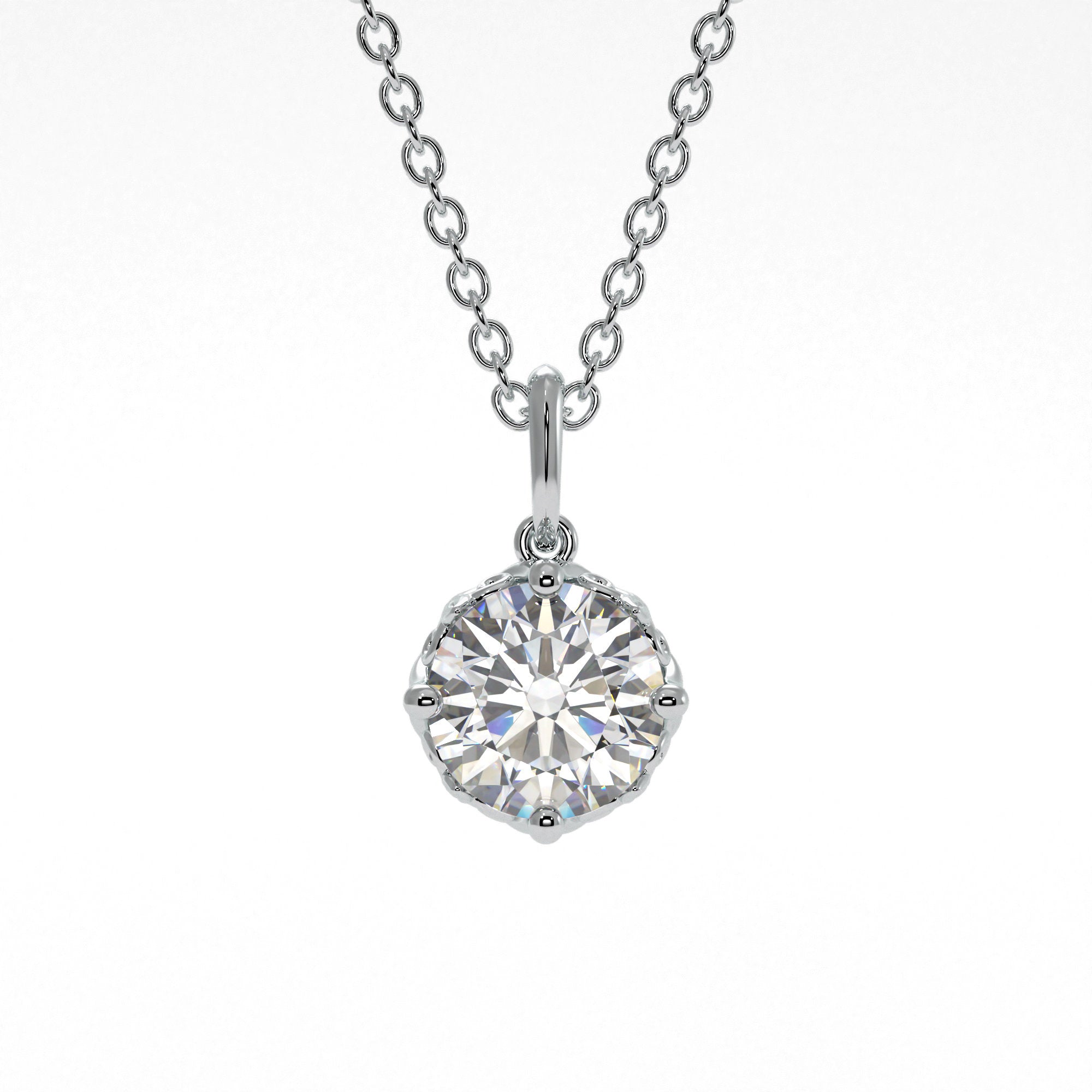
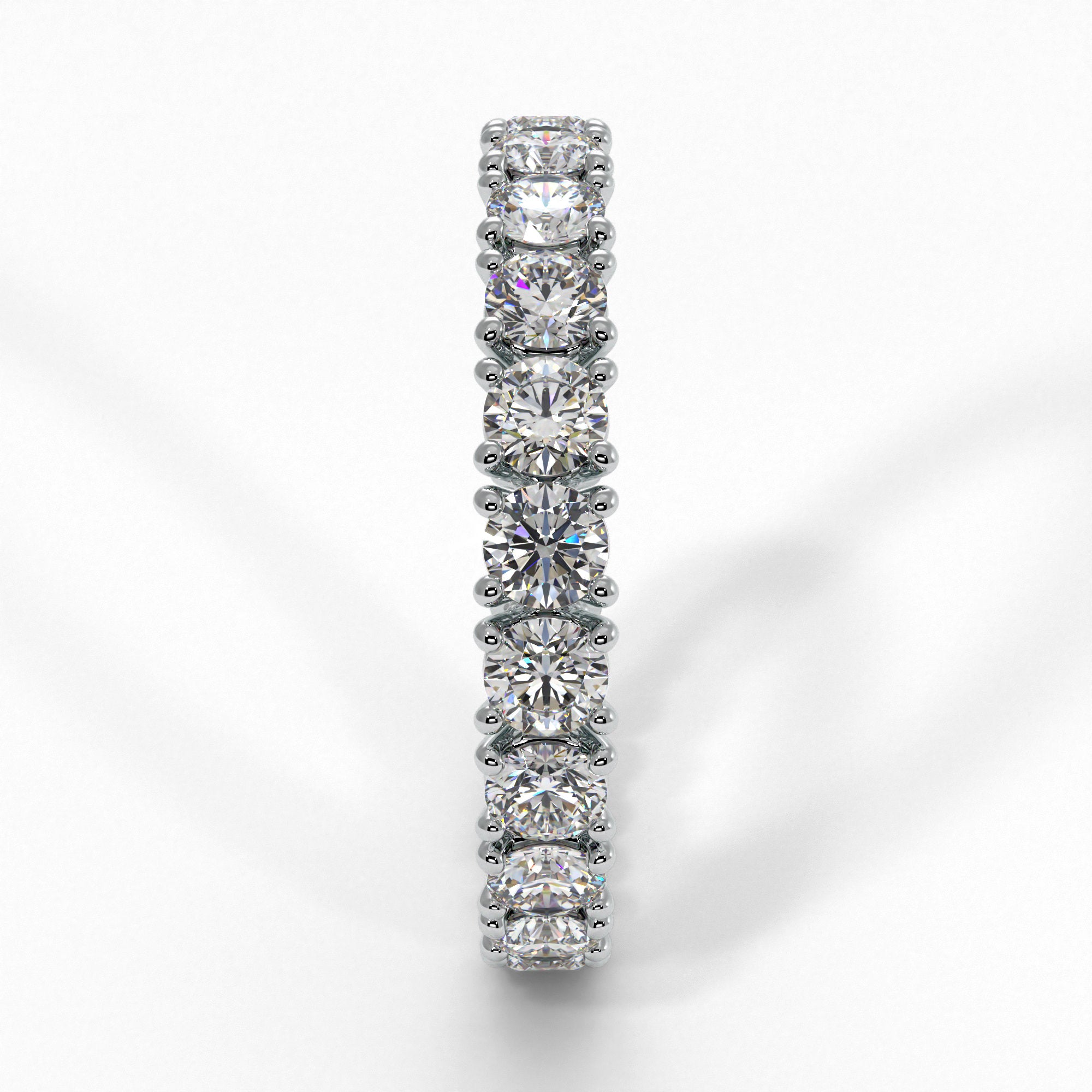
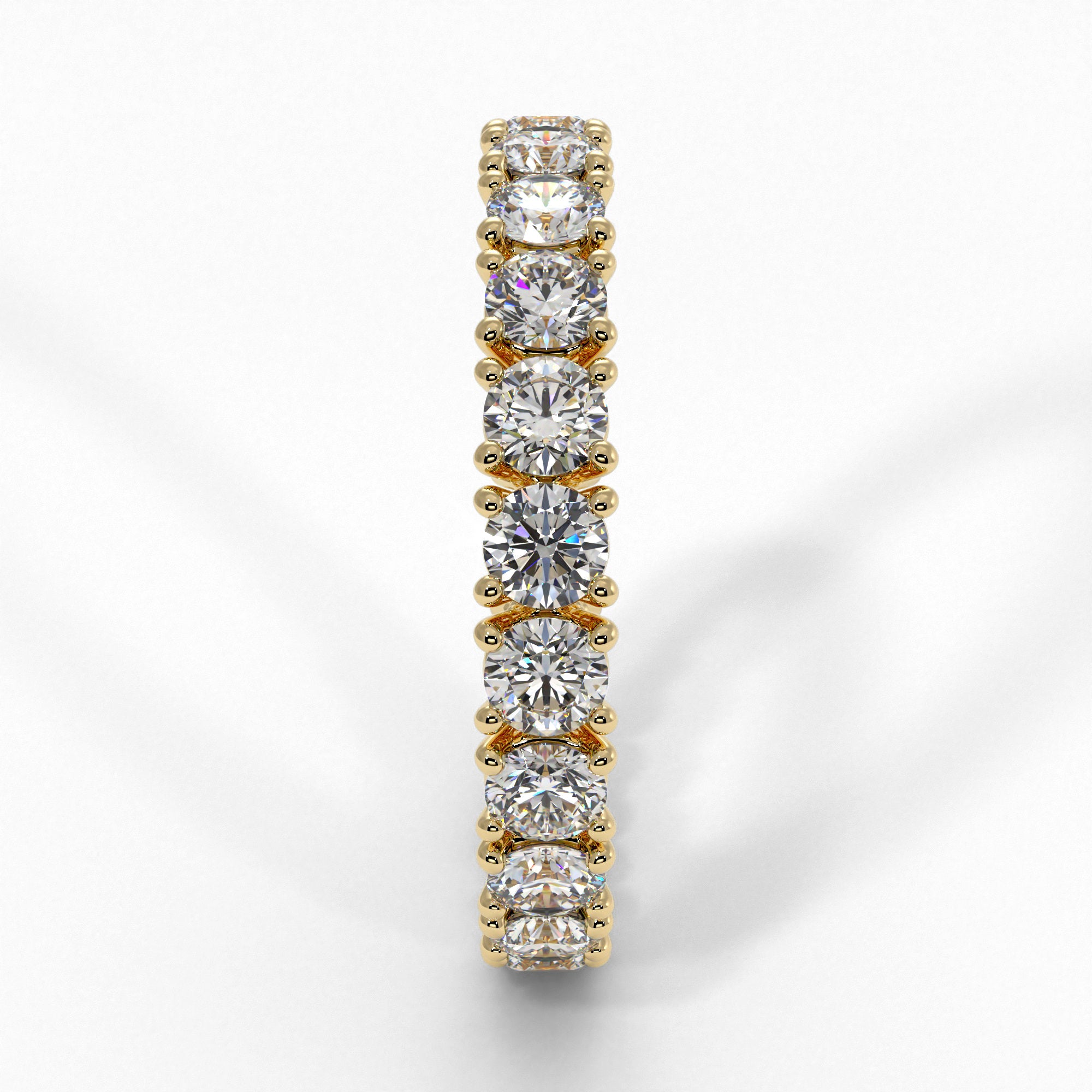
- Prong: Metal claws grip the stone, maximizing light exposure and brilliance.
- Bezel: A continuous metal rim surrounds the stone, offering excellent security and a low-profile, snag-free wear.
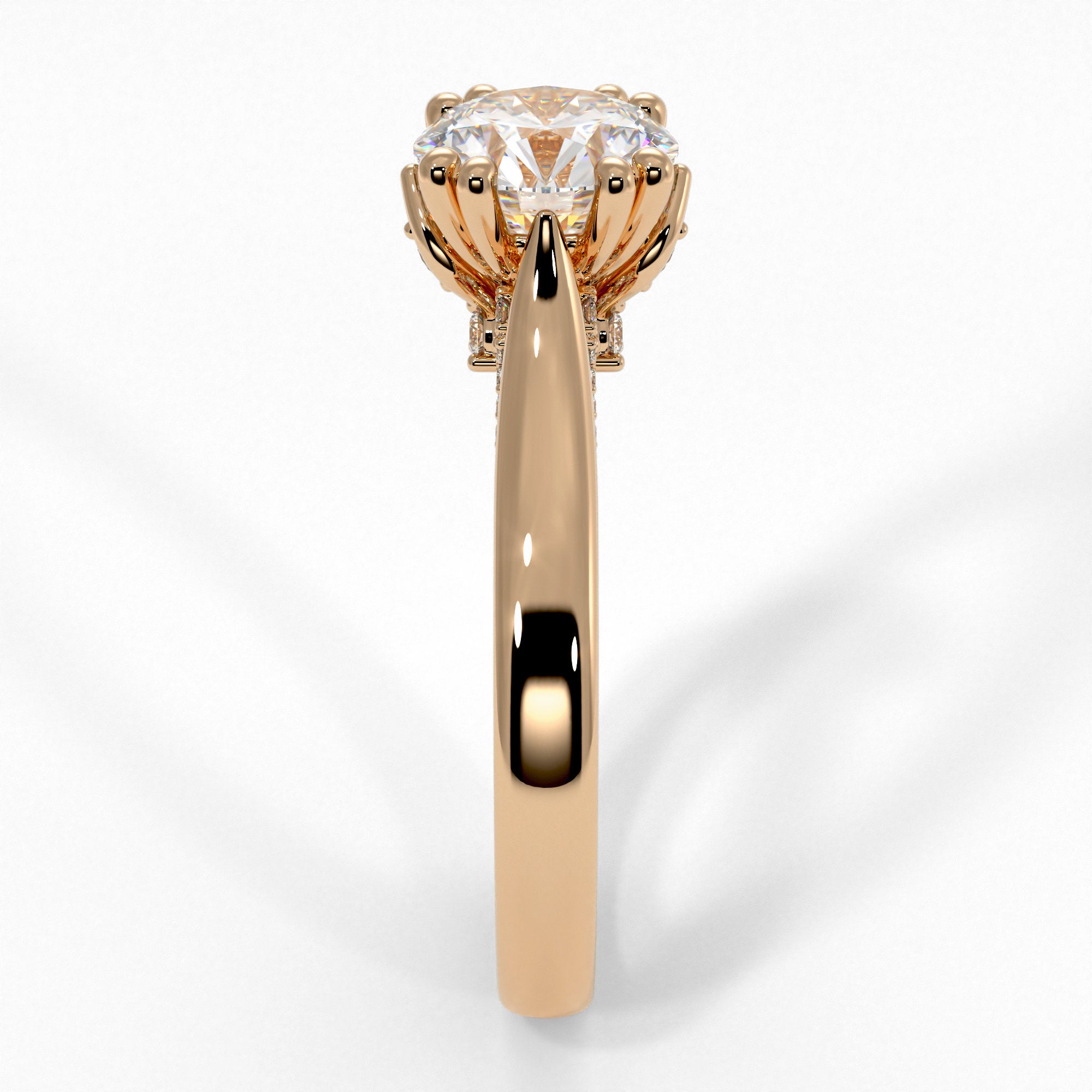
- Cathedral: Arched metal supports raise the stone, adding height and a vintage-influenced silhouette.
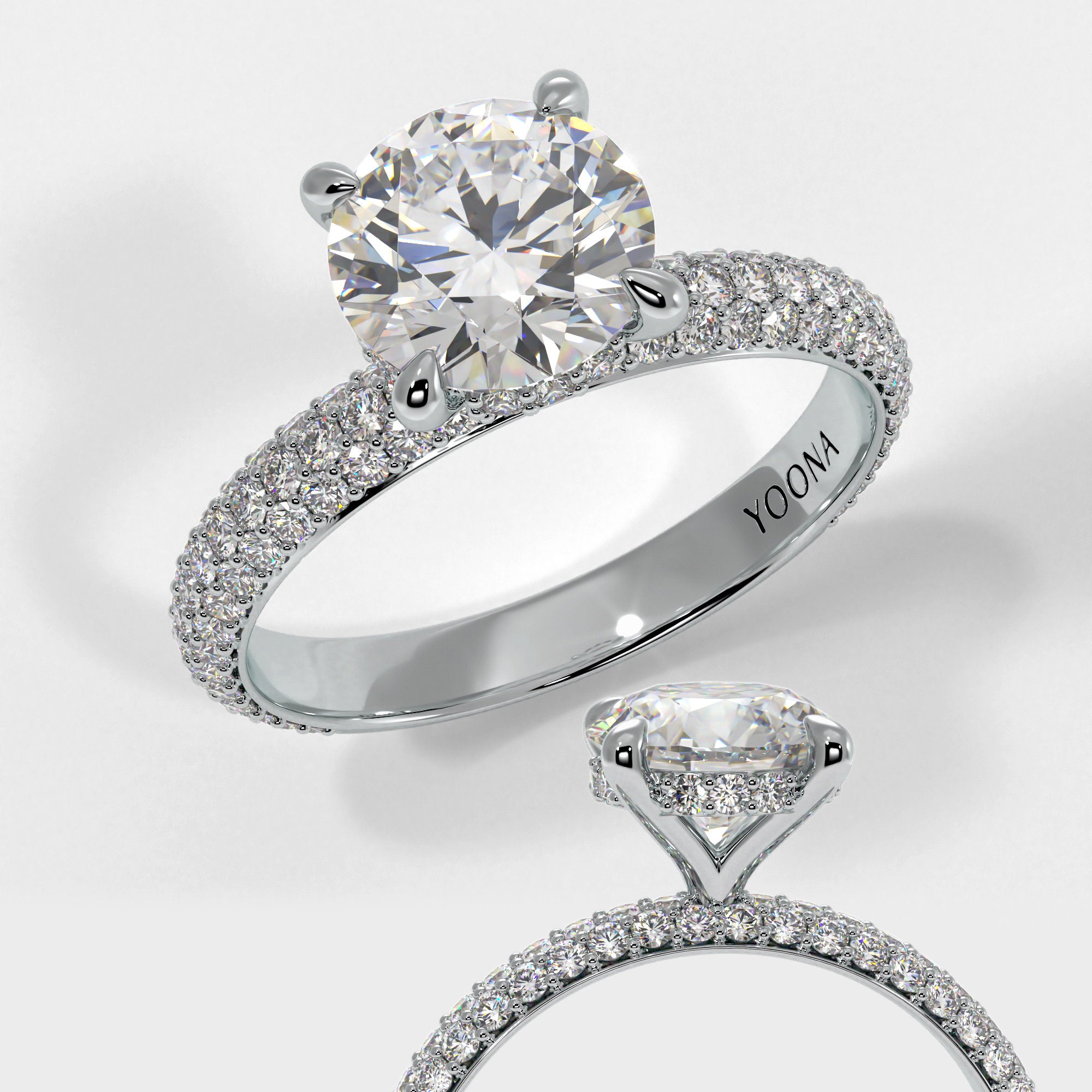
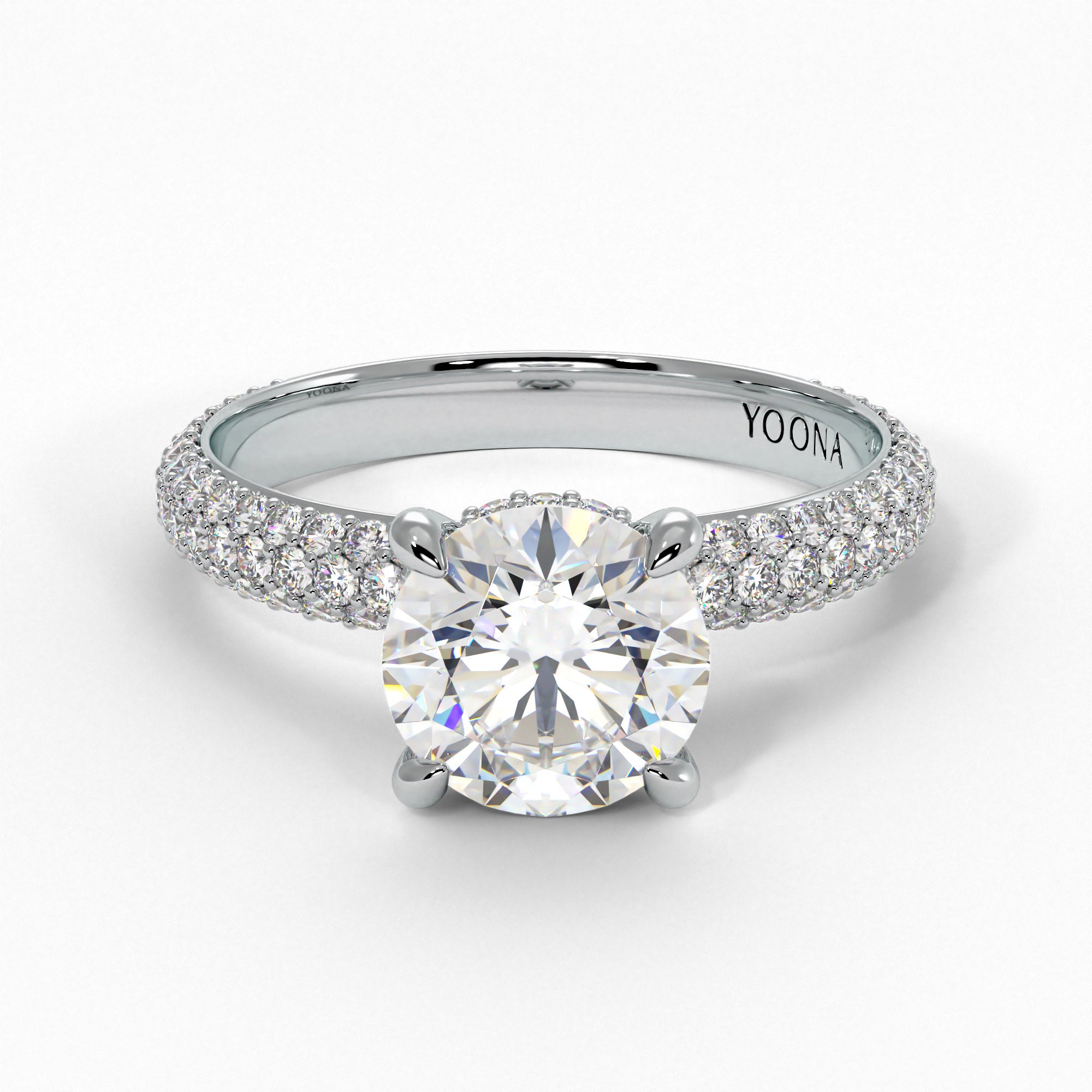
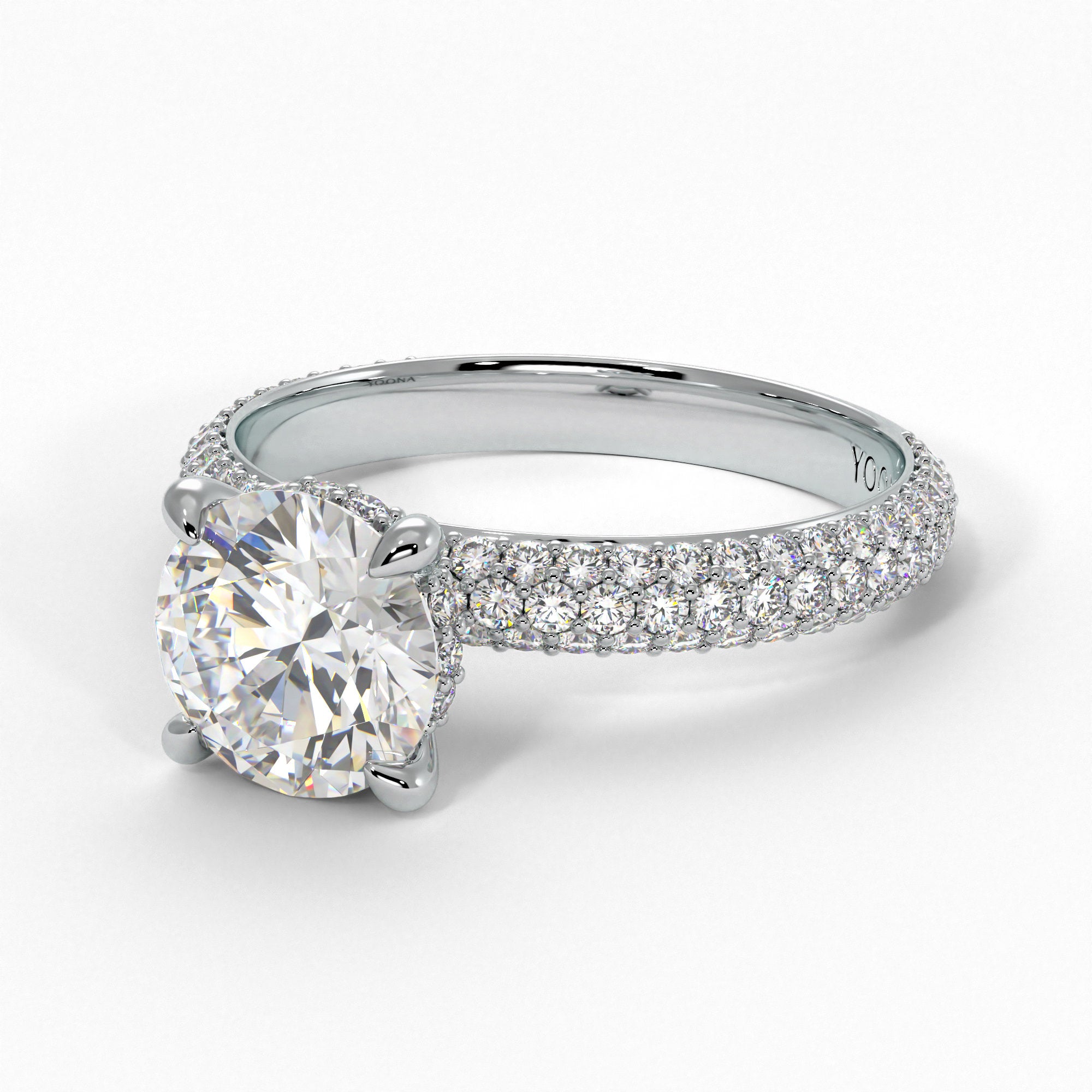
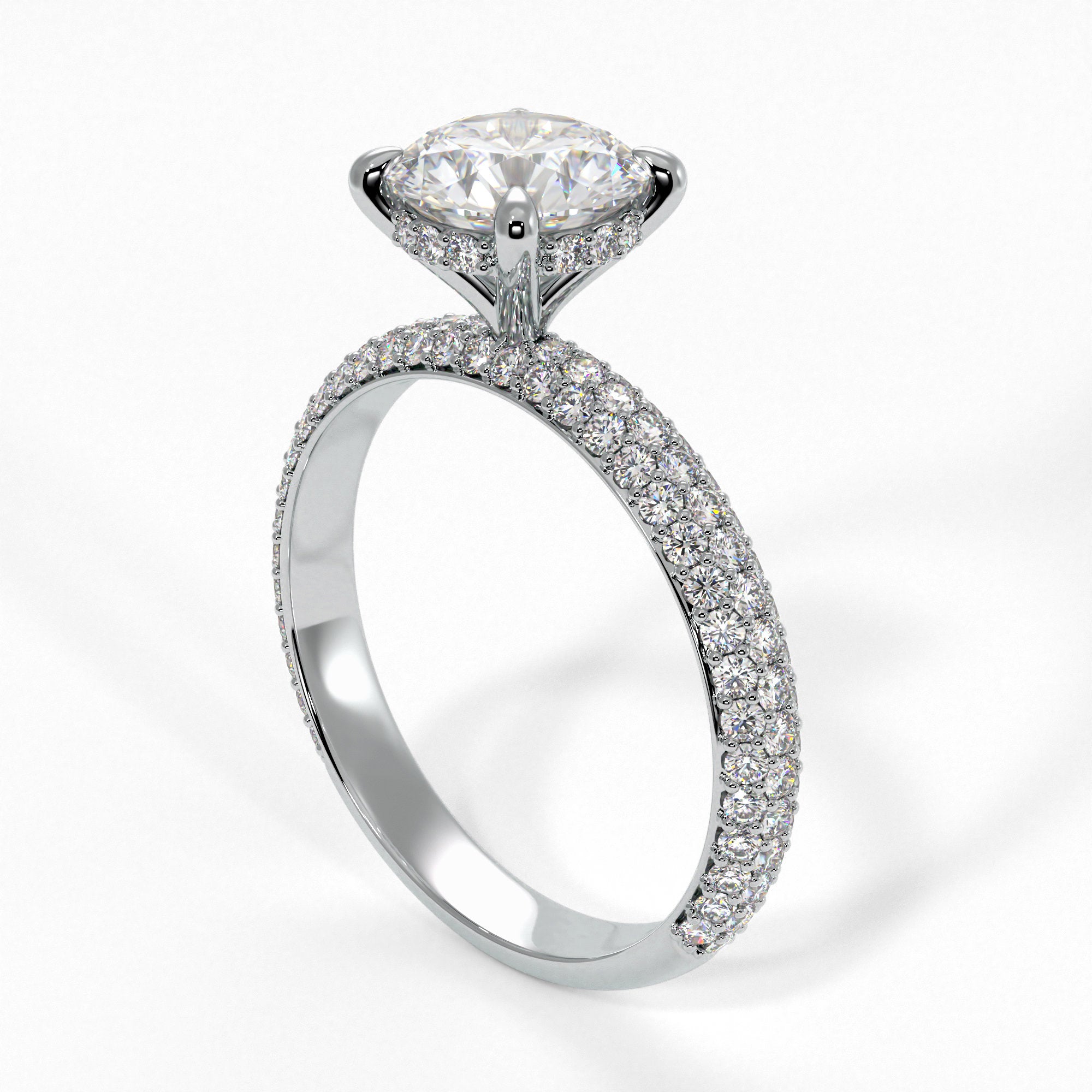
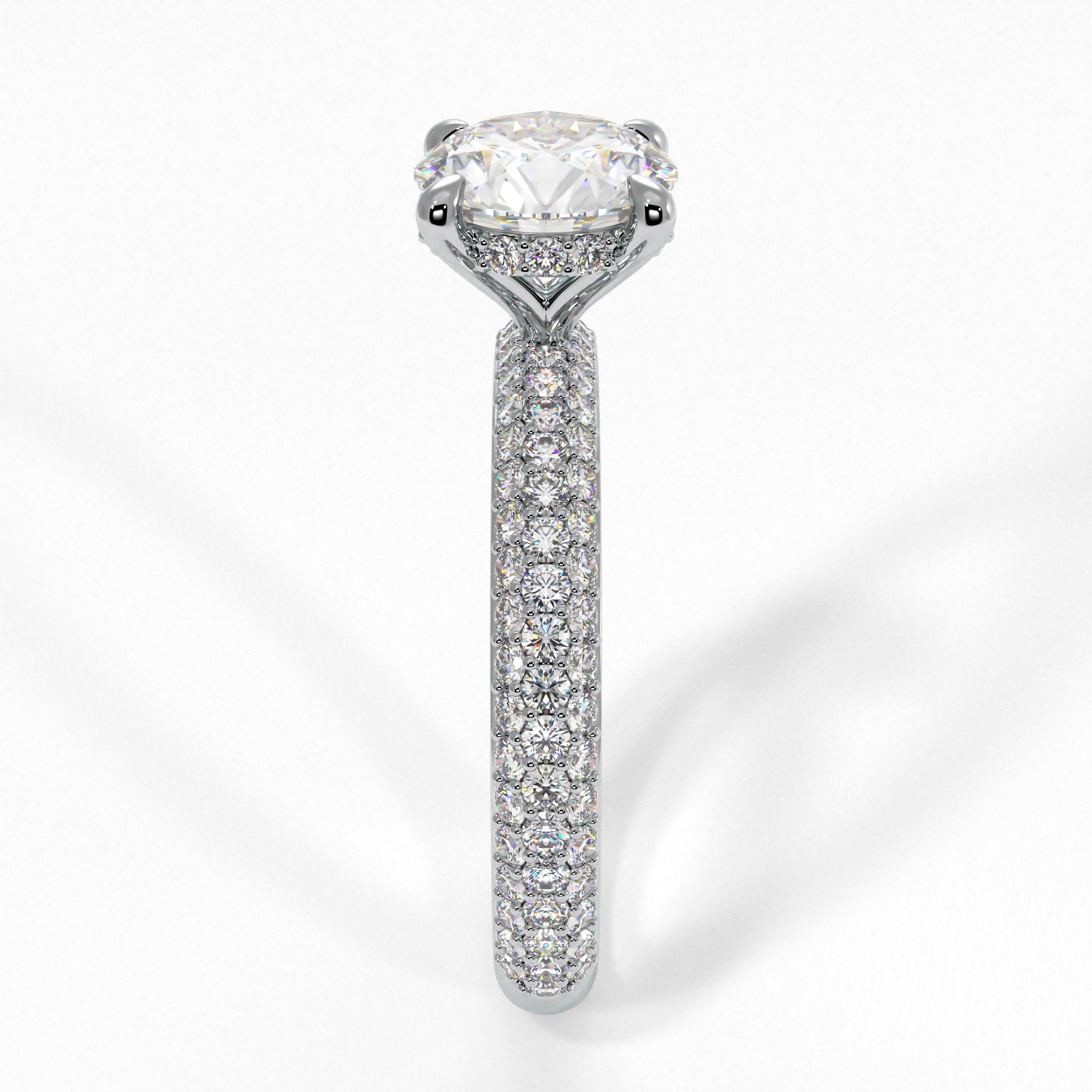
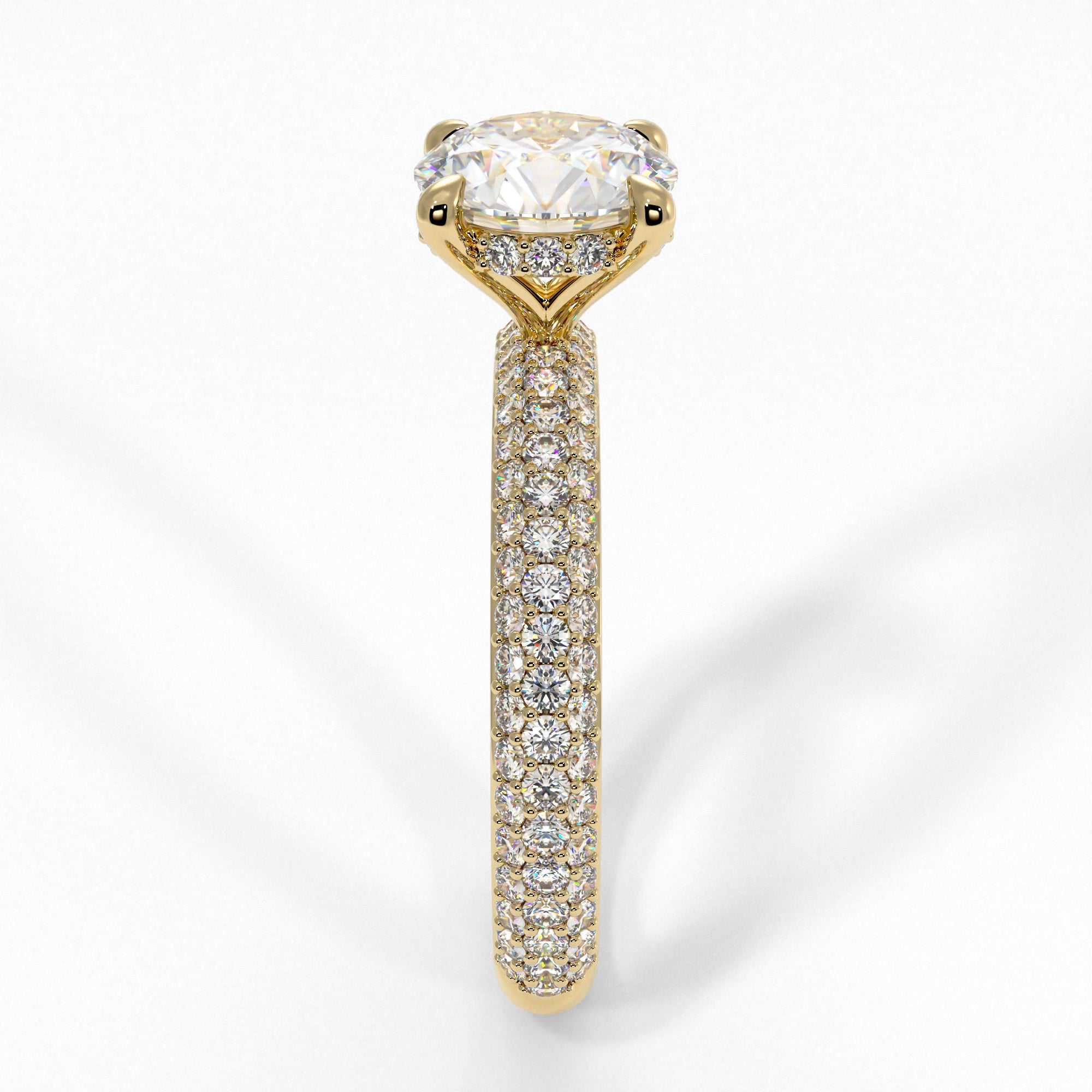
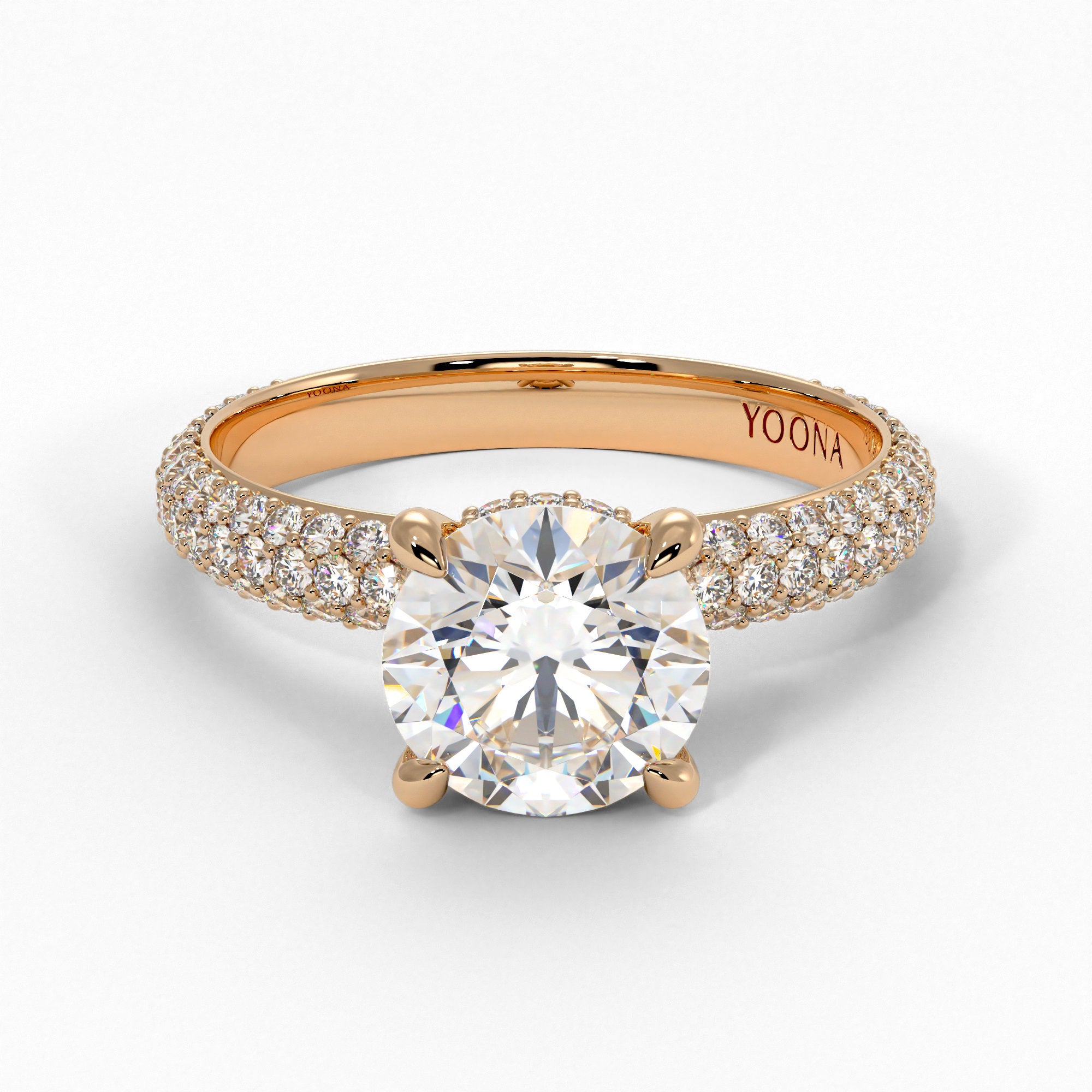
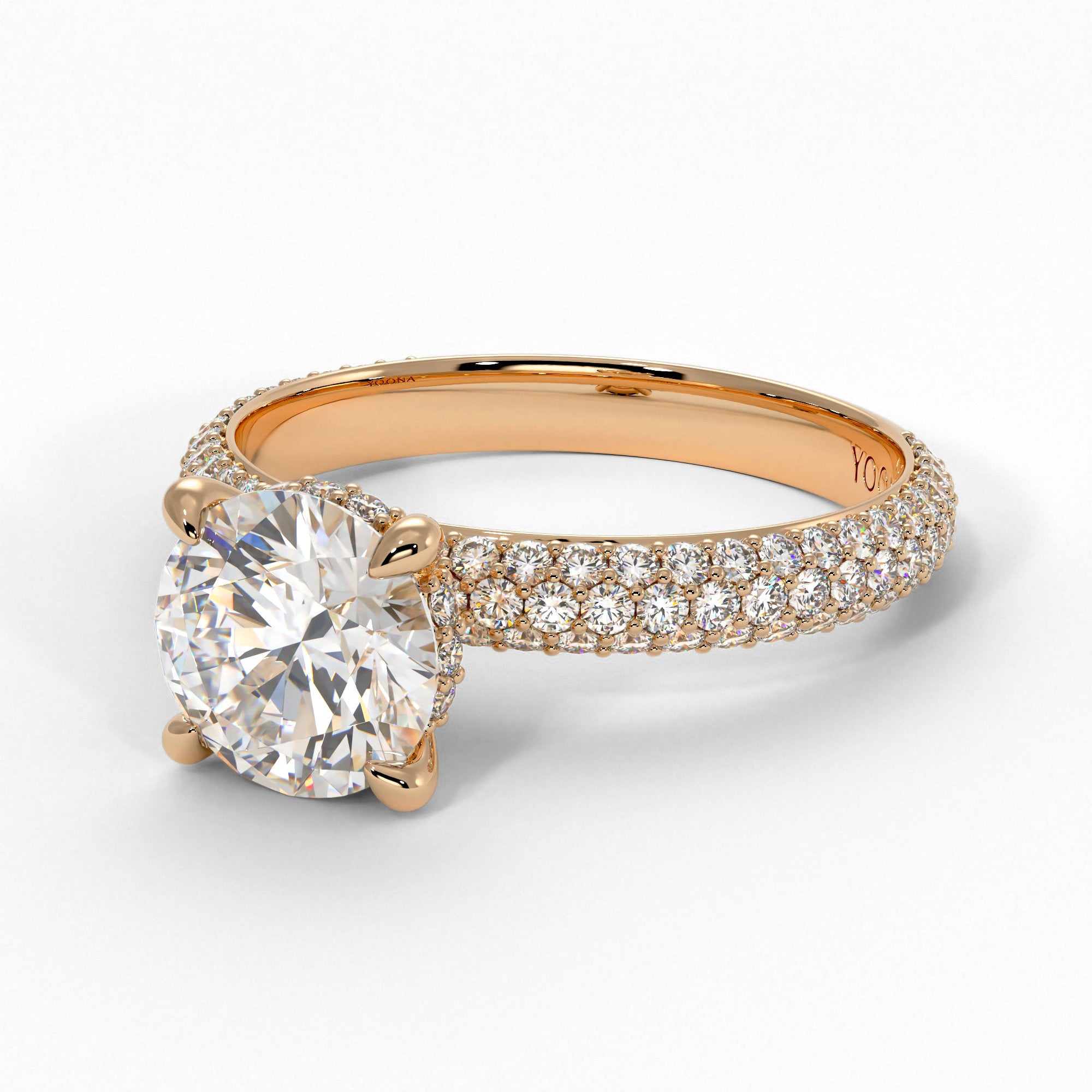
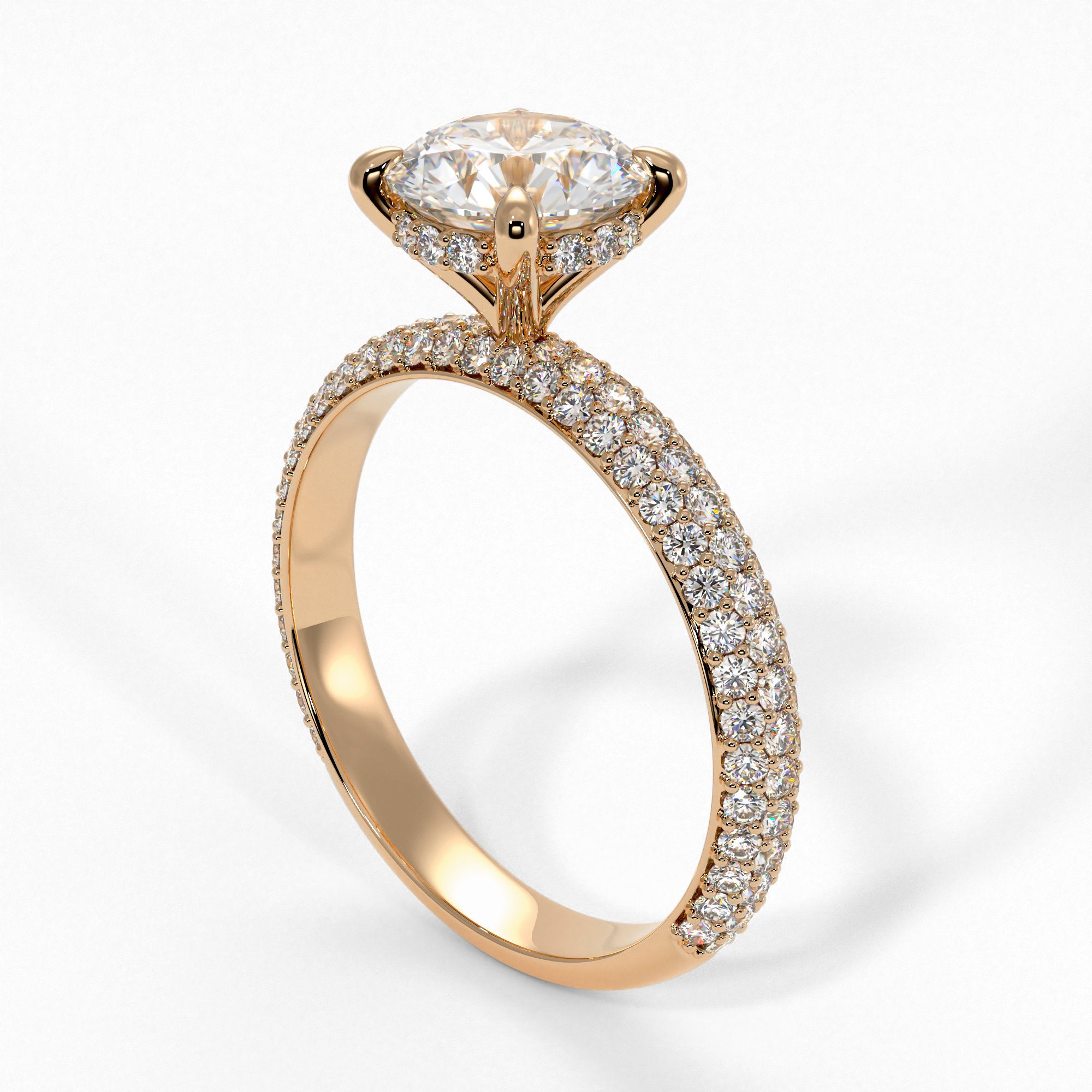
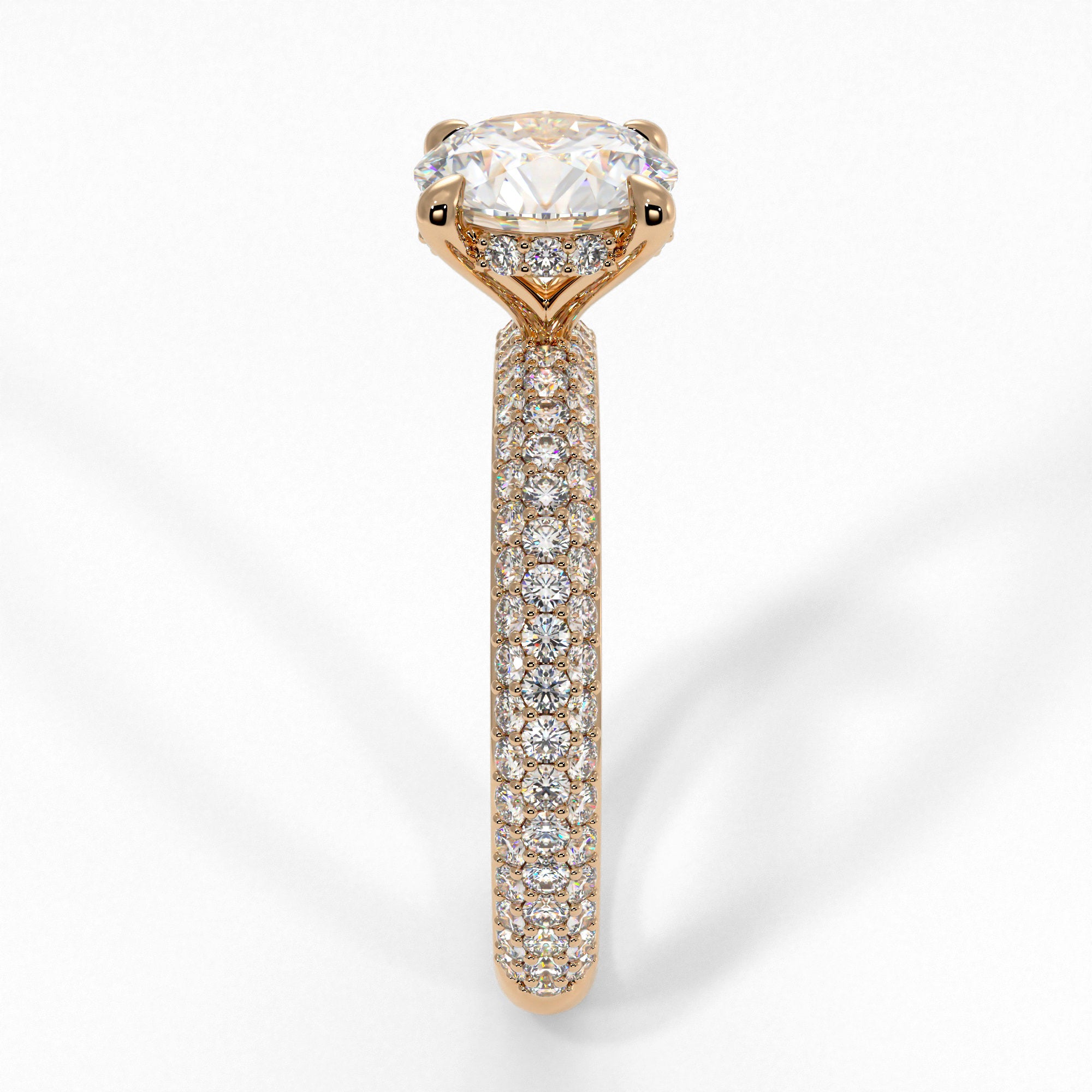
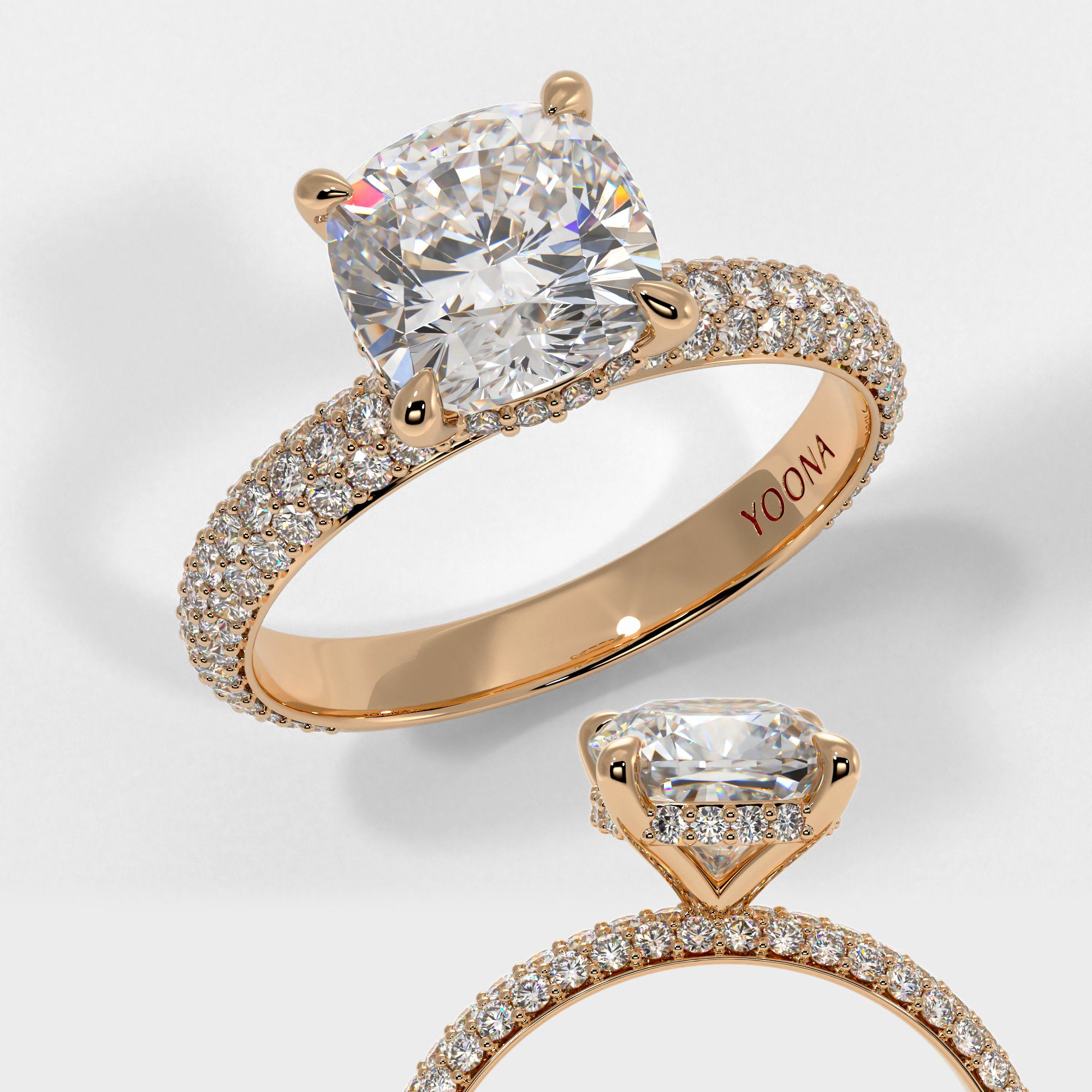
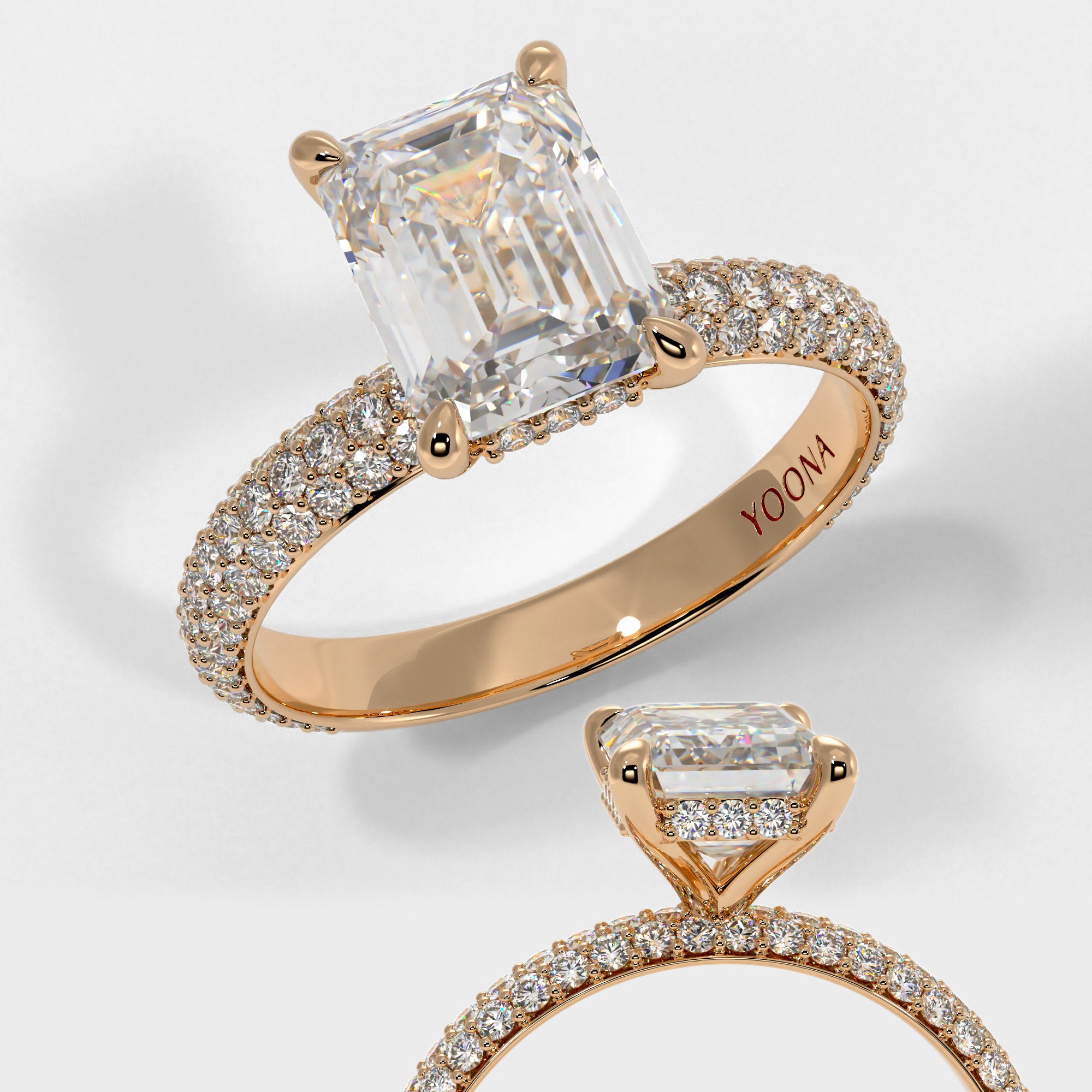
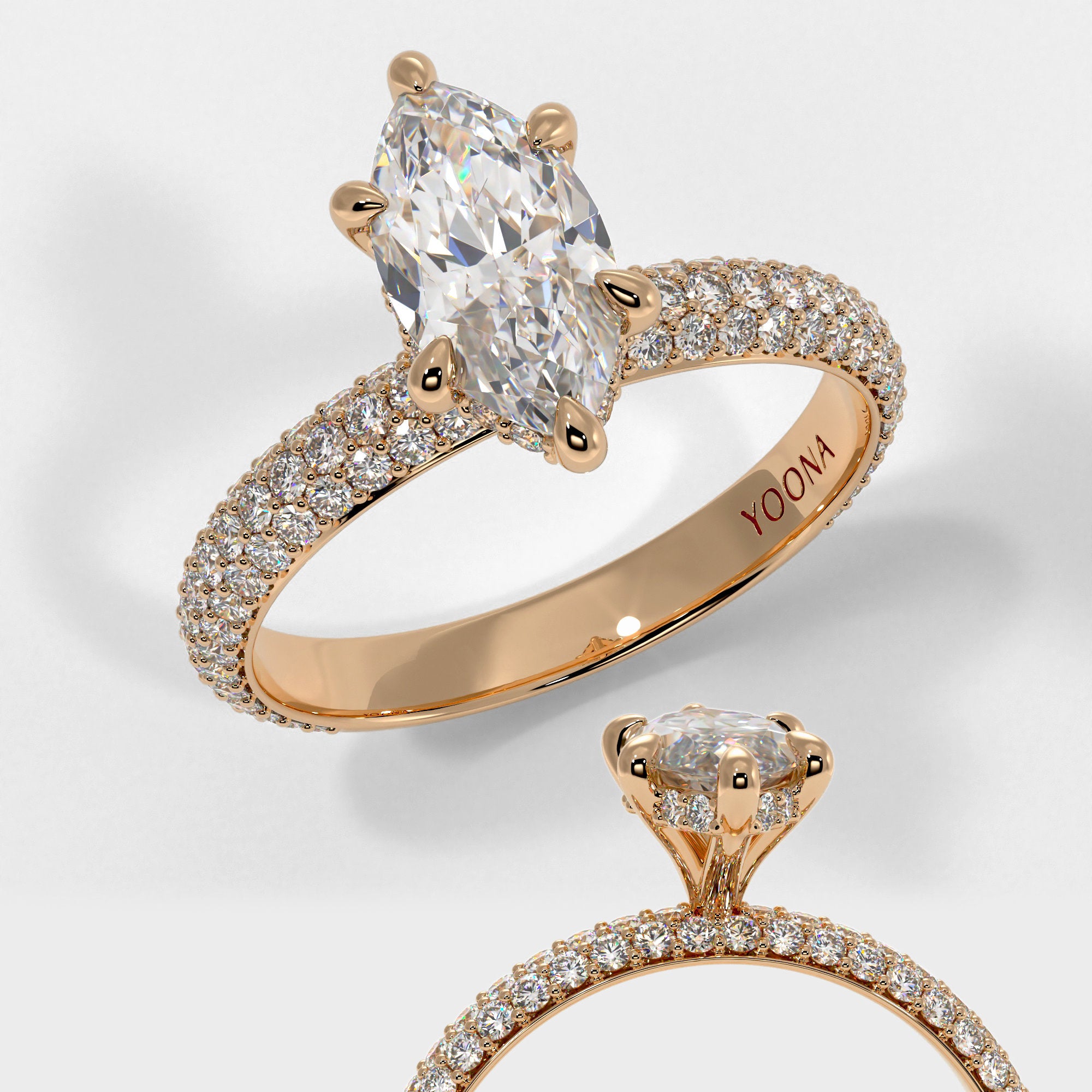
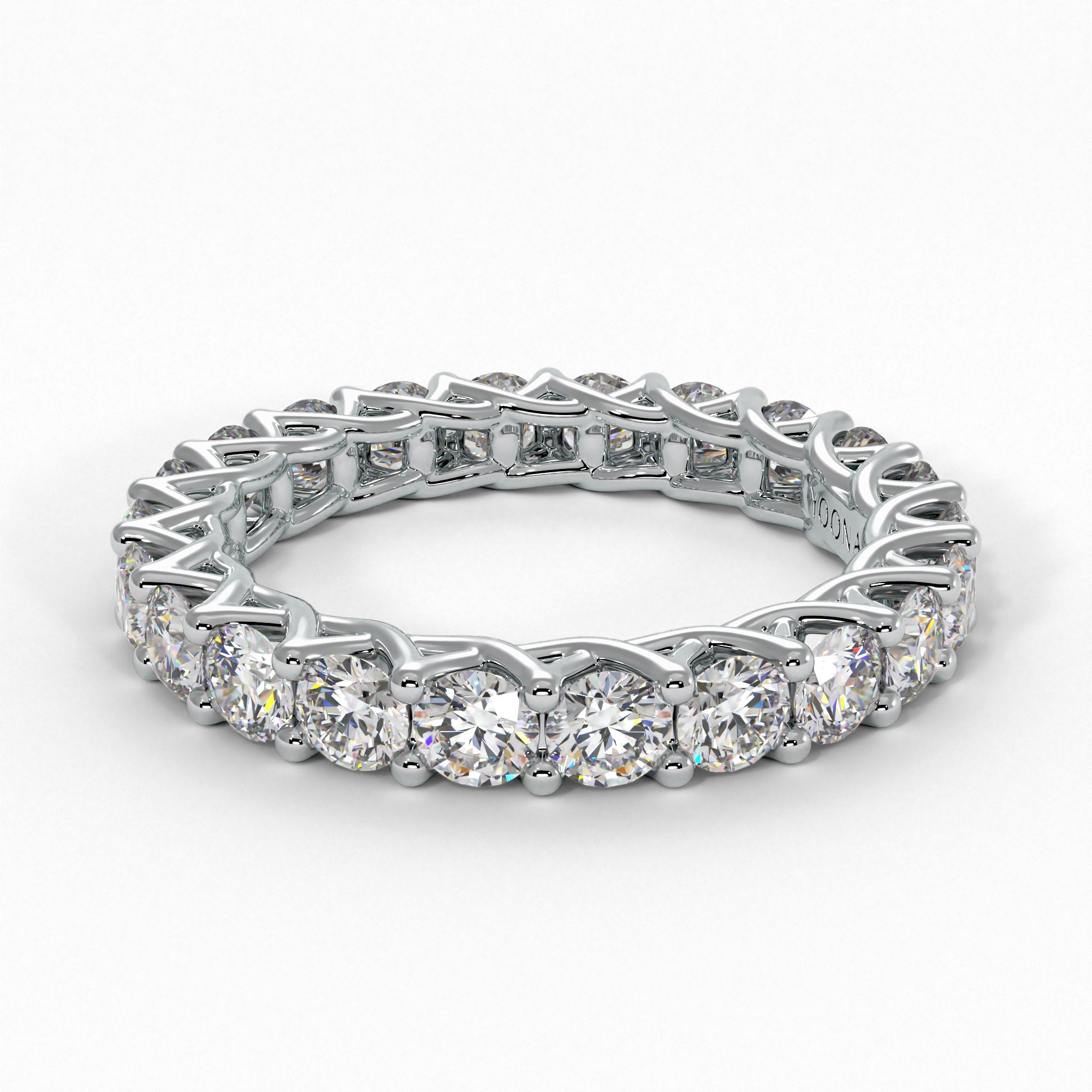
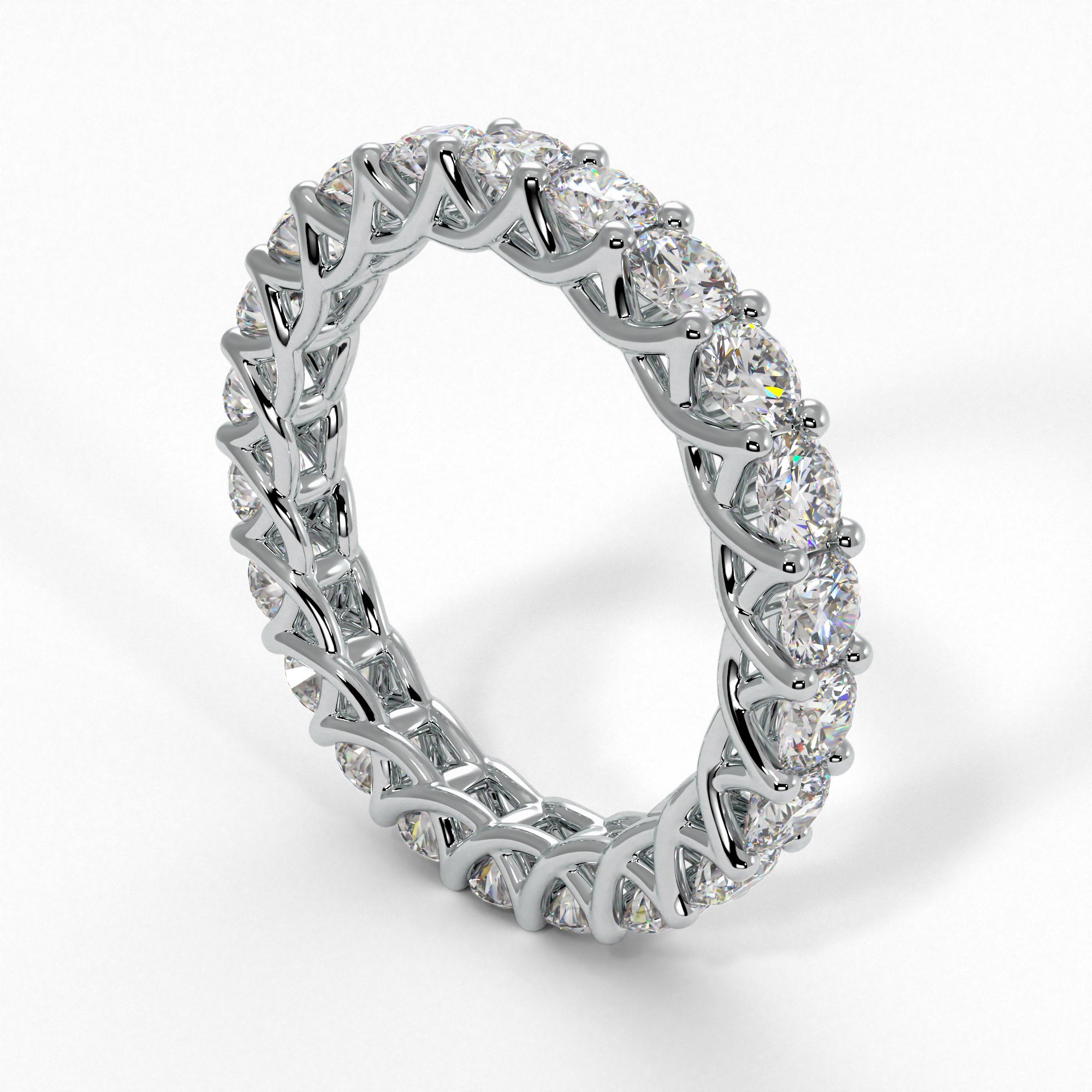
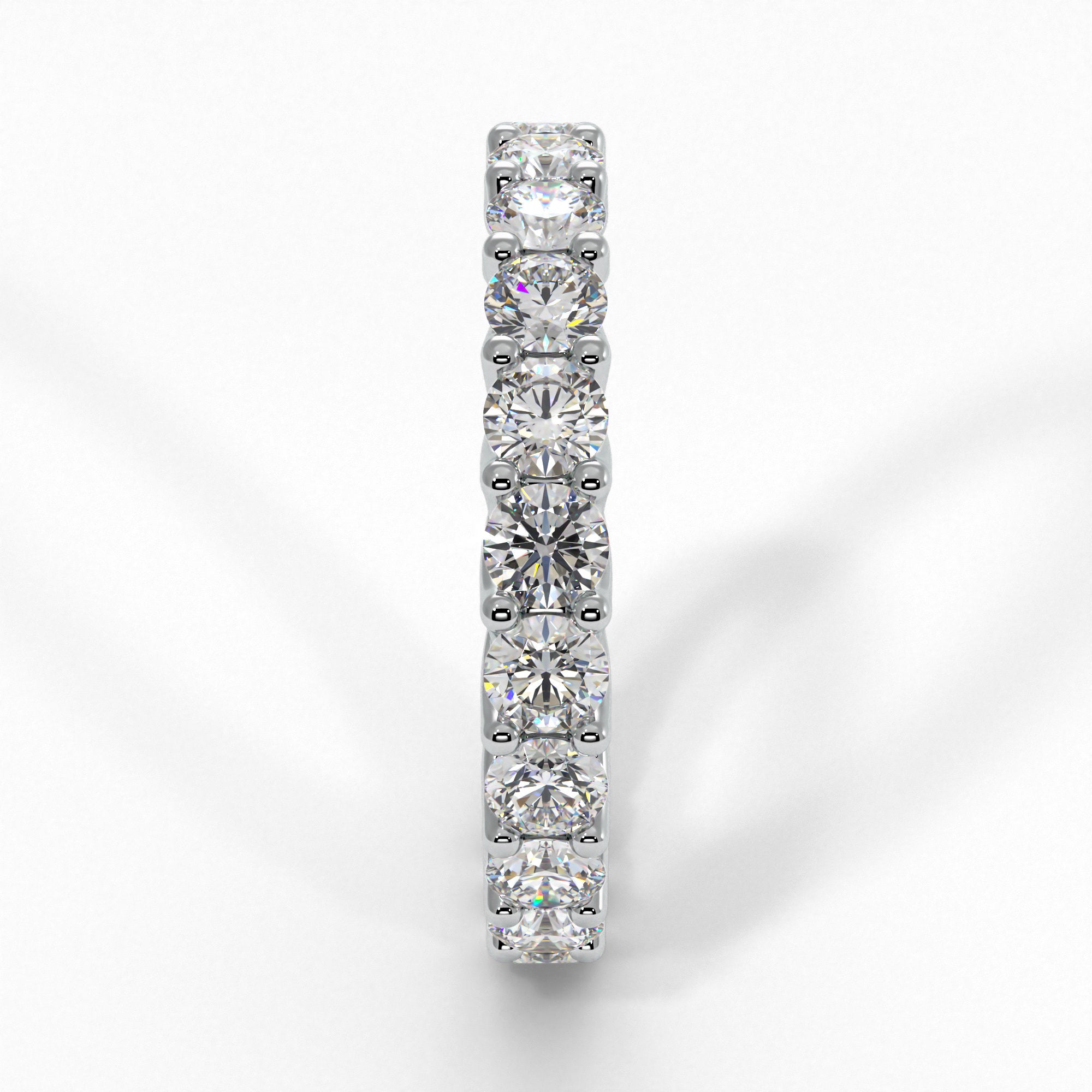
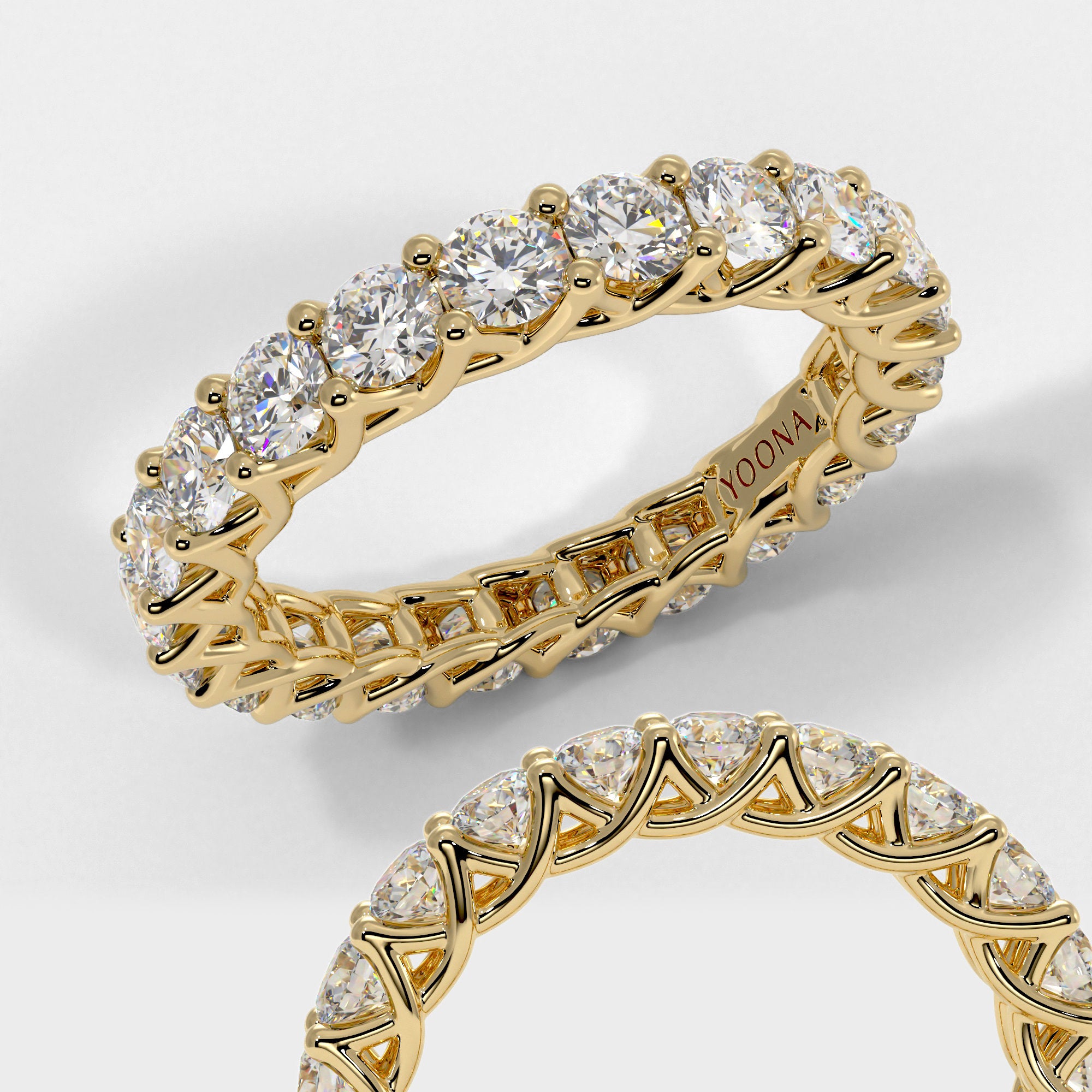
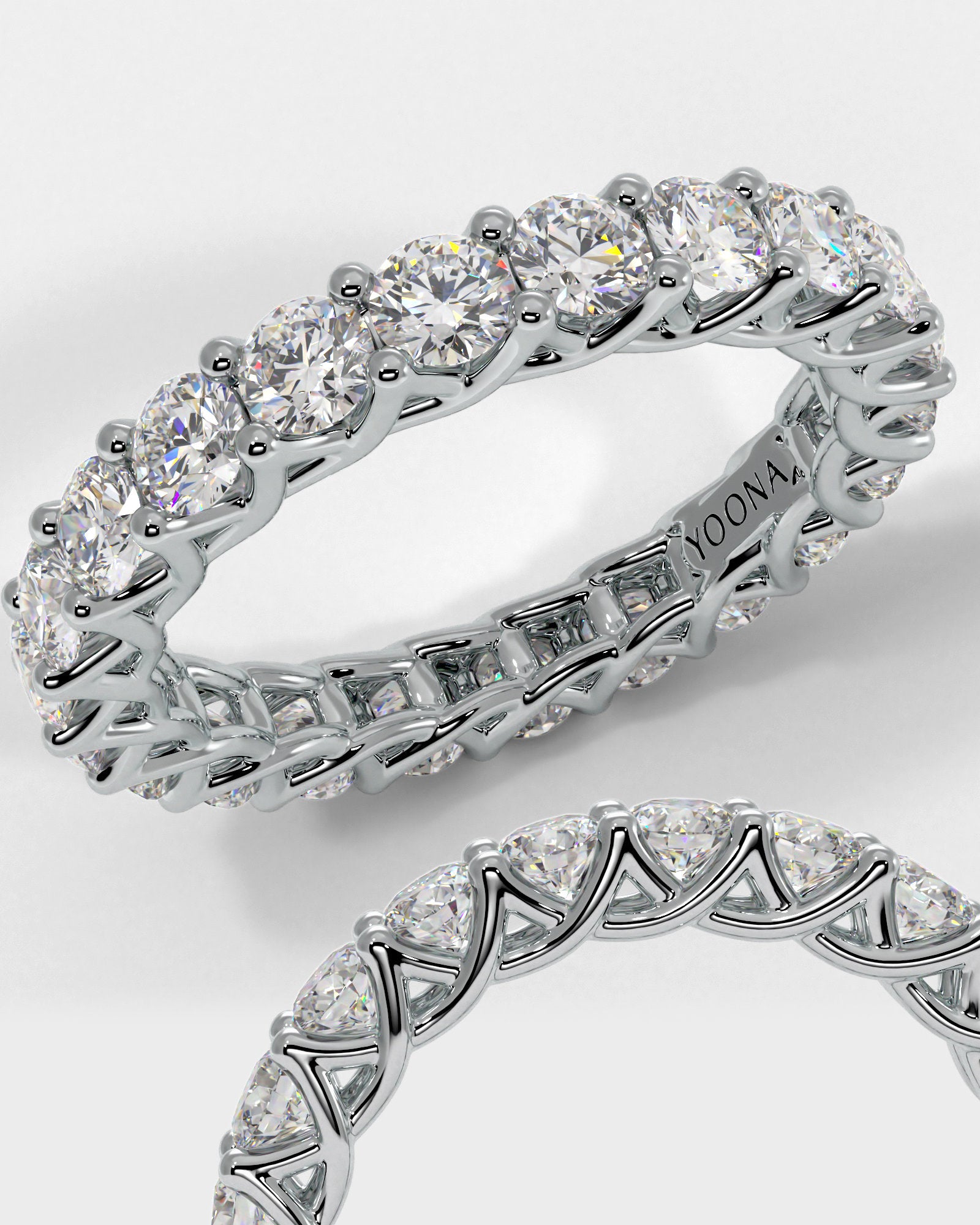
- Pavé: Tiny diamonds set closely into the band for continuous sparkle.
For the full comparison of prong and bezel, including which shapes benefit most from extra protection, see Bezel vs. Prong Settings: Pros & Cons.
Matching Style to How You Actually Live
Quick answer: An active lifestyle favors bezel or low-profile settings. A minimalist favors solitaire. Someone who wants maximum sparkle and presence favors halo or pavé styles.
The best engagement ring style is the one that fits how the ring will actually be worn, not just how it looks on a screen. Someone working with their hands daily will appreciate a bezel's durability far more than a prong's extra sparkle. Someone who wants a ring that reads as a statement piece will lean toward halo or three-stone designs.
Frequently Asked Questions
Can I combine multiple styles in one ring?
Yes, many of these styles aren't mutually exclusive. A three-stone ring can include side stones along the band, and a solitaire can sit in a hidden halo setting.
Does style affect a ring's durability?
Setting matters more than style for durability specifically. Bezel settings are the most protective option regardless of overall style.
Do lab-grown diamonds work with every style?
Yes, lab-grown diamonds are cut and set exactly like mined diamonds, so every style and setting on this page is fully compatible.
Yoona's Approach to Style and Setting
We curate a range of styles and settings so the decision comes down to what genuinely fits you, not a limited catalog forcing a compromise. Every center stone, regardless of style or setting, meets the same Eternal Diamond™ standard.