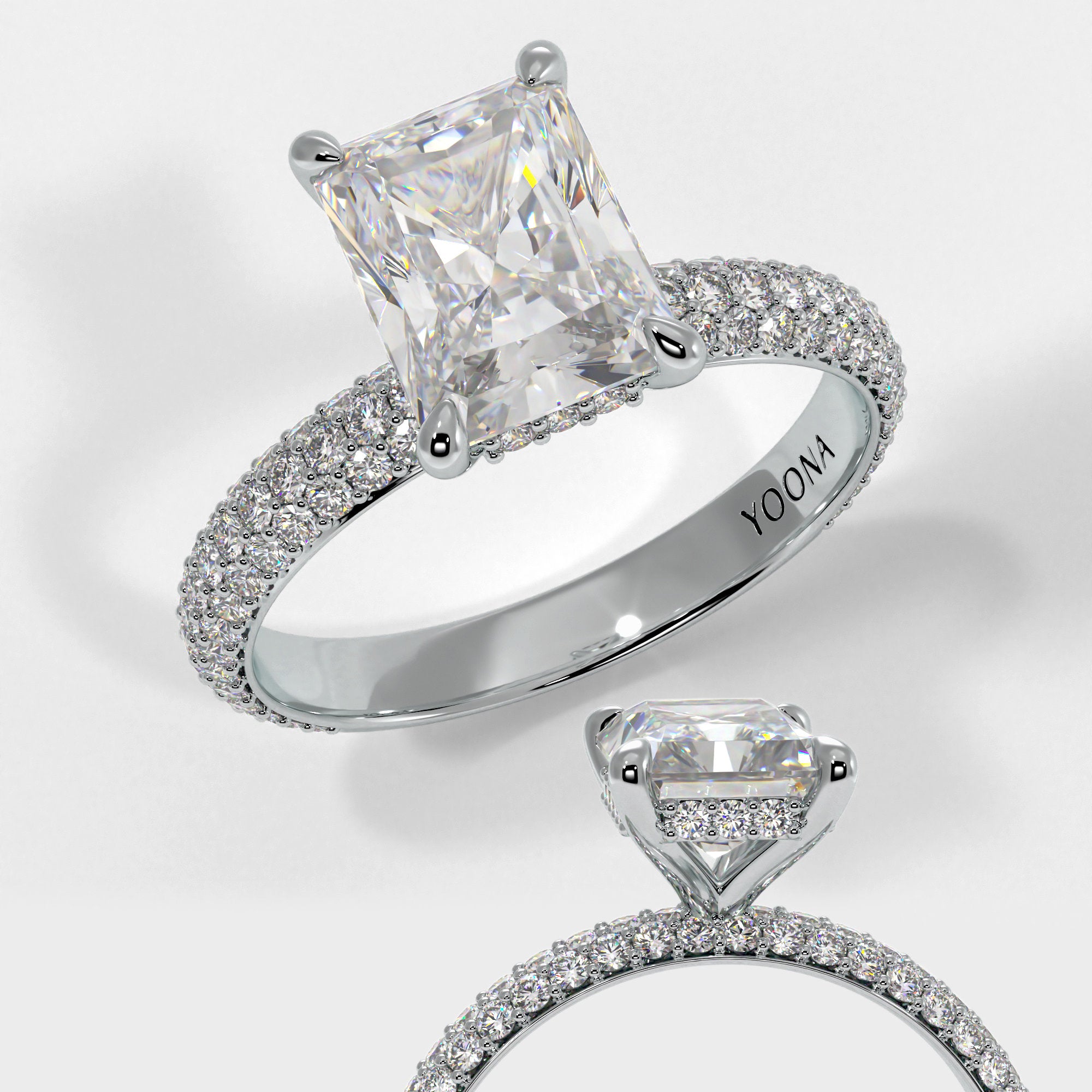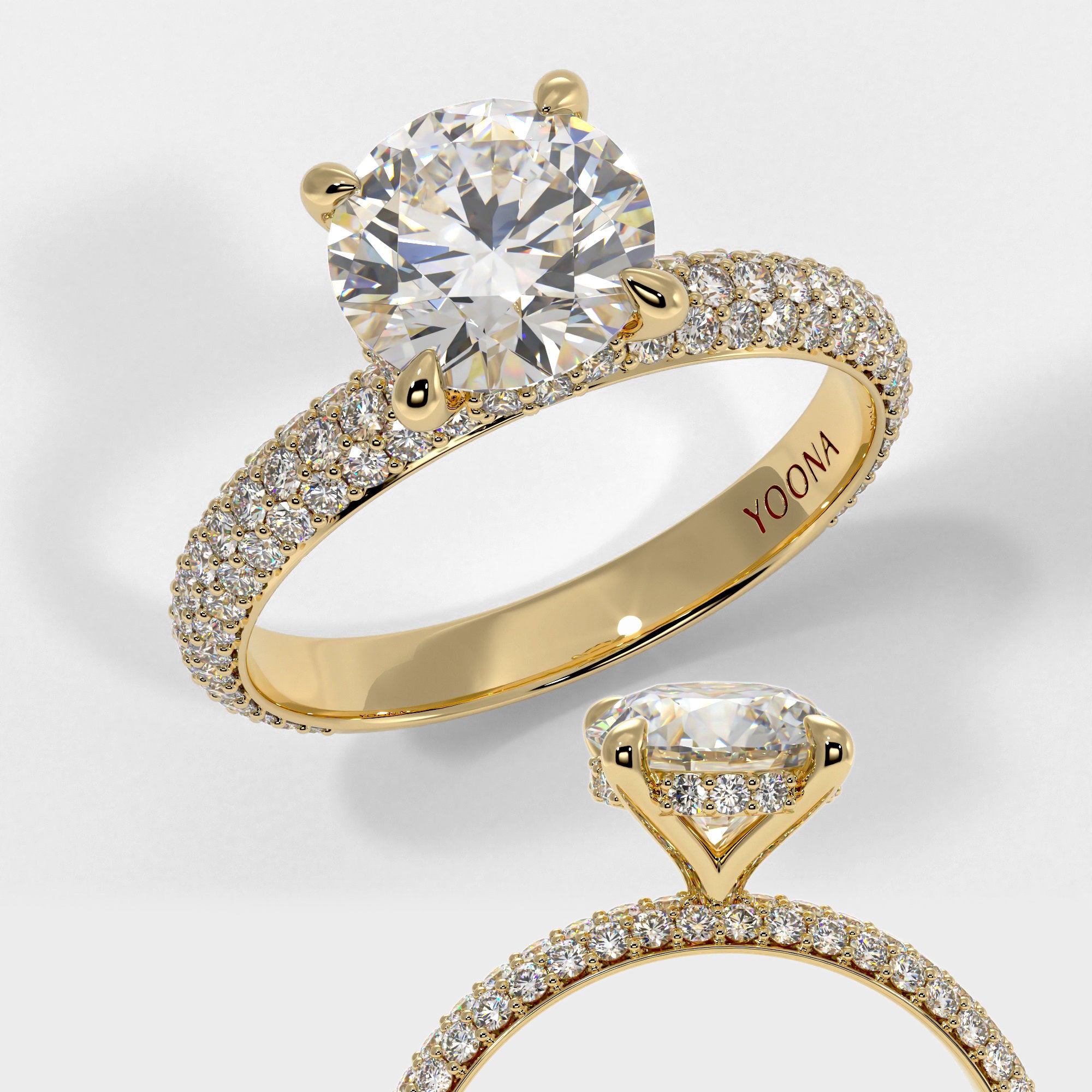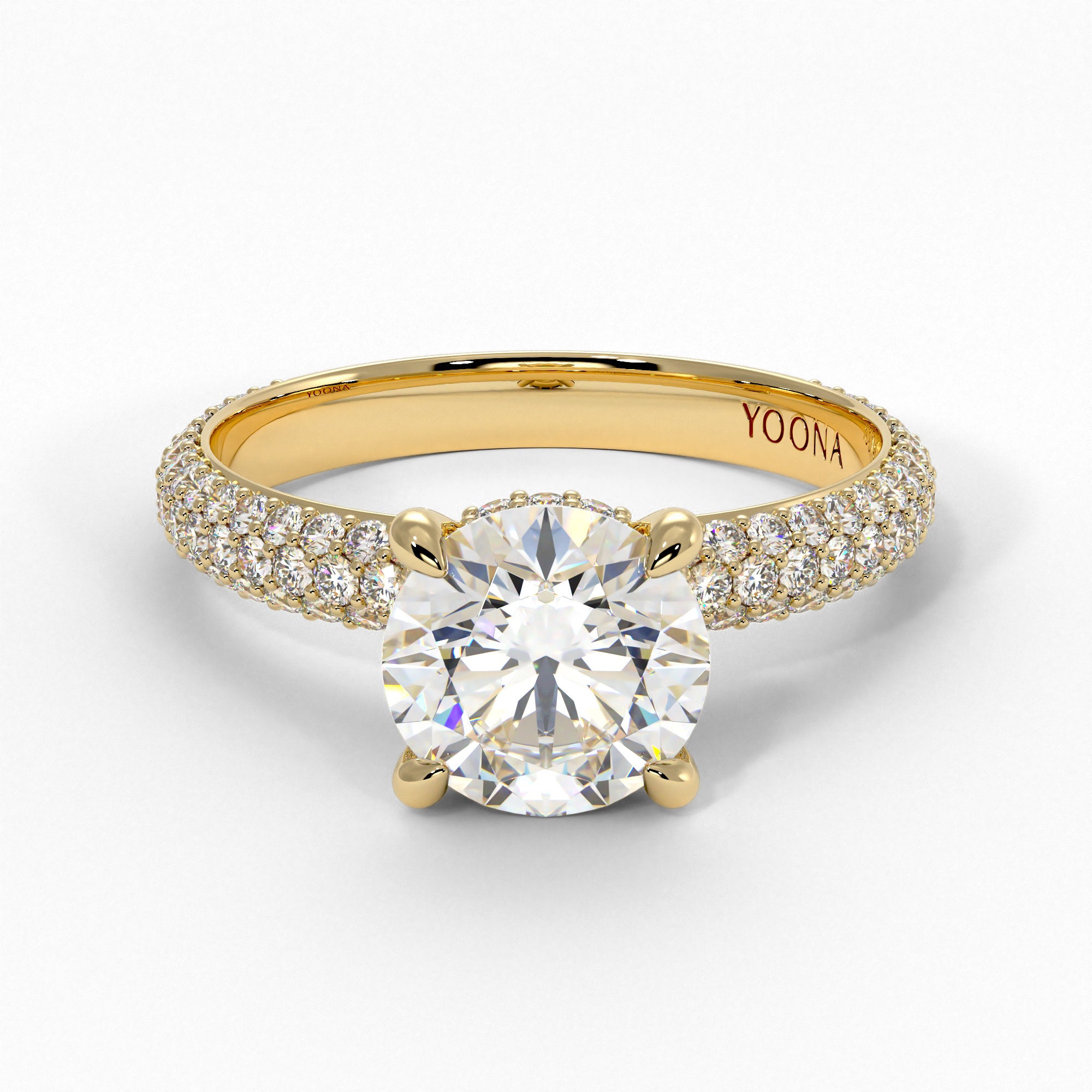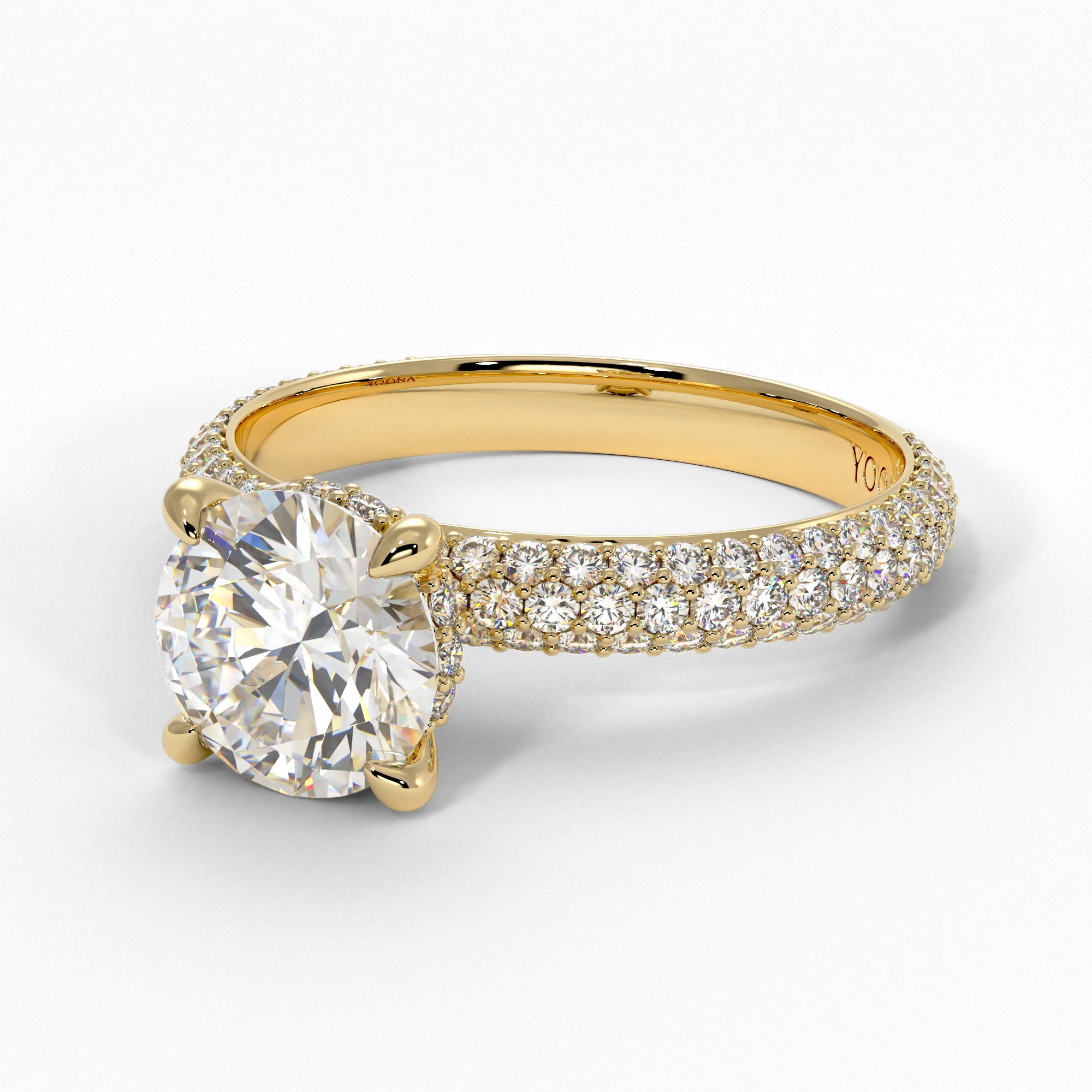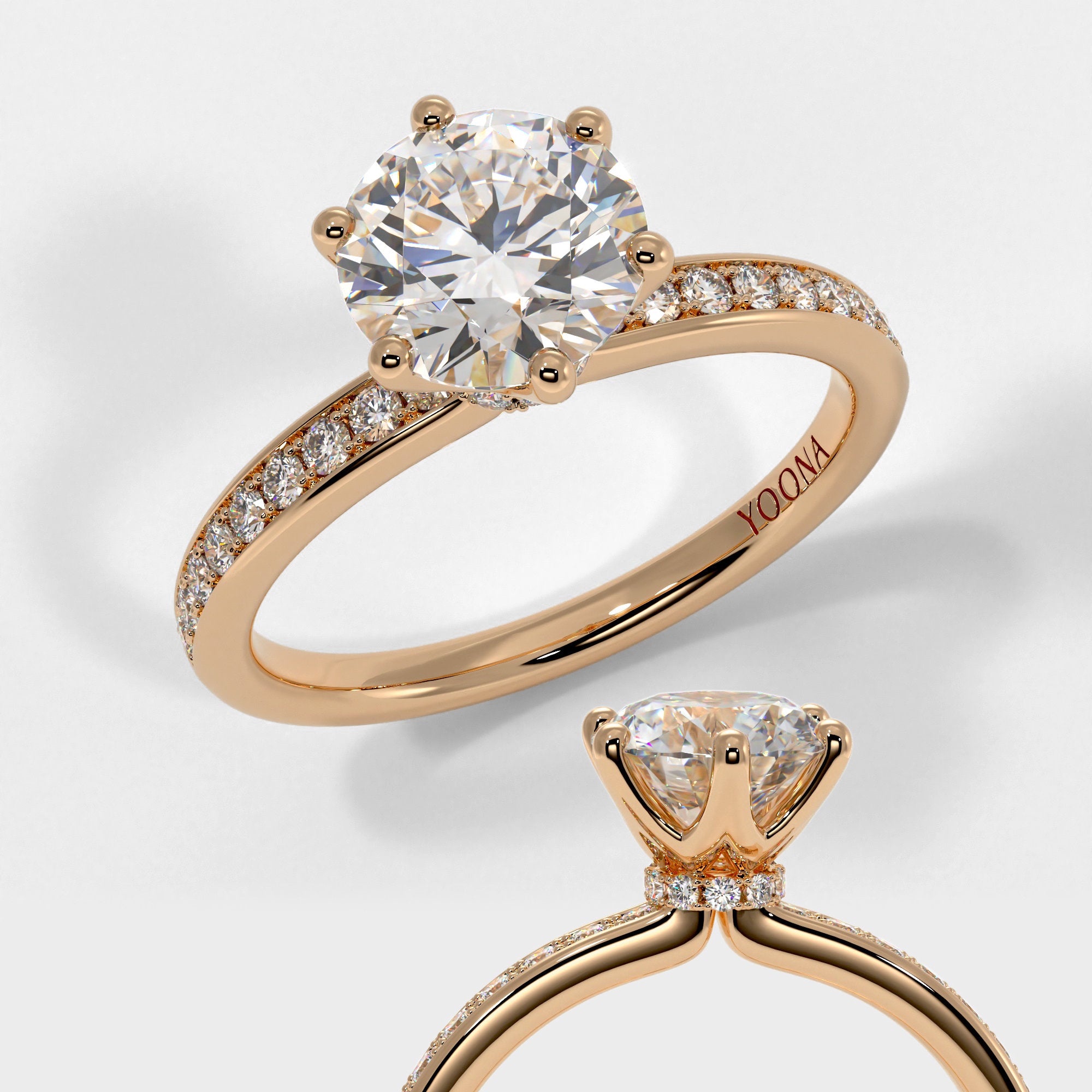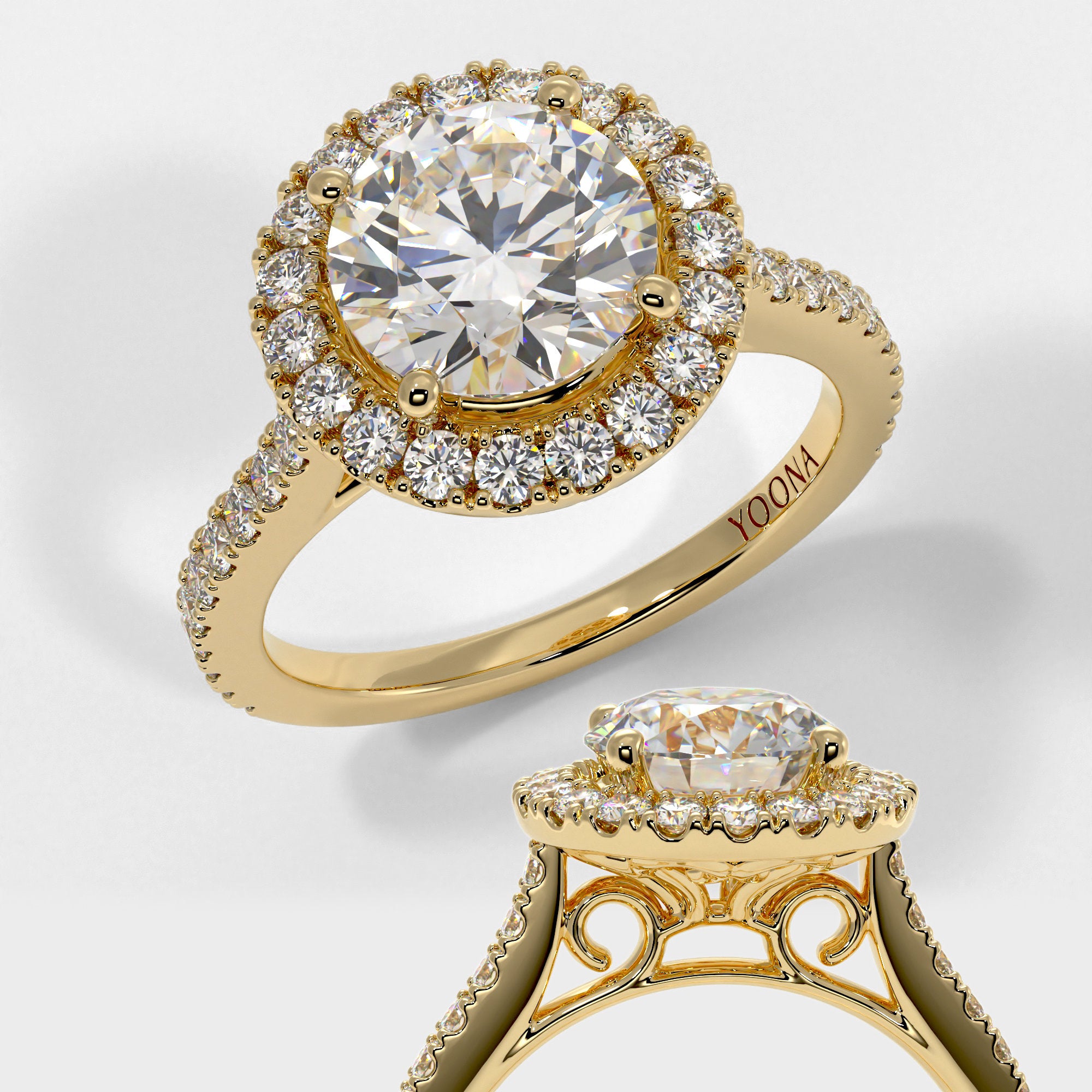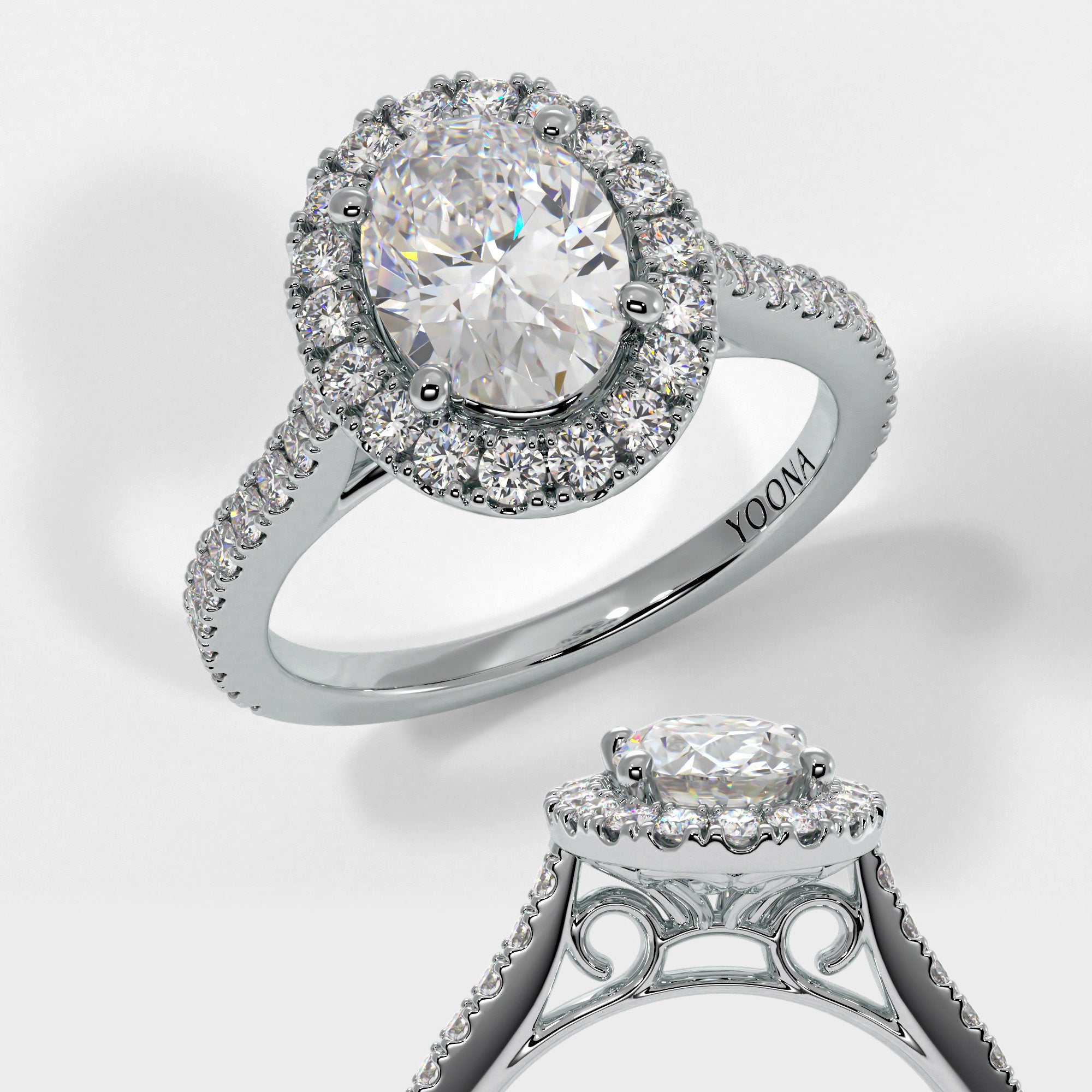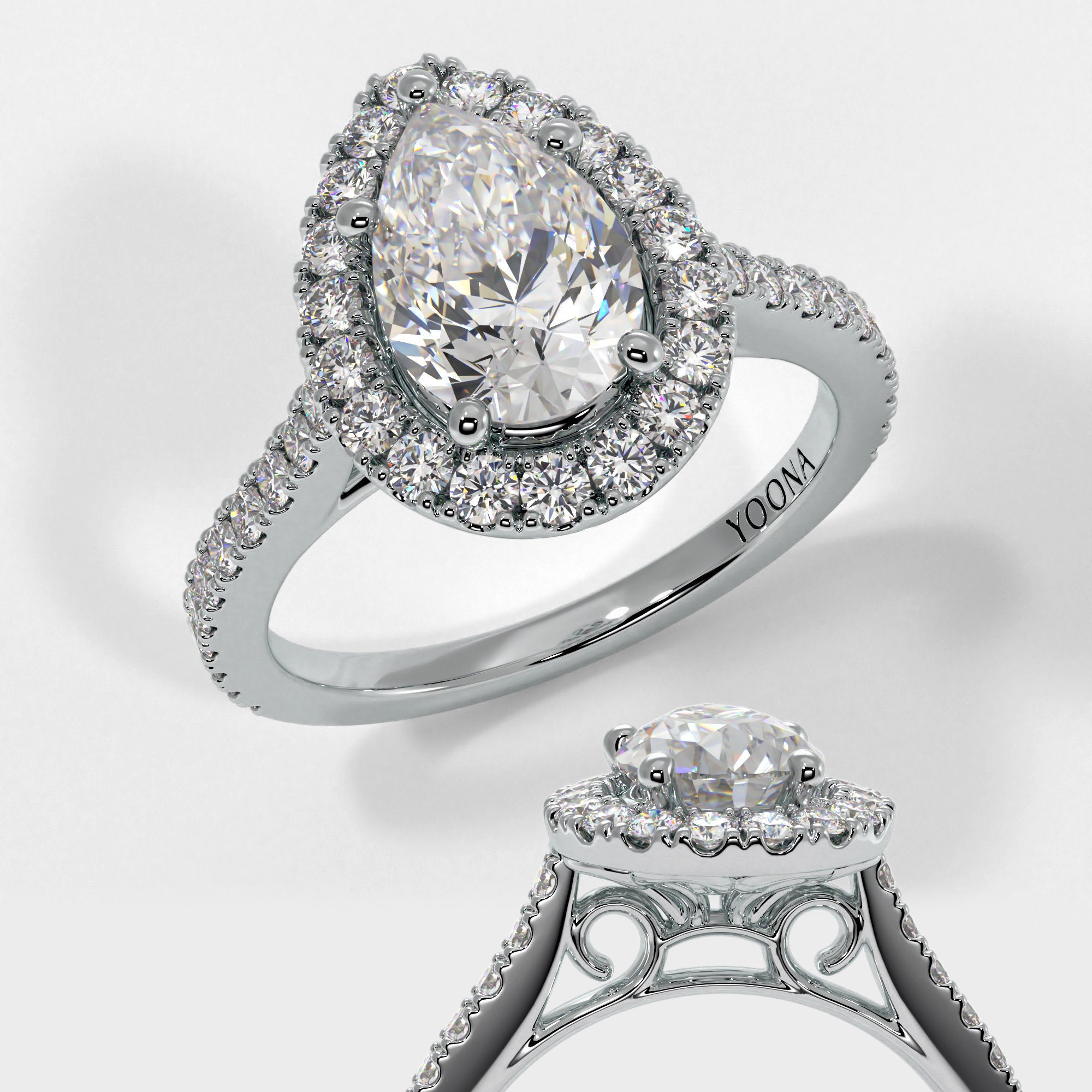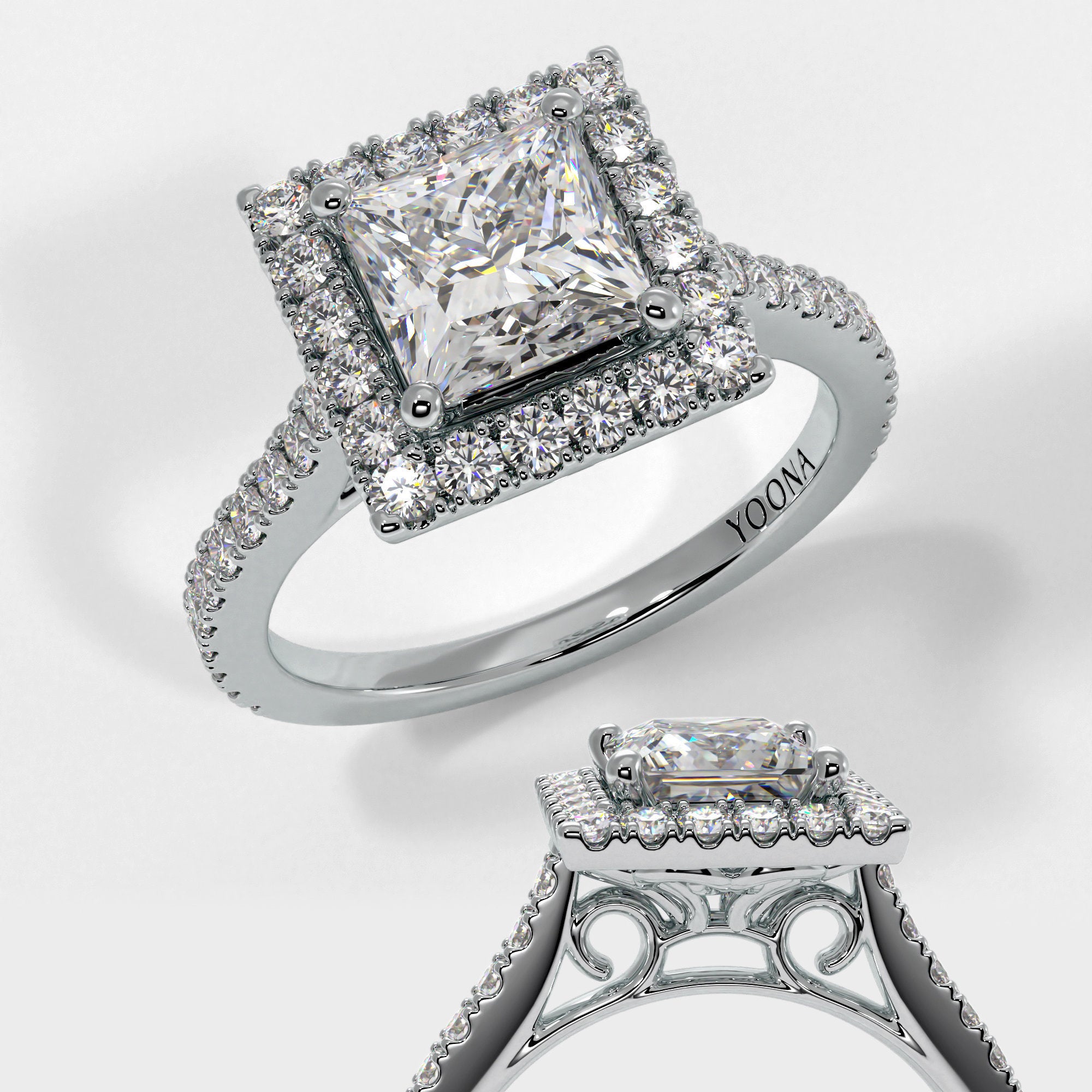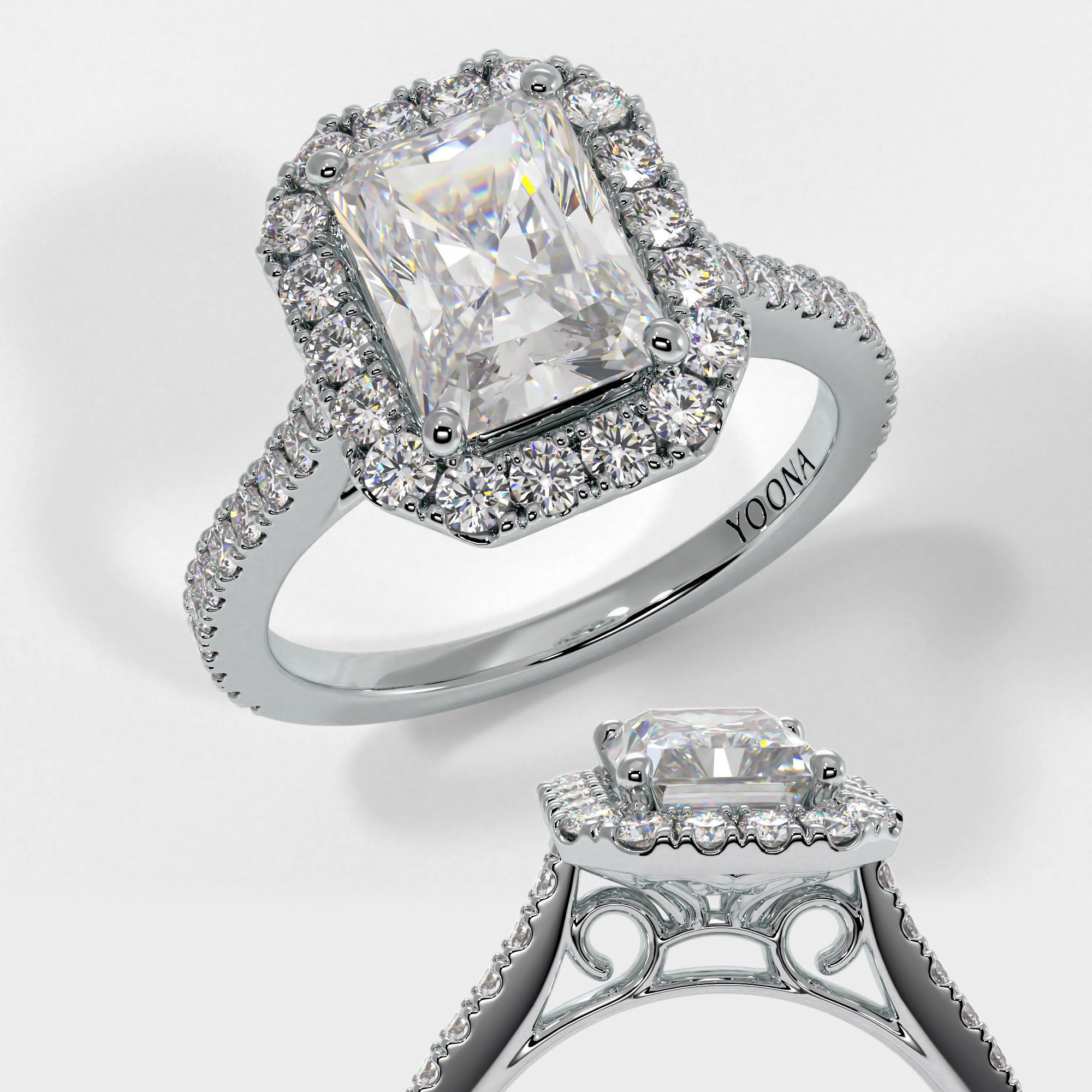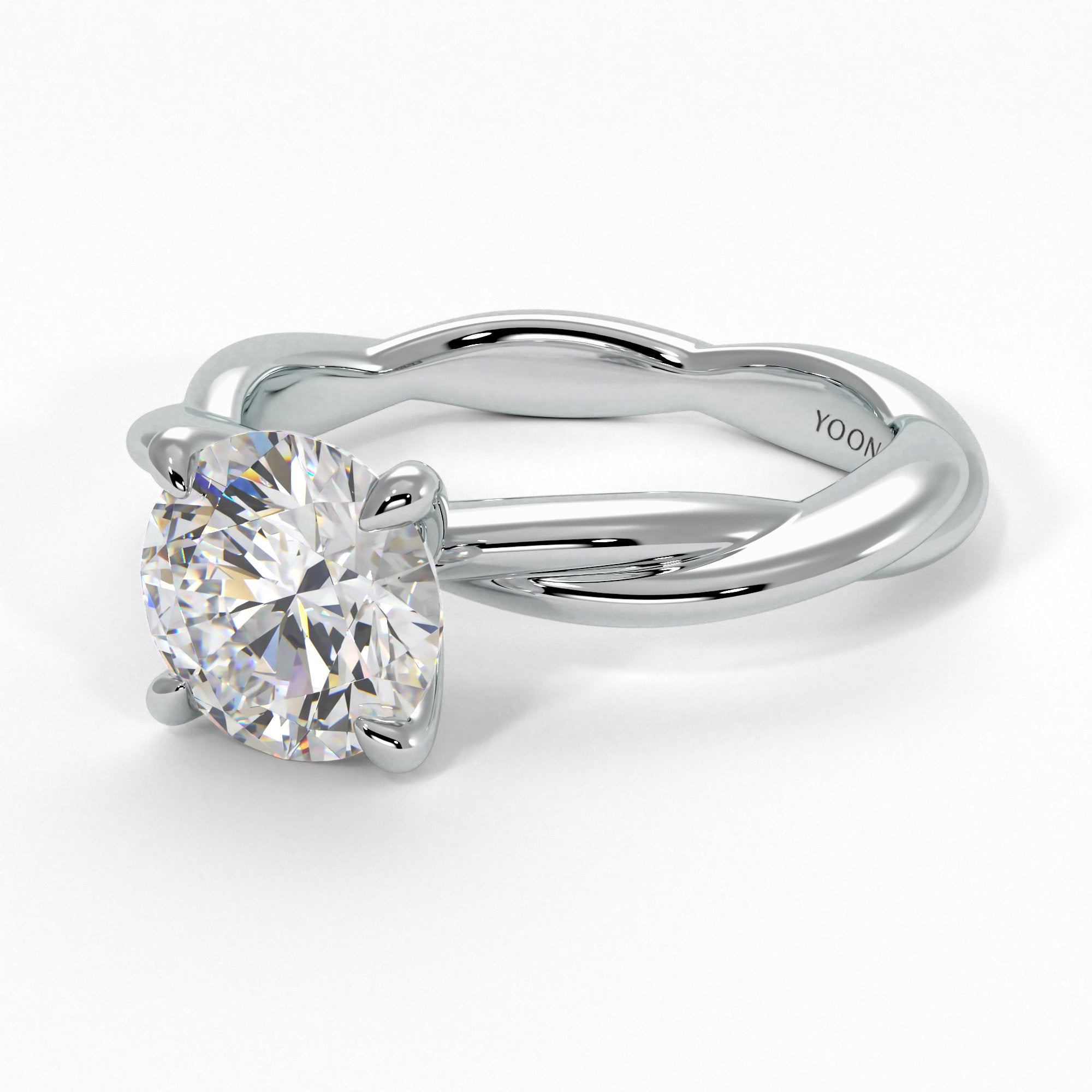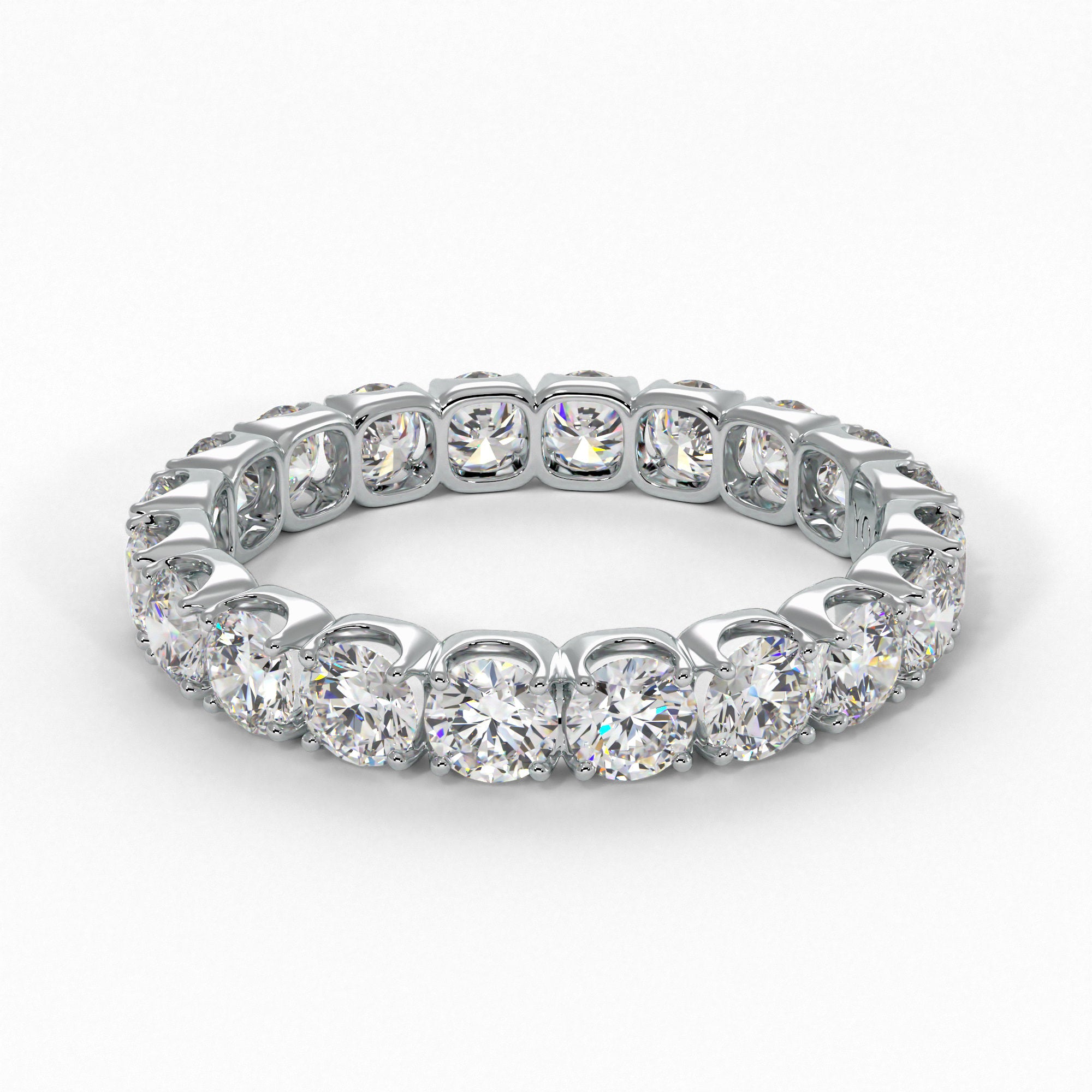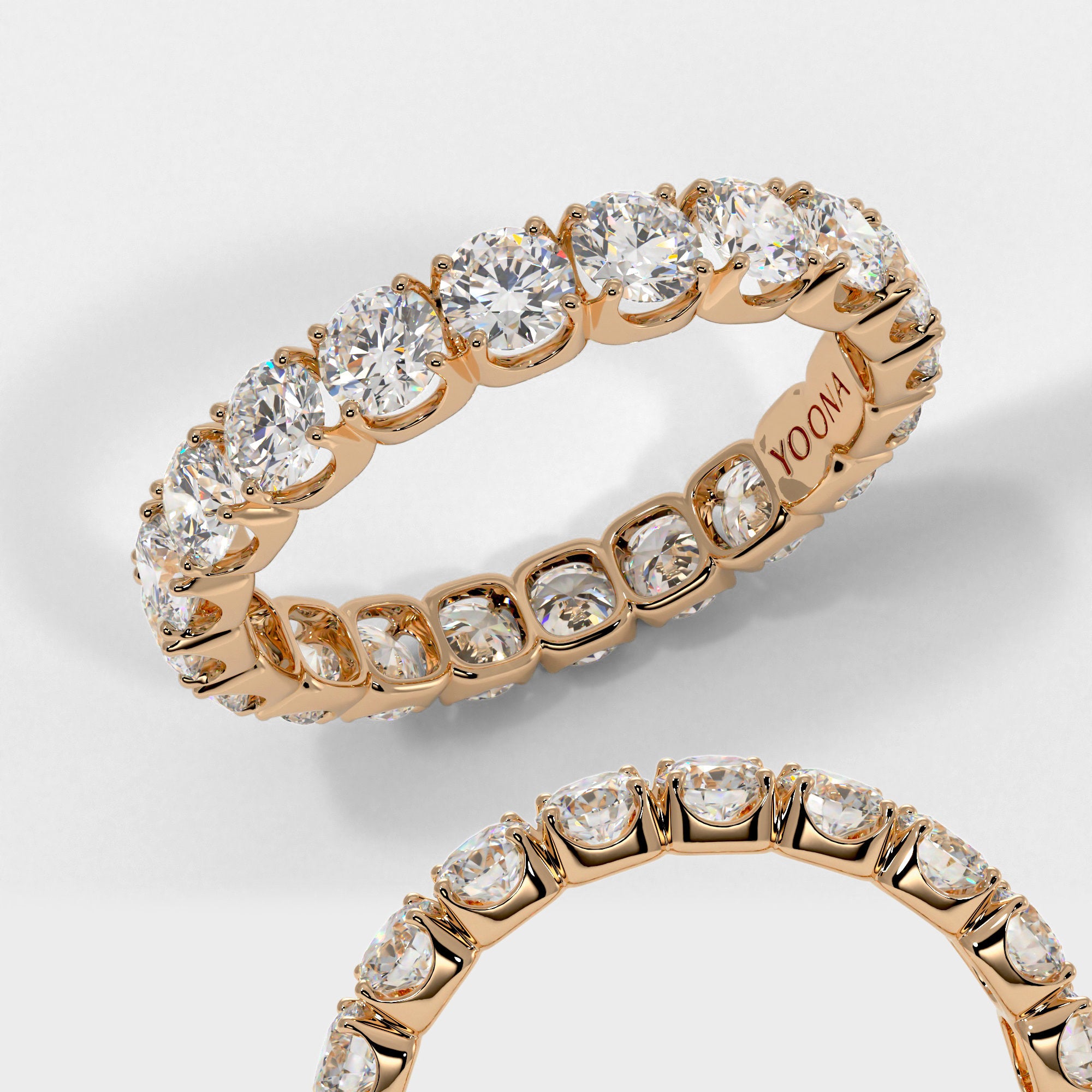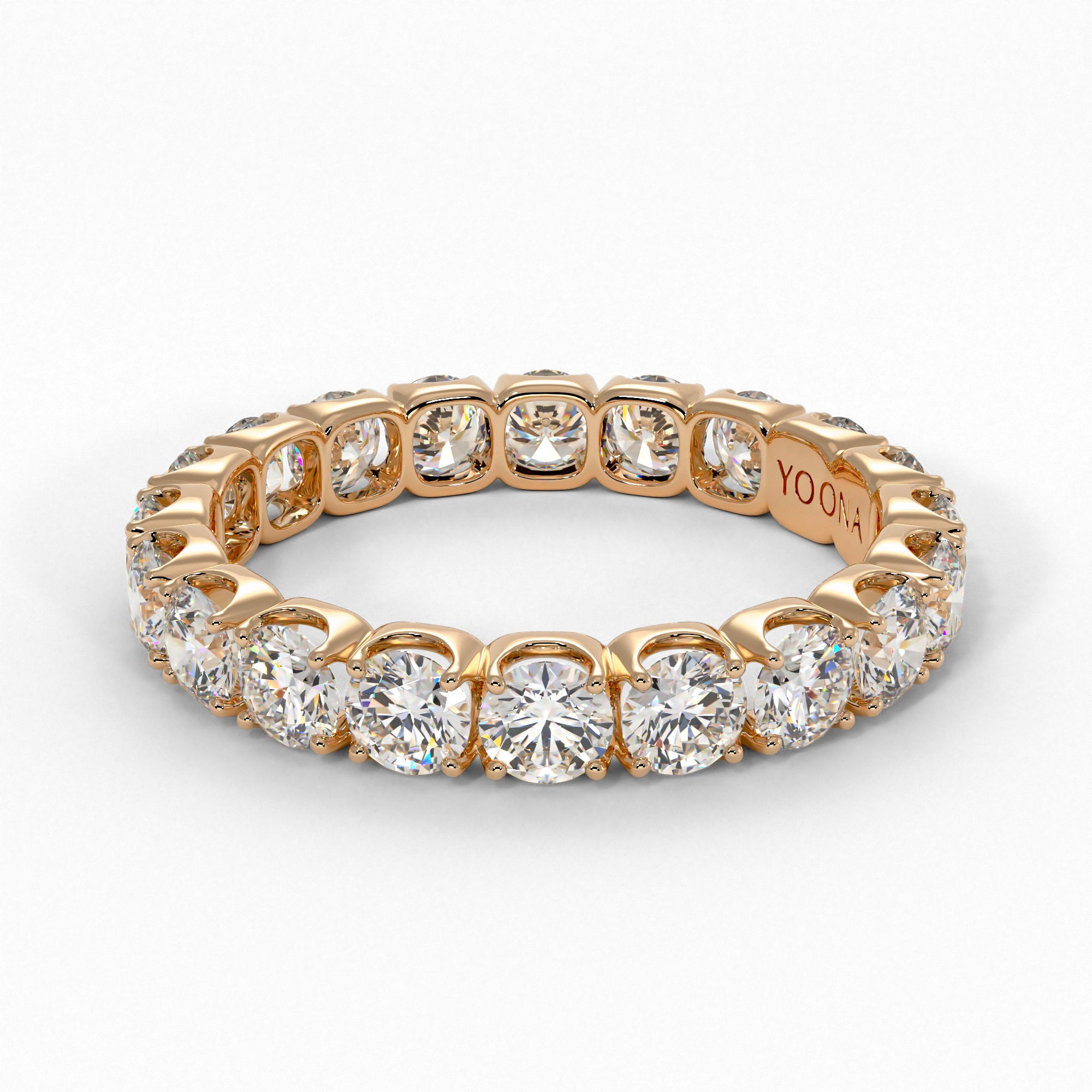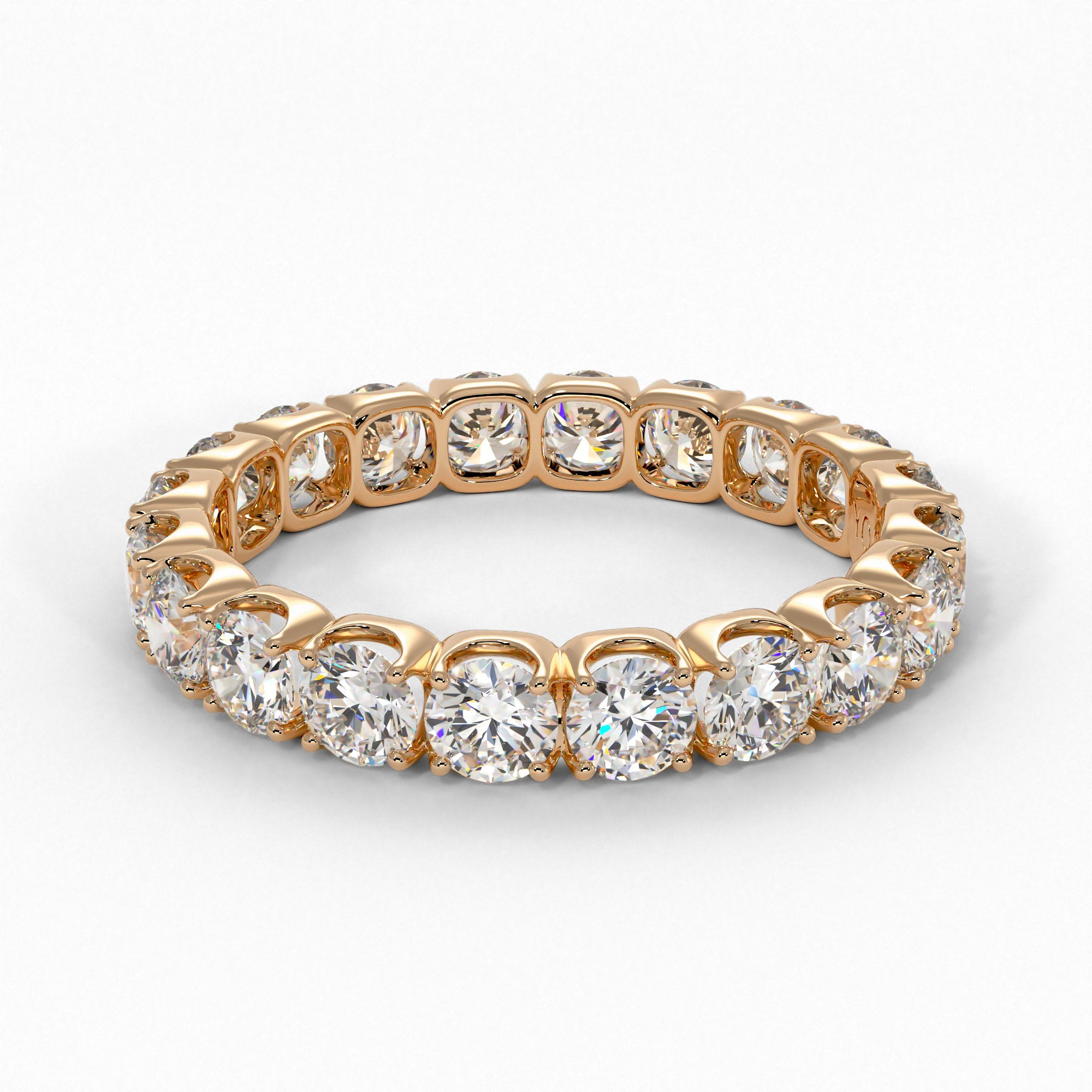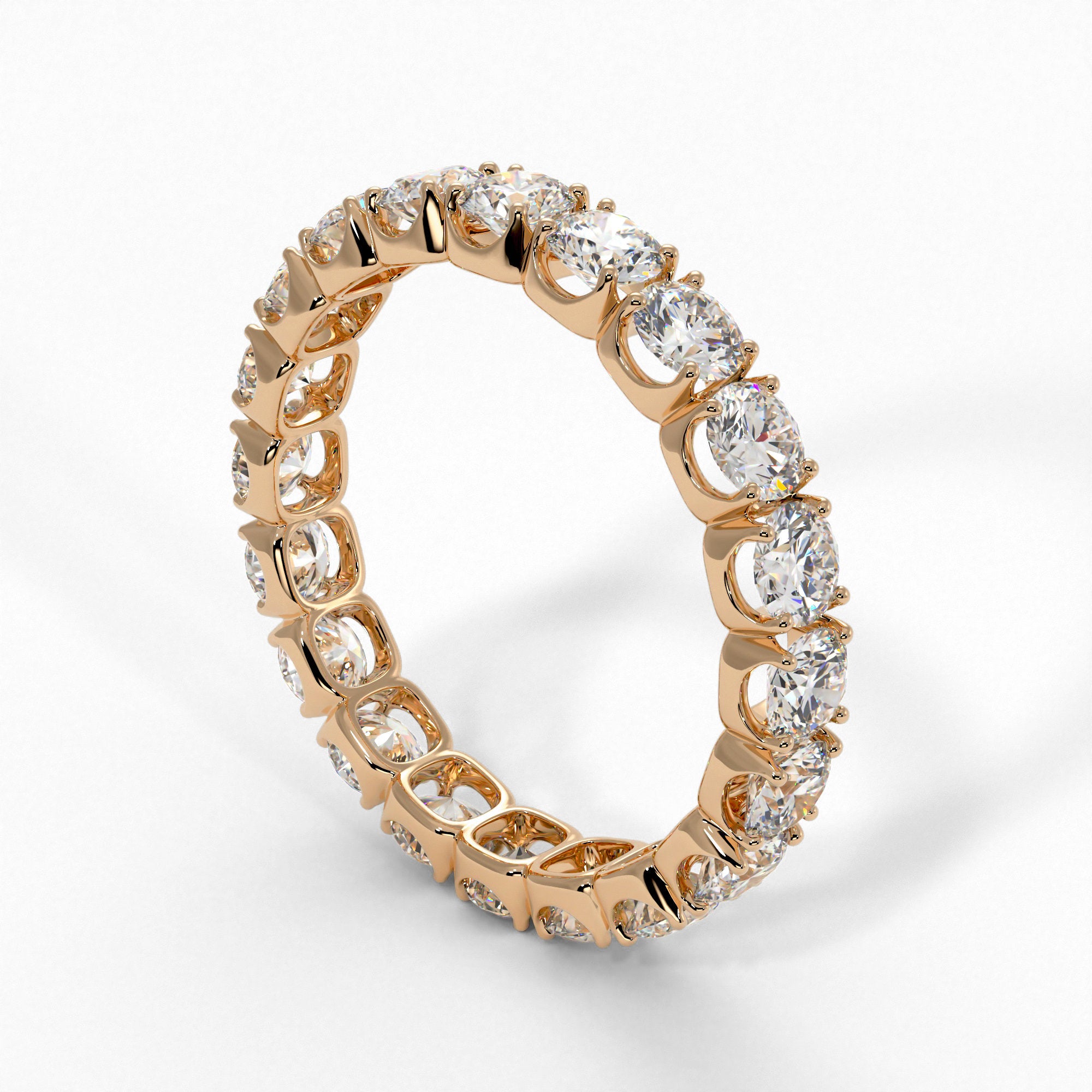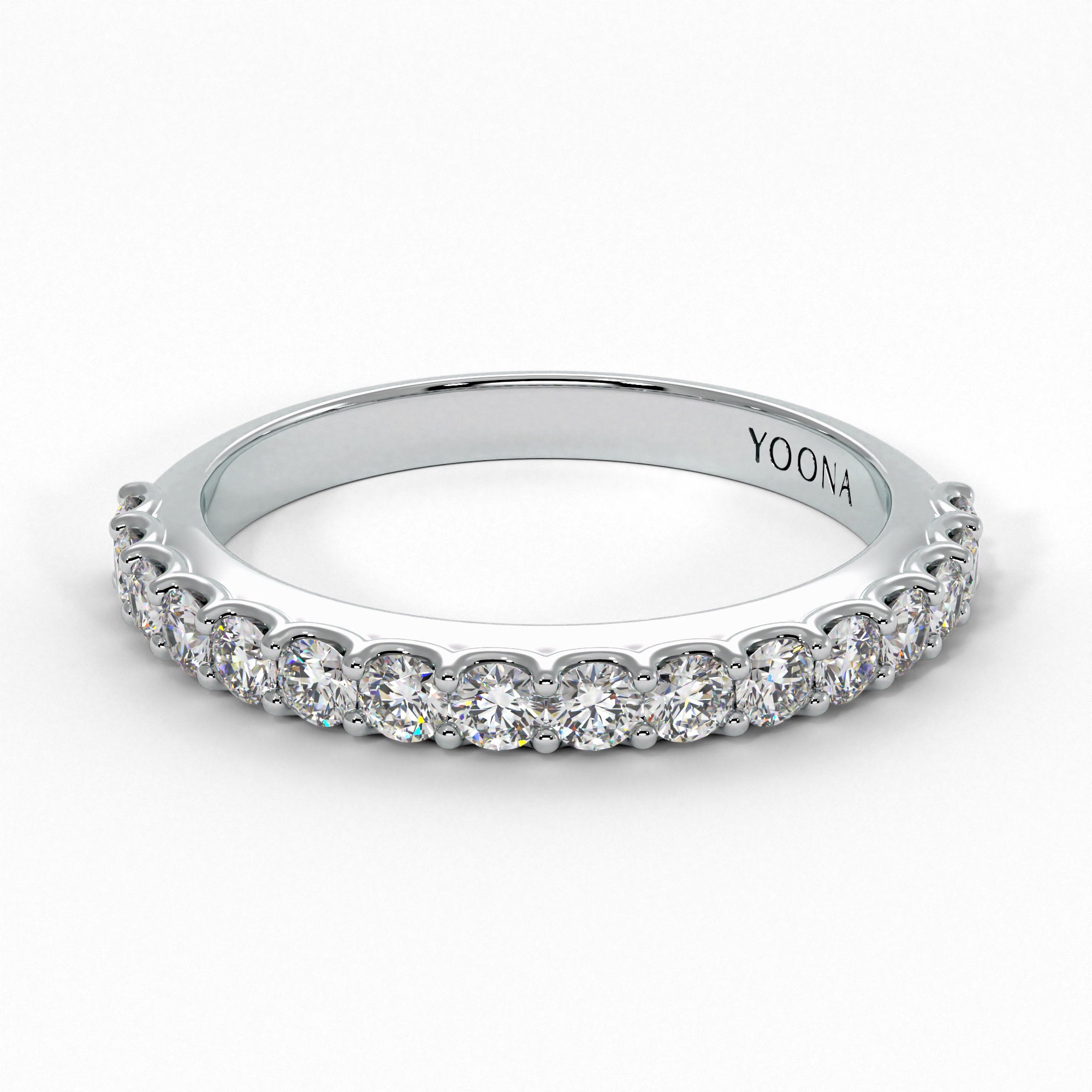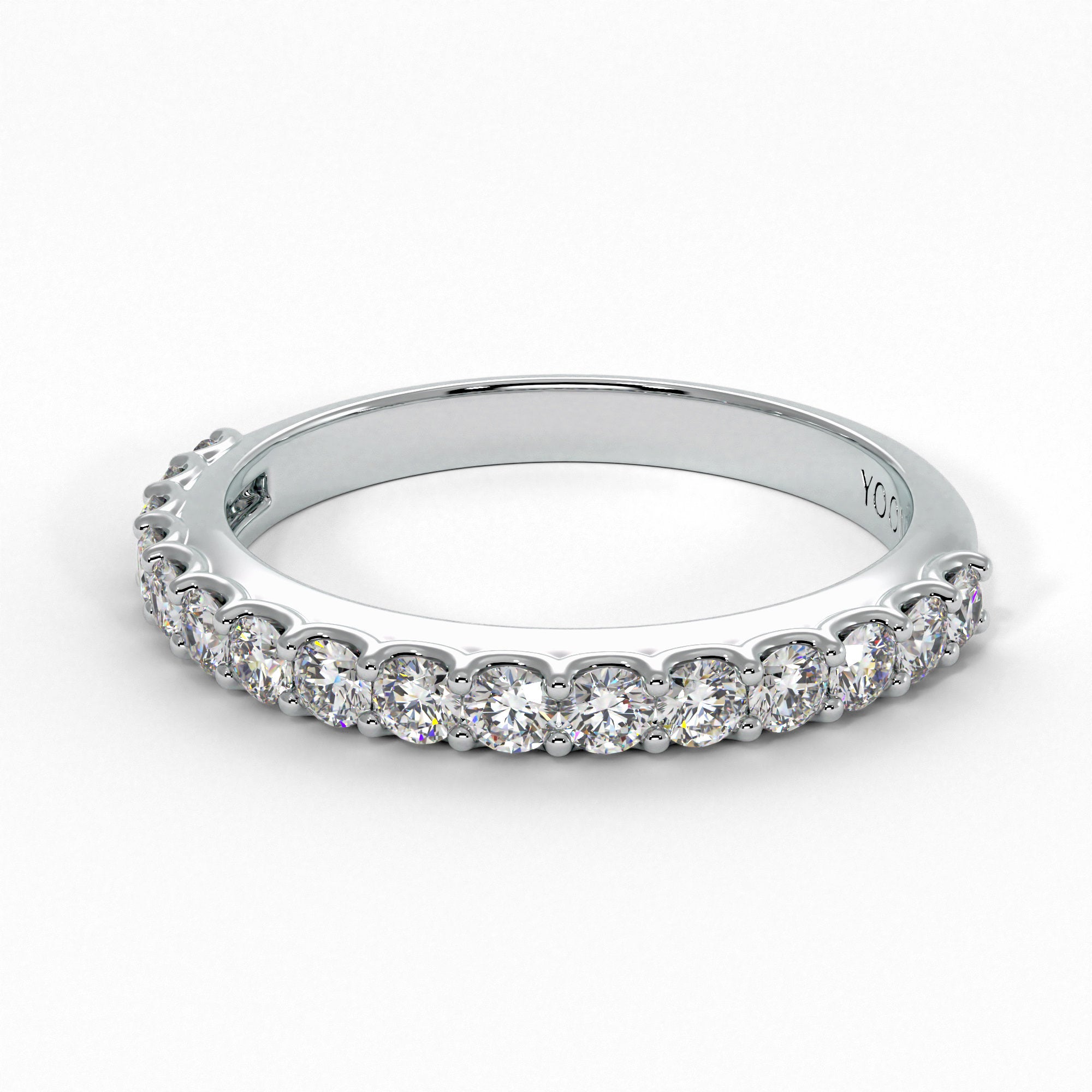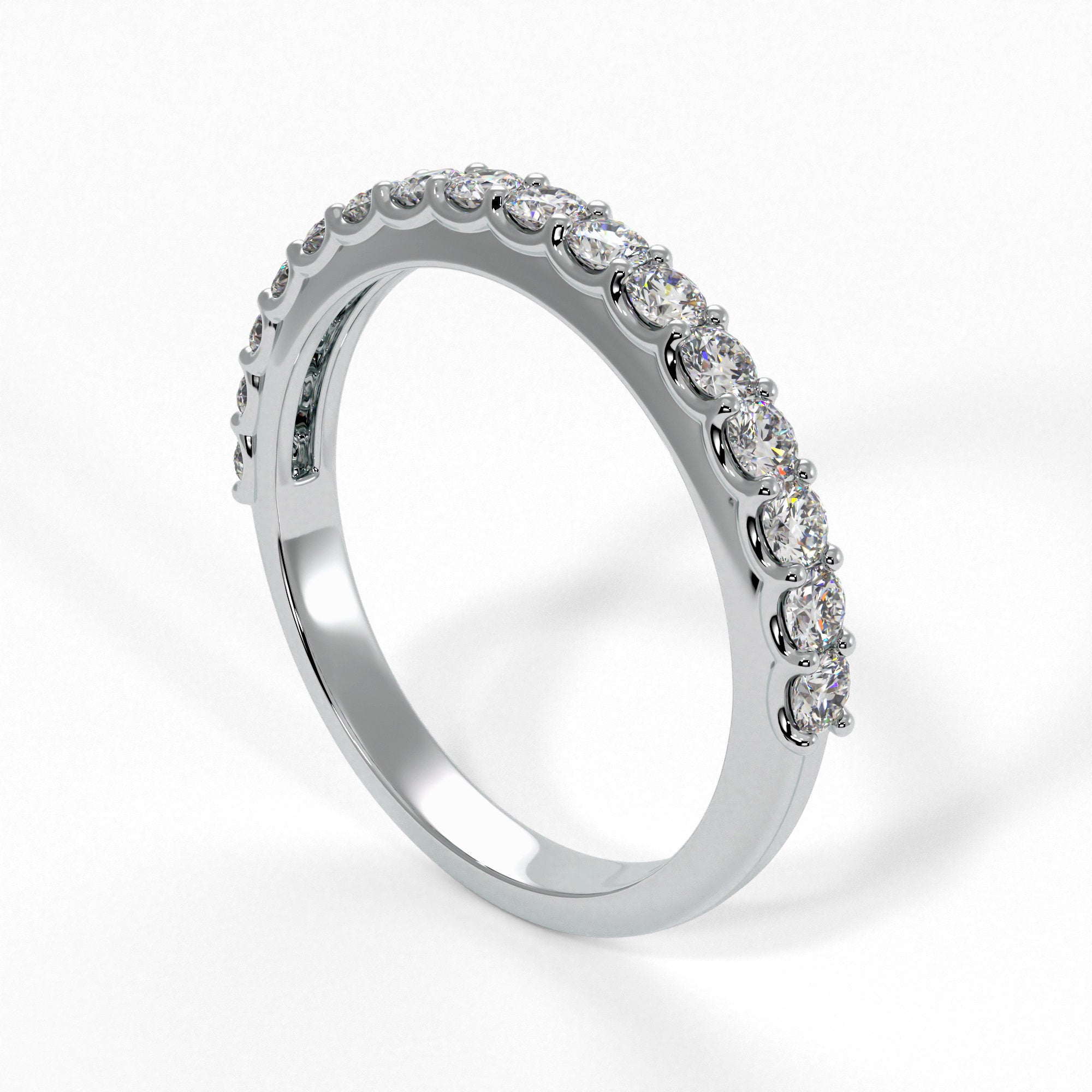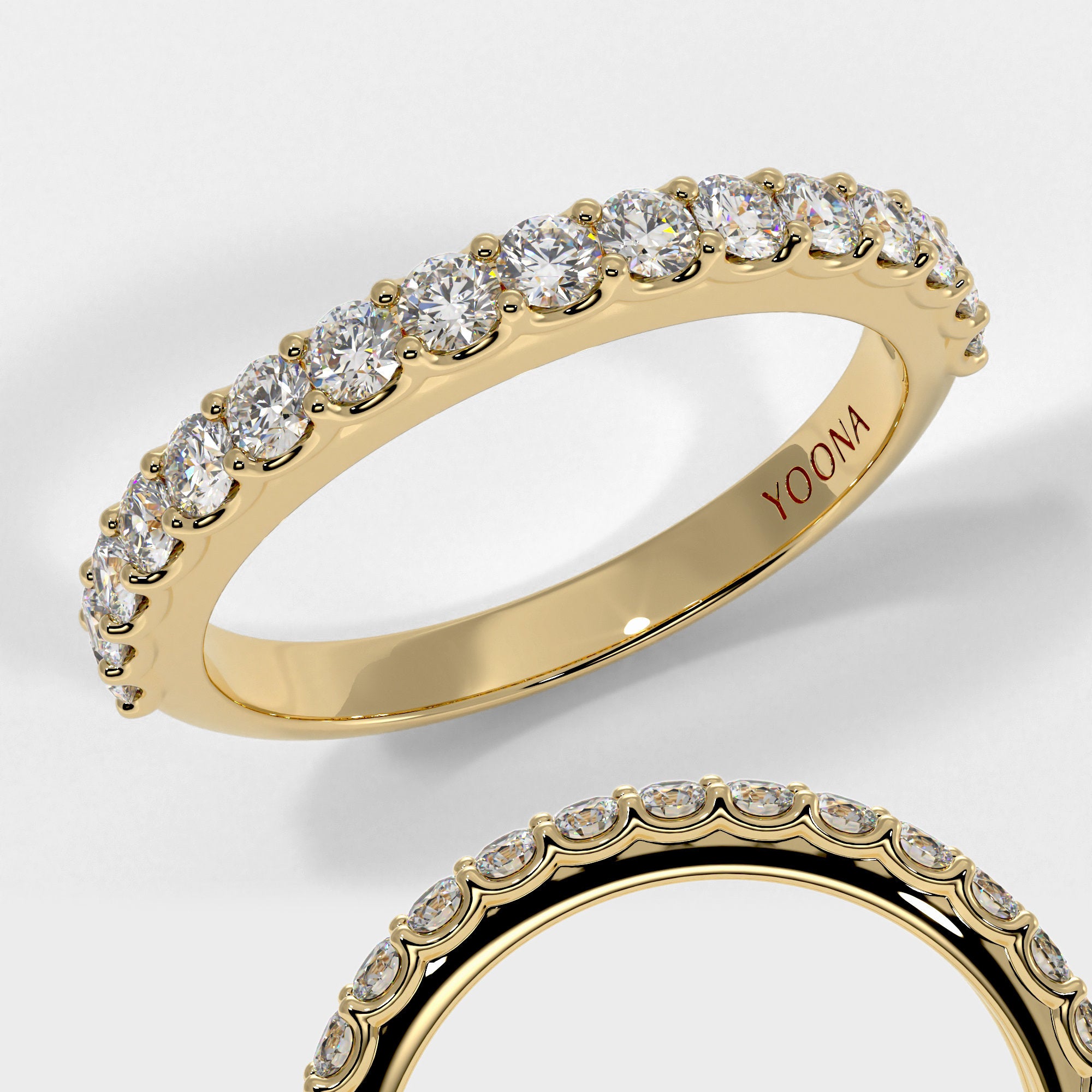

Reviewed by Yoona's in-house jewelry experts
Short answer: published estimates for lab-grown diamond carbon emissions range from roughly 5 to over 500 kg of CO2 per carat, an enormous spread that comes down almost entirely to one variable, the energy source powering the growing facility. There is no single honest number for "lab-grown diamonds" as a category.
Why the Numbers Vary So Much
Quick answer: Growing a diamond requires sustained high heat or a controlled gas chamber running for weeks, which uses real electricity. A facility on a renewable-powered grid can post emissions an order of magnitude lower than one on a coal-heavy grid, for the exact same diamond.
Unlike mining, where the extraction process itself is roughly similar across operations, lab-grown diamond production is fundamentally an energy-consumption question. The diamond itself doesn't change based on power source, but the emissions generated to grow it change dramatically. This is why studies conducted on renewable-powered facilities and studies conducted on coal-powered facilities can arrive at figures that differ by 10 to 100 times.
The Counter-Study Worth Knowing About
Quick answer: A widely cited report commissioned by the Diamond Producers Association found lab-grown diamonds emit roughly 511 kg of CO2 per polished carat, compared to 160 kg for mined diamonds, the opposite of the conclusion most lab-grown marketing assumes.
We're naming this study directly because pretending it doesn't exist would be dishonest, and because understanding it actually clarifies the real picture rather than undermining it. The study reflects real production conditions, a meaningful share of global lab-grown diamond production happens on grids that rely heavily on coal, particularly in parts of China and India where much of the industry's growing capacity is concentrated. On those grids, the energy cost of running a growth chamber for weeks can genuinely exceed the emissions profile of extraction.
This doesn't mean lab-grown diamonds are worse for the planet as a rule, it means the category-wide claim of automatic superiority doesn't hold up, and the real answer depends on which specific facility grew the specific diamond in question.
What the Best Case Actually Looks Like
Quick answer: Facilities running on renewable energy, hydroelectric, solar, or wind, have reported carbon footprints as low as 5 to 20 kg of CO2 per carat, genuinely far below most mining estimates. The gap between best case and worst case for lab-grown production is enormous.
This is the other end of the range, and it's real too. Some producers have invested specifically in renewable-powered facilities and third-party carbon accounting to back up genuinely low emissions claims. The honest takeaway isn't "lab-grown is bad" or "lab-grown is great," it's that the answer depends entirely on which specific producer and which specific energy source you're talking about, which is exactly why a category-wide statistic is misleading in either direction.
Why We Don't Cite a Specific Number for Yoona's Diamonds
Quick answer: We don't currently have verified data on the specific energy sources powering our growers' facilities, so we don't make a carbon footprint claim we can't back with real numbers.
Given how much this varies by energy source specifically, citing a flattering statistic without knowing our own growers' power mix would be exactly the kind of unverifiable claim we'd want you to be skeptical of from any other brand. Until we can verify and stand behind a specific number, we'd rather say plainly that we don't have one.
What About Metal? Gold's Carbon Story Matters Too
Quick answer: Newly mined gold carries its own significant carbon and environmental cost from extraction and refining. Recycled gold avoids new mining entirely, which is the clearest, least disputed lever available for reducing a piece of jewelry's overall footprint.
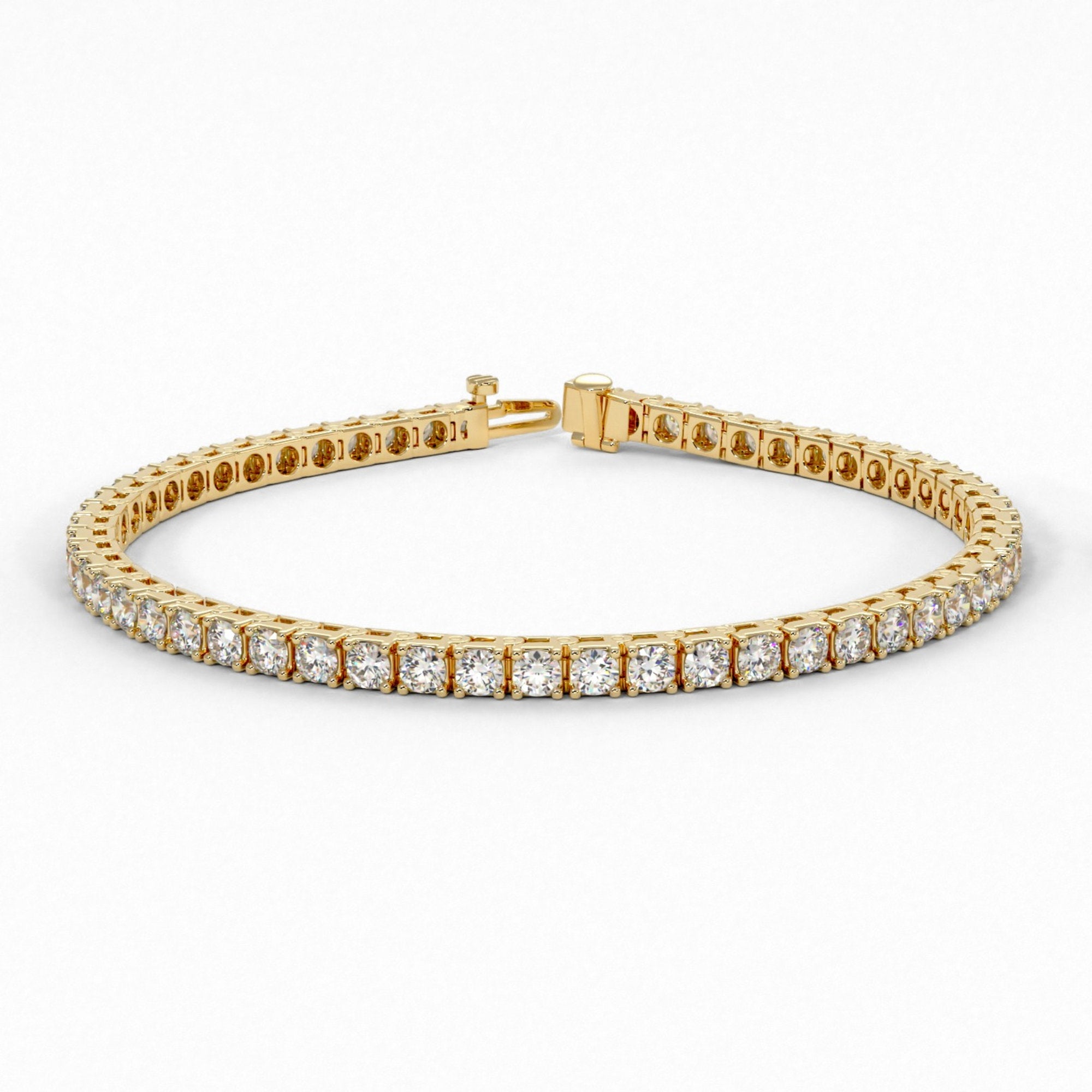
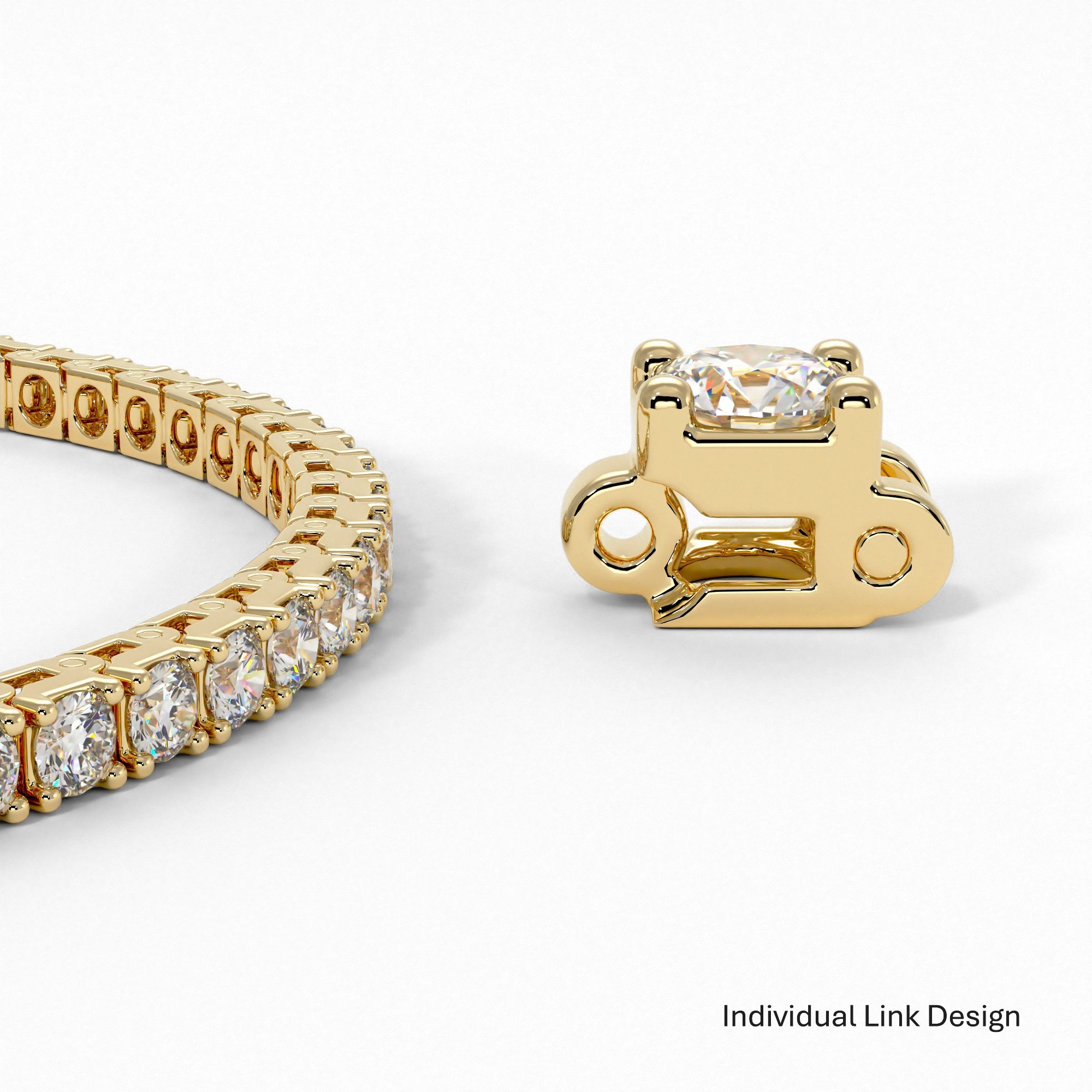
Unlike the diamond carbon question, the recycled-versus-new-metal comparison is much less contested: recycled gold doesn't require new extraction, and reusing existing metal is a straightforwardly lower-impact choice than mining new material, regardless of which specific numbers you cite. This is one reason we treat recycled metal sourcing as a firm standard rather than an optional upgrade.
Frequently Asked Questions
So are lab-grown diamonds better or worse for carbon emissions?
It depends entirely on the specific facility's energy source. There's no single correct answer for the category as a whole, only for a specific diamond from a specific, verified producer.
Should I trust a brand that cites a specific low carbon number?
Ask how it's verified and by whom. A number backed by third-party carbon accounting for a specific facility is meaningfully different from an unsourced statistic in marketing copy.
Is recycled gold's environmental benefit as contested as the diamond carbon question?
No, it's much more straightforward. Avoiding new mining is a clear, low-dispute environmental benefit regardless of methodology differences elsewhere.
Where This Leaves Yoona's Approach
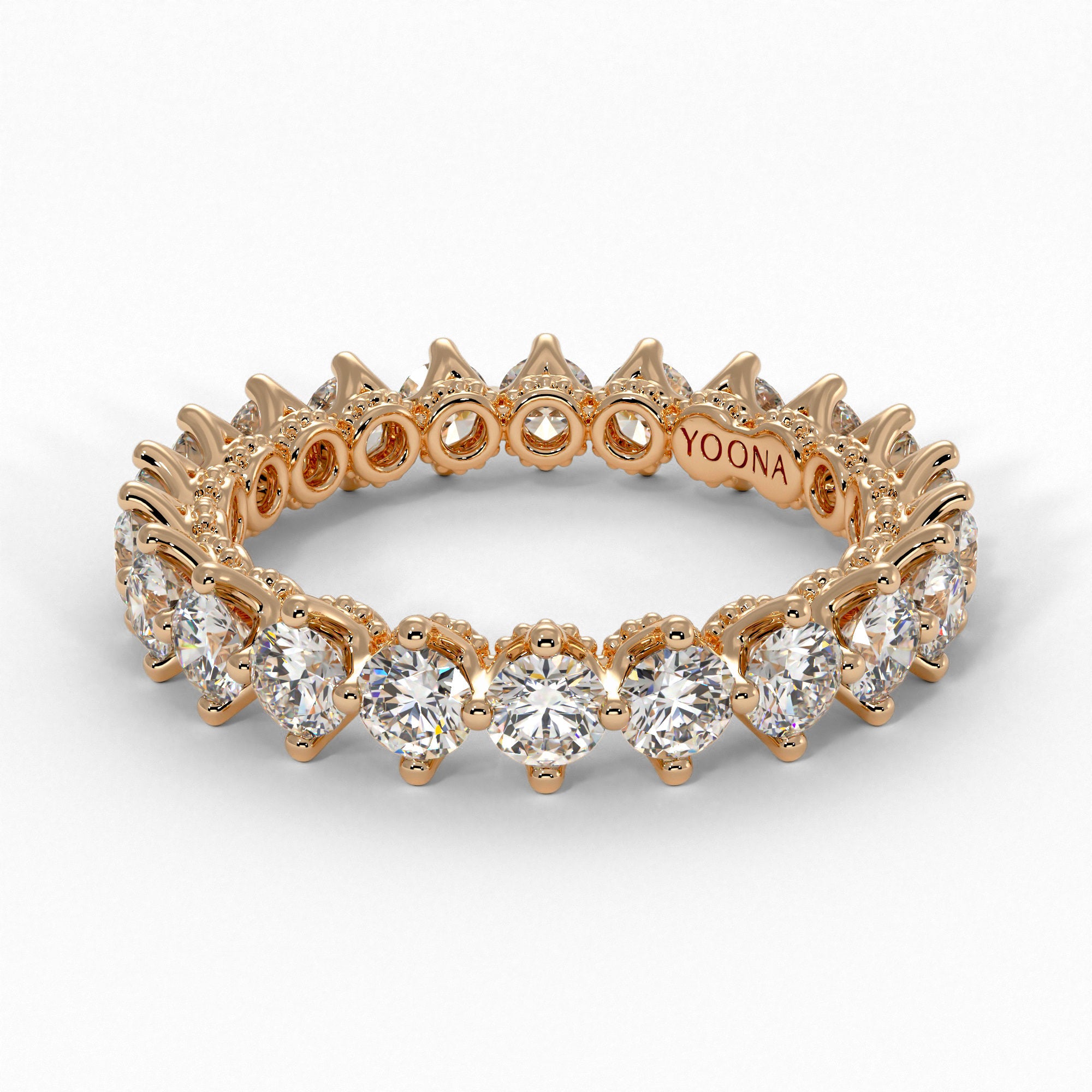
We stand firmly behind lab-grown sourcing for its land, waste, and traceability advantages, covered in full in Are Lab-Grown Diamonds Actually Sustainable?, and we use recycled metal in every piece, a genuinely low-dispute choice. On carbon specifically, we'd rather tell you the honest, complicated truth than round up to a number we can't verify.