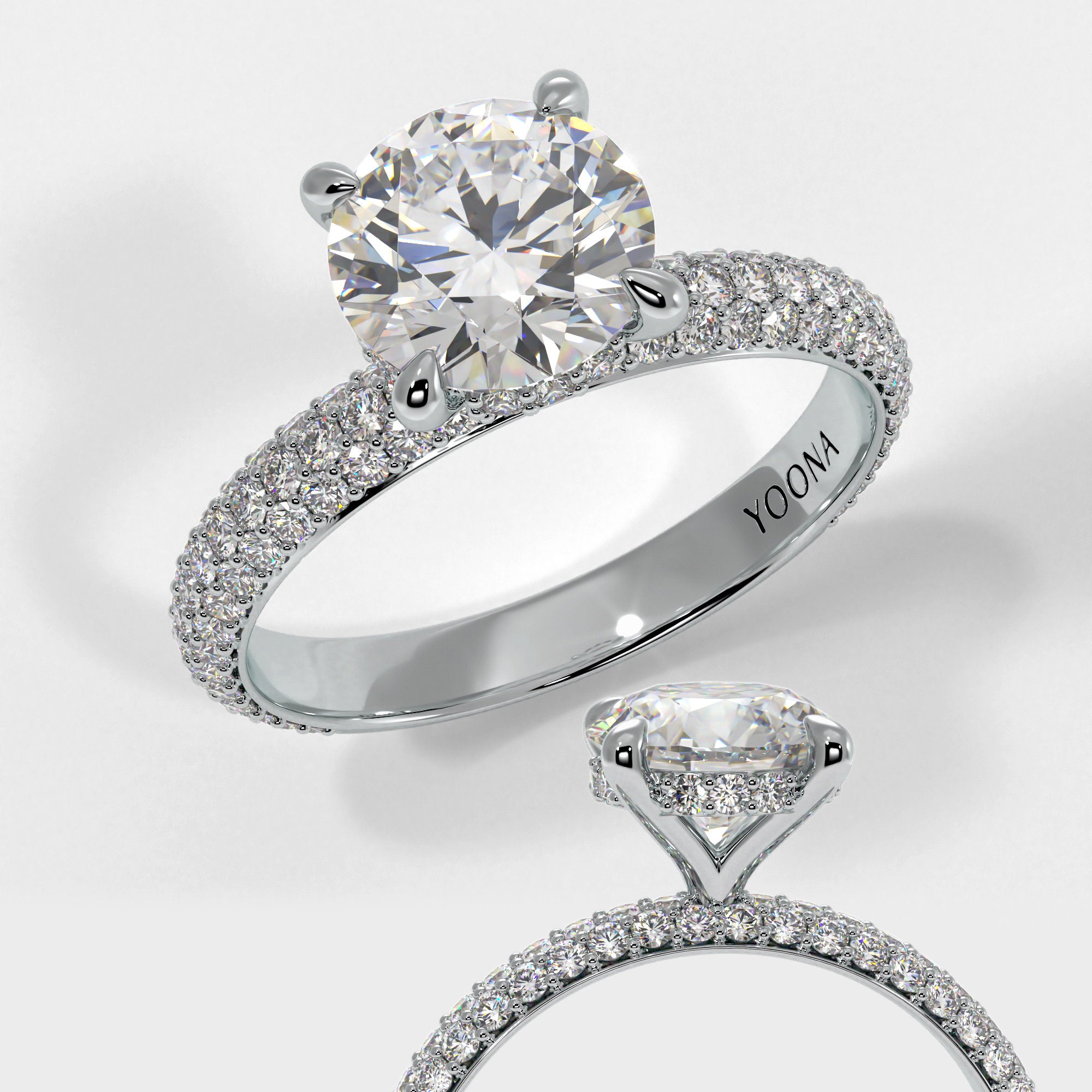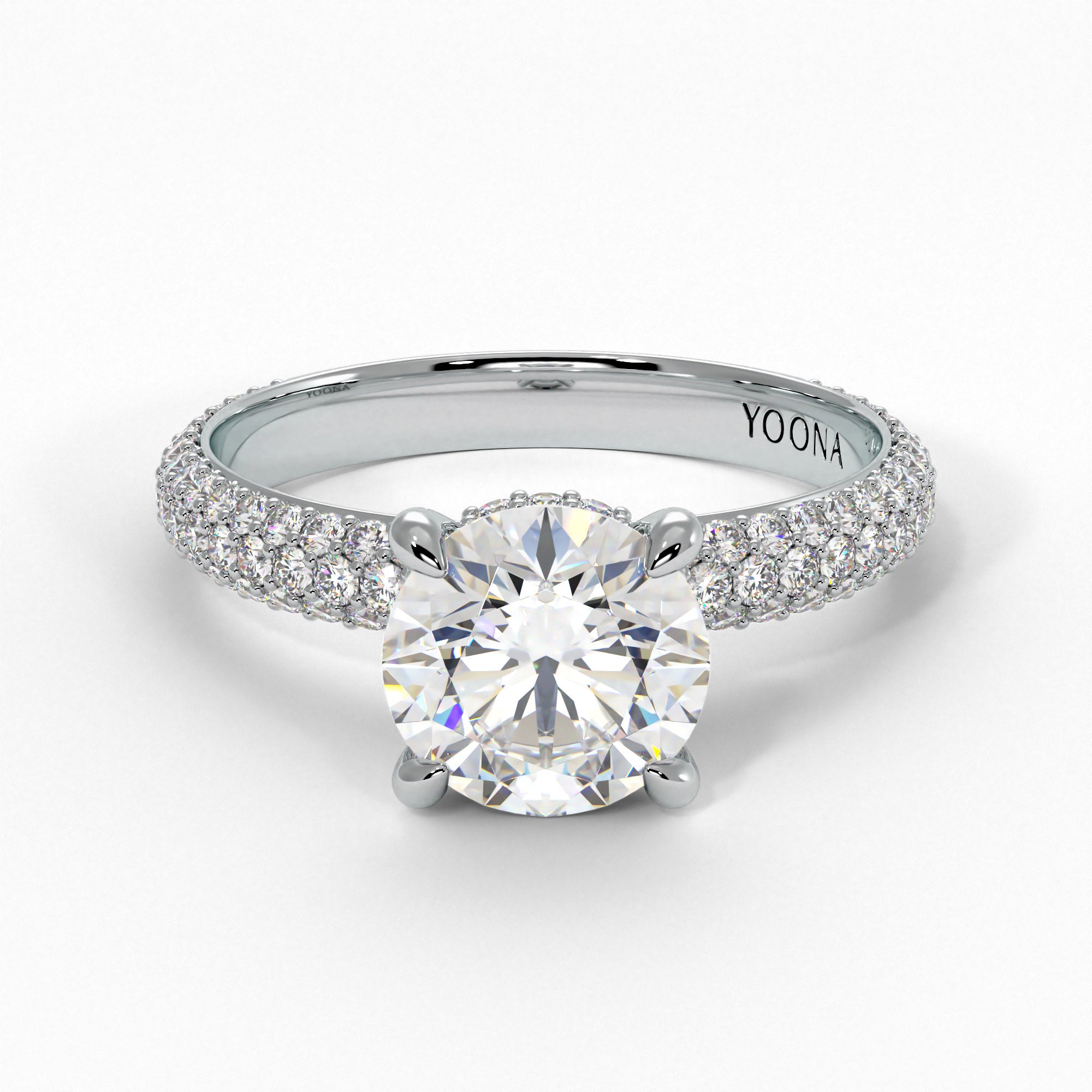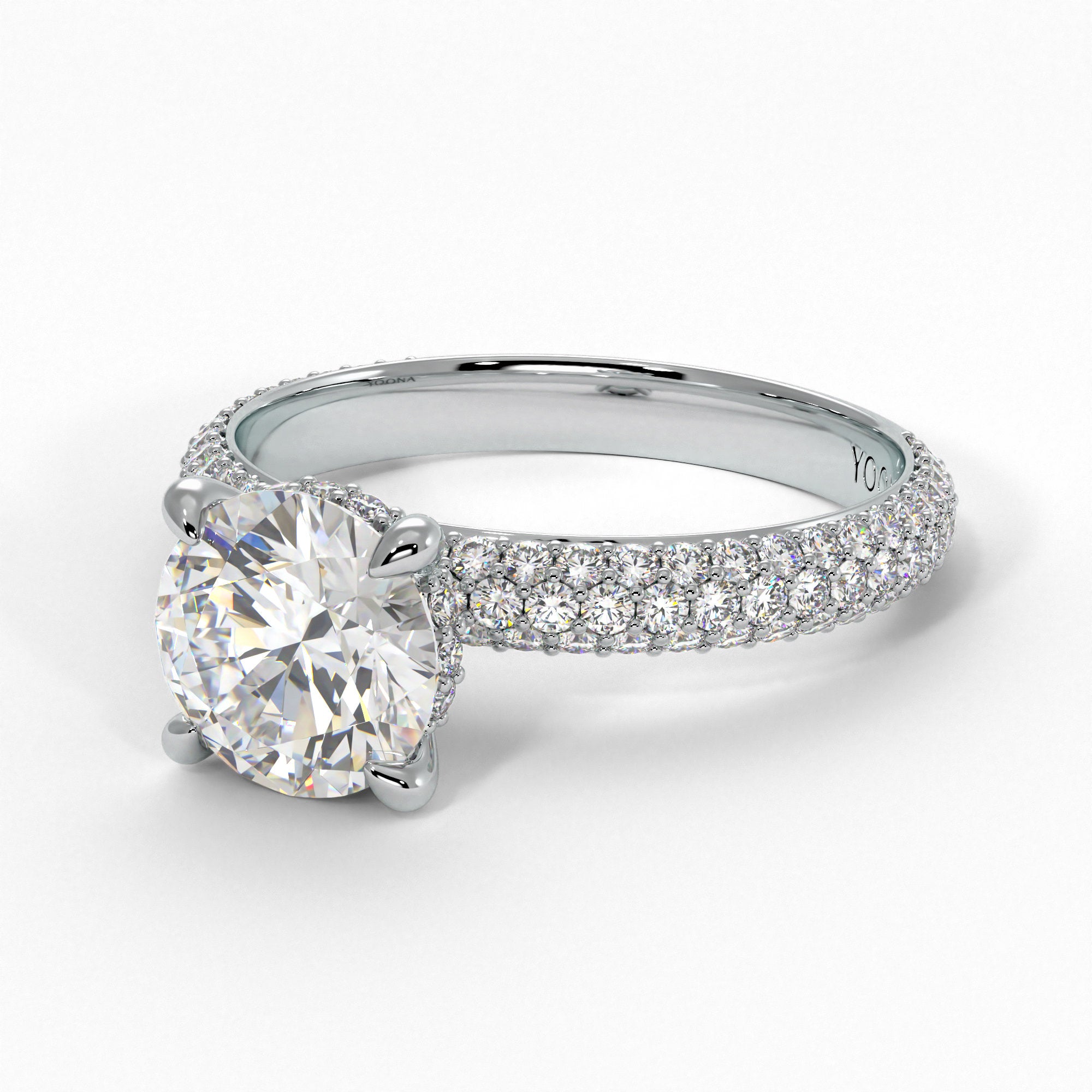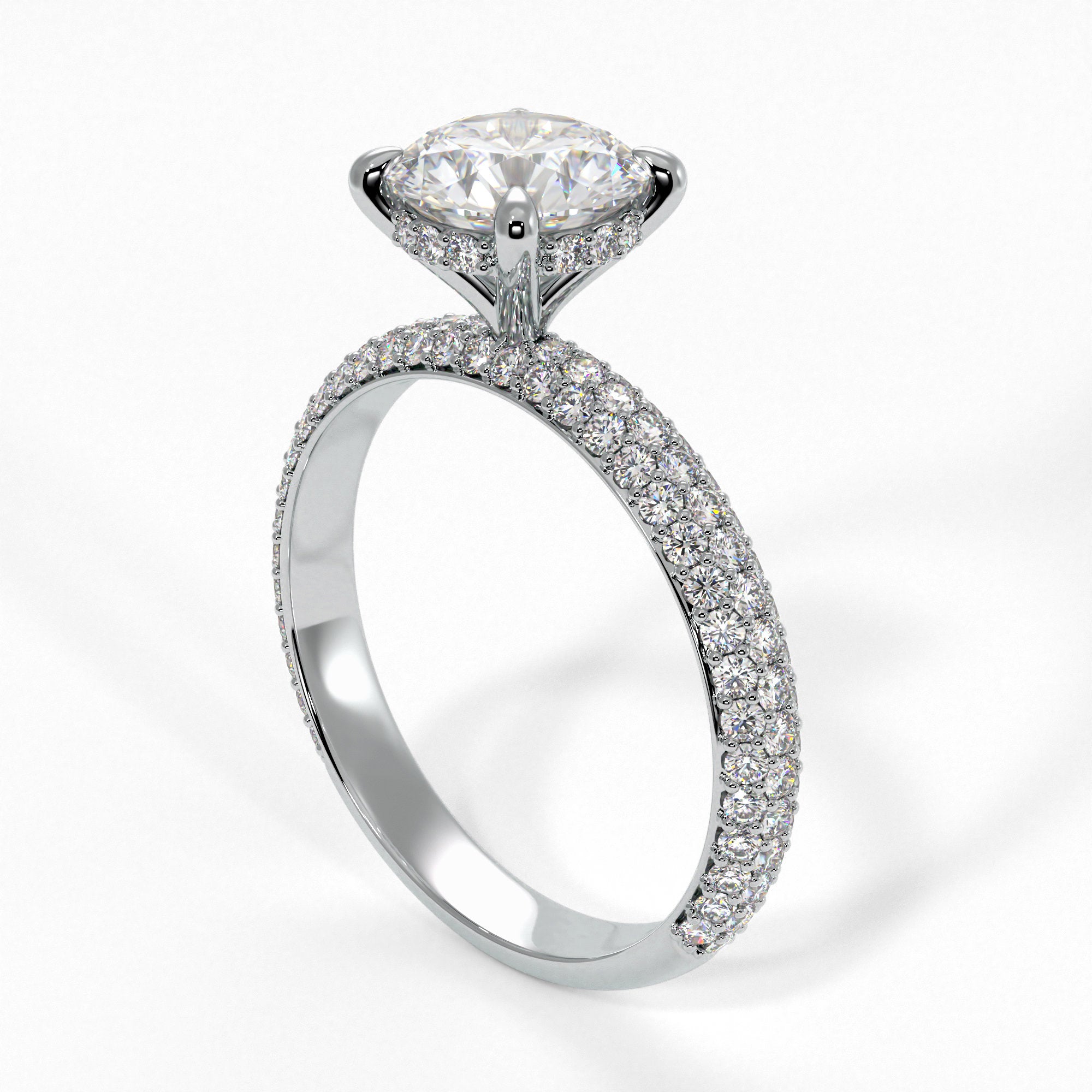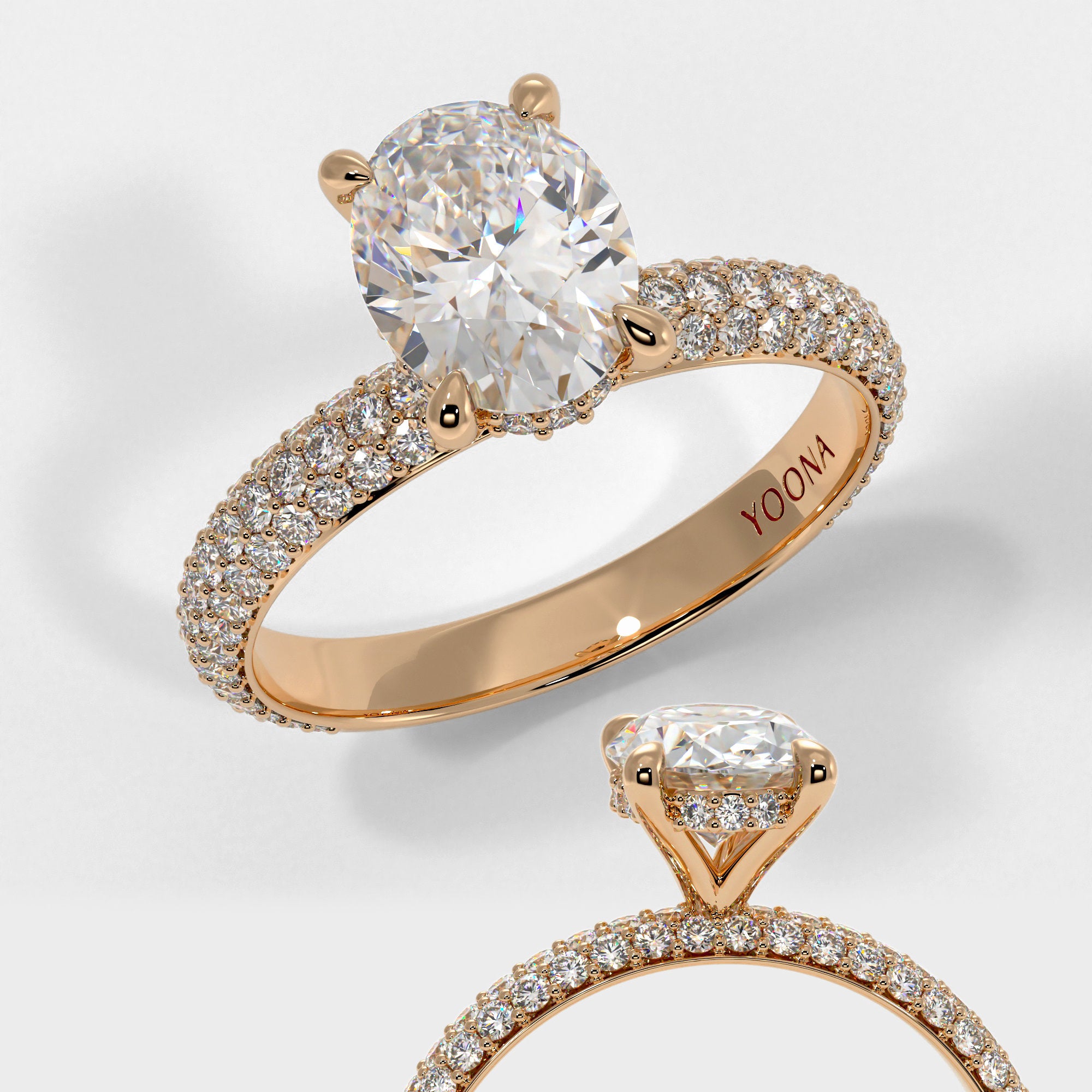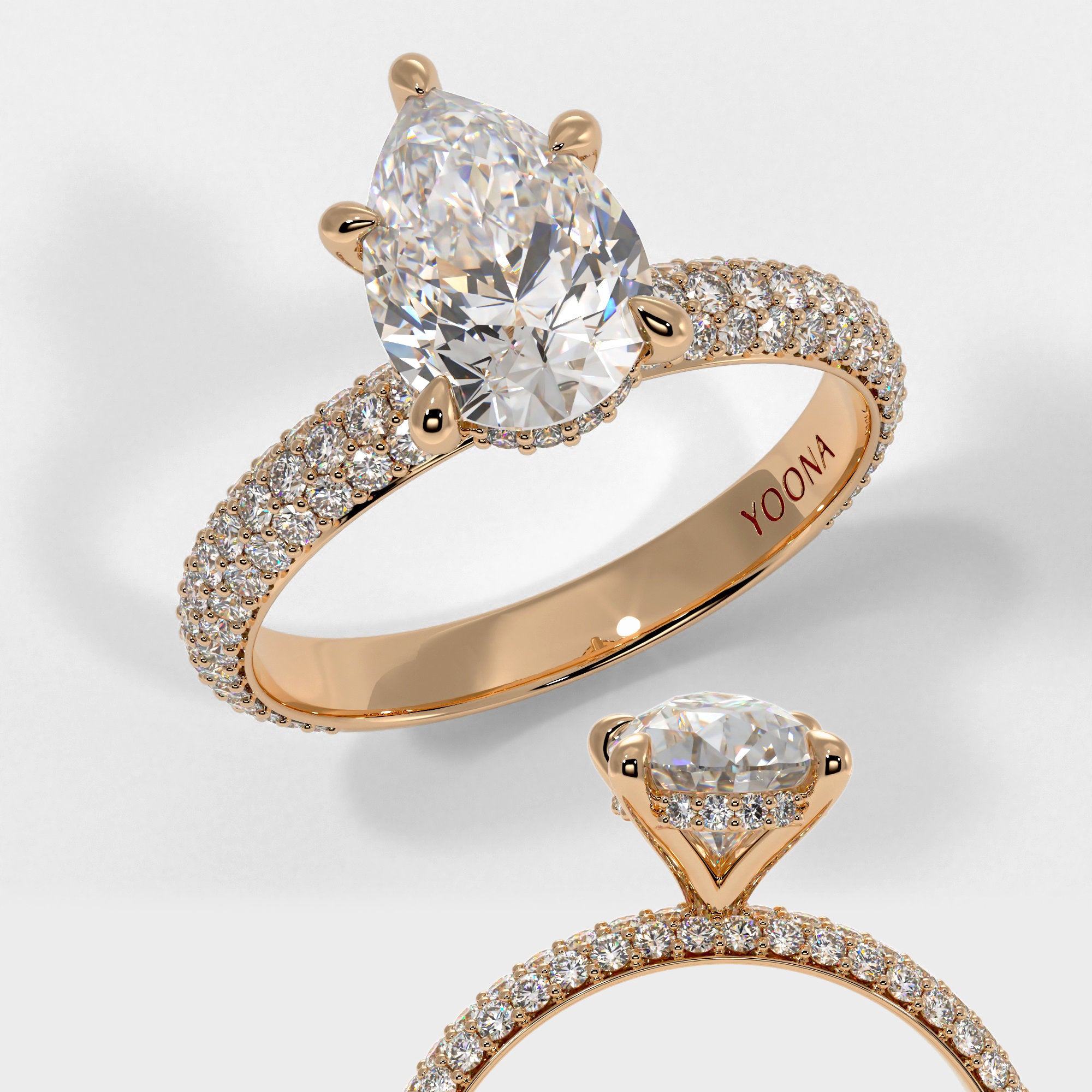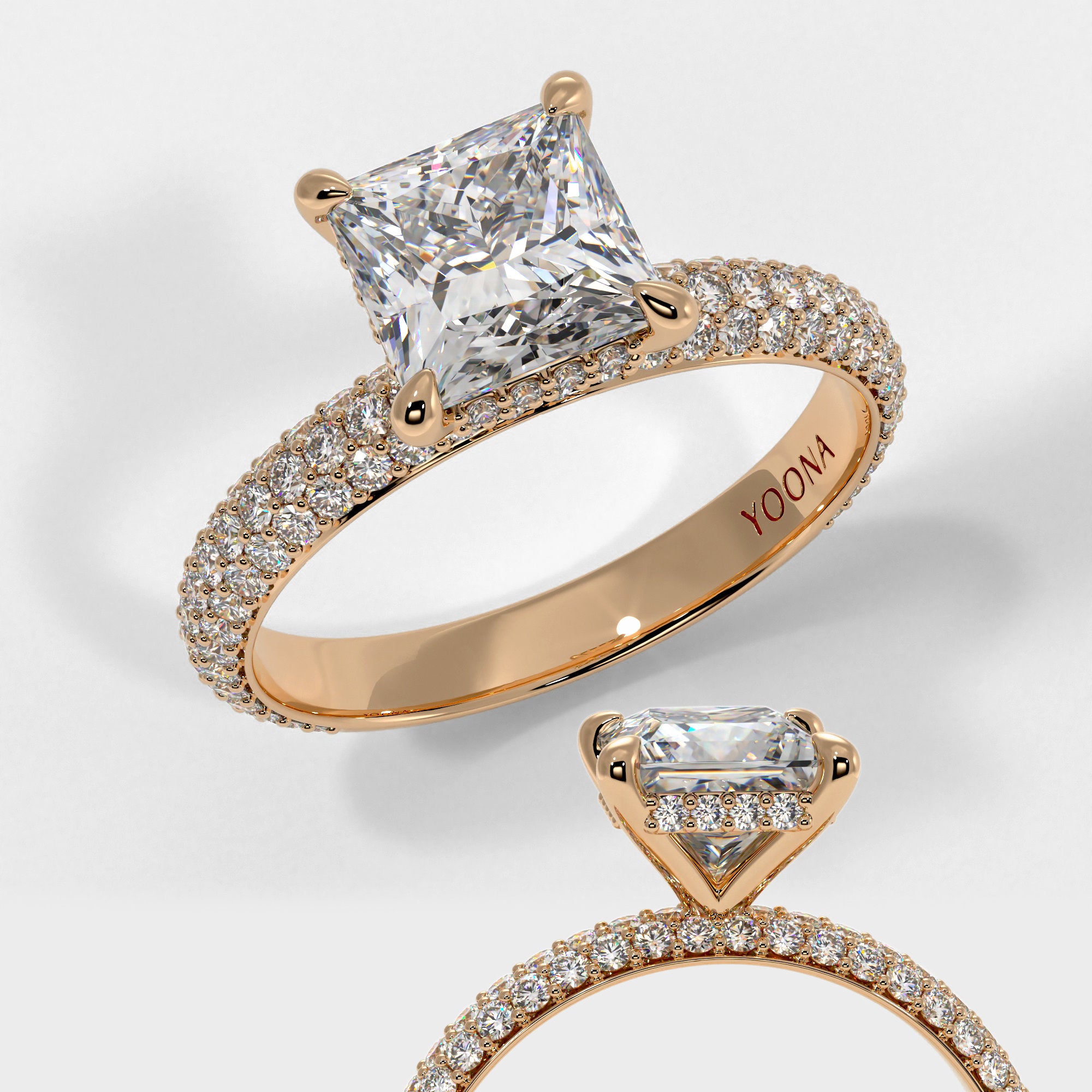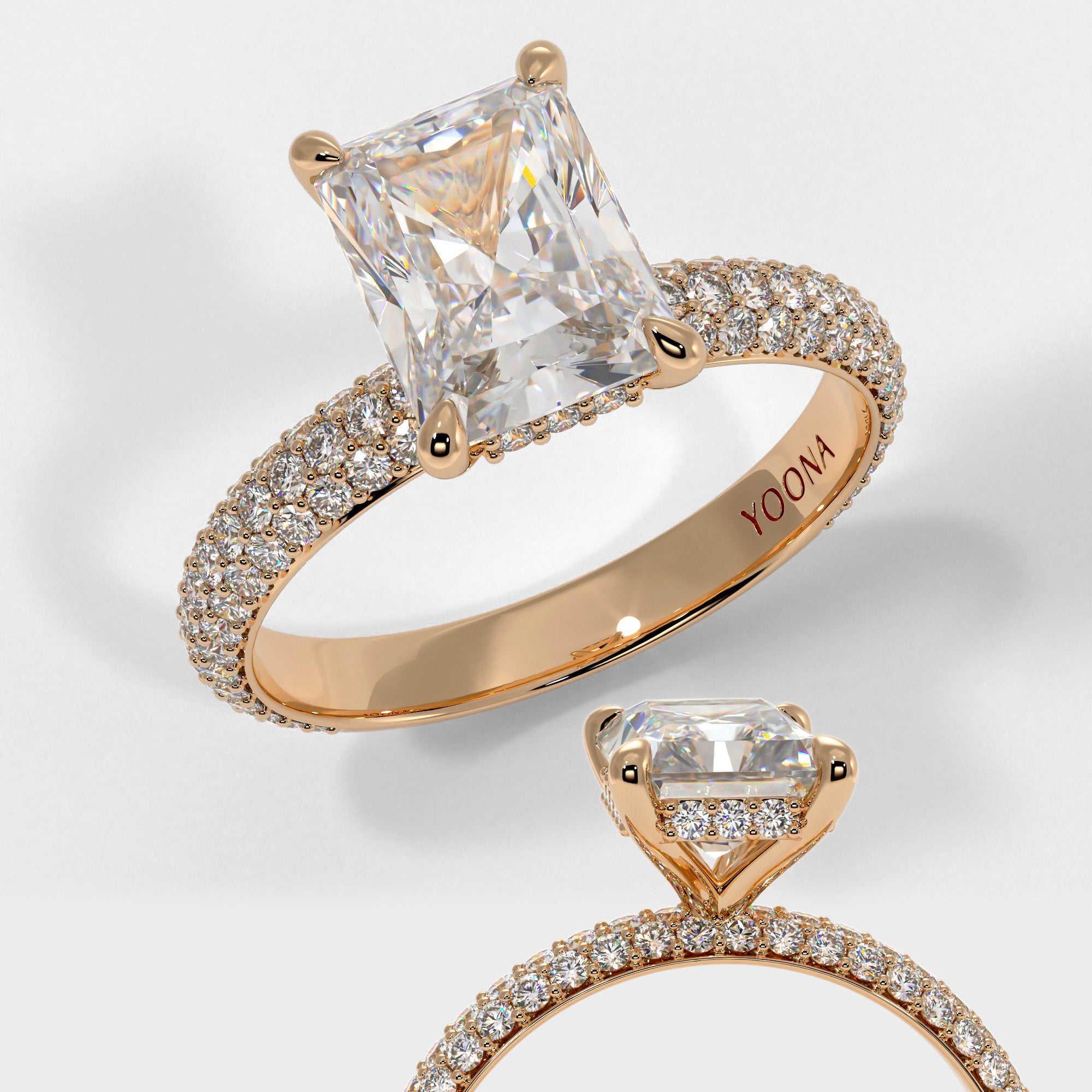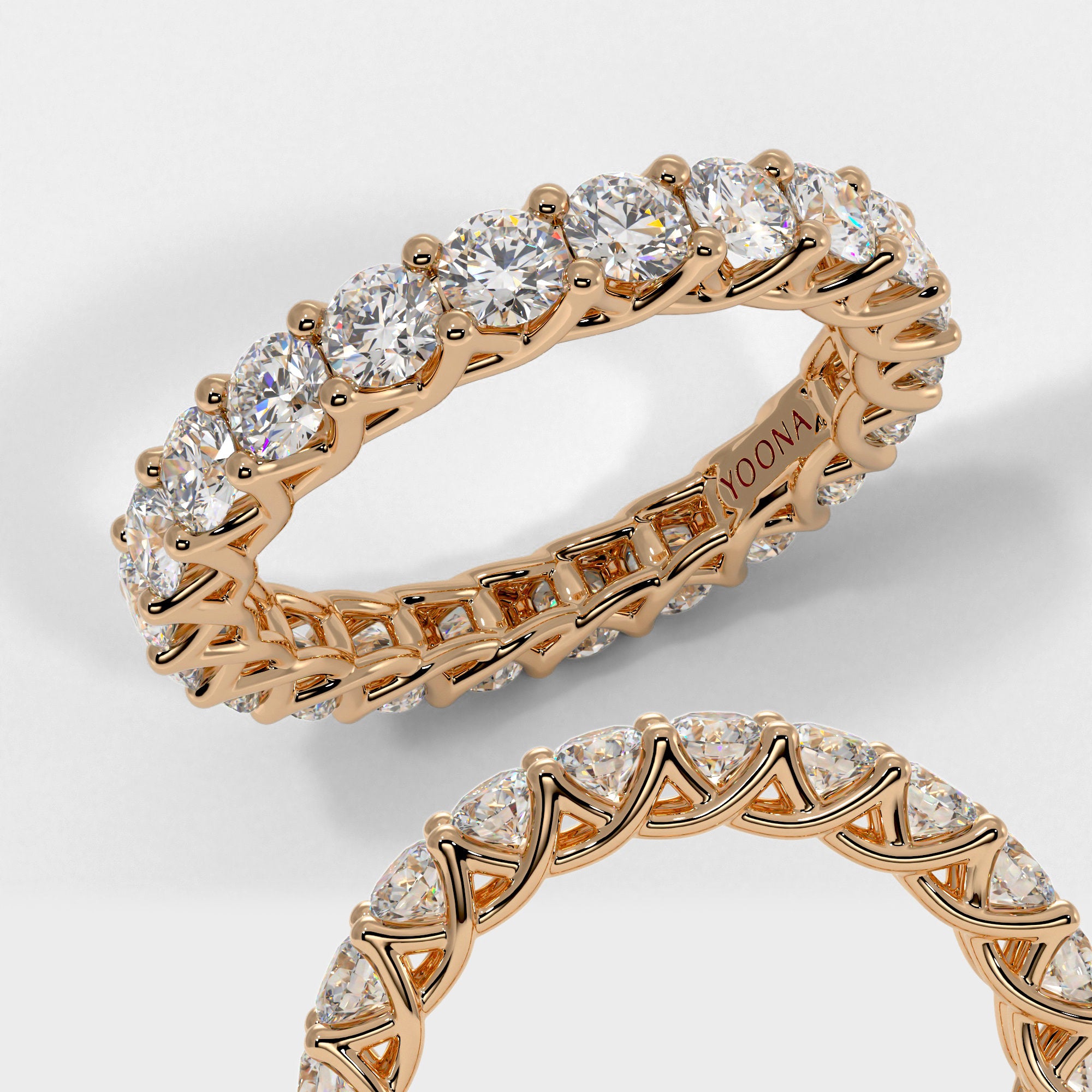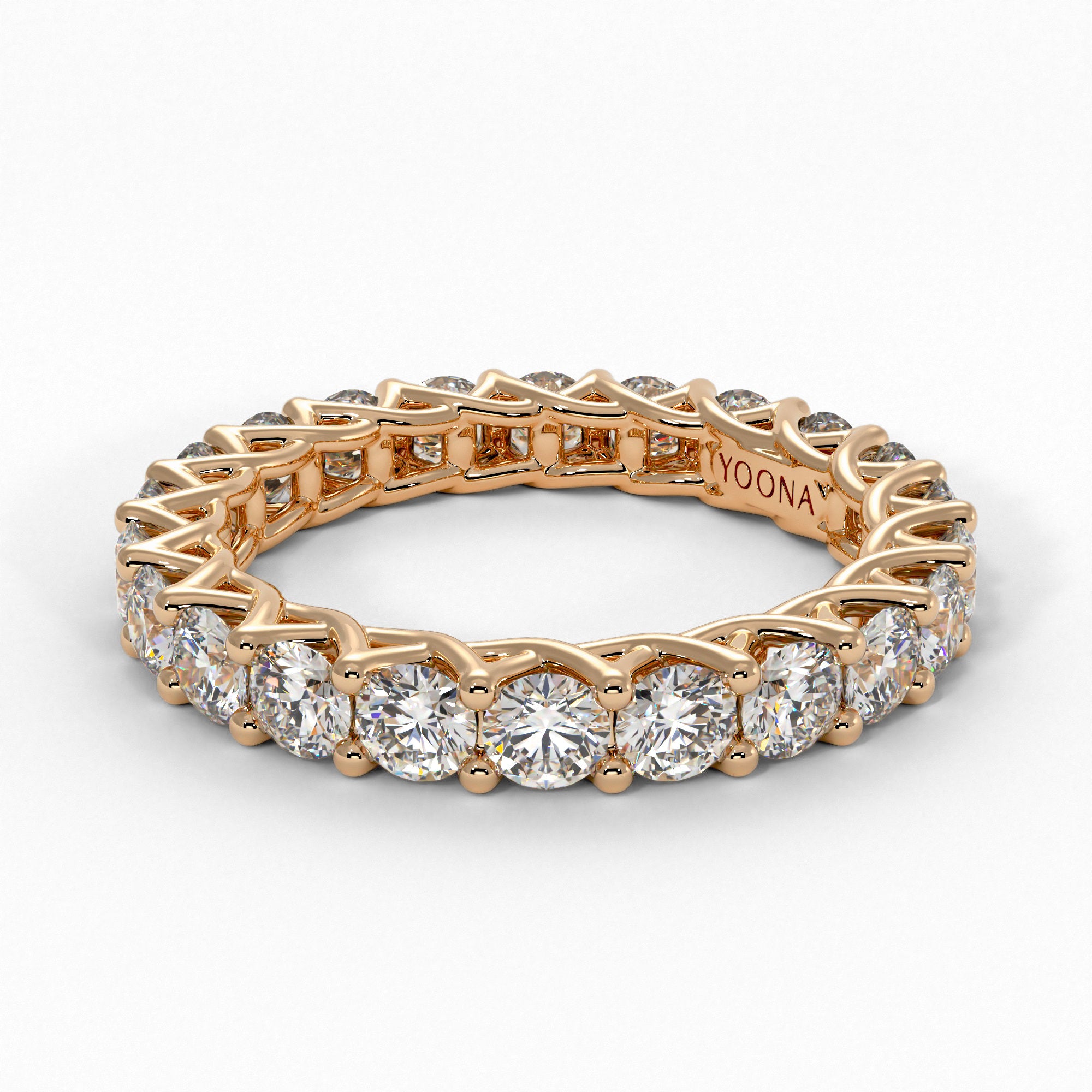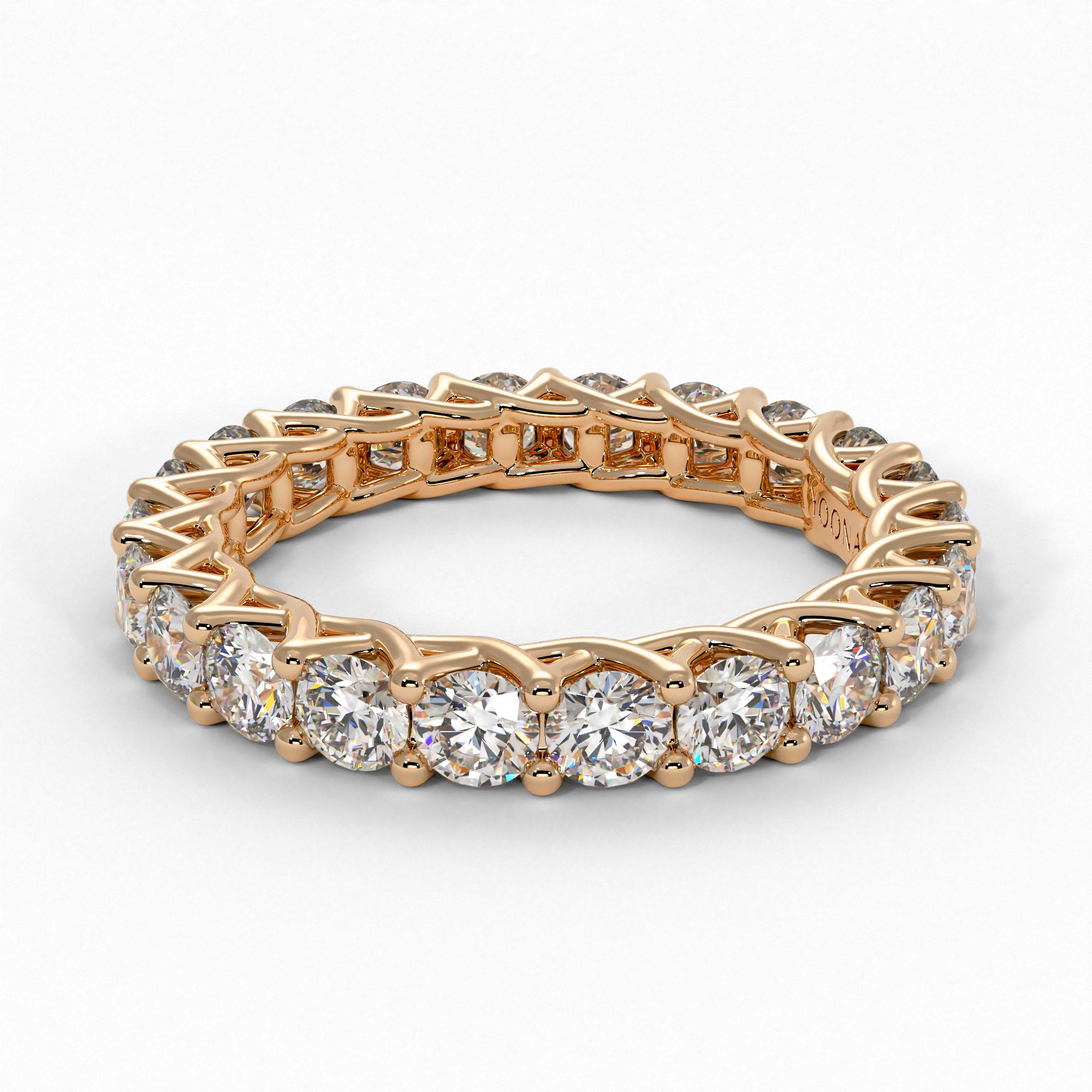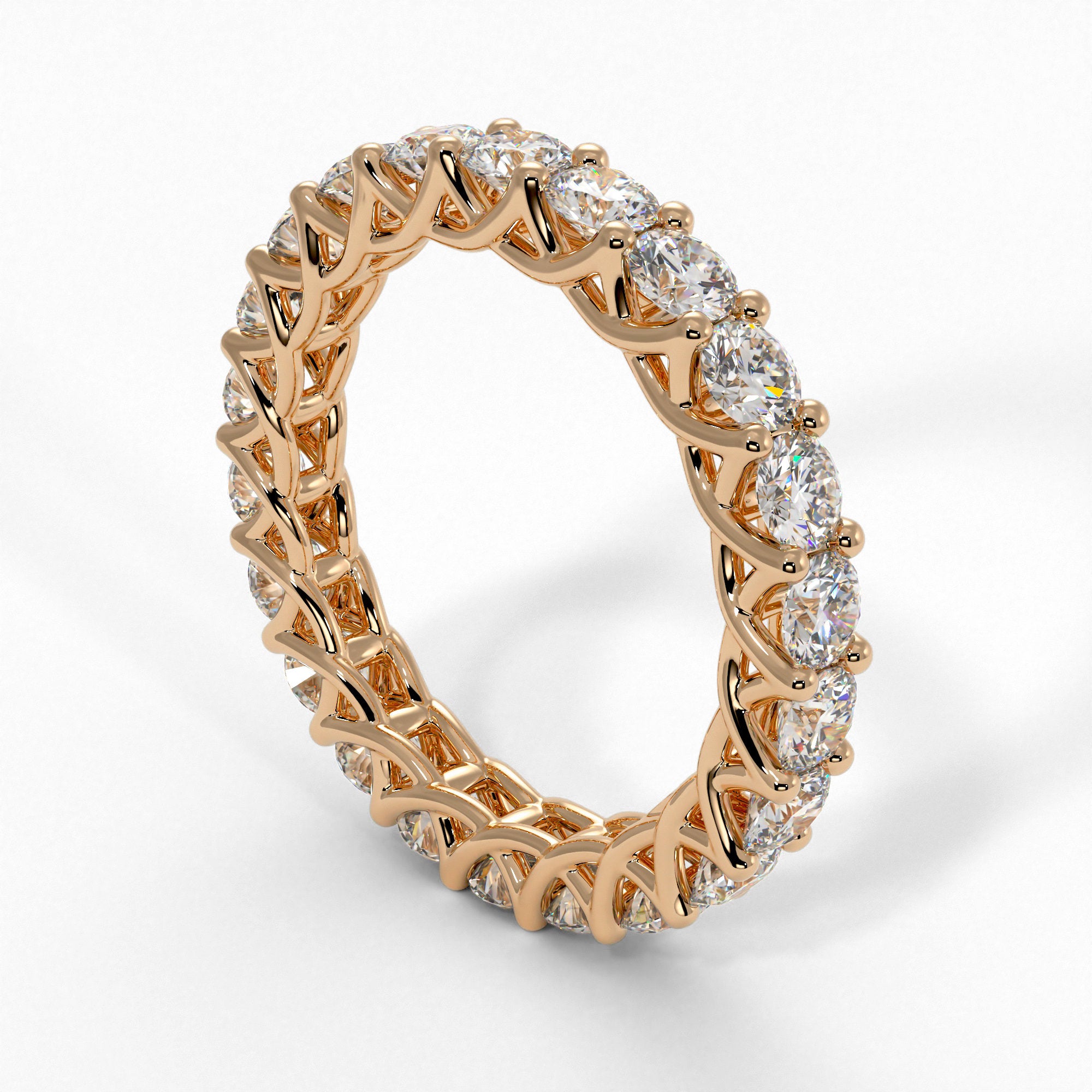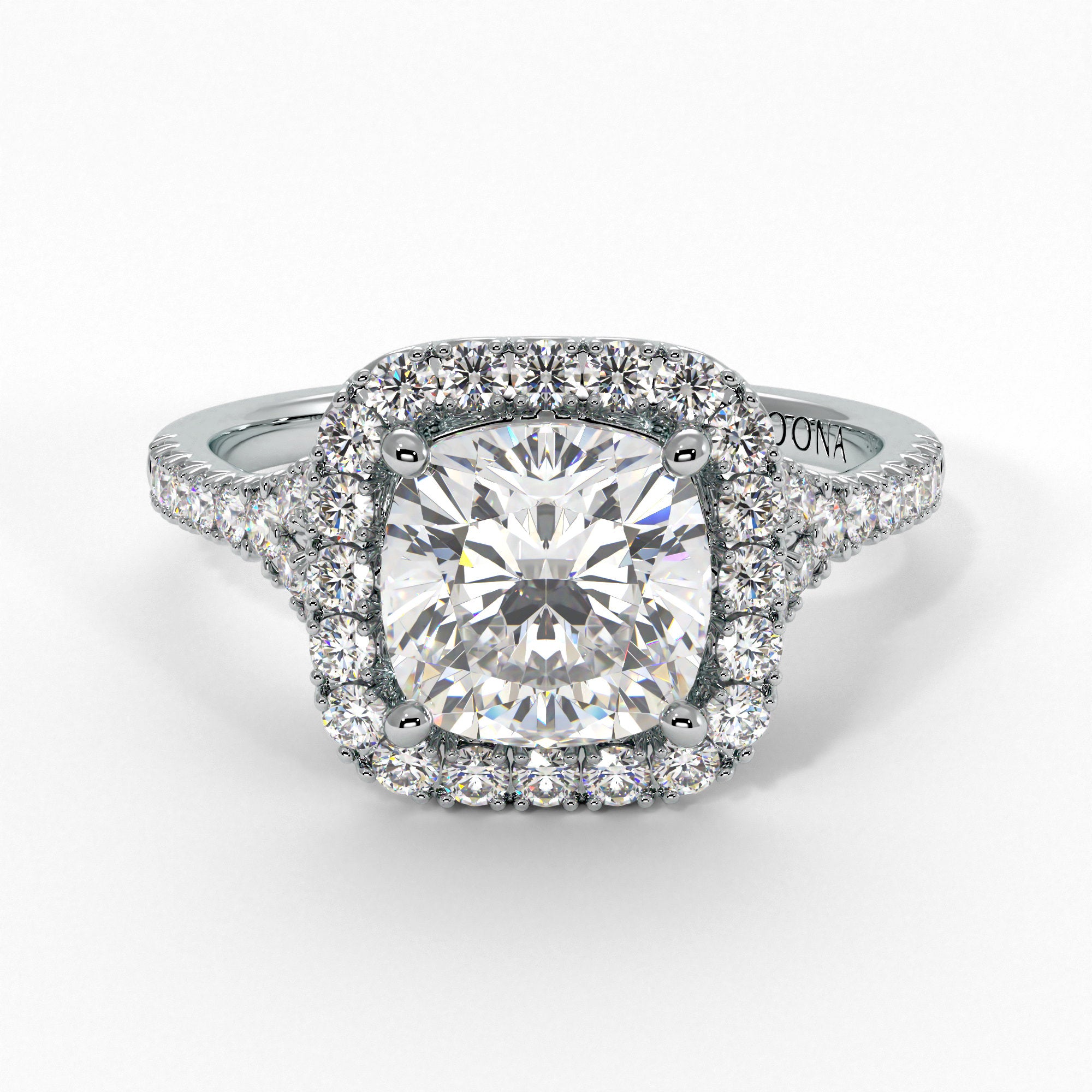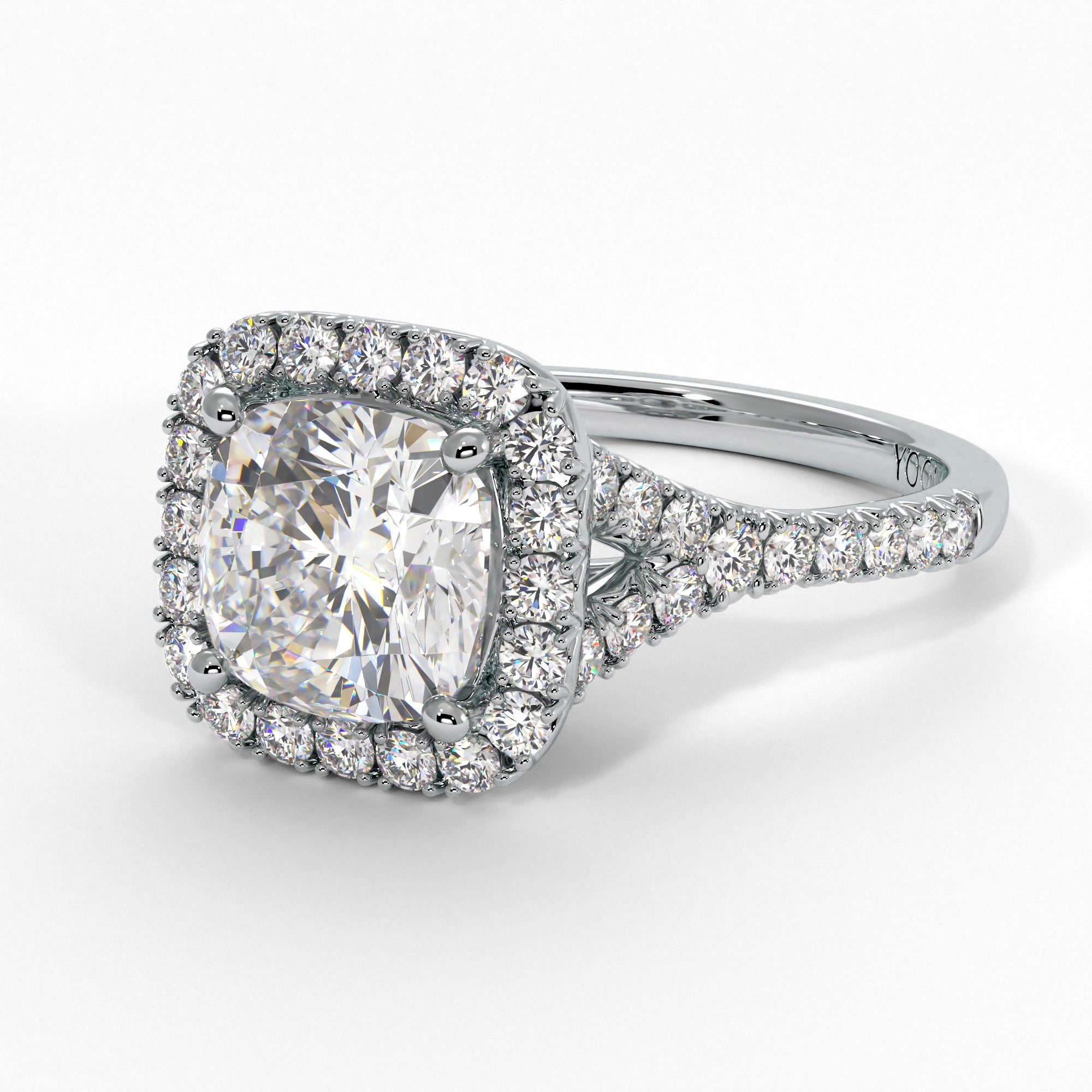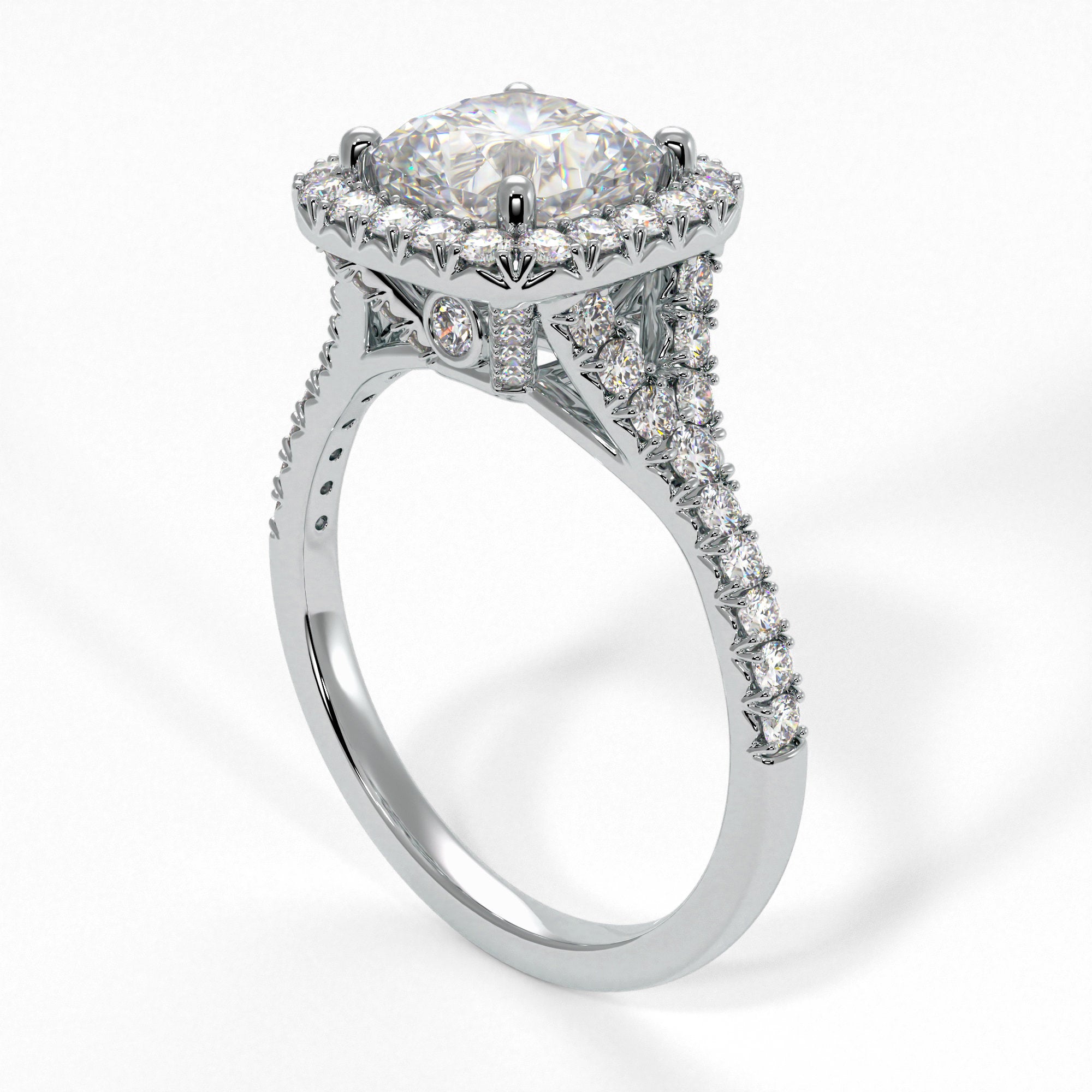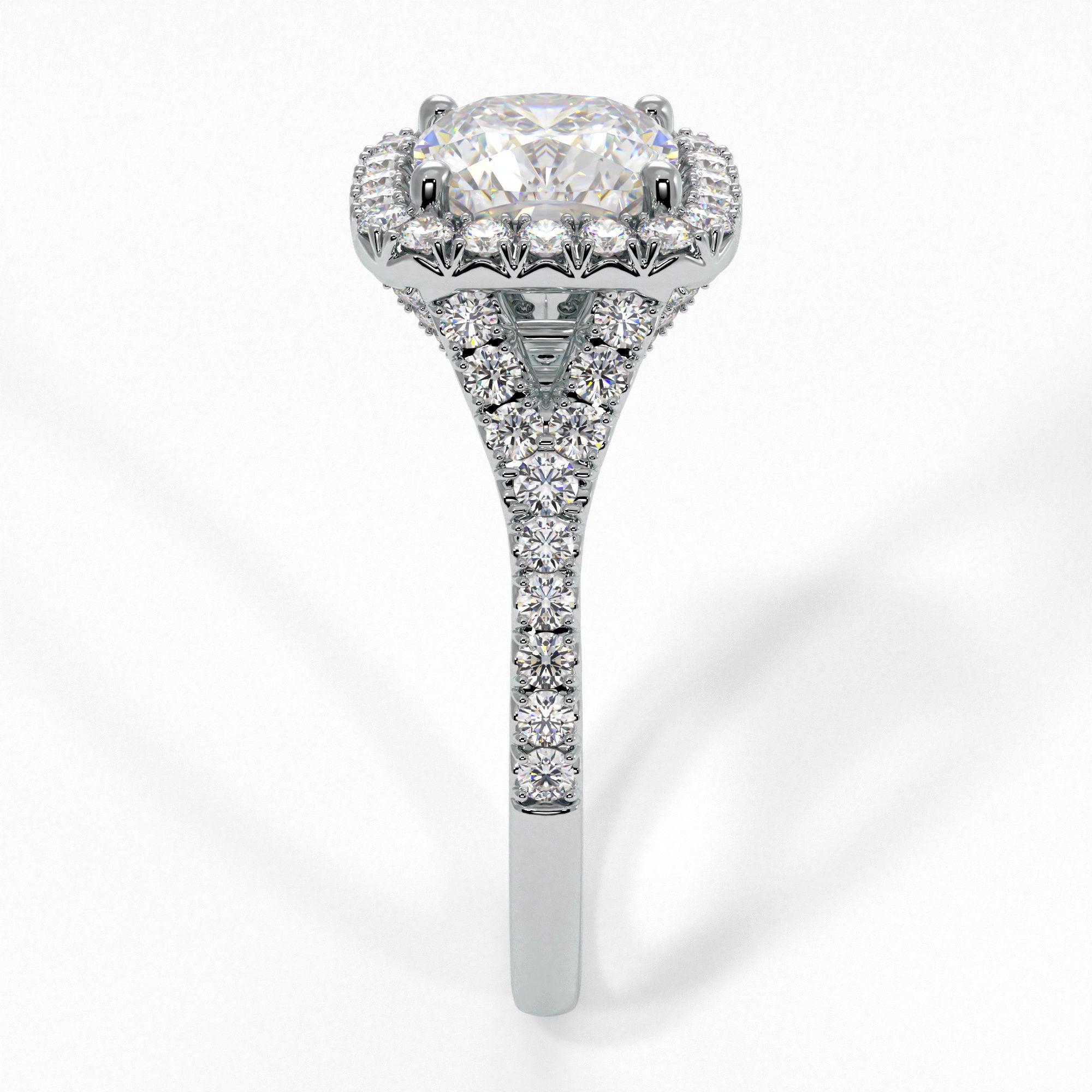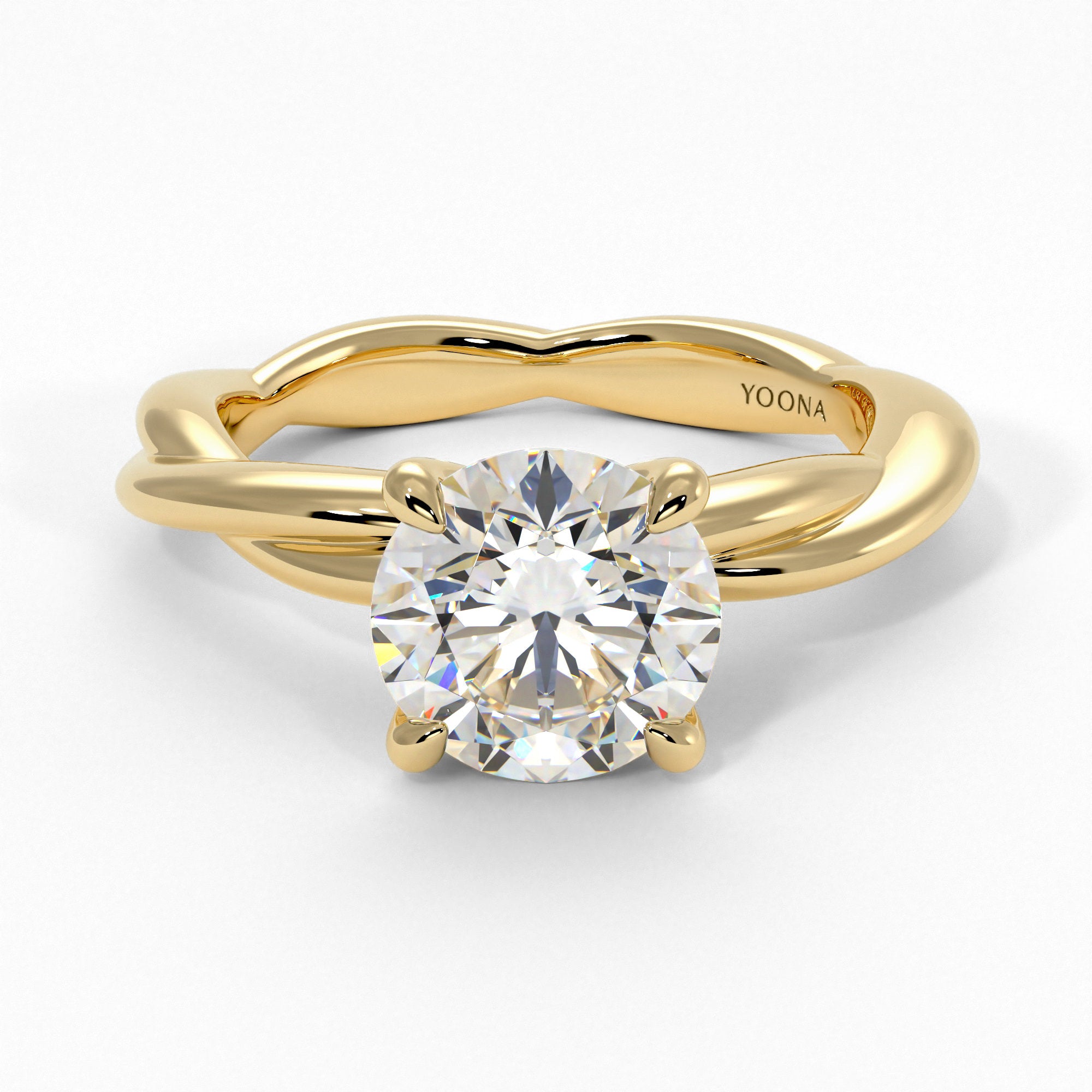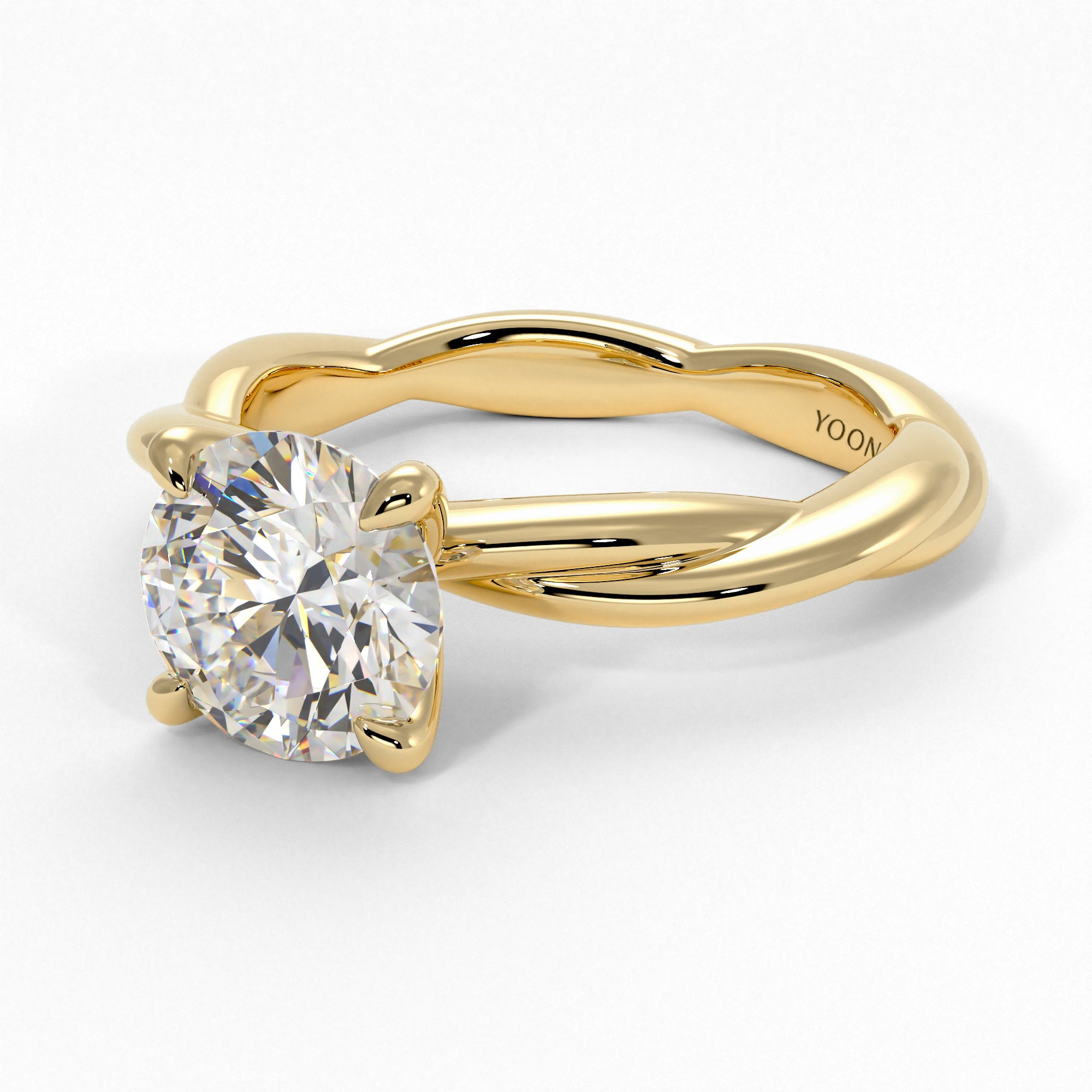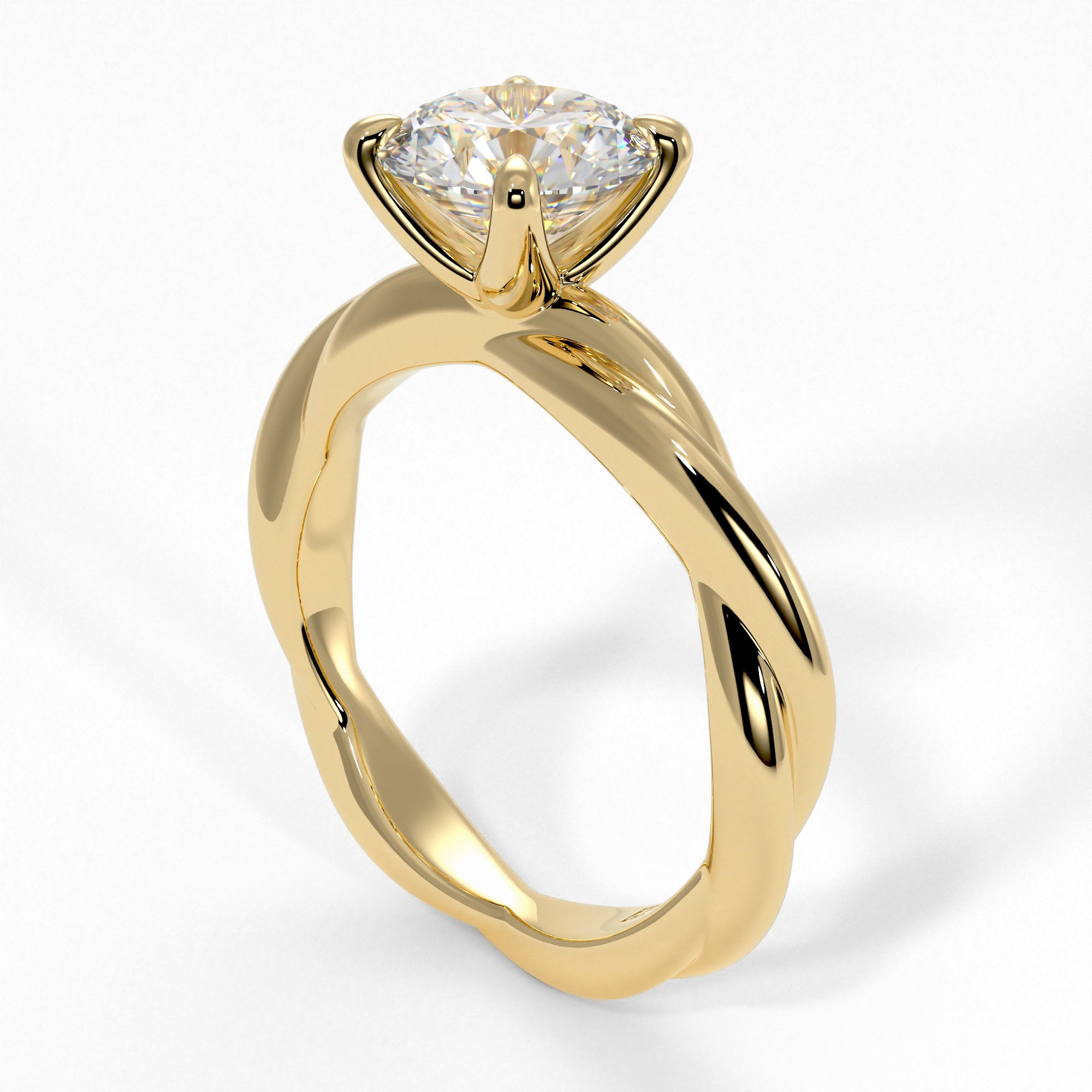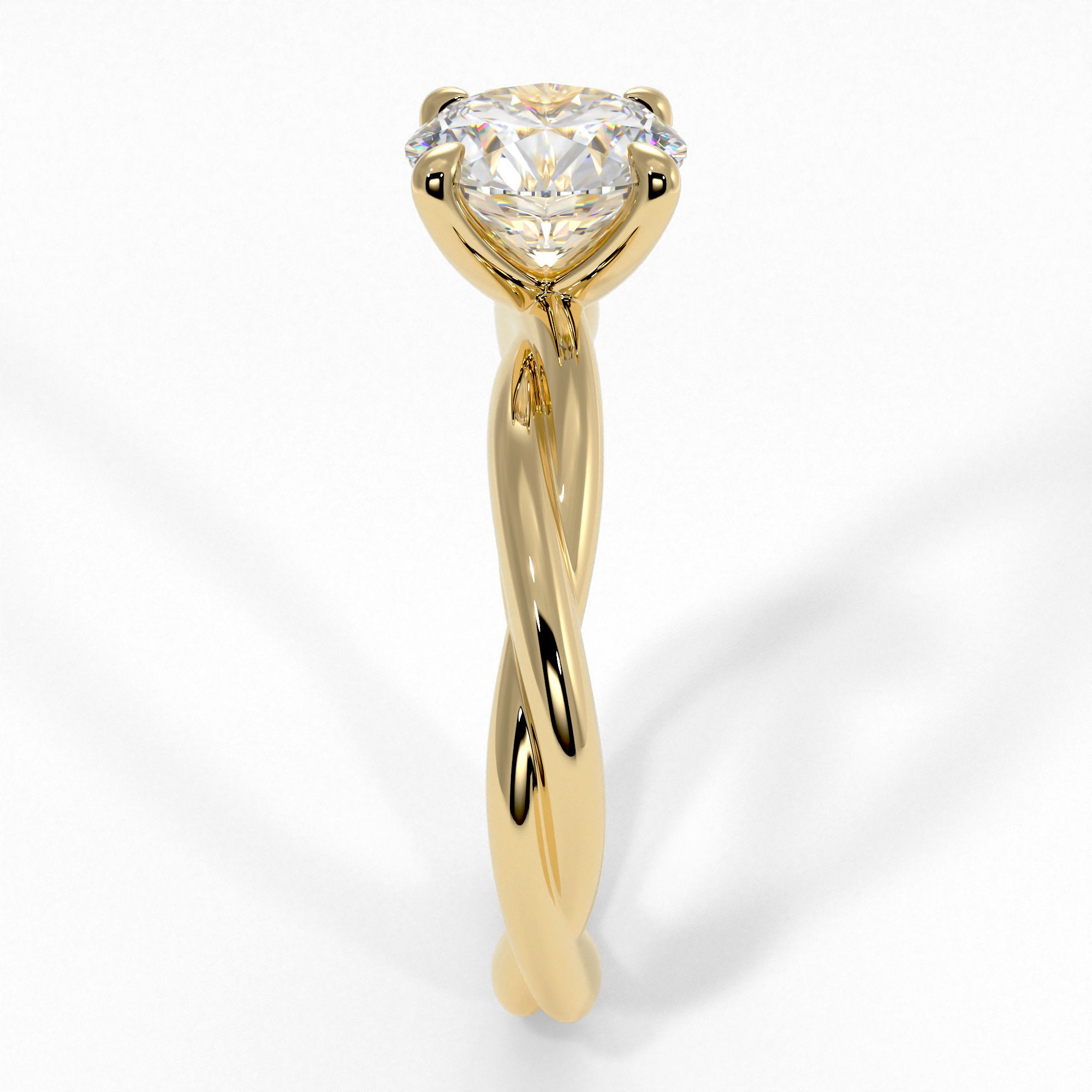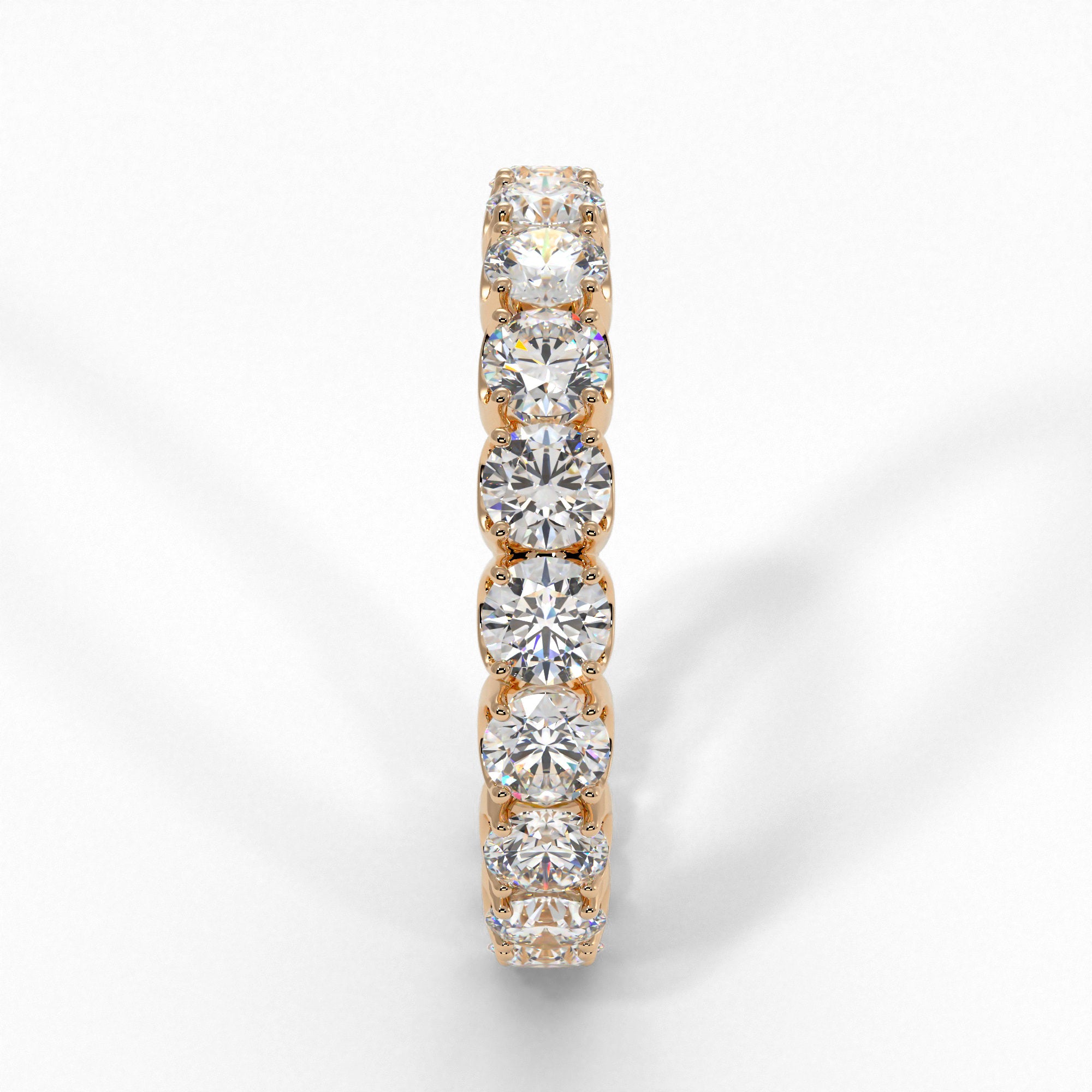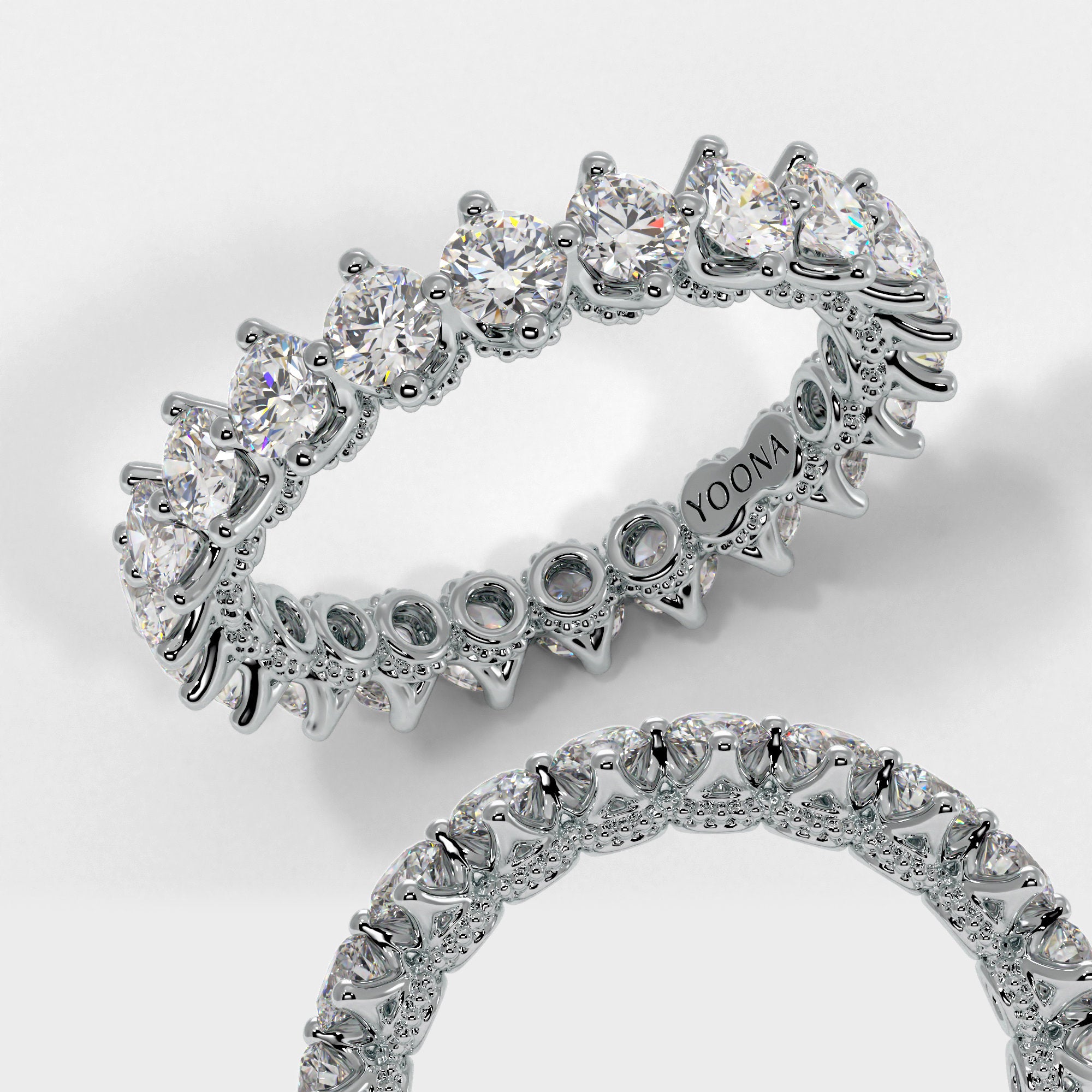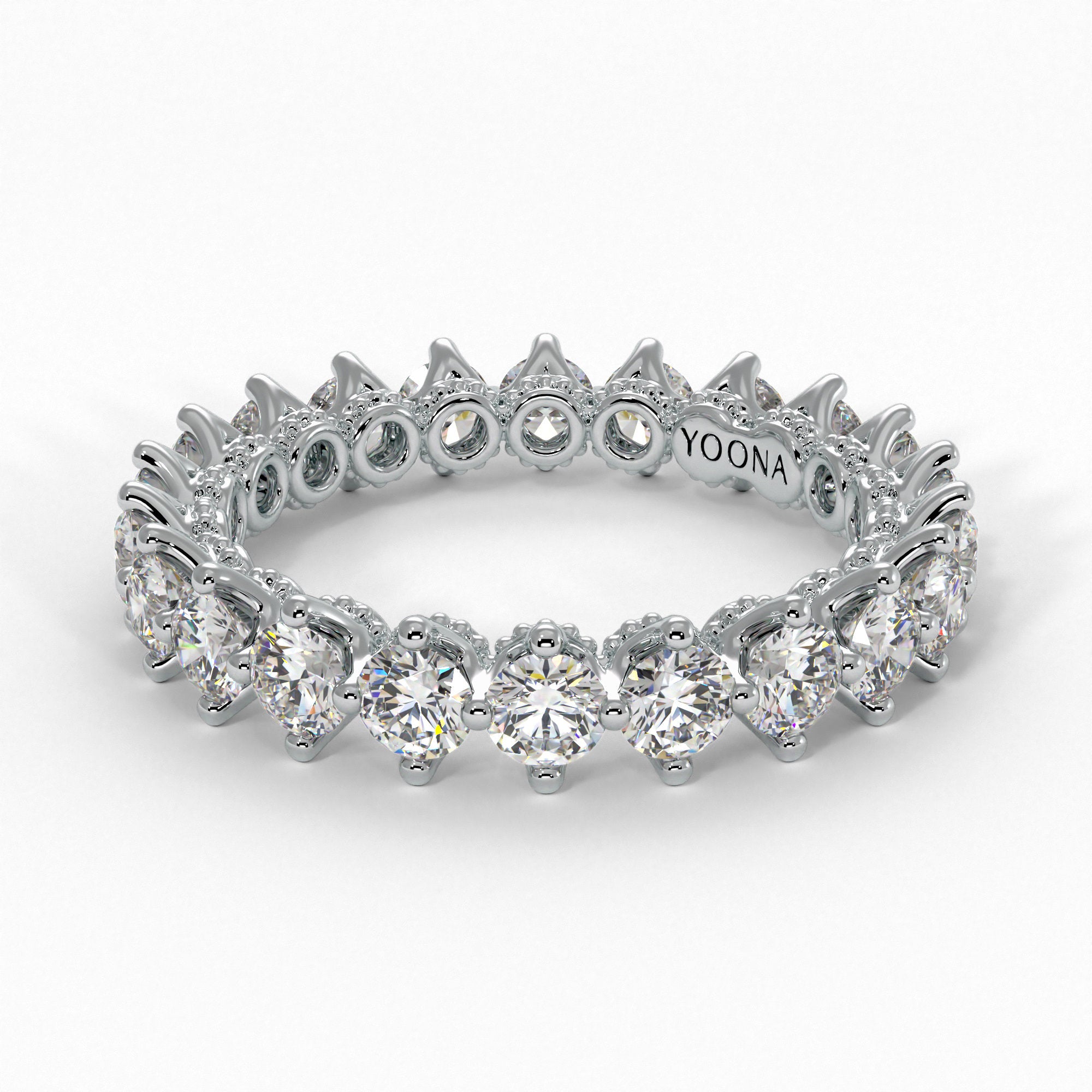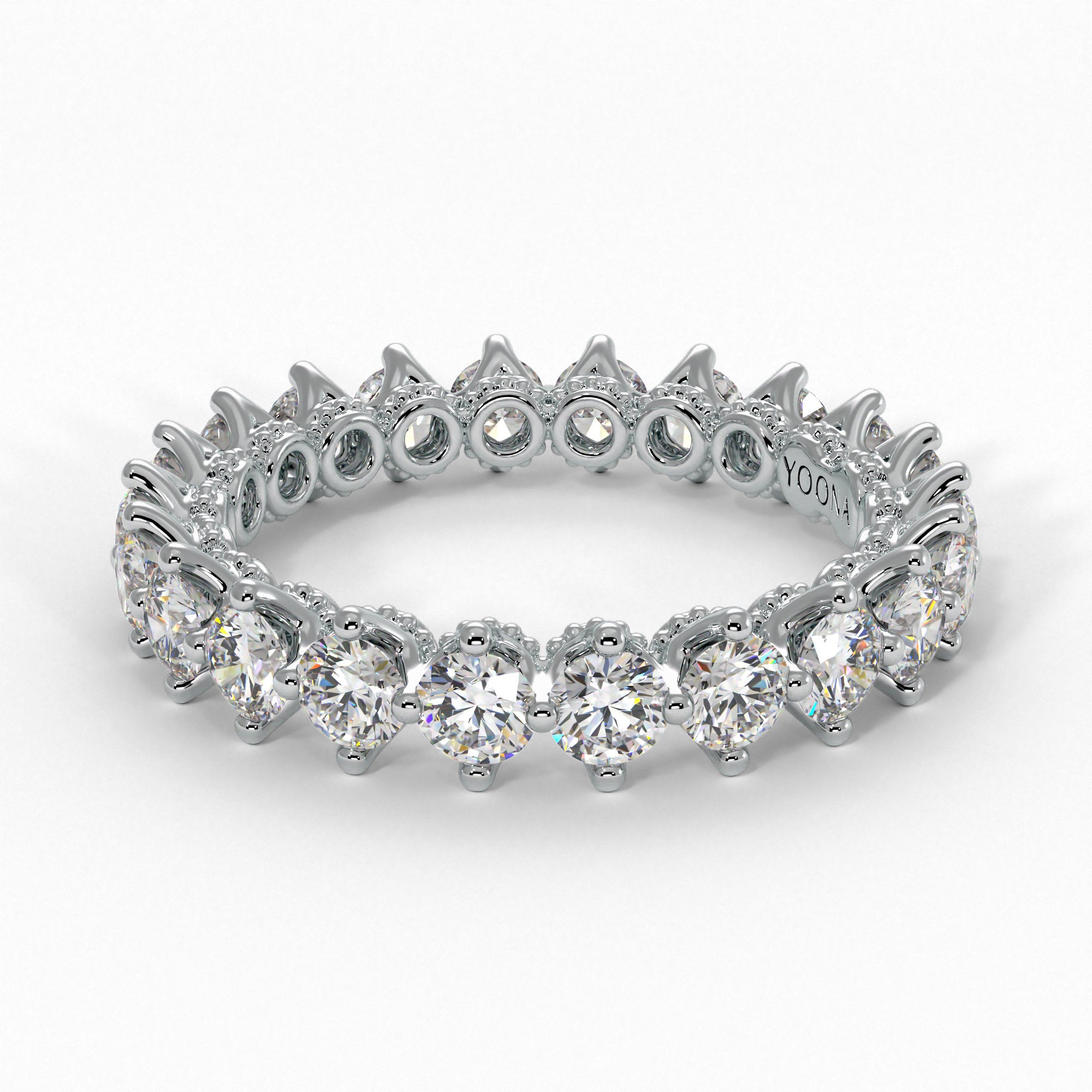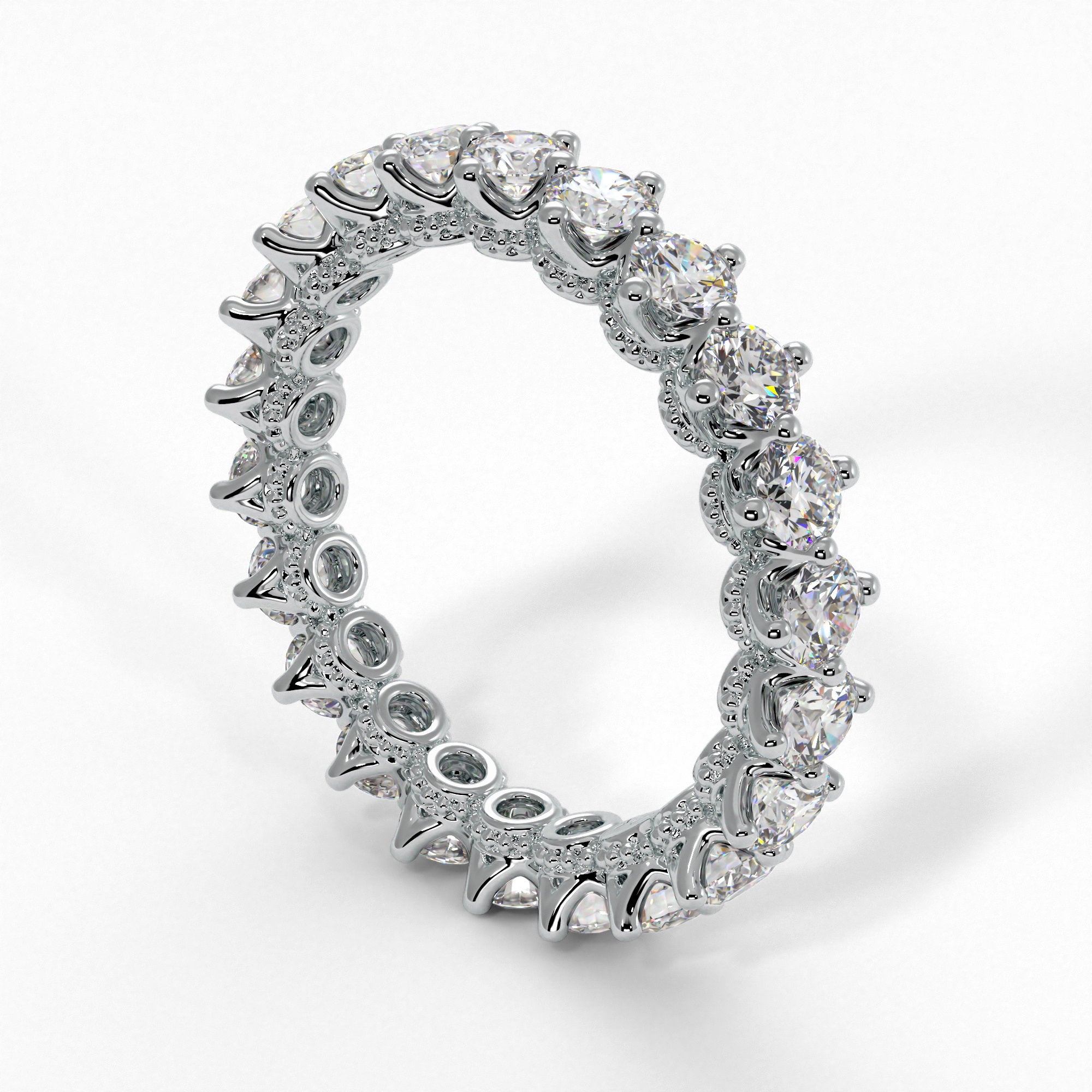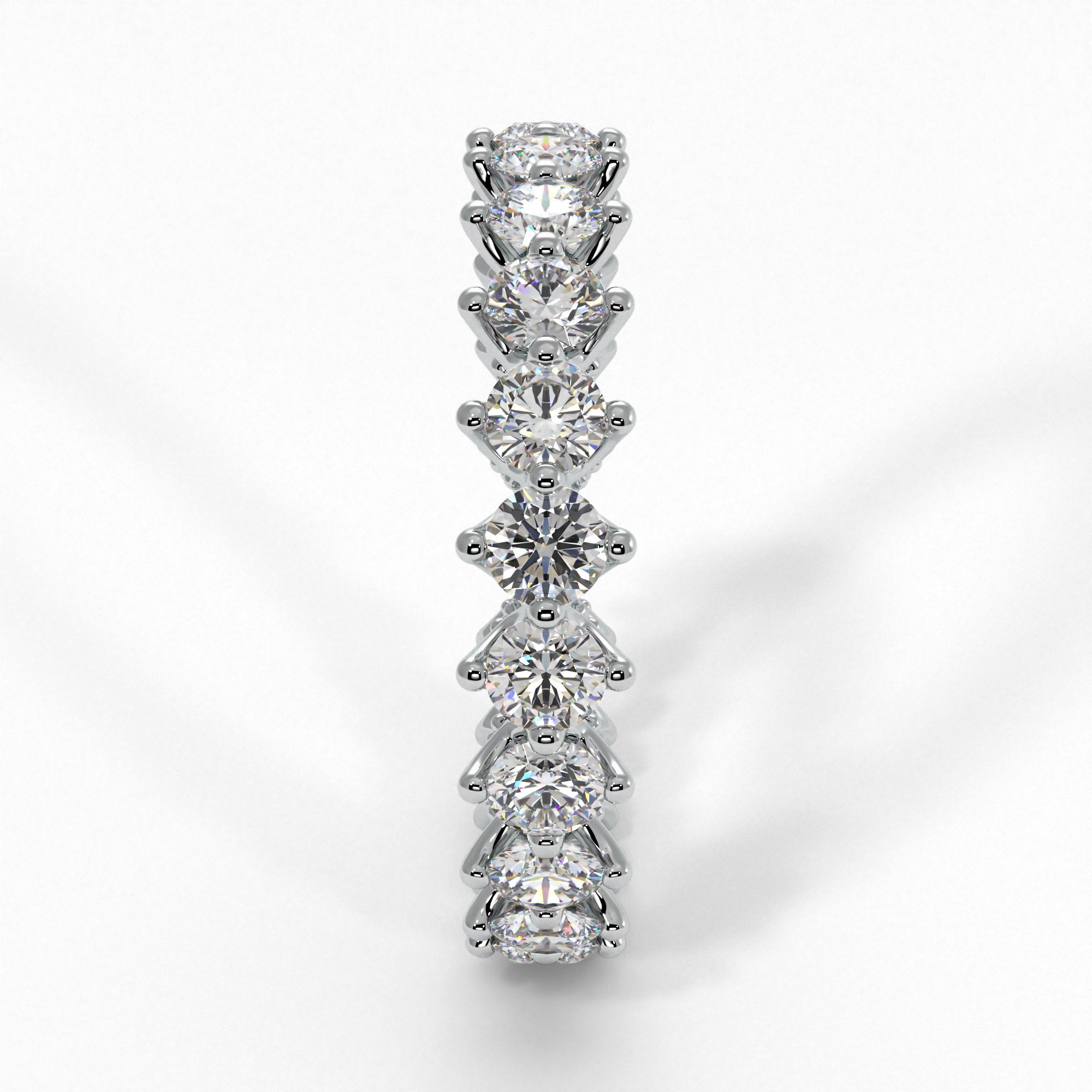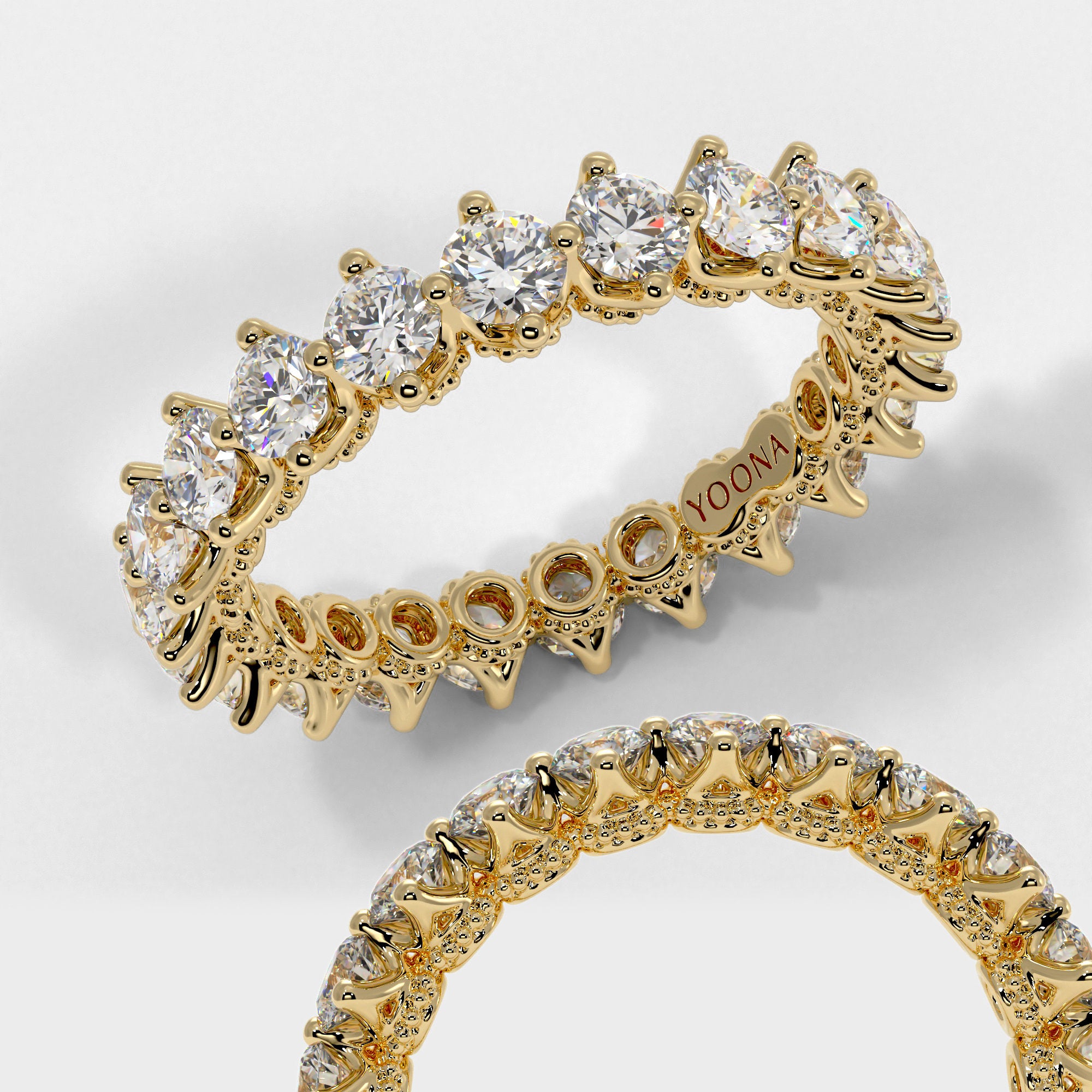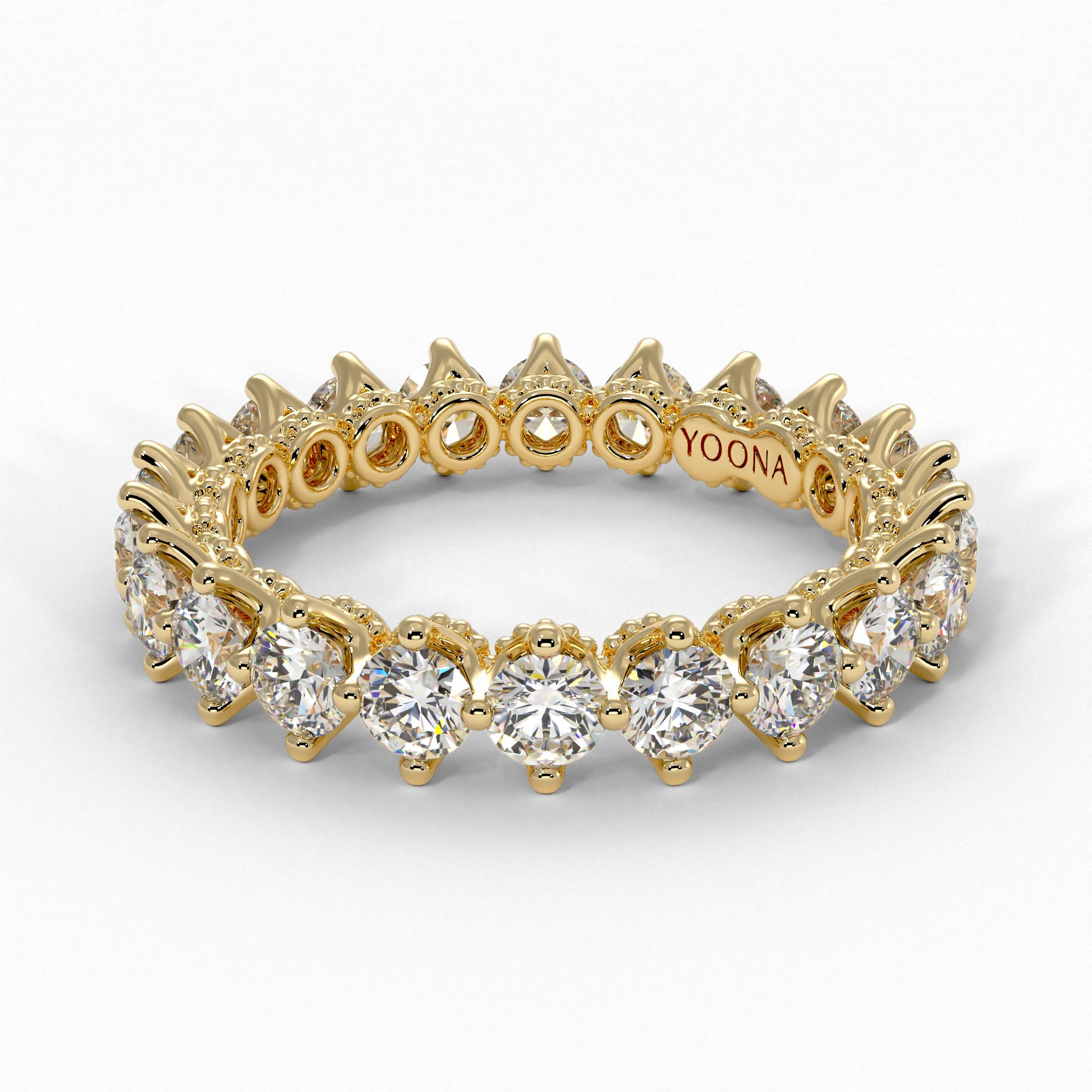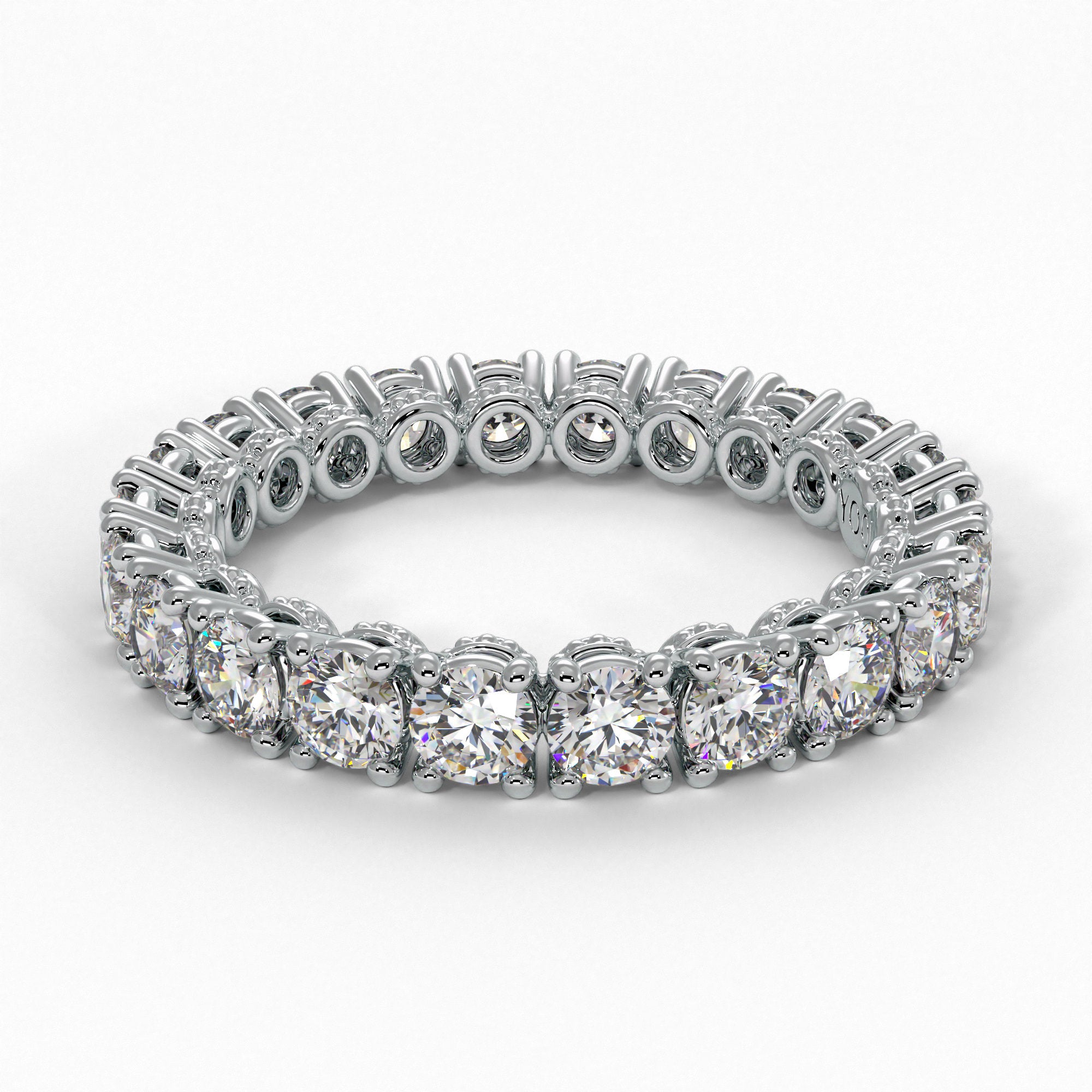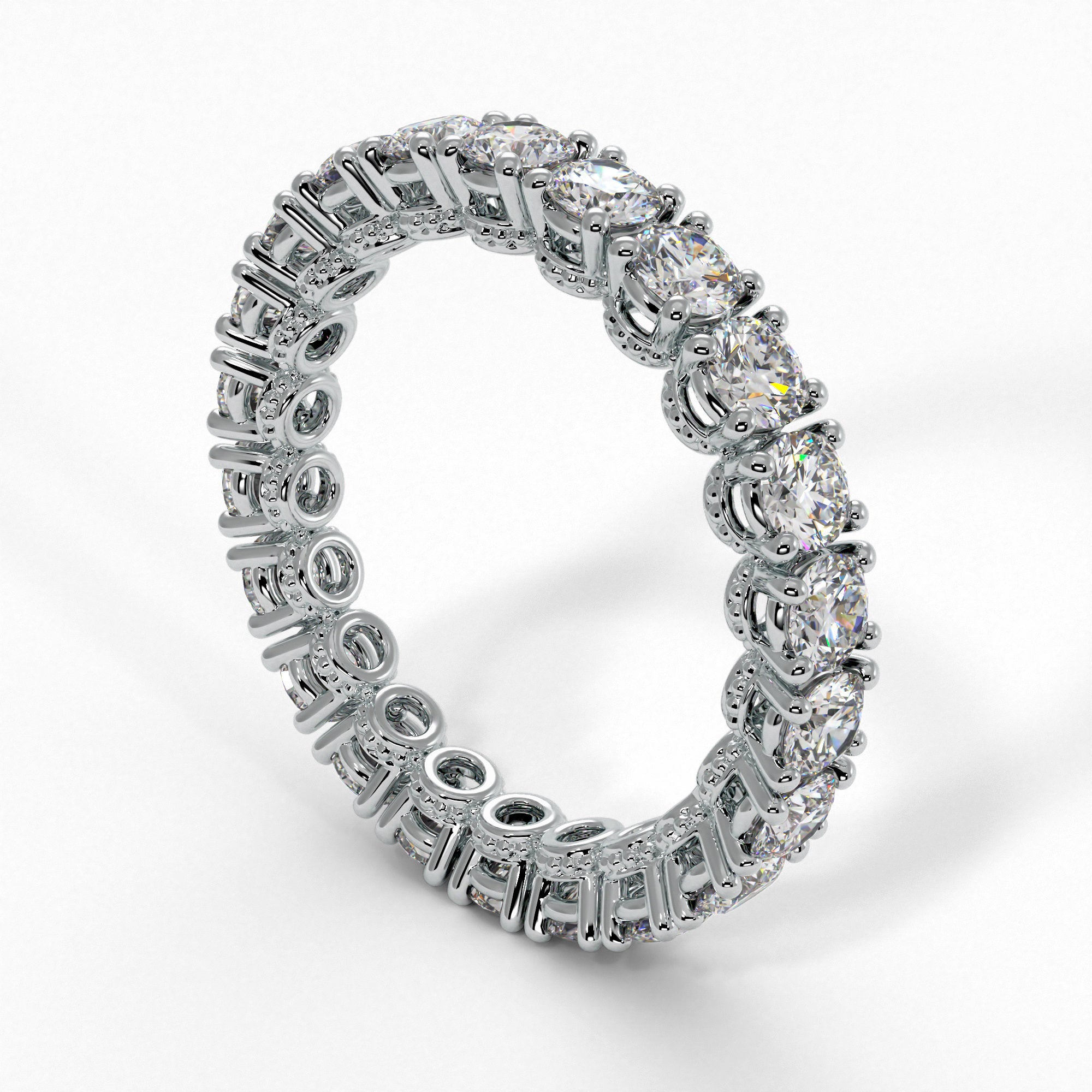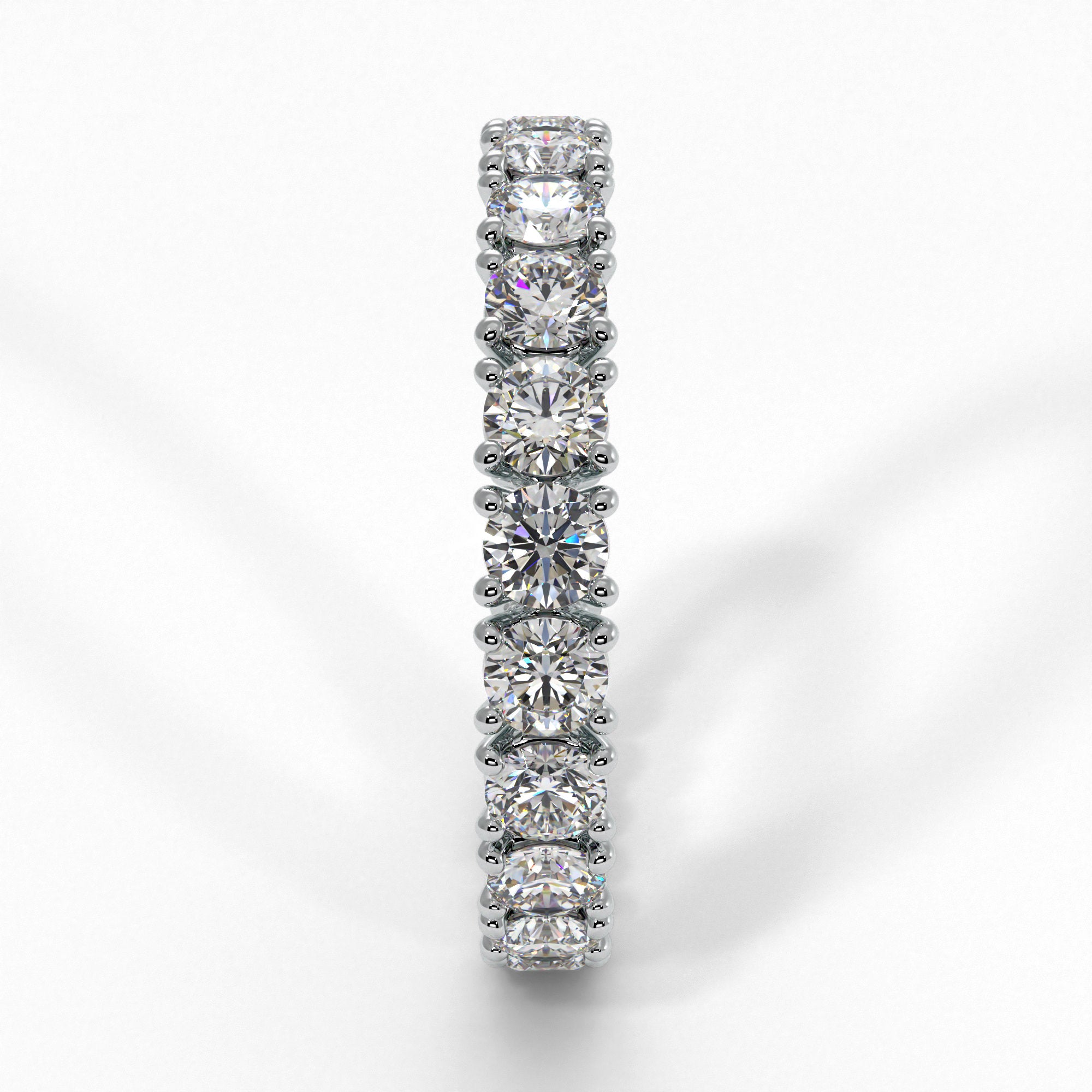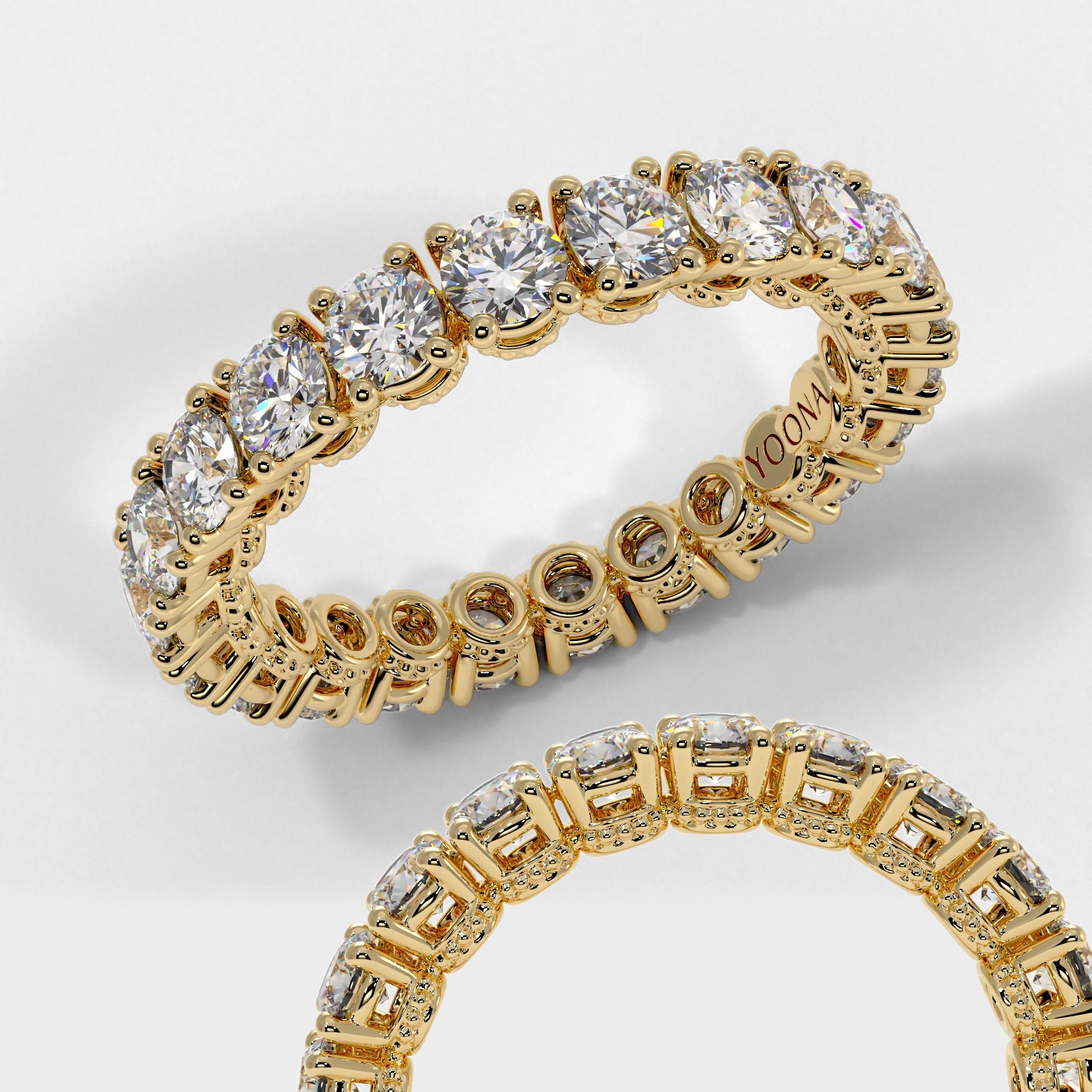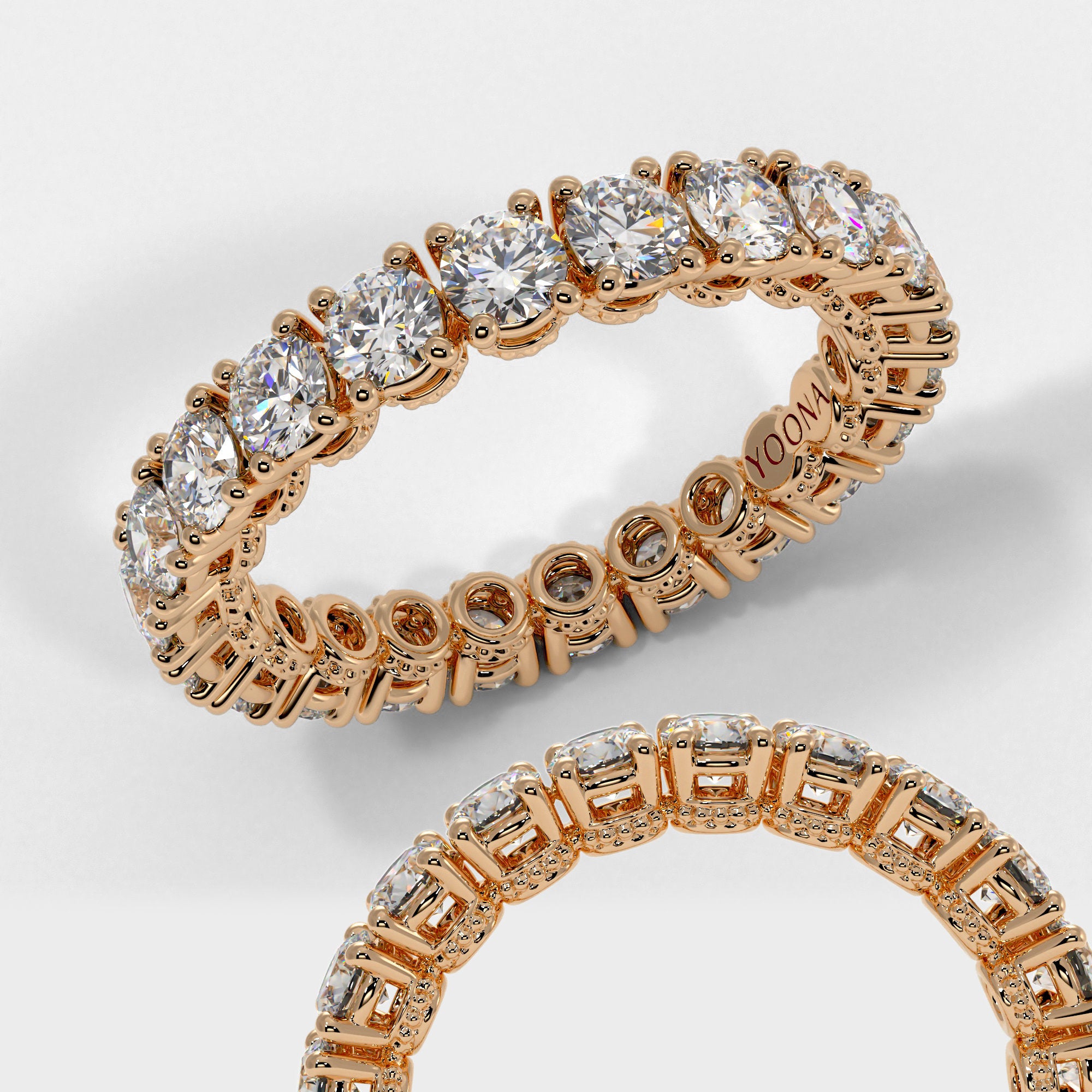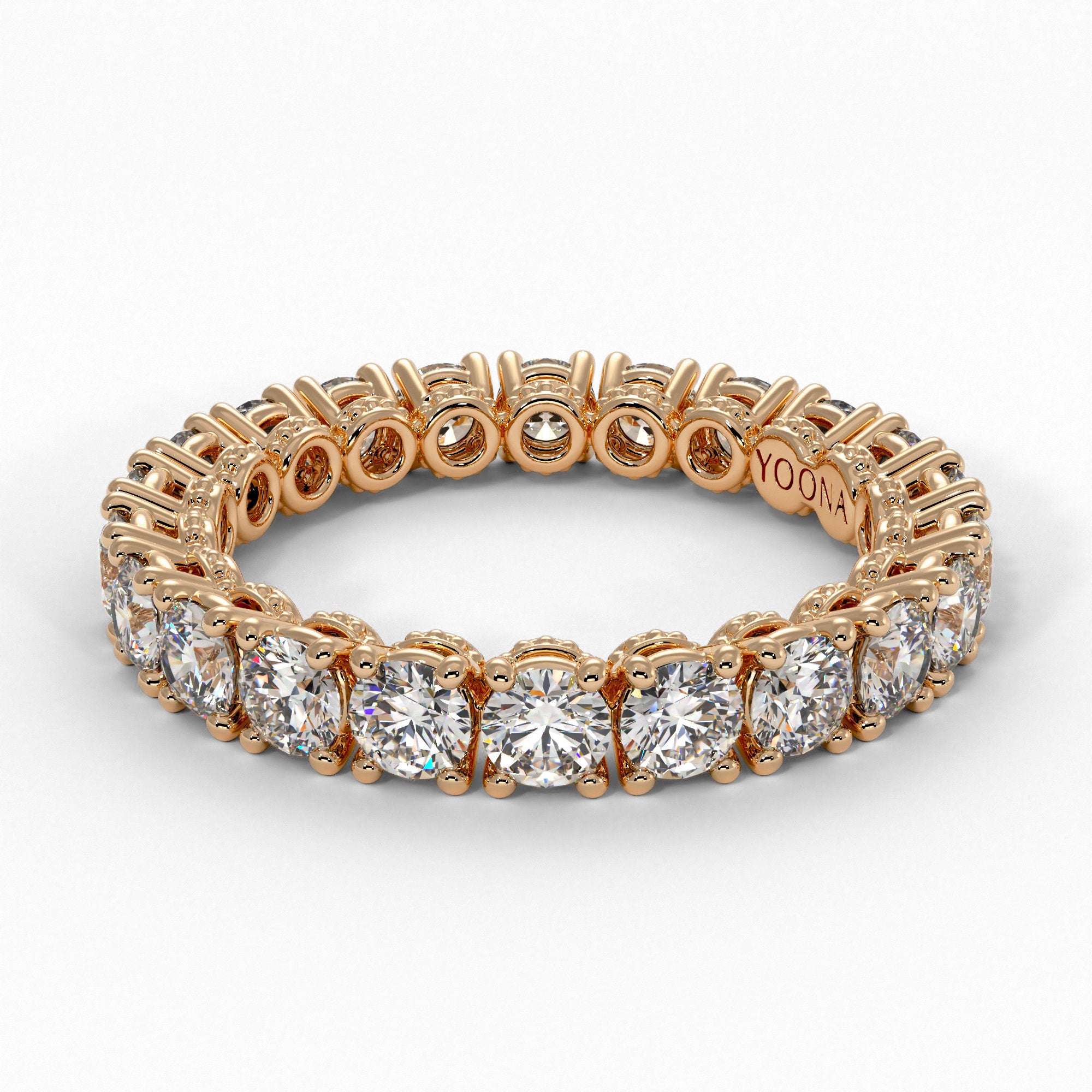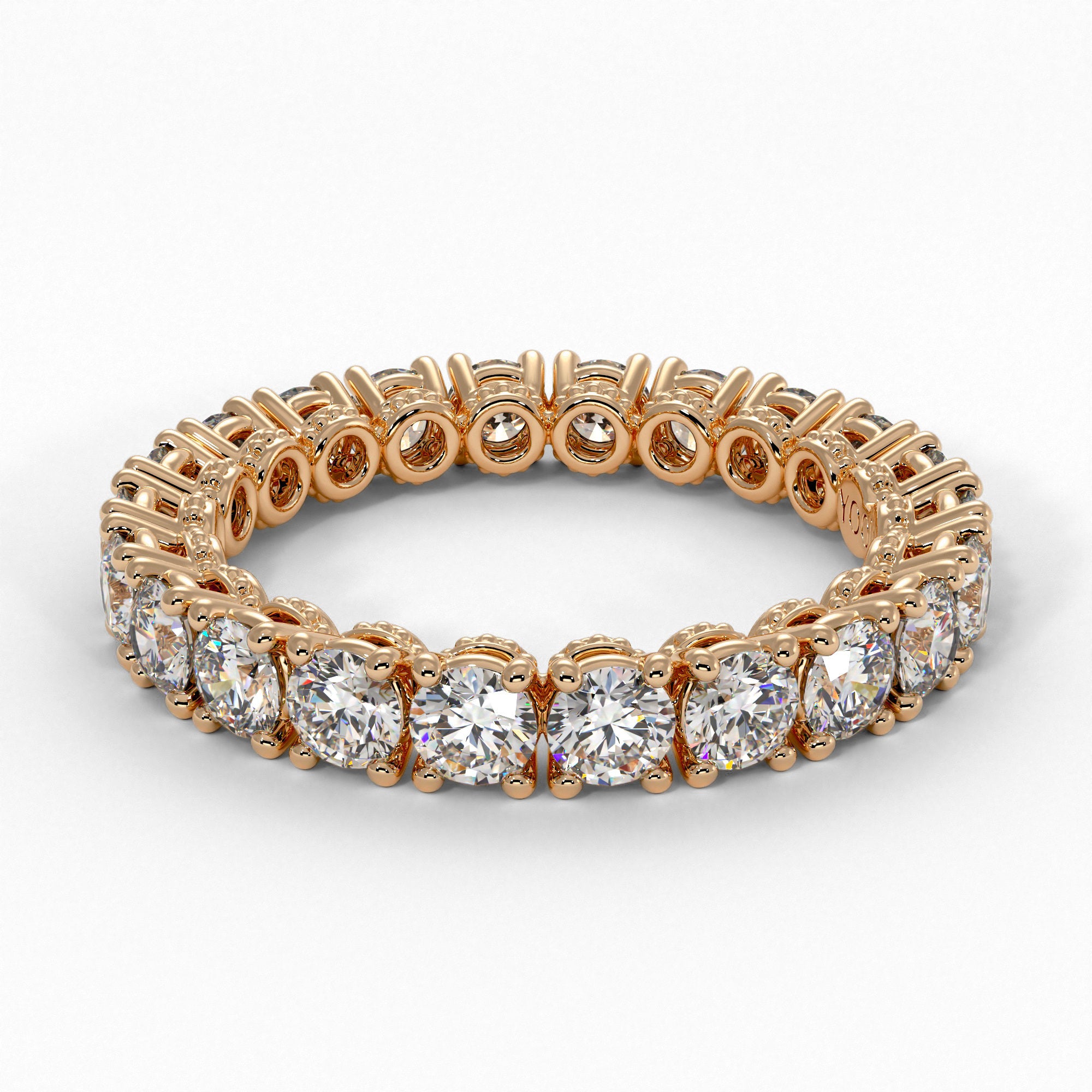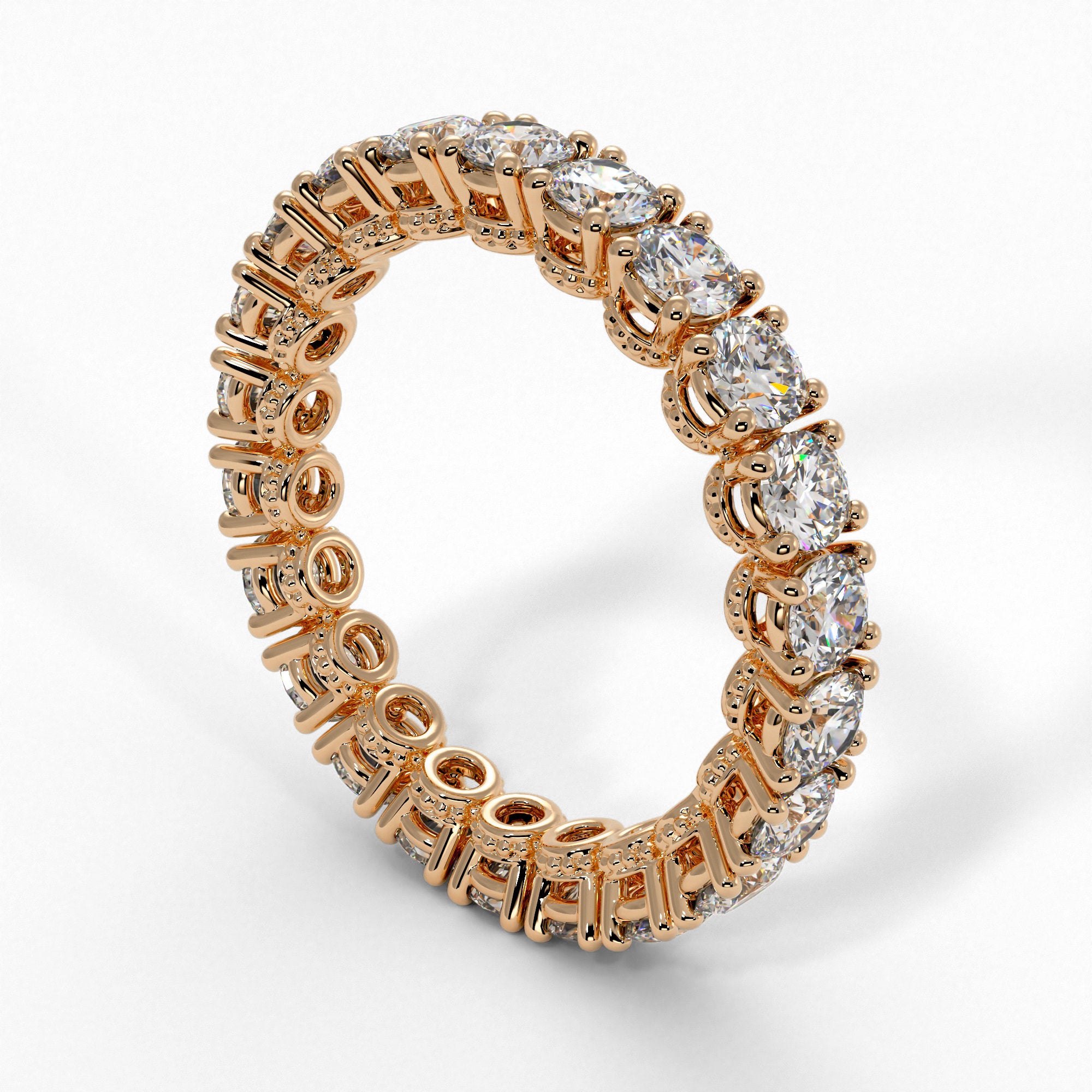
Reviewed by Yoona's in-house jewelry experts
The 4Cs of a diamond are cut, clarity, color, and carat. Cut affects sparkle the most and is worth prioritizing. Clarity in the VS1–VS2 range looks clean to the naked eye without the premium of higher grades. Color matters more in white metals than in yellow or rose gold. Carat is weight, not size — shape and cut affect how big a diamond actually looks more than the number on the certificate.
That's the short version. Here's the part that actually helps you shop.
Cut: the one that actually controls sparkle
Quick answer: Cut controls how light moves through a diamond — it affects sparkle more than carat, color, or clarity. Never go below "Very Good." A smaller, better-cut diamond will out-sparkle a bigger, badly-cut one every time.
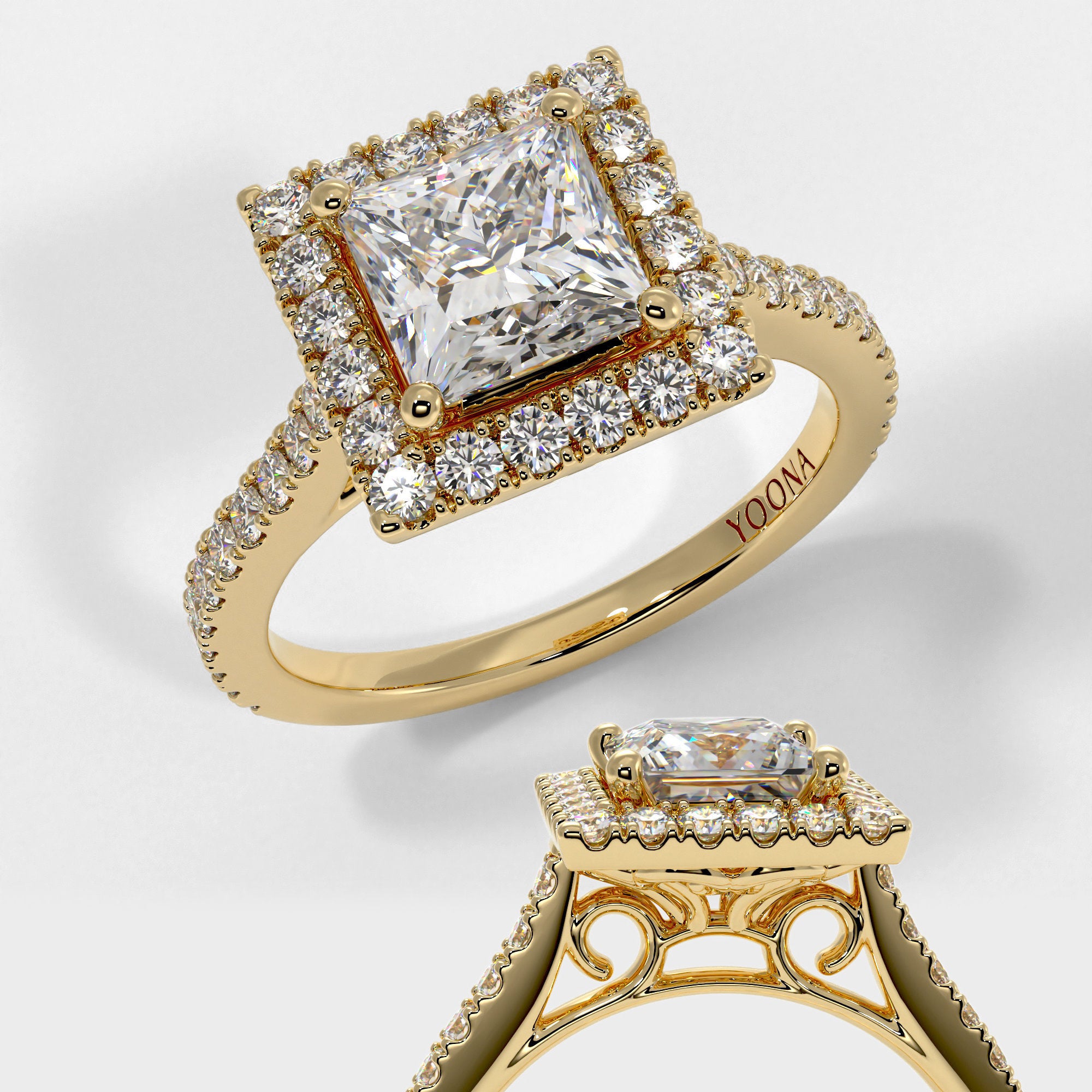
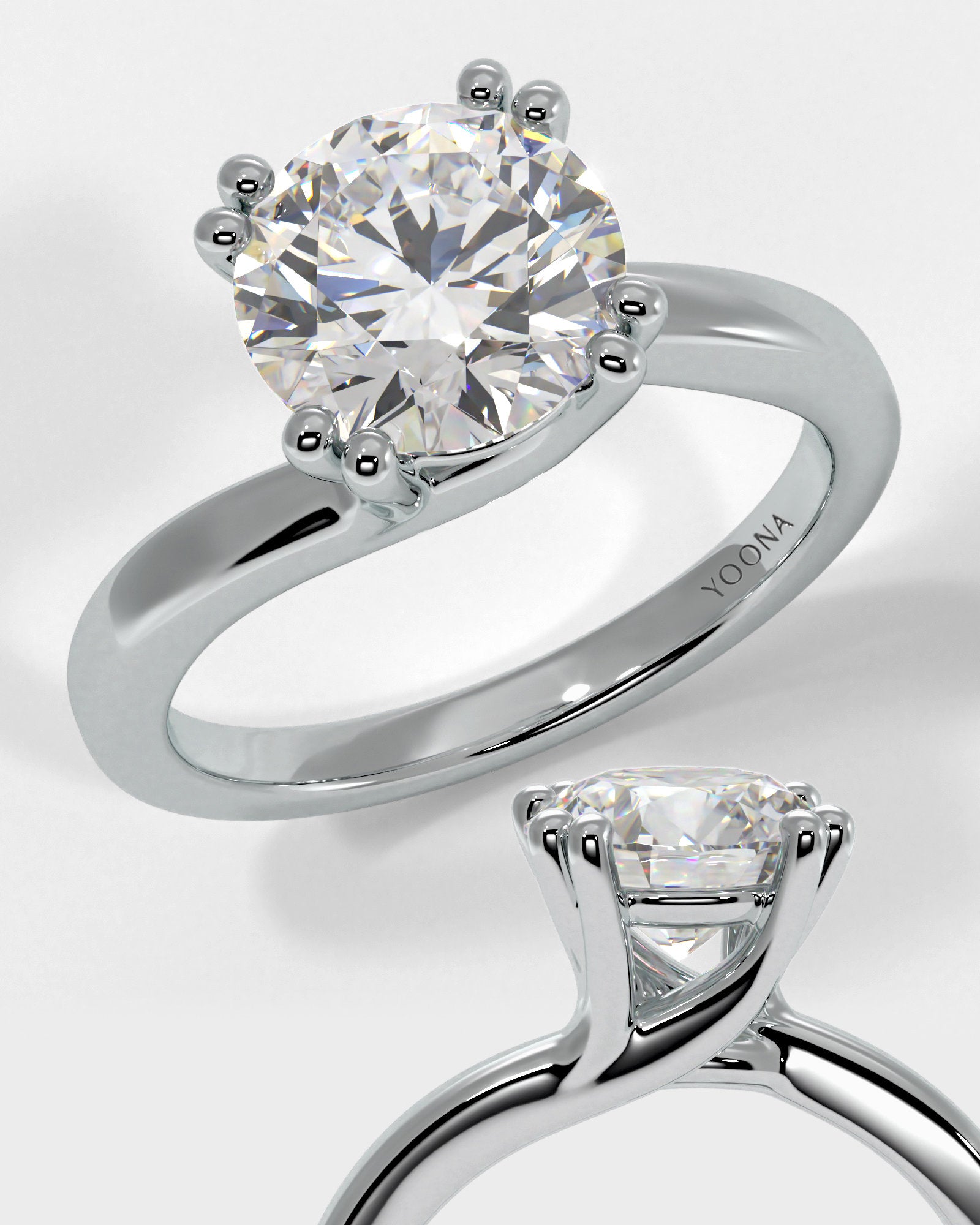
Cut is the most misunderstood of the 4Cs because people assume it means shape — round, oval, cushion. It doesn't. Shape is the outline. Cut is how precisely the diamond's facets are angled to control light.
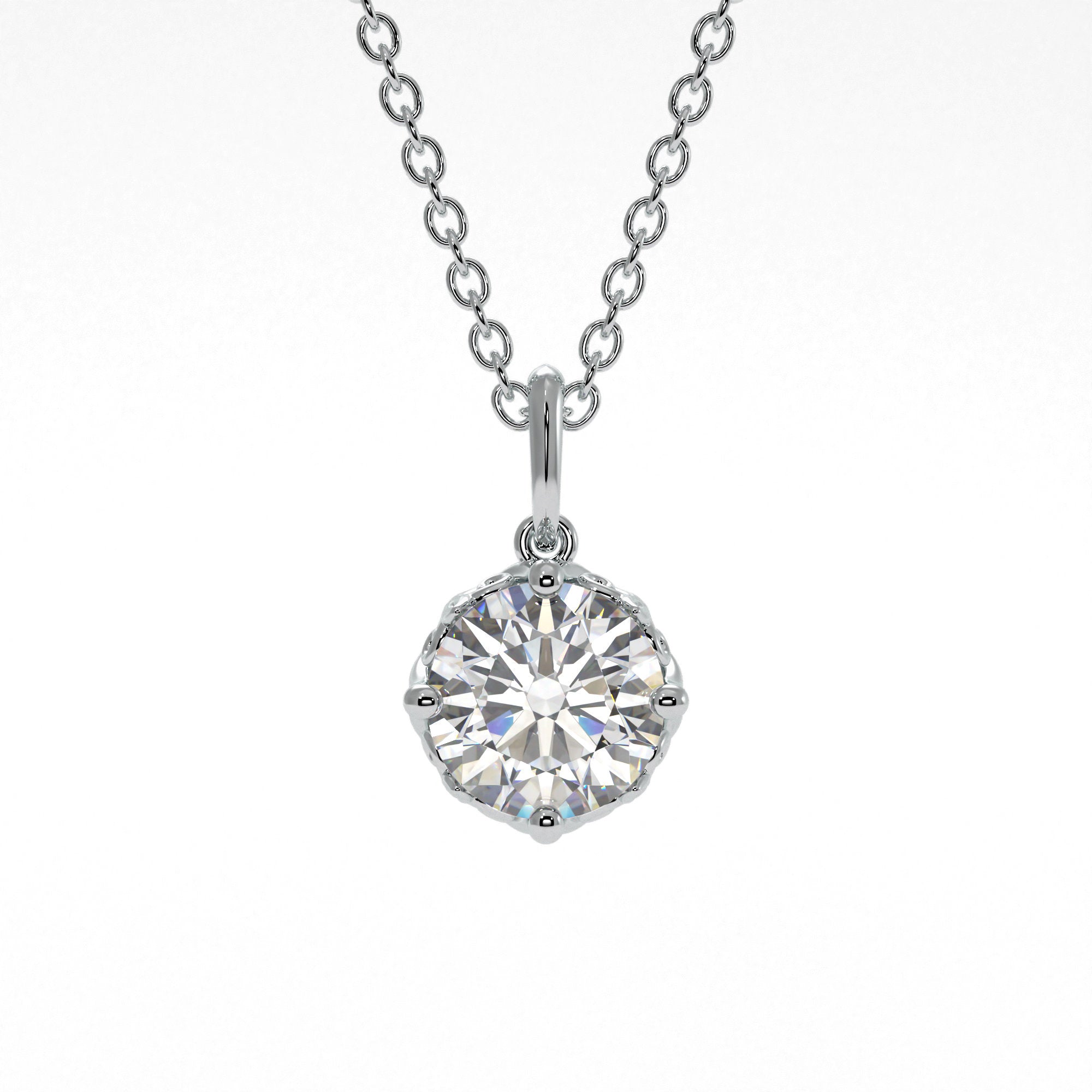
A diamond is essentially a machine for bending light. Light enters through the top, bounces around the internal facets, and either exits back toward your eye or leaks out the bottom or sides. Cut quality determines which one happens.
Sparkle is actually made of three things, and cut controls all three:
- Brilliance — the white light bouncing back at you
- Fire — the flashes of rainbow color you see when the stone moves
- Scintillation — the light and dark pattern that flickers as the diamond or your hand moves
How it's graded: GIA rates cut on a five-point scale — Excellent, Very Good, Good, Fair, Poor — based on proportions, symmetry, and polish. This applies strictly to round diamonds; fancy shapes like oval, cushion, and pear don't get an official cut grade, so craftsmanship matters even more there and is harder to judge from specs alone.
Buying online, specifically: since you can't tilt the stone in your hand, look for face-up video or a hearts-and-arrows image if it's available. These show light return patterns and make a weak cut obvious even in a photo.
Clarity: what's actually in there, and whether it matters
Quick answer: Almost every diamond has natural inclusions — the question is whether you can see them. VS1–VS2 is clean to the eye for nearly everyone and is the best value tier. Going higher pays for invisible perfection.
Clarity measures internal inclusions and surface blemishes — tiny natural characteristics formed during the diamond's growth. Lab-grown diamonds have them too. It's not about whether they exist, it's about whether they're visible.
| Grade | What it means |
|---|---|
| FL / IF | Essentially nonexistent even under magnification |
| VVS1 / VVS2 | So small a trained grader needs 10x magnification to find them |
| VS1 / VS2 | Minor, visible under magnification, typically invisible to the naked eye |
| SI1 / SI2 | Visible under magnification, sometimes visible to the naked eye |
| I1–I3 | Visible to the naked eye; can affect transparency or durability |
The part most guides skip: location matters as much as grade. An inclusion hidden under a prong or facing sideways is far less noticeable than the same inclusion sitting dead-center under the table. Two diamonds with an identical grade can look different depending on where it sits — grade alone isn't the full picture.
"Eye-clean" is a practical threshold, not an official grade. At normal viewing distance, in normal light, you can't see anything. Most VS2-and-better stones qualify. Many SI1s do too, depending on the inclusion.
Color: whiter isn't always better, it's just different
Quick answer: D–F is colorless and the right call for platinum or white gold. G–H is the smarter value pick for everyone else — the warmth is essentially undetectable once set, especially in yellow or rose gold.
Color grades the absence of color, on a scale from D (colorless) to Z (visibly yellow or brown).
- D–F: Colorless, the whitest possible
- G–I: Near-colorless, undetectable to an untrained eye, especially once set
- J–K: Faint warmth, more noticeable in larger stones or side-by-side
- L and below: Visible warmth to most people
The part that changes how you should shop: metal color interacts with diamond color. A warmer diamond in the G–I range set in yellow or rose gold looks whiter, because the metal masks it. If you want platinum or white gold, color grade matters more. If you're set on yellow or rose gold, there's real room to save money here.
Carat: weight, not size — and the gap is bigger than you'd think
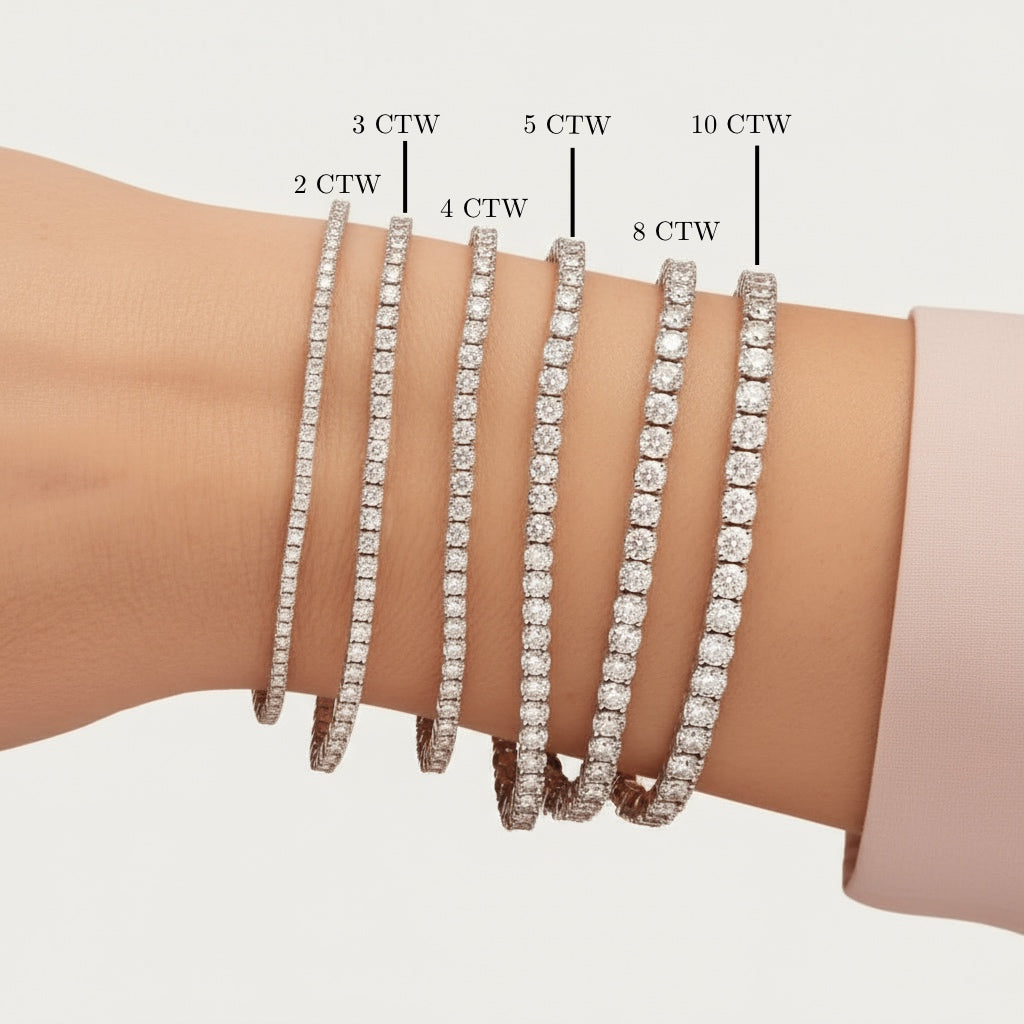
Quick answer: Carat is weight, not size — shape and cut affect how big a diamond looks more than the number on the certificate does. Shopping just under a "magic size," like 0.97ct instead of 1.00ct, can save real money with zero visible difference.
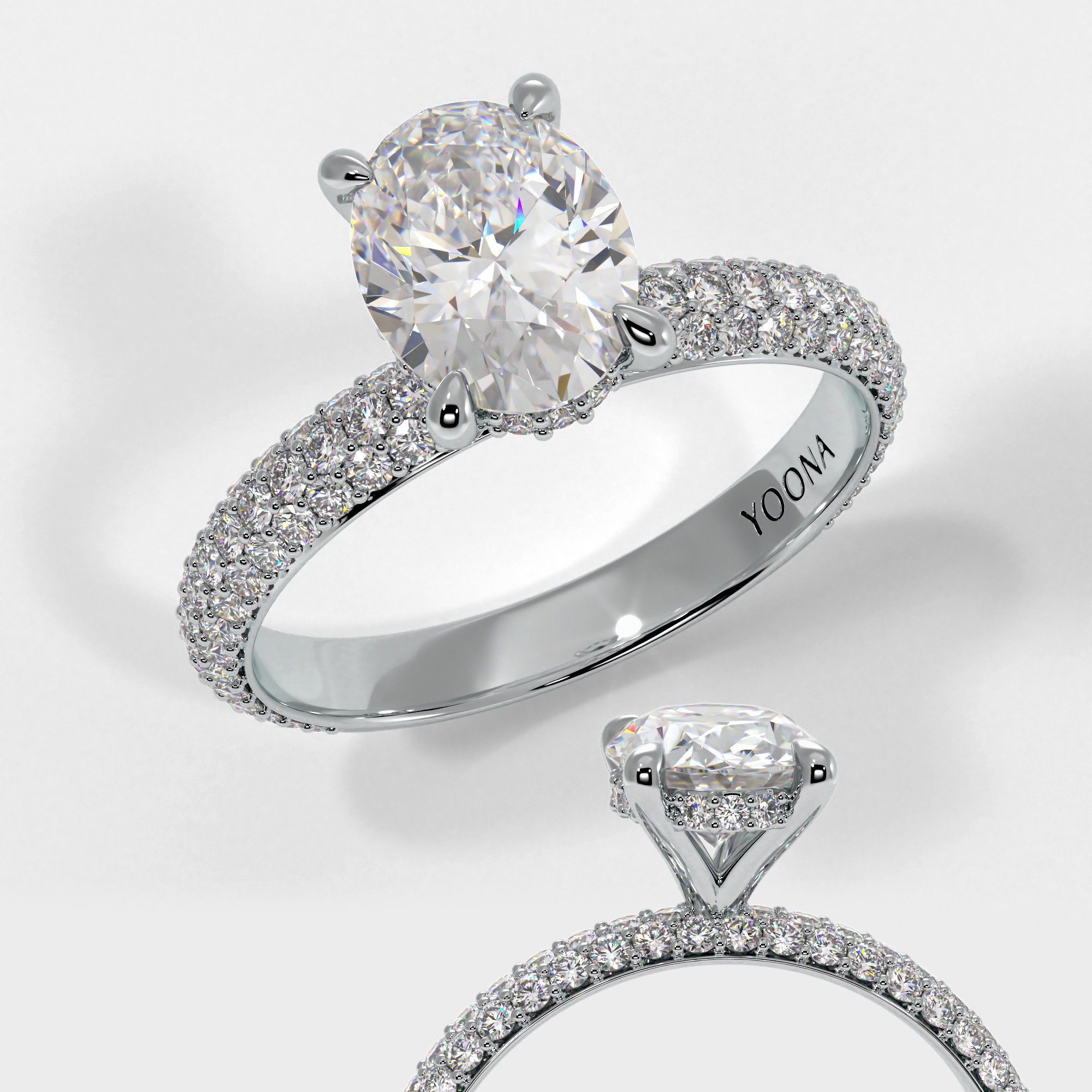
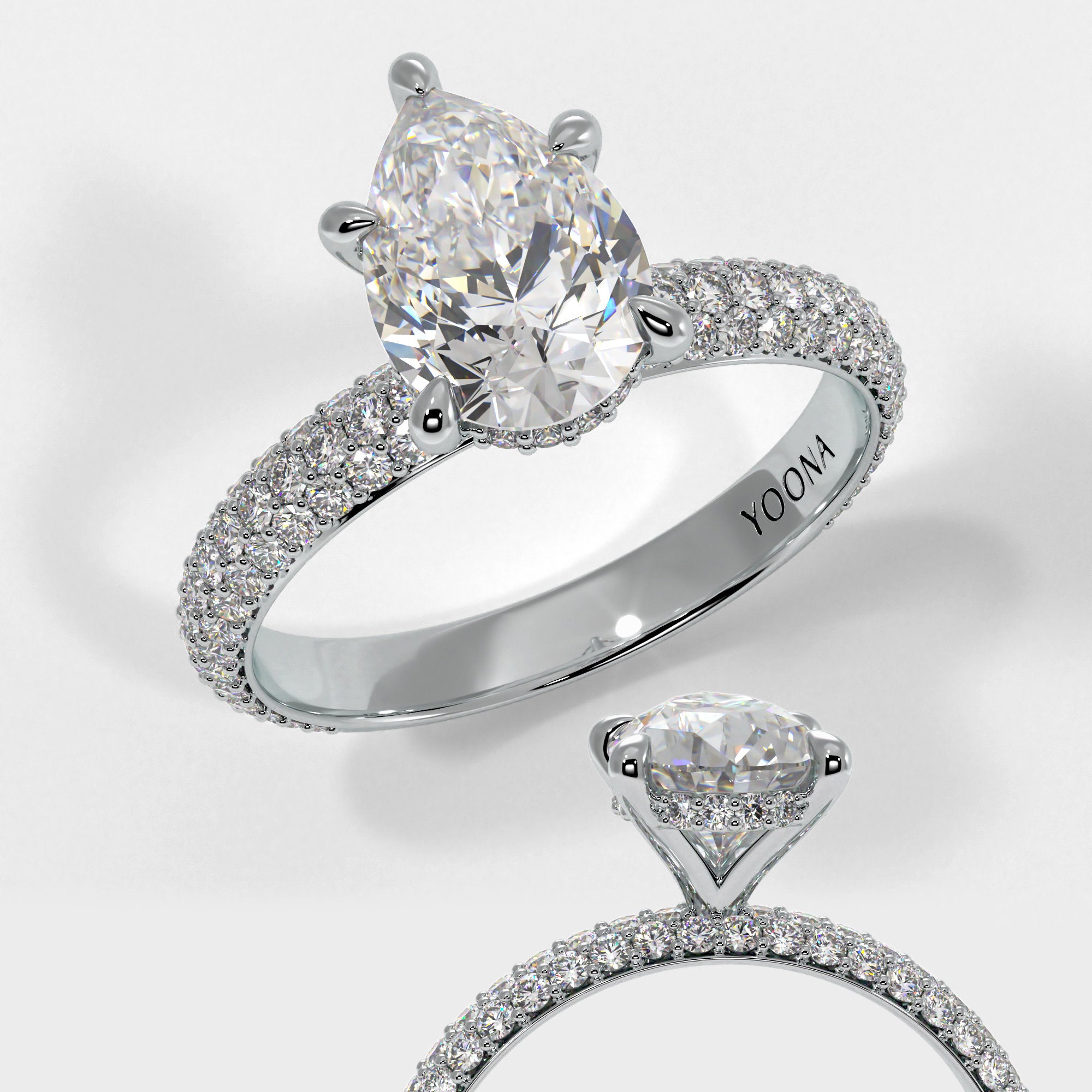
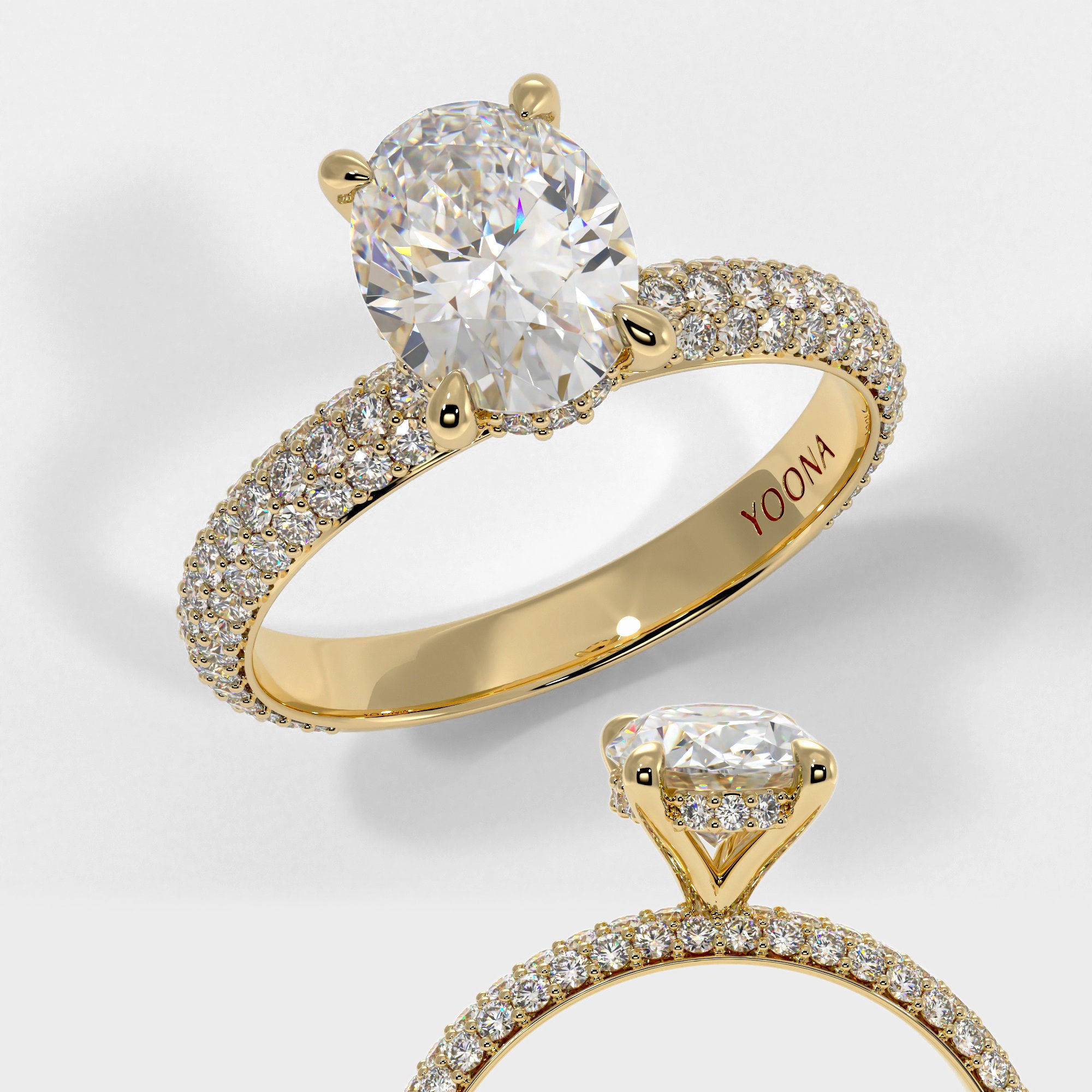
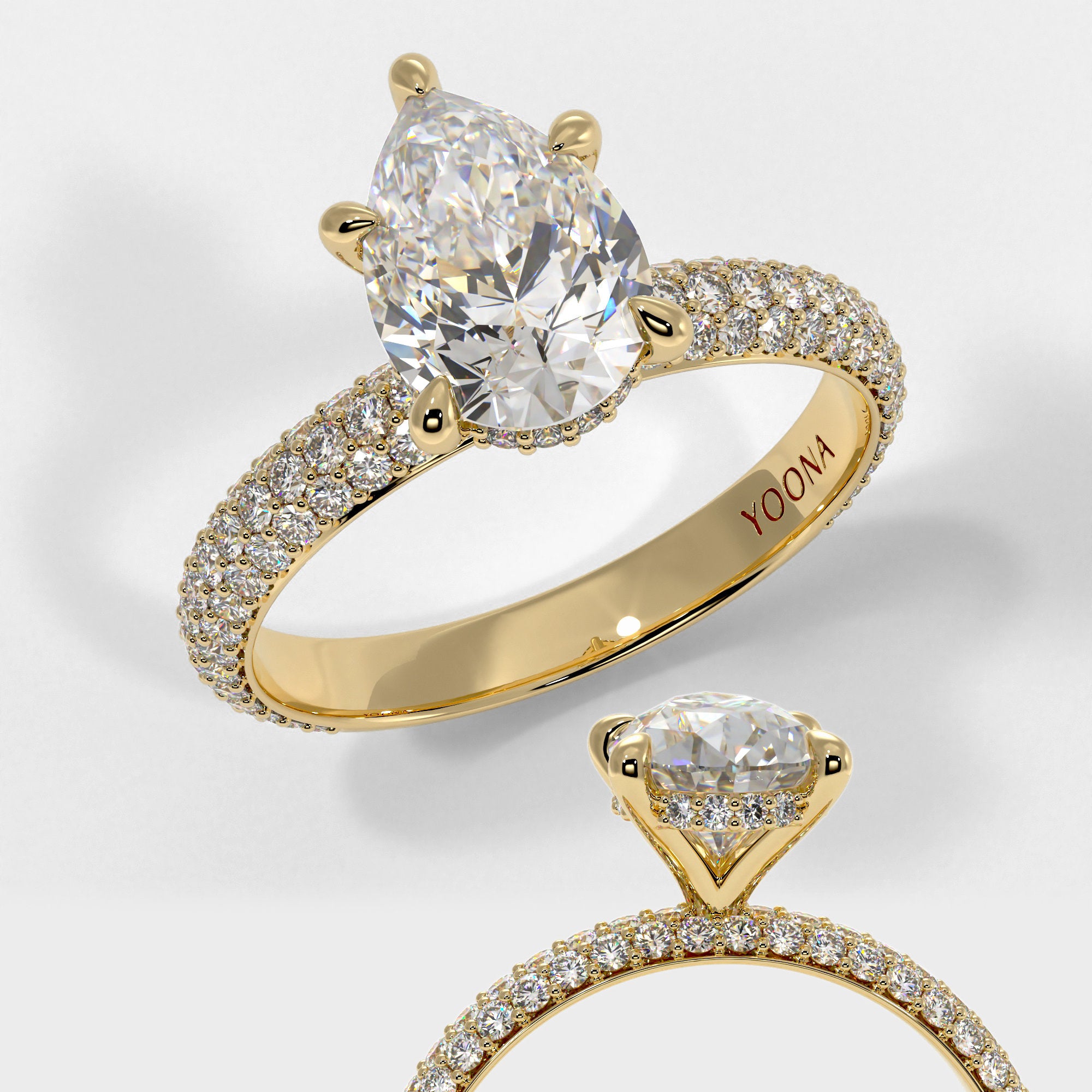
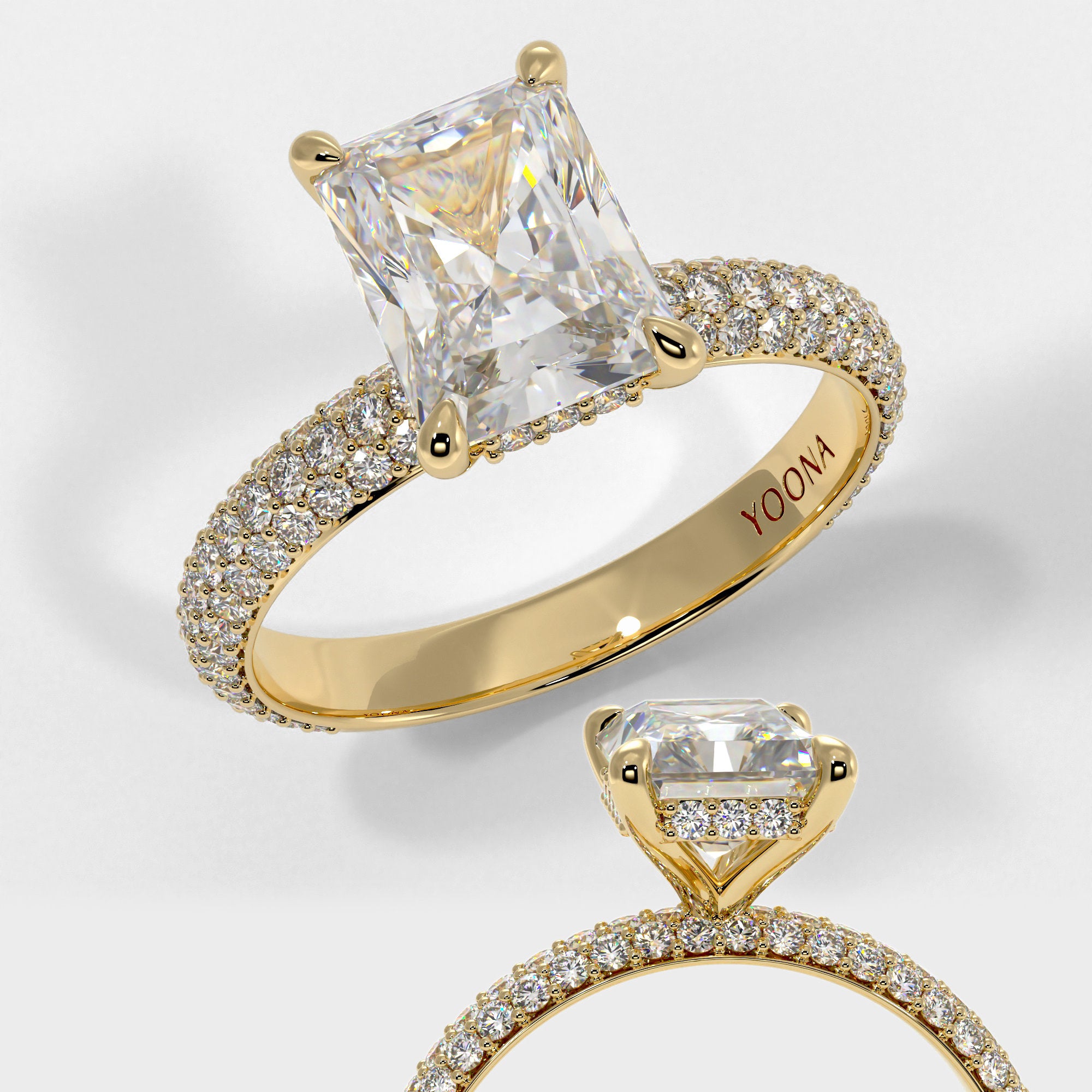
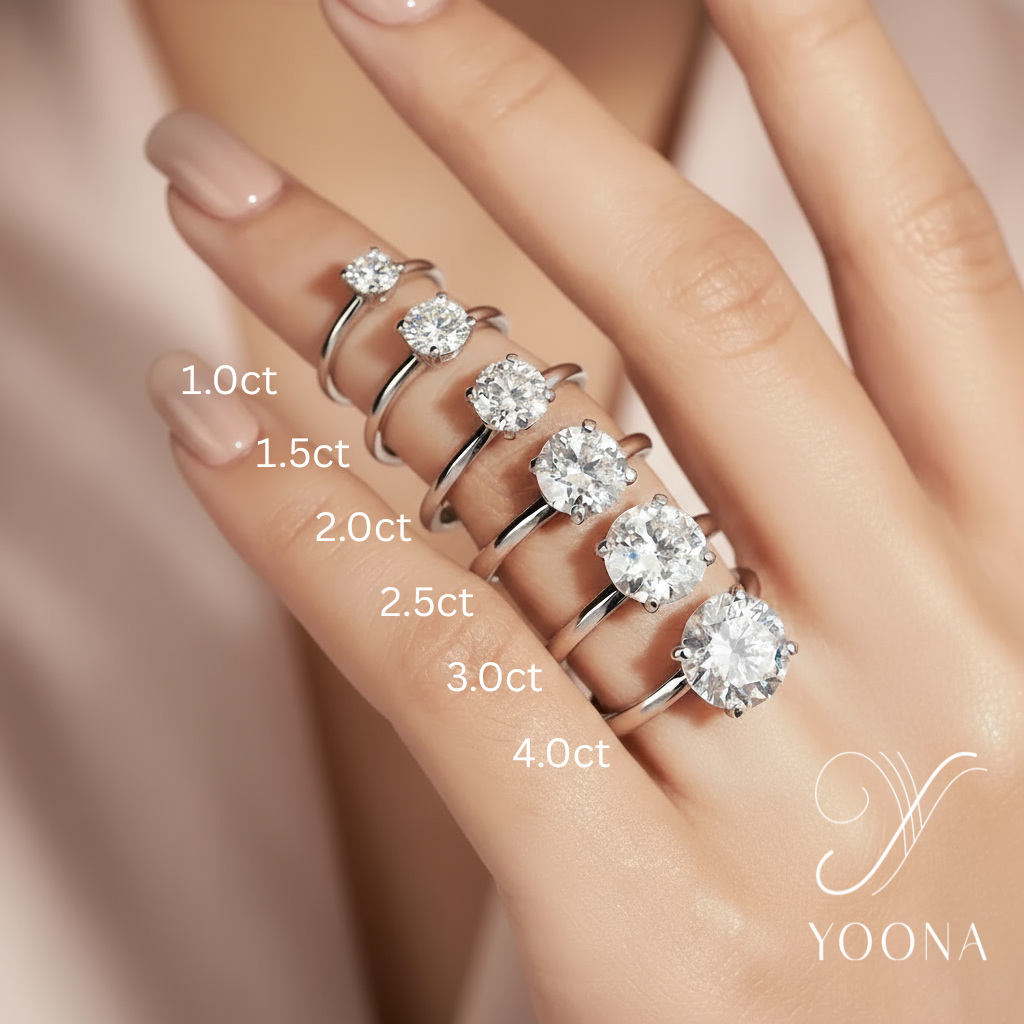
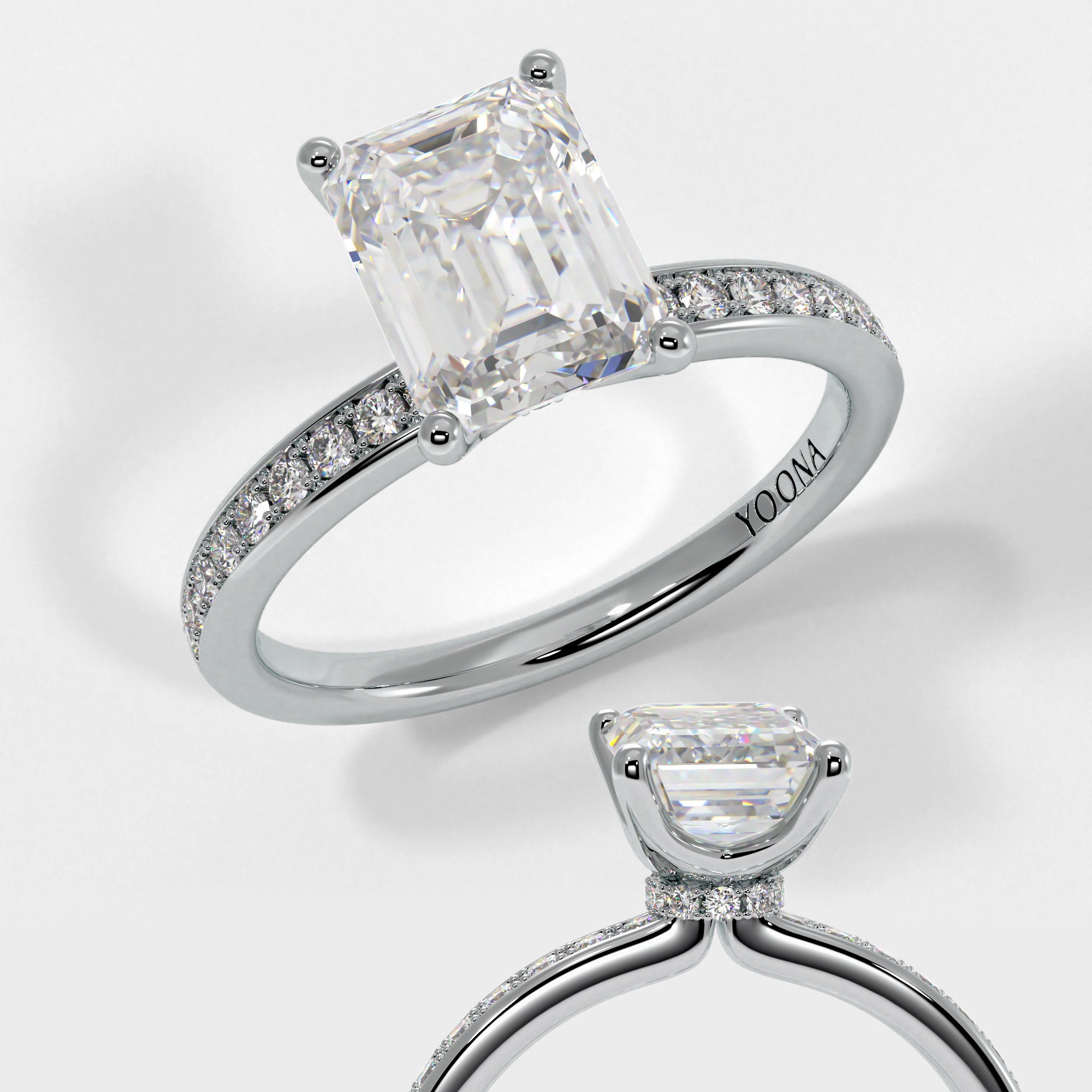
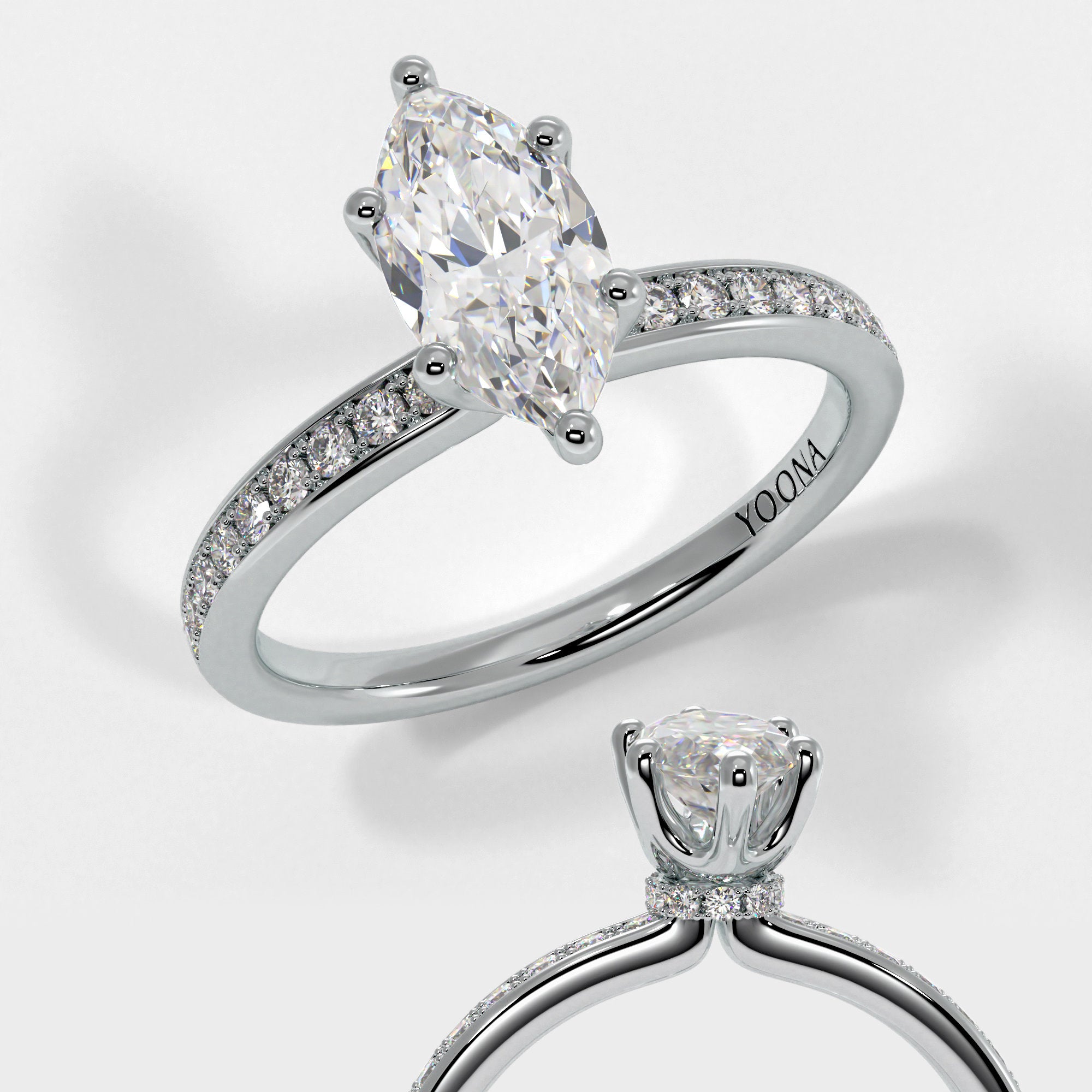
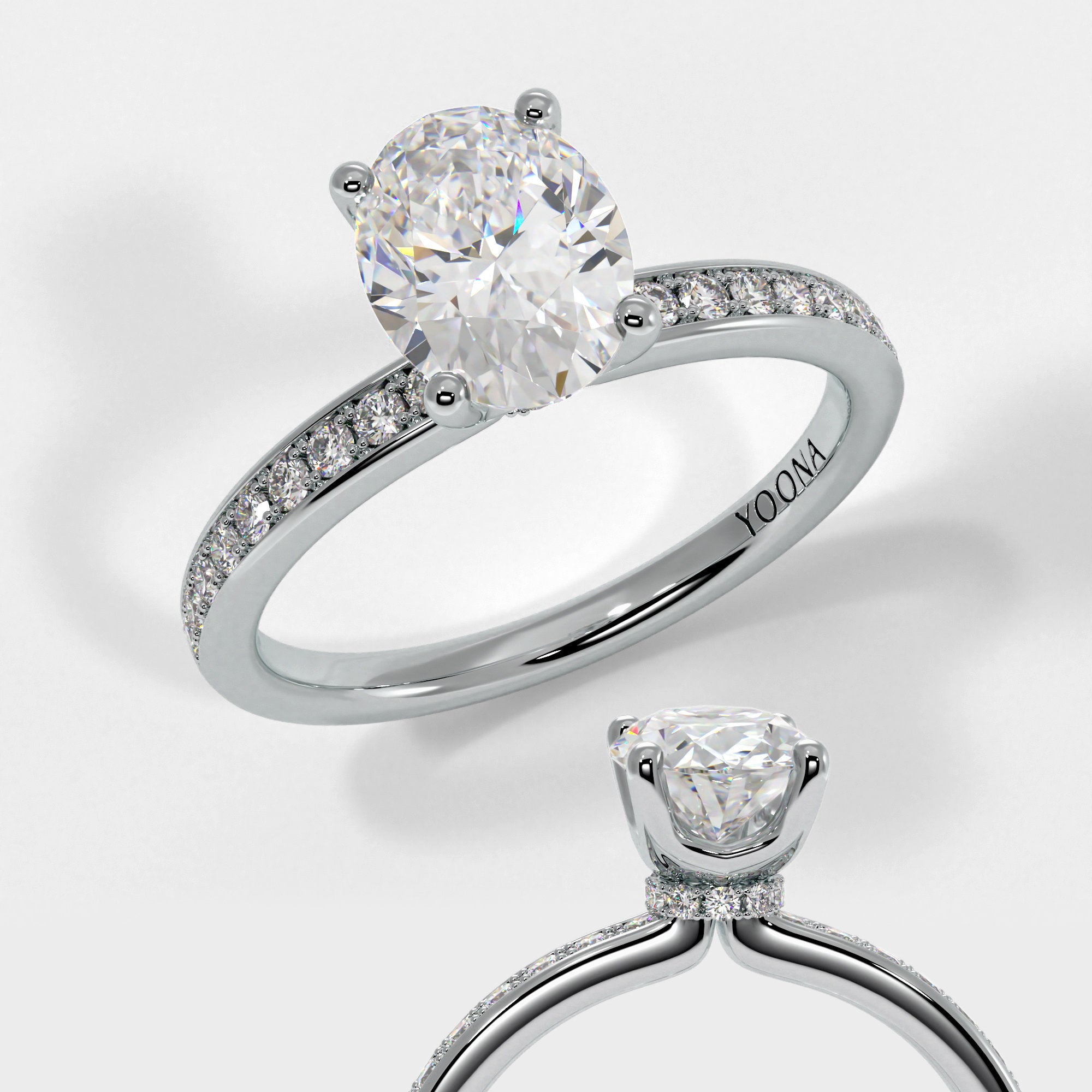
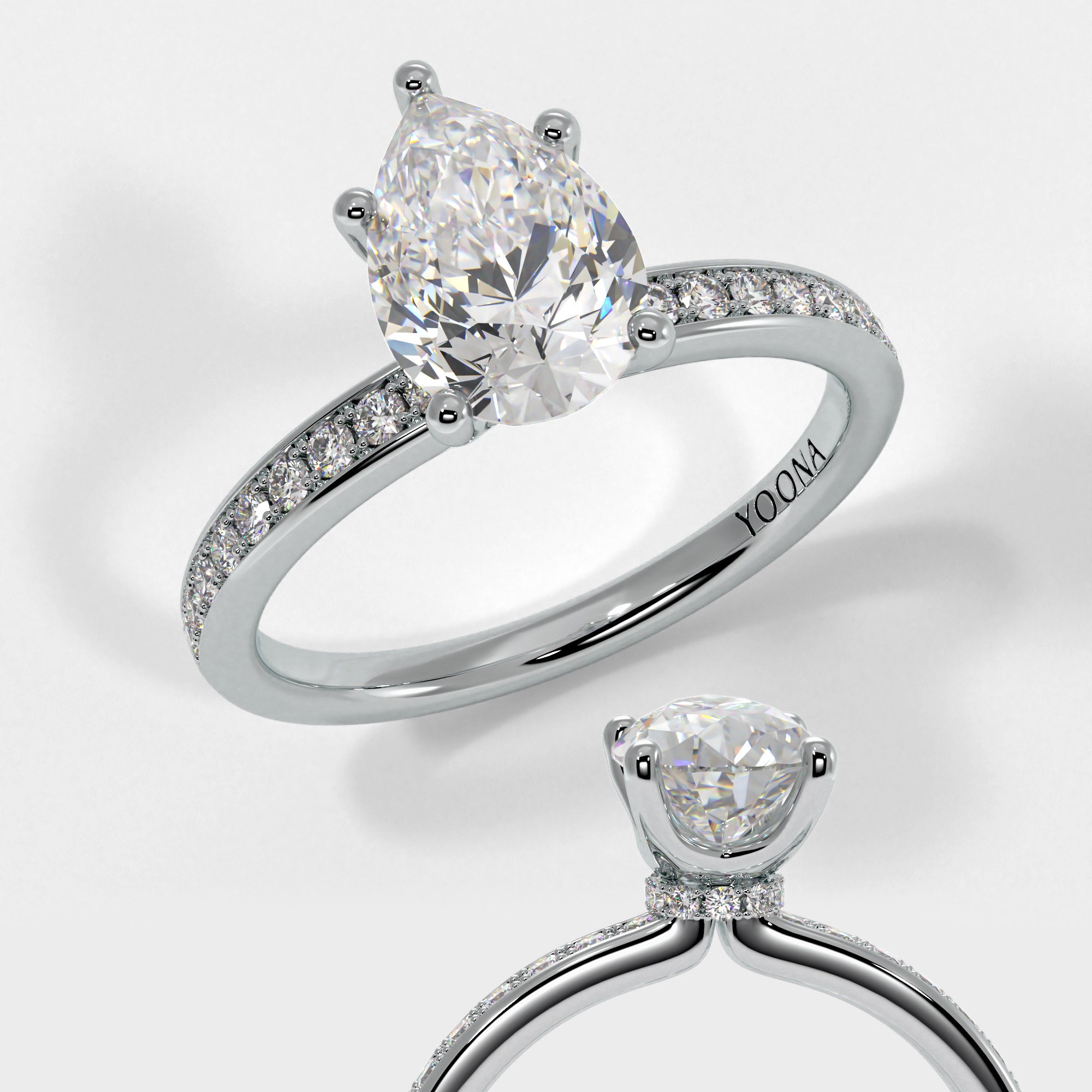
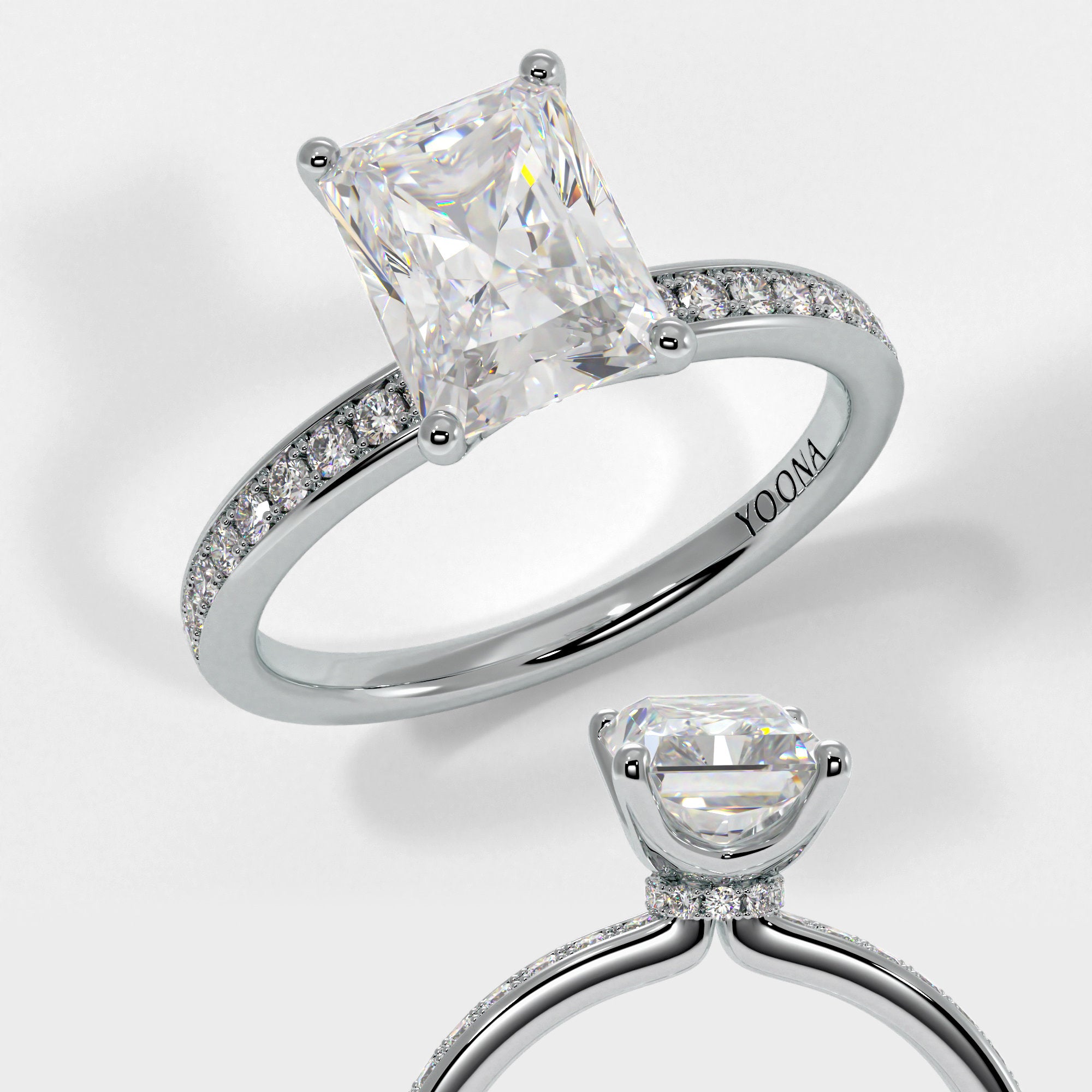
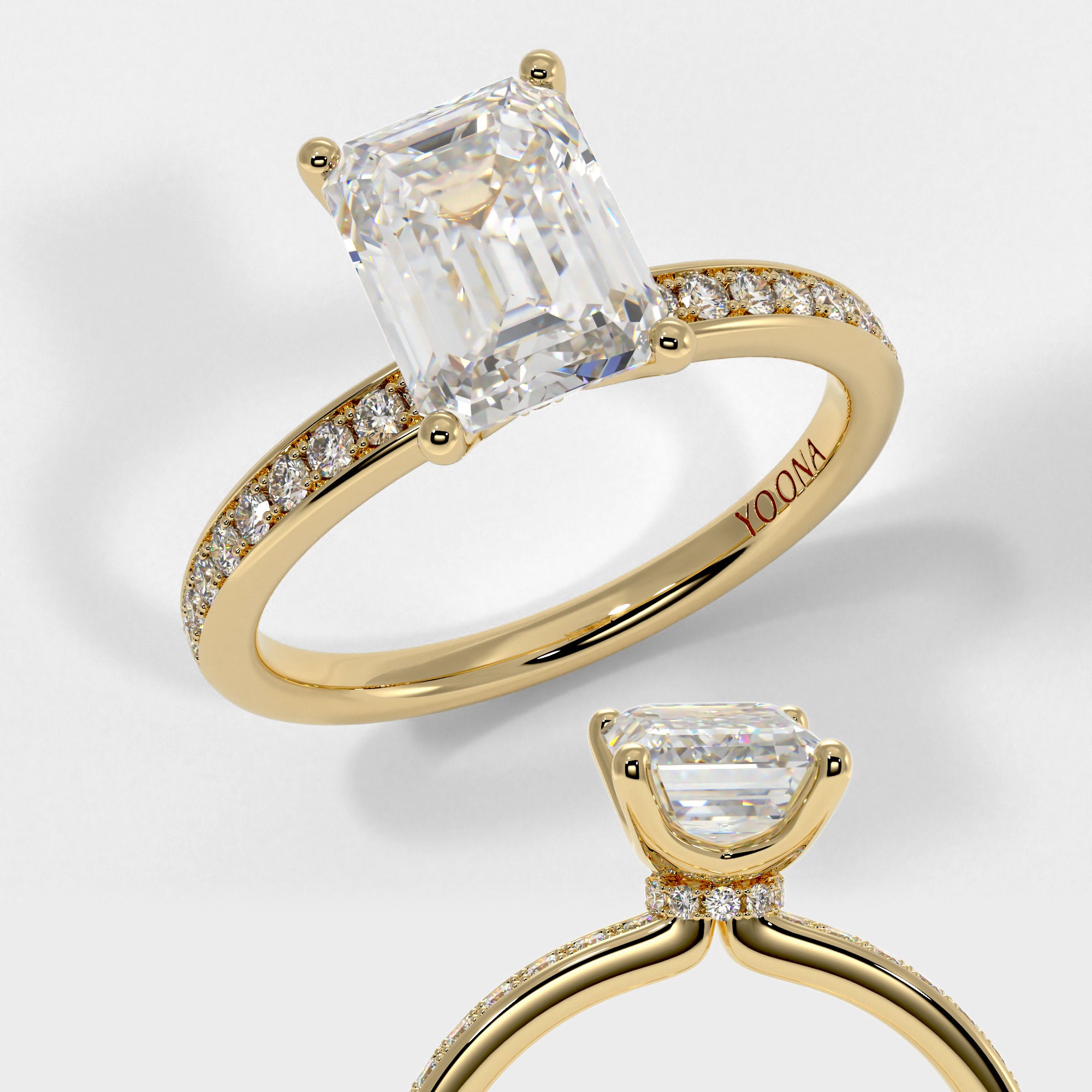
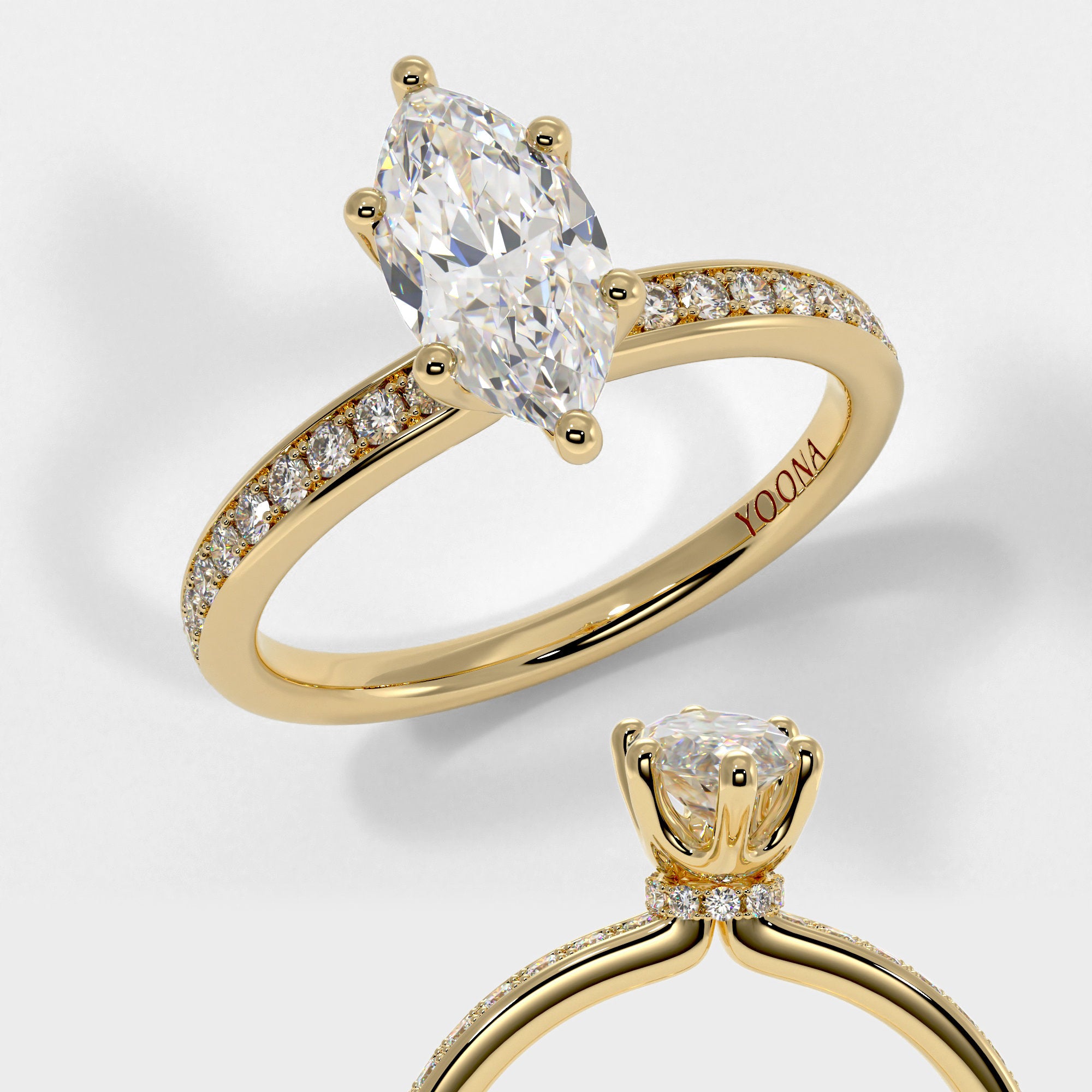
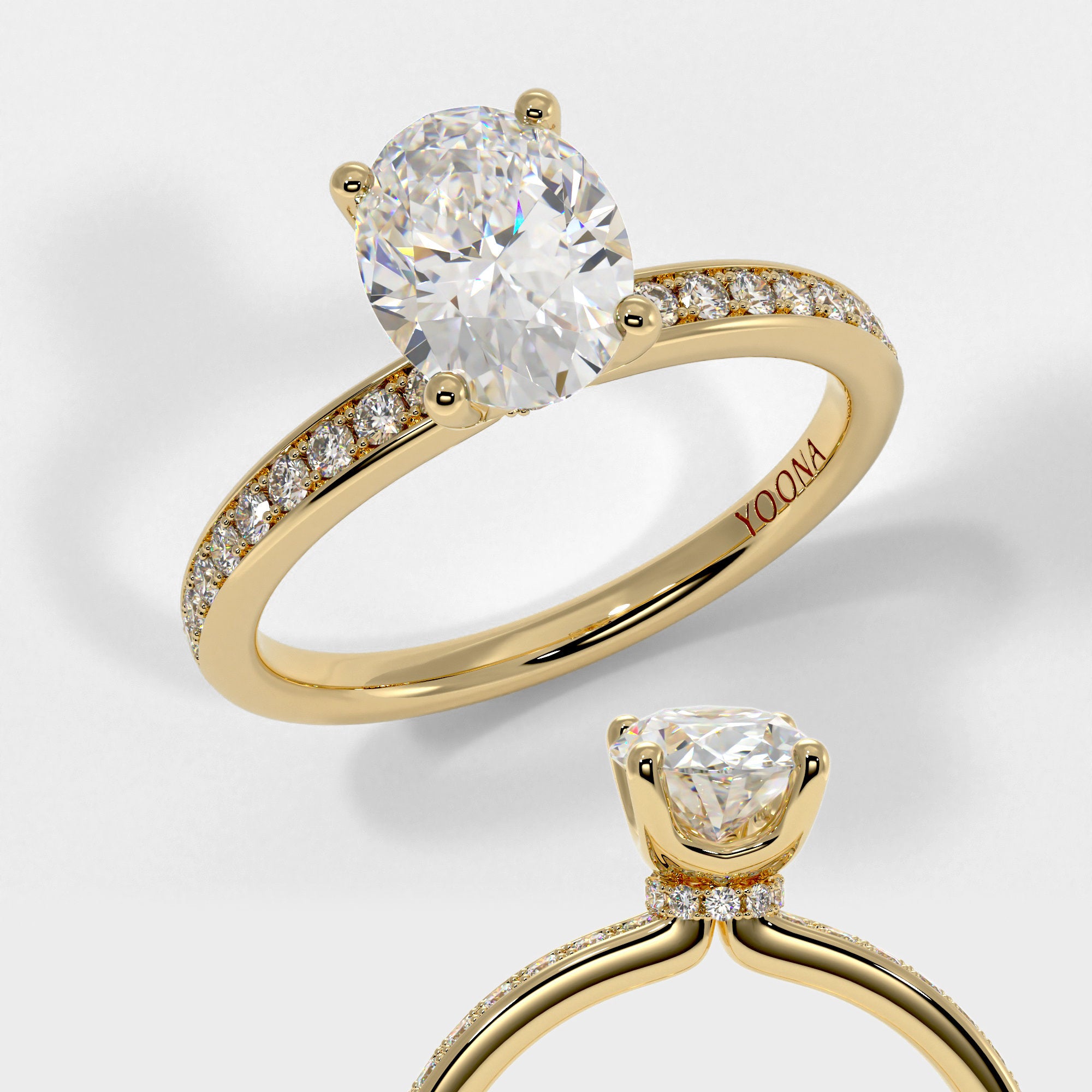
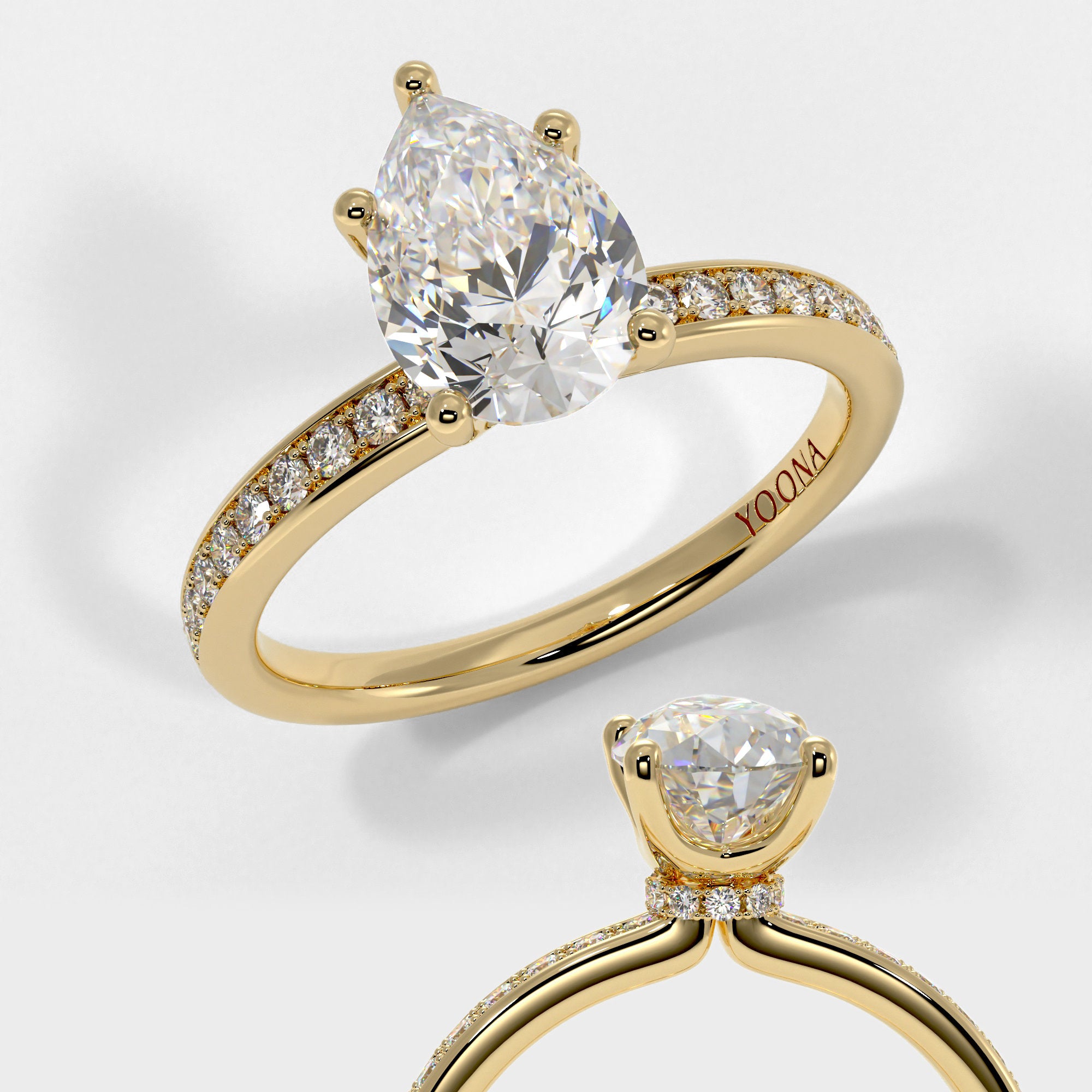
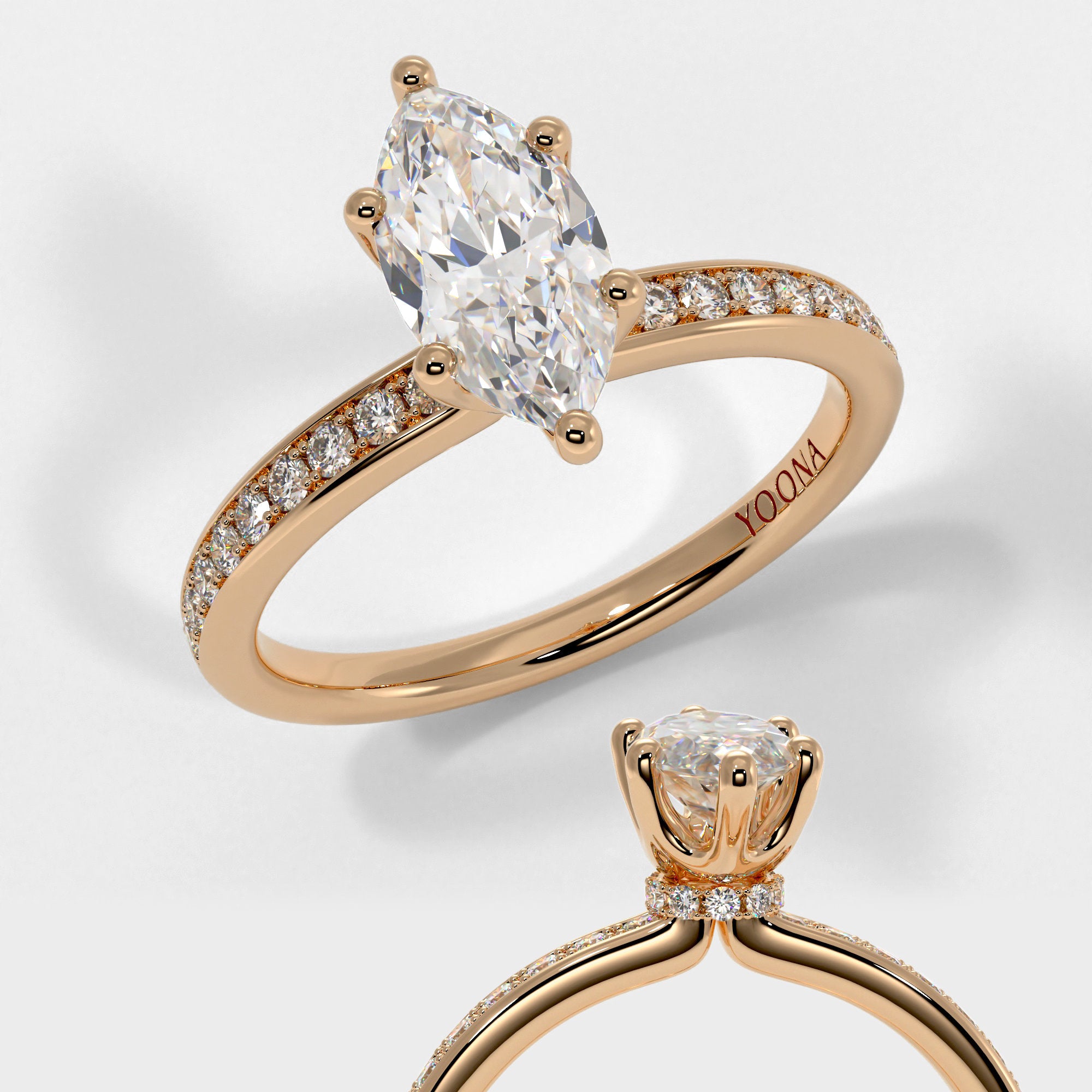
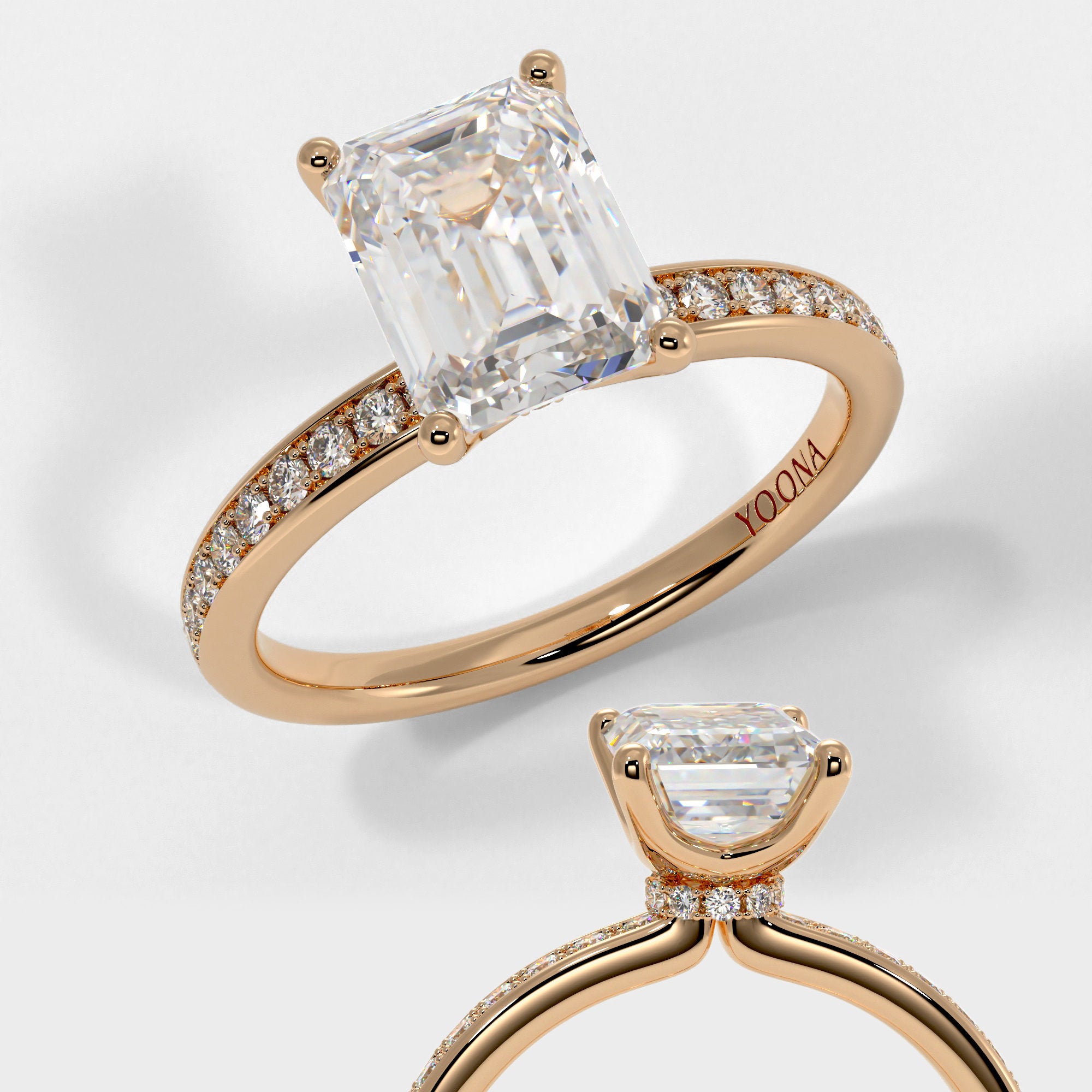
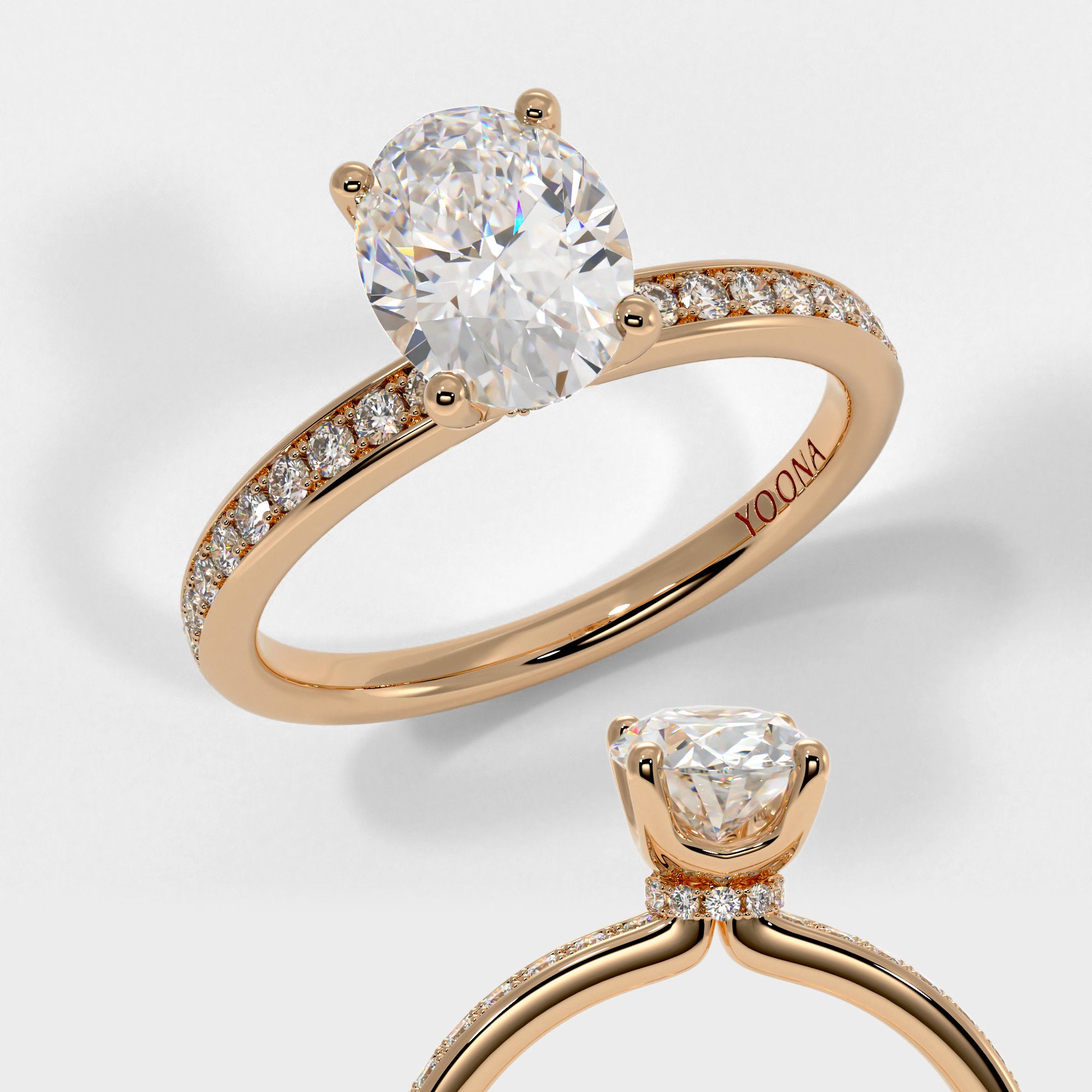
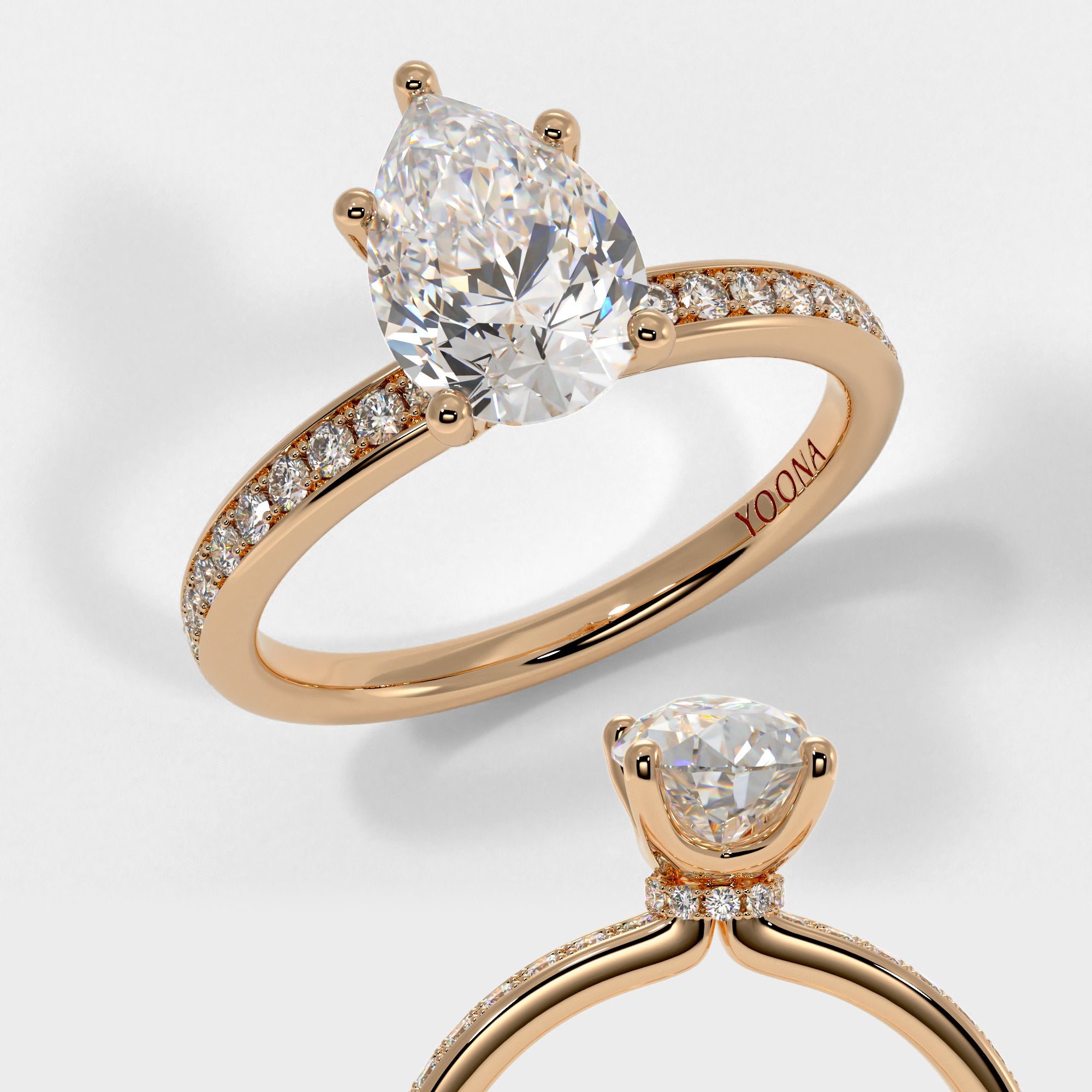
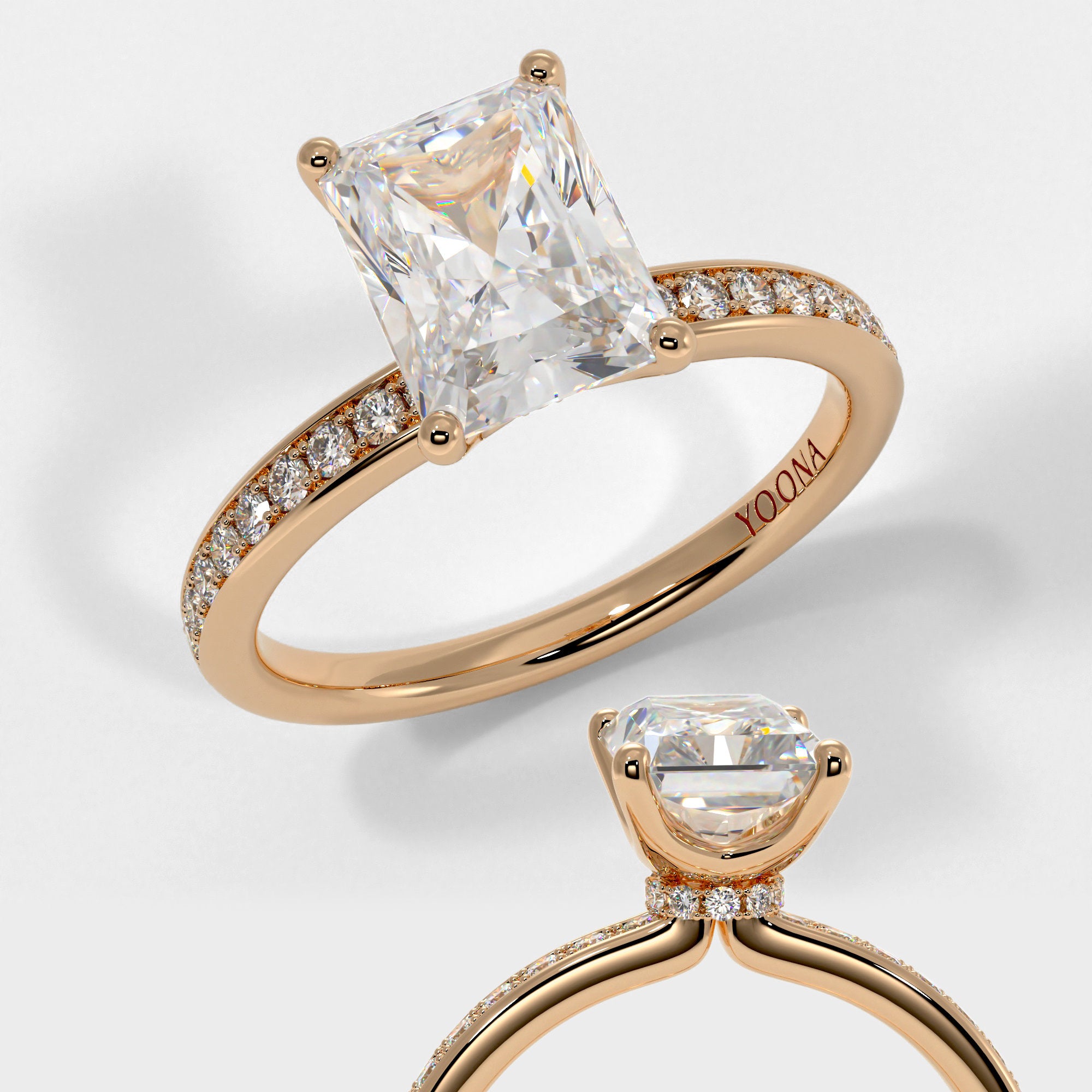
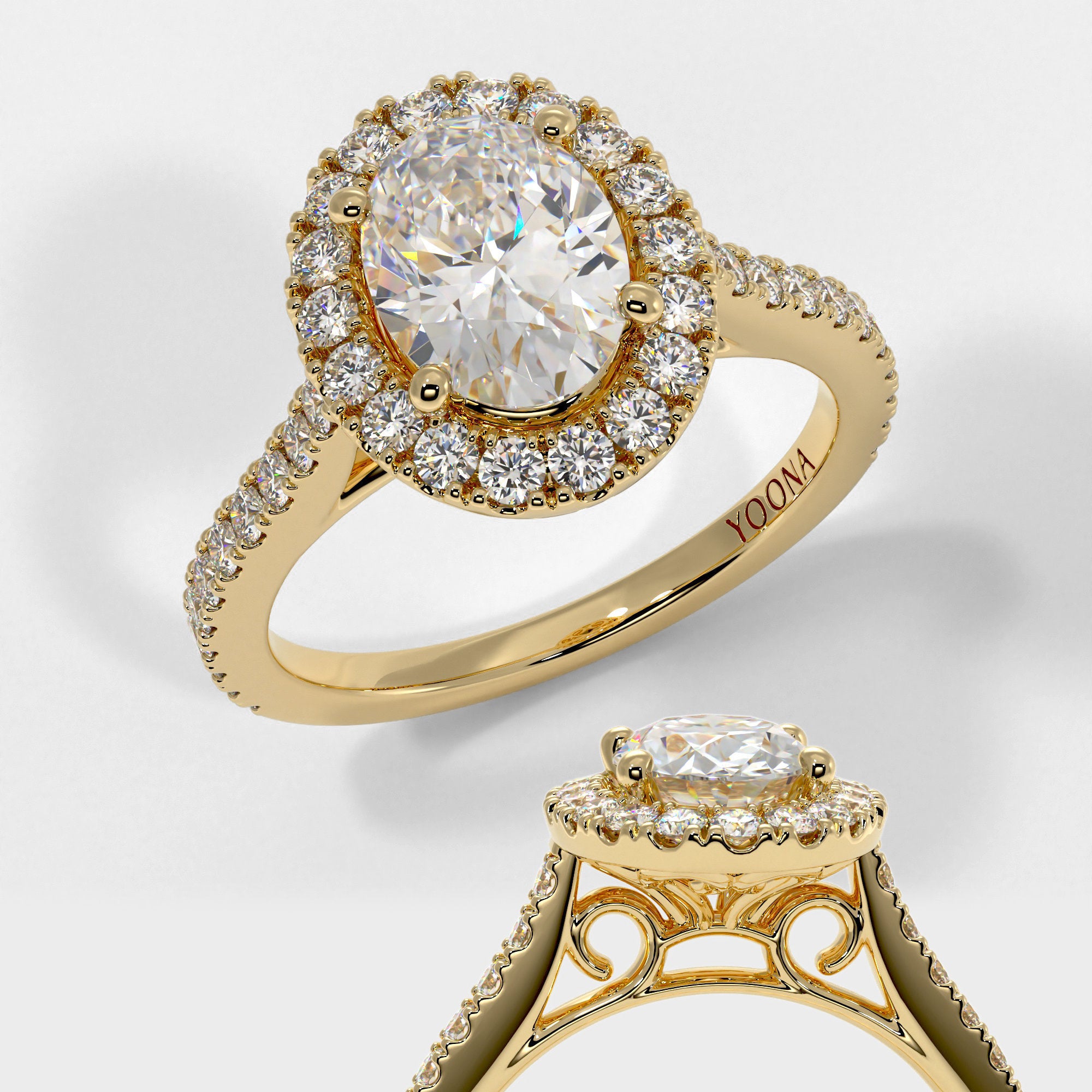
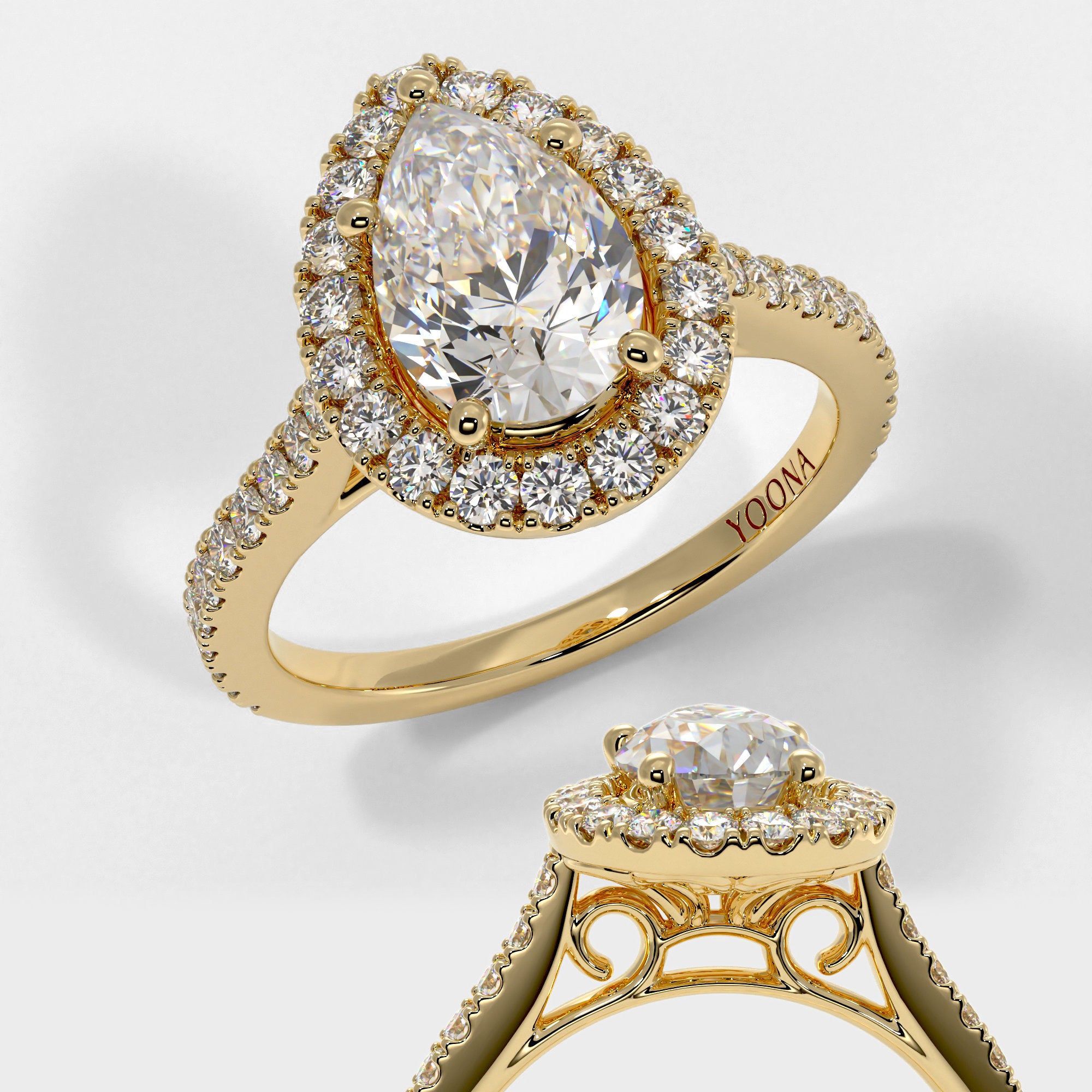
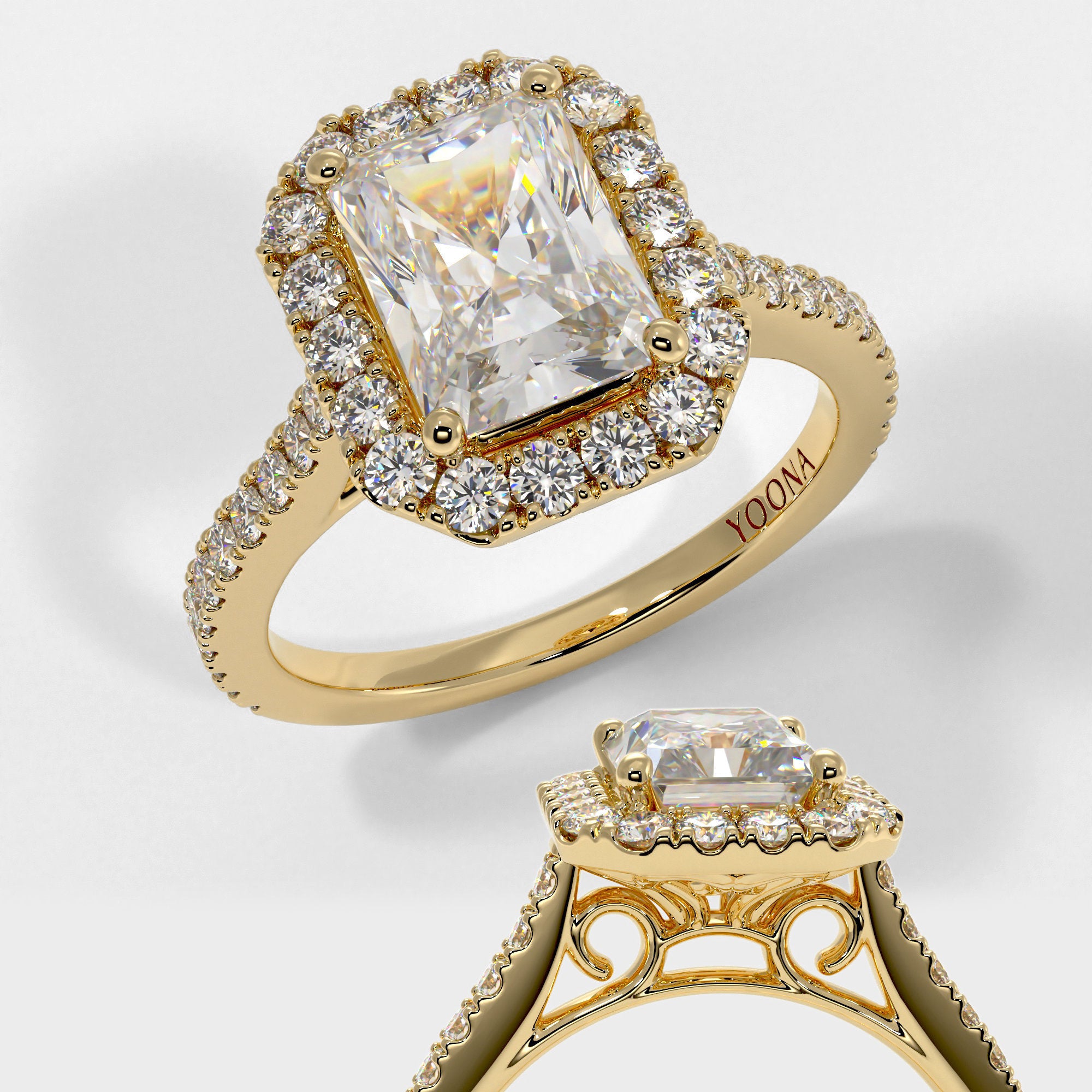
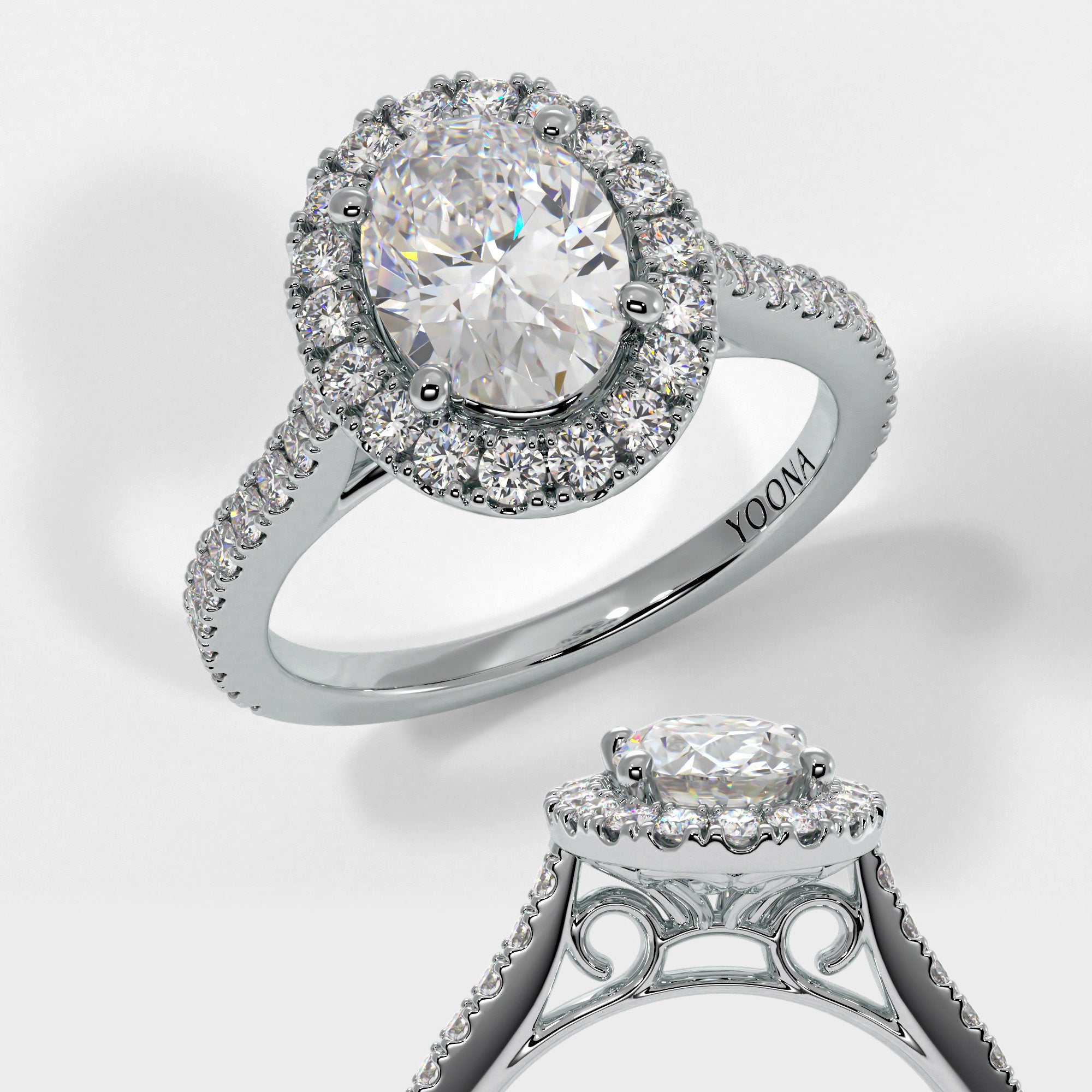
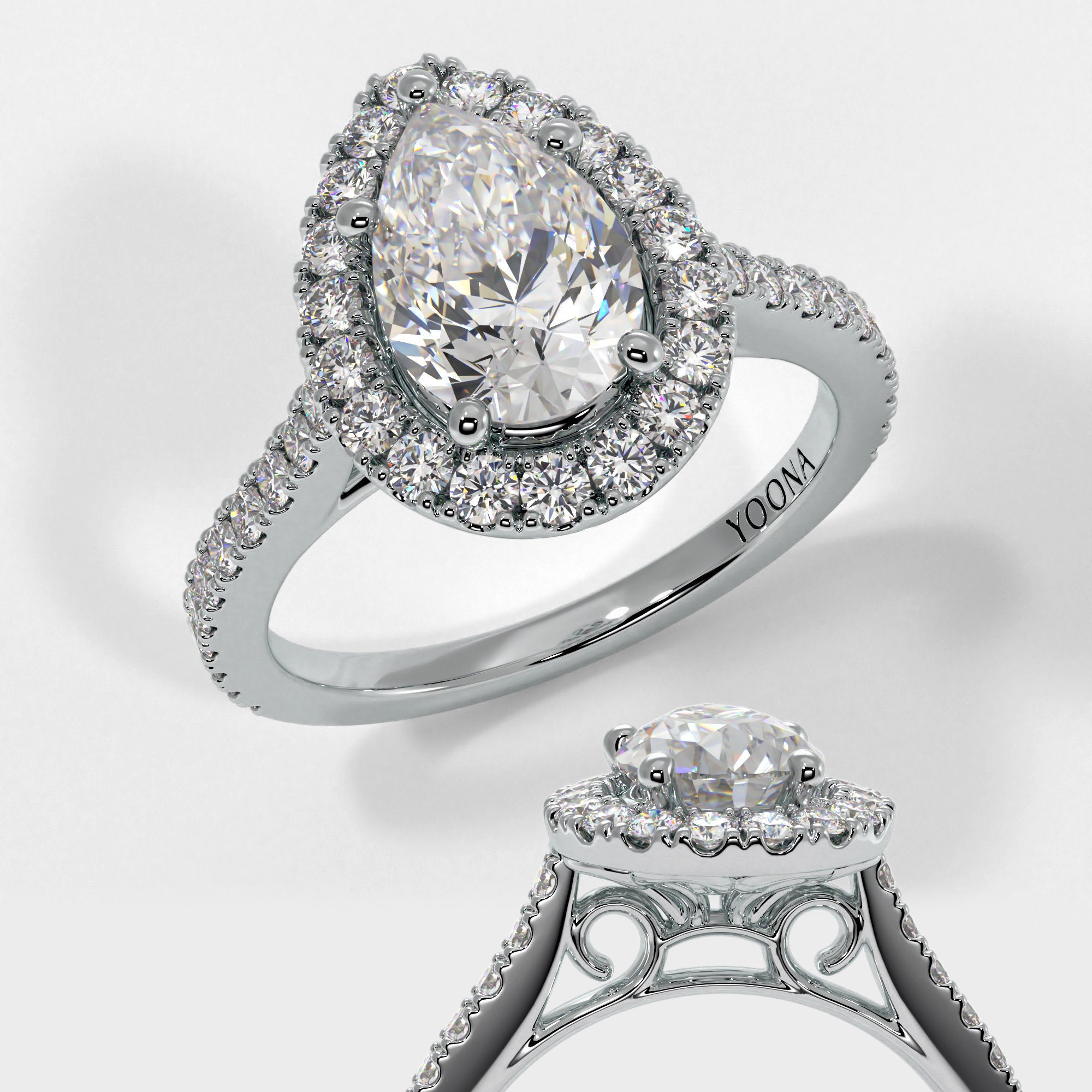
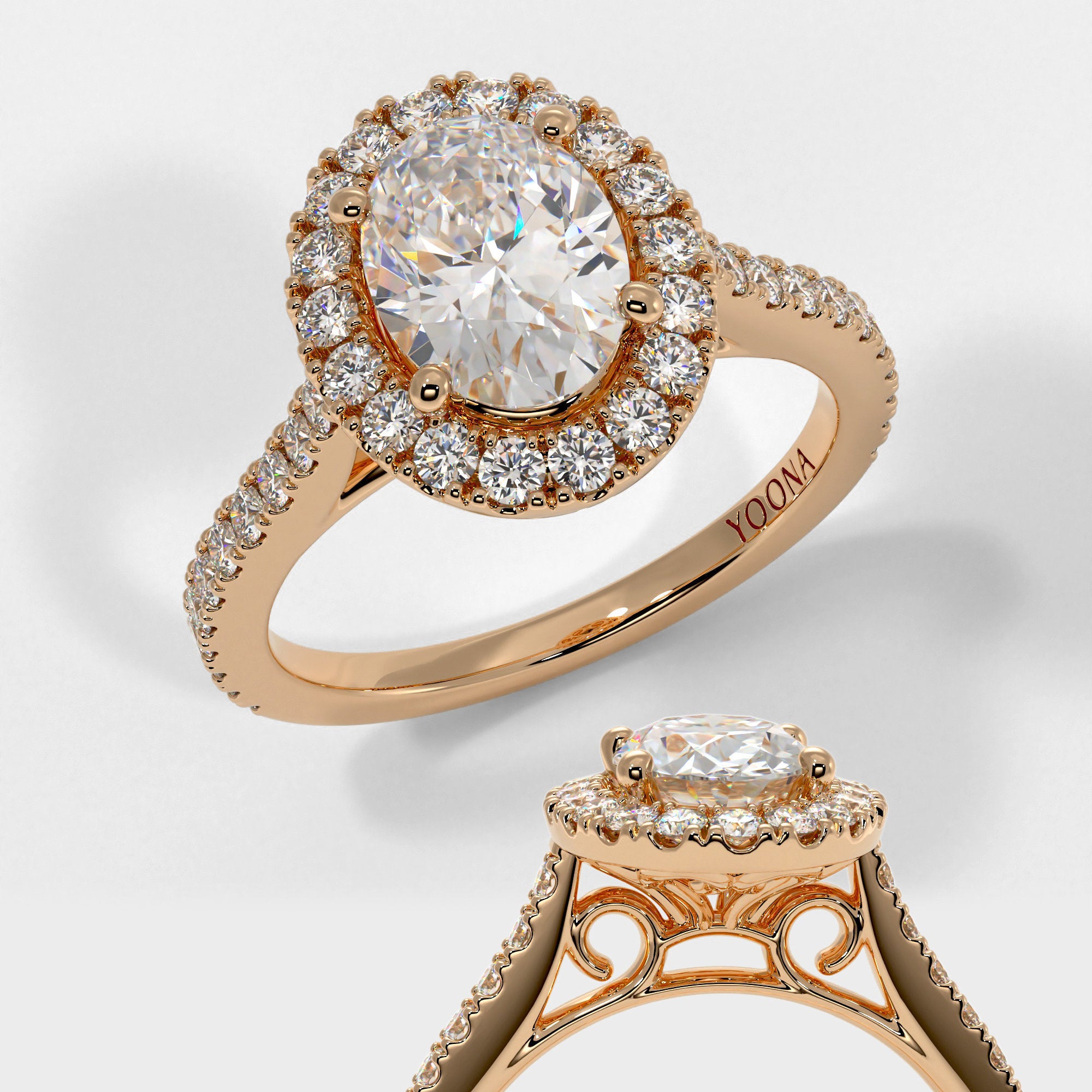
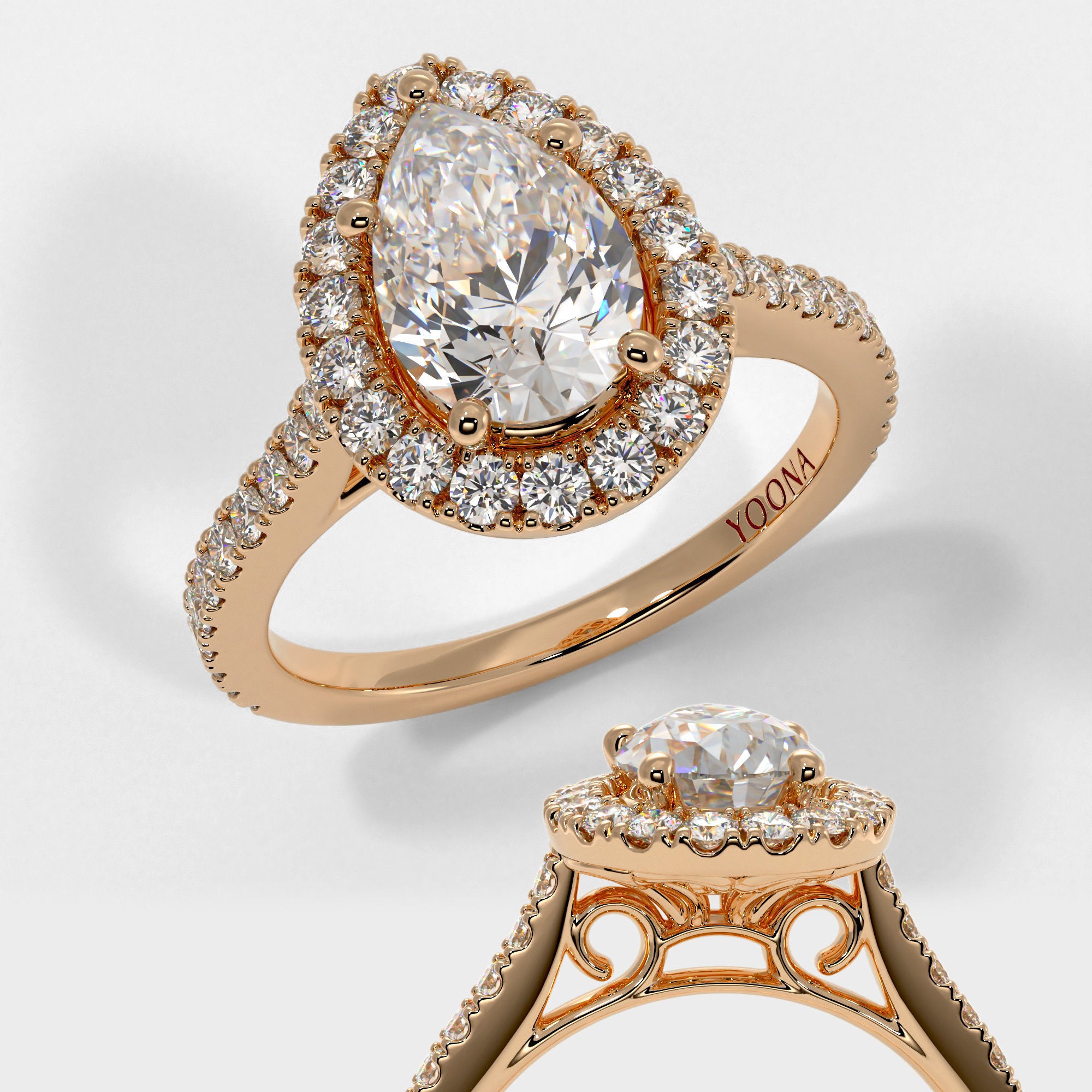
- Shape and spread: elongated shapes like oval, marquise, pear, and emerald spread more surface area for the same weight as a round.
- Depth: a diamond cut too deep hides weight in the pavilion, where you can't see it.
- "Magic sizes": pricing jumps disproportionately at round numbers — 0.50, 0.75, 1.00, 1.50, 2.00ct. A 0.97ct diamond is visually indistinguishable from a 1.00ct to everyone but an appraiser with a scale, and often costs noticeably less.
How the 4Cs actually trade off against each other
Quick answer: If you're trimming budget, cut last. Trim carat first, then color if your metal allows it, then clarity.
Priority order for how a diamond actually looks, most to least important:
- Cut — never go below Very Good
- Clarity — VS1–VS2 is functionally invisible
- Color — matters most in white metals, less in yellow or rose gold
- Carat — the most flexible; shape and cut recover visual size
Common questions this usually raises
Does a higher grade always look better in person?
Not necessarily. A well-cut VS2 will often outperform a poorly cut VVS1. Grade is one input — cut quality matters more for how a diamond looks on a finger.
If I can't see a difference, why do certificates matter at all?
Because the certificate verifies the grade independently of the seller. It protects you for insurance, appraisal, or resale, regardless of what you personally can detect.
Do the 4Cs work differently for lab-grown diamonds?
No. Lab-grown diamonds are graded on the same GIA and IGI scales as mined diamonds, because they're chemically and optically identical. The only difference is what's achievable at a given price point.
Why we built the Eternal Diamond standard this way
Once you understand the trade-offs above, "the best diamond" stops being a mystery and becomes a budget decision you're making on purpose. We set our own standard using this exact priority order, not the other way around.
- Cut: Very Good to Excellent, no exceptions. This is the one C with zero room to compromise, so it's the one we never compromise on, regardless of size or price point.
- Clarity: VS1–VVS1. We stop at the point where eye-clean is guaranteed, rather than chasing Flawless. Past that line, you're paying for certificate language no one will ever see.
- Color: D–F. We set this at colorless because we wanted every stone to look equally exceptional in platinum and white gold, not just in warmer metals where a lower grade could hide.
- Carat: left to you. This is the one C that's genuinely personal, so it's the one variable we don't standardize.
Every Eternal Diamond is held to this because it's the range that survives every trade-off above, not because a higher number sounds better in a headline.